Minnesota Prairie Roots

Writing and photography by Audrey Kletscher Helbling

Visiting a Red Wing bluff sacred to the Dakota November 19, 2025

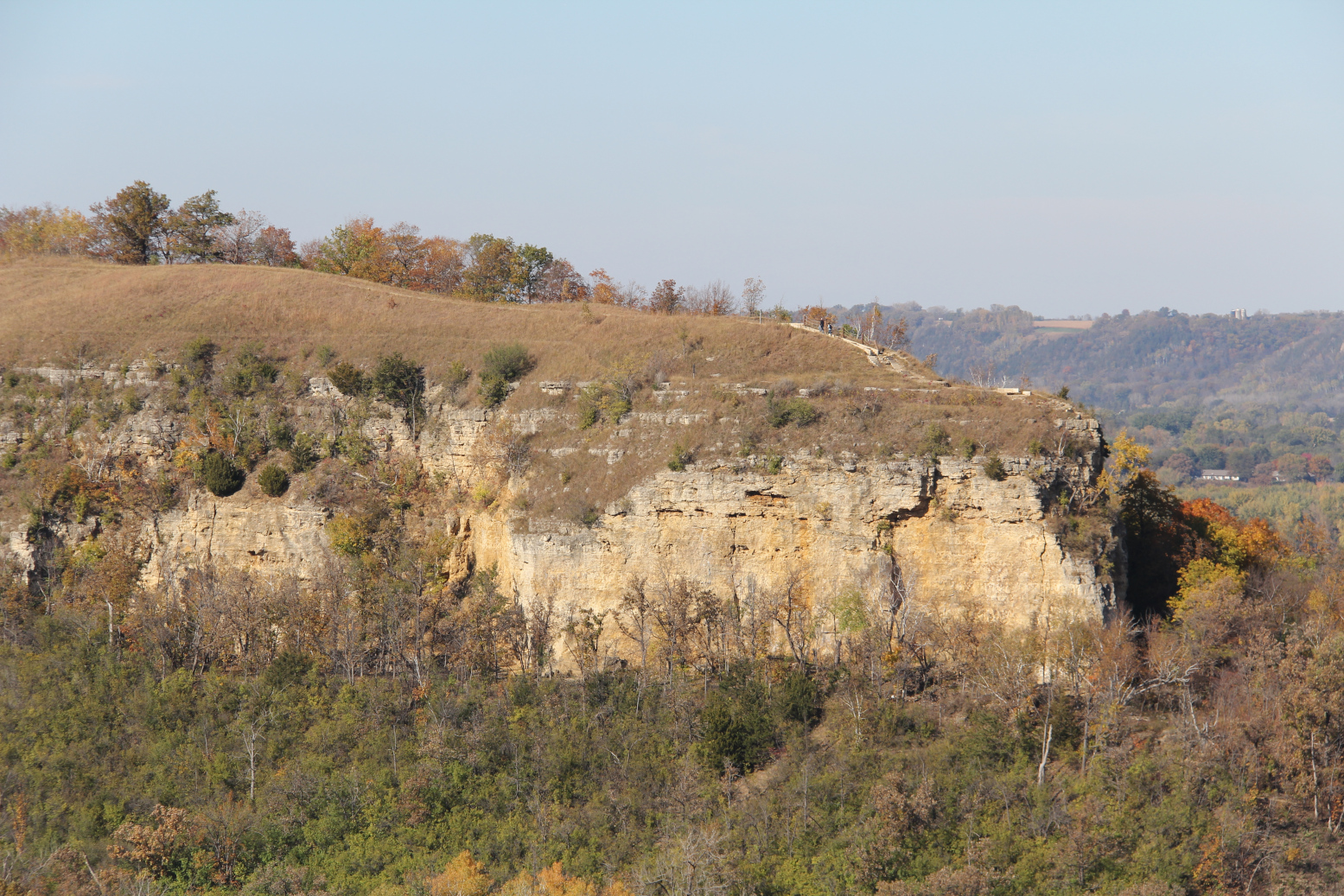
Barn Bluff in Red Wing as photographed from Sorin’s Bluff in Memorial Park. Zoom in and you will see people on a path atop the bluff. (Minnesota Prairie Roots copyrighted photo October 2025)

AT THE BASE of He Mni Caɳ, also known as “Barn Bluff,” I contemplated whether to climb the 340-foot cliff rising high above the Mississippi River in southern Minnesota. It seemed like a good idea when Randy and I were considering just that on our drive from Faribault to Red Wing recently. But reality set in once we found the bluff, started up a steep pathway and determined that this might be a little much for two people pushing seventy. My vision issues and fear of heights also factored into discontinuing our hike.
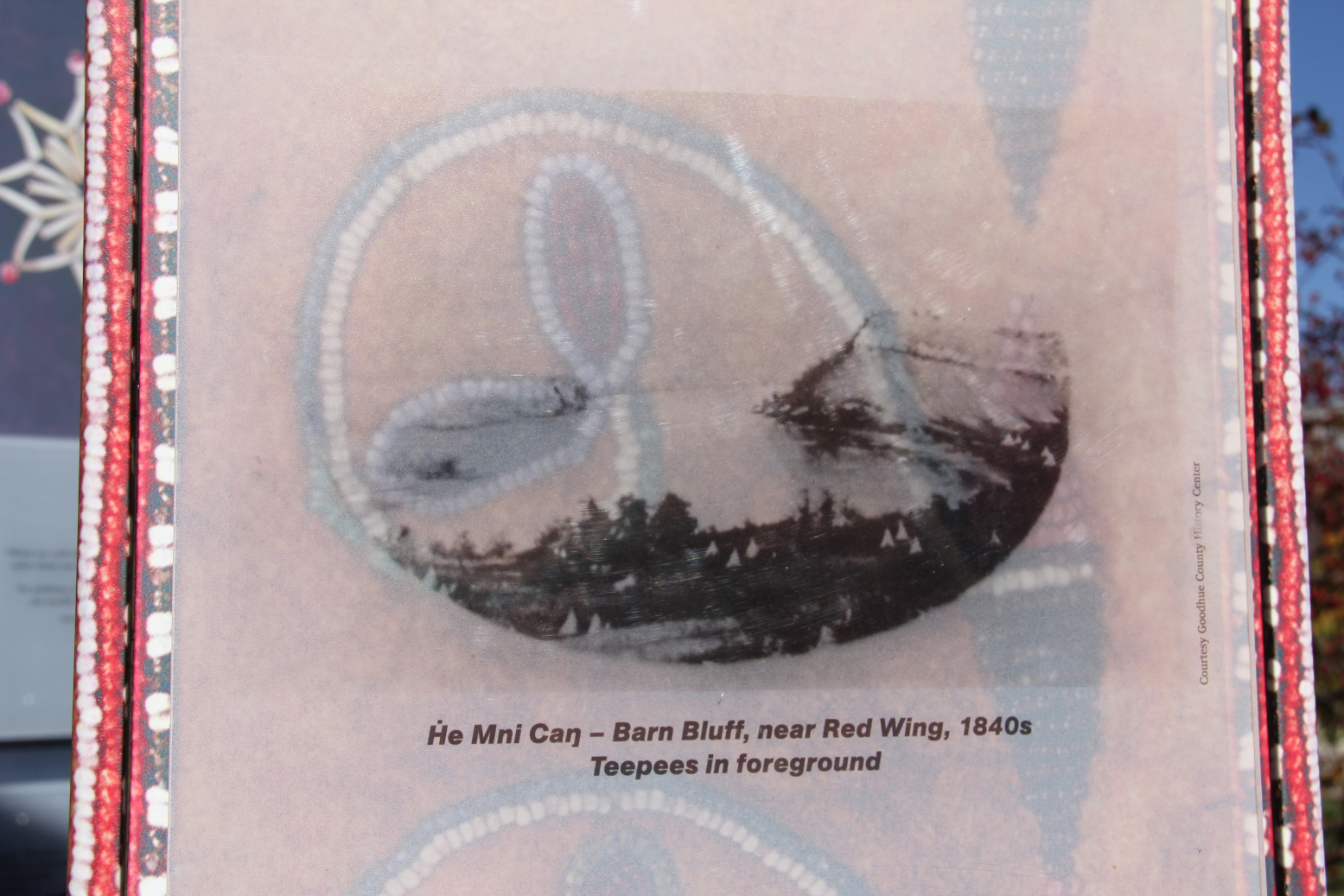
An historic photo in an informational plaza shows teepees at the bluff’s base, circa 1840s. (Minnesota Prairie Roots copyrighted photo October 2025)

While disappointed, I was still thankful we were here because He Mni Caɳ holds historical, cultural and sacred significance for the Bdewakantunwan Dakota Oyate, the Indigenous Peoples who originally inhabited this land. They lived on land below and around the bluff on the site of current-day Red Wing. They held ceremonies and rituals atop the bluff, also used for burial, shelter from enemies and more. This was, and always has been, a sacred place to the Dakota.
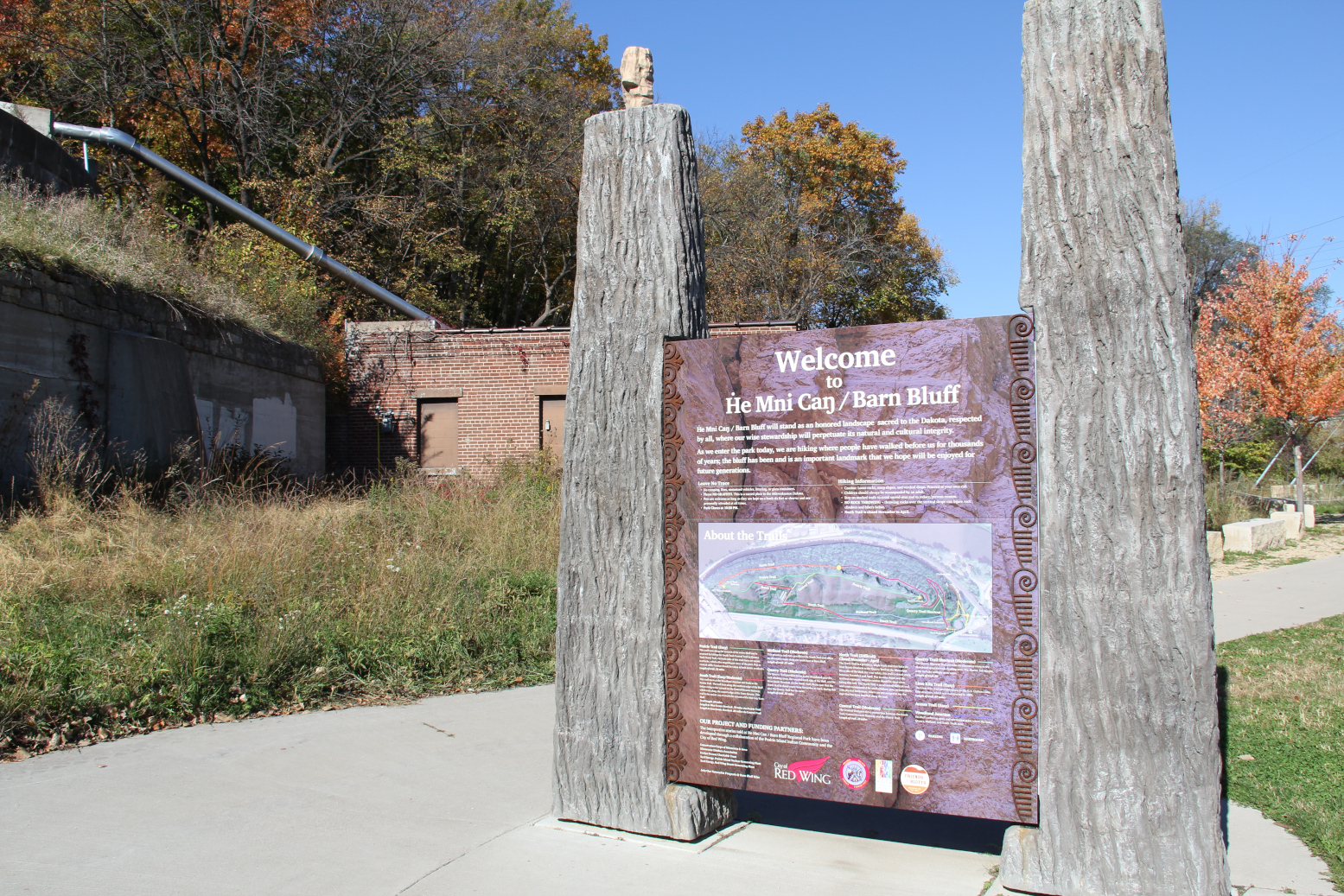
This sign welcomes visitors to Barn Bluff. (Minnesota Prairie Roots copyrighted photo October 2025)

That message is shared in an Entrance Plaza to He Mni Caɳ. There storytelling markers and seven towering pillars reveal details about this place and its importance to Native Americans. Via images, words and art, I began to learn, to understand. By learning, I am also honoring National Native American Heritage Month celebrated in November.
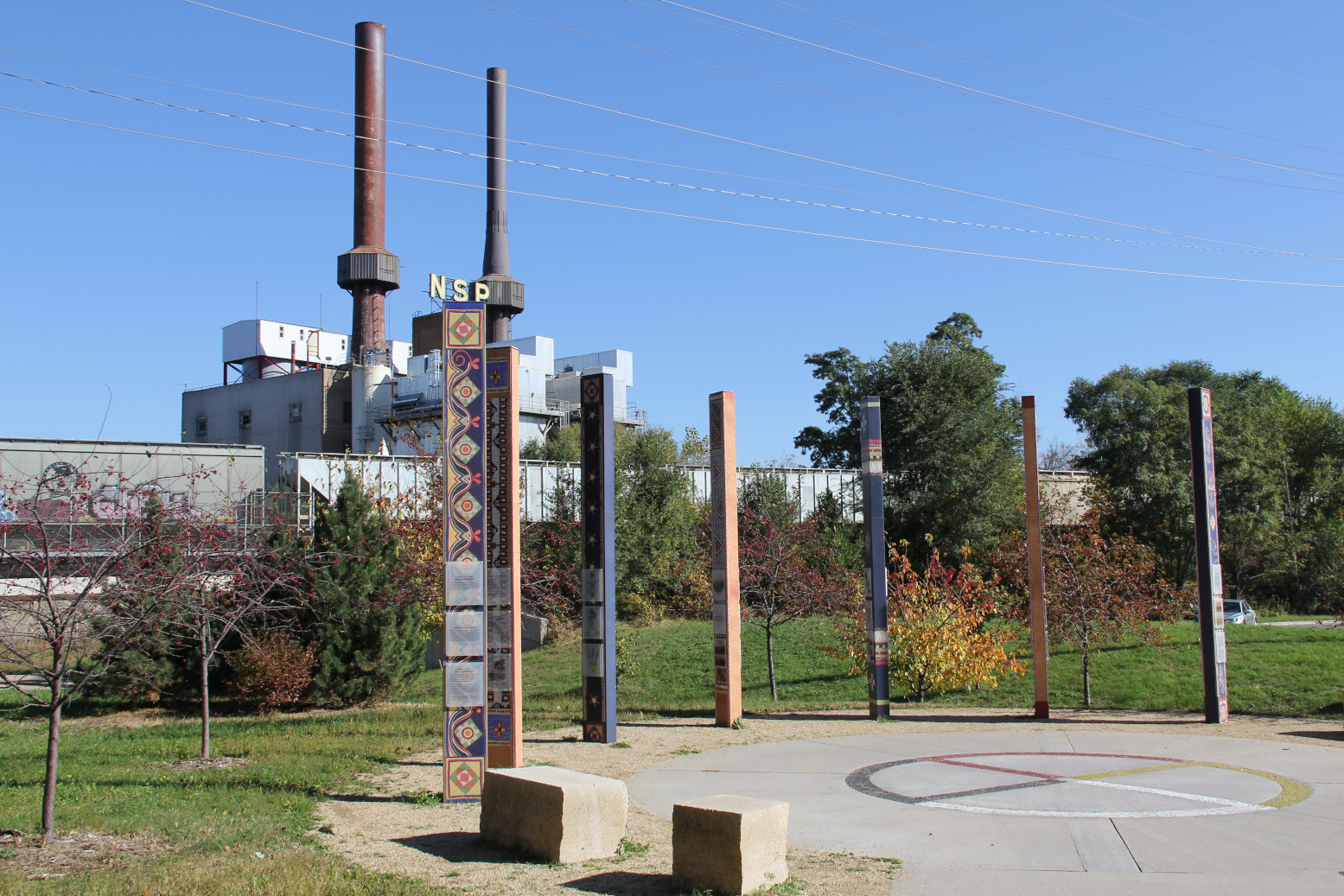
An overview of the seven columns rimming a center plaza at the base of Barn Bluff. That’s an aged power plant in the background. (Minnesota Prairie Roots copyrighted photo October 2025)

I admittedly did not read every single word and somehow missed noticing the buttons to push on the storytelling markers that would allow me to hear the spoken Dakota language. But I still gathered enough information, enough story, to recognize the value of this land to the Dakota and the respect we should all hold for them, their history and the sacred He Mni Caɳ, which is on the National Register of Historic Places.
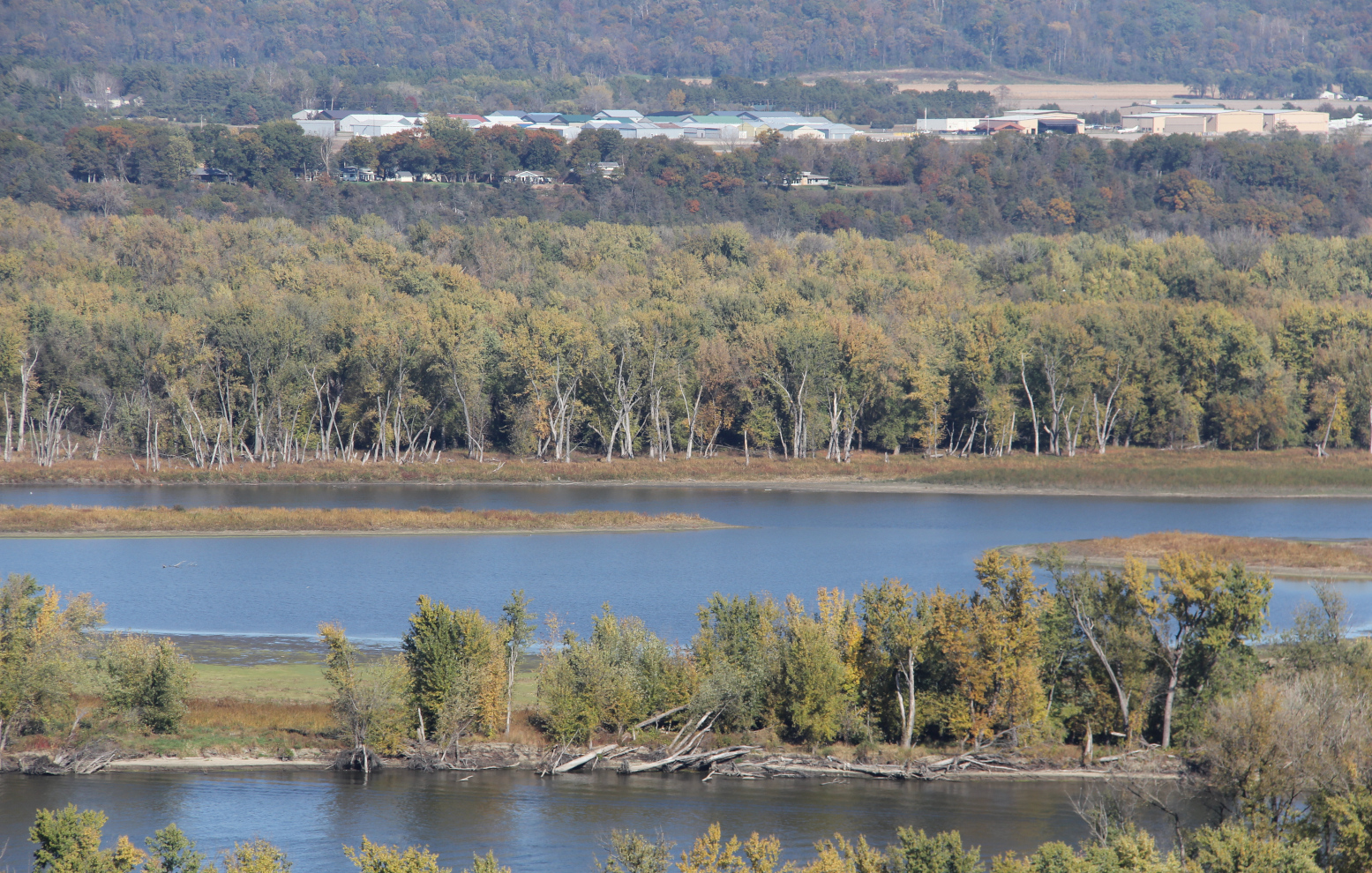
The Mississippi River Valley is a place of remarkable natural beauty, here photographed from atop Sorin’s Bluff in Memorial Park. (Minnesota Prairie Roots copyrighted photo October 2025)

The city of Red Wing and the nearby Prairie Island Indian Community have partnered to preserve and honor this place along the Mississippi following the guiding principles of heal, sustain, educate and honor. I saw that and read that in the plaza.
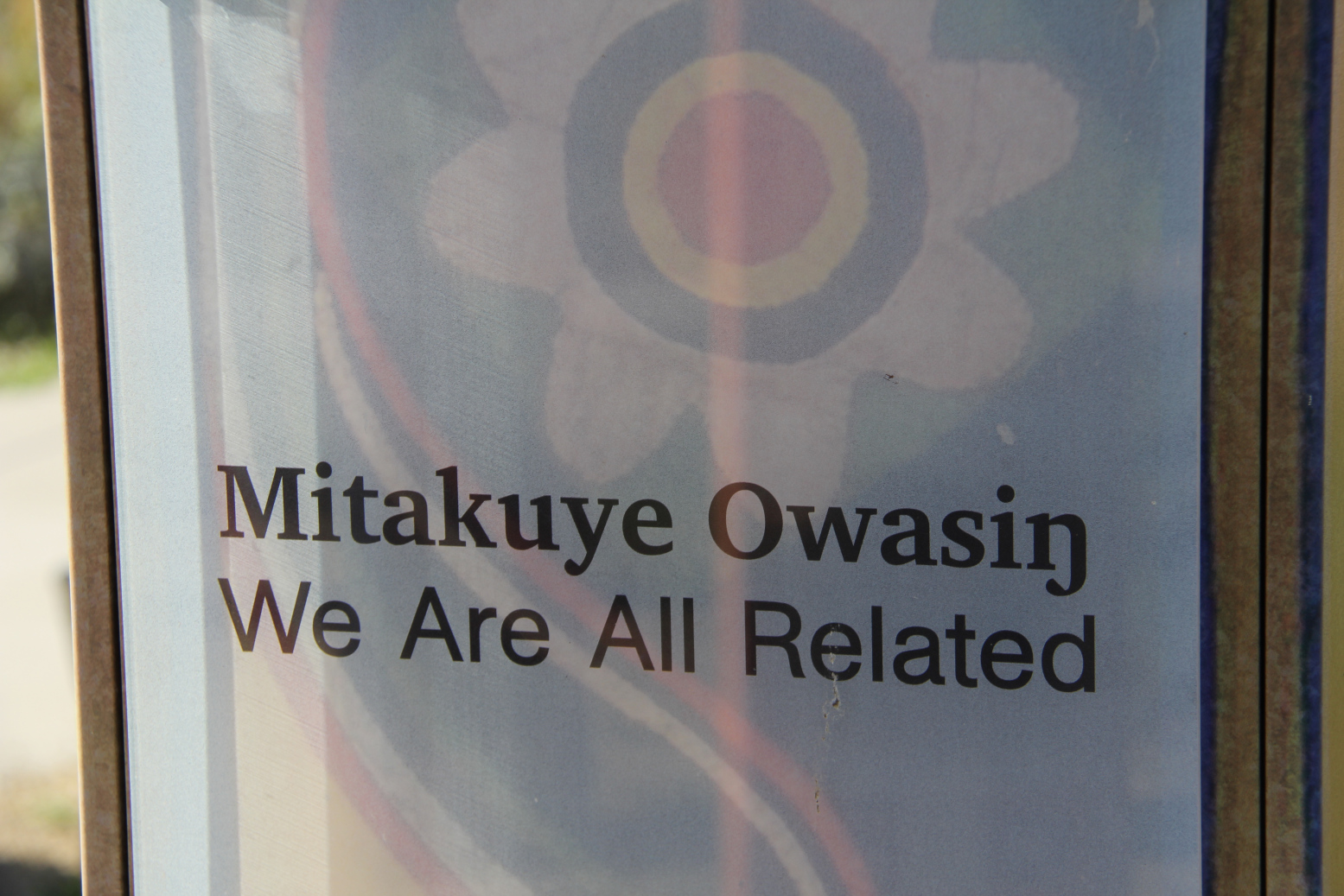
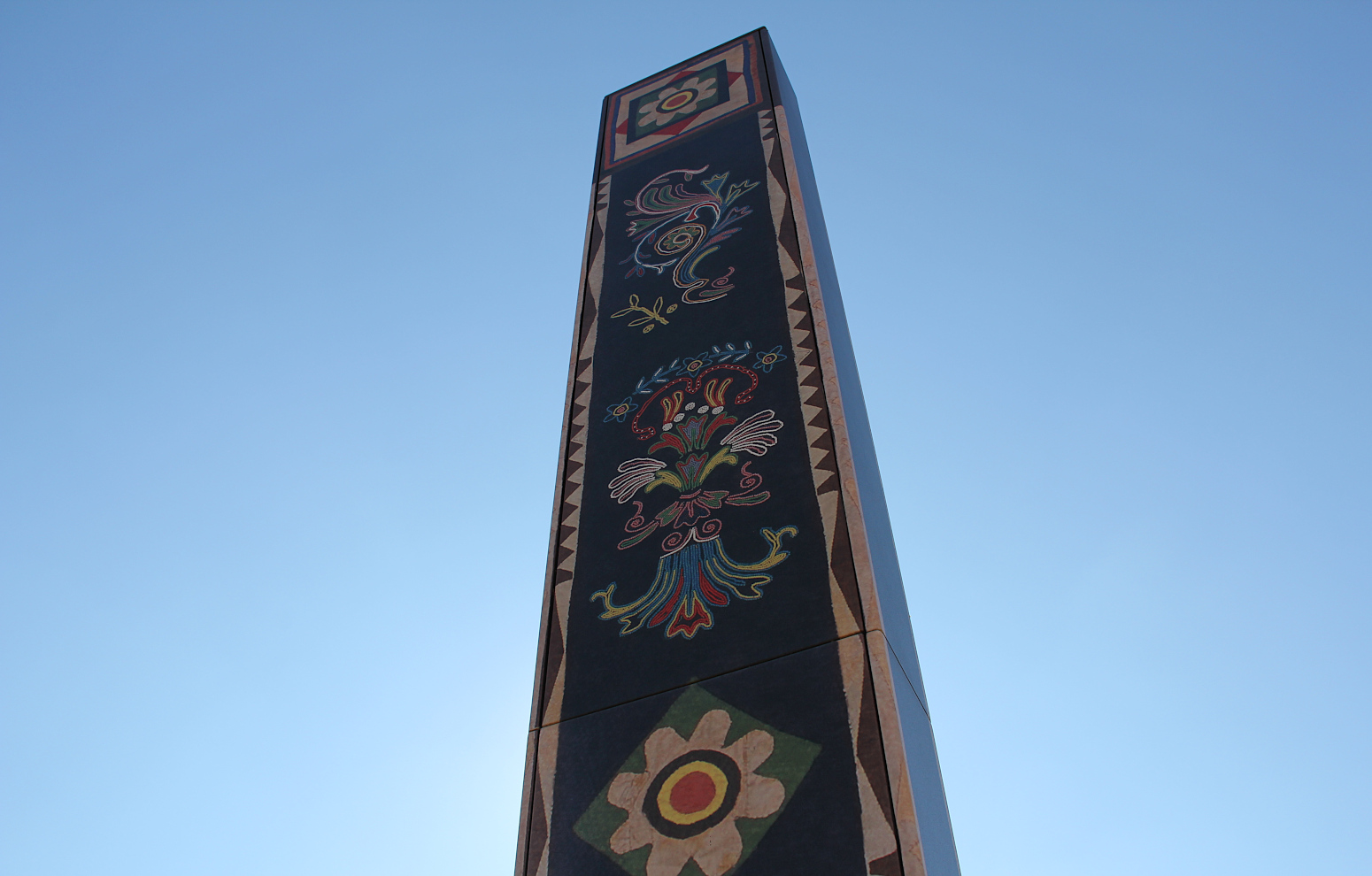
A message highlighted on a plaza column. (Minnesota Prairie Roots copyrighted photo October 2025)
The pillars feature traditional Dakota patterns. (Minnesota Prairie Roots copyrighted photo October 2025)
Strong words on a storytelling marker. (Minnesota Prairie Roots copyrighted photo October 2025)

As I viewed the historic Dakota patterns on the seven plaza columns and walked around this history circle reading and photographing, words and phrases popped out at me: We are all related. Interconnectedness. Kinship and a shared landscape. If only, I thought, we would all hold those words close, remember them in our differences, remember them in our relationships with each other and with the earth, remember them in our struggles and disconnect.

A sculptured head tops a storytelling marker. (Minnesota Prairie Roots copyrighted photo October 2025)

The city of Red Wing is named after Tatanka Mani (“Walking Buffalo”), long ago leader of the Mdewakanton Dakota in the upper Mississippi River Valley. Early immigrants who settled in the area gave him that name. Tatanka Mani helped shape the history of this region through his decisions and leadership. He was clearly connected to his people, to the non-Natives who arrived here, and to the land.
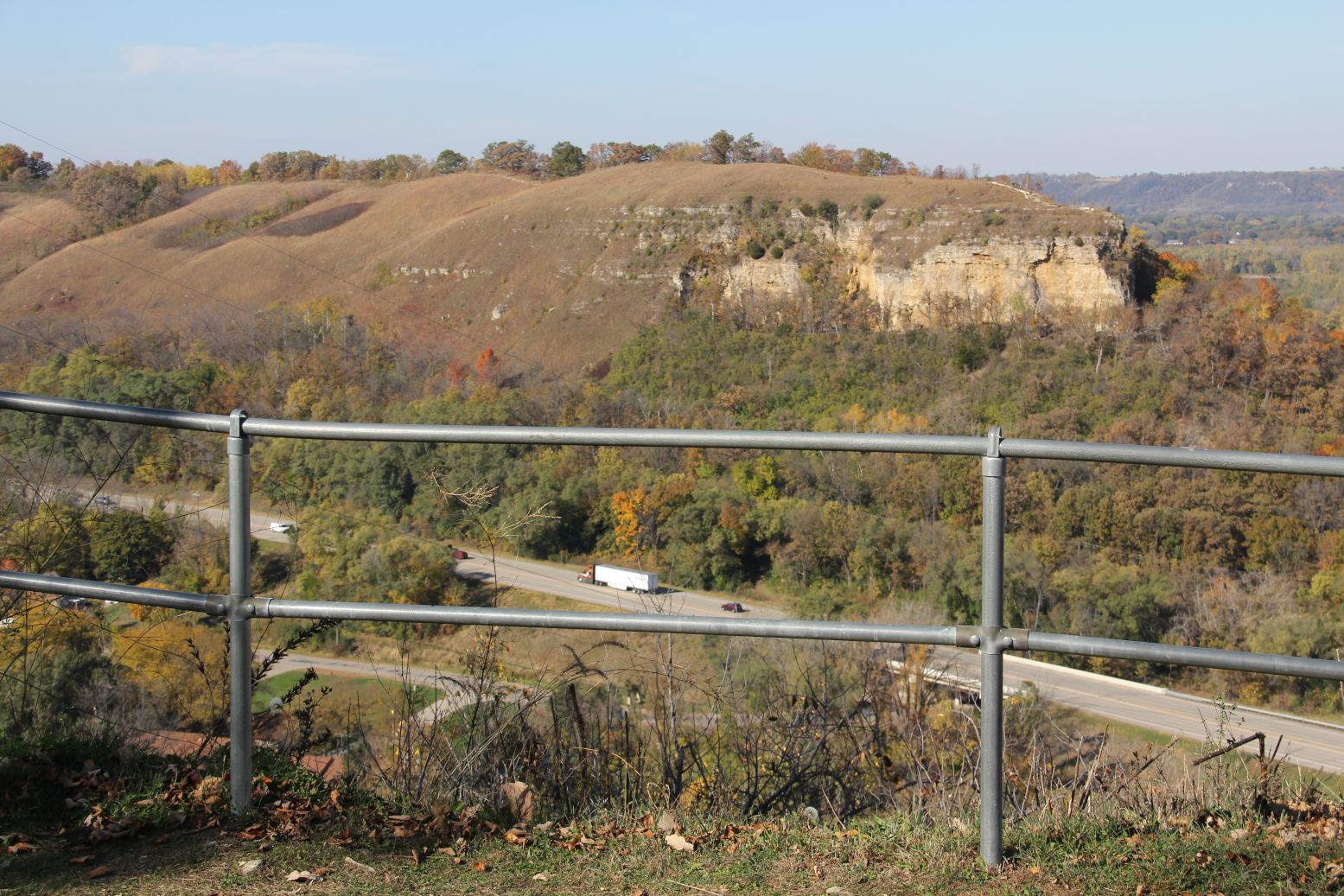
A current-day view of Barn’s Bluff from high atop Sorin’s Bluff. (Minnesota Prairie Roots copyrighted photo October 2025)

Today He Mni Caɳ/Barn Bluff remains a major attraction in Red Wing, just as it was years ago for those traveling the river, exploring the region. Henry David Thoreau, Henry Schoolcraft and Zebulon Pike are among the countless who viewed the river and river valley below from atop the bluff.
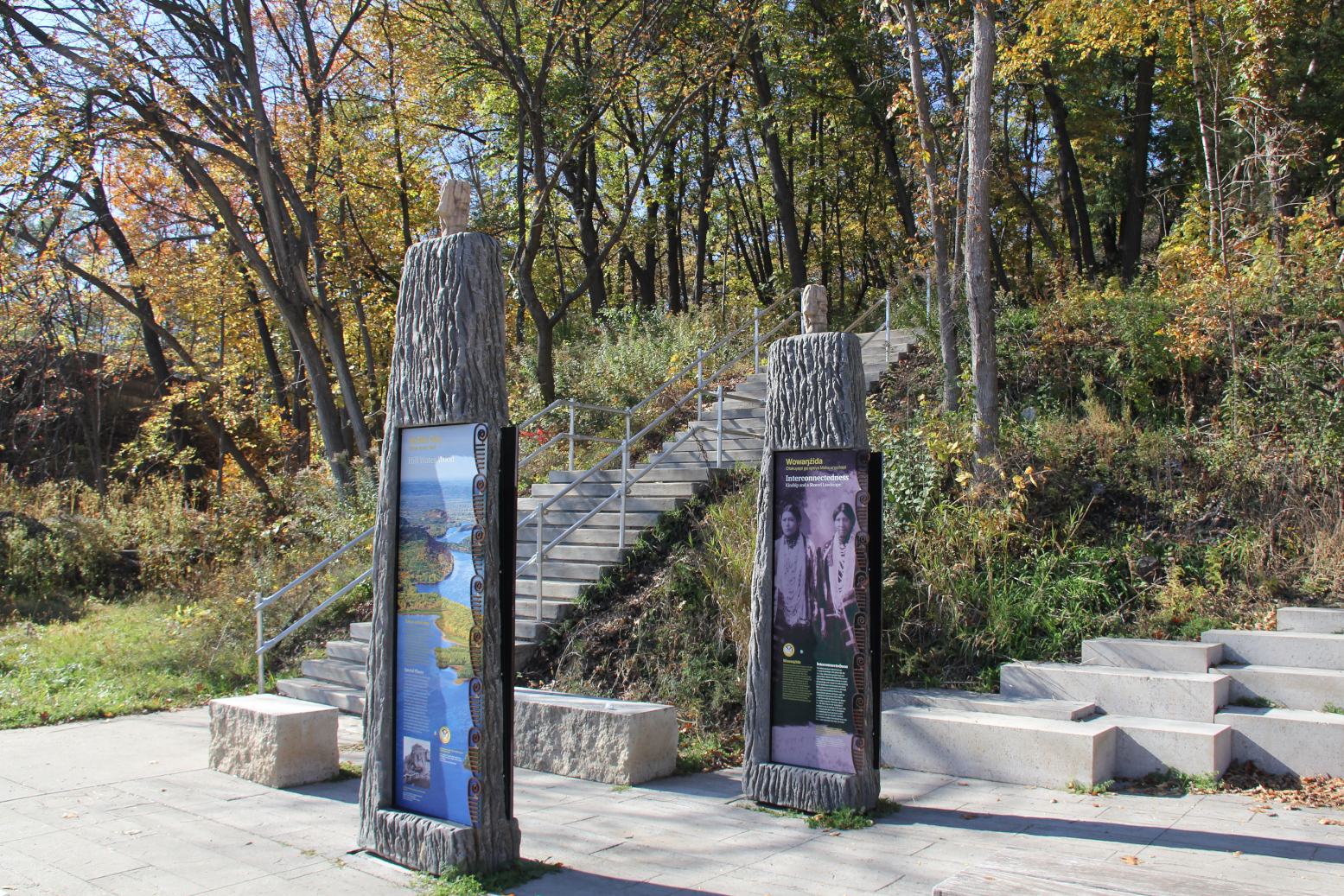
Two of the storytelling markers at the entrance plaza and steps leading to paths that take hikers onto and up the bluff. (Minnesota Prairie Roots copyrighted photo October 2025)

But not me. I was content to stand at its base, to take in the history shared there. And then later to view the bluff from Sorin’s Bluff in Memorial Park, a park with a road leading to the top. Even then I settled for a partial ascent, because I’d had enough of heights on this day when He Mni Caɳ challenged me and I learned the history of this sacred place.

© Copyright 2025 Audrey Kletscher Helbling


Left behind November 23, 2020

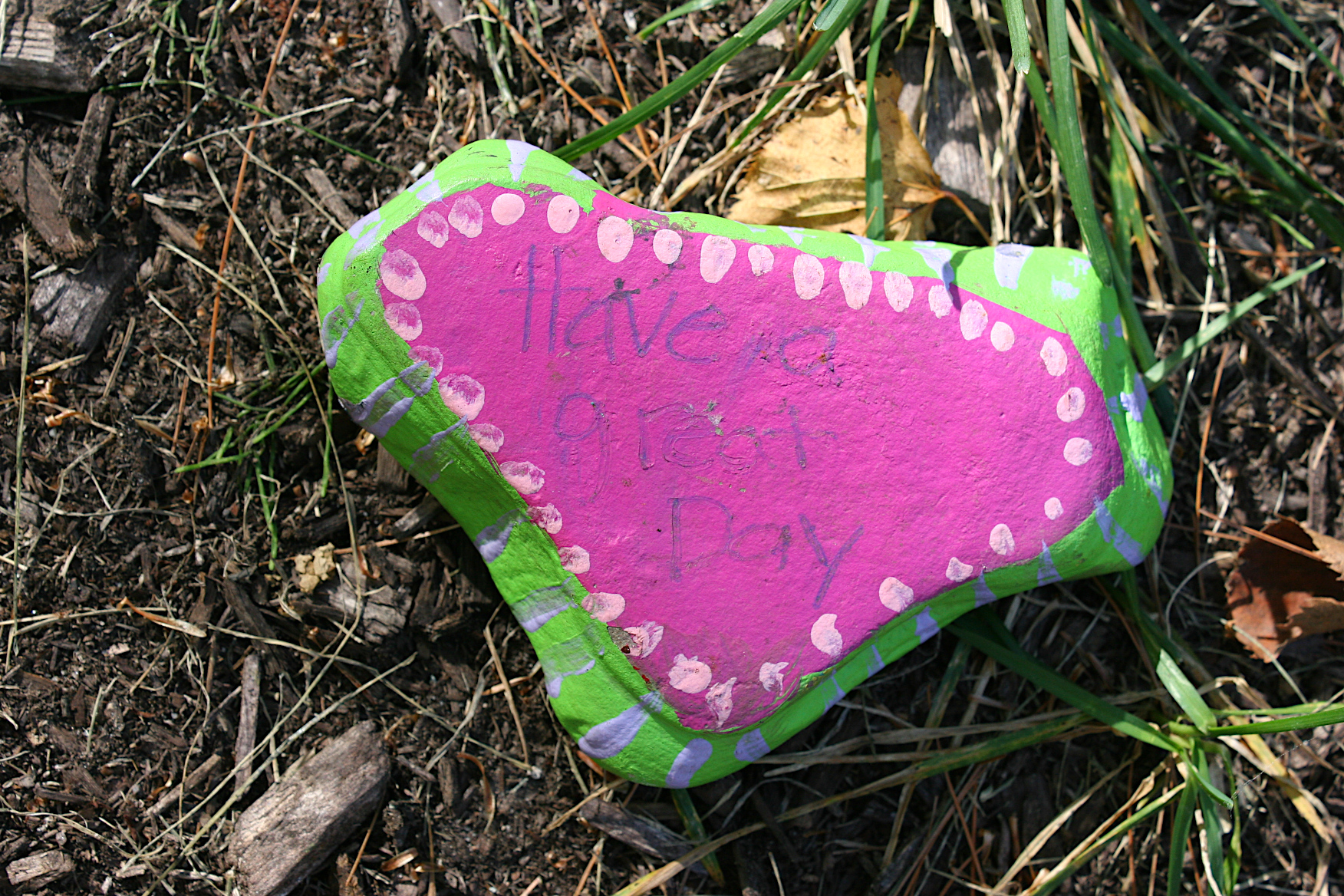
I found this kindness rock lying on the ground in Nisswa Lake Park. Minnesota Prairie Roots file photo September 2020.

I LOVE FINDING KINDNESS STONES. I appreciate the effort an artist or wordsmith takes to craft a message, add some art and then drop the stone in a public place. Each time I discover these sweet surprises, I feel uplifted. And I wonder about the individual inspired to show such kindness.

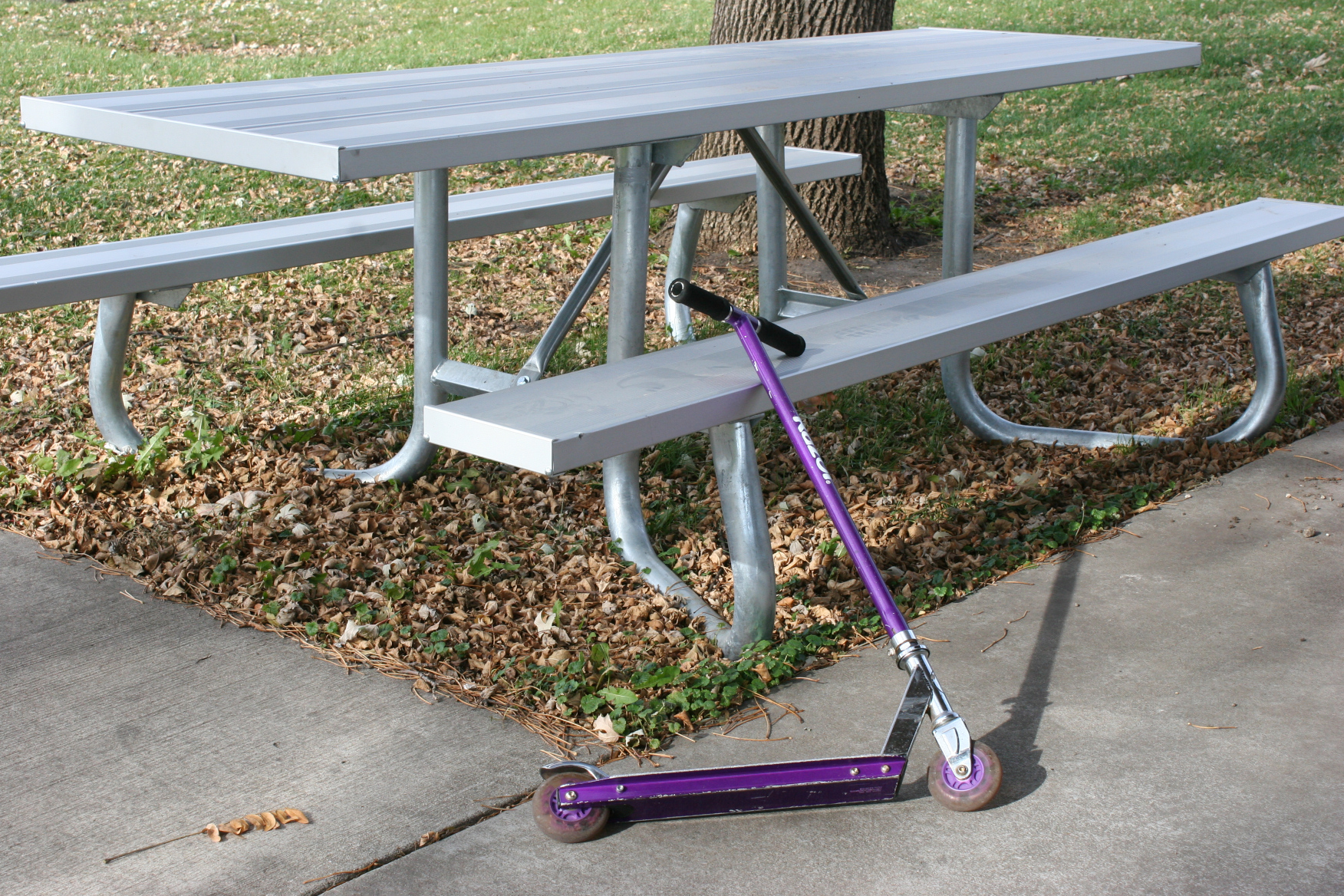
On a recent weekend, while out and about, I didn’t discover any inspirational stones. Rather I found several items left behind, the first at Medford Straight River Park. An abandoned purple scooter leaned against a picnic table in the shelterhouse near the playground with no kid in sight. As Randy and I ate our picnic lunch, a Grandma showed up with her 5-year-old granddaughter to reclaim the well-used scooter, forgotten the previous evening. How small town, I thought.

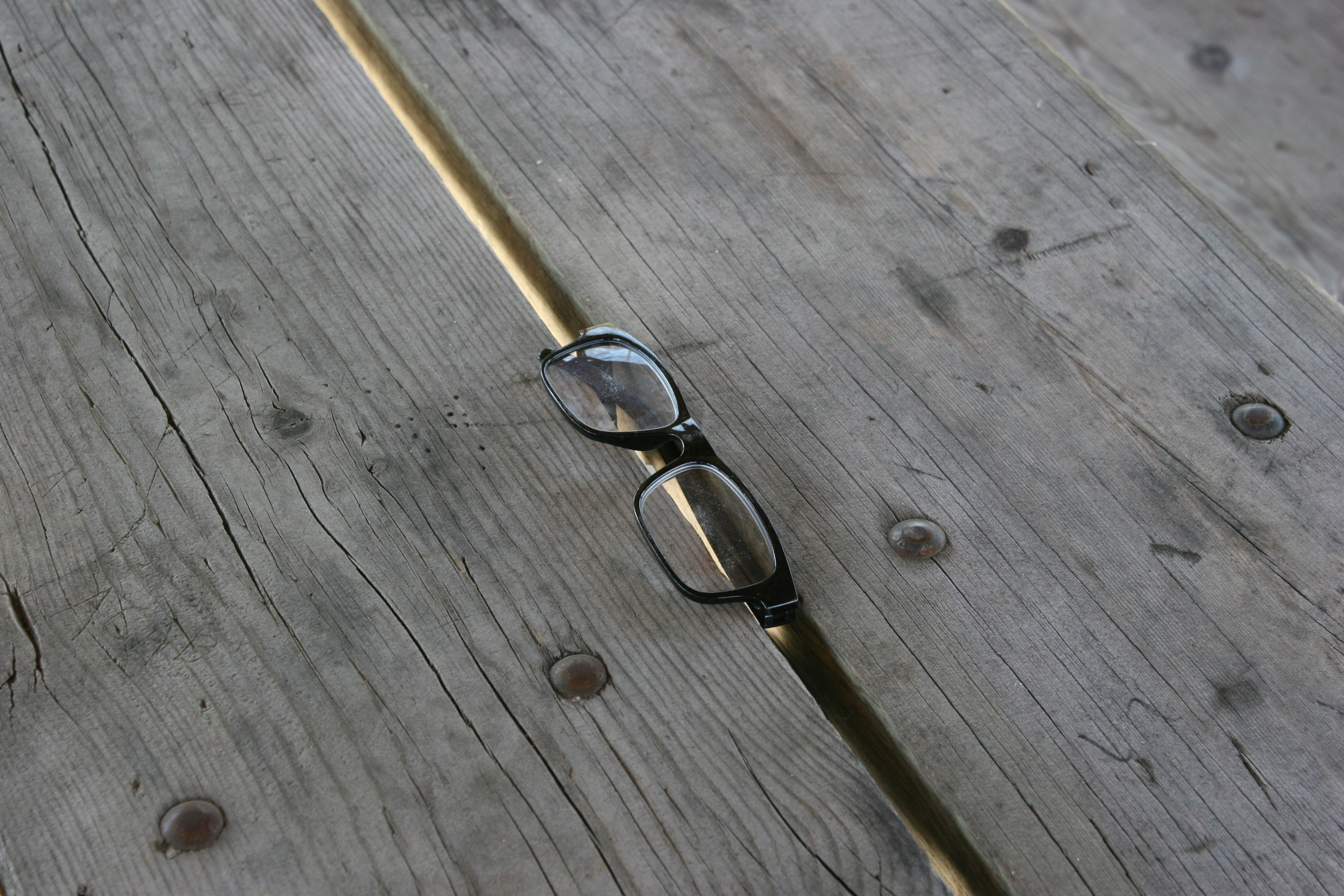
The next day, while picnicking again, this time at Mill Park in Dundas, I noted black-frame glasses stuck in the crack of a picnic table. What is it about picnic tables and stuff left behind? Now, if I’d left my glasses behind, I would struggle to see, such is the state of my vision. Randy checked and confirmed the lost glasses were cheaters. Whew.

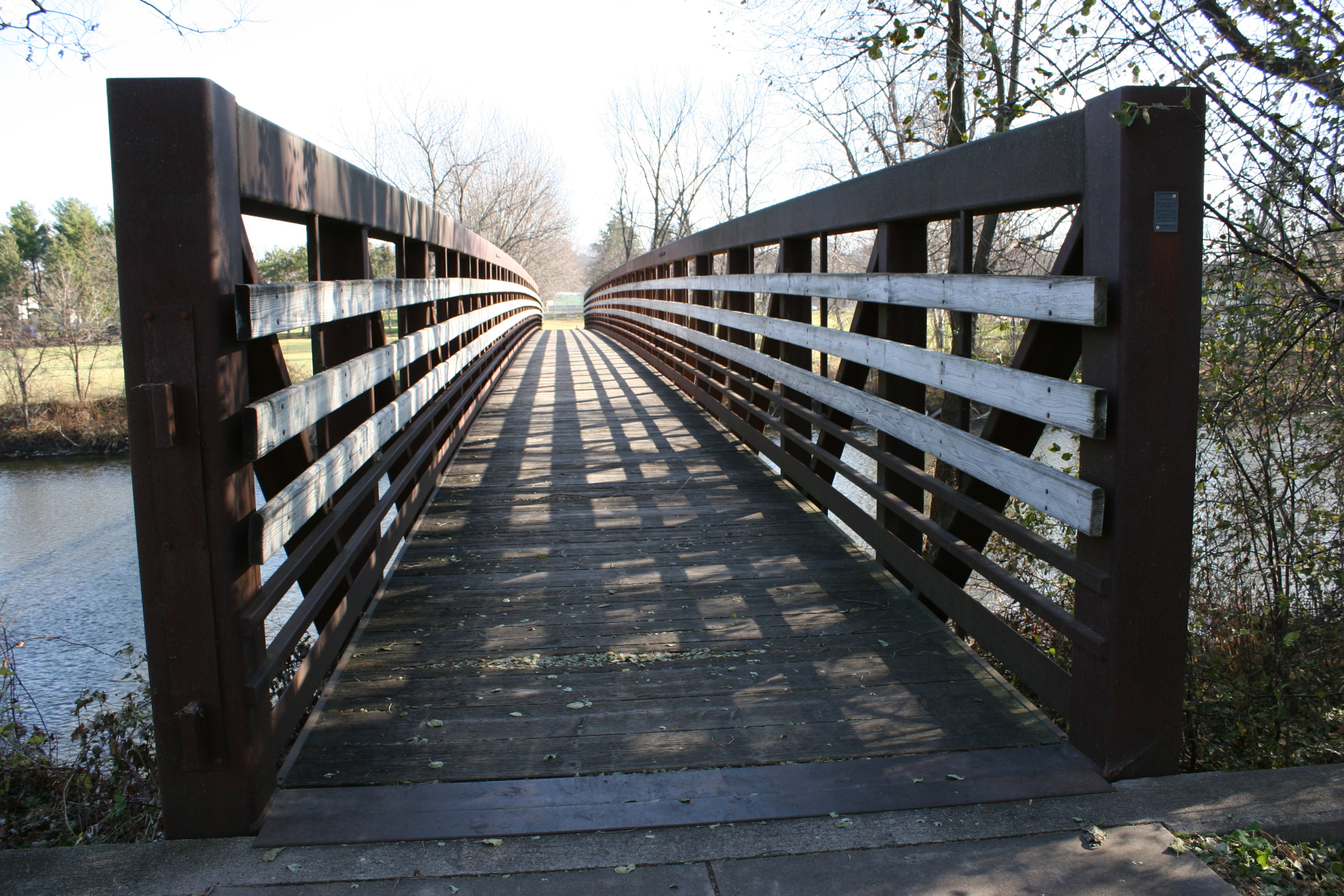
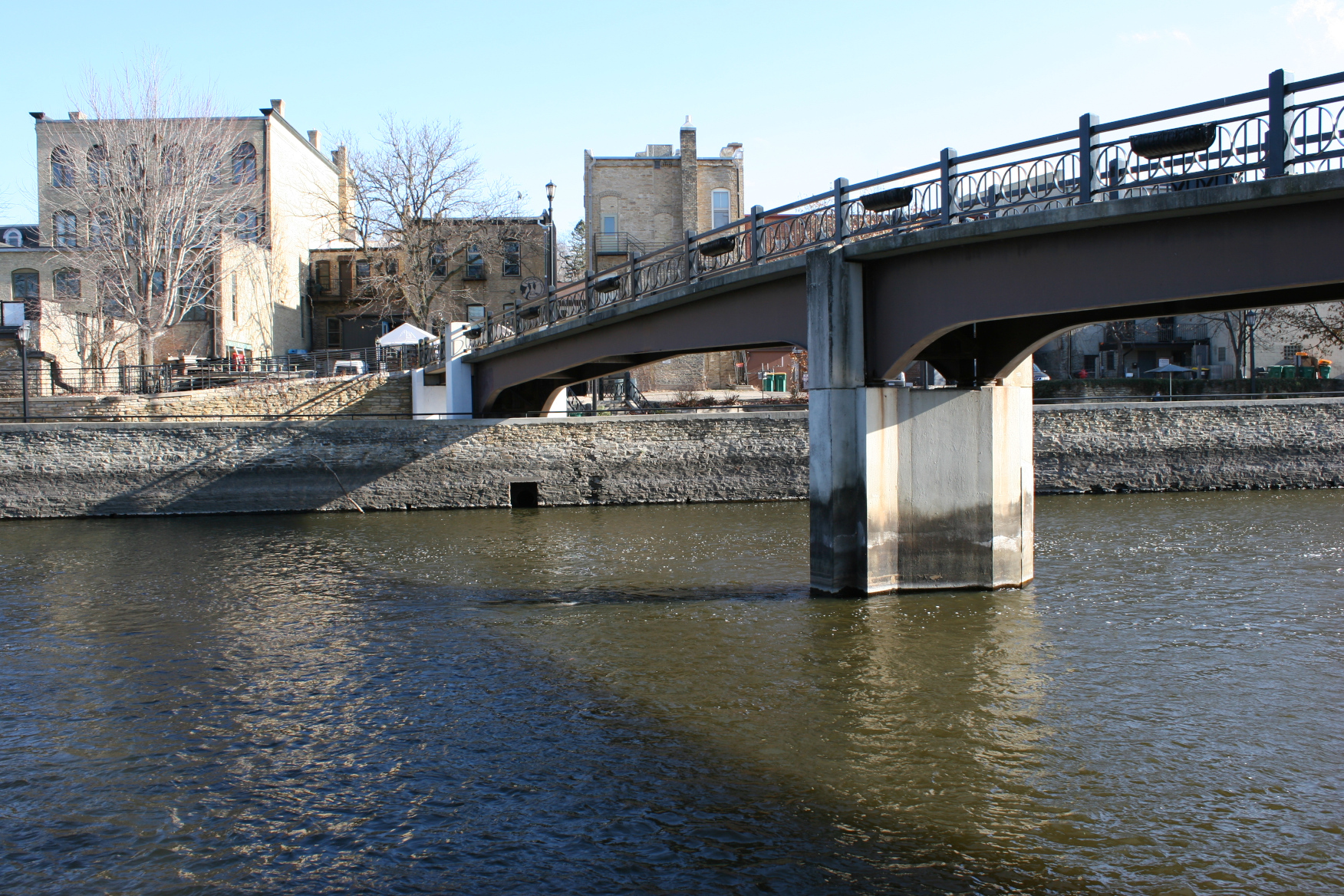
From Mill Park, we crossed the Cannon River pedestrian bridge to Memorial Park by the ball field.

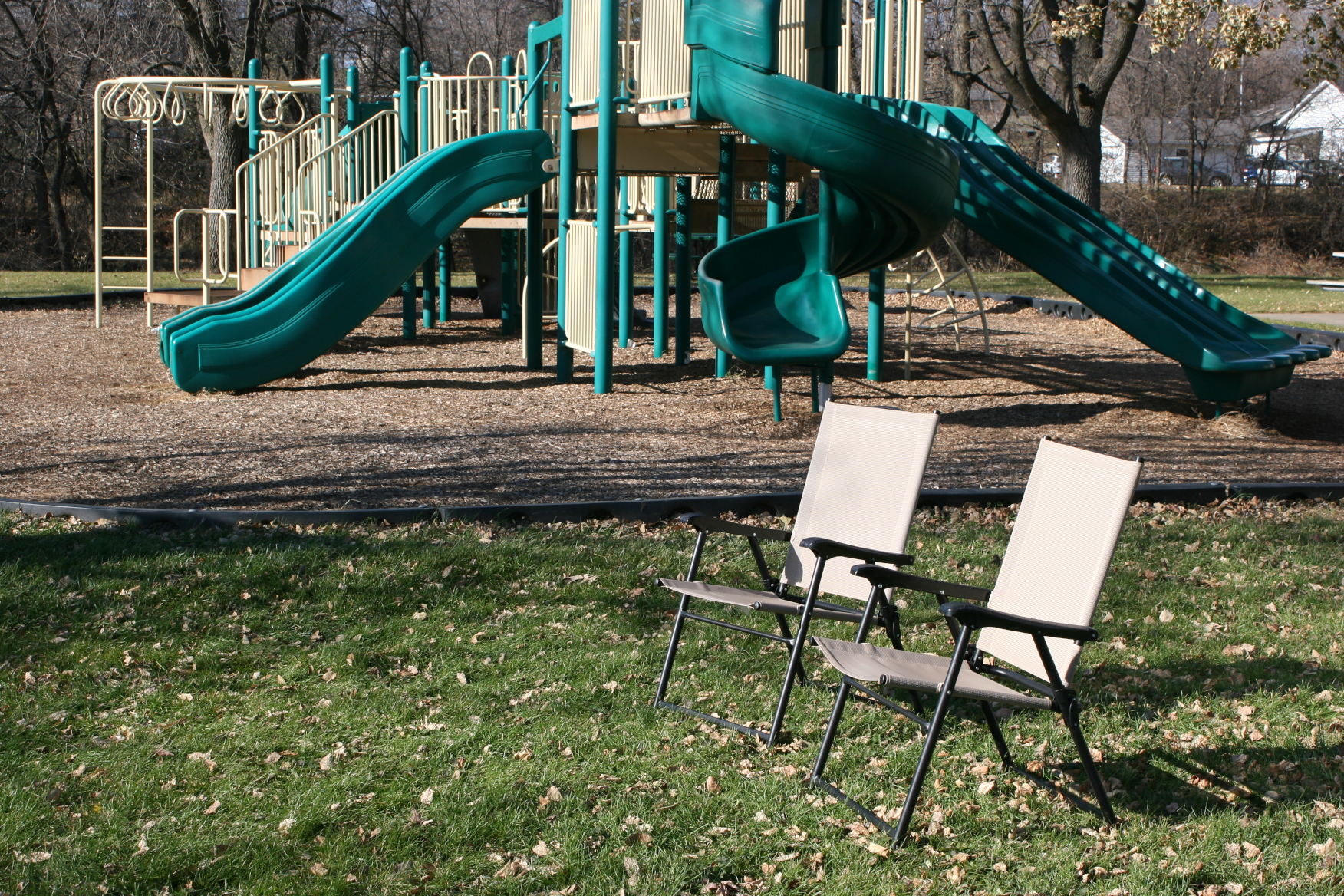
There, by the playground, sat two perfectly fine lawn chairs. Opened, as if someone had recently occupied the two spots. But there were no adults, no kids, anywhere, except a couple picnicking by the ball diamond, bikes parked nearby. Obviously not their chairs.

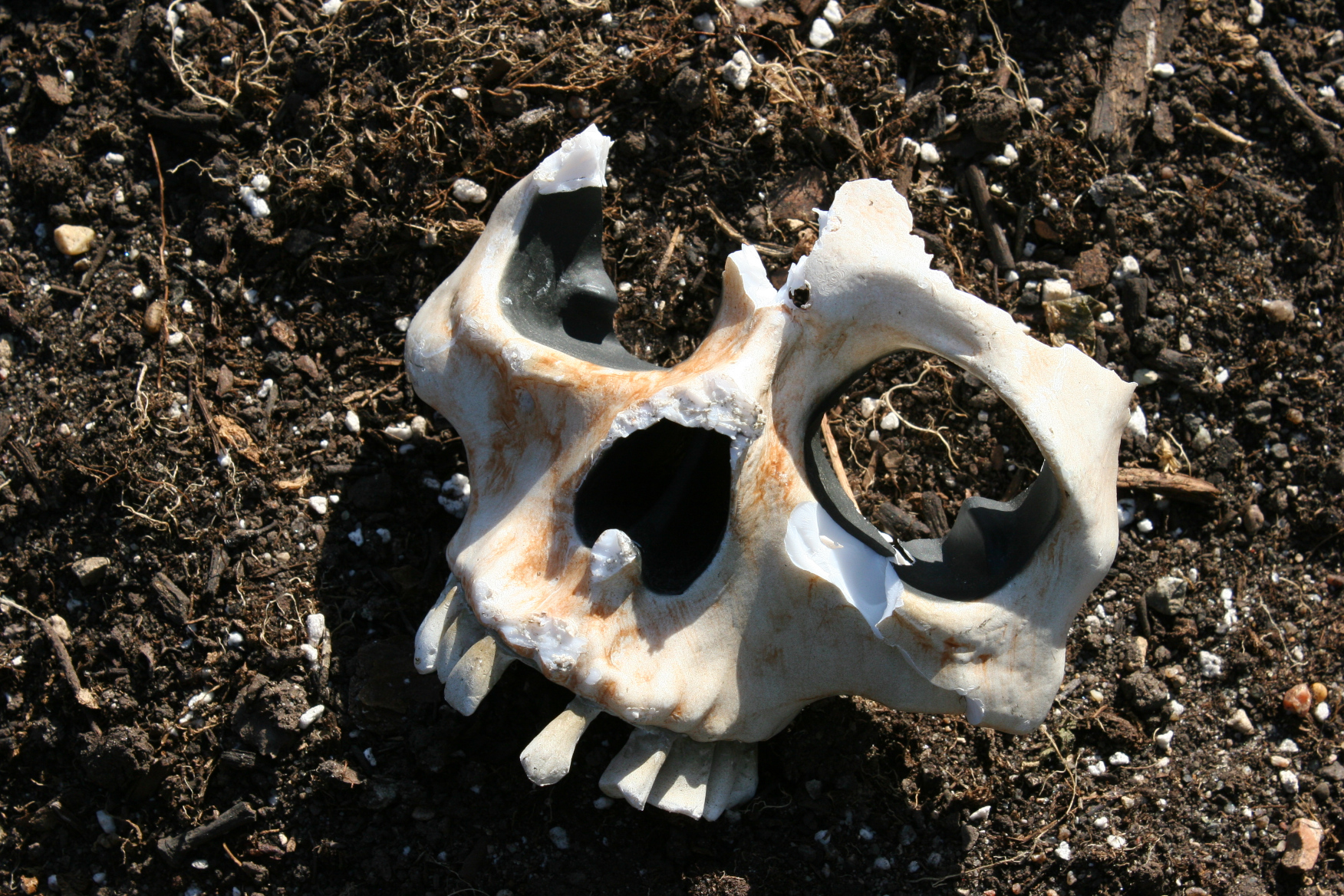
Next, we drove to Northfield, parked downtown and walked around. While crossing the pedestrian bridge over the Cannon River, I discovered a mini skull atop dirt in an otherwise empty flower box hanging on the bridge. The skull looked pretty darned real to me. But then I remembered that just days earlier it was Halloween and I figured that was the reason someone left a skull behind.

TELL ME: Have you ever found something particularly interesting left in a public place? I’d like to hear about your odd discoveries.

© 2020 Audrey Kletscher Helbling
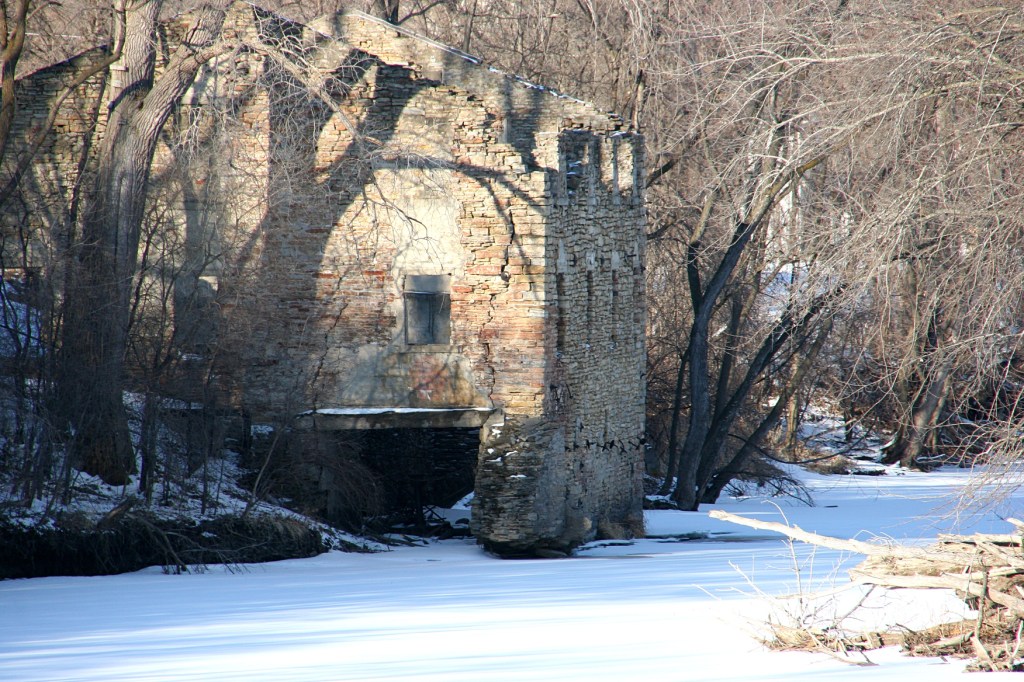
 

February at the ballpark & I’m not talking spring training in Florida February 23, 2018

Filed under: Uncategorized — Audrey Kletscher Helbling @ 5:00 AM
Tags: , , , , , , , , , , , ,


ON A FEBRUARY AFTERNOON, sunshine heats the earth, slants shadows upon snow fallen fresh that morning. It is a rare day of respite from a too-cold winter in Minnesota and I am anxious to get outside.


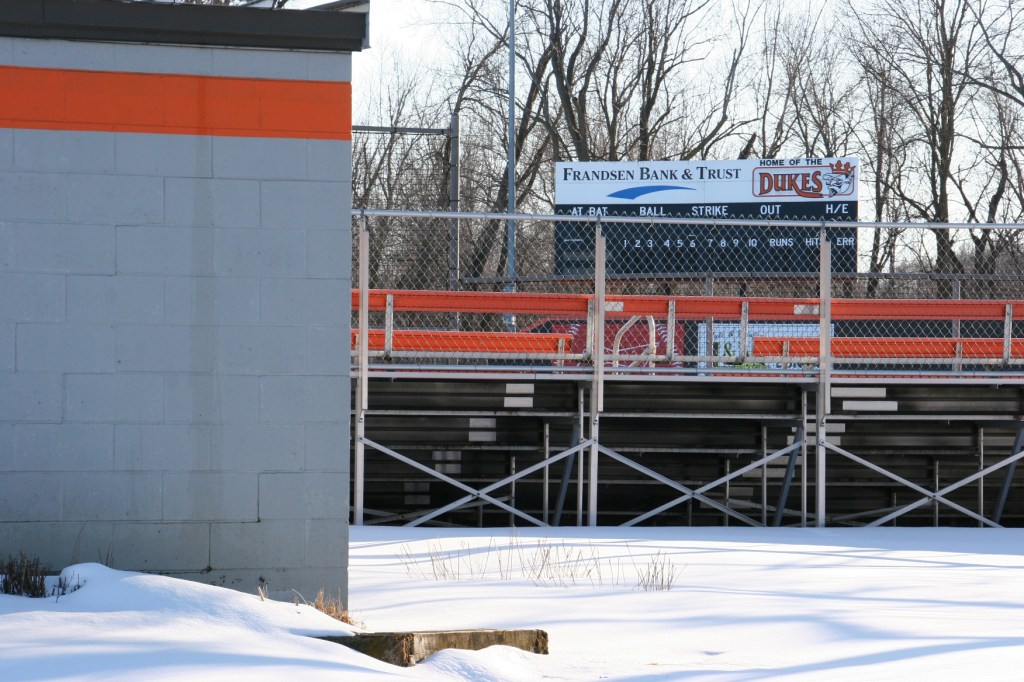
So Randy and I hop in the Chevy and head toward Dundas, just south of Northfield. I want to walk in Memorial Park, home of the Dundas Dukes. Randy pulls the car into the riverside park, loops and stops on a snowy road next to a trail. We exit, tread with caution along a path, diverting off the icy route as needed to avoid slipping.


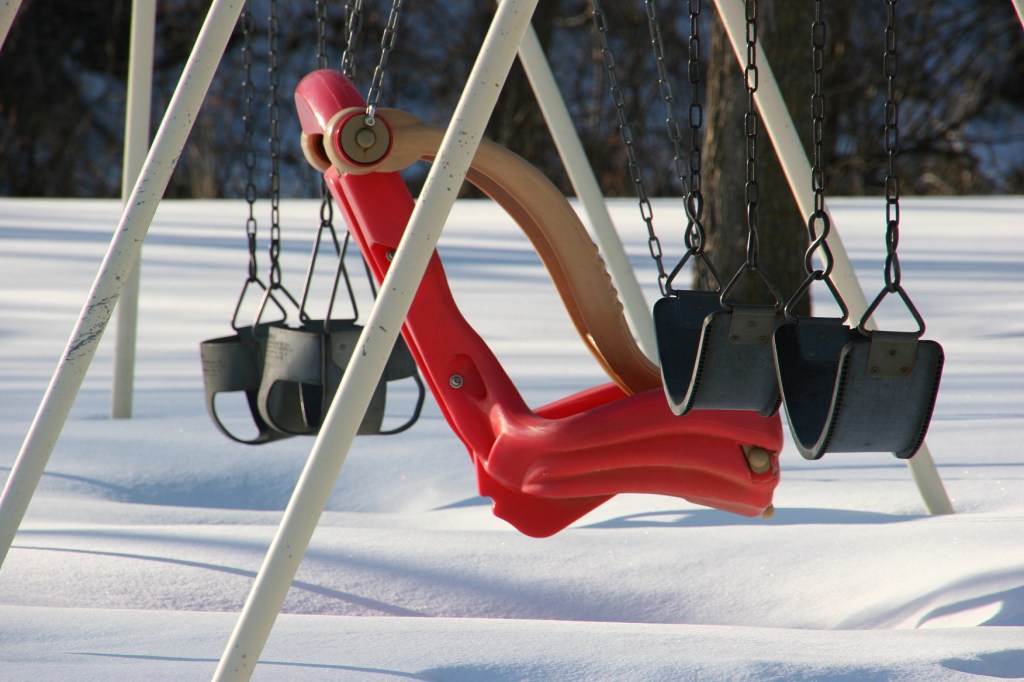
Passing the abandoned playground, I observe swings hung statue-still.


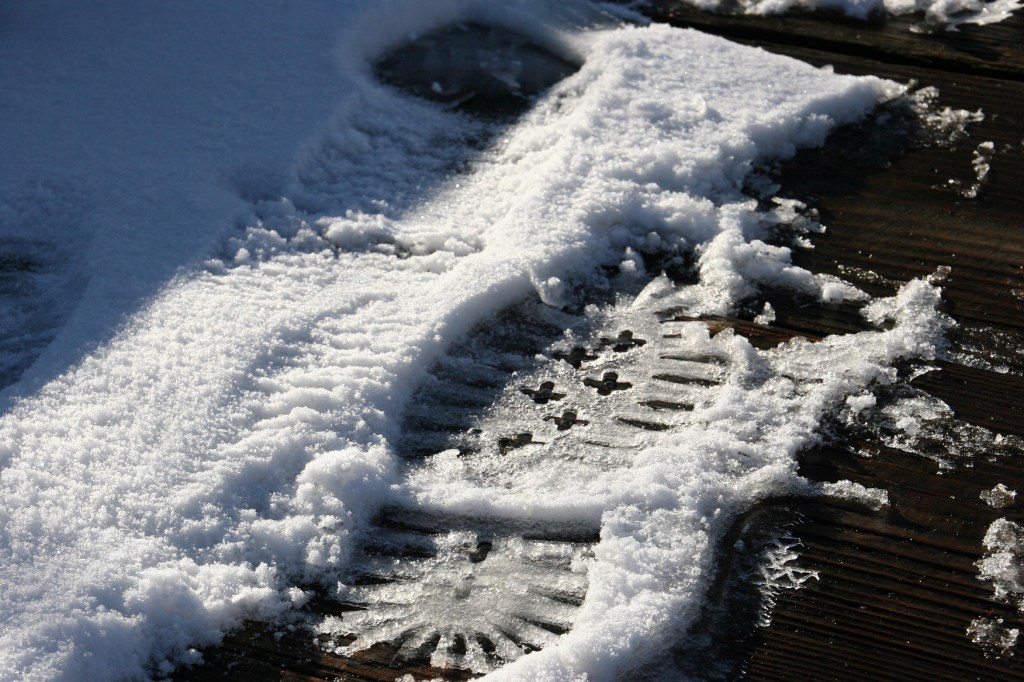
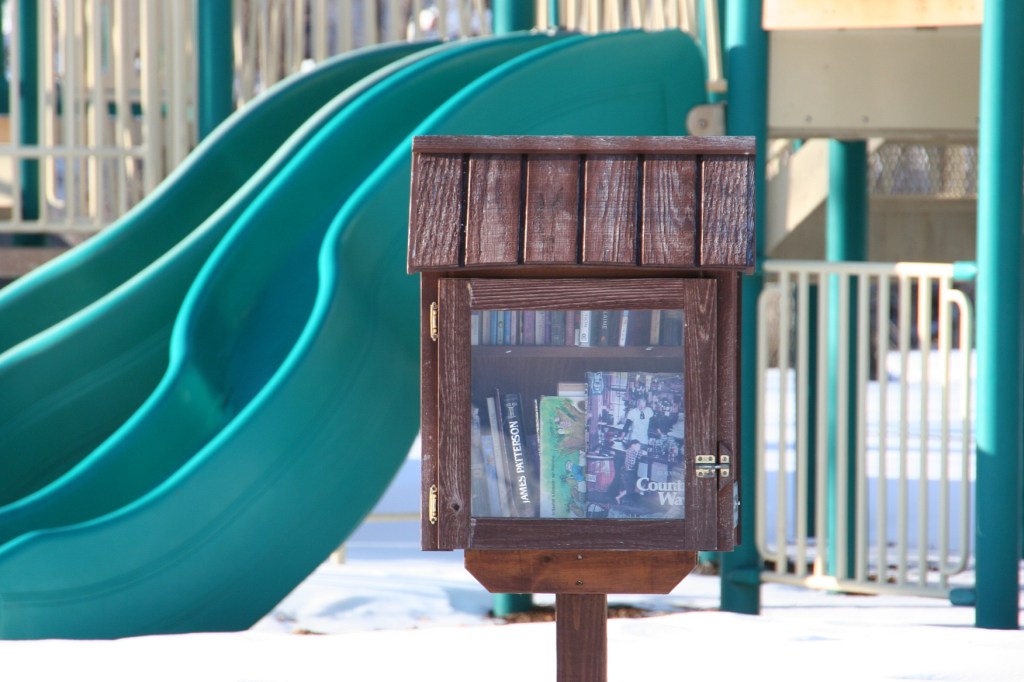
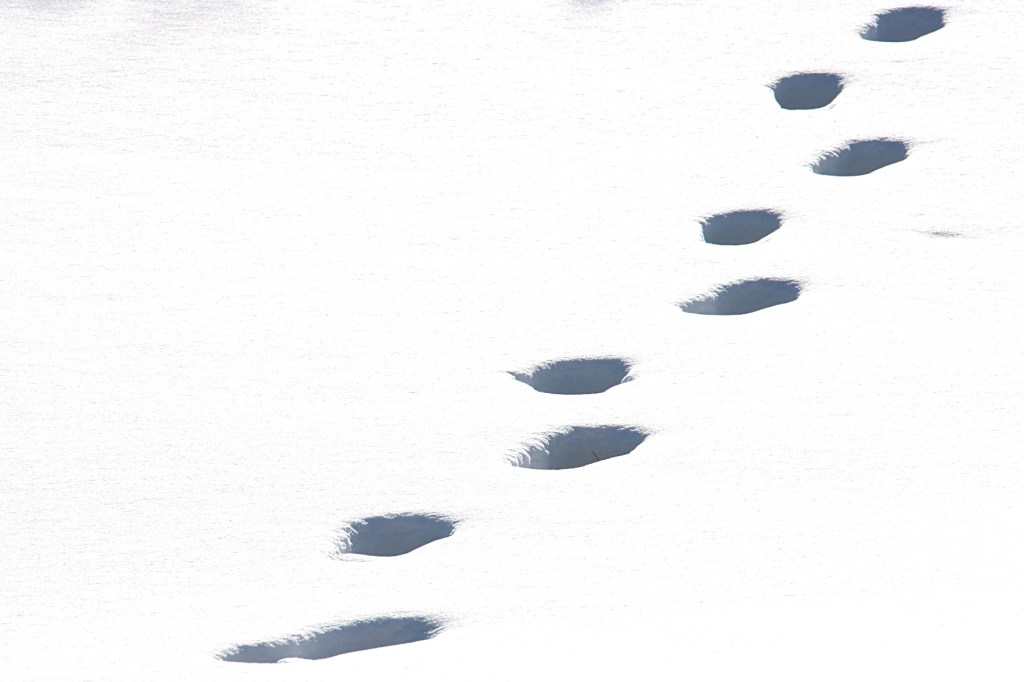
I note footprints through the snow leading to a Little Free Library. Used even in winter.


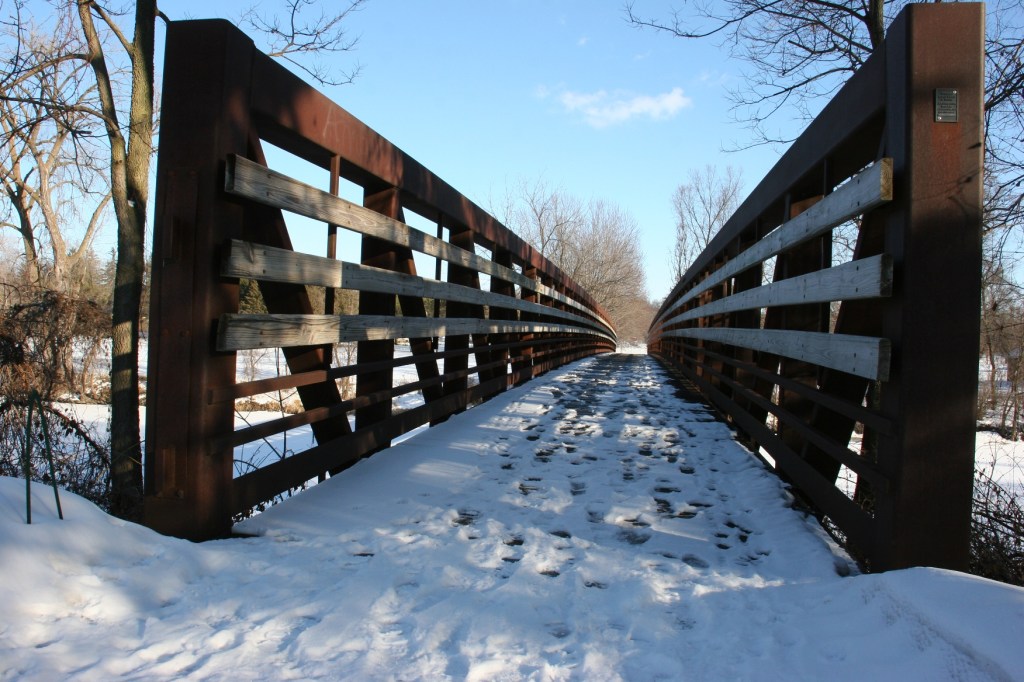
A short hike away, I step onto the foot bridge spanning the Cannon River.


I pause midway, focus on ruins of the Archibald Mill,


bridge shadows,


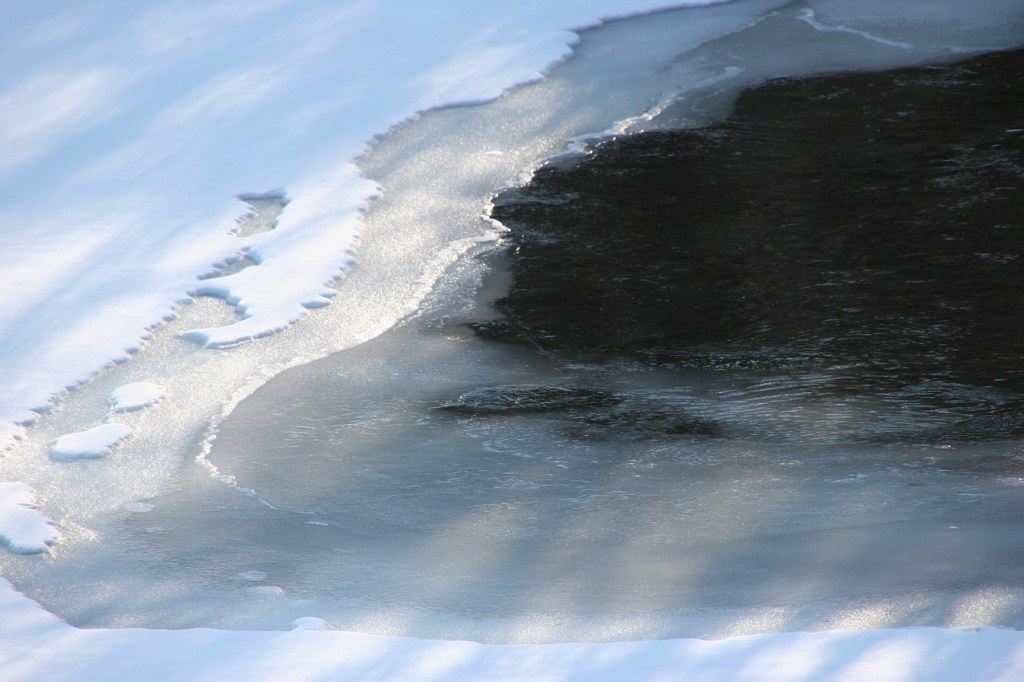
an open spot of water,


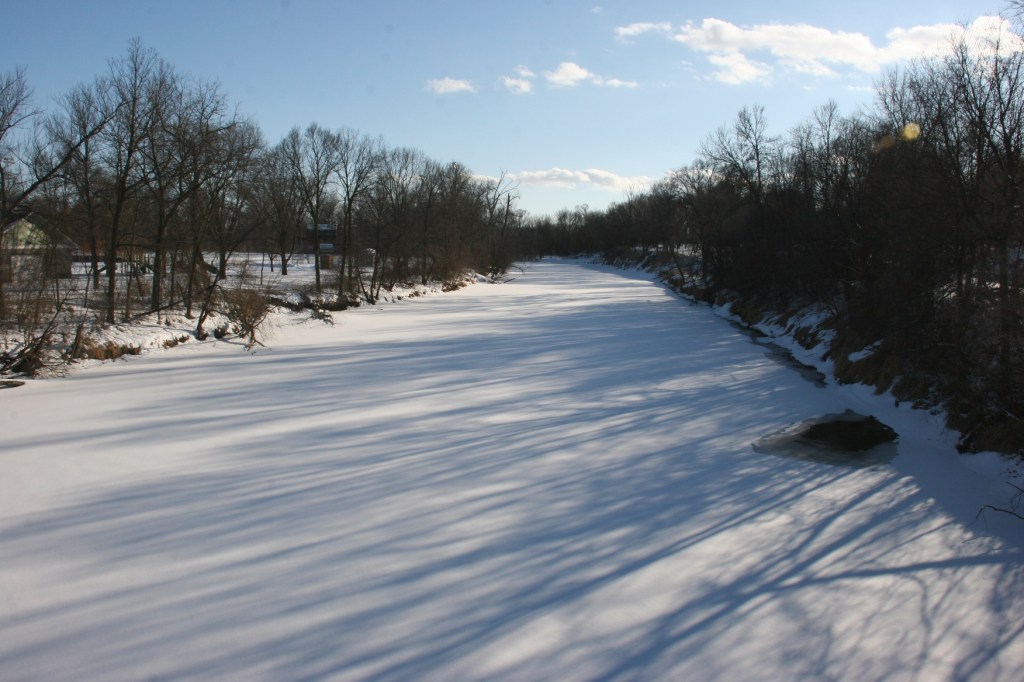
the river ribboning white between shoreline trees.


In the simplicity of this place, these scenes, I feel content. I am here with Randy, who appreciates the natural silence as much as me.


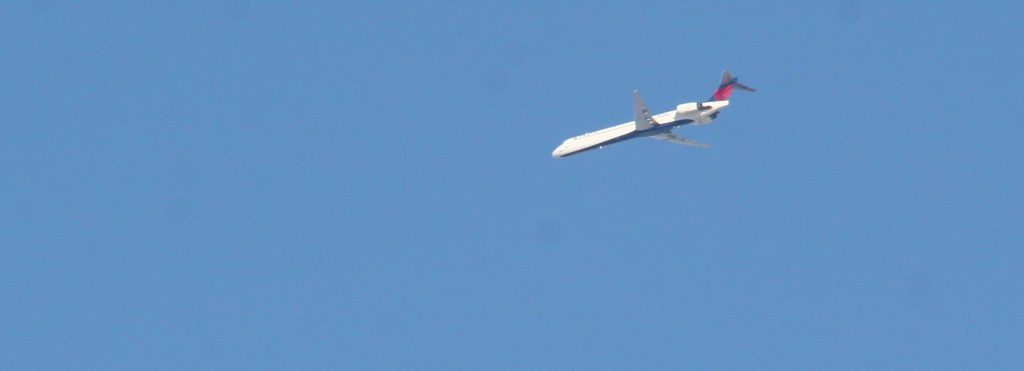
Overhead I watch a Delta airliner angling down toward the Minneapolis-St. Paul International Airport. I wonder about those aboard. Would they rather be leaving than arriving?


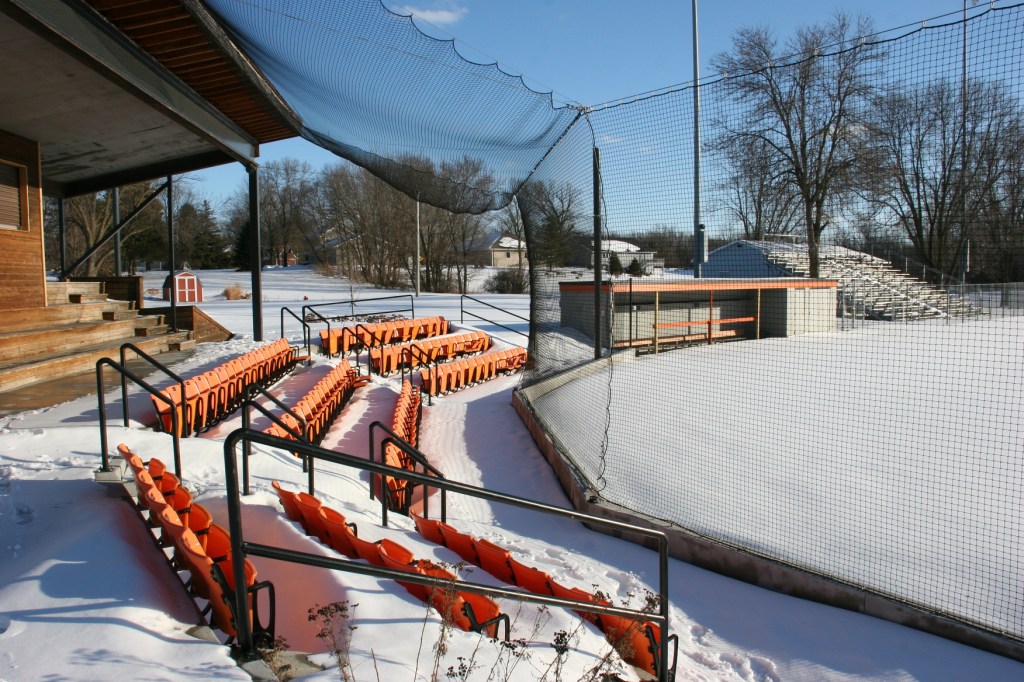
Some 1,700 miles away in the warmth of Ft. Myers, the Minnesota Twins toss and catch balls, swing bats and practice in the sunshine of opening week of spring training. Here in Dundas, opening day is still months away. I imagine the bold orange seats and grandstands filled with spectators, the cracks of bats, the swish of baseballs when the Dukes meet the Hampton Cardinals here on April 29. I can almost hear the conversations and laughter that will soon fill this place.


I head back toward the car, tracking in the footsteps of those who, like me, dream. Of sunny summer days. Of baseball. Of walks in the park. And of rivers that run free of ice, free of snow, free of winter under a Minnesota sky.

© Copyright 2018 Audrey Kletscher Helbling