

WE’VE ALL SEEN THEM—fundraisers and GoFundMe campaigns to help individuals and families who are struggling. Perhaps you’ve even been in that spot of needing financial help following a devastating event or a major health crisis. You’ve likely attended many fundraisers and/or donated online. I am thankful for such generosity.
Typically, these pancake breakfasts, spaghetti dinners, silent auctions,…crowdfunding efforts follow a diagnosis like cancer, a car accident or a major event like a house fire. Missed work and overwhelming medical and other bills all too often deplete finances. And if not for the assistance of caring family, friends and even strangers, many could not get through the challenges.
Yet, in the all of this, I’ve often wondered why individuals who’ve experienced a mental health crisis are not fundraising also. When they’ve been hospitalized and/or found themselves unable to work, the financial fall-out is no less.

ASKING FOR FINANCIAL HELP
But I hold hope that is changing. I read an encouraging article, “Out from under: Crowdfunding is an option for people in mental health crisis,” by freelancer Andy Steiner. In her MinnPost article, Steiner shares the story of a 42-year-old artist and educator diagnosed with bipolar disorder and post traumatic stress disorder linked to childhood abuse and who suffers from debilitating migraines as a result. Unable to work sometimes for months at a time, the woman faced financial struggles. She was behind on her rent. A friend suggested she start a GoFundMe. Eventually, she reluctantly did so, getting enough donations to pay overdue bills and then some. It was just the boost she needed. Financially and mentally/emotionally.
Steiner’s article includes interviews with Mental Health Minnesota and with GoFundMe. I encourage you to read her story by clicking here. I feel such hope in reading that more people facing mental health crises are beginning to seek the outside financial support often elusive to them.
I recognize this doesn’t fix everything. We have a long ways to go in ending the stigma which continues to surround mental illness. I see improvements. But I don’t think we’re to the point where family and friends are delivering hotdishes (the Minnesota term for “casseroles”) to individuals and families in the throes of a mental health crisis. Financial and emotional support, encouragement and, yes, even compassionate greeting cards/calls/notes are needed just as much in these situations.

CRISIS RESPONSE EXPANDING IN MY COUNTY
And we definitely need more mental healthcare professionals. That brings me to another recent bit of encouraging news. My county of Rice has been selected as the site for a new satellite office of the South Central Mobile Crisis Team, a team which responds (to homes, etc. and virtually) 24/7 in mental health crises in a 10-county area. Currently, it can take some 2 ½ hours for that team to arrive here from its home base 40 miles away. That’s too long. If you were experiencing a heart attack, for example, you wouldn’t be expected to wait two hours.
Yes, I hold hope. I hold hope for the many individuals and families who will benefit from additional, immediate mental healthcare resources. I hold hope that Crowdfunding and fundraising dinners and breakfasts will become more common for individuals experiencing a mental health crisis and the financial fall-out. I hold hope that they will find, too, a more understanding community of emotional support. All of this is so long overdue. We each have the power within us to show compassion and care and thus help reduce the stigma of mental illness. Let’s do it.
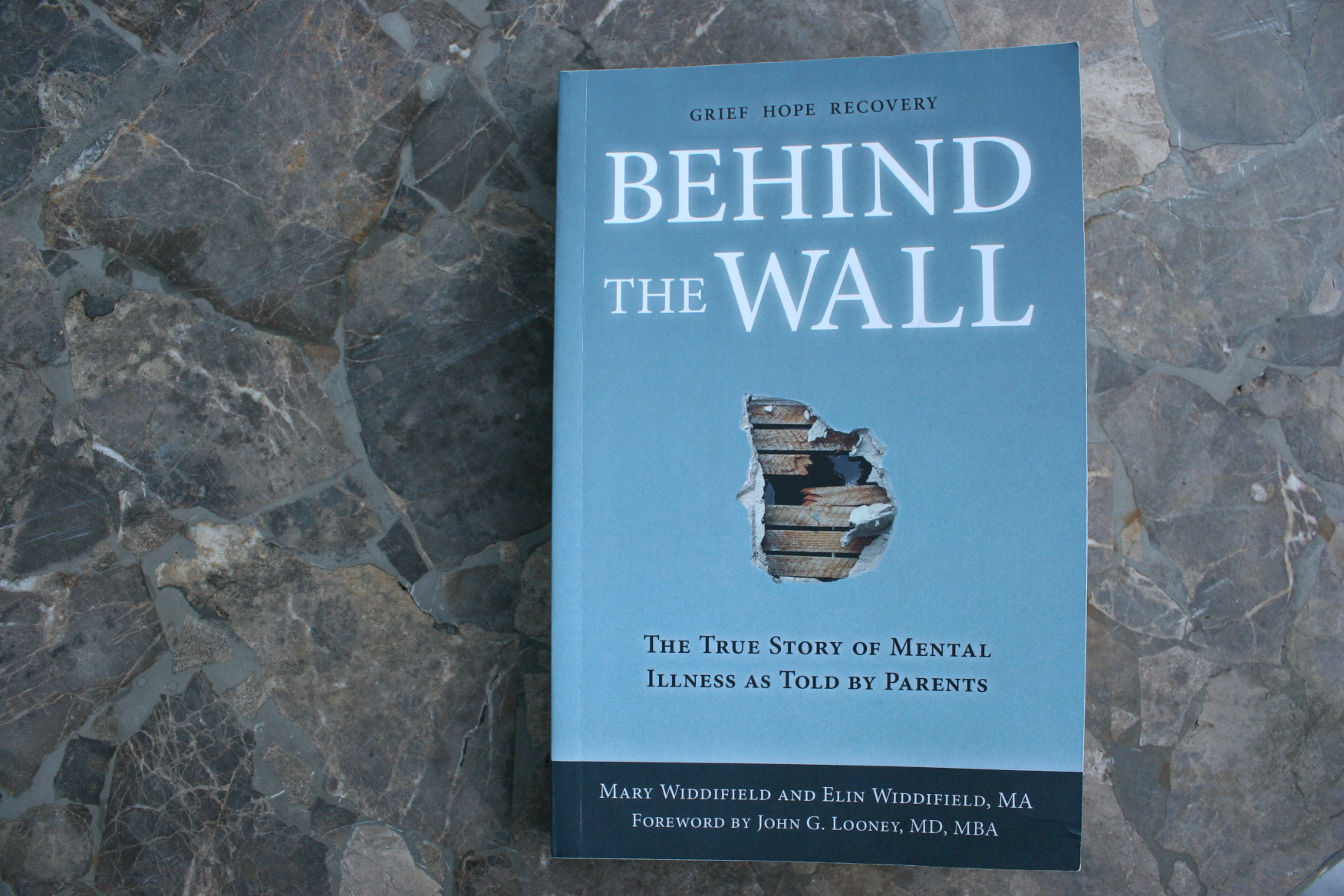
WE HAVE TO DO BETTER
And then this happens: Irvo Otieno, 28, died March 6 in a Virginia psychiatric hospital days after initially experiencing mental health distress. Seven deputies have now been charged with second-degree murder in his death.
In a powerful statement to the media, Caroline Ouko said, “Mental illness should not be your ticket to death. There was a chance to rescue him. We have to do better.” The words of this grieving mother should cause every single one of us to pause and consider, what if this had been my loved one in a mental health crisis? Could this happen to someone I love? To any of us? Sadly, it could.
We can do better. We have to do better. Mental illness should not be a ticket to death.
A FEW RESOURCES
FYI: If you or someone you love is experiencing a mental health crisis and/or is in need of mental health support, please seek help.
The American Foundation for Suicide Prevention Minnesota Chapter and Operation: 23 to Zero (aims to prevent suicide among veterans and those in the military) are co-hosting a safeTALK Training from 8 a.m.- noon Saturday, March 25, at the Faribault American Legion. This event provides training in suicide alertness skills, connections to life-saving resources and more. To learn more and/or to register for this free-will donation half-day program, click here.
South Central Minnesota Crisis Line: 877-399-3040
National Suicide and Crisis Line: 988
National Alliance on Mental Illness, with state chapters, is a great resource for information and support, including virtual and in-person support groups. Click here to reach the national NAMI website.
© Copyright 2023 Audrey Kletscher Helbling


 Minnesota Prairie Roots
Recent Comments