Minnesota Prairie Roots

Writing and photography by Audrey Kletscher Helbling

In praise of monarchs, milkweeds & fireflies July 16, 2025

A monarch butterfly feeds on a milkweed flower. (Minnesota Prairie Roots copyrighted file photo)

ON A RECENT AFTERNOON, I looked up from washing dishes and out the kitchen window to see a solitary monarch butterfly flitting among milkweeds. Something as common as a butterfly remains, for me, one of summer’s simplest delights. Along with milkweeds and fireflies.
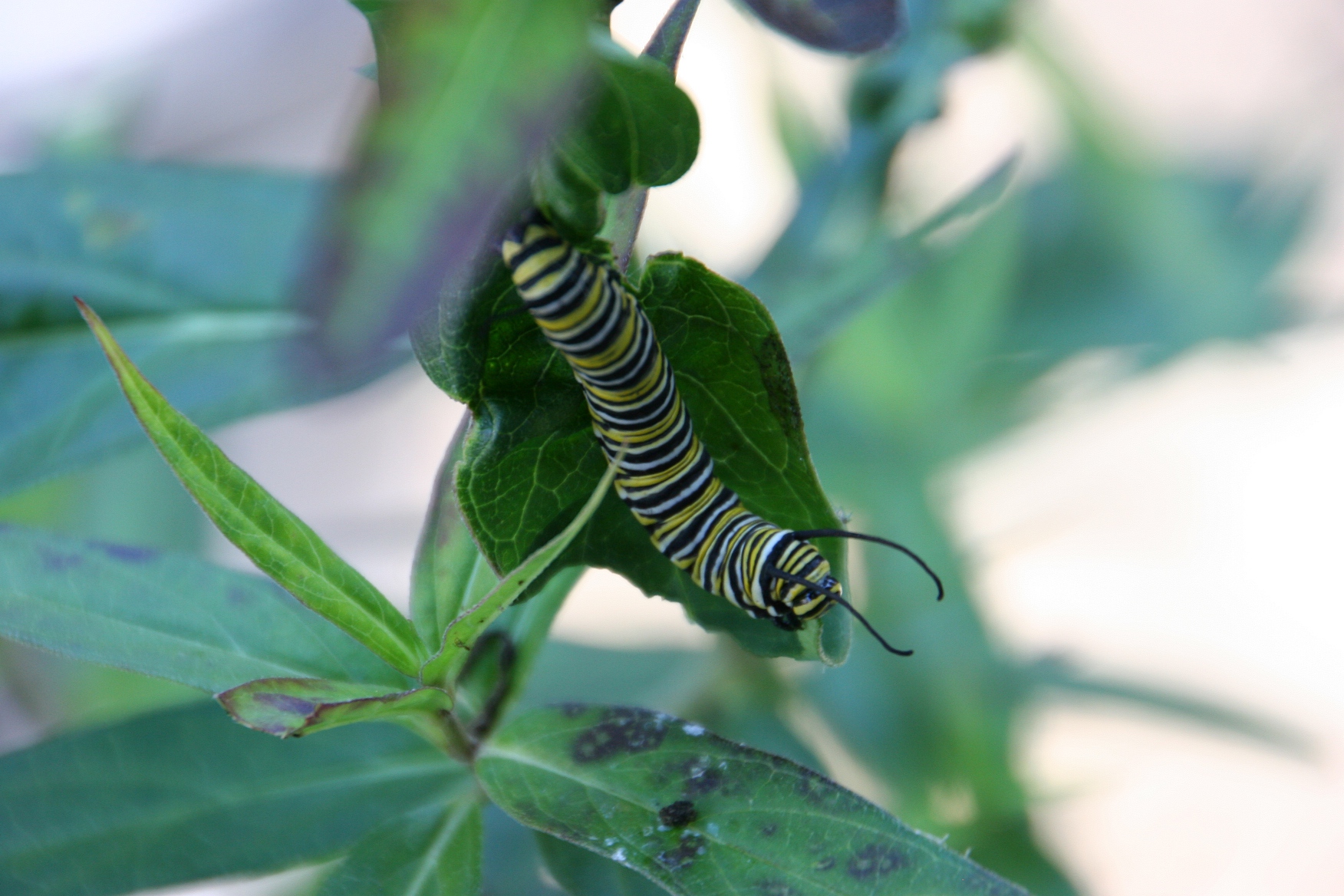
A monarch caterpillar on milkweed. (Minnesota Prairie Roots copyrighted file photo)

This year I have a bumper crop of milkweed plants growing in and along flowerbeds and retaining walls. I stopped counting at 24 plants. I have no idea why the surge in milkweeds. But I am happy about their abundance given monarchs need milkweed. It is the only plant upon which the monarch lays eggs and the sole source of food for monarch caterpillars.
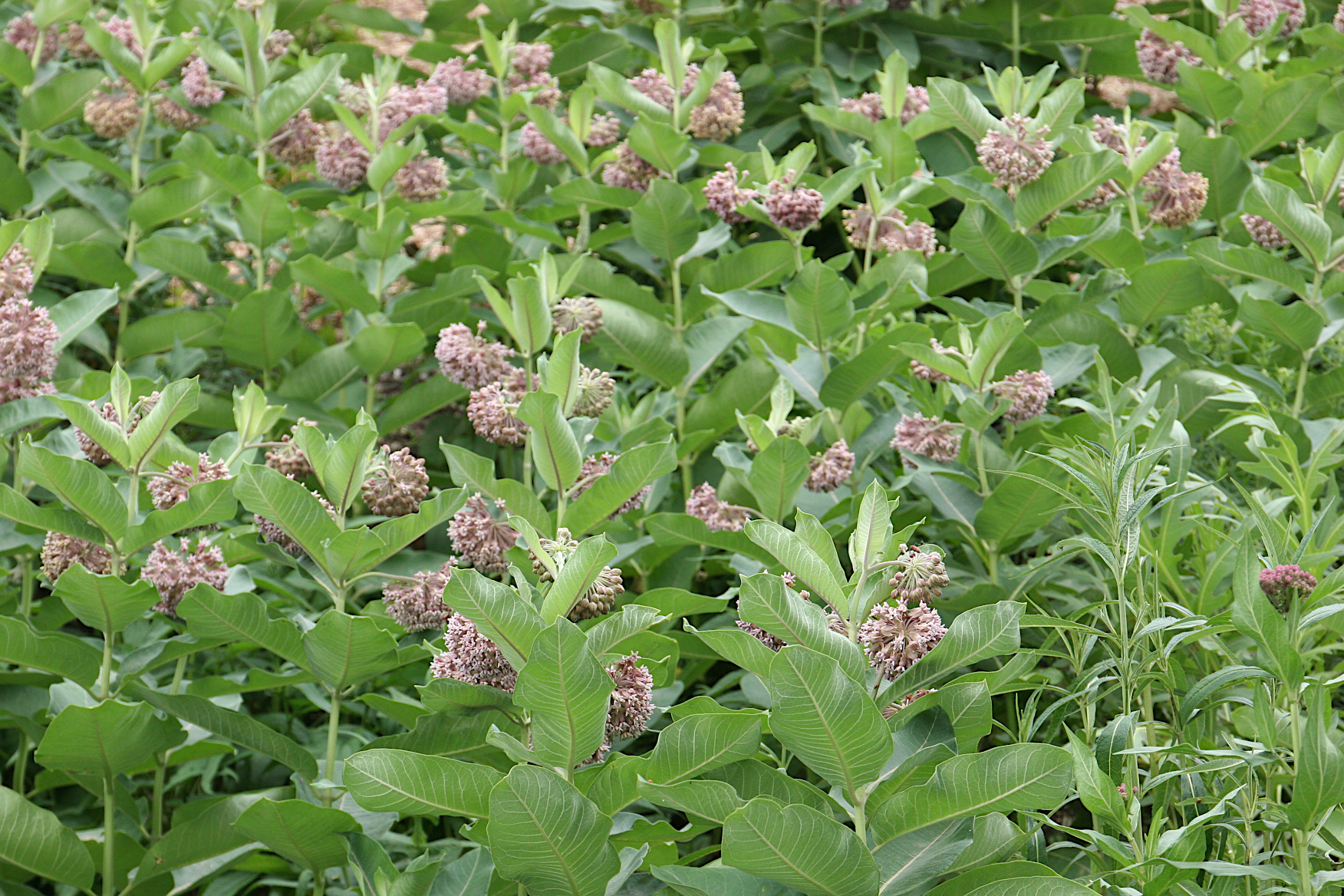
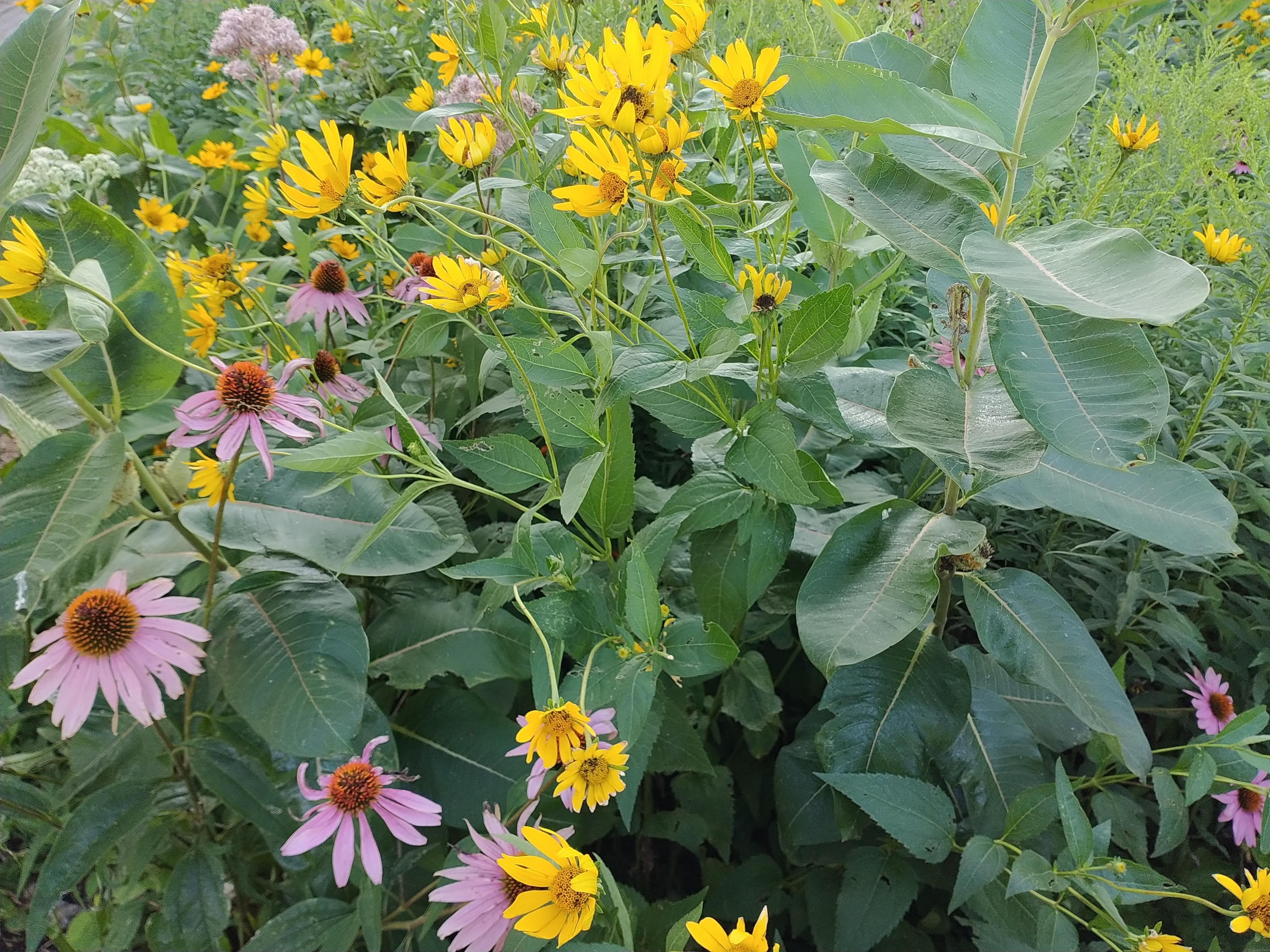
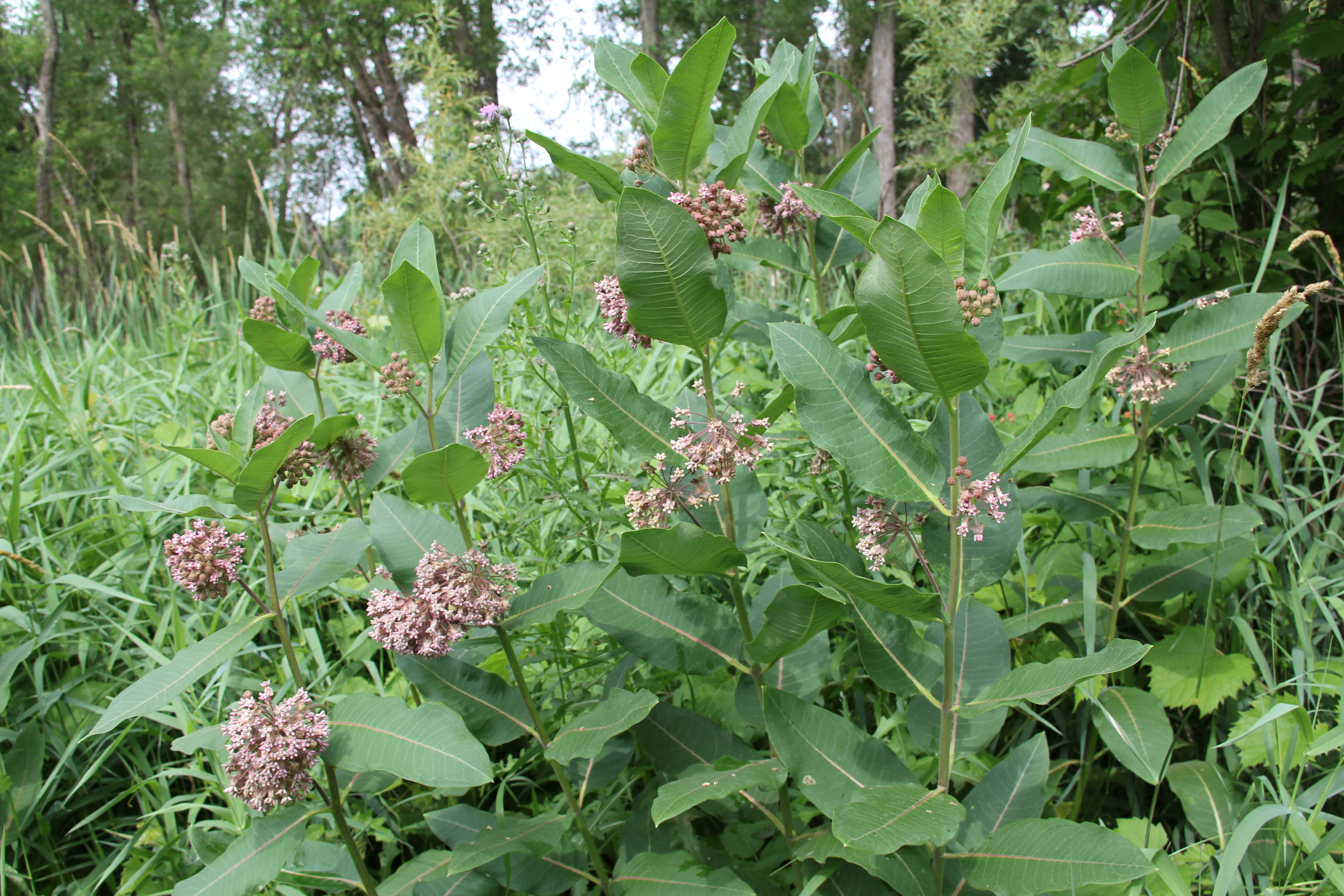
A crop of milkweeds in a public garden. (Minnesota Prairie Roots copyrighted file photo)

My farmer dad, if he was still alive, would likely offer a different opinion about milkweeds. As children, my siblings and I walked rows of soybean fields eradicating milkweeds, thistles and the notorious cocklebur. This was called “walking beans,” a job that we hated, but was necessary to keep fields mostly weed-free without the use of chemicals.

I never considered then that I might some day appreciate milkweeds, the “weed” I pulled from the rich dark soil of southwestern Minnesota. On many a hot and humid afternoon, sweat rolled off my forehead and dirt filtered through the holes of my canvas tennis shoes while hoeing and yanking unwanted plants from Dad’s soybean fields and on my cousin John’s farm.

Today I instruct my husband not to pull or mow any milkweed plants in our Faribault yard. Randy understands their value, even if he didn’t walk beans on his childhood farm. He more than made up for that lack of field work by picking way more rocks than I ever did. Morrison County in central Minnesota sprouts a bumper crop of rocks compared to my native Redwood County, where I also picked rocks.
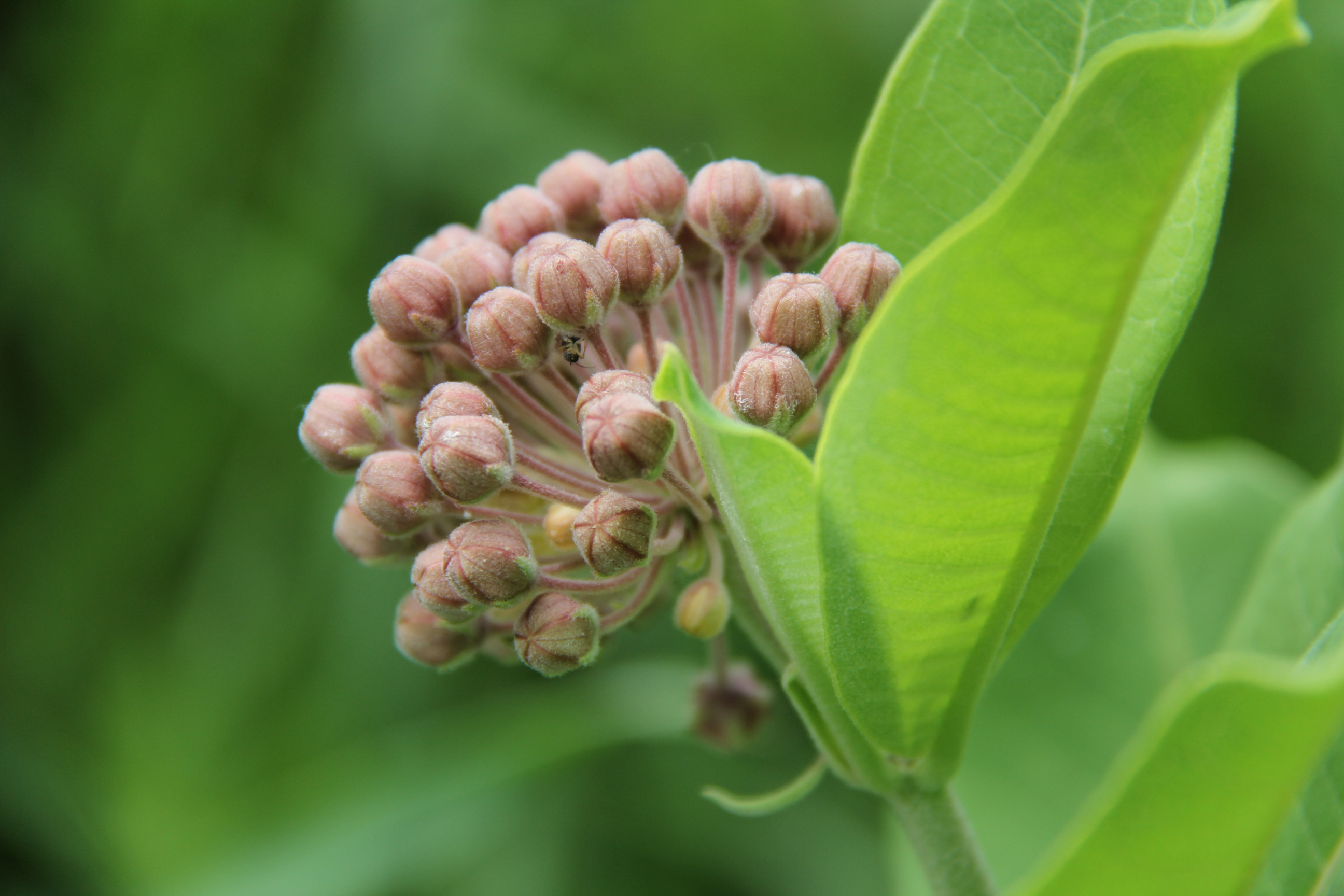
A milkweed about to open. (Minnesota Prairie Roots copyrighted file photo)

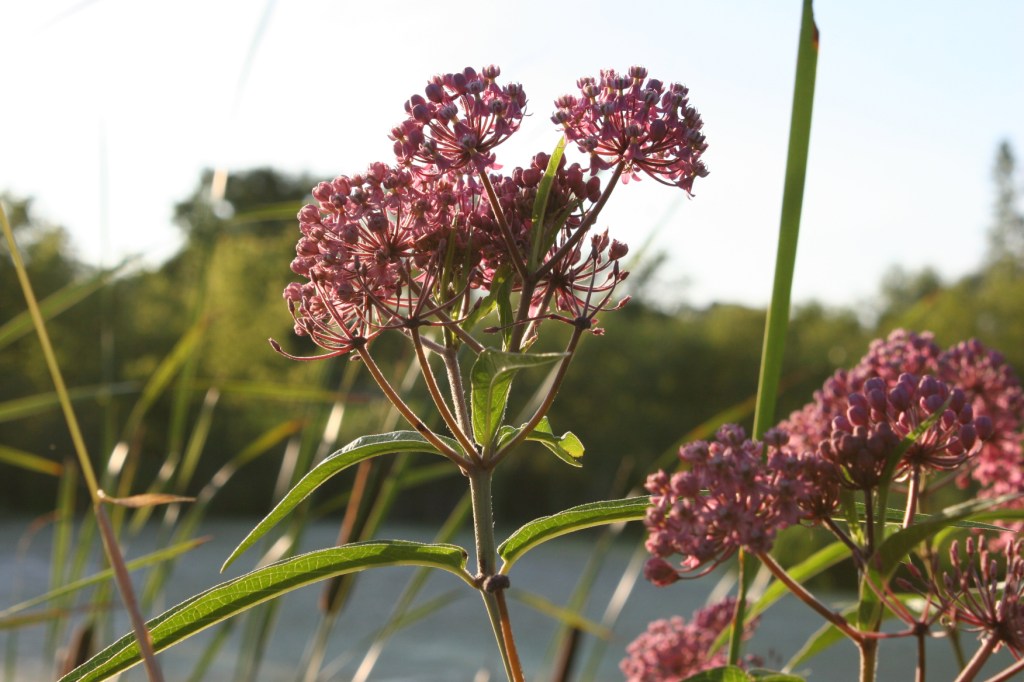
But back to milkweeds. I love the scent of the dusty rose-colored common milkweed. So if you drive by my Faribault home or walk through River Bend Nature Center or Central Park or past Buckham Memorial Library and see me dipping my nose into a cluster of milkweed flowers, that’s why.

As summer progresses, I’m curious to see how many monarchs soar among the milkweeds in the tangled messes of plants that define my untamed flowerbeds. Thankfully our next door neighbor appreciates milkweeds also and is OK if the wind carries seeds onto his property.
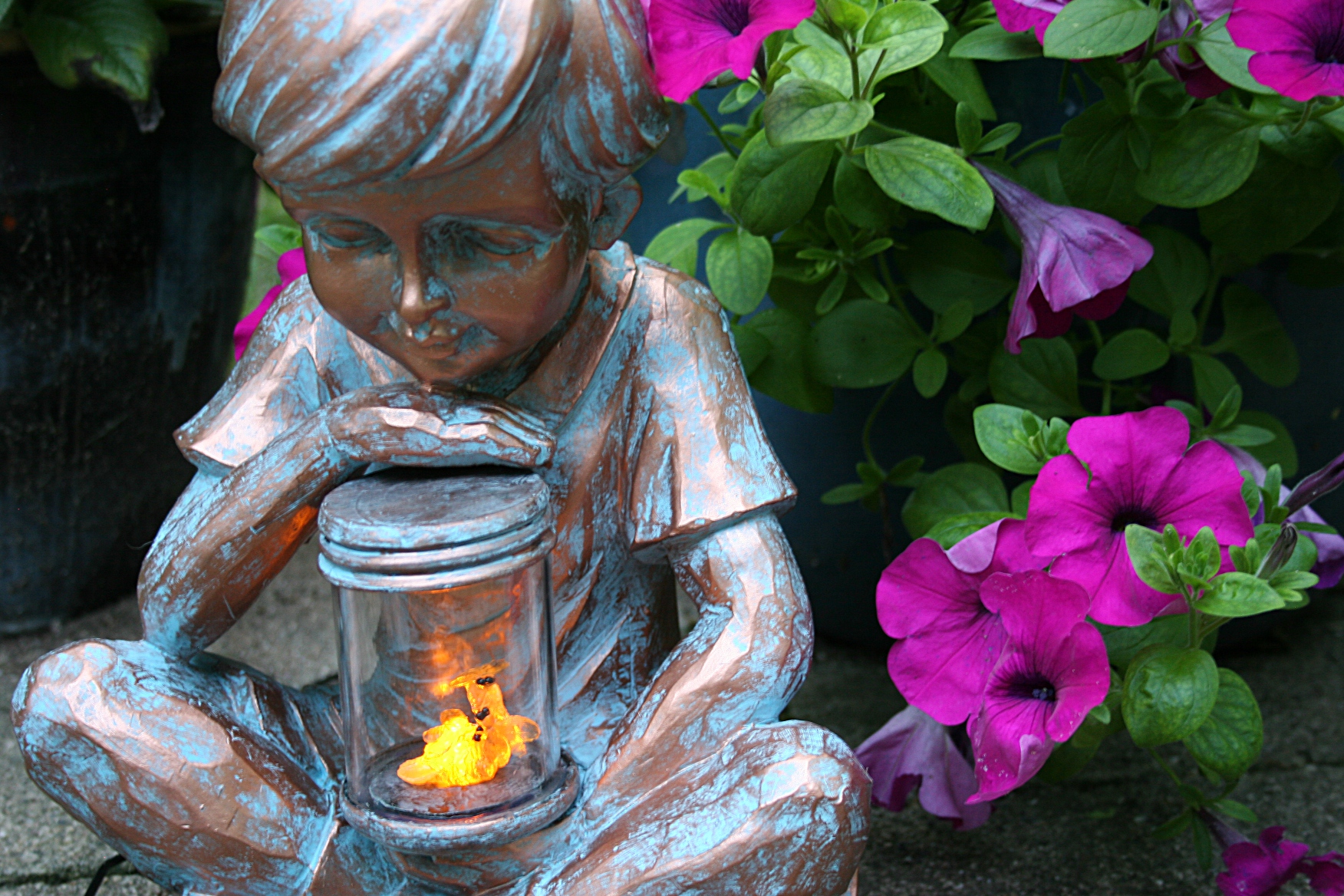
Fireflies glow in the garden art honoring my nephew Justin. (Minnesota Prairie Roots copyrighted file photo)

I’ve already seen fireflies aplenty in our backyard, which abuts a wooded hillside. And recently, while driving home in the early dark of a summer evening, Randy and I saw hundreds of fireflies lighting up grassy road ditches. It was truly magical, reminding me of childhood sightings and of Eric Carle’s children’s picture book, The Very Lonely Firefly. I had a copy for my kids, battery included to light up firefly illustrations. And, until it stopped working, I had a solar-powered firefly garden sculpture honoring my nephew Justin, who loved light and fireflies and died at age 19 in 2001 of Hodgkins disease.

Often what we love is about much more than simply whatever we love. I see, in writing this story, that my love of milkweeds, monarchs and fireflies connects to memories. Summer memories. Farm memories. Family memories. These are the stories we carry within us, that help define who we are, whether we consider a milkweed to be a weed, or a flower.

TELL ME: What simple summer things delight you and why?

© Copyright 2025 Audrey Kletscher Helbling


Milkweeds, monarchs & memories in Minnesota August 20, 2024

Monarch on the common milkweed flower. (Minnesota Prairie Roots copyrighted file photo 2023)

I’VE ALWAYS HELD a fascination with milkweeds. Their clusters of vanilla-scented dusty pink flowers draw me to a plant that seems more flower than weed. Unless you were my dad, who wanted the common milkweed removed from his acres of soybeans. Yes, I hoed or pulled plenty of milkweeds from the fields on my southwestern Minnesota childhood farm.

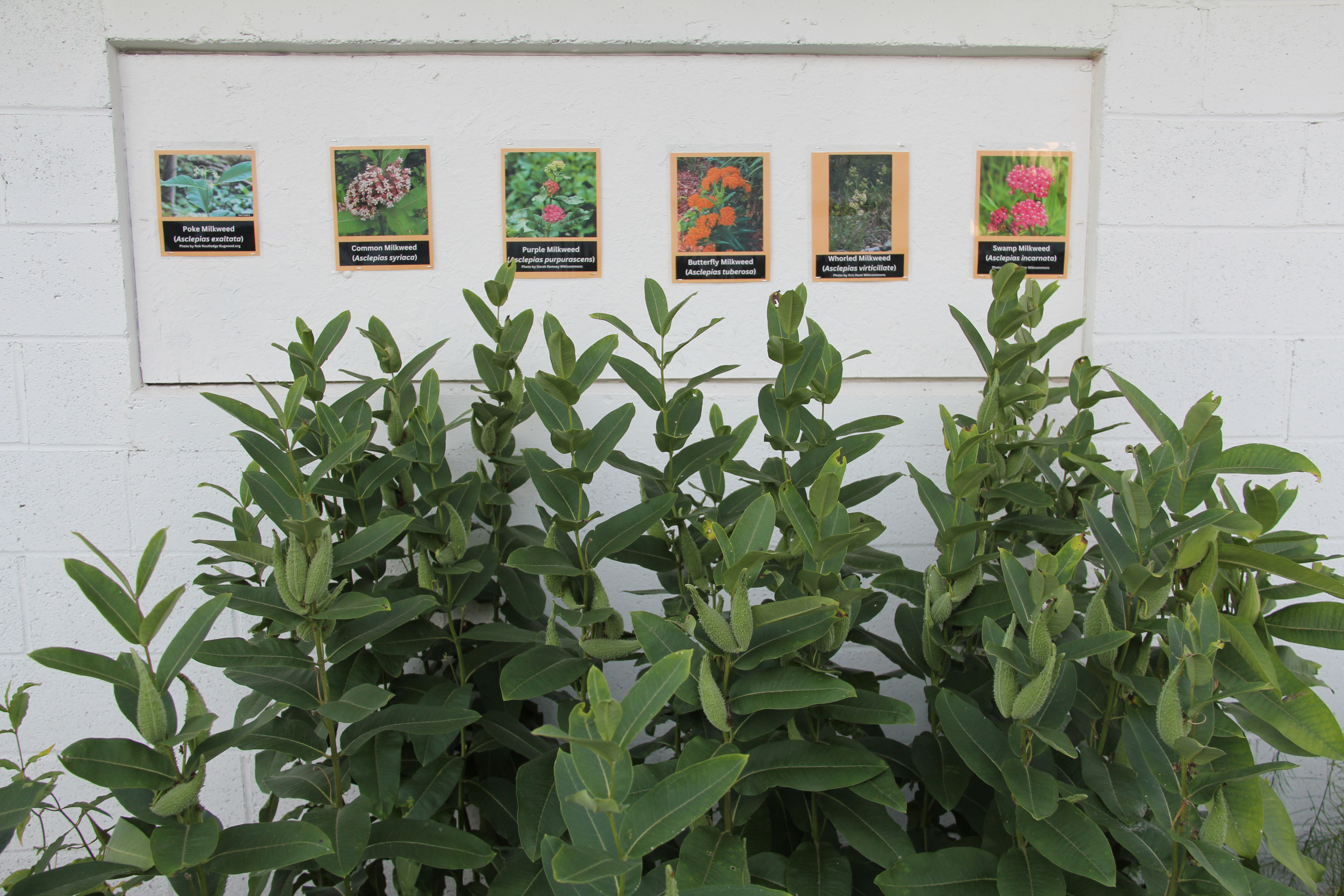
Milkweeds grow next to the conservation building at the Rice County Fairgrounds against a backdrop of identifying milkweed photos. Those include six types: common, poke, purple, butterfly, whorled and swamp. (Minnesota Prairie Roots copyrighted photo August 2024)

My thinking has shifted since then. Today I plant, rather than eradicate, milkweeds. Dad, if he was still alive, might wonder how his farm-raised daughter strayed so far from hoeing to growing.

A monarch caterpillar. (Minnesota Prairie Roots copyrighted file photo)

The answer is easy. Long ago I learned the value of milkweeds to our monarch butterfly population. The butterfly lays its eggs on milkweed leaves. And milkweed is the sole source of food for monarch caterpillars. If we want the monarch population to grow, thrive and survive, we need milkweed plants. It’s that simple.

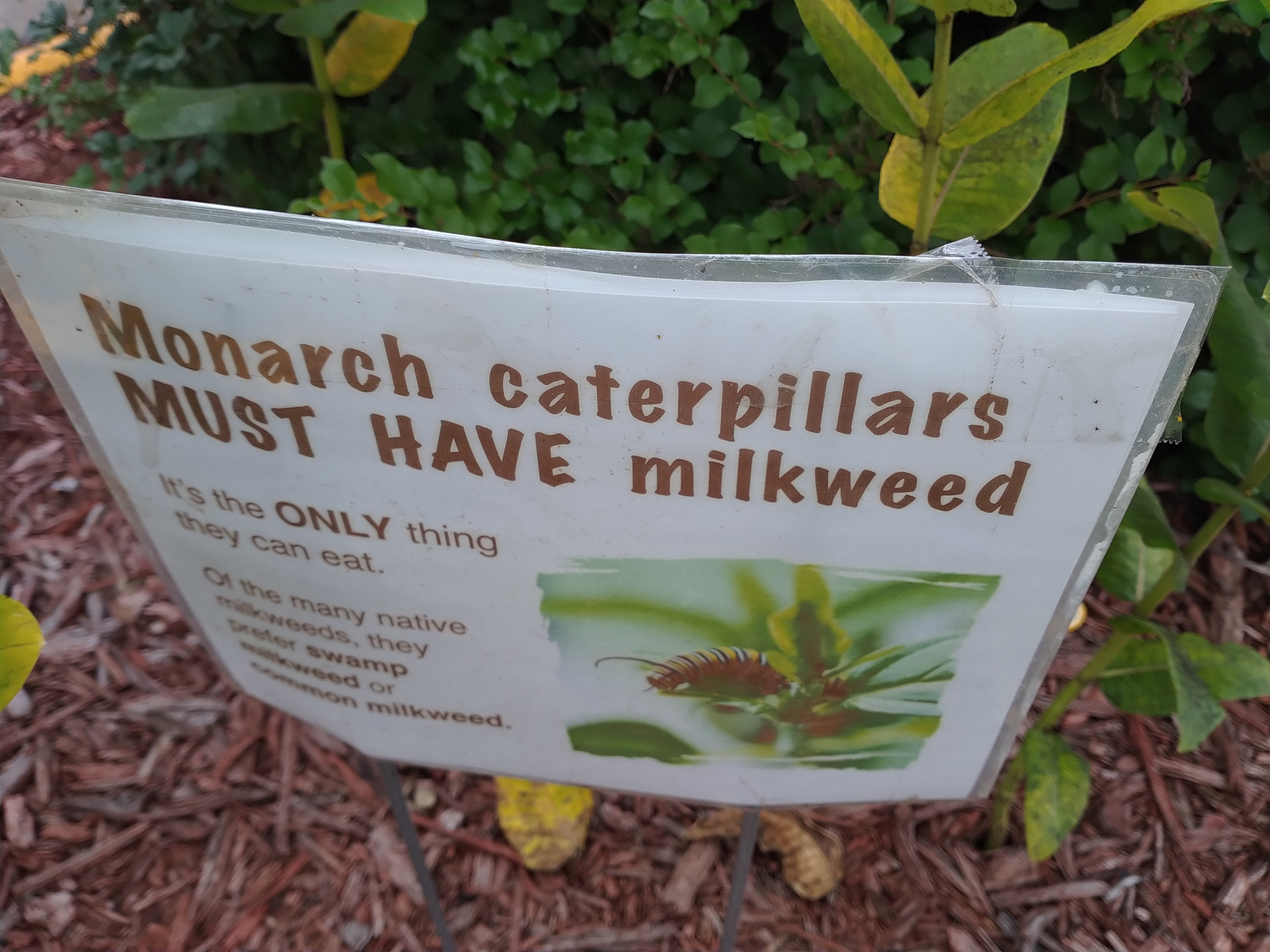
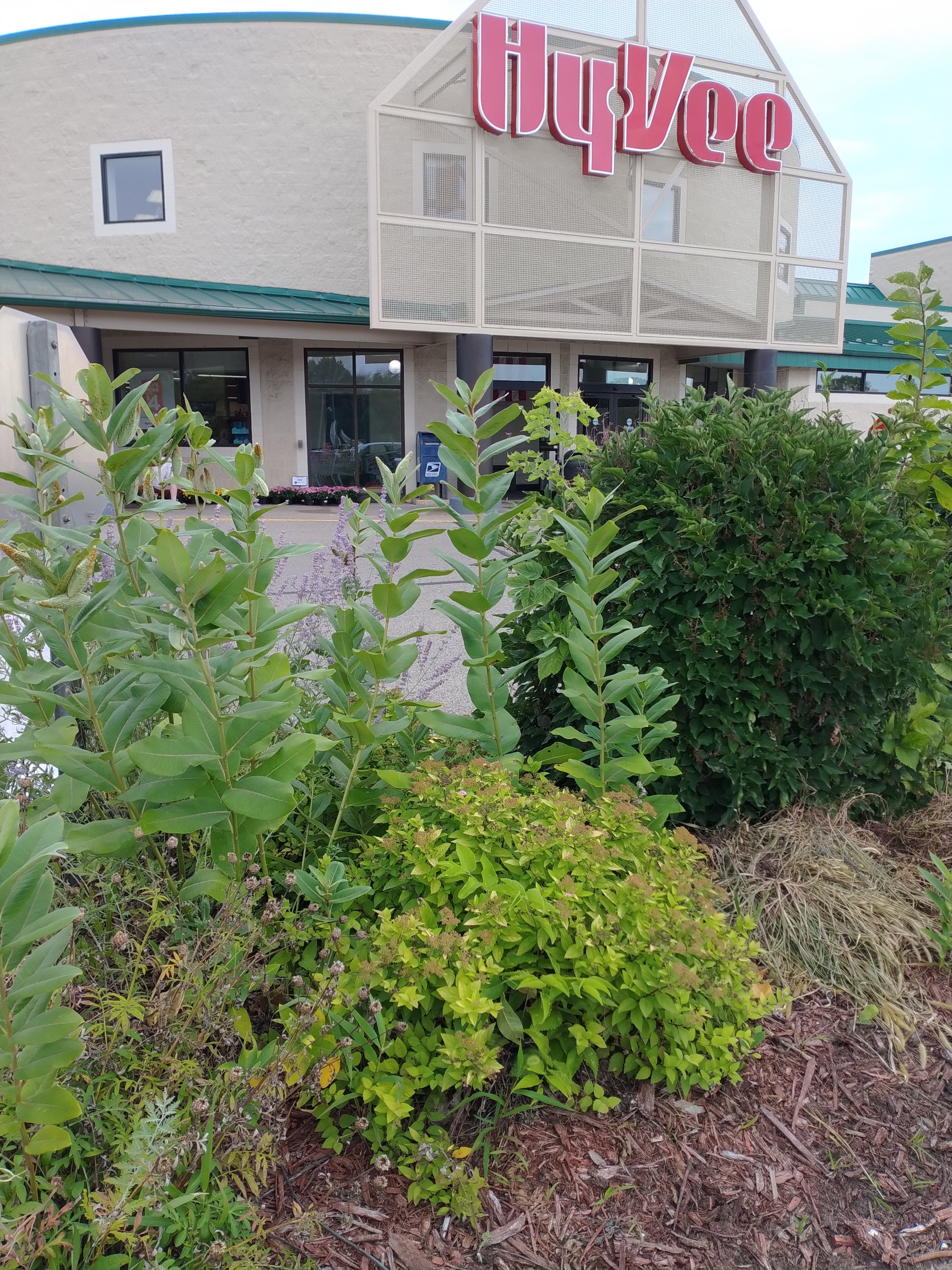
A sign at Hy-Vee grocery store explains the importance of milkweed to monarchs. (Minnesota Prairie Roots copyrighted photo August 2024)

More and more I’ve spotted milkweeds growing in public places in and around Faribault. River Bend Nature Center. Falls Creek County Park. The Rice County Master Gardeners’ Teaching Gardens. Beside the conservation building at the Rice County Fairgrounds. Even in flowerbeds at Hy-Vee grocery store.

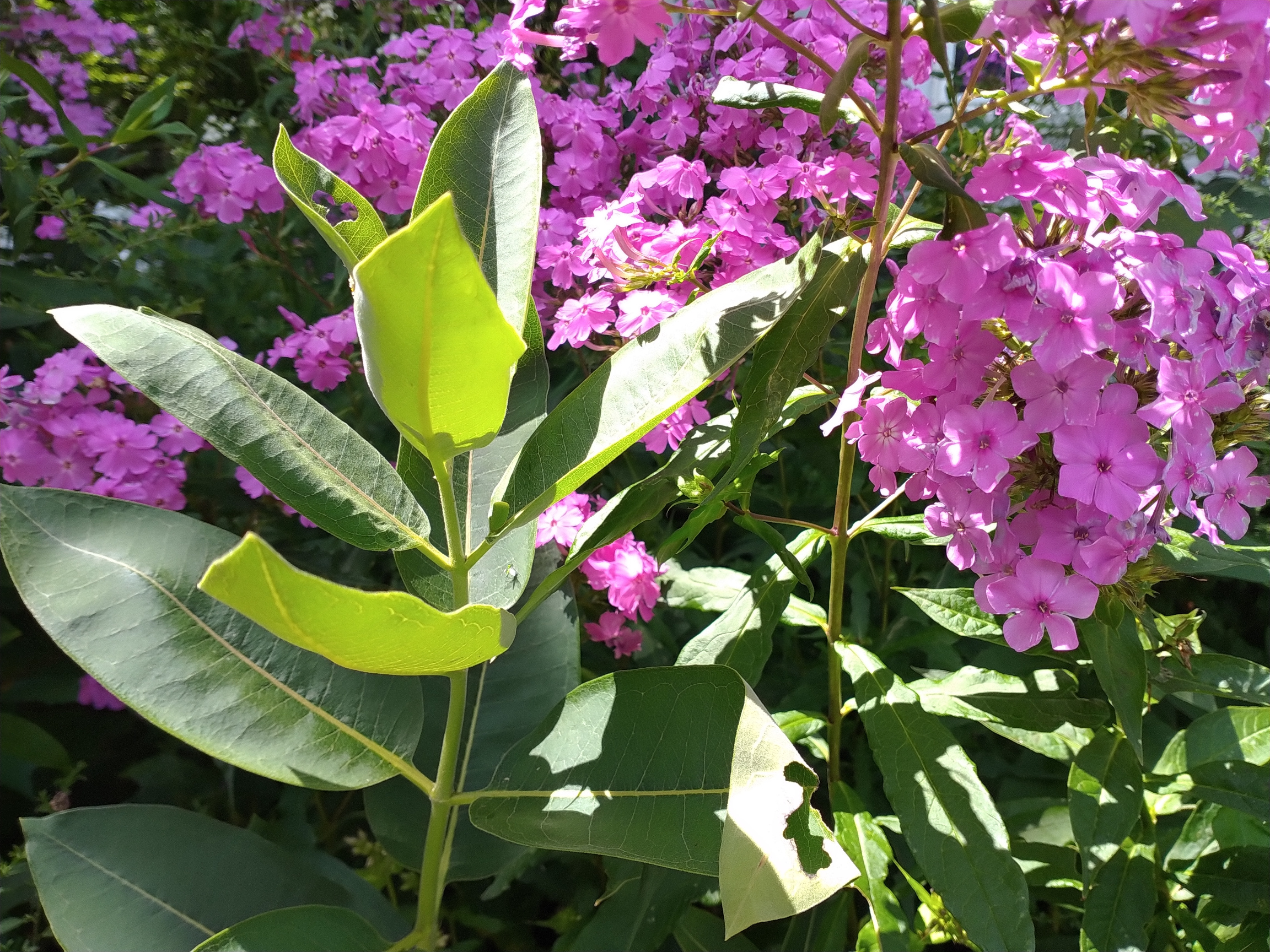
Milkweeds grow among phlox. (Minnesota Prairie Roots copyrighted photo August 2024)

If you walk by my house, you’ll see stray milkweeds popping up here and there. Along a retaining wall. Among the prolific phlox in my messy flowerbeds. The husband has orders not to mow, pull or otherwise remove milkweed plants.

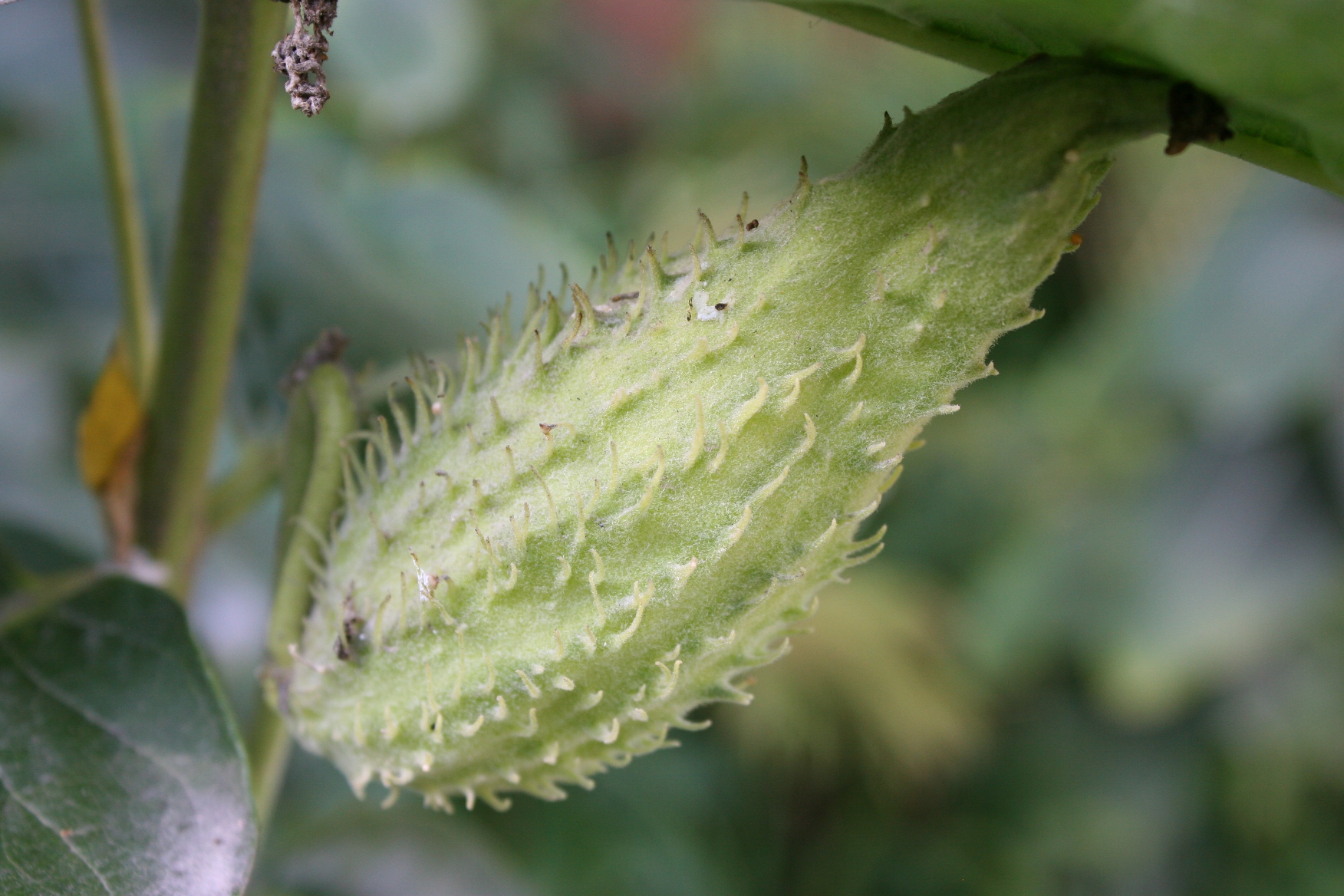
An unripened milkweed pod. (Minnesota Prairie Roots copyrighted file photo)

This time of year, seed pods are forming on milkweeds. Perhaps it’s the writer, the poet, in me that loves the shape of those fat green pods that will eventually dry, burst open and spread seeds on wisps of white fluff carried by the wind.

Milkweeds flourish among prairie flowers in the Rice County Master Gardeners Teaching Gardens, Faribault, (Minnesota Prairie Roots copyrighted photo August 2024)

Seeds wing across the landscape, just like monarchs. I remember a time when monarchs were prolific. Yes, even in rural Minnesota where I labored to get rid of milkweed plants.

I discovered milkweeds planted outside Hy-Vee. (Minnesota Prairie Roots copyrighted photo August 2024)

Naturalists, gardeners and others are working hard now to bring back the monarch population. It’s taken time, effort and education to convince people to plant milkweeds for monarchs. I don’t expect butterfly numbers will be what they once were—when monarchs flitted everywhere. But we have to start somewhere, do something. And that begins with each of us. Educating ourselves. Caring. And then deciding that milkweeds really aren’t weeds after all. They are vital to the survival of the monarch butterfly. It’s OK to plant milkweed seeds or allow nature to plant them.

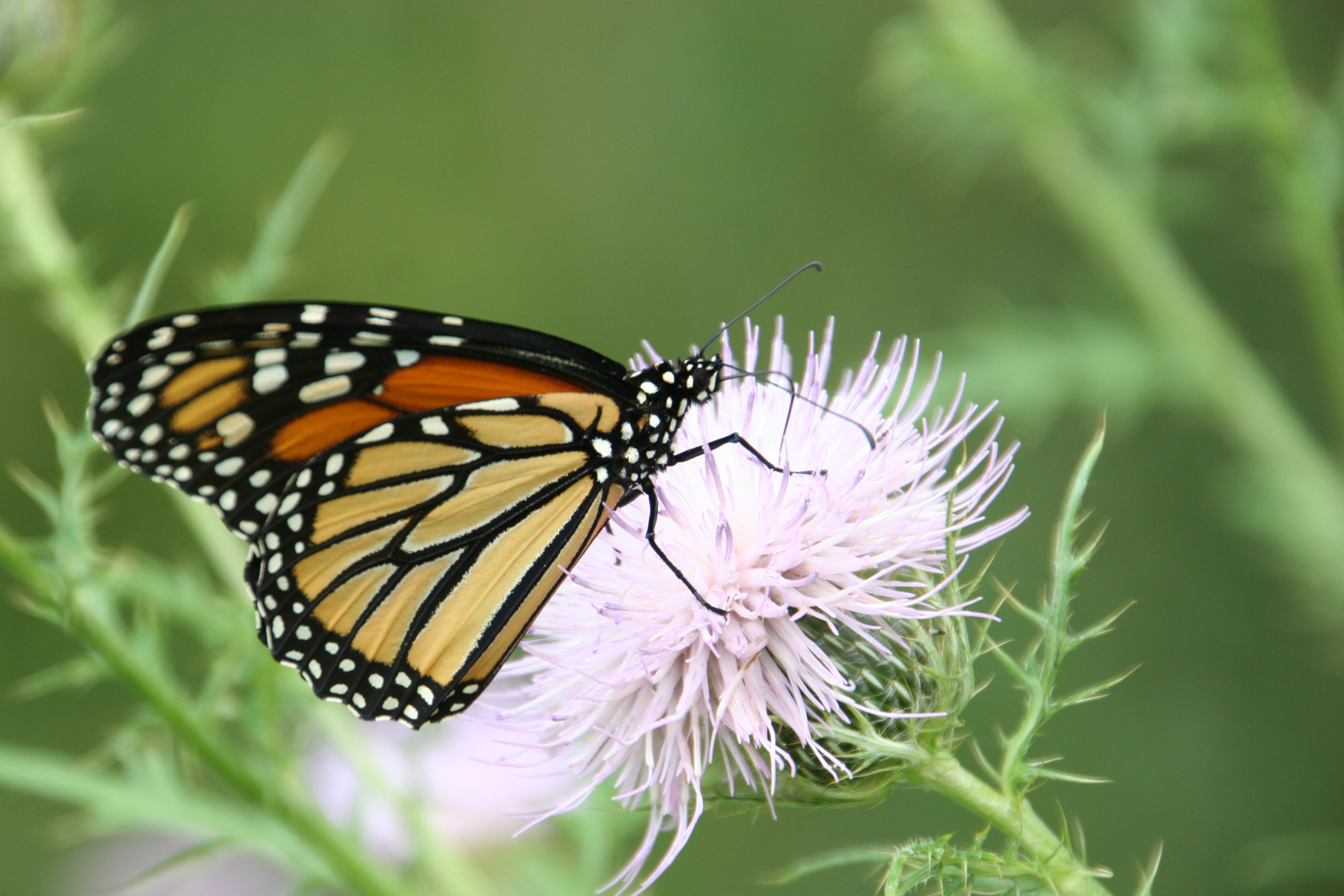
Monarch on a thistle flower. (Minnesota Prairie Roots copyrighted file photo)

I, for one, delight in watching monarchs flit about my yard. They are magical as only a butterfly can be. Delicate, yet strong. Poetically beautiful. Carrying memories and grace on their wings.

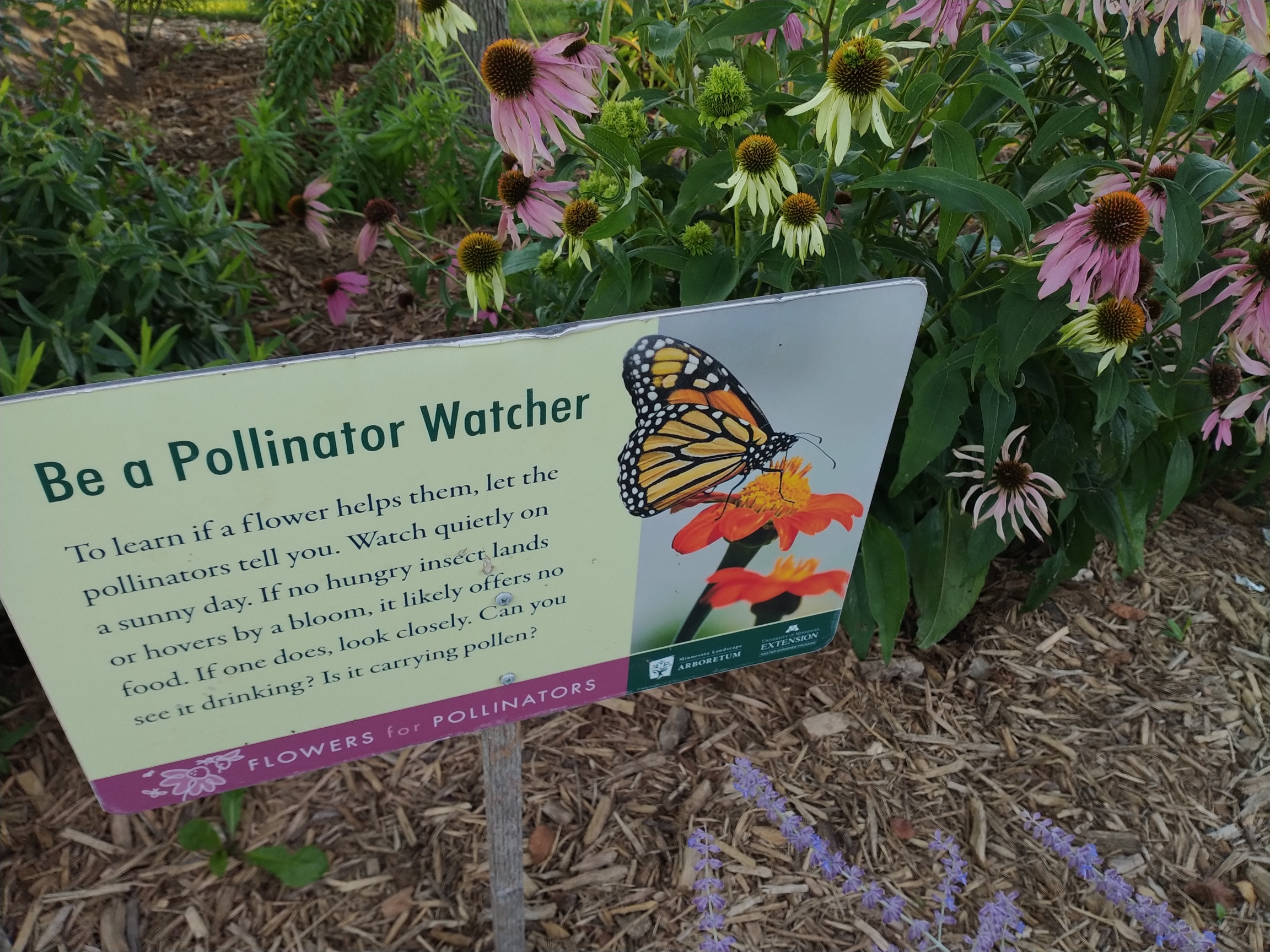
An educational sign among the flowers at the Rice County Master Gardeners Teaching Gardens. (Minnesota Prairie Roots copyrighted photo August 2024)

FYI: Nerstrand Big Woods State Park is hosting a “Monarchs and Milkweeds” presentation at 10 a.m. Saturday, August 24, in the park’s amphitheater. Kathy Gillispie, who raises monarchs from eggs, caterpillars and chrysalises, will speak about her experiences with monarchs. The program is free, but a state park parking pass is needed to enter the rural Nerstrand park.

© Copyright 2024 Audrey Kletscher Helbling
 

Of monarch butterflies & milkweeds August 14, 2023

Monarch on milkweed flower at the Rice County Master Gardeners Teaching Gardens, Faribault. (Minnesota Prairie Roots copyrighted photo June 2023)

ADMITTEDLY, A TIME EXISTED when I considered milkweeds to be, well, weeds. A weed, by definition, is an unwanted plant. And my farmer dad didn’t want milkweeds growing in his Redwood County soybean fields. So we—meaning me and my siblings—were instructed to eradicate milkweeds, cockle burrs and thistles while walking beans.

If the term “walking beans” is unfamiliar, it simply means walking between soybean rows to remove weeds either via pulling or hoeing, preferably yanking so as to assure root removal. This was a necessary, albeit unpleasant, task assigned to farm kids who labored and sweated under a hot summer sun. The reward was a clean field. And a grateful farmer father.

Occasionally, this job paid…if done for anyone other than Dad. One summer my cousin John hired my sister Lanae and I and two of our cousins to walk his beans. As the oldest among the four, I was the designated crew leader, quickly thrust into settling arguments between my two cousins. I decided then and there that I wasn’t management material.

Milkweeds flourish at River Bend Nature Center, Faribault. (Minnesota Prairie Roots copyrighted photo July 2023)

But back to those milkweeds. Now, some 50+ years later, my opinion about milkweeds has changed. I no longer pull them. I plant them and then allow them to go to seed. And this year I have a bumper crop growing in my flowerbeds, much to my delight.

Milkweed flowers are not only beautiful, but also smell lovely. (Minnesota Prairie Roots copyrighted photo July 2023)

Milkweeds are the host plant for monarch butterfly larvae, the reason I grow this food source. I want to do my part to protect the monarch, today considered to be endangered. I’ve been rewarded with monarchs flitting among my phlox and other plants in my tangled mess of flower gardens.

The other evening, while walking in a local park, I watched two monarchs swooping and dancing in a pre-mating ritual. Their aerial acrobatics impressed me like a line of well-written poetry. In many ways, their performance was poetry. Beautiful. Creative. Mesmerizing. Connective in a way that touched my spirit.

If my farmer dad (gone 20 years) heard me describe monarchs in this context, he may just shake his head and wonder about that poet daughter of his. And he would wonder even more whether I learned anything from pulling milkweeds all those summers ago in his southwestern Minnesota soybean fields.

#

FYI: You can learn about monarch butterflies and how you can help them, see caterpillars, then hike to look for monarchs during a 10-11:30 a.m. Saturday, August 19, program at the Nerstrand Big Woods State Park amphitheater. Minnesota Master Naturalist Katy Gillispie is leading the Friends of Nerstrand Big Woods State Park free “Monarchs and Milkweeds” event. A state park parking pass is required for entry to the park near Nerstrand.

© Copyright 2023 Audrey Kletscher Helbling
 

“A quiet place to be” in Mission Township August 31, 2022

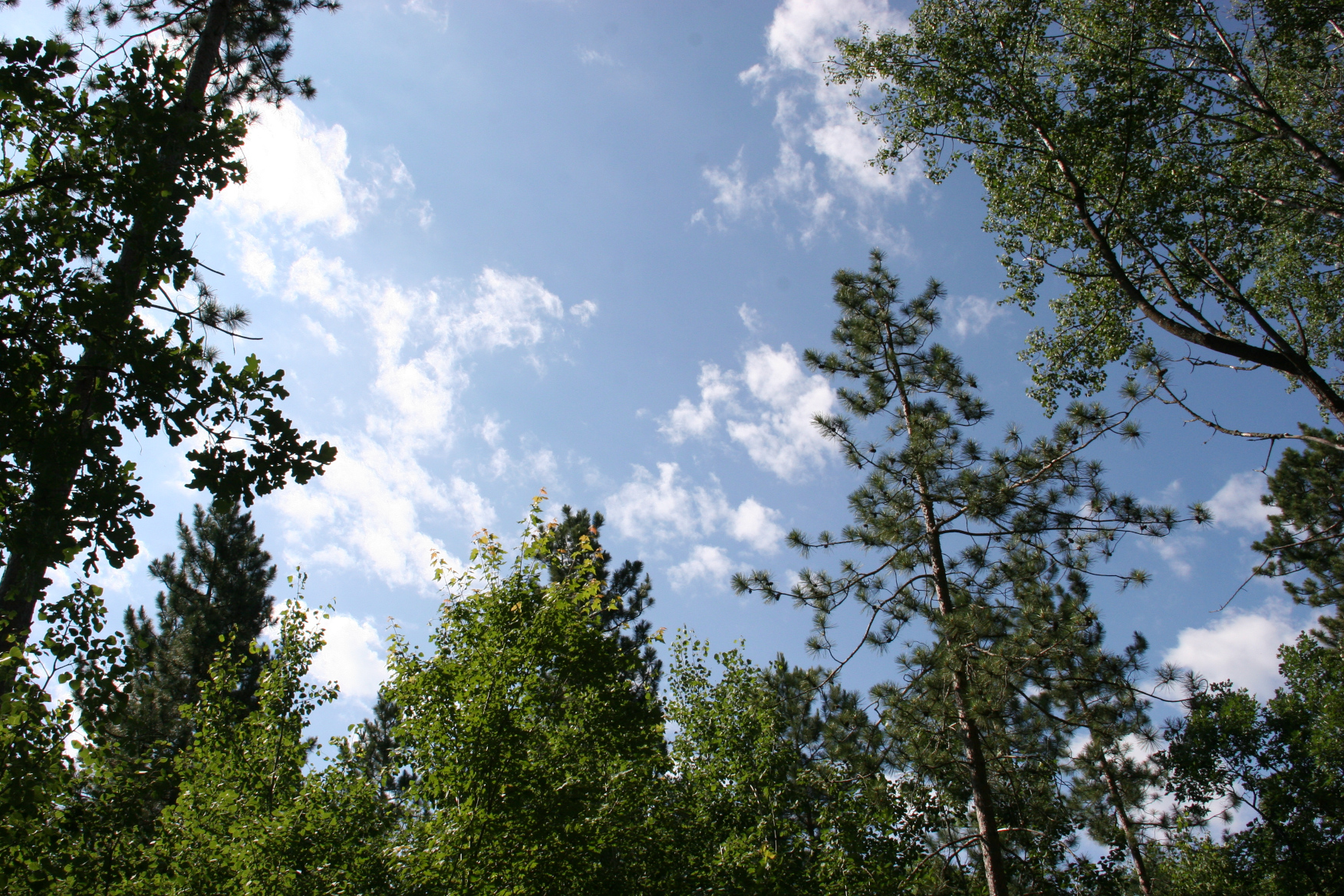
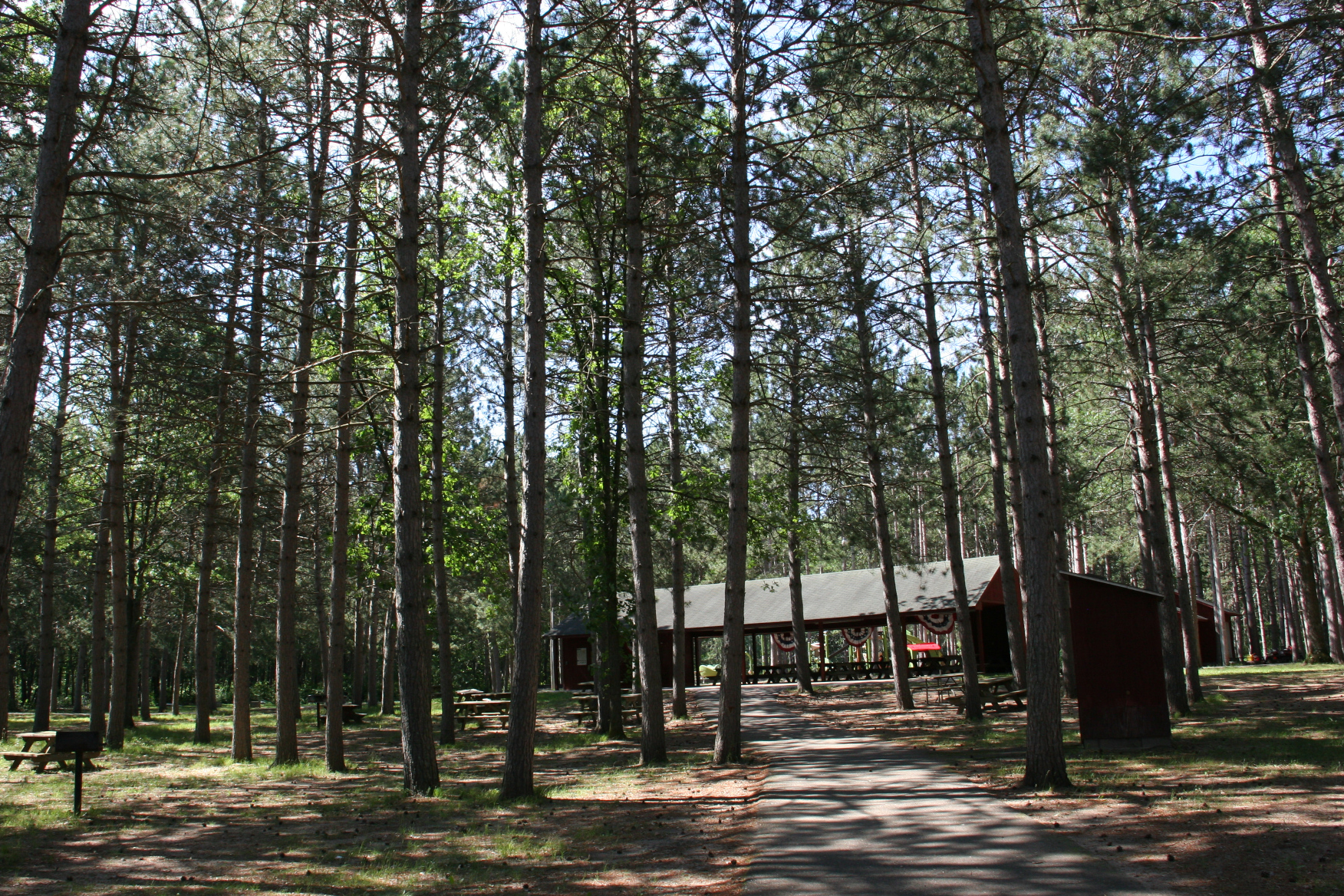
Looking skyward at Mission Park, where slim, towering pines are prevalent. (Minnesota Prairie Roots copyrighted photo July 2022)

MISSION PARK IN MISSION TOWNSHIP, “a quiet place to be” north of Merrifield in the Brainerd lakes region, rates as a favorite hiking spot when I’m at the lake. The extended family cabin is conveniently located about two miles away.

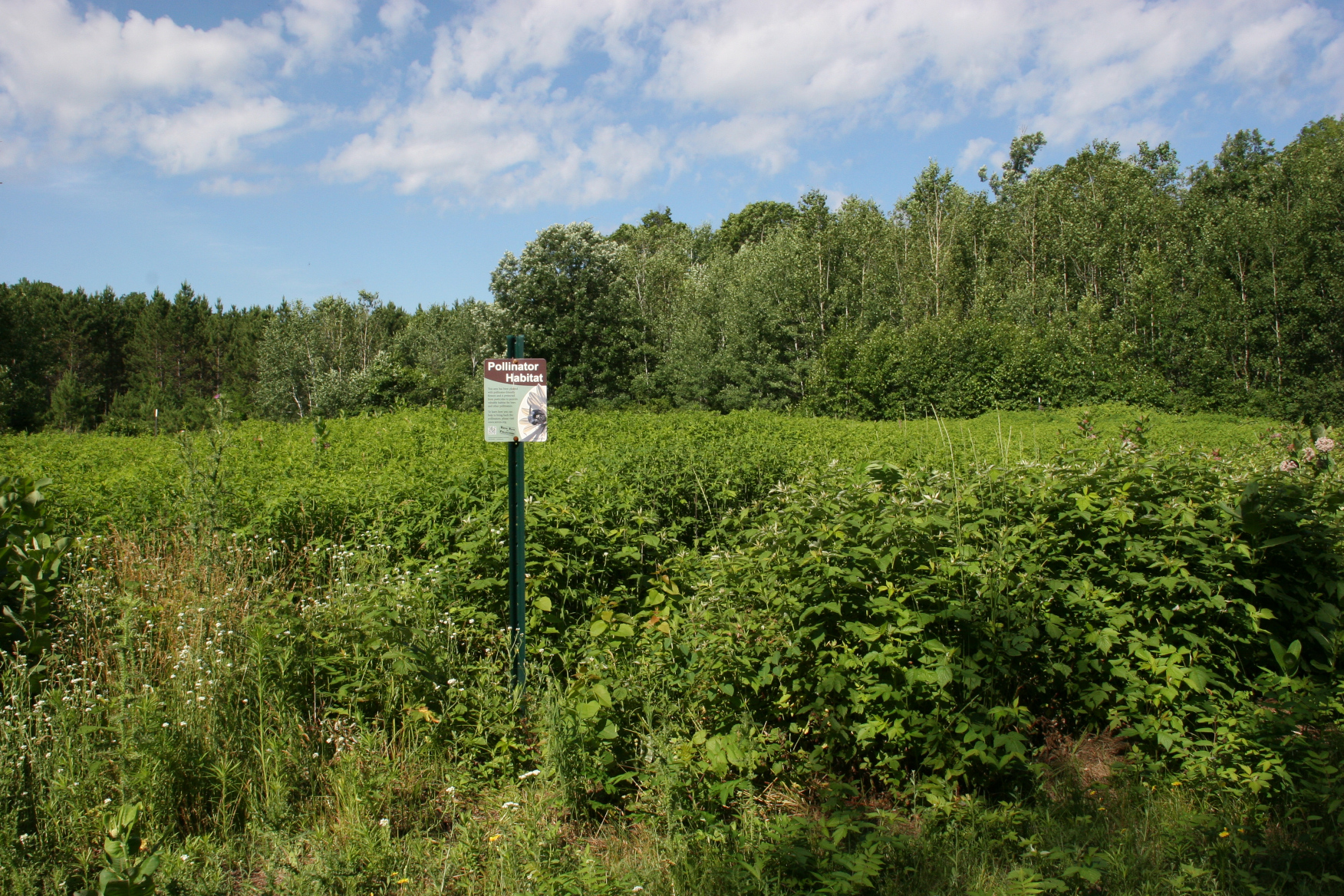
At the end of a grassy trail, the woods open to a pollinator garden. (Minnesota Prairie Roots copyrighted photo July 2022)

I enjoy walking here along the 3/4-mile paved trail that winds primarily through the woods. Grassy paths are another option, but I typically keep to the hard surface, with one exception. That deviation is the grassy route leading to an open field Pollinator Habitat.

Milkweeds fill the prairie garden. (Minnesota Prairie Roots copyrighted photo July 2022)

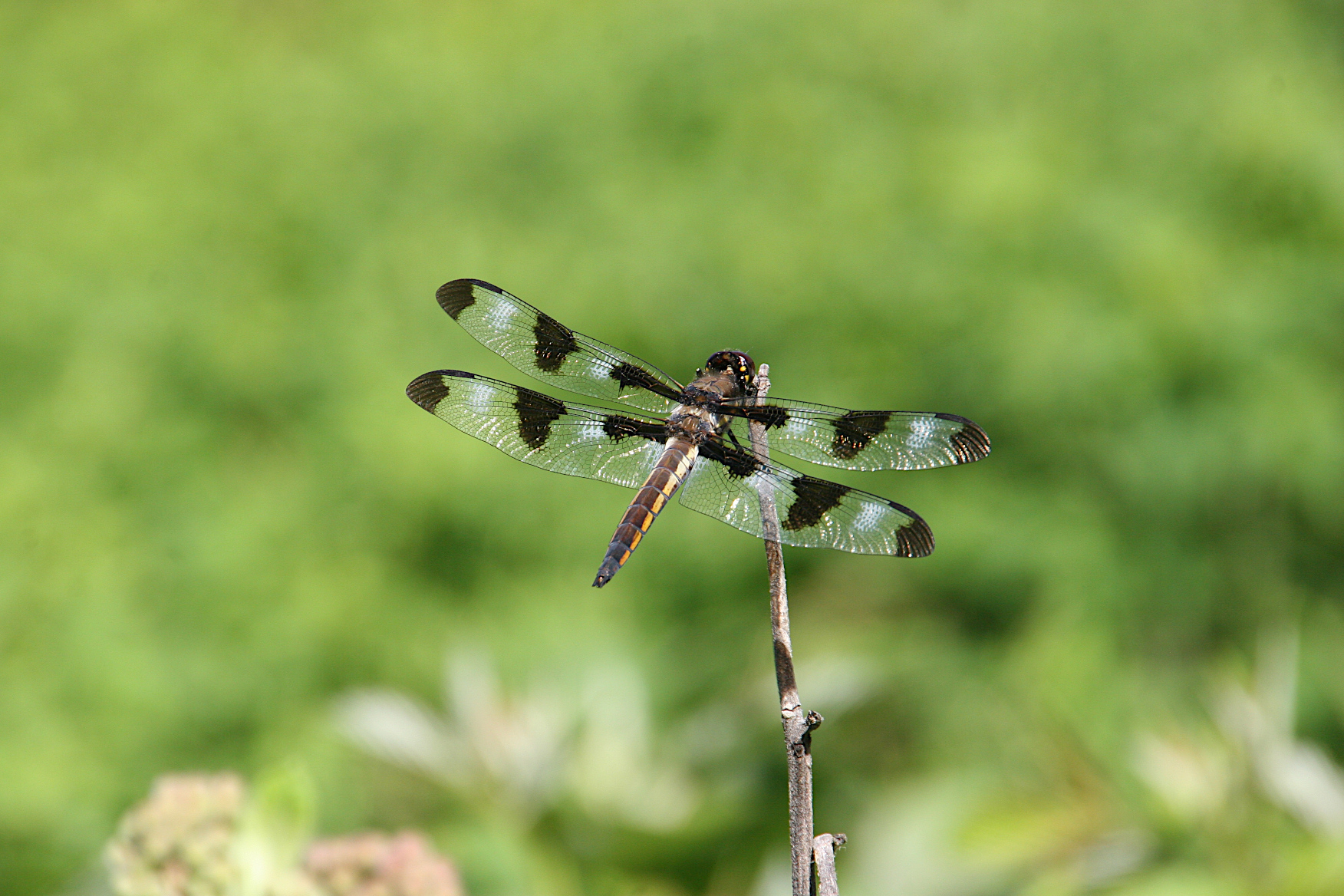
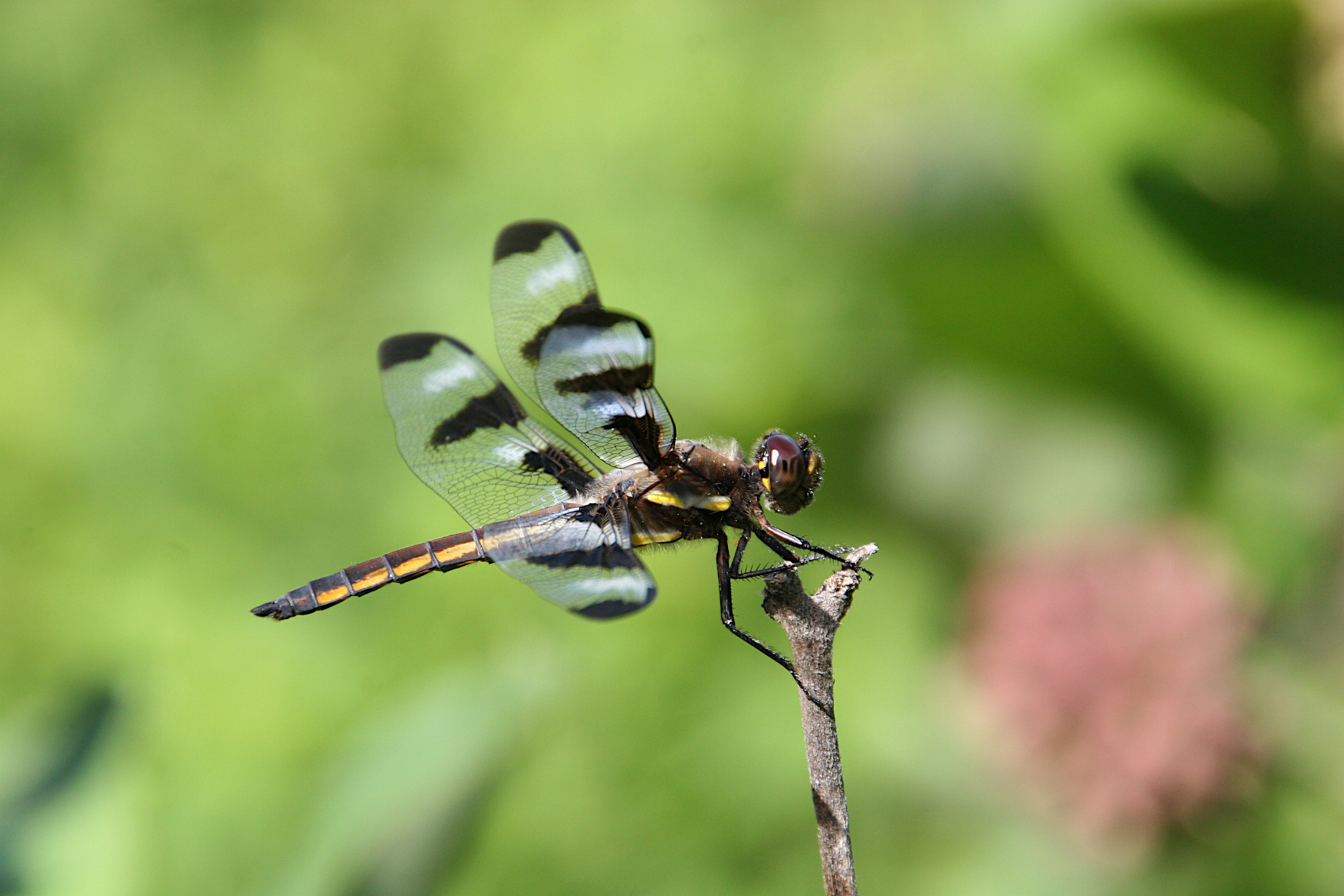
A dragonfly clings to a stalk. (Minnesota Prairie Roots copyrighted photo July 2022)

I’ve always loved the dusky hue of the milkweed flower. (Minnesota Prairie Roots copyrighted photo July 2022)

Last trip to the cabin in early July, Randy and I discovered the field of milkweeds and other pollinator-attracting plants pulsing with dragonflies. I’ve always delighted in dragonflies—how they flit, their translucent wings beautiful to behold.

Dragonflies up close are a study in intricacy and beauty. (Minnesota Prairie Roots copyrighted photo July 2022)

But dragonflies also pause, giving photographers like me ample opportunity to photograph them up close. To see and capture details of webbed wings, of hairy legs, of bulging eyes…proves rewarding, amazing, wondrous. This insect is so intricate.

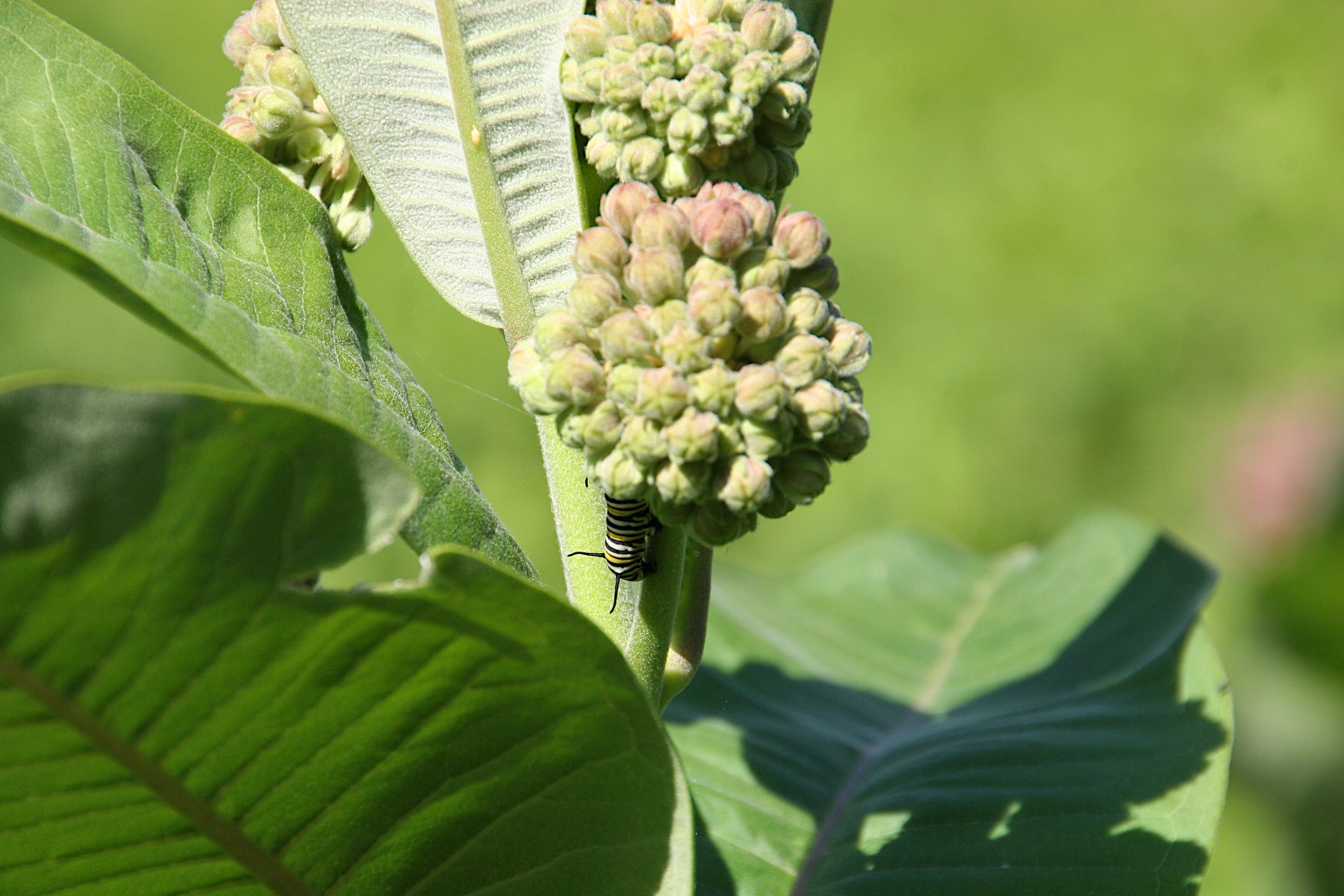
The lone Monarch caterpillar I spotted. (Minnesota Prairie Roots copyrighted photo July 2022)

I noticed, too, a chunky Monarch caterpillar descending a milkweed stalk. Milkweed is a host plant of the caterpillar which will eventually form a chrysalis and later emerge as a Monarch butterfly, now considered an endangered species.

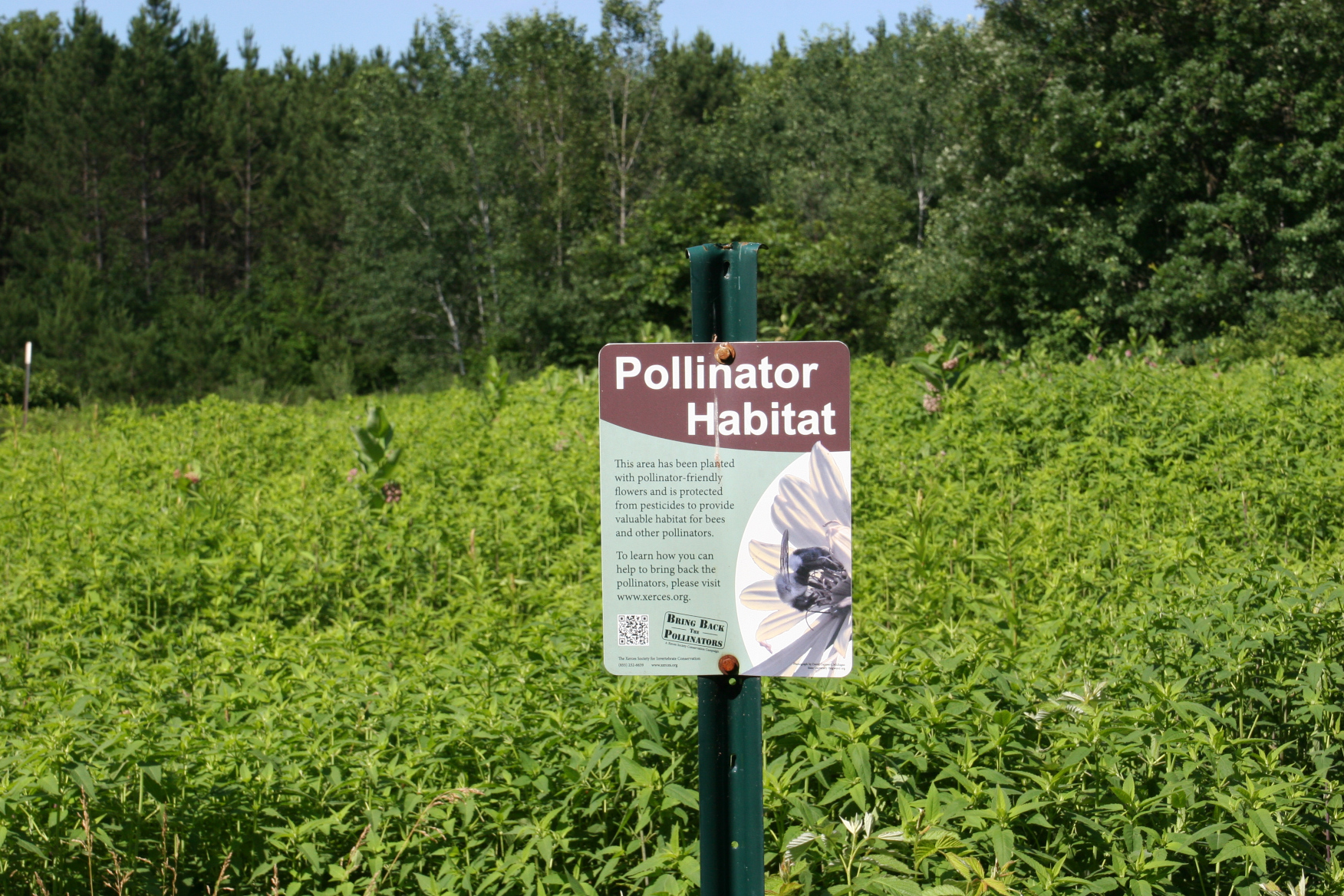
A wide view of the Pollinator Habitat. (Minnesota Prairie Roots copyrighted photo July 2022)

Days later, I led the way back to the Pollinator Habitat to show my granddaughter, her little brother and parents the dragonfly haven. The insects were not as abundant and the crew was less than impressed, especially when Randy discovered a wood tick on his leg. Not a deer tick, but the common wood tick which I am quite familiar with as is Randy. We both grew up on farms and wood ticks were a natural part of our outdoor summer adventures.

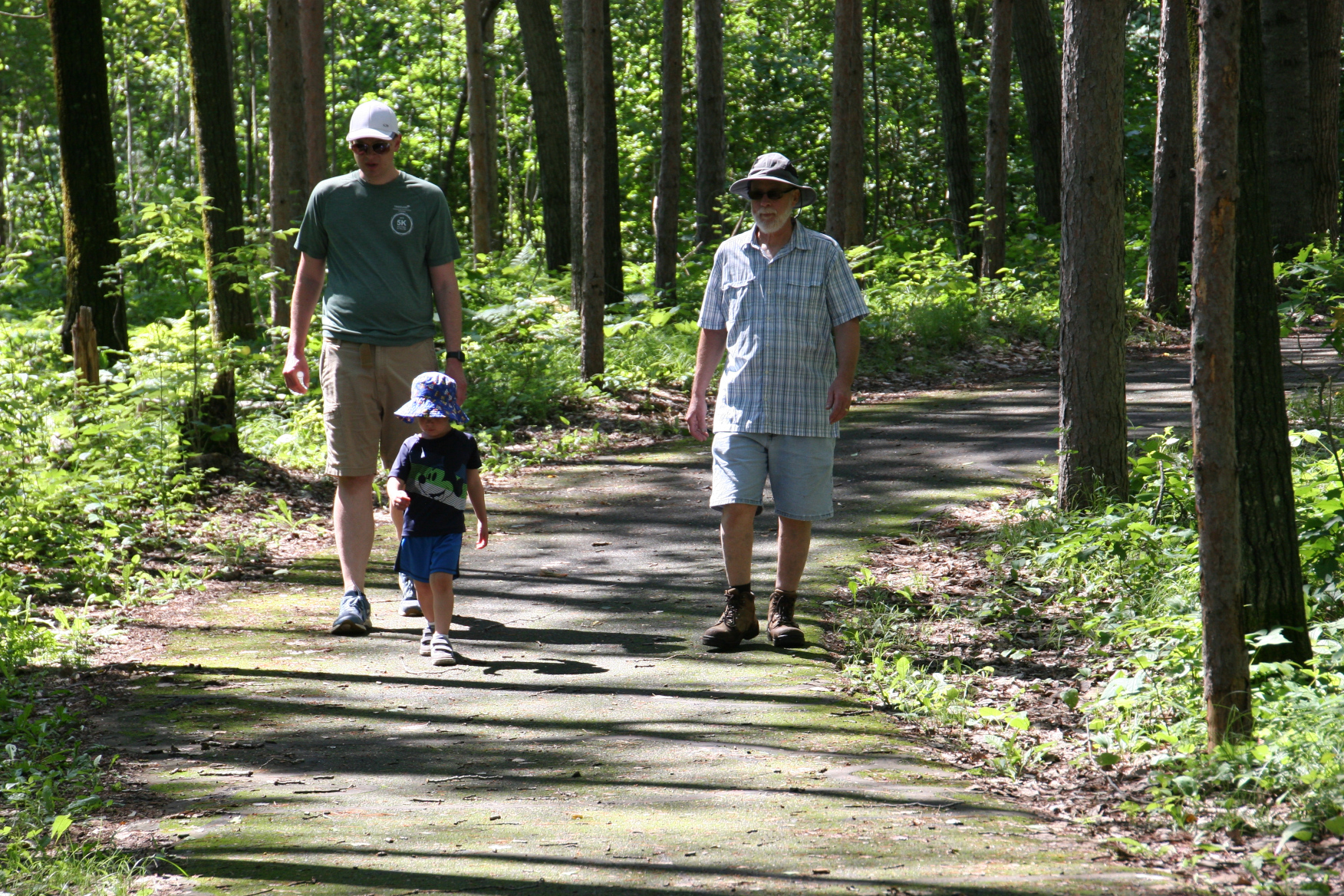
Marc, left to right, Isaac and Randy head out of the woods. (Minnesota Prairie Roots copyrighted photo July 2022)

The six of us quickly exited the pollinator patch right after Randy’s revelation, which he should have kept to himself.

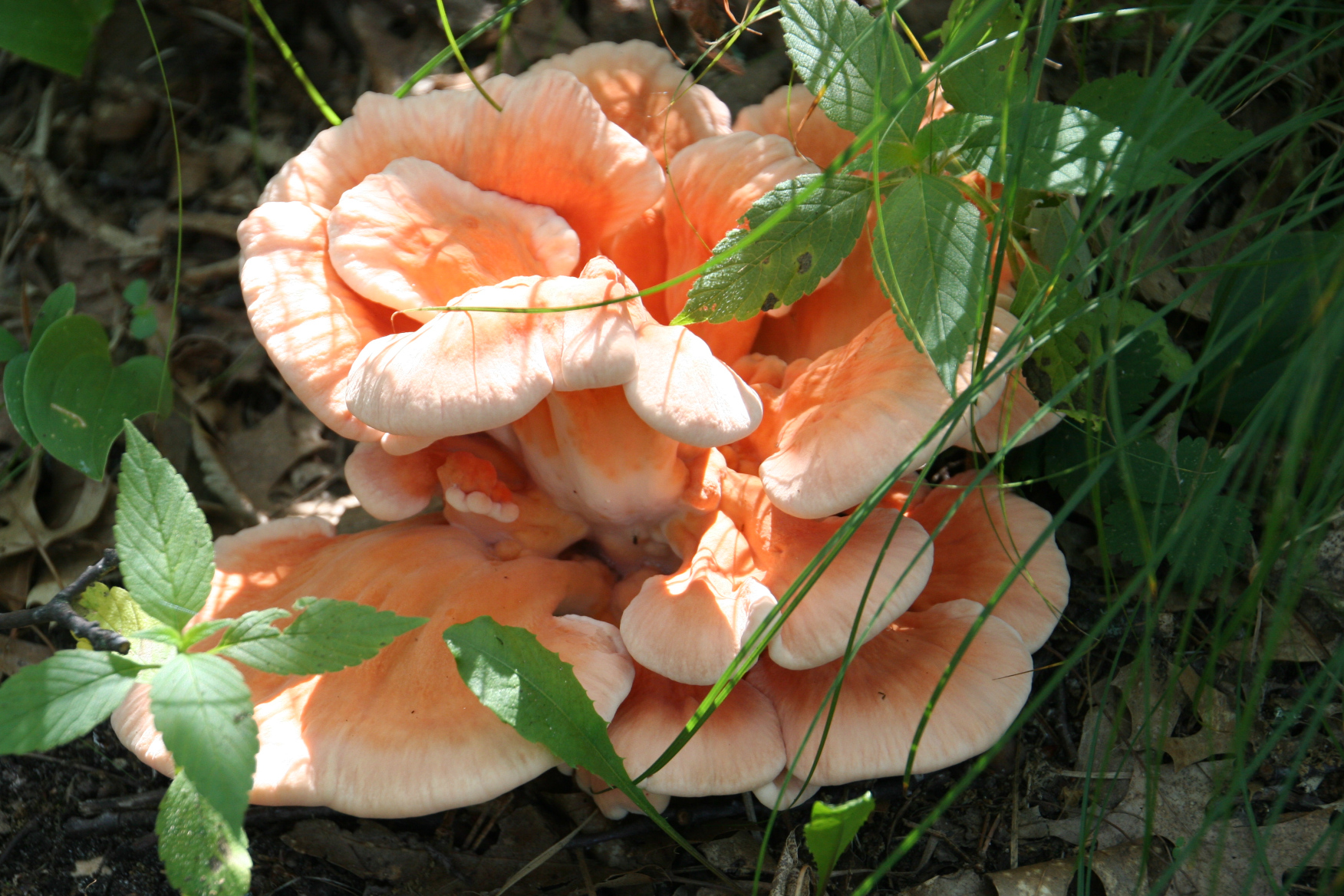
Every time I’m here, I discover a different fungi in the woods. (Minnesota Prairie Roots copyrighted photo July 2022)

I had hoped to walk along the paved trail to show everyone the massive orange mushroom I spotted previously. But, instead, we headed back to the park’s main recreational area.

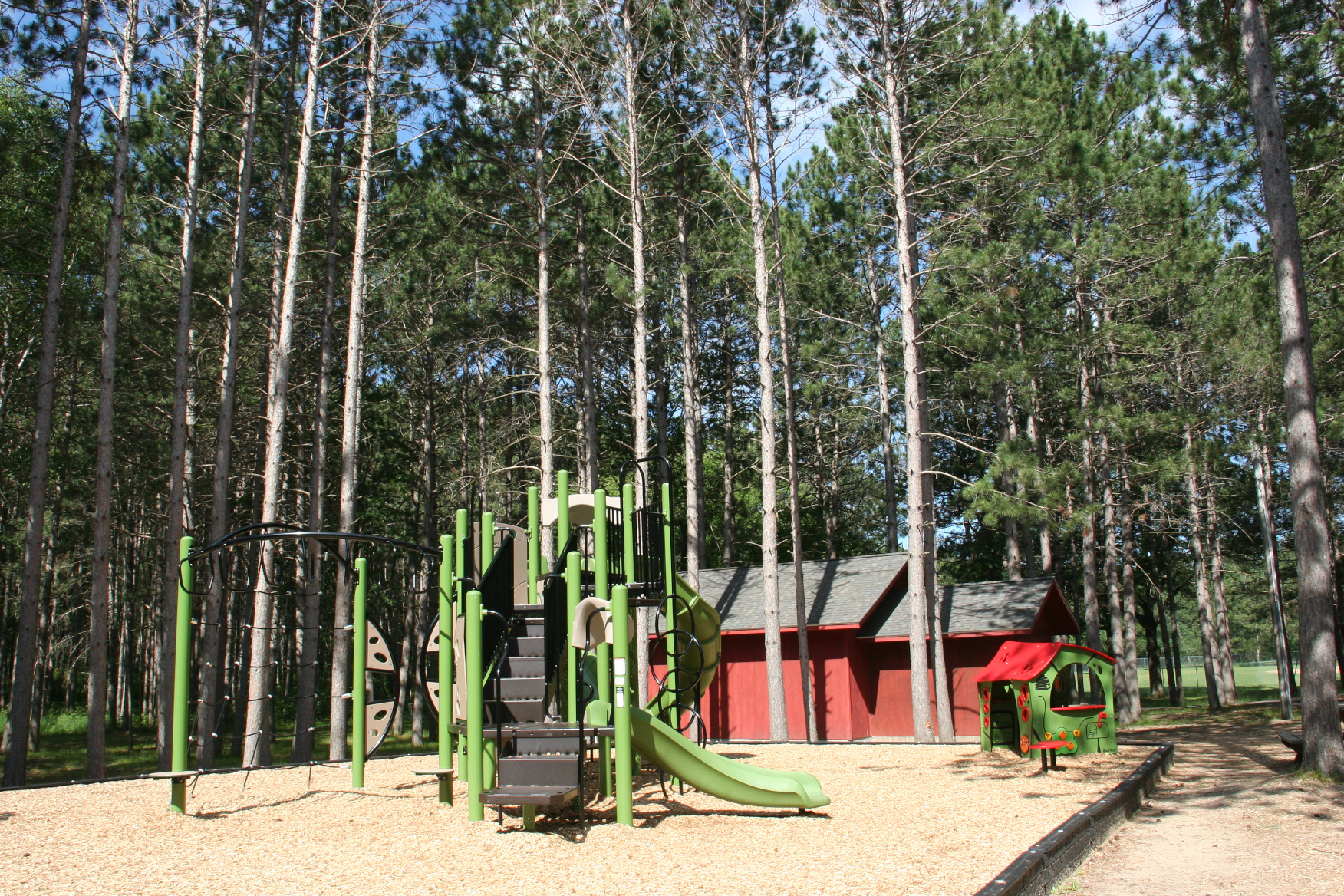
The grandkids loved the new playground equipment. (Minnesota Prairie Roots copyrighted photo July 2022)

Mission Park offers plenty of play space for those who prefer to stay off grassy trails into the woods. Like new playground equipment.

A spacious pavilion among the pines, next to the playground, provides a place to gather. (Minnesota Prairie Roots copyrighted photo July 2022)

Other recreational options abound with several pickleball courts, disc golf, a ball field, tennis courts, horseshoe pits and volleyball courts. A pavilion offers shelter for outdoor dining. Noticeably missing are bathrooms. There are outhouses, though, with which I am also familiar having used one for the first 11 years of my life.

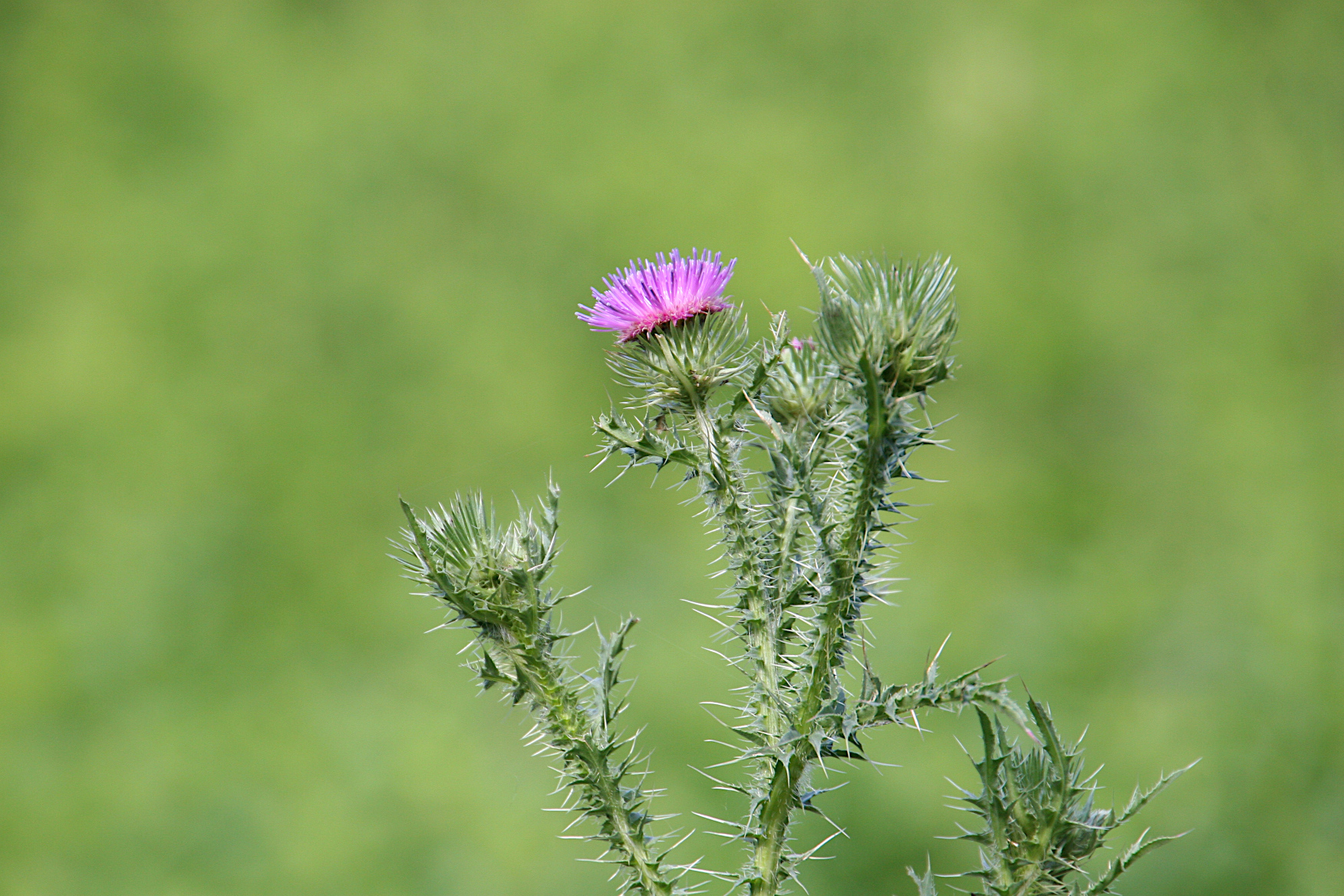
Thistles flourish in the Pollinator Habitat. (Minnesota Prairie Roots copyrighted photo July 2022)

I appreciate the forward thinking of the good folks of Mission Township who, in 1959, purchased 39 acres for $1 with the intent of maintaining the natural beauty of the land and making it available for recreational use.

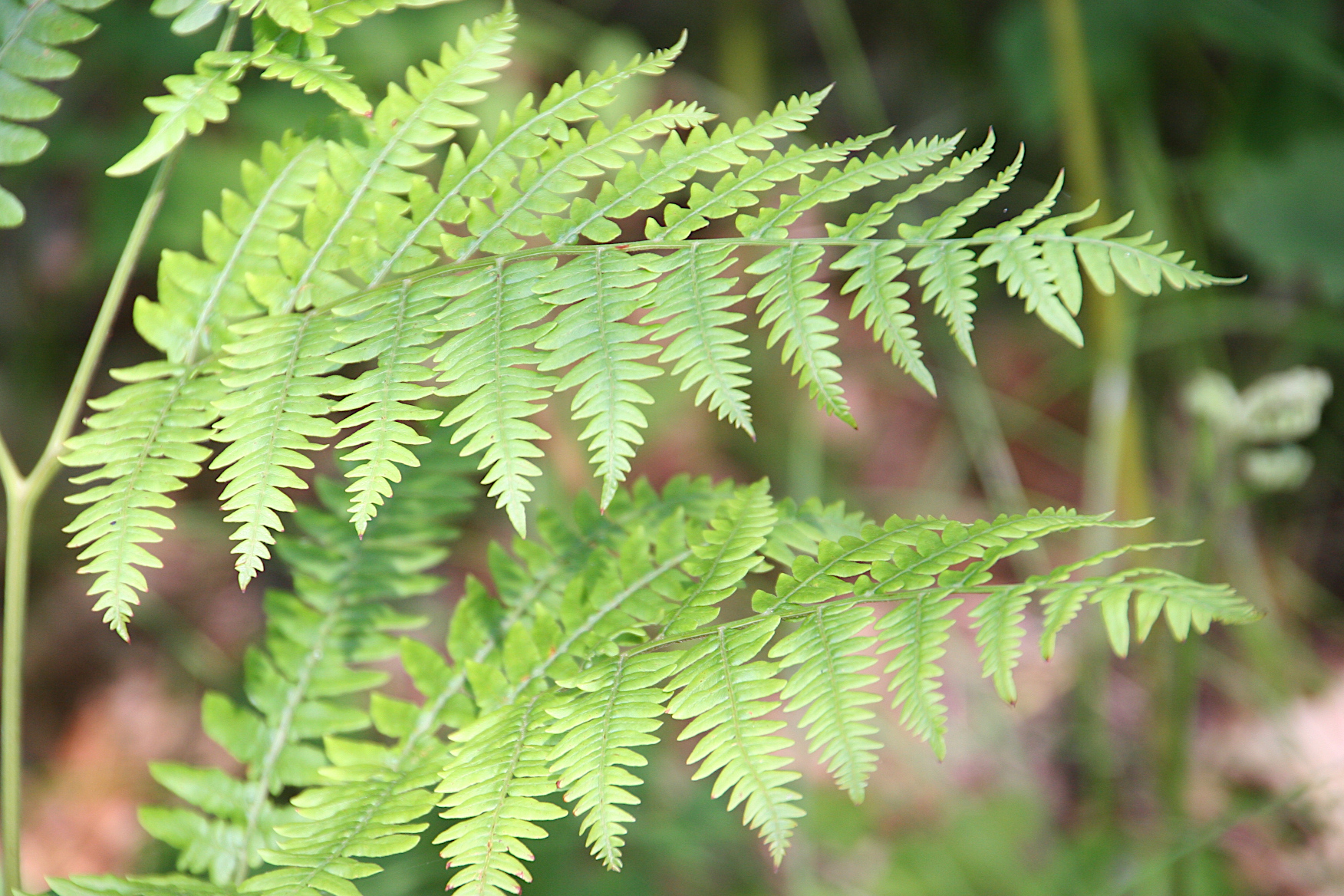
Ferns, one of my favorite plants, grow wild in the woods. (Minnesota Prairie Roots copyrighted photo July 2020)

This “quiet place to be” has quickly become a favorite nearby place to explore whenever I’m at Jon and Rosie’s lake cabin.

© Copyright 2022 Audrey Kletscher Helbling
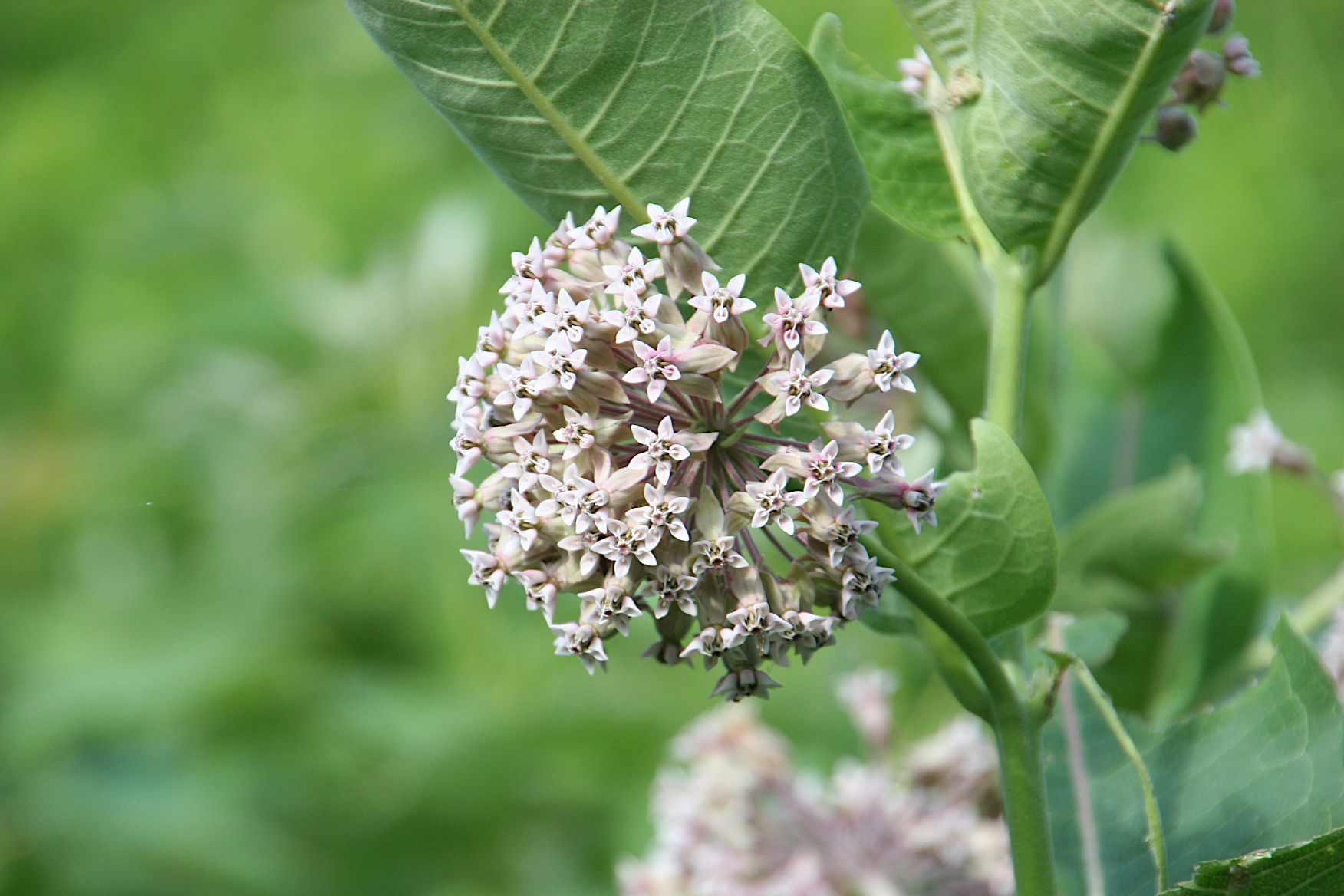
 

Garden connections in Faribault, Part II July 25, 2022

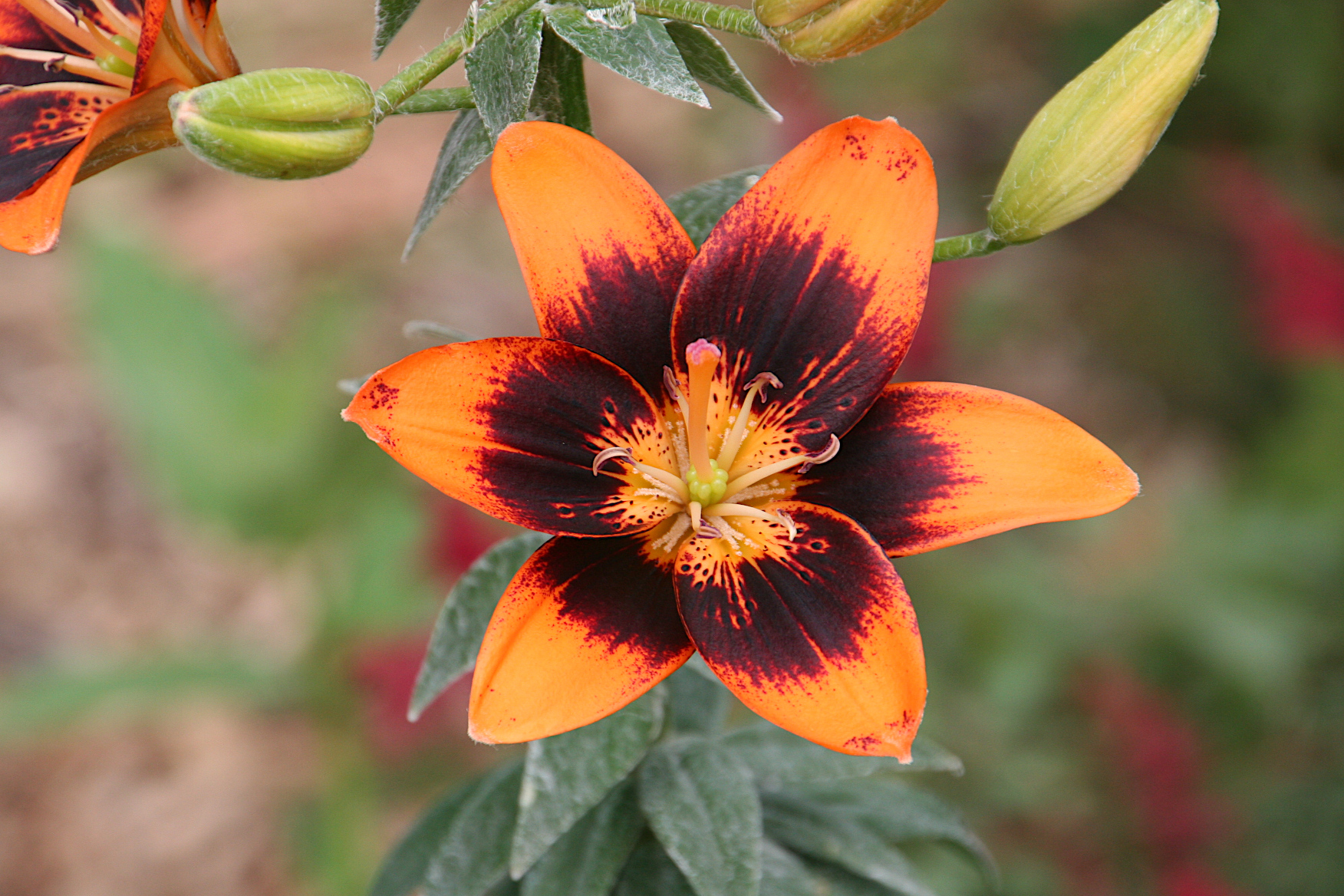
In early July, lilies bloomed in the Rice County Master Gardeners Teaching Garden. (Minnesota Prairie Roots copyrighted photo July 2022)

IN MY FARIBAULT BACKYARD, wild tiger lilies stretch above a tangled mess of greenery, popping orange into the hillside. On the other side of town, domesticated orange lilies grace the neatly-cultivated Rice County Master Gardeners Teaching Gardens at the Rice County Fairgrounds.

The master gardeners’ milkweed patch. (Minnesota Prairie Roots copyrighted photo July 2022)

Also in my yard are scattered milkweeds, food for Monarch caterpillars. In the gardens tended by the experts, a mass of intentionally-planted milkweeds flourishes.

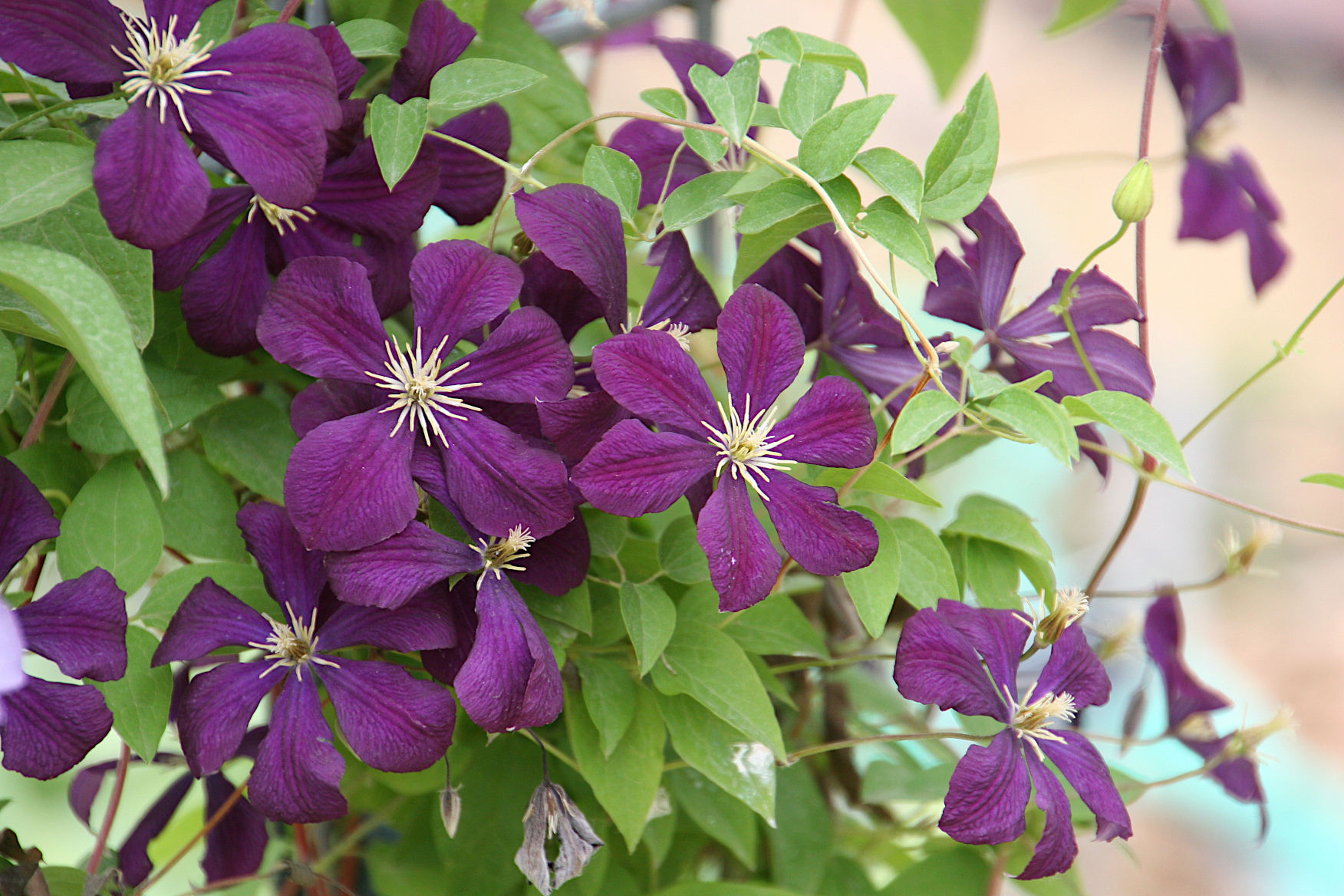
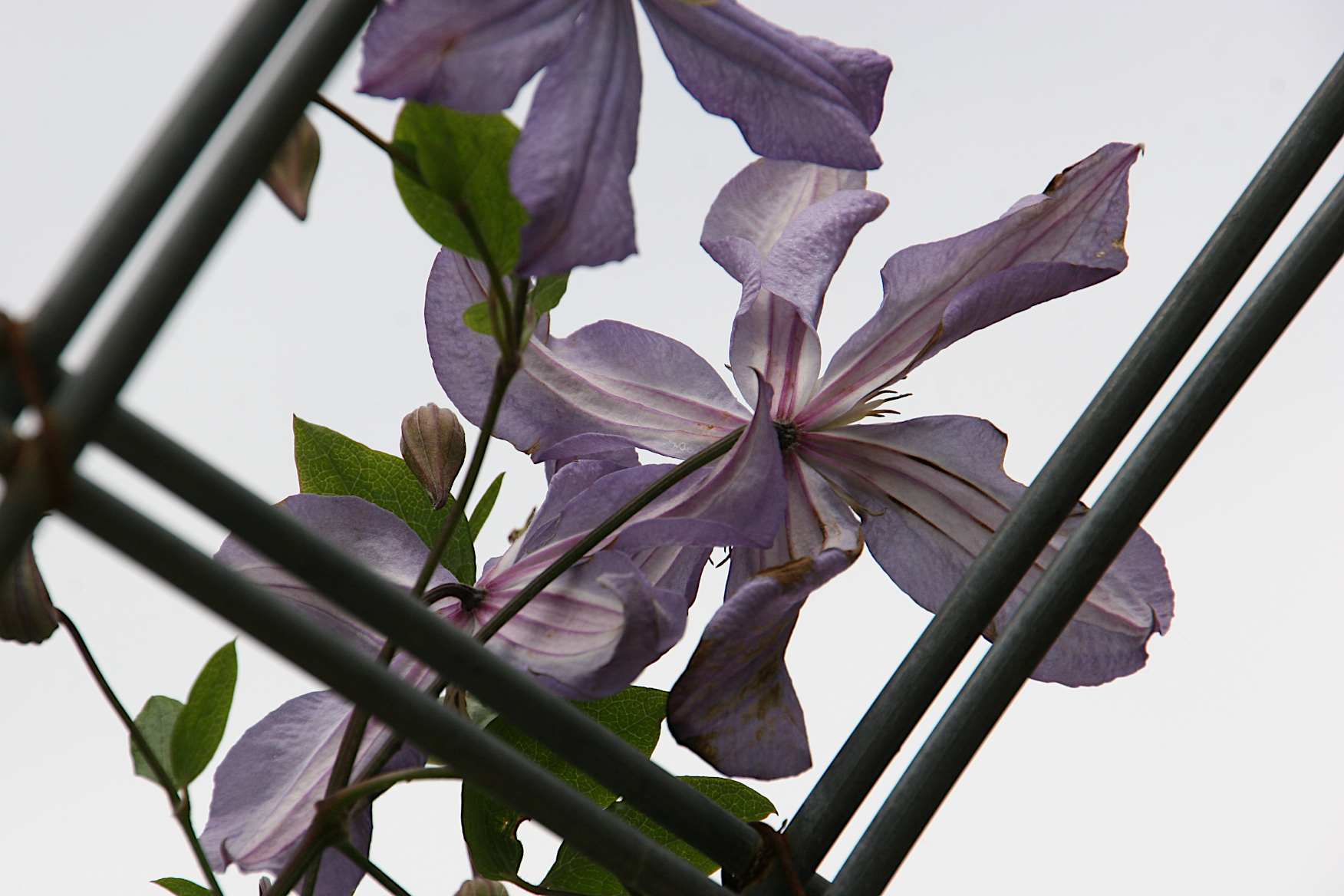
Clematis. (Minnesota Prairie Roots copyrighted photo July 2022)

Blocks away from my home, Donahue’s Greenhouse grows one of the largest selections of clematis in the U.S. That’s their specialty. Across town at the master gardeners’ garden, clematis climb an arbor, lovely blooms opening to the summer sky.

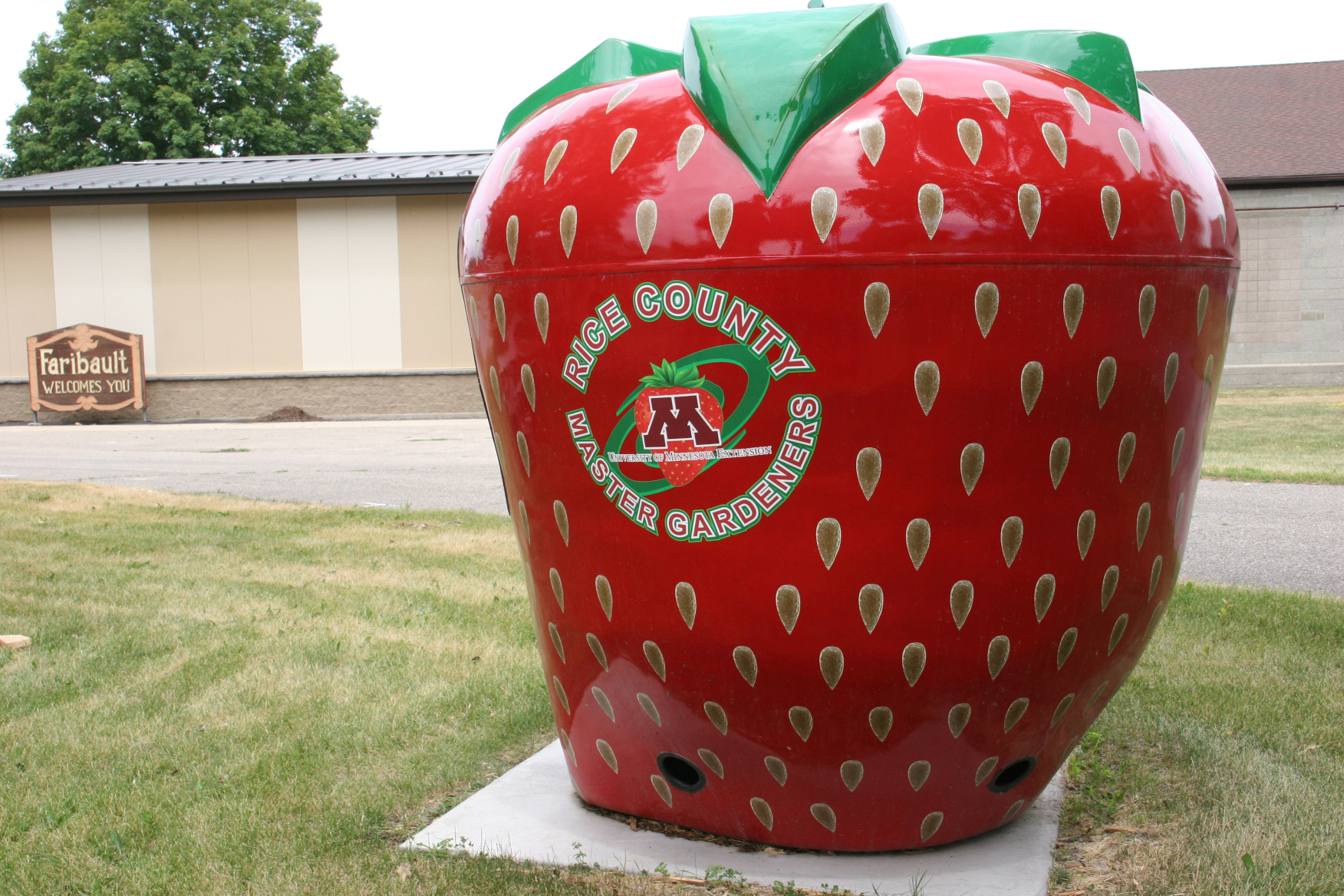
The Berry-Go-Round. (Minnesota Prairie Roots copyrighted photo July 2022)

Within a short distance of my home is the birthplace of the Tilt-A-Whirl, a carnival ride no longer made in Faribault but in Texas. On the edge of the master gardeners’ garden, a giant strawberry sits. It’s a Berry-Go-Round, a spin ride produced by Sellner Manufacturing beginning in 1987, before the company was sold.

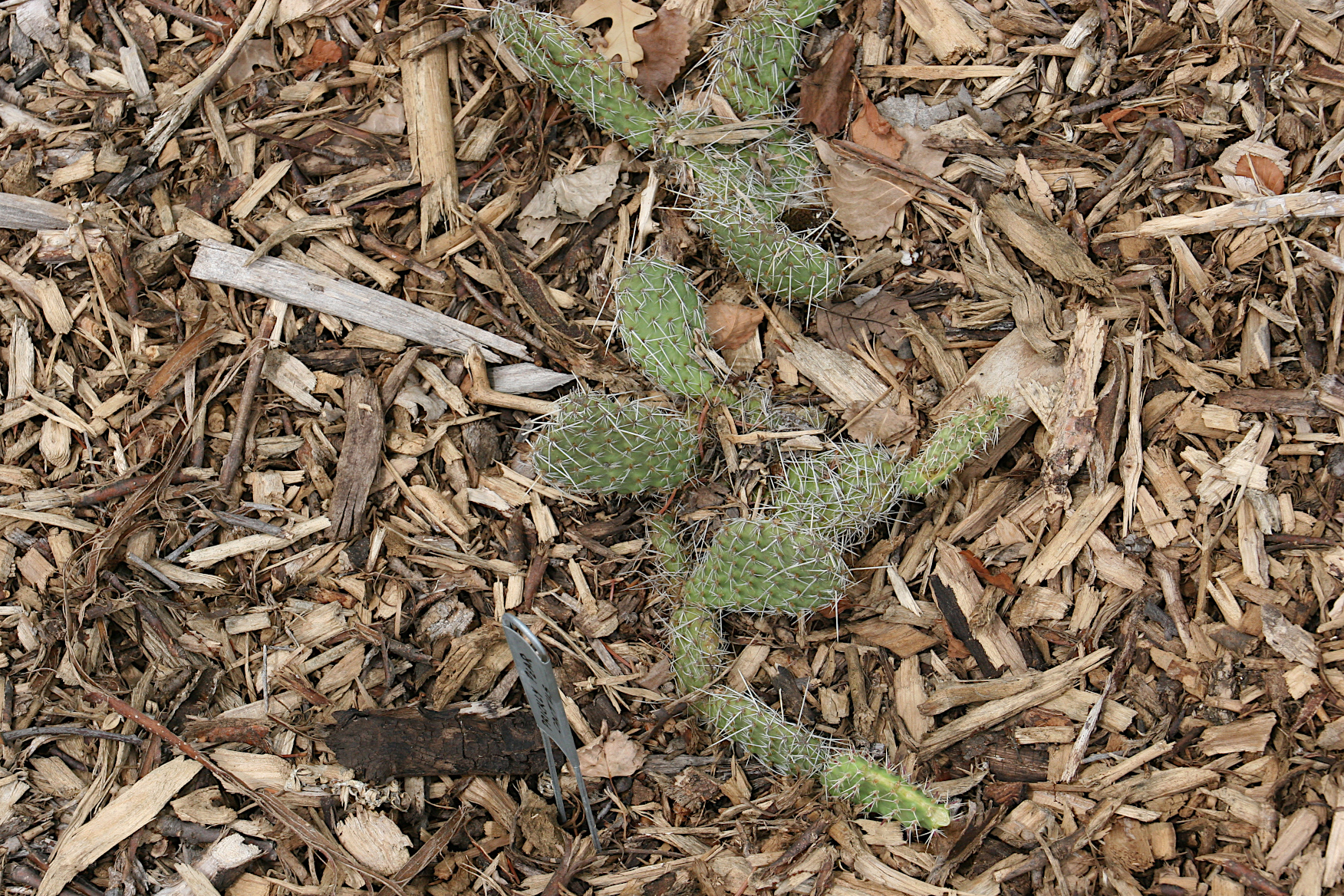
Prickly pear cactus. (Minnesota Prairie Roots copyrighted photo July 2022)

More than 150 miles to the southwest of Faribault near the South Dakota border, prickly pear cactus thrive in the rocky lands of the prairie. I’ve seen them at Blue Mounds State Park near Luverne. And now I’ve seen them in the gardens at the local fairgrounds.

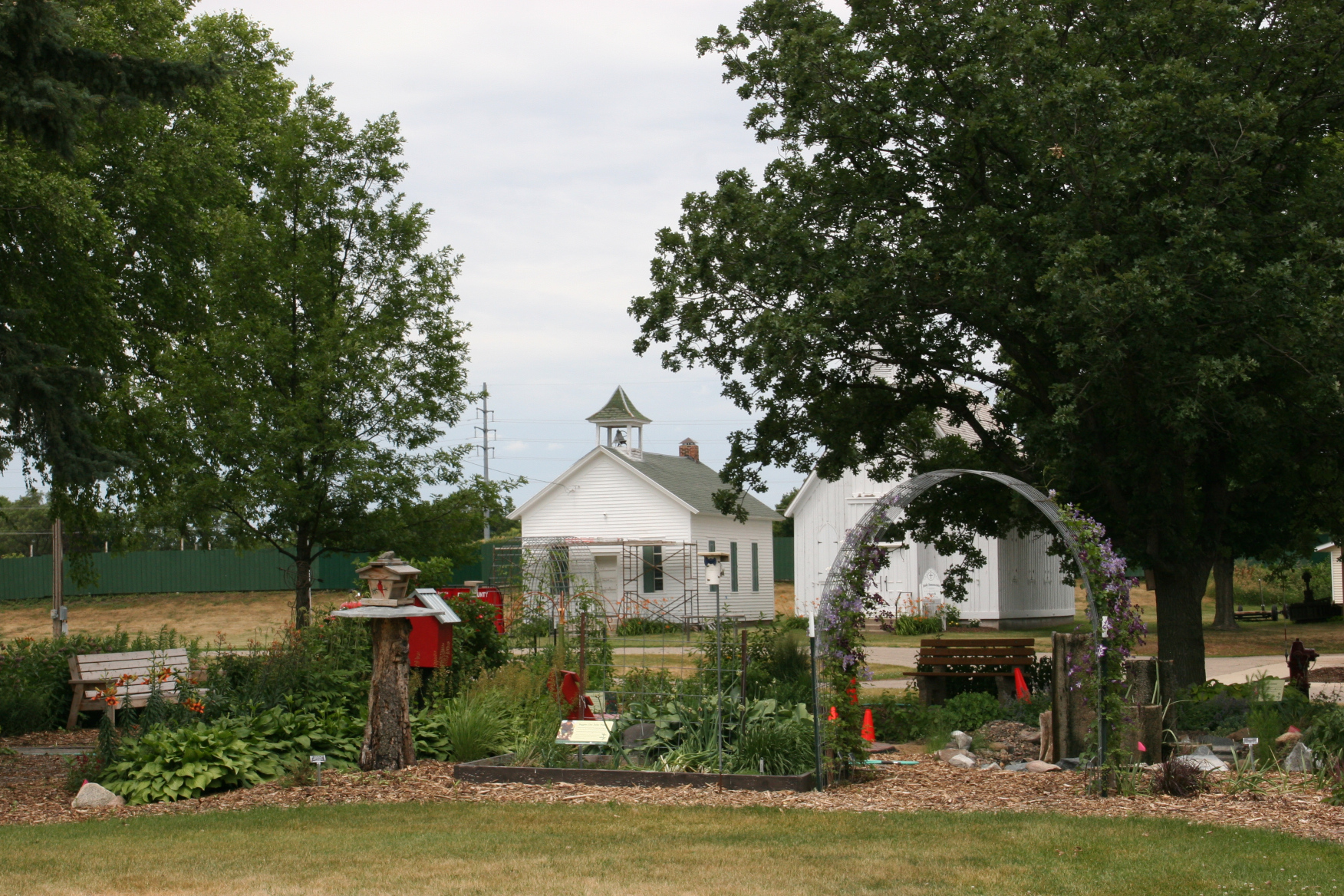
An overview of the Rice County Master Gardeners Teaching Gardens, photographed in early July, with an historic school and church (part of the county historical society) in the background. (Minnesota Prairie Roots copyrighted photo July 2022)

It’s interesting how, in life, so many connections exist. Even in a garden.

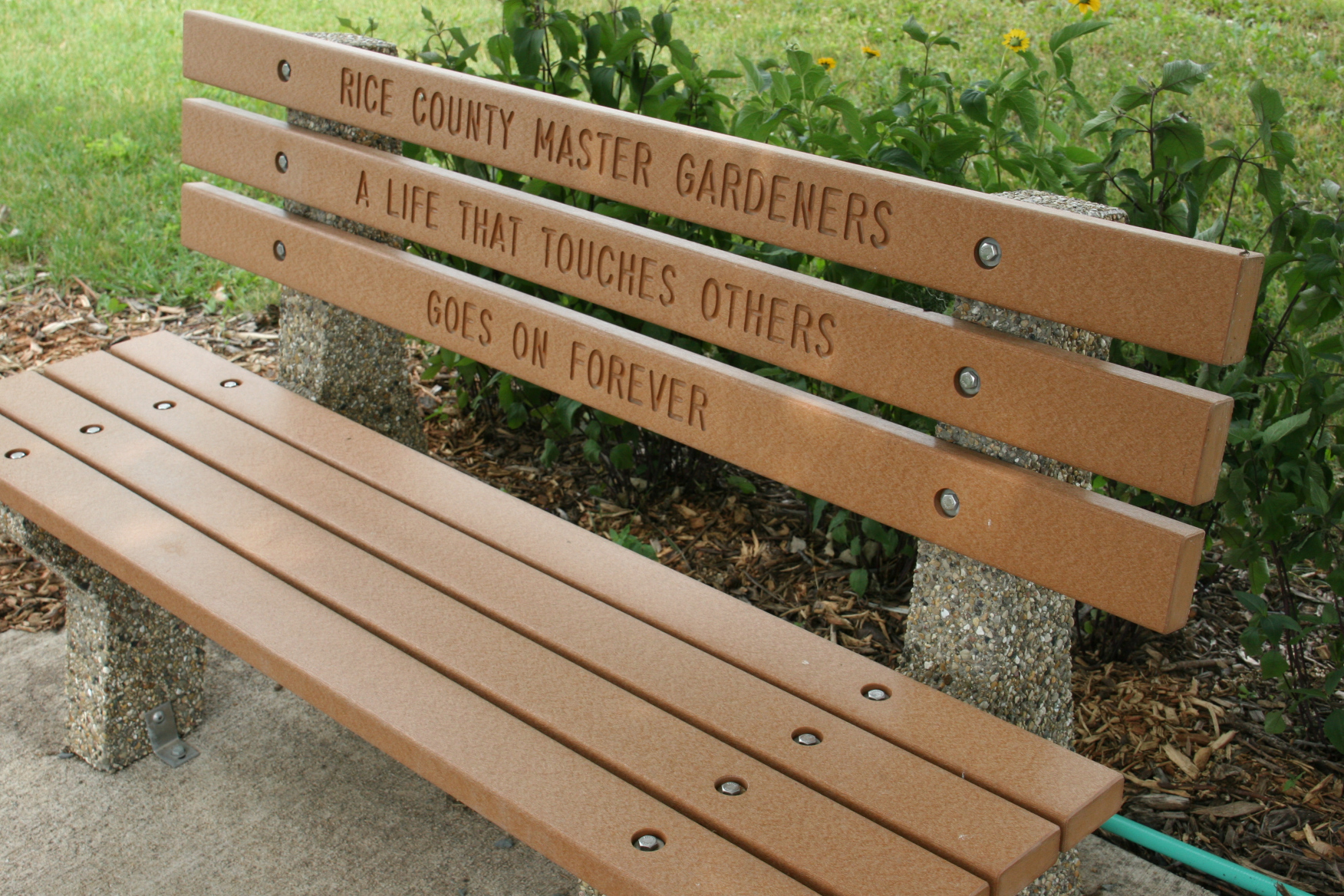
One of several benches in the master gardeners’ garden in Faribault. (Minnesota Prairie Roots copyrighted photo July 2022)

Gardens connect us to people, places, memories. A life that touches others goes on forever. I come from a family of gardeners tracing back generations. Vegetables grown in my mother’s massive garden fed me, and my family of origin, for the first 18 years of my life. I worked that garden with her, planting, weeding, tending, harvesting. I left gardening when I left southwestern Minnesota. But I still appreciate gardeners and gardens.

An artsy scene of clematis on arbor. (Minnesota Prairie Roots copyrighted photo July 2022)

I value the beauty of flower gardens, the purpose of vegetable gardens to feed. And I appreciate, too, the peace a garden brings. To sit among the blooms and plants in a garden oasis like the Rice County master gardeners created is to feel a calm, a sense of serenity in the midst of chaos and struggles and challenges.

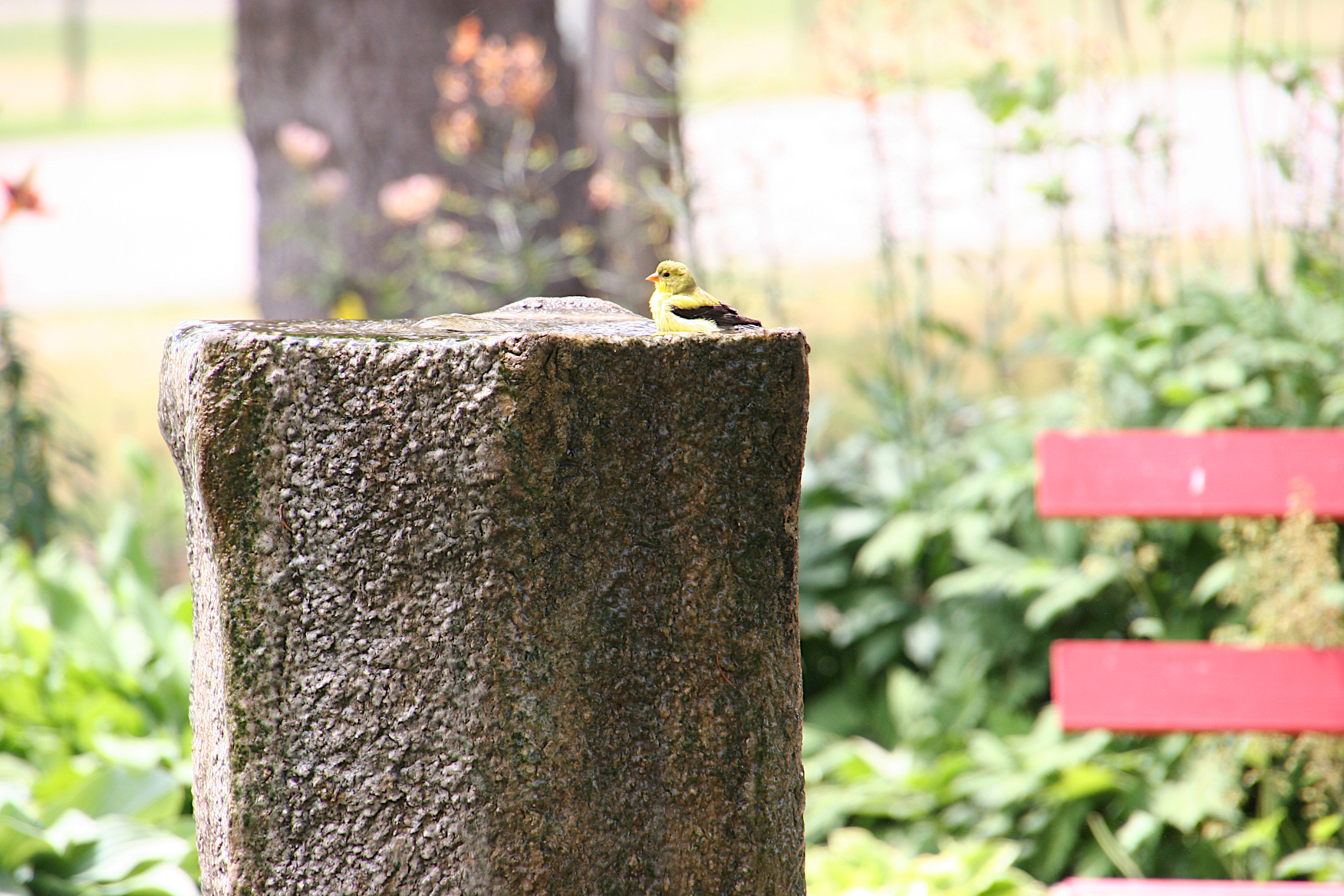
The water feature is shaped like tree stumps. (Minnesota Prairie Roots copyrighted photo July 2022)

Water, especially, soothes me. The Rice County master gardeners understand that and added a water feature to their garden plot. I delighted in watching a tiny yellow bird (I think a goldfinch) splash in the water. Such a simple joy.

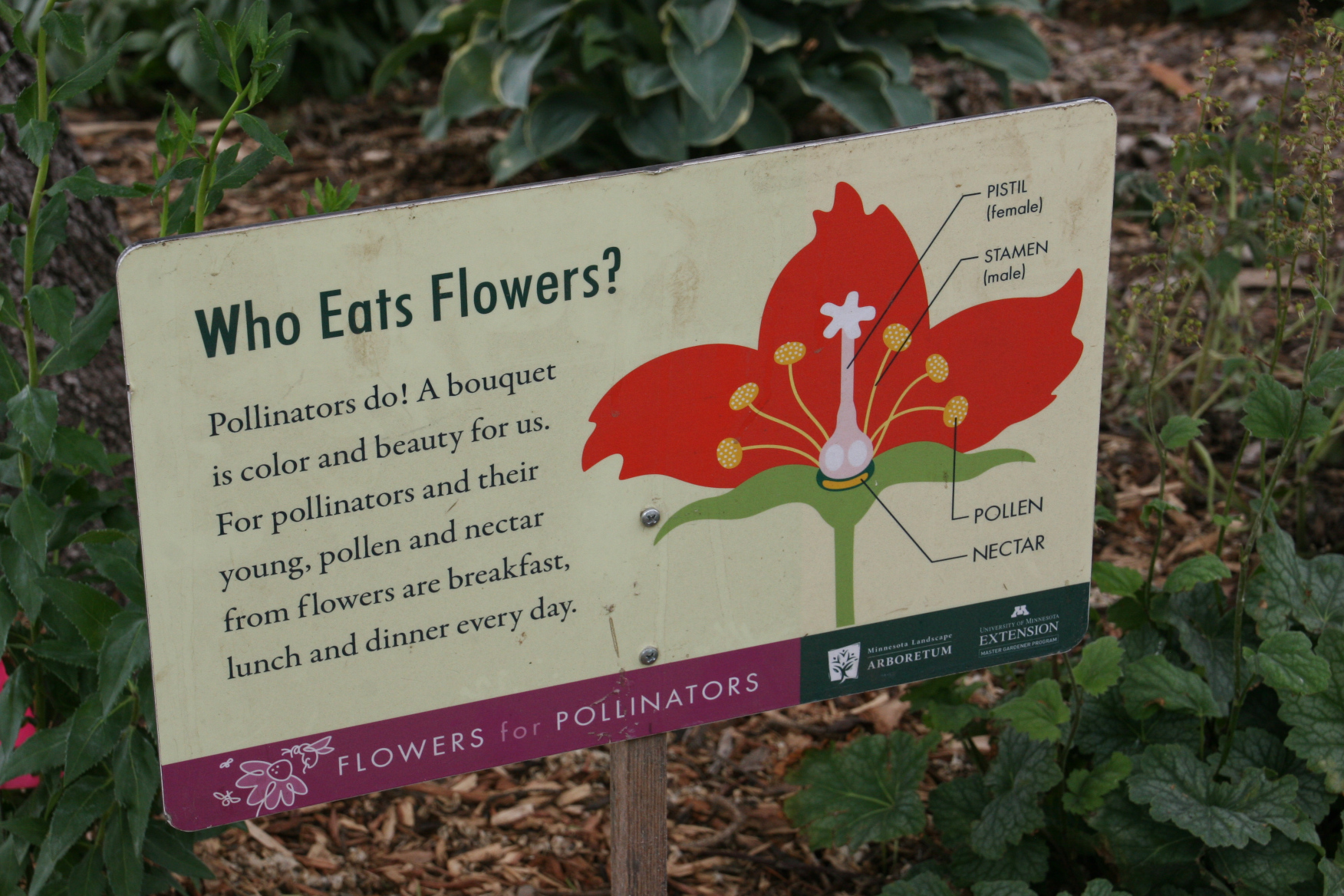
One of many educational signs in the Rice County Master Gardeners Teaching Gardens. (Minnesota Prairie Roots copyrighted photo July 2022)

And isn’t that part of a garden’s purpose—to bring joy? Joy to those who work the soil, seed or plant, tend and care for that which grows. Joy to those who delight in the all of it.

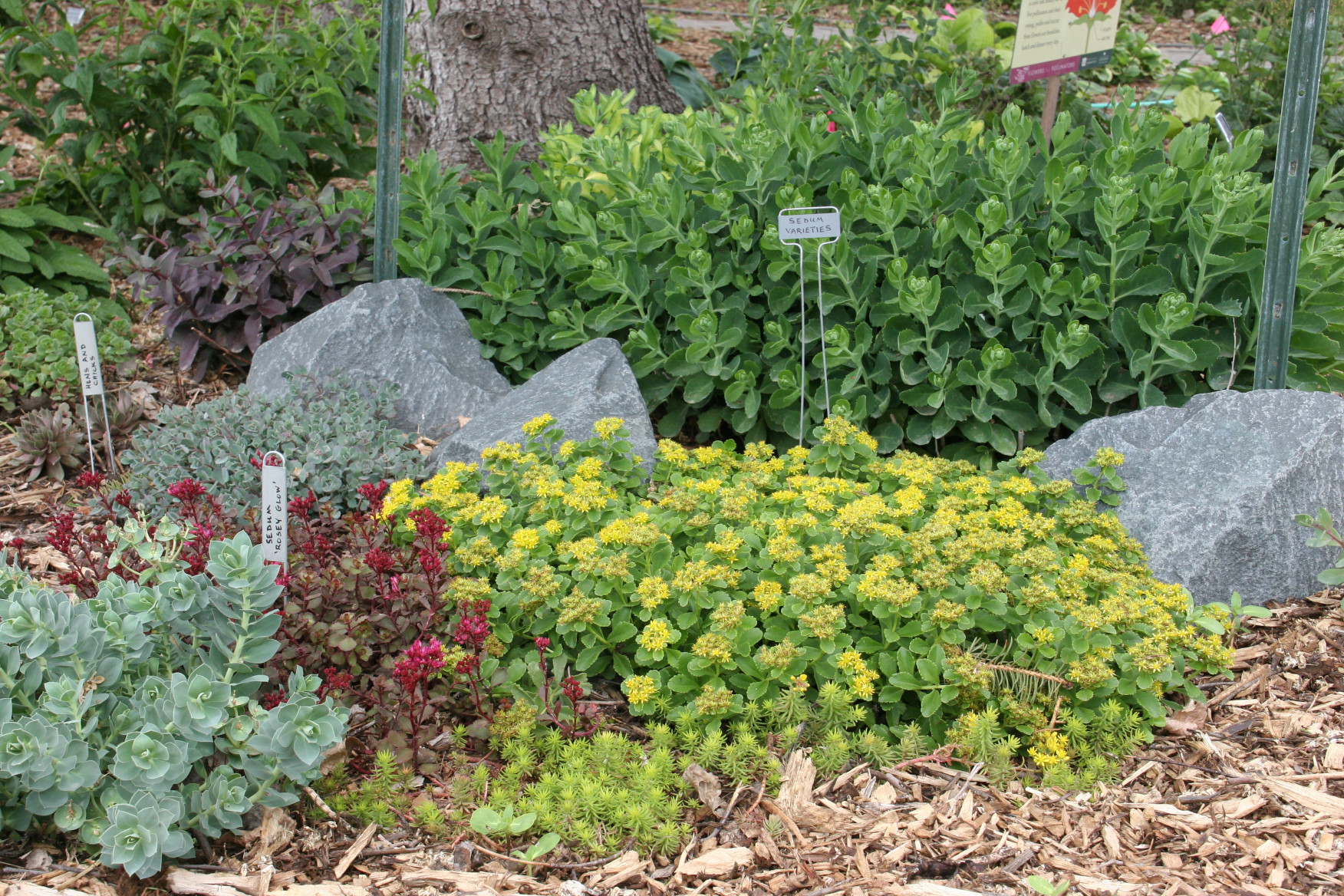
A sedum patch planted by the master gardeners. (Minnesota Prairie Roots copyrighted photo July 2022)

I feel such gratitude for gardeners, for the nurturing hands that link me to nature. It’s all about connecting to each other in this world we share, in the commonality of humanity.

#

Please click here to read my first post about the Rice County Master Gardeners Teaching Gardens. Watch for one final post in this three-part series.

© Copyright 2022 Audrey Kletscher Helbling
 

The shifting of seasons in Minnesota August 14, 2020
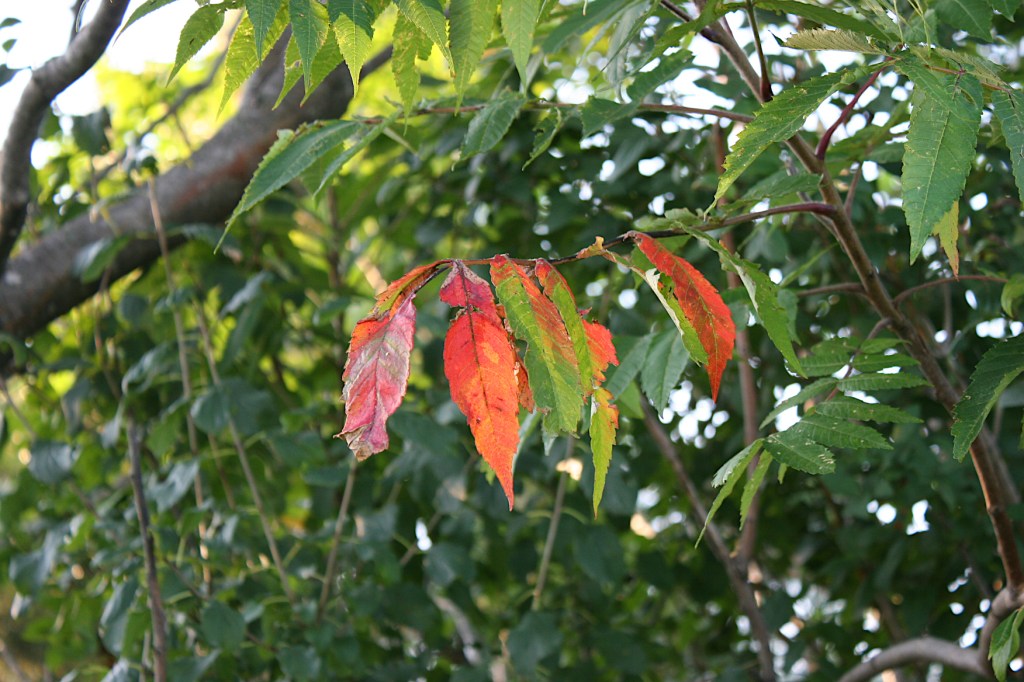
Sumac are already turning red.
 

THE CHANGING OF SEASONS edges into Minnesota, ever so subtly.


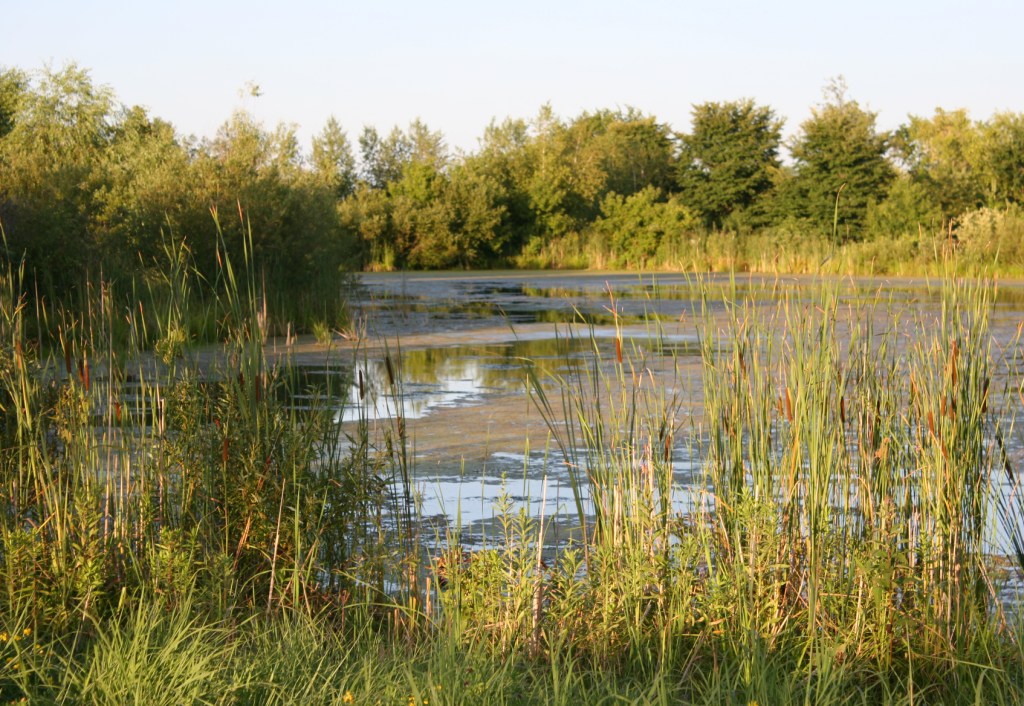
You can see the changing of the landscape around this pond, the subtle changes in hues.
 

August marks the month of transition, of shifting from summer to autumn.


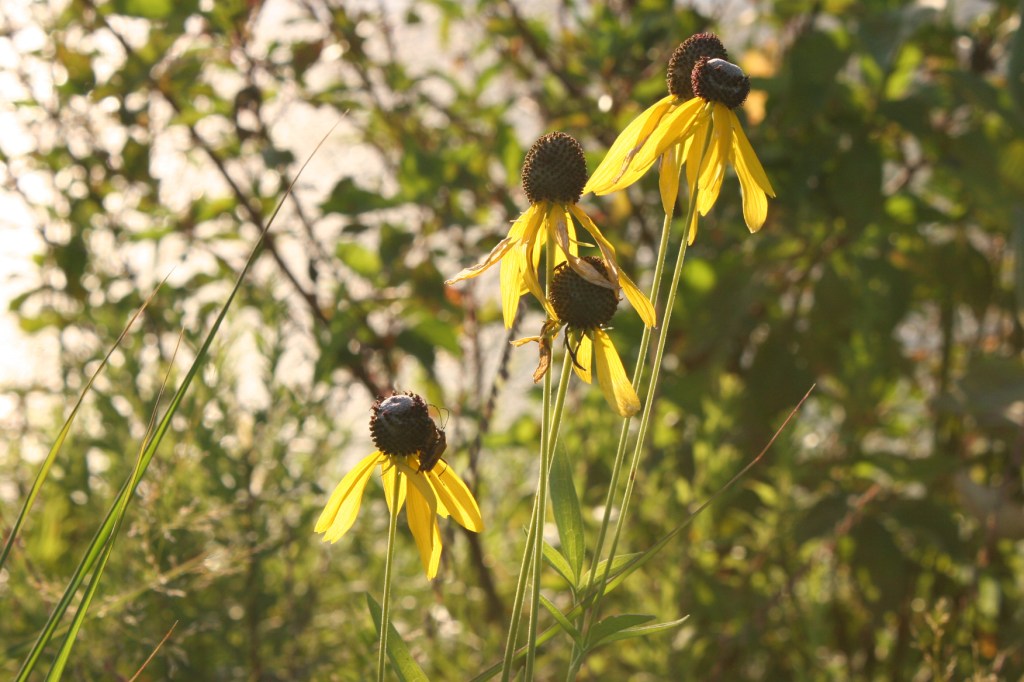
Beautiful black-eyed susans.


Of wildflowers in full bloom.


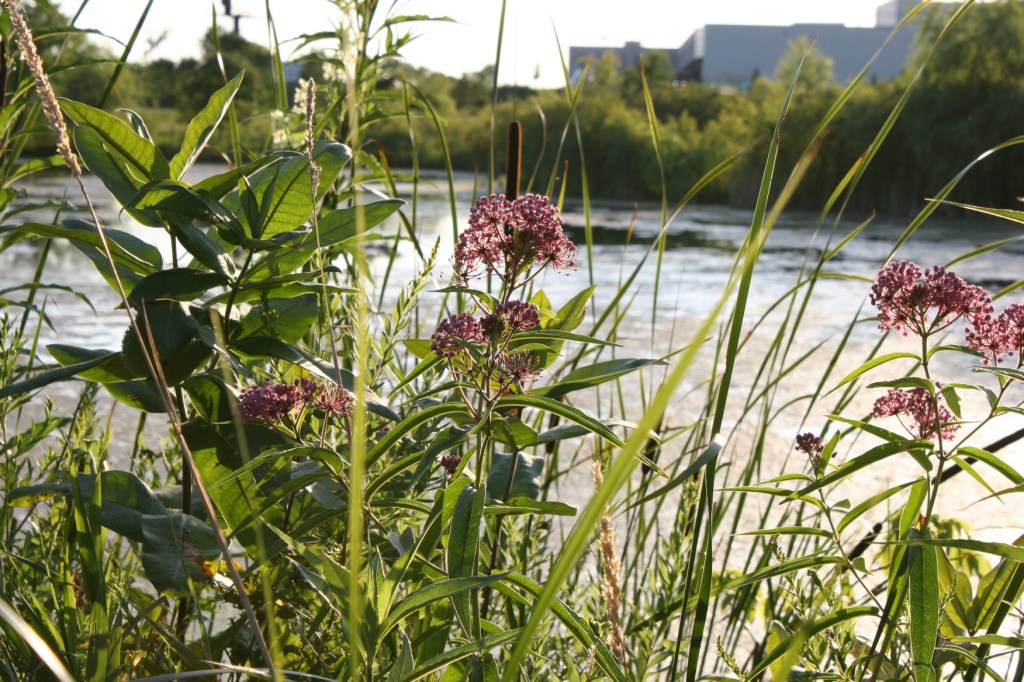
Milkweed, necessary for Monarh butterflies.


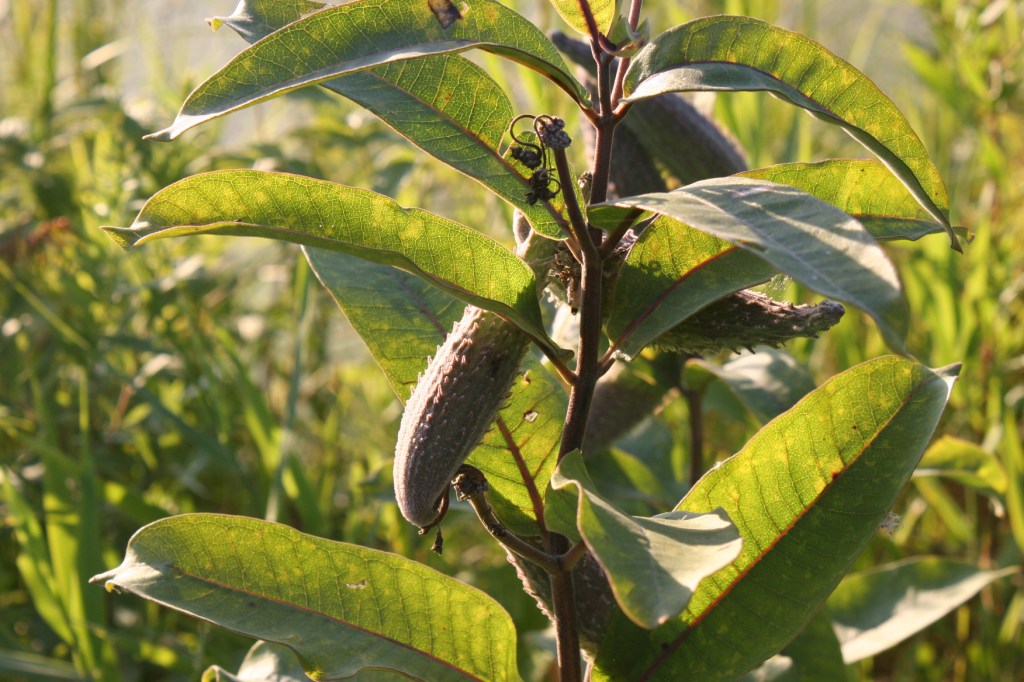
Milkweed pods will soon burst with seeds and fluff.


Milkweeds edge the trails and ponds at Faribault Energy Park.


Of blooming milkweeds and those heavy with pods.


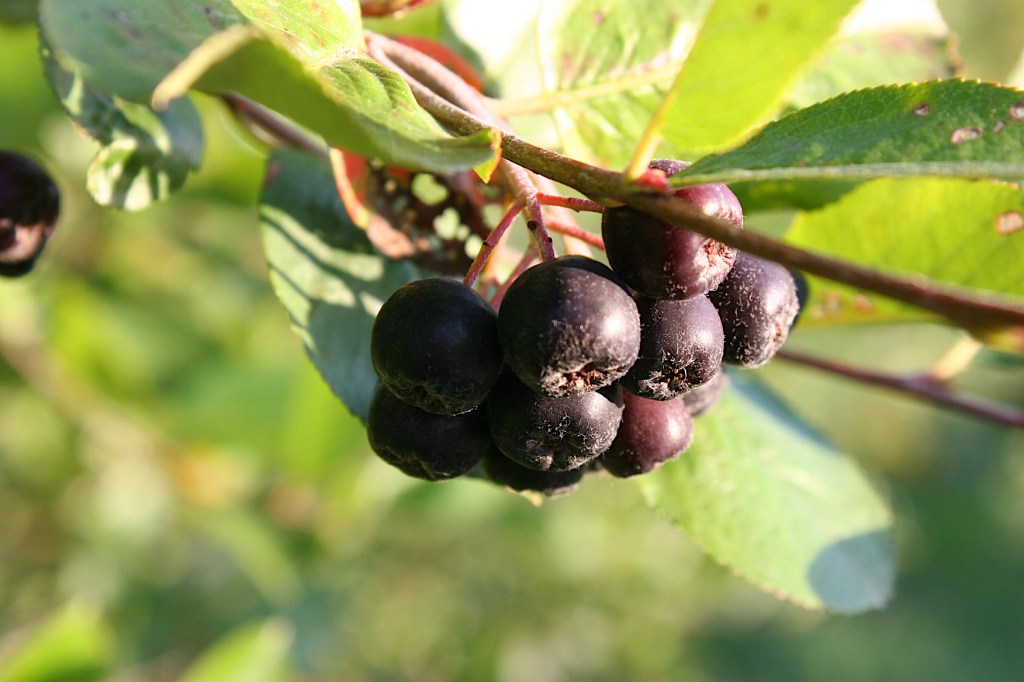
Unidentified berries.


Of berries ripening.


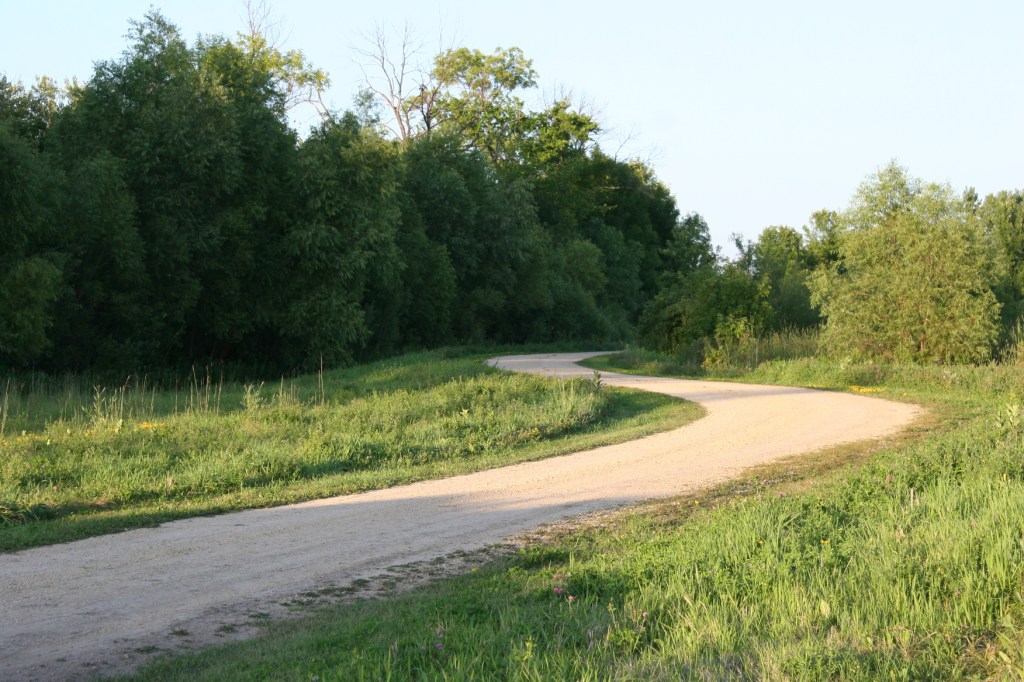
A trail winds through Faribault Energy Park. This isn’t a quiet place because of the interstate. But it’s a place of natural beauty and mostly undiscovered (meaning never busy).


Evenings fall earlier and cool temps sharpen the air. Folks pull on sweatshirts and jeans to keep off the chill. The urge to get outdoors prevails. Backyard campfires blaze warmth.


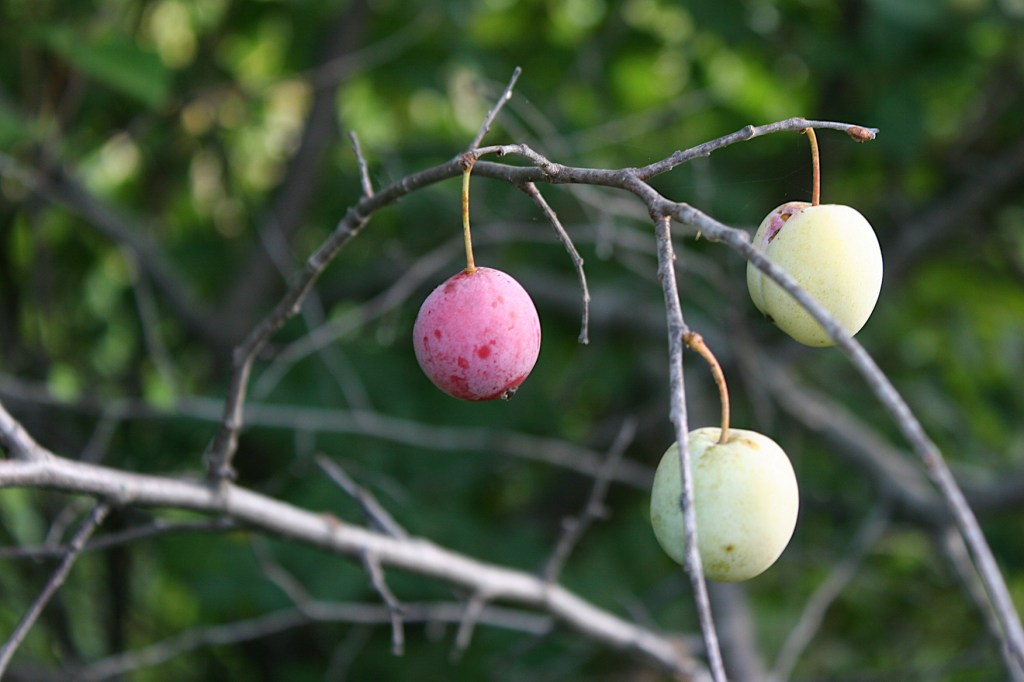
Plums ripen despite a Japanese beetle infestation.


Crickets chirp. Squirrels scamper. And gardeners bustle to bring in the bounty. Preparing for winter.


Sumac


And, in the landscape, hues morph from the greens of summer to the softer, earthy hues and fiery reds and oranges of autumn.


In the light of the setting sun, cattails and grasses.


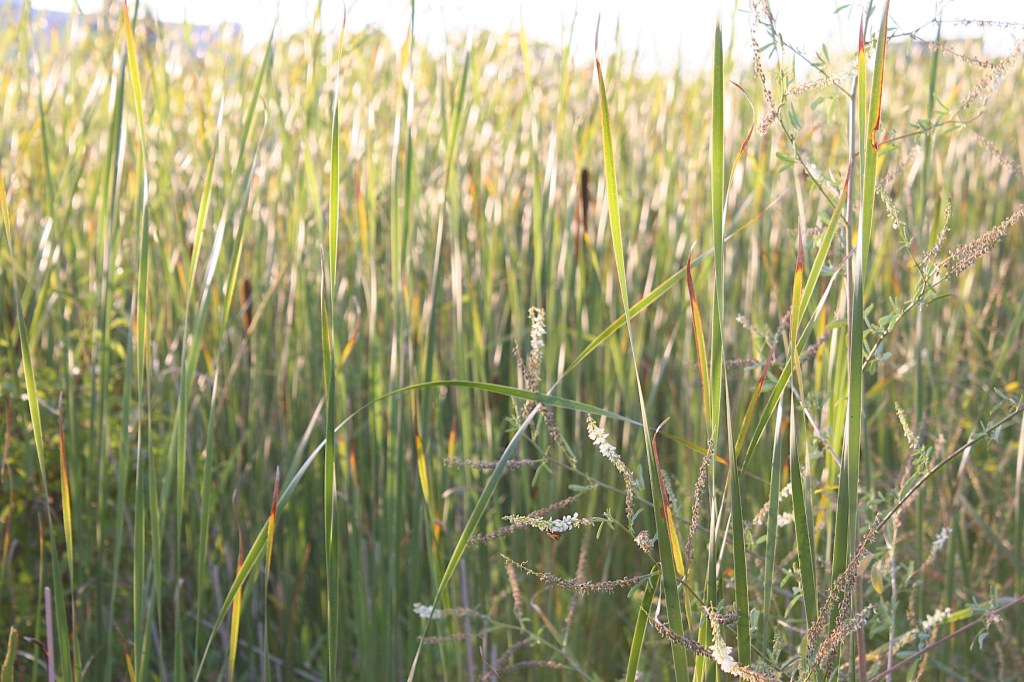
Cattails rise in swampland and tall grasses sway.


Randy and I laugh at our long-legged shadow selves.


At sunset, shadows lengthen, foreboding and dark. As if hinting at days ahead. The dark days of winter that draw us indoors to snuggle under fleece throws, to crave comfort foods, to shelter in place.


An unknown wildflower.


And this winter to wonder what lies ahead in the uncertainties of COVID-19.


This sign marks the entrance to Faribault Energy Park on Faribault’s north side and visible from Interstate 35.  The wind turbine in the park landmarks this spot near the northbound lane of I-35.


Note: These photos were taken during a recent evening walk at the Faribault Energy Park.

© Copyright 2020 Audrey Kletscher Helbling