Minnesota Prairie Roots

Writing and photography by Audrey Kletscher Helbling

Winter storm on the prairie December 1, 2010

Filed under: Uncategorized — Audrey Kletscher Helbling @ 11:59 AM
Tags: , , , , , , , , , ,

Snow blows across the driveway on the farm where I grew up near Vesta.

WHEN I HEARD yesterday of five-foot snowdrifts in the Springfield area, west of New Ulm, I simply had to get my hands on some photos from southwestern Minnesota. Honestly, unless you’ve lived on the flat, open, wind-swept prairie, you really can’t comprehend the ferocity of a Minnesota winter.

In that part of the state, November exited with a strong winter storm that whipped snow into hard, sculpted drifts, made roads nearly impassable if not impassable and closed schools on Monday and Tuesday.
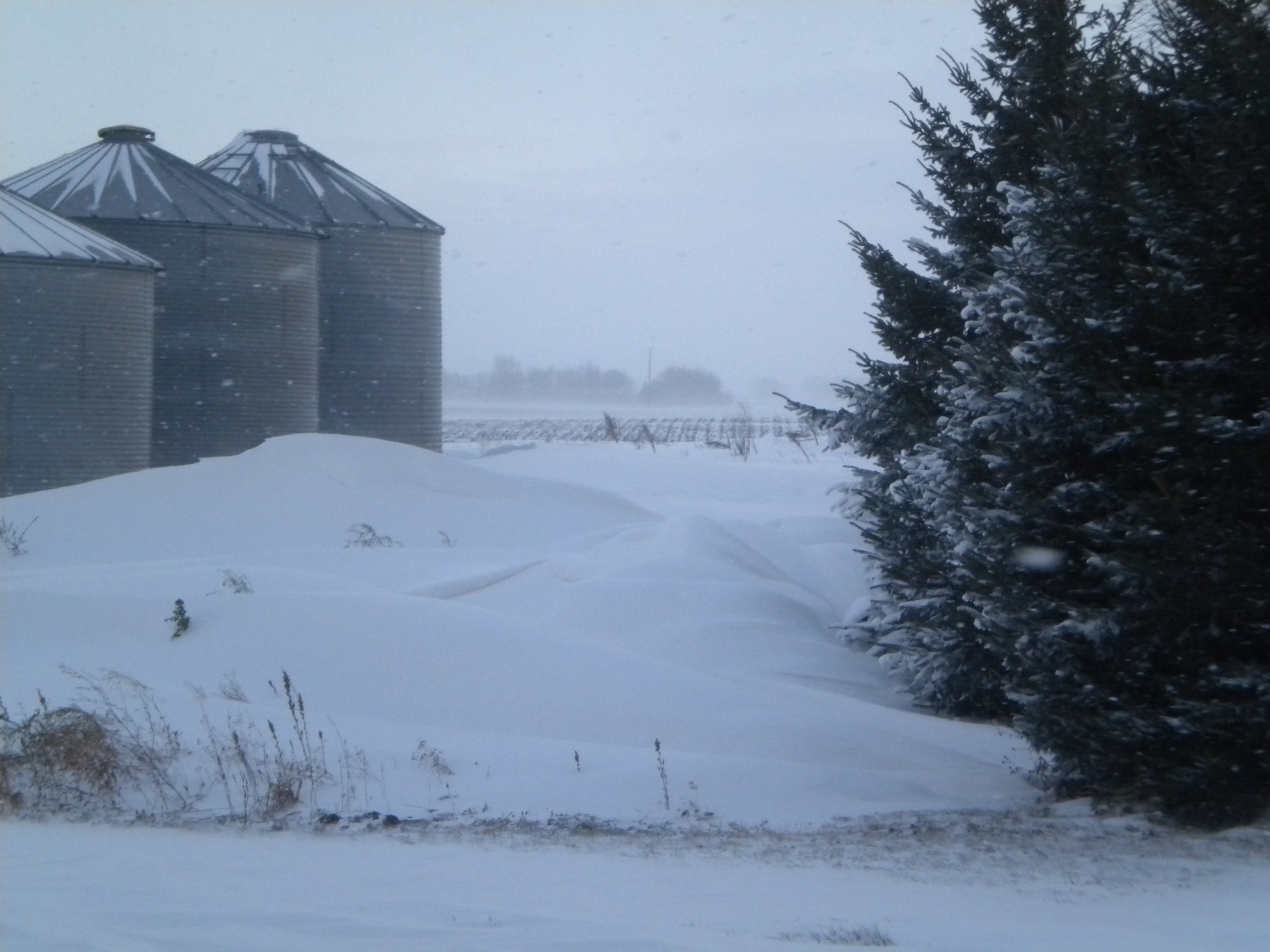
Snowdrifts, some six feet high, sculpted around the grove and bins on the home place.

Although I have not lived on the prairie for nearly four decades, memories of winters there are as fresh as the five, up to 10, inches of snow that fell there.

I won’t tell you that I walked uphill two miles to school in snowdrifts eight feet deep. But I will tell you that when I attended junior high school in Redwood Falls some 20 miles from my farm home, we had a difficult time getting to school one winter. Because of all the snow and poor road conditions, buses would not make their rural routes. One bus left the cafe in my hometown of Vesta each morning bound for Redwood Falls. If you could get into town, then you could go to school. For my brother and me, that journey into Vesta was via an open cab John Deere tractor driven one mile down a county road by our dad. After school he would drive back in to town and bring us home.

I also recall during high school once riding home on a single school bus crammed with students who would normally fill two buses. The driver opted to take all of the Vesta area kids to Vesta (not home) in one bus as weather conditions were so poor. The bus crept along the highway with one student standing just inside the open bus door guiding the driver in near-visibility conditions.

The often brutal winters on the prairie also necessitated designated “snow homes,” homes in town where country kids could stay if snow stranded them in town. Although I had snow homes every year from junior high until I graduated in 1974, I never once had to stay at one. My siblings did.

Even though the prairie winters were harsh, as a kid, I loved winter. Rock-hard snowdrifts that circled the granary and the house and the barn and the snow piles formed by my dad with the bucket of his John Deere tractor became treacherous mountains to explore. We drove our imaginary dog sleds there, played King of the Mountain, dug snow tunnels, slid in our sleds…

Winters were fun back then.
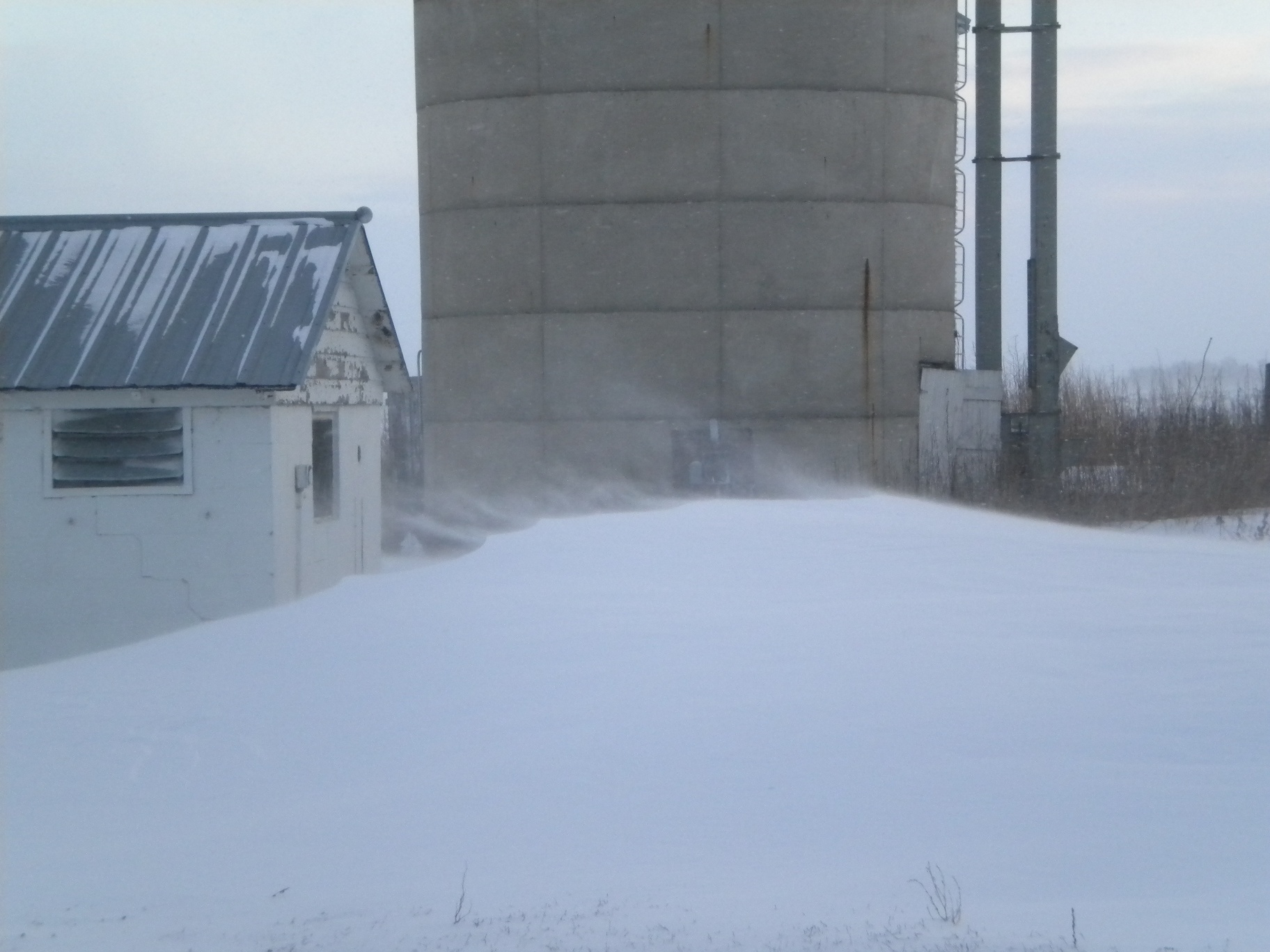
Wind-whipped snow drifts around the abandoned milkhouse and silo.

I’m certain, though, for my parents, winter must have been a lot of hard work—pushing all that snow from the driveway and yard to open a path for the milk truck, thawing frozen drinking cups and a frozen gutter cleaner, emptying the pot that served as our bathroom in the cold front porch…

All of these memories rushed back as I viewed the photos my niece Hillary took of this recent winter storm in southwestern Minnesota. Her images are from the farm where I grew up, the place of sweet memories and of long, cold, harsh winters.

Snow began falling Monday afternoon in the Vesta area, causing low visibility and poor driving conditions as snow covered roadways, according to my niece.
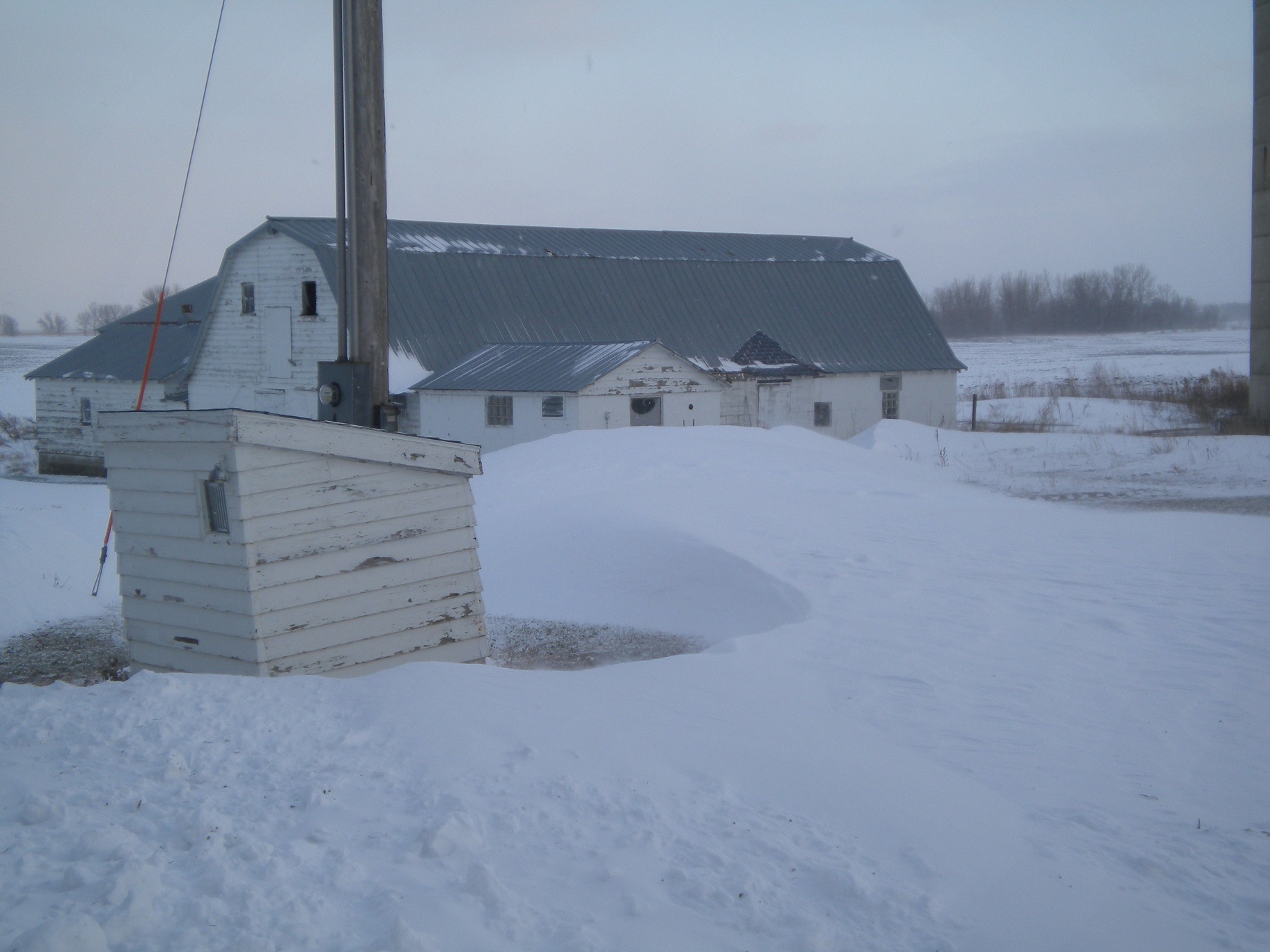
Snow swirled into drifts in the farmyard on the farm of my childhood.
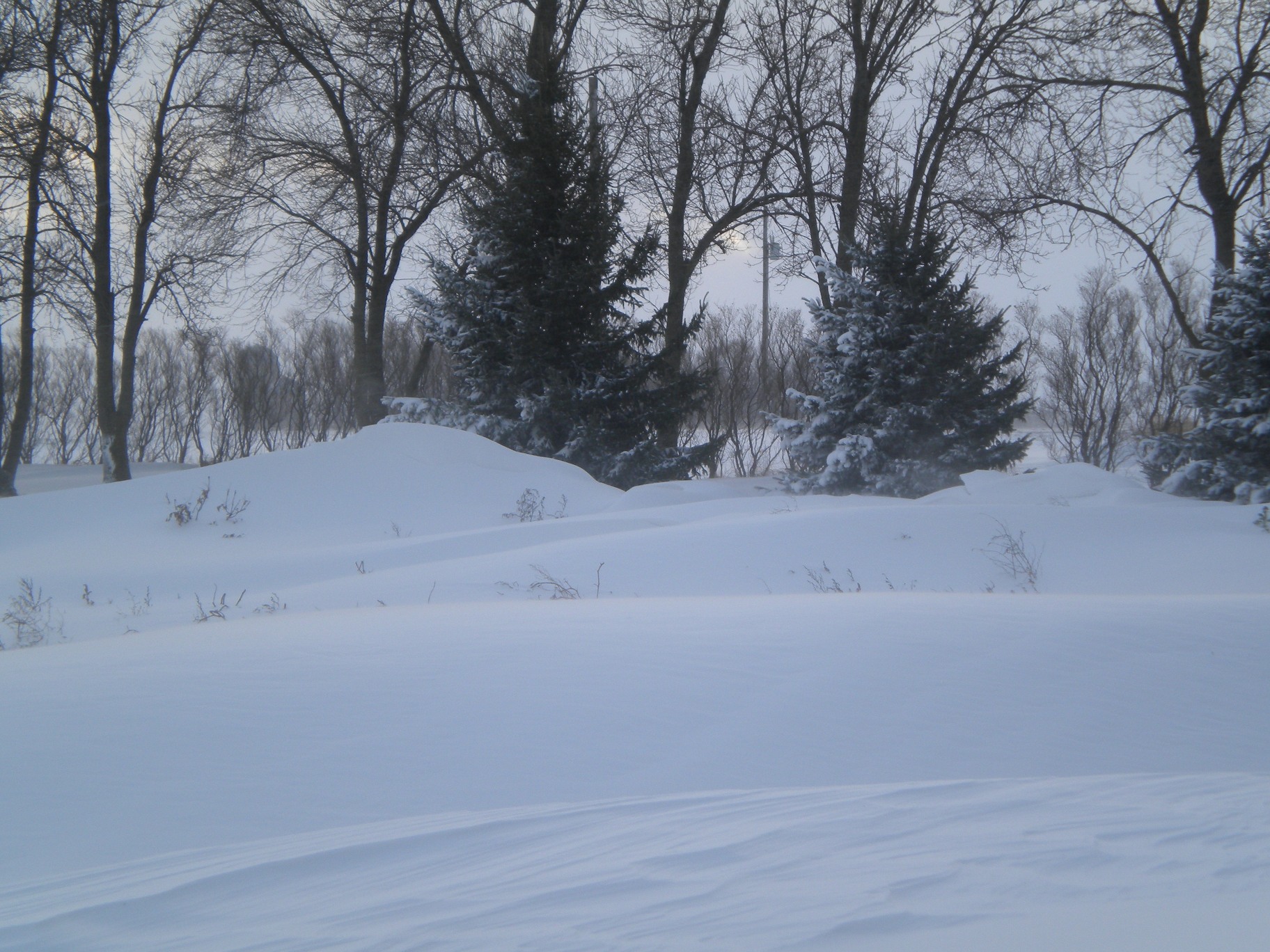
Snowdrifts formed at the edge of the yard, next to the grove.

IF YOU HAVE WINTER memories or stories to share, submit a comment to Minnesota Prairie Roots. I’d like to hear yours.

Text © Copyright 2010 Audrey Kletscher Helbling

Photos © Copyright 2010 Hillary Kletscher


Faribault flooding update September 24, 2010

Filed under: Uncategorized — Audrey Kletscher Helbling @ 9:48 PM
Tags: , , , , , , ,

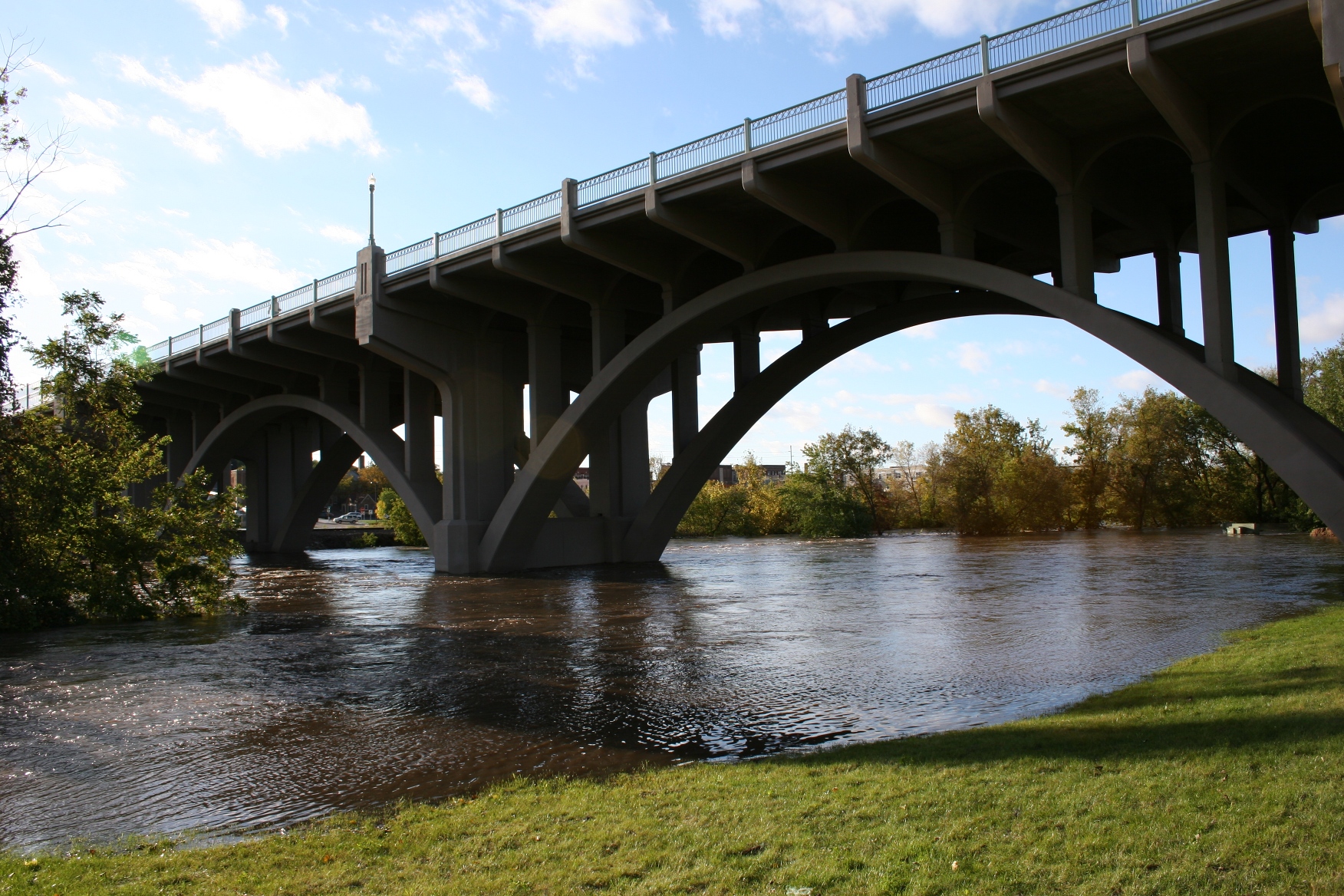
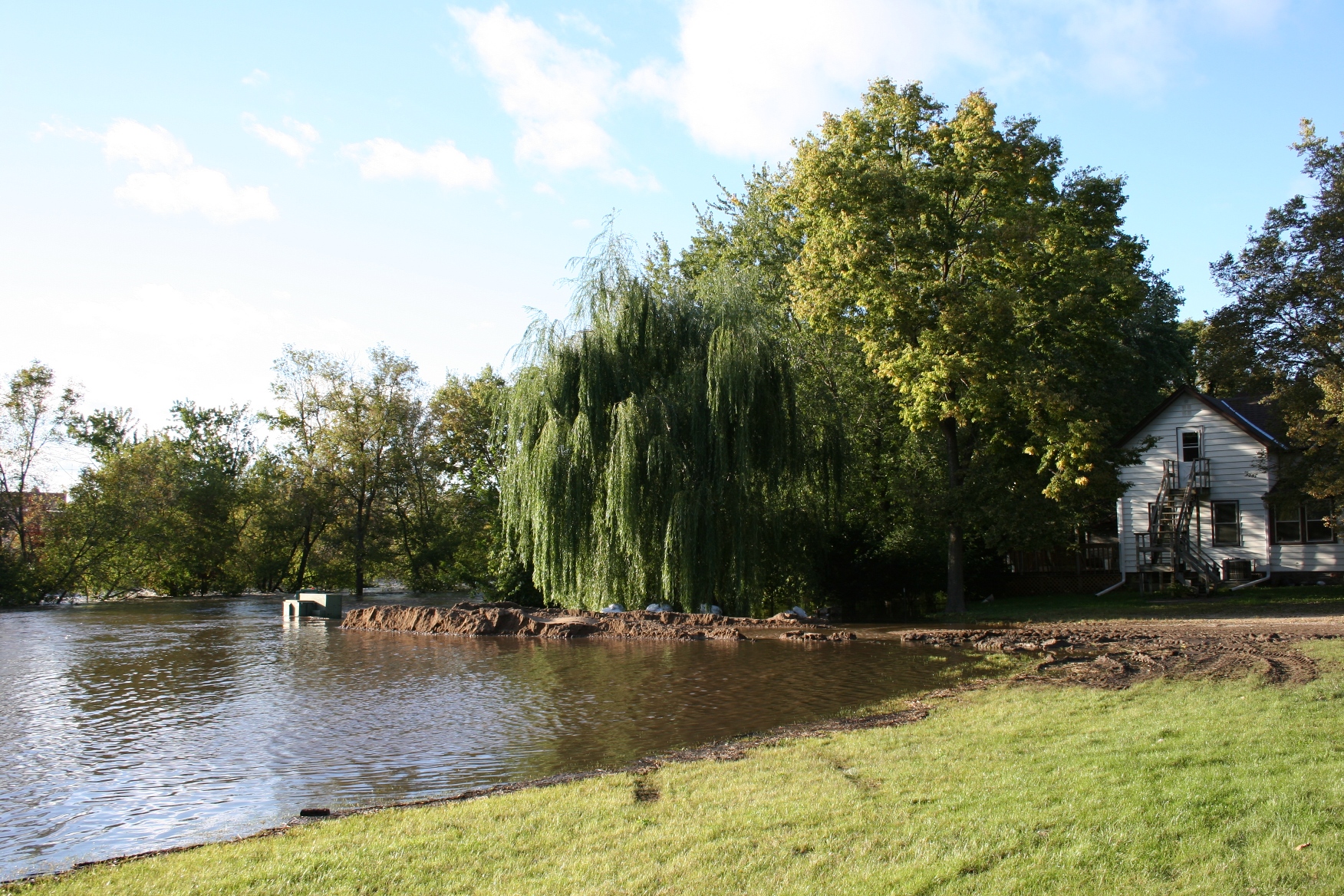
Under the viaduct, in an area that is typically dry land, the Straight River has spilled outside its banks.

THE ANGRY RIVER DRAWS me, as close as I dare walk to the raging waters. I cannot stay away. For the third time in 24 hours, I have moved in close, taken photos, captured in digital format this history, this flooding of Faribault that I am witnessing.

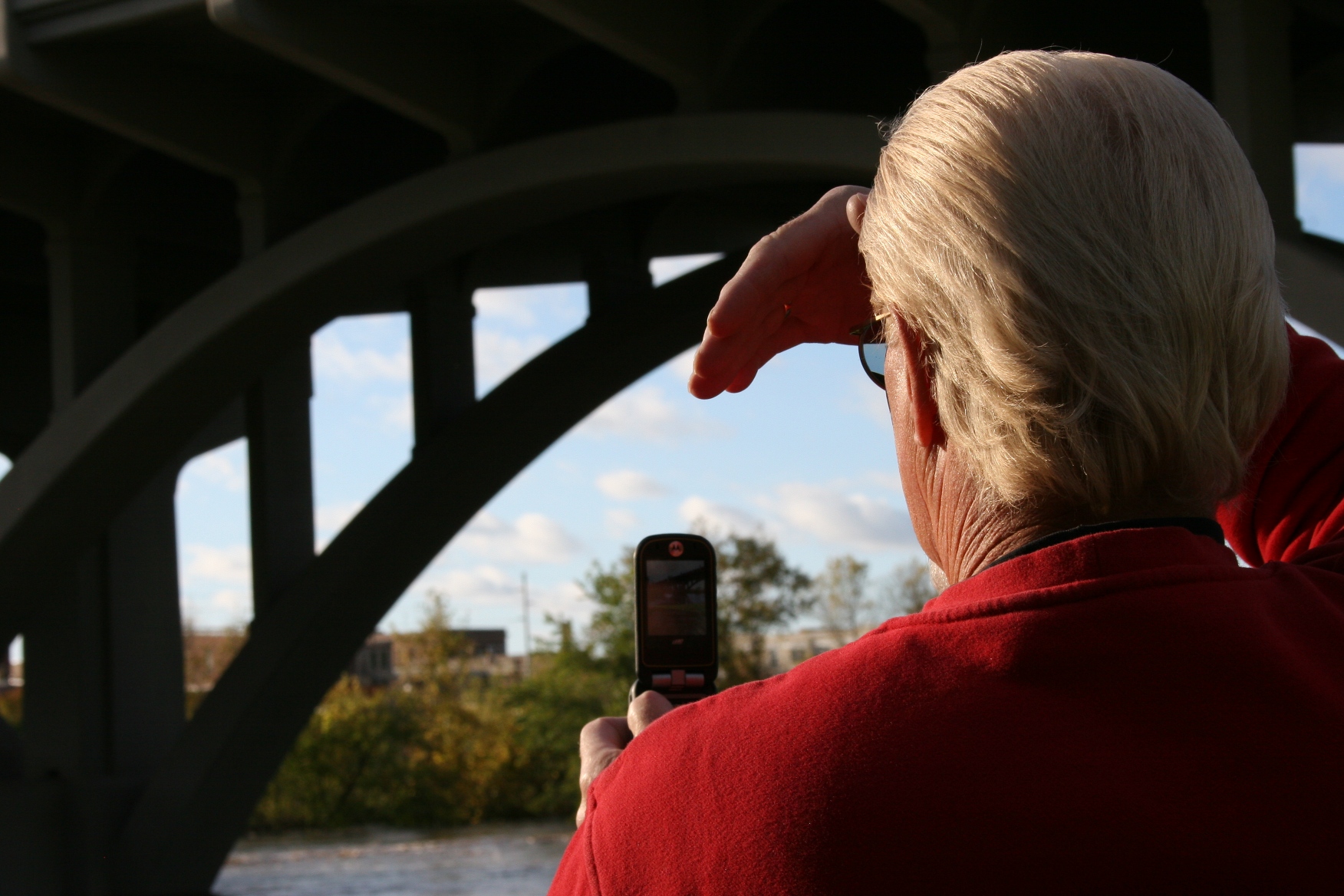
I am not alone. Residents, young and old, are drawn to the water. Dads bring their children, clasp their hands tightly, keeping them safe from the muddy, churning waters. An old man hobbles to the edge of the Straight River under the viaduct, lifts his cane and points. Others flip open their cell phones, snap images.

A man snaps a photo with his cell phone of the floodwaters under the viaduct.

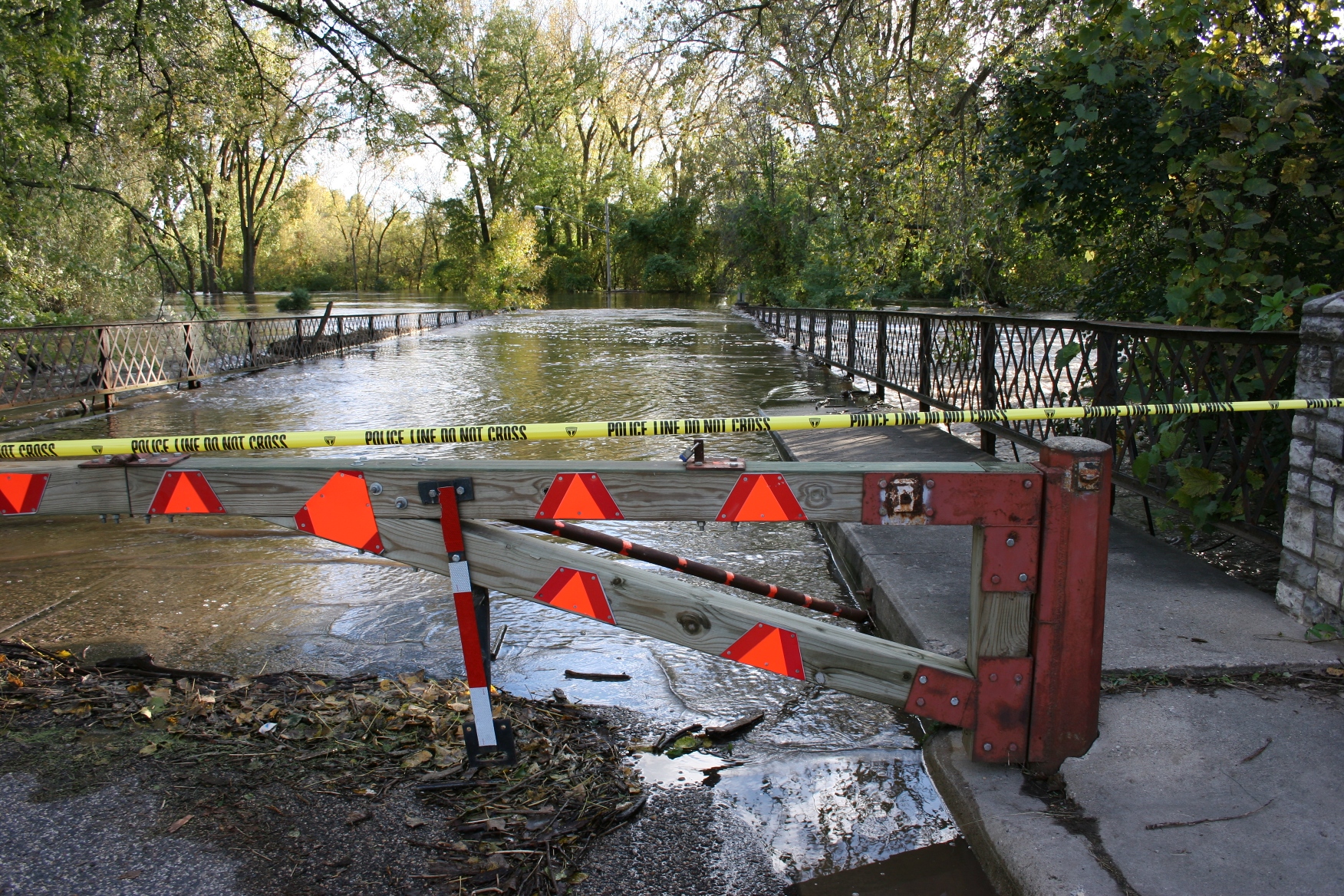
The Straight River runs through TeePee Tonka Park, a low-lying area prone to flooding. Here water covers the WPA bridge leading into the park.

As the sun begins to slide in the sky, glaring across the water’s surface, I take photos. I climb the hill and stairs to the viaduct, intending to shoot a bird’s eye view of the flooded river far below. But, because I am afraid of heights, I cannot force myself to walk onto the bridge and I turn around.

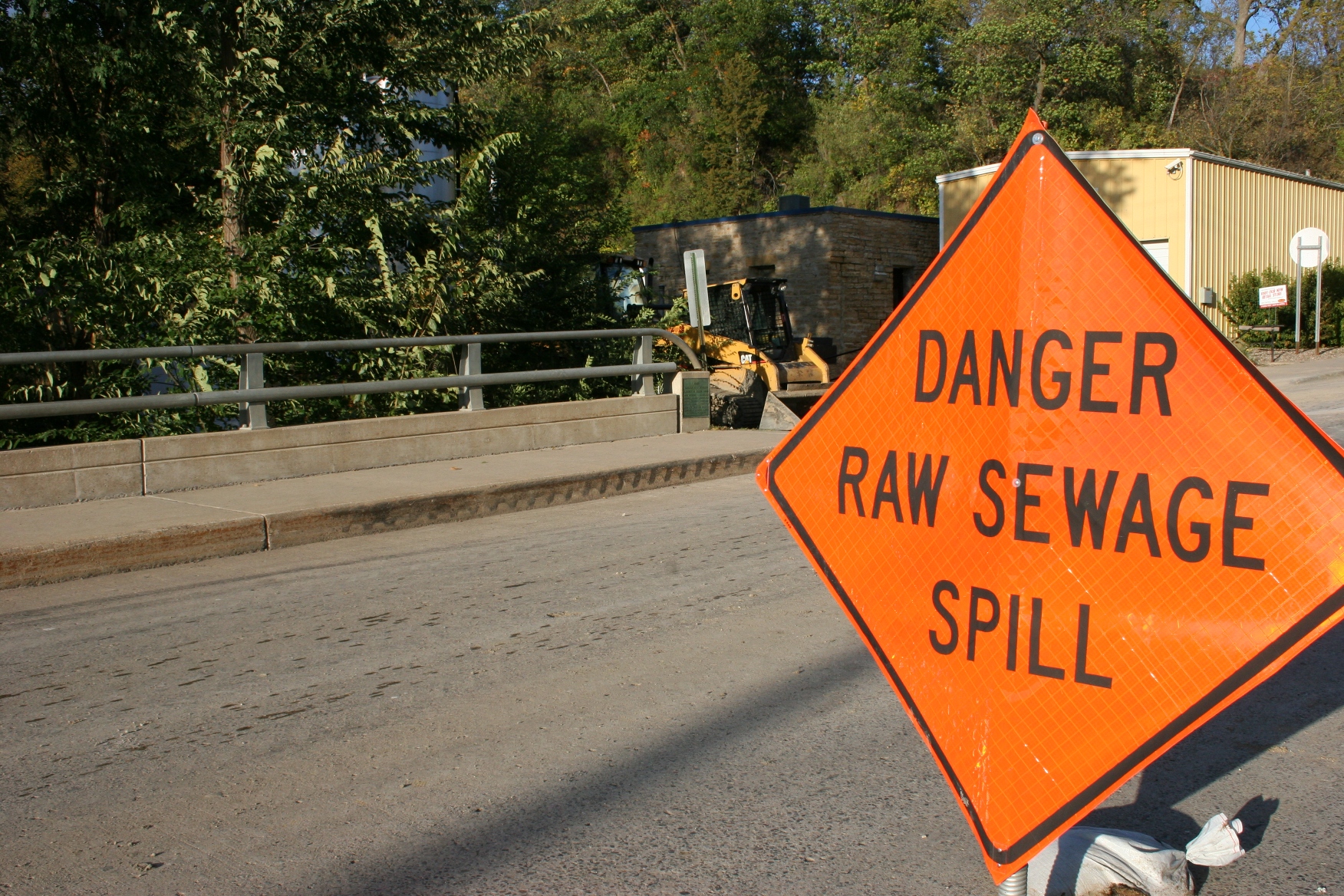
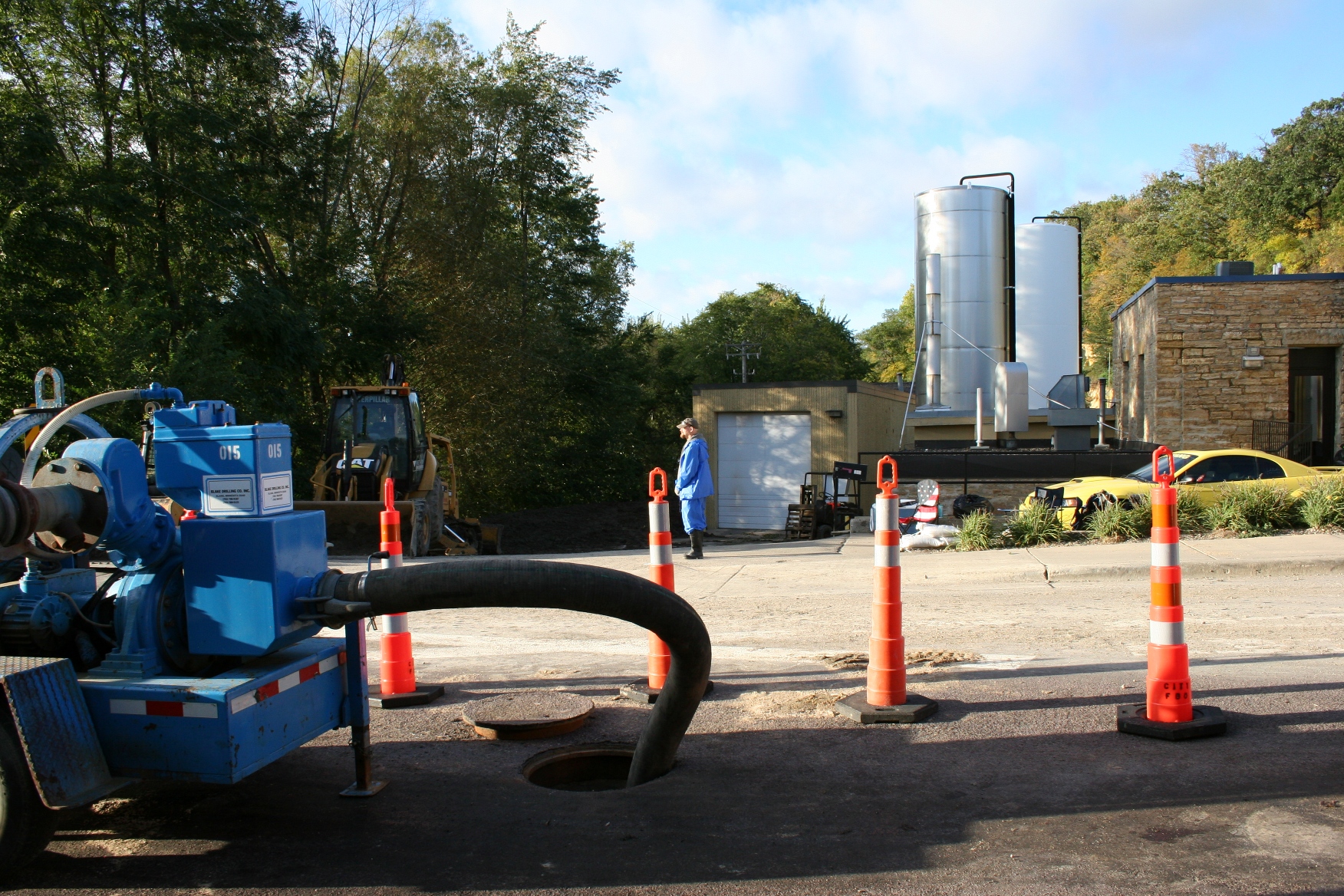
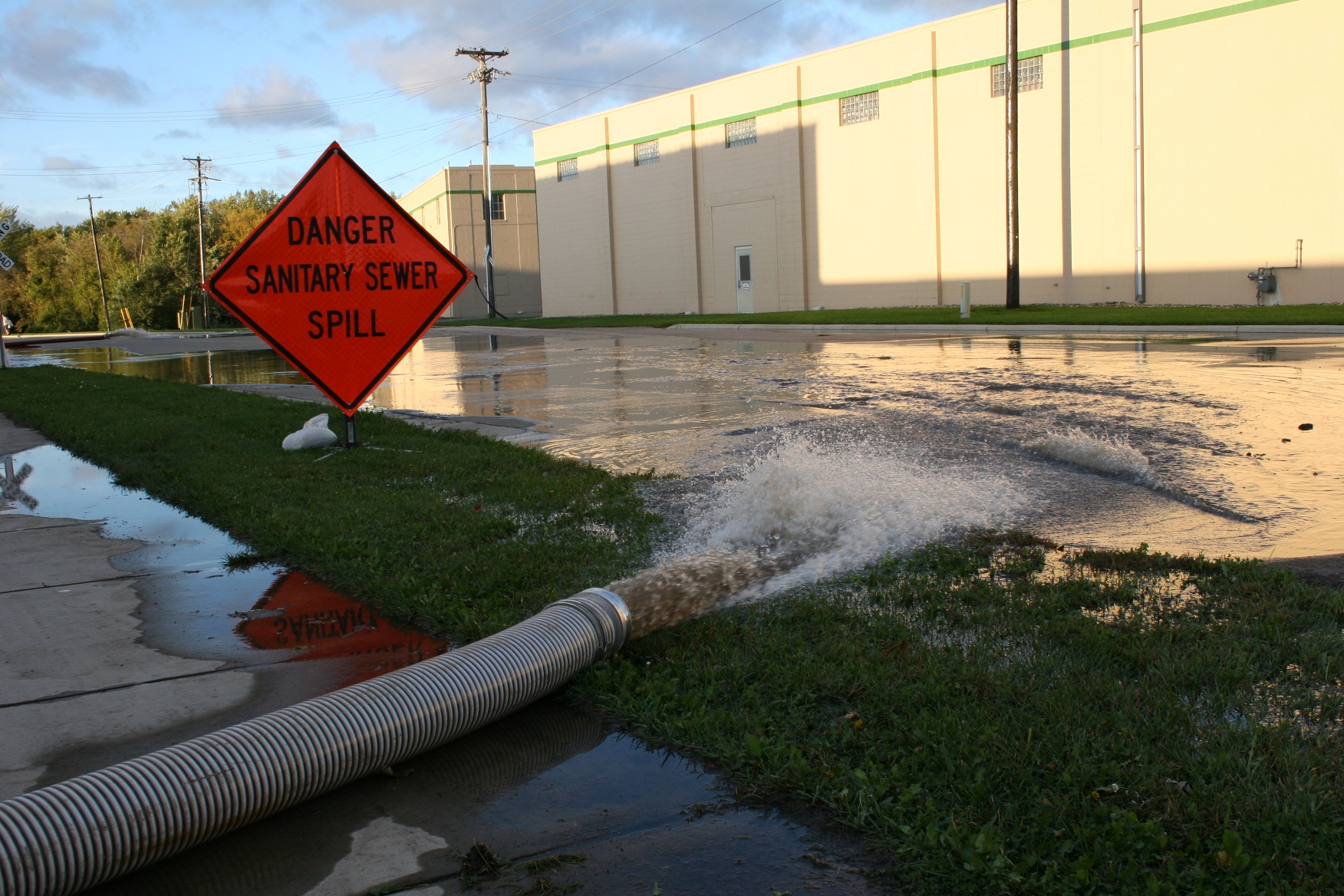
A few blocks away, I slip past the barriers barricading Ravine Street near Faribault Dairy on the banks of the Straight River. I walk past the bright orange sign that warns DANGER RAW SEWAGE SPILL.

A warning sign on closed Ravine Street near Faribault Dairy.

A company employee outfitted in blue and wearing knee high waders guards the entry to the cheese plant. I figure he might give me some information. But he says only, “Everything’s secure and under control. That’s all I can tell you.” He suggests I check a Web site and then says I need to move back, on the other side of the sidewalk line that separates public property from private. My toes are only inches across the line, but he has his orders and I respect those.

An employee guards the entry to Faribault Dairy, which makes my favorite blue cheese, among other cheeses.

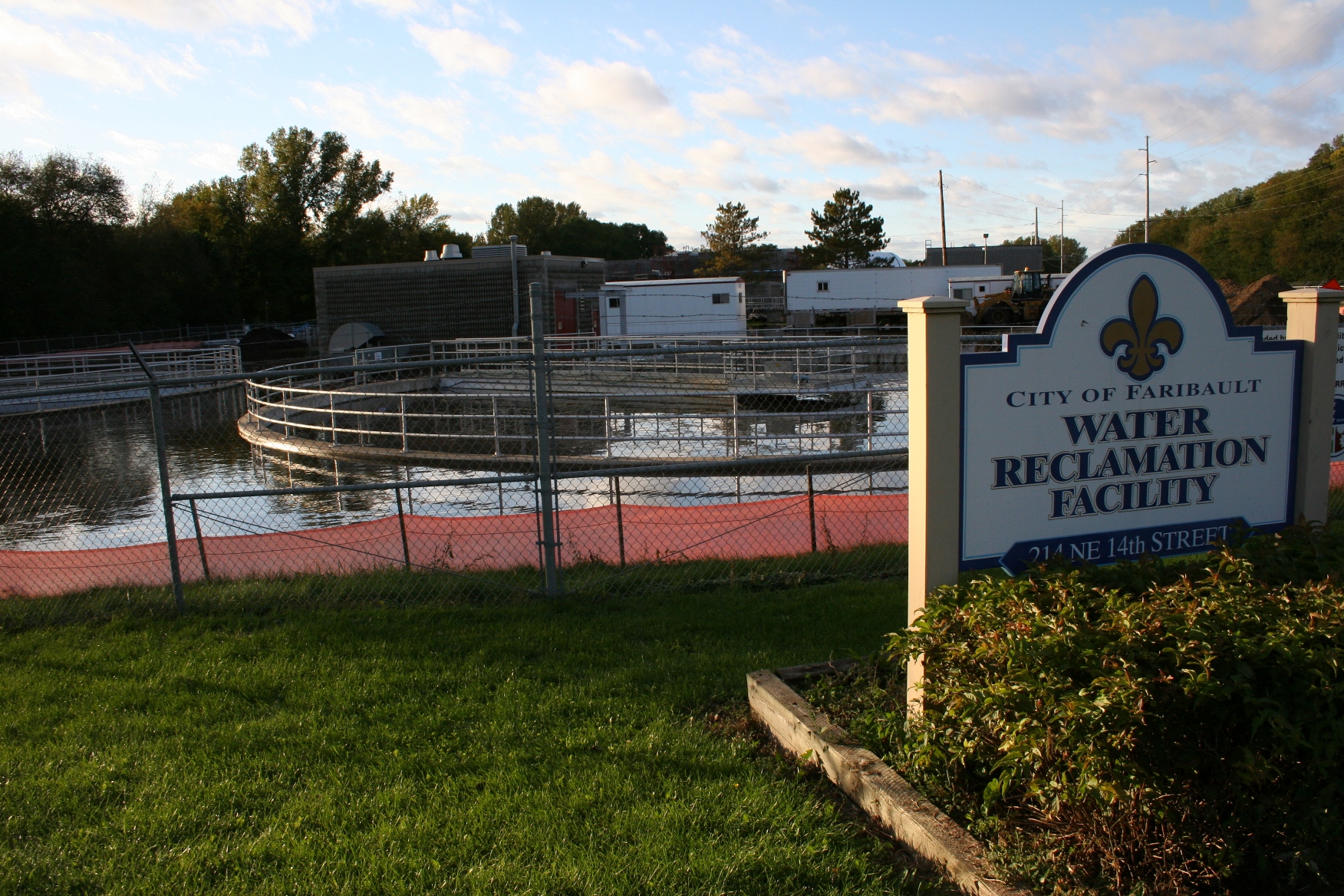
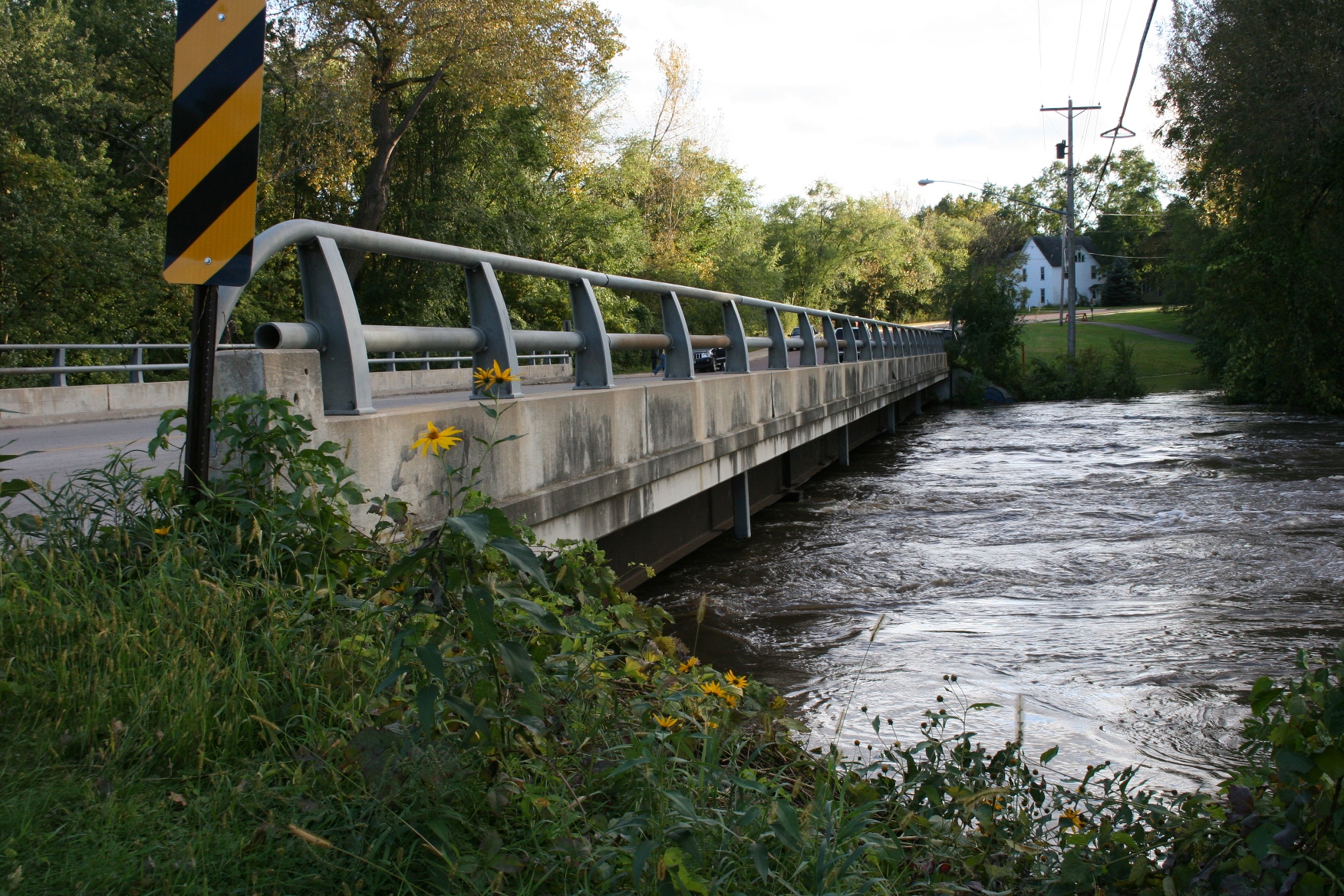
Near the wastewater treatment plant, I cannot believe how much the Straight River has risen in 24 hours. Water now skims the bottom of the bridge. The plant is nearly submerged.

Water has flooded into the wastewater treatment plant along the Straight River.

Water skims the bottom of the bridge across the Straight River on 14th St. N.E. by the wastewater treatment plant.

There I meet a young man who tells me that his sister was getting ready to move into the home she purchased about a year ago right next to the viaduct. She’s been redoing the house. But the Straight River overflowed, flooded the basement with three feet and seven inches of water, he says. With three sump pumps working, the water has now receded to 27 inches.

The basement of this house near the Straight River by the viaduct was flooded with 43 inches of water.

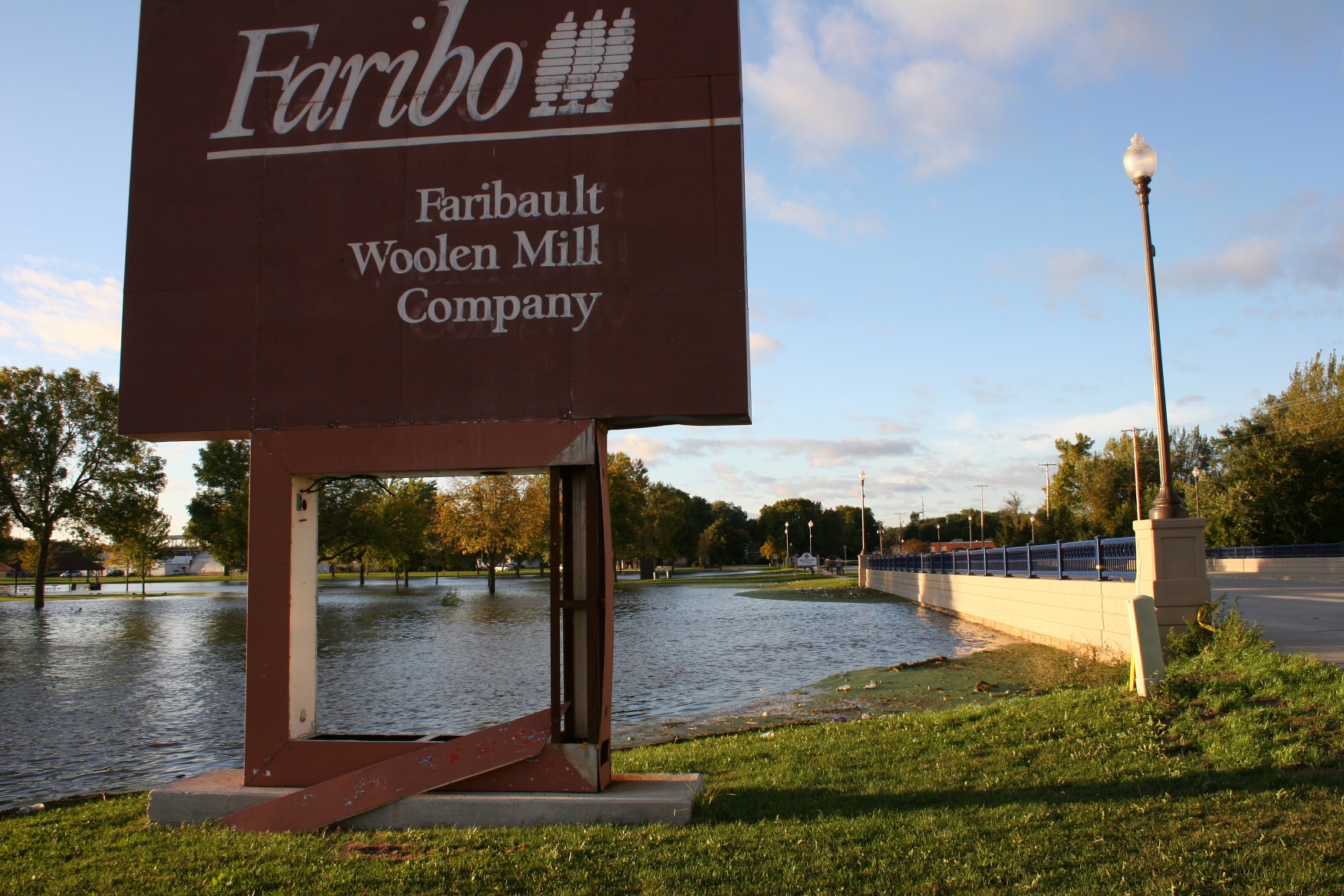
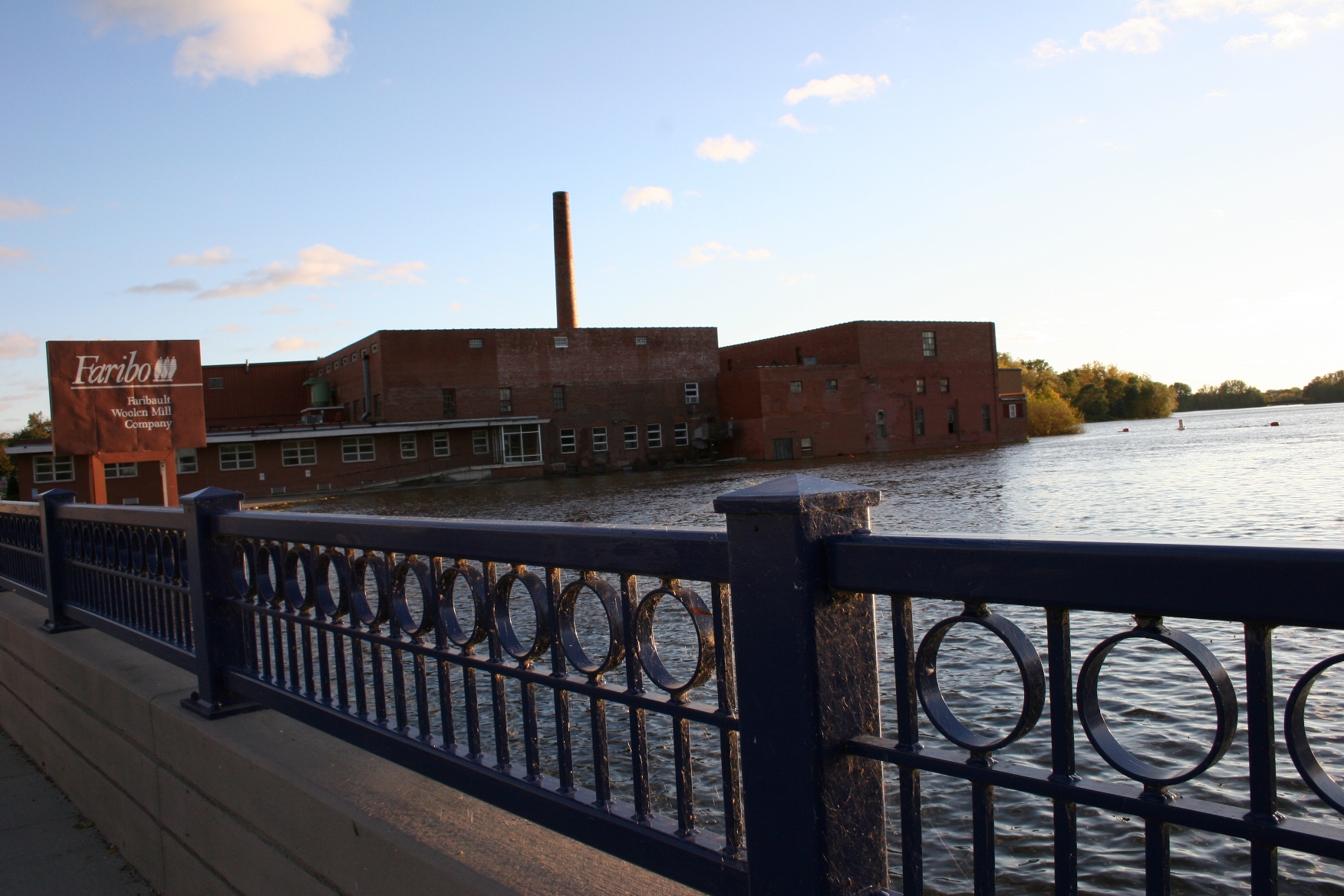
By the Faribo Woolen Mill, I duck under yellow police tape to view the flooding of the Cannon River. As I walk onto the Second Avenue N.W. bridge—the road is closed—I wonder for a moment if this bridge could be swept away like the one in Oronoco. The water is that fast, that scary.

Then, as I leave, a cop car arrives and I think that I’ve left just in time. I know I should not have crossed the yellow tape. But, like all the others who have come to see this moment in history, I cannot stay away.

The Cannon River has risen to bridge level on Second Avenue N.W. by the Woolen Mill Dam.

The Cannon River has risen perhaps 15 feet next to the former Faribo Woolen Mill building, which snuggles against the river by the dam.

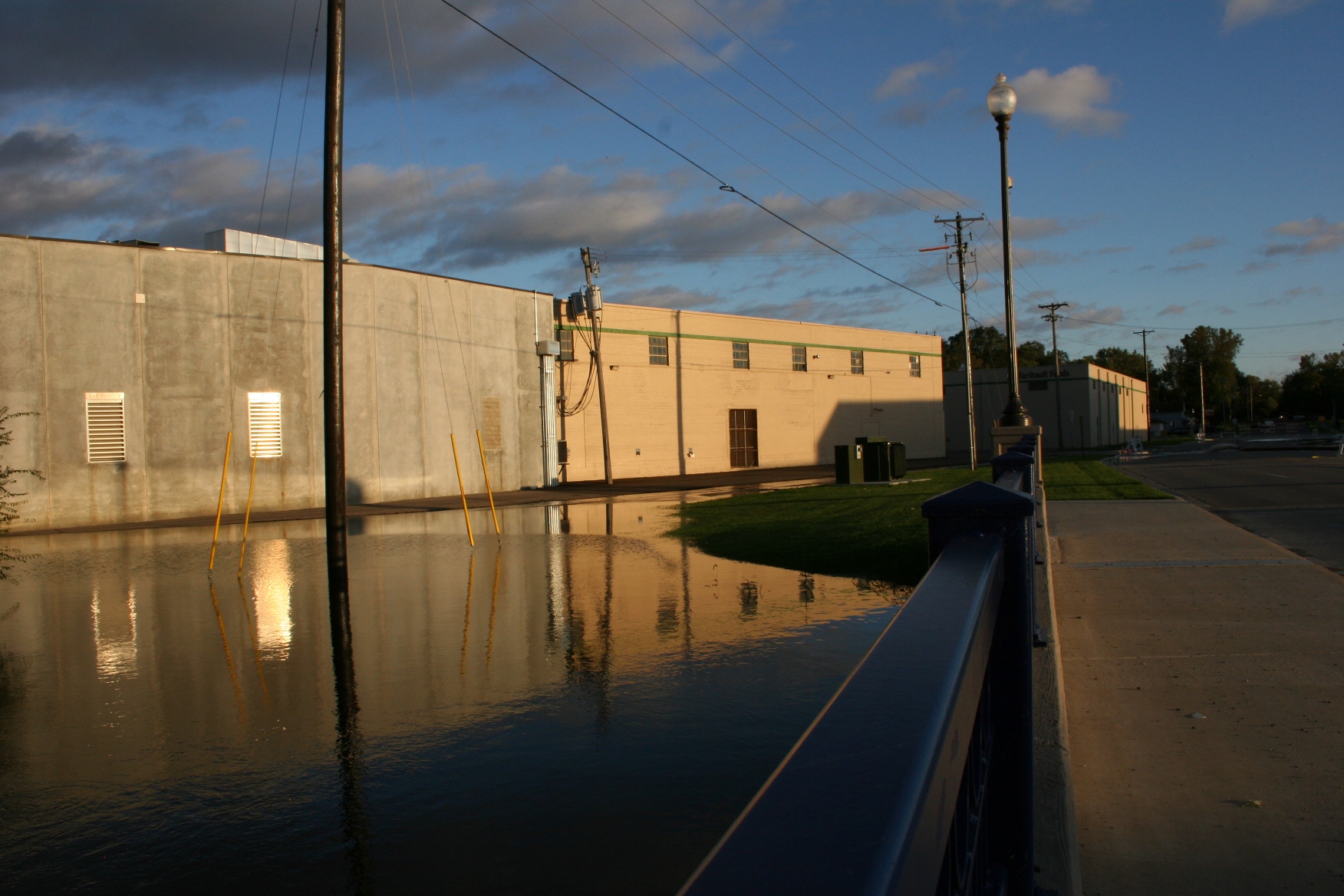
Water covers portions of Second Avenue N.W. and land by Faribault Foods.

A scene on Second Avenue N.W. near Faribault Foods.

These photos were taken between 5:30 – 6:45 p.m. Friday evening.

© Copyright 2010 Audrey Kletscher Helbling