

IT’S BEEN A JOURNEY. That best summarizes the path I’ve been on since January to reclaim my health. It’s been difficult, stressful, taxing, challenging, emotional and often overwhelming. But I was determined to do what I could to reach a better place health-wise in the aftermath of unconfirmed, but suspected, COVID.
This was a virus which messed with my brain, my neurological system, leaving me with a long list of debilitating symptoms. Prior to COVID, I was healthy, medication-free, living a normal life. And then…everything changed. (Click here to read my initial post about how COVID affected me.)
My route to managing long haul COVID began with my medical team, including my compassionate primary care doctor who listened, who admitted when he couldn’t help me, who referred me to specialists, who handed me tissues when I cried in the exam room. He never gave up on me. Nor did my vestibular rehab therapist.
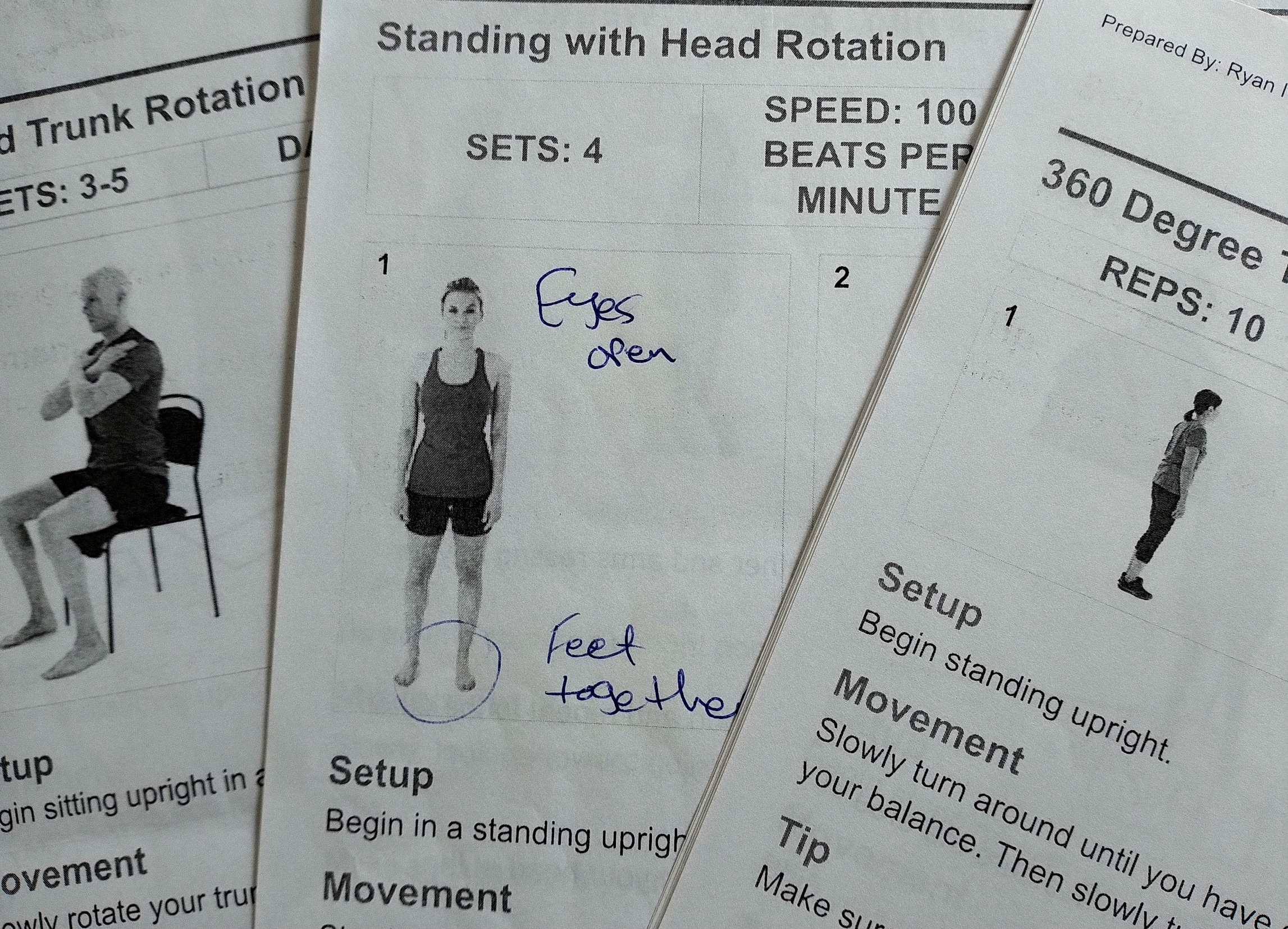
VESTIBULAR REHAB THERAPY, MY ROAD TO RECOVERY
I credit my physical therapist, Ryan at Courage Kenny Rehabilitation Institute in Faribault, for leading the way in my recovery. He has extra training in vestibular issues. From the get-go, Ryan encouraged me, worked with me, supported me, showed deep care and compassion. Those went a long way in empowering me to work hard. And that I did.
During those initial once-a-week visits with Ryan, I barely managed conversation with him. I would mostly close my eyes and listen as he told me how we would work first on overcoming my balance problems. And then I would do as he instructed. Simple things like turning my head while seated. Then trunk rotations. Then turning my head while walking. Soon rotating while walking. Moving my hands back and forth aside my head while listening to white noise. I was building my tolerance for sensory input one exercise at a time. Retraining my brain. It took many months to progress through these seemingly basic exercises. But they were helping.
Each session Ryan gave me homework, which I faithfully did. I understood that no amount of therapy would work if I wasn’t willing to work hard at home. Soon he was encouraging me to get out, to try socializing. He even convinced me I could manage a mid-summer stay at a lake cabin, giving me coping tools to handle the long drive (close my eyes and wear ear plugs and sunglasses), to handle sensory overload (take breaks) and more. I managed that vacation get-away, but not easily. I remember the evening I snuggled next to my eldest daughter, put my head on her shoulder and sobbed, “I can’t do this any more.”
ENCOURAGEMENT IN THE MIDST OF DESPAIR
Many times I felt despair, as if I wasn’t making progress. Ryan assured me I was improving, even if I couldn’t always see it. I often felt, too, like no one understood what I was going through (although I’m sure that’s not true). But what I had was unseen, literally in my head. And when people can’t see, or make no effort to understand neurological issues, support lacks. That said, I had a core support group of friends and several sisters-in-law who gave me ongoing encouragement.
And so the months passed. Randy and our eldest daughter, especially, offered unconditional love and support that carried me through some of my darkest days. I wanted desperately to feel better, to have my old life back, pre-virus. By mid-September when I’d advanced to virtual reality roller coaster rides, my physical therapist deemed me ready to graduate. I was ready, yet I wasn’t. I would miss Ryan’s weekly encouragement.
Here I am today, two months out from therapy’s end. I am in a much better place than when I began vestibular rehab therapy in mid-April. I am out and about. Grocery shopping, attending church, speed walking a half hour daily, going to concerts, socializing… I still struggle if I overdo it, if I have too much sensory input. I rely on ear plugs to handle loud music. I close my eyes. Sometimes I have to leave a place or event. I am not the same as I was pre-COVID.
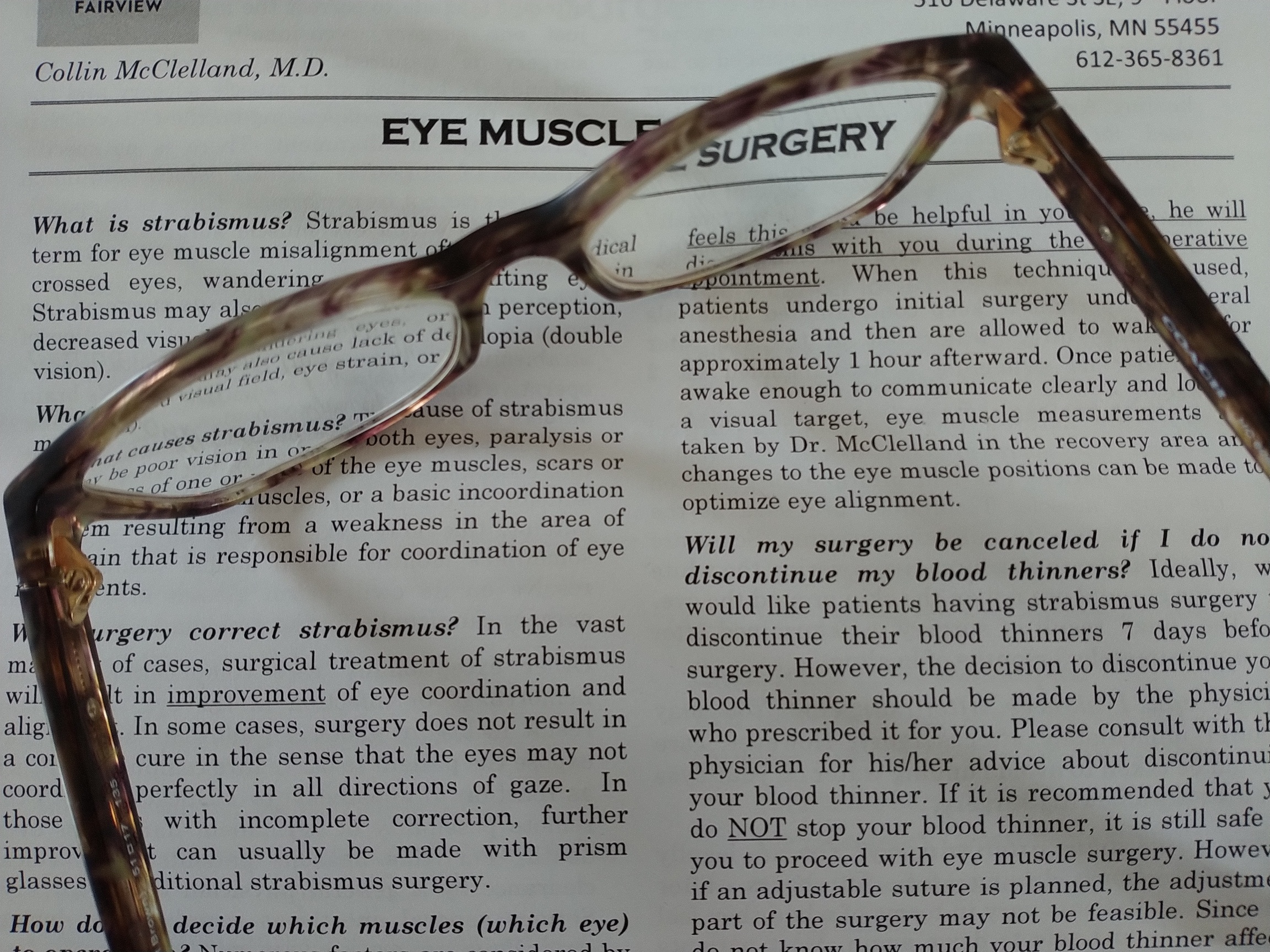
UP NEXT, EYE SURGERY
In January, I will undergo bilateral strabismus surgery at the University of Minnesota to realign my eyes. It is a re-do of a 1960 surgery. As my neuro ophthalmologist explained, the eye muscles that were surgically tightened decades ago have loosened through the decades. Up until my neurological system was affected by COVID, my brain compensated. No more. I am seeing double, and not just when I read. Trying to focus my vision to see only one exhausts me.
But in the all of everything I’ve endured since January, I’ve made significant progress. I’m doing much better. Mostly managing. And that is reason to feel thankful.
© Copyright 2023 Audrey Kletscher Helbling











 Minnesota Prairie Roots
Recent Comments