Minnesota Prairie Roots

Writing and photography by Audrey Kletscher Helbling

From southern Minnesota: Reflecting on “the people’s pope” April 23, 2025

Faribault artist Kate Langlais painted this acrylic portrait of Pope Francis, displayed at the Paradise Center for the Arts, Faribault, in 2022. (Minnesota Prairie Roots copyrighted file photo March 2022)

HER COMMENT SUMMARIZES what many Catholics and others are likely thinking this week as they mourn the passing of Pope Francis on Easter Monday. Dorothy Storch writes this on the Facebook page of the Church of St. Patrick, Shieldsville. a rural southern Minnesota church near me: “Our Pope of peace and mercy, kindness and love. A man of God.”
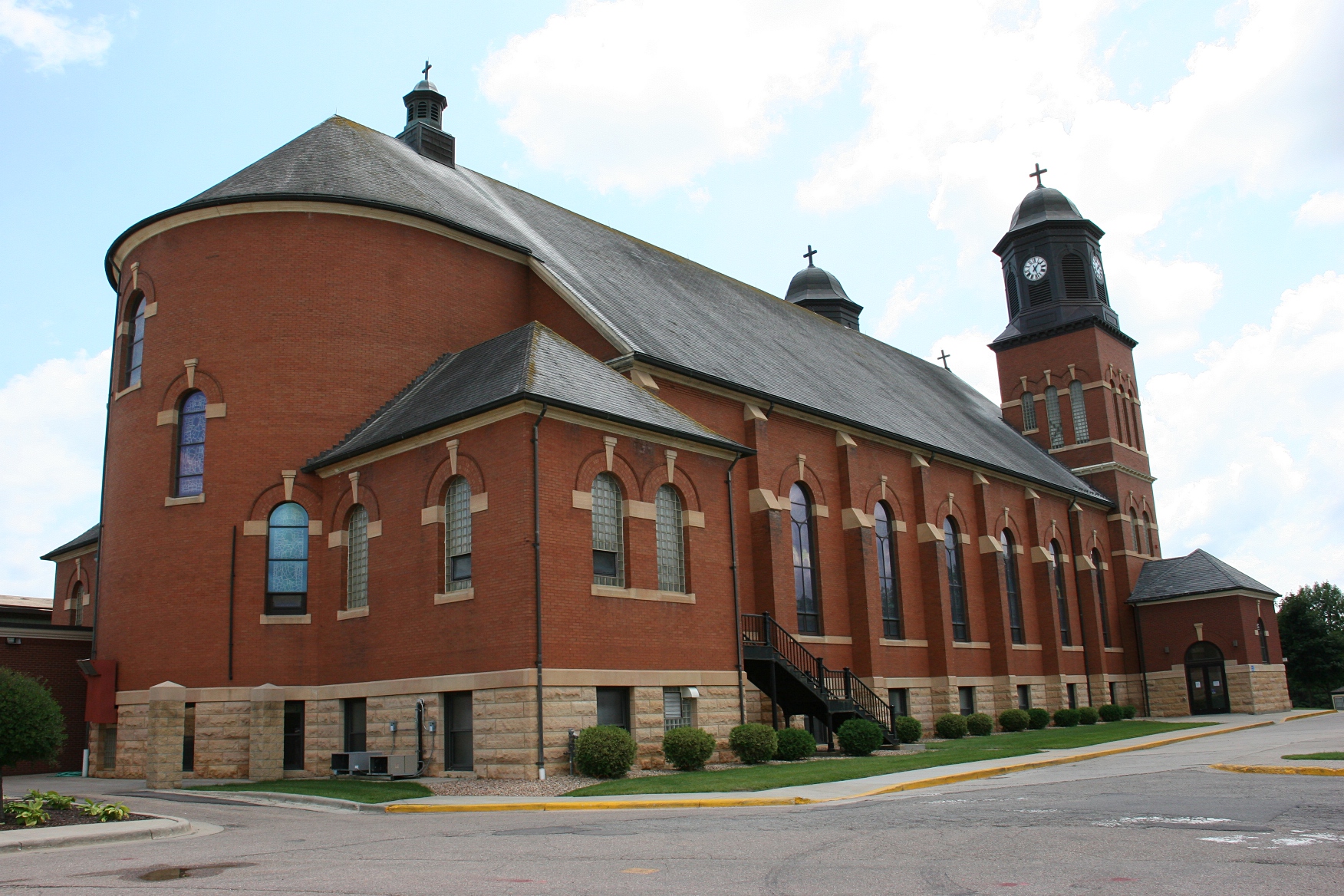
A side and rear view of St. Wenceslaus Catholic Church, New Prague. (Minnesota Prairie Roots copyrighted file photo)

Perhaps that could be written about previous popes and other faith leaders. But not always. And not with the depth of admiration for Pope Francis, often termed “The people’s pope.” He changed things up in the Catholic church, opening minds and hearts and relating to people in a way that made him seem more like one of us.
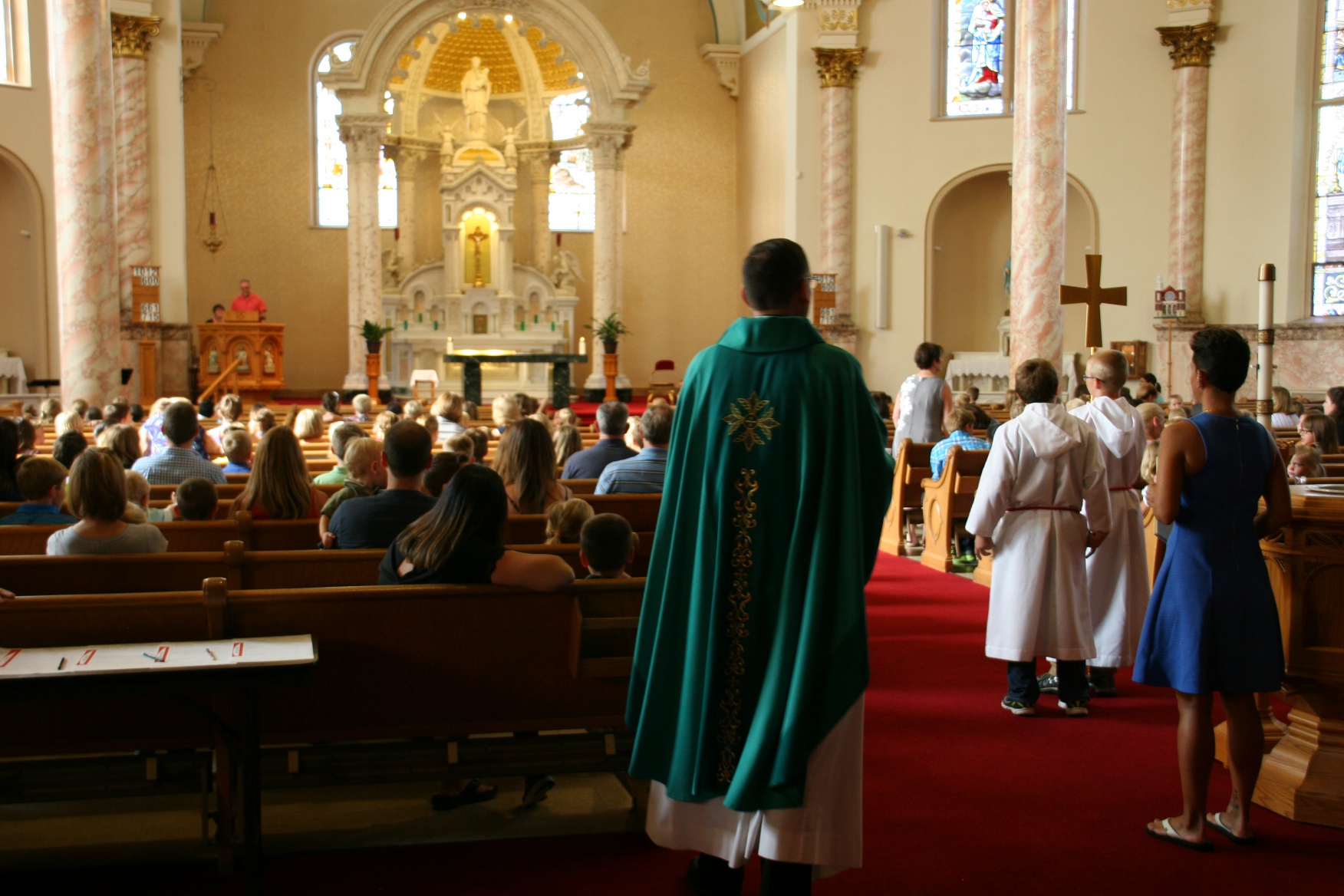
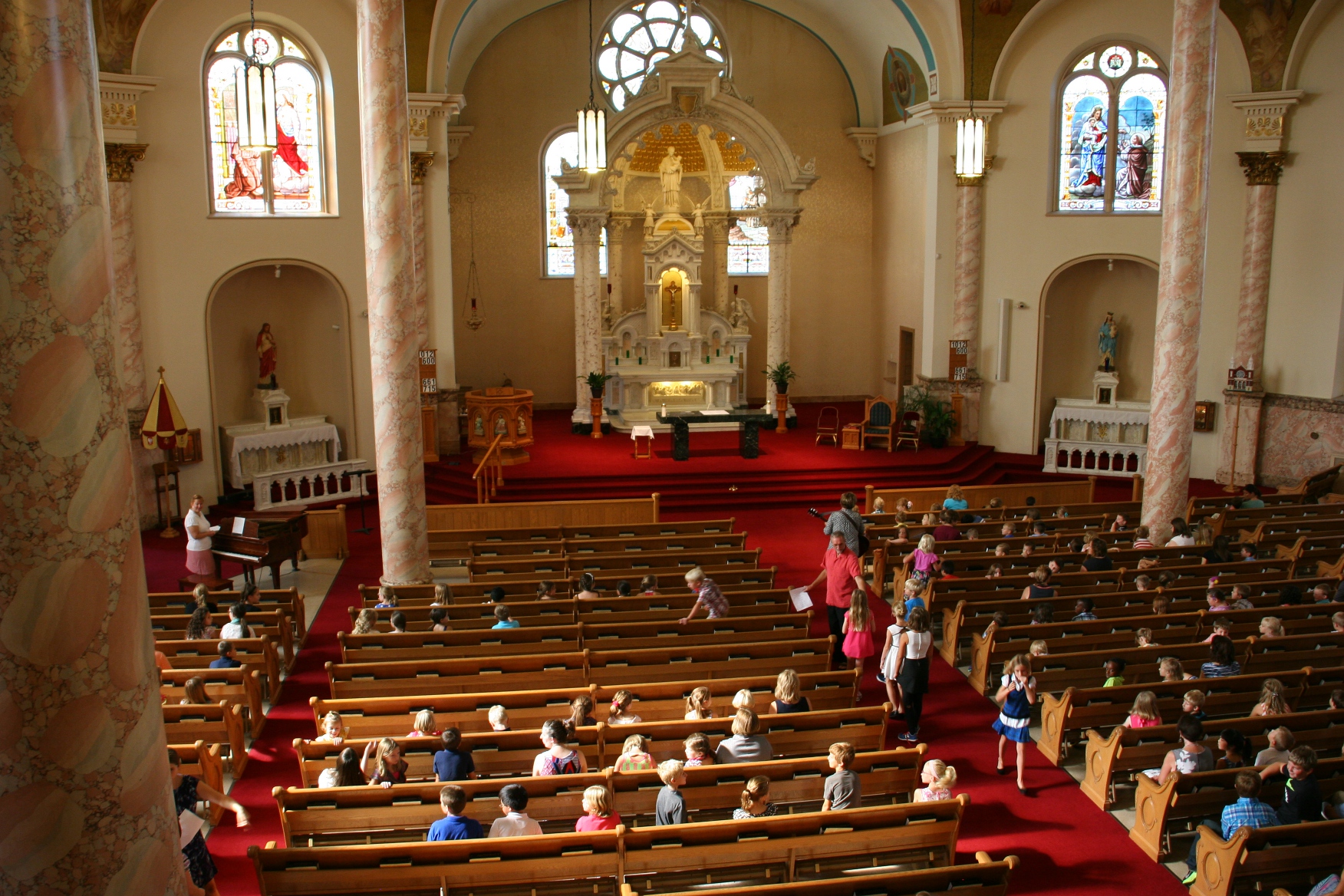
Mass, about to begin at the Basilica of Saint Stanislaus Kostka in Winona. (Minnesota Prairie Roots copyrighted file photo)

A posting on the Facebook page of the Church of St. Dominic, 16 miles to the northeast of Shieldsville in Northfield, explains: “His life was a shining example of humility, compassion, and servant leadership. Pope Francis reminded us through both word and action what it means to care for the poor, to welcome the outcast, and to live simply with a heart open to God. He walked closely with the people, always pointing toward mercy by living our faith with the same grace and humility.”

Loving words from the Bible in the heart of downtown Faribault. (Minnesota Prairie Roots copyrighted file photo)

Even though I am not of the Catholic faith, I’ve heard, read and seen enough media reports about Pope Francis to understand that he was, indeed, a compassionate man of both words and actions. Words, especially when you are a faith leader, require positive action. Pope Francis visited inmates, embraced those with disabilities, met with migrants, washed feet and much more. Washing someone’s feet is truly an act of humility and service.
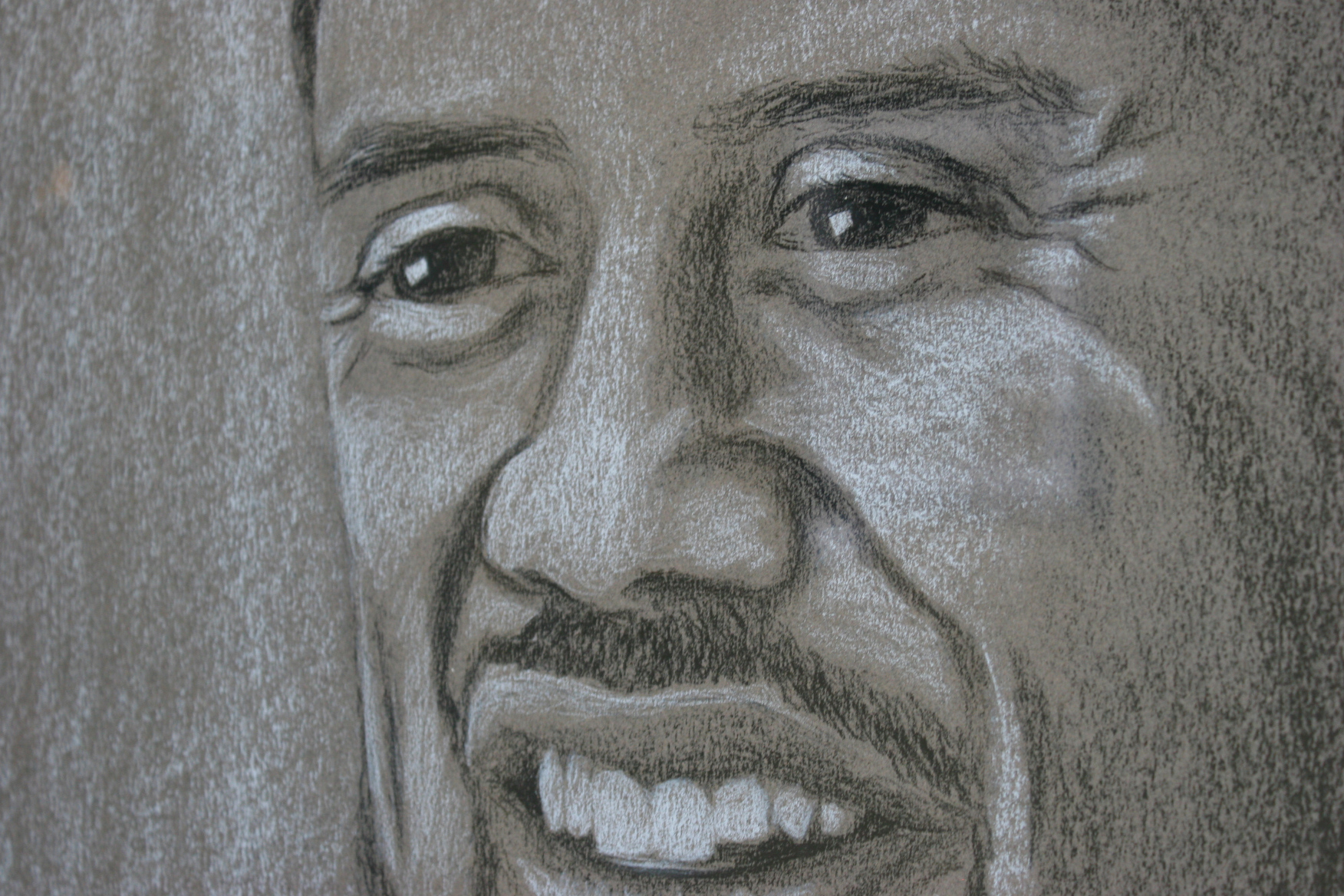
“Faysel,” who fled the war in Somalia. Kate Langlais created this portrait for an “I Am Minnesota” project featuring our state’s newest immigrants. (Minnesota Prairie Roots copyrighted file photo)

Pope Francis advocated for migrants, immigrants, refugees and others, calling for compassion and care. Born Jorge Mario Bergoglio to Italian immigrants in Argentina, this first pope of the Americas understood the plight of immigrants and other marginalized populations. He wasn’t afraid to speak up, to take a stand for what he thought was right, what Jesus would have him, and all of us, say and do. He gave voice to the voiceless, to those silenced by power, policies, politics and life-altering destructive actions. He built bridges, not walls.
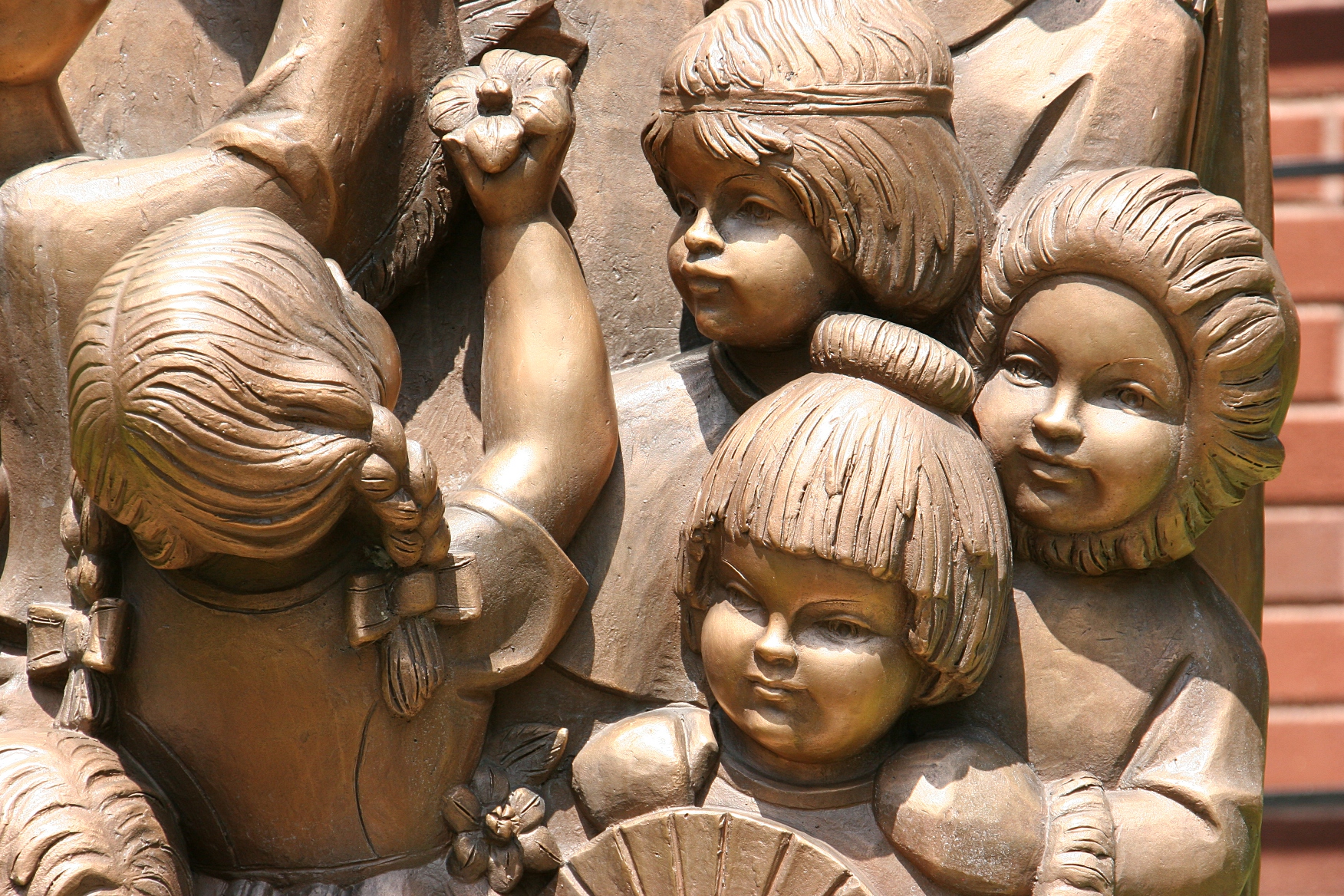
Children of many ethnicities are part of the Mary statue in Mary’s Garden at St. Wenceslaus Catholic Church, New Prague. (Minnesota Prairie Roots copyrighted file photo)

In acknowledging the passing of Pope Francis, a post on the New Prague, Minnesota, Catholic Community Facebook page calls him “a figure who has left an indelible mark on the Catholic Church and the world.” I agree with that assessment of a man who cared deeply about people, and about the environment. We could all learn from this thoughtful pope who intentionally took the papal name of Francis from Saint Francis of Assisi, a man of faith focused on poverty, peace and protecting the earth.
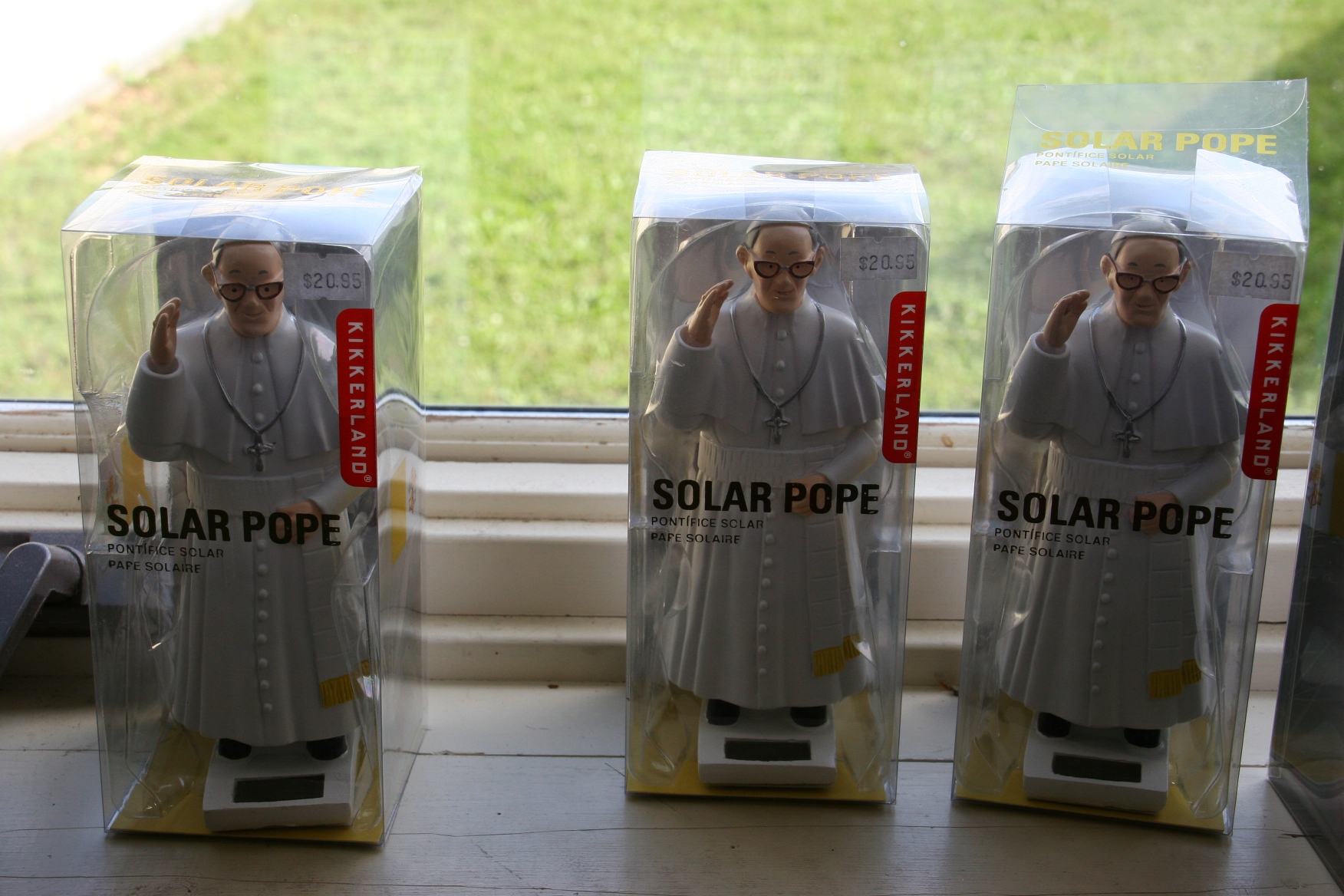
I expect Pope Francis would have laughed at these solar popes (not of him) which I photographed many years ago at LARK Toys in Kellogg, Minnesota. Minnesota Prairie Roots copyrighted file photo)

I love how Pope Francis loved. And I love how he loved to laugh. In 2024, he invited comedians from around the world to the Vatican, underscoring the importance of laughter, recognizing its healing power. I recently watched a video clip of him kissing an infant dressed in papal garb along a parade route. A member of his security team brought the baby girl to the pope riding in his Pope Mobile. His broad smile said it all. Pope Francis didn’t find the costumed infant to be disrespectful of him, but rather a reason to laugh. I need to laugh more. We all need to laugh more.
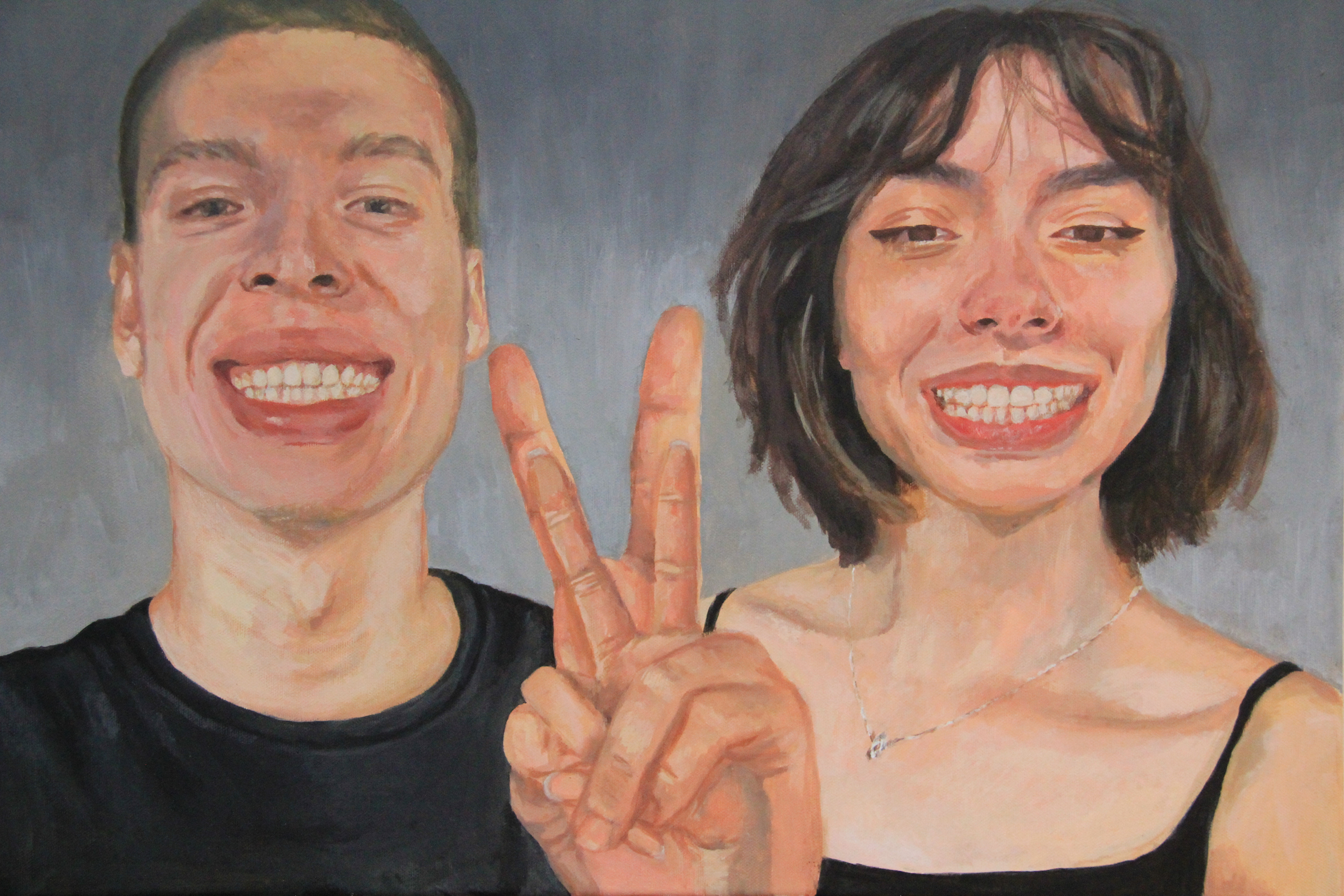
“Peace and Love,” an acrylic portrait by Angelina Dornquast. Photographed in an exhibit at the Paradise Center for the Arts, Faribault. (Minnesota Prairie Roots copyrighted file photo October 2024)

What a legacy Pope Francis leaves. It is my hope that the next pope selected by the conclave of cardinals will continue in the path of humility, compassion and kindness. I want Dorothy Storch from St. Patrick’s in rural southern Minnesota to describe the new pope as “our Pope of peace and mercy, kindness and love,” just as she did Jorge Mario Bergoglio, the son of immigrants. He who humbly served with compassionate words and actions, becoming a much-beloved and respected world faith leader.
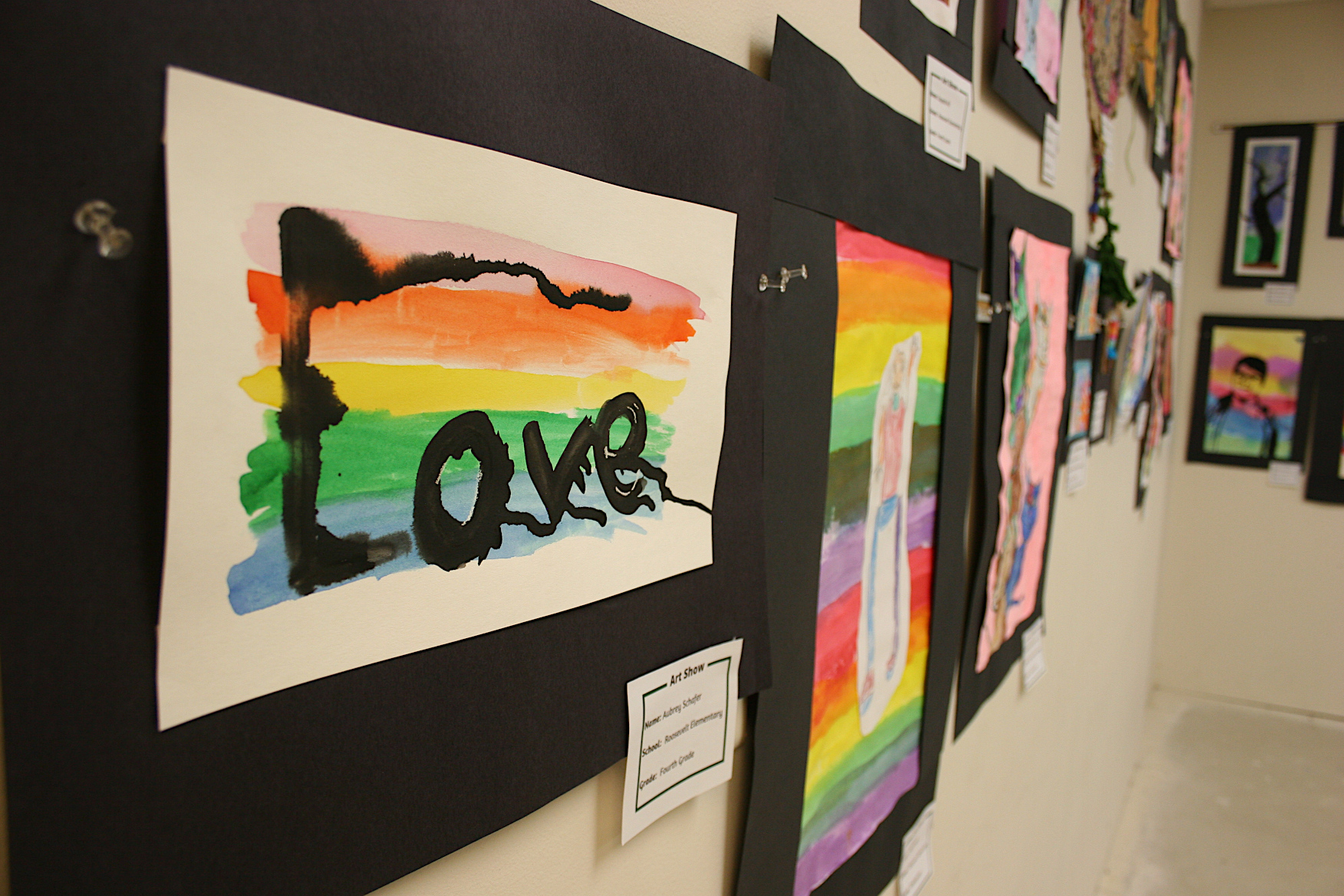
Love at a past student art show at the Paradise Center for the Arts. (Minnesota Prairie Roots copyrighted file photo)

May Pope Francis, now lying inside a simple wooden coffin, rest in peace at the Basilica of Saint Mary Major, which sits in an area of Rome heavily-populated by immigrants. With his coffin and burial choices, “the people’s pope” makes a strong statement even in death about living with grace, humility and compassion, loving all, always.

© Copyright 2025 Audrey Kletscher Helbling


Touring Minnesota’s “other” basilica, St. Stan’s in Winona September 24, 2015

The Basilica of Saint

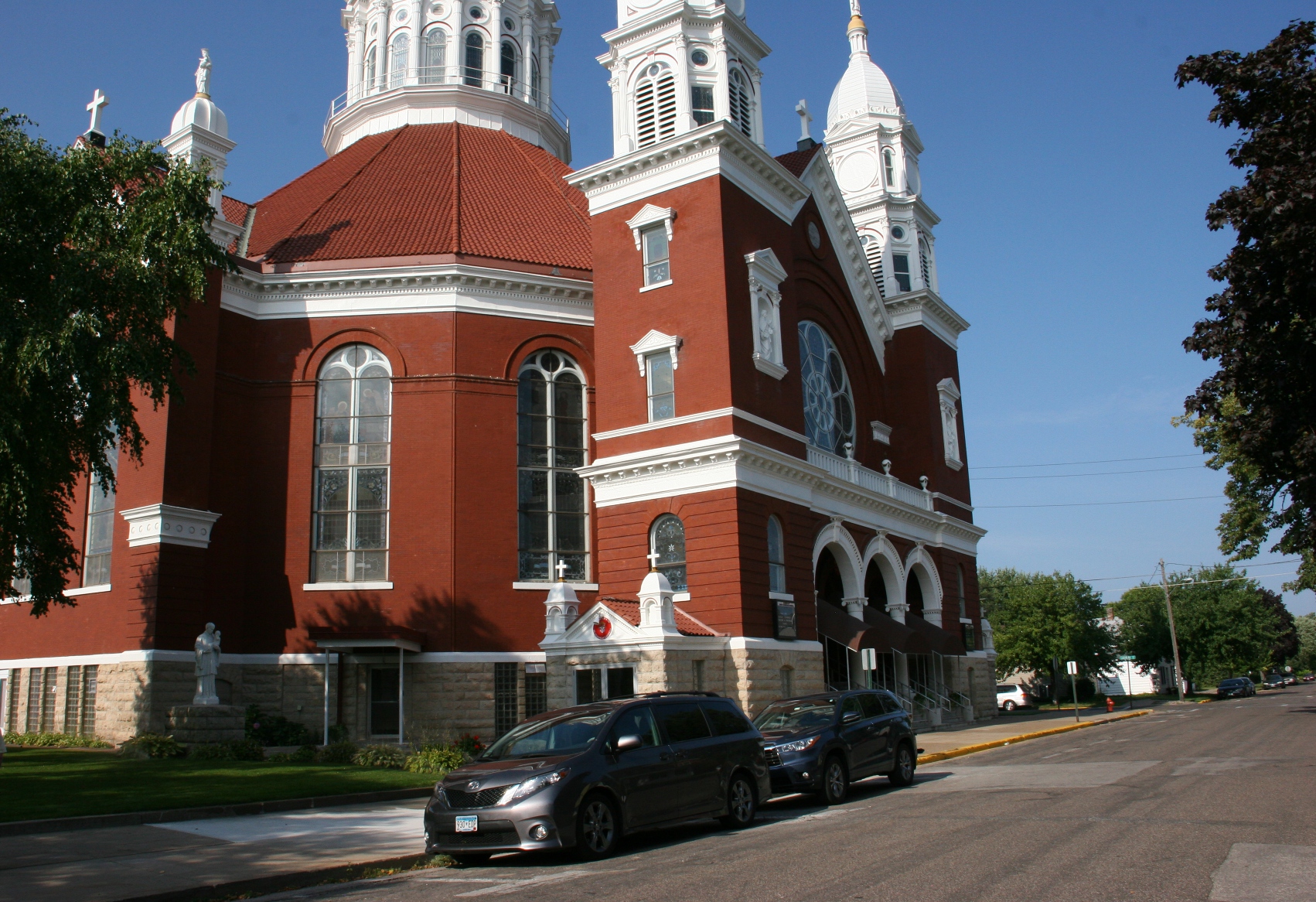
The Basilica of Saint Stanislaus Kostka, named after a popular saint from Poland, is so massive I could not get the entire basilica in a photo. It’s located at 625 East Fourth Street in Winona, Minnesota.

UNOFFICIALLY, PARISHIONERS CALL the basilica St. Stan’s. I like that. It seems fitting in an age when the current pope, Pope Francis, has connected in an everyday sort of way with the faithful, Catholic or not.

I am Lutheran. But denominational affiliation matters not when touring a beautiful house of worship. Or appreciating a man who oversees with a blessed sense of ordinariness. Several weeks ago my husband, a Catholic turned Lutheran, and I visited the Basilica of Saint Stanislaus Kostka, aka St. Stan’s, in Winona. Touring churches interests us from multiple perspectives.

Students from the basilica's school file in for morning Mass.

Students file in for morning Mass.

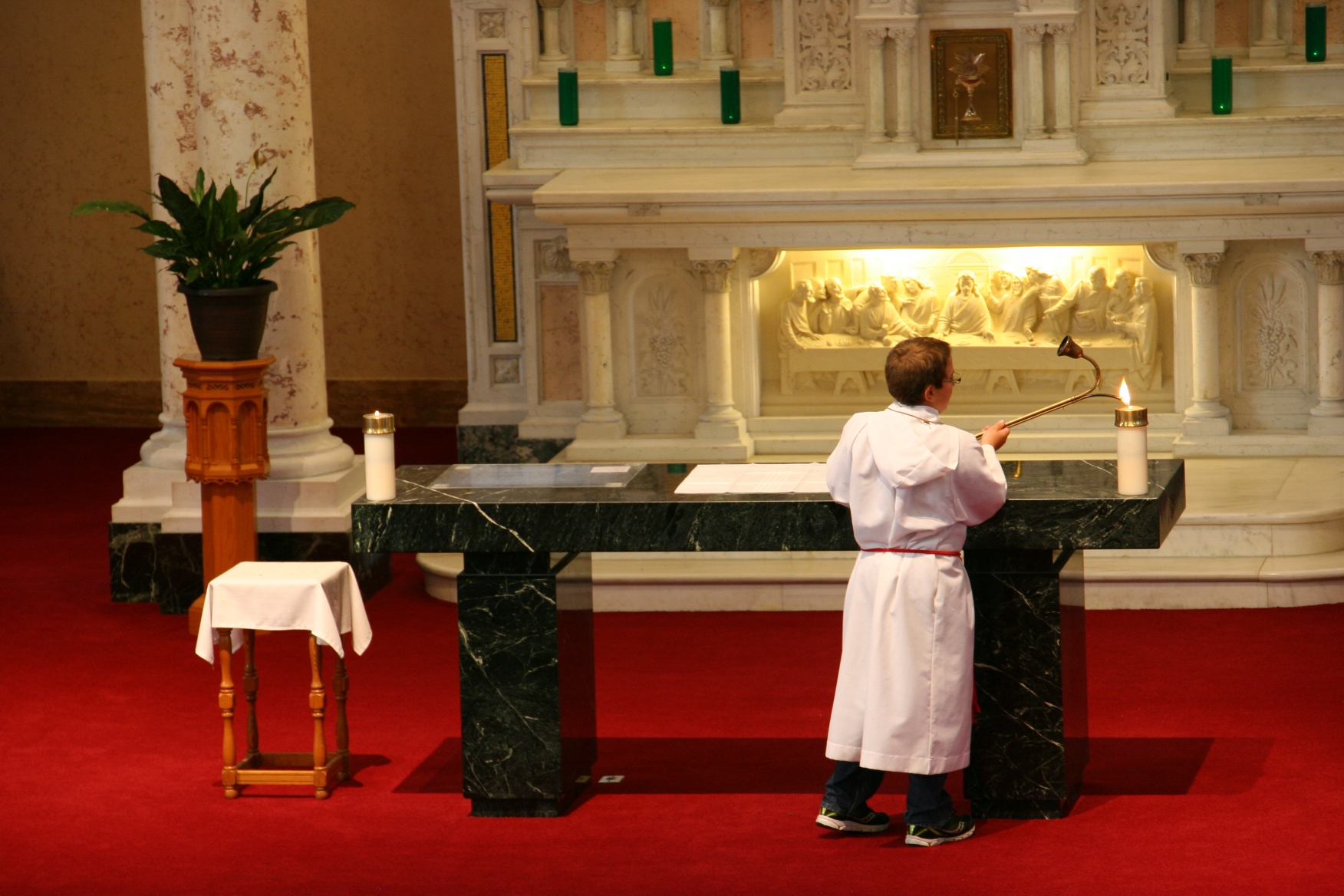
An altar boy prepares for Mass.

An altar boy prepares for Mass.

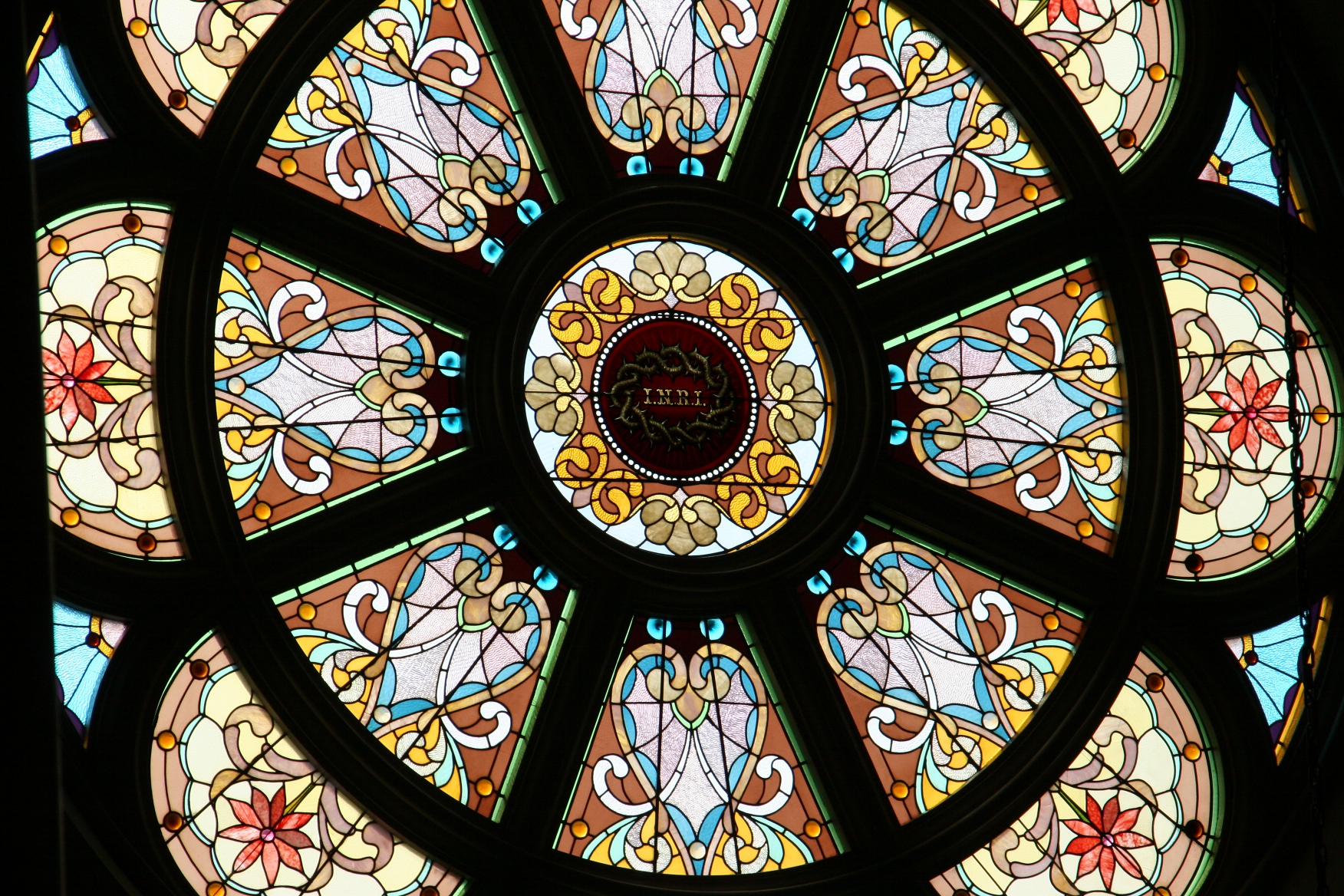
The stained glass windows are incredible in their sacred symbolism and beauty.

The stained glass windows are incredible in their sacred symbolism and beauty.

We arrived at St. Stan’s shortly before a children’s Mass, leaving us to observe from the balcony the reverent holiness of an altar boy lighting a candle, the filing of elementary students into pews, the light of a sultry summer morning filtering through stained glass windows.

Beautiful morning light filters through stained glass onto the curving balcony railing.

Lovely morning light filters through stained glass onto the curved balcony railing.

A statue is tucked into a corner below stations of the cross.

A statue is tucked into a corner below stations of the cross.

The paintings inside the dome are exquisite in their detailed beauty.

The paintings inside the dome are exquisite in their detail.

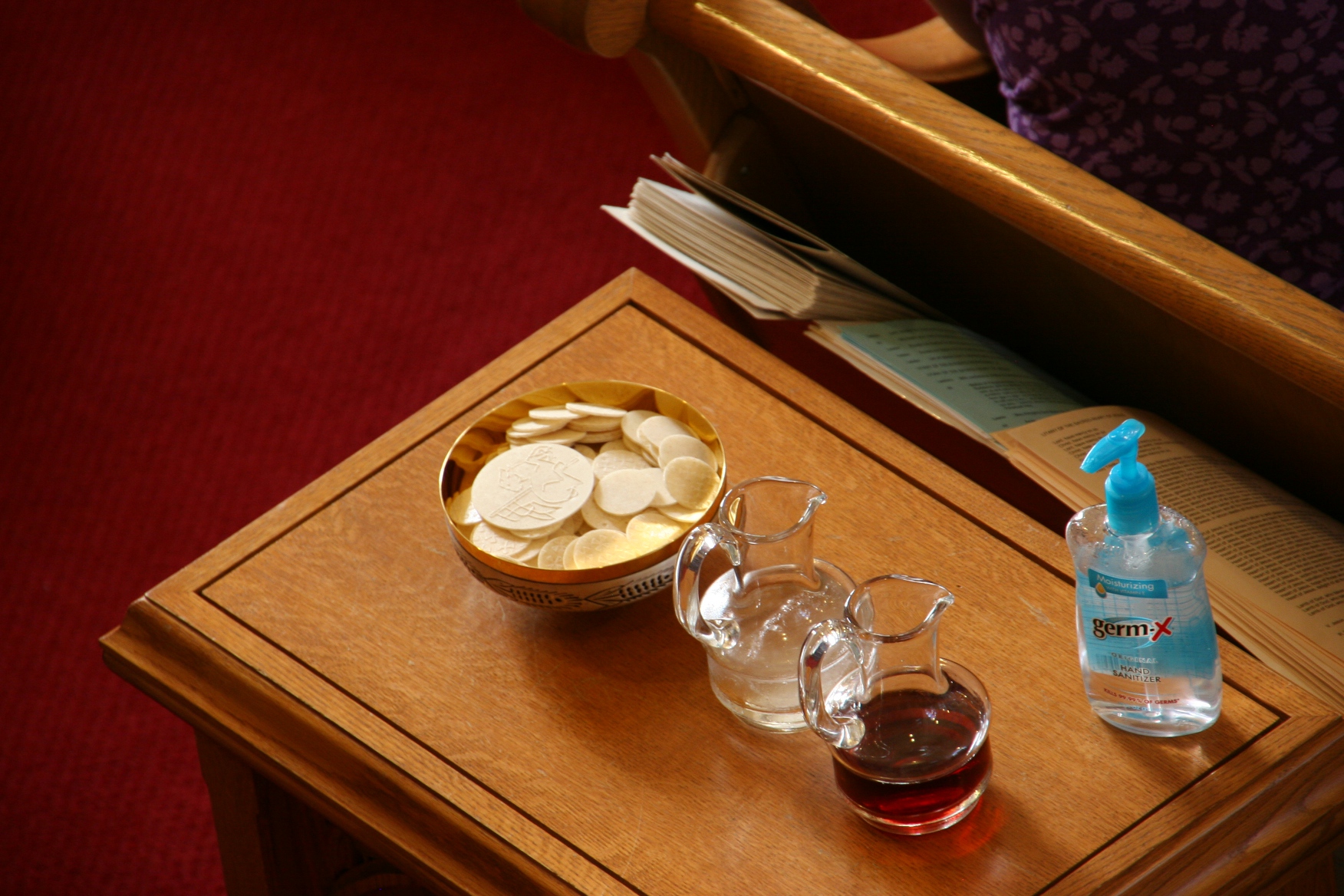
The bread and the wine before it is carried to the front of the sanctuary.

The bread and the wine before they are carried to the front of the sanctuary.

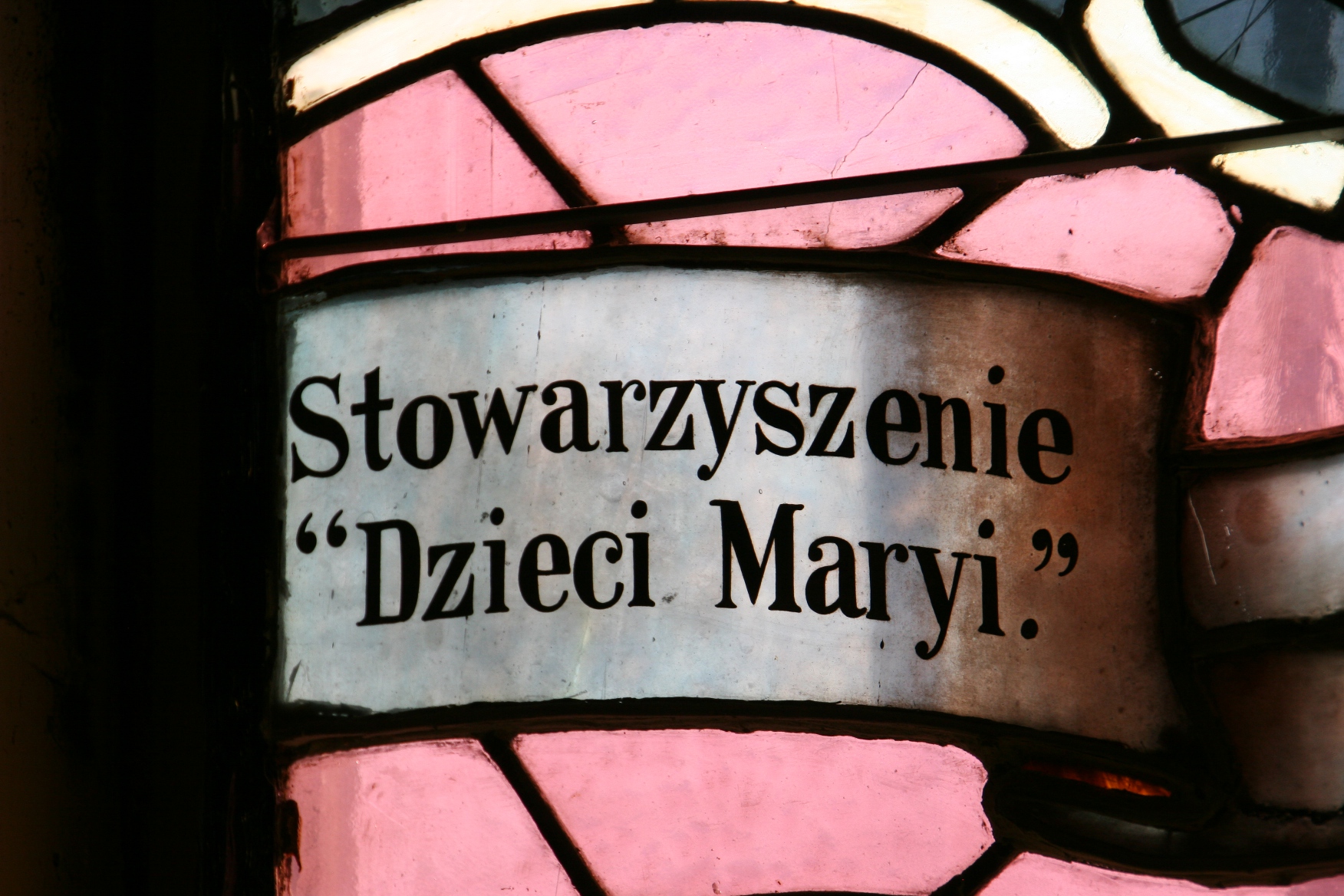
Polish words on a stained glass window translate to

Polish words on a stained glass window translate, according to Google translate, to “”Association of the Children of Mary.”

I stood there in awe, swinging my camera lens toward marble pillars and stained glass, statues and crucifixes, curving wood and paintings, Communion wafers and words in Polish.

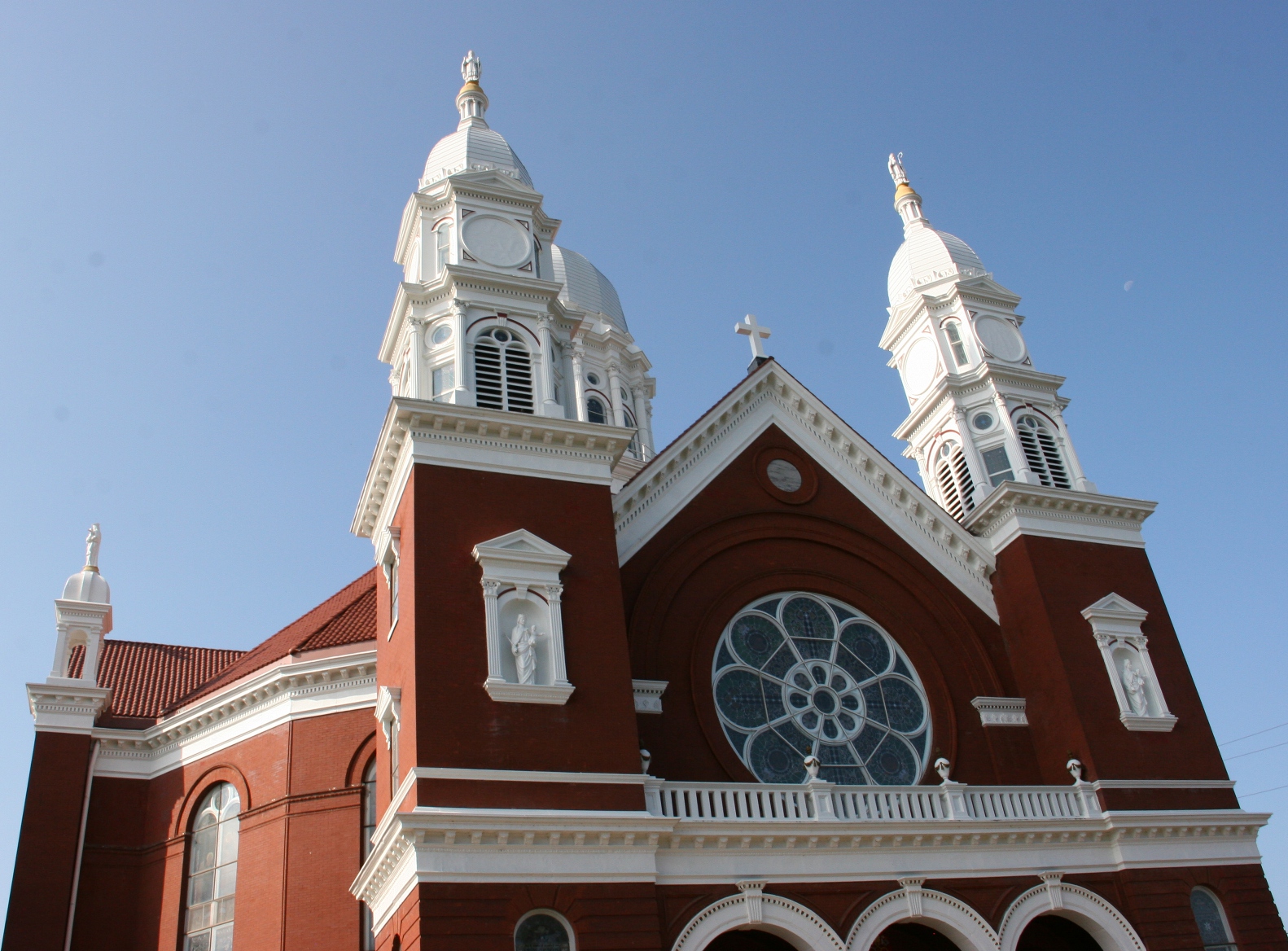
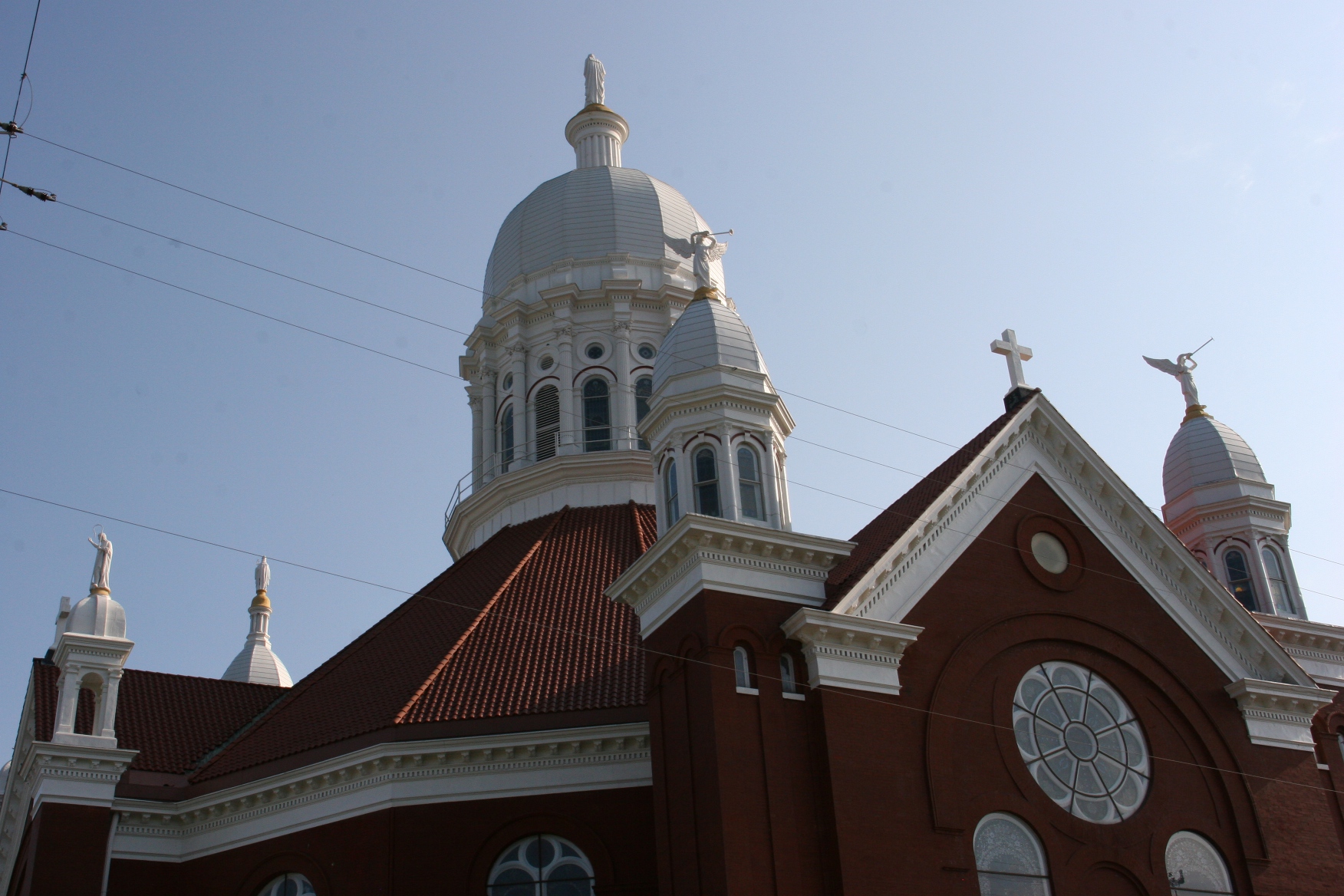
The upper portion of the basilica at its main entry.

The upper portion of the basilica at its main entry.

This is a church of Polish immigrants. Built in 1894 – 1895 of brick and stone in Romansque style (in the form of a Greek cross) by the Winona architectural firm of Charles G. Maybury & Son, the basilica is on the National Register of Historic Places.

With its designation as a basilica, St. Stan's also received a crest symbolic of important events in its history. Click here to learn about the crest.

With its designation as a basilica, St. Stan’s also received a crest symbolic of important events in its history. Click here to learn about the crest.

Not knowing the difference between a regular Catholic church and a basilica, I learned from online research that a basilica has received special privileges from the pope. St. Stan’s rates as a minor basilica , the 70th in the U.S. and only one of two in Minnesota. (The other is the Basilica of Saint Mary in downtown Minneapolis.) The title ties to the extraordinary architectural quality of the building and to the congregation’s significant Polish heritage, according to a 2011 press release from the Roman Catholic Diocese of Winona announcing the designation by the Vatican.

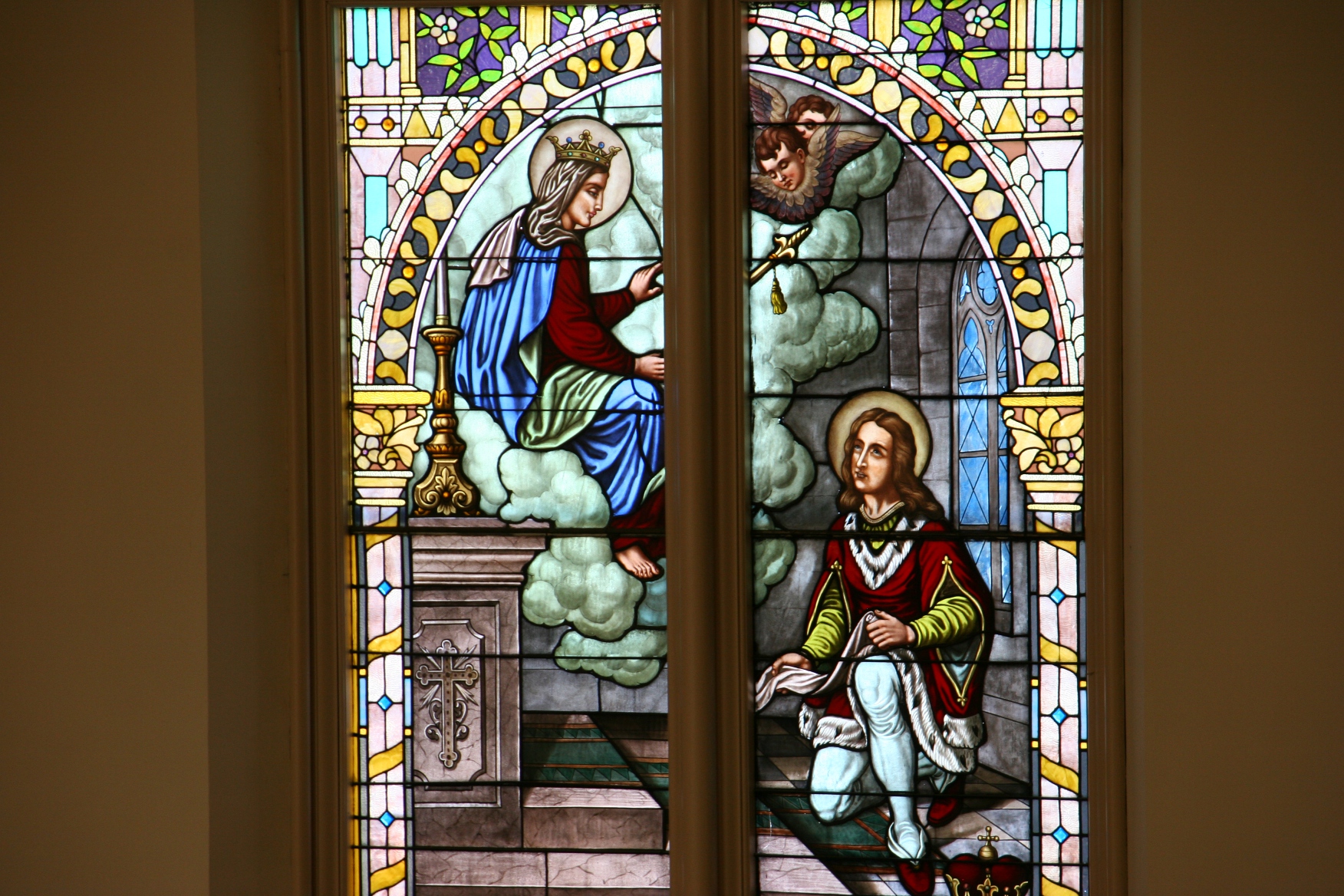
I'm certain the scenes in each stained glass window hold religious significance.

The stained glass windows truly are religious works of art.

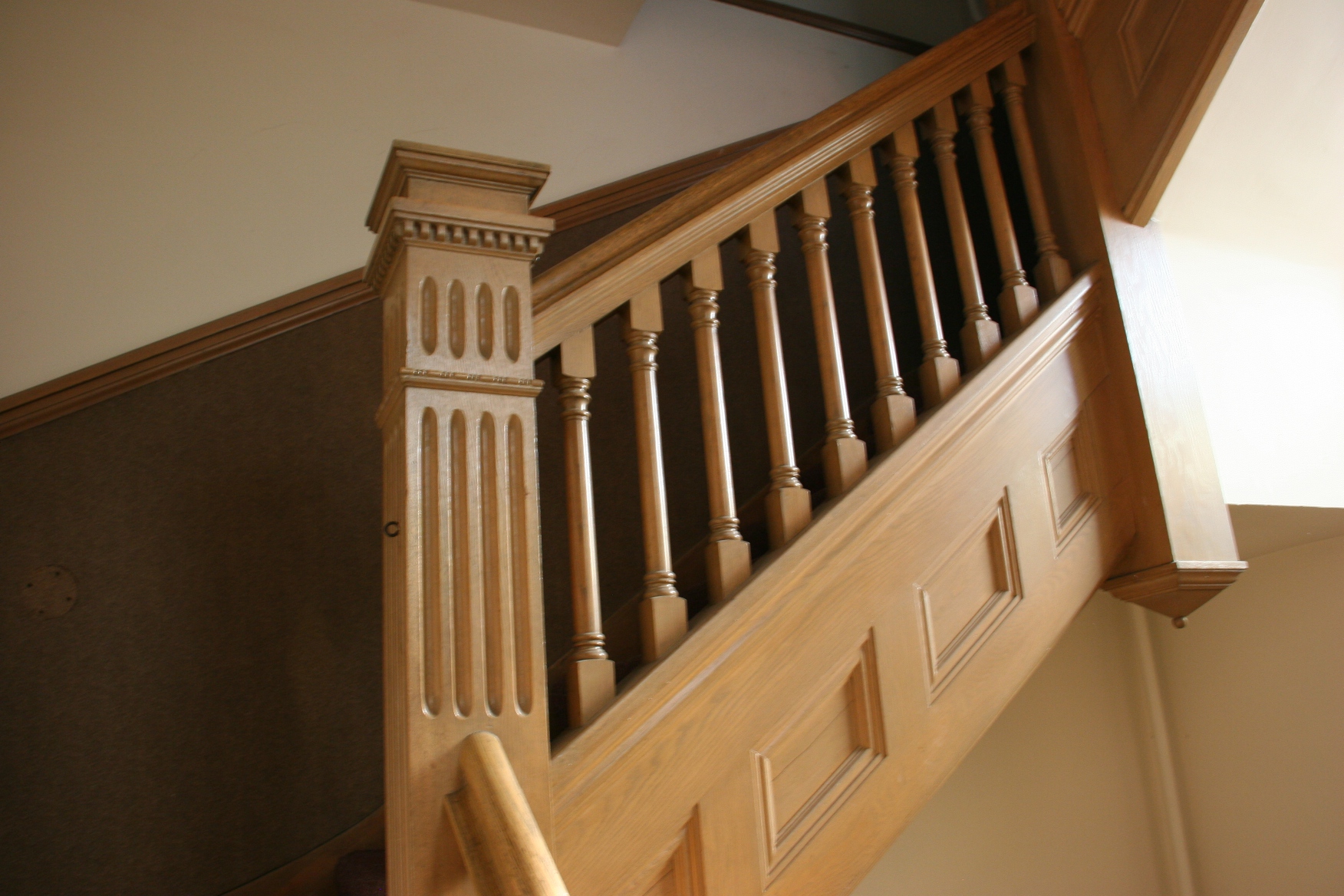
The stairway to the balcony features incredible craftsmanship.

The stairway to the balcony features incredible craftsmanship.

Massive marble pillars impress.

Massive marble pillars impress.

Terminology and privileges aside, this is one impressive house of worship. It’s artful and splendid. Reverent and meaningful. Personal, yet powerful in its sheer size.

I expect many a worshiper has found comfort in these stained glass windows.

I expect many a worshiper has found comfort in these stained glass windows.

This massive place holds generations of family history. Imagine the sins confessed and forgiven here, the blessings bestowed, the holy water sprinkled, the families who’ve grieved and celebrated within the walls of St. Stan’s.

The priest is about to proceed up the aisle to begin Mass.

The priest is about to proceed up the aisle to begin Mass.

To witness the next generation in worship on a Friday morning in God’s house reaffirms for me that the faith of our fathers remains strong. Just like this aged basilica in the Mississippi River town of Winona.

BONUS PHOTOS of the exterior:

A back view of St. Stan's.

A back view of St. Stan’s.

Angel art atop a tower.

Angel art atop a tower.

Roof details.

Roof details.

The main entrance.

The main entrance.

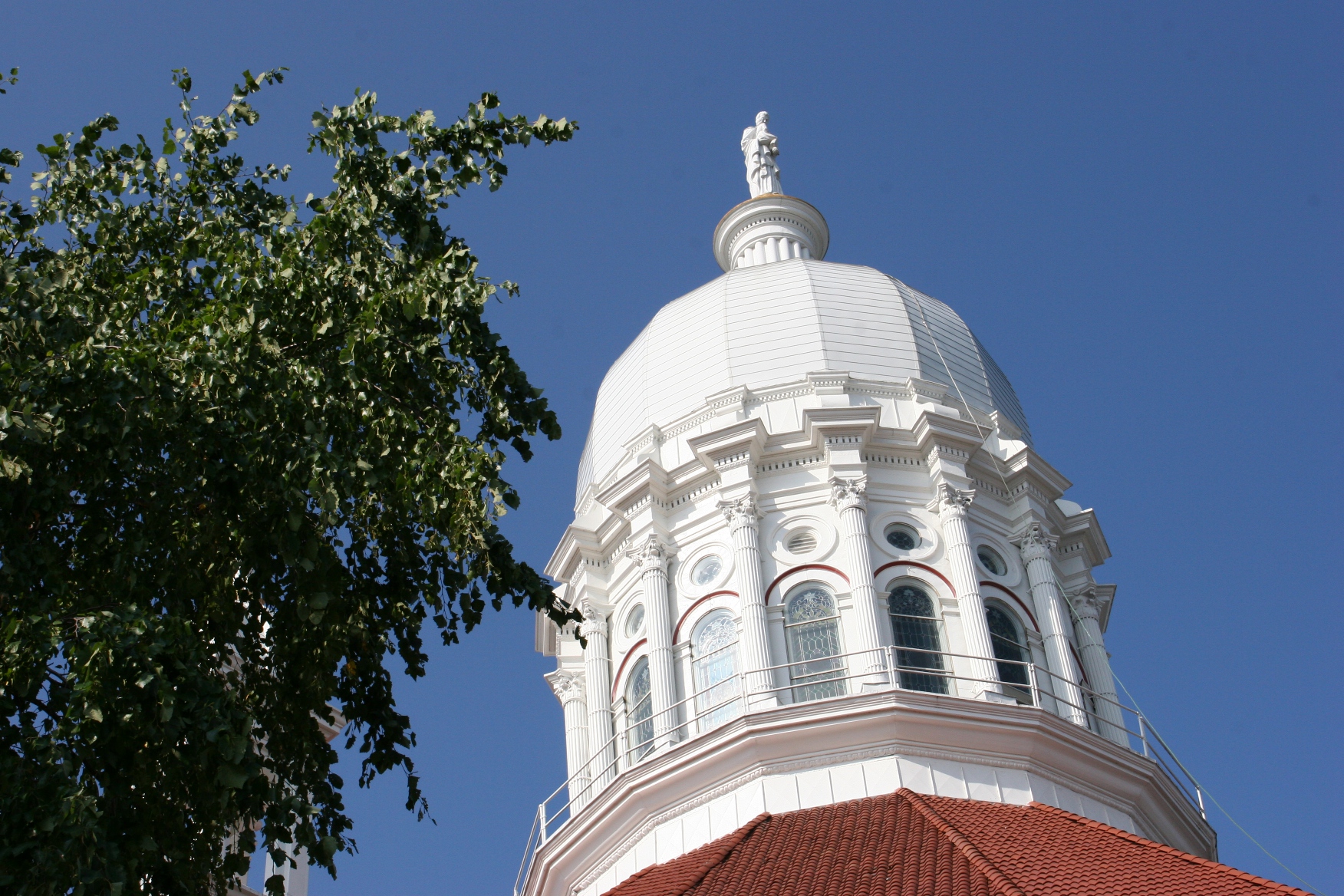
And the landmark dome.

And the landmark dome.

© Copyright 2015 Audrey Kletscher Helbling