Minnesota Prairie Roots

Writing and photography by Audrey Kletscher Helbling

Honoring the legacy of Congressman John Lewis July 15, 2025

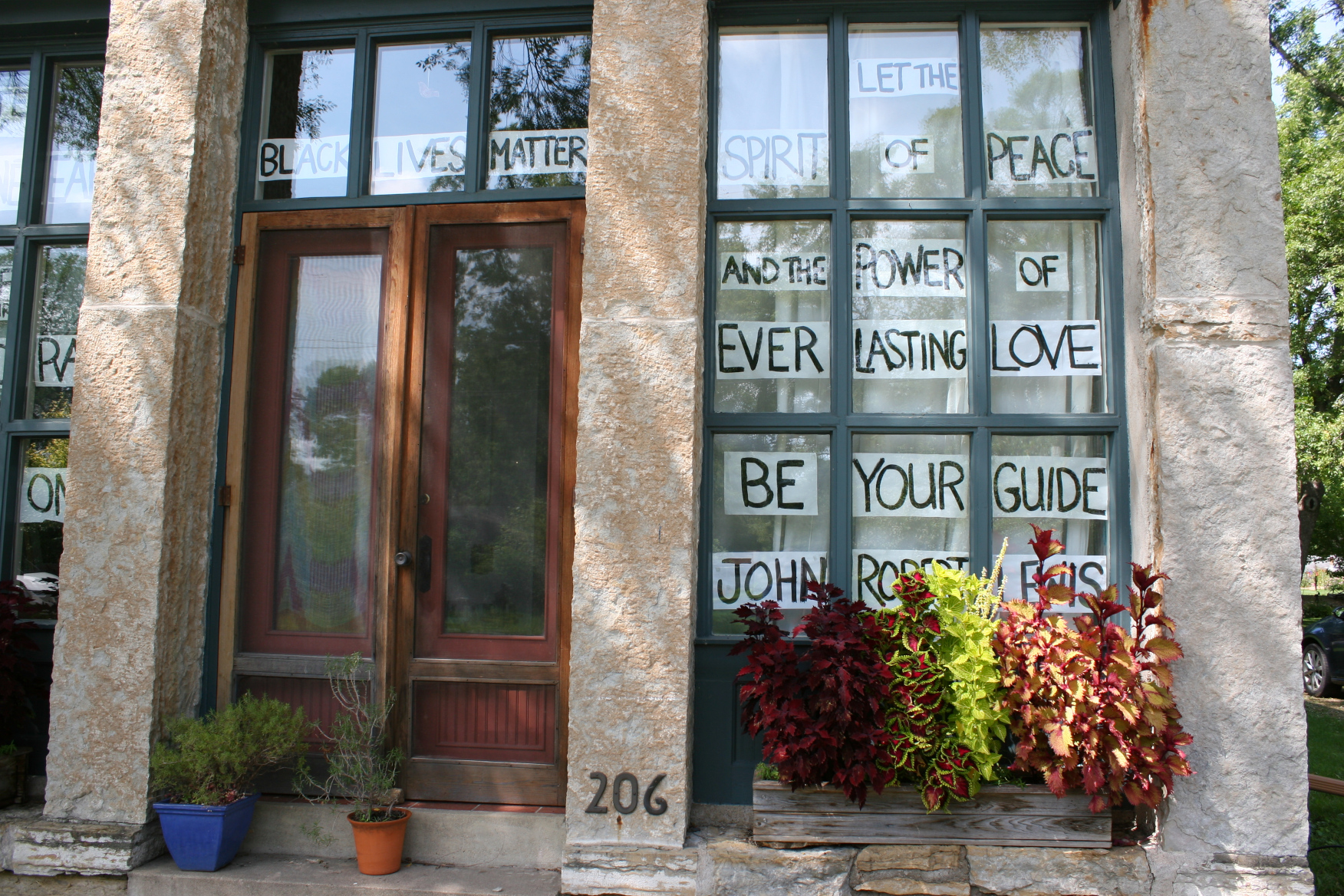
In 2020, I photographed this inspirational message, right, by John Lewis on a home in Dundas, a small town just south of Northfield. (Minnesota Prairie Roots copyrighted file photo August 2020)

HIS WORDS AND ACTIONS should inspire all of us to do better, be better, both as individuals and as Americans. “He” is Georgia Congressman and civil rights leader John Lewis, who died five years ago on July 17.
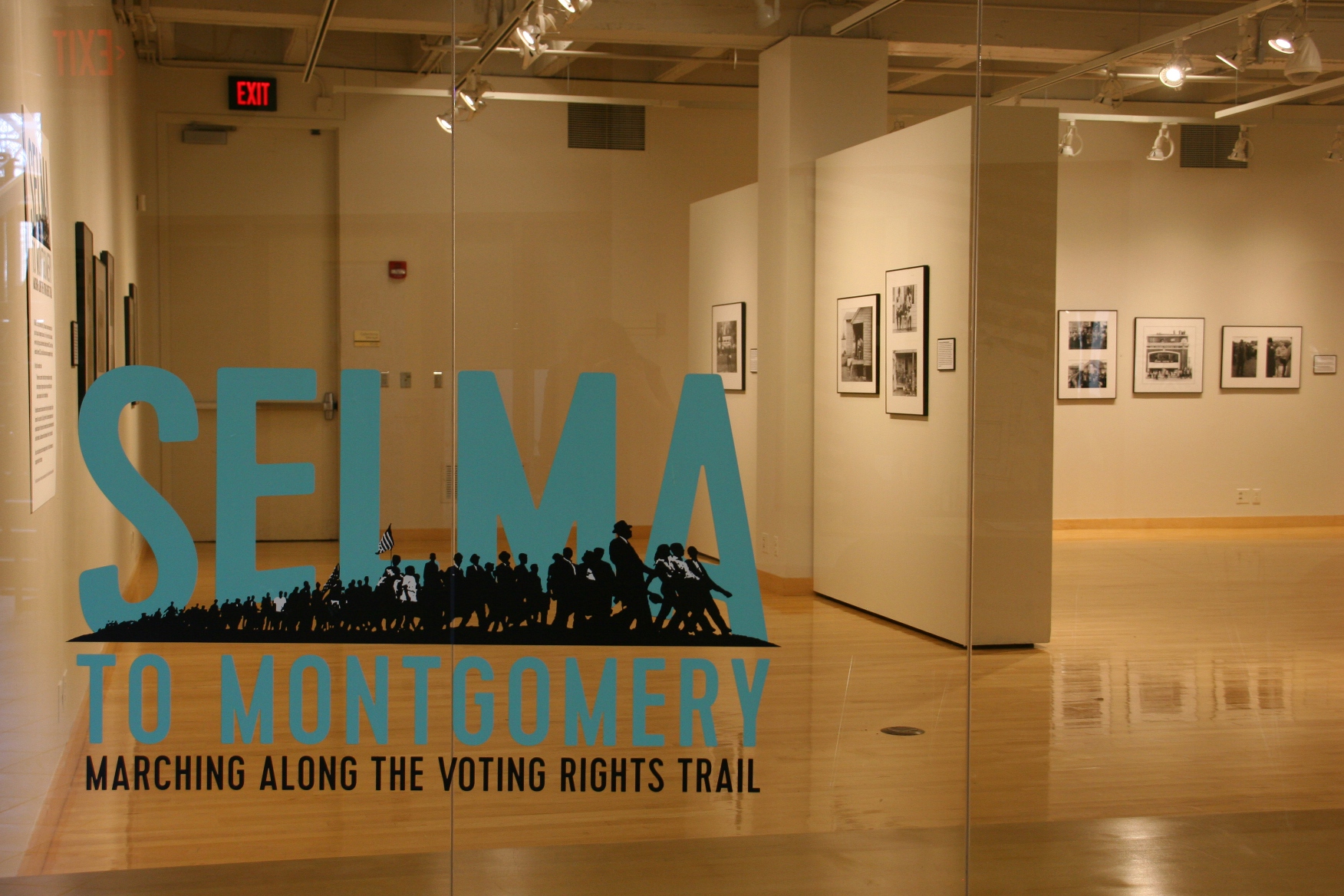
Looking through a window into an exhibit space at Flaten Art Museum at St. Olaf College, Northfield, where I toured this photo exhibit 10 years ago. (Minnesota Prairie Roots copyrighted file photo 2015)

Today I honor this man who left a legacy of strength in voice, power in actions and examples of righting racial injustices. In 1965, Lewis marched across the Edmund Pettus Bridge in Selma, Alabama, for voting rights for Blacks. He coordinated voter registration drives, led the Student Nonviolent Coordinating Committee. And in 1986, Lewis was elected a U.S. Congressman, a post he held until his death.

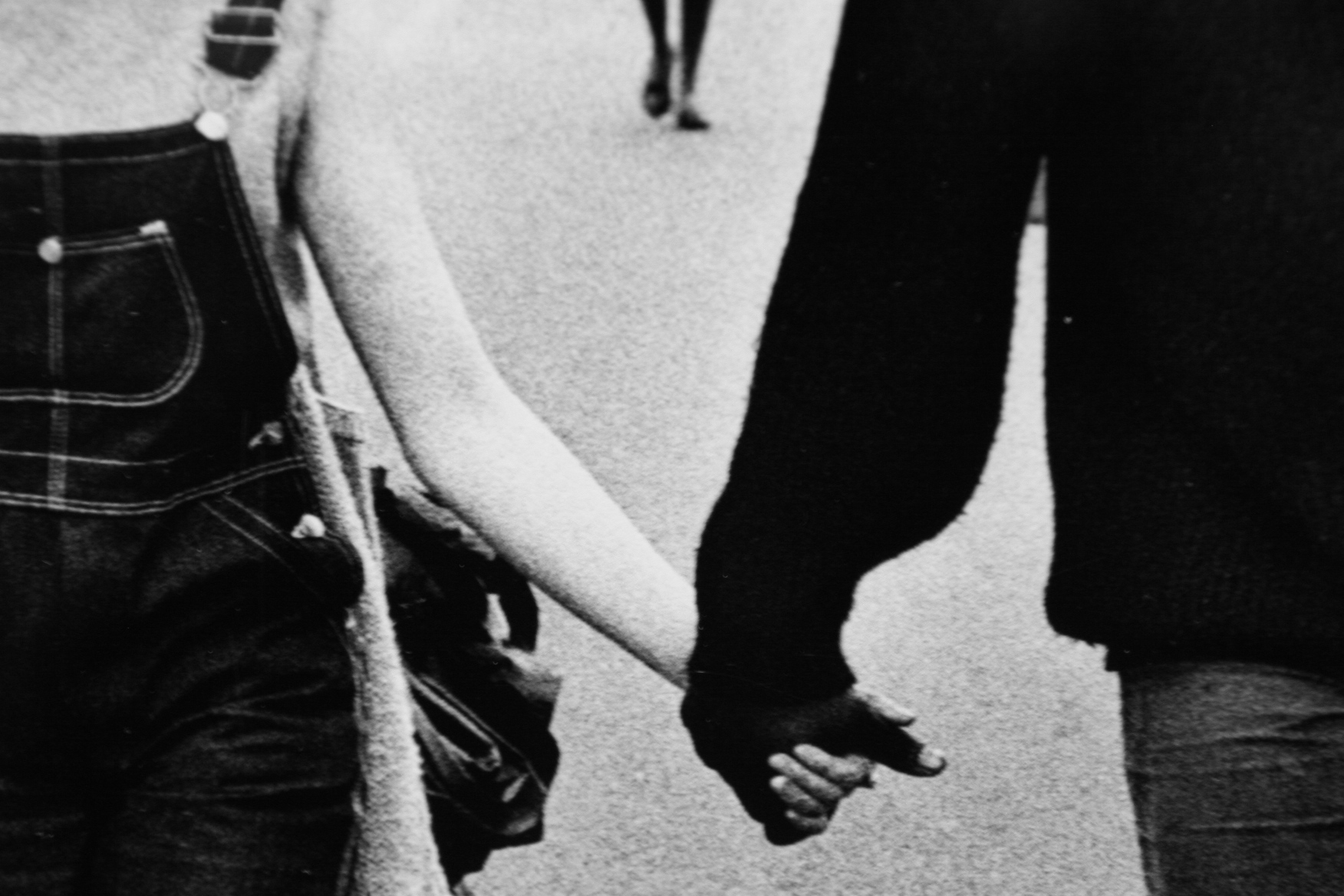
A portion of a photo by Steve Somerstein whose work focused the traveling exhibit I saw at St. Olaf in 2015)

This son of Alabama sharecroppers and recipient of the Presidential Medal of Freedom in 2011 was remarkable in his determination, in his commitment, in his desire to right wrongs and improve the lives of Blacks.

But what Lewis brought to this country extends beyond a singular issue. He understood the value of each individual voice and used his voice to make sure others understood that what they say and do matters.

In the years since his death, I’ve researched the congressman. And in doing so, I’ve discovered statements he’s made that resonate strongly. Here are a few examples:

“…get in good trouble, necessary trouble and help redeem the soul of America.”

“You must be bold, brave, and courageous and find a way…to get in the way.”

“My greatest fear is that one day we may wake up and our democracy is gone.”

“Never let anyone—any person or force—dampen, dim or diminish your light.”

I find each of those four statements especially empowering. They are calls to action. Messages meant to end complacency. Encouragement to each of us to speak up, to be heard. To shine our lights in our neighborhoods, communities, state, nation and world.
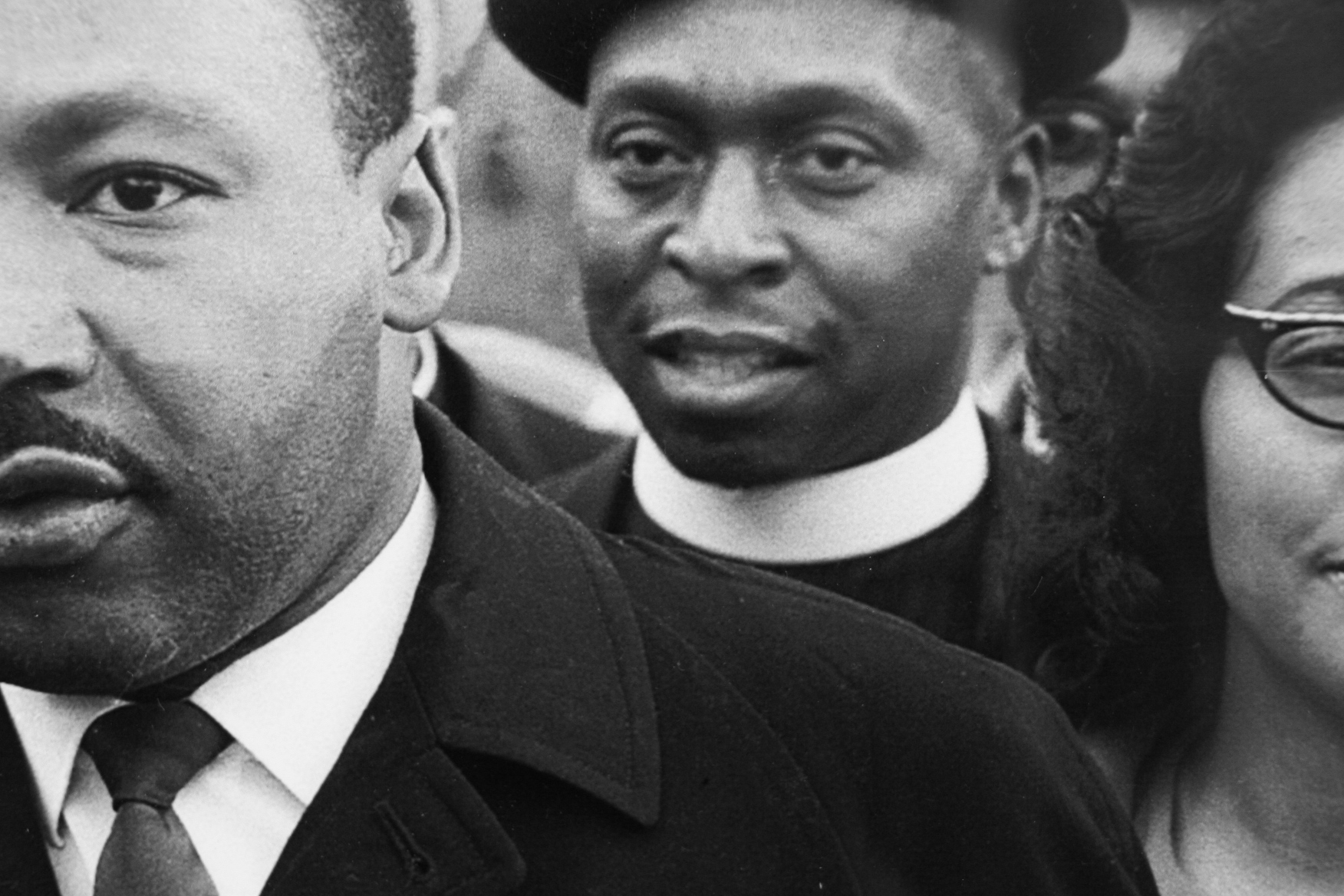
The faces of the Civil Rights Marches and Movement include Dr. Martin Luther King, Jr. This photo by Stephen Somerstein was part of the Selma exhibit.

And if we ever feel that our voice is only one, that our words aren’t heard, that our actions don’t matter, Lewis offers this message: “Do not get lost in a sea of despair. Be hopeful. Be optimistic.” Hope and optimism. Such positive words that are easy to read, but not always easy to believe. Yet, Lewis would want us to believe that things can get better.

In honor of Lewis, “Good Trouble Lives On” rallies are planned nationwide on Thursday, July 17, including here in Minnesota. The event is a national day of nonviolent action to respond to the current attacks on civil and human rights. From small towns like Madison in far western Minnesota to the Twin Cities metro and many other communities across the state, people will gather to let their voices be heard. Rallies in southeastern Minnesota are set in New Ulm, St. Charles, Winona, Stillwater and Northfield, the nearest to me. The Northfield protest is from 6-7:30 p.m. at Ames Park in the downtown area.

For more information about “Good Trouble Lives On” and to find a rally site, click here.

“Get in good trouble” and honor U.S. Representative John Lewis, a remarkable human being whose light still shines in America, strong and radiant.

© Copyright 2025 Audrey Kletscher Helbling


Honoring Emmett Till on MLK Day January 17, 2022

My community is marking MLK Day, not with a breakfast as planned and promoted in this poster, but rather virtually, due to COVID. (Source: Faribault Diversity Coalition Facebook)

EMMETT TILL. I should recognize that name, right? But, up until watching a limited ABC television series, “Women of the Movement,” I hadn’t heard of this 14-year-old African American murdered in August 1955. Two white men were charged with the crime, and then found not guilty by a Mississippi jury. Till’s death led his mother, Mamie Till Mobley, to take action. And that sparked the Civil Rights Movement.

A St. Olaf College student watches a video that includes Martin Luther King Jr. during a “Selma to Montgomery Marching Along the Voting Rights Trail” exhibit at the college in 2015. (Minnesota Prairie Roots copyrighted file photo 2015)

I should haven known all of this. And the reality that I didn’t weighs on me as we celebrate Martin Luther King Jr. Day today.

Eight years to the date after Emmett died, 250,000 people gathered in DC for the March on Washington for jobs and freedom. During this event, King gave his famous “I Have a Dream” speech.

Skin color matters not, as showcased in this section of a Stephen Somerstein photo featured in a 2015 exhibit, “Selma to Montgomery Marching Along the Voting Rights Trail.” (Minnesota Prairie Roots copyrighted file photo 2015)

I expect young Emmett, who lived in Chicago with his mother, but was visiting family in Mississippi when he died, had dreams. He had his entire life ahead of him. His mother warned him, before he headed south on the train, that attitudes toward African Americans differed from those in the north. She advised him to be careful. Cautious around white people. He was reportedly killed after flirting with a married white woman in a shop.

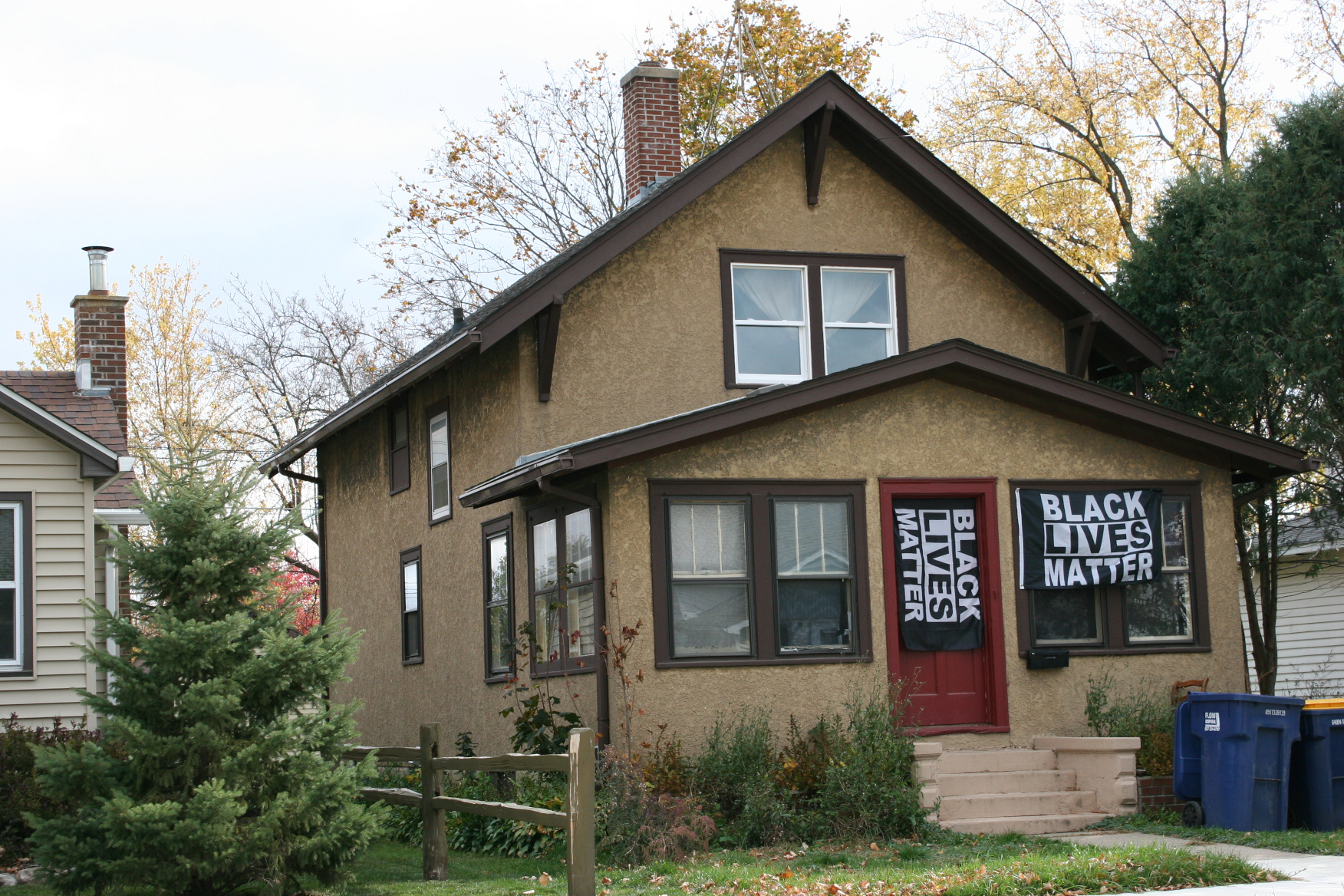
It’s encouraging to see signs like this in small town Minnesota. I photographed this in October 2020 in Kenyon, MN. (Minnesota Prairie Roots copyrighted file photo)

His death is tragic beyond words. His grieving mother determined to carry on, to reveal the truth, to raise awareness. Mamie Till Mobley spent the rest of her life speaking about racial injustice. And that began with her decision to have an open casket. She wanted the world to see her son—how he had been beaten, shot, his eyes gouged out before his body was tossed into the river.

As I watched this real-life story unfold in the television drama, I sobbed. At the unfathomable cruelty. At the senselessness. At the grief of a mother who endured the unthinkable.

Just months after Emmett’s death, Rosa Parks refused to give up her bus seat to a white person in Montgomery, Alabama. Soon thereafter, a 26-year-old pastor, Martin Luther King Jr., called for a city-wide bus boycott.

Messages on a house in small town Dundas, Minnesota. (Minnesota Prairie Roots copyrighted file photo August 2020)

And here we are today, decades later, with racial injustice issues still existing. Certainly, progress has been made. But in recent years, it feels like we’ve regressed. Discrimination. Efforts to squelch voting rights. Murder. Hatred flaring.

Visitors could photograph themselves at the St. Olaf exhibit and express their thoughts. (Minnesota Prairie Roots file photo 2015)

I admire Mamie Till Mobley for her courage and tenacity. Her strength. Now it’s up to each of us to honor her son by doing our part. Love. Respect. Speak up. Care. Do what we can to assure that no other mother—although there have been many since—loses a child to hatred.

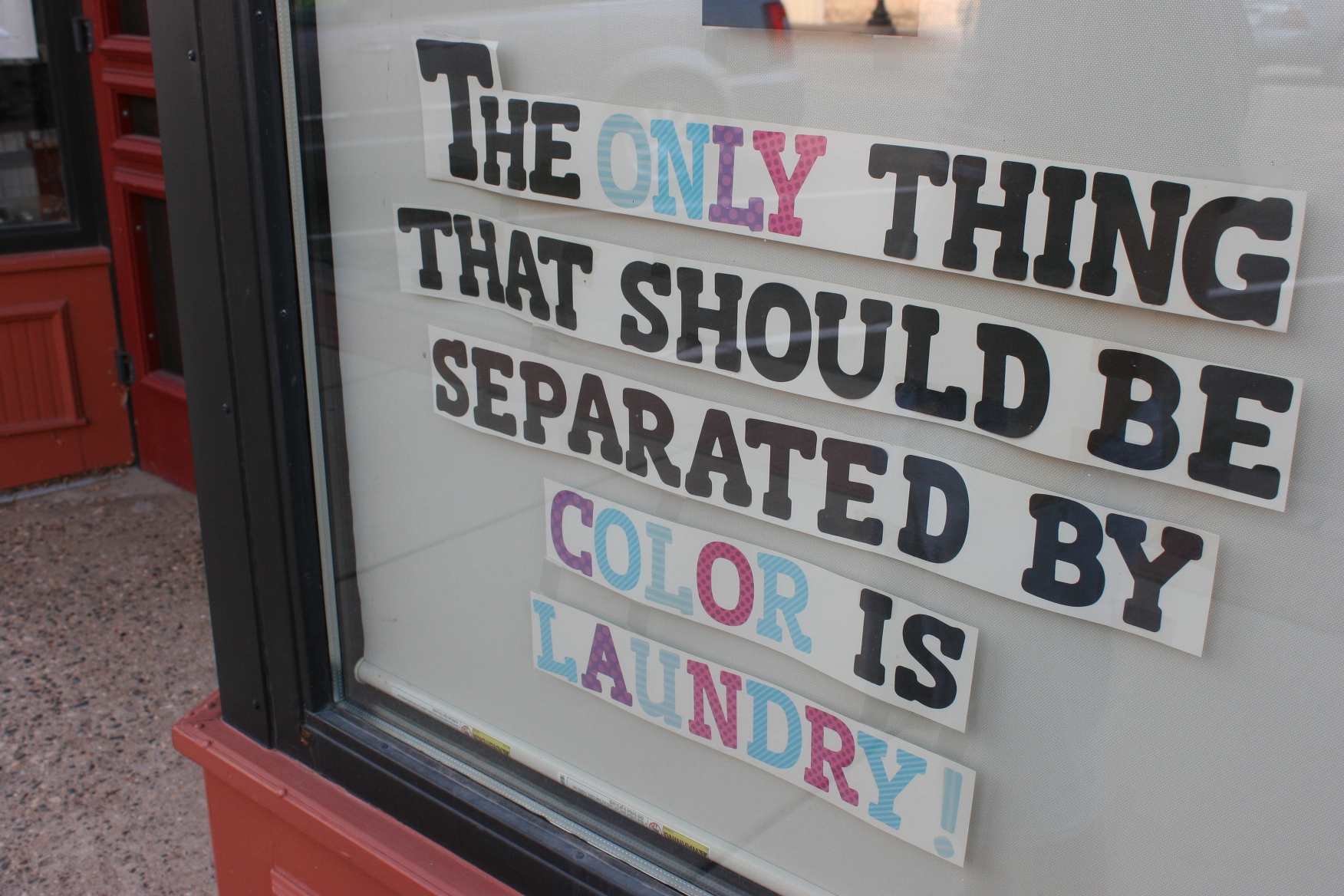
Photographed in a storefront window of a downtown Faribault, Minnesota, business. (Minnesota Prairie Roots copyrighted file photo 2018)

Thoughts?

© Copyright 2022 Audrey Kletscher Helbling