
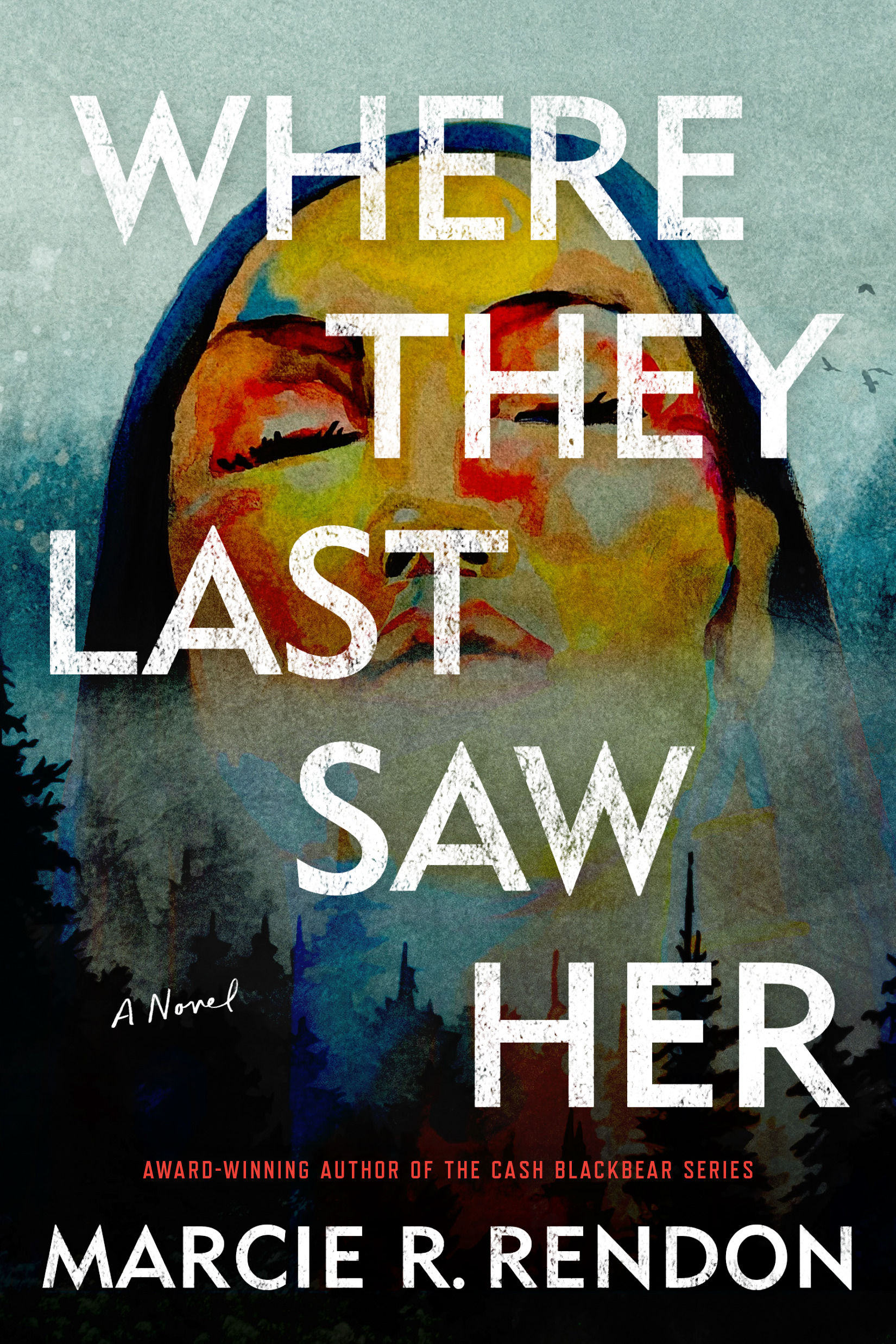
AS A WRITER, I bring my voice into my writing. My work is distinctively, authentically mine. Just as it is for most writers.
Recently I finished reading a novel, Where They Last Saw Her, by a Minnesota writer with an authentically strong Native American voice. It’s a voice we don’t often hear, which is perhaps why I find the writing of Marcie R. Rendon so compelling. She is a citizen of the White Earth Nation in north-central Minnesota.
I’ve read the first three books in her Cash Blackbear mystery series and am eagerly awaiting the release of her fourth in 2025. In the meantime, I found this stand-alone mystery set on the fictional Red Pine Reservation in northern Minnesota. As in her Cash series, the main character in Where They Last Saw Her, Quill, is a strong Native woman. Quill is the mother of two, a runner, and loyal friend to Punk and Gaylyn. And she is a woman who takes matters into her own hands when Indigenous women and children go missing.
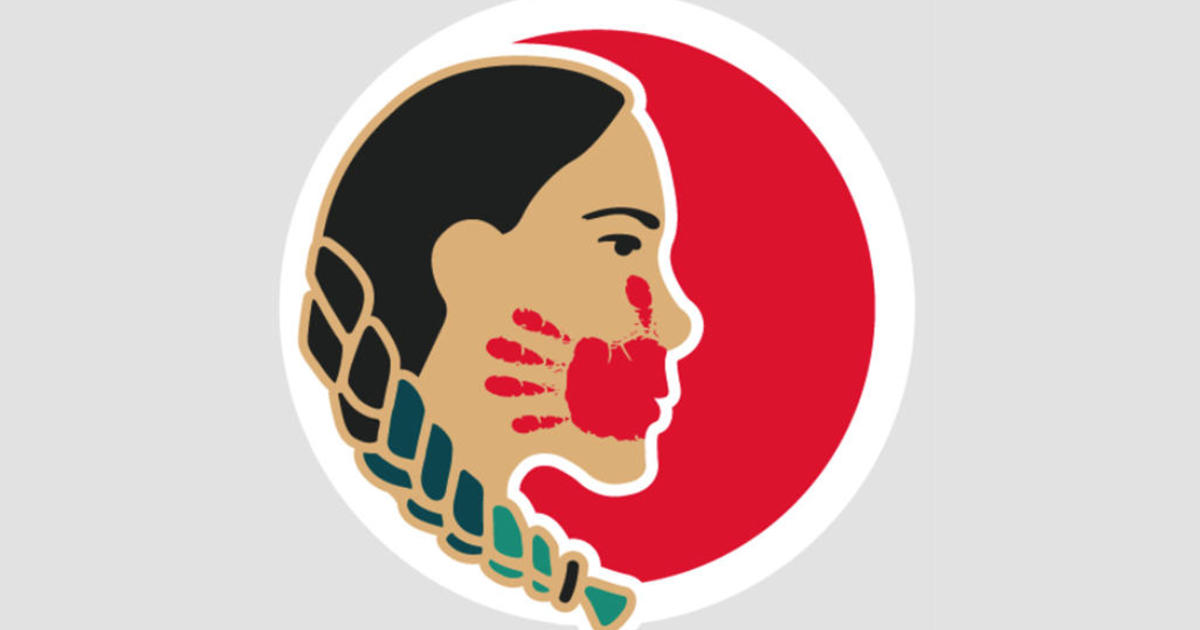
I wish that part—the missing women and children—was fictional. But it’s not. Rendon assures the reader understands that. The missing focus her book. In real life, between 27 and 54 American Indian women and girls in Minnesota were missing in any given month from 2012 to 2020. That’s according to the Minnesota Missing and Murdered Indigenous Relatives Office, an agency established in 2021 to provide support and resources to families and communities affected by such violence.
Rendon weaves a story that, if not for the disclaimer of “any resemblance to actual events, locales, or persons, living or dead, is entirely coincidental,” could pass for the truth. As a writer, I understand that in every bit of fiction lies some truth. And this book seems to hold a lot of underlying truth in events, trauma, violence and much more.
I felt compelled to visit the Minnesota Bureau of Criminal Apprehension’s missing person’s website, where I scrolled through a lengthy list of missing persons. There I found the names of three Native American women: Nevaeh Kingbird, last seen in Bemidji in October 2021. Sheila St. Clair, last seen in Duluth in August 2015. And then American Indian JoJo Boswell, gone missing in Owatonna in July 2005. I expected to find more based on the MMIR summary information. Perhaps I missed something in my surface search.
That brings me back to Rendon’s fictional story. In addition to providing me with a much deeper understanding of missing (including trafficked) Indigenous women and girls in a book that I didn’t want to put down, I learned more about the culture and language of First Nations peoples. Ojibwe words are scattered throughout the story. A glossary would be helpful. Customs, traditions and spiritual beliefs are also part of Rendon’s writing. All of that lends the authenticity I noted earlier. Only someone intimately familiar with Indigenous Peoples could write with such an authentic Native American voice.
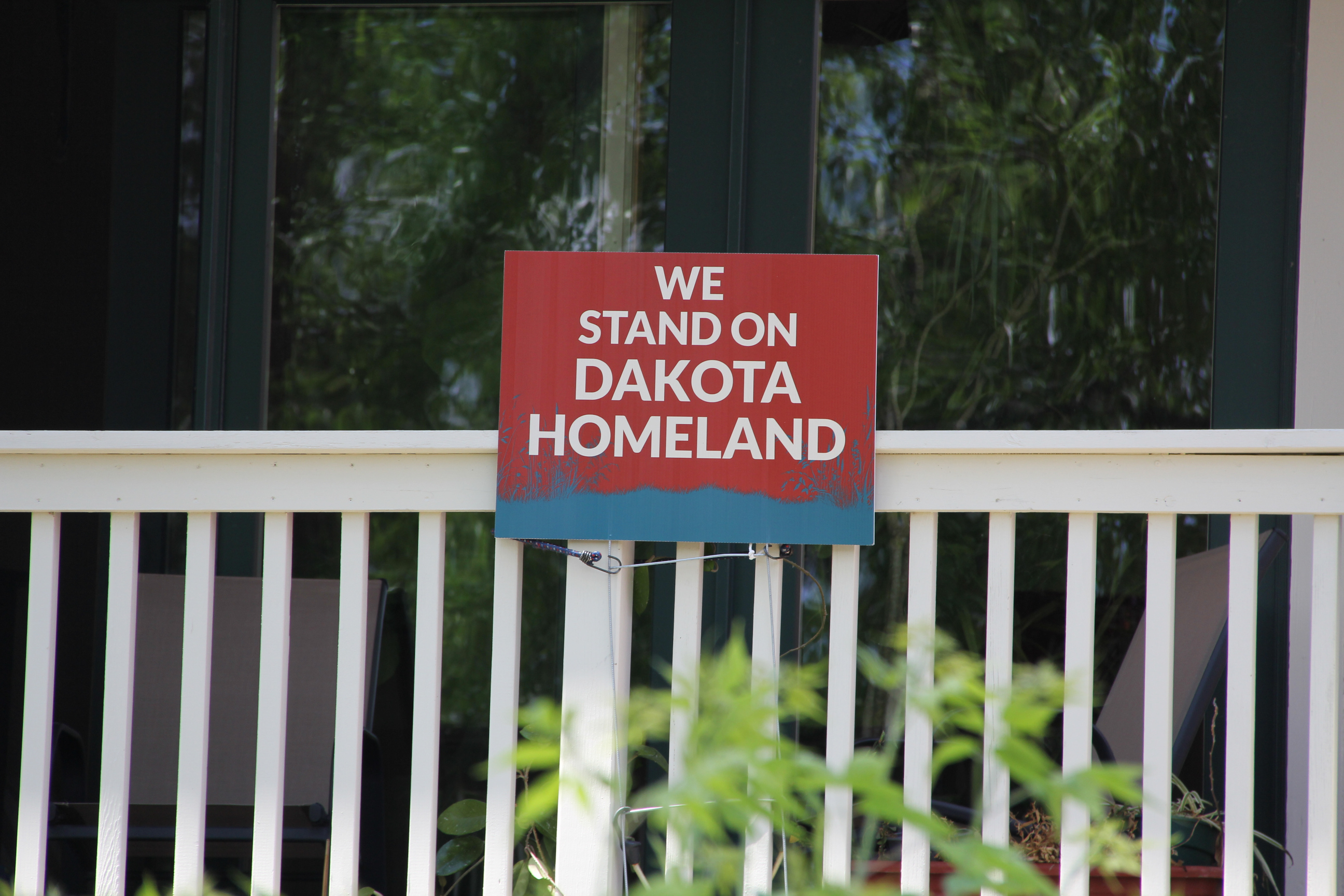
Environmental topics and pipeline construction (an actual controversial issue in Minnesota and North Dakota) also play into the plot of Where They Last Saw Her.
I’d encourage anyone who enjoys a good mystery, and who wants to become more informed, to read Where They Last Saw Her. This is a riveting read that rates as simultaneously heartrending.
#
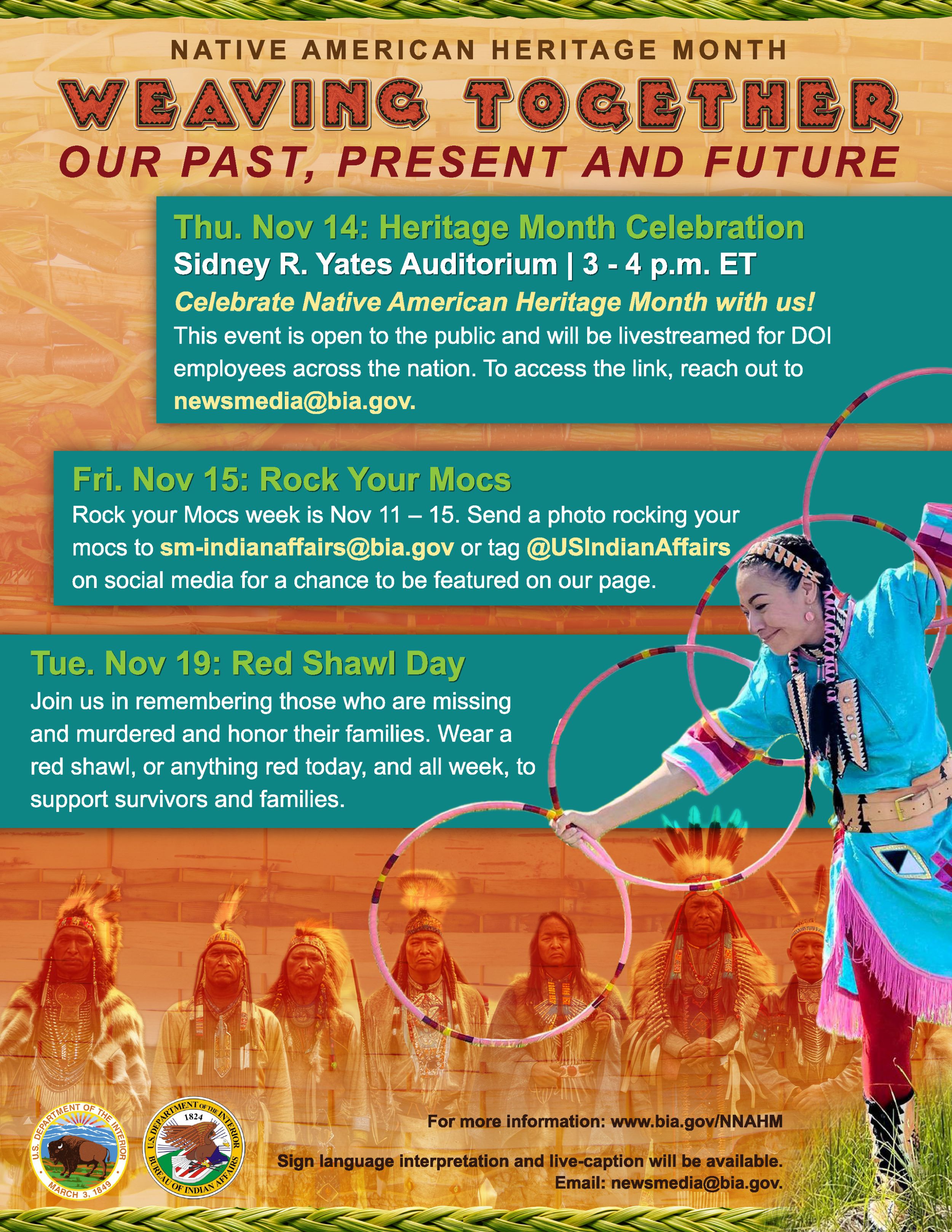
NOTE: November marks National Native American Heritage Month with a 2024 theme of “Weaving together our past, present and future.” Events are planned throughout the US, including right here in Minnesota (click here). Tuesday, November 19, is set aside as Red Shawl Day, a day to remember missing and murdered Indigenous people and to honor their families. Writer Marcie Rendon includes this wearing of red in her book, Where They Last Saw Her. Please take time this month to honor Indigenous people by learning, celebrating, respecting, remembering.
© Copyright 2024 Audrey Kletscher Helbling


 Minnesota Prairie Roots
Recent Comments