Minnesota Prairie Roots

Writing and photography by Audrey Kletscher Helbling

Memorial Day 2020, adapted, from southern Minnesota May 26, 2020

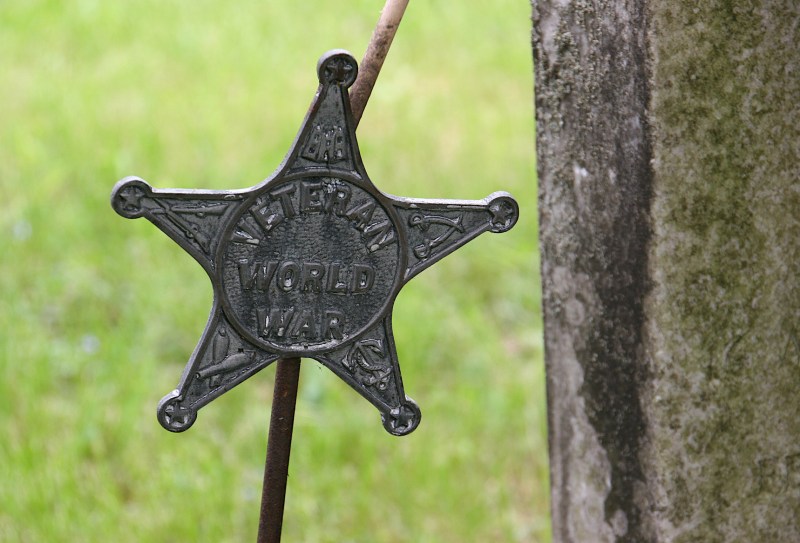
A star marks a veteran’s grave in the Cannon City Cemetery, rural Faribault.


THE RADIO PLAYED in the background as I washed dishes Memorial Day morning. I listened to honored veterans speak of the war dead and freedom and why the American flag is folded 13 times. I listened to the local Legion leader read the names of all county veterans who died in the past year. Well over one hundred. And I heard, too, the honking of horns as attendees at my community’s annual Memorial Day program in Central Park “applauded.”
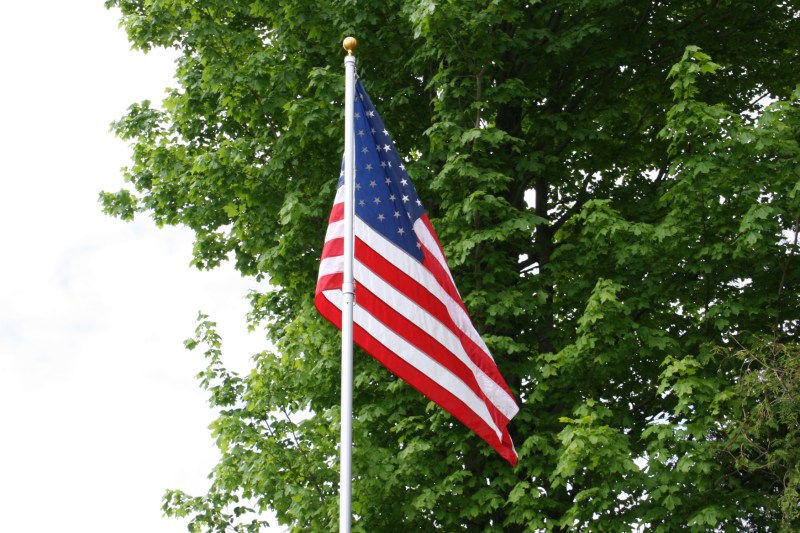
 

This flag pole sits just inside the entrance to the Cannon City Cemetery.


COVID-19 changed so many traditions this year—including here in Faribault. There was no parade, no ceremony at the Rice County Veterans’ Memorial, no lunch at the Legion. Only the traditional program continued in the park, but with attendees sheltered inside their vehicles. Others, like me, listened at home to the live broadcast on KDHL radio.
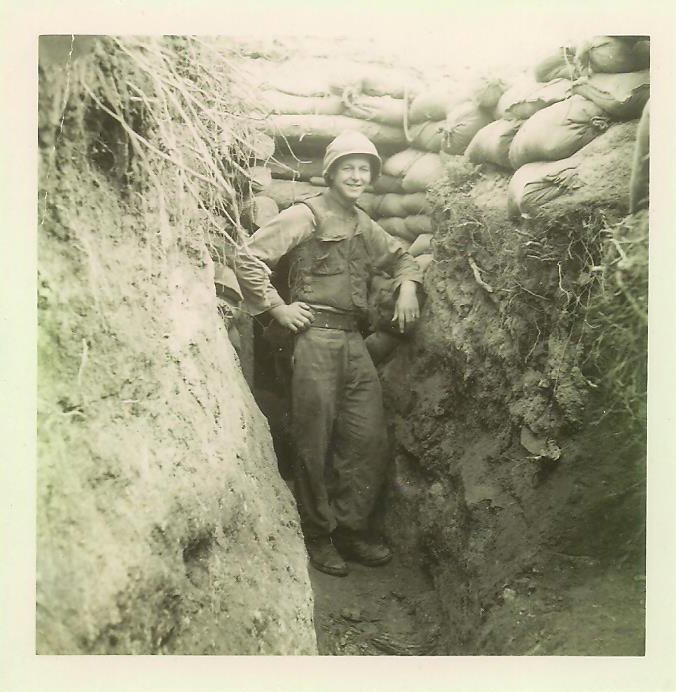
 

U.S. Army Cpl. Elvern Kletscher, my father, in the trenches in Korea, Minnesota Prairie Roots photo 1952.


And, as I listened, I thought of my dad, an infantryman in the Korean War. I thought, too, of his buddy Ray, killed by a mortar. Dad saw his friend die. Dad, who died 17 years ago, carried that grief and the horrors of war with him. He suffered from Post Traumatic Stress Disorder, undiagnosed until decades after he left Korea.
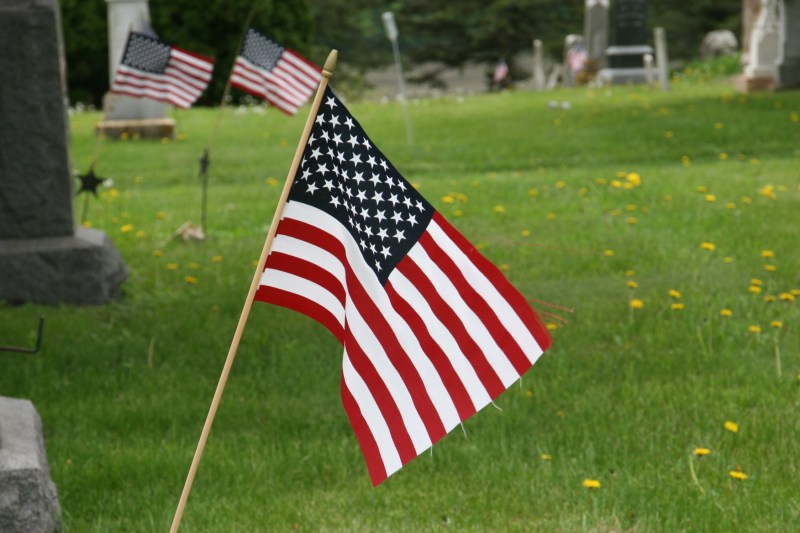
 

Flags decorate veterans’ graves in Cannon City.


I continued washing dishes while the radio played. But when taps sounded, I stopped. To cry. Thinking of my dad. Missing him. The playing of taps often moves me into a place of grief for all the lives lost in war.
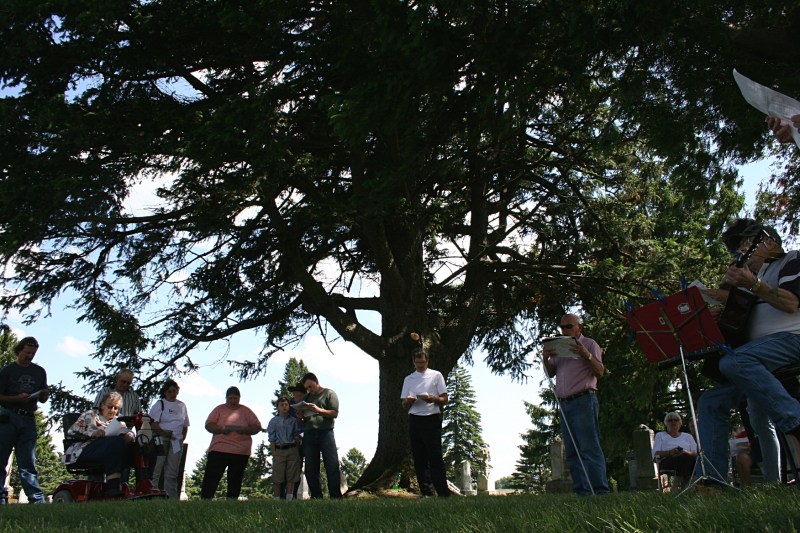
 

A past Memorial Day gathering at the Cannon City Cemetery. Minnesota Prairie Roots file photo.


Later, Randy and I drove to the Cannon City Cemetery where, on a typical Memorial Day, we would attend a program under the cedar trees. We’ve grown to love this grassroots gathering of rural folks who honor the war dead with music and poetry and inspirational readings. But, because of COVID-19, that event was canceled, too.
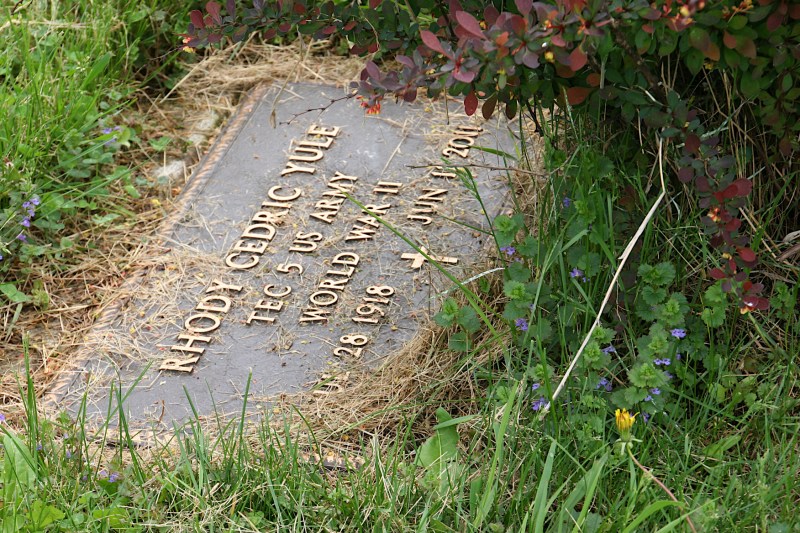
 

Rhody Yule’s grave marker.
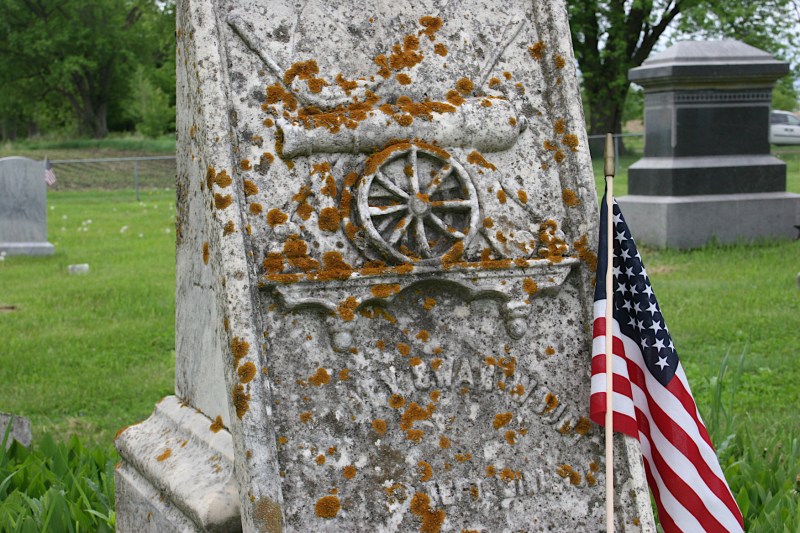
 

The tombstone of a Civil War soldier buried in the Cannon City Cemetery.


And so we roamed among the tombstones, pausing at the flag-marked graves of soldiers, including that of our friend Rhody.
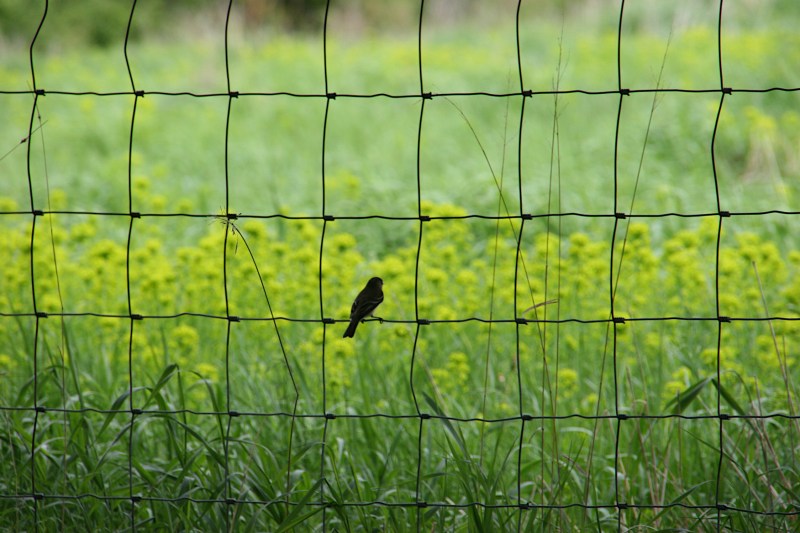
 

I love this serene scene of a bird on a simple woven fence edging the cemetery.


Birds chirped.
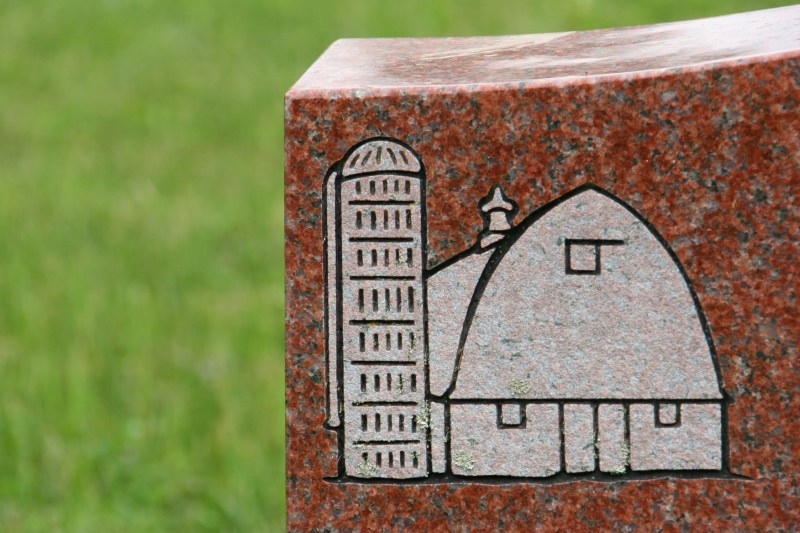
 

One tombstone features a barn on one side, a tractor on the other.
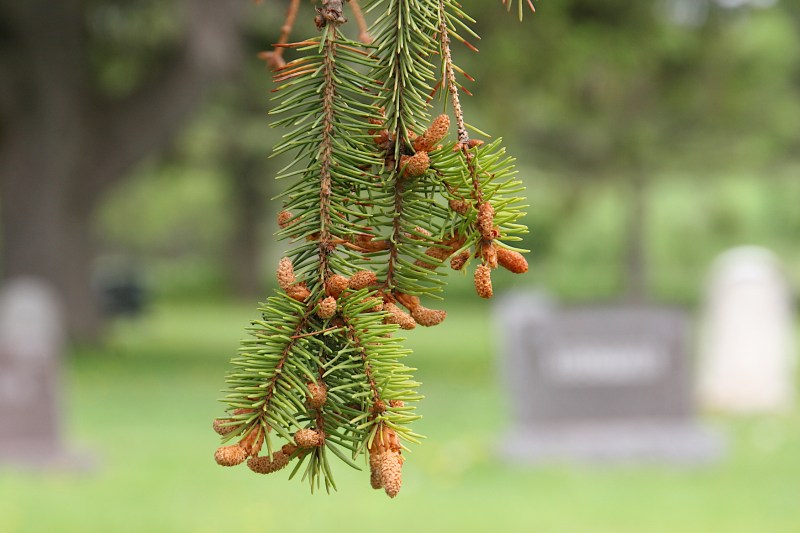
 

Such beauty in this rural cemetery, from setting to nature’s details.


Inside and outside cemetery boundaries, the rural-ness of this place prevails in art. Natural and man-made. I delighted in that.
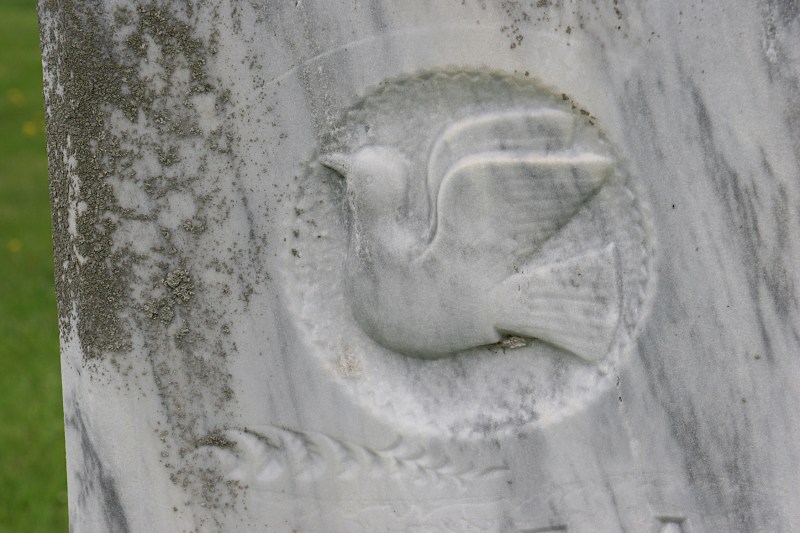
 

A dove on an aged tombstone brings thoughts of peace.
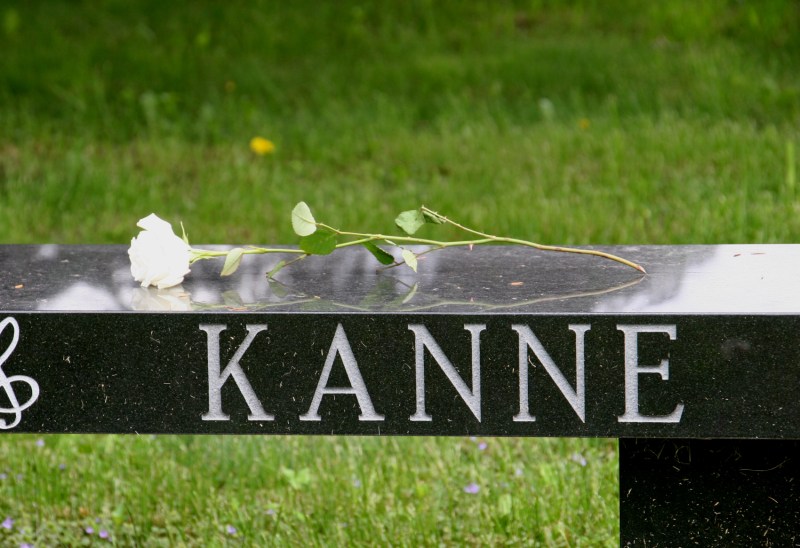
 

A single white rose, signifying everlasting love, lies on the bench marker for Kevin Kanne. Beautiful.
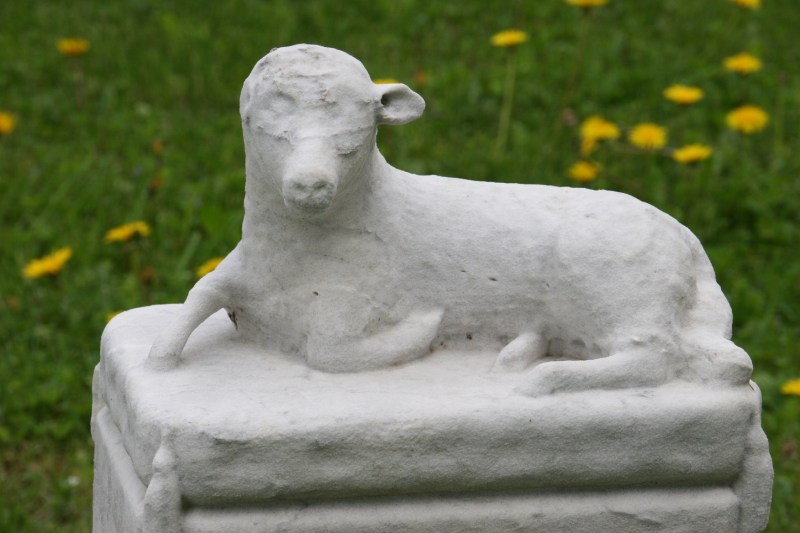
 

Tombstone art that drew my eye and reminded me of Psalm 23.


And the wind, which typically whips on this hillside cemetery, remained still, as if it also understood the need for calm, for reflection, for peace in the storm of COVID-19.

© Copyright 2020 Audrey Kletscher Helbling


Feeling unsettled in a rural Minnesota cemetery June 12, 2014

A TIME EXISTED when I avoided cemeteries. I was young then, unappreciative of their value from an artistic, historical and personal perspectives. And, if I’m honest, I’ll admit that I felt a bit afraid walking atop graves.

My thoughts have changed. Whenever my husband and I happen across a rural cemetery, we’ll often stop and wander.

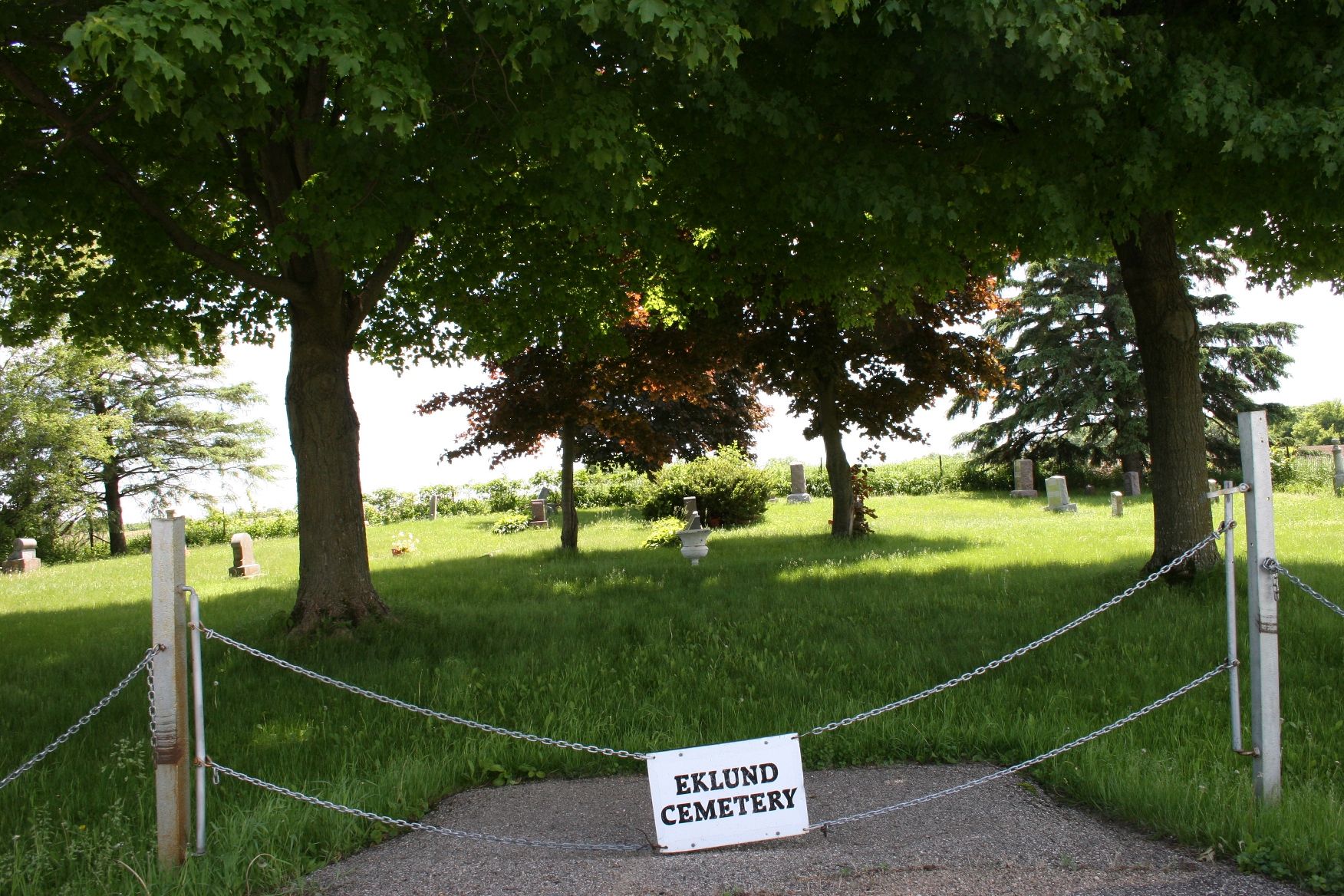
The aged Eklund Cemetery sits among farm fields in Walcott Township.

The aged Eklund Cemetery sits among farm fields in Walcott Township.

We did just that recently while in section 25 of Walcott Township in southeastern Rice County. This Minnesota township was named in honor of Samuel Walcott, an early, enthusiastic settler from Massachusetts. He returned to the East “after…his mind became distraught and he found an abiding place in an insane retreat in his native State.”

Randy, whose vision far surpasses mine, spotted the small final resting place along County Road 90, headed toward it and pulled into a field drive as no other parking exists.

The unassuming entry to the Eklund Cemetery.

The entry to the Eklund Cemetery, which sits almost on top of the road.

Now I’ve explored many a country cemetery. But I’ve never had to step over a double stretch of chains to enter. That should have been my first clue that the Eklund Cemetery would trouble me.

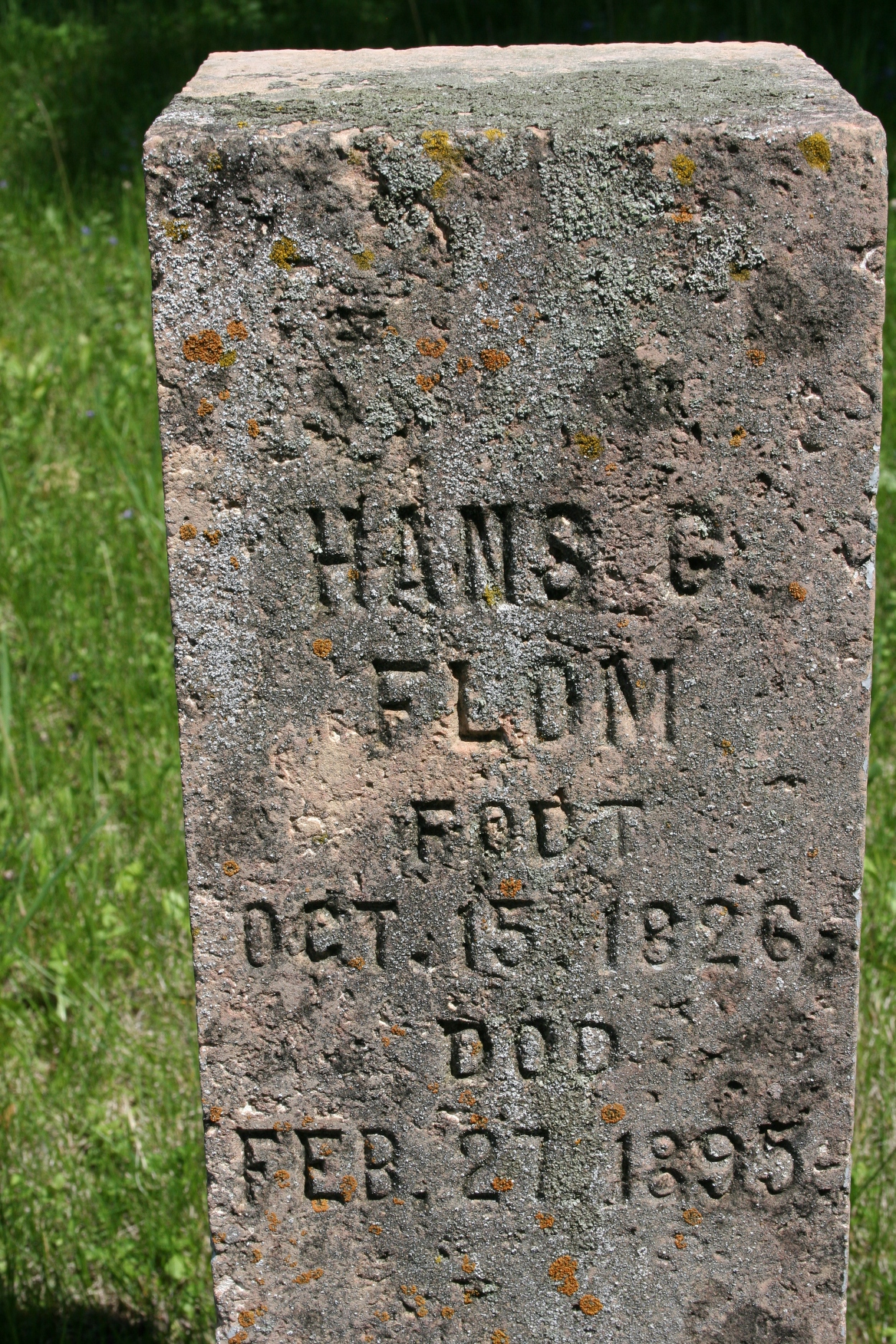
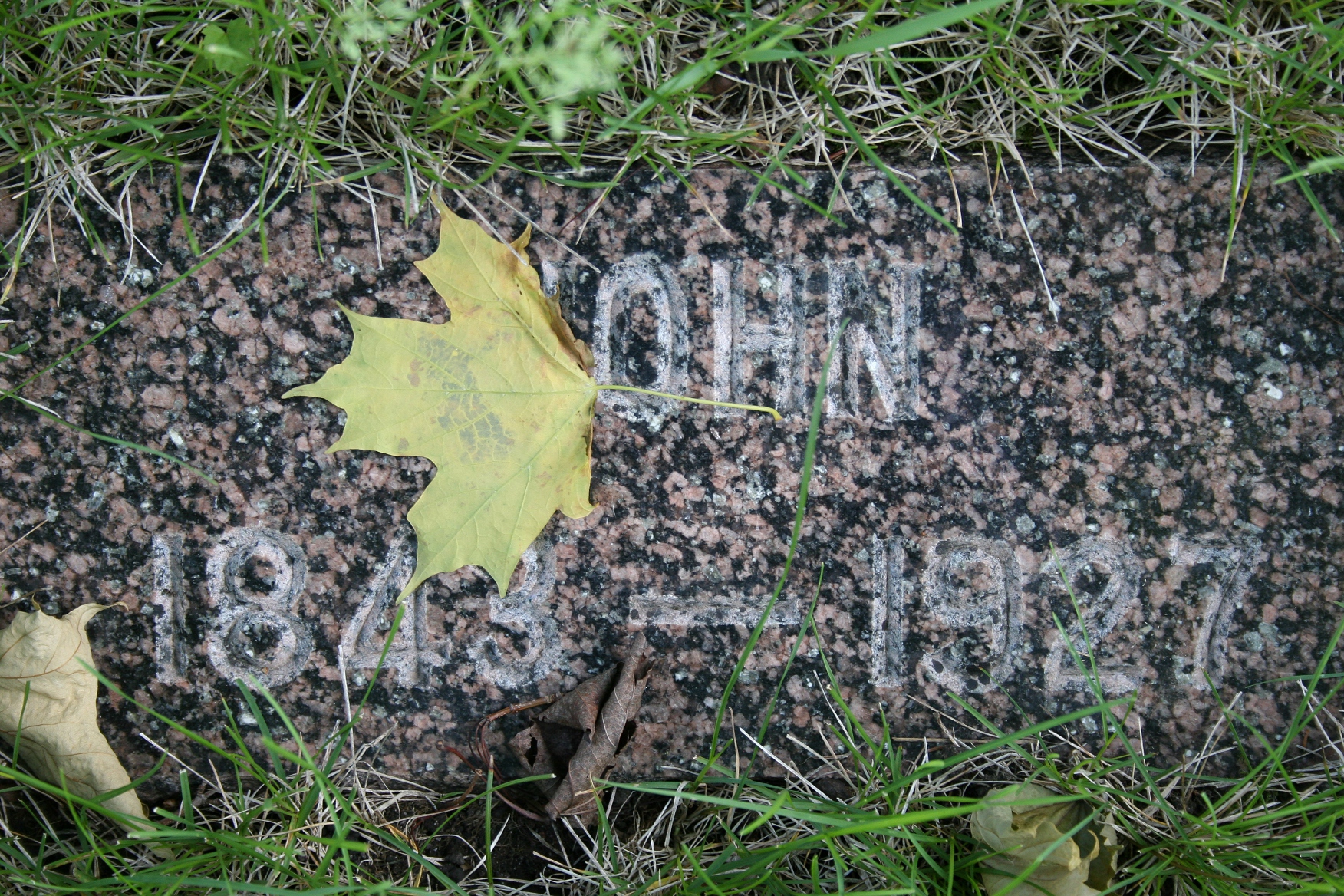
The old dates impressed me.

The old dates impressed me.

I felt almost instantly uncomfortable here as I meandered among aged tombstones marking the graves of early settlers like Hans Flom, born in 1826. There are 143 people buried at Eklund, including five with the Eklund surname.

The first burial here, of one-month-old Annie B.O. Sam, occurred after her February 28, 1884, death, according to the Dalby Database (a remarkable online collection of cemetery and other historical info compiled by Faribault residents John and Jan Dalby). A few months later, the 17-month-old daughter (listed only as “baby”) of Christ and Julie Davidson was buried here.

Such long ago dates impress me.

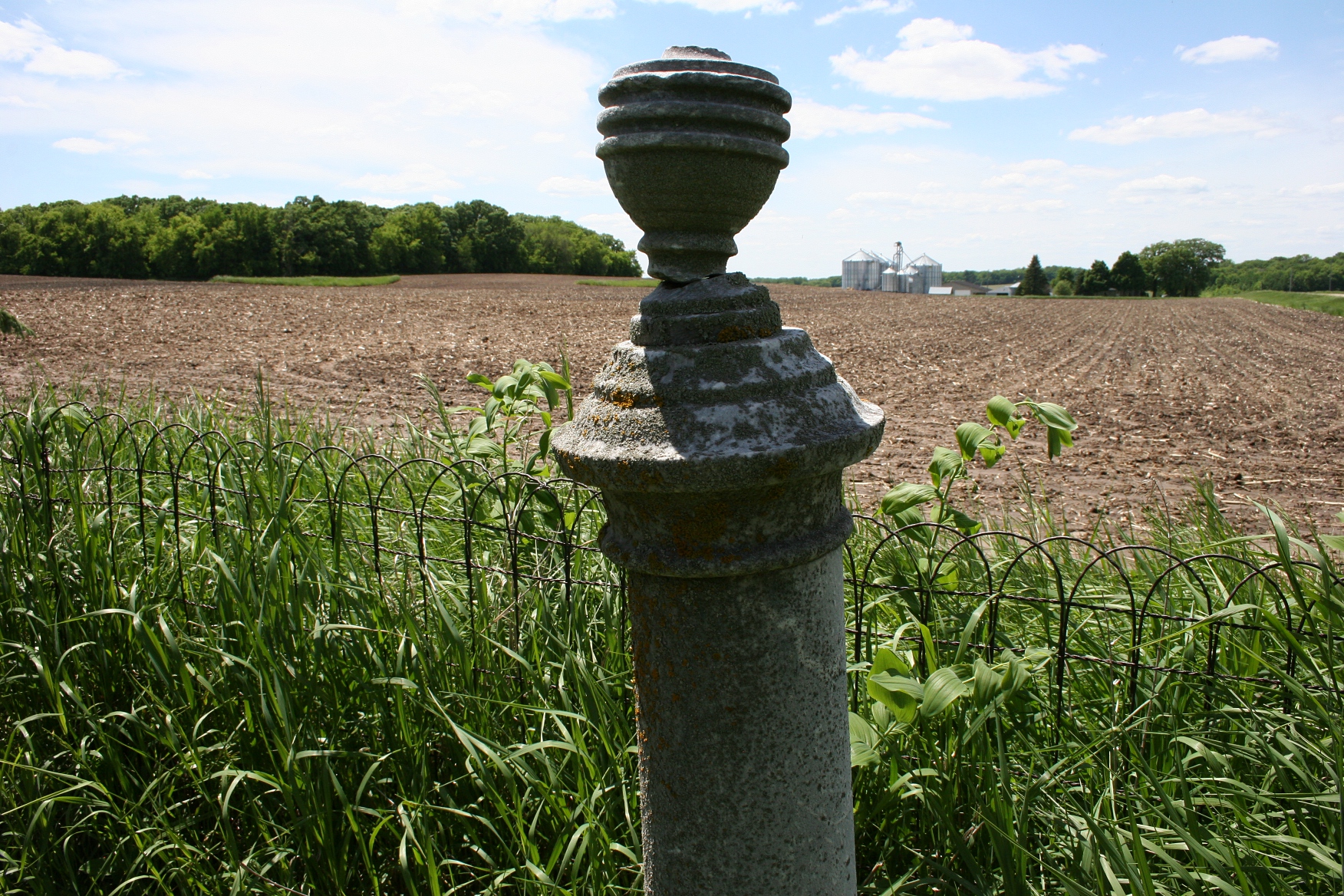
Weeds flourish among the weathered tombstones.

Weeds flourish among the weathered tombstones.

But I was unimpressed by the condition of the cemetery where dandelions and creeping Charlie and other weeds flourish in the too tall grass. Perhaps frequent rains have kept the caretaker away.

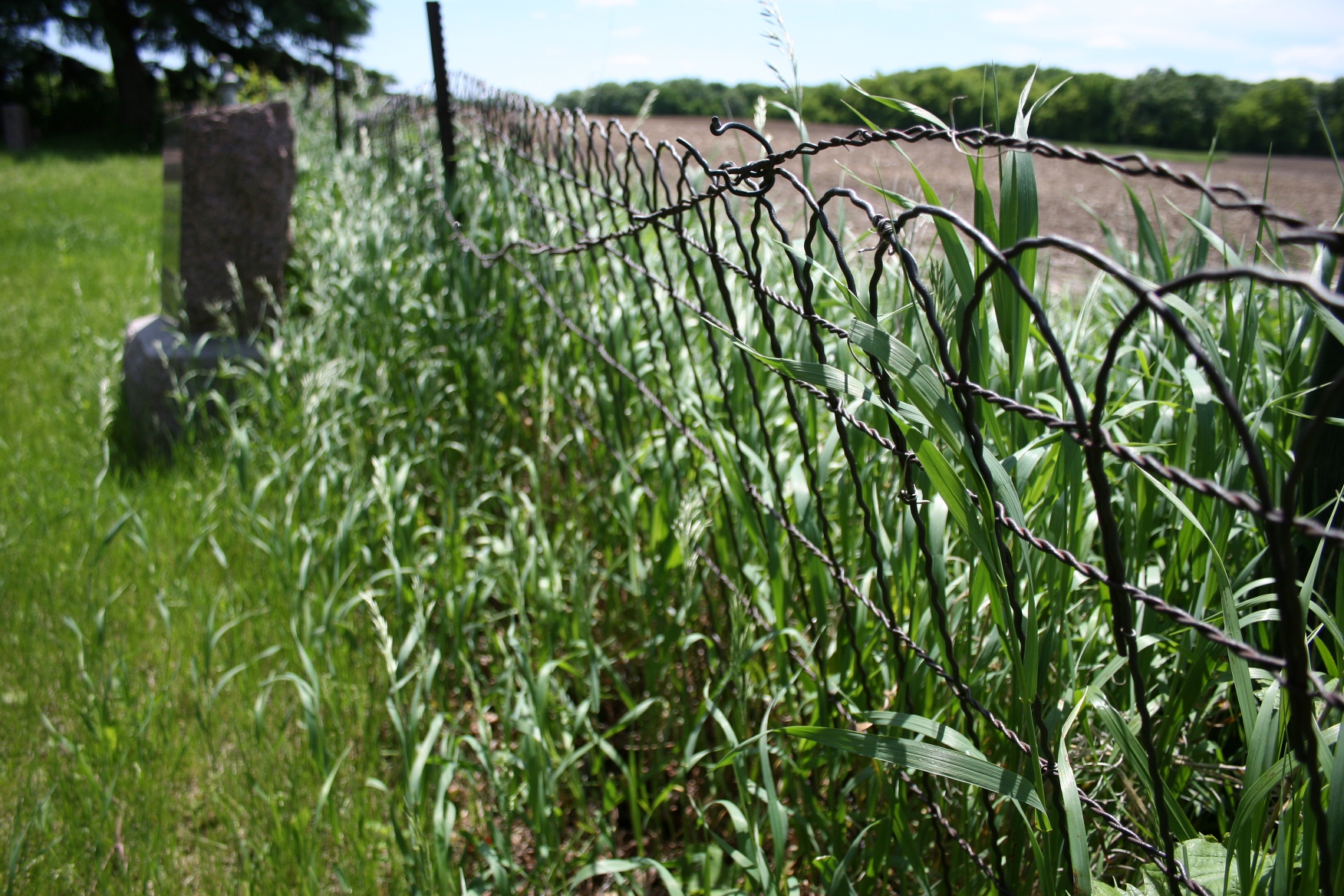
A fence separates graveyard from fields.

A fence separates graveyard from fields.

No matter, it was not the unkempt lawn that bothered me as much as the sunken graves, the marked depressions in the earth that show the precise spots of burials. When my husband remarked that vaults were not used back in the day, my concern increased. As foolish as it seems, I worried about suddenly sinking into a grave. And I’ve seldom felt that way before in a cemetery.

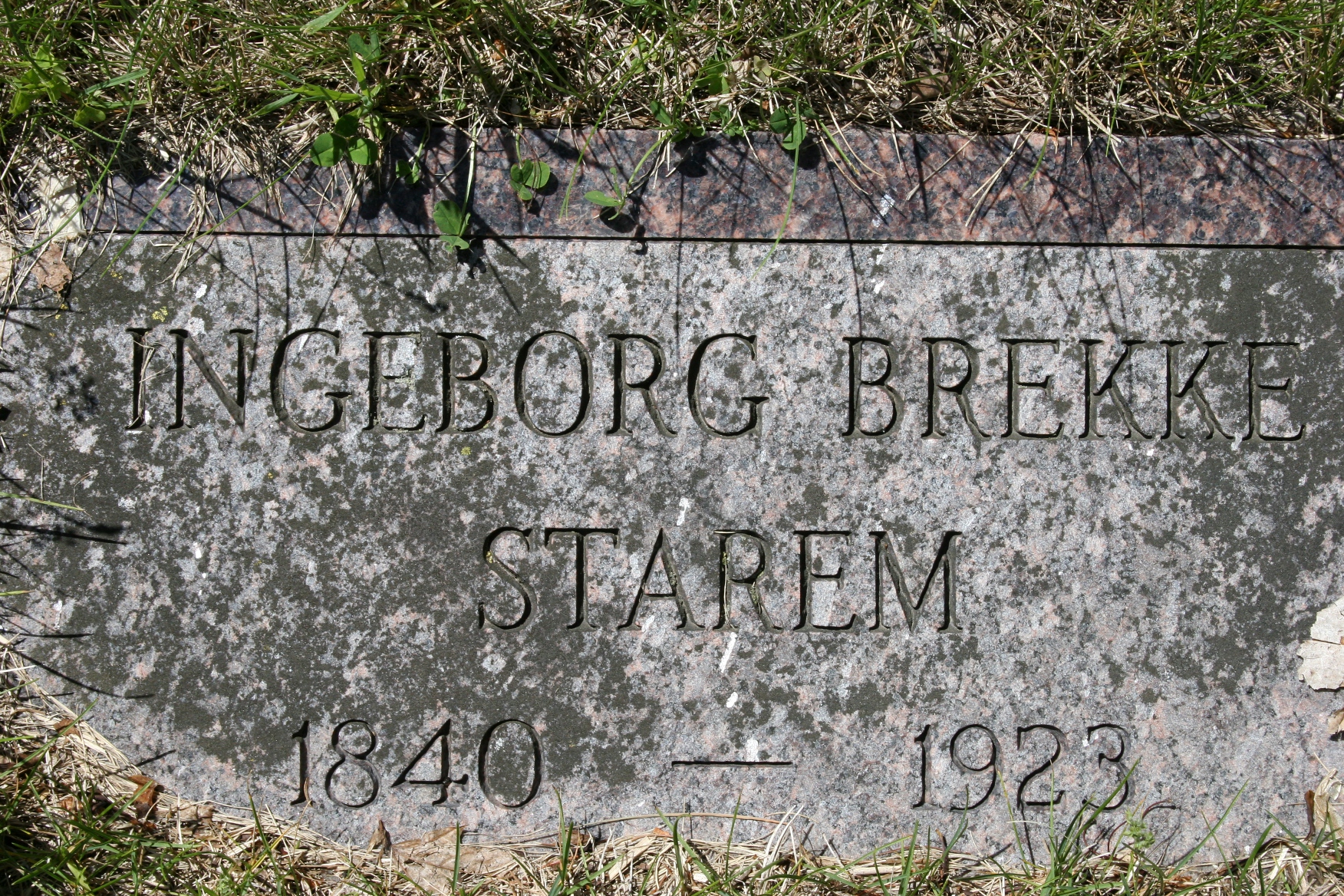
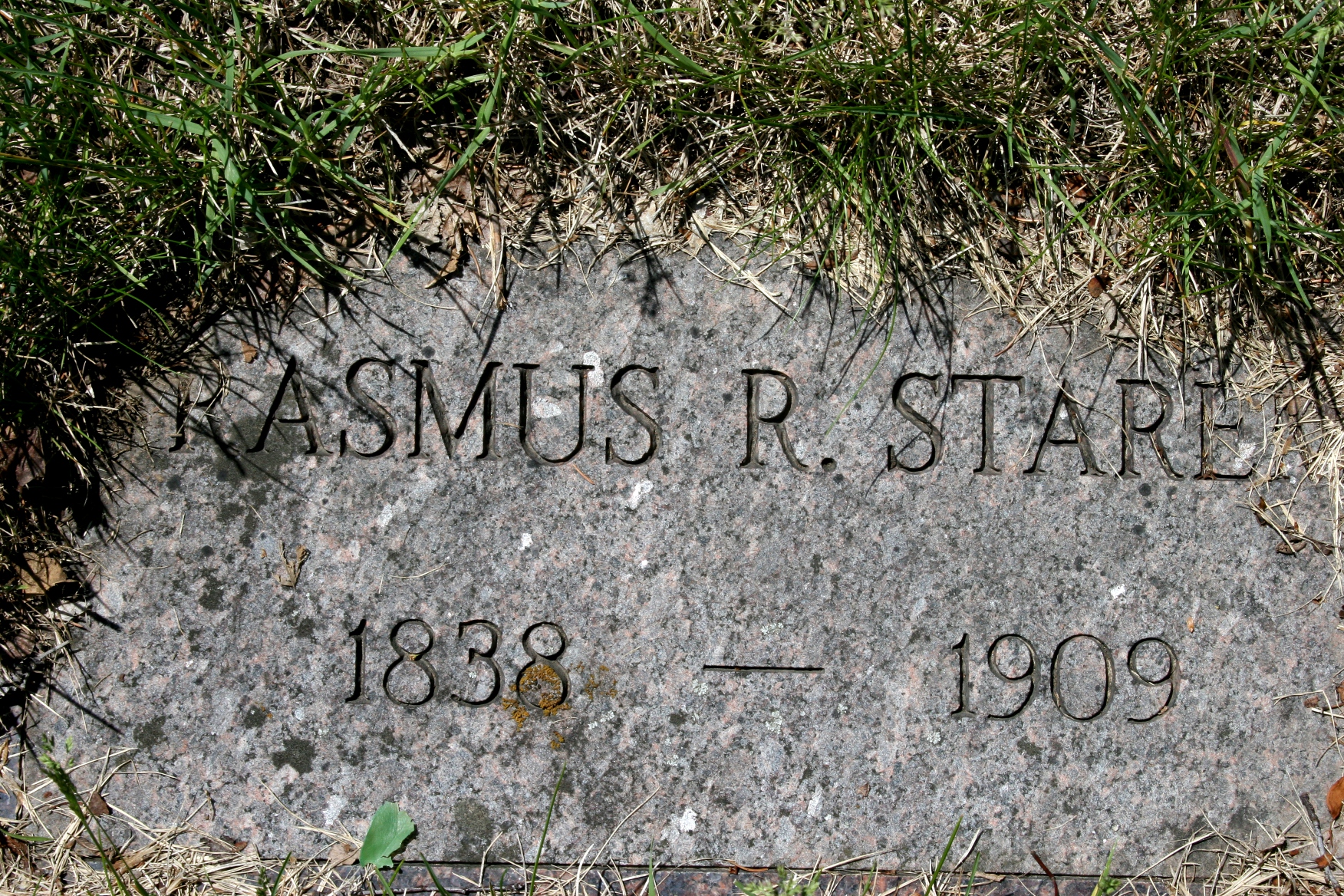
Eklund Cemetery, Ingeborg's gravestone

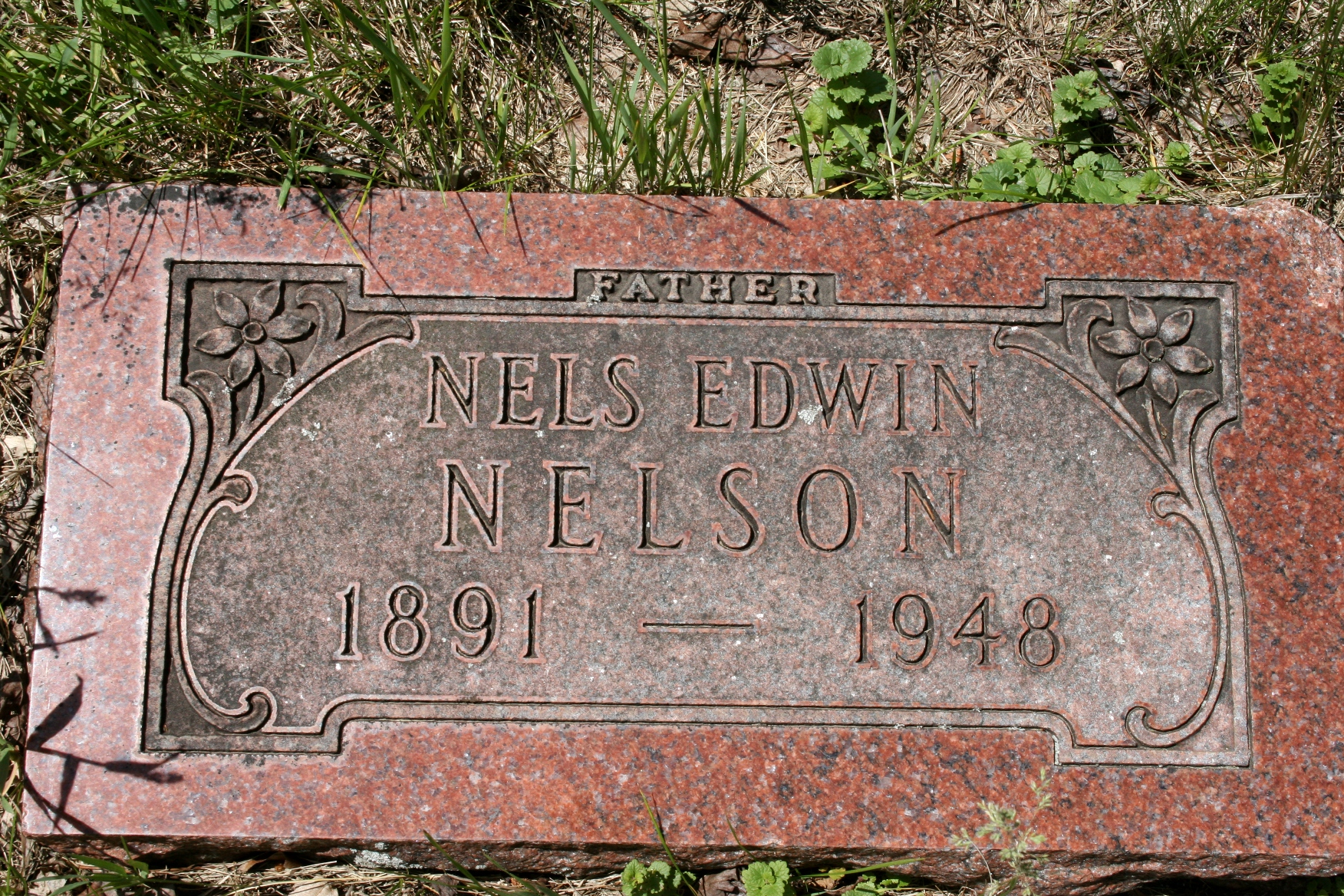
Eklund Cemetery, Nels Nelson gravestone

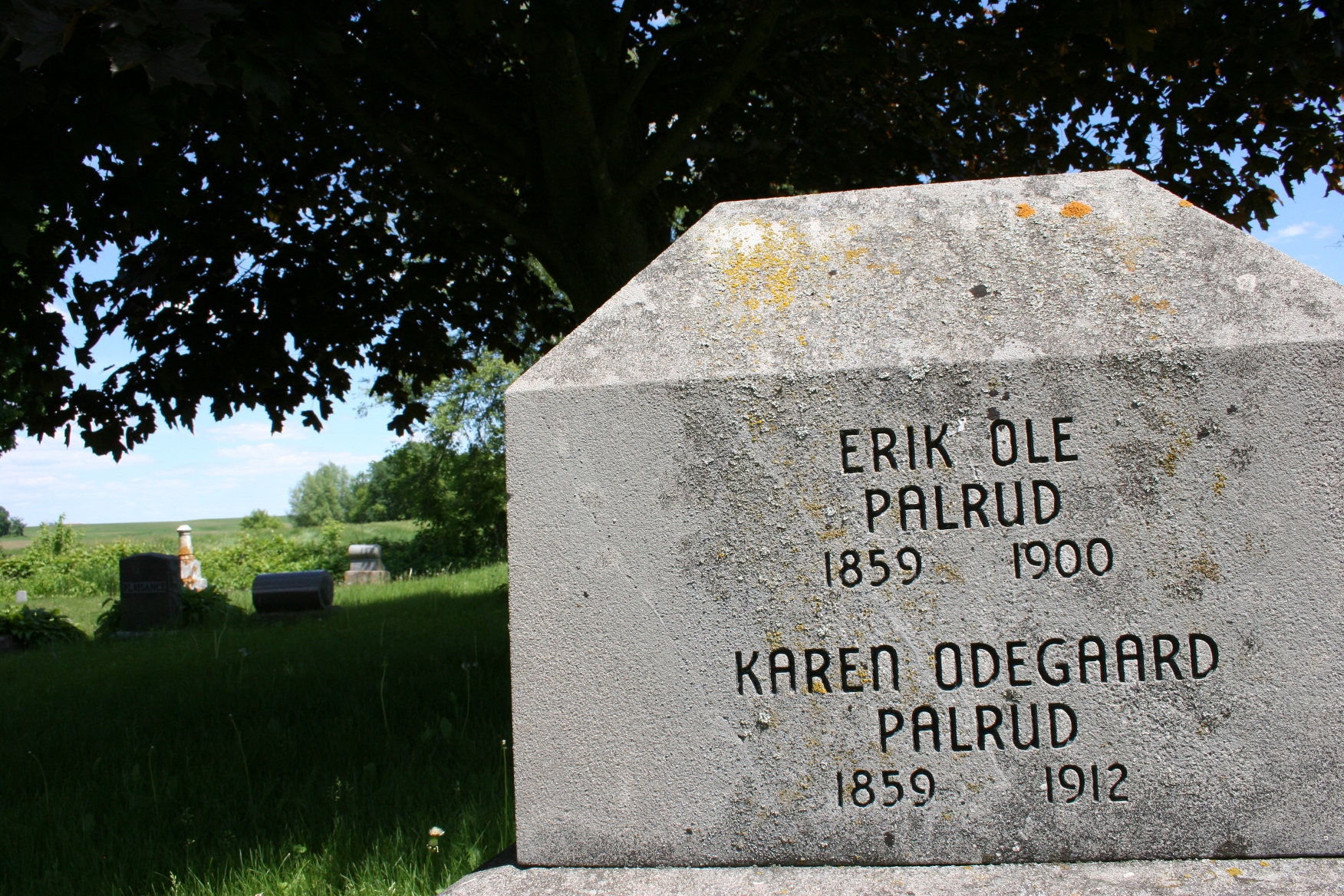
Eklund Cemetery, Palrud gravestone

I hurried my tour, distracting myself by noticing the abundance of Norwegians names like Hans, Ingeborge, Nels and Erik, middle name Ole.

The most unusual name I noticed.

The most unusual name I noticed.

This cemetery once served Eklund (or Egelund) Evangelical Norwegian Lutheran Church, disbanded in 1957. That steepleless church building now sits off Minnesota State Highway 60 on Faribault’s east side, according to information written by Helga Sam Thompson. Its current use is that of a chiropractic office.

A close-up of a time-worn, weathered tombstone.

A close-up of a time-worn, weathered tombstone.

In one particular spot in the cemetery, I noticed a patch of black earth the size of a grave. Just dirt, unheaped, no grass, with weeds beginning to edge into the soil. No marker marked the spot. Again, that uncomfortable feeling settled upon me. The last burial here, of Bernard C. Sam, happened in 2011. Prior to that, the most recent burial, of 22-year-old Matthew David Caron, occurred in 1997.

Someone still cares about a loved one buried here.

Someone still cares about a loved one buried here.

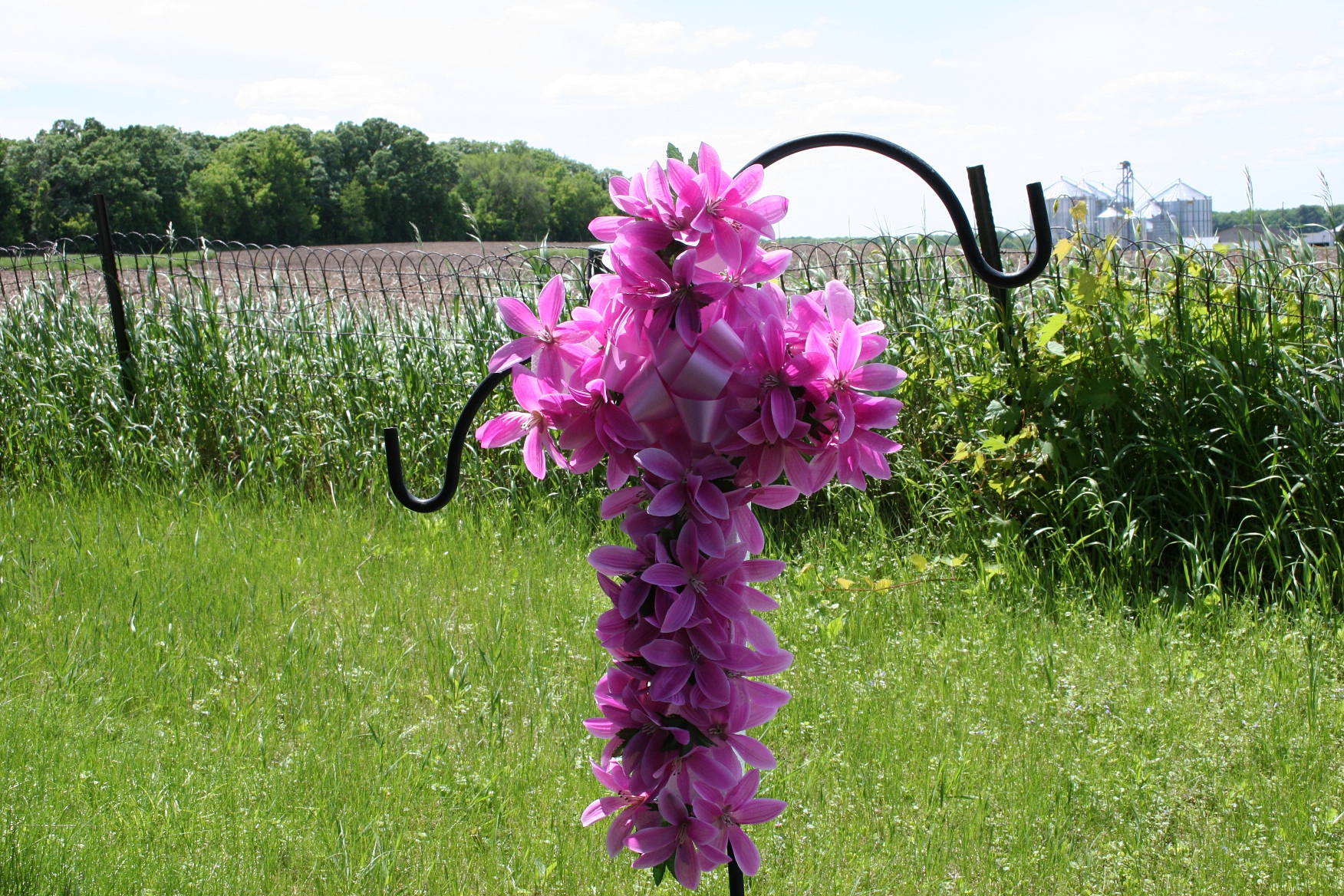
Shortly thereafter, Randy plucked an errant plastic flower petal from the ground, fallen from a gravestone cross. I advised him to leave the orchid colored bloom there. He did.

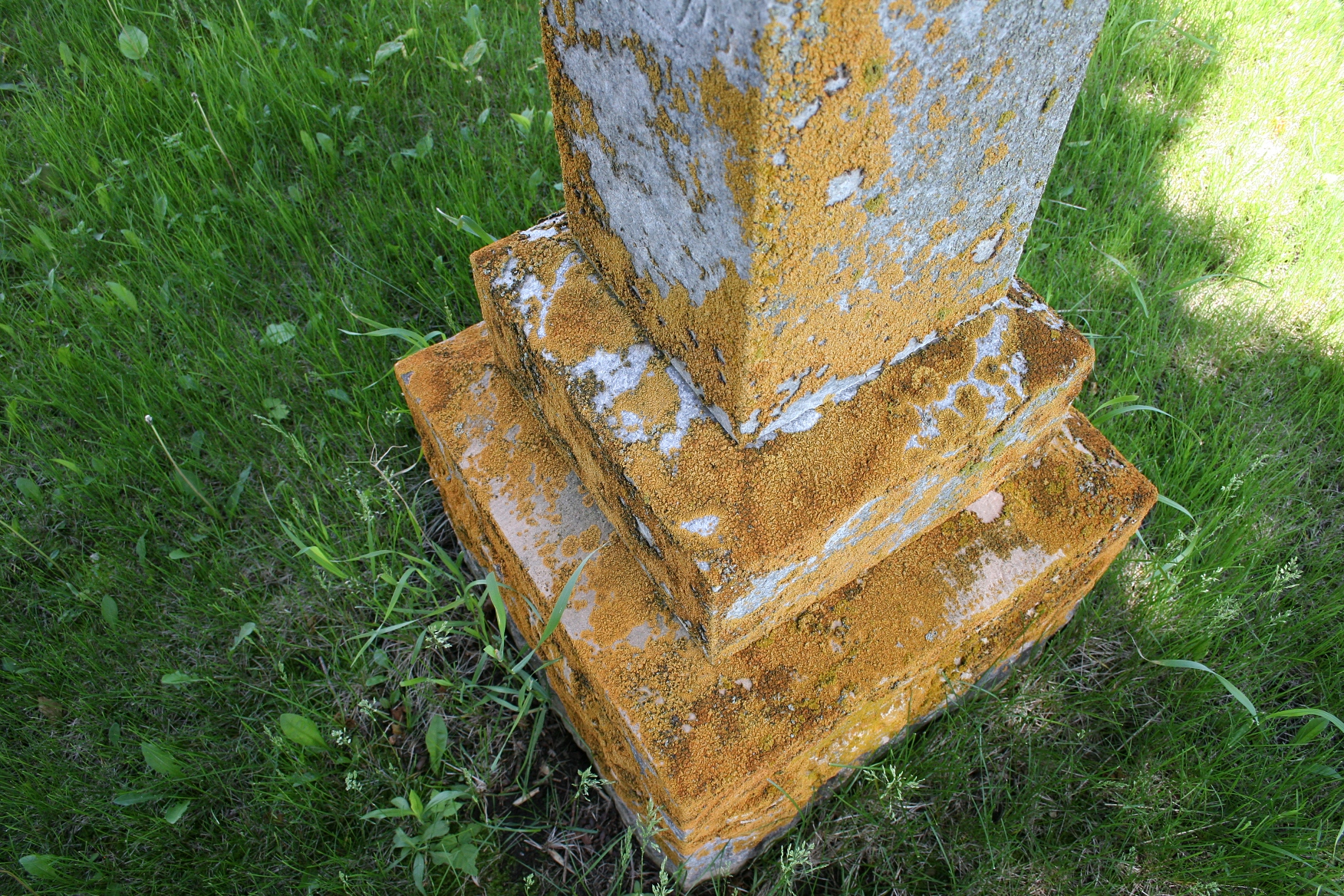
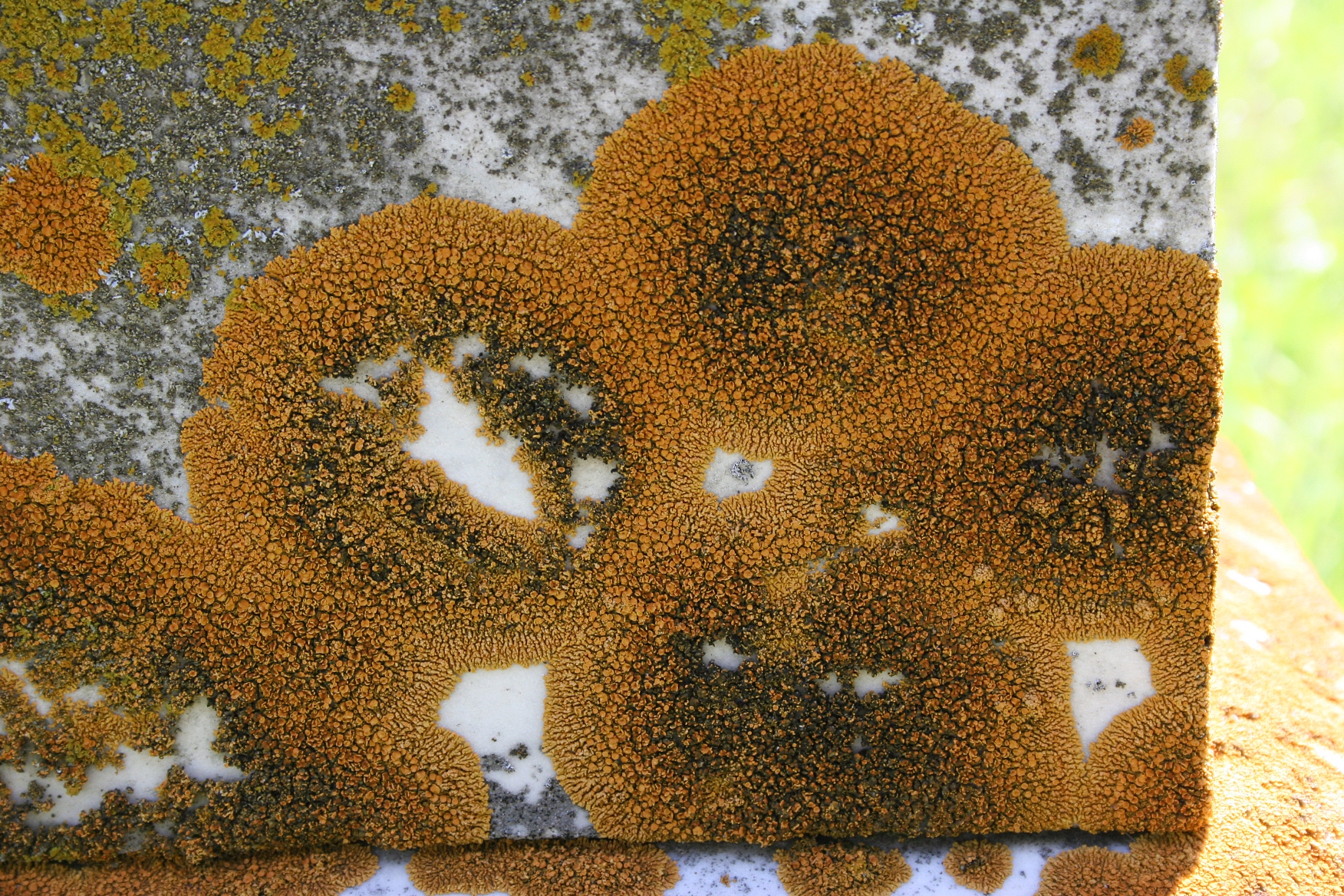
Nature leaves her signature on an in-ground grave marker.

Nature leaves her signature on an in-ground grave marker.

I wanted nothing from this cemetery. Nothing.

FYI: If you are into genealogy and/or history, visit the Dalby Database which includes a remarkable collection of 2.5 million records and increasing daily. Click here to read a summary of what you can find on this website. And then click here to reach the Dalby Database. John and Jan Dalby of Faribault were given the Minnesota Genealogical Society’s Pioneer Explorer Award in 2010.

Special thanks to John Dalby for providing me with links to information about Eklund Cemetery and church and Walcott Township histories.

© Copyright 2014 Audrey Kletscher Helbling