Minnesota Prairie Roots

Writing and photography by Audrey Kletscher Helbling

Remembering the Edmund Fitzgerald 50 years after it sunk in Lake Superior November 10, 2025

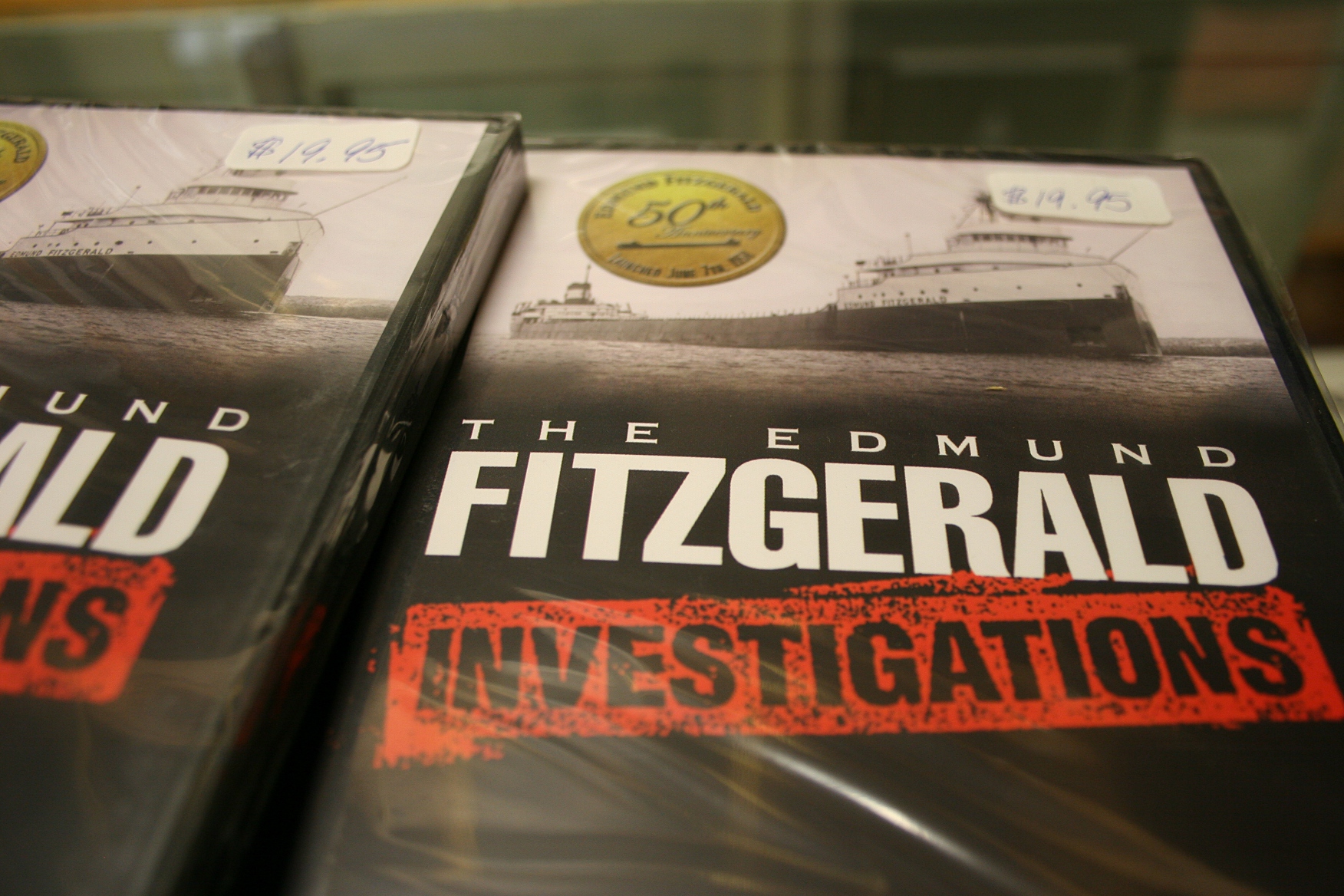
PBS did a documentary on the Edmund Fitzgerald. (Minnesota Prairie Roots copyrighted file photo 2014)

SHORTLY BEFORE 8 THIS MORNING, I listened to “The Wreck of the Edmund Fitzgerald” by Gordon Lightfoot pulse from my radio. It was an auditory reminder that today marks the 50th anniversary of the sinking of that freightliner on November 10, 1975, in Lake Superior some 17 miles from Whitefish Point, Michigan.

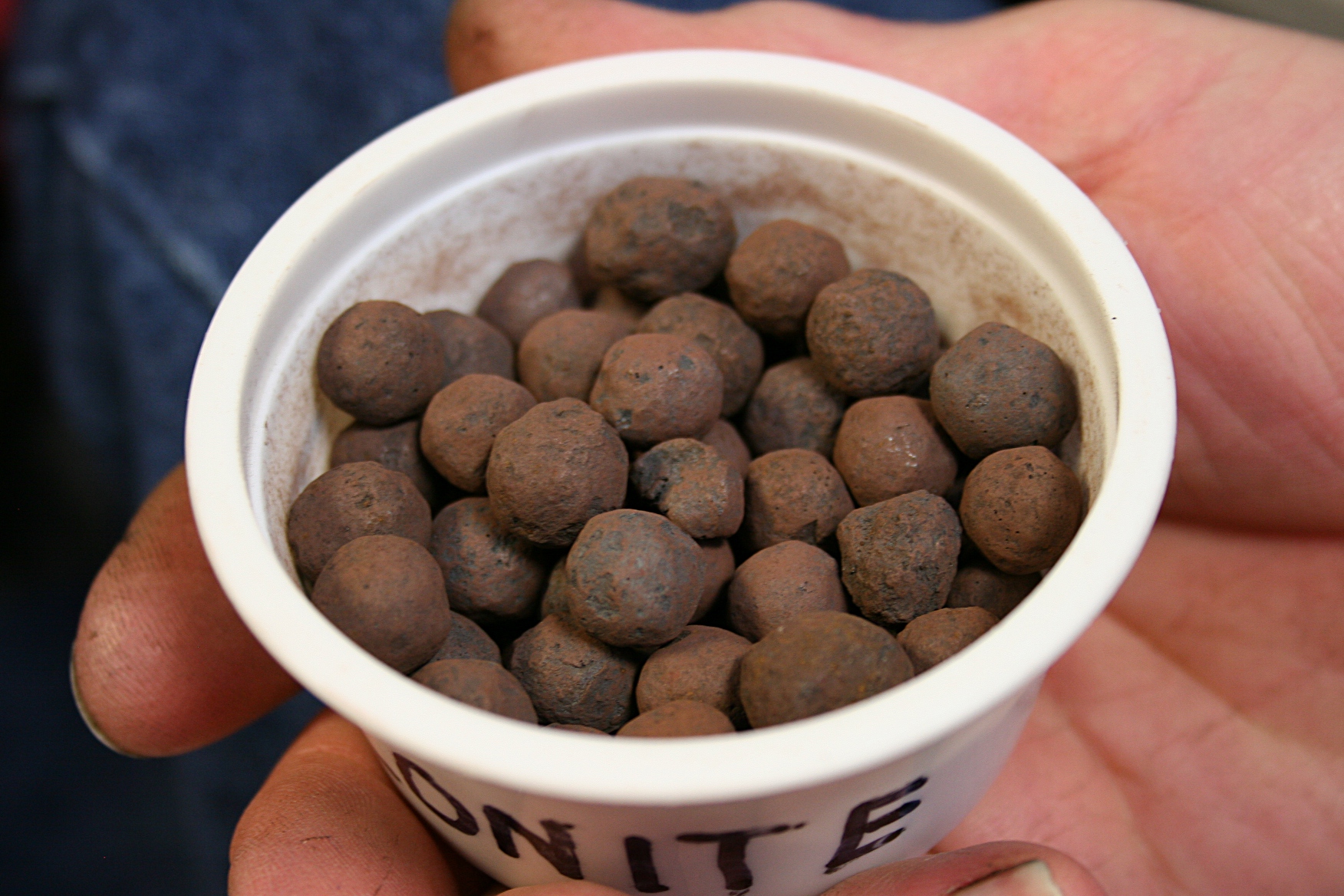
Some 26,000 tons of taconite pellets, like these, filled the cargo holds of The Edmund Fitzgerald as it journeyed across Lake Superior on November 9 and 10, 1975. (Minnesota Prairie Roots copyrighted file photo 2014)

This shipwreck holds great interest in Minnesota as the Edmund typically left loaded with taconite from Silver Bay, on the Minnesota side of Lake Superior, headed for the steel mills of Detroit and Toledo. But on this last fateful trip, the Edmund departed from Superior, Wisconsin, aiming for Detroit.

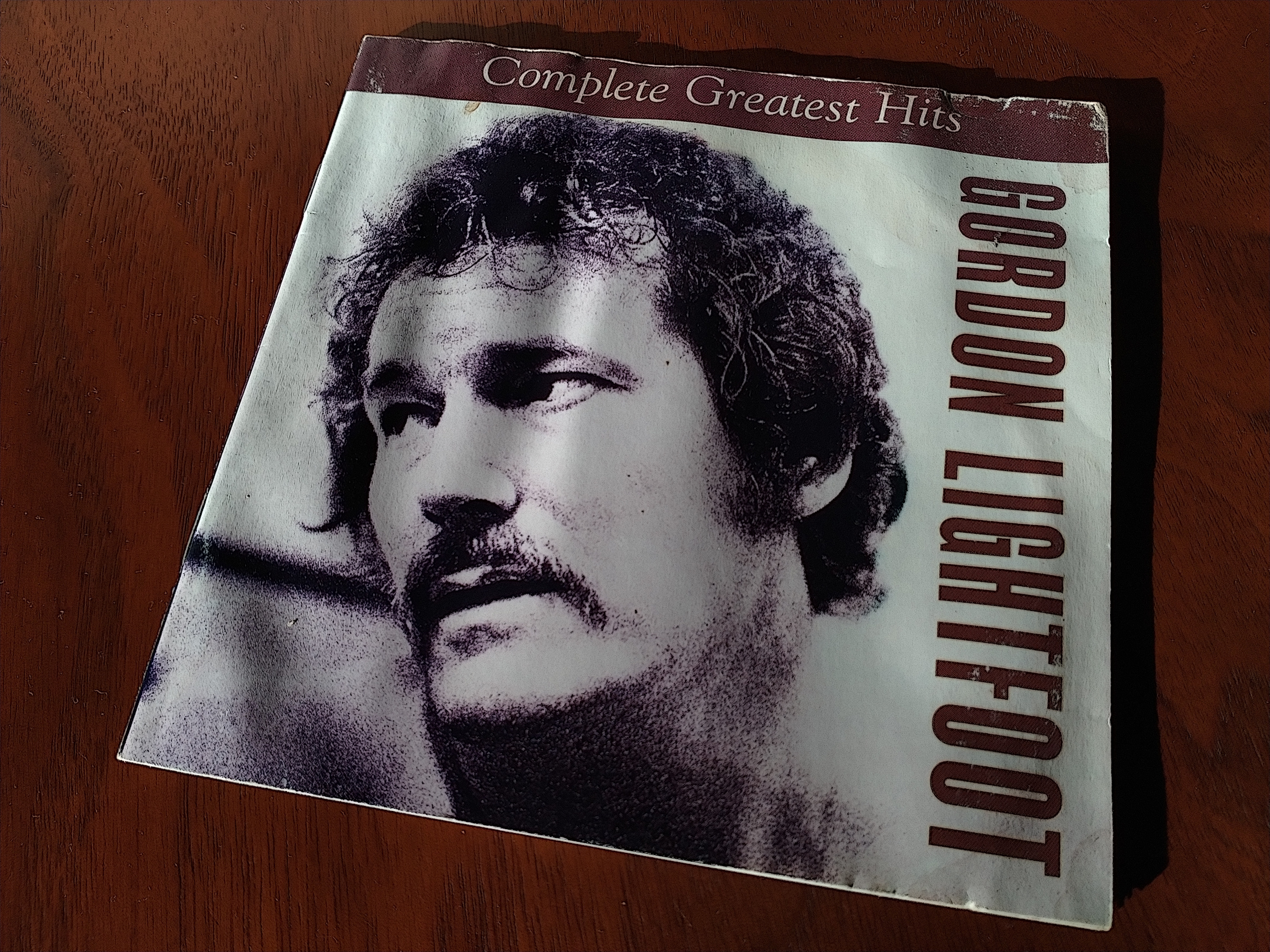
My husband’s copy of Gordon Lightfoot’s greatest hits, which includes “The Wreck of the Edmund Fitzgerald.” (Minnesota Prairie Roots copyrighted file photo)

The ship sank in the gale force raging winds and waves of a November storm claiming the lives of all twenty-nine aboard. That tragedy has been forever immortalized in Lightfoot’s 1976 ballad.

Today, in ceremonies both in Minnesota and Michigan, those who perished in this disaster on an inland “sea” will be honored. At 2 pm, the Great Lakes Shipwreck Museum in Whitefish Point, Michigan, holds a public remembrance service. At 7 pm, a memorial service is set, but for Fitzgerald family members only with the museum closing at 5 pm in preparation for that event.

Here in Minnesota, the 50th anniversary focus today happens at the Split Rock Lighthouse Historic Site located along the shore of Lake Superior southwest of Silver Bay, which is north of Duluth and Superior. The Annual Memorial Beacon Lighting ceremony, beginning at 4 pm, is sold out.

For those able to secure tickets, the Minnesota ceremony is sure to be emotional as the names of the twenty-nine crew members are read aloud to the tolling of a ship’s bell. Lighting of the lighthouse beacon follows with the light shining for two hours.

Many years have passed since I’ve visited the lighthouse. Decades have passed since I first heard Gordon Lightfoot’s ode to the Edmund Fitzgerald as a young adult. Despite the passage of time, this tragic story remains imprinted on my mind, as it does the collective memories of Minnesotans old enough to remember this November 10, 1975, tragedy on Lake Superior.

FYI: I’ve previously written about the Edmund Fitzgerald. That includes a 2014 blog post about a presentation at the Rice County Historical Society by a diver who explored the wreck of the freightliner. Click here to read that story. The presentation coincided with the opening of the play, “Ten November,” at the Paradise Center for the Arts in Faribault. Click here to read an introspective piece I also wrote.

© Copyright 2025 Audrey Kletscher Helbling


Remembering Gordon Lightfoot & his ballad about the Edmund Fitzgerald May 3, 2023

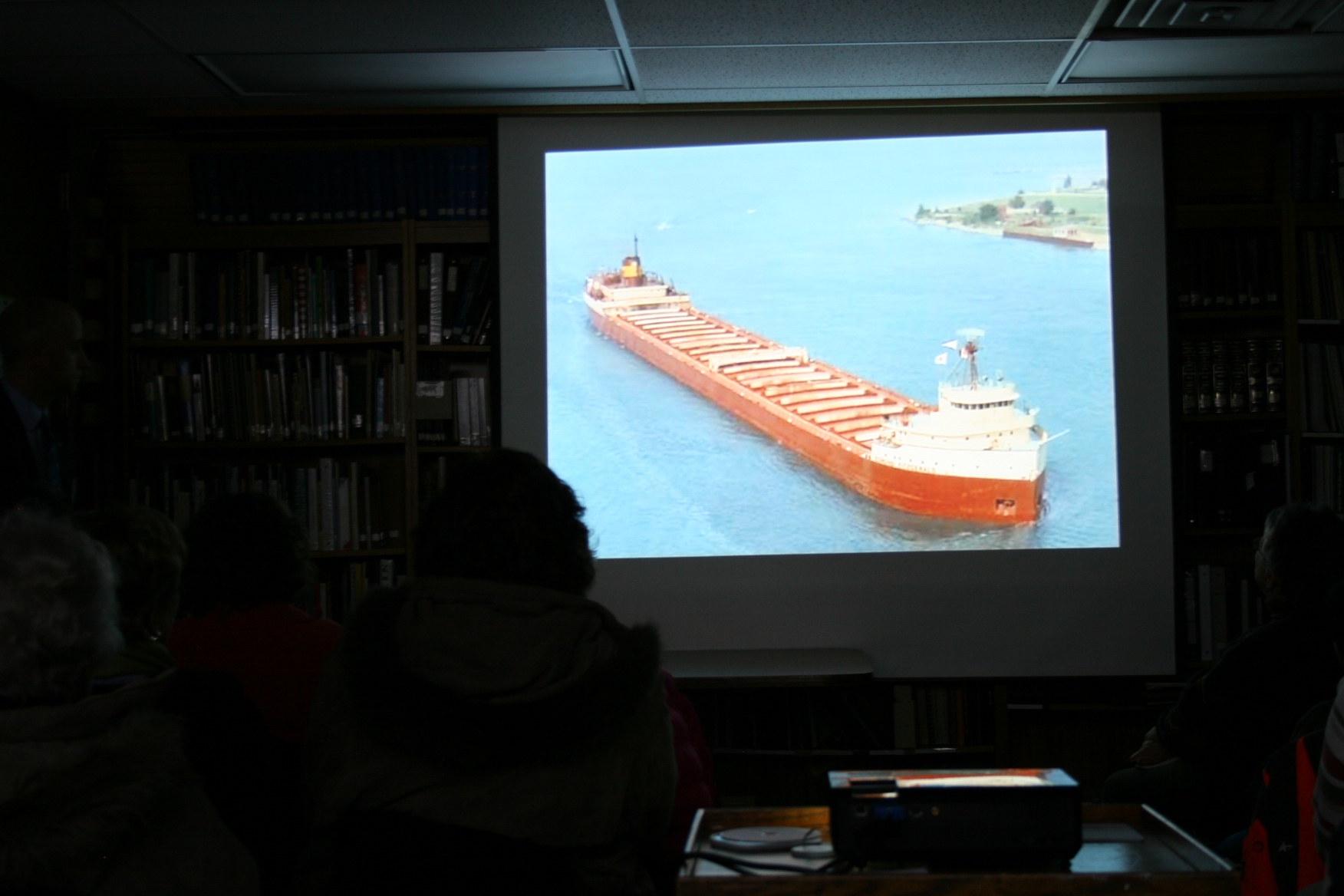
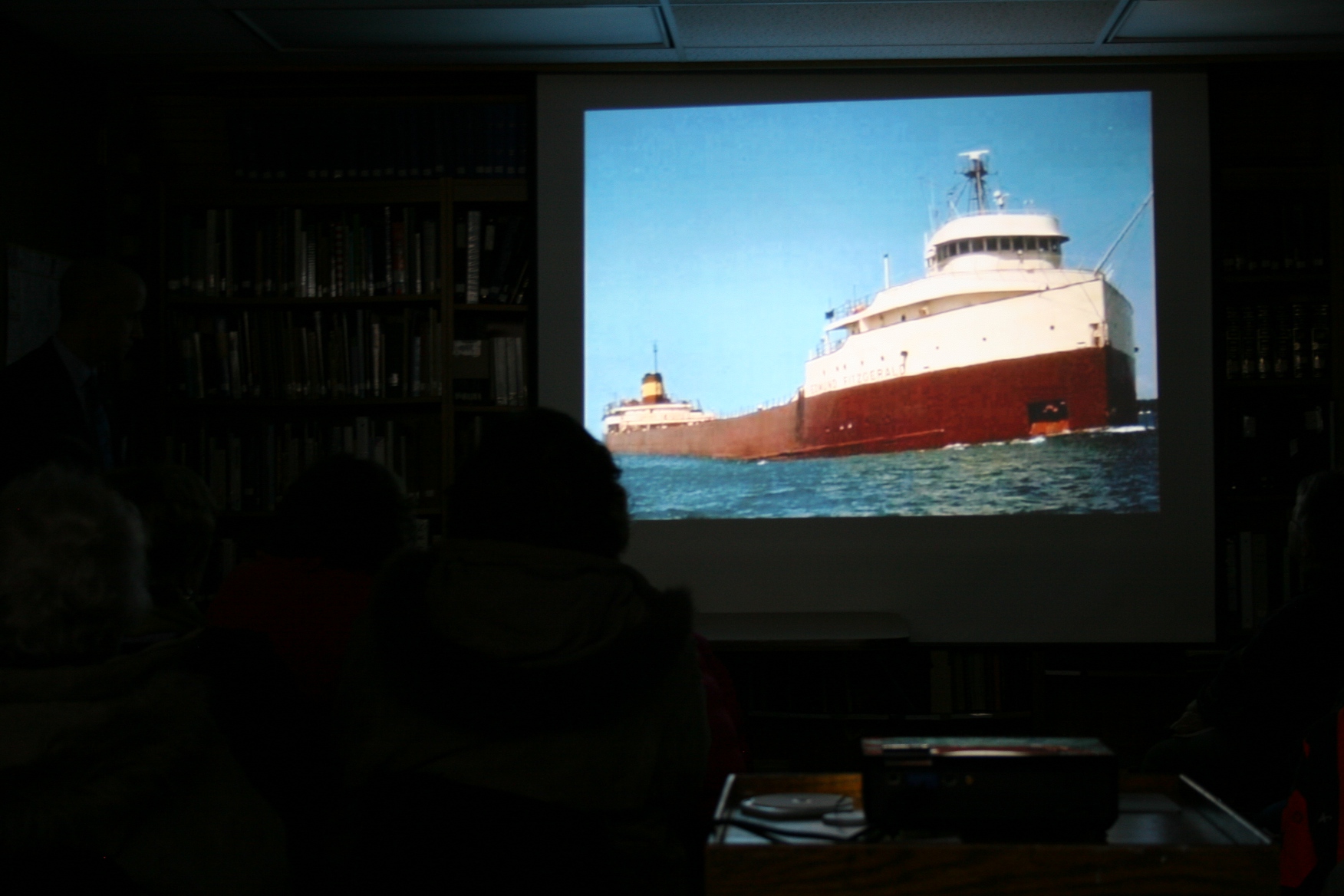
A photo of the Edmund Fitzgerald shown during a 2014 presentation in Faribault. (Minnesota Prairie Roots copyrighted file photo 2014)

CERTAIN SONGS FROM MY TEEN years into my early 20s occasionally surface like ear worms in my mind. Today that tune is “The Wreck of the Edmund Fitzgerald,” a ballad by Canadian singer, songwriter and guitarist Gordon Lightfoot.

Taconite pellets, like these, filled the cargo holds of The Edmund Fitzgerald as it journeyed across Lake Superior on November 9 and 10, 1975. (Minnesota Prairie Roots copyrighted file photo 2014)

The 84-year-old musician died on Monday, leaving a legacy of storytelling that includes his version of the Edmund Fitzgerald’s fateful final journey. The iron ore carrier sank in Lake Superior on November 10, 1975, claiming the lives of 29 crewmen.

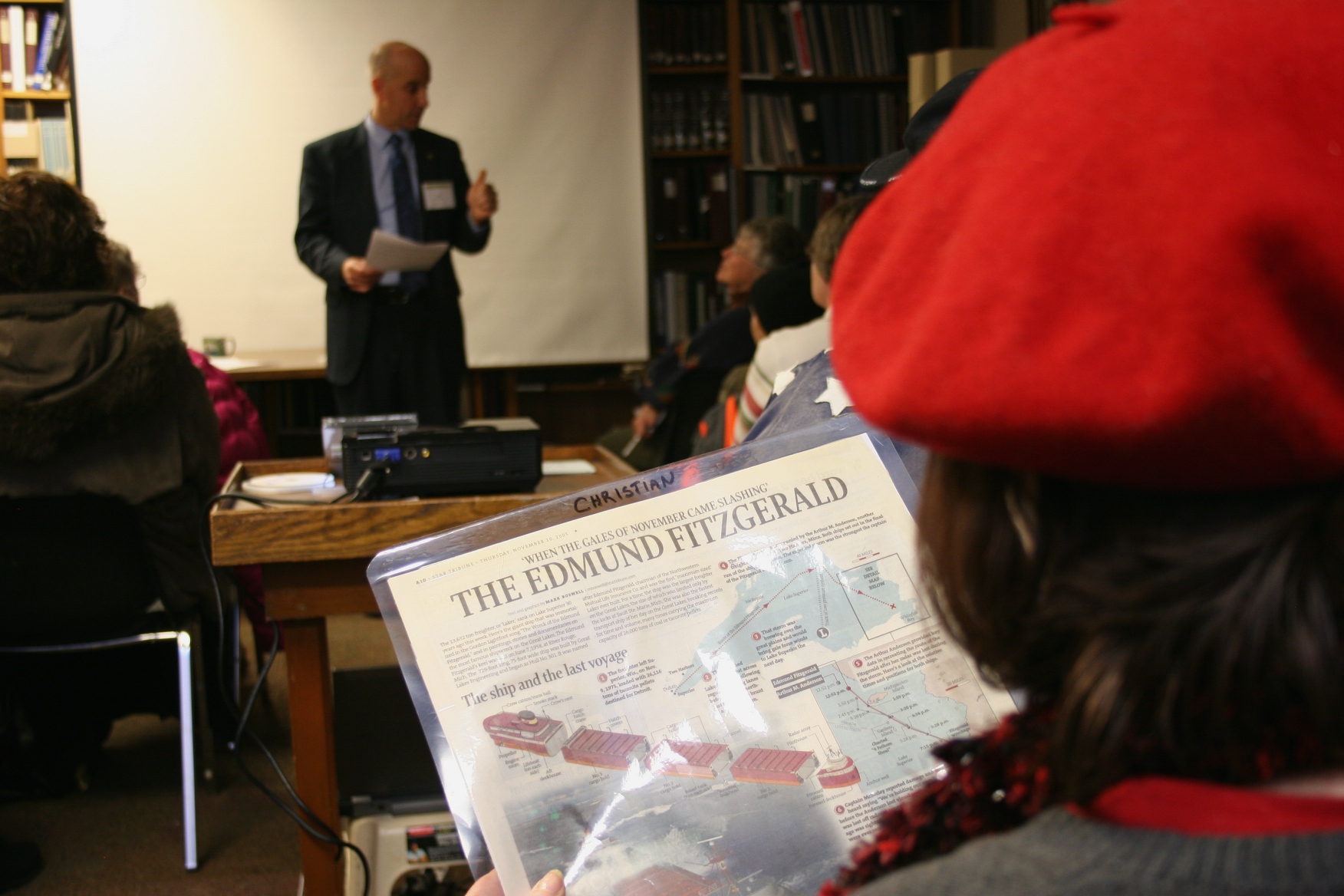
Newspaper clippings about The Fitz were passed around to audience members at a 2014 presentation in Faribault. (Minnesota Prairie Roots copyrighted file photo 2014)

Stories about the catastrophic shipwreck during a storm with hurricane force winds, waves reaching 70 feet and a gale force warning bannered newspapers. It was especially big news here in Minnesota since the 729-foot long by 75-foot wide ship left Superior, Wisconsin, just across from the port city of Duluth. The Fitzgerald was weighted with 26,000 tons of taconite pellets and bound for a steel mill near Detroit, Michigan.

PBS did a documentary on the Edmund Fitzgerald. (Minnesota Prairie Roots copyrighted file photo 2014)

On the afternoon of November 9, the freighter left Superior. By 7:15 pm the next evening, the USS Edmund Fitzgerald disappeared, the wreckage later found 17 miles northwest of Whitefish Point, Michigan.

In Lightfoot’s words:

The captain wired in he had water comin’ in
And the good ship and crew was in peril
And later that night when his lights went out of sight
Came the wreck of the Edmund Fitzgerald

Lightfoot on the cover of his 2002 CD, which my husband owns. “The Wreck of the Edmund Fitzgerald” soared to #2 on the Pop chart and remained there for 21 weeks. (Minnesota Prairie Roots copyrighted photo May 2023)

The lengthy folk song of 6.5 minutes unfolds in suspenseful storytelling style. Lightfoot takes his listeners on board the massive Edmund Fitzgerald caught in the stormy, churning waters of Gitche Gumee (Ojibwe for Lake Superior). The songwriter uses some artistic license in his version of the disaster as noted when comparing facts to lyrics. Yet, his haunting song, like reality, carries the truth of death, the heavy emotions of loss. Every time I hear Lightfoot’s song, I feel overcome with sadness, as if the powerful, roiling waves of Superior are rolling over me, pulling me down down down into the dark depths of the lake.

The Edmund Fitzgerald stretched more than two football fields long. (Minnesota Prairie Roots copyrighted file photo 2014)

The emotional intensity of “The Wreck of the Edmund Fitzgerald” remains strong for me, even decades after I first heard the new release in 1976. And that’s a credit to Lightfoot, who wrote history into a ballad that is poetically and tragically memorable.

TELL ME: Are you a fan of Gordon Lightfoot or any of his songs? I’d like to hear your thoughts on him, this ballad or musicians and/or songs particularly memorable to you.

FYI: Click here to read a post I wrote in 2014 about a presentation on the Edmund Fitzgerald at the Rice County Historical Society Museum in Faribault.

© Copyright 2023 Audrey Kletscher Helbling


The legend of the Edmund Fitzgerald lives on February 11, 2014

DECADES AGO WHILE TOURING an open iron ore pit on Minnesota’s Iron Range with my parents and perhaps a sibling or two, I met a sailor. Red. His nickname was attributed to his rust-hued hair and beard.

He was a hulk of a young man, crammed into a seat with me on a school bus that bumped down a rugged road into the bowels of the earth.

I honestly do not remember much about Red except that hair and his job laboring on a ship that sailed Lake Superior. We likely talked about the mammoth trucks in the pit. I told him I would be starting college soon and we exchanged addresses.

That fall of 1974, Red sent a few letters, tucked inside official Great Lakes Carriers’ Association envelopes. I can’t recall the content of that correspondence and I soon forgot about Red as I immersed myself in college life.
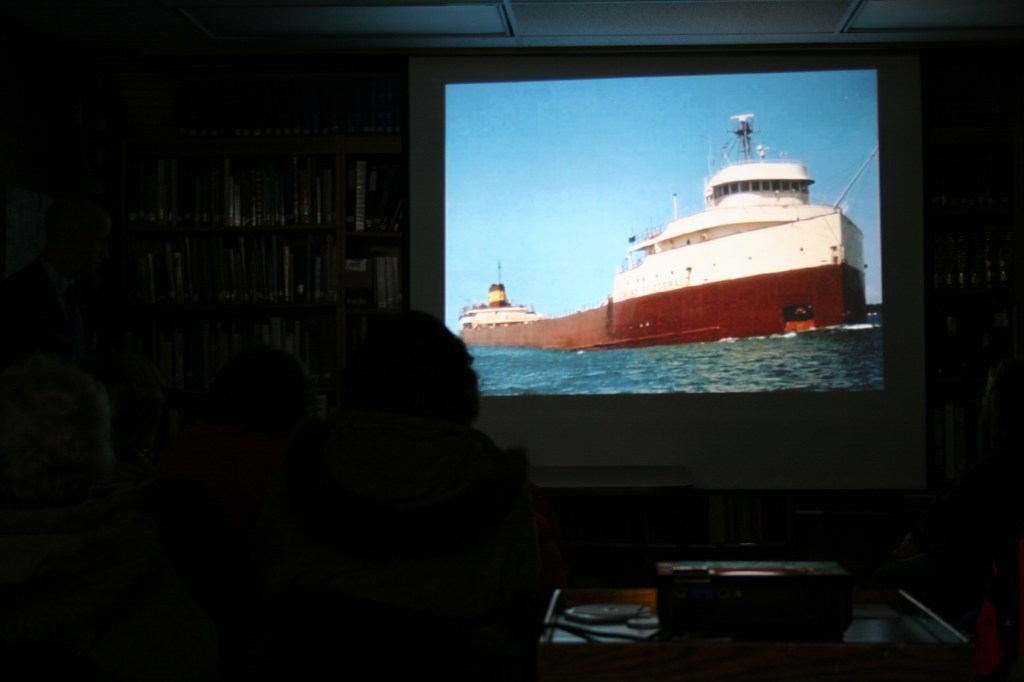
The Edmund Fitzgerald stretched more than two football fields long. This photo is among many shown in a presentation by diver Jim Christian.

The Edmund Fitzgerald stretched two football fields long. This photo is among many shown in a presentation by diver Jim Christian at the Rice County Historical Society.

Yet, I never really have forgotten him, because of The Edmund Fitzgerald, the iron ore carrier which sank in Lake Superior on November 10, 1975, during a fierce storm. I’ve often wondered whether Red may have been on board that ship. Not likely. But the slight possibility exists.

This past Sunday, I thought about Red for the first time in decades when I attended a presentation on The Edmund Fitzgerald at the Rice County Historical Society in Faribault. The event coincides with The Merlin Players’ Valentine’s Day opening of the play, Ten November, at the Paradise Center for the Arts.
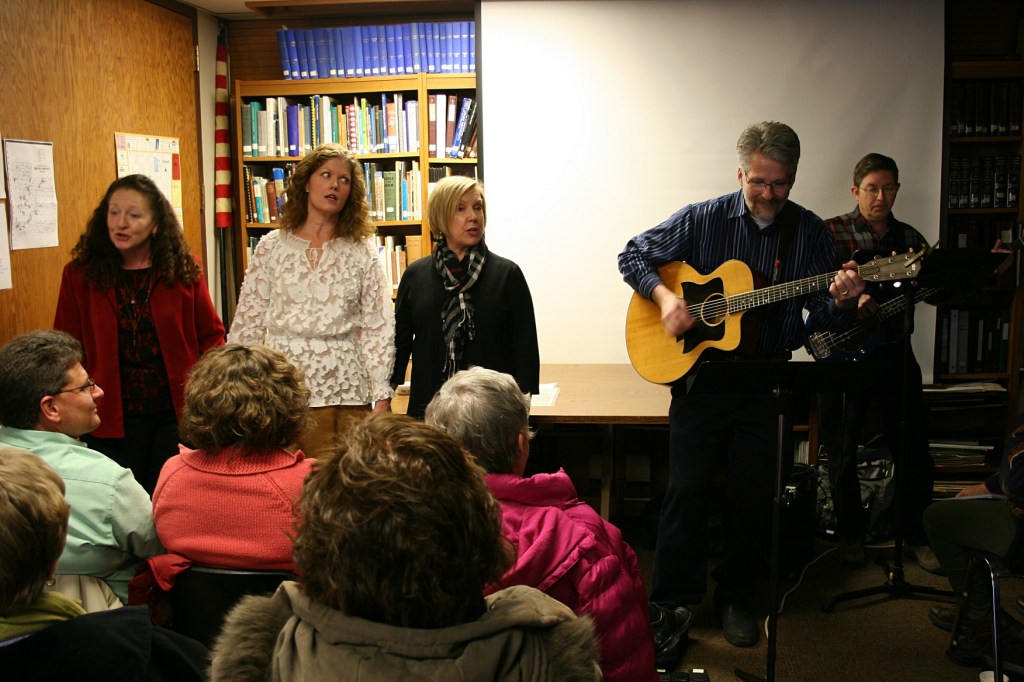
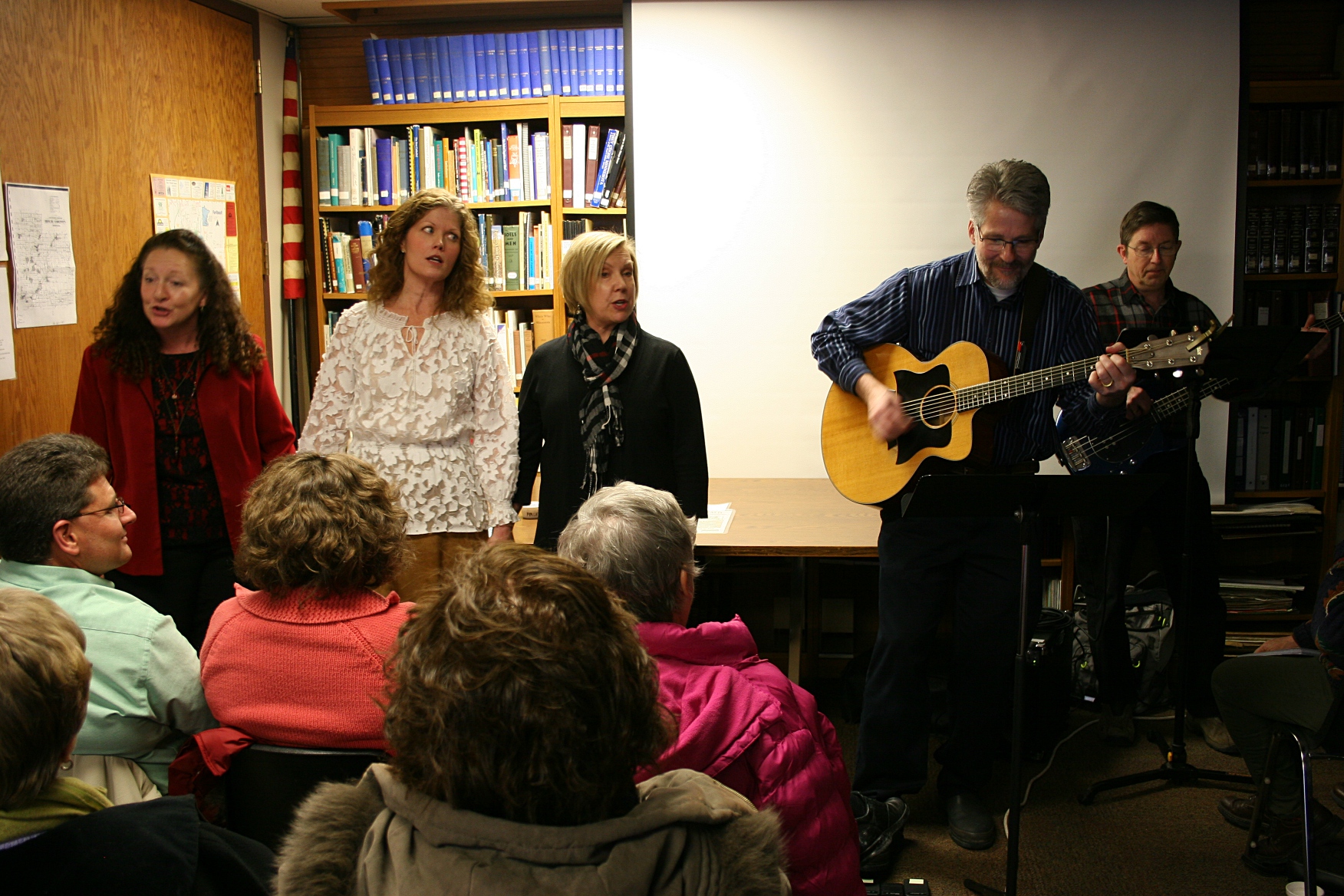
Christina Schweitz, second from left, says is is "an honor" to perform as one of The Three Sisters in The Merlin Players' play, Ten November.

Christina Schweitz, second from left, says it is “an honor” to perform as one of The Three Sisters in The Merlin Players’ play, Ten November. She is flanked by the other “sisters,” Lisa Quimby, left, and Gail Kaderlik.

Inspired by folk singer Gordon Lightfoot’s ballad, “The Wreck of the Edmund Fitzgerald,” the theatrical production is filled with humor and compassion and heartwarming tales, according to performer Lisa Quimby. She was among five musicians—three of them female singers—presenting several songs at Sunday’s museum event. The women represent “The Three Sisters,” a trio of waves, each wave larger than the previous and sometimes cited as a contributing factor to the ship’s sinking.
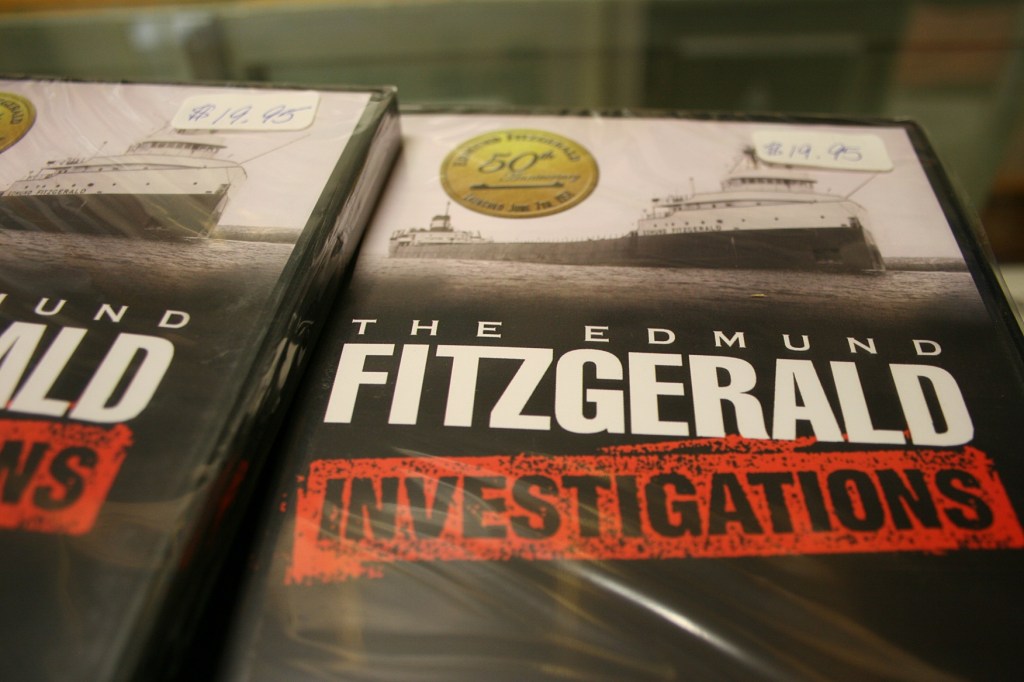
We were shown a half-hour version of this one-hour documentary for sale at the historical society.

We were shown a shortened version of this PBS documentary available for purchase at the historical society.

Diver Jim Christian gestures as he provides information on the iron ore carrier and theories on why it sank.

Diver Jim Christian gestures as he provides information on the iron ore carrier and theories on what caused The Fitz to sink.

Based on information I gleaned Sunday after watching The Edmund Fitzgerald Investigations—a half-hour PBS documentary by Ric Mixter—and a presentation by Minnesotan Jim Christian, who has been diving for 28 years and has explored The Fitz wreckage, I wonder if anyone will ever truly know the precise cause of this tragedy.
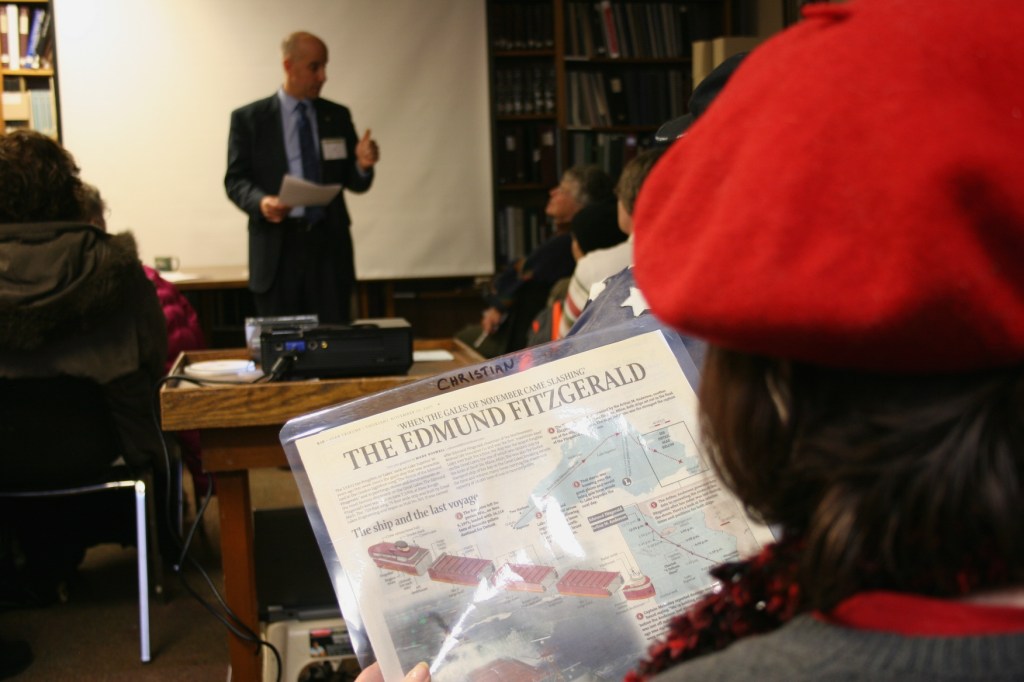
Newspaper clippings about The Fitz were passed among audience members while Jim Christian spoke.

Newspaper clippings about The Fitz were passed among audience members while Jim Christian spoke. The ship was built in 1958.

Twenty-nine men aboard The Edmund Fitzgerald lost their lives in the stormy waters of Lake Superior on November 10, 1975. That is a fact.
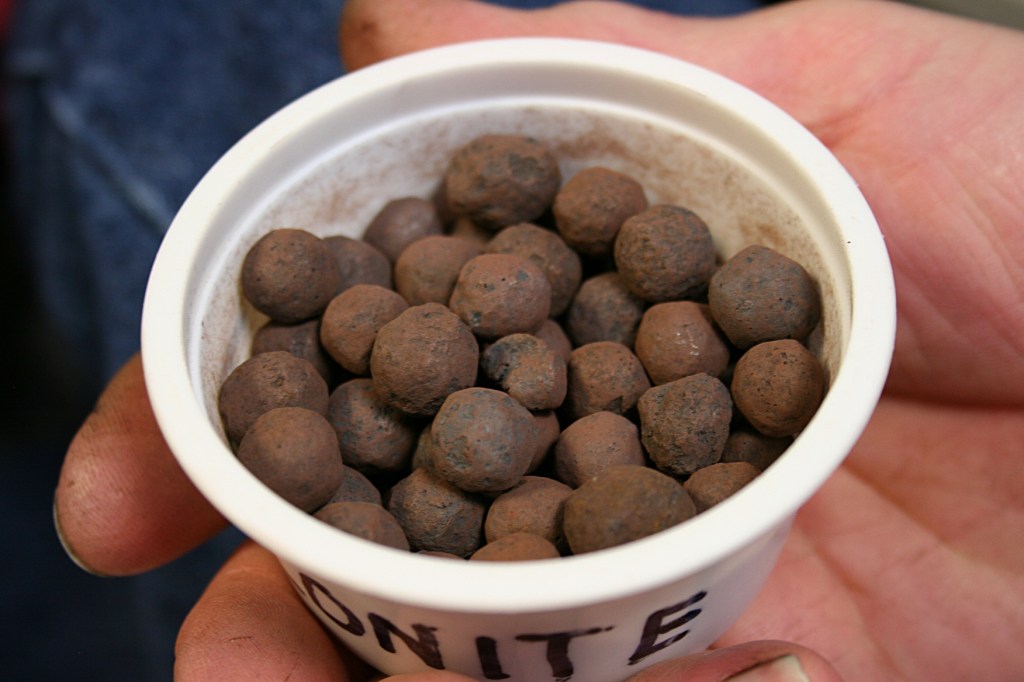
Some 26,000 tons of taconite pellets, like these, filled the cargo holds of The Edmund Fitzgerald as it journeyed across Lake Superior on November 9 and 10, 1975.

Some 26,000 tons of taconite pellets, like these, filled the cargo holds of The Edmund Fitzgerald as it journeyed across Lake Superior on November 9 and 10, 1975.

Winds on that fateful day were described as “hurricane” force with a gale warning issued during the time the 729-foot long by 75-foot wide carrier was en route from Superior, Wisconsin, to Detroit, Michigan, with 26,000 tons of taconite pellets. The ship, loaded with 15 percent more than its originally designed maximum carrying capacity, according to Christian, rode low in the water while storm waves rose to 70 feet. Can you imagine?

Around 7:15 p.m. on November 10, The Edmund Fitzgerald disappeared. The wreckage was later discovered 17 miles northwest of Whitefish Point, Michigan, and has been the focus of many dives and investigations since.

The legend lives on, as does that connection many of us have to The Edmund Fitzgerald, whether through song or theatre or diving or letters written decades ago by a sailor named Red.
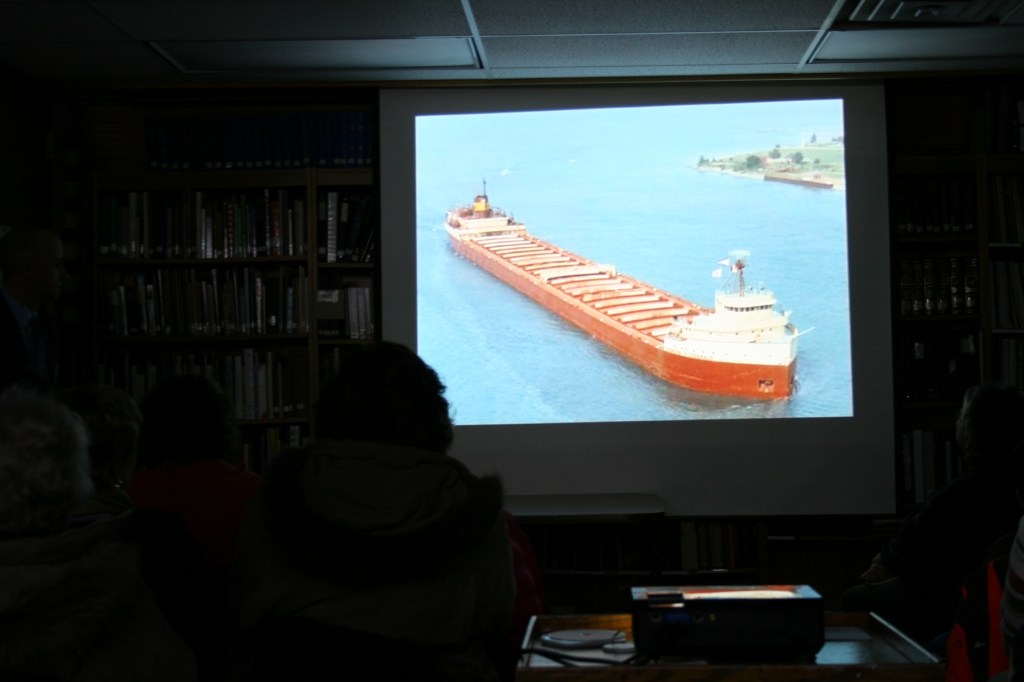
Another photo from Jim Christian's presentation shows the 729-foot long Edmund Fitzgerald.

Another photo from Jim Christian’s presentation shows the 729-foot long Edmund Fitzgerald.

HERE ARE SOME OF THE THEORIES offered during Sunday’s presentation as contributing to/cause of The Fitz sinking in Lake Superior in the gales of November 1975. Seas then were termed by a skipper as “the worst (he’d experienced) in 44 years on the lake.”

  • Leaking hatch covers caused by failure to tighten each of the 68 clasps on each of the 21 hatch covers.
  • Mesh screens, rather than watertight walls, separated the three cargo holds.
  • An inability to turn the carrier with three “seas” coming at the ship from three directions.
  • “Beat by the lake” during the fierce storm.
  • The Three Sisters theory of wave building upon wave, overtaking the carrier and causing the cargo to shift forward.
  • Flaws in structural design with weakness in the cargo capacity and too much flex in a ship that was ridden “too hard.”
  • Structural failure of the ship, built in 1958 and the largest carrier on Lake Superior for nearly two decades.
  • Pushing the ship too fast, causing The Fitz and its companion traveler, The Arthur M. Anderson (which made it through the storm), to feel the full fury of the storm.
  • Previous damage to the carrier during grounding and collisions with another ship and with lock walls. The keel had been repaired twice and was termed as “loose again” when The Fitz set sail on November 9.
  • Loaded with too much taconite, causing the ship to ride low in Lake Superior.
  • Negligence.

You can choose to believe what you wish. I’d suggest you do your own research.

This fact I know, though: The legend lives on…
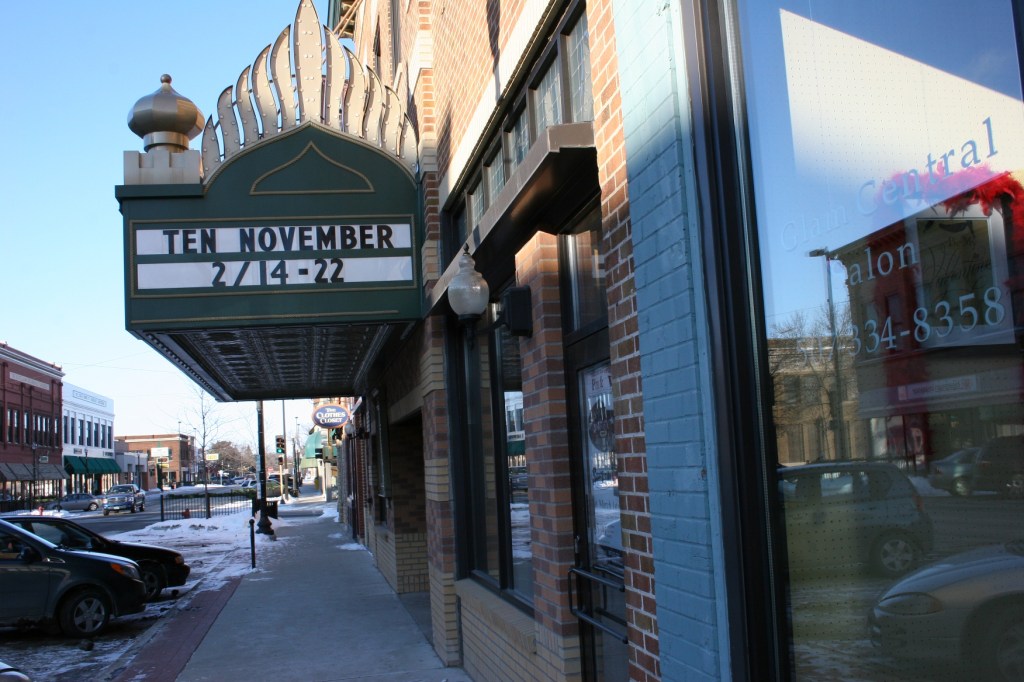
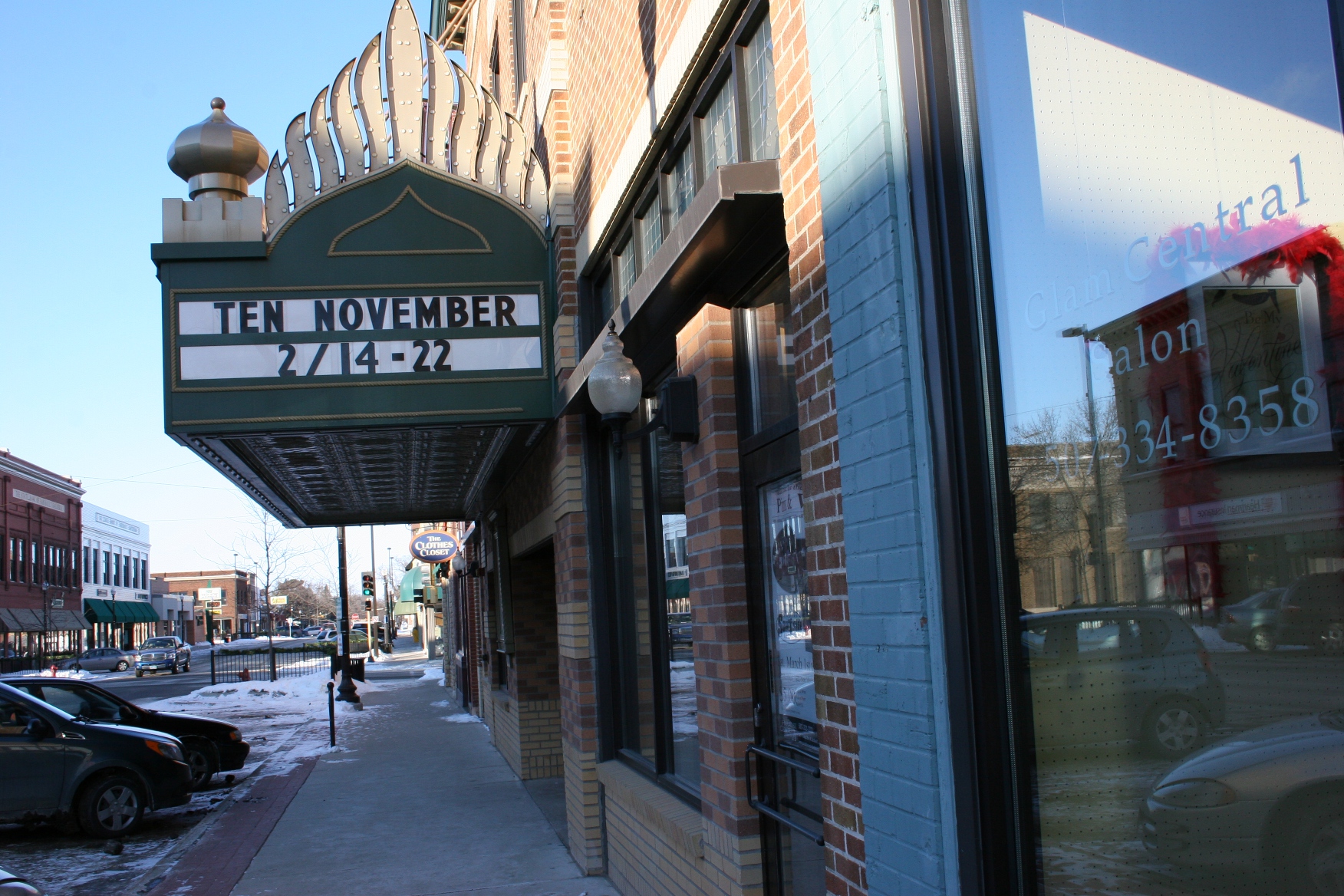
The Paradise Center for the Arts marquee advertises the opening of Ten November.

The Paradise Center for the Arts marquee advertises the opening of Ten November.

FYI: To learn more about The Edmund Fitzgerald, click here to read information on the Great Lakes Shipwreck Museum website.

Performances of Ten November by The Merlin Players are set for 7:30 p.m. February 14, 15, 20, 21 and 22 and for 2 p.m. February 16 at the Paradise Center for the Arts, 321 Central Avenue, Faribault. Click here for more information about this play directed by Eric Parrish, a seasoned director and a professor at Minnesota West Community and Technical College in Worthington.

© Copyright 2014 Audrey Kletscher Helbling


The tragic story of “The Christmas Tree Ship” November 30, 2011

THE PROMO READS:

A delightful holiday musical for the entire family. It’s the true story of a Great Lakes schooner, whose captain risks life and limb to transport Christmas trees to the German immigrants in Chicago during the late 1800’s. The result was the Christmas tree tradition spread throughout the Midwest and America.

Attend The Merlin Players’ production of The Christmas Schooner, opening Friday, December 2, at the Paradise Center for the Arts in historic downtown Faribault, and you’ll never view a Christmas tree in quite the same way. Guaranteed, you’ll appreciate your tree a whole lot more and the ease with which you can pull yours from storage, browse in a Christmas tree lot or tromp through the woods to chop down your own.

Allow me to take you 6 ½ hours away from Faribault to eastern Wisconsin, to Rawley Point, a piece of land that juts into Lake Michigan in Point Beach State Forest five miles north of Two Rivers.

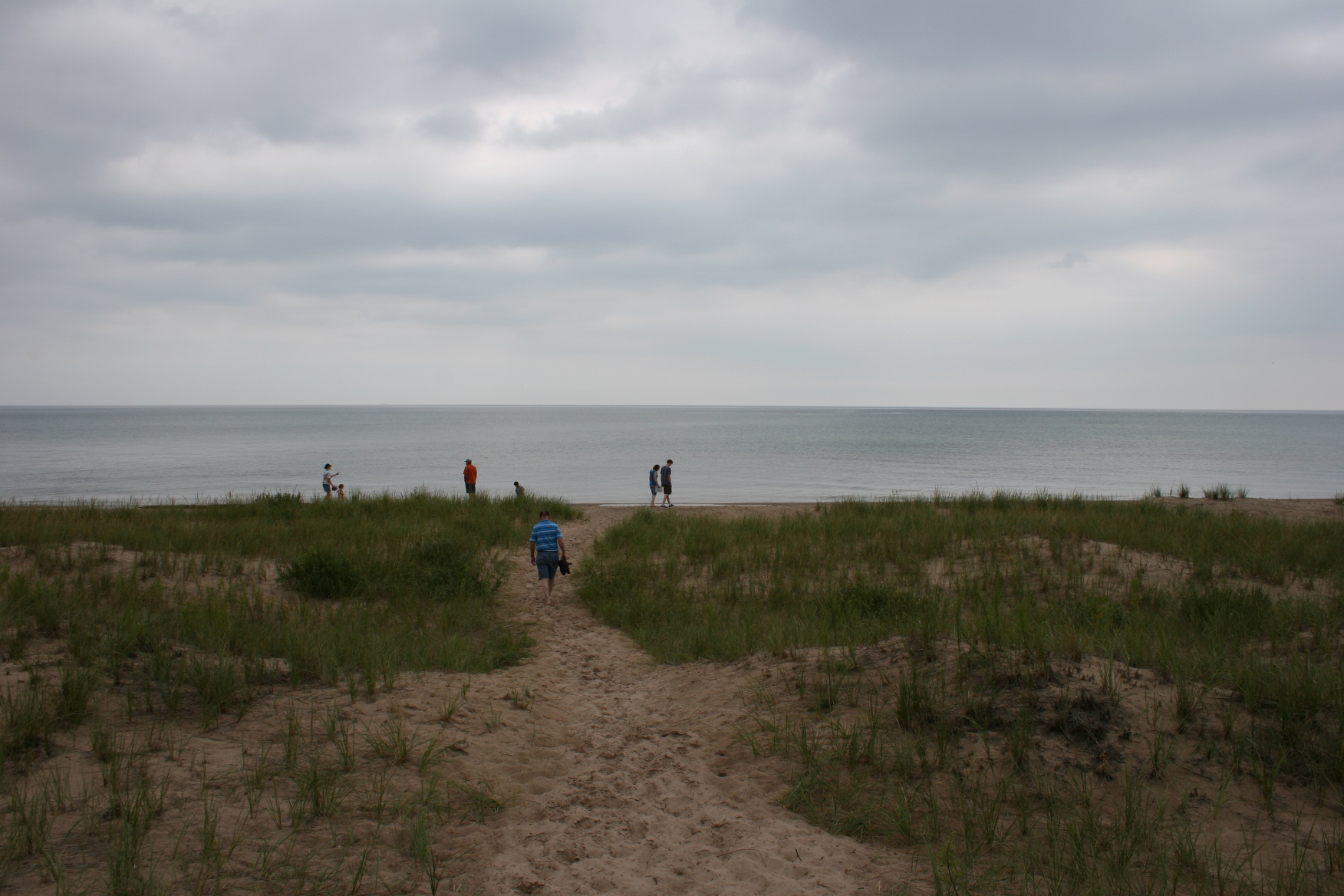
Rawley Point at Point Beach State Forest along Lake Michigan in early August.

Off this point 26 ships sank or became stranded, including the steamship Vernon, which broke up in stormy waters in 1877 with 52 lives lost. Only one seaman survived.

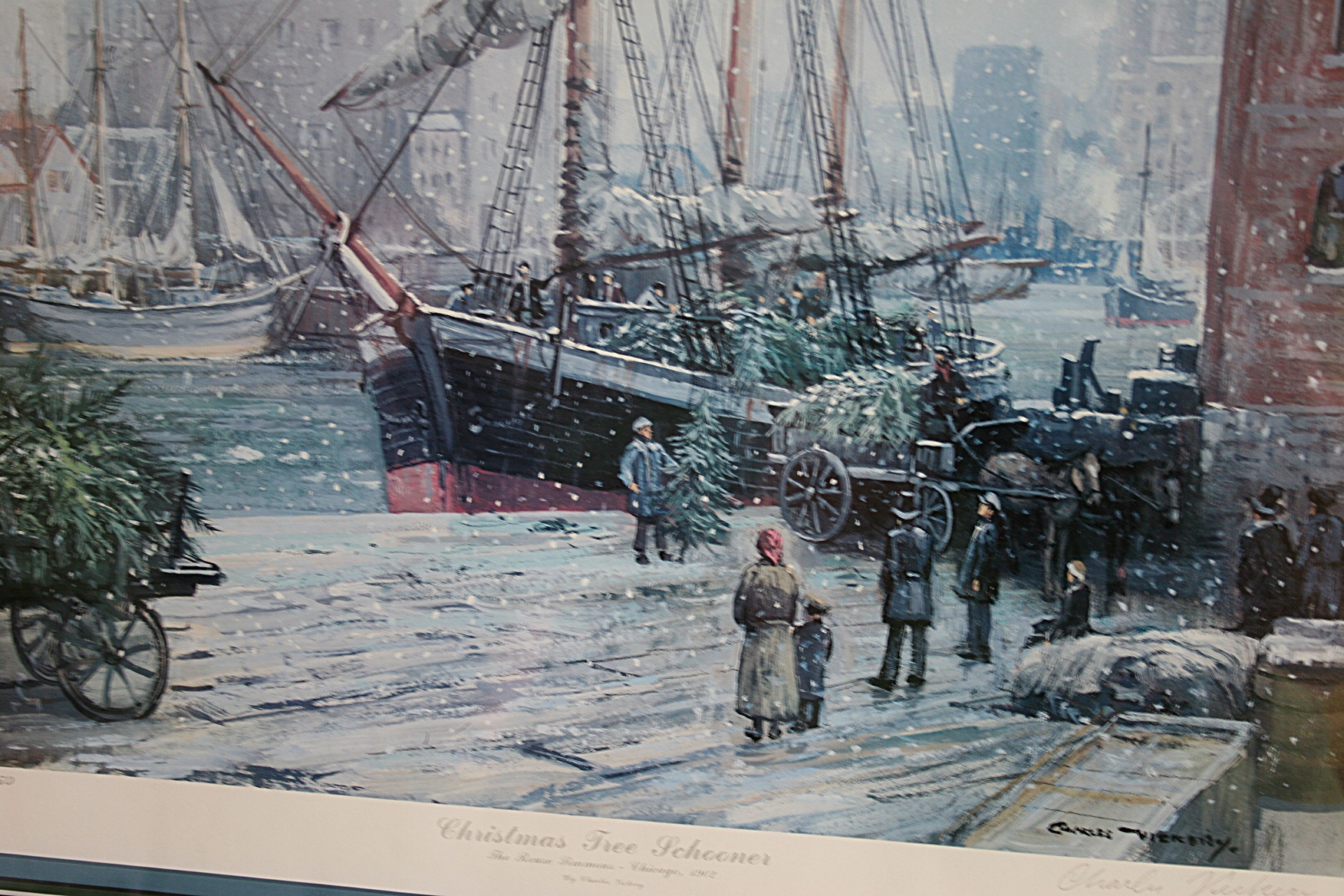
Then there’s the Rouse Simmons schooner, widely known as “The Christmas Tree Ship.” With Captain Herman Schuenemann at the helm, the ship left Thompson, Michigan, on November 22, 1912, bound for Chicago with a holiday cargo of Upper Peninsula Christmas trees. (Sorry, but I can’t explain the discrepancy in dates between the play promo and the true date of the schooner’s demise.)

A painting of the Christmas Tree Schooner at the Great Lakes Coast Guard Museum in Two Rivers.

The schooner, with 16 crew members, never reached Chicago. Not until 59 years later was she found in 170 feet of water off Rawley Point, her Christmas trees still stashed in her hold. The schooner remains preserved in the icy waters of Lake Michigan.

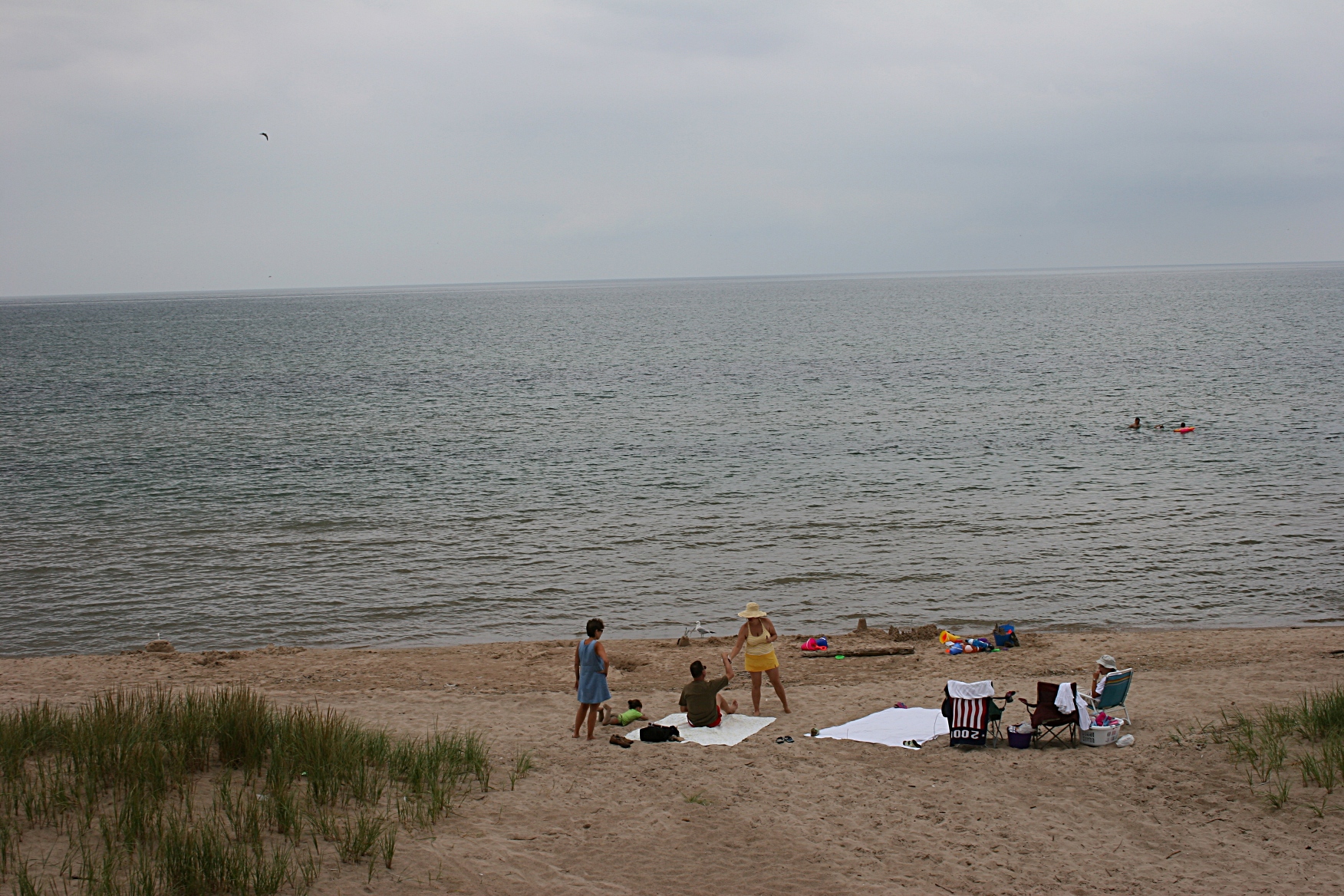
The beach at Rawley Point on a Sunday afternoon in August.

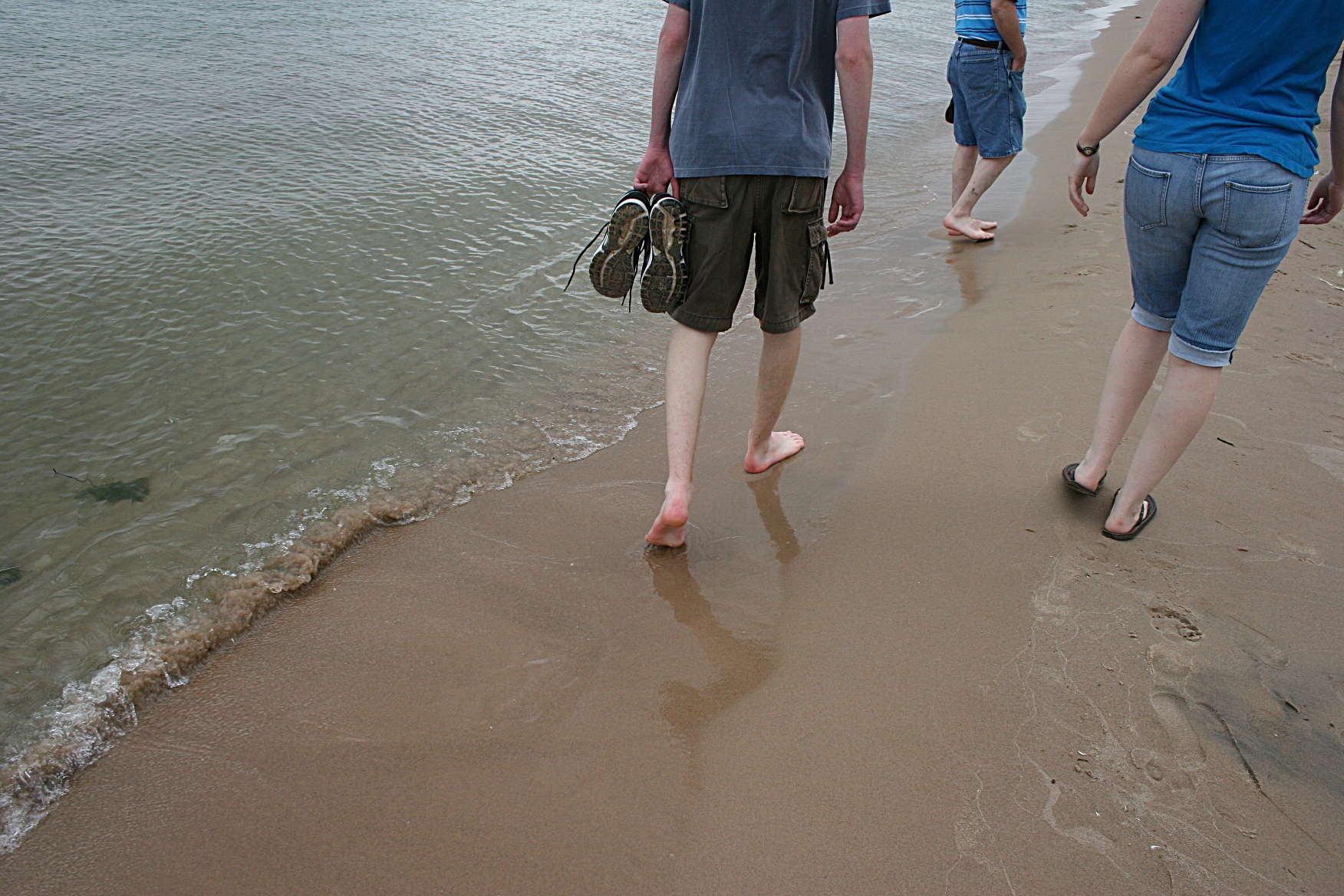
Walking Rawley Point beach on an August afternoon, the only hazards are stinky dead fish and driftwood.

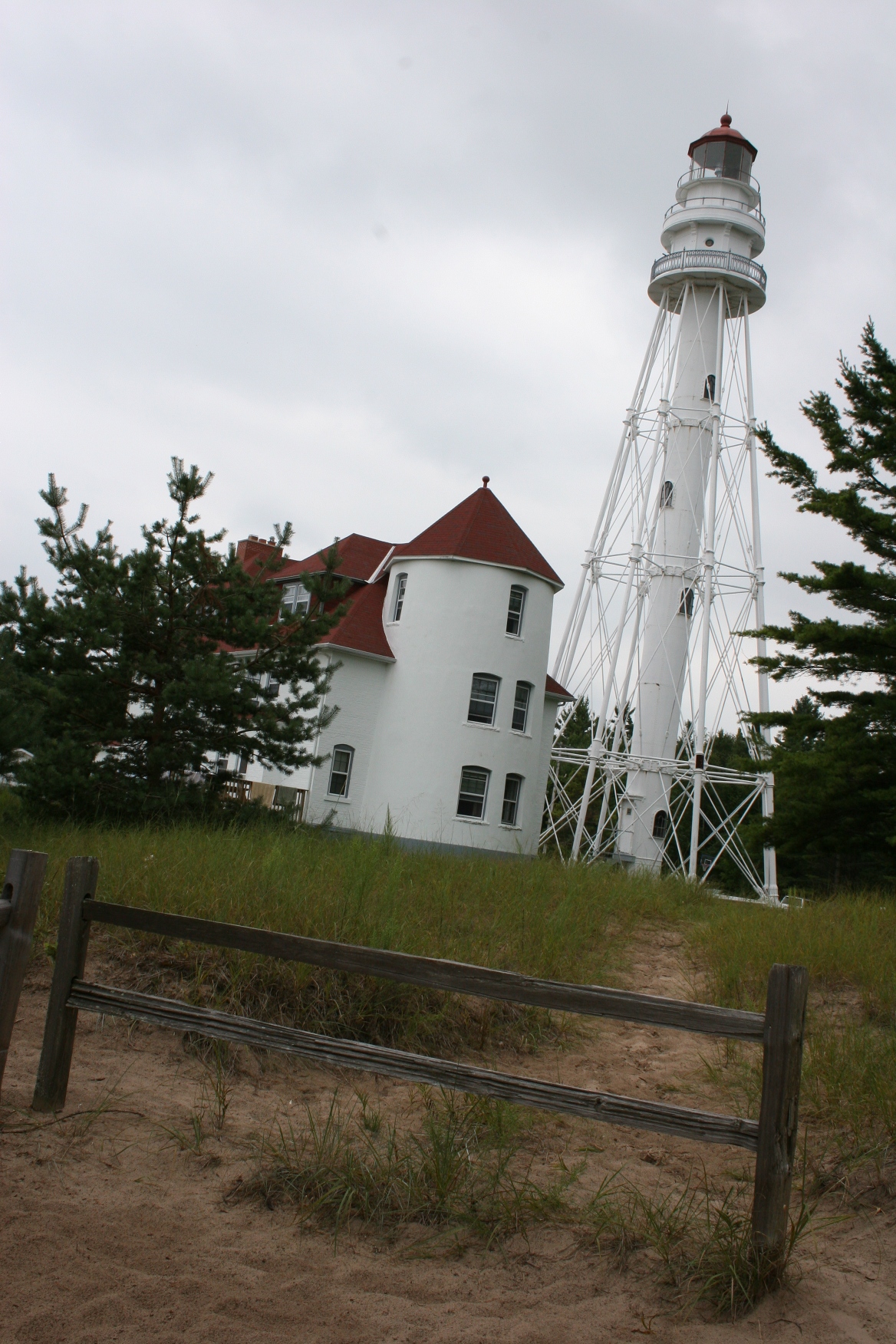
The U.S. Coast Guard's erector style lighthouse at Rawley Point rises 113 feet above Lake Michigan. The light is one of the largest and brightest on the Great Lakes and can be seen from 19 miles away.

This past summer my family visited Point Beach State Forest and attractions in nearby Two Rivers, all within an hour’s drive of my second daughter’s home in Appleton, Wisconsin. On that Sunday afternoon, strolling along the sandy beach near Rawley Point Lighthouse, it seemed impossible that Lake Michigan could transform into stormy waters that would become a grave for so many.

But it did.

Now you can experience the touching and tragic story of “The Christmas Tree Ship” via The Merlin Players’ The Christmas Schooner production. I saw this performance several years ago at the Paradise.

I cried.

I’ve never cried before at a play.

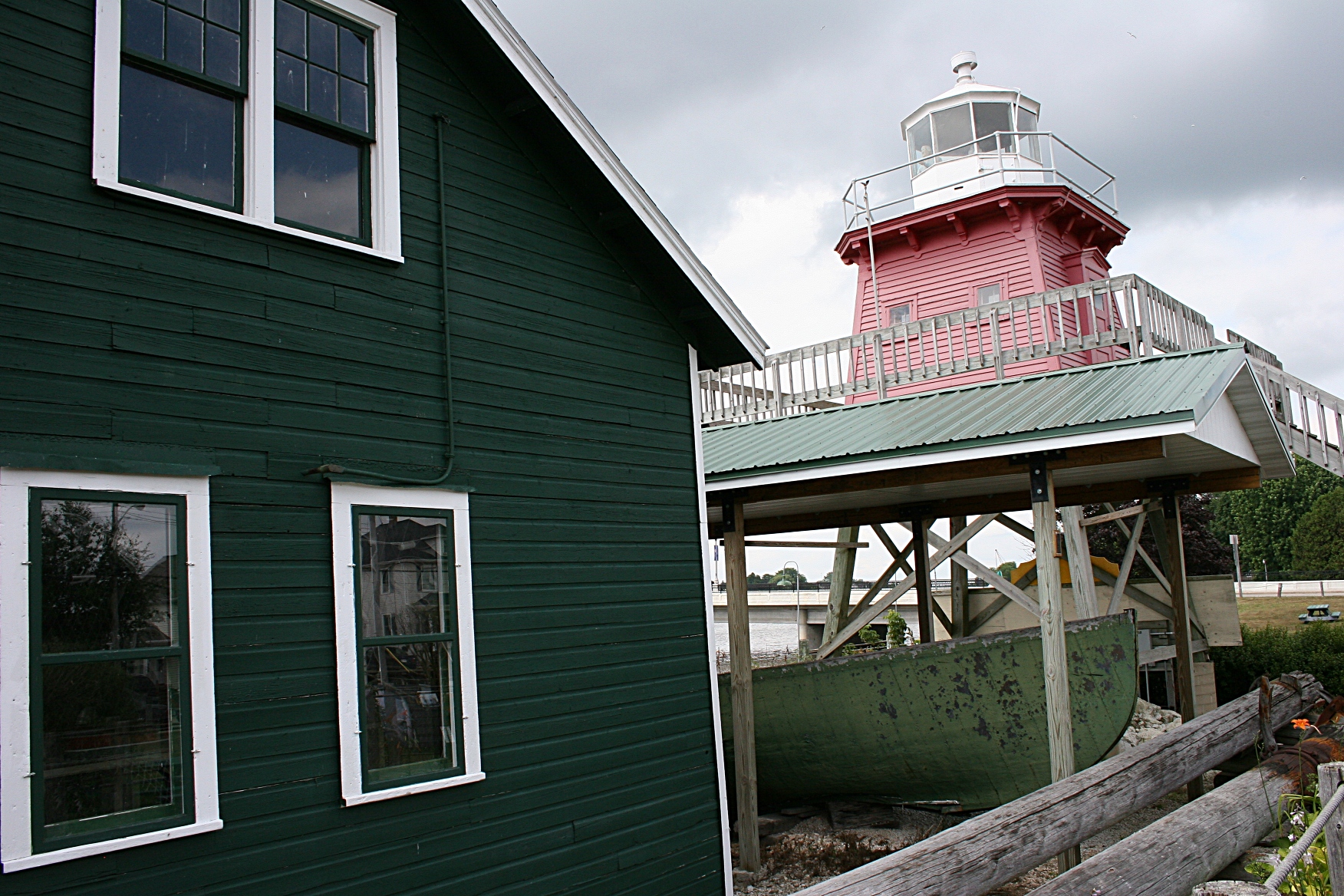
The historic Rogers Street Fishing Village includes the 1886 Two Rivers' North Pier Lighthouse, to the right.

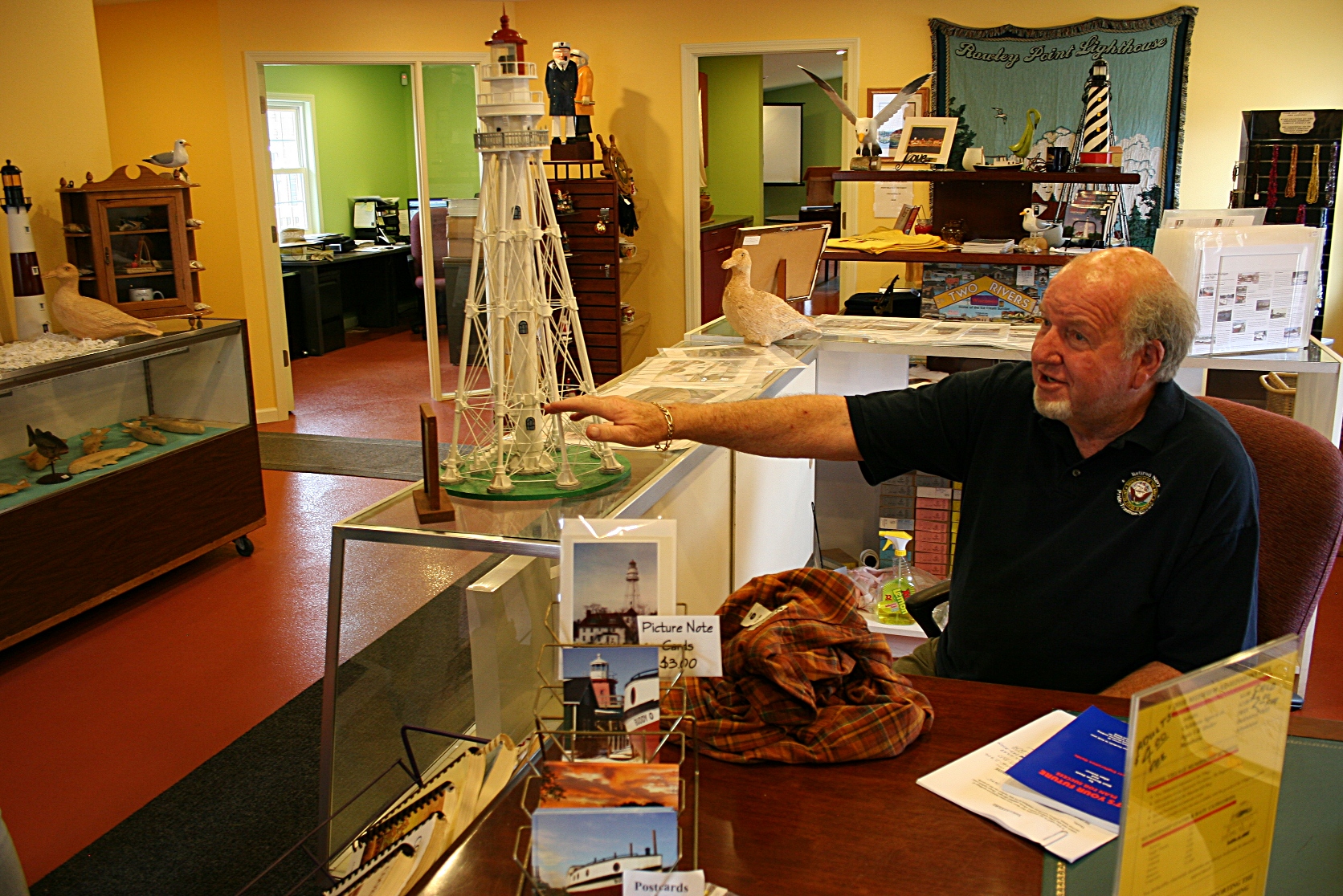
Inside the Coast Guard museum, a worker points to a model of the Rawley Point Lighthouse, which was moved from a French exhibit at the Chicago World's Fair in 1893 to Rawley Point.

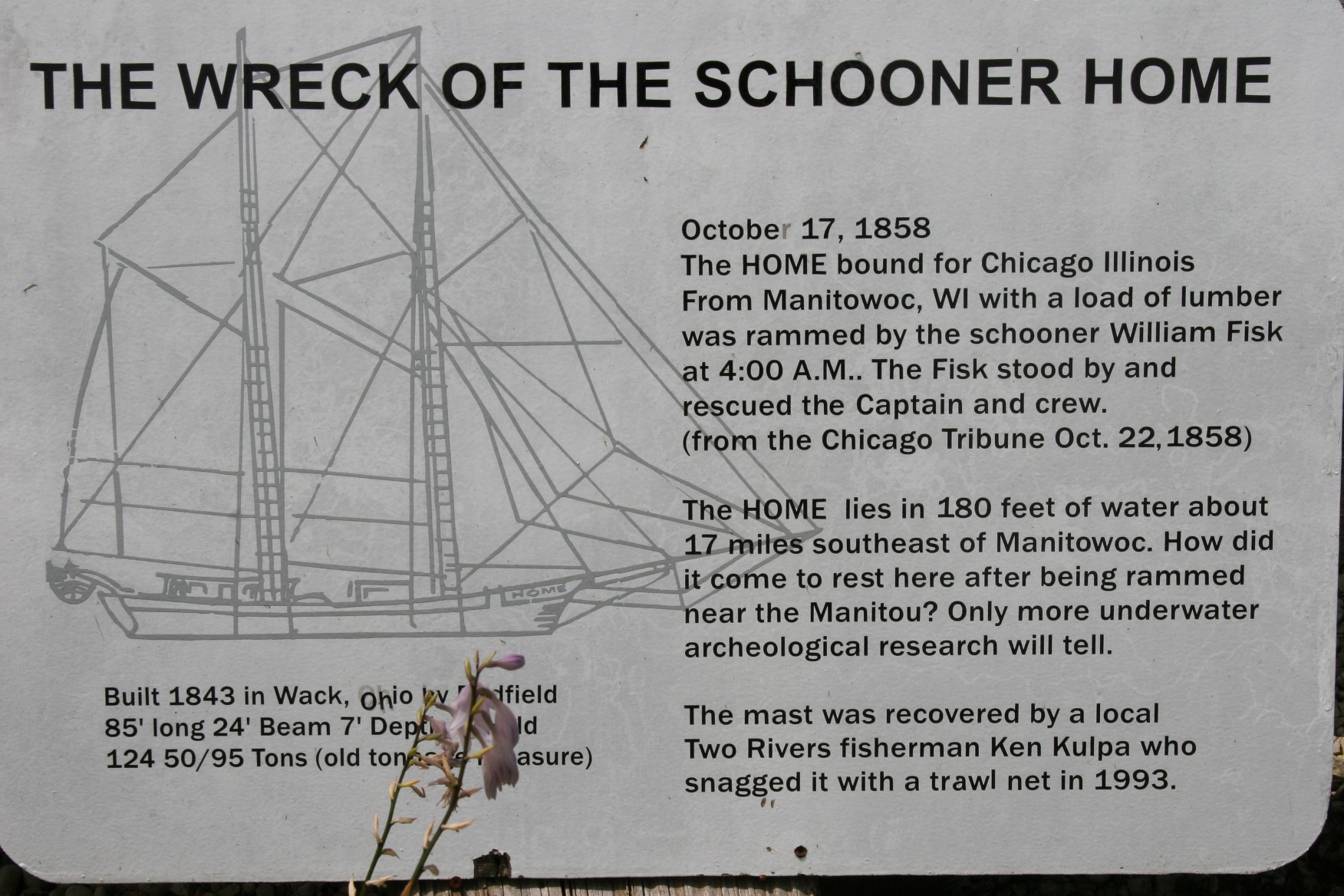
You'll find information and artifacts from area shipwrecks at the fishing village and museum.

FYI: Performances of The Christmas Schooner are set for 7:30 p.m. December 2, 3, 8, 9 and 10 and at 2 p.m. December 4 and 11 at the Paradise Center for the Arts, 321 Central Avenue, Faribault. Admission is $14 for adults and $9 for those 12 and under. For tickets, call (507) 332-7372 or stop in during box office hours, from noon to 5 p.m. Tuesday, Wednesday, Friday and Saturday or from noon to 8 p.m. Thursday.

I’d highly-recommend buying tickets in advance.

CLICK HERE for information about the Rouse Simmons schooner from the Wisconsin Historical Society.

CLICK HERE for info about Two Rivers, Wisconsin.

CLICK HERE for info on Point Beach State Forest.

CLICK HERE to read a previous post I wrote about the Hamilton Wood Type Museum in Two Rivers.

© Copyright 2011 Audrey Kletscher Helbling