Minnesota Prairie Roots

Writing and photography by Audrey Kletscher Helbling

Cultural events connect, build community May 8, 2024

Filed under: Uncategorized — Audrey Kletscher Helbling @ 5:00 AM
Tags: , , , , , , , , ,
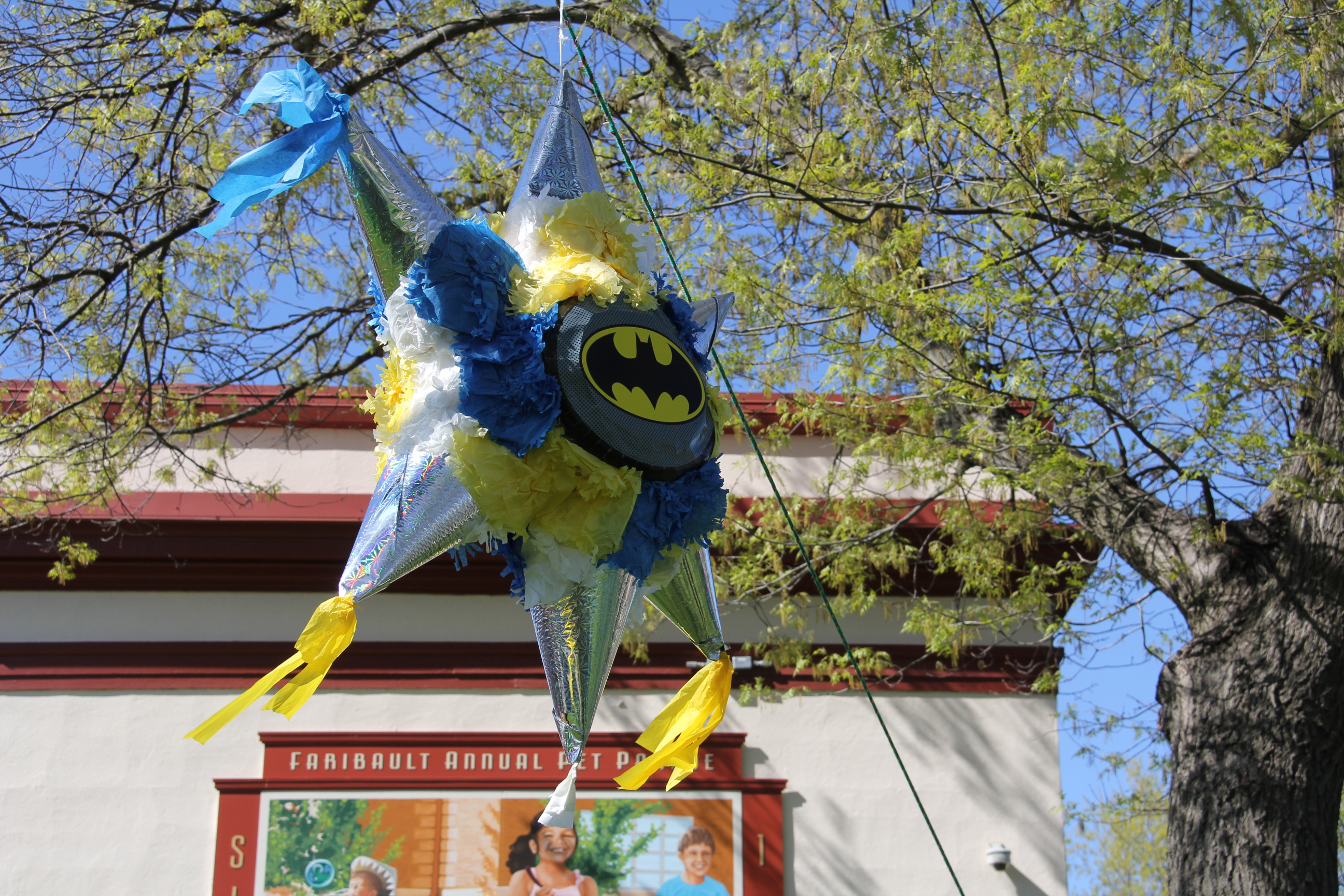
A pinata sways from a tree against the backdrop of the Central Park Bandshell. (Minnesota Prairie Roots copyrighted photo May 2024)

WHENEVER I ATTEND a culturally-focused community event, like the recent Cinco de Mayo celebration in Faribault, I feel joy. Joy because I’m learning, meeting my neighbors, growing my appreciation for the cultural diversity which defines Faribault and neighboring communities.
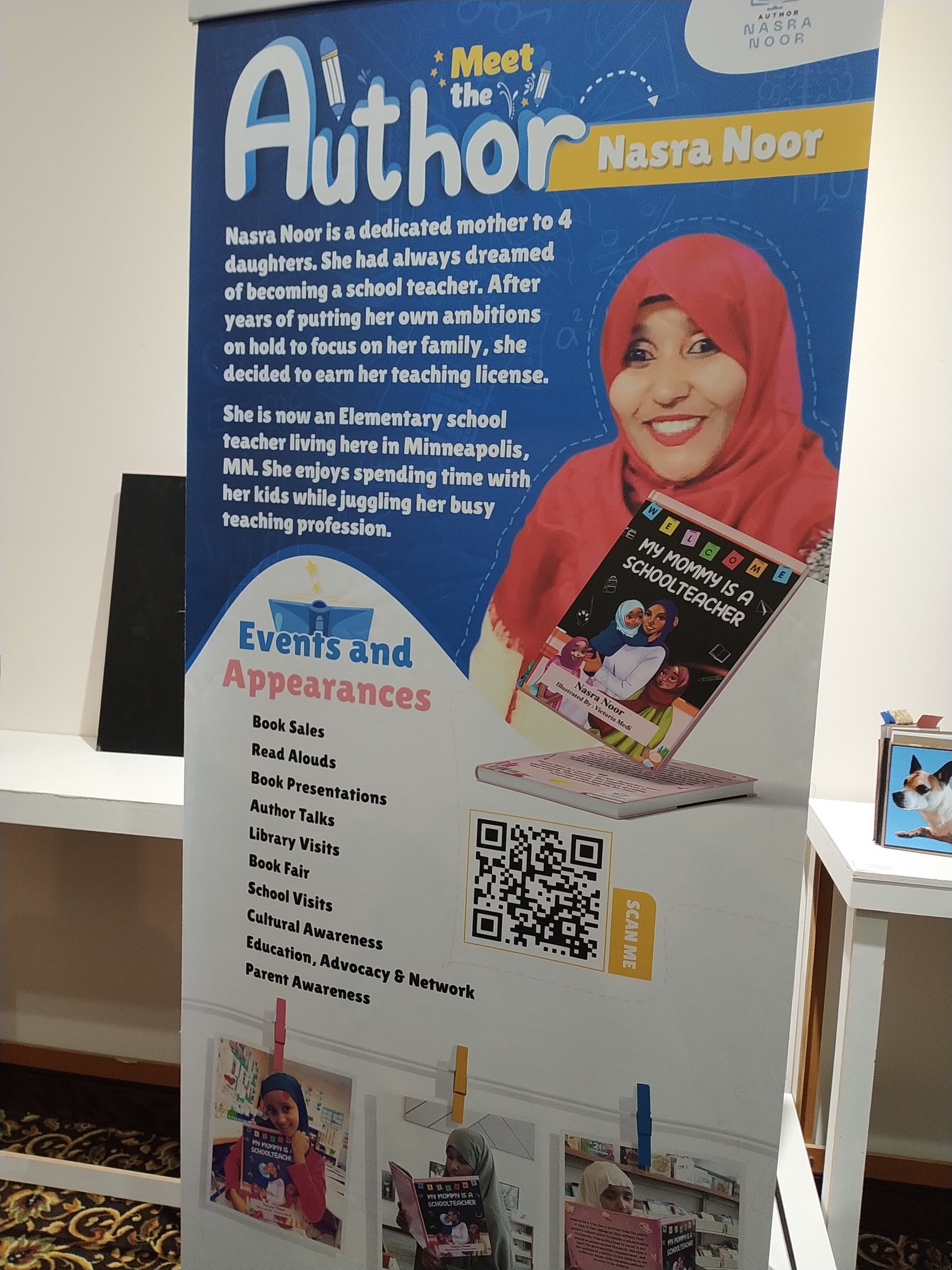
Nasra Noor, an author and teacher from Minneapolis, participated in a recent event at the Paradise Center for the Arts. (Minnesota Prairie Roots copyrighted photo April 2024)

The week prior, I attended an event celebrating our Somali population. There, too, I engaged with my new neighbors and learned more about them. I’ve always found gatherings that involve food and music to be a good way to connect. Both are universal, even if different.
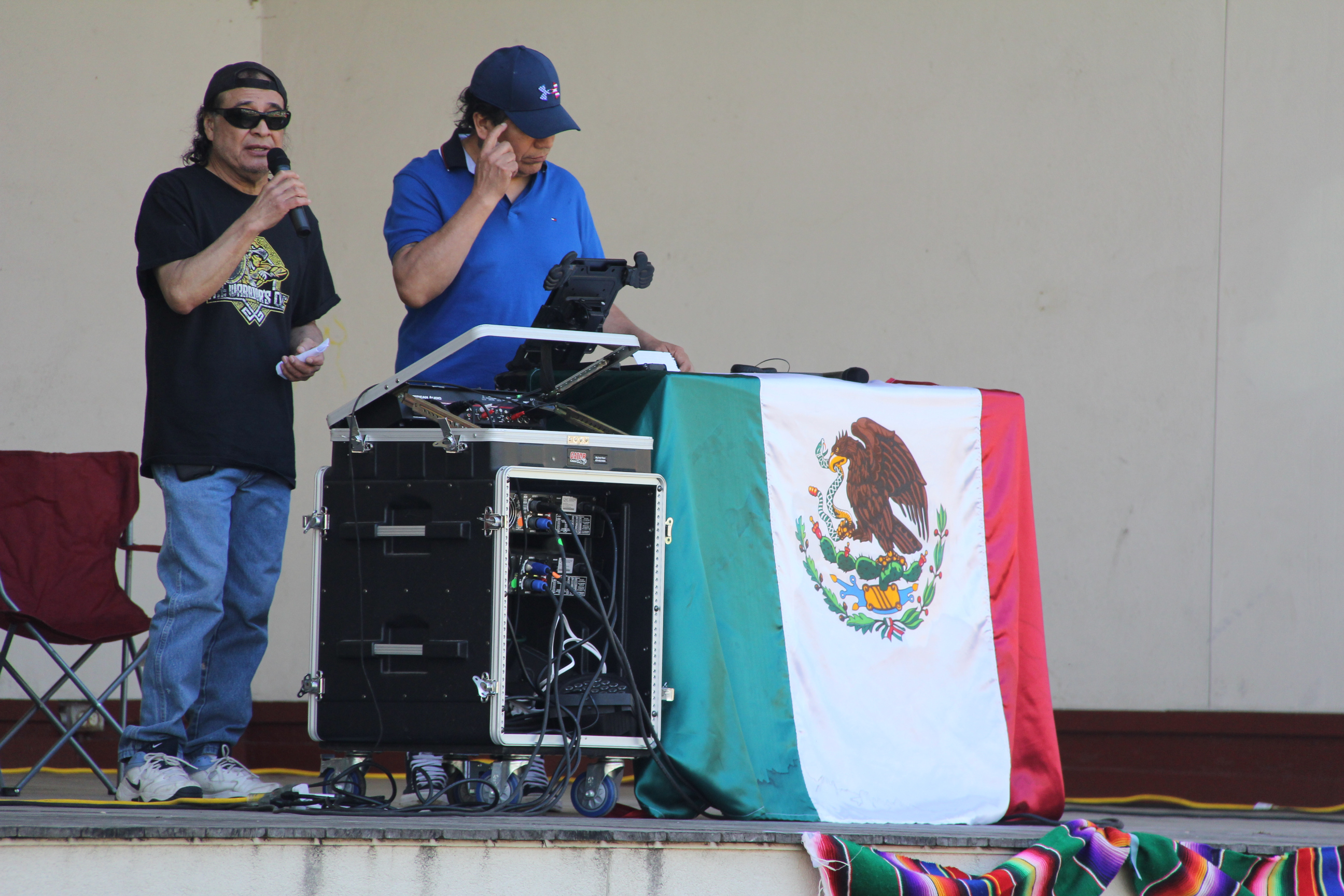
While I arrived too late for the dancers, I heard Latino music at Faribault’s Cinco de Mayo celebration in Central Park. (Minnesota Prairie Roots copyrighted photo May 2024)

Even when I don’t understand lyrics, I understand the rhythm of music.
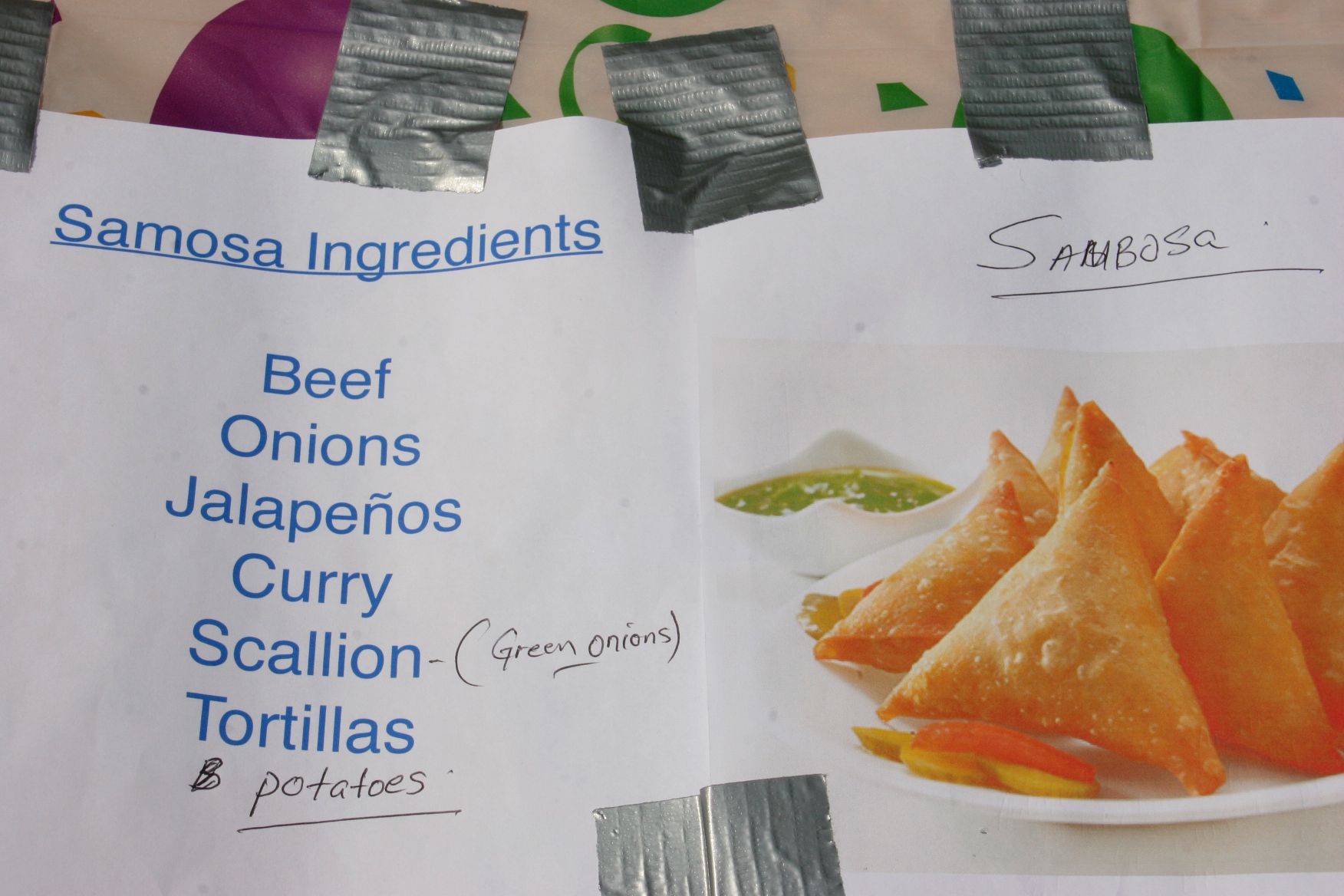
Somali food was served at a past International Festival Faribault, where this sign was photographed, and at a recent event. (Minnesota Prairie Roots copyrighted file photo)

Even when I haven’t tasted an ethnic food, I’m willing to try. And let me tell you, Somali tea tastes of ginger and cinnamon and other spices that appeal both to my sense of taste and of smell. Likewise, sambusa, which I was introduced to many years back, are delicious. I love the savory, spicy flavor of these meat-filled triangular pastries.
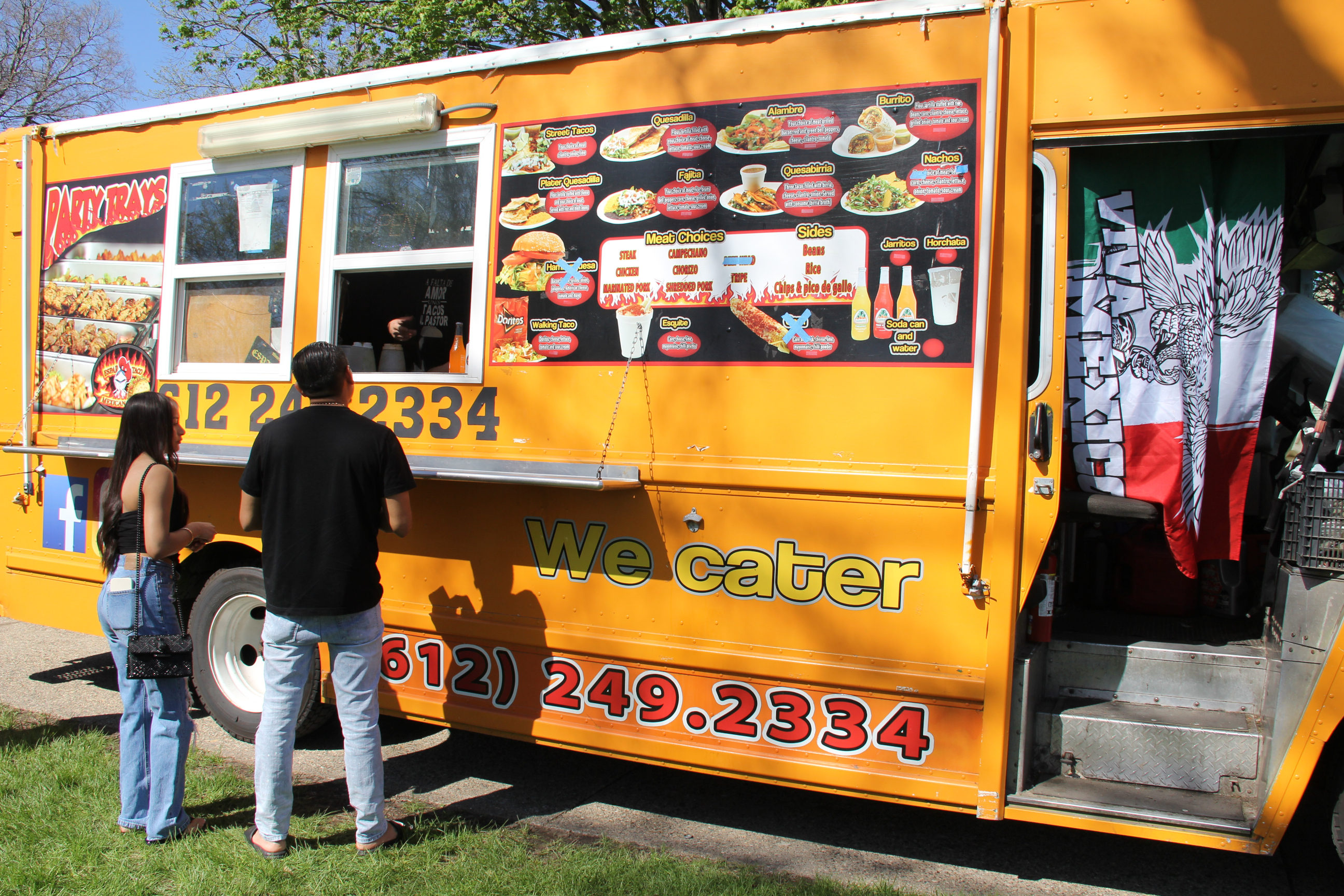
Among the Latino food vendors in the park. (Minnesota Prairie Roots copyrighted photo May 2024)

Latino food is a bit more familiar. But, because I don’t speak or read Spanish, I struggle with choices. I asked for help interpreting and translating, choosing a dish that featured shrimp. I love shrimp. Still, I didn’t realize I had just ordered soup laced with shrimp and corn. It was not my favorite. But, hey, at least I tried something new.
Sign on a food truck. (Minnesota Prairie Roots copyrighted photo May 2024)

That’s the thing. We have to be willing to step outside our familiar foods, music, language and more. Then, and only then, do we begin to feel connected in our community. We are no longer “them” and “us.” Rather, we are all one, living together in this place. It takes effort. It takes a willingness to stretch ourselves, to strike up conversations, to appreciate both differences and similarities.
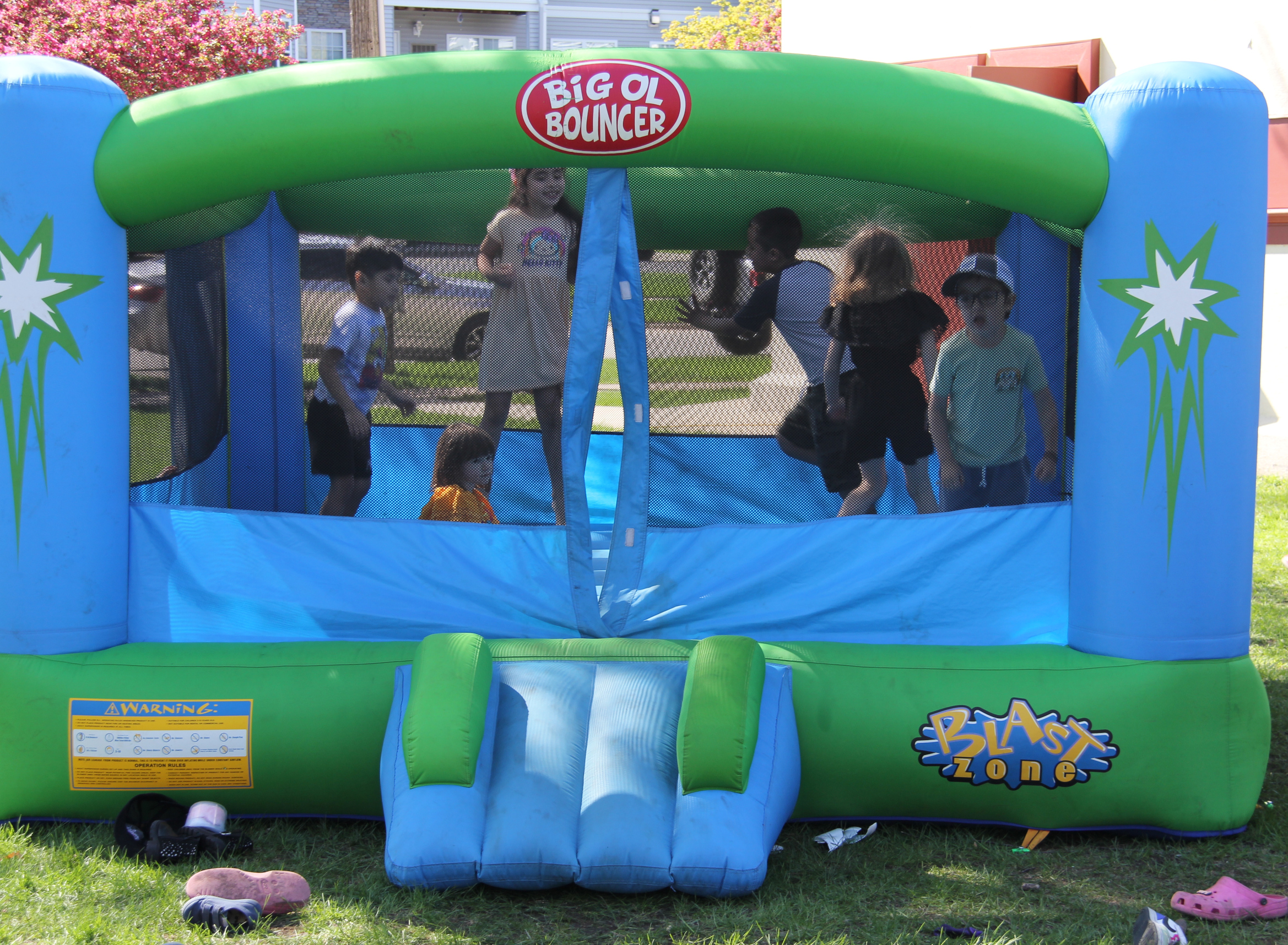
Together in the bounce house at Cinco de Mayo. (Minnesota Prairie Roots copyrighted photo May 2024)

It is the kids who give me the most hope. Kids are kids. When I see kids running, playing, dancing, singing, I see any kid. Not white, black, brown… Simply a kid.
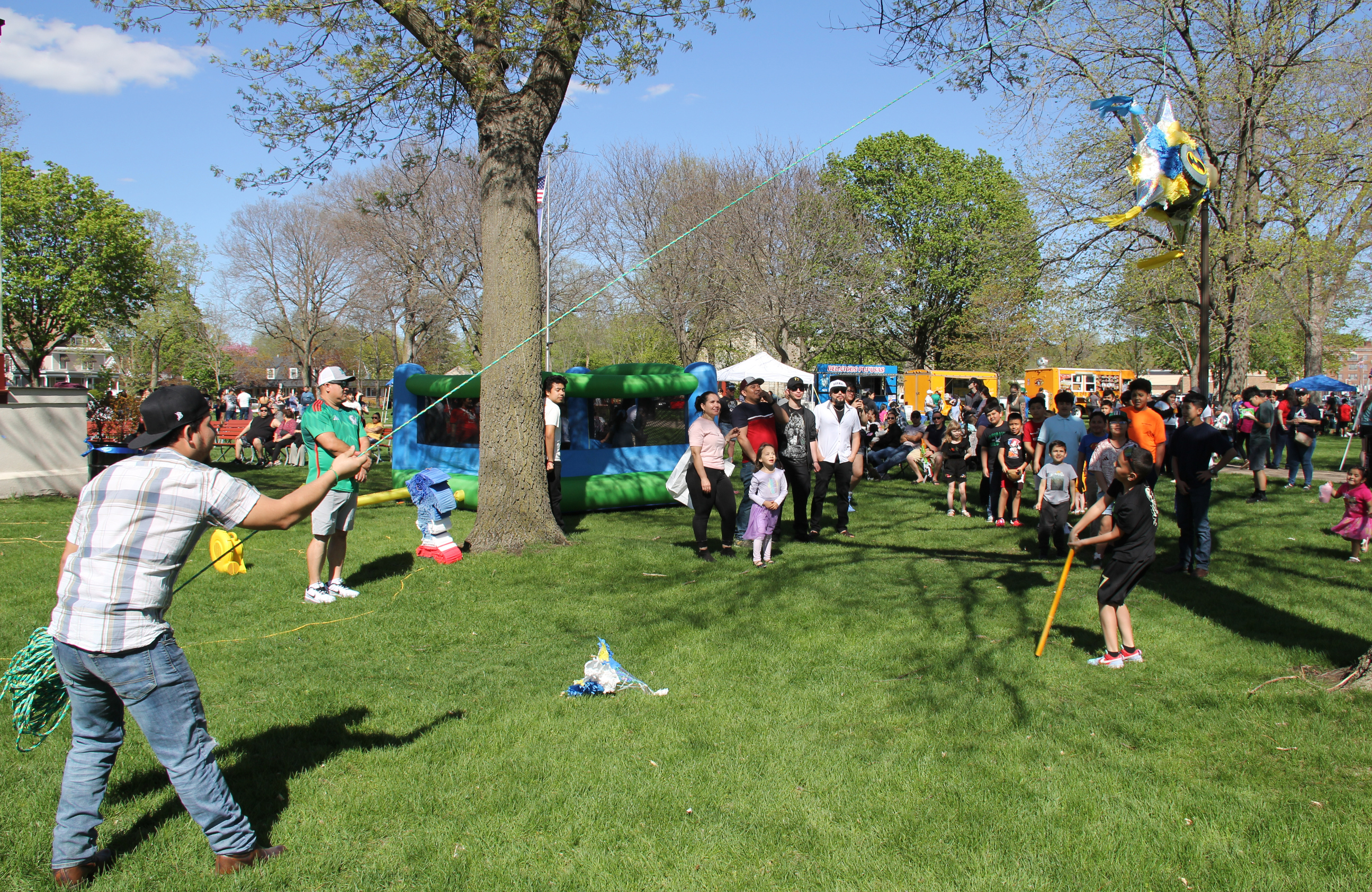
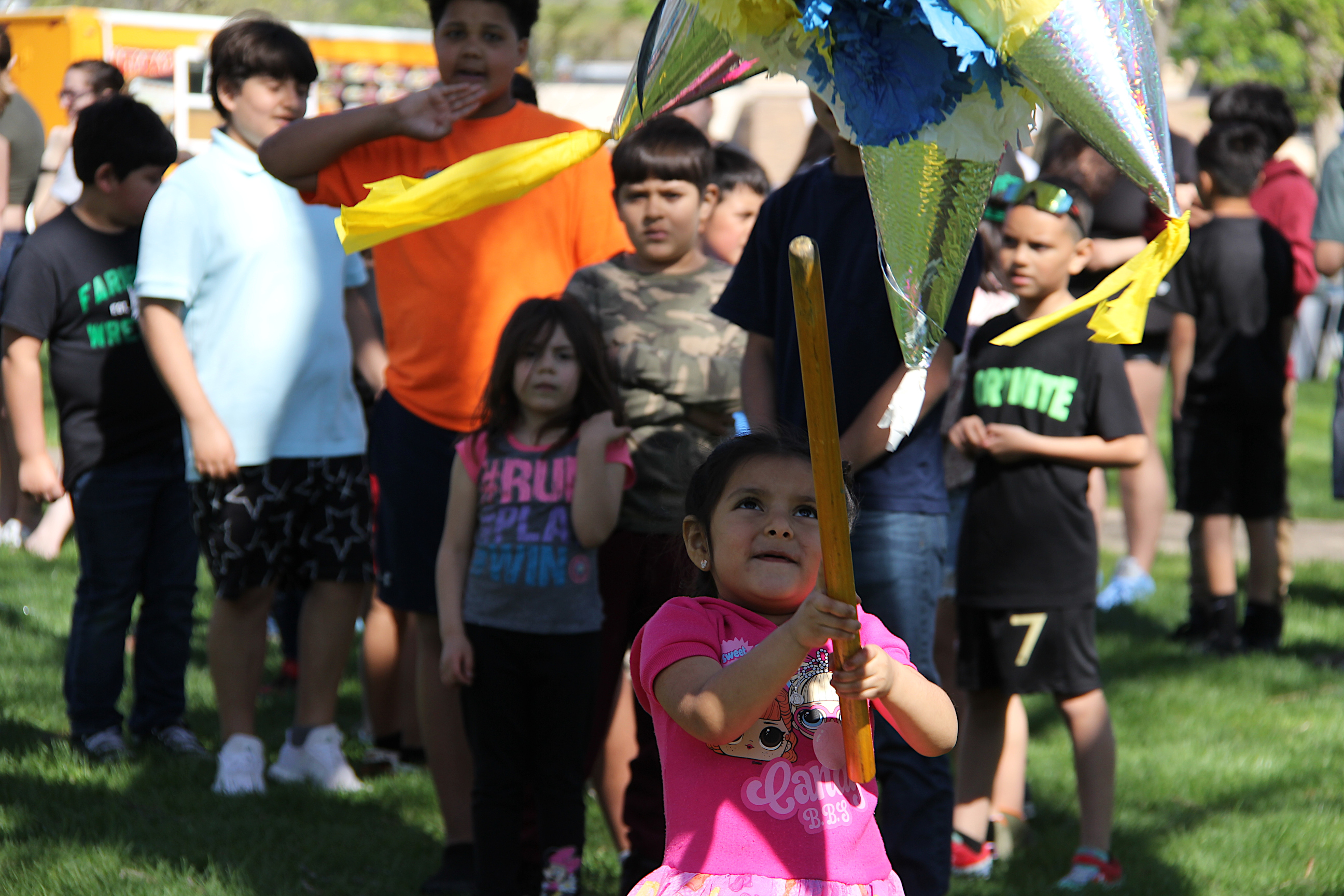
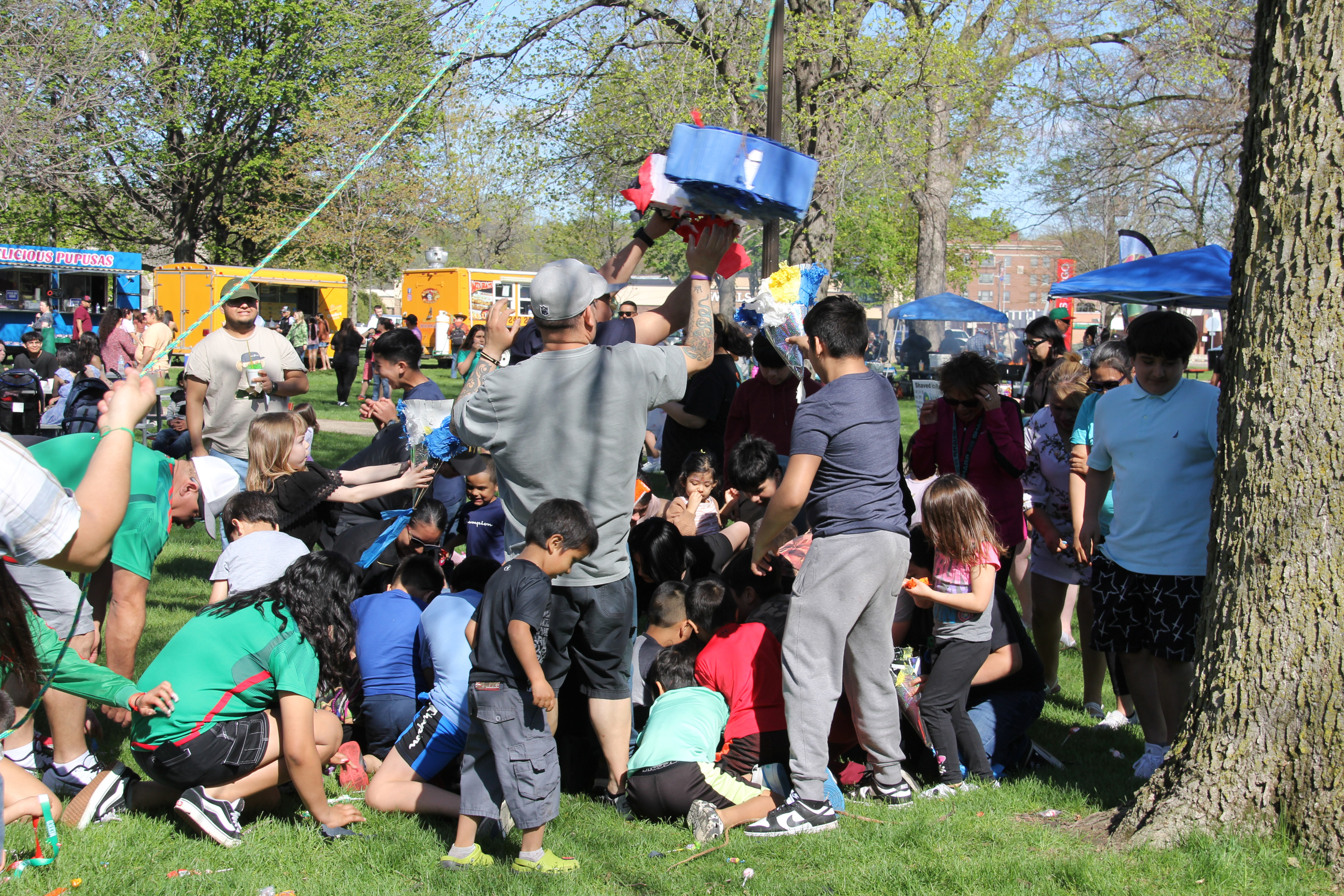
Gathering around the pinata. (Minnesota Prairie Roots copyrighted photo May 2024)
Taking aim at the pinata while others await their turn. (Minnesota Prairie Roots copyrighted photo May 2024)
Scrambling for candy after a pinata breaks. (Minnesota Prairie Roots copyrighted photo May 2024)

Watching a cluster of kids gathered on Cinco de Mayo to strike a pinata, I saw smiles, focus, determination, joy. They each had a singular goal: to get to the candy. They worked together. One kid took a swing, then another and another and another until it was time to pass the stick to the next kid. It took teamwork—a community of kids—to achieve the end goal. And when they scrambled for the falling candy, it was happy chaos. They’d done it. Together.
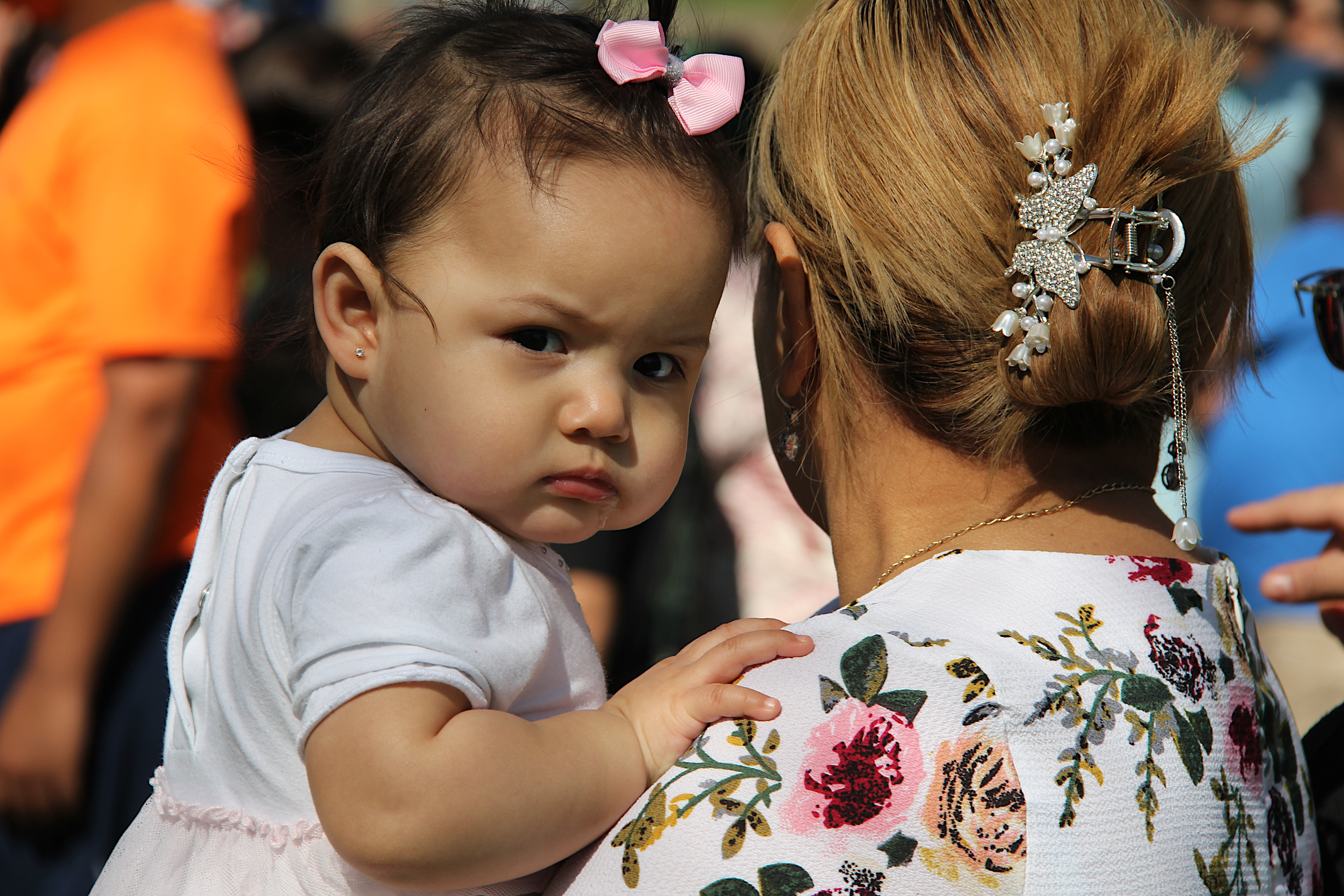
Children are our future, including this sweet little one photographed at the Cinco de Mayo celebration. (Minnesota Prairie Roots copyrighted photo May 2024)

We adults can learn a lot from the little ones. We are all in this world together. We live. We love. We struggle. We celebrate. We have hopes and dreams. More connects, than divides, us. That is what we need to remember no matter our backgrounds, our language, our food, our music…

© Copyright 2024 Audrey Kletscher Helbling


Words matter: Prejudice and acceptance in Faribault July 14, 2011

Filed under: Uncategorized — Audrey Kletscher Helbling @ 7:42 AM
Tags: , , , , , , , , , ,

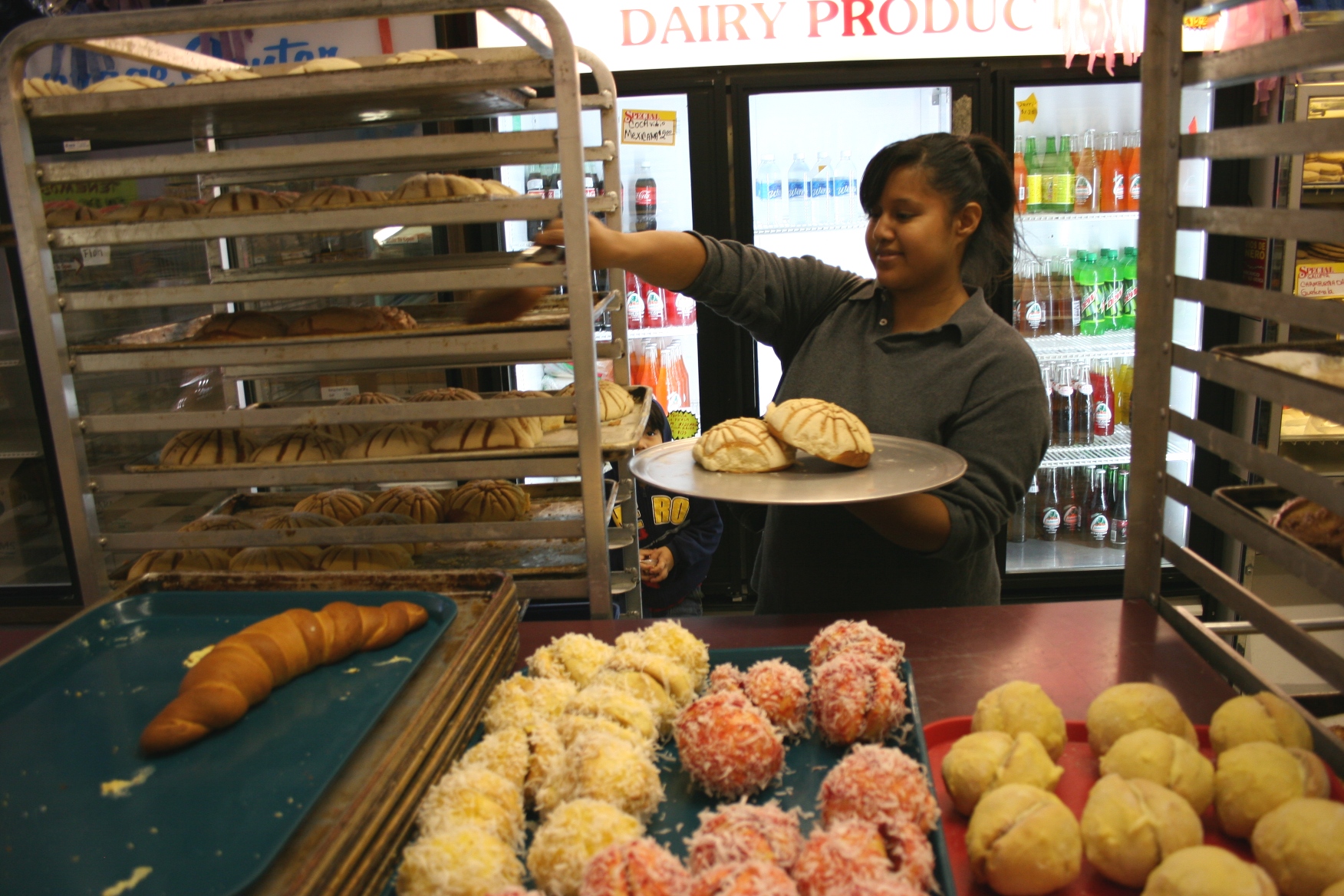
Faribault is home to a sizable Hispanic population. This file photo was taken at a downtown Faribault Mexican bakery, which has since come under new ownership. The bakery was once at the center of a controversy over its exterior color and was repainted when some local businessmen donated money for a new paint job.

EVERY TIME I HEAR a derogatory comment about an ethnic group, I am still surprised. I don’t know why.

Perhaps the fact that this is 2011, and not 1960, factors into my belief that people have overcome their prejudices toward those with skin colors different than their own.

Then I hear a statement like this: “Willow Street is becoming a little fill in a Spanish word here.” I hadn’t heard the word before, which is why I can’t remember it. But I know for certain that it was unkind and derogatory and cutting toward the Hispanic population that lives in my community of Faribault, specifically along my street.

I couldn’t allow the slam to go unchallenged, especially since it was spoken just as I was about to enter, of all places, my church for Sunday morning worship.

In an immediate moment of incredible self control, I responded by telling this clearly prejudiced individual that there are “good whites” and “bad whites,” just like there are “good Hispanics” and “bad Hispanics.” I knew I had to keep my response simple so he would understand. I also told him that my Hispanic neighbors are “good neighbors.”

With those words tumbling off my tongue, I walked into the sanctuary, attempting to dismiss my anger and focus on an attitude of forgiveness.

I also consciously shifted my thoughts to an exchange I witnessed a day earlier. As a Somali mother walked into a Faribault grocery store with her adorable preschool-aged daughter, a Caucasian couple engaged the woman in conversation. They inquired about the little girl and asked her name.

“Amira,” the Somali mother answered and smiled.

“That means ‘princess,’” the man said and continued to share a story about another Amira he knew. All the while, the mother beamed. When they parted, he told the pair, “God bless you.”

I was trailing behind, thinking how my Aunt Dorothy has always called me her “Little Princess,” even now, today, when I am in my 50s. That endearing nickname has always made me feel so loved. Words can make such an impact.

As the Somali woman continued down the grocery store aisle with her daughter tagging behind, I blurted, “She’s so cute.”

The mother of the little princess turned and rewarded me with a smile, a universal human expression that bonds all humans no matter their skin color.

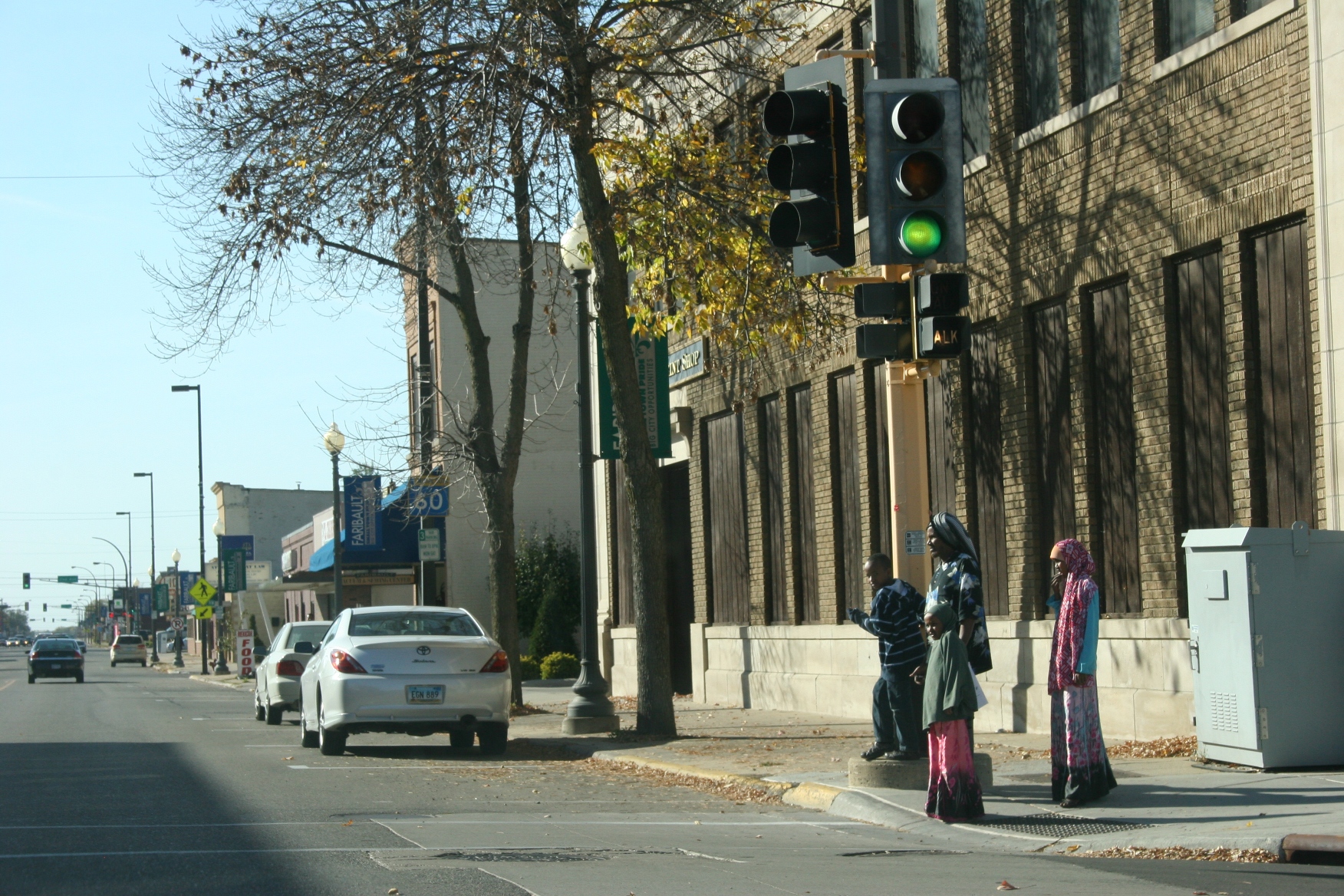
In this file photo, a Somali family waits to cross a downtown Faribault street.

CLICK HERE TO READ one of many posts I wrote related to the exterior colors of two ethnic restaurants in downtown Faribault. The color of the Mexican bakery, which has since changed hands, generated heated discussion within the community in 2009 and 2010.

© Copyright 2011 Audrey Kletscher Helbling