Minnesota Prairie Roots

Writing and photography by Audrey Kletscher Helbling

Part II: The disasters of Steele County April 15, 2016

Steele County disasters, 107 pandemic display


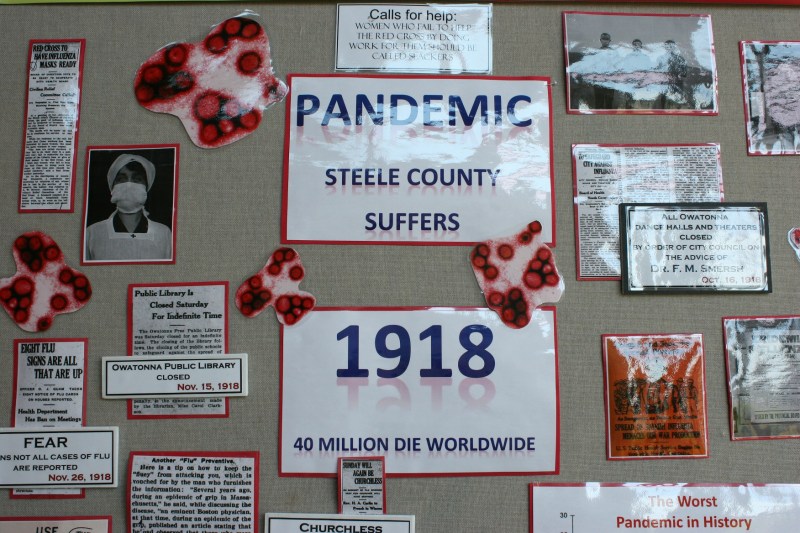
OF ALL THE DISASTERS HIGHLIGHTED in a current local disasters exhibit at the Steele County History Center in Owatonna, it is the flu pandemic of 1918 that feels most personal. To read the names of victims like Cora, Helen and Forest and to see photos of gravestones grieved me. Every winter, even today, we hear of those who’ve died from the flu. Young. Old. In between. Thankfully, we have vaccines that prevent the illness from infecting most of us.
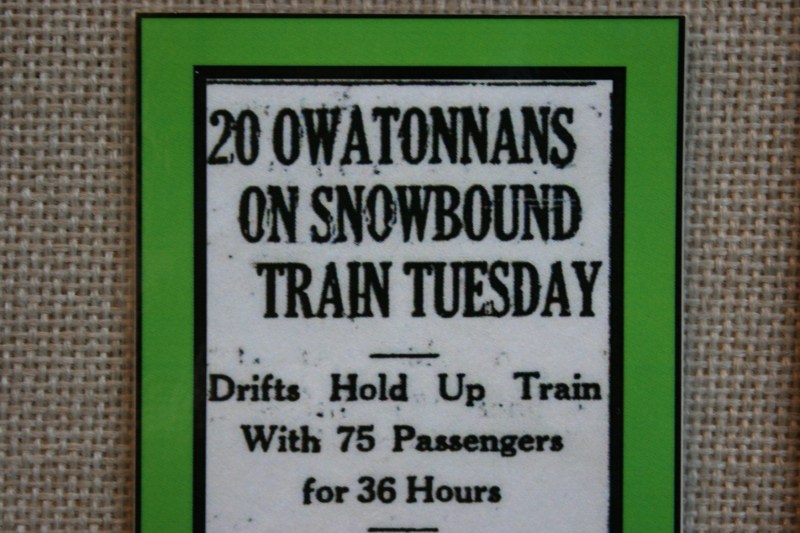
Snowdrifts blocked a train as noted in this news clip.

Snowdrifts blocked a train as noted in this news clip.

This detailed exhibit, an off-shoot of the Minnesota Historical Society Traveling Exhibit Disasters of Minnesota: Stories of Strength and Survival, connected a worldwide tragedy to Minnesota. To the county just to the south of mine.
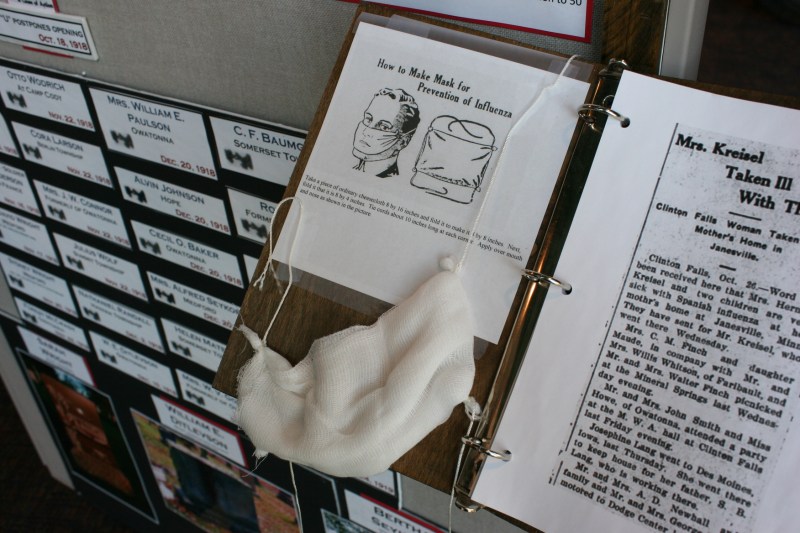
Masks, precautions and isolation helped protect against the flu epidemic. To the left in this photo are names of Steele County residents who died from the flu in 1918.

Masks, precautions and isolation helped protect against the flu epidemic. To the left in this photo are names of Steele County residents who died from the flu in 1918, plus photos of some of their gravestones.

In Minnesota alone, according to one report, as many as 12,000 died of the flu in 1918. Worldwide, sources put deaths at 40 or 50 million.
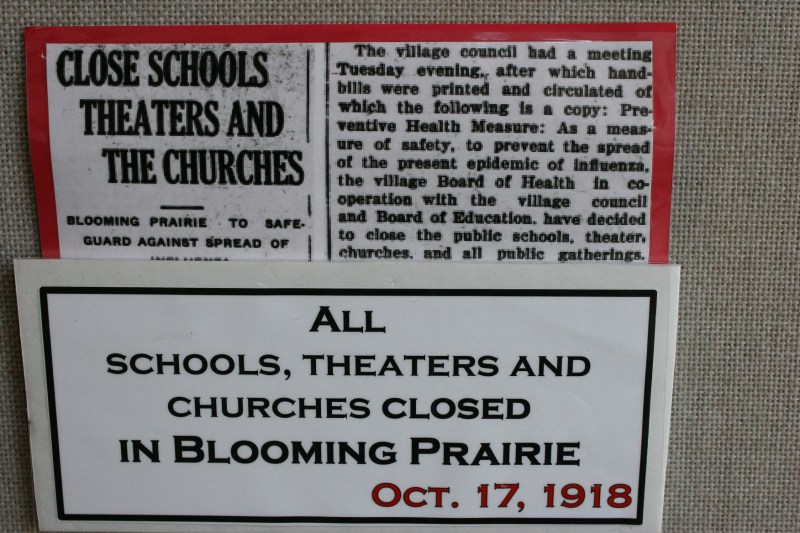
Activities that brought people together were suspended during the flu outbreak.

Activities that brought people together were suspended during the flu outbreak.

I’d never considered the vast scope of this tragedy, how fearful folks must have been, how deep the grief at losing loved ones and friends. I also hadn’t thought about the impact on everyday life. As I browsed the exhibit, I noted news stories about libraries, dance halls, theaters and churches closed because of the pandemic.

I am old enough to remember also the fringe ending of the polio epidemic, highlighted, too, in this exhibit.

These newspaper articles feature snowstorms in the county.
These newspaper articles feature snowstorms in the county.

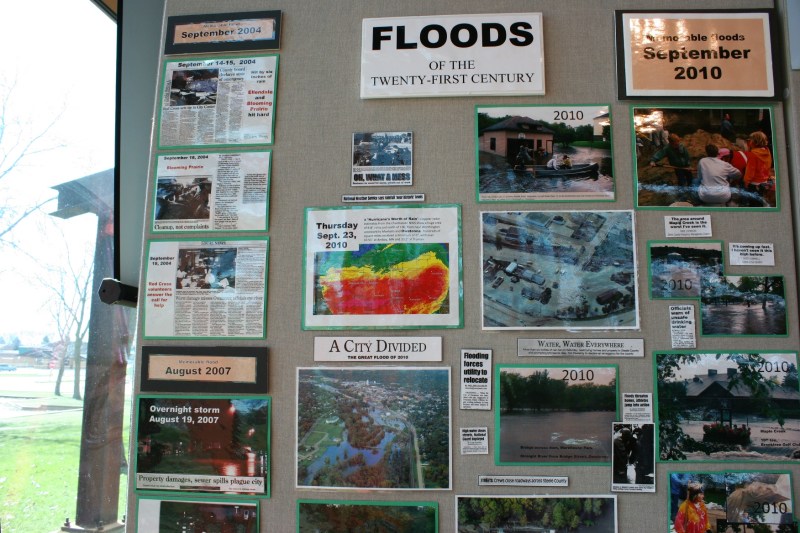
Steele County has experienced plenty of floods.

Steele County has experienced numerous floods.
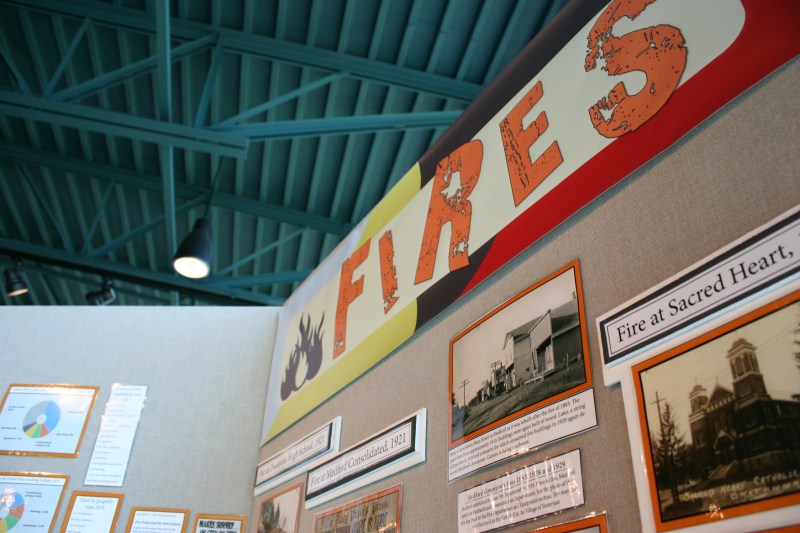
Fires, too, have devastated the county.

Fires, too, have devastated the county.

Steele County has experienced plenty of disasters involving snow, heat, wind, water and fire. These are outlined in panel displays.
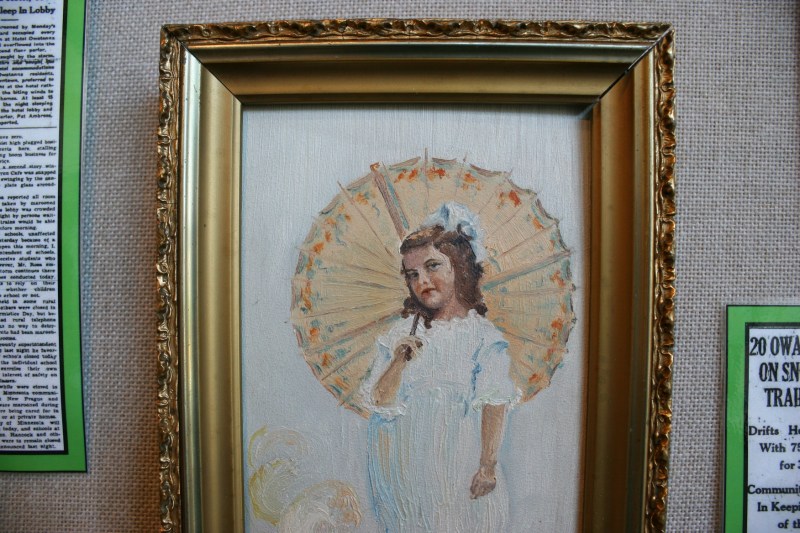
Portrait of Virginia Hart

Portrait of Virginia Hart

It would be easy to become discouraged, to feel only despair that so many southern Minnesota residents have suffered so much through the years. I was especially appreciative of stories that uplifted me, like that of Ruth Weinmann. The young teacher, ill with the flu in 1918, was taken in by a doctor’s family after her landlady refused to house her and the hospital was full. In gratitude to Dr. Alfred and Alice Hart, Ruth painted a portrait of their daughter, Virginia. It is a lovely expression of thankfulness.
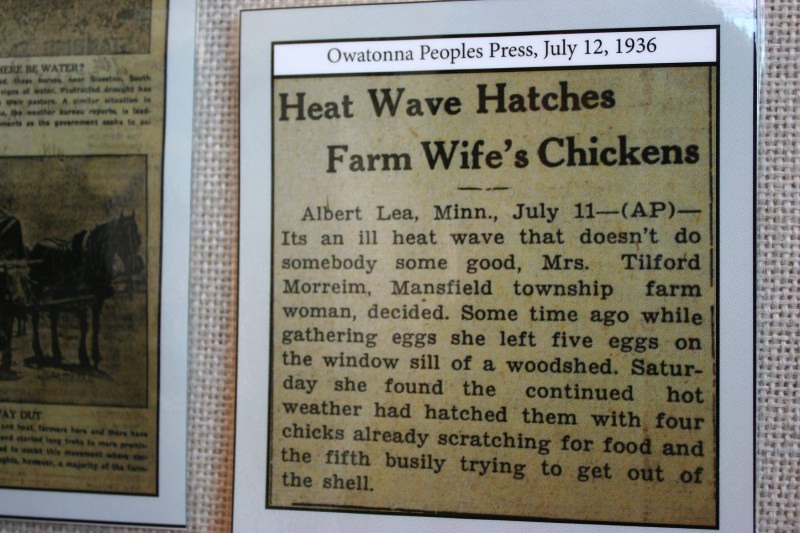
 

Steele County disasters, 104 chicks hatch in heat


And then there’s the story of chicks hatching in the middle of Steele County’s longest, hottest heat wave—13 straight days of temperatures above 100 degrees beginning on July 5, 1936. Mrs. Tilford Morreim left five eggs on the window sill of her woodshed. In the heat, the eggs hatched. I needed to read that humorous story in the midst of all the suffering and loss.
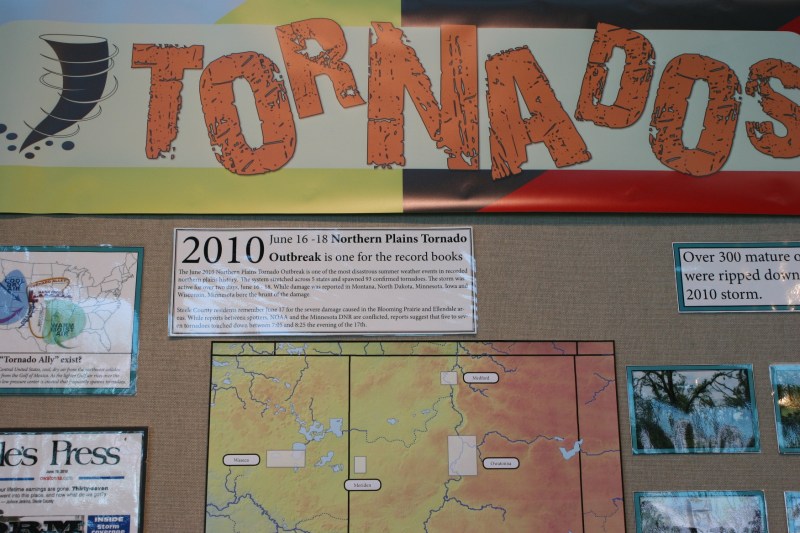
Information on tornadoes in Steele County.

Information on tornadoes in Steele County.

In every disaster, we must find a reason to be hopeful, to survive, to share our stories…for in sharing exists hope and resilience.
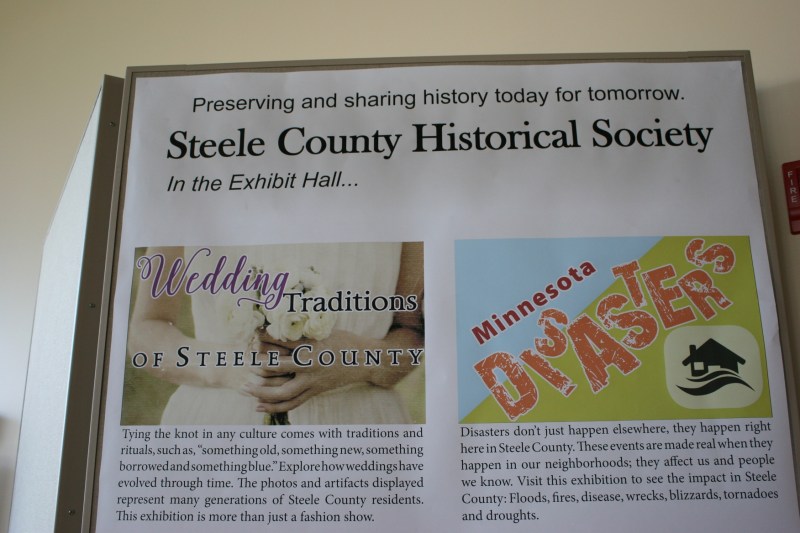
These two exhibits are on display through March 2017.

These two exhibits are on display through March 2017.

FYI: For more information about this exhibit, click here. To read my first post about this exhibit in Owatonna, click here. Check back for a post on a wedding dress exhibit also now showing at the Steele County History Center.

© Copyright 2016 Audrey Kletscher Helbling


Owatonna exhibit celebrates Steele County: Butter Capitol of the World October 8, 2013

MILK COURSES through my veins, for I am the daughter of a dairy farmer.

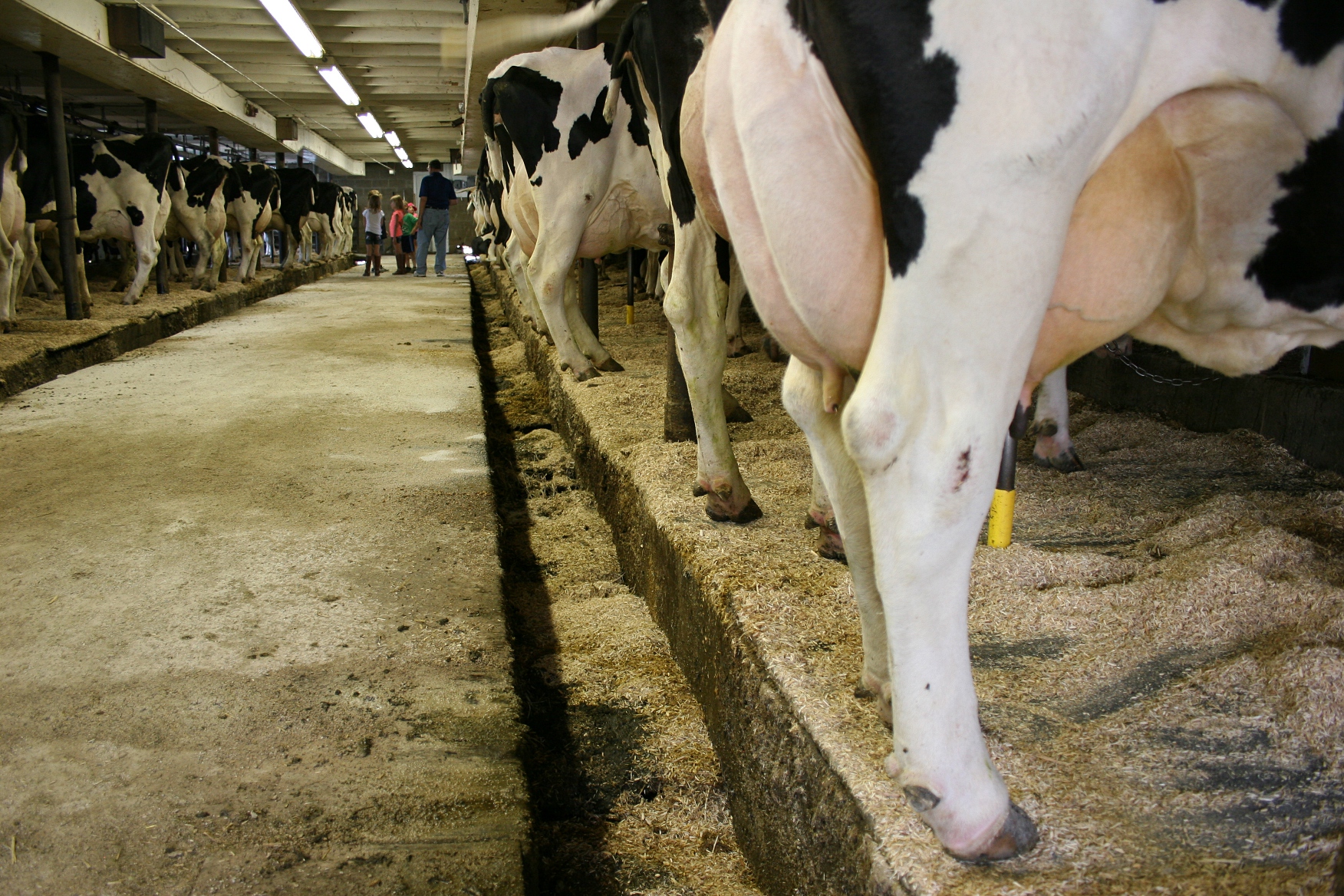
Inside the Wegners' barn, where dairy products come from.

Minnesota Prairie Roots file photo from Ron and Diane Wegner’s rural Faribault dairy barn.

Growing up, I labored in the barn beside my dad and siblings—feeding cows, bedding straw, lugging pails of milk to the bulk tank, washing milking machines, scraping manure and more.

I smelled of cow, watched bovines’ tails flick flies and rise to release streams of splashing hot pee into barn gutters.

Sandpaper rough tongues sometimes grated across my skin. Cold, wet noses dampened the sleeves of my chore coat.

I carried gallons of frothy fresh milk to the house for pasteurization and consumption.

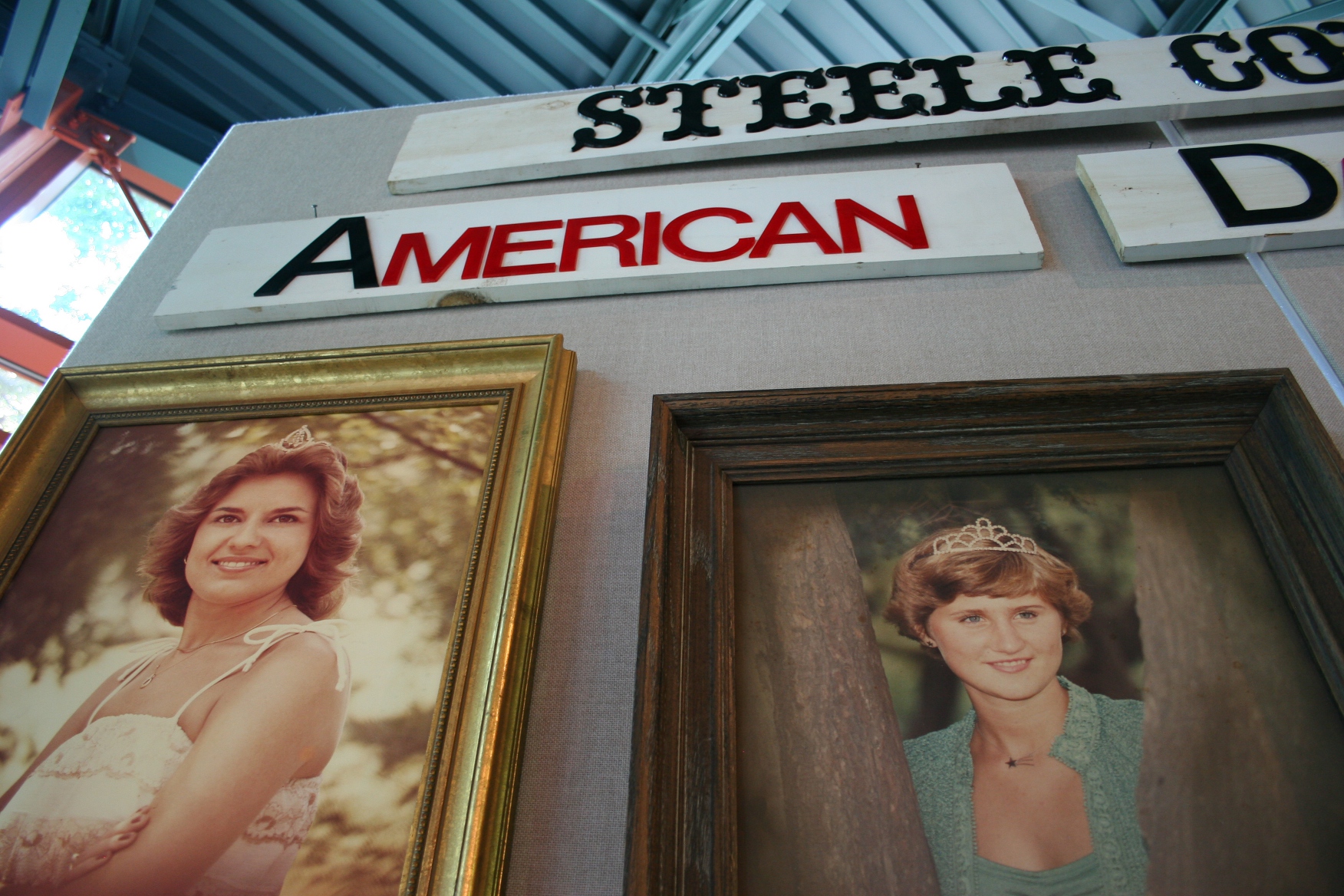
The Princess Kay of the Milky Way competition is a part of Minnesota culture. The Steele County exhibit features  photos of past county dairy royalty, including 1978 princess Kari Schroht, left, and 1976 princess Kathy Zeman, right. Earlier carved butter heads from past princesses were displayed in borrowed glass door freezers at the history center.

The Princess Kay of the Milky Way competition is a part of Minnesota culture. A current exhibit at the Steele County History Center features photos of past county dairy royalty, including 1978 princess Kari Schroht, left, and 1976 princess Kathy Zeman, right. Earlier this year, carved butter heads from recent past princesses were displayed in borrowed glass door freezers at the history center.

I knew cows and milk and once competed for Redwood County, Minnesota, dairy princess, a title I coveted but could not win because I lacked the poise and confidence and beauty to represent the industry.

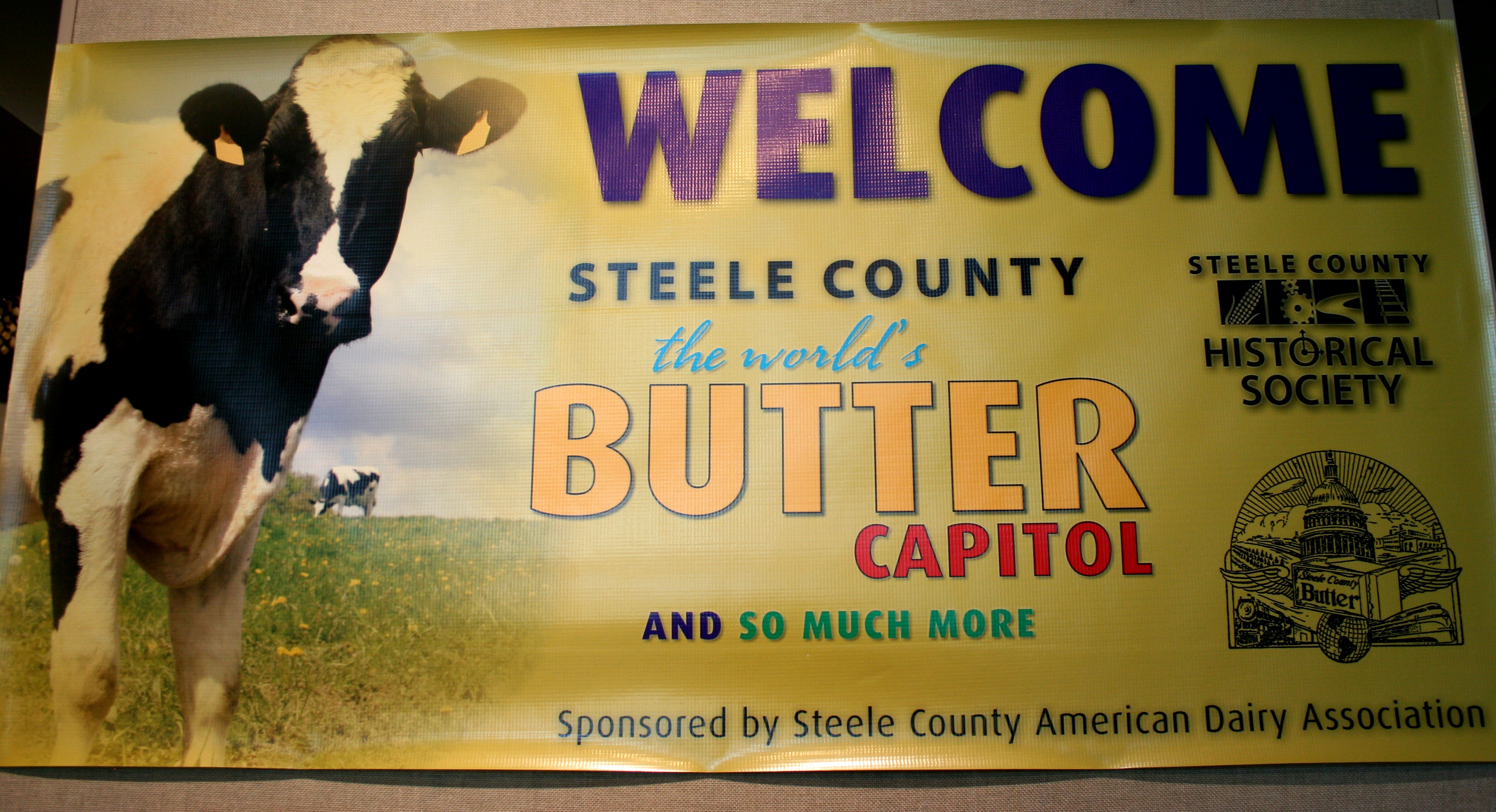
A banner welcomes visitors to the Steele County: Butter Capitol of the World exhibit at the Steele County History Center in Owatonna.

A banner welcomes visitors to the Steele County: Butter Capitol of the World exhibit at the Steele County History Center in Owatonna.

These memories flit through my mind as I consider a recent visit to the Steele County History Center in Owatonna to tour the featured exhibit, Steele County: Butter Capitol of the World.

The exhibit is interesting and educational.

The exhibit is interesting and educational.

It’s a must-see exhibit which will trigger memories for those who grew up on dairy farms and educate those who didn’t. And, even with my dairying background, I learned a lot about the history of dairy farming in Steele County.

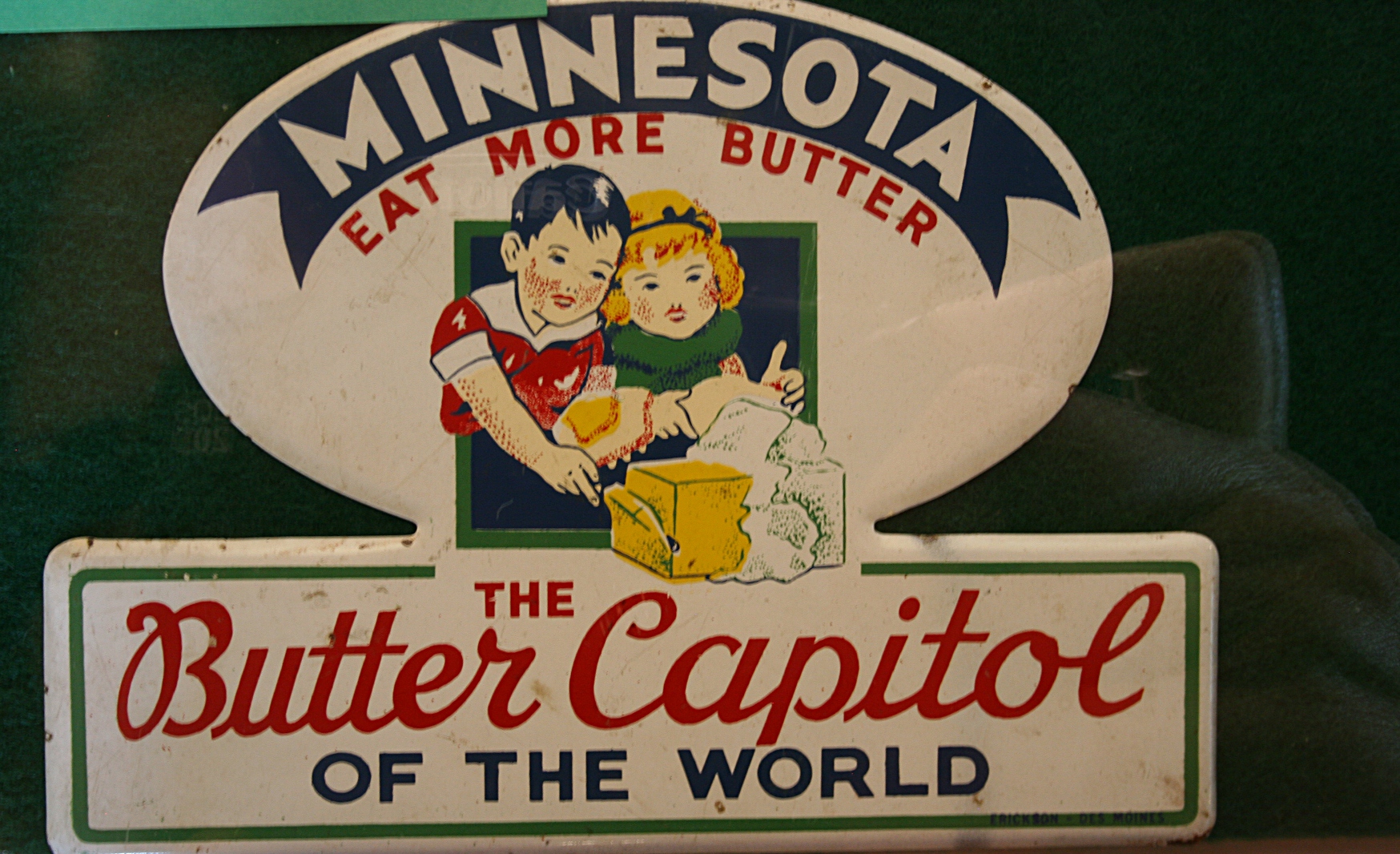
A vintage sign promoting butter in Minnesota.

A vintage sign promoting butter in Minnesota.

For example, Steele County gained its world-wide Butter Capitol reputation after Owatonna Manufacturing Company invented the mechanized butter churn in 1893, revolutionizing the dairy industry.

But two decades prior, in 1873, the county was well on its way to establishing a strong dairy reputation with four local cheese factories producing 150,000 pounds of cheese, more than any other Minnesota county.

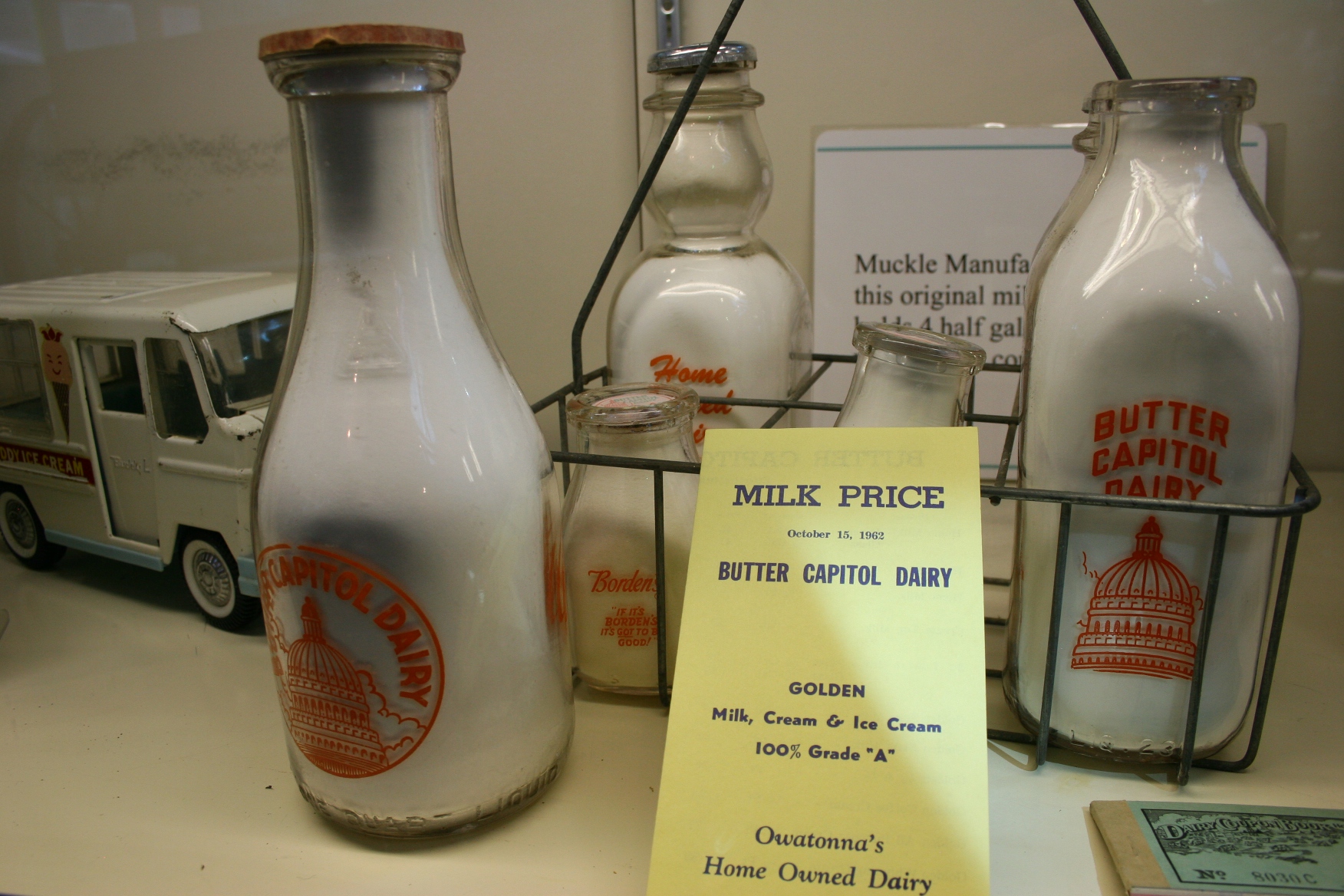
Information and artifacts from the days of bottled milk delivery.

Information and artifacts from the days of bottled milk delivery.

At one point, Steele County boasted two dozen-plus creameries.

Coveted butter

Hope Creamery, south of Owatonna, still produces coveted, award-winning Grade A butter in small batches. Butter boxes from Steele County creameries are displayed behind glass in the exhibit.

In December 1926, thieves stole 19 tubs of butter valued at $700 from the Steele Center Creamery.

Two Steele County women, Mina Holmes and Marianne McRostie, won numerous national awards for their hand-churned butter.

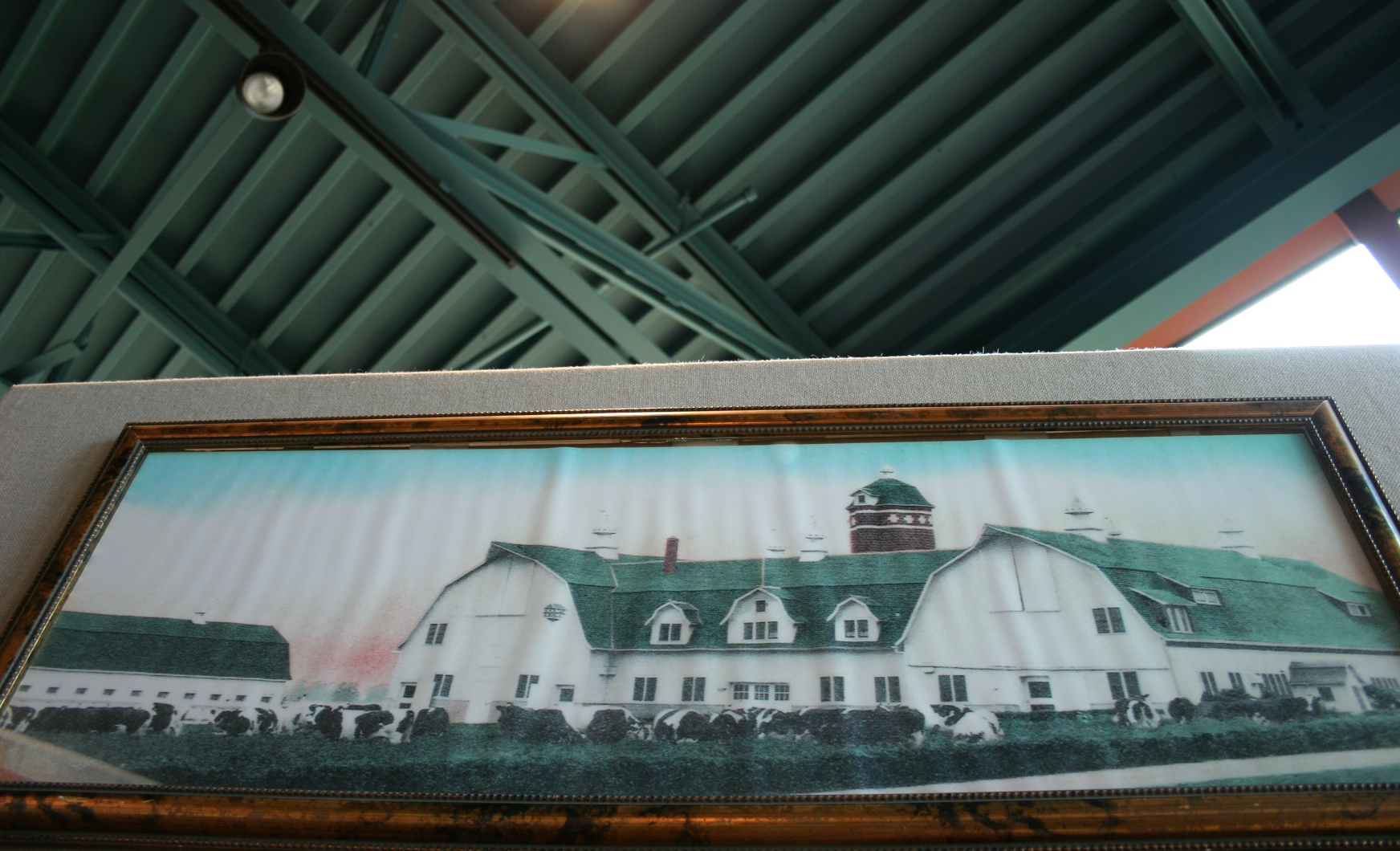
Photos of some spectacular Steele County barns are showcased.

Images of some spectacular Steele County barns are showcased.

Yes, so many accomplishments led to this southern Minnesota county holding the title of Butter Capitol of the World from 1898 – 1940, says Jerry Ganfield, who along with a committee of four women involved in the dairy industry, created this remarkable exhibit. Ganfield, holds a background in communications and marketing, grew up in Iowa and worked one summer during college as a milkhouse operator. Today he lives in a barn turned house near Bixsby and volunteers with the Steele County Historical Society, serving on its board of directors.

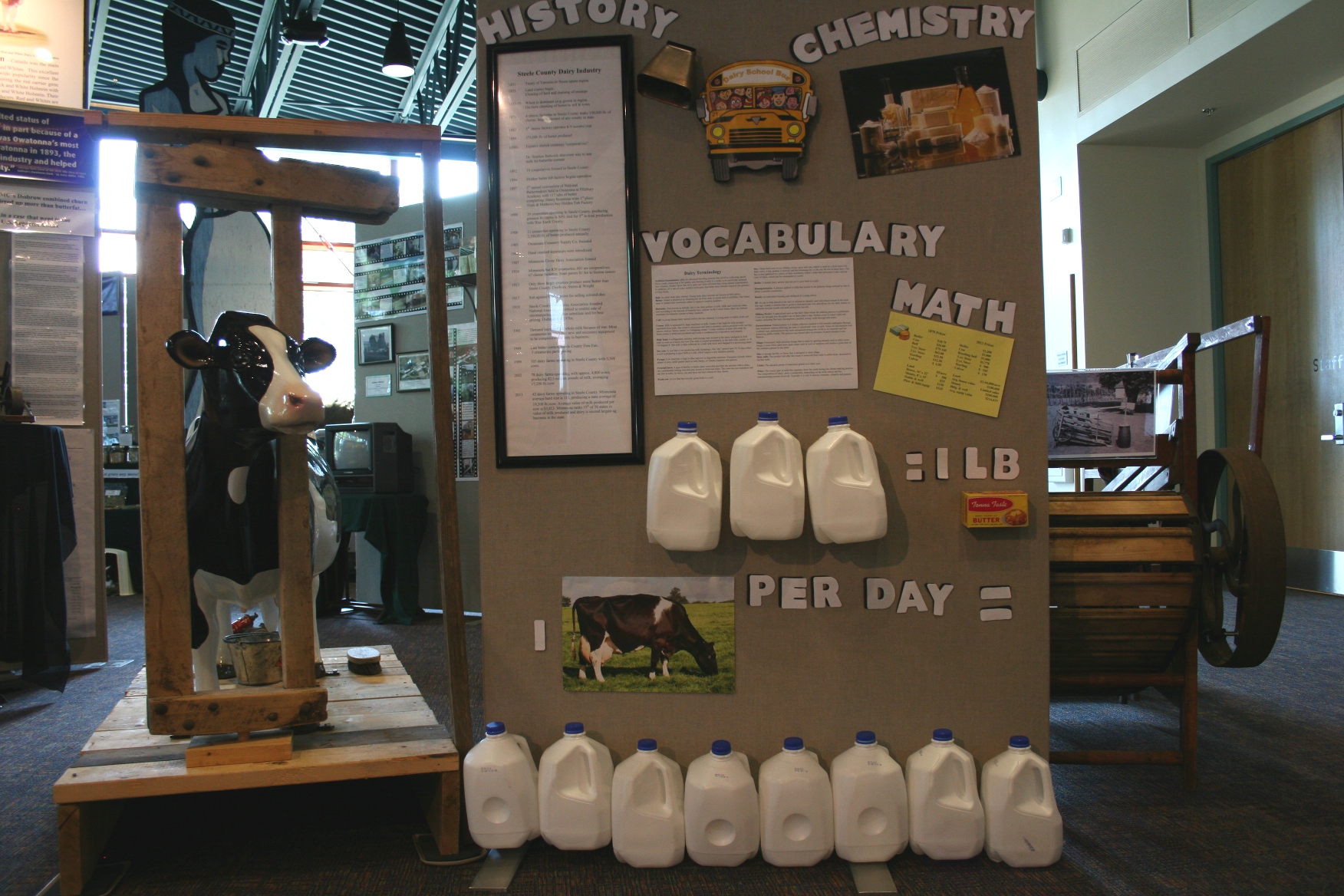
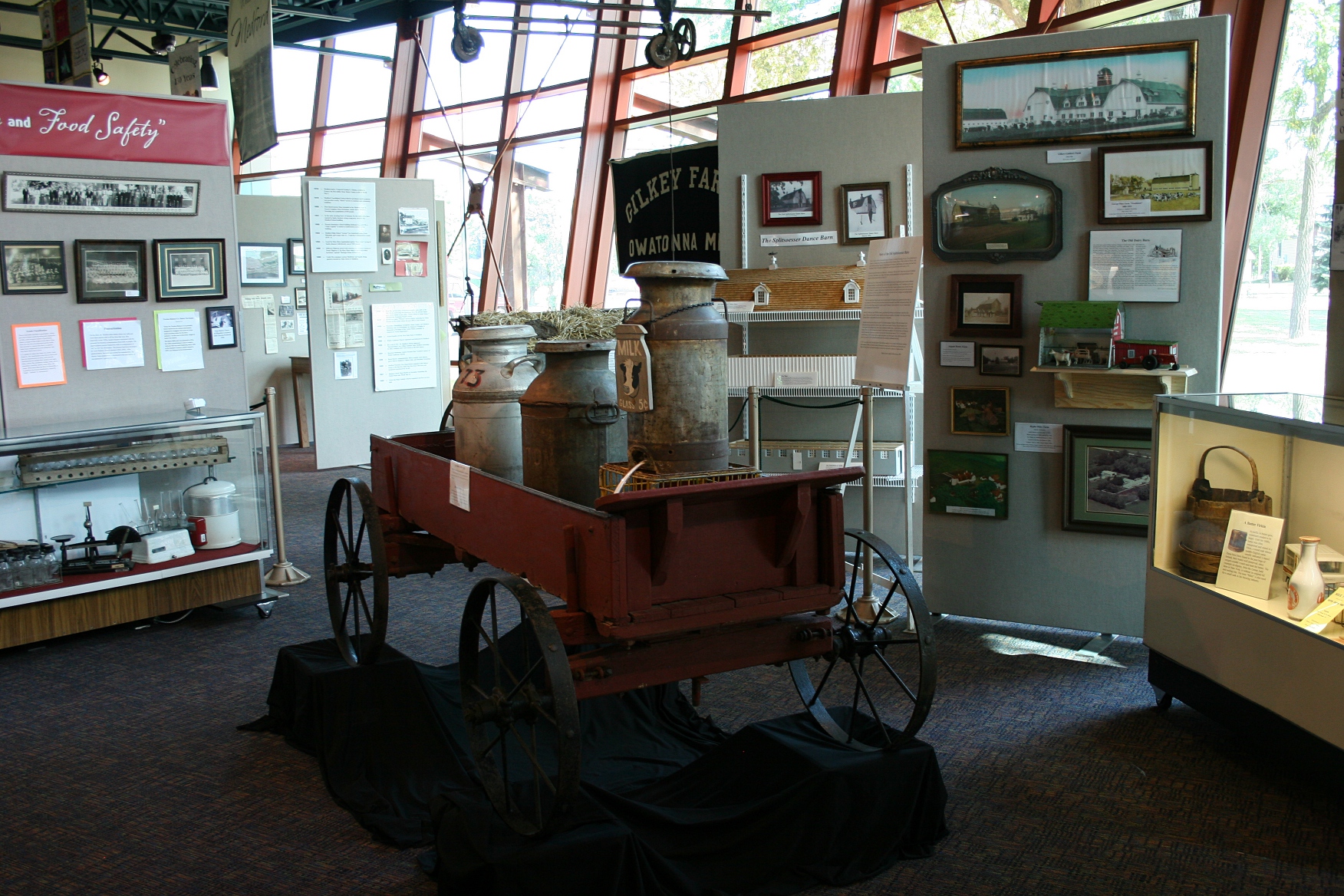
A portion of the expansive exhibit on Steele County's dairy industry.

A portion of the expansive exhibit on Steele County’s dairy industry.

Work on the Butter Capitol exhibit began in January with the historic display debuting in mid-July. It runs through November 10. Eventually, many of the items will be returned to the farm machinery building in the Village of Yesteryear (next to the Steele County History Center) where most were previously displayed.

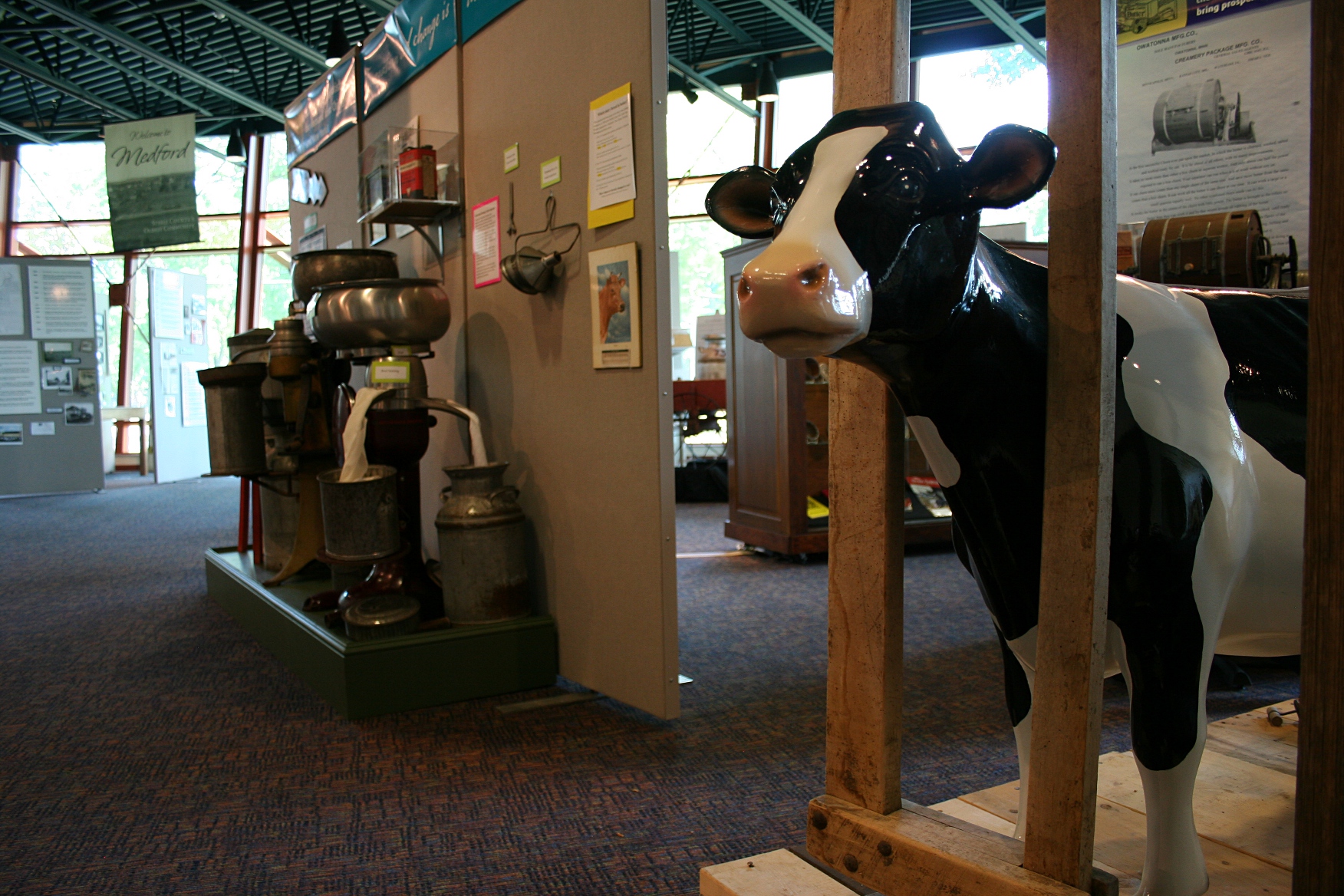
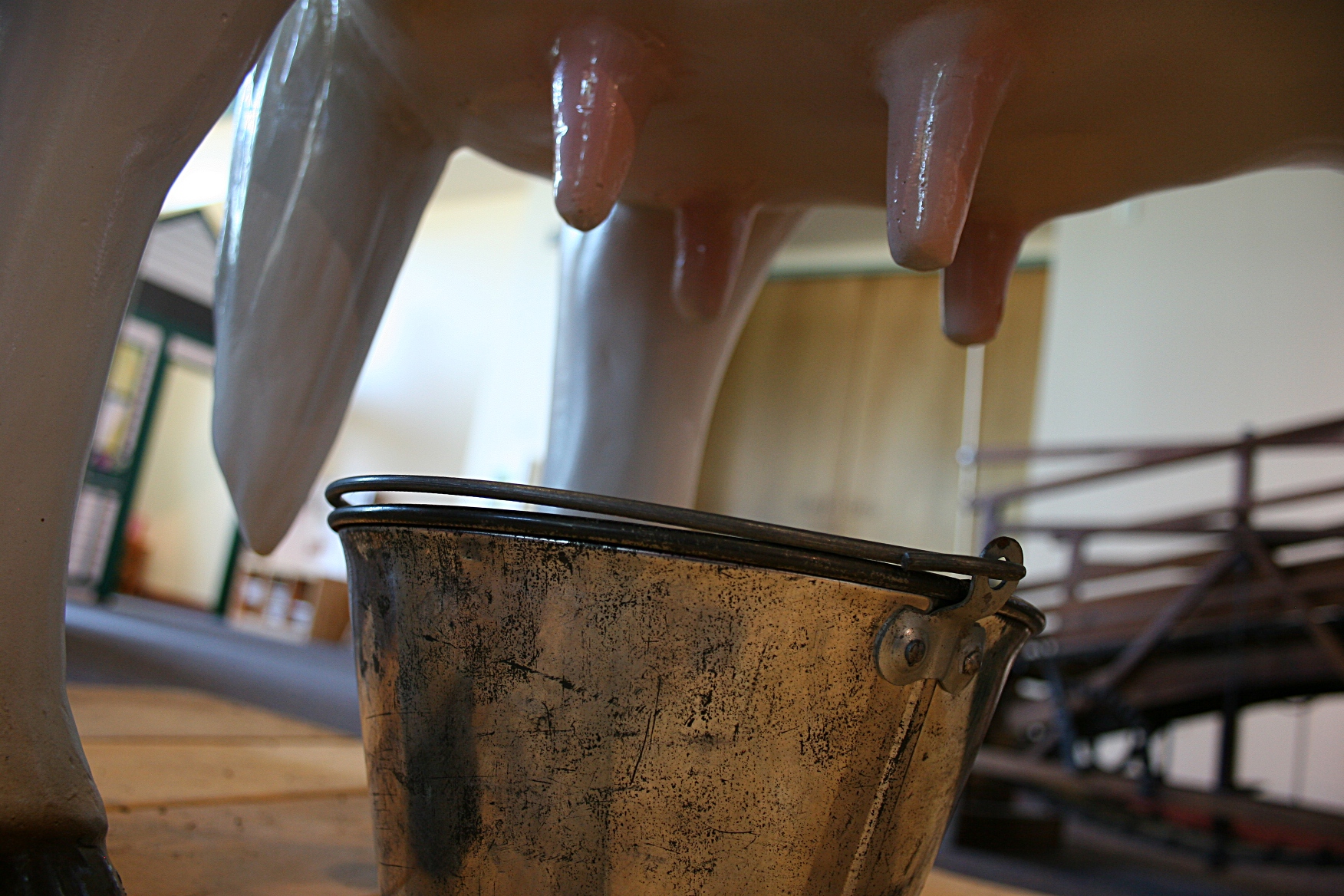
Visitors can get down low and check out the udder on the model cow in the photo above.

Visitors can get down low and check out the udder on a model cow.

Perhaps I am a bit biased being a dairy farmer’s daughter and all. But this exhibit is one of the most impressive, thorough, detailed and interesting I’ve seen in a county history center.

Just another view of a portion of the exhibit.

Just another view of a portion of the exhibit.

Steele County: Butter Capitol of the World is well worth a drive to Owatonna to peruse.  Just give yourself two hours, minimum, to tour the display.

#

BONUS PHOTOS:

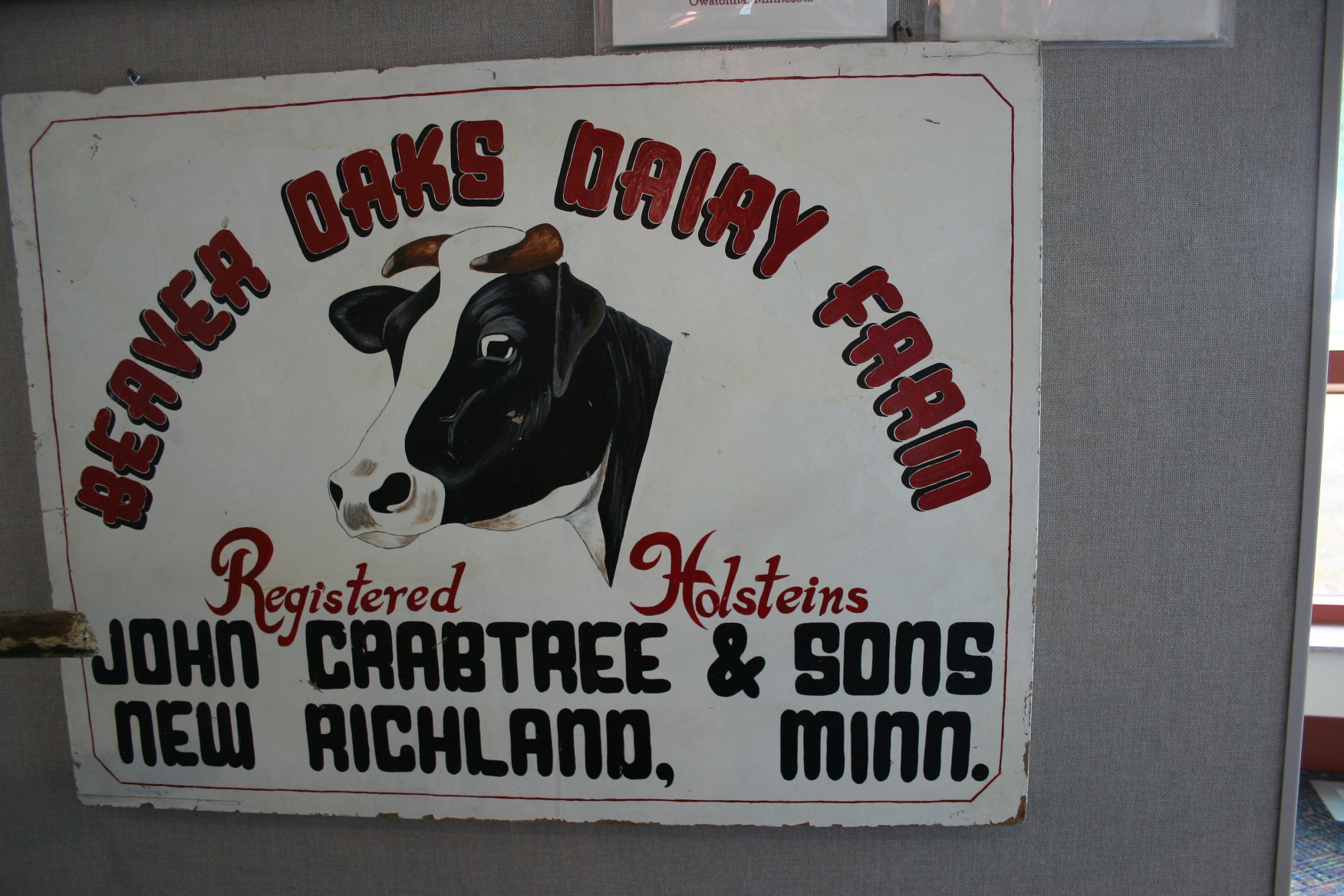
Vintage signs are abundant in the exhibit.

Vintage signs are abundant in the exhibit.

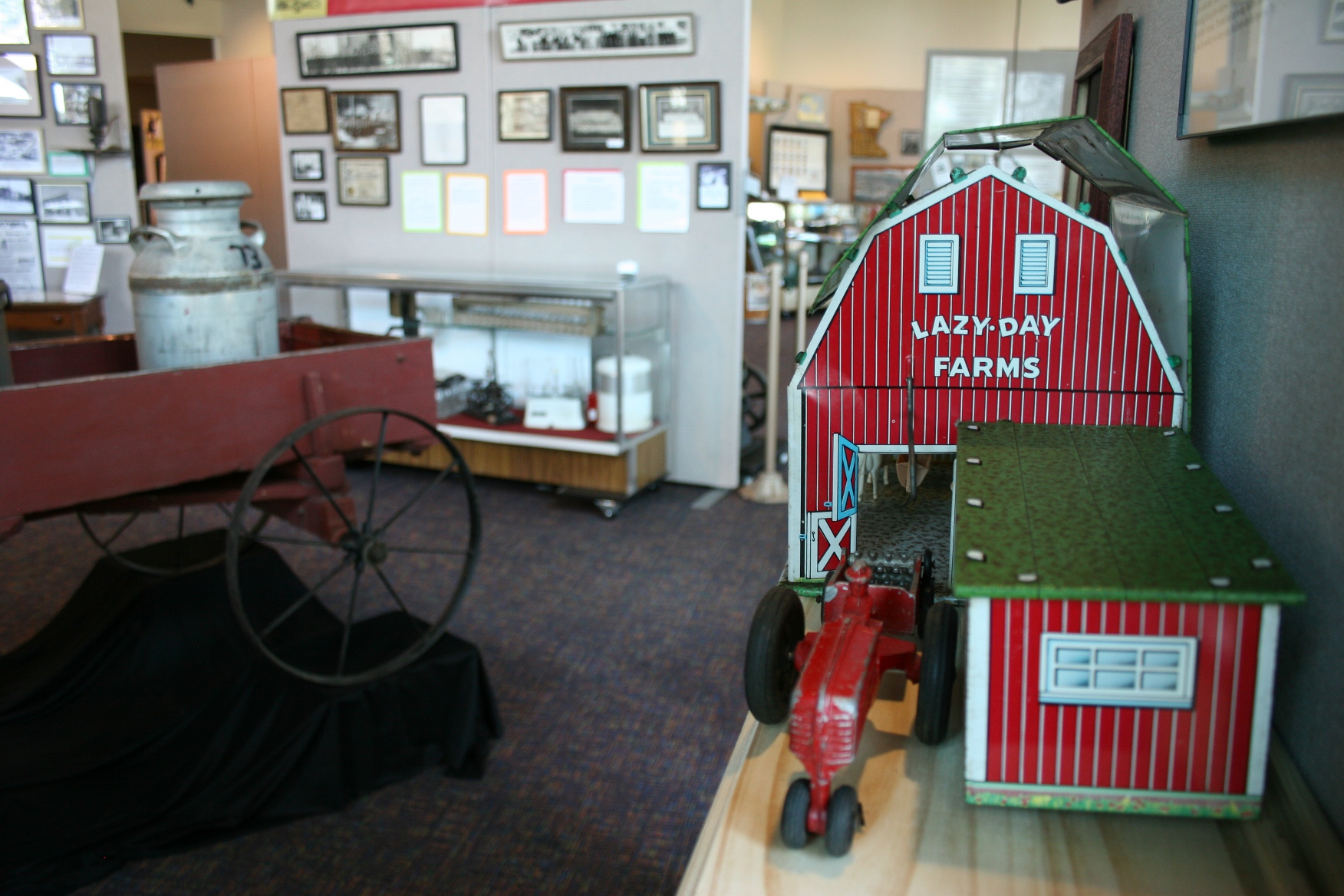
This tin toy barn, right, caught my eye. I've never seen one prior to this. The exhibit also features an incredible handcrafted replica of a barn.

This tin toy barn, right, caught my eye. The exhibit also features a handcrafted replica of a barn.

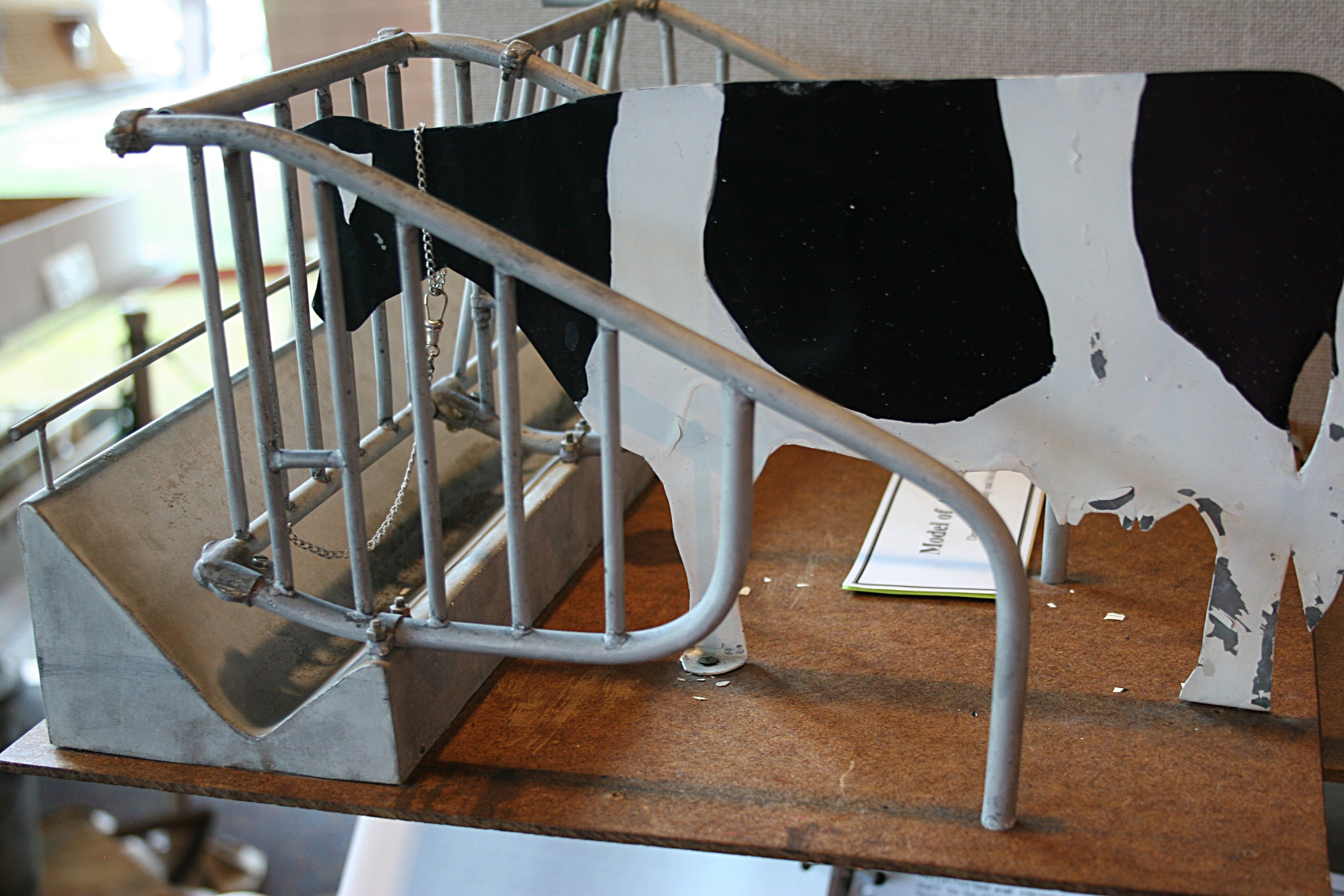
A familiar site to me, a cow in a stantion.

A familiar site to me, a cow in a stantion.

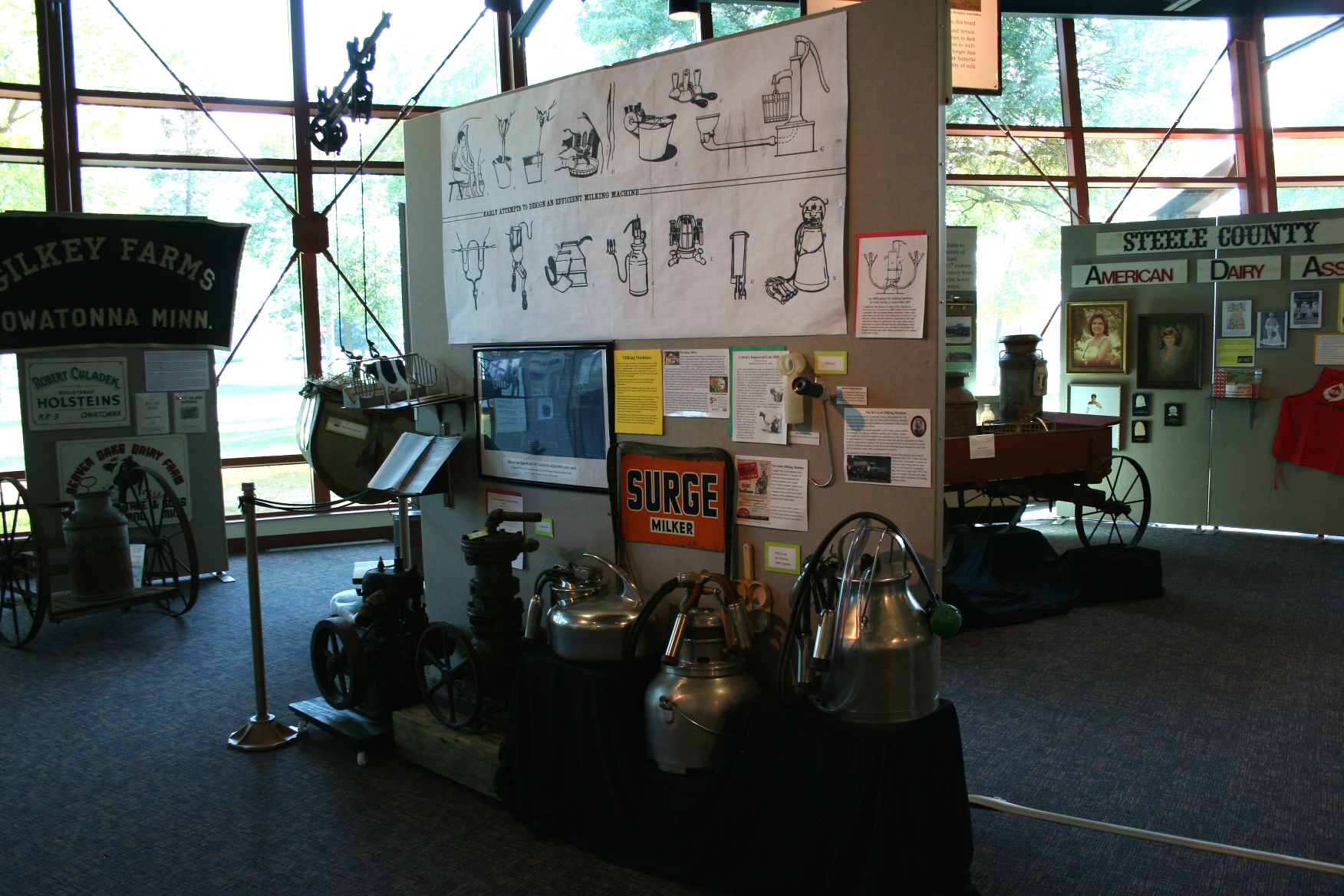
Also familiar, those Surger milkers in the background display.

Also familiar, those Surger milkers in this display. My dad used these before he installed a pipeline.

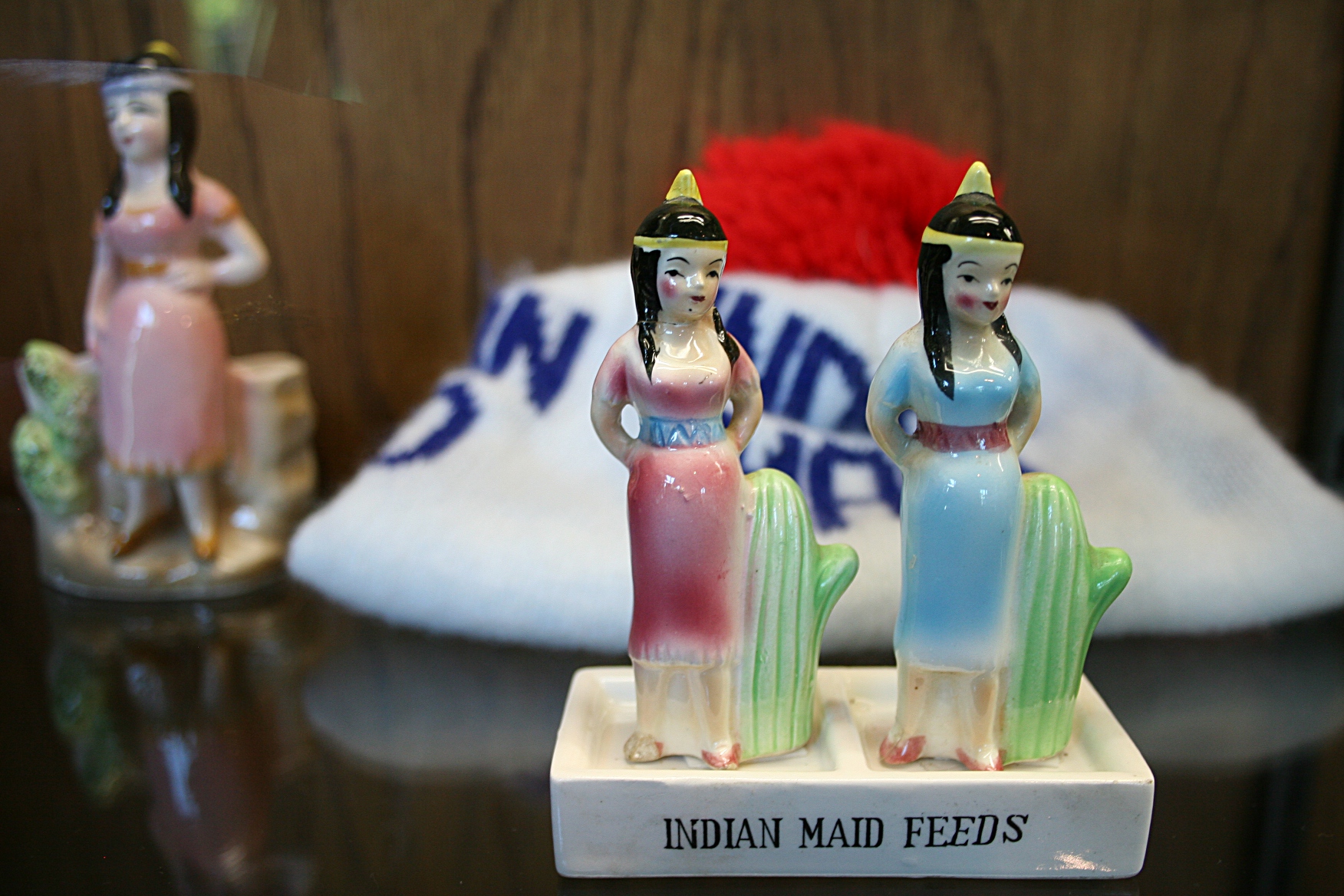
Indian Maid Feeds memorabilia is displayed in glass cases along with an impressive collection of butter molds and other items.

Indian Maid Feeds memorabilia is displayed in glass cases along with an impressive collection of butter molds and other items. Indian Maid Feeds was sold from the late 1950s – 1984 by Owatonna Elevator Company. The brand pictured an Indian maiden to recall the legend of Princess Owatonna, whose health was restored by drinking the mineral spring waters of the area. The exhibit also features a large wooden logo of the princess that once rested atop the elevator. You’ll need to visit the exhibit to see that vintage art.

FYI: To learn more about the Steele County History Center/Historical Society, housed in a fabulous new building opened in April 2012, click here.

The Steele County History Center encourages kids to join its Time Travelers Club and History Detectives. The detectives meet at 10:15 a.m. and the travelers at 6:30 p.m. the first Thursday of each month at the History Center, 1700 Austin Road, Owatonna.

Click here to read a Minnesota Public Radio story about Hope Creamery.

© Copyright 2013 Audrey Kletscher Helbling
 

Appreciating the Sunday afternoon drive June 29, 2013

Filed under: Uncategorized — Audrey Kletscher Helbling @ 6:30 AM
Tags: , , , , , , , ,
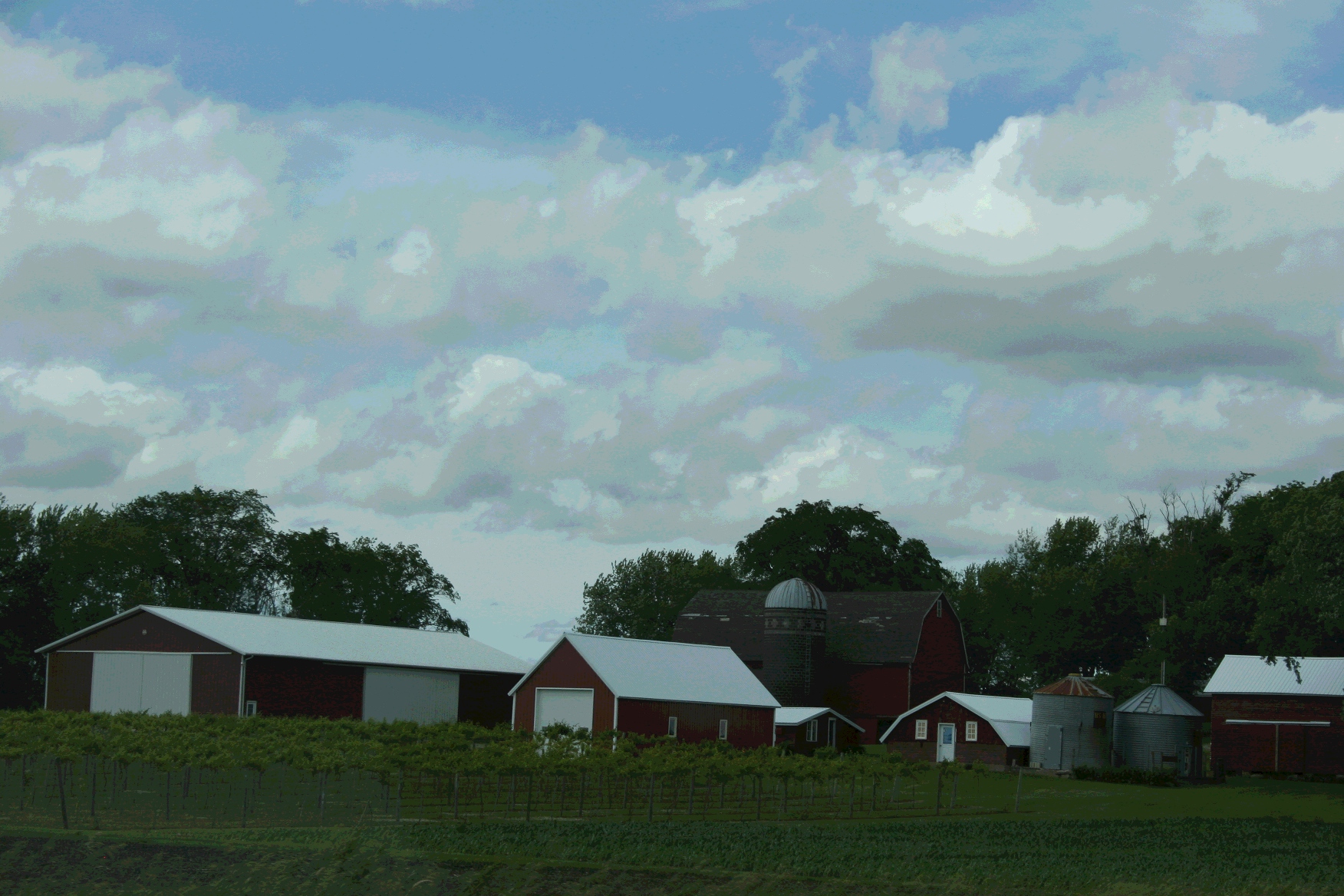
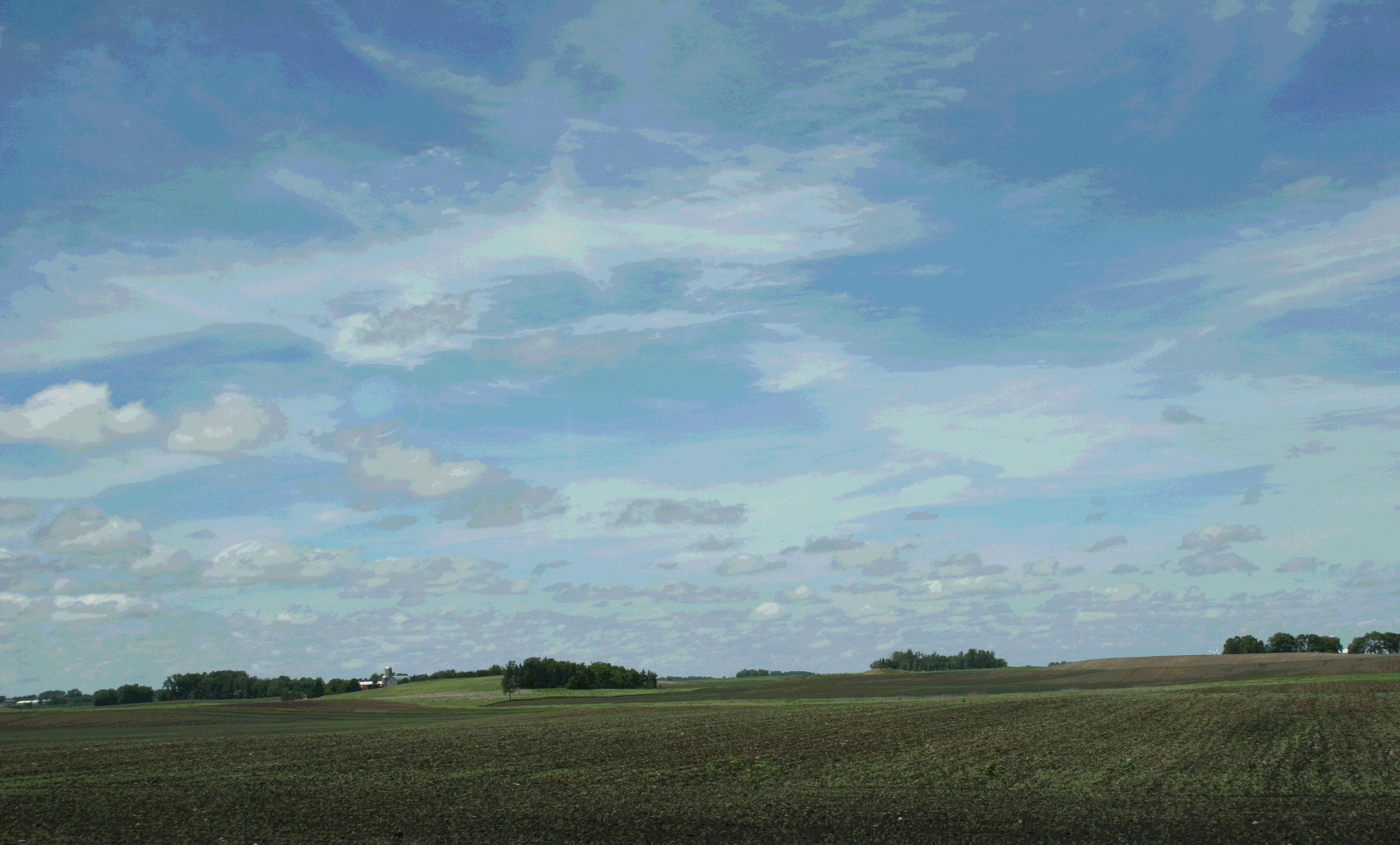
Checking out the crops near Moland Lutheran Church in Steele County, Minnesota.

Checking out the crops near Moland Lutheran Church in Steele County, Minnesota.

ONCE UPON A TIME, I thought Sunday afternoon drives were reserved for farmers checking out the crops or for old people with nothing more important to do.

In Merton Township, Steele County, Minnesota.

In Merton Township, Steele County, Minnesota.

No longer do I think that. I now welcome these day trips into the country for the solace, the beauty, the discovery, the photo ops, the joy of whiling away an afternoon with no specific destination.

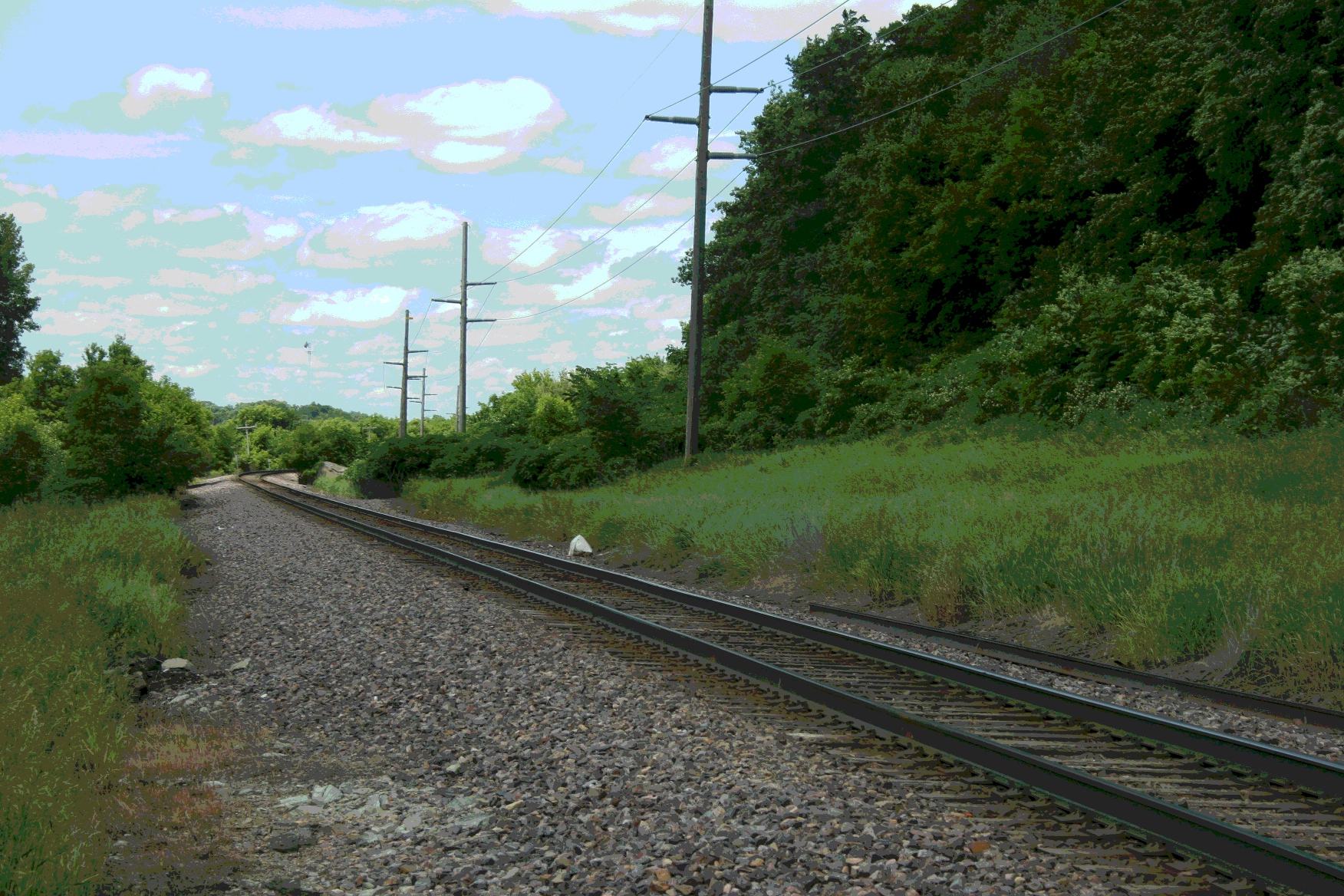
Along Rice County Road 21 south of Faribault.

Along Rice County Road 21 south of Faribault.

I love wide skies and open fields. I love old barns and gravel roads and cows grazing and tidy rows of corn. I love country.

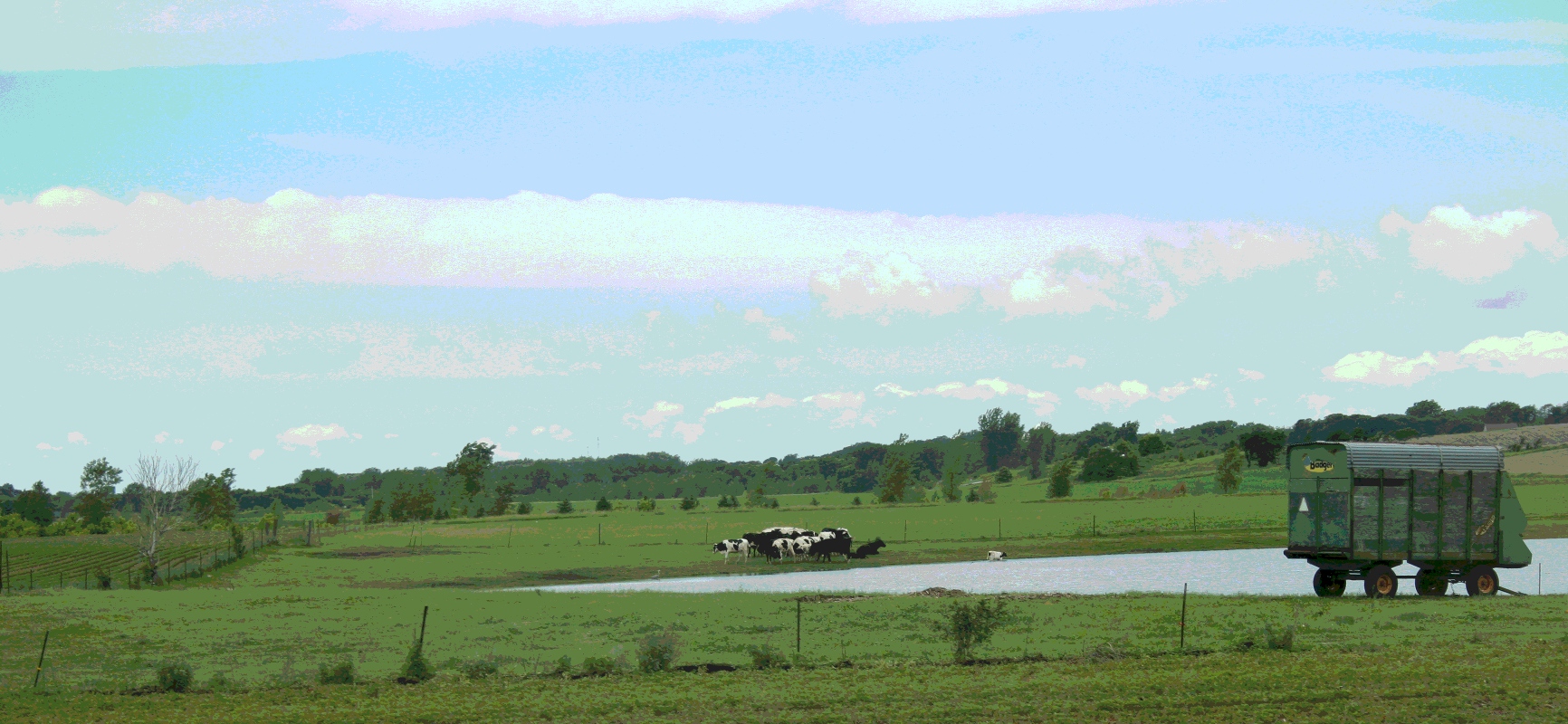
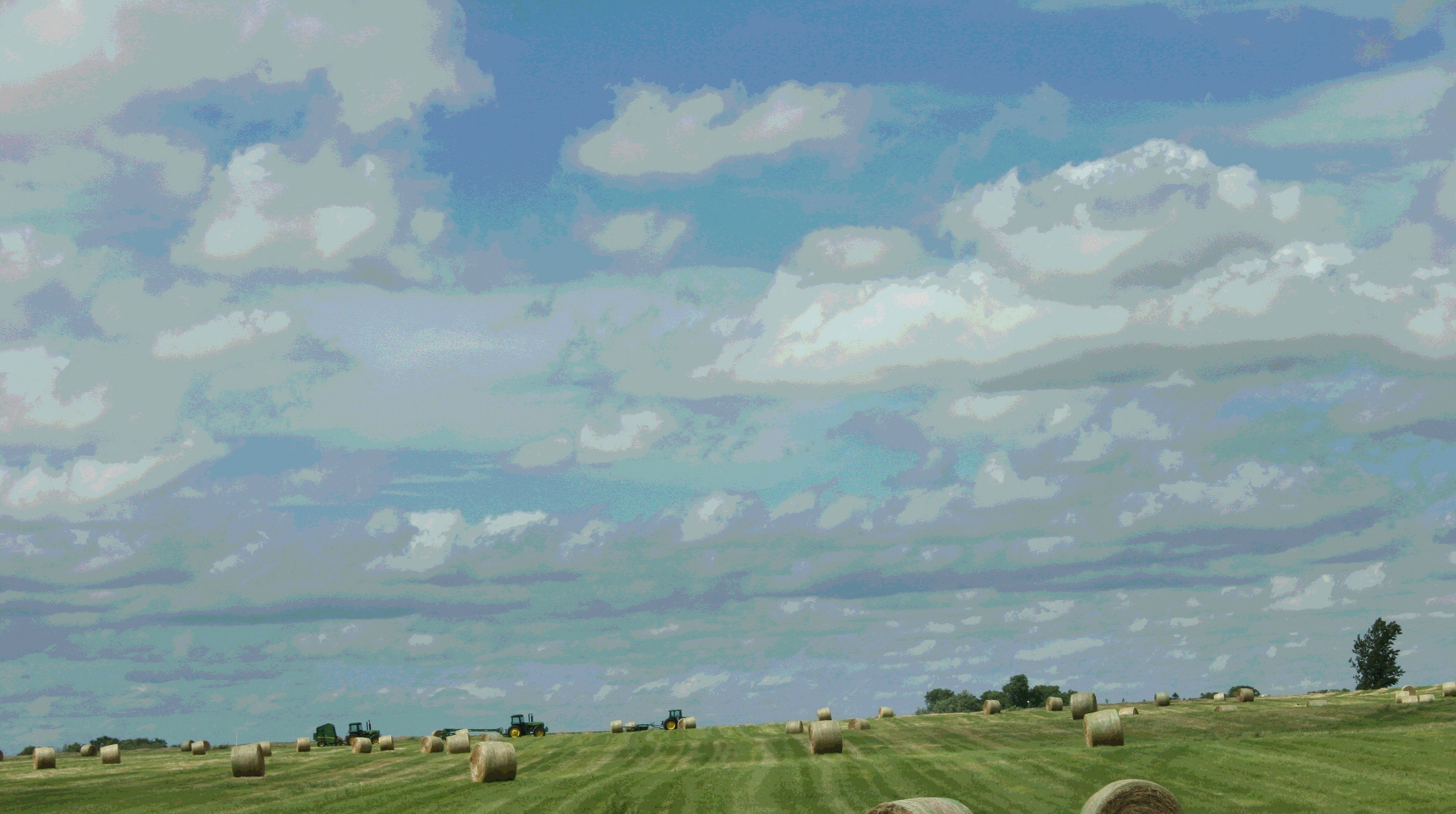
Making hay, along old U.S. Highway 14 west of Owatonna.

Making hay, along old U.S. Highway 14 west of Owatonna.

In this crazy fast-paced world of scheduled activities and rare free time, such impromptu rural jaunts are to be embraced.

Near Clinton Falls in Steele County, Minnesota.

Near Clinton Falls in Steele County, Minnesota.

If you have not discovered the Sunday afternoon drive, you are missing out on one of life’s simplest and most soul satisfying pleasures.

Northwest of Owatonna along Steele County Road 17.

Northwest of Owatonna along Steele County Road 17.

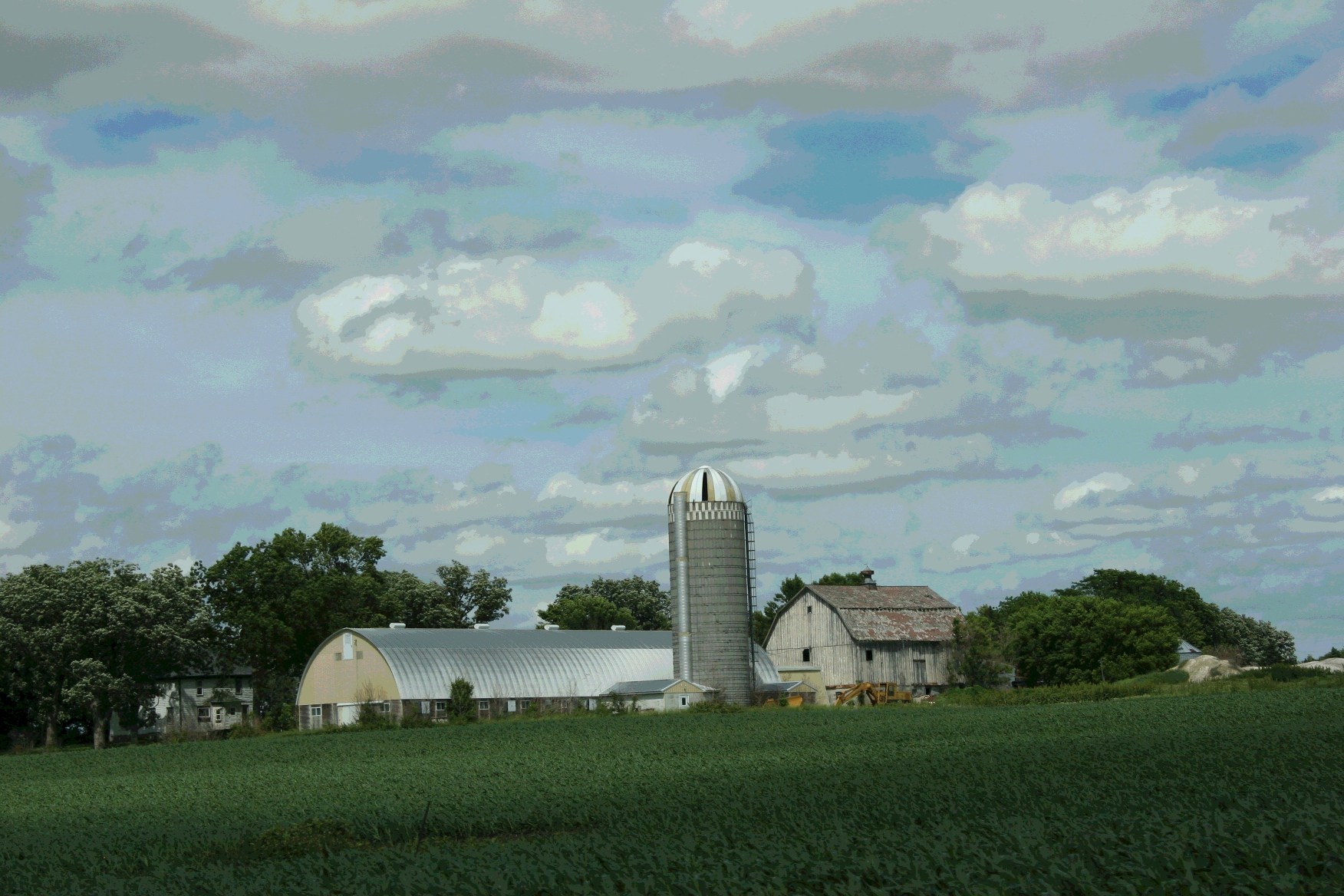
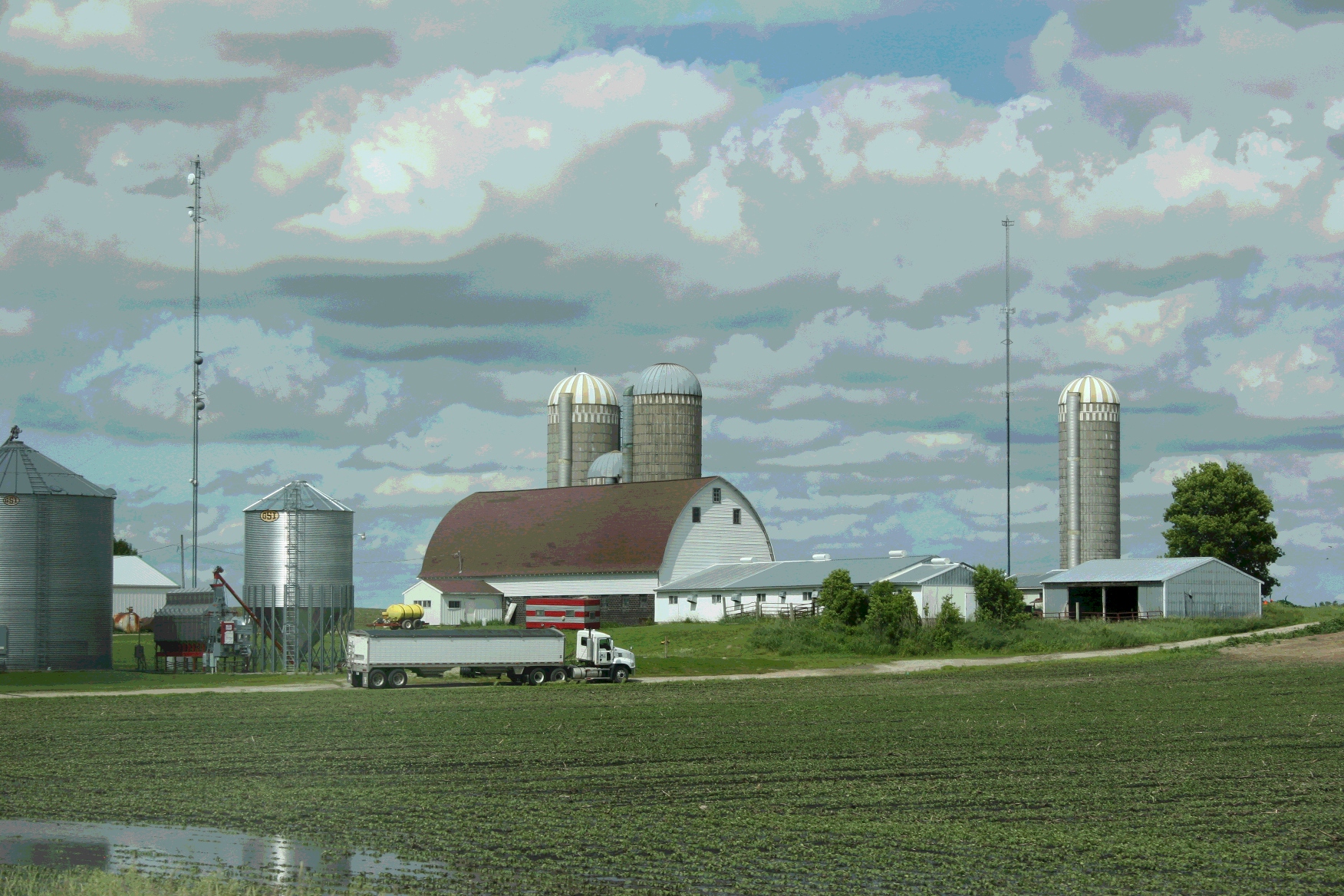
On a farm site west of Owatonna.

On a farm site west of Owatonna.

A vineyard along Steele County Road 17.

A vineyard along Steele County Road 17.

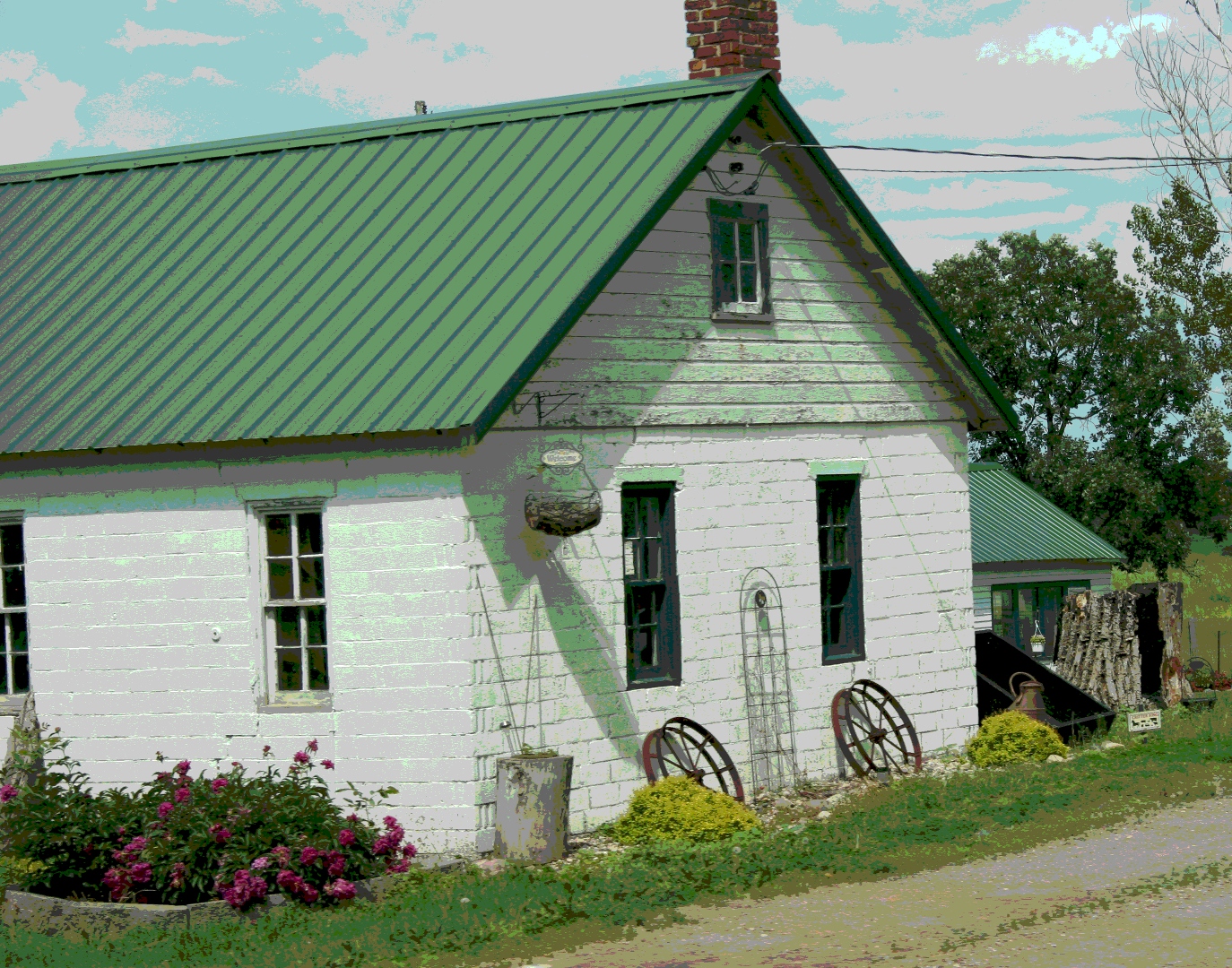
Southwest of Faribault.

Southwest of Faribault.

FYI: The edited photos featured here are from a recent Sunday afternoon drive south and east of Faribault and then west and north of Owatonna looping back to Faribault. All images were shot from the passenger seat of our van at highway speeds, or slightly under.

Copyright 2013 Audrey Kletscher Helbling
 

In celebration of country churches June 26, 2013

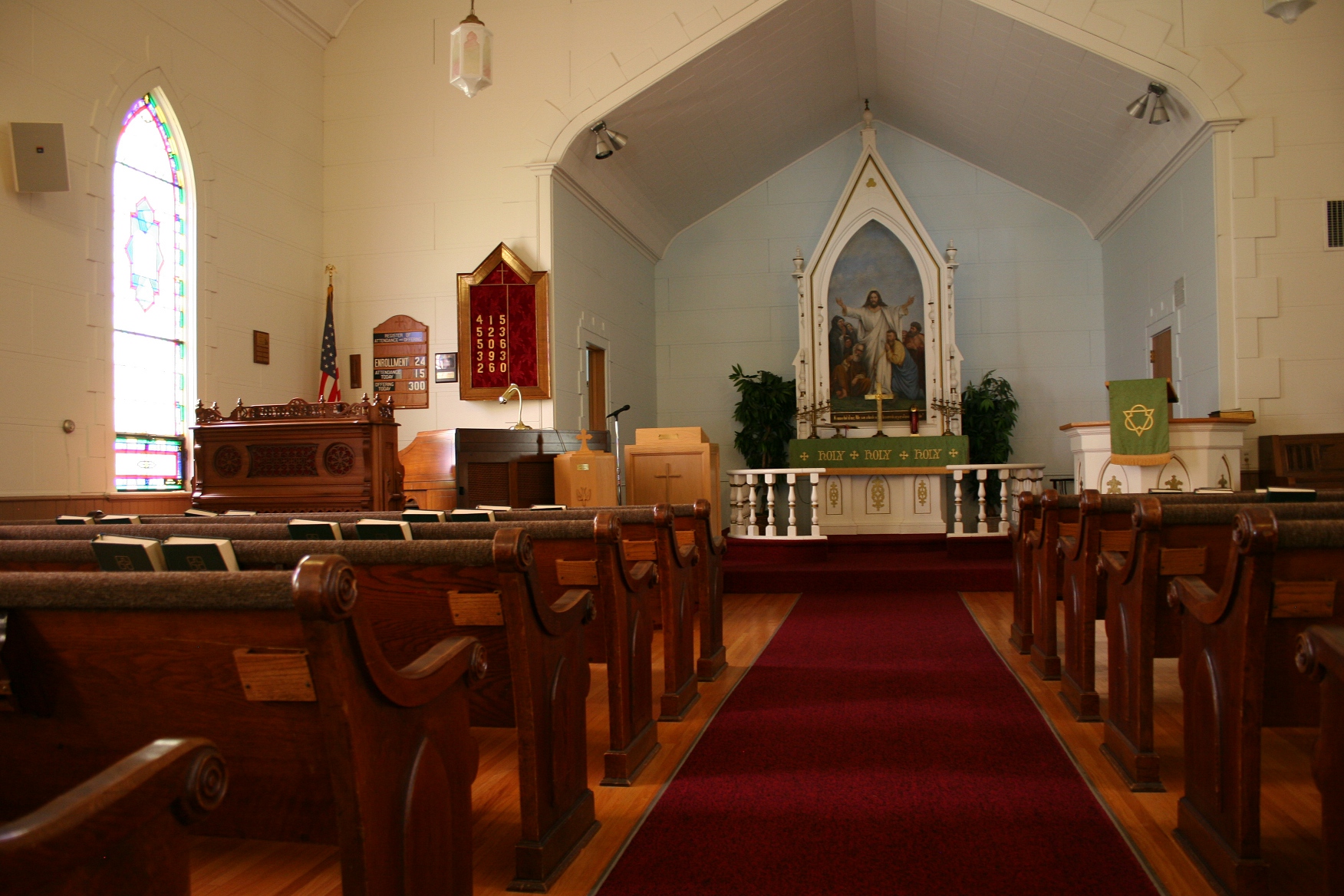
Fine craftsmanship defines the sanctuary.

Fine craftsmanship defines the sanctuary.

STEP INSIDE AN AGED COUNTRY CHURCH anywhere and you will be drawn in by the history, the craftsmanship, the holiness of a house dedicated to God and the fellowship of the faithful.

A poster board with photos and well wishes stands in the church entry.

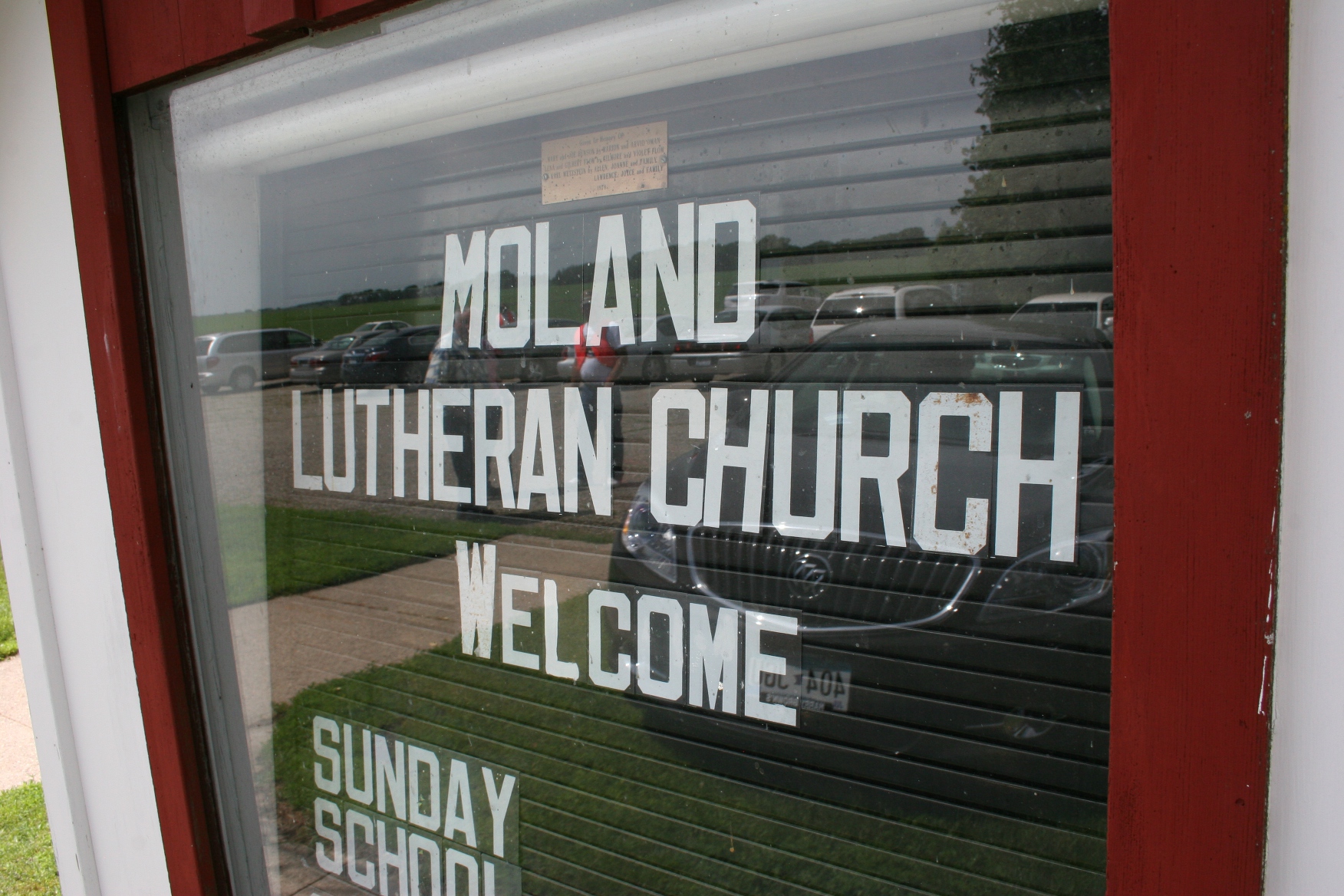
A poster board with photos and well wishes stands in the Moland Lutheran Church entry.

You need only pause and look, really look, to see the care, the love, the devotion, which fill such a sacred place.

Moland features architecture common in country churches.

Moland features architecture common in country churches.

Join me on a photographic tour of Moland Lutheran Church, 7618 Northeast 84th Avenue, rural Kenyon, Minnesota. The church, built by Norwegians in 1884, still holds Sunday morning worship services, currently led by the Rev. Nancy Edwardson.

Worship service is at 9 a.m. on Sunday.

Worship service is at 9 a.m. on Sunday. These photos were taken during the congregation’s June 23 strawberry festival.

From 25-30 worshipers fill the pews each week. And if that number seems too few to keep these doors open, do not underestimate the strength of a congregation rooted deep in this place, connected to this church building, this spot of land in rural Minnesota.

A verse from Matthew graces the altar.

A verse from Matthew graces the altar.

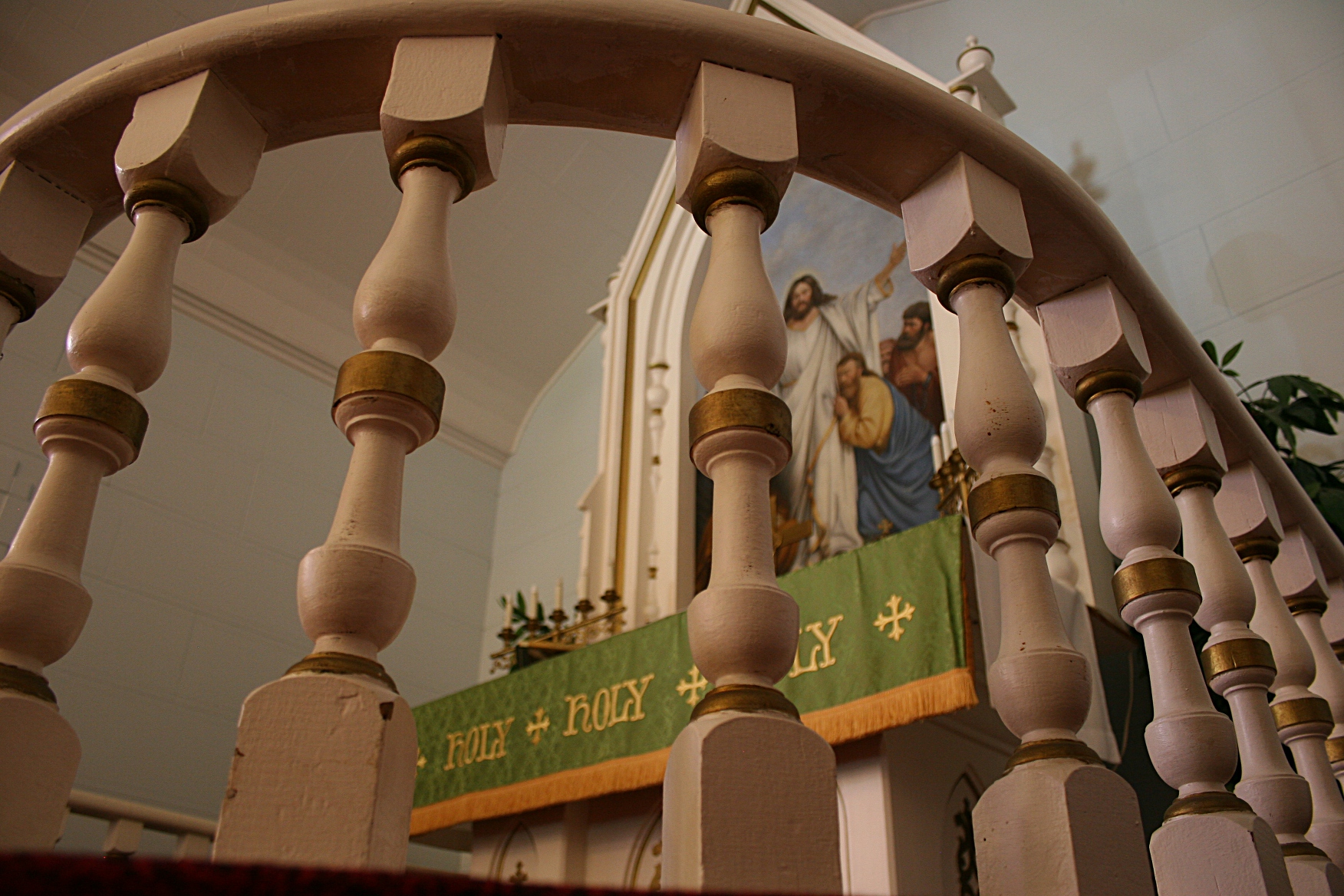
A full view of the altar painting done by A. Pederson and based on Matthew 28 - 30.

A full view of the altar painting done by A. Pederson and based on Matthew 28 – 30.

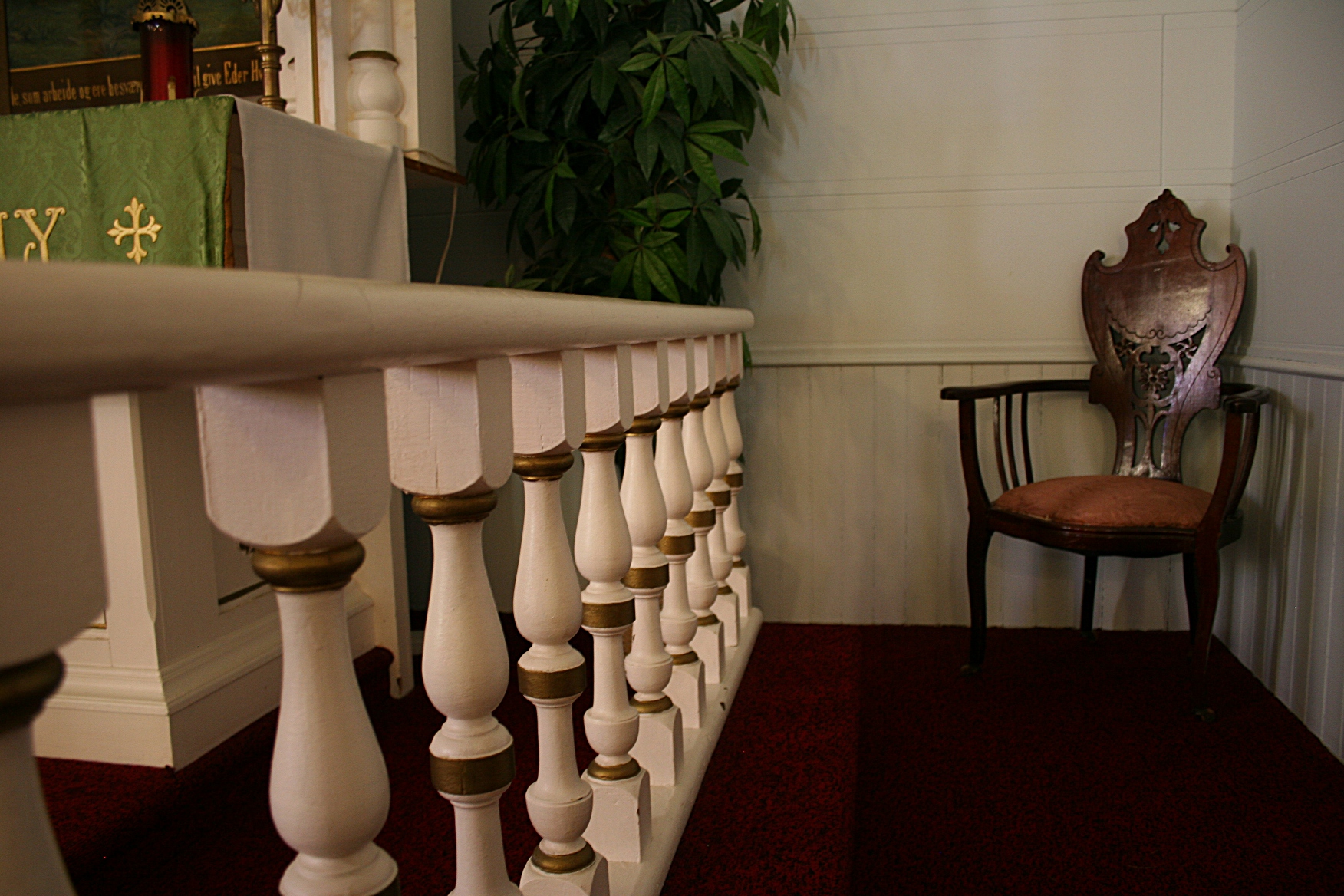
One can only imagine how many faithful kneeled at this altar railing.

One can only imagine how many faithful have knelt at this altar railing.

Or how many pastors have occupied this chair.

Or how many pastors have occupied this chair.

Stunning stained glass windows grace the sanctuary.

Stunning stained glass windows grace the sanctuary.

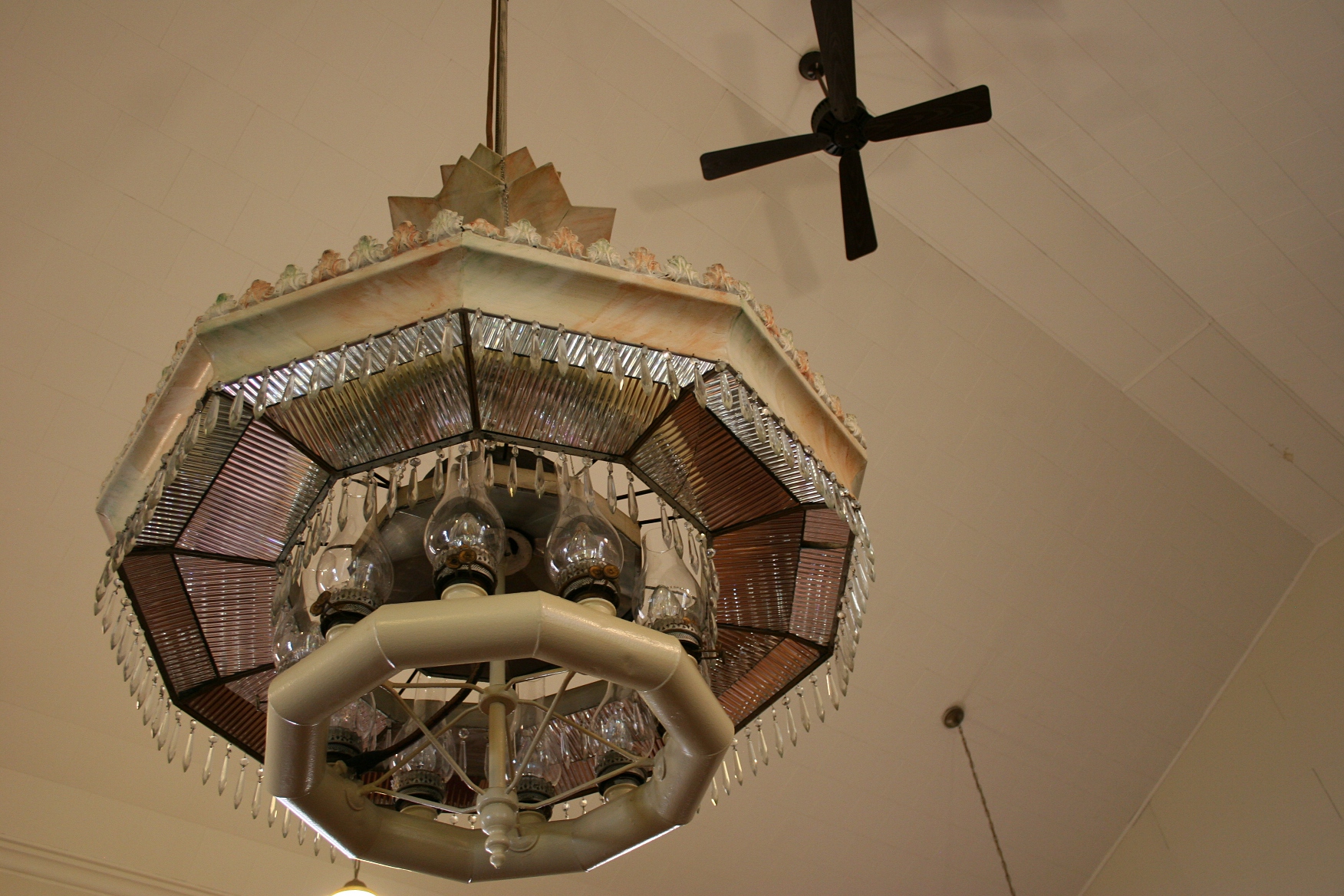
Suspended from the ceiling is this incredible historic light fixture.

Suspended from the ceiling is this incredible historic light fixture.

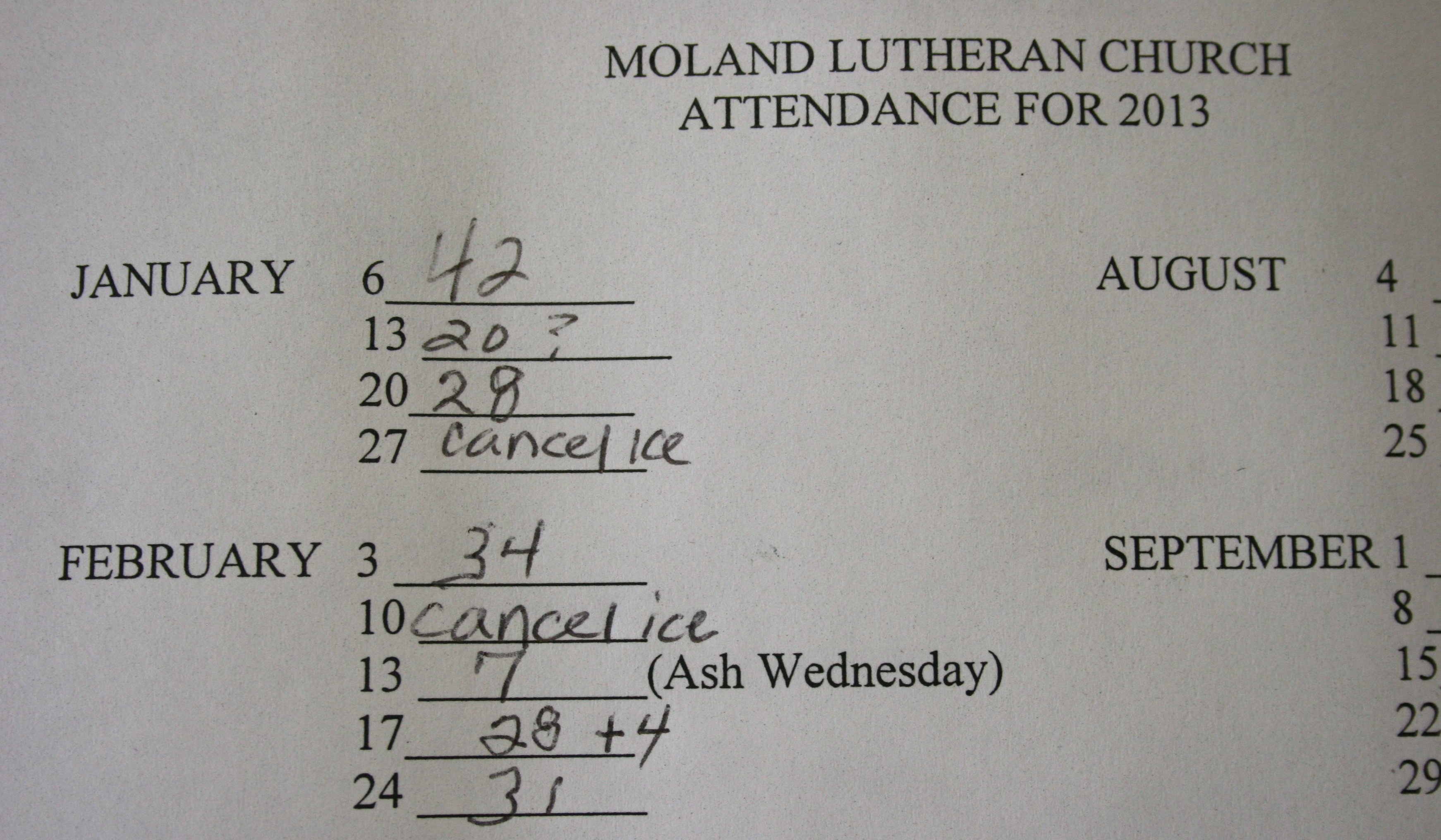
Stats, posted in a corner behind the organ at the front of the church.

Stats, posted in a corner behind the organ at the front of the church.

And more stats posted on paper just outside the sanctuary.

And more stats posted on paper just outside the sanctuary.

And, on the edge of the church property, this sense of community.

And, on the edge of the church property, this sense of community.

TO VIEW A PREVIOUS post about Moland Lutheran, click here. And then click here for another post.

To view my post about the Moland Lutheran Strawberry Festival, click here.

Copyright 2013 Audrey Kletscher Helbling
 

Finally, a woman on the Steele County Board April 4, 2012

CONGRATULATIONS, STEELE COUNTY, Minnesota. You’ve finally elected a woman to serve on the County Board of Commissioners. It’s about time.

I could hardly believe the news when I heard it this morning on an Owatonna radio station. It wasn’t the election of a female that surprised me. It was the fact that it’s taken this long.

For the first time in its history, this southeastern Minnesota county will have a woman serving on its county governing board. She is Nina Huntington, a dental hygienist from Owatonna, who beat out opponent Doug Hughes in a special election on Tuesday to represent the Fifth Commissioner District.

Huntington won with 250 votes, or 60 percent, compared to Hughes’ 164 votes, according to an article in the Owatonna People’s Press. Only 10.25 percent of the district’s registered voters cast ballots.

Interestingly enough, Steele County also made headlines on Tuesday as Minnesota’s healthiest county in ratings released by the Robert Wood Johnson Foundation and the University of Wisconsin Population Health Institute. That study considers mortality, morbidity, health behaviors, clinical care, social and economic factors, and physical environment. Click here to read those study results.

So there you have it—Minnesota’s healthiest county now has a woman helping to govern it.

Huntington’s election in Steele County leads me to wonder this:

How many other Minnesota counties have never had a female serve on the county board of commissioners? If you have the answer or can direct me to that information, I’d like to hear. I would guess that number to be quite high.

Also, what do you think a woman can bring to county government that a man may not?

CLICK HERE to read an interview with Huntington published in the Owatonna People’s Press after she filed for office.

CLICK HERE to read the election results story in the OPP.

© Copyright 2012 Audrey Kletscher Helbling
 

A Sunday morning with The Hope Feline Patrol July 31, 2011

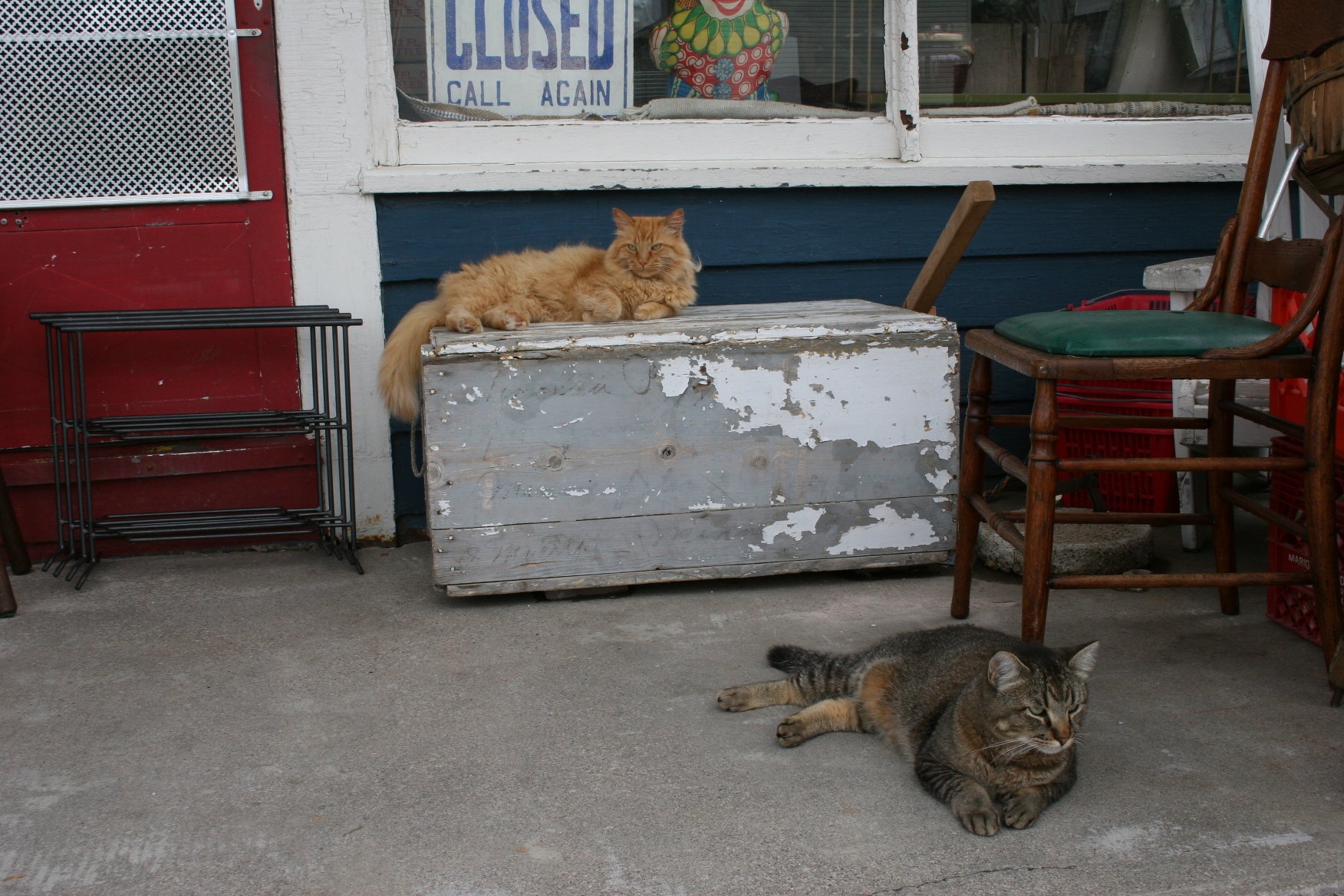
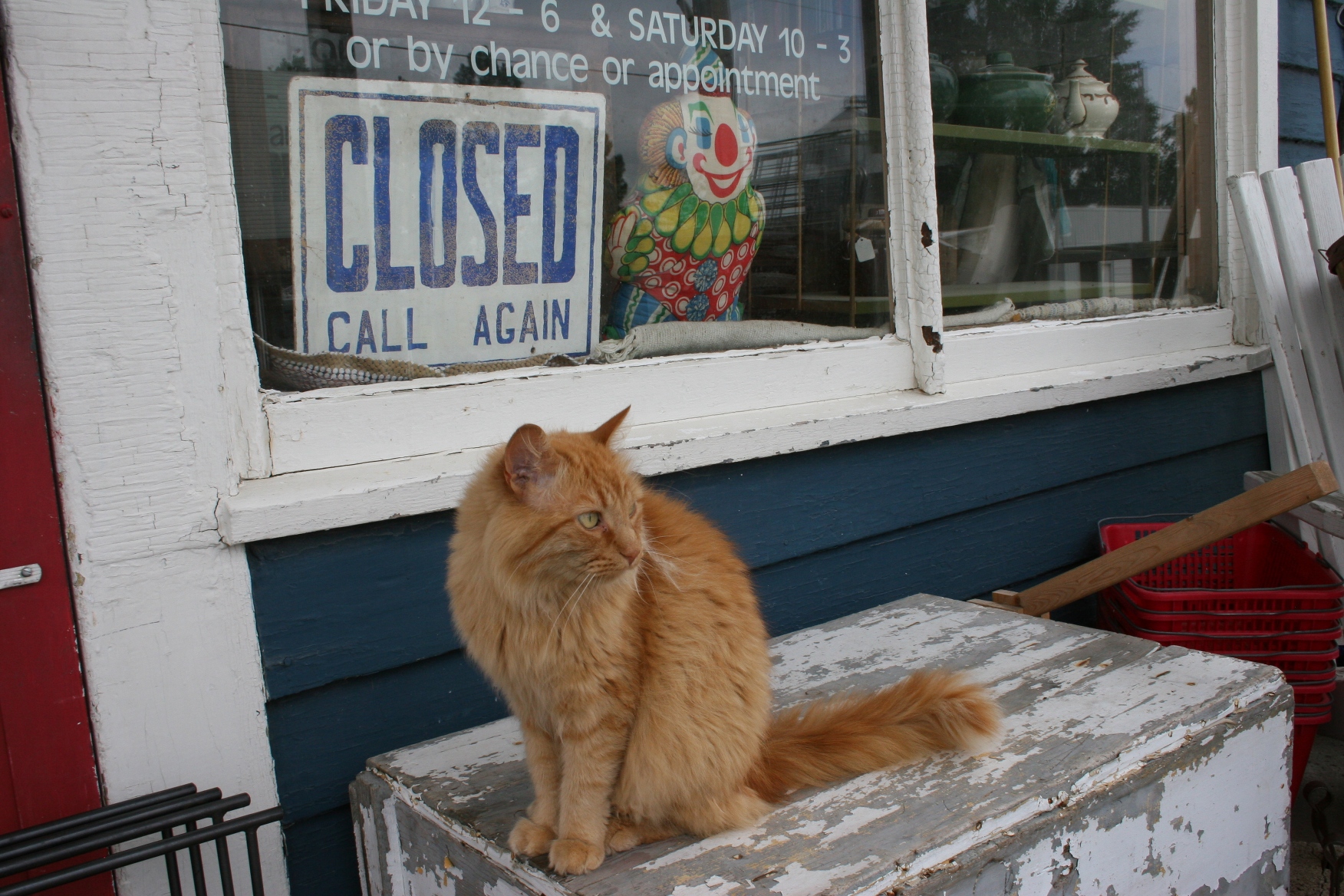
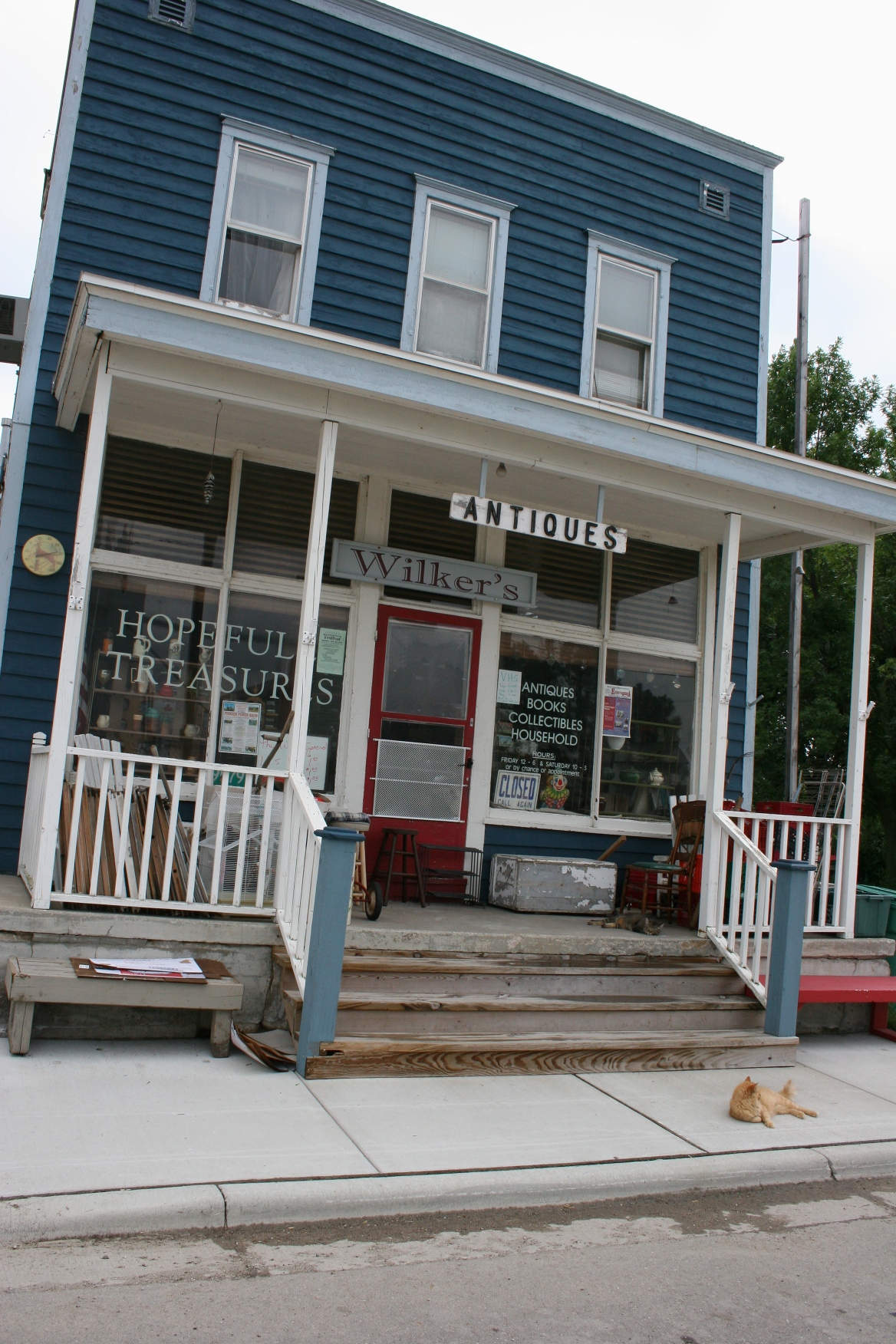
The Hope Feline Patrol lounges on the porch of Hopefull Treasures.

VISIT HOPE, MINNESOTA, late on a Sunday morning and you might feel like you’re in a ghost town. Except for the cats. The Hope Feline Patrol, I’ve dubbed them.

When my husband and I pulled into this Steele County town because that’s what we sometimes do on Sundays after church—hop in the car and drive to places we haven’t been to before—not a soul was in sight save those two cats.

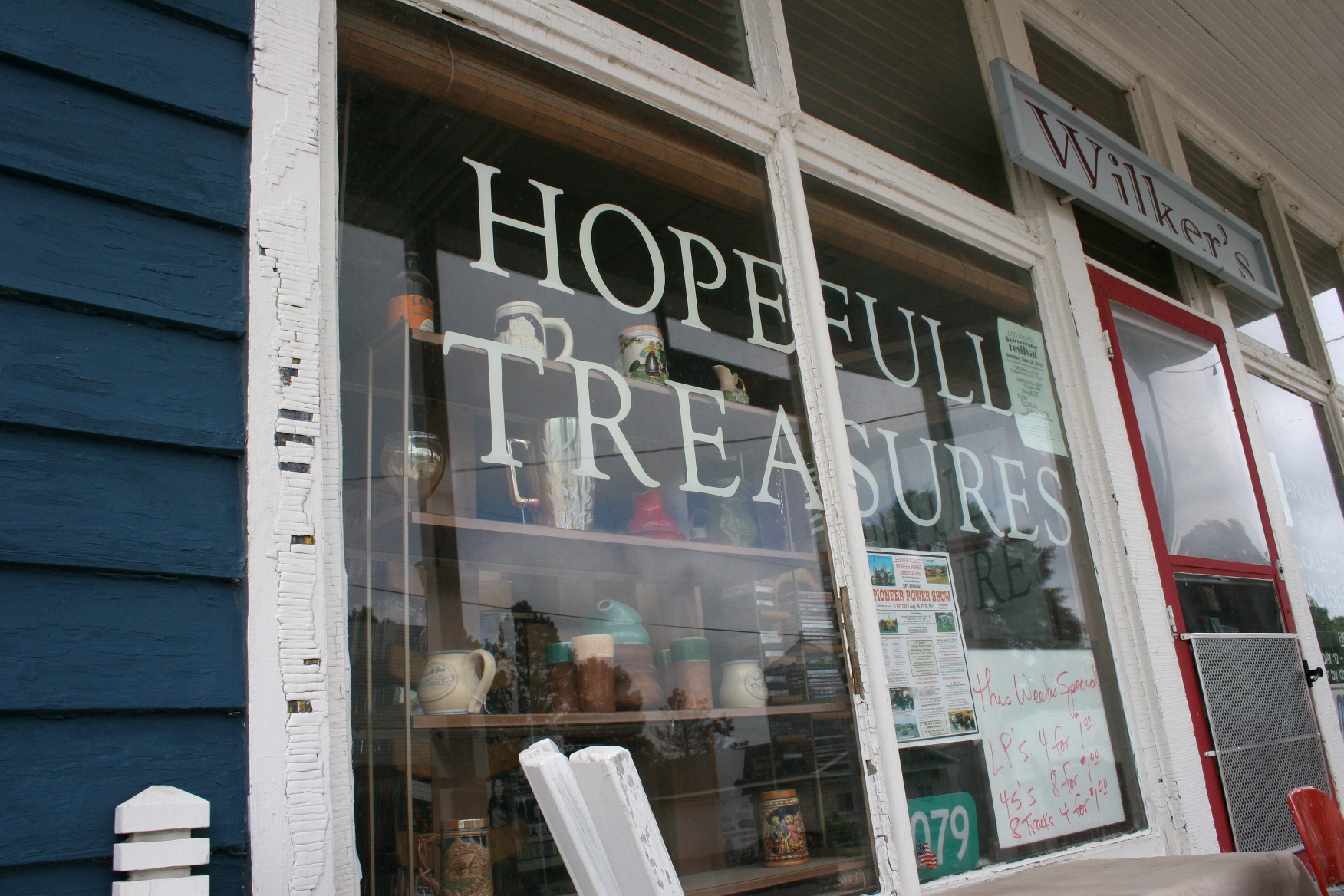
They lounged on the porch of Hopefull Treasures, aka Wilker’s Antiques, all stretched out as if they had not a care in the world. Until I appeared.

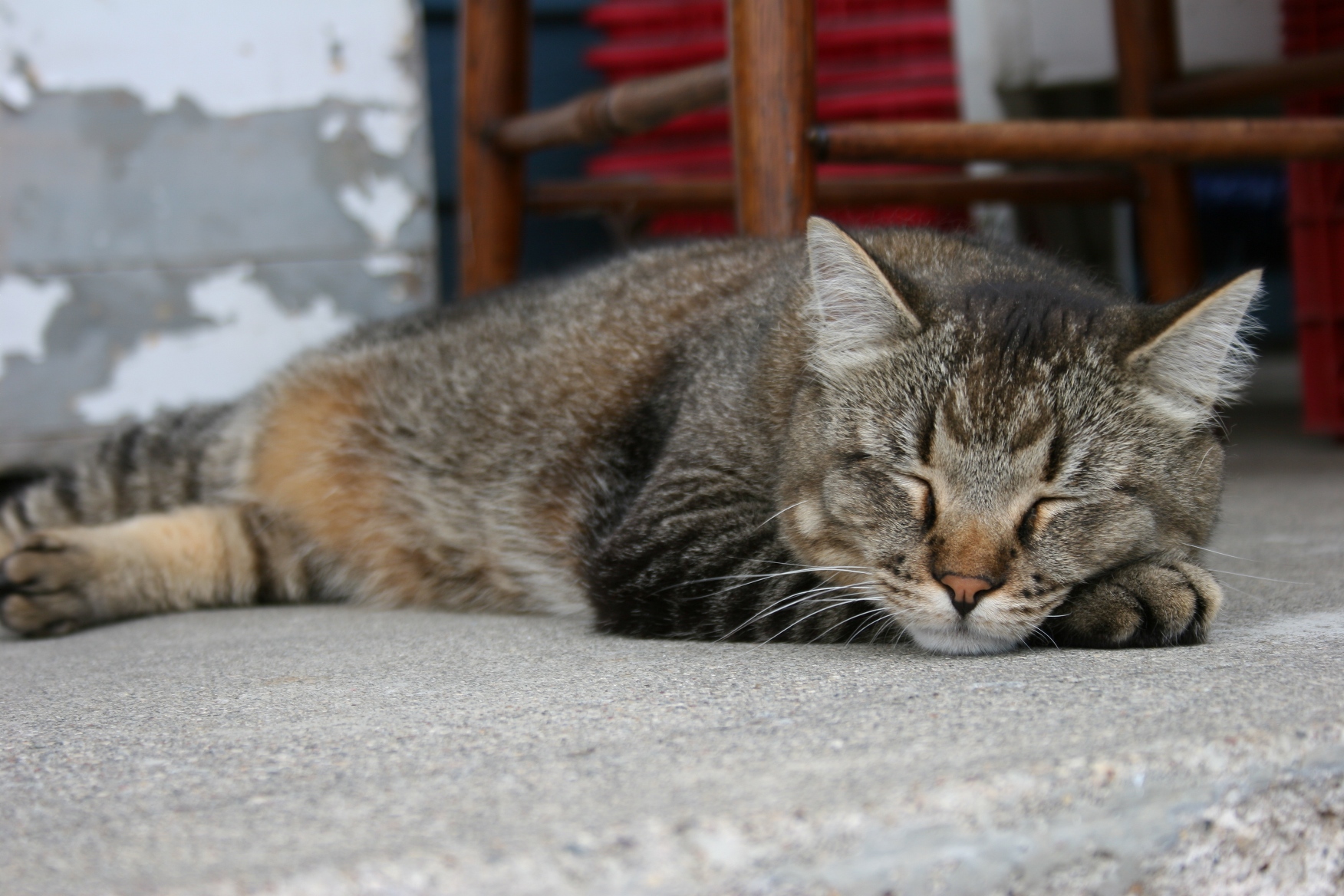
The long-haired orange cat stirred, on alert, jumped off a weathered wooden box and wound around my leg. The tabby stayed put, flicking eyes toward me, then, satisfied that I presented no threat, resumed cat napping.

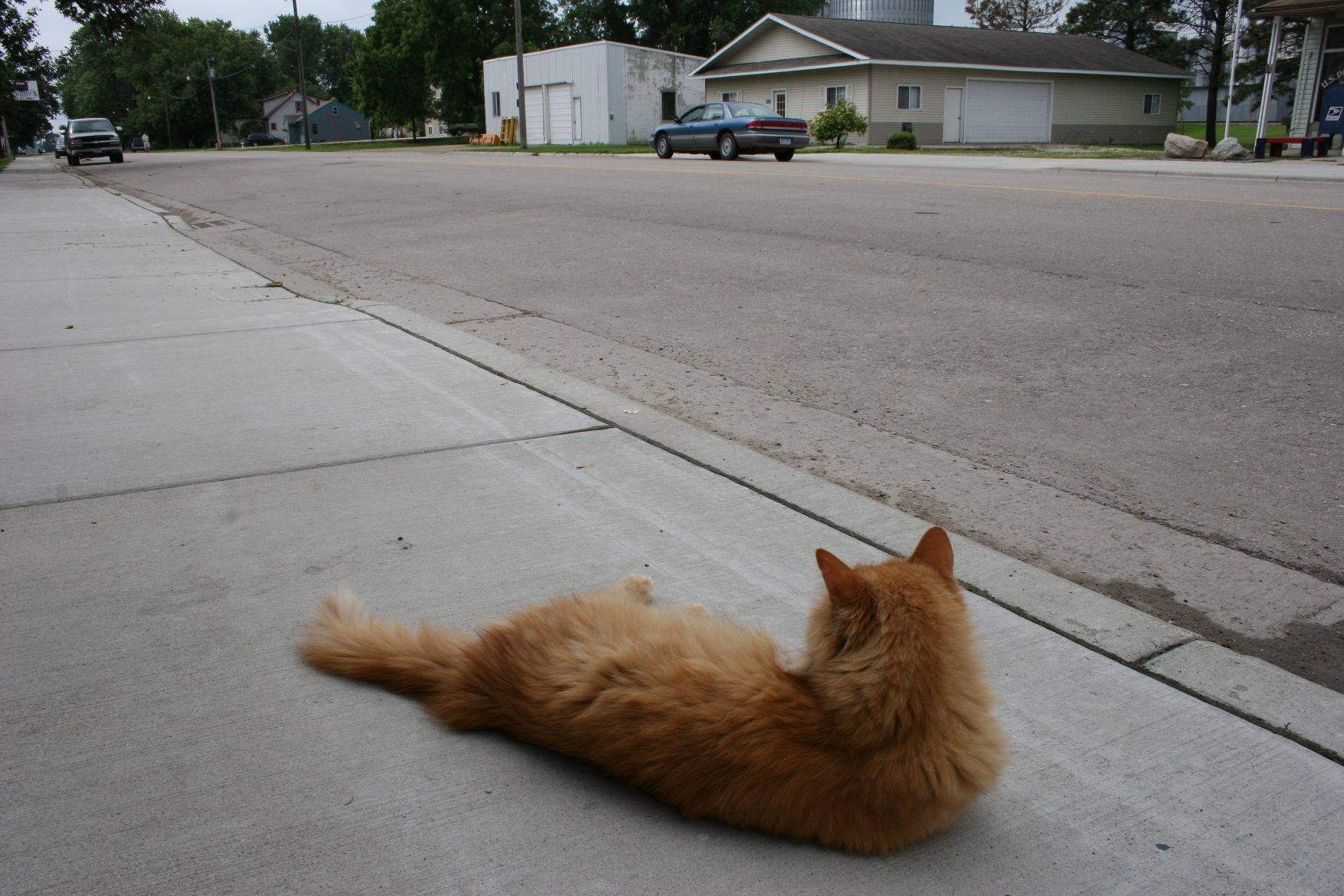
The orange cat, however, plopped down on the sidewalk in front of the antique store, rolled around for awhile and then assumed a leisurely pose with a watchful eye on the single main route through this town of 120 residents.

The orange cat almost immediately sat up and assessed the situation when I arrived.

The napping tabby left patrol duties primarily to the orange cat.

Hopefull Treasure's orange cat keeps an eye on the single road that runs through Hope.

All the while I kept taking pictures of the cats and the antique store I wished was unlocked. It’s open only from noon to 6 p.m. on Fridays, from 10 a.m. to 3 p.m. Saturdays or by chance or appointment. Apparently I wasn’t drawing a chance card on this day.

I knew I’d love poking around inside this place, scrounging for more story and photo treasures, plus antique and collectible treasures.

Every place, every person, every animal, every thing holds a story. And at Hopefull Treasures I’d found my story in The Hope Feline Patrol.

I had to peer into the windows of the closed antique store to check out the treasures.

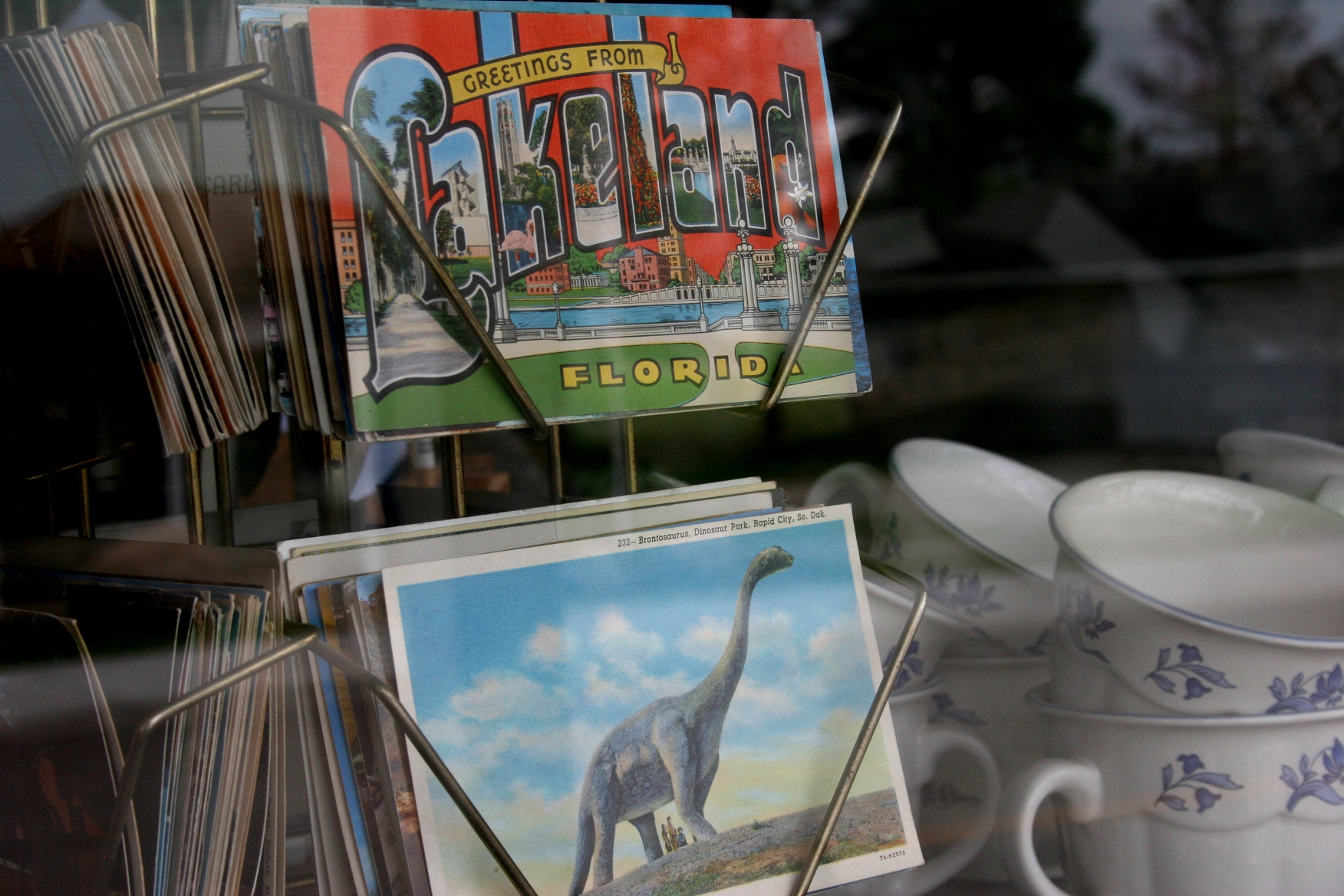
Vintage postcards and coffee cups I spotted through the front window of Hopefull Treasures.

When I moved on down the street, the orange cat was still lying on the sidewalk in front of Hopefull Treasures.

© Copyright 2011 Audrey Kletscher Helbling

 

Zip code 56046 July 26, 2011

THE NEXT TIME YOU’RE traveling Interstate 35 south of Owatonna, instead of whipping by the Hope exit at 70 mph, pull off the freeway and check out this unincorporated community of 120 residents, probably best-known outside of Steele County for Hope Creamery butter.

Unless my husband and I missed the signage, we never saw a sign marking the creamery and simply guessed that the butter-making operation is housed in an old brick creamery on the edge of town next to a farm.

But we discovered several other places of interest after parking our car along the one main road that cuts through Hope. Yes, you need to park your vehicle, get out and walk, rather than simply driving through town thinking, “There’s nothing here.”

You would be wrong, oh, so wrong.

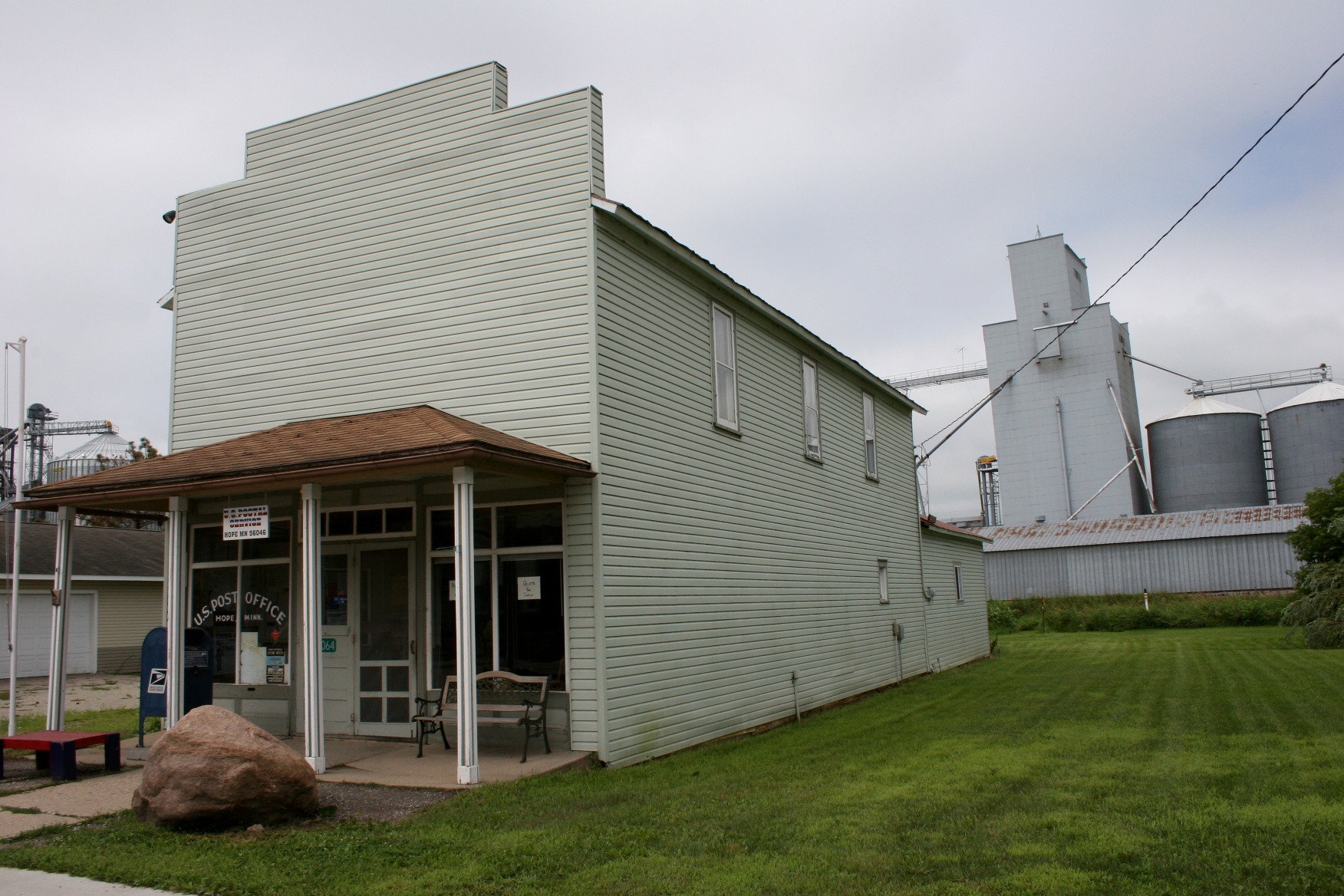
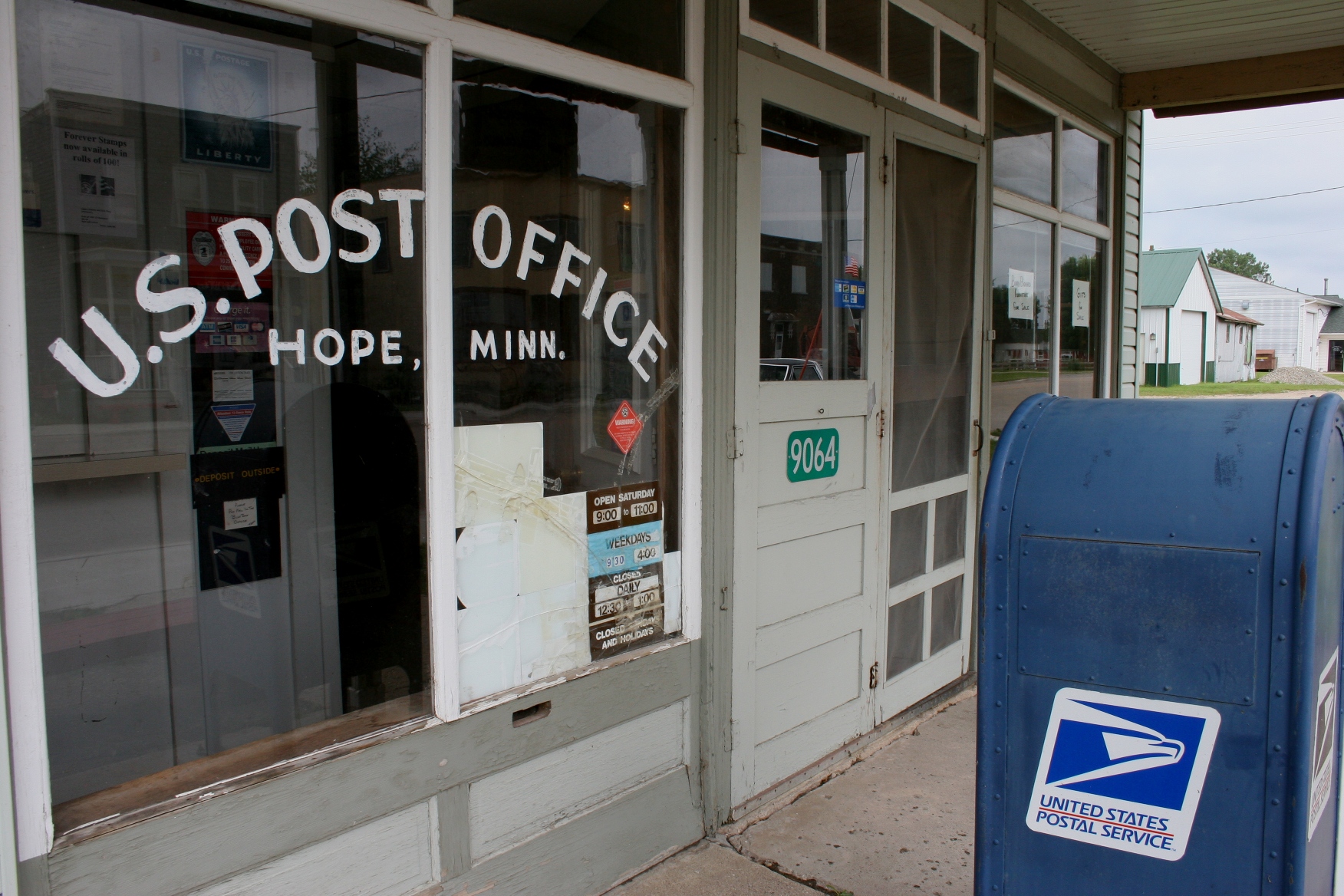
First point of interest: 56046. That would be the Hope Post Office. With a street front facade resembling the general stores of yesteryear or perhaps a building from a western movie set, this old-style structure charms.

The Hope Post Office sits along Main Street. The elevator complex in the background is just across the train tracks.
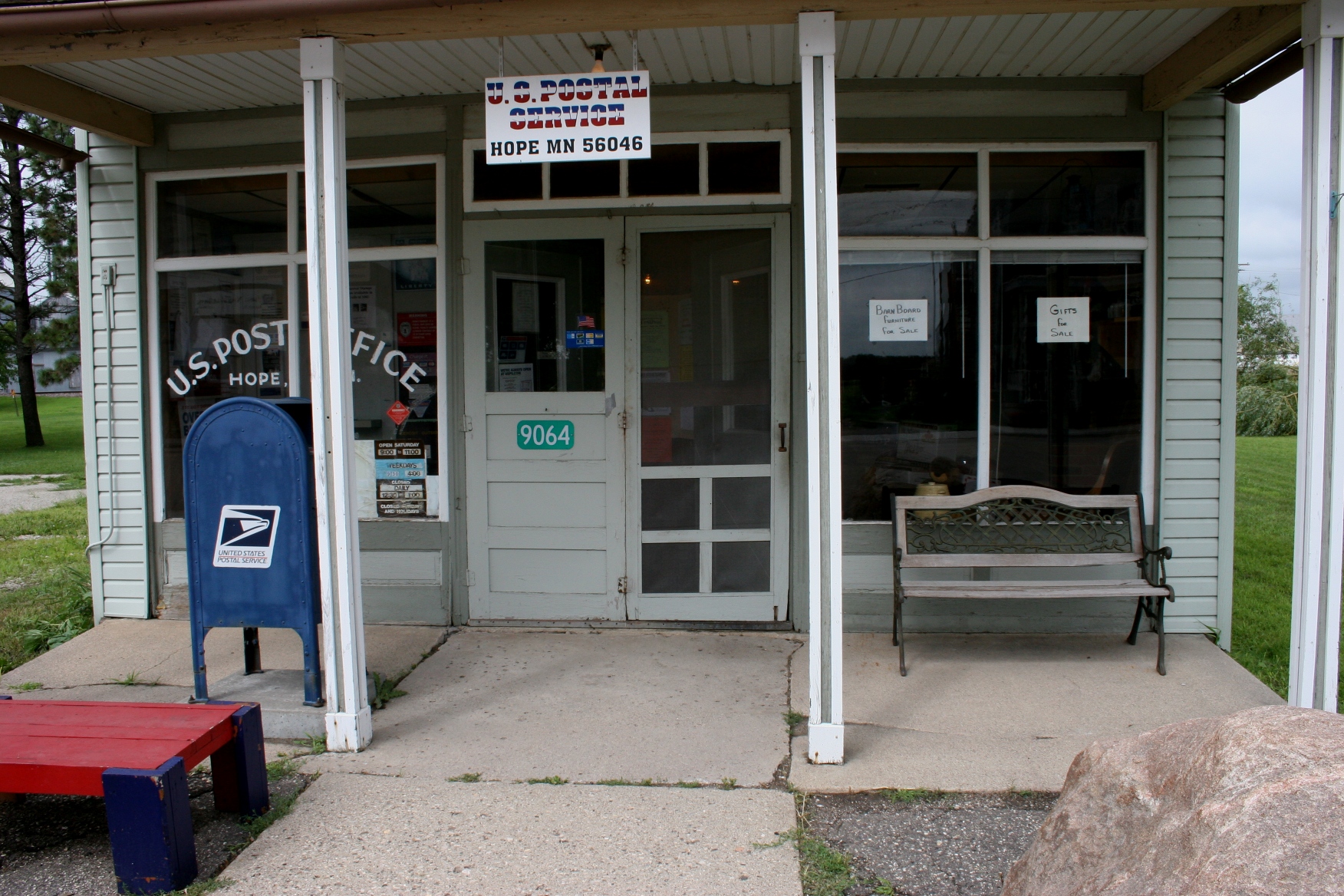
Take in the details: the red and blue bench, the double front doors, the rock out front, the welcoming porch...
Even the lettering on the front window has old-style charm.

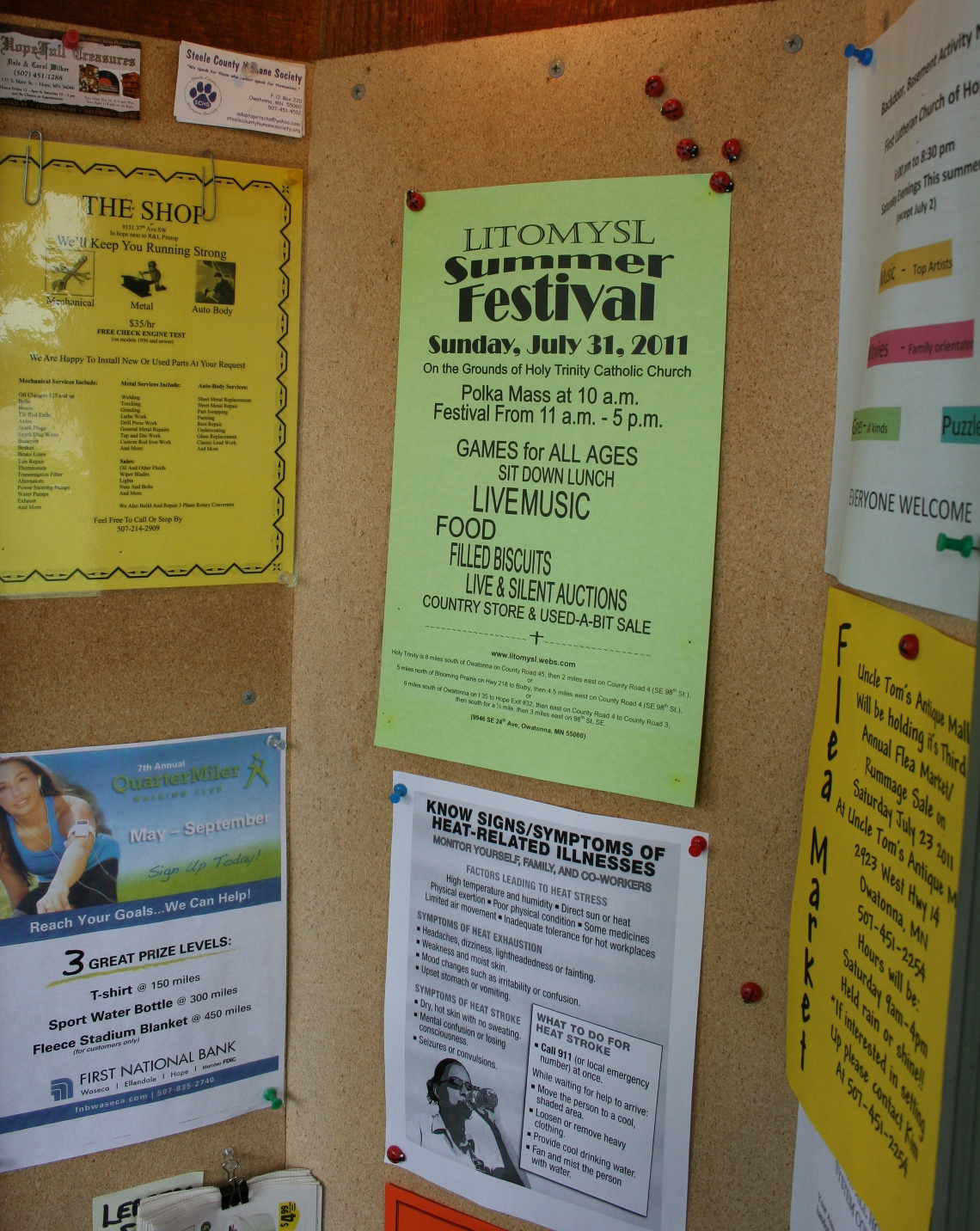
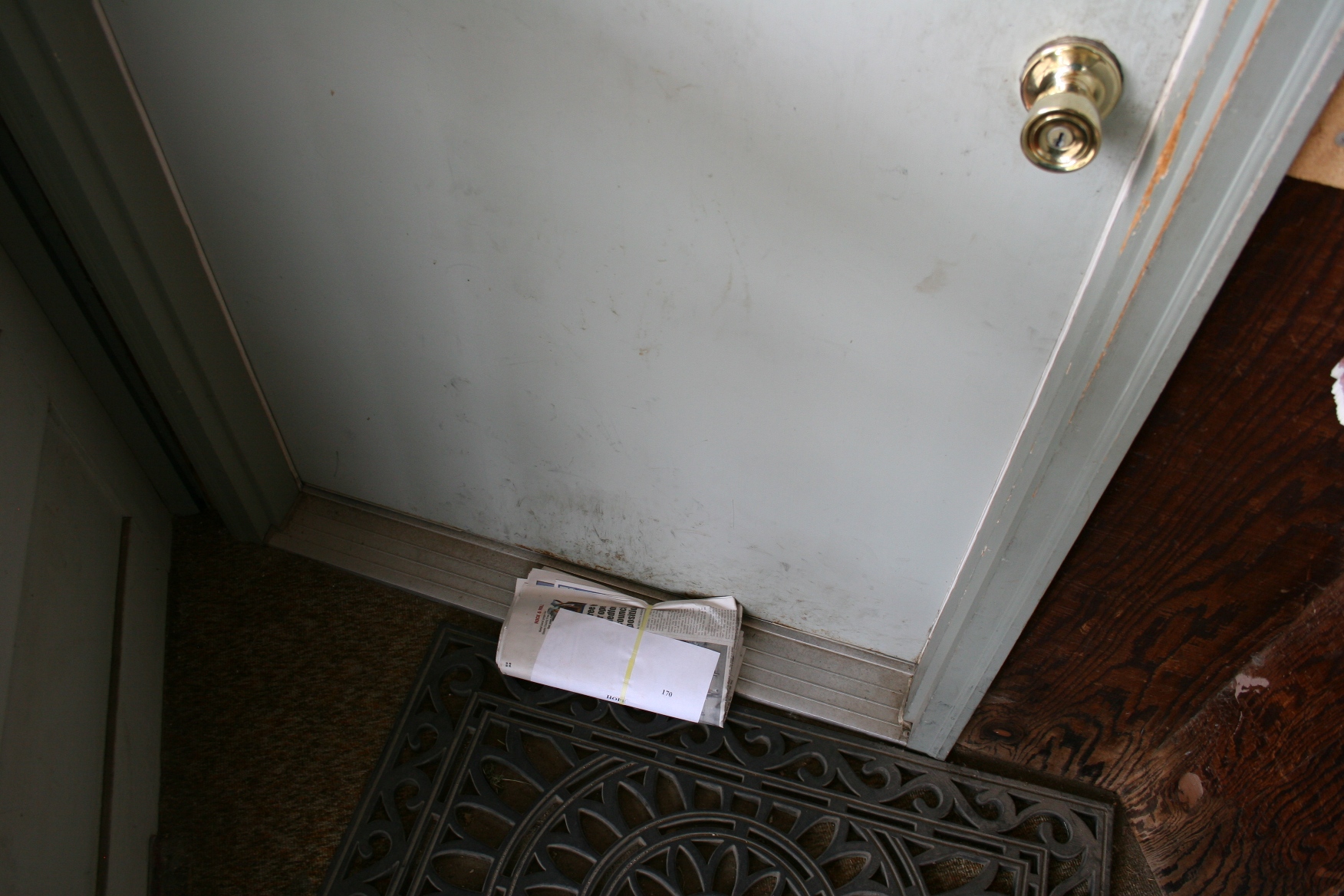
Maybe it doesn’t take much to impress me, but I appreciate buildings with character. I quickly determined that the post office serves as Hope’s community hub. I pulled open the screen door and stepped inside a closet of an entry, the door to the post office to my left, the door to a gift shop to my right. Smack in front of me, I found business cards and signs, church festival notices and other information tacked onto a bulletin board. A clutch of rubber-banded newspapers lay on the floor in front of the post office door.

The community bulletin board inside the post office entry.

A clutch of bundled newspapers outside the locked interior post office door.

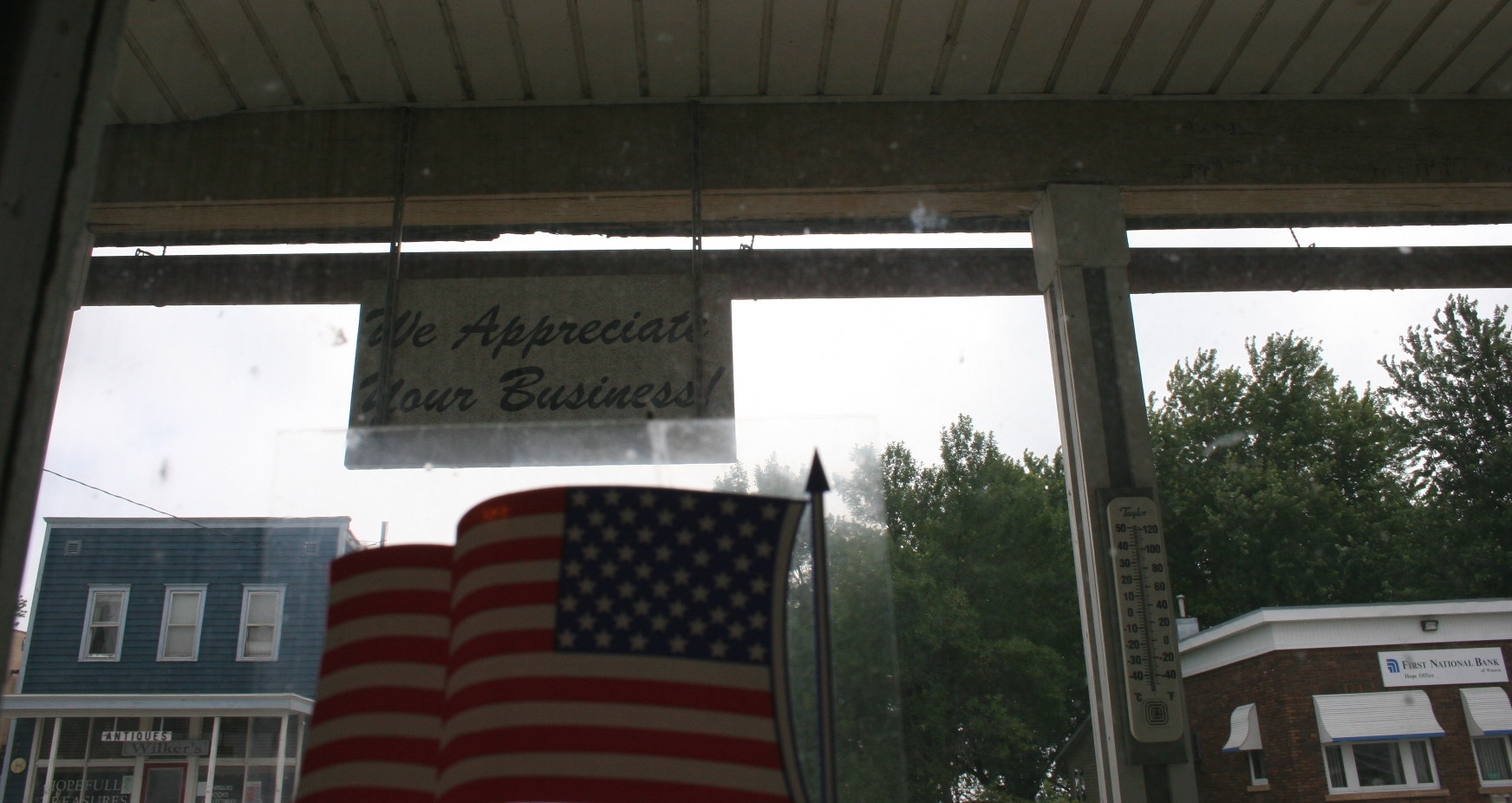
From inside the post office entry, a view across the street of the bank and an antique store.

Since I was there on a Sunday afternoon, I had to settle for standing outside, peering through the large, cracked and taped front windows to view the customer service area that is smaller than most bathrooms. But it serves the purpose and I’m sure Hope folks are happy to still have their post office.

I always figure once a community loses its school, its post office and its bank, well then, you may as well close up the town. So far, Hope has only lost its school.

Today the U.S. Postal Service releases a list of 3,600-plus post offices under consideration for possible closure in a cost-cutting effort. I hope Hope is not among them.

Post office hours are listed on a cracked and taped front window.

CHECK BACK FOR MORE posts out of Hope and other area communities I recently visited while on a Sunday afternoon drive. It’s my philosophy that most of us are missing out on the treasures of small-town U.S.A. because we fail to get off the freeways, park our vehicles on Main Street and explore. Either that or we’re “too busy” to slow down and notice the details worth noticing in our small towns.

If anyone knows about the history of the Hope Post Office, submit a comment. I would like to learn more about this building.

© Copyright 2011 Audrey Kletscher Helbling