

FOR DAYS NOW WE’VE HEARD the warnings and been advised to prepare for impending bad weather in parts of Minnesota and Wisconsin. Here’s the latest from the National Weather Service website as of early Sunday afternoon: Regardless of the risk level, an episode of dangerous weather is likely Monday, with all hazards possible…
The NWS breaks that weather threat down to include tornadoes (a few strong), large hail, damaging winds and frequent lightning. OK, then. I’m listening.
I live in southern Minnesota, which is under a “moderate” risk of severe storms. Now that word choice may not sound all that threatening until you consider that “moderate” ranks as number four on a scale of one to five. “High” risk, #5, tops the scale. Central and eastern Minnesota and western Wisconsin fall in this “moderate” risk area for severe weather.
Weather forecasters seem pretty confident in their predictions. So I have to go with what they’re saying and remain watchful and informed. And stay in contact with my friend Brad, a Minnesota native who lives in North Carolina and is retired from the NWS. He’s like my personal weather forecaster. (Thanks, Brad.)

I emailed Brad that “I really really really don’t like tornadoes,” not that anyone does. But I do have a bit of history with tornadoes stretching back to June 1968. On June 13, 1968, a violent F5 tornado with wind speeds of 261-318 mph devastated the small southwestern Minnesota town of Tracy, killed nine and injured 125. Days after that deadly twister, Dad, Mom, my siblings and I piled into the car for the 25-mile drive south of our family farm to view the destruction. The imprint of those scenes has stuck with me, which is likely the reason I respect and fear tornadoes.
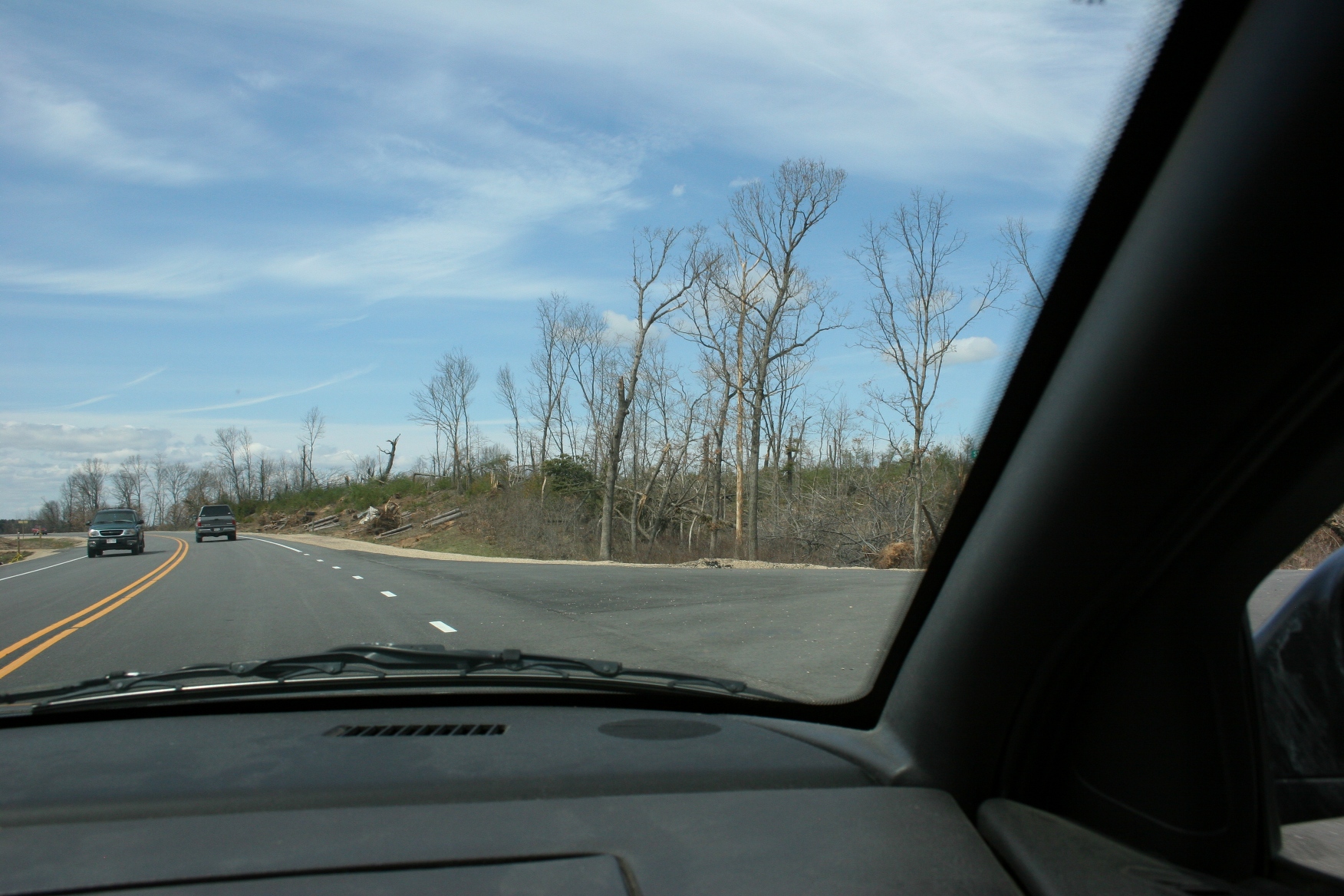
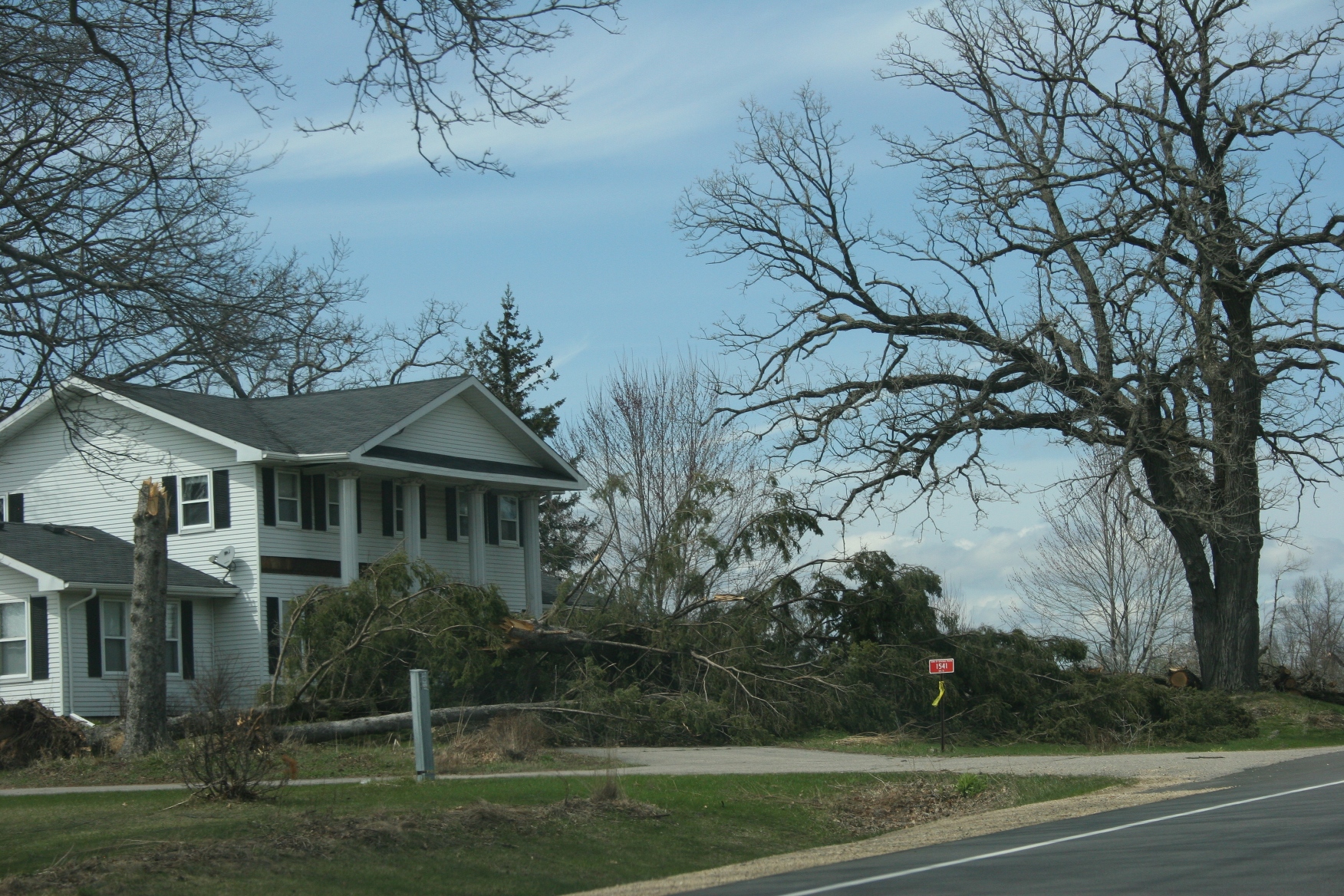
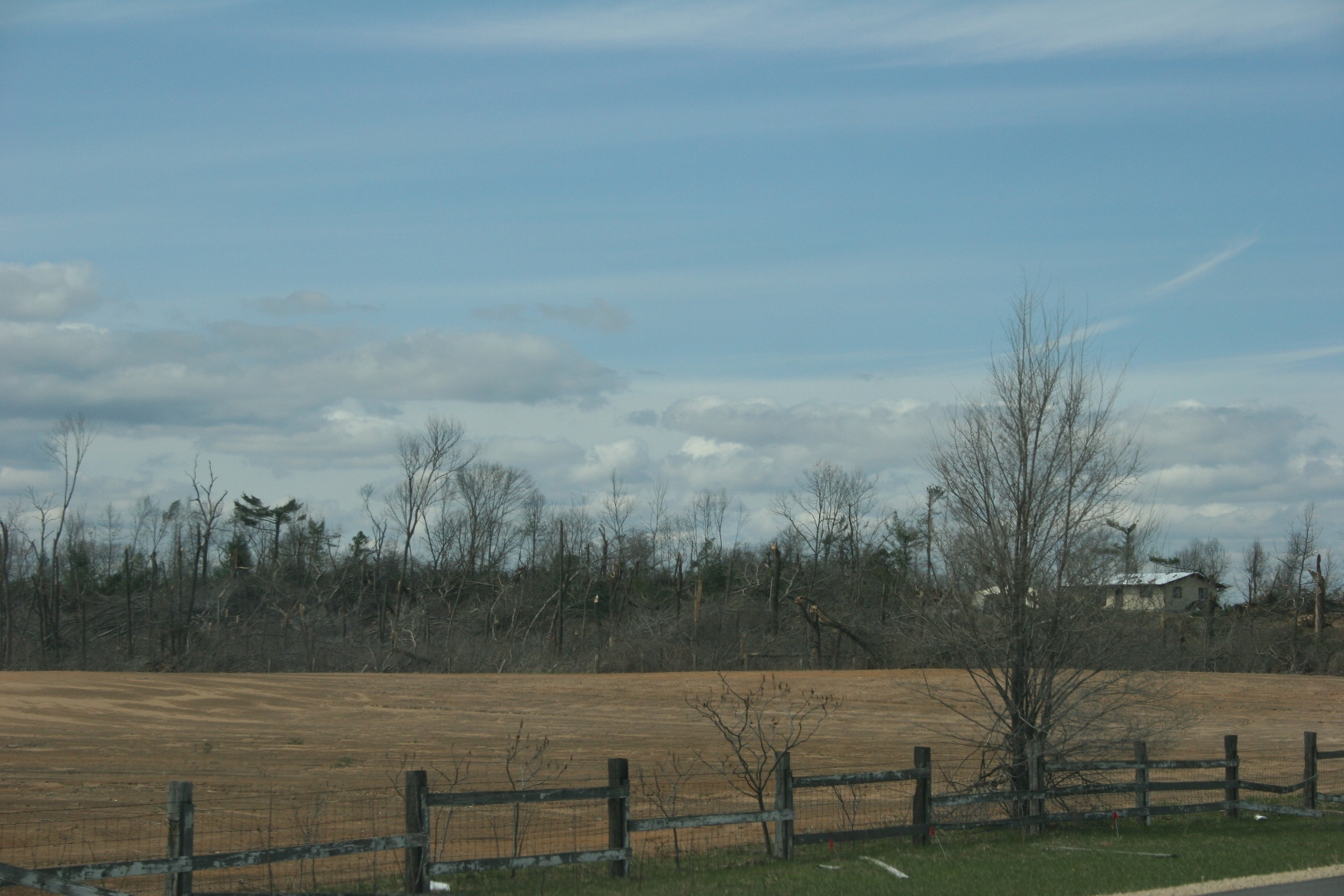
More recently, in September 2018, five tornadoes (the largest an EF2) swept through my county of Rice, including in Faribault. Randy and I sheltered in our basement as strong winds raged, ripping the electrical mast from our house and downing trees throughout our neighborhood and nearby. It was frightening to be huddled in the basement, to hear that roaring wind and then to be plunged into darkness. But damage to our property was minimal. And no one was killed or injured in the county. Today I can look out my office window or walk into my backyard to see visual reminders of that severe storm in what I call “tornado trees.”
Going back further, I recall seeing the destruction in St. Peter, 40 miles to the west of my community, after a tornado touched down there on March 29, 1998. A young boy died. A childhood friend lost his home. Prior to reaching St. Peter, the tornado devastated Comfrey in southwestern Minnesota.
In 1980, a tornado took down a silo, tossed a silage wagon, ripped the railing off the house and more on my childhood farm. That was literally too close to home. It was home. I was working as a newspaper reporter some 65 miles away and raced back to Vesta the next day to see the damage. While working as a reporter in Gaylord, I also reported on and photographed damage left by a tornado.
On July 7, 2011, downbursts during severe weather heavily-damaged my childhood church, St. John’s Lutheran, and caused other damage in my hometown. In neighboring Belview, an EF1 tornado touched down on that same date causing widespread destruction. My personal weather forecaster friend, Brad, grew up in Belview.

Yes, I have a history with severe storms and tornadoes. How about you?
Be alert, prepared and safe, everyone, especially my friends in Minnesota and Wisconsin.
© Copyright 2025 Audrey Kletscher Helbling




 Minnesota Prairie Roots
Recent Comments