
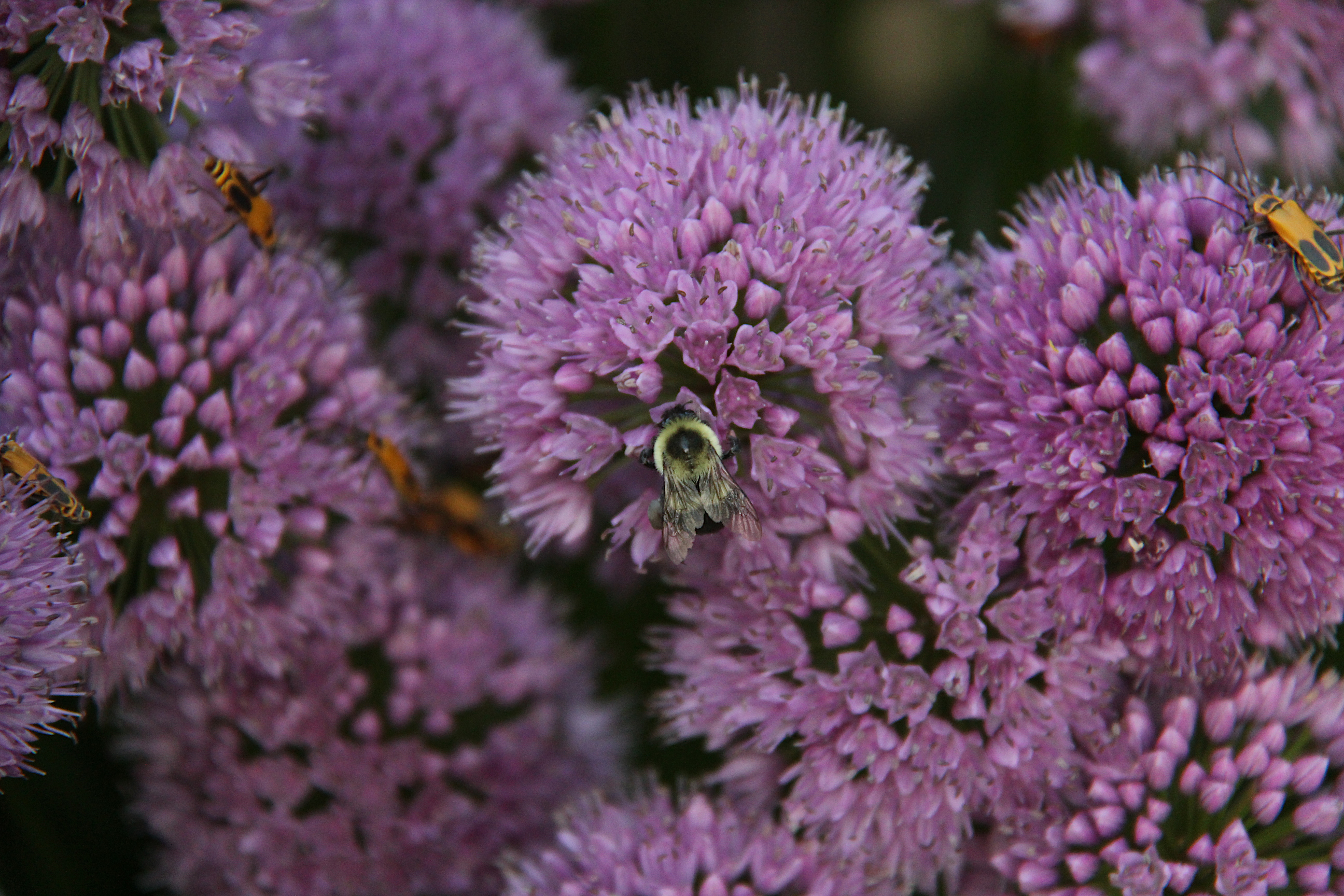
ADMITTEDLY, I NEVER EXCELLED in science. I sort of just got by, learning what I needed to learn to get reasonably good grades in science class. But if I was to go back to the classroom, I’d listen more intently, ask more questions, figure out how the information I was taught actually related to me and my world. In other words, I wouldn’t simply absorb, regurgitate and then move on, which seemed to be the way subjects were taught when I was a student.
Now, as an adult, and an aged one at that, I realize that the core of learning is not memorization. It is rather taking in information that sparks interest, raises questions, causes independent thinking. I am still learning well into my sixties, this year marking 50 years since I graduated from high school.
Today I learn because I want to, not because I need to take some class for credits or to earn a degree.
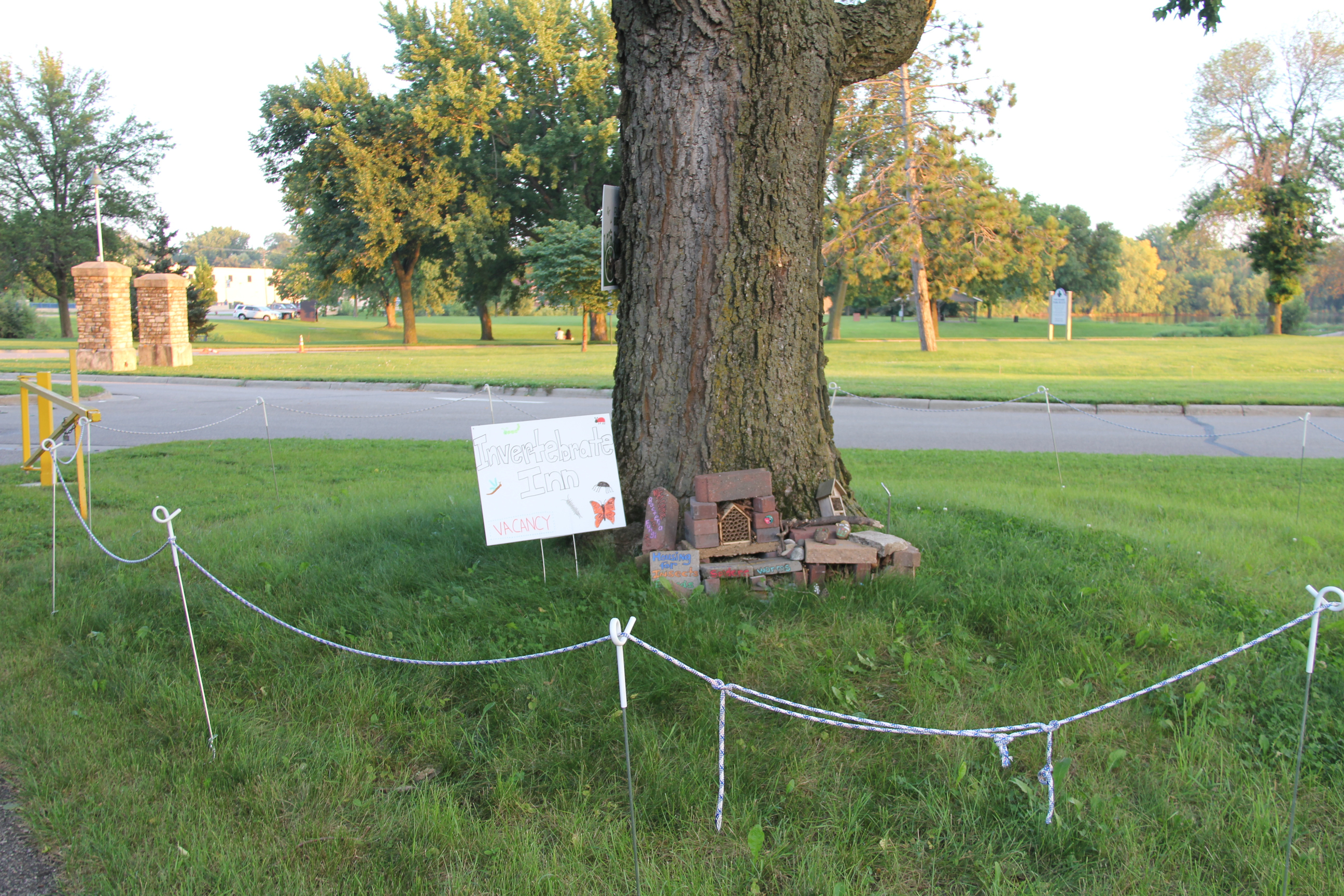
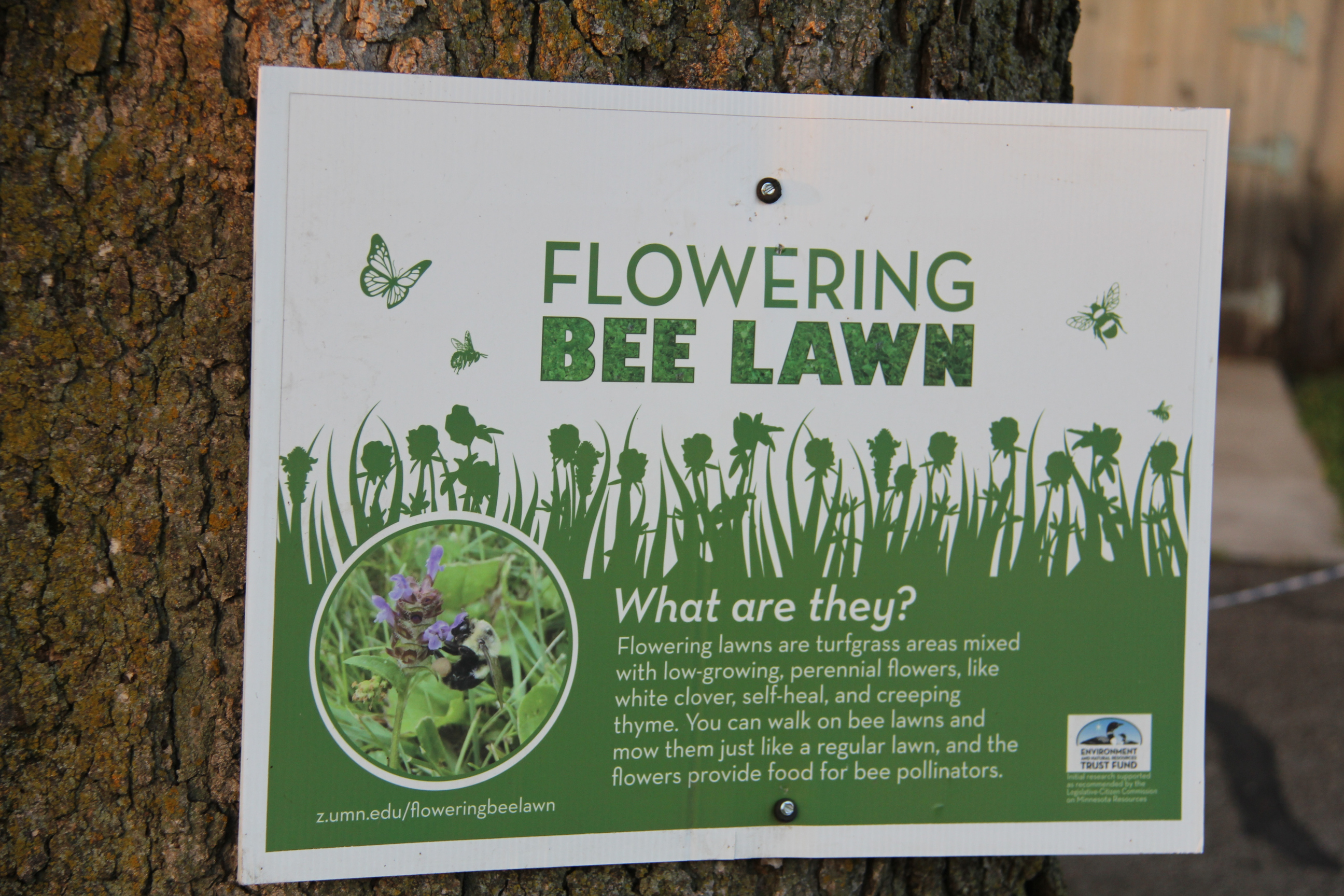
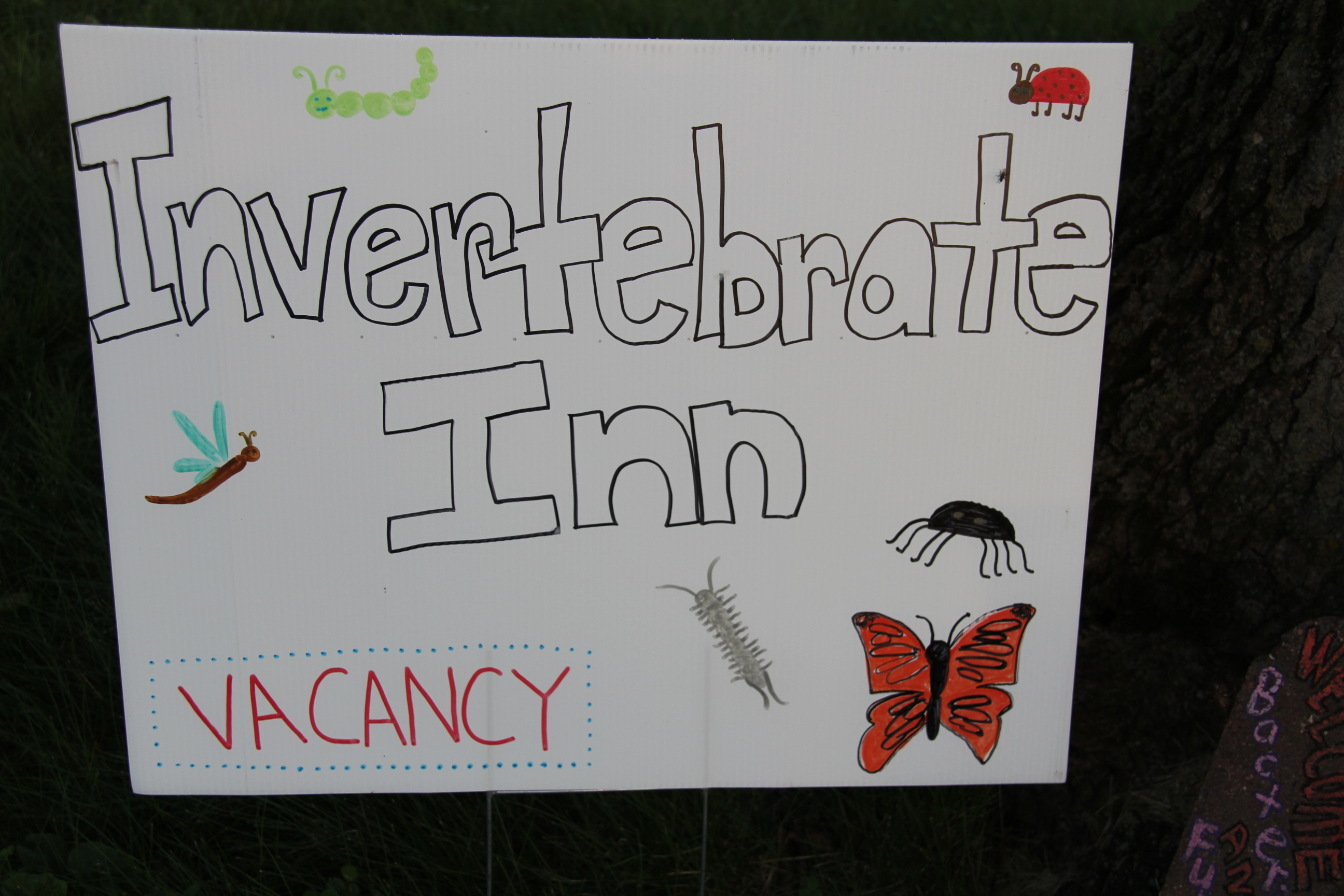
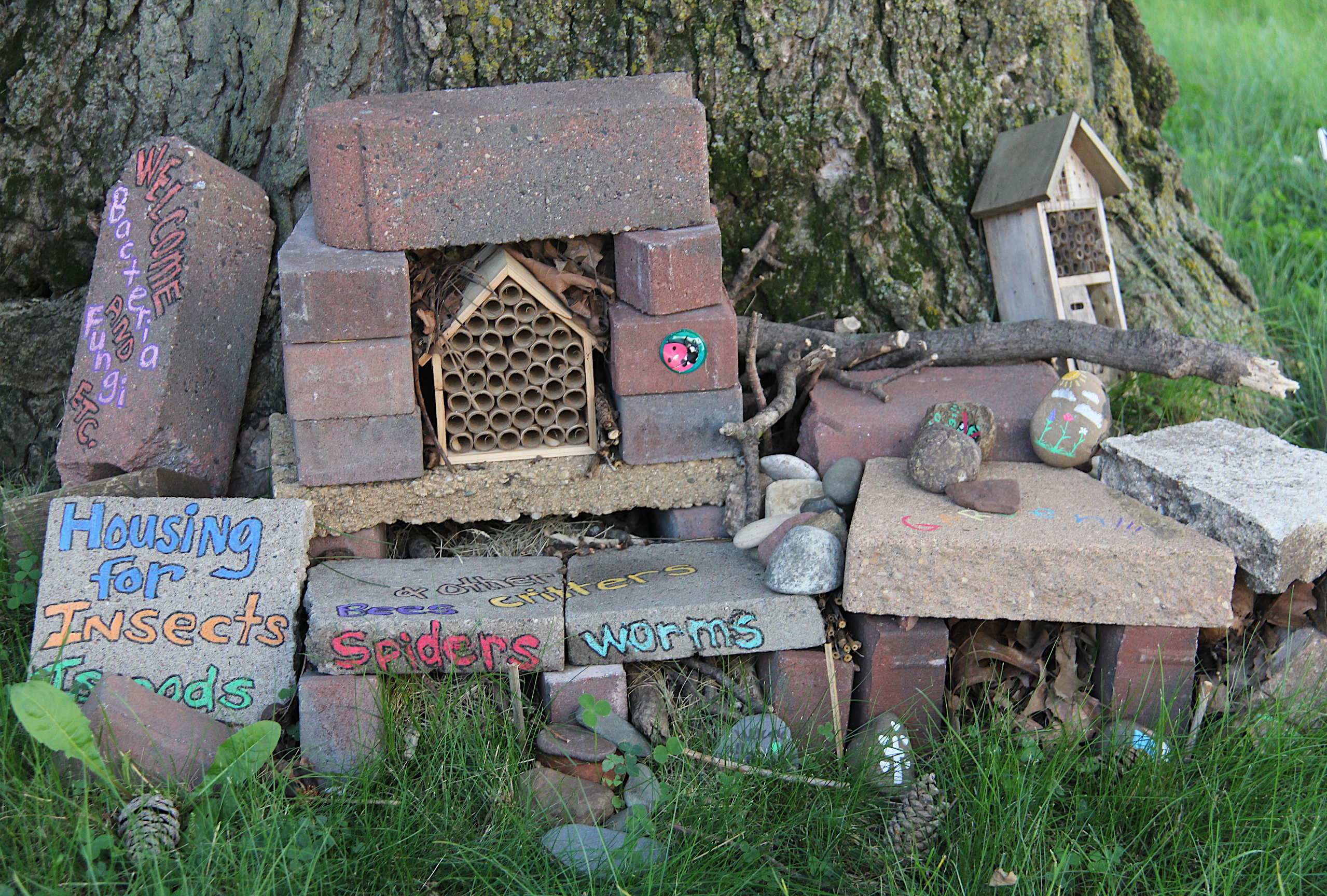
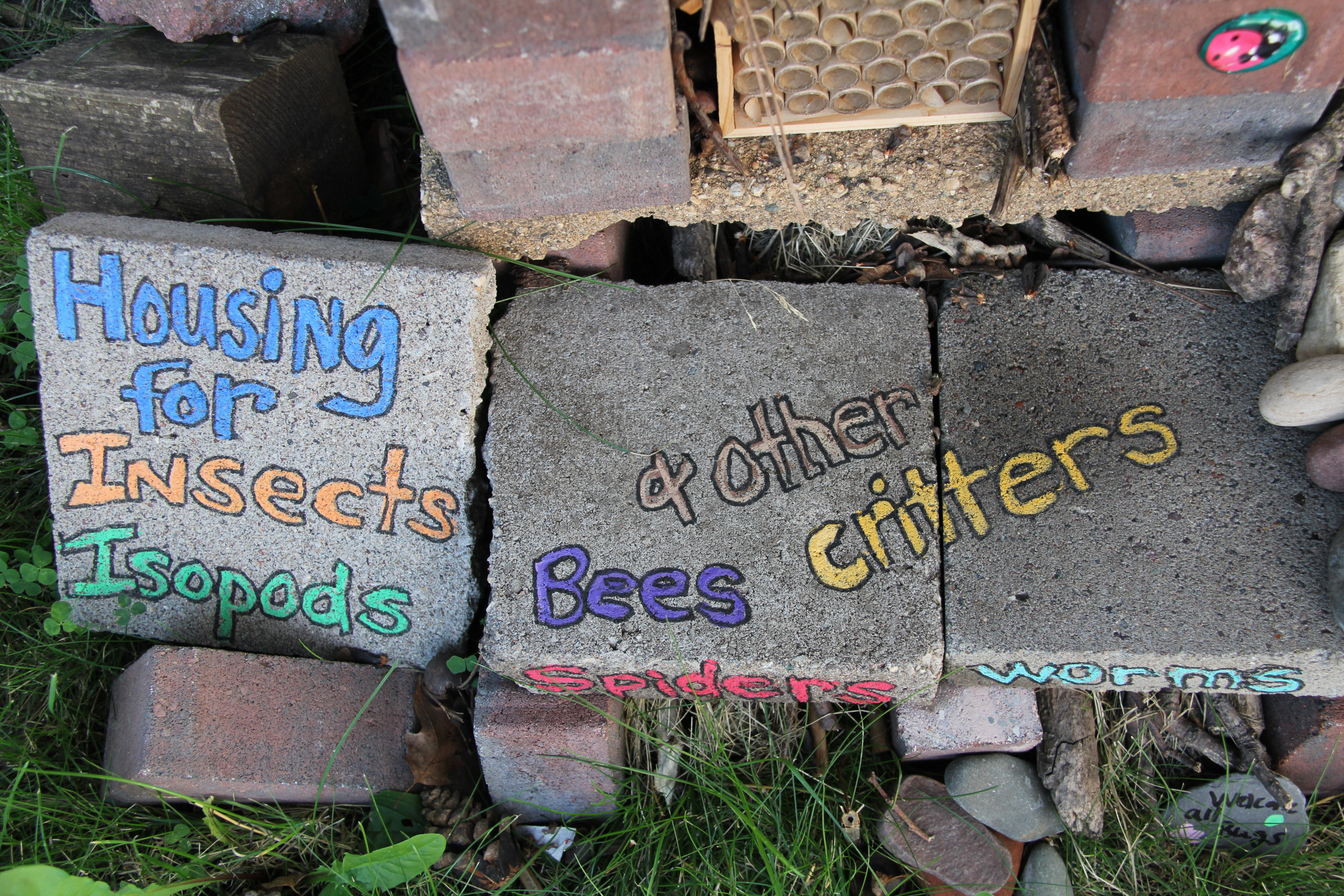
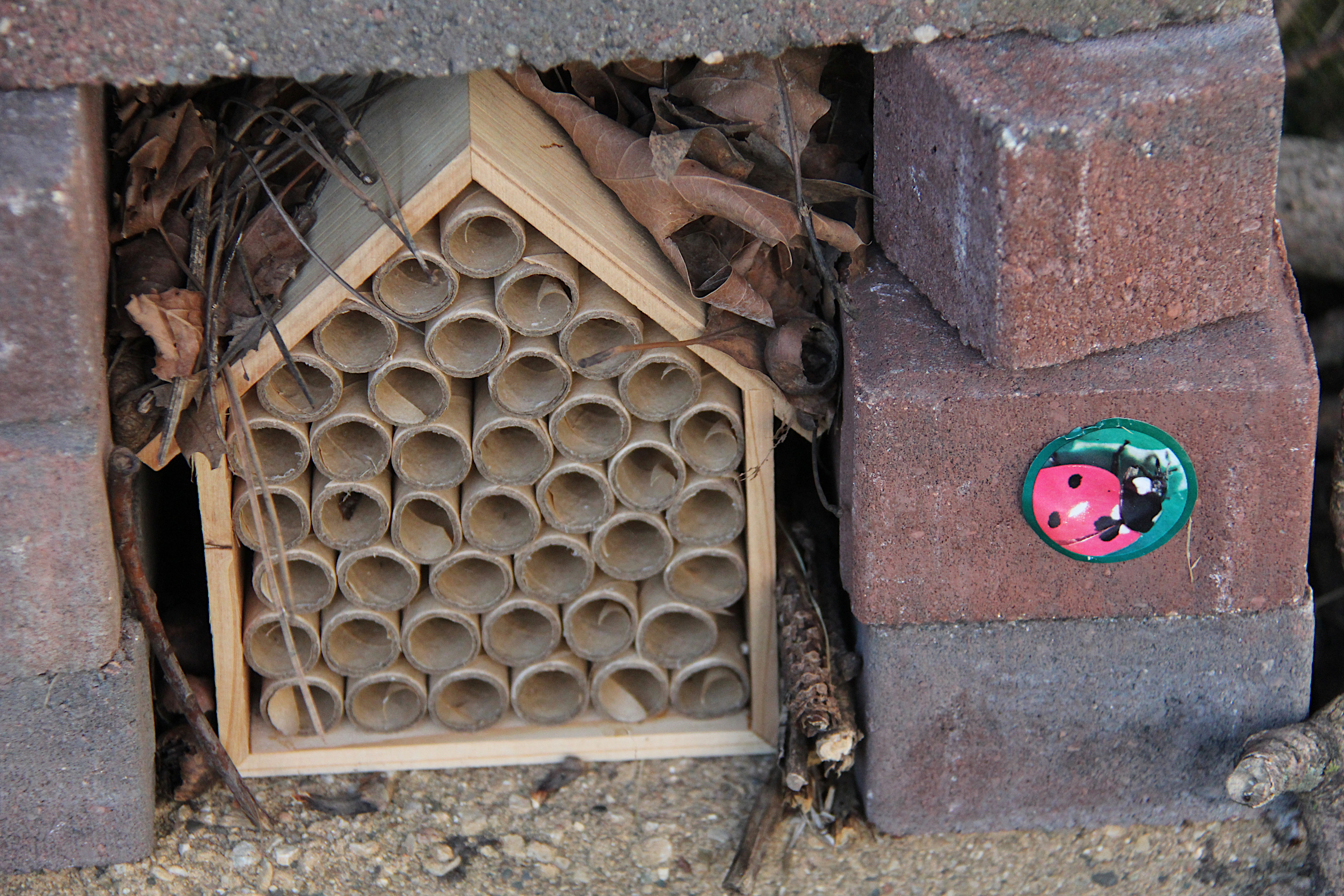
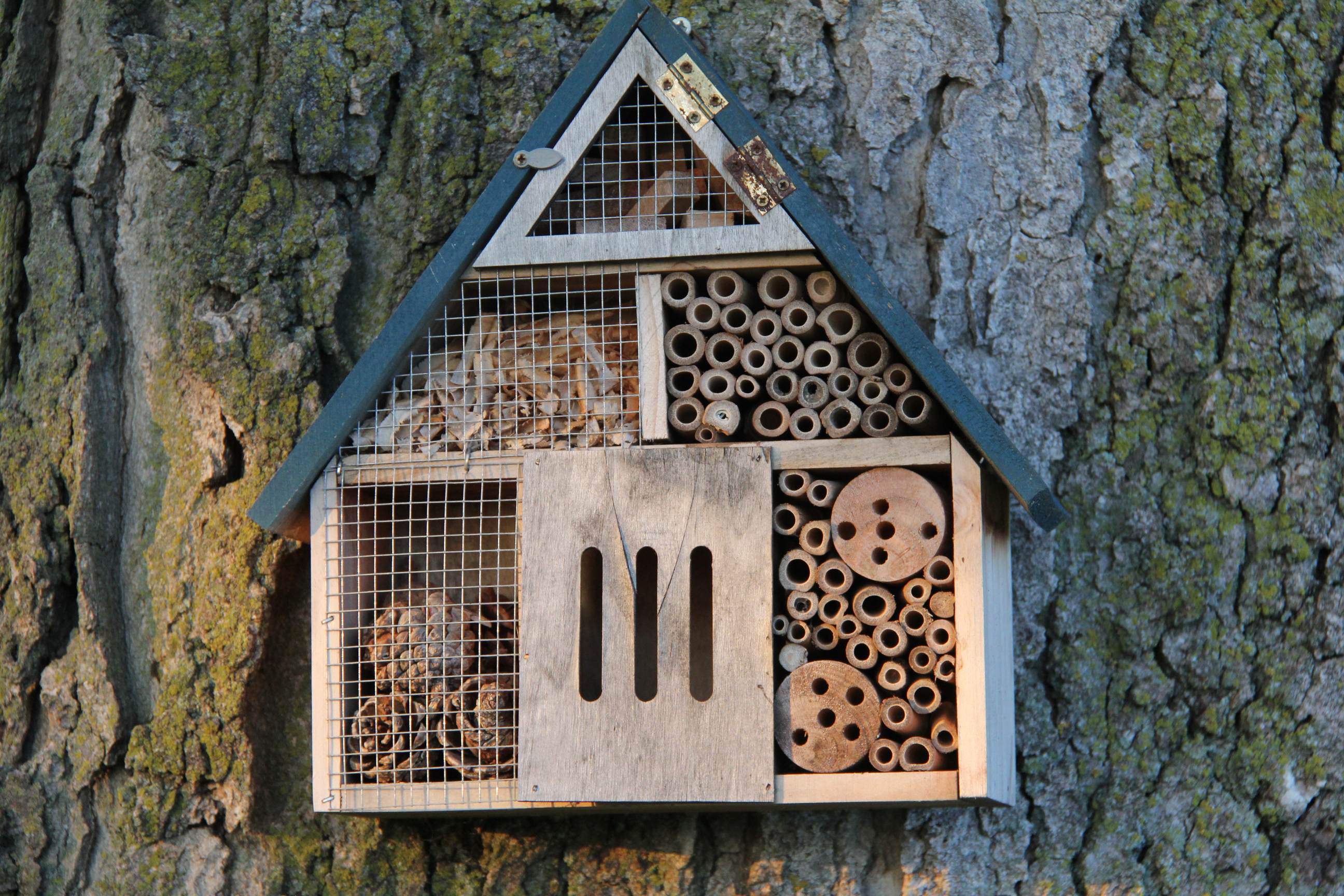
My latest delve into science was prompted by a visit to the Rice County Master Gardeners Teaching Gardens in Faribault. There I spotted an Invertebrate Inn and a bee lawn, recent additions to the beautiful gardens located at the Rice County Fairgrounds. These are not exactly novel ideas. But I’d not previously considered them much and how they benefit the natural world. Low-lying bee lawns, with their clover and other flowers like creeping thyme, provide nectar and pollen for pollinators.
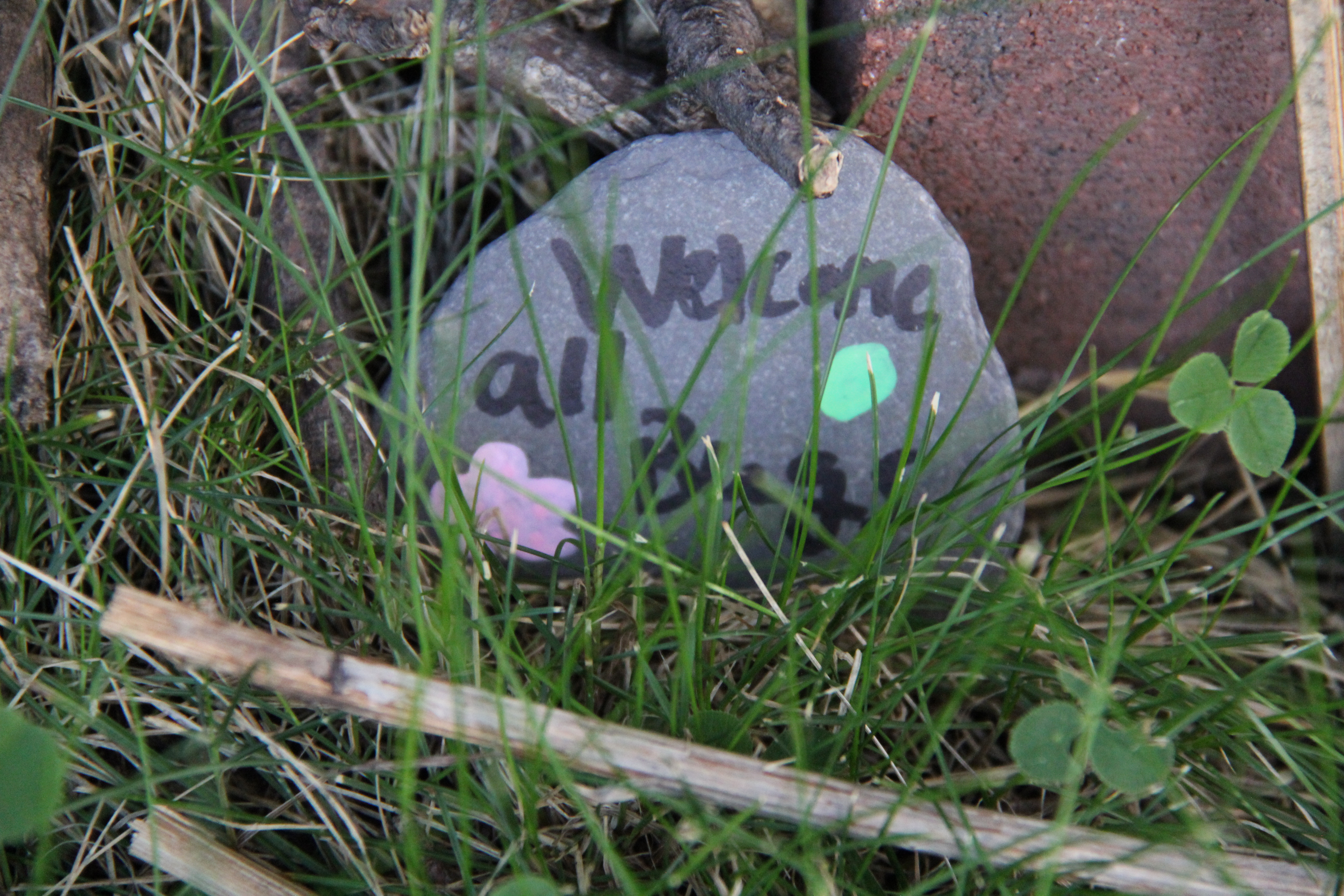
In some ways, the inn and the bee lawn remind me of childhood days on the farm with our grass anything but weed-free and manicured. Dandelions and clover were prolific. No weedkiller or insecticides were used except on crops. No nothing applied to the grass, because who cared and who had time to nurture a lawn when there were crops to plant and cultivate and animals to tend?
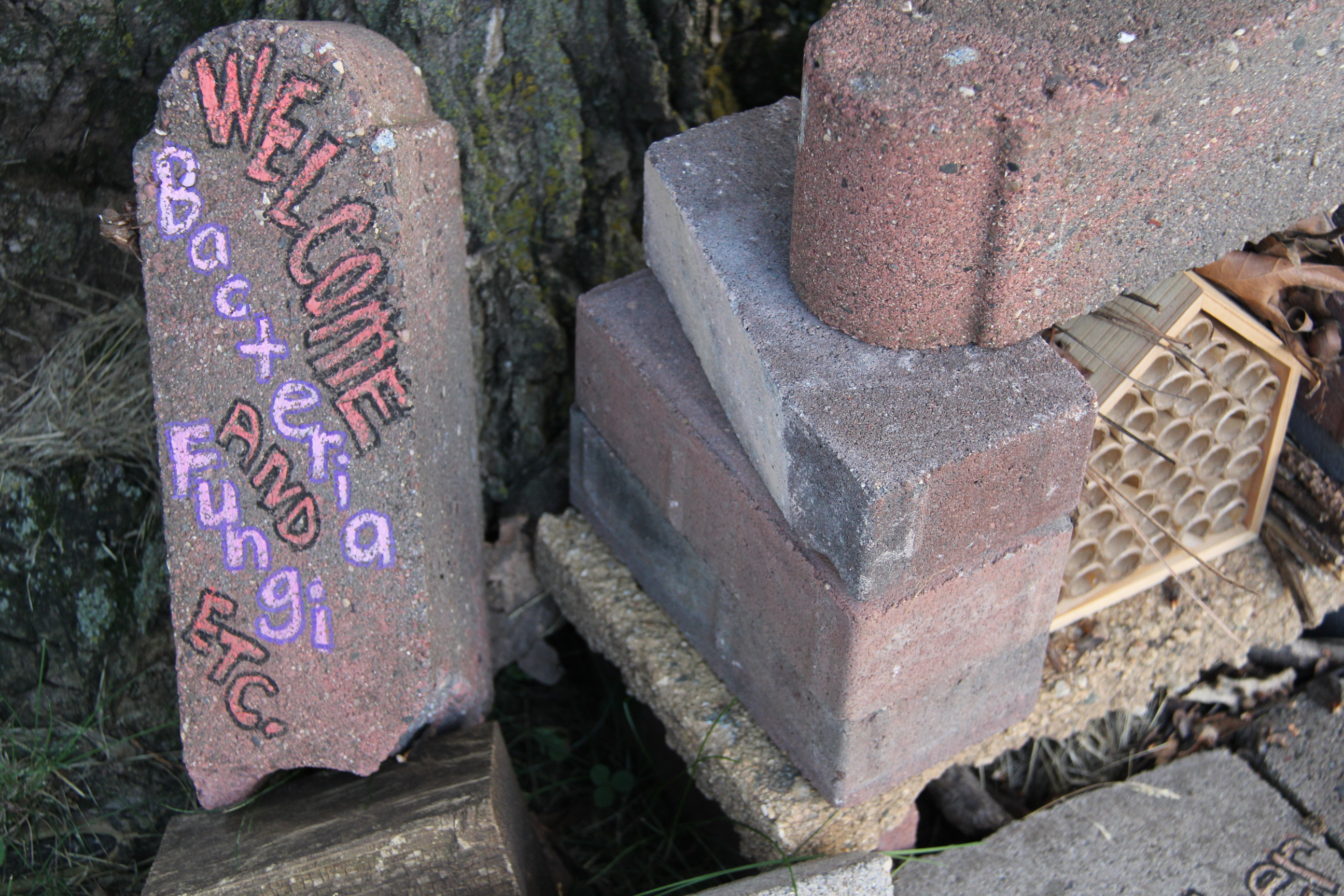
Times have changed as farming and yard care have evolved. Insecticide and herbicide usage is prevalent. We would be naive to think this has not affected pollinators like butterflies and bees. And so when I discover something like a bee lawn and an Invertebrate Inn, I feel a spark of joy, a sense of gratitude for those who create them.
I want my grandchildren to understand that this world they’ve been given is one that needs to be nurtured and appreciated, taken care of in a way that perhaps my generation did not. Sure I celebrated Earth Day, wore Earth Shoes and spouted environmental platitudes of the 1970s. But did that really mean anything, make any long-lasting impact? It was a beginning, I suppose.
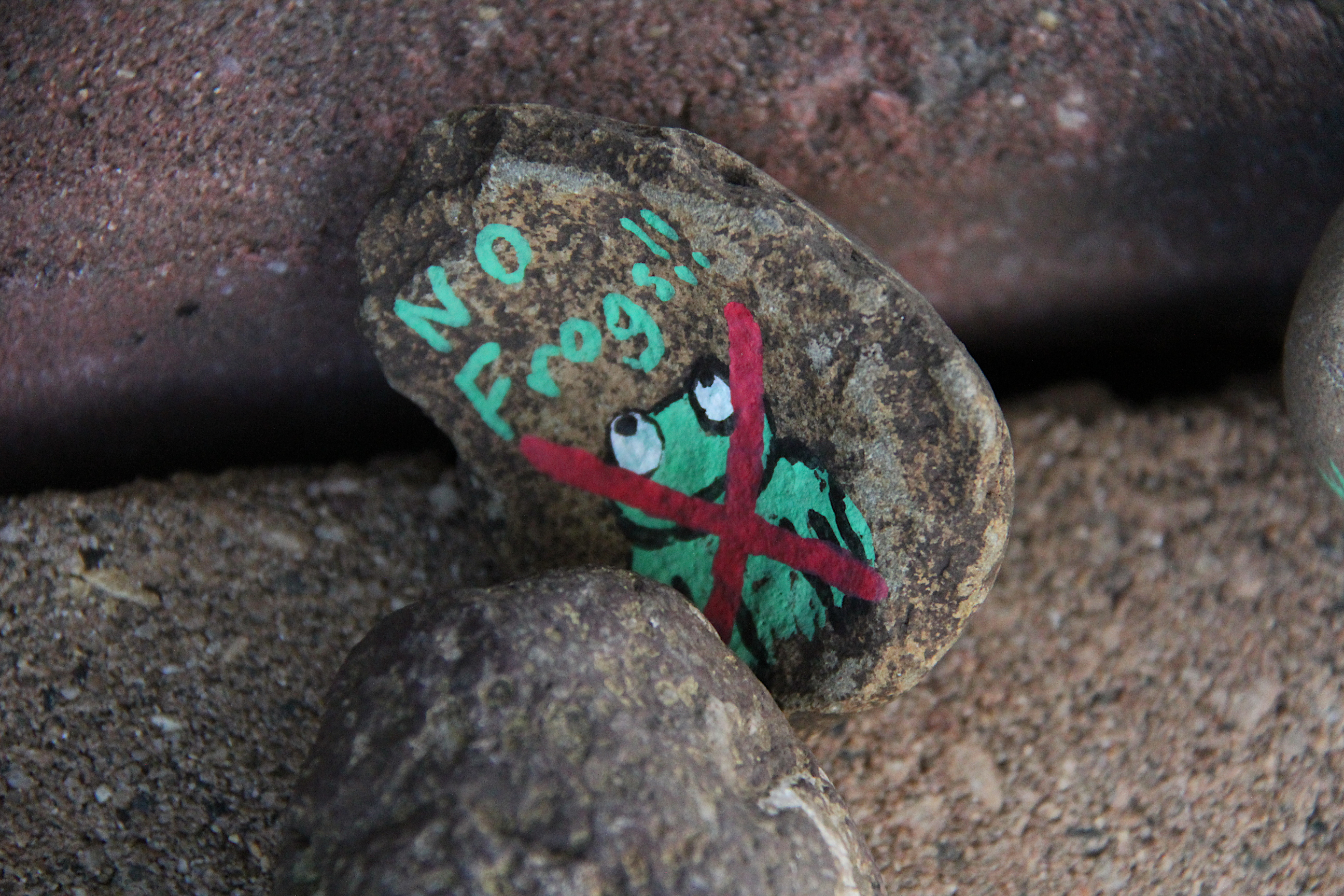
I want my grandchildren to ask questions in class, seek out information, learn in a way that is focused on curiosity rather than feeding back facts. I want them to care about the bees and the butterflies and the bugs.
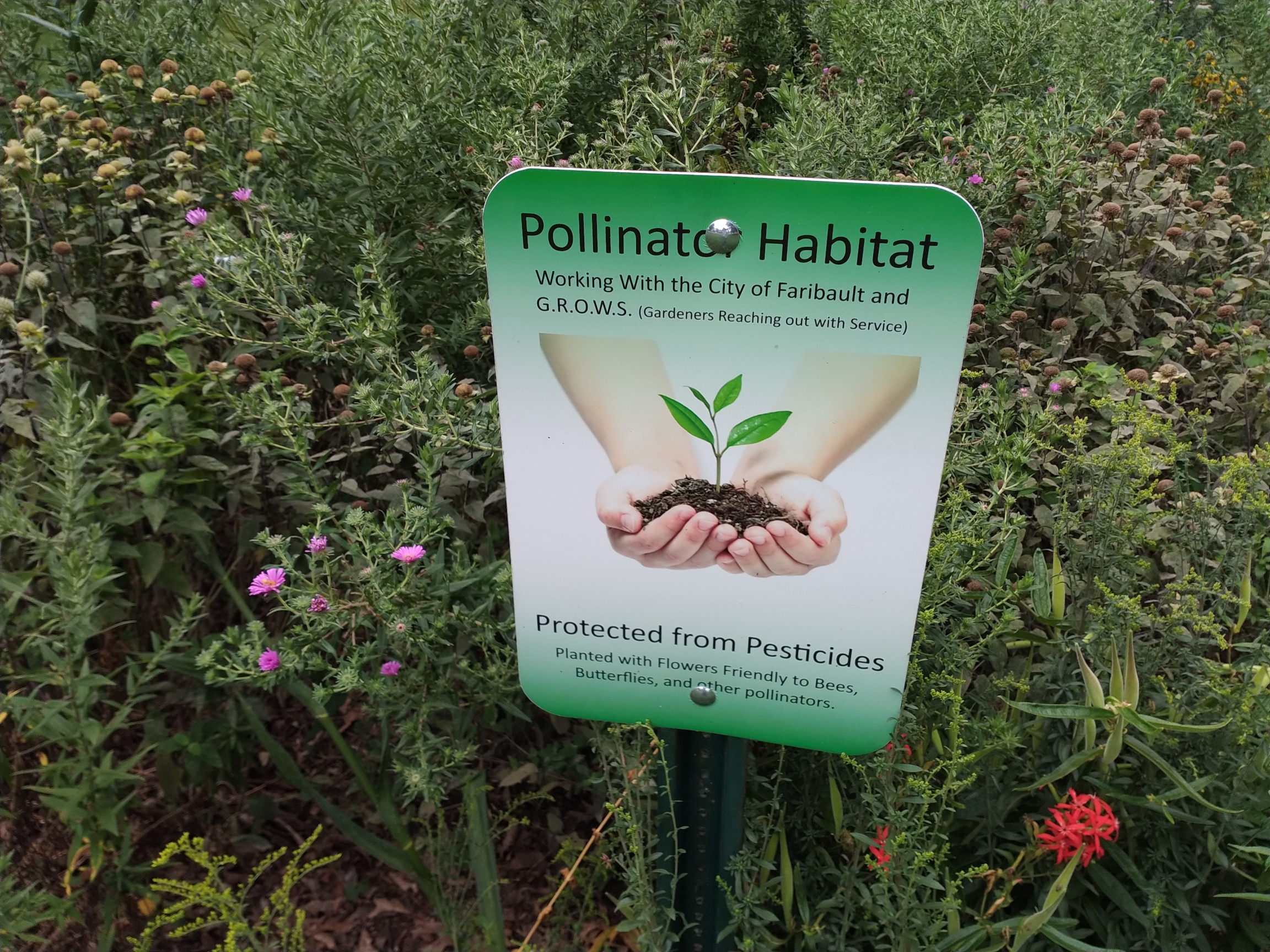
I want them to connect with nature, to understand that what they do, or don’t do, to the earth matters. I want them to get their hands dirty in the soil, overturn rocks, hold bugs, pick up worms, plant flowers and, most of all, appreciate this natural world of ours. The science of it. The beauty of it. The peace it brings to the soul. The joy it brings to the spirit. And I want them to care. Always.
© Copyright 2024 Audrey Kletscher Helbling


 Minnesota Prairie Roots
I agree that conserving nature is a very important topic to teach children. I would also say that teachers could do a better job at making children want to learn. I hated history in school but I love watching the history channel. It’s one of the few things that I will watch on tv. Much better than a teacher with a monotone voice.
I agree with you on that. Teachers back in my day were not particularly creative, with the exception of a few. I hope teaching has changed to make learning more than just what you say, sitting and listening to someone talk in a monotone voice.
oh, I so get this, Audrey. even when teaching the youngest children, I’d go to science class with them and always learn something. I wondered if I even listened or took things in as a child, but I soon realized it was because this teacher understood how people really learn, but connections to their real life and hands-on experiences. my oldest daughter, who works at our hospital, has been taking classes to become a naturalist/master gardener, and volunteering, just for fun and her personal knowledge and help the environment. She is helping me to learn about native plants, pollinators, grasses, rain gardens, meadows, etc. I had no idea about any of this and love that she is embracing it and teaching us. good for you for seeking to learn more as well. I am also hopeful that more teachers embrace this method of passing on information and wisdom
Thank you for sharing all of this…about that fabulous science teacher, about your daughter, about your wanting to learn. BTW, I’m wondering if you are missing teaching? Based on what you’ve written on your blog, you appeared to be a truly creative and engaging teacher.
I do love teaching and I feel like I’ll find other ways to do so. I love having the freedom of time.
I fully expect you will find ways to continue teaching, to use your talents, because that’s who you are. Caring, Giving. Compassionate.
❤