Minnesota Prairie Roots

Writing and photography by Audrey Kletscher Helbling

A questionable vintage beer ad September 18, 2010

Filed under: Uncategorized — Audrey Kletscher Helbling @ 8:27 AM
Tags: , , , ,

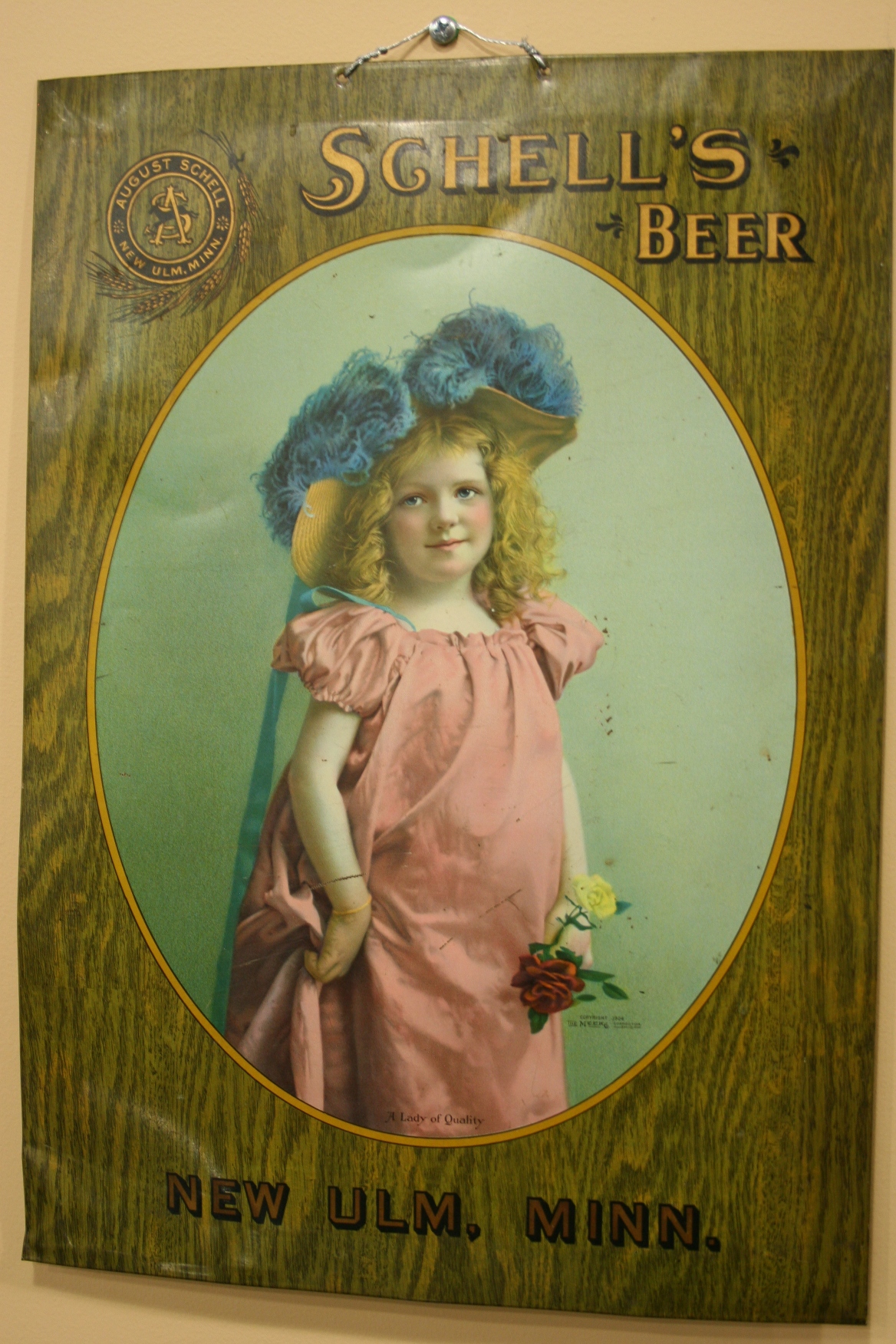
WHEN I SAW this vintage advertising signage recently at the August Schell Brewing Company Museum in New Ulm, I had to wonder, “What were they thinking?”

But I expect that back in the early 1900s, peddling beer in this manner was socially-acceptable. Can you imagine the uproar, though, if this occurred today, and rightfully so?

What you can’t read in this photo are the words directly under the girl’s image: “A Lady of Quality.” That really got me. Again, I’m certain such word choice was not considered inappropriate for that time period.

I wonder what the public will think years from now about some of our current-day ads. I’m not talking Schell’s advertising. I’m talking advertising in general.

Will anyone wonder, “What were they thinking?”

© Copyright 2010 Audrey Kletscher Helbling


Hunting for deer at August Schell Brewing Company September 3, 2010

Filed under: Uncategorized — Audrey Kletscher Helbling @ 7:54 AM
Tags: , , , , , ,

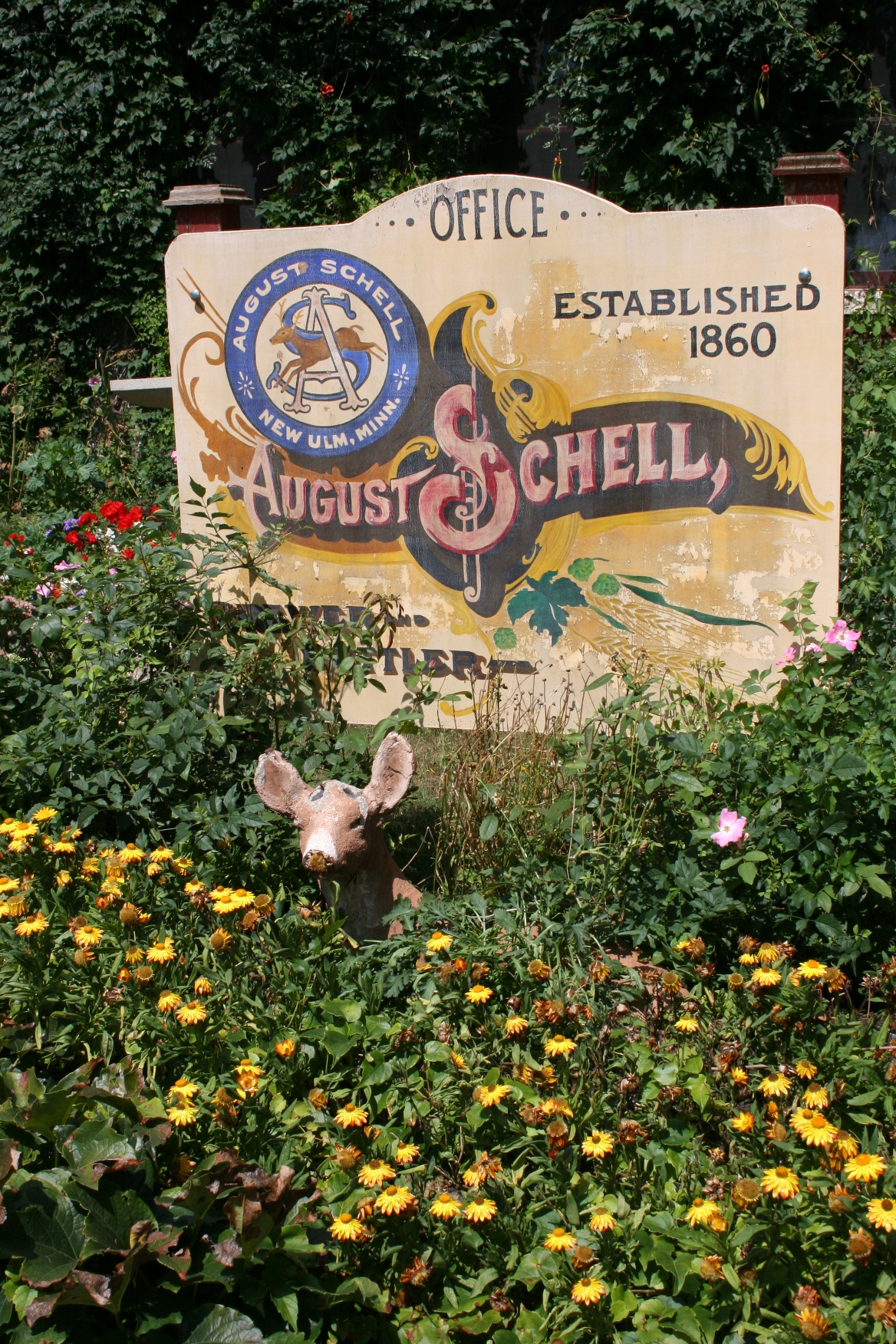
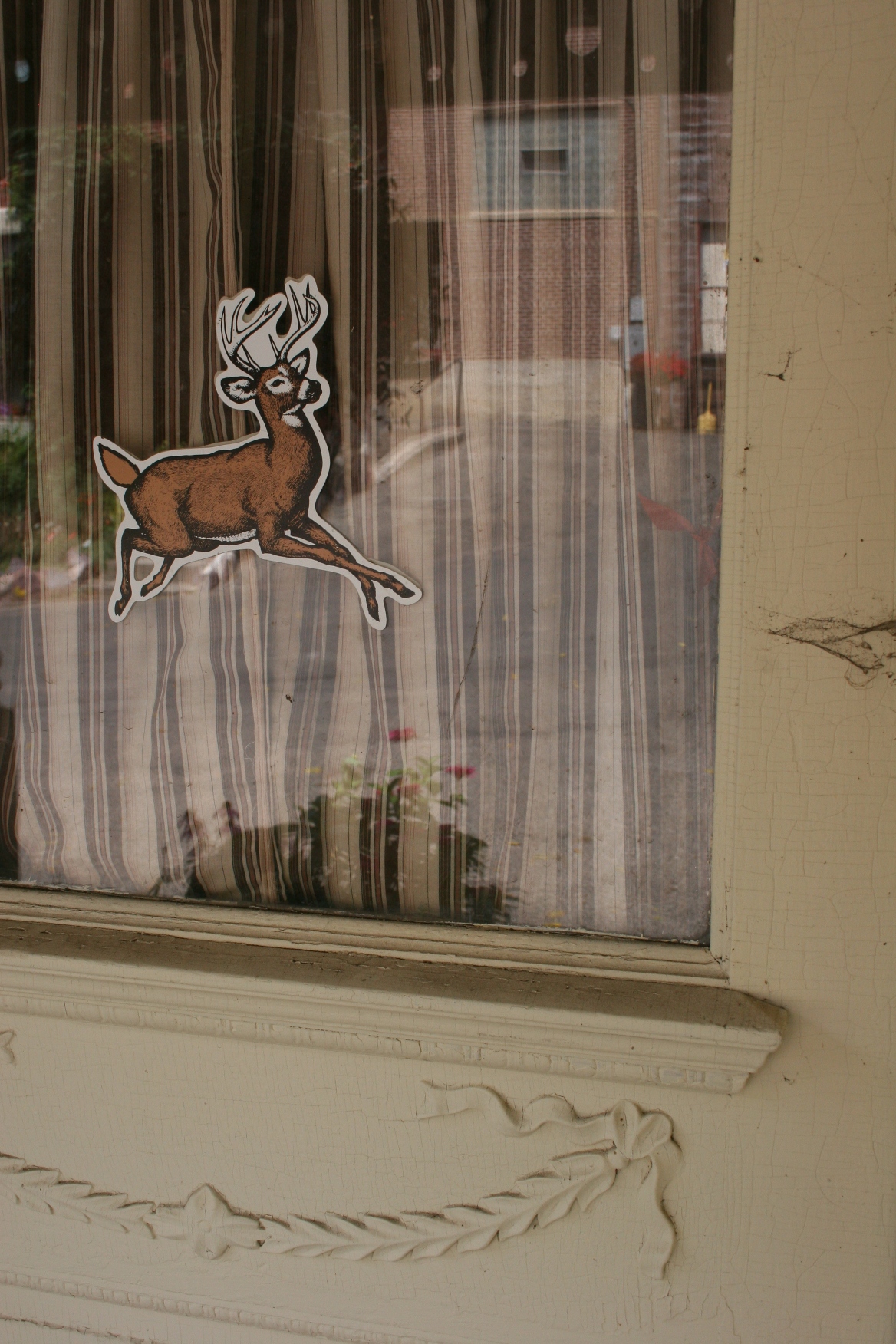
August Schell Brewing Company sign and deer by the corporate office.

I MUST ADMIT THAT prior to my recent tour of the August Schell Brewing Company, I had never really thought about the deer image that brands this New Ulm beer.

But, as our tour guide explained, company founder August Schell loved the white-tail buck.

Indeed he did. Everywhere I turned and walked and looked, I saw deer on the Schell’s company grounds. Only the real deer, which typically are visible to the public, were not around because of health issues, or something like that.

All of these deer got me thinking. Maybe the brewery could add a deer “hunt” to its tours as an activity for children and teens. I bet most kids don’t find the tour all that interesting because it’s geared primarily for adults. A deer scavenger-type hunt would provide an entertaining diversion for the younger generation, or for all ages. I saw grandparents with their grandchildren and I’m certain the elders would welcome a cross-generational activity like this.

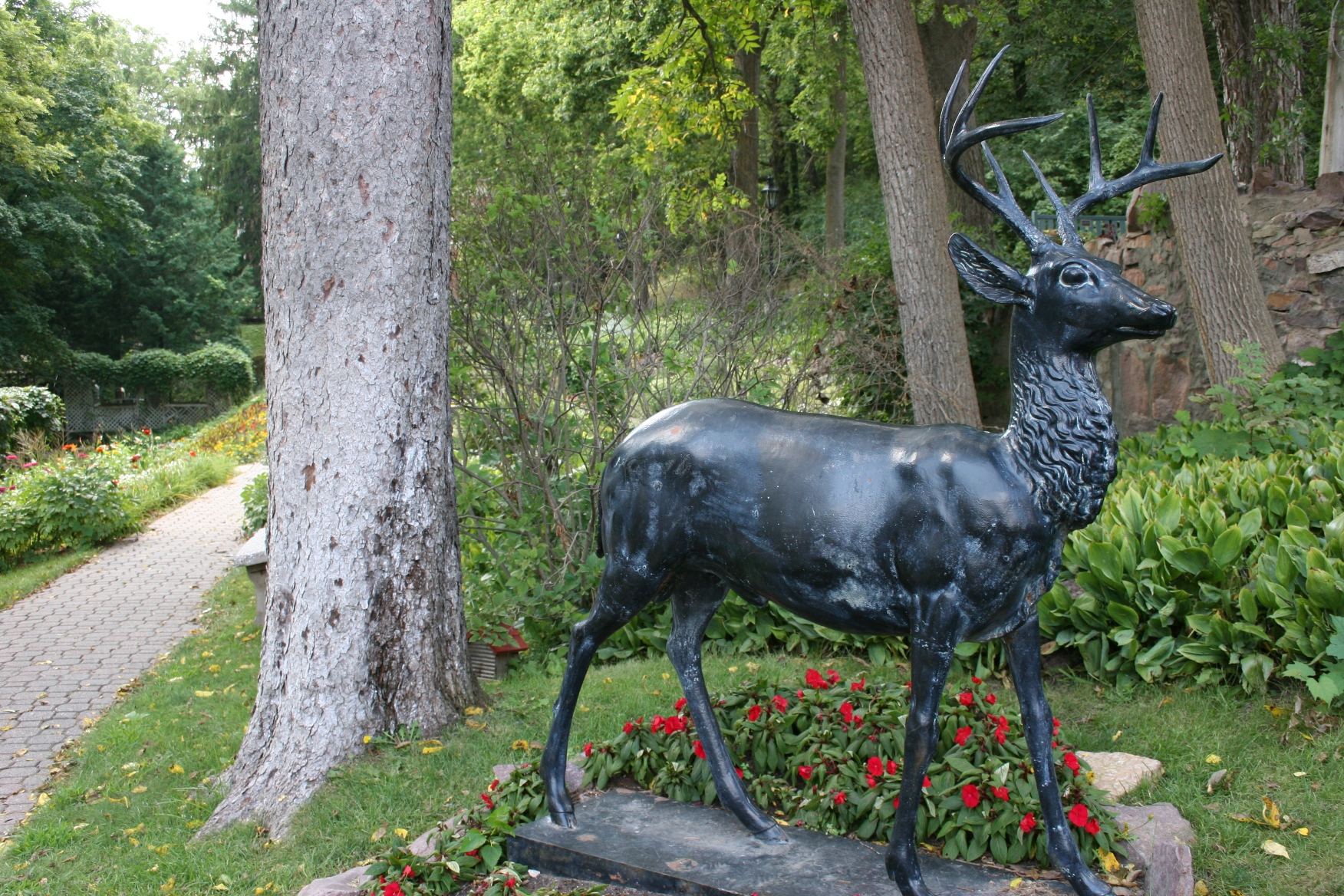
So here’s my idea: Create a printed sheet of historical facts that lead to various deer on the grounds. For example, one clue might be “Welcome to the Black Forest, a re-creation of August Schell’s homeland.”

A stately buck statue stands on the edge of the wooded area which resembles August Schell's native Black Forest.

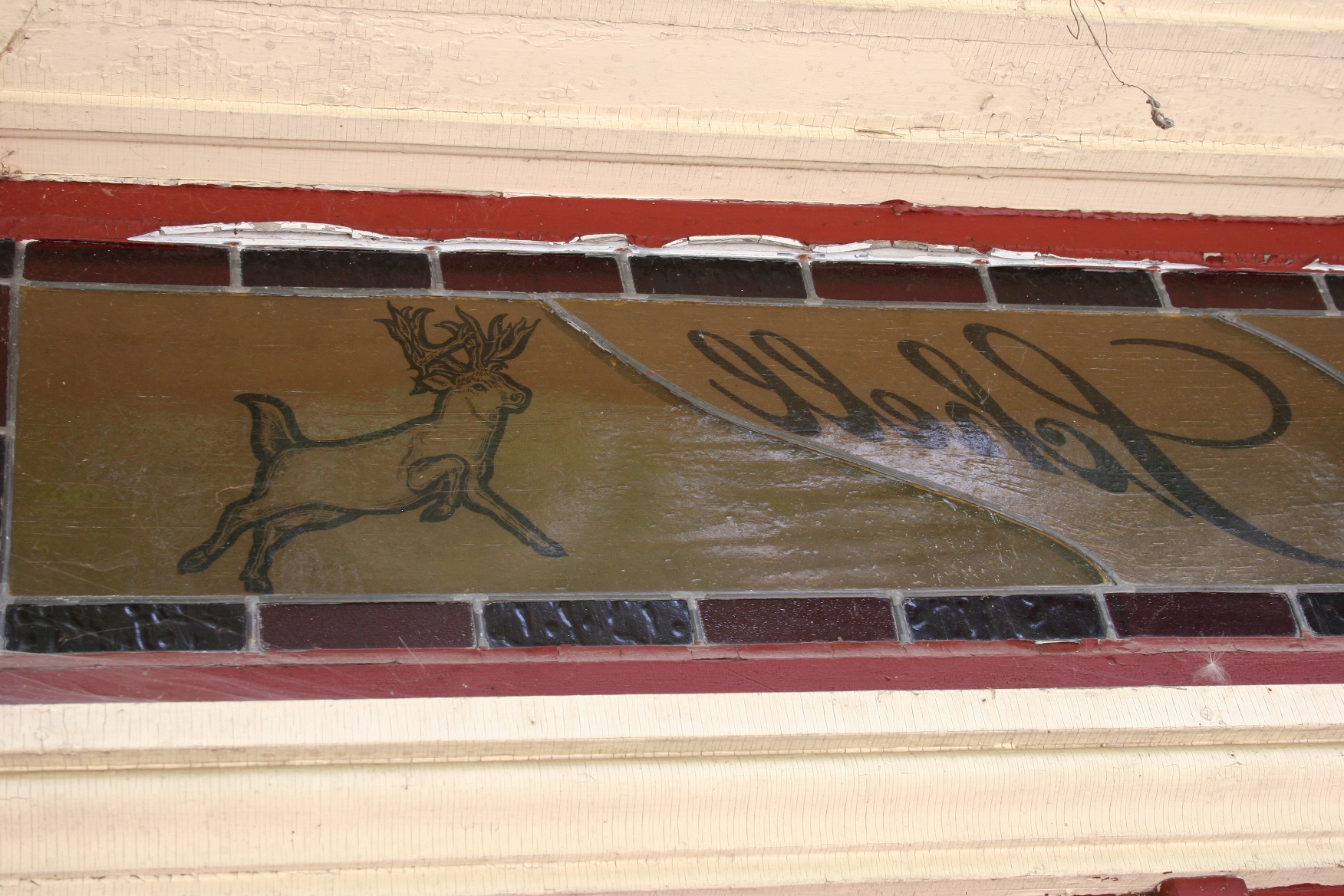
Or: Only the Schell’s company president can live here.

A deer image above an exterior door on the Schell's retirement mansion, where only the president may live.

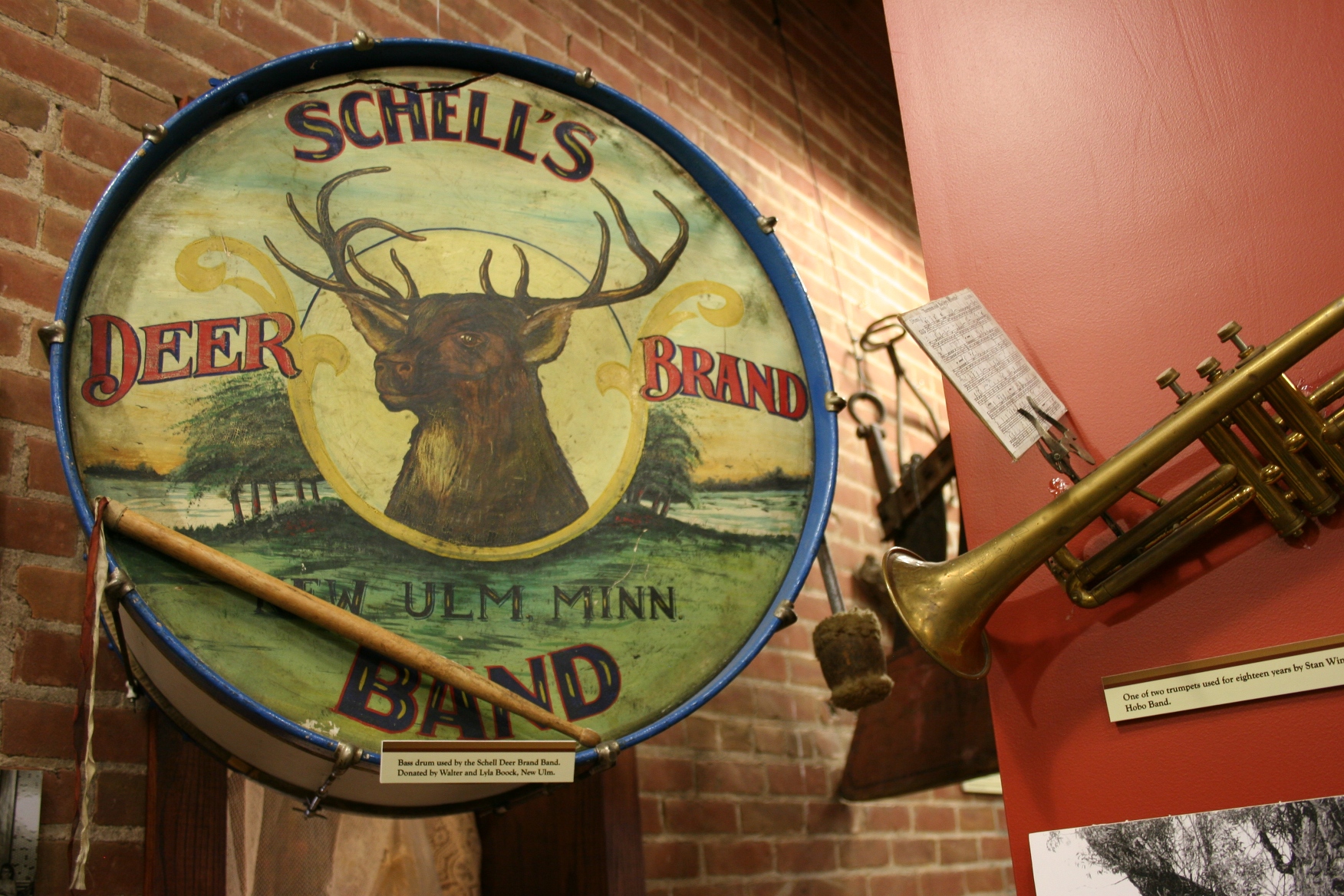
Or: Land a bass when you find this deer.

A Schell's Hobo Band bass drum in the brewery museum.

Game participants would search for the deer, all the while learning about Schell’s and its history. And the brewery would be imprinting the deer brand upon the unsuspecting guests.

Of course, to reward the deer hunters, Schell’s could offer some little deer-stamped trinket to be claimed in the gift shop after the hunt.  (That would increase gift shop traffic, which could also increase sales.) The kids would be happy. The parents and grandparents would be happy.

What do you think? Should Schell’s give my idea a shot?

A deer-branded 150th anniversary beer mug in the gift shop.

A Schell's deer emblem on the door of the house that once was home to brewery workers during the company's early years.

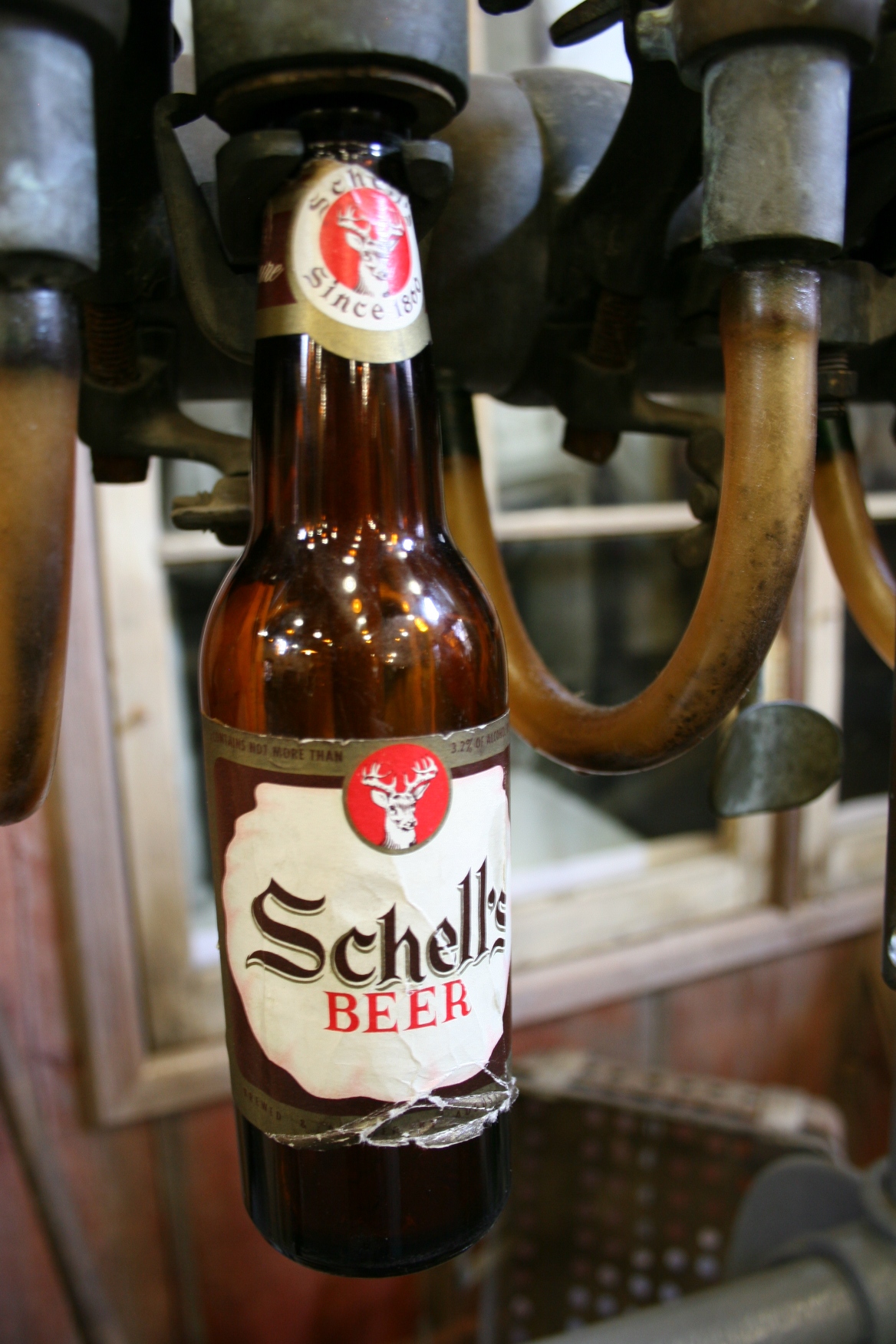
Bottling Schell's deer beer, a museum display.

A successful hunt: Deer antlers form a light in the commons area that links the gift shop and museum on the main floor.

FYI: MANY DEER, a whole herd actually, also can be found in the Schell’s hospitality room. But because that room, where beer is served, remains closed except during the tour or for special occasions, none of those deer are included in my proposed hunt. But if they were, here’s one of the more interesting bucks:

A carved deer light in Schell's hospitality room.

AS A SIDE NOTE, in the book Land of Amber Waters: The History of Brewing in Minnesota by Doug Hoverson, you’ll find a photo of the original Schell’s family home, today the company office. Look closely at that image on page 35 and you’ll see deer antlers stuck on the front of the brick house, between the front first and second floor windows.

© Copyright 2010 Audrey Kletscher Helbling


Learn a little history, drink a little beer on the August Schell Brewing Company tour August 28, 2010

Filed under: Uncategorized — Audrey Kletscher Helbling @ 8:45 PM
Tags: , , , , , ,

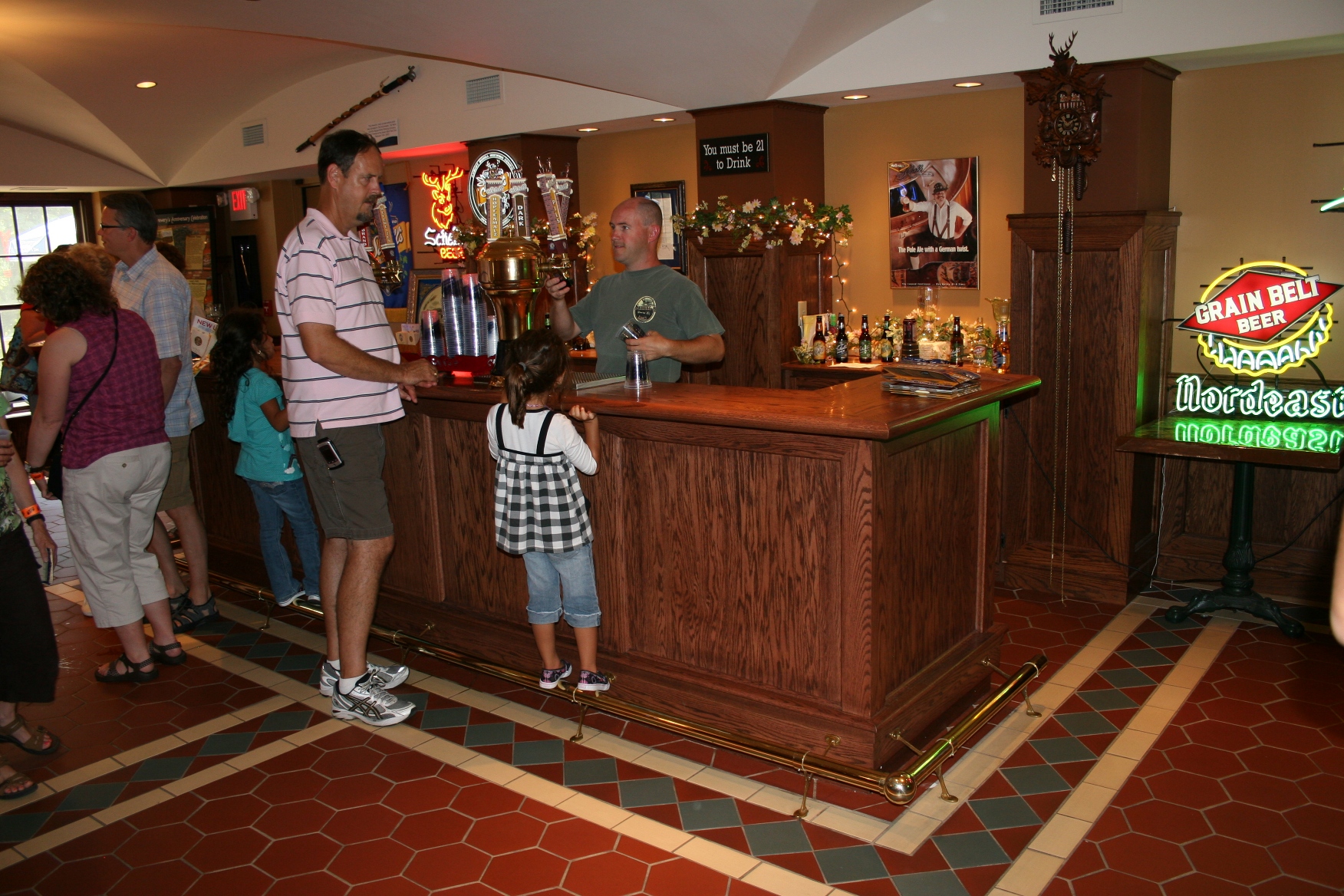
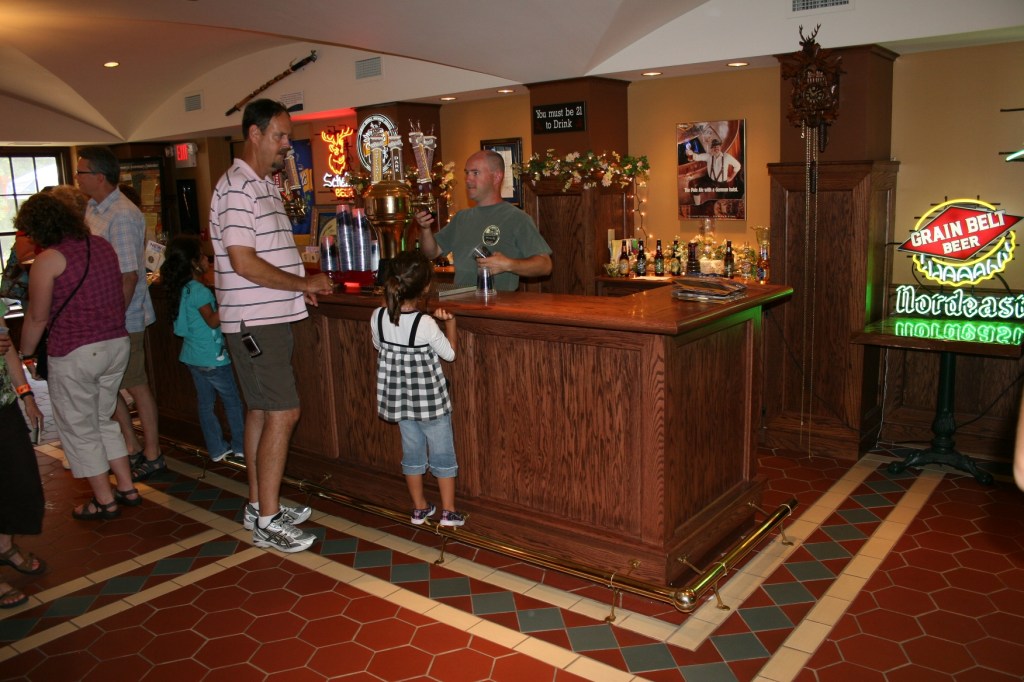
Visitors line up for free tap beer or 1919 root beer following a Schell's brewery tour.

“OK, LET’S DRINK some beer,” our tour guide Matt says, pulling six-packs from a walk-in cooler and distributing bottles among tables in the hospitality/tap room of August Schell Brewing Company.

But before we pour and swig, our bartender instructs us to fill our plastic cups only to the black line, meaning we’ll get about 1 ½ ounces of beer per sample.

On this steamy summer day, the beer goes down fast among the adults who’ve just toured this second oldest family brewery in the United States.
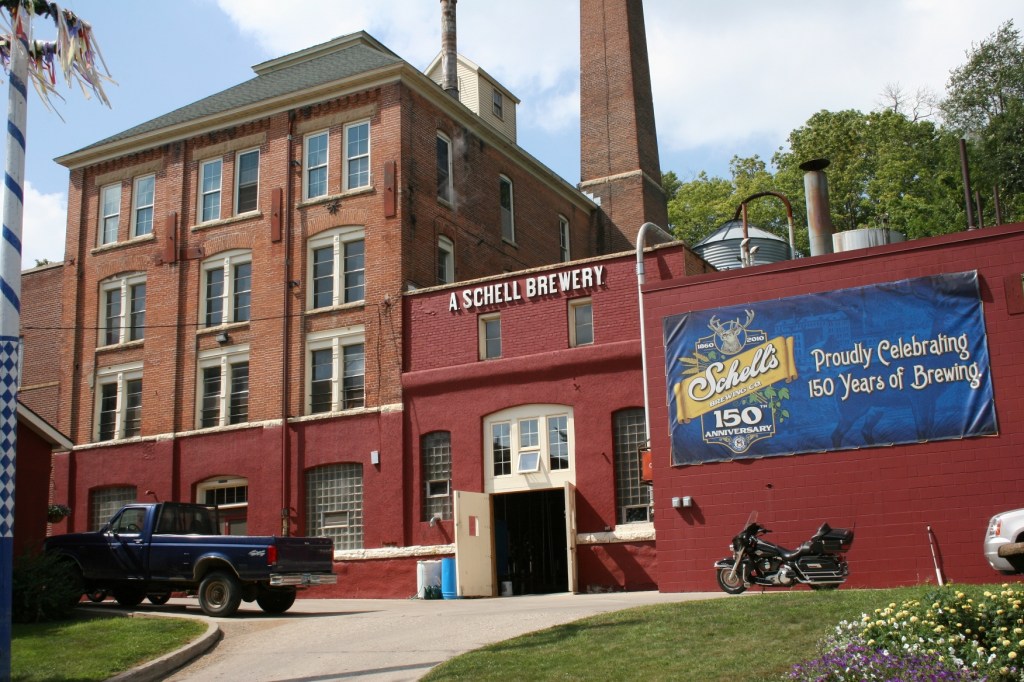
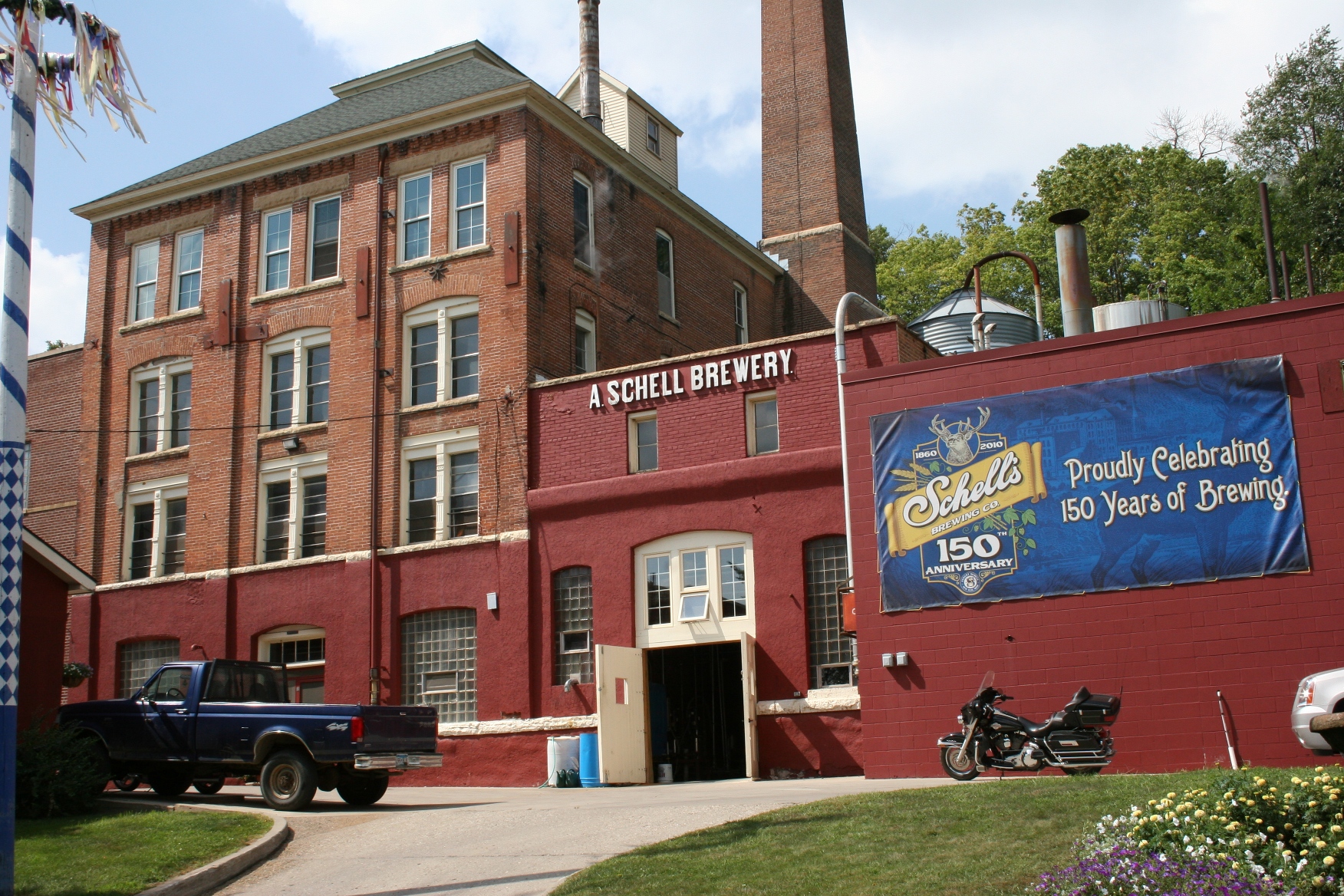
The Schell's brewery is celebrating 150 years in business.

Schell’s has been a New Ulm mainstay since 1860, this year celebrating 150 years in the beer business. That fact surfaces repeatedly during the tour and during the beer tasting session when we are served Hopfenmalz, an amber lager style beer selected by popular vote as the company’s 150th anniversary beer. Matt also passes out other Schell’s beers like Hefeweizen, Pils and Dark, which “isn’t heavy in any way,” but earns the name because of its dark color, he says.

Given the “dark” label, I wouldn’t have tried this beer. Our guide is right, though. Schell’s Dark doesn’t taste dark and this is a beer even I’ll drink.

A sip of Hefeweizen, however, causes me to screw up my face and wish I could toss the sample. Instead, I grab another cup, abandoning the beer “with a beautiful balance of cloves and banana flavors.” I prefer bananas in banana bread, not beer, thank you.

That aside, I’ve enjoyed this historic tour of the brewery tucked in the woods along the banks of the Cottonwood River. The site was carefully selected by August Schell, the flour mill machinist turned brew master, for its natural beauty, artesian springs and riverside location.

Schell was recreating his home in Durbach, Germany, our guide says. I don’t ask, but from what I know of this area in the 1860s, few trees grew here, not exactly like the Schwarzwald back in Deutschland. Perhaps that explains why Matt later tells us that Schell brought pines here from the Black Forest.
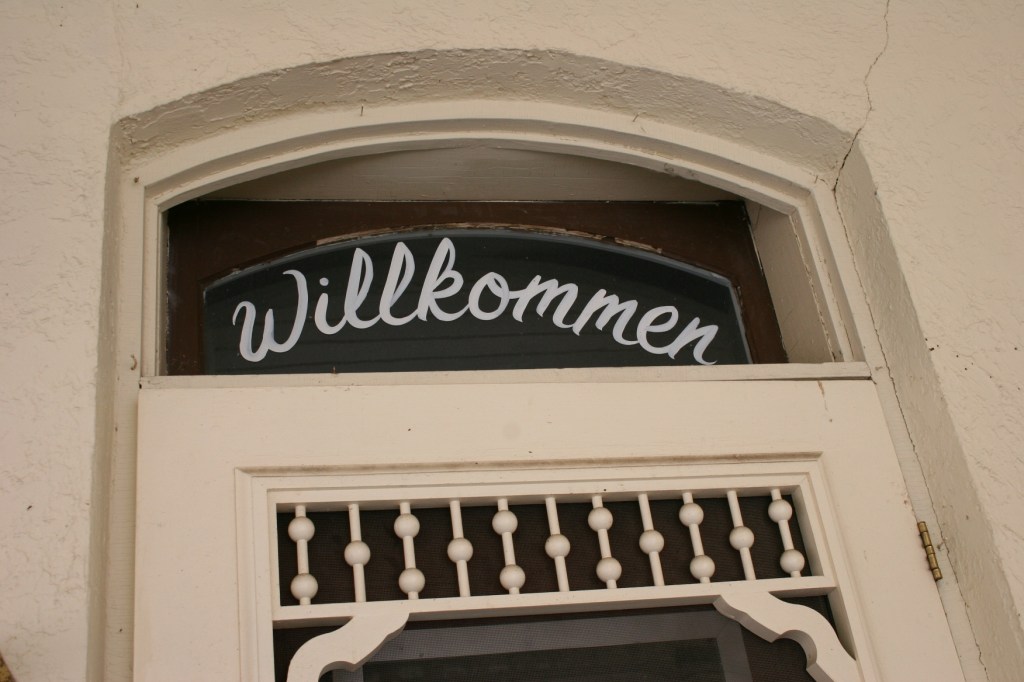
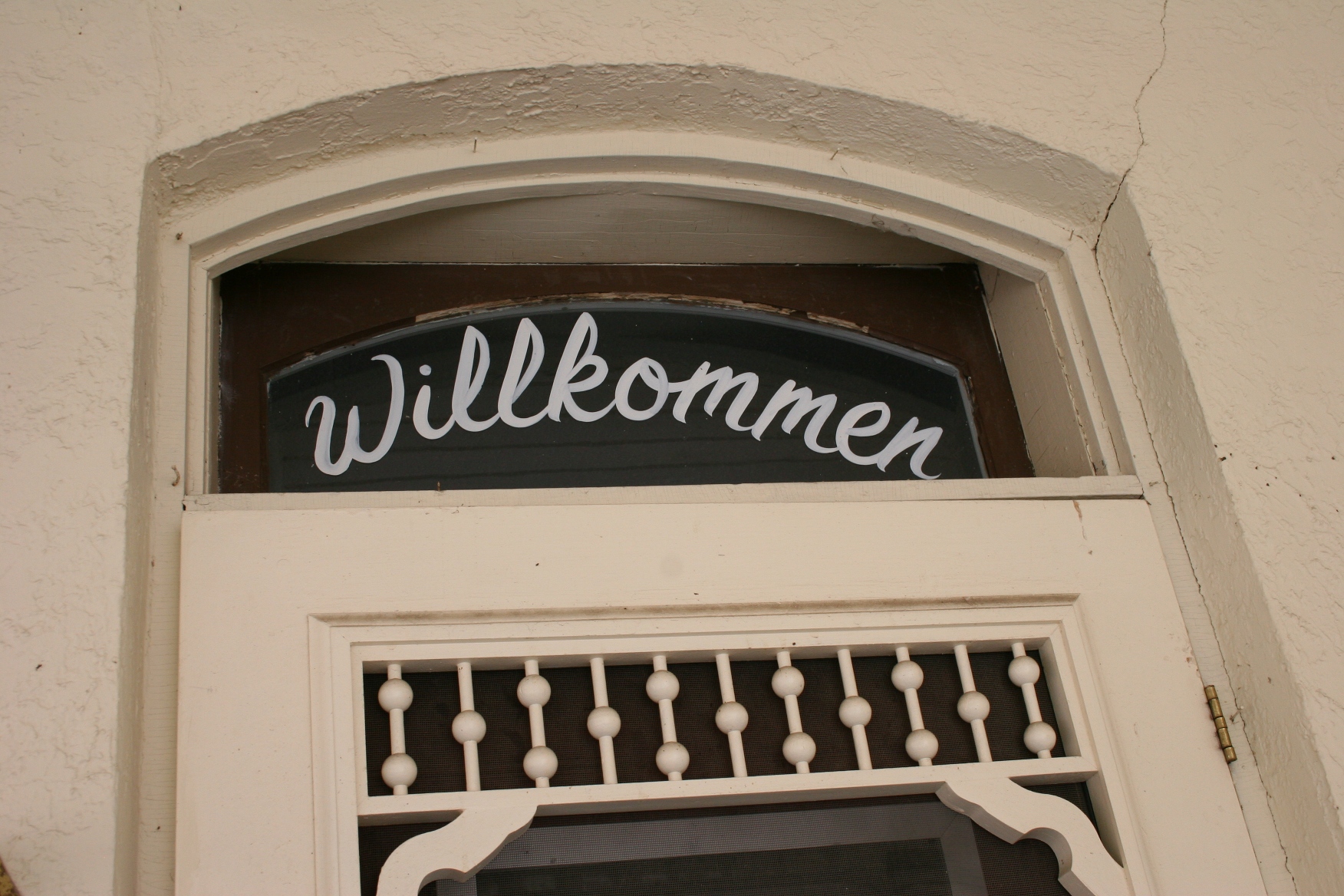
German words can be found in numerous locations at the brewery, including this welcome sign above the doorway to the house once occupied by the Alfred Marti family. Just don't ask your guide to interpret the German.

He also informs us that caves were hand-dug under the brewery, into the hill and under our feet. We are standing on a paved area between two old brick homes and the original family home, now the current-day corporate office. Beer and ice, harvested from the Cottonwood River, were stored in the caves.

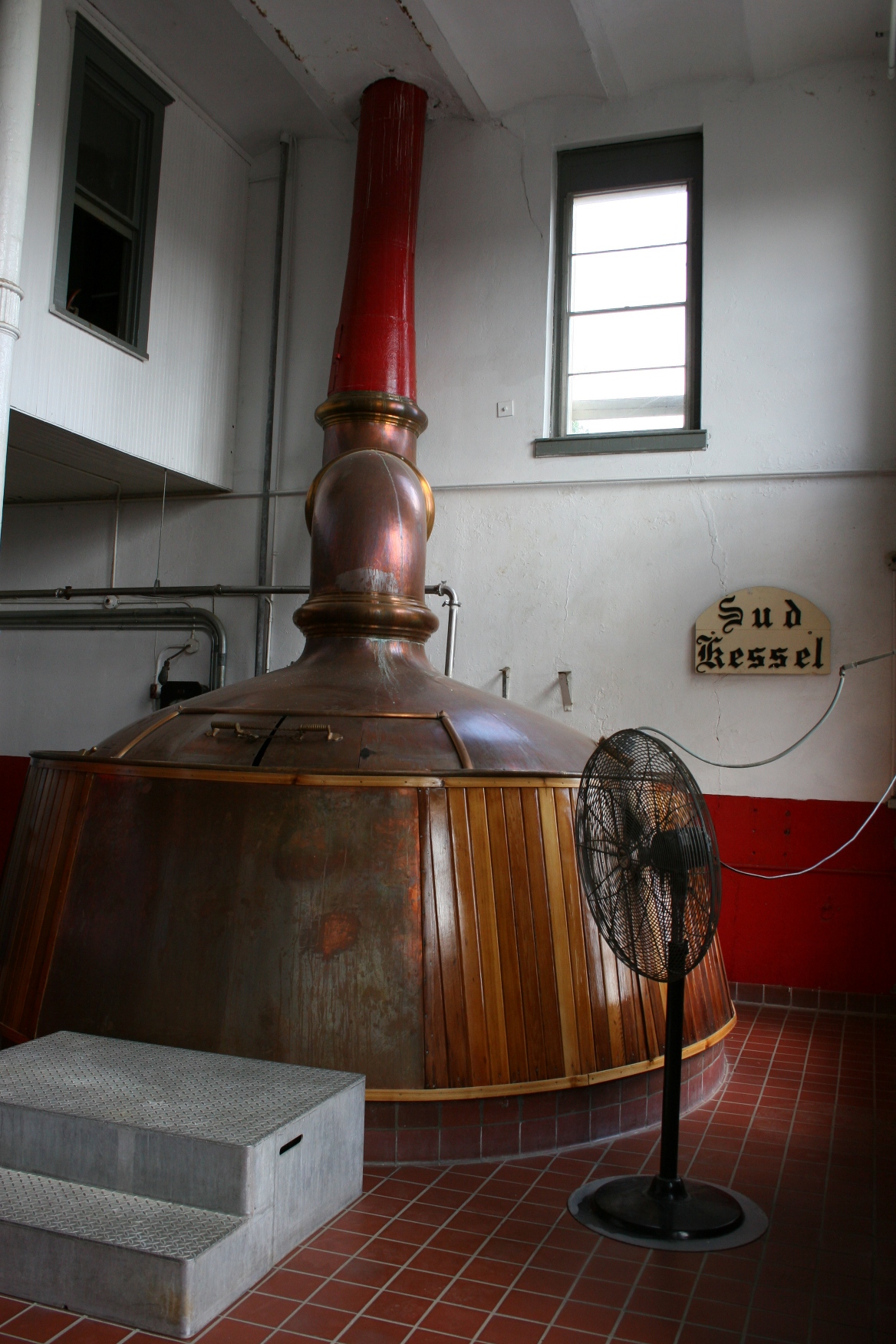
Disappointingly (but understandably), we don’t see any of today’s modern beer-making operation, only Schell’s traditional 1860s brew house, used until 1999. Here we view a hand-hammered copper vessel, Sud Kessel, purchased for $25,000 in 1895. It holds 3,500 gallons of beer, which translates to 38,000 12-ounce bottles or cans. Now that’s a lot of beer.
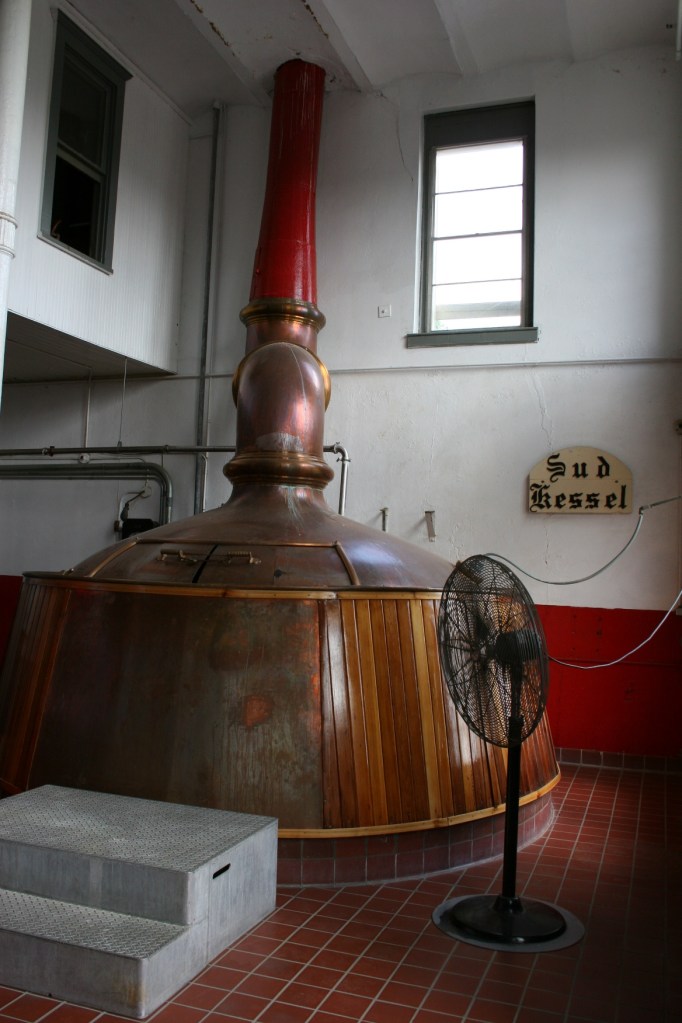
This is the only peek you'll get of the beer-making process: Schell's vintage Sud Kessel, used from 1895 - 1999.

But you can’t buy any beer at the brewery, our guide says, because it’s against the law to sell it on-grounds. The samples and a 12-ounce glass of beer or Schell’s 1919 root beer come with the $3 tour fee.

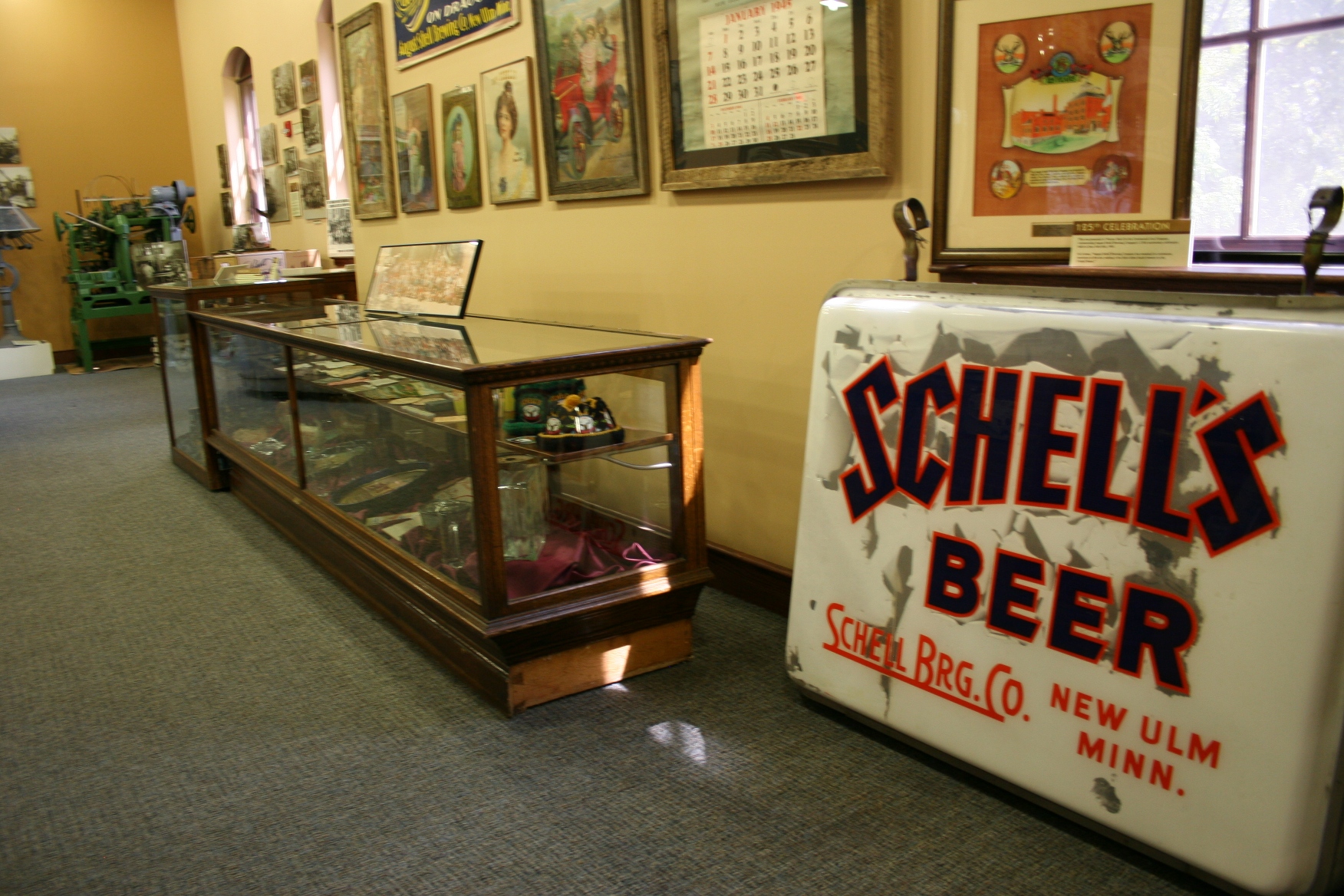
Plenty of history also comes with the guided tour and a visit to the company museum.
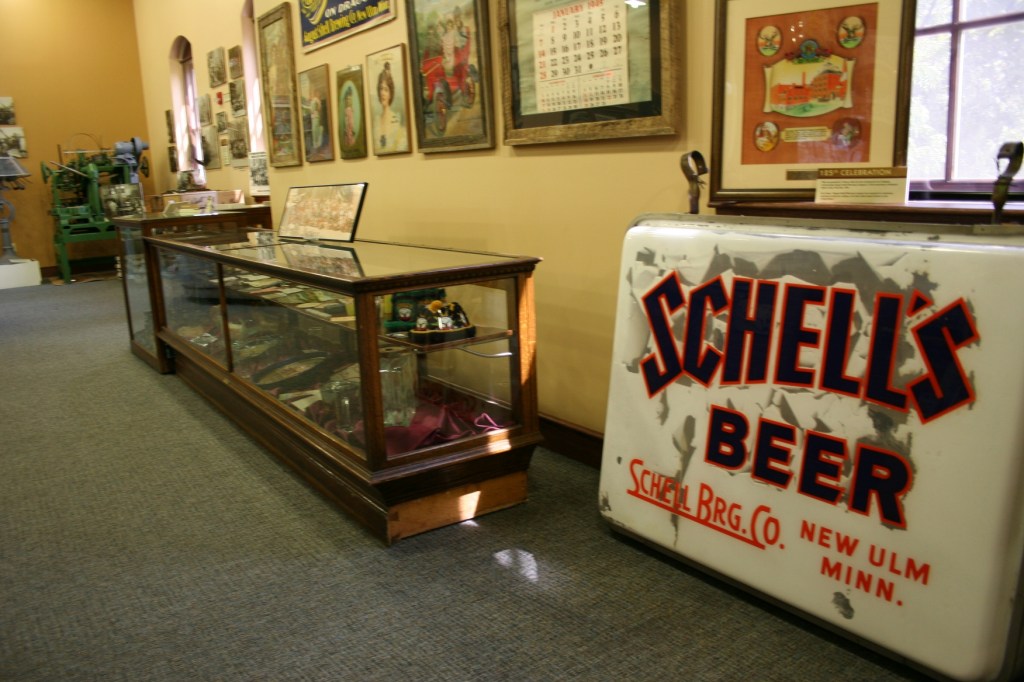
The Schell's museum is jam-packed with plenty of information, memorabilia and, yes, even beer bottles.

Among the more interesting facts I learned are these:

  • After the death of her husband, Emma Marti ran the brewery for six years until 1940. As our guide emphasizes, for a woman to run a brewery in that time period certainly ranked as unique. Perhaps Schell’s ought to name a beer in Emma’s honor. Or have they?
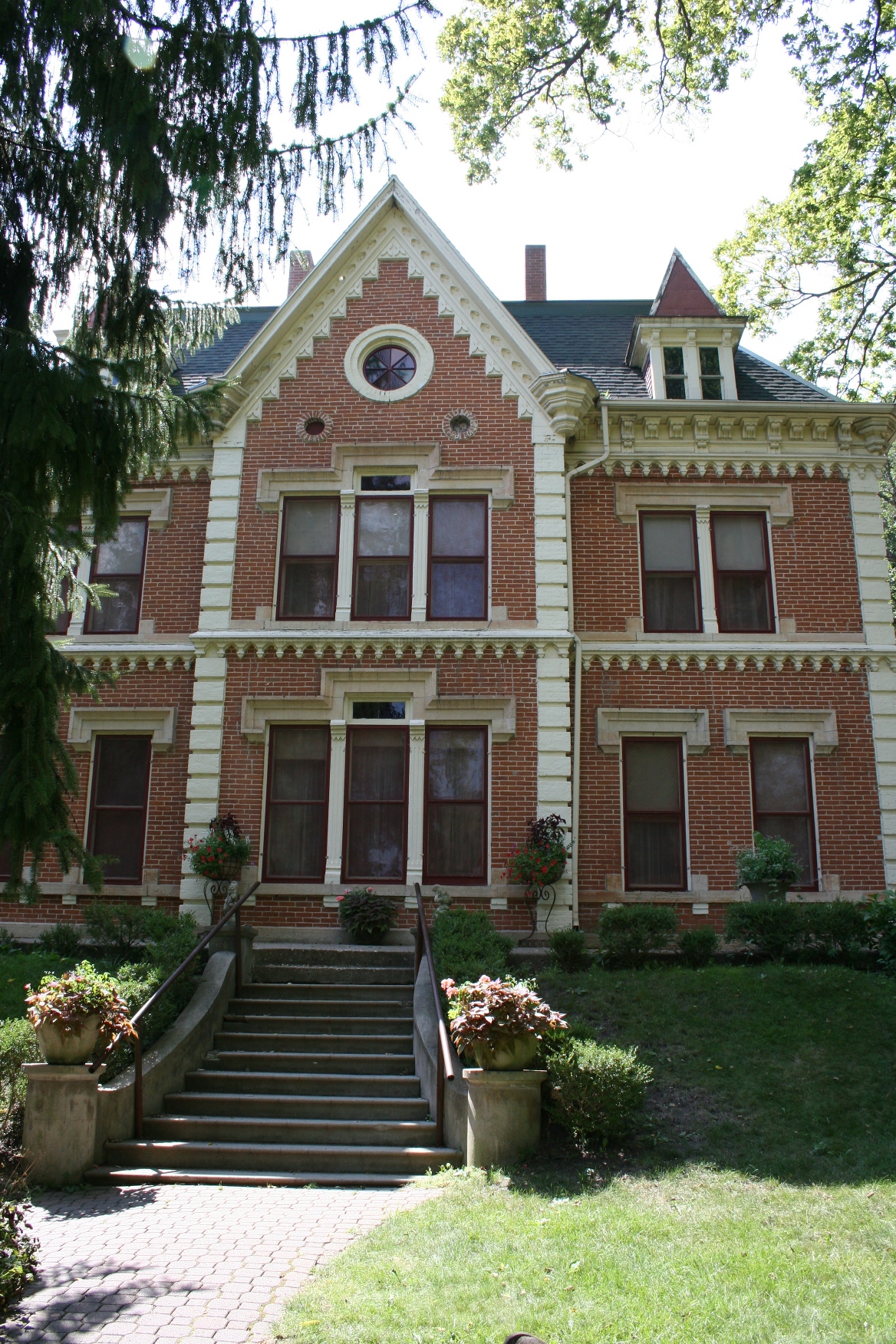
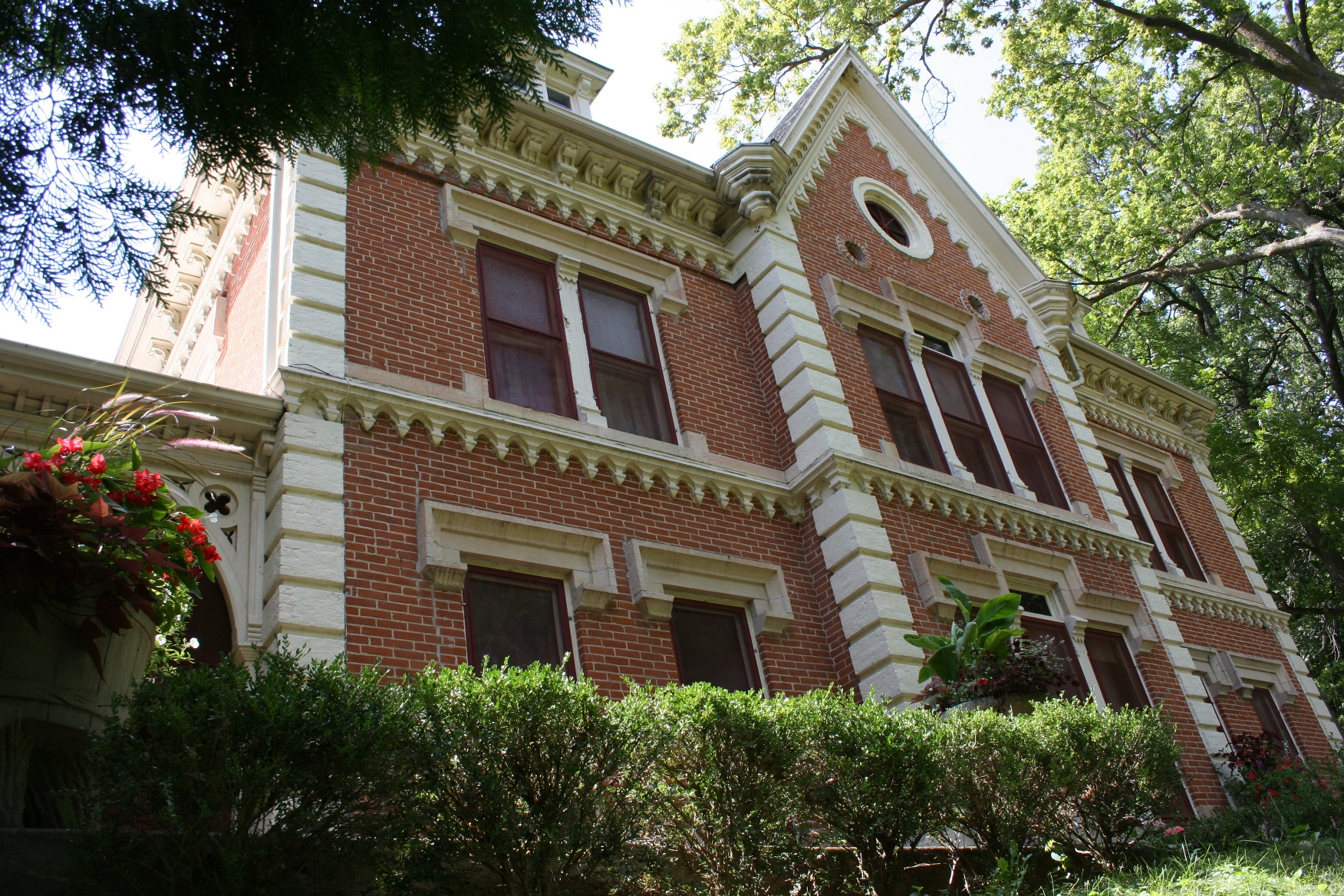
  • Company bylaws allow only the Schell’s president to live in August Schell’s on-site retirement mansion. Because he wants his privacy, current president Ted Marti lives elsewhere, Matt says. The home was last occupied in the 1990s. (Umm, I wouldn’t mind living in a mansion.)
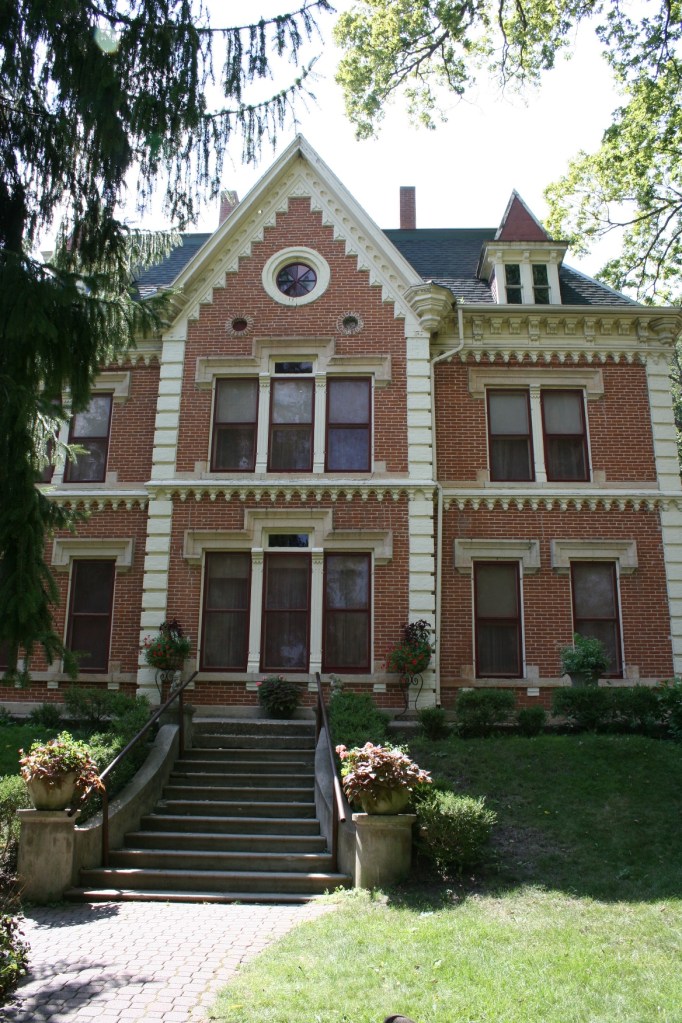
August Schell's retirement mansion, currently unoccupied.
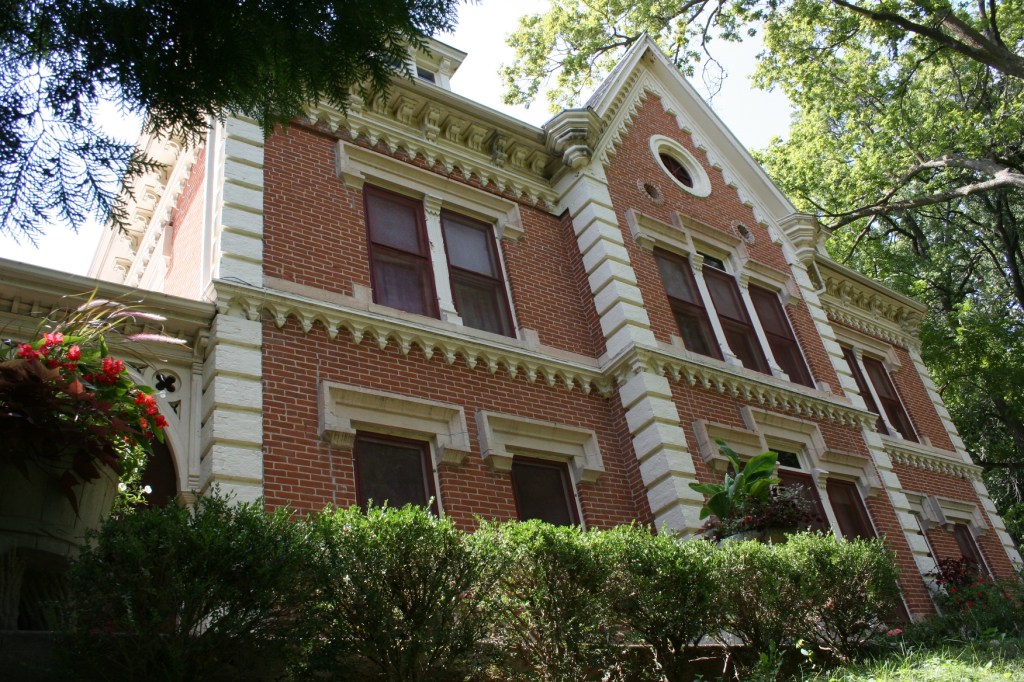
A close-up shot of the mansion, re-emphasizing the point that I could be happy living here.

  • Schell’s changes its “Snowstorm” beer recipe annually. The reason: “There are no two Minnesota snowstorms alike and therefore we are going to change our ‘Snowstorms’ every year,” Matt tells us, quoting president Marti. Ah, Mr. Marti, you clearly know your Minnesota winters as well as you know your beers.
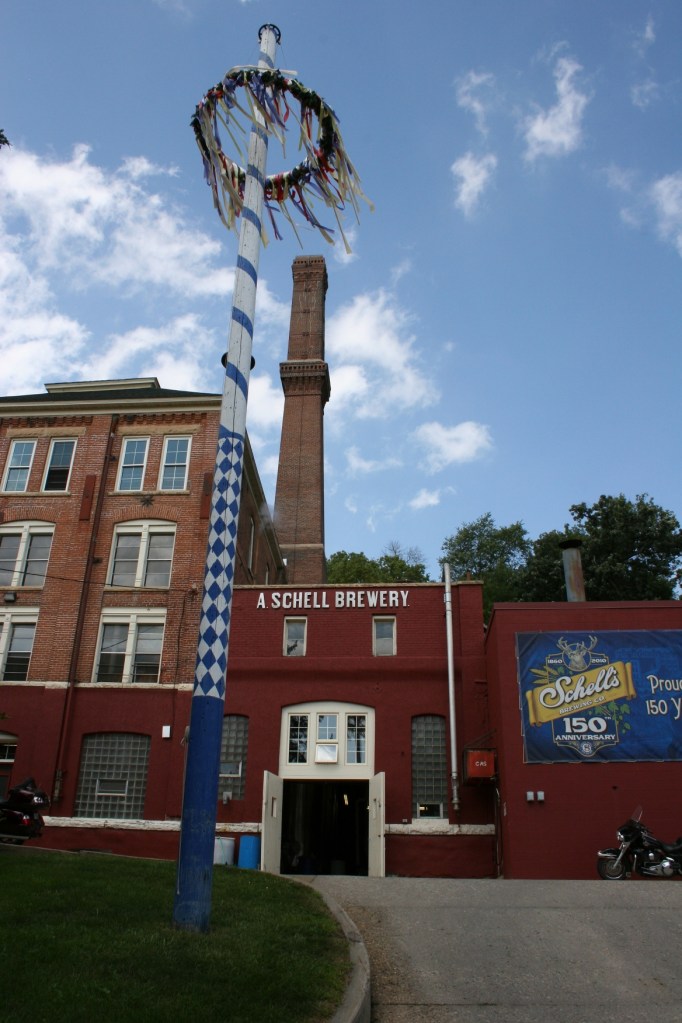
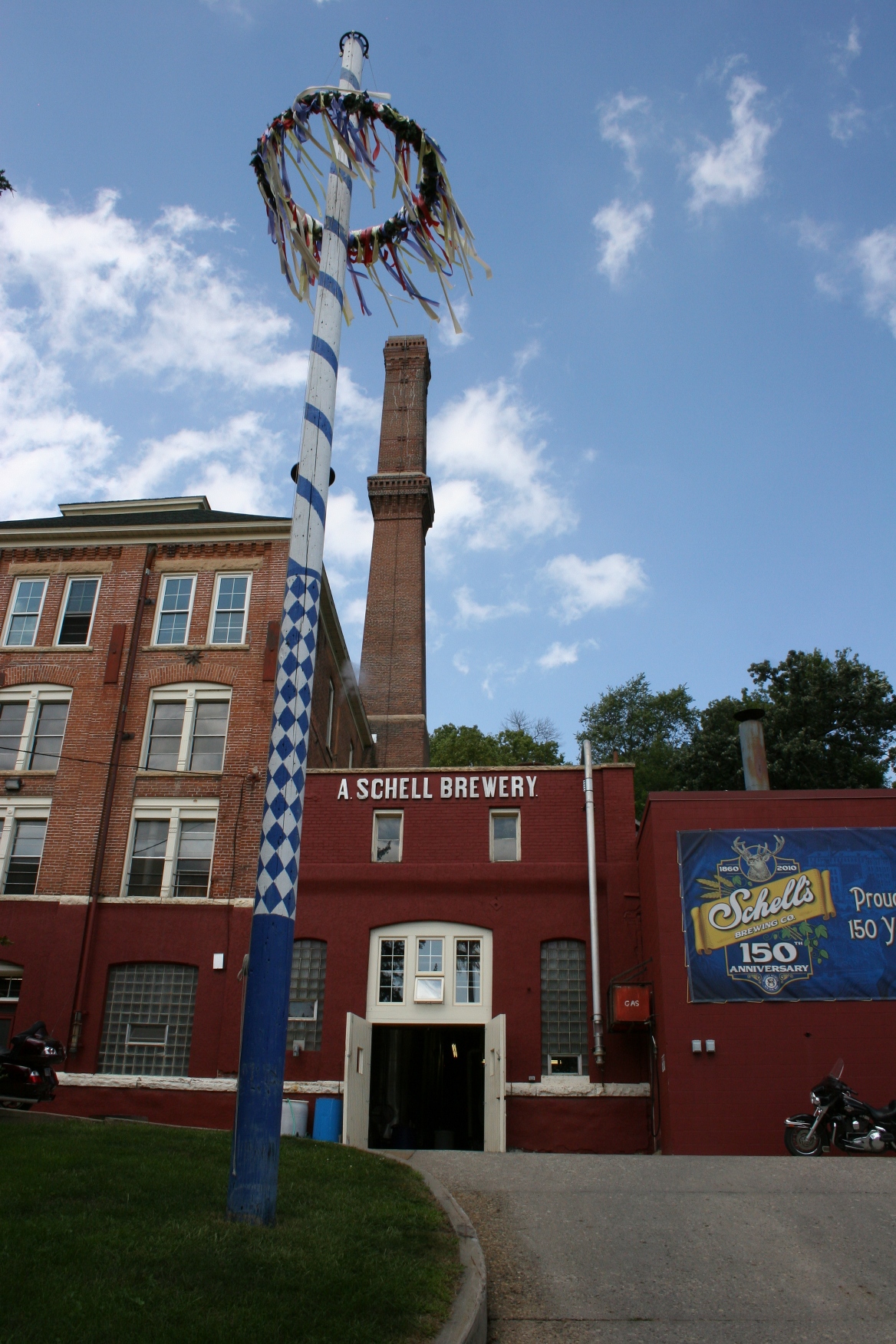
Another view of the brewery. And, no, I don't know anything about the decorative post and failed to ask our tour guide. I had already asked more questions than anyone on the tour, so...

SCHELL’S WILL HOST a two-day 150th birthday celebration, Schellabration, on September 17 and 18. During that event, you can see areas of the brewery not typically seen on the regular tours.

WHAT’S WITH ALL the white-tailed deer at the brewery? Revisit Minnesota Prairie Roots for the answer and for photos and an idea I have related to those deer.

© Copyright 2010 Audrey Kletscher Helbling


“You paid how much for a brat and pop at Target Field?” June 14, 2010

Filed under: Uncategorized — Audrey Kletscher Helbling @ 9:13 AM
Tags: , , ,

“THAT’S PRICE-GOUGING, or whatever you call it,” I exclaim.

My husband has just revealed that he shelled out $18 for two brats and two soft drinks for himself and our teenaged son at a Minnesota Twins game.

“That’s ridiculous,” I continue to rant. “Who pays that much for a brat and pop?”

Apparently, if you’re a Twins fan (and dare I say here that I really don’t care about sports in general), that’s the price you’ll pay for simple fare to fill your belly.

Let me restate that. A brat and a pop do not fill the stomachs of two hungry guys, especially one who is 16.

Nor do a brat and a soda satisfy a man who would prefer a brat and a beer. But, with beer priced at $7, even my husband could manage to eat a brat sans beer. I didn’t even ask him the price of Tony O’s Cuban sandwich, the food he once told me he would try if he attended a Twins game.

But he did share, seeming a bit miffed, that Leinenkugel beer, brewed across the border in Chippewa Falls, Wisconsin, is grouped at Target Field with beers labeled as “Minnesota-made.”  That appeared to bother him more than the beer price.

So, wanting to direct him off the topic of beer, I inquire about our oldest daughter’s meal. (She has given her dad and brother the $18 tickets as a Father’s Day gift and is attending the game with them.) “Carrots,” he tells me. “She brought a bag of carrots.”

“I thought you couldn’t bring food into the game,” I say, at the same time inwardly applauding my daughter for her healthy food choice.

“She had that big green purse,” he explains.

Ah.

Later, after I check out the Twins Web site, I read that you can take food into Target Field, but only if you eat it in the general seating area. Ditto for a few beverages, that, for obvious reasons, do not include beer—Wisconsin or Minnesota-made.

© Copyright 2010 Audrey Kletscher Helbling
 

Minnesota study shows party-goers prefer beer on a hot day May 30, 2010

Filed under: Uncategorized — Audrey Kletscher Helbling @ 10:37 PM
Tags: , ,

IF YOU HOSTED a party and offered five types of pop and bottled water to your guests on an 89-degree day, which would be the top pick?

What if you threw beer and wine into the mix?

A non-government researcher, in an unscientific study conducted Saturday in Faribault, Minnesota, discovered what the general public, or at least the beer-drinking public, has long known. On a hot day, nothing quite quenches thirst like an icy cold beer.

Now scientists have evidence to back up that long-held theory.

The unidentified civilian researcher reported that he sorted and counted all of the empty beer and soda cans and plastic water bottles following a college graduation party at his home Saturday.

“I didn’t think they (party guests) drank that much beer,” he states in an unofficial report released today by the consumer watchdog group Beverage Counters of America, tasked with analyzing beverage consumption in the Midwest. The researcher stresses that party attendees were drinking responsibly and had designated drivers.

Because the study was limited to three selected beers—Grain Belt, Michelob Golden Draft and Michelob Golden Draft Light—BCA officials warn the results are inconclusive and cannot be applied to the general population.

Beer drinkers at the Faribault research party consumed 14 cans of Michelob Golden Draft Light, the BCA report states. But a source, speaking on condition of anonymity, reveals that those numbers are likely tainted.

Party-goers apparently smuggled their favorite brands, including two cans of Michelob Light, into the unsecured pilot test site in an attempt to skew results. Four empty cans of Coors Light, known to be the beer of choice for at least one guest, were also discovered during the can count.

Grain Belt, long a Minnesota-brewed favorite, ranked second among beer drinkers with 12 cans of the beer consumed at the Faribault test site.

Eight cans of Michelob Golden Draft were also consumed, although researchers are apparently questioning the validity of those findings. An unauthorized woman assisting with the research says she discovered an empty Michelob Draft can tossed into a bird bath and another thrown into a bed of ferns at the test site. The BCA speculates this may have been a covert attempt to sabotage the results.

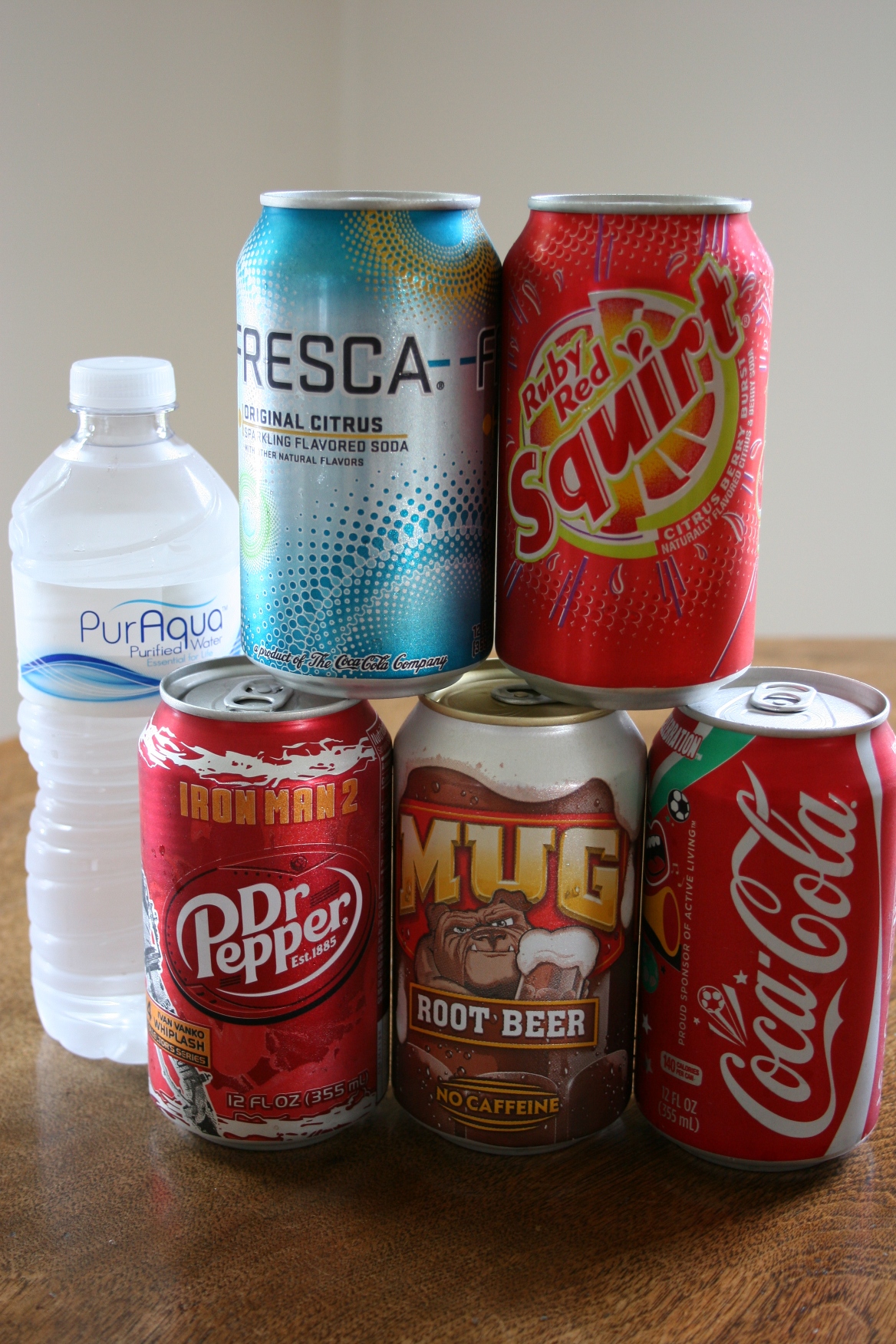
Consumers at the test site chose from these non-alcoholic beverages.

IN REVIEWING POP CONSUMPTION, the researcher found Fresca to be the top soda selected by party guests 10 times. They were also offered Ruby Red Squirt, Mug root beer, Dr. Pepper and Coke.

Total can counts showed that nine cans each of Squirt and root beer were drunk and four cans each of Dr. Pepper and Coke.

Research specialists evaluating the soda can count data say they are focusing now on whether can colors impacted selection. They note that three of the cans are red, but that the top choice, Fresca, is packaged in a blue-green can. Scientists hypothesize that the brain may be predisposed to selecting a cool color during hot weather like that experienced Saturday at the Minnesota test site.

The BCA report concludes that bottled water consumption in the pilot project equaled that of Fresca with 10 empty water bottles counted.

There were no empty wine bottles.

After receiving funding through the government program Cash for Beer Cans, the BCA now moves into the next phase of its research—expanding its test area and uncovering why icy cold beer is more thirst-quenching than pop on a hot day.

© Copyright 2010 Audrey Kletscher Helbling