Minnesota Prairie Roots

Writing and photography by Audrey Kletscher Helbling

Minnesota prairie native Jim Brandenburg wins top photo honor March 25, 2023

A Brandenburg bison photo hangs to the left and the photographer talks about his work in a video, right, inside the Brandenburg Gallery. (Minnesota Prairie Roots copyrighted file photo 2013)

OF ALL THE PHOTOGRAPHY—from general to portrait to sports to nature and wildlife—it is wildlife photography that most impresses me as particularly challenging. And now one of the best wildlife and nature photographers in the world, who happens to be a native of my beloved southwestern Minnesota prairie, has received National Geographic’s Lifetime Achievement Award. Luverne-born and raised Jim Brandenburg, today based in Ely in northern Minnesota, won that top honor. He’s so deserving. His photos are beyond any star rating.
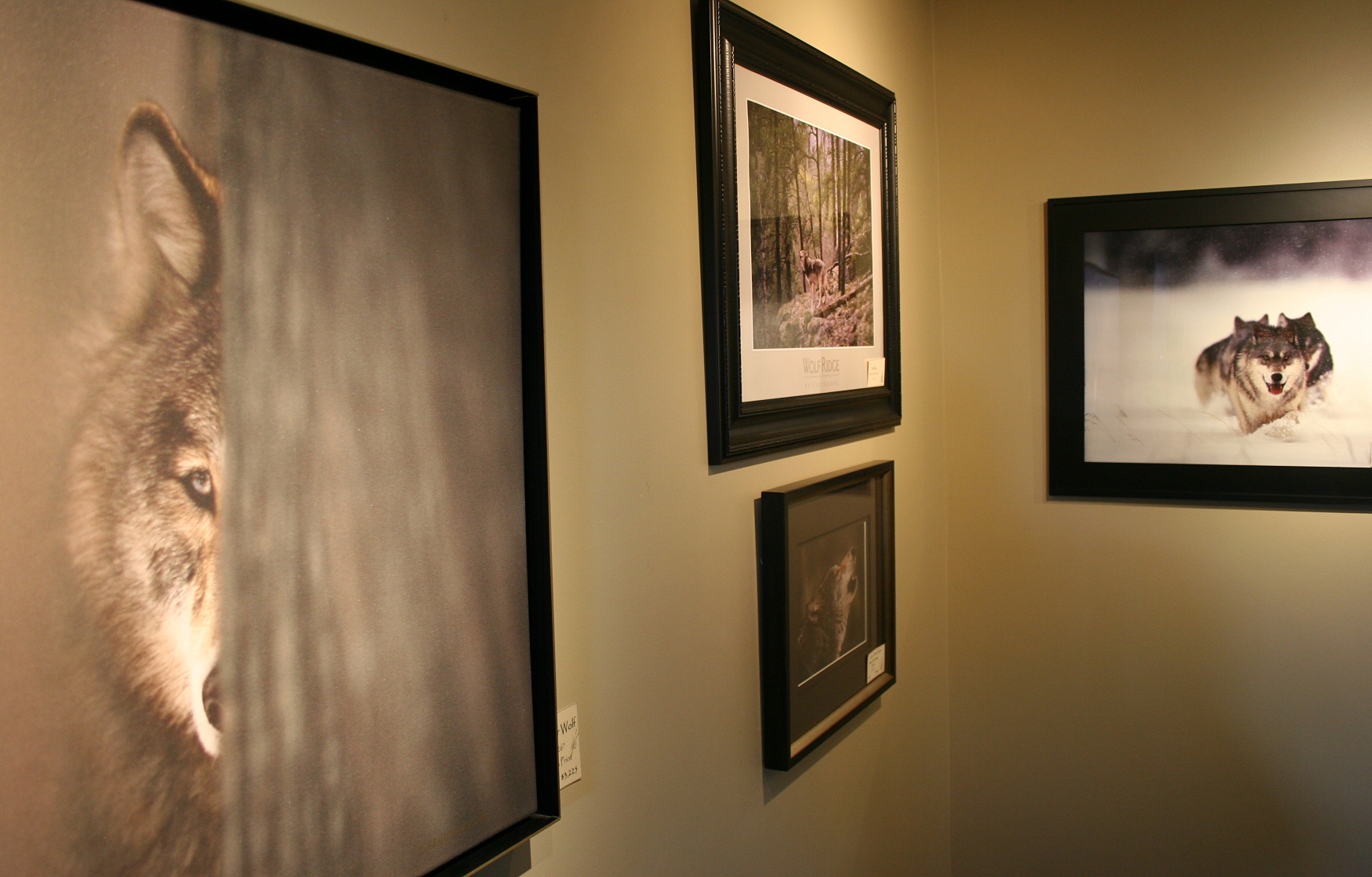
Brandenburg’s published books include “Brother Wolf–A Forgotten Promise.” He is known for his wolf photos, including these displayed in the Luverne gallery. (Minnesota Prairie Roots copyrighted file photo 2013)

Brandenburg joins only five other National Geographic photographers who’ve received this award. That he hails from the prairie, my homeland, makes me especially proud.
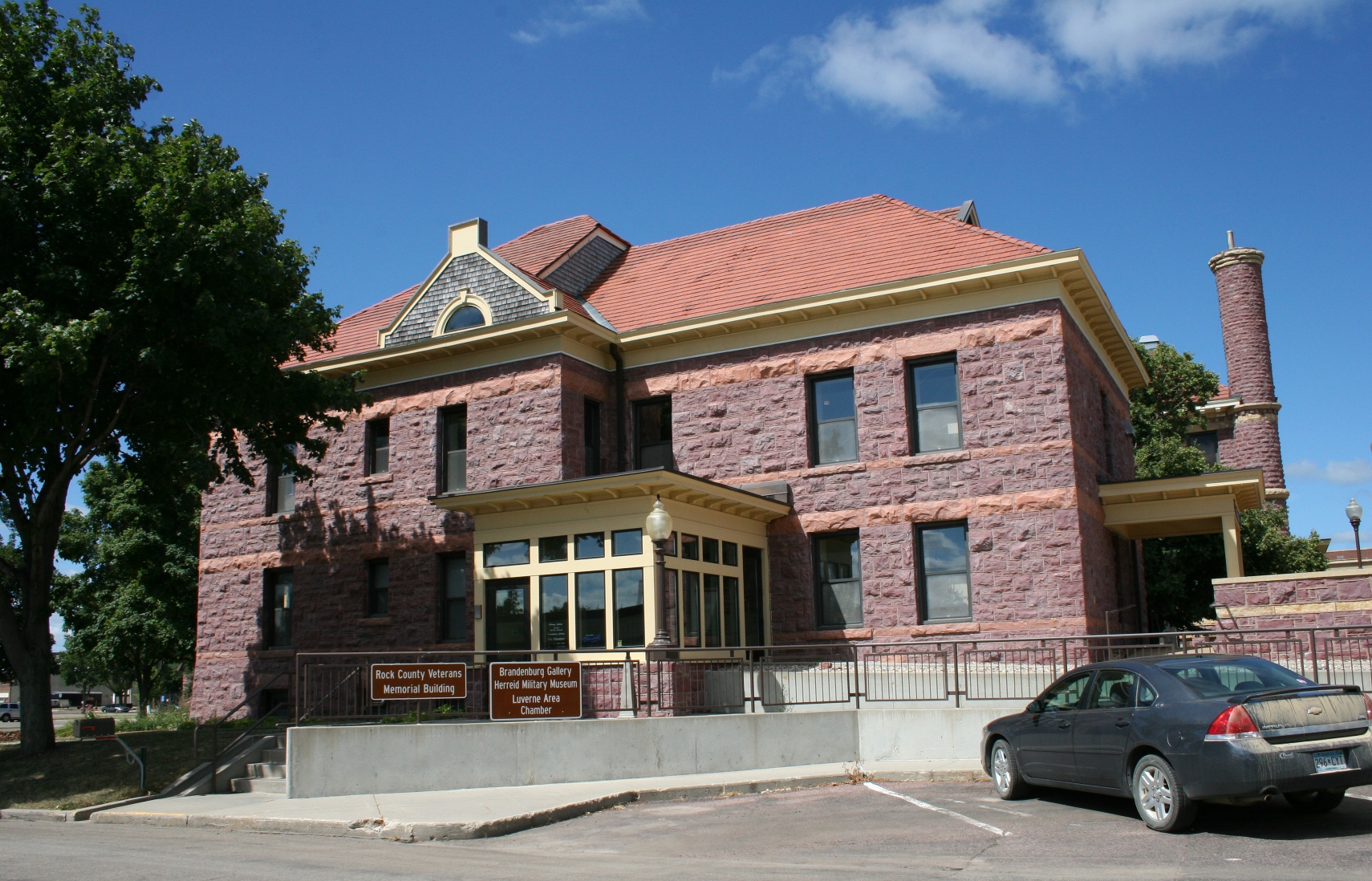
The entry to the gallery, located in the Rock County Courthouse square. (Minnesota Prairie Roots copyrighted file photo 2013)

Ten years ago, I toured the Brandenburg Gallery, owned and operated by the Luverne Area Chamber of Commerce. It was of special interest to me as a photographer. I wanted to study Brandenburg’s images—the light, the perspective, the techniques he uses to draw viewers into scenes.
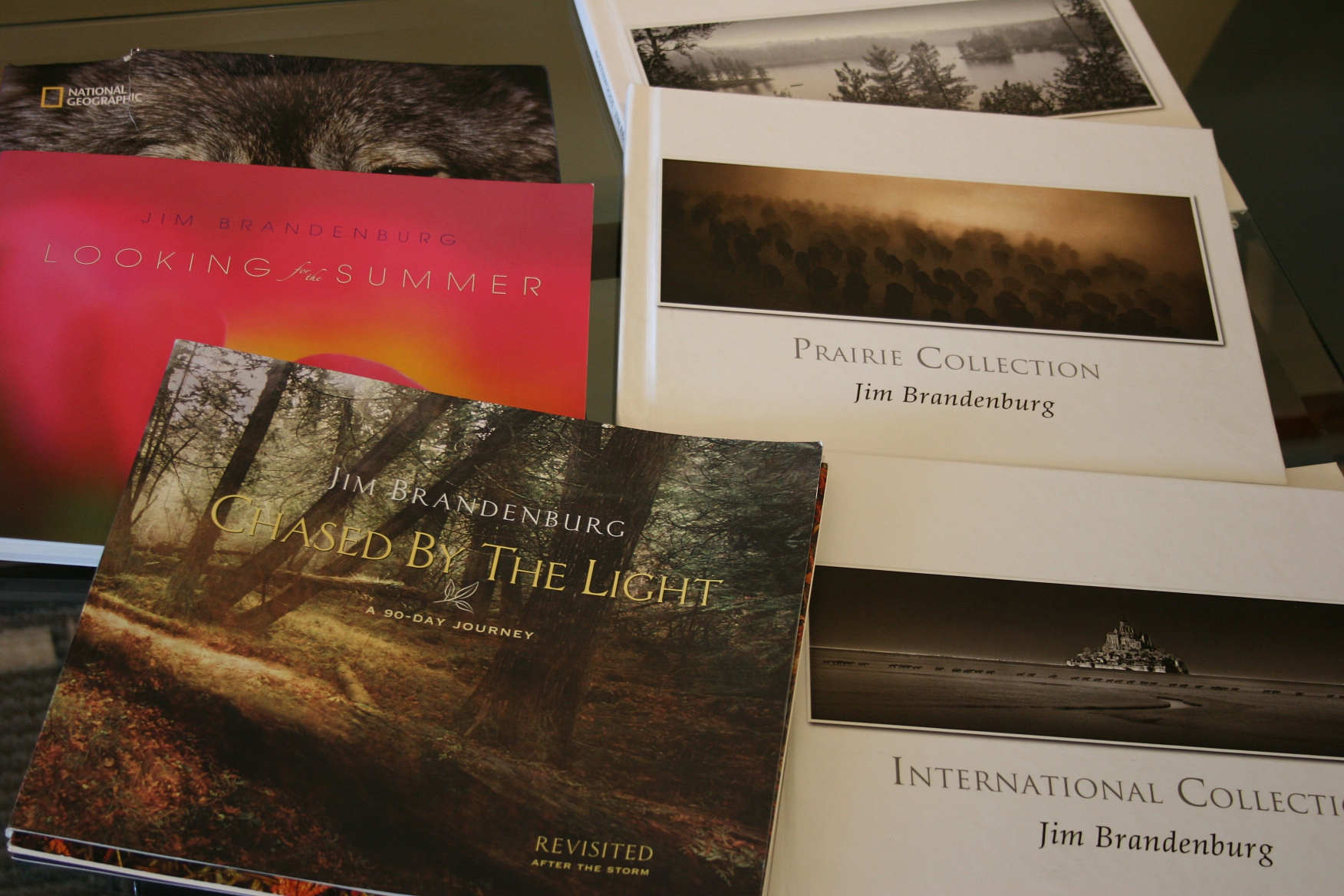
Some of Brandenburg’s photo books displayed in the Luverne gallery. (Minnesota Prairie Roots copyrighted file photo 2013)

I have no ambition to pursue wildlife photography. I don’t have the interest, talent, knowledge of the natural world or patience required for the craft. But I appreciate those who excel in this specialized photography and I can learn from them. Brandenburg has been honing his craft for some 50 years with National Geographic. He’s won countless awards, produced many books filled with his images.
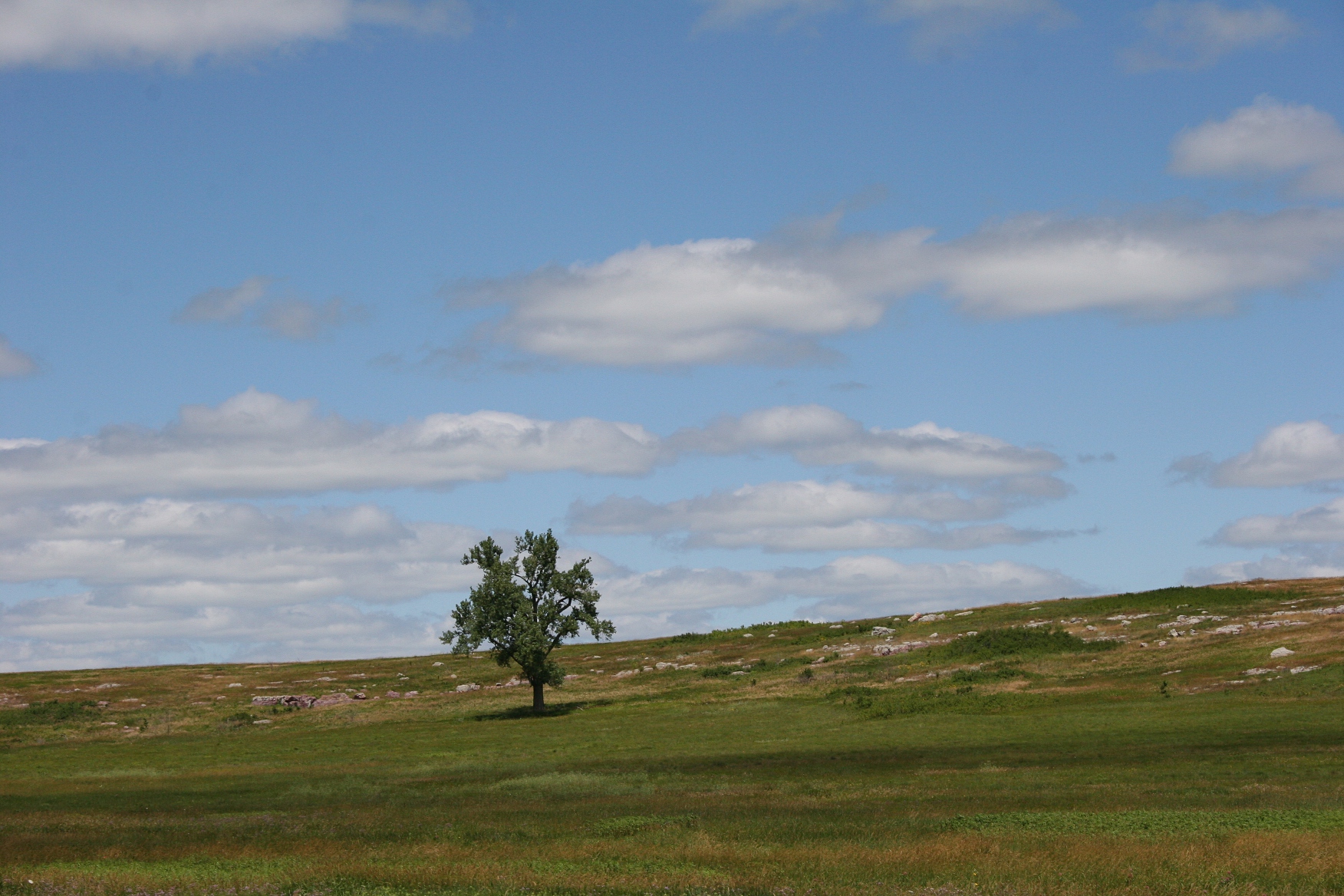
Beautiful rocky landscape of Rock County. (Minnesota Prairie Roots copyrighted file photo 2013)

In all of this, this world travel, this move from southern to northern Minnesota, from prairie to northwoods, he’s remained rooted to his roots. He established the Luverne-based Brandenburg Prairie Foundation with a mission “to educate, preserve and expand native prairie in southwest Minnesota.” Brandenburg’s Foundation and the U.S. Fish and Wildlife Service bought 800 acres of untilled prairie in Rock County some eight miles northwest of Luverne, where visitors can immerse themselves in tallgrass prairie. I regret not walking the Touch the Sky Northern Tallgrass Prairie National Wildlife Refuge during my 2013 visit to this area. I need to return.

Hiking the path up and through the prairie grass at Blue Mounds State Park. (Minnesota Prairie Roots copyrighted file photo 2013)

I recognize that to many, this region of Minnesota seems desolate, lacking in beauty, just a place to get through when traveling. But for prairie natives like me, beauty is everywhere. In the wide sky. In sunsets so profoundly beautiful that they almost defy description. In farm sites set like islands among endless fields. In small towns and acres of corn. In prairie grasses swaying in the breeze. I can forever sing the praises of the prairie in refrains of howling wind and songbird and the silence of quiet.
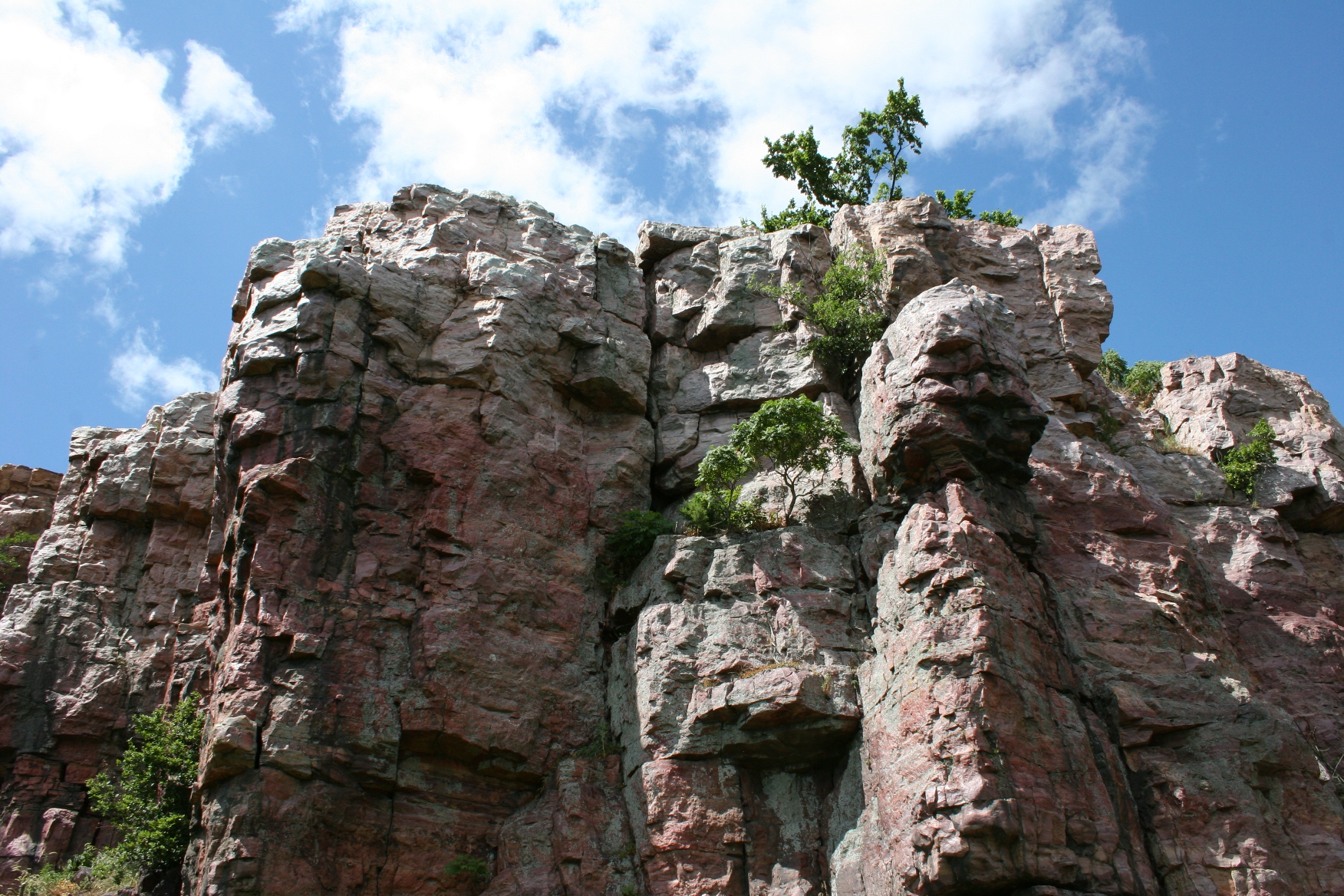
An impressive quarry wall of Sioux quartzite. (Minnesota Prairie Roots copyrighted file photo 2013)

Brandenburg, I expect, experienced all of these, even if his native Rock County differs from my home county of Redwood a bit farther to the north and east. Even on the prairie, landscapes vary. Near Luverne, at Blue Mounds State Park, cliffs of Sioux quartzite rise 100 feet above the plains. It’s amazing, unexpected in this place where prickly pear cacti also grow, where bison graze, where wildflowers bloom.
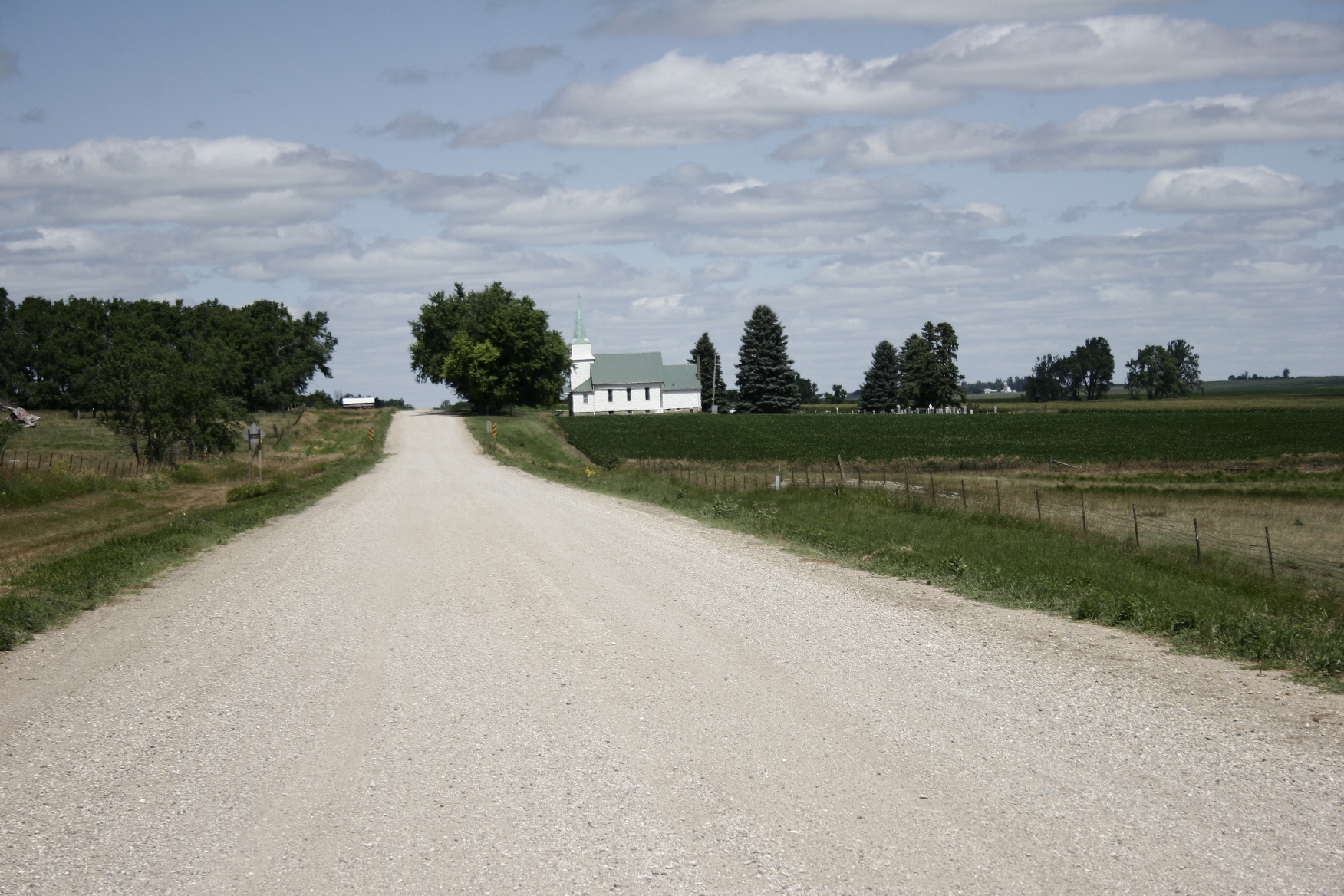
A gravel road around the state park passes a sheep pasture and country church. (Minnesota Prairie Roots copyrighted file photo 2013)

I encourage you, if you’ve never spent time in southwestern Minnesota, to do so this spring or summer. View the landscape through an appreciative lens that takes in every nuance, every detail. Notice the light. Feel the wind. Hear the quiet. Settle into the simplicity of this place that renews the spirit, that a world-class photographer called home. That I, too, once called home.

© Copyright 2023 Audrey Kletscher Helbling


Rugged Blue Mounds State Park on the southwestern Minnesota prairie September 17, 2013

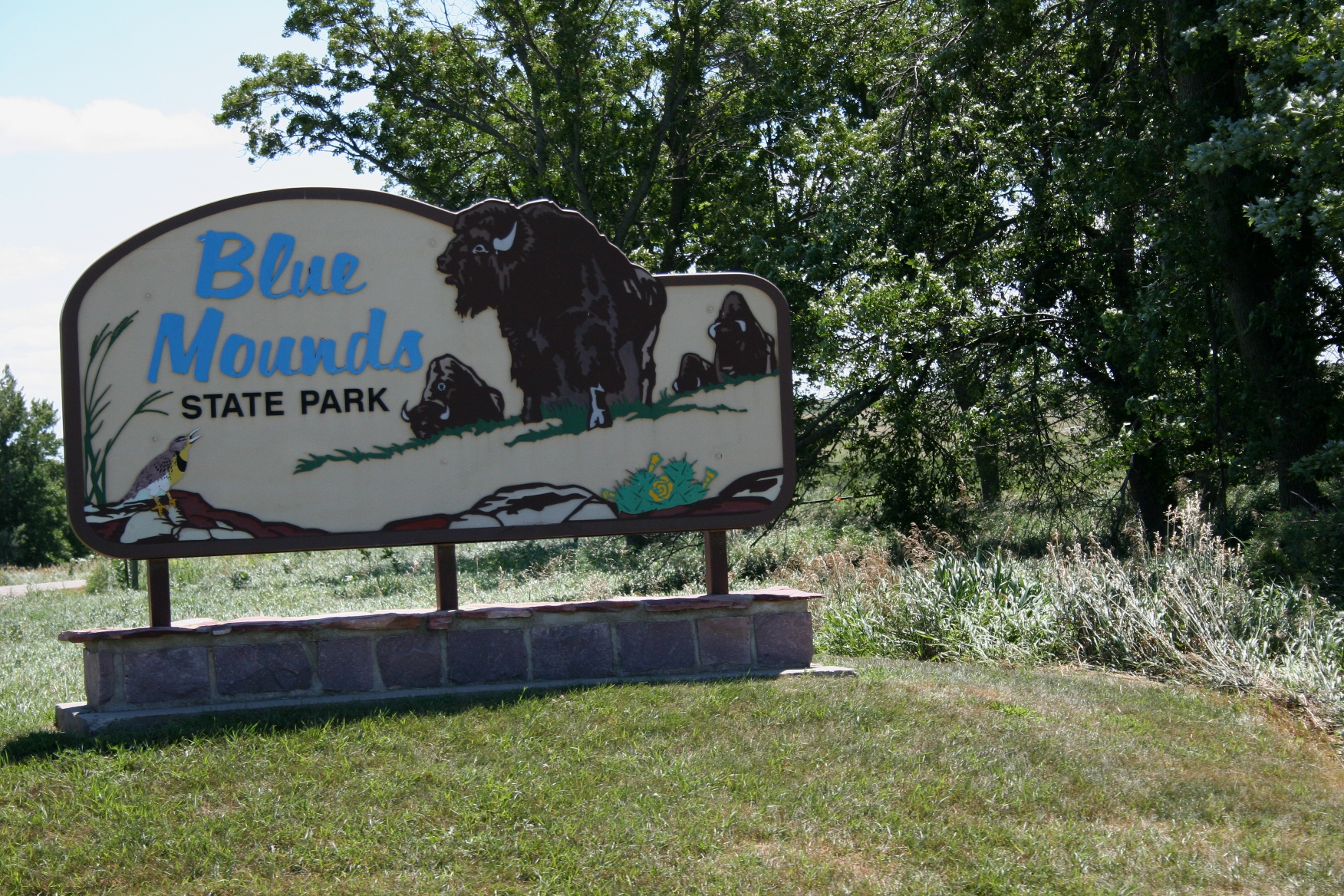
Welcoming visitors to Blue Mounds State Park in rural Rock County, Minnesota.

Welcoming visitors to Blue Mounds State Park in rural Rock County, Minnesota.

YOU WOULD THINK, considering I am a native of southwestern Minnesota, that I would have visited Blue Mounds State Park many times.

But I hadn’t, ever, and it has been on my list of must-see places for the past several years. That and the Brandenburg Gallery in Luverne, four miles to the south. That would be Jim Brandenburg, perhaps Minnesota’s best-known nature photographer. He grew up in rural Luverne, near the South Dakota border.

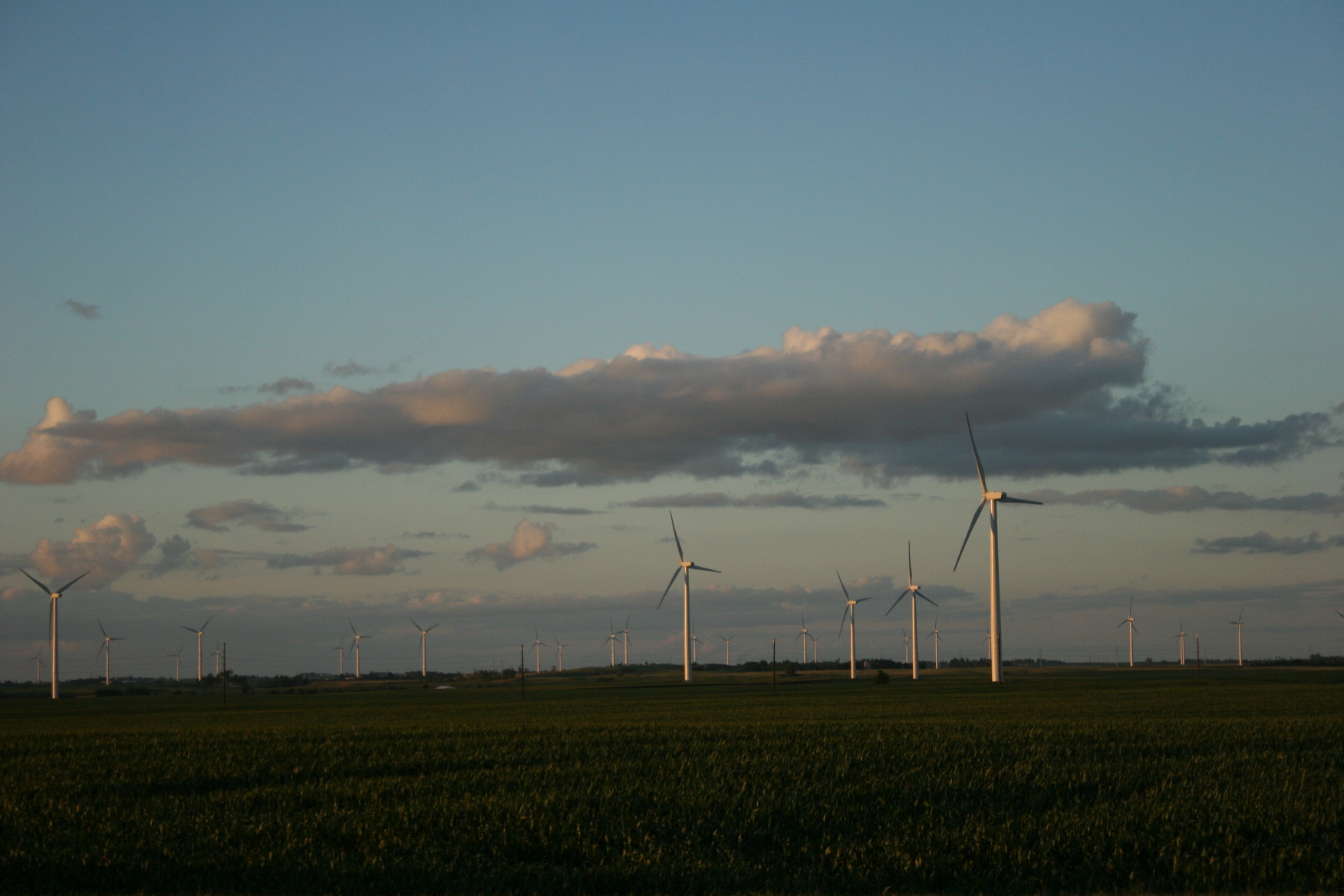
Hundreds of windmills now define this region of southwestern Minnesota.

Hundreds of windmills now define this region of southwestern Minnesota.

Recently my husband and I traveled to this corner of Minnesota specifically to see these two sites. It was well worth the long drive that took us through many small agricultural communities, past acres and acres of cropland, and past hundreds of wind turbines which define so much of the landscape in this region now. While I understand their energy value, these unnatural giants, in my opinion, have ruined the aesthetics of the prairie. I like my prairie big, open and wide, without monstrosities to detract from its natural beauty.

Beautiful natural scenery.

Beautiful natural scenery.

Thankfully, preserved and protected prairie remains in places like Blue Mounds State Park and nearby Touch the Sky Prairie and in Brandenburg’s images.

Hiking the path up and through the prairie grass.

Hiking the path up and through the prairie grass.

On the Saturday we hiked Blue Mounds, strong winds buffeted the land, bending prairie grasses as we climbed a hillside,

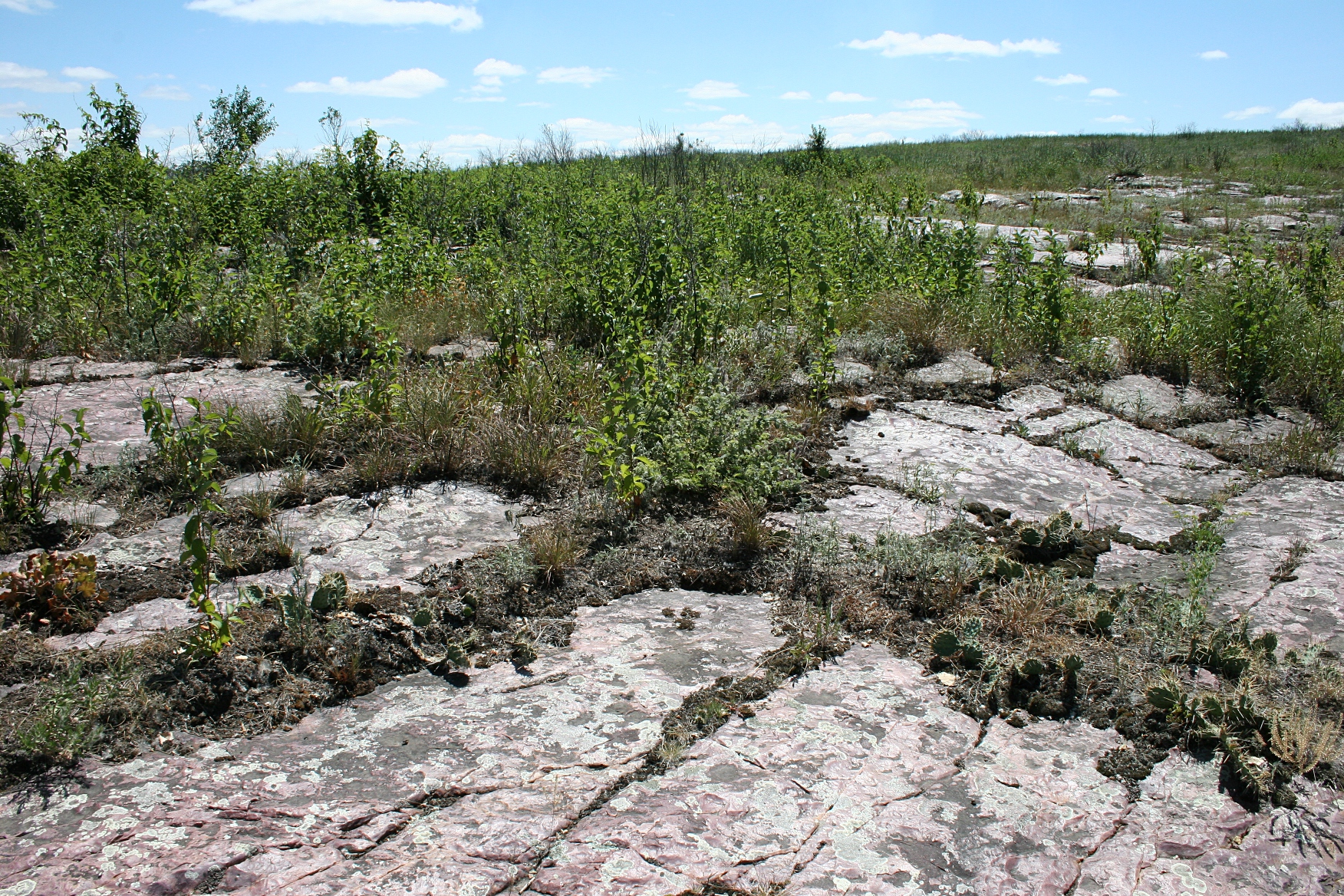
Mounds of flat rock naturally planted upon the prairie.

Mounds of flat rock naturally planted upon the prairie.

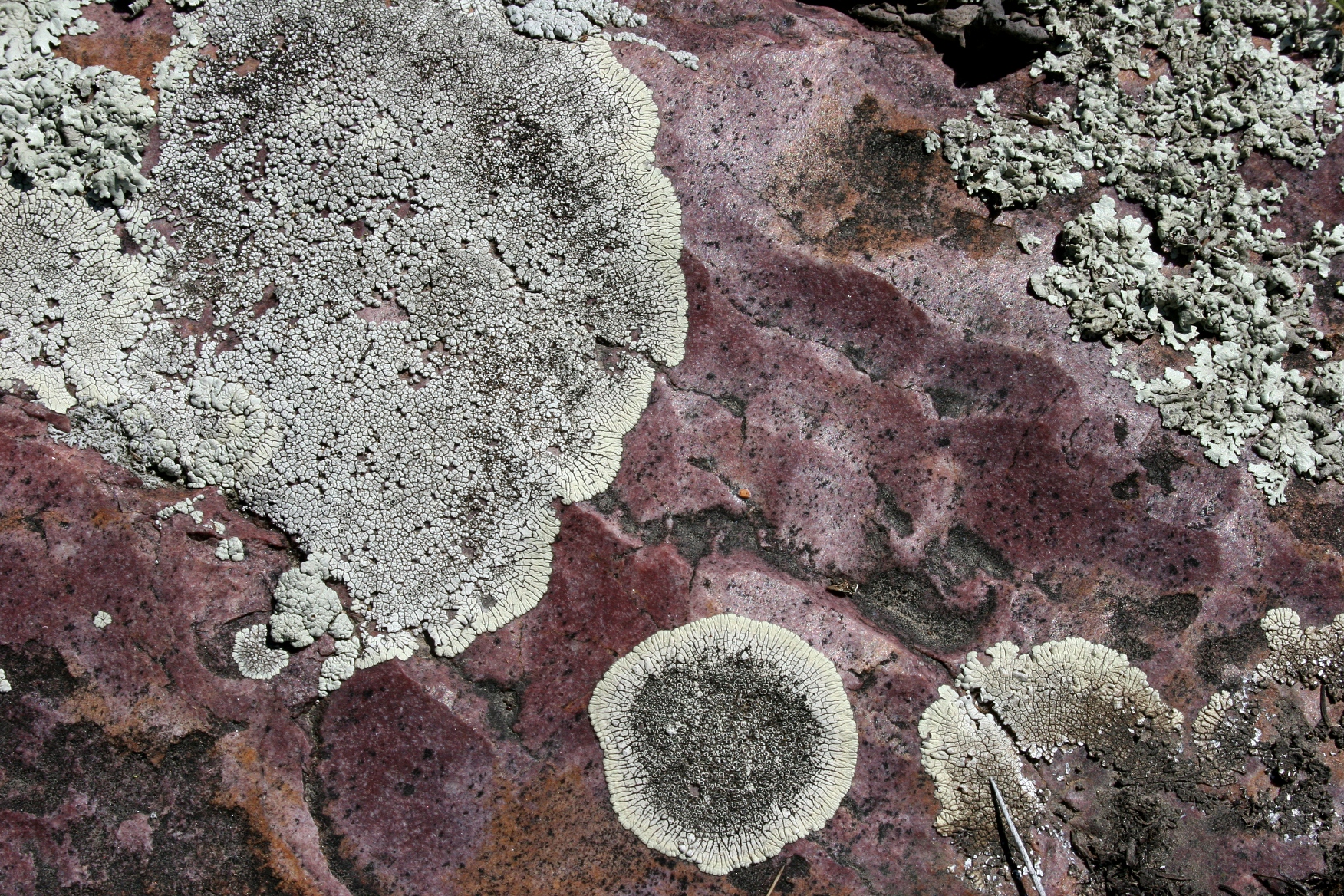
A close-up shot of that in-ground flat rock.

A close-up shot of that in-ground flat rock.

examined and walked upon clumps of huge rock,

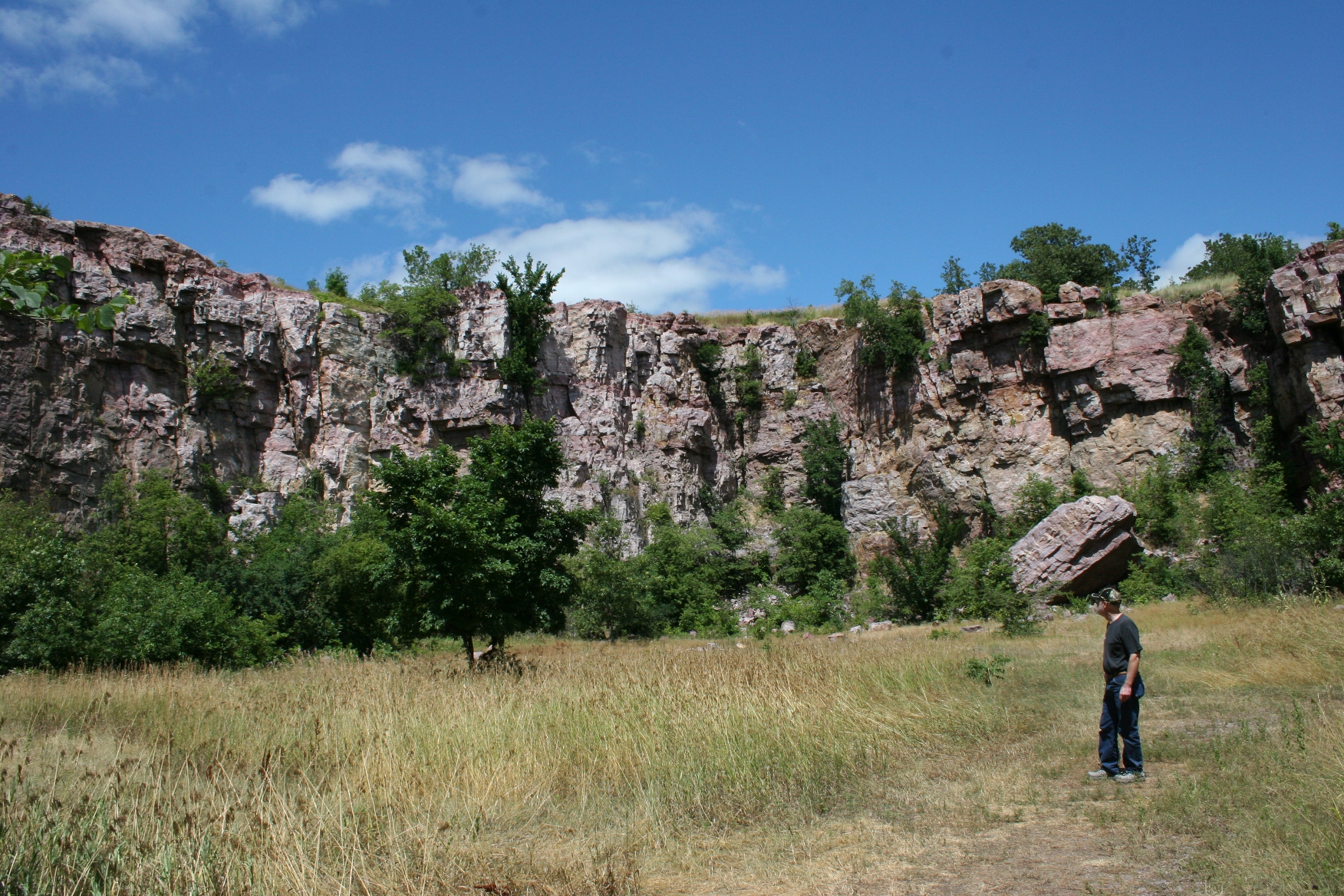
My husband inside the portion of the park where rock was once quarried.

My husband inside the portion of the park where rock was once quarried.

An impressive quarry wall of Sioux quartzite.

An impressive quarry wall of Sioux quartzite.

admired towering cliffs of Sioux quartzite,

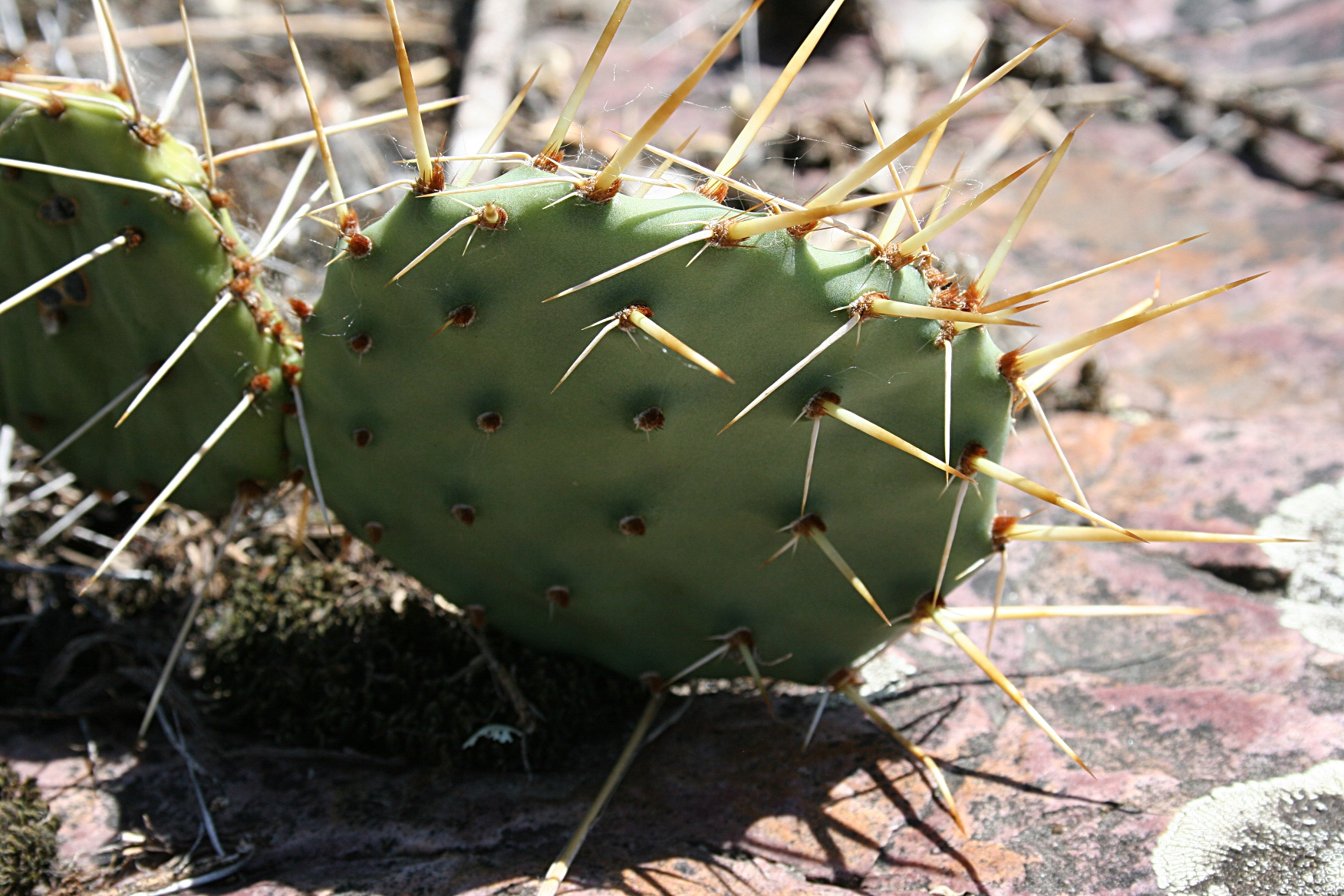
The prickly pear cactus seemingly grows right out of the rock.

The prickly pear cactus seemingly grows right out of the rock.

bent low to study the prickly pear cactus, an unexpected plant in this northern climate. In the distance, we glimpsed the park’s herd of bison.

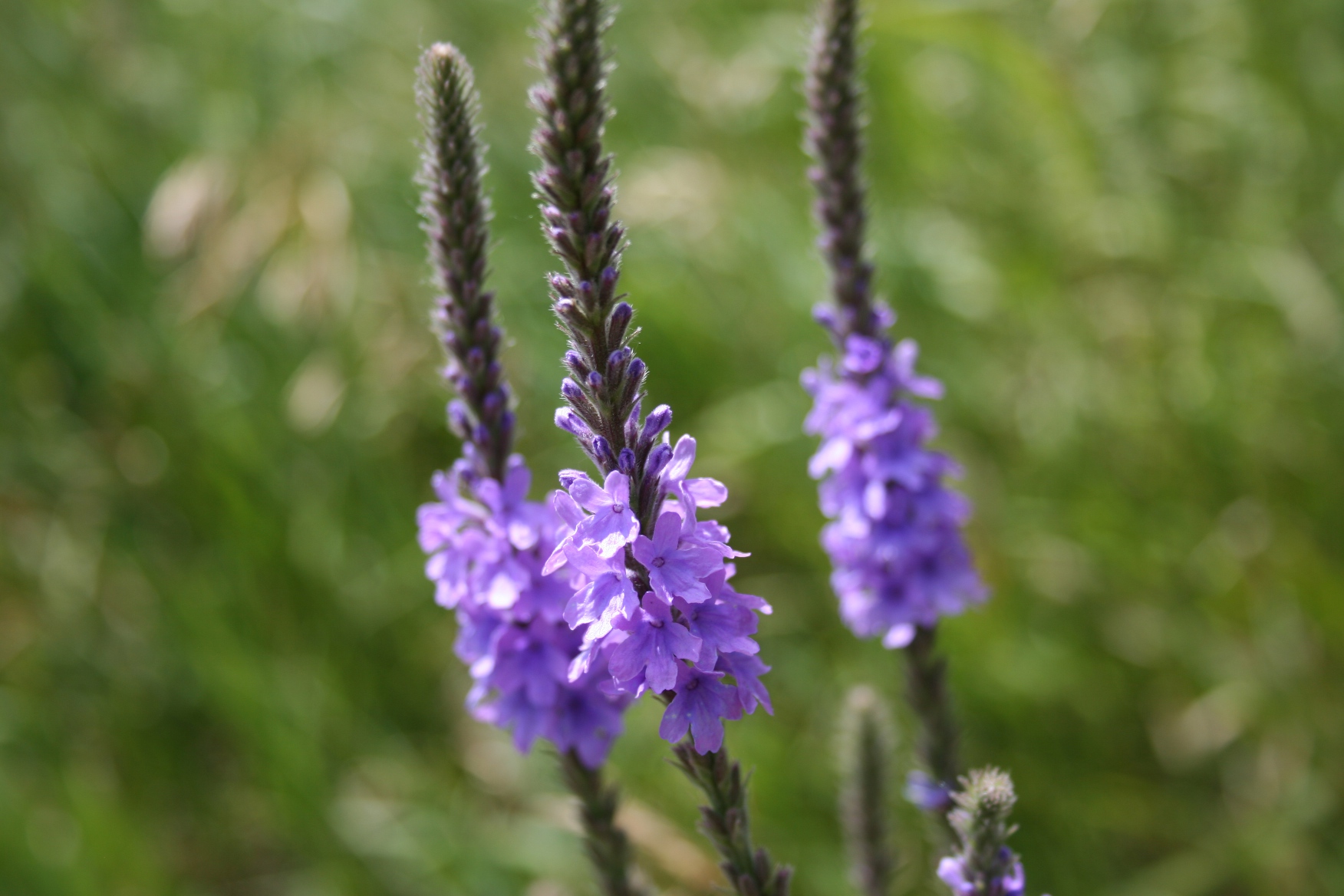
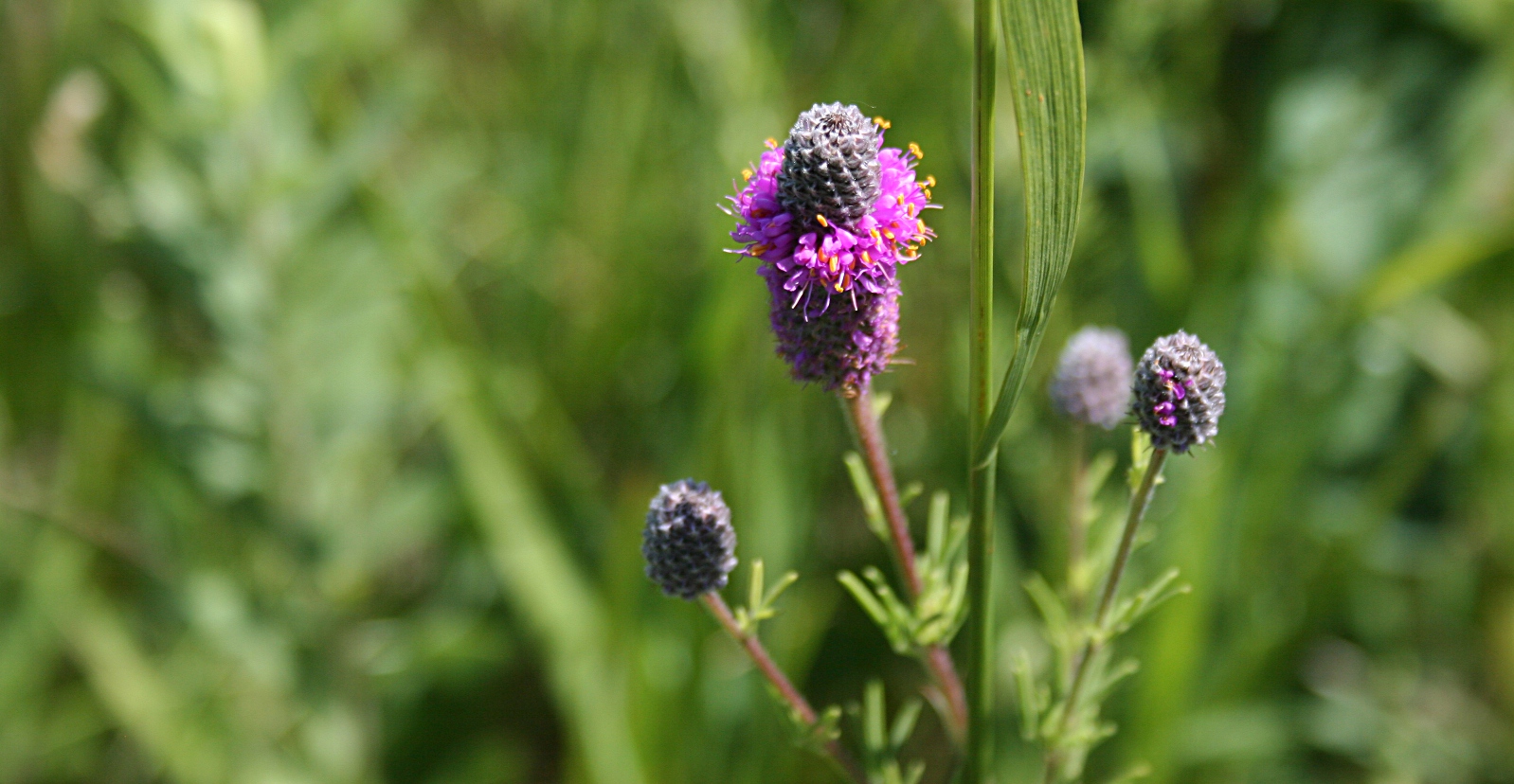
One example of the many prairie wildflowers.

One example of the many prairie wildflowers.

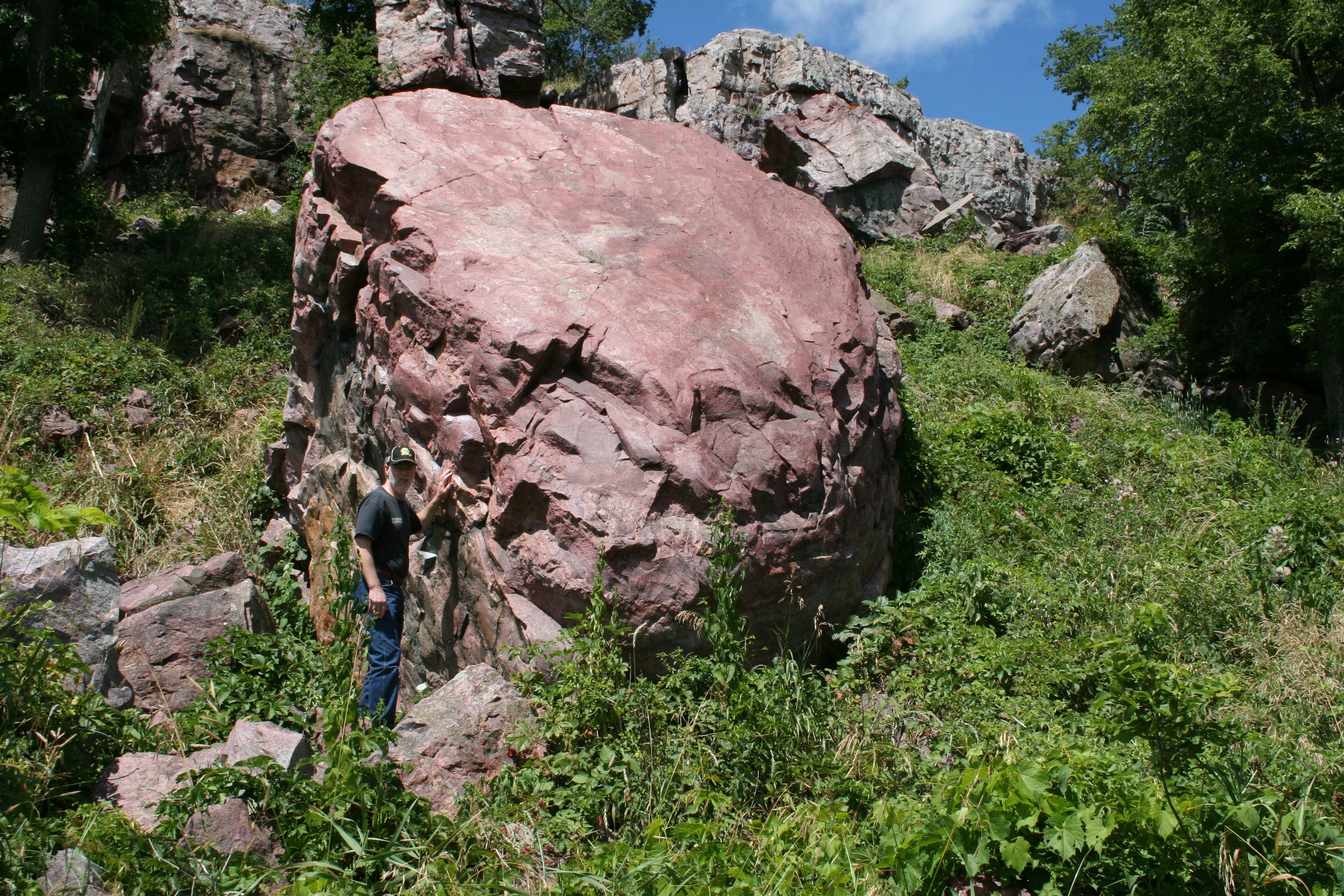
Look at the size of that Sioux quartzite rock compared to my husband.

Look at the size of that Sioux quartzite rock compared to my husband.

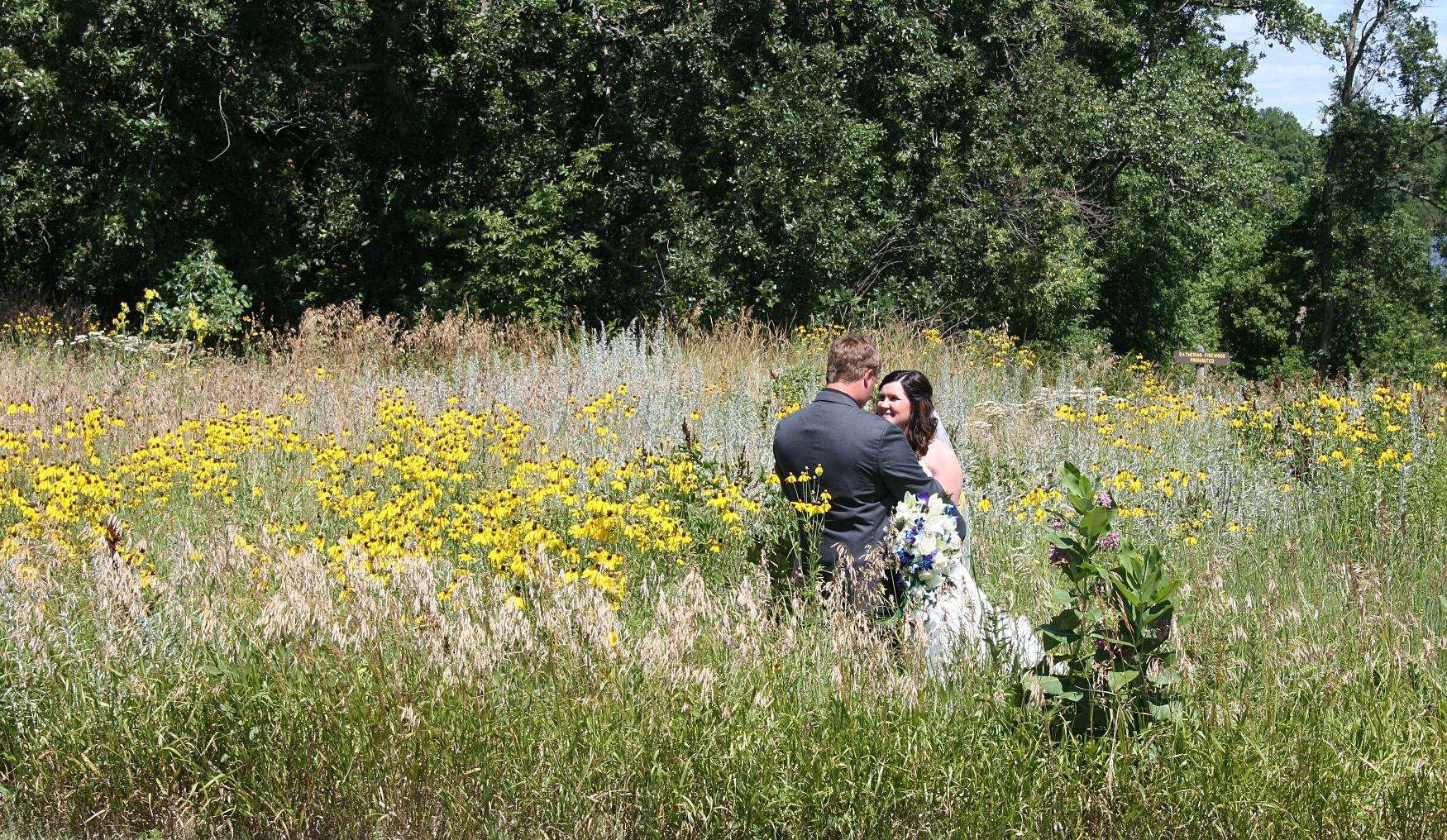
Just inside the park entry, I spotted this couple getting wedding photos taken among the prairie grasses and wildflowers.

Just inside the park entry, I spotted this couple getting wedding photos taken among the prairie grasses and wildflowers.

I stopped more often than not to photograph wildflowers and the prairie grass and rocks and the overall scenery in this stunning spot on the prairie, unlike any I’ve ever viewed in Minnesota.

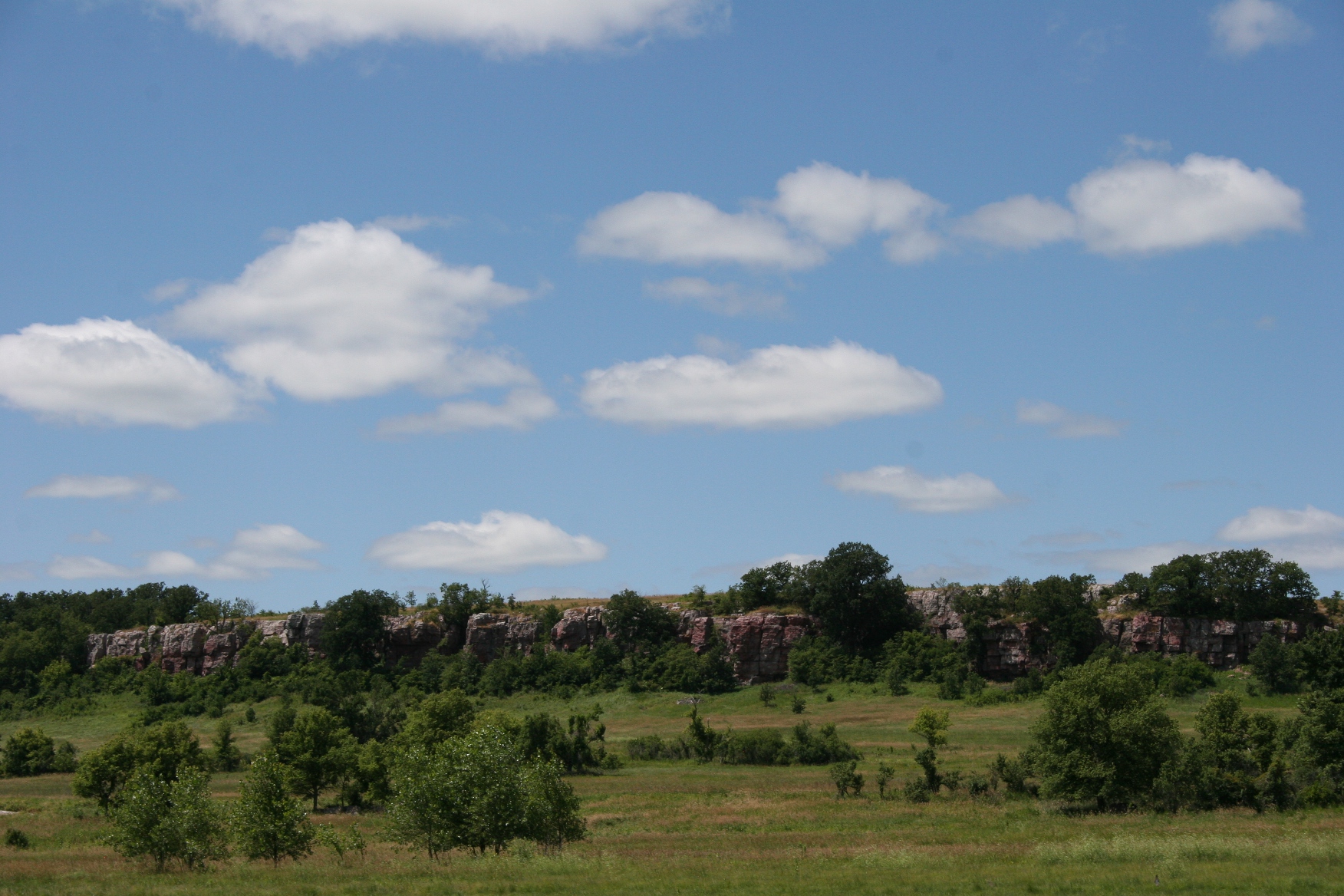
From a gravel road that loops past the park, I photographed this rugged rock line.

From a gravel road that loops past the park, I photographed this rugged rock line.

This prairie differs from the flat, cropped agricultural prairie of my youth. This prairie rolls and rises and meets the sky and feels wild and rugged and untamed. I almost expected to see horses galloping across the land, like a scene out of a western. It has that feel.

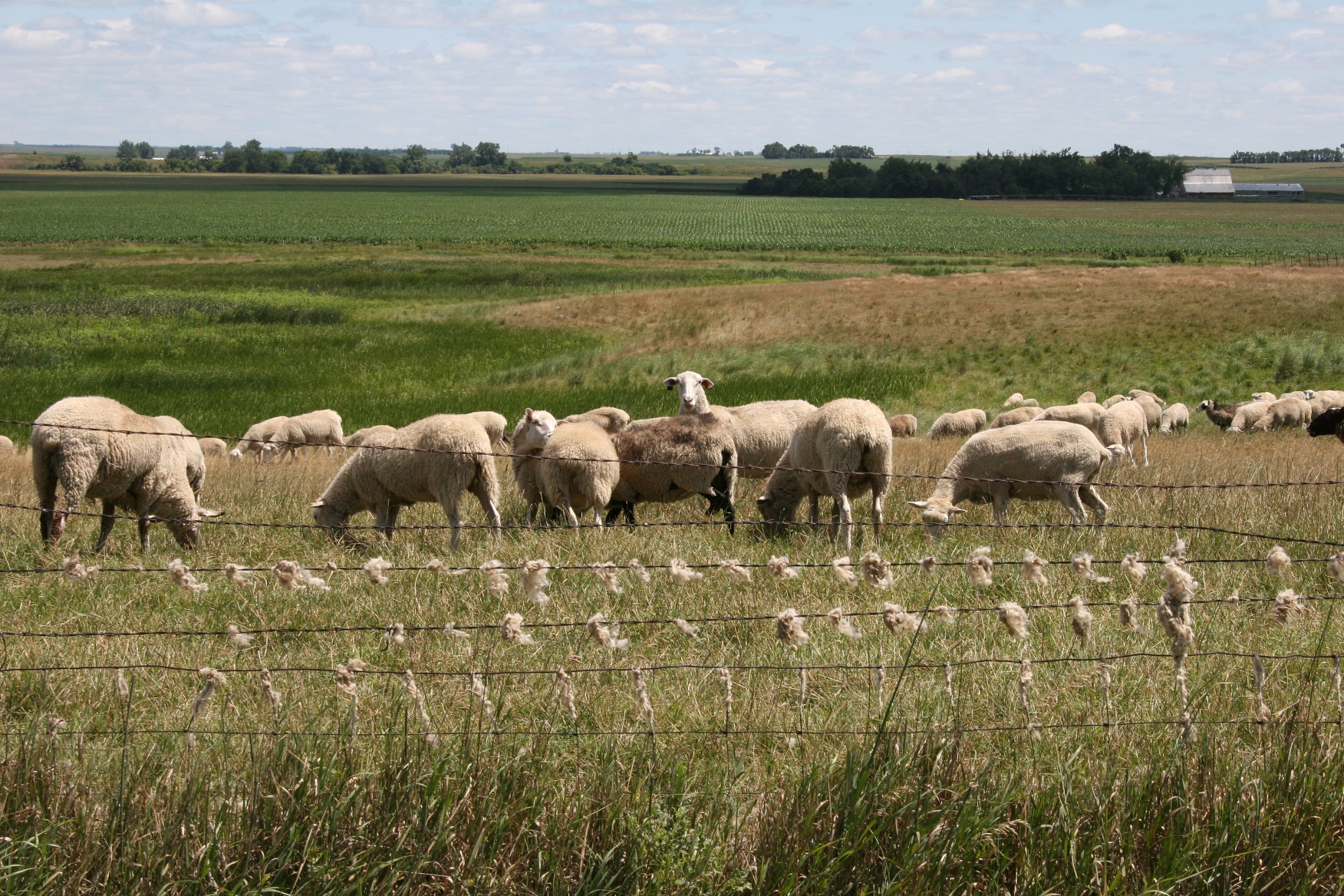
Pasture land near the park for these grazing sheep. Note their wool clinging to the fence.

Pasture land near the park for these grazing sheep. Note the tufts of wool clinging to the fence.

I observed sheep and cattle grazing in an abundance of rocky pastures nestled between corn and soybean fields. And from the hilltops, the land seemed to stretch in to forever in all directions.

BONUS PHOTOS:

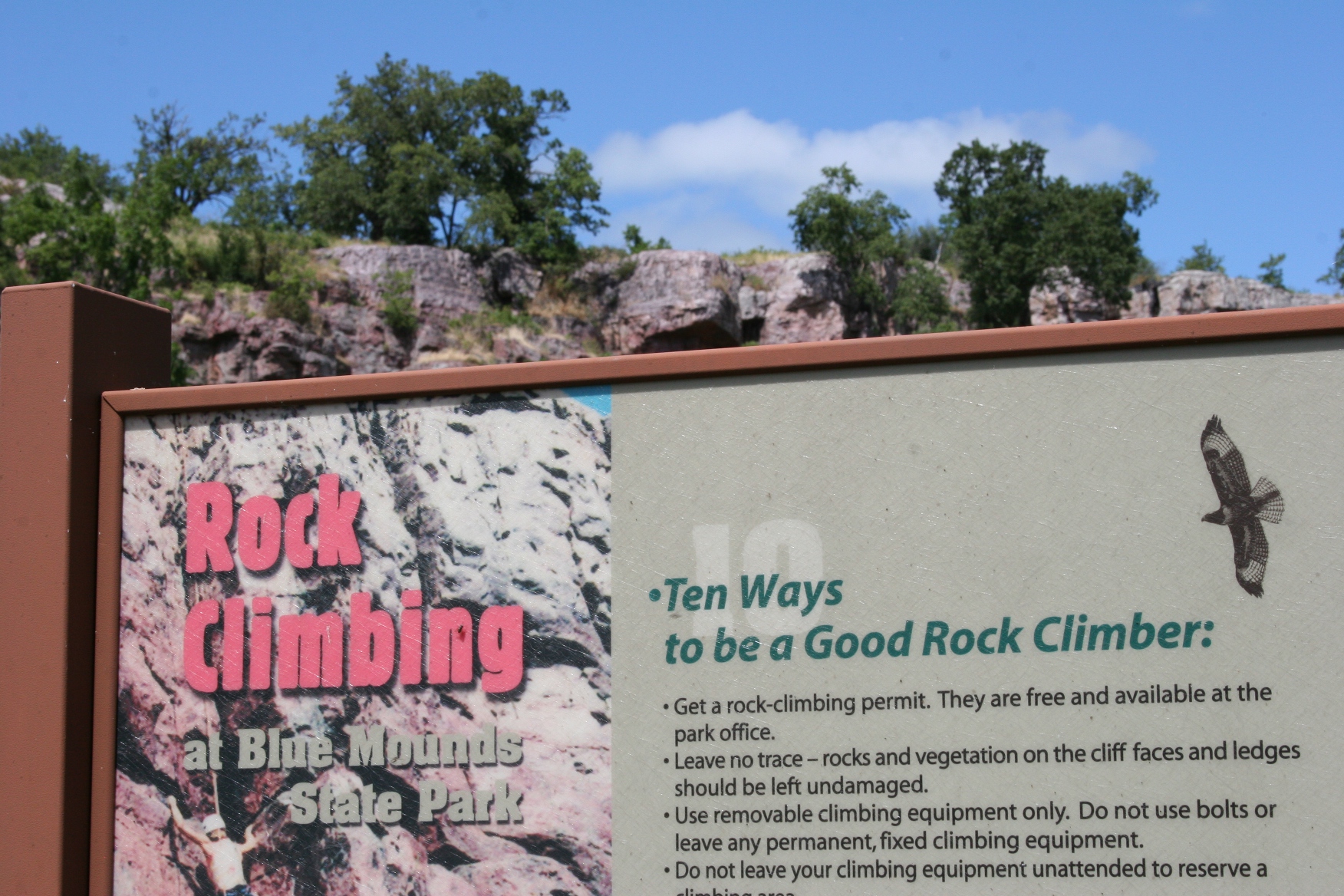
No rock climbing for us, but if you're a rock climber, Blue Mounds allows this sport.

No rock climbing for us, but if you’re a rock climber, Blue Mounds allows this sport.

Photographing wildflowers is more my type of "sport."

Photographing wildflowers is more my type of “sport.” That proved a challenge in the wind.

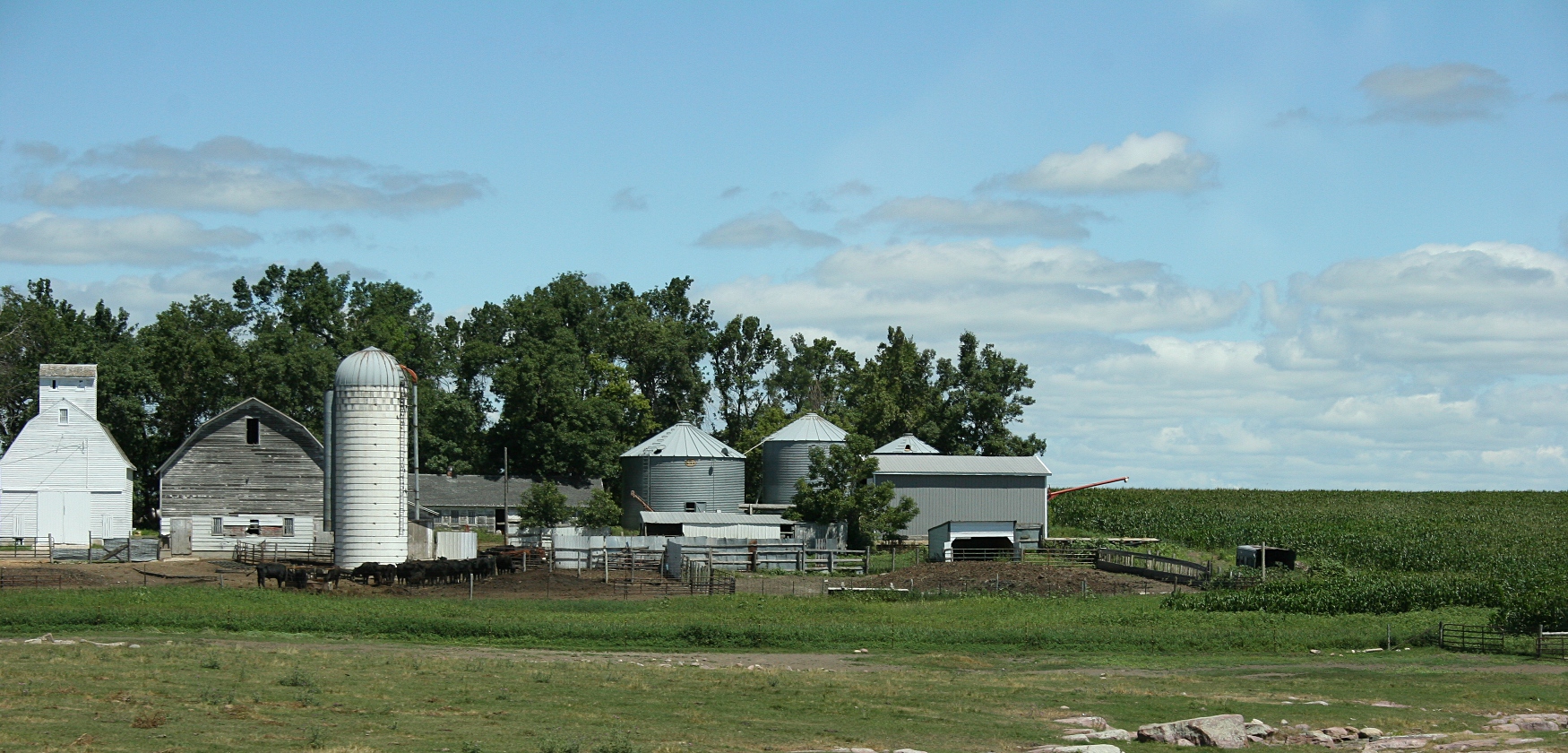
Farms like this border Blue Mounds State Park.

Farms like this border Blue Mounds State Park.

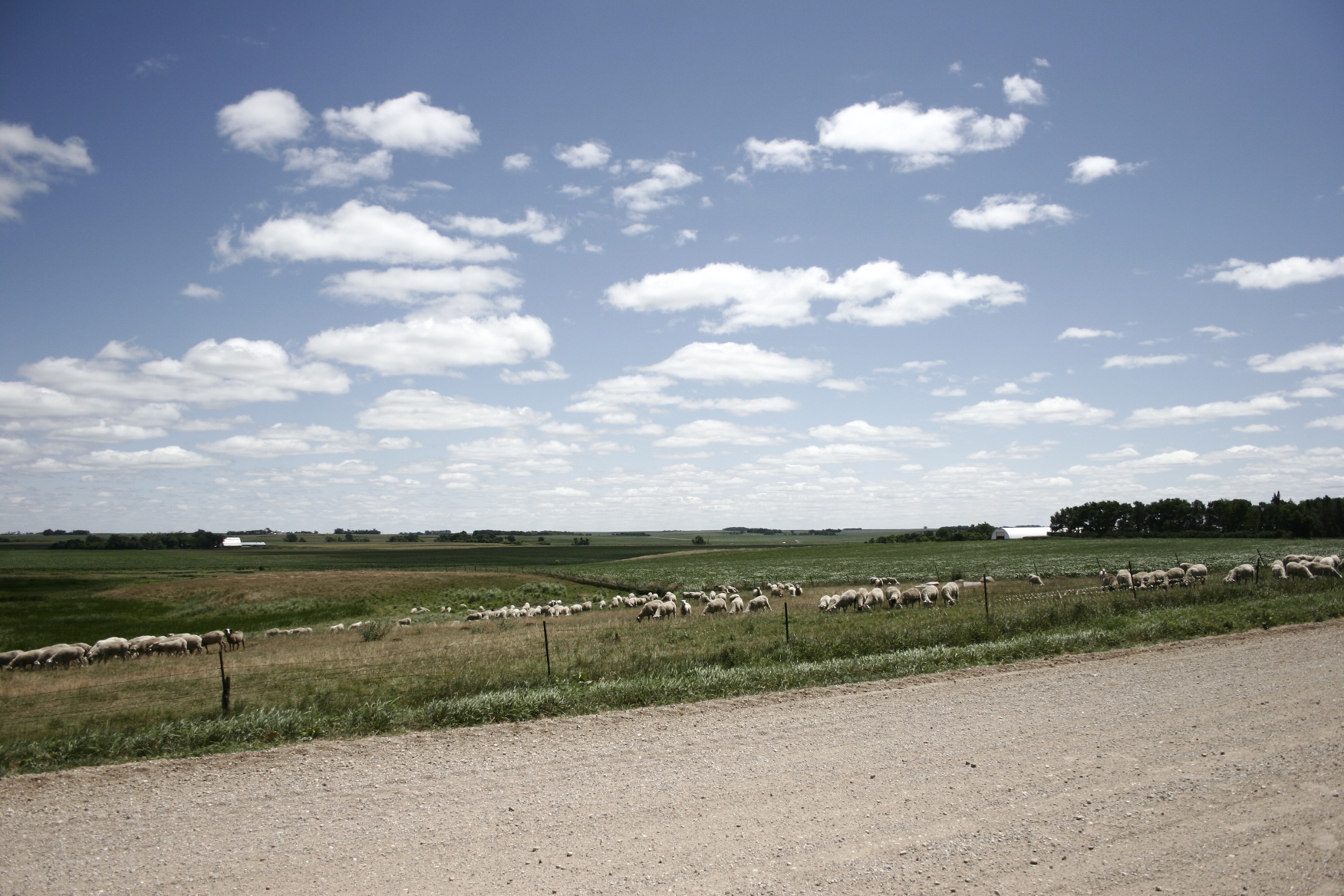
We followed this gravel road around the park and past a country church in the distance.

We followed this gravel road around the park and past a country church in the distance.

Sheep graze in a pasture near the country church.

Sheep graze in a pasture near the country church.

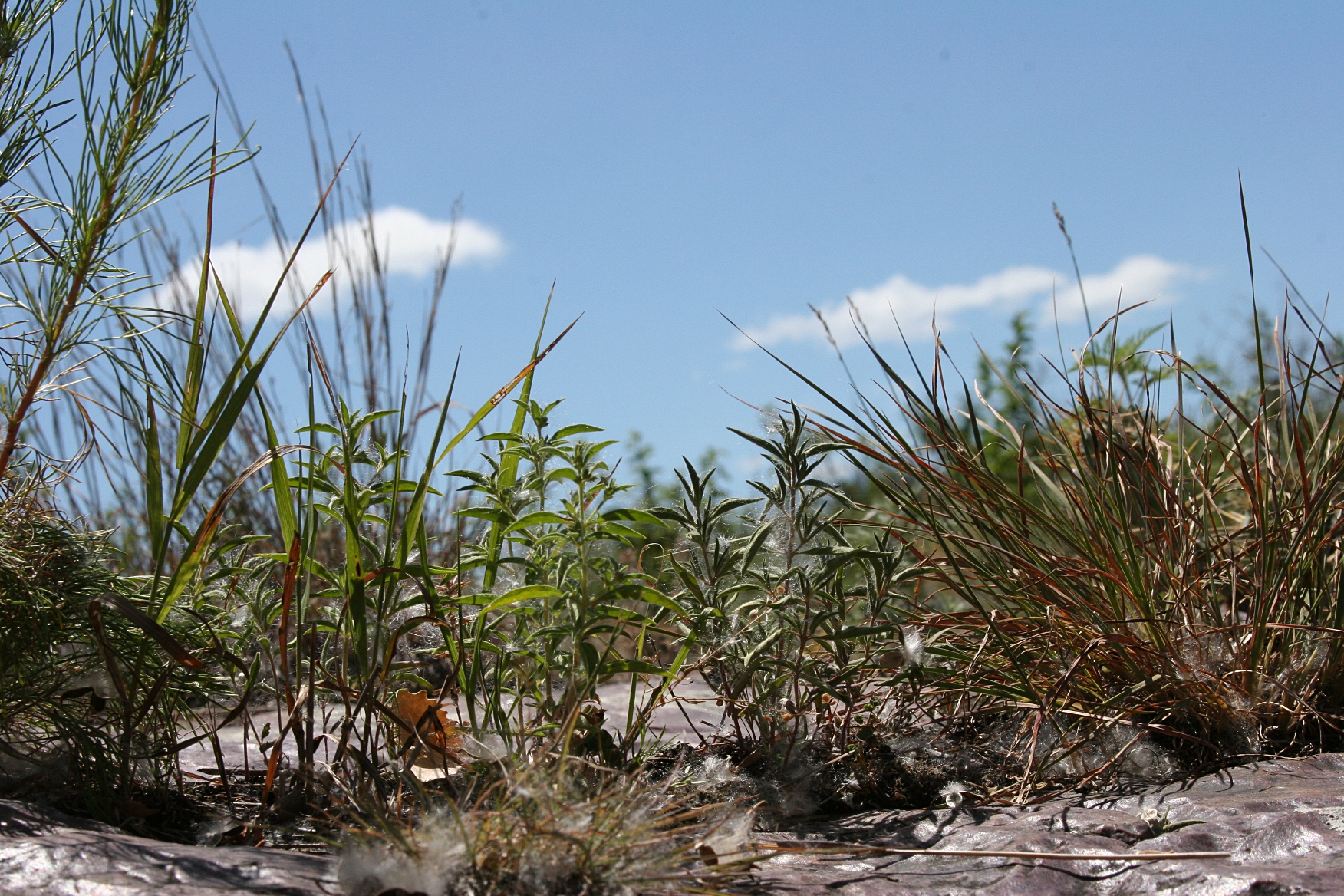
And because I value detail, I set my camera on the prairie and took this shot.

And because I value detail, I set my camera on a rock on the prairie and took this shot.

CHECK BACK for more posts from this region of Minnesota. I’ll take you into Luverne to view the Brandenburg Gallery and other points of interest.

© Copyright 2013 Audrey Kletscher Helbling