Minnesota Prairie Roots

Writing and photography by Audrey Kletscher Helbling

Stop & smell the roses in small towns, like Kenyon July 8, 2024

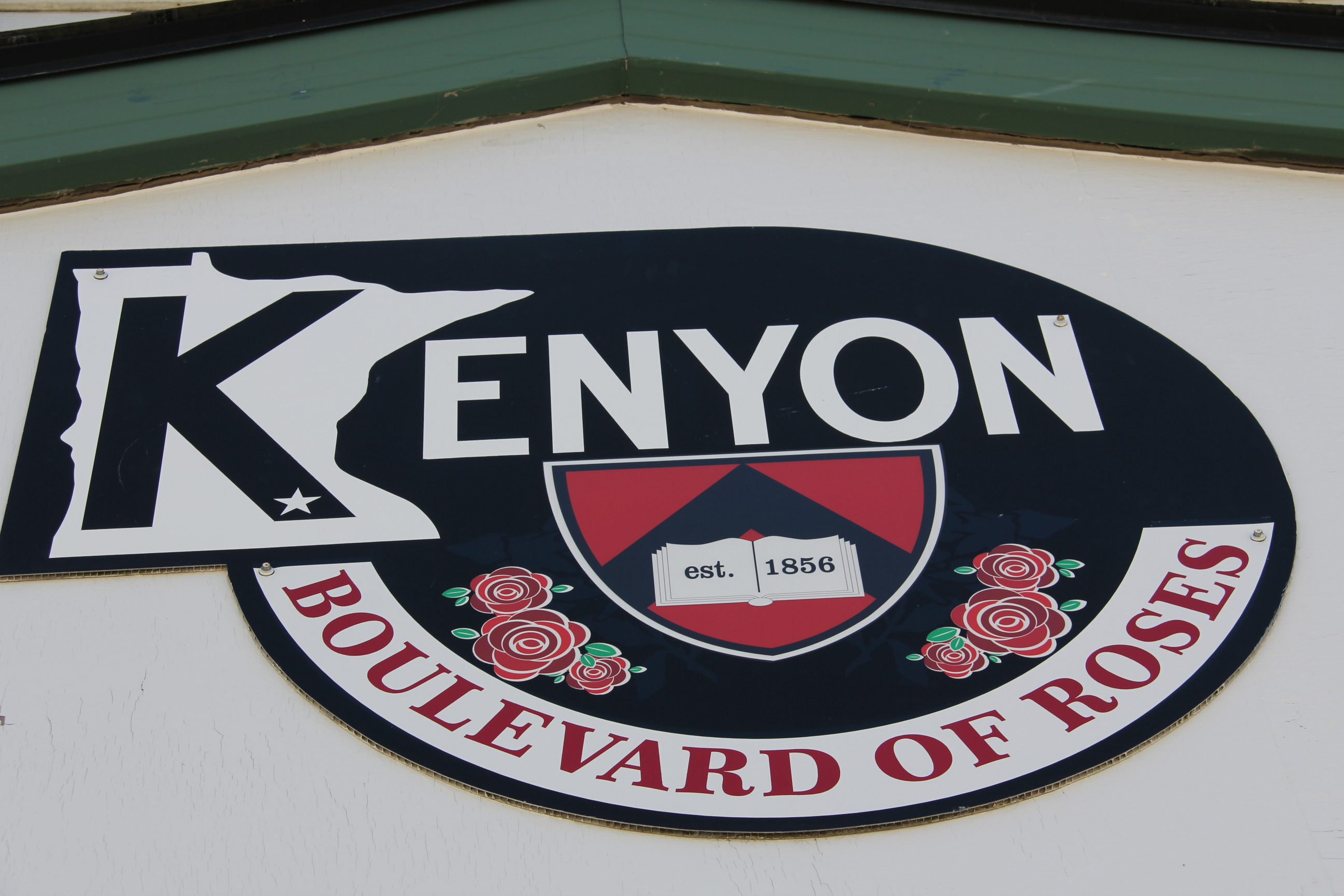
This identifying signage is posted on Kenyon’s city building. (Minnesota Prairie Roots copyrighted photo June 2024)

WHEN IT COMES to branding, everything is coming up roses in Kenyon. Literally.
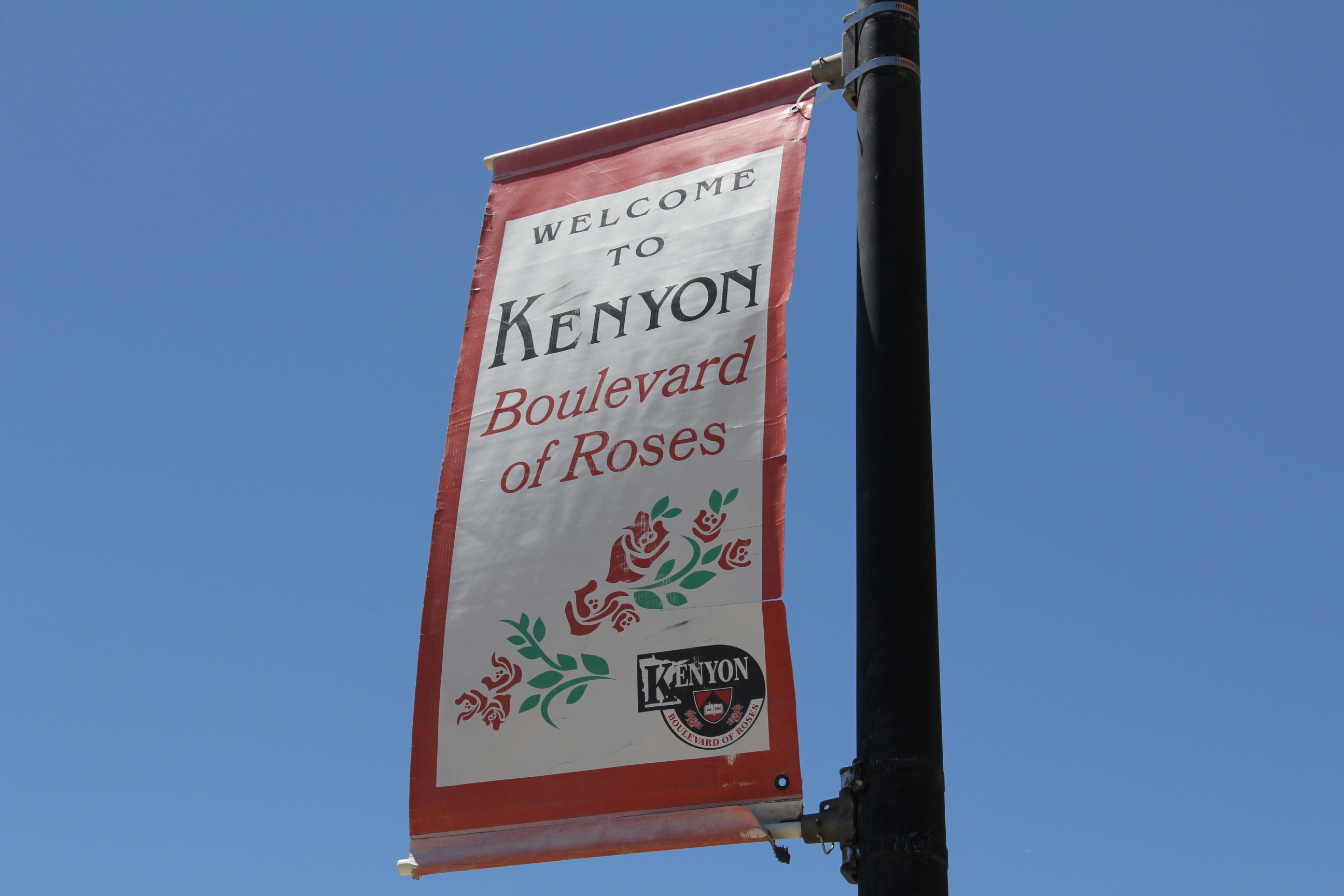
Welcome to Kenyon and its Boulevard of Roses. (Minnesota Prairie Roots copyrighted photo June 2024)
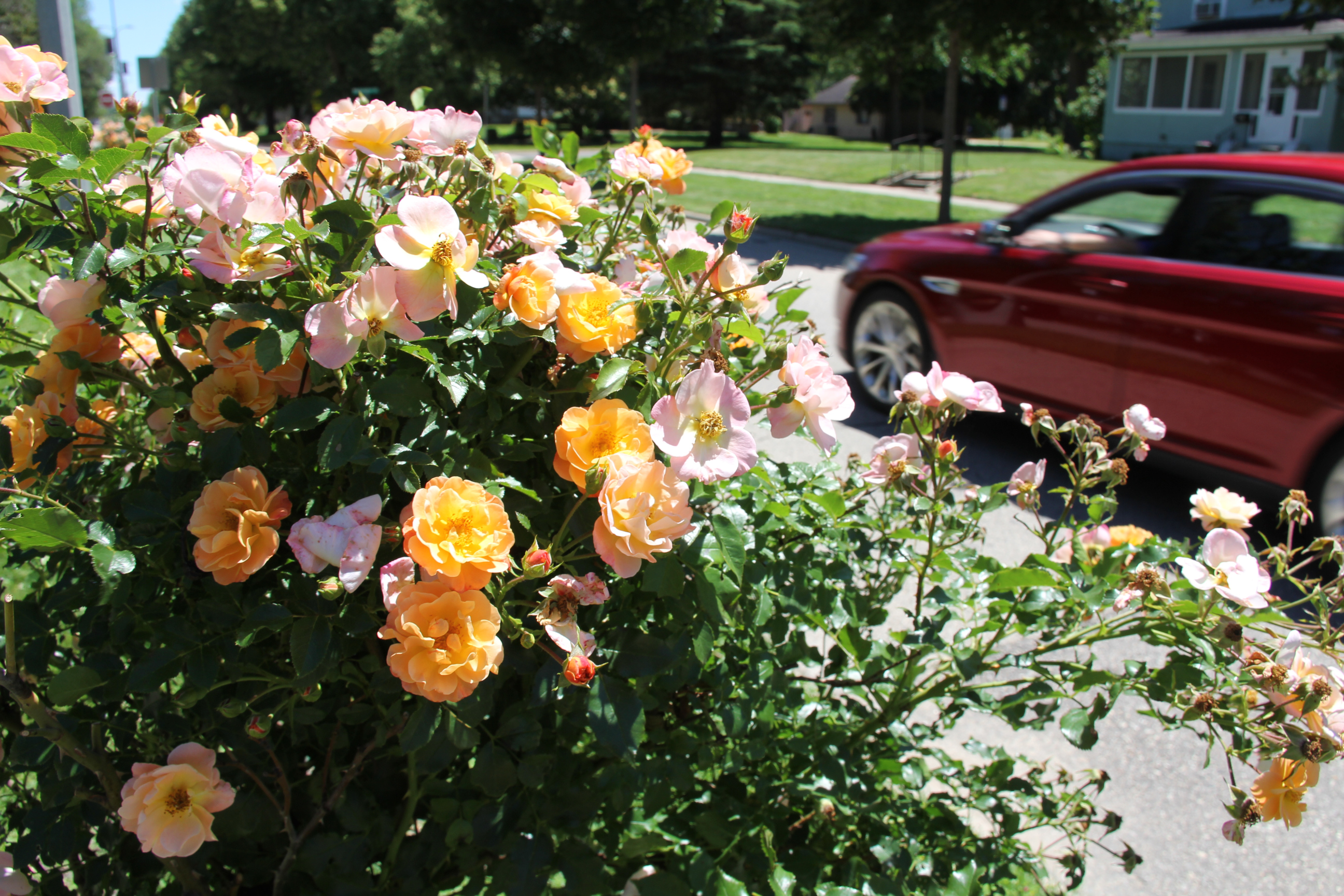
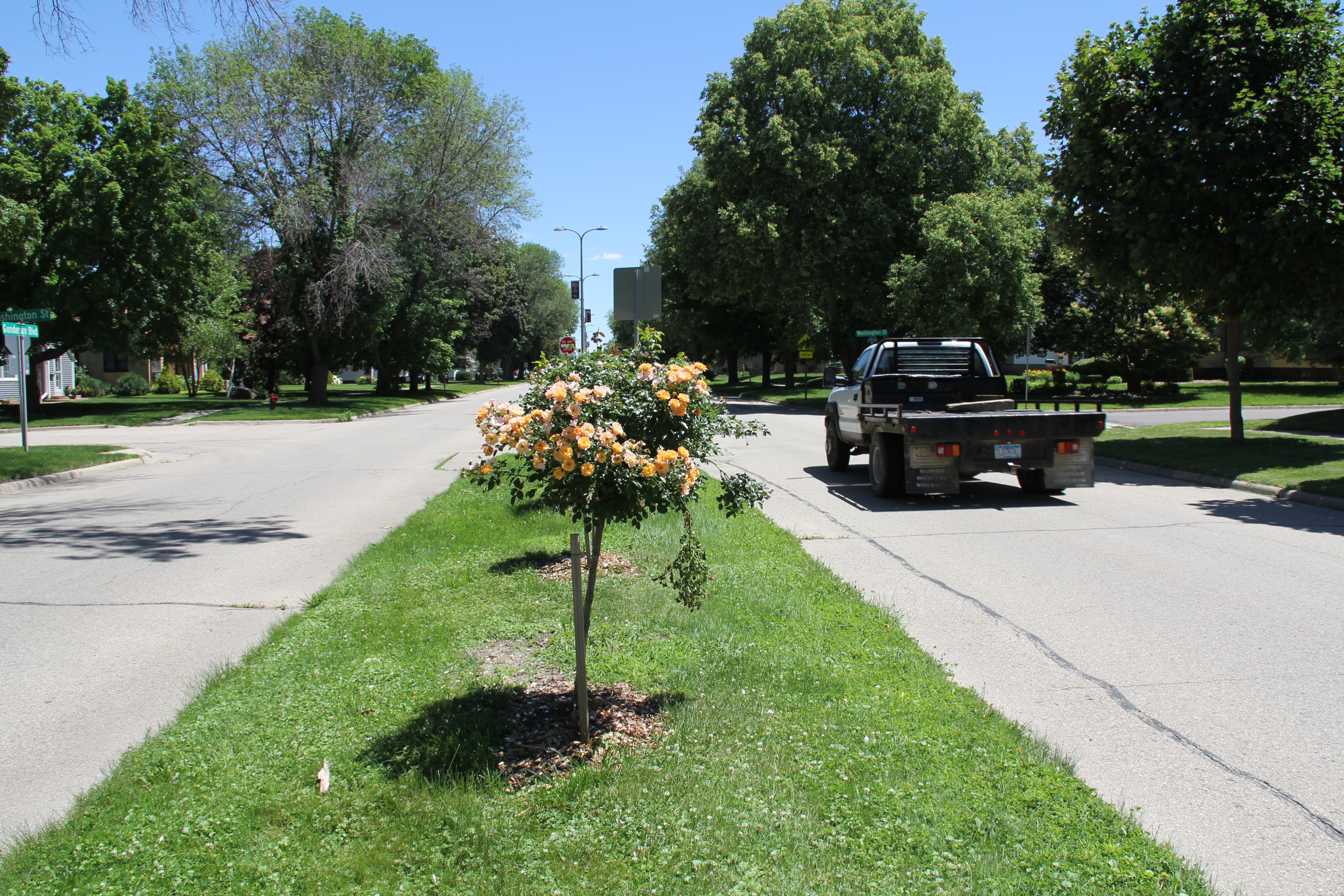
Roses bloom throughout the summer in the boulevard. (Minnesota Prairie Roots copyrighted photo June 2024)
So many lovely roses… (Minnesota Prairie Roots copyrighted photo June 2024)

This community of just under 2,000 identifies itself via its Boulevard of Roses which is, indeed, a rose-filled boulevard on Minnesota State Highway 60/Gunderson Boulevard. For blocks along this heavily-traveled roadway on the west side of downtown, tree roses grow, blooming beauty into the landscape.

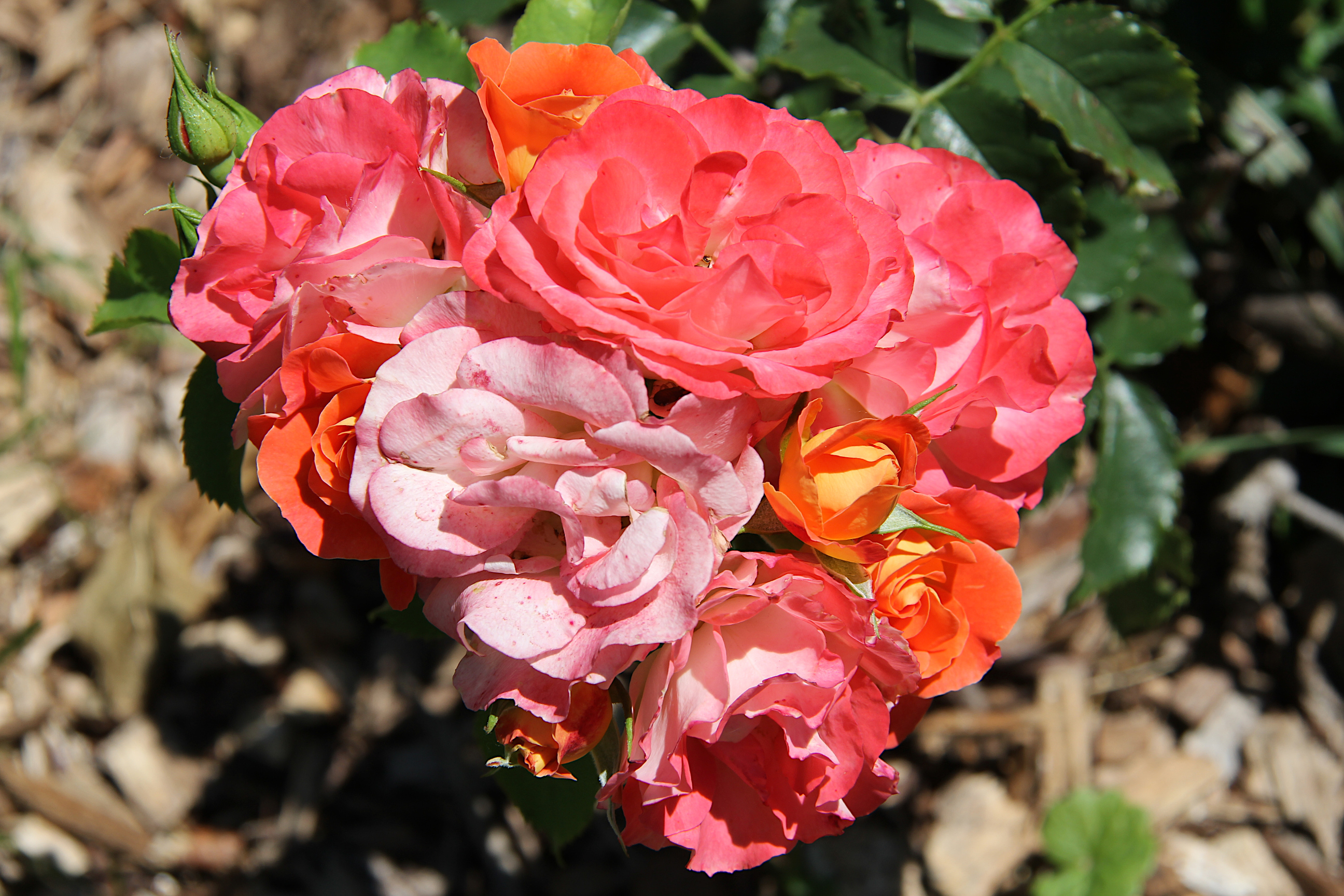
So many beautiful roses in assorted hues. (Minnesota Prairie Roots copyrighted photo June 2024)
Whether growing individually or in clusters, these tree roses are glorious. (Minnesota Prairie Roots copyrighted photo June 2024)
Traffic whizzes by on both sides as you smell/view the roses. (Minnesota Prairie Roots copyrighted photo June 2024)

Recently, I stopped to smell the roses. Literally. I dipped my nose into the perfume-scented flowers, delighting in their fragrance as semi trucks and other motor vehicles blew by me only feet away. Smelling the roses here requires caution. I’ve often wished Kenyon had a public rose garden, allowing for rose viewing, and smelling, in a peaceful setting.
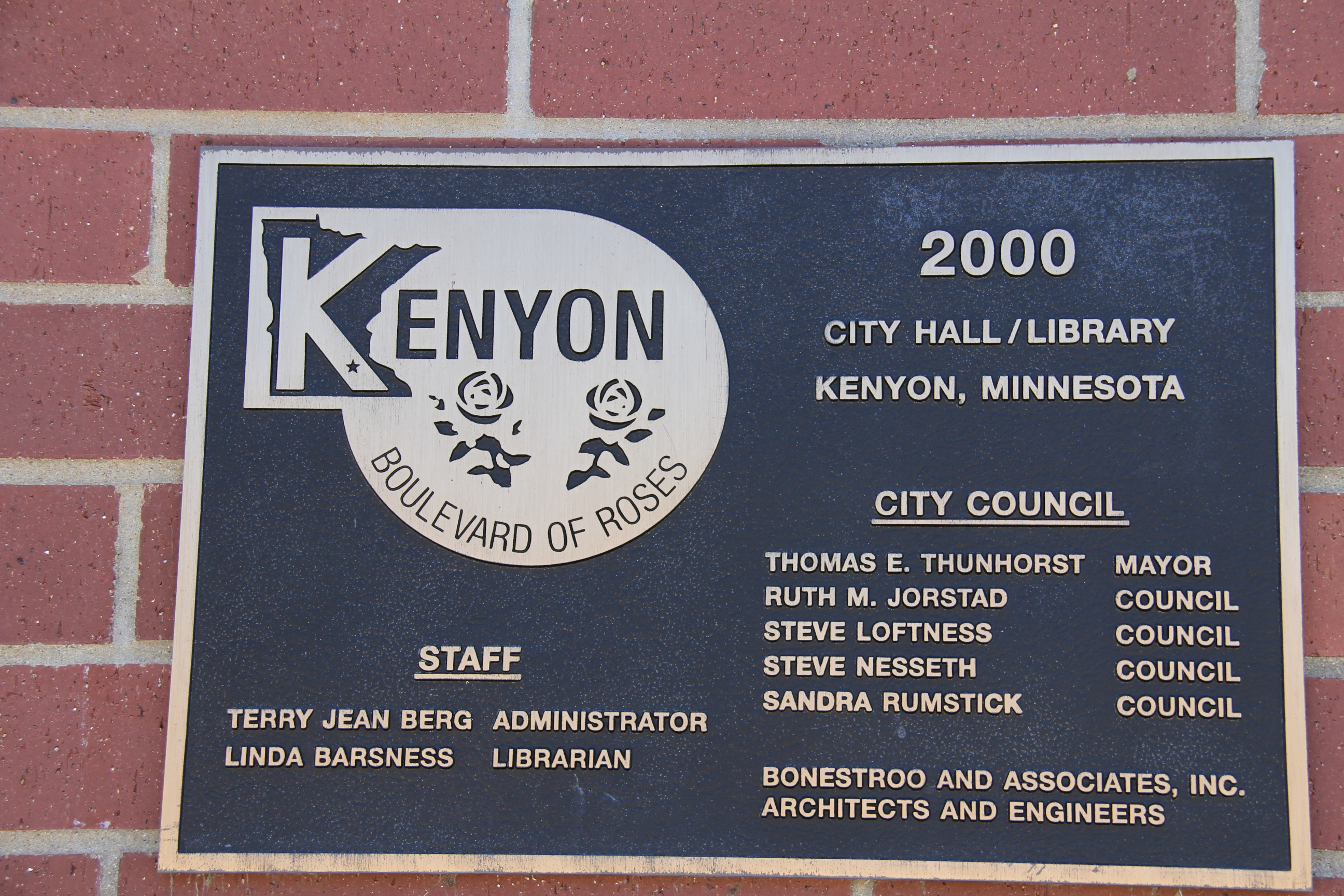
Even a plaque on Kenyon’s city building has the rose brand. (Minnesota Prairie Roots copyrighted photo June 2024)

But that the city has this, this Boulevard of Roses, is a gift. Back in 1962, city employee Lloyd Jystad asked to plant 10 tree roses to spruce up the boulevard. Permission granted. He cared for the rose bushes, which require burying in the ground before winter and then uncovering in the spring. From that initial request, the rose idea grew to include some 100 bushes, which are still cared for by city employees today. The Boulevard of Roses was dedicated in June 1968. That’s a long time of growing and tending roses.
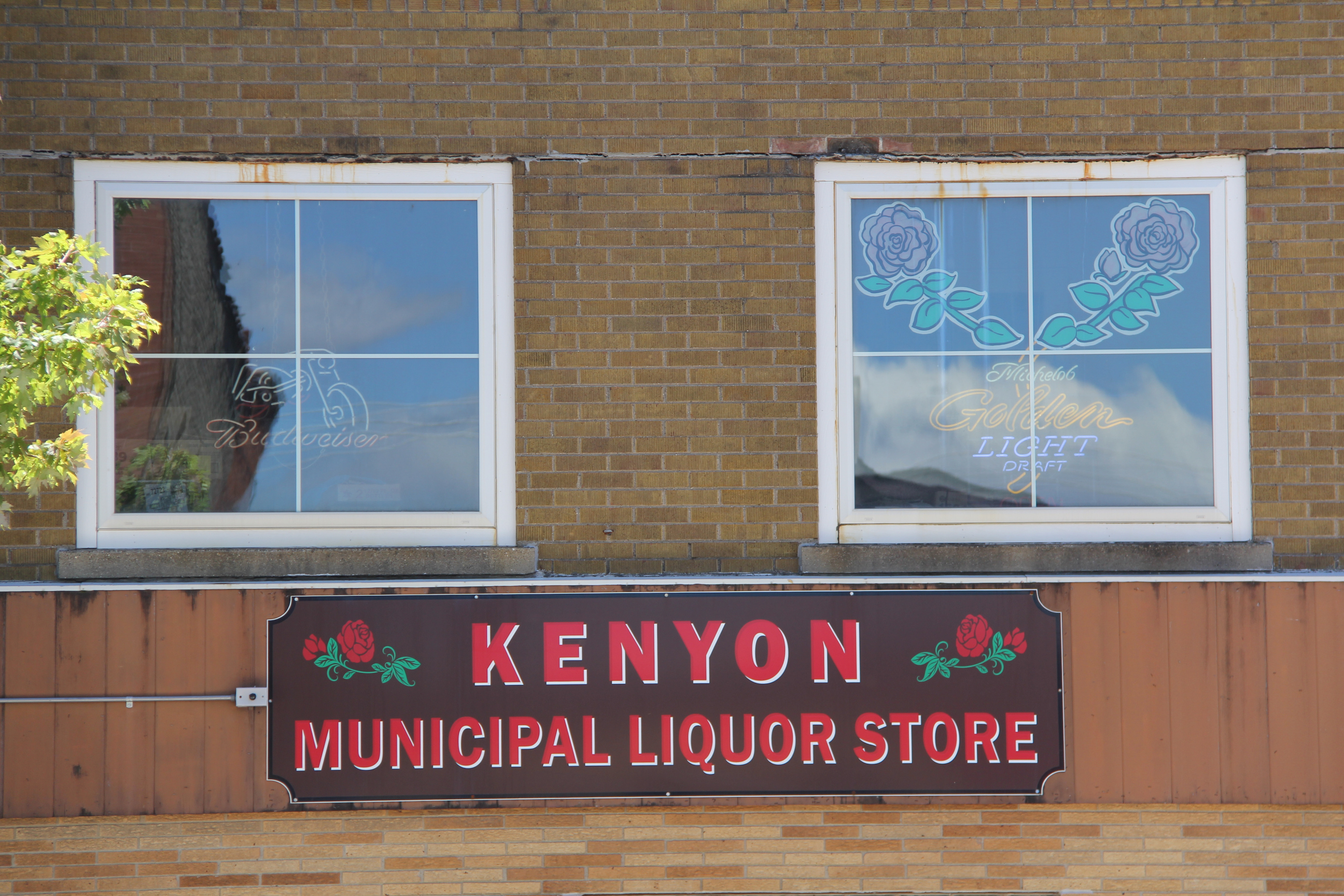
Rose branding on the city liquor store. (Minnesota Prairie Roots copyrighted photo June 2024)

Throughout Kenyon, roses bloom. In many ways, it’s remarkable for a community this small to have such a strong identifier. But I saw roses everywhere during a recent visit, far beyond the real ones that bloom along the highway. The red rose symbol graces many a sign in Kenyon.
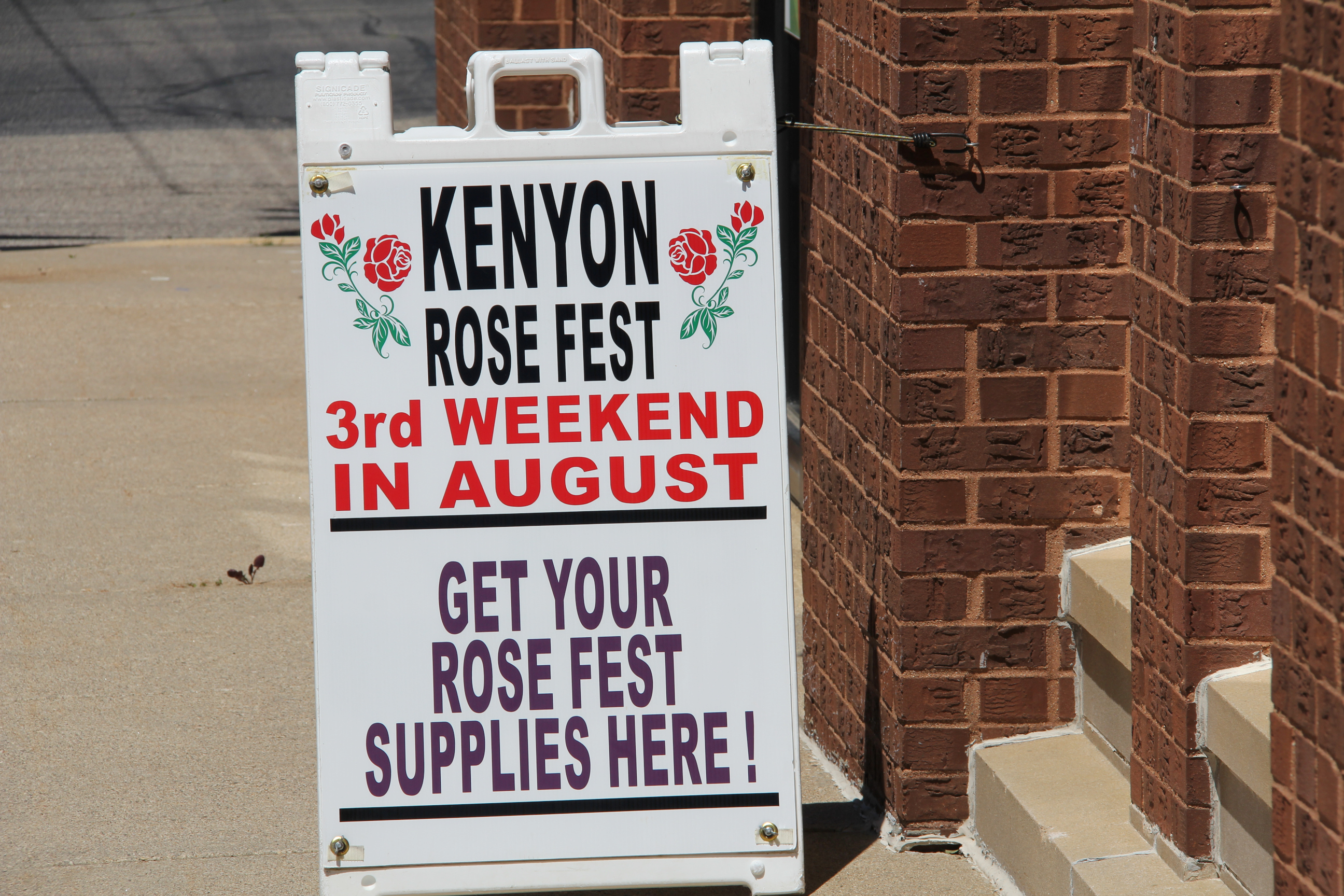
A sandwich board sits outside a small business well in advance of Rose Fest. (Minnesota Prairie Roots copyrighted photo June 2024)
Business branding on a shop door. (Minnesota Prairie Roots copyrighted photo June 2024)
Promoting the upcoming Rose Fest car and truck show in a storefront window. (Minnesota Prairie Roots copyrighted photo June 2024)

The city also celebrates roses in August with the Kenyon Rose Fest, this year August 14-18. It’s your typical small town summer celebration with fest royalty, a parade, a car and truck show, vendor and craft market, great food, and more. Mostly, Rose Fest is about connecting people and community. It brings folks together to celebrate small town life.
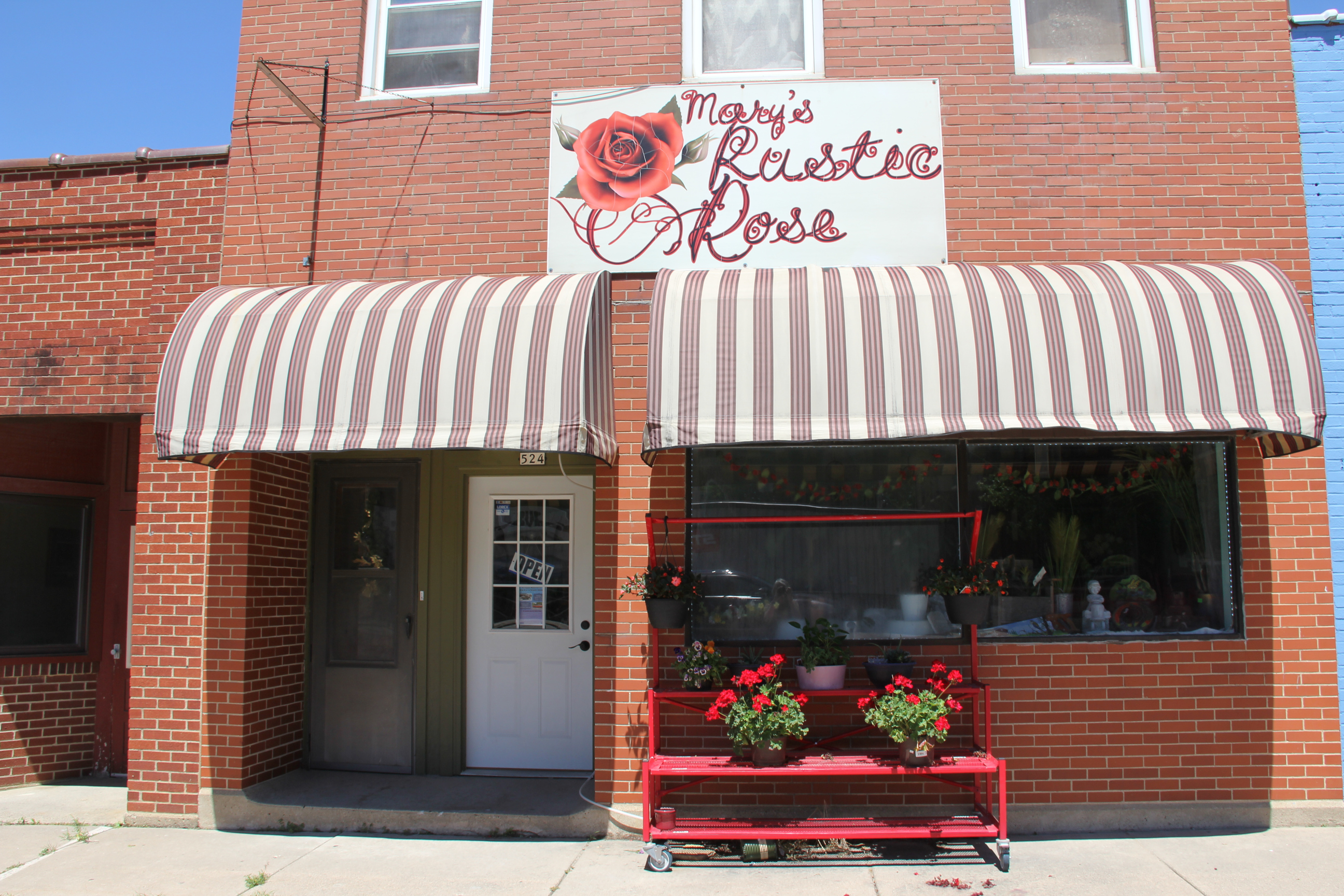
A fitting name for a floral shop in Kenyon. (Minnesota Prairie Roots copyrighted photo June 2024)

I often wonder if motorists, as they drive through Kenyon in their hurry from Point A to Point B, even notice the beauty they’re passing by in the Boulevard of Roses. I’m here to say it’s worth your time to stop, exit your vehicle and smell the roses. Life is much sweeter when we slow down and appreciate the nuances of small towns like Kenyon with its Boulevard of Roses.

© Copyright 2024 Audrey Kletscher Helbling


It’s all about stories in Faribault’s new branding campaign April 4, 2019

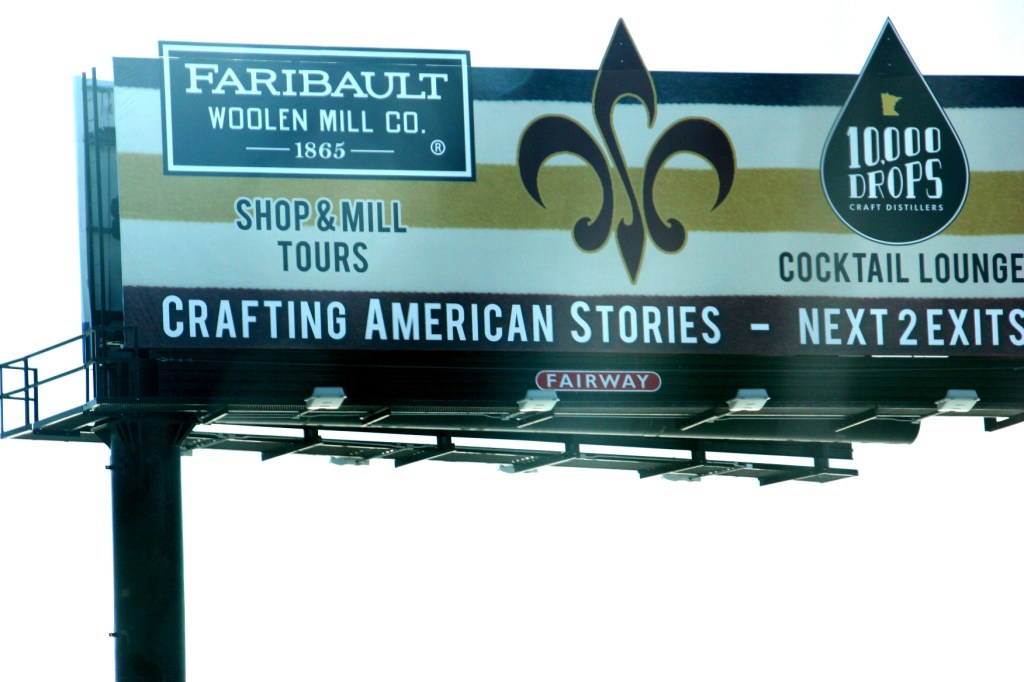
Faribault tourism’s newest billboard along Interstate 35 focuses on Crafting American Stories. Photo edited. Minnesota Prairie Roots file photo 2019.


I CONSIDER MYSELF a storyteller, using images and words to share stories. Storytelling resonates with people, connects with them, builds a sense of community.


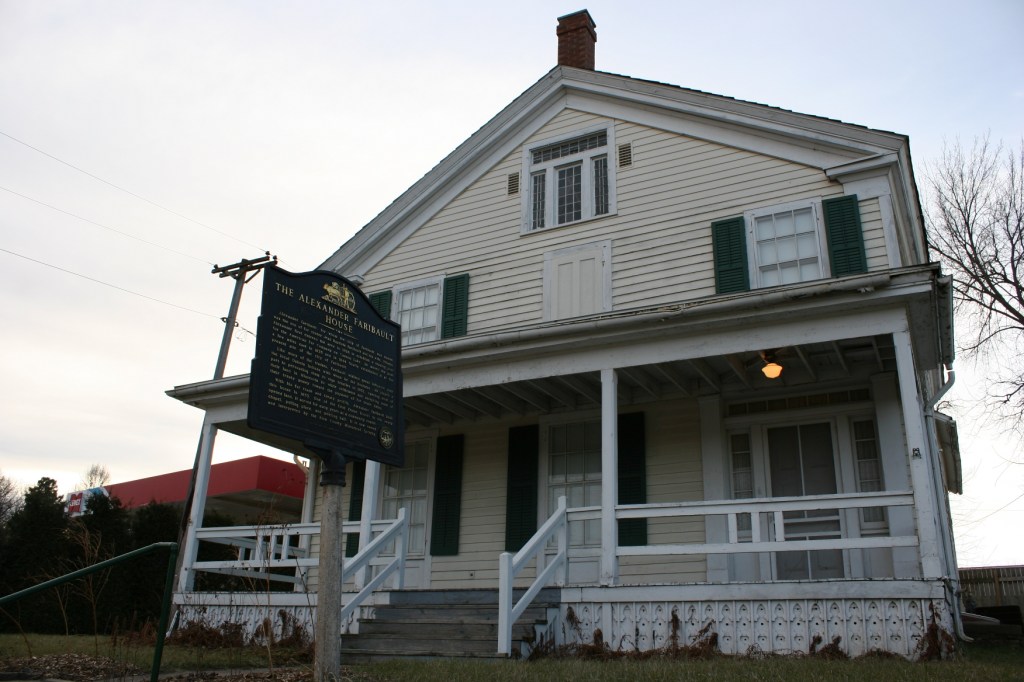
The home of town founder Alexander Faribault. Minnesota Prairie Roots file photo 2017.


Now my community of Faribault is embracing the same storytelling concept through a new branding campaign themed as American Stories. A collaboration of the Faribault Main Street Design Committee and the City of Faribault, including the park and rec department, this storytelling approach seems a good fit for my southern Minnesota city. We truly are a place of stories—from past to present.


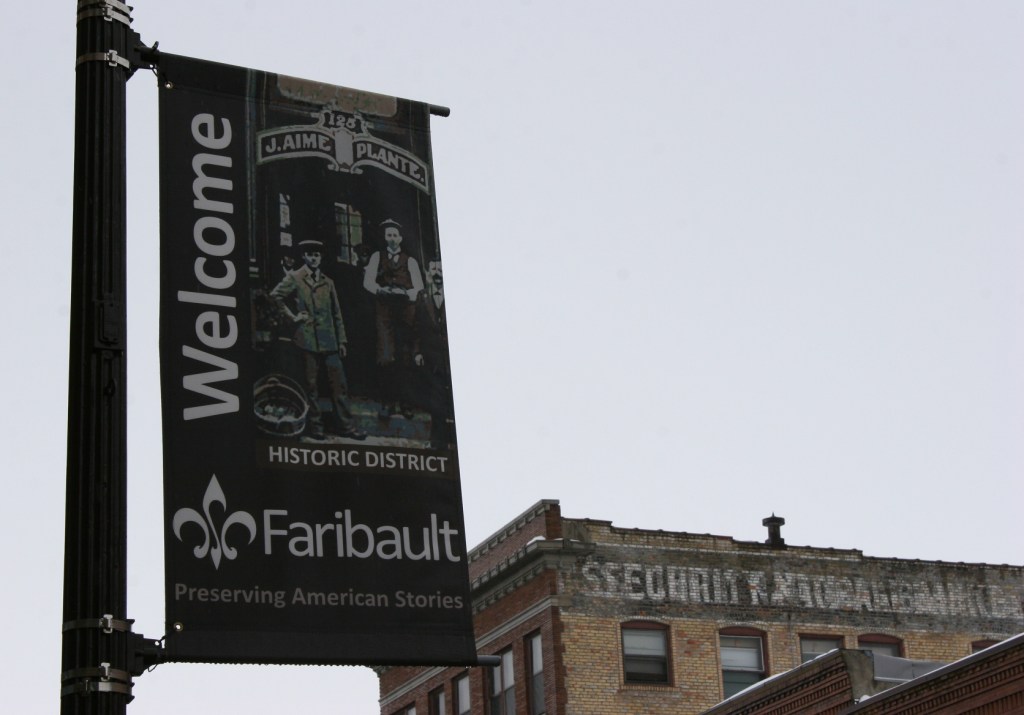
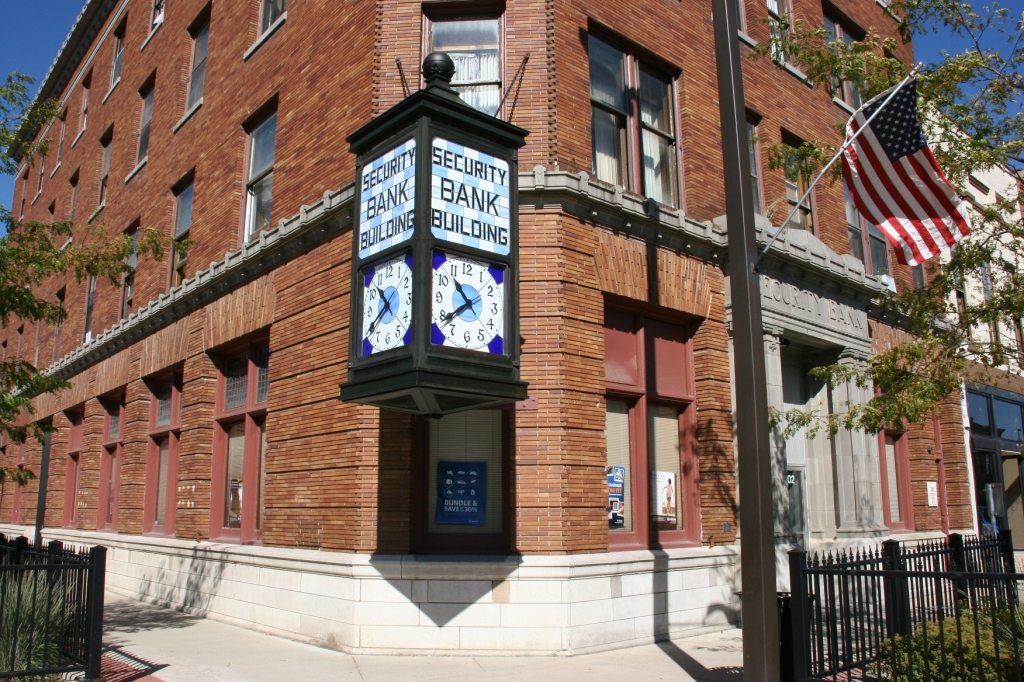
The first in a series of banners to be placed throughout Faribault includes this one photographed outside the Paradise Center for the Arts. The historic Security National Bank building backdrops this image. See the end of this post for more details.


Already, this American Stories theme has launched on the Faribault tourism website, on a billboard along Interstate 35 near Faribault and in banners hung throughout the downtown historic district. We truly have a gem of a downtown with many well-preserved historic buildings. Now Preserving American Stories banners flag this historic area.


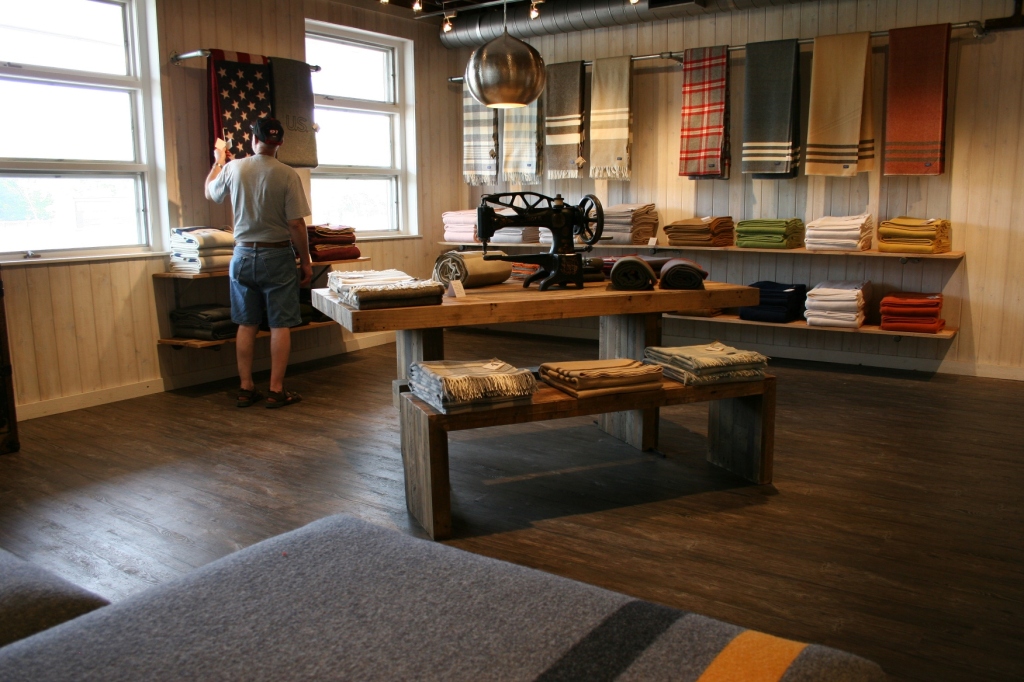
A photo I took inside the Faribault Woolen Mill retail store several years ago after the mill reopened. Minnesota Prairie Roots file photo.


More banners are yet to come, according to Kelly Nygaard of the Faribault Area Chamber of Commerce & Tourism office and the Faribault Main Street Coordinator. Those markers will include Experiencing American Stories to be posted near River Bend Nature Center, Crafting American Stories near the Faribault Woolen Mill and Shaping American Stories near the Minnesota State Academies for the Deaf and for the Blind and by Shattuck-St. Mary’s School. Additionally, Making American Stories banners will be placed throughout town.


This sculpture of Alexander Faribault trading with a Dakota trading partner stands in Faribault’s Heritage Park near the Straight River and site of Faribault’s trading post. Faribault artist Ivan Whillock created this sculpture which sits atop a fountain known as the Bea Duncan Memorial Fountain. Minnesota Prairie Roots file photo.


Says Nygaard: “America is often described as a melting pot, and Faribault has always had diversity with Alexander Faribault himself being part First Nations. We have a beautiful downtown, great industry, a wide array of educational options, and plenty of fun ways to experience the outdoors and fun events.”


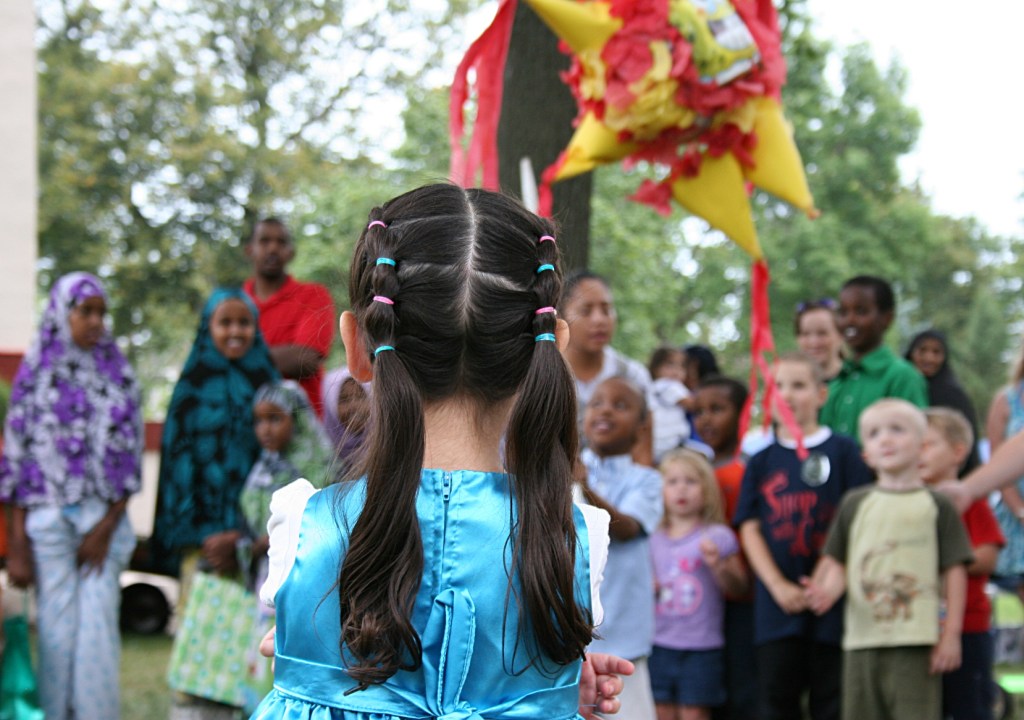
One of my all-time favorite photos taken at the 2012 International Festival in Faribault shows the diversity of Faribault as children gather to break a pinata. Minnesota Prairie Roots file photo 2012.


I agree. This stories theme not only portrays the many unique aspects of Faribault, but it creates a sense of identity. And, I hope it also instills in locals a sense of pride in this place we call home. Individually and together we are Faribault’s stories.

#


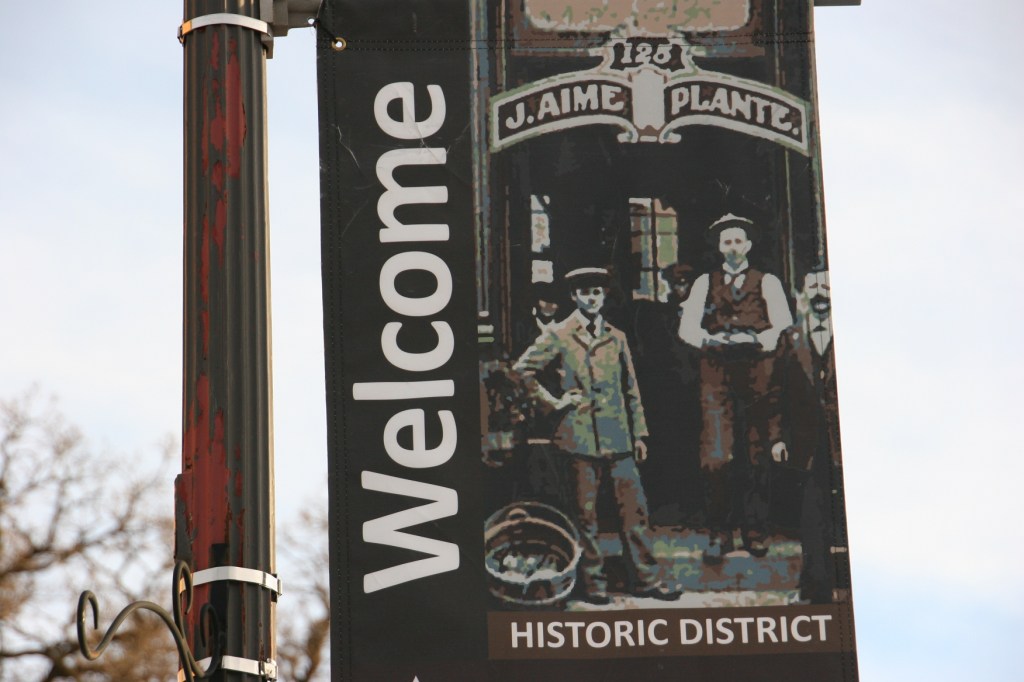
A close-up of the banner posted outside Buckham Memorial Library.


ABOUT THAT Preserving American Stories banner. The banner photo features the then Plante Grocery on Third Street which “offered customers a wide variety of household products and foods in baskets, barrels and boxes,” according to info on the Faribault Heritage Preservation Commission website. 


In my photo of the banner, you will see the top of the 1870 National Security Bank building. The HPC website provides this additional information about the historic structure:  “A Classical Revival-style brick facade covers a stone structure constructed originally by mercantile entrepreneur F.A. Theopold. The building was leased by Security Bank in 1899. The bank eventually purchased the building, and a fourth story was added in 1914, possibly the same year that brick was used to radically alter the structure’s appearance.”


© Copyright 2019 Audrey Kletscher Helbling