Minnesota Prairie Roots

Writing and photography by Audrey Kletscher Helbling

“The Viaduct,” an enduring Faribault landmark August 23, 2023

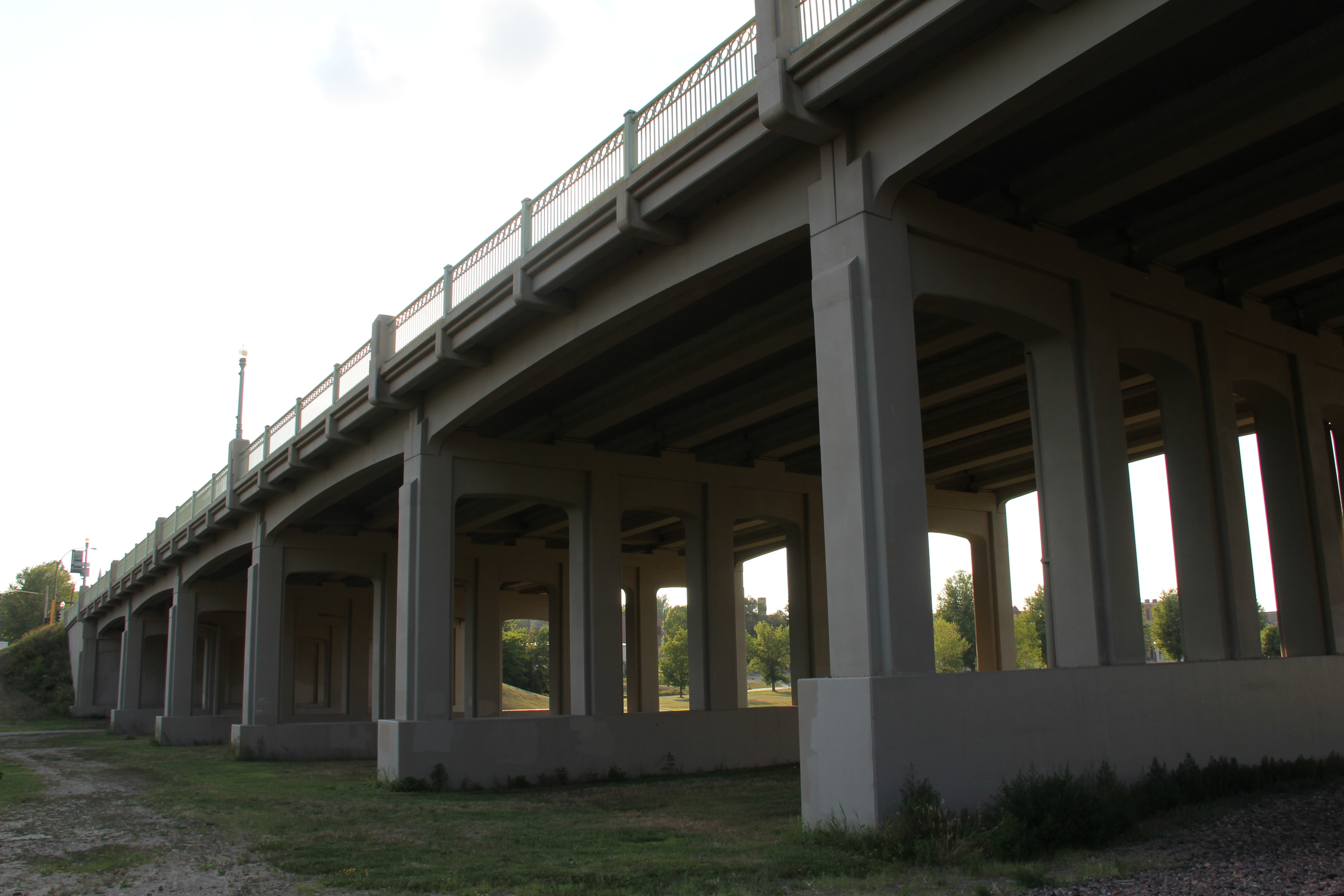
A side view of a section of Faribault’s historic viaduct. (Minnesota Prairie Roots copyrighted photo August 2023)

ARCHITECTURE, ART AND HISTORY meld on an expansive structure connecting Faribault’s east and west sides.
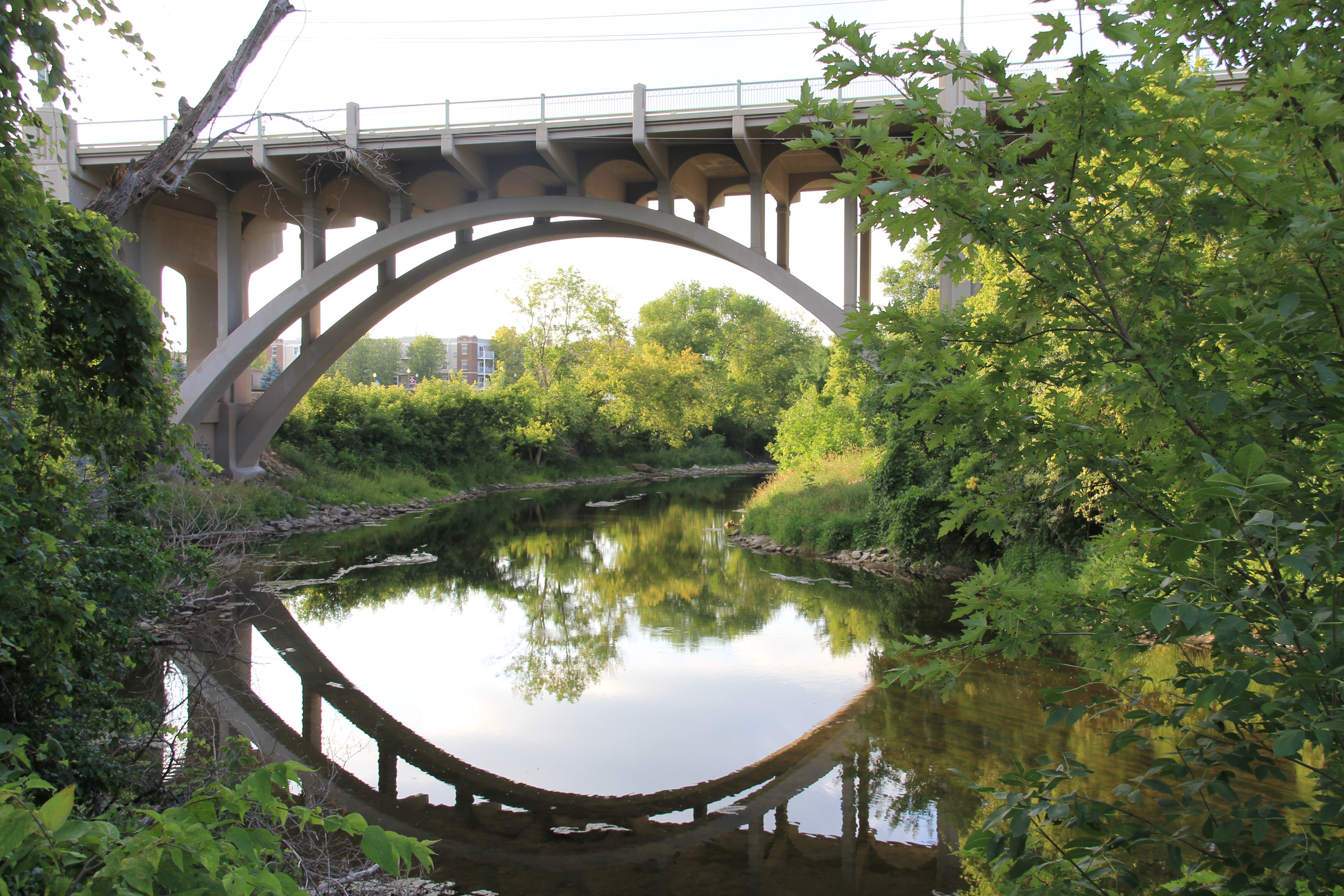
The viaduct reflects in the Straight River in the early evening light. (Minnesota Prairie Roots copyrighted photo August 2023)

Locally referred to as “The Viaduct,” the continuous concrete rib arch bridge routes pedestrians and traffic along Minnesota State Highway 60 over railroad tracks and the Straight River far below. Three massive reinforced arches distinguish this as a viaduct rather than a bridge.
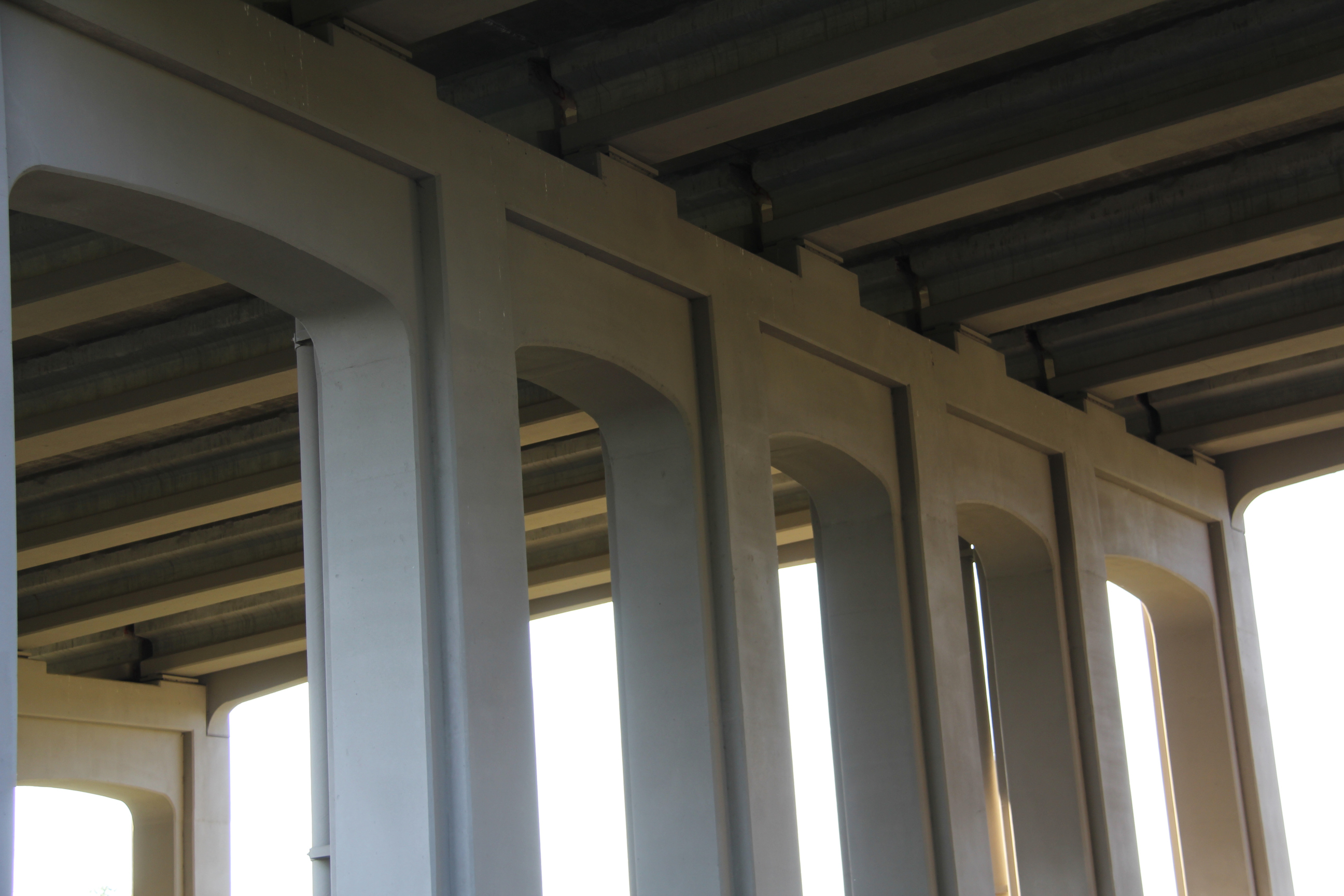
Piers and under the roadway up close. (Minnesota Prairie Roots copyrighted photo August 2023)

Thousands of times I’ve crossed the viaduct via vehicle in my 41 years living here. But not until recently did I pause to really study the underbelly of this 1937 Works Progress Administration project which is on the National Register of Historic Places. Only via a close-up look from ground level did I fully appreciate this engineering feat.
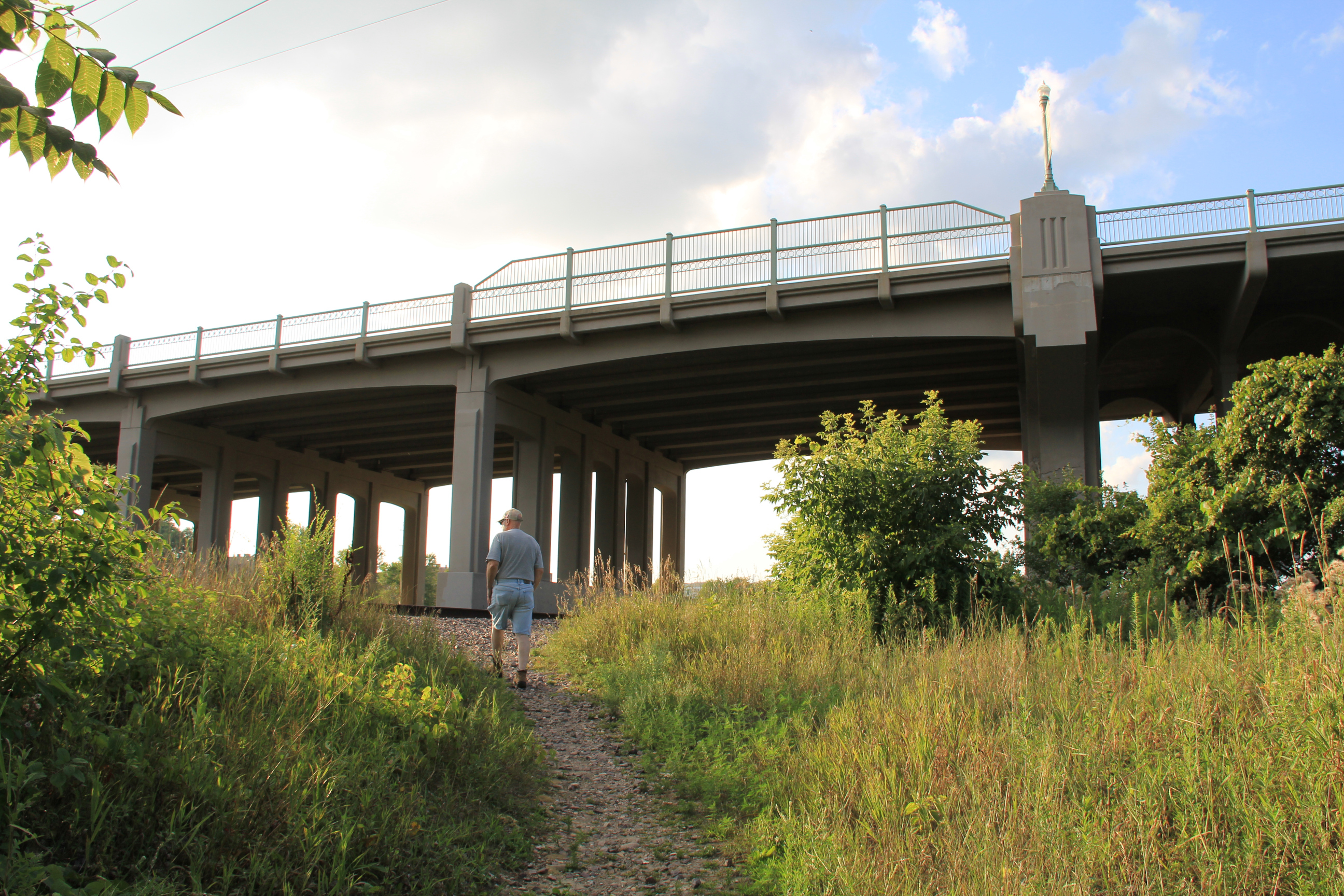
I followed Randy along this path leading to the tracks. (Minnesota Prairie Roots copyrighted photo August 2023)

I followed a narrow dirt trail through trees and underbrush in Teepee Tonka Park to reach a good viewing spot of the viaduct underside. From that perspective next to the train tracks, I observed the way patterns and lines repeat to build a strong structure that has withstood the test of traffic and of time. The bridge was rehabilitated, the roadway widened in 2008-2009.
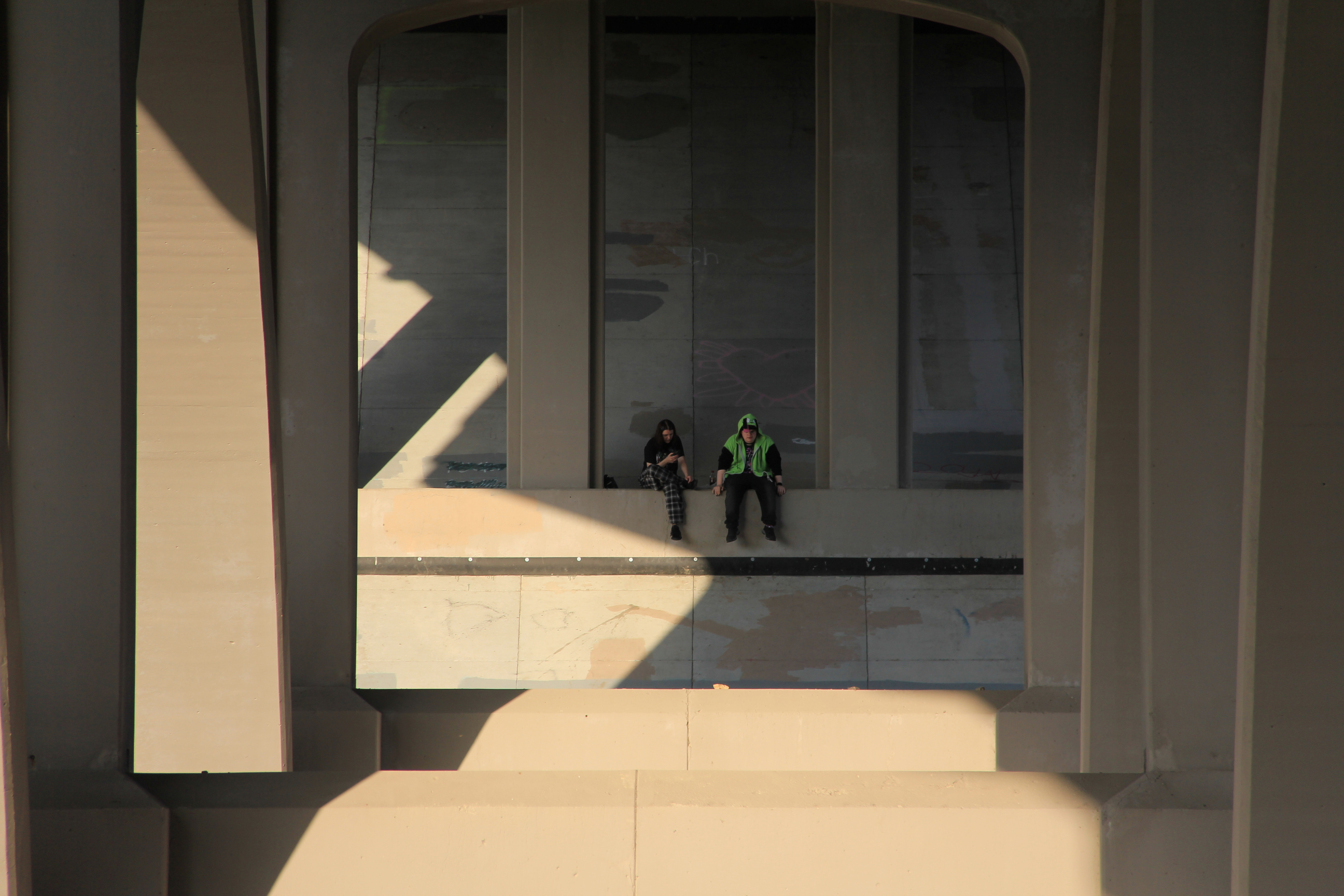
Hanging out under the viaduct. (Minnesota Prairie Roots copyrighted photo August 2023)

The viaduct impresses in design and size. I felt dwarfed by its massiveness, even more noticeable when I spotted a couple sitting on the far end. They appeared small in comparison to the concrete piers rising above and around them. I felt overpowered, too. I wondered how WPA workers managed to build this wonder in the late 1930s without the modern equipment of today.
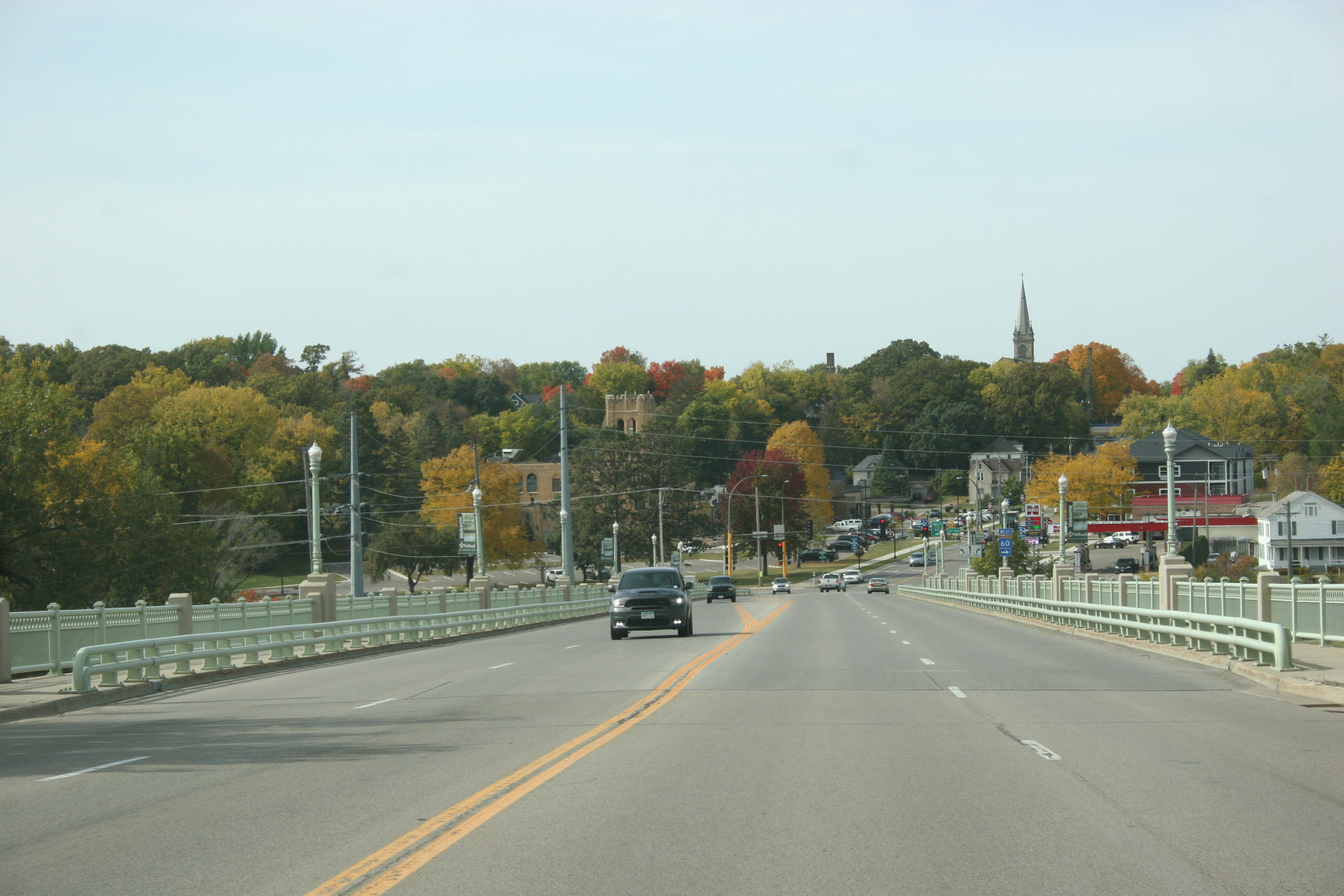
Westbound on the viaduct, Buckham Memorial Library is to the left and the Immaculate Conception Church steeple in the distance. (Minnesota Prairie Roots copyrighted file photo October 2022)

But it is more than utilitarian construction that marks this viaduct as noteworthy. The viaduct is a work of public art—an interactive sculpture which provides a sweeping view of historic downtown Faribault and the surrounding area when heading westbound. To view the bridge from below is to truly see its artsy side, its Art Deco/Classical Revival style. That style carries through in the concrete piers and, on road level, in the decorative railings and lights, replicas of the originals.
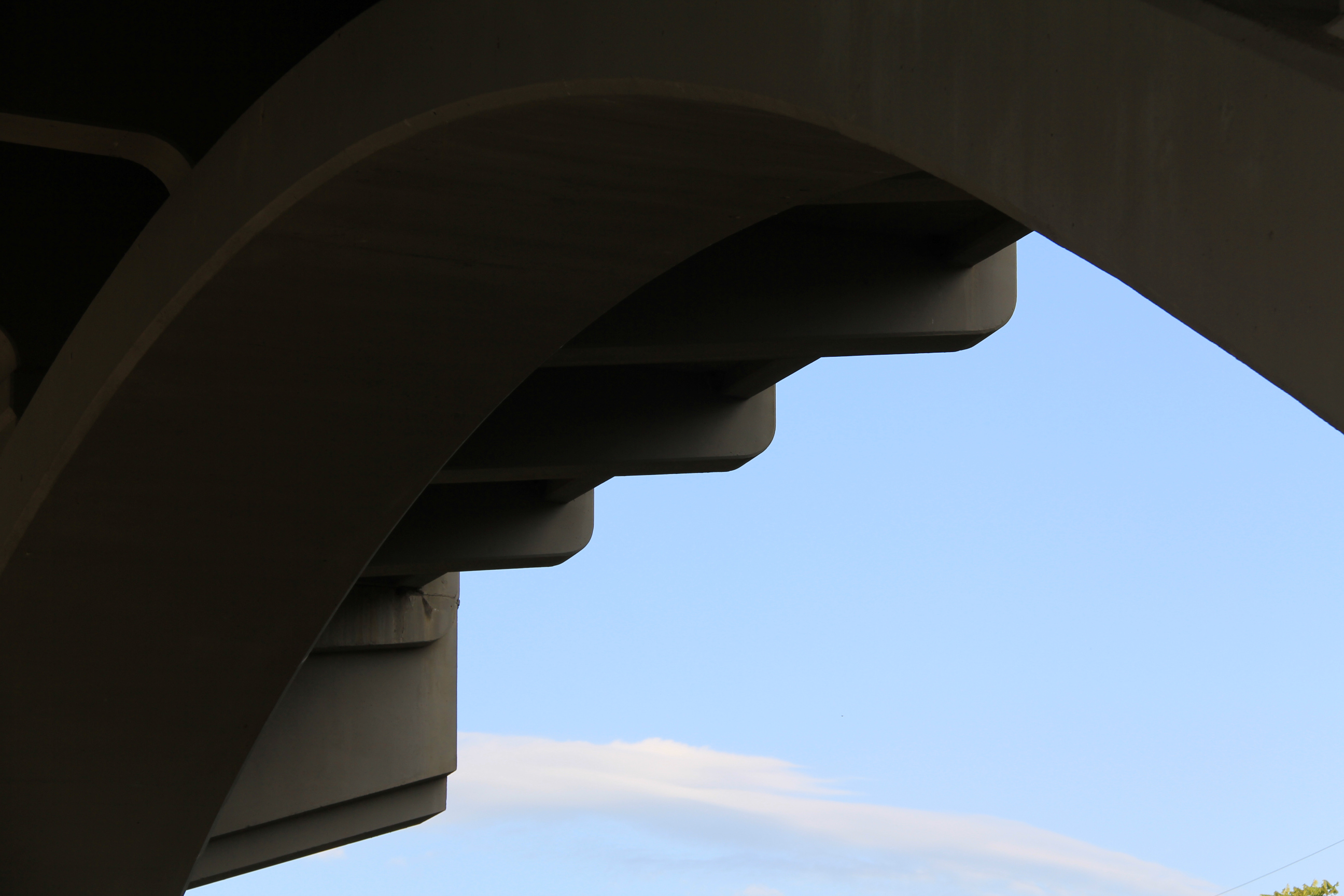
The viaduct is a marvelous work of architecture, art and engineering. (Minnesota Prairie Roots copyrighted photo August 2023)

As I stood under the viaduct studying its design, artsy arches, curves and lines, I considered the many people who have traversed this bridge. If only this concrete could speak, oh, the stories it would tell. Stories of construction workers who labored for 1½ years to complete this project. Stories of Ford Model As, among the first to drive across this linkage between east and west. Stories of students arriving at the Minnesota State Academies for the Deaf and Blind. Stories of athletes heading to hockey camp at Shattuck-St. Mary’s School. Stories of prisoners transported to the Minnesota State Correctional Facility, Faribault. Stories of ambulances racing across the viaduct toward the hospital. Stories of expectant parents headed there, too. Stories of families and students on their way to River Bend Nature Center. Stories of travelers simply passing through Faribault.
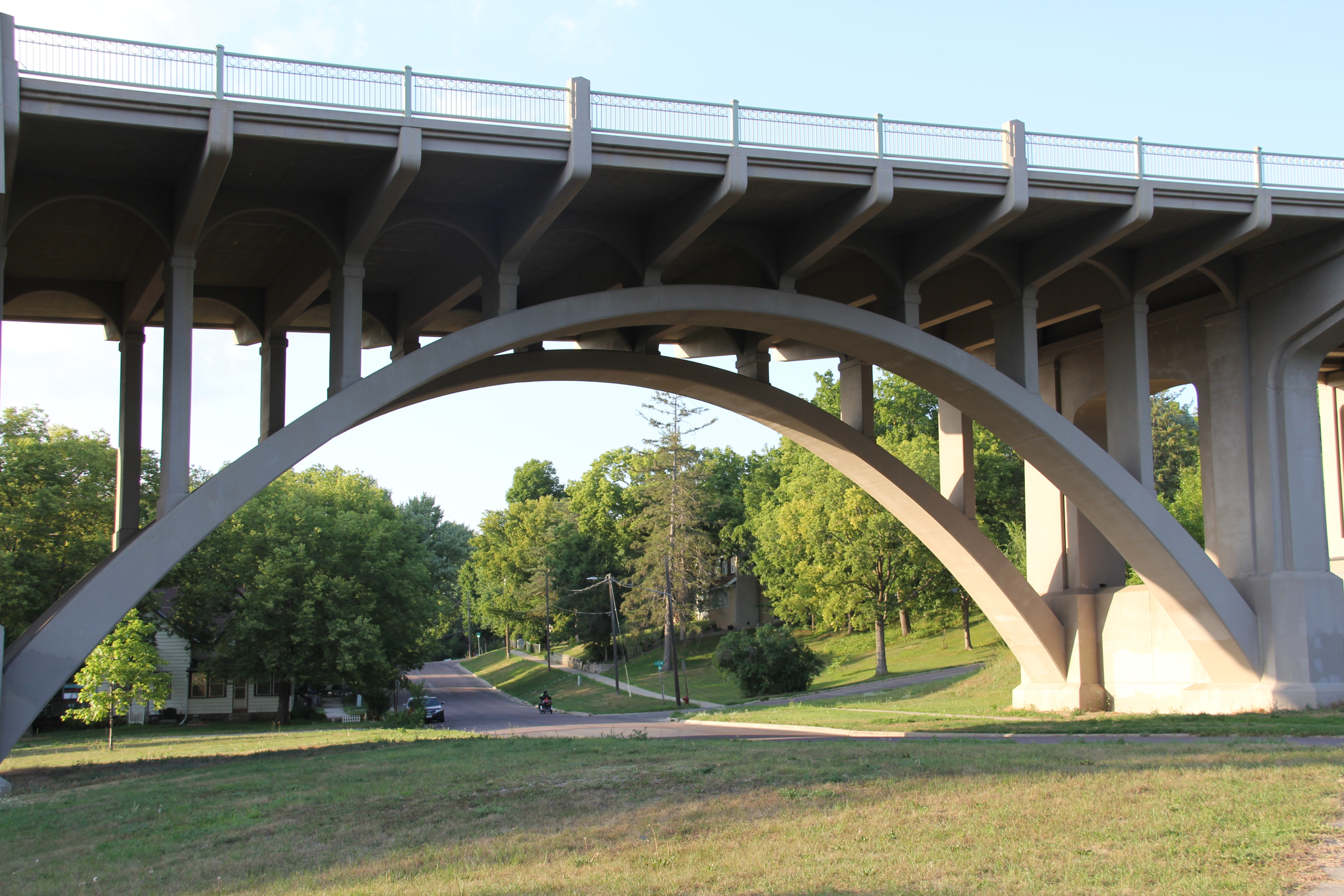
On the east side of the river, a road passes the viaduct and leads to Teepee Tonka Park. (Minnesota Prairie Roots copyrighted photo August 2023)

For 86 years, The Viaduct has gathered stories atop graceful arches, upon a roadway that is more than a route. This is a local landmark, an architectural and artistic marvel which visually and historically defines Faribault.

© Copyright 2023 Audrey Kletscher Helbling


Remembering the 35W bridge collapse 15 years later August 1, 2022

This photo shows the opening spread of the feature article published in the November/December 2007 issue of Minnesota Moments. Casey McGovern of Minneapolis shot the bridge collapse scene. To the far left is Garrett before the collapse, to the right, his rescuer. The next photo shows his Ford Focus which plummeted into the Mississippi River. And to the right are newly-engaged Garrett and Sonja, before the collapse.

FIFTEEN YEARS AGO THIS EVENING, 13 people died and 145 were injured when the 35W bridge collapsed during rush hour in downtown Minneapolis. Vehicles plunged into the Mississippi River. Others clung to the tilted, broken span of roadway. Lives were forever changed at 6:05 pm on August 1, 2007, when faulty gusset plates gave way and the bridge broke.

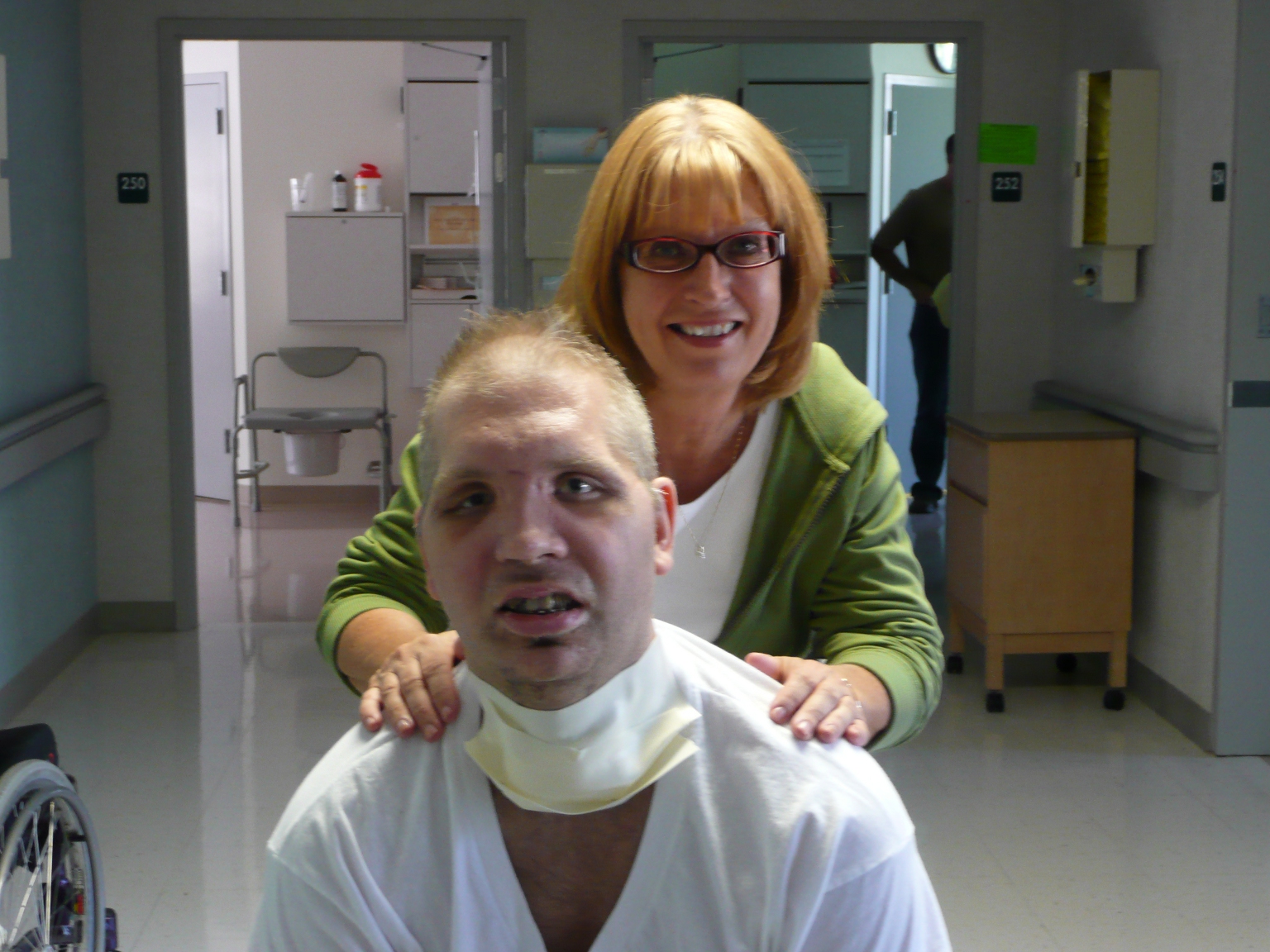
Garrett with his mom, Joyce Resoft, about a month after the bridge collapse. (Minnesota Prairie Roots file photo 2007. Photo courtesy of Garrett’s family)

Among those most seriously injured was then 32-year-old Garrett Ebling, former managing editor of The Faribault Daily News. He suffered a traumatic brain injury, severed colon, broken left arm and ankles, a spinal injury and more after his Ford Focus nosedived 110 feet, the equivalent of an 11-story building, into the river. That he survived seems miraculous. He spent weeks in the hospital, where he underwent multiple surgeries. A lengthy rehab followed. His life, physically, mentally and emotionally, was forever changed.

Within months of the collapse, I penned a feature story about Garrett for Minnesota Moments, a now-defunct magazine. Mine was one of the few initial interviews Garrett granted and I was both humbled and honored to share his story as a freelance writer. Prior to his departure from the editorial job in Faribault, we had connected. I remember Garrett’s kindness and compassion toward me after my son was struck by a hit-and-run driver in May 2006. I took great care in writing his story, recognizing that another journalist was trusting me to get it right.

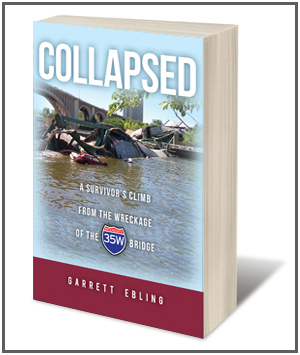
Garrett Ebling’s book.

In 2012, Garrett wrote about his experiences and life thereafter in a book, Collapsed—A Survivor’s Climb From the Wreckage of the 35W Bridge. I reviewed that revealing and emotional book in which this survivor held nothing back.

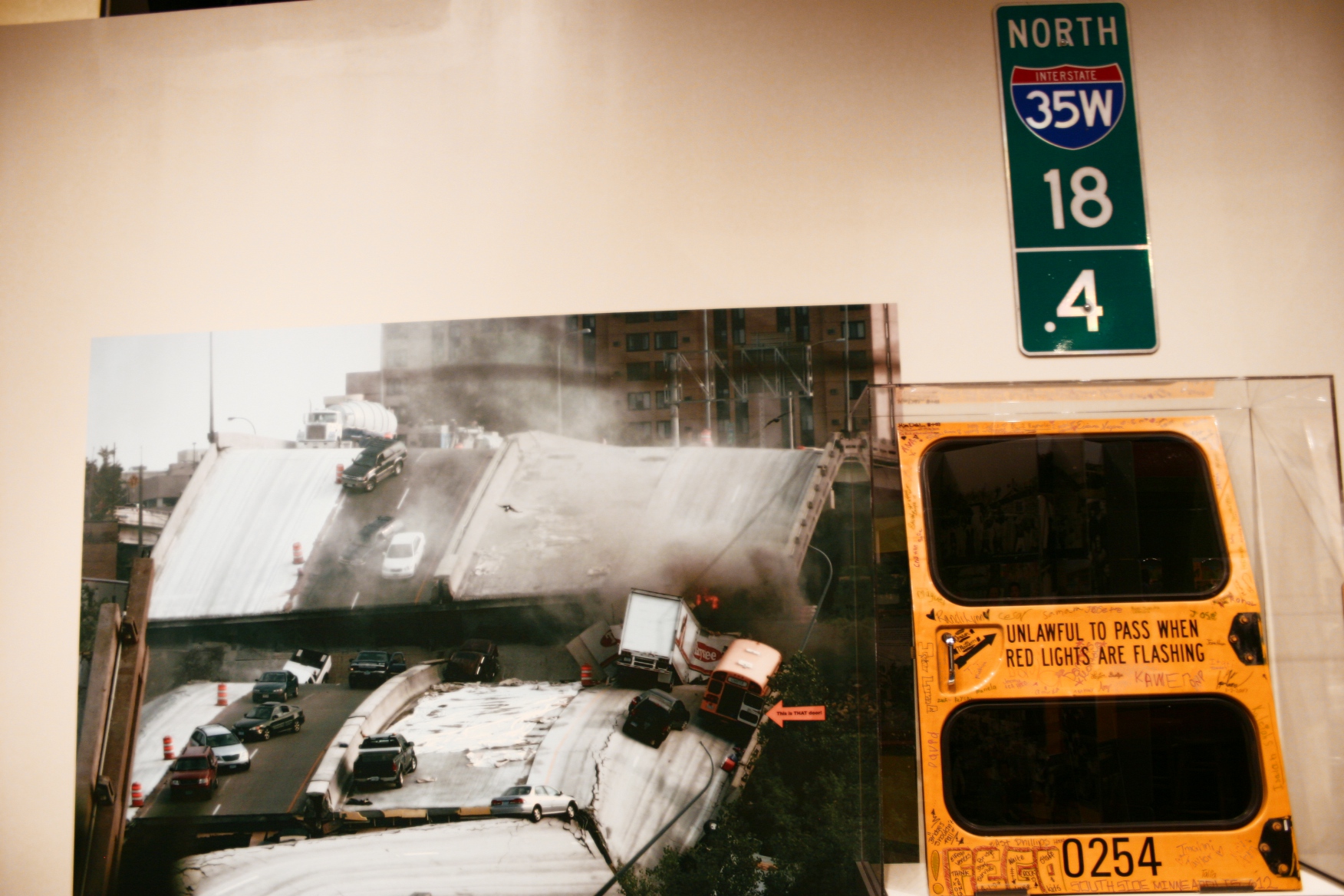
A section of the then now wow exhibit at the Minnesota History Center in St. Paul features the 35W bridge collapse. This image shows the collapsed bridge and the emergency exit door from a school bus that was on the bridge when it collapsed. All made it safely off the bus (Minnesota Prairie Roots file photo)

Since then, I’ve lost track of the “author, father and 35W bridge collapse survivor,” as Garrett labels himself on his Twitter account. But I expect today, the anniversary of the bridge collapse, is difficult for him as it is every survivor and every single person who lost a loved one 15 years ago in downtown Minneapolis when the unthinkable happened. When a bridge fell.

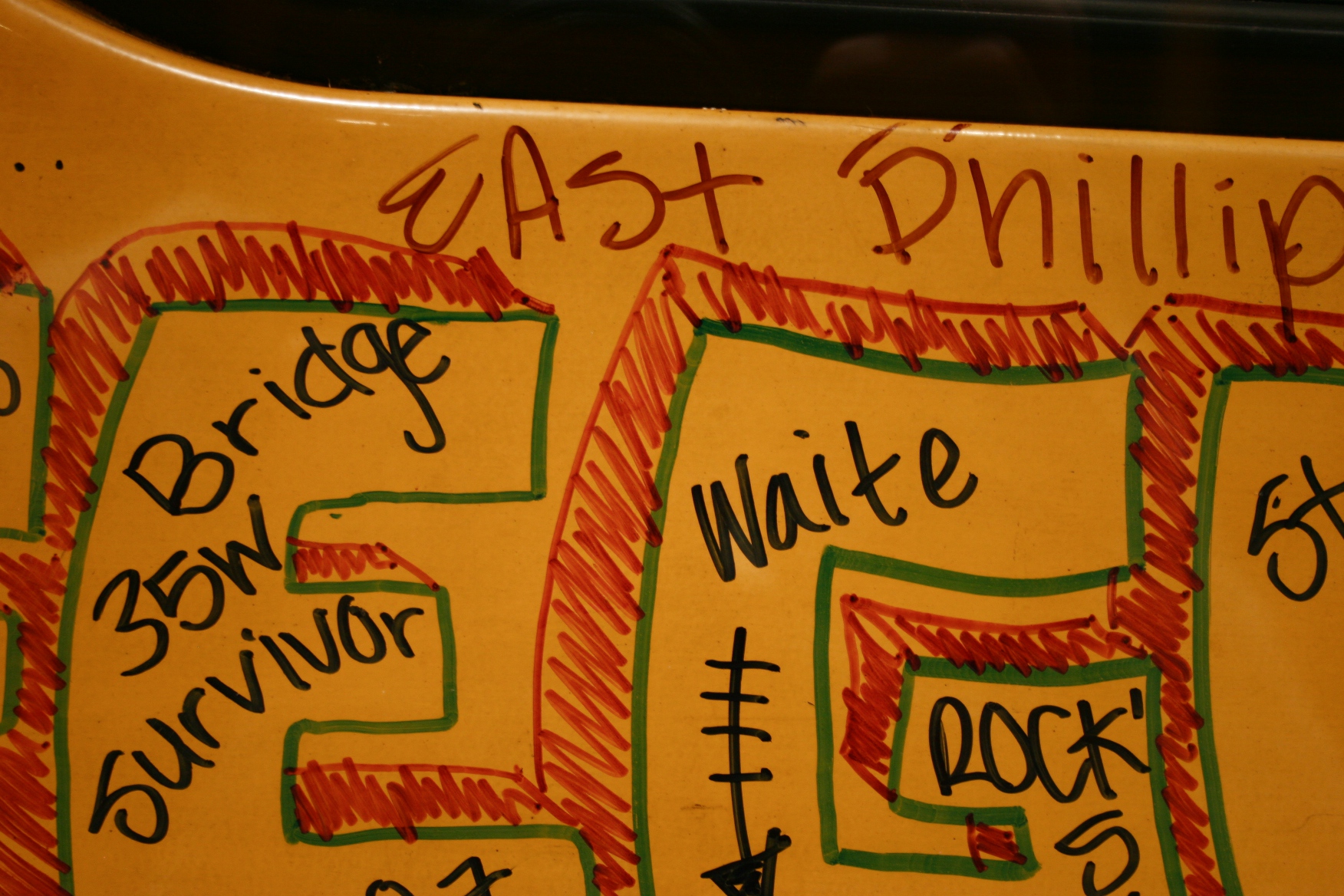
All the children and adults on the bus signed the door on display at the Minnesota History Center. (Minnesota Prairie Roots copyrighted file photo)

There are moments in history that we never forget and, for me a Minnesotan, August 1, 2007, is one of those dates. When I heard the breaking news of the bridge collapse, I worried first about extended family who live in the metro. They were not on the bridge. While that diminished my personal angst, it does not diminish the tragedy of that day for those who were on that bridge. Like Garrett Ebling, the 144 others injured and the 13 who died. It is a tragedy, too, for those who loved them and for us, collectively, as Minnesotans.

© Copyright 2022 Audrey Kletscher Helbling


Left behind November 23, 2020

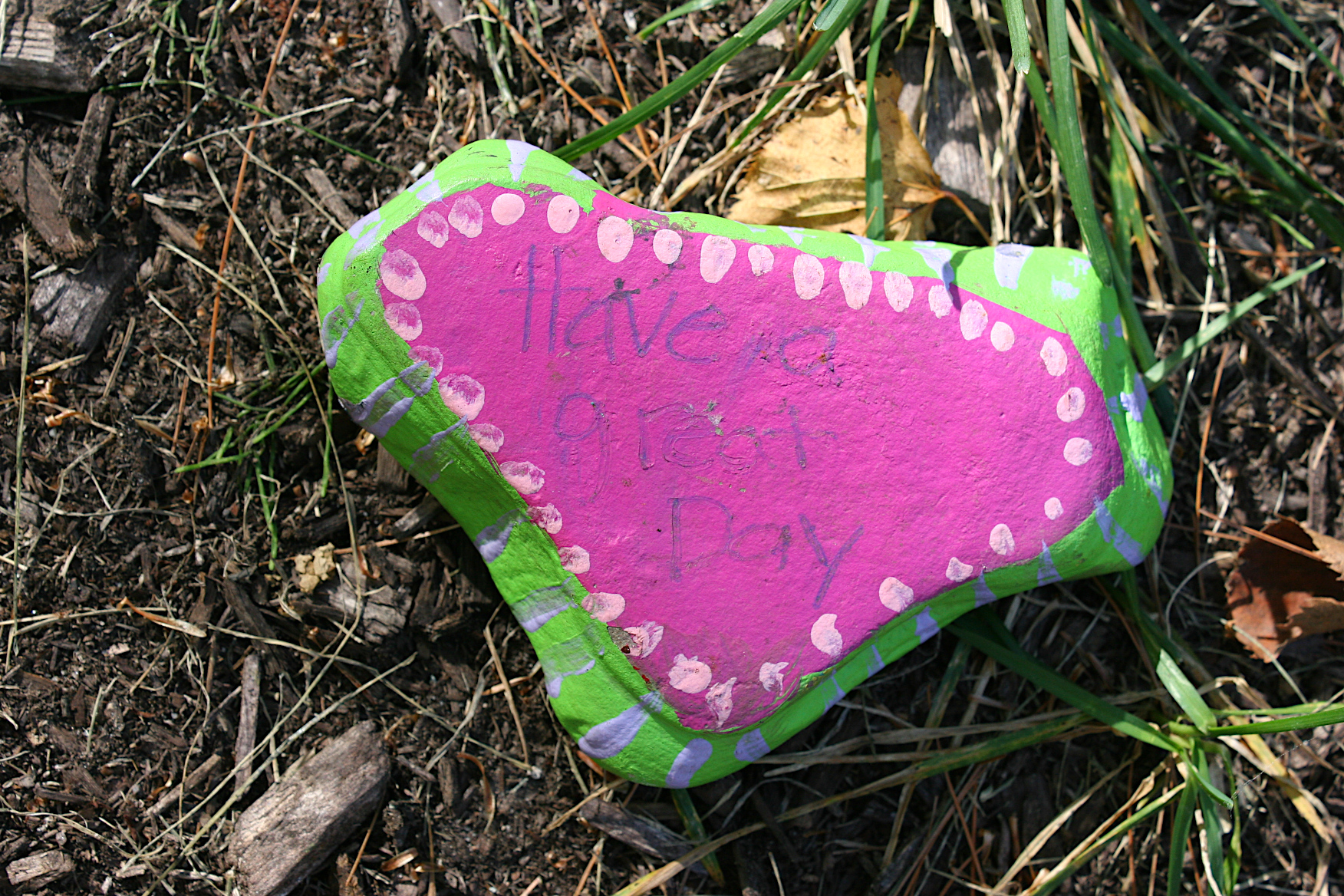
I found this kindness rock lying on the ground in Nisswa Lake Park. Minnesota Prairie Roots file photo September 2020.

I LOVE FINDING KINDNESS STONES. I appreciate the effort an artist or wordsmith takes to craft a message, add some art and then drop the stone in a public place. Each time I discover these sweet surprises, I feel uplifted. And I wonder about the individual inspired to show such kindness.

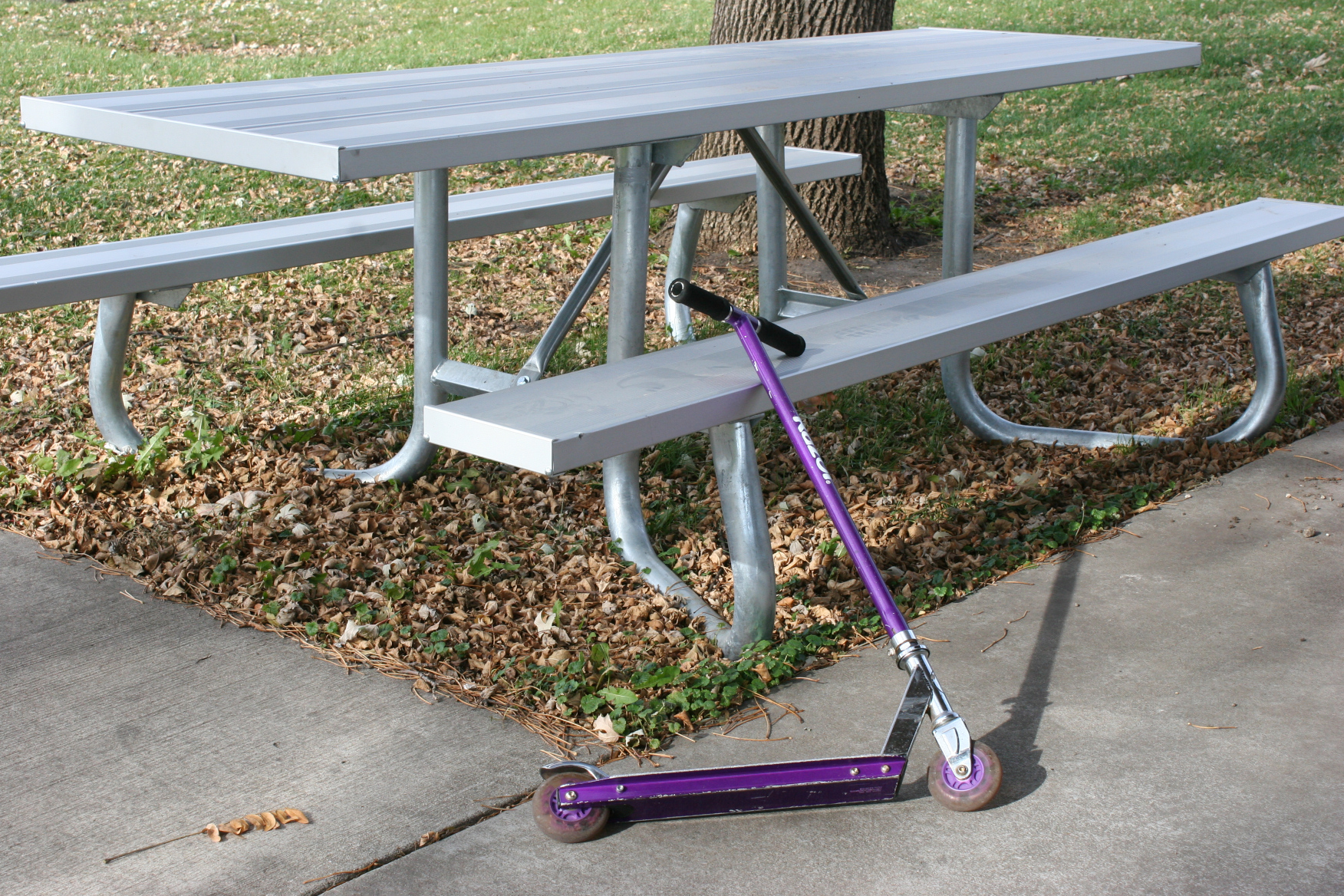
On a recent weekend, while out and about, I didn’t discover any inspirational stones. Rather I found several items left behind, the first at Medford Straight River Park. An abandoned purple scooter leaned against a picnic table in the shelterhouse near the playground with no kid in sight. As Randy and I ate our picnic lunch, a Grandma showed up with her 5-year-old granddaughter to reclaim the well-used scooter, forgotten the previous evening. How small town, I thought.

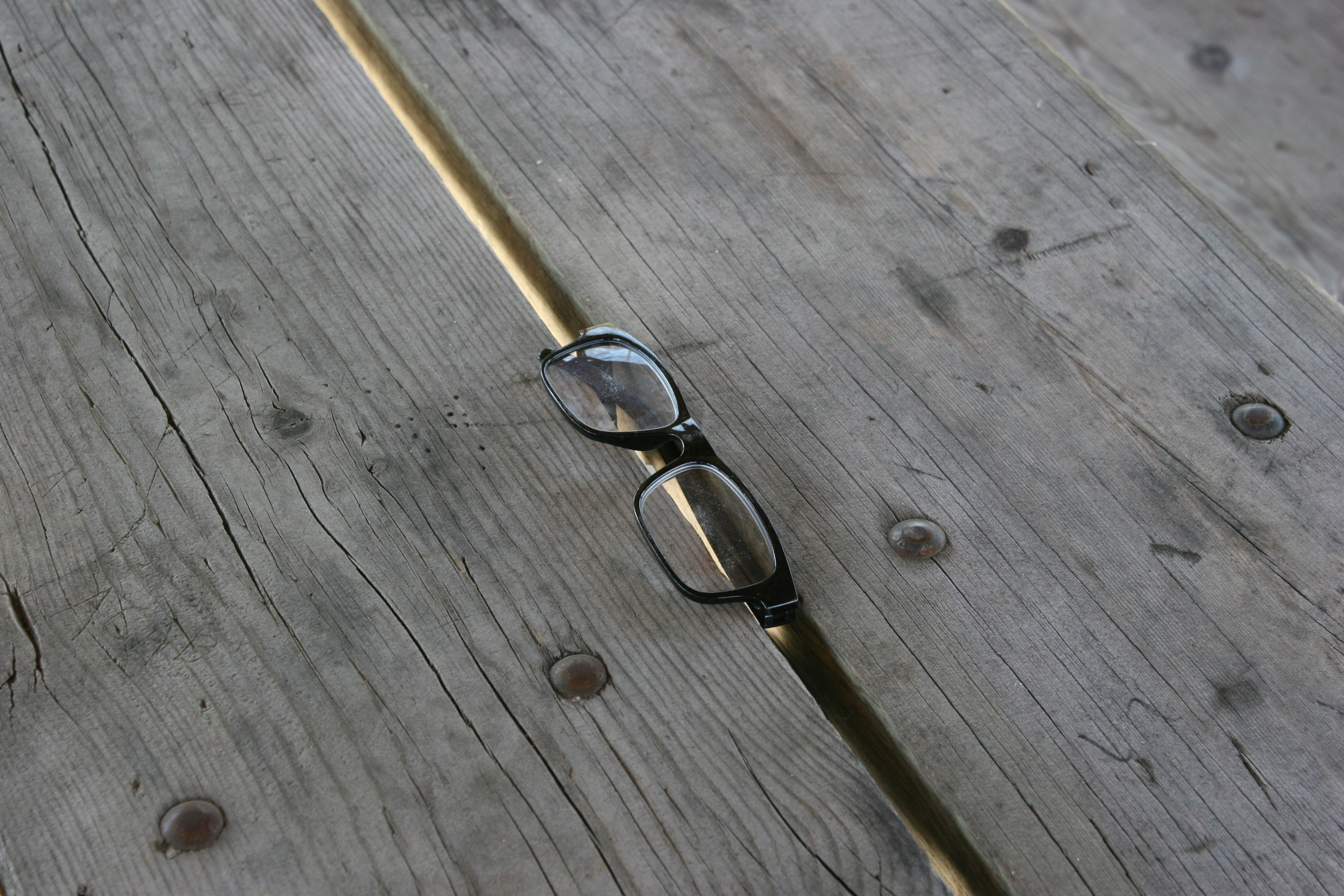
The next day, while picnicking again, this time at Mill Park in Dundas, I noted black-frame glasses stuck in the crack of a picnic table. What is it about picnic tables and stuff left behind? Now, if I’d left my glasses behind, I would struggle to see, such is the state of my vision. Randy checked and confirmed the lost glasses were cheaters. Whew.

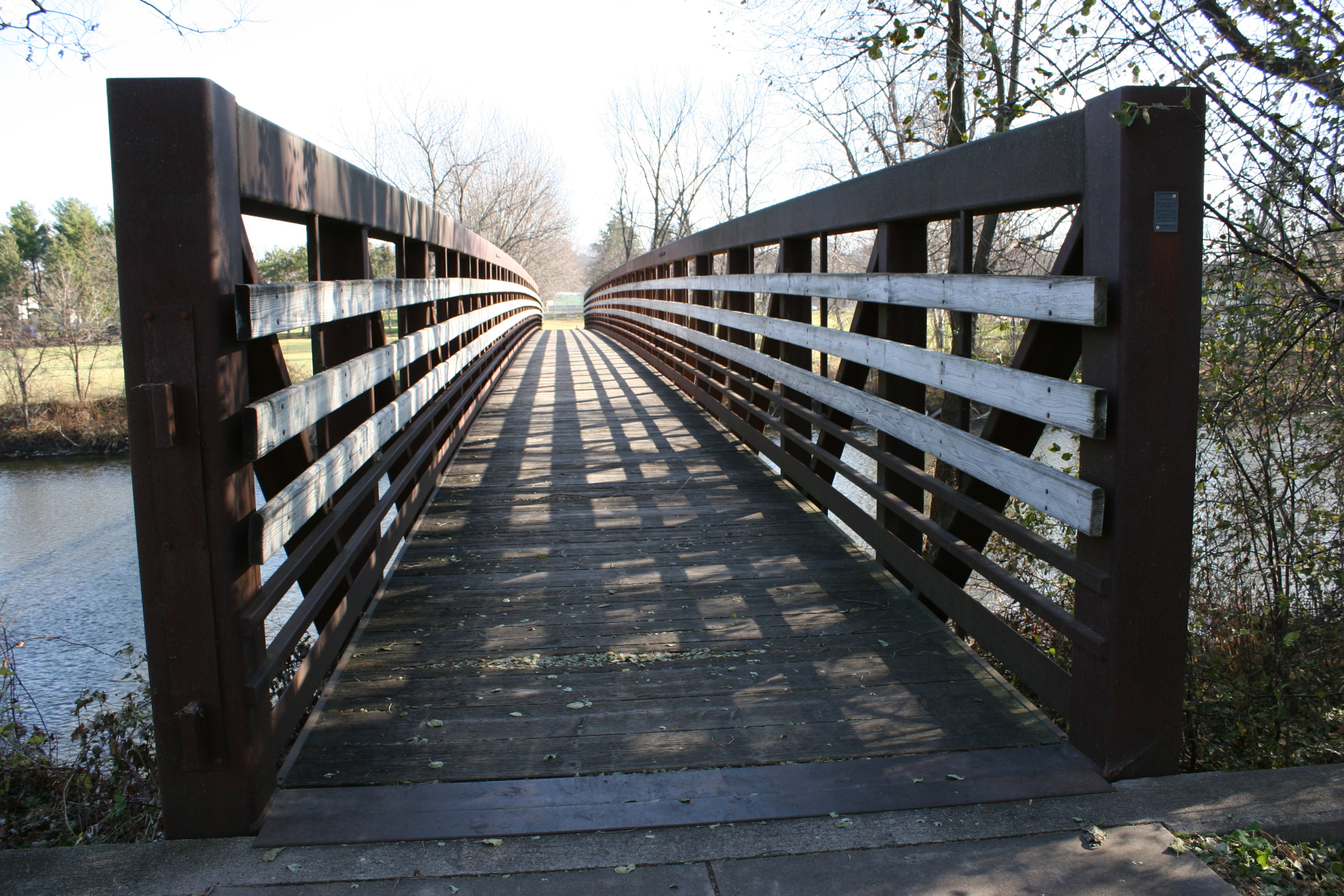
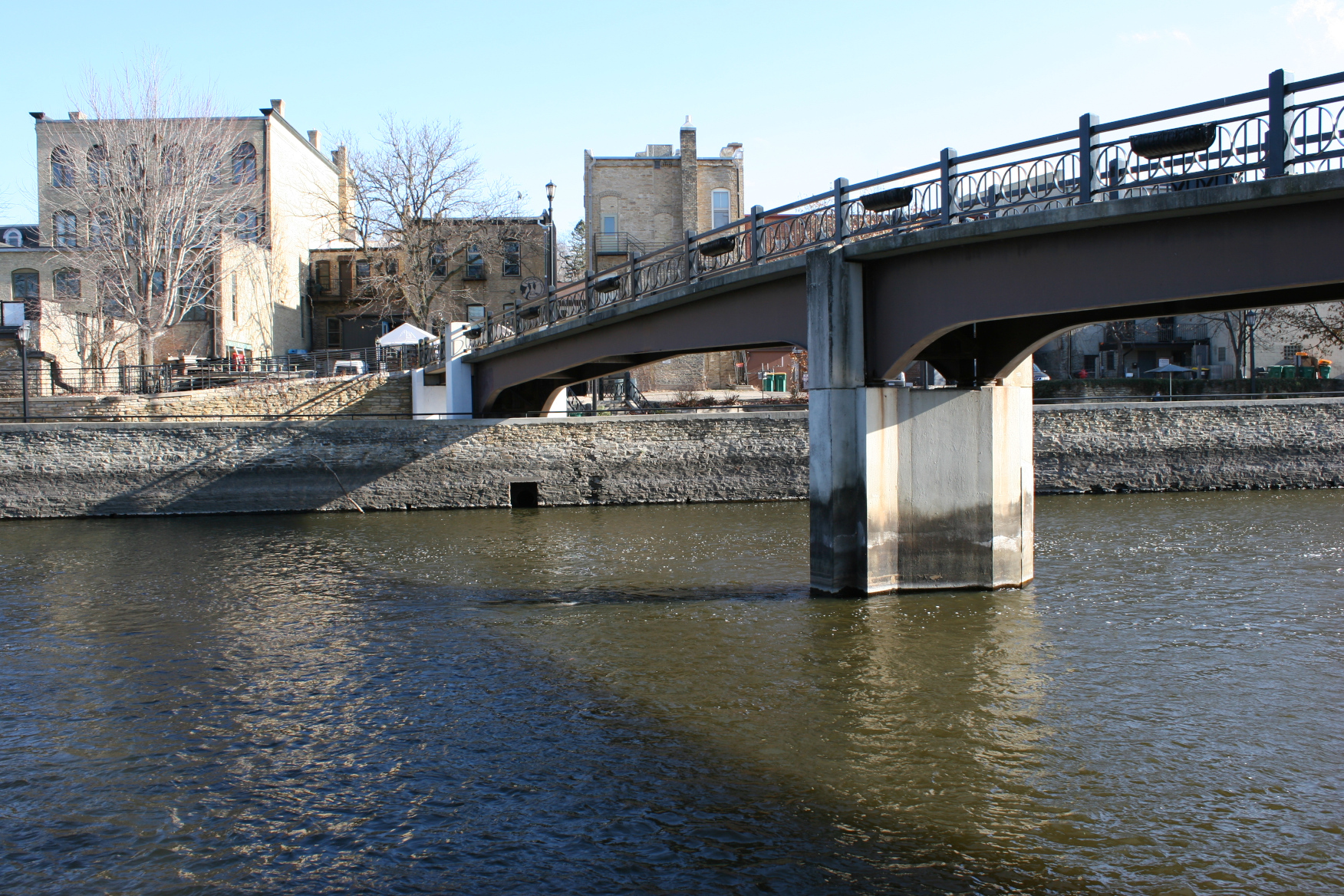
From Mill Park, we crossed the Cannon River pedestrian bridge to Memorial Park by the ball field.

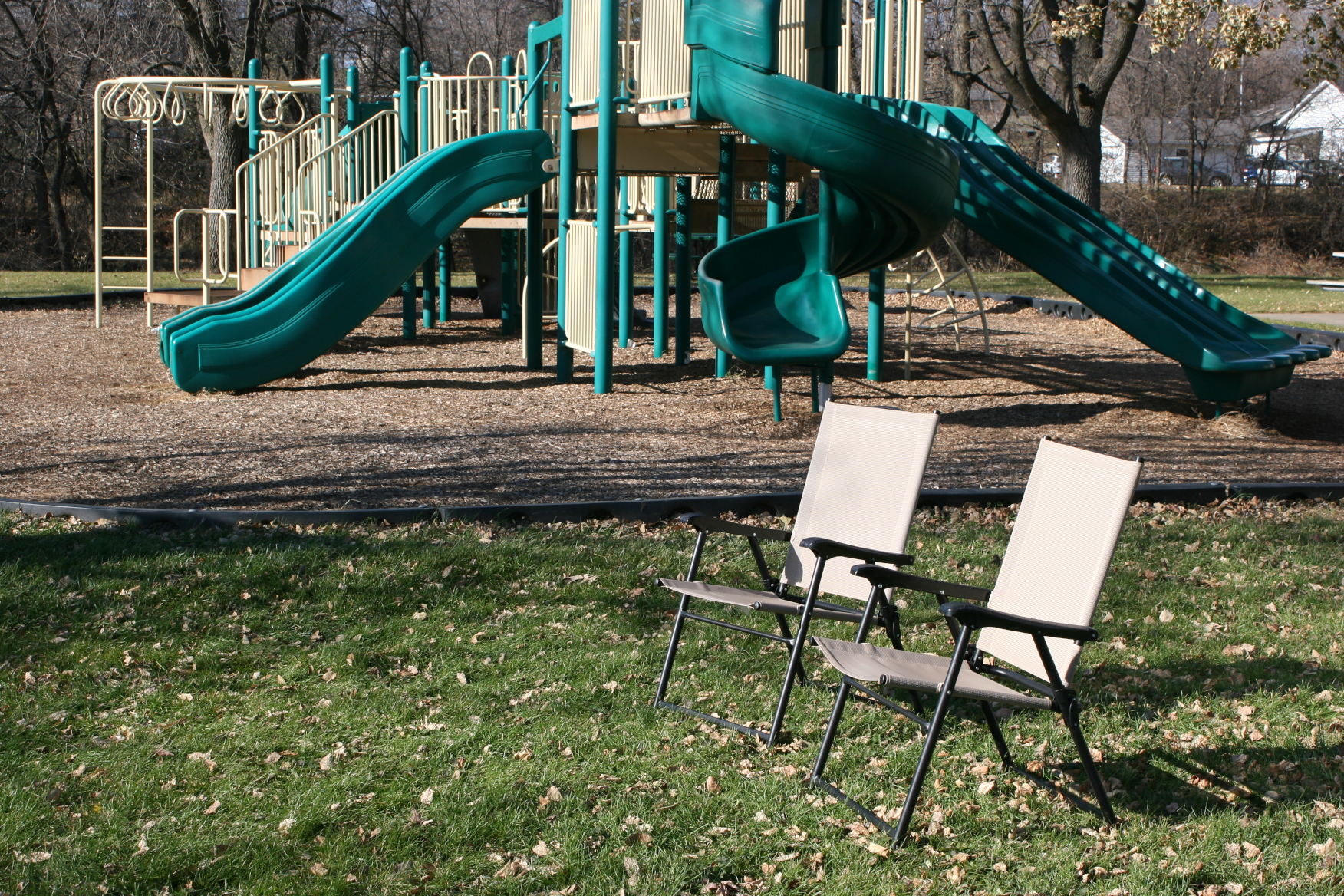
There, by the playground, sat two perfectly fine lawn chairs. Opened, as if someone had recently occupied the two spots. But there were no adults, no kids, anywhere, except a couple picnicking by the ball diamond, bikes parked nearby. Obviously not their chairs.

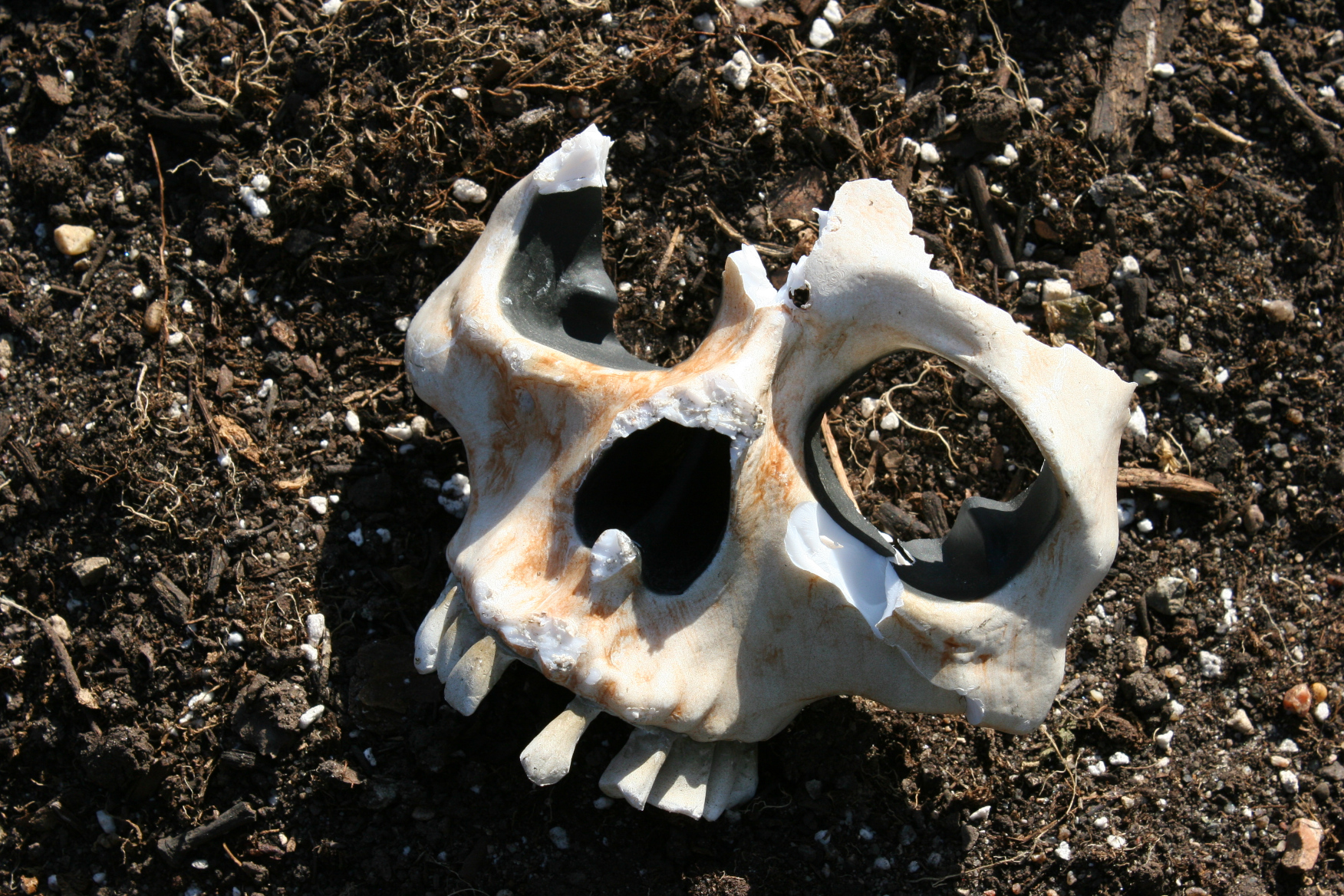
Next, we drove to Northfield, parked downtown and walked around. While crossing the pedestrian bridge over the Cannon River, I discovered a mini skull atop dirt in an otherwise empty flower box hanging on the bridge. The skull looked pretty darned real to me. But then I remembered that just days earlier it was Halloween and I figured that was the reason someone left a skull behind.

TELL ME: Have you ever found something particularly interesting left in a public place? I’d like to hear about your odd discoveries.

© 2020 Audrey Kletscher Helbling


On my way home from the Minneapolis-St. Paul International Airport February 22, 2013

MY VISUAL VIEW OF THE WORLD often differs from that of the average person. I notice details like…

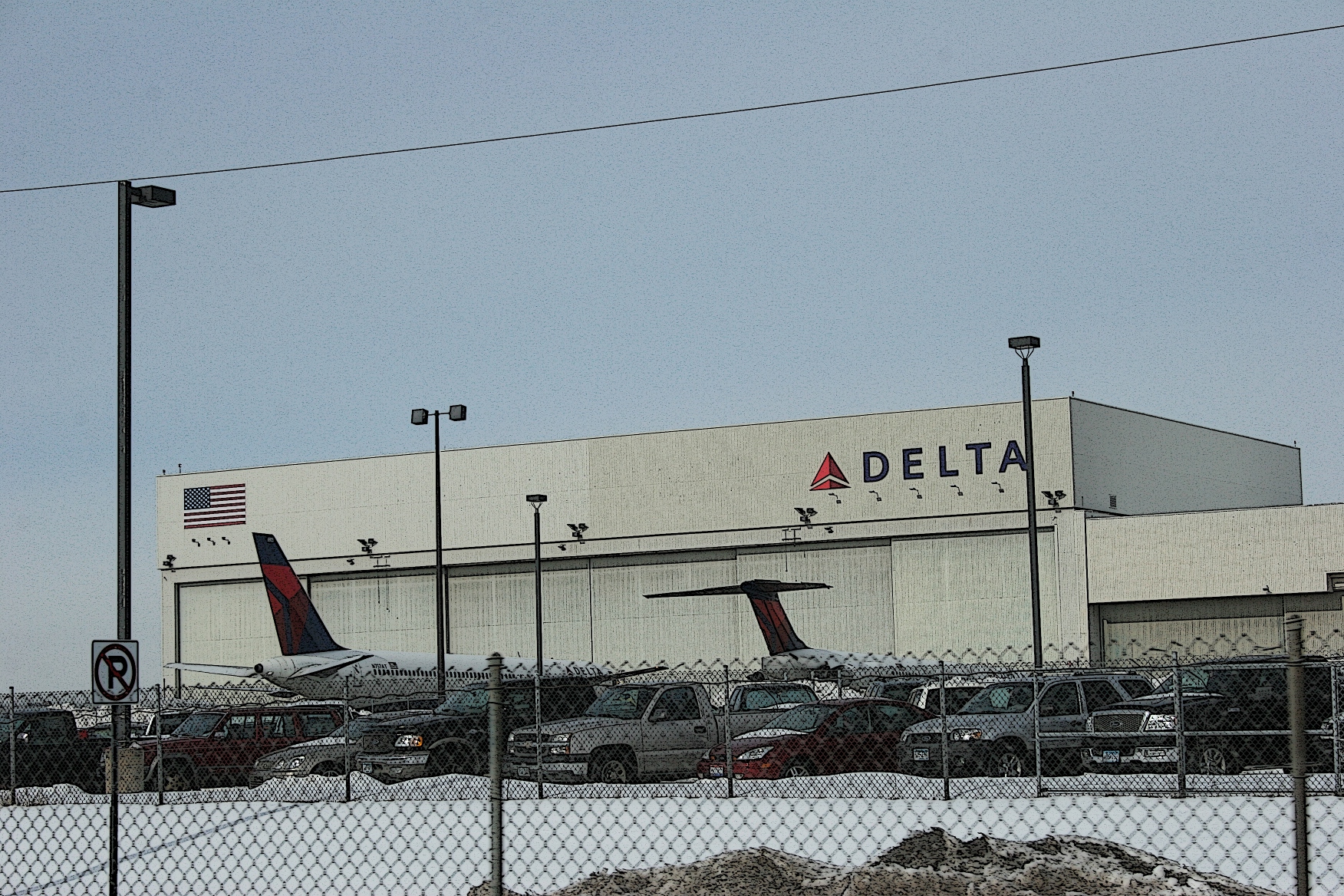
Delta planes, edited 3

…the cold harsh lines of a building fronted by an equally forbidding fence with only a hint of welcome in the slight, graceful curves of aircraft tails.

Bridge over the Minnesota on Cedar edit 2

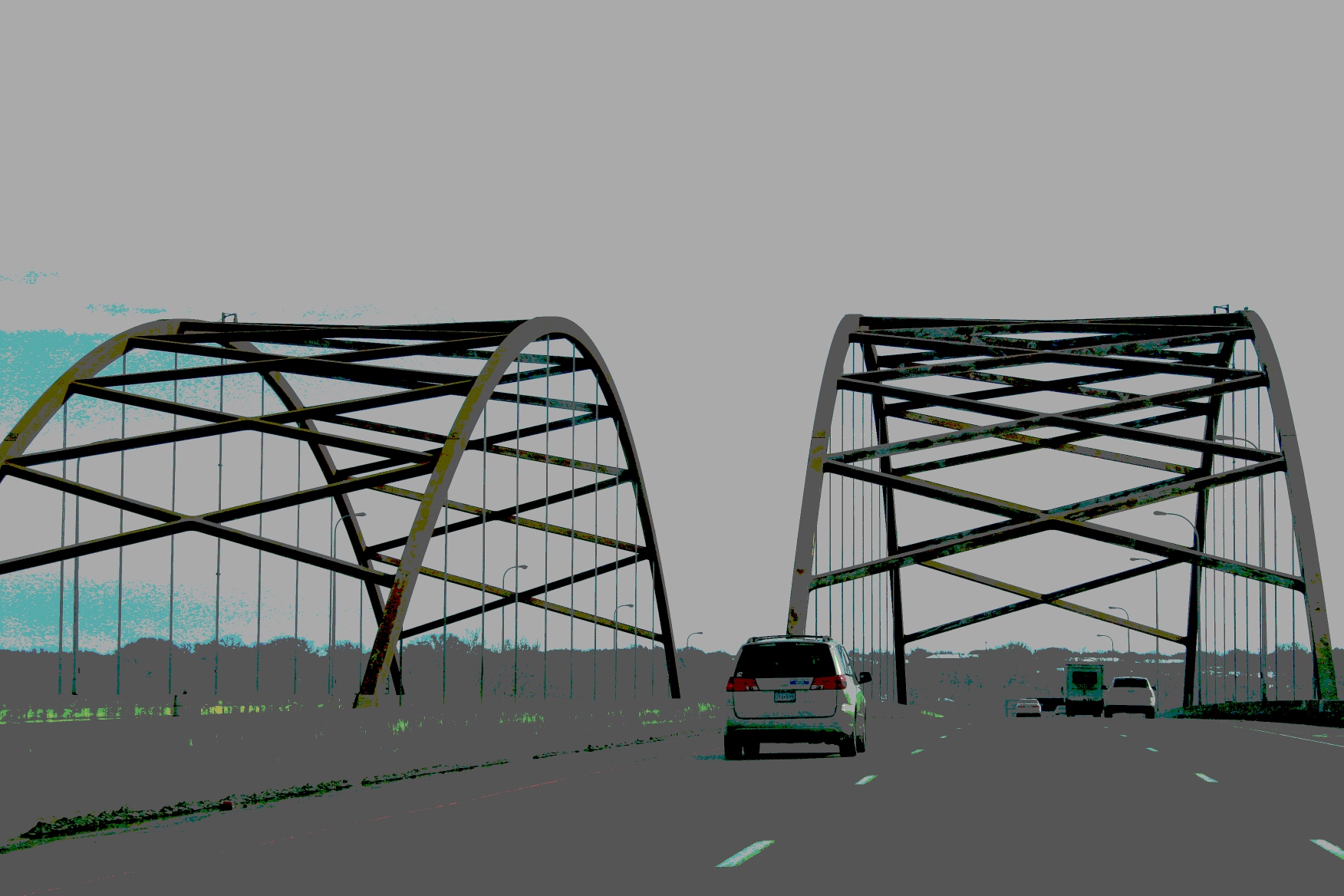
…the graceful arcs of the Minnesota River bridge on Cedar Avenue south of the Mall of America and the Minneapolis-St. Paul International Airport

Buck Hill

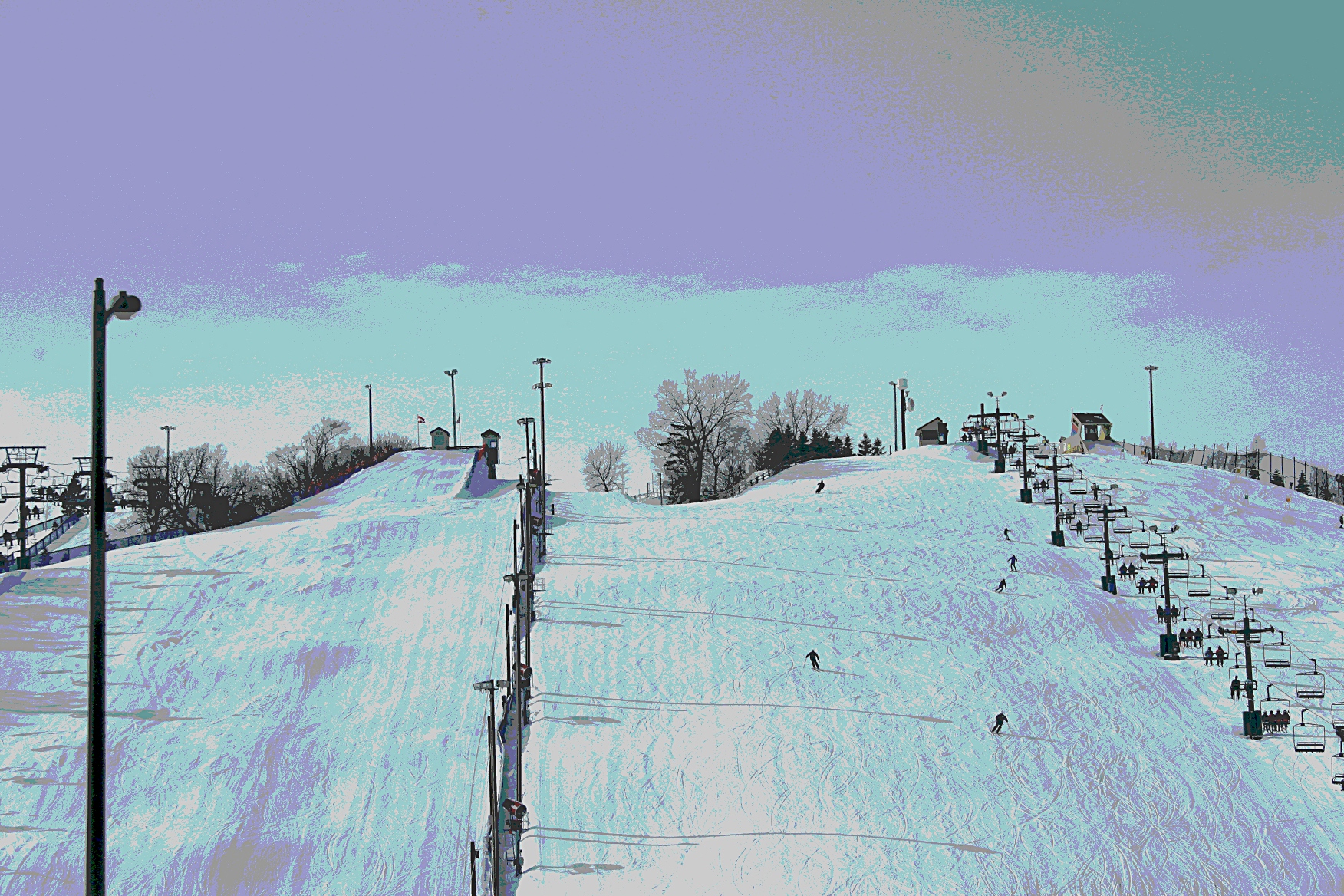
…the grace of skiers swooping down Buck Hill in Burnsville on a February afternoon

Barn along I35

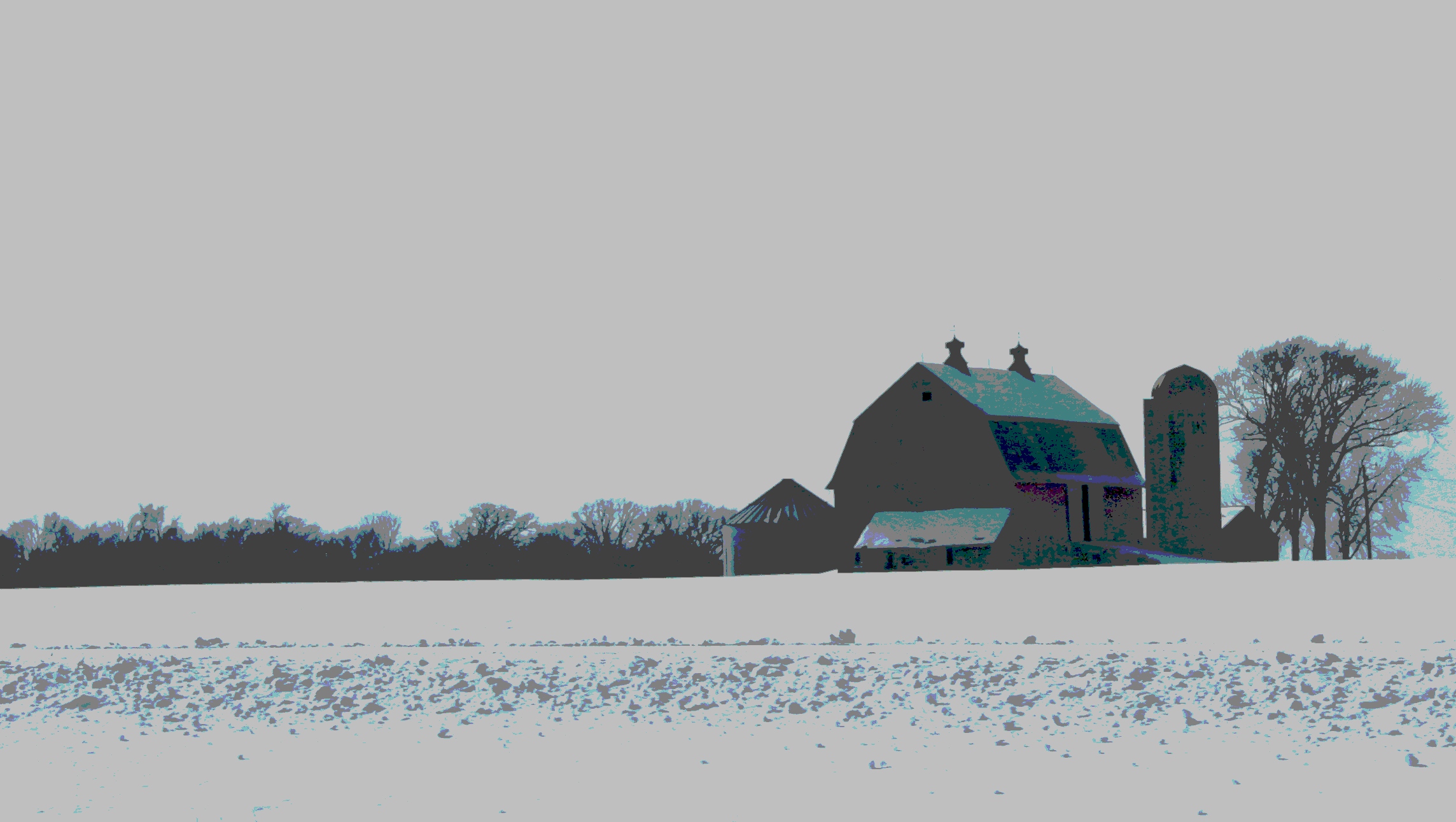
…and the sweet redeeming grace of rural Minnesota as seen in the Sugardale barn along Interstate 35 just north of the Northfield exit.

HOW DO YOU VIEW your world?

Copyright 2013 Audrey Kletscher Helbling
 

Land of the FREE July 30, 2012

Filed under: Uncategorized — Audrey Kletscher Helbling @ 7:28 AM
Tags: , , , , , , ,

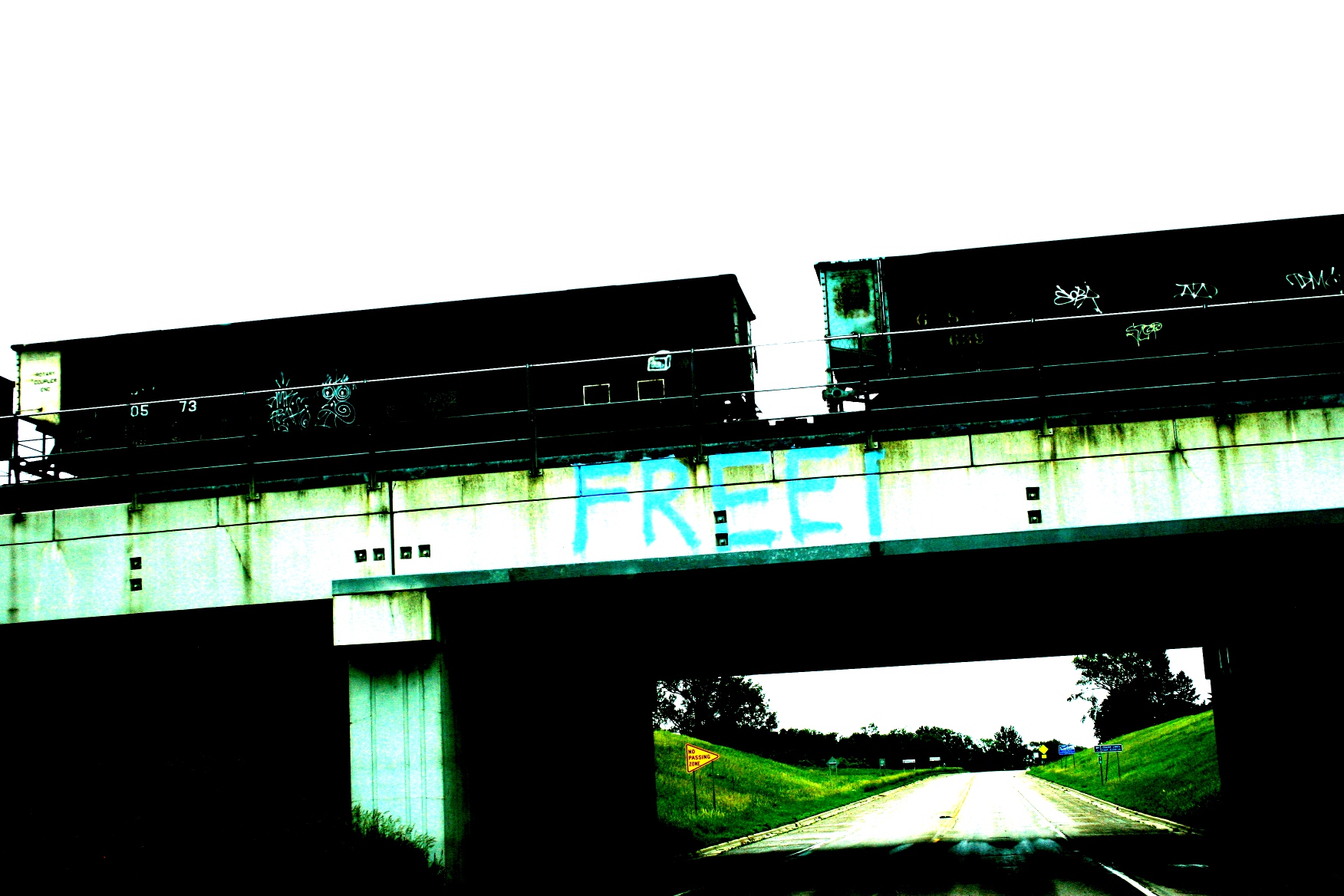
Bridge graffiti along Minnesota Highway 28.

DO YOU EVER WONDER—because I do—how, when and why graffiti is spray painted onto bridges, buildings, boxcars and elsewhere?

Do these artists/vandals/rebels/criminals (choose the noun that fits) plot and then sneak, in the cover of darkness, to scrawl their messages and art upon these very public canvases?

Why?

Who are these defiers of rules?

Did they scribble with crayons on walls while growing up? Did they doodle in notebooks when they should have been doing homework? Are they reckless and wild or the girl/boy next door accepting a dare?

I’ve never known a graffiti artist, although I’d like to meet the one who block-letter-printed “FREE” on this train overpass along Minnesota State Highway 28 between Morris and Sauke Centre.

I’d ask him/her, “Why did you choose that word, ‘FREE?’”

Have you freed yourself from something? Have you set someone free? Or do you simply appreciate what it means to live in the land of the free?

© Copyright 2012 Audrey Kletscher Helbling