Minnesota Prairie Roots

Writing and photography by Audrey Kletscher Helbling

Out & about on a fine May day in Faribault May 12, 2026

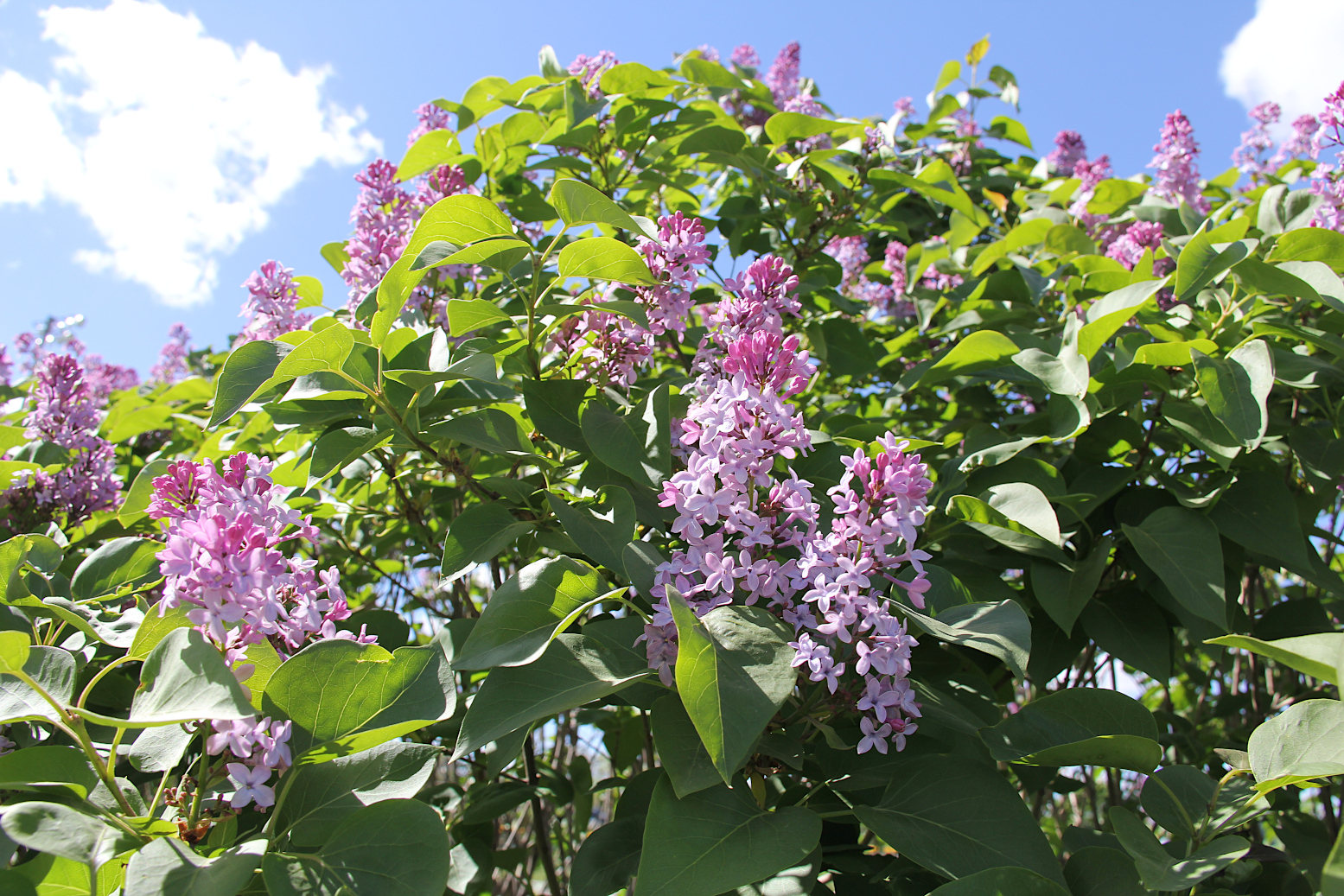
Lilacs bloom in North Alexander Park, Faribault. (Minnesota Prairie Roots copyrighted photo May 2026)

EARLY MAY IN MINNESOTA always appears fresh, vibrant, new.
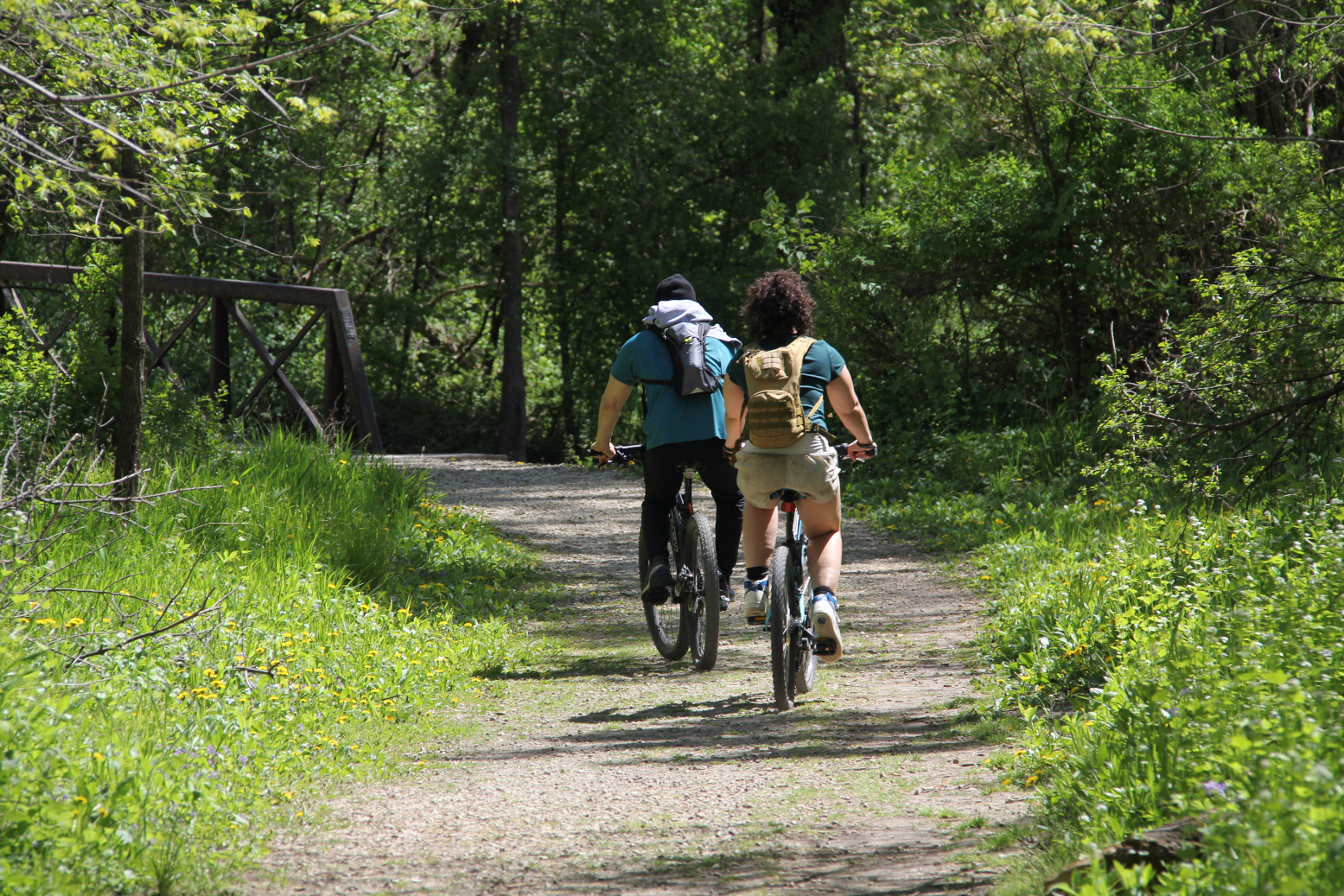
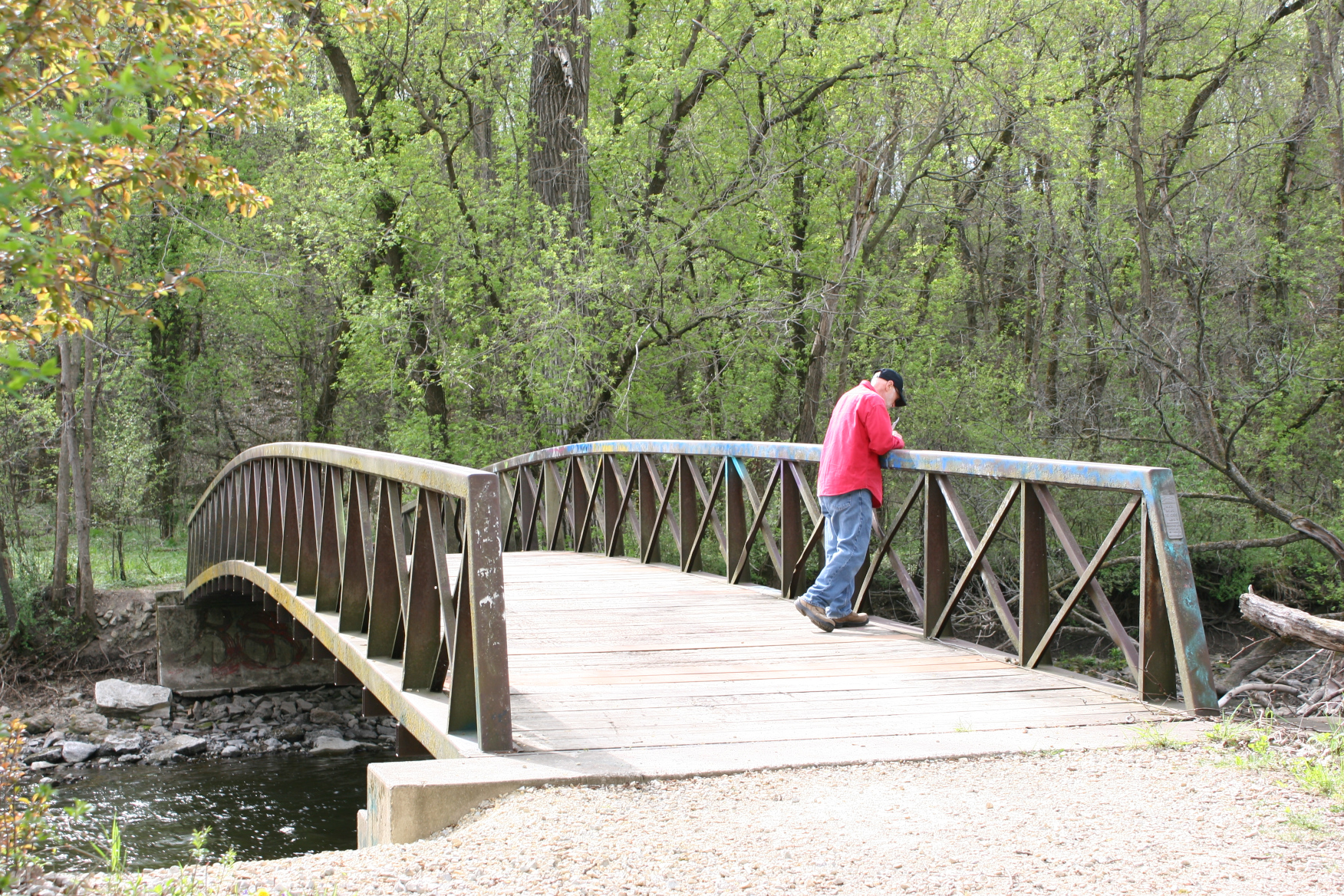
Biking toward the pedestrian bridge across the Straight River in Teepee Tonka Park. (Minnesota Prairie Roots copyrighted photo May 2026)

It’s as if our senses have reawakened from hibernation. The landscape looks especially lush. The sun feels warmer. Birdsong sounds louder. And the desire to get outdoors and take it all in runs strong.
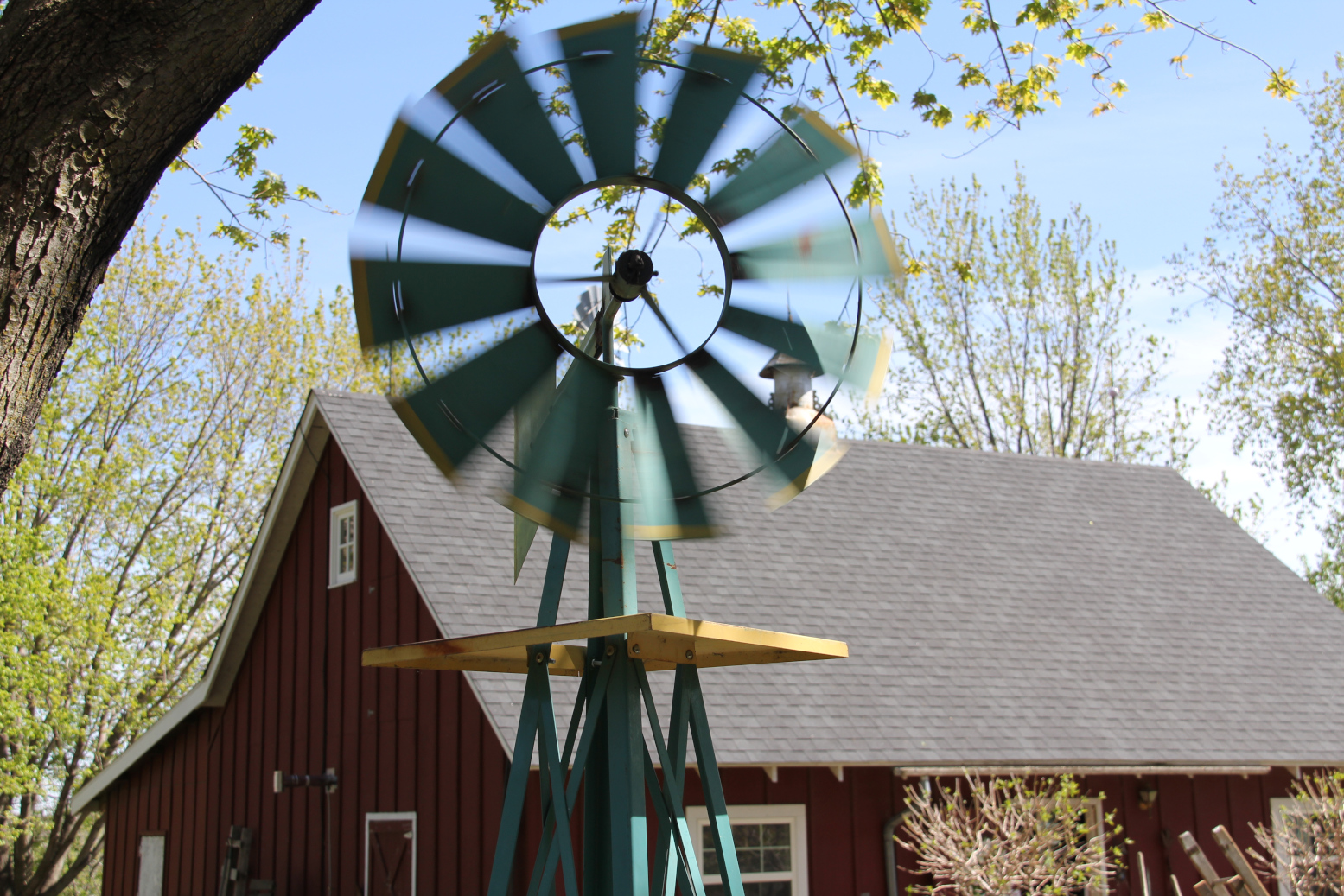
A windmill spins at The Crabby Wren barn sale in Cannon City during a vintage shop hop. (Minnesota Prairie Roots copyrighted photo May 2026)

Mother’s Day weekend brought locals out in droves in the Faribault area, including me. Bikers, hikers, dog walkers, anglers, picnickers, shoppers at a vintage shop hop…
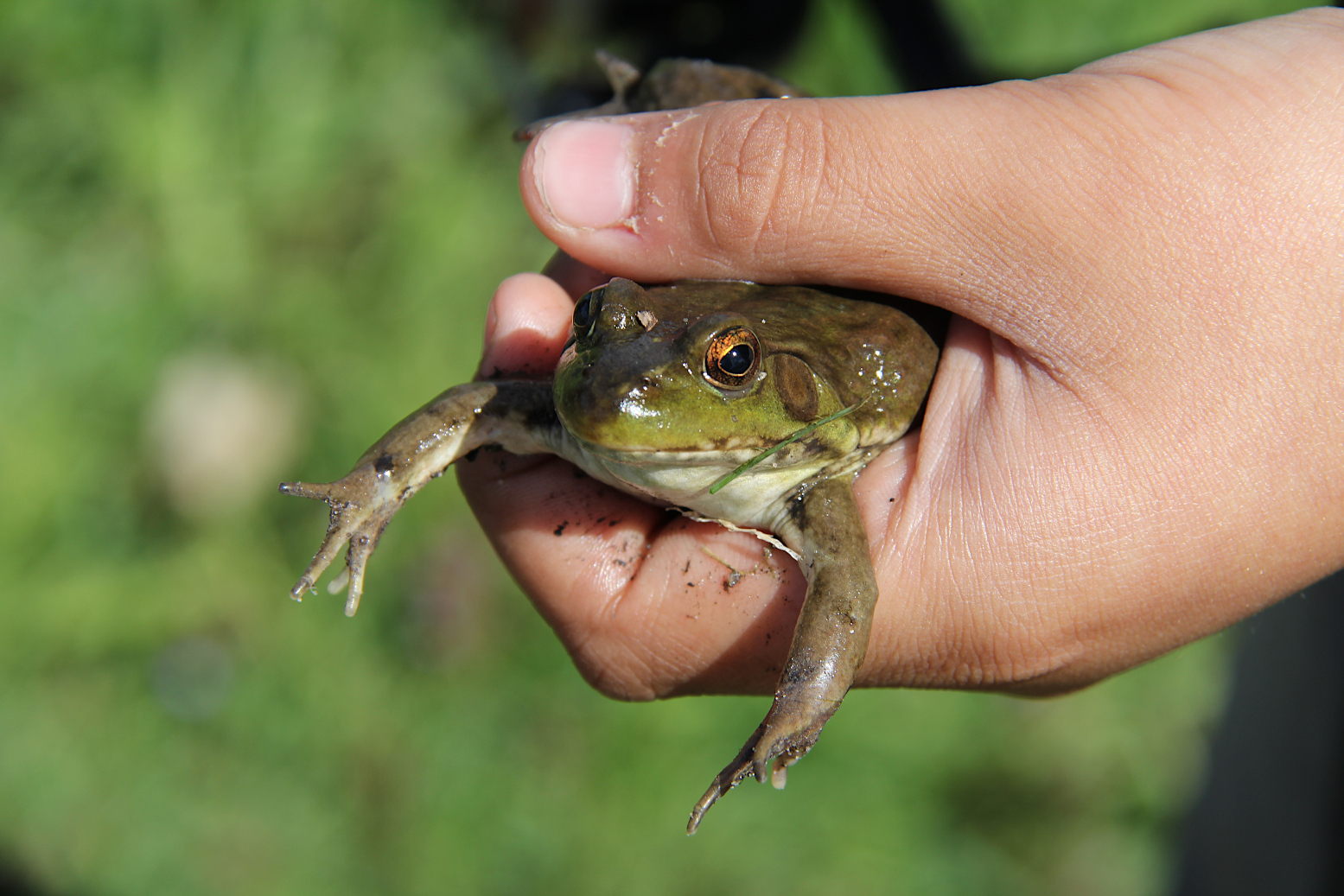
A frog caught along the Cannon River. (Minnesota Prairie Roots copyrighted photo May 2026)

The river drew many. A father and his young son fished at Two Rivers Park, using chicken skin coated in red Kool-Aid as bait. A young boy snagged a frog along the Cannon River in North Alexander Park where he fished with a friend. Anglers lined the river banks by the two dams near the Faribault Mill.
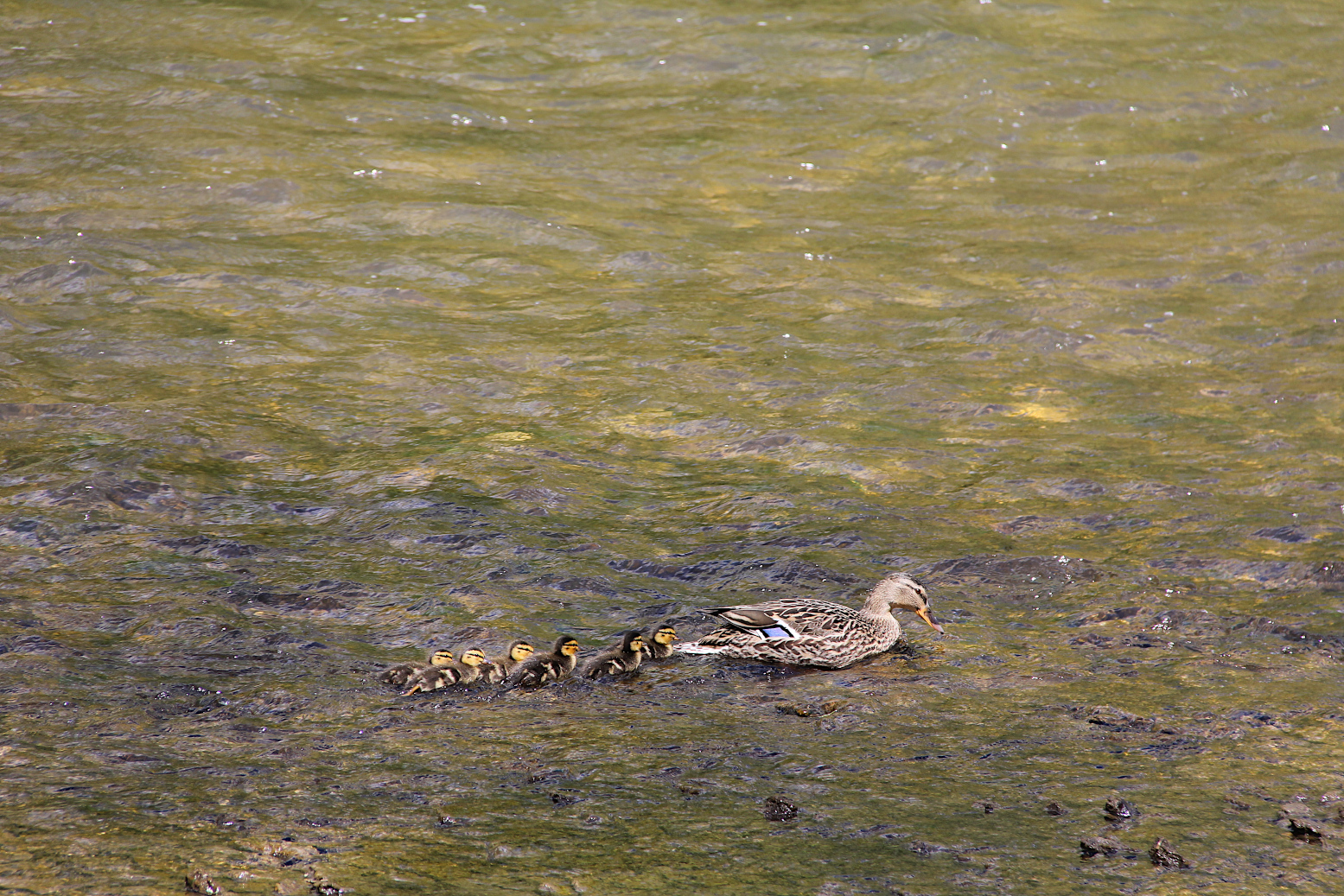
Six ducklings and their mother swim in the shallow water of the Straight River at Teepee Tonka Park. (Minnesota Prairie Roots copyrighted photo May 2026)

And some, like me, watched six fluffy ducklings swim against the current and traverse the rocky bed of the Straight River in Teepee Tonka Park as they tried to keep up with their mother. The word “cute” fit.
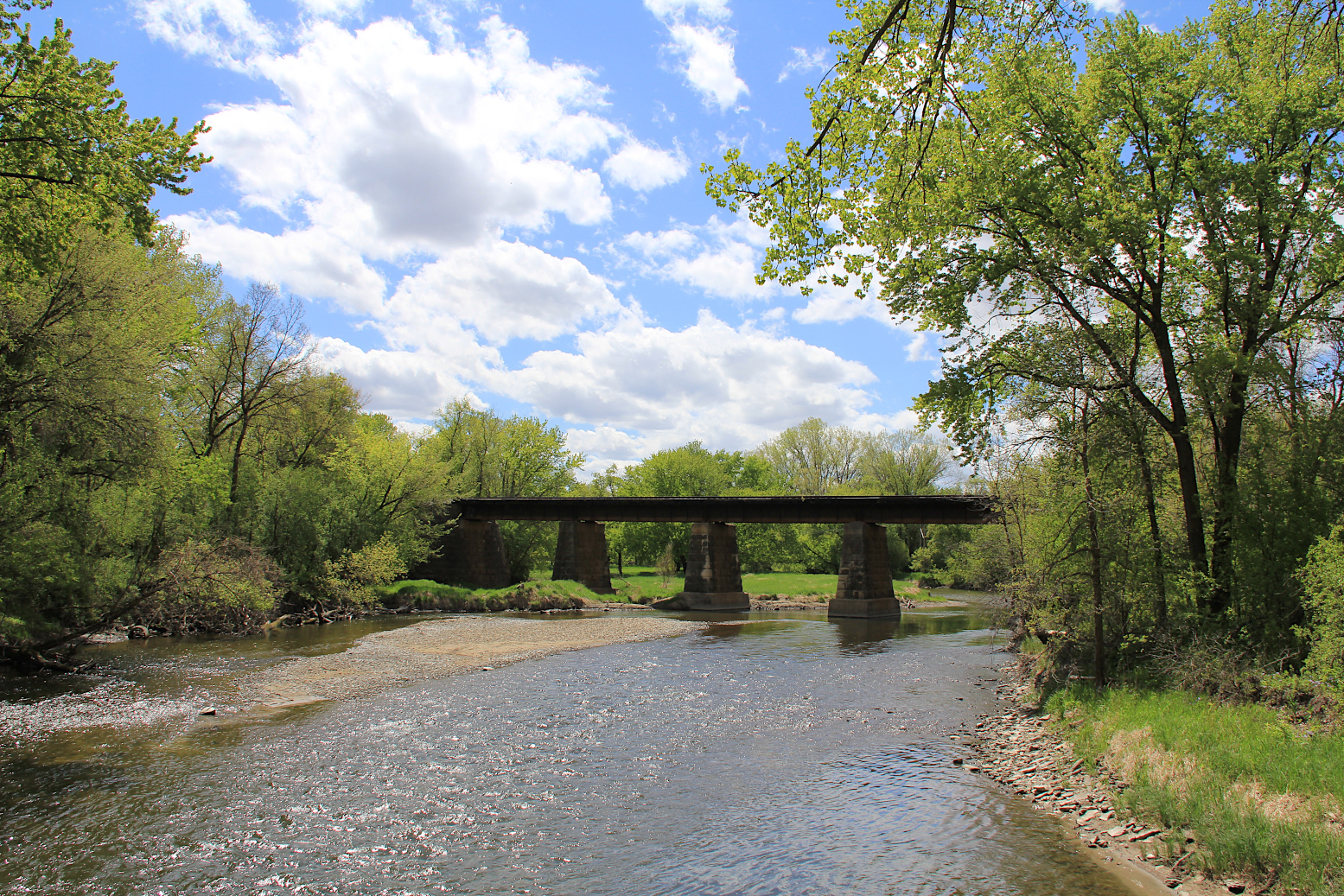
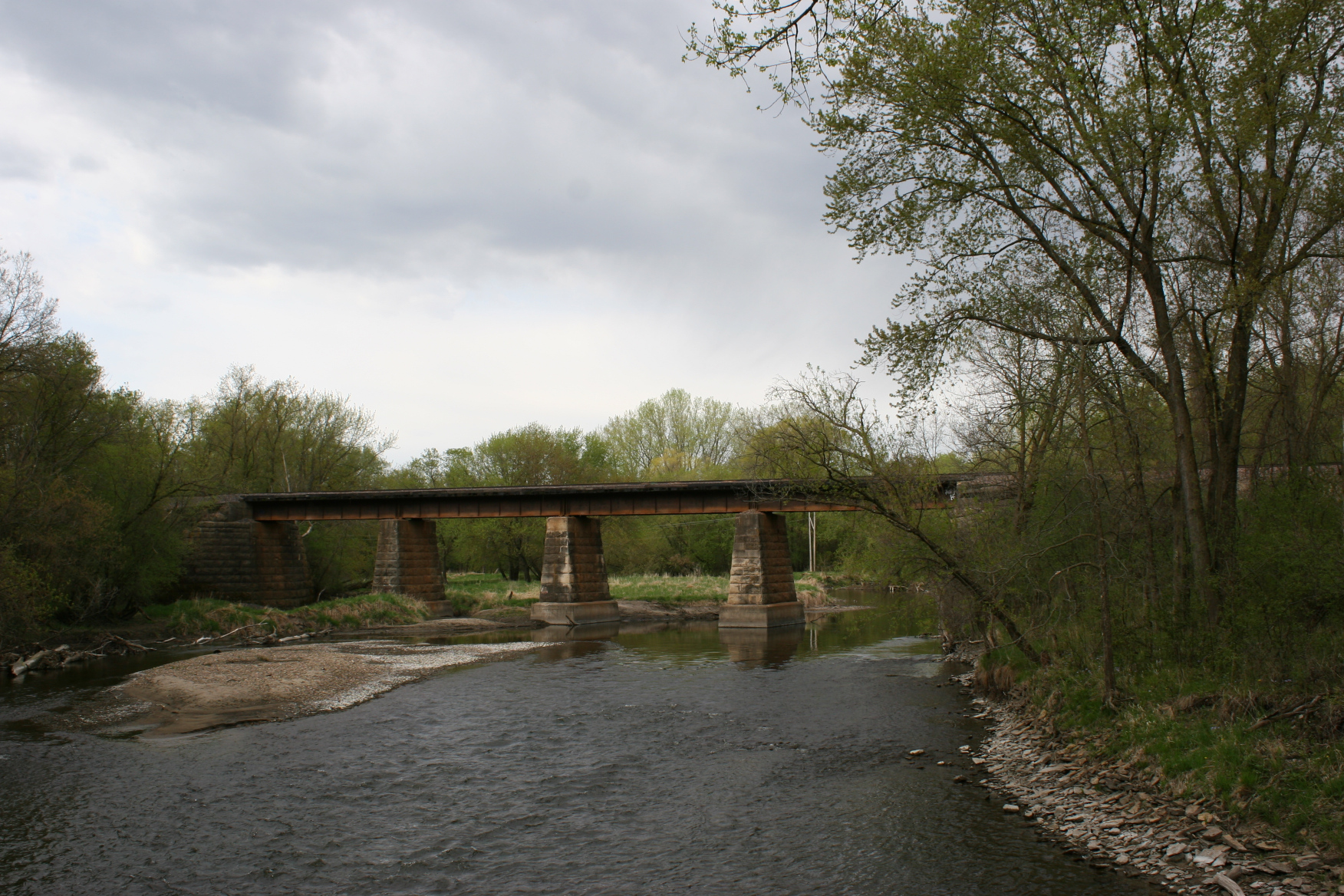
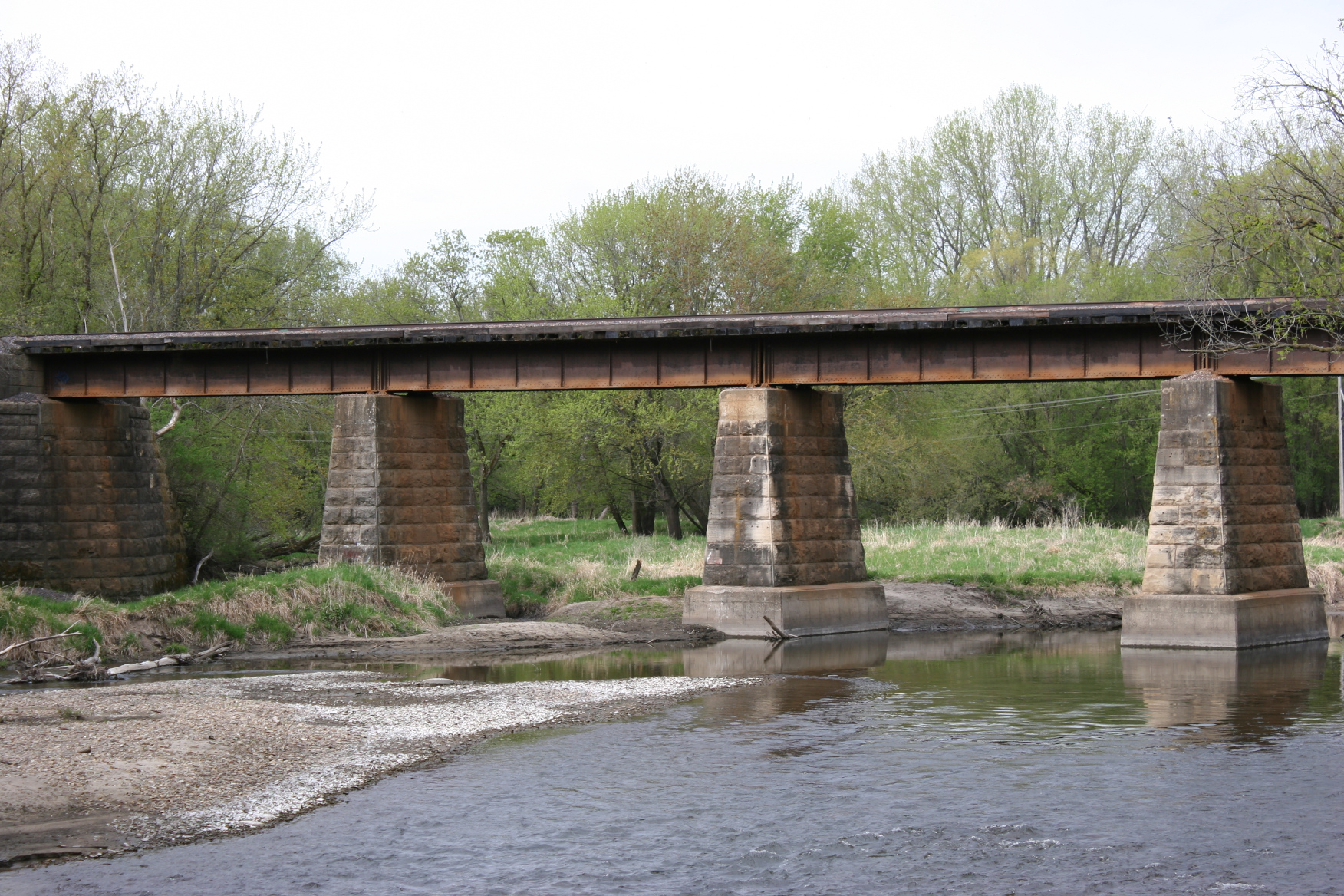
The Straight River and railroad bridge as photographed on a pedestrian bridge linking Teepee Tonka Park to River Bend Nature Center. (Minnesota Prairie Roots copyrighted photo May 2026)

Everywhere Randy and I hiked on this splendid—and, yes, that word fits—Sunday, the essence of spring enveloped us. Wildflowers bloomed. Greenery enveloped us. The water of the Straight River flowed clear below us. Clouds puffed the blue sky.
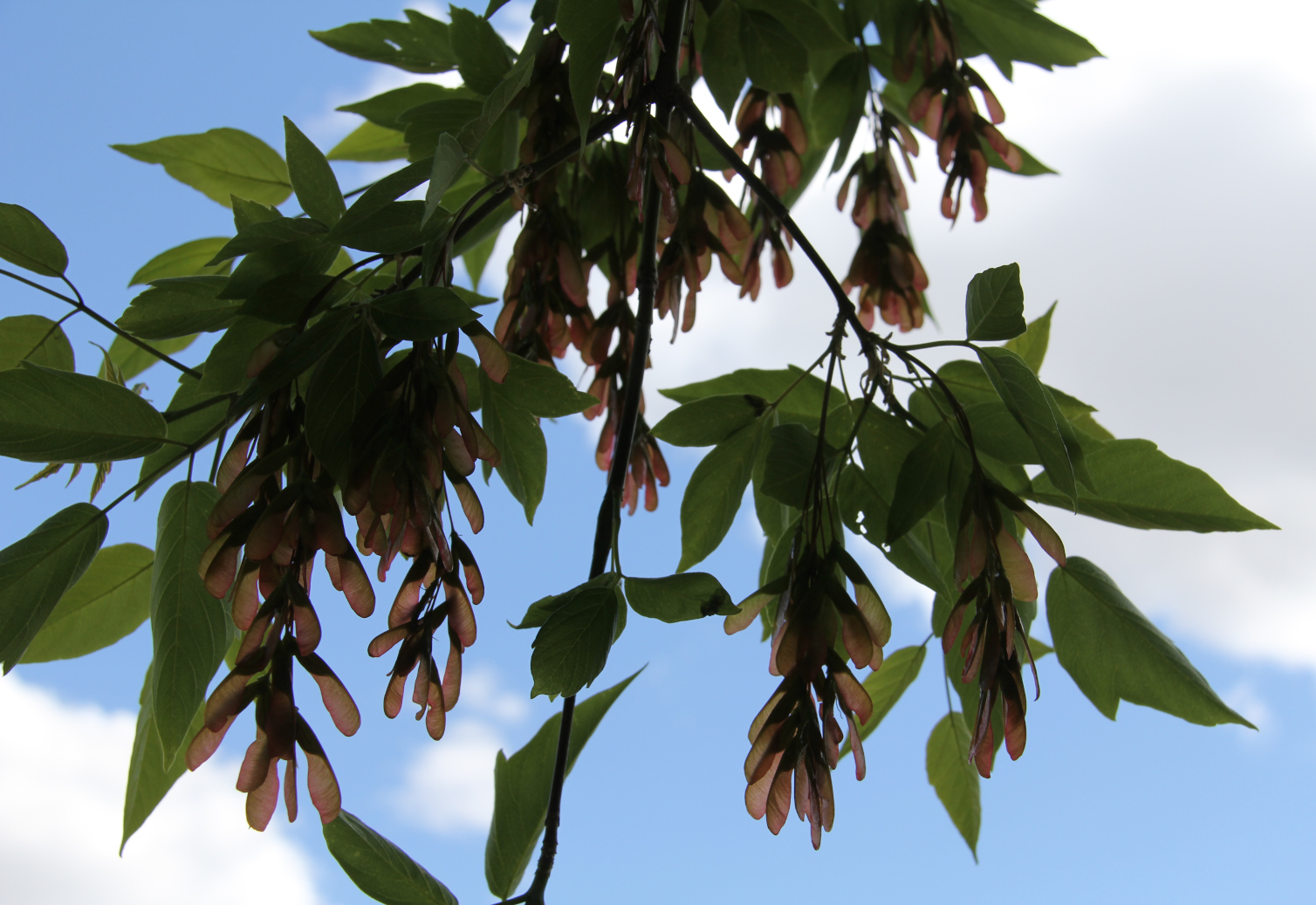
Maple leaf seed pods against the blue May sky. (Minnesota Prairie Roots copyrighted photo May 2026)

The perfume of lilacs scented the air. Maple leaf seed pods dangled from branches. Maple leaves shadowed a tree trunk.
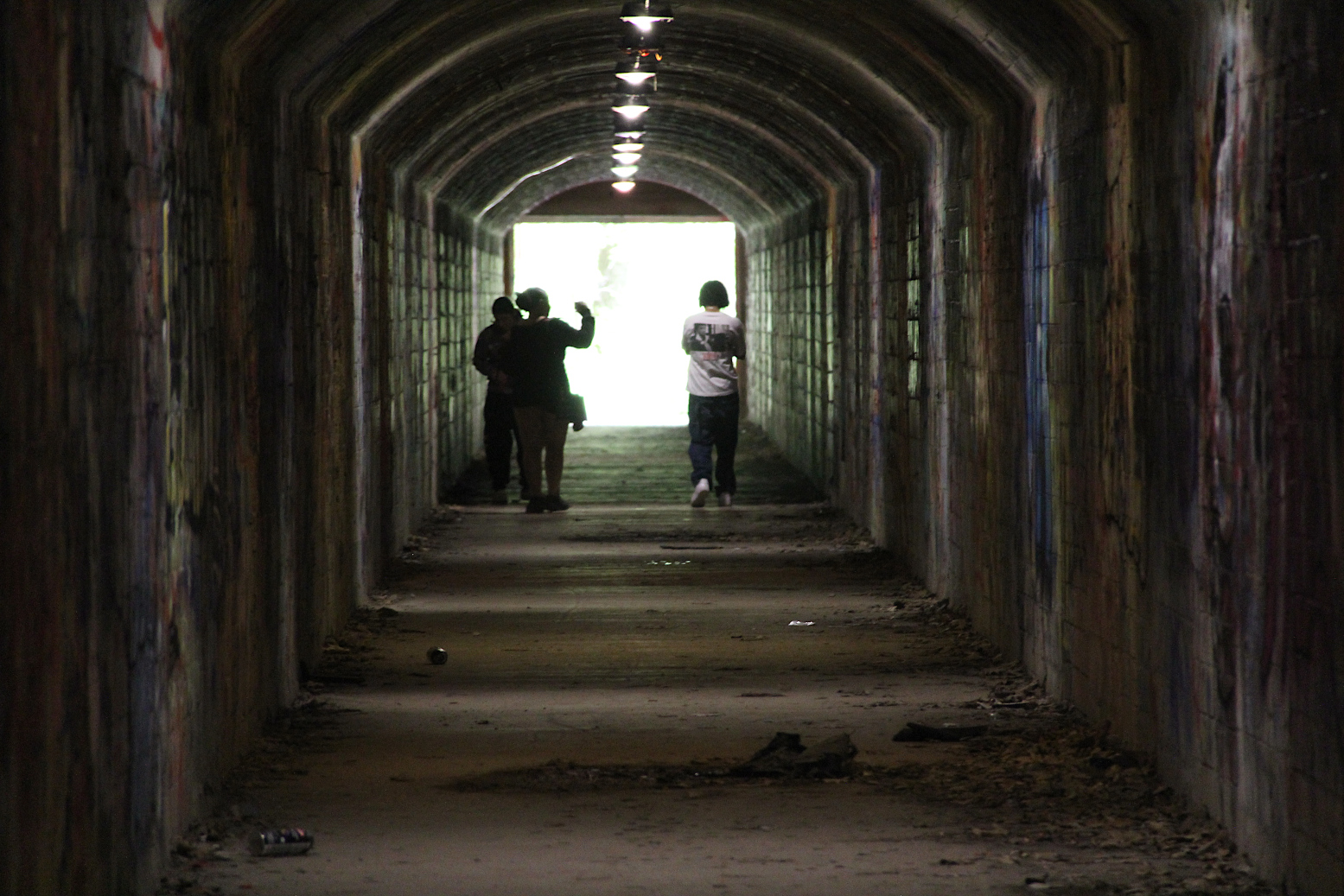
Teens in the tunnel. (Minnesota Prairie Roots copyrighted photo May 2026)
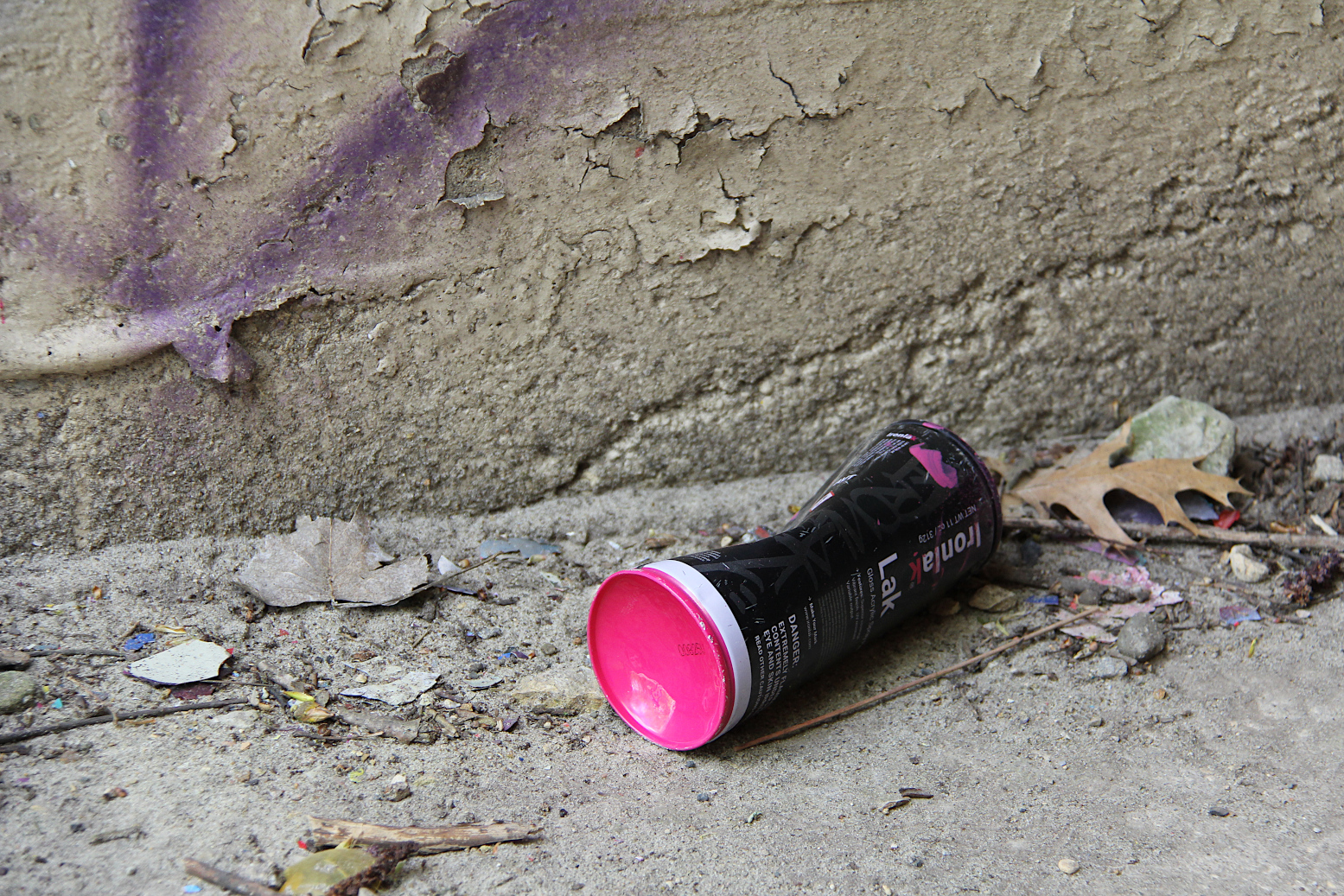
One of several cans of spray paint lying inside the tunnel. (Minnesota Prairie Roots copyrighted photo May 2026)
Tunnel graffiti. (Minnesota Prairie Roots copyrighted photo May 2026)

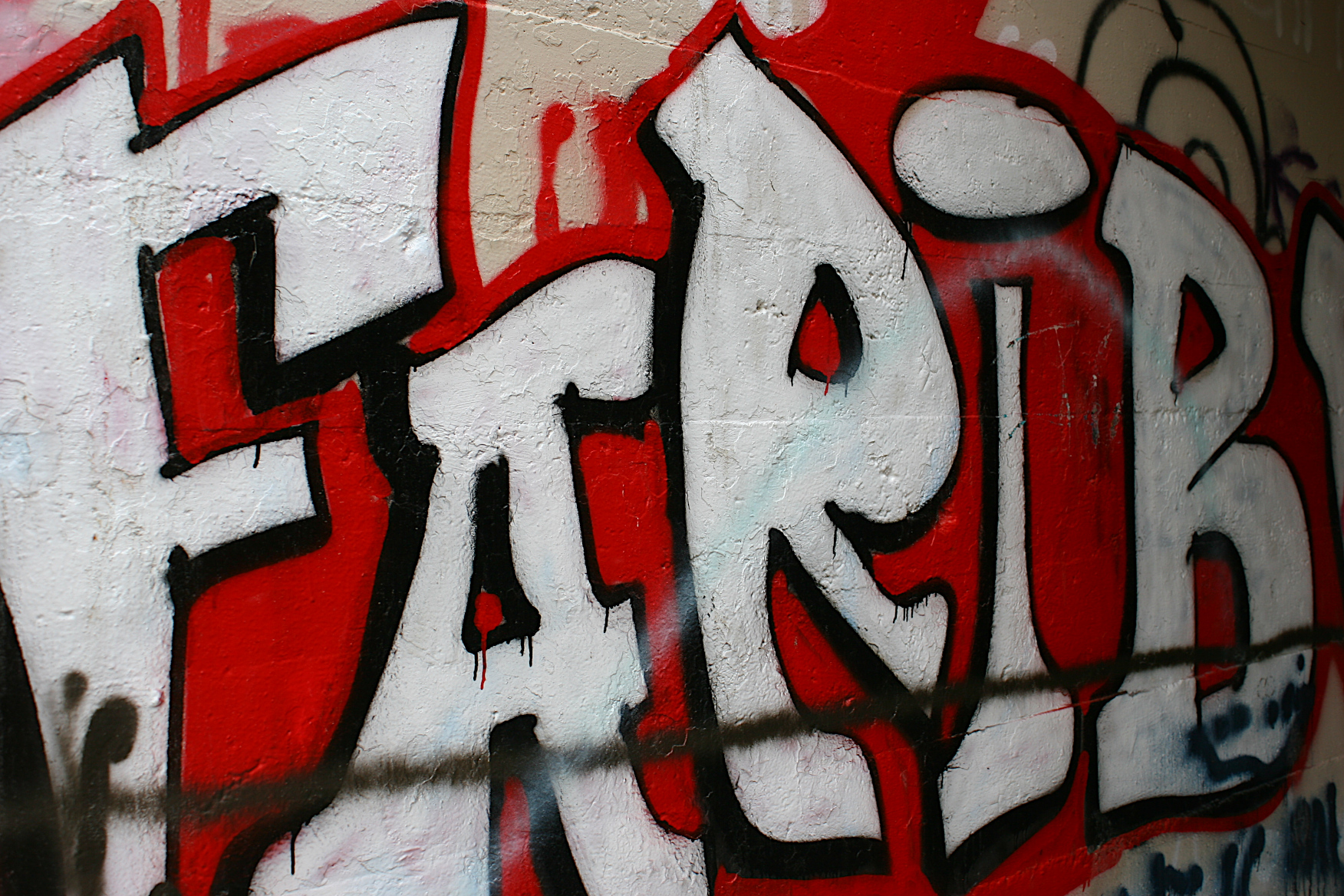
And in the shadows of a 442-foot long tunnel leading into River Bend Nature Center, several teens clustered, music blaring. We didn’t walk far enough to see what they were doing, but rather scanned the graffiti covering the walls of this 1937 Works Progress Administration project, built as a root cellar for the former Minnesota School and Colony (state hospital). I’m not informed enough to interpret the art, much of which includes obscene language and unidentifiable symbols. Yet, I found a patch of art that seemed devoid of anything offensive.
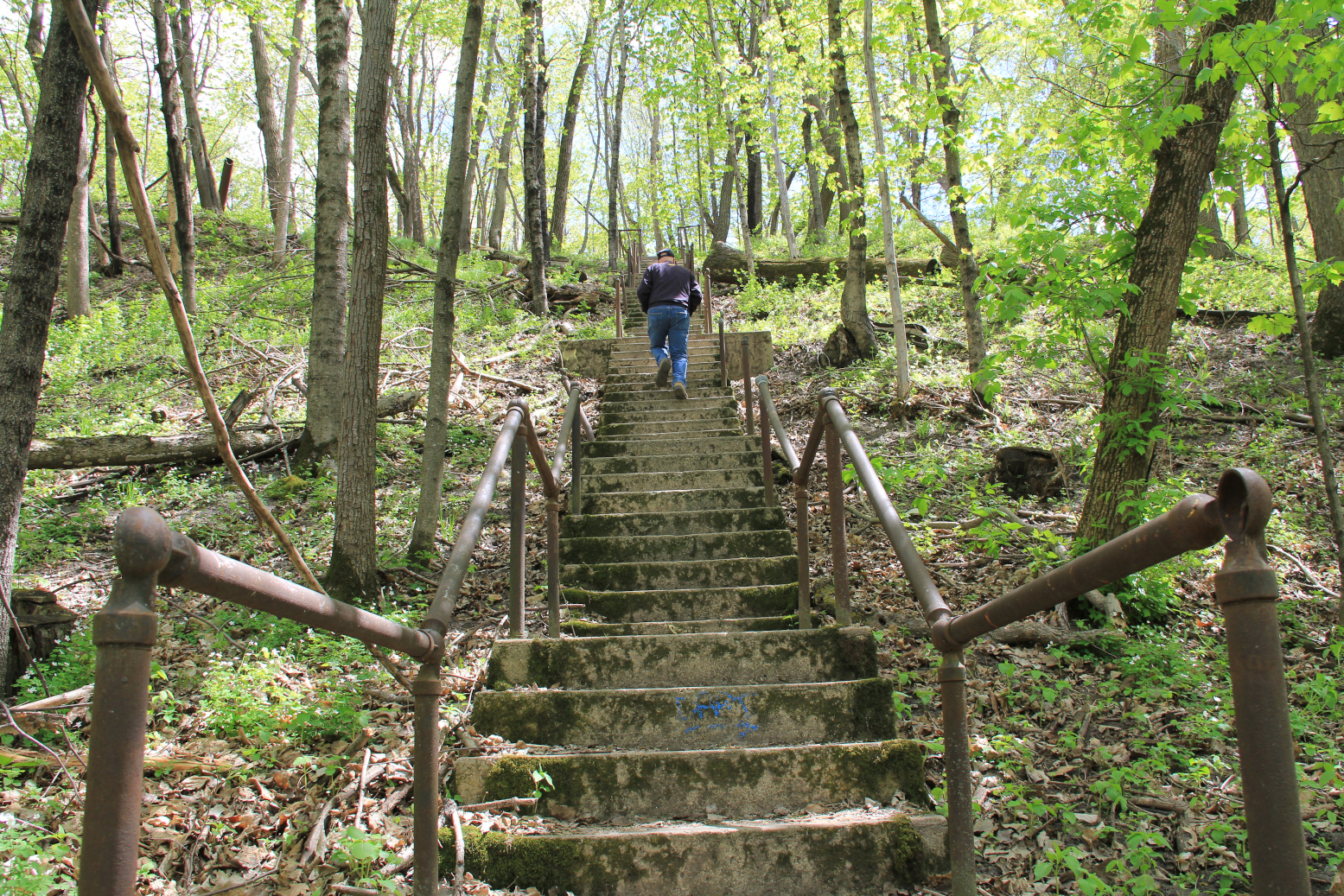
Randy climbs partially up a steep flight of stairs in the woods. (Minnesota Prairie Roots copyrighted photo May 2026)

We emerged from the coolness of the tunnel back into woods hugging a steep hill on one side of the trail, the river bottom on the other. A rail line rises high like a wall along a portion of the path. Only later, in another location, did I hear the blast of a train whistle.
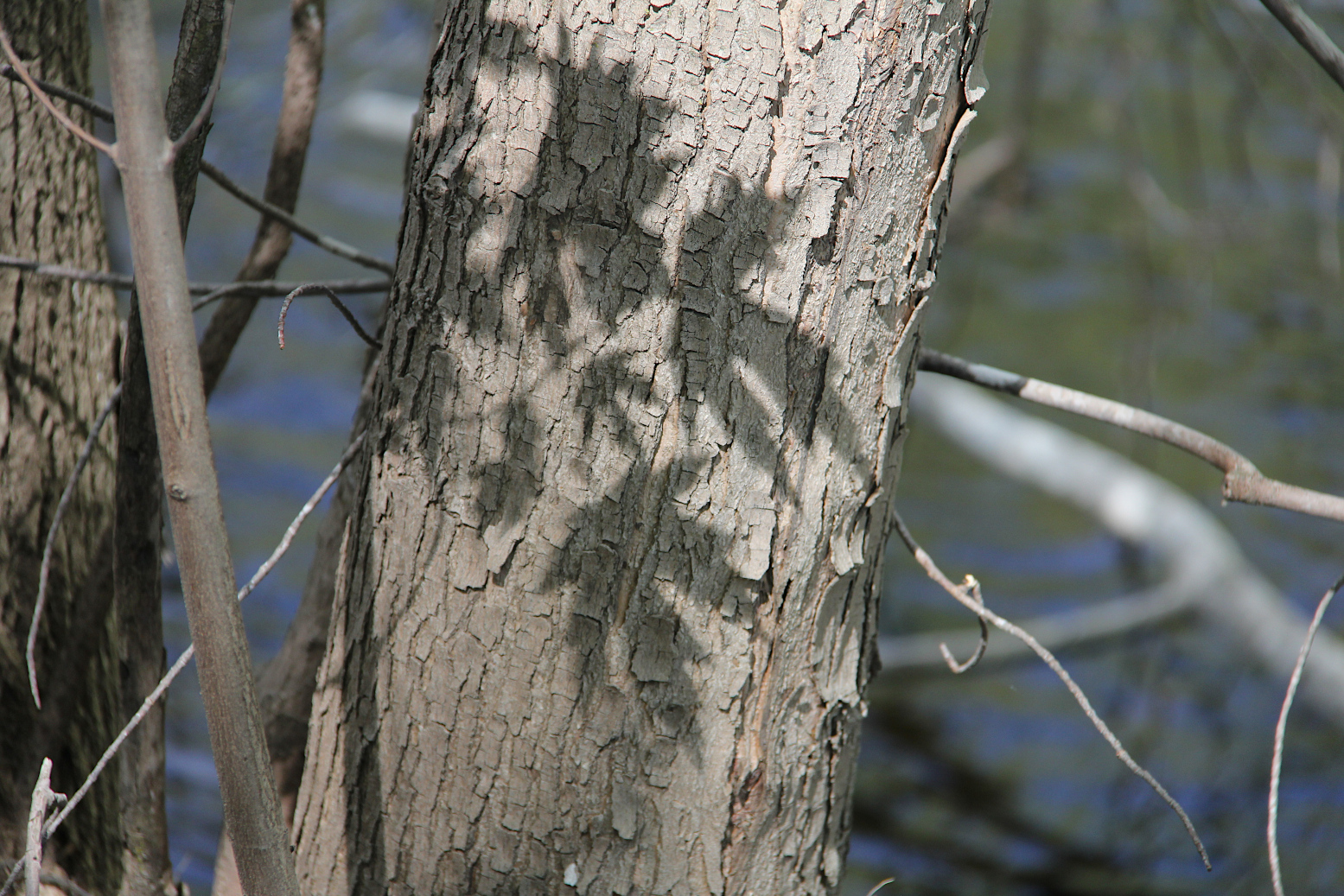
Maple leaf shadows on a tree trunk along the Straight River. (Minnesota Prairie Roots copyrighted photo May 2026)

Even in the quiet of parks and trails, the background of city noise, the presence of people remains. Yet, it’s possible to shut out the distractions, to immerse one’s self in nature.
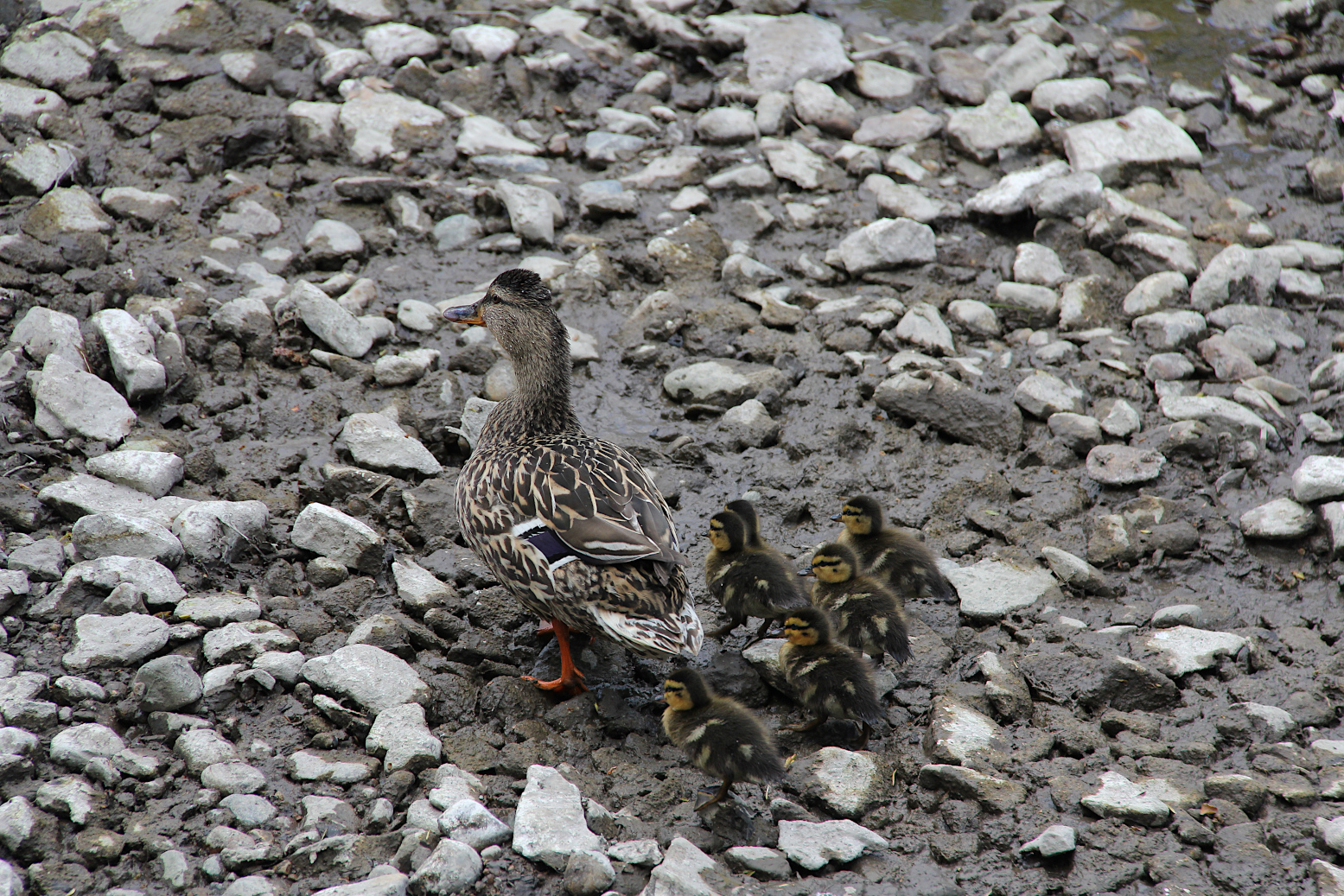
Nearly camouflaged in the rocky bed of the Straight River, a mama duck and her six babies. (Minnesota Prairie Roots copyrighted photo May 2026)

I deeply appreciate the trail system, many parks and nature center within the city limits of Faribault. For a while on Mother’s Day afternoon, I observed just how much they are used, valued. To see people out and about like the young boys angling for fish and frogs, the families grilling in the park, the bikers pedaling, the dog owners walking their canines and more, reaffirms the importance of the outdoors to all of us, for our physical and mental well-being. To embrace spring after the season of winter feels good, oh, so good.

© Copyright 2026 Audrey Kletscher Helbling


Train art or graffiti, depending… September 18, 2024

Filed under: Uncategorized — Audrey Kletscher Helbling @ 10:40 AM
Tags: , , , , , , , ,
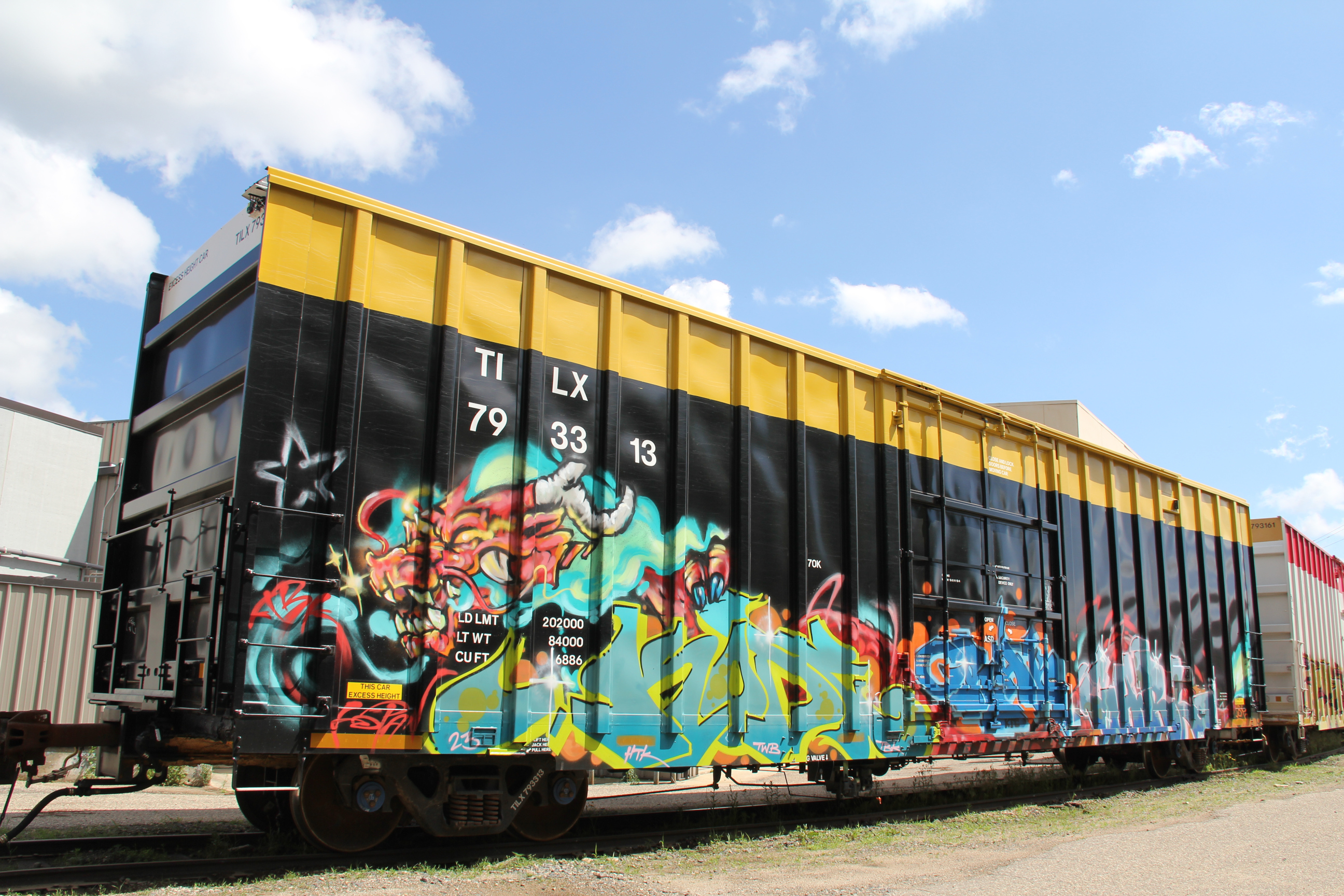
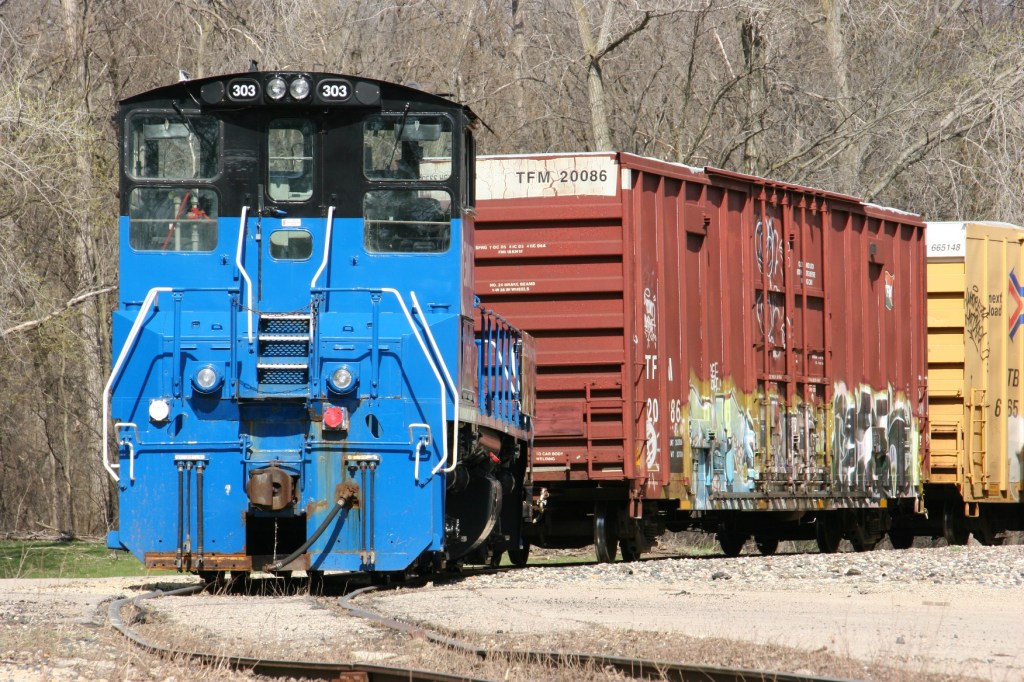
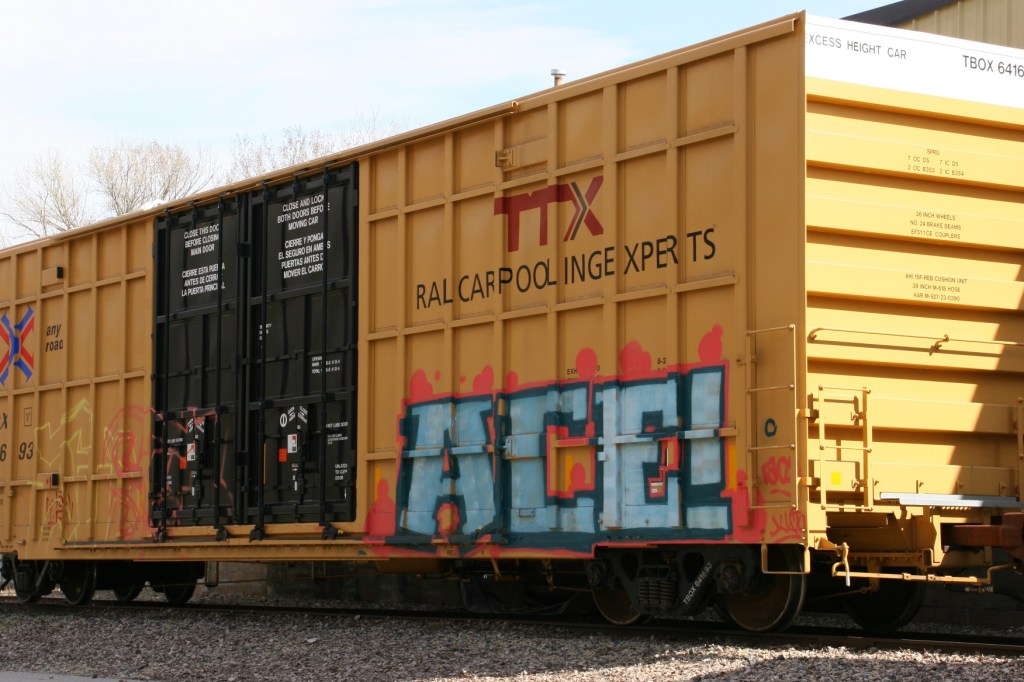
A dragon (at least that’s what I see) covers an entire boxcar. (Minnesota Prairie Roots copyrighted photo 2024)

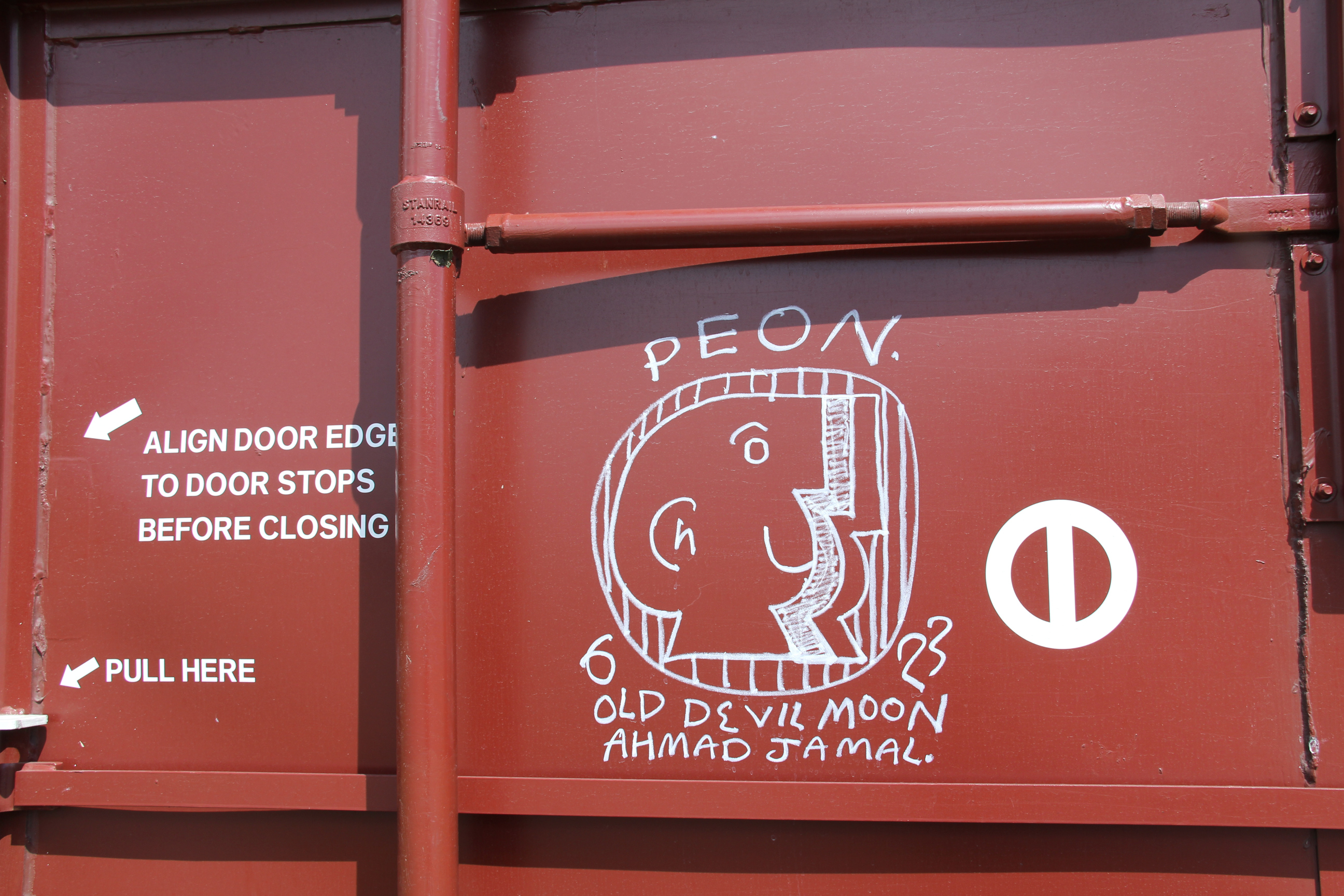
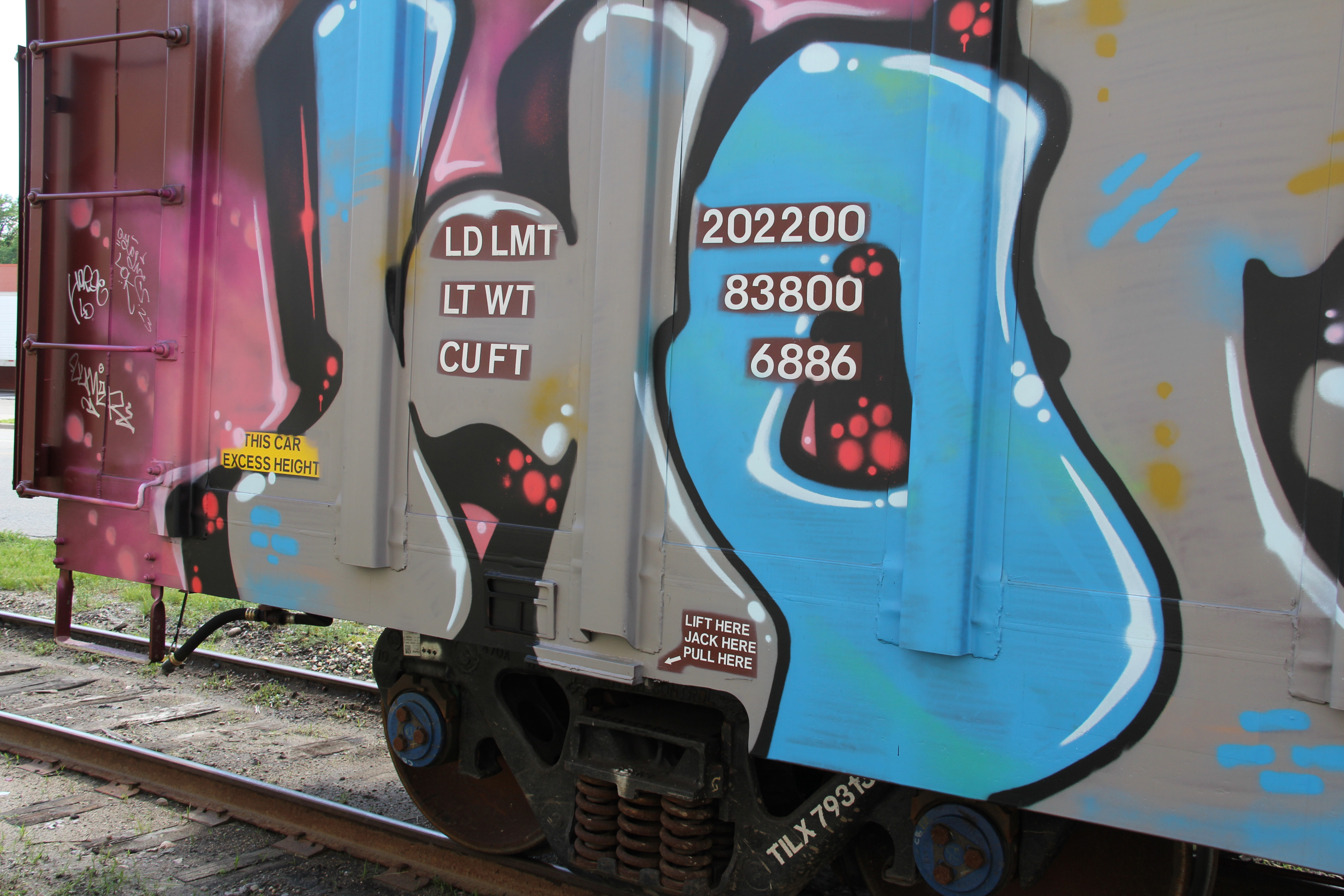
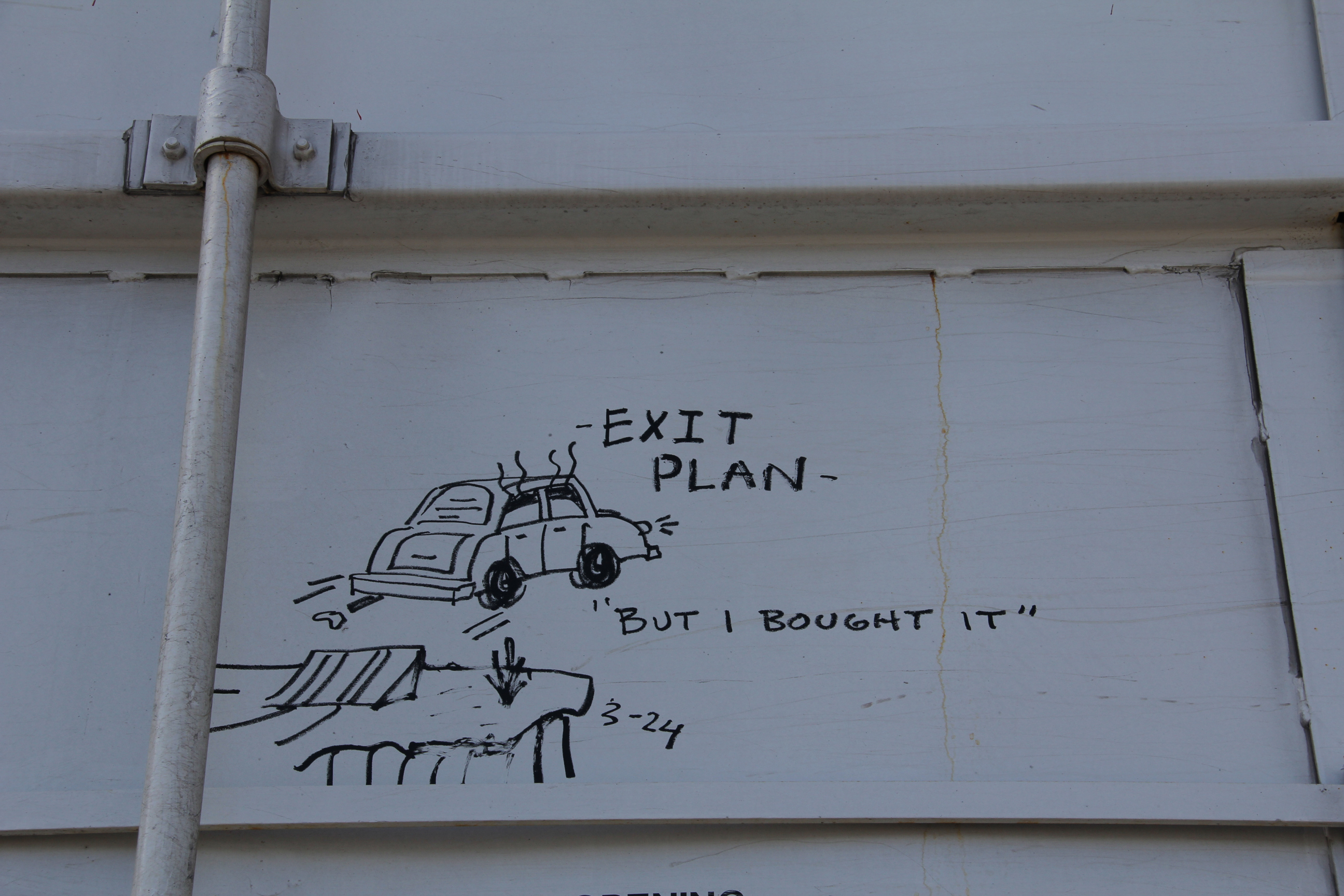
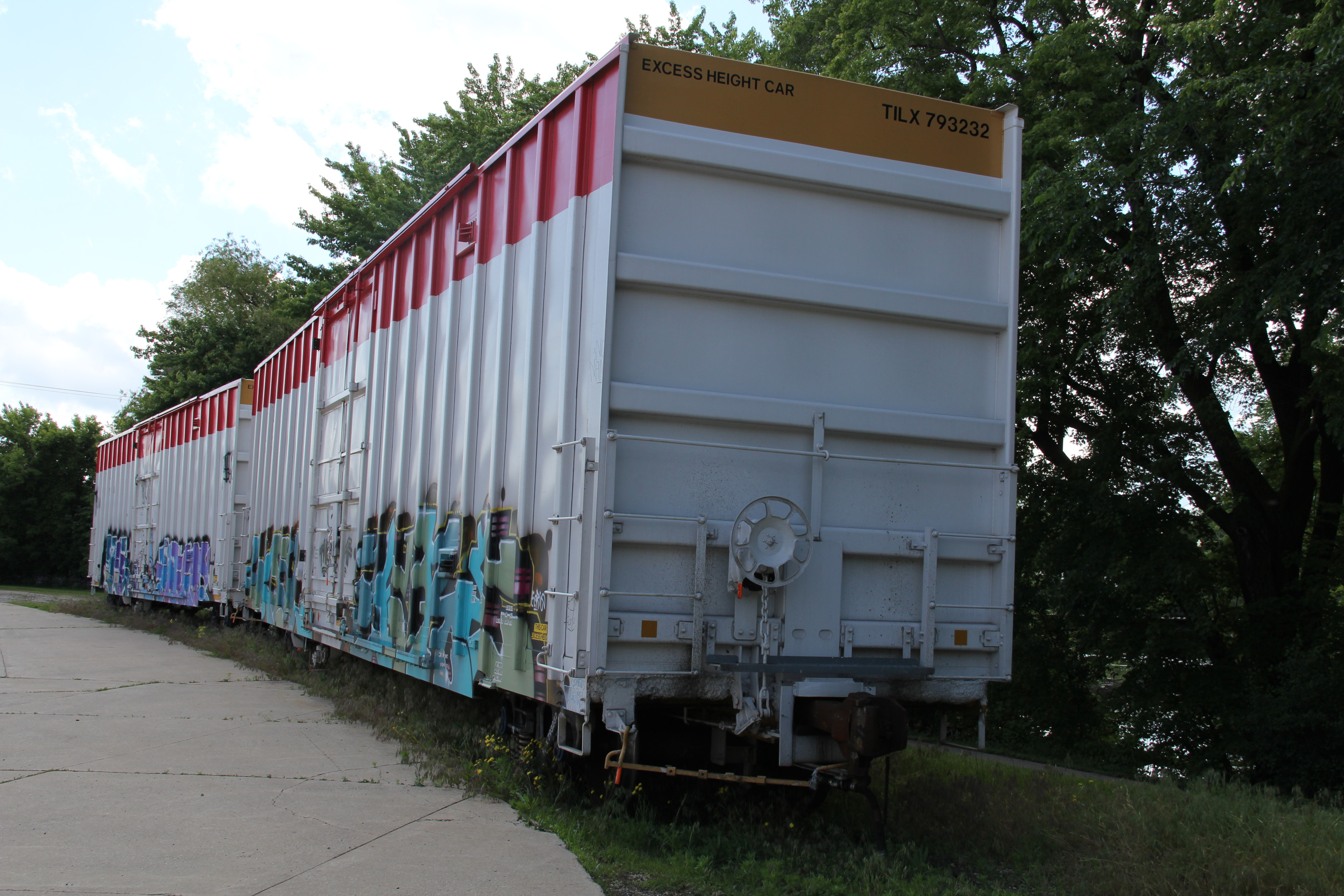
ADMITTEDLY, I POSSESS no understanding of train art. Yet, I appreciate it. Not as the graffiti it is by definition, but rather because I see the images and words as art. A traveling art gallery. I doubt railroad companies would agree.

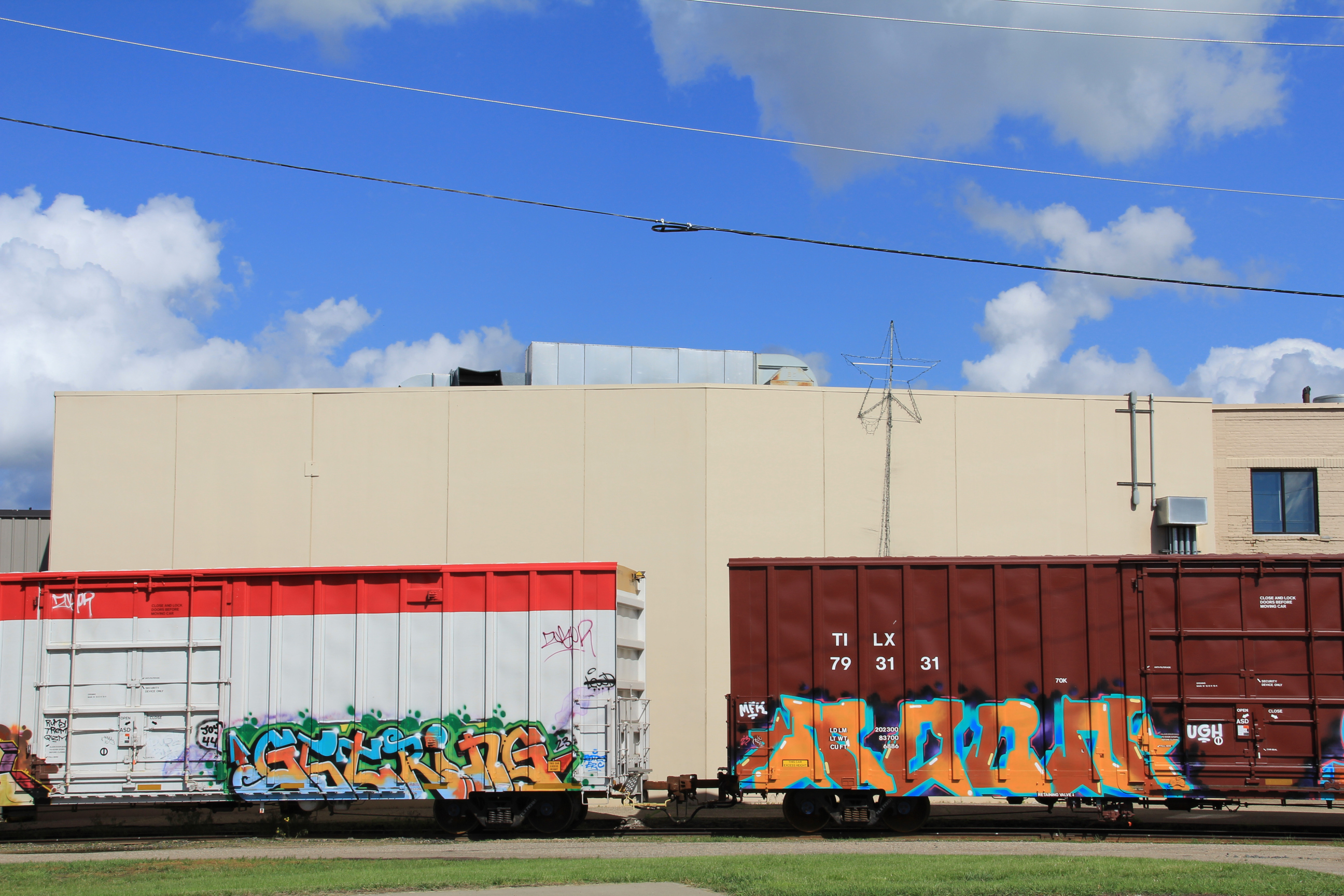
The traveling gallery parked in Faribault earlier this year. (Minnesota Prairie Roots copyrighted photo 2024)

Watch any train pass by or view a line of parked box or tanker cars and you likely will see this art form. Whenever I spot this art, I wonder, “How and when do these artists manage to paint these sprawling words and images without getting caught?”

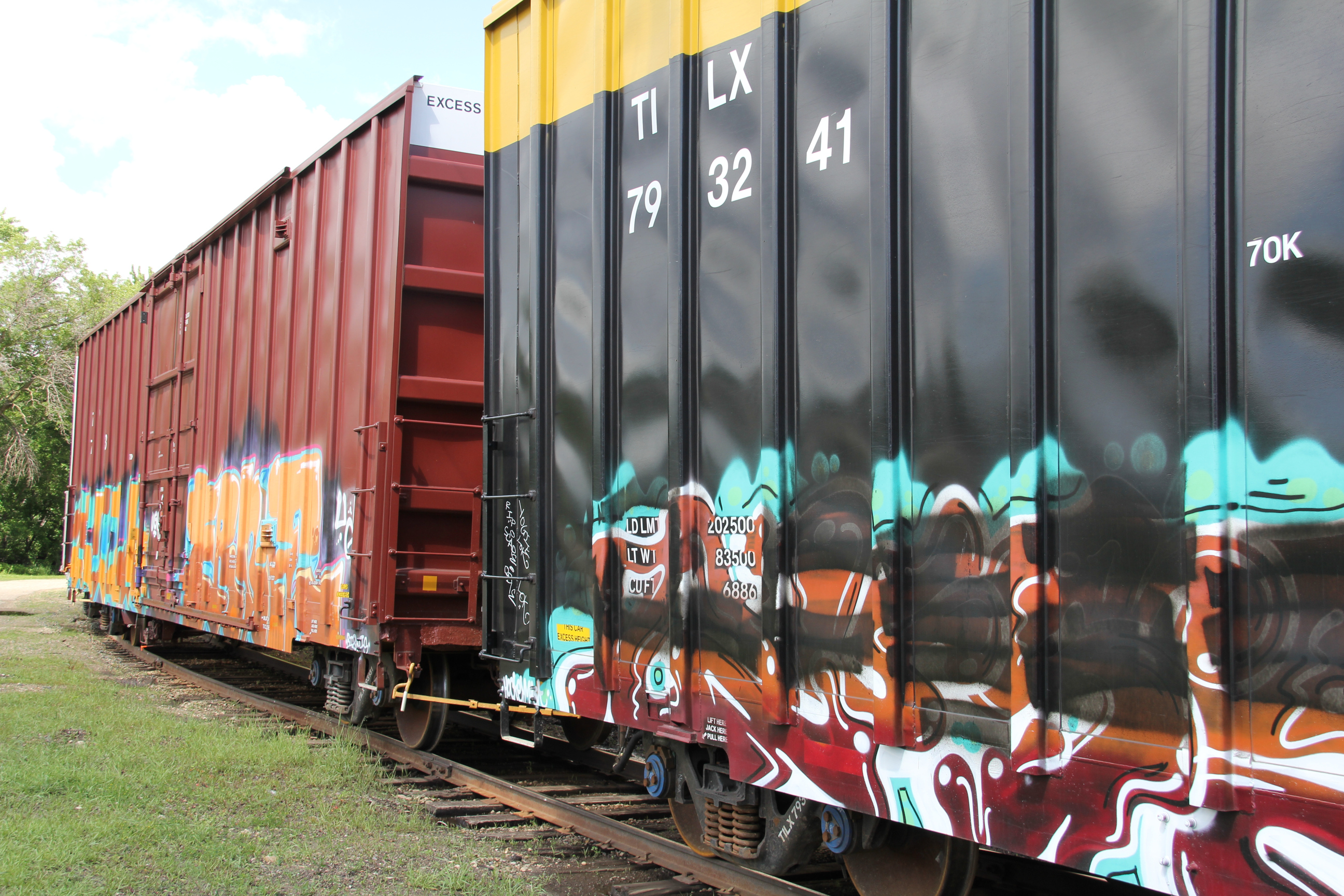
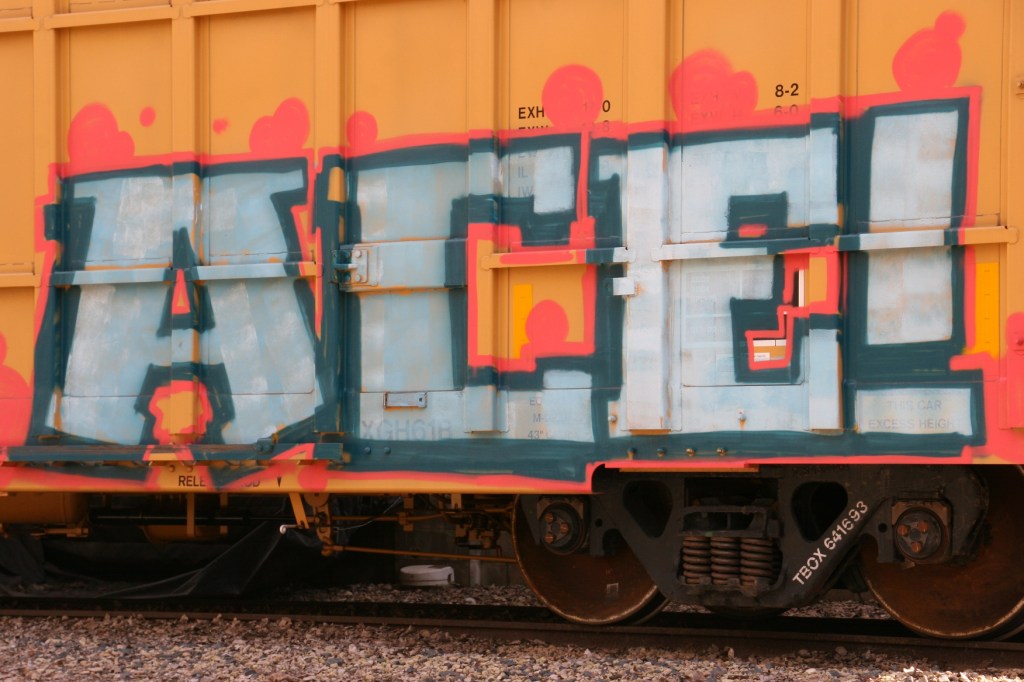
More art/graffiti I don’t understand. (Minnesota Prairie Roots copyrighted photo 2024)

Then I try to decipher the words, which are mostly indecipherable to me. My eyes can’t separate the often over-sized uppercase letters that jam together. Even standing back to read from a distance usually doesn’t help.

Another look at the dragon from a distance and the words I can’t read. (Minnesota Prairie Roots copyrighted photo 2024)

But occasionally I figure something out and then it’s like a moment of confused clarity. Why this word? Why this art? Why this fiery orange dragon (if that’s really what it is) stretching the length of a boxcar?

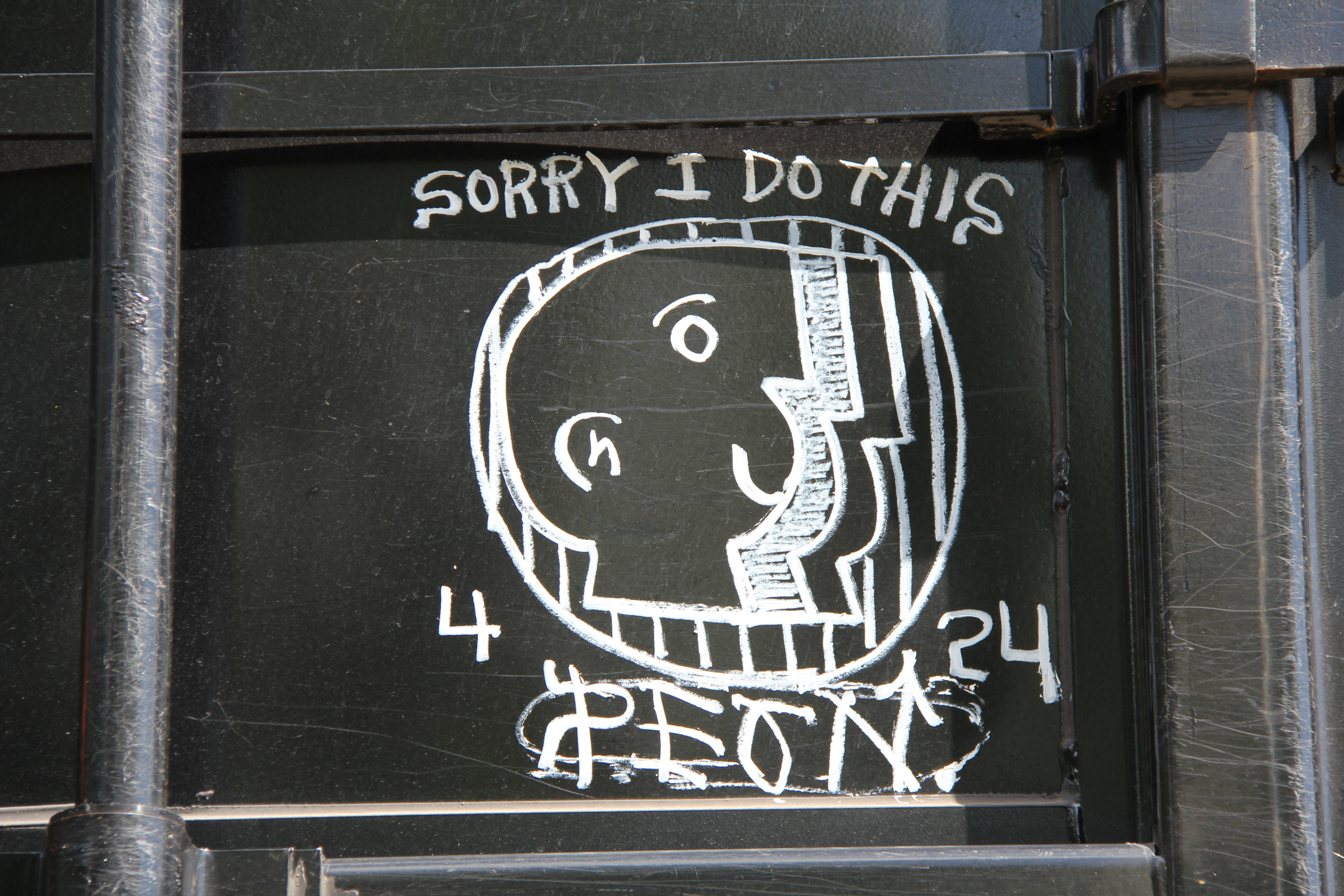
An apology. (Minnesota Prairie Roots copyrighted photo 2024)

For the artist, like any visual artist, there is meaning behind the art. I’m just not privy to the backstory. Sure, some of what I’m seeing could be gang graffiti. But mostly, I expect it is not. And if I view the train art in Faribault, for example, that doesn’t mean the work originated locally. Likely it did not. Trains travel all over the country.

The freshly-painted signature of DOLLFACE. (Minnesota Prairie Roots copyrighted photo 2024)

There are exceptions, though. While looking at art on short rows of parked boxcars a few months back in Faribault, a young couple was doing likewise. I asked whether they were the artists. The response from one: “I can neither confirm nor deny.” Later, as I rounded the row of boxcars and the pair were heading for two vehicles parked nearby, I got my answer. There, along the bottom edge of a boxcar, block letters dripped baby blue paint. DOLLFACE had left her signature.

More art by the apologetic artist. (Minnesota Prairie Roots copyrighted photo 2024)
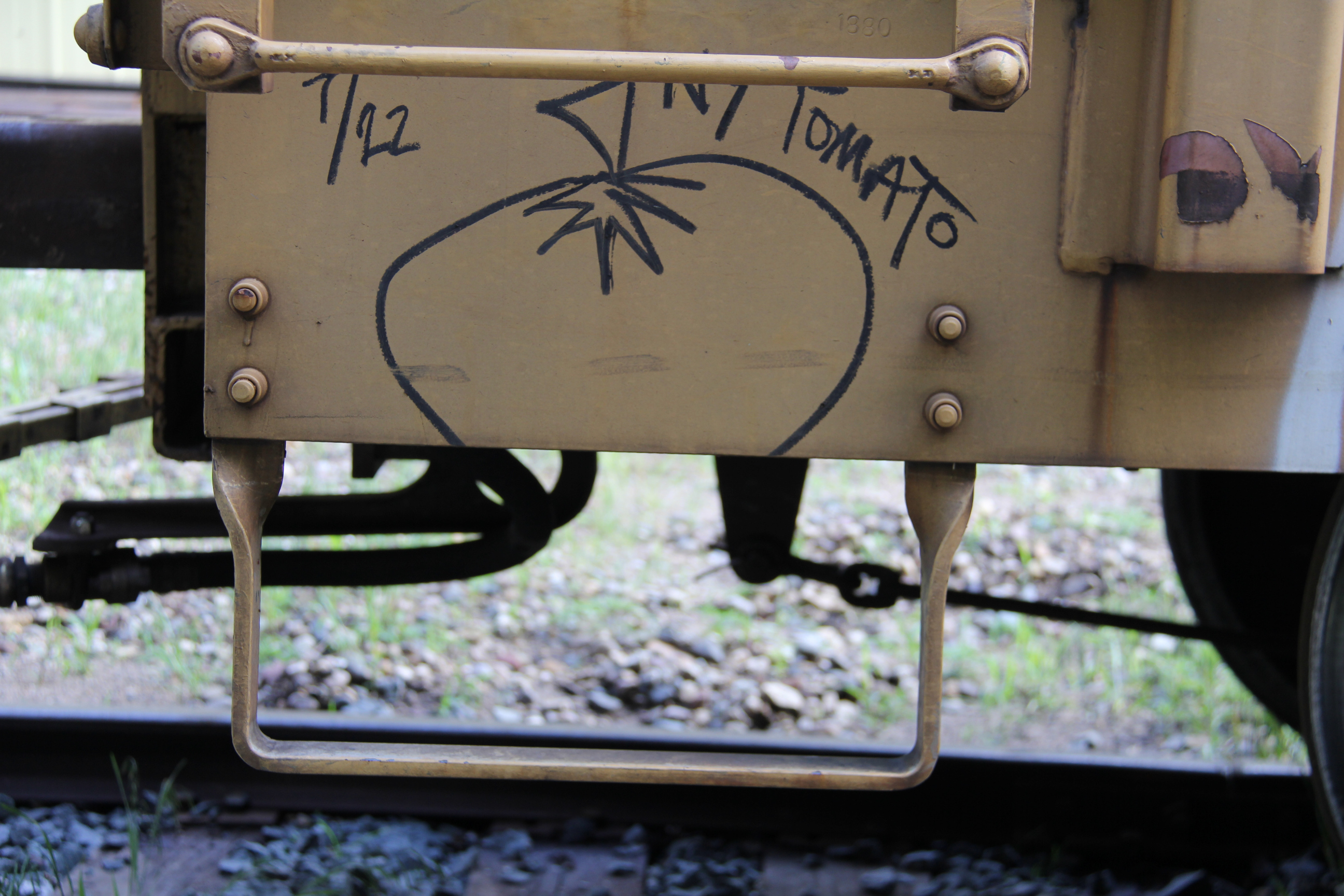
Signature or art, I’m unsure. (Minnesota Prairie Roots copyrighted photo 2024)
An artist’s tag…I think. (Minnesota Prairie Roots copyrighted photo 2024)

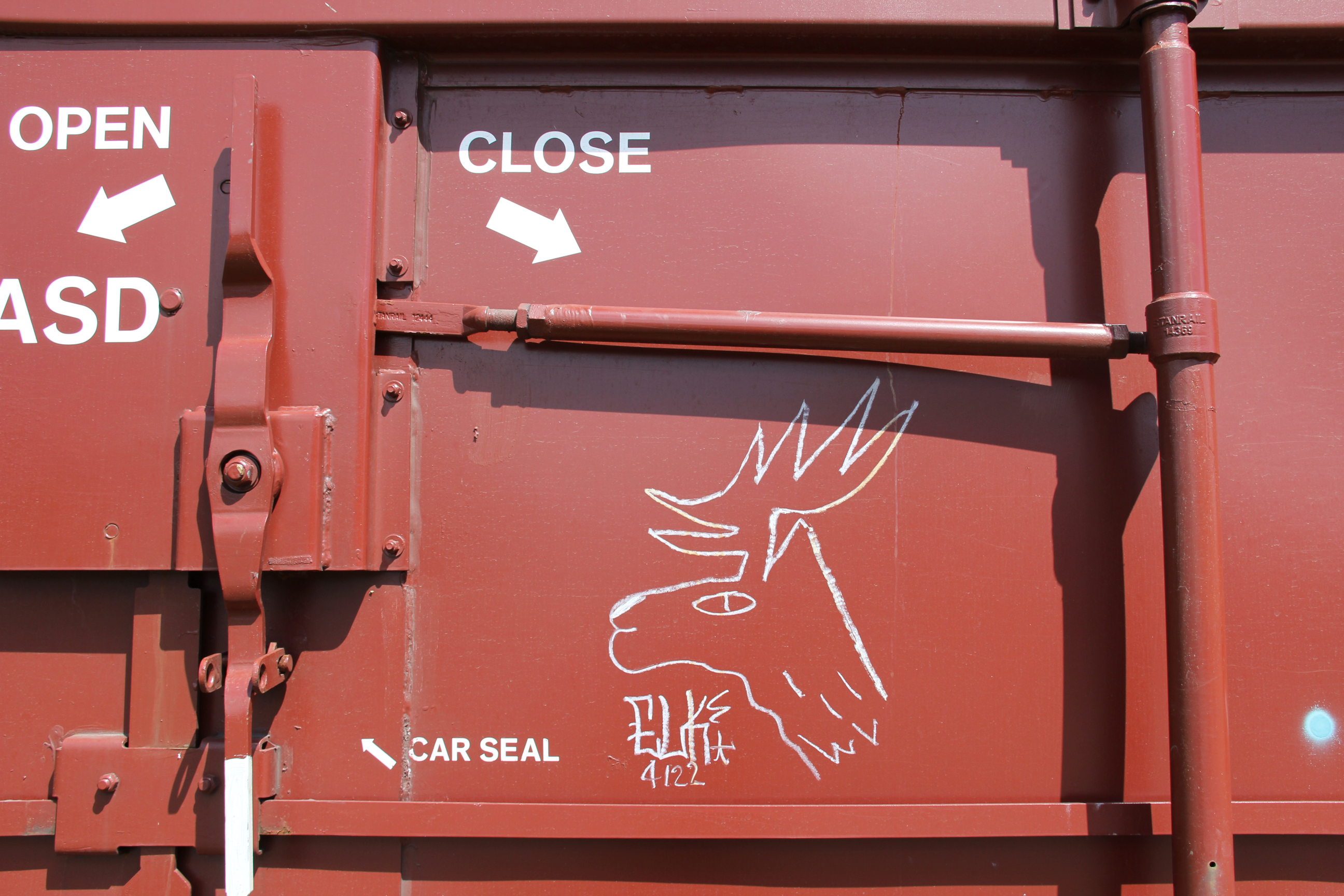
Other artists left their signatures, too, or what I can only assume are their signatures, along with dates, messages and social commentary. It’s all a bit of a mystery to me.

Some artists respectfully paint around official markings on rail cars. (Minnesota Prairie Roots copyrighted photo 2024)
An understandable commentary. (Minnesota Prairie Roots copyrighted photo 2024)
More art on boxcars. (Minnesota Prairie Roots copyrighted photo 2024)

But I appreciate the skill, the effort, the creativity, the vibrant hues that go into creating this art form. Long ago, hobos—who today would be termed as “homeless”—rode the rails and left their art upon boxcars primarily as a way to communicate. Train art has a longstanding history in this country.

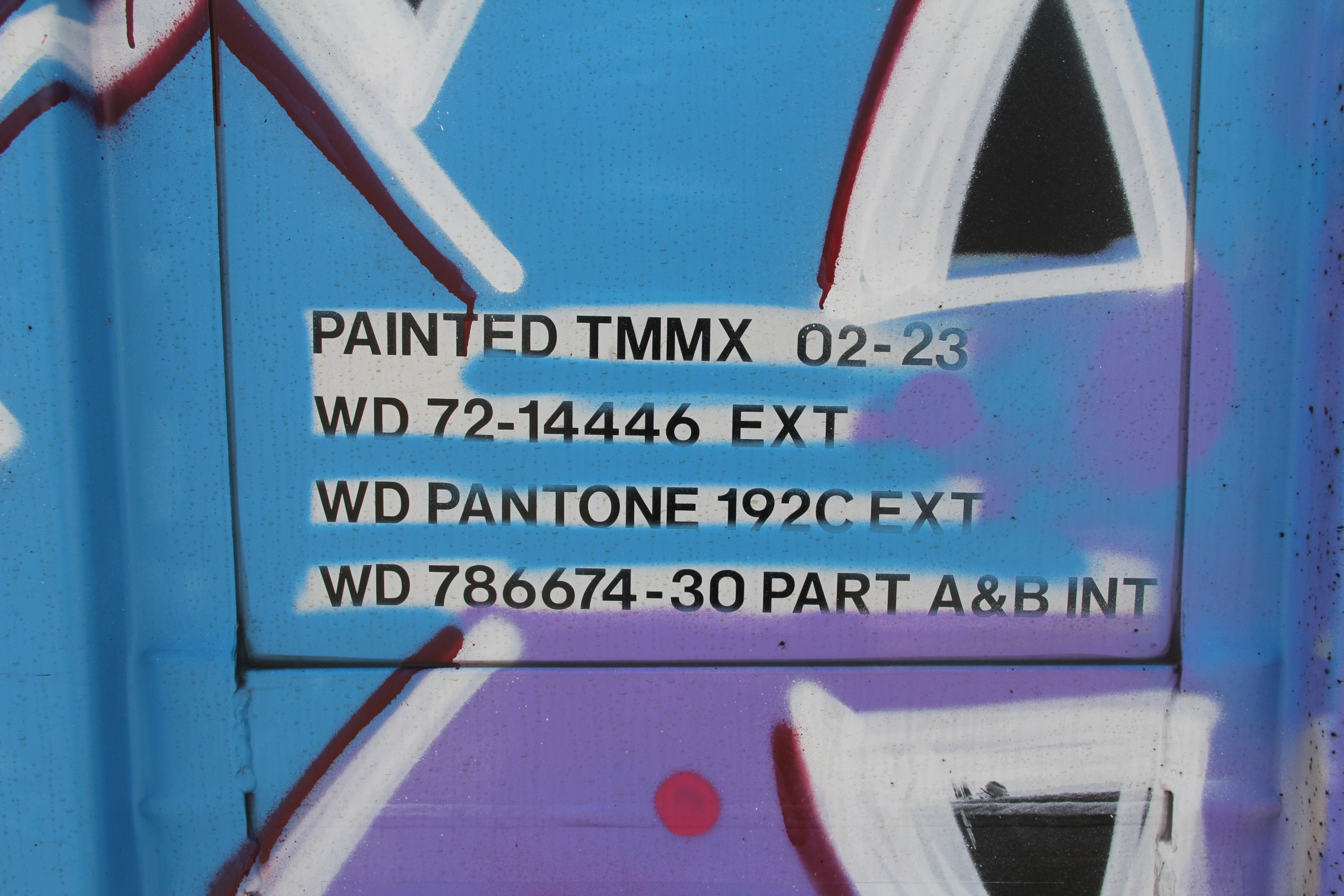
I found this humorous, painting around the word “PAINTED.” (Minnesota Prairie Roots copyrighted photo 2024)

And that continues today. Perhaps not in the same way. But assuredly as an art form. Or as graffiti, depending on perspective.

© Copyright 2024 Audrey Kletscher Helbling


A pause & a follow-up May 12, 2021

Graffiti on the Teepee Tonka Tunnel. Minnesota Prairie Roots copyrighted file photo May 2021.

SIX DAYS AGO I PUBLISHED a post, “From Faribault: When Graffiti Overtakes Nature & History,” which generated intense local interest. A Facebook group for people who grew up in Faribault linked to my post. And, no, this is not my hometown and I’m not on Facebook. But I have lived here for 39 years.

I appreciate the more than 1,500 views of that May 6 post. But I don’t appreciate some of the comments that followed. Let me explain.

The entry to the tunnel now covered with graffiti. Several years ago, the city installed lights inside the tunnel and painted over the graffiti. But the “art” is back. Minnesota Prairie Roots copyrighted file photo May 2021.

Initially, comments on my story about graffiti along the Teepee Tonka Trail leading into River Bend Nature Center, specifically inside an historic tunnel and on a footbridge over the Straight River, came from regular Minnesota Prairie Roots readers. They have no connection to my community. But I have an already established relationship with those readers, who comment often. So I approved their comments. Yes, I moderate replies to my posts.

Graffiti mars this footbridge across the Straight River along Teepee Tonka Trail. Minnesota Prairie Roots copyrighted photo May 2021.

PUSHING PAUSE ON COMMENTS

When comments began rolling in from those who followed the Facebook link, I pushed pause. I didn’t like much of what I was reading. The first comment, in fact, was threatening. I won’t give voice to those words here. But suffice to say that I felt uncomfortable with the message written by this anonymous individual.

Other writers used derogatory words to describe Faribault and the individuals creating graffiti. I may not like what these taggers are doing, but I also don’t like name-calling.

And I don’t like the negativity that all too often prevails about Faribault. Yes, people are entitled to their opinions. But it does no good to continually criticize. Every single community faces issues. Amplifying the negative rather than working toward improvement and resolution only perpetuates problems, or perceived problems.

The Straight River, as photographed from the footbridge along Teepee Tonka Trail. Minnesota Prairie Roots copyrighted photo May 2021.

THE POSITIVES OF FARIBAULT

Faribault is a place of incredible natural beauty from our many parks to the two rivers that run through to, yes, even that trail tracing to the tagged tunnel.

Faribault is a place where history matters, as evidenced in our downtown historic district, historic homes scattered throughout the city, aged churches, Shattuck-St. Mary’s School, Buckham Memorial Library and many more buildings. Even our viaduct. And the Central Park Bandshell. And the historic Faribault Woolen Mill. And, yes, even the 1937 Teepee Tonka Tunnel, hand dug by Works Progress Administration workers as a root cellar for the Minnesota School and Colony.

Faribault is a place of diversity. I welcome our immigrants, who often fled horrendous situations in their native countries. I value opportunities to learn more about their cultures and have always appreciated the work of The Faribault Diversity Coalition.

Faribault is a place of family and community connections. Although I am not rooted here by birth or upbringing, I see generations of families who have called Faribault home. And I wonder sometimes if that’s partially why negativity rises. Sometimes it takes leaving a place, and then returning, to appreciate its good qualities.

Faribault is a place of art. From the many downtown murals to the Tiffany stained glass windows in some historic buildings, to the Paradise Center for the Arts and more, we are a community filled with art and creatives. And, yes, that includes the graffiti artists. When I viewed their art, I couldn’t help but appreciate their talent. Not the content (especially the profanity) or the location of their art, but their skills as artists. If only their art could be channeled into something positive. Yes, perhaps that is a Pollyanna perspective.

An especially bright spot in the heart of downtown Faribault is the Second Street Garden, a pocket garden with positive messages like this one. Minnesota Prairie Roots copyrighted file photo August 2019.

BEYOND WORDS

Some who commented on my initial blog post called for painting over the tunnel graffiti and one (a professional painter) offered to take on that task. That seems a good start, or restart as it’s been done before. Of course, that requires time, money (perhaps via a Community Pride Grant from the Faribault Foundation), effort and tenacity. But, as one individual commented, “This town could use a lot of TLC everywhere.” I don’t disagree.

It’s up to each of us to make that happen. To care. To act. To love. To go beyond words typed on a keyboard.

Note: I moderate all comments on my blog. Because this is my personal blog, I decide whether or not to publish comments.

© Copyright 2021 Audrey Kletscher Helbling


From Faribault: When graffiti overtakes nature & history May 6, 2021

A view of the Straight River and the railroad bridge crossing it, photographed from the footbridge. Minnesota Prairie Roots copyrighted photo.

IF NOT FOR THE OFFENSIVE GRAFFITI, the natural setting would be particularly inviting. But obscene words and disturbing messages kept me from fully enjoying the trail leading from Faribault’s Teepee Tonka Park into River Bend Nature Center.

Along the trail from Teepee Tonka Park into River Bend Nature Center, I saw trees tagged with graffiti. Here I’m approaching the footbridge crossing the Straight River. Minnesota Prairie Roots copyrighted photo.

Even trees were tagged with paint. That’s a first.

Randy looks over the Straight River. Minnesota Prairie Roots copyrighted photo.

On the footbridge which spans the Straight River, I found the most disturbing of accusations—J**** killed my mother. That shifted my already on-alert mode to what the h*** is going on in these woods? I read derogatory comments about Faribault. And I thought, why do those who hate this community so much stay here?

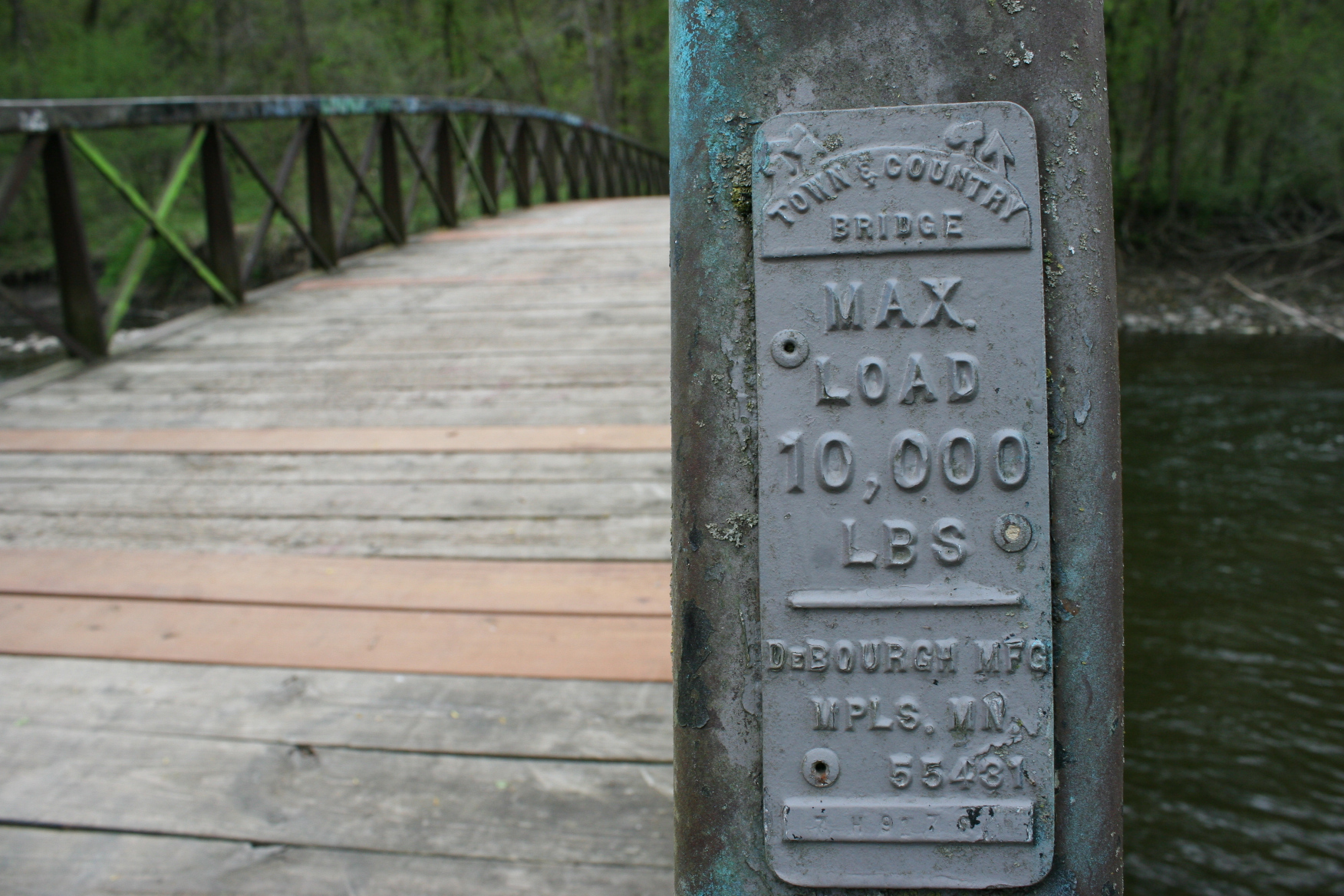
This marker on one end of the bridge remains unmarred. Minnesota Prairie Roots copyrighted photo.

I tried to overlook all that awful graffiti, but it was just too much to dismiss. I wouldn’t bring a child here, not one who can read anyway.

I expect there’s a story behind this beautiful railroad bridge over the Straight River. Minnesota Prairie Roots copyrighted photo.

Yet, there’s much to see and appreciate here, if you look beyond the tagging, the offensive messages. Nature and history intertwine, leaving me with more questions than answers.

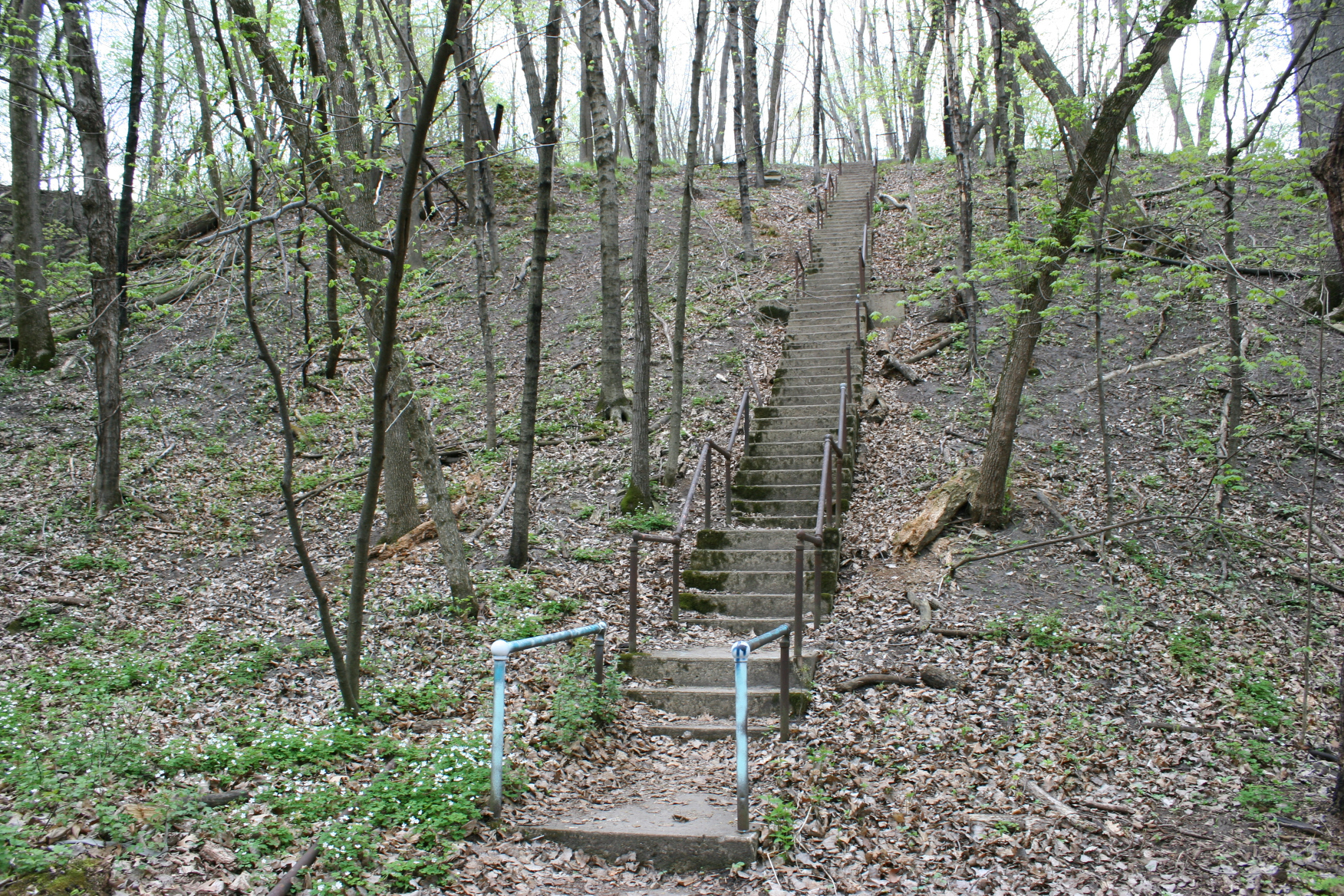
I felt tempted to climb these stairs, but didn’t have the energy. Minnesota Prairie Roots copyrighted photo.

A lengthy stairway climbs a hillside. Slabs of limestone and chunks of concrete—perhaps foundations of long ago buildings—cling to steep banks.

Graffiti mars the tunnel entrance. Minnesota Prairie Roots copyrighted photo.

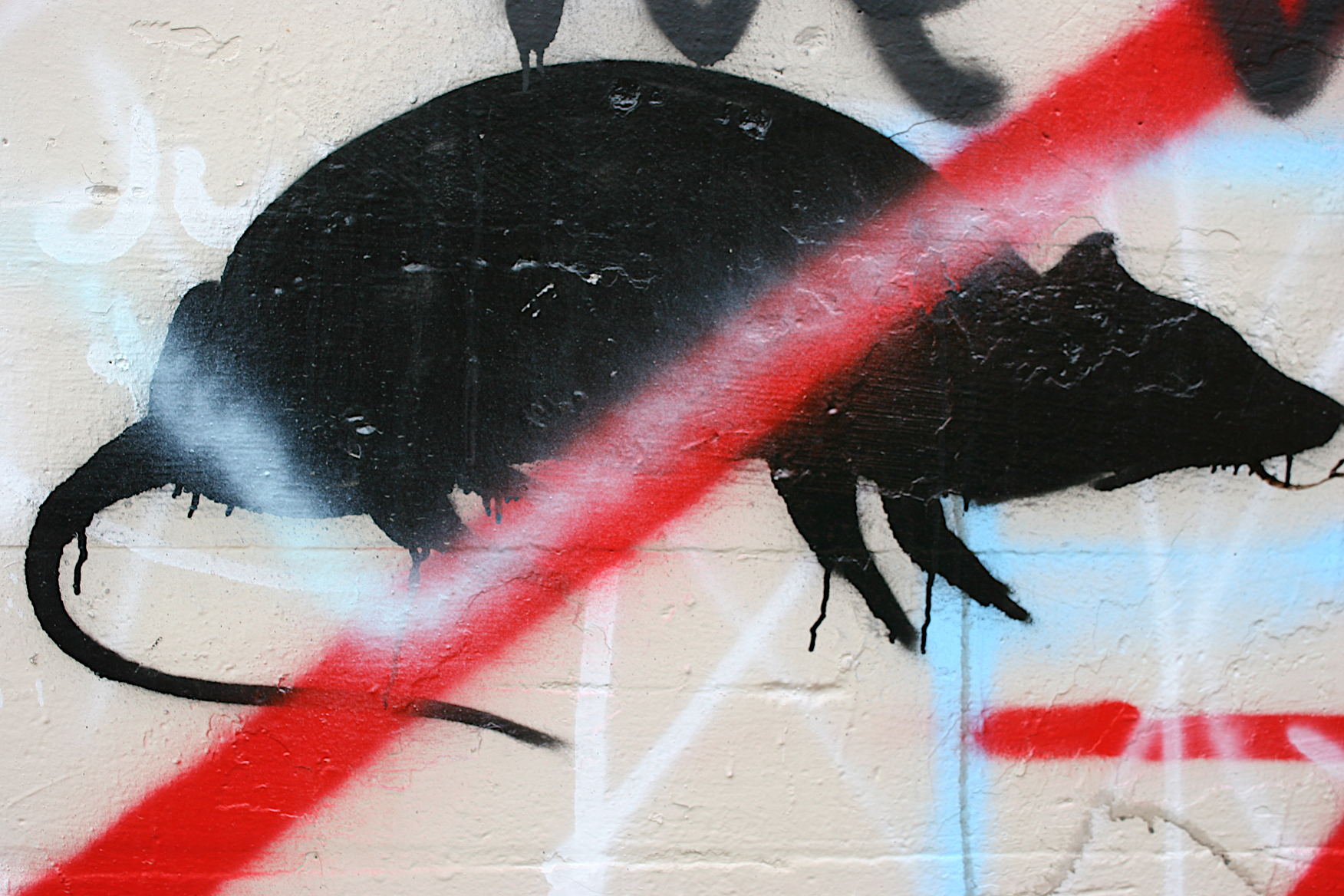
And then there’s the tunnel. The 442-foot-long tunnel, which I refused to enter. One look at the graffiti at the entry, especially the rat art, and I knew, no way, would I walk through that former root cellar. So I photographed that space, editing out the obscenities (which proved nearly impossible).

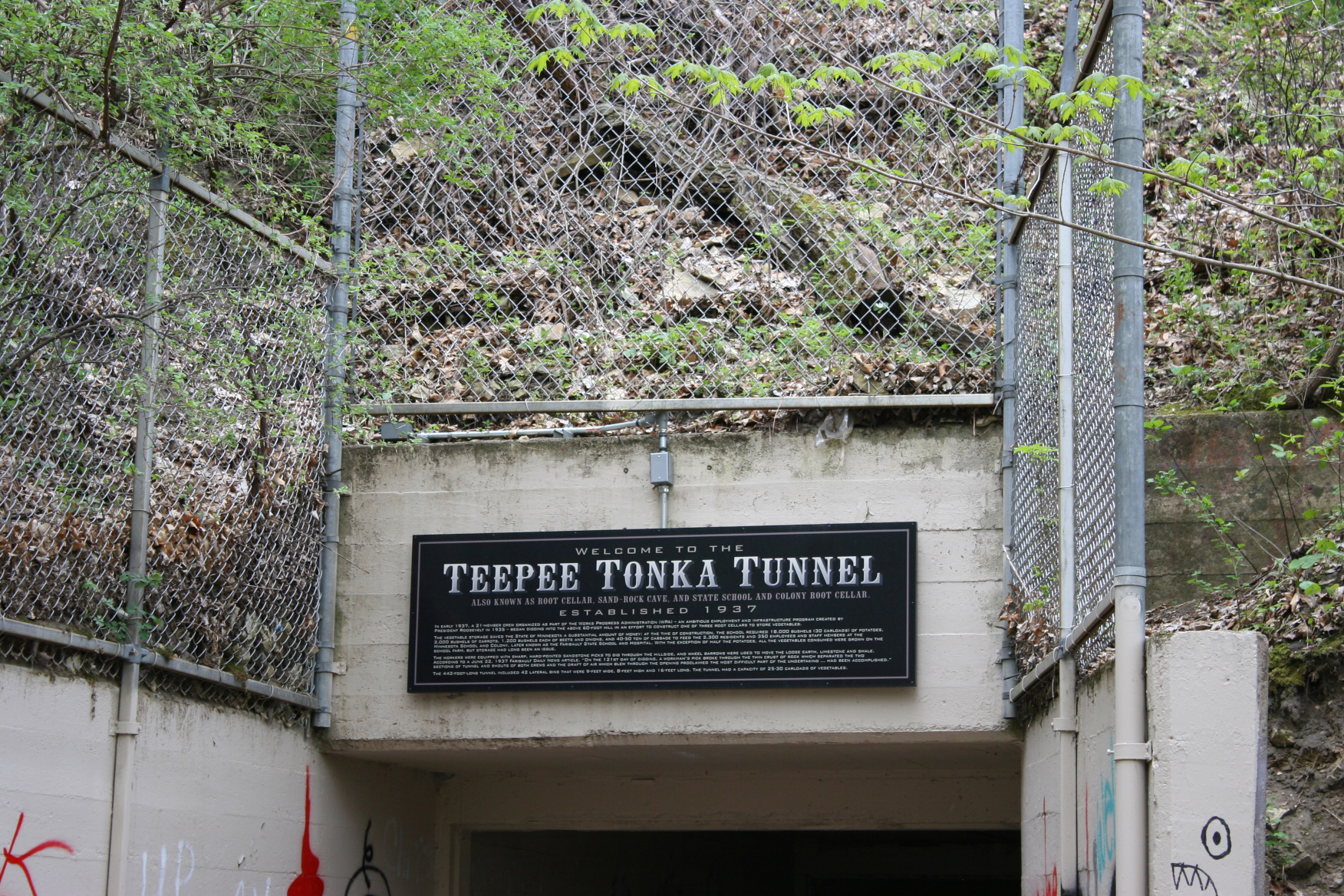
A sign above the tunnel details its history. Minnesota Prairie Roots copyrighted photo.

And I photographed the sign above, which summarizes the history of this 1937 Works Progress Administration project. Workers hand dug the tunnel with picks, hauling the dirt and rocks away with wheelbarrows. Once complete, the tunnel served as a root cellar for the Minnesota School and Colony (later known as The Faribault State School and Hospital). The Teepee Tonka Tunnel once held 25-30 carloads of vegetables to feed the 2,300 residents and 350 employees. Most of those potatoes, carrots, beets, onions and cabbage were grown on the school farm.

Another snippet of the tunnel graffiti. Minnesota Prairie Roots copyrighted photo.

Now the history, the hard work, the humanity were dishonored by those who use this as a canvas for words and art that shouldn’t be here.

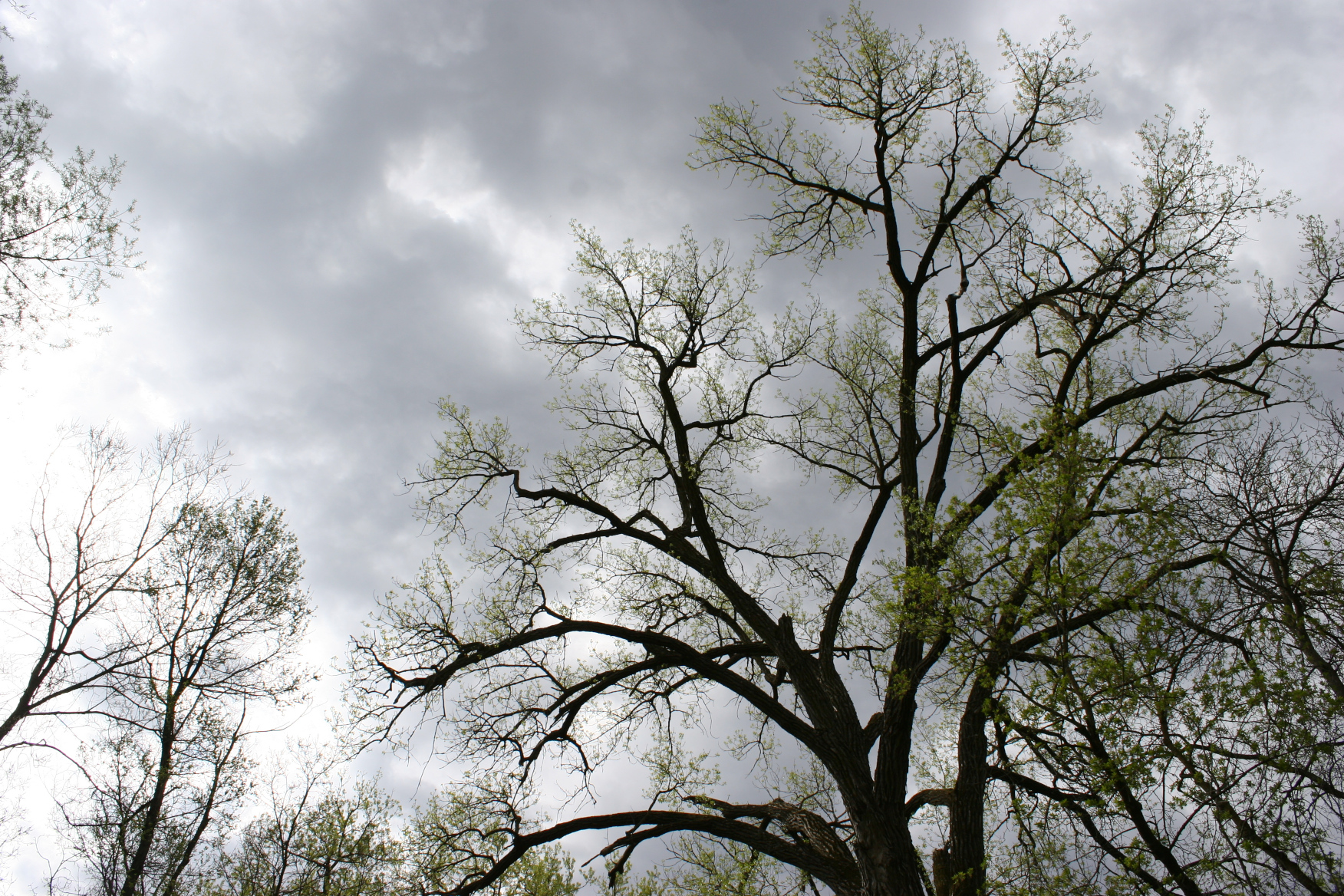
Trees tower over the trail. Minnesota Prairie Roots copyrighted photo.

All of this saddened me as I retraced my steps, watched as a young man walked along the railroad tracks, backpack strapped on, county music blaring. This should be a place of peace. Not only noise-wise, but also mentally. I pictured picnic tables near a footbridge devoid of menacing messages. I pictured a beautiful natural setting where I could bring my grandchildren. But, in reality, I understood that those tables would only be defaced, maybe even burned.

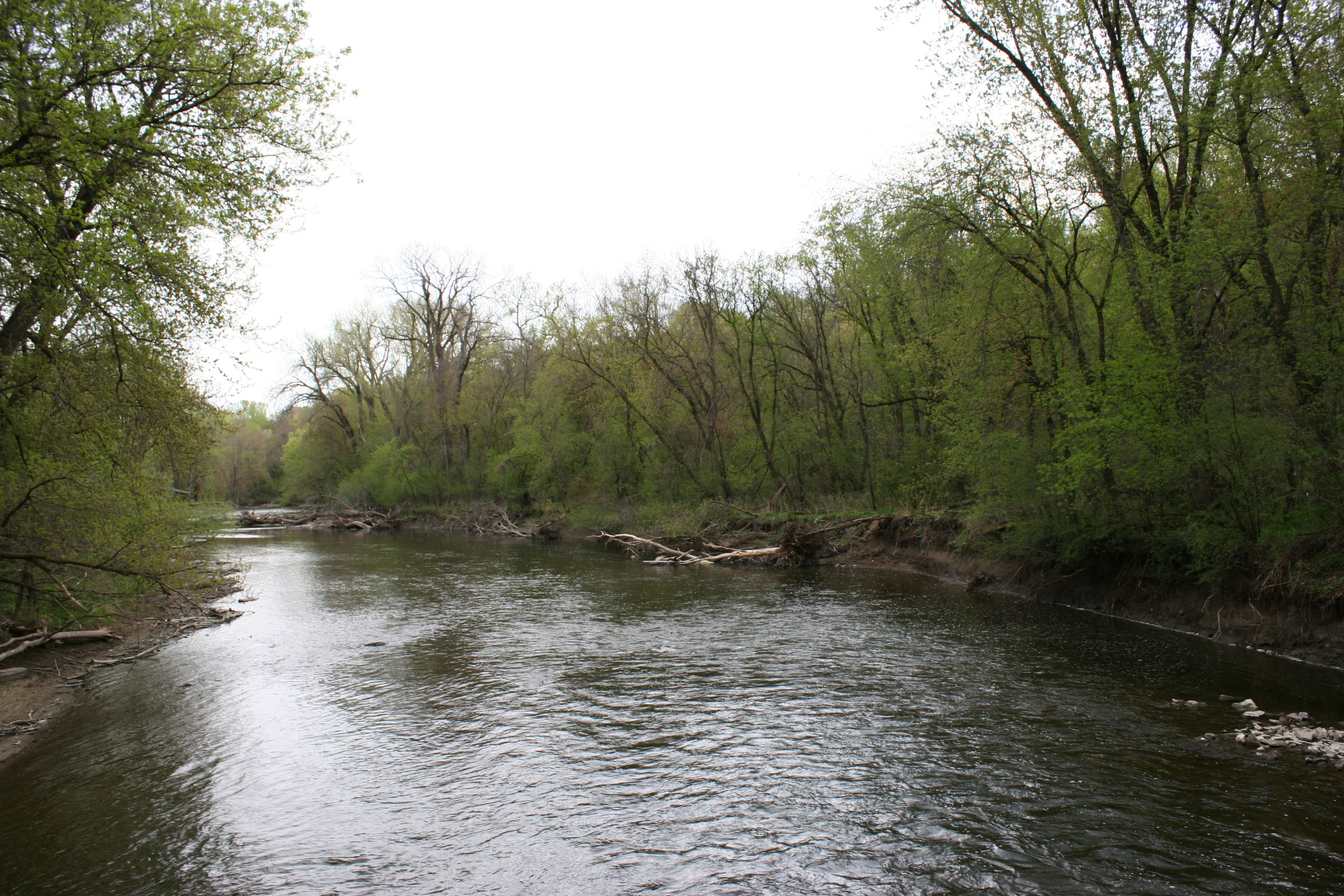
The beautiful Straight River, which winds past Teepee Tonka Park and River Bend Nature Center. Minnesota Prairie Roots copyrighted photo.

This could be so much. A respite. Water and woods converging. River flowing with history. Images of men hard at work tunneling into a 60-foot high hill. I could envision all of that…the possibilities beyond that which I’d seen.

© Copyright 2021 Audrey Kletscher Helbling


Boxcar art April 29, 2019

Filed under: Uncategorized — Audrey Kletscher Helbling @ 5:00 AM
Tags: , , , , , , ,


WHENEVER I SEE BOXCAR ART, I wonder. I wonder about the artists, what inspires them, why they choose boxcars as their canvas.


Are they sending a message? Marking territory? Vandalizing?


And when do they paint?


So many questions pop into my mind as I lift my camera and aim the lens toward the mobile art. Where are these phantom artists who create these traveling galleries of art?


© Copyright 2019 Audrey Kletscher Helbling


Mobile graffiti March 18, 2016

Filed under: Uncategorized — Audrey Kletscher Helbling @ 5:00 AM
Tags: , , , , ,

Photographed on the campus of St. Olaf College, Northfield, Minnesota.

Photographed on the campus of St. Olaf College, Northfield, Minnesota.

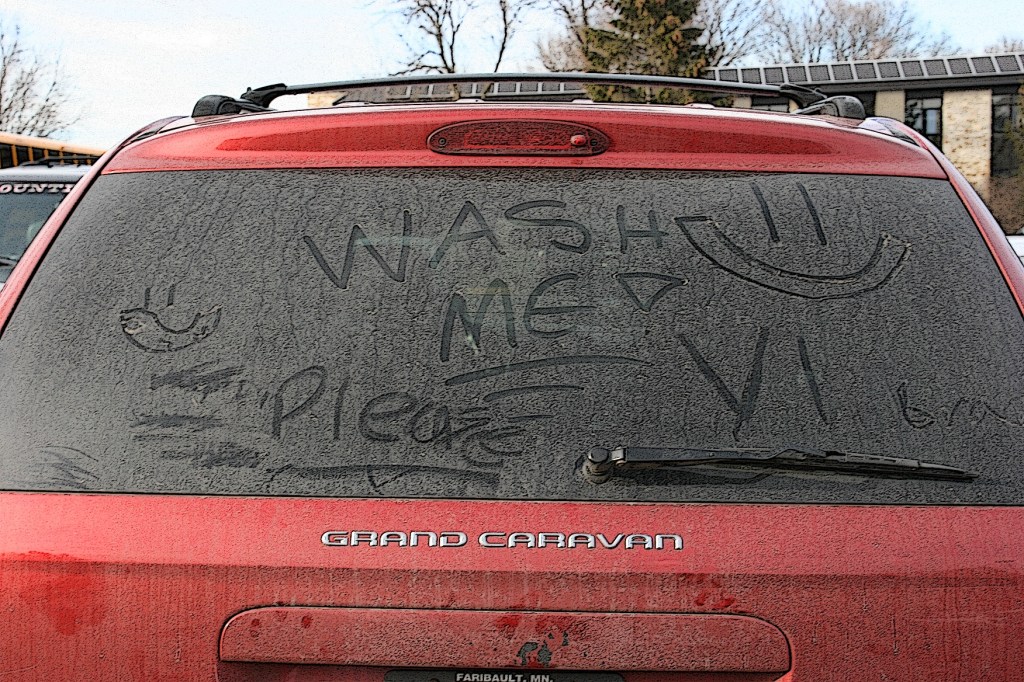
THIS TIME OF YEAR, vehicles in Minnesota can get mighty filthy. Road spray films windows with grime. Mud kicks onto fenders.

And the graffiti artist sees opportunity on a mobile canvas.

© Copyright 2016 Audrey Kletscher Helbling
 

Leaving my mark in a Hastings antique shop October 31, 2012

I’VE NEVER INKED my name onto a desktop, never etched my name into a picnic table nor my initials into the bark of a tree.

But I left my mark recently in a Hastings antique shop, because, well, I could.

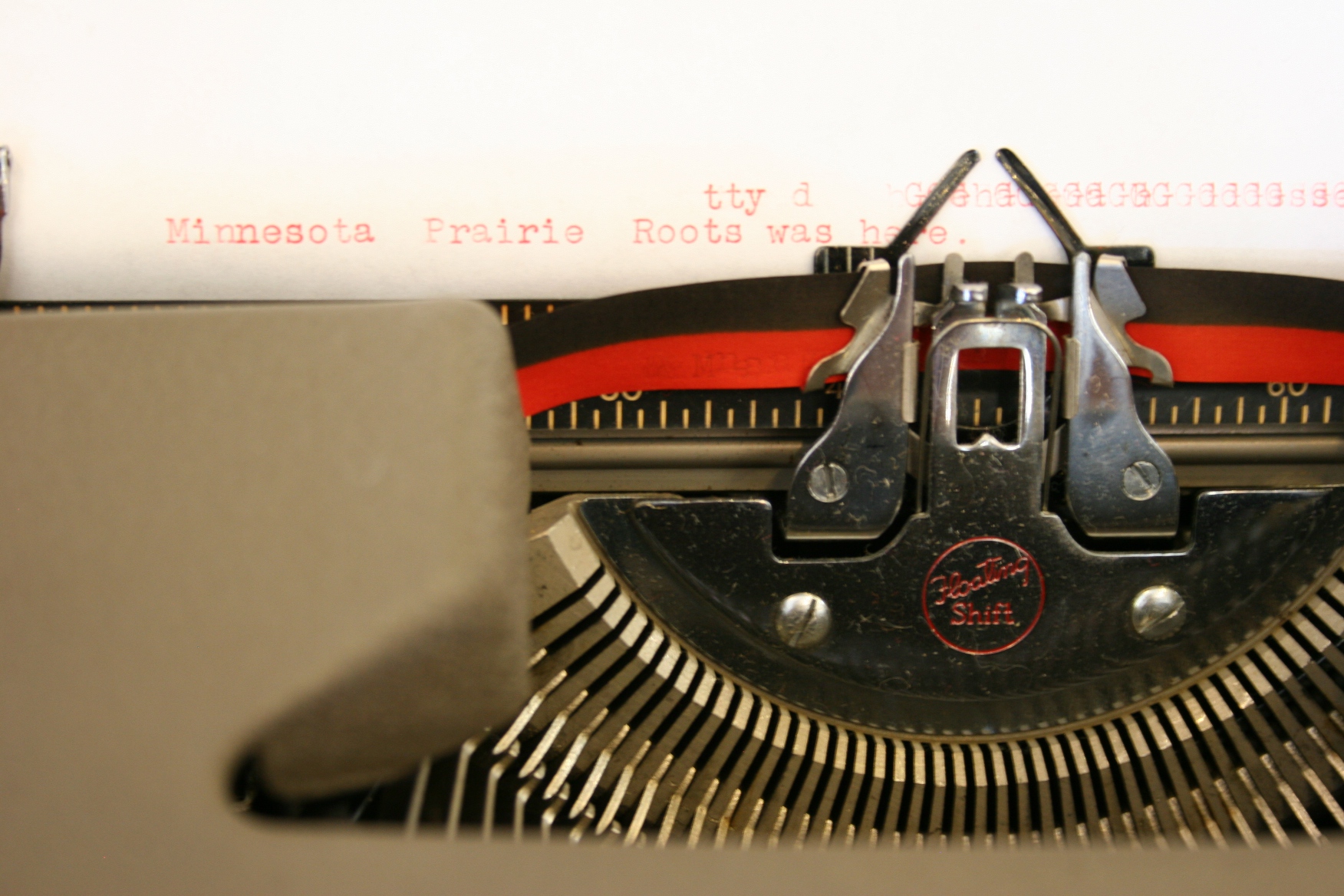
I stood before the vintage Smith-Corona Floating Shift typewriter in The Emporium and pounded out this message: Minnesota Prairie Roots was here. Clack, clack, clack, clack… Twenty-nine times.

The message I left at The Emporium.

And I didn’t even make a typo, but felt a surge of Lutheran guilt at my self-centered promotion of my blog.

“Who would read this?” I wondered. “A customer? Management?”

Then, in an automatic reflex, I pulled my Canon EOS 20D camera to my eye and photographed the evidence. I would not make a good graffiti vandal.

However, from an artistic perspective, I fell in love with the photo—the simplicity of the image with its strong lines, its fuzzy quality (who says sharp focus is always best in photos?), its artsy quality and the red bands of ribbon and of words.

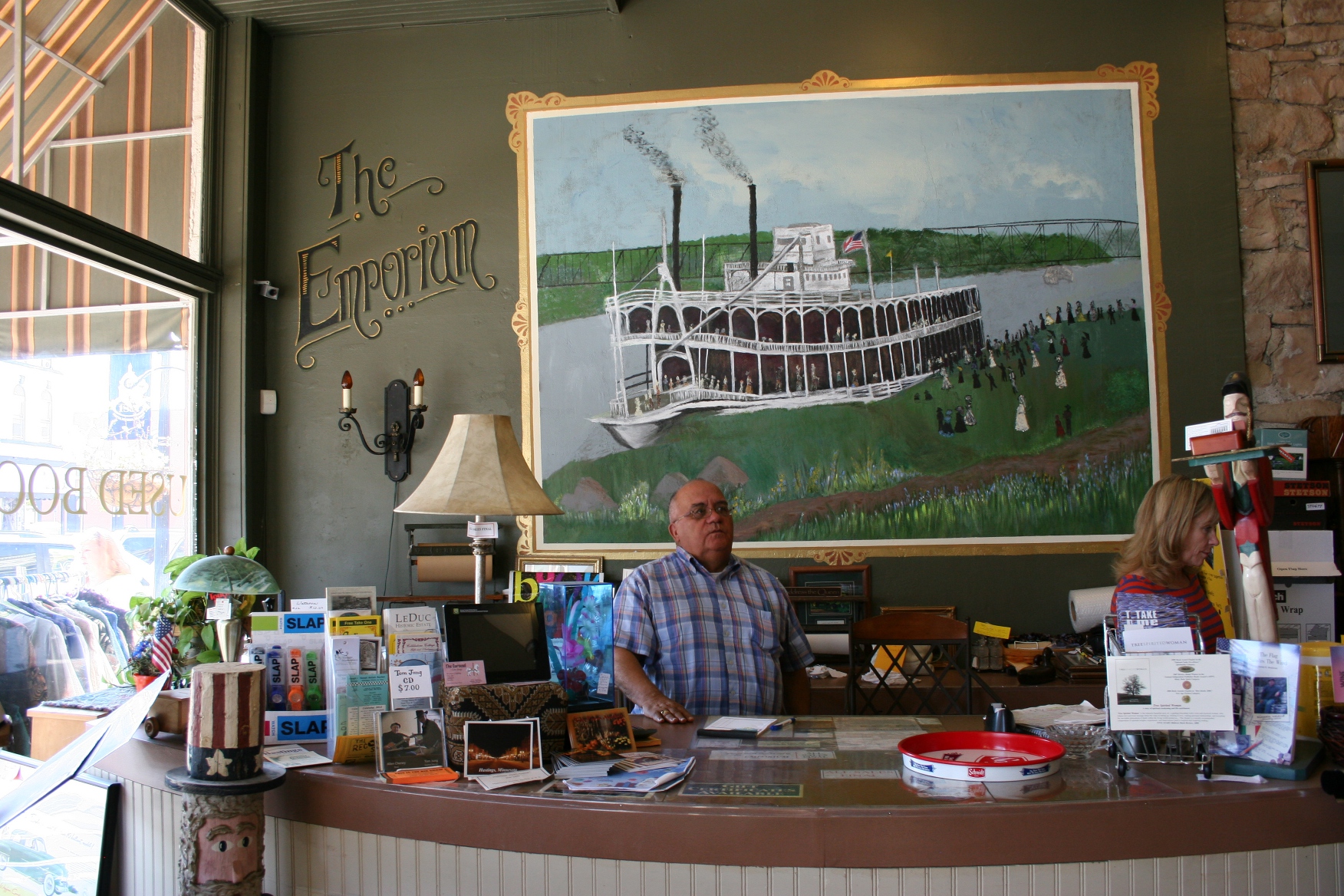
The gracious Emporium staff allowed me to photograph them.

So as to redeem myself for my self-indulgent infraction, I photographed the staff at the counter—they had no idea what I had typed onto that sheet of paper.

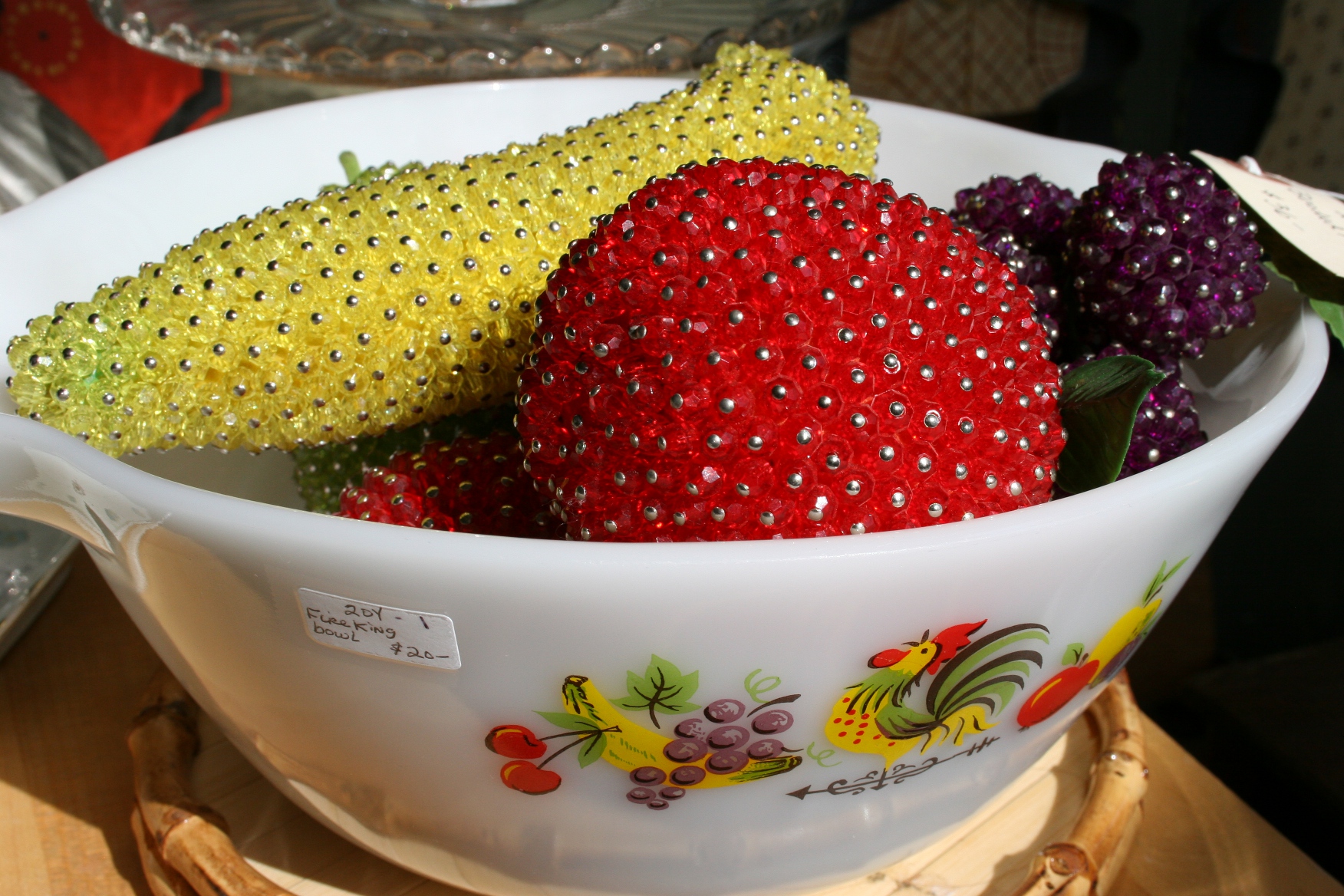
And just to make sure I’ve totally redeemed myself, I’m showing you several pieces of merchandise which particularly caught my eye on the second floor of this spacious, lovely and historic building.

Just loved this Fire King piece and this fruit. Should have bought it.

Artsy and lovely and beautiful.

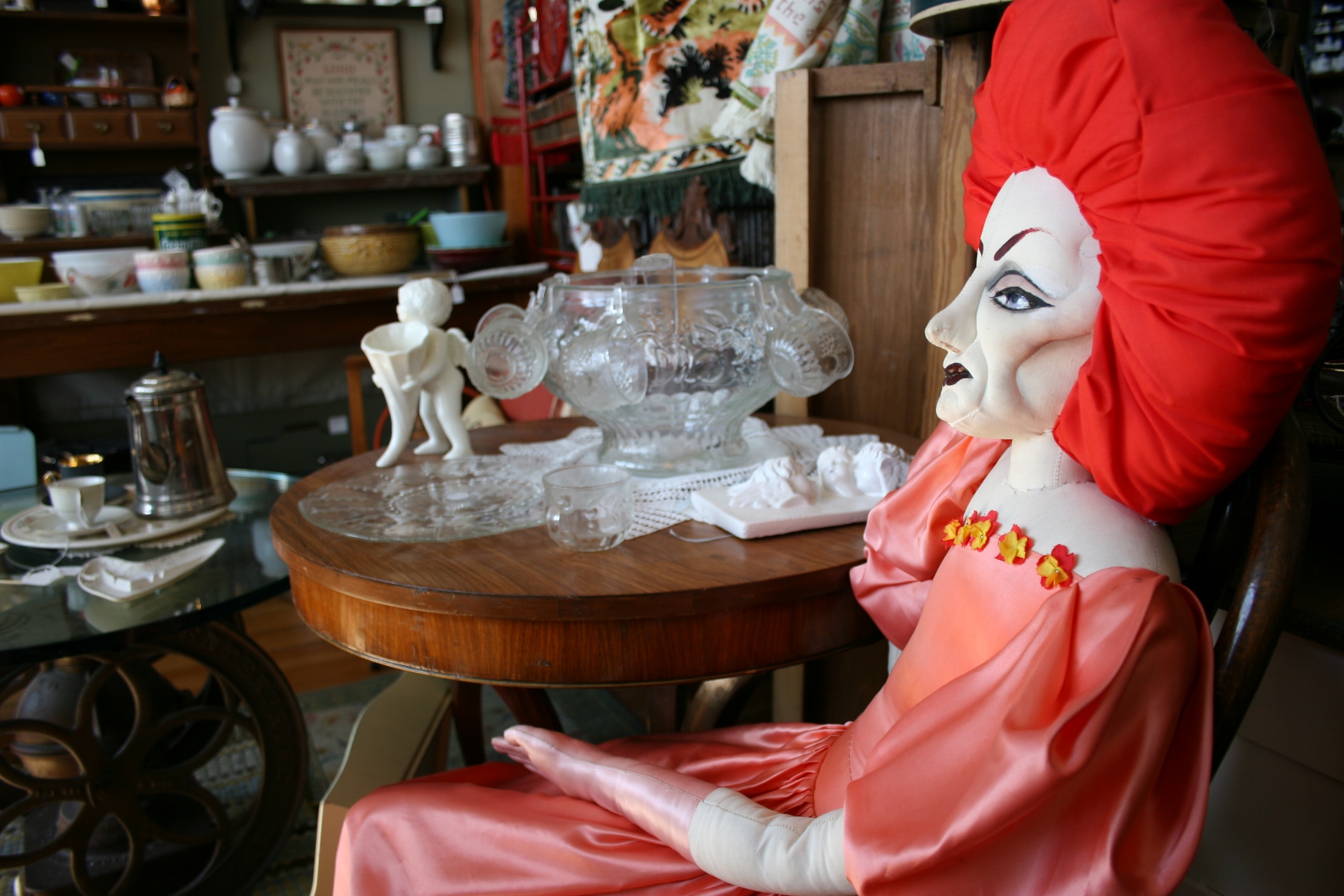
I have no idea of the identity of this flaming orange-haired woman. I could think only of Cruella de Vil dressed for Halloween.

FYI: Click here to learn more about The Emporium, 213 East Second Street, Hastings, Minnesota.

The lovely architecture of The Emporium.

CLICK HERE TO READ a previous post from the Mississippi River town of Hastings, Minnesota, which brims with antique shops in its historic downtown.

© Copyright 2012 Audrey Kletscher Helbling
 

Land of the FREE July 30, 2012

Filed under: Uncategorized — Audrey Kletscher Helbling @ 7:28 AM
Tags: , , , , , , ,

Bridge graffiti along Minnesota Highway 28.

DO YOU EVER WONDER—because I do—how, when and why graffiti is spray painted onto bridges, buildings, boxcars and elsewhere?

Do these artists/vandals/rebels/criminals (choose the noun that fits) plot and then sneak, in the cover of darkness, to scrawl their messages and art upon these very public canvases?

Why?

Who are these defiers of rules?

Did they scribble with crayons on walls while growing up? Did they doodle in notebooks when they should have been doing homework? Are they reckless and wild or the girl/boy next door accepting a dare?
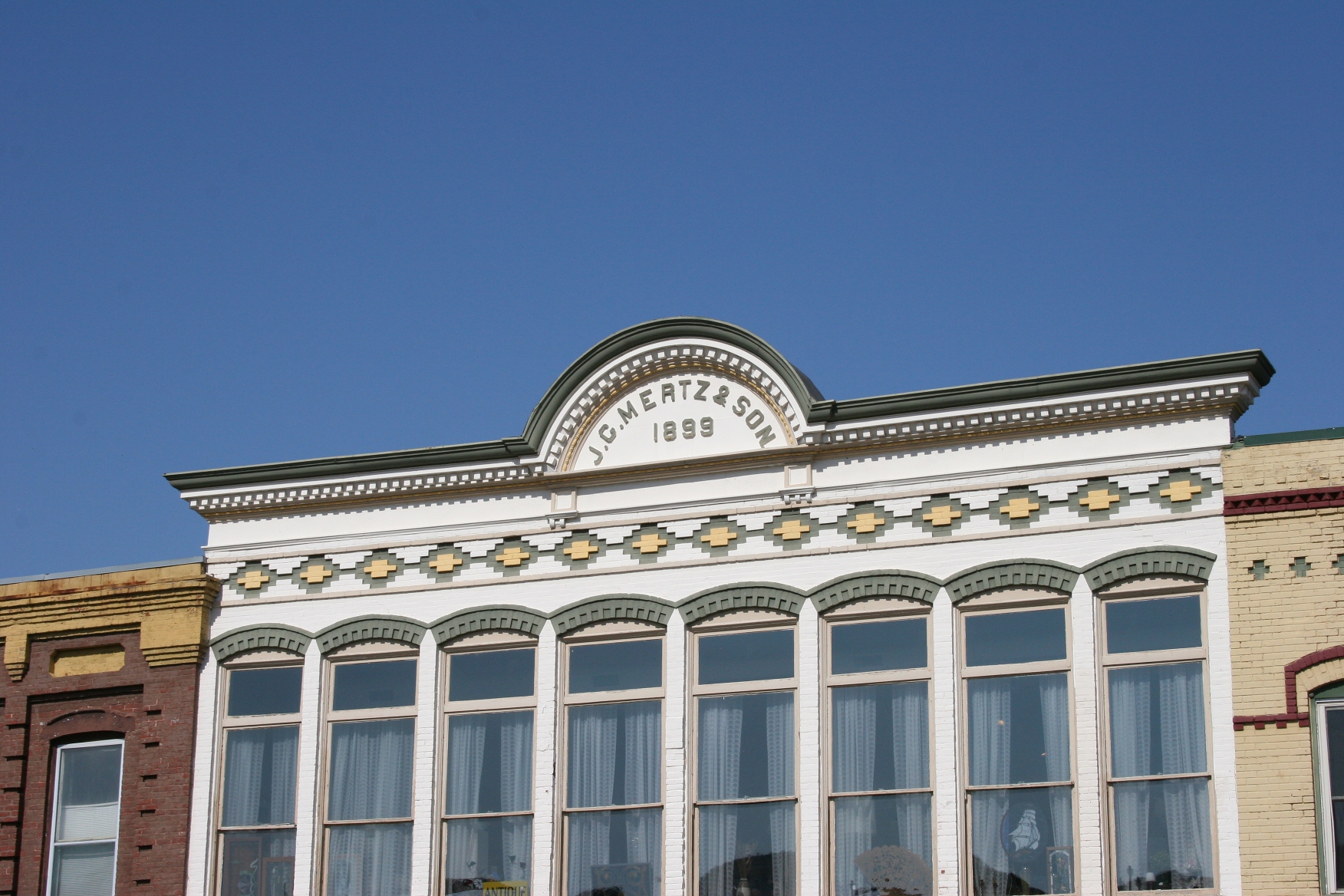
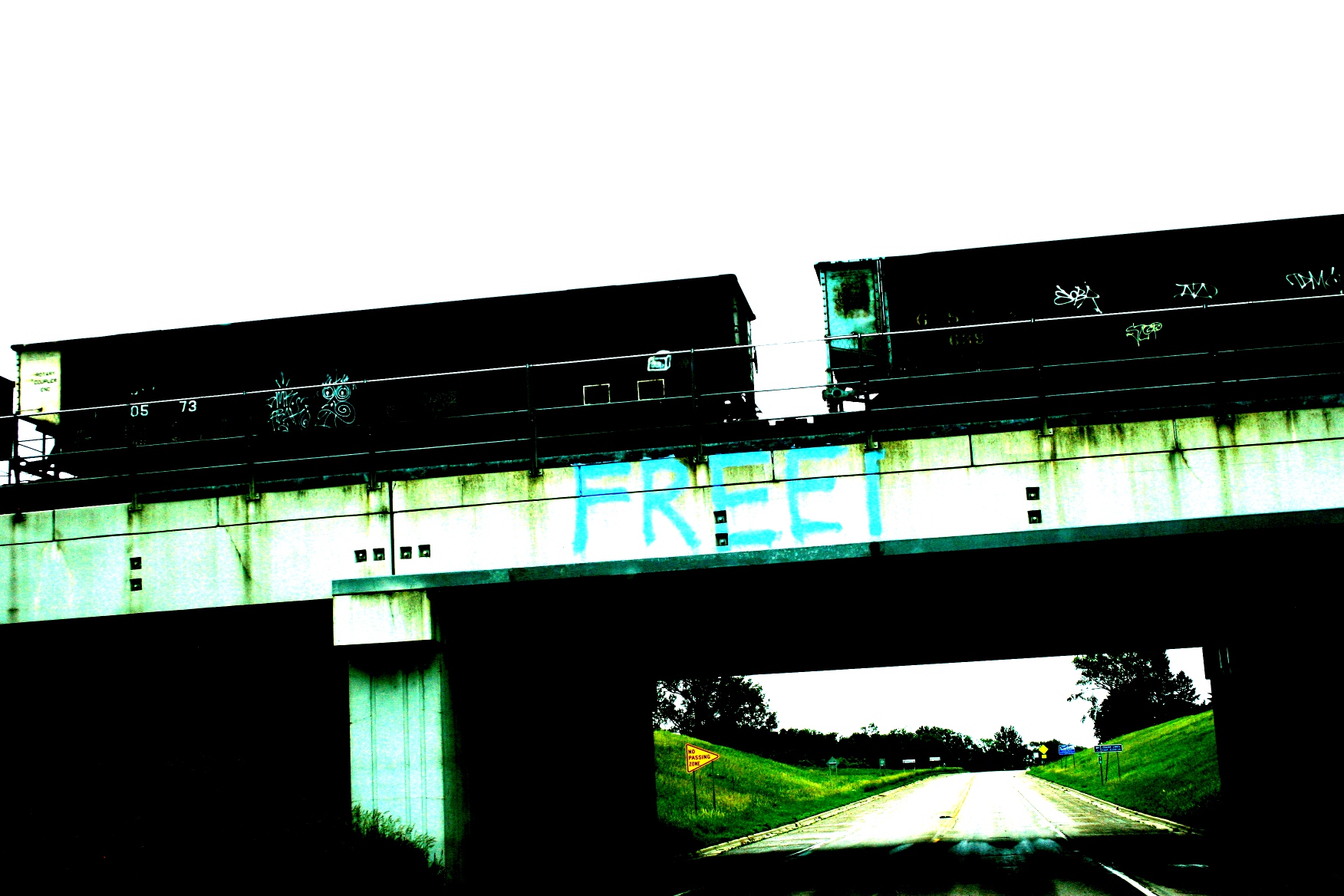
I’ve never known a graffiti artist, although I’d like to meet the one who block-letter-printed “FREE” on this train overpass along Minnesota State Highway 28 between Morris and Sauke Centre.

I’d ask him/her, “Why did you choose that word, ‘FREE?’”

Have you freed yourself from something? Have you set someone free? Or do you simply appreciate what it means to live in the land of the free?

© Copyright 2012 Audrey Kletscher Helbling