Minnesota Prairie Roots

Writing and photography by Audrey Kletscher Helbling

Of monarch butterflies & milkweeds August 14, 2023

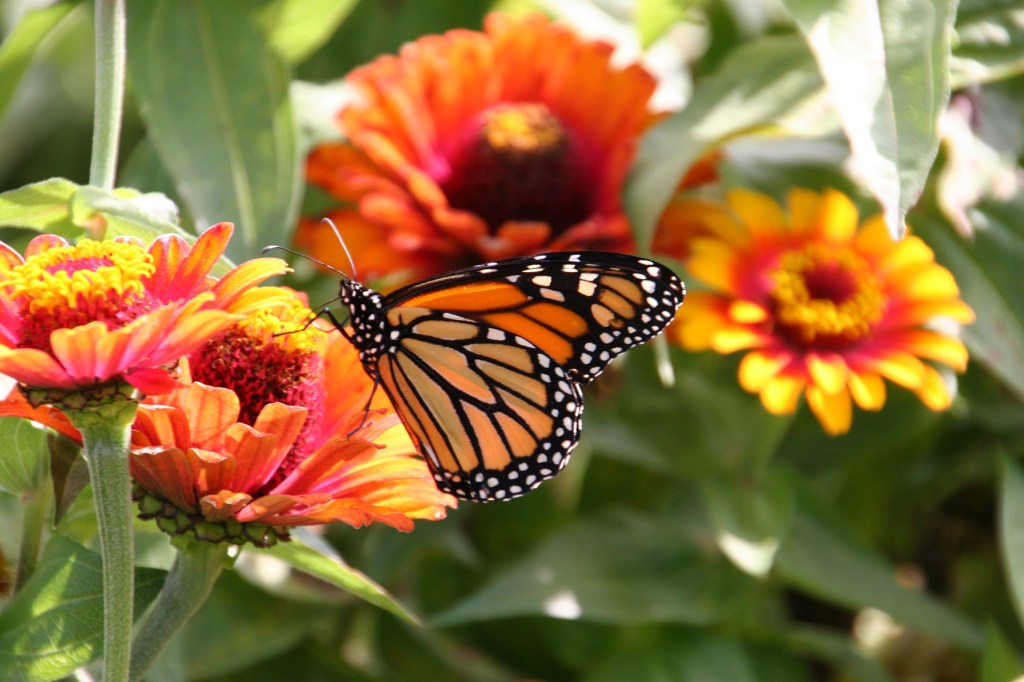
Monarch on milkweed flower at the Rice County Master Gardeners Teaching Gardens, Faribault. (Minnesota Prairie Roots copyrighted photo June 2023)

ADMITTEDLY, A TIME EXISTED when I considered milkweeds to be, well, weeds. A weed, by definition, is an unwanted plant. And my farmer dad didn’t want milkweeds growing in his Redwood County soybean fields. So we—meaning me and my siblings—were instructed to eradicate milkweeds, cockle burrs and thistles while walking beans.

If the term “walking beans” is unfamiliar, it simply means walking between soybean rows to remove weeds either via pulling or hoeing, preferably yanking so as to assure root removal. This was a necessary, albeit unpleasant, task assigned to farm kids who labored and sweated under a hot summer sun. The reward was a clean field. And a grateful farmer father.

Occasionally, this job paid…if done for anyone other than Dad. One summer my cousin John hired my sister Lanae and I and two of our cousins to walk his beans. As the oldest among the four, I was the designated crew leader, quickly thrust into settling arguments between my two cousins. I decided then and there that I wasn’t management material.
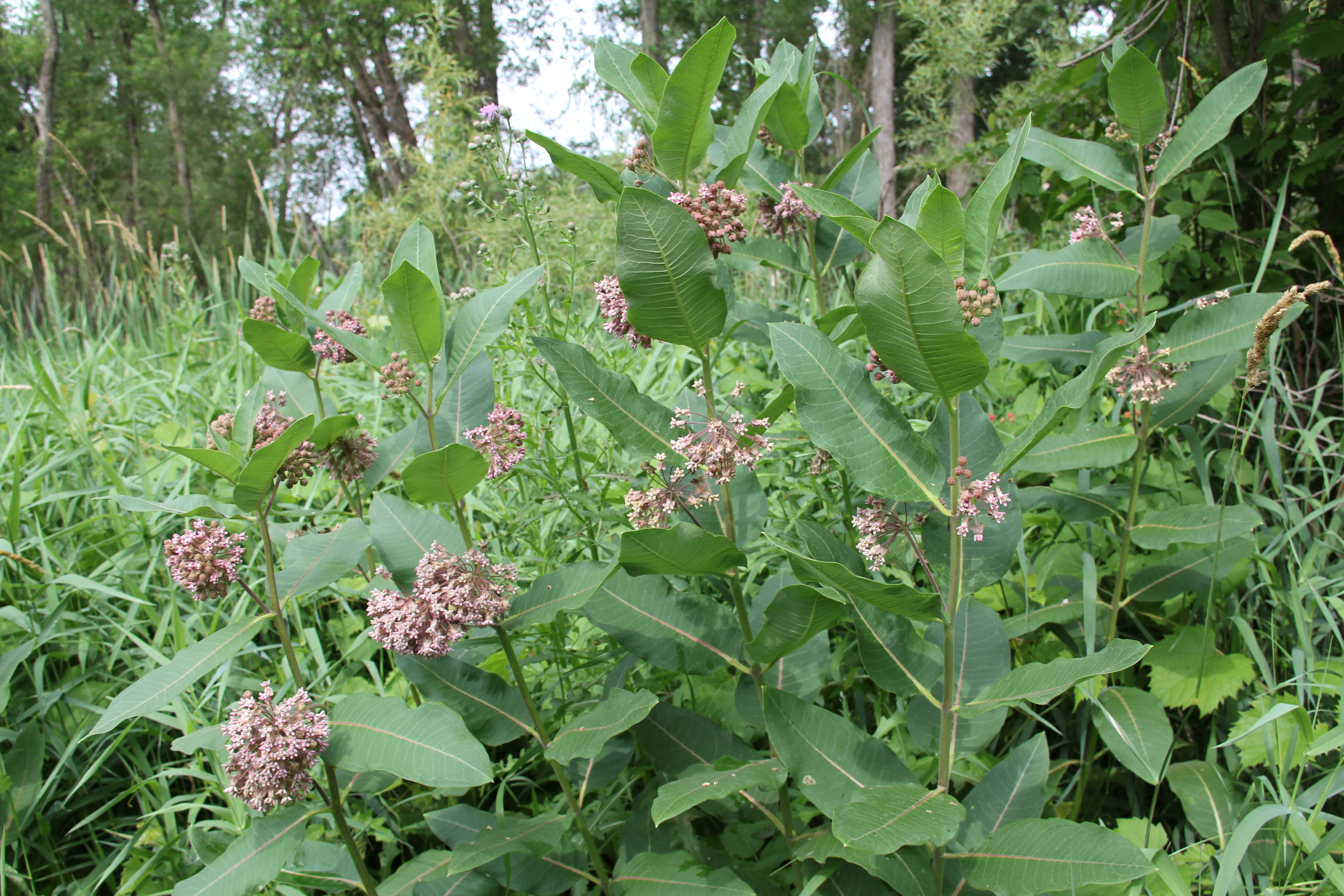
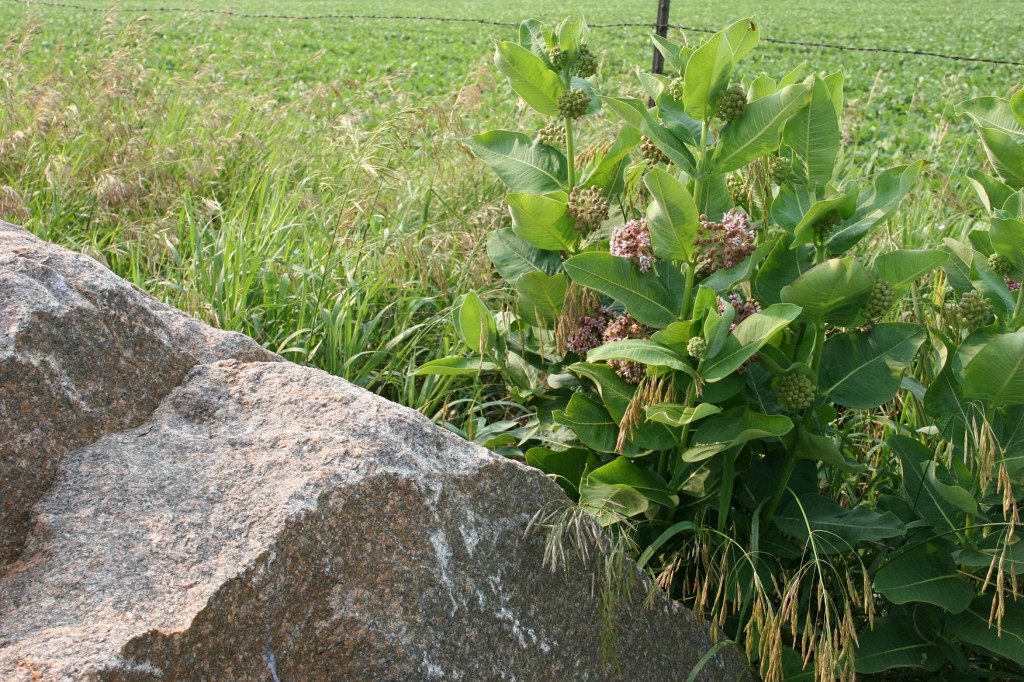
Milkweeds flourish at River Bend Nature Center, Faribault. (Minnesota Prairie Roots copyrighted photo July 2023)

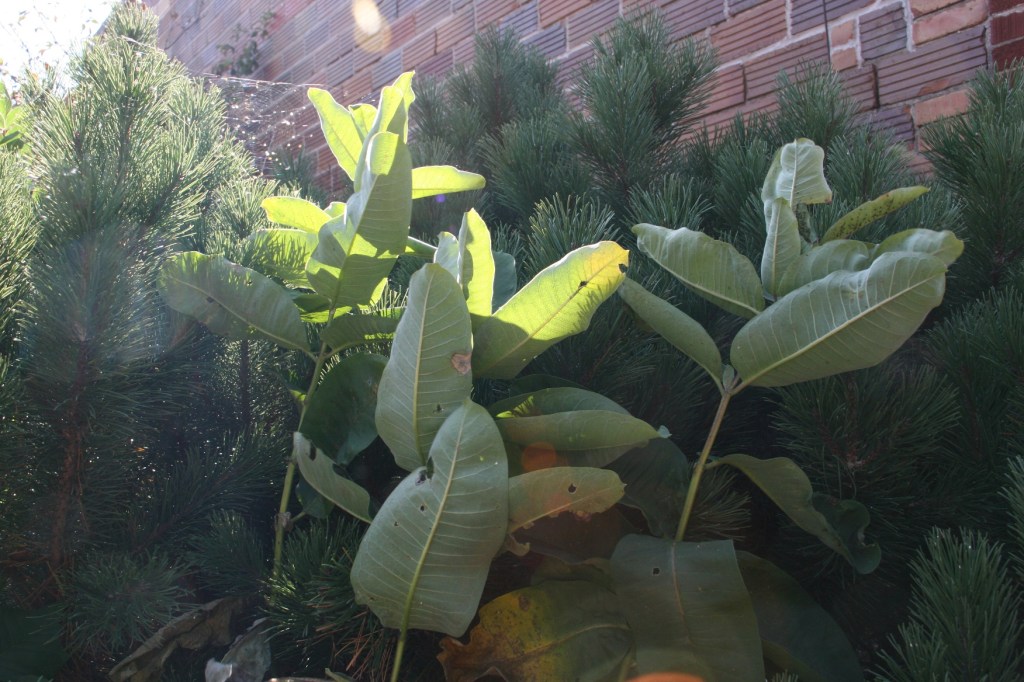
But back to those milkweeds. Now, some 50+ years later, my opinion about milkweeds has changed. I no longer pull them. I plant them and then allow them to go to seed. And this year I have a bumper crop growing in my flowerbeds, much to my delight.

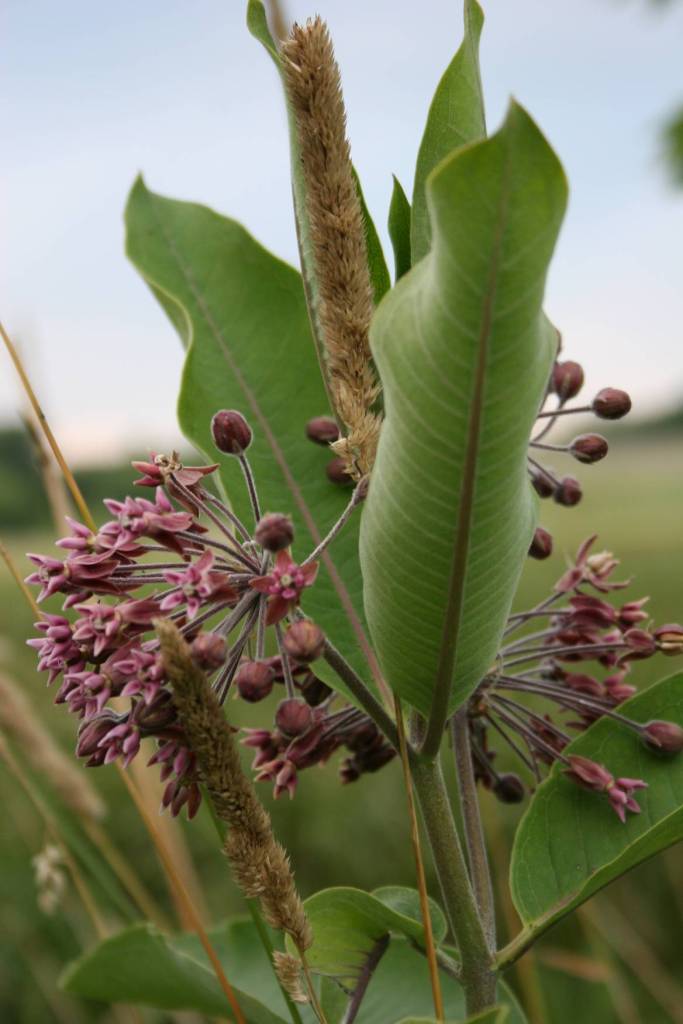
Milkweed flowers are not only beautiful, but also smell lovely. (Minnesota Prairie Roots copyrighted photo July 2023)

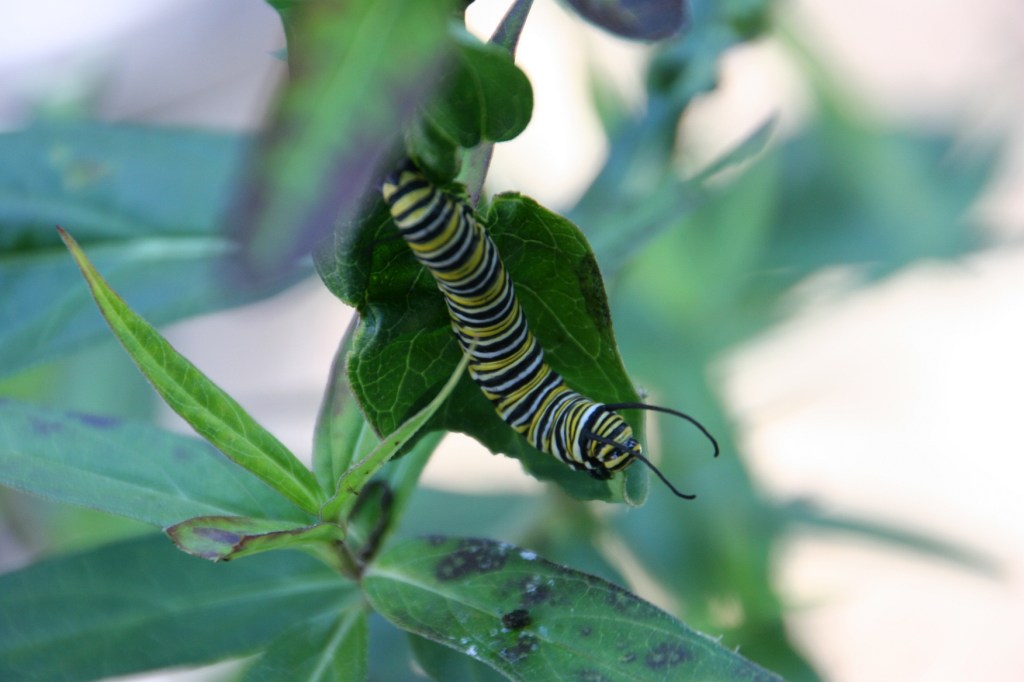
Milkweeds are the host plant for monarch butterfly larvae, the reason I grow this food source. I want to do my part to protect the monarch, today considered to be endangered. I’ve been rewarded with monarchs flitting among my phlox and other plants in my tangled mess of flower gardens.

The other evening, while walking in a local park, I watched two monarchs swooping and dancing in a pre-mating ritual. Their aerial acrobatics impressed me like a line of well-written poetry. In many ways, their performance was poetry. Beautiful. Creative. Mesmerizing. Connective in a way that touched my spirit.

If my farmer dad (gone 20 years) heard me describe monarchs in this context, he may just shake his head and wonder about that poet daughter of his. And he would wonder even more whether I learned anything from pulling milkweeds all those summers ago in his southwestern Minnesota soybean fields.

#

FYI: You can learn about monarch butterflies and how you can help them, see caterpillars, then hike to look for monarchs during a 10-11:30 a.m. Saturday, August 19, program at the Nerstrand Big Woods State Park amphitheater. Minnesota Master Naturalist Katy Gillispie is leading the Friends of Nerstrand Big Woods State Park free “Monarchs and Milkweeds” event. A state park parking pass is required for entry to the park near Nerstrand.

© Copyright 2023 Audrey Kletscher Helbling


Of blossoms & butterflies August 6, 2021

Filed under: Uncategorized — Audrey Kletscher Helbling @ 5:00 AM
Tags: , , , , , , , , ,
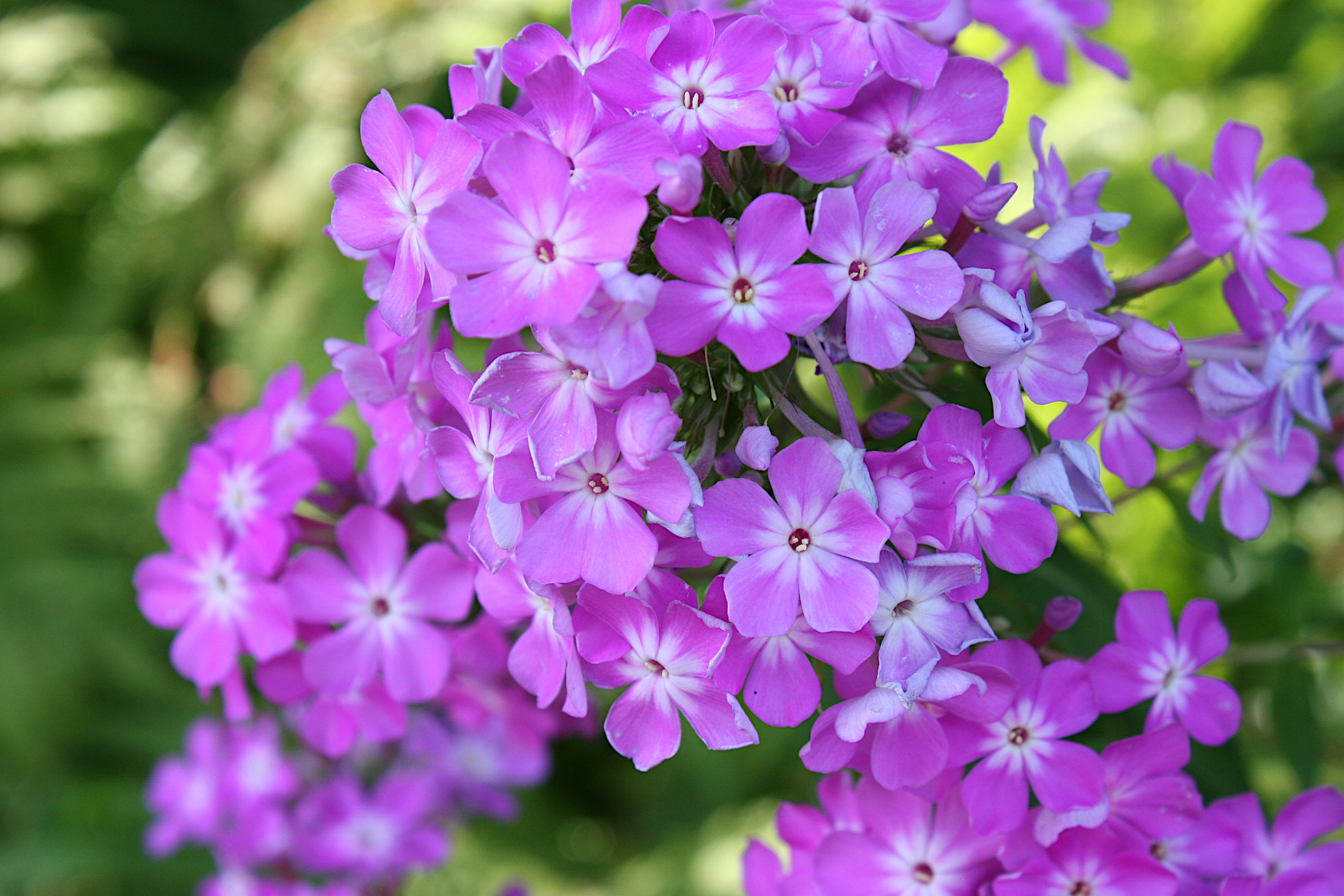
Phlox. Minnesota Prairie Roots copyrighted photo 2021.

PHLOX IN VIBRANT SHADES of purple and pink, interspersed with occasional white blossoms, fill my flowerbeds. They thrive, their fragrance scenting the air that drifts through my office window.

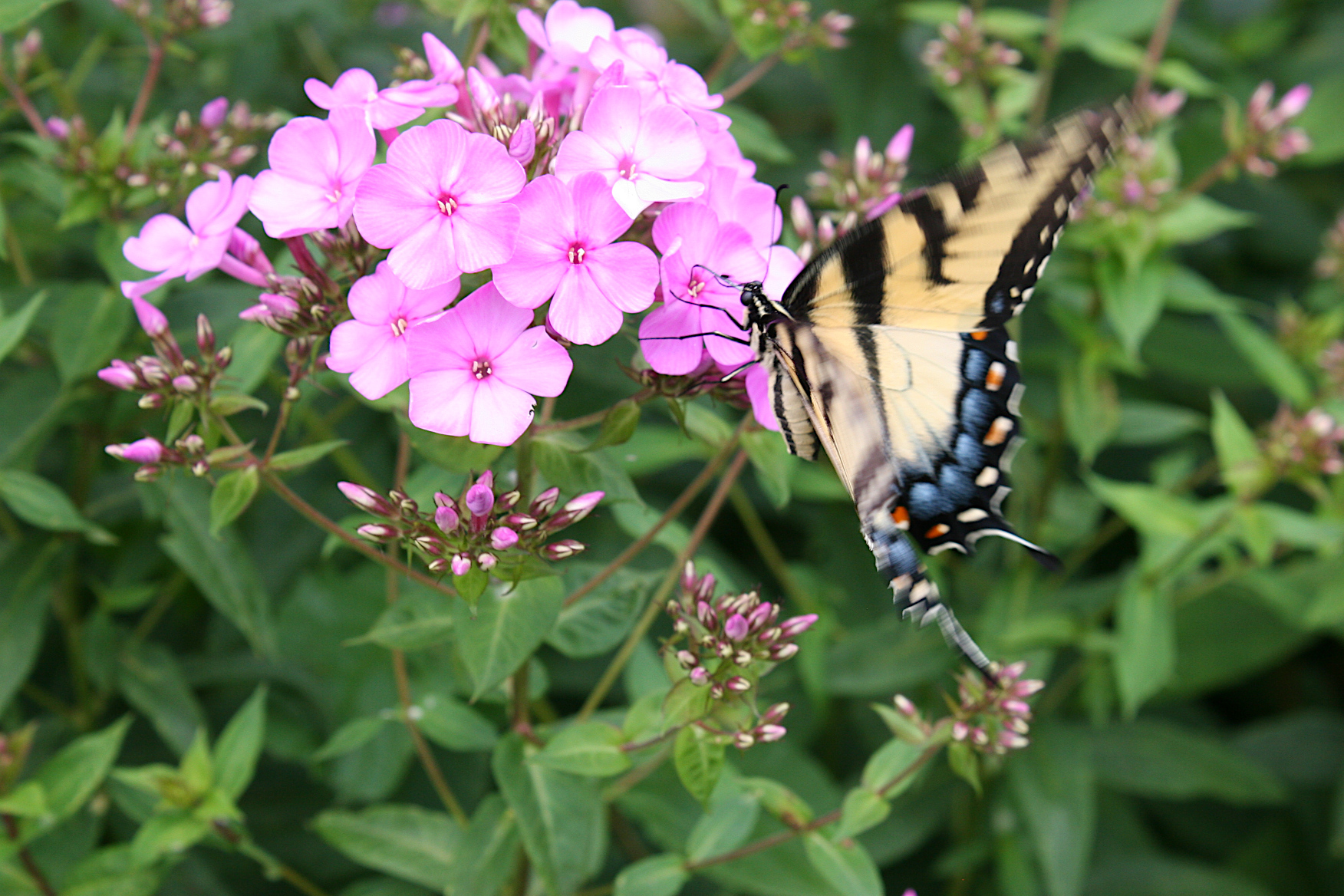
A yellow swallowtail butterfly. Minnesota Prairie Roots copyrighted photo 2021.

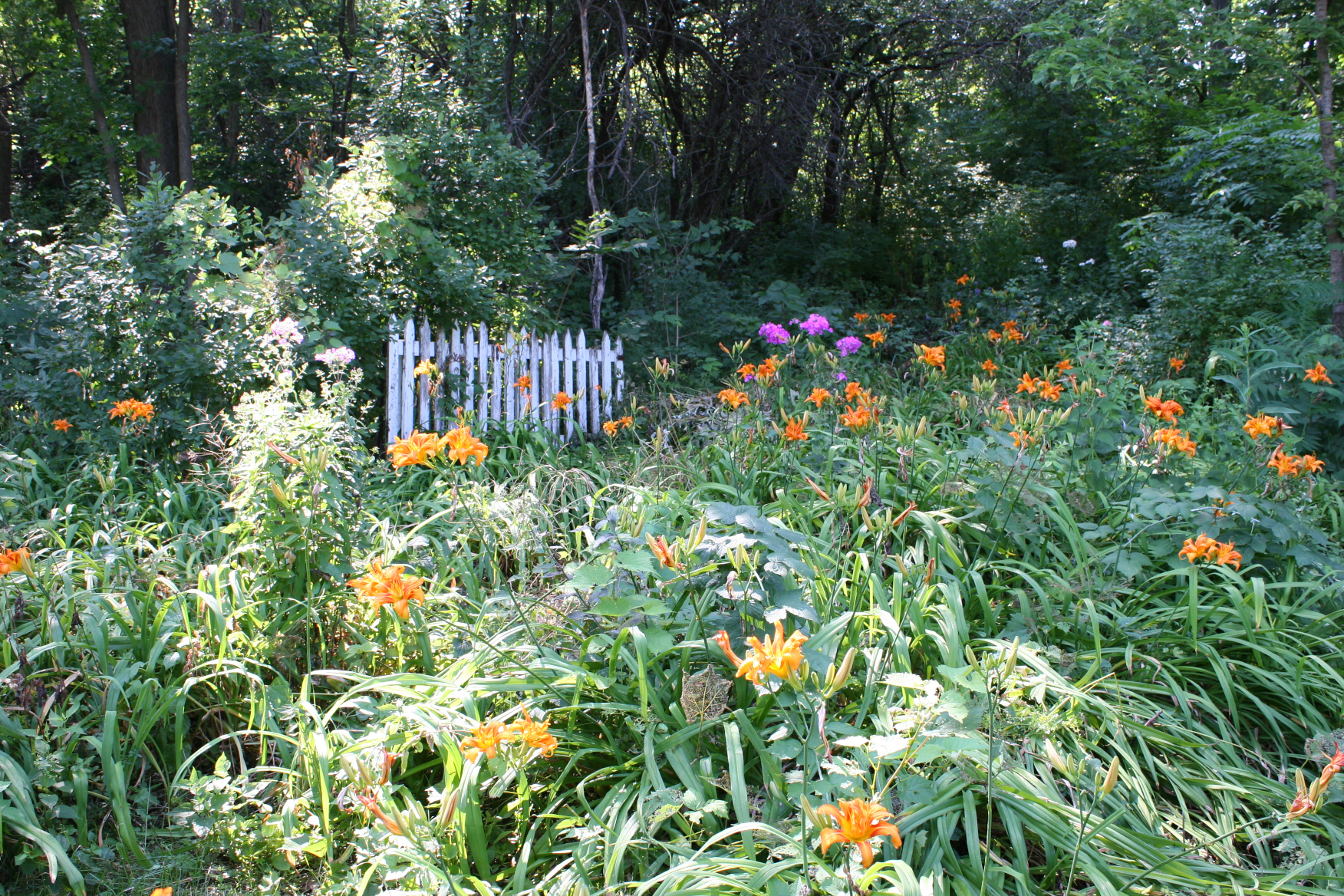
Occasionally I spot butterflies flitting among the phlox, random milkweeds, wild orange tiger lilies, ferns and other unidentified plants growing in a tangled mess of wildness. I love watching them—the monarchs and the swallowtails—their wings flapping with such incredible grace. They swoop and dip and pause. As if dancing. As if performing. As if penning poetry.

A mess of flowers grow on a hillside next to woods in our backyard. Minnesota Prairie Roots copyrighted photo 2021.

Moments like this imprint upon me the importance of pausing to appreciate the beauty of nature. The details of a flower petal. The curve of a butterfly wing. The bend of a milkweed pod.

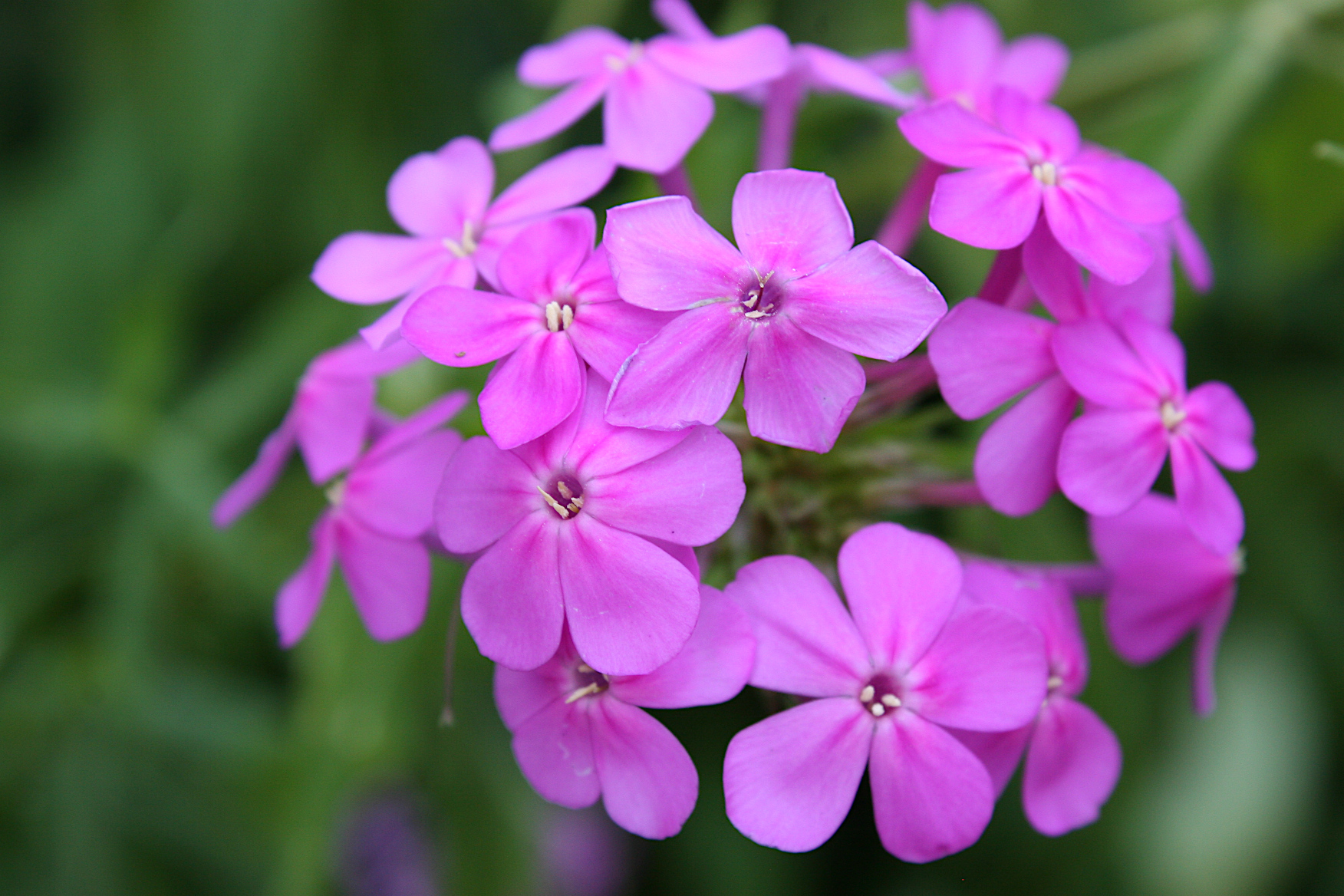
Phlox up close. Minnesota Prairie Roots copyrighted photo 2021.

Now, more than ever, I need this connection to nature, these moments to reset. To see that, even as a pandemic rages, flowers still bloom and butterflies still fly.

© Copyright 2021 Audrey Kletscher Helbling
 

Monarchs & milkweed October 8, 2018

Monarch attracting milkweed grows next to a southwestern Minnesota soybean field. Minnesota Prairie Roots file photo.


A TIME EXISTED WHEN I CONSIDERED milkweed a weed as noted in the second syllable of the word. My dad assured me that the plant needed eradication from farm fields. So out it went.


Milkweed, along the prairie path at River Bend Nature Center, Faribault. Minnesota Prairie Roots file photo.


Decades later and more informed, I consider the milkweed valuable, a plant to be appreciated and not yanked from the earth. Through the years, we learn a thing or two or twenty.


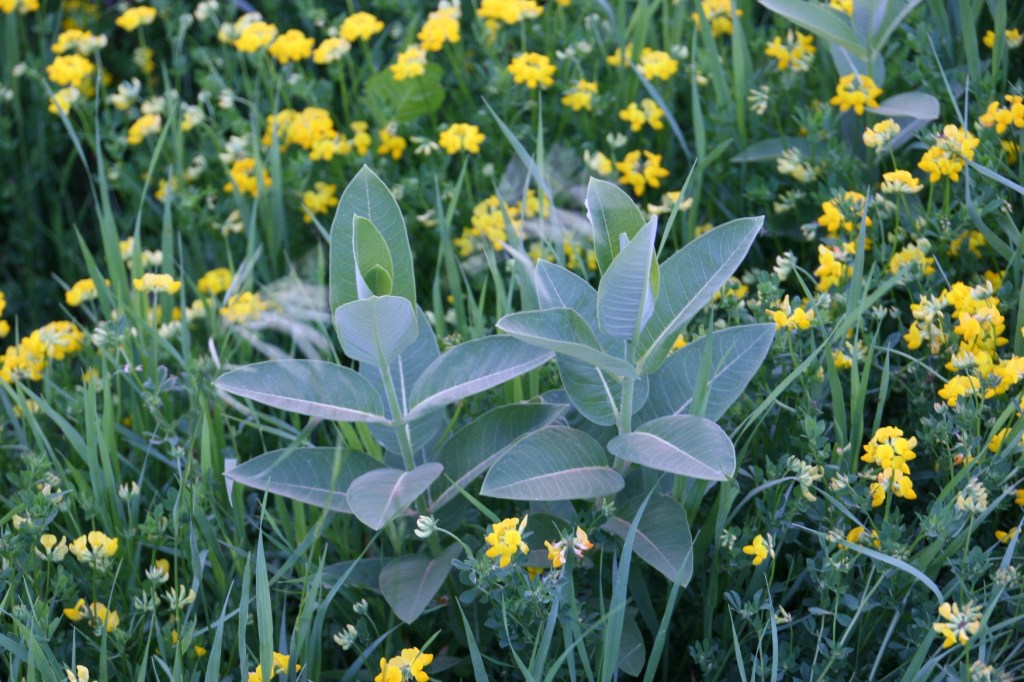
It all begins with the milkweed, where adult female Monarchs lay their eggs on the undersides of leaves. These plants grow in Stockholm, Wisconsin, outside a bookstore.


Eventually caterpillars emerge from the eggs and grow, here in Stockholm, Wisconsin.


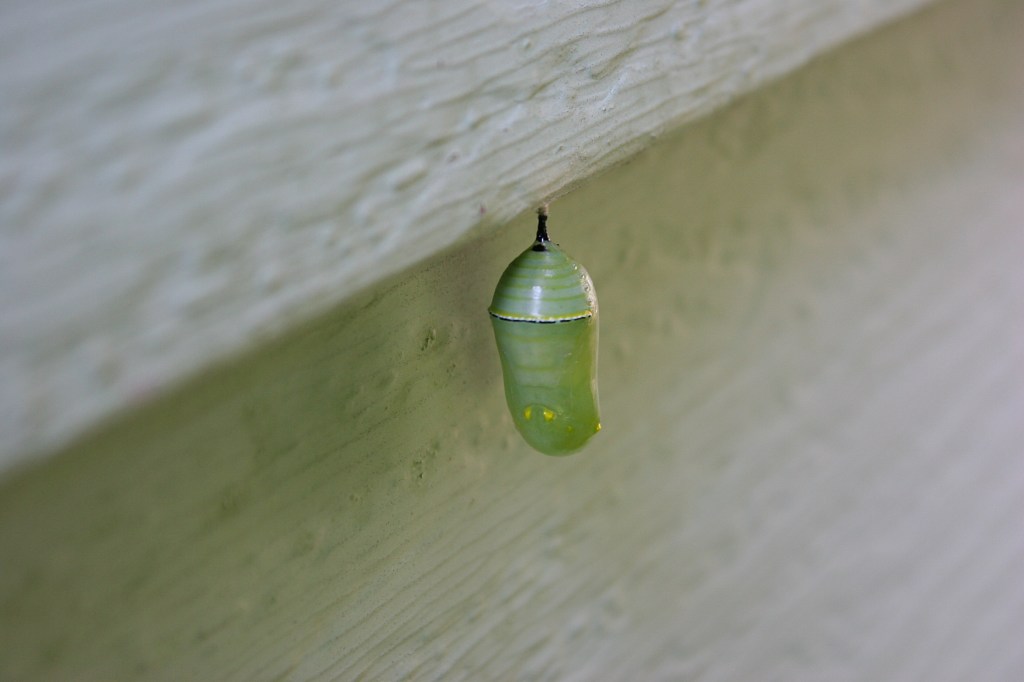
Then the caterpillars spin into a chrysalis for the final transformation. This chrysalis is on the side of my house. Minnesota Prairie Roots file photo.


Finally, a Monarch butterfly emerges from the chrysalis, this one photographed about a month ago in New Prague.


I’ve learned that the milkweed is necessary to the survival of the Monarch butterfly. Adult female Monarchs lay their eggs on one plant—milkweed. And the resulting caterpillars feed on milkweed leaves.

I remember a time when Monarchs were many. Through the years, as milkweed plants dwindled, so did the numbers of these beautiful orange and black butterflies.


Milkweed and other flowers rim the shoreline by the King Mill Dam in Faribault. Minnesota Prairie Roots file photo.


But now people are beginning to care, to understand the importance of growing milkweed, me among them.


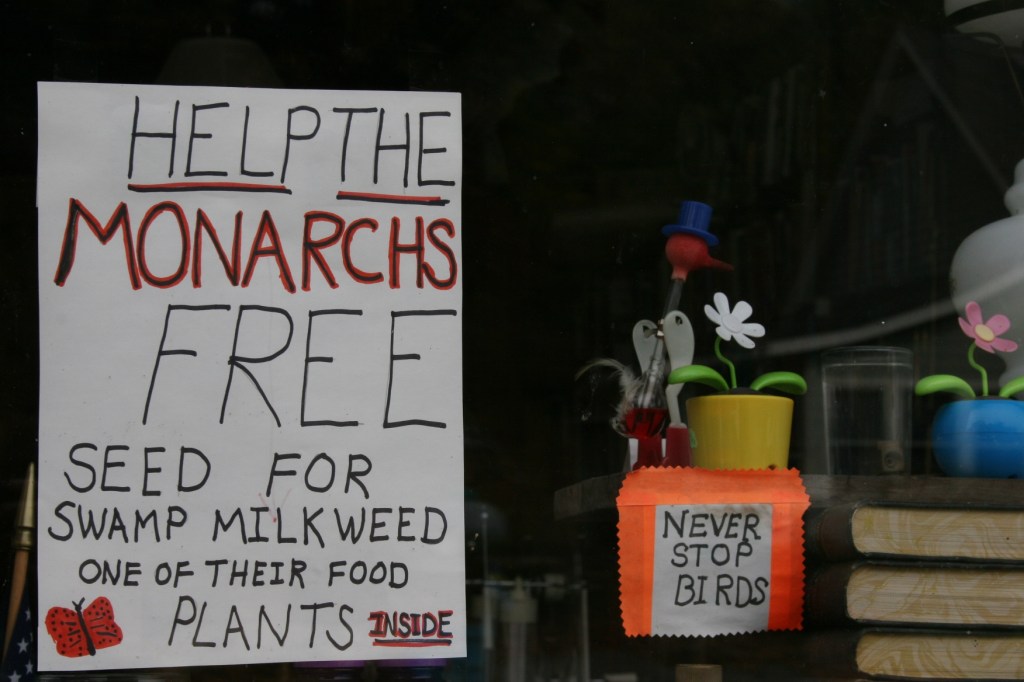
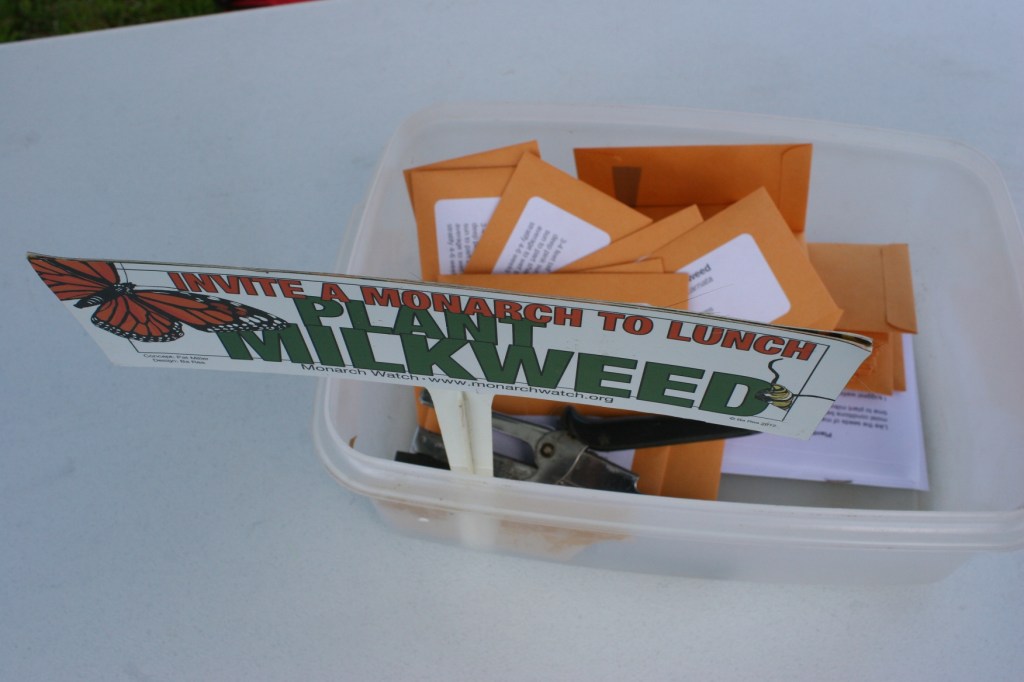
I photographed this sign in Russ’ shop when I first met him seven years ago. He had free swamp milkweed seed in a jar on the store counter. Minnesota Prairie Roots file photo 2011.


When I revisited Russ in September, I found him tending these milkweed plants outside his shop. His commitment to Monarchs remains as strong as ever.


In Stockholm, Wisconsin, Russ the bookseller continues as a strong advocate of milkweeds and Monarchs. I first met him during a 2011 visit and recently returned to find this shopkeeper still advocating for Monarchs. And growing milkweeds.


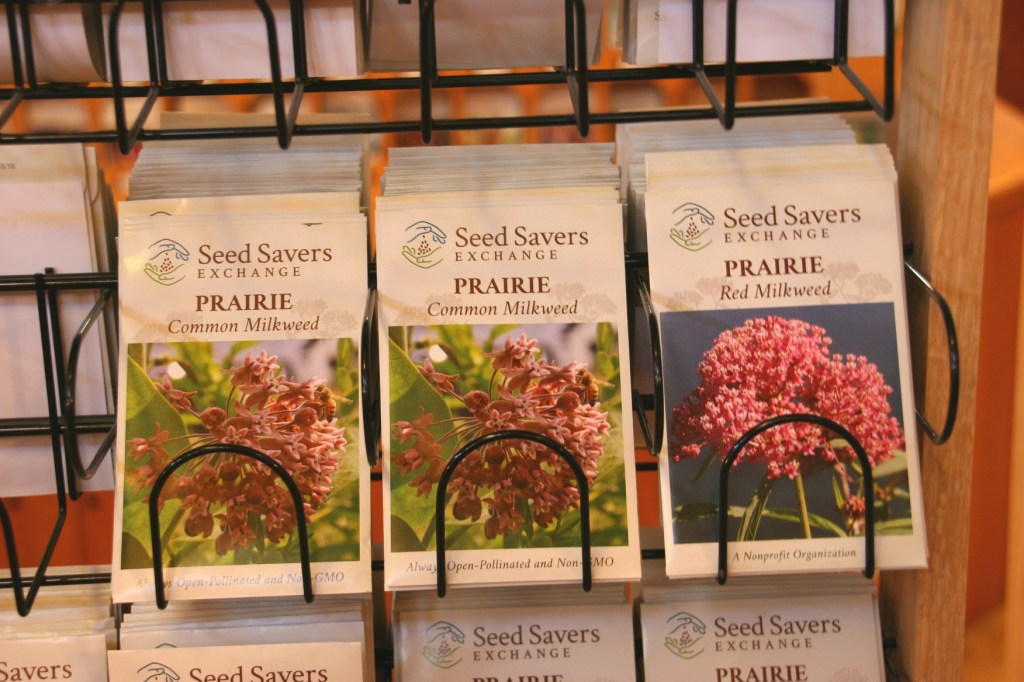
At Seed Savers Exchange just north of Decorah, Iowa, I spotted packets of milkweed seeds among the many seeds sold in the farm’s retail shop.


Packets of milkweed seed ready for the taking at the Valley Grove event. Minnesota Prairie Roots file photo September 2018.


At the recent Valley Grove Country Social near Nerstrand Big Woods State Park, a representative of the Northfield Prairie Partners Chapter of Wild Ones handed out envelopes of milkweed seeds and information on Monarchs and milkweeds.


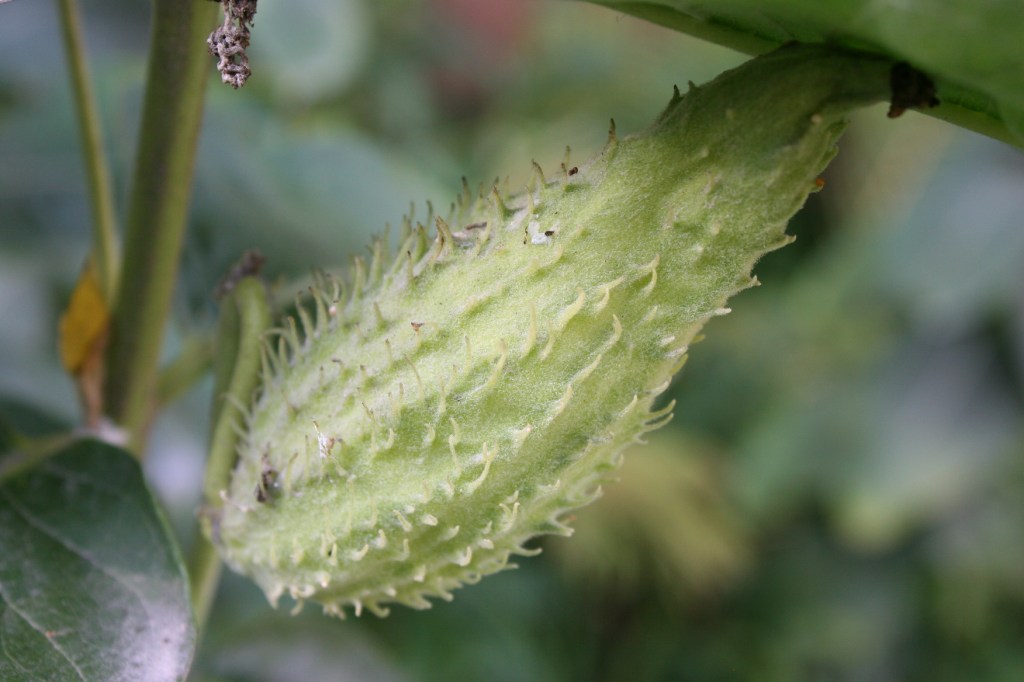
An unripened milkweed pod. Minnesota Prairie Roots file photo.


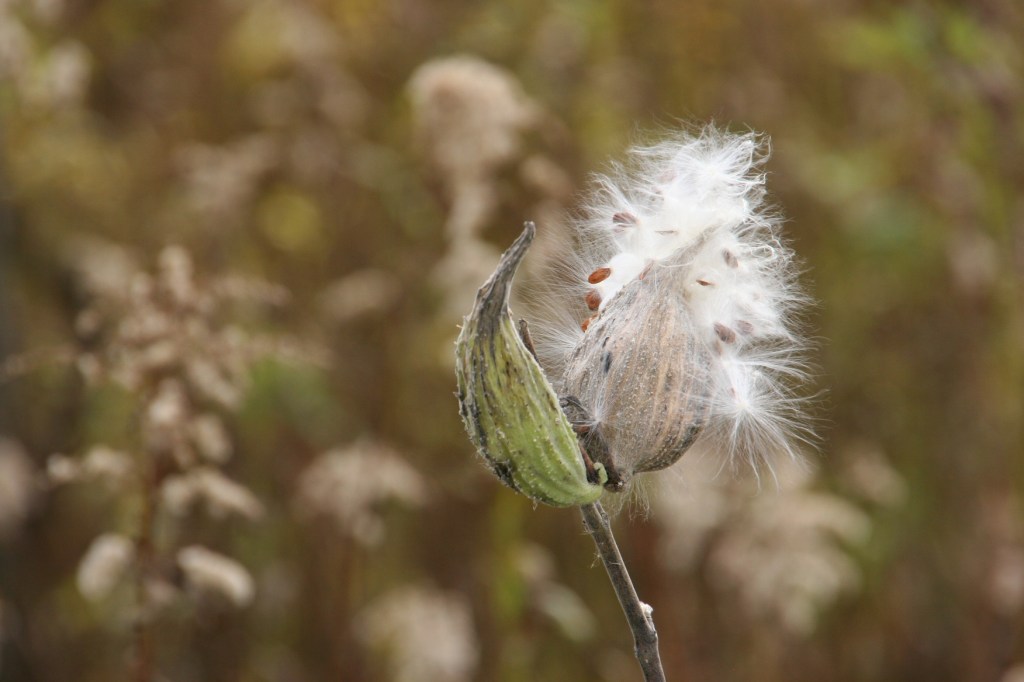
Photographed at River Bend Nature Center, Faribault. Minnesota Prairie Roots file photo.


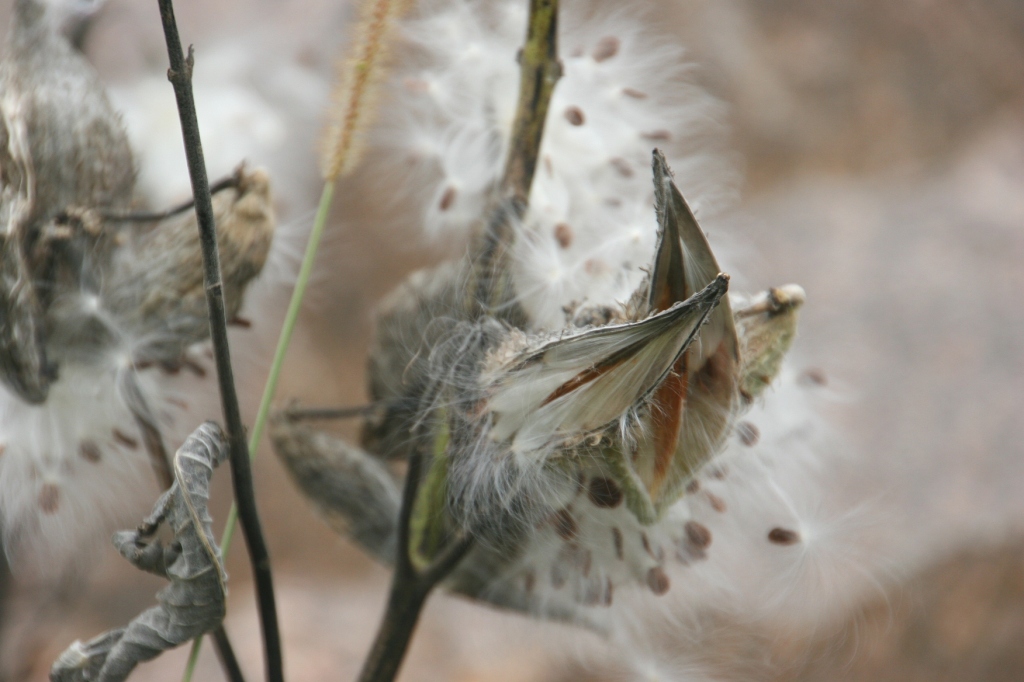
Photographed 10 days ago at my brother’s rural Redwood County acreage.


Beyond all of that, I find milkweed pods beautiful in shape and, when fully-ripened, like art erupting. I am repeatedly drawn to photograph the wisps of fluff embedded with seeds. Seeds that will naturally fly on the wind, fall to the earth and grow new plants. Or, when harvested, shared by those who care about an orange and black butterfly. Like Russ in Stockholm.

TELL ME: Do you grow milkweed for Monarchs?

© Copyright 2018 Audrey Kletscher Helbling