Minnesota Prairie Roots

Writing and photography by Audrey Kletscher Helbling

Vacation memories & southern Minnesota connections August 26, 2025

An angler fishes in Horseshoe Lake, rural Merrifield, on an August evening. (Minnesota Prairie Roots copyrighted photo August 2025)

IN MID AUGUST, Randy and I headed nearly 200 miles north of Faribault for our second stay of the summer at a family member’s cabin in the Brainerd lakes area. This trip our eldest daughter and her family joined us for several days. There’s nothing quite like time with the grandkids at the lake. Time to play, to relax, to make memories. And that we did. I cherish our days together Up North.

We mostly hung out on the beach or in the cabin. Weather conditions were not ideal with cool temps and strong winds prevailing when all six of us were there together. Yet, we got outdoors—the kids running along the sandy beach, digging a hole along water’s edge, enjoying the placid water on a warm and sunny day before the weather changed.

Looking upward toward the pines from a lakeside hammock. (Minnesota Prairie Roots copyrighted photo August 2025)

MAKING MEMORIES

I led the 6 and 9-year-olds on a scavenger hunt. We searched for a feather, a mushroom, a nest…that which nature offers like a gift if only we pause to see and appreciate. Randy taught Isaac to play Marbles on a homemade wooden board. It’s a long-time favorite of the extended Helbling family. We played Yahtzee and Connect 4, on an over-sized outdoor board. The puzzlers among us (not me) pieced together a lemonade stand. We headed into town for massive scoops of ice cream, a cabin tradition. And one day we picked peas from our sister-in-law and brother-in-law’s plot in a community garden. Later I taught Isaac how to shell them. The kids delighted in a timed Ninja course at a Crosslake playground and posed for photos behind Paul Bunyan family cut-outs at another park. We devoured s’mores around the campfire.
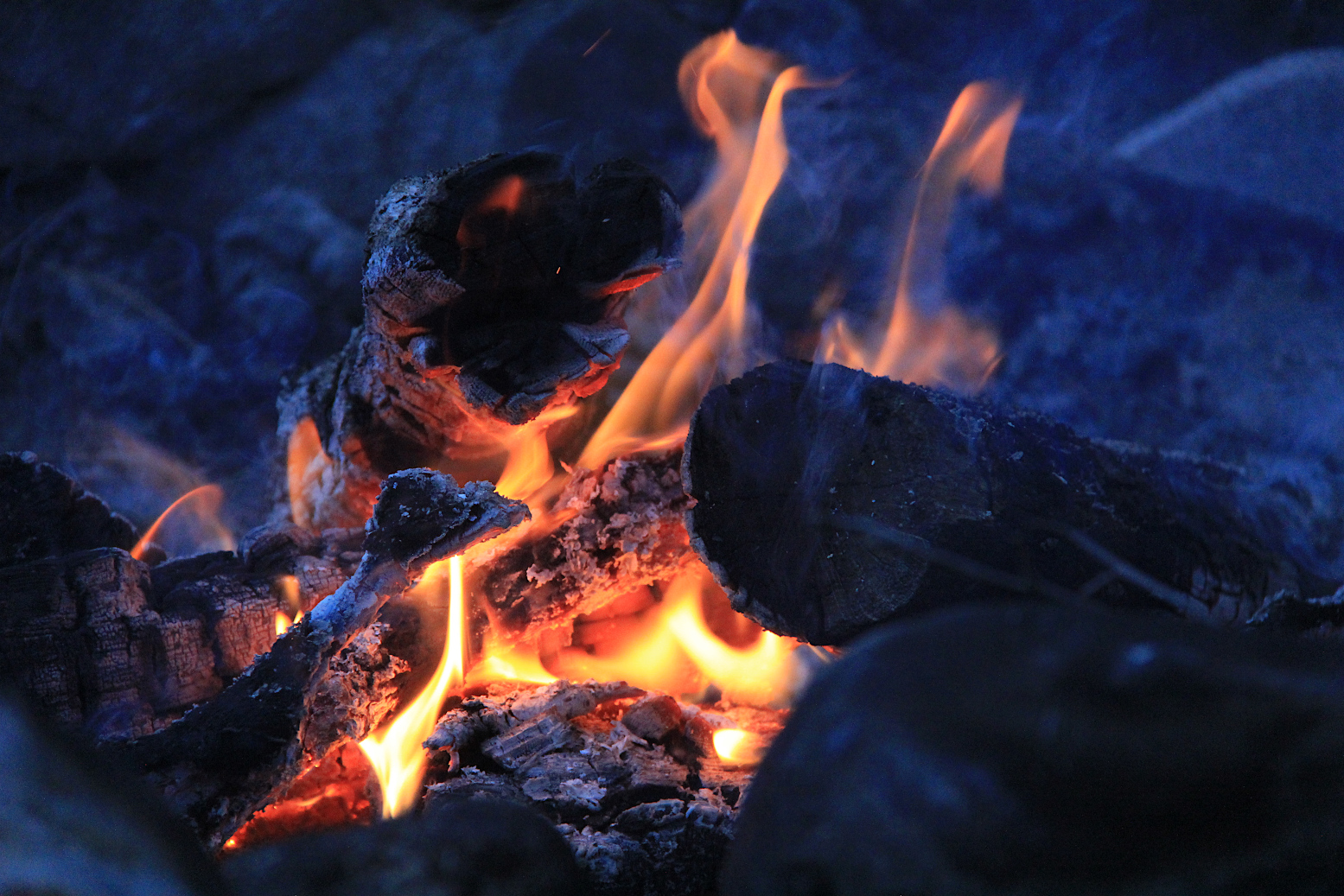
A campfire is the place to share stories, create memories. (Minnesota Prairie Roots copyrighted photo August 2025)

This is the stuff of memories. Simple. Uncomplicated. Mostly unplanned. Moments that connect us, deepen bonds.
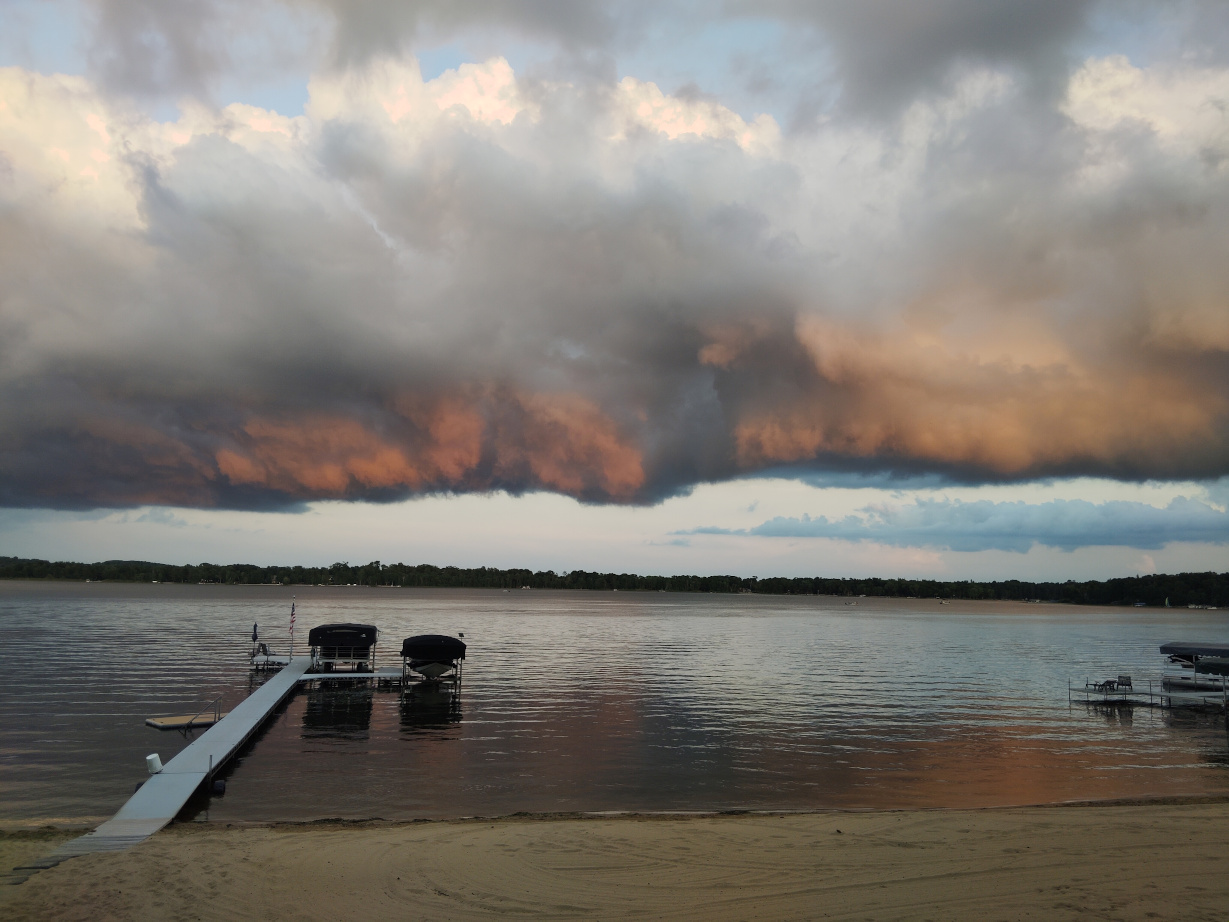
Moody clouds at sunset over Horseshoe Lake. (Minnesota Prairie Roots copyrighted photo August 2025)

Being outdoors, away from home and work and schedules and the demands of everyday life, opens us to the joys of vacationing. The haunting call of a loon and the sighting of a bald eagle perched atop a pine proved exhilarating. A bank of moody, pink-tinged clouds slung low in the evening sky drew all of us to focus on and admire the scene.
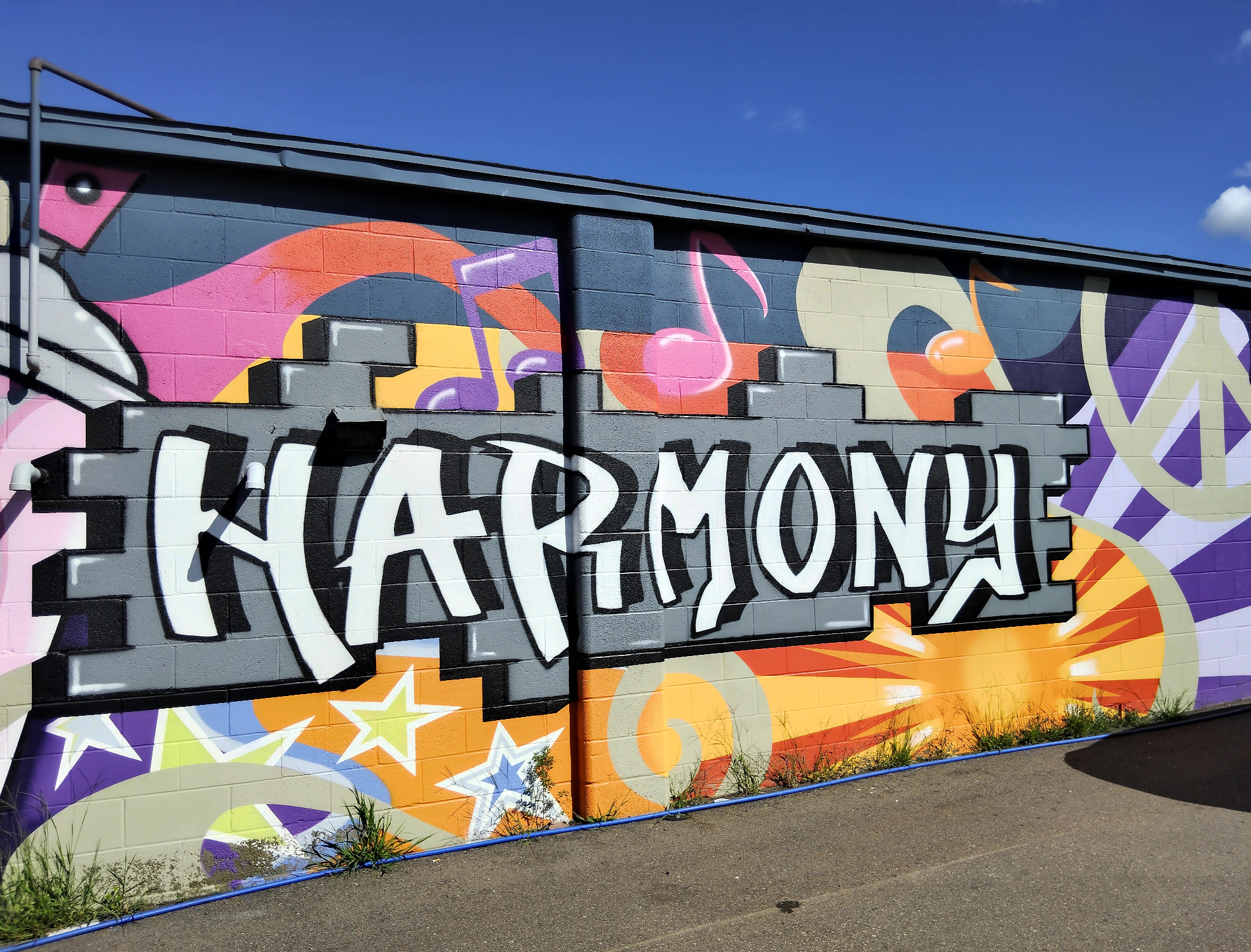
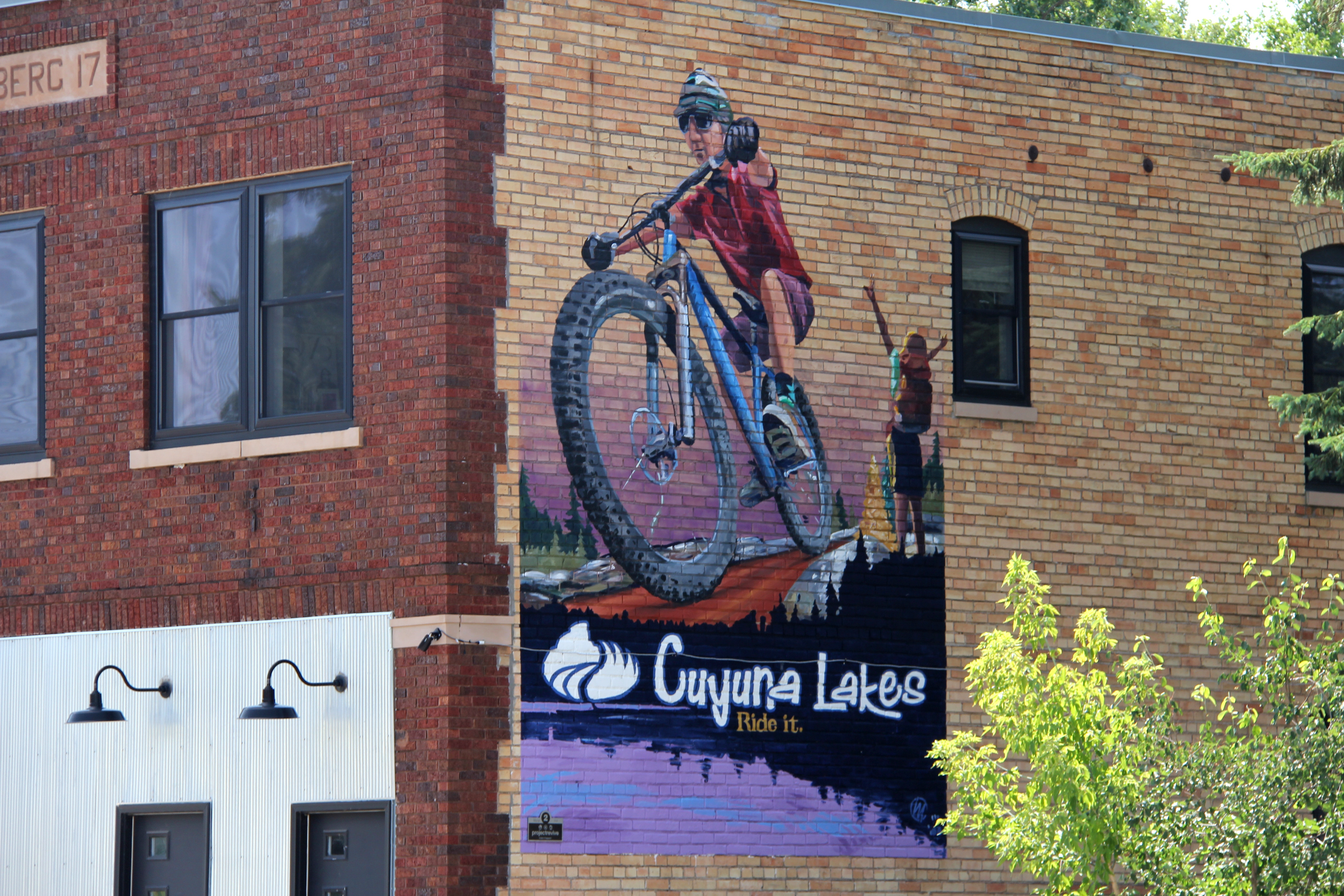
A mural in Crosby. (Minnesota Prairie Roots copyrighted photo August 2025)

MORE CHERISHED MOMENTS

When the grandkids and their parents left several days before us, our world seemed too quiet. No more kids scampering up and down the loft ladder. No more requests to go to the beach. No more…

But, sans kids, there were still moments to be cherished. Lakeside dining with friends at Breezy Point. Popping in to chat with a Faribault friend who lives in Nisswa now and works for the Chamber of Commerce. And then a chance encounter with adults with disabilities on an outing at Mission Park, rural Merrifield. I learned that visually-impaired Shannon, who uses a white cane and carries over-sized yellow sunglasses, likes to sing. I asked her to sing for me. And she did—to a movie soundtrack of ”My Heart Will Go On” by Celine Deon. I thought my heart would burst with joy as this young woman first mouthed the words, then sang them quietly and then louder as I encouraged her. It’s one of those moments I will forever treasure. Me nearly in tears and everyone inside that picnic shelter smiling during this impromptu weekday morning concert.

A mural by Adam Turman in downtown Crosby highlights recreational activities in the Cuyuna Lakes area. (Minnesota Prairie Roots copyrighted photo August 2025)

SOUTHERN MINNESOTA CONNECTIONS ON THE RANGE

On the way home, there were more delights during a stop in Crosby, an Iron Range community that is evolving into a destination with its many outdoor activities, shops and murals. I spotted a mural by Minneapolis artist Adam Turman, whose work can be found on murals in Northfield and on Faribault Mill products. He’s a favorite muralist of mine. I saw also, much to my delight, Faribault Mill blankets and Caves of Faribault cheeses in separate shops. I felt Faribault-proud seeing those wool blankets and exceptional cheeses for sale in Crosby.

ICE CREAM, GREEK STYLE

But it was the homemade ice cream—Rave Creamworks’ Super Premium—at Victual in Crosby that got rave reviews from me. Randy and I shared a large scoop of Baklava ice cream laced with flaky phyllo dough, chopped walnuts and honey. It is the shop’s bestseller among 24 choices, so said the teen behind the counter. I loved this creamy ice cream, which I expect my friend, Father Jim Zotalis at the Cathedral of Our Merciful Saviour in Faribault, would appreciate given his Greek heritage. Baklava is a Greek pastry. Even in that ice cream I felt a connection to southern Minnesota. We can leave home, but we never really do.

© Copyright 2025 Audrey Kletscher Helbling


Going Up North to a Minnesota lake cabin August 6, 2024

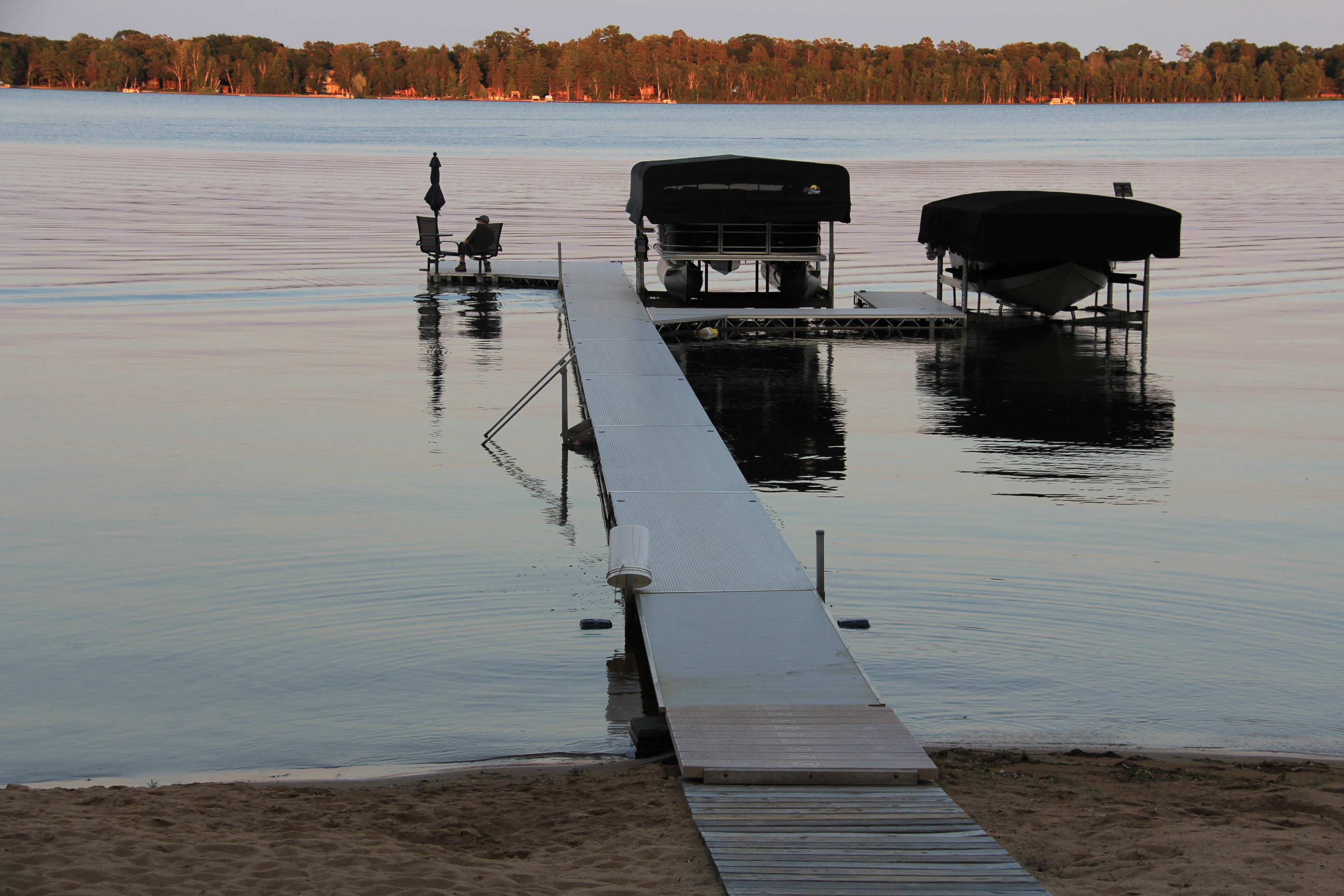
Relaxing on the end of the dock as the sun sets at Horseshoe Lake. (Minnesota Prairie Roots copyrighted photo July 2024)

LAKE, SKY, TOWERING PINES, CABIN. Those define summer Up North for many Minnesotans. Not until recent years did I, too, become one of those heading north to the cabin for a week. That’s thanks to a brother-in-law and sister-in-law who generously share their Northwoods paradise with extended family.

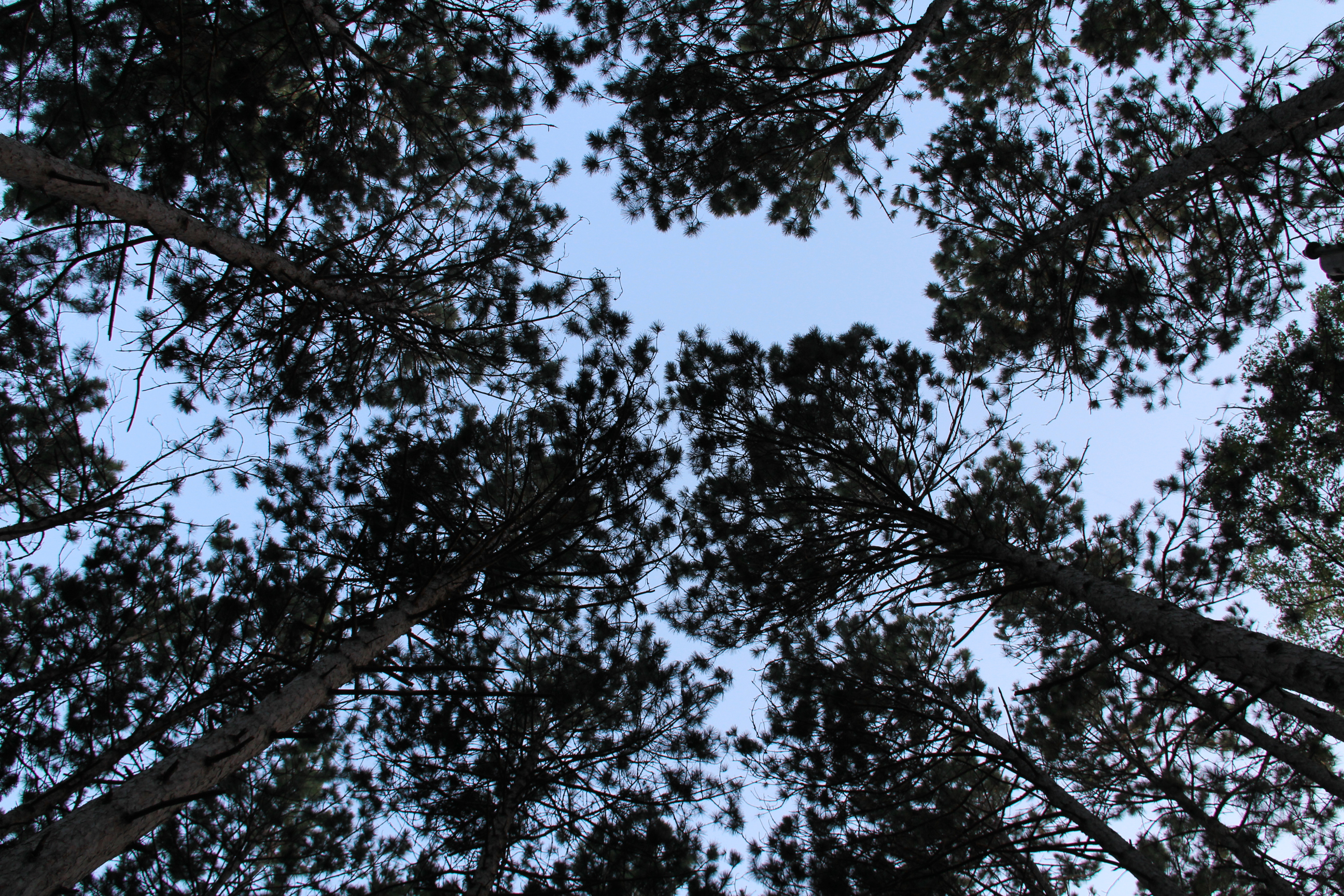
I aimed my camera straight up toward the tops of towering pines. (Minnesota Prairie Roots copyrighted photo July 2024)

Randy and I love spending time with our eldest daughter, son-in-law and two grandchildren at the cabin on Horseshoe Lake south of Crosslake. We are bonding, building memories and connecting with nature in a way that differs from southern Minnesota.

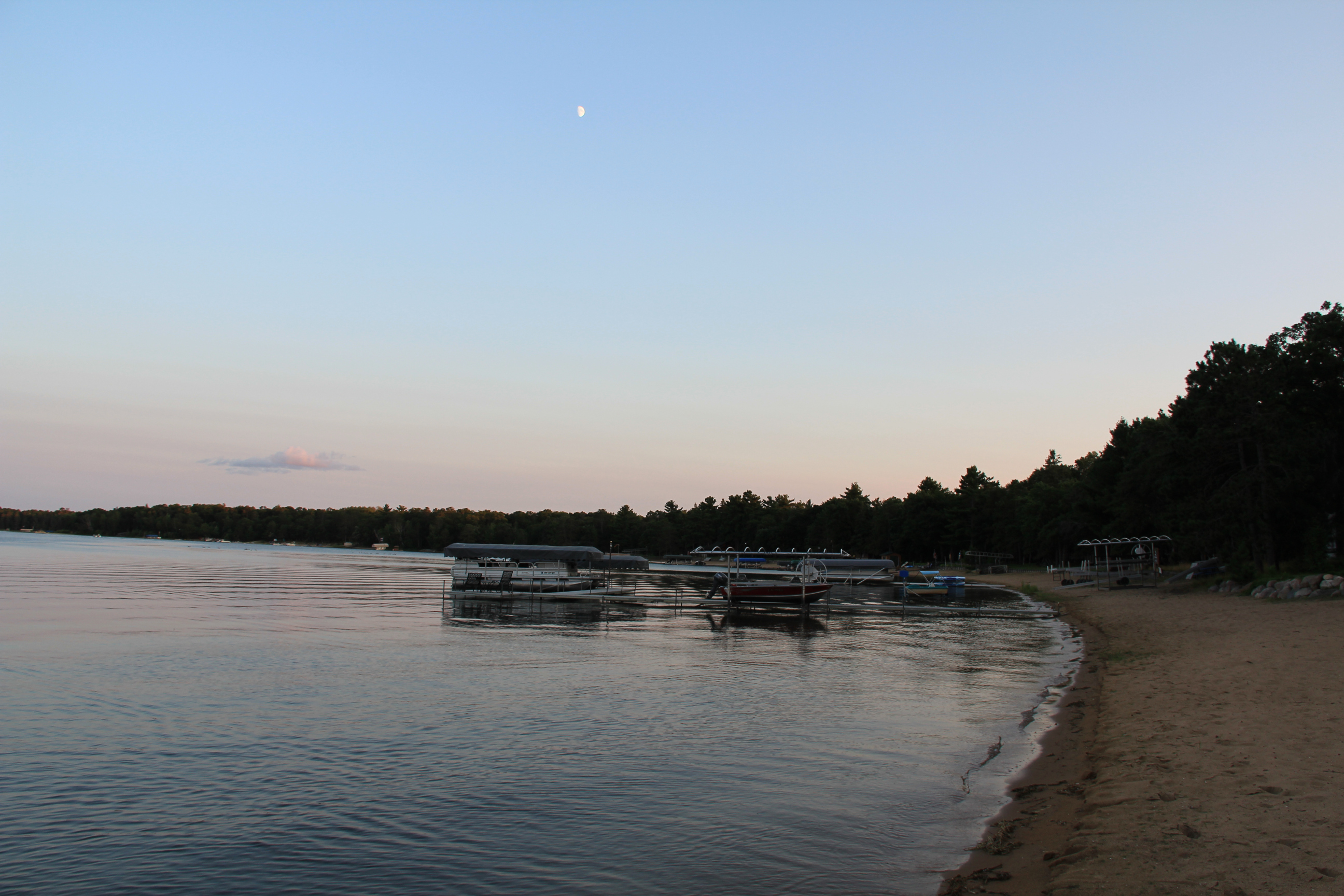
Treelines open to the beach along Horseshoe Lake as the sun sets, the moon rises. (Minnesota Prairie Roots copyrighted photo July 2024)

The Brainerd Lakes Area has a decidedly different look and feel than the lower half of our state. Dense woods, primarily pine, hug roads and homes, opening to beautiful, pristine lakes.

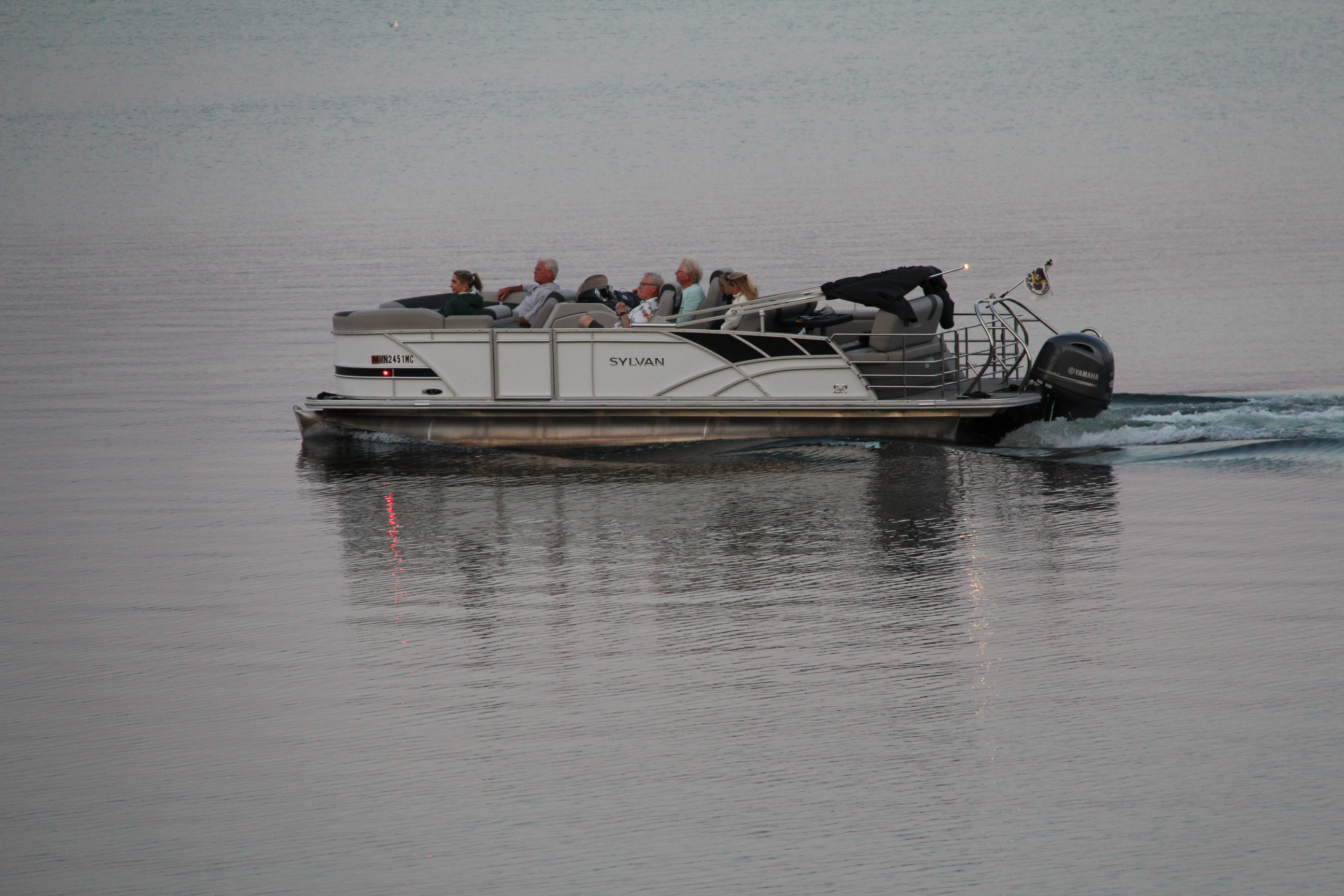
As day shifts toward night, pontoons motor around Horseshoe Lake. (Minnesota Prairie Roots copyrighted photo July 2024)
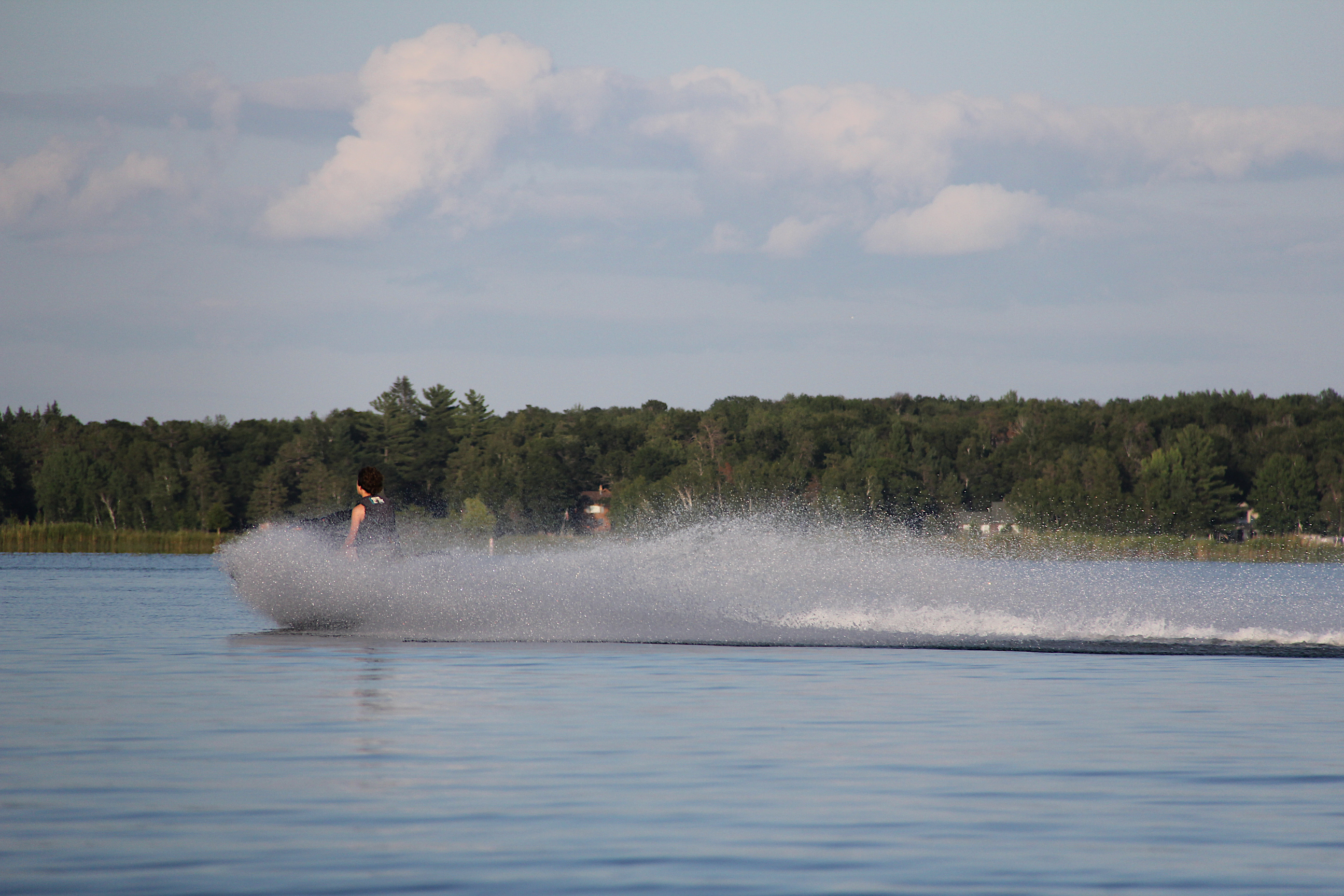
There are plenty of jet skis, too, speeding across the lake. (Minnesota Prairie Roots copyrighted photo July 2024)
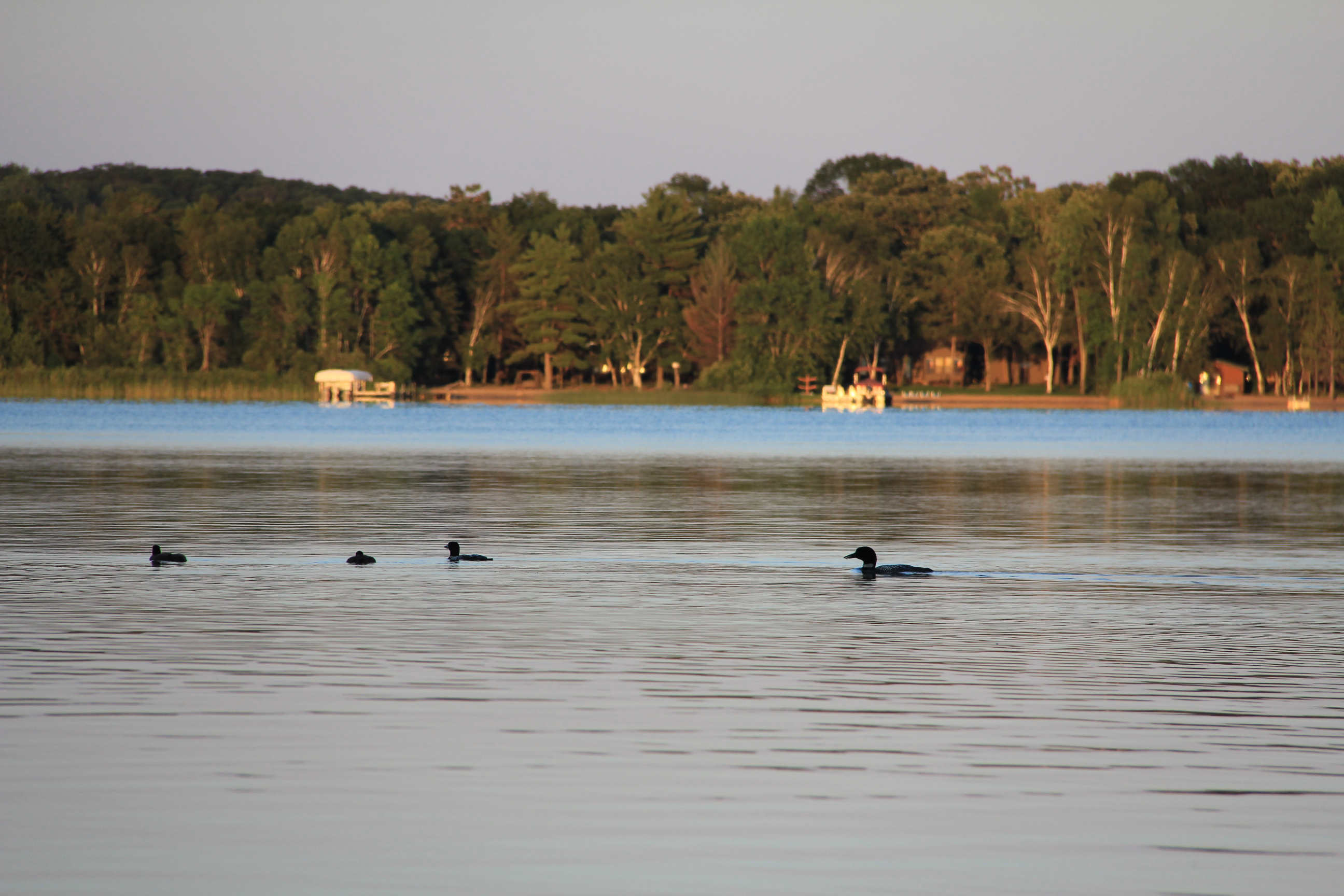
A loon family glides across the lake at sunset. We saw and heard the loons often, but none swam near enough for close-up photos. (Minnesota Prairie Roots copyrighted photo July 2024)

Up here it’s all about fishing, campfires, watching the sun set or rise, lying in a hammock, drinking coffee lakeside, grilling, eating meals outdoors, observing the loons, reading on the beach, dipping your feet in the water, kayaking, paddle-boarding, boating…

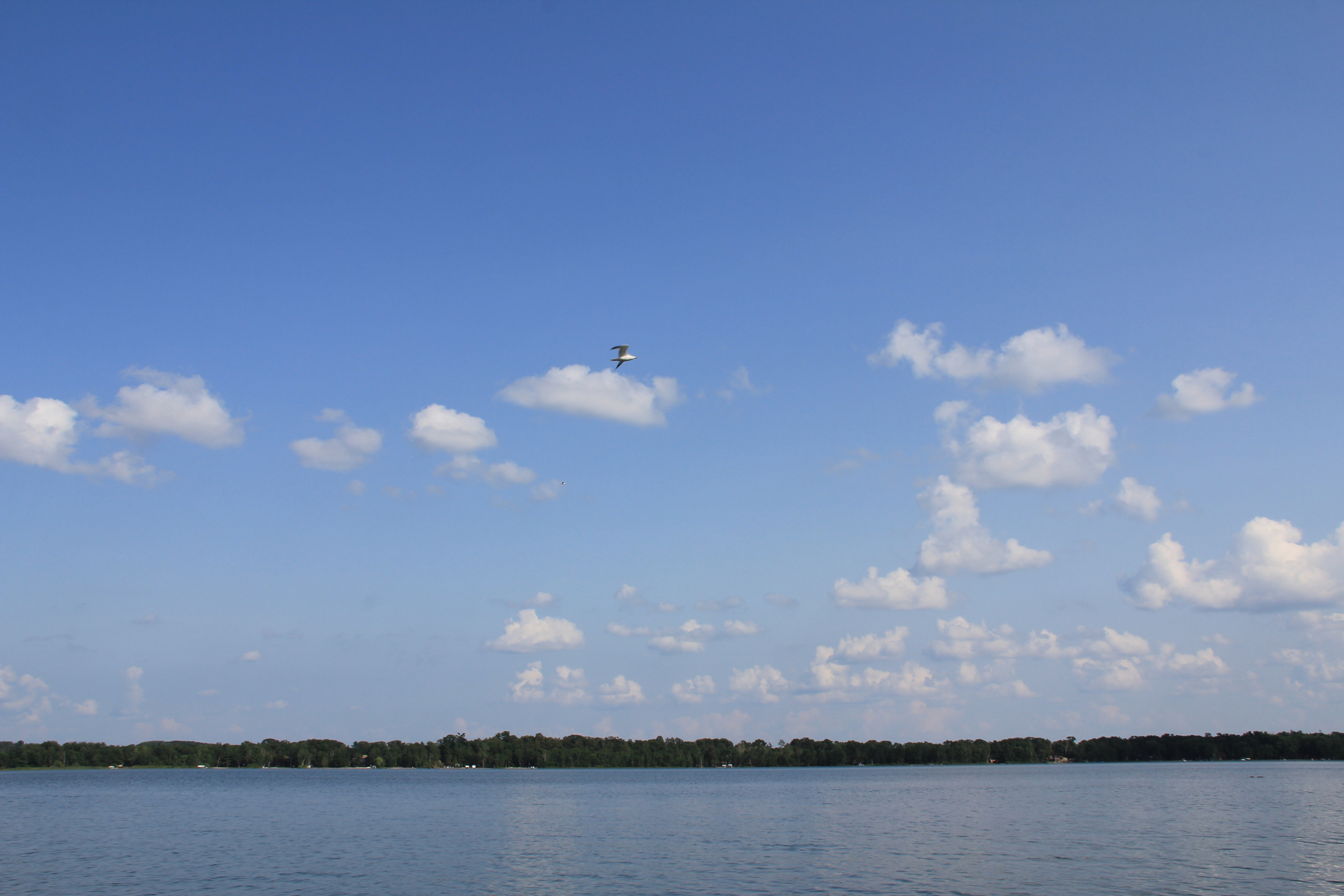
A gull wings across the wide sky on a perfect July afternoon. (Minnesota Prairie Roots copyrighted photo July 2024)

In essence, vacationing Up North means forgetting about the stresses, pressures, deadlines and routines of daily life. It means leisurely mornings, relaxing lakeside, days without time.

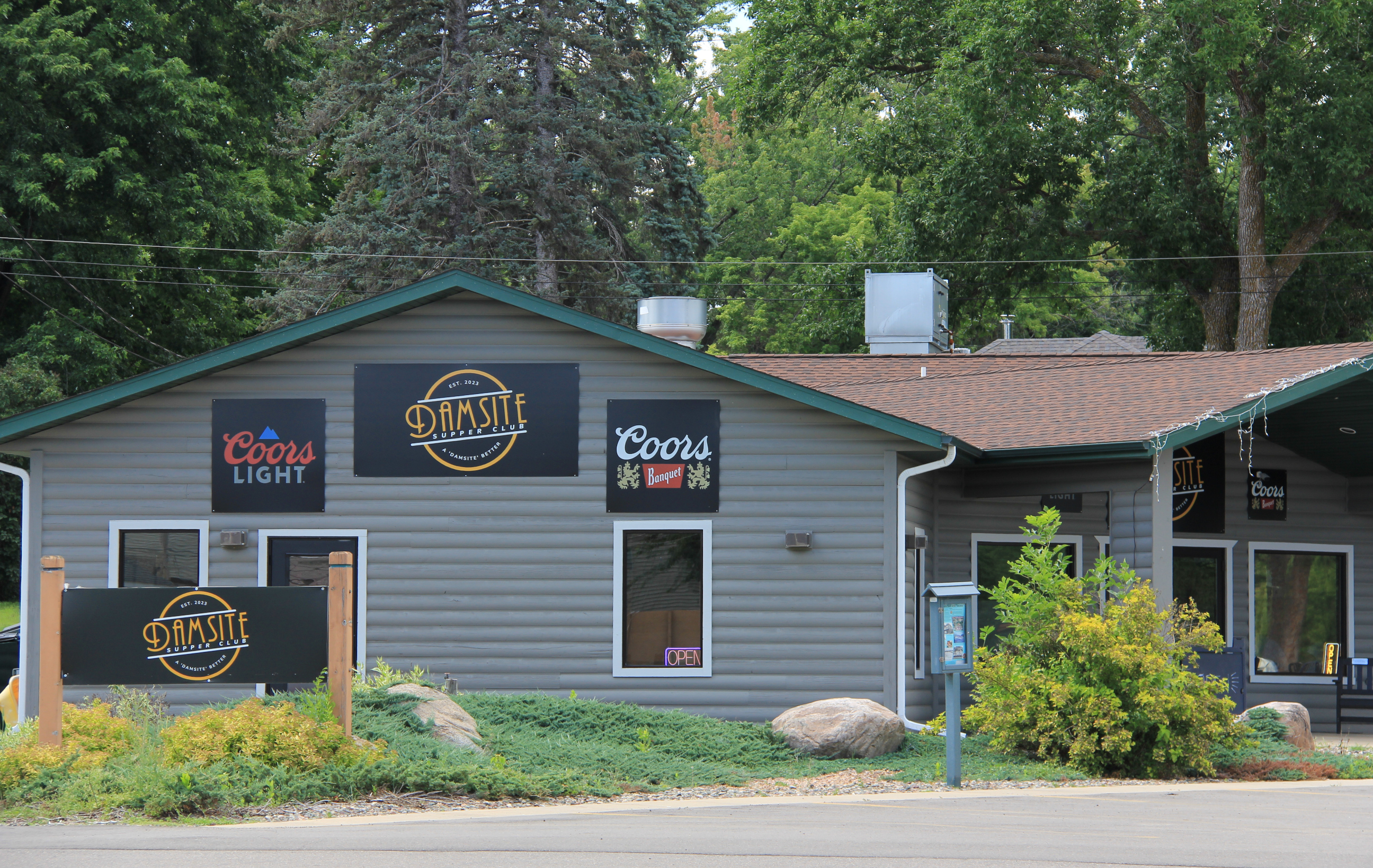
I had the best pulled pork sandwich here when Randy and I lunched with friends Sue and Charley at the Damsite Supper Club. (Minnesota Prairie Roots copyrighted photo July 2024)

Up North also means trips into town—Nisswa to peruse the shops; Crosslake for ice cream at Lake Country Crafts & Cones, a beer at 14 Lakes Craft Brewing Company, carry-out pizza from Rafferty’s and thrift store shopping; Bean Hole Days in Pequot Lakes; and this trip, lunch with friends at the Damsite Supper Club in Pine River a half hour to the north.

A mural in Ironton promotes cycling in the region. (Minnesota Prairie Roots copyrighted photo July 2024)
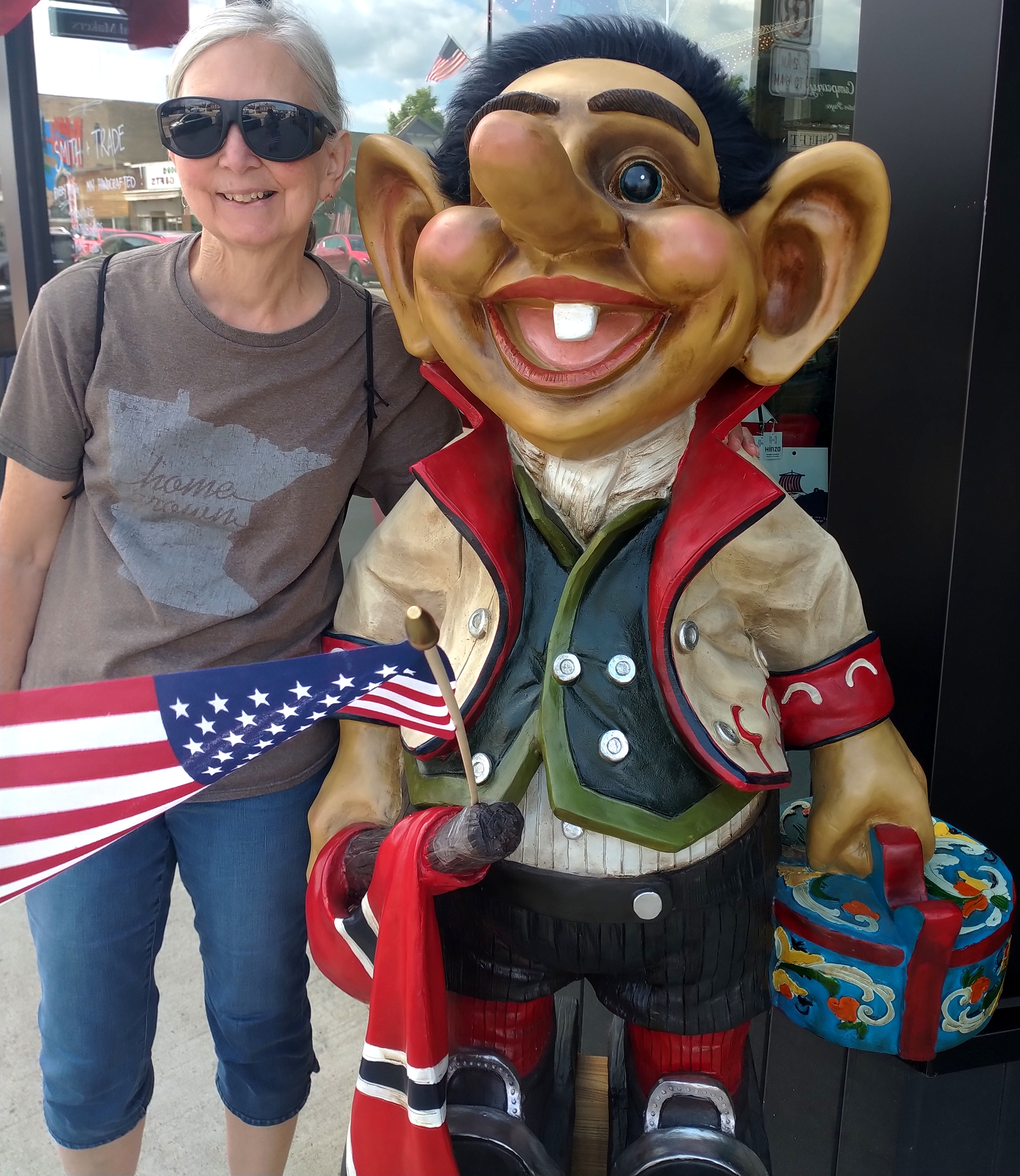
Randy photographed me with my new friend outside Nord Hus Scandinavian Goods in Crosby. (Minnesota Prairie Roots copyrighted photo July 2024 by Randy Helbling)

This stay we also drove to nearby Crosby and Ironton, towns nestled next to each other and deeply rooted in Iron Range history. We’ve only just begun to explore those communities, which are remaking and branding themselves as the Cuyuna Lakes region, drawing mountain bikers to an extensive recreational trail system, vacationers to local eateries and shops. MacDaddy’s Donut Garage in Ironton is on my list of bakeries to visit.

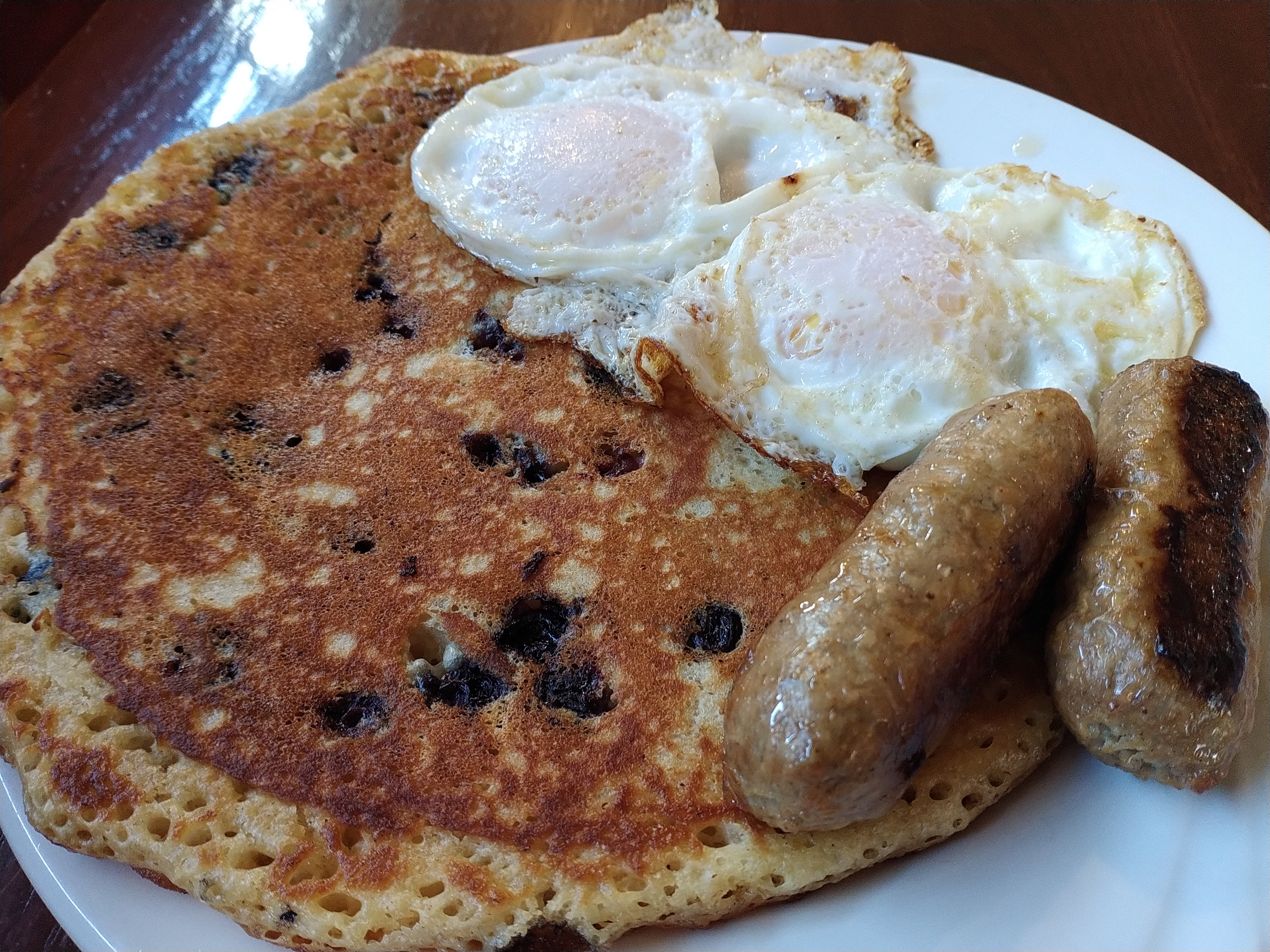
The Blueberry Special at Valeri Ann’s. (Minnesota Prairie Roots copyrighted photo July 2024)

Valeri Ann’s Family Foods in Merrifield, a short drive from the cabin, has become our source for decadent caramel rolls, one big enough for two to share and tasting almost as good as the ones my mother-in-law made. This time we also tried the breakfast specials, one featuring a dinner-plate-size blueberry pancake, the other with wild rice and more incorporated into scrambled eggs. Wild rice is another Northwoods signature food, grown and harvested in the region and parts farther north.

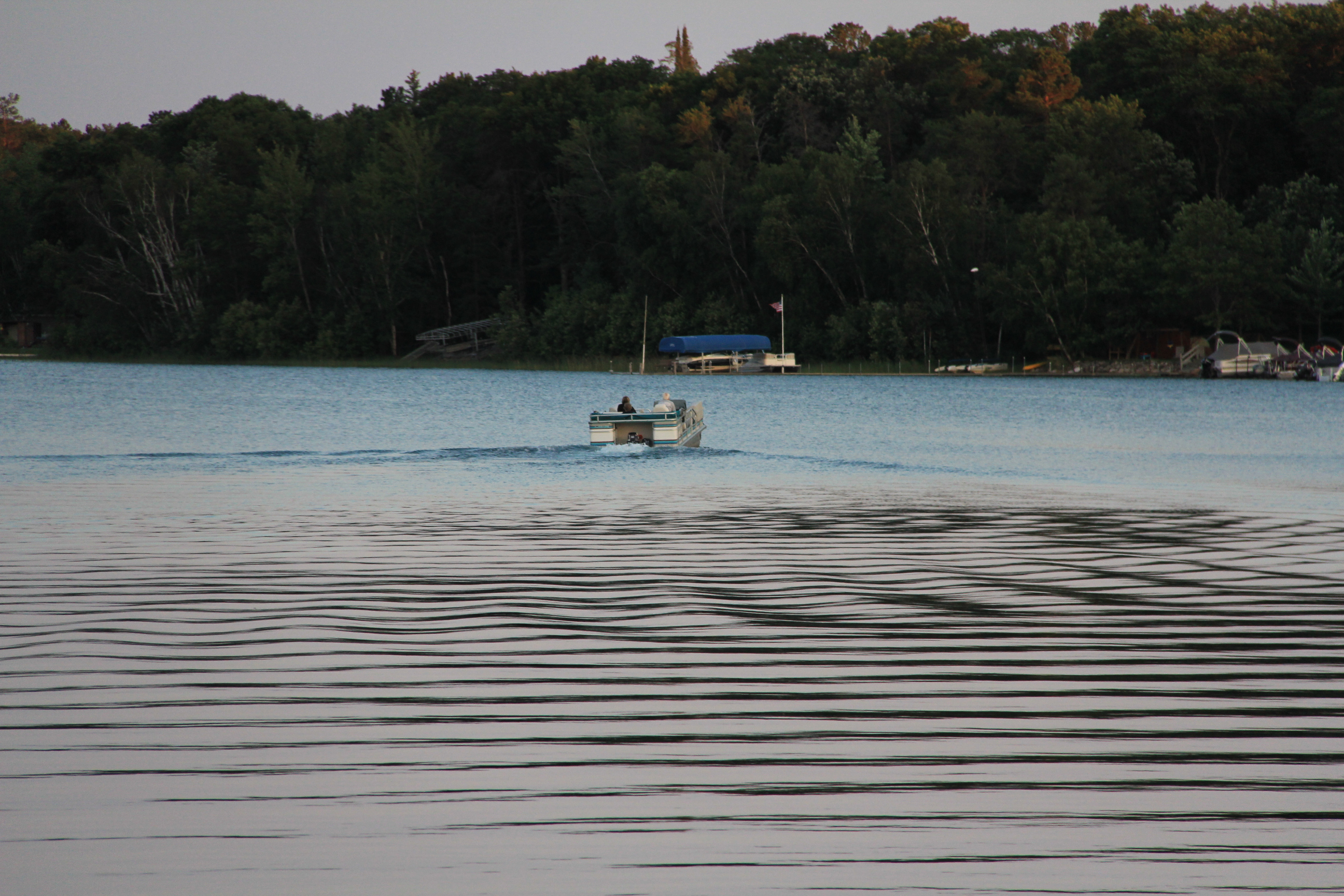
I love how the water ripples, like a work of art, as a boat crosses Horseshoe Lake at sunset. (Minnesota Prairie Roots copyrighted photo July 2024)

As I’ve explored and vacationed in the Northwoods, I’ve grown a deeper appreciation for Minnesota and its diversity of geography, topography and lifestyle. There’s so much to love about this state, from north to south, east to west. Ah, summertime…and going Up North to the cabin.

© Copyright 2024 Audrey Kletscher Helbling
 

Minnesota mining disaster up close & personal at Milford Mine Memorial Park September 2, 2021

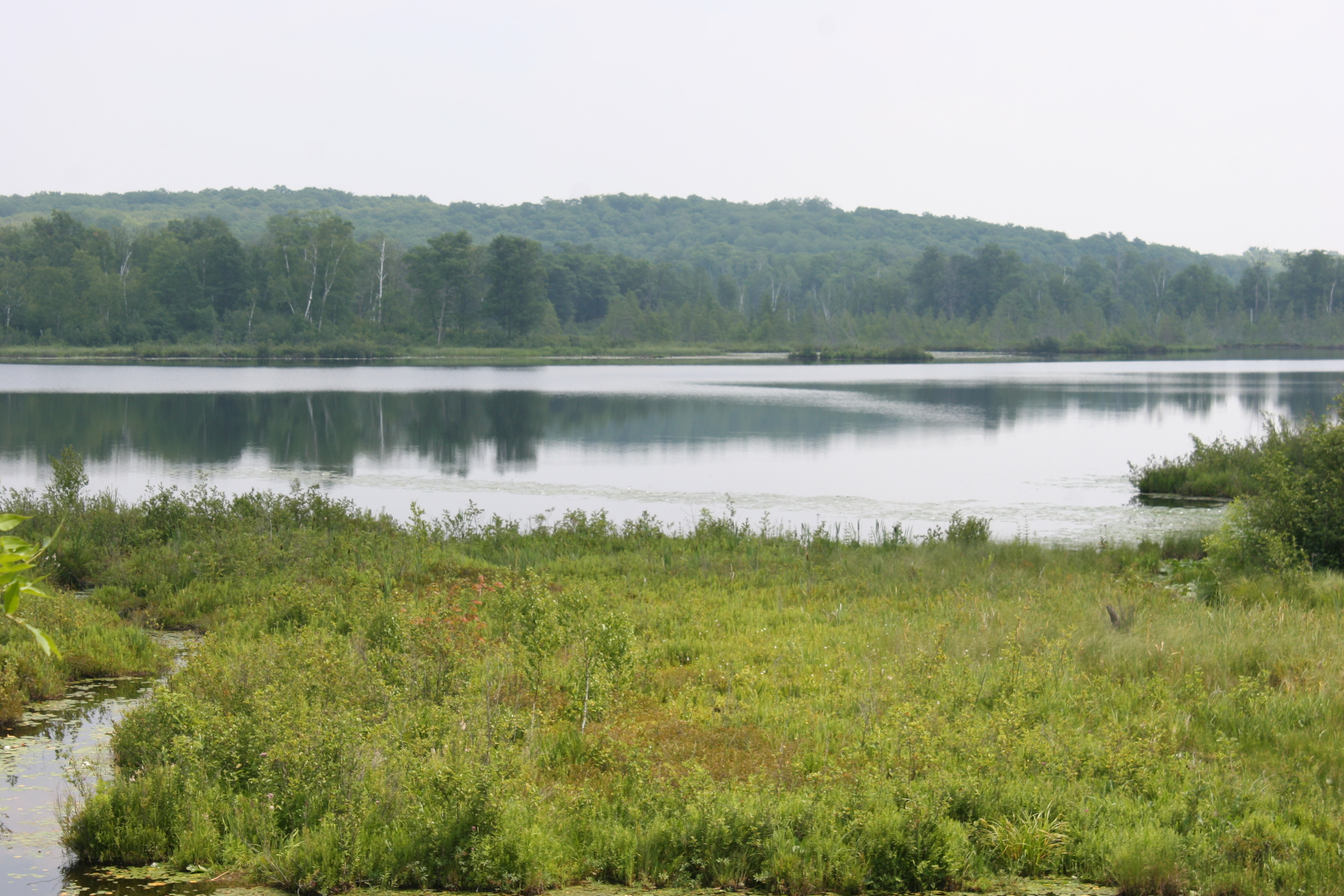
A peaceful and lovely scene at Milford Mine Memorial Park on a hazy July afternoon, rural Crosby. Minnesota Prairie Roots copyrighted file photo July 2021.

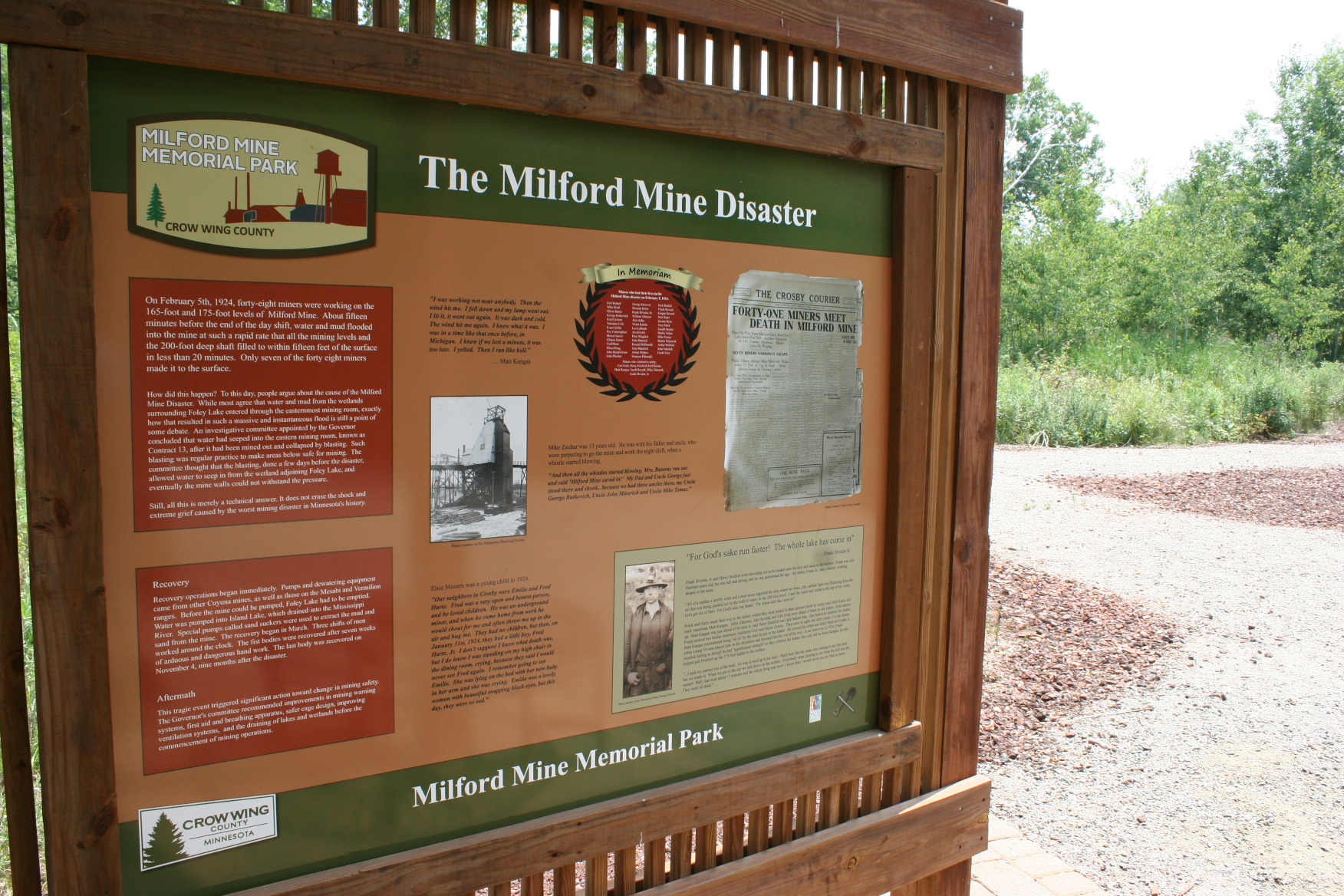
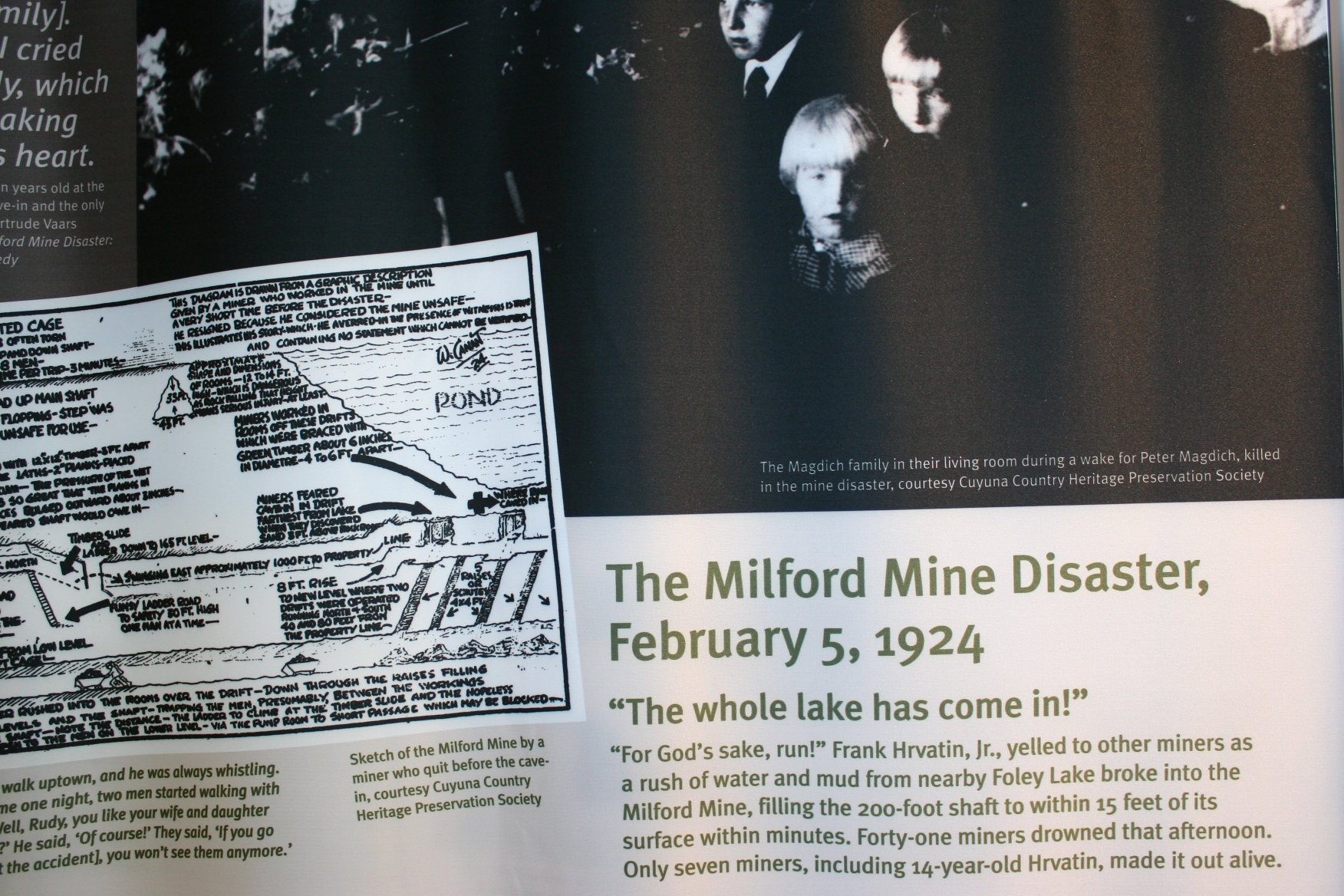
IN A BEAUTIFUL NATURAL SETTING, among the woods and water and wetlands, an American tragedy unfolded nearly 100 years ago on the Cuyuna Iron Range. In the late afternoon of February 5, 1924, water seeped into and then flooded the Milford Mine near Crosby, killing 41 miners in Minnesota’s worst mining disaster.

Information about the mine disaster is included in a traveling exhibit from the Minnesota Historical Society. I photographed this at the Steele County History Center in Owatonna several years ago. Minnesota Prairie Roots file photo.

Their deaths left 38 women without husbands. And 83 children without fathers.

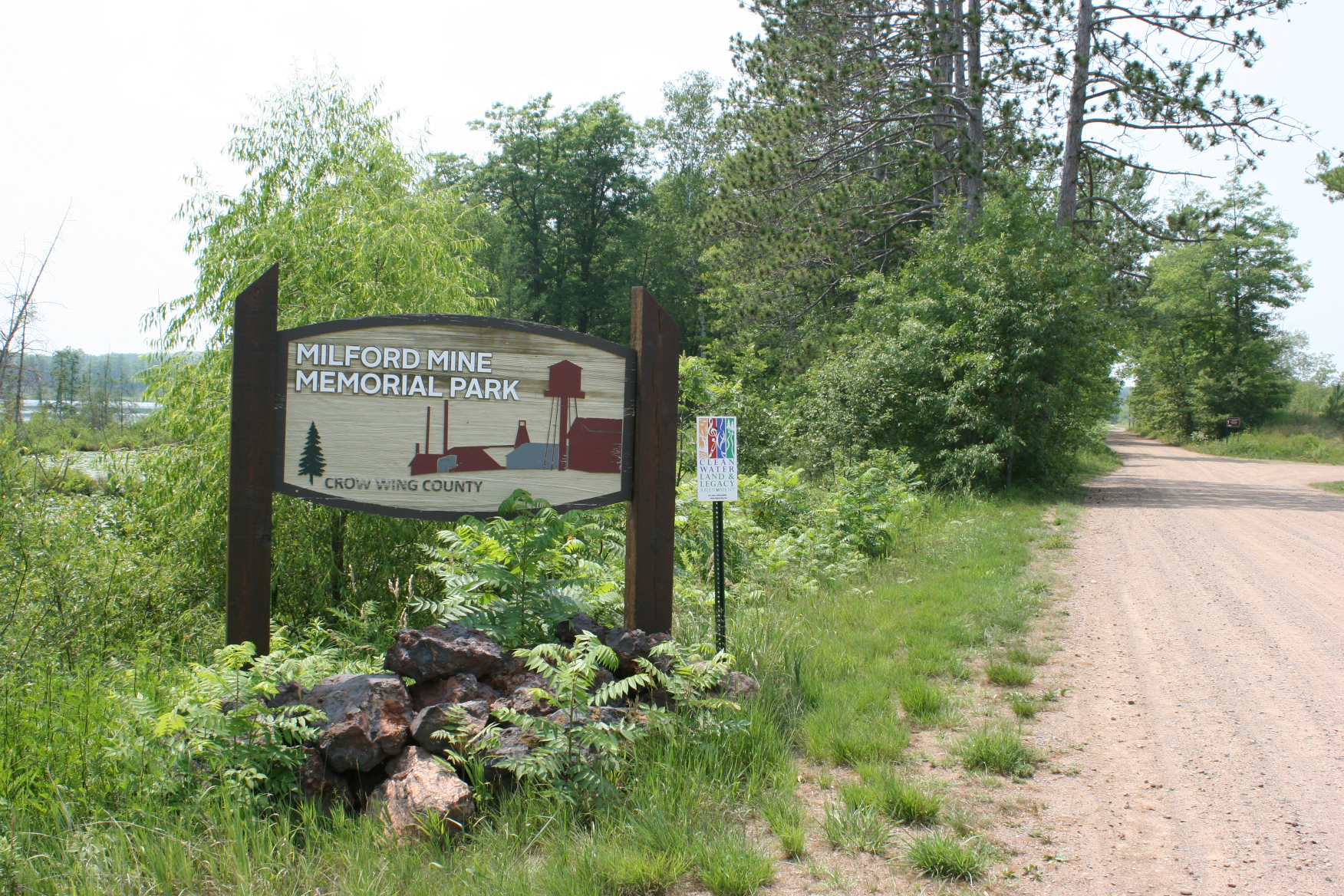
This sign marks the gravel road entry to the memorial park. Minnesota Prairie Roots copyrighted file photo July 2021.

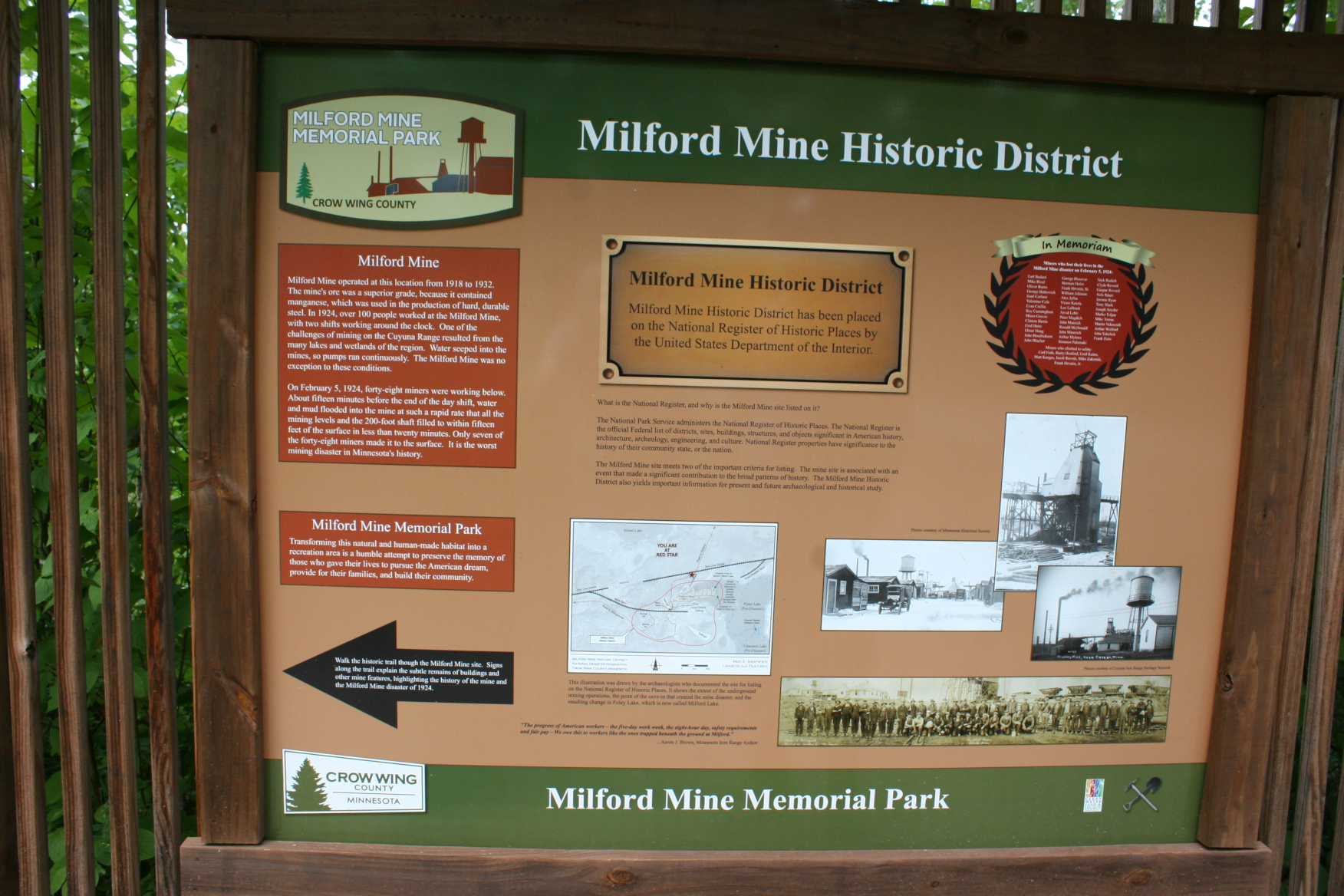
Today the memories of those 41 hardworking iron ore miners, and the seven who survived the mine collapse, are honored at Milford Mine Memorial Park. The Crow Wing County Park is located four miles north of Crosby, just off County Road 30. The Milford Mine Historic District is on the National Register of Historic Places, so important is this to the region’s mining history.

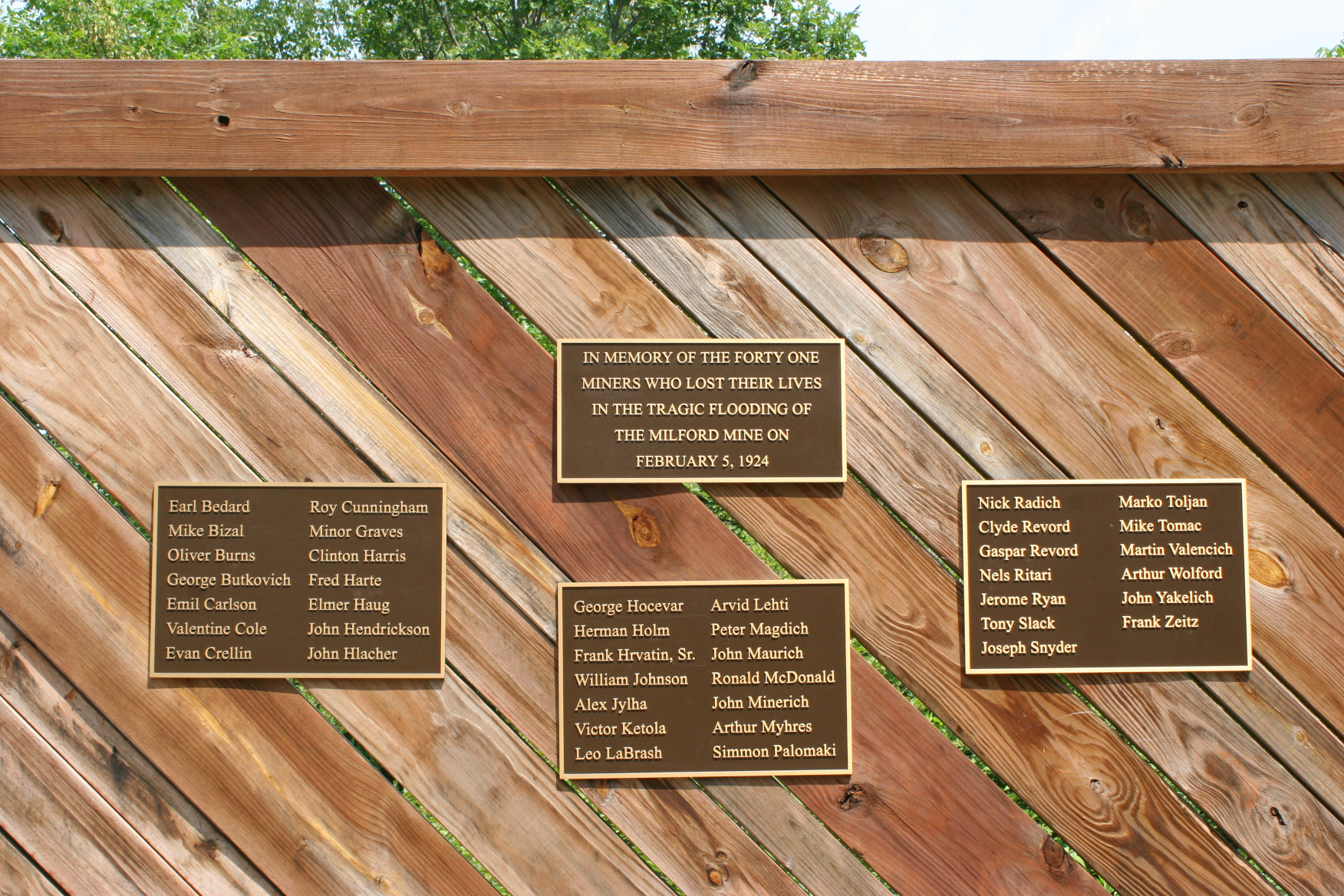
Those who died in the mine. Minnesota Prairie Roots copyrighted file photo July 2021.
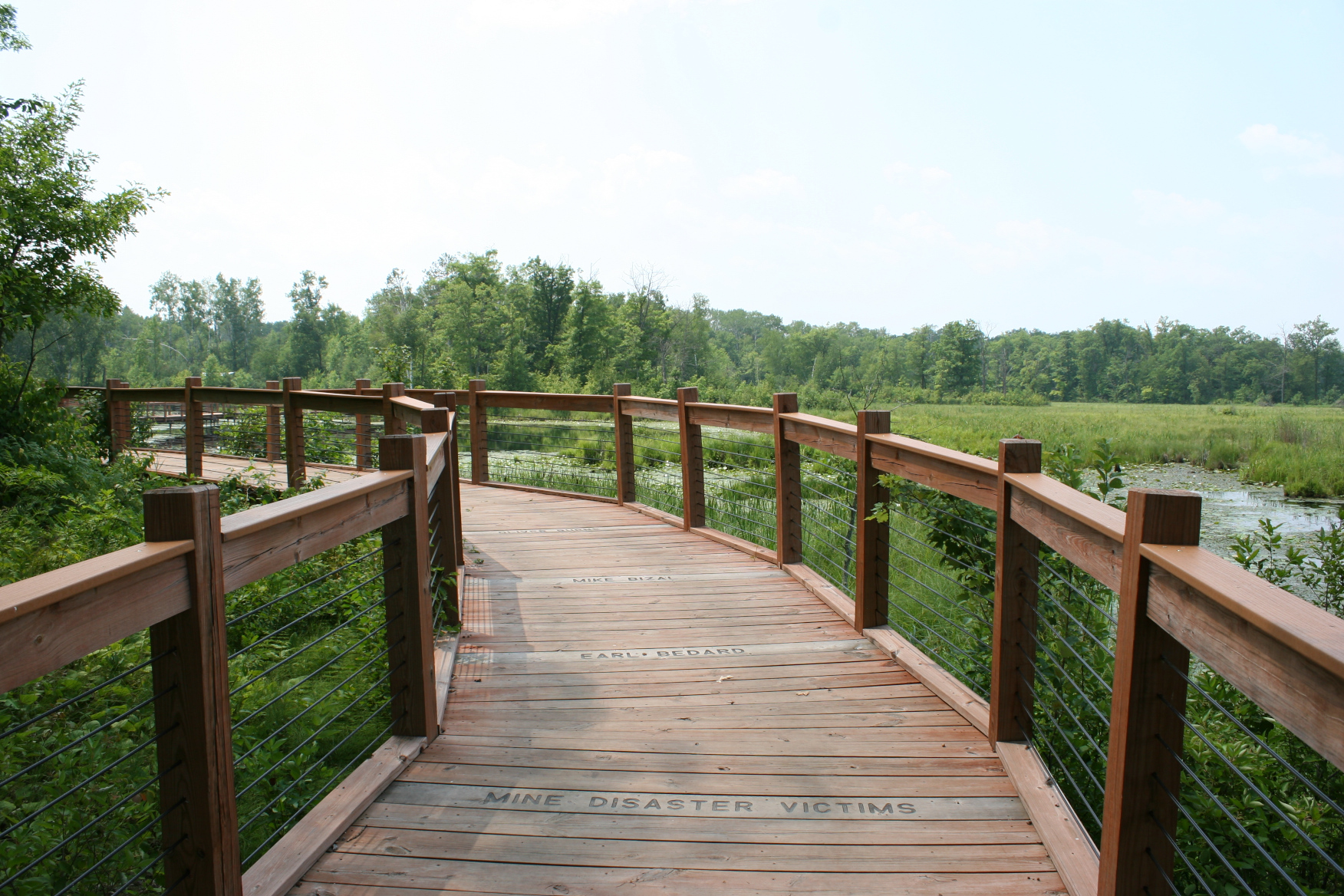
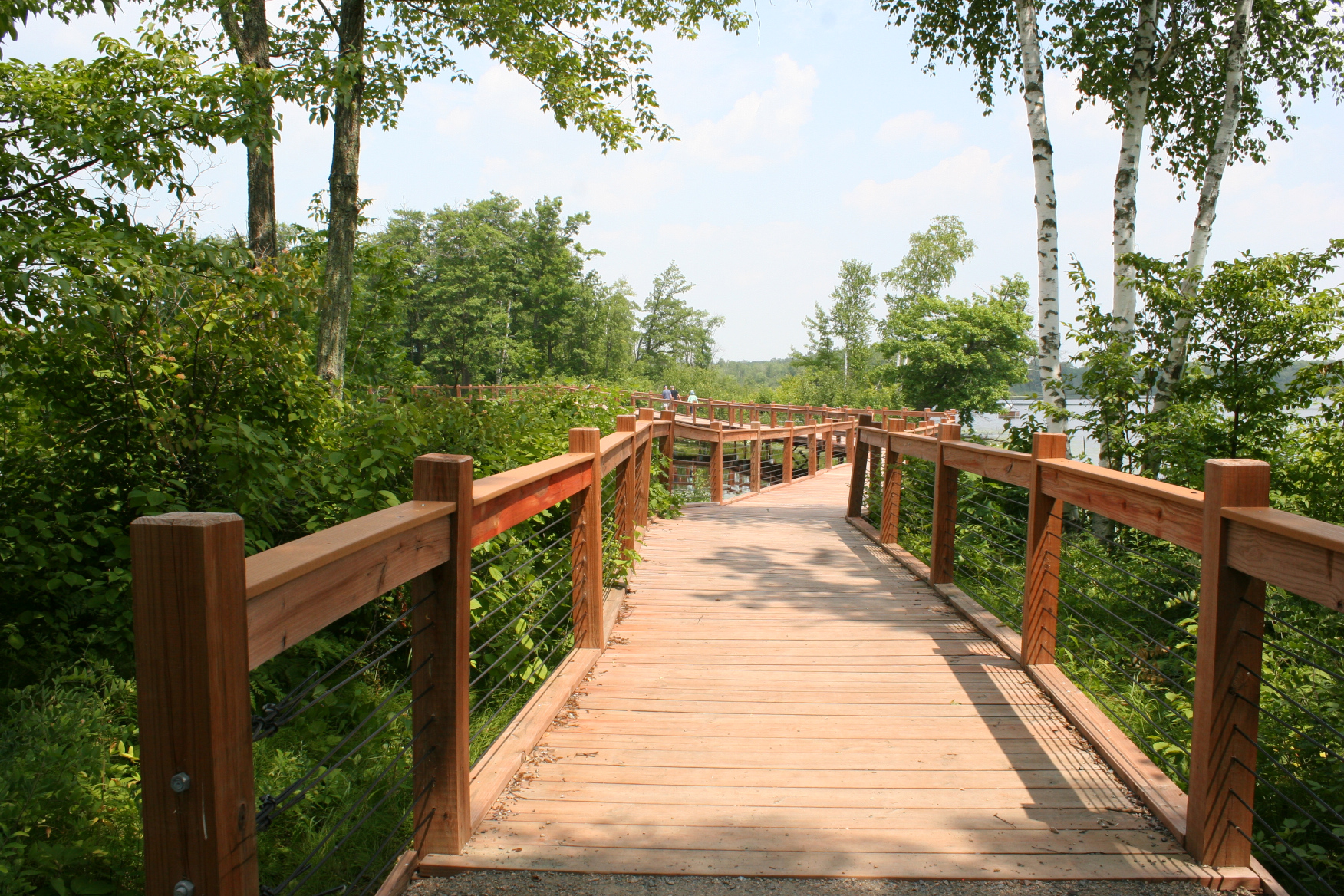
The first boardwalk lists the victims’ names, spaced along the path. Minnesota Prairie Roots copyrighted file photo July 2021.
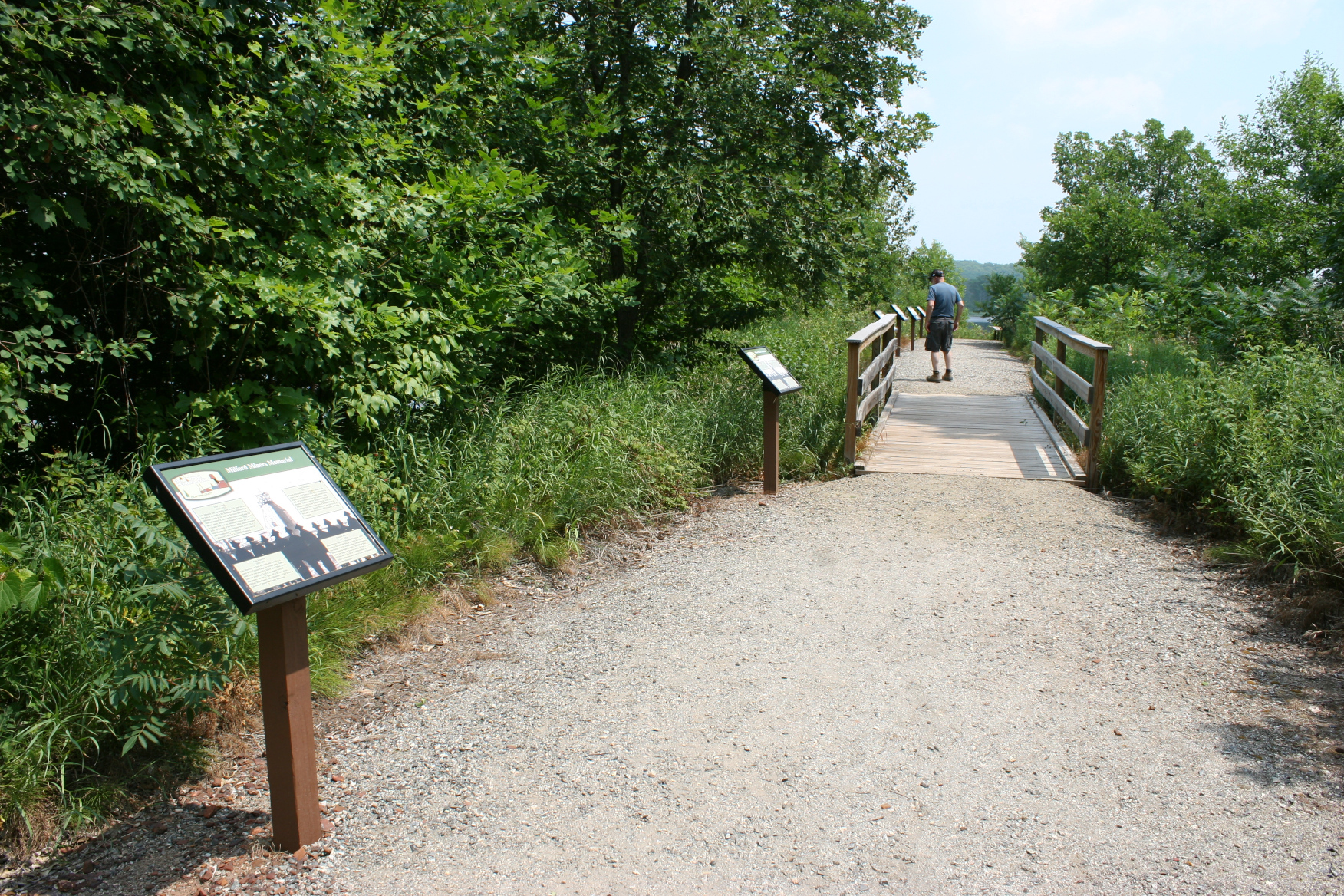
Signs along the trail honor each miner. Minnesota Prairie Roots copyrighted file photo July 2021.

This is truly a remarkable park that covers the history of this event in a deeply personal way. Through names on boardwalks and brief bios on signs, this park moves this disaster beyond statistics. Only then do we begin to understand, to feel the loss.

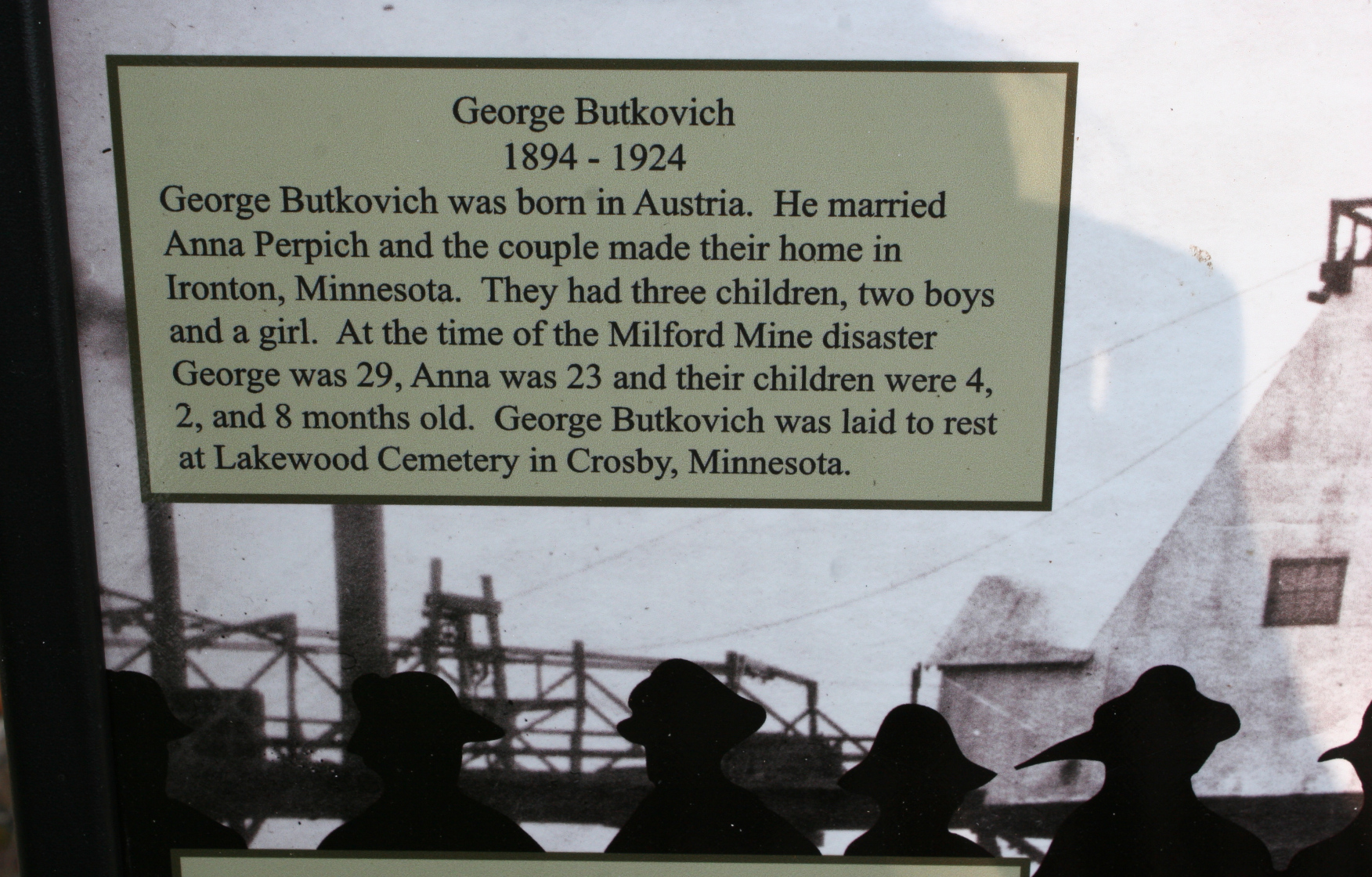
Honoring George Butkovich. Minnesota Prairie Roots copyrighted file photo July 2021.

George Butkovich, 29, an Austrian immigrant married to Anna Perpich (a well-known name to Minnesotans who remember our 34th and 36th governor, Rudy Perpich, a native of the Iron Range) died in the mine. He lived with Anna and their three children in Ironton.

A summary of the disaster. Minnesota Prairie Roots copyrighted file photo July 2021.

Emil A. Carlson, 29, from Finland, was the father of four and married to Elma. They lived in Crosby.

The bios of four who died in the mine. Minnesota Prairie Roots copyrighted file photo July 2021.

Nels R. Pitari, 37, also a Finnish immigrant, was married to Hilda. They lived in Brainerd and had four children, one only five months old at the time of his father’s death.

The park is not only a great place to learn about history, but also a great place to hike and enjoy nature.
Bold berries pop alongside the trail. Minnesota Prairie Roots copyrighted file photo July 2021.
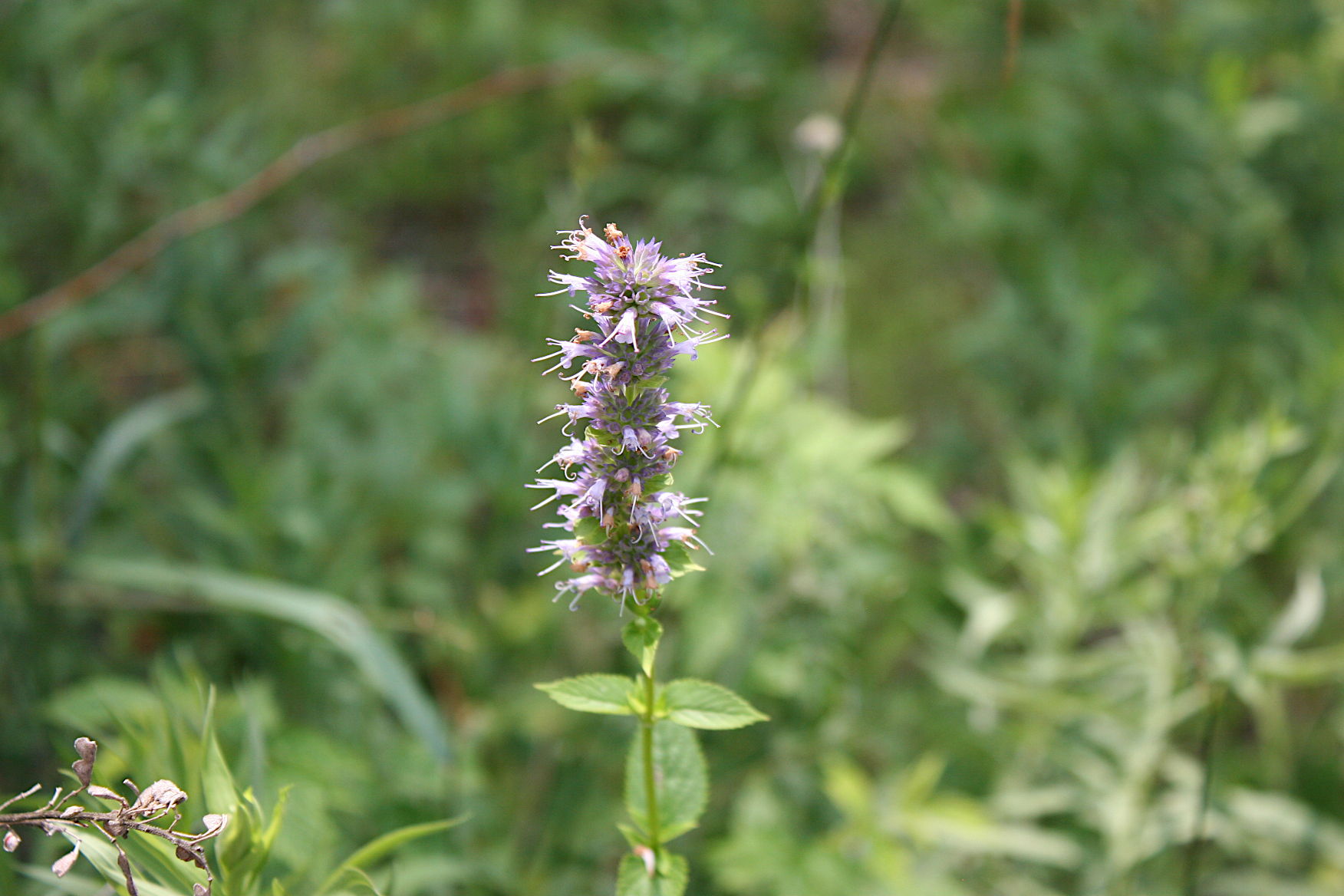
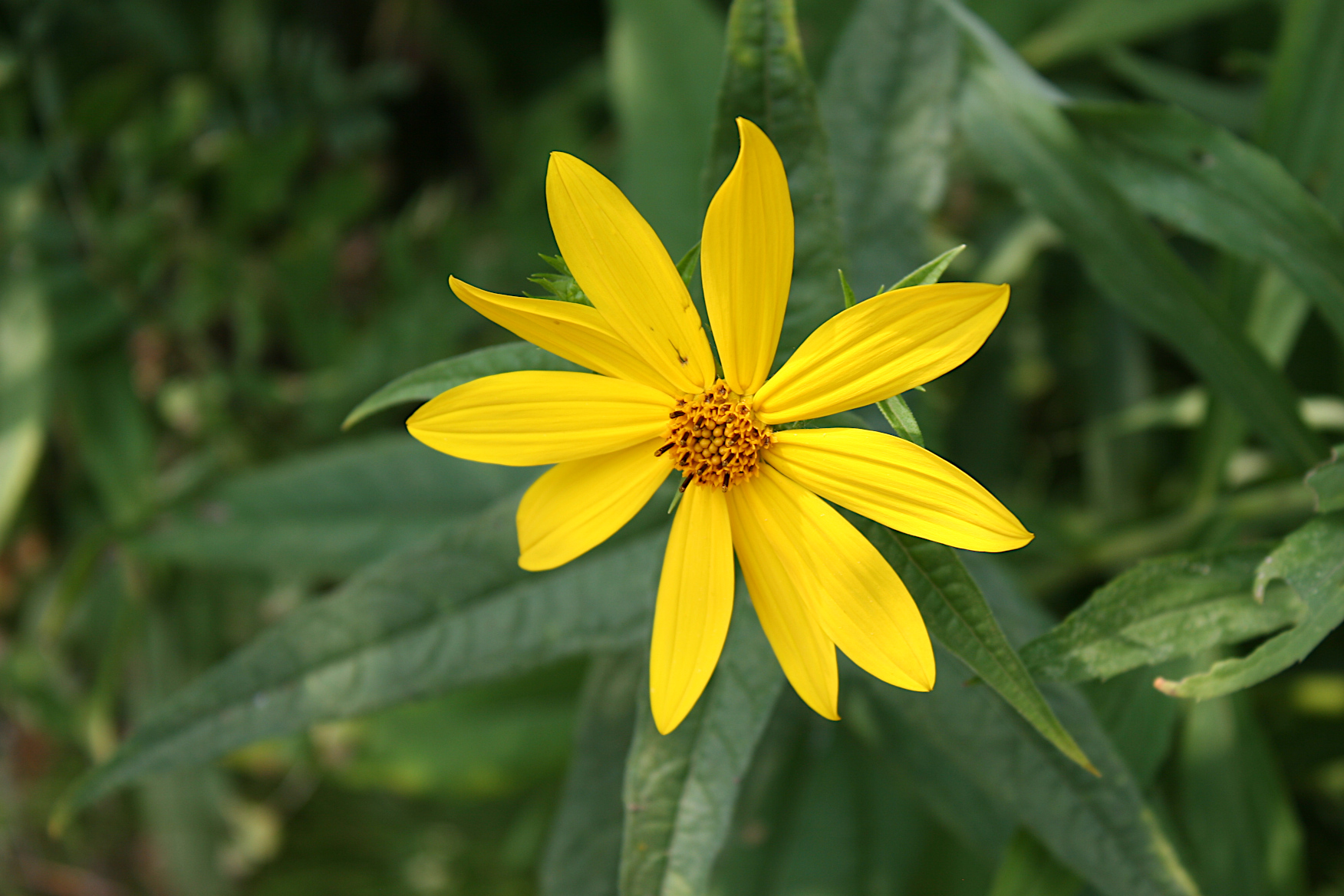
Not to be missed, the many wildflowers gracing this park. Minnesota Prairie Roots copyrighted file photo July 2021.

According to signage at Milford Memorial Park, the park “is an attempt to preserve the memory of those who gave their lives to pursue the American dream, provide for their families and build their community.” That’s necessary to understand given the importance of iron ore mining in this region. The high grade ore from the Milford Mine was used in the production of steel. This region of Minnesota was built around iron ore mining.

History honored and shared… Minnesota Prairie Roots copyrighted file photo July 2021.

Many who came to this area arrived from across the US, Canada and the European continent. They were a diverse group, looking to better their lives, to raise their families in a new place, to build strong communities.

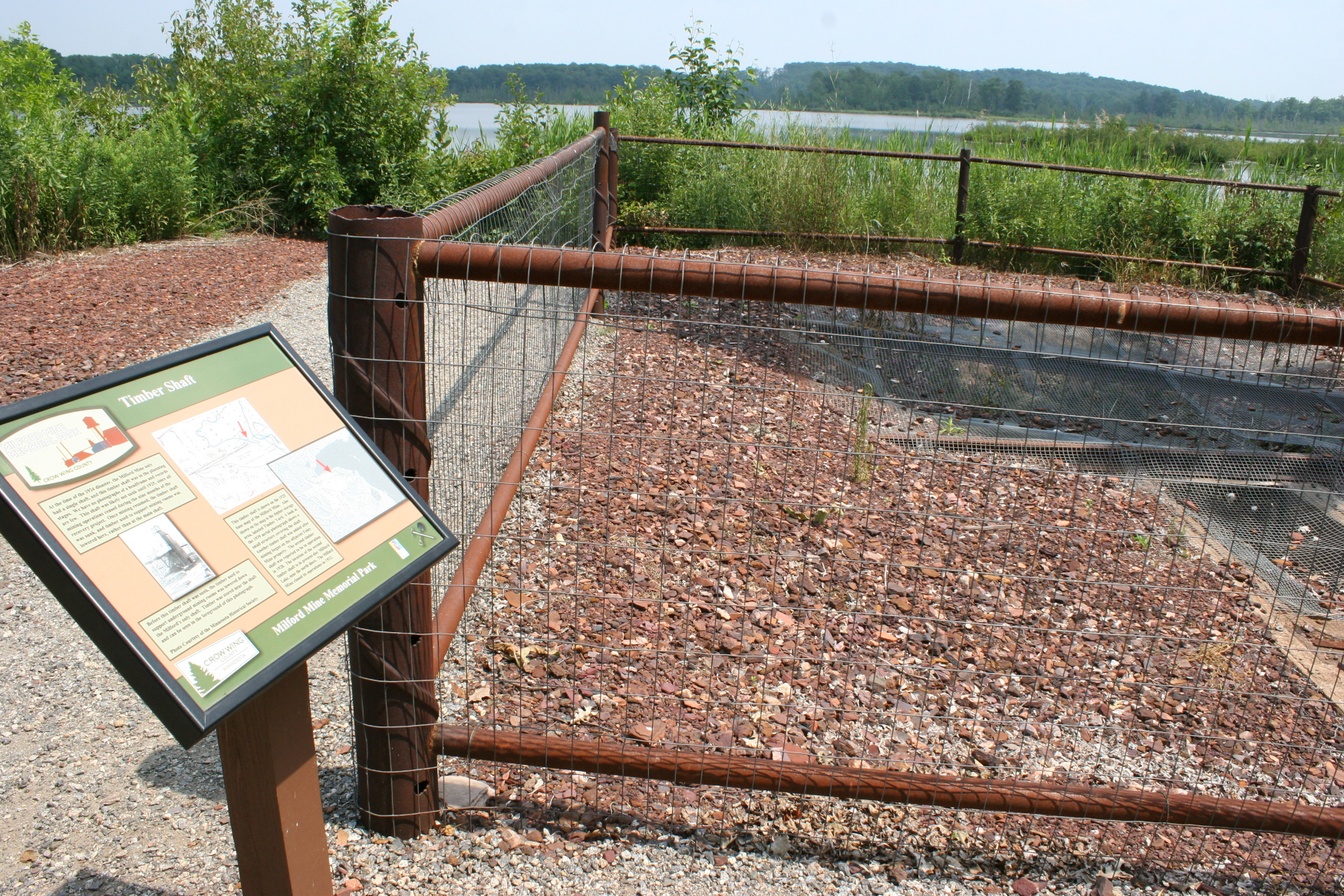
Site of the timber shaft. Minnesota Prairie Roots copyrighted file photo July 2021.
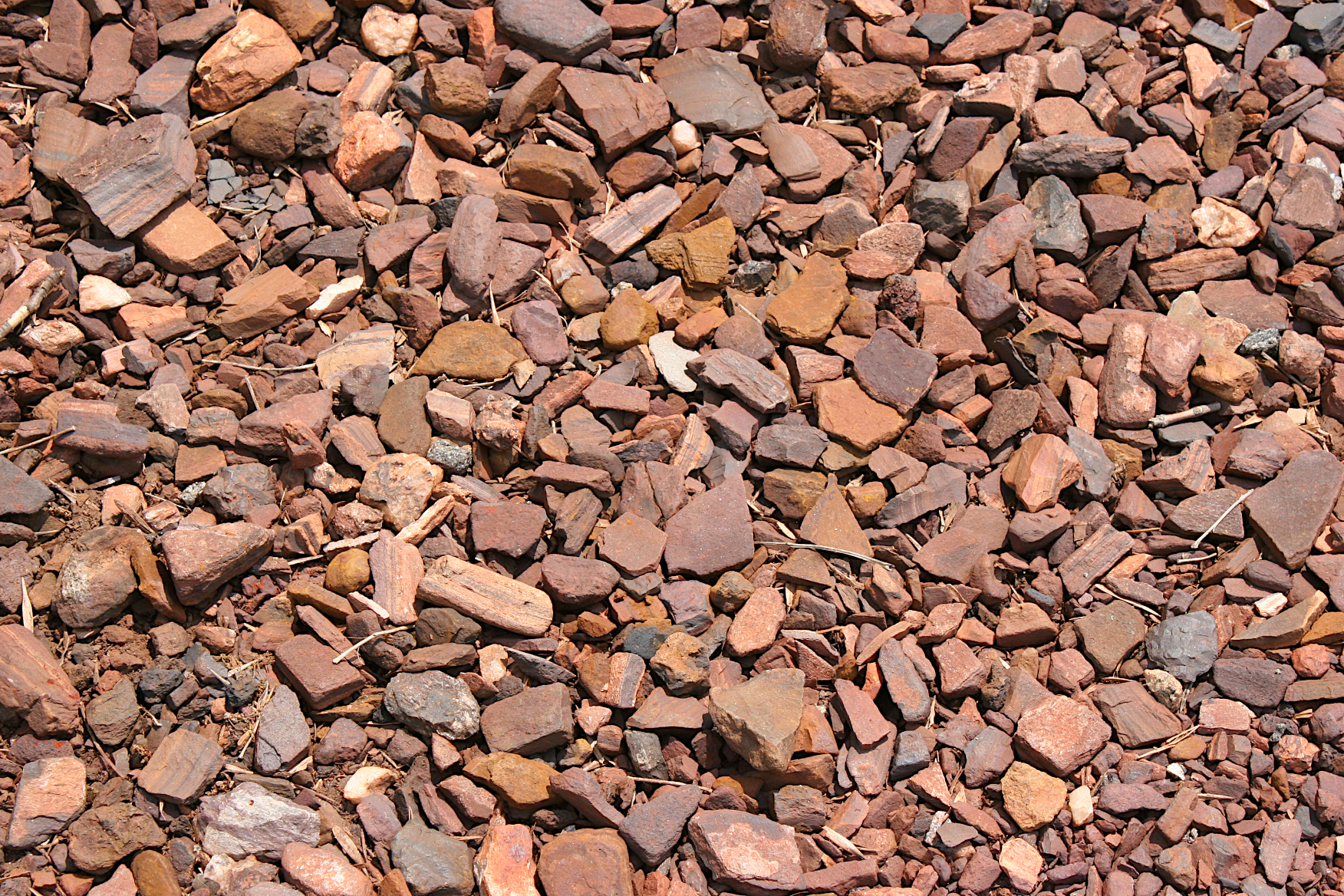
What I presume to be iron ore. Minnesota Prairie Roots copyrighted file photo July 2021.
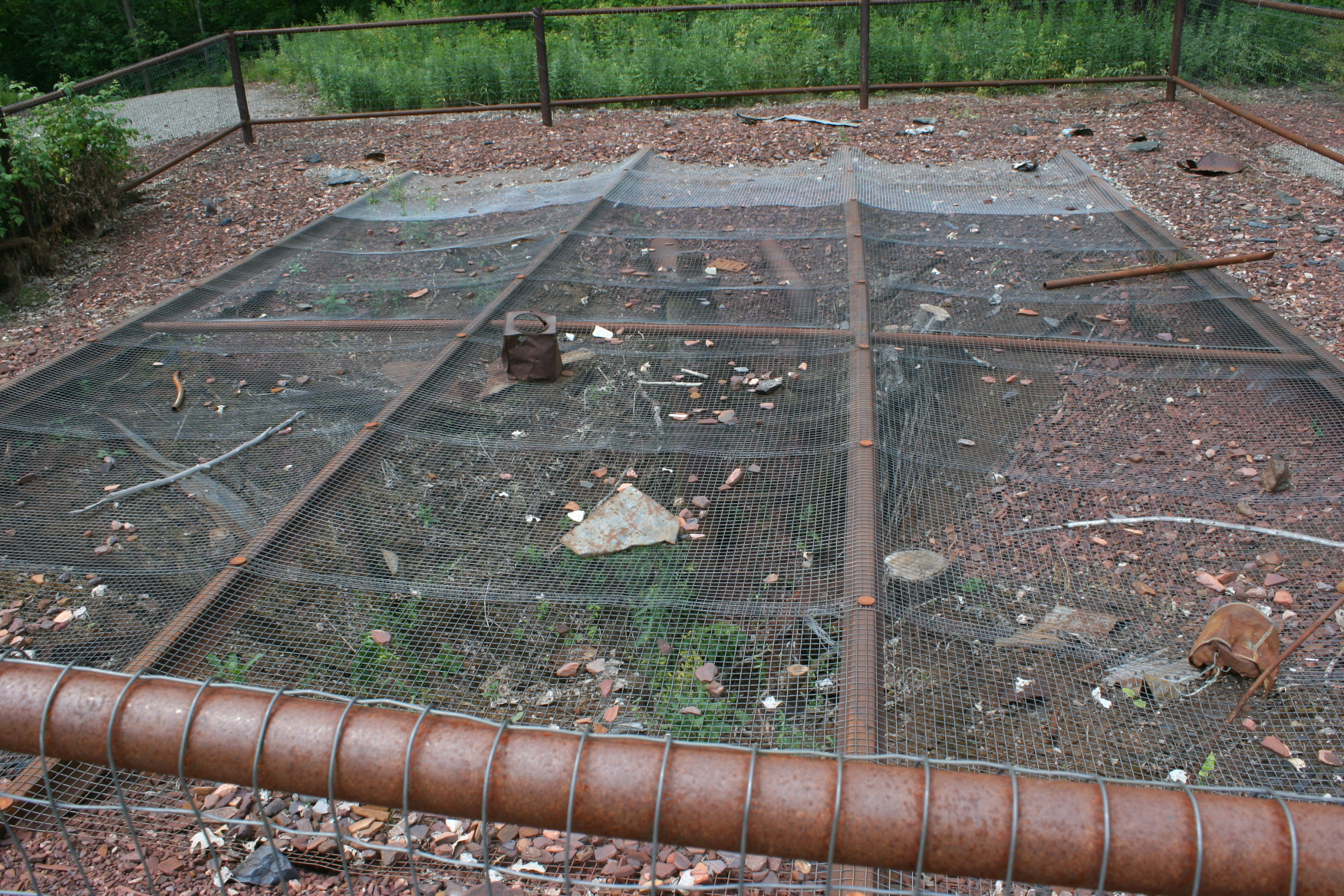
The entry to the mine shaft is fenced around and over. Minnesota Prairie Roots copyrighted file photo July 2021.

In walking through the park, pausing often to read the history of this place and to view marked sites like the machine and blacksmith shops and the mine and timber shafts, I felt a sense of reverence, a sense of understanding of the loss connected to this land.

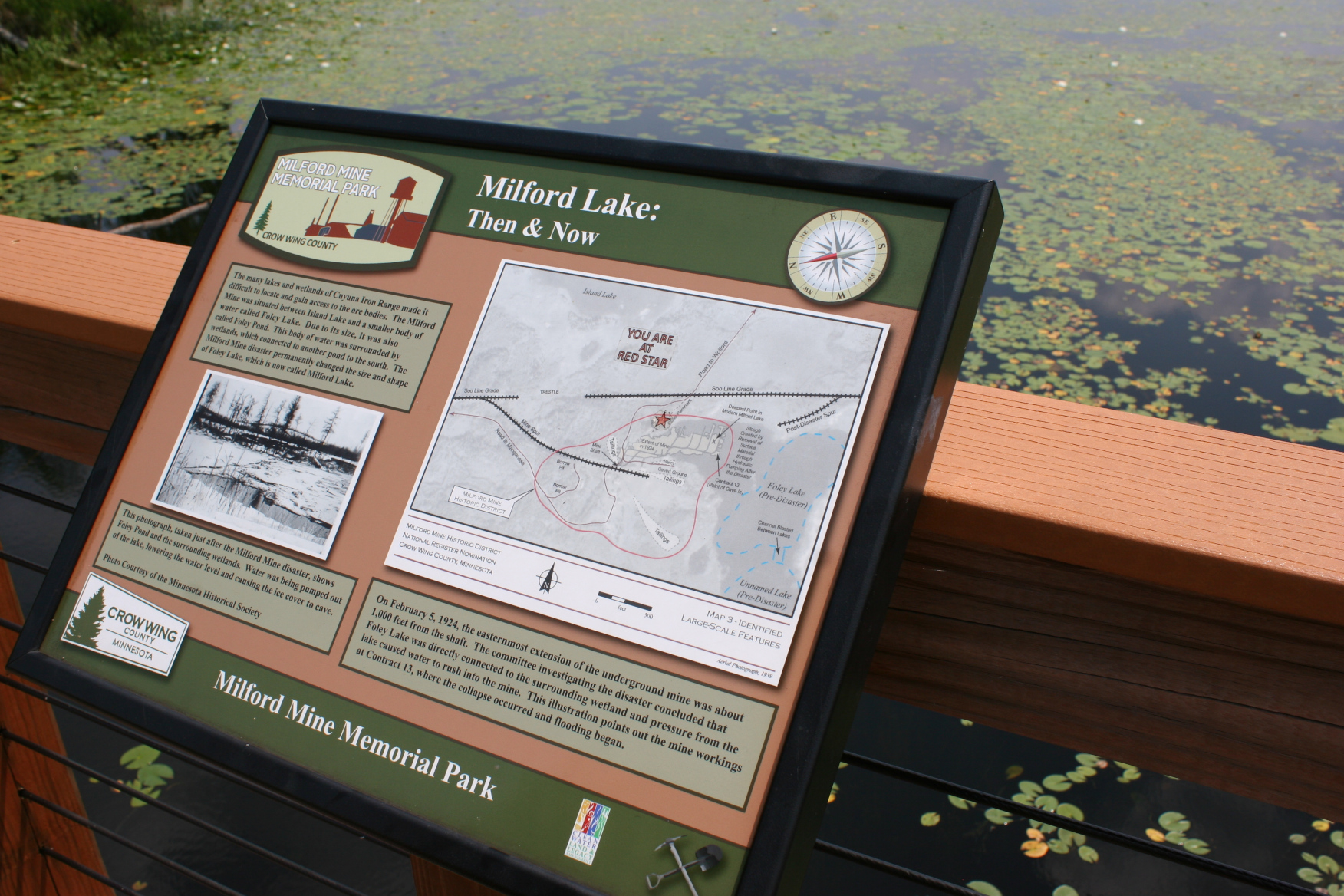
Originally named Lake Foley, the lake has since been renamed Milford Lake. Minnesota Prairie Roots copyrighted file photo July 2021.
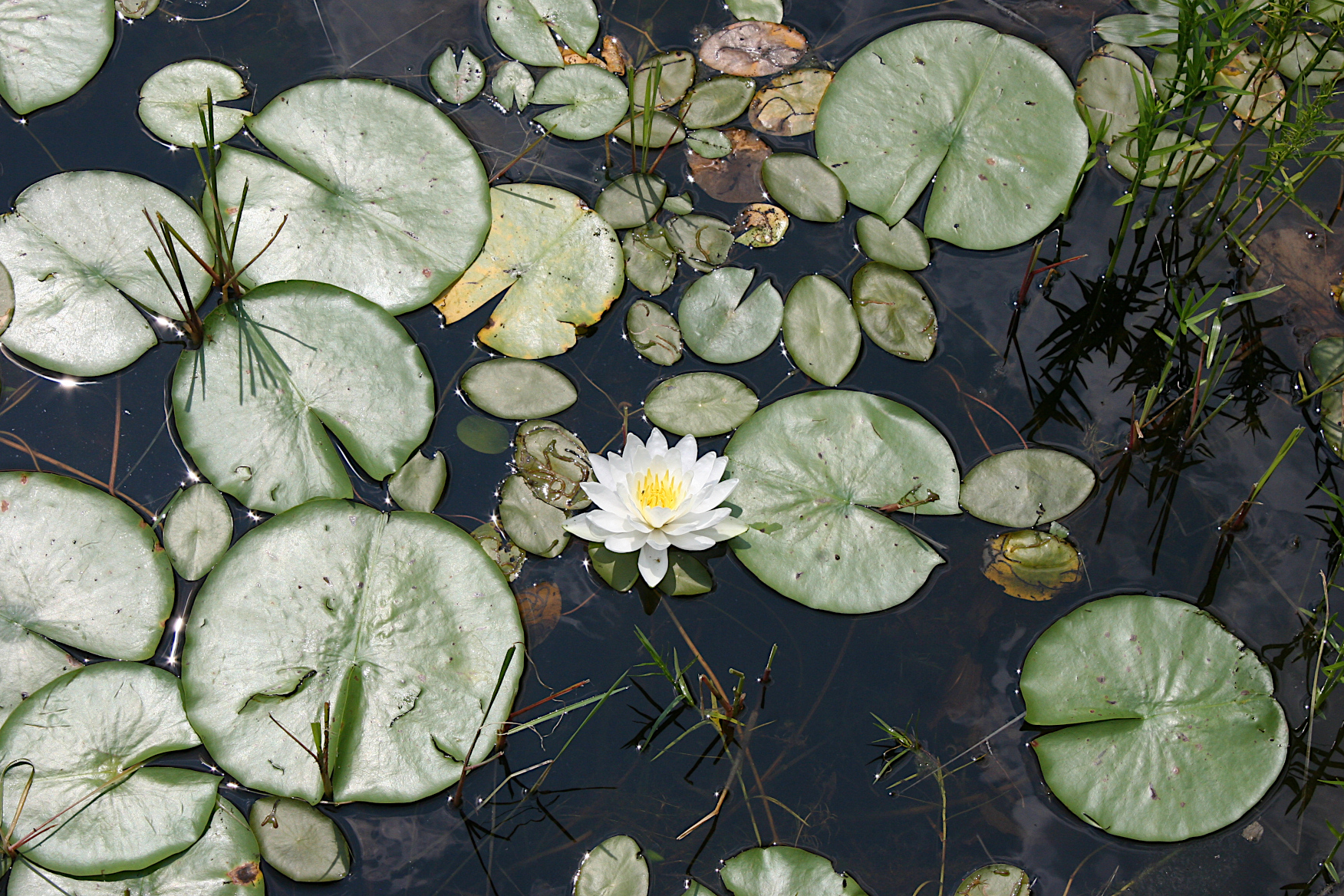
Water lilies in Milford Lake, Minnesota Prairie Roots copyrighted file photo July 2021.
A flower brightens woods’ edge near the lake. Minnesota Prairie Roots copyrighted file photo July 2021.

Investigators determined that pressure from Lake Foley, connected to adjoining wetlands, caused water to rush into the mine resulting in the collapse of the mine’s walls. Within 20 minutes of that occurrence, the 200-foot deep mine shaft filled to within 15 feet of the surface. That allowed only minimal time for the miners to attempt an escape. Only seven got out. They, too, are recognized at the memorial park on a survivors’ boardwalk: Carl Frals, Harry Hosford, Mike Zakotnik…

Lengthy memorial boardwalks curve into the park. Minnesota Prairie Roots copyrighted file photo July 2021.

As I walked the boardwalks and trails, I felt sometimes overwhelmed by the sheer tragedy of the Milford Mine Disaster. So much loss. So much grief and pain. So many father-less children. And it is that, perhaps, which touched me the most.

NOTE: Milford Mine Memorial Park is open daily from sunrise to sunset. I encourage you to visit, to experience this important part of Minnesota history.

© Copyright 2021 Audrey Kletscher Helbling
 

Learning about Minnesota’s worst mining disaster September 1, 2021

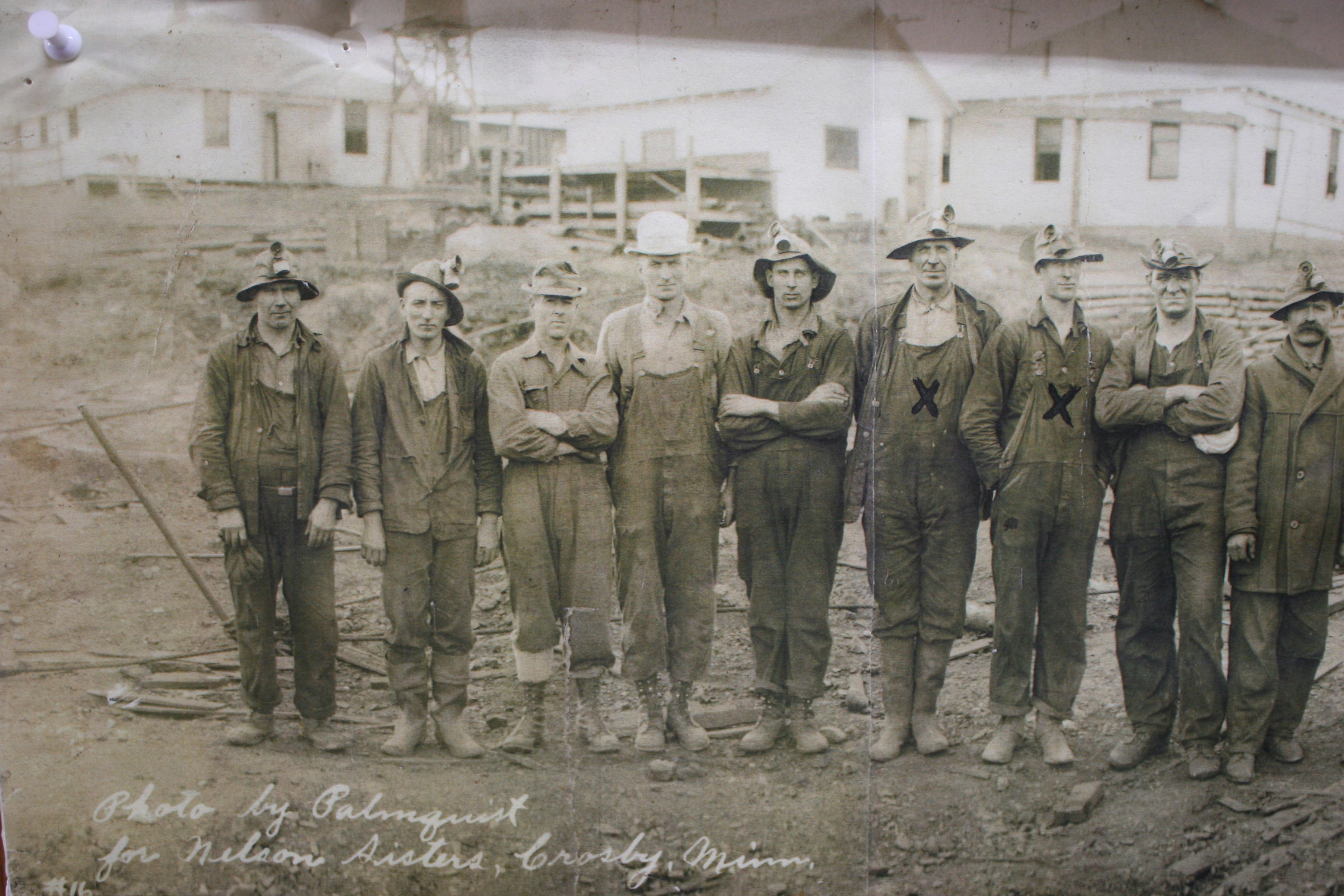
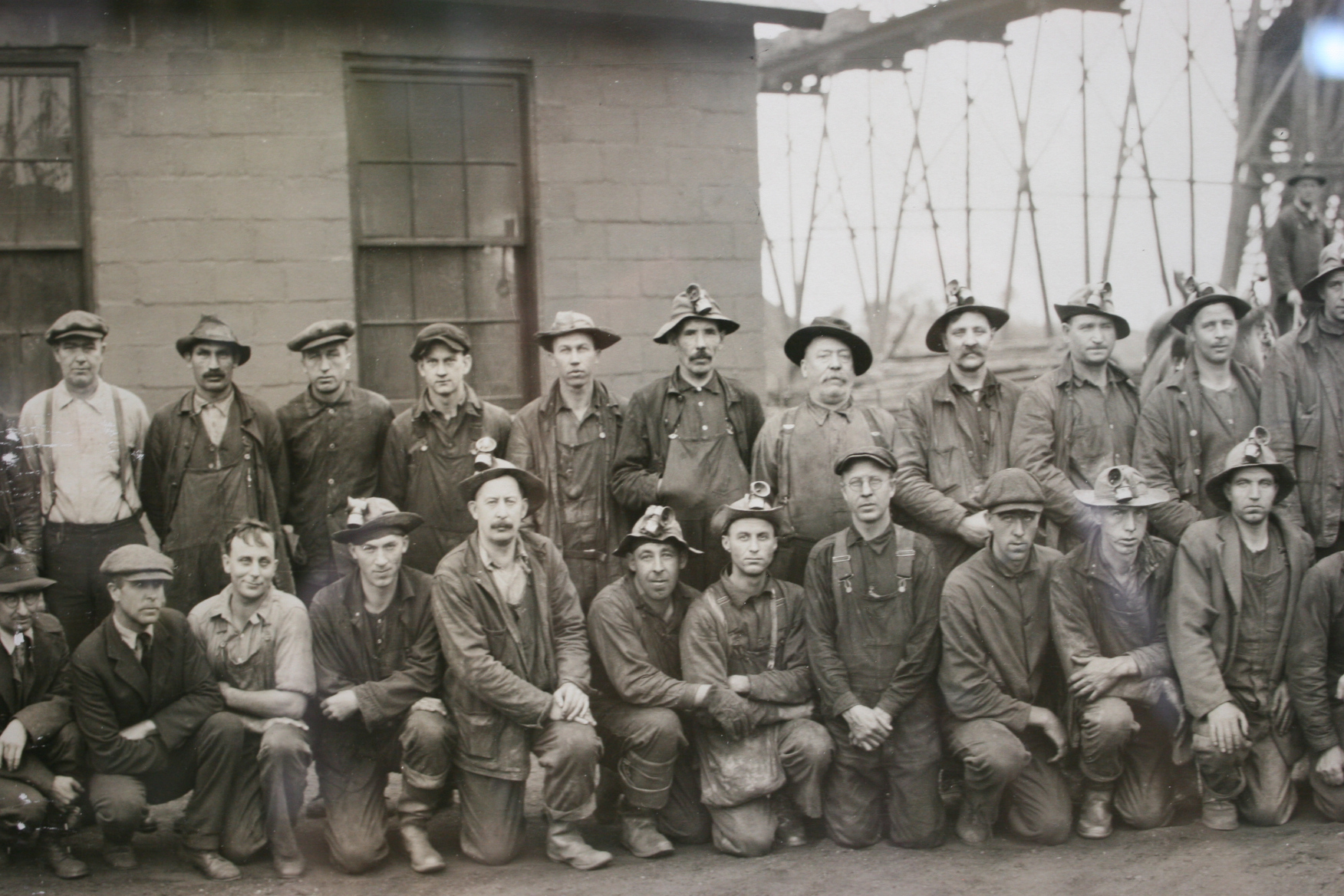
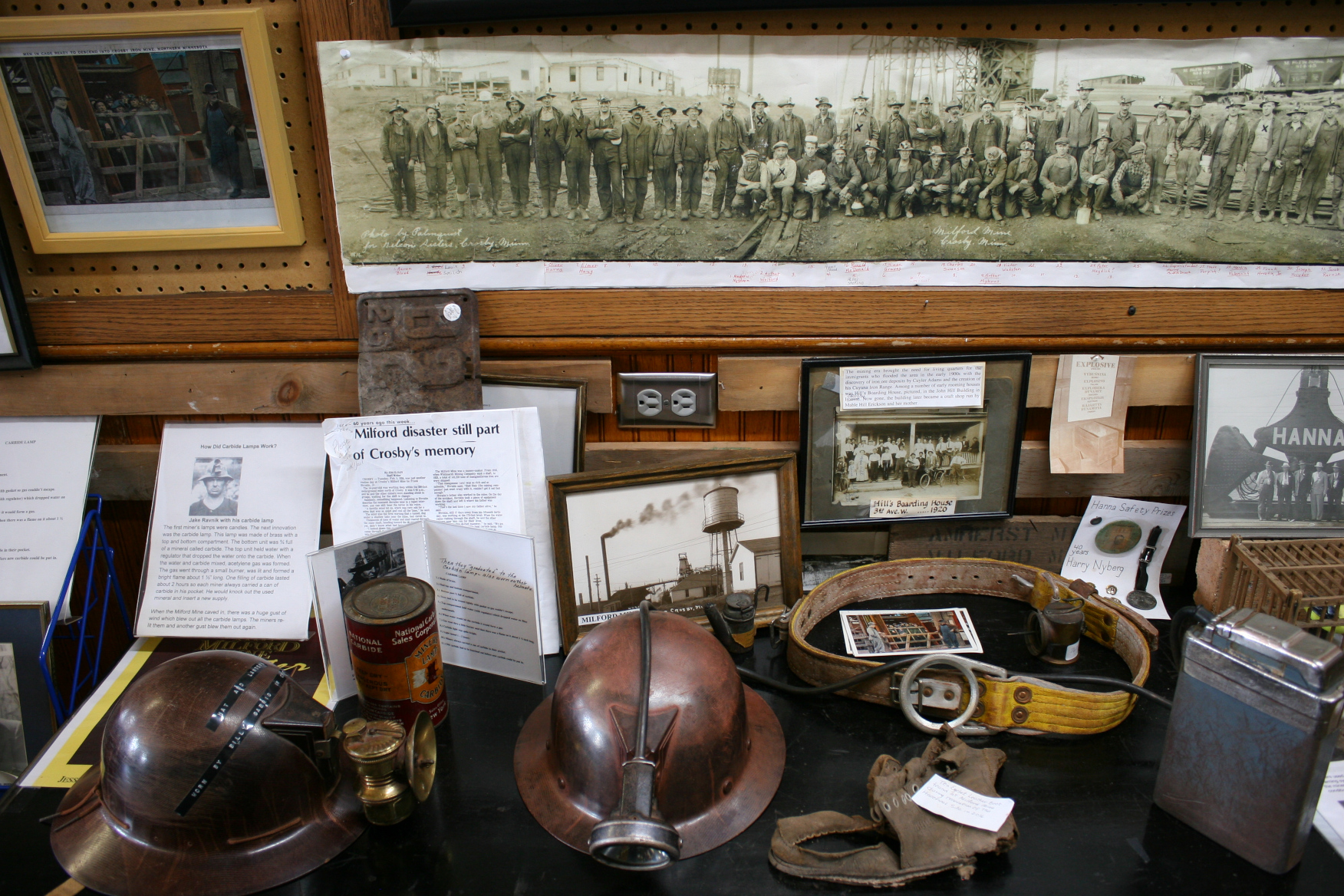
A photo of iron ore miners displayed at the Soo Line Depot Museum in Crosby, Minnesota. Minnesota Prairie Roots photo July 2021.

I CANNOT IMAGINE WORKING as a miner. Underground. Enclosed in tight spaces. Enveloping darkness. Fear and danger and sometimes unsafe working conditions. I couldn’t do the job. I need light and air and space. To feel free, not trapped.

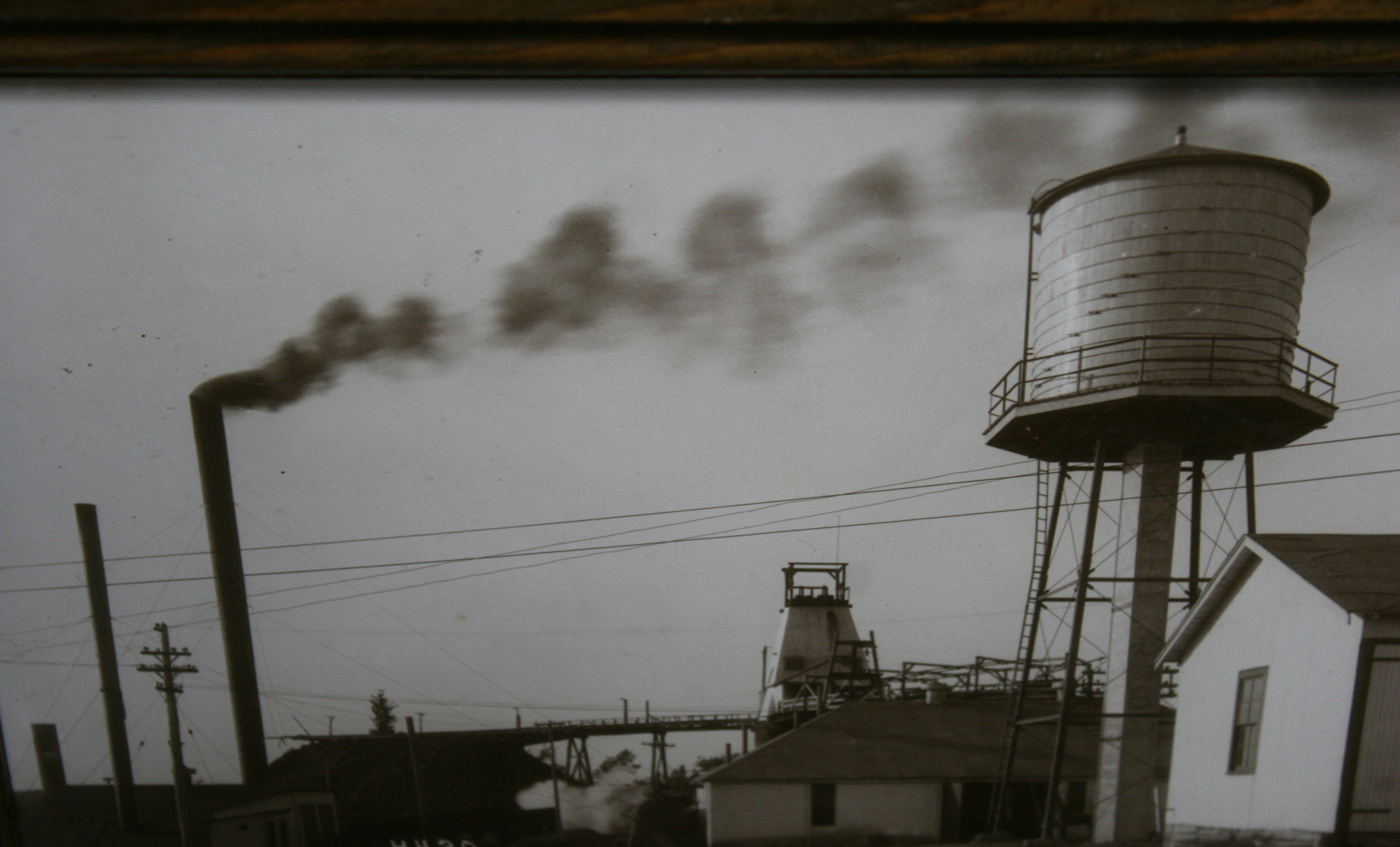
A photo of the Milford Mine displayed at the Crosby museum. Minnesota Prairie Roots photo July 2021.

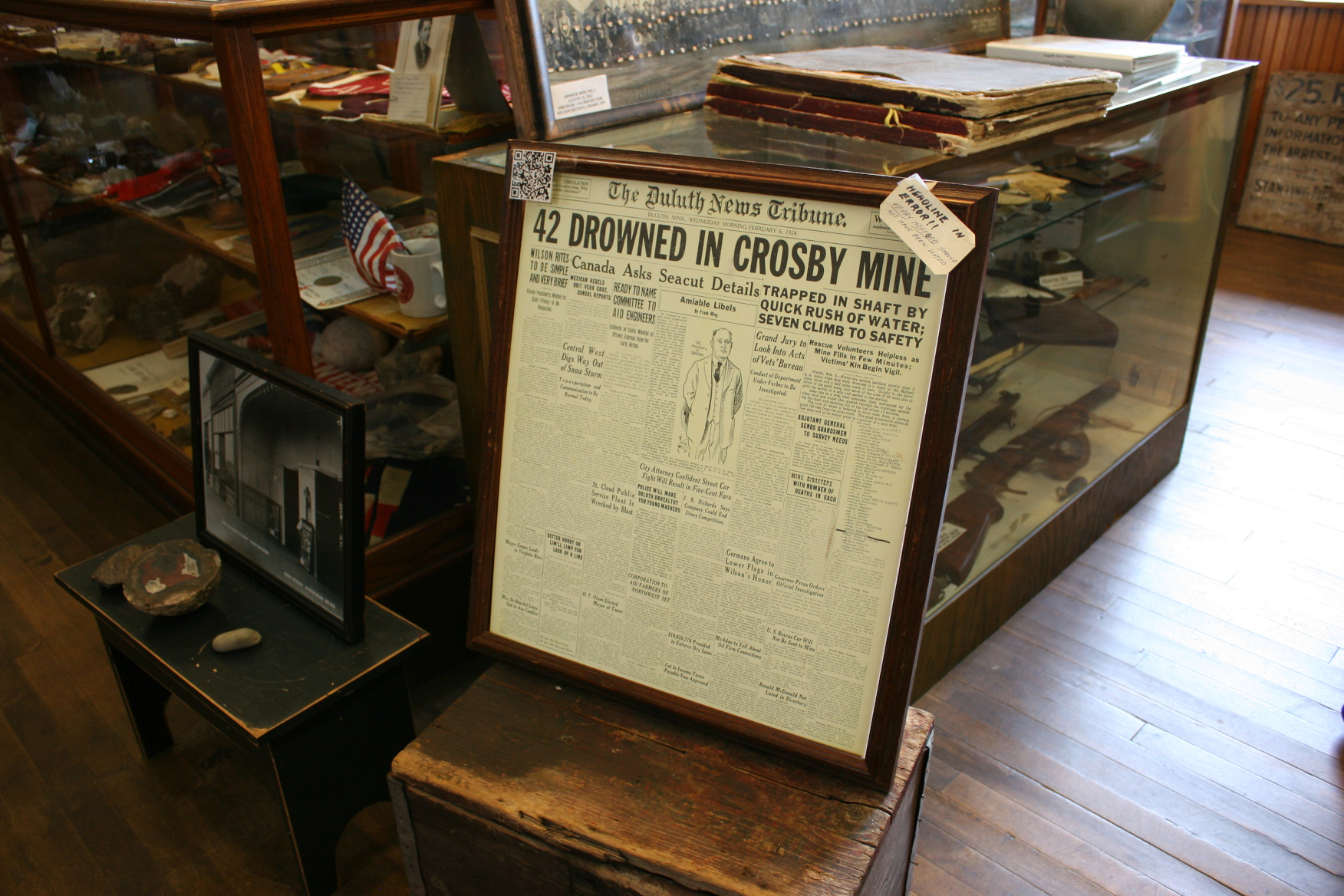
On February 5, 1924, nearly 50 men mining iron ore in the Milford Mine on the Cuyuna Iron Range in central Minnesota faced their greatest fear. Death. They were only 15 minutes from the end of their shift when the unthinkable happened at 3:45 pm on a Tuesday. When mud, water and quicksand from Foley Lake flooded the shaft. Only seven of the 48 miners escaped.

Mining photos and equipment are part of the museum display. Minnesota Prairie Roots copyrighted photo July 2021.

I cannot imagine the horrible scene which unfolded in that mine as these hardworking men struggled to get out. To survive. To return to their families. To see the light of day. To breathe.

The headline in the Duluth newspaper erroneously reports that 42 (not 41) miners drowned. Minnesota Prairie Roots copyrighted file photo July 2021.

Forty-one men died as the 200-foot deep mine shaft filled with water to within 15 feet of the surface in just 20 minutes. That’s not much time to scramble up a ladder to safety.

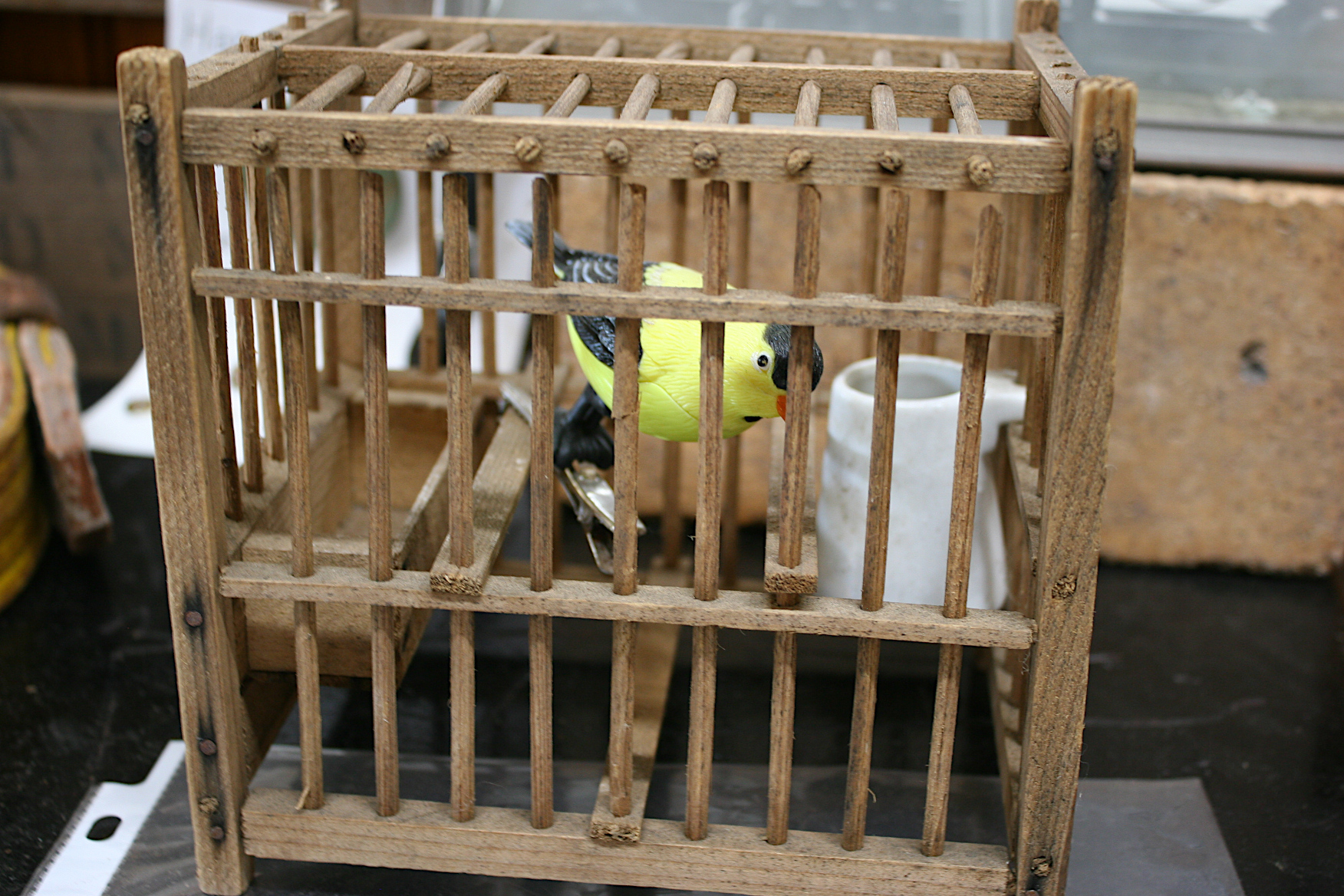
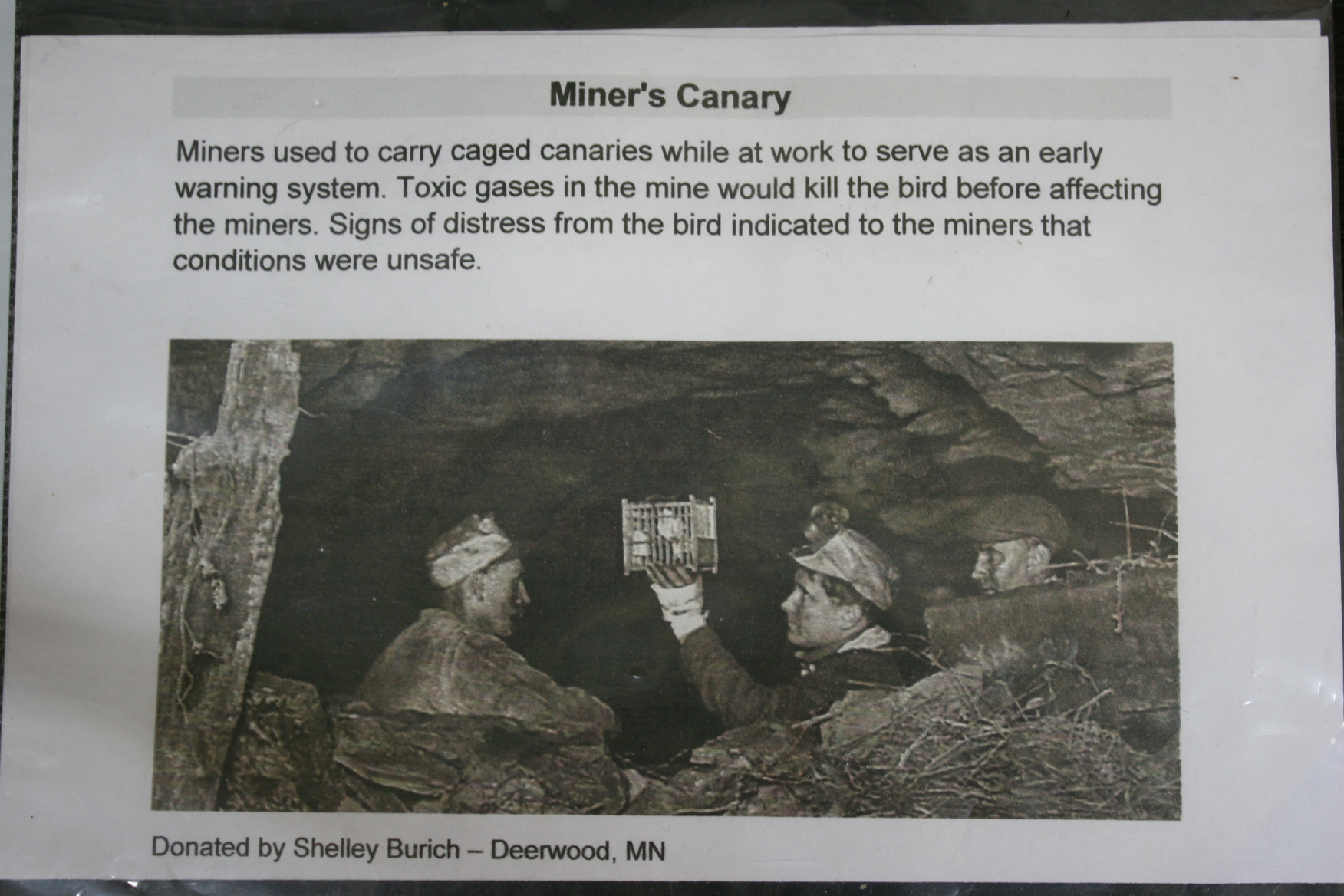
Canaries really were used to detect gas levels in mines, as replicated at the museum. Minnesota Prairie Roots copyrighted file photo July 2021.

Until two months ago, my knowledge of Minnesota’s worst mining disaster was limited to just that—an awareness that this tragedy happened. Beyond that, I was uninformed. I don’t recall ever hearing of this disaster in any history classes.

Info on use of caged canaries is included in the museum exhibit. Minnesota Prairie Roots copyrighted file photo July 2021.

Yet, this event, this substantial loss of life in a single horrific tragedy, needs to be taught and remembered. It’s an important part of our state’s mining history and of the families who lost loved ones in the Milford Mine. I expect many a family in the Crosby area—the mine was located just miles from town—can trace genealogy back to the disaster.

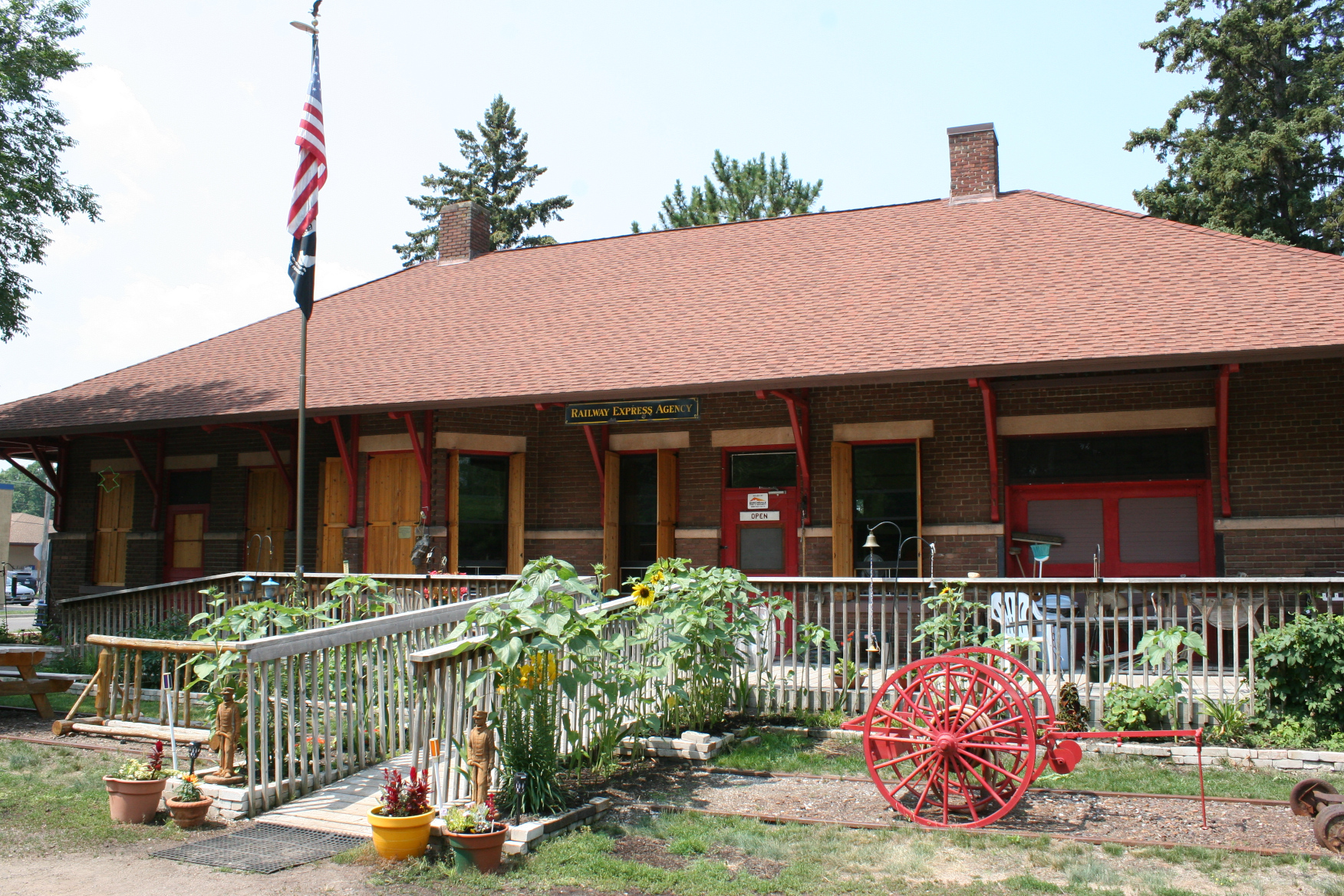
The Soo Line Depot Museum. Minnesota Prairie Roots copyrighted file photo July 2021.

In Crosby, the Soo Line Depot Museum, 101 1st St. NE, features a display on iron ore mining with an emphasis on the mining disaster at Milford. The displays heightened my interest, my desire to learn more. And I did by visiting Milford Mine Memorial Park located some four miles north of Crosby on Milford Lake Drive, just off Crow Wing County Road 30, just off Minnesota State Highway 6.

Miners pose for a photo in this image displayed in the Soo Line Depot Museum. Minnesota Prairie Roots photo July 2021.

I’ll take you to that memorial park, which personalizes this tragedy and honors the men who died and those who survived. It’s a remarkable park in volume of historical information and setting—on-site of the disaster. Boardwalks and hiking trails lead visitors into the woods, across marshland and along a mining lake. In a beautiful natural setting, where, 97 years ago, 41 miners died, trapped underground.

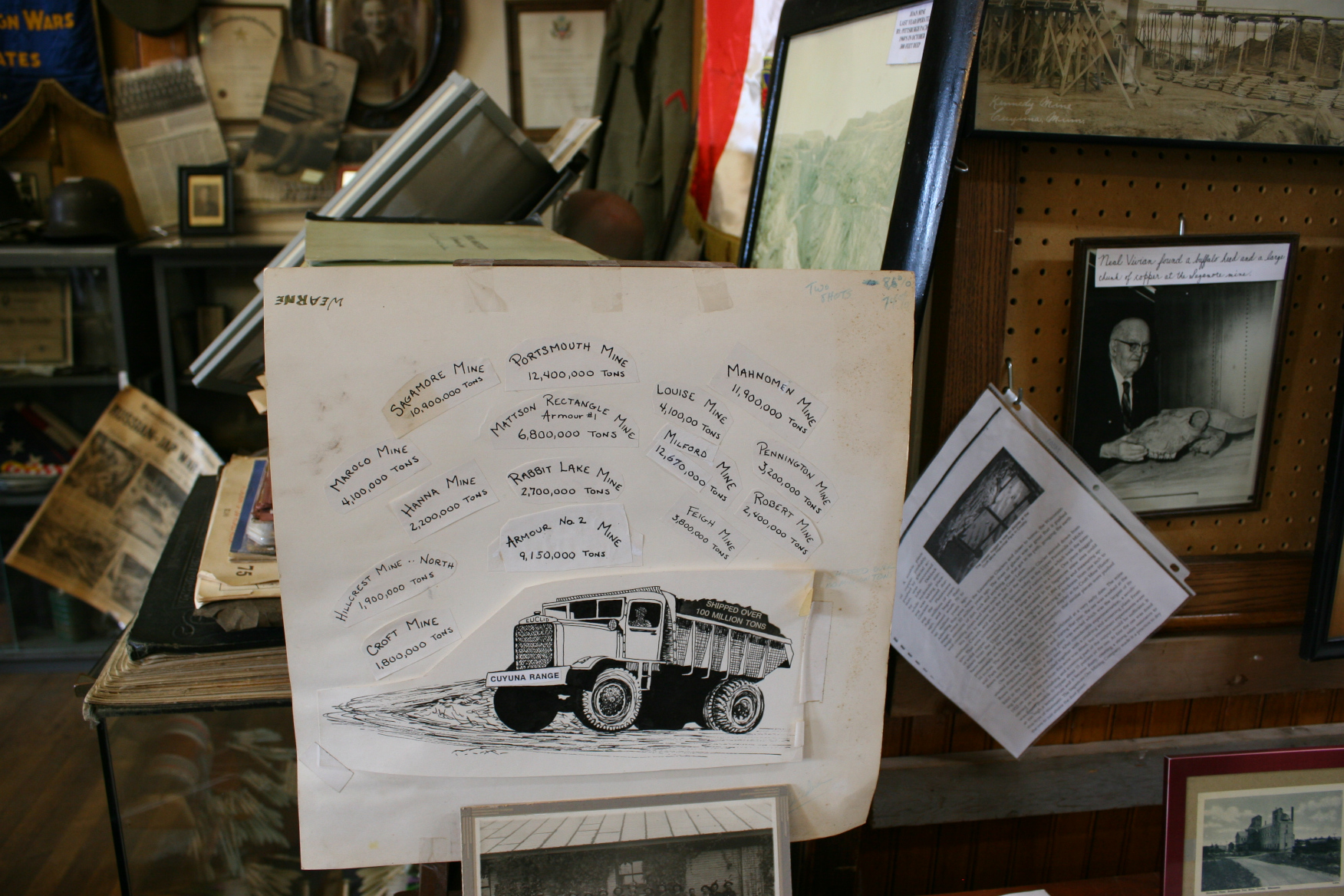
A list of mines on the Cuyuna Range shown at the museum. Minnesota Prairie Roots copyrighted file photo July 2021.

NOTE: The Soo Line Depot Museum closes for the season on Labor Day weekend and reopens Memorial Day weekend. Milford Mine Memorial Park is open daily from sunrise to sunset.

© Copyright 2021 Audrey Kletscher Helbling
 

MAN HIGH II: Historic journey toward space from a Minnesota iron mine pit July 21, 2021

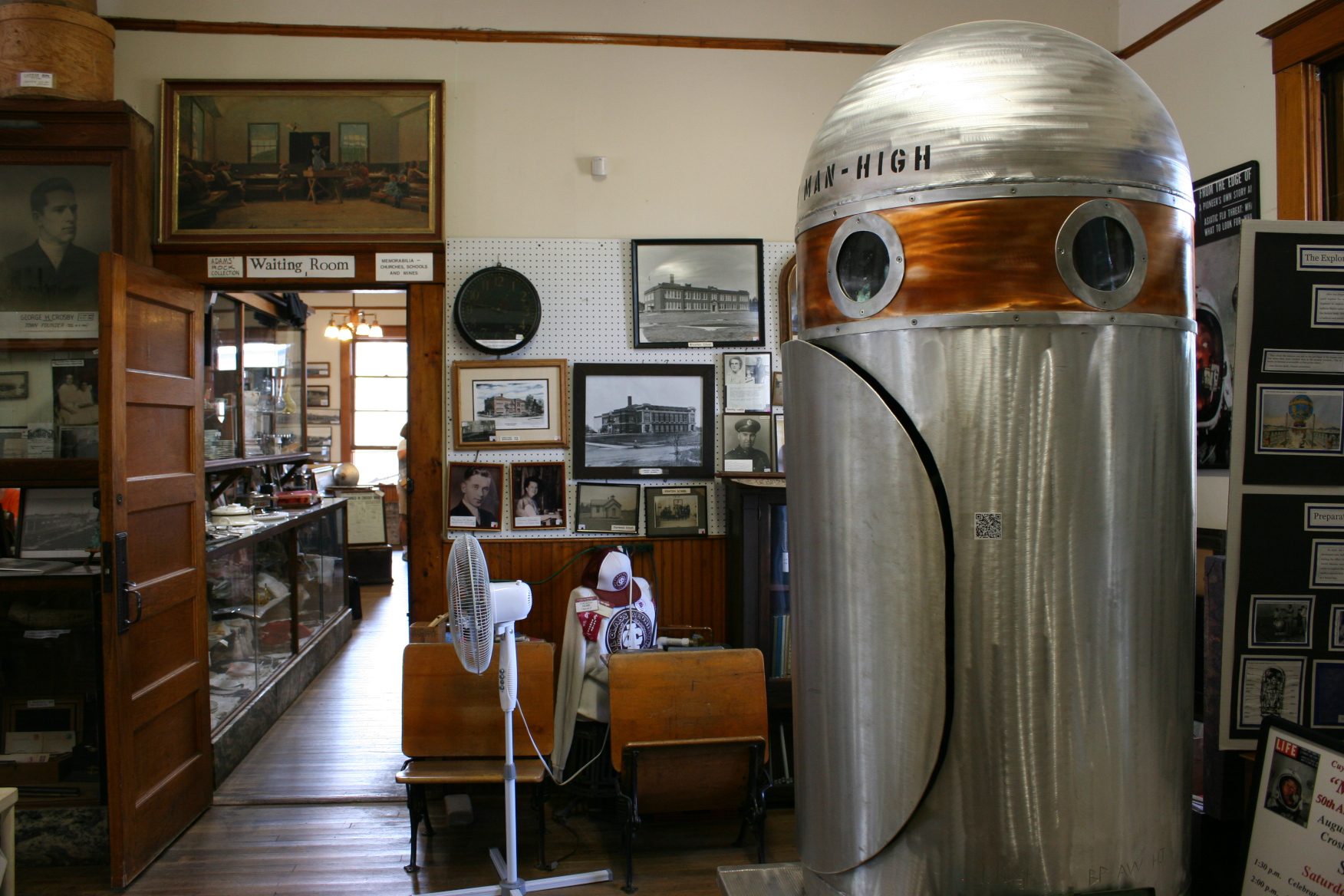
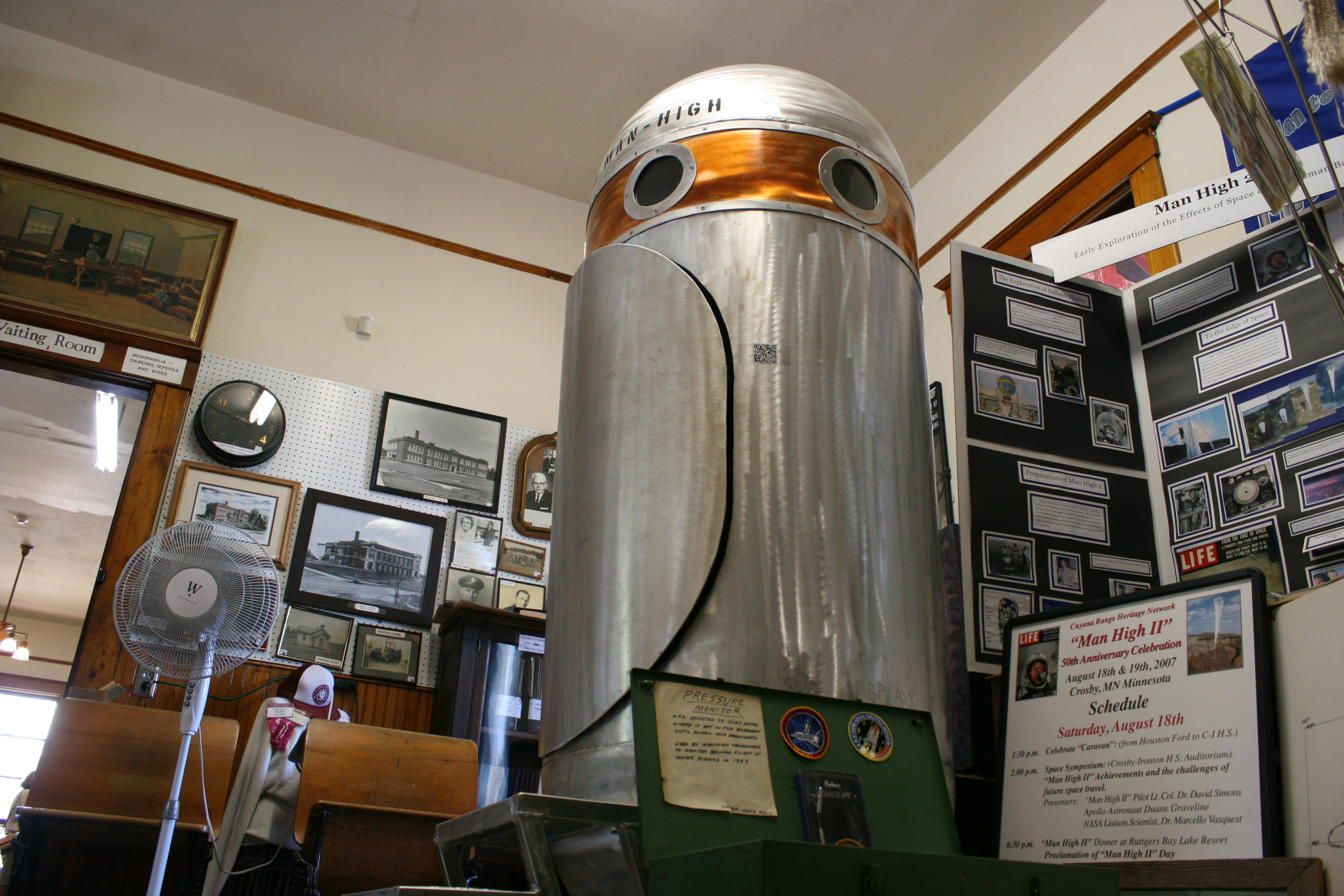
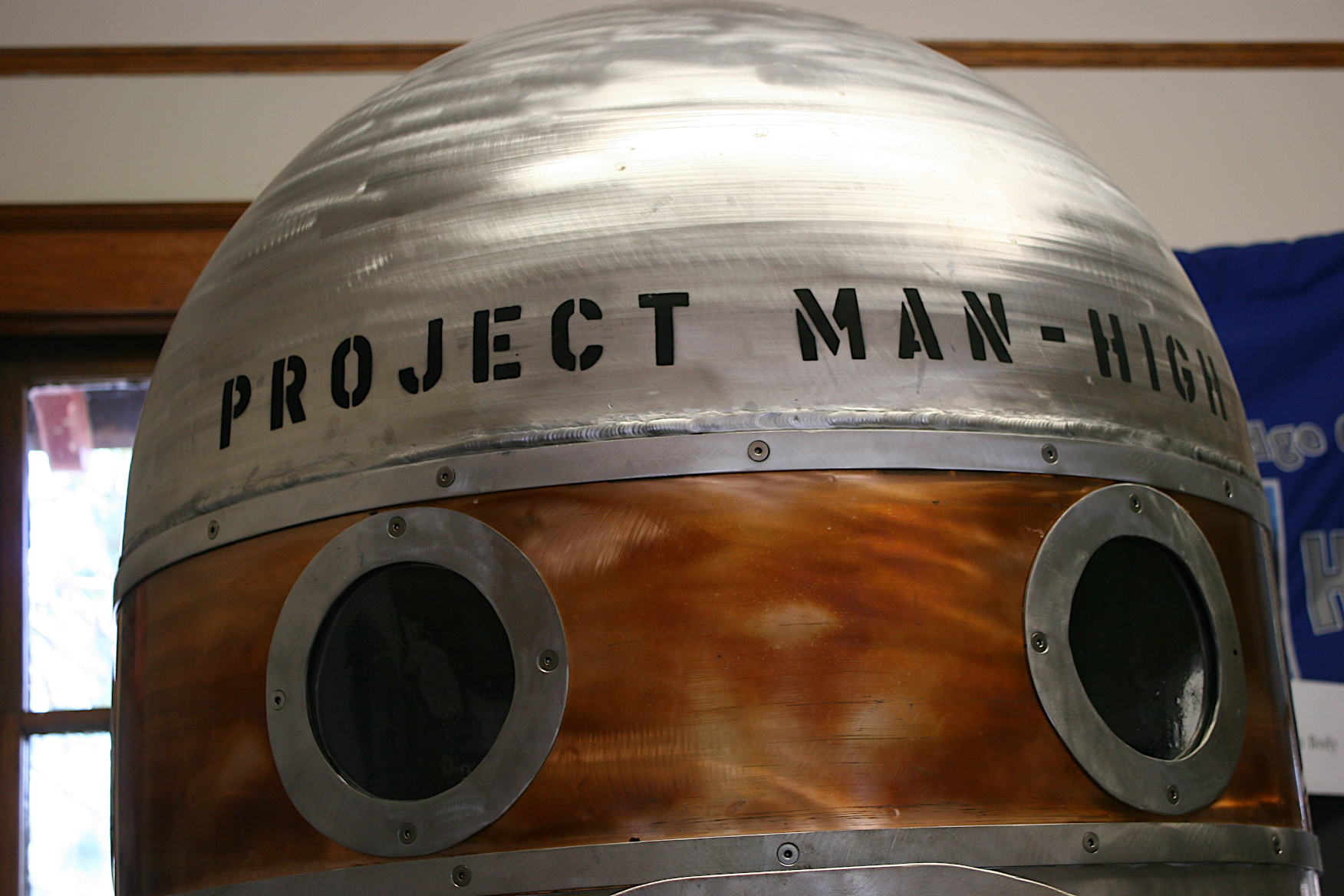
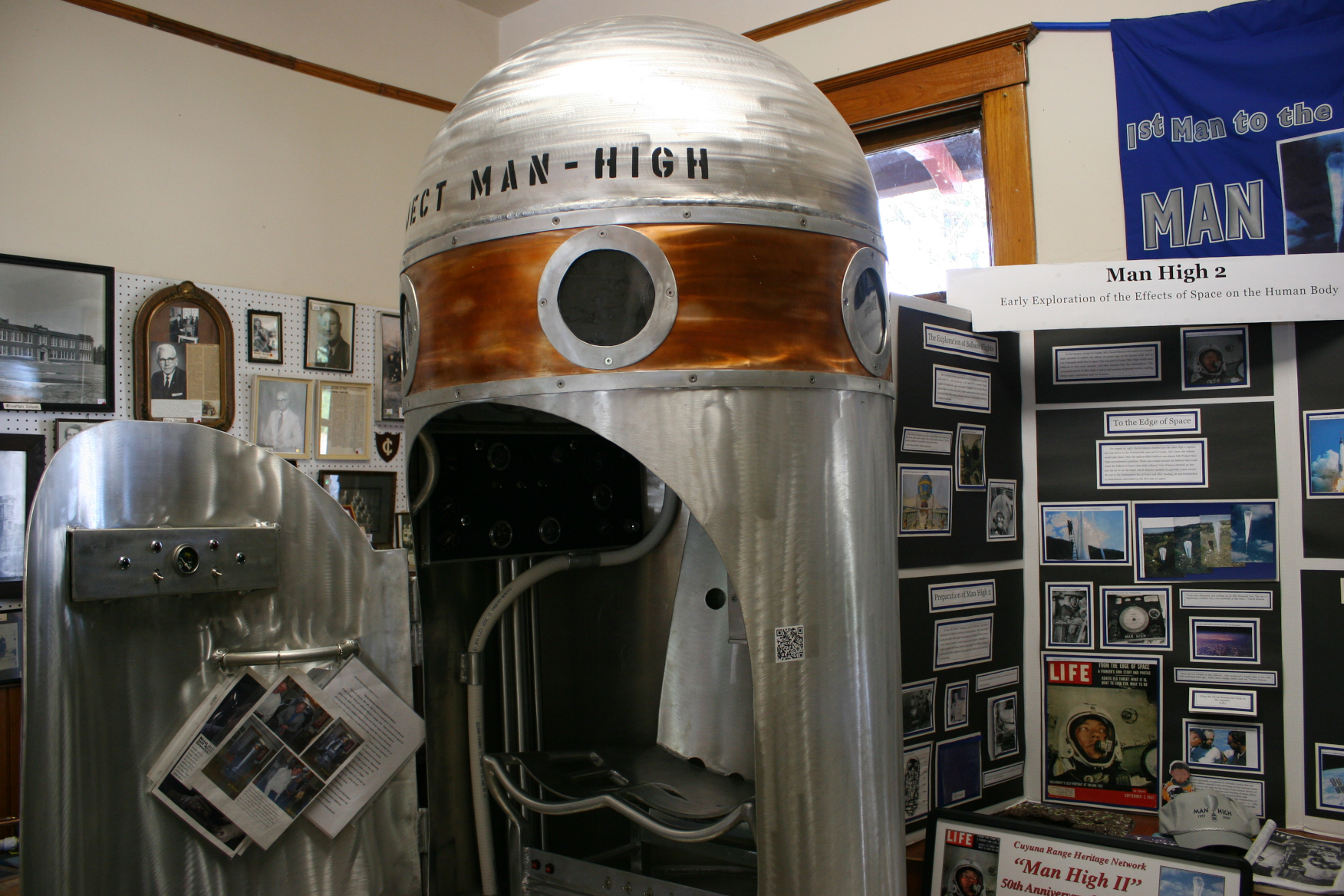
A view of MAN HIGH II, a capsule launched in Minnesota in 1957, laying the groundwork for future space travel. This replica sits in a Crosby, MN., museum. Minnesota Prairie Roots photo.

WHEN JEFF BEZOS, founder of Amazon, and three others blasted into space Tuesday morning aboard Blue Origin’s New Shepard rocket from the west Texas desert, the world watched.

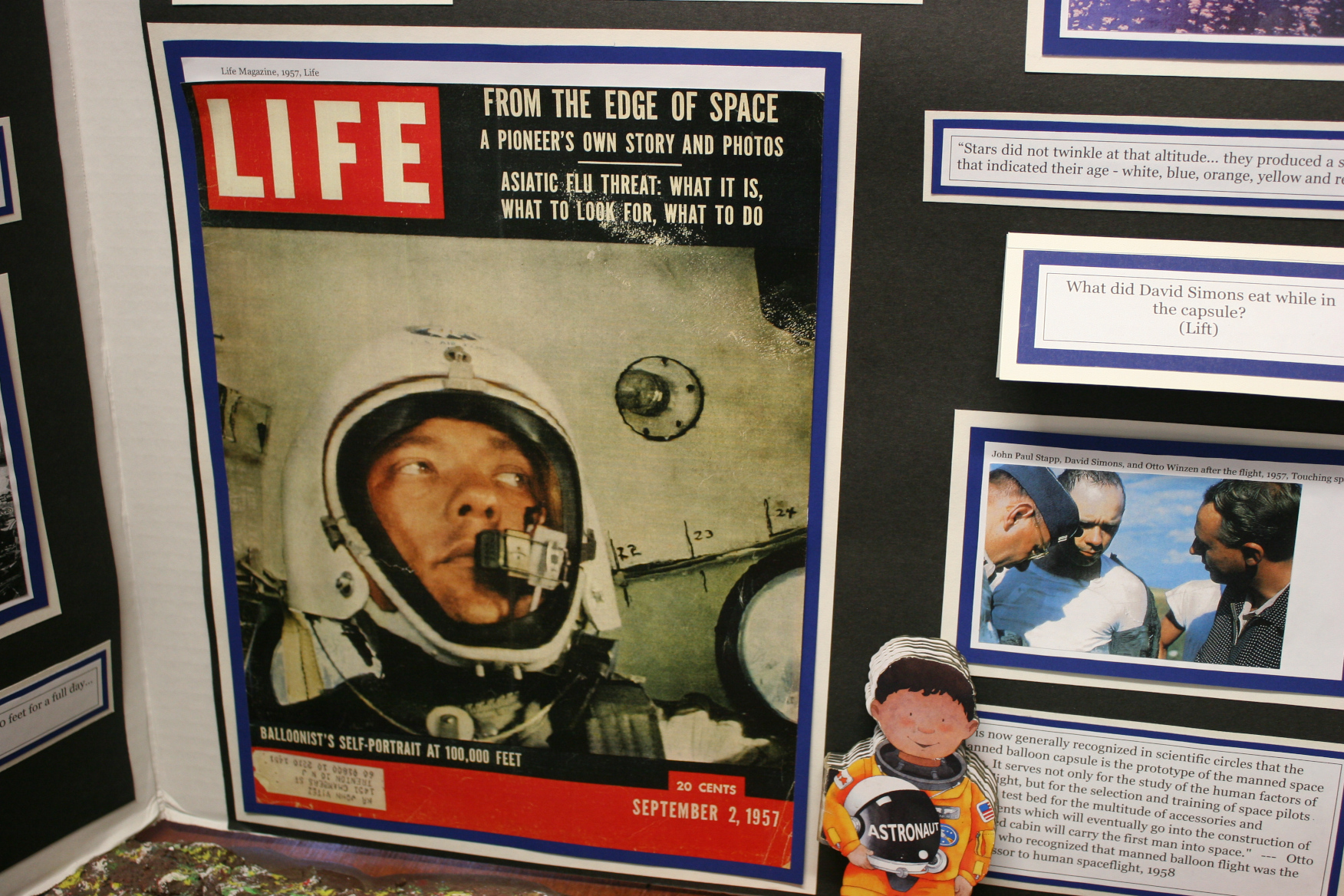
Major Simons made the cover of LIFE magazine in 1957. Minnesota Prairie Roots photo.

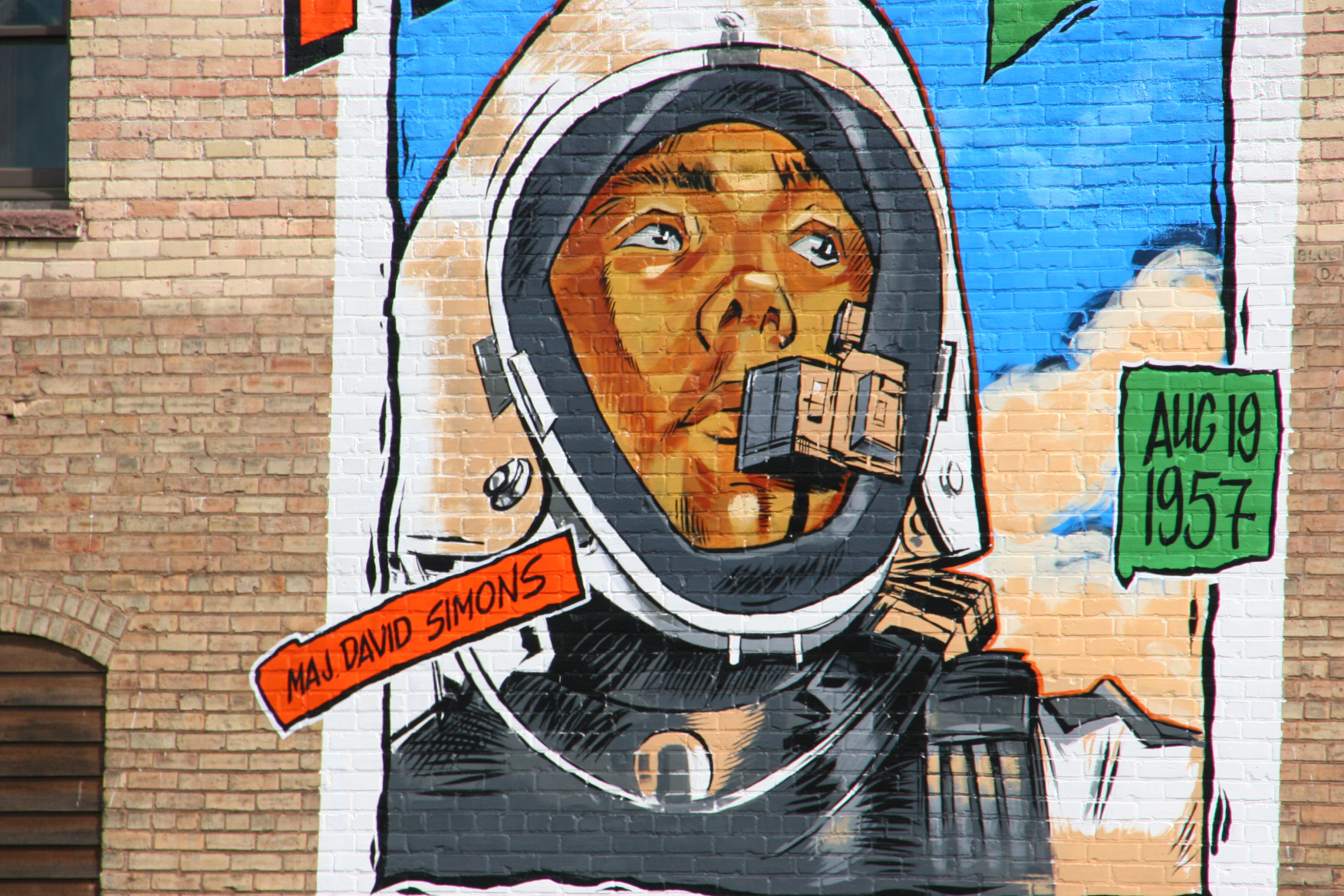
But when Air Force Major David Simons lifted toward the edges of space in a capsule the size of a telephone booth on August 19, 1957, from a Minnesota iron ore pit, far fewer watched. Yet, the journey of MAN HIGH II to an altitude of 19 miles (a new record) was equally, if not more, significant.

A full view of the replica capsule shows just how small this spaceship. Minnesota Prairie Roots photo.
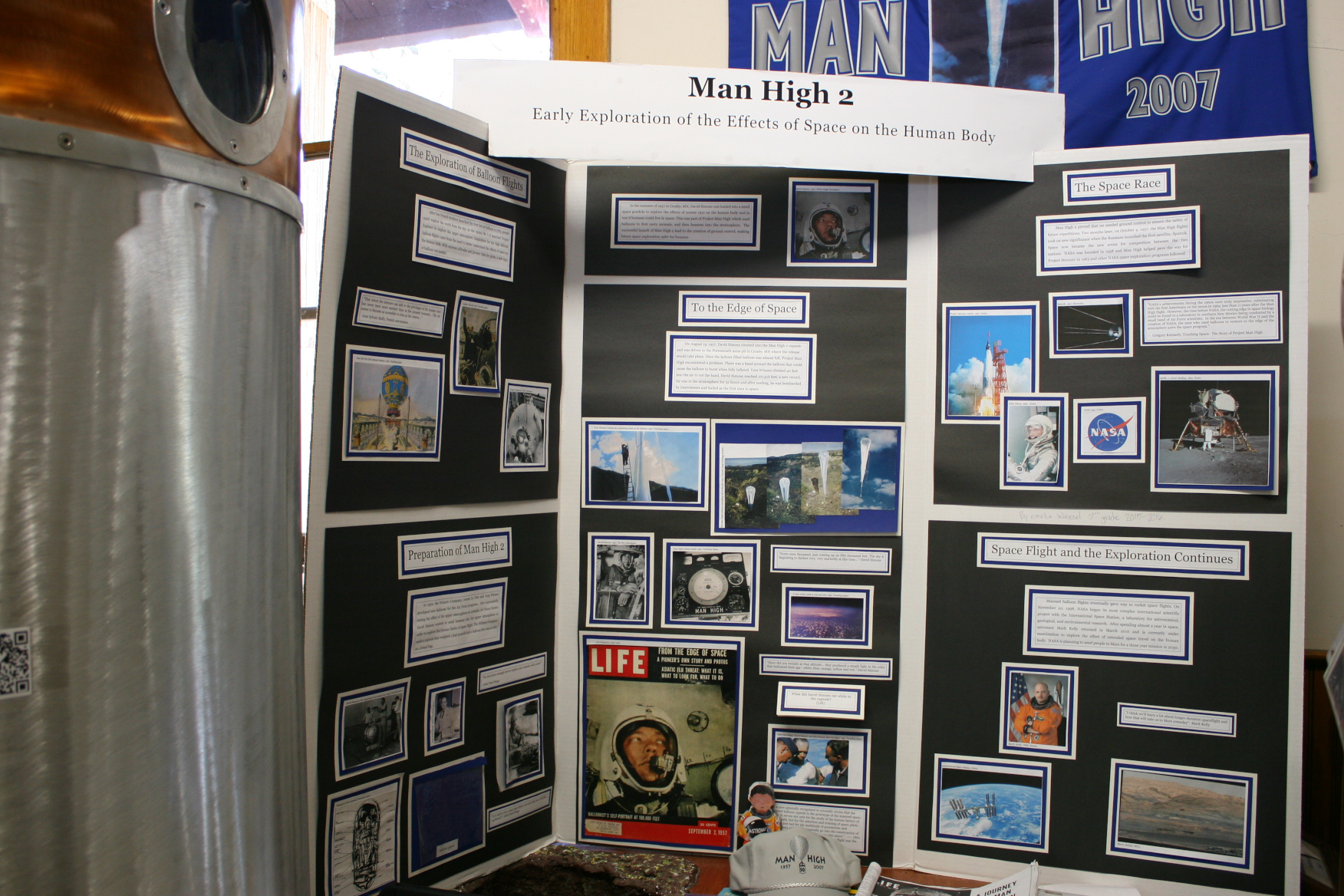
A student created this informative MAN HIGH display, now part of the museum exhibit. Minnesota Prairie Roots photo.
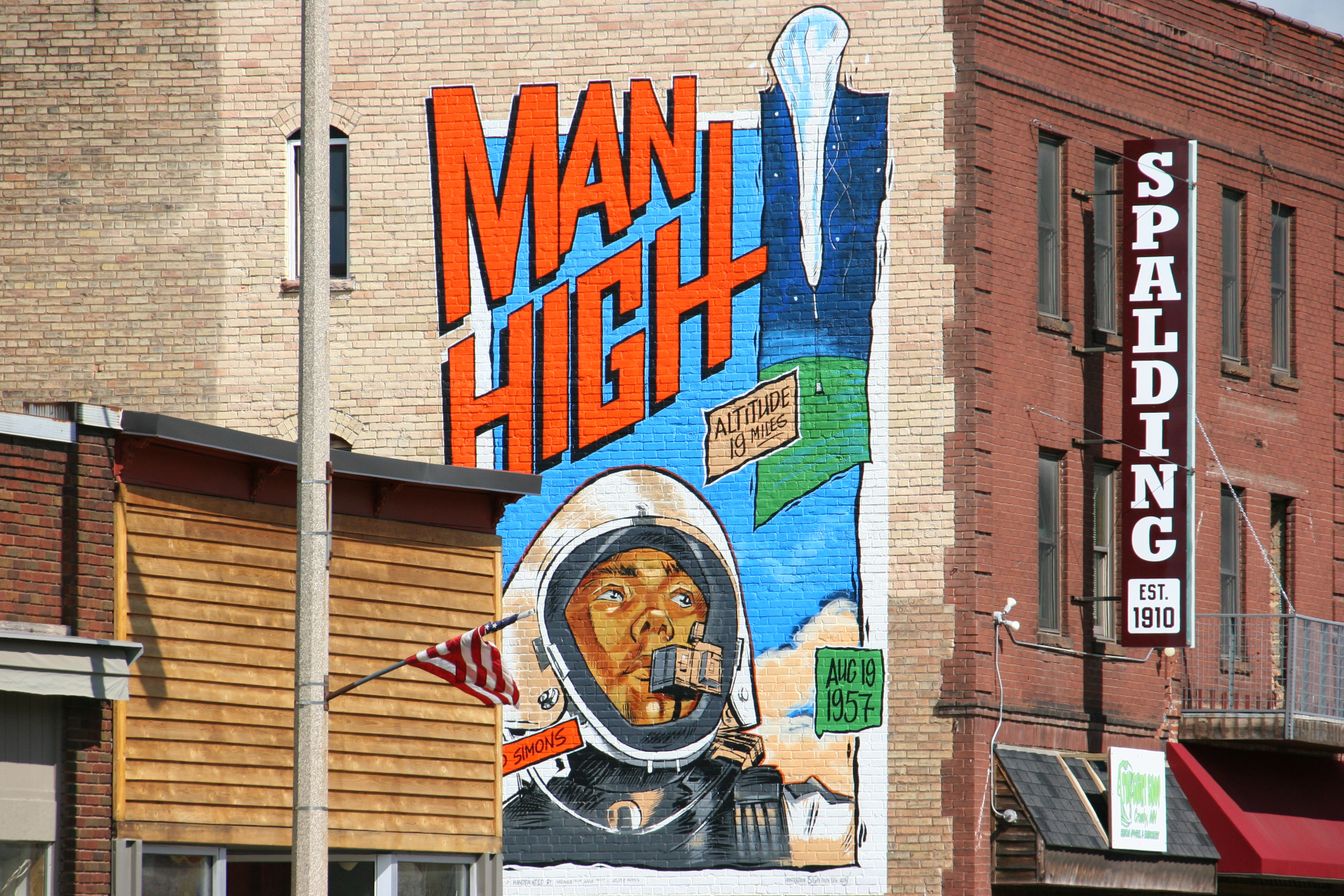
A mural in downtown Crosby honors PROJECT MAN HIGH. Minnesota Prairie Roots file photo 2020.

I learned about this unknown, at least to me and I expect many others, event last week while vacationing in the central Minnesota Brainerd lakes area. A replica capsule and exhibit at the Soo Line Depot Museum in Crosby tell the story of this amazing flight toward space. The museum defines PROJECT MAN HIGH as the “first manned space flight.” Simons, 35, an astronaut, scientist and medical doctor, proved man could survive just on the edge of space, for at least 32 hours.

The astronaut aboard MAN HIGH viewed the world through these windows, small compared to the spacious windows in the 2021 Blue Origin’s New Shepard. Minnesota Prairie Roots photo.

This 1957 mission was kept intentionally secretive given the time period. Months later the Soviet Union launched the world’s first artificial satellite, Sputnik. The space race was on.

Museum visitors can climb into the mock capsule. The actual seat was a sling type seat, different than the one placed in the replica. Minnesota Prairie Roots photo.
That Minnesota played an important role in the U.S. efforts to win that race is significant. And, of all places, this happened in an iron mine pit outside a small mining community on the Cuyuna Range. A 200-foot wide paper-thin balloon holding 3 million cubic feet of helium lifted the capsule skyward from the base of the Portsmouth iron mine pit. Eventually the spaceship landed in a flax field near the North Dakota/South Dakota border. And, as our tour guide Tim told me, Simons was met by a rancher and a young boy on horseback. That boy showed more interested in an arriving helicopter than the capsule, so the story goes.
Major David Simons, depicted on a mural in Crosby. Minnesota Prairie Roots file photo 2020.

The story of MAN HIGH II truly impresses me, especially after seeing the small size of the replica capsule and feeling the thinness of the helium balloon. (The actual capsule is displayed at the National Museum of the US Air Force in Dayton, Ohio.) Simons was one brave man to confine himself inside that tight space for 44 hours. He was sealed in well before arriving at the iron mine pit from South Saint Paul. Claustrophobia got the best of another candidate. I would feel the same. Simons endured much—lack of sleep, extreme temperatures, uncertain weather, and the very real fear that he could die if the thin helium balloon developed even a crack.

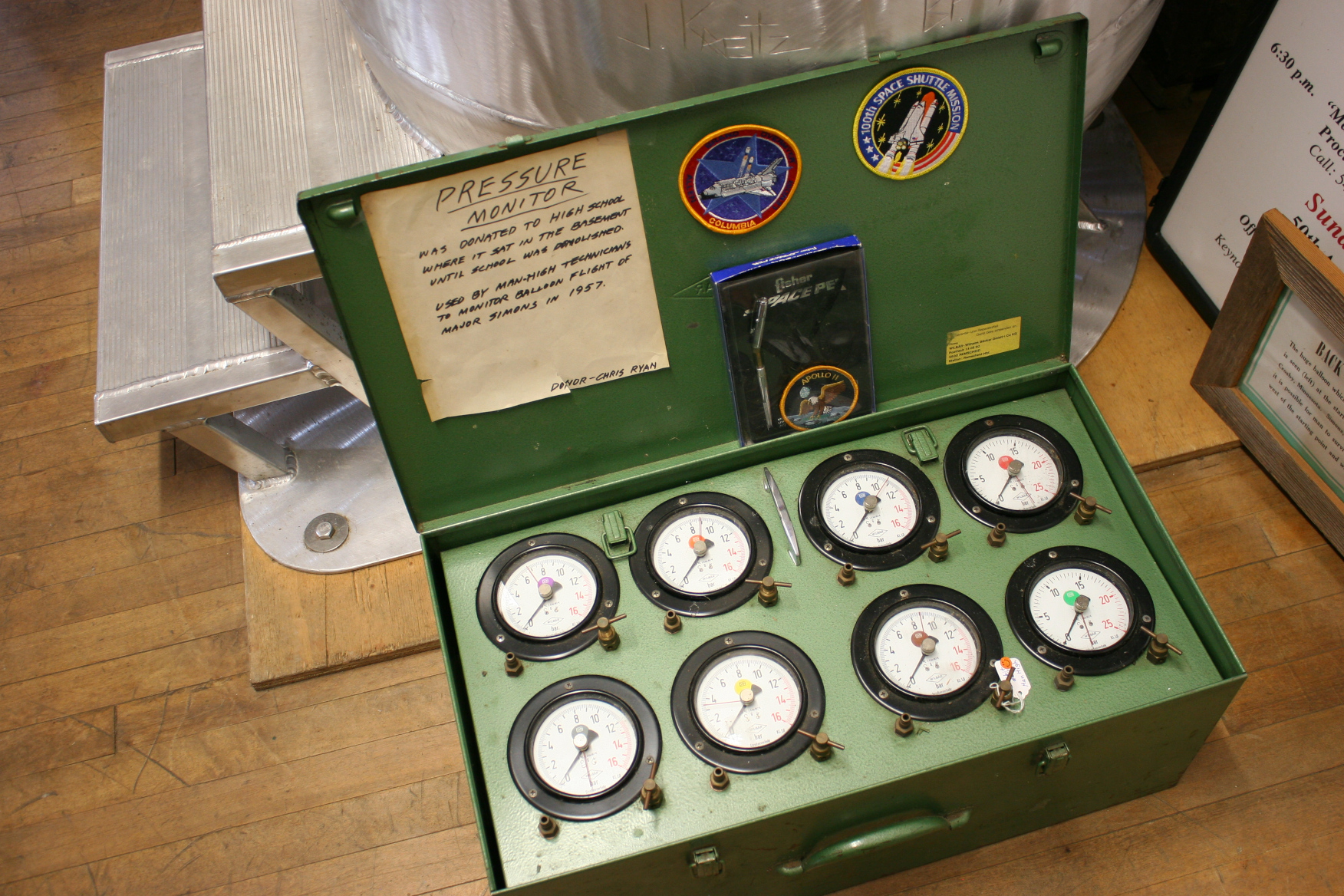
1957 technology: Technicians used this pressure monitor to monitor the MAN HIGH flight. The equipment sat in the basement of the local high school until the school was demolished. Minnesota Prairie Roots photo.

As much as Jeff Bezos and crew made history with their 62-mile high, 10-minute and 25-second space journey, using the best technology possible, the flight of MAN HIGH II 64 years ago from a Minnesota mine pit impresses me even more. The people behind the 1957 flight truly represent pioneering in space. They blazed the trail for men to land on the moon and, yesterday, for civilians like Bezos to pursue space travel.

The Soo Line Depot Museum showcases local history. Minnesota Prairie Roots photo.

FYI: The Soo Line Depot Museum in Crosby houses a detailed display on MAN HIGH II. You can climb inside the replica capsule for a photo. Tour guide Tim was especially knowledgeable. You can also visit the site of the launch, the Portsmouth Pit by Crosby, although I didn’t this time. Next trip. I encourage you to check out the Crosby museum, which also highlights Minnesota’s worst mining disaster. More on that in an upcoming post.

© Copyright 2021 Audrey Kletscher Helbling