Minnesota Prairie Roots

Writing and photography by Audrey Kletscher Helbling

We’re not hyphenated Americans… September 12, 2011

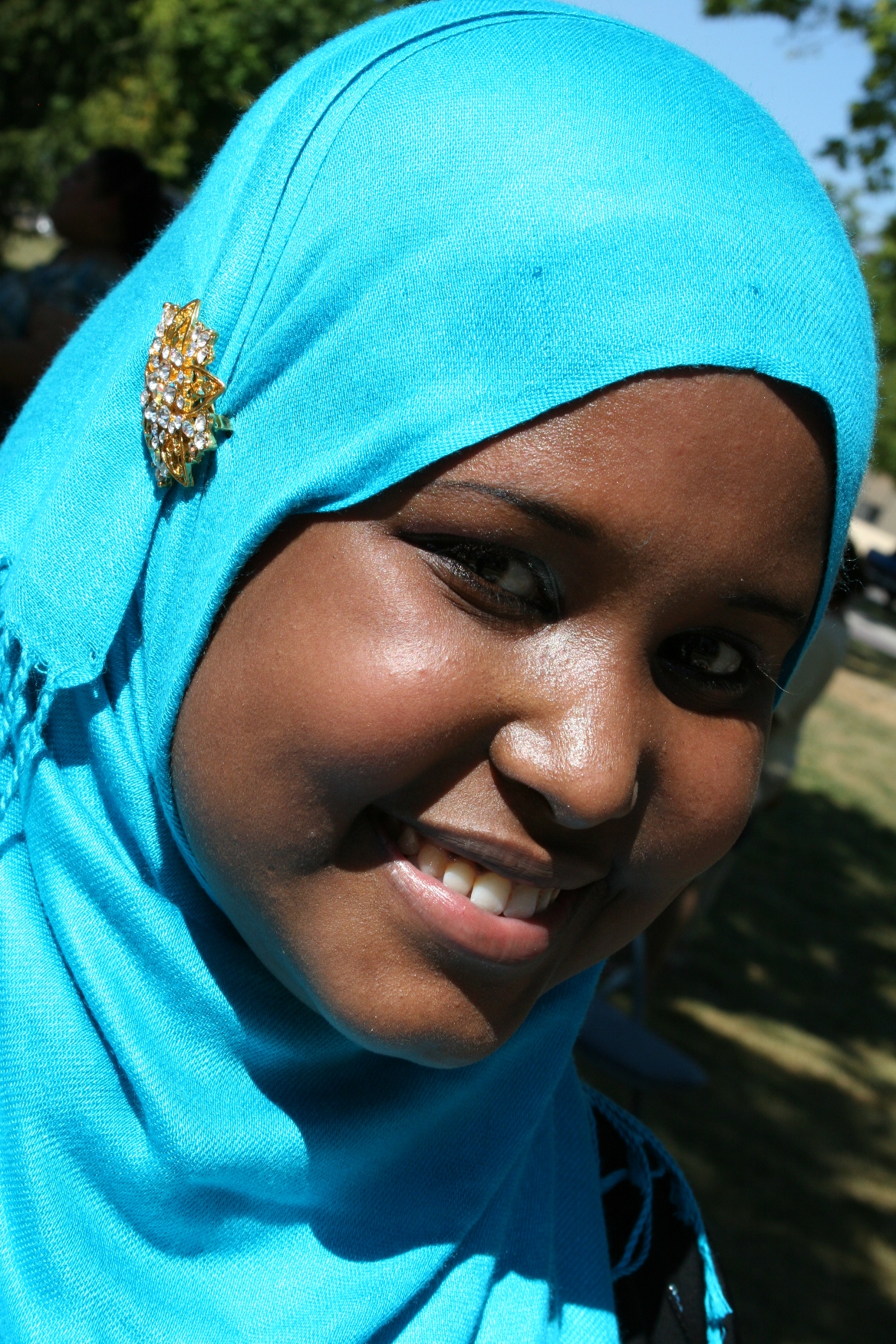
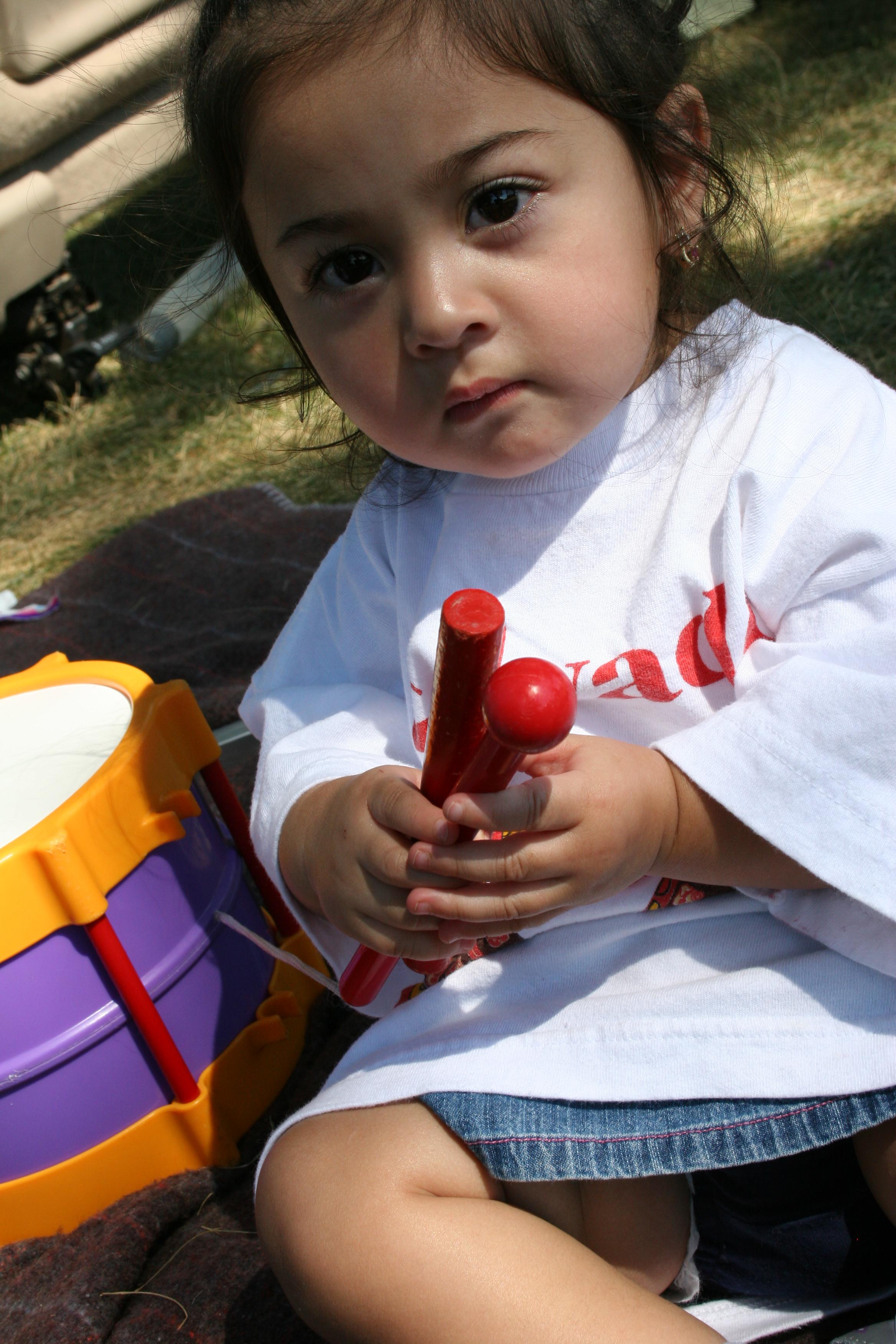
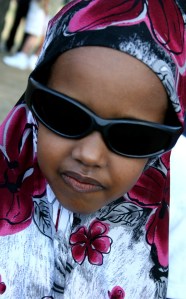
Xafsa, age 5

THEY ARE THE FACES, the hands, the feet, the voices of a new Faribault. Not the community of only French or Germans, Scandinavians or whatever ethnic groups shaped and defined this southeastern Minnesota city for so many years.

Today the face of Faribault is changing with one-fifth of the population identifying itself as non-white in the 2010 U.S. Census. Most of those minorities are Latinos and Somalis, “drawn by the opportunity to live in a small town and work in food processing plants, especially meat-packing plants,” according to a recent research report, “After the Welcome Center: Renewing Conversations about Immigration and Diversity in Faribault,” conducted by students and staff with the St. Olaf College Political Science Department. To read that report, follow this link:

http://www.stolaf.edu/services/cel/students/CURI_Immigration.html

I can’t possibly attempt to summarize the contents of that report here. But it is packed with information that should be a must-read for every member of my community. We can all learn a thing or two or ten or 20 from this research project.

But mostly we can learn from meeting our neighbors at events like the International Festival held Saturday in Faribault’s Central Park. I’ve attended this meld of ethnic cultures several times already and each time enjoyed interacting with my neighbors whose skin color differs from my own.

That all sounds nice, politically-correct, and exactly what you’d expect me to write in a public venue like this blog. But I am sincere in my appreciation to the volunteer organizers of the International Festival and to those who participate. We just need more Caucasians to attend.
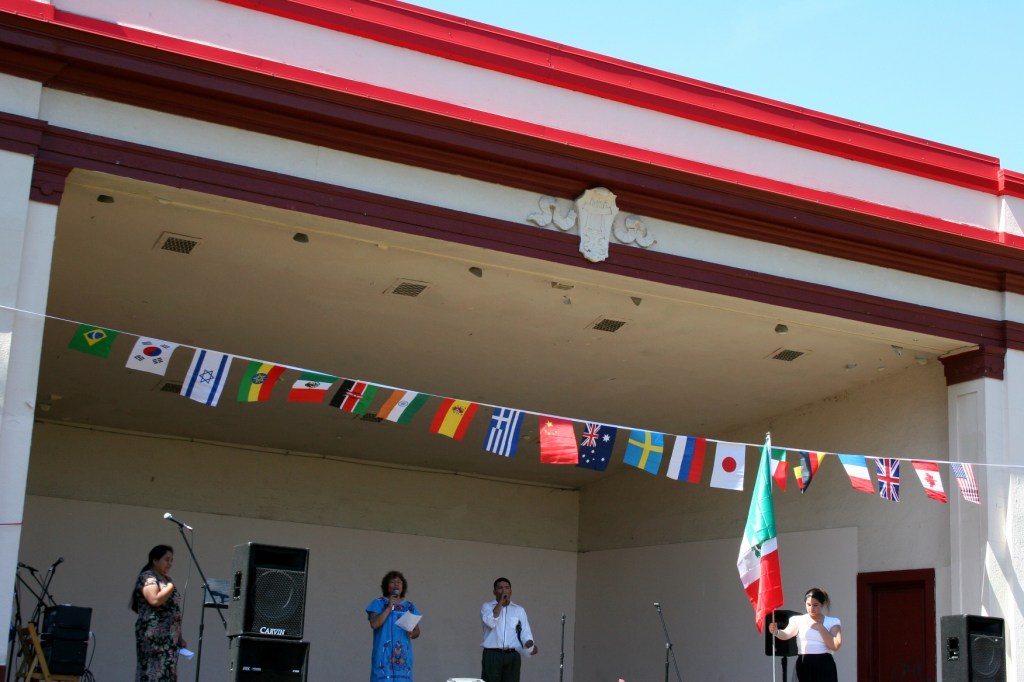
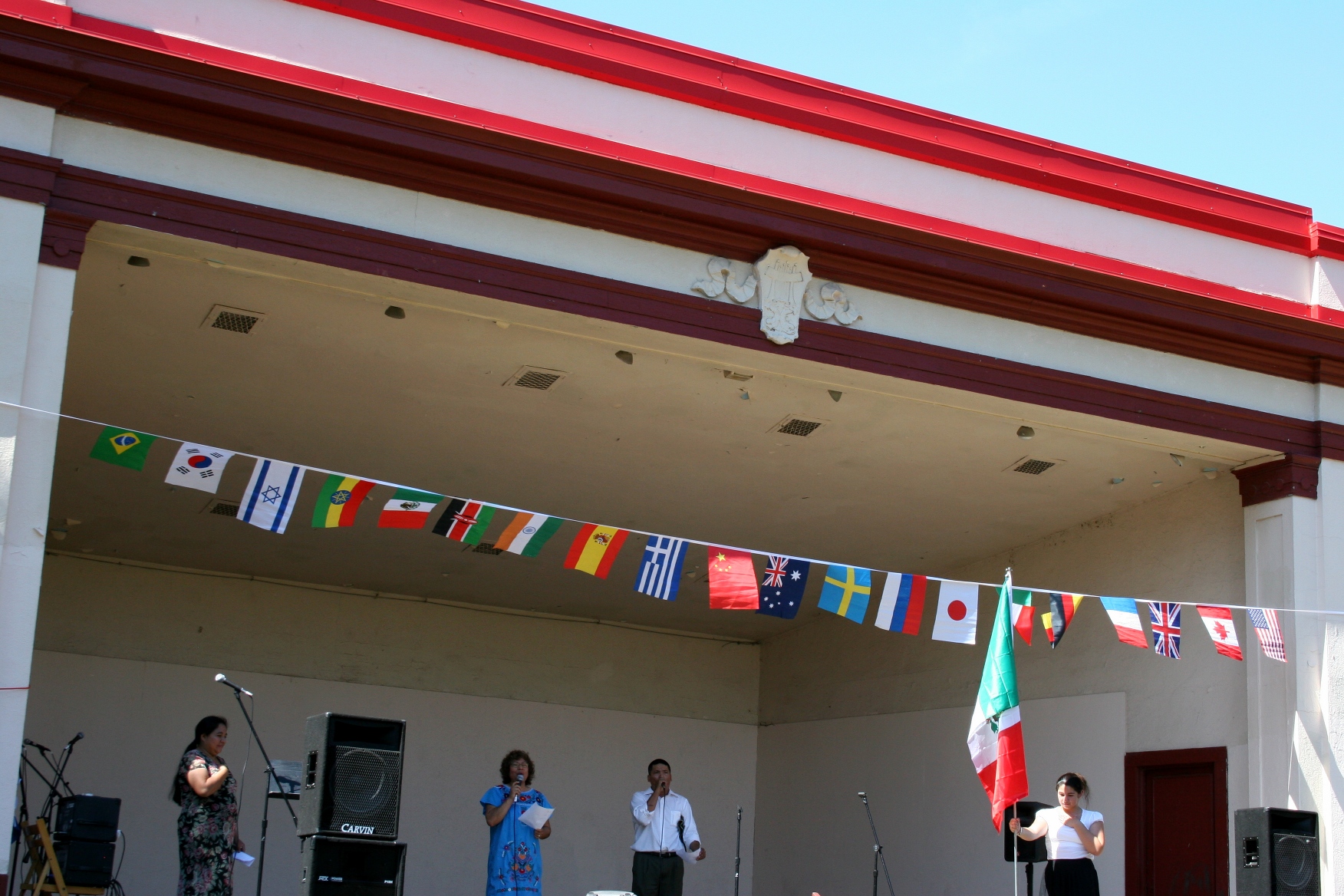
Several Latinos lead in singing of Mexico's national anthem on the band shell stage.

From the food and merchandise vendors to the musicians and everyone in between, I had ample opportunity to educate myself about Mexico, El Salvador, Guatemala, Honduras, Somalia, Holland and Norway. My husband and I sampled ethnic foods from five vendors.
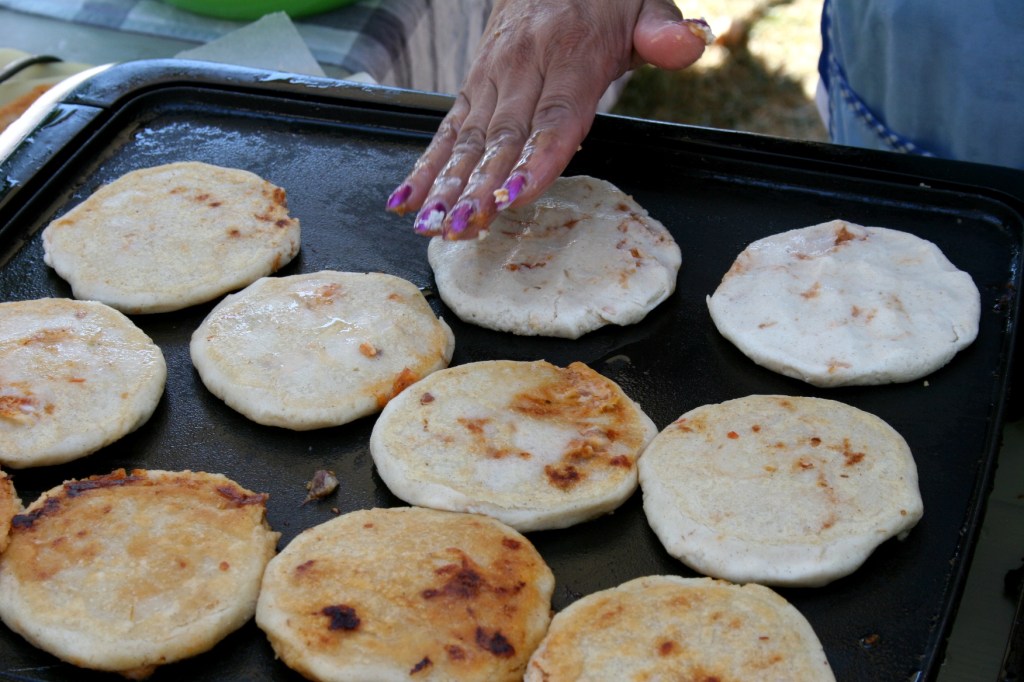
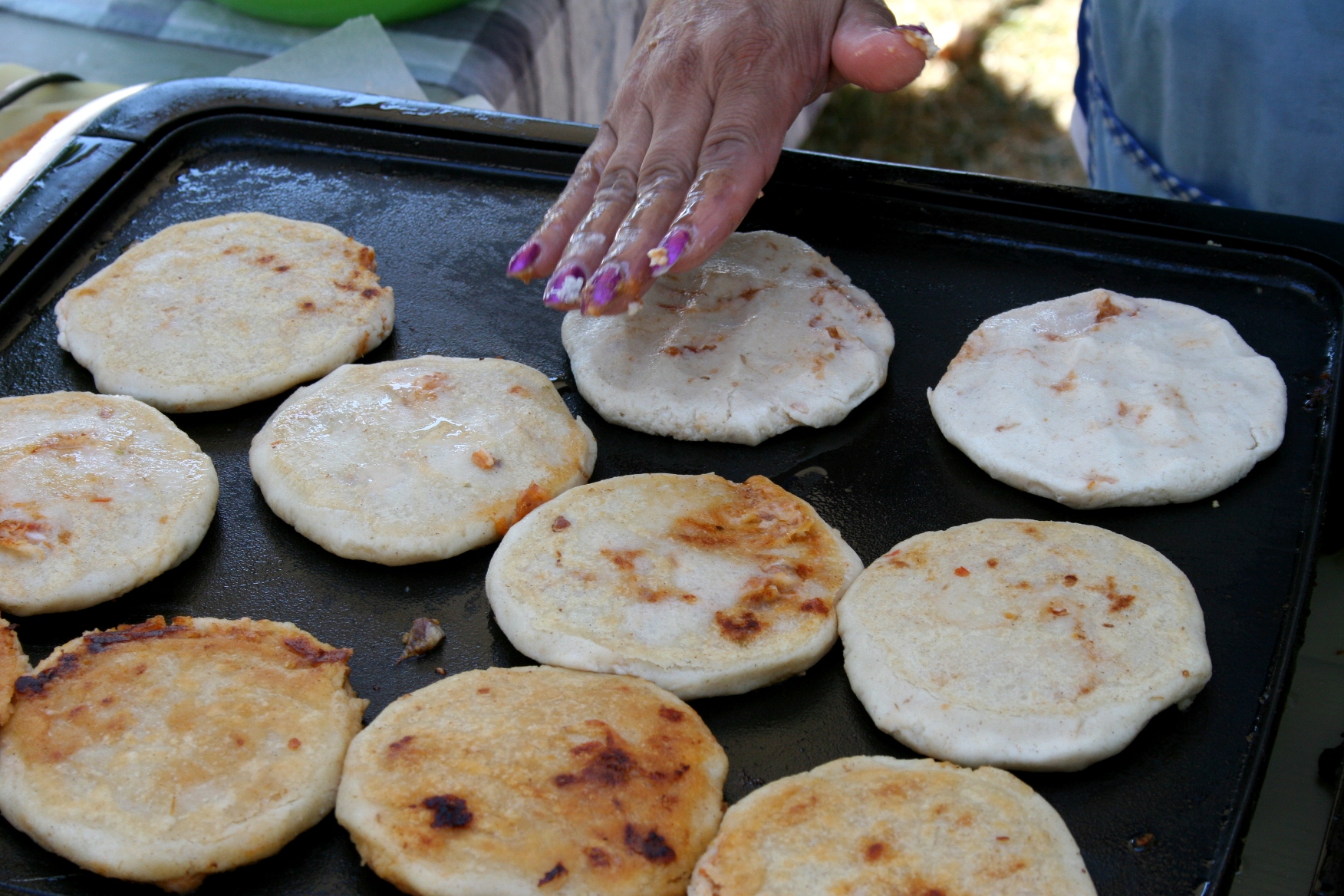
We sampled pupusas right off the griddle.
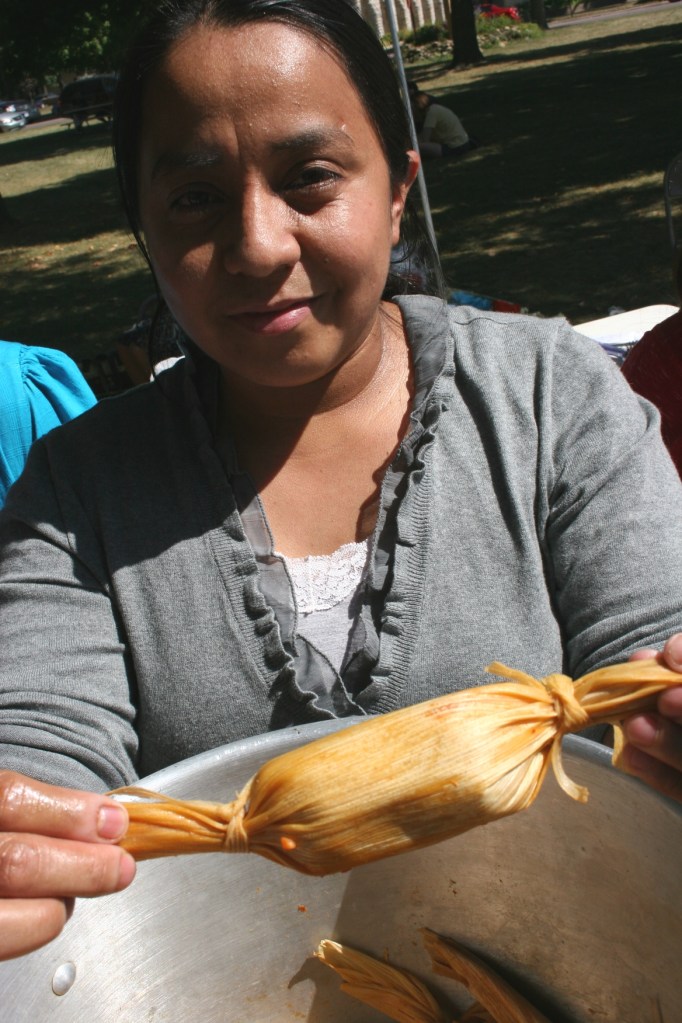
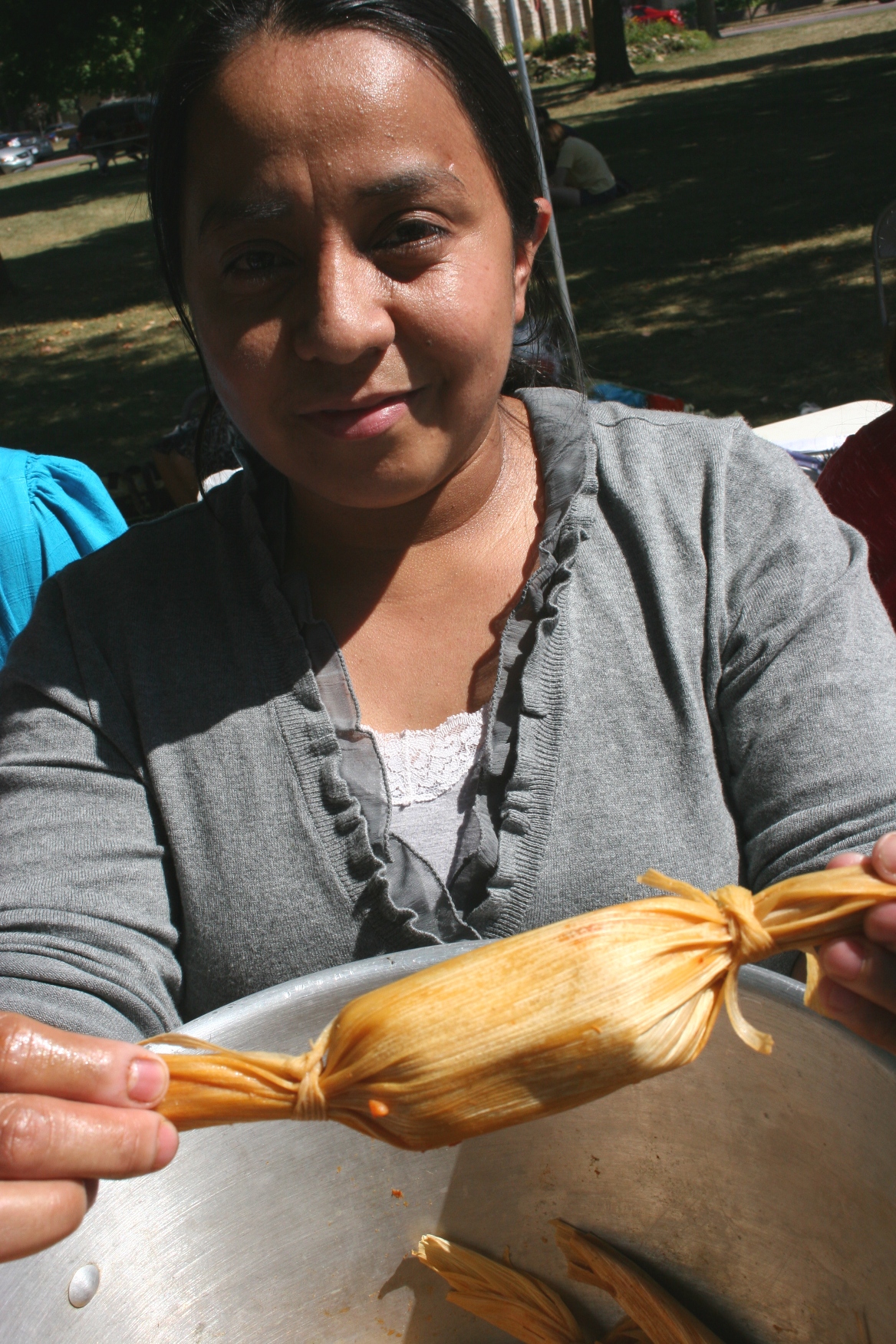
My husband and I tried Guatemalan chuchitos-- chicken, corn and salsa wrapped in a corn husk.

Faribault resident and one of the organizers, Peter van Sluis a Dutch citizen who has lived in the U.S. for 25 years, says the festival offers “a chance to mingle with different cultures.”

For me that mingling was most evident when children gathered under shade trees just south of the Central Park band shell to break piñatas. It didn’t matter if their skin was the beautiful color of sun-baked clay, or a nearly-black deep brown, or pale white. They were all kids, just kids, waiting to whack that swaying treasure-trove apart and then scramble for candy.
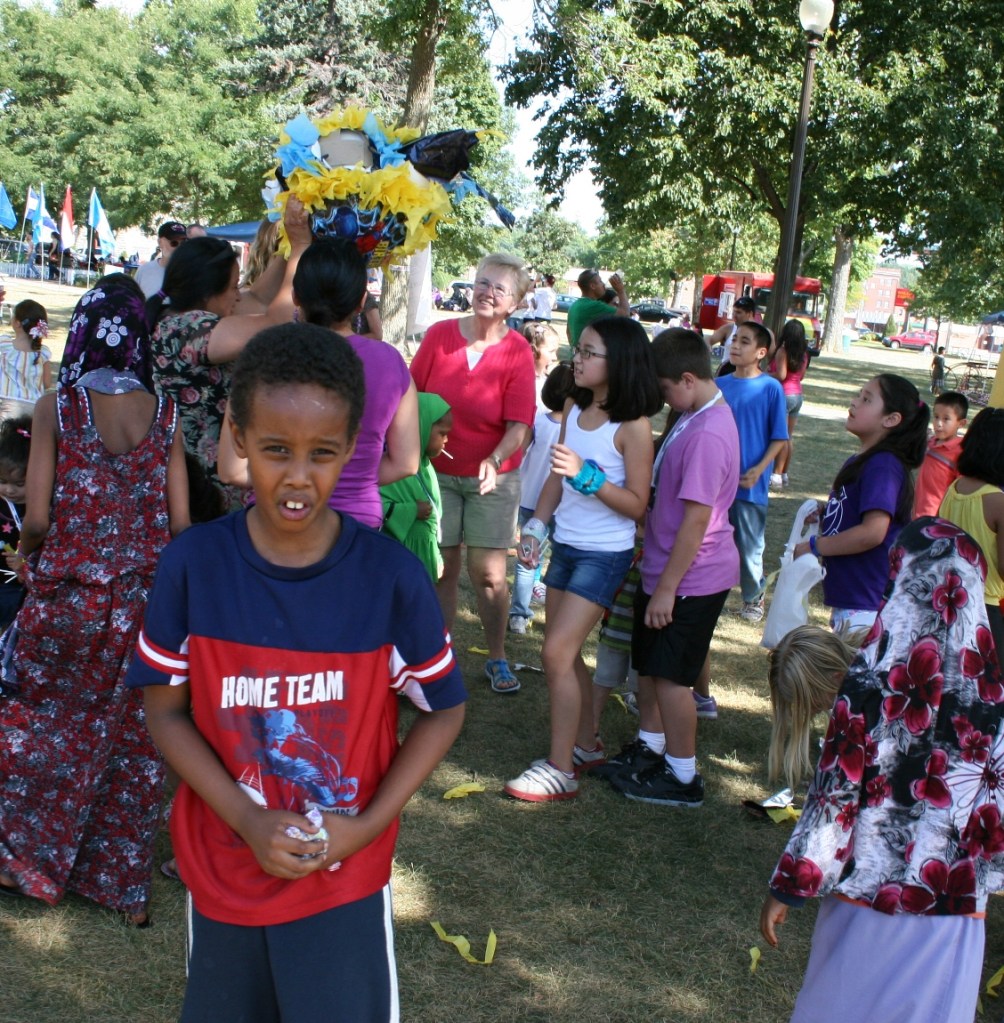
After the pinata was broken, the kids shared the candy.

While waiting for the piñata busting, I made a point of scanning the adult faces. I saw smiles—smiles nearly as wide as the brimmed hat worn by the man donning an El Salvador T-shirt. That’s an exaggeration, but you get my point. Viewing kids having fun has no color barriers.

Riyaam, 16

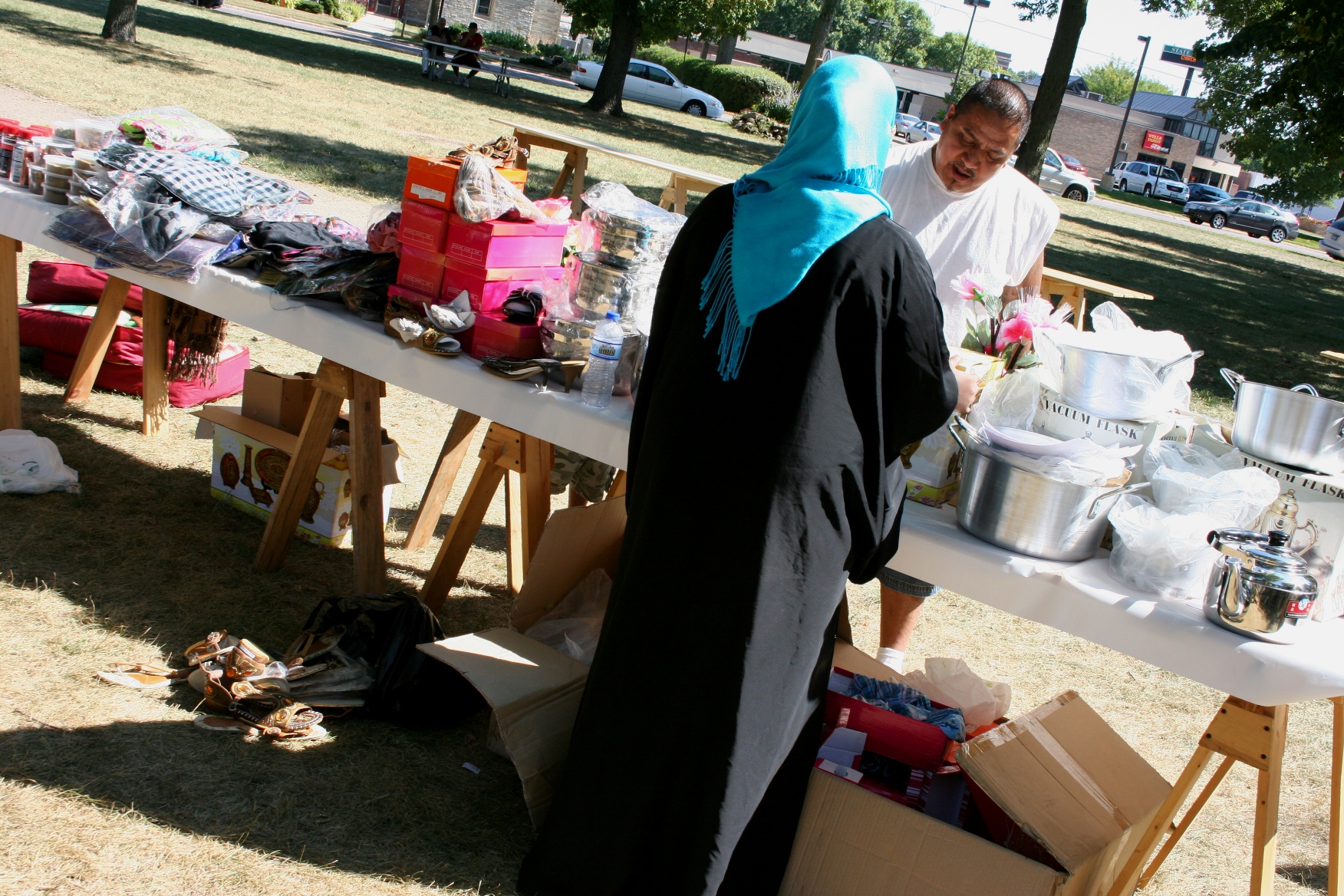
I would be remiss, however, if I didn’t mention my chat with Owatonna High School student Riyaam, a stunning Somali teen who was peddling shoes, skirts and other merchandise at a table. Well-spoken and seemingly mature beyond her 16 years, Riyaam and I talked about clashes between whites and Somalis at OHS which she says has led to a new policy of basically, “you fight, you’re out.”

She told me how the angry voice of a single white student, who declared, “Somalis don’t belong here,” triggered those racial tensions.

As she spoke, her voice became more agitated, edged with emotion. I wanted to reach across the table and hug her and I wish now that I had.

But I didn’t and it is too late for that now, but not too late to encourage Faribault residents to make the effort to meet the Somalis, the Sudanese, the Latinos and other immigrants who now live among us. It is easy to dismiss and stereotype an ethnic group if you’ve never made the effort to personally meet them individually.

A member of the Faribault-based band Circles and Squares, of which two members performed at Saturday’s International Festival, nicely summarized, I thought, the goal of the gathering: “Remember, we’re not hyphenated Americans. We’re friends.”

Well, said.
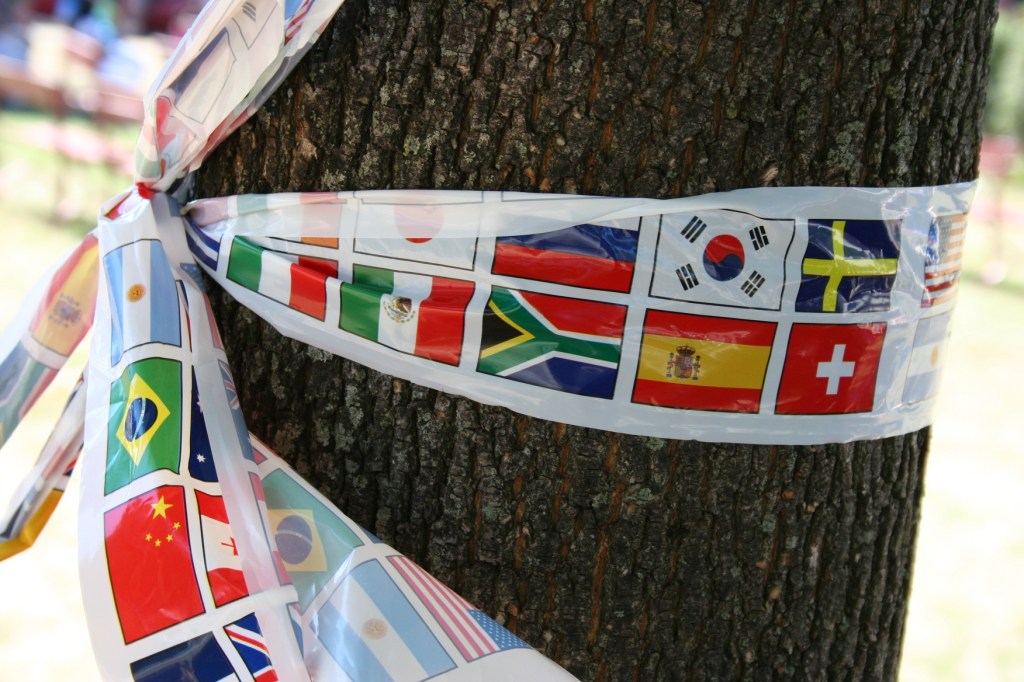
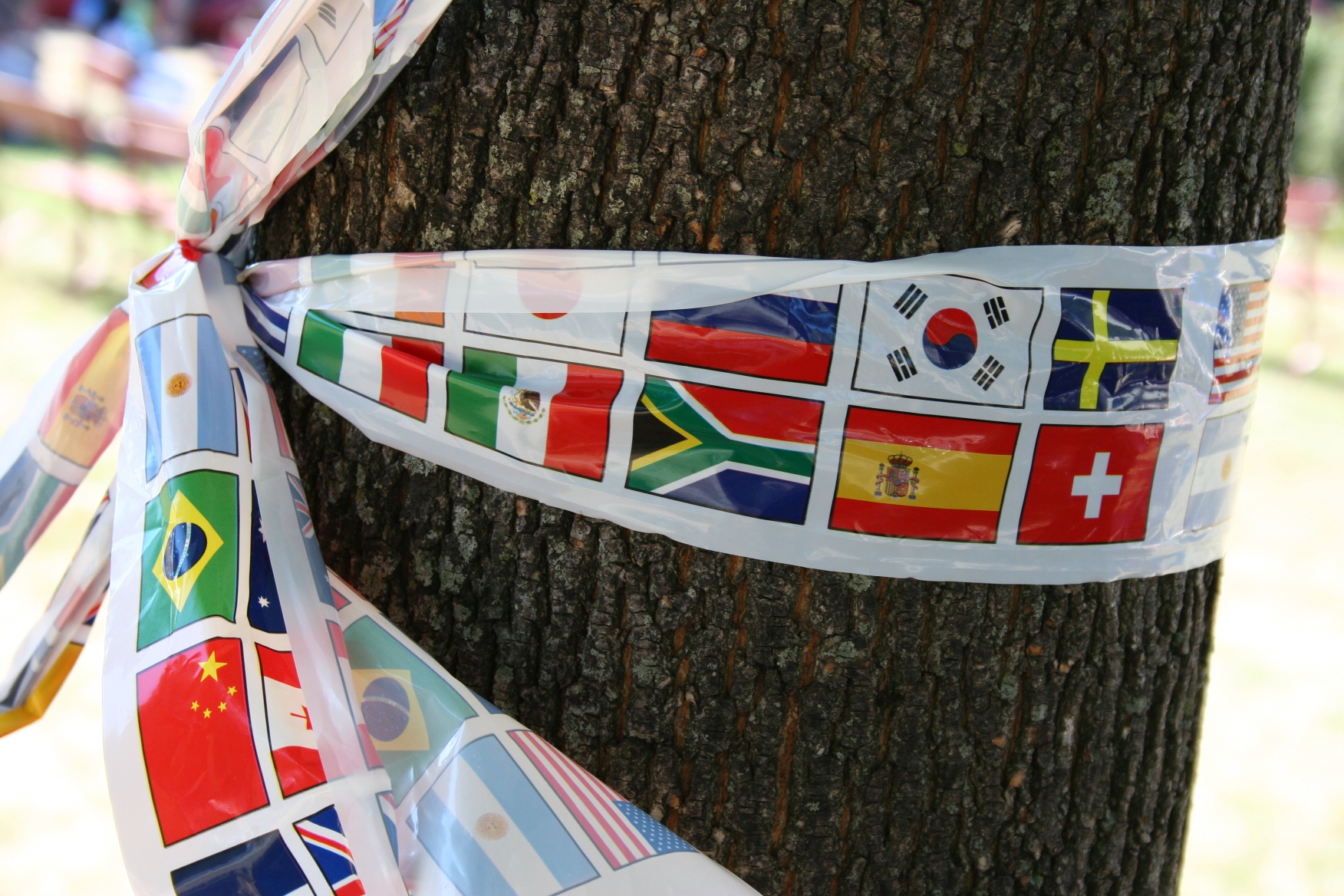
National flag ribbons were tied to trees in Central Park during the celebration.

Vendors peddled their wares at the festival.

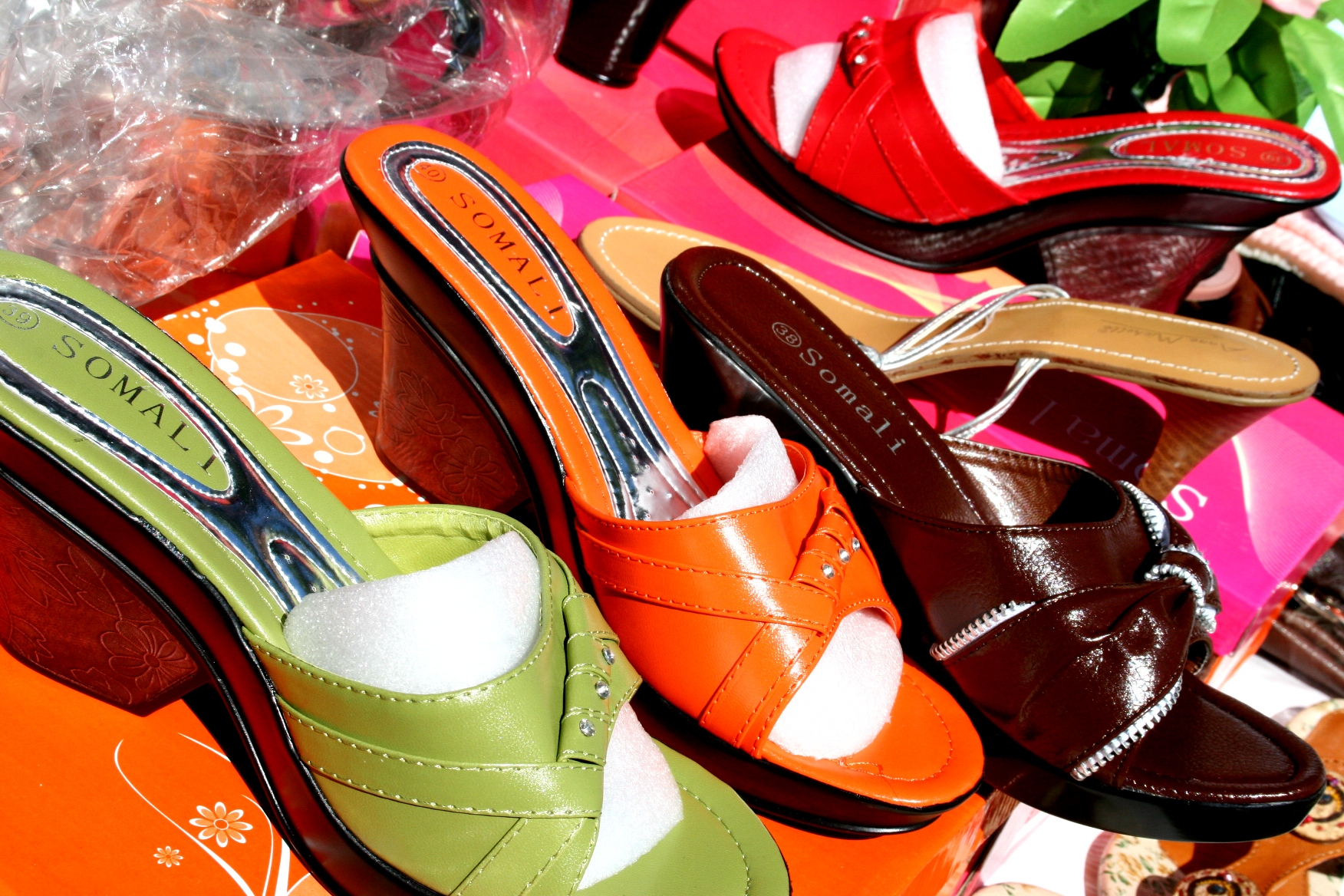
Shoes from Somalia on display at Riyaam's table.

A woman from El Salvador cooked at her food both.

Sanji, 18 months, plays with toys in the kids' activity area of the fest.
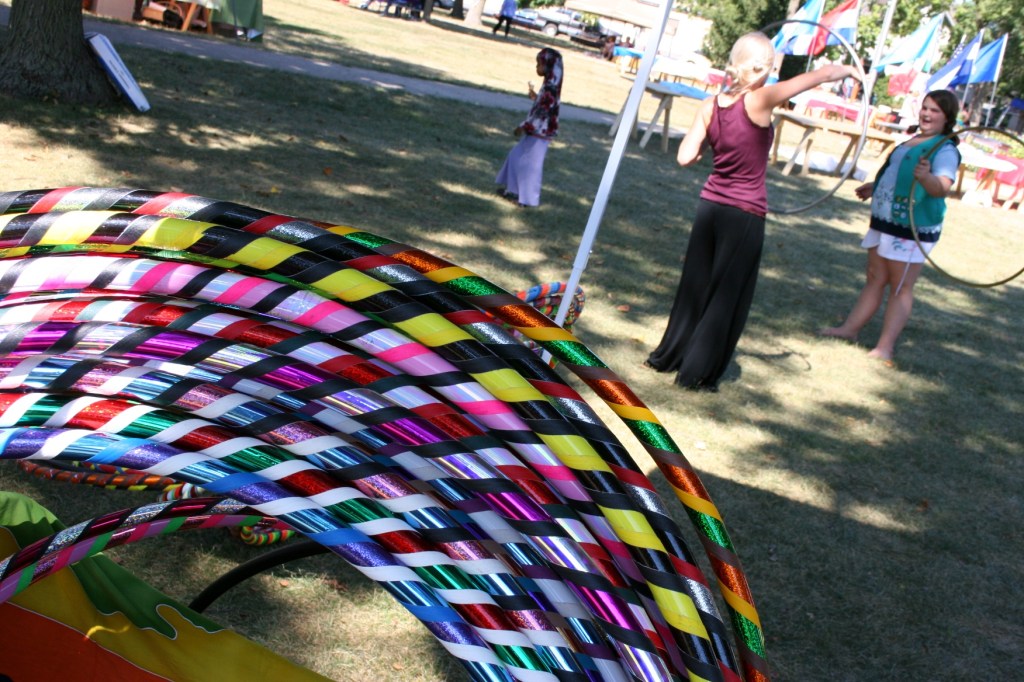
Hoop maker, performer and teacher Adrienne Lee teaches a Girl Scout the art of hoop dancing. The Girl Scouts were among the non-profit groups with booths at the festival.
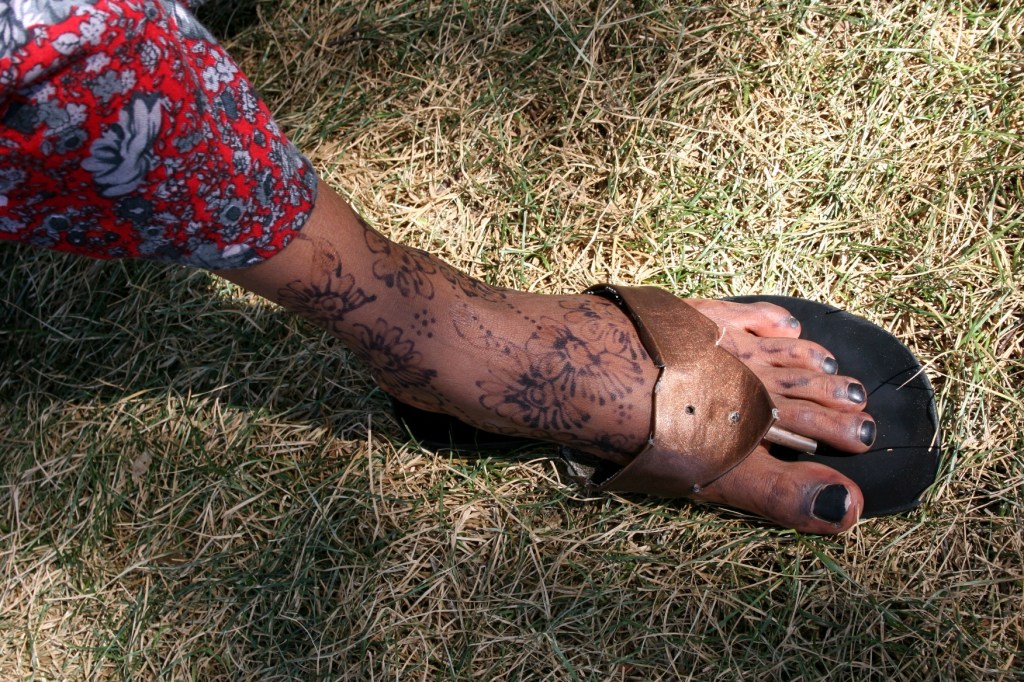
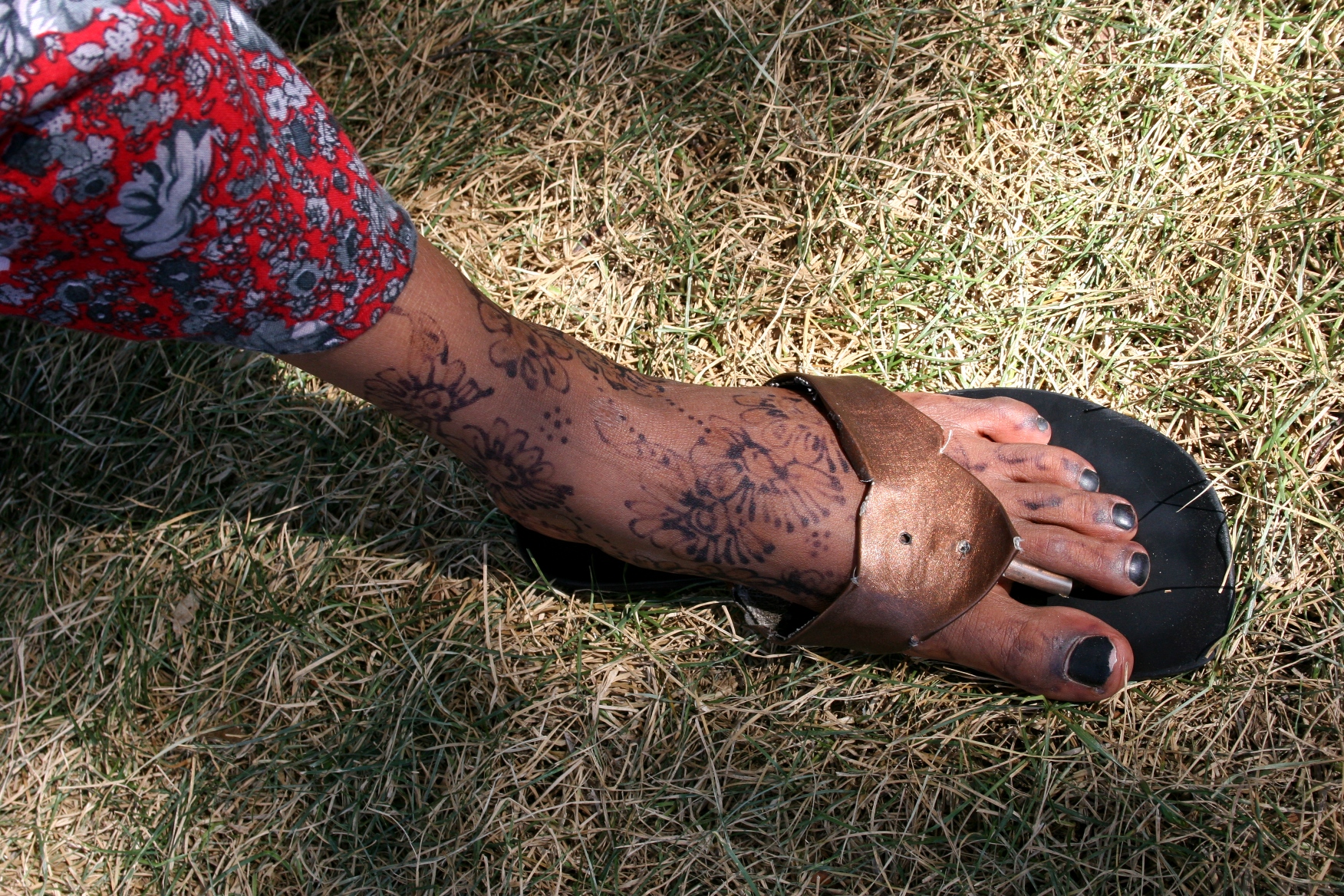
A young girl's henna stained foot.

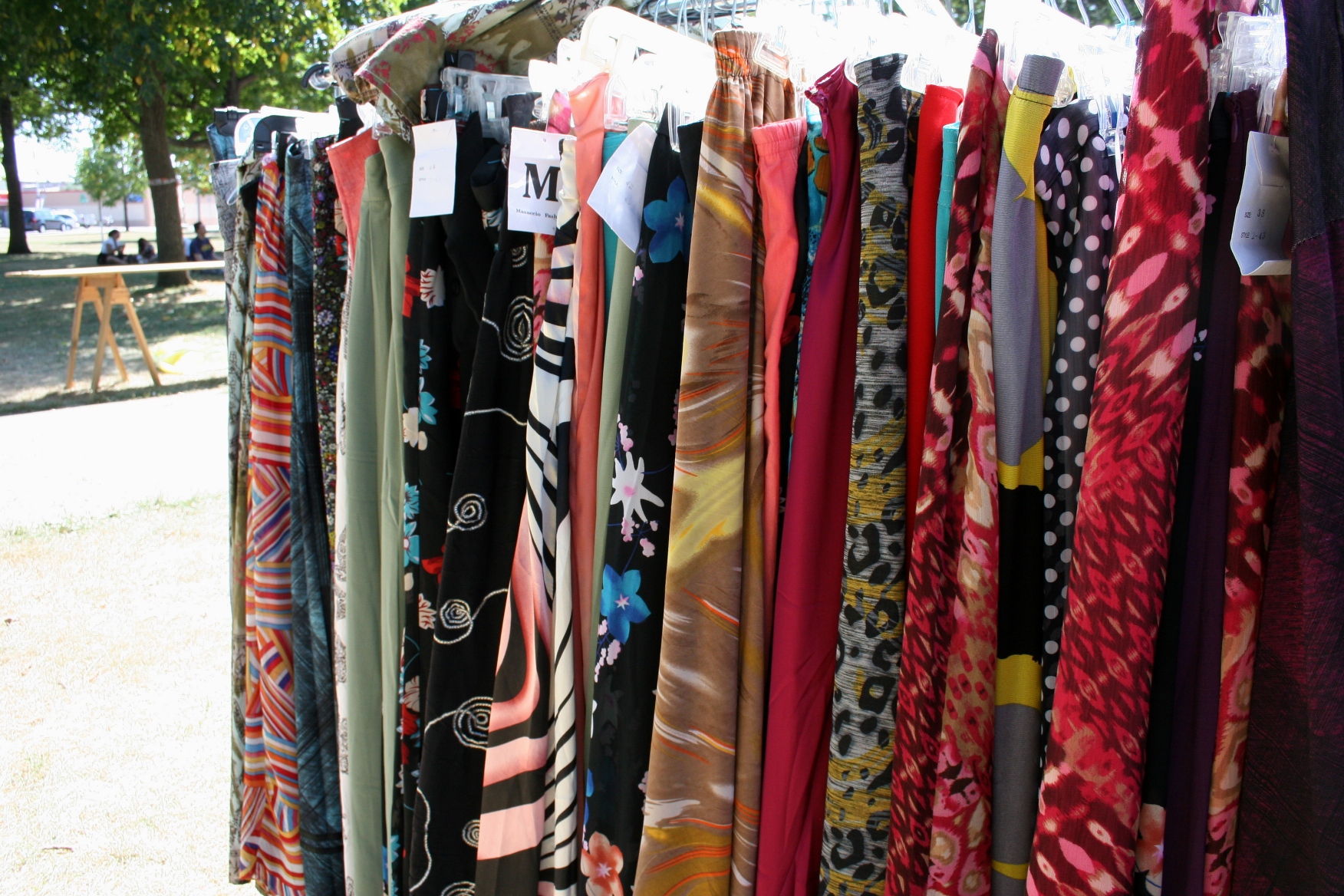
Colorful skirts for sale at Riyaam's booth.

THE ST. OLAF RESEARCH, which included interviews with 39 Faribault community members, states: “Most interviewees agree that Faribault’s immigrant and native-born communities operate alongside each other; coexisting peacefully, but not acting as a single integrated community.”

Exactly.

The report continues: “They do not agree about what should be done to unite these groups.

“We found Faribault leaders thus enmeshed in the long-standing American debate about which people ought to change and how much.”
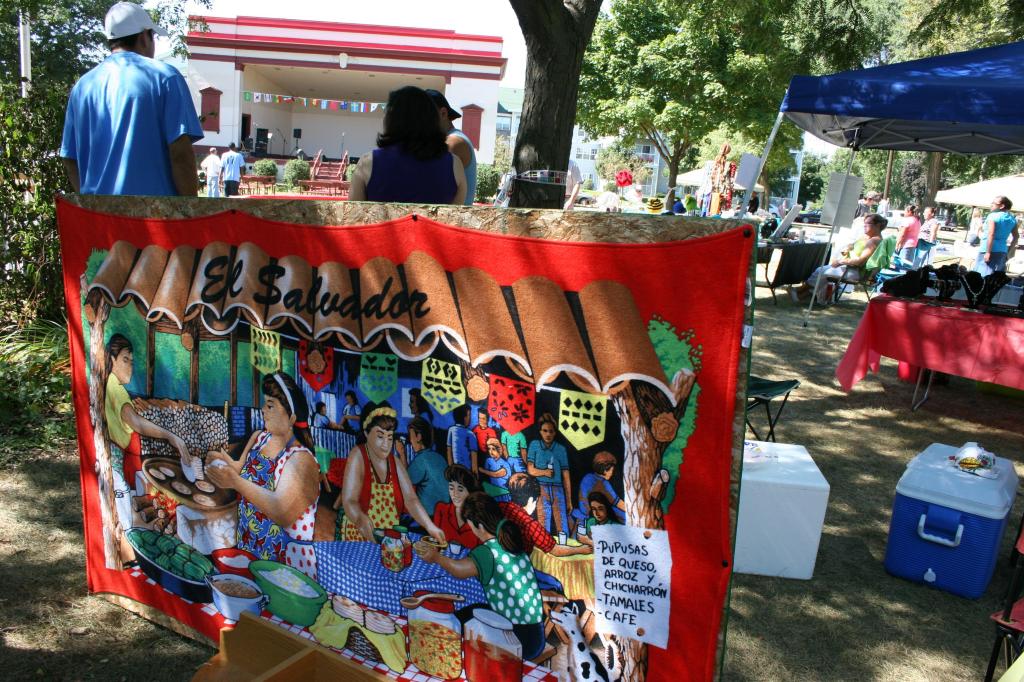
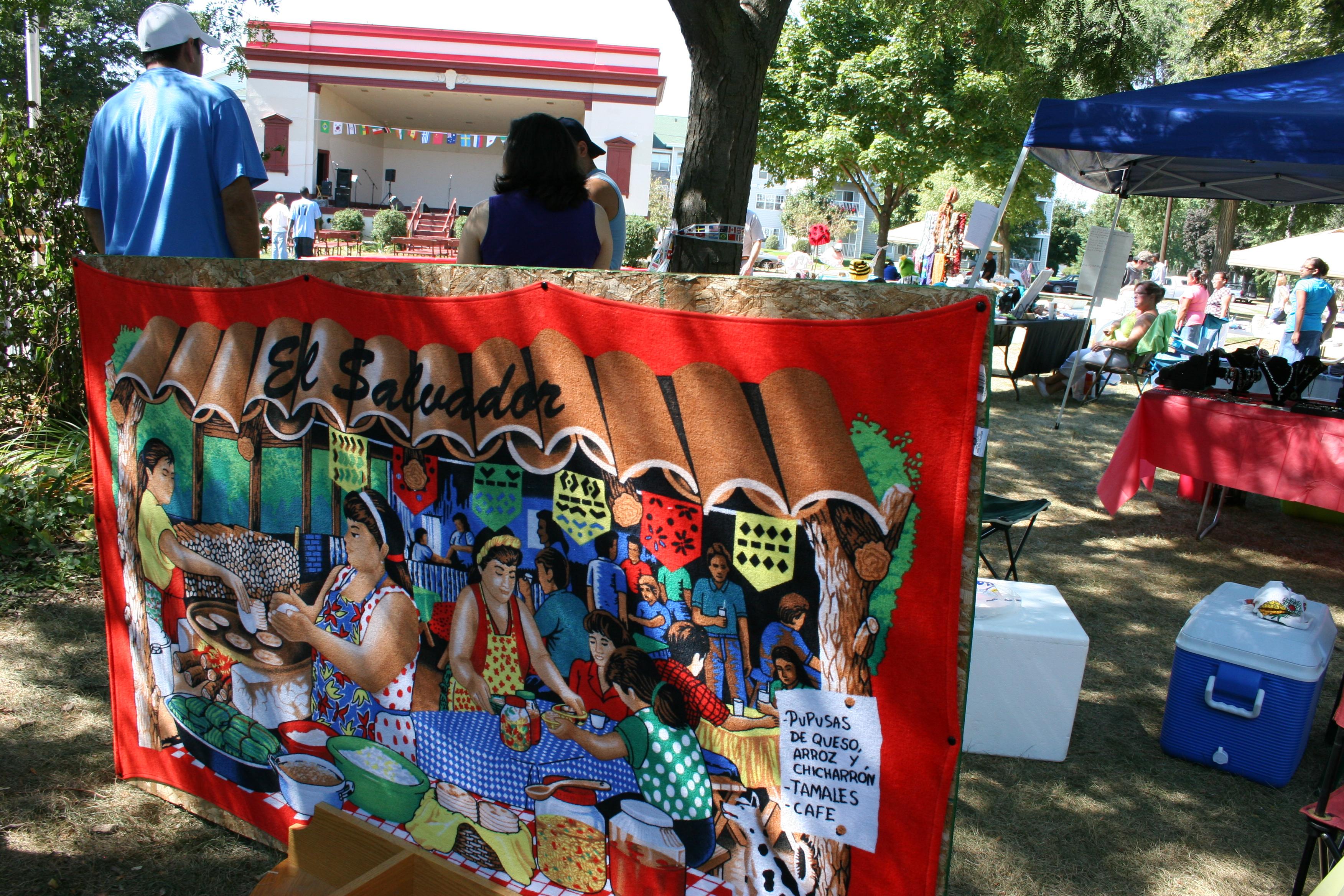
A colorful, detailed wall hanging/blanket represented El Salvador at one booth.

FYI: International Festival, Faribault, a recently-formed non-profit, has set its number one goal “to promote understanding of different cultures by organizing an annual event,” says Peter van Sluis. Secondly, the group wants to raise money and assist other non-profits.

© Copyright 2011 Audrey Kletscher Helbling


The not-so-surprising results to a diversity question March 23, 2011


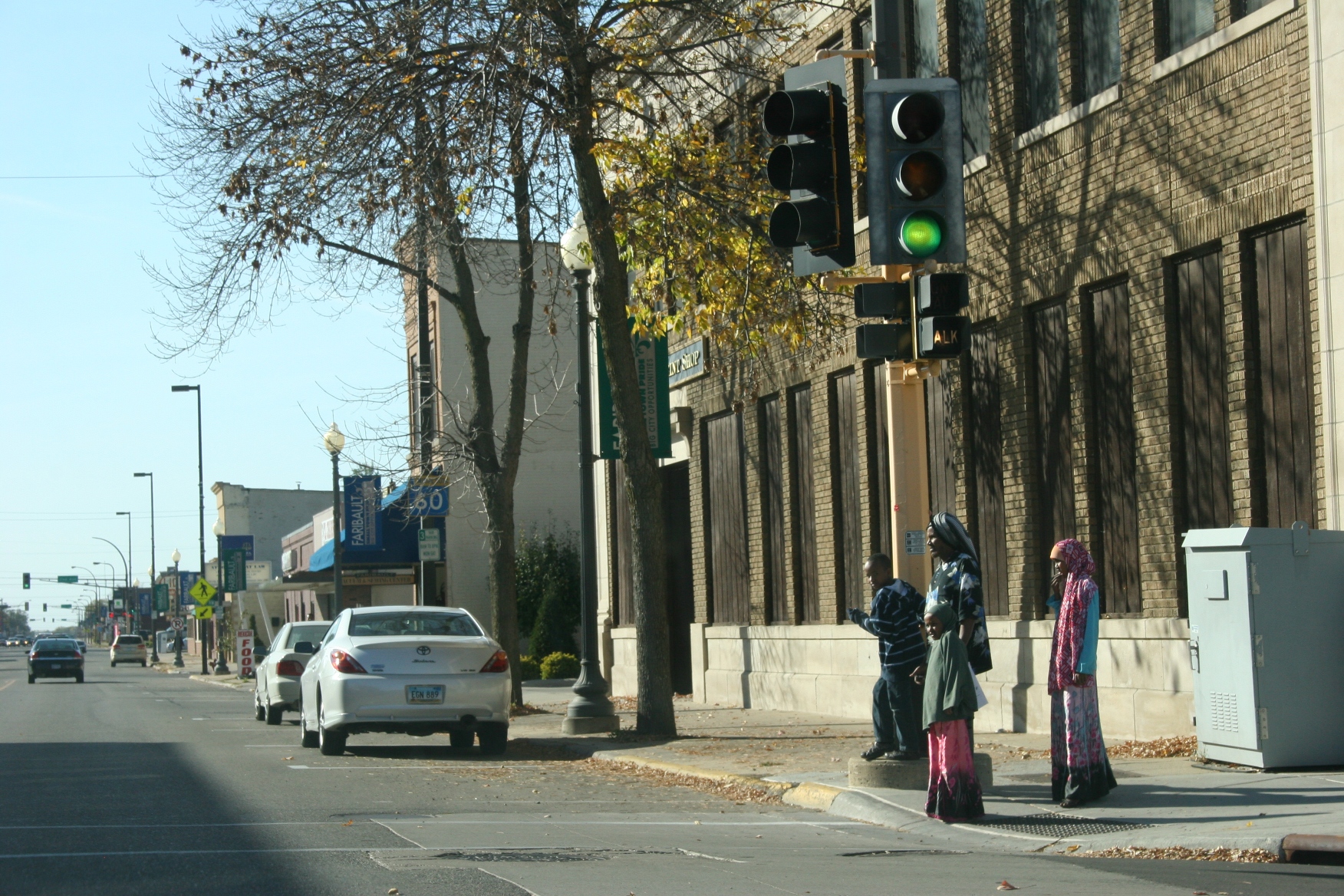
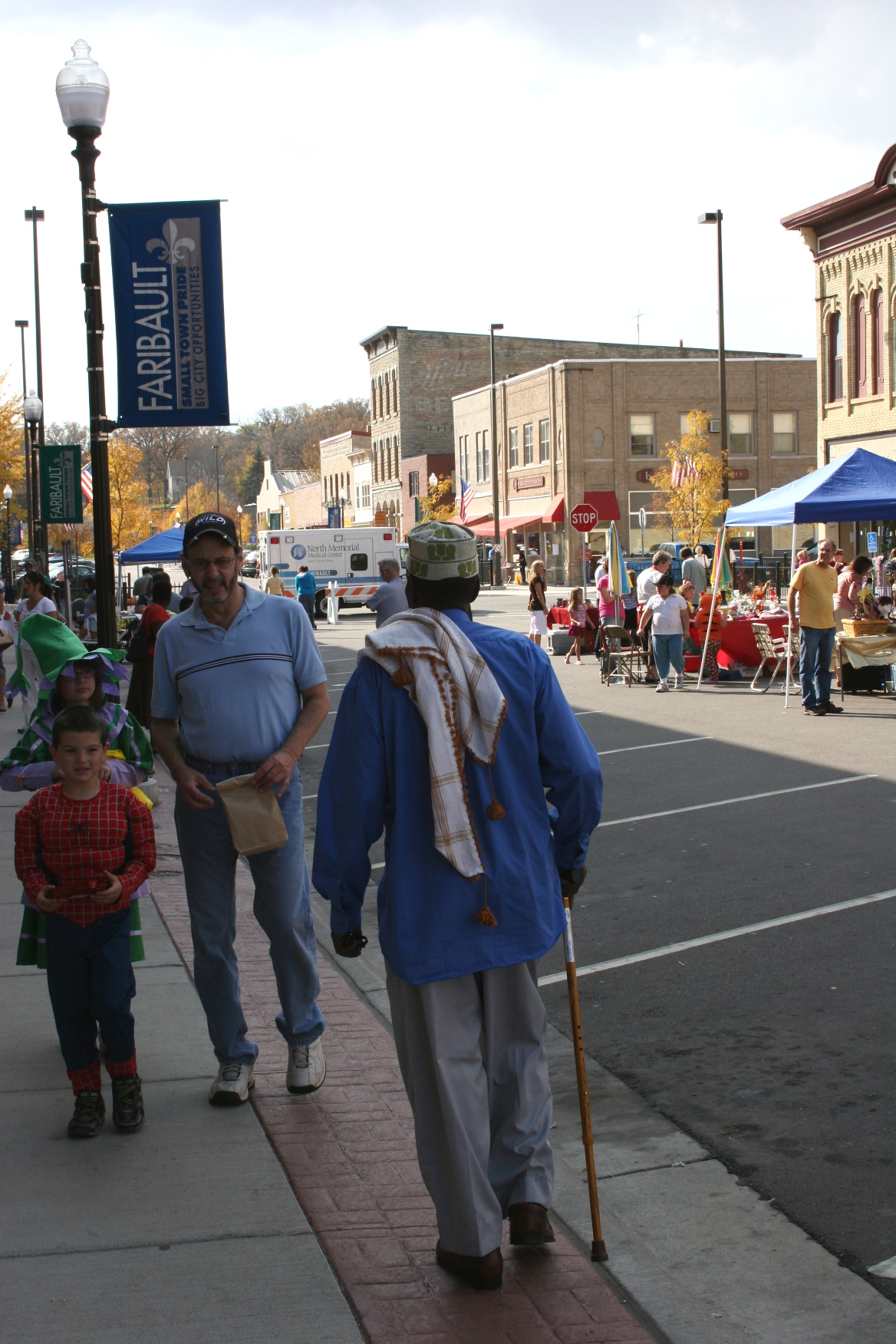
An immigrant family in downtown Faribault represents the changing face of our community. I took this photograph in October 2010.

I DON’T KNOW WHY I was surprised. I should have expected the results given the many racist comments I’ve heard through the years.

Yet, when results of an online poll conducted by The Faribault Daily News were published in Tuesday’s edition, I was still shocked or, more honestly, embarrassed by the numbers.

The newspaper, after publishing stories on changing demographics in Faribault,  polled readers on this question: “Do you enjoy the increased diversity in Faribault?”

An overwhelming majority, 70.2 percent, responded with a “No.”

Only 20.8 percent voted “Yes.”

The other nine percent checked the “What increased diversity?” option.

Granted, polls like this, printed in each issue of the paper and then open for online voting, are not scientifically controlled and therefore could be substantially flawed. We have only the number of respondents, 312 for this question, and the tallied results, from which to draw conclusions.

However, when you live in a community long enough—I’ve been in Faribault for 29 years—you know how people feel. And, I think it would be fair to say that many residents in my community are not all that welcoming of minorities.

I hear it in the off-the-cuff negative comments about Somali men hanging around downtown or about the Hispanic family that moved in down the street. I hear it in the warning to avoid certain retail destinations at night. I hear it in the spewed words, “I don’t want any Somalians moving in next door.”

I read it in the comments submitted to the local newspaper whenever race or diversity is the subject of an article.

The words are mean, cutting, derogatory, and, most definitely, prejudiced.


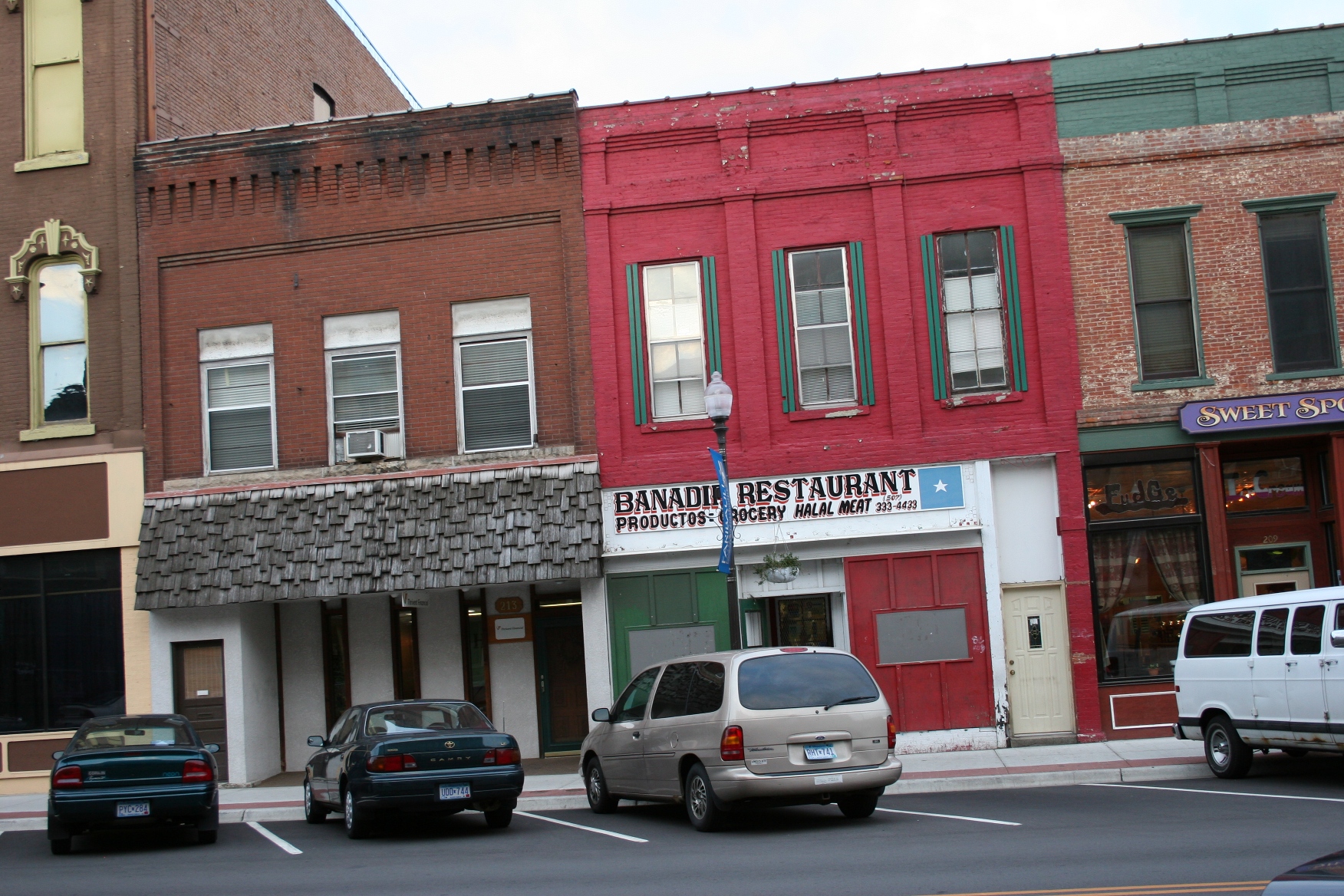
Downtown Faribault businesses include Banadir Restaurant, a Somali restaurant.

Many times I find myself defending the Hispanic, Somali and Sudanese people who comprise most of the nearly 17 percent of minorities living in my community of 23,352.

My standard answer is something like this, “There are good white people and there are bad white people, just like there are good Hispanics (or fill in the blank with another race) and bad Hispanics. The only bad experiences I’ve had are with white people.”

That is almost true. Several years ago my husband and I, unbeknown to us, sold a car to a Minneapolis-based Latino gang member who then used our vehicle in a gang-related shooting.

I really struggle with individuals who negatively label an entire ethnic group. It is unfair and unjustified.

That said, many individuals, churches, schools and organizations in Faribault are working hard to welcome and assist our minority population. Such examples are the Society of St. Vincent de Paul Center for Charitable Services and The Faribault Diversity Coalition. Unfortunately, The Welcome Center closed late last year.


Different cultures, all the faces of today's Faribault, mingled during the Fall Festival in October 2010. Our town's current Black or African/American population is 7.5 percent.

But, really, efforts to embrace the newcomers in our community begin with each of us, on a personal level, in our hearts.

On my personal level, I’ve come to better understand other cultures because my second daughter is a Spanish language major who has lived and studied and done mission work abroad. She is currently a Spanish medical interpreter.

I try to attend ethnic events in Faribault like the annual summertime International Market Day celebration.


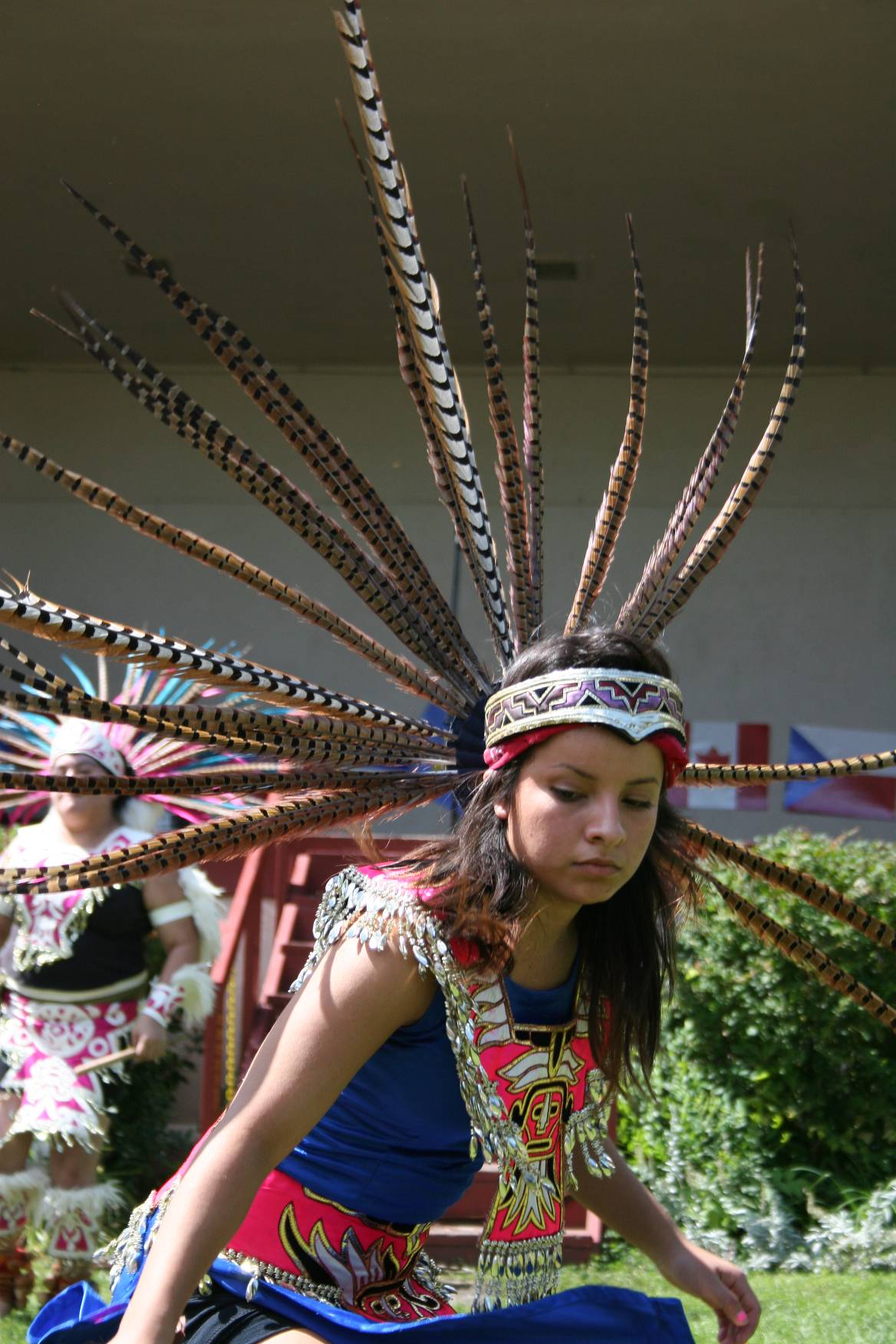
A member of Ollin Ayacaxtli dances at Faribault's International Market Day celebration. Faribault's Hispanic or Latino population numbers 3,026, according to the 2010 U.S. Census.

I’d like to see The Paradise Center for the Arts, reach out to minority artists, and that is a project I hope to help the local art center pursue.

I’ve wondered, too, and this might seem odd to mention, but why do I seldom, if ever, see obituaries published in the local newspaper for minority members of our community? We need to recognize these seemingly small things that set us apart.

If we take small steps, first as individuals, in educating ourselves, then our attitudes toward each other can change. We will have a stronger, better community that is built on understanding and acceptance rather than on differences.


A family matriarch oversees the making of pupusas from her chair at the International Market Day in Faribault in 2009. This is one of my all-time favorite portraits that I've ever taken.

CLICK HERE for 2010 U.S. Census results from Minnesota. Scroll down to Rice County, which includes Faribault, and shows a county minority population of 9,576 or 14.9 percent. Statewide, our minority population is 16.9 percent.

© Copyright 2011 Audrey Kletscher Helbling
 

Striving for harmony among cultures in one Minnesota community October 17, 2010

Filed under: Uncategorized — Audrey Kletscher Helbling @ 10:16 PM
Tags: , , , ,


An immigrant family in downtown Faribault.


SATURDAY AFTERNOON I shot this image while passing through downtown Faribault. It was a split-second decision to lift the camera from my lap and aim through the windshield. I had wanted for some time to photograph the newest residents of my town of 22,000. Technically, this photo is lacking.

But from the standpoint of depicting the changing face of my mid-sized Minnesota community, it’s perfect.

We are no longer just a city of German, Irish, Scandinavian, Polish, or, in Faribault’s case, strong French descent. We have become a community of color and of varying cultures. Hispanic. Somali. Sudanese. Asian.


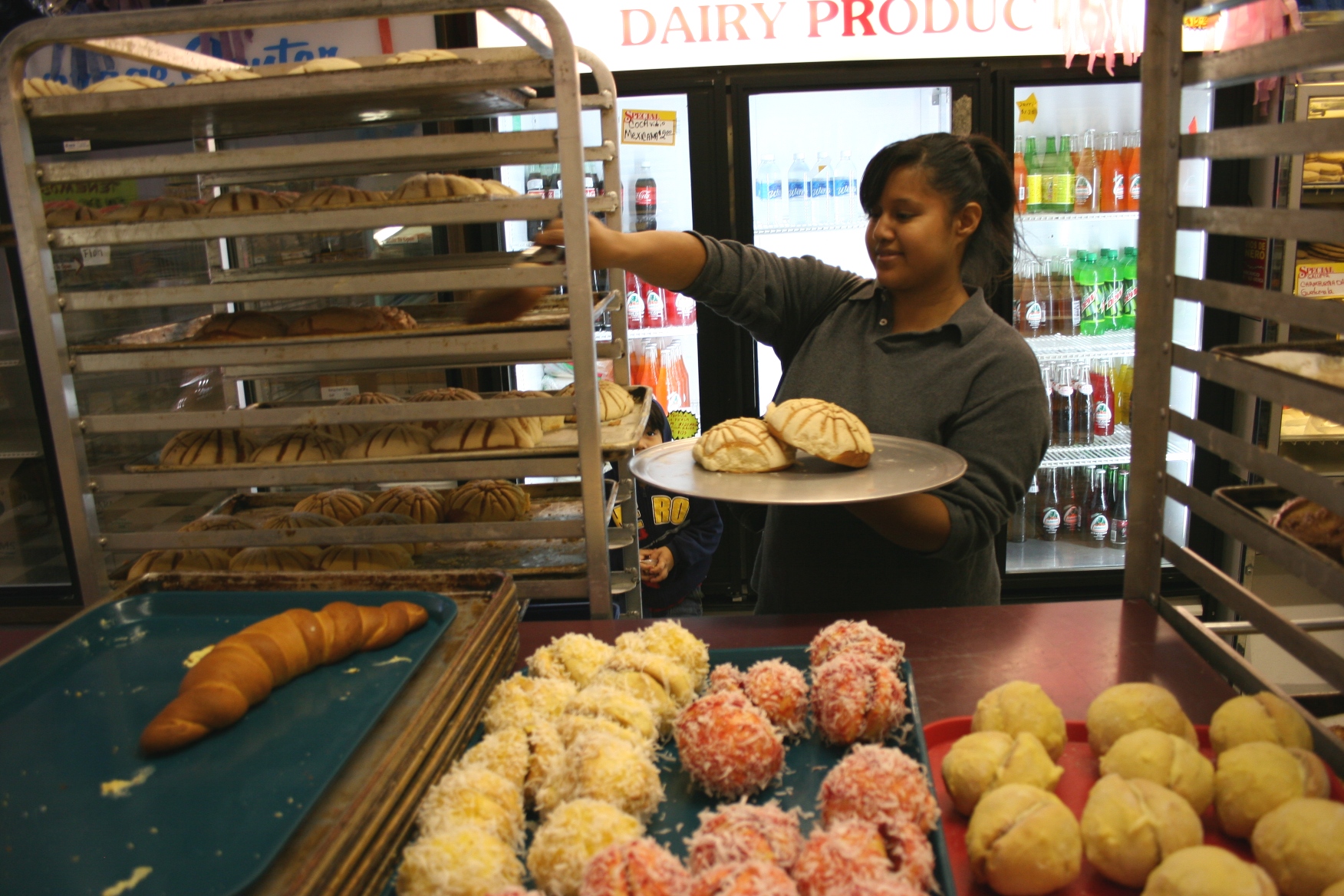
Choosing pastries in a downtown Faribault Mexican bakery.


Los 3 Bakery in Faribault was painted in this shade of green until about a year ago when some local business owners objected to the bright color. They donated money to repaint the building a subtler green.


Different cultures, all the faces of today's Faribault, mingled during the recent Fall Festival along downtown's Central Avenue.


As much as I would like to say that we all embrace, accept and respect each other, I would be lying. I’ve heard the derogatory remarks, the ignorant comments, even among friends and acquaintances. Crime connected to “Mexicans.” Groups of Somali men hanging out downtown. Too many people living in one house.

Such unfair general categorizations and culturally uninformed biases raise my ire. Who are we to make sweeping judgments about an entire ethnic group? After all, I typically pronounce, didn’t our grandparents or great grandparents arrive here, in the land of opportunity, from many different countries?

Exactly.

Fortunately, many Faribault residents realize that and understand that we need to welcome our newest residents. We have, for the past 15 years, had the Faribault Diversity Coalition to lead the way in helping our immigrants. The Welcome Center opened its doors as a vehicle to facilitate the process.

Two weeks ago, though, the FDC and The Welcome Center announced that they would disband in December due to a lack of funding. That disheartened me, although I understood and knew how hard the two groups had struggled to continue.

Then last night, to my absolute surprise, I received a mass e-mail from Milo Larson of the Diversity Coalition announcing that he (and others) had a change of heart. While the Welcome Center will, indeed, close, the FDC will continue.

He wrote, in part:

“…There is more need now more then ever to keep our town, state and world a more harmonious and informed place.

“As I’ve said so many times the past 10 years we are communicating with real people, with hearts, souls and feelings. Just because some are from different cultures, different color skin, different religions, doesn’t mean they are numbers on a sheet of paper.  They’ve all had child hoods, most have had problems with bullies in school, abused by parents, gone hungry, homeless, not wanted in the country they were born in or this country because they are different.

“We must find compassion & respect in working and living with these newcomers as well as with ourselves. We are not asking for money, just your heart and time. Surprising what a smile and hi will do to everyone you meet on the street, I don’t care what culture or if they understand you or not. That my friend don’t cost a dime.”

I simply have to admire a man with his level of commitment, passion and compassion. Larson is the kind of person you want as a friend or living within your community. He doesn’t care if your skin is black or white or purple or green.

NOW, I WANT TO BACKTRACK a minute to the photo at the top of this page, the one of the immigrant family. I am going to admit my ignorance here. I do not know whether the family is from Sudan or Somalia. But I expect that if I asked Larson, he could tell me. There is much we can all learn from each other, for we are all here, on this earth, together.


The 2009 International Market Day in Faribault sponsored by the Faribault Diversity Coalition.


Downtown Faribault businesses include Banadir Restaurant, a Somali restaurant.


© Copyright 2010 Audrey Kletscher Helbling


It’s OK if you don’t have pickle bumps September 23, 2010

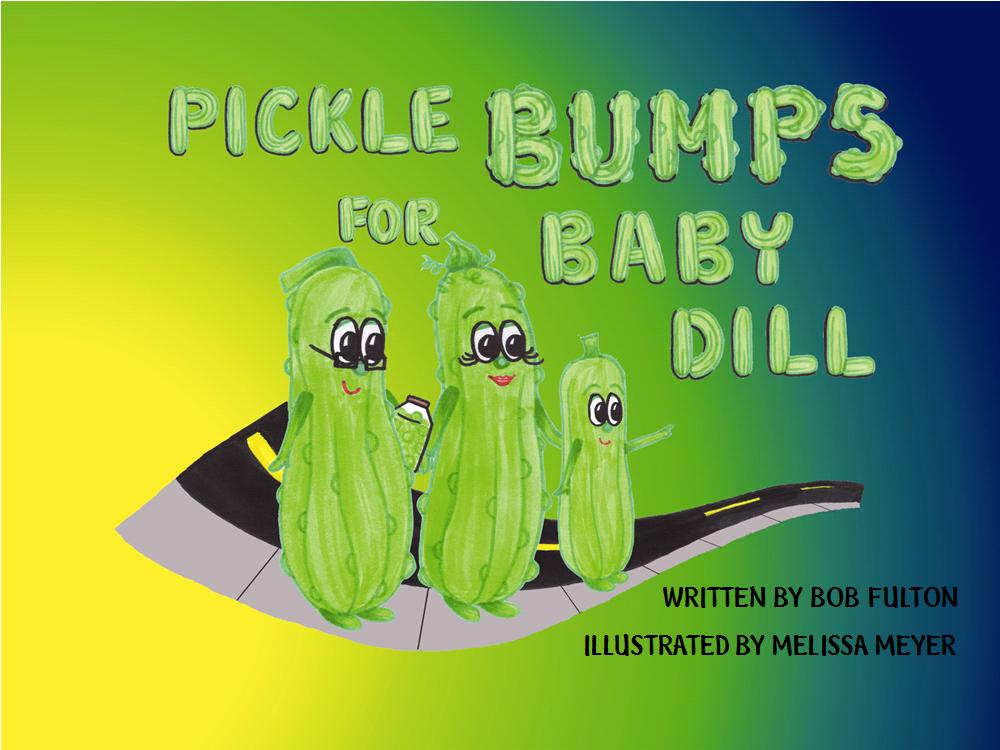
I’LL ADMIT TO MORE than a bit of skepticism about a children’s picture book titled Pickle Bumps for Baby Dill. “What kind of book is that?” I wondered before calling the author, Bob Fulton.

Well, exactly as the title suggests, this is a story about Baby Dill, a pickle born without bumps. But that’s not all. You see, after speaking with Fulton and upon reading his book, I learned the real purpose. And it’s much more than a story about cute, talking pickles.

Fulton delivers a strong message via the Dill family and Baby Dill’s friends. The message: “It’s OK to be different.”

That’s a message especially fitting for this time of year, the beginning of school.

I would speculate that many students have, in recent weeks, felt like they don’t quite fit in with their classmates. Maybe they aren’t wearing the latest fashions. Maybe they’re in a new school, struggling to make friends. Maybe they’re shy, quiet. Maybe their hair or their skin is the “wrong” color. Maybe they’re struggling with learning.

Maybe, like Baby Dill, they wonder why they are different from everyone else.

Fulton addresses that concern, which leads the Dill family on a shopping trip for pickle bumps. In the end, Baby Dill decides, with the support of his friends, that he would rather remain bump less.

While Fulton’s story has a positive ending, I know that isn’t always reality. In real life, kids bully, tease, make fun of, pick on, humiliate—whatever words you want to choose—those who are different. For all too many kids, there are no understanding friends to stand by and support them.

A book like Fulton’s offers encouragement. “We like you just the way you are,” Baby Dill’s friends tell him. That’s a message that needs to reverberate through-out our schools, our homes, our communities.

Pickle Bumps for Baby Dill would be a good addition to any elementary school classroom or library. While aimed at preschoolers and lower elementary students, the story also appeals to 10 – 12-year-olds, Fulton says. Having experienced bullying myself while in junior high school, I applaud any efforts to help students, parents and teachers address the issue.

The college educator—he taught chemistry for 39 years at St. John’s University and The College of Saint Benedict—has even added a list of 12 questions at the end of his book to prompt discussion.

He shares, too, that his book evolved from telling stories to his grandchildren and a specific request from his youngest grandson to “Tell us a story about a pickle.”

Fulton did and then put his tale into writing in Pickle Bumps for Baby Dill, published by Pickle Bump Press. Melissa Meyer, originally from Saint Joseph, Minn., illustrated the book.

#

AS A SIDE NOTE, please be aware that October is National Bullying Prevention Month. Check out the PACER Center Web site for information that can help you address bullying. Perhaps by working together, through understanding and listening and empathy, we can help reduce the bullying that is all too prevalent in our society, especially in our schools.

© Copyright 2010 Audrey Kletscher Helbling
 

Celebrating cultural diversity in Faribault at International Market Day August 27, 2010

Filed under: Uncategorized — Audrey Kletscher Helbling @ 8:59 AM
Tags: , , , , , ,

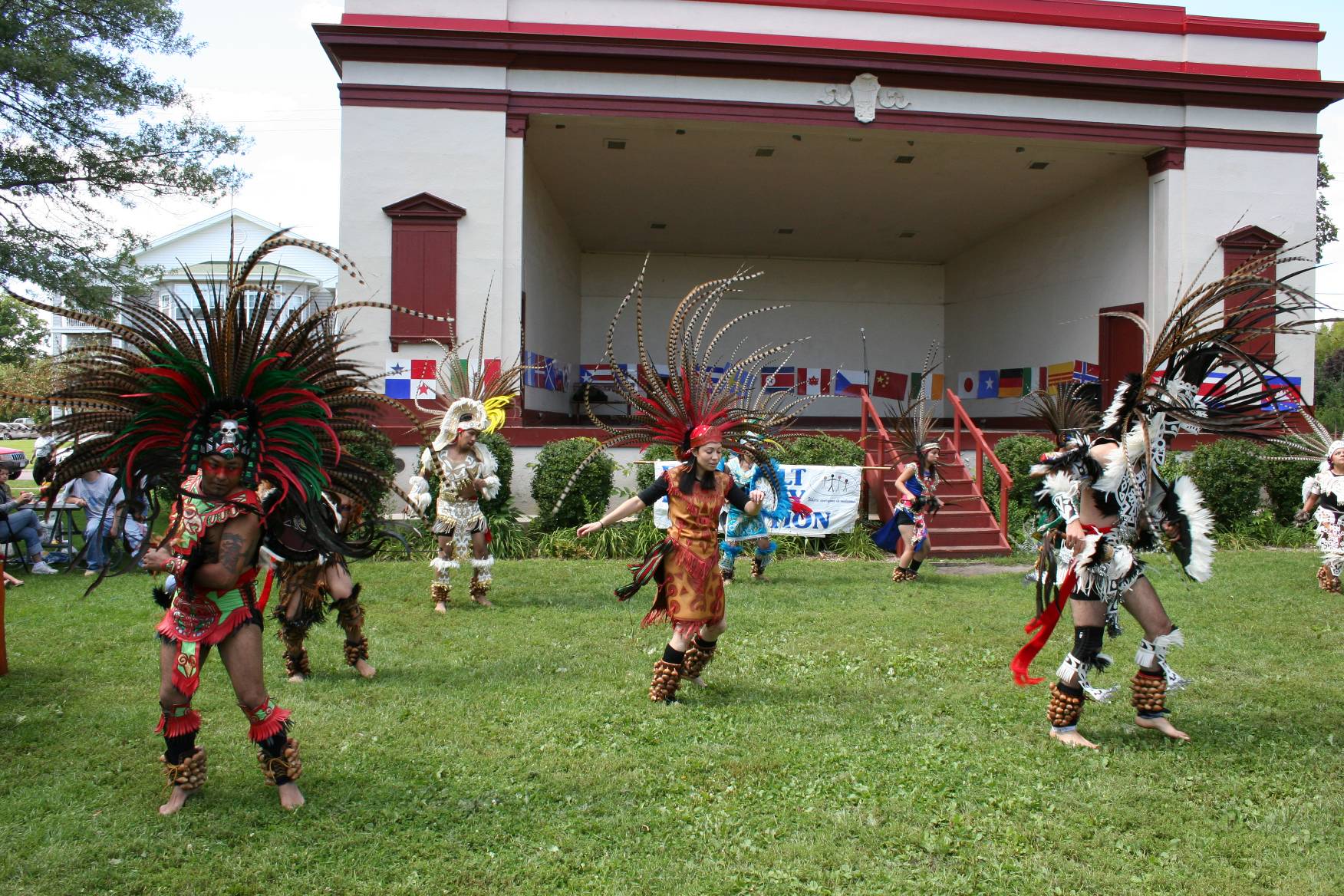
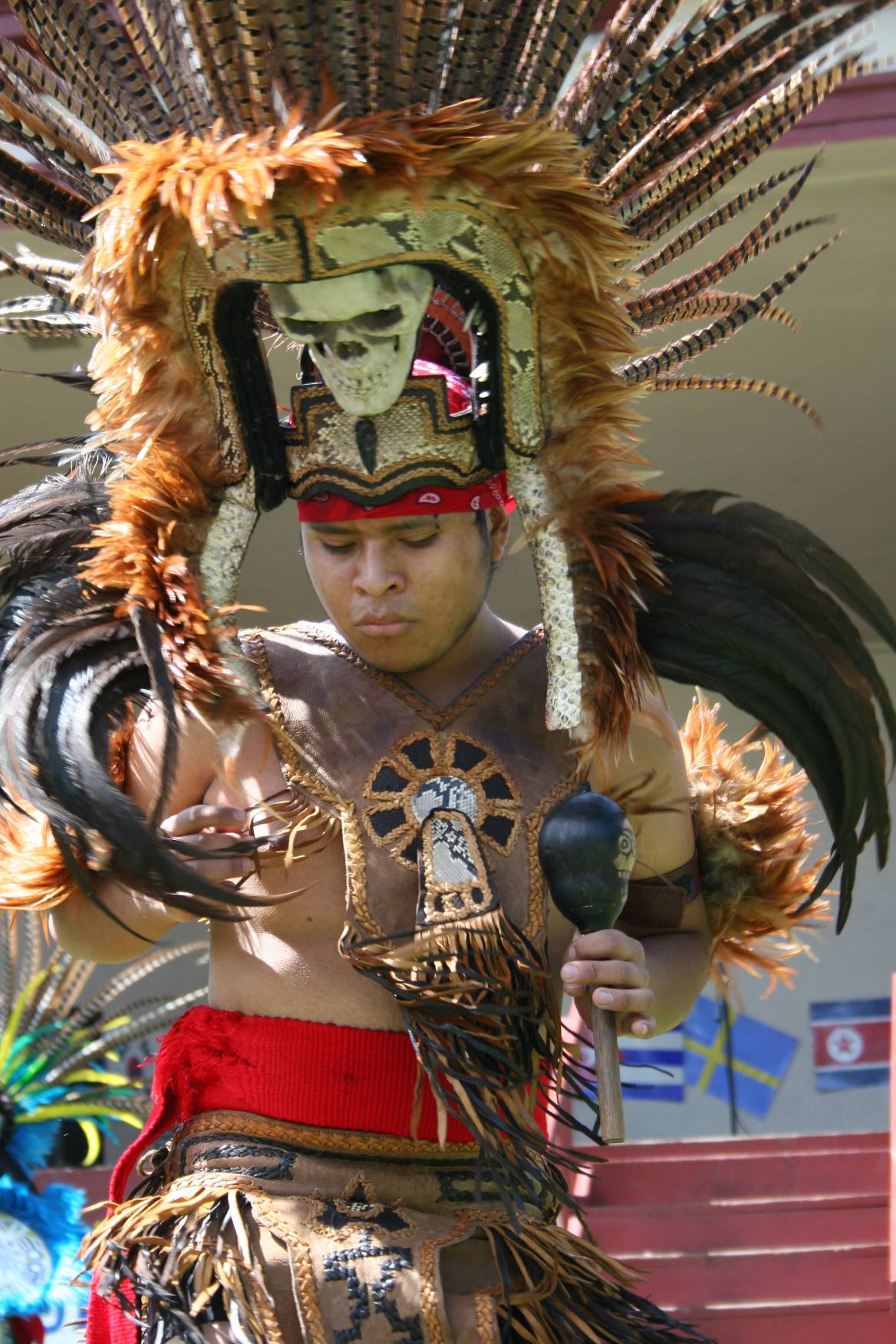
An Aztec dancer, garbed in a symbolic headdress entertains the audience during the 2009 International Market Day in Faribault.

TO THE STEADY BEAT of a drum, the 12 dancers sidestepped across the grass, their bodies moving in a rhythmic dance ritual that mesmerized.

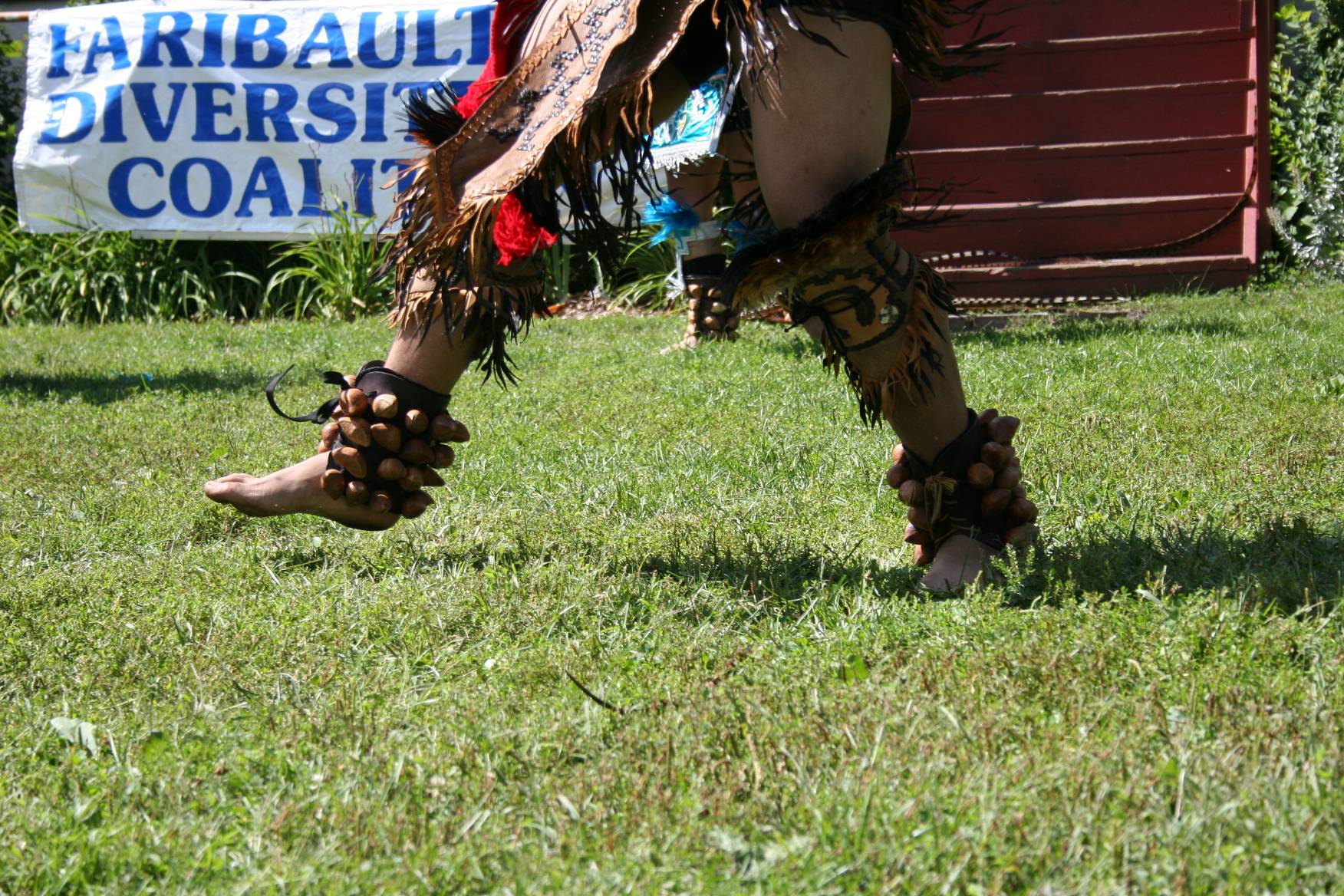
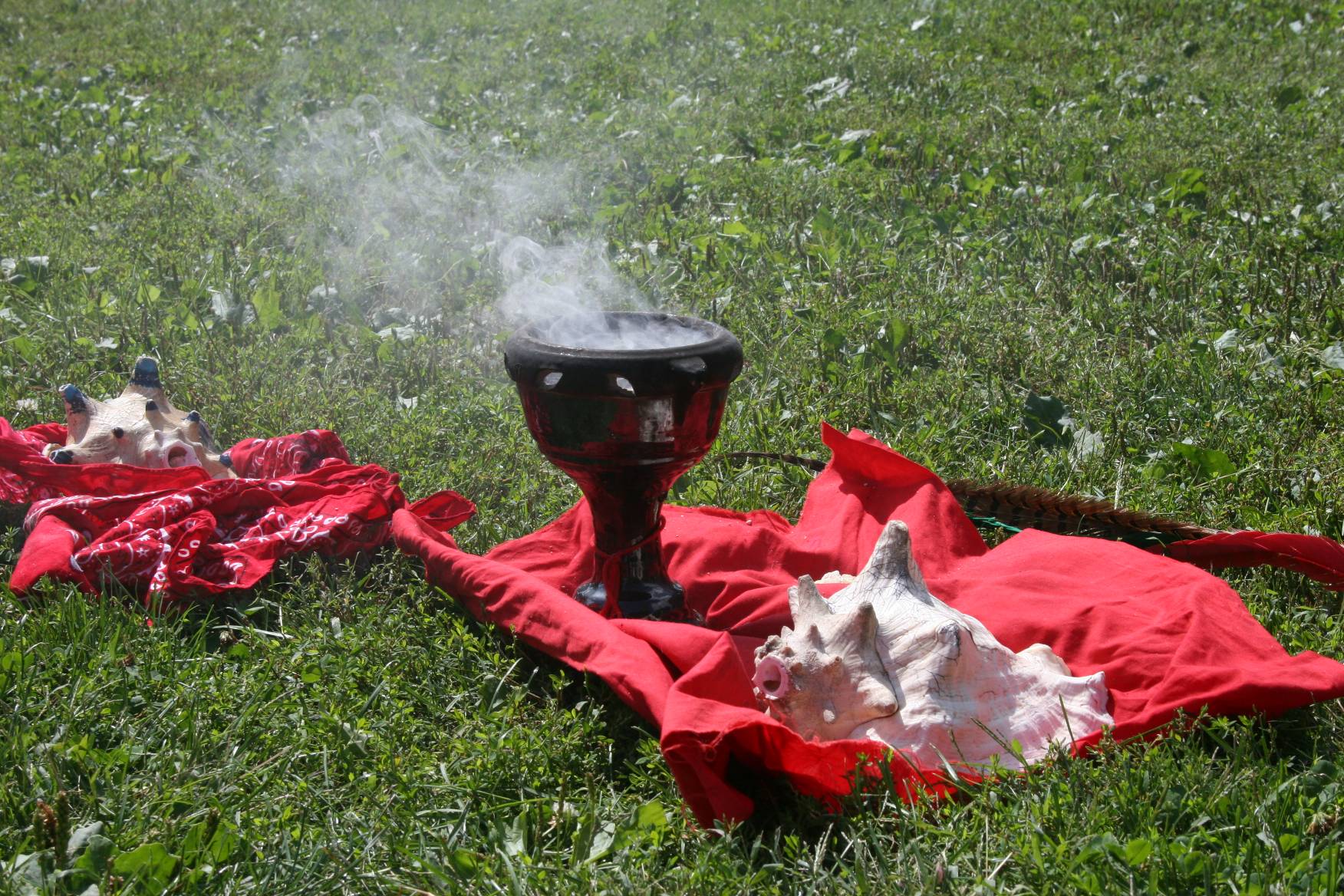
As they twirled and kicked and circled just yards away in bare feet blackened by the earth, sweet incense-infused smoke drifted toward me. The smoldering fire of incense, said a member of the Aztec group, Ollin Ayacaxtli, symbolizes cleaning of the air and attracting “the good energy around us.”

The dancing was certainly creating plenty of good vibes among the crowd gathered last August in Faribault’s Central Park for performances by the Northfield/Owatonna-based dancers. Appreciative applause followed each short dance during the Faribault Diversity Coalition’s annual International Market Day celebration.

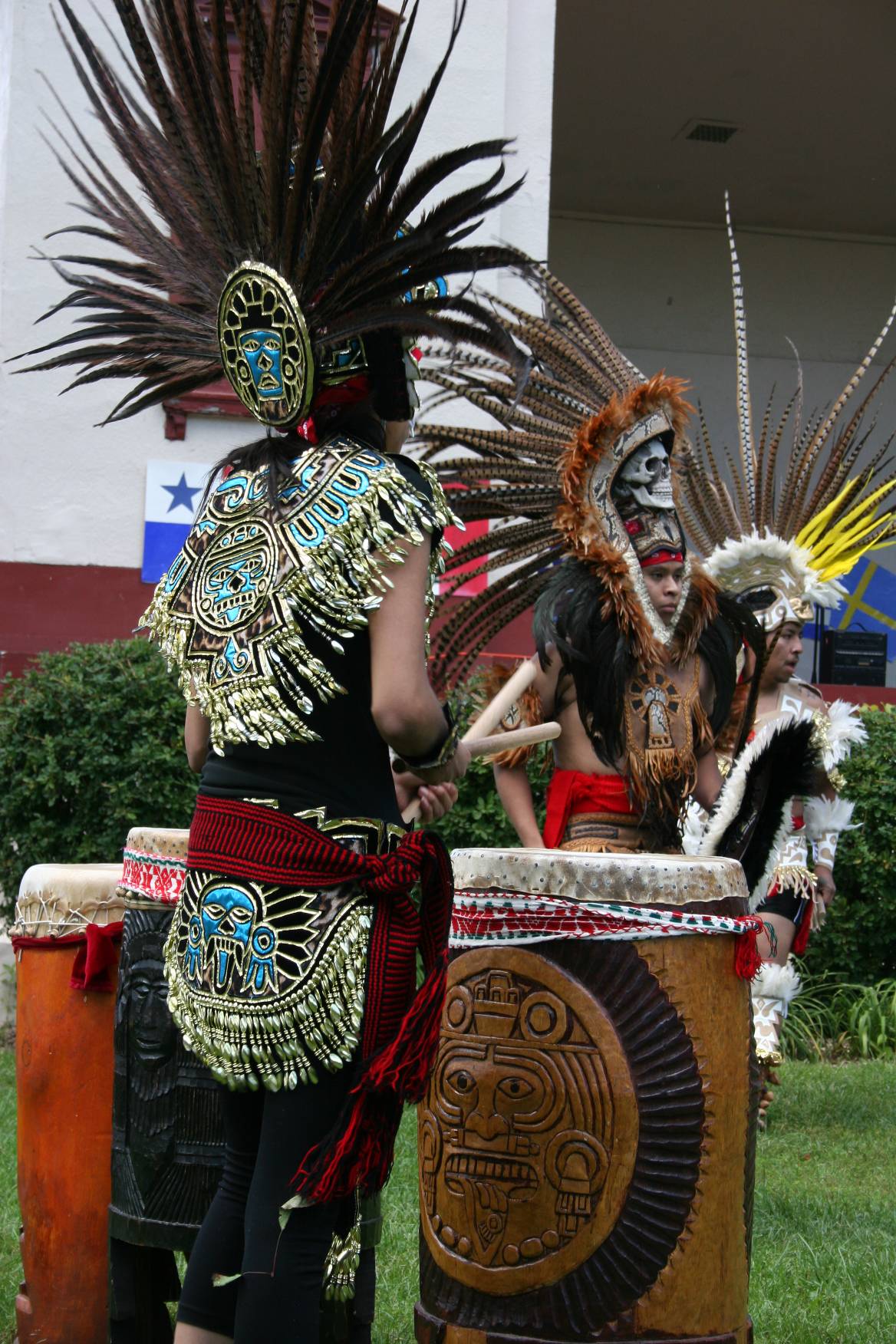
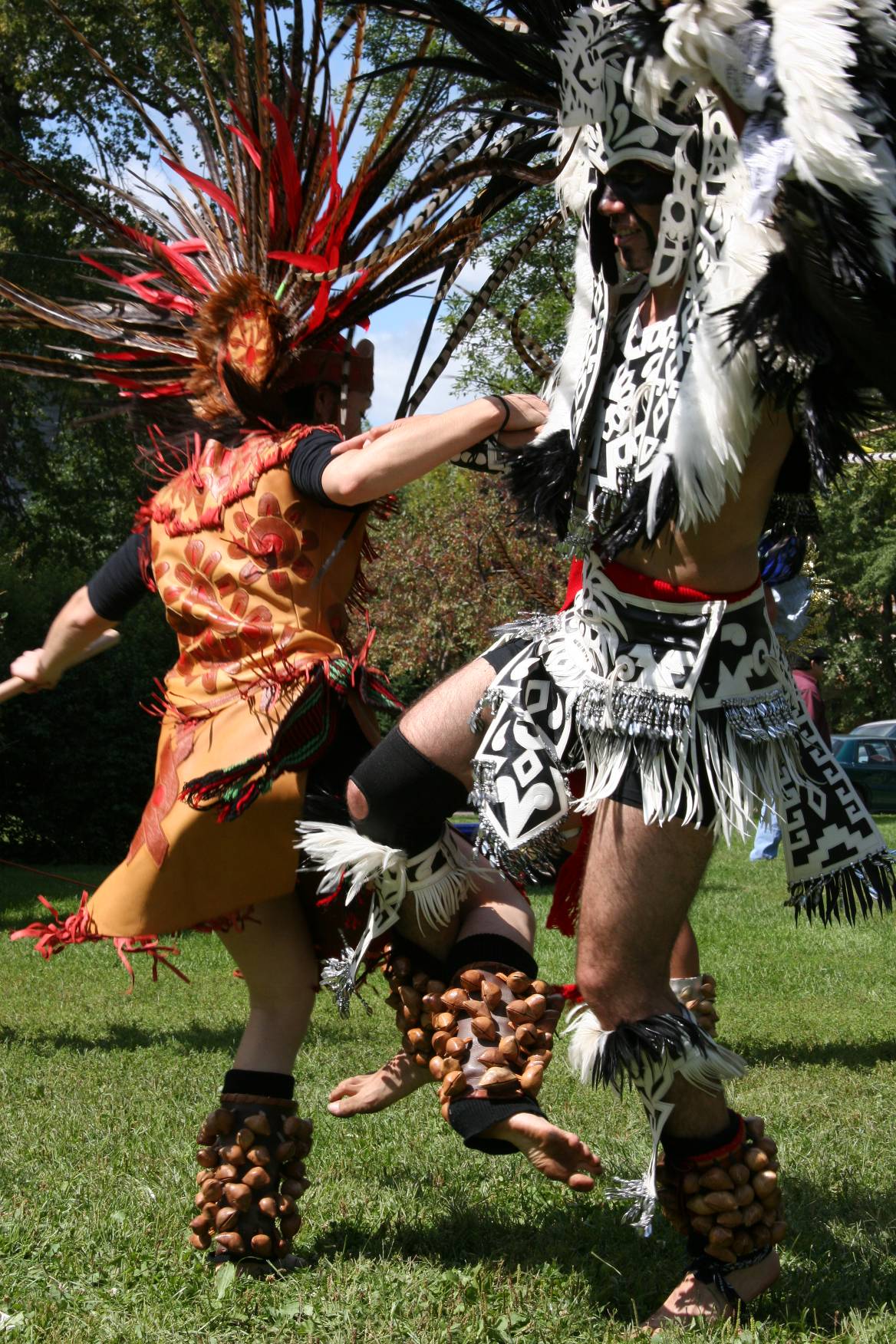
Everything about the performers spoke to symbolism steeped in deeply-rooted tradition. They dressed in colorful costumes patterned after those of Aztec warriors and adorned with Aztec calendar symbols like butterflies, fire, skeletons and flowers.

The belief that “most things in nature come from two things” is the basis of Aztec thinking, the audience learned in a brief cultural lesson. Nature encircled the faces of the dancers, who wore colorful headdresses sprouting plumes of feathers.

Later I would learn from dancer Jesus Torres of Owatonna that the Aztec culture is all about harmony and about rain, earth, wind and fire, and about respecting elders. The group formed, he said, to teach those involved and others about the tradition, values, costumes and history of the Aztec.

Ollin Ayacaxtli travels to events in Minnesota, Wisconsin and Iowa presenting their symbolic dances that pulse with energy in every dance of the foot, in every beat of the drum, in every shake of a maracas.

Members of Ollin Ayacaxtli perform in front of the Central Park bandshell.

The drums are made from a very old tree and, like our grandfather, are to be respected, the audience was told.

A dancer moved across the grass, bells blending with the drum's beat.

Duo dancers, legs intertwined, danced in a circle.

Smoking incense and shells were integral to the performance with the shells symbolizing the sound that goes across the universe.

A member of Ollin Ayacaxtli dances with the group.

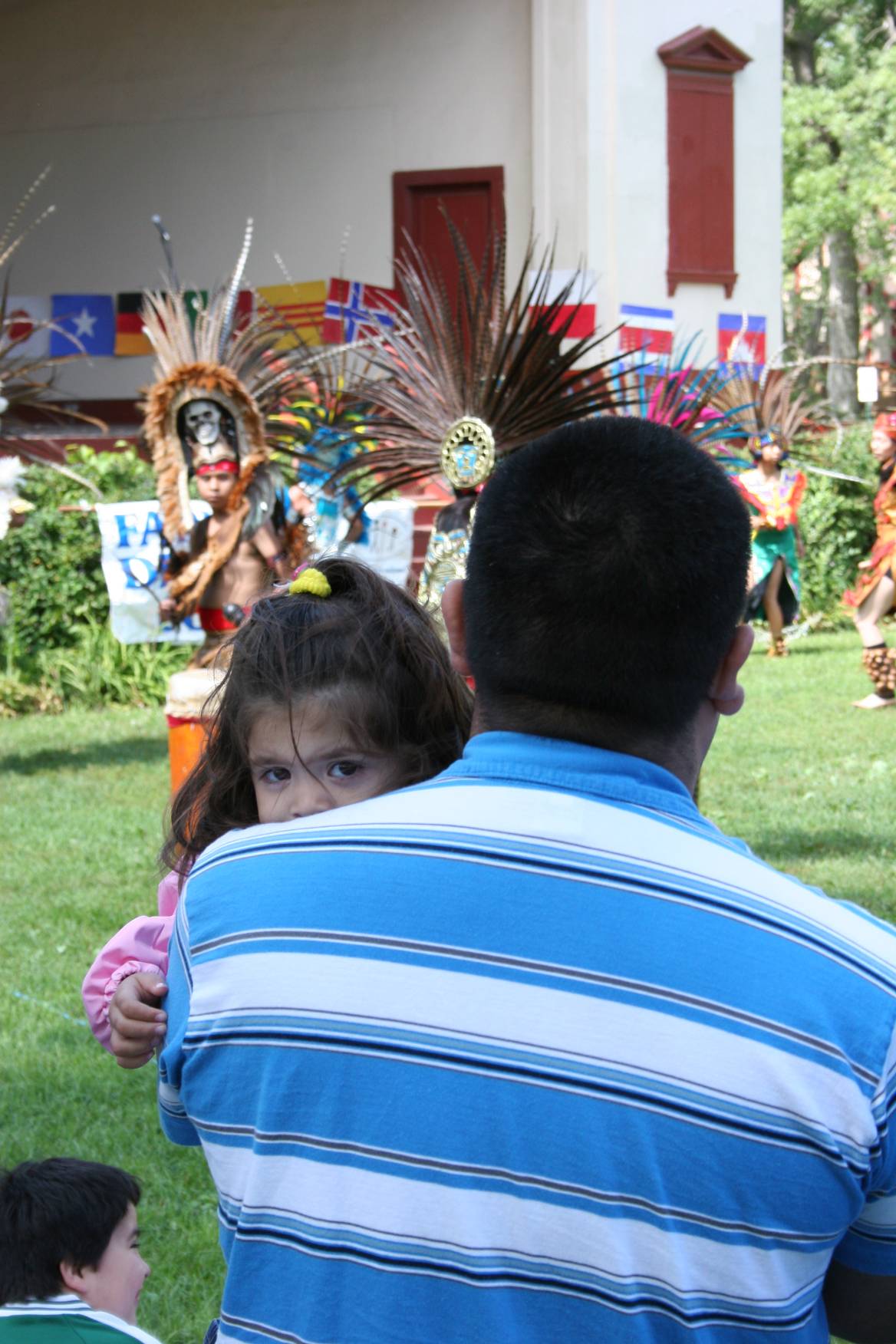
A girl snuggles in her Dad's arms while he watches the Aztec dancers.

EDITOR’S NOTE: I wrote this blog post one year ago for another publication, which subsequently folded and did not publish this piece.

Tomorrow, Saturday, August 28, the International Market Day Committee and the Faribault Diversity Coalition are sponsoring a fifth annual International Market Day. The event runs from 10 a.m. – 4 p.m. in Faribault’s Central Park, at Fifth Street and Second Avenue Northwest. Aztec dances, music and games; international food and market vendors; community resource information; and farmers’ market vendors will be part of the cultural celebration.

Please attend International Market Day and celebrate the diversity of life in Minnesota.

© Copyright 2010 Audrey Kletscher Helbling
 

Embracing diversity in small-town Minnesota June 7, 2010

Filed under: Uncategorized — Audrey Kletscher Helbling @ 3:21 PM
Tags: , , , , ,

THREE DECADES AGO, maybe even two decades ago, you never would have seen this in rural southwestern Minnesota.

But of the 54 seniors graduating from Westbrook Walnut Grove High School on Sunday afternoon, 15 students were Asian. That’s remarkable in an area originally settled by primarily Scandinavians and Germans.
Seeing those dark-haired, dark-eyed graduates with olive-toned skin among students with fairer complexions struck me more than any single aspect of the WWG high school graduation ceremony.
Hearing surnames like Yang and Vang among Jensen, Erickson and Schweim, simply put, pleased my ears.

Demographics on the Minnesota prairie certainly have changed in the 36 years since I graduated from nearby Wabasso High School. In my class of 89, all of us were Caucasian. Our only cultural exposure came through the foreign exchange students who attended our school.

Thankfully, that has changed, at least in some rural Minnesota communities like Walnut Grove and Westbrook. Walnut Grove, childhood home of author Laura Ingalls Wilder, is home to many Hmong families and boasts a Hmong grocery store. Jobs, primarily in nearby Marshall, and affordable housing apparently drew these immigrants to this rural area.

For young people like my blonde German-Norwegian niece, who graduated with the WWG class of 2010, cultural diversity has always been a natural part of life.

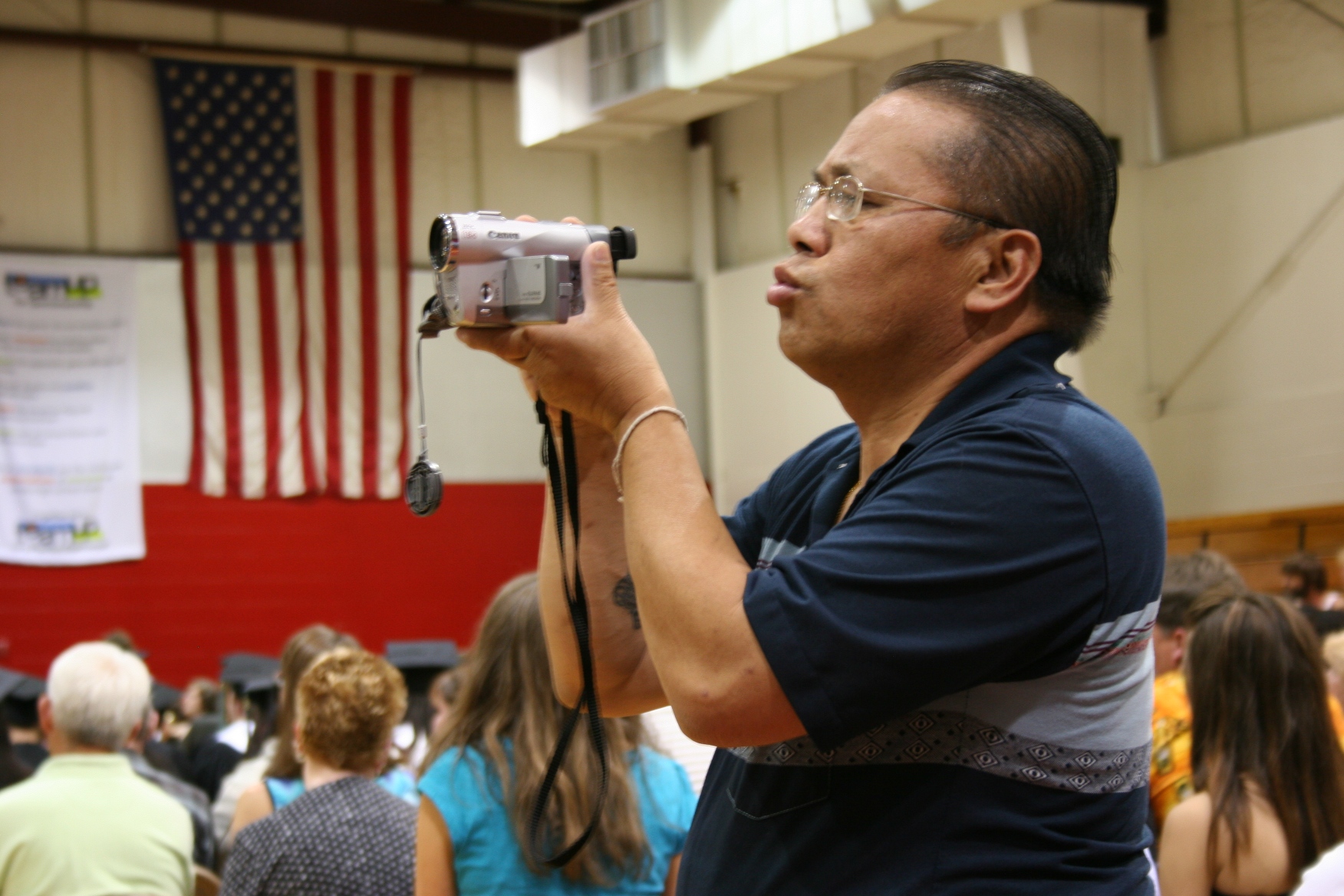
As I sat in the WWG gymnasium Sunday afternoon contemplating this, I watched a Hmong man across the aisle from me videotaping the ceremony. I wondered about his background. Had he fled a war-torn country? What had he endured? Did he feel accepted here? Was this the first generation of his family to graduate from high school? Did he miss his homeland?

A Hmong man videotapes the Westbrook Walnut Grove High School graduation ceremony Sunday afternoo.

Later, when slides of the graduates flashed upon a big screen at the front of the auditorium, I noticed several photos of students in traditional Hmong attire. They are a people proud of their heritage.

When I listened to the WWG High School Choir sing “We Are the World,” I appreciated the appropriateness of the song and pondered how this mixed ethnic group really is the future of our world.

I don’t know how the folks of Westbrook and Walnut Grove welcomed the Hmong. I expect initial adjustments were not always easy for long-time residents or for the newcomers. I expect there are still occasional clashes.

In Faribault, where I live, we still have much to learn as Somali, Sudanese and Hispanic people integrate into the community. Certainly, strides have been taken to bridge differences through efforts like those of the Faribault Diversity Coalition.

But I’ve heard all too many derogatory remarks about minority populations—about the Somali men who hang out on downtown sidewalks, about the Hispanics involved in drug crimes, about the gangs, even about the bright green color painted on a Mexican bakery (which, at the urging of some local businessmen, has since been repainted a subtler green to better fit the historic downtown).

Perhaps if we had, like the WWG class of 2010, grown up together, we would be more accepting of each other.

© Copyright 2010 Audrey Kletscher Helbling