
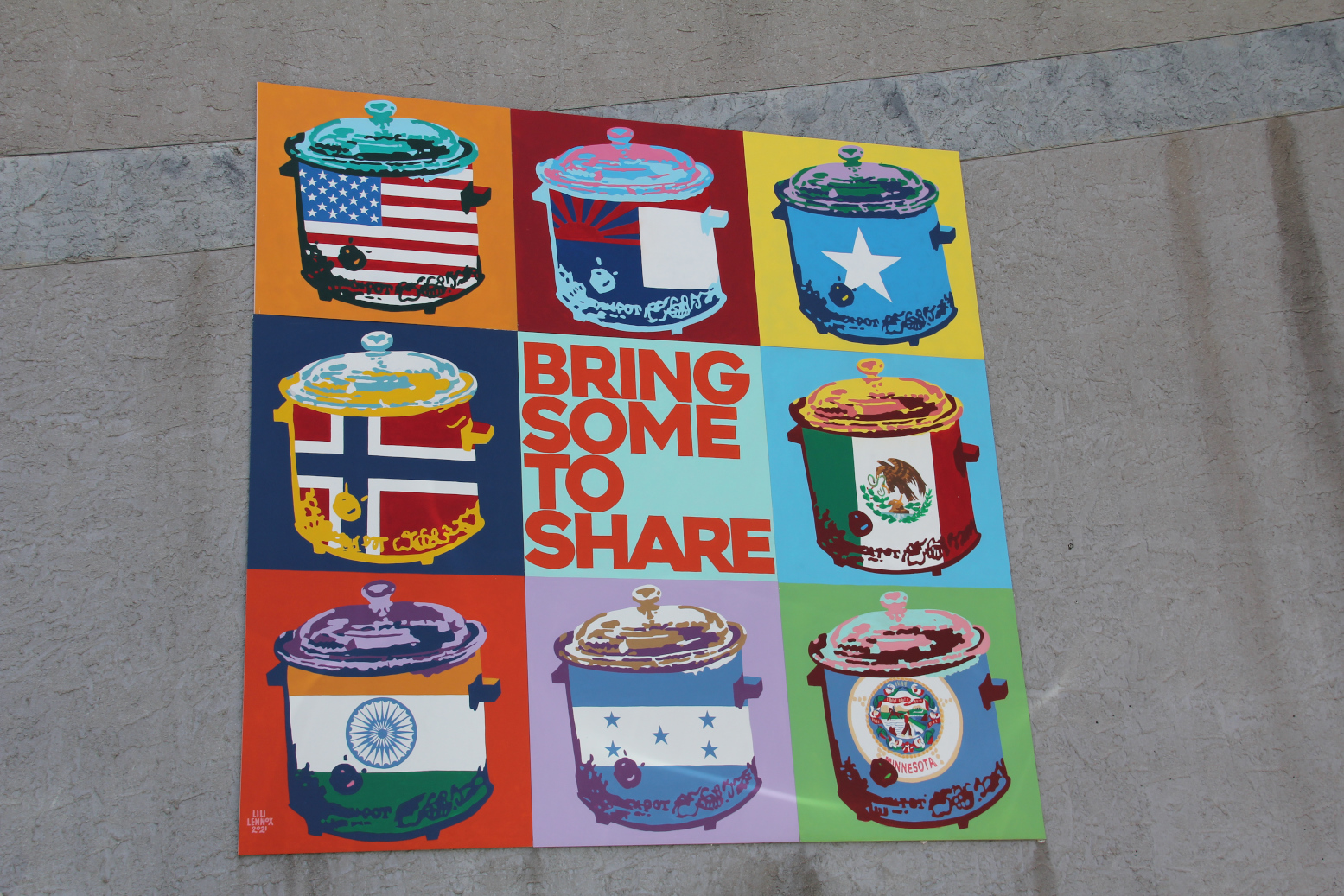
WHENEVER I DISCOVER a public mural that celebrates community, especially the cultural diversity of a place, I get excited. Such art builds community in a strong, vibrant, visible way.
Earlier this summer, while traveling through west central Minnesota, I found a pop art mural in the heart of downtown Willmar. Titled “Bring Some to Share,” the art by Minneapolis muralist Lili Lennox makes a bold statement on the exterior of Midtown Plaza Mall.
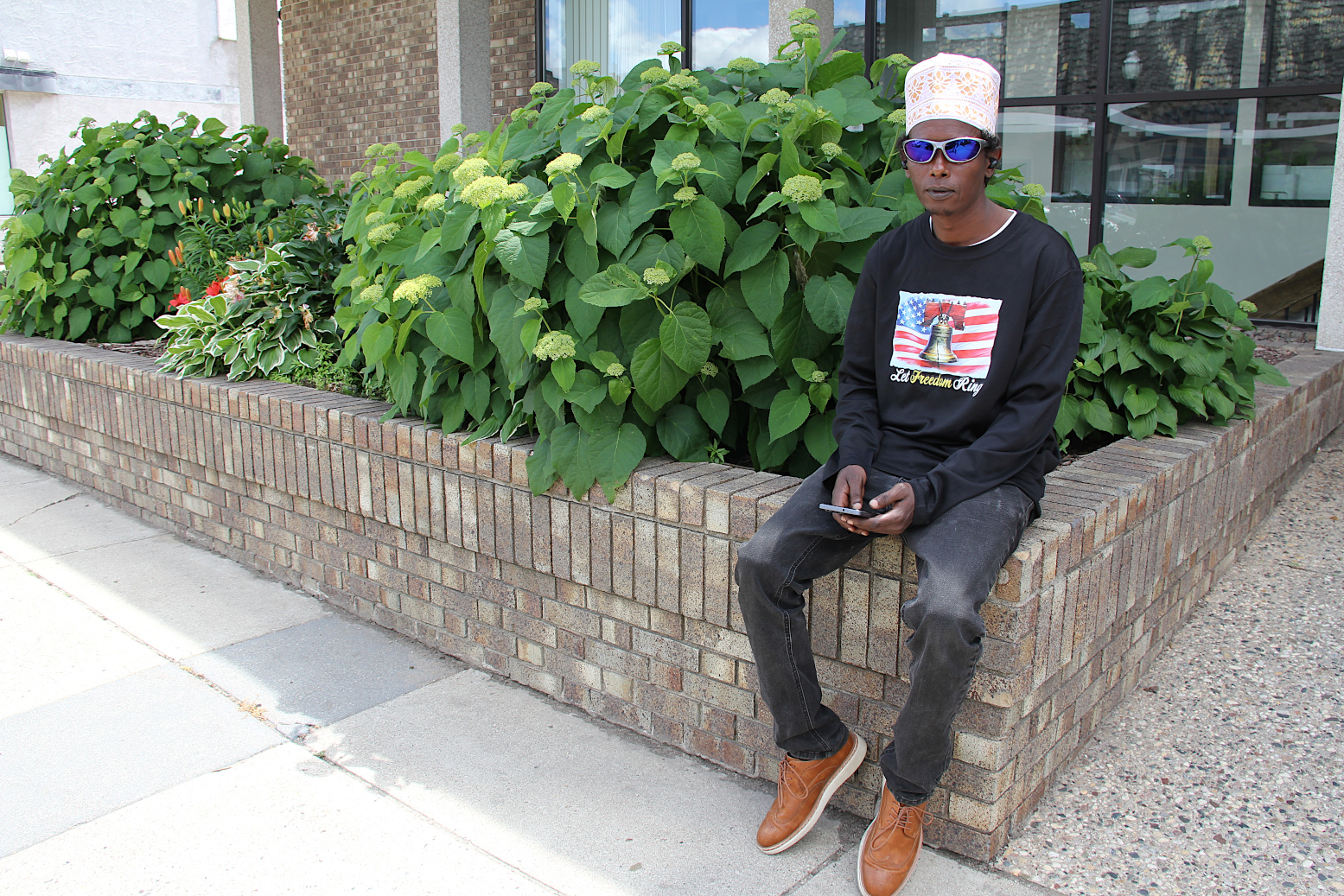
The public art speaks to the diversity of this city of some 21,000 which, when I grew up an hour to the south, was overwhelmingly White. Today Hispanics, Latinos and Blacks account for nearly 40 percent of Willmar’s population.
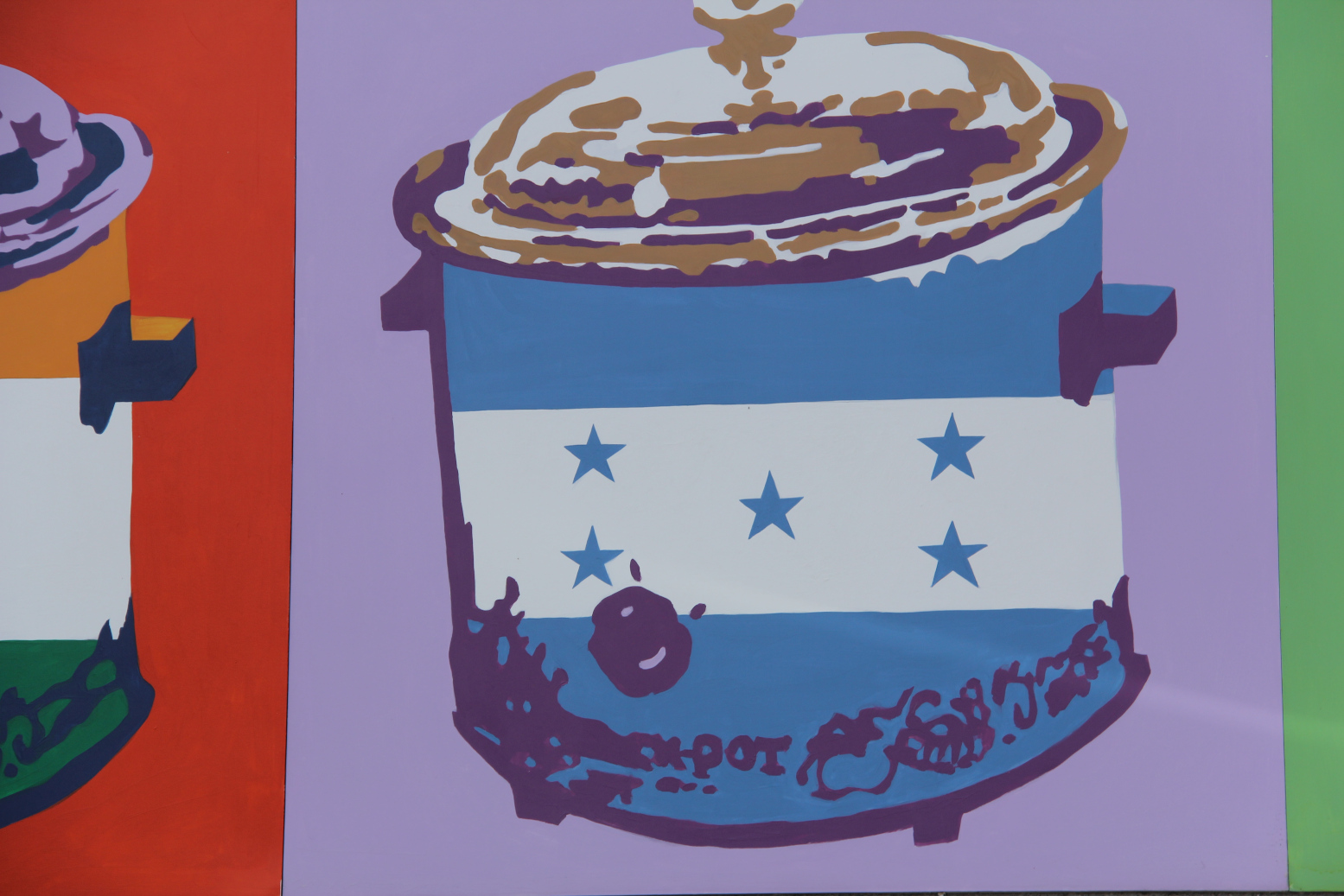
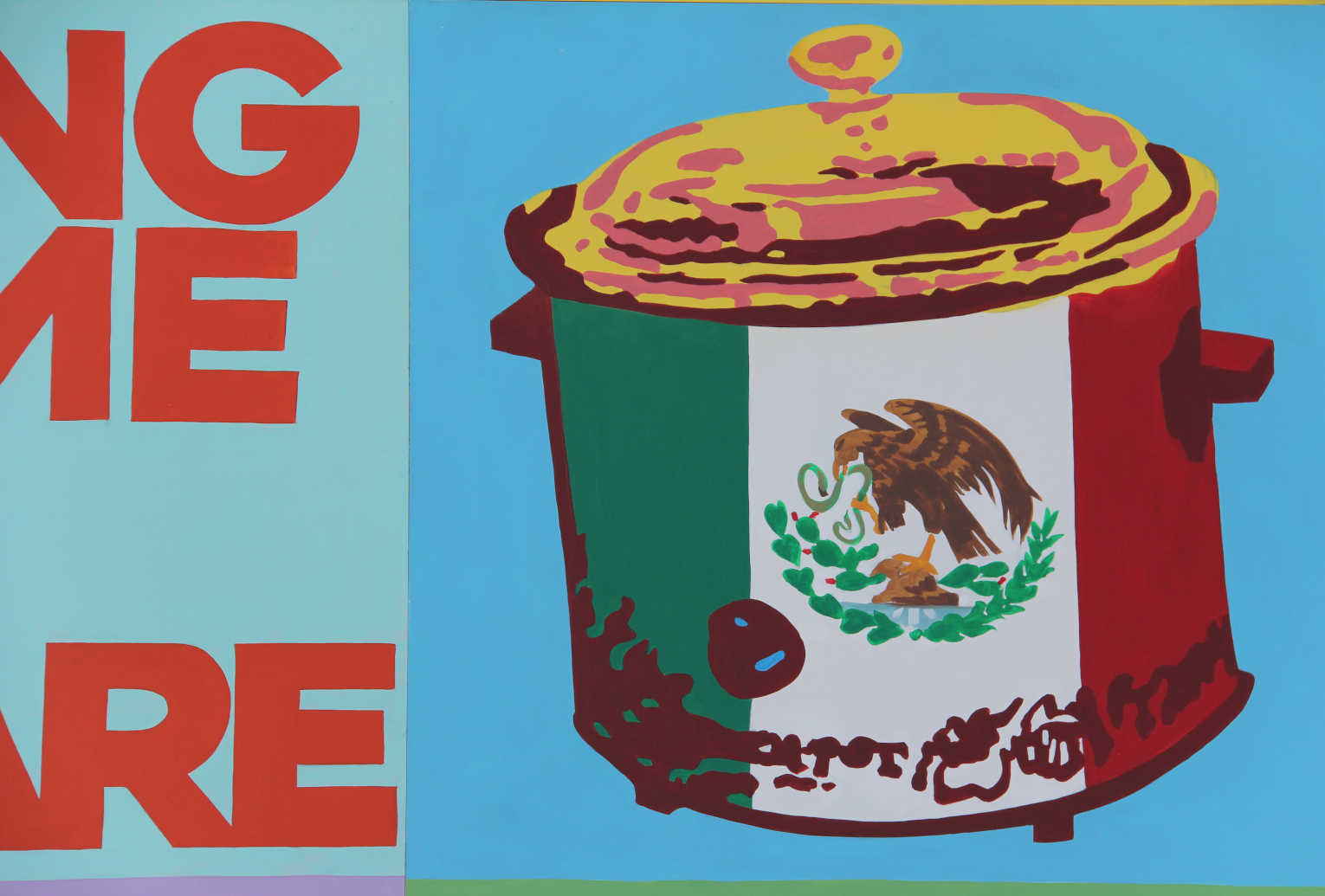
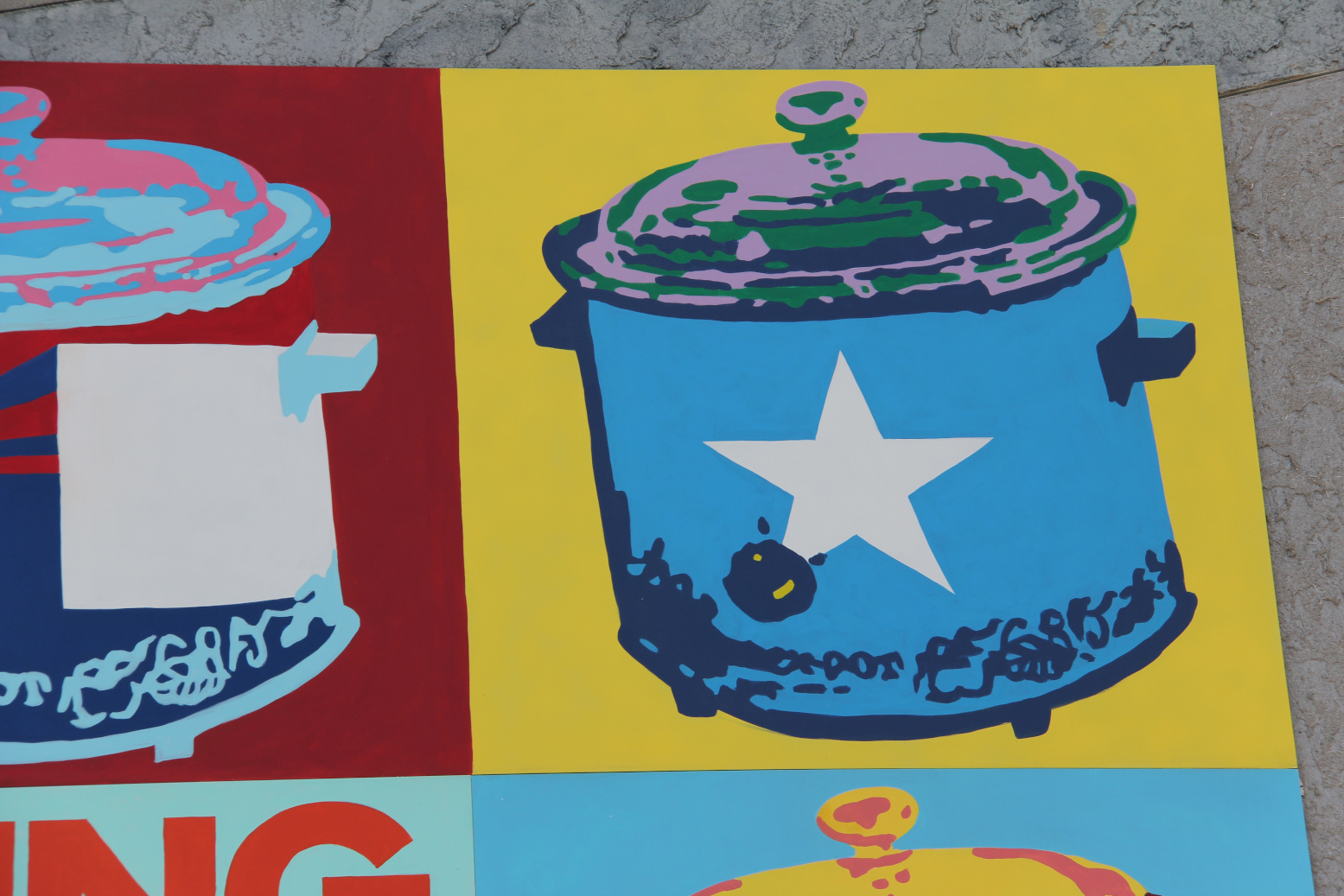
Thus the eight aluminum panels featuring flags of the USA, Somalia, Mexico, Honduras, India, Norway and the Karen National Union, plus the old Minnesota state flag, painted on slow cookers certainly represent Willmar today.
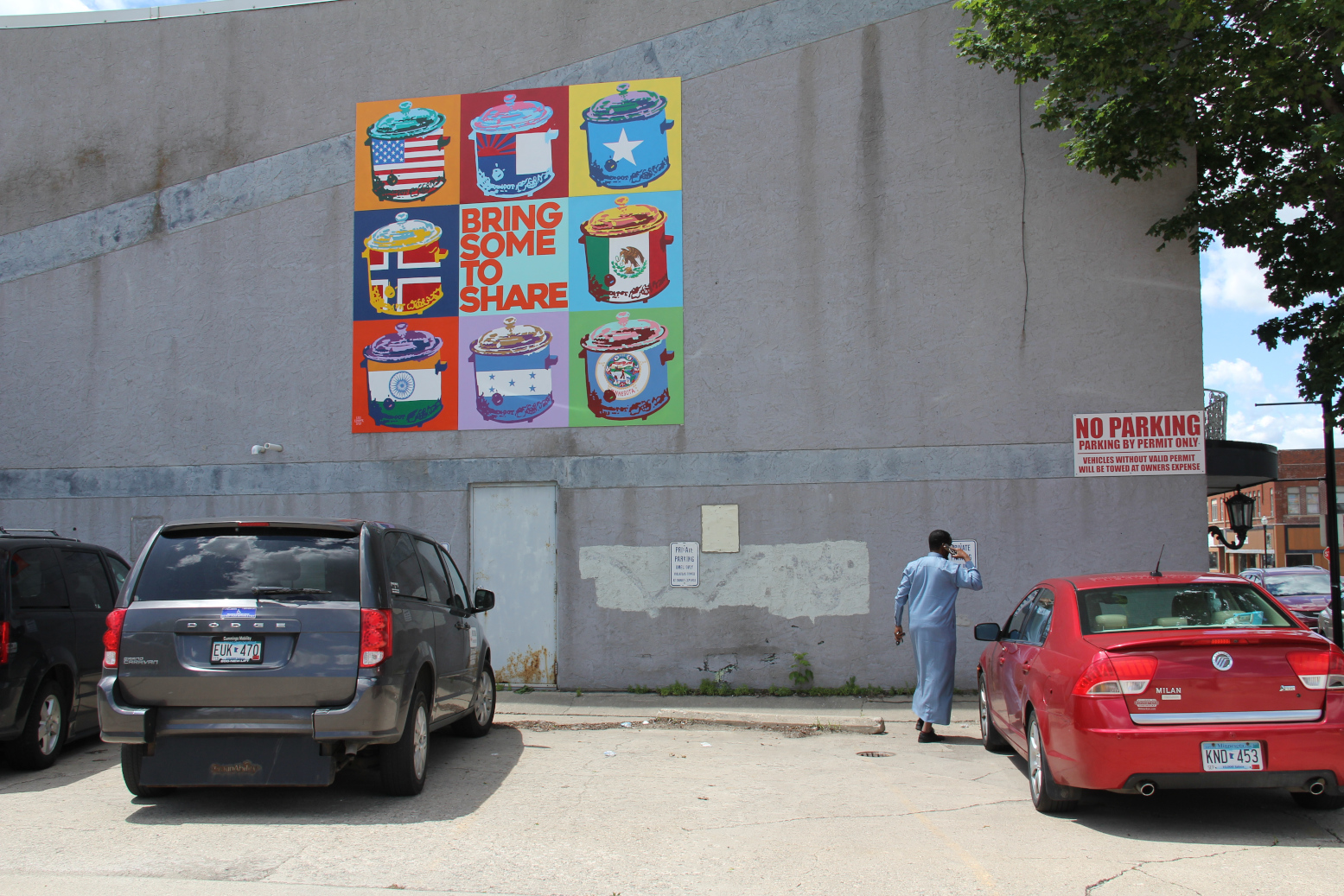
The location of the mural on Midtown Plaza seems especially fitting, The building serves as a business center and gathering space for East African immigrants. It once housed Erickson Furniture, a long-time regional business with connections to Faribault. The Erickson family also operated a furniture store in Faribault beginning in 1956 until its closure in 2025. The store has since reopened as Erickson Family Furniture, but is no longer in the Erickson family.

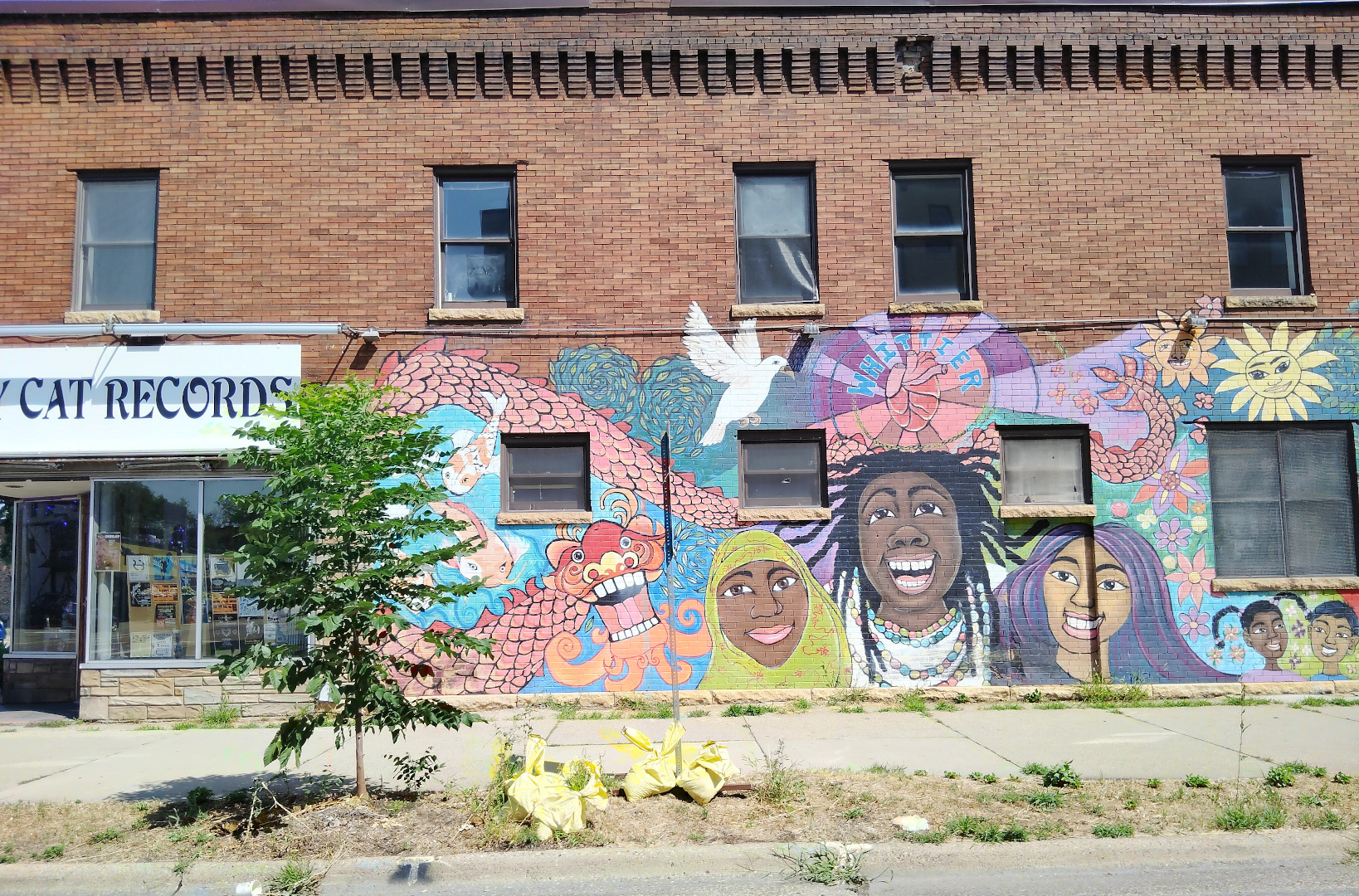
Faribault, slightly larger than Willmar at 25,000 residents, is also a diverse city with sizable Somali and Hispanic/Latino populations. And Faribault, too, celebrates its diversity via a public mural in the heart of downtown. “Love for All” features multi-hued hands signing the word “love” in American sign language.
I appreciate that Minneapolis artist Jordyn Brennan’s inclusive artwork depicts how this county seat town has evolved—no longer mostly all White, but rather of differing races. Today Whites comprise about 66 percent of Faribault’s population.
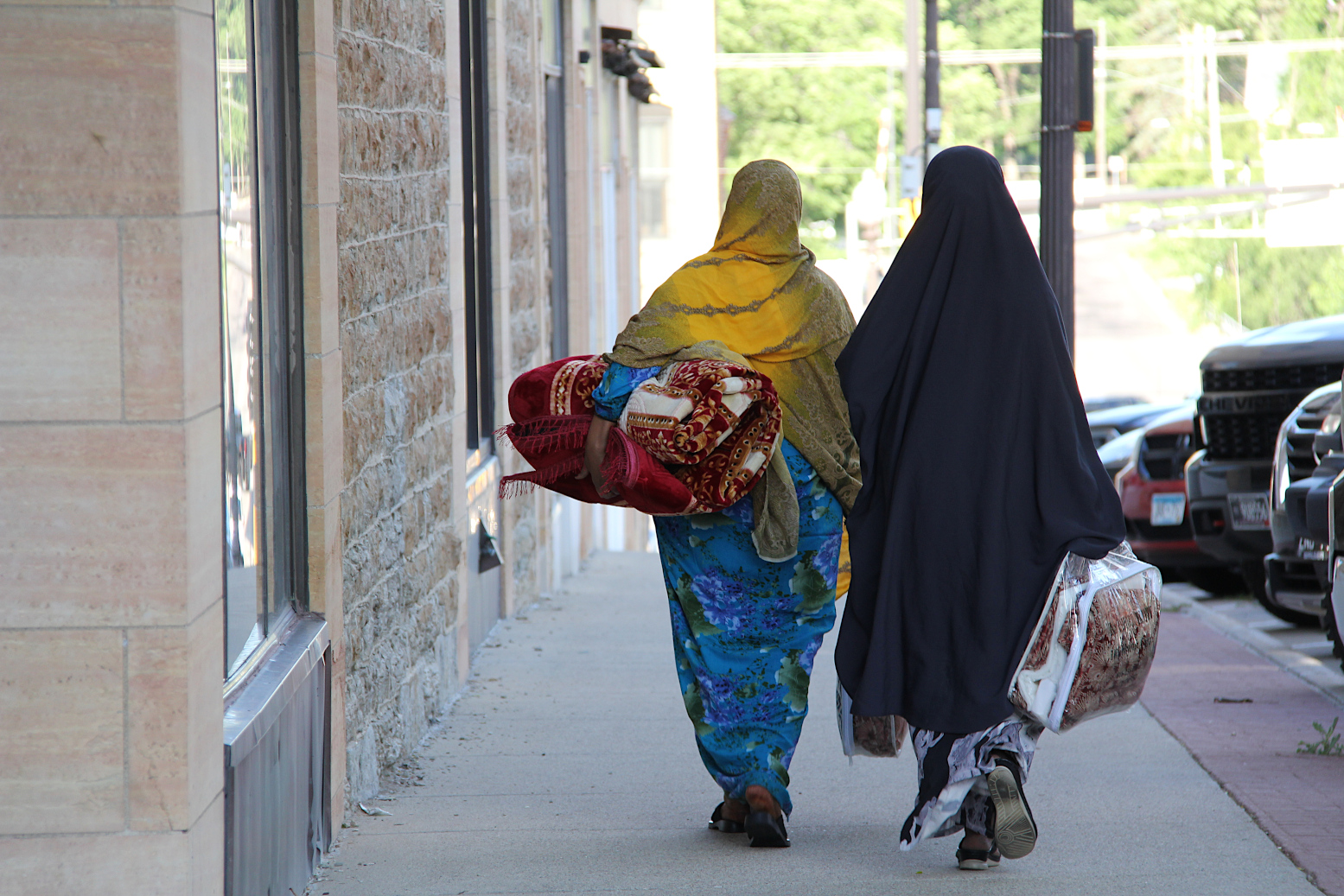
Statistics aside, Faribault and Willmar are examples of a changing rural Minnesota. Like long ago European immigrants, East Africans, Hispanics, Latinos and others come here for jobs, for opportunities, for a new life. They come to work, to start businesses, to raise their families, to pursue the American dream. Some have escaped war, poverty and other violence in their native countries.
I would be remiss if I didn’t mention that not everyone values the cultural diversity of cities like Faribault and Willmar. I’ve heard and read the derogatory comments, which I won’t repeat. Rather, it’s important to remember that all of us in Minnesota, except Native Americans and descendants of slaves, are either immigrants or the descendants of immigrants.
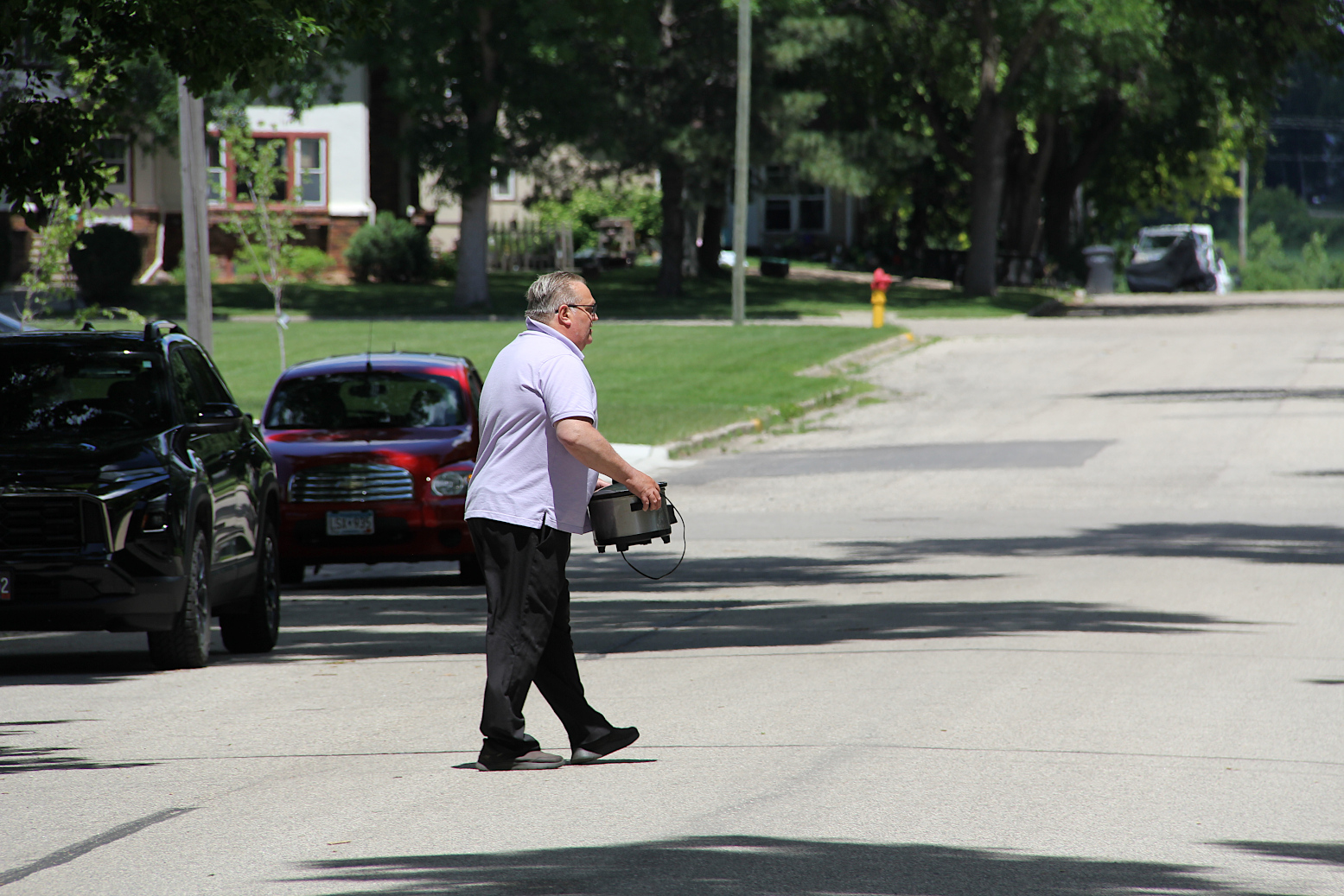
So let’s bring our crockpots brimming with assorted flavors to the table to share. Let’s celebrate each other by connecting in conversations, gathering in community and understanding that we are more alike than we are different.
© Copyright 2026 Audrey Kletscher Helbling


Recent Comments