Minnesota Prairie Roots

Writing and photography by Audrey Kletscher Helbling

In praise of monarchs, milkweeds & fireflies July 16, 2025

A monarch butterfly feeds on a milkweed flower. (Minnesota Prairie Roots copyrighted file photo)

ON A RECENT AFTERNOON, I looked up from washing dishes and out the kitchen window to see a solitary monarch butterfly flitting among milkweeds. Something as common as a butterfly remains, for me, one of summer’s simplest delights. Along with milkweeds and fireflies.
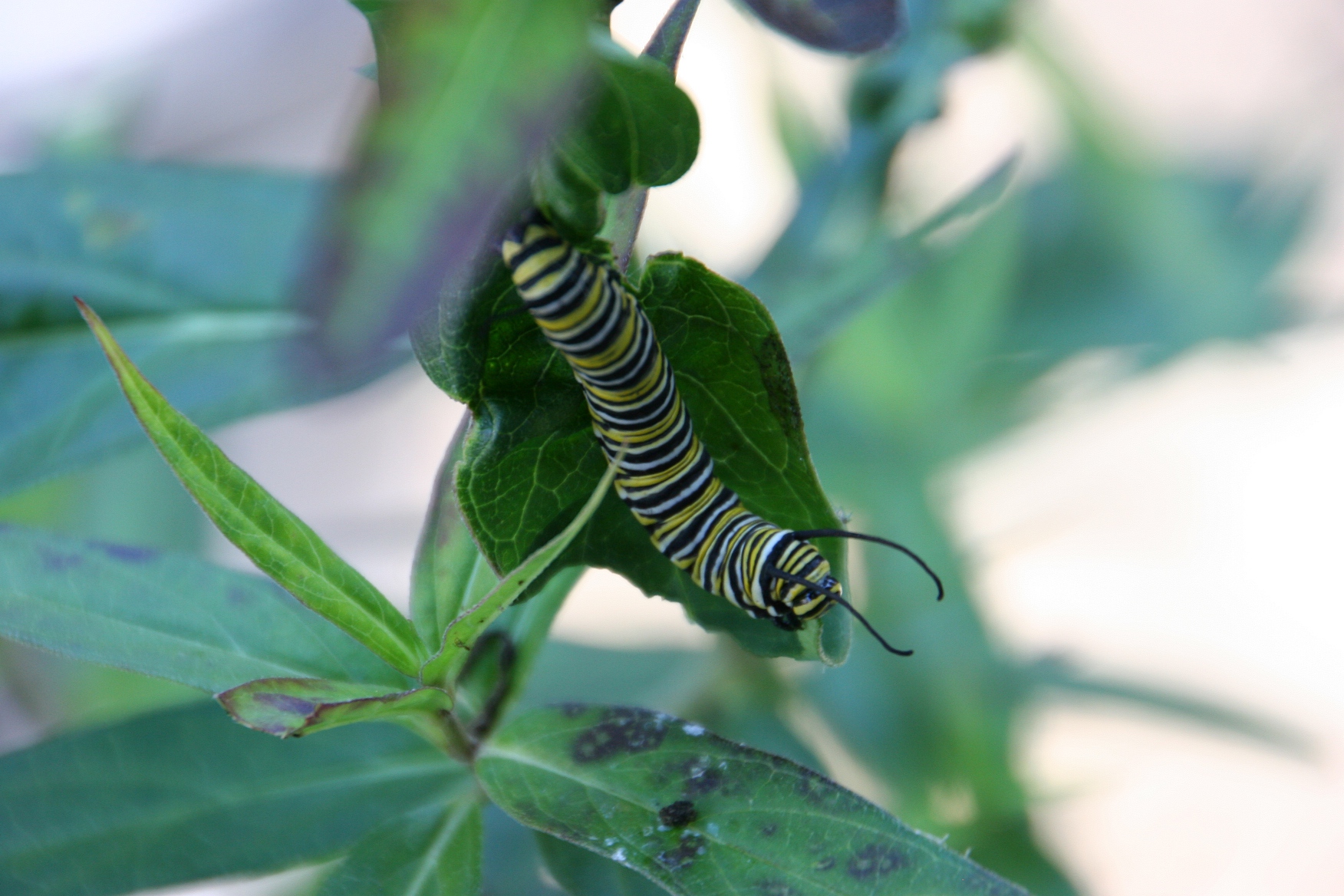
A monarch caterpillar on milkweed. (Minnesota Prairie Roots copyrighted file photo)

This year I have a bumper crop of milkweed plants growing in and along flowerbeds and retaining walls. I stopped counting at 24 plants. I have no idea why the surge in milkweeds. But I am happy about their abundance given monarchs need milkweed. It is the only plant upon which the monarch lays eggs and the sole source of food for monarch caterpillars.
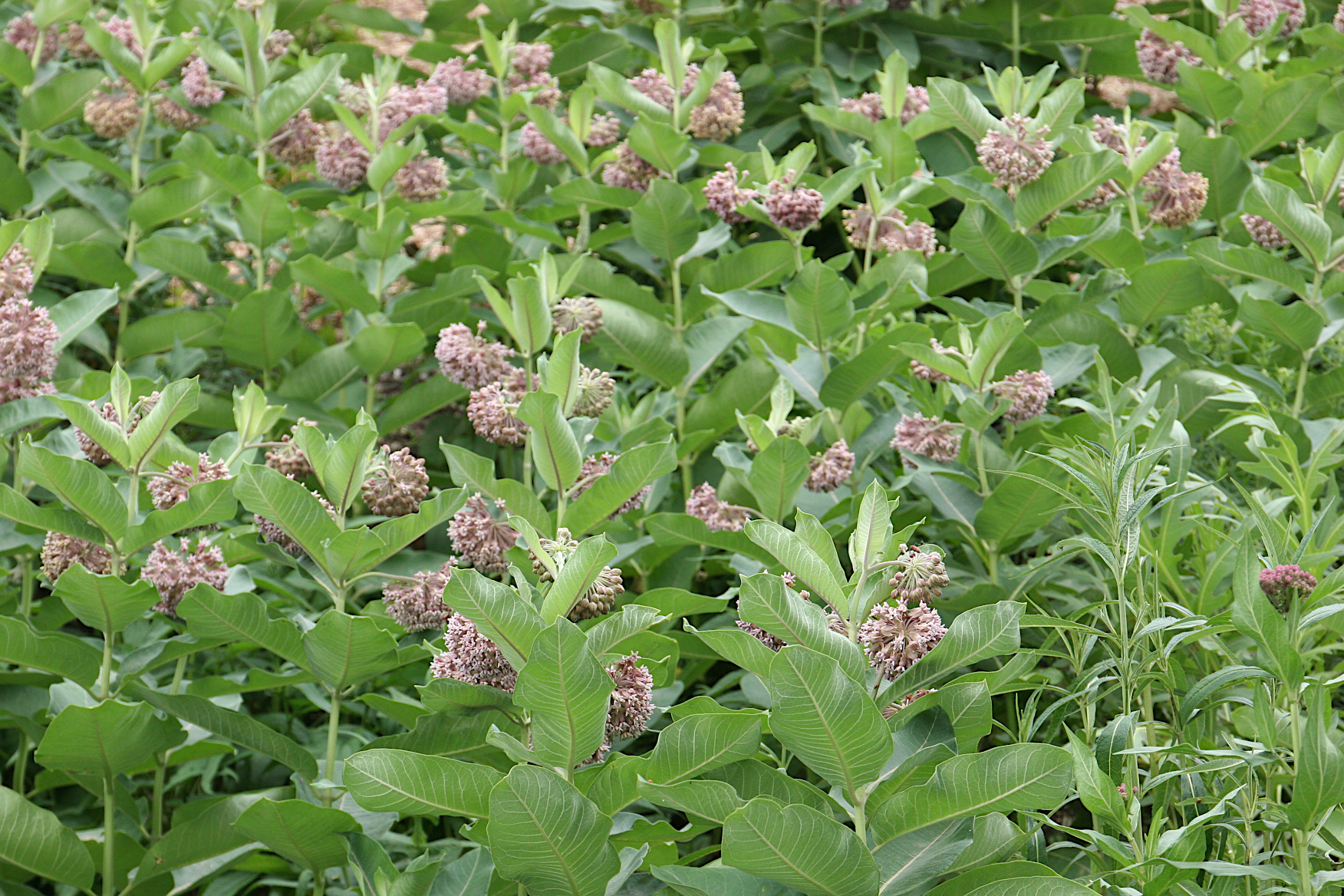
A crop of milkweeds in a public garden. (Minnesota Prairie Roots copyrighted file photo)

My farmer dad, if he was still alive, would likely offer a different opinion about milkweeds. As children, my siblings and I walked rows of soybean fields eradicating milkweeds, thistles and the notorious cocklebur. This was called “walking beans,” a job that we hated, but was necessary to keep fields mostly weed-free without the use of chemicals.

I never considered then that I might some day appreciate milkweeds, the “weed” I pulled from the rich dark soil of southwestern Minnesota. On many a hot and humid afternoon, sweat rolled off my forehead and dirt filtered through the holes of my canvas tennis shoes while hoeing and yanking unwanted plants from Dad’s soybean fields and on my cousin John’s farm.

Today I instruct my husband not to pull or mow any milkweed plants in our Faribault yard. Randy understands their value, even if he didn’t walk beans on his childhood farm. He more than made up for that lack of field work by picking way more rocks than I ever did. Morrison County in central Minnesota sprouts a bumper crop of rocks compared to my native Redwood County, where I also picked rocks.
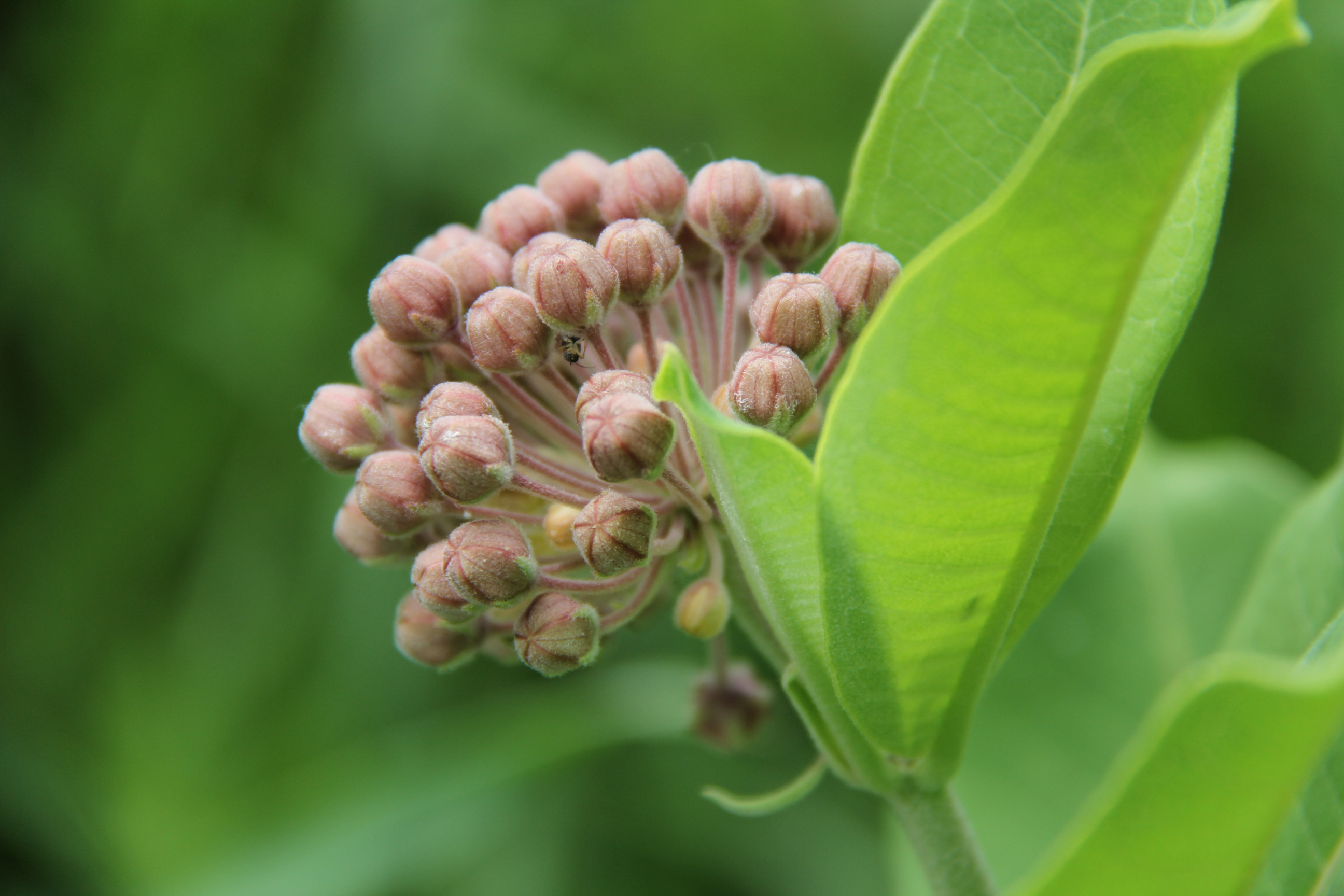
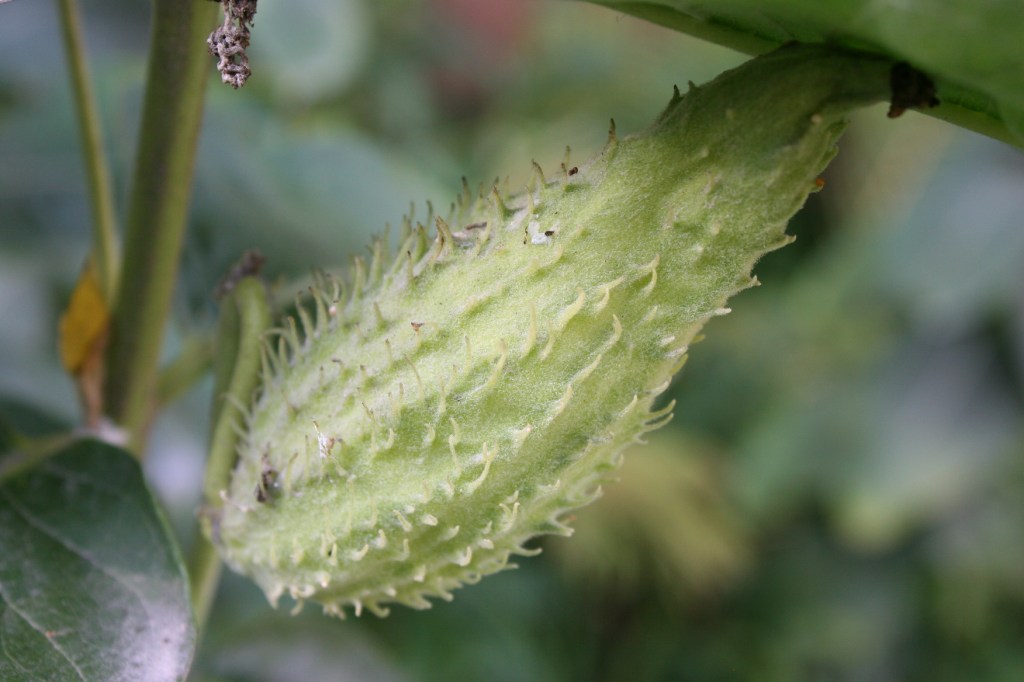
A milkweed about to open. (Minnesota Prairie Roots copyrighted file photo)

But back to milkweeds. I love the scent of the dusty rose-colored common milkweed. So if you drive by my Faribault home or walk through River Bend Nature Center or Central Park or past Buckham Memorial Library and see me dipping my nose into a cluster of milkweed flowers, that’s why.

As summer progresses, I’m curious to see how many monarchs soar among the milkweeds in the tangled messes of plants that define my untamed flowerbeds. Thankfully our next door neighbor appreciates milkweeds also and is OK if the wind carries seeds onto his property.
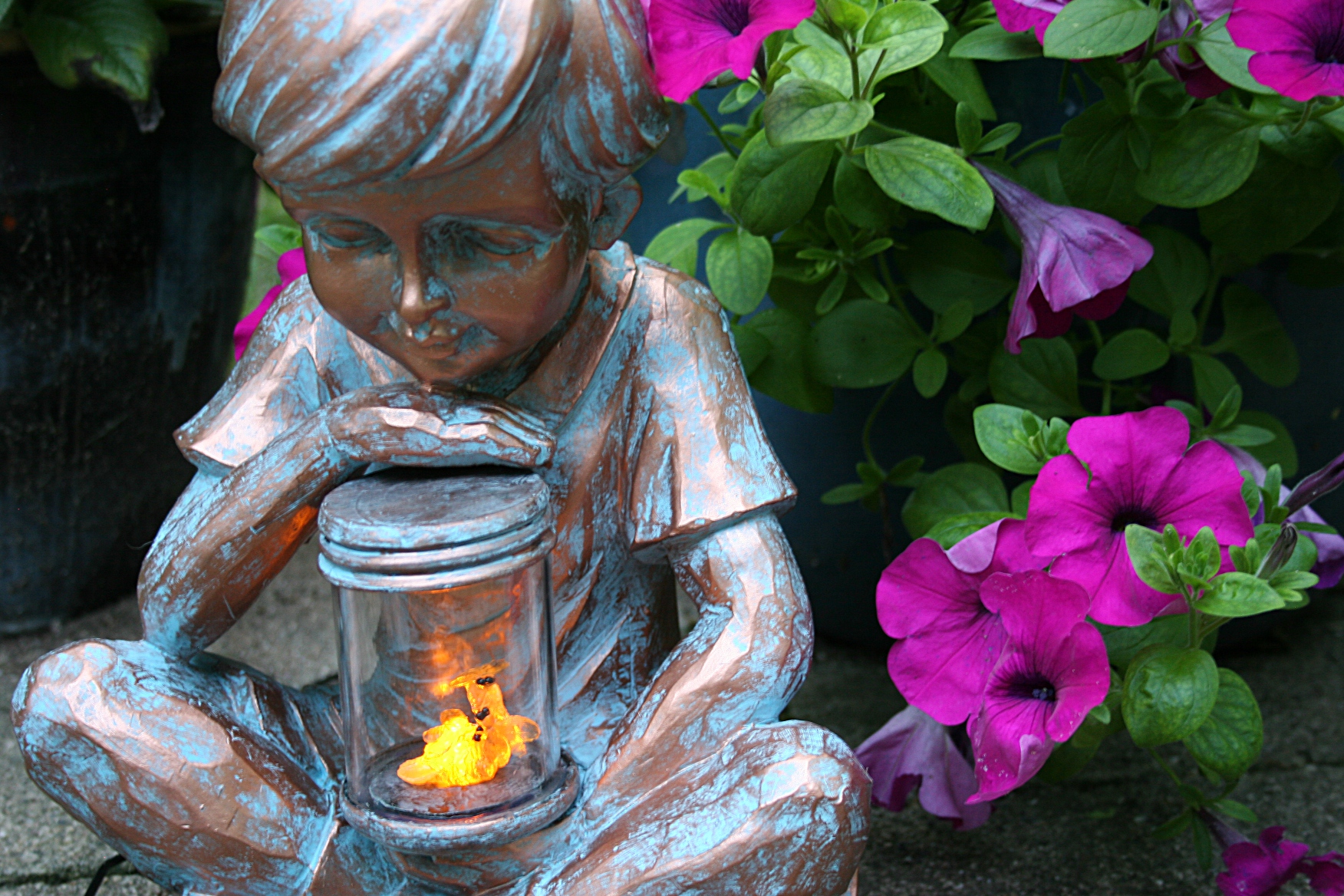
Fireflies glow in the garden art honoring my nephew Justin. (Minnesota Prairie Roots copyrighted file photo)

I’ve already seen fireflies aplenty in our backyard, which abuts a wooded hillside. And recently, while driving home in the early dark of a summer evening, Randy and I saw hundreds of fireflies lighting up grassy road ditches. It was truly magical, reminding me of childhood sightings and of Eric Carle’s children’s picture book, The Very Lonely Firefly. I had a copy for my kids, battery included to light up firefly illustrations. And, until it stopped working, I had a solar-powered firefly garden sculpture honoring my nephew Justin, who loved light and fireflies and died at age 19 in 2001 of Hodgkins disease.

Often what we love is about much more than simply whatever we love. I see, in writing this story, that my love of milkweeds, monarchs and fireflies connects to memories. Summer memories. Farm memories. Family memories. These are the stories we carry within us, that help define who we are, whether we consider a milkweed to be a weed, or a flower.

TELL ME: What simple summer things delight you and why?

© Copyright 2025 Audrey Kletscher Helbling


“A quiet place to be” in Mission Township August 31, 2022

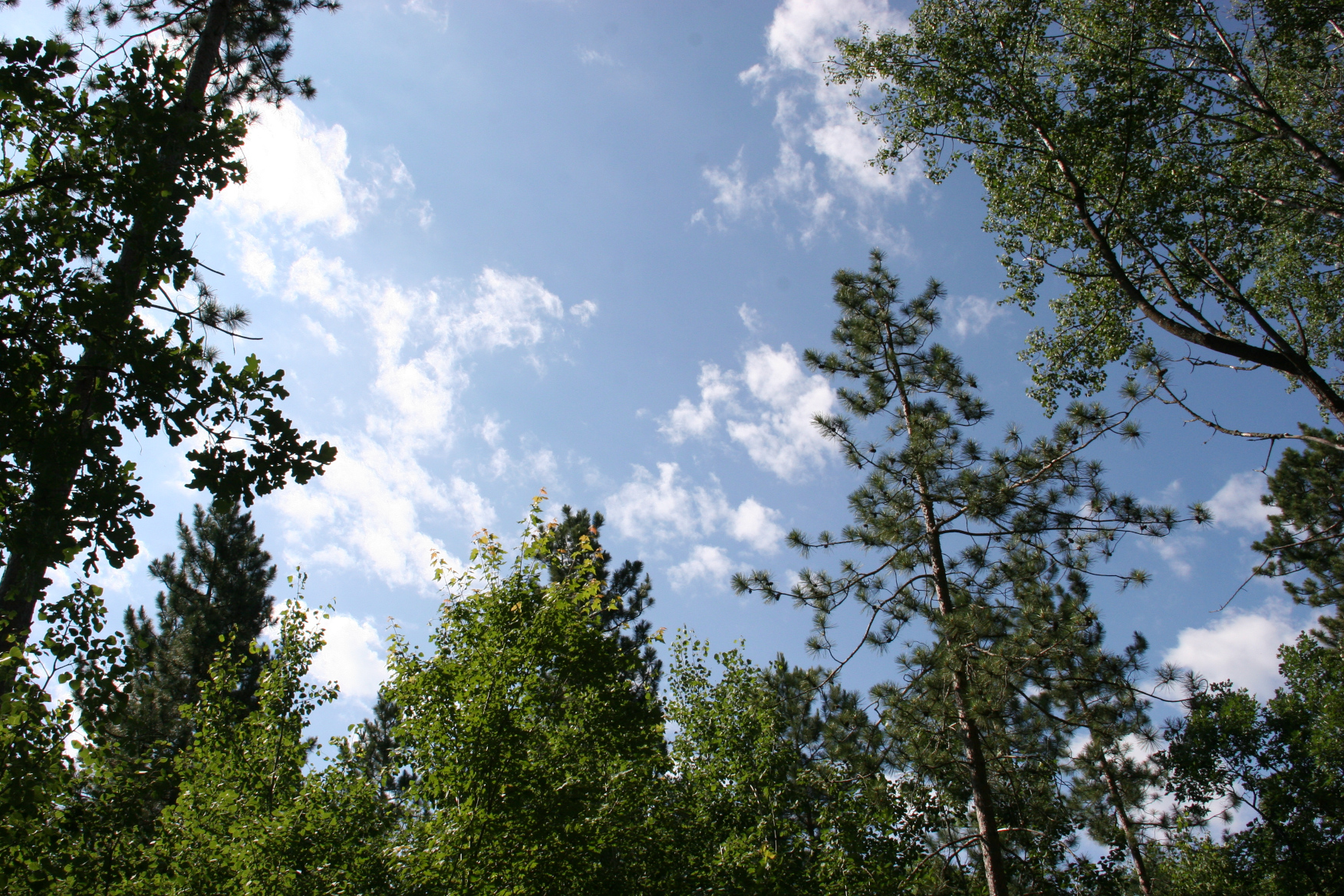
Looking skyward at Mission Park, where slim, towering pines are prevalent. (Minnesota Prairie Roots copyrighted photo July 2022)

MISSION PARK IN MISSION TOWNSHIP, “a quiet place to be” north of Merrifield in the Brainerd lakes region, rates as a favorite hiking spot when I’m at the lake. The extended family cabin is conveniently located about two miles away.

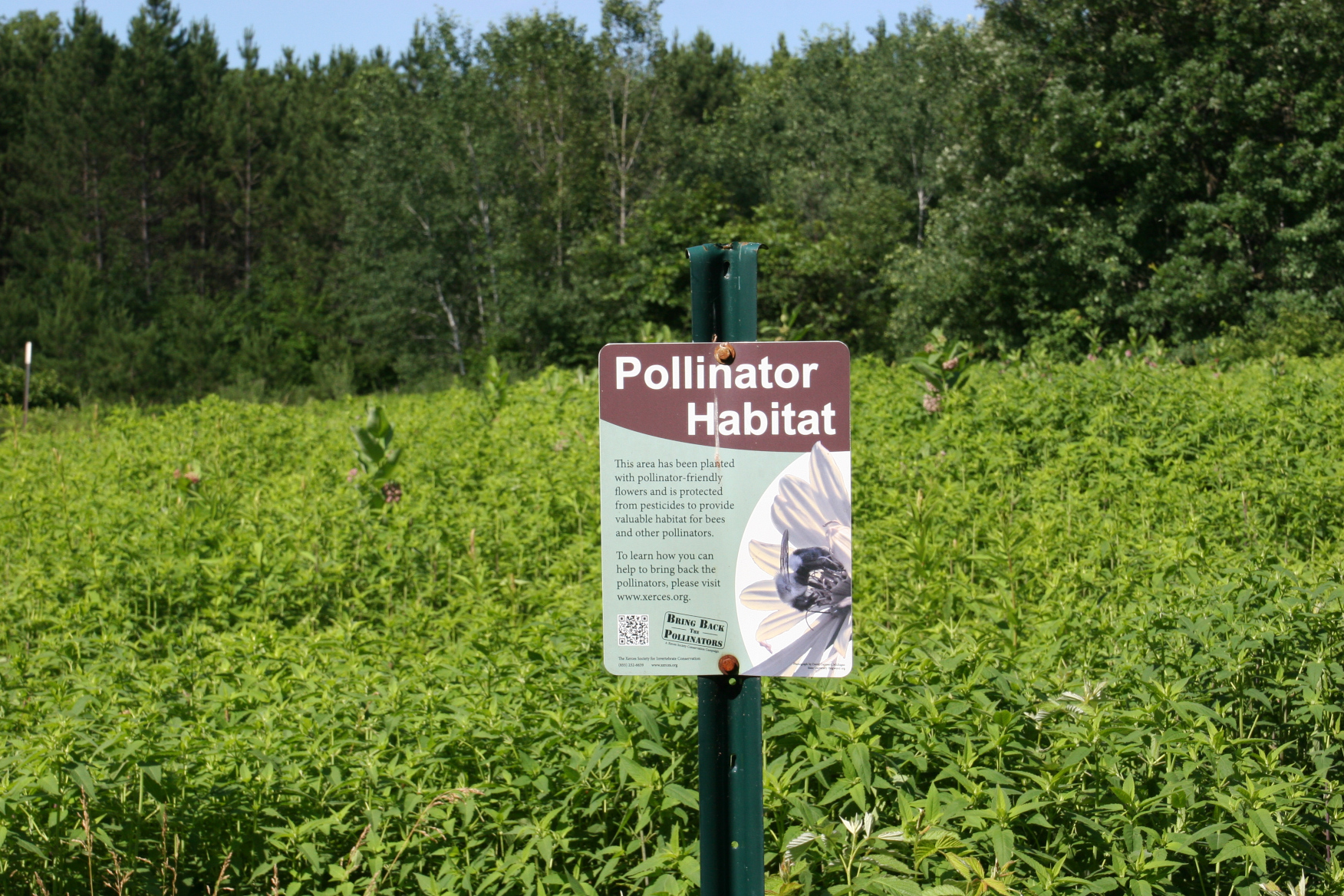
At the end of a grassy trail, the woods open to a pollinator garden. (Minnesota Prairie Roots copyrighted photo July 2022)

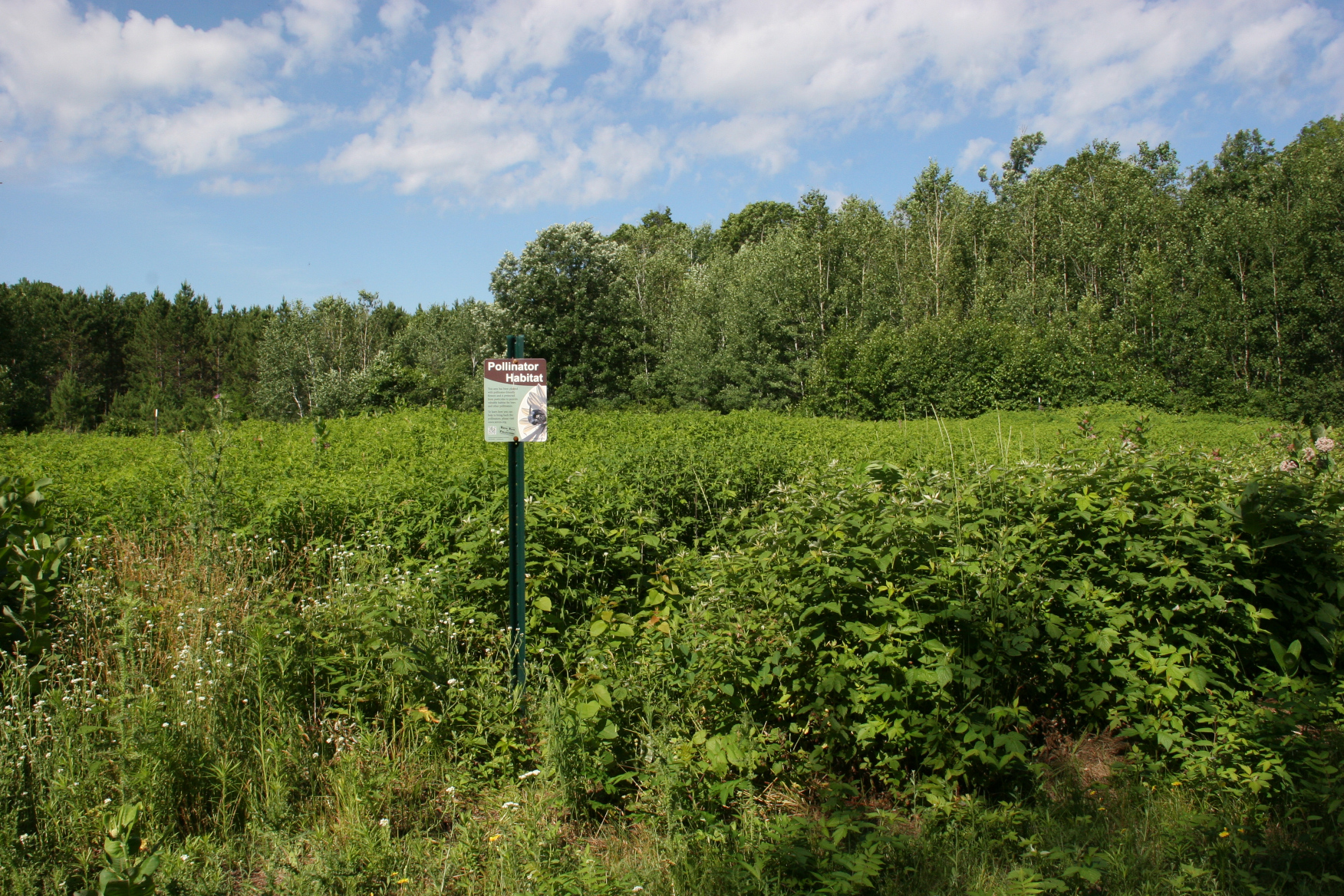
I enjoy walking here along the 3/4-mile paved trail that winds primarily through the woods. Grassy paths are another option, but I typically keep to the hard surface, with one exception. That deviation is the grassy route leading to an open field Pollinator Habitat.

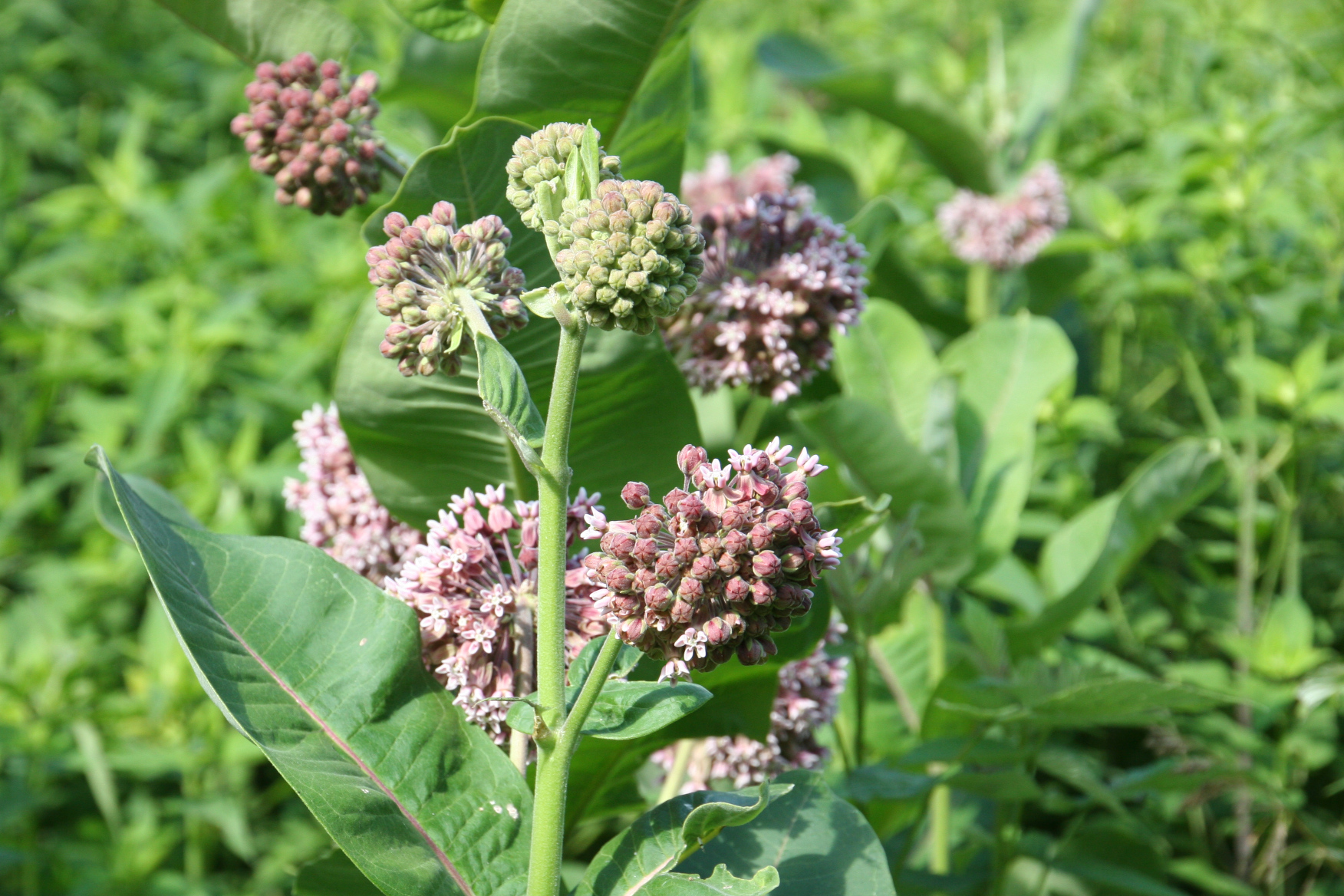
Milkweeds fill the prairie garden. (Minnesota Prairie Roots copyrighted photo July 2022)

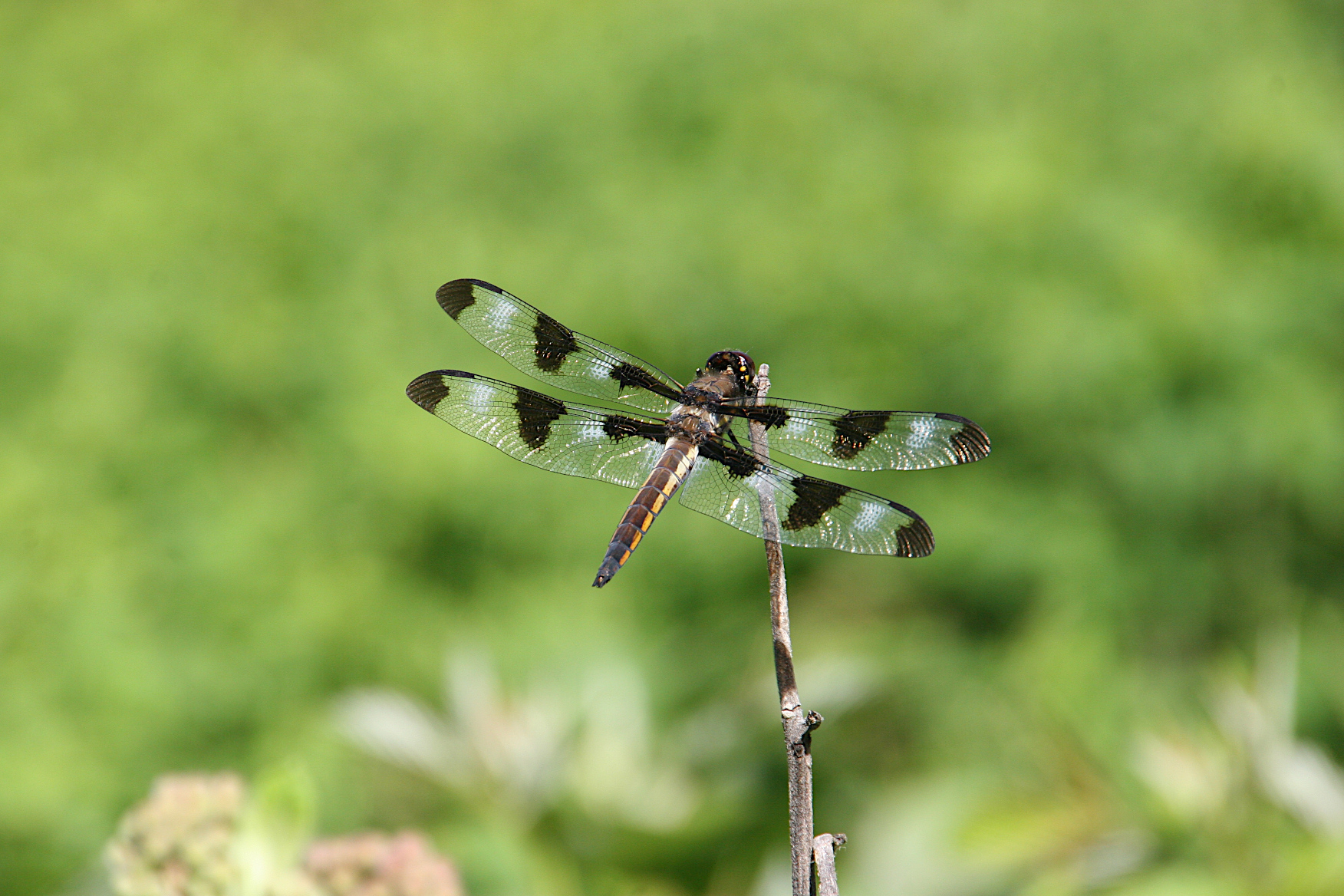
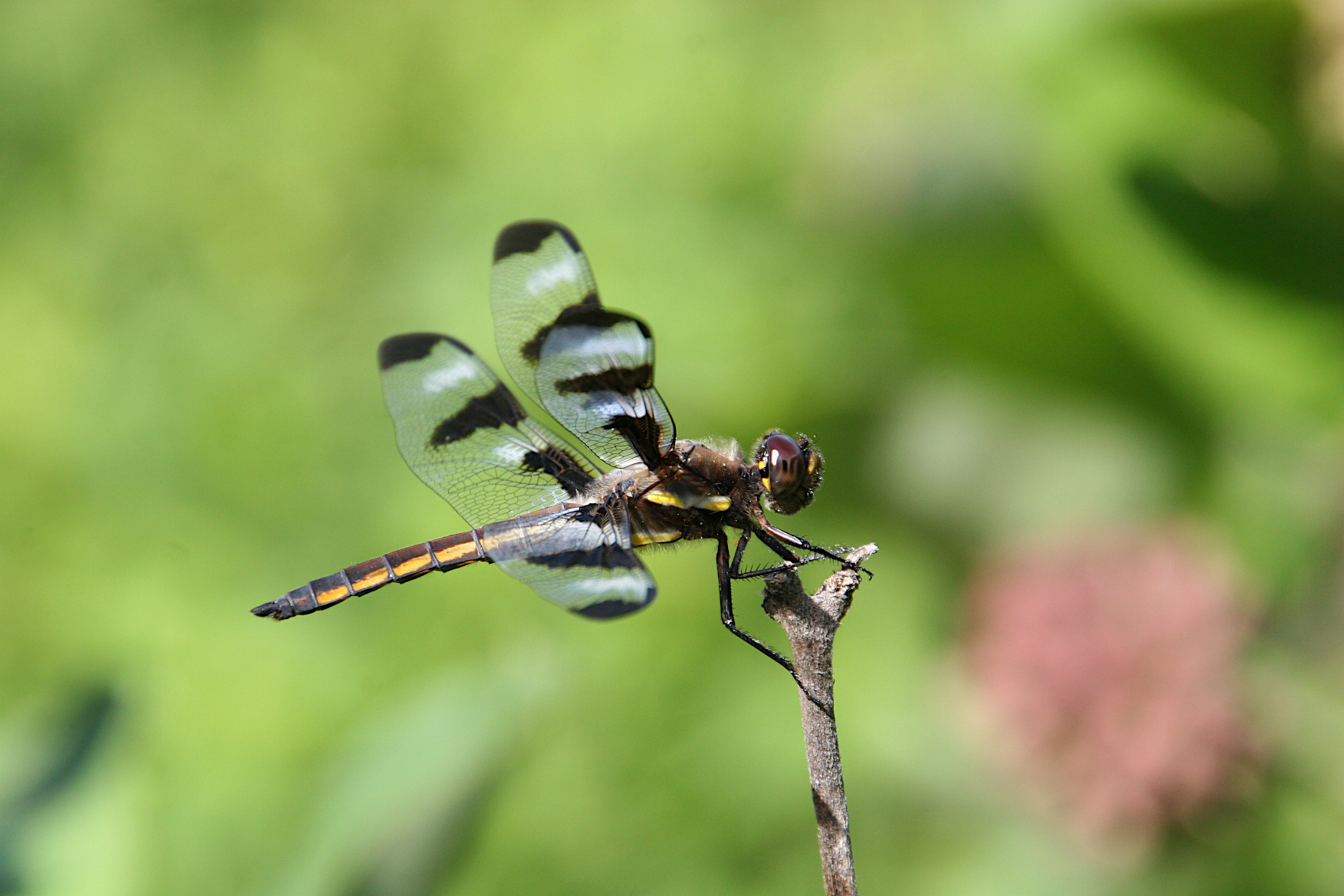
A dragonfly clings to a stalk. (Minnesota Prairie Roots copyrighted photo July 2022)

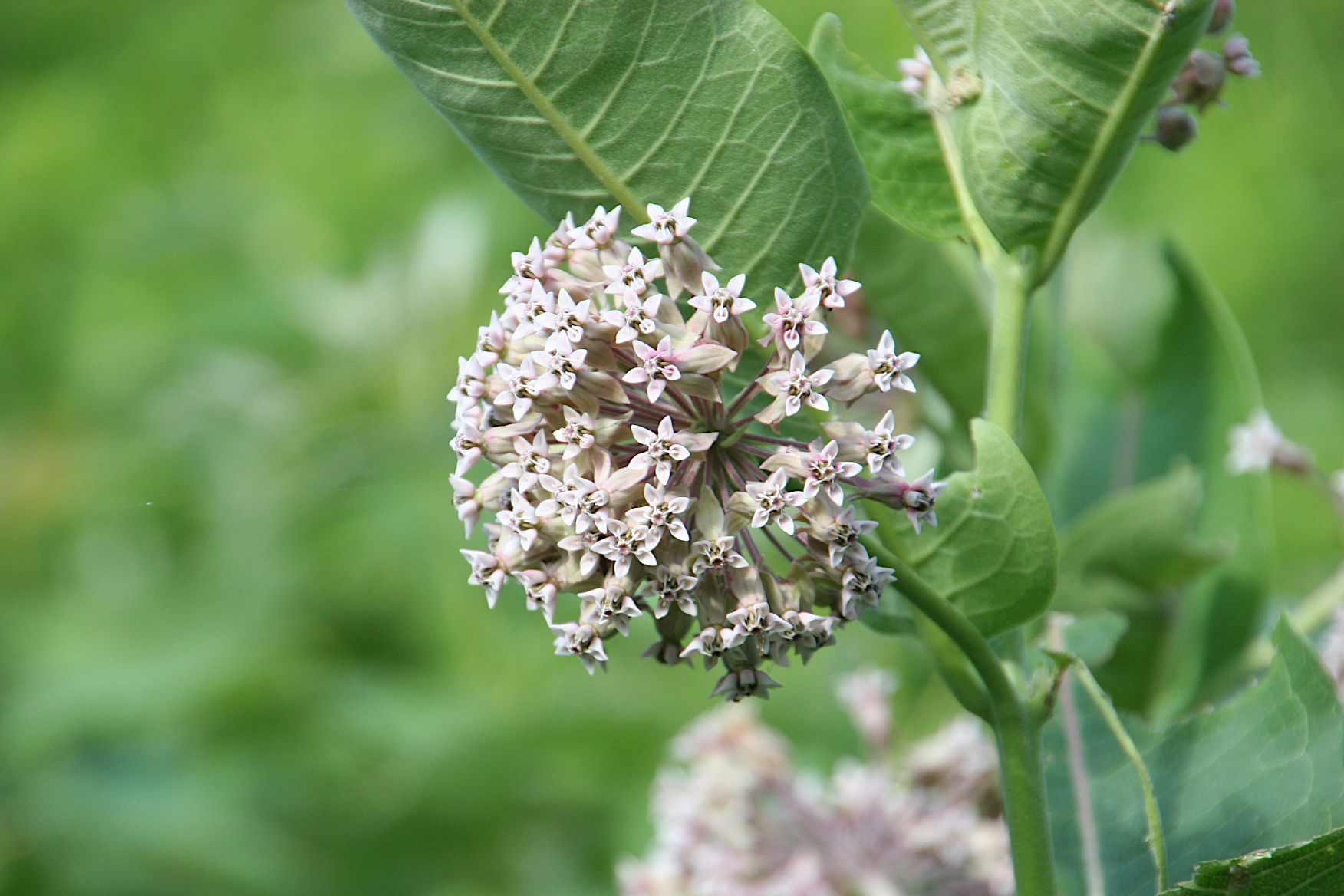
I’ve always loved the dusky hue of the milkweed flower. (Minnesota Prairie Roots copyrighted photo July 2022)

Last trip to the cabin in early July, Randy and I discovered the field of milkweeds and other pollinator-attracting plants pulsing with dragonflies. I’ve always delighted in dragonflies—how they flit, their translucent wings beautiful to behold.

Dragonflies up close are a study in intricacy and beauty. (Minnesota Prairie Roots copyrighted photo July 2022)

But dragonflies also pause, giving photographers like me ample opportunity to photograph them up close. To see and capture details of webbed wings, of hairy legs, of bulging eyes…proves rewarding, amazing, wondrous. This insect is so intricate.

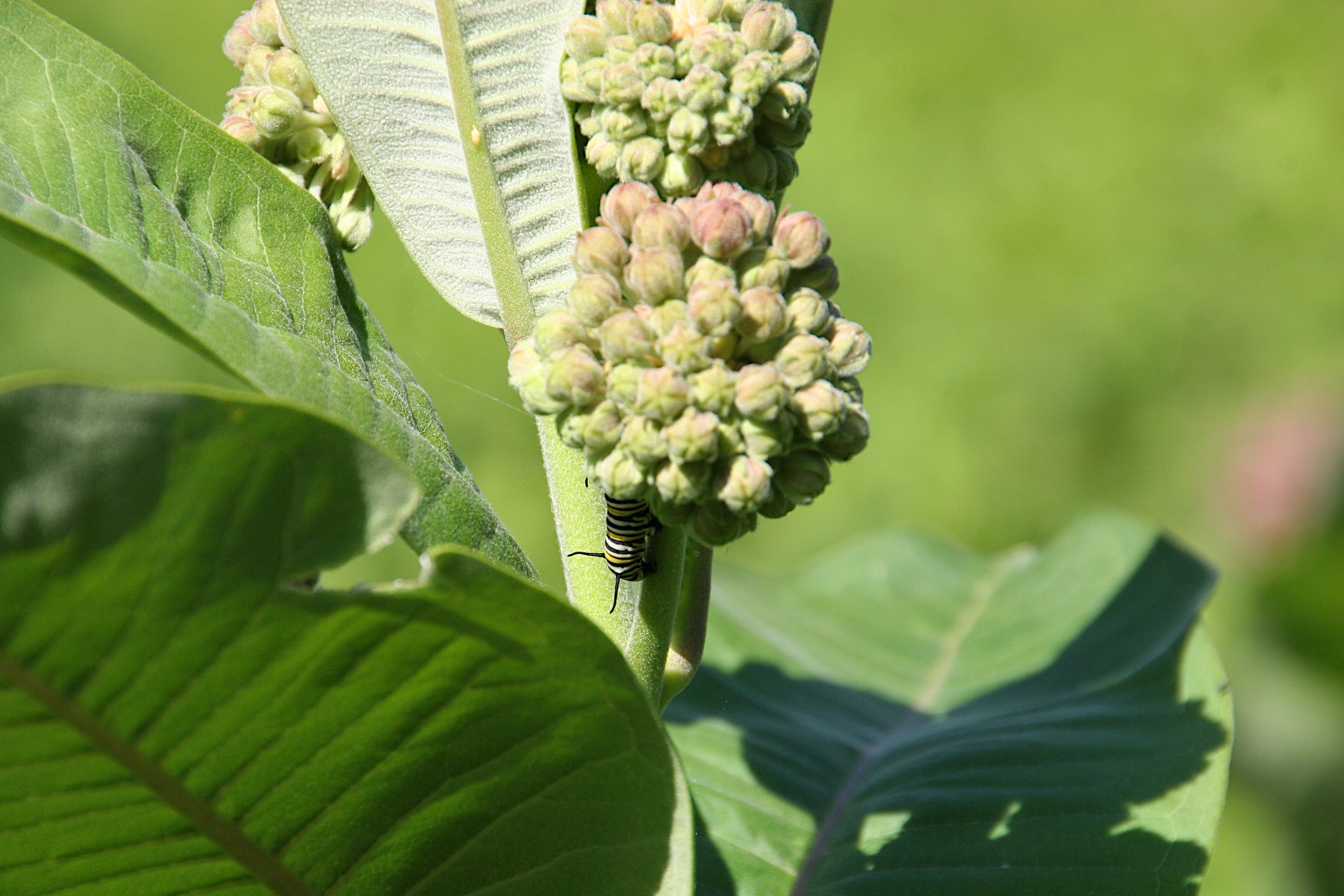
The lone Monarch caterpillar I spotted. (Minnesota Prairie Roots copyrighted photo July 2022)

I noticed, too, a chunky Monarch caterpillar descending a milkweed stalk. Milkweed is a host plant of the caterpillar which will eventually form a chrysalis and later emerge as a Monarch butterfly, now considered an endangered species.

A wide view of the Pollinator Habitat. (Minnesota Prairie Roots copyrighted photo July 2022)

Days later, I led the way back to the Pollinator Habitat to show my granddaughter, her little brother and parents the dragonfly haven. The insects were not as abundant and the crew was less than impressed, especially when Randy discovered a wood tick on his leg. Not a deer tick, but the common wood tick which I am quite familiar with as is Randy. We both grew up on farms and wood ticks were a natural part of our outdoor summer adventures.

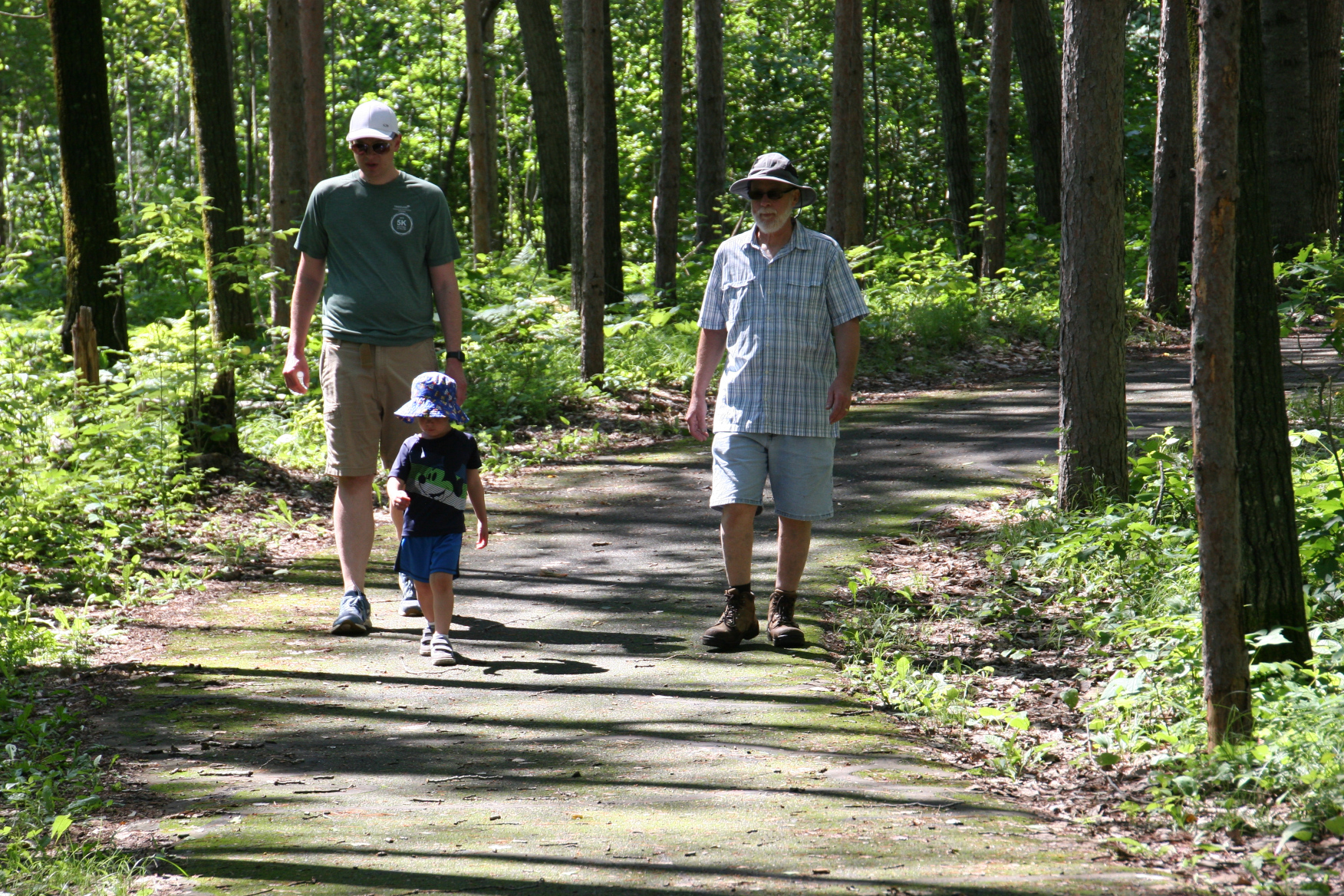
Marc, left to right, Isaac and Randy head out of the woods. (Minnesota Prairie Roots copyrighted photo July 2022)

The six of us quickly exited the pollinator patch right after Randy’s revelation, which he should have kept to himself.

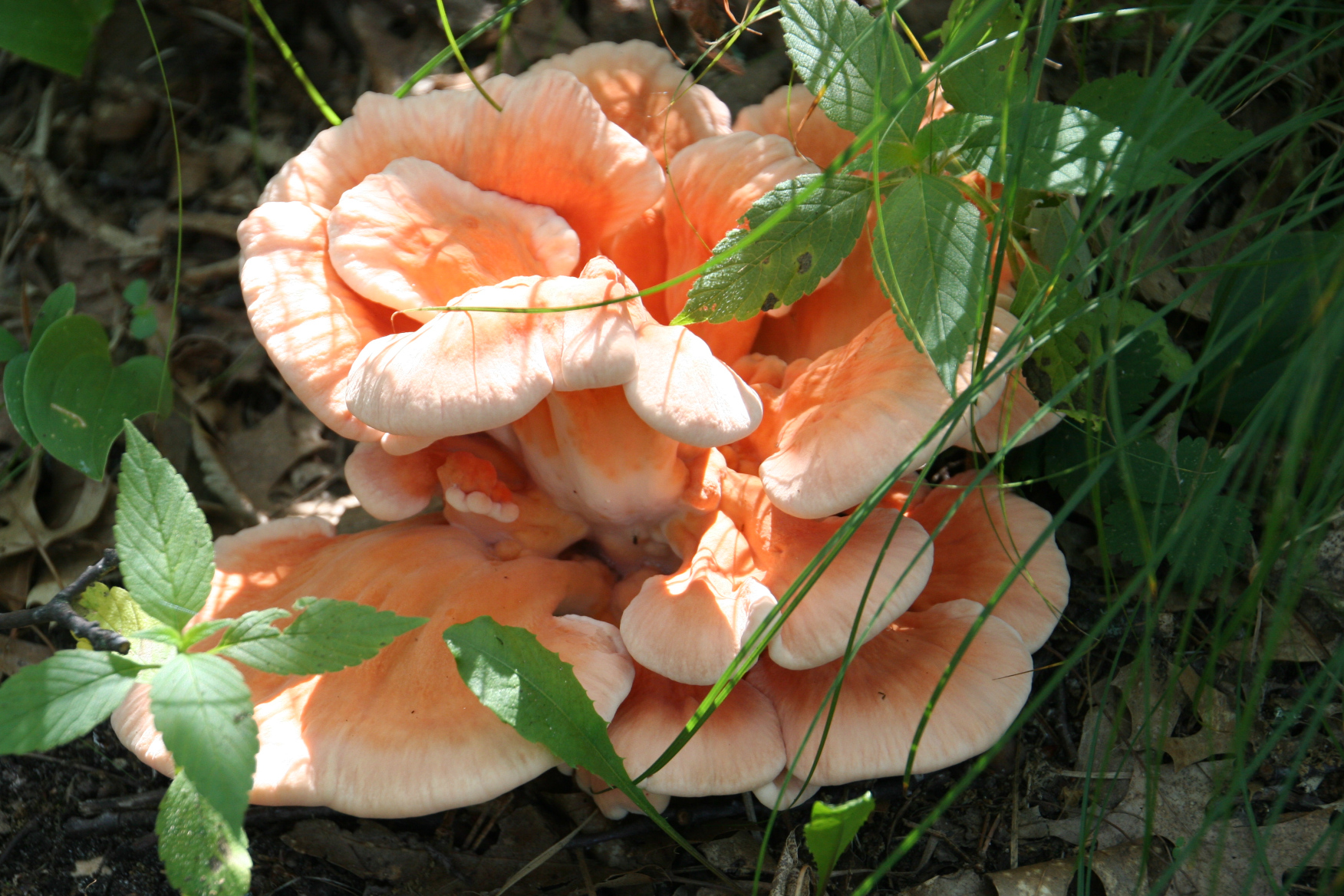
Every time I’m here, I discover a different fungi in the woods. (Minnesota Prairie Roots copyrighted photo July 2022)

I had hoped to walk along the paved trail to show everyone the massive orange mushroom I spotted previously. But, instead, we headed back to the park’s main recreational area.

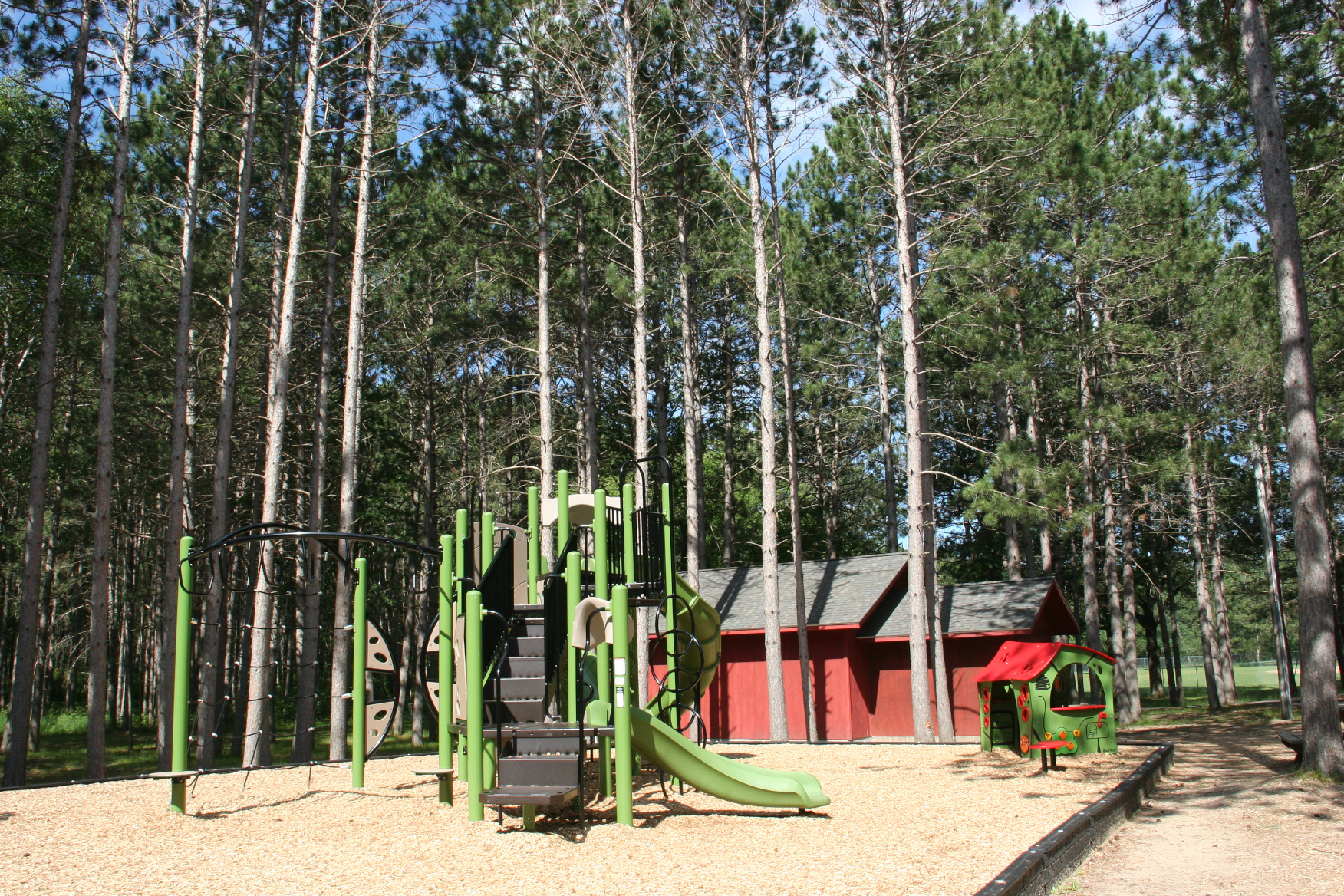
The grandkids loved the new playground equipment. (Minnesota Prairie Roots copyrighted photo July 2022)

Mission Park offers plenty of play space for those who prefer to stay off grassy trails into the woods. Like new playground equipment.

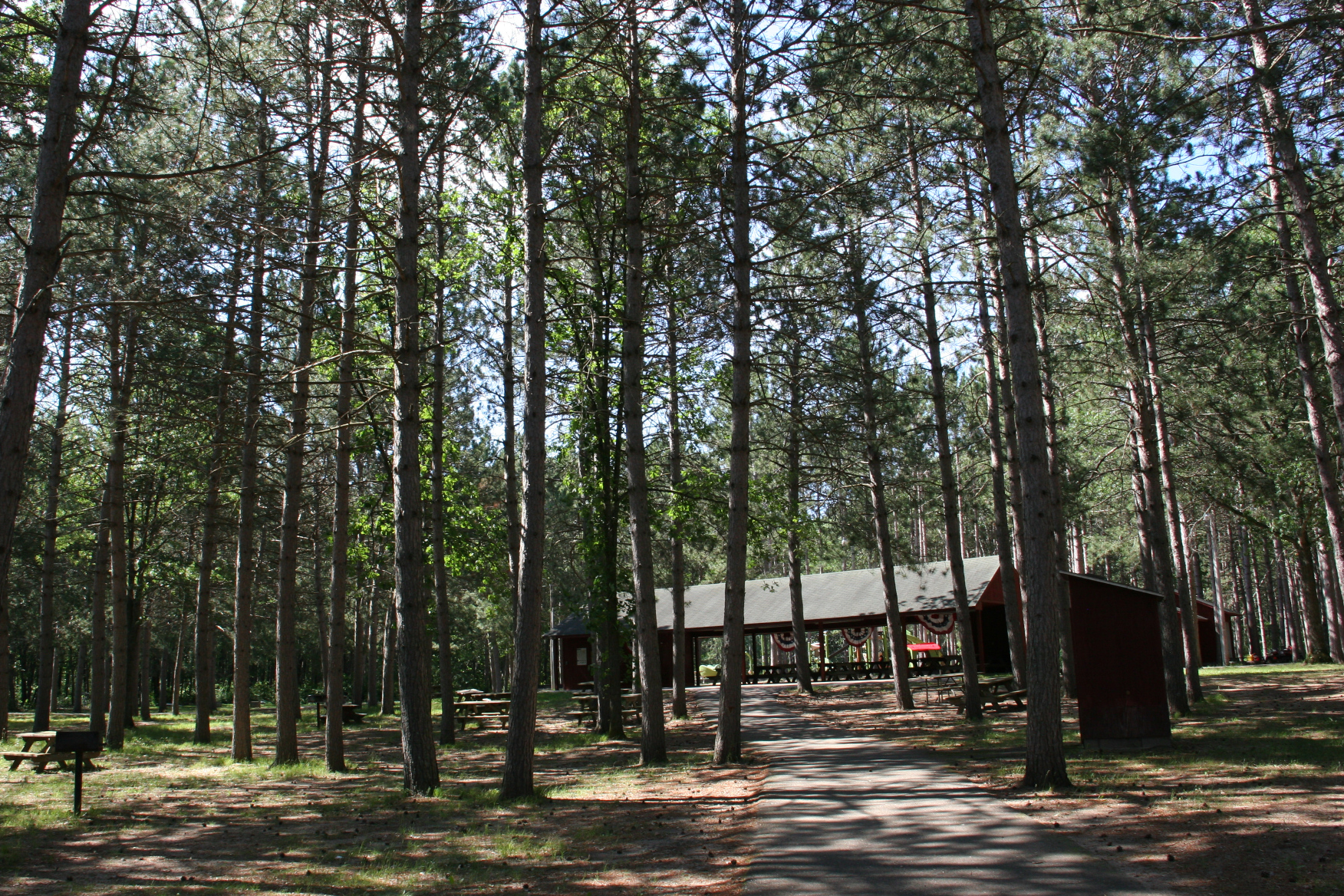
A spacious pavilion among the pines, next to the playground, provides a place to gather. (Minnesota Prairie Roots copyrighted photo July 2022)

Other recreational options abound with several pickleball courts, disc golf, a ball field, tennis courts, horseshoe pits and volleyball courts. A pavilion offers shelter for outdoor dining. Noticeably missing are bathrooms. There are outhouses, though, with which I am also familiar having used one for the first 11 years of my life.

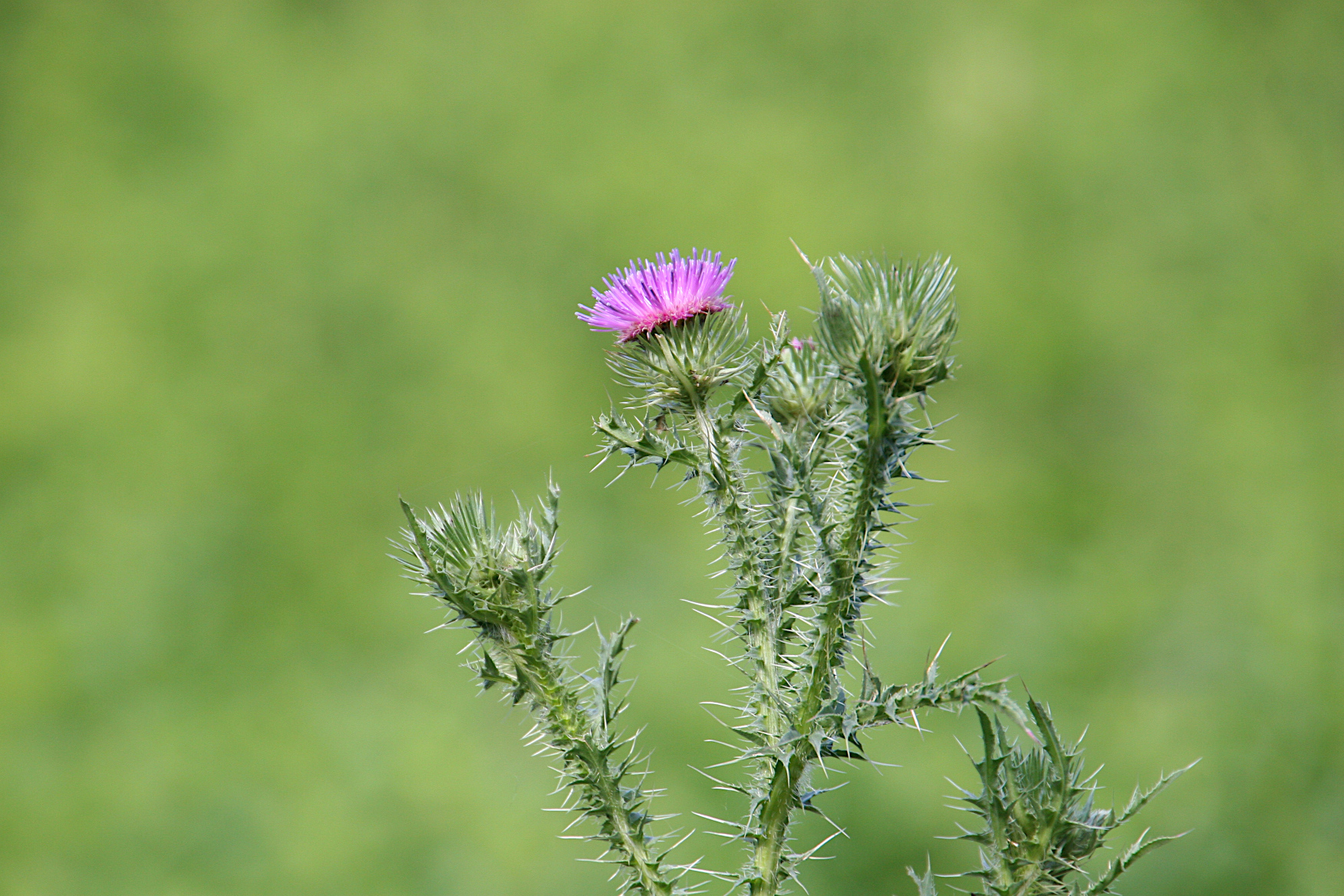
Thistles flourish in the Pollinator Habitat. (Minnesota Prairie Roots copyrighted photo July 2022)

I appreciate the forward thinking of the good folks of Mission Township who, in 1959, purchased 39 acres for $1 with the intent of maintaining the natural beauty of the land and making it available for recreational use.

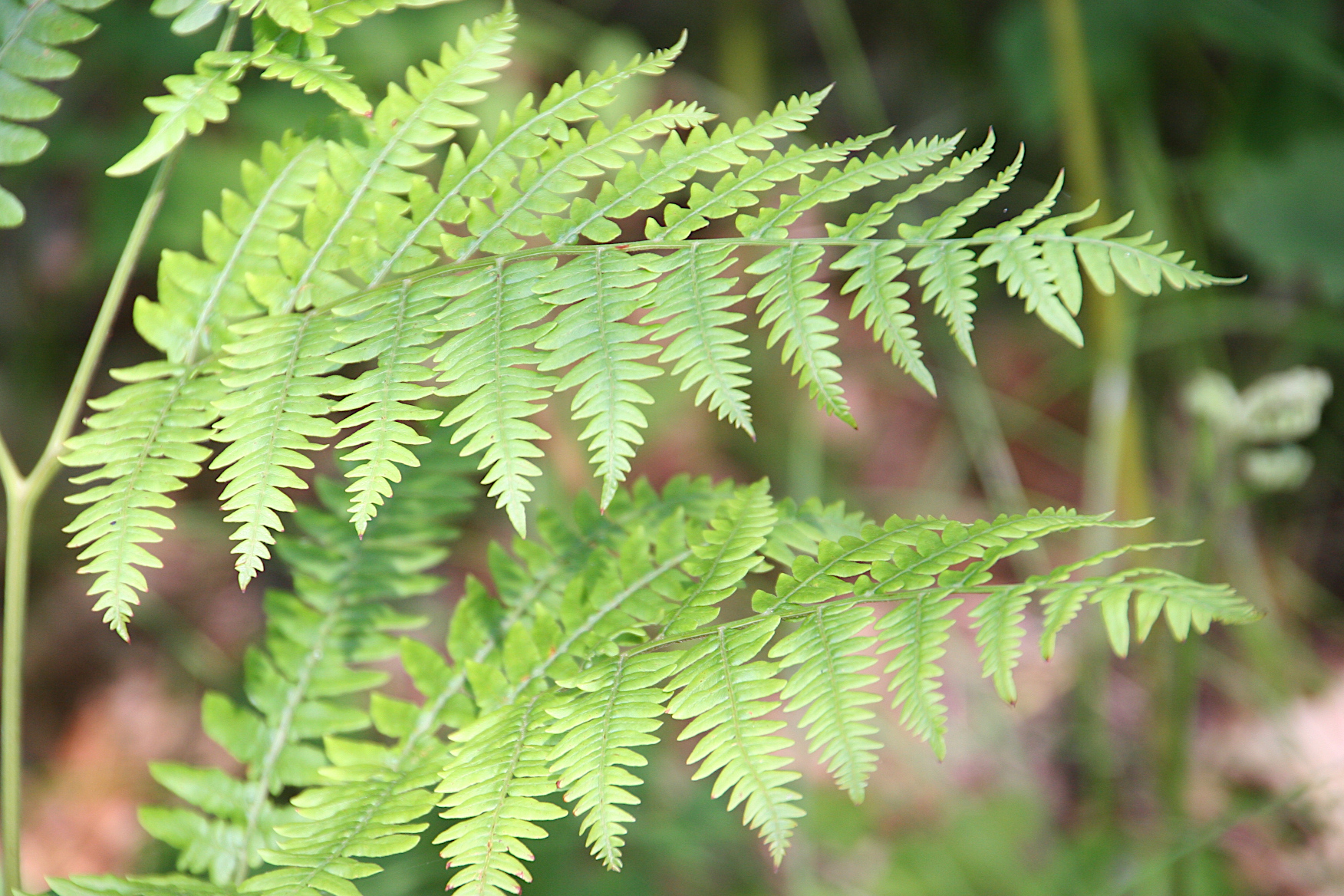
Ferns, one of my favorite plants, grow wild in the woods. (Minnesota Prairie Roots copyrighted photo July 2020)

This “quiet place to be” has quickly become a favorite nearby place to explore whenever I’m at Jon and Rosie’s lake cabin.

© Copyright 2022 Audrey Kletscher Helbling
 

Returning to photography, starting in my Minnesota backyard September 1, 2017

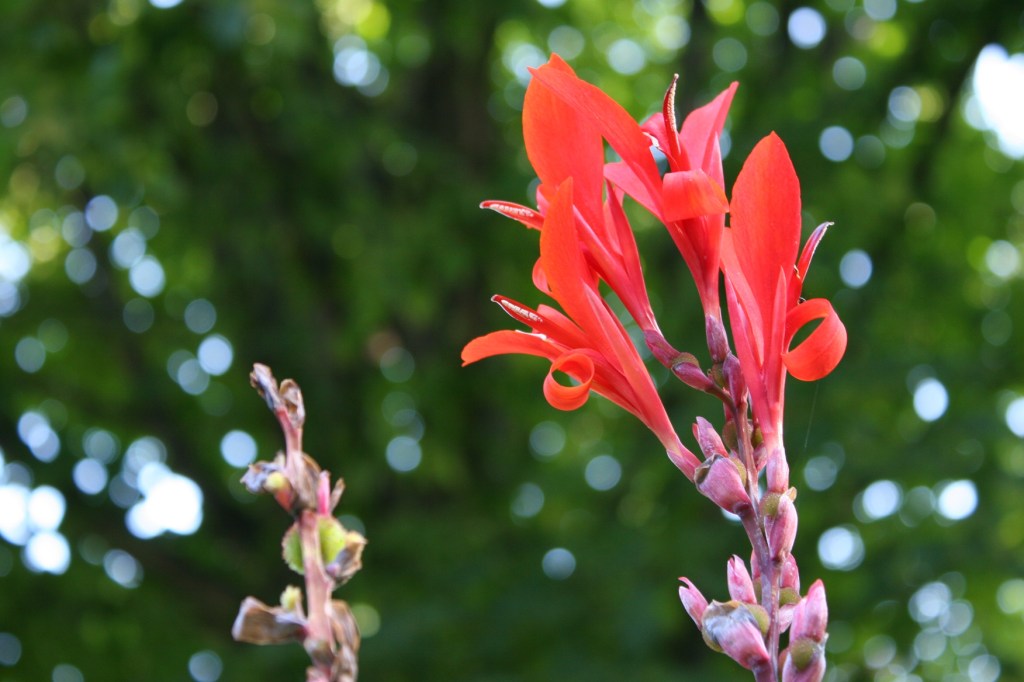
Brilliant red canna lilies splash color into my backyard patio.


IN THE THREE MONTHS I couldn’t use my Canon DSLR EOS 20-D this summer because of a broken right shoulder, I feared I would lose my photography skills. But I didn’t. This week, with my muscle strength returning and weight restrictions eased, I did my first photo shoot using my 2.5 pound (with a short lens) Canon.


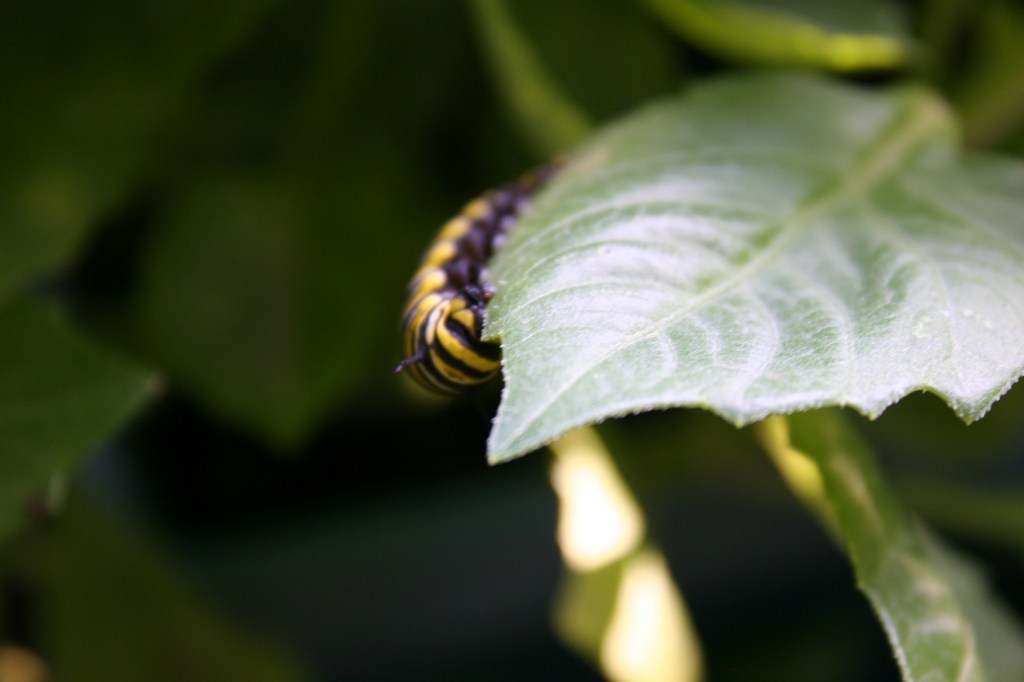
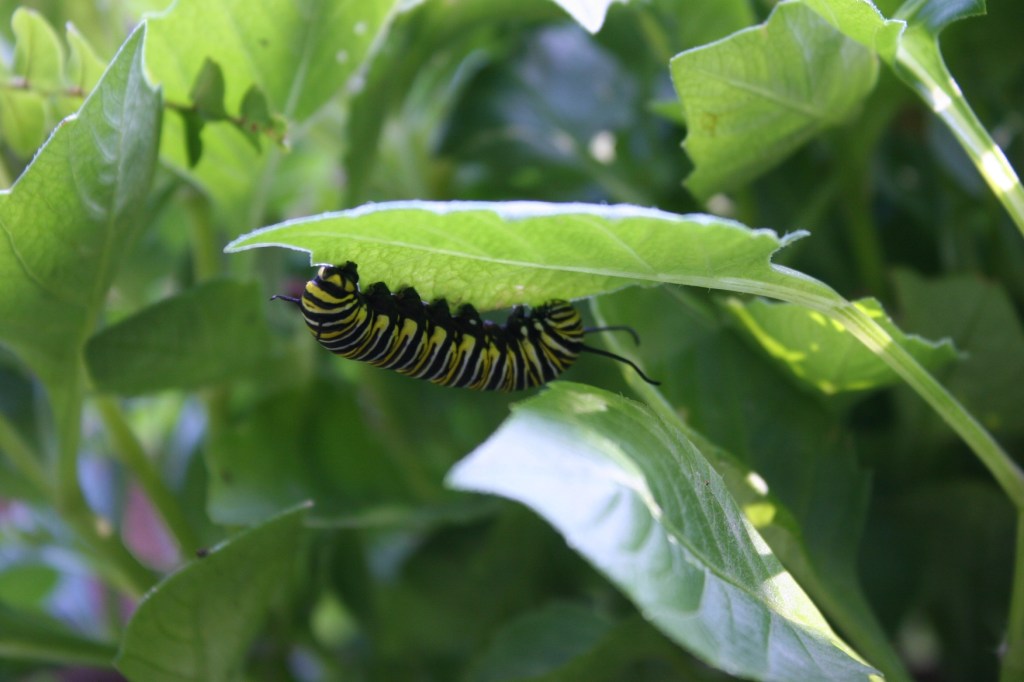
I experienced joy, pure joy, picking up my DSLR and focusing on subjects in glorious light. I started in my backyard, easing myself into the comfortable familiarity of pursuing my passion. I felt giddy with excitement as I photographed a monarch caterpillar clinging to a leaf near milkweeds that free-range seeded.


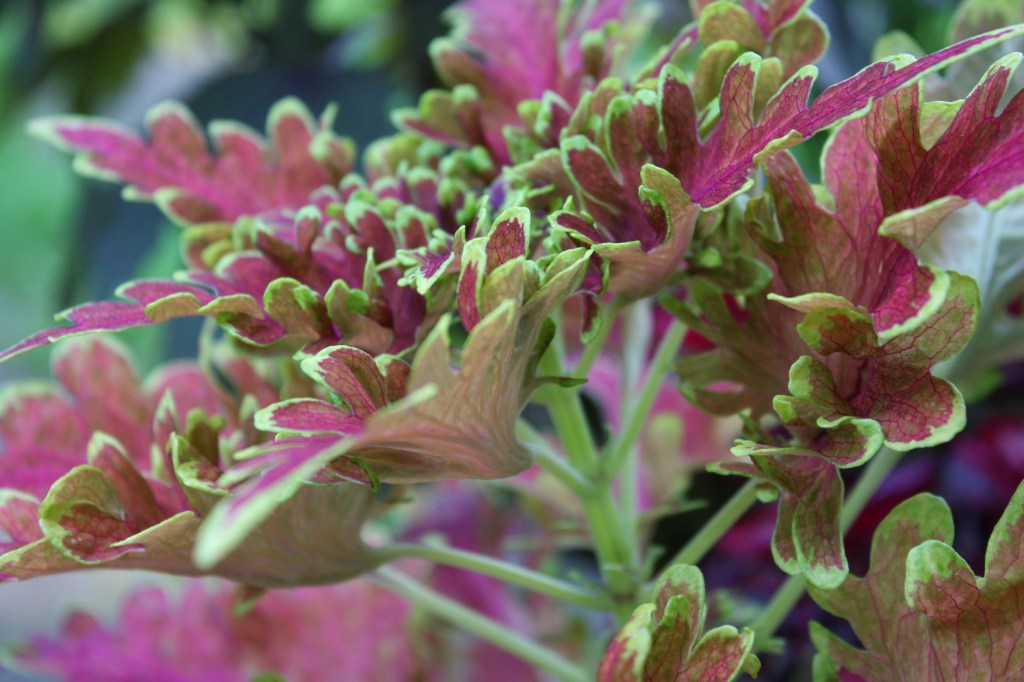
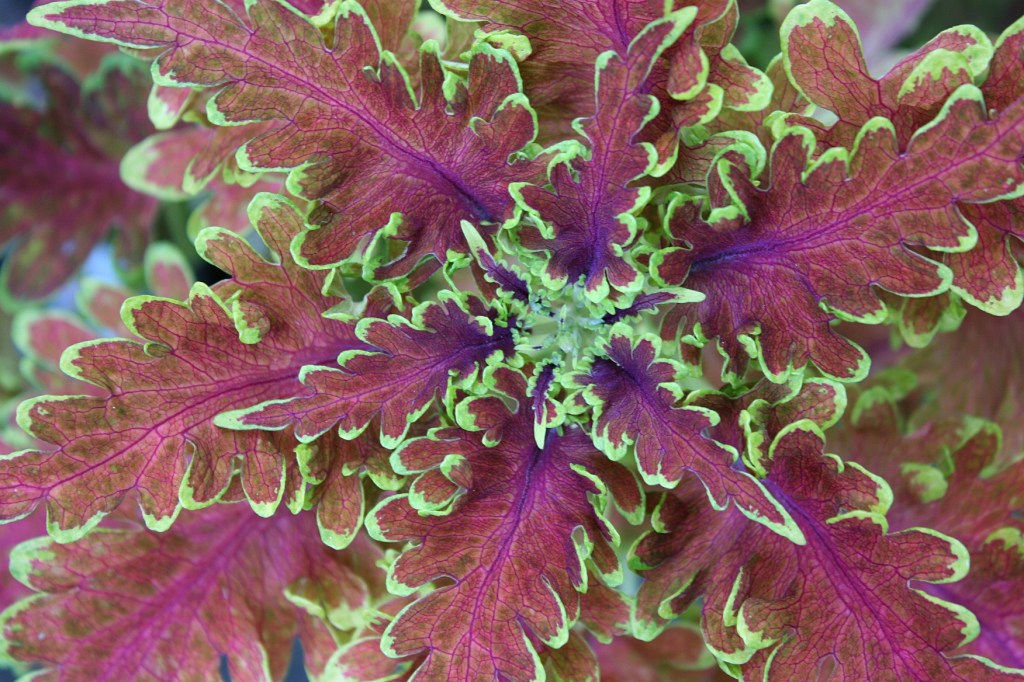
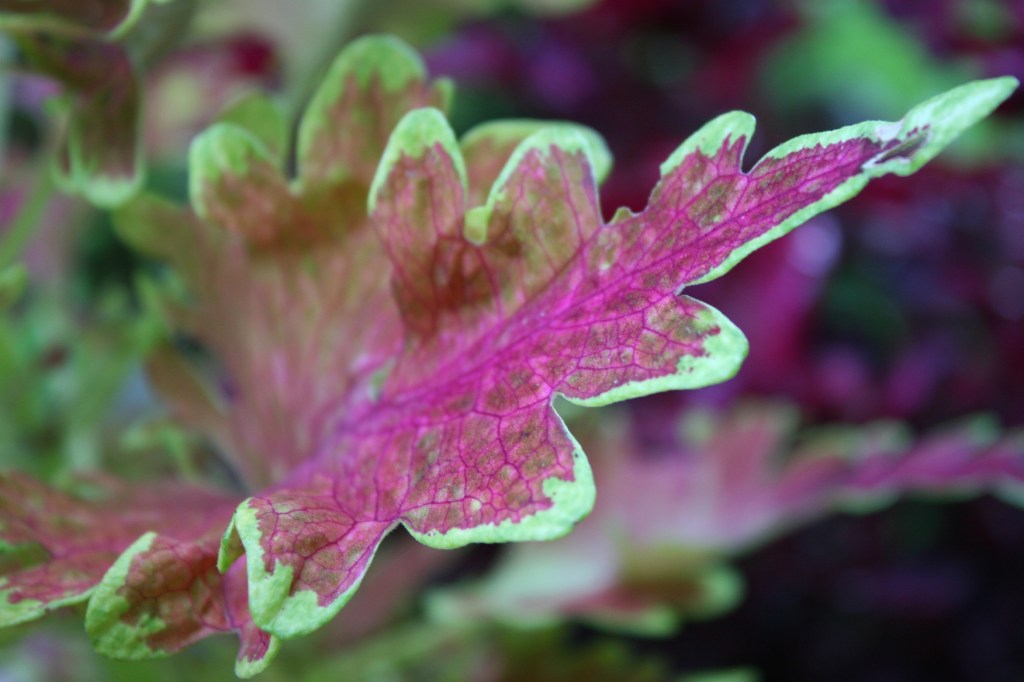
Coleus


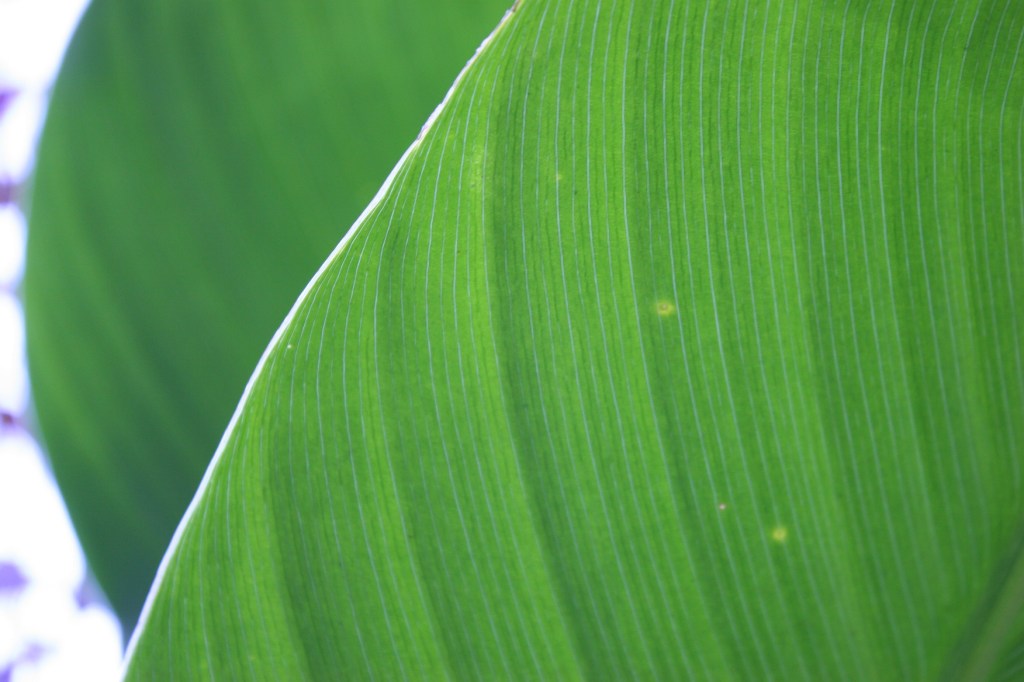
A segment of a canna leaf.


I moved to potted plants and blooming flowers and garden perennials.


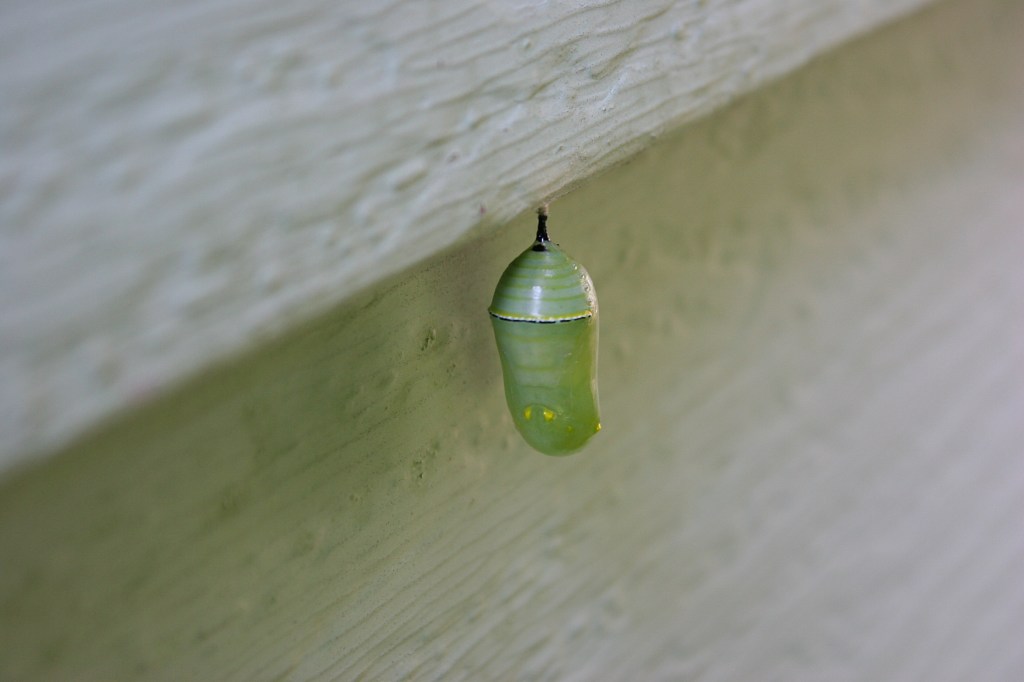
And then I noticed, as I roamed about seeking photo ops, a mini chrysalis dangling from the side of the garage and camouflaged against the green siding. I moved in close, delighting in my discovery.


Coleus


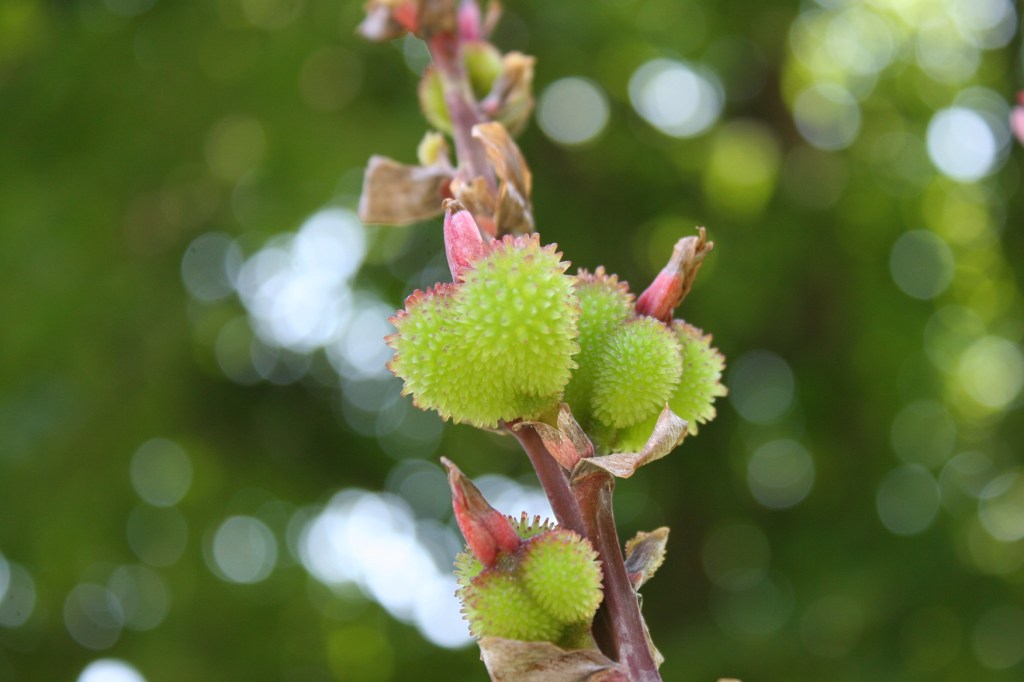
Canna lily seed pods


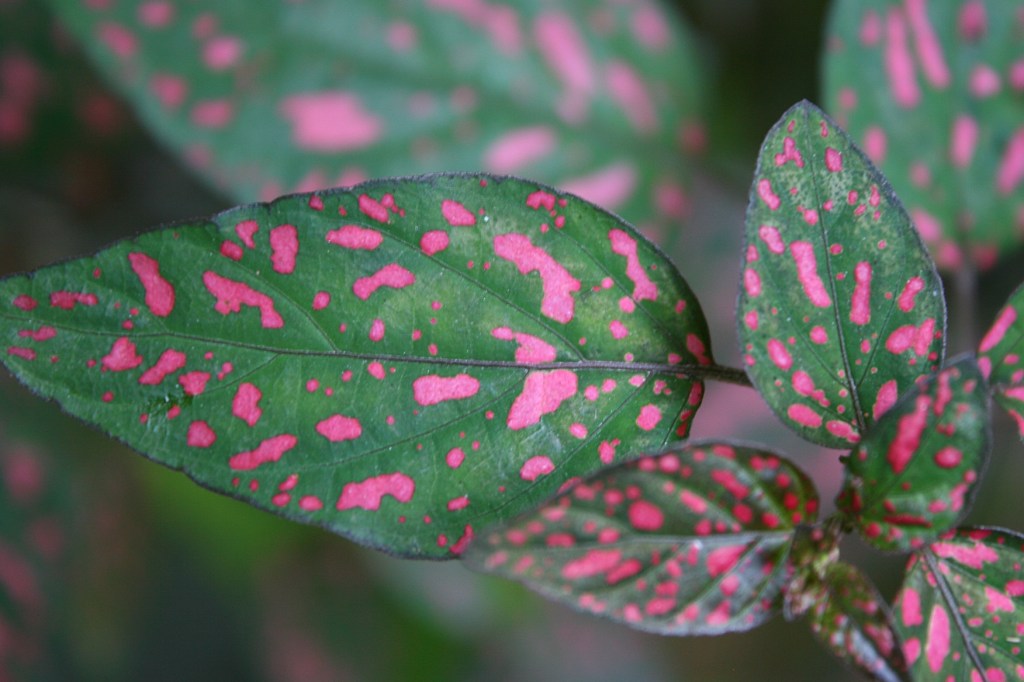
Polka dot plant leaves up close.


As I shot more frames, trying different angles, new perspectives, I remembered just how much I love this art. I seek interesting ways to present what I photograph. I seek light that will enhance an image. I consider textures and color and backdrops and distance. I challenge myself to think and photograph outside and beyond the norm.


Coleus leaf close-up


All of my skills, retained in my rote memory, returned. And so did the passion, full-blown and beautiful and aching to be released.


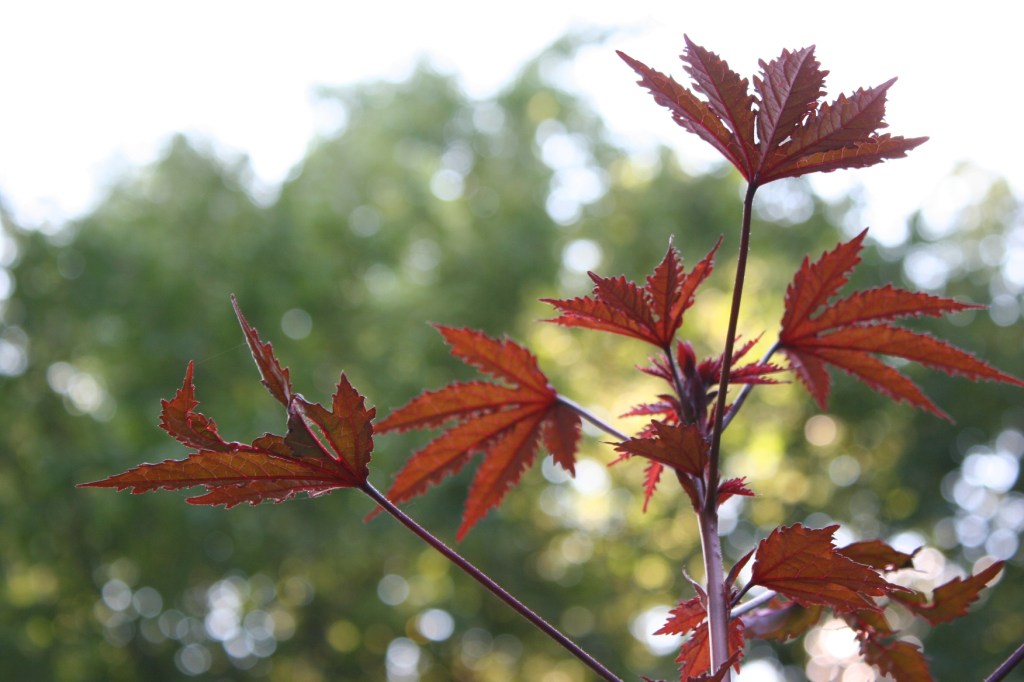
Hibiscus acetosella soar in pots on my patio.


It’s good to be back, camera in hand.


© Copyright 2017 Audrey Kletscher Helbling