Minnesota Prairie Roots

Writing and photography by Audrey Kletscher Helbling

The personal anguish in Zumbro Falls October 11, 2010

Filed under: Uncategorized — Audrey Kletscher Helbling @ 4:23 PM
Tags: , , , , ,

“HOW ARE YOU FOLKS DOING?” I ask. In retrospect that seems like an idiotic question given the man, woman and an elementary-aged girl are working outside a flood-damaged home in Zumbro Falls.

But I don’t know what else to say and I genuinely do care about their welfare. The woman’s answer is unemotional and I can’t even tell you exactly what she said because her answer to my second question still burns.

“Is it OK if I take your picture?” I ask.

“I don’t want my picture anywhere,” she lashes out at me.

I do not expect this explosive reaction.

Then I turn my head toward the blonde-haired girl, who is sitting on the bumper of a pick-up truck to which a trailer is attached. I can’t even tell you what was in the trailer or the truck. But I remember that little girl’s face.

“You look sad,” I say, looking directly at her. She doesn’t respond. She just sits there.

At that moment, in that child’s face, I see the personal anguish, the fear, the devastation, the loss, that this late September flood has wreaked upon residents of this southeastern Minnesota community. The toll reaches far beyond the physical destruction of homes and businesses and possessions—including a trashed child’s red bicycle I’ve seen inside this family’s open garage.

This family is hurting. And as much as I wish this stressed-out woman had not taken her anger and frustration out on me, I understand.

There will be no photos of them, only my words, her anger, to show the tragic faces of this natural disaster.
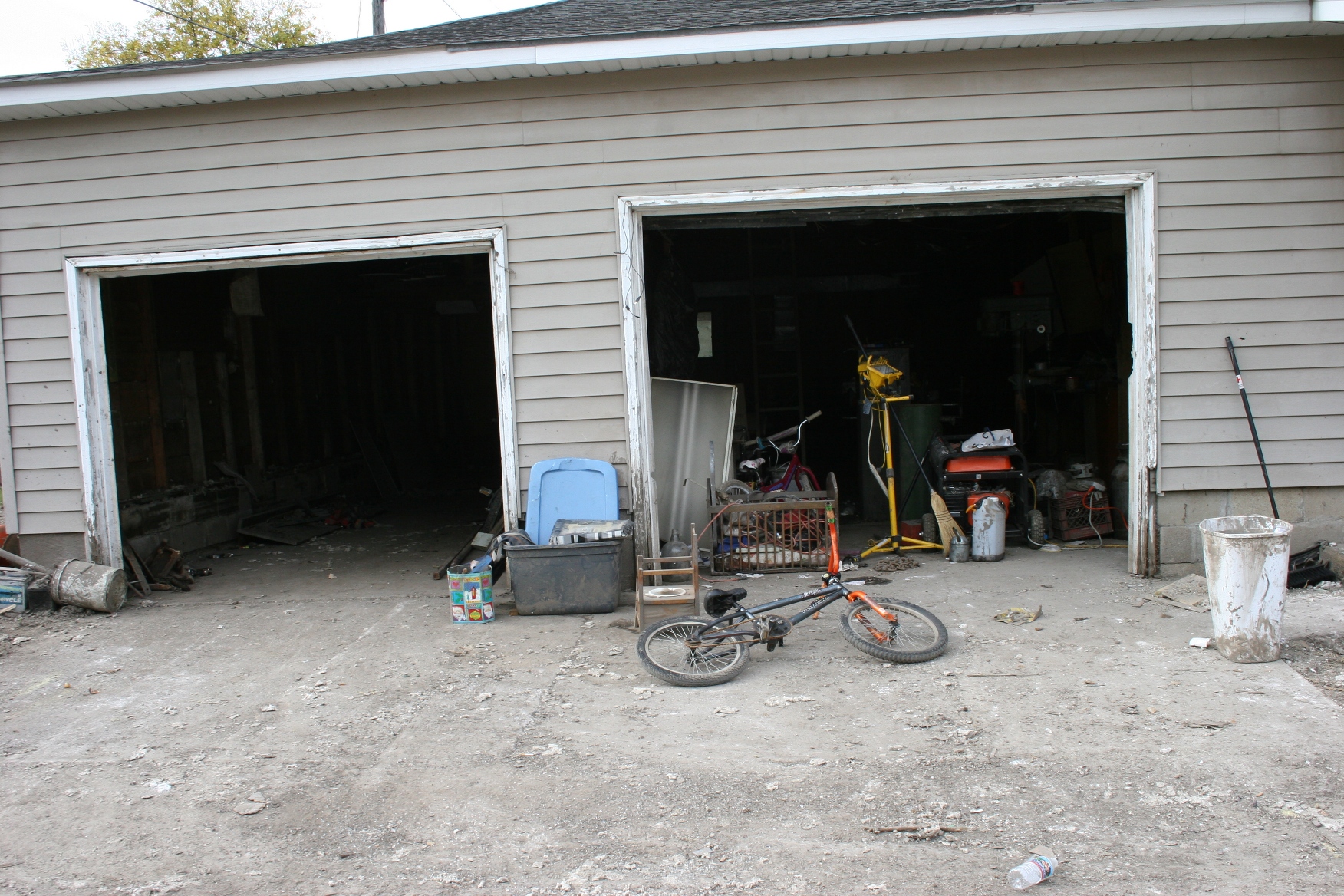
 

The flood-damaged garage of the Zumbro Falls woman who would not allow me to photograph her.


© Copyright 2010 Audrey Kletscher Helbling


Waiting on FEMA in Zumbro Falls

“WE’RE ALL REDNECKS,” she says.

But she doesn’t mean the term in a negative way. Rather Tracy Yennie implies that she and her neighbors in flood-ravaged Zumbro Falls are hard-scrabble, independent folks who are determined to stay put.

“The whole town is awesome. Everybody knows everybody,” says Yennie, who’s called this place home all 31 years of her life. Up until the September 23/24 floods, she and her family lived in a house several hundred yards from the Zumbro River along “the river road,” Wabasha County Road 68, just outside of town.

Since the flood deposited four feet of mud and cinder block in her basement leaving her home uninhabitable, she’s been camping—in a shed on her property—and waiting on FEMA. “They’re just dragging their feet. They’re not affected,” she says, the frustration in her voice palpable.

With winter approaching, she’s worried about where she—where anyone in this town—will live.

“This has been the most stressful two weeks of my life,” Yennie says as she hangs out next to the Salvation Army trailer, across the street from the fire hall/city hall turned command center on a Sunday afternoon.


Tracy Yennie hangs out in downtown Zumbro Falls.


For weeks now this mother of four boys, ages 2 – 9, has been sifting through her life, she says, trying to decide which of her belongings to keep and which to throw.

Early on, when she talked with her boyfriend on the phone as he watched the river rise and cross the road toward her home (she was out of town), she knew what was most important. She told him to save the baby pictures. But he couldn’t find them. Yennie later found the box of pictures buried in mud. She threw the photos in a bucket of water, dried and saved them.

She understands what can, and can’t, be replaced.

For the most part, Yennie sounds strong. But you can see the worry in her tired eyes and sometimes hear it in her voice, when the tough veneer cracks just a bit. “People are starting to get stressed,” she says, repeating that word, “stressed.”

She has no flood insurance. Few residents did. The town isn’t in a flood plain, she says.


A flood-damaged home in downtown Zumbro Falls.


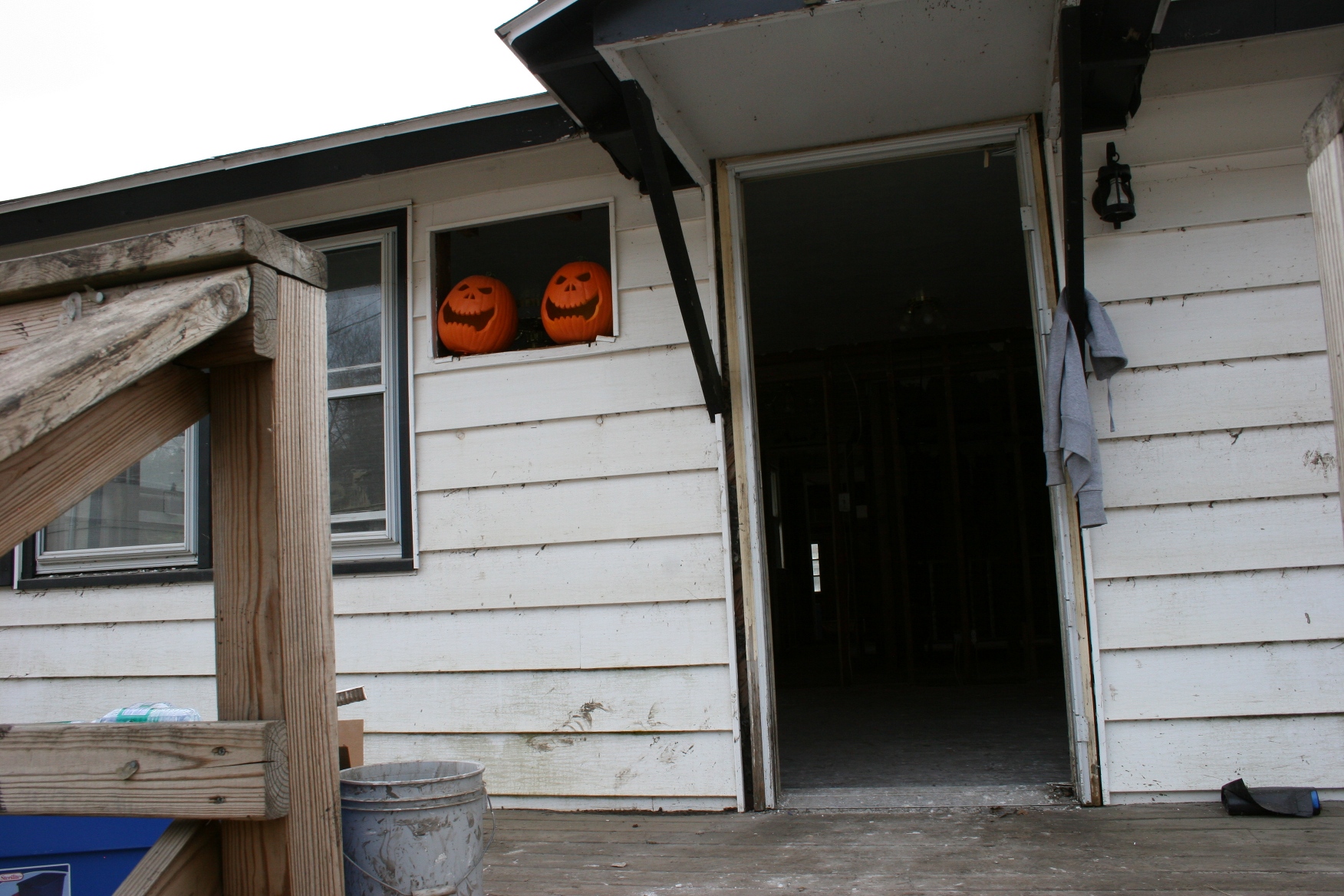
The owner of this water-ravaged home along Minnesota Highway 60, the main route through Zumbro Falls, still has a sense of humor as Halloween approaches.


Despite all of her worries about the future, despite her anger at FEMA, Yennie is quick to praise the Red Cross, the church groups and others who have thronged to this community to assist flood victims.


A Red Cross Disaster Relief vehicle pulls into the command center at the fire hall Sunday afternoon.


Twenty-four men from Barron, Wisconsin, with Mennonite Disaster Services, came to her aid, helping with clean-up at her riverside home. She’s grateful to them.


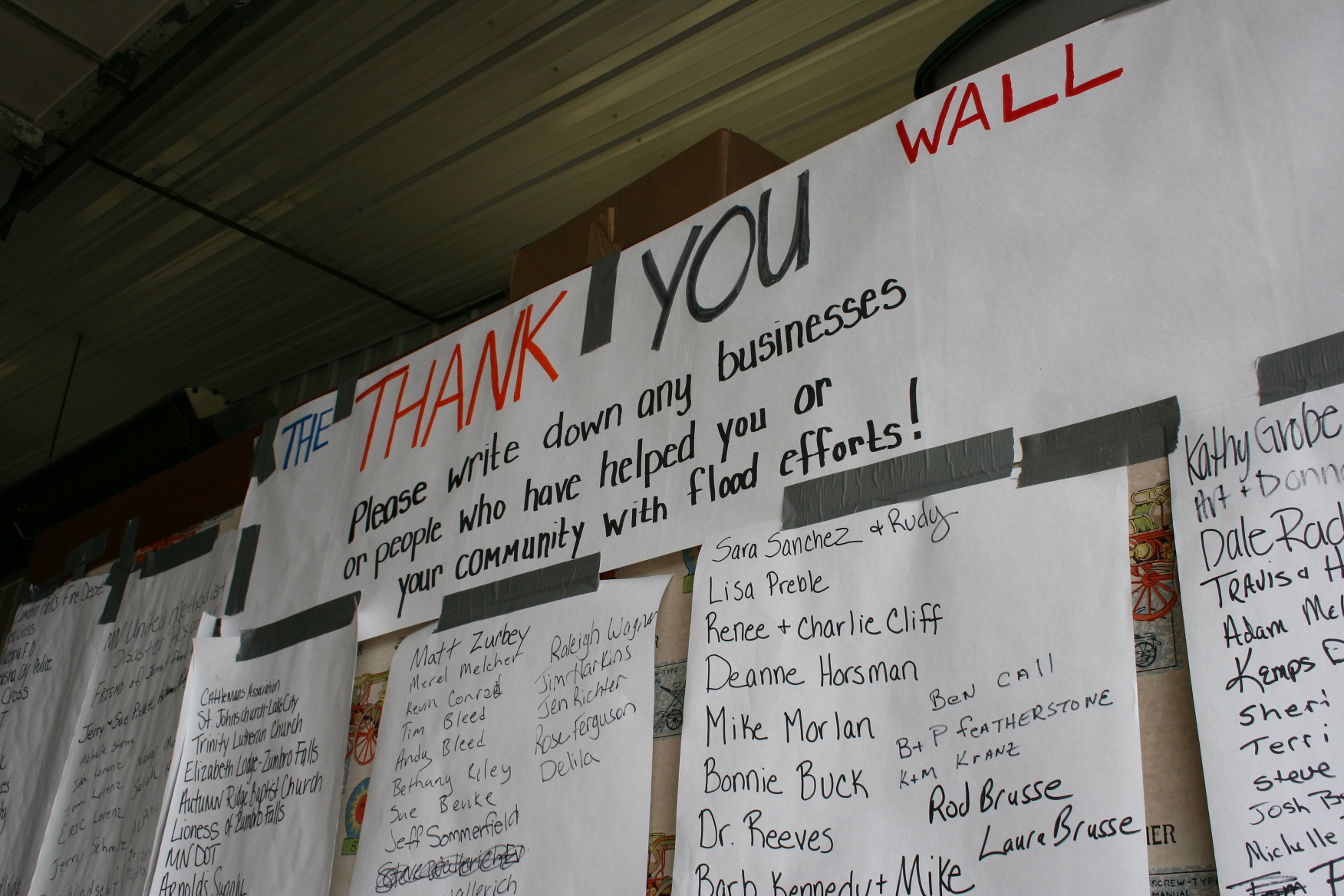
Inside the Zumbro Falls fire hall, a Thank You Wall recognizes those who have helped with flood recovery.


Now, as Yennie ponders a question about life someday returning to “normal,” she laughs. “What’s normal?” she asks. “Normal is a setting on a washing machine.”


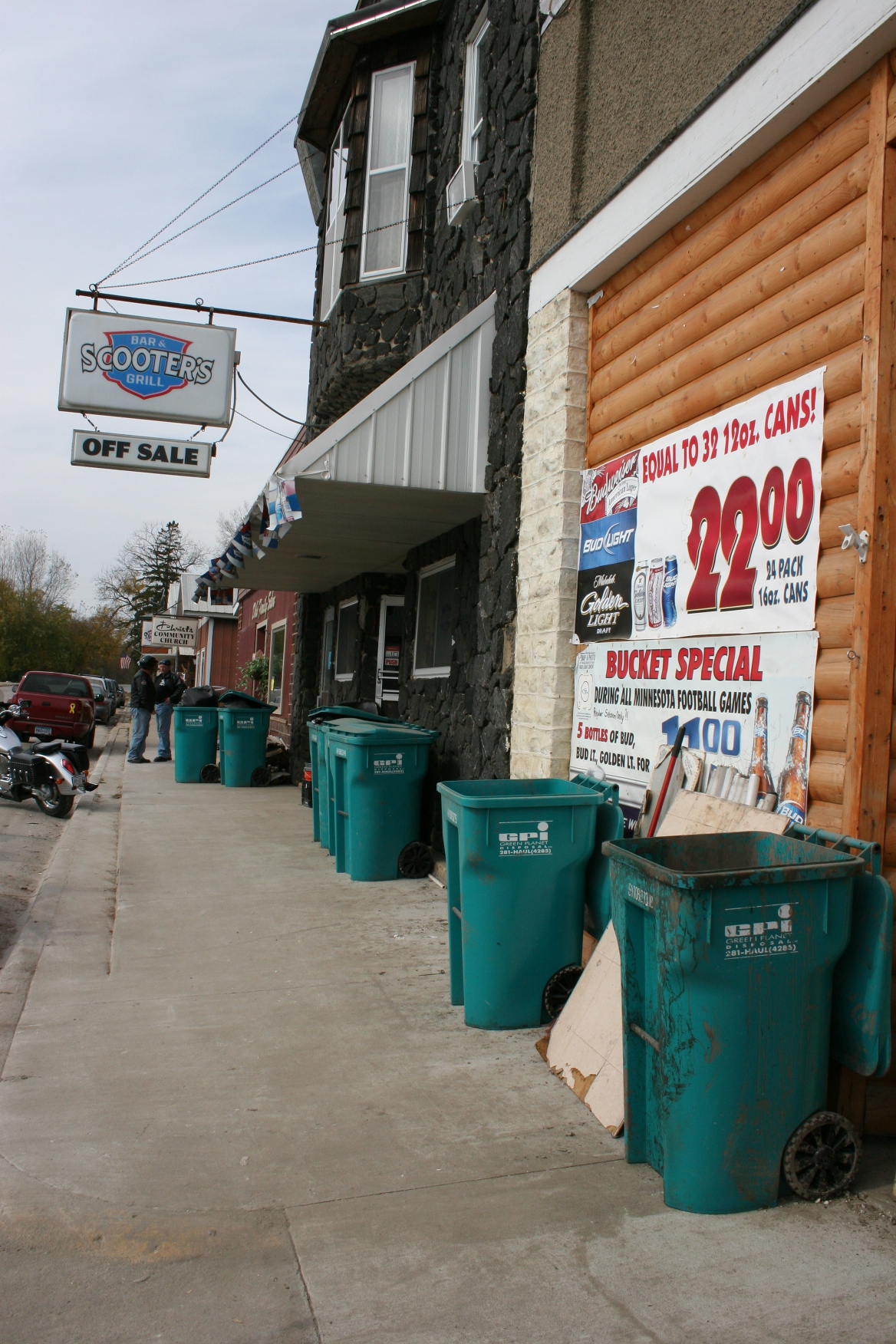
Trash containers line gutted businesses in downtown Zumbro Falls as the community works toward returning to "normal."


© Copyright 2010 Audrey Kletscher Helbling

 

Faribault flooding, more photos September 27, 2010

Filed under: Uncategorized — Audrey Kletscher Helbling @ 9:48 AM
Tags: , , , , , ,

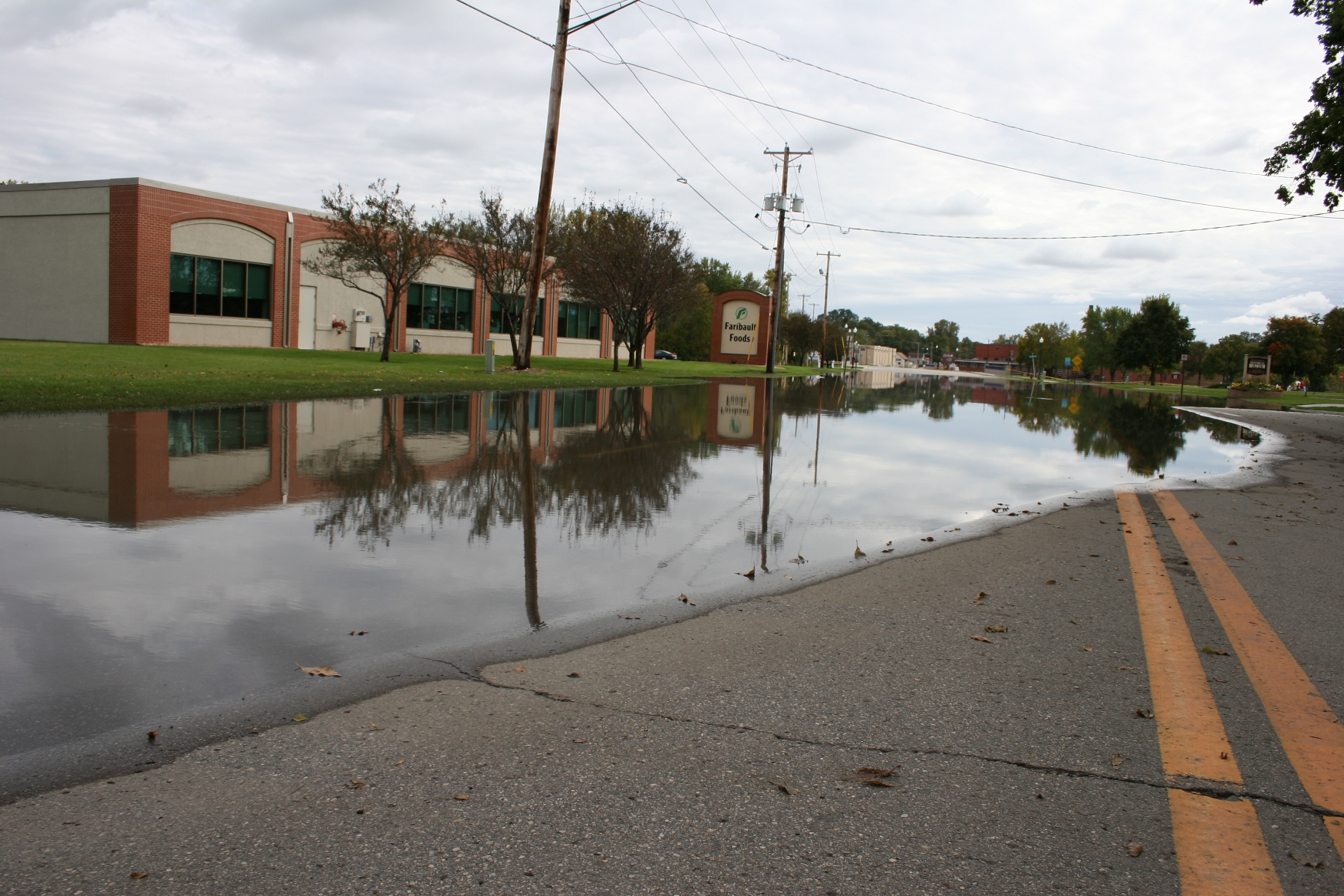
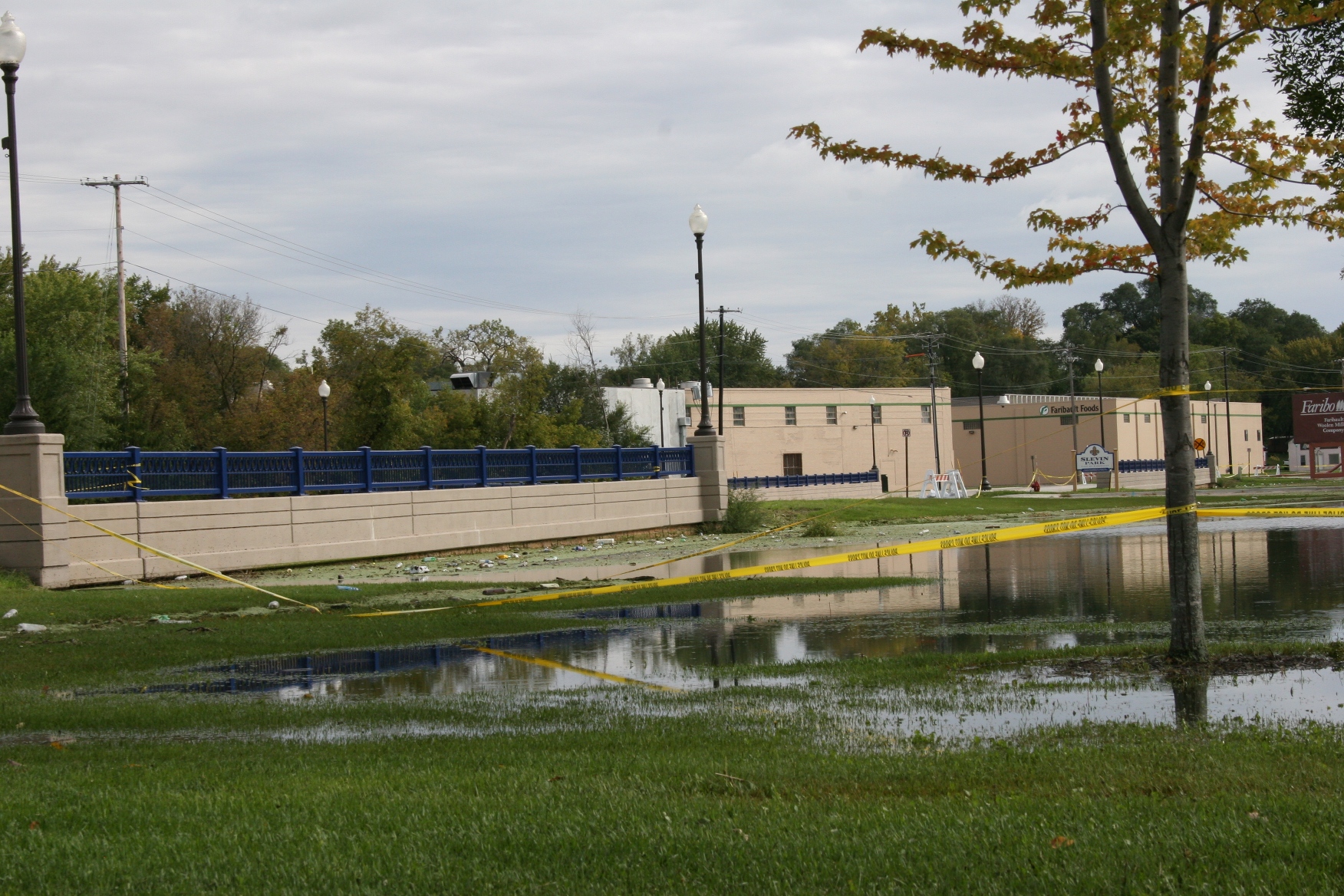
This image, taken Saturday afternoon, shows flooded Second Avenue N.W. looking toward Faribault Foods' offices and canning company on the left, and the former Faribo Woolen Mill and Alexander North Park on the right.

FOR ANYONE WHO’S TIRING of my flood photos, I offer no apologies. Right now we Faribault residents are a bit obsessed with the natural disaster that has struck our town.

As I’ve toured the flooded areas during the past several days, I’ve discovered a sense of community that I’ve never felt in my 28 years here. As we gather along the banks of swollen rivers, peer over bridges, stand beside flooded roads, we understand that we are not only witnessing history, but we are a part of history.

That bonds us. We exchange stories—of raw sewage in basements, of failed sump pumps, of  “I’ve never seen the river this high.” While our stories may differ in detail, the setting, here, in our Midwestern community along the Cannon and Straight rivers, is the common thread that weaves together our experiences.

We can’t stop taking photos, which, pieced together, become a patchwork quilt of memories, of history, of stories.

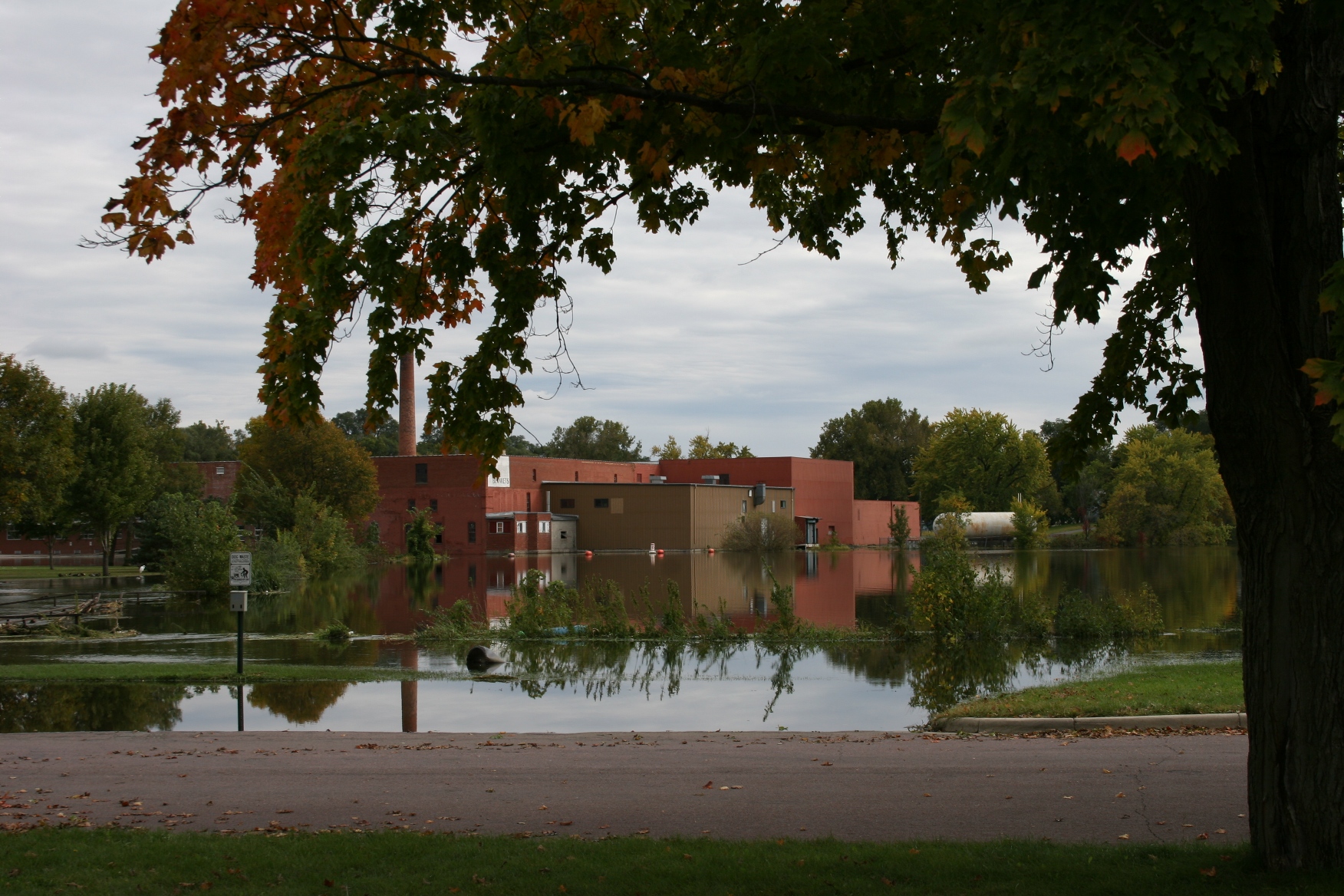
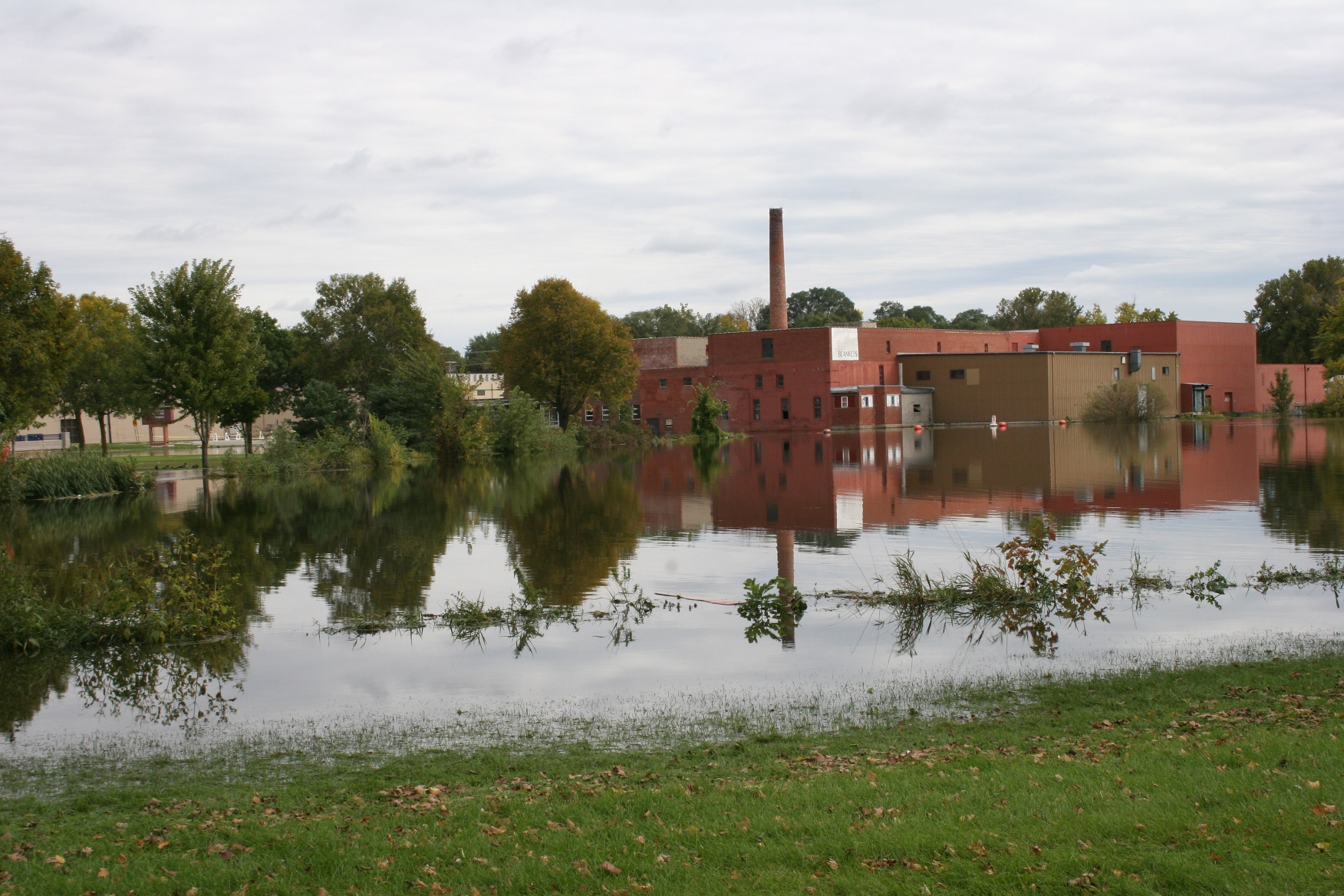
This shot taken from North Alexander Park frames the former Faribo Woolen Mill along the banks of the flooded Cannon River. The two dams here are no longer visible, river water touches the bottoms of the two bridges and some park land is under water.

The flooded Cannon River by the former Faribo Woolen Mill on the right and Faribault Foods canning company on the left along Second Avenue N.W.. The Woolen Mill dam is no longer visible.

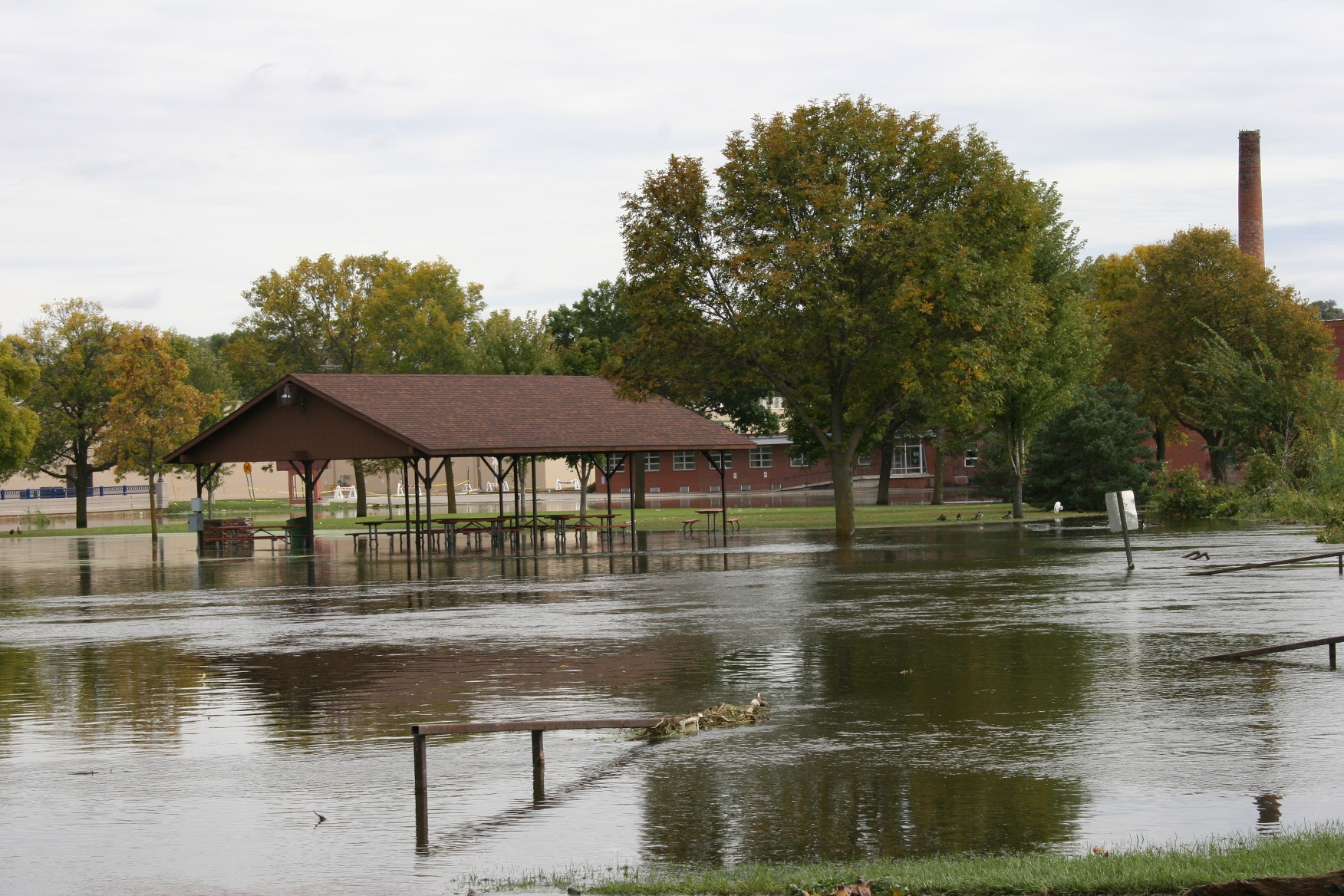
This picnic shelter in Father Slevin Park, on a wedge of land between two branches/two dams of the Cannon River by the former Faribo Woolen Mill was covered with river water.

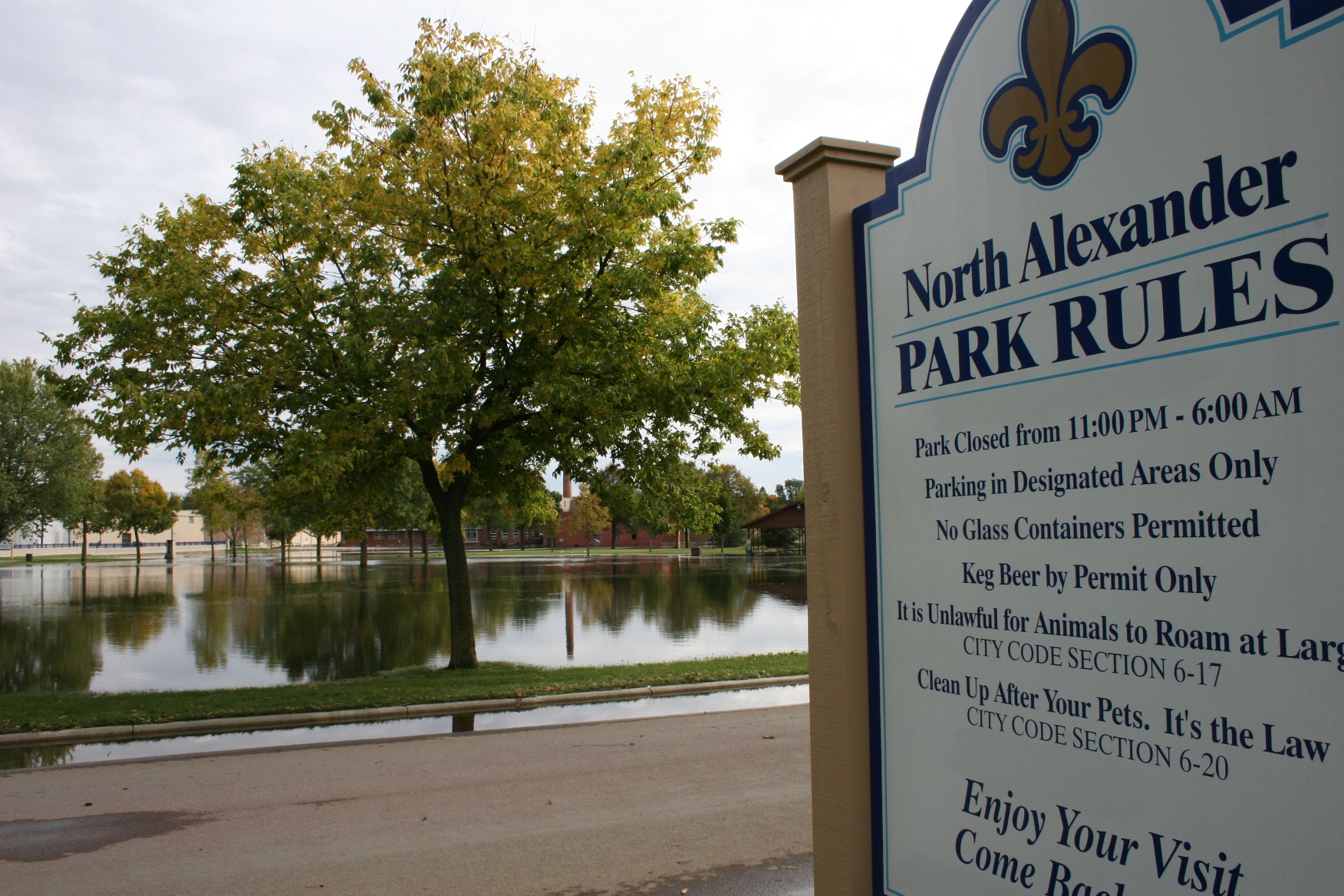
Cannon River waters edged onto park land near the entrance to North Alexander Park.

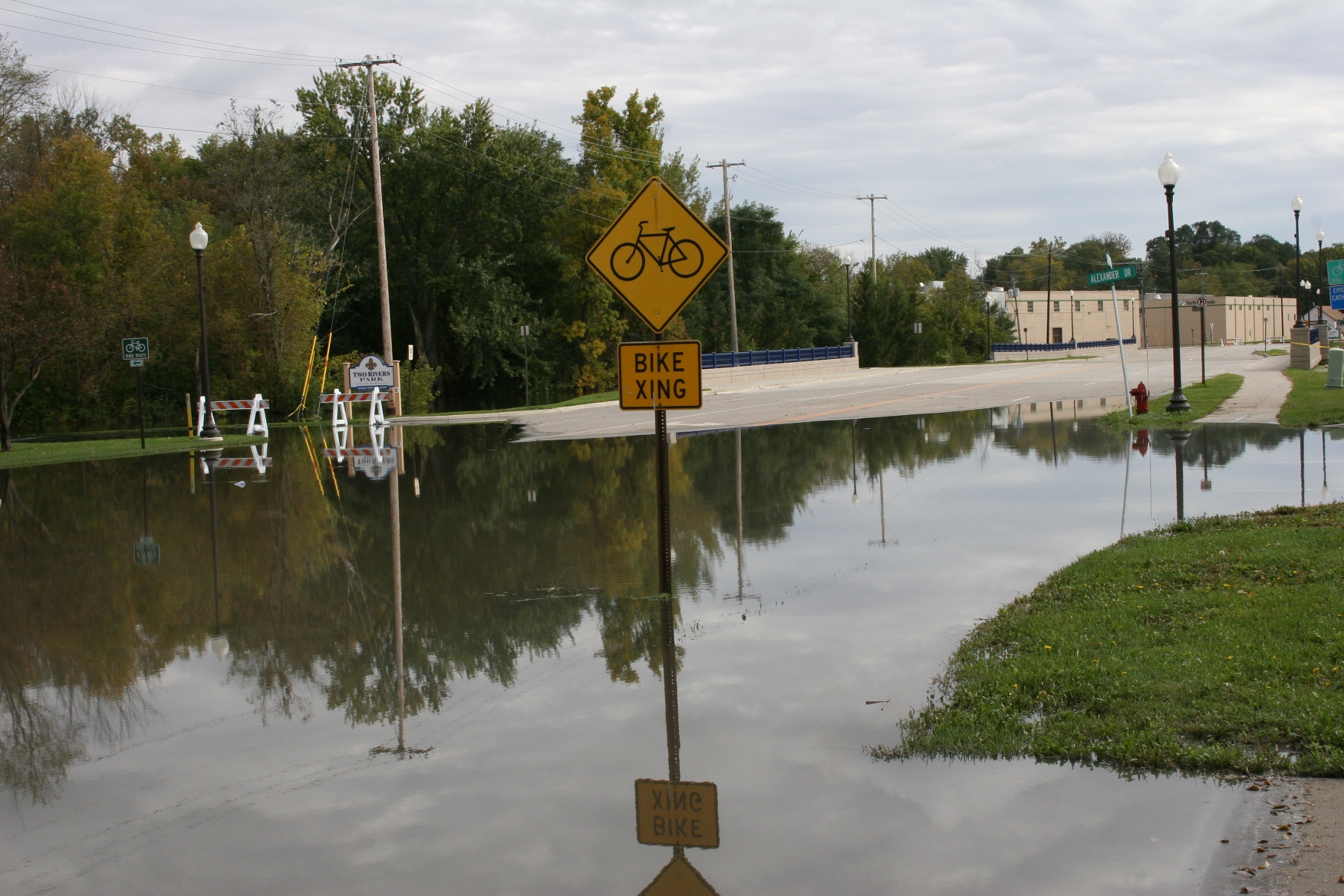
Water from the swollen Cannon River covers the roadway into North Alexander Park.

The Cannon River skims both bridges along Second Avenue N.W. To the right is Faribault Foods canning plant.

The bike trail to the left (not pictured) near Second Avenue N.W. is flooded.

I shot this scene along Second Avenue N.W. by the Rice County Historical society. Homeowners through-out Faribault have been pumping water, or raw sewage, from basements.

#

ALL OF THESE FLOOD PHOTOS were taken Saturday afternoon, September 25, 2010, from North Alexander Park and along Second Avenue N.W. by the Rice County Historical Society.

© Copyright 2010 Audrey Kletscher Helbling