Minnesota Prairie Roots

Writing and photography by Audrey Kletscher Helbling

When the Minnesota northwoods focus a mystery series January 3, 2024

An iconic northwoods Minnesota lake cabin. (Minnesota Prairie Roots copyrighted file photo July 2022)

I RECENTLY FOUND LINDA NORLANDER’S fourth bookDeath of a Fox—in the new fiction section of my local library. Labeled #4 in “A Cabin by the Lake Mystery,” the series name and cover art drew me to pull the book from the shelf and read the back cover summary. I do, indeed, judge a book by its cover and title. Take note, book editors and marketing teams.

The fourth book in Norlander’s cabin mystery series. (Sourced from Norlander’s website)

Given the series name, I expected this book might be by a Minnesotan or set in Minnesota. It’s both. Sort of. The author grew up in Minnesota as the daughter of a rural newspaper editor, raised her family on 10 acres of land in the central part of our state and then moved to Tacoma, Washington. I won’t hold that against her because, well, Minnesota winters are not for everyone forever. But Norlander’s cabin mysteries are for anyone who likes a good mystery set in the Minnesota northwoods.

I’m a long-time fan of mysteries, dating back to the Nancy Drew mystery series of my youth. I’ll admit that I’ve had to force myself to read outside that genre. I still don’t read romance novels, although Norlander’s writing does include a bit of romance for main character Jamie Forest, a freelance editor who recently moved from her native New York City to a family lake cabin in northern Minnesota.
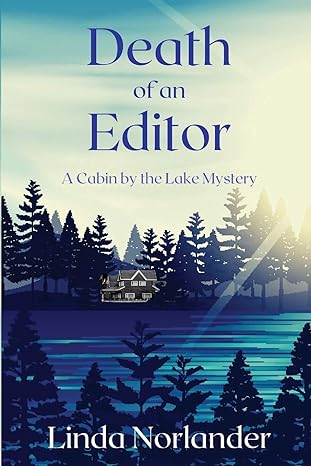
The first book in the cabin mystery series. (Book cover image sourced online)

In that tranquil setting, Jamie attempts to reclaim her life, leaving behind a traumatizing event involving law enforcement in the Big Apple. This I learned in book #1, Death of an Editor. I’m reading the books in order and just finished the first. I couldn’t put it down. It was that good.

Loons are common on the lakes of central and northern Minnesota. (Minnesota Prairie Roots copyrighted file photo July 2022)

Good not only mystery-wise, but also because this is definitely a Minnesota-centric read. Norlander references reserved Minnesotans, hot dish (not casserole), Minnesota Nice, loons…even appropriately names a local eatery the Loonfeather Cafe.

The author doesn’t shy from hard topics either, like biases against Native Americans (many of her characters are partial or full-blooded Ojibwe, including Jamie), proposed copper and nickel mining, and school shootings, all integral parts of the plot in Death of an Editor and part of Minnesota’s past and present. And, yes, an editor is murdered in this fictional book.

Jamie quickly becomes a suspect in that murder. Without revealing too much of the story, I will share that she sets out to clear her name, then that of another accused, along the way finding herself in life-death situations. There are many heart-stopping moments, questions about who can be trusted and who can’t. Lots of mysteries within the mystery to unravel.

Land greed. A troubling family past. Corrupt and threatening law enforcement officers. Men in red caps. Efforts to save the pristine northwoods from development. Secrets. Even Minnesota weather, which is forever and always a topic of conversation in our state, shape this first of Norlander’s books. Death of an Editor is set in summer and Norlander’s three subsequent books happen in our other three distinct seasons.
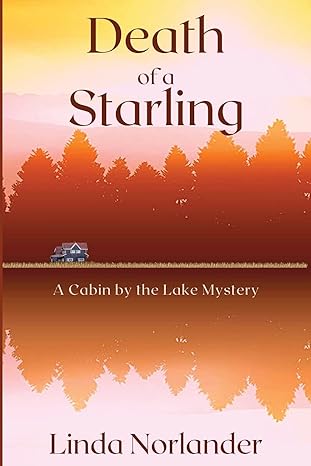
The second book in Norlander’s series. (Book cover image sourced online)

I just started her autumn seasonal second book, Death of a Starling, and am already drawn into the thickening plot, a continuation of book #1 as Jamie, considered an outsider and big city tree hugger, continues her efforts to uncover the truth. Already I’m finding this book to be another enthralling mystery that I can’t put down, not even to watch the 10 o’clock news.

© Copyright 2024 Audrey Kletscher Helbling


The power of hair among Native Peoples September 19, 2023

“My Powerful Hair,” published in 2023 by Abrams Books for Young Readers. (Book cover source: Abrams Books)

SOME OF THE MOST MEANINGFUL, enlightening and powerful books I’ve read, I’ve found in the children’s picture book section of my local public library. That includes My Powerful Hair written by Carole Lindstrom and illustrated by Steph Littlebird.

I happened upon this book while searching for recently-published astronaut and geography books for my 4-year-old grandson. I never did find those sought-after titles. Not that it mattered. What I discovered instead were three must-read books: My Powerful Hair, Boycott Blues—How Rosa Parks Inspired a Nation and We Are Better Together.

Parks is certainly familiar to me as the Black seamstress who in 1955 refused to give up her seat to a white man on a city bus in Montgomery, Alabama. That sparked a bus boycott and the Civil Rights Movement. Likewise, working together to effect change, to improve our world, to help one another is a familiar theme.

“The Native Man, His Eagle & His Chanupa,” an oil painting by Dana Hanson and part of her 2018 “Healing the Land” exhibit at the Owatonna Arts Center. (Minnesota Prairie Roots copyrighted file photo 2018, used for illustration only. Art copyrighted by Dana Hanson.)

THE IMPORTANCE OF HAIR REVEALED

It is the story on hair, though, which proved a particularly teachable read. My Powerful Hair focuses on Native Peoples’ hair and its importance in their culture, their history, their lives. Through the writing of New York Times bestselling and award-winning author Lindstrom, who is Anishinaabe/Metis (and an enrolled citizen of the Turtle Mountain Band of Ojibwe), and Indigenous artist Littlebird of Oregon’s Confederated Tribes of Grand Ronde, I learned the symbolism and power of hair in Native American culture. Admittedly, this is something I should have known, having grown up on the southwestern Minnesota prairie between the Upper Sioux and Lower Sioux Indian Reservations (today termed “communities”). I thought I was informed. But I wasn’t, not about hair.

Told from the perspective of a young Native girl, My Powerful Hair explains the reasons Native Peoples grow their hair long. And keep it long. Hair holds stories, memories, strength, sorrow, connections to each other and to Mother Earth. And more. Page after page, the narrator shares events in her life that weave into her hair. When Nimishoomis (her grandfather) taught her to fish, her hair reached her ears. When her cousins taught her to make moccasins, her hair flowed past her shoulders. In the sharing of these moments, I began to understand the power of hair in Native American culture.

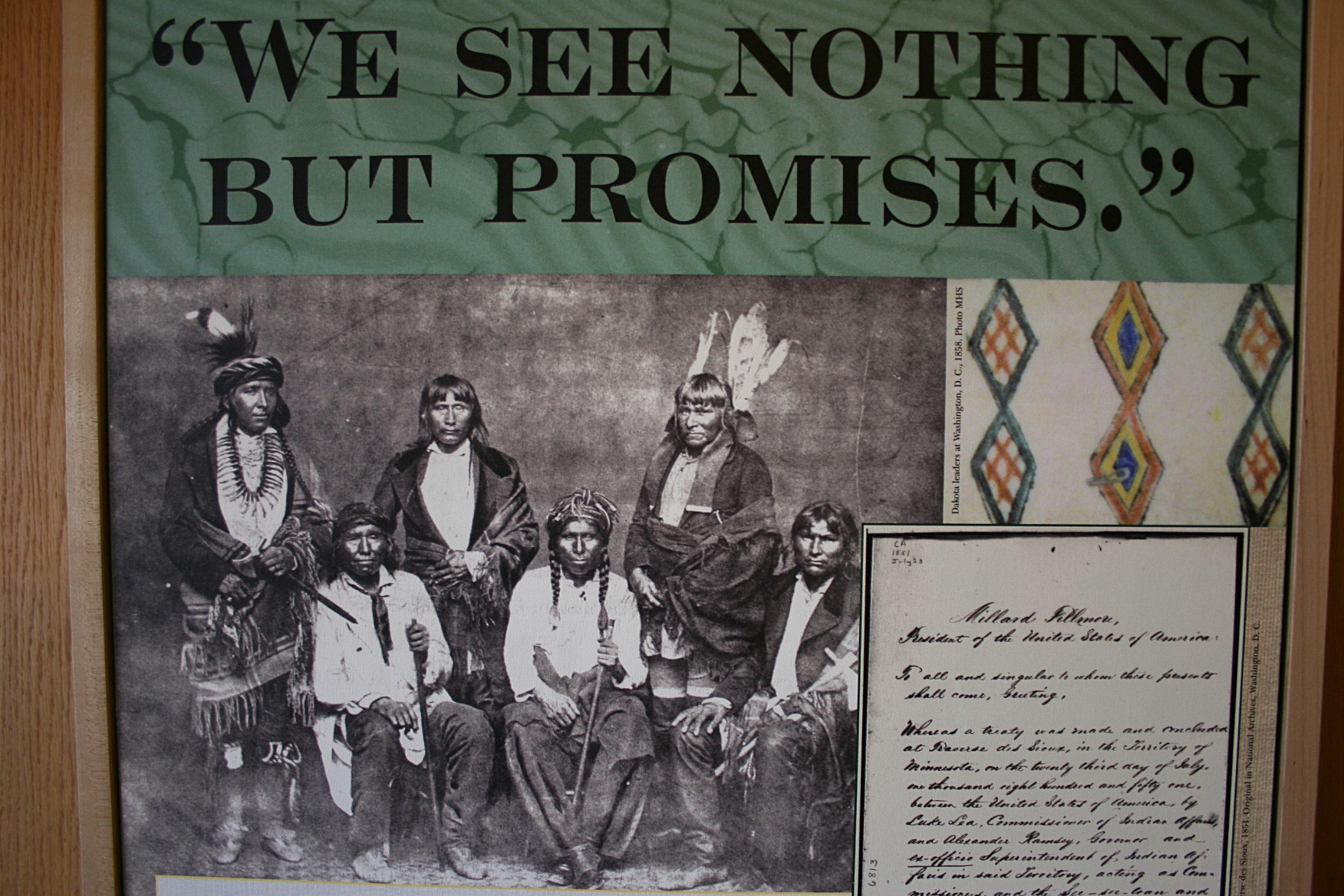
A photo panel at the Traverse des Sioux Treaty Center in St. Peter shows Dakota leaders photographed in Washington D.C. in 1858. The photo is from the Minnesota Historical Society and is used here for illustration only.

FORCED HAIRCUTS

I also understood fully, for the first time, the trauma inflicted upon Indigenous individuals forced long ago by white people to cut their hair. The writer and illustrator don’t hold back. In the first few pages, a young Nokomis (grandmother) is in tears as the hands of a Catholic nun grasp, then cut, her braids. It’s an emotionally impactful visual.

But this was reality at Indian boarding schools, within faith communities and elsewhere back in the day, in a time period when efforts focused on erasing Indigenous culture, on conforming Native Peoples to European ways. It was wrong.

Displayed at Bridge Square during Northfield’s Earth Day celebration in 2022. (Minnesota Prairie Roots copyrighted file photo April 2022, used for illustration only)

A TERRIBLE INJUSTICE”

A blogger friend from the central Minnesota lakes region recently shared a bit of her family’s experience per my request. Of unverified (records were often destroyed) Cherokee ancestry, Rose speaks of her mother’s trauma after being sent to a Catholic girls’ school in Crookston. “Mom didn’t tell us much about her experience there,” Rose says, “only that they made her cut her long black hair. My mom never cut her hair again for the rest of her life. She saw the forced haircut as a terrible injustice.” Injustice seems a fitting word.

In an author’s note, Carole Lindstrom shares the same trauma, documented, she writes, in a photo of her grandmother and two great aunts with their black hair shorn above their ears. They were forced into an Indian boarding school in the early 1900s.

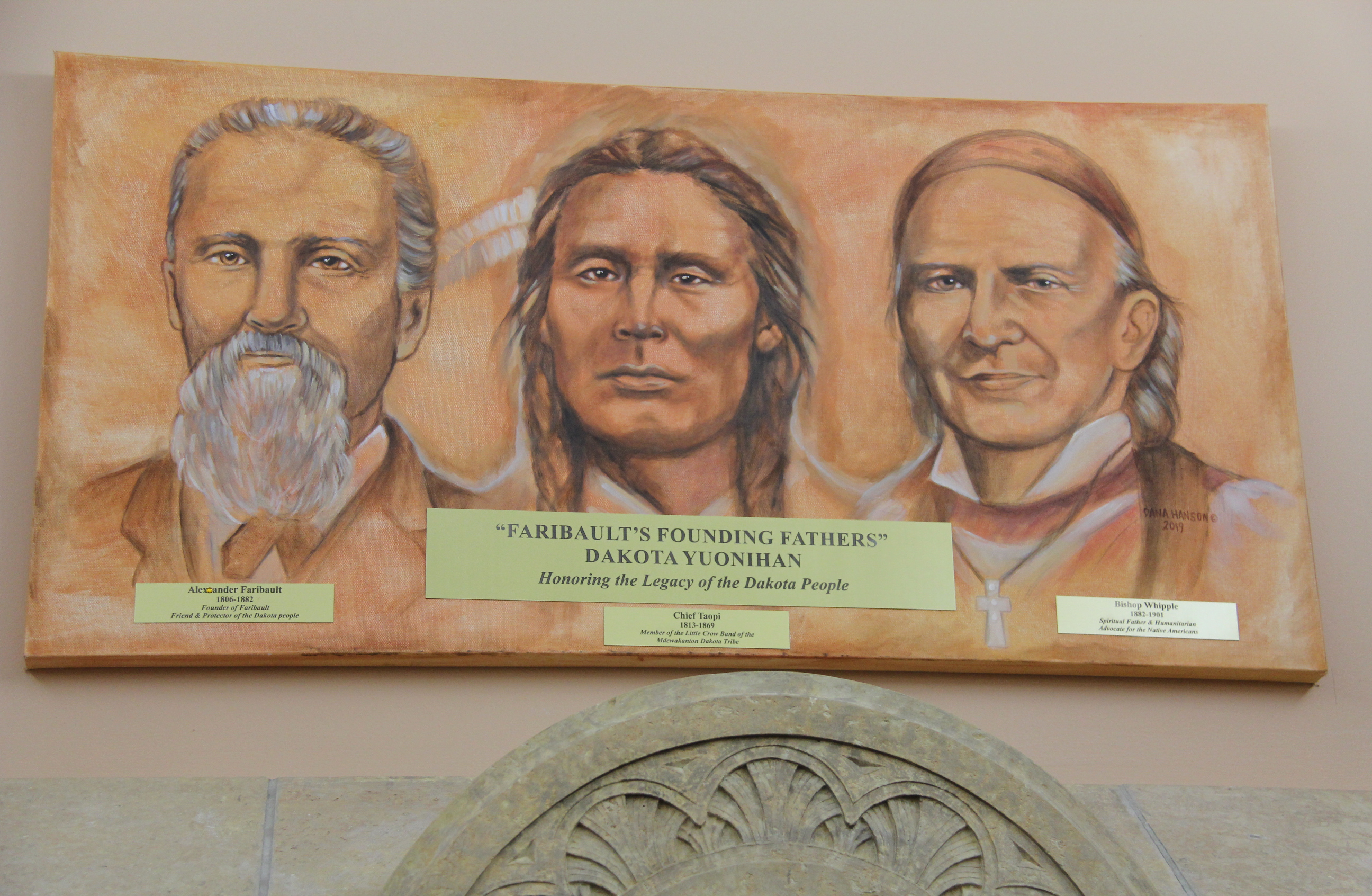
“Honoring the Legacy of the Dakota People” focuses this artwork by Dana Hanson. Chief Taopi centers the painting with Alexander Faribault to the left and Bishop Henry Whipple on the right. The word “Yuonihan” means honor or respect. This art hangs inside Buckham Memorial Library. (Minnesota Prairie Roots copyrighted file photo November 2022. Art copyrighted by Dana Hanson.)

POWER IN STORIES, IN HERITAGE, IN RESPECT

Rose is thankful for books like My Powerful Hair. “I am glad that stories like this are being told,” she says. “Much First Nations history nearly disappeared. And many First Nations keep their ceremonies and other information ‘secret’ so it won’t be distorted or misused by people who don’t understand, or who seek to harm them.” Based on history, that seems warranted.

This Minnesota woman has one more reason to feel grateful for children’s picture books by Indigenous Peoples. Her grandchildren are of Ojibwe heritage; their other grandmother lives on the White Earth Nation in northwestern Minnesota. “My hopes for my grandchildren are that they learn all they can about their Ojibwe ancestors and customs and values,” Rose says. “I hope they can choose what lessons they want to carry forward in their own life. I hope they are fantastic examples of how people from different backgrounds can get along and respect and love one another.”

And so I learned, not only from Rose, but from reading My Powerful Hair. Stories woven into our hair matter. For they are powerful.

© Copyright 2023 Audrey Kletscher Helbling


Gabitaweegama & the Faribault connection September 29, 2021

Two weeks ago, leaves were already changing color at Mission Park. Minnesota Prairie Roots copyrighted photo September 2021.

I NEVER EXPECTED that my search for information about Mission Park in Mission Township in the central Minnesota lakes region would connect to Faribault. But it did. To my church, Trinity Lutheran.

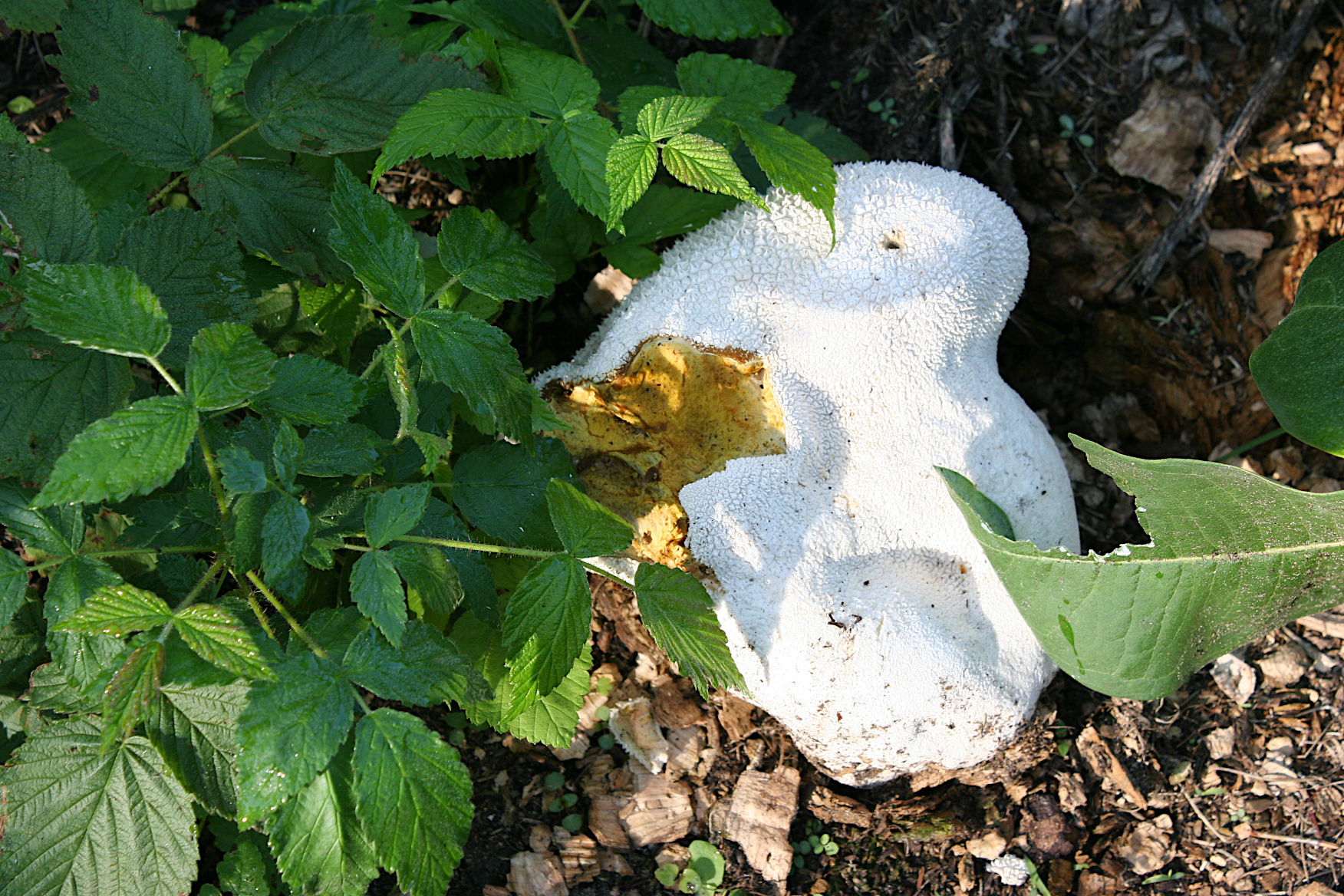
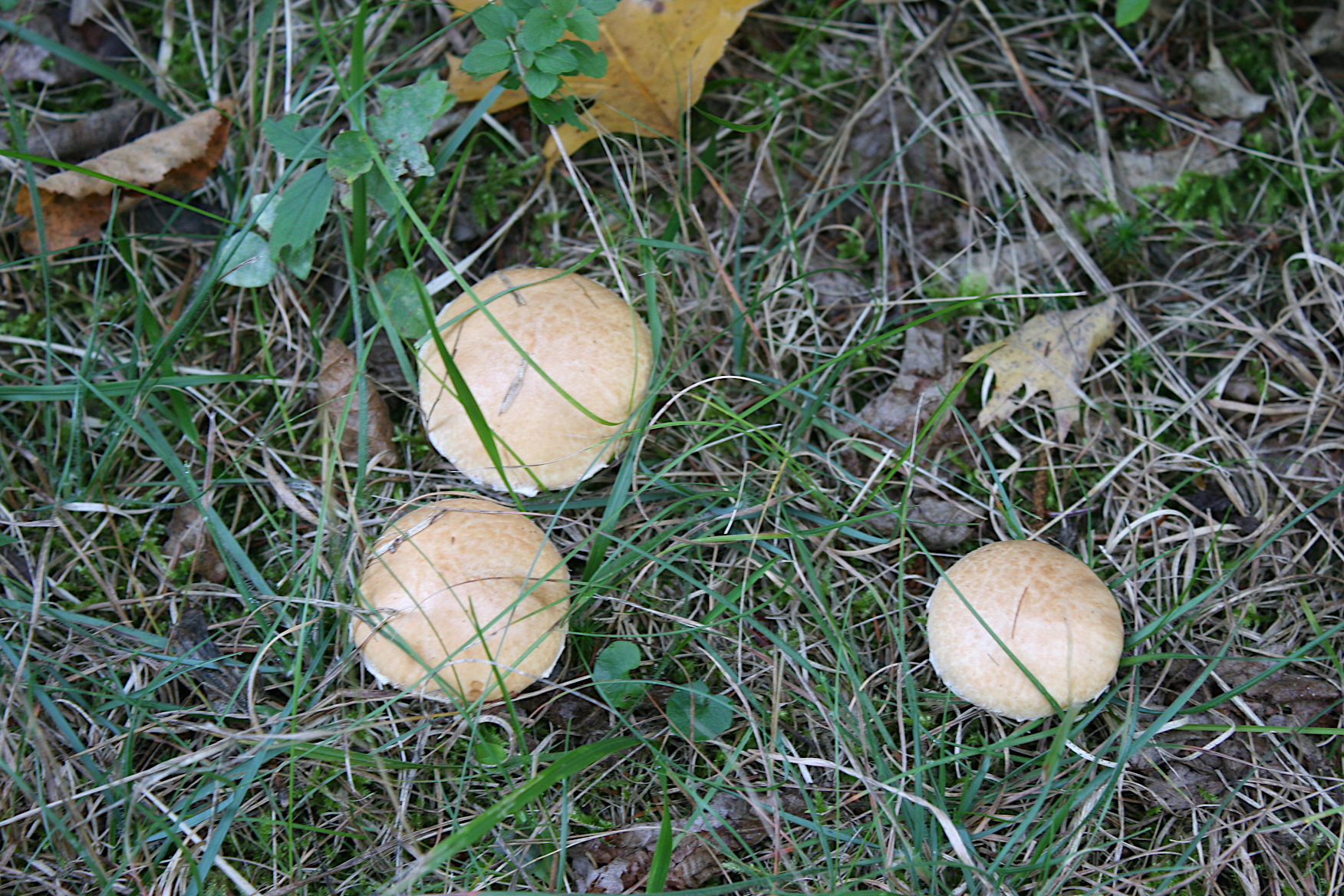
Among the many mushrooms I discovered in the woods at Mission Park. Minnesota Prairie Roots copyrighted photo September 2021.

But let’s back up a minute. As I read the township history, I noted that Mission Township is named after a mission founded there among the Ojibwe in 1857 by the “Rev. Ottmar Cloetter,” a pastor with the Lutheran Church, Missouri Synod.

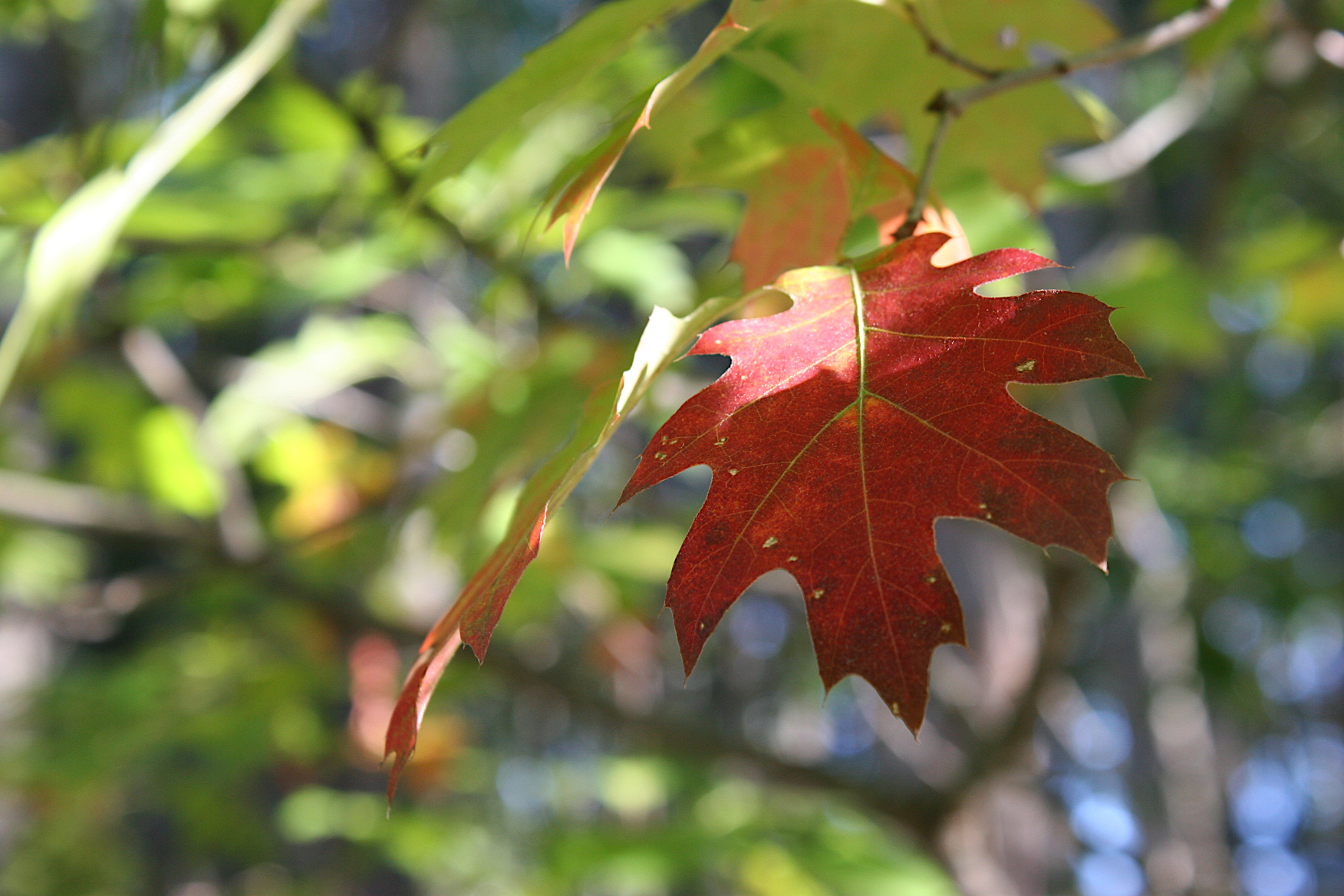
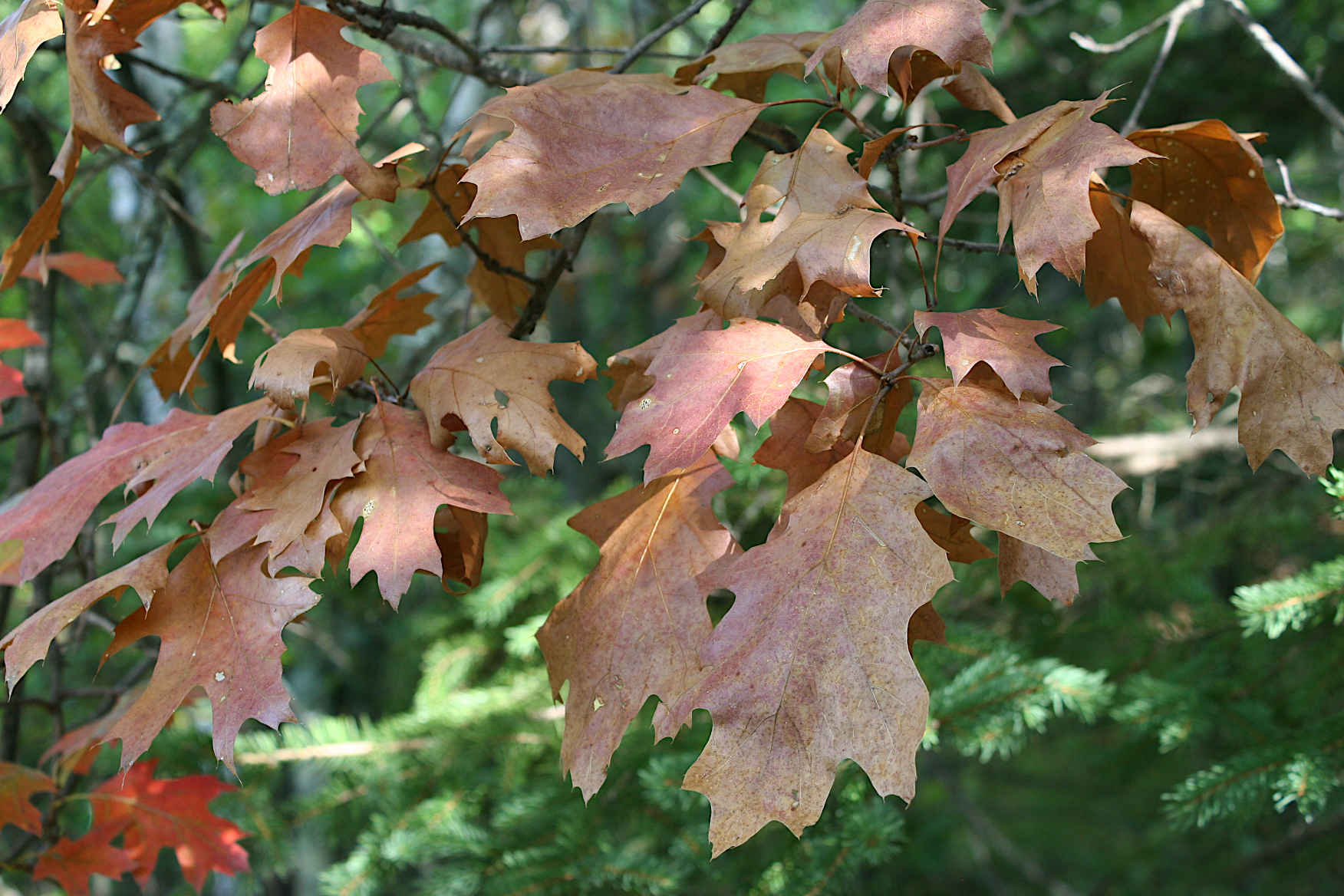
Even brown oak leaves hold beauty. Minnesota Prairie Roots copyrighted photo September 2021.

Almost immediately I questioned the spelling of the surname as “Cloetter.” The Rev. O.H. (Ottomar Helmut) Cloeter served as pastor at Trinity from 1957-1978. The name similarities between the Faribault pastor and the missionary noted in the township history gave me reason to pause. And investigate.

More mushrooms growing in the woods. Minnesota Prairie Roots copyrighted photo September 2021.

That led me to the Minnesota Digital Library and a 1931 letter from O. Cloeter of Vernon Center. He was the son of the pastor who moved from Michigan to start a mission among the Ojibwe. Located 14 miles north of current-day Brainerd, the mission station was called Gabitaweegama. That means “parallel waters,” denoting the mission’s location on a strip of land between the Mississippi River and Mission Creek. Ernst Ottmar Cloeter (not Cloetter) settled there with his young family in a newly-built log cabin. During the U.S.-Dakota War of 1862, Crossing-the-Sky, a leader of the Gull and Rabbit Lake Ojibwe, advised Cloeter and his family to leave (presumably for their safety). The mission station was destroyed and Cloeter relocated to Crow Wing.

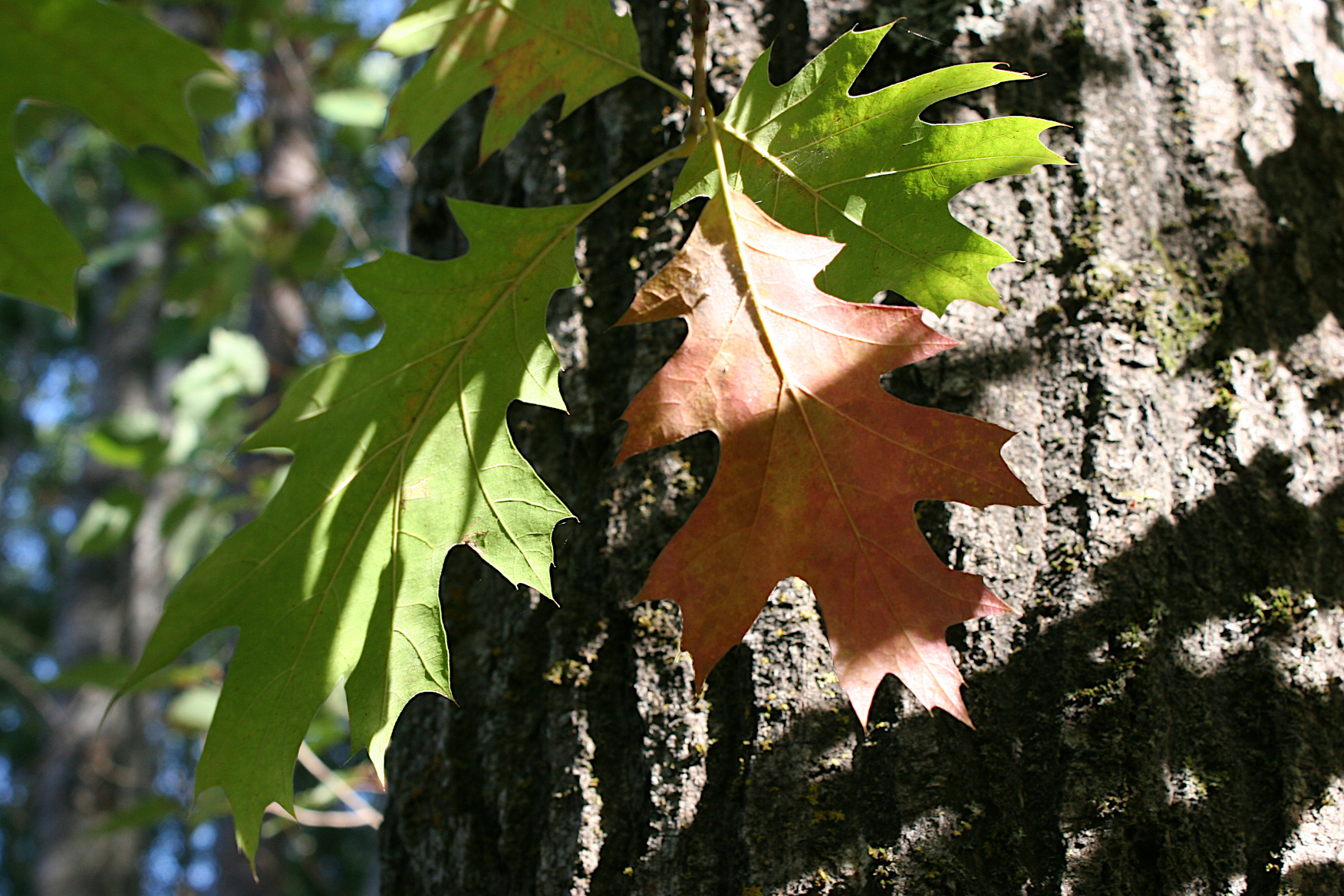
Another oak changing color at Mission Park. Minnesota Prairie Roots copyrighted photo September 2021.

Six generations of Cloeter men would go on to become pastors, including O.H. Cloeter—great grandson of the long ago missionary. The younger Cloeter ended his ministry at Trinity in Faribault. I found it interesting that his family’s pastoral history traces back to Mission Township and to Mission Park, a park I appreciate for its quiet, wooded natural beauty. Now I also value the park for its sacred and historical connection.

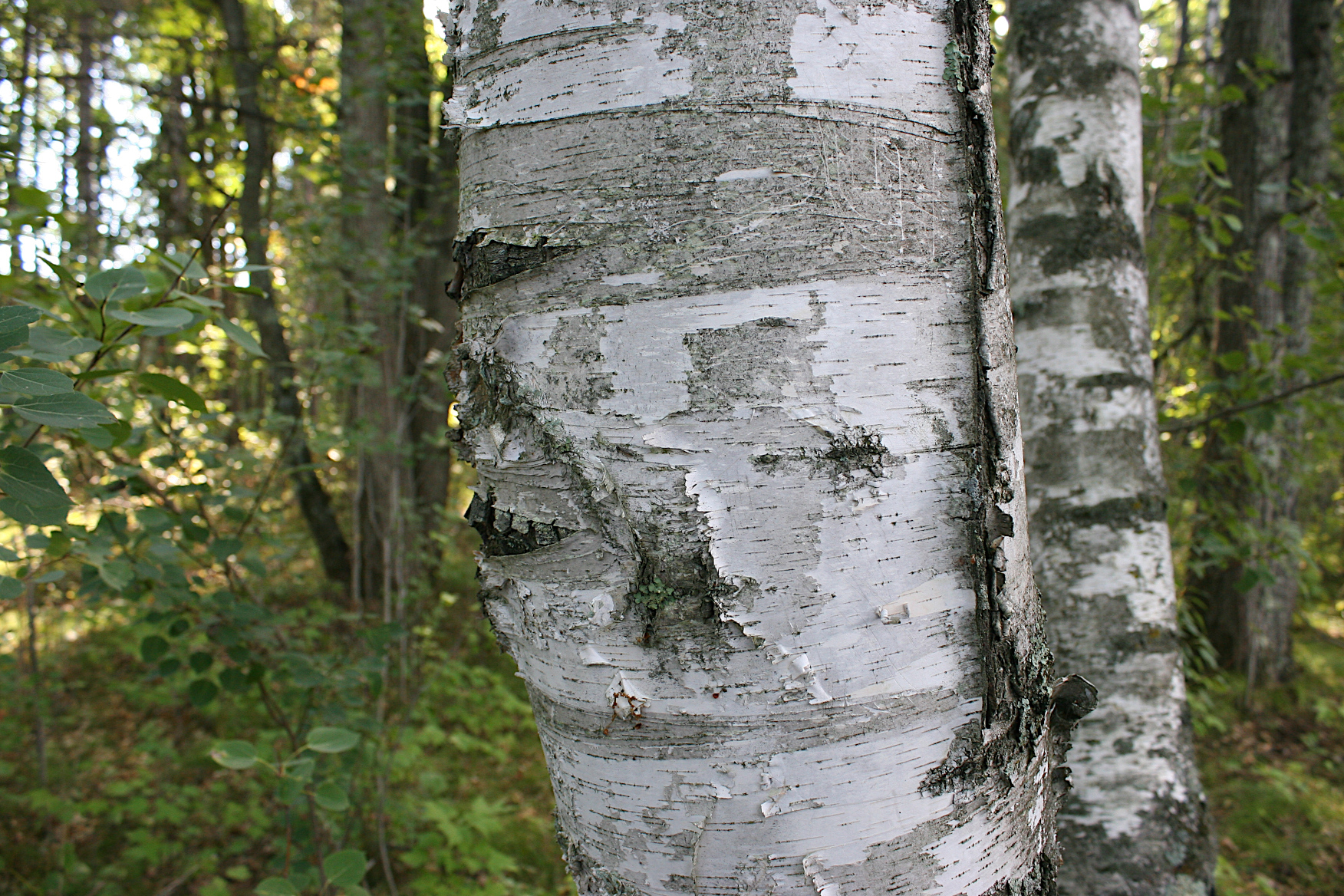
Birch trees populate the northwoods, including at Mission Park. Minnesota Prairie Roots copyrighted photo September 2021.

When I next walk the trails of Mission Park, I will consider the Ojibwe and how some perhaps resented the intrusion of a white missionary into their culture and lives while others embraced the newcomers. Here, among the woods and rivers and lakes, the Ojibwe hunted for deer, gathered berries, crafted birch bark in to canoes, raised their families… They lived off and of the land that would become Minnesota.

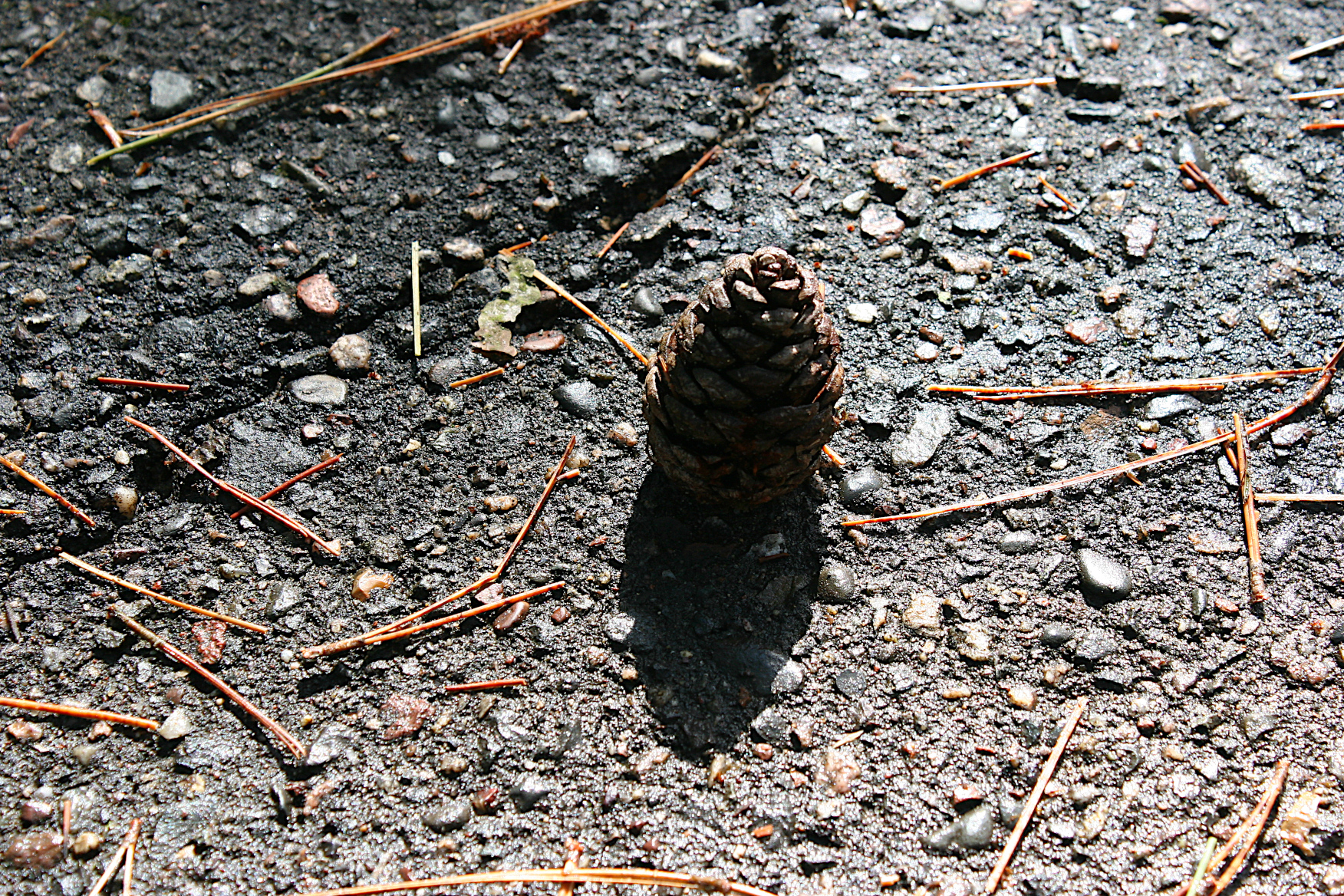
A pinecone dropped upright onto a path at Mission Park. Minnesota Prairie Roots copyrighted photo September 2021.

And I’ll consider, too, how the Rev. Ernst Ottmar Cloeter settled here in the year before Minnesota became a state with expectations of connecting with these Native Peoples. It’s interesting how history and people intertwine. How choices and actions connect us, even after 164 years.

© Copyright 2021 Audrey Kletscher Helbling