Minnesota Prairie Roots

Writing and photography by Audrey Kletscher Helbling

“Beets,” a relevant play that bridges differences February 7, 2025

Former Faribault Daily News reporter Pauline Schreiber photographed these Faribault POW camp barracks shortly before they were torn down in 1990. (Photo courtesy of the Rice County Historical Society)

THE SETTING COULD BE FARIBAULT or any other Minnesota community which, in the latter part of World War II, housed German prisoners of war in POW camps. But the setting is at a camp in Greeley, Colorado, and on a farm site in nearby Berthoud. Locations matter not. The story does.

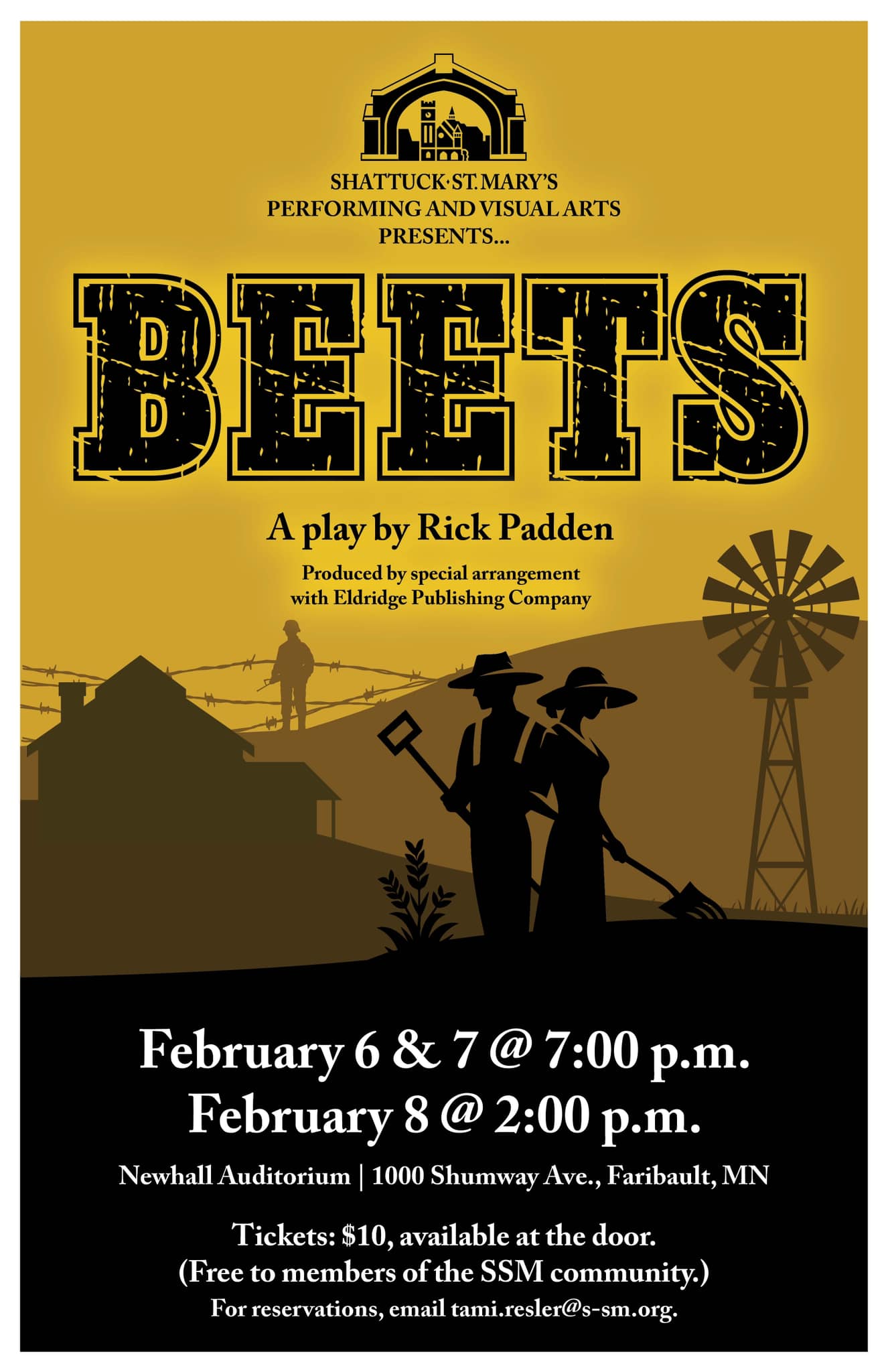
A promo for “Beets.” (Credit: Shattuck-St Mary’s School Facebook page)

Thursday evening, I sat in the sparse audience of the historic Newhall Auditorium on the campus of Shattuck-St. Mary’s School, a private college prep school on Faribault’s east side, watching a story unfold in the theatrical production, “Beets.” An incredibly talented nine-member student cast immersed themselves in the roles of a farm family, German POWs, guards and a family friend to share a bit of history. And much more.

This play about POWs working on the Hunt family’s sugarbeet farm is more than a retelling of history. It is also about relationships, fear, culture and love. It is about the perceived differences that divide us and about the commonalities that unite us.

This is a play for our times. In a nation today divided by politics, by fear, by hatred and animosity, “Beets” is absolutely relatable.

As the storyline evolves, conflicts arise. Farmer Fred Hunt spews his hatred of the Germans. His wife, Isabelle, exudes compassion and love. And their daughter, Anna, settles somewhere in between, leaning initially toward dislike and distrust of the German POWs who have come to work her father’s land. Anna’s thoughts often turn to her brother, Jake, fighting the Germans abroad.

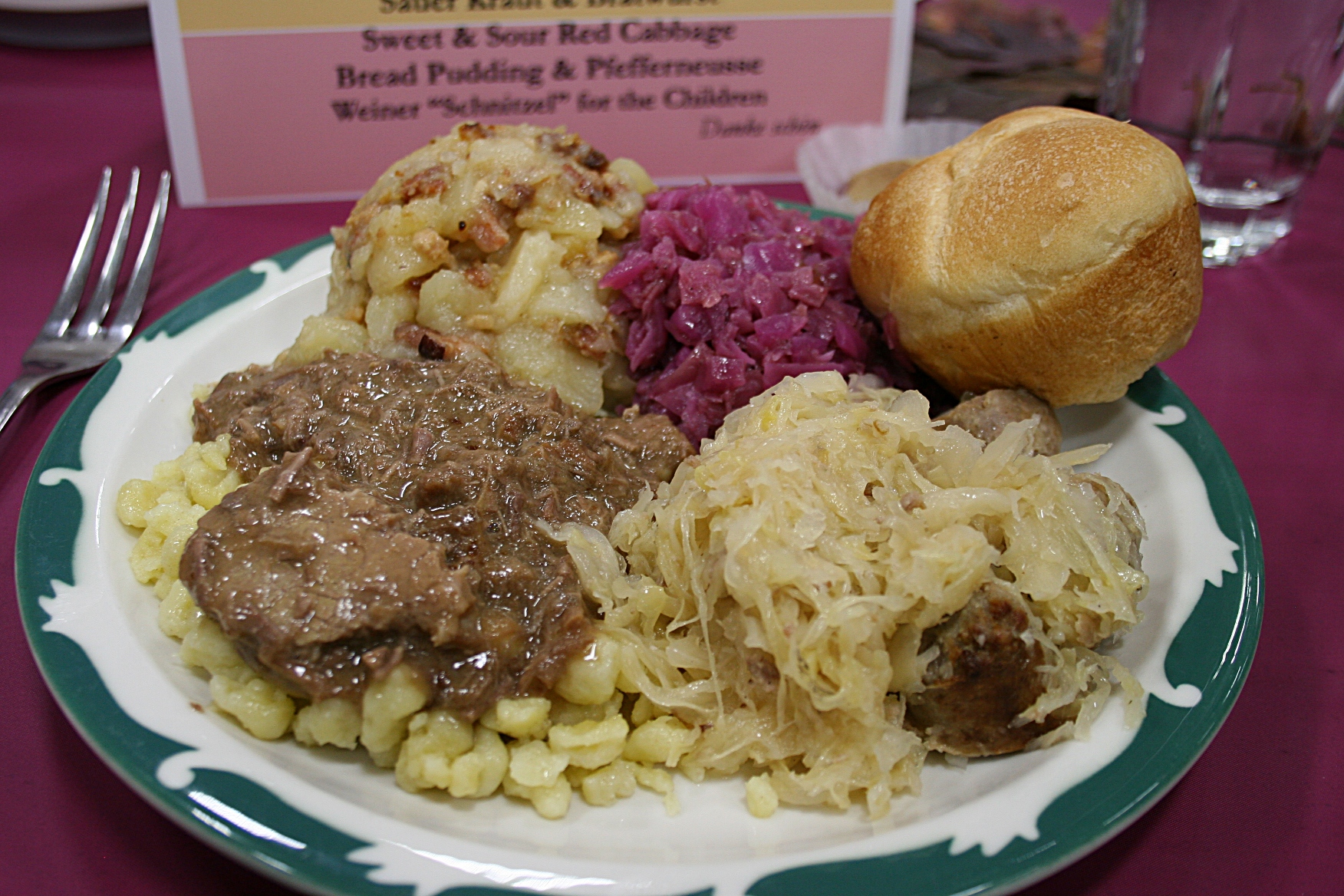
A German meal: sauerbraten and spaetzle on the left, German potato salad, sweet and sour cabbage, dinner roll and sauerkraut and brats. (Minnesota Prairie Roots copyrighted file photo)

Slowly, interaction by interaction, things begin to change. The American farm family and the German prisoners realize they share a love of Bach. (Yes, a German composer.) And while the German POWs profess they will never eat corn, because that’s for pigs and cows—although Anna explains the difference between corn for livestock and sweetcorn—they all understand that they need to eat. The scenes in which Anna and Isabelle serve potatoes and cake to the POWs show how food brings people together. Trust grows. When Fred learns details about POW Dieter Meuhler’s family, he begins to understand the personal side of a man he saw only as an enemy. The walls of distrust, disdain and differences start crumbling, albeit slowly.

It is not lost on me that the Shattuck performers are themselves of diverse backgrounds. That only adds to the performance.

There are differences in beets (these are not sugarbeets), just like in people. (Minnesota Prairie Roots copyrighted file photo)

There are lessons to be learned from “Beets,” written by Rick Padden. First, we are all, at our core, just human beings with the same basic needs. Secondly, to overcome differences, we need to connect on a personal level. We need to open our hearts and minds, to embrace cultural and other differences. We need to show compassion and care, as farm wife Isabelle Hunt did on stage. We need to recognize that love is universal, as Anna and Dieter discovered.

“Beets” is one of those plays I wish everyone could see, especially now in these challenging days. I left the theater at Shattuck-St. Mary’s feeling a sense of hope. The fictional characters in “Beets” changed, for the better. They opened their hearts and minds to each other, despite their differences, or perceived differences. Perhaps we can do the same.

#

FYI: Two performances of “Beets” remain at Shattuck, one at 7 pm Friday, February 7, and the second at 2 pm Saturday, February 8. It’s a two-hour show (includes a 10-minute intermission) I highly recommend to anyone who enjoys well-done theater, history and a play with strong messages relevant to today.

© Copyright 2025 Audrey Kletscher Helbling
 

Songs of Hope bringing the world, & hope, to Faribault July 10, 2024

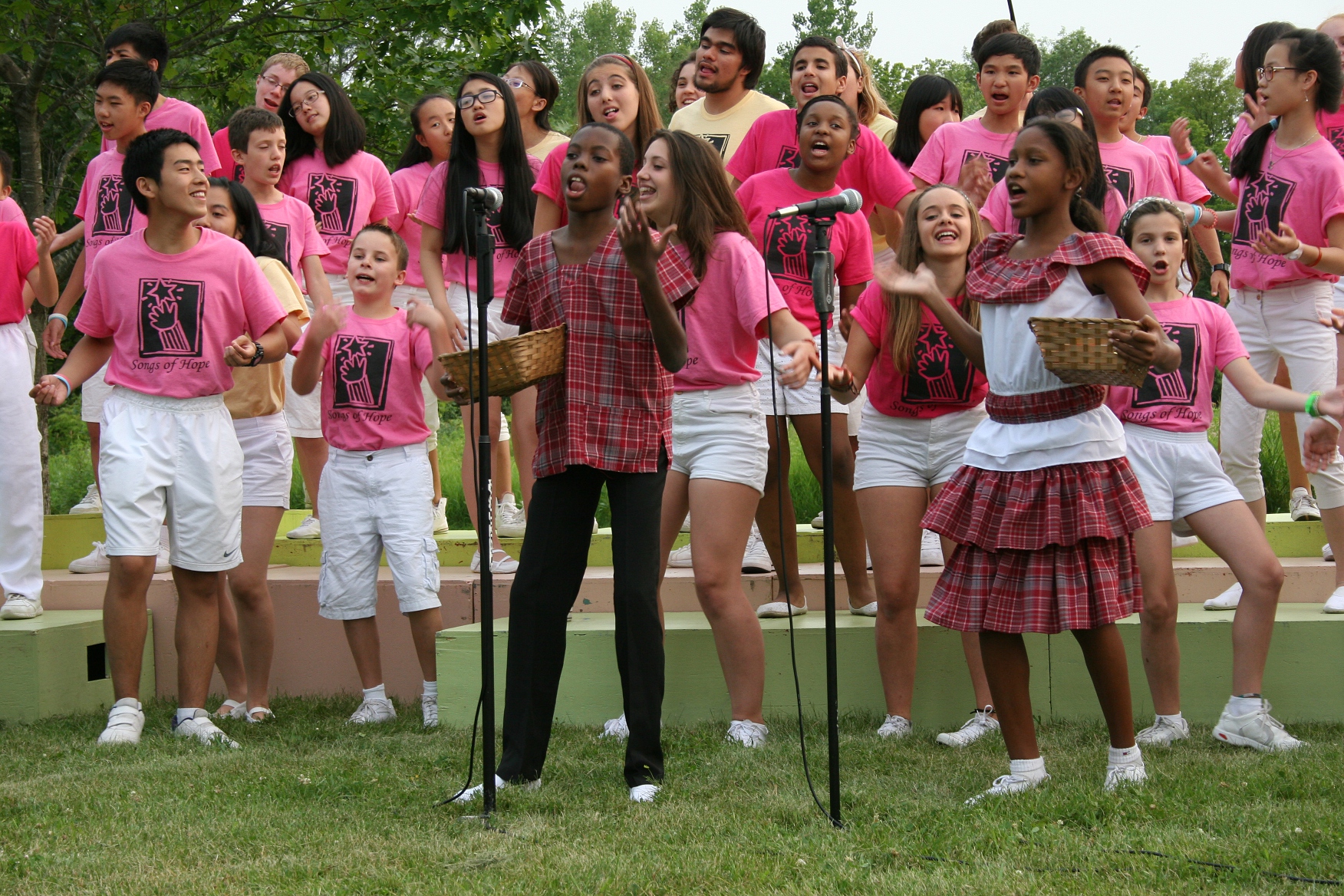
In July 2014, Songs of Hope performers presented selections from Jamaica, including “Linstead Market” and “Stand Up For Your Rights.” (Minnesota Prairie Roots copyrighted file photo July 2014)

TEN YEARS AGO, Songs of Hope danced and sang their way into my heart at River Bend Nature Center in Faribault. Now this group of young musicians and performers from around the world will be back in town, this time at 7 p.m. Tuesday, July 16, at the historic Cathedral of Our Merciful Saviour.

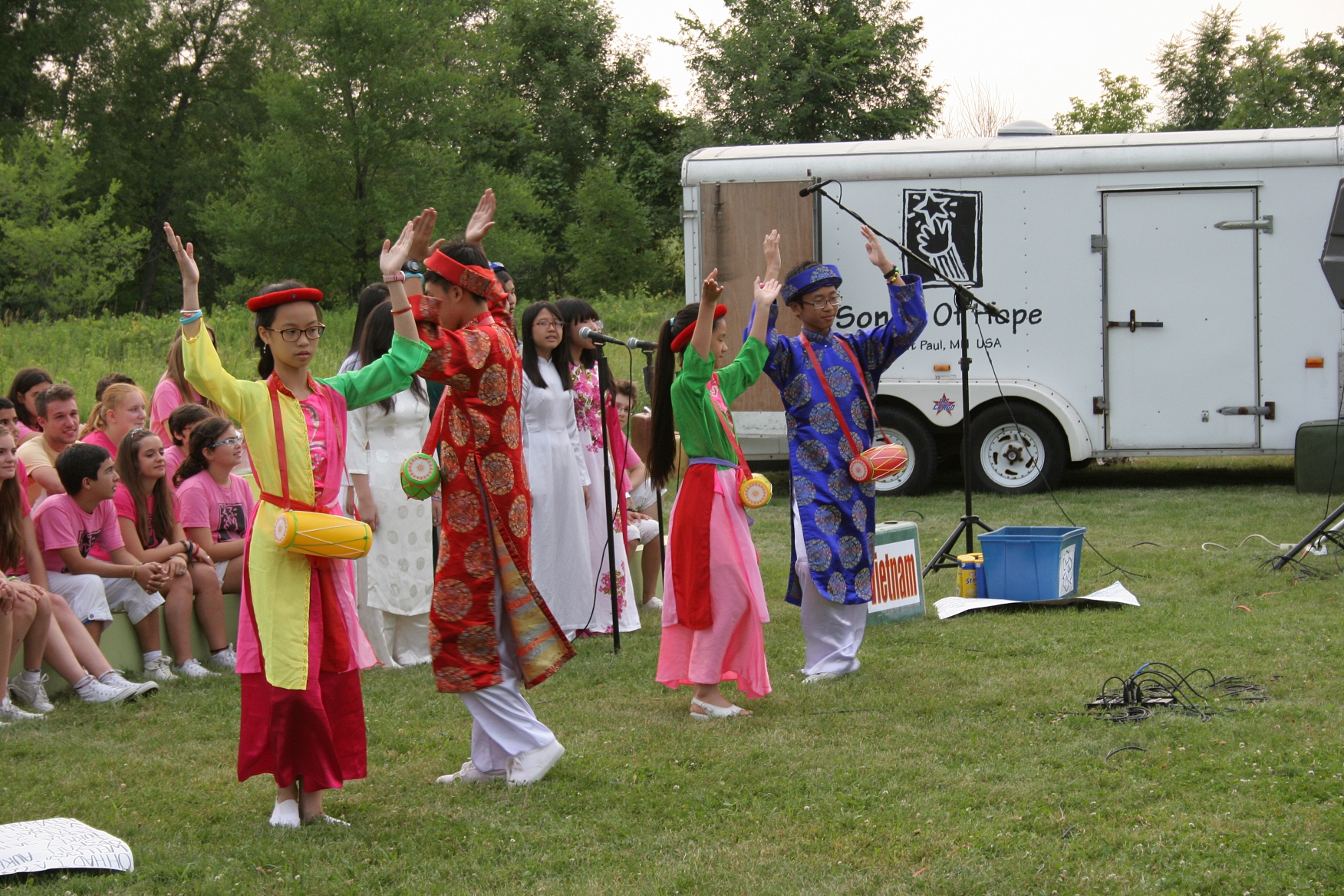
Song and dance from Vietnam. (Minnesota Prairie Roots copyrighted file photo July 2014)

I encourage you, if you live in the area, to attend this free 90-minute concert in the Cathedral, which boasts incredible acoustics in a remarkable setting. The concert is part of the Cathedral’s Merner Concert series offering free music to the community.

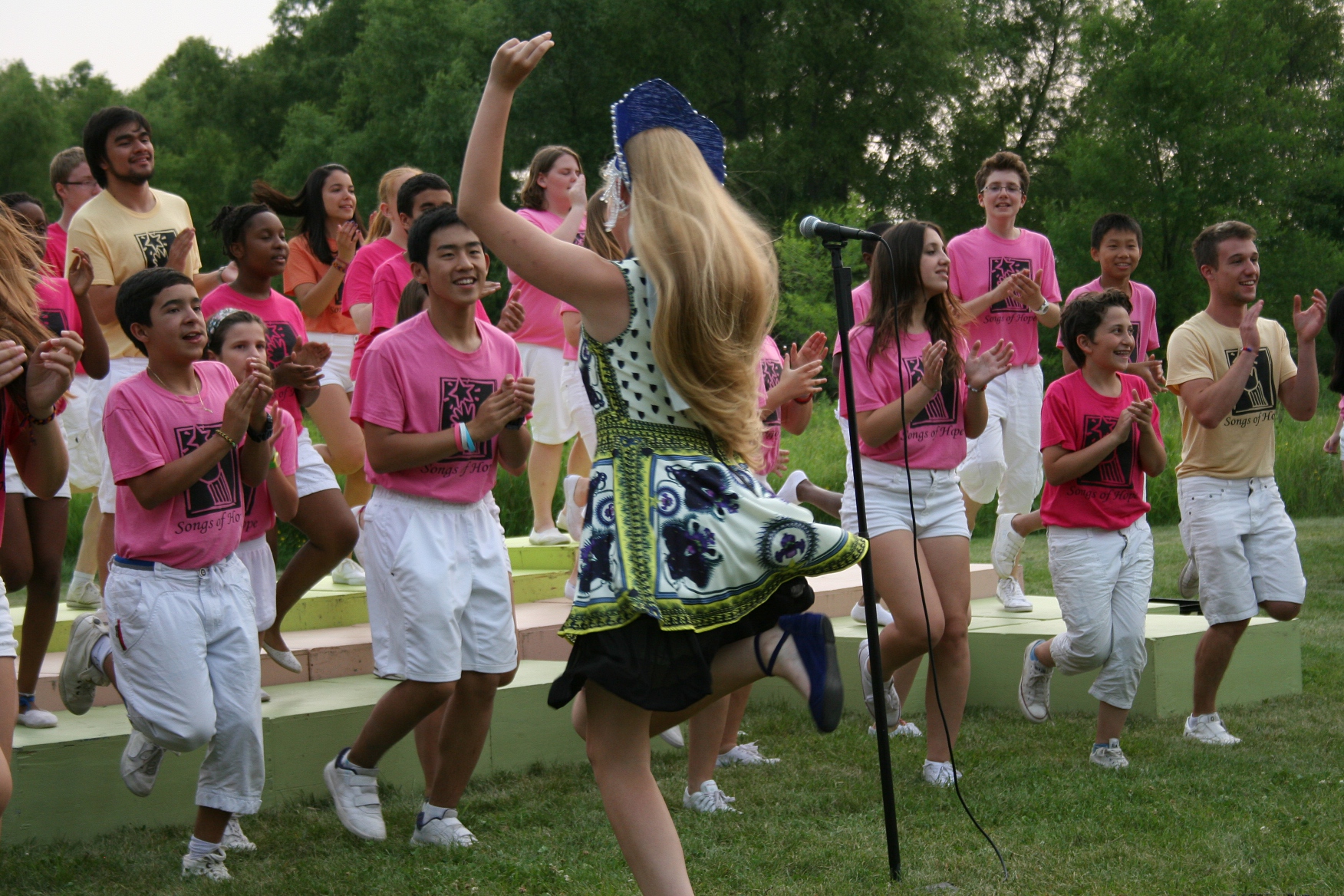
In nearly constant motion during this 2014 performance in Faribault. (Minnesota Prairie Roots copyrighted file photo July 2014)

Young people from Finland, Italy, Germany, Vietnam, Costa Rica, Mexico, Jamaica, Turkey, Madagascar and the USA will present a program that features singing, dancing and cultural dress in a high energy show. I can vouch for that. When I attended the Songs of Hope performance at River Bend in 2014, I felt, heard and saw their energy. I left feeling uplifted and incredibly hopeful about the future of this world.

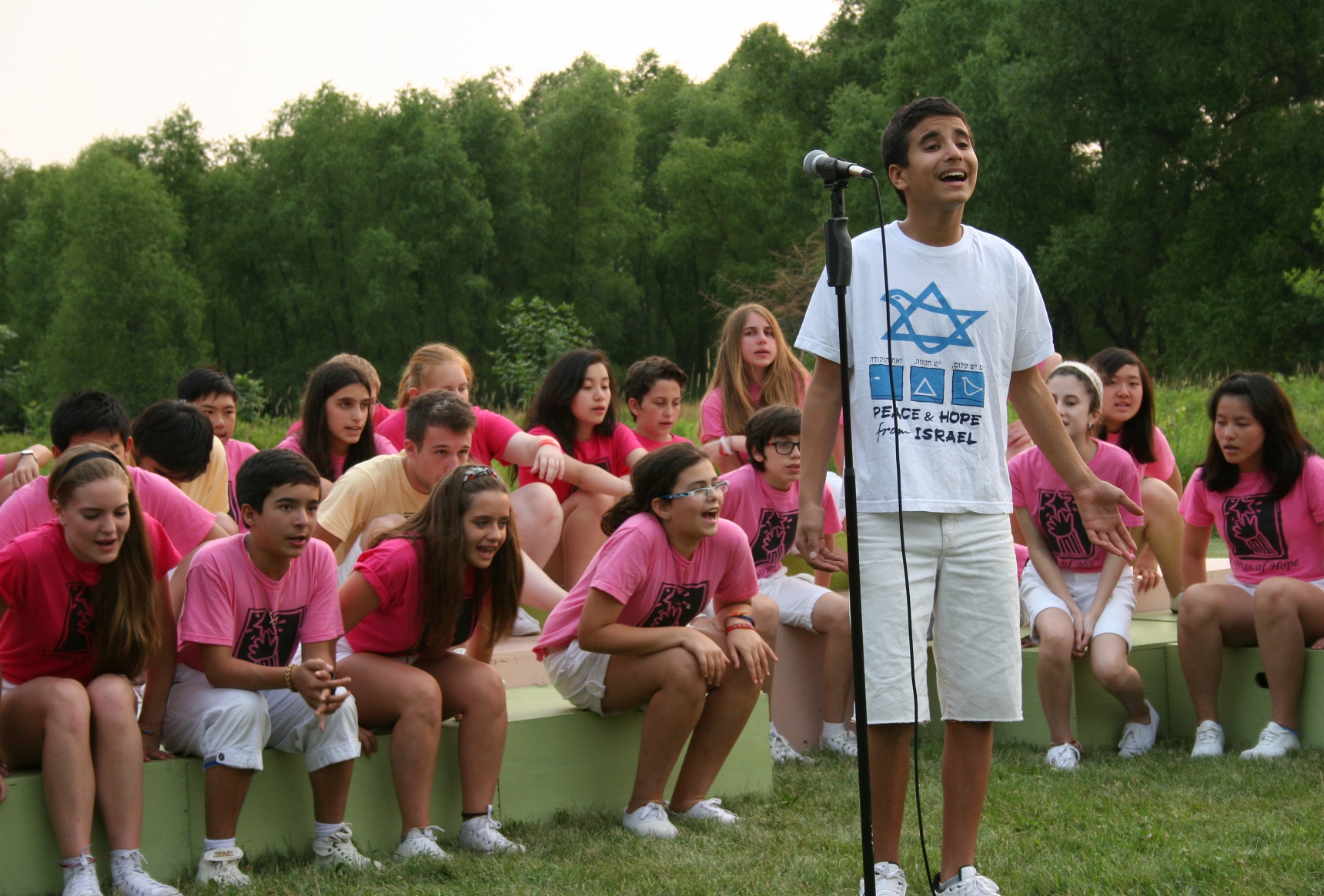
The message on this singer’s t-shirt is as relevant today as it was during this performance 10 years ago. (Minnesota Prairie Roots copyrighted file photo July 2014)

In a time when there’s so much conflict, so much discontent, so much unease, this coming together of international youth infuses hope into communities. And who doesn’t want to feel hope?

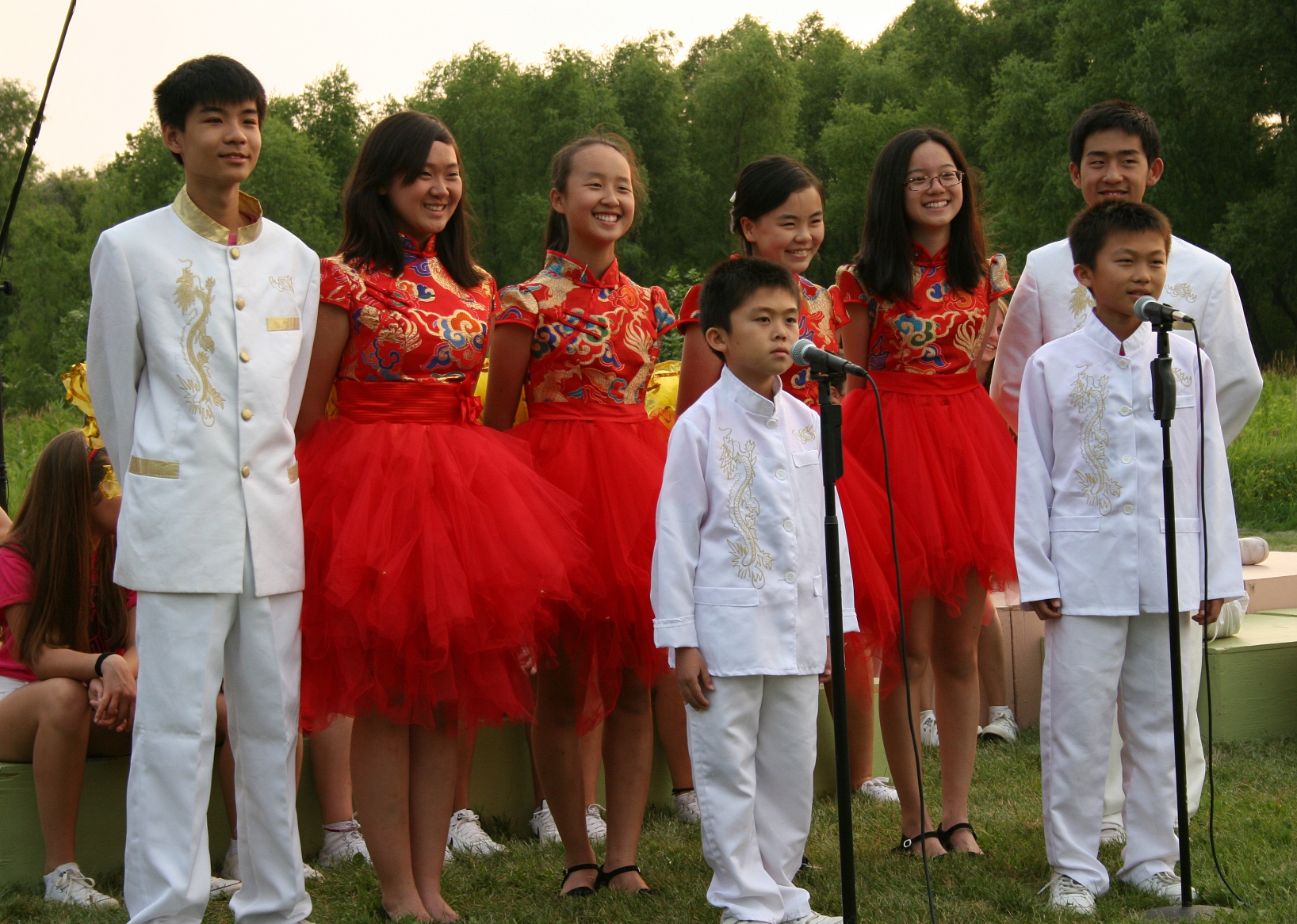
Ready to perform in traditional Chinese attire in 2014. (Minnesota Prairie Roots copyrighted file photo July 2014)

These youth are sharing their cultures via their performance art and dress. When we begin to learn about other cultures, we begin to recognize the commonalities among us, rather than that which we think divides us. We all share basic human needs of food, shelter and love.

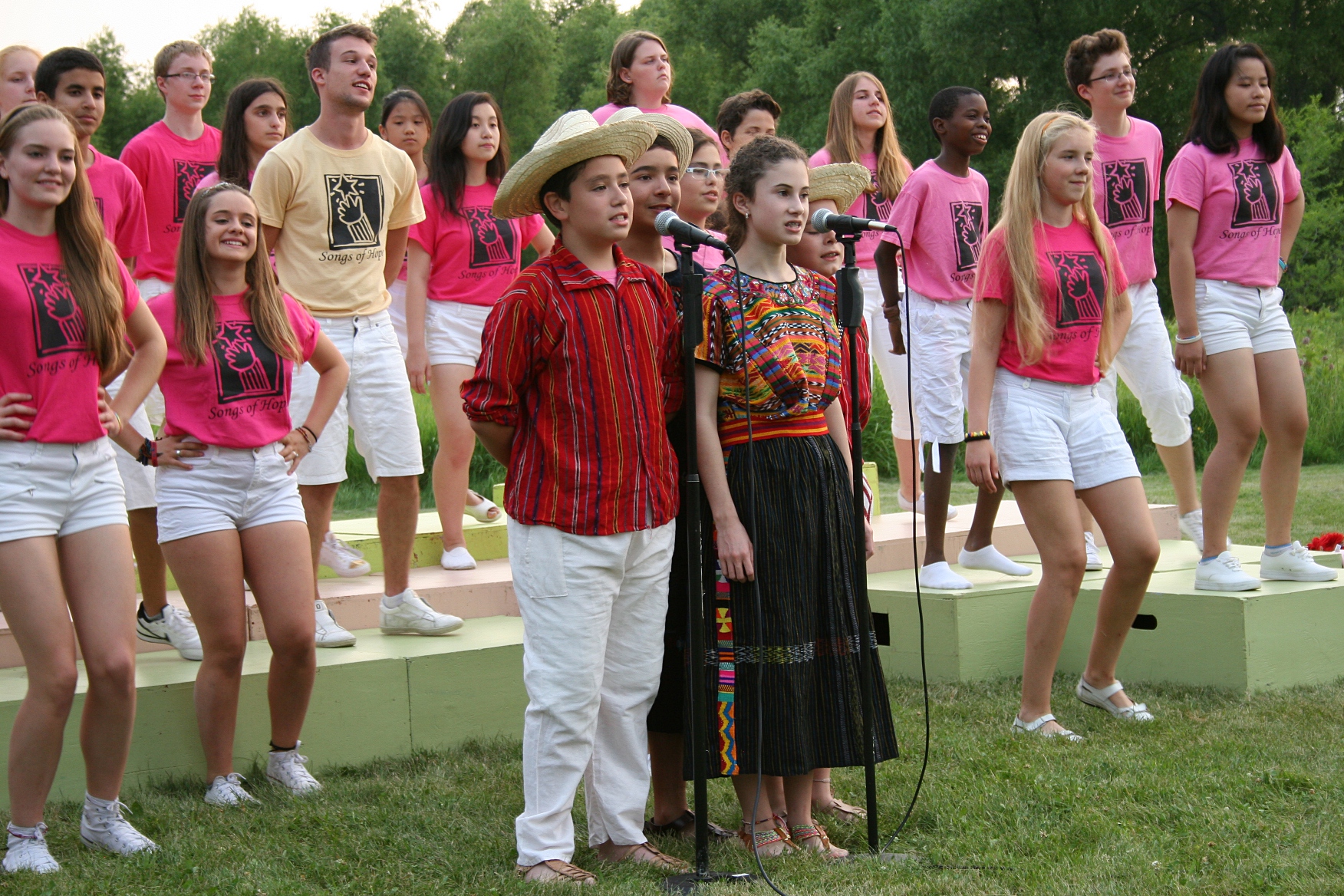
Songs from Guatemala. (Minnesota Prairie Roots copyrighted file photo July 2014)

The name, Songs of Hope, fits this group, which is part of St. Paul-based Sounds of Hope. Youth ages ten and older from around the world attend a six-week overnight performing arts summer camp before heading out on a three-week concert tour. Those concerts are performed in the Twin Cities metro and in communities outside the Cities, primarily in southeastern Minnesota.

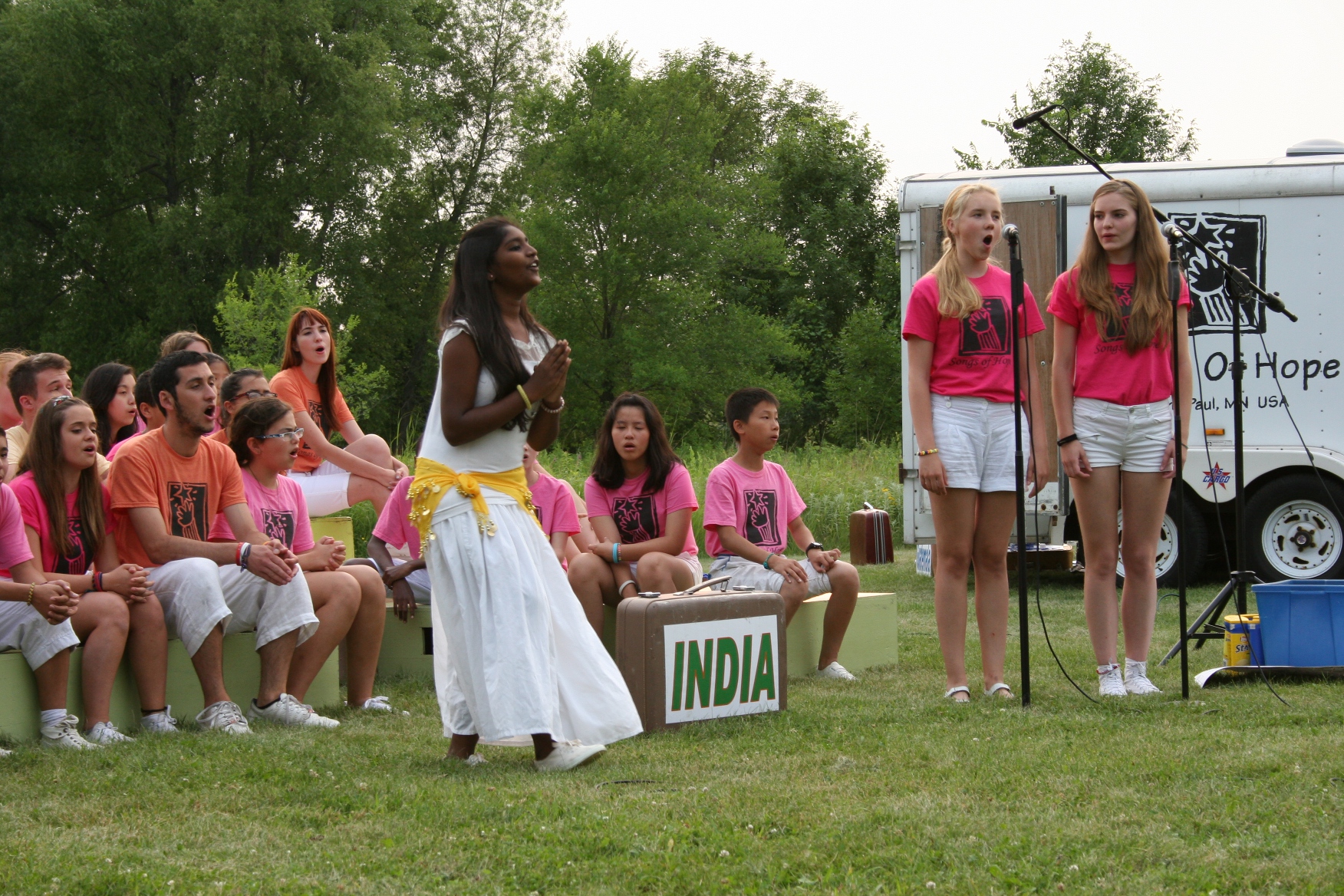
Songs of Hope performers present a selection from India. (Minnesota Prairie Roots copyrighted file photo July 2014)

To have Songs of Hope back in Faribault, a decidedly diverse, but not always united, community, is a gift to all of us.

© Copyright 2024 Audrey Kletscher Helbling
 

Getting cultured in Faribault: From opera to Somali song to booyah September 7, 2021

A promo for Mixed Precipitation’s on-the-road performance. Graphic source: Mixed Precipitation.

IN ONE WEEK’S SPAN, I heard opera for the first time and then seven days later listened to an internationally-known Somali singer perform. Both right here in Faribault. In Central Park.

What a delight to experience these performing arts locally, to be exposed to something new to me.

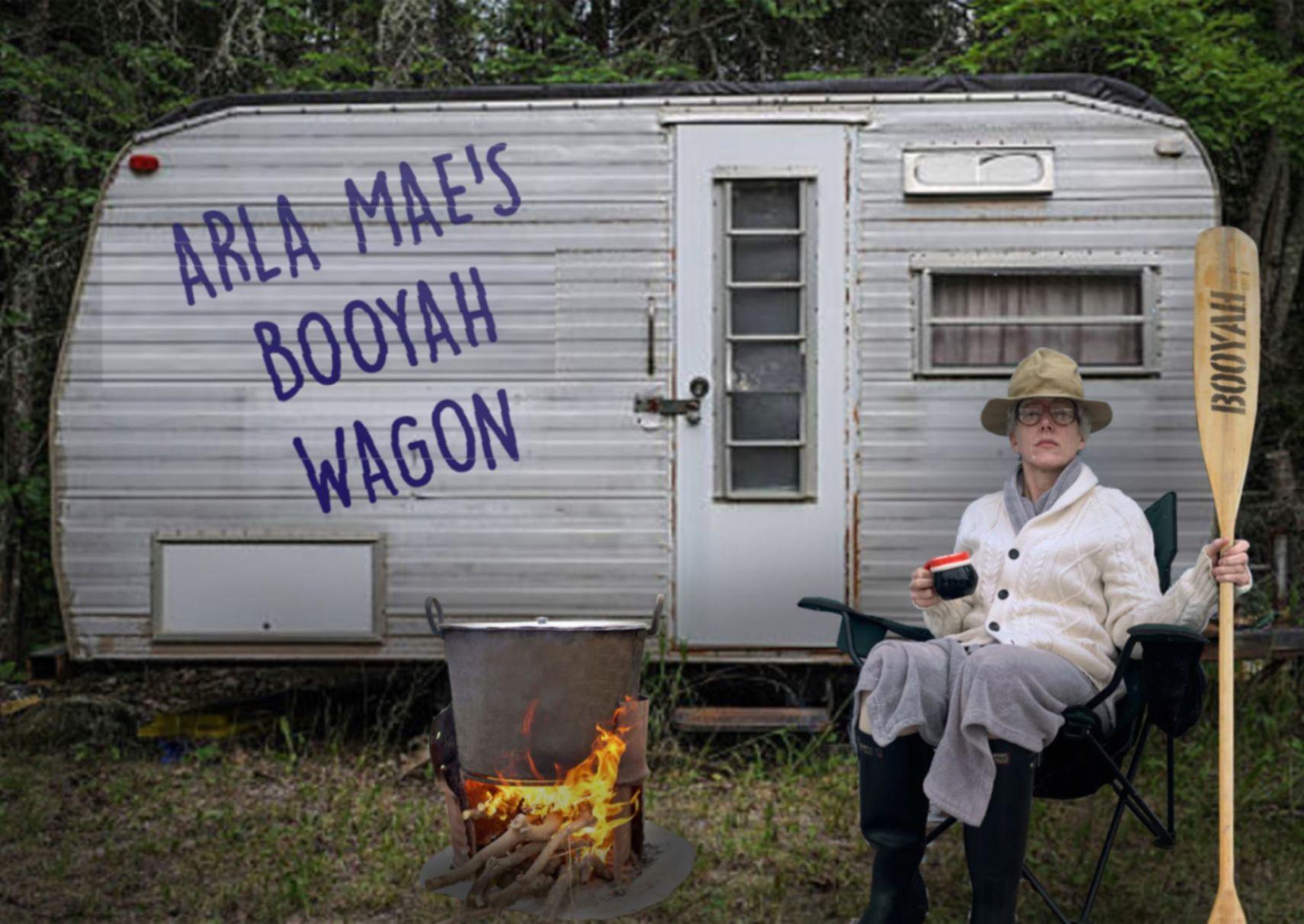
And at 6 pm Friday, September 10, I’ll be back in Central Park, enjoying “Arla Mae’s Booyah Wagon,” a play presented by Minneapolis-based Sod House Theater.

If I’m sounding a bit giddy, it’s because I am. I love the arts and feel grateful for our local Paradise Center for the Arts. Yet, I often yearn to see more. But I don’t want to go into the metro. And, truth-be-told, there’s always cost to consider. Even in attending local arts events. I expect others in Faribault face the same barriers.

So I feel such gratitude for our long-running free summer Concerts in the Park series. And I feel thankful, too, for sponsoring groups like the City of Faribault Parks & Recreation Department and the Paradise Center for the Arts and the local businesses and residents who helped fund the special events I attended recently.

When Mixed Precipitation brought its The Pickup Truck Opera, Volume 1: The Odyssey to Faribault on August 26, I wondered how I would respond. I didn’t quite know what to expect. I needn’t have concerned myself as the adaptation of Homer’s Odyssey proved lively and entertaining with dancing and over-sized puppets and toe-stomping music. Plus opera. And it was performed on the grass, in front of the historic bandshell from the bed of a blue pickup truck. I felt like I was in a small village of yesteryear being entertained by a traveling troupe.

Dalmar Yare. Photo source: Faribault Parks & Rec Facebook page.

The feel was completely different on September 2, when I set up my lawn chair in Central Park to hear and watch Dalmar Yare, a Somali entertainer from Minnesota and with family ties to Faribault. He describes his music as a blend of traditional Somali styles with hints of western influence.

I quickly found myself swinging my crossed left leg to the tempo of the upbeat music. I didn’t understand what Yare sang in a language foreign to me. But I understood the joy I felt, the joy I saw. Throughout the park, local Somali children, teens and adults gathered to listen. Many danced, especially the kids. It seemed part concert, part celebration, part reunion. Simply joyful.

While I listened, I observed the crowd. I noted the open affection of Somali youth for one another. Young men draped arms over shoulders as did teen girls. Preschool girls in their flowing dresses and hijabs ran hand-in-hand across the park. I noticed, too, a stunningly beautiful 20-something layered in a golden dress and matching hijab, fashionable mini purse dangling from her shoulder. The vibrant colors and patterns of dresses and hijabs swirled like a kaleidoscope. An ever-changing gallery of art.

Dressed in my casual attire of jeans, a tee and a zipped sweatshirt with the hoodie occasionally pulled up to provide warmth and protect me from the rain, I felt under-dressed and conscious of my white-ness. And that’s OK; I needed to feel this. I only wish more long-time Faribault residents would have attended.

Photo source: Sod House Theater

Now this week I’ll learn about booyah, a rich and flavorful stew that is supposedly an Upper Midwest tradition, although I’ve never eaten it. Booyah will theme the Sod House Theater musical comedy about Arla Mae, a rural Minnesotan claiming to operate the state’s first food truck out of which she serves her famous booyah. The play aims to spotlight buying and eating fresh local food. Thus the involvement of James Beard Award-winning chef Ann Kim in creating a special booyah recipe for the production. So what goes into this stew, which is traditionally cooked outdoors in large kettles over a wood fire? You name it: a mix of meats and an assortment of vegetables—onion, potatoes, rutabagas, cabbage, carrots, celery, peppers…

I envision a collage of shapes and colors. Art in a kettle. Art that is new to me. Served to me. Right here in Faribault. In Central Park.

#

NOTE: “Arla Mae’s Booyah Wagon” will also be performed in neighboring communities on these dates and at these locations:

Keepsake Cidery, rural Dundas, 6 pm on Thursday, September 23

Pleasant Grove Pizza Farm, rural Waseca, 6 pm on Friday, October 1

Northfield Central Park, Northfield, 6 pm on Thursday, October 7

© Text Copyright 2021 Audrey Kletscher Helbling
 

Just another reason to appreciate Northfield, Minnesota August 6, 2019

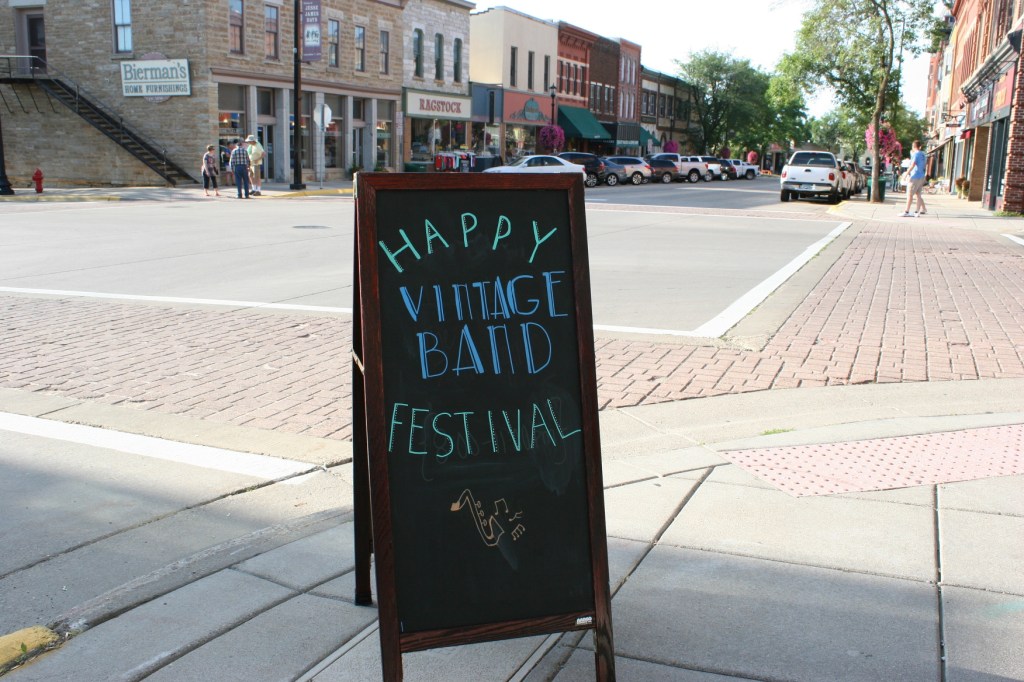
On a corner along Division Street in historic downtown Northfield, Minnesota.


WE ARRIVED IN NORTHFIELD to find the city abuzz. Or rather abuzz and resounding with the sound of music.

Randy swung the van into the first open parking spot, surprisingly just off Division Street and a short walk from Bridge Square, headquarters for the Vintage Band Festival. On this lovely August early evening, we headed toward the sound of music, rounded the corner by the post office and observed an audience packing the square and spilling onto the closed street. At that moment I wished for lawn chairs. These obvious seasoned fest attendees brought theirs. Without chairs, we settled onto the curb just a door down from the former First National Bank (now the Northfield Historical Society), site of the famous Jesse James-Cole Younger Gang bank raid. We listened to a few songs before deciding we couldn’t sit like this any longer. Maybe if we were younger…


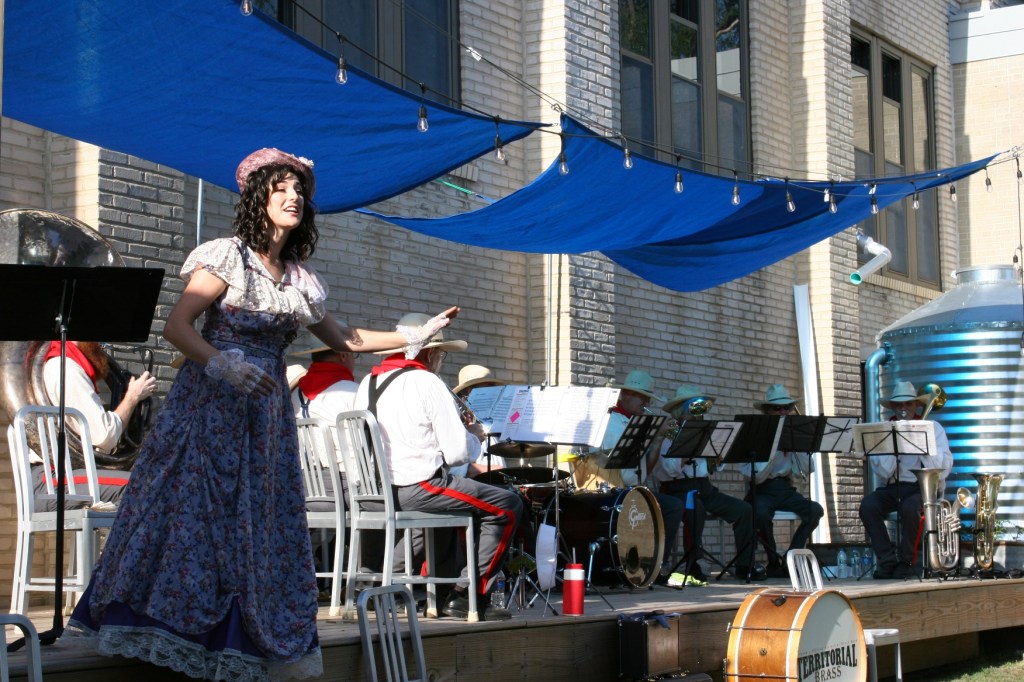
Territorial Brass performs in Armory Square’s green space.


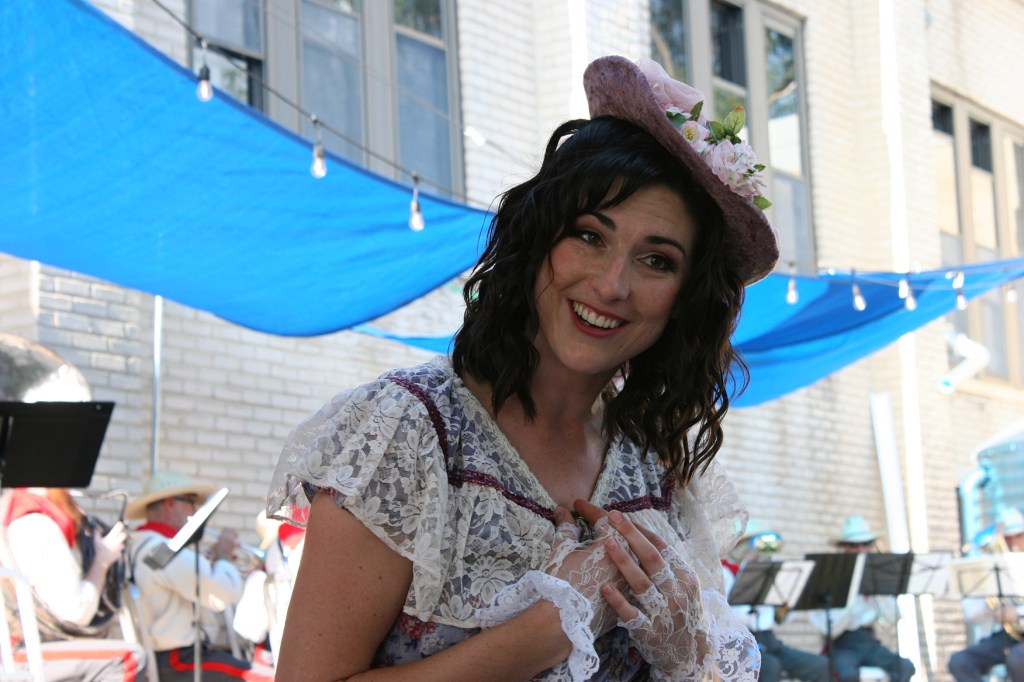
From there we aimed toward our destination, Reunion, a new restaurant in town. But first, we decided to check out another concert, this one in the Armory Square green space. Here, Arizona’s official historical brass band performed territorial period music. Territorial Brass band members, dressed in period attire, replicate the music of vintage brass bands in Arizona and New Mexico. And bonus, a vocal soloist, “Violet,” sang along with the instrumentalists. What a delight to hear the band, among some 40 performing during 100 concerts over the four-day Vintage Band Festival.


Soloist and band spokesperson, “Violet,” walked through the crowd while singing.


After listening for awhile, we left to dine at the new eatery. But, once inside Reunion, we learned the wait would be 45 minutes. I was disappointed, too hungry to wait. Had we known this, we would have reserved a dining spot earlier and awaited the text that our table was ready. Live and learn.


Among those listening to Territorial Brass.


Anyway, no matter, we appreciated the vintage music that added another reason to stop in Northfield on a beautiful Minnesota summer evening.

TELL ME: Have you ever attended Northfield’s Vintage Band Festival or a similar vintage band festival?

© Copyright 2019 Audrey Kletscher Helbling
 

“Sweet Land” coming to Faribault & I’m in September 18, 2017

I KICKED BACK in the recliner attempting to read while my eyelids fluttered in fatigue. Randy relaxed nearby on the sofa, eyes focused on the Faribault Daily News. He started to say something, then stopped. “Never mind,” he said. Now that grabbed my attention. But I didn’t press. I figured if he wanted to tell me whatever, he eventually would.


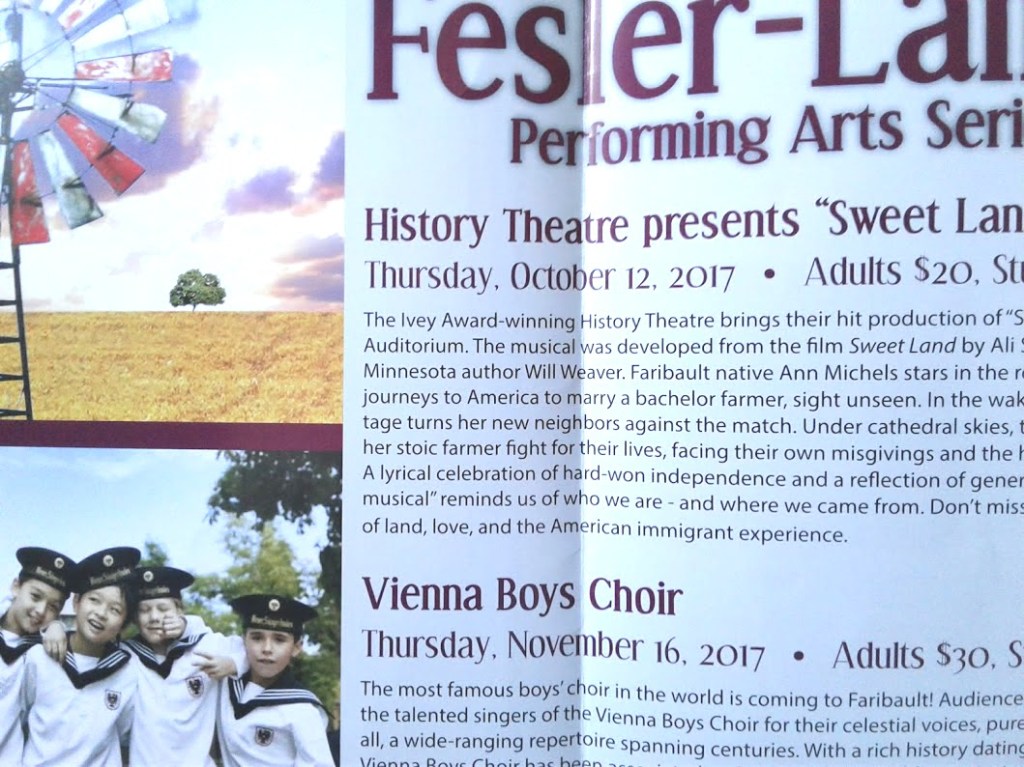
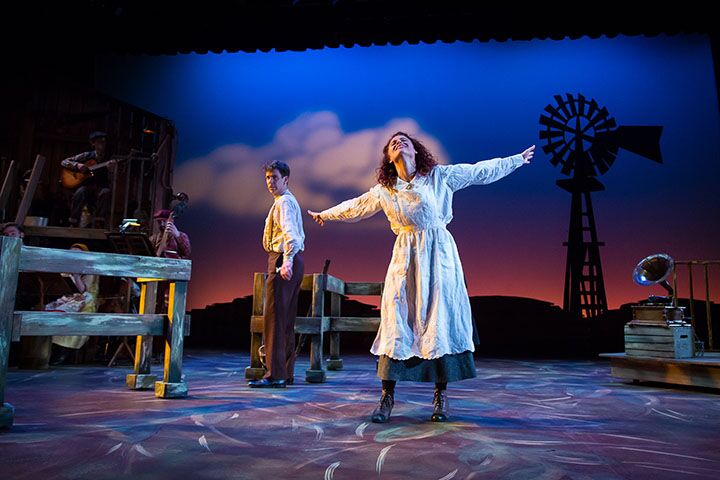
The next morning Randy flipped open the paper and pointed to a display ad for the Fesler-Lampert Performing Arts Series at Shattuck-St. Mary’s School in Faribault. Targeting his finger on the October 12 performance of “Sweet Land, the musical,” he asked me to order tickets. This, he said, would be my birthday gift, albeit late and on his birthday. Mystery solved.


Ann Michels in the lead role alongside Robert Berdahl. Photo courtesy of the History Theatre.


I am delighted with this birthday gift to a musical I had hoped to see on stage at the History Theatre in St. Paul. But we never got there and now the performance starring Faribault native Anne Michels as German immigrant Inge Altenberg is coming to my community, to the campus of a noted college prep school just across the viaduct from my home.

The Faribault performance is among seven on a summer and fall travel tour of “Sweet Land” to towns in greater Minnesota. Other upcoming shows are in Detroit Lakes, Grand Rapids, Red Wing and Worthington.


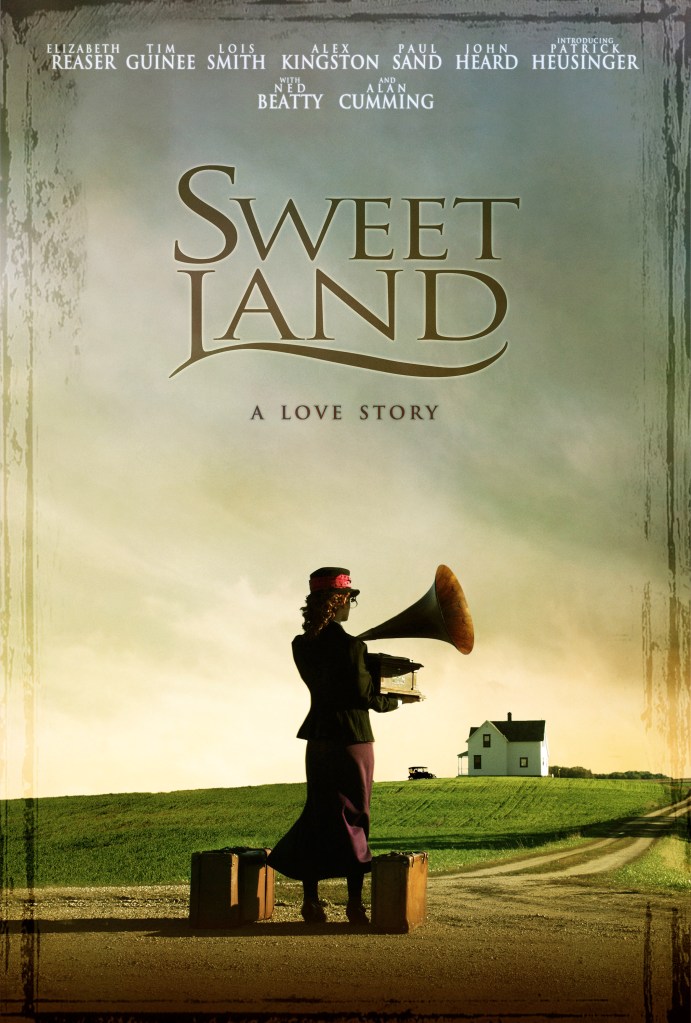
A promo for the film from the Sweet Land website.


My excitement for this musical traces to my deep love of the award-winning independent film, Sweet Land, based on Minnesota writer Will Weaver’s short story, “A Gravestone Made of Wheat.” The movie, filmed in my native southwestern Minnesota prairie, tells the story of a mail-order bride and the challenges she faces as a German immigrant. The topic is especially relevant today.

Yet Sweet Land is much more. It’s a story that also focuses on the love between two people in a place where the land weaves a strong presence into the storyline.

To have this opportunity to see Sweet Land locally rather than travel into the metro is a gift, birthday or not.


FYI: Click here for more information about the History Theatre’s tour of “Sweet Land, the musical.” Click here for specific info about the Faribault show.

© Copyright 2017 Audrey Kletscher Helbling
 

Historic “Wrapped in Love and Glory” honors women of the mill & more in Faribault December 12, 2016

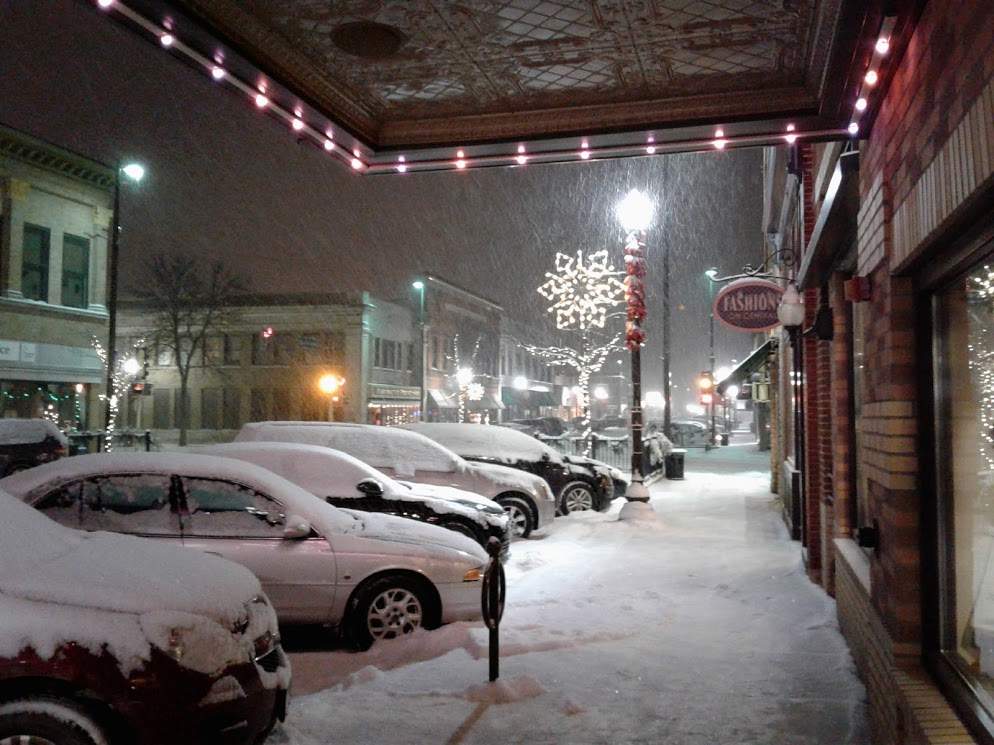
The scene outside the Paradise Center for the Arts during intermission of "Wrapped in Love and Glory."

The scene outside the Paradise Center for the Arts during intermission of “Wrapped in Love and Glory.” I snapped this cell phone photo of Central Avenue while standing under the theater marquee.

SNUGGED INSIDE FARIBAULT’S historic Paradise Center for the Arts on a cold and snowy Saturday evening, I awaited the world premiere of “Wrapped in Love and Glory” penned by native son and playwright Michael Lambert.

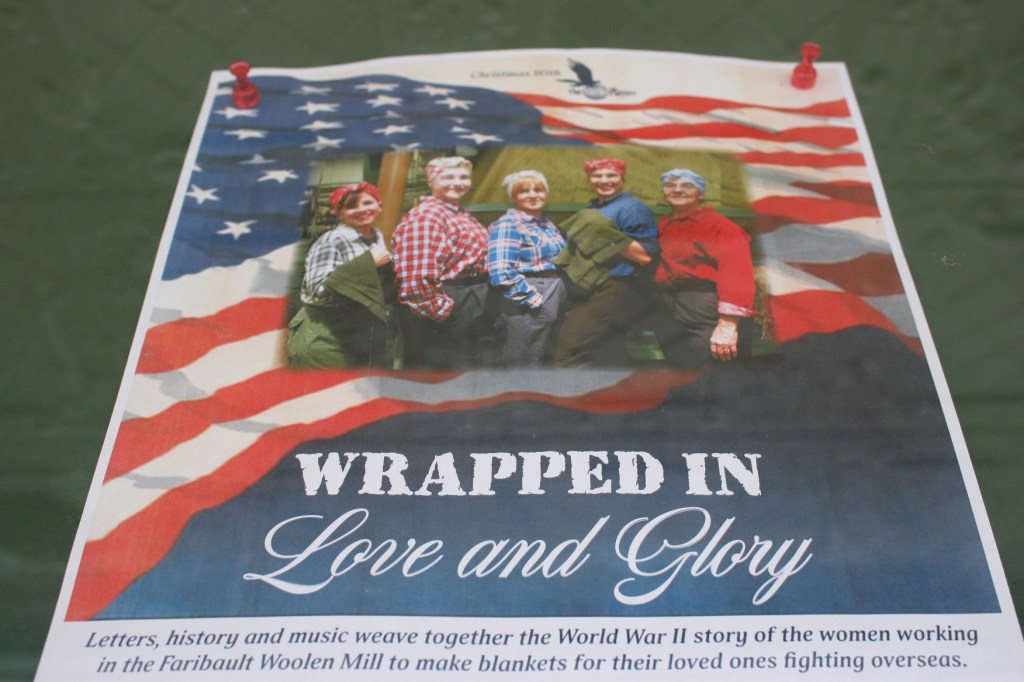
A promotional poster hangs outside the Paradise.

A promotional poster hangs behind glass outside the Paradise.

My expectations—in performance and in the storyline—ran high. It takes a confident writer to pen a play that focuses on local history. And it takes an equally confident cast to perform it before a hometown crowd. Lambert and The Merlin Players did Faribault proud in presenting the stories of local women who wove blankets for American troops at the historic Faribault Woolen Mill during WW II. The mill, still in existence today, continues to weave blankets for the military.

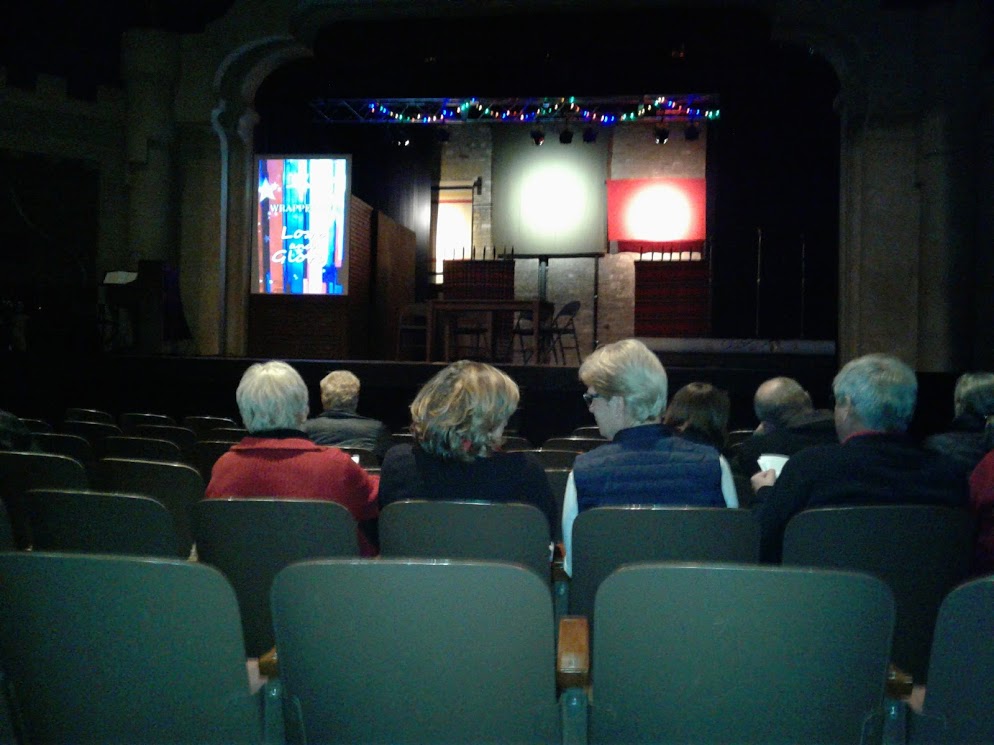
Before the play opened, I took this cell phone image of the set showing Woolen Mill blankets suspended with the video screen to the left.

Before the play opened, I took this cell phone image of the set showing Woolen Mill blankets suspended with the video screen to the left. Lighting was insufficient to truly reflect the simplistic beauty of the display.

Against a backdrop of mill blankets from Lambert’s personal collection, narrators, actresses and singers took the stage of this intimate theatre for the two-hour production. This playwright mixed music of the era, like “Boogie Woogie Bugle Boy,” “Blue Skies,” “I’ll Be Home for Christmas” and 23 other songs in to the narrative. The music, performed primarily by a trio of women in Andrews Sisters style—think synchronized hand motions, swaying and tipping microphones on stands—with the loveliest of voices, ranged from sweet crooning to rhythmic.

Music and dialogue complemented each other as did video clips of actors (soldiers) reading letters written to the women back home. Authentic letters that Lambert gathered from within the Faribault community. Letters with endearments like darling, sweetheart, dearest.

Video stills also featured newspaper headlines, photos and more, adding to the historic context.

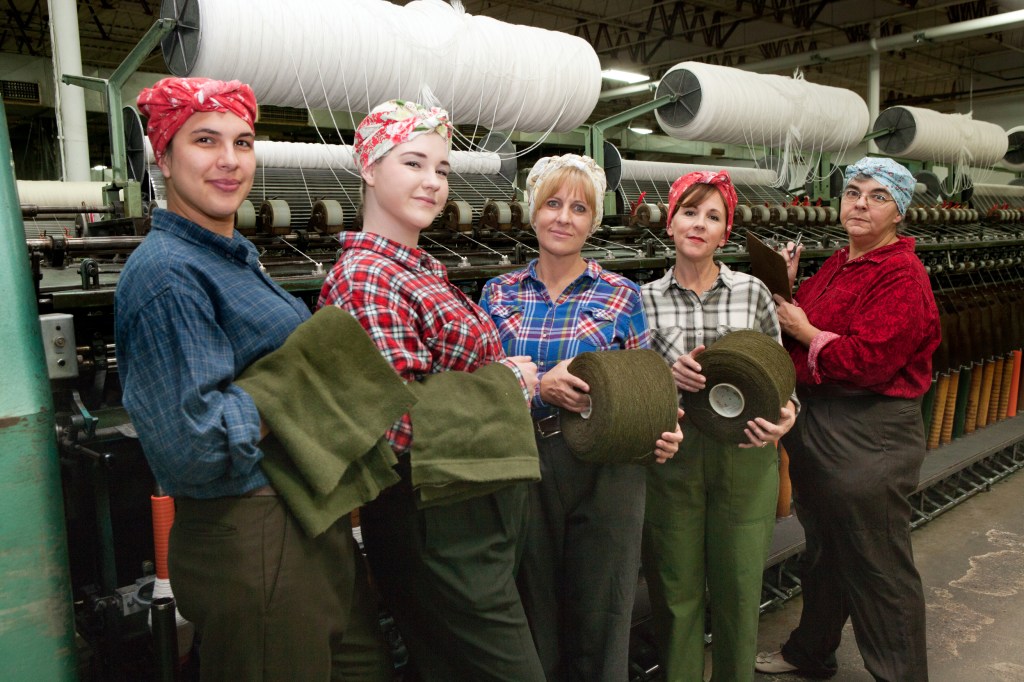
Some of the cast members of "Wrapped in Love & Glory" pose inside the Faribault Woolen Mill. Photo by Edward Brown.

Some of the cast members of “Wrapped in Love & Glory” pose inside the Faribault Woolen Mill. Photo by Edward Brown and courtesy of The Merlin Players.

Lambert wove a lot of history in to “Wrapped in Love and Glory.” History of WW II. And then local history. Of the Faribault Woolen Mill, which contracted with the U.S. government to supply 250,000 drab olive Army blankets and sleeping bags for troops. Of the Cannon River, along which the mill sits. Of WW II pilot and WASP Betty Wall (Elizabeth Strohfus) presented with the Congressional Gold Medal in 2010. Of Heisman Trophy winner Bruce Smith. Of German prisoners-of-war working at the Faribault Canning Company. All flowed in the storyline, along with familiar names like Klemer and Caron.

It was a story that made me consider the dedication of the hardworking women who wove those blankets for American soldiers serving in the cold mountains of Italy, storming the beach at Normandy, or training in places like Chicago. The women who exchanged letters with those soldiers. The women who relied on each other and their inner strength during a time of war and of separation. The women who kept America running.

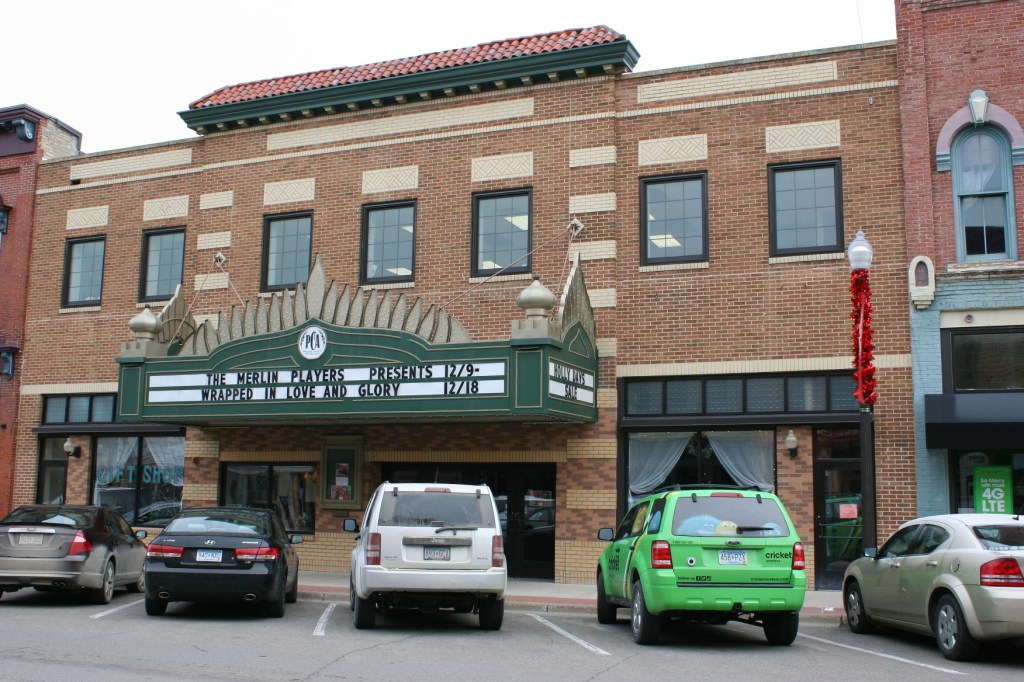
On Saturday morning, before snow began falling, I took this photo of the historic Paradise Center for the Arts.

On Saturday morning, before snow began falling, I took this photo of the historic Paradise Center for the Arts.

FYI: Additional performances of “Wrapped in Love and Glory” are set for 7:30 p.m. December 15, 16 and 17 and at 2 p.m. December 18 at the Paradise Center for the Arts, 321 Central Avenue, in historic downtown Faribault. Call (507) 332-7372 for ticket information. Or click here.

© Copyright 2016 Audrey Kletscher Helbling