Minnesota Prairie Roots

Writing and photography by Audrey Kletscher Helbling

Take me out to the (vintage) ball game in Faribault August 20, 2011

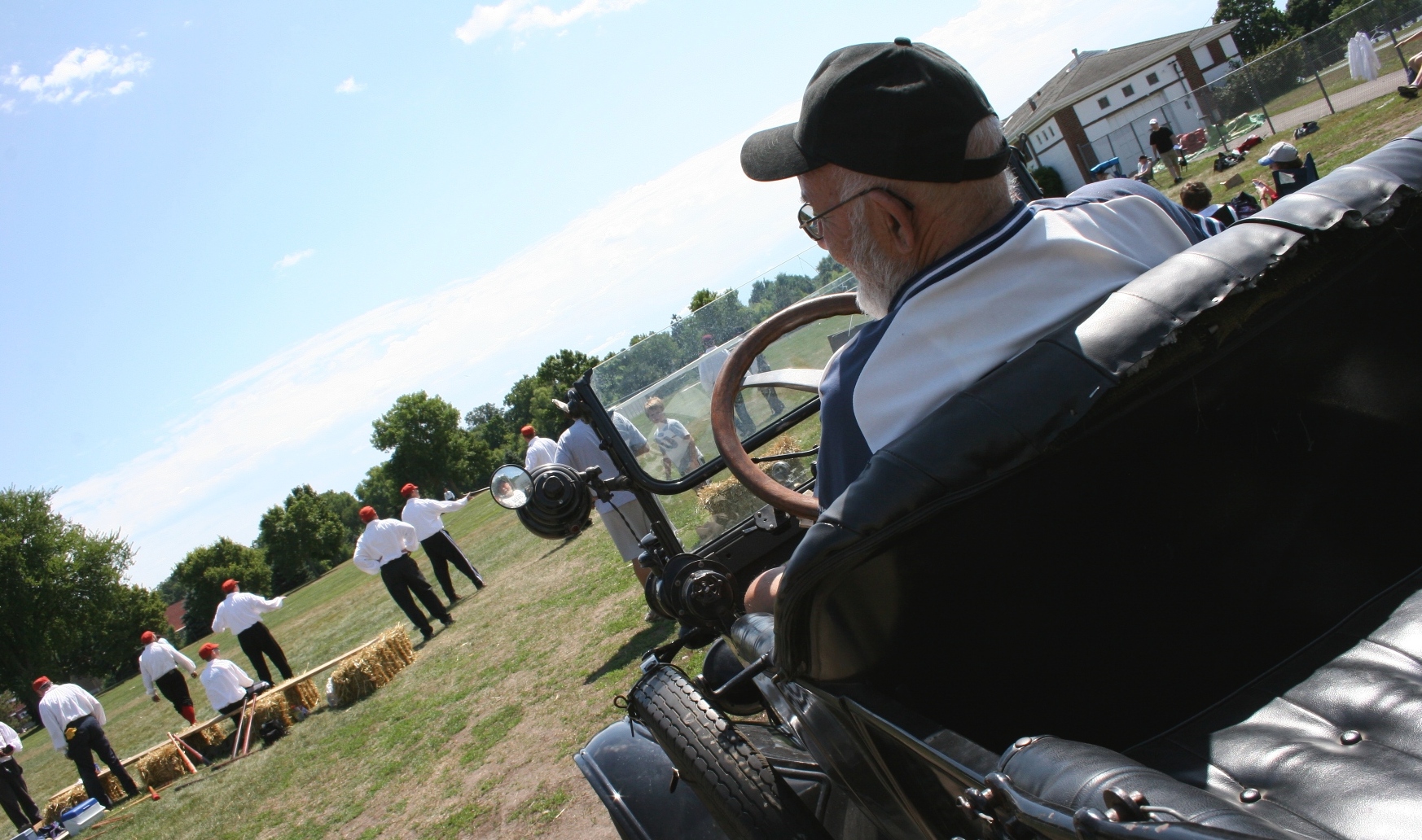
Curly Schreckenberg watches the vintage baseball match from his Model T Ford.

FRANK “CURLY” SCHRECKENBERG pulled into the Rice County Fairgrounds in his 1918 Model T Ford, a fitting mode of transportation Saturday afternoon for a vintage baseball game between the Northfield Silver Stars and the Rochester Roosters.

“There’s nothing like old-fashioned,” Schreckenberg said as he sat behind the wheel of his Model T, occasionally glancing over at the competition played with 1860 rules. No gloves. No called balls and strikes. No sliding. No spitting. No swearing…

Striker (batter) up!

Schreckenberg’s a fan of ball games. He played church league softball from age 38 – 71, mostly as a pitcher. “I loved playing ball,” he said. “I loved the fellowship.” He was dressed in the uniform of First English, his team for most of his 33 church league years.

His antique car drew lots of attention from the players and from the crowd gathered Saturday for the vintage match. The Silver Stars whooped the Roosters by a score of 6 to 1. Afterward, the players posed for a team photo by the Model T.

With team members sporting names like Cow Pie, Rabbit, Goose, Woodchuck, Bean Field and Admiral, no one seemed to take the event too seriously. Rather, the match focused more on bringing history to life.

Out on the ball field, the players, dressed in vintage uniforms, tried to stay true to the mid-19th century time period.

The Rochester Roosters, the scorekeeper and the umpire posed for a photo after the match.
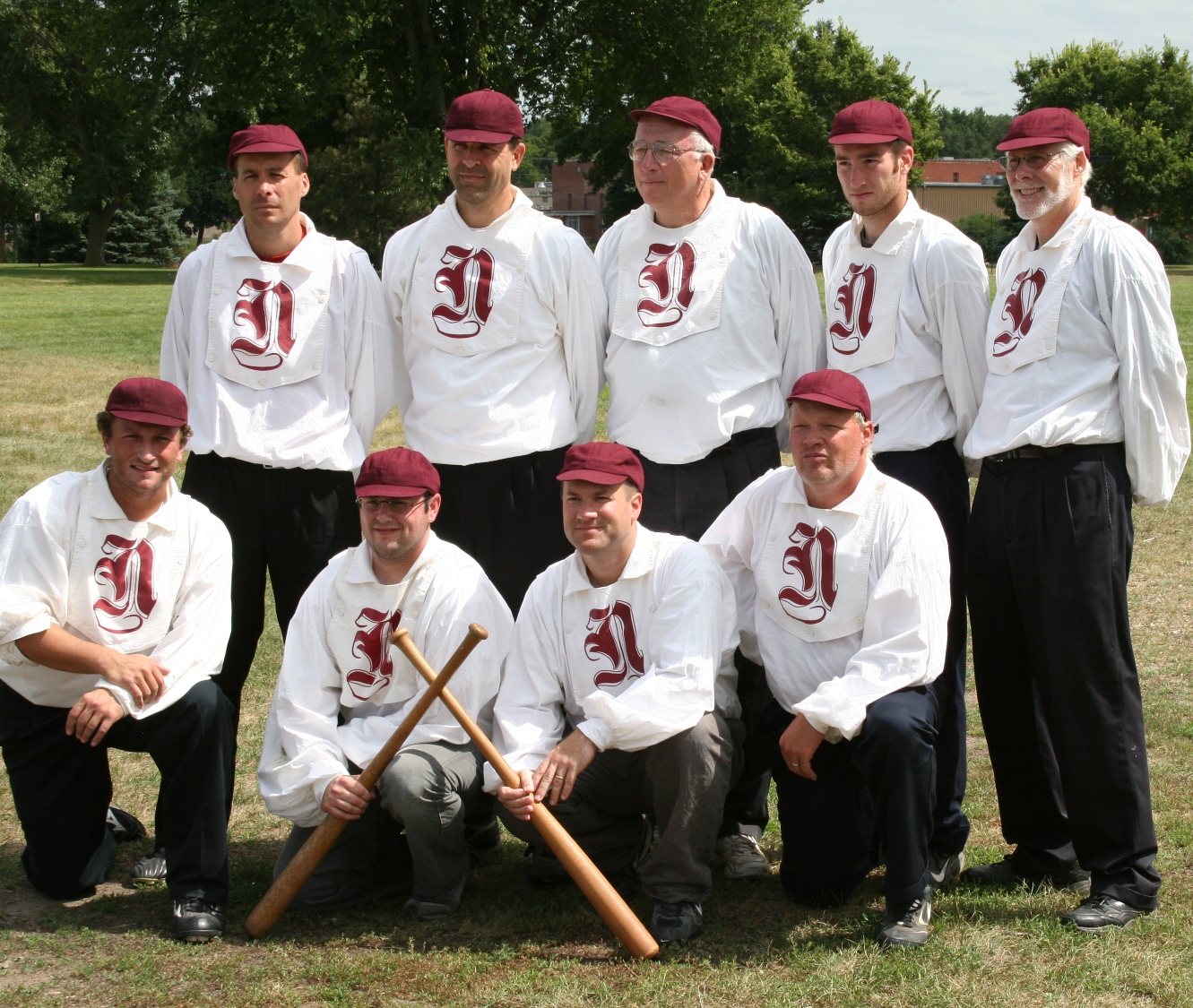
Likewise, the Silver Stars from Northfield gathered for a team photo.

“Watch the daisy cutters (sharp grounders),” Rabbit, aka Scott Richardson, from the Silver Stars advised.

“Don’t run me over, Tar Cutter,” another player warned.

“I think the whole team ought to be fined.”

“Way to hustle, Bryan,” a teammate said, slipping up on a name.
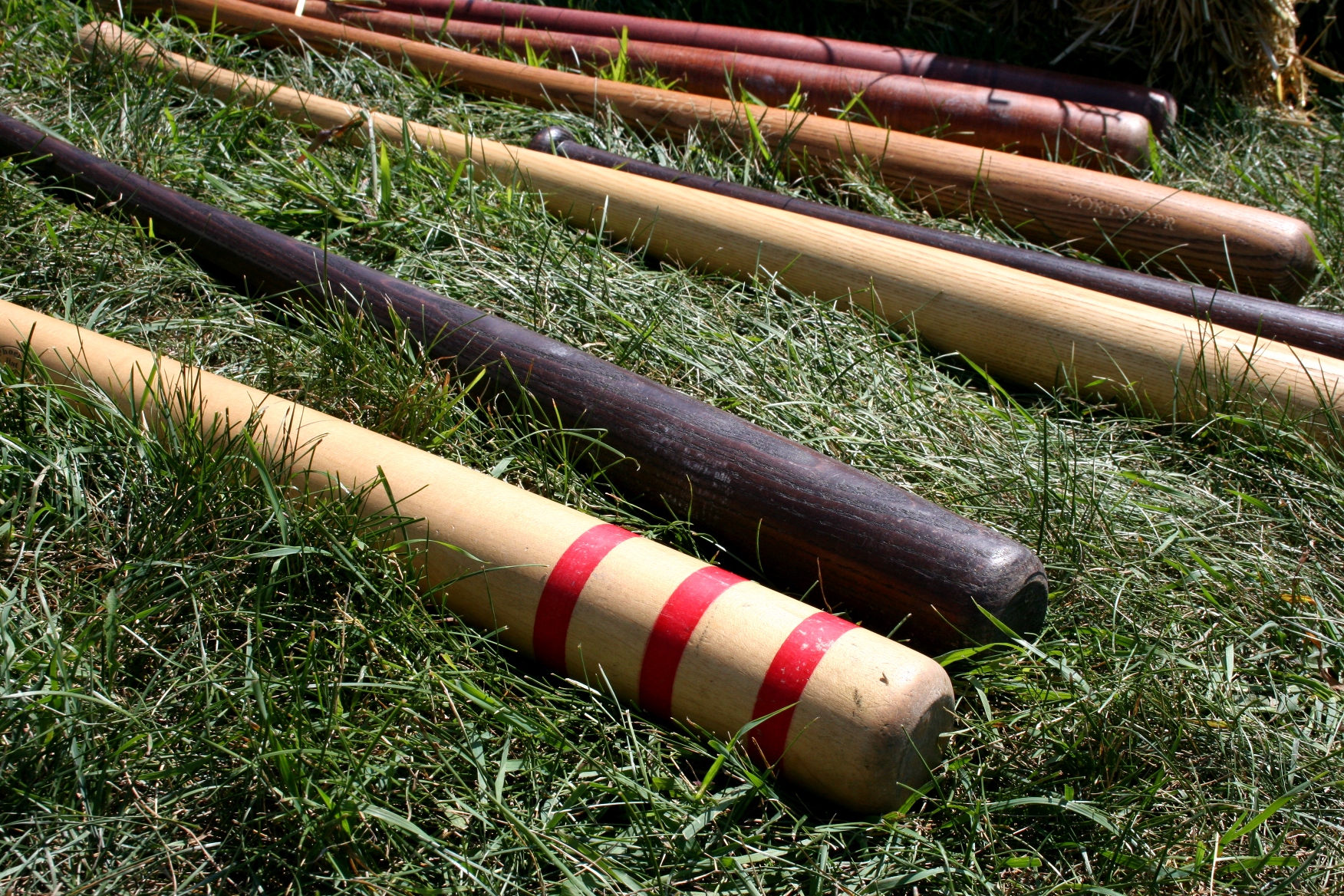
Wooden bats clustered on the grass behind the players' bench before the match.
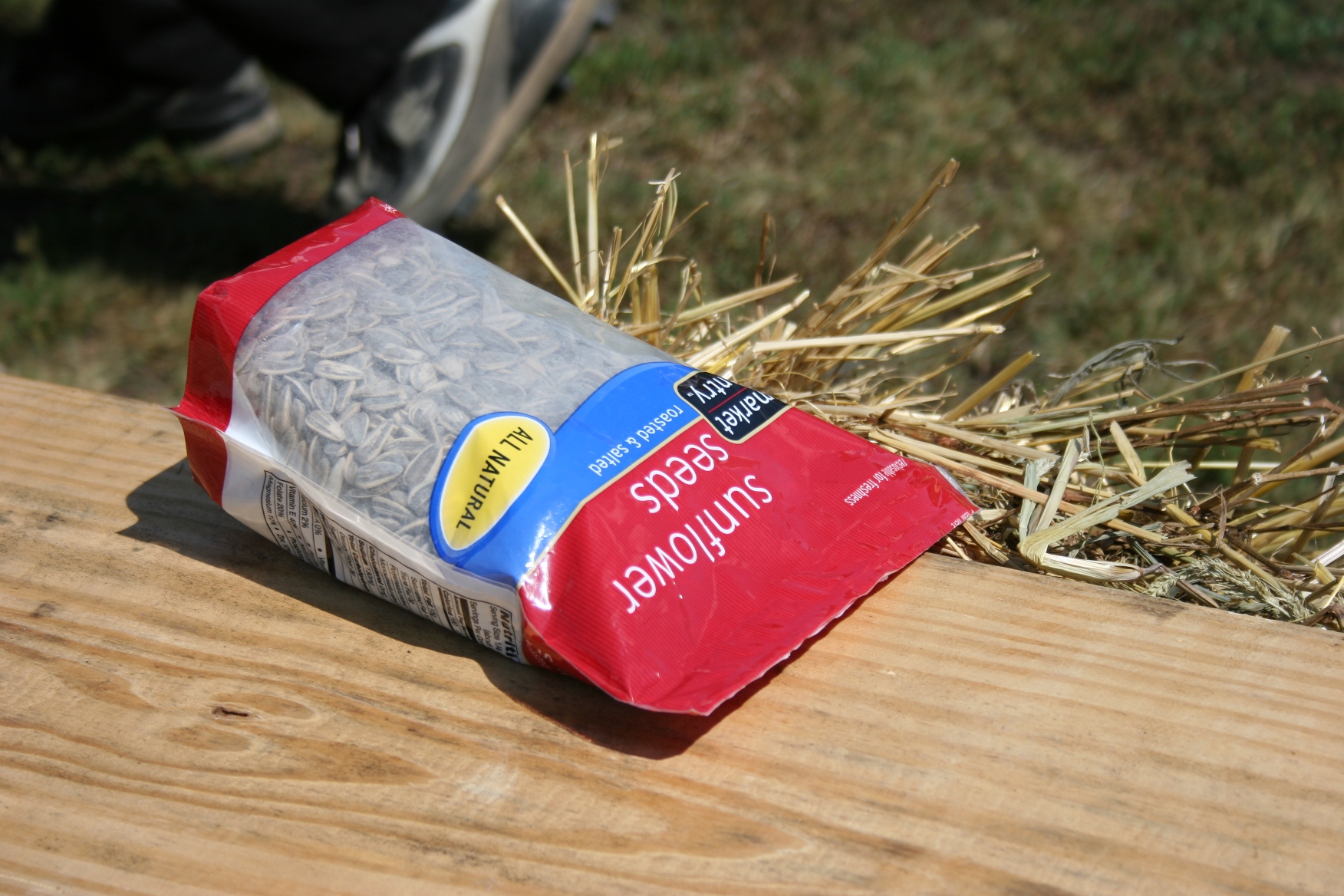
Players munched on sunflower seeds on the Silver Stars bench.
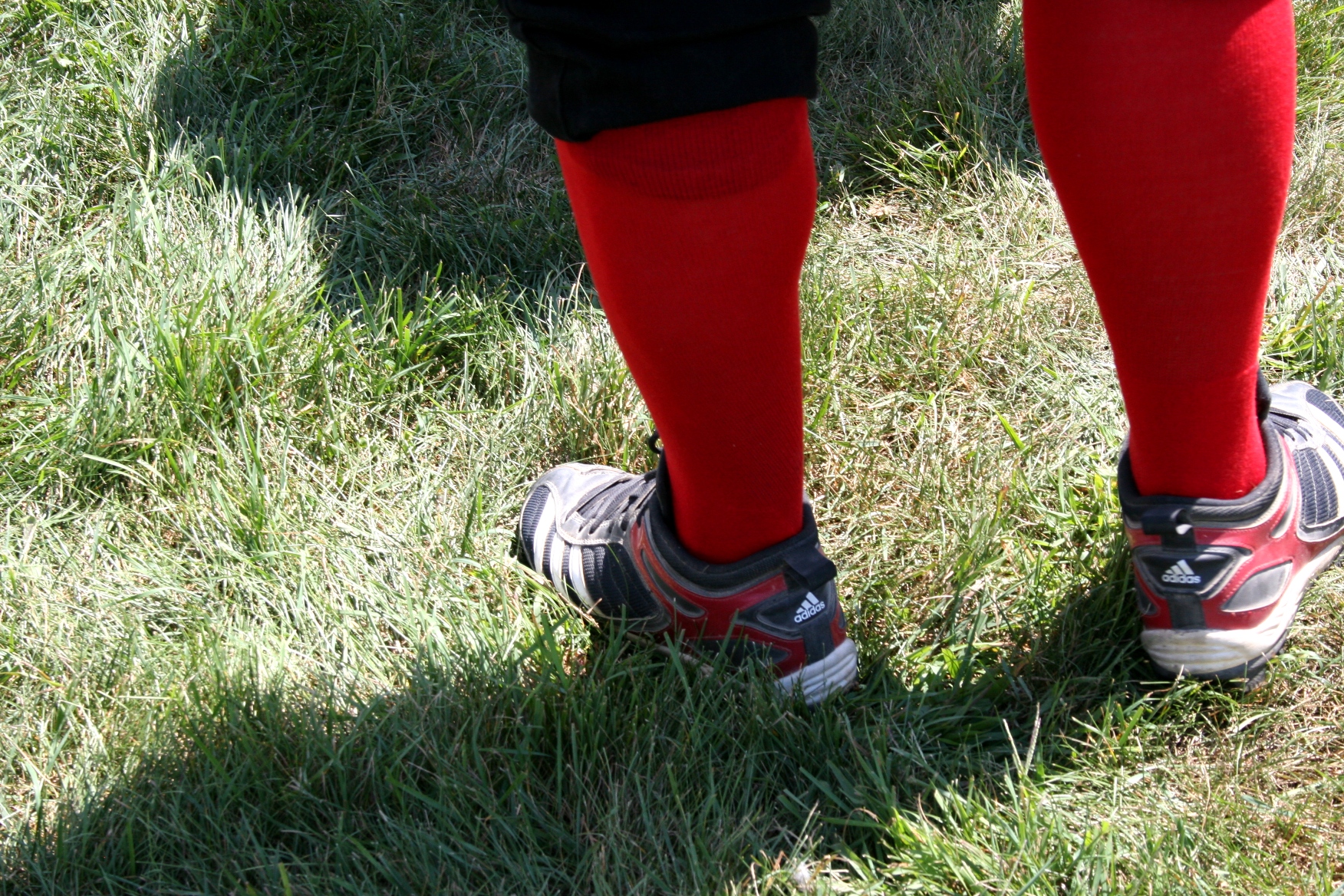
At least one Rochester Rooster player sported period style stockings.

Wooden bats and gloveless hands. Bags of sunflower seeds and peanuts. Wood planks balanced between straw bales. Root beer floats. Bell-ringing when an ace (run) was scored. Good-natured bantering. All set a period mood for the 1 ½-hour match (game) between the two teams.

Occasionally a player pulled a cell phone from a pocket, sipped on Gatorade, clicked a digital camera. Ethnic music from a Hispanic celebration across the fairgrounds carried to the ball field, adding to the relaxed setting.

“It’s a beautiful day for a baseball game,” at least one fan was overhead saying.

Indeed, it was a perfect August afternoon for a vintage baseball match in Faribault, even for someone like me who doesn’t get into baseball, but can appreciate living history.
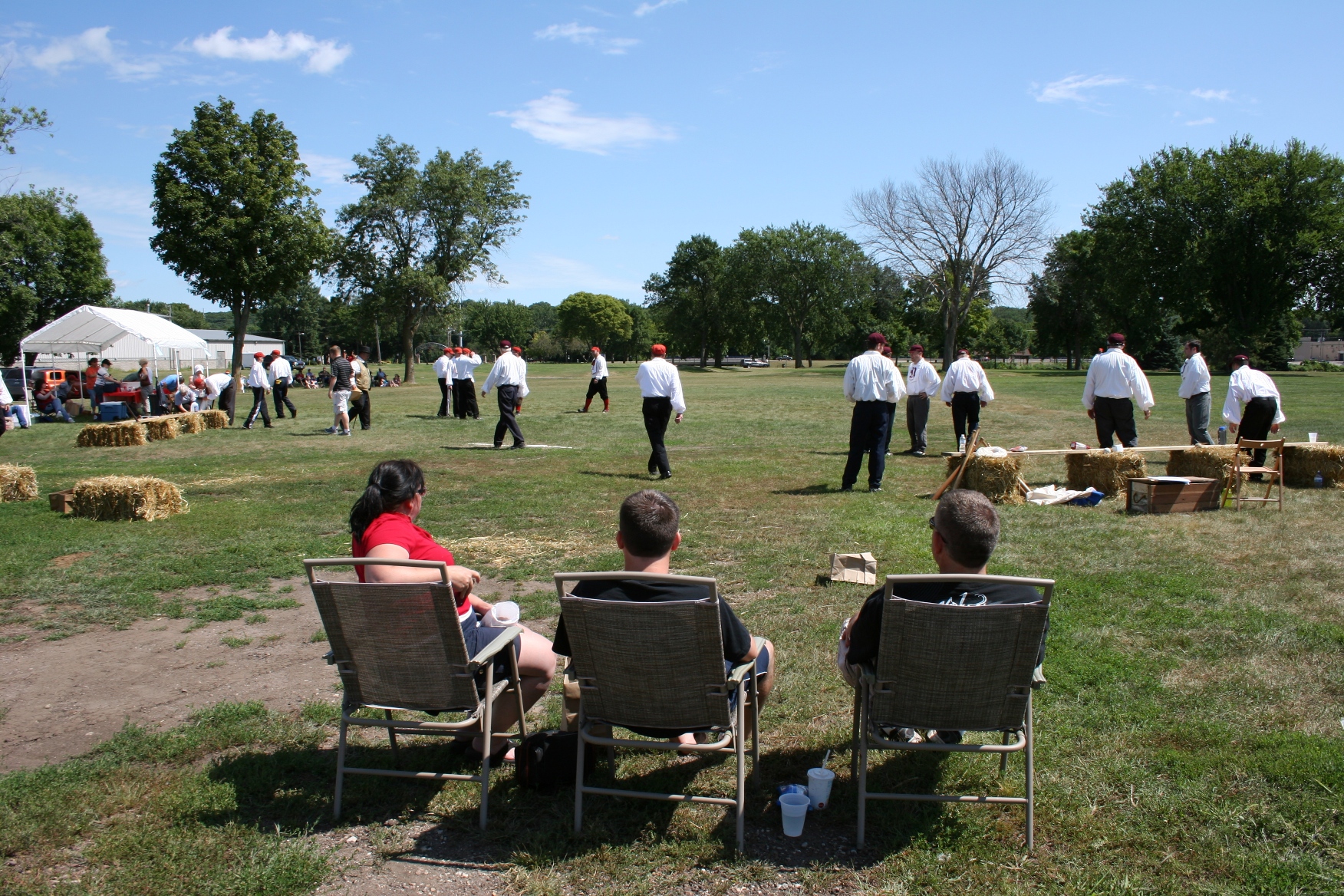
Fans sat in the sun, but most sat under shade trees for the match hosted by the Rice County Historical Society.
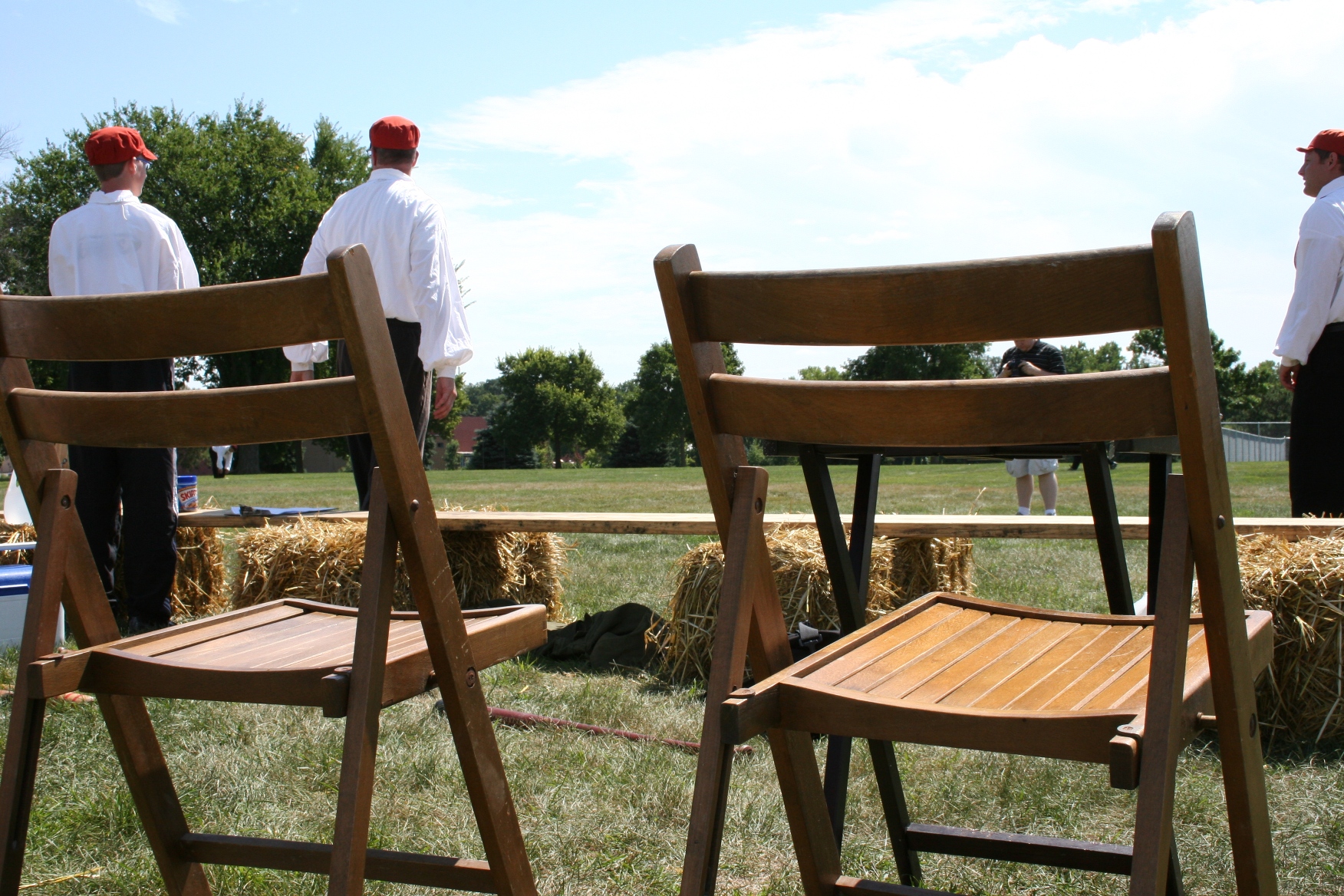
Some attendees even brought vintage style wooden folding chairs.

Roosters' bench time and one dirt and grass-stained white uniform.
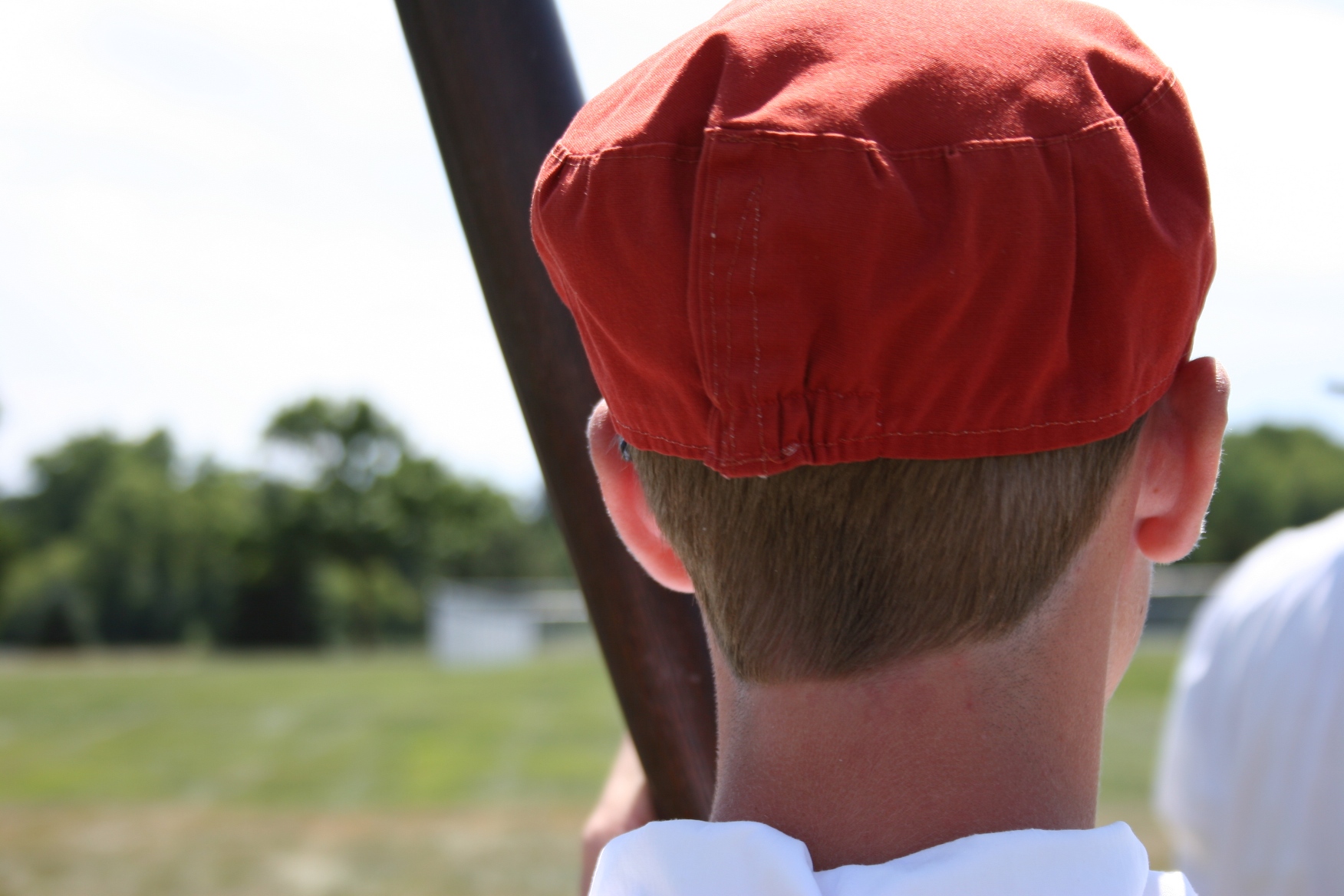
A young player for the Rochester Roosters.
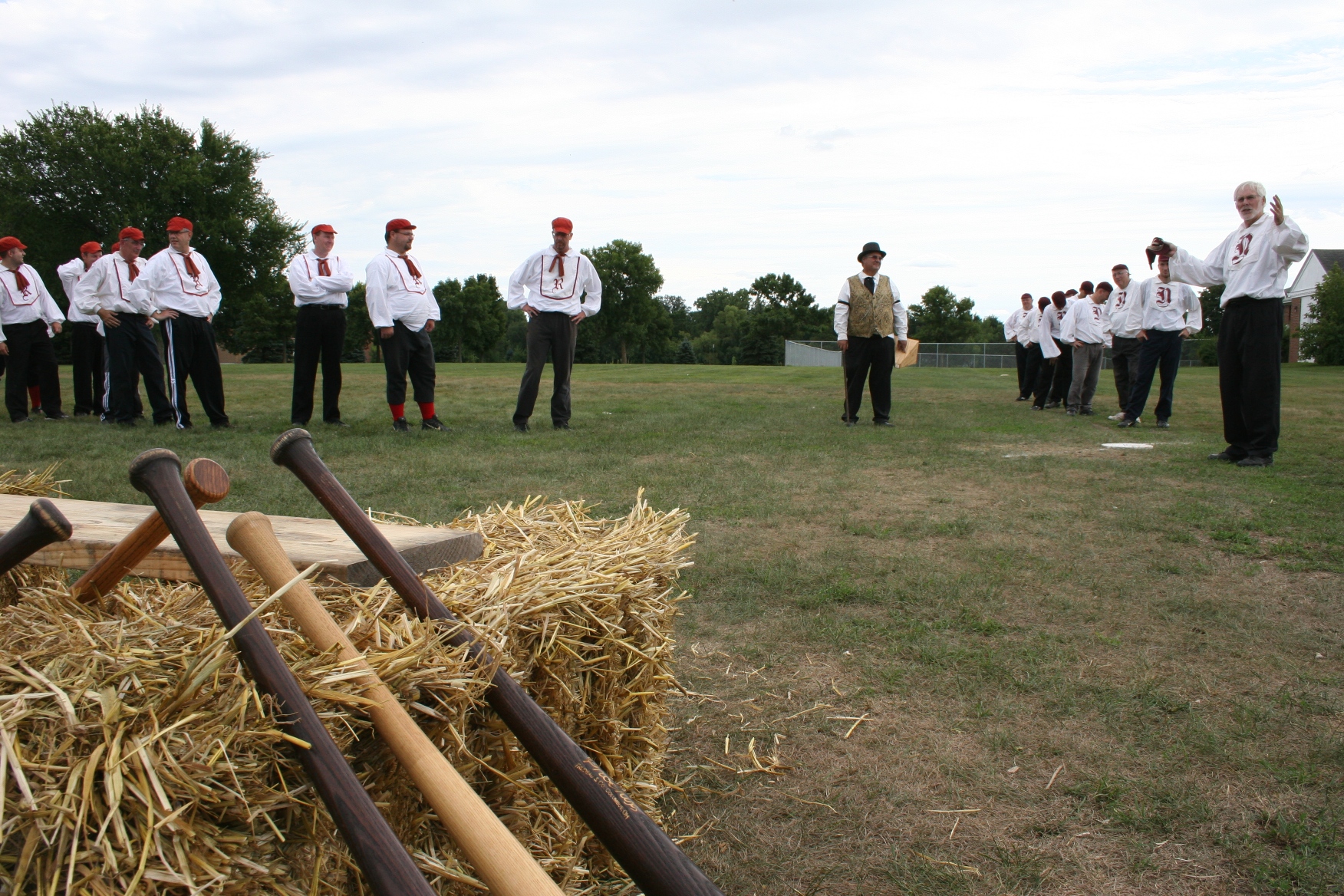
The end of the match with the victorious Silver Stars on the right and the Roosters on the left.

FYI: Minnesota has some eight vintage baseball teams, I was told on Saturday by the game’s umpire. Most of those are in the eastern part of the state and include teams like the Apple Jacks from La Crescent, the Afton Red Sox and the St. Croixs. The Minnesota teams also compete with Wisconsin teams like the Osceola Onions and the Milwaukee Cream Citys.

© Copyright 2011 Audrey Kletscher Helbling


Serving up history and pie in Faribault April 12, 2011


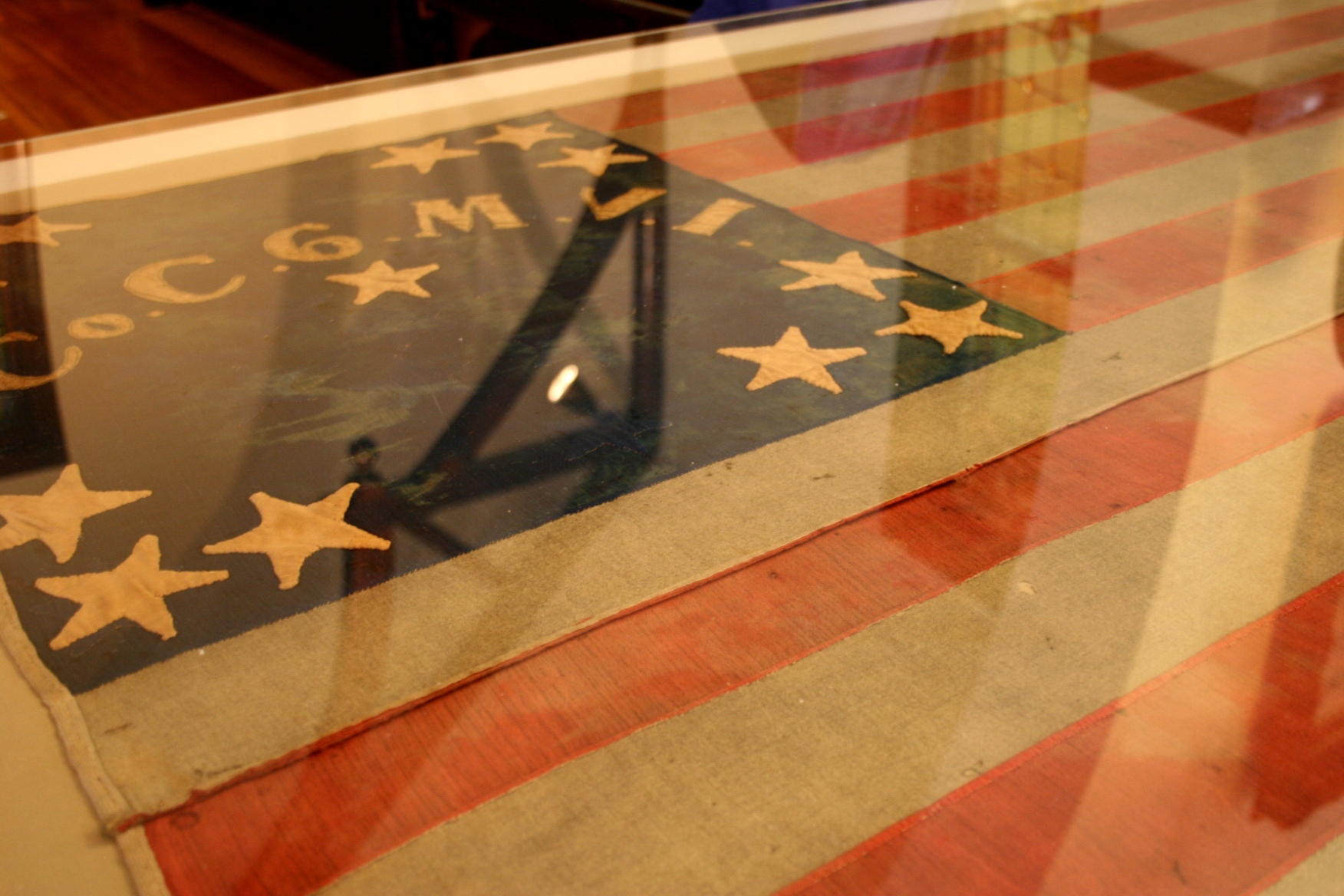
I EXPECT YOU have no clue what you are viewing above. Perhaps you think this is a piece of art in a gallery exhibit.

You would be wrong. Way wrong.

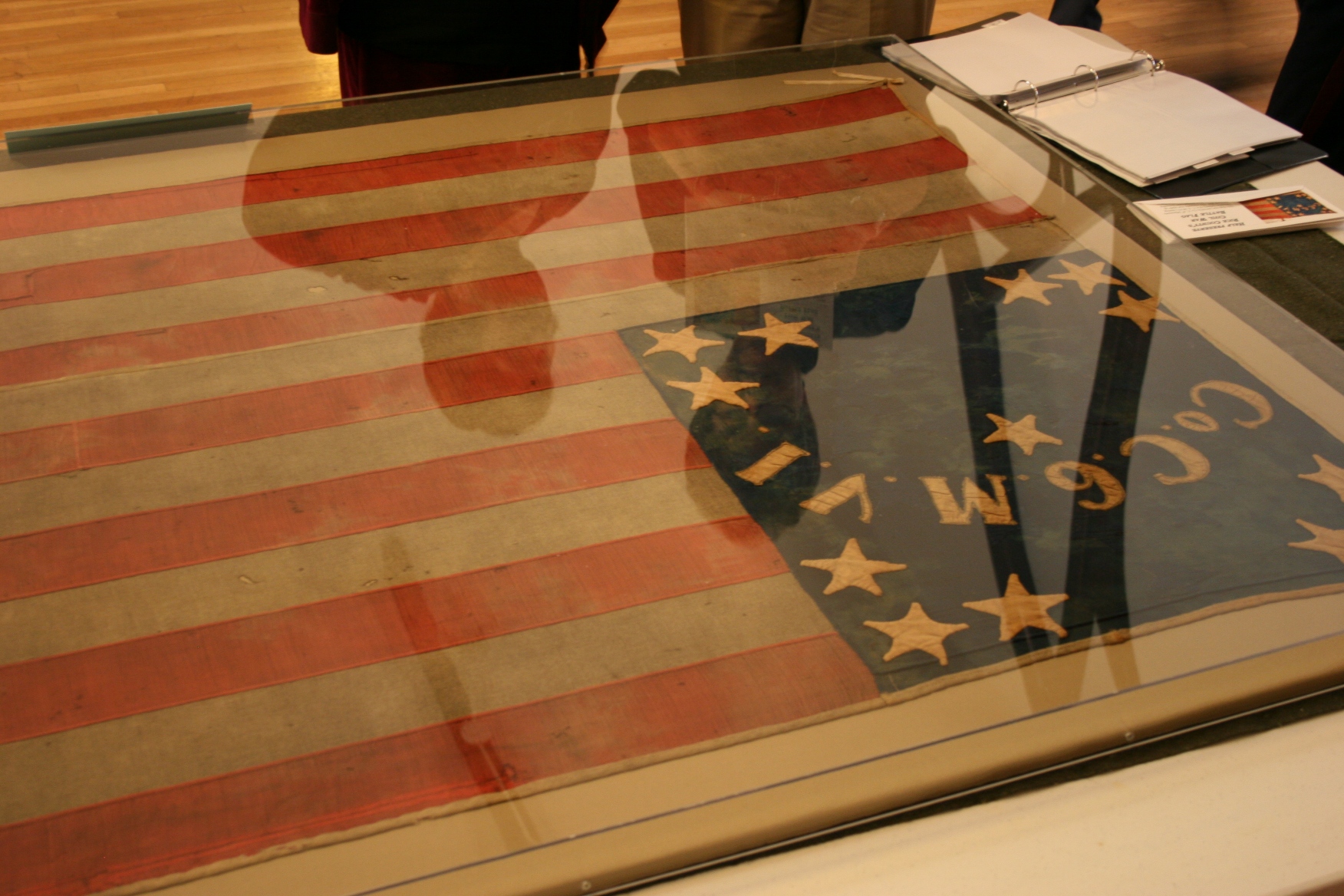
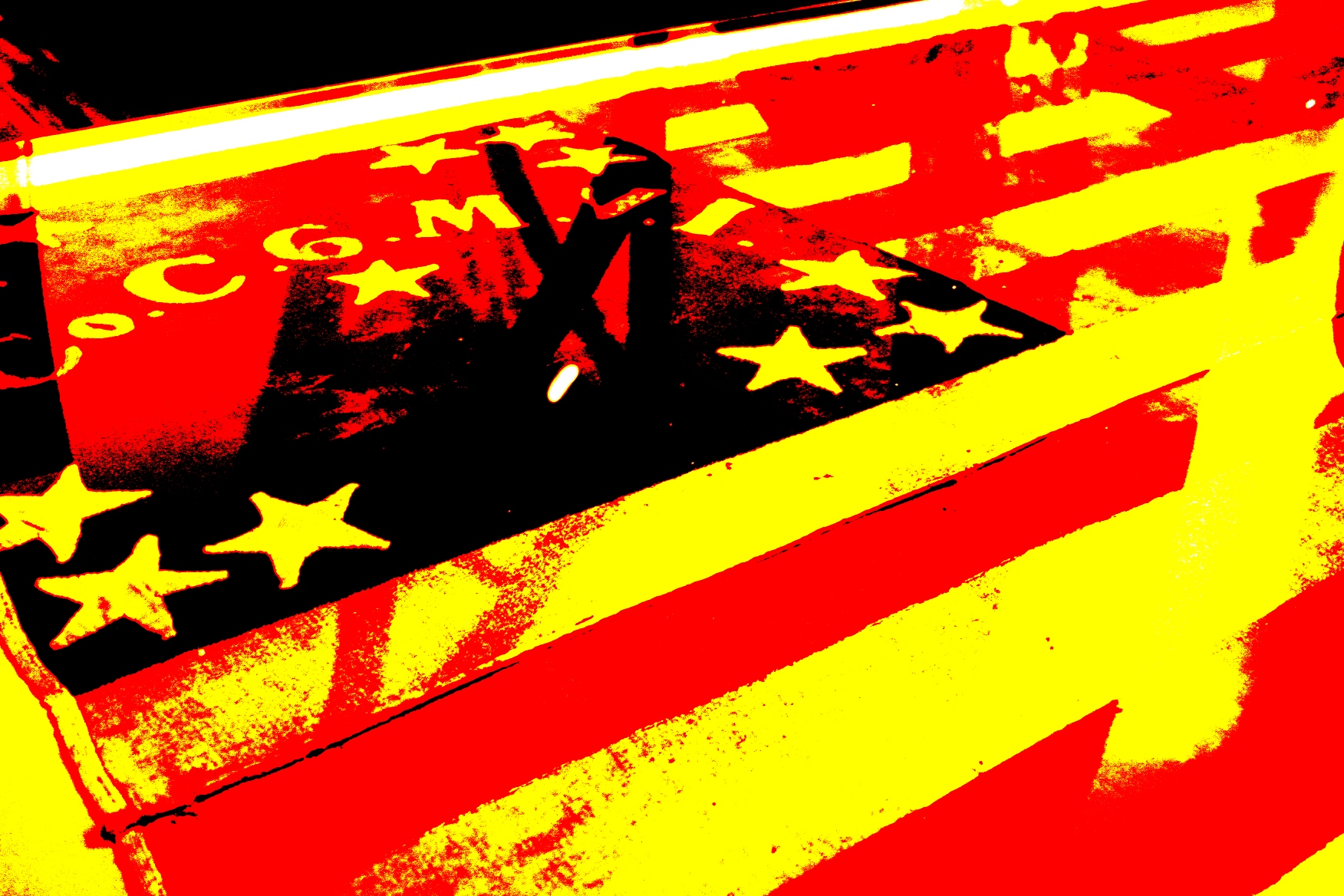
Rather, this shows a portion of a Civil War battle flag that I’ve switched up with some photo editing tools to emphasize the stars and letters and numbers in the upper left corner.

Lighting conditions weren’t ideal for photographing this flag Saturday afternoon in the Guild House at the Cathedral of Our Merciful Saviour in Faribault.

Honestly, I hadn’t even expected to photograph this flag sewn by a group of women in Fairmont and carried by Company C, 6th Minnesota Volunteer Infantry. The last time I asked to photograph the flag at the Rice County Museum of History, my request was denied by director Susan Garwood.

She didn’t know me from Adam, or Eve, although I gave her my business card and explained that I was a writer and blogger. That didn’t matter.

Thankfully, Garwood changed her mind and I got the go-ahead-and-shoot-but-without-flash OK.

Garwood has reason to be cautious. This battle flag is rare, among about a half dozen in Minnesota. Recent restoration cost nearly $7,300.

Here's how the flag really looks. Faded. The company which carried this flag was comprised of men primarily from Bridgewater Township in Rice County, Minnesota. On the back side of the flag 34 stars are sewn representing the number of states in 1862. You are seeing reflections here on the glass encasing the flag.


Just another, upside down, view of the flag and the reflections of visitors viewing it.

I don’t know the value of the restored flag. But it is valuable enough that a Faribault police officer was guarding the flag Saturday afternoon during “Recognition of the Fall of Fort Sumter–The Beginning of the Civil War” sponsored by the Rice County Historical Society and the Cannon Valley Civil War Roundtable.

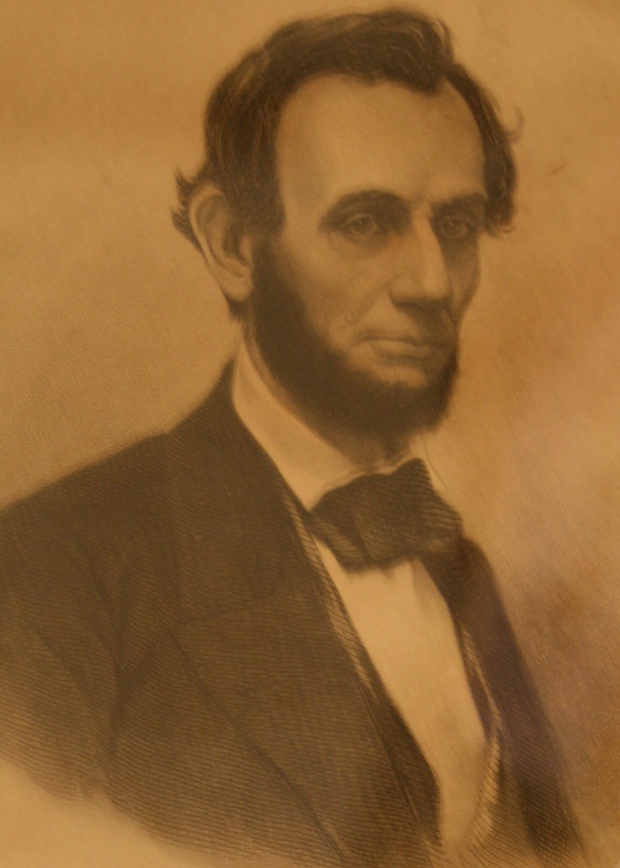
Likewise a collector of Civil War era artifacts was standing guard over his tables full of treasures. He had, among Civil War uniform buttons and other items, an original Lincoln photo engraving (used on the $50 bill) and signature. I didn’t ask the values. Sometimes it’s better not to know these things.


A slightly out of focus photo that I took of an original Lincoln photo engraving for a $50 bill on display Saturday.

The last time I photographed parts of his collection at a 2009 Cannon Valley Civil War Roundtable meeting, he made me promise not to reveal his name. I agreed. I didn’t want to go missing and have my family looking for me under a stadium. That’s an exaggeration, but this collector was serious. My lips are sealed.

I did ask him, though, why he didn’t bring his slave bills, which were advertised as being at the event and one of the key reasons I attended. He simply said he didn’t know he was supposed to bring them. He gave the same answer 1 1/2 years ago at the Roundtable meeting. I had gone to the session then specifically to see the slave documents.

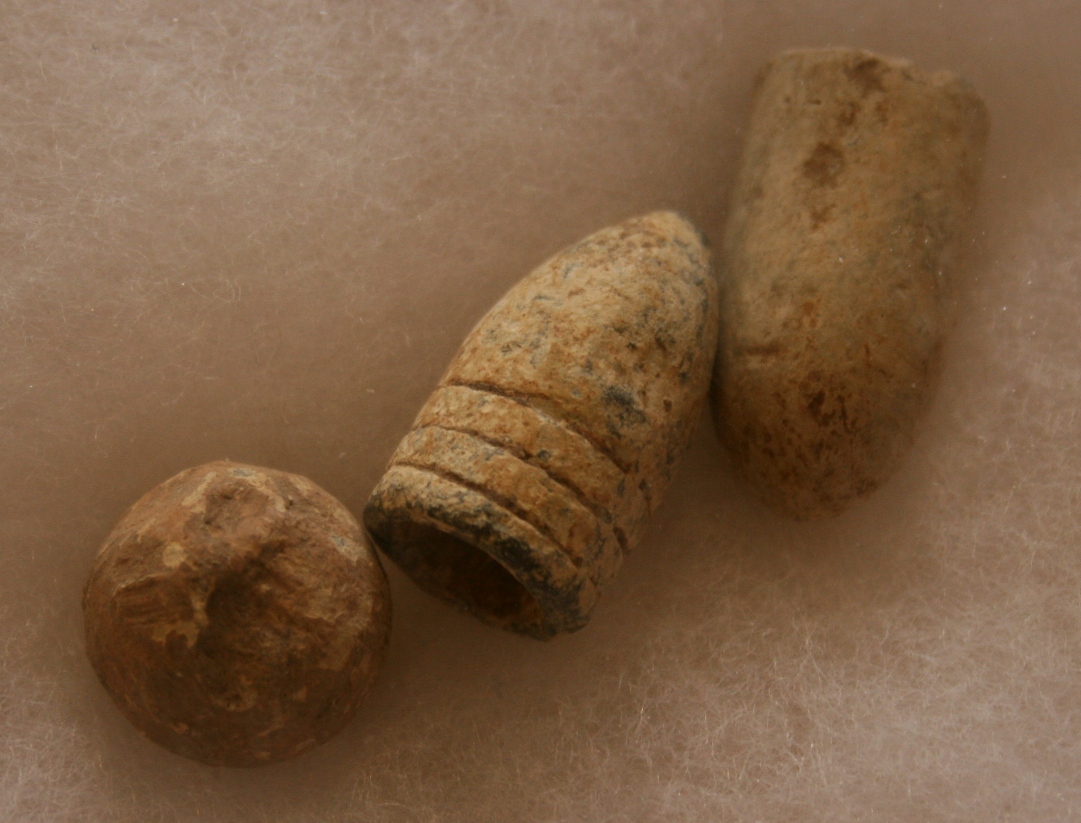
But on Saturday I perused a few other artifacts I hadn’t seen before like…

these old bullets


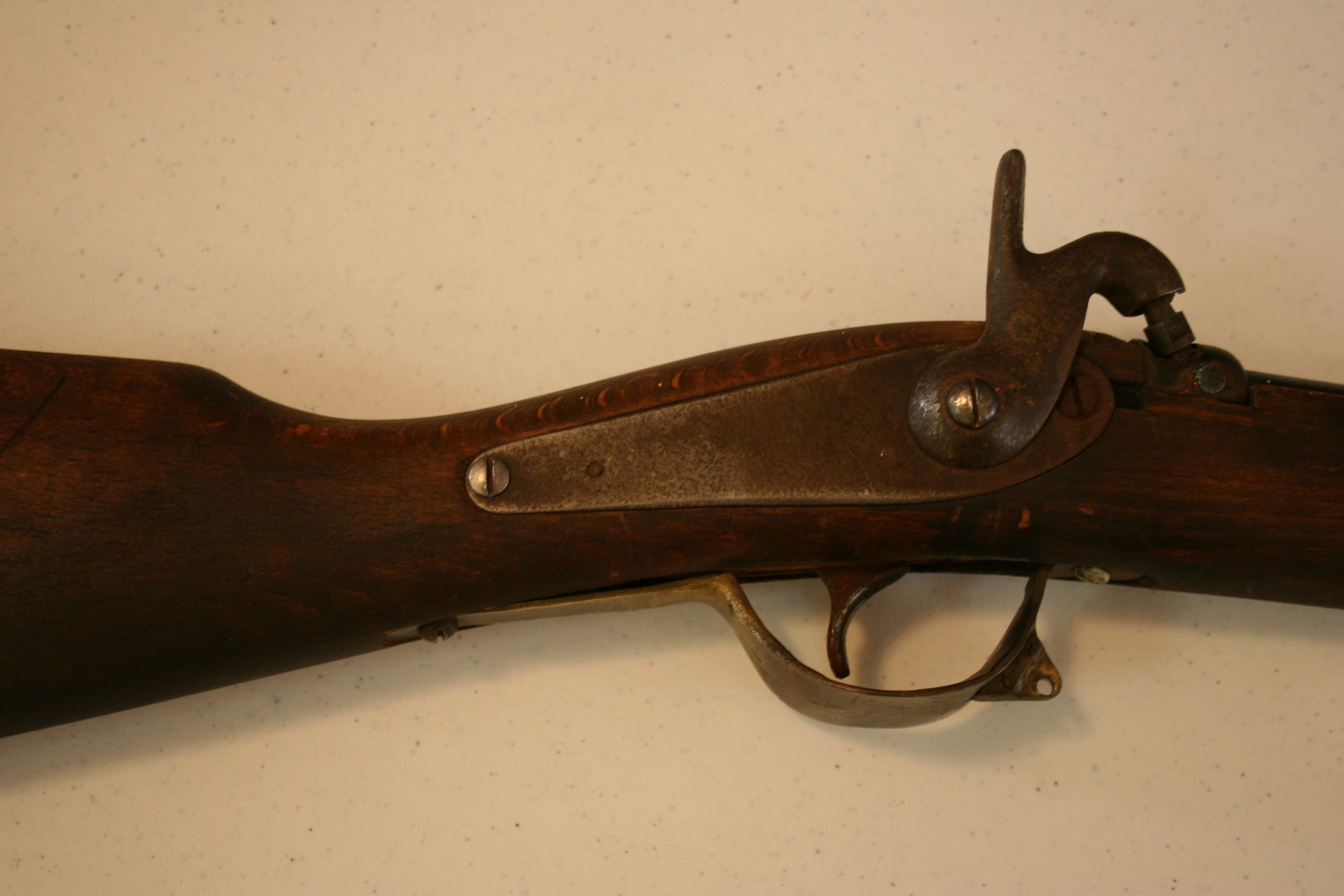
and two Civil War era muzzleloaders which I was allowed to pick up and which were heavy at 18 and 21 pounds.

I also saw…

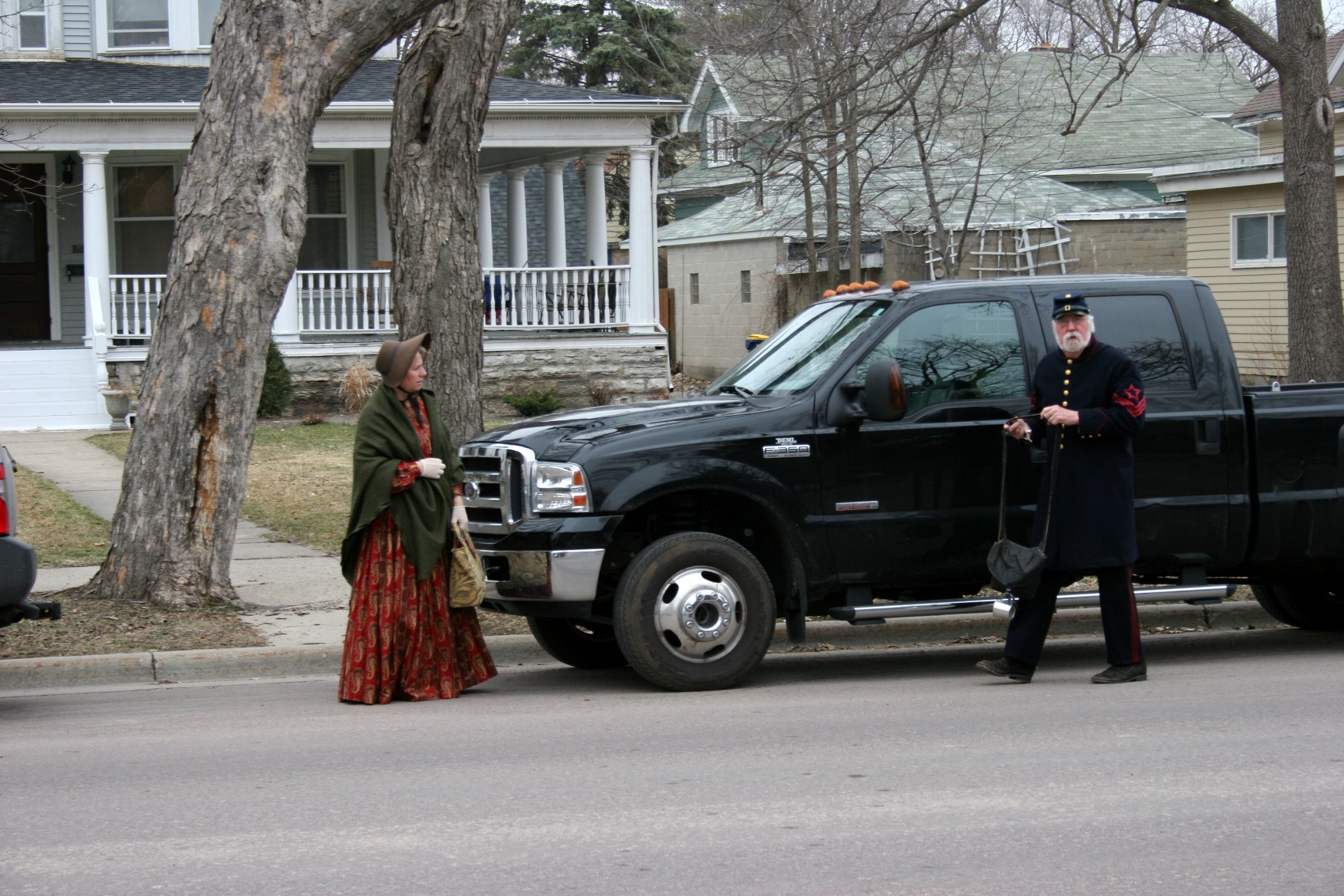
these costumed reenactors pull up in a pick-up truck

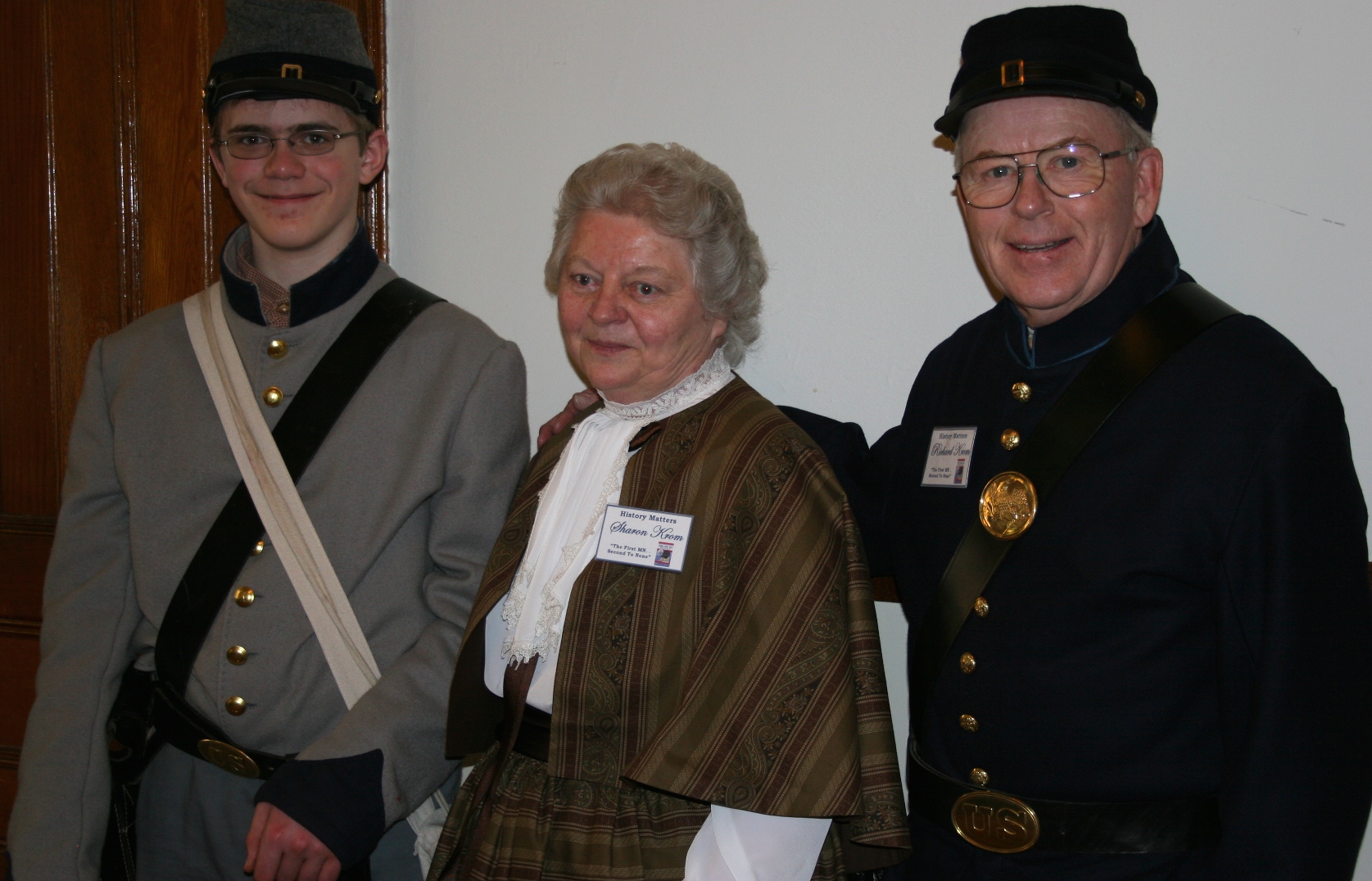
and this unidentified reenactor, left, posing for photos with Sharon and Richard G. Krom of Rochester. Richard is the great grandson of a Civil War soldier and has written a book, The 1st MN Second to None.

Finally, I sat down with friends and family to enjoy…

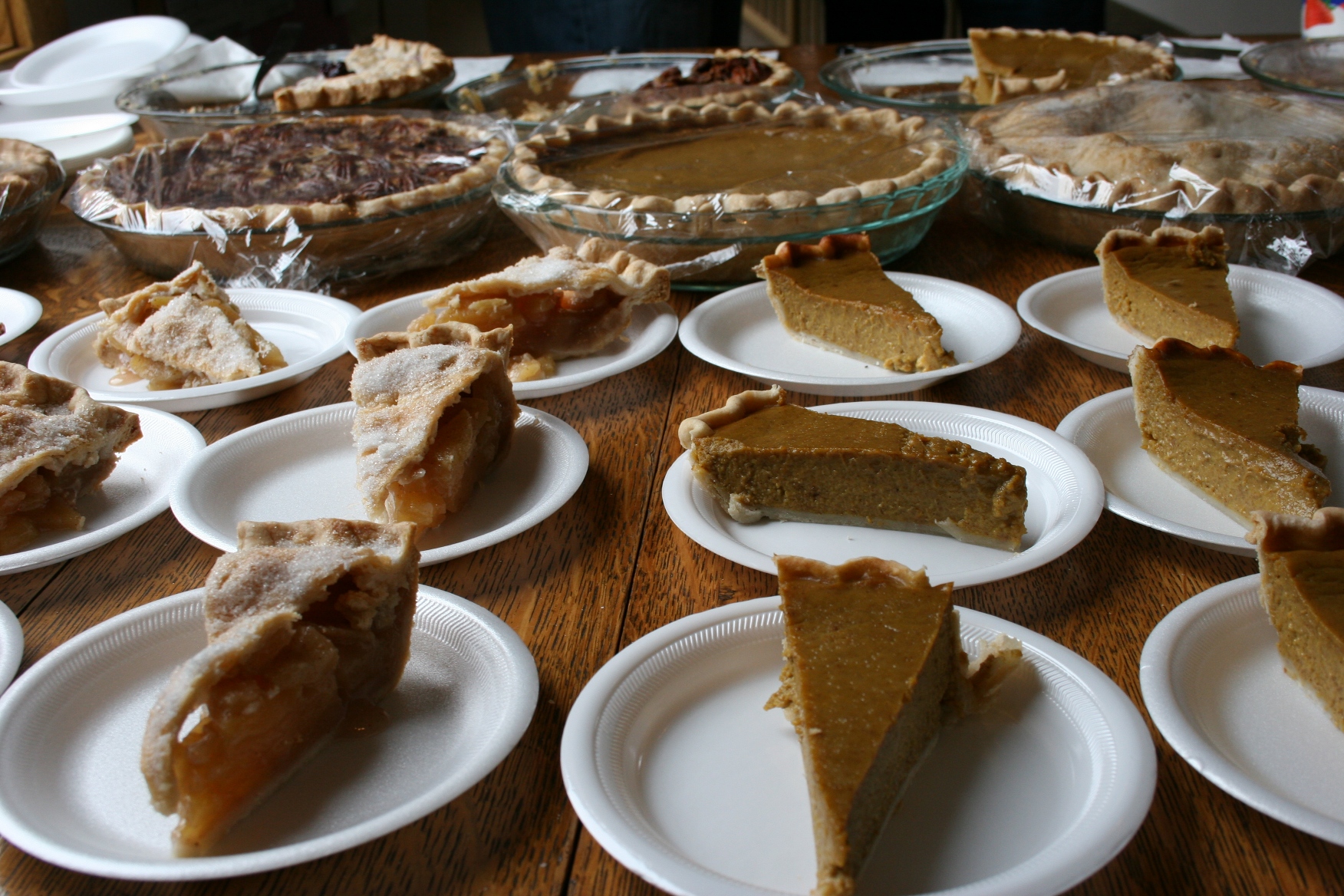
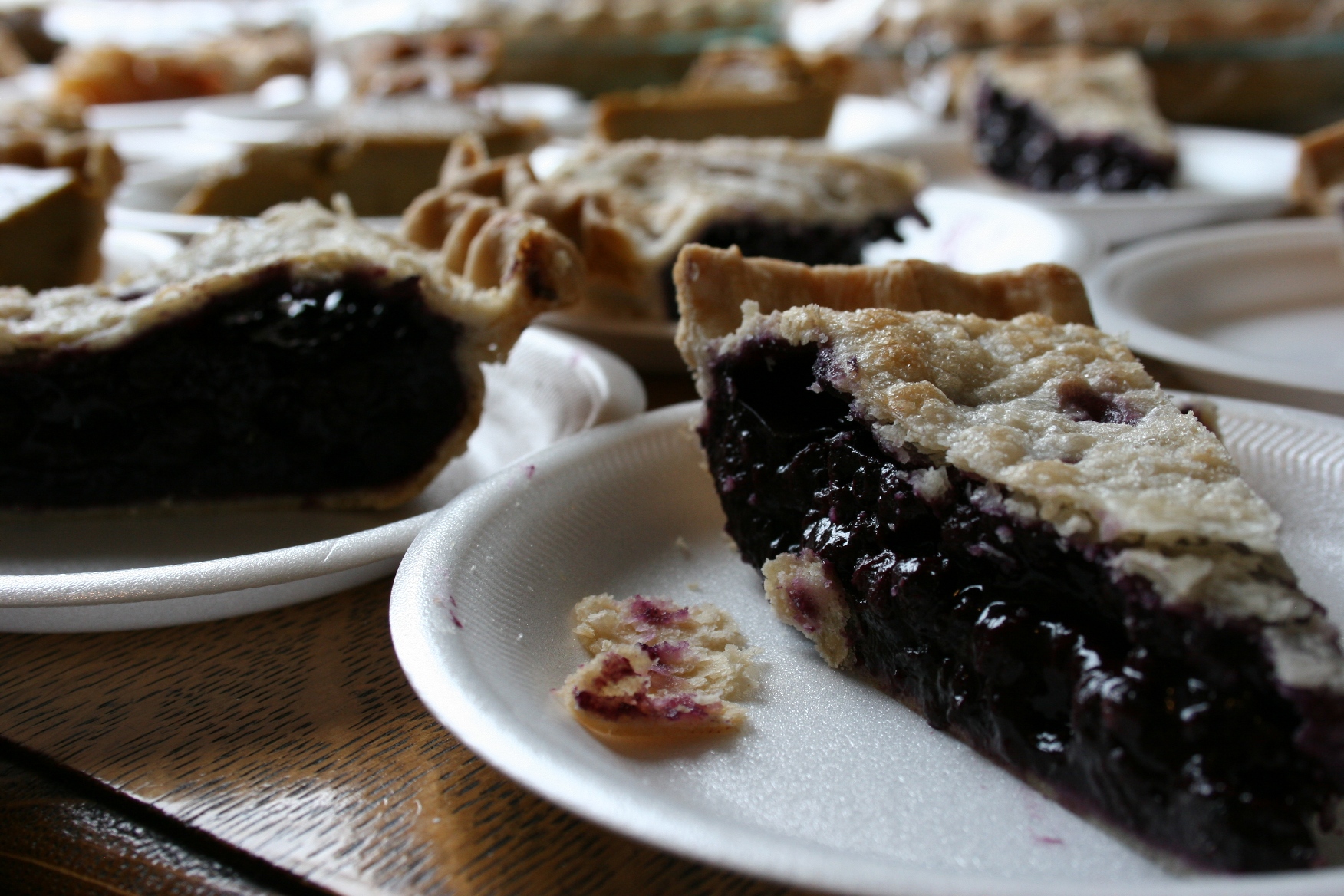
a piece of delicious homemade pie made by Rice County Historical Society President Jason Reher. He baked 16 pies for the event. (Jason could be a professional baker; his pie is that good.)

Fortunately for me, Jason had baked my favorite pie and apparently a favorite of many as everyone sitting at my table chose blueberry pie over apple, pumpkin or pecan. Most of us wondered if the blueberries were wild, yet never bothered to walk over and ask the pie-maker.

Jason wondered why I was photographing his pie. I just handed him a business card and figured he’d figure it out.

Copyright 2011 Audrey Kletscher Helbling


Remembering the start of the Civil War April 8, 2011

THE FIRST AND LAST TIME I attended a Cannon Valley Civil War Roundtable meeting, I was impressed by the collective knowledge this Faribault-based organization possesses of the Civil War. The session opened with each member sharing a historical snippet about the conflict.

Even guests like me were expected to offer something, anything. I was getting nervous as my turn neared and I couldn’t think of anything intellectually impressive to share. I had come solely because I wanted to see the slave documents that a guest speaker was bringing to the gathering. I didn’t expect this.

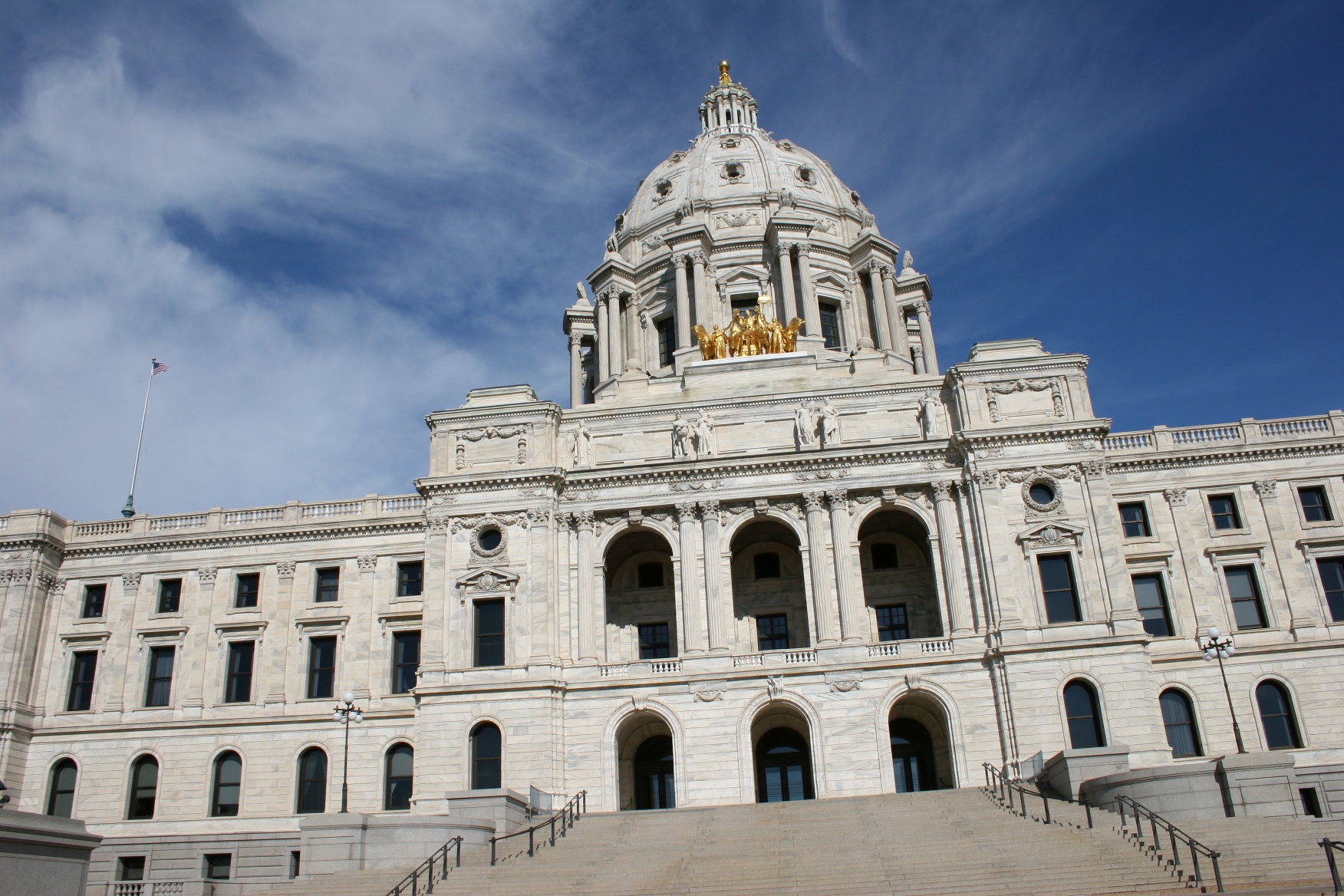
But then I remembered my tour of the Minnesota State Capitol months earlier. I could tell them, although I’m sure they knew, that a Howard Pyle painting, The Battle of Nashville, hangs in the Governor’s Reception Room. The artwork, according to the Capitol tour guide, is among the most noted of the Civil War and depicts the bloody conflict at Shy’s Hill, often defined as the war’s decisive battle.

And just to make sure the Roundtable members understood that I wasn’t completely Civil War illiterate, I also told them that the inclusion of white Georgia marble in Capitol construction drew the ire of Civil War veterans. The marble comprises much of the building’s exterior.


Georgia marble graces the exterior of the Minnesota State Capitol.

I doubt my tidbit facts impressed them, but I tried.

If you’re like me, not well-versed on the details of the Civil War, this year—the 150th anniversary of that conflict—offers the perfect opportunity to learn more. The Minnesota Historical Society has a lengthy list of educational activities planned to commemorate the anniversary.

This Saturday, April 9, for example, is “Civil War Flag Day at the Capitol” featuring three recently-conserved Minnesota Civil War flags and one from the Spanish-American War. The 11 a.m. – 4 p.m. event, with a 1 p.m. program, also includes Civil War artifacts, reenactors, children’s activities and more.

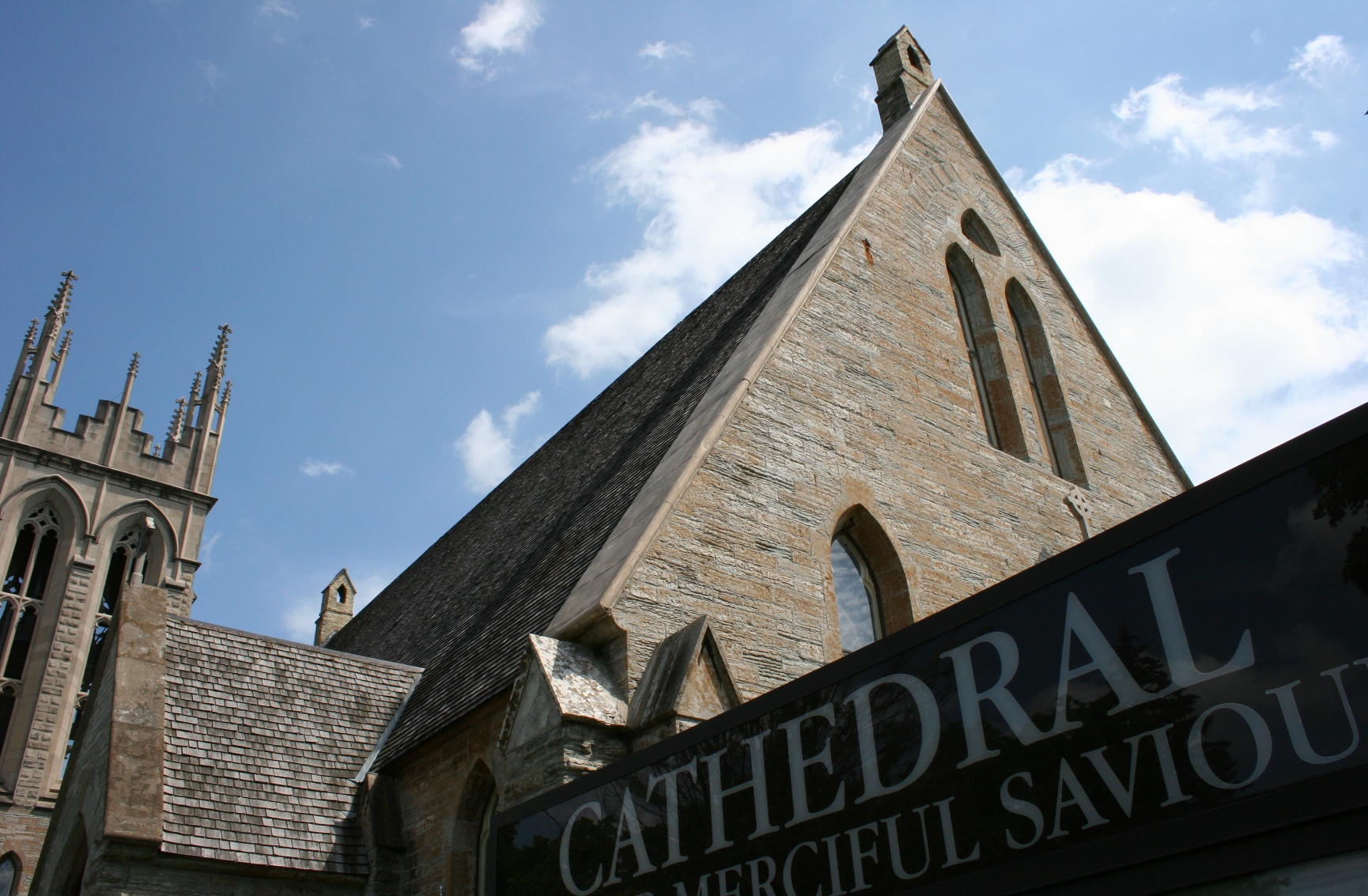
I won’t be at the State Capitol on Saturday because I’ll be attending “Recognition of the Fall of Fort Sumter—The Beginning of the Civil War” hosted by the Cannon Valley Civil War Roundtable and the Rice County Historical Society from 1 p.m. – 4 p.m. in Faribault. On April 12, 1861, the Confederates fired on Fort Sumter, starting the Civil War. Saturday’s event will be held at the Guild House of the 1862 historic Cathedral of Our Merciful Saviour, 101 NW Sixth Street.


The Guild House is attached to the historic Cathedral of Our Merciful Saviour across from Central Park in Faribault.

I expect that some of the items on display at the Guild House will be artifacts—Abraham Lincoln photos and postcards, Civil War uniform buttons—I saw at the 2009 Roundtable meeting. Back then the presenter failed to bring his slave documents. Slave bills will be displayed on Saturday. There’ll also be weapons and money, buckles and bonds, and more.


Civil War uniform buttons and insignias displayed at a 2009 Cannon Valley Civil War Roundtable meeting.

This Civil War postcard was among the items a collector brought to a Cannon Valley Civil War Roundtable meeting.

An 1840 Philadelphia Derringer, like the pistol used to assassinate President Abraham Lincoln. A collector brought the pistol to the Roundtable meeting I attended in 2009.

Jan Stevens, an area Civil War enthusiast who creates replica historical clothing will dress in period clothing and greet visitors. Another reenactor will recruit visitors to join the cause.

Civil War music will fill the Guild House. Author Richard G. Krom, great grandson of a Civil War soldier from nearby Morristown, will sign and sell copies of his book, The 1st MN Second to None.

Finally, I’m looking forward to once again examining the recently-restored Rice County Civil War battle flag of Company C, Sixth Minnesota Volunteer Infantry. I’ve seen the flag only once before, viewing it at the county historical society under the watchful eye of Director Susan Garwood.

I was disappointed then that Garwood wouldn’t allow me to photograph the flag, even when I promised to turn off the flash on my camera. She wouldn’t be swayed.

But I’ll have my camera with me on Saturday and I’ll try again.

I expect the Civil War artifact collector whom I first met at the 2009 Roundtable meeting will be there too. He, thankfully, allowed me to photograph his historical pieces. But he wouldn’t allow me to publish his name in a blog post I wrote then. He looked me directly in the eye and demanded anonymity to protect his substantial investment. He wasn’t joking when he told me he knew where he could find me.

FYI: This weekend’s activities at the Capitol and in Faribault are free and open to the public. However, donations to the Rice County Historical Society will be accepted at the Faribault event where homemade pie and coffee will be served.

© Copyright 2011 Audrey Kletscher Helbling
 

Flood art in Faribault September 25, 2010

Filed under: Uncategorized — Audrey Kletscher Helbling @ 10:10 PM
Tags: , , , , , ,

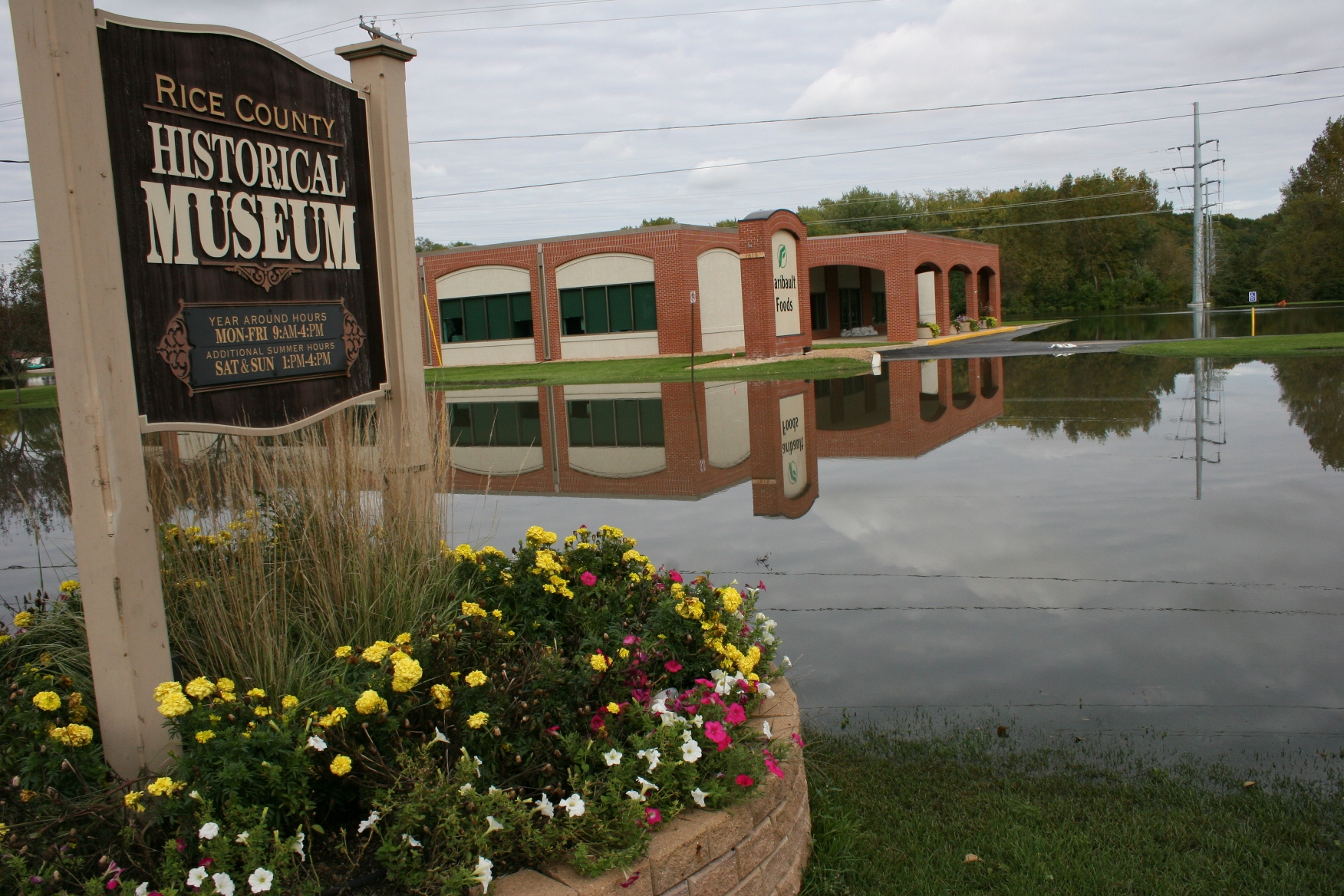
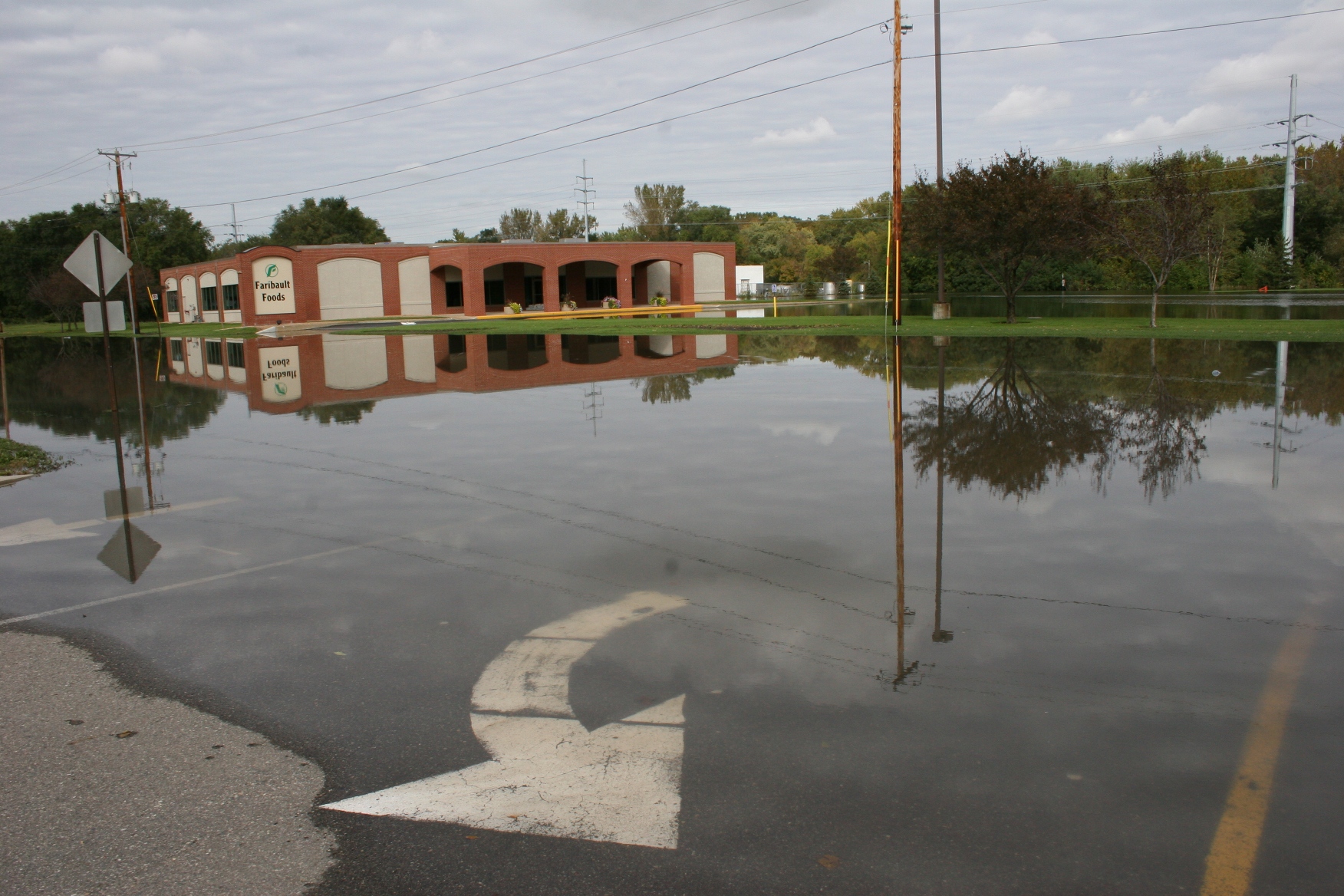
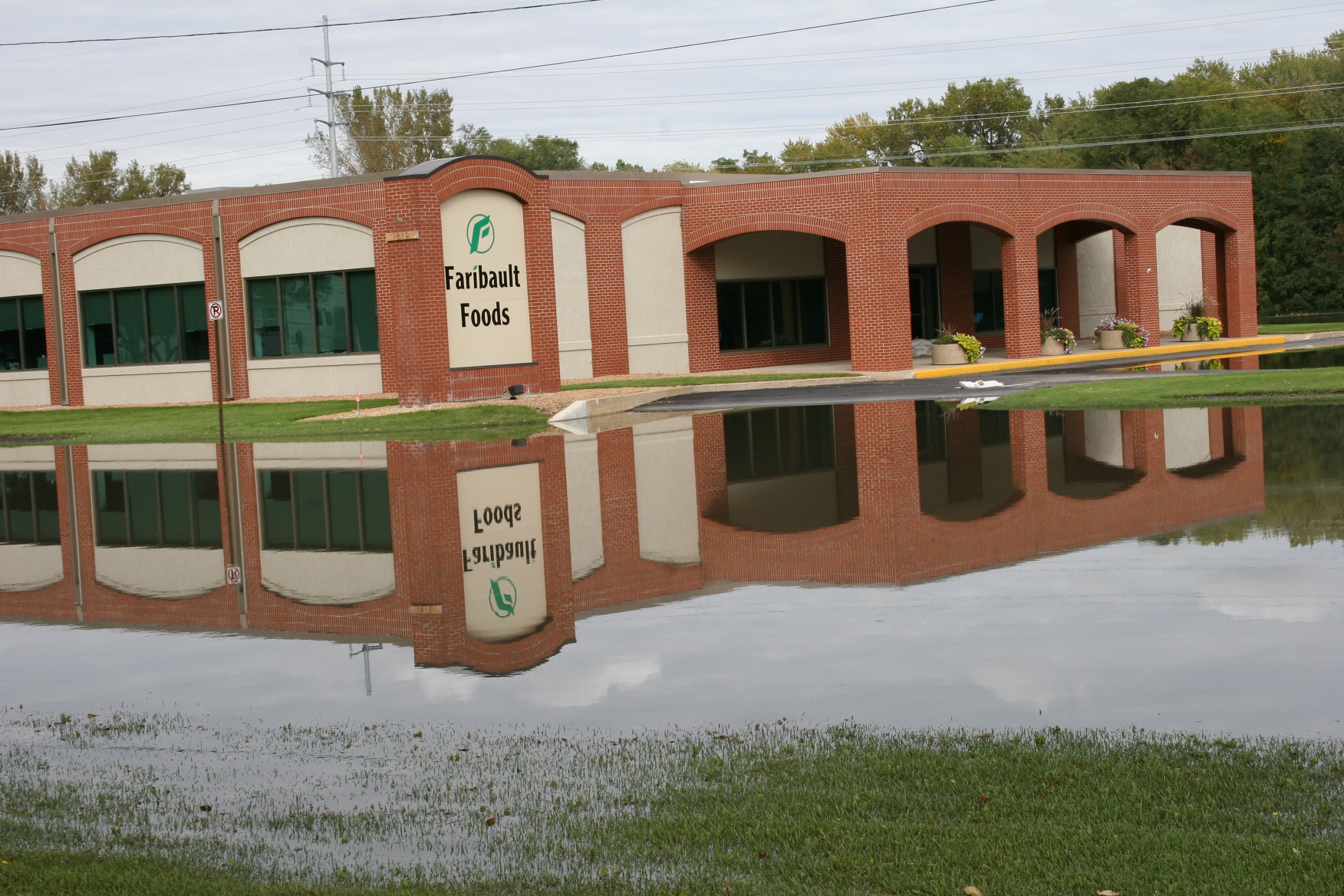
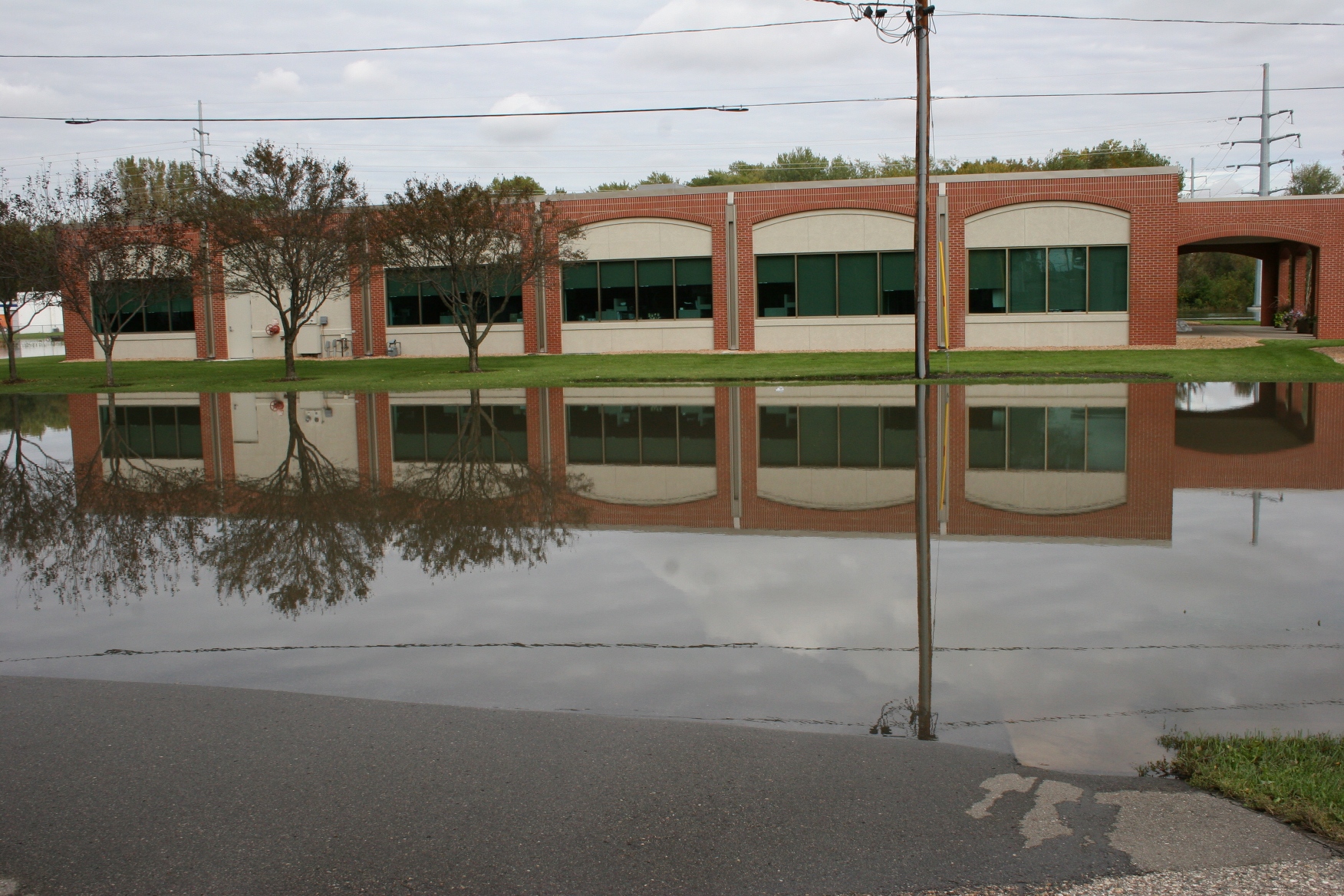
IF BEAUTY CAN BE FOUND in floodwaters, then today I discovered it in these images I composed of Faribault Foods’ offices along Second Avenue N.W. across from the Rice County Historical Society.

Faribault's September 2010 flood will go down in the history books.

With “just right” lighting, with the building and landscape and sky reflecting upon the water in the flooded street, the scenes seem almost surreal. My unedited photos possess a serene quality that belies the angst the floodwaters have caused for residents and business owners and government officials.

A roadway arrow directs motorists from Second Avenue N.W. into North Alexander Park.

Just across the street, a resident pumped 3 ½ feet of raw sewage from his basement.

But you would never think that, viewing these images, this flood art.

The light and reflection create a surreal image of Faribault Foods.

This is my favorite image of the Faribault Foods' office. To me this appears more a painting than photo.

© Copyright 2010 Audrey Kletscher Helbling