Minnesota Prairie Roots

Writing and photography by Audrey Kletscher Helbling

The Civil Rights Movement as photographed by Stephen Somerstein April 23, 2015

POWERFUL. HISTORIC. MEMORABLE.
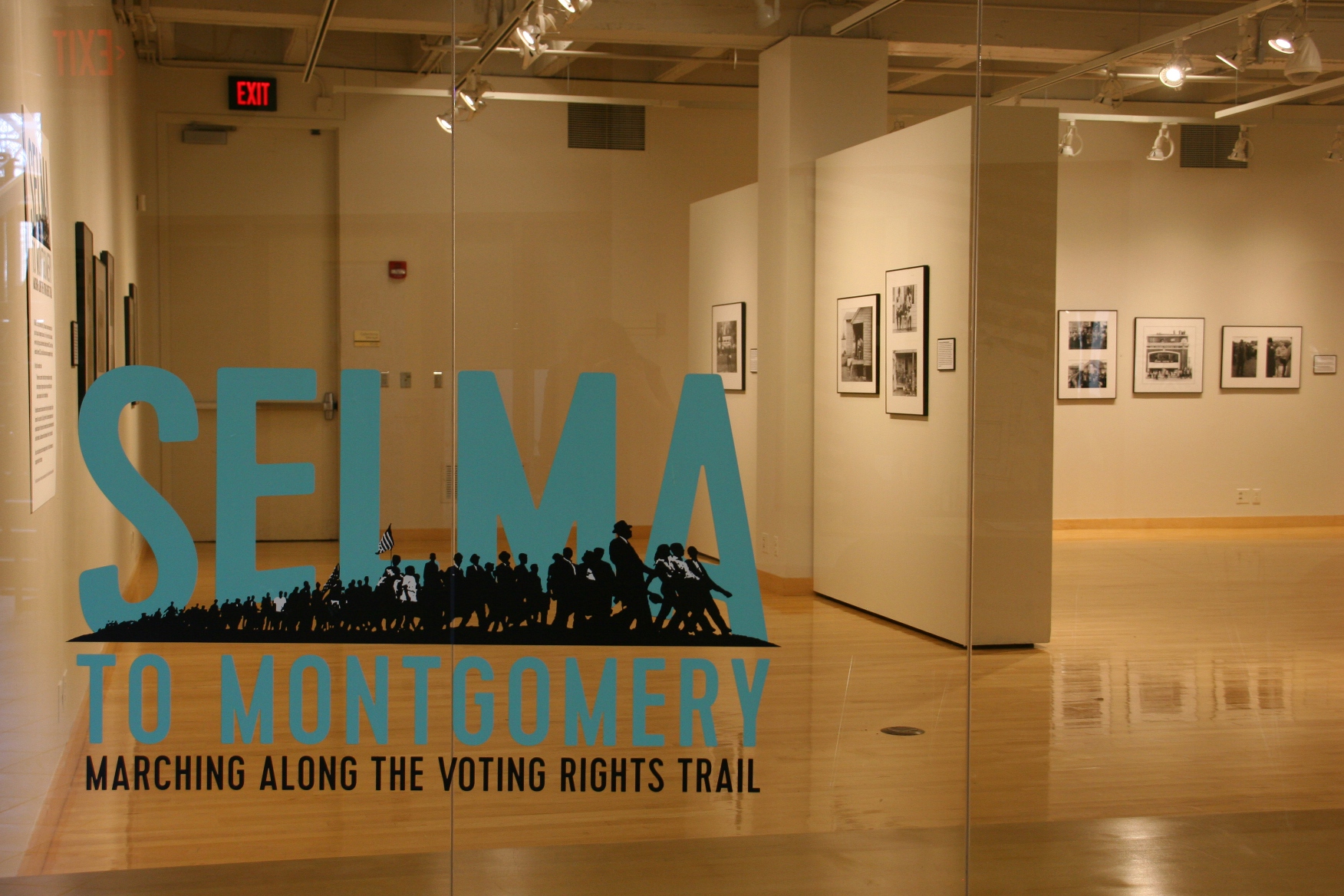
Looking through a window into an exhibit space at Flaten Art Museum.

Looking through a window into the “Selma to Montgomery” exhibit in the Flaten Art Museum at St. Olaf College in Northfield, MN.

That trio of adjectives describes Selma to Montgomery: Marching Along the Voting Rights Trail, an exhibit of 45 black-and-white photos documenting the 1965 Civil Rights Movement through the work of photographer Stephen Somerstein.

I was only eight years old in 1965, living in rural southwestern Minnesota, far removed from what was occurring in Alabama.

The faces of the Civil Rights Marches and Movement include Dr. Martin Luther King, Jr. Photo by Stephen Somerstein.

Faces of the Civil Rights Movement include Dr. Martin Luther King, Jr., left, and his wife, Coretta Scott King, right. This shows a snippet of a photo by Stephen Somerstein.

But the exhibit, showcased at the Flaten Art Museum of St. Olaf College, took me to Alabama in 1965 and into the movement for equality in an up close and personal way.
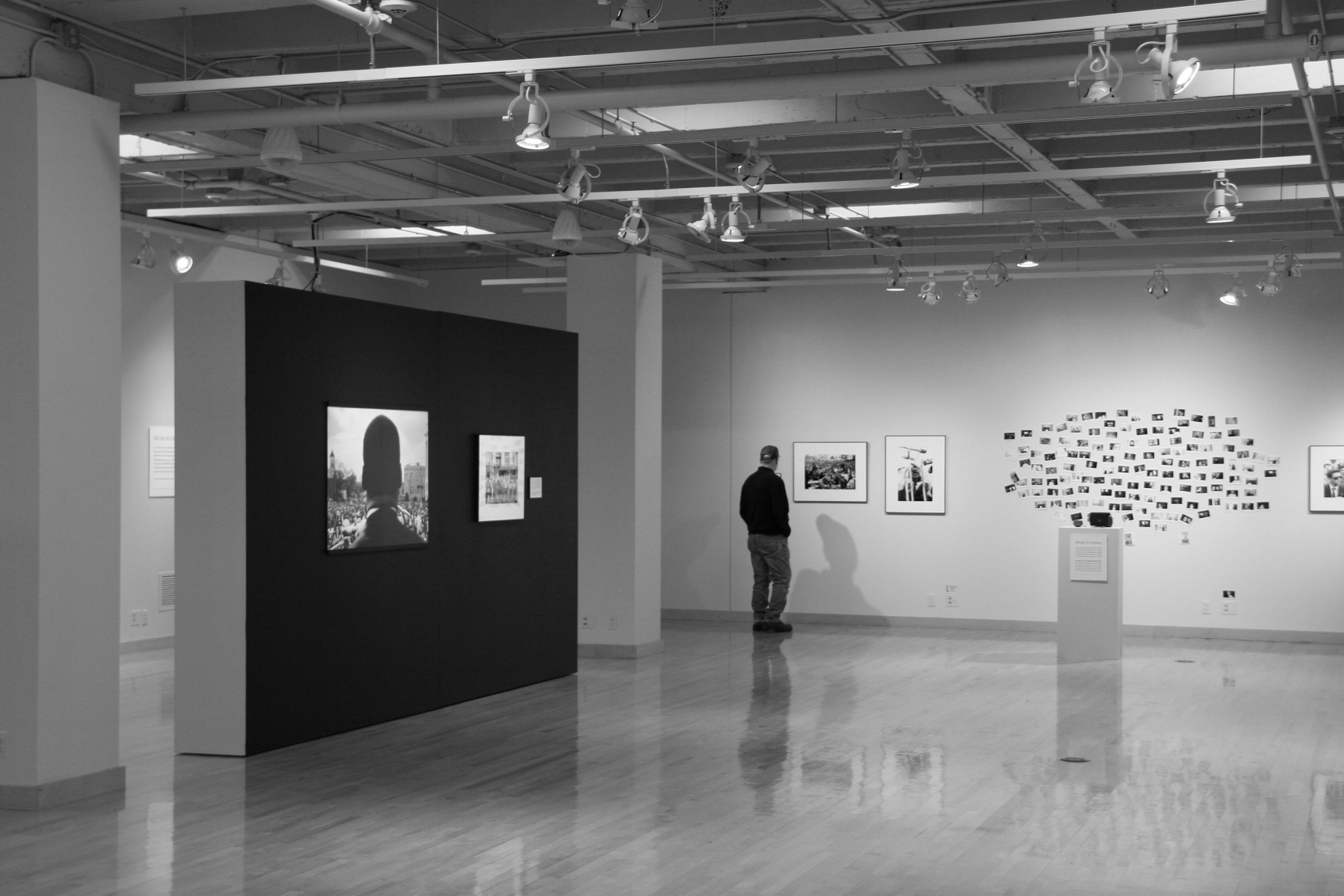
An overview of a section of the exhibit at St. Olaf College, Northfield, Minnesota.

An overview of a section of the now-closed exhibit at St. Olaf College.

If a picture is worth a thousand words, then Somerstein’s pictures are worth 45,000 words. My one regret is that I did not visit this exhibit until the day before it closed on April 12 thus failing to inform you, my readers, of the opportunity to see this for yourselves.
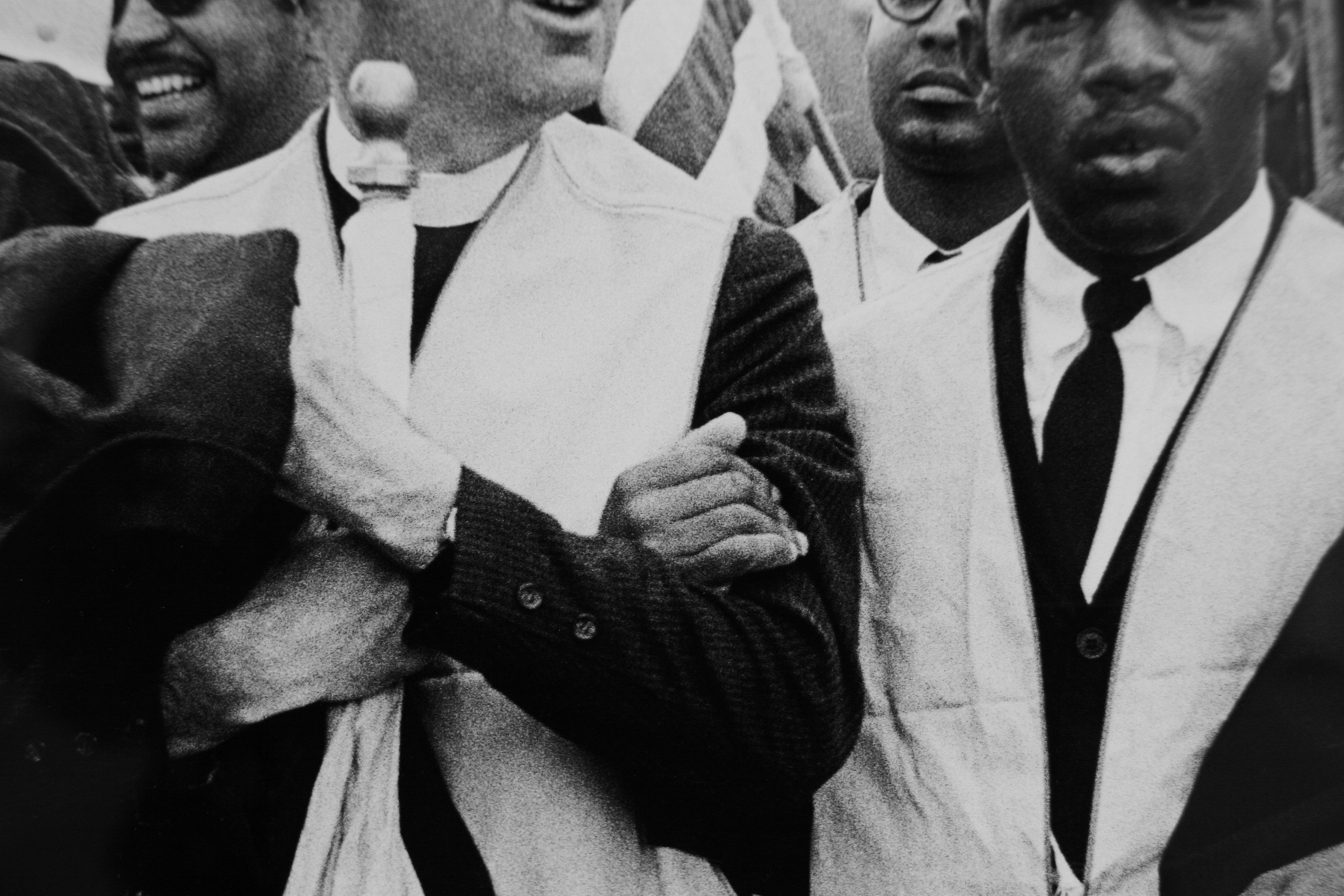
This portion of a photo by Stephen Somerstein drew my attention.

This portion of a photo by Stephen Somerstein drew my attention.

As I circled the museum space, I studied many of the photos in detail. These images by Somerstein, a then student at City College of New York and editor of the school newspaper, call for close examination. It is in the details that we begin to fully understand, to see the fear, the hope, the defiance, the anger, the love, the determination.

I found myself drawn to hands and arms—those of an interracial couple, that of a union member gripping a sign, activists carrying American flags, a soldier focusing binoculars, a mother cradling her son:

One of my favorite images

One of my favorite photos by Stephen Somerstein.
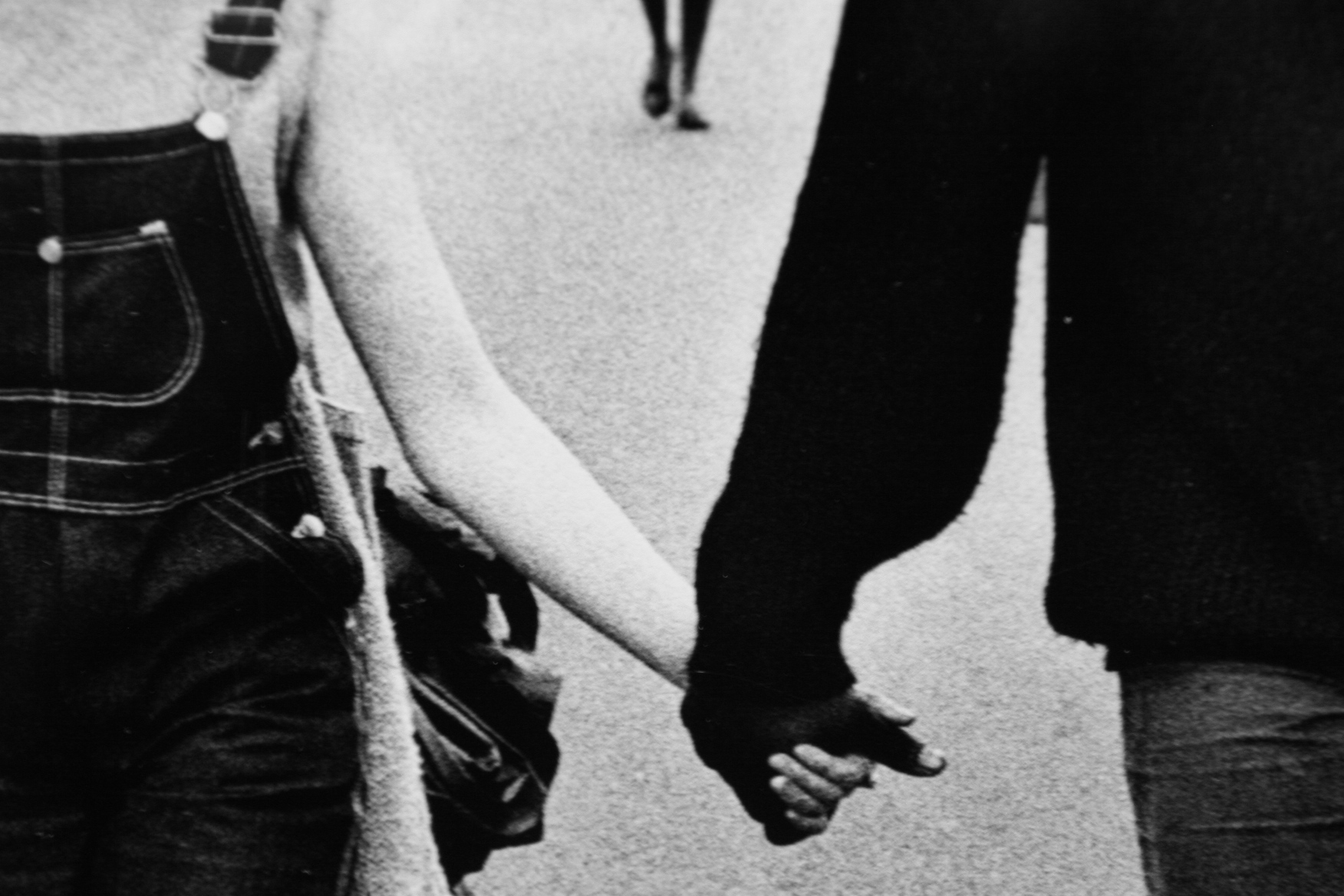
Skin color matters not, as showcased in this section  of a Stephen Somerstein photo.

Skin color matters not, as showcased in this section of a Stephen Somerstein photo I photographed.
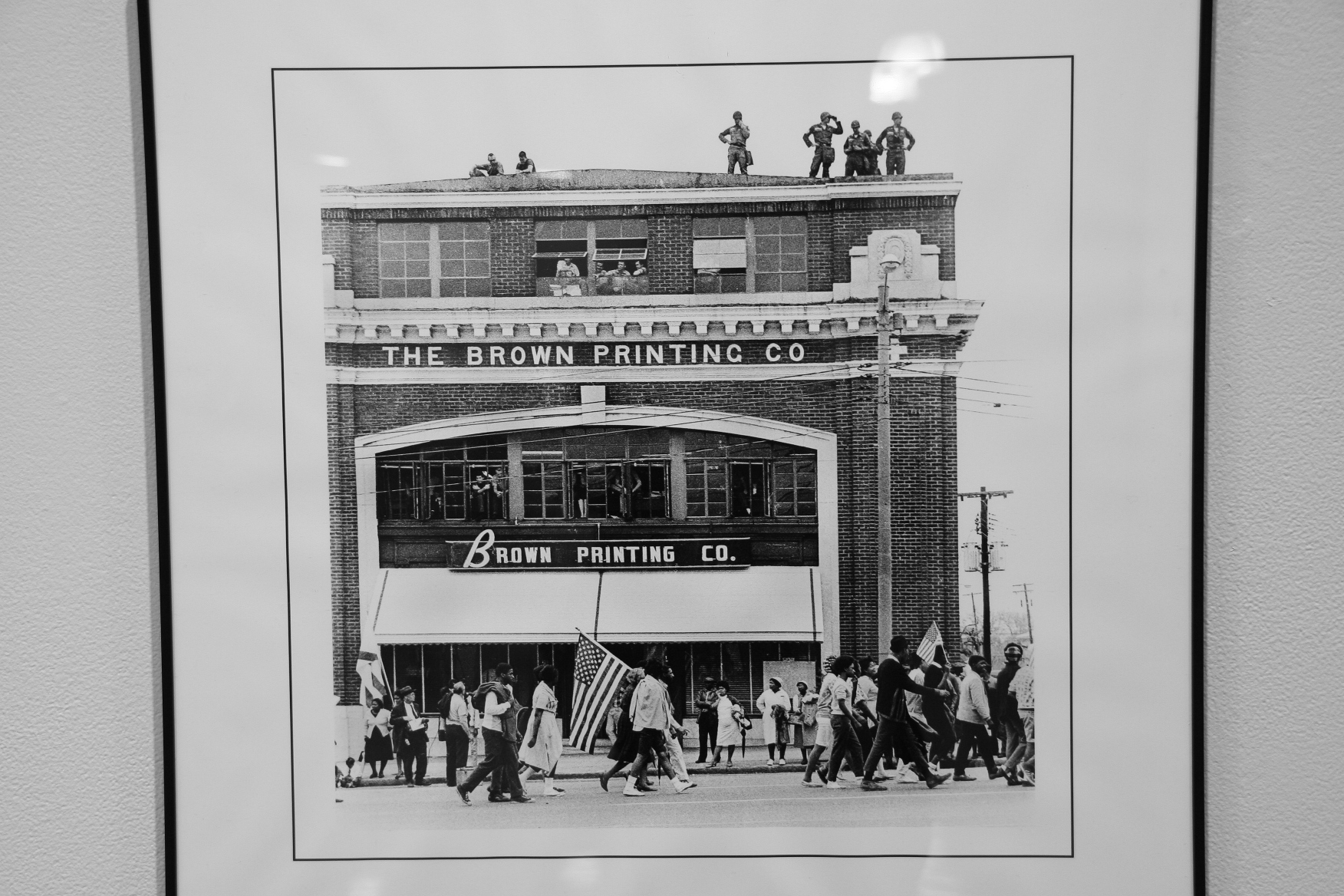
The two things I noticed in this Stephen Somerstein photo: the marcher carrying and American flag and the soldier atop the building scanning the scene with binoculars.

The two things I noticed in this Stephen Somerstein photo: the marchers carrying American flags and the soldier atop the building scanning the scene with binoculars. It’s truly a multi-layered image.
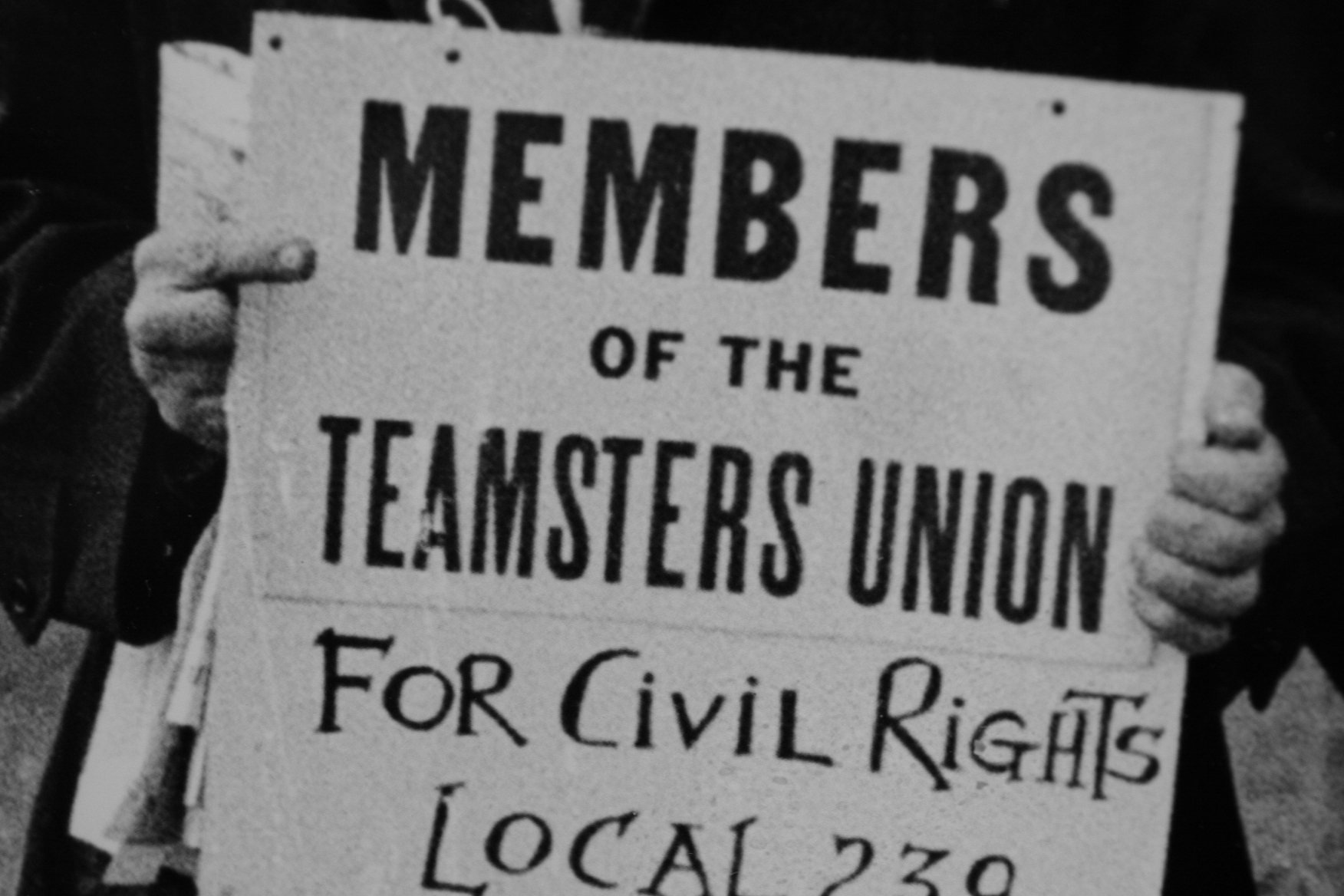
The Teamsters Union

The Teamsters Union Local 239 sent supplies to activists who were marching. This is a selected section of a photo by Stephen Somerstein.

Eyes and words also drew me in:

vote

Bobby Simmons, a member of the Student Nonviolent Coordinating Committee, wearing zinc oxide to prevent sunburn, wrote VOTE onto his forehead. This is a section of Stephen Somerstein’s portrait of Simmons.

The exhibit featured explanatory information about photos and the movement.

The exhibit featured explanatory information about photos and the movement.

And although I did not participate in the interactive portions of the exhibit created by artist Nancy Musinguzi, I appreciated that visitors could photograph themselves and pen thoughts on working toward justice and equality.

Visitors could photograph themselves at the exhibit and express their thoughts.

Visitors could photograph themselves at the exhibit and express their thoughts.

Opinions expressed in the exhibit polling place.

Opinions expressed in the exhibit polling place.

They could also vote in a People’s Survey. Vote.

A St. Olaf College student staffing the museum makes sure a video is working properly.

A St. Olaf College student staffing the museum makes sure a video is working properly.

The exhibit drew a wide range of interest at St. Olaf College with students in social work, history, art history, gender studies and more viewing the photos, says Flaten Art Museum Director Jane Becker Nelson. The timing of the exhibit—on the 50th anniversary of the Civil Rights Movement, relating to current day issues and release of the movie, Selma—added to the interest.

Another overview of part of the exhibit.

Another overview of part of the exhibit. Photos displayed are by Stephen Somerstein.

Additionally, Becker Nelson notes that the exhibit connects to the 50th anniversary of the death of St. Olaf graduate James Reeb. (More to come on that in a post next week.)

A chair placed before a Stephen Somerstein photo offers visitors a place to sit and contemplate.

A chair placed before a Stephen Somerstein photo offers visitors a place to sit and contemplate.

This remarkable collection of documentary photos impresses in a deeply personal way. Beyond headlines. Beyond news stories. Beyond the pages of history books. Somerstein’s photos document the humanity of the Civil Rights Movement in the eyes, in the hands, in the stances of individuals. And that connects all of us, no matter our skin color.

#

© Copyright 2015 Audrey Kletscher Helbling
Original photos are by Stephen Somerstein. My photos of Somerstein’s images are published here with permission of Flaten Art Museum, St. Olaf College.

Selma to Montgomery was booked through New York-based National Exhibitions & Archives.


In which I discover the art treasures of St. Olaf and Carleton Colleges April 20, 2015

SOMETIMES I FEEL like I am missing out on a whole big wide world of art.

Not because art is absent here in outstate Minnesota. It isn’t. Recent years have seen a renewed effort to bring the arts—visual and performing—to communities like mine outside the Twin Cities metro area. Faribault has the Paradise Center for the Arts. Neighboring Owatonna, Northfield and Waseca also have art centers. Even the community of Zumbrota, population around 3,400, has the thriving Crossings at Carnegie.

So there are plenty of opportunities to engage in the arts at a local and regional level without venturing into Minneapolis or St. Paul, which I really prefer to avoid given my aversion for traffic congestion and big cities in general.

Despite an abundance of wonderful local art, I was still missing that segment of art created by renowned artists or by artists outside of Minnesota.

That is until I recently realized that I can see that type of art, too, right in my backyard.

In the center of this display space outside the Flaten Art Museum is a poster for the "Selma to Montgomery" exhibit on the Civil Rights Movement.

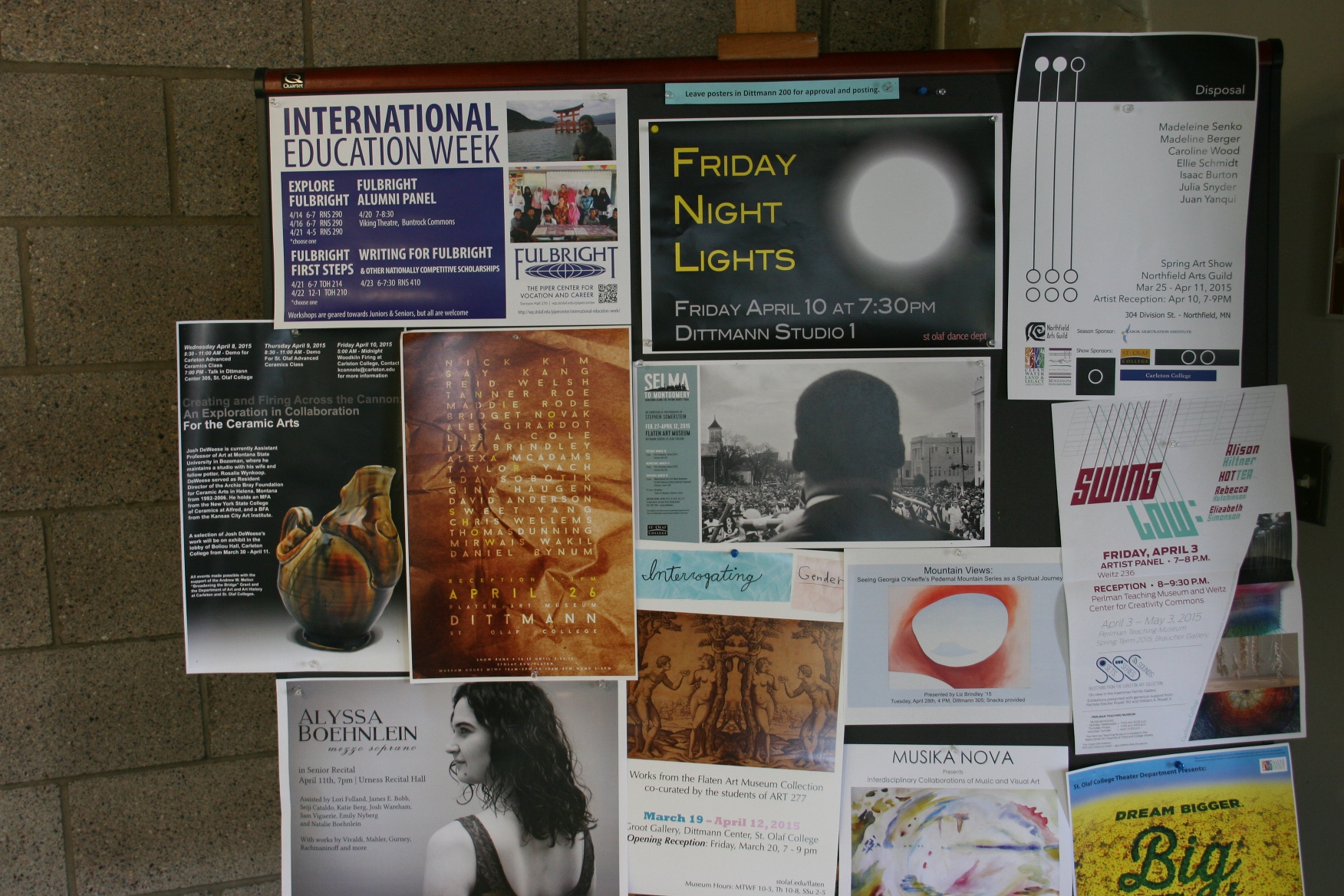
Promotional posters posted in the Dittman Art Center at St. Olaf College show the wide variety of artistic offerings.

Two colleges in Northfield, a 22-minute drive from my Faribault home, both sometimes showcase notable art from their collections in exhibits that are open to the public. They also bring in outside artists and traveling exhibits. Entrance to Carleton’s Perlman Teaching Museum and St. Olaf’s Flaten Art Museum is free. No cost and no traffic are a winning combination for me.

Items from St. Olaf's art collection were displayed in the recent "Interrogating Genders" exhibit.

Items from St. Olaf’s art collection were displayed in the recent “Interrogating Gender” exhibit.

Together, these two prestigious private colleges hold more than 6,500 paintings, fine art prints, photographs, sculptures and more in their collections.

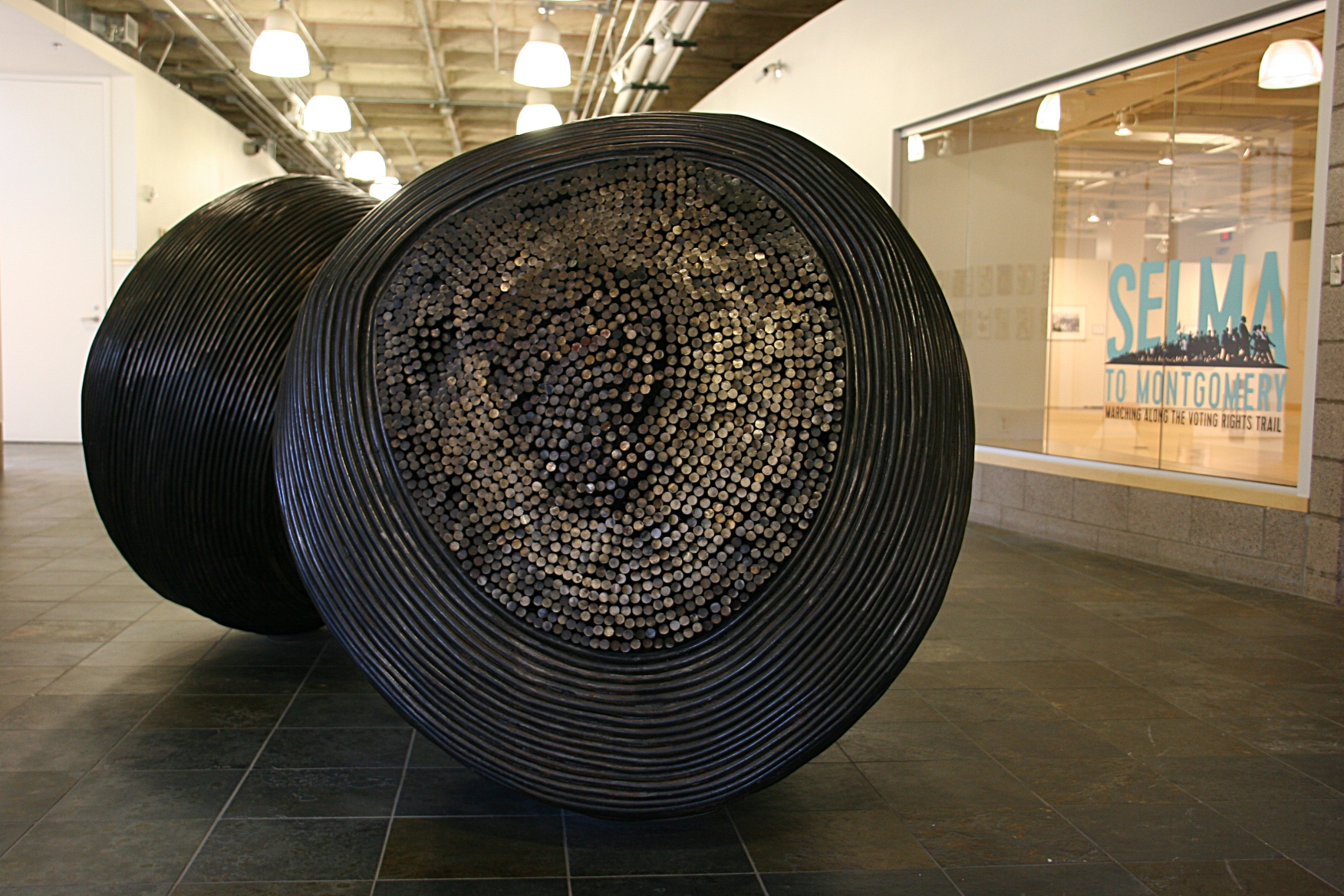
Entering the Flaten Art Museum Atrium, I encountered this mega sculpture just outside the "Selma" exhibit.

Entering the Flaten Art Museum Atrium, I encountered this mega sculpture just outside the “Selma” exhibit.

I discovered Carleton’s gallery space about 18 months ago and St. Olaf’s just recently, when I arrived at the college atop the hill to view Selma to Montgomery: Marching Along the Voting Rights Trail, an exhibition of Stephen Somerstein’s photos.

Walking across the hall from one museum space to another, I found Michon Weeks' "Wheel Within Wheel (#1-44) paintings hung along the atrium wall. The acrylic on paper on wood panel is a visual inventory of items in her Northfield garage.

Walking across the hall from one museum space to another, I found Michon Weeks’ “Wheel Within a Wheel (#1-44) paintings hung along the atrium wall. The acrylic on wood panel paintings are a visual inventory of items in her Northfield garage.

After studying Somerstein’s remarkable images, I strode across the hall to see the Interrogating Gender exhibit, since closed.

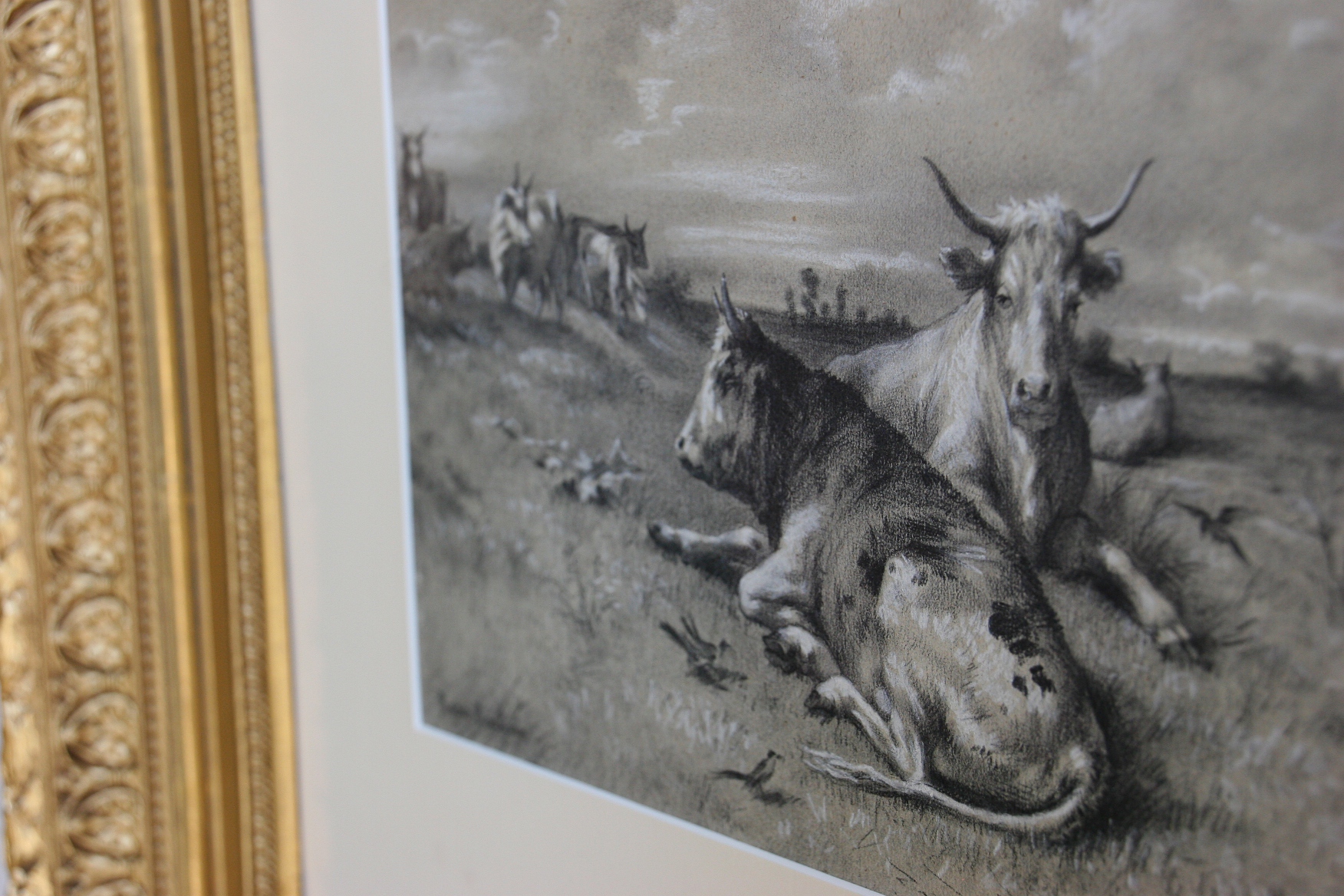
Rosa Bonheur's "Cows in Pasture."

Rosa Bonheur’s “Cows in Pasture.”

The 16th Century "Madonna and Child, an oil painting on panel by Adriaen Isenbrandt of Belgium.

The 16th Century “Madonna and Child” by Adriaen Isenbrandt of Belgium.

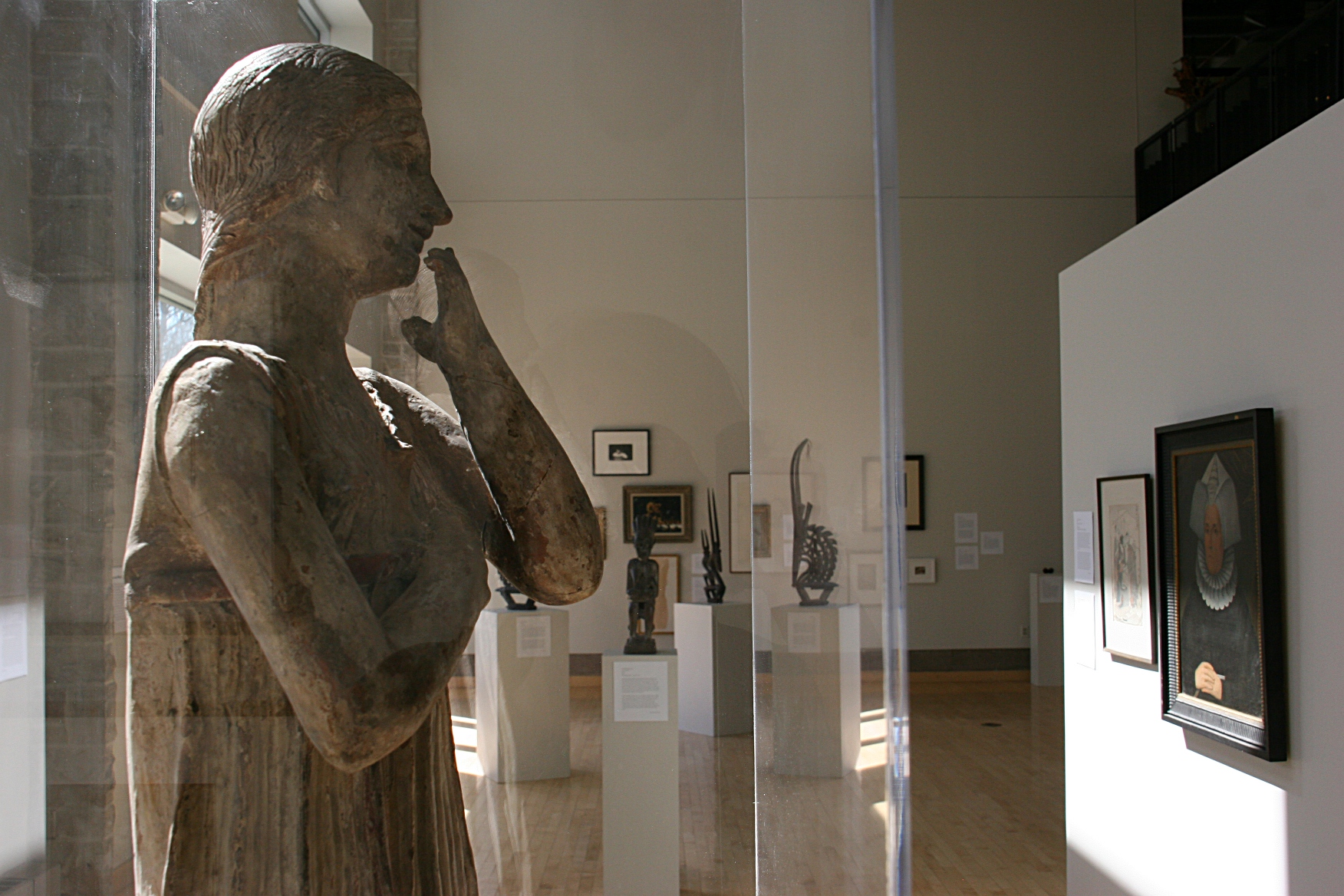
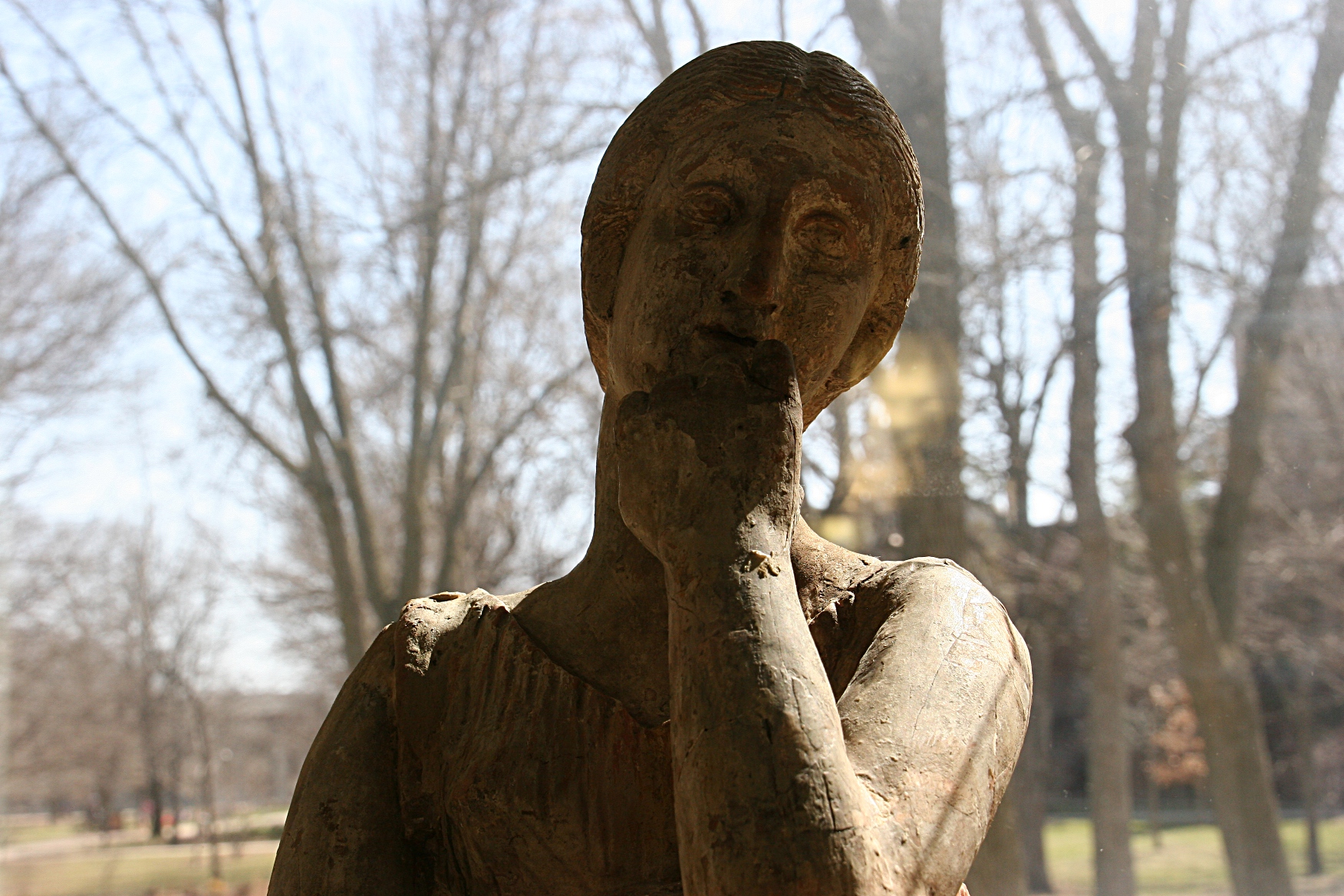
The angle at which I photographed "Archaic Greek Statue of a Woman" makes it appear as if the Italian terra cotta sculpture is studying the art on display.

The angle at which I photographed “Archaic Greek Statue of a Woman” makes it appear as if the Italian terra cotta sculpture is studying the art on display.

There I marveled in getting close up to photographs taken by Andy Warhol. Yes, the Andy Warhol. I stood in reverent awe before a 16th Century oil painting on panel of Madonna and Child by Adriaen Isenbrandt. I enjoyed art from Africa and Italy and the Cows in Pasture pencil on paper by Rosa Bonheur.

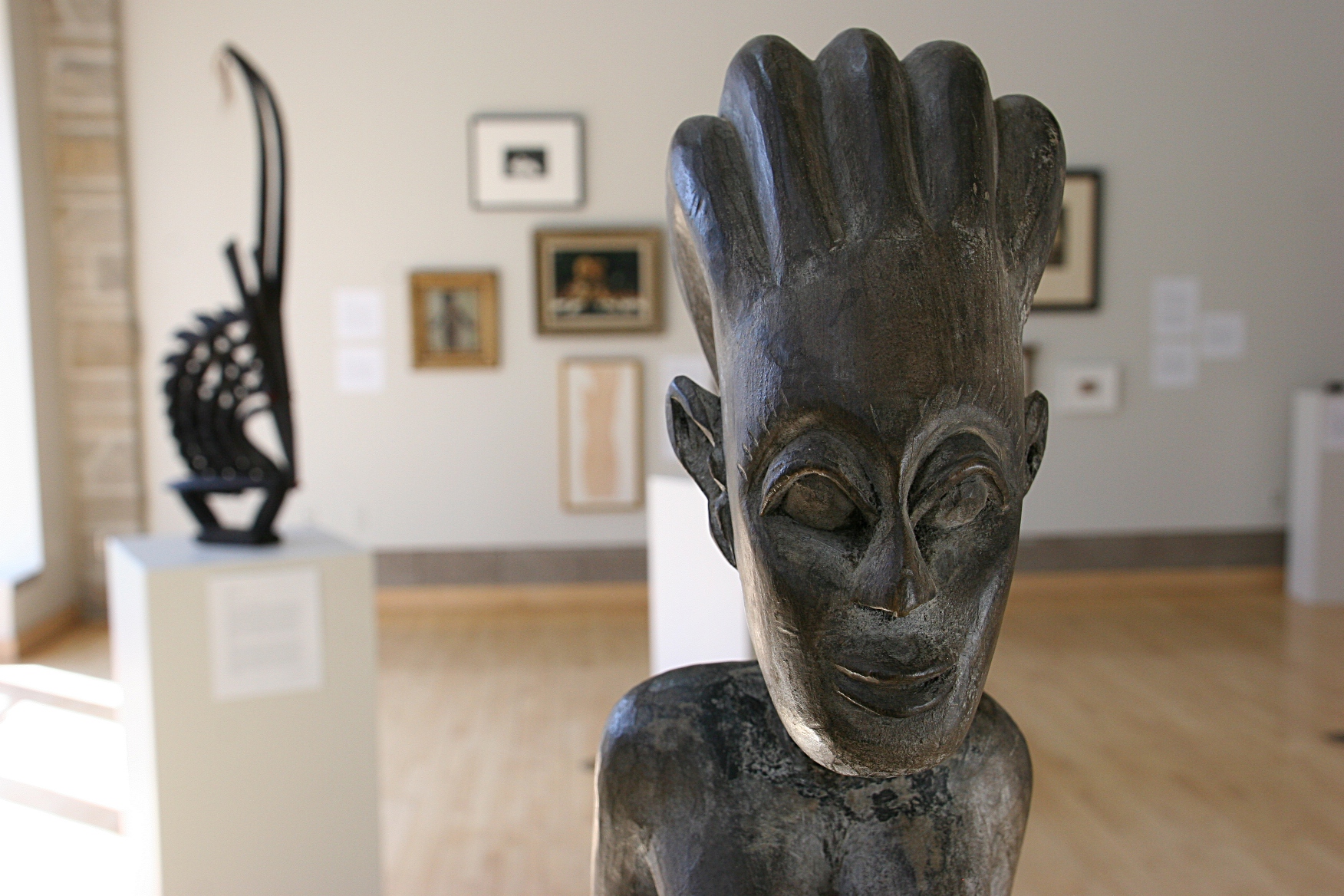
A wood sculpture from Africa, artist unknown, and titled "Seated Maternity Figure."

A wood sculpture from Africa, artist unknown, and titled “Seated Maternity Figure.”

I could have reached out and touched the art, except I didn’t. It was that comfortably accessible and intimate. I didn’t have that feeling I often get in galleries of “be careful and don’t touch,” although I was aware of cameras on the premise.

My husband peruses the art.

My husband peruses the art.

I only wish I’d realized years ago that I could simply walk onto these college campuses and view art by well-known and other artists and students, too.

I got down low to photograph the Greek woman sculpture encased in glass.

I got down low to photograph the Greek woman sculpture encased in glass.

Now that I know, I’ll be back.

FYI: All of the exhibits mentioned in this post are no longer showing. Both colleges will be featuring a Senior Art Show in their exhibit spaces.

Please check back for a story and photos of the Selma to Montgomery exhibit.

© Copyright 2015 Audrey Kletscher Helbling


Embracing everyday & public art, plus a new sculpture in Northfield June 28, 2012

GROWING UP, I DIDN’T have all that much formal exposure to the arts. Not at home. Not in school. Not outside of either.

Life was different back then, in the 1960s and early 1970s, with families in my southwestern Minnesota farming community simply working long, hard hours to survive. We didn’t, for the most part, have art galleries and live theatre, concerts or art shows or any of those cultural centers and events that today are an assumed aspect of life, even in the most rural of areas.

Despite that absence of organized art opportunities, I was not deprived of art. Rather, its presence was subtle—found in the flower gardens of Great Aunt Dora, in the dance of corn tassels on a breezy summer afternoon, in the patchwork symphony of quilts my Grandma Ida stitched, in the blazing orange of a prairie sunset painted across the wide sky, in the distinguishable cadence of a John Deere tractor, in the stones my great uncle rockhounds collected, sculpted and polished to shiny perfection.

Those exposures to art were so much a natural part of my life that I never realized their significance as artful influences.

Today I can find organized art anywhere, including right here in my community of Faribault. I embrace (most of) it with exuberance.

And to the north, in neighboring Northfield, the arts scene is even more vibrant.

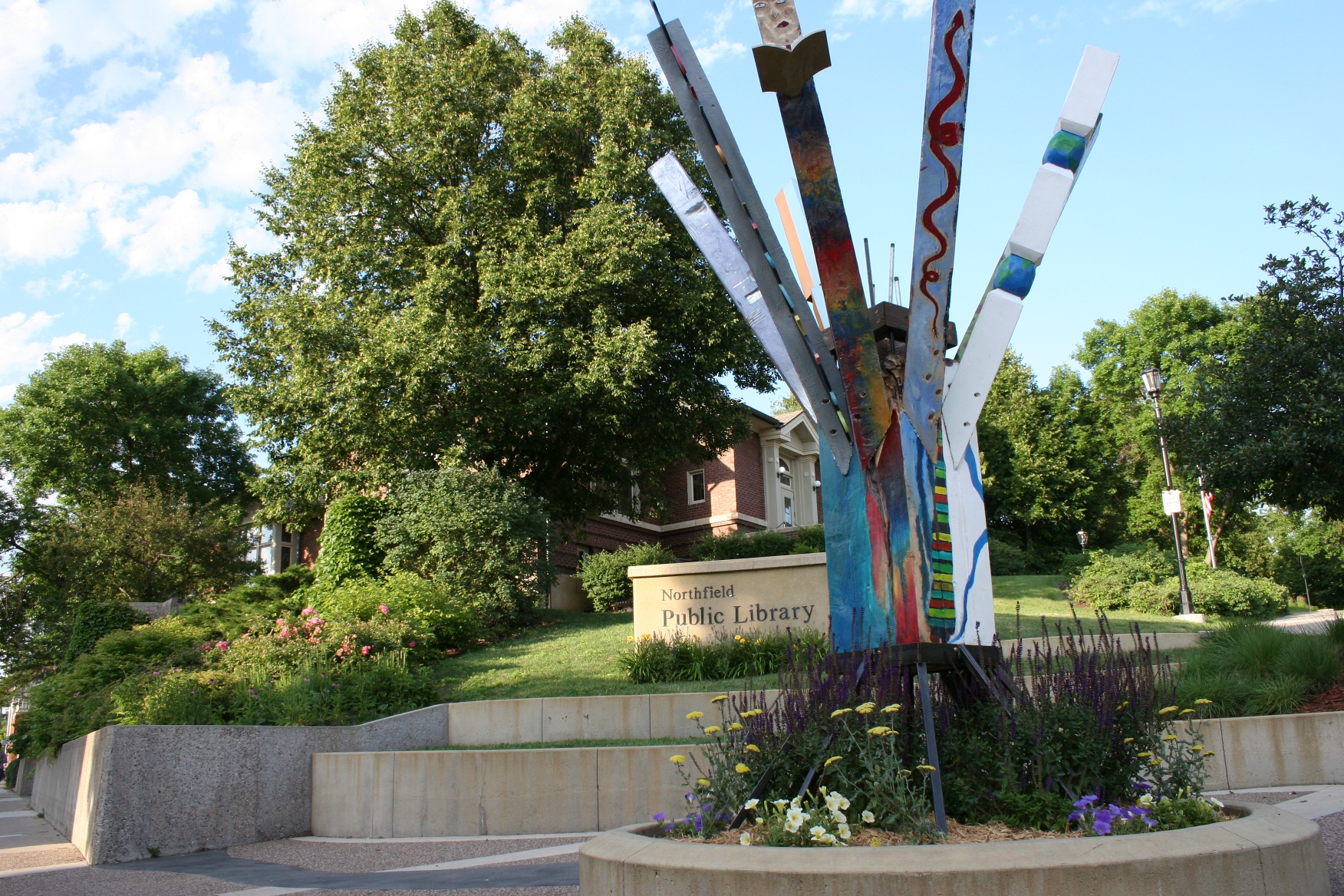
The recently-installed “Tree of Knowledge and Delight” at the Northfield Public Library.

At 4:30 p.m. this Friday, June 29, Northfield celebrates its latest addition to downtown art at the official unveiling of the “Tree of Knowledge and Delight,” a sculpture created by 10 Northfield High School students and installed in the Northfield Public Library plaza.

A St. Olaf College emeritus professor of art and a St. Olaf art apprentice guided the students in their non-credit, extra-curricular public art course which resulted in the sculpture. Funding for the Northfield Young Sculptors Project came via a $4,150 Legacy grant approved by the Southeastern Minnesota Arts Council.

I viewed the sculpture for the first time Sunday evening. I’ll admit that I didn’t study the sculpture like I should have. But oftentimes it takes me awhile to warm up to abstract art.

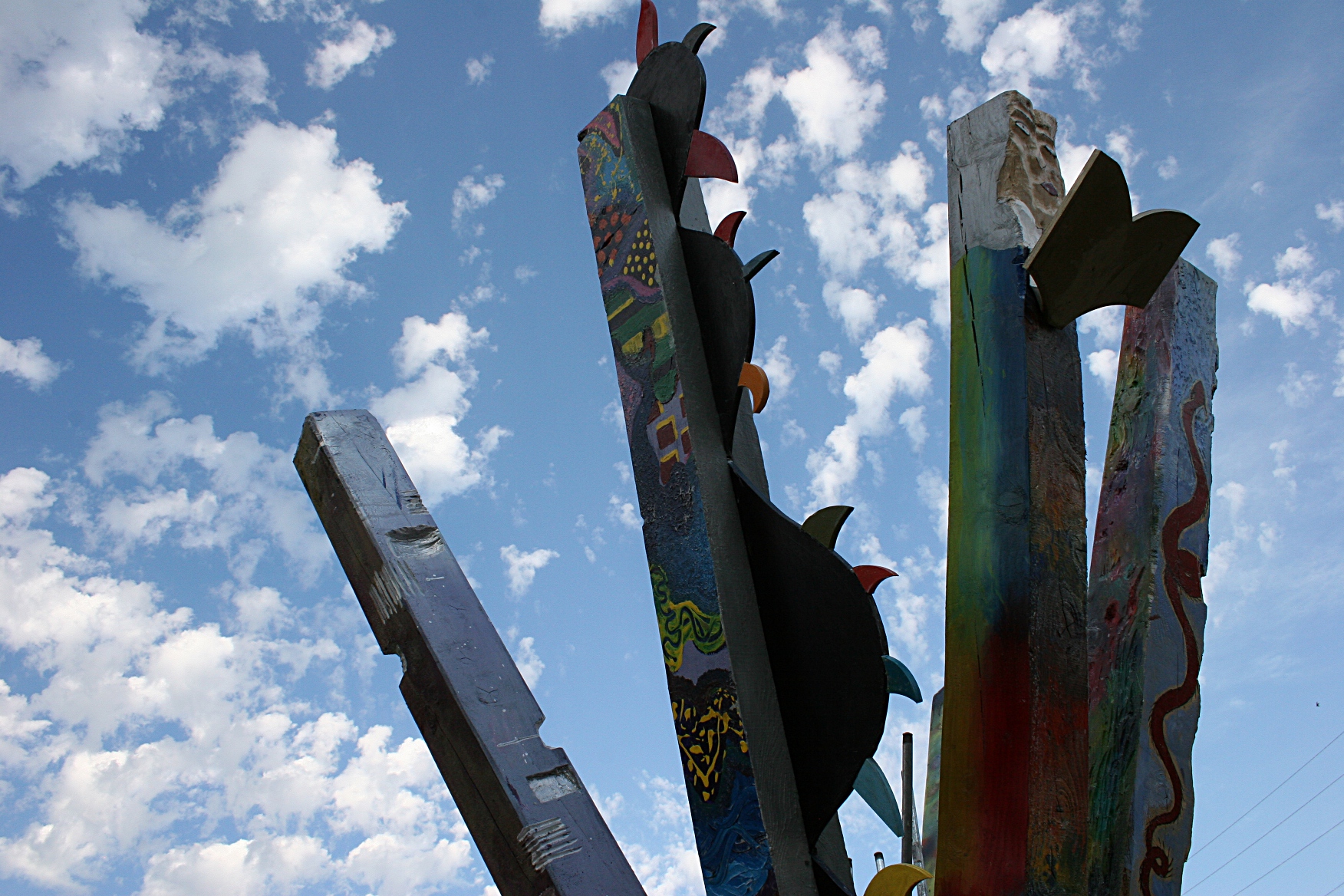
Eight branches comprise the tree sculpture.

But if you take the time to examine the tree, you will see the visual themes related to learning and individual artistic expressions—the book, the faces, the snake, the harmony of colors and more.

That students would have this opportunity to create such a sizable piece of public art seems exceptional. What an encouragement to them as young artists.

The “Tree of Knowledge and Delight” will remain at the library plaza for a year before relocating to a permanent home at Northfield High School. Plans call for a public sculpture to become an annual project for NHS students and their professional mentors. And that is good.

Yet, aside from this organized project, I hope students will not overlook the art in their everyday lives. For that is the art which, as I see it, defines the artistic world in its simplest, purest, most grassroots form.

FYI: This project was also supported by the Northfield Arts and Culture Commission, the Northfield Public Library, Northfield High School and the City of Northfield.

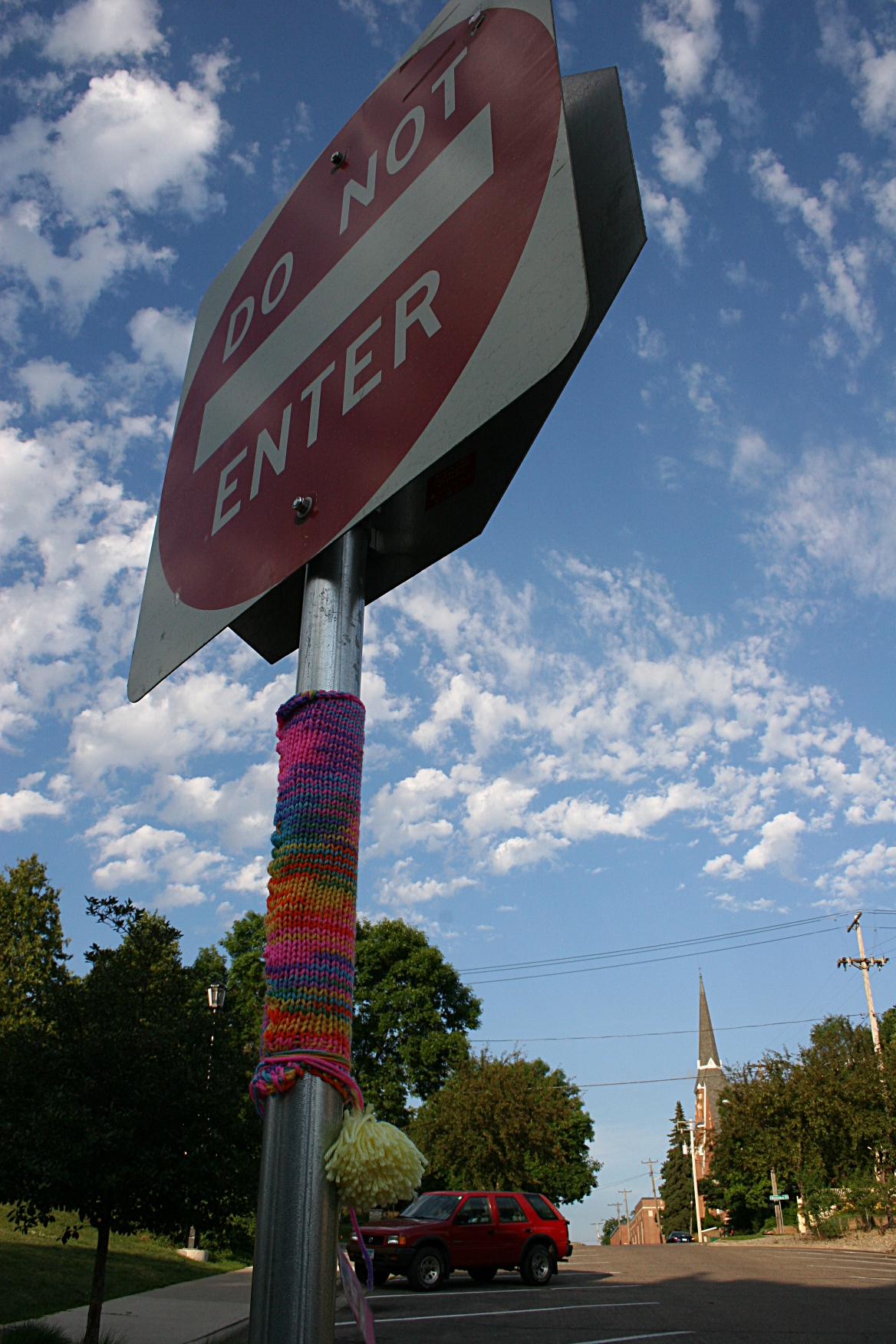
Right next to the Northfield Young Sculptors Project you’ll see this knit art wrapped around a “Do not enter” sign post. An attached tag, which includes a photo of a young woman, reads: “It’s immortality, my darlings.– Alison.” This is apparently a memorable line by character Alison DiLaurentis from the teen drama television series, “Pretty Little Liars.” Never heard of it. Any idea who placed this quote and knit art on the Northfield street sign? And what does that message mean anyway?

© Copyright 2012 Audrey Kletscher Helbling


We’re not hyphenated Americans… September 12, 2011

Xafsa, age 5

THEY ARE THE FACES, the hands, the feet, the voices of a new Faribault. Not the community of only French or Germans, Scandinavians or whatever ethnic groups shaped and defined this southeastern Minnesota city for so many years.

Today the face of Faribault is changing with one-fifth of the population identifying itself as non-white in the 2010 U.S. Census. Most of those minorities are Latinos and Somalis, “drawn by the opportunity to live in a small town and work in food processing plants, especially meat-packing plants,” according to a recent research report, “After the Welcome Center: Renewing Conversations about Immigration and Diversity in Faribault,” conducted by students and staff with the St. Olaf College Political Science Department. To read that report, follow this link:

http://www.stolaf.edu/services/cel/students/CURI_Immigration.html

I can’t possibly attempt to summarize the contents of that report here. But it is packed with information that should be a must-read for every member of my community. We can all learn a thing or two or ten or 20 from this research project.

But mostly we can learn from meeting our neighbors at events like the International Festival held Saturday in Faribault’s Central Park. I’ve attended this meld of ethnic cultures several times already and each time enjoyed interacting with my neighbors whose skin color differs from my own.

That all sounds nice, politically-correct, and exactly what you’d expect me to write in a public venue like this blog. But I am sincere in my appreciation to the volunteer organizers of the International Festival and to those who participate. We just need more Caucasians to attend.

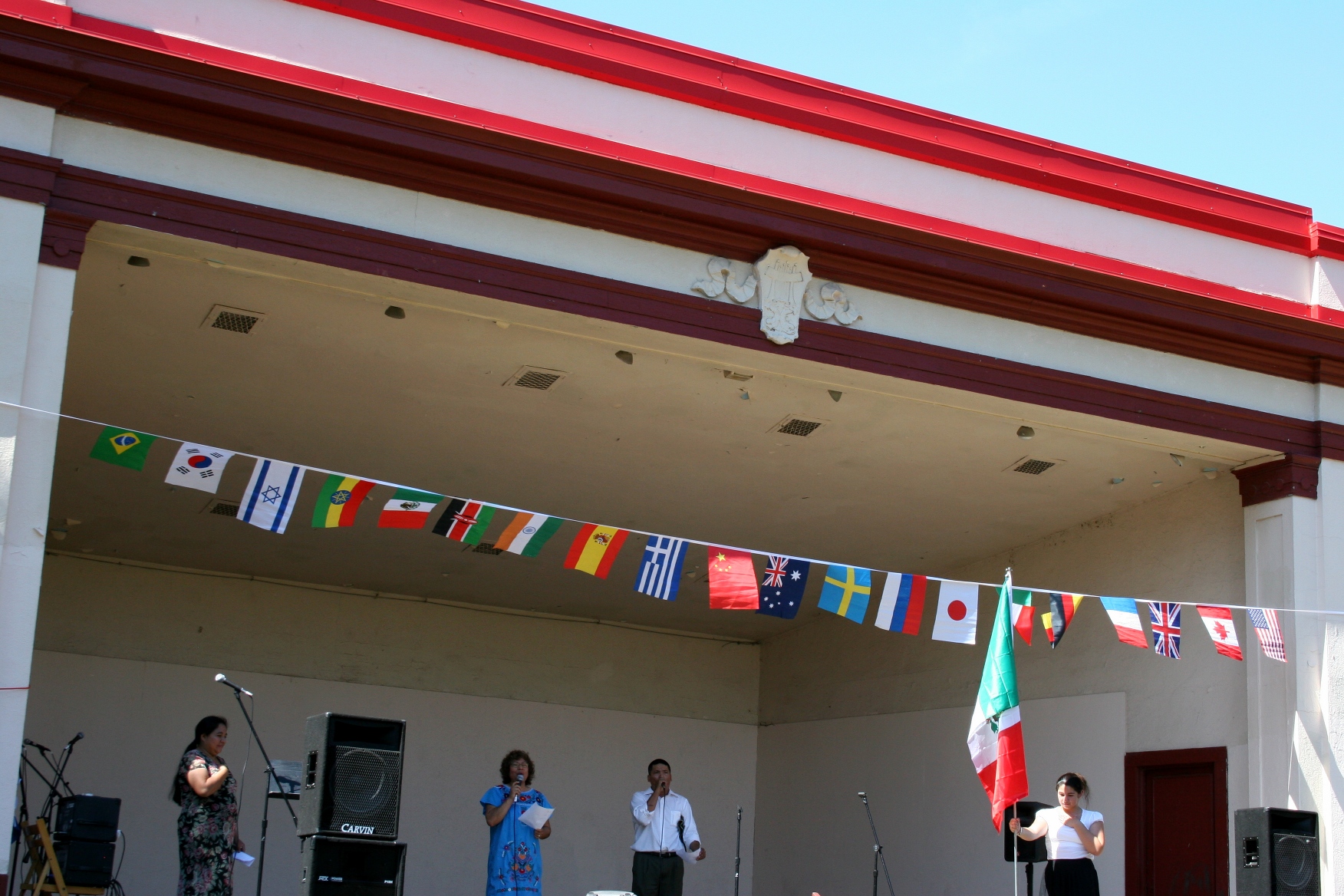
Several Latinos lead in singing of Mexico's national anthem on the band shell stage.

From the food and merchandise vendors to the musicians and everyone in between, I had ample opportunity to educate myself about Mexico, El Salvador, Guatemala, Honduras, Somalia, Holland and Norway. My husband and I sampled ethnic foods from five vendors.

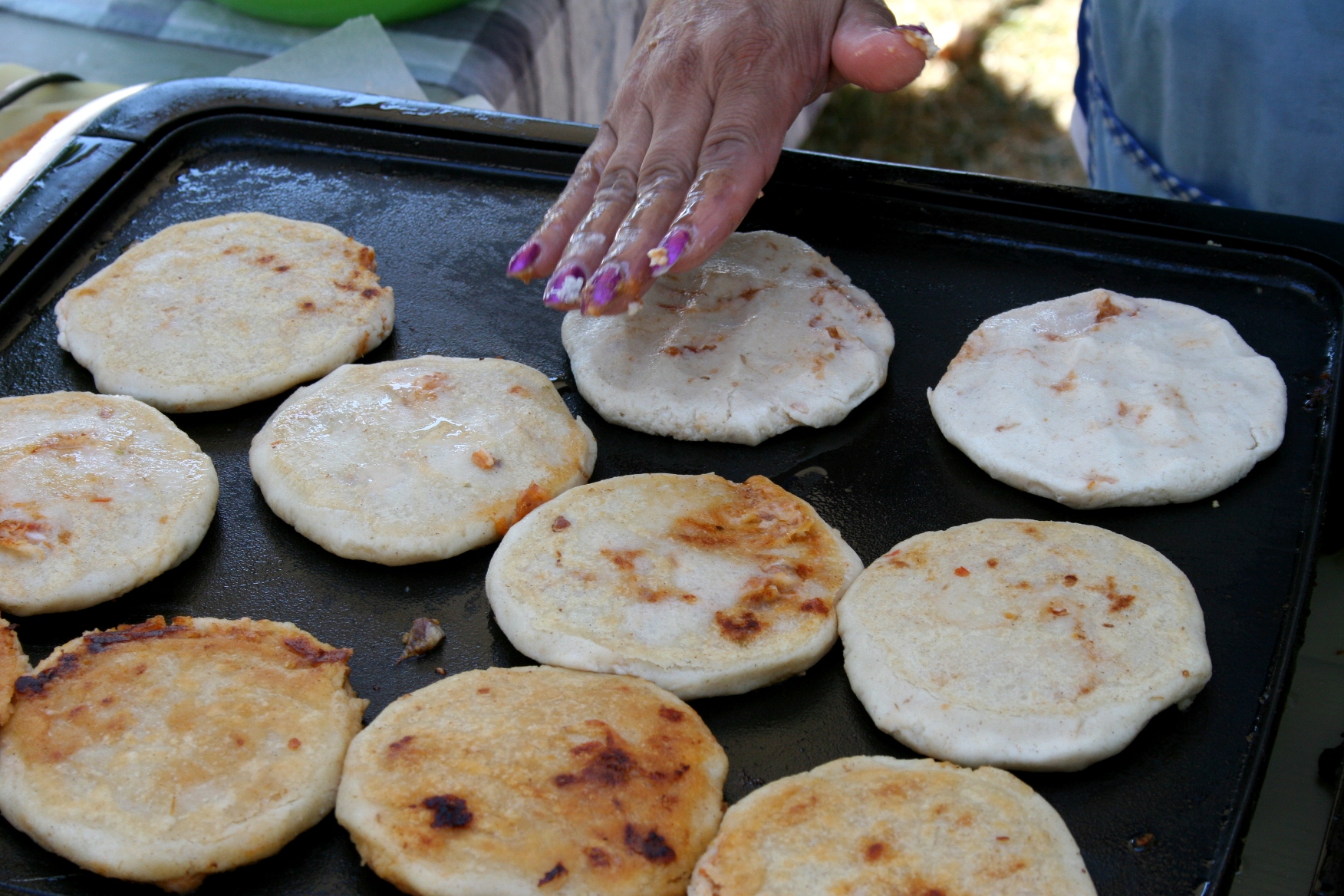
We sampled pupusas right off the griddle.

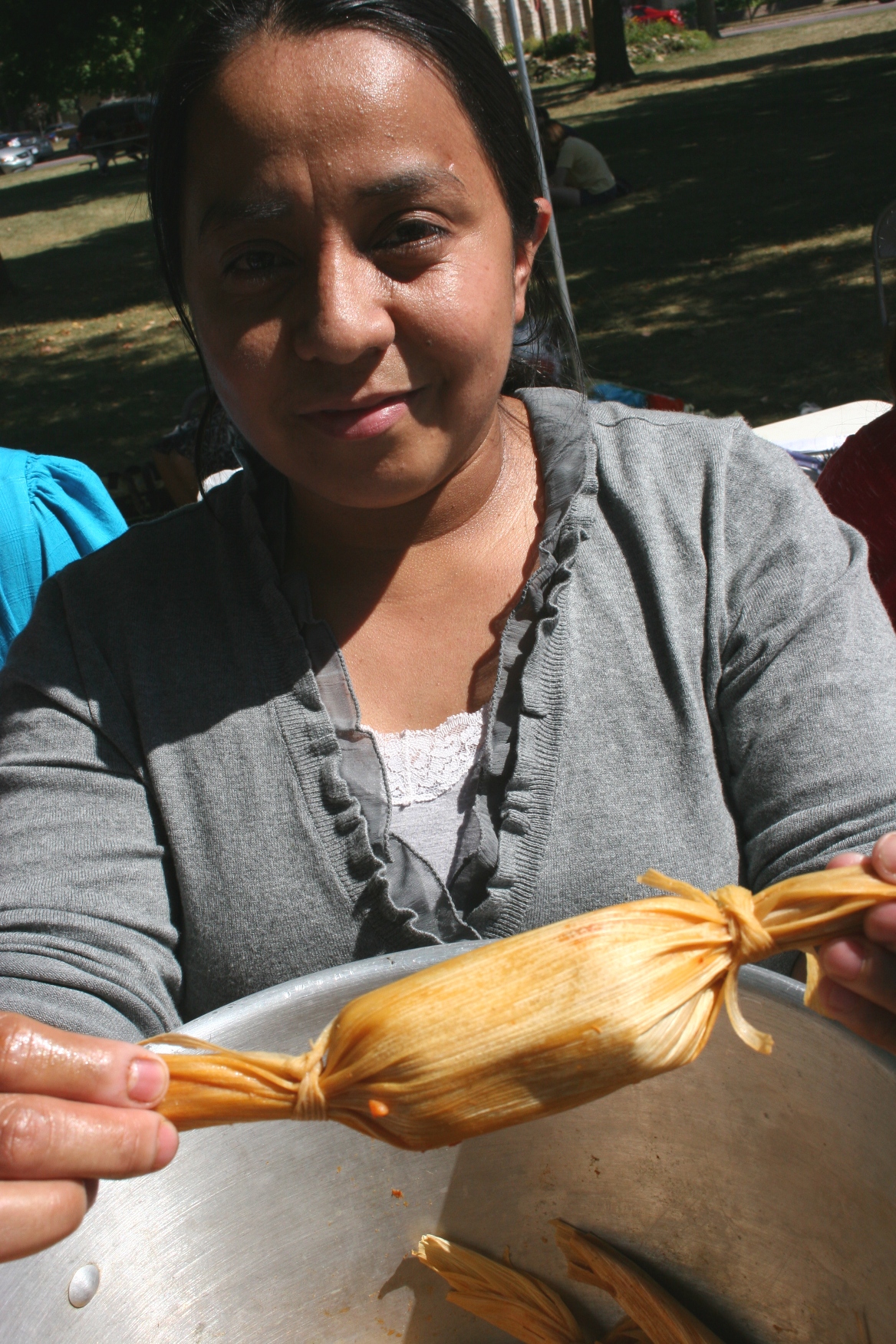
My husband and I tried Guatemalan chuchitos-- chicken, corn and salsa wrapped in a corn husk.

Faribault resident and one of the organizers, Peter van Sluis a Dutch citizen who has lived in the U.S. for 25 years, says the festival offers “a chance to mingle with different cultures.”

For me that mingling was most evident when children gathered under shade trees just south of the Central Park band shell to break piñatas. It didn’t matter if their skin was the beautiful color of sun-baked clay, or a nearly-black deep brown, or pale white. They were all kids, just kids, waiting to whack that swaying treasure-trove apart and then scramble for candy.

After the pinata was broken, the kids shared the candy.

While waiting for the piñata busting, I made a point of scanning the adult faces. I saw smiles—smiles nearly as wide as the brimmed hat worn by the man donning an El Salvador T-shirt. That’s an exaggeration, but you get my point. Viewing kids having fun has no color barriers.
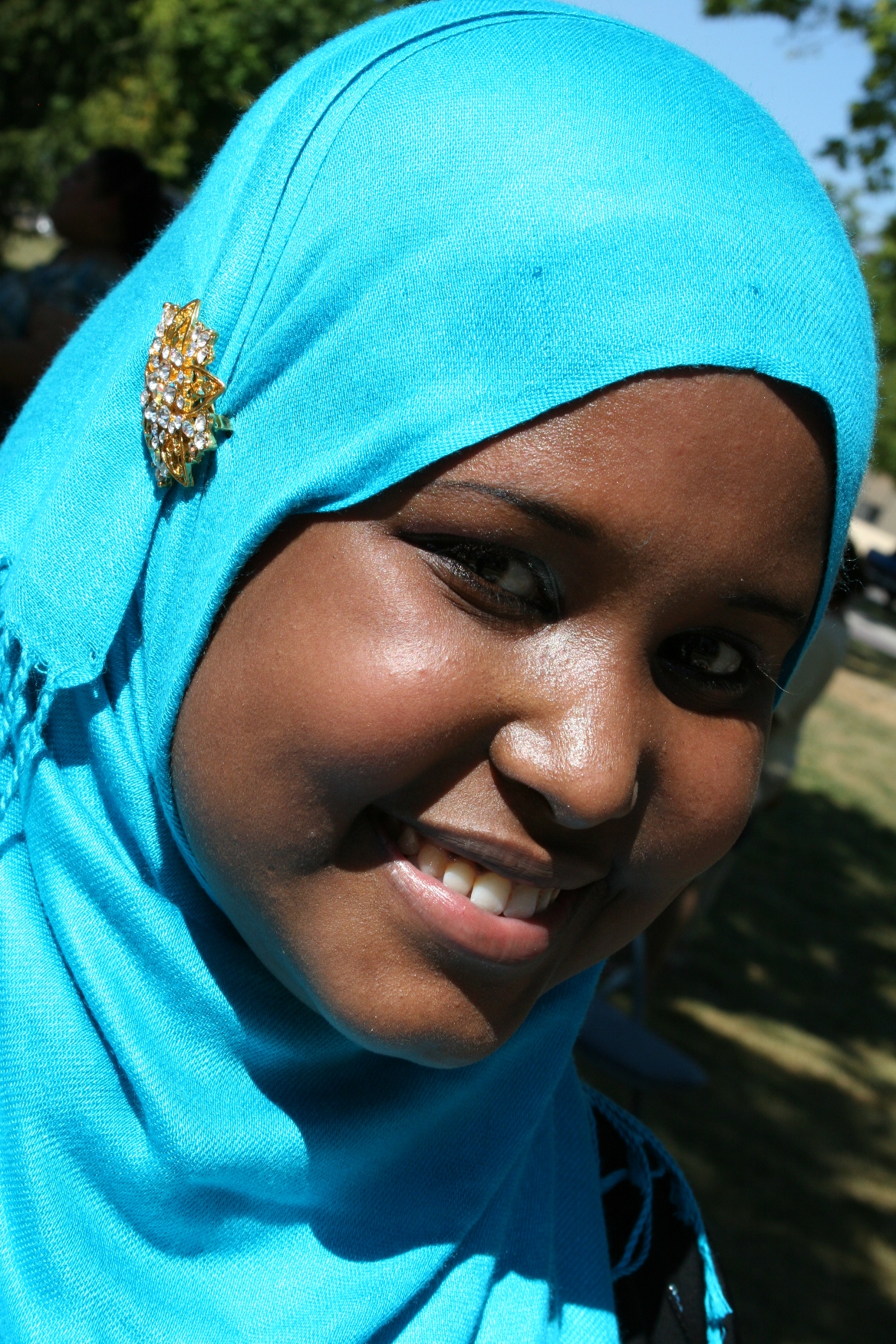
Riyaam, 16

I would be remiss, however, if I didn’t mention my chat with Owatonna High School student Riyaam, a stunning Somali teen who was peddling shoes, skirts and other merchandise at a table. Well-spoken and seemingly mature beyond her 16 years, Riyaam and I talked about clashes between whites and Somalis at OHS which she says has led to a new policy of basically, “you fight, you’re out.”
She told me how the angry voice of a single white student, who declared, “Somalis don’t belong here,” triggered those racial tensions.

As she spoke, her voice became more agitated, edged with emotion. I wanted to reach across the table and hug her and I wish now that I had.

But I didn’t and it is too late for that now, but not too late to encourage Faribault residents to make the effort to meet the Somalis, the Sudanese, the Latinos and other immigrants who now live among us. It is easy to dismiss and stereotype an ethnic group if you’ve never made the effort to personally meet them individually.

A member of the Faribault-based band Circles and Squares, of which two members performed at Saturday’s International Festival, nicely summarized, I thought, the goal of the gathering: “Remember, we’re not hyphenated Americans. We’re friends.”

Well, said.

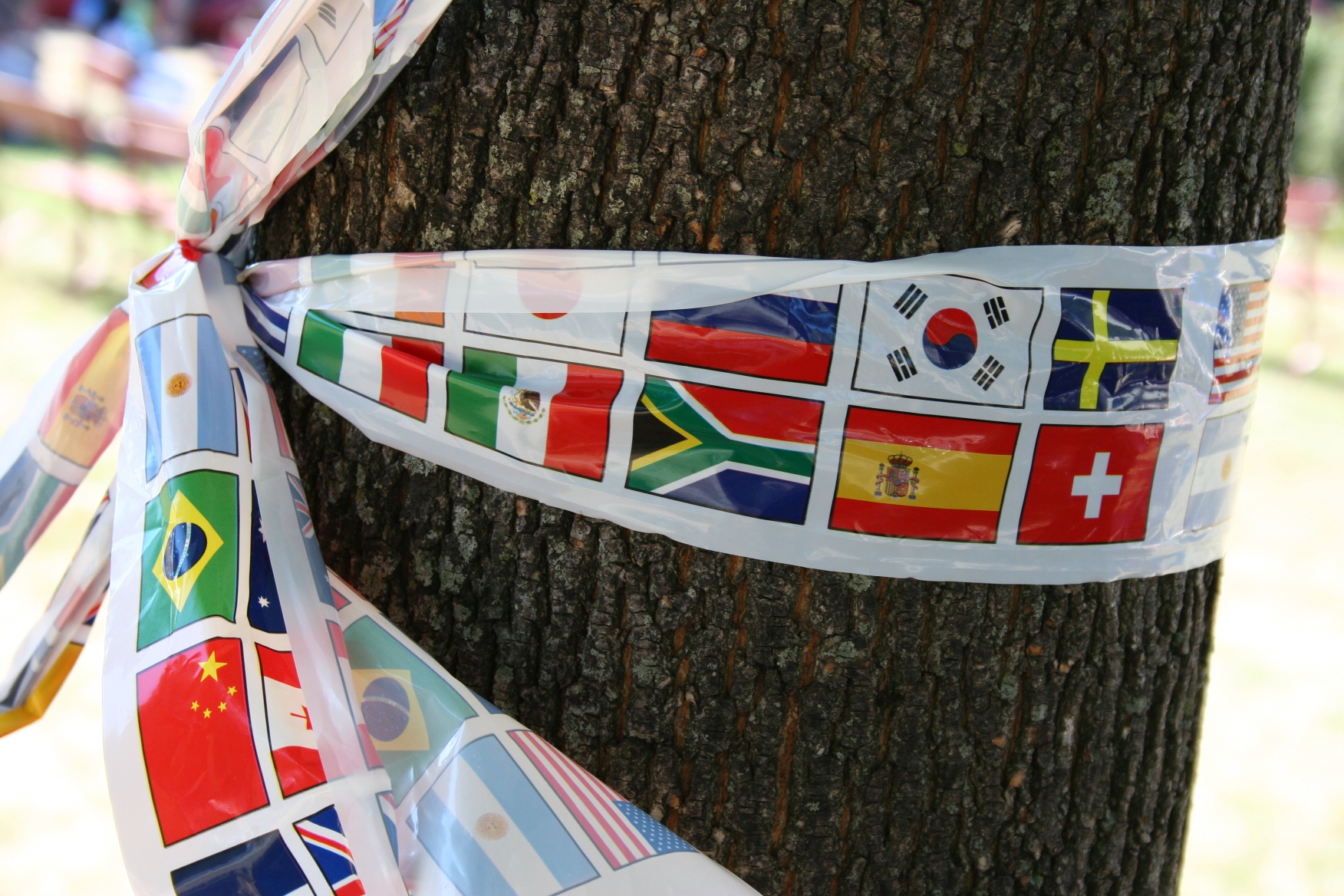
National flag ribbons were tied to trees in Central Park during the celebration.

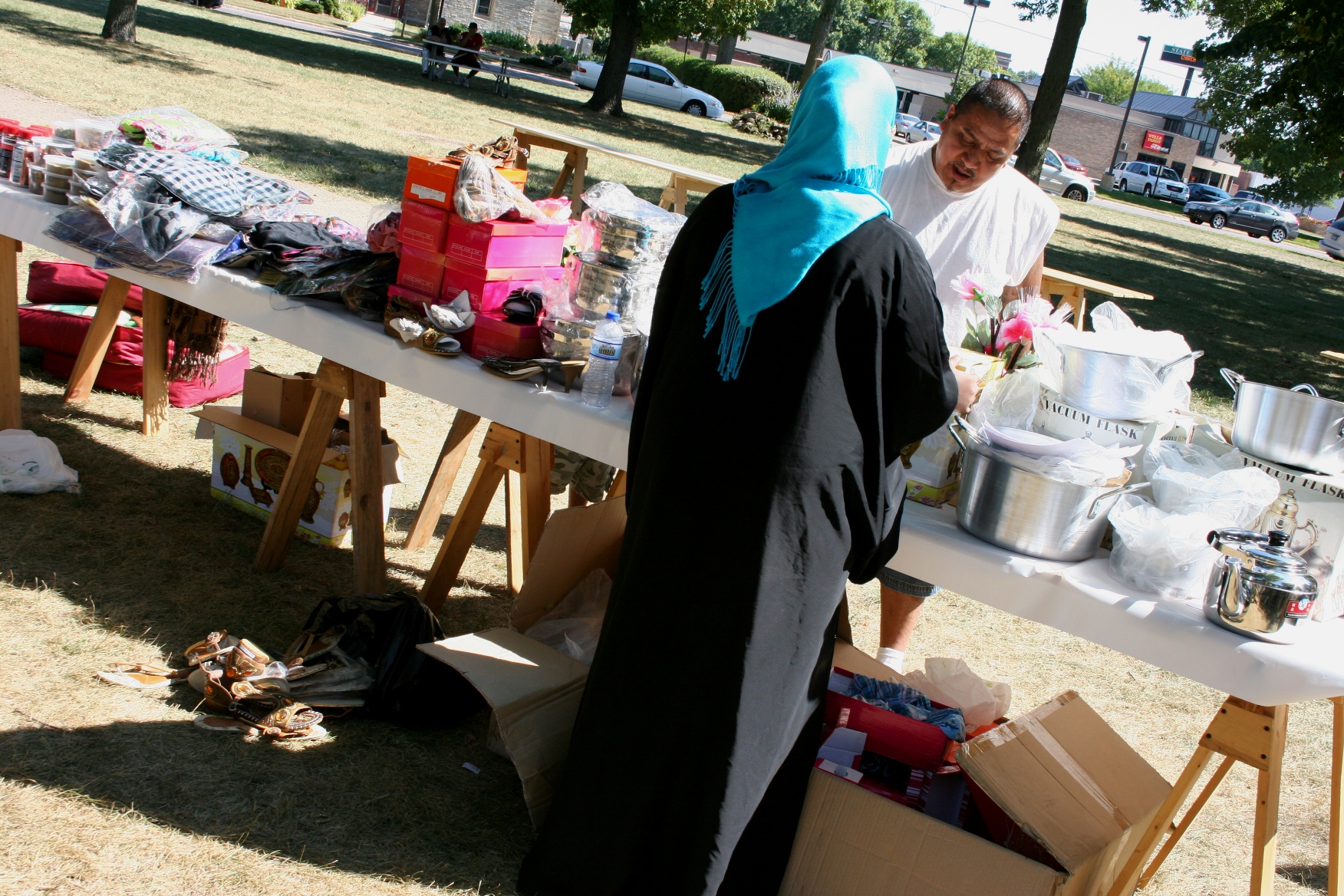
Vendors peddled their wares at the festival.

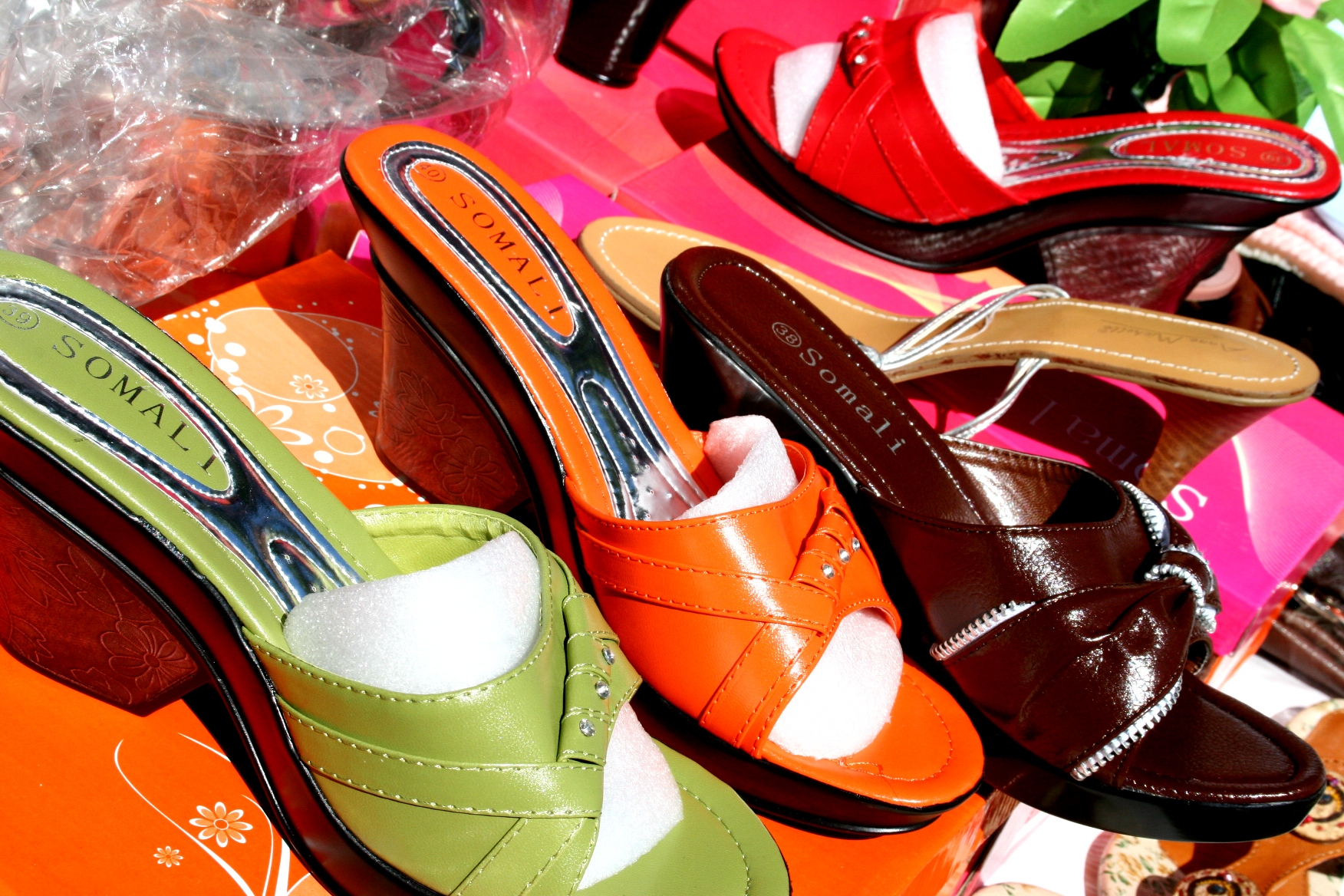
Shoes from Somalia on display at Riyaam's table.

A woman from El Salvador cooked at her food both.

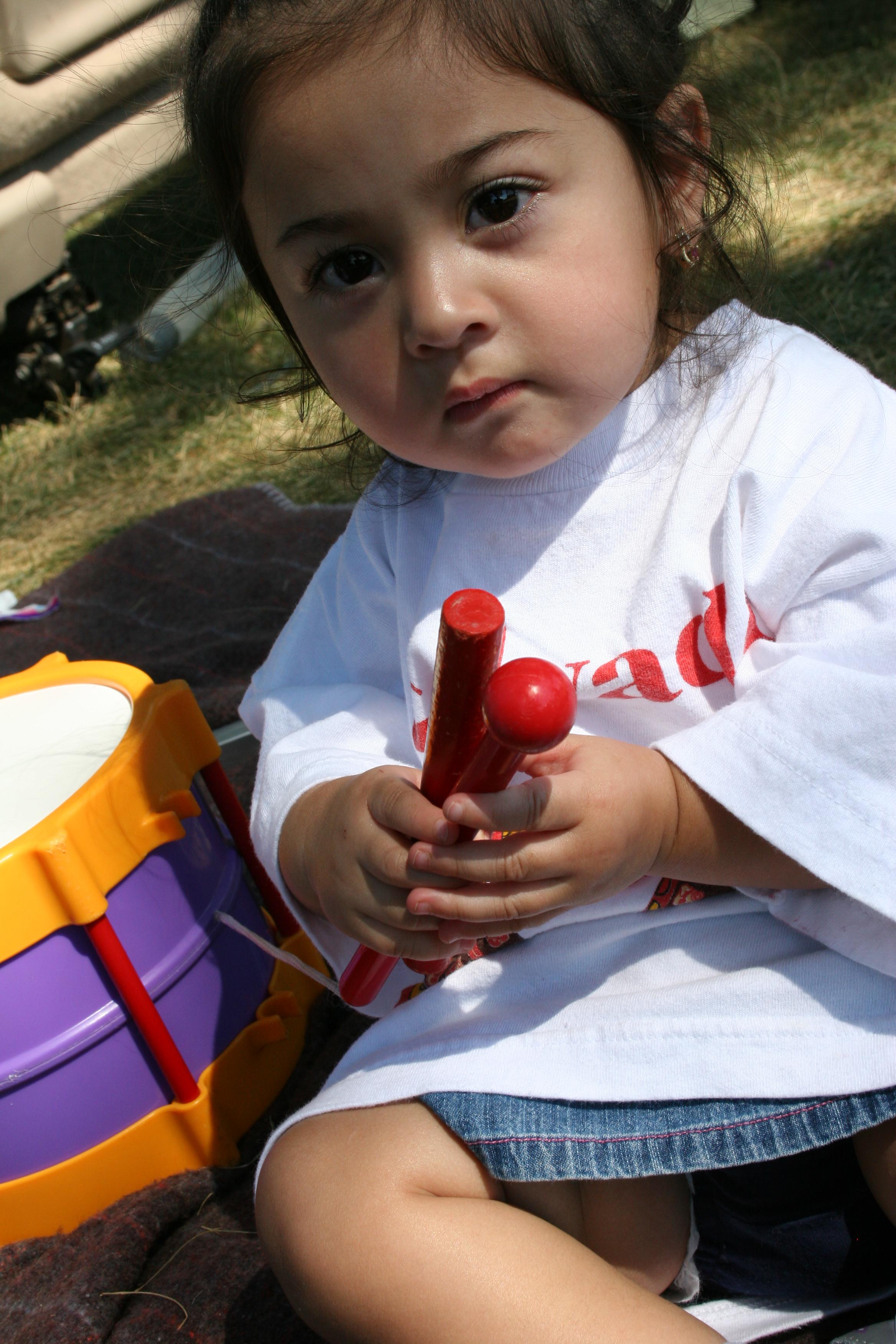
Sanji, 18 months, plays with toys in the kids' activity area of the fest.

Hoop maker, performer and teacher Adrienne Lee teaches a Girl Scout the art of hoop dancing. The Girl Scouts were among the non-profit groups with booths at the festival.

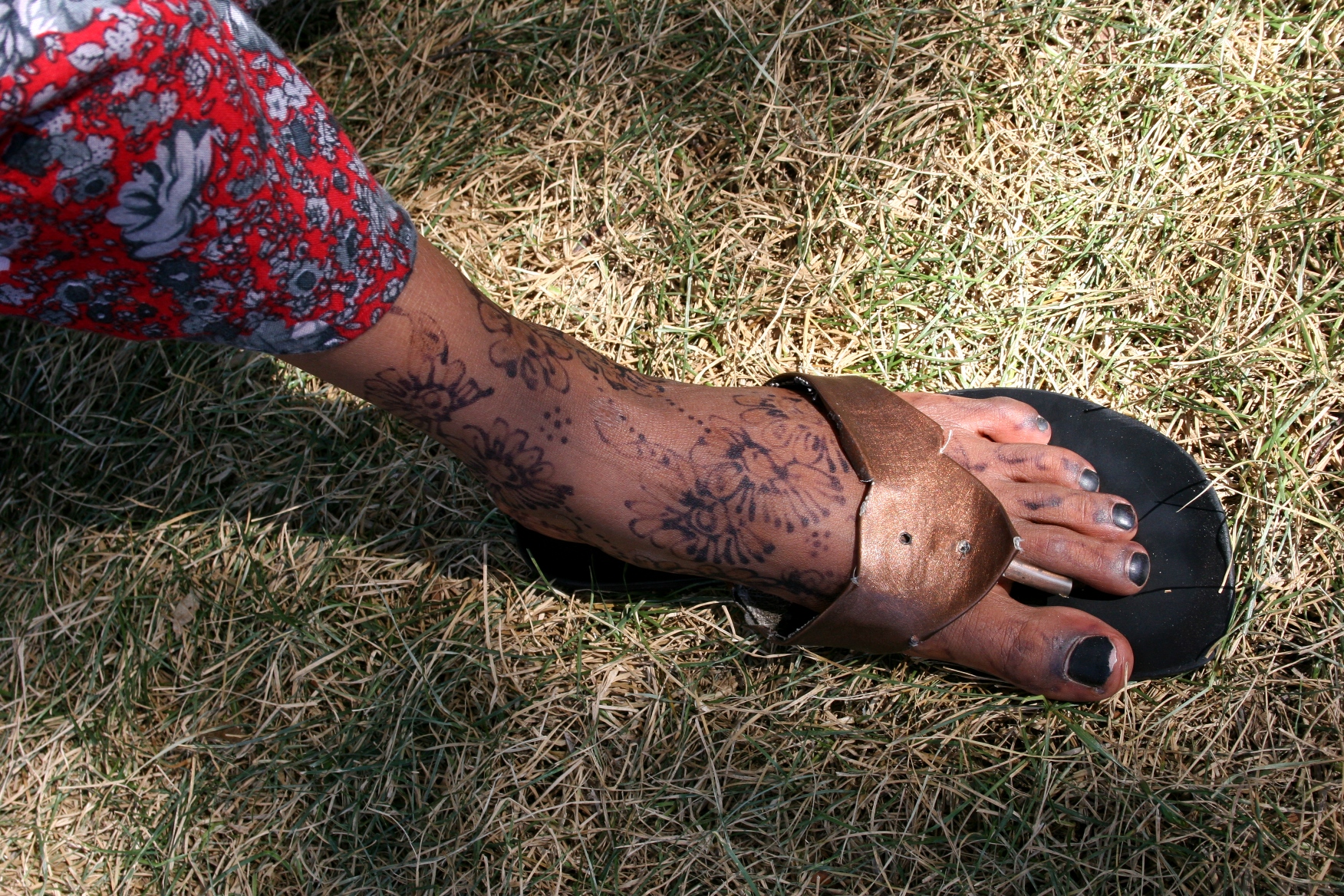
A young girl's henna stained foot.

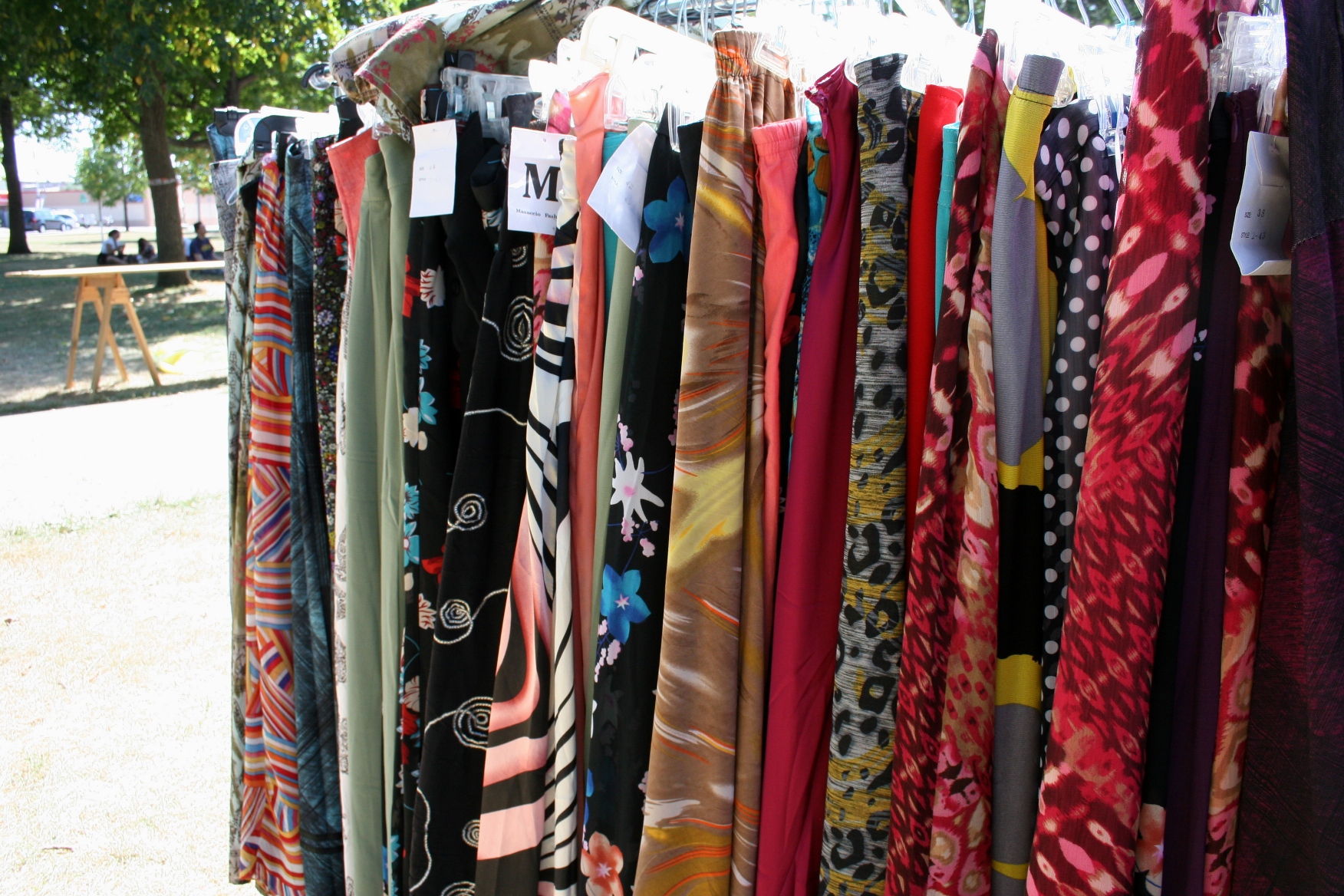
Colorful skirts for sale at Riyaam's booth.

THE ST. OLAF RESEARCH, which included interviews with 39 Faribault community members, states: “Most interviewees agree that Faribault’s immigrant and native-born communities operate alongside each other; coexisting peacefully, but not acting as a single integrated community.”

Exactly.

The report continues: “They do not agree about what should be done to unite these groups.

“We found Faribault leaders thus enmeshed in the long-standing American debate about which people ought to change and how much.”

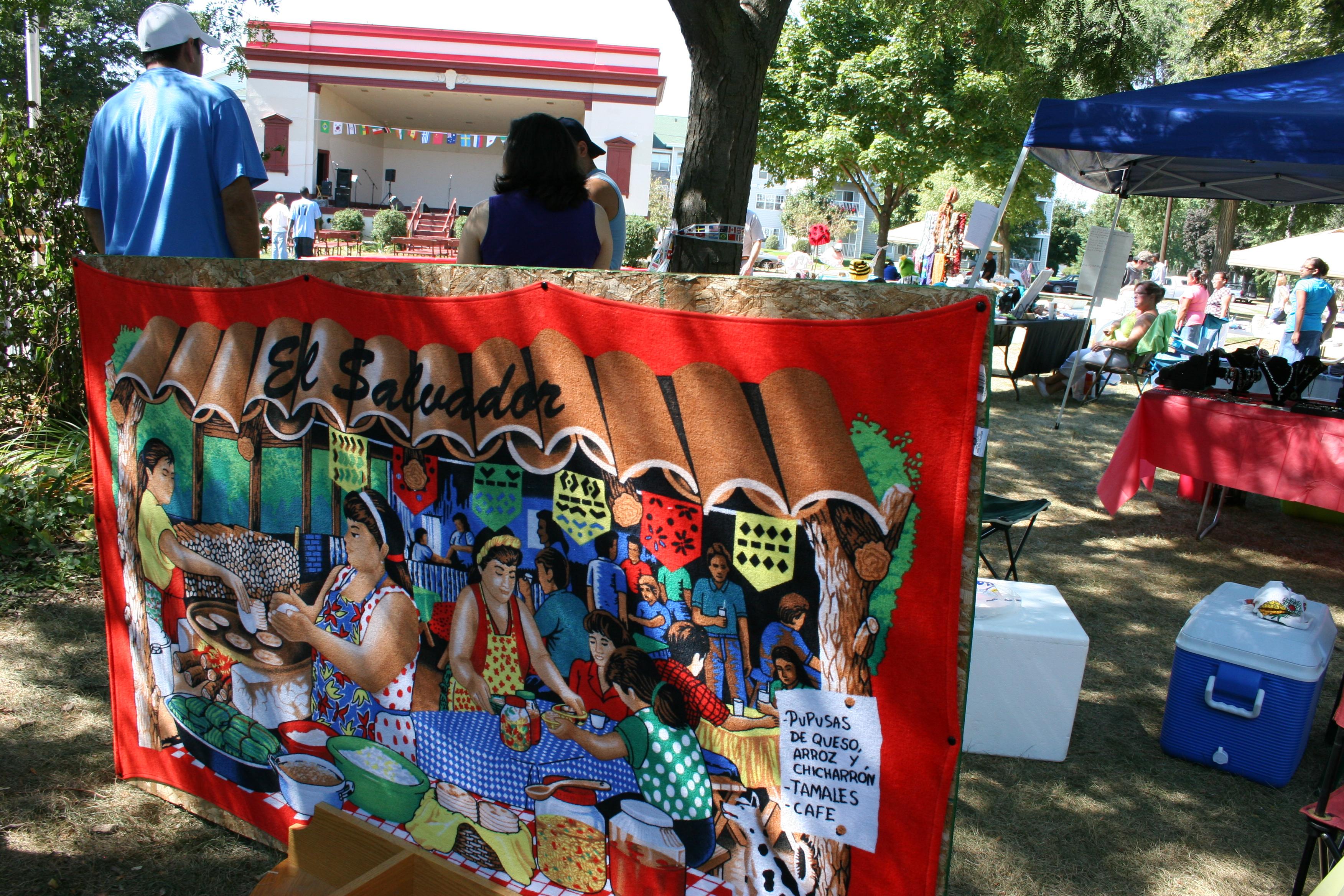
A colorful, detailed wall hanging/blanket represented El Salvador at one booth.

FYI: International Festival, Faribault, a recently-formed non-profit, has set its number one goal “to promote understanding of different cultures by organizing an annual event,” says Peter van Sluis. Secondly, the group wants to raise money and assist other non-profits.

© Copyright 2011 Audrey Kletscher Helbling


Flat Ole wants my son to move to South Dakota April 14, 2011

ALMOST DAILY WHEN I pull open the mailbox, I reach inside to find another handful of letters for my son.

I dutifully toss them onto an end couch cushion, the one spot where he sits, with his laptop, and where he can’t miss his mail.

The stash of accumulating college information sent to my 17-year-old high school junior son.

Sometimes my high school junior opens the letters, but more often than not, he tosses them onto the middle couch cushion where they lie for a day or two or three before I scoop them up and jam them into a plastic shopping bag.

That bag bulges with letters and brochures from colleges across the country. Most arrive from the East Coast, including from some very prestigious colleges. But there are also letters from the West Coast and the in-between Midwest and down South.

I understand why my 17-year-old has stopped opening his mail, stopped reading the spiels about the best programs and students and campuses. After awhile, the pitches all begin to sound the same.

So what does it take for him to actually pause and open a piece of college mail?

For my computer geek teen, it’s all about grabbing his attention by presenting an eye-catching, out-of-the-ordinary, graphically well-designed mailing.

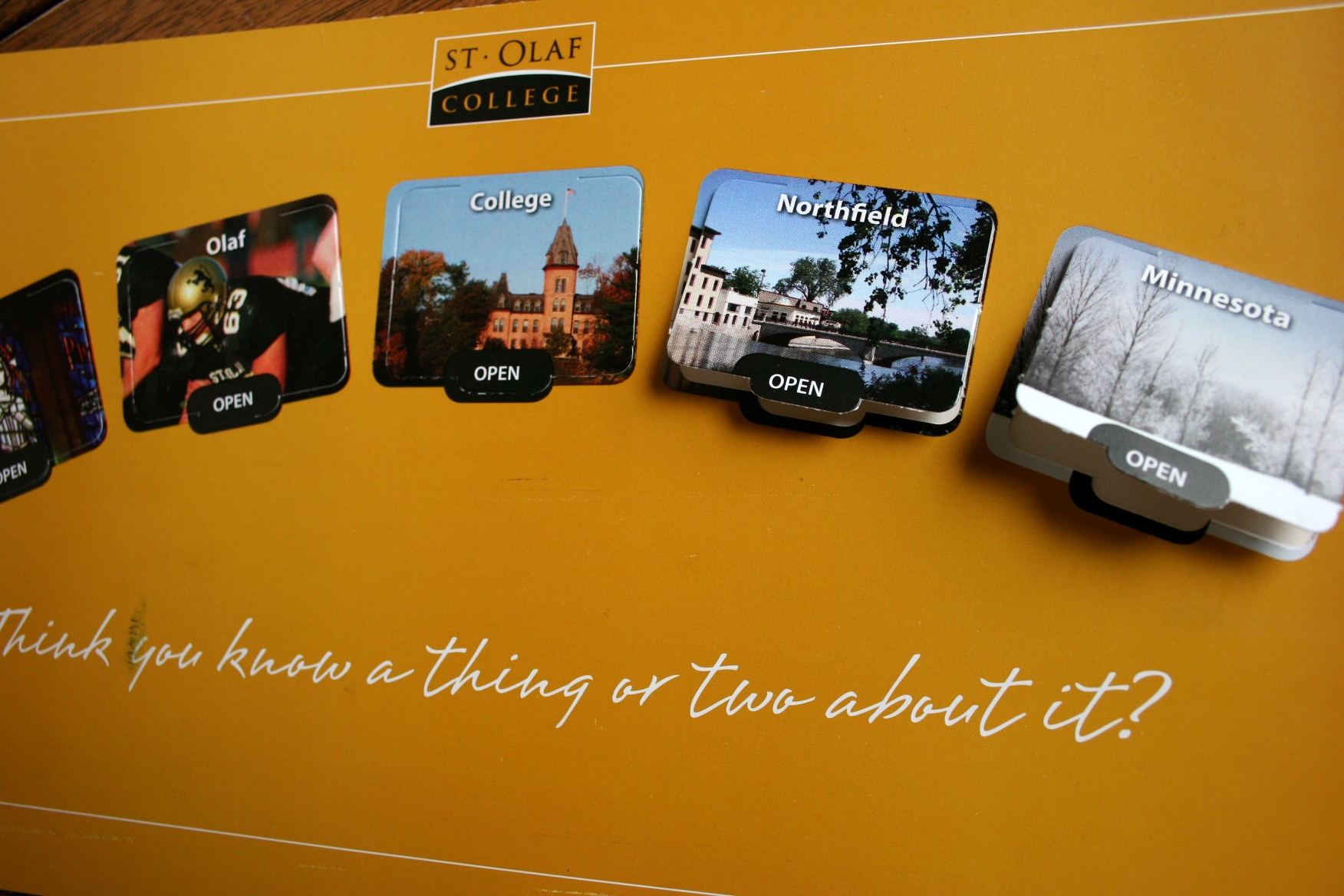
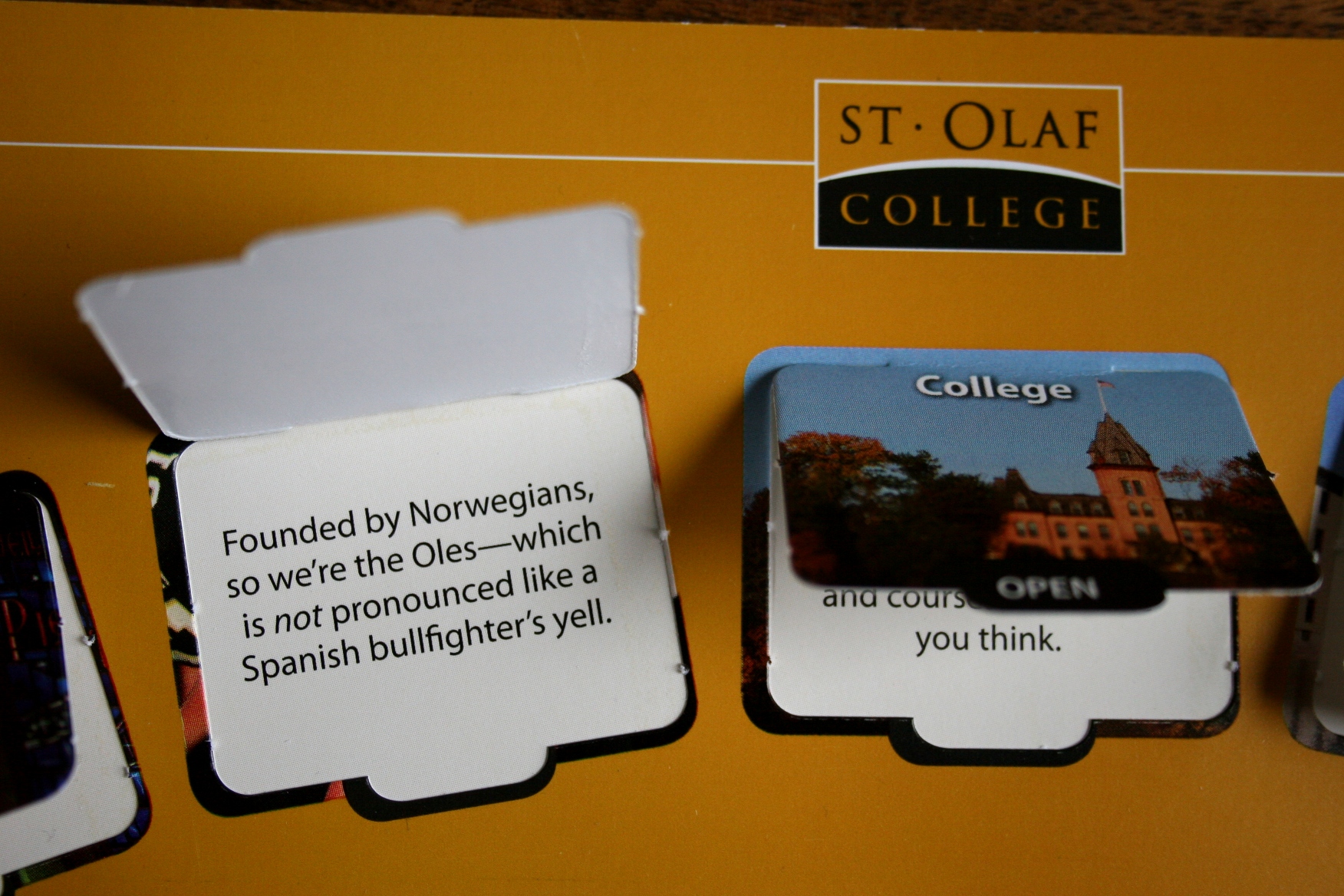
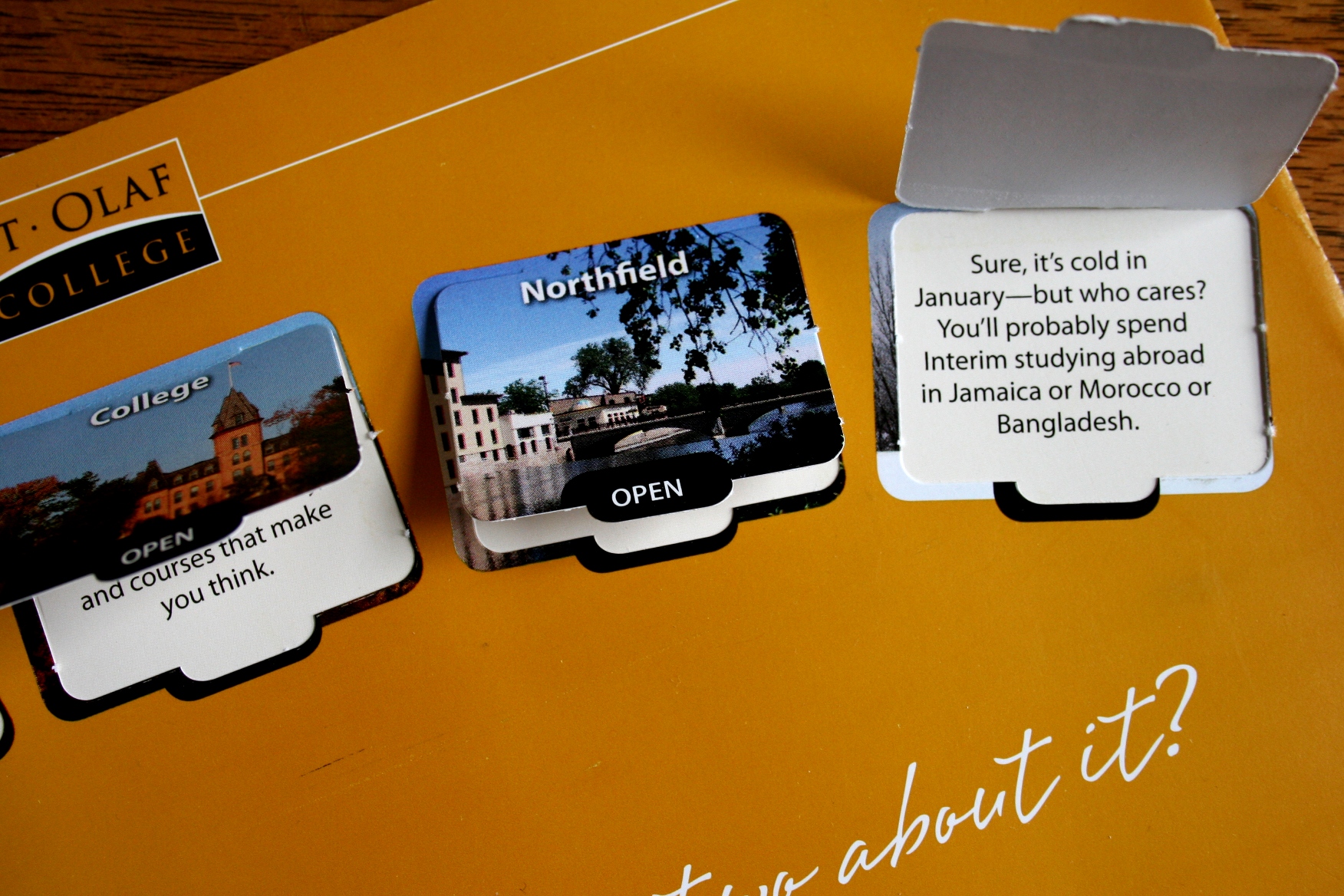
St. Olaf College in Northfield managed to attract the college-bound boy’s interest recently with a brochure that features little tabs to open. Who doesn’t like to see what’s hidden behind a closed door? An air of mystery sparks curiosity and…prompts us to investigate.


These five tabs each lift to reveal information about St. Olaf College in Northfield.

For each of five words—St. Olaf College Northfield Minnesota—the tabs lift to reveal a sentence. Behind the word door “St.,” for example, you’ll read this message: “You won’t literally find any saints here, but you will find students who ask big questions and take on big challenges.”


Under the word "Olaf," you'll learn that St. Olaf was founded by Norwegians.

And just in case the Minnesota winter may keep you from St. Olaf, think study abroad opportunities.

Honestly, this is, by far, my favorite college mailing that has arrived to date. So congratulations, St. Olaf marketing department, on some creative marketing that drew both my, and the teen’s, attention. Now, if you can show us some hefty scholarship money, we just may have a deal.

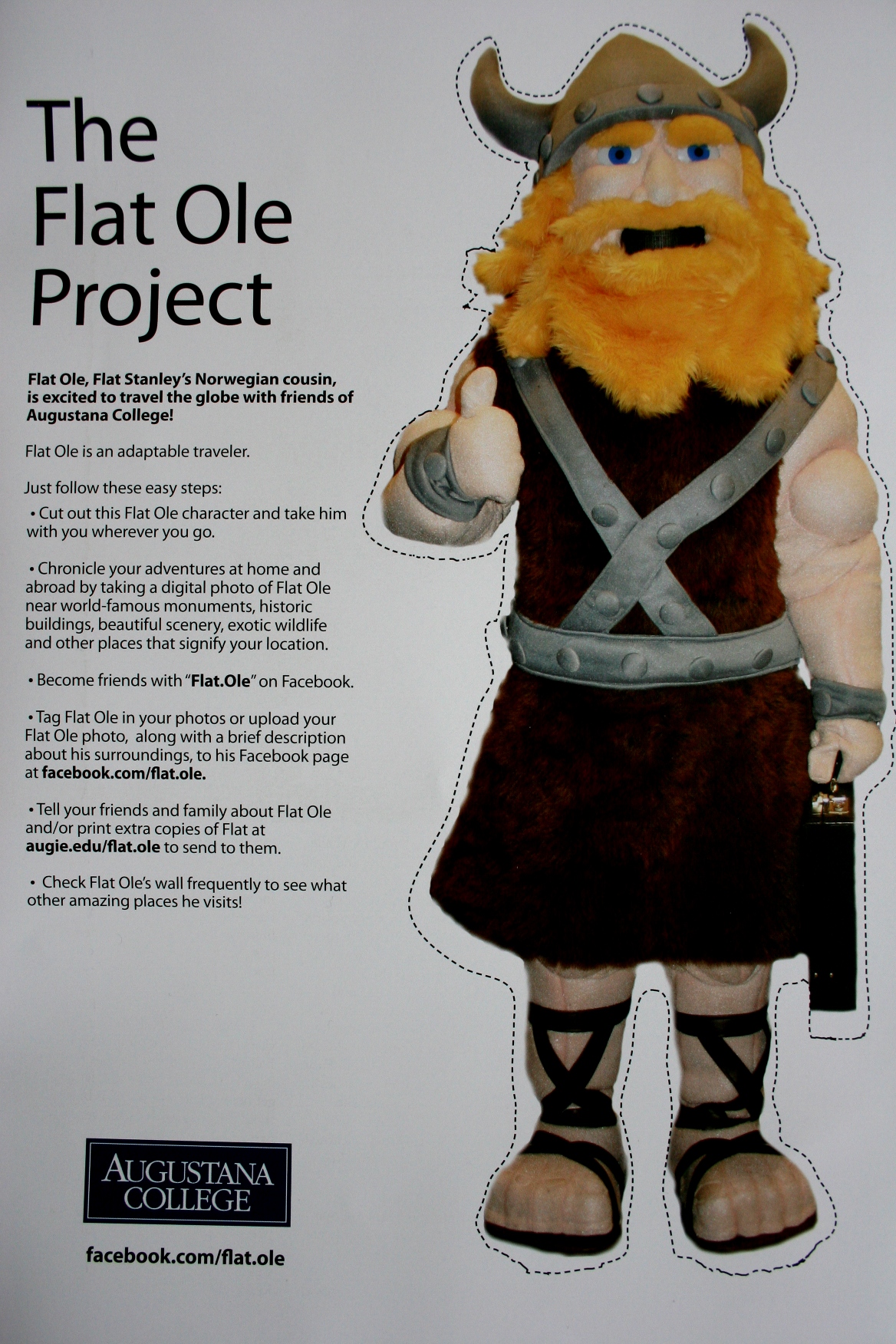
The second piece of noteworthy college literature didn’t exactly draw my eye initially. In fact, I almost threw Augustana College’s Go Viking magazine style publication into the recycling bin without a look. Its appearance suggested an alumni magazine rather than a college recruiting tool. But then, lucky for this Sioux Falls, South Dakota, college, I flipped through the pages and discovered—Flat Ole.

The folks at Augustana want potential students to cut out the picture of Flat Ole and take him on their travels. Photograph Flat Ole at famous landmarks, in exotic locales, in historic buildings, etc., and join his Facebook at facebook.com/flat.ole. This whole marketing gimmick, of course, plays off the Flat Stanley storybook character, with the Augie’s  irresistibly charming Viking mascot claiming to be Stanley’s Norwegian cousin.


You can clip Flat Ole out of the Go Viking magazine and take him on your travels. Or you can go to his website and download a Flat Ole cutout.

Except for that Flat Ole page, I didn’t read the rest of the magazine. So you judge whether Go Viking represents savvy college recruiting.

Finally, a third piece of college mail grabbed me primarily because of the word “geek,” which would certainly fit my computer brilliant teen. “Don’t be a geek out of water…dive into the G33KOSYSTEM.” I continued to read: “…at UAT, advancing technology will infuse every aspect of your education…the idea atmosphere developed by geeks for geeks…passionate about technology.”


Eye-catching words for any student who's in to technology.

And all the while I wondered, what is UAT? I flipped the brochure and read and reread, until I finally noticed the tiny logos in the corners with the miniscule writing, University of Advancing Technology. Still, that didn’t give me the location of the college. So, for that reason, even if this is a graphically-appealing mailing, I can’t give this brochure high marks. It’s important, really, really, really important, to make the college name pop.


Although the bright colors and graphic design grabbed my attention, I really had to look to find the name of the college on this UAT brochure.

By the way, my boy and I are not Norwegian. The fact that two “Ole” colleges scored well with me in the marketing area is pure coincidence.

HAVE YOU SEEN any college recruiting materials that stand out or fail in the marketing department? Why? Please share.

© Copyright 2011 Audrey Kletscher Helbling


Bette, a button bedecked art car in Northfield August 25, 2010

Filed under: Uncategorized — Audrey Kletscher Helbling @ 5:45 PM
Tags: , , , , , ,

MARY BARBOSA-JEREZ doesn’t mind if you touch her car. But I kept my hands off her 1989 Toyota Corolla Saturday afternoon in Northfield.

I simply didn’t feel comfortable touching a car that has a name—Bette—and is a work of art.

Allow me to backtrack for a minute. My husband and I had just said goodbye to friends we met for lunch when Randy tells me, “Look at that car.”

Wow, I would have stated “LOOK AT THAT CAR!” in bold-face, uppercase letters with an exclamation point.

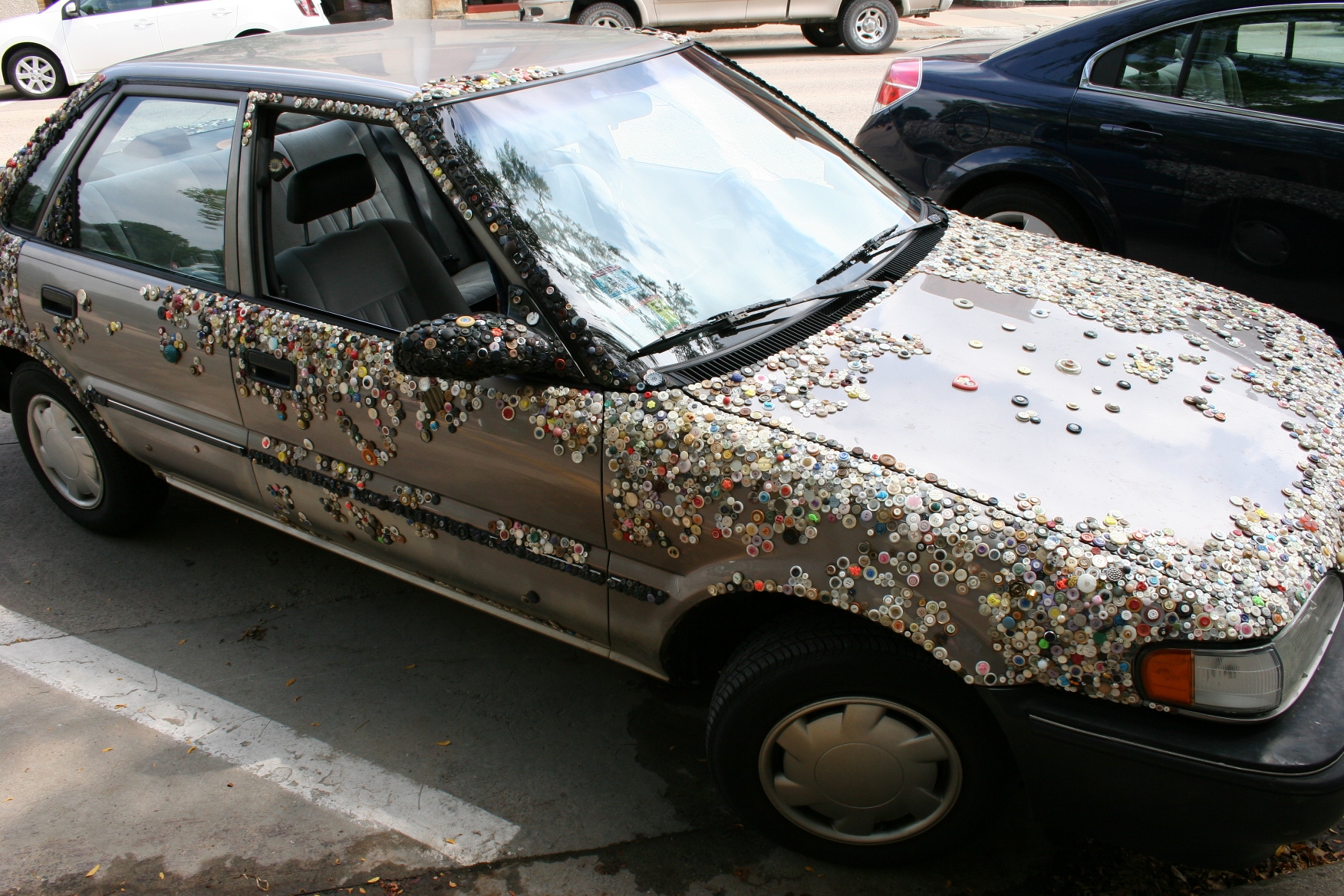
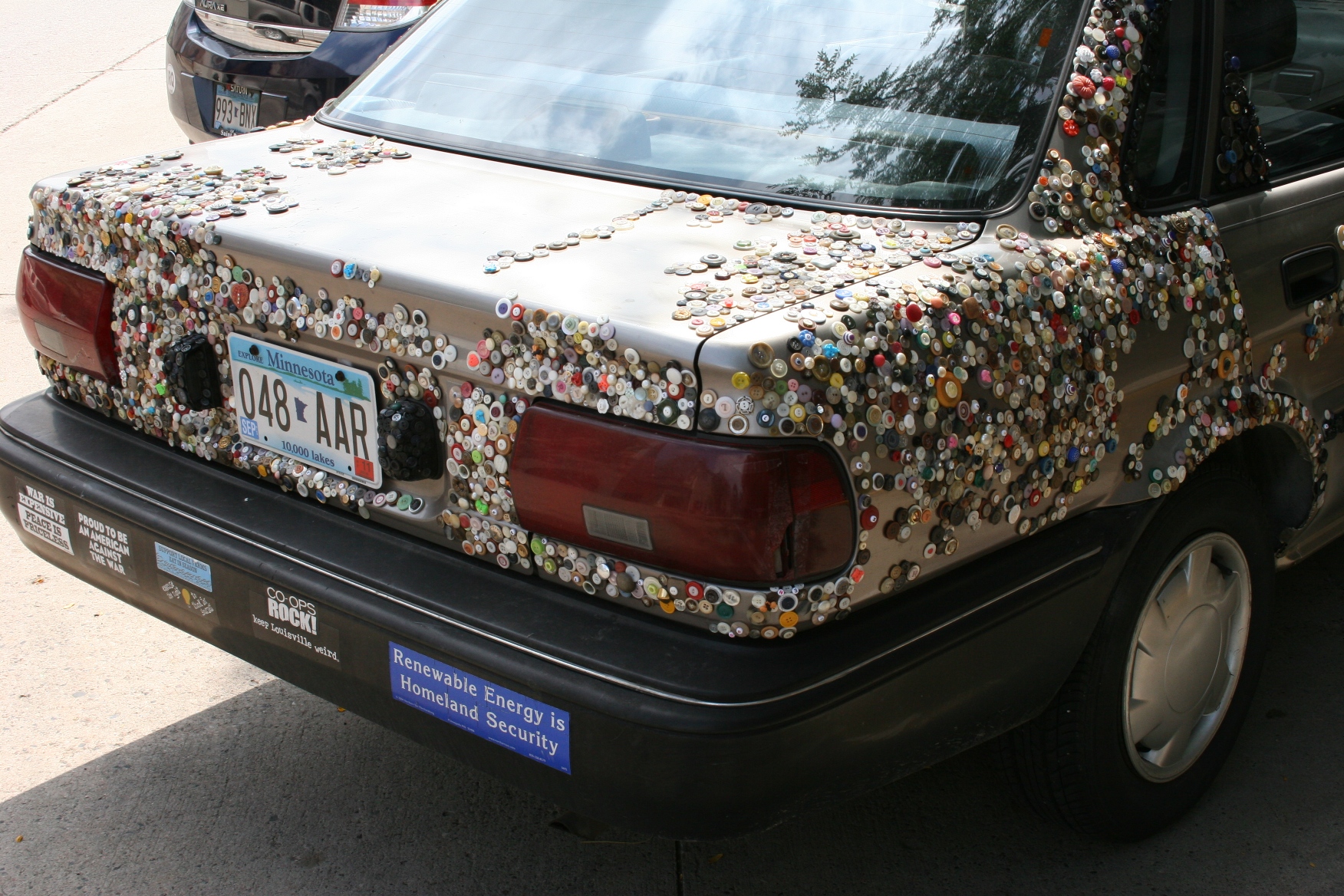
This car, which is covered with buttons, stands out from any other parked along Division Street in downtown Northfield. Immediately, I pull out my camera, drop my camera bag onto the sidewalk and start circling the Corolla, snapping photos.

Pedestrian-stopping car, view 1

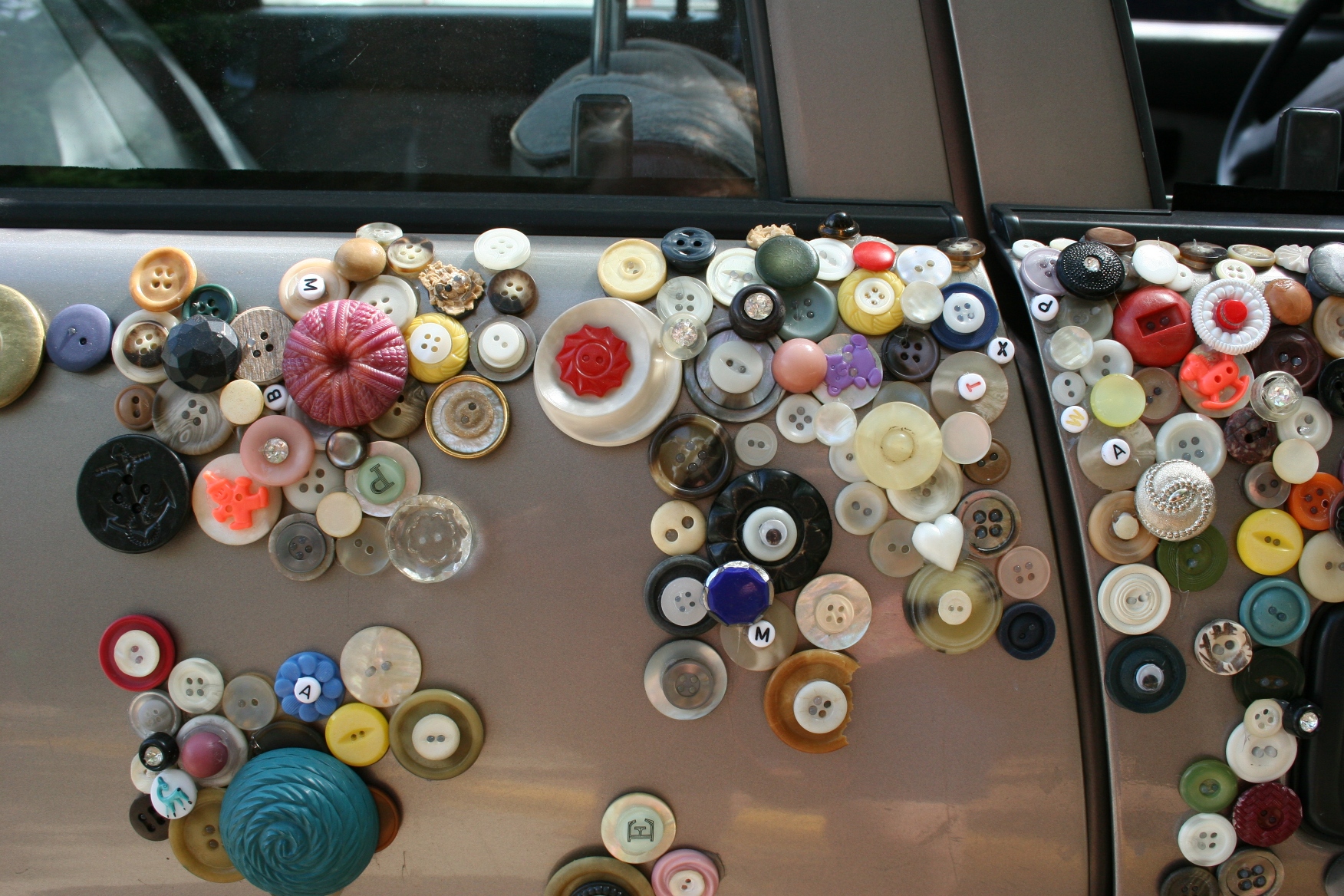
Passenger-side doors on pedestrian-stopping car.

Backside of pedestrian-stopping car

I figure if I linger long enough, the owner may just show up. After several false hopes—meaning I asked numerous passersby if they owned the vehicle—Mary arrives and informs me that this is her car, an “art car.”

I begin peppering Mary with questions and she is eager to answer them. She bought the car in 2007 and for the past year has been transforming it into a work of art. The St. Olaf College librarian says she is making a statement about saving things, reuse, consumption and accumulation.

“It’s deconstruction of our cultural obsession of automobiles,” she continues. For awhile this former Louisville, Kentucky, resident, who moved to Northfield two years ago, considered doing without an automobile. But she couldn’t and bought the Corolla for $800 from the car’s first and only owners and then named it Bette after a 90-year-old friend of theirs. Bette, she tells me, was an unusual woman who was well-traveled and lived into her 90s.

The name now seems perfectly fitting for this unusual button car.

Beautiful 21-year-old Bette, the art car

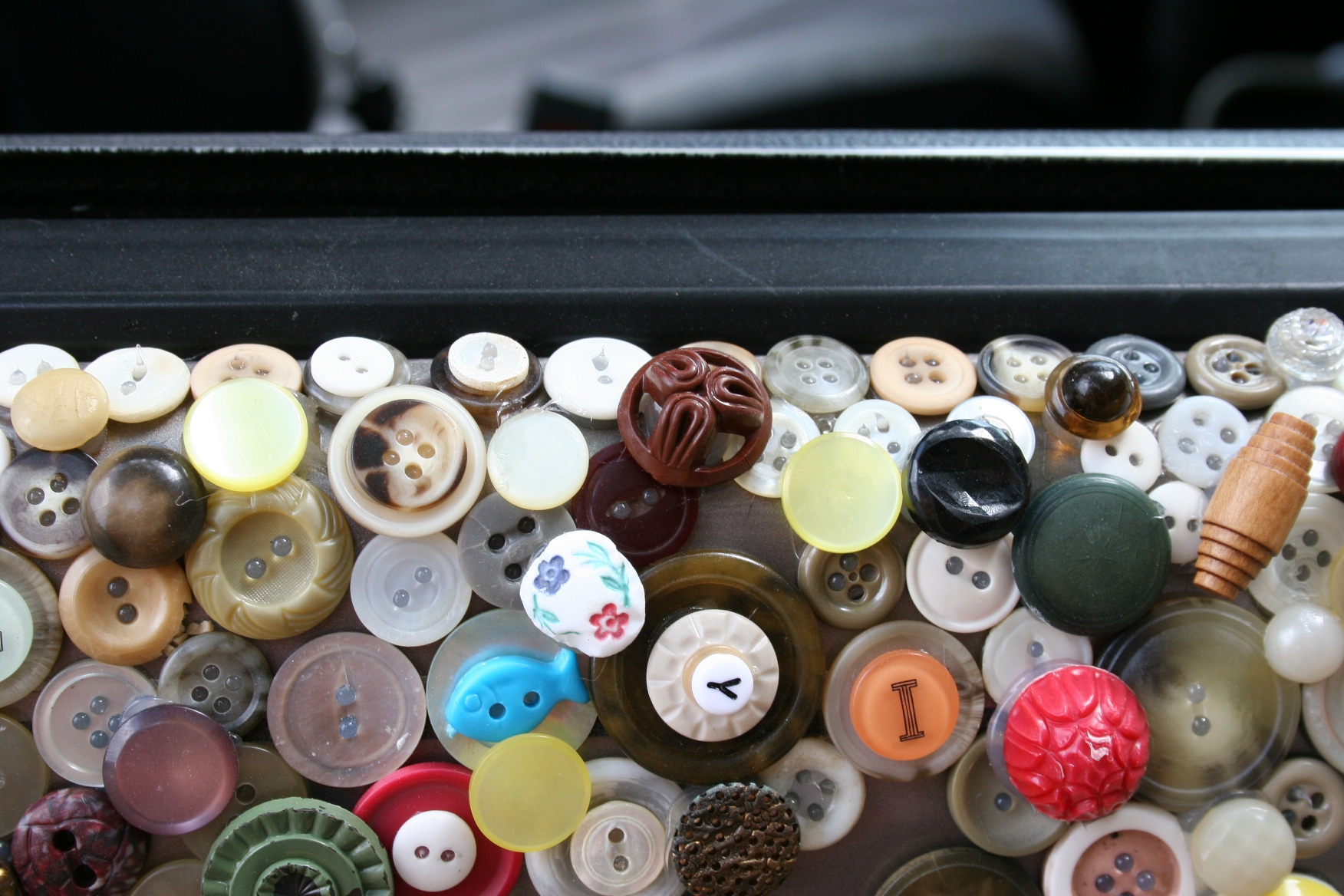
Mary initially bought 10 one-gallon bags of plain buttons from a Louisville fabric store that was cleaning out attic space to begin her art project. But since then, the buttons have come from friends and those (mostly women) who see her car.

“It has become like a quilt,” she says, as we examine the infinite buttons adhered with exterior silicone caulk. “It’s a way to meditate and contemplate about women’s lives.”

Buttons, buttons and more buttons beautify Bette.

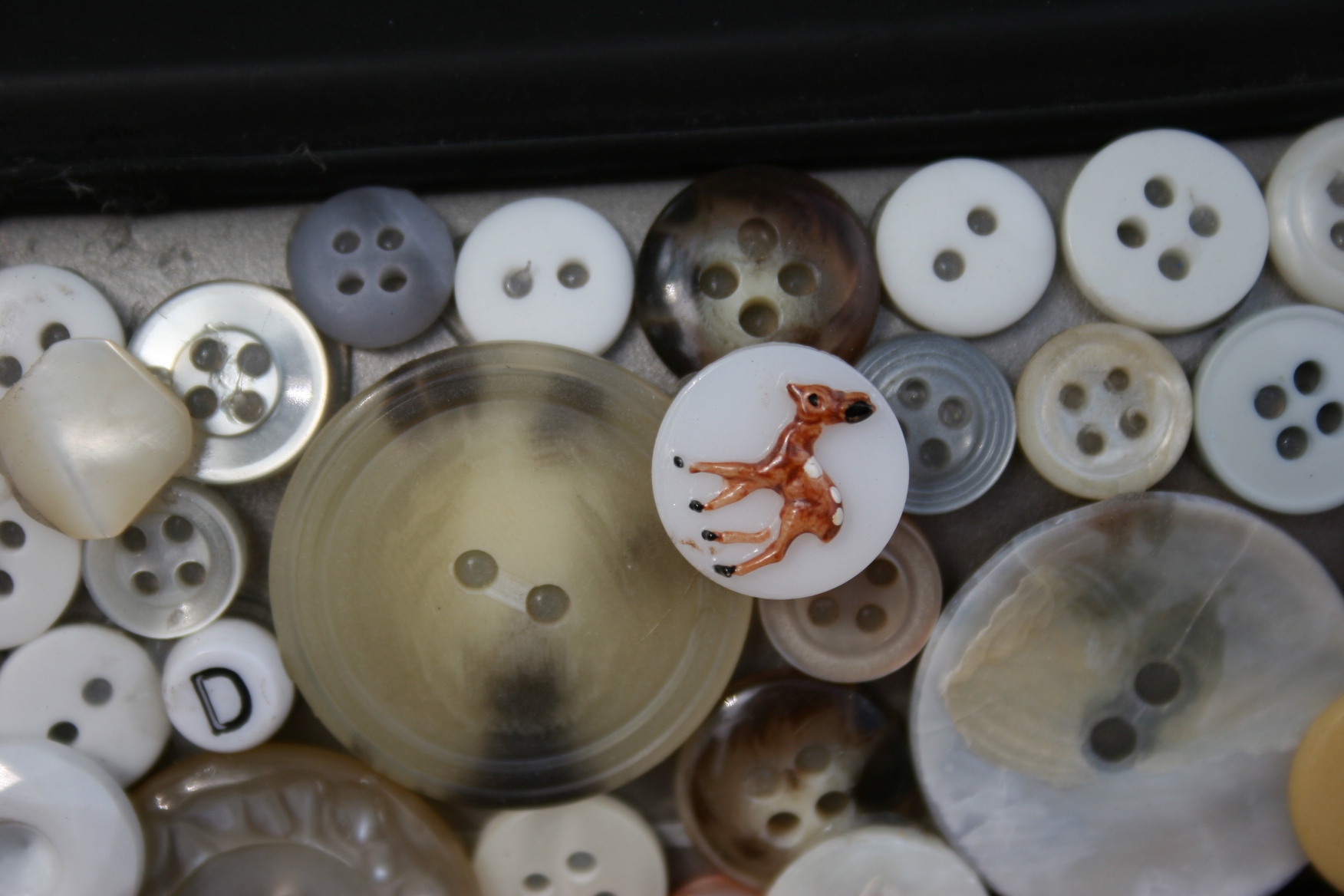
One of the more unusual buttons is a deer button.

How many buttons? Mary doesn’t know. She knows, however, that it takes her one hour to affix buttons onto a six-by-six inch area. So progress is slow, hampered even more by Minnesota weather. While Mary owns a garage, the interior temperature fails to rise high enough for button adhesion in the winter.

That doesn’t discourage her, nor does the fact that “you lose buttons always.”

Mary has driven Bette between Northfield and Louisville many times and tells me that art cars are common in Louisville, but not so much in Minnesota.

She’s happy to talk about her project and the statement she’s making about turning an item associated with status into a piece of art.

Mary really doesn’t mind either if you touch her car. In fact, she is amused when a button falls off into an unsuspecting hand. “I’ll see them stick it in their pocket as they scuttle away,” she laughs.

But on this day I’m not touching Bette, just photographing her. And I’m thinking, out loud to Mary, that my family’s 1988 hail-pocked van might make a perfect art car.

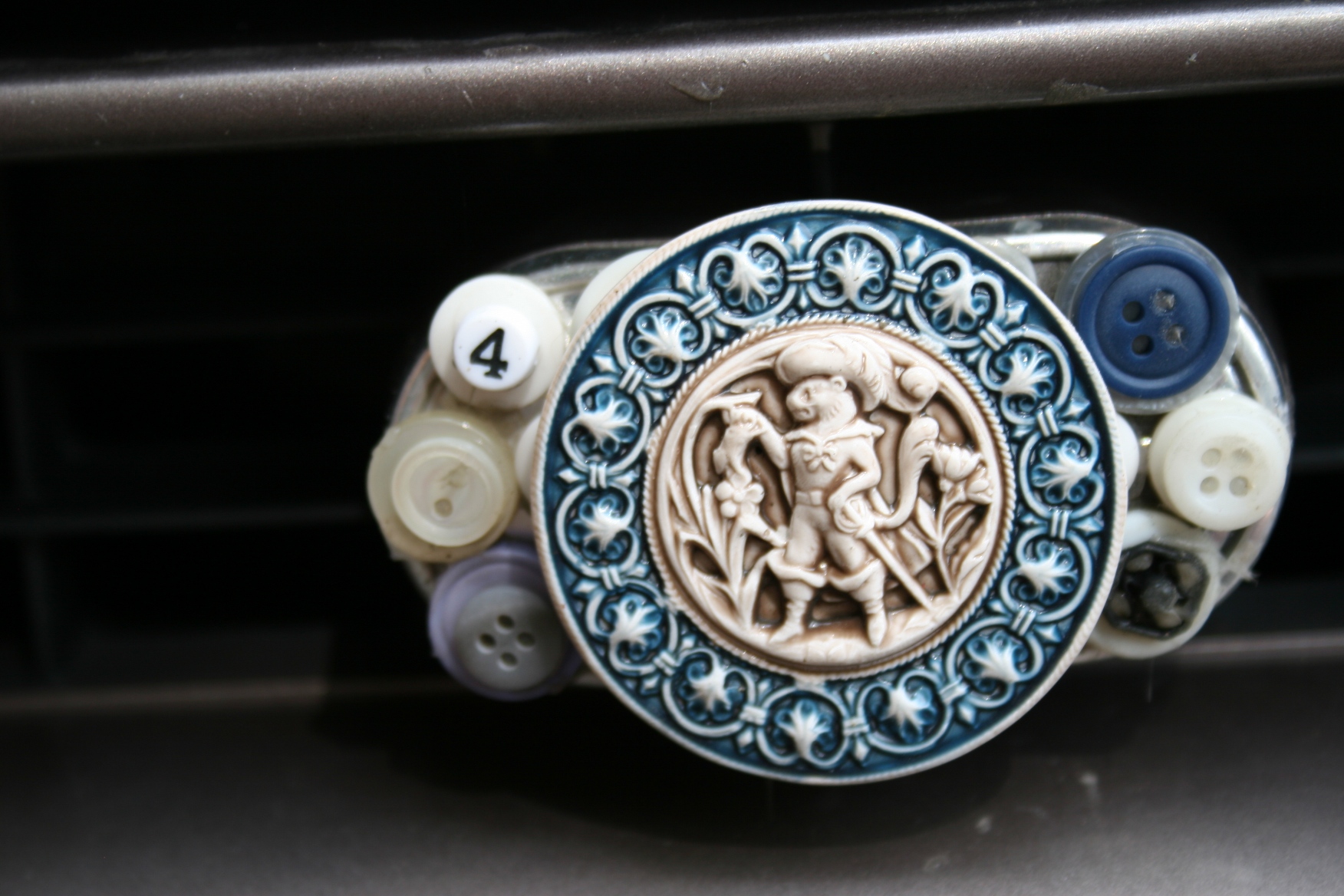
On Bette's front, Mary placed one of the few buttons she has purchased, a handcrafted nursery rhyme button.

© Copyright 2010 Audrey Kletscher Helbling