Minnesota Prairie Roots

Writing and photography by Audrey Kletscher Helbling

Remembering the Edmund Fitzgerald 50 years after it sunk in Lake Superior November 10, 2025

PBS did a documentary on the Edmund Fitzgerald. (Minnesota Prairie Roots copyrighted file photo 2014)

SHORTLY BEFORE 8 THIS MORNING, I listened to “The Wreck of the Edmund Fitzgerald” by Gordon Lightfoot pulse from my radio. It was an auditory reminder that today marks the 50th anniversary of the sinking of that freightliner on November 10, 1975, in Lake Superior some 17 miles from Whitefish Point, Michigan.
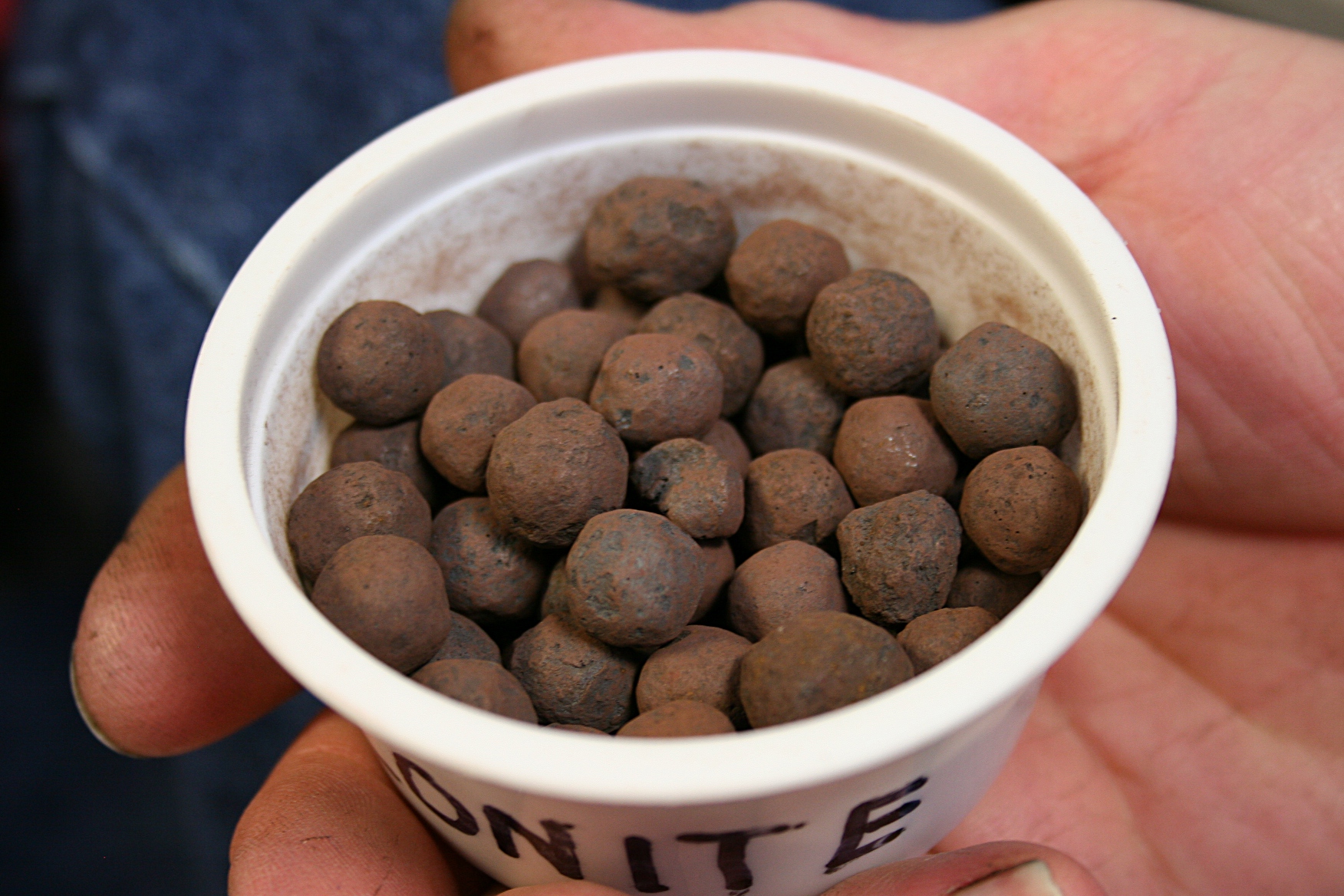
Some 26,000 tons of taconite pellets, like these, filled the cargo holds of The Edmund Fitzgerald as it journeyed across Lake Superior on November 9 and 10, 1975. (Minnesota Prairie Roots copyrighted file photo 2014)

This shipwreck holds great interest in Minnesota as the Edmund typically left loaded with taconite from Silver Bay, on the Minnesota side of Lake Superior, headed for the steel mills of Detroit and Toledo. But on this last fateful trip, the Edmund departed from Superior, Wisconsin, aiming for Detroit.
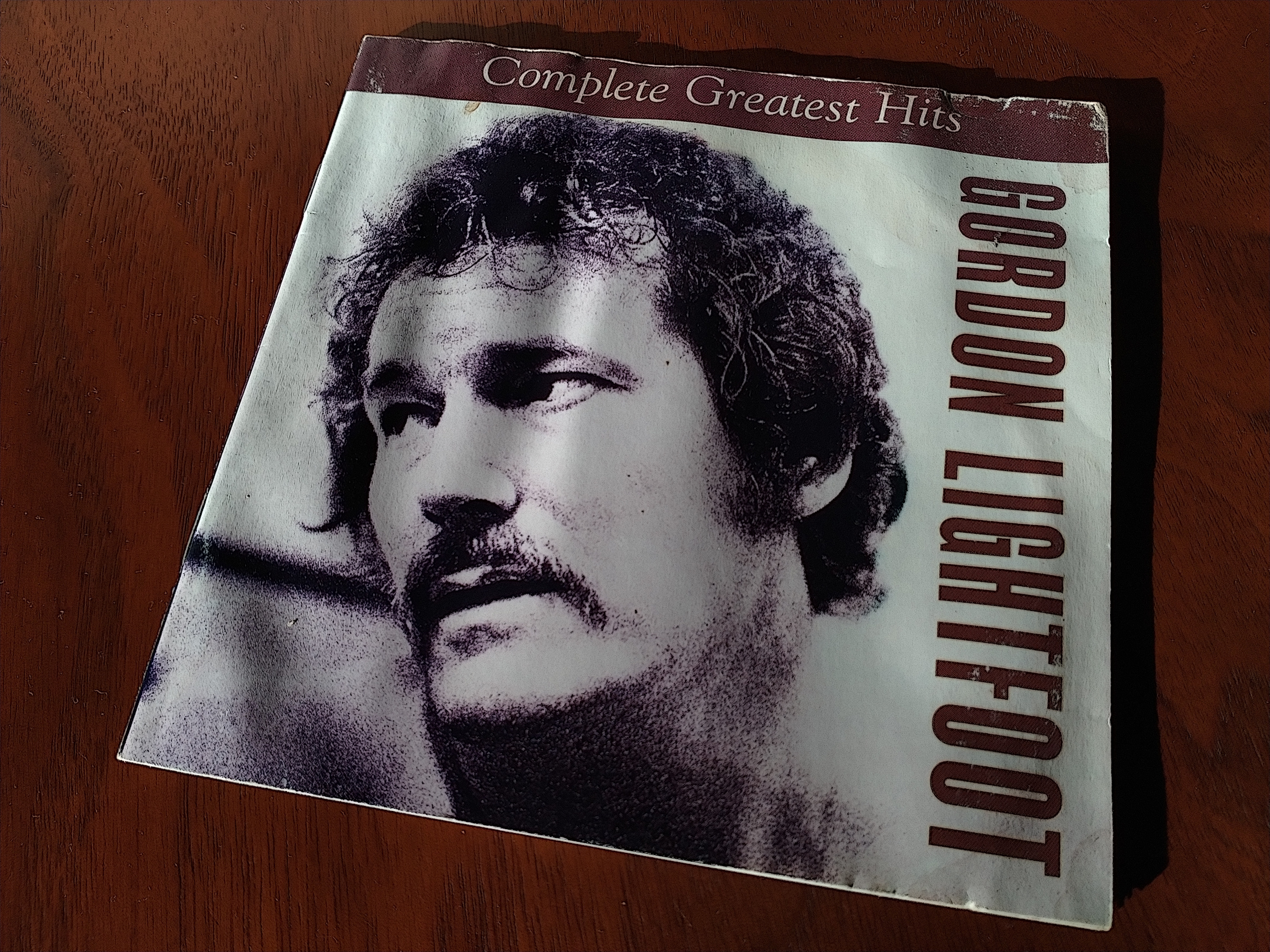
My husband’s copy of Gordon Lightfoot’s greatest hits, which includes “The Wreck of the Edmund Fitzgerald.” (Minnesota Prairie Roots copyrighted file photo)

The ship sank in the gale force raging winds and waves of a November storm claiming the lives of all twenty-nine aboard. That tragedy has been forever immortalized in Lightfoot’s 1976 ballad.

Today, in ceremonies both in Minnesota and Michigan, those who perished in this disaster on an inland “sea” will be honored. At 2 pm, the Great Lakes Shipwreck Museum in Whitefish Point, Michigan, holds a public remembrance service. At 7 pm, a memorial service is set, but for Fitzgerald family members only with the museum closing at 5 pm in preparation for that event.

Here in Minnesota, the 50th anniversary focus today happens at the Split Rock Lighthouse Historic Site located along the shore of Lake Superior southwest of Silver Bay, which is north of Duluth and Superior. The Annual Memorial Beacon Lighting ceremony, beginning at 4 pm, is sold out.

For those able to secure tickets, the Minnesota ceremony is sure to be emotional as the names of the twenty-nine crew members are read aloud to the tolling of a ship’s bell. Lighting of the lighthouse beacon follows with the light shining for two hours.

Many years have passed since I’ve visited the lighthouse. Decades have passed since I first heard Gordon Lightfoot’s ode to the Edmund Fitzgerald as a young adult. Despite the passage of time, this tragic story remains imprinted on my mind, as it does the collective memories of Minnesotans old enough to remember this November 10, 1975, tragedy on Lake Superior.

FYI: I’ve previously written about the Edmund Fitzgerald. That includes a 2014 blog post about a presentation at the Rice County Historical Society by a diver who explored the wreck of the freightliner. Click here to read that story. The presentation coincided with the opening of the play, “Ten November,” at the Paradise Center for the Arts in Faribault. Click here to read an introspective piece I also wrote.

© Copyright 2025 Audrey Kletscher Helbling


Revisiting the Surf Ballroom in Clear Lake, Iowa, & “the day the music died” January 30, 2025

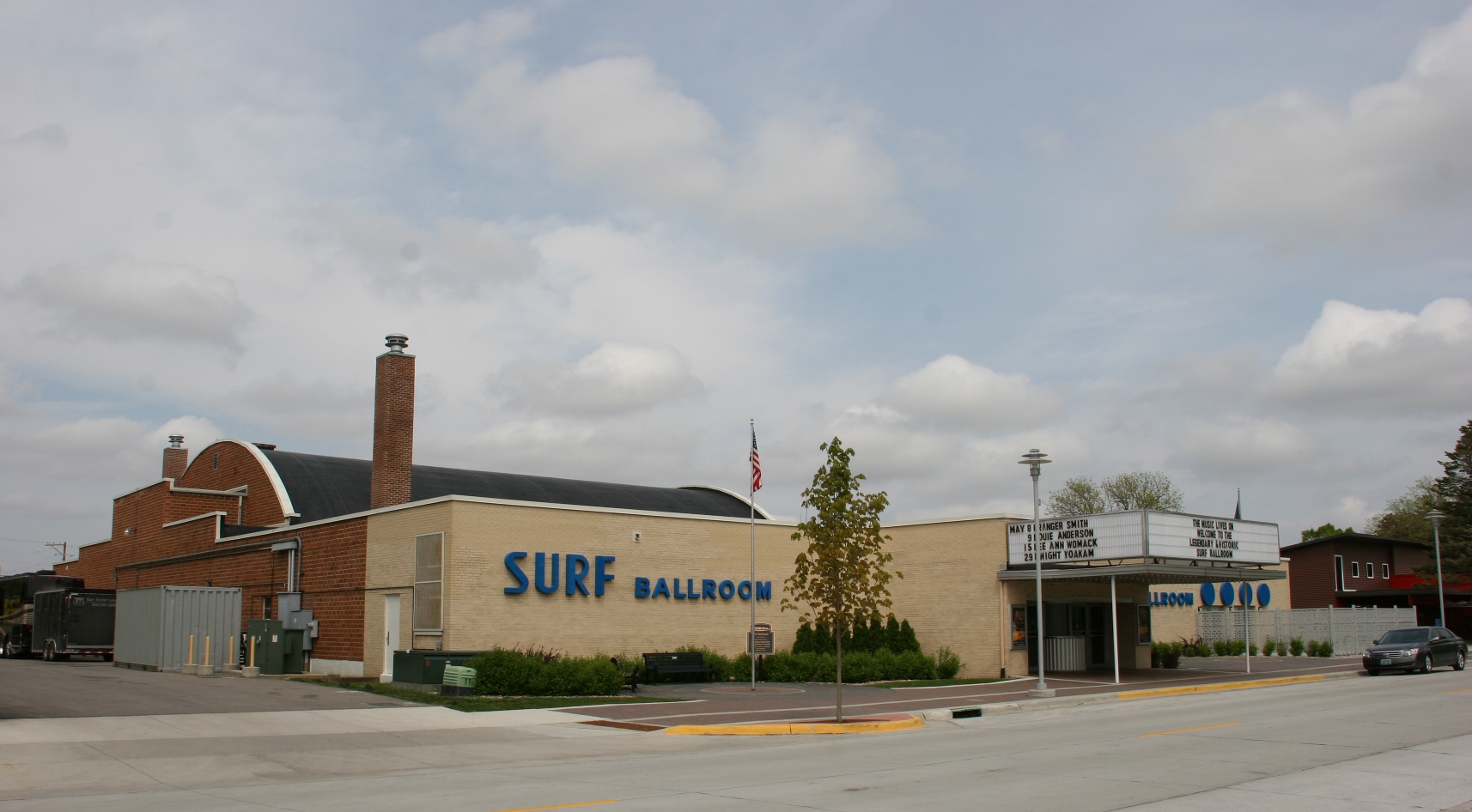
The Surf Ballroom in Clear Lake, Iowa, seats 2,100. (Minnesota Prairie Roots copyrighted file photo May 2015)

A TIME EXISTED when ballrooms centered weekend entertainment and socializing across southern Minnesota: The Monterey Ballroom in Owatonna, no longer a dance hall, but an event center. The Kato Ballroom in Mankato, today primarily a place for banquets, wedding receptions and meetings. The Gibbon Ballroom in Gibbon, once the site of Polka Days, now closed. George’s Ballroom in New Ulm, demolished. The Blue Moon Ballroom in Marshall, destroyed in a 1981 fire. Ballrooms, as they once were in their heyday, are mostly non-existent or altered in usage.

Inside the Surf Ballroom, portraits of Ritchie Valens, left to right, Buddy Holly and J.P. Richardson. (Minnesota Prairie Roots copyrighted file photo May 2015)

But just across the border along Interstate 35 in northern Iowa, an historic ballroom remains open and going strong. That’s the Surf Ballroom in Clear Lake, an 84-mile or one hour and 15-minute drive from my community of Faribault. I’ve been there. Not to dance. But to tour the venue that marked the final performance site for Buddy Holly, Ritchie Valens and J.P. “The Big Bopper” Richardson on February 2, 1959.

This display inside the Surf references “American Pie.” Displays like this line spaces in the museum part of the Surf. (Minnesota Prairie Roots copyrighted file photo May 2015)

The next morning, a chartered plane carrying the trio crashed in a field shortly after take off from the Mason City Municipal Airport, killing the musicians and pilot, Roger Peterson. February 3, 1959, was, according to singer and songwriter Don McClean, “the day the music died.” The tragedy is forever immortalized in McClean’s 1971 “American Pie,” a lengthy song I know well given I was a teen of the 70s.

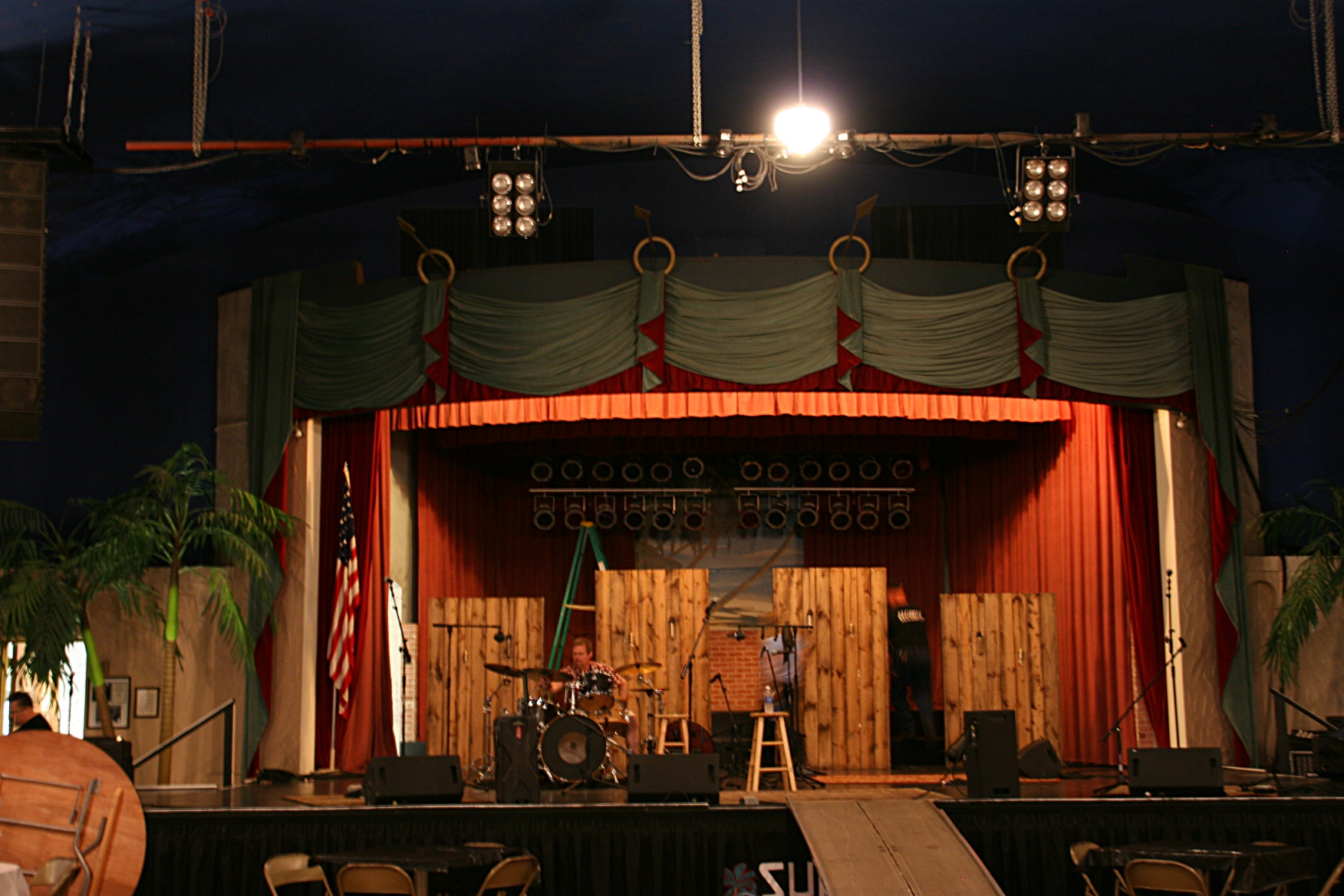
The ballroom stage, where a crew was setting up for a LeeAnn Womack concert during my visit. (Minnesota Prairie Roots copyrighted file photo May 2015)

Ten years have passed since I visited the Surf Ballroom. But nearly every January, I mentally revisit that experience of walking onto the wooden floor of the iconic ballroom and immersing myself in yesteryear. It’s not that I’m a big Buddy Holly fan or even into music all that much. But I can appreciate the significance of this place in rock ‘n roll history.

In the back of the ballroom are layers of booths, all original. (Minnesota Prairie Roots copyrighted file photo May 2015)

The three musicians, plus Dion and the Belmonts, Frankie Sardo, Waylon Jennings, Tommy Allsup and Carl Bunch, were on a 24-day Winter Dance Party tour through Minnesota, Wisconsin and Iowa when they so tragically died. They had been crisscrossing the Midwest in a tour bus, playing in big cities like Milwaukee, Green Bay, St. Paul and Duluth, but also in smaller towns like Montevideo and Mankato in southern Minnesota. That Mankato performance was January 25 at the Kato Ballroom. Following the February 2 gig in Clear Lake, Holly decided to charter a small plane rather than endure the 364-mile bus ride to Moorhead for the next stop on the tour. That decision proved fatal.

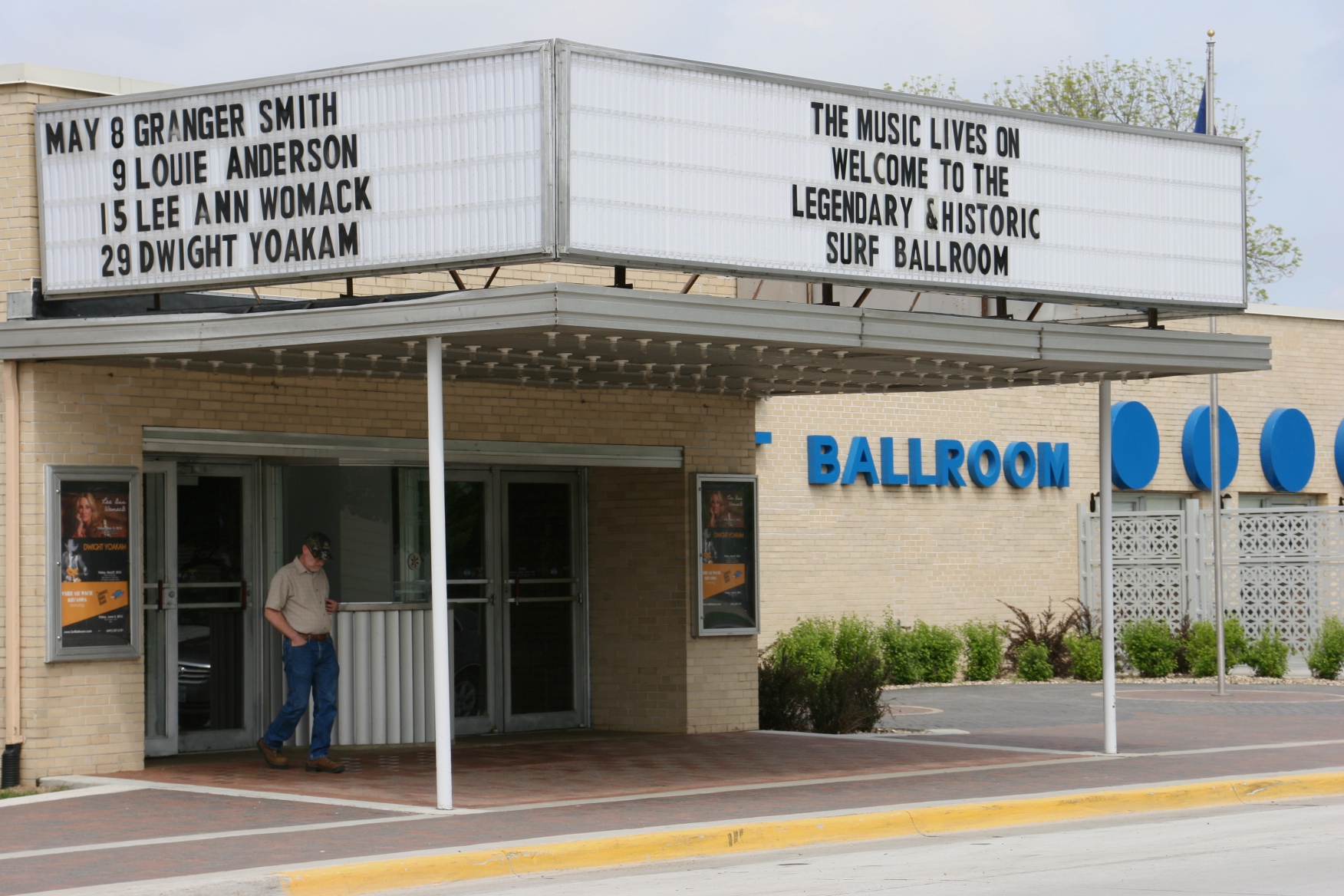
The marquee advertises upcoming events on the day I visited in May 2015. (Minnesota Prairie Roots copyrighted file photo May 2015)

The Winter Dance Party continues to this day at the Surf Ballroom as a way to honor the rock ‘n roll legends. This year’s celebration is January 30 – February 1. Closer to home, the Paradise Center for the Arts in Faribault is hosting “Buddy Holly: Oh Boy!” at 7:30 p.m. Friday, January 31. The next day, Saturday, February 1, the show will be at the State Street Theater in New Ulm at 7 p.m. This is a re-staging of Holly’s Winter Dance Party.

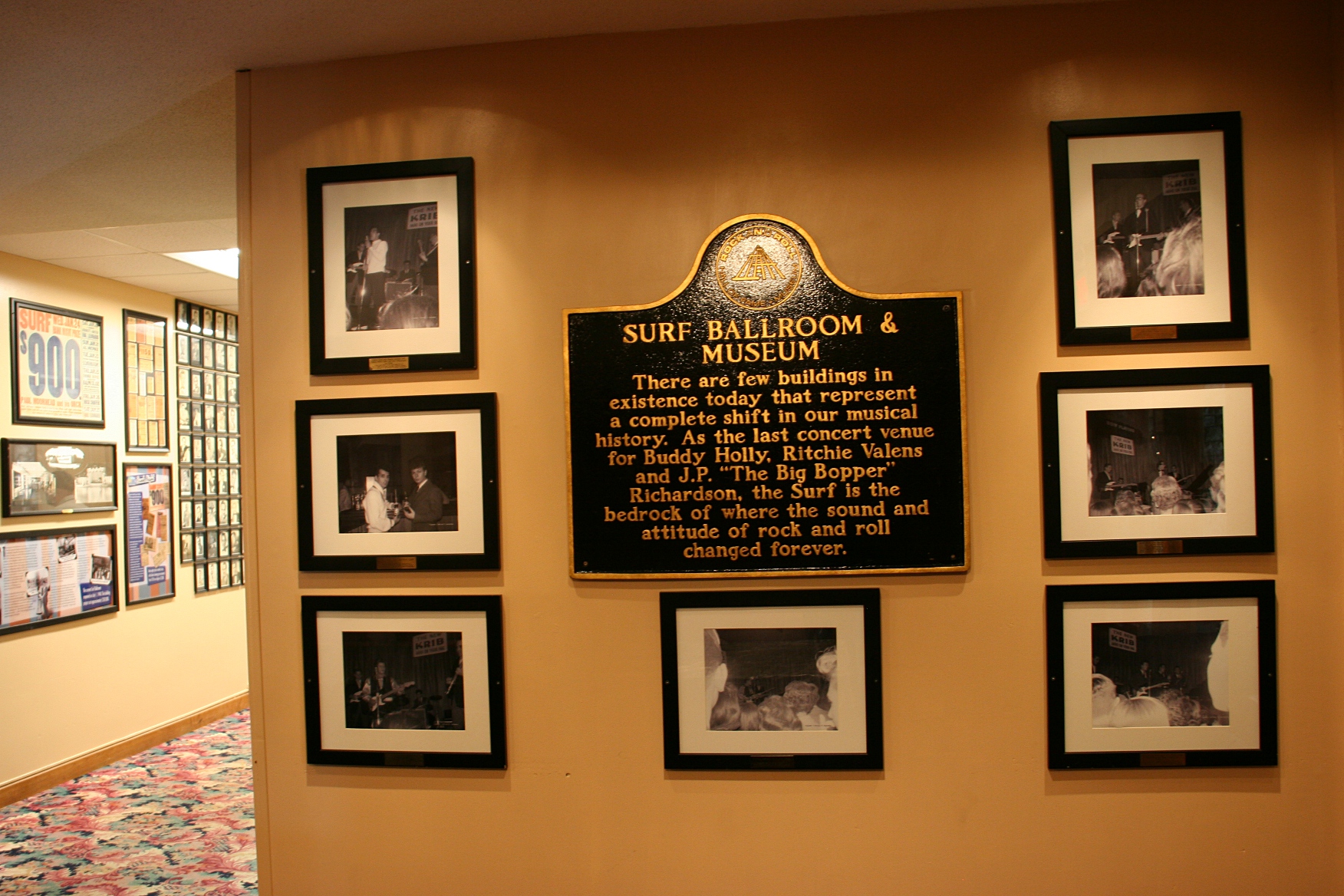
This sign inside the front entry summarizes the importance of the Surf. (Minnesota Prairie Roots copyrighted file photo May 2015)

Whether you’re a fan of Buddy Holly or not, I think it’s important to recognize the significance he held in American rock ‘n roll culture. Music, in many ways, is like an historical account of life. It carries messages, entertains, connects us to memories and events, and touches us emotionally. And when the music died on February 3, 1959, the nation cried.

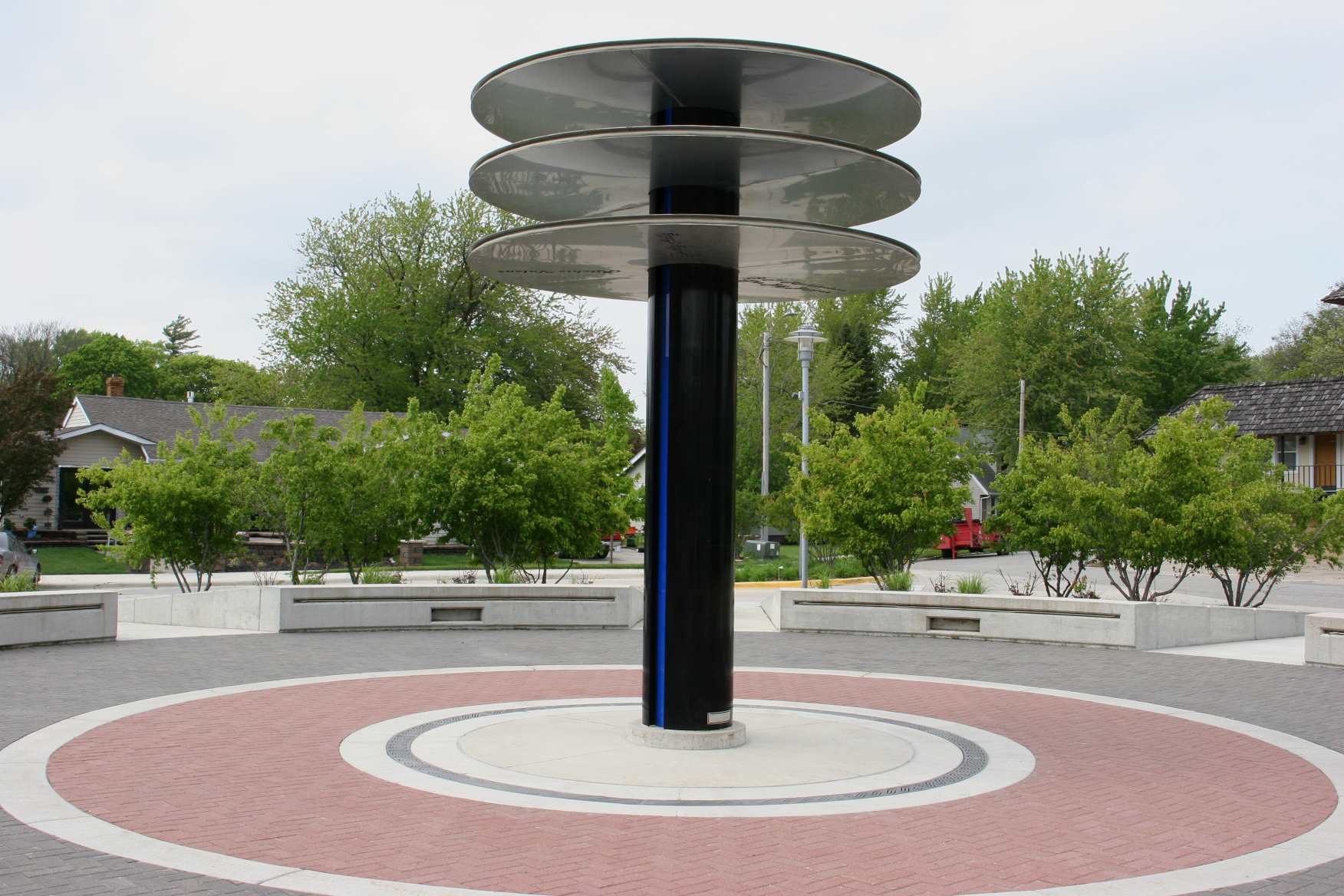
This stacked album sculpture in Three Stars Plaza honors Buddy Holly, Ritchie Valens and J.P. “The Big Bopper” Richardson. (Minnesota Prairie Roots copyrighted file photo May 2015)

FYI: The Surf Ballroom/Museum is open year-round Monday – Friday with additional times during the summer. Always check ahead before visiting as the ballroom can be closed if there’s a rental or concert. Additional related sites are Three Stars Plaza near the Surf and the crash site, about five miles distant.

© Copyright 2025 Audrey Kletscher Helbling
 

Remembering the 35W bridge collapse 15 years later August 1, 2022

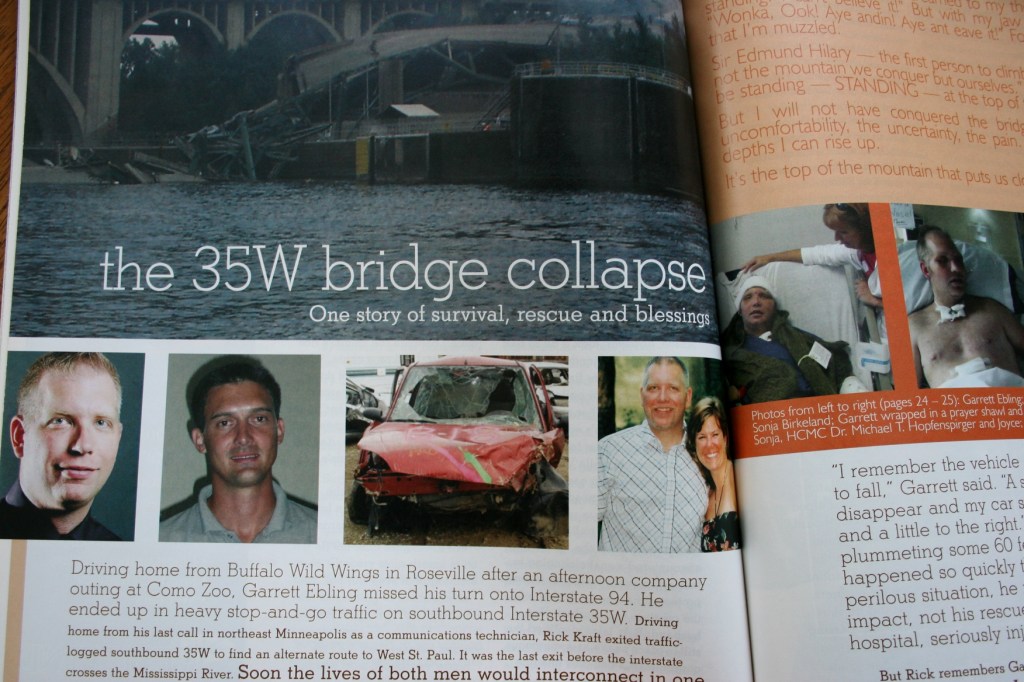
This photo shows the opening spread of the feature article published in the November/December 2007 issue of Minnesota Moments. Casey McGovern of Minneapolis shot the bridge collapse scene. To the far left is Garrett before the collapse, to the right, his rescuer. The next photo shows his Ford Focus which plummeted into the Mississippi River. And to the right are newly-engaged Garrett and Sonja, before the collapse.

FIFTEEN YEARS AGO THIS EVENING, 13 people died and 145 were injured when the 35W bridge collapsed during rush hour in downtown Minneapolis. Vehicles plunged into the Mississippi River. Others clung to the tilted, broken span of roadway. Lives were forever changed at 6:05 pm on August 1, 2007, when faulty gusset plates gave way and the bridge broke.

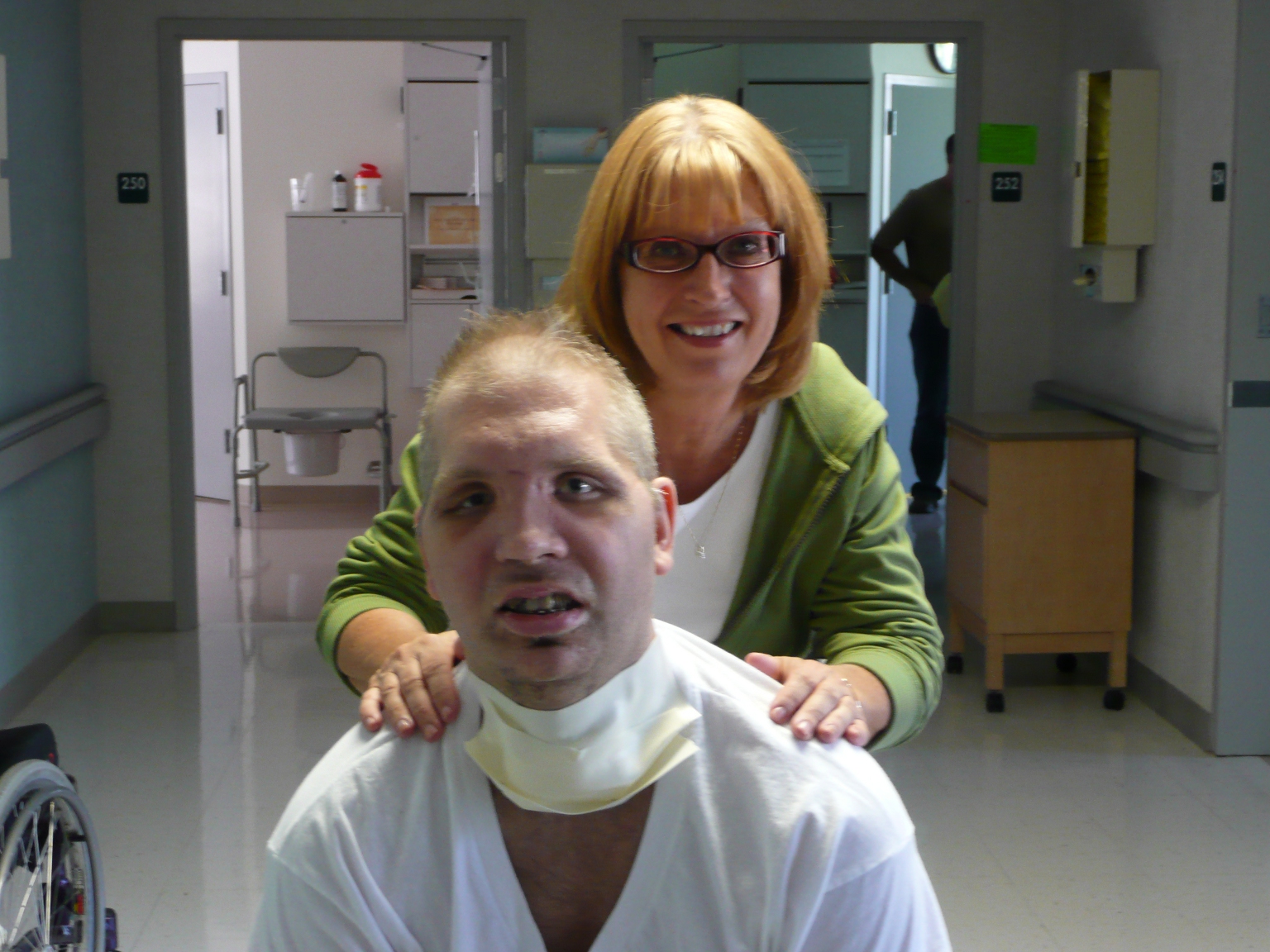
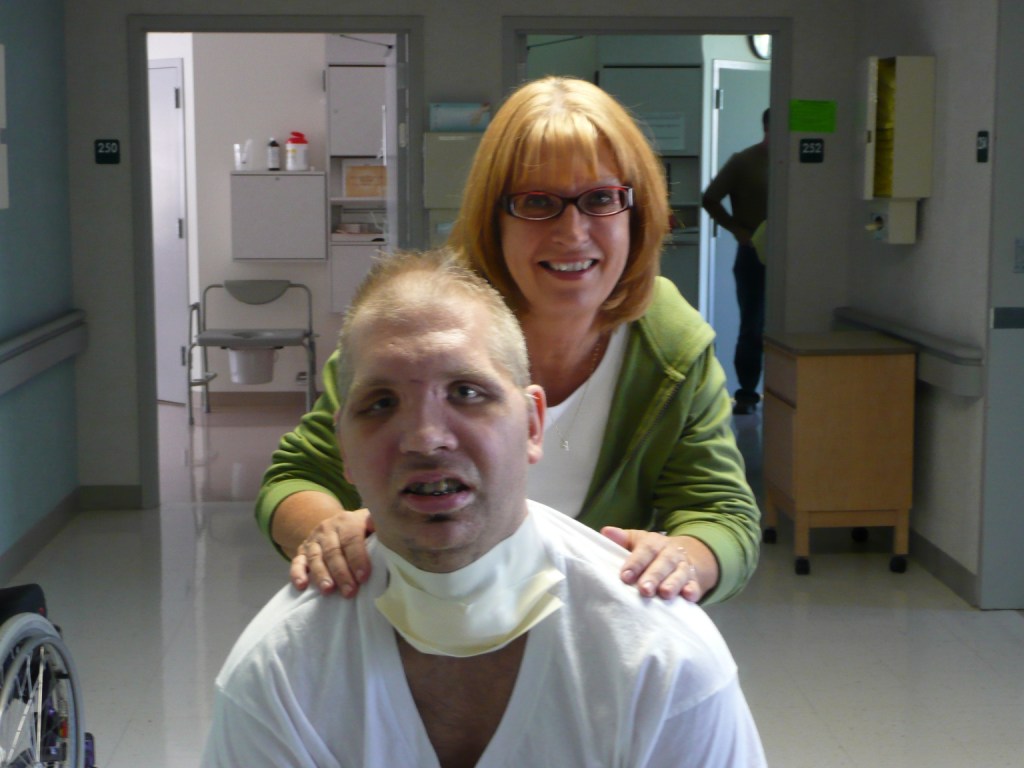
Garrett with his mom, Joyce Resoft, about a month after the bridge collapse. (Minnesota Prairie Roots file photo 2007. Photo courtesy of Garrett’s family)

Among those most seriously injured was then 32-year-old Garrett Ebling, former managing editor of The Faribault Daily News. He suffered a traumatic brain injury, severed colon, broken left arm and ankles, a spinal injury and more after his Ford Focus nosedived 110 feet, the equivalent of an 11-story building, into the river. That he survived seems miraculous. He spent weeks in the hospital, where he underwent multiple surgeries. A lengthy rehab followed. His life, physically, mentally and emotionally, was forever changed.

Within months of the collapse, I penned a feature story about Garrett for Minnesota Moments, a now-defunct magazine. Mine was one of the few initial interviews Garrett granted and I was both humbled and honored to share his story as a freelance writer. Prior to his departure from the editorial job in Faribault, we had connected. I remember Garrett’s kindness and compassion toward me after my son was struck by a hit-and-run driver in May 2006. I took great care in writing his story, recognizing that another journalist was trusting me to get it right.

Garrett Ebling’s book.

In 2012, Garrett wrote about his experiences and life thereafter in a book, Collapsed—A Survivor’s Climb From the Wreckage of the 35W Bridge. I reviewed that revealing and emotional book in which this survivor held nothing back.

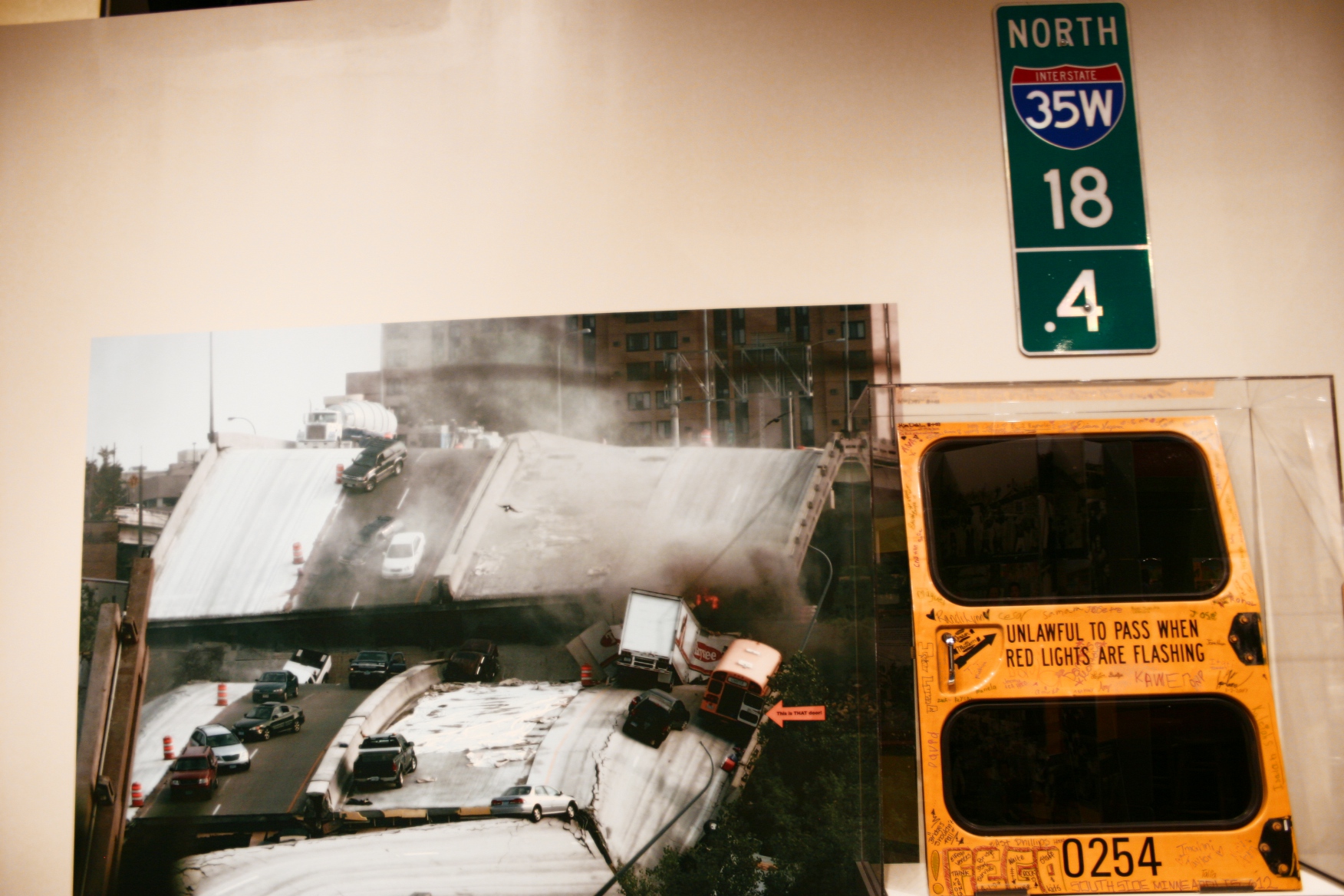
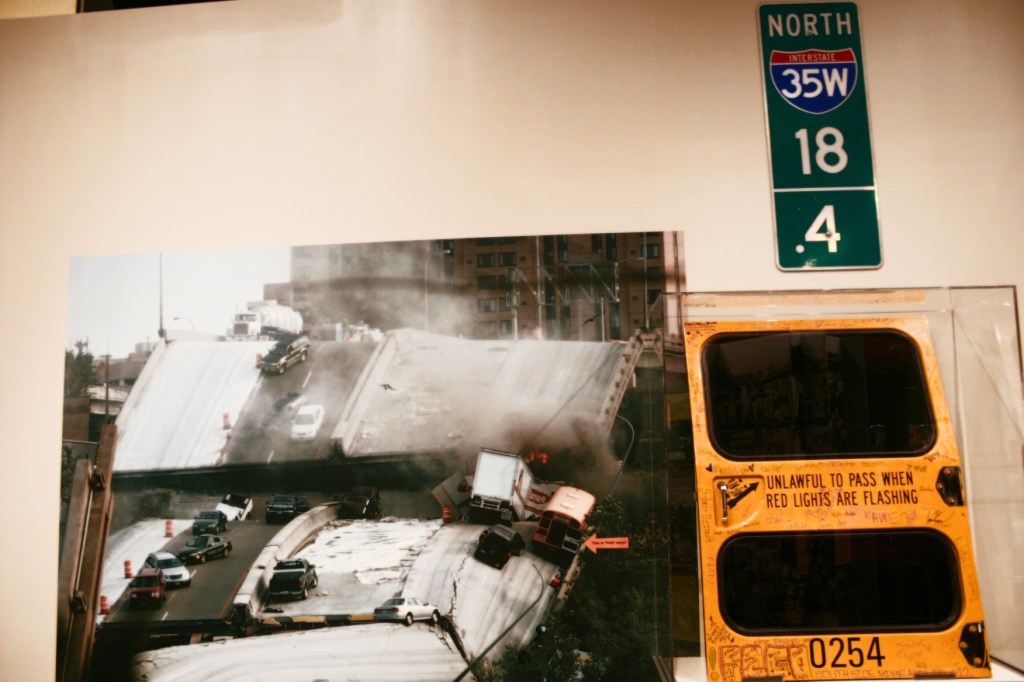
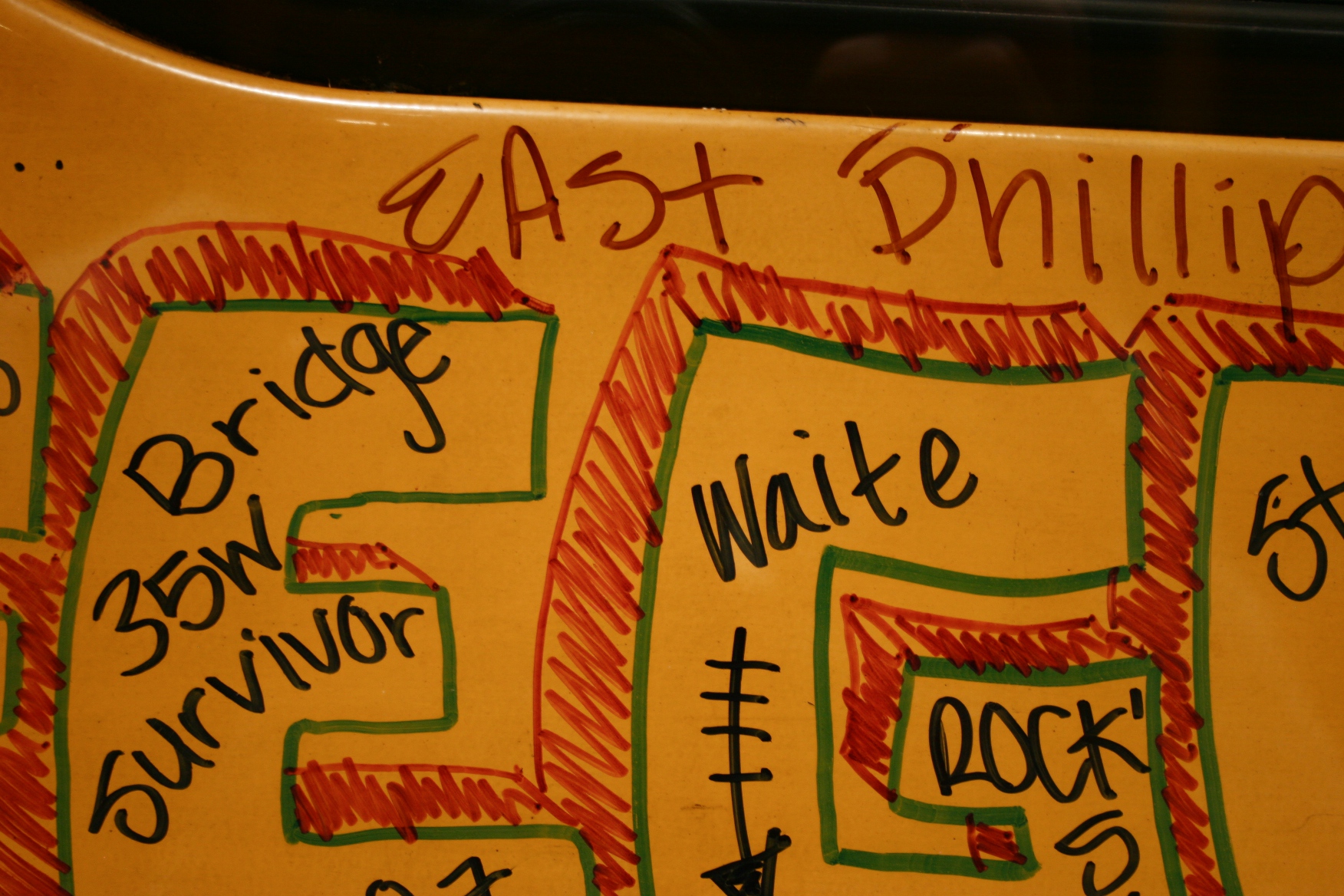
A section of the then now wow exhibit at the Minnesota History Center in St. Paul features the 35W bridge collapse. This image shows the collapsed bridge and the emergency exit door from a school bus that was on the bridge when it collapsed. All made it safely off the bus (Minnesota Prairie Roots file photo)

Since then, I’ve lost track of the “author, father and 35W bridge collapse survivor,” as Garrett labels himself on his Twitter account. But I expect today, the anniversary of the bridge collapse, is difficult for him as it is every survivor and every single person who lost a loved one 15 years ago in downtown Minneapolis when the unthinkable happened. When a bridge fell.

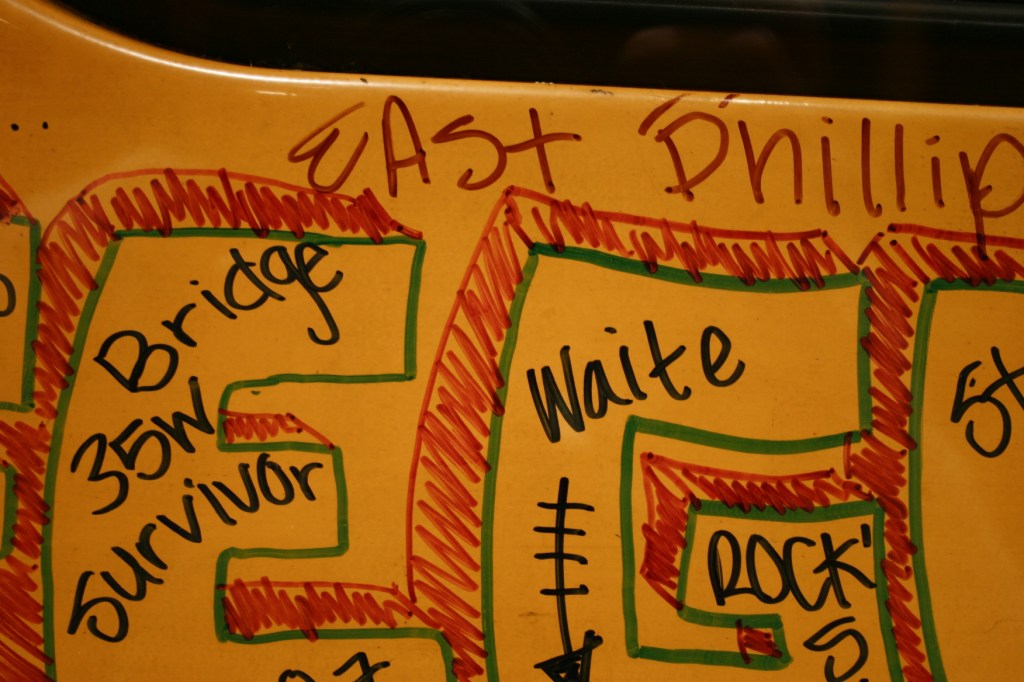
All the children and adults on the bus signed the door on display at the Minnesota History Center. (Minnesota Prairie Roots copyrighted file photo)

There are moments in history that we never forget and, for me a Minnesotan, August 1, 2007, is one of those dates. When I heard the breaking news of the bridge collapse, I worried first about extended family who live in the metro. They were not on the bridge. While that diminished my personal angst, it does not diminish the tragedy of that day for those who were on that bridge. Like Garrett Ebling, the 144 others injured and the 13 who died. It is a tragedy, too, for those who loved them and for us, collectively, as Minnesotans.

© Copyright 2022 Audrey Kletscher Helbling
 

Grieving in Minnesota, three tragedies April 23, 2022

Filed under: Uncategorized — Audrey Kletscher Helbling @ 5:01 AM

Tags: , , , , , , , , , , ,
Third grader Henry Johnson of Nerstrand Charter School created this vivid work of art for a Student Art Exhibit at the Paradise Center for the Arts in Faribault. Published with this post for illustration purposes only. (Minnesota Prairie Roots copyrighted file photo)

I CONTEMPLATED WHETHER I should write about the tragic deaths of four Minnesota children recently. But it’s important for me, in some small way, to pause and share that which imprints sadness upon my heart. To lose a child is perhaps life’s deepest sorrow.

The first tragedy happened on April 15 in rural Wabasso—I graduated from Wabasso High School—in southwestern Minnesota. Braxton Welch, 20 months, died after being struck by a vehicle driven by his dad. I cannot even begin to fathom the grief this family is experiencing. This is personal to me because I know the Welch family back a few generations. I knew Braxton’s deceased great grandfather Gary, who lived in my hometown of Vesta and worked as a mechanic at my Uncle Harold’s service station. And I babysat Braxton’s grandfather (Gary’s son), Troy, and siblings a few times as a teen. Now Troy has lost his grandson, a sweet little boy with the brightest blue eyes. Braxton loved dancing and giggling and his big brother. And I expect so much more.

To the west, in rural Lynd, a 9-year-old girl (not yet identified) has died after being shot in the head on April 18. Authorities are classifying the shooting as “accidental.” Again, an unfathomable tragedy. UPDATE, April 26, 2022: The Lyon County Sheriff’s Department has identified Caitlin Renee Demuth as the young girl who died as a result of this tragic shooting. A public visitation will be held from 5 – 7 pm Friday, April 29, at the Hamilton Funeral Home in Marshall.

And then way up north, in the port city of Duluth, the Barry family was found shot to death in their beds on April 20. The victims include mom, Riana, 44; dad, Sean, 47; and their daughters, Shiway, 12, and Sadie, 9. The identified shooter, their 29-year-old nephew/cousin, also died, of a self-inflicted gunshot wound. Police continue their investigation into the motive while publicly stating the shooter struggled with mental health issues. This murder-suicide, resulting in the deaths of two children and three adults in a single family circle, is undeniably tragic. It is almost too much to bear and my heart absolutely breaks for everyone touched by this tragedy, especially family and friends but also the greater Duluth community and responding law enforcement.

Friends have set up a GoFundMe account to help extended family pay for the Barrys’ funerals and for travel and other expenses. I encourage you to visit that site, donate if you can and pause to read the comments written by those connected to the Barry family. You will read of a kind, loving and generous family who welcomed newcomers, of two little girls who sold Girl Scout cookies, of guinea pigs and bike riding and all those ordinary life events that, in death, take on new meaning.

Tears flow. I feel emotionally drained. My heart hurts. Yet, I recognize that what I feel is nothing compared to the friends and families of Braxton; the little girl from Lynd; and the Barry family. To experience their loss and grief seems incomprehensible. Tragic beyond words.

#

FYI: A public vigil for the Barry family will be held on Sunday evening, April 24, outside the family’s home at 715 E. 12th Street in Duluth. A short program begins at 8 pm with the lighting of holiday lights on the home. Christmas was one of the family’s favorite holidays. Attendees can also share stories at the event. The public is also invited to bring new children’s books to be donated in the family’s honor. The Barrys had a Little Free Library outside their home to share their love of reading and of books.

© Copyright 2022 Audrey Kletscher Helbling


Perspective & hope June 26, 2021

Filed under: Uncategorized — Audrey Kletscher Helbling @ 5:00 AM
Tags: , , , , , ,
Minnesota Prairie Roots file photo.

PERSPECTIVE DOESN’T DIMINISH challenges in life. Rather, perspective helps one to assess, to consider, to reshape thoughts.

On Thursday, the word “perspective” edged to the top of my mind upon learning about the collapse of a 12-story residential building in Surfside, Florida. Suddenly what Randy and I experienced this week doesn’t seem all that bad. Minor, really, in comparison to the loss of life and home in Florida.

As I write this, four people are confirmed dead with 159 missing. And then there are the injured and those who are now without a home. It’s a lot of loss. A lot of grief and pain and heartache and stress beyond comprehension.

When I view the rubble of the high-rise, I think of the fallen World Trade Center towers and of the I-35 bridge collapse. The visuals from Florida imprint the immensity of the catastrophe. Media reports, especially interviews with loved ones of the missing, cause an emotional reaction which leaves me in tears, feeling deeply saddened. My heart breaks at the humanity of it all—the deaths of loved ones in such a sudden and awful way.

As six industrial-sized fans and a dehumidifier roar in our basement, I focus on perspective. I see those media reports featuring search and rescue teams, eye witnesses, family members, government officials and others at the site of the Florida tragedy. I also hear the repeated word, “hope.” Hope rises, even when it seems futile.

But, like perspective and resilience, we need hope. Especially now in Florida.

© Copyright 2021 Audrey Kletscher Helbling
 

Reflecting on 9/11, then & now September 12, 2019

Filed under: Uncategorized — Audrey Kletscher Helbling @ 5:00 AM
Tags: , , , , , ,

In remembrance of 9/11, photographed last September 11 in Hastings, Minnesota. Minnesota Prairie Roots file photo 2018.


YESTERDAY BROUGHT TIME for reflection. Reflection upon the events of September 11, 2001, a day which forever changed us as Americans.


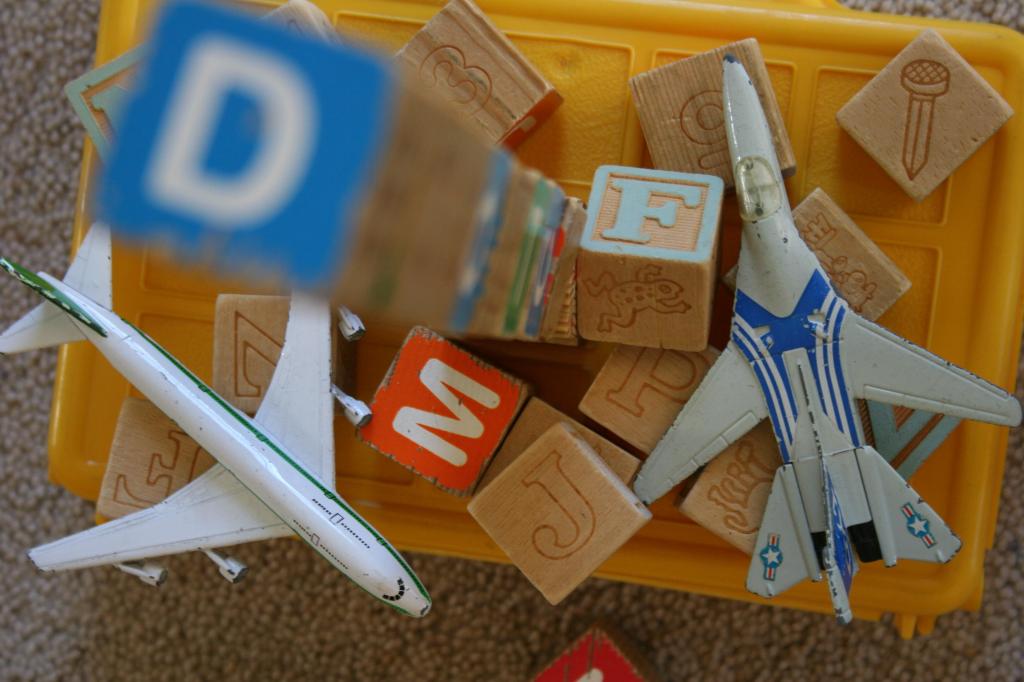
I reconstructed a tower using the same blocks my then young son and his friend used on September 11, 2001, to duplicate what they saw on television. These are also the same toy airplanes they flew into the tower. Minnesota Prairie Roots file photo 2011.


The terrorist attacks on our country made us feel vulnerable, unsafe and realizing, perhaps for the first time that, just because we live in America, we don’t live in a bubble of protection from those who would harm us.


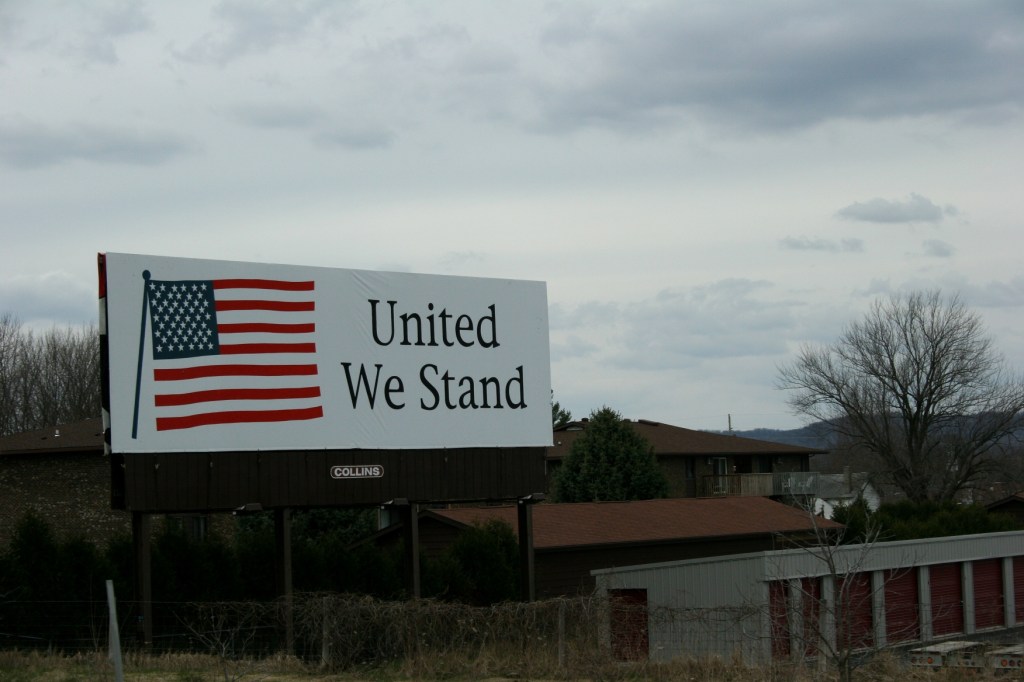
Photographed along Interstate 90 east of La Crosse, Wisconsin. Minnesota Prairie Roots file photo May 2011.


Yet, in the midst of that tragedy, that sorrow, that new reality, there emerged a solidarity. We felt united as a country, a people.


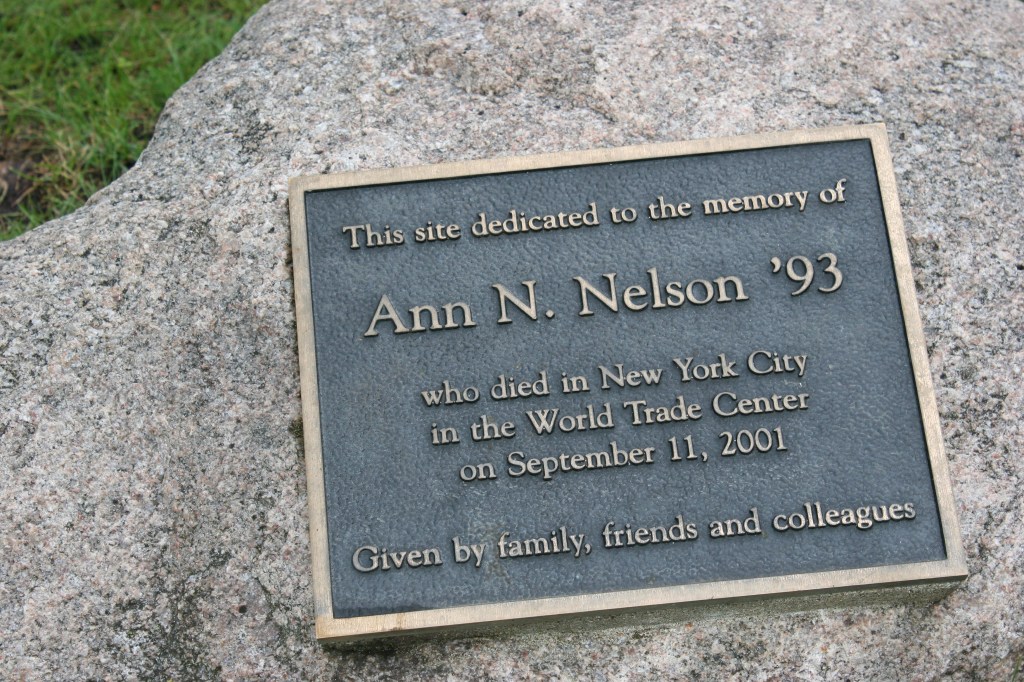
On the campus of Carleton College in Northfield, Minnesota, a plaque honors an alumnus who died in the World Trade Center attack. Minnesota Prairie Roots file photo July 2019.


Eighteen years later I no longer see that unity. I see rather a fractured country. That saddens me. The discord. The political upheaval. Even the overt hatred toward certain peoples.


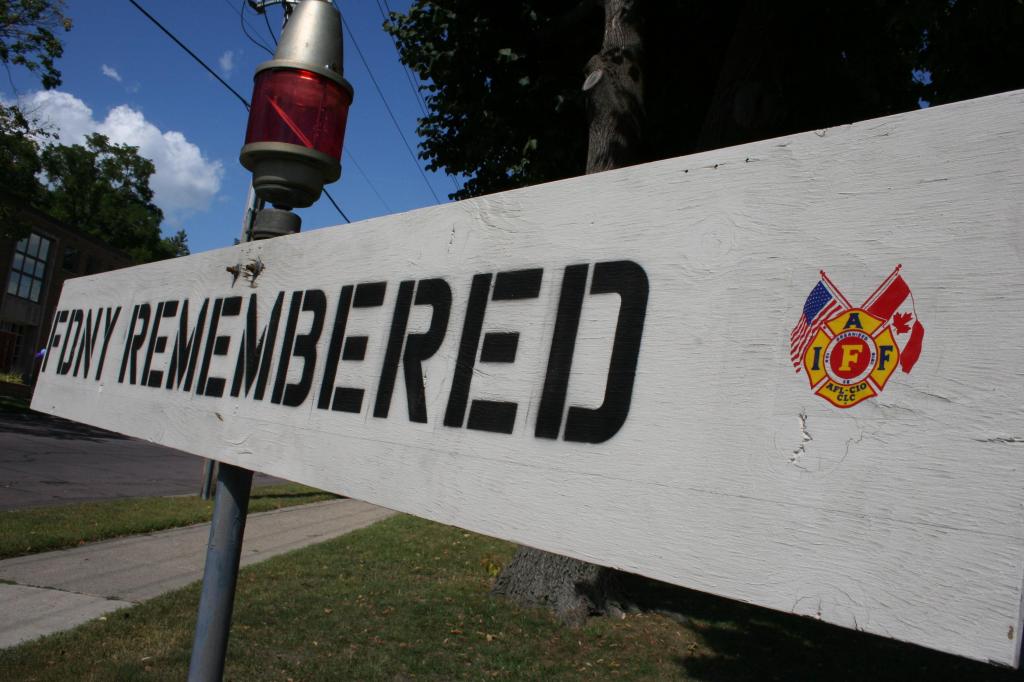
Faribault, Minnesota, firefighters pay special tribute to the fallen New York firefighters on this memorial sign. Minnesota Prairie Roots file photo 2011.


Yet, when I look closely, I see the care and compassion extended by many Americans toward those who need our care and compassion. We have always been a giving nation. I hear the voices of those who speak for those whose voices have been mostly silenced by rhetoric and oppression and policies. We are still individuals with voices that matter.


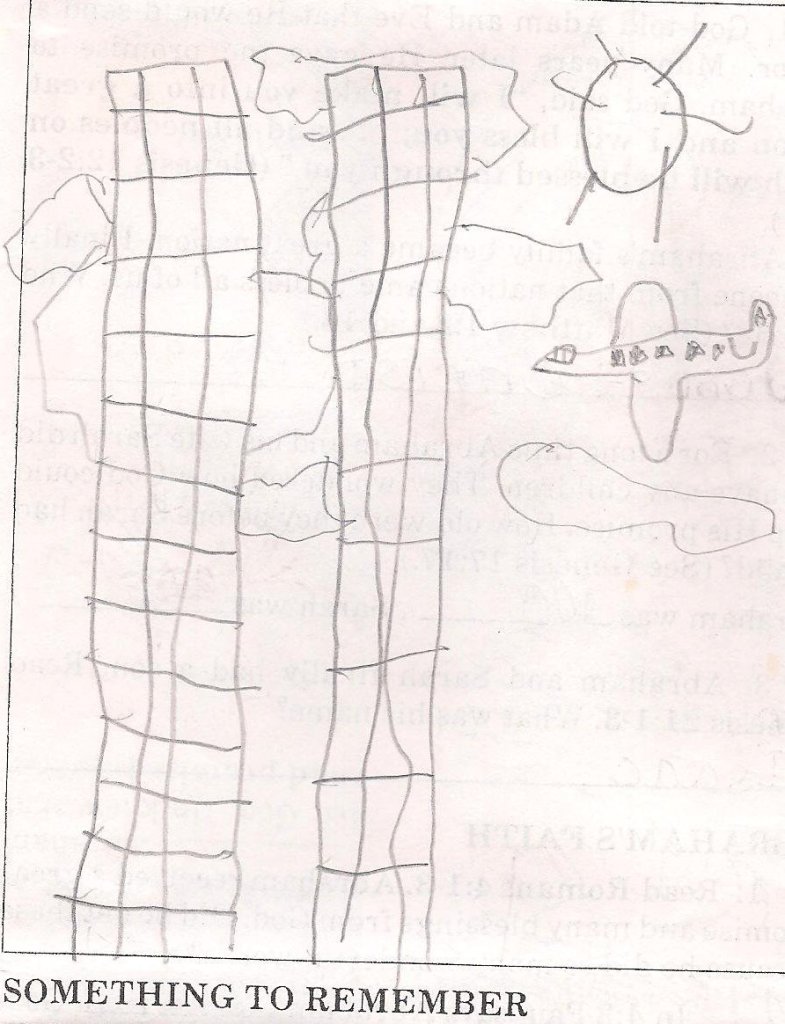
My then 8-year-old son drew this picture of a plane aimed for the twin towers a year after 9/11 for a school religion assignment. He was a third grader in a Christian school at the time and needed to think of a time when it was hard to trust God. To this day, this drawing by my boy illustrates to me how deeply 9/11 impacted even the youngest among us. Minnesota Prairie Roots file photo.


That ability to express ourselves—whether through the written or spoken word, in music, in art, in acts of kindness—remains. Strong. We have the power individually to make a difference in our communities, to start small, to rise above that which threatens to erode.

THOUGHTS?

© Copyright 2019 Audrey Kletscher Helbling
 

How you can help a Faribault family dealing with loss & cancer December 18, 2018

Nate and Jackie Howells and family of Faribault.


IT’S BAD ENOUGH when parents lose a young child. But to endure such a tragedy shortly before Christmas deepens the pain.

This is the reality for a Faribault couple whose almost 4-year-old son, Casimir, died on December 13. On his first birthday on December 27, 2015, Casi aspirated a small object and stopped breathing. According to a Facebook page entry, he lost consciousness and went into cardiac arrest. The object was removed surgically. He then suffered seizure-like convulsions and was placed on life support. About two months later, Casi left the hospital and has since needed 24/7 health care. Now he’s gone.


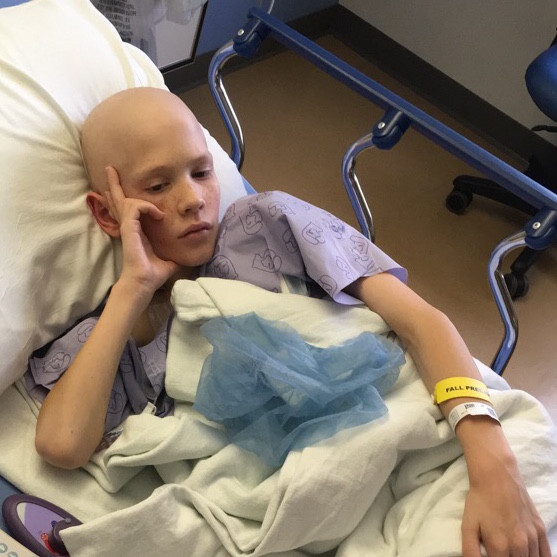
But there’s more. Nate and Jackie Howells’ 10-year-old son, Xavier (known as Iggy), is battling metastasized cancer (rhabdomyosarcoma) diagnosed a year ago. He’s undergone surgery and continues with chemo. He’ll likely need another eight months of treatment.

Nate quit his job teaching children with autism at Jefferson Elementary School in Faribault to better care for Iggy. The Howells have four other children.

As I consider all of that, I am overwhelmed by the immensity of the situation. How can one family possibly endure so much? Loss. Grief. Pain. Uncertainty. Worry. It’s a lot to handle.


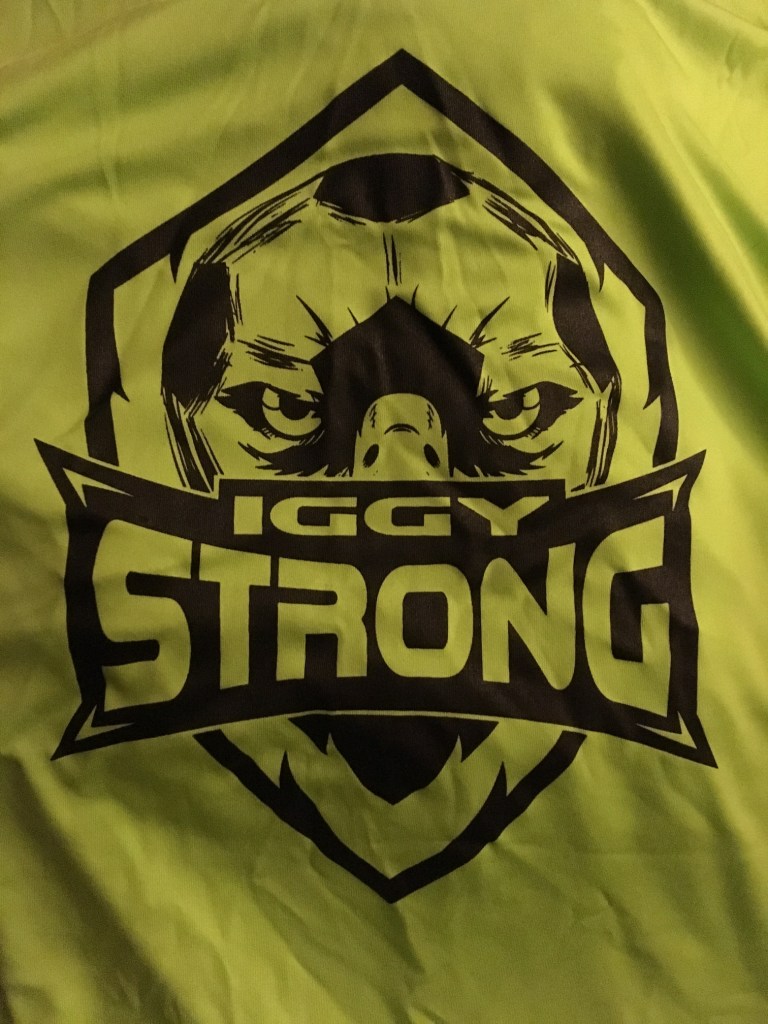
Iggy’s soccer team wore these shirts honoring their goalie.


While none of us can remove the emotional pain the Howells feel, we can pray for, support, encourage, uplift, help and care for them. Nate’s friend and former co-worker Lisa (also my friend) has established a gofundme page, Iggy Strong. She’s set a $43,000 goal, meant to replace Nate’s lost paycheck and cover daily living (think gas, groceries, etc.) and other expenses. Thus far donors have contributed nearly $8,500.

The $43K is a lot of money to raise. But I know people, when they see a need, rise to meet it. I am grateful to Lisa for initiating this effort, for reaching out to others (including me) who in turn can share this need. If you can give, please do so by clicking here. You’ll also find more details on Iggy’s battle with cancer.


Iggy


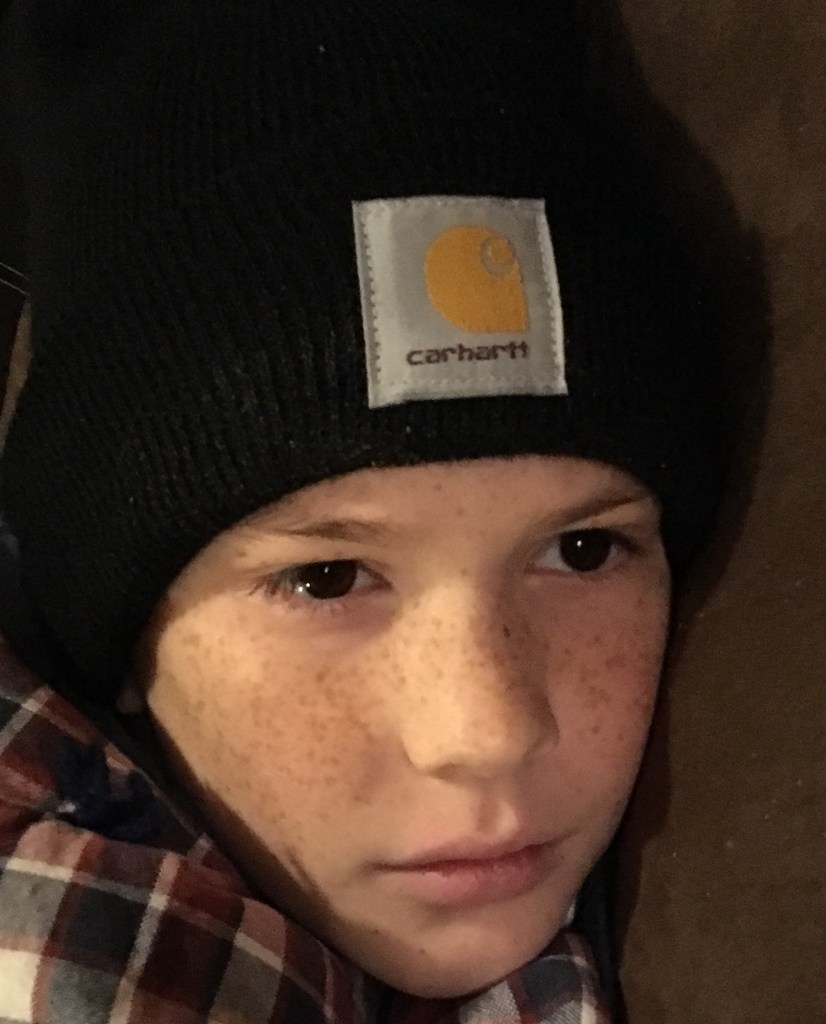
There’s such sweetness in that freckled face. Such a signature boyish look that just makes me, as a mom, want to wrap my arms around Iggy. And his family.


Photos are courtesy of Lisa M. Bolt Simons, via the Howells family
© Copyright 2018 Audrey Kletscher Helbling
 

A look back at the day the 35W bridge fell down in Minneapolis August 1, 2017

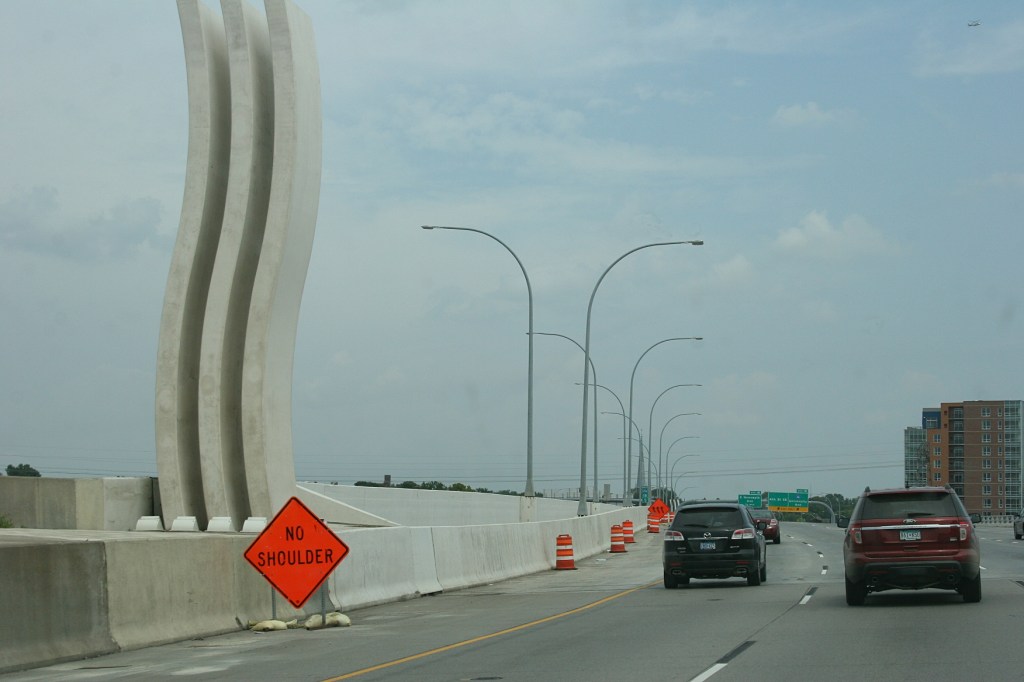
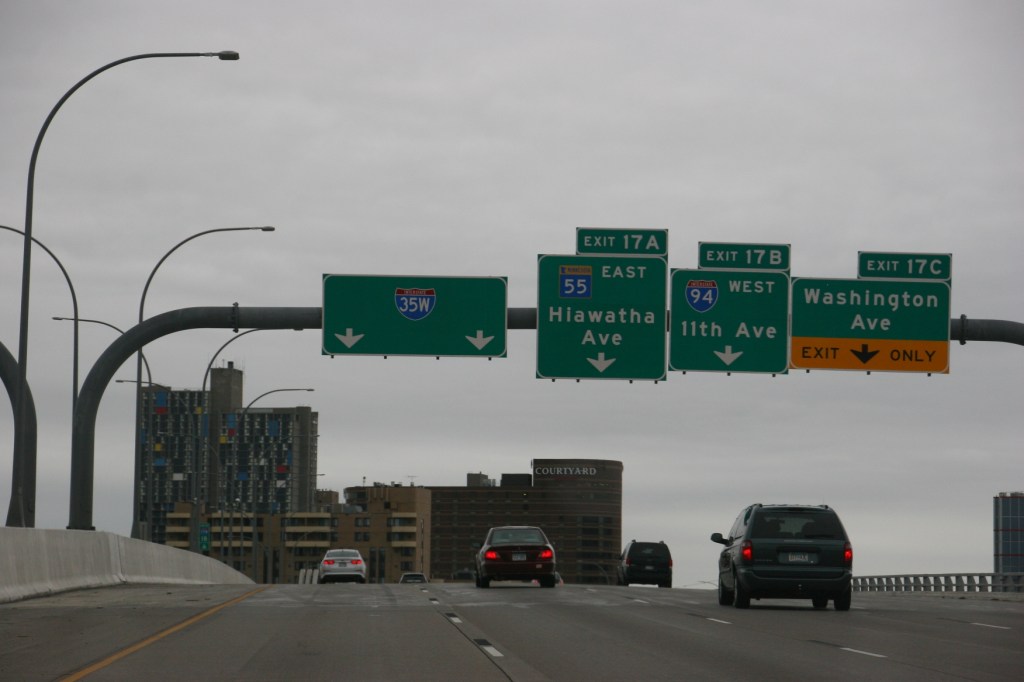
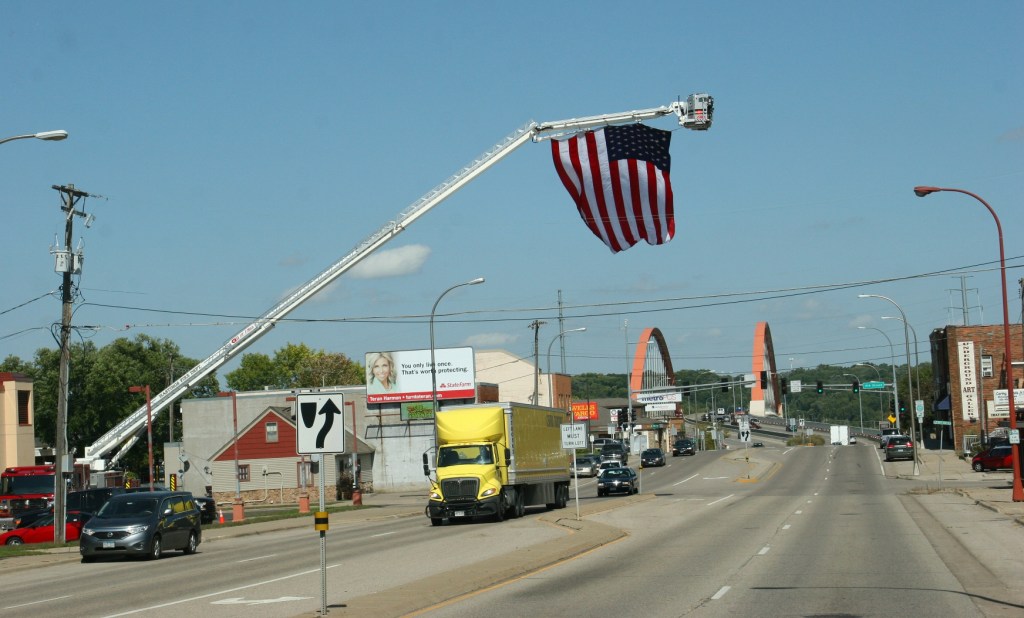
Crossing the new Interstate 35W bridge near downtown Minneapolis. Minnesota Prairie Roots file photo 2014.


TEN YEARS AGO TODAY at 6:05 p.m. our perception of safety on bridges changed. The Interstate 35W bridge over the Mississippi River near downtown Minneapolis collapsed during rush hour on August 1, 2007. Thirteen people died. One hundred and forty-five were injured.


Garrett with his mom, Joyce Resoft, about a month after the bridge collapse. Minnesota Prairie Roots file photo 2007 courtesy of Garrett’s family.


As news broke of the bridge collapse, I expect many a Minnesotan (myself included) worried whether a loved one may have been on that bridge when it fell. None of my family were. But Garrett Ebling, who had recently worked as editor of the daily paper in my community, was driving on the bridge. Among the most seriously hurt, he suffered a traumatic brain injury and more.


This photo shows the opening spread of the feature article published in the November/December 2007 issue of Minnesota Moments. Casey McGovern of Minneapolis shot the bridge collapse scene. To the far left is Garrett before the collapse, to the right, his rescuer. The next photo shows his Ford Focus which plummeted into the Mississippi River. And to the right are Garrett and Sonja (his then fiancee), before the collapse.


At the time, I was writing for a Minnesota lifestyles magazine and, because of my Faribault connection to Garrett, interviewed him (via emailed questions) while he recovered. Garrett’s determination, tenacity, patience and faith impressed me. He showed incredible strength.


A section of the then now wow exhibit at the Minnesota History Center in St. Paul features the 35W bridge collapse. This image shows the collapsed bridge and the emergency exit door from a school bus that was on the bridge when it collapsed. Minnesota Prairie Roots file photo 2015.


Since then Garrett has written a book, become a father and eventually also gone through a divorce. I can only imagine the toll a traumatic event like this takes on a relationship.


All the children and adults on the bus signed the door on display. Minnesota Prairie Roots file photo.


Today, on the ten-year anniversary of the 35W bridge collapse, I am thinking of Garrett and all the others who survived. I am thinking also of the 13 who died on a metropolitan roadway on a bridge that failed. I am thinking of the families. I am thinking of the bystanders and of the first responders who helped save lives.


Crossing the new 35W bridge. Minnesota Prairie Roots file photo.


And I am thinking how this tragedy forever changed us as Minnesotans. With the failure of that bridge, we lost a certain sense of security. But we also gained an appreciation for each other and for the strength of the human spirit. We were a united Minnesota, standing strong in the face of an unfathomable tragedy. There is something to be said for unifying moments like that in which we forget our differences and focus instead on caring for each other. On August 1, 2007, we experienced such a moment. We were one Minnesota.


FYI: Click here to read several poems published in the Minneapolis Star Tribune on the five-year anniversary of the bridge collapse in 2012. My poem, Quotes from a survivor, is among them.

© Copyright 2017 Audrey Kletscher Helbling
 

An unspeakable tragedy in Faribault December 14, 2016

Minnesota Prairie Roots file photo used here for illustration purposes only.

Minnesota Prairie Roots file photo used here for illustration purposes only and not photographed in the area of the current tragedy.

SOMETIMES INCOMPREHENSIBLE TRAGEDIES happen in life that defy understanding. Something so horrible that we can’t wrap our minds around reality. We wonder and weep and wish we would wake up and our world would be unchanged. The darkness gone, replaced by light.

In my community of Faribault, we are wondering this week. Wondering why an eight-year-old girl is dead, apparently shot by the man who was her legal guardian. Local police are calling the deaths of Lynnaya Stoddard-Espinoza and Ryan Perrizo, 33, an apparent murder-suicide. Their bodies were found Sunday afternoon inside their Faribault home. Both suffered gunshot wounds; a handgun was recovered next to Perrizo.

The deaths leave many unanswered questions. Mostly, why? Why did this happen?

Nearly three years ago, on January 31, 2014, Perrizo’s 39-year-old wife, Jodi, died following a sudden illness while vacationing in Florida, according to her obituary. And now these deaths. I can speculate. The police can speculate. The general public can speculate. But until the investigation is complete, we don’t have answers.

We have this fact: Two individuals are dead.

And we have a community affected by this unspeakable tragedy. I think mostly of the surviving families and then of little Lynnaya’s classmates at Faribault Lutheran School, the same school my three children attended. How do you explain Lynnaya’s violent death? How do you reassure and comfort and help these children cope? Can these kids even grasp what has happened? With an enrollment of around 100, Faribault Lutheran is a like a family. Lynnaya’s absence is real and children and adults—teachers, parents, grandparents—are hurting.

How do we as adults explain something we can’t even explain?

© Copyright 2016 Audrey Kletscher Helbling
 

Part III from Wanamingo: The connection to a beloved hymn March 23, 2016

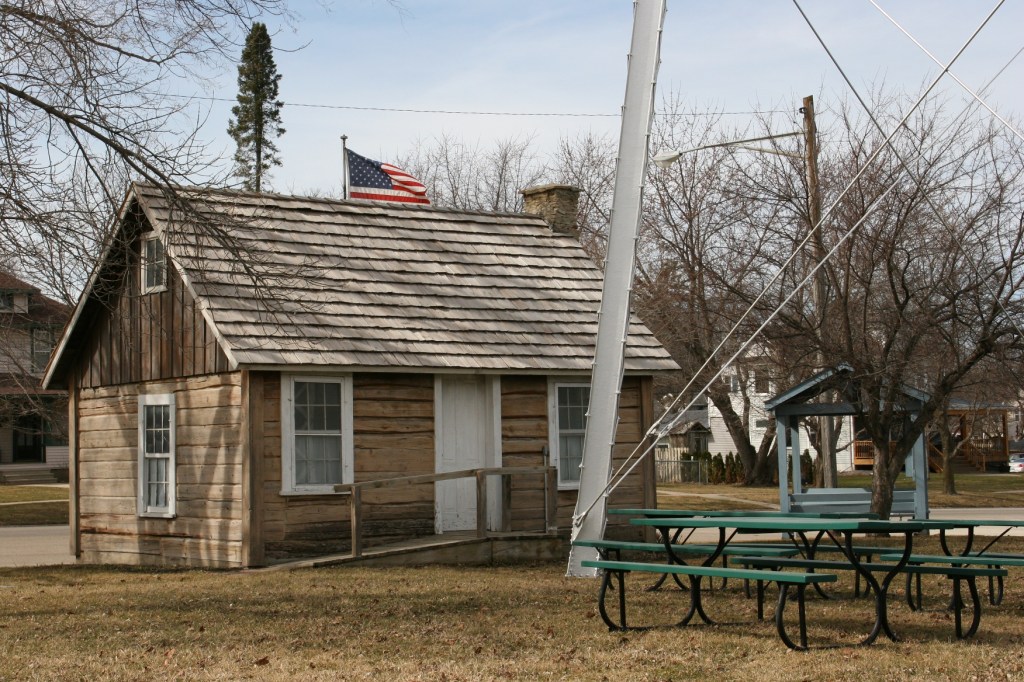
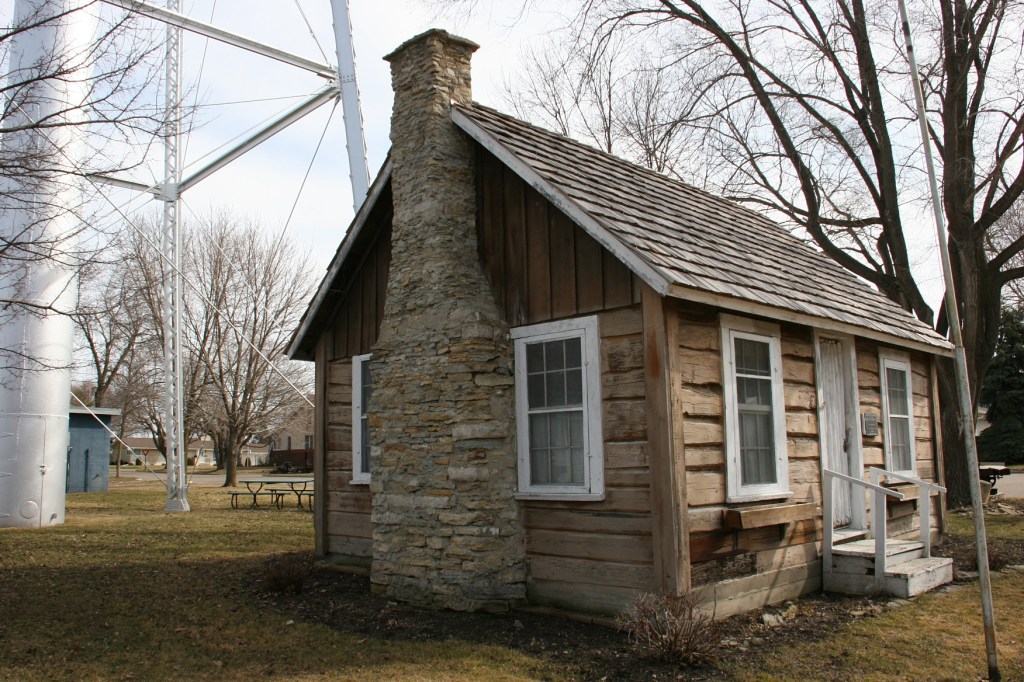
The Lars Larson log cabin sits next to the water tower in Wanamingo. The information center can be seen to the right

The Lars Larson log cabin sits next to the water tower in Wanamingo. The blue grey structure to the right is the information center.

IN THE UNLIKELIEST OF PLACES, beneath an aged water tower and next to an historic log cabin, an unexpected bit of Wanamingo’s history is revealed. It is typed on sheets of paper sandwiched under Plexiglas in a handcrafted case labeled Information Center.

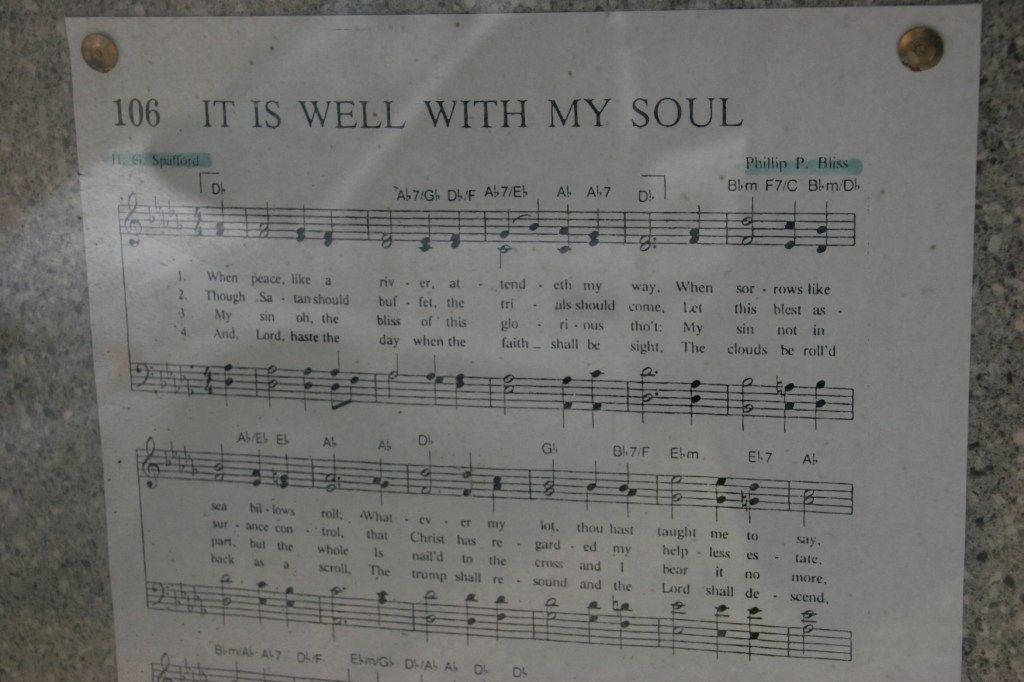
The song: It Is Well With My Soul.

The song: It Is Well With My Soul. The writer and composer’s names are highlighted in blue.

It is the story of the beloved hymn, It Is Well With My Soul, and its link to this Southeastern Minnesota farming community of nearly 1,100.

When peace, like a river, attendeth my way, When sorrows like sea billows roll; Whatever my lot, thou hast taught me to say, It is well, it is well with my soul.

My lips move in silence as I read the familiar words, the familiar melody chorusing comfort. It is well, it is well with my soul.

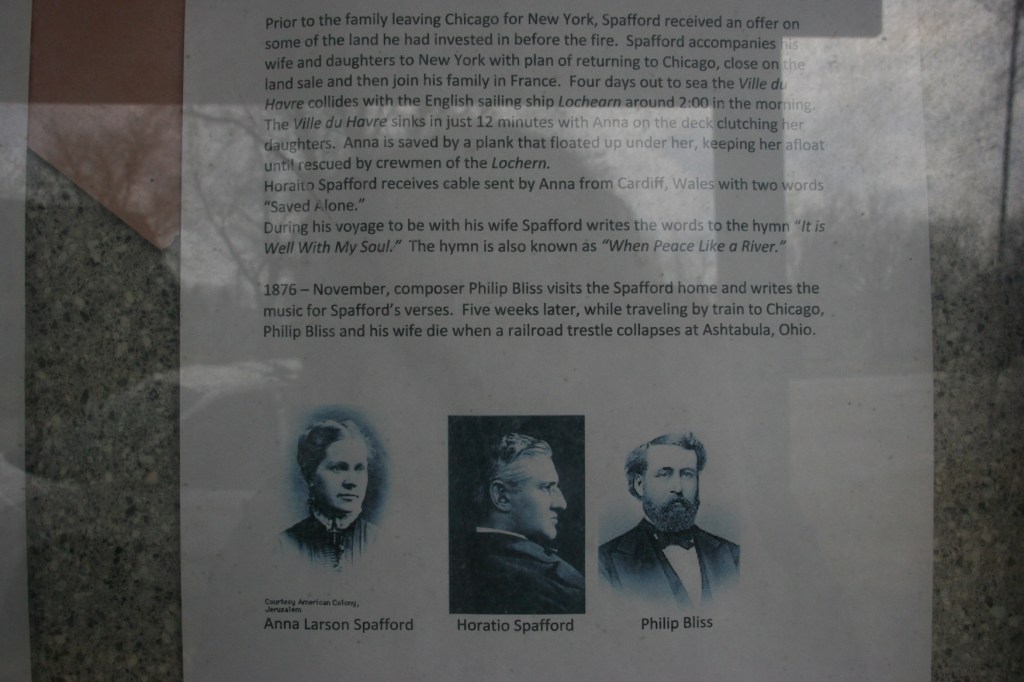
The story of the Spaffords and the hymn, along with images, is posted.

The story of the Spaffords and the hymn, along with images, is posted.

I’d never considered the story behind the words. But now that I’m reading about Horatio and Anna Spafford’s personal tragedy, I am deeply moved. The couple lost their four oldest daughters at sea when the Ville du Haure collided with an English sailing ship en route to Europe in 1873. Only Anna survived, cabling her husband, who remained back home on business, with two words: Saved Alone.
During his voyage to see his grieving wife, Horatio penned It Is Well With My Soul. Three years later, Philip Bliss composed the accompanying music.

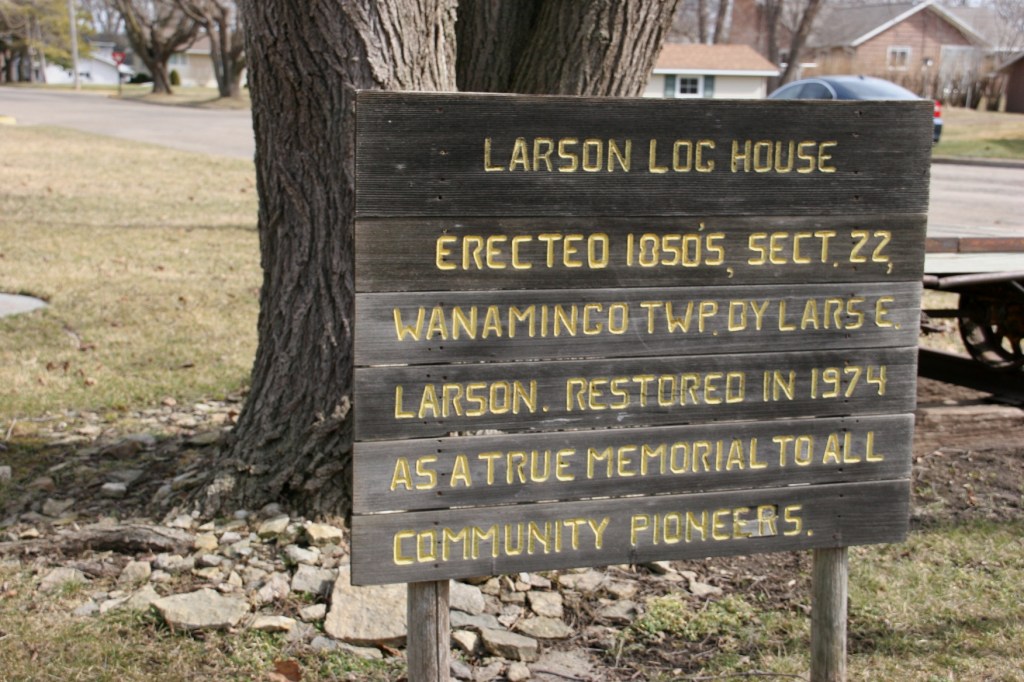
This sign marks the log cabin.

This sign marks the log cabin.

But what does any of this have to do with Wanamingo? The connection begins about two decades earlier when 14-year-old Anna Larson journeys to Wanamingo Township from Chicago to be with her ill father. Lars E. Larson moved to Minnesota the year prior in hopes farming would improve his health. He died in the spring of 1857, within a year of Anna’s arrival. That same year, Anna, 15, met her Sunday School teacher, 29-year-old Horatio Spafford. In 1861, she married Horatio, a then successful Chicago attorney.

Within 10 years, the Spaffords have four daughters. And then those girls are dead, drowned at sea. Their mother, Anna, survives, kept afloat by a plank until she is rescued.

How many people drive by this log cabin on Main Street in Wanamingo and never stop? We were tipped off by a local to the story I've shared here, thus my husband and I stopped.

How many people drive by this log cabin on Main Street in Wanamingo and never stop? I was tipped off by a local to the story I’ve shared here, thus I stopped.

Having read this story behind the familiar hymn while standing in the shadow of the Wanamingo water tower next to the Larson log cabin, I am moved. I am moved by the faith of Horatio Spafford who, in sorrow rolling like sea billows, penned such profound and comforting words. It is well, it is well with my soul.
FYI: Check back tomorrow for another post in my “from Wanamingo” series. I will take you inside Trinity Lutheran Church.

© Copyright 2016 Audrey Kletscher Helbling