Minnesota Prairie Roots

Writing and photography by Audrey Kletscher Helbling
“Testify,” an enlightening & unsettling exhibit focused on Black history April 18, 2025

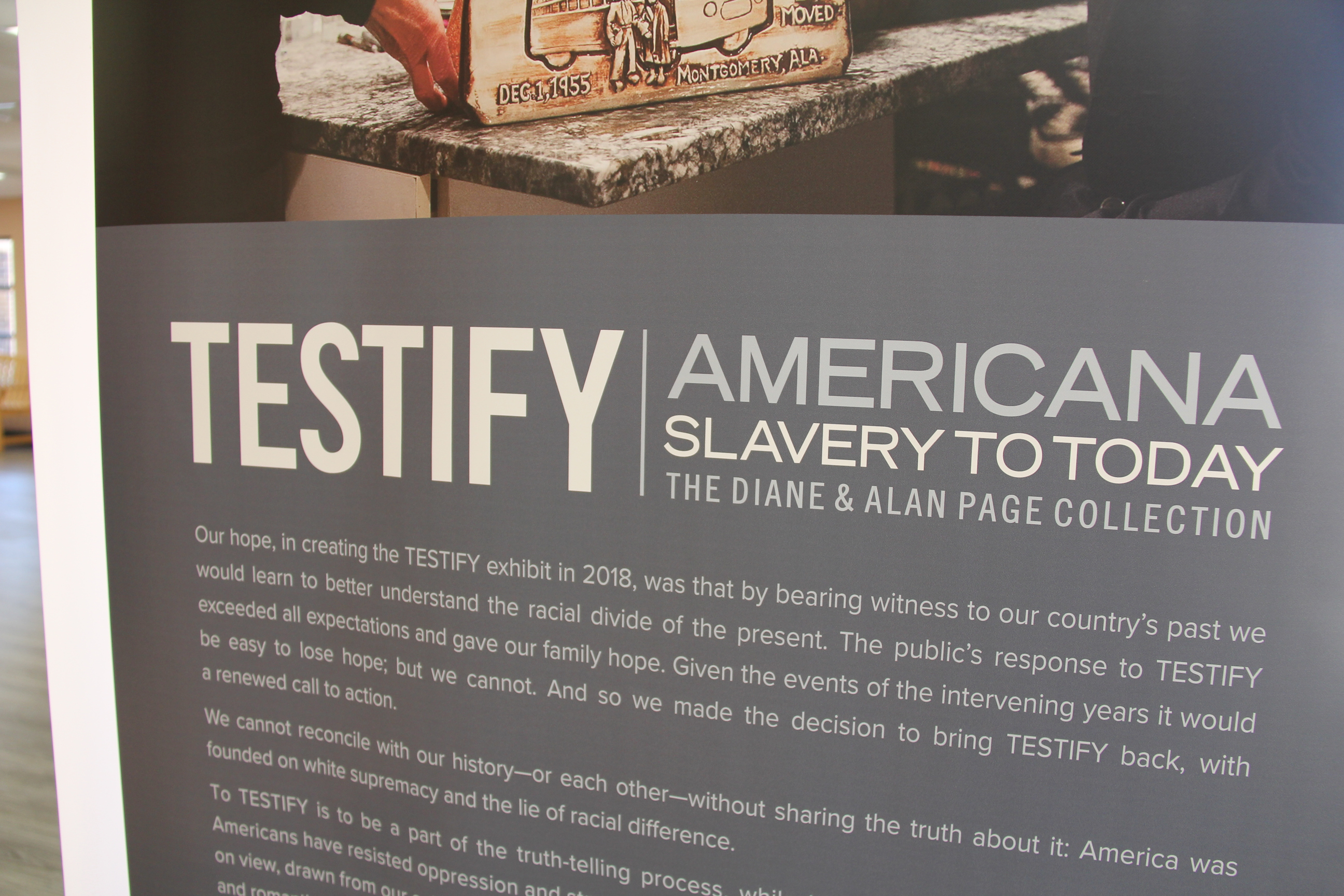
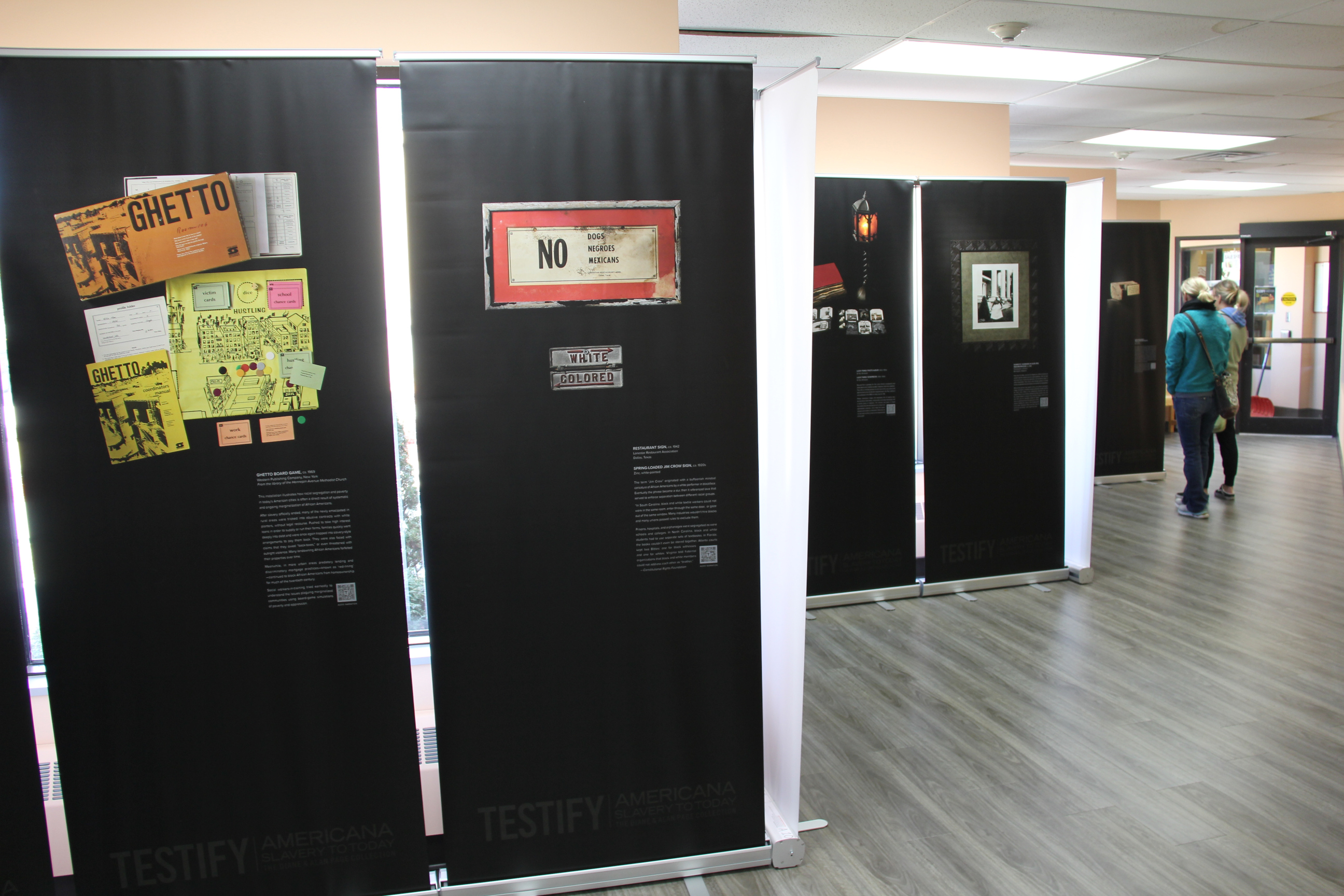
The first panel explains the “Testify” exhibit. (Minnesota Prairie Roots copyrighted photo April 2025)

THE IMAGES AND WORDS left me feeling simultaneously unsettled, uncomfortable, disturbed, enlightened, impressed, angry and incredibly sad. My emotional reaction is not surprising after viewing the traveling exhibit, “Testify—Americana Slavery to Today,” at my local public library.

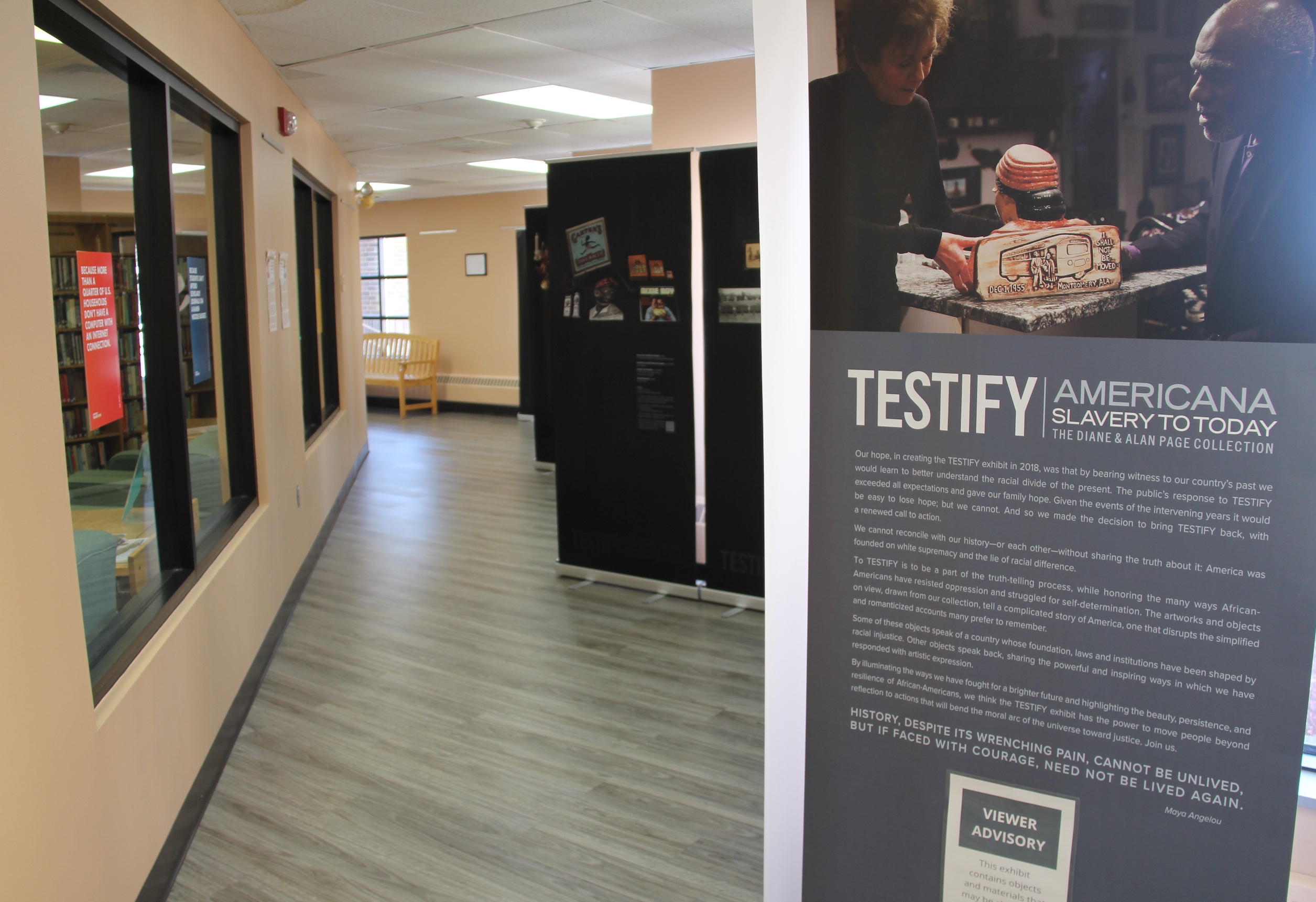
The 16 “Testify” panels stretch along the hallway connecting the library and community center in Faribault. (Minnesota Prairie Roots copyrighted photo April 2025)

The exhibit features photos of select African American art and artifacts from The Diane and Alan Page Collection. Alan Page, who is Black, was a Minnesota Supreme Court justice and, in the 1970s, a defensive lineman for the Minnesota Vikings. He’s in the NFL Hall of Fame. Diane, who was White, worked in marketing and was a businesswoman and notable philanthropist. She led the way in securing the art and artifacts in the couple’s collection.

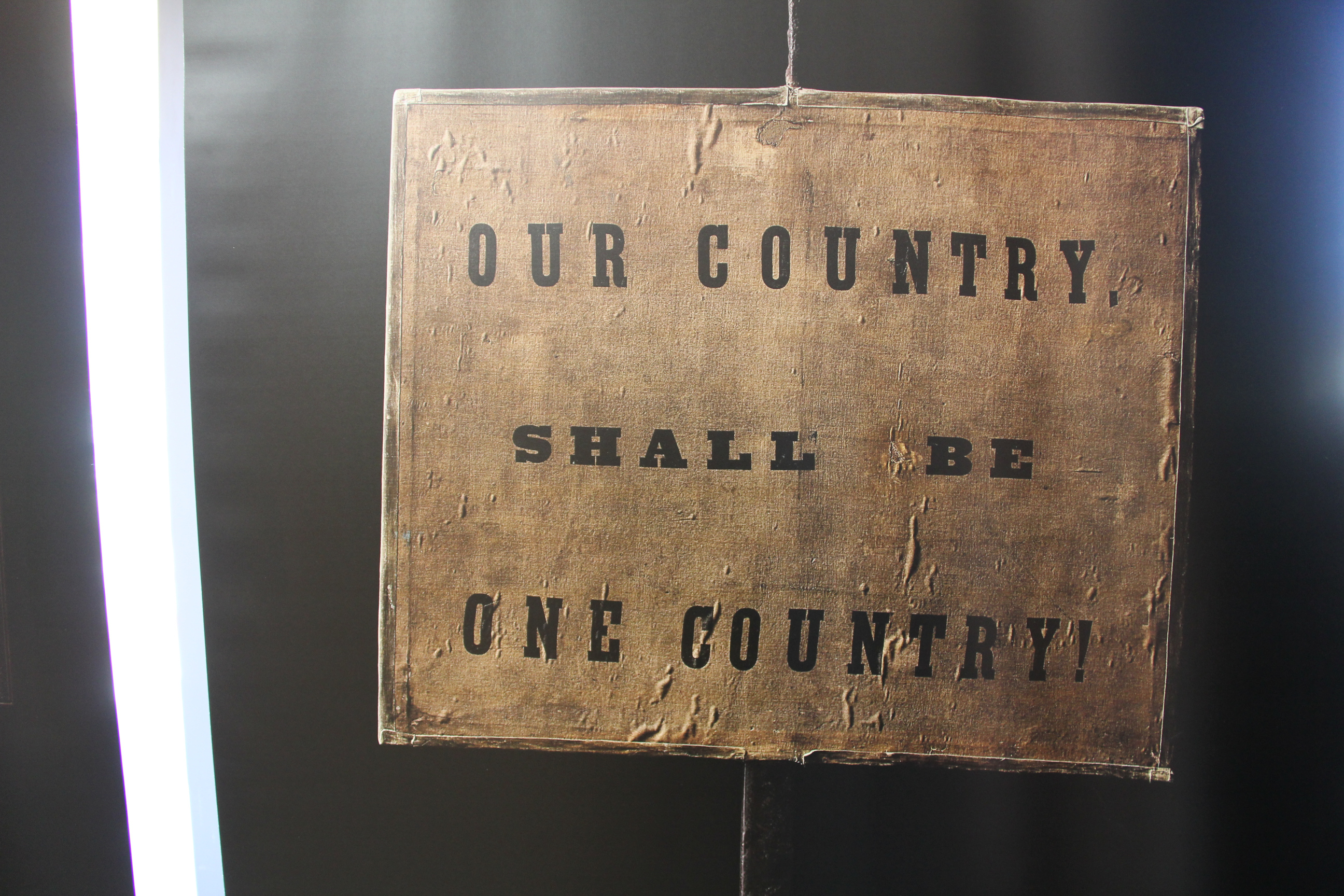
This 1864 banner may have been carried by freedmen at a rally or march. During the 1864 election of Abraham Lincoln, both political parties came together to reject slavery. (Minnesota Prairie Roots copyrighted photo April 2025)

I’m grateful Buckham Memorial Library (through SELCO, the regional library system) brought this exhibit to Faribault for the public to see. We can all learn from history, deepening our understanding. We begin to recognize perspectives and biases and can then move toward change and healing.

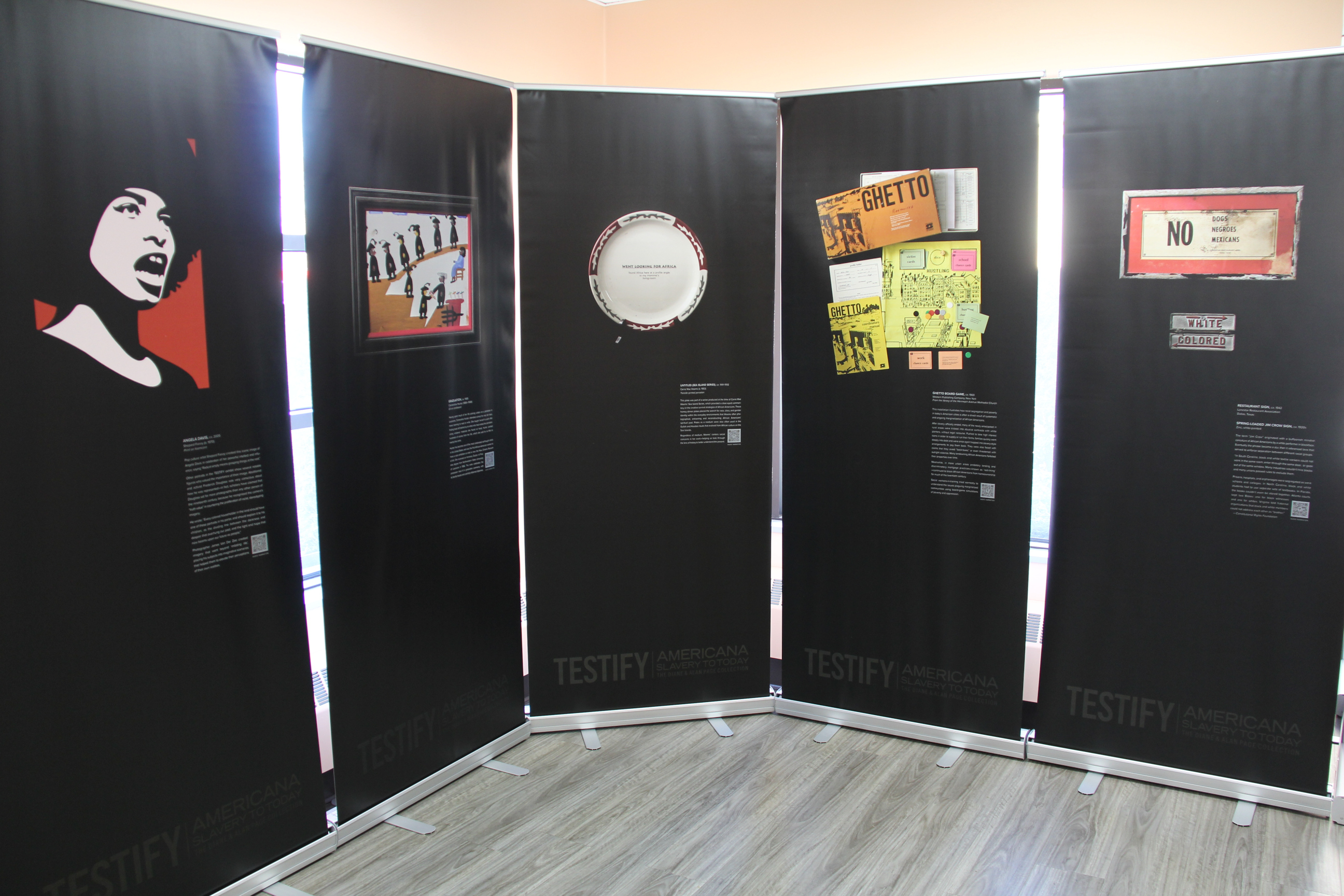
The last five panels cover a span of topics. (Minnesota Prairie Roots copyrighted photo April 2025)

As I walked my way along the 16 towering photo panels paired with text, I began to more fully appreciate the suffering, the abuse, but also the fortitude, of African Americans. Despite everything, they retained strength and resilience.

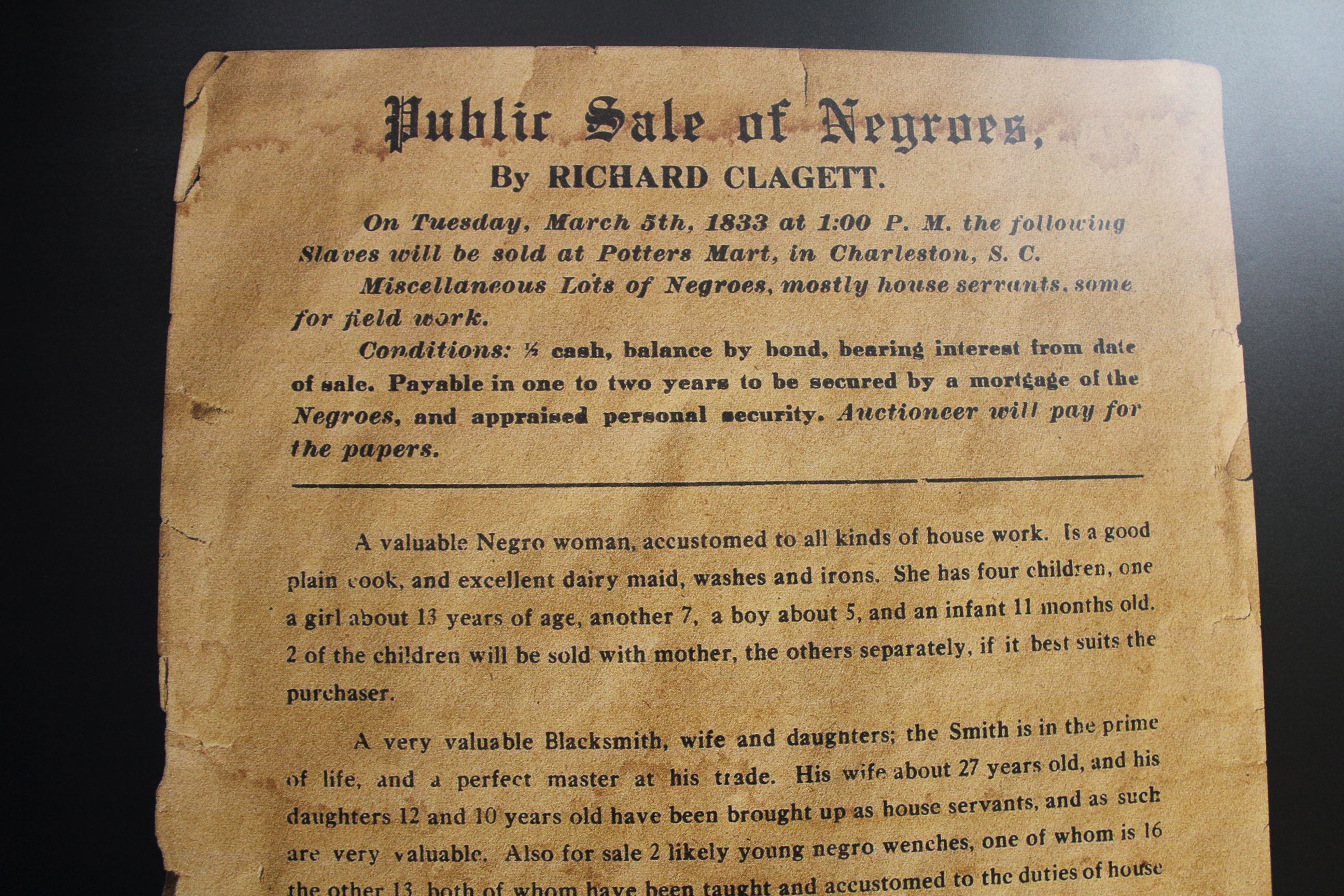
Notice of an 1833 slave auction in Charleston, South Carolina. (Minnesota Prairie Roots copyrighted photo April 2025)

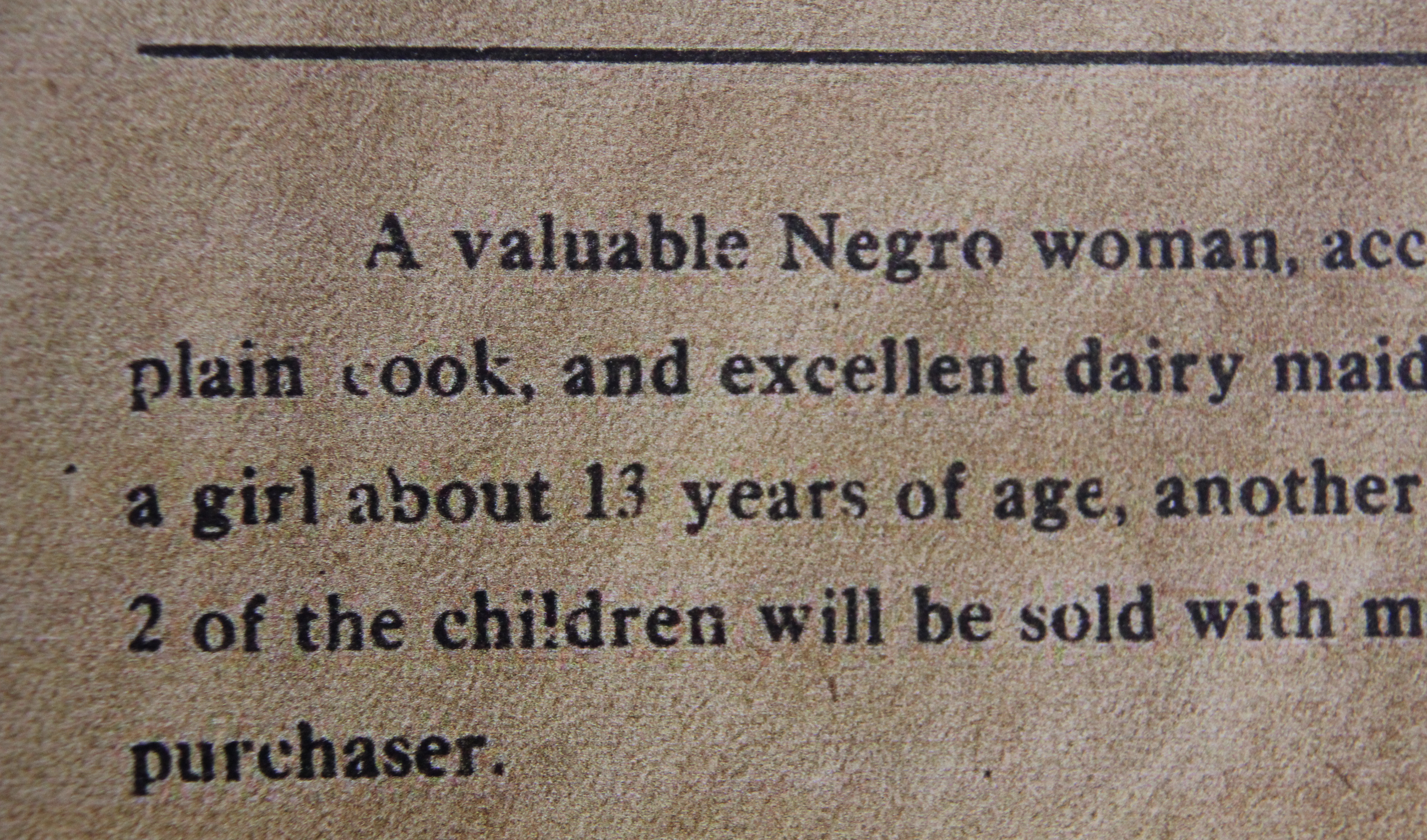
Yet, how hard it must have been at times to hold hope, especially from slavery to the time of Jim Crow laws. When I read a Public Sale of Negroes notice from 1833, I read words of degradation. I cannot imagine being that “valuable Negro woman,” that “very valuable blacksmith,” the slaves in “miscellaneous lots of Negroes” who were auctioned off like so much property. What humanity does to one another seems unimaginable, unfathomable. Yet, it still happens today, just in different ways.

A description of a slave to be sold at the 1833 auction. (Minnesota Prairie Roots copyrighted photo April 2025)

As disturbing as that slave bill of sale was, a group photo of nine unclothed Black toddlers in a professional studio portrait titled “Alligator Bait” proved profoundly disturbing to me. So much so that I can’t bear to show this 1897 image to you. The accompanying text states that historians researched whether hunters actually used African American children as alligator bait. Results were inconclusive, which is telling.

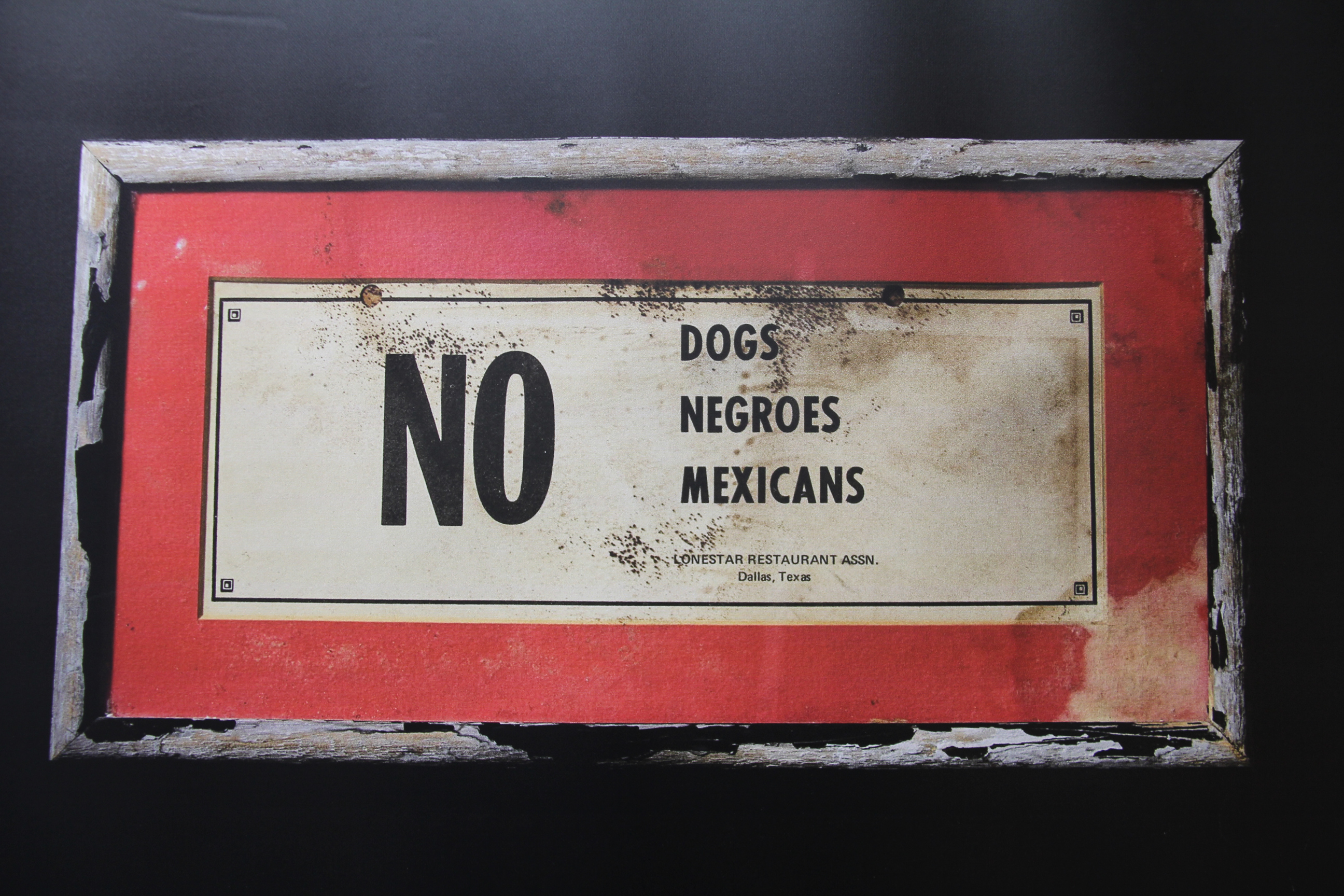
An unwelcoming 1942 sign from the Lonestar Restaurant Association in Dallas, Texas. (Minnesota Prairie Roots copyrighted photo April 2025)
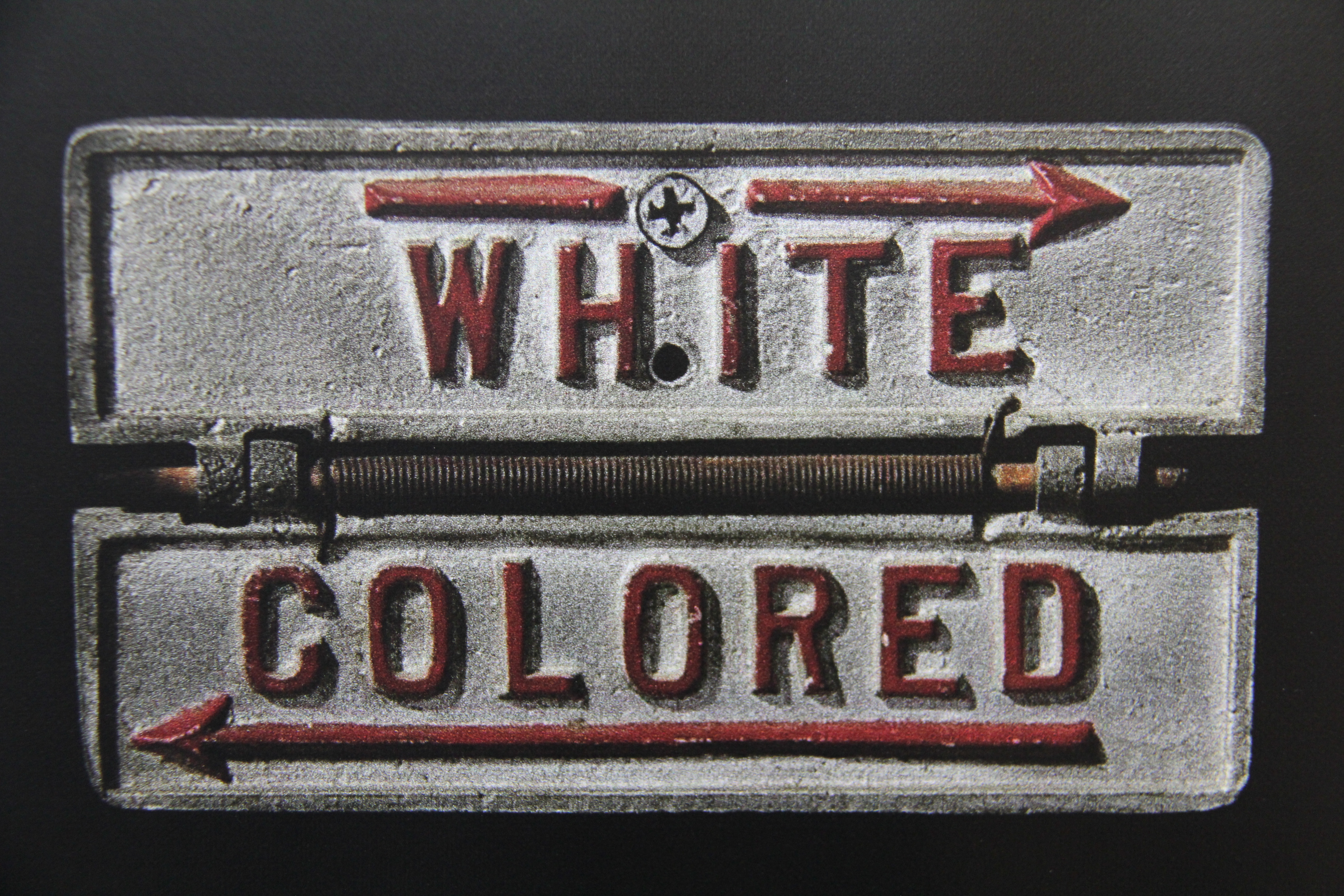
A 1920s spring-loaded Jim Crow sign. (Minnesota Prairie Roots copyrighted photo April 2025)
Protest art from the Civil Rights Movement. (Minnesota Prairie Roots copyrighted photo April 2025)

A sign banning “dogs, Negroes and Mexicans” and another pointing Whites one way and “Colored” people the other prompted thoughts of, well, things have not changed all that much. Of course, they have, but not really if you dig deep or, conversely, read today’s headlines.

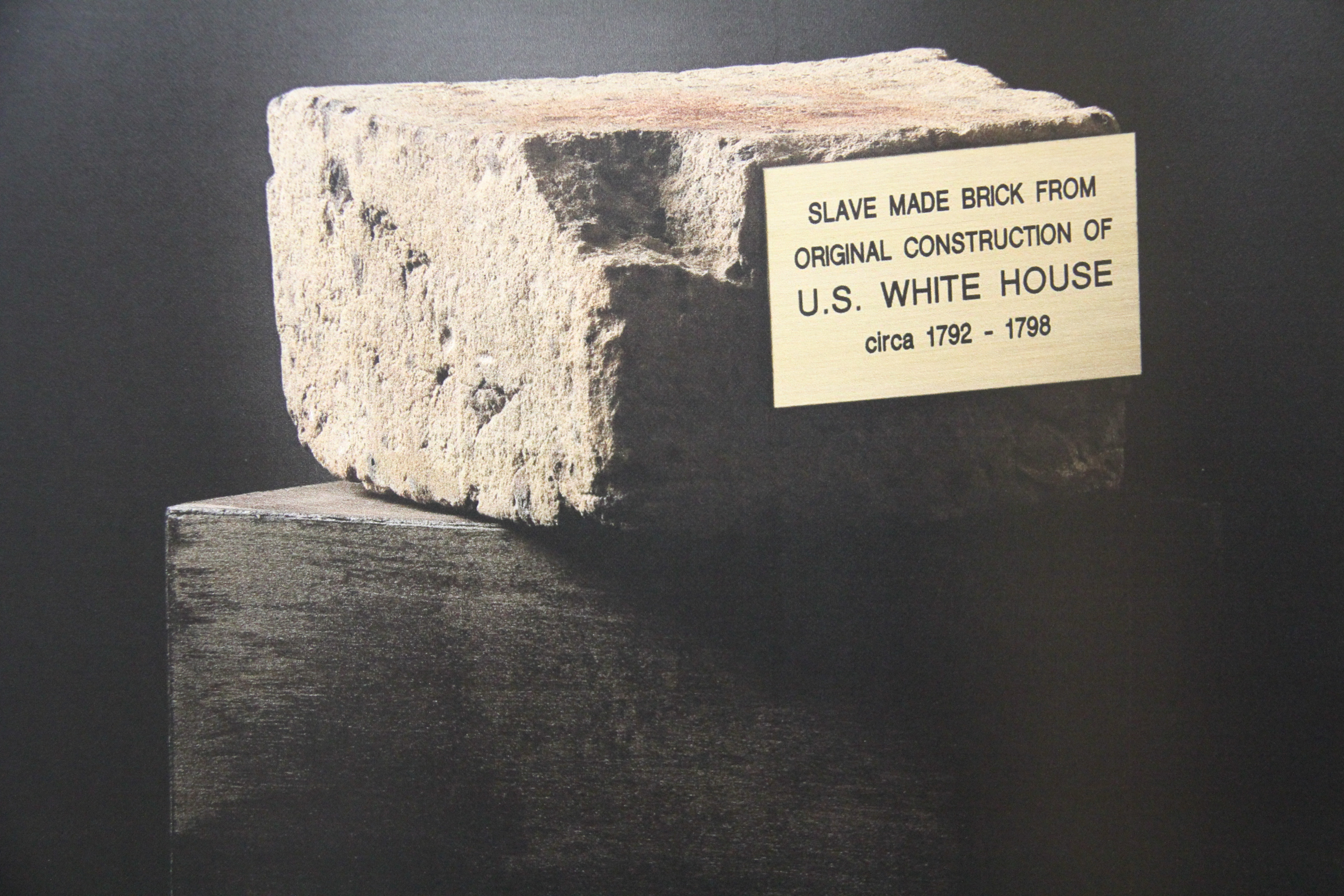
A brick crafted by slaves for the White House. (Minnesota Prairie Roots copyrighted photo April 2025)

I want to backtrack for a minute to the first photo I saw in the exhibit. It was of a single brick, circa 1792-1798. This singular object drove home the point that this country was built on the backs of slaves, like those who molded and laid the bricks for government buildings in Washington DC. That includes the White House and many U.S. Capitol buildings, according to the exhibit text. Unpaid slave labor. Think about that for a minute or ten.

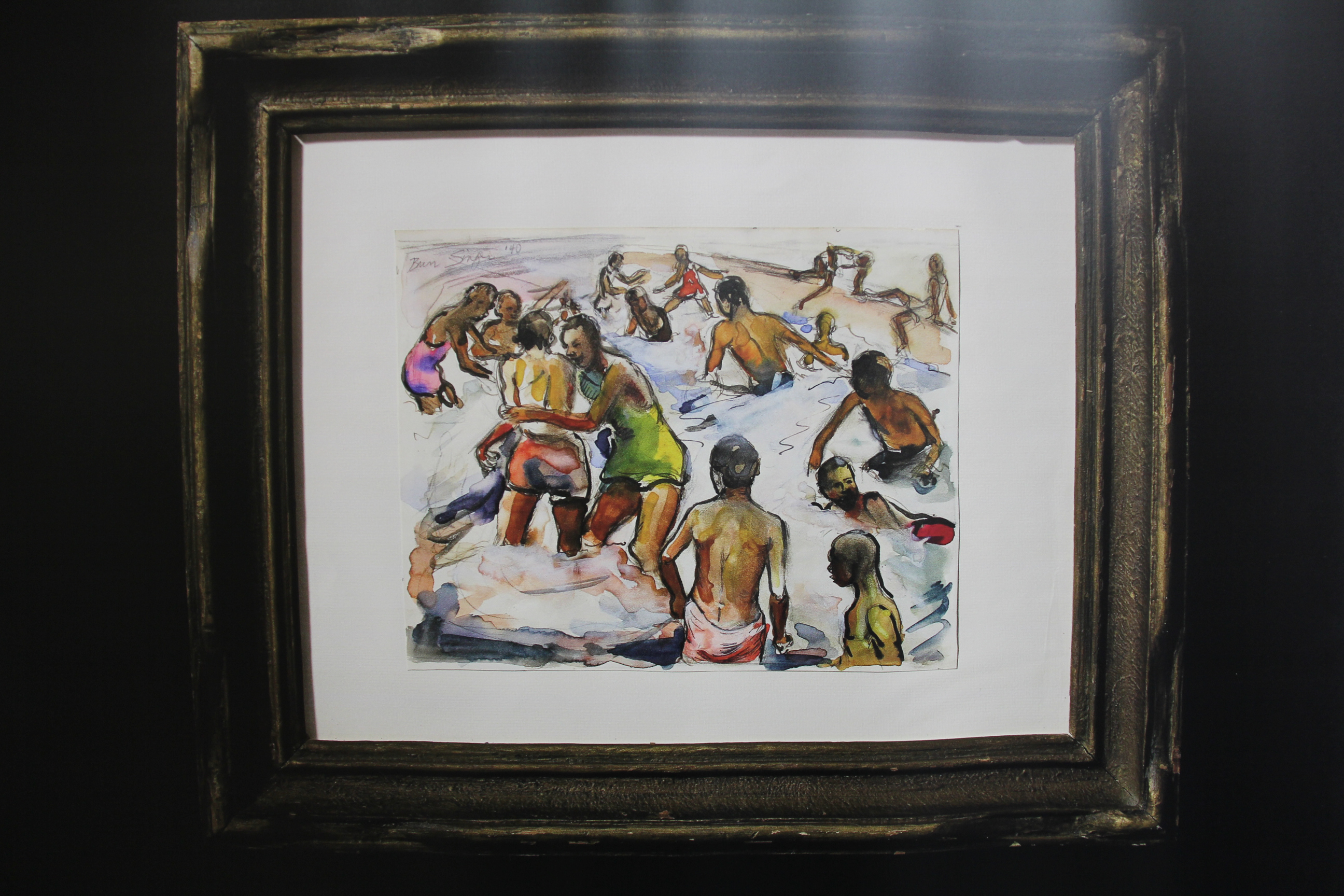
“Only on Thursdays,” a 1940 painting by Burr Singer. (Minnesota Prairie Roots copyrighted photo April 2025)

There’s lots to contemplate in the “Testify” exhibit. That includes the watercolor art of Burr Singer titled “Only on Thursdays.” If you just looked at the art without the title and context, you might think it was simply a depiction of African Americans swimming. But it’s not. Thursday was the only day Blacks could use the Pasadena public pool. This painting makes a statement.

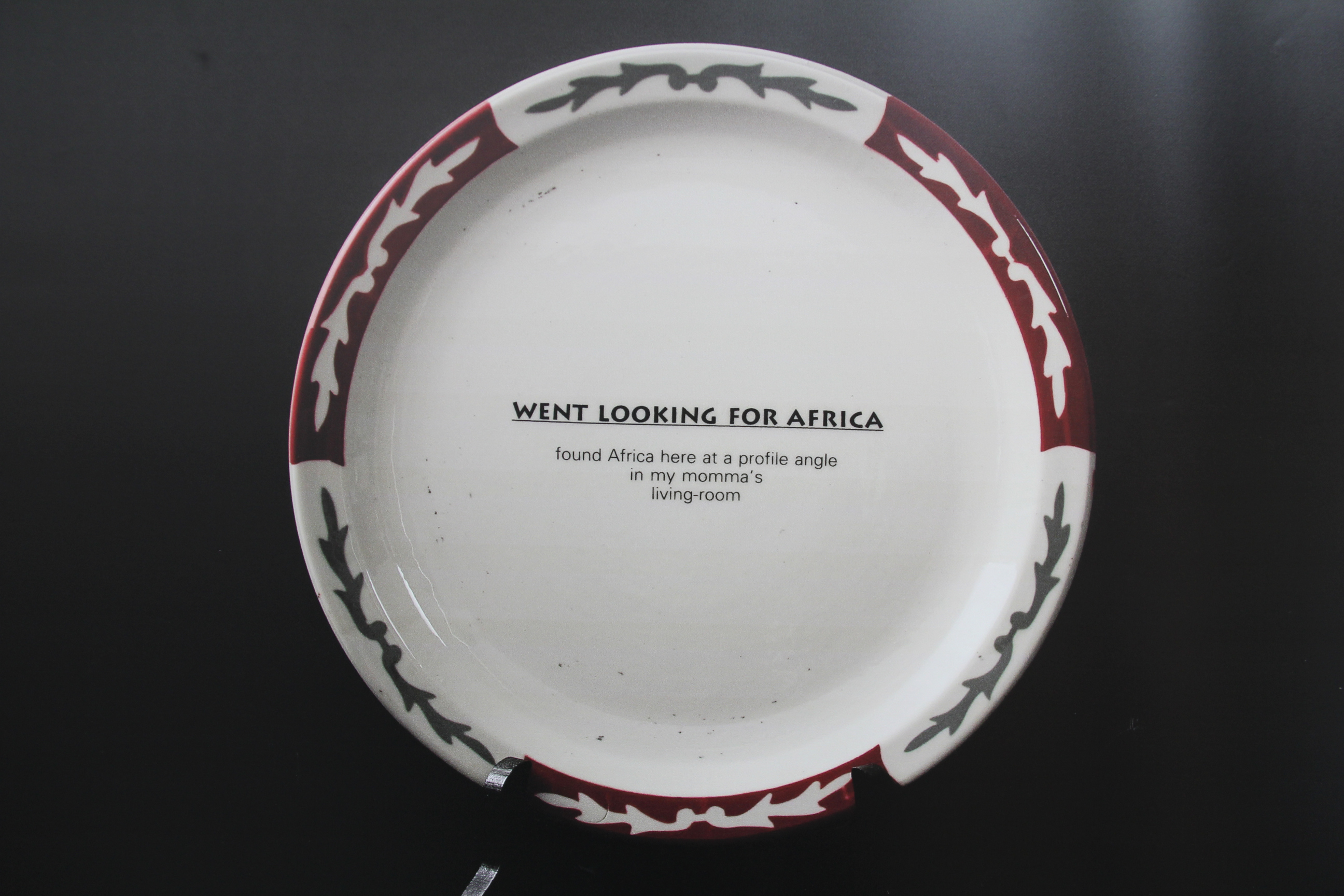
This 1991-1992 plate in Carrie Mae Weems’ Sea Island Series honors the creative survival strategies of African Americans. (Minnesota Prairie Roots copyrighted photo April 2025)

This exhibit makes a statement. Through images and words, it shines a light on the past, on Black history, on the atrocities of slavery and segregation and racism (both subtle and overt). Through “Testify,” truth-telling emerges for all to view and contemplate.

The panel to the far left shows a photo of the board game GHETTO. Social workers in training used the game to understand issues facing marginalized communities. (Minnesota Prairie Roots copyrighted photo April 2025)

FYI: “Testify—Americana Slavery to Today” is on display until April 23 in the corridor linking Buckham Memorial Library to the Faribault Community Center. The photos and information included in this story are only a sampling of what you will see in the exhibit. The Mabel Public Library hosts the exhibit from April 25-May 7.

© Copyright 2025 Audrey Kletscher Helbling
 

The Civil Rights Movement as photographed by Stephen Somerstein April 23, 2015

POWERFUL. HISTORIC. MEMORABLE.

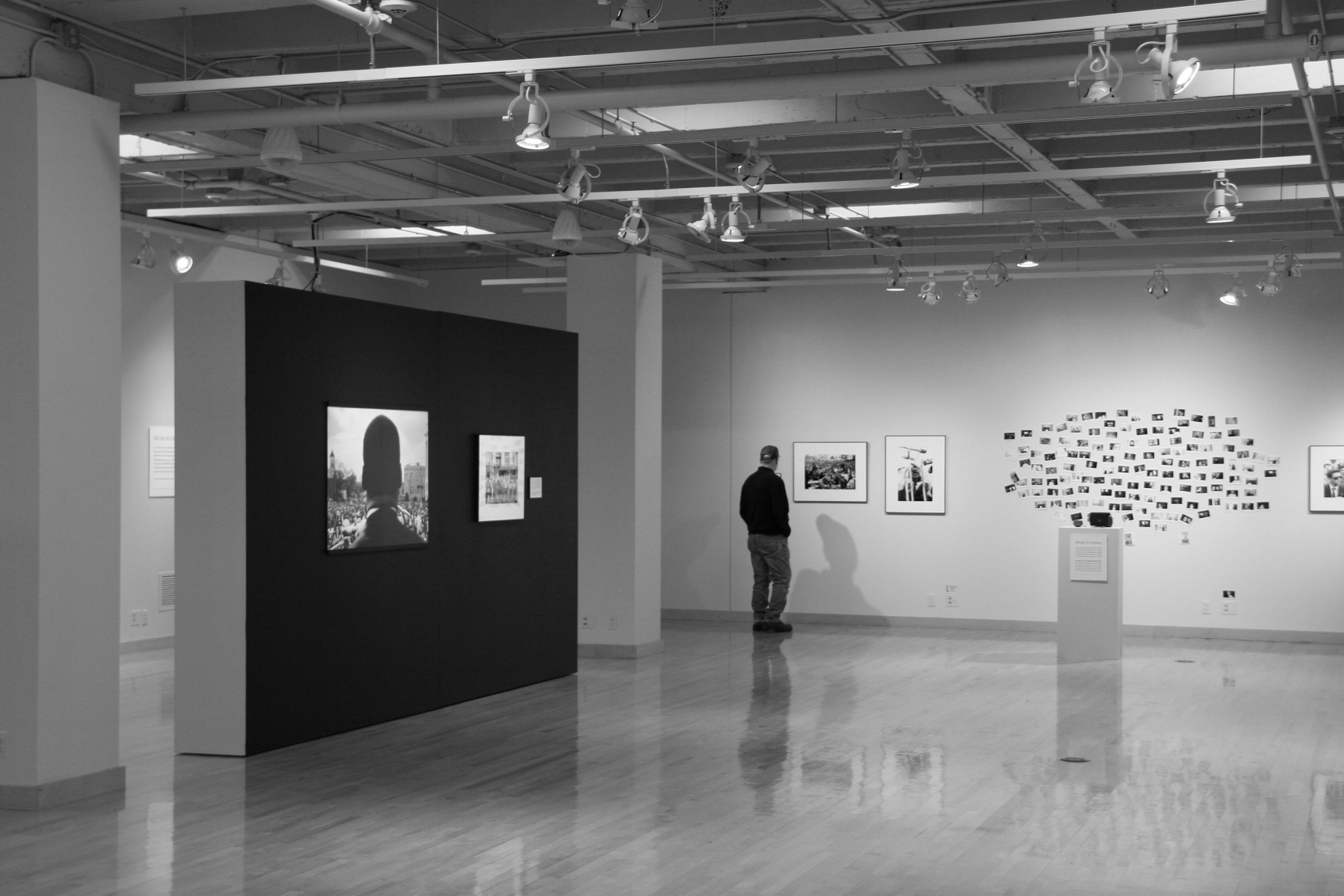
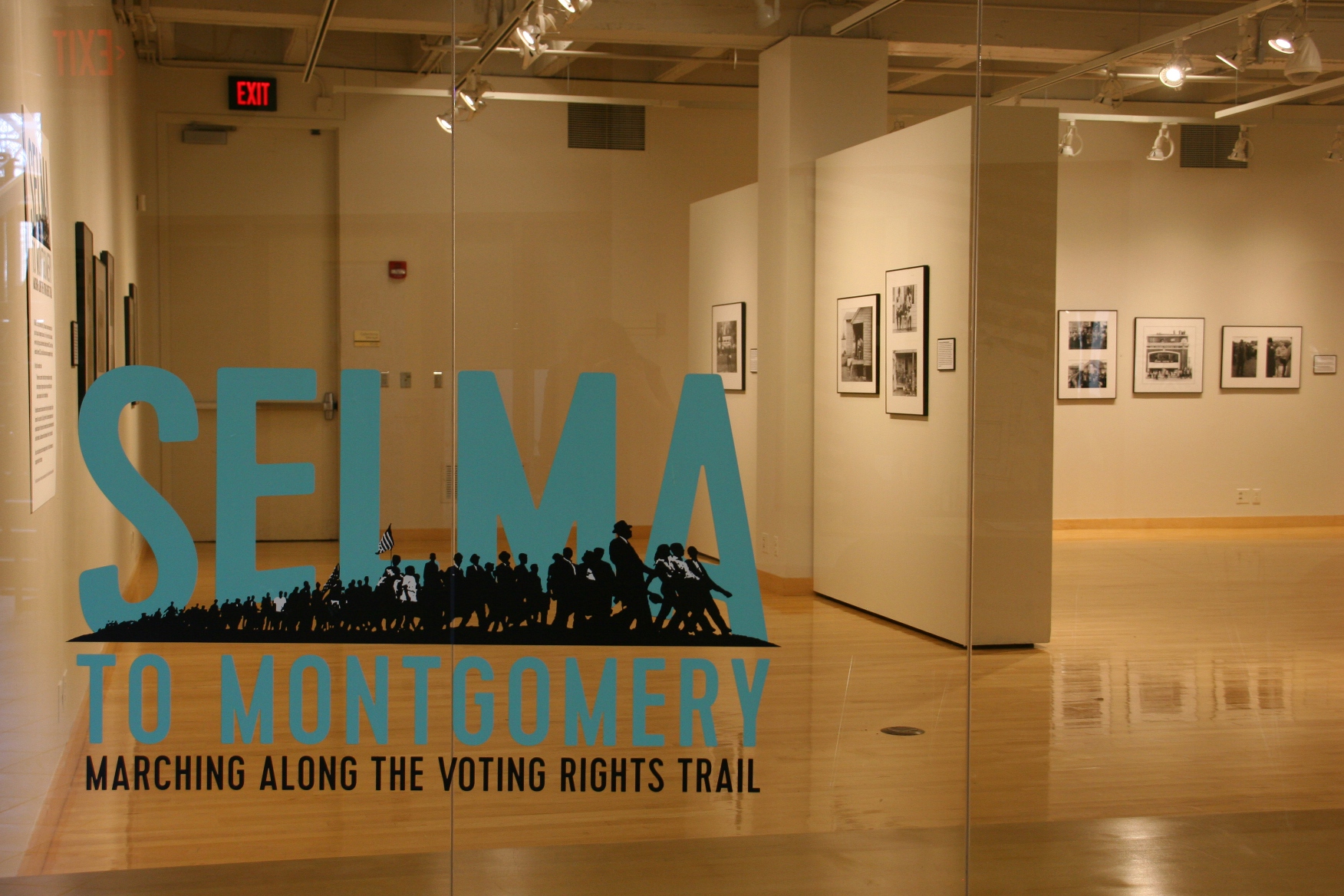
Looking through a window into an exhibit space at Flaten Art Museum.

Looking through a window into the “Selma to Montgomery” exhibit in the Flaten Art Museum at St. Olaf College in Northfield, MN.

That trio of adjectives describes Selma to Montgomery: Marching Along the Voting Rights Trail, an exhibit of 45 black-and-white photos documenting the 1965 Civil Rights Movement through the work of photographer Stephen Somerstein.

I was only eight years old in 1965, living in rural southwestern Minnesota, far removed from what was occurring in Alabama.

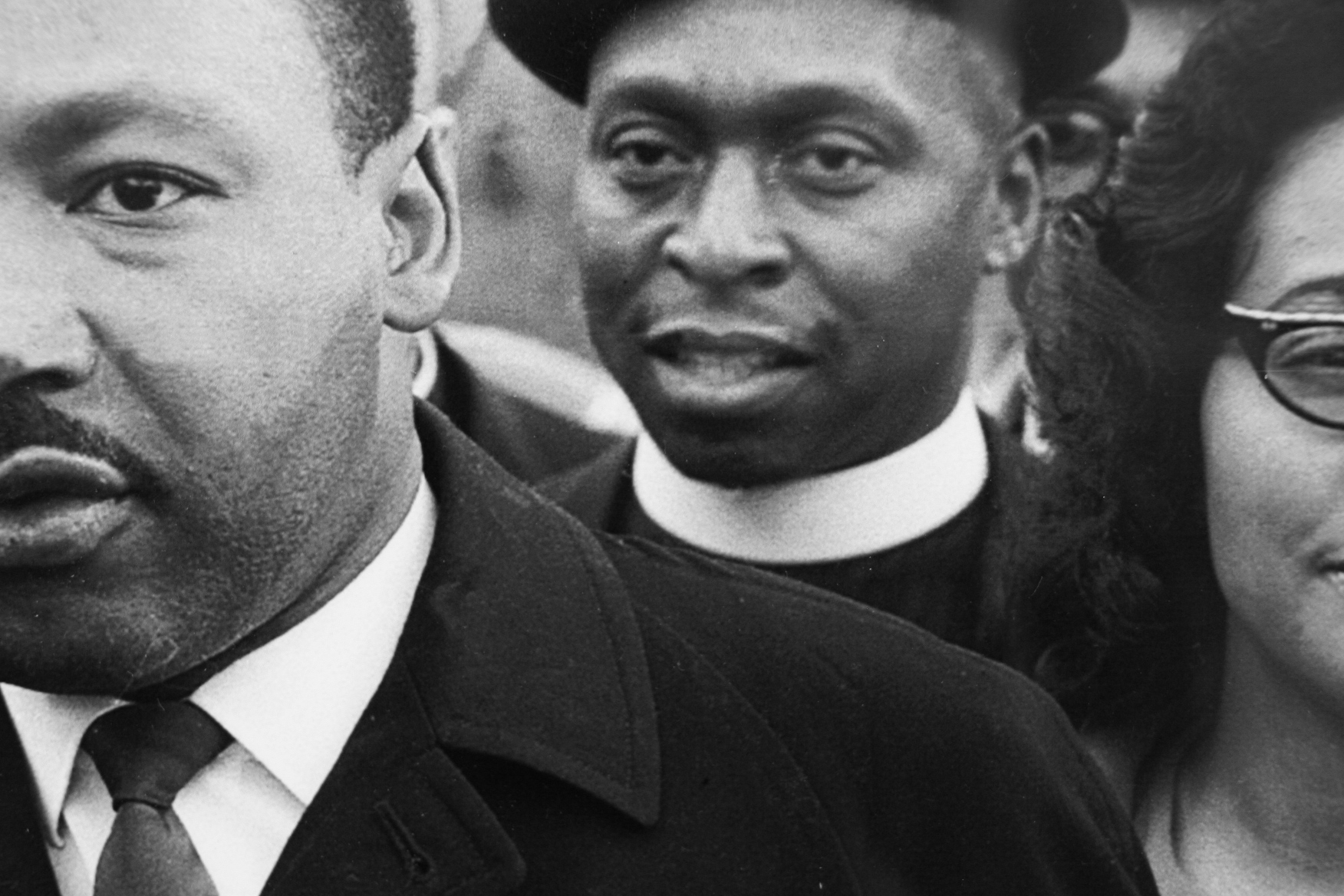
The faces of the Civil Rights Marches and Movement include Dr. Martin Luther King, Jr. Photo by Stephen Somerstein.

Faces of the Civil Rights Movement include Dr. Martin Luther King, Jr., left, and his wife, Coretta Scott King, right. This shows a snippet of a photo by Stephen Somerstein.

But the exhibit, showcased at the Flaten Art Museum of St. Olaf College, took me to Alabama in 1965 and into the movement for equality in an up close and personal way.

An overview of a section of the exhibit at St. Olaf College, Northfield, Minnesota.

An overview of a section of the now-closed exhibit at St. Olaf College.

If a picture is worth a thousand words, then Somerstein’s pictures are worth 45,000 words. My one regret is that I did not visit this exhibit until the day before it closed on April 12 thus failing to inform you, my readers, of the opportunity to see this for yourselves.

This portion of a photo by Stephen Somerstein drew my attention.

This portion of a photo by Stephen Somerstein drew my attention.

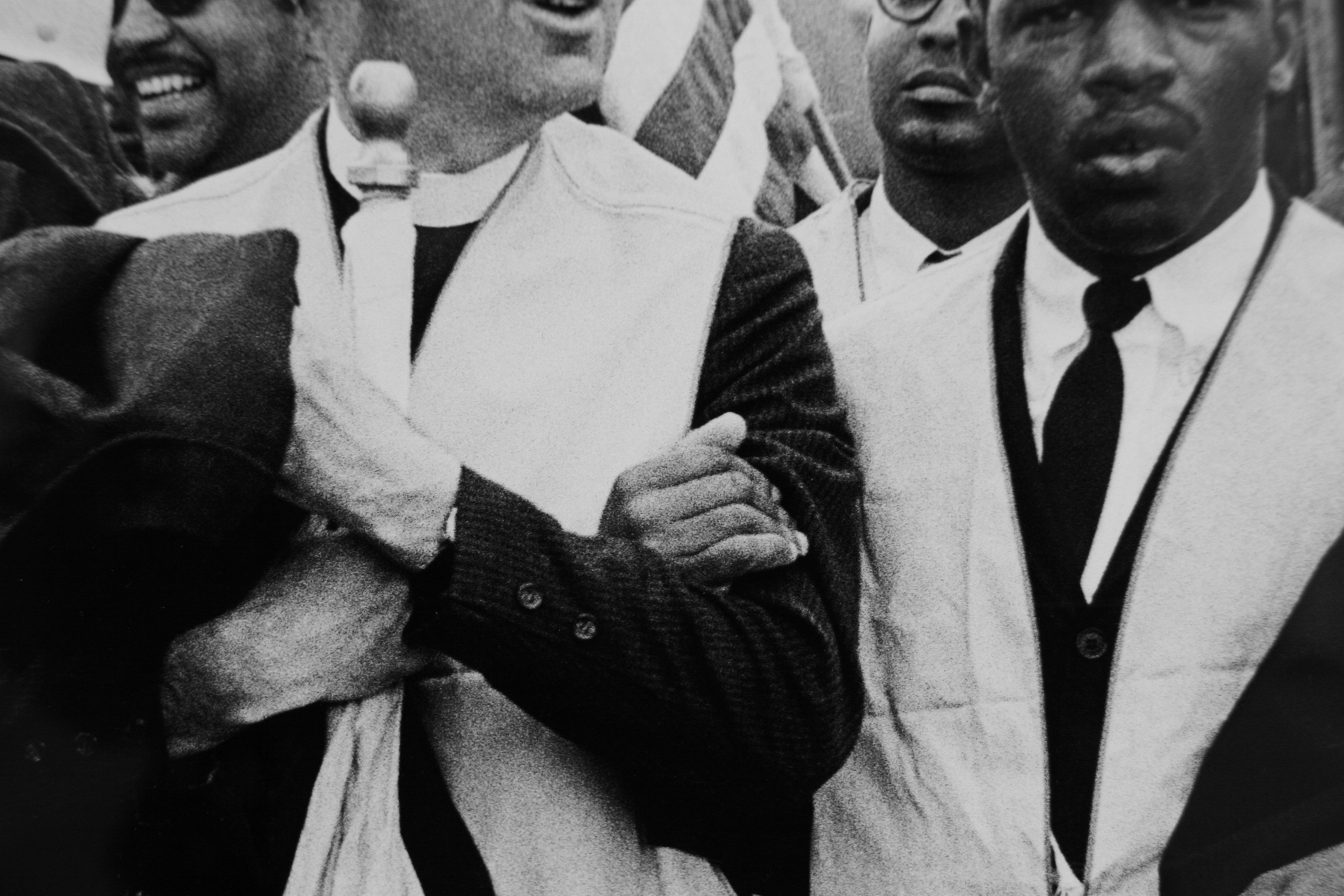
As I circled the museum space, I studied many of the photos in detail. These images by Somerstein, a then student at City College of New York and editor of the school newspaper, call for close examination. It is in the details that we begin to fully understand, to see the fear, the hope, the defiance, the anger, the love, the determination.

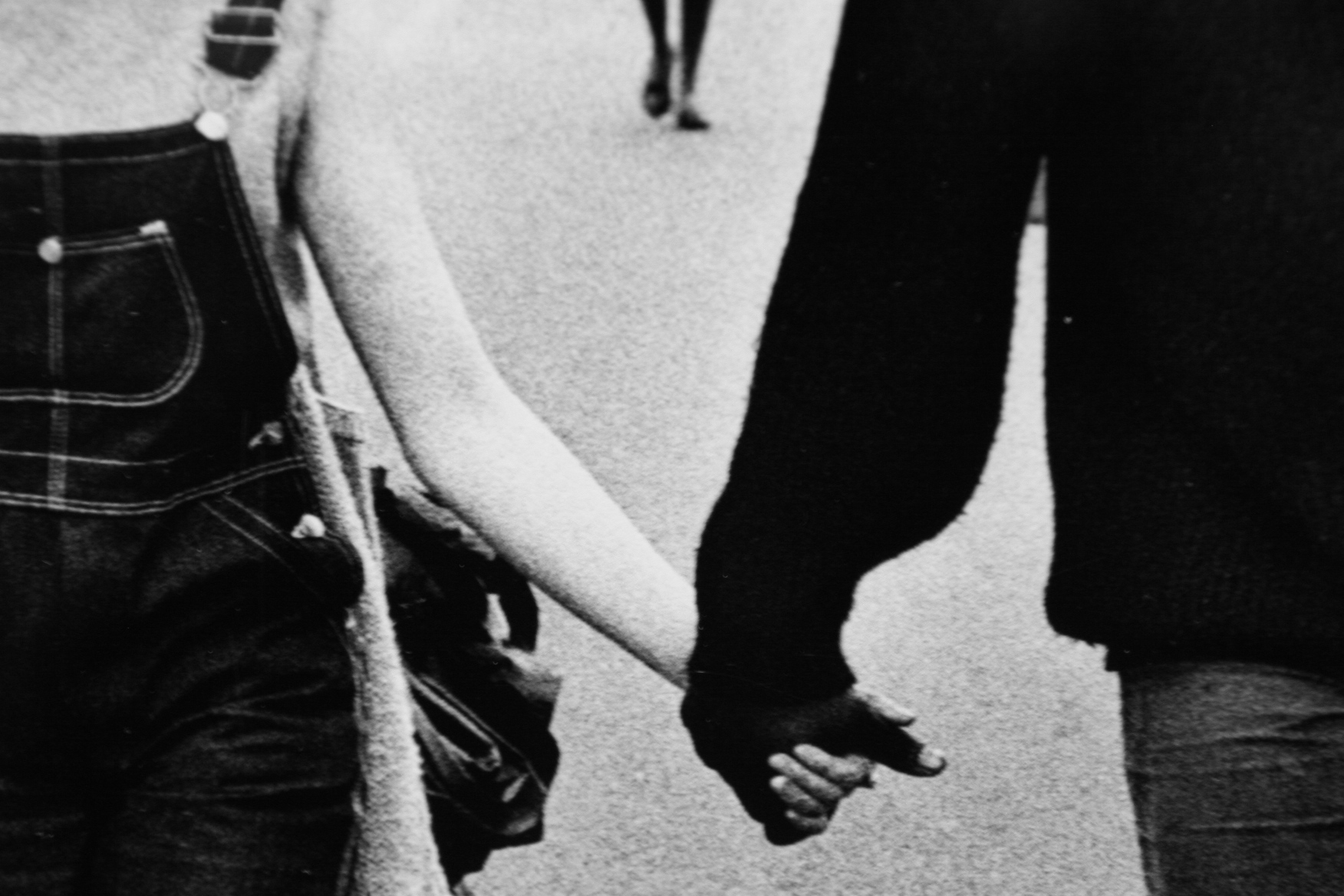
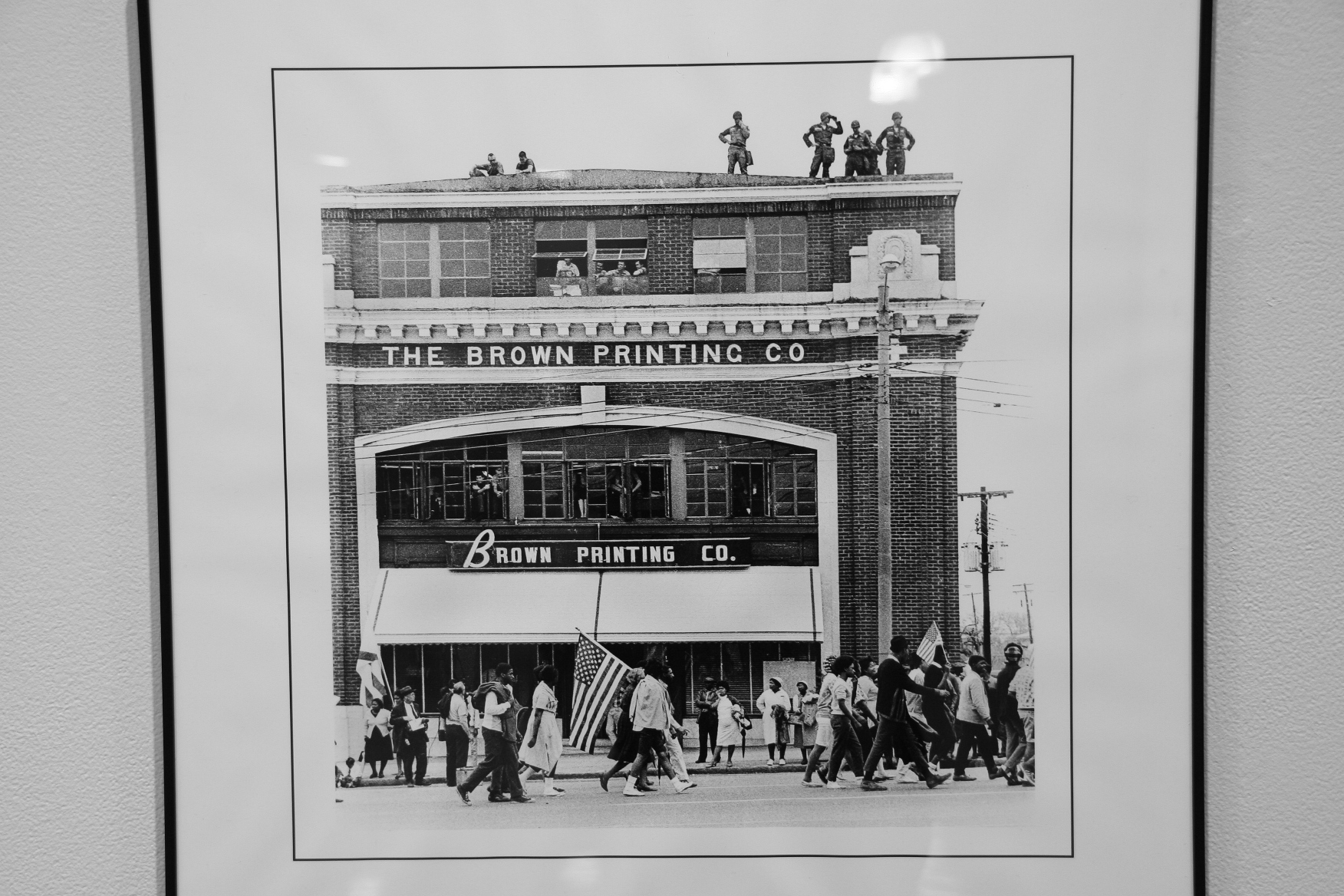
I found myself drawn to hands and arms—those of an interracial couple, that of a union member gripping a sign, activists carrying American flags, a soldier focusing binoculars, a mother cradling her son:

One of my favorite images

One of my favorite photos by Stephen Somerstein.

Skin color matters not, as showcased in this section  of a Stephen Somerstein photo.

Skin color matters not, as showcased in this section of a Stephen Somerstein photo I photographed.

The two things I noticed in this Stephen Somerstein photo: the marcher carrying and American flag and the soldier atop the building scanning the scene with binoculars.

The two things I noticed in this Stephen Somerstein photo: the marchers carrying American flags and the soldier atop the building scanning the scene with binoculars. It’s truly a multi-layered image.

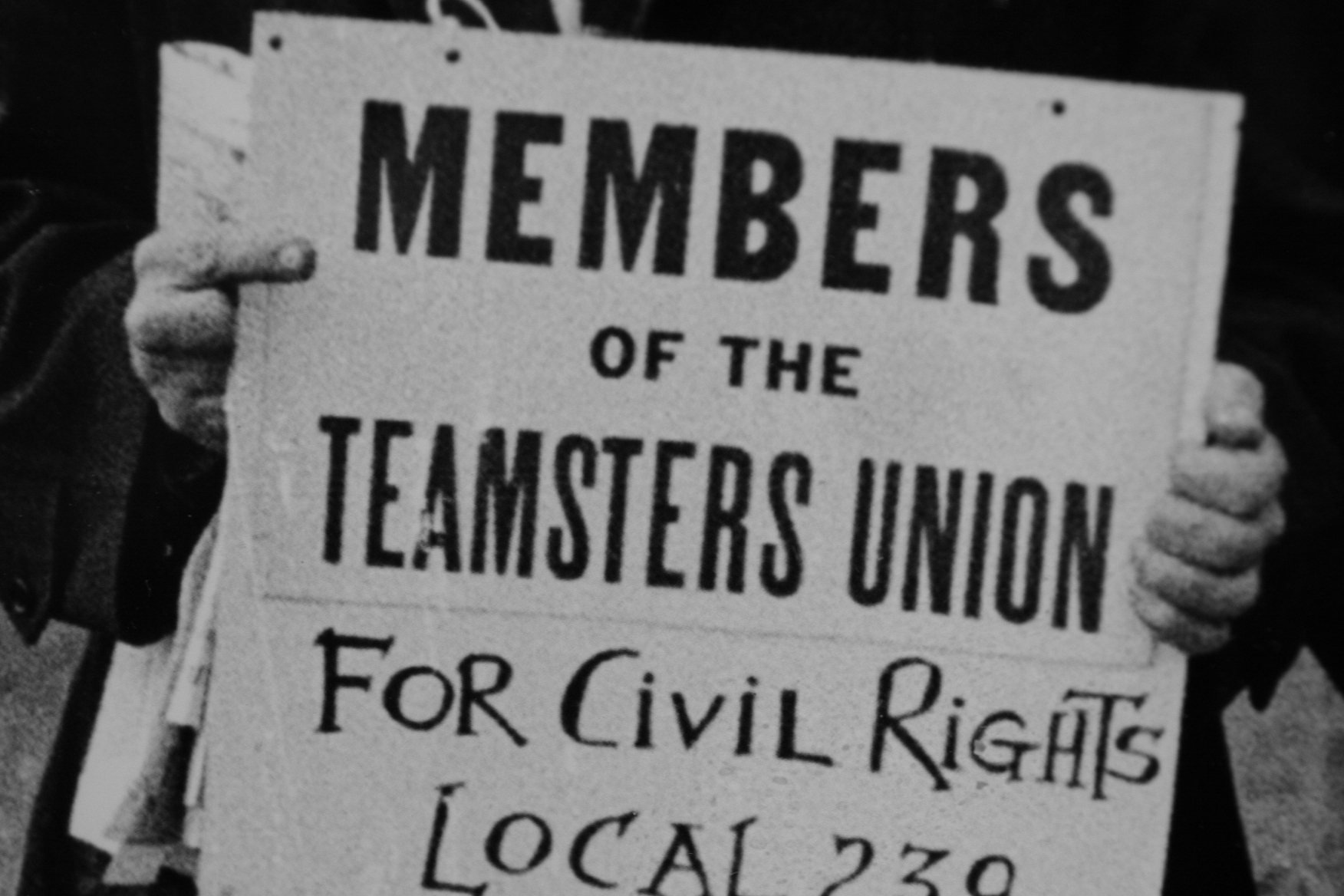
The Teamsters Union

The Teamsters Union Local 239 sent supplies to activists who were marching. This is a selected section of a photo by Stephen Somerstein.

Eyes and words also drew me in:

vote

Bobby Simmons, a member of the Student Nonviolent Coordinating Committee, wearing zinc oxide to prevent sunburn, wrote VOTE onto his forehead. This is a section of Stephen Somerstein’s portrait of Simmons.

The exhibit featured explanatory information about photos and the movement.

The exhibit featured explanatory information about photos and the movement.

And although I did not participate in the interactive portions of the exhibit created by artist Nancy Musinguzi, I appreciated that visitors could photograph themselves and pen thoughts on working toward justice and equality.

Visitors could photograph themselves at the exhibit and express their thoughts.

Visitors could photograph themselves at the exhibit and express their thoughts.

Opinions expressed in the exhibit polling place.

Opinions expressed in the exhibit polling place.

They could also vote in a People’s Survey. Vote.

A St. Olaf College student staffing the museum makes sure a video is working properly.

A St. Olaf College student staffing the museum makes sure a video is working properly.

The exhibit drew a wide range of interest at St. Olaf College with students in social work, history, art history, gender studies and more viewing the photos, says Flaten Art Museum Director Jane Becker Nelson. The timing of the exhibit—on the 50th anniversary of the Civil Rights Movement, relating to current day issues and release of the movie, Selma—added to the interest.

Another overview of part of the exhibit.

Another overview of part of the exhibit. Photos displayed are by Stephen Somerstein.

Additionally, Becker Nelson notes that the exhibit connects to the 50th anniversary of the death of St. Olaf graduate James Reeb. (More to come on that in a post next week.)

A chair placed before a Stephen Somerstein photo offers visitors a place to sit and contemplate.

A chair placed before a Stephen Somerstein photo offers visitors a place to sit and contemplate.

This remarkable collection of documentary photos impresses in a deeply personal way. Beyond headlines. Beyond news stories. Beyond the pages of history books. Somerstein’s photos document the humanity of the Civil Rights Movement in the eyes, in the hands, in the stances of individuals. And that connects all of us, no matter our skin color.

#

© Copyright 2015 Audrey Kletscher Helbling
Original photos are by Stephen Somerstein. My photos of Somerstein’s images are published here with permission of Flaten Art Museum, St. Olaf College.

Selma to Montgomery was booked through New York-based National Exhibitions & Archives.


Minnesotans remember the Holocaust in traveling exhibit June 23, 2014
I READ IT IN THEIR STORIES. Courage. Hope. Strength. Fortitude. Survival.

I see it in the lines that etch deep into their faces, in their piercing eyes, in their hands. Courage. Hope. Strength. Fortitude. Survival.

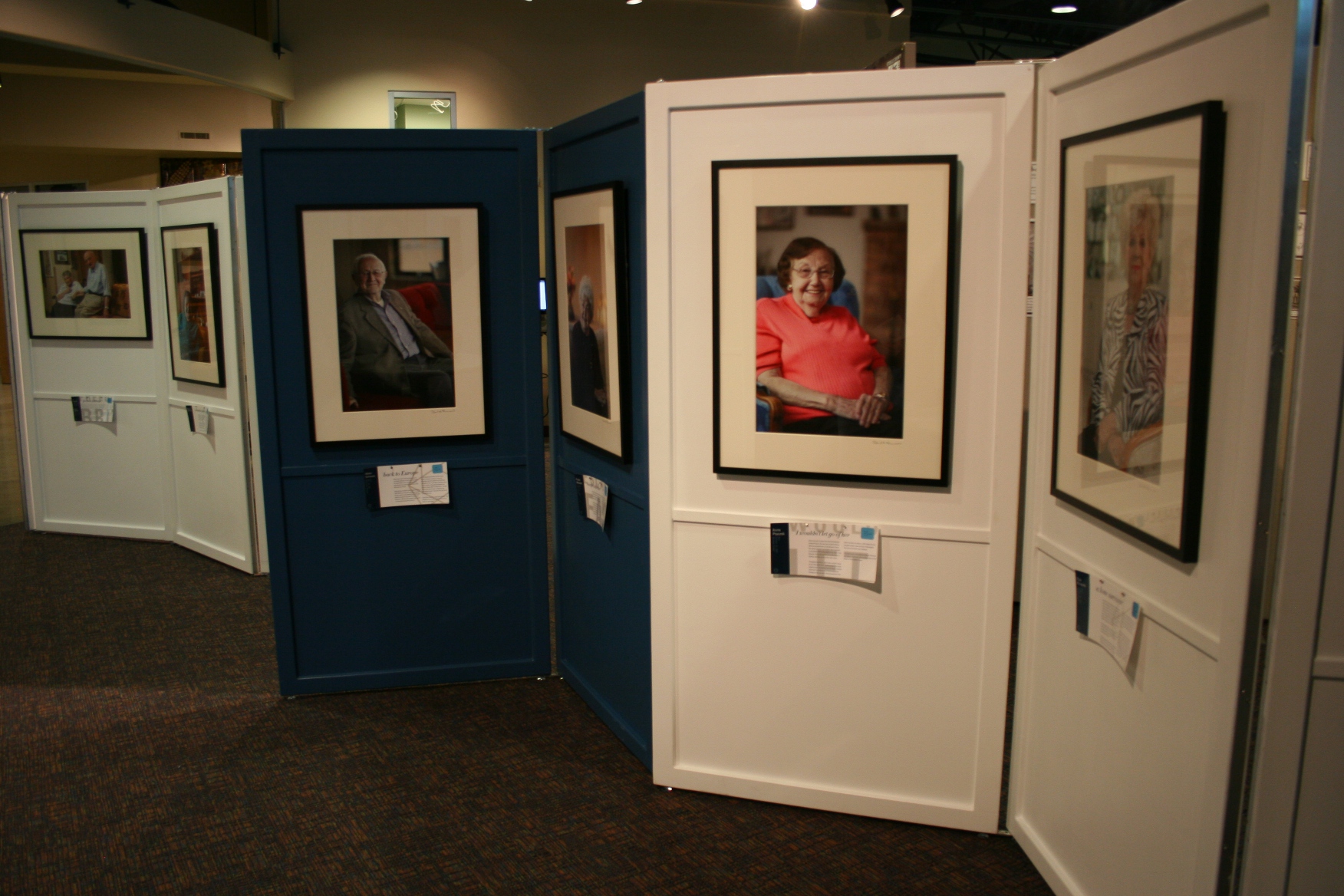
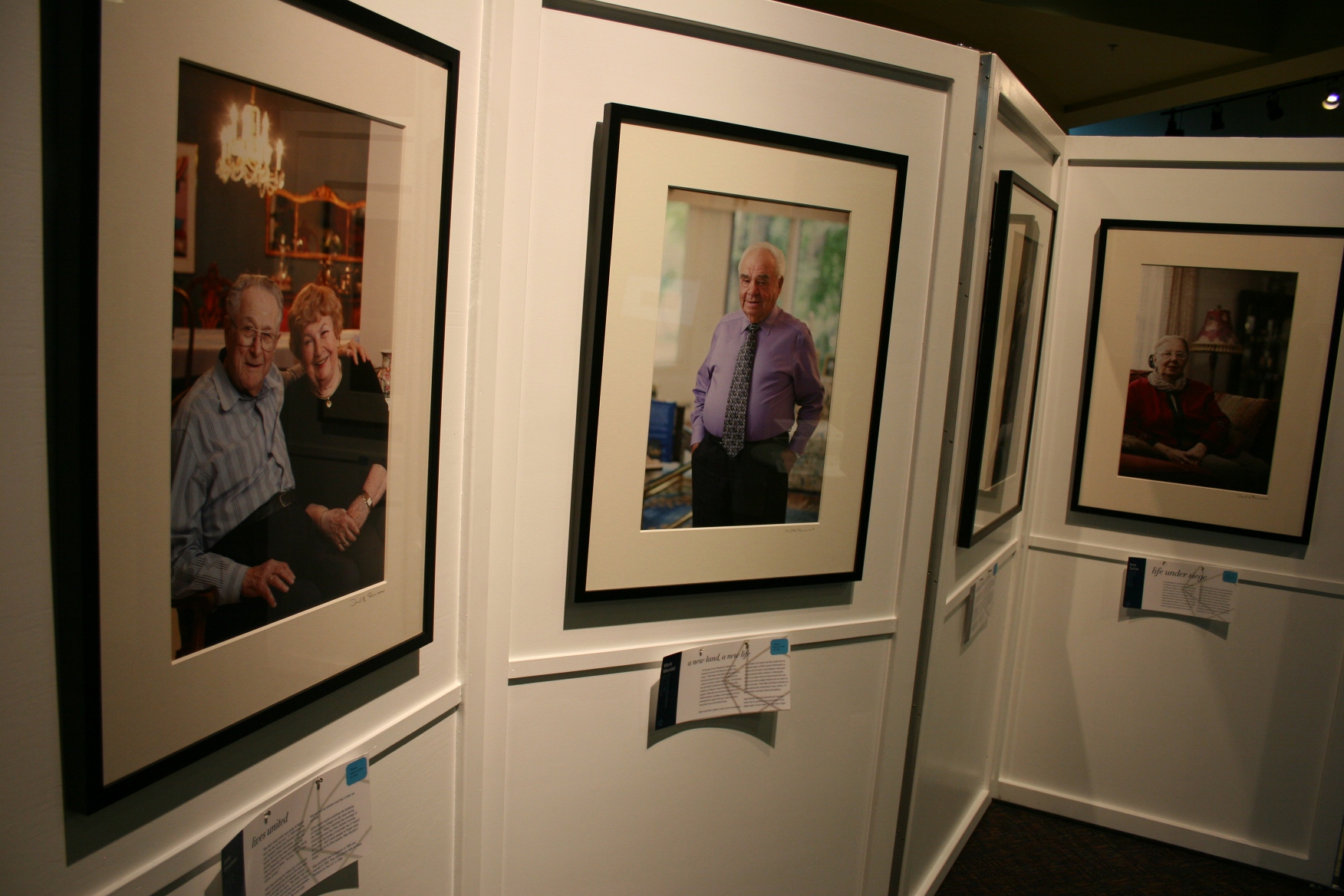
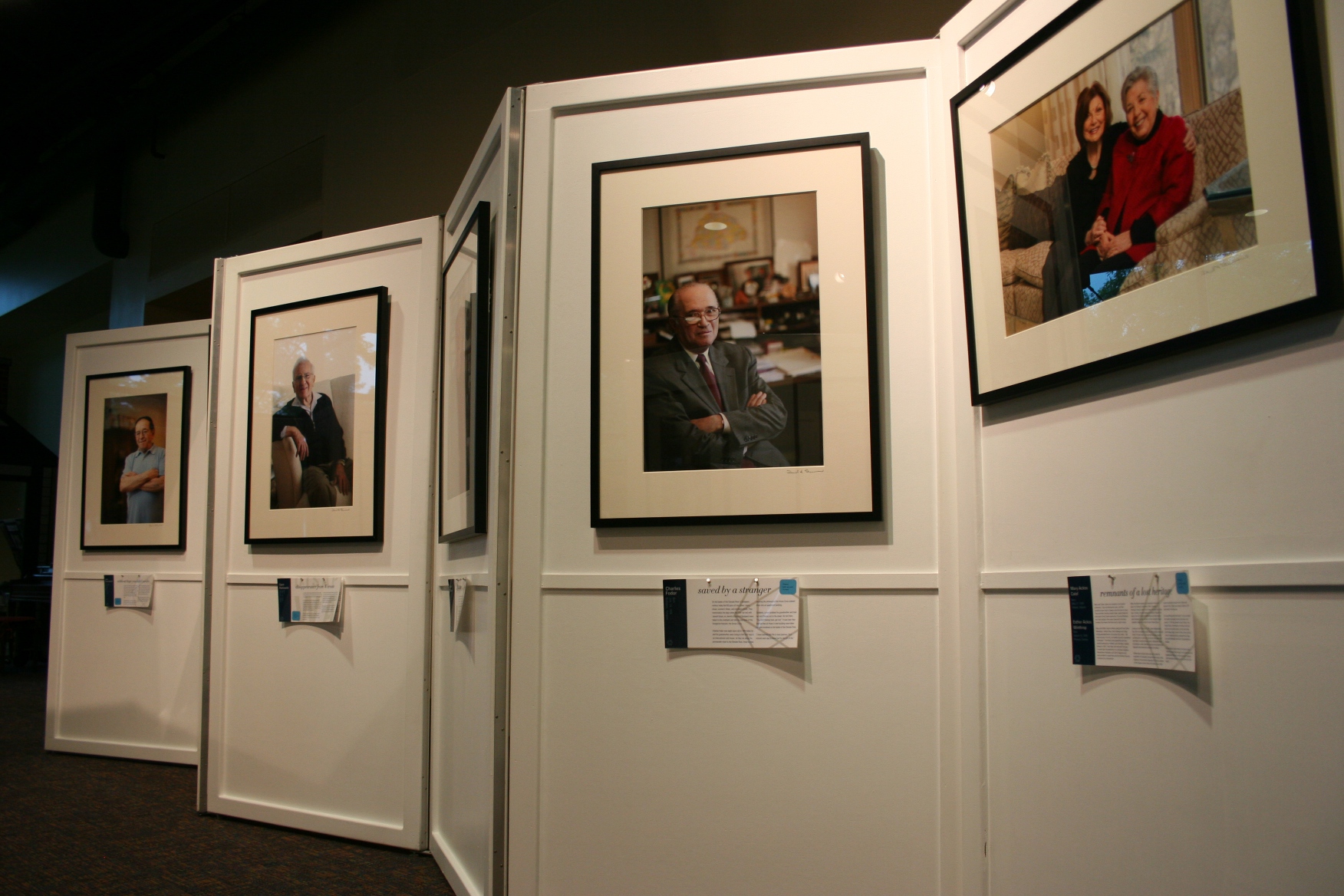
Panels showcase portraits and stories.

Panels showcase portraits and stories.

They are men and women, now living in Minnesota, who survived the Holocaust.

On a recent Saturday, in Owatonna, a rural Minnesota community far removed from the horrible history of Nazis and concentration camps and atrocities against Jews, I was introduced to brave souls who endured almost unimaginable experiences to emerge with spirits still strong, hope alive, lives to live.

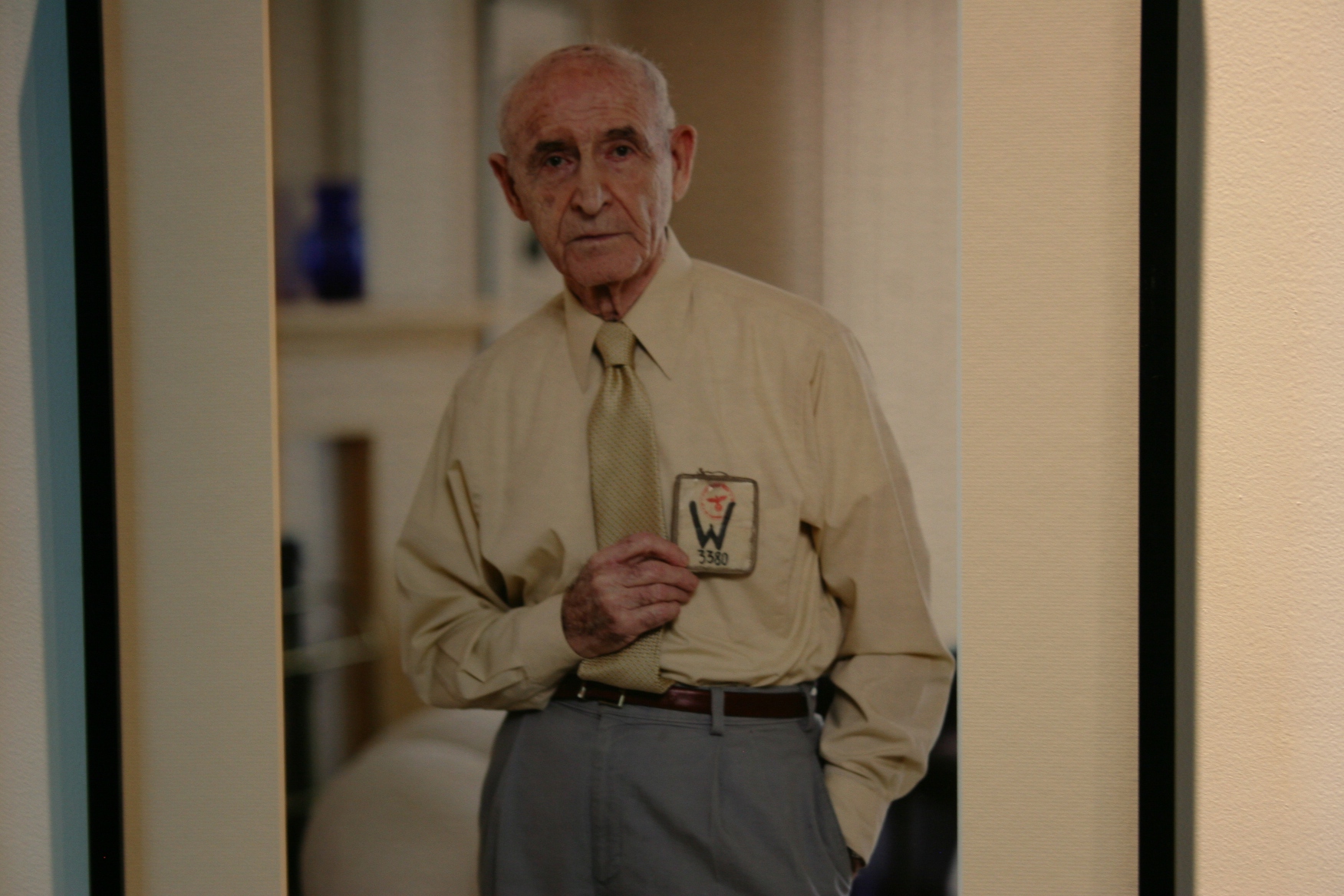
Holocaust survivor Leo Weiss.

Holocaust survivor Leo Weiss.

Eva, Ella, Sam, Walter, Paula, Anne, Joe, Trudy, Leo…

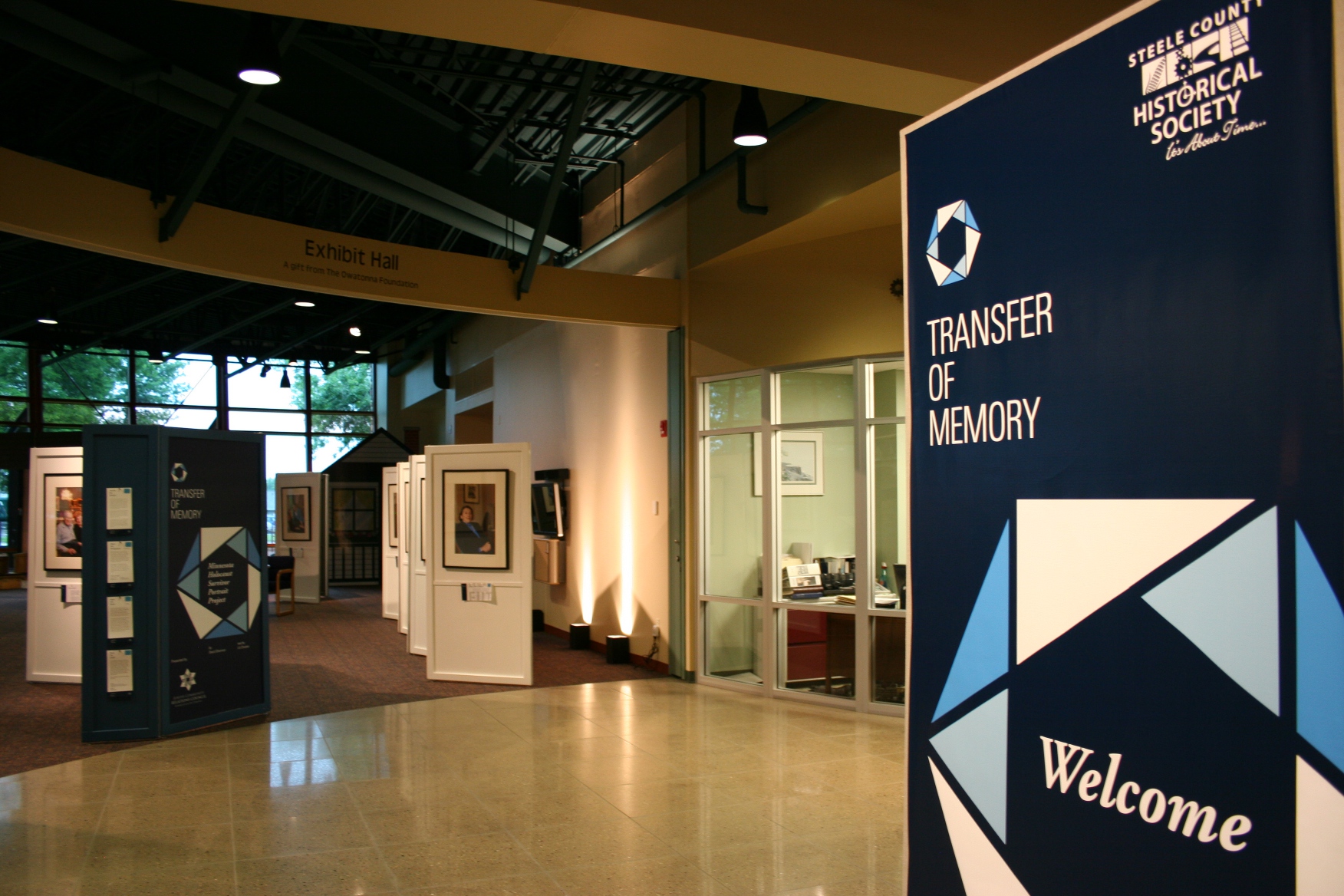
The Steele County History Center, 1700 Austin Road, Owatonna, is hosting "Transfer of Memory" through August 17.

The Steele County History Center, 1700 Austin Road, Owatonna, is hosting “Transfer of Memory” through August 17. Museum admission charges apply.

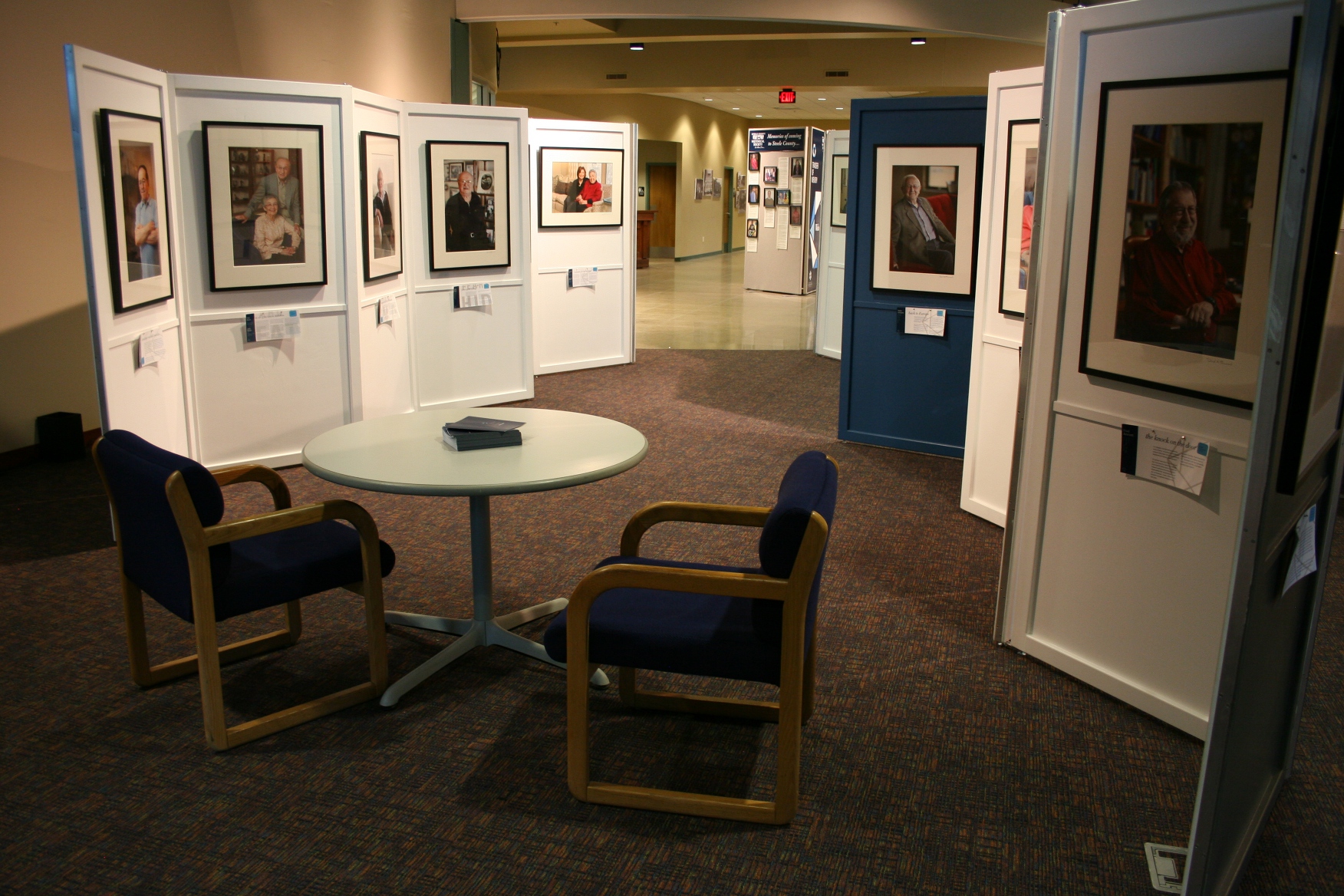
Thirty-five impressive portraits by photographer David Sherman and accompanying information written by Lili Chester tell the stories of these Holocaust survivors in the traveling exhibit, “Transfer of Memory.” The show, created in partnership with the Jewish Community Relations Council of Minnesota and the Dakotas, will remain at the Steele County History Center until August 17.

Their stories will touch you.

Their stories will touch you.

I’m especially pleased that this exhibit is showing in Owatonna, offering southeastern Minnesota residents like myself the opportunity to view the portraits and read the stories without traveling into the Twin Cities metro.

Panels of portraits and stories define "Transfer of Memory."

Panels of portraits and stories define “Transfer of Memory.”

As I perused the panels of photos, plucking laminated story cards from below the portraits, I found myself immersed in the personal stories of survival and lessons learned. Hands gripped to prevent separation. Warnings given to save lives. Lying about age and religion to save one’s self. Death and marches and sickness. Horrible horrible stories.

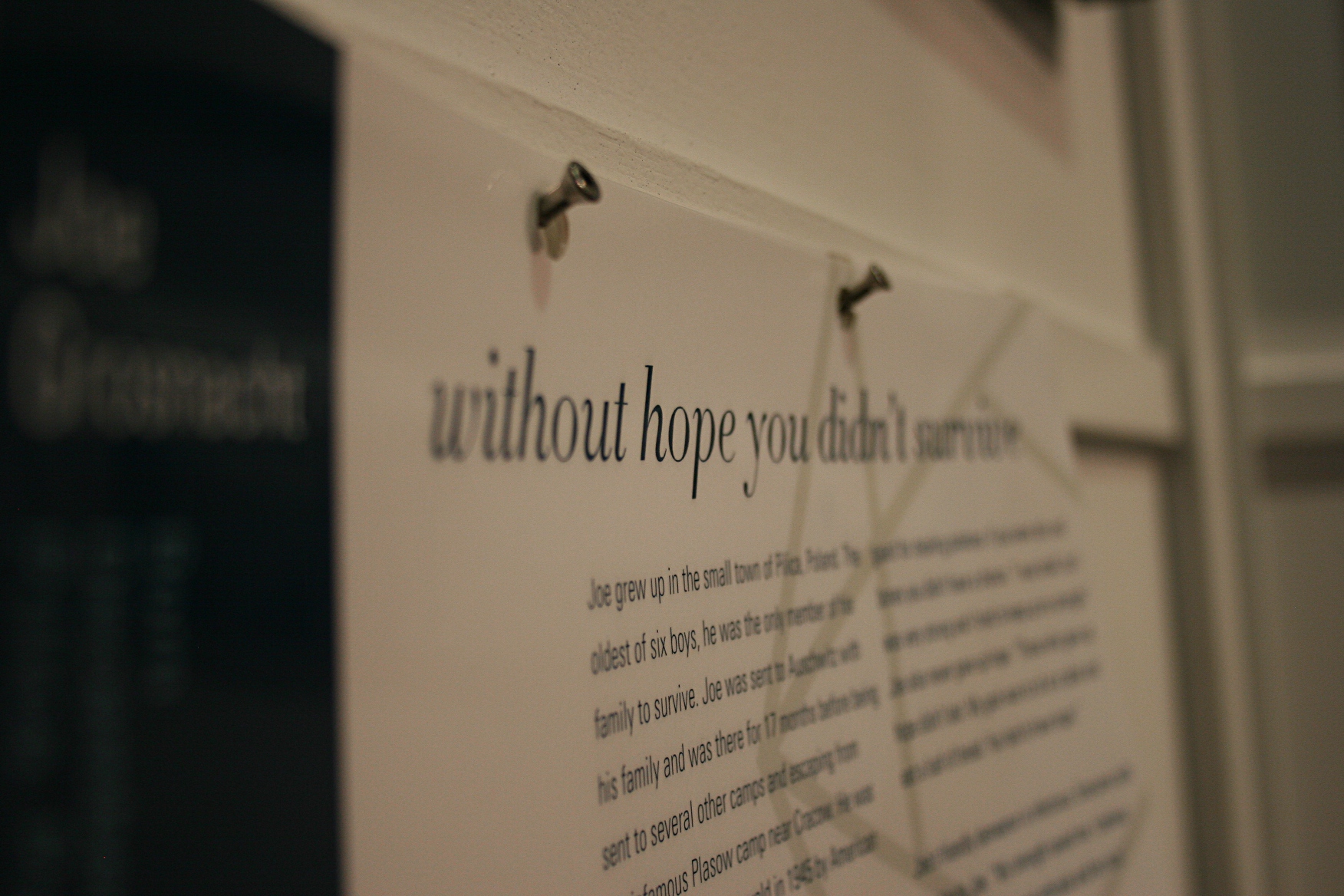
Hope in a story.

In their words: hope.

But always hope. Hope and faith and more allowed these individuals to survive such awful atrocities.

I wonder if I would have possessed the willpower to continue on, to overcome, as they did.

Survivor portraits and stories impress.

Survivor portraits and stories impress.

These Holocaust survivors offer not only their experiences, but their introspection. Therein lies the power of this exhibit:

Don’t hate, it is a terrible thing. Everyone is born innocent. There is no reason to hate.—  Eva Gross

The United State presents to me and all our sons and daughter (s) an equal opportunity. Have patience, make an effort and be tolerant.—  Sam Rafowitz

The potential of (evil) is there in all of us if we do not remember the past.—  Lucy Smith

FYI: If you are unable to view this exhibit in person, click here to see the portraits and read the stories online.

Permission was secured from curators Laura Zelle and Susie Greenberg and from photographer David Sherman to use these photos of Sherman’s work and the exhibit quotes published here. Original exhibit photos and text are copyrighted.