Minnesota Prairie Roots

Writing and photography by Audrey Kletscher Helbling

Vespers & Christmas at Valley Grove December 6, 2025

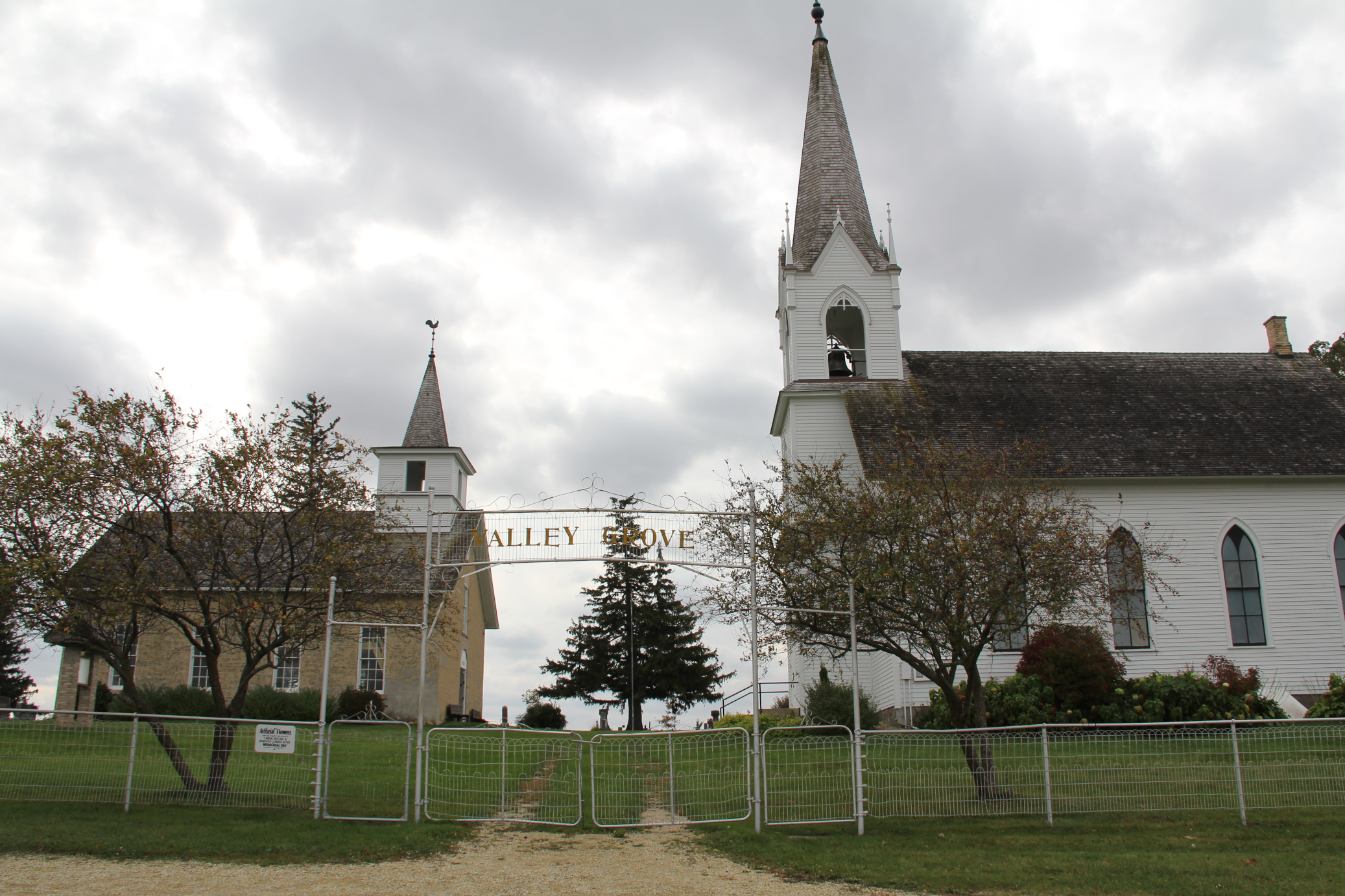
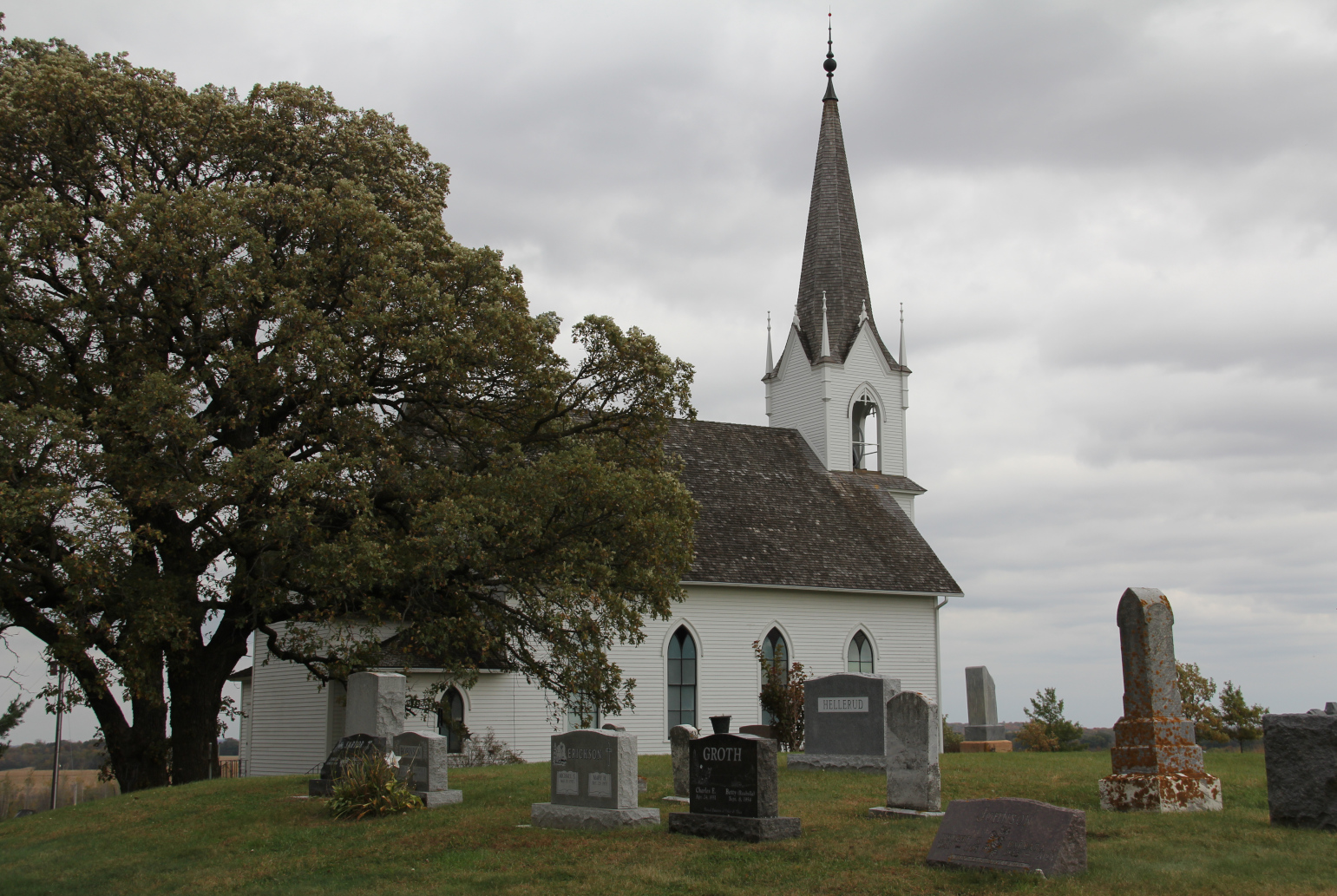
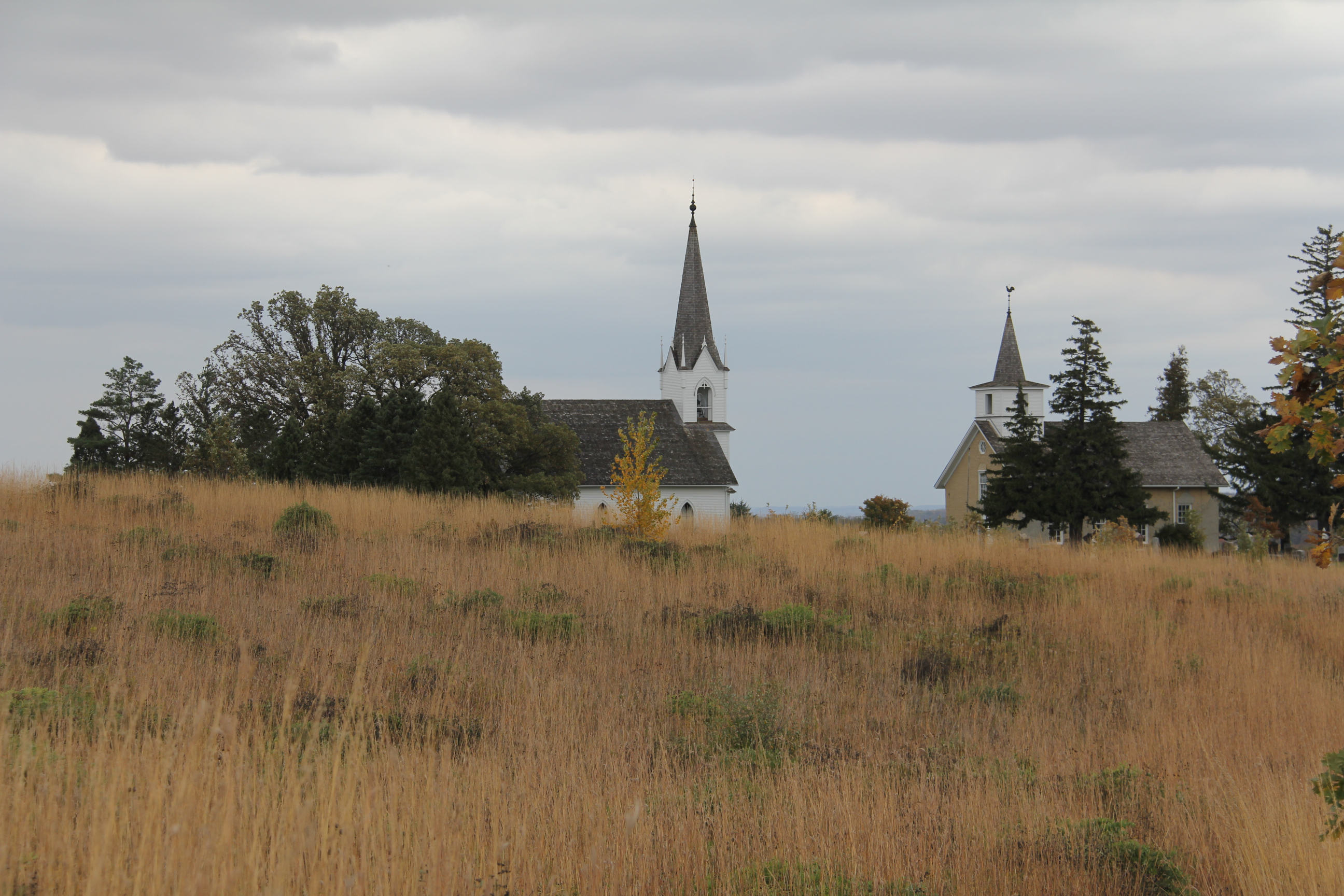
The Valley Grove churches photographed in October. (Minnesota Prairie Roots copyrighted file photo October 2025)

OVERLOOKING THE COUNTRYSIDE high atop a hill in northeastern Rice County, two historic Norwegian immigrant churches sit, a testament to the faith and fortitude of those who settled in this area of southern Minnesota.

And each December, thanks to the efforts of the Valley Grove Preservation Society, the faith legacy of those long ago Norwegian settlers continues. This Sunday, December 7, at 4:30 pm, a vespers service of music, stories, poetry and scripture will be held in the 1894 wood-frame Valley Grove church with the soaring steeple. Just across the yard stands the older limestone church, used now as a gathering space rather than as a sanctuary.

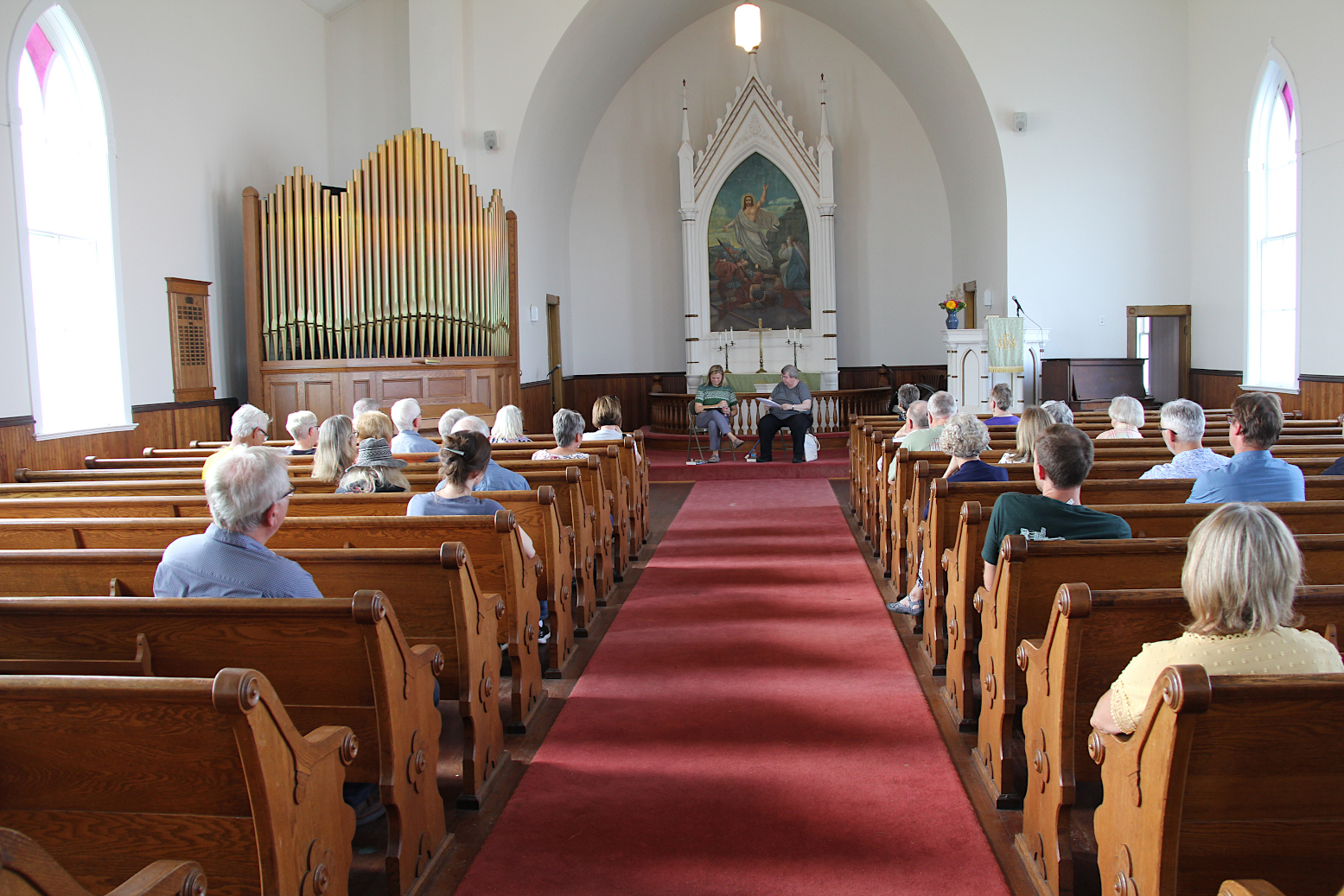
Inside the wood-frame church during the Valley Grove Country Social. (Minnesota Prairie Roots copyrighted file photo)

Weeks later, on Christmas Eve, the wood-frame church will once again host guests for music at 9:45 pm followed by a traditional candlelight service at 10 pm.

I’ve been to Valley Grove countless times, mostly in autumn and never in December. It’s a beautiful spot. Peaceful, too. And I expect with the recent snowfalls, this rural setting near Nerstrand will prove even more picturesque. Ideal for contemplation, for worship, for reflection and for remembering the faith of forefathers.

© Copyright 2025 Audrey Kletscher Helbling


Autumn beauty at Valley Grove October 23, 2025

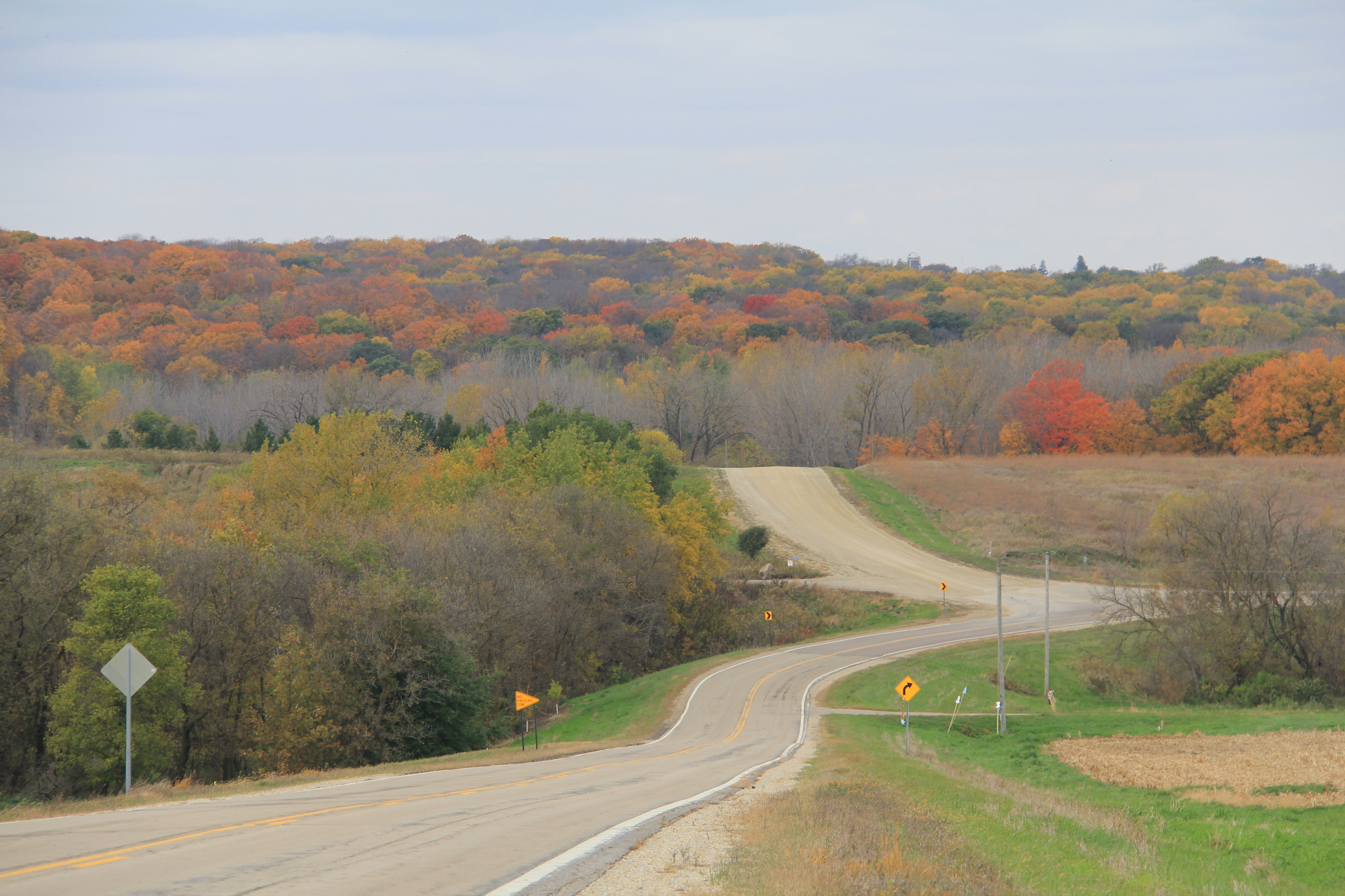
Driving along Rice County Road 30 from Nerstrand toward Valley Grove. (Minnesota Prairie Roots copyrighted photo October 2025)

A HILLSIDE ABLAZE in color appears before us as our van descends Rice County Road 30 northwest of Nerstrand. The road curves, twists into the valley between farmland and farm sites until we reach our destination, Valley Grove churches.

The gated entry to the historic Valley Grove churches near Nerstrand and south of Northfield. (Minnesota Prairie Roots copyrighted photo October 2025)

Randy steers the van off the paved road onto the gravel driveway leading to these two historic Norwegian immigrant churches standing high atop a hill overlooking the rolling countryside. This secluded place rates as a favorite destination of ours any time of year, but especially in autumn.

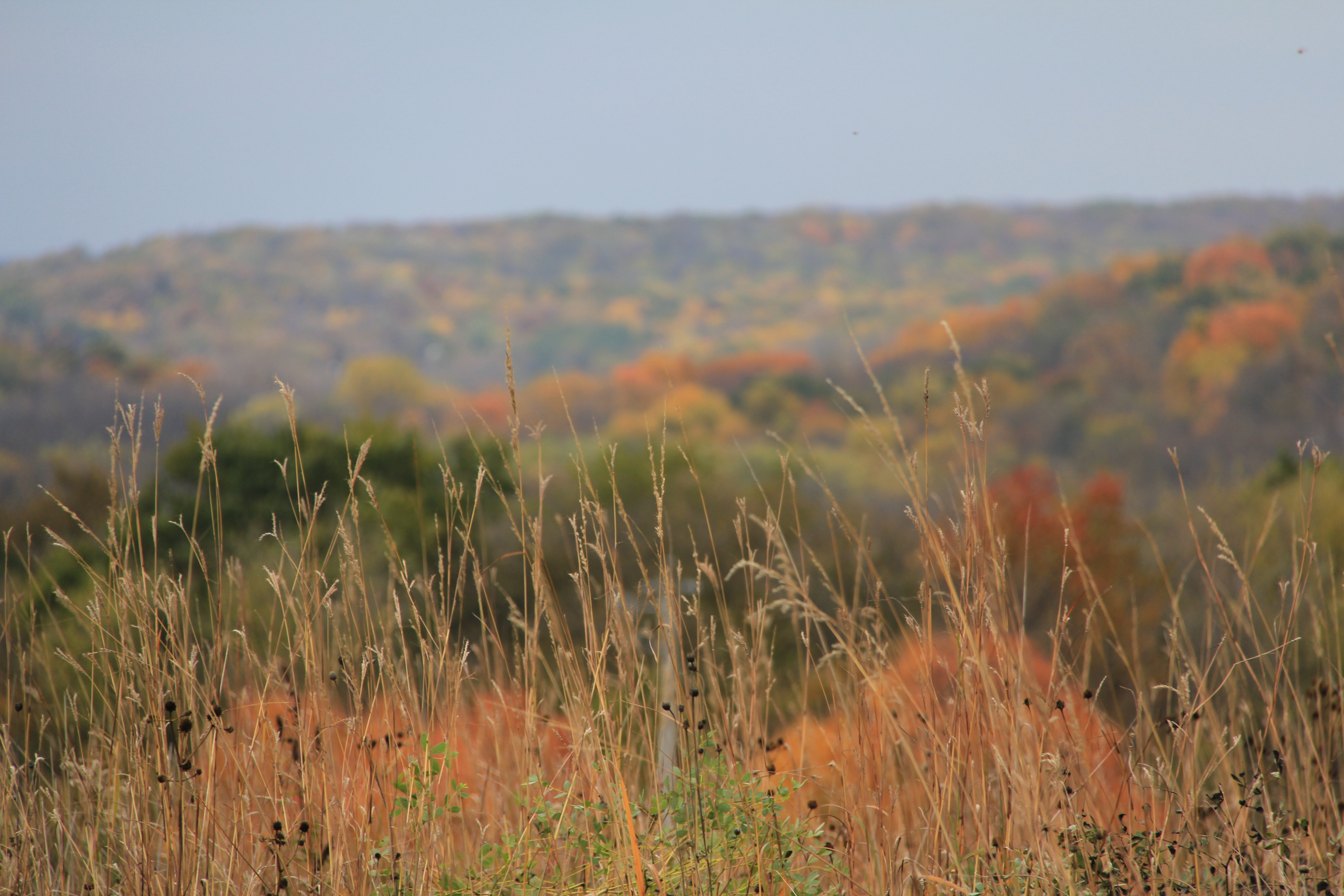
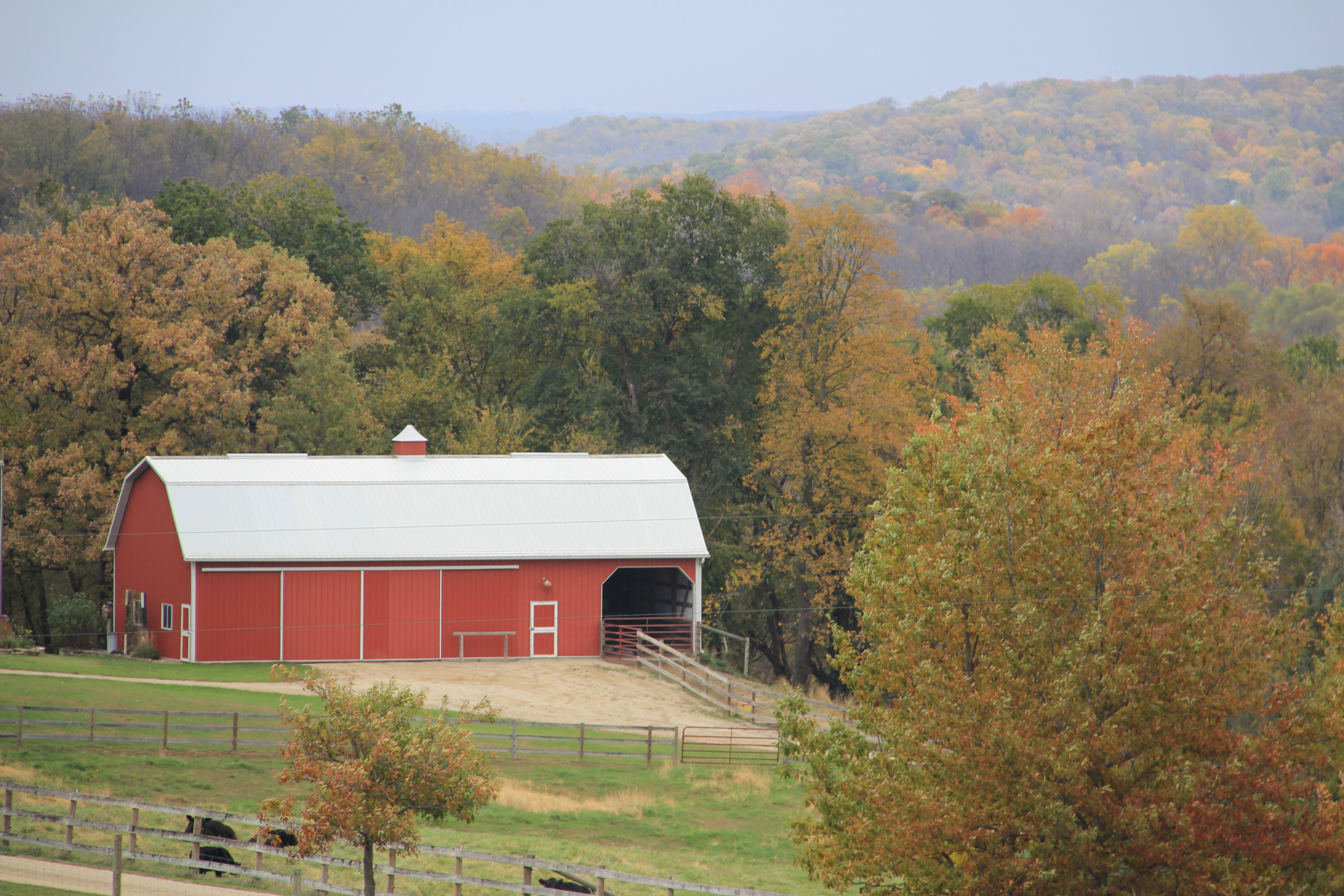
From the churchyard, I focus my telephoto lens across the prairie to the distant woods. (Minnesota Prairie Roots copyrighted photo October 2025)

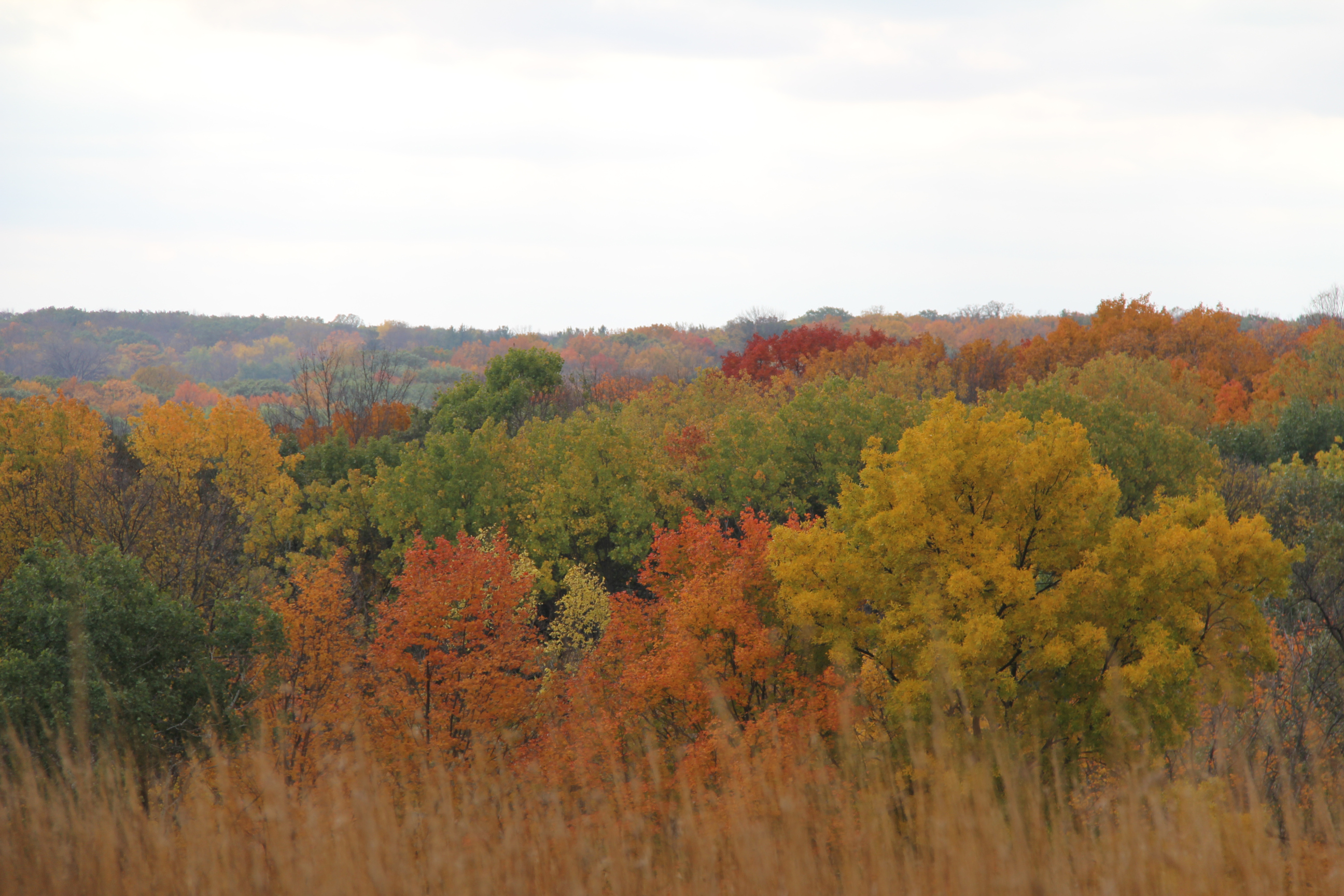
The hilltop location offers a sweeping view of the surrounding land, including the Big Woods, especially colorful now. I simply cannot get enough of the red, orange and yellow tree lines that provide a painterly backdrop to this bucolic setting.

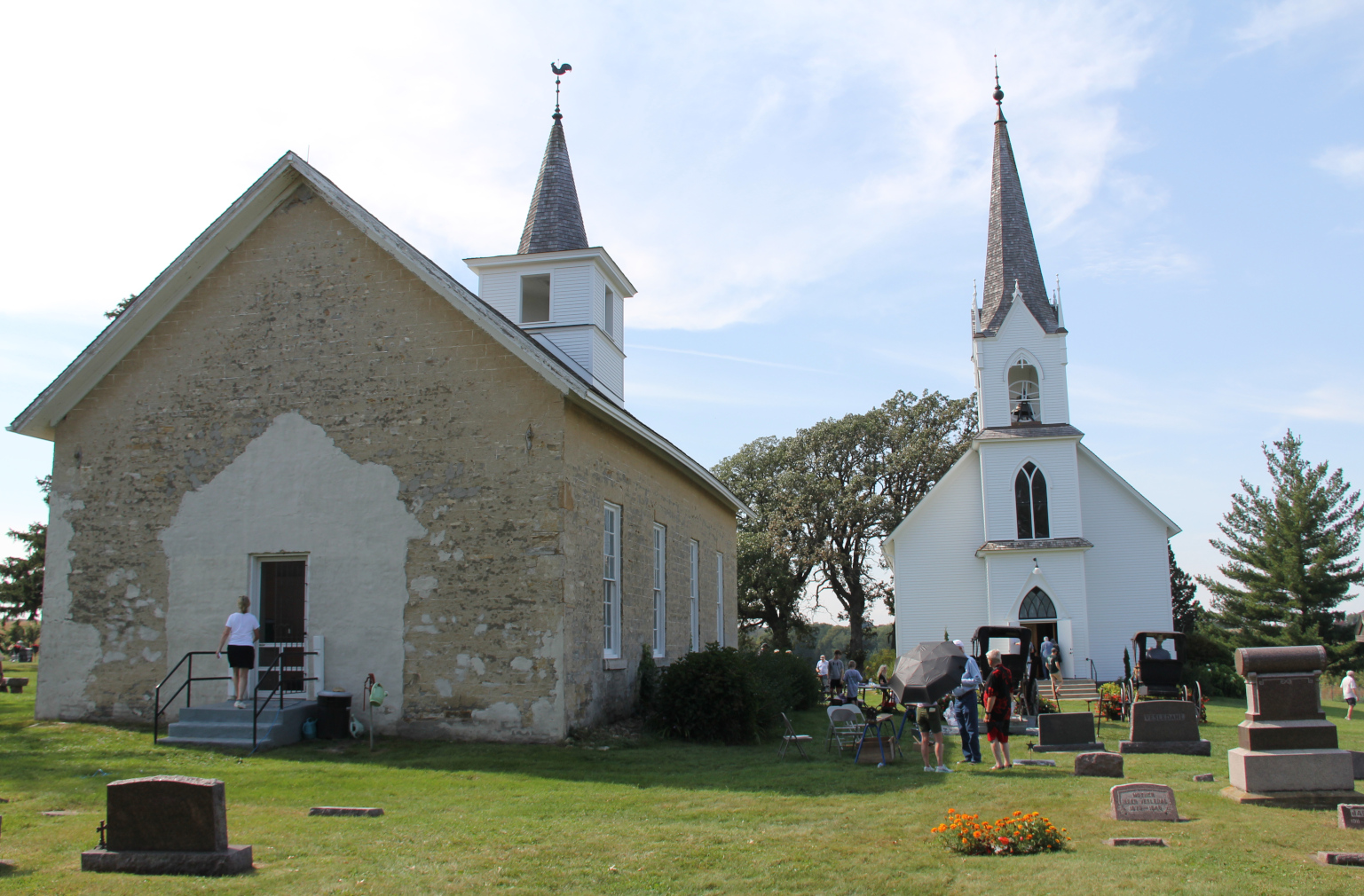
The 1894 wooden church opens today for weddings, a Country Social, a Christmas Eve service and other special events. The stone church serves as a fellowship hall/gathering spot. (Minnesota Prairie Roots copyrighted photo October 2025)

Here the 1862 and 1894 churches rise, a testament to the faith and endurance of the Norwegian immigrants who settled this area. The topography likely reminded them of the homeland they left for new opportunities in America.

The prairie fronts woods ablaze in color, as viewed from the churchyard. (Minnesota Prairie Roots copyrighted photo October 2025)

On this day, as the wind blows cold and strong across the churchyard—so much so that we eat our picnic lunch inside the van—I ponder how these foreigners felt once winter arrived in all her cold and snowy starkness. Perhaps they wondered why they ever left Norway.

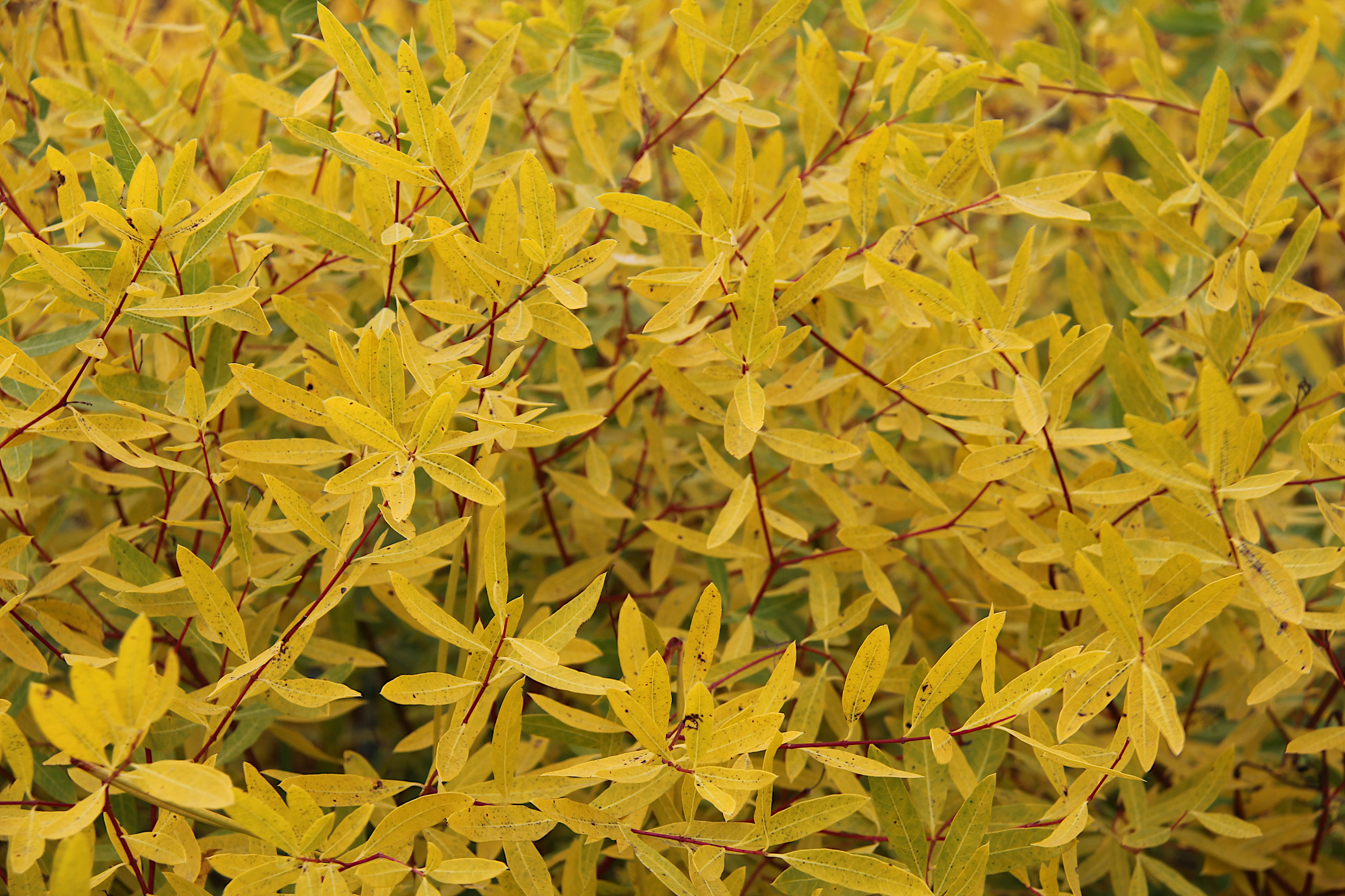
A vibrant bush on prairie’s edge. (Minnesota Prairie Roots copyrighted photo October 2025)

But on this fall day, I recognize also how much they must have appreciated this beautiful hilltop location. The Valley Grove Preservation Society works hard to retain the natural beauty of these 50 acres of land. The trees. The tall prairie grasses. The wildflowers. They also maintain the two aged houses of worship—the old stone church built first and the adjacent wood-frame church constructed 32 years later.

Grassy paths lead into and through the prairie. (Minnesota Prairie Roots copyrighted photo October 2025)
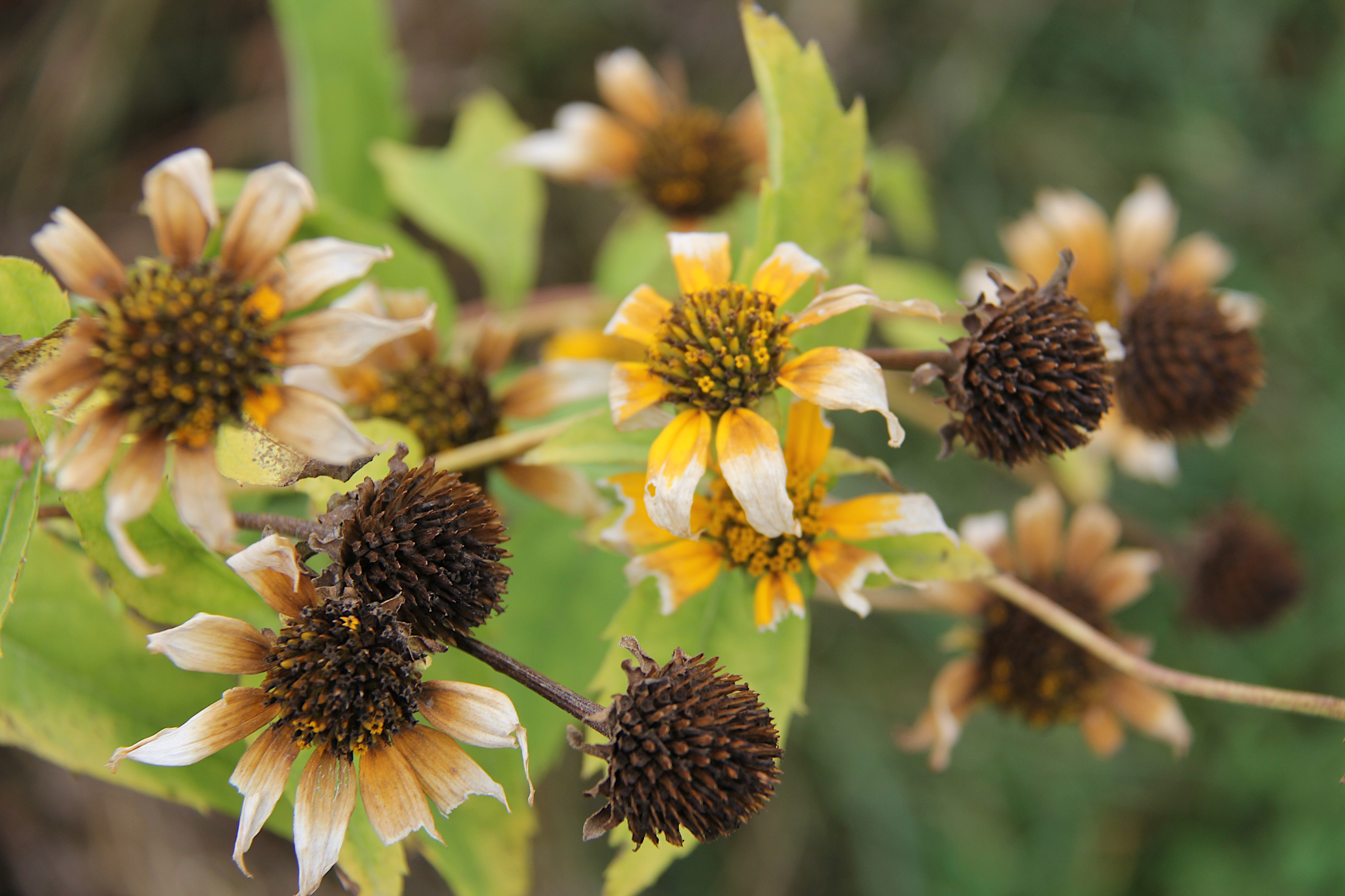
Prairie wildflowers dying and going to seed. (Minnesota Prairie Roots copyrighted photo October 2025)
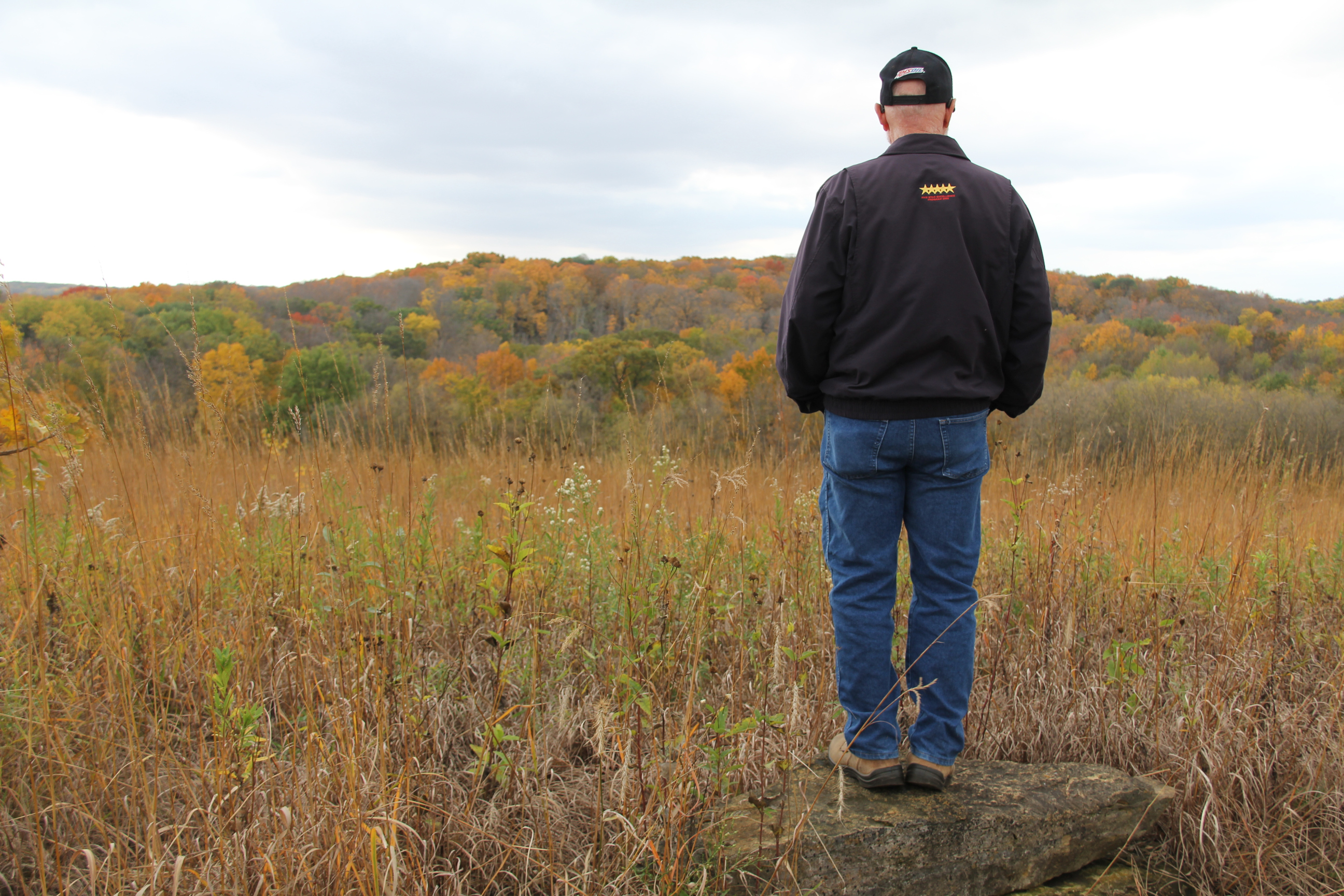
Randy steps up for a better view of the distant Big Woods from the prairie. (Minnesota Prairie Roots copyrighted photo October 2025)

Beyond the churches and surrounding cemetery, we follow an uneven path into the prairie, pausing occasionally to take in the colorful, distant trees. Randy steps atop a limestone slab for a better view. I spot a garter snake a step down from his feet, then edge away, not at all fond of snakes.

On the other side of the rolling prairie, the churches rise. (Minnesota Prairie Roots copyrighted photo October 2025)

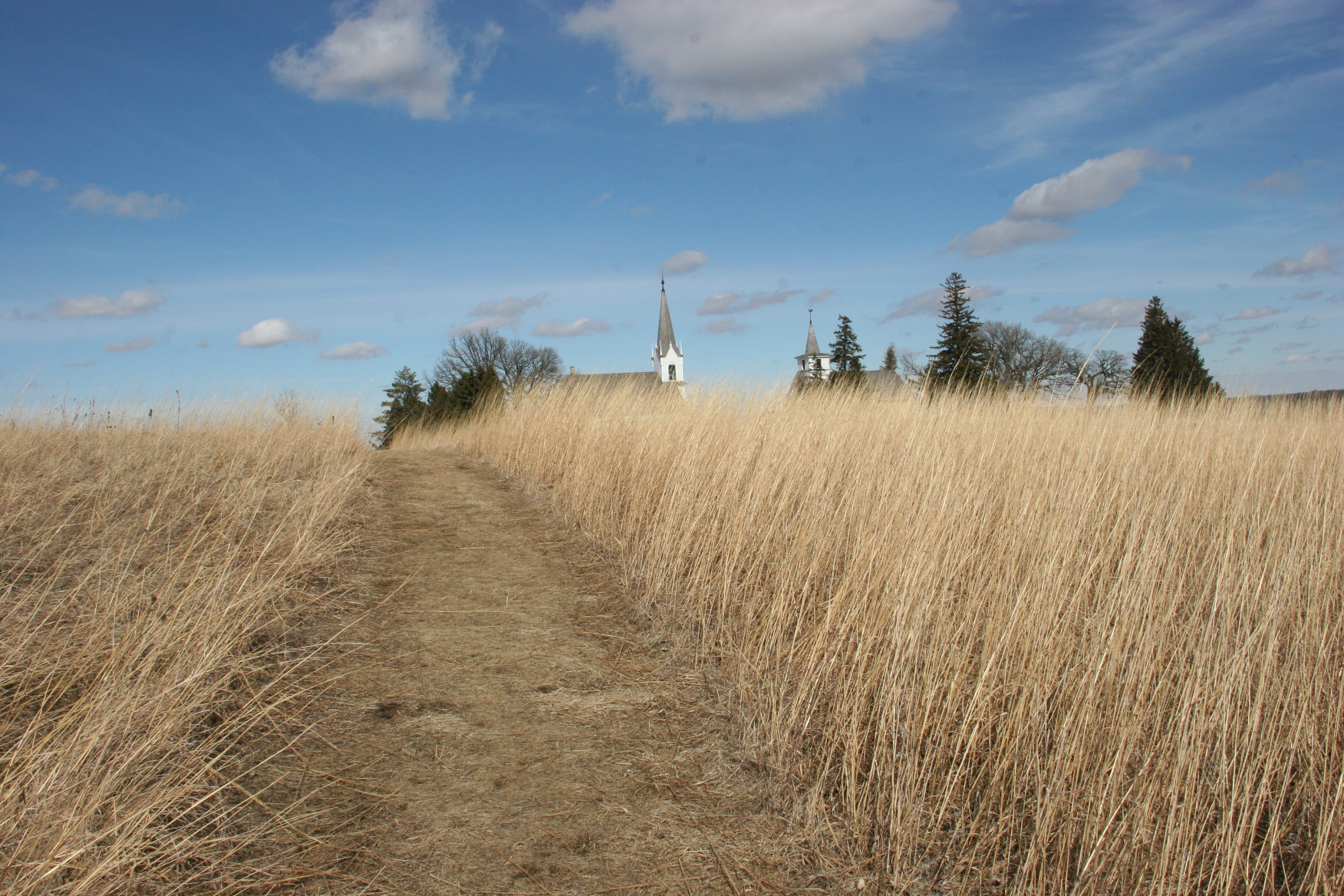
Turning back toward the churchyard a bit later, I see the churches rise like ships upon an ocean of prairie grass. It’s not hard to visualize Norwegian immigrants boarding ships, sailing across the massive ocean bound for America.

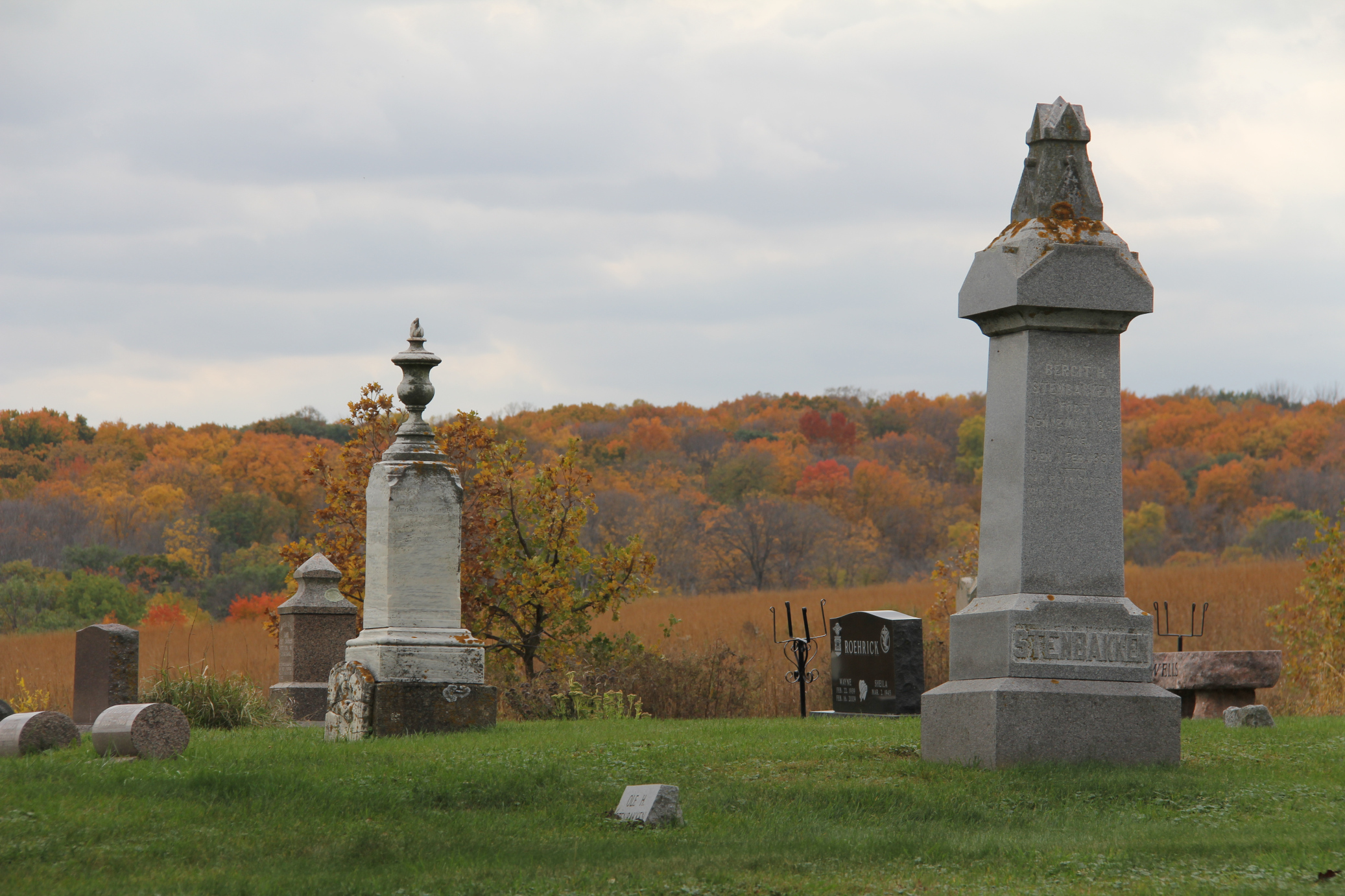
Aged and new tombstones fill the Valley Grove cemetery. (Minnesota Prairie Roots copyrighted photo October 2025)

The hopes and dreams they carried to America and eventually to Minnesota imprint upon tombstones in names and dates and words. Their hopes imprint, too, upon this land.

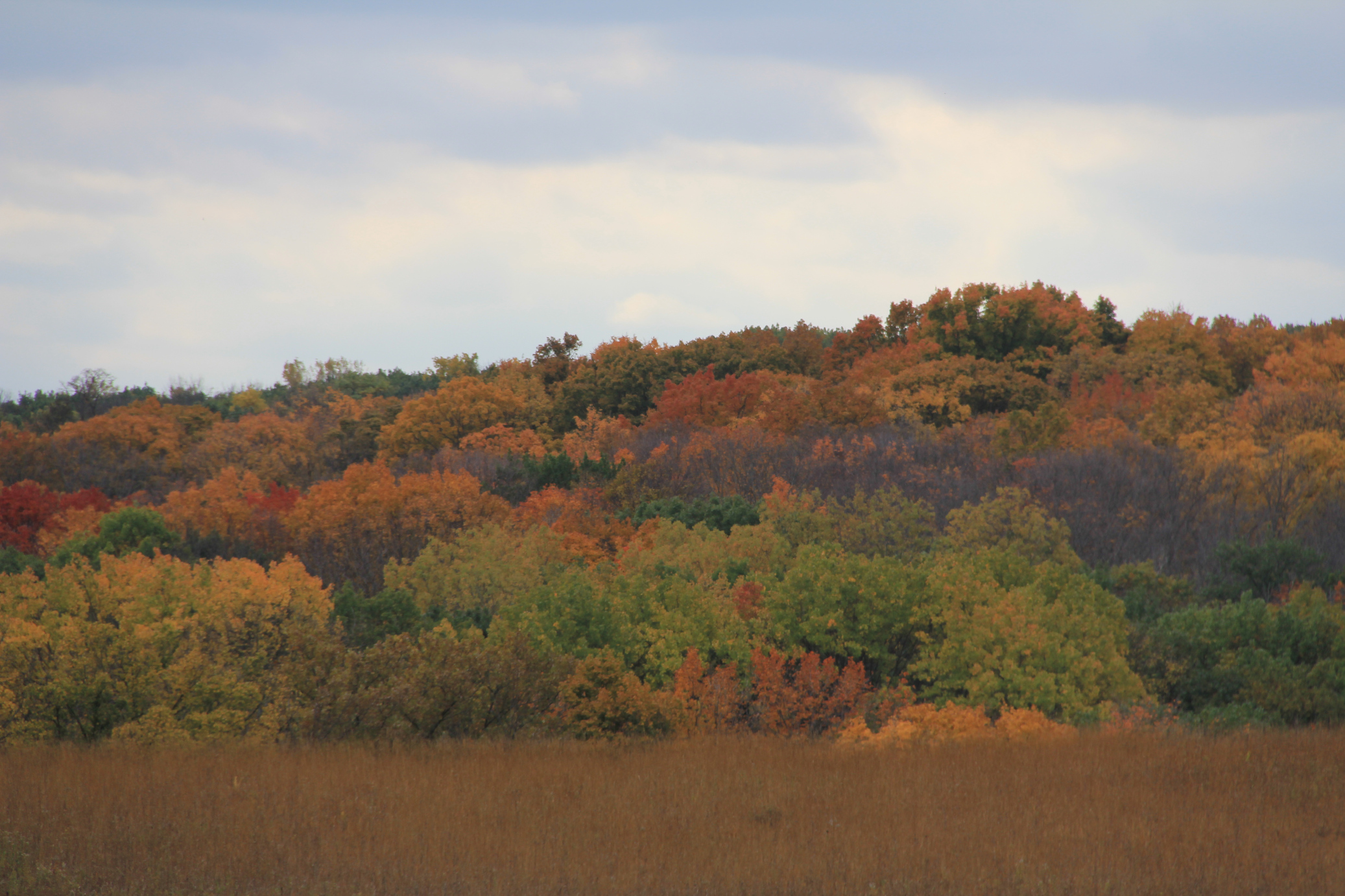
Zooming in on the colorful trees surrounding Valley Grove. (Minnesota Prairie Roots copyrighted photo October 2025)

When I walk this ground, I feel the imprints of souls beneath my feet. This place seems sacred. Sacred in the voices I hear if I lean into the wind and listen. Sacred in the vistas I view.

Found at a gravesite, a serenity stone. (Minnesota Prairie Roots copyrighted photo October 2025)

Valley Grove is a place of serenity. Of quiet. Of natural beauty unequal in the autumn of the year.

A farm site nestles among the woods below Valley Grove. (Minnesota Prairie Roots copyrighted photo October 2025)

All of this I find, feel, experience, see on an autumn day at Valley Grove, among the rolling hills and valleys of northeastern Rice County.

© Copyright 2025 Audrey Kletscher Helbling


Lessons taught & learned at Valley Grove Country Social September 18, 2025

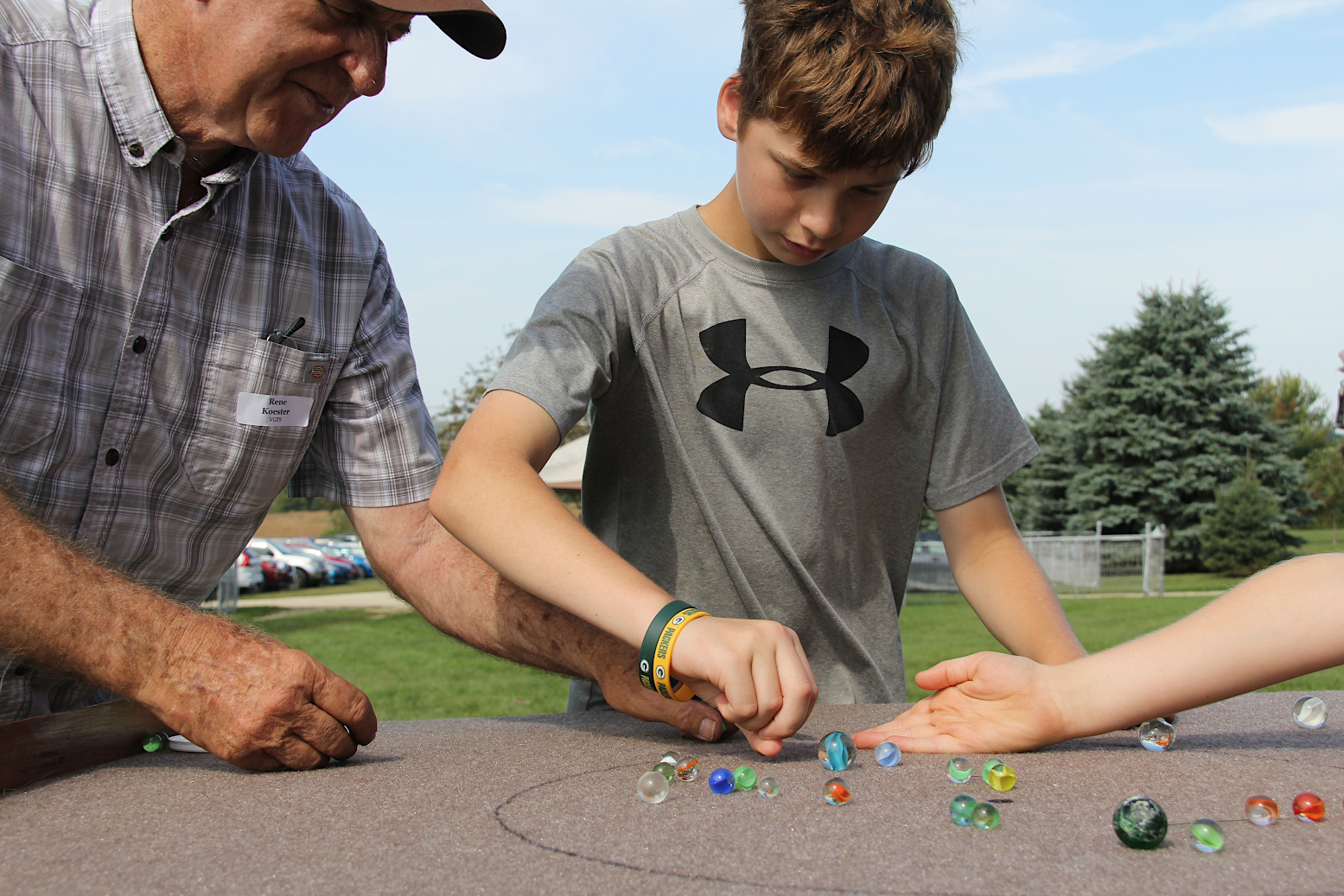
Playing marbles at the Valley Grove Country Social. (Minnesota Prairie Roots copyrighted photo September 2025)

AS I MEANDERED THE GROUNDS of the historic Valley Grove churches during a recent Country Social, I happened upon a grandfather teaching his grandsons the old-fashioned game of marbles. I stood, watched, and photographed while the trio positioned and flicked marbles across a tabletop. Years ago, this game would have been played on the ground, in the dirt.

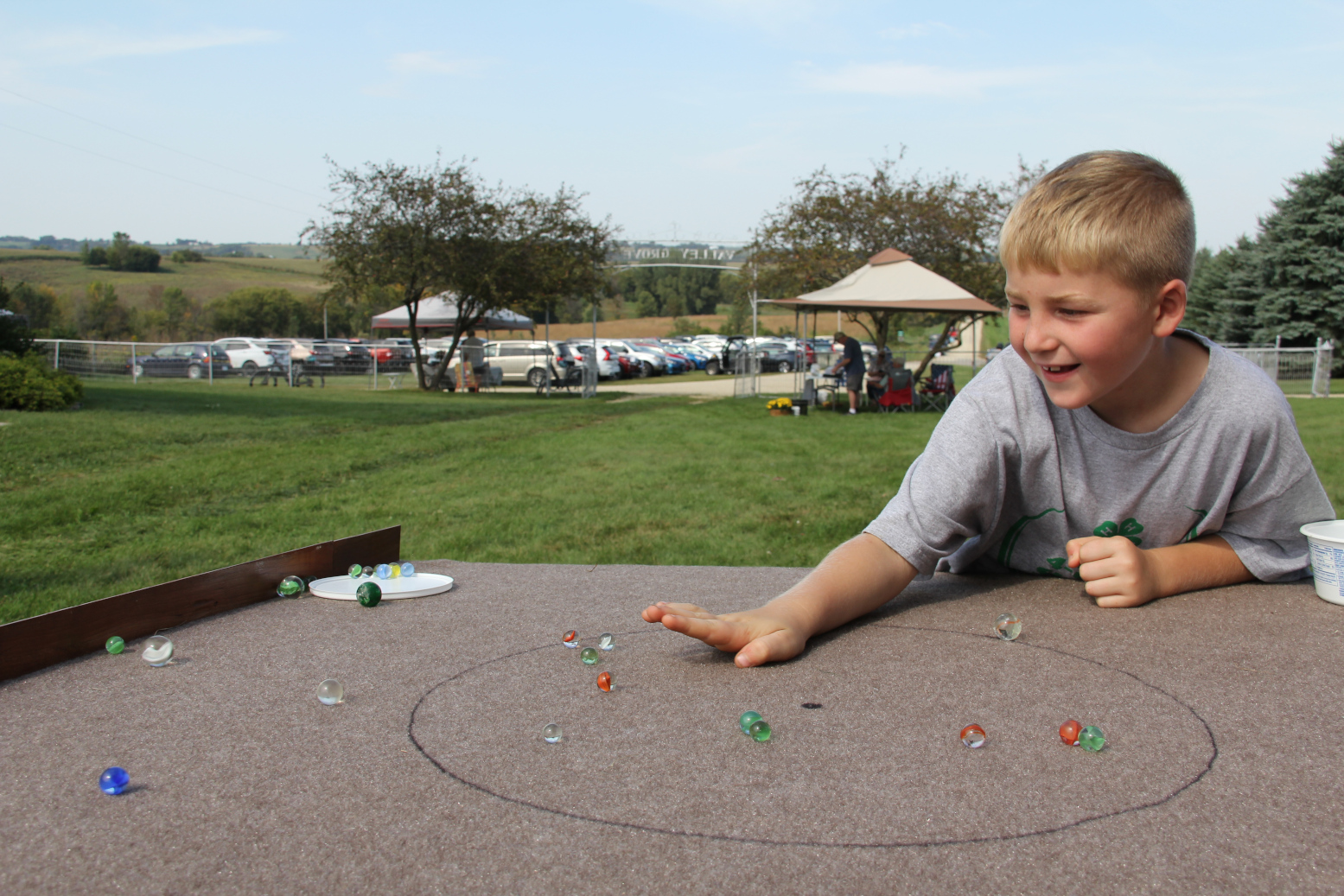
A look of pure joy after releasing a marble. (Minnesota Prairie Roots copyrighted photo September 2025)

But this seemingly mattered not to the boys playing under the guidance of Rene Koester of the Valley Grove Preservation Society, who admitted he’d forgotten some of the rules. If his students cared, they didn’t express it. They were simply having fun playing a simple game.

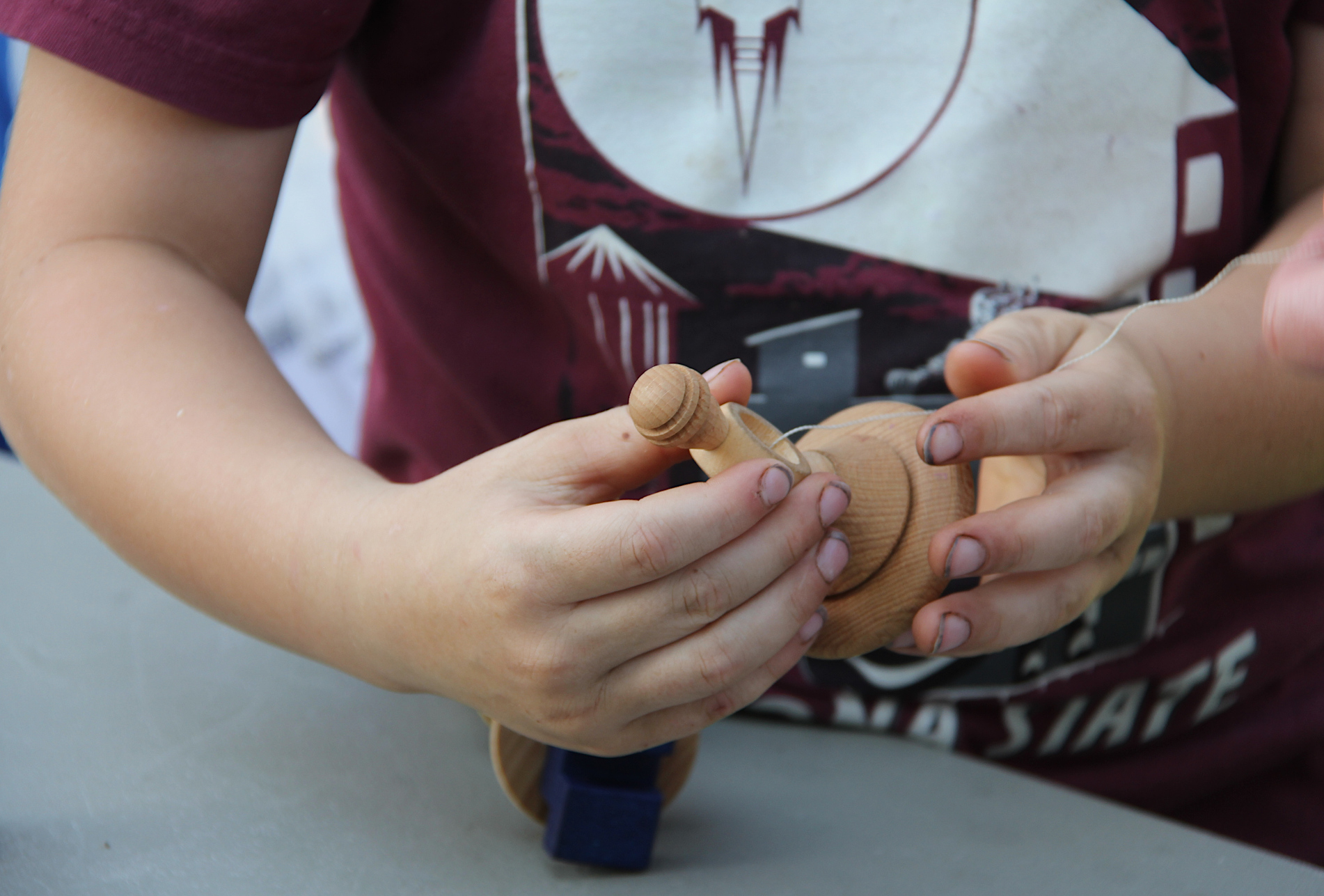
Old-fashioned toys, including this wooden top, were available for play. (Minnesota Prairie Roots copyrighted photo September 2025)

I loved seeing the interaction, the connecting of today’s generation to the past, to a time when kids played mostly outside. A time before video games. A time when life was much different.

The two Valley Grove churches are on the National Register of Historic Places. (Minnesota Prairie Roots copyrighted photo September 2025)

The Valley Grove Country Social proves a wonderful way to connect to the past and to place. On this 50-acre parcel of land in rural Nerstrand, people gather each September to celebrate the two aged Norwegian churches that sit atop a hill overlooking the countryside. They also come here to celebrate the Norwegian immigrants who built the 1862 stone and 1894 clapboard churches. They come, too, to celebrate and honor a rich Norwegian history and heritage.

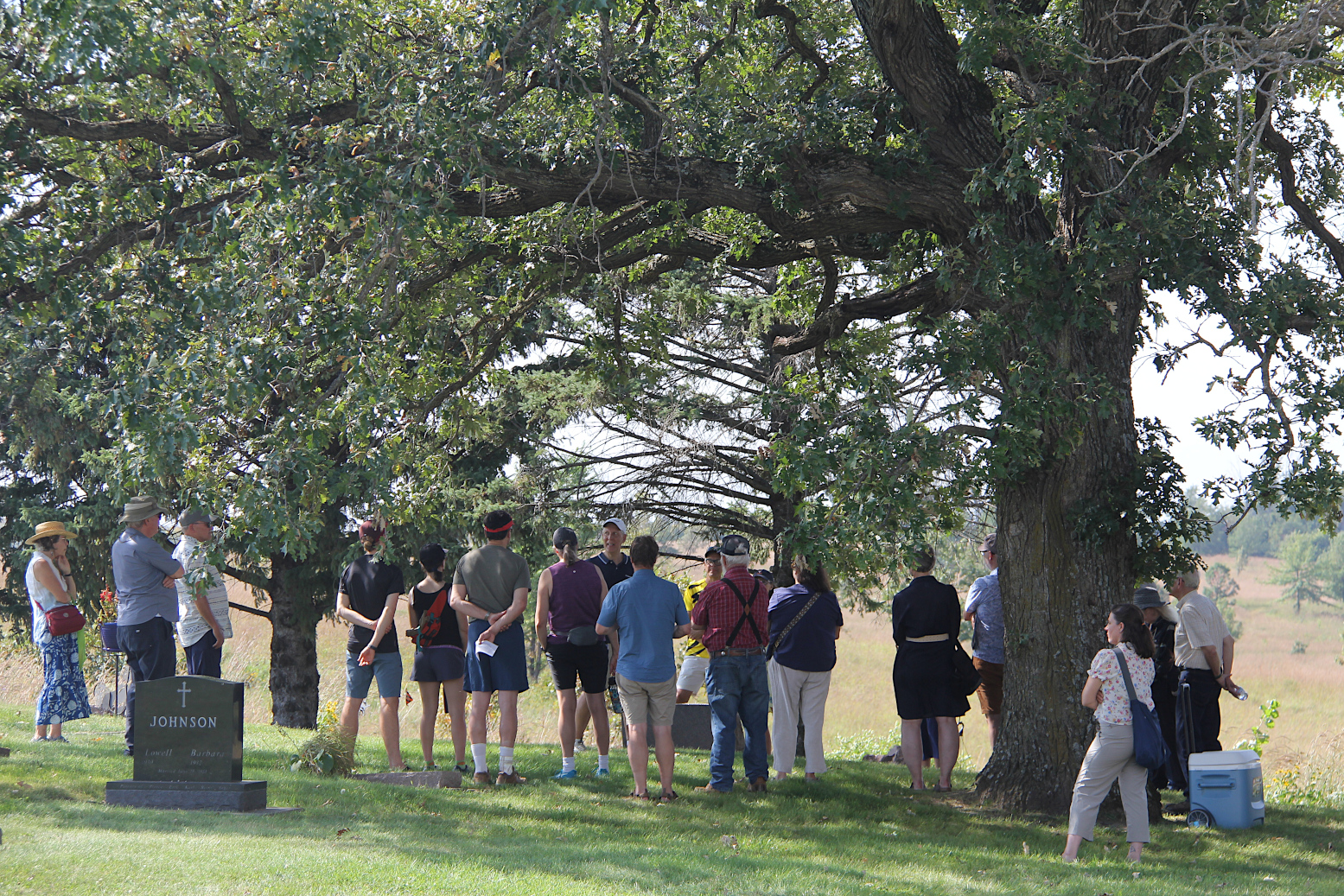
Historian Jeff Sauve leads a cemetery tour, stopping at selected gravesites to share histories of the deceased. (Minnesota Prairie Roots copyrighted photo September 2025)
Krumkake made on-site and still warm off the griddle when I ate this Norwegian treat. (Minnesota Prairie Roots copyrighted photo September 2025)
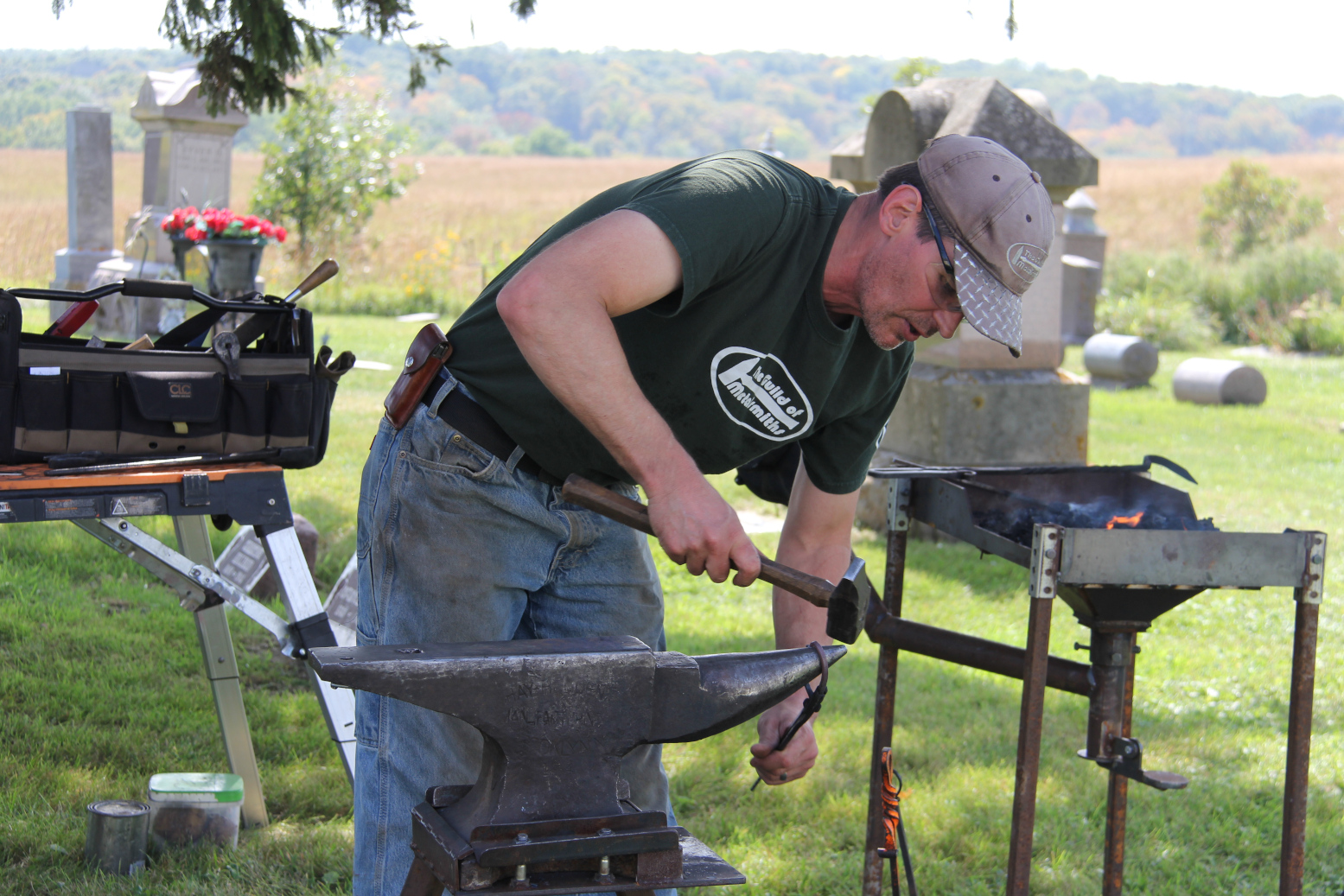
Demonstrating the craft of blacksmithing. (Minnesota Prairie Roots copyrighted photo September 2025)

Many times I’ve attended this Country Social, which this year included a cemetery tour, book discussion, music, blacksmithing and rope-making demonstrations, music under the oaks, horse-drawn wagon rides, treats inside the old stone church and old-fashioned games for the kids. Plus lots of wandering and visiting among tombstones in the adjacent cemetery.

Prairie and woods define the landscape here at Valley Grove, which is next to Nerstrand Big Woods State Park. (Minnesota Prairie Roots copyrighted photo September 2025)

In all of Rice County, there is perhaps no place I’ve found more peaceful. I’ve come to Valley Grove in all seasons. Sat upon the wooden church steps and eaten a picnic lunch. Tromped through snow. Walked more times than I remember among the tombstones. I’ve listened to music and speakers and those rooted in this land.

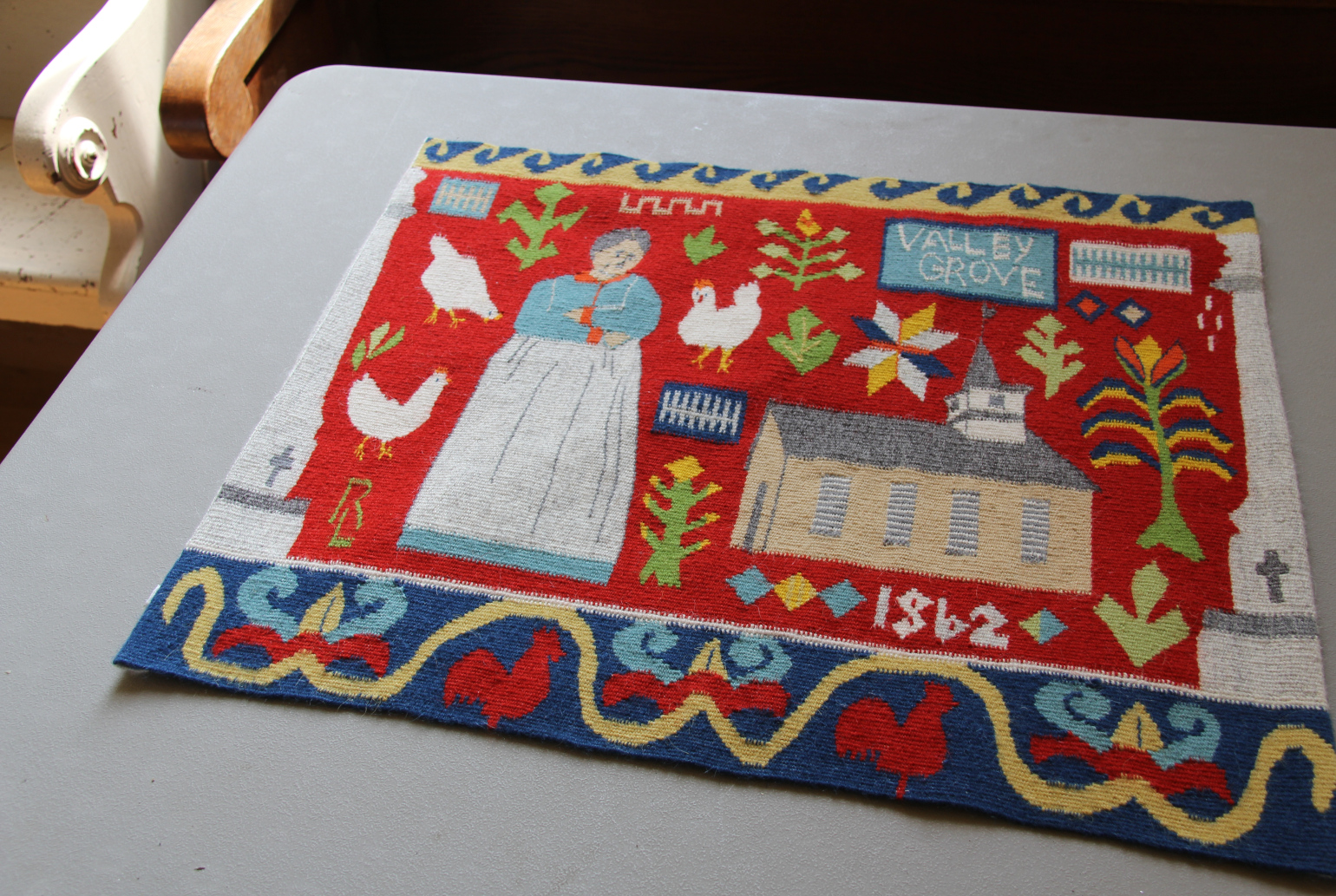
This tapestry woven by Robbie LaFleur features the 1862 stone church. It is one of four tapestries LaFleur created for Valley Grove. (Minnesota Prairie Roots copyrighted photo September 2025)

I have no personal connection to Valley Grove. I’m not even Norwegian. I’m German. But this matters not to the lutefisk, lefse, krumkake-loving Norwegians. Or to me. I’ve found in this place welcoming individuals, who just happen to be of Norwegian heritage.

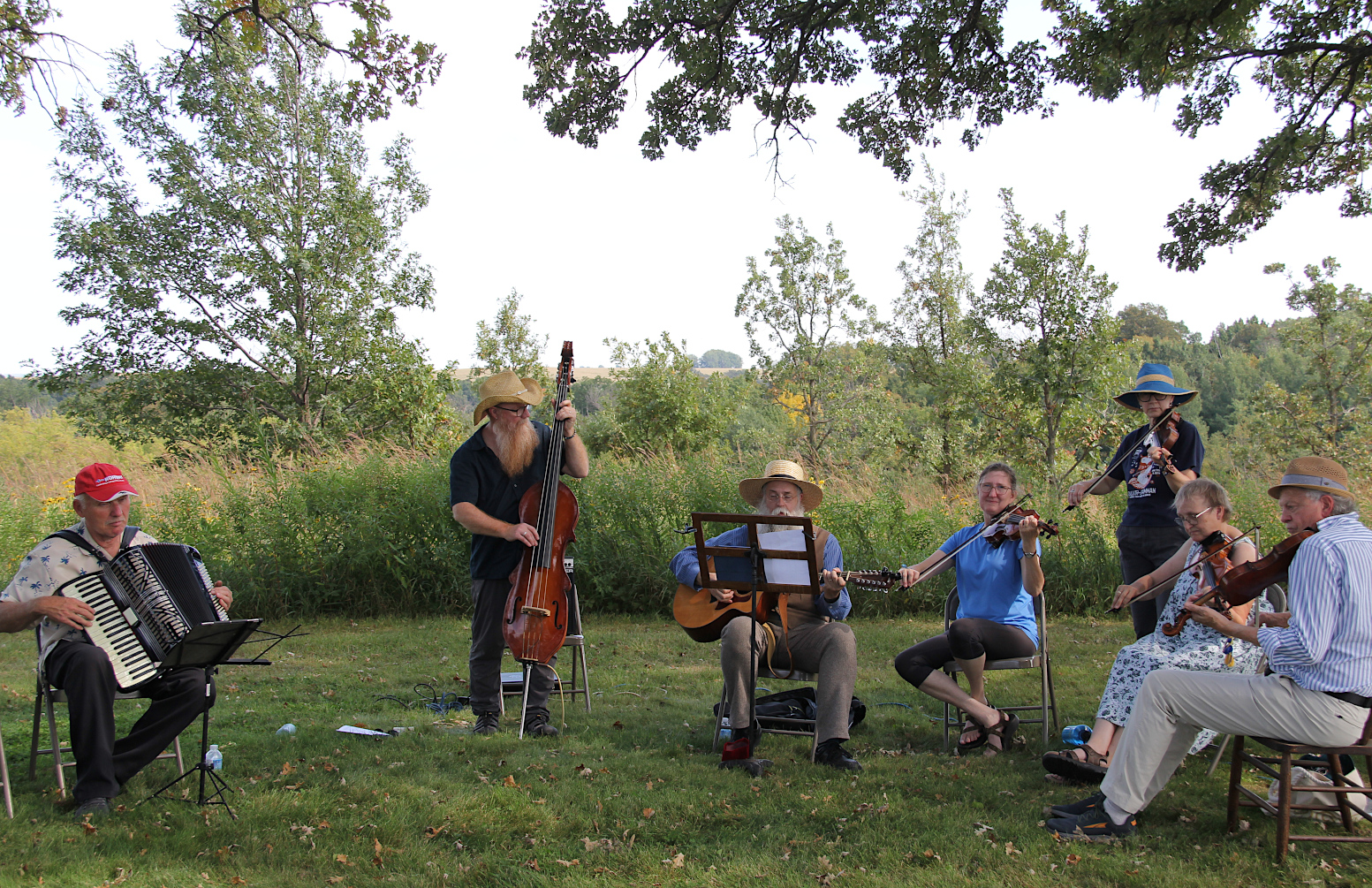
Hutenanny performs under the oaks with a prairie backdrop. (Minnesota Prairie Roots copyrighted photo September 2025)

If the Norwegians and the Germans here in southern Minnesota didn’t always get along—and I expect some didn’t—then no traces of those differences remain. At least not here, not on a Sunday afternoon in September at Valley Grove. This gives me hope. Perhaps the commonalities we share will some day overcome our differences and we will welcome and embrace one another no matter our countries of origin.

A discussion of the book, “Muus vs Muus, The Scandal That Shook Norwegian America,” inside the wooden church. (Minnesota Prairie Roots copyrighted photo September 2025)

Perhaps we ought to visit a place like Valley Grove. Learn a new-old game. Pick up a clutch of marbles. Feel the smooth or pitted orb of a marble in our hand. Bend low to the earth. And touch the dirt.

© Copyright 2025 Audrey Kletscher Helbling


Exploring Minnesota cemeteries, including Valley Grove March 30, 2022

The cemetery at Valley Grove sidles near the two historic Norwegian churches. (Minnesota Prairie Roots copyrighted photo March 2022)

A TIME EXISTED when I avoided cemeteries. I didn’t like the thought of being among the dead. It creeped me out. The thought of bodies beneath the ground. Bones. Nightmarish thoughts fueled by imagination. Long ago I left those dark fears behind, accepting the reality of death. That came with maturity, a deepening of my faith and the deaths of many loved ones.

Art and heritage and faith and lives remembered. (Minnesota Prairie Roots copyrighted photo March 2022)

Today I am drawn to cemeteries, especially rural cemeteries. That includes the hilltop Valley Grove Cemetery in rural Nerstrand.

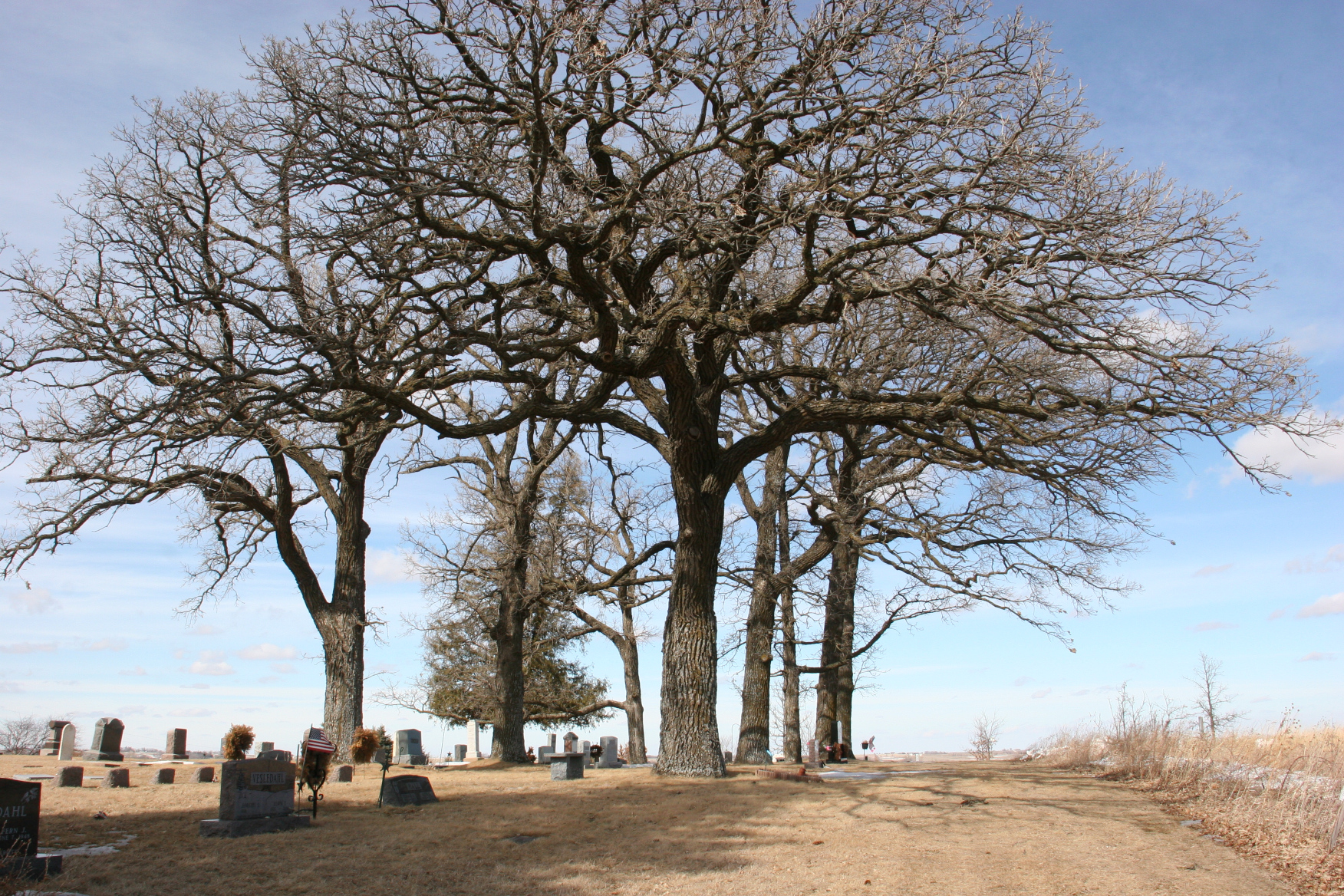
Oaks edge the cemetery and a road along it. (Minnesota Prairie Roots copyrighted photo March 2022)

Graveyards are more than a final resting place, as we so nicely phrase it, for loved ones. Graveyards are also places to grieve and remember. They are also places of history, heritage and art, often sited in the most peaceful of settings. Valley Grove checks off all those items on that place list.

The cemetery surrounds three sides of the 1862 stone church. (Minnesota Prairie Roots copyrighted photo March 2022)

I’ve explored many other country cemeteries, wandering among the tombstones, wondering about the people buried there. Why did they die so young? What were they like? What were their occupations? What made them happy? Who misses them?

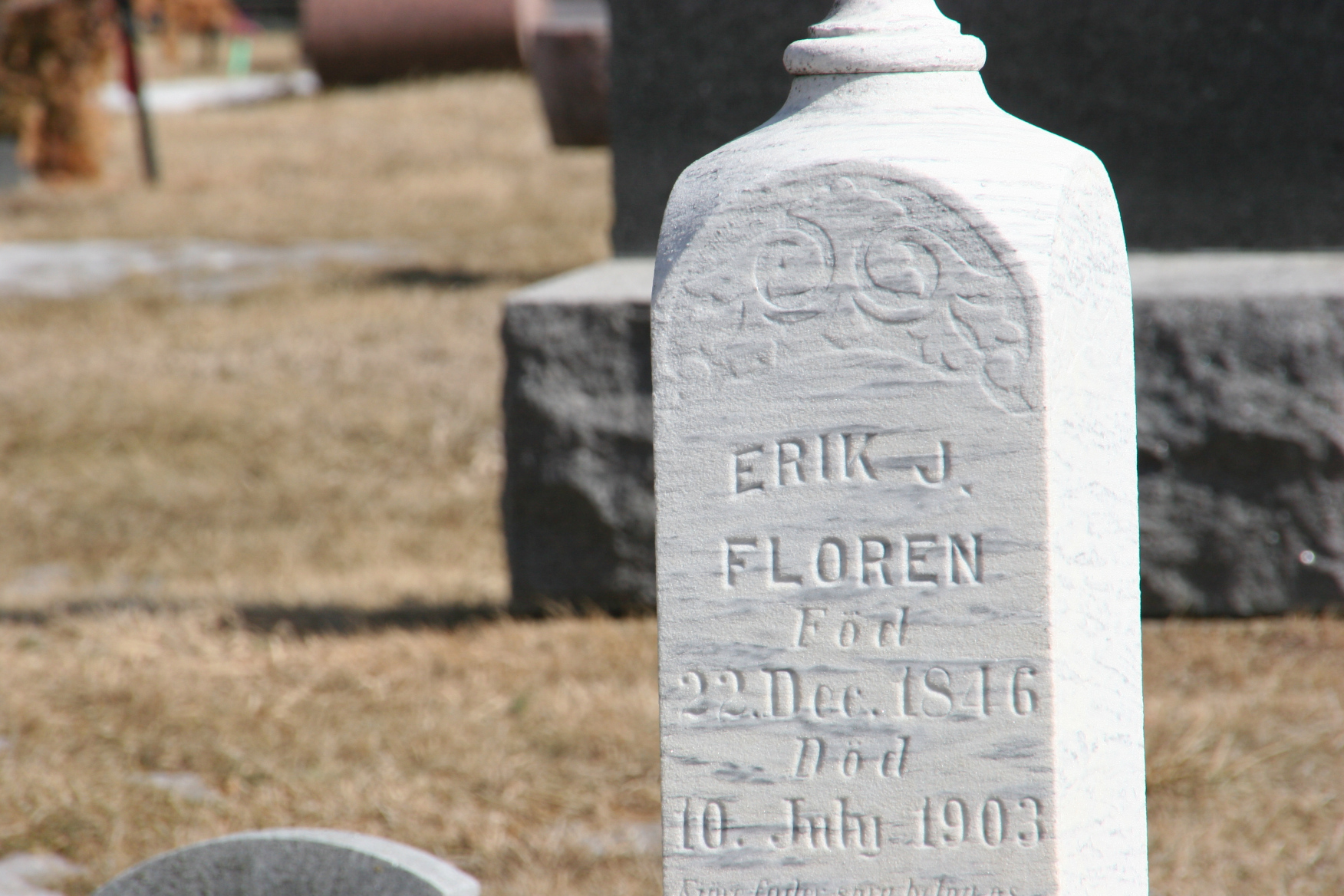
Erik Floren’s tombstone. (Minnesota Prairie Roots copyrighted photo March 2022)
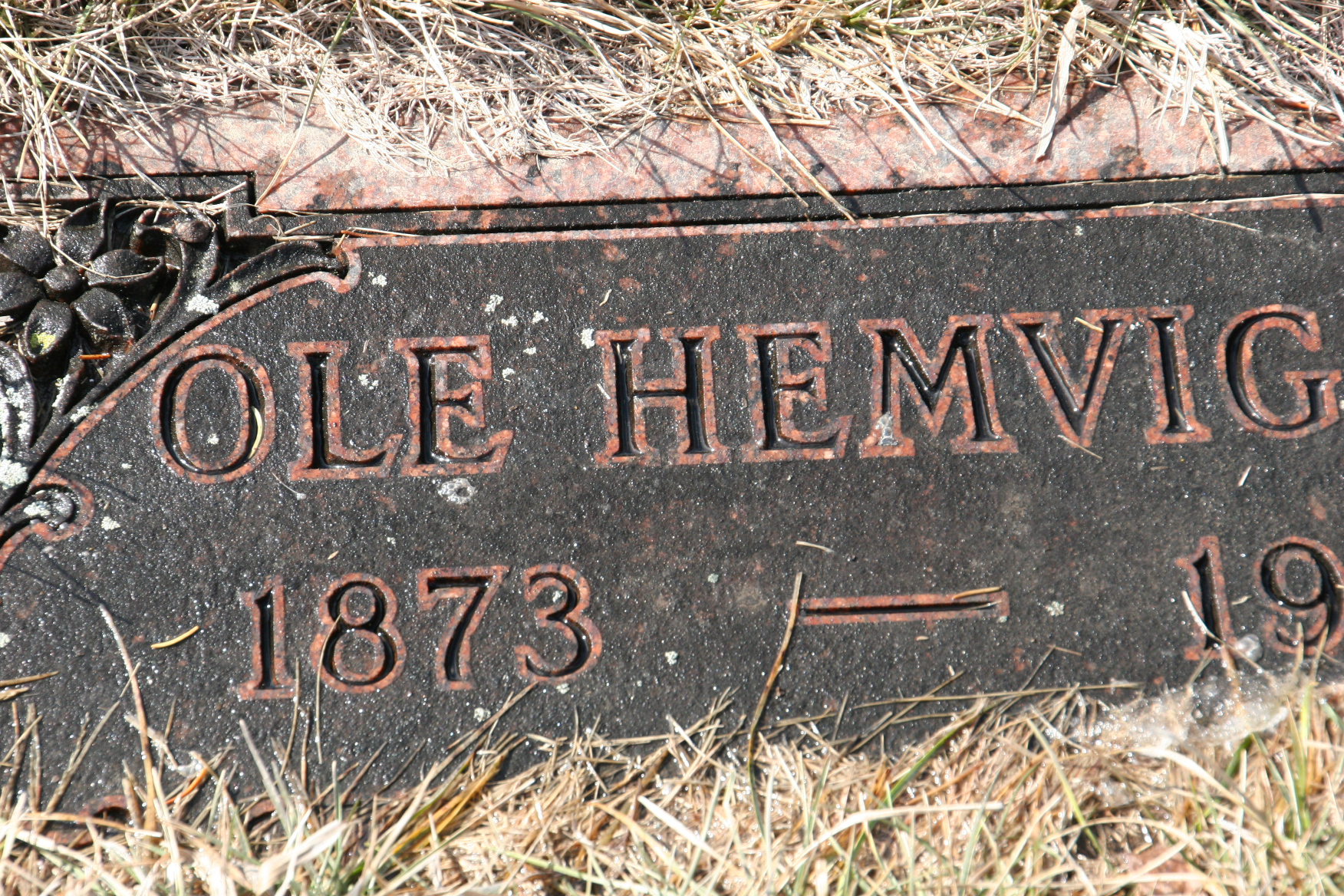
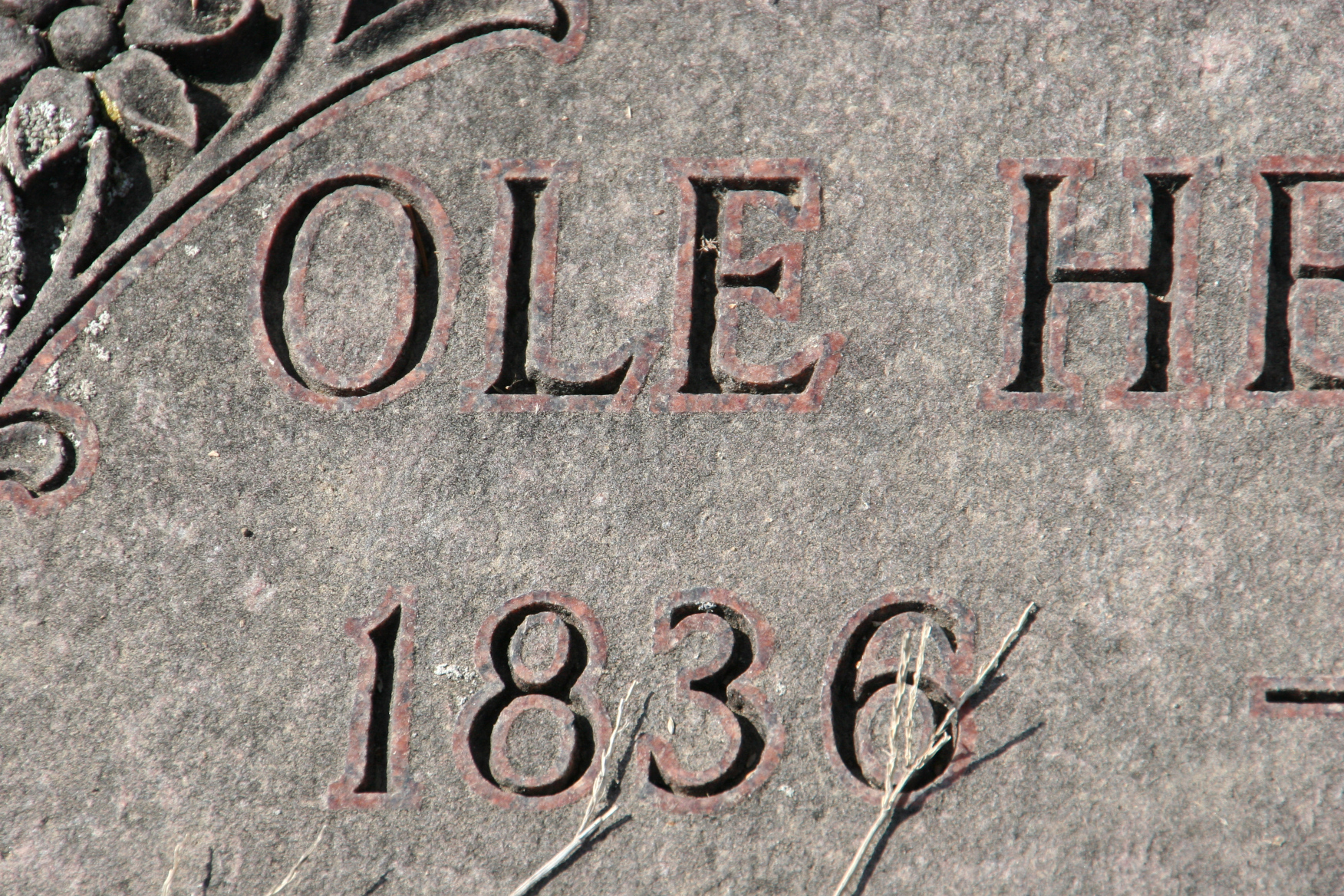
The in-ground marker of Ole Hemvig. (Minnesota Prairie Roots copyrighted photo March 2022)
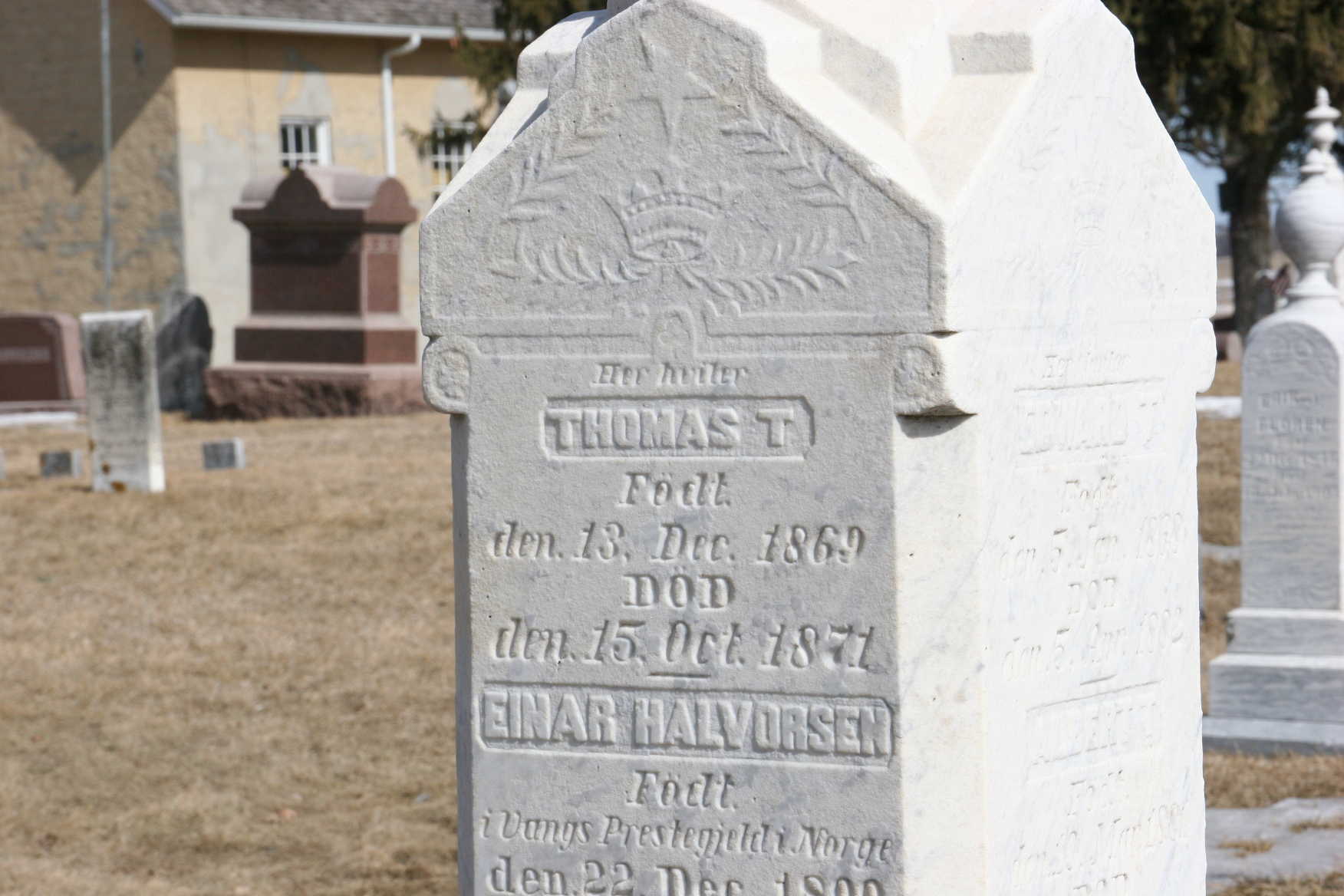
Honoring Thomas and Einar Halvorsen. (Minnesota Prairie Roots copyrighted file photo March 2022)

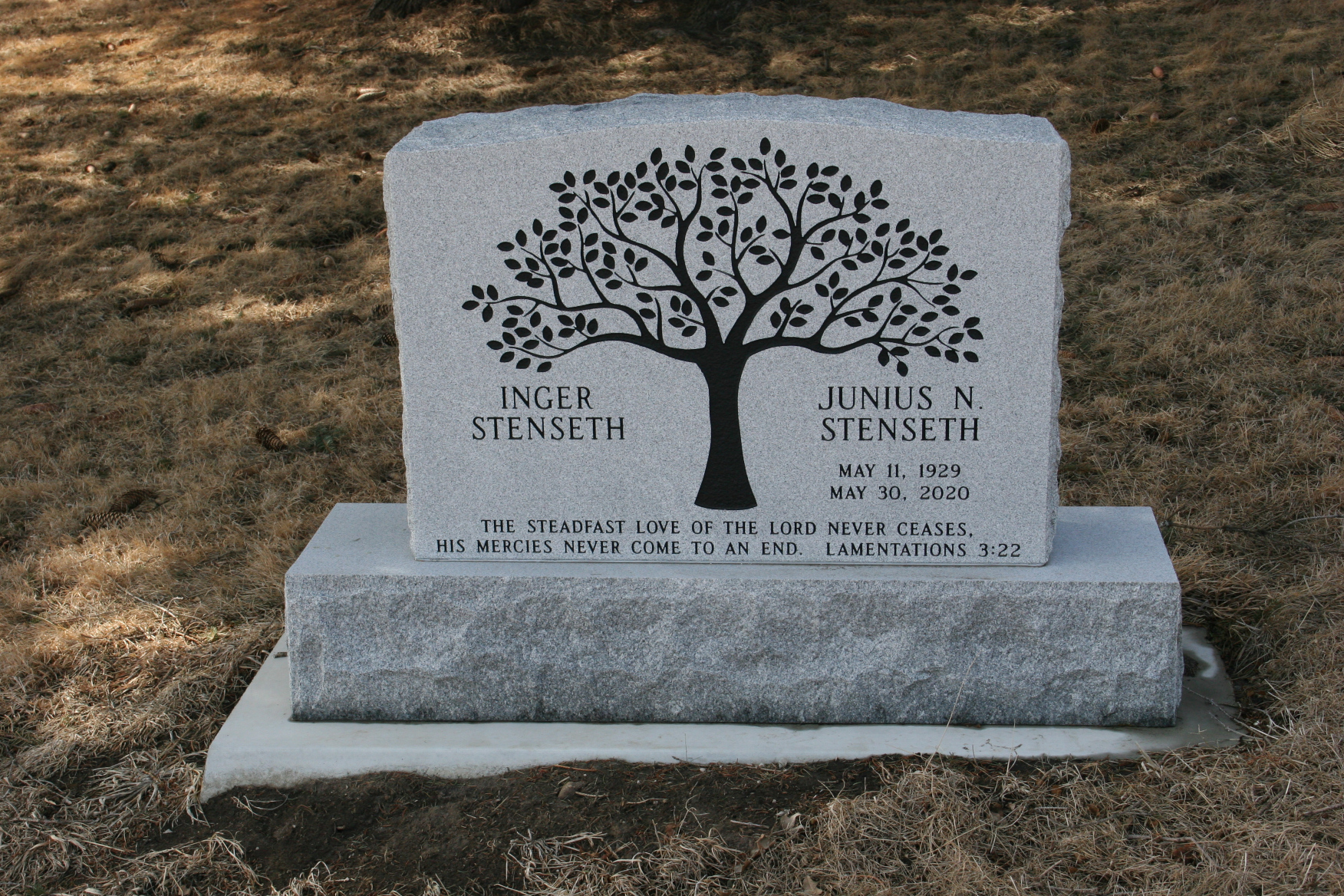
Tombstone engravings reveal bits and pieces of life stories. Sometimes of heritage. At Valley Grove, many names reference a Norwegian heritage. Ole. Erik. Einar. Inger. Junius. I doubt I’ve ever found so many “Oles” buried in a Minnesota cemetery. That’s not unexpected given the Norwegian immigrants who settled here and built the two churches which still stand. Older stone inscriptions are sometimes written in the Mother Tongue. German I can occasionally decipher. Norwegian, not.

On Clyde Heggedahl’s tombstone. (Minnesota Prairie Roots copyrighted photo March 2022)

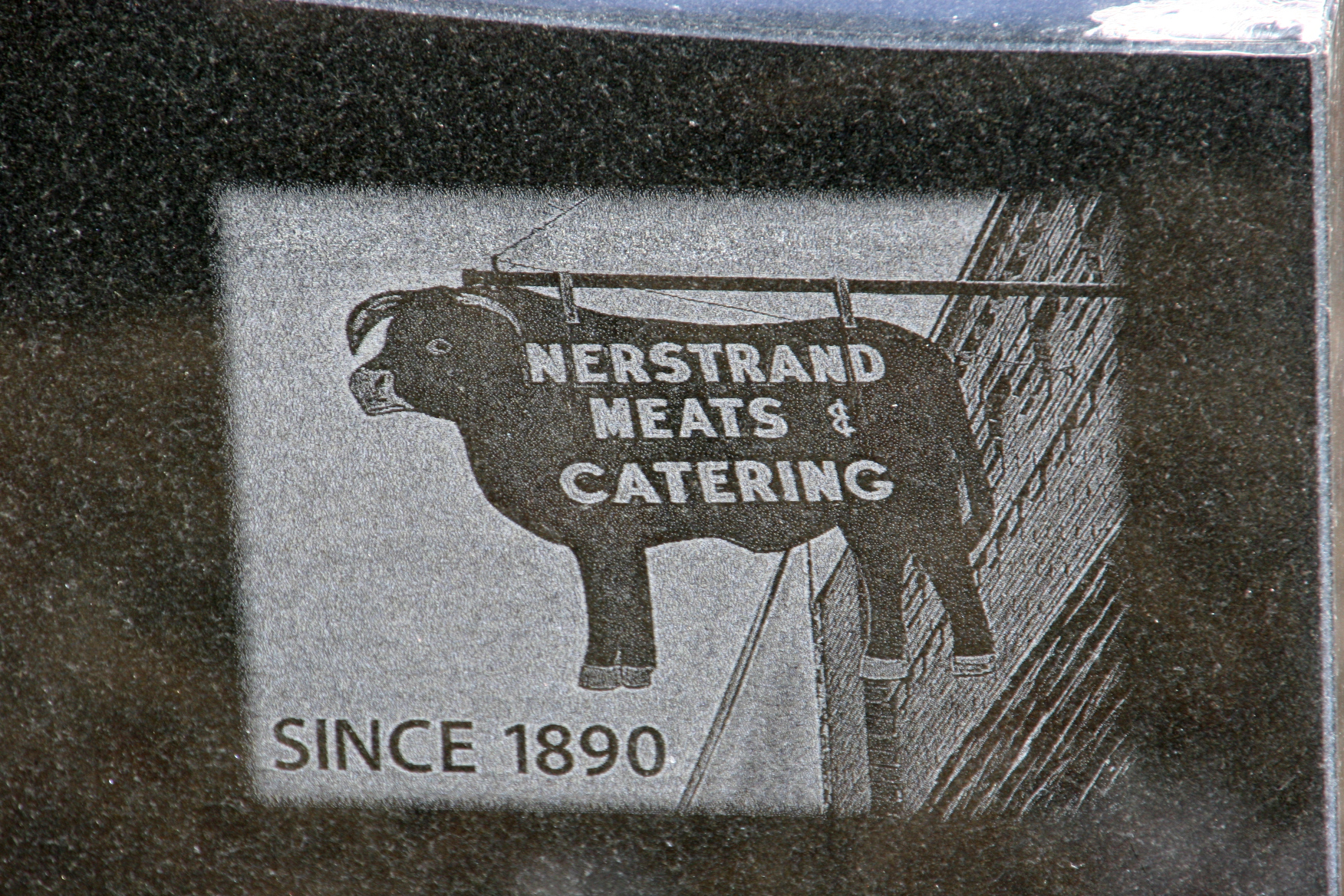
Through the years, the art of grave markers has evolved to more elaborate artwork that tells a story. For example, at Valley Grove an image of Nerstrand Meats & Catering decorates the stone of Clyde Heggedahl of that long-standing business co-owned with his wife, Mary. He died in 2016. At the meat market.

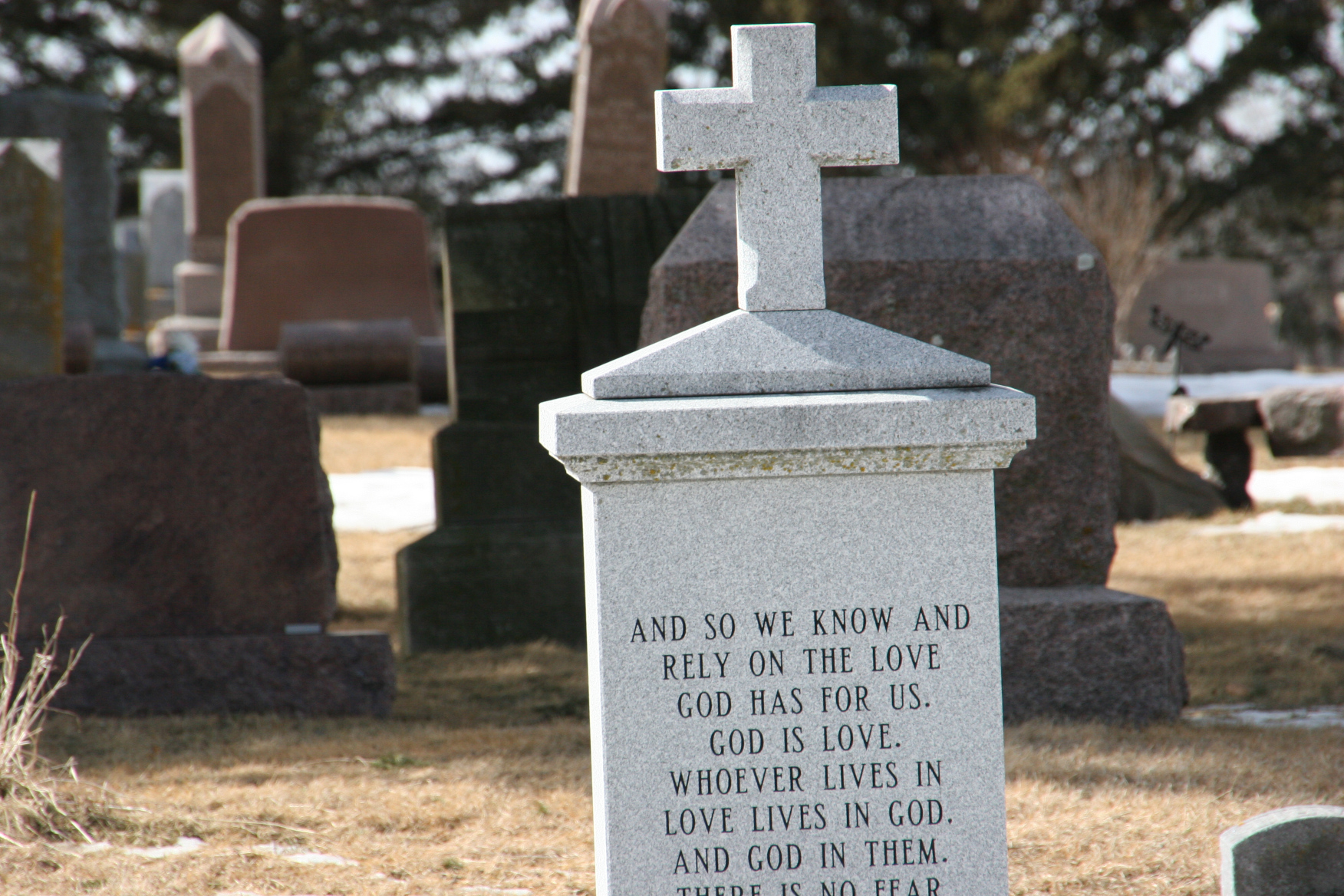
A faith and love-filled message. (Minnesota Prairie Roots copyrighted photo March 2022)

Bible verses and inspirational messages grace gravestones, too, offering insights and comfort. Sharing hope and faith. Love.

A special marker for a veteran’s grave. (Minnesota Prairie Roots copyrighted photo March 2022)

I often pause at burial spots marked by military markers. As the daughter of a Korean War veteran, I hold honor in my heart for those who have served. I recognize the sacrifices, whether given through death on the battlefield or the life-long challenges faced by too many of our veterans. That included my father, who died in 2003. Dad received his purple heart 47 years after he was wounded in Korea. War forever wounded his spirit; he battled Post Traumatic Stress Disorder. I am thankful veterans’ graves are flagged with honor.

The old stone church and cemetery at Valley Grove. (Minnesota Prairie Roots copyrighted photo March 2022)

There’s simply lots to observe and contemplate while meandering among tombstones. I always do so with respect, for these grounds feel almost sacred. At Valley Grove, a certain serenity envelopes me in this peaceful hilltop setting among oaks and prairie.

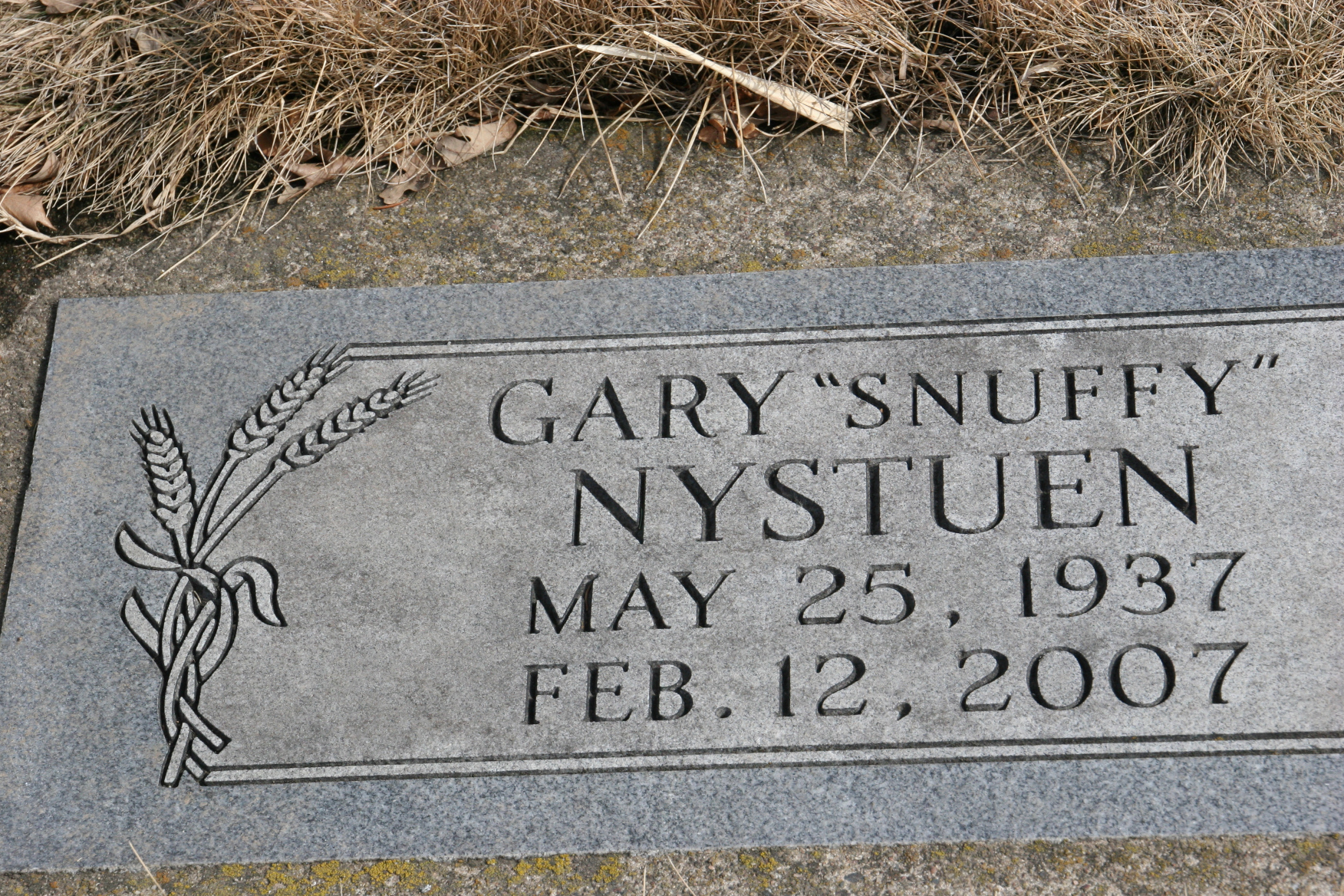
What’s the story behind the “Snuffy” nickname? (Minnesota Prairie Roots copyrighted photo March 2022)

Although those buried here were unknown to me in life, I’ve come to know them a bit in death. The countless “Oles.” The young and the old. They were all cherished. Loved. Part of the family of humanity. They mattered. And their stories matter.

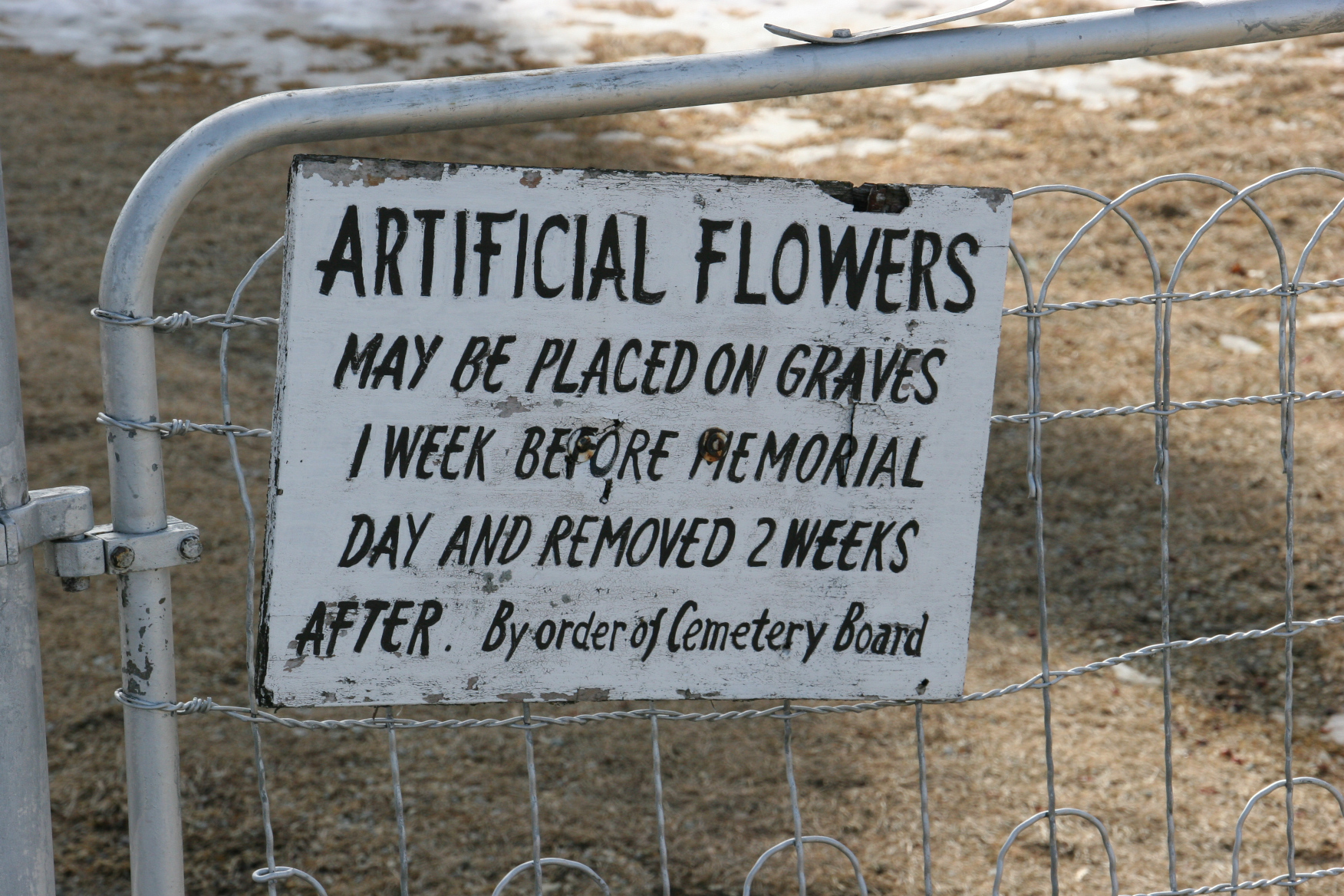
Posted on the gated entry to Valley Grove. (Minnesota Prairie Roots copyrighted photo March 2022)

TELL ME: Do you explore cemeteries and, if you do, why?

© Copyright 2022 Audrey Kletscher Helbling


Whispers of history & heritage at Valley Grove March 29, 2022

Valley Grove churches rise over the hill as I follow the prairie path back to the church grounds. (Minnesota Prairie Roots copyrighted photo March 2022)

ATOP THIS HILL, here on the edge of the Big Woods among acres of fields near Nerstrand, I hear the whispers. Wrapping around the two historic churches. Rising from the cemetery. Sweeping through the tall prairie grasses.

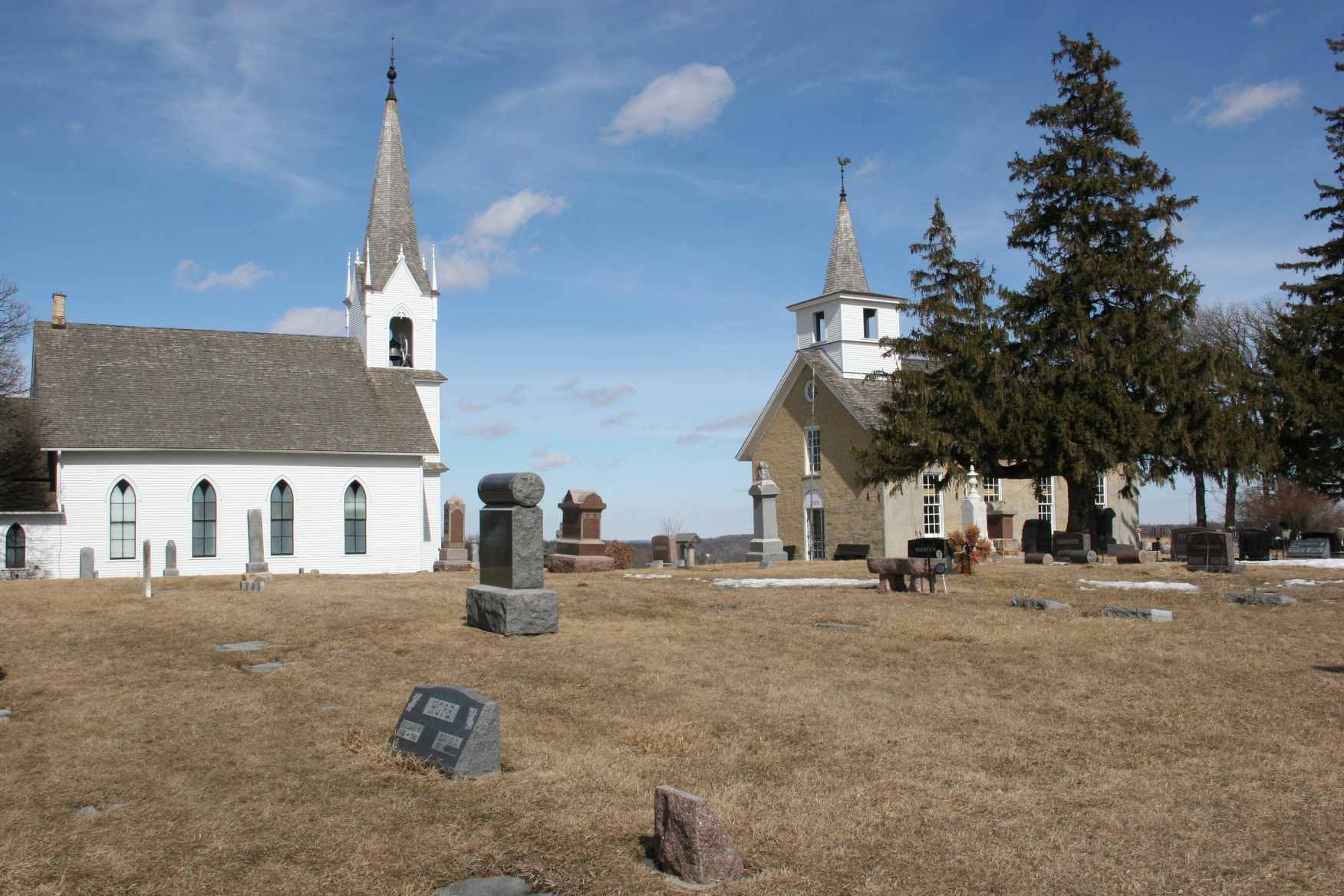
The cemetery sits next to the churches, then rings the old stone church. (Minnesota Prairie Roots copyrighted photo March 2022)

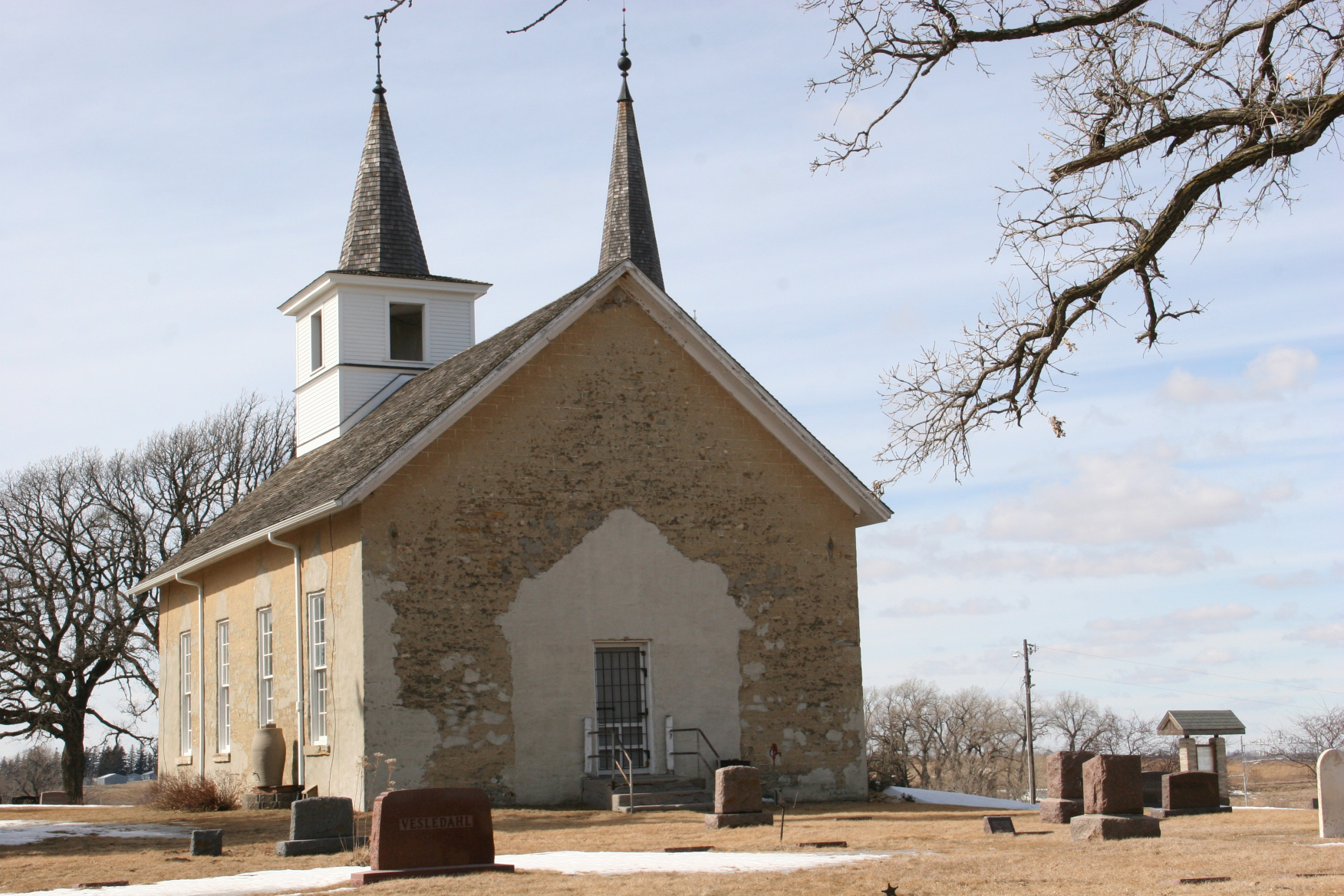
This is Valley Grove, overlooking the countryside, the place where Norwegian immigrants came. Here they crafted their first church from stone in 1862, then built a second, of wood, in 1894. Both still stand.

The Valley Grove Preservation Society cares about the land, too, with restoration and preservation. (Minnesota Prairie Roots copyrighted photo March 2022)
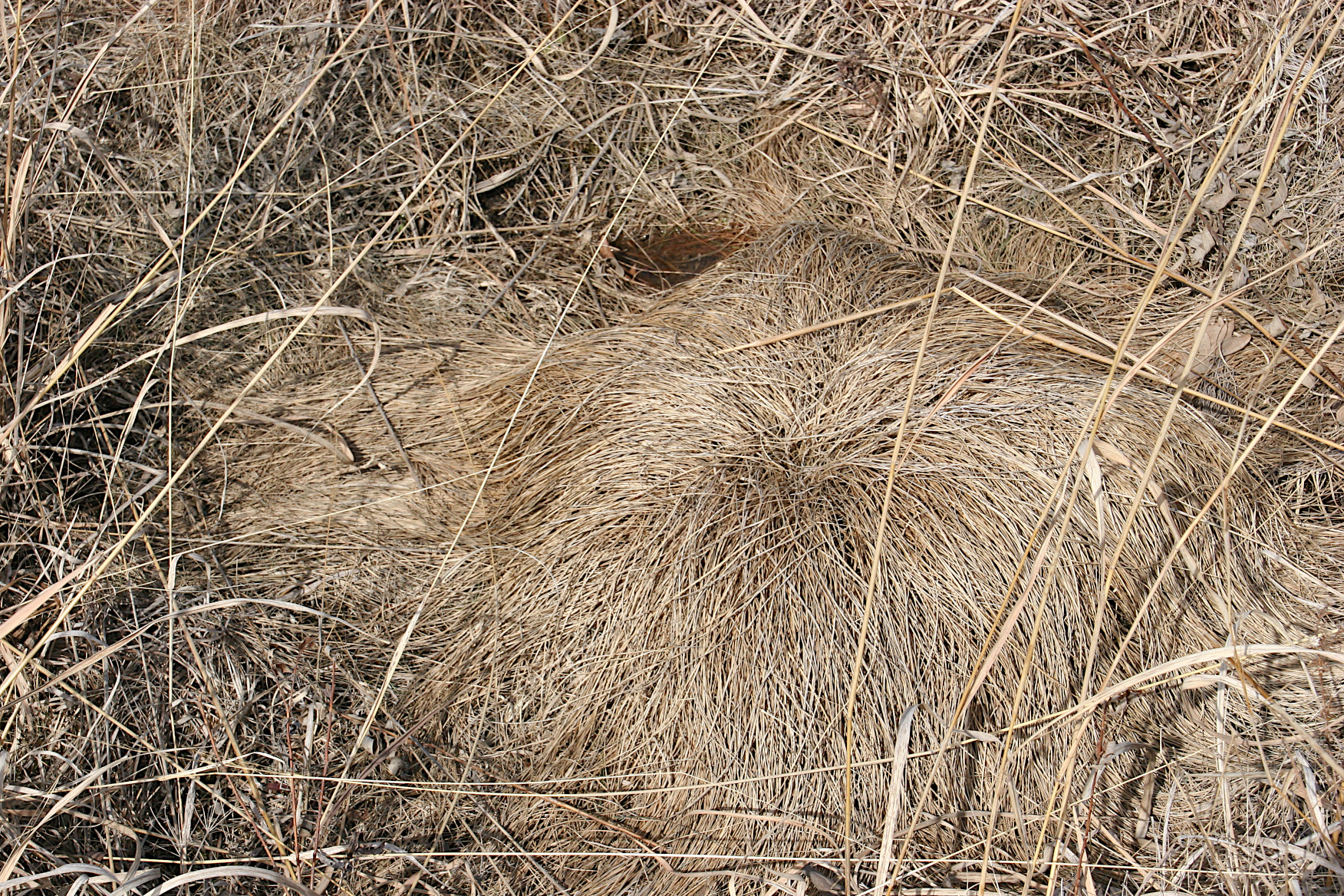
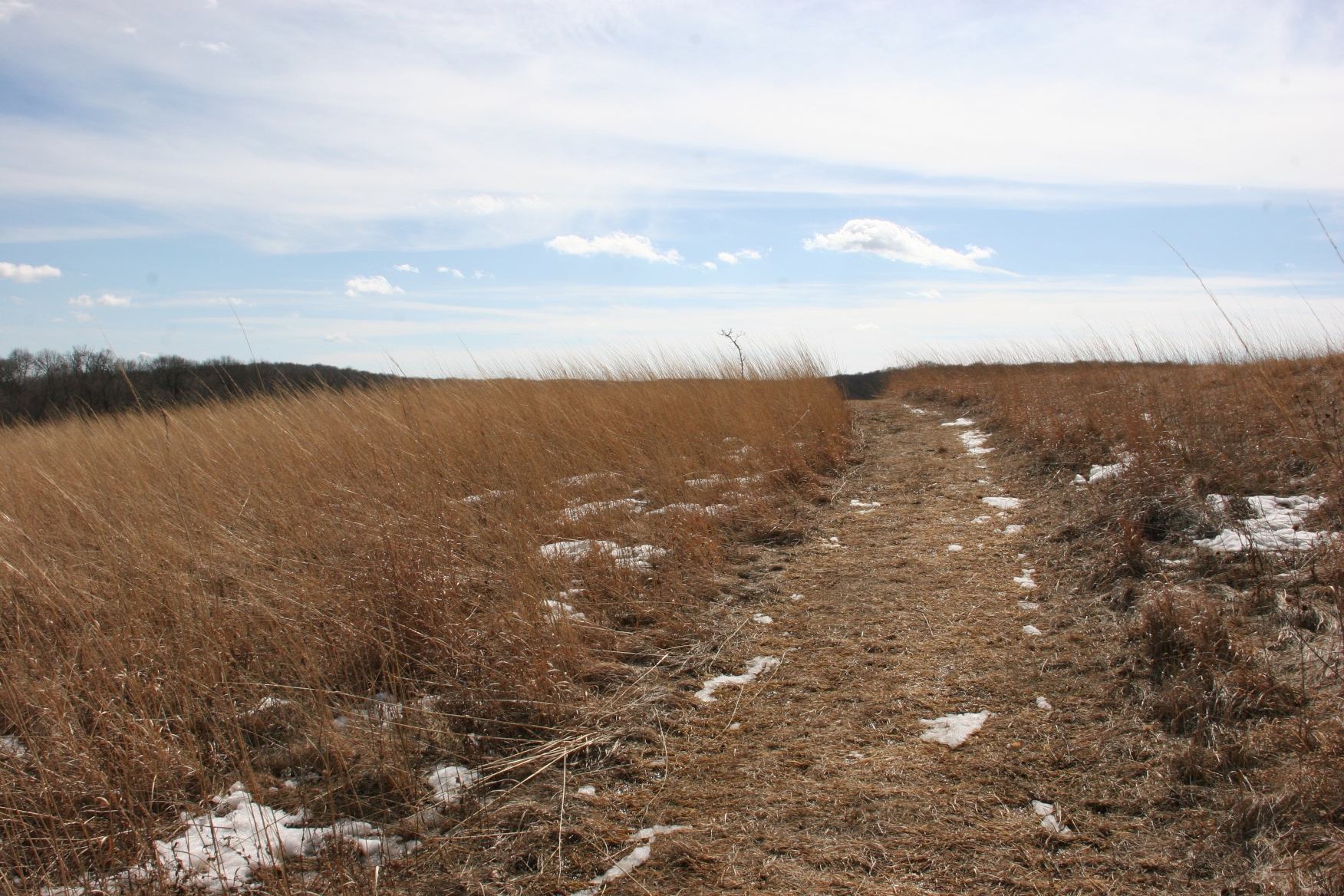
I spotted swirls of prairie grass alongside a trail. (Minnesota Prairie Roots copyrighted photo March 2022)
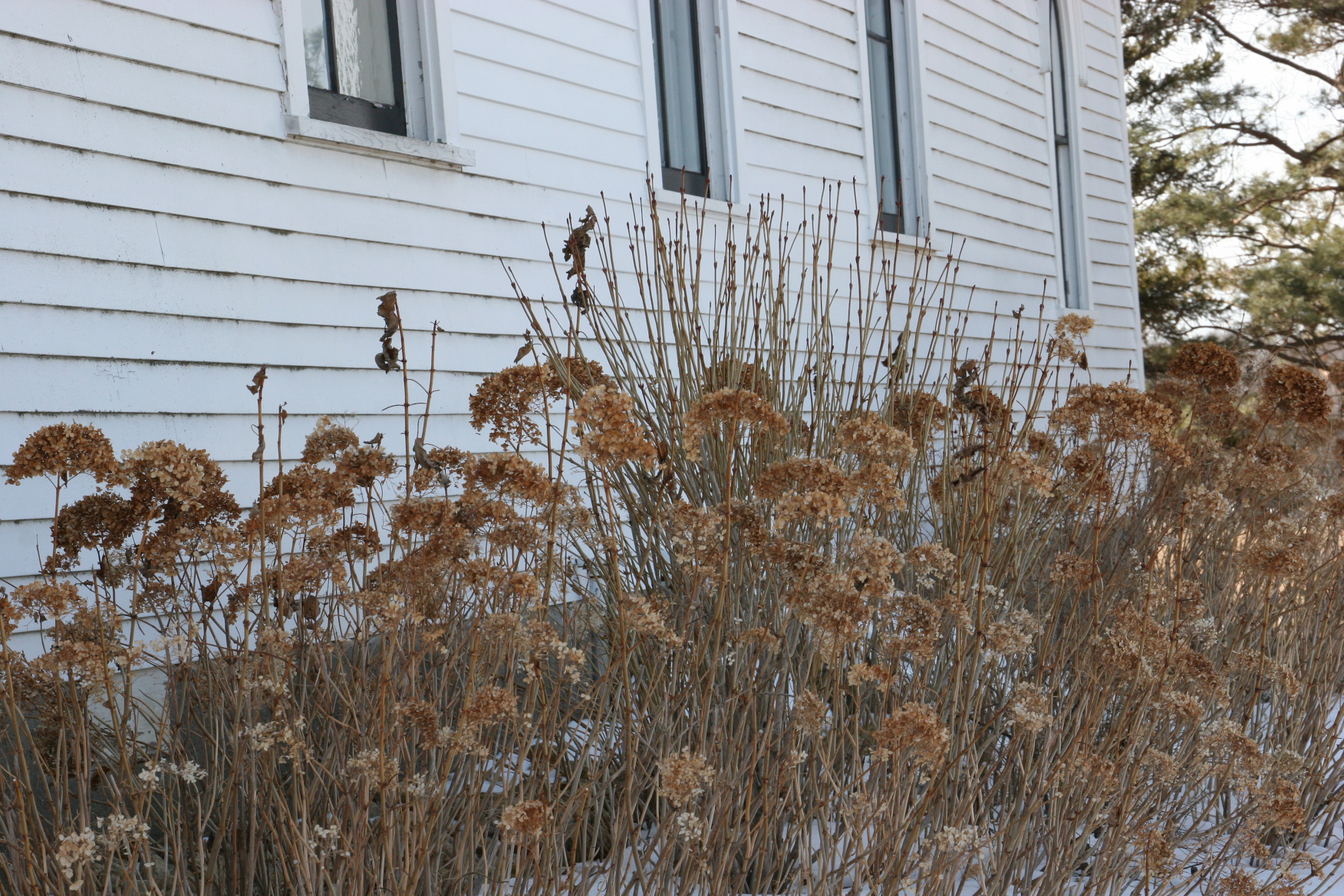
Dried hydrangea alongside the wooden church. (Minnesota Prairie Roots copyrighted photo March 2022)

The churches, cemetery and surrounding 50 acres are today owned, preserved and managed by the Valley Grove Preservation Society. They are a favorite nearby rural destination for me. I appreciate the natural beauty, the history, the country quiet and more. Even the wind.

A view from the parking lot, outside the fenced grounds. (Minnesota Prairie Roots copyrighted photo March 2022)

On a recent March Sunday afternoon I walked the prairie paths, wound among aged tombstones, admired the sturdy churches. And while I’ve wandered these grounds many times and attended community celebrations inside and outside the church buildings, each visit brings new discoveries and reminders of why I love this place so much.

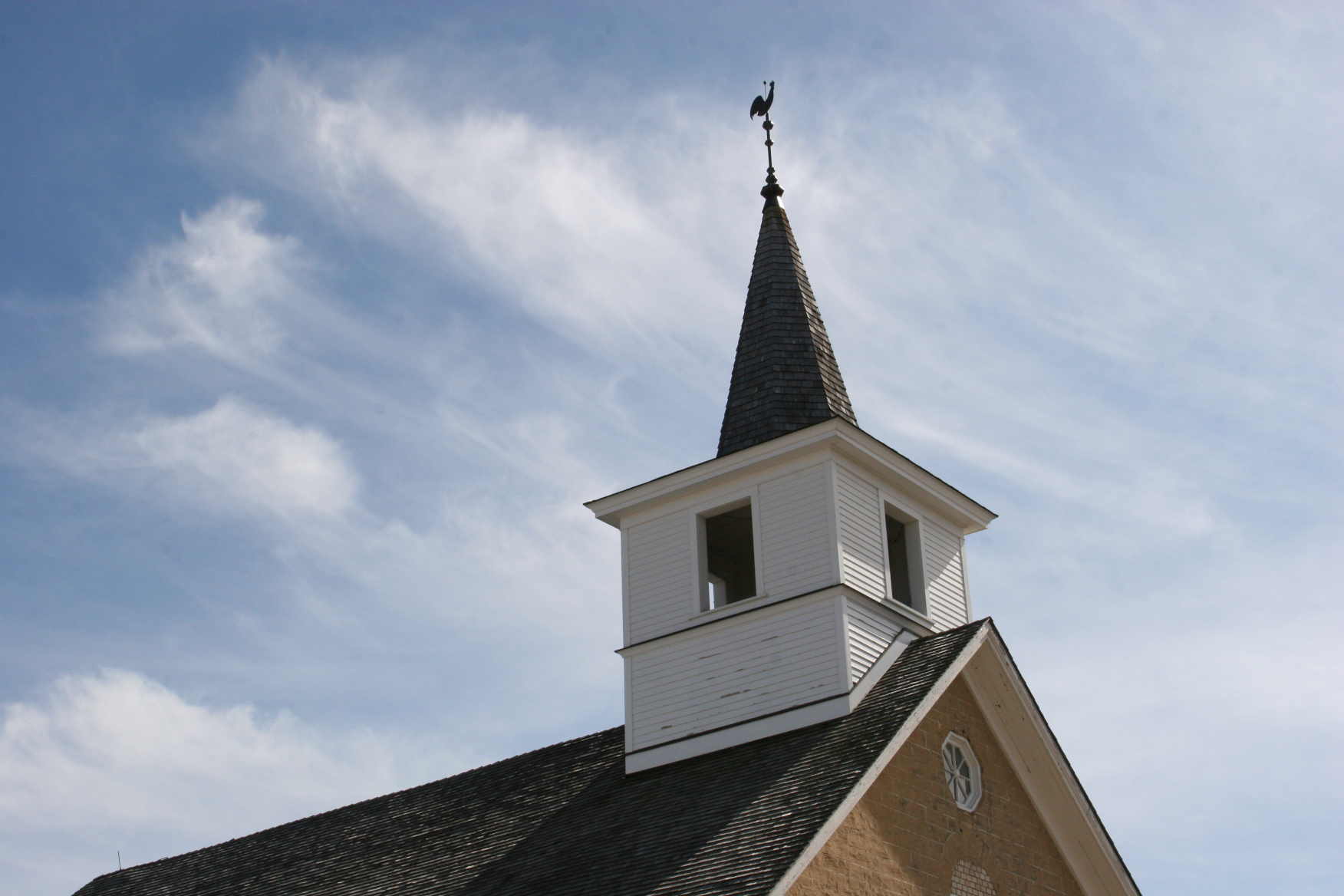
Atop the steeple of the old stone church. (Minnesota Prairie Roots copyrighted photo March 2022)

I value the rural-ness. On this afternoon, the shrill crow of a rooster, the sharp crack of gunshots and the barks of two dogs running loose broke the silence. In the context of location, the sounds fit. Not that I like gunshots echoing or strange canines circling me. But they did no harm as I continued along the stomped, sometimes soggy grass trail back toward the Valley Grove Cemetery and churches.

Land and sky define the prairie path. (Minnesota Prairie Roots copyrighted photo March 2022)

When following the prairie paths under a wide sky, I hear whispers of the past. Of wheels creaking under the weight of wagons crammed with an immigrant family’s belongings. Of a young mother bent over her baby, singing a soothing song from the Old Country. Of a weary farmer sighing after a long day of breaking the land.

The roofline and steeple of the simple 1862 stone church rise above the rural landscape. (Minnesota Prairie Roots copyrighted photo March 2022)

If this place could speak, it would whisper the stories of all those Norwegian immigrants who settled in and around Valley Grove and then gathered on this hilltop location to worship, socialize, celebrate, mourn.

The 1894 church closeup. (Minnesota Prairie Roots copyrighted photo March 2022)
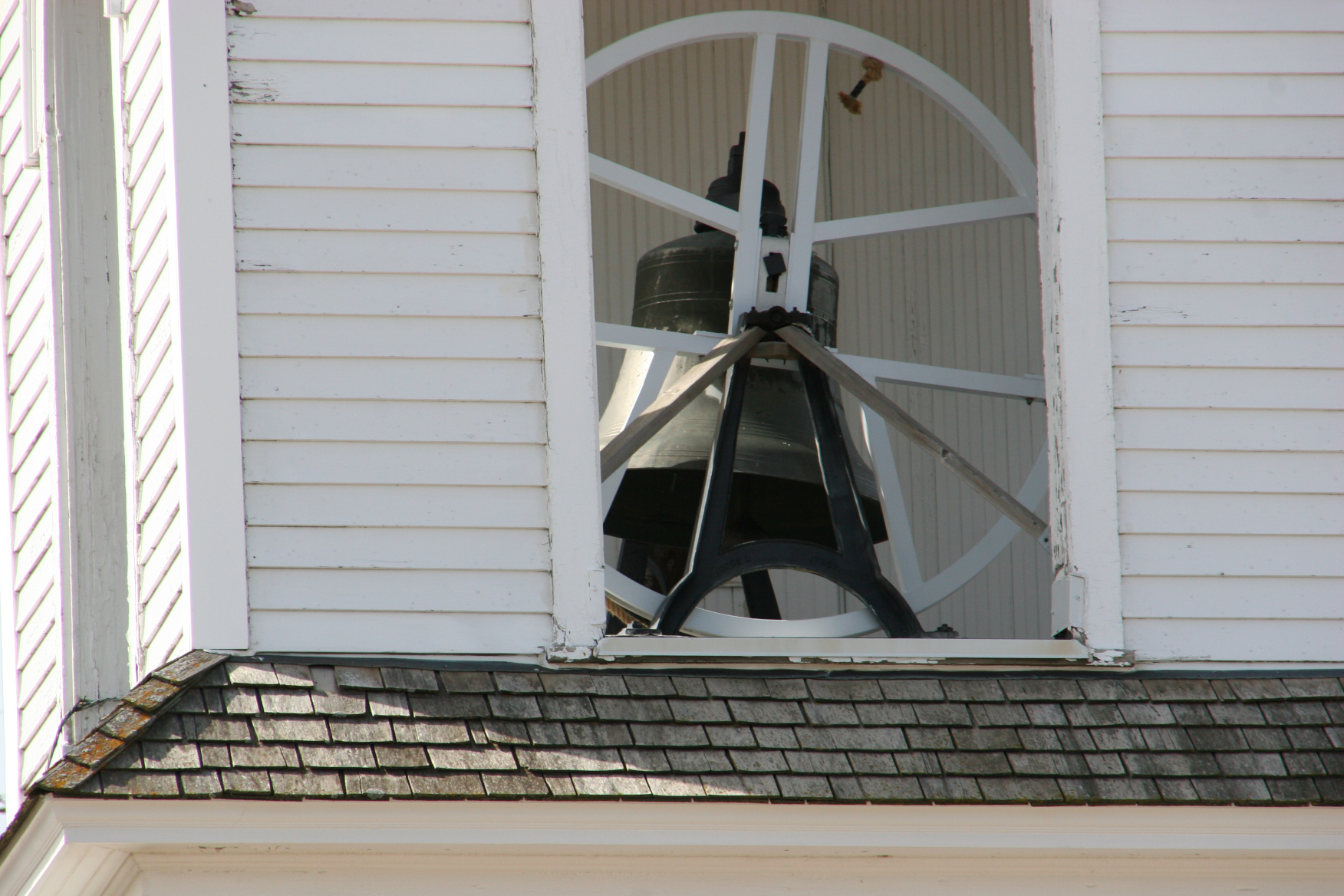
The bell in the wooden church still rings for special occasions. (Minnesota Prairie Roots copyrighted photo March 2022)

On this winter day, the church doors are locked. But I’ve been inside both buildings. They are basic. Simple. Mostly unadorned. The wooden church is still used today for special worship services like weddings. The old stone church serves primarily as a social gathering room. Both are well preserved. Valued.

In the foreground, the back of the old stone church, which sits near the wooden church. (Minnesota Prairie Roots copyrighted photo March 2022)

Soon four tapestries, woven in the Norwegian billedvev tradition, will grace the walls of the stone church. Minneapolis weaver Robbie LaFleur was commissioned by the Valley Grove Preservation Society to create the art. It features the plants, animals, land, immigrants and churches of Valley Grove. A grant from the National Fund for Sacred Places funded the project. LaFleur’s tapestries will be showcased during a Syttende Mail celebration from 2-4 pm Sunday, May 15.

One of many Oles buried at Valley Grove. (Minnesota Prairie Roots copyrighted photo March 2022)

Much art already exists at Valley Grove, within the cemetery. I consider tombstones to be works of art, documentations of lives. The stone markers are many, from aged to recent. Names engraved thereon reflect the primarily Norwegian heritage. Ole. Erik. Einar. Inger. If these tombstones among the oaks could speak, oh, the stories they would tell. Of life in the Old Country. And of life in the New World, of this place, this Valley Grove.

FYI: Please check back for a post about the Valley Grove Cemetery.

© Copyright 2022 Audrey Kletscher Helbling


Celebrating heritage & history at the Valley Grove churches September 18, 2018

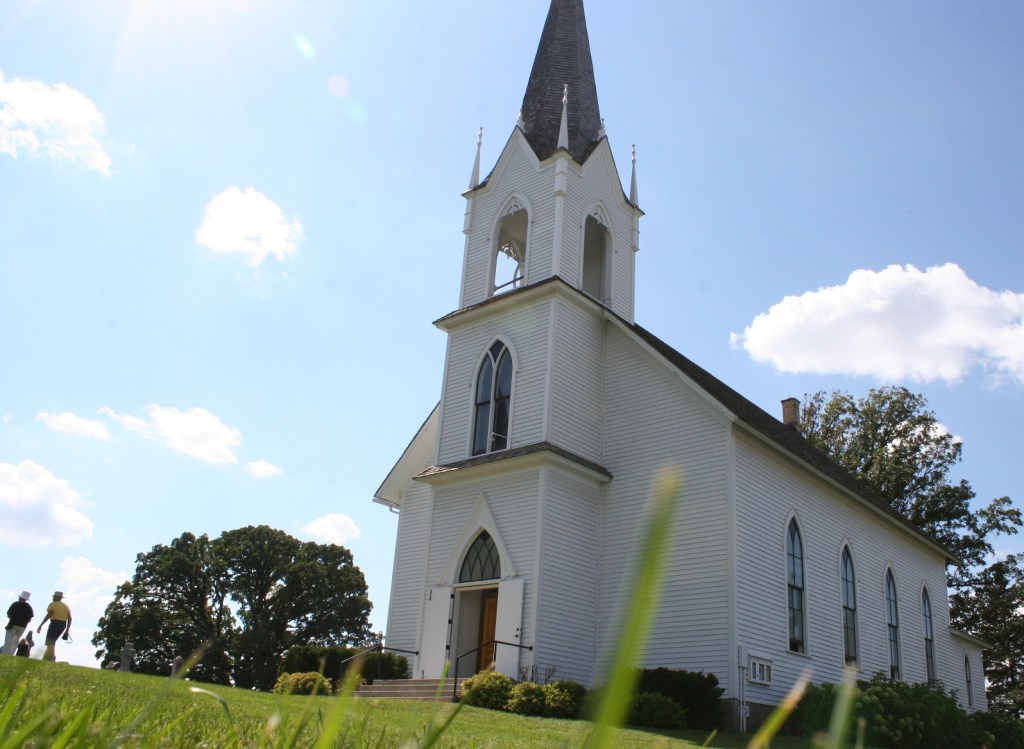
I propped my camera on the grass and tilted it up to snap this photo of the 1894 Valley Grove church, rural Nerstrand, Minnesota.


MID-SEPTEMBER AIR HUNG HEAVY with humidity, more summer-like than autumn on this Sunday afternoon at two country churches in southeastern Minnesota.
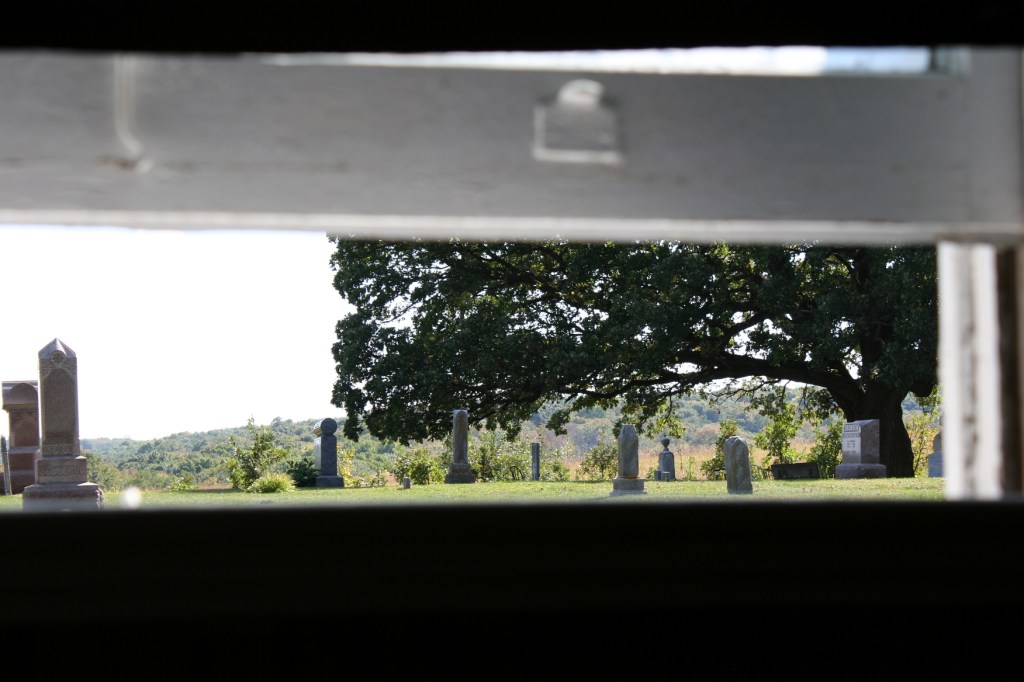
 

A view of a section of the Valley Grove cemetery through a partially open window in the wood-frame church.


But, inside the sanctuary, Randy and I sat near a window cracked open to the cemetery, wind fanning a breeze, and at one time a wasp.


Duo churches grace the hilltop, the clapboard church replacing the original stone church for worship.
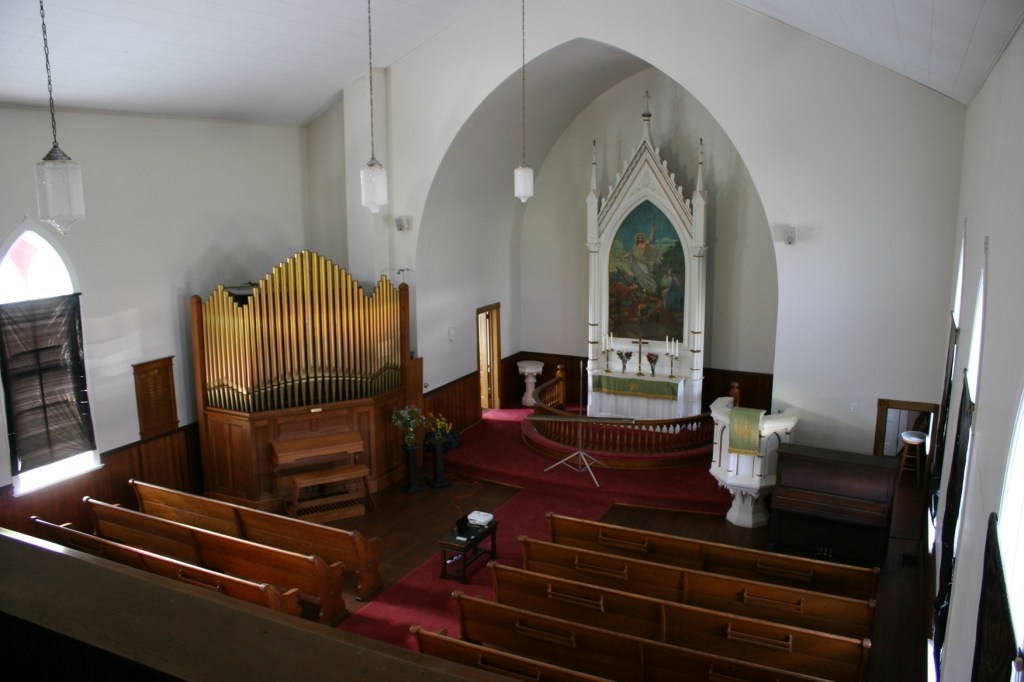
 

Inside the 1894 church with Doug Ohman’s equipment set up for his talk about country churches.
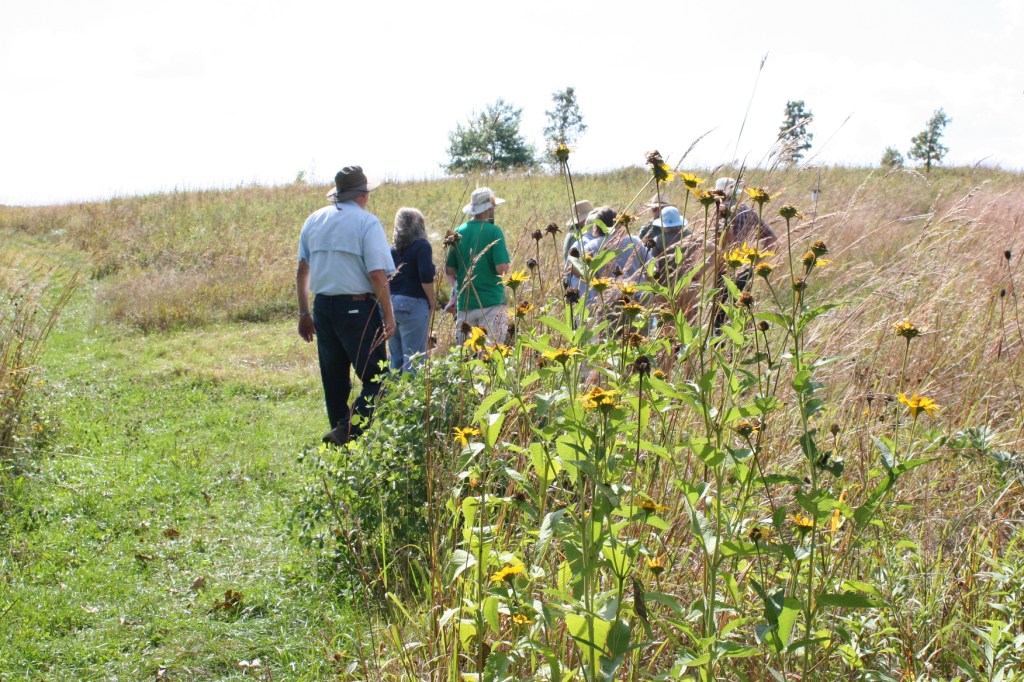
 

Visitors take a guided walk of the restored prairie.


I shifted, trying to find comfort on the hard wooden pew inside the 1894 church at Valley Grove, one of two built on a hilltop offering sweeping views of the countryside, Nerstrand Big Woods State Park next door and the small town of Nerstrand just miles to the southeast. Both church buildings remain, preserved, sanctuary doors opening to one another across a short swatch of lawn.
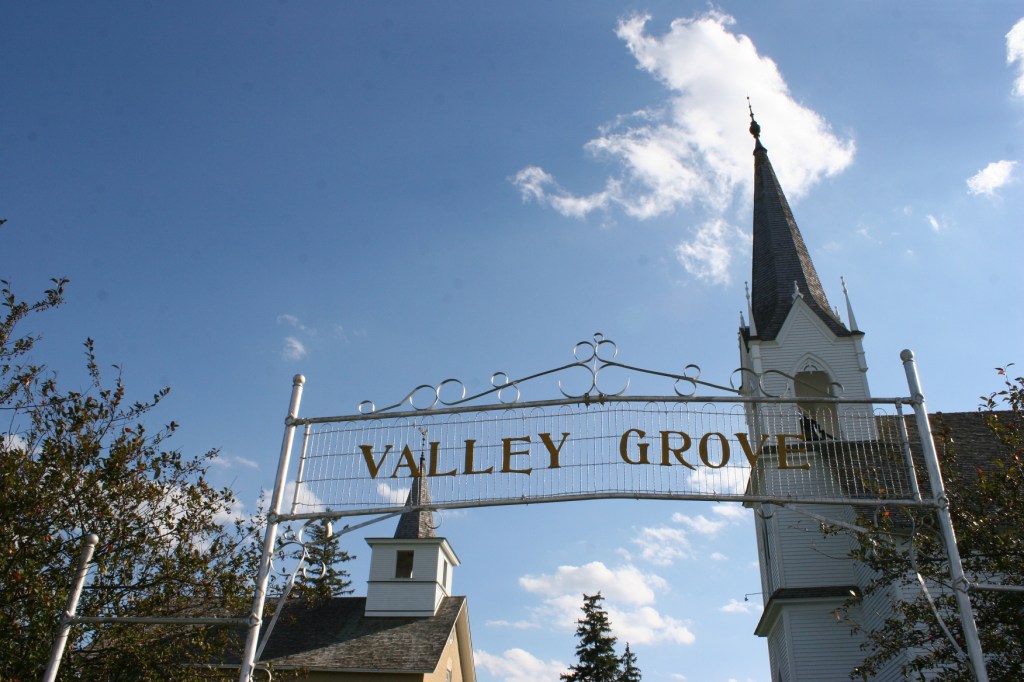
 

The arched entry gate to the church and cemetery grounds.
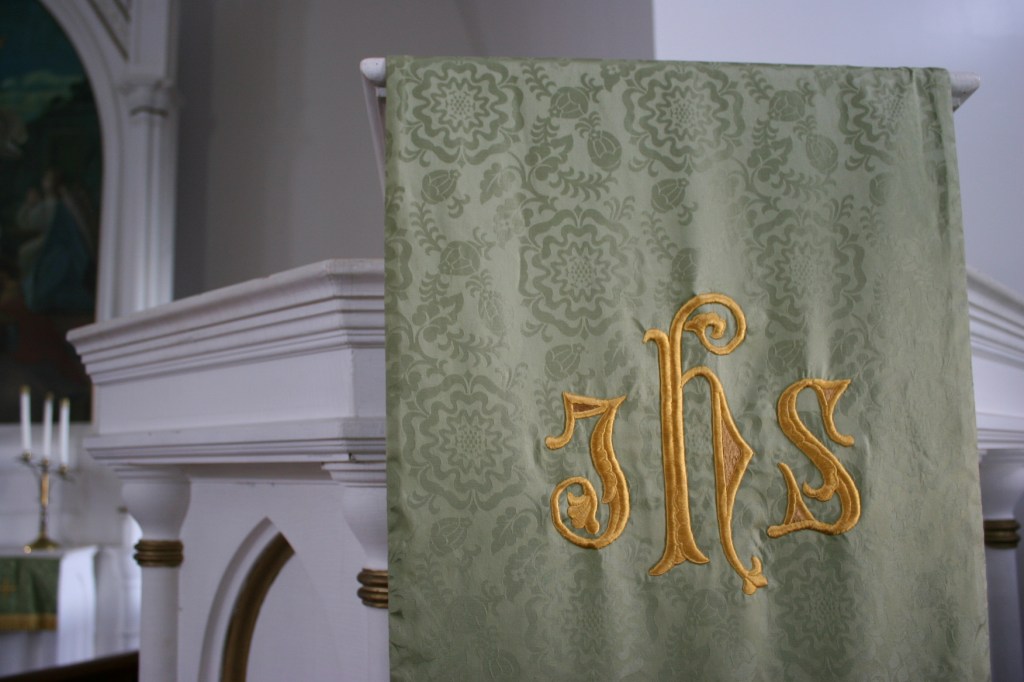
 

Imagine how many preachers preached from this pulpit. Ohman ended his talk with a short “sermon” advising us to view people and situations from the inside rather than the outside. He used a visual–that of a stained glass window appearing unimpressive from the outside but beautiful when seen from the inside.
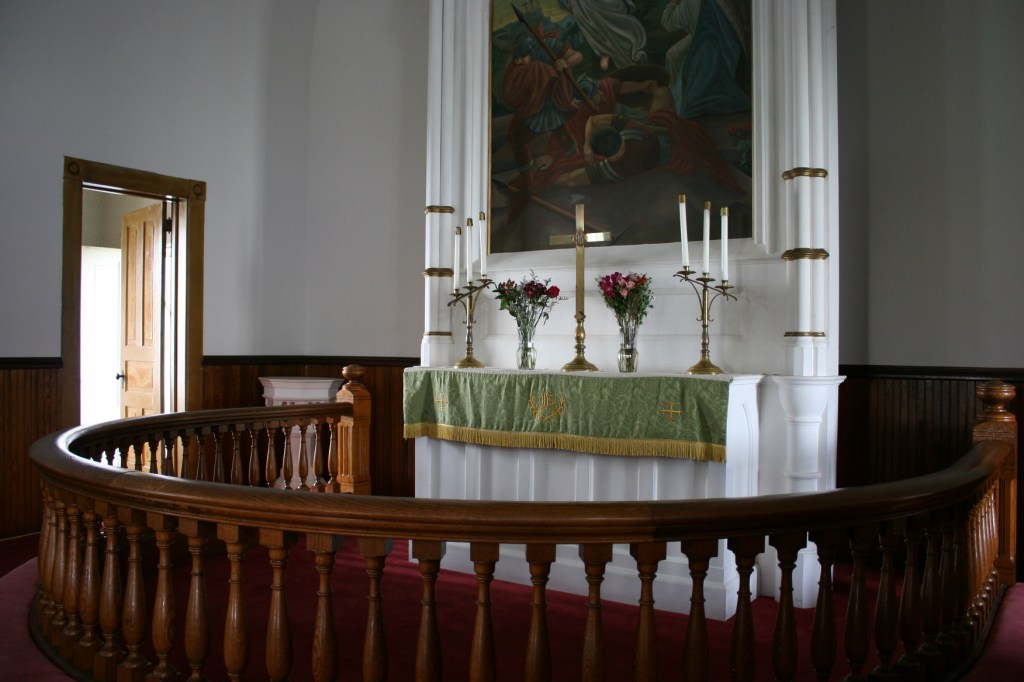
 

Altar details hold history.


We joined others here for the Valley Grove Country Social, an annual autumn event that celebrates this place. On this day, noted Minnesota photographer Doug Ohman blessed us with his storytelling and photo presentation on selected historic churches of Minnesota. “Valley Grove,” he said, “is one of my favorite spots in all of Minnesota. You can feel the history.”
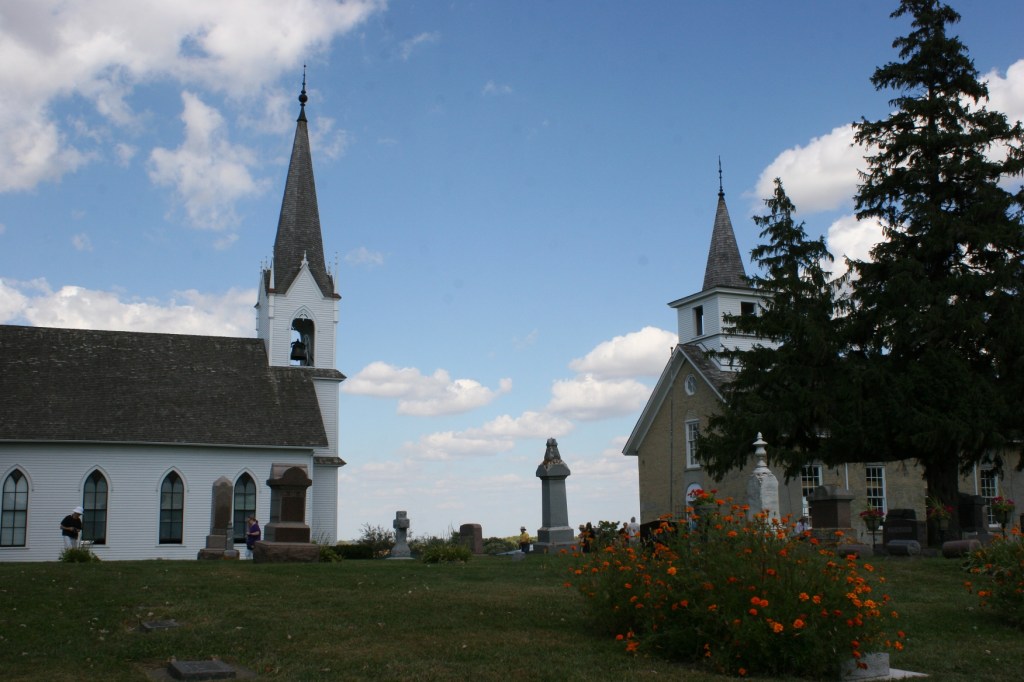
 

The Valley Grove churches and cemetery.


And that’s saying something. Ohman has photographed 3,000 plus Minnesota churches, many featured in his book Churches of Minnesota published by the Minnesota Historical Society Press as part of the Minnesota Byway series that also covers barns, courthouses, schoolhouses, cabins and libraries.
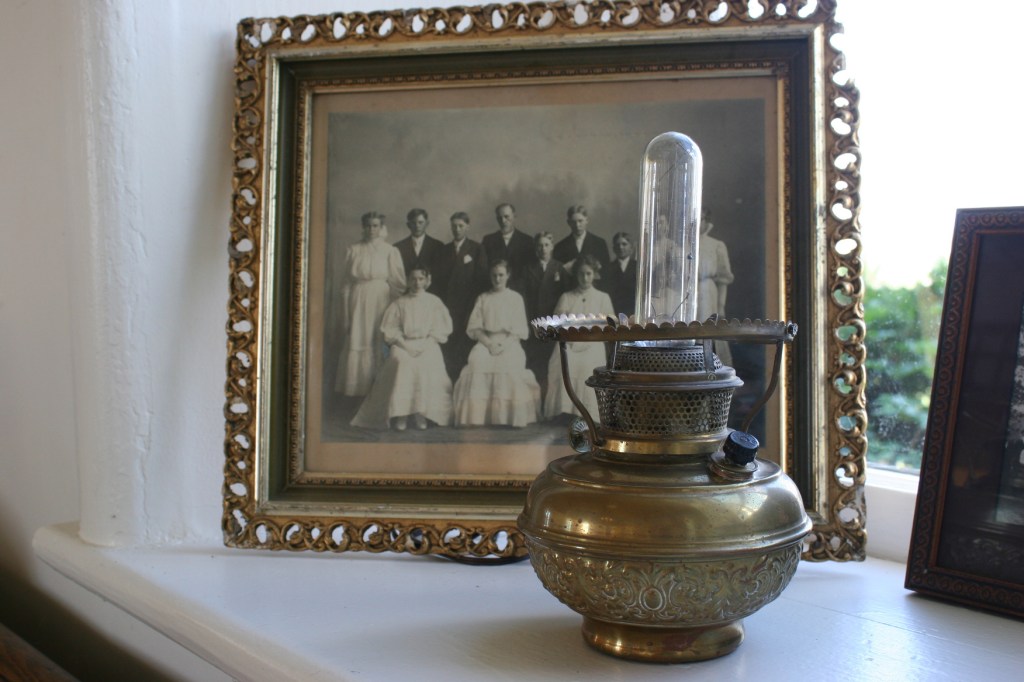
 

Vintage photos and artifacts were propped on windows in the stone church.


As Ohman talked of the early immigrants, like the Norwegians who founded Valley Grove, he noted “…communities were being knit together in the shadow of the church.”
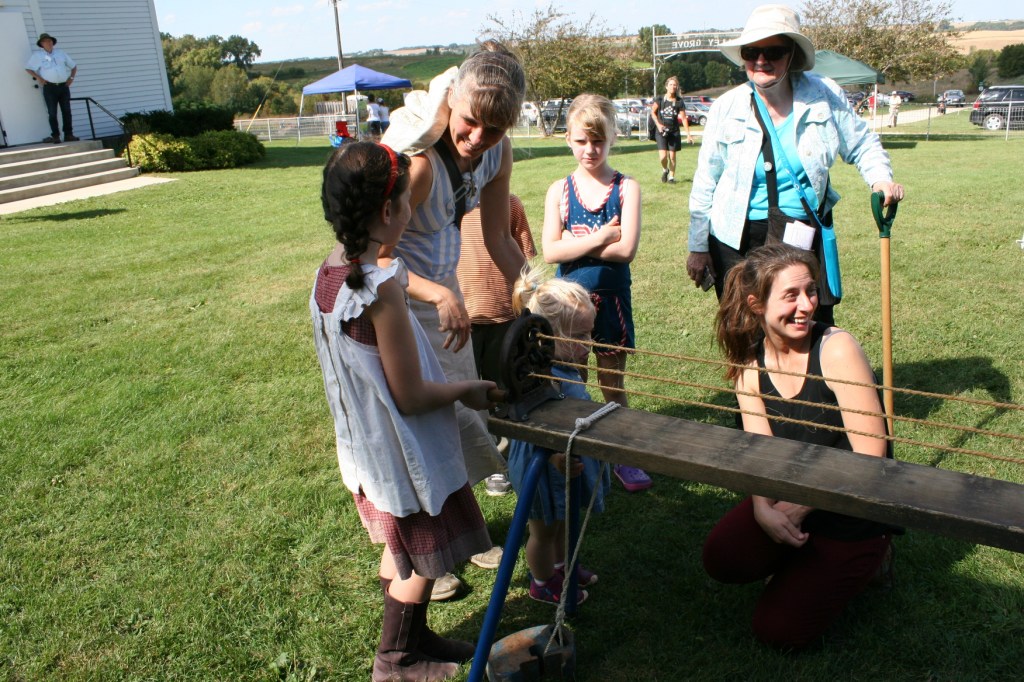
 

Visitors observed and participated in the craft of rope making.

 

A woman demonstrated the art of making krumkake, a Norwegian cookie, available for sampling.
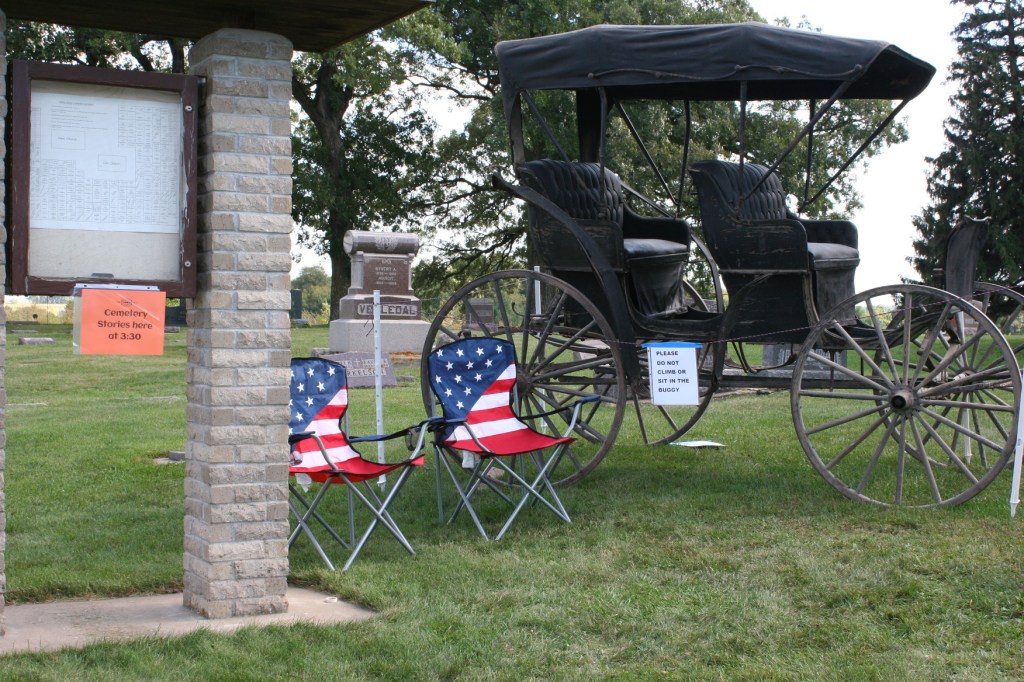
 

Old buggies on the grounds added to the sense of history.


A strong sense of history certainly exists at Valley Grove. Although I have no personal connection to these historic churches, I appreciate them. Like Ohman. “The church,” he said, “is a symbol of our heritage.” I agree.
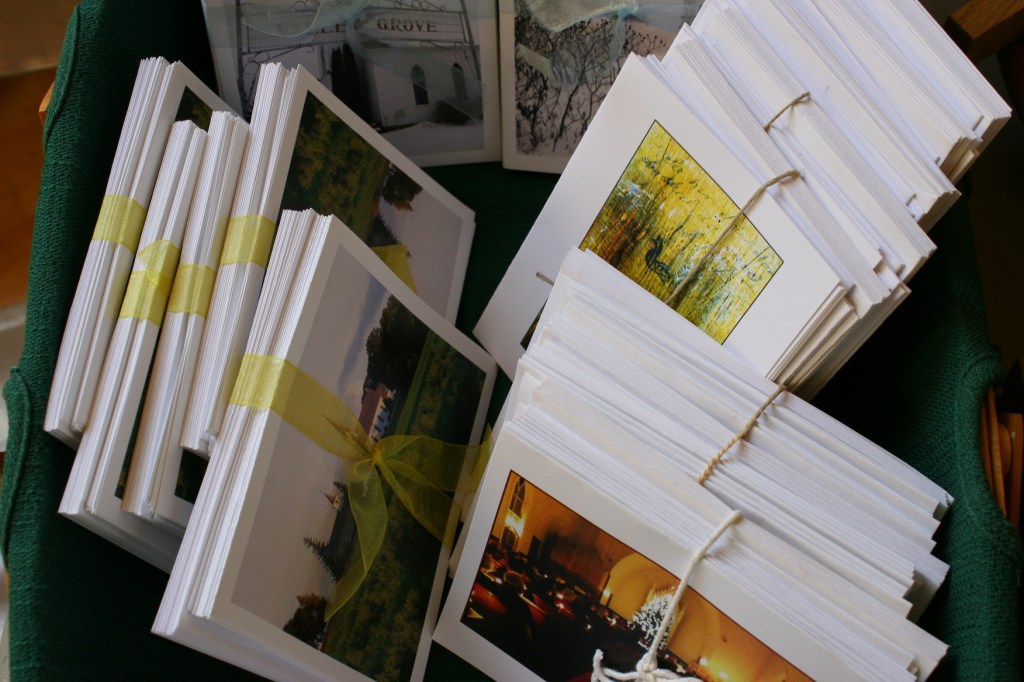
 

Valley Grove is an oft-photographed site with photos and artwork of the churches gracing notecards for sale at the country social.


This photographer not only documents with his camera, but he gathers stories, too. Ohman is a master storyteller. He regaled us with humorous and poignant stories—of retrieving a church key from an outhouse, of stringing 600 feet of extension cords from a farm to Lenora United Methodist Church so he would have electrical power to present, of a $70,000 check gifted to a central Minnesota bible camp to relocate Marble Lutheran Church 100 miles…
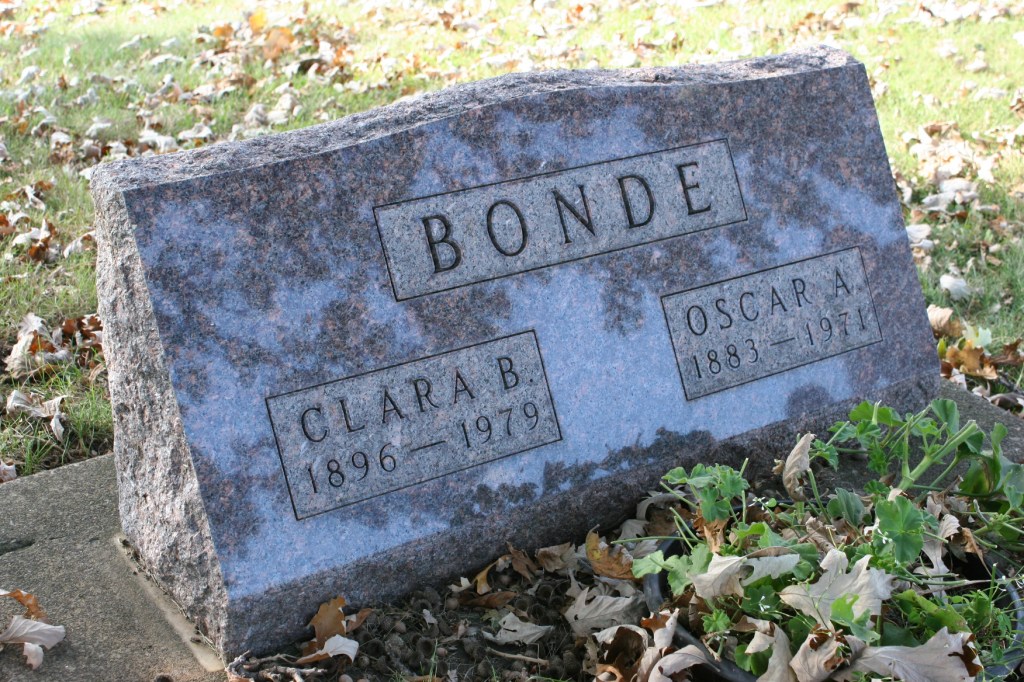


He personalized, as did Jon Rondestvedt, another storyteller who shared cemetery stories following Ohman’s talk. Rondestvedt spoke of Oscar and Clara Bonde, a couple buried in the cemetery adjacent to the two churches. Clara, he noted, was a teacher within the Normal School system before her marriage to Oscar. She loved raspberries, hated moles. She was known for her green thumb skill of growing African violets. And Oscar, well, he was known as a cookie thief, a tag that caused us to burst into laughter.


A snippet of the musical group Hutenanny, which performed under a sprawling oak.


Such stories reinforce Rondestvedt’s opening statement that tombstones are “testimonies to people who lived, breathed and mattered.” I like that word choice, mattered. “It’s up to us to remember them,” this storyteller said.


Jon Rondestvedt talks about the Hellerud family at their gravesites.


Later he moved from the shade of a sprawling burr oak to the sun-drenched plots of the Hellerud family. There he explained how husbands sometimes chose to honor their wives via only the woman’s name engraved on a large tombstone, the man’s grave marker nearby, a simple flat stone laid flush to the ground. “She was seen as a treasure by her husband,” Rondestvedt said. This was a new piece of information I will take with me now in my stops at country cemeteries.
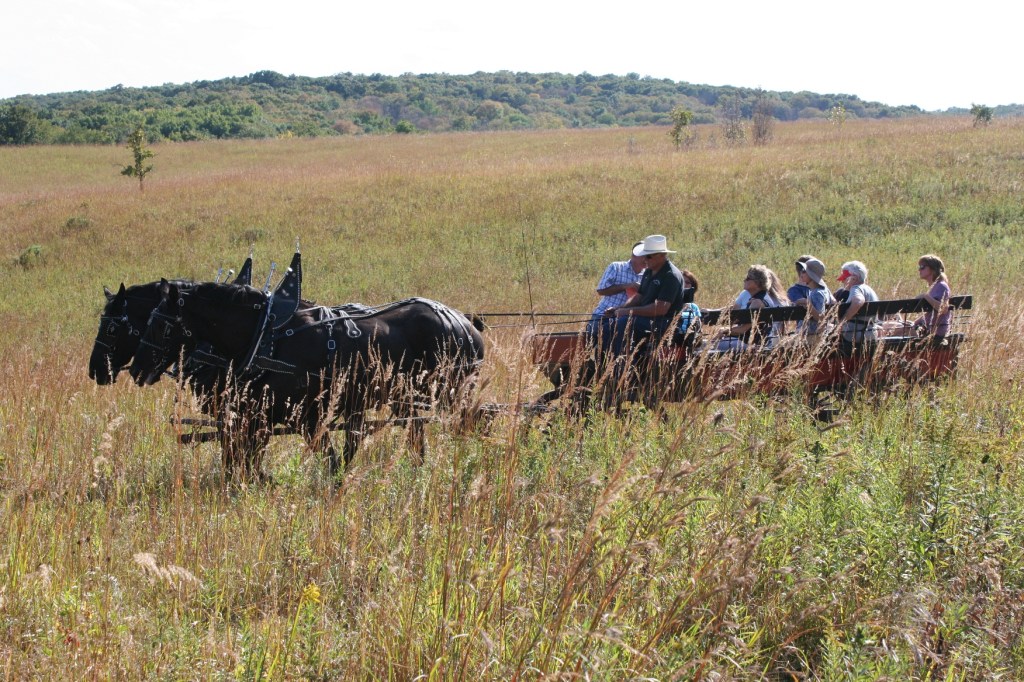
 

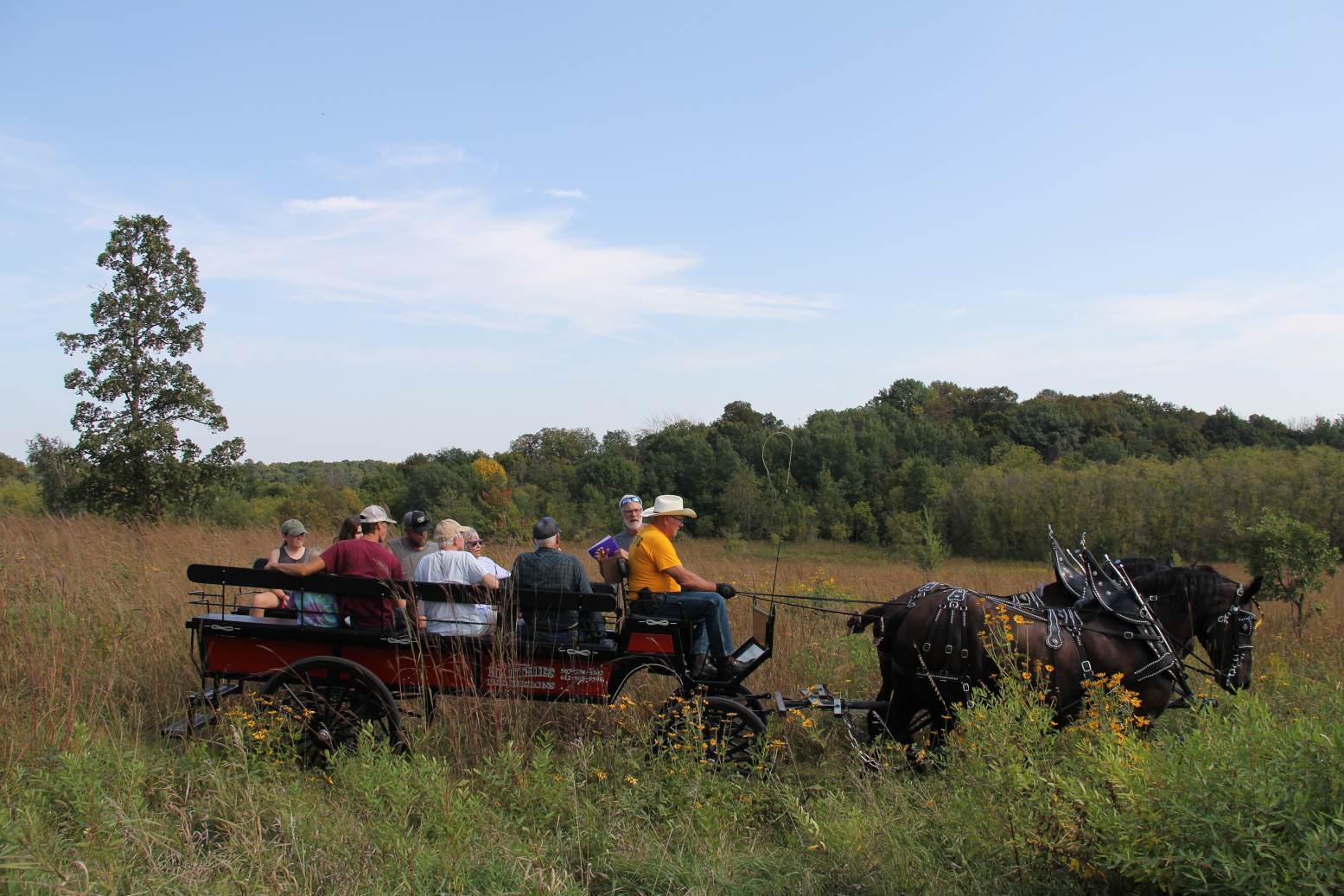
As I watched draft horses pull a wagon through the prairie, I imagined immigrant families traversing the prairie also.


I left Valley Grove, too, with a desire to read Giants of the Earth, a classic by O.E. Rolvaag about Norwegian immigrants settling in America. Rondestvedt read selected passages at the burial sites of the Helleruds, the wind ruffling pages of the aged novel.
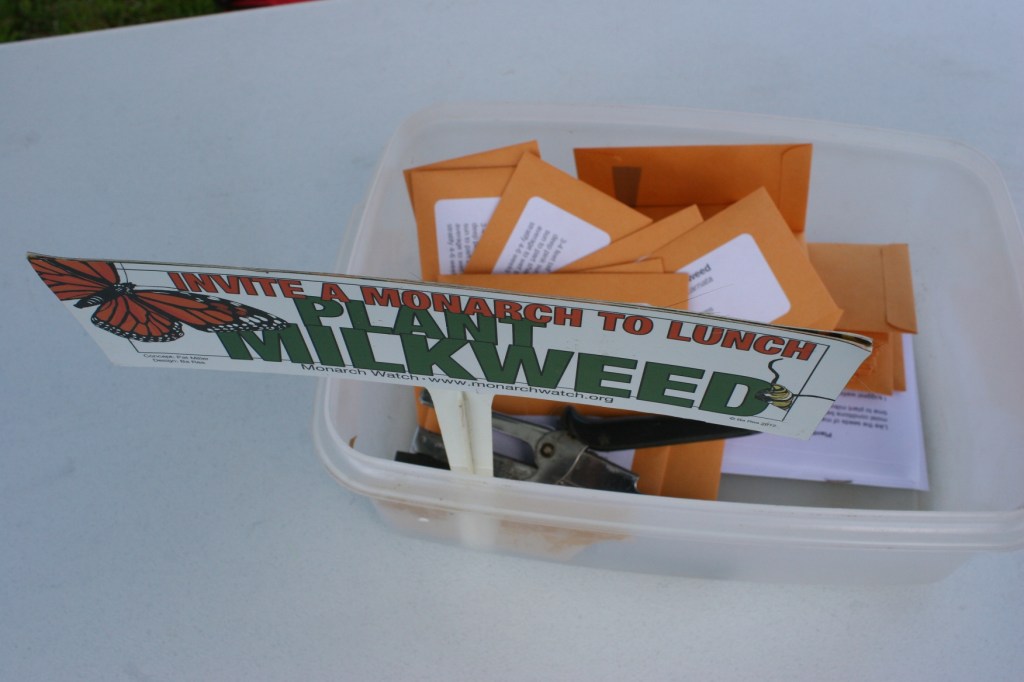
 

Packets of milkweed seed ready for the taking.


Shortly thereafter we gathered around the grave marker of Hannah Stenbakken Hellerud, a school teacher so beloved by a young boy that he said she was the first person he wanted to see in heaven. A monarch butterfly dipped and rose, circling our group. The butterfly seemed a symbolic ending to the afternoon, coming full circle to my first stop upon arriving at the Valley Grove Country Social. I’d stopped initially to check out a booth about monarchs. I left with a packet of swamp milkweed seeds which I will seed near the common milkweed already growing in my yard.


Efforts have been onging since 2007 to restore the 1862 limestone church.

 

Inside the plain stone church, a rebuilt chandelier adds elegance.
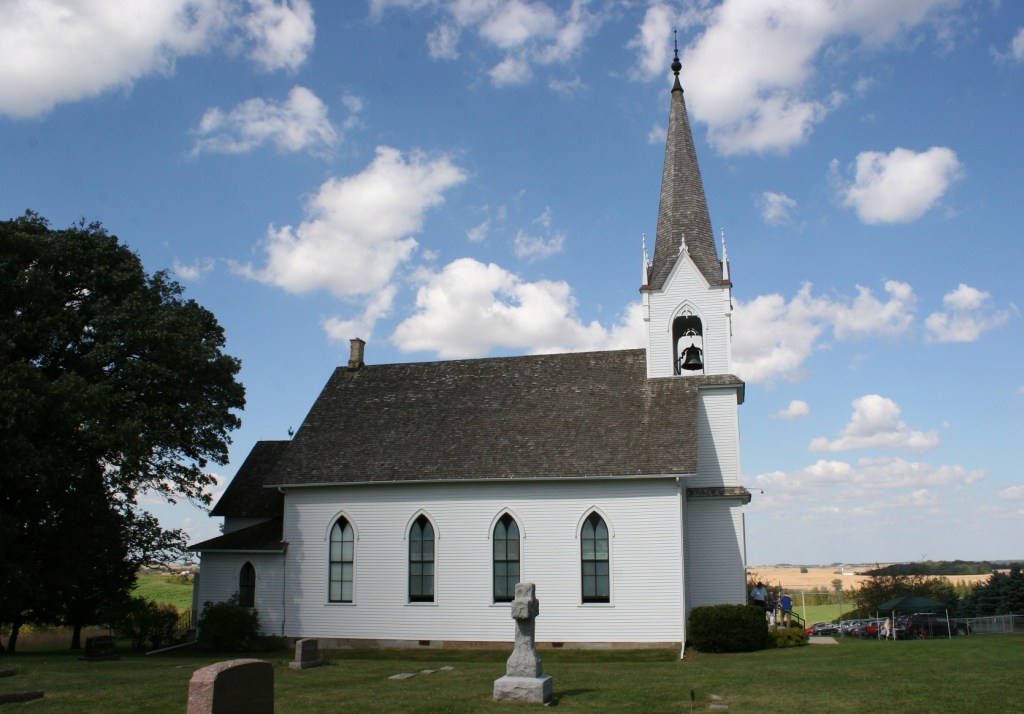
 

The Valley Grove Preservation Society has worked hard to restore both churches. Valley Grove is on the National Register of Historic Sites.


It is up to us to preserve—a population of threatened butterflies, country churches atop a hill, stories from churches and cemeteries…all that which holds our history, our heritage.
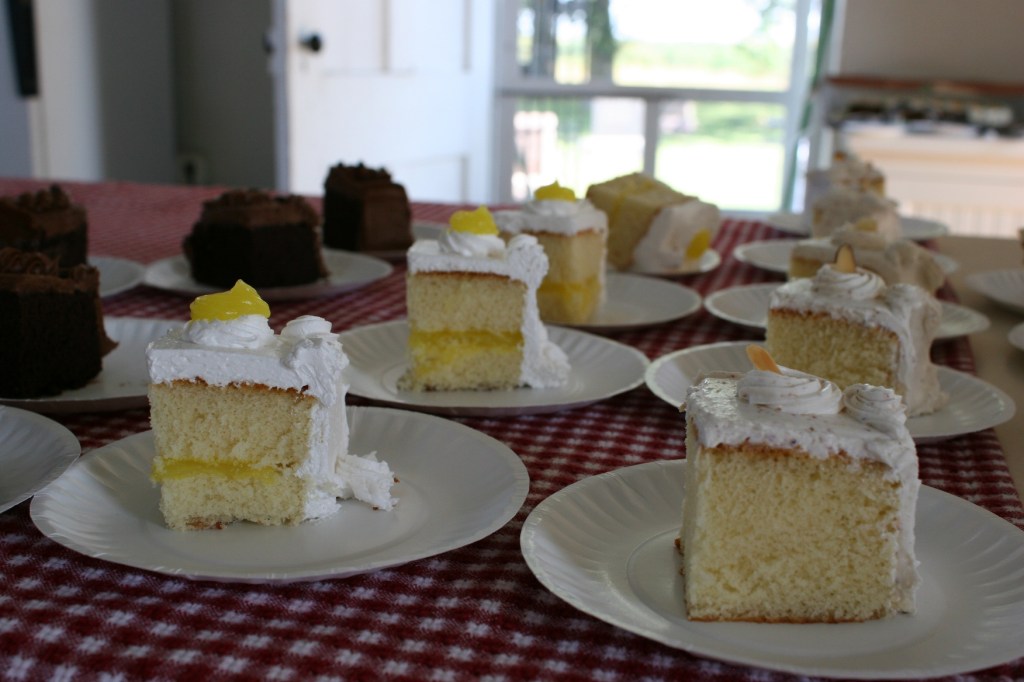
 

Every celebration calls for cake, including this cake served inside the stone church at the Valley Grove Country Social.
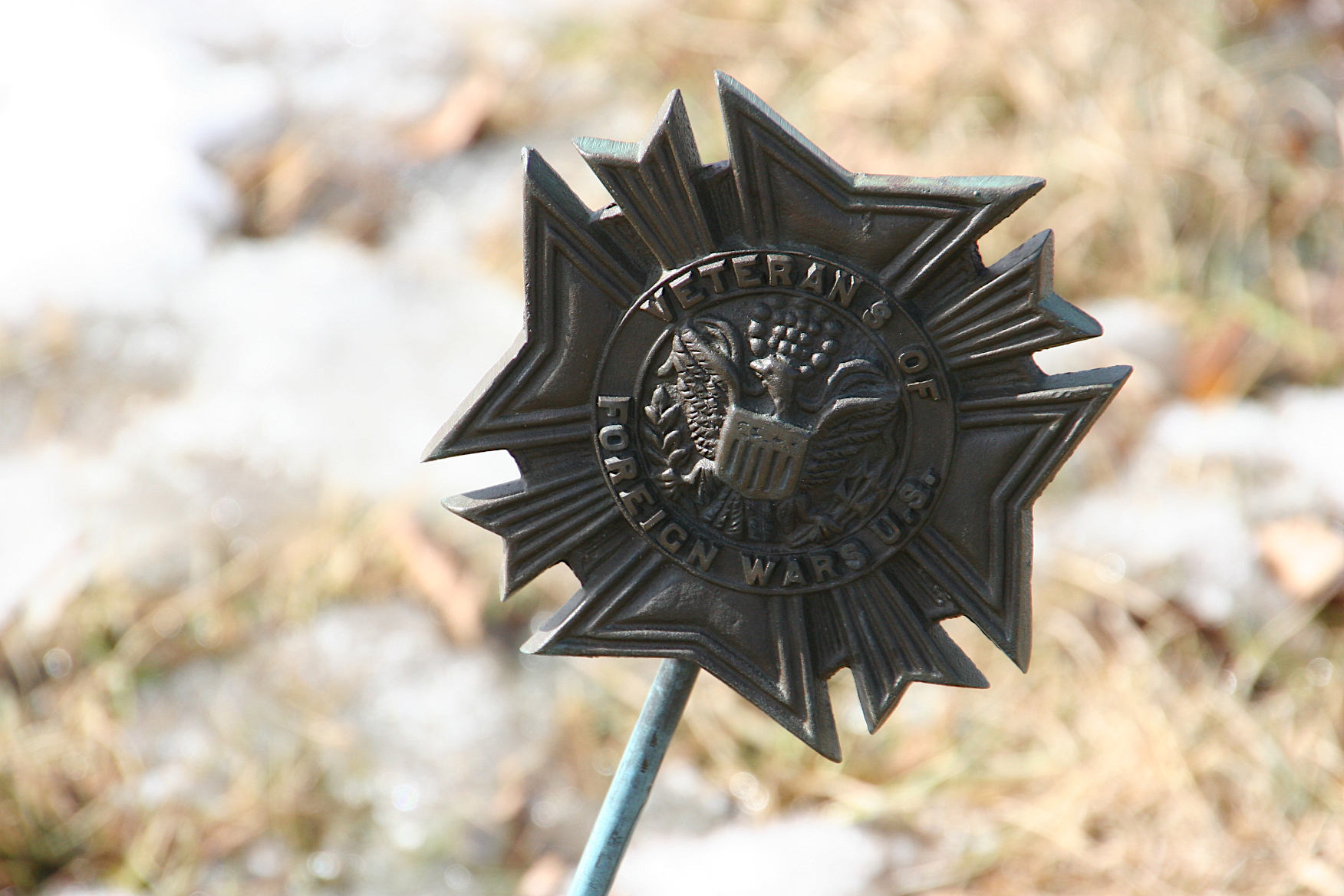
 

And it is up to us also to celebrate that which has been preserved.


© Copyright 2018 Audrey Kletscher Helbling