Minnesota Prairie Roots

Writing and photography by Audrey Kletscher Helbling

“The Viaduct,” an enduring Faribault landmark August 23, 2023

A side view of a section of Faribault’s historic viaduct. (Minnesota Prairie Roots copyrighted photo August 2023)

ARCHITECTURE, ART AND HISTORY meld on an expansive structure connecting Faribault’s east and west sides.
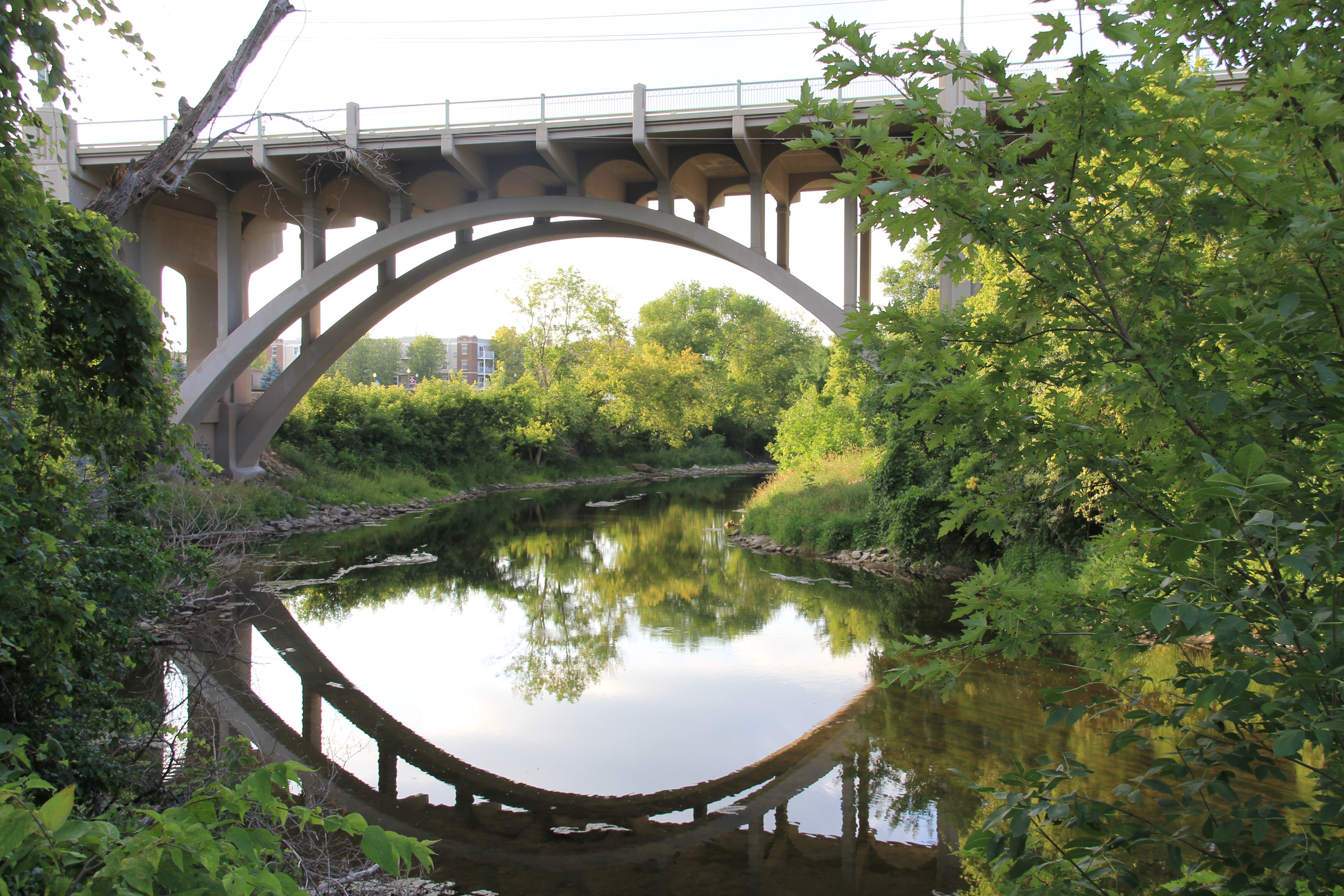
The viaduct reflects in the Straight River in the early evening light. (Minnesota Prairie Roots copyrighted photo August 2023)

Locally referred to as “The Viaduct,” the continuous concrete rib arch bridge routes pedestrians and traffic along Minnesota State Highway 60 over railroad tracks and the Straight River far below. Three massive reinforced arches distinguish this as a viaduct rather than a bridge.
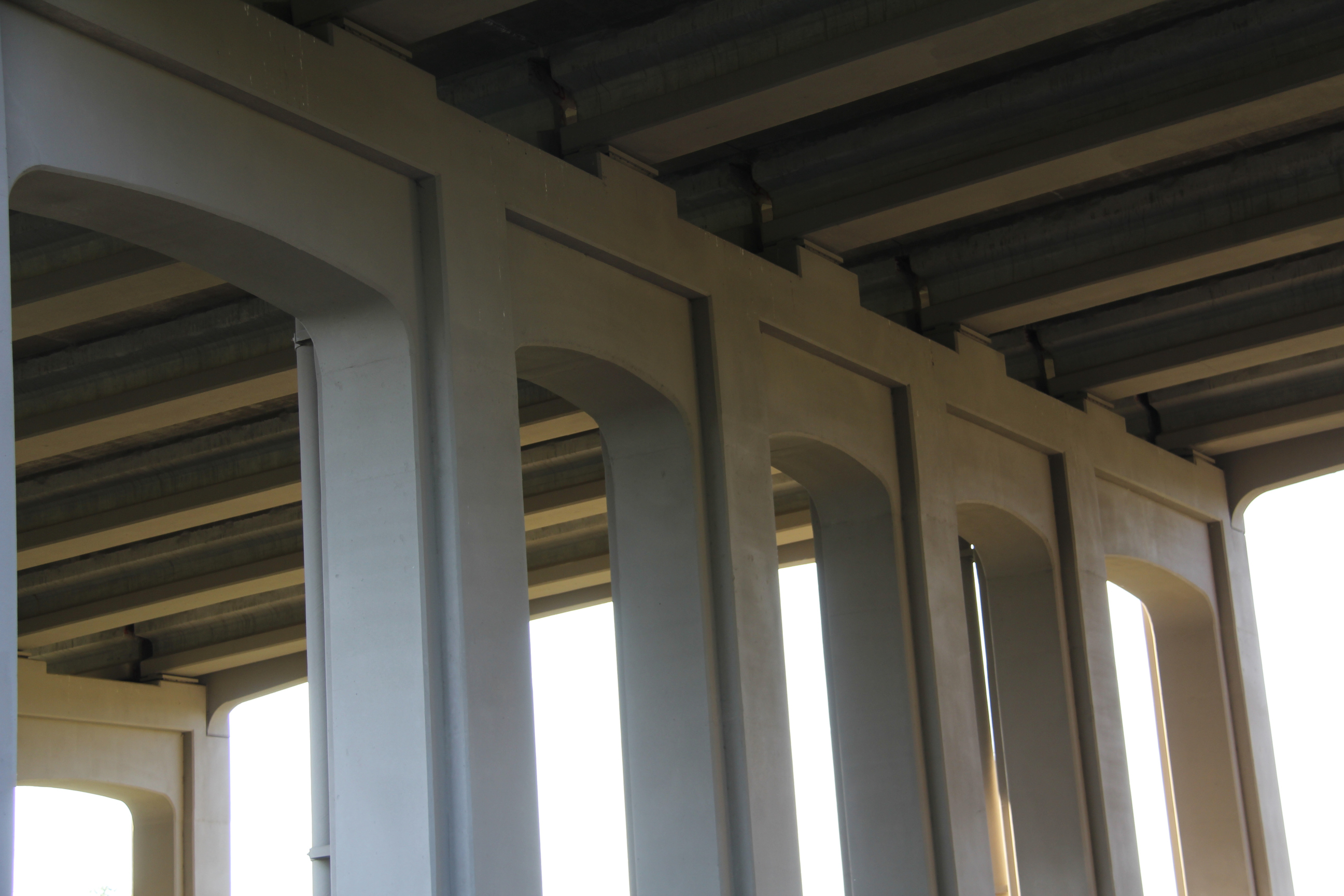
Piers and under the roadway up close. (Minnesota Prairie Roots copyrighted photo August 2023)

Thousands of times I’ve crossed the viaduct via vehicle in my 41 years living here. But not until recently did I pause to really study the underbelly of this 1937 Works Progress Administration project which is on the National Register of Historic Places. Only via a close-up look from ground level did I fully appreciate this engineering feat.
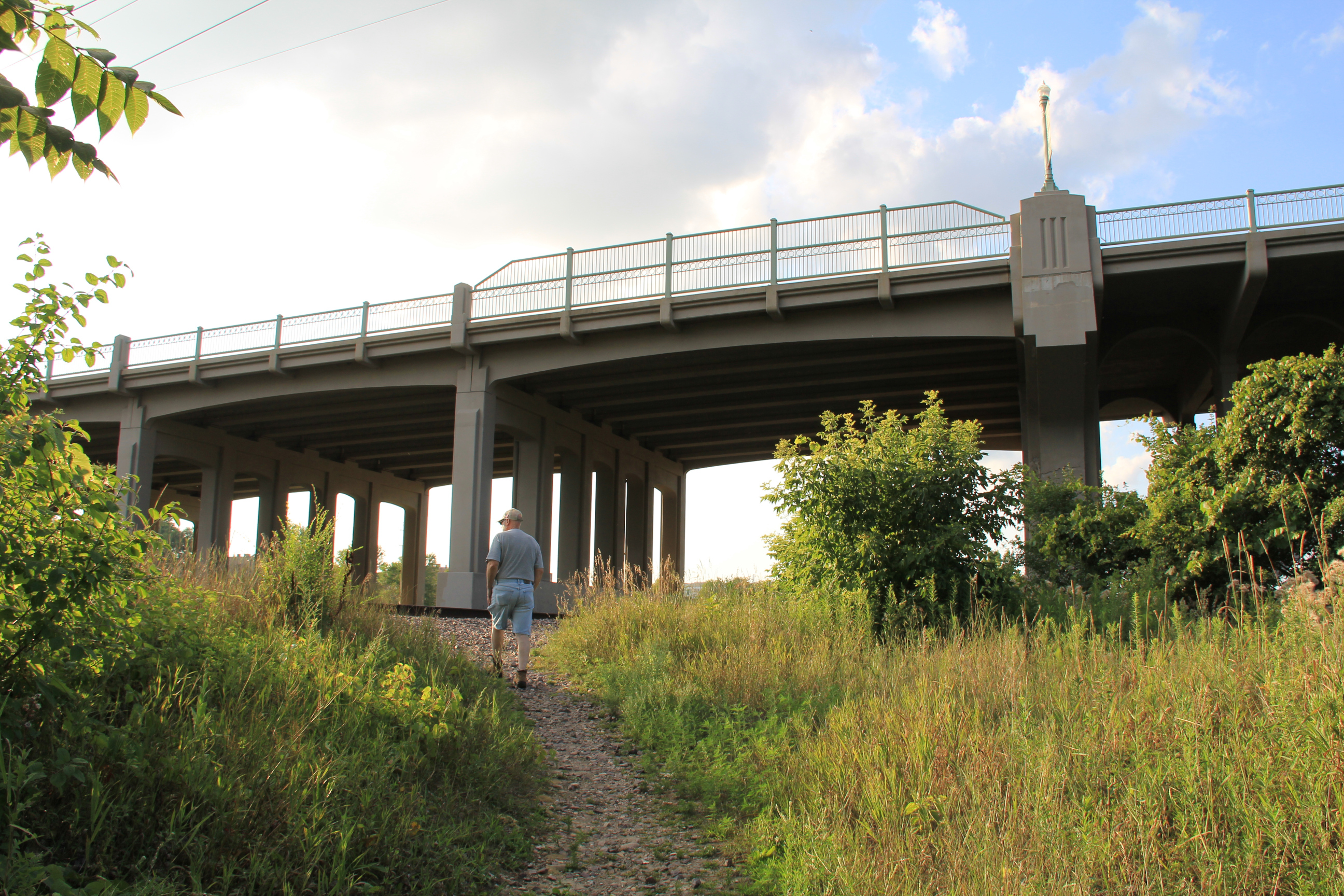
I followed Randy along this path leading to the tracks. (Minnesota Prairie Roots copyrighted photo August 2023)

I followed a narrow dirt trail through trees and underbrush in Teepee Tonka Park to reach a good viewing spot of the viaduct underside. From that perspective next to the train tracks, I observed the way patterns and lines repeat to build a strong structure that has withstood the test of traffic and of time. The bridge was rehabilitated, the roadway widened in 2008-2009.
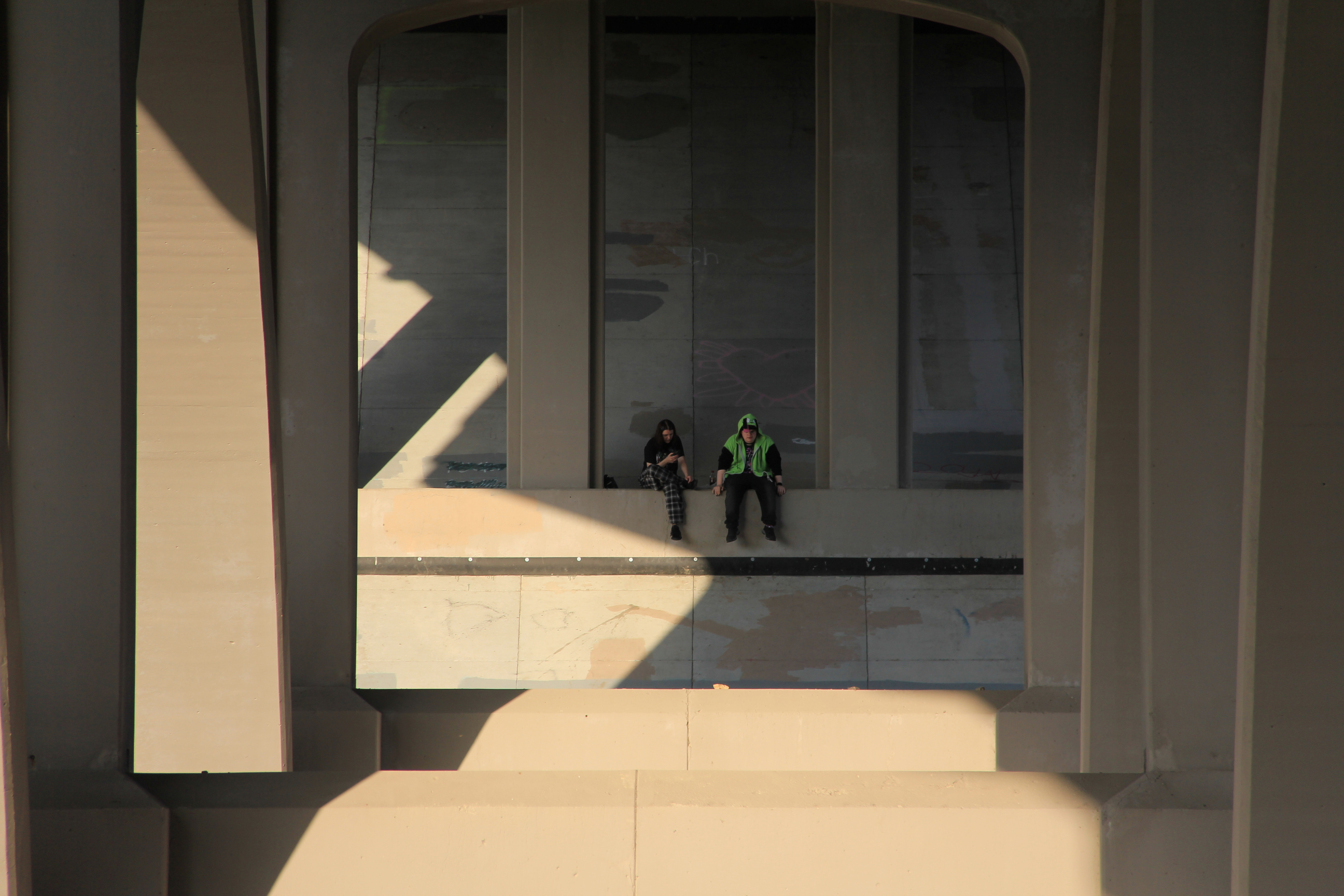
Hanging out under the viaduct. (Minnesota Prairie Roots copyrighted photo August 2023)

The viaduct impresses in design and size. I felt dwarfed by its massiveness, even more noticeable when I spotted a couple sitting on the far end. They appeared small in comparison to the concrete piers rising above and around them. I felt overpowered, too. I wondered how WPA workers managed to build this wonder in the late 1930s without the modern equipment of today.
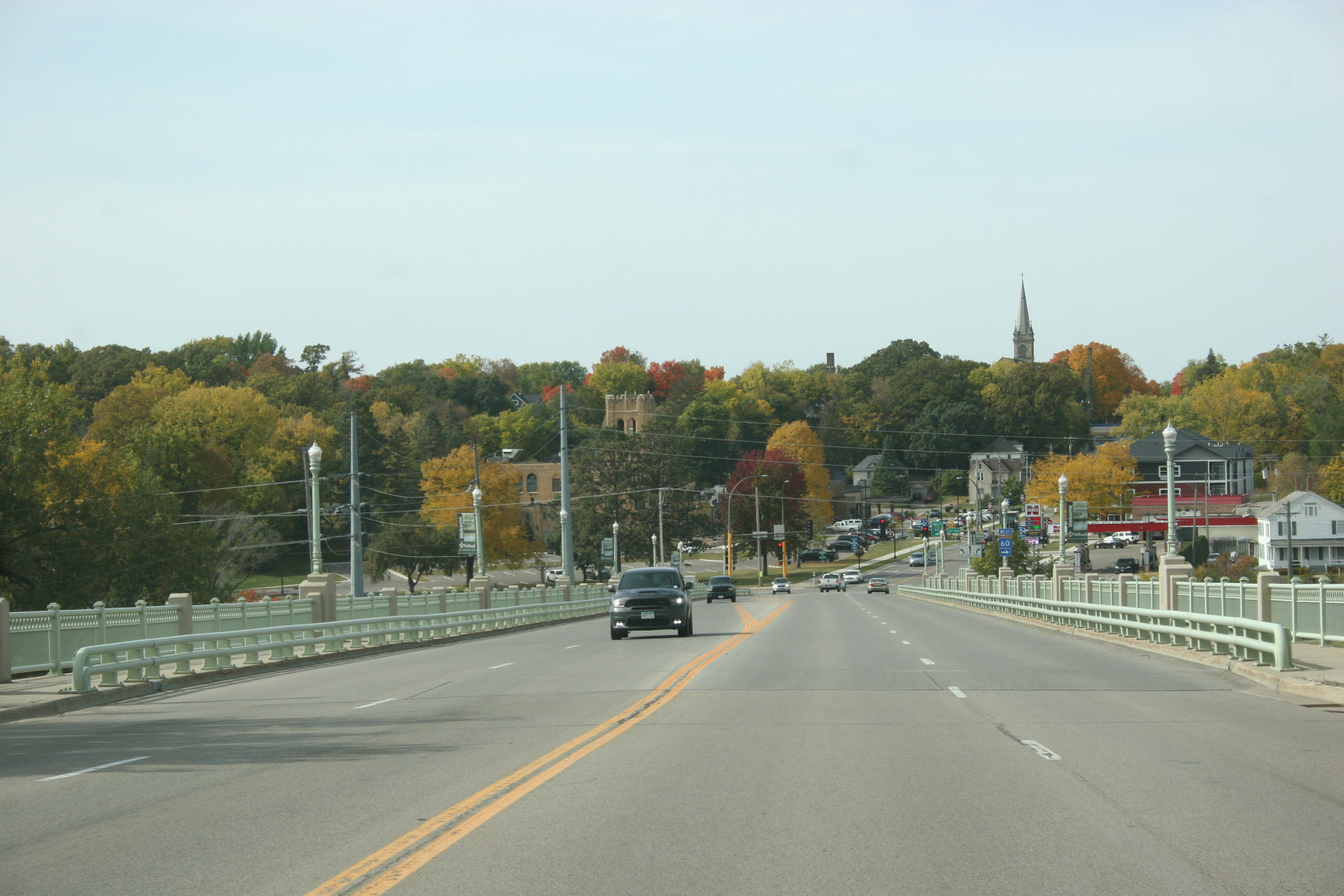
Westbound on the viaduct, Buckham Memorial Library is to the left and the Immaculate Conception Church steeple in the distance. (Minnesota Prairie Roots copyrighted file photo October 2022)

But it is more than utilitarian construction that marks this viaduct as noteworthy. The viaduct is a work of public art—an interactive sculpture which provides a sweeping view of historic downtown Faribault and the surrounding area when heading westbound. To view the bridge from below is to truly see its artsy side, its Art Deco/Classical Revival style. That style carries through in the concrete piers and, on road level, in the decorative railings and lights, replicas of the originals.
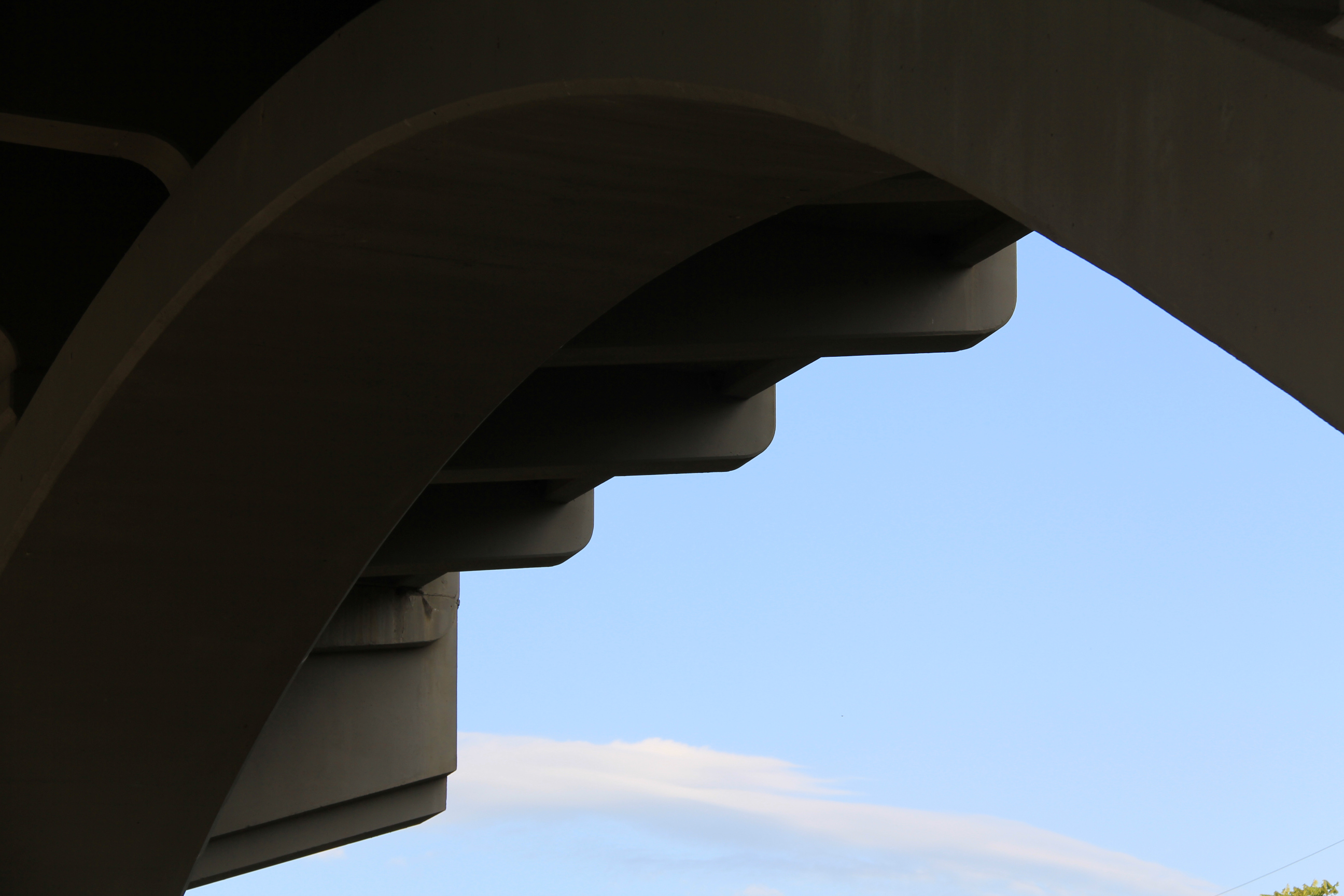
The viaduct is a marvelous work of architecture, art and engineering. (Minnesota Prairie Roots copyrighted photo August 2023)

As I stood under the viaduct studying its design, artsy arches, curves and lines, I considered the many people who have traversed this bridge. If only this concrete could speak, oh, the stories it would tell. Stories of construction workers who labored for 1½ years to complete this project. Stories of Ford Model As, among the first to drive across this linkage between east and west. Stories of students arriving at the Minnesota State Academies for the Deaf and Blind. Stories of athletes heading to hockey camp at Shattuck-St. Mary’s School. Stories of prisoners transported to the Minnesota State Correctional Facility, Faribault. Stories of ambulances racing across the viaduct toward the hospital. Stories of expectant parents headed there, too. Stories of families and students on their way to River Bend Nature Center. Stories of travelers simply passing through Faribault.
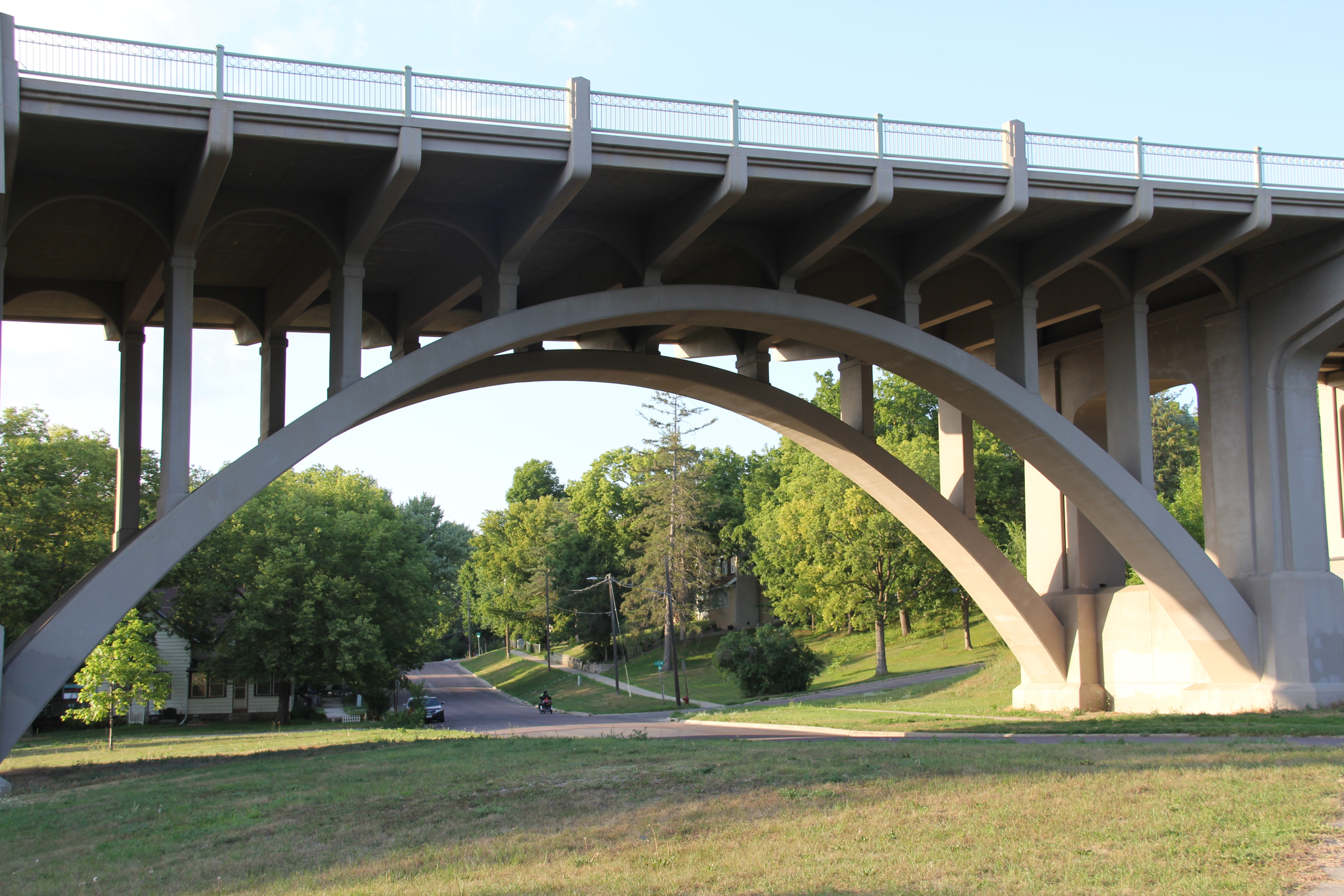
On the east side of the river, a road passes the viaduct and leads to Teepee Tonka Park. (Minnesota Prairie Roots copyrighted photo August 2023)

For 86 years, The Viaduct has gathered stories atop graceful arches, upon a roadway that is more than a route. This is a local landmark, an architectural and artistic marvel which visually and historically defines Faribault.

© Copyright 2023 Audrey Kletscher Helbling


About that auditorium in Deerwood August 27, 2021

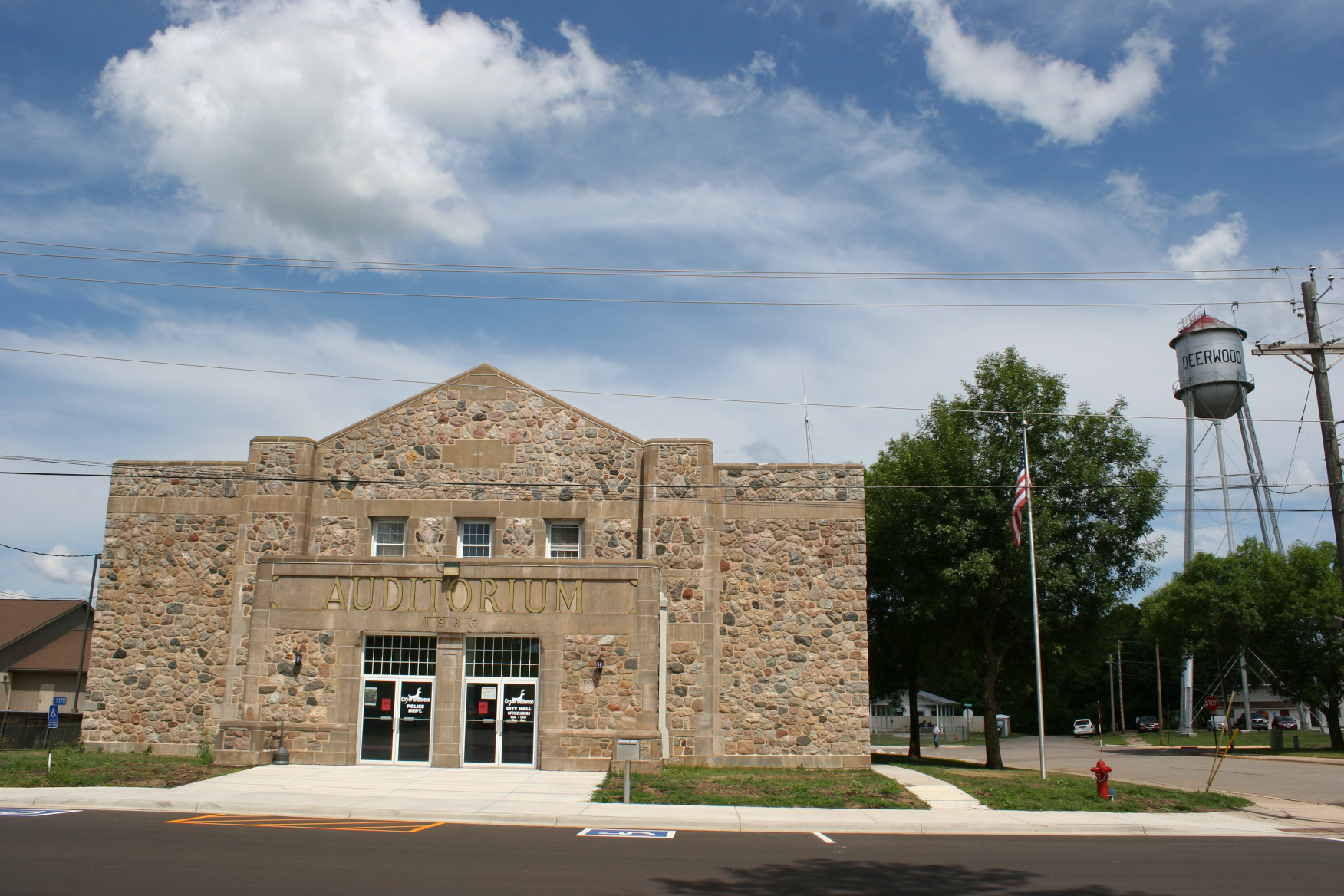
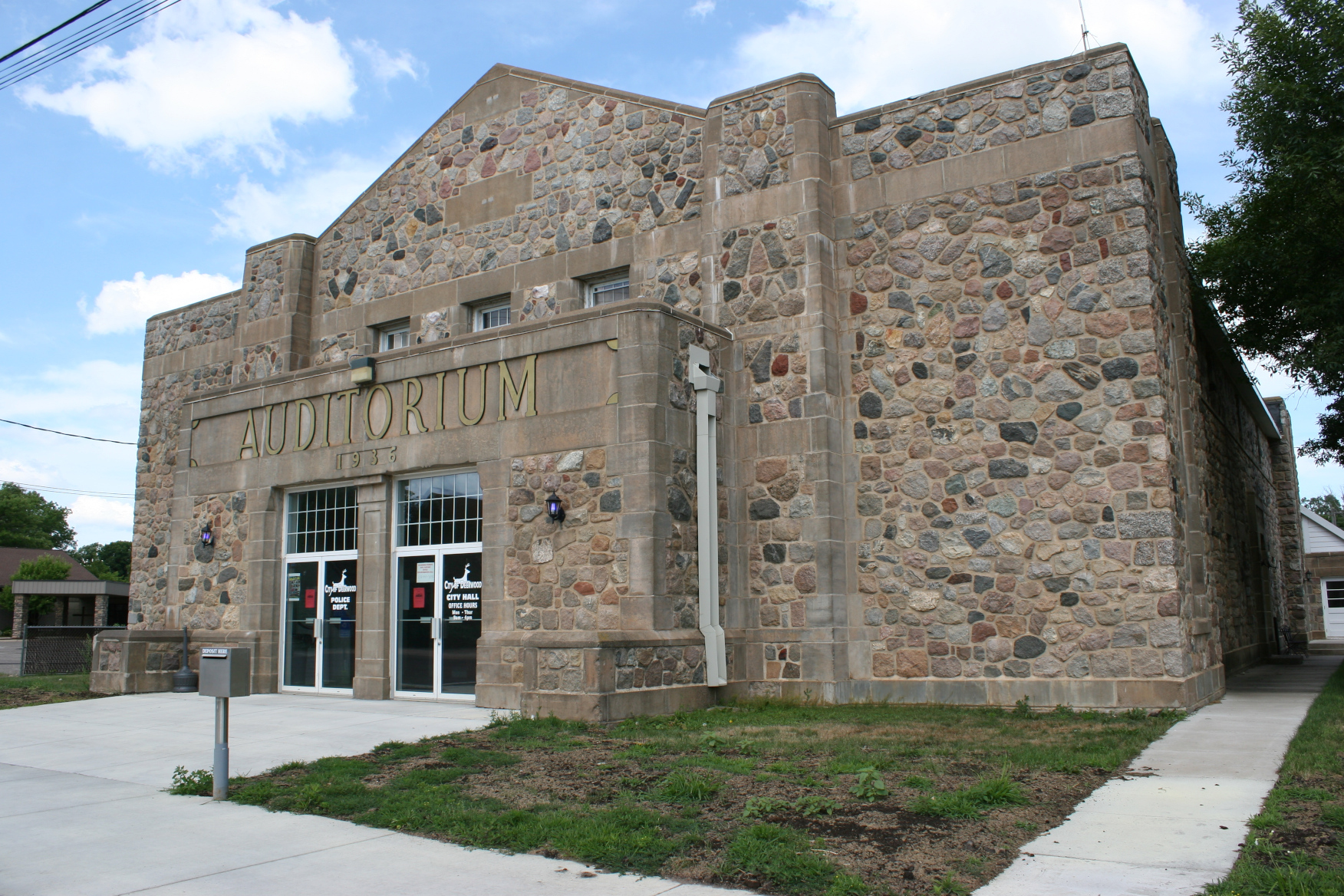
Deerwood Auditorium, located a block from the water tower. Minnesota Prairie Roots copyrighted file photo July 2021.

THE STURDY STONE STRUCTURE anchoring a corner in Deerwood drew my photographic and historic interest during a recent stop in this central Minnesota community in Crow Wing County.

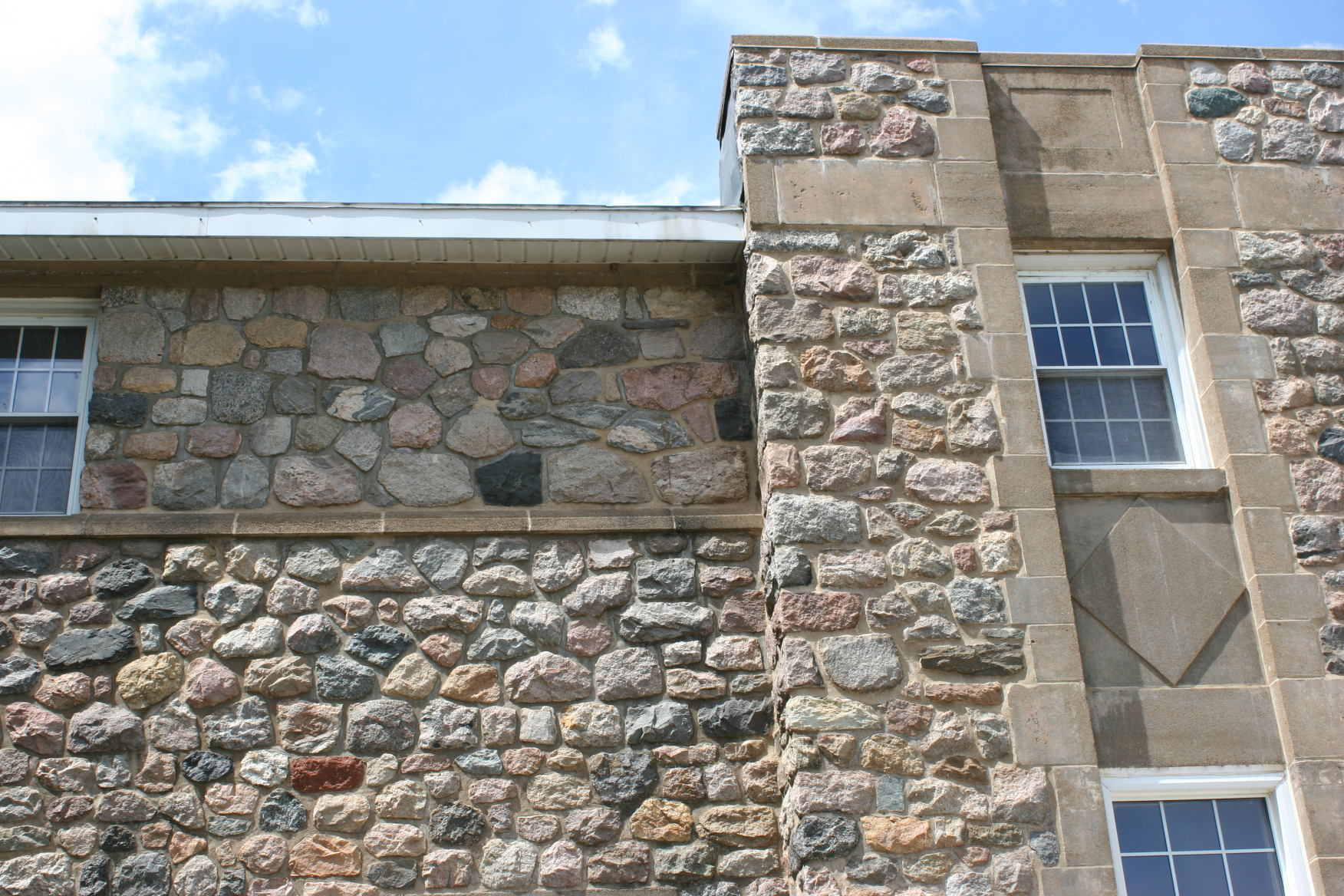
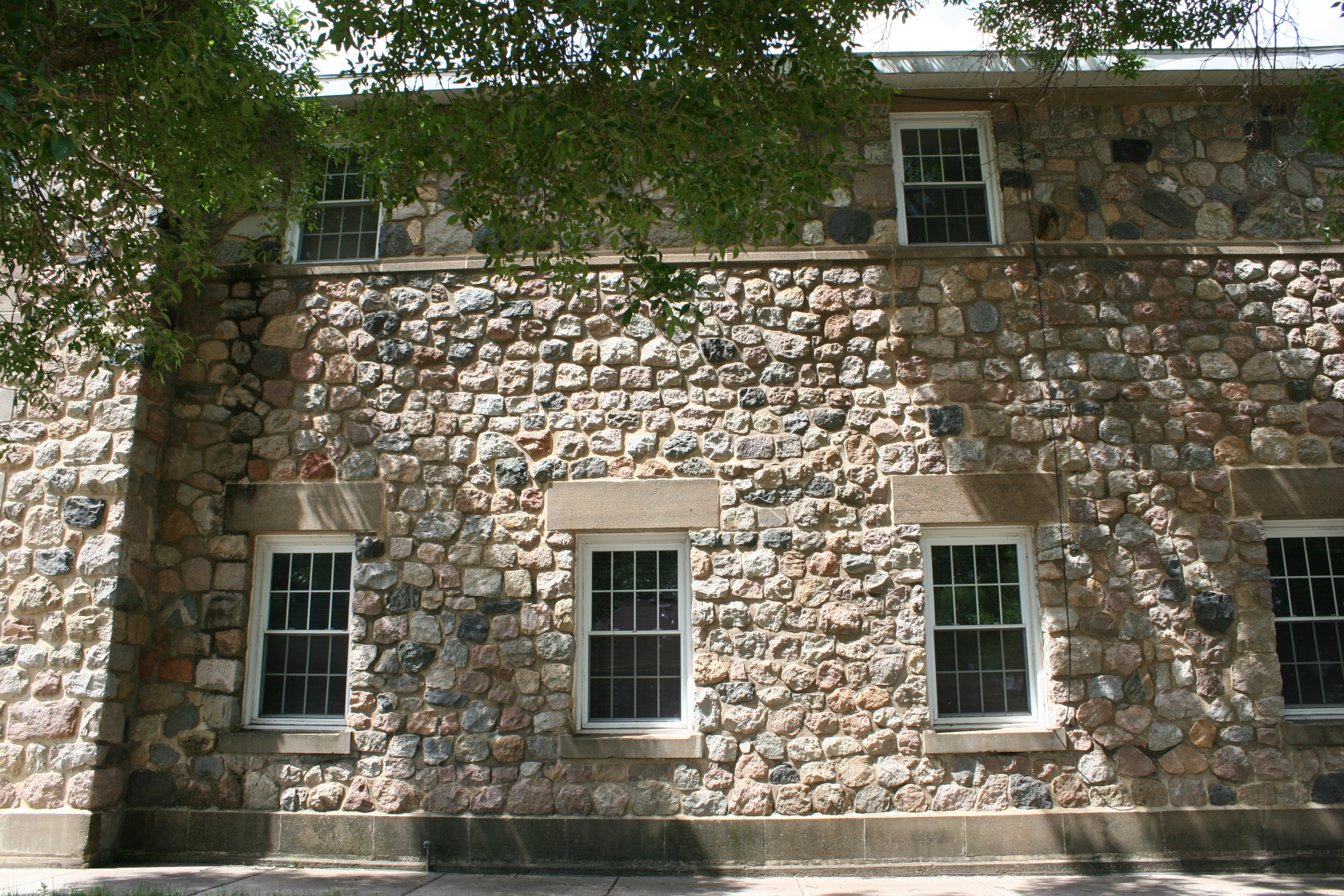
What craftsmanship in this stone-faced building. Minnesota Prairie Roots copyrighted file photo July 2021.

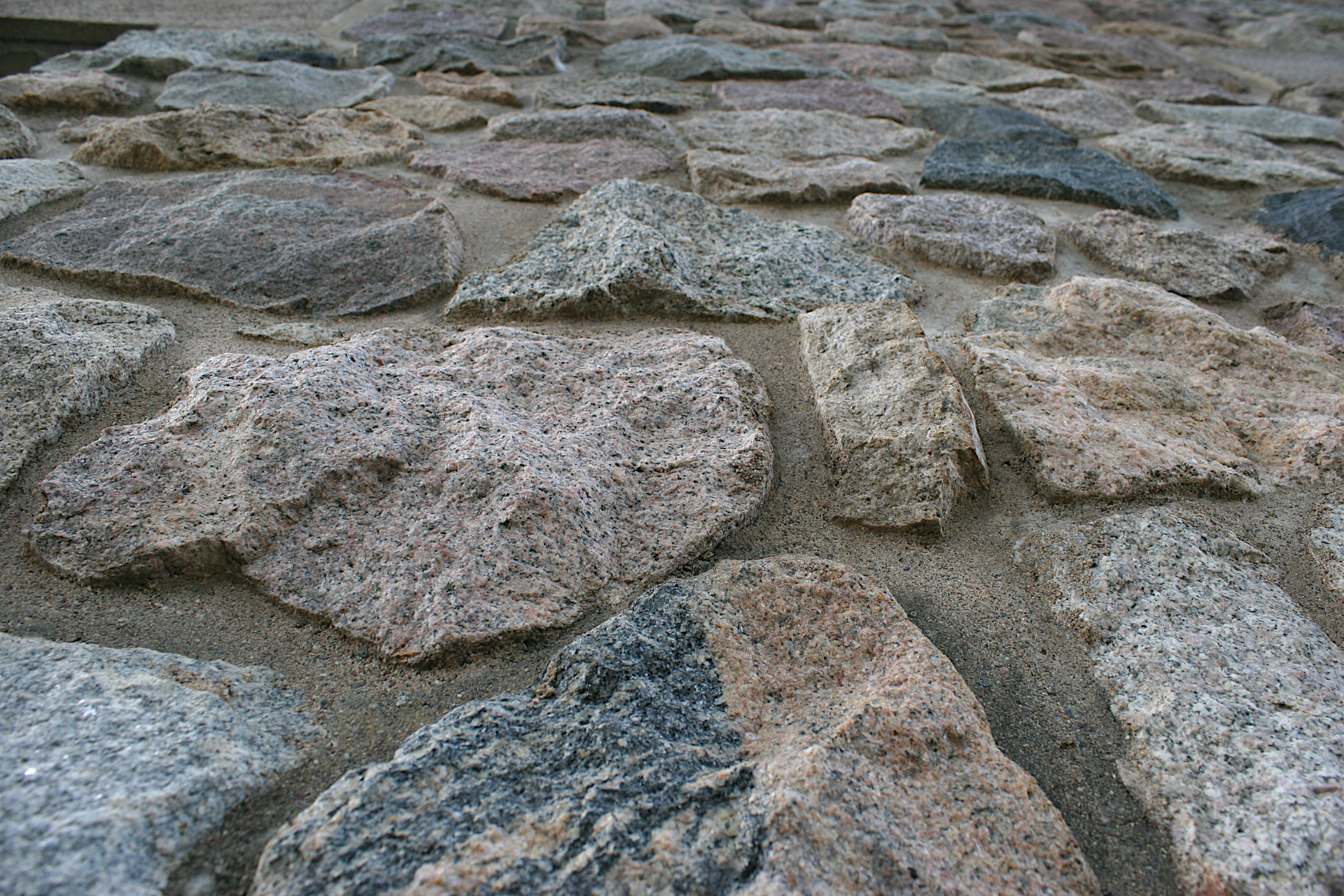
How could it not? Buildings like this with a fieldstone facing hearken from a bygone era, from days when intense hands-on labor factored in to construction. Workers hauled 800 tons of fieldstones from the site of the Cuyuna Country Club to build the Deerwood Auditorium between 1935-1936.

So many fieldstones harvested and used in construction of the auditorium. Minnesota Prairie Roots copyrighted file photo July 2021.

That’s a lot of rocks. I understand, not because I ever hauled that much stone anywhere. But, as a child, I spent many a summer plucking rocks from farm fields in southwestern Minnesota and tossing them into a wagon. Picking rock is hard work. Darn hard.

Imagine the time, labor and effort involved in constructing these walls. Minnesota Prairie Roots copyrighted file photo July 2021.

I admire the tenacity, determination and ingenuity of our forefathers. They relied on local natural resources to build buildings. And, in the case of the Deerwood Auditorium, materials also from the old Meacham Mine machine building to incorporate into the structure.

The building is listed on the National Register of Historic Places. Minnesota Prairie Roots copyrighted file photo July 2021.

Donations and Works Progress Administration funding and labor were also part of this project.

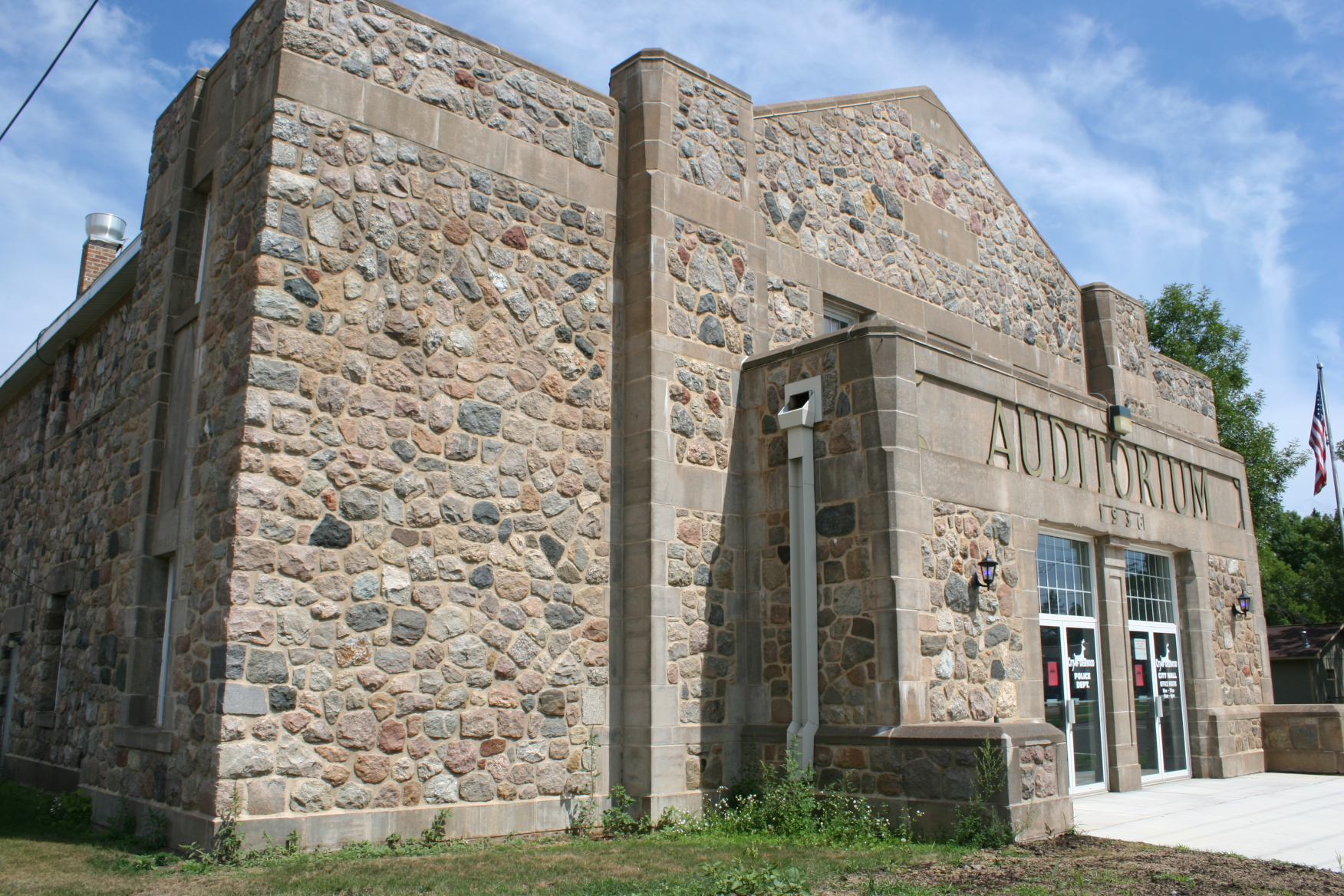
A side and rear view of the building. Minnesota Prairie Roots copyrighted file photo July 2021.

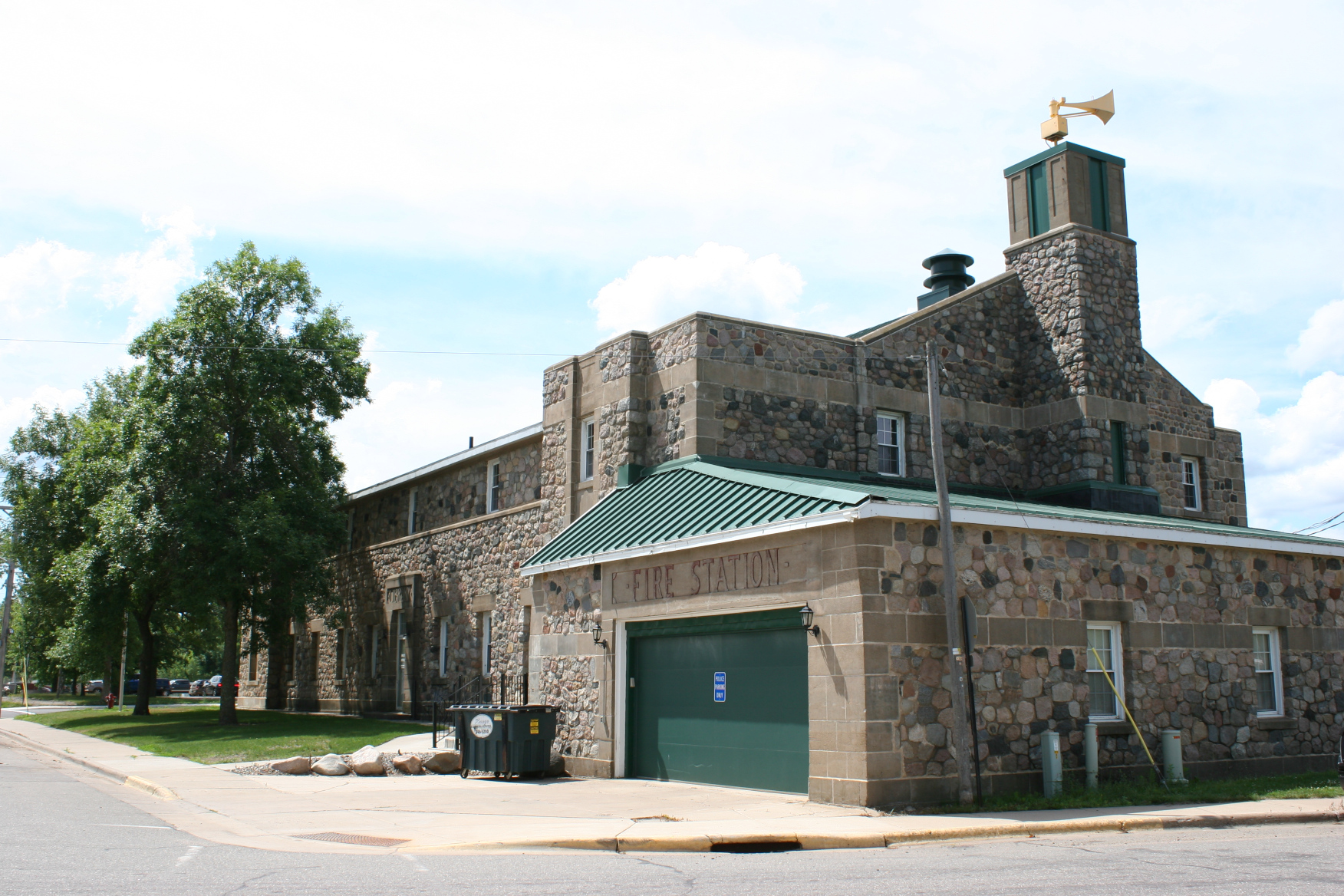
The completed building included village council chambers, a kitchen, locker rooms, library, space for fire fighting equipment and that all-purpose 38 x 80-foot gym with overlooking second floor balconies. Today the auditorium, on the National Register of Historic Places, serves as a community center and gathering spot for celebrations like weddings, birthdays and family reunions.

Another side view of the historic Deerwood Auditorium. Minnesota Prairie Roots copyrighted file photo July 2021.

Back during construction, locals aimed to have the building finished in time for the community’s annual fall lutefisk dinner. It was completed for the event, which drew an estimated 1,000 diners to feast on the lye-soaked cod of Norwegian culinary delight.

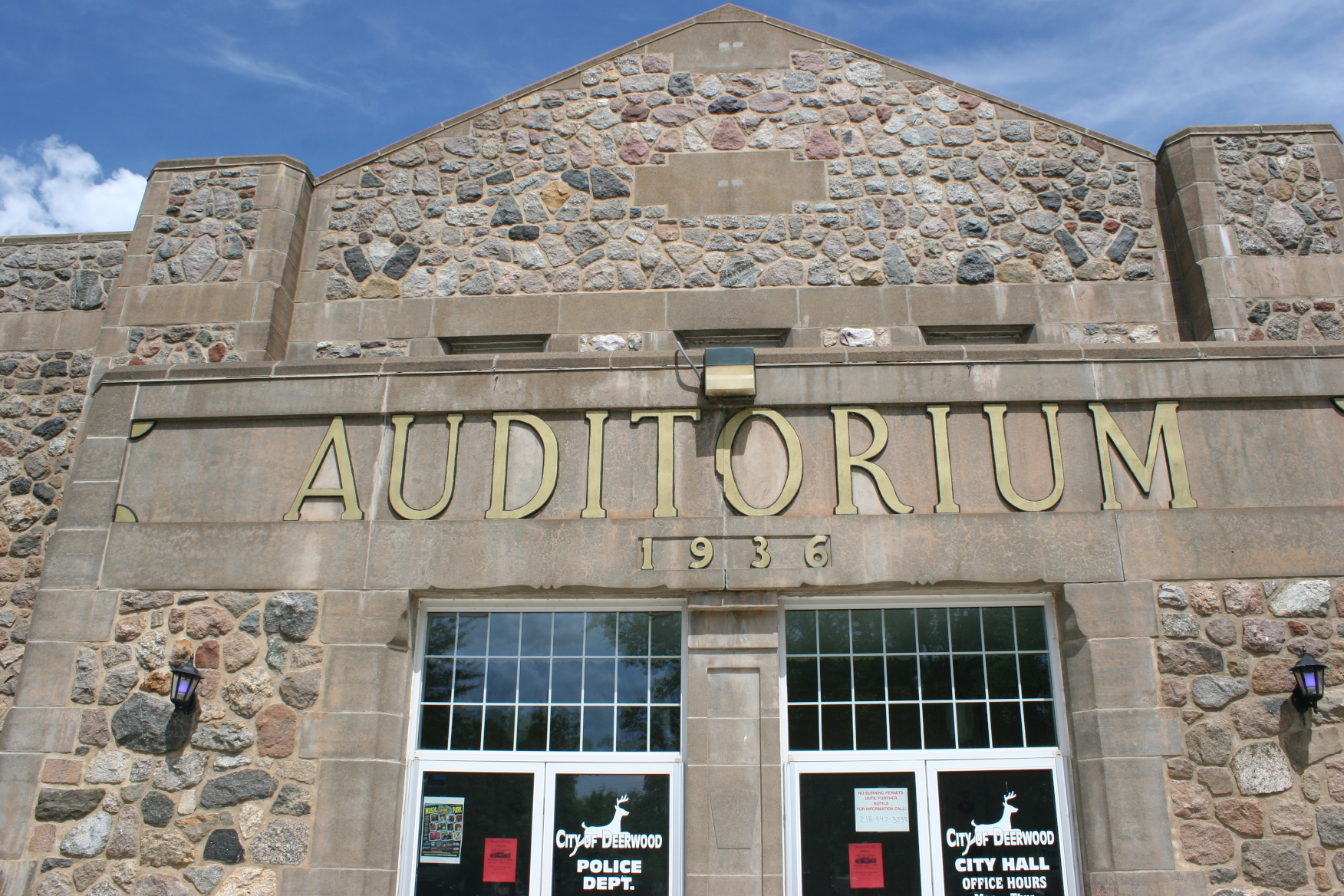
The front entry with identifying usage information. Minnesota Prairie Roots copyrighted file photo July 2021.

On the July Saturday I paused to photograph this WPA building, I knew none of these historical details. I couldn’t get inside the Deerwood Auditorium, today home to city hall, the police department and community center. Oh, how I wish I could step inside. To take in the history of this place. To imagine locals packed shoulder to shoulder forking down slippery, smelly lutefisk, their conversations creating a deafening din.

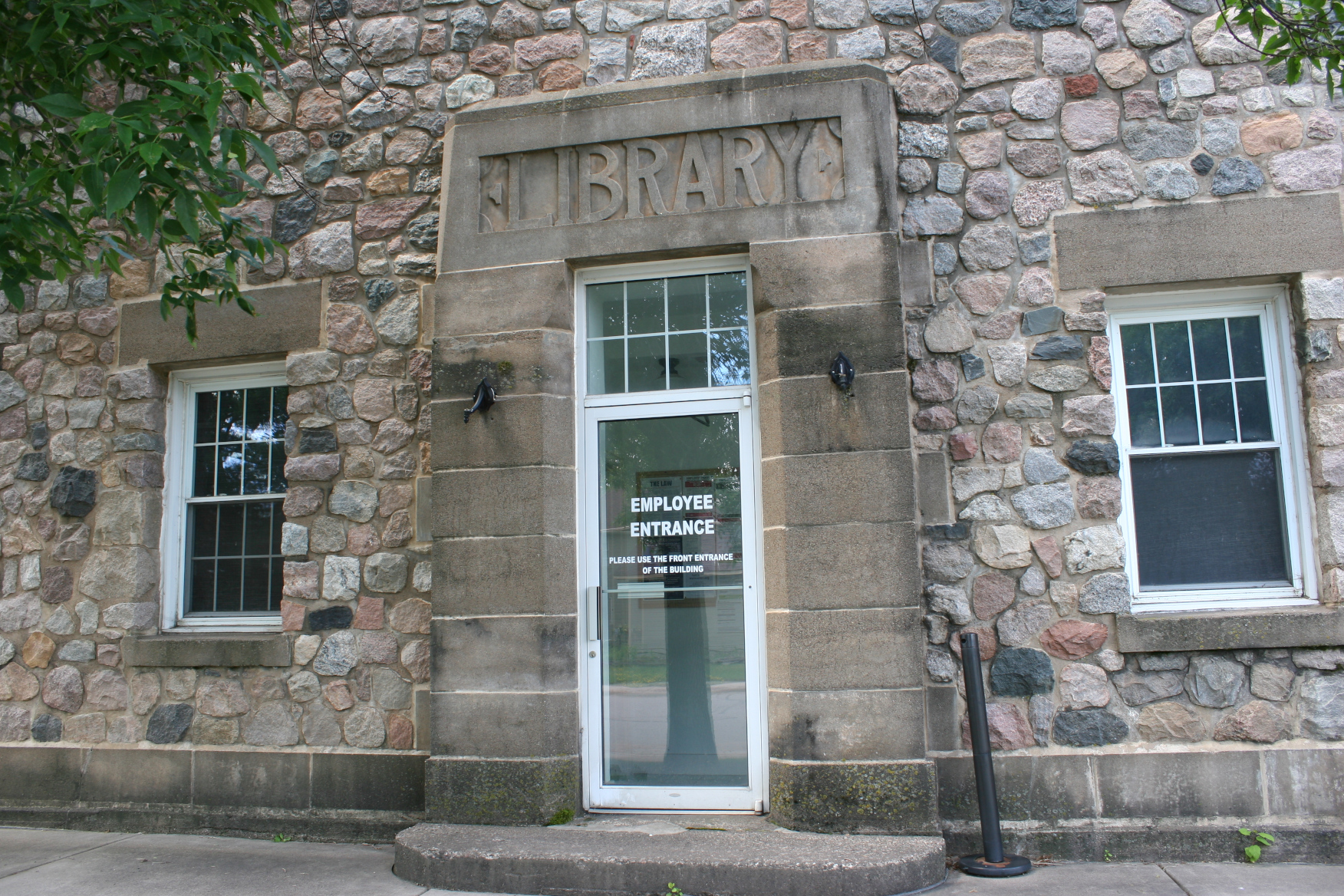
Once the library entry… Minnesota Prairie Roots copyrighted file photo July 2021.

I settled instead for appreciating the exterior workmanship, the talent and strength required to build this remarkable building. The craftsmanship. The hours and hours of labor. That shows in a structure that exudes strength, that honors those who work with their hands, for their work endures.

Please check back next week for one final (of three) post from Deerwood.

© Copyright 2021 Audrey Kletscher Helbling
 

From Faribault: When graffiti overtakes nature & history May 6, 2021

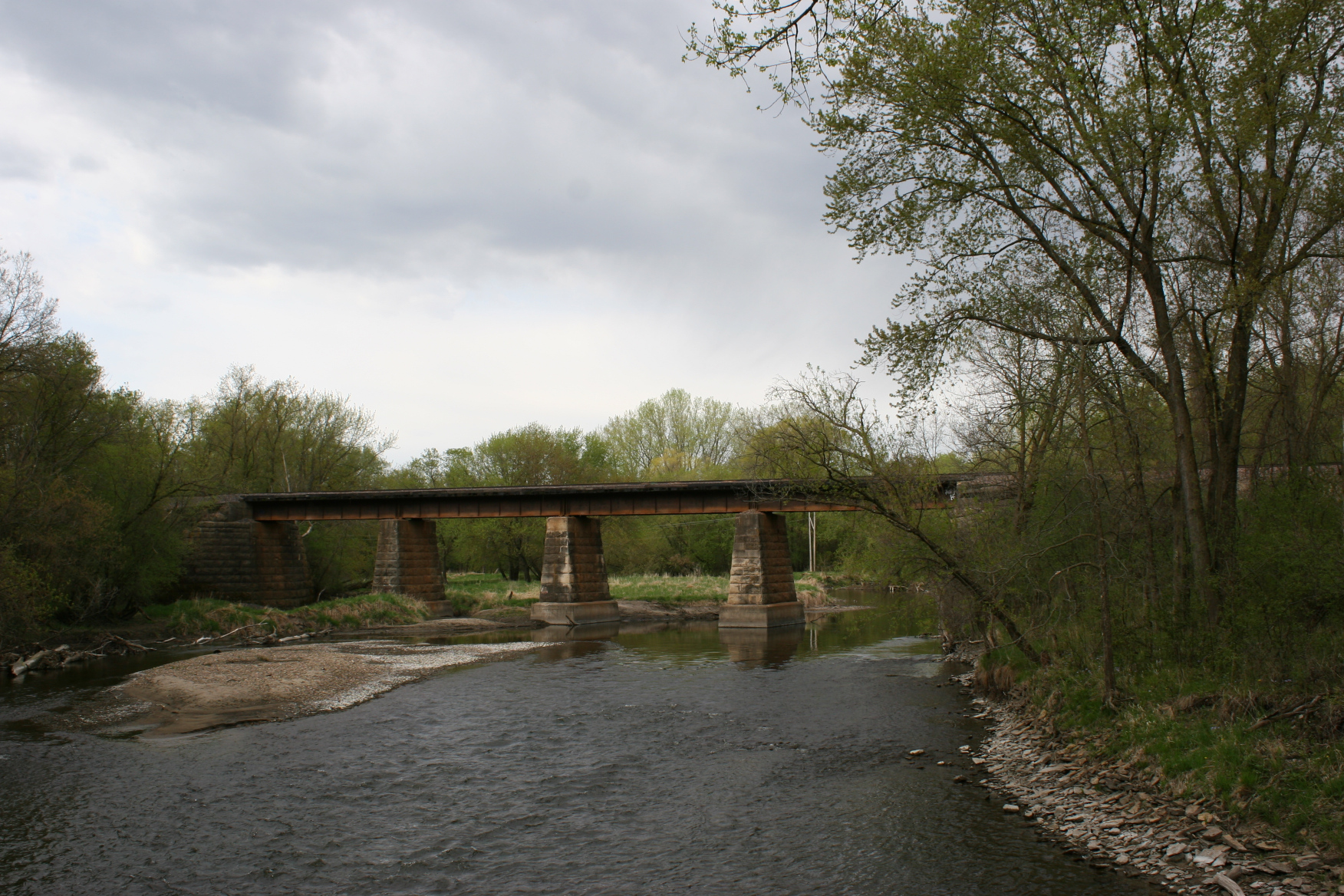
A view of the Straight River and the railroad bridge crossing it, photographed from the footbridge. Minnesota Prairie Roots copyrighted photo.

IF NOT FOR THE OFFENSIVE GRAFFITI, the natural setting would be particularly inviting. But obscene words and disturbing messages kept me from fully enjoying the trail leading from Faribault’s Teepee Tonka Park into River Bend Nature Center.

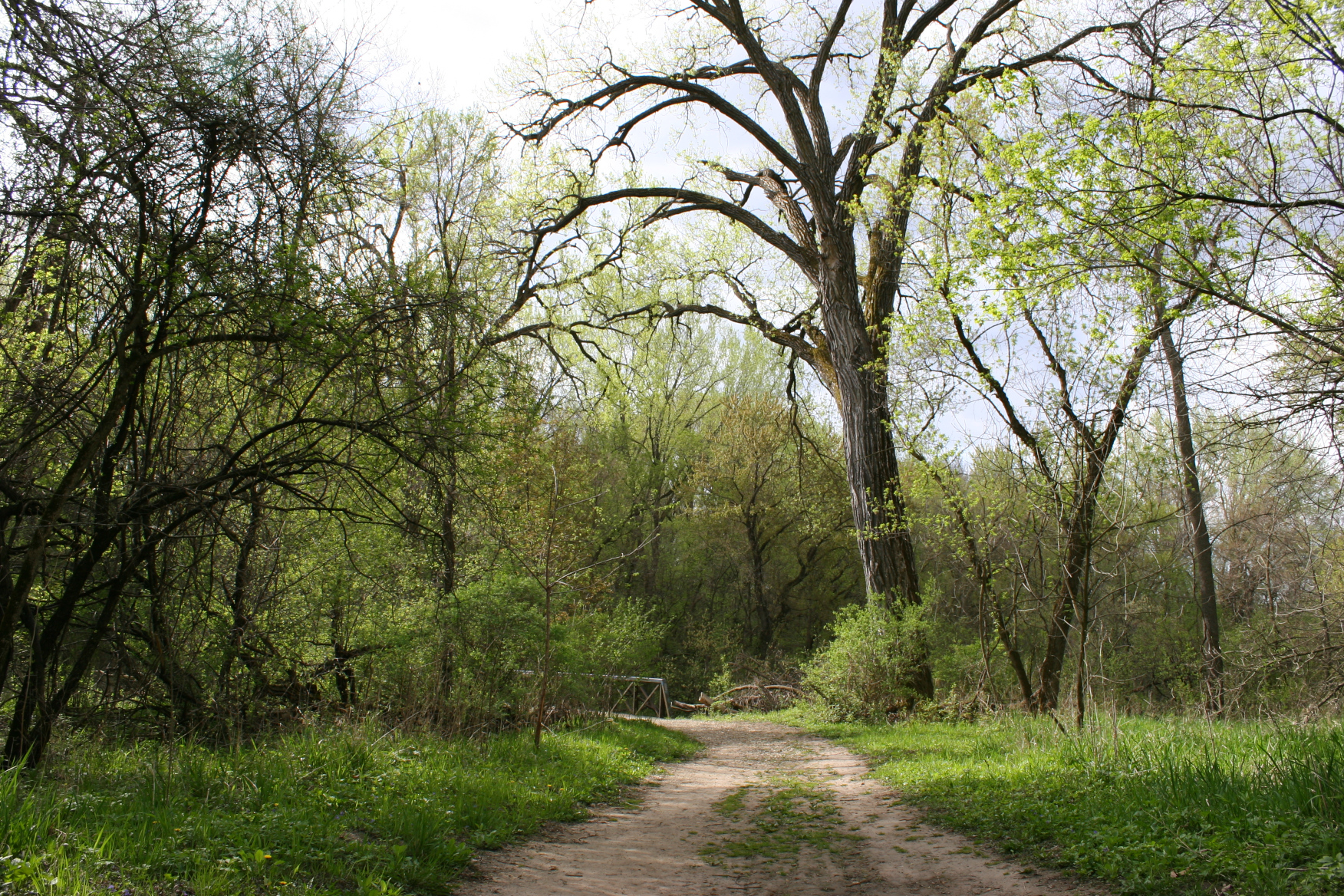
Along the trail from Teepee Tonka Park into River Bend Nature Center, I saw trees tagged with graffiti. Here I’m approaching the footbridge crossing the Straight River. Minnesota Prairie Roots copyrighted photo.

Even trees were tagged with paint. That’s a first.

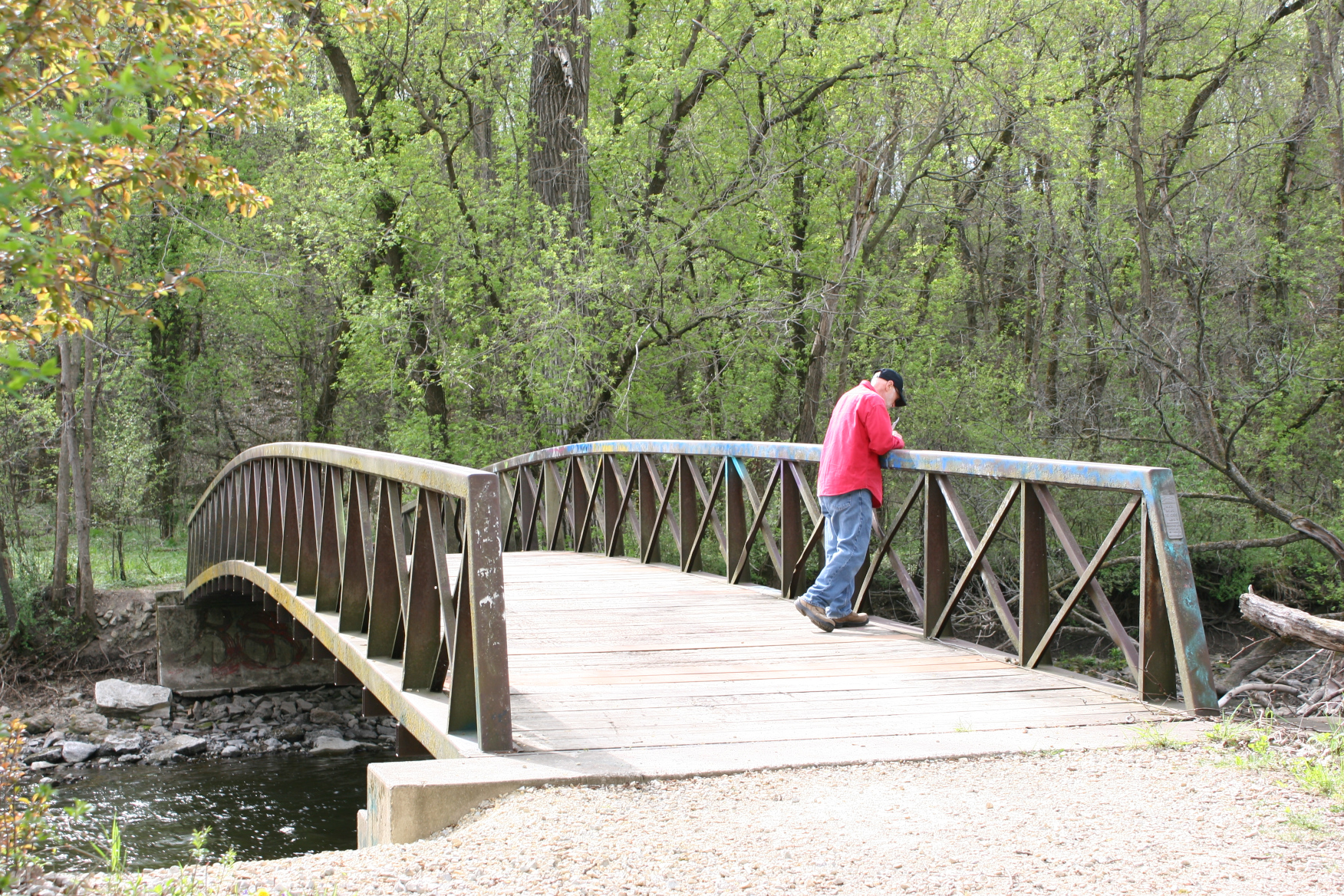
Randy looks over the Straight River. Minnesota Prairie Roots copyrighted photo.

On the footbridge which spans the Straight River, I found the most disturbing of accusations—J**** killed my mother. That shifted my already on-alert mode to what the h*** is going on in these woods? I read derogatory comments about Faribault. And I thought, why do those who hate this community so much stay here?

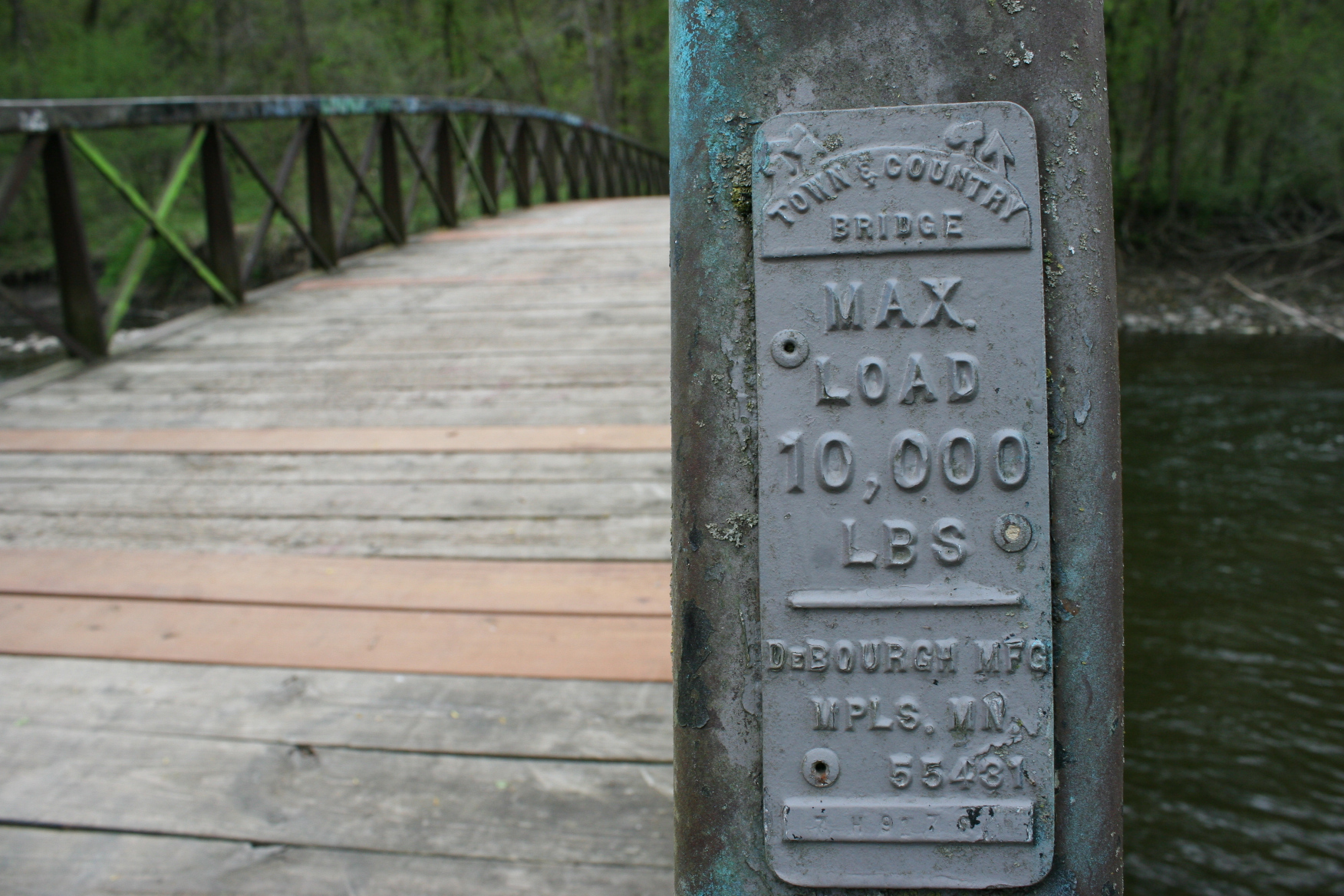
This marker on one end of the bridge remains unmarred. Minnesota Prairie Roots copyrighted photo.

I tried to overlook all that awful graffiti, but it was just too much to dismiss. I wouldn’t bring a child here, not one who can read anyway.

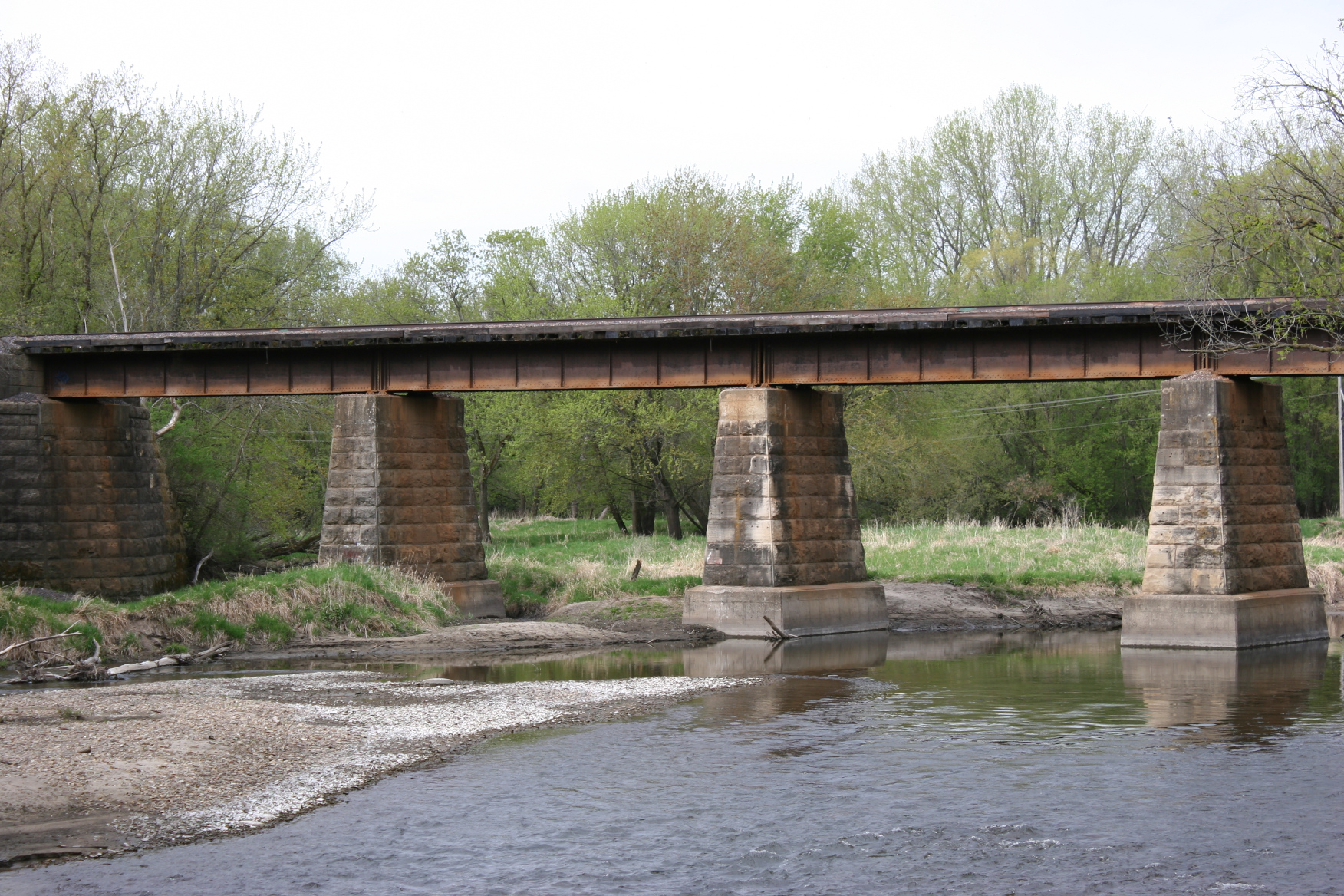
I expect there’s a story behind this beautiful railroad bridge over the Straight River. Minnesota Prairie Roots copyrighted photo.

Yet, there’s much to see and appreciate here, if you look beyond the tagging, the offensive messages. Nature and history intertwine, leaving me with more questions than answers.

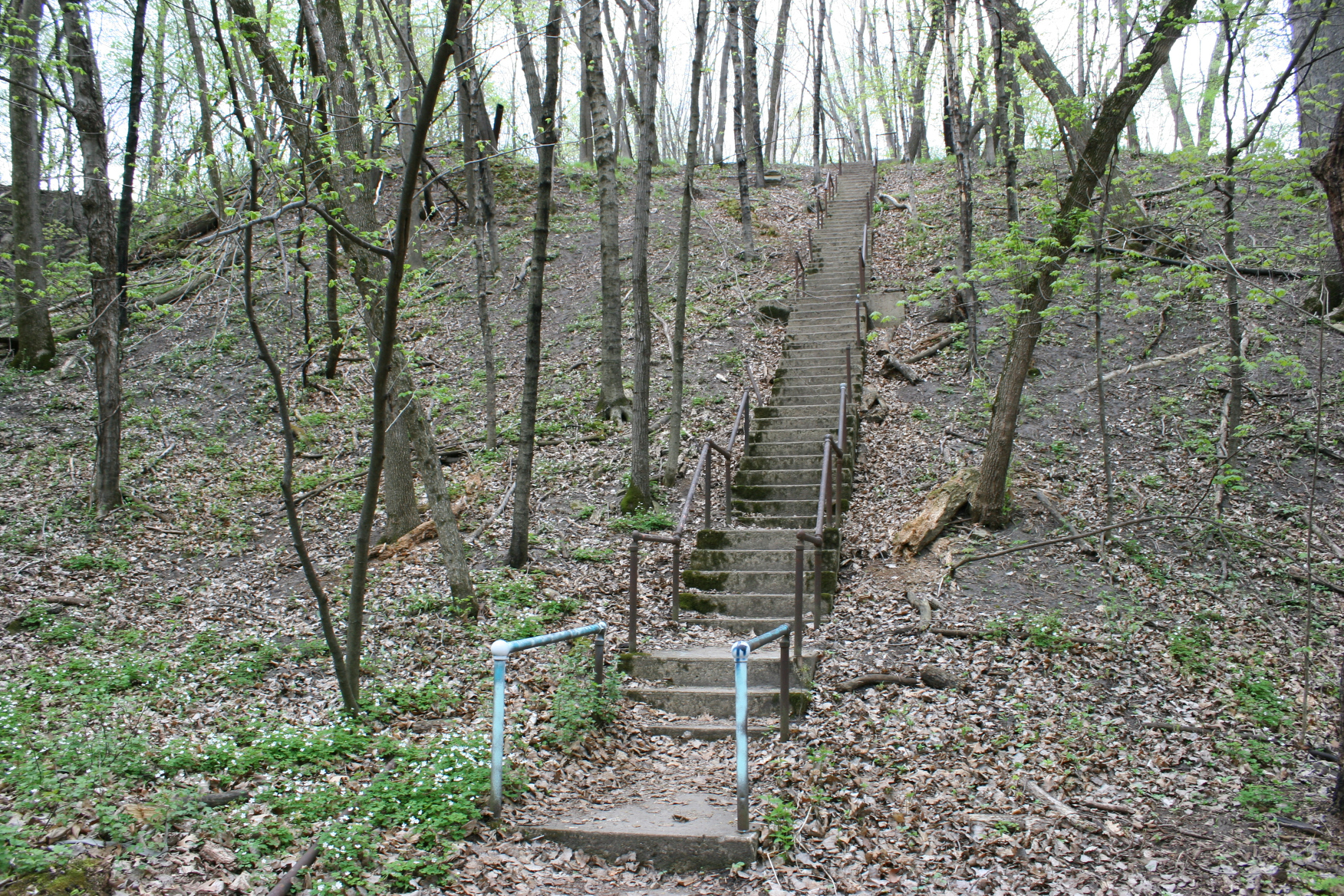
I felt tempted to climb these stairs, but didn’t have the energy. Minnesota Prairie Roots copyrighted photo.

A lengthy stairway climbs a hillside. Slabs of limestone and chunks of concrete—perhaps foundations of long ago buildings—cling to steep banks.

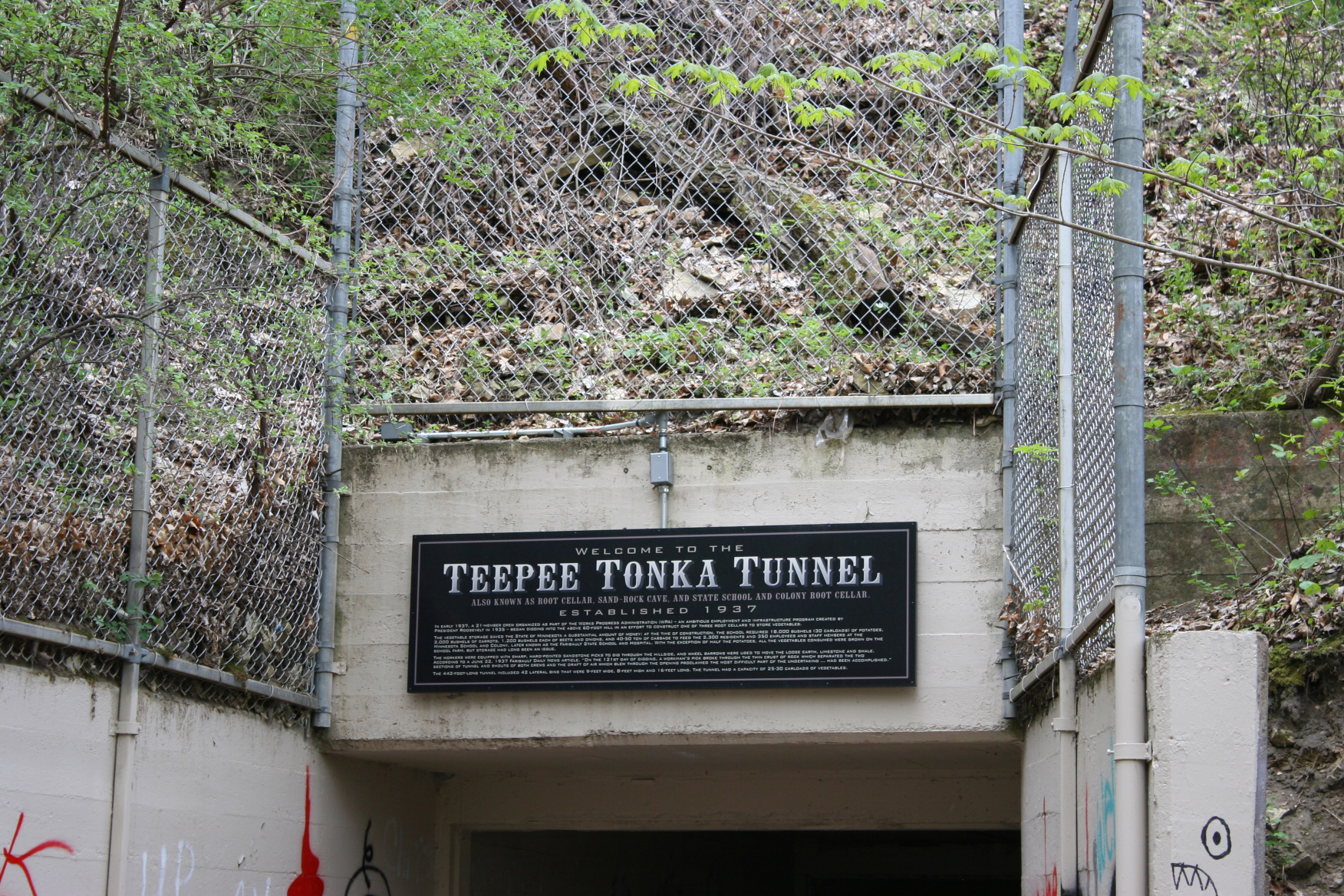
Graffiti mars the tunnel entrance. Minnesota Prairie Roots copyrighted photo.

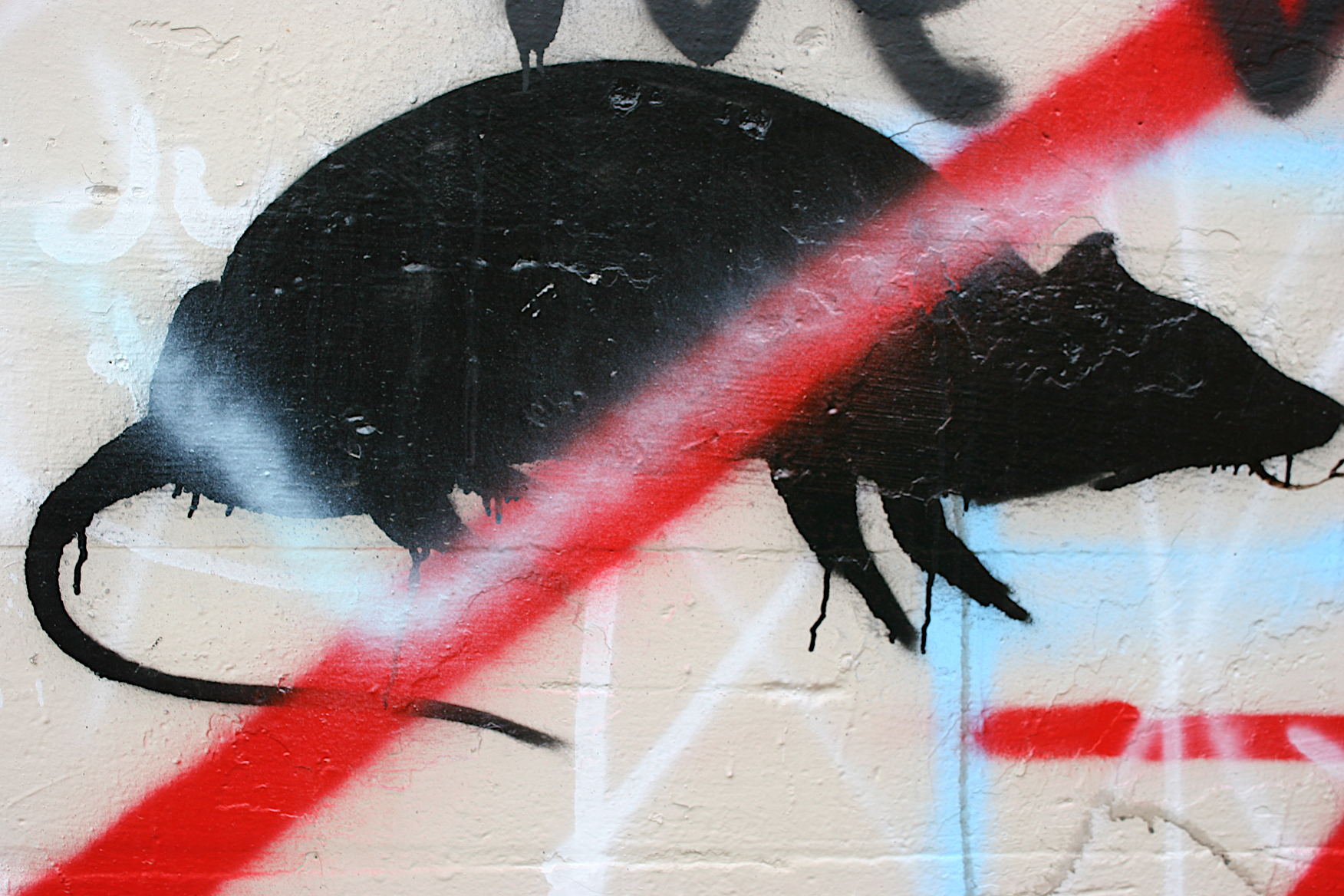
And then there’s the tunnel. The 442-foot-long tunnel, which I refused to enter. One look at the graffiti at the entry, especially the rat art, and I knew, no way, would I walk through that former root cellar. So I photographed that space, editing out the obscenities (which proved nearly impossible).

A sign above the tunnel details its history. Minnesota Prairie Roots copyrighted photo.

And I photographed the sign above, which summarizes the history of this 1937 Works Progress Administration project. Workers hand dug the tunnel with picks, hauling the dirt and rocks away with wheelbarrows. Once complete, the tunnel served as a root cellar for the Minnesota School and Colony (later known as The Faribault State School and Hospital). The Teepee Tonka Tunnel once held 25-30 carloads of vegetables to feed the 2,300 residents and 350 employees. Most of those potatoes, carrots, beets, onions and cabbage were grown on the school farm.

Another snippet of the tunnel graffiti. Minnesota Prairie Roots copyrighted photo.

Now the history, the hard work, the humanity were dishonored by those who use this as a canvas for words and art that shouldn’t be here.

Trees tower over the trail. Minnesota Prairie Roots copyrighted photo.

All of this saddened me as I retraced my steps, watched as a young man walked along the railroad tracks, backpack strapped on, county music blaring. This should be a place of peace. Not only noise-wise, but also mentally. I pictured picnic tables near a footbridge devoid of menacing messages. I pictured a beautiful natural setting where I could bring my grandchildren. But, in reality, I understood that those tables would only be defaced, maybe even burned.

The beautiful Straight River, which winds past Teepee Tonka Park and River Bend Nature Center. Minnesota Prairie Roots copyrighted photo.

This could be so much. A respite. Water and woods converging. River flowing with history. Images of men hard at work tunneling into a 60-foot high hill. I could envision all of that…the possibilities beyond that which I’d seen.

© Copyright 2021 Audrey Kletscher Helbling