Minnesota Prairie Roots

Writing and photography by Audrey Kletscher Helbling

Coming together in prayer, reflection & unity at Bishop Whipple’s church in Faribault February 5, 2026

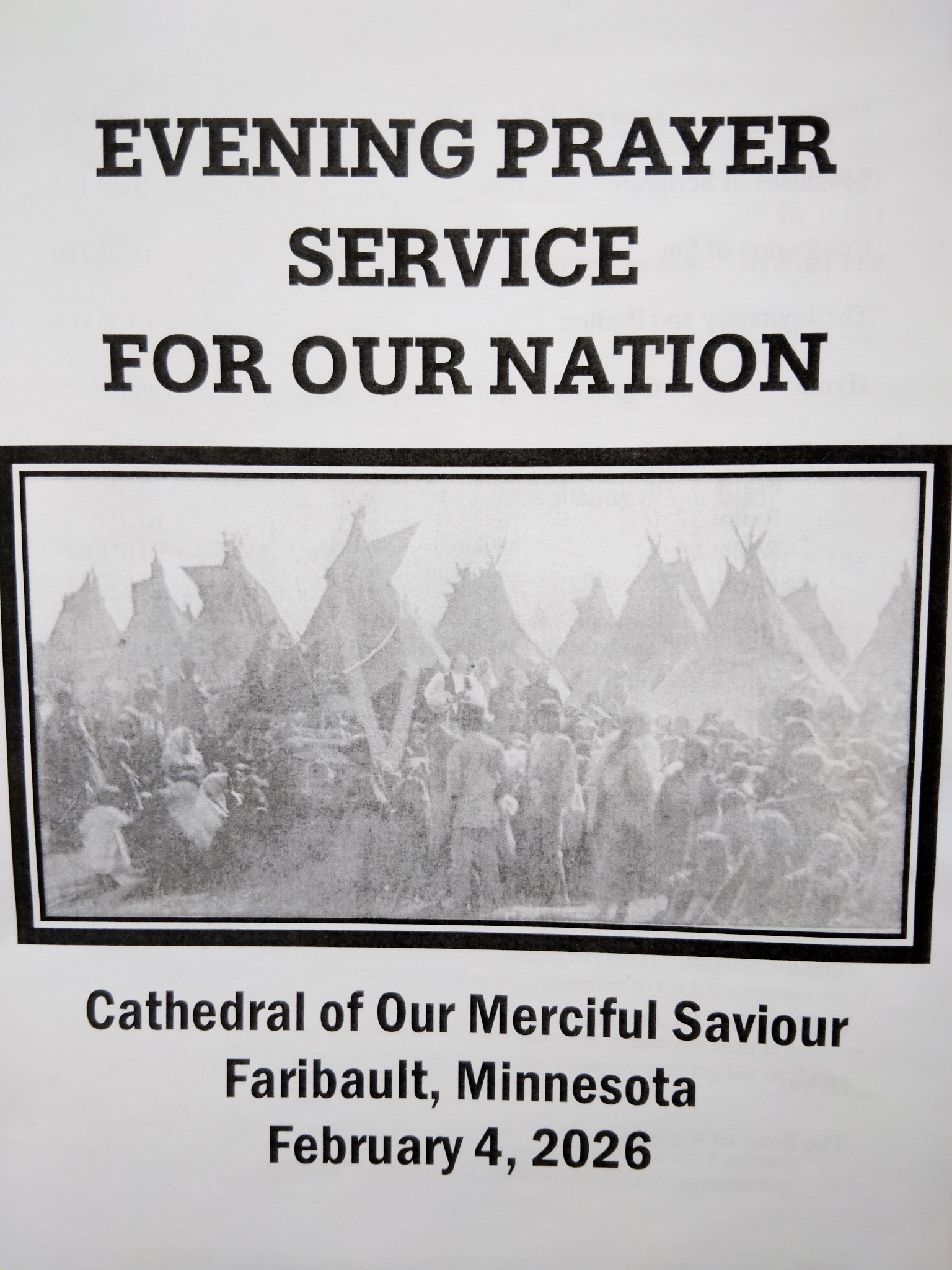
The service program cover featured an historic photo of Native Americans incarcerated at Ft. Snelling following the U.S.-Dakota War of 1862 prior to their deportation from Minnesota. (Minnesota Prairie Roots copyrighted photo February 2026)

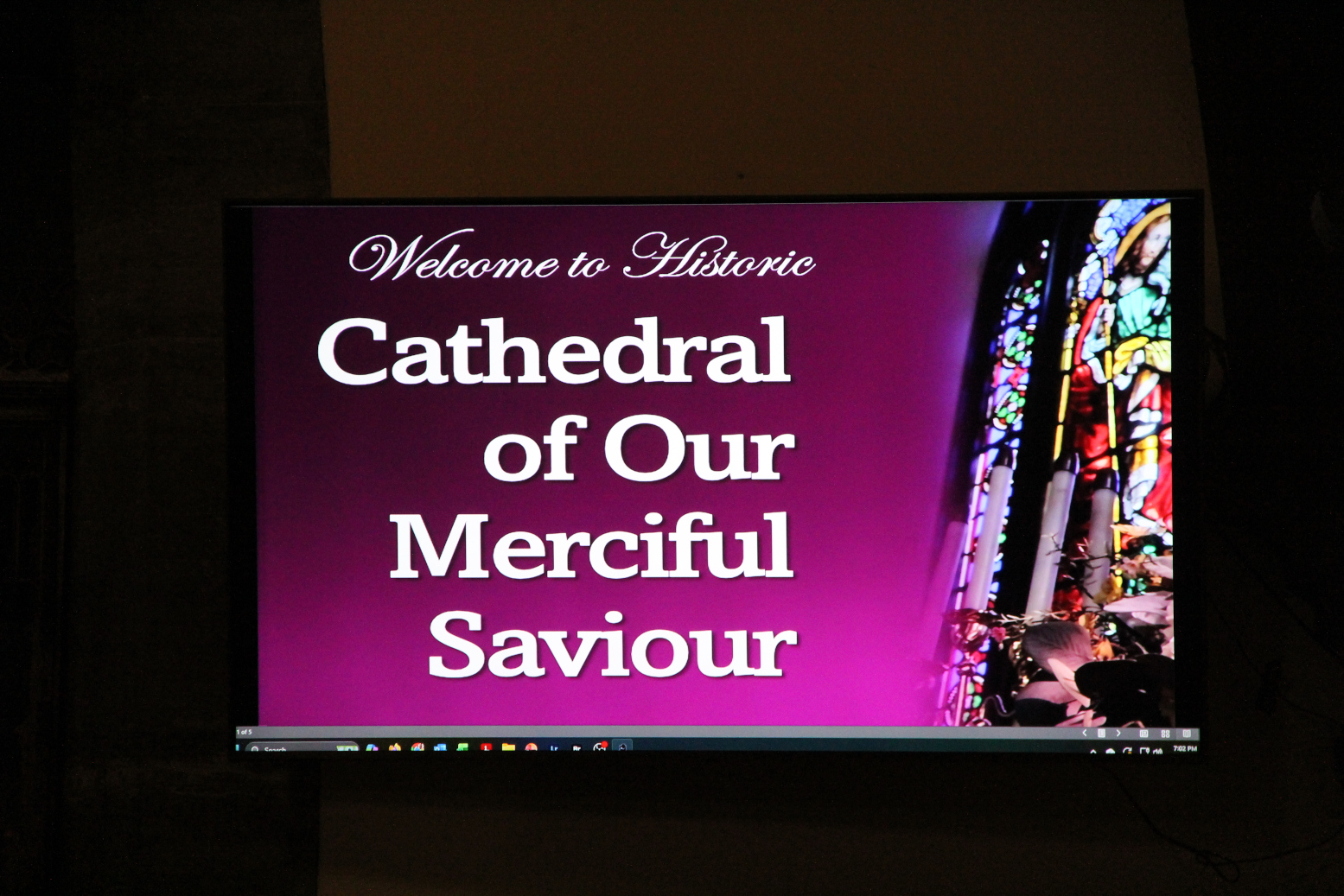
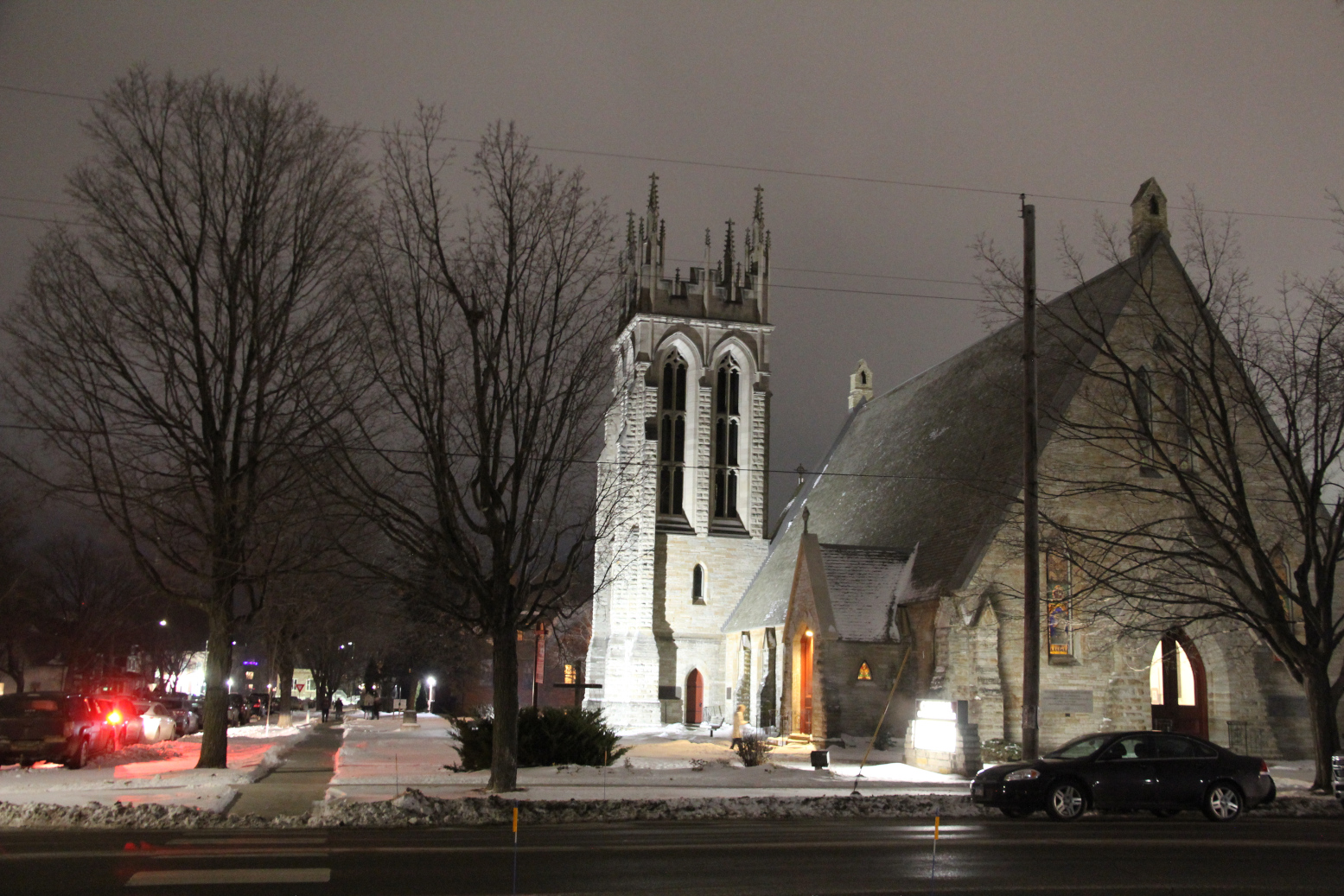
WE GATHERED. On a day when I learned that a friend, an American citizen, was recently racially-profiled and stopped by ICE. On a day when I learned that ICE vehicles have been parked in my neighborhood. On a day when several Minnesota children were released from federal detainment in Texas. On a day when the border czar announced the draw-down of 700 federal agents (out of 3,000) in Minnesota. On this early February day, 75 of us gathered for an “Evening Prayer Service for Our Nation” at the Cathedral of Our Merciful Saviour in Faribault, Bishop Henry Whipple’s church.

The prayer service was open to anyone who wanted to attend in a church I’ve always considered especially welcoming and focused on serving community. (Minnesota Prairie Roots copyrighted photo February 2026)

I needed this service of prayer, scripture, Psalms, reflection and hymns to quiet my troubled spirit. But I needed, too, to hold space, to sit and stand and sing and pray in community, in support of anyone—especially our immigrant and refugee neighbors—illegally stopped, taken and/or detained by ICE.

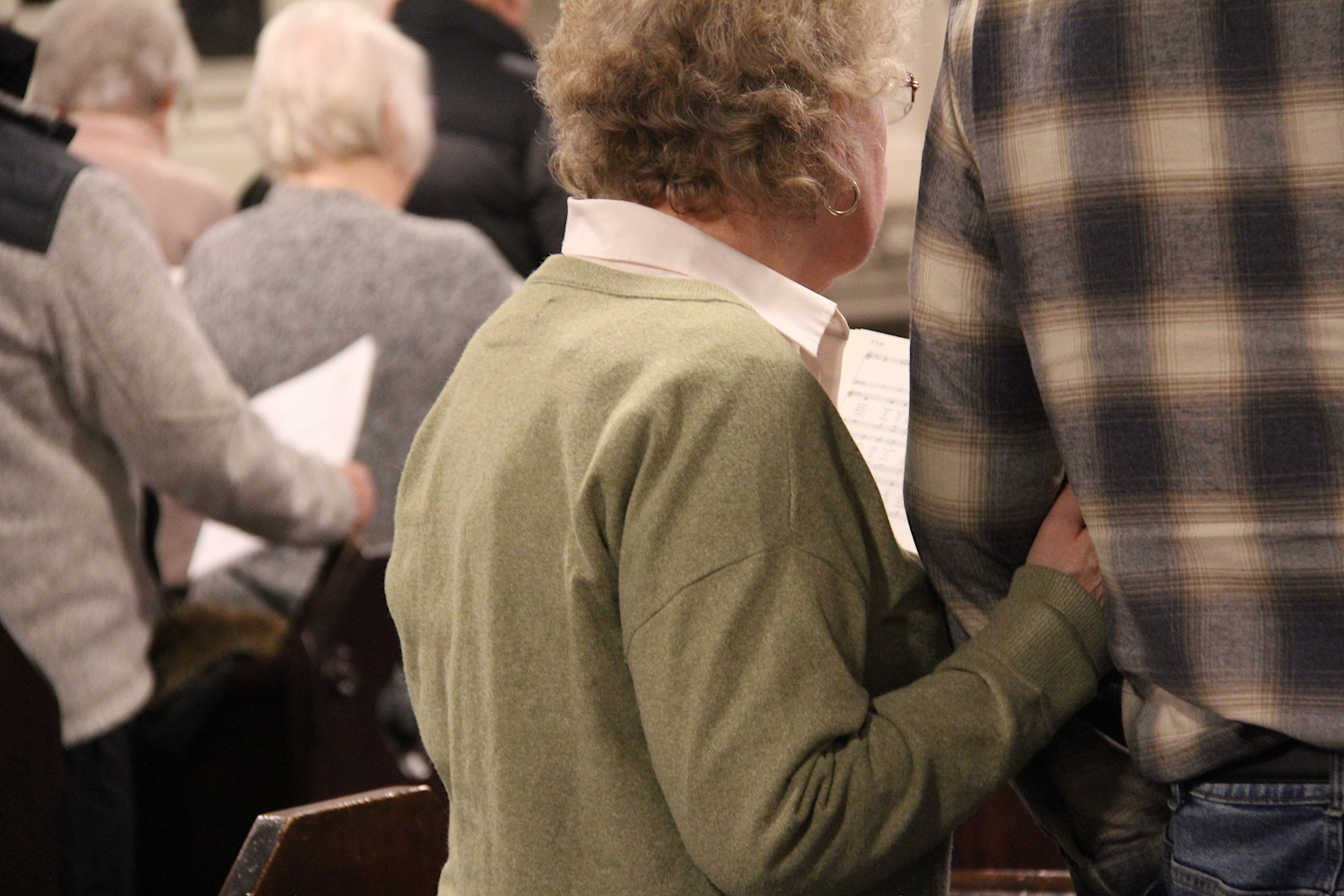
A couple leans on one another during the service. (Minnesota Prairie Roots copyrighted photo February 2026)

This was not a protest service. Rather, this was a reflective, prayerful, unifying, worshipful coming together of people in my community who care deeply about their neighbors and about this nation.

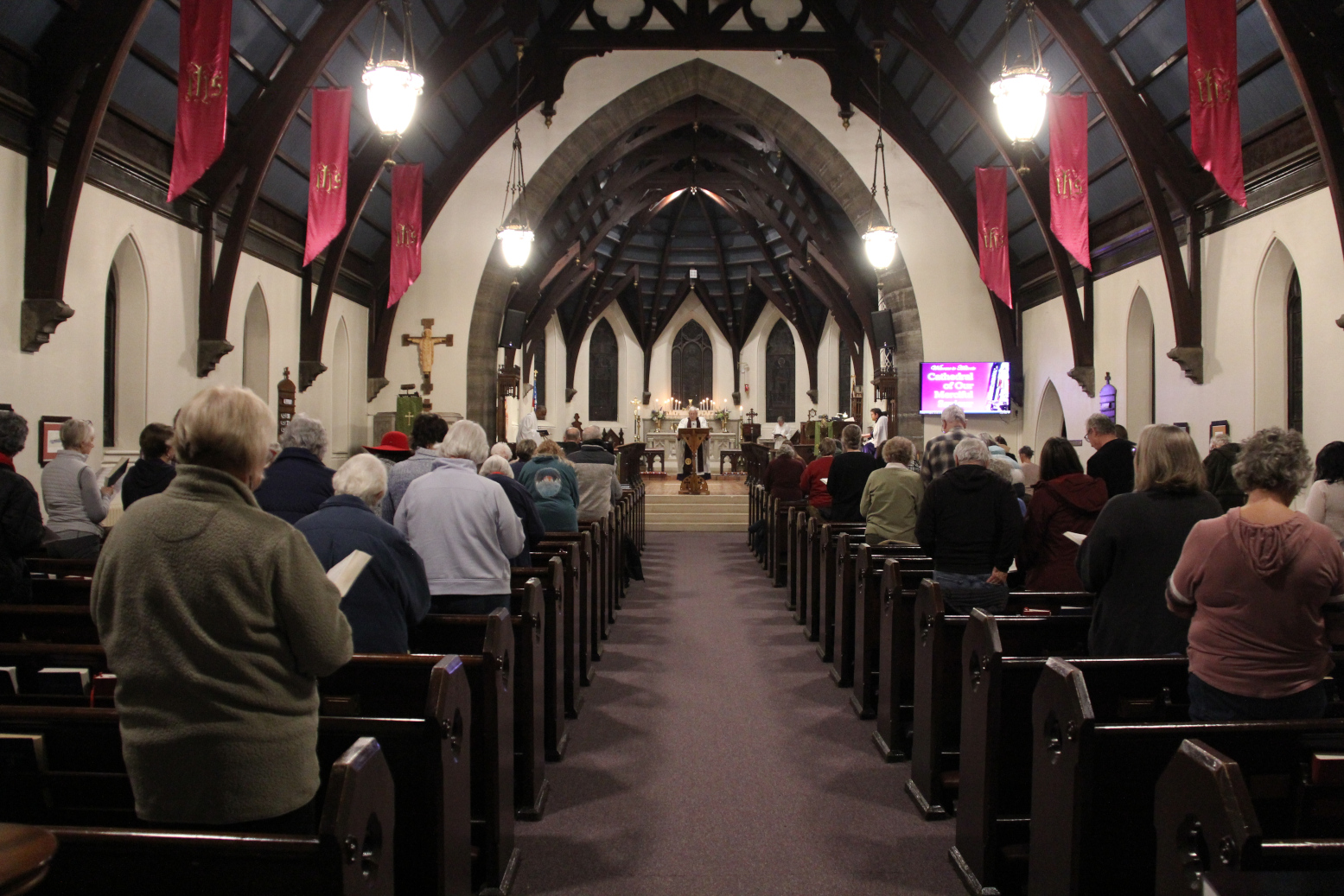
People arrive for the 7 pm service inside the Cathedral of Our Merciful Saviour, Faribault. (Minnesota Prairie Roots copyrighted photo February 2026)

The Rev. James Zotalis welcomed attendees to the event held inside the massive Episcopal cathedral completed in 1869 under the leadership of Bishop Whipple. “Welcome to the Whipple building,” Zotalis said in opening his short homily. “This is the real Whipple building.”

Gathered inside the cathedral for the prayer service. (Minnesota Prairie Roots copyrighted photo February 2026)

He contrasted the beautiful church to the stark seven-story Whipple Federal Building 50 miles to the north that bears the good bishop’s name and which is now a temporary detention center for those detained by ICE in Minnesota. Conditions inside have been described as “inhumane” by officials who have visited the facility.

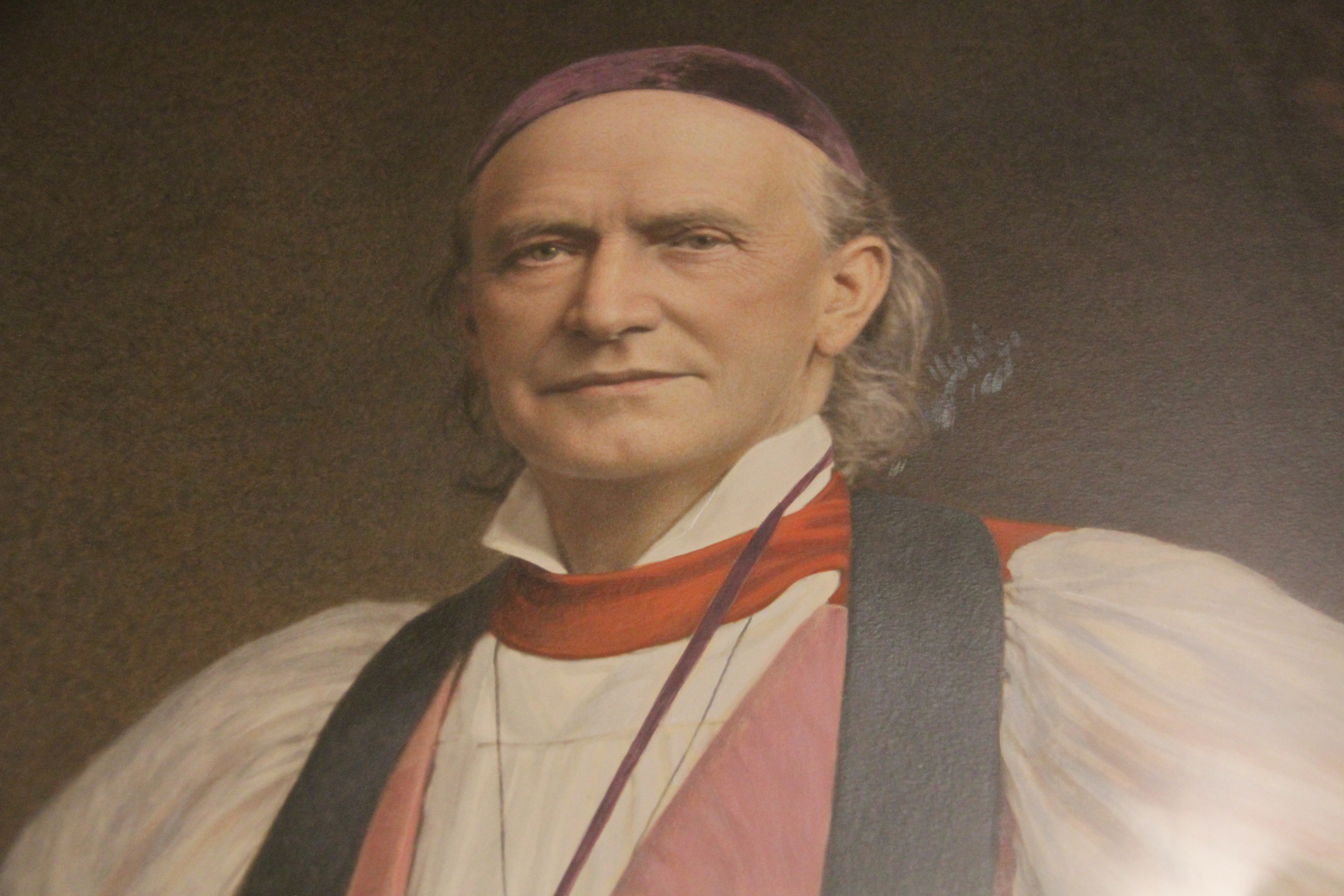
A portrait of Bishop Henry Whipple hanging inside the cathedral. (Minnesota Prairie Roots copyrighted photo February 2026)

The cathedral, Zotalis said, is a place of love and peace, its ministry modeled after that of Bishop Whipple and his first wife, Cornelia. Arriving here from Chicago in 1859, the couple had already served in dangerous areas of that city, connecting with people in tangible, helpful ways, much like we see Minnesotans stepping up and helping others today.

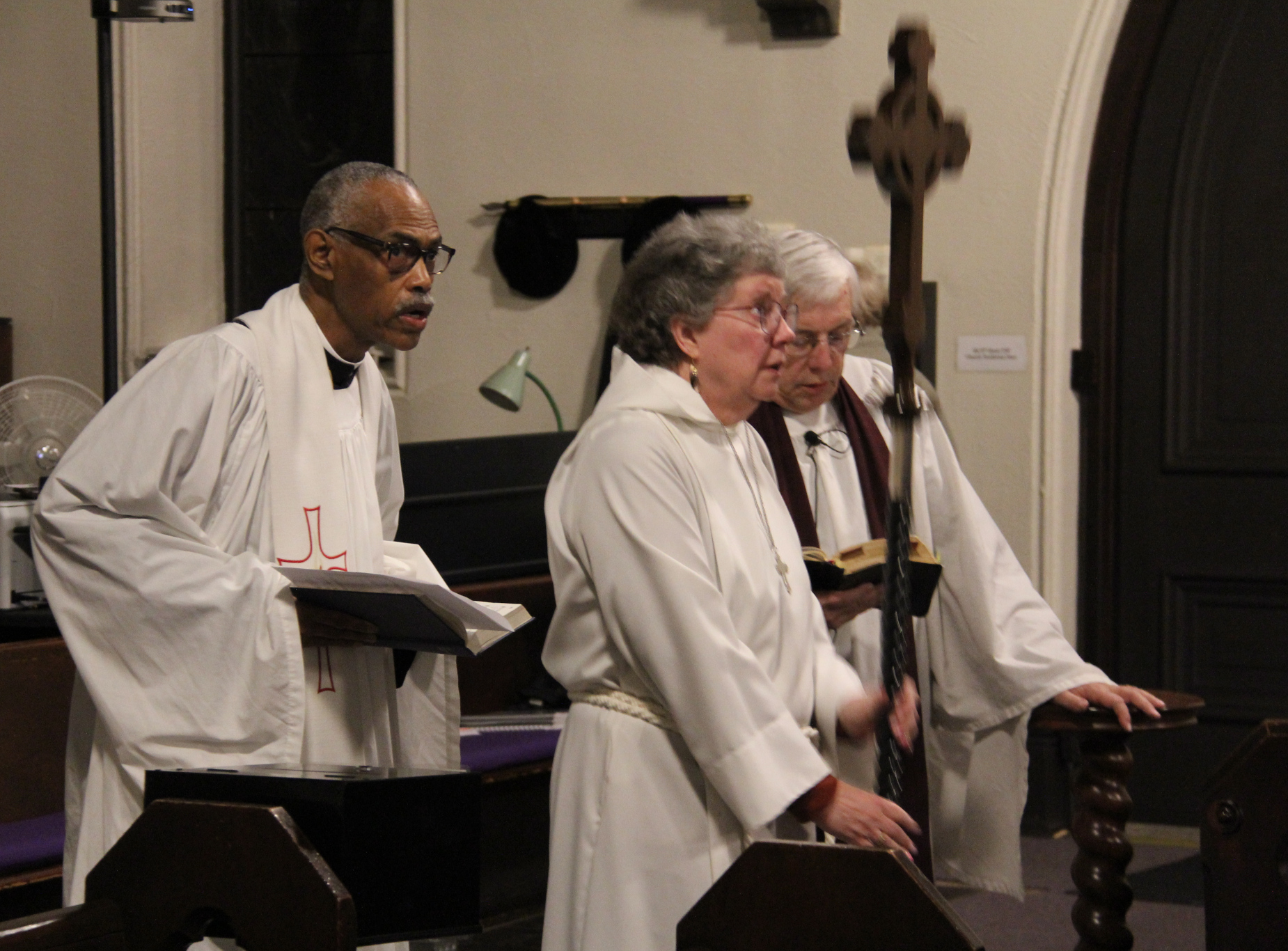
The Rev. Henry Doyle, left, a church member, and the Rev. James Zotalis, right, start the service with a processional. (Minnesota Prairie Roots copyrighted photo February 2026)

With a repeated directive to “always say no to evil,” Zotalis said Minnesotans have done just that since the invasion of our state by masked federal agents two months ago. He listed specifics: bringing food to people afraid to leave their homes, providing rides, offering free legal aid and peacefully protesting.

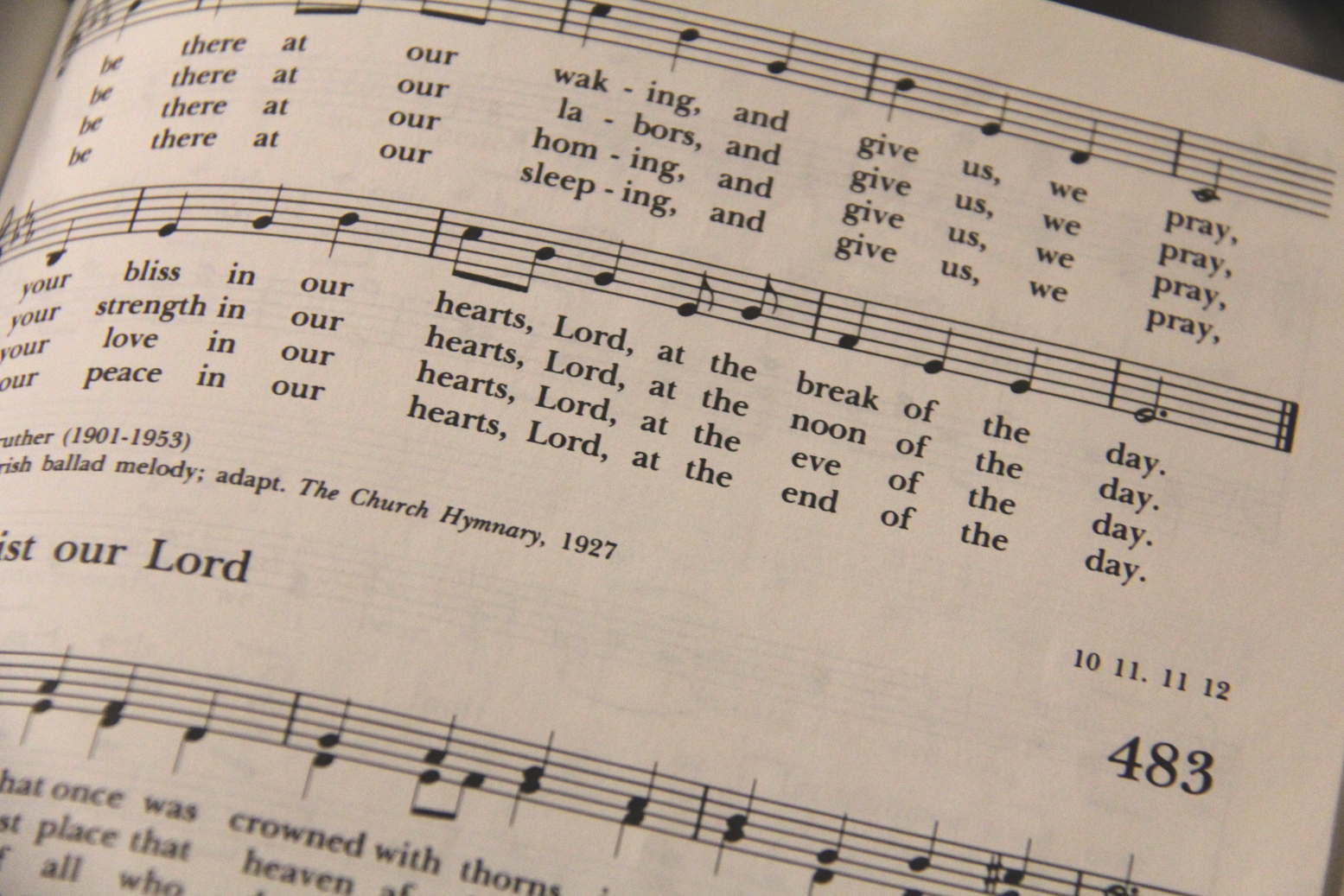
Among the many hymns we sang was #482, “Lord of all hopefulness.” (Minnesota Prairie Roots copyrighted photo February 2026)

“Love your neighbor as yourself” was emphasized often in love-themed Scripture readings (Luke 10:27, I Corinthians 13:13, I John 4:11) during the Wednesday evening service. Like the good people of Minnesota today, Bishop Whipple showed that love long ago in his ministry to the Dakota people locally, across the state and during their imprisonment after the U.S.-Dakota War of 1862 at Fort Snelling, where the Whipple Federal Building is located. Whipple faced death threats for those who opposed his compassionate work with Native Americans.

Death. In a time of remembrance during Wednesday’s service, attendees could speak the names of “deceased and alive during this time of tragedy and strife.” I spoke first: “Renee Good.” Then another voice: “Alex Pretti.” And then an attendee read the names of 32 individuals who died in ICE detention in 2025. Thirty-two.

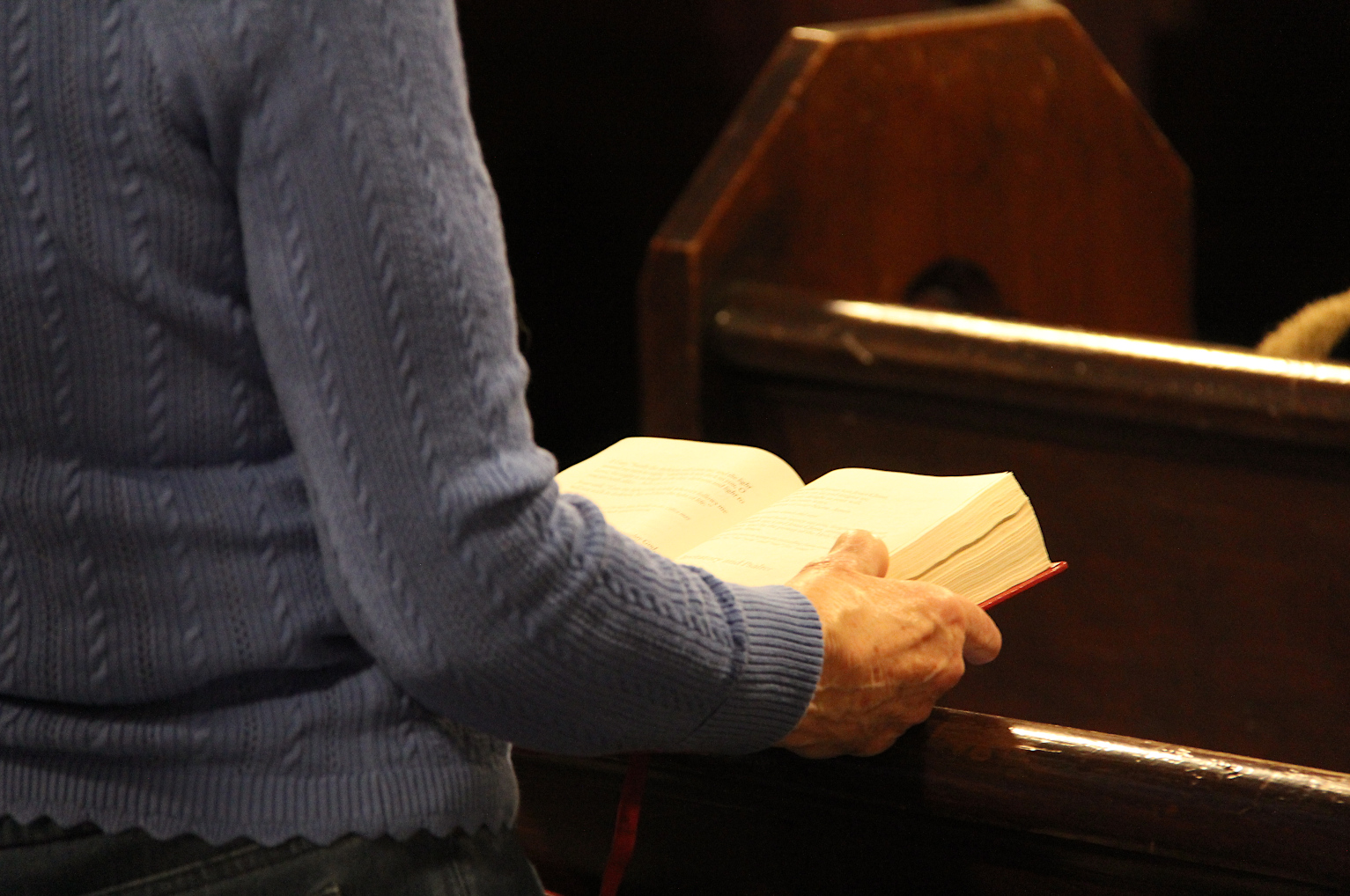
A woman holds a prayer book used often during the service. (Minnesota Prairie Roots copyrighted photo February 2026)

Many times my emotions verged on tears. As we asked, “Lord, keep this nation under your care.” As we sang “America the Beautiful.” As we prayed a Collect for Peace. As I thought of Jesus, who also lived in troubled times and who served with love and compassion.

Theme words of love, compassion, mercy and neighbor threaded throughout the service led by the reverends Zotalis and Henry Doyle. I could feel those words. And I could feel, too, the collective sense that we all needed this evening of prayer, scripture, Psalms, reflection and hymns to quiet our troubled spirits.

FYI: To watch a video of the service online, click here.

© Copyright 2026 Audrey Kletscher Helbling


An African spiritual plus my thoughts during Black History Month February 3, 2025

This Nigerian-themed quilt art was created years ago by my friend Susan. The art reflects to me the joy of an African spiritual. The fabric came from Nigeria, where Susan’s father-in-law served as a Lutheran missionary. (Minnesota Prairie Roots copyrighted file photo)

THE SONG WAS UNEXPECTED during Sunday morning worship at the conservative Lutheran church I attend in Faribault. But it was fitting for the day and for my feelings, which have leaned deeply into discouragement recently.

The African American spiritual, “There Is a Balm in Gilead,” proved a temporary balm for my soul. The old school word “balm” holds a healing connotation. The song’s refrain encourages: There is a balm in Gilead to make the wounded whole. There is a balm in Gilead to heal the sin-sick soul.

As I sang the refrain, I wondered, what or where is Gilead? Later research revealed that, during Old Testament days, Gilead was a mountainous region east of the Jordan River and an important source of medicinal herbs. That makes sense as it relates to the lyrics.

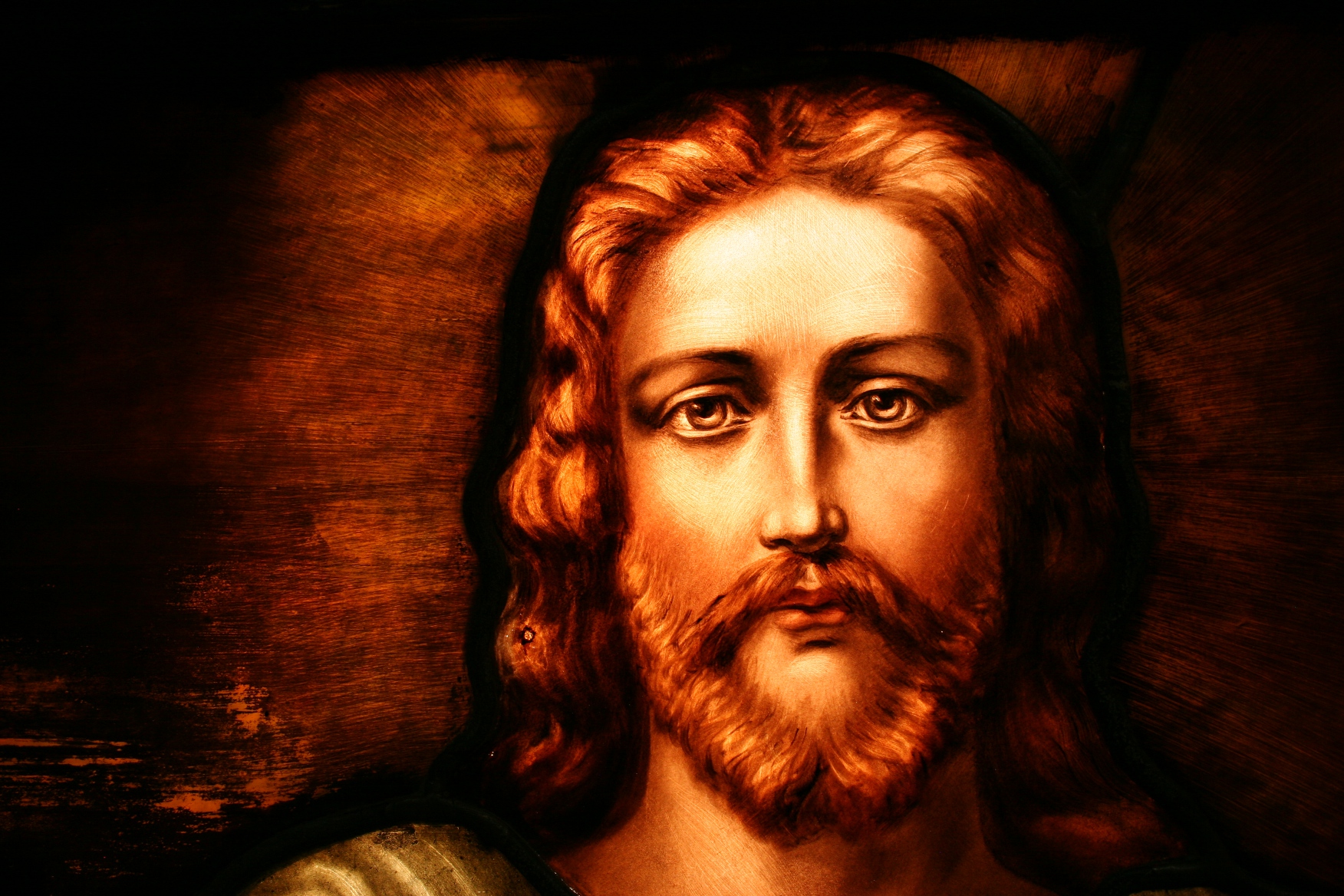
Christ’s face in a stained glass window in the sanctuary of my church, Trinity Lutheran, Faribault. (Minnesota Prairie Roots copyrighted file photo)

In the New Testament, “balm of Gilead” refers not to an herb which heals physically, but to Jesus through whom spiritual healing comes. That also makes sense as it relates to lyrics of the song printed on page 749 of the Lutheran Service Book.

Events of recent weeks in this country have me feeling apprehensive, unsettled, worried, in need of a healing balm. I know I am not alone in these feelings as we face economic challenges, upheaval, chaos and uncertainties on endless levels. Each day seems to bring something of new concern. No matter where you stand politically or spiritually, you have to feel the tension and uncertainties in this country.

A snippet of a photo by Stephen Somerstein from the exhibit, “Selma to Montgomery: Marching Along the Voting Rights Trail,” which I saw at St. Olaf College in Northfield, Minnesota, in 2015. (Minnesota Prairie Roots copyrighted file photo)

On Sunday, as I sang the African American spiritual, I allowed myself to be swept into the healing words of hope and comfort. It was not lost on me that, sitting on the end of my pew, was a family of mixed race—an African American father, White mother and three biracial children, one a darling baby boy of ten months. I thought of my own newborn grandson, who is mixed race. What does the future hold for these two little boys? Will they face challenges simply because of their skin color? I’d like to think not. But…

And I thought, too, of the new calendar month of February, in which we celebrate Black History Month, focusing on Black history, culture and education. I reflect on slavery, on Civil Rights leaders, on racial disparities, diversity, equity and inclusion, wondering how I, personally, can educate myself and make a difference.

A message left by a visitor to the Selma exhibit at St. Olaf College. It’s so applicable to today. (Minnesota Prairie Roots copyrighted file photo)

It truly does start with each of us standing up for what is good and right and decent and not going along with what we know in our hearts, minds and souls to be wrong. And then, maybe then, we’ll find our balm in Gilead.

© Copyright 2025 Audrey Kletscher Helbling