
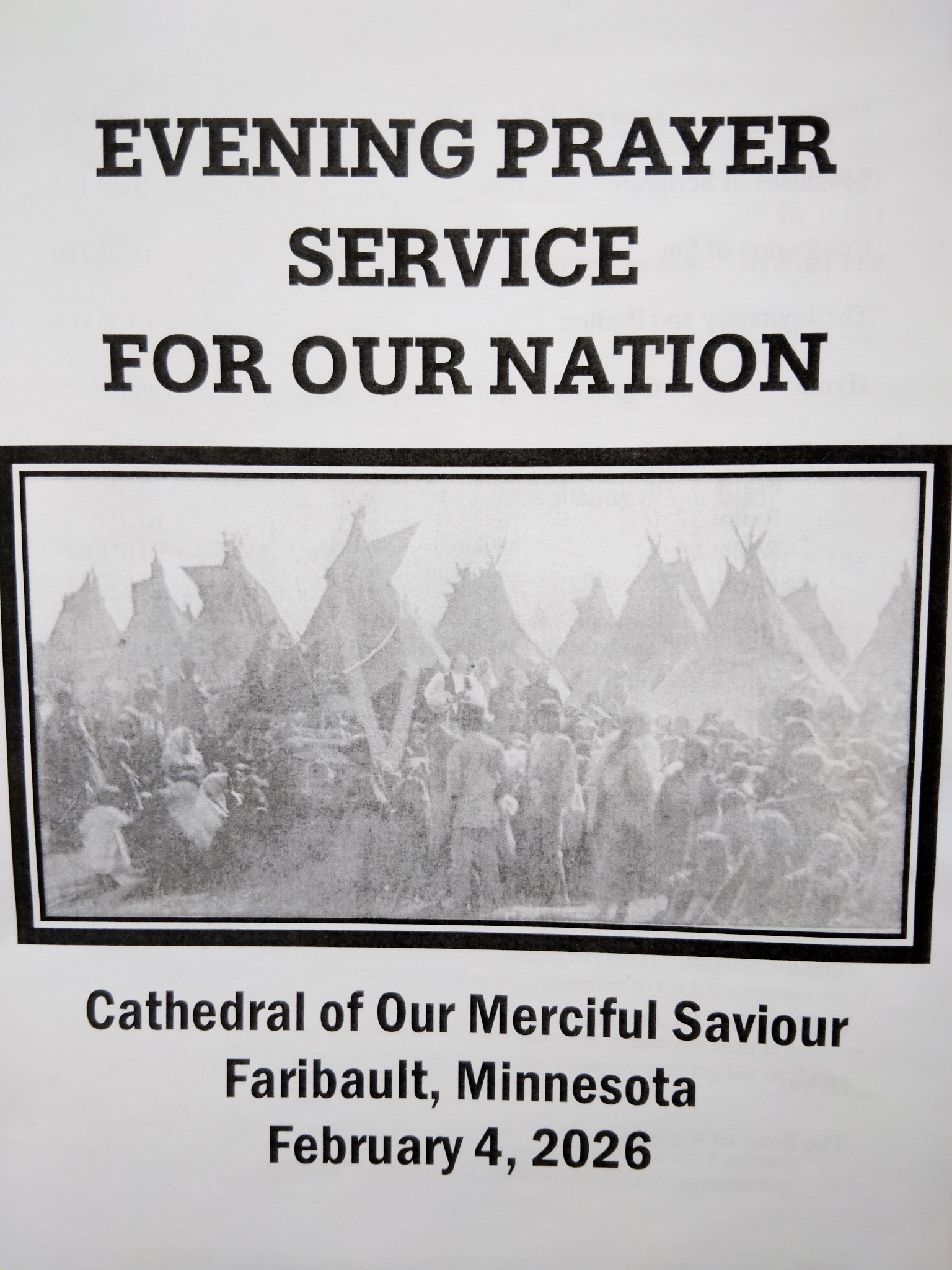
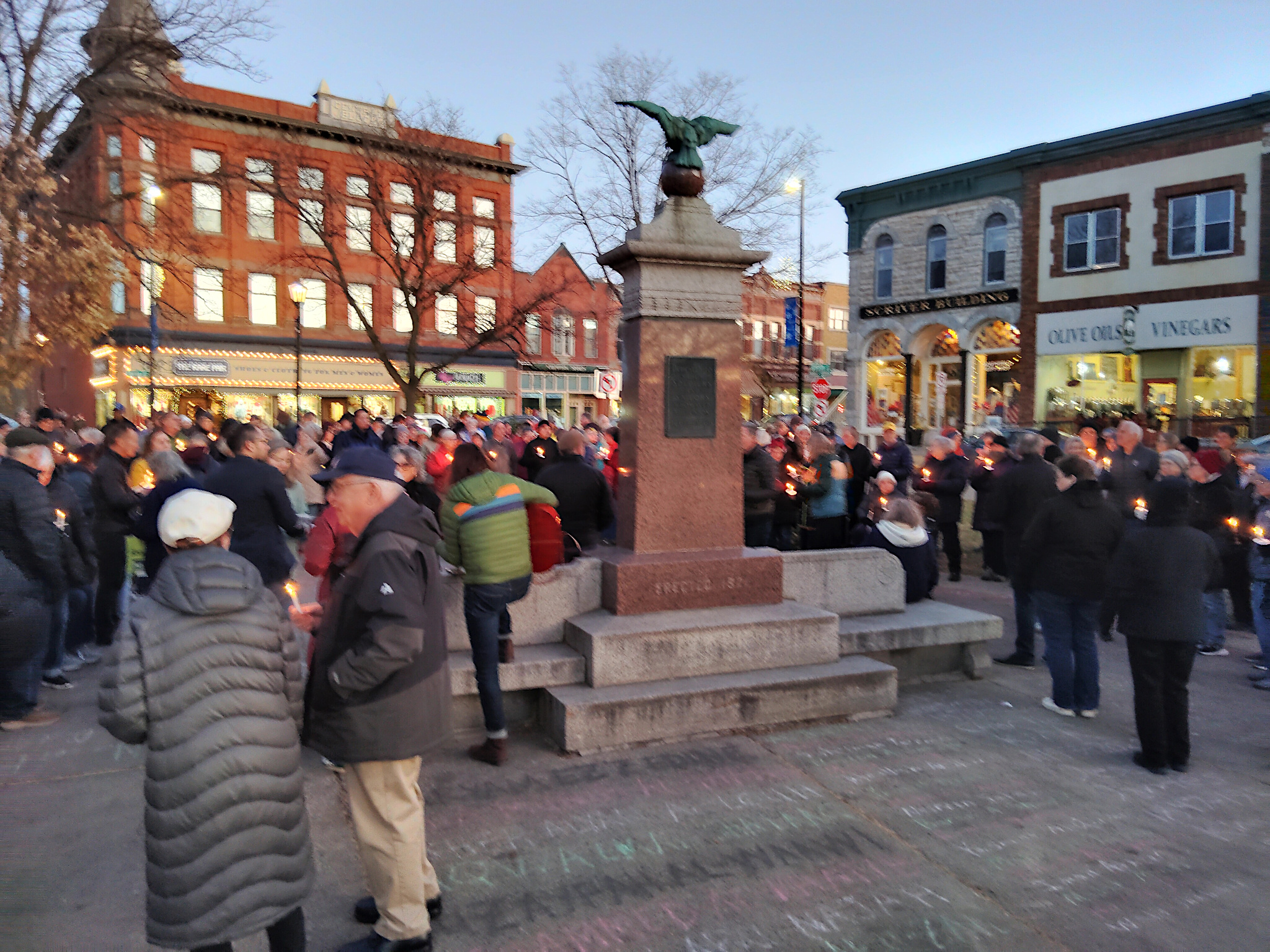
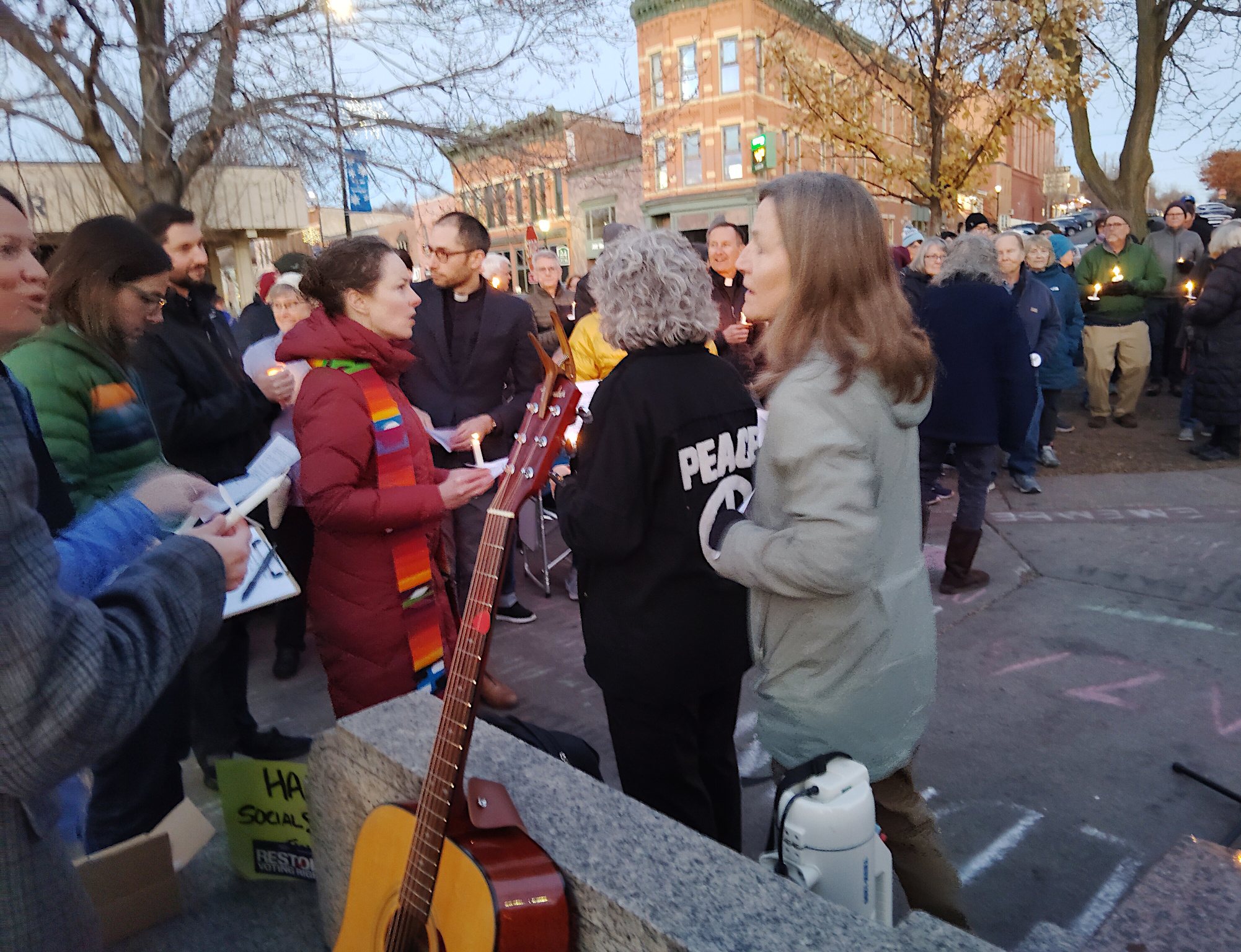
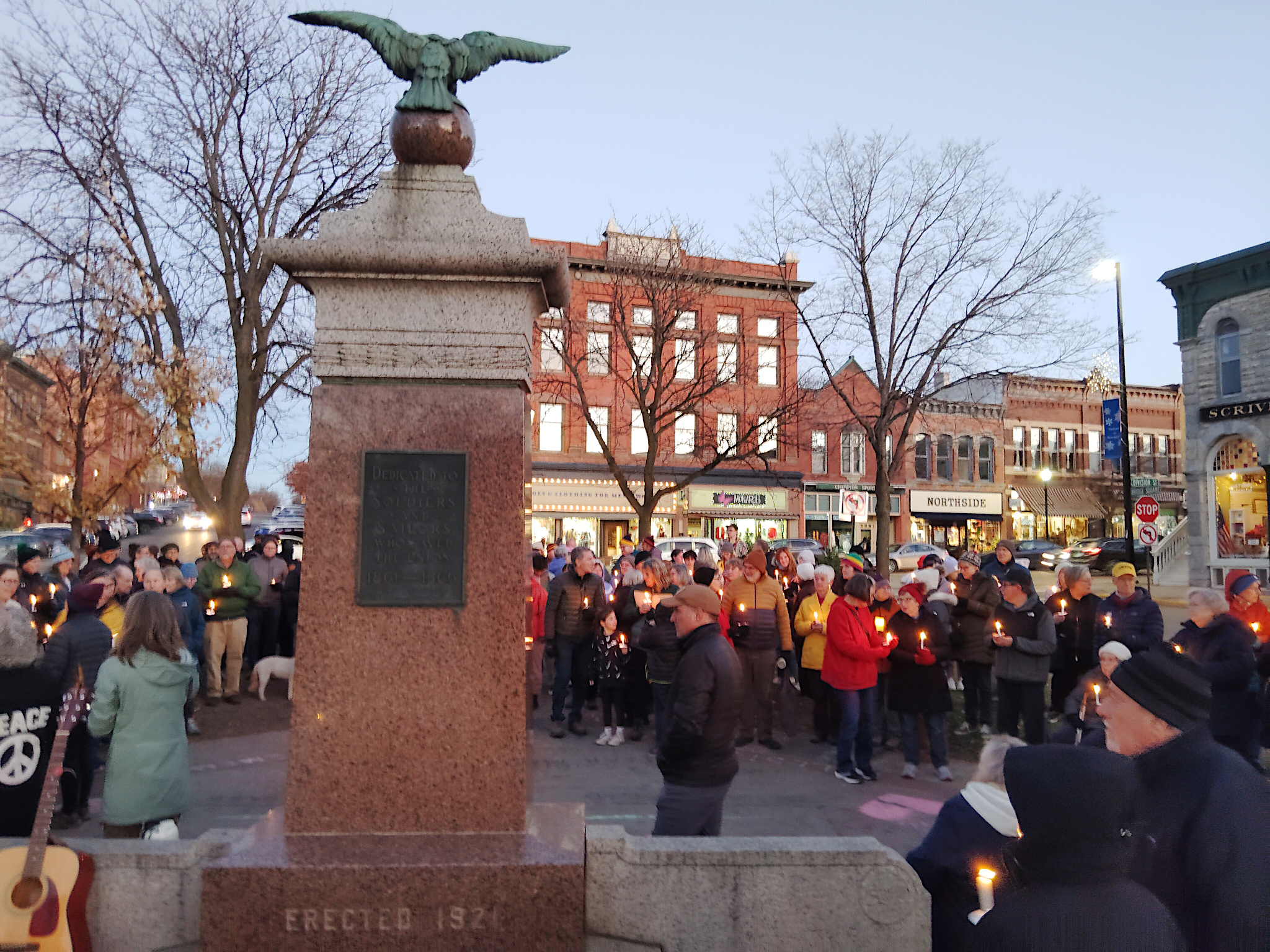
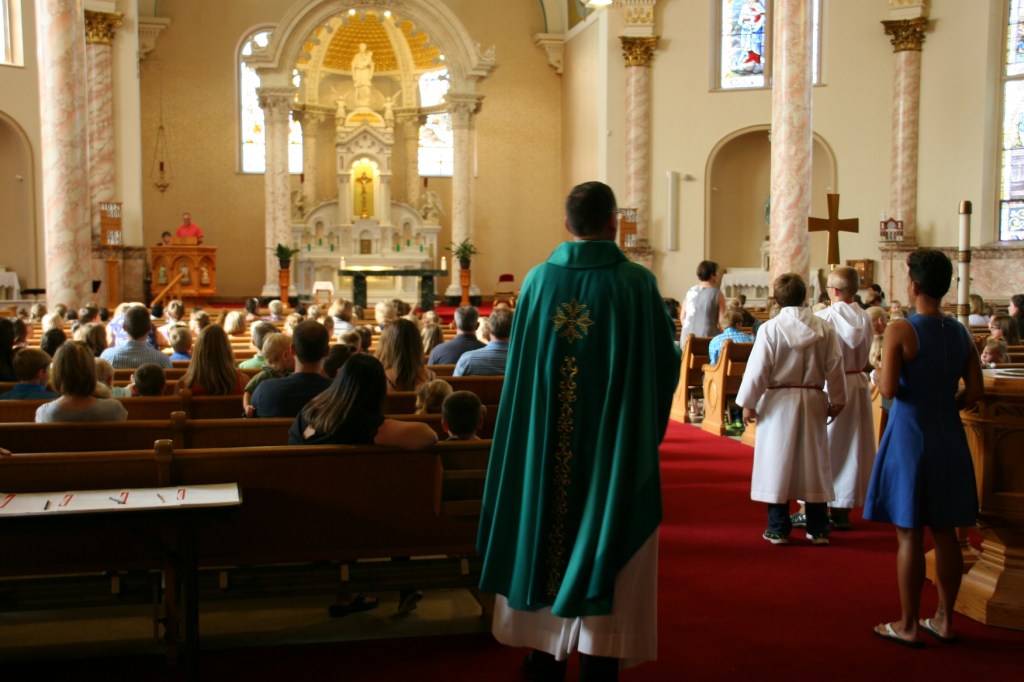
WE GATHERED. On a day when I learned that a friend, an American citizen, was recently racially-profiled and stopped by ICE. On a day when I learned that ICE vehicles have been parked in my neighborhood. On a day when several Minnesota children were released from federal detainment in Texas. On a day when the border czar announced the draw-down of 700 federal agents (out of 3,000) in Minnesota. On this early February day, 75 of us gathered for an “Evening Prayer Service for Our Nation” at the Cathedral of Our Merciful Saviour in Faribault, Bishop Henry Whipple’s church.
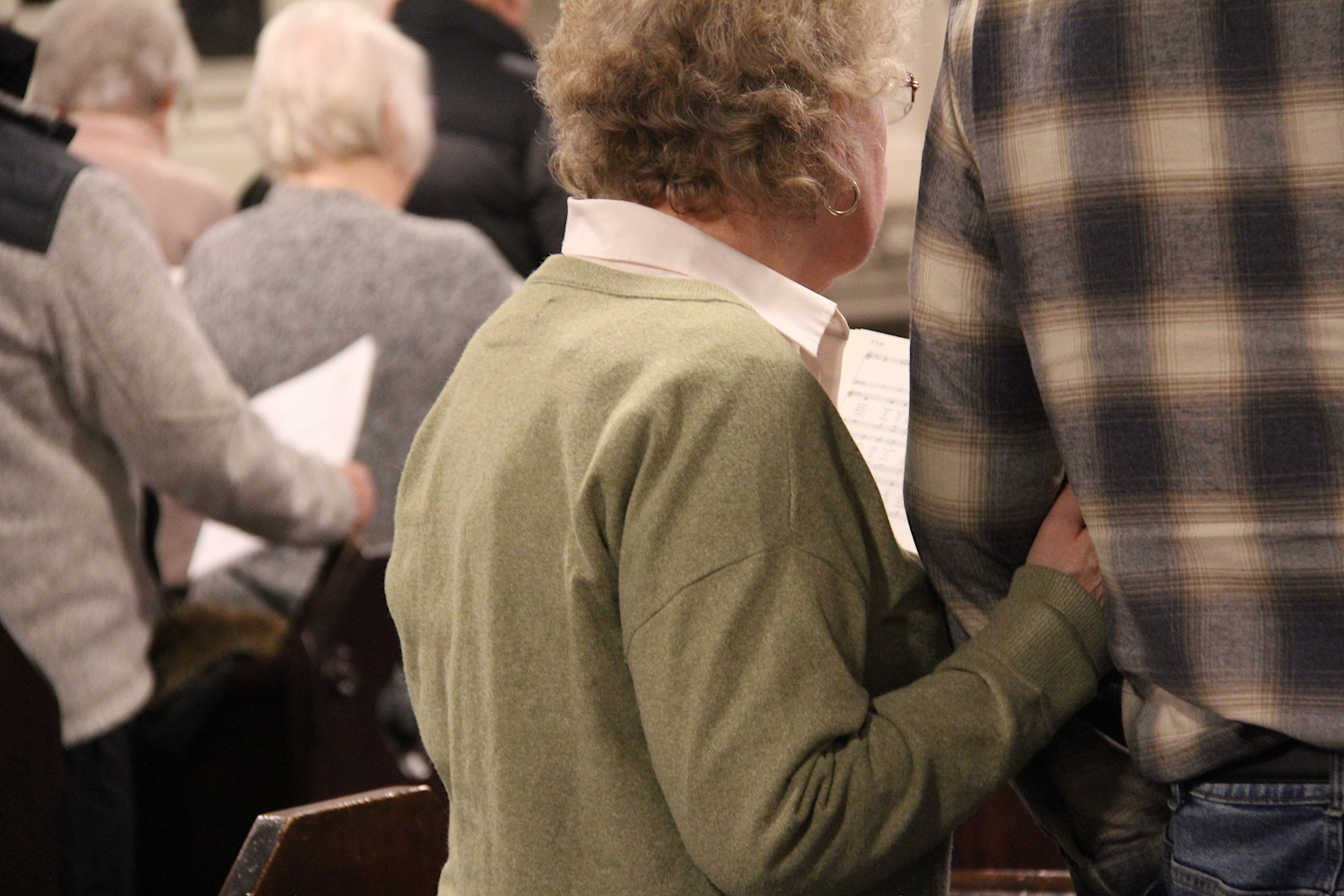
I needed this service of prayer, scripture, Psalms, reflection and hymns to quiet my troubled spirit. But I needed, too, to hold space, to sit and stand and sing and pray in community, in support of anyone—especially our immigrant and refugee neighbors—illegally stopped, taken and/or detained by ICE.
This was not a protest service. Rather, this was a reflective, prayerful, unifying, worshipful coming together of people in my community who care deeply about their neighbors and about this nation.
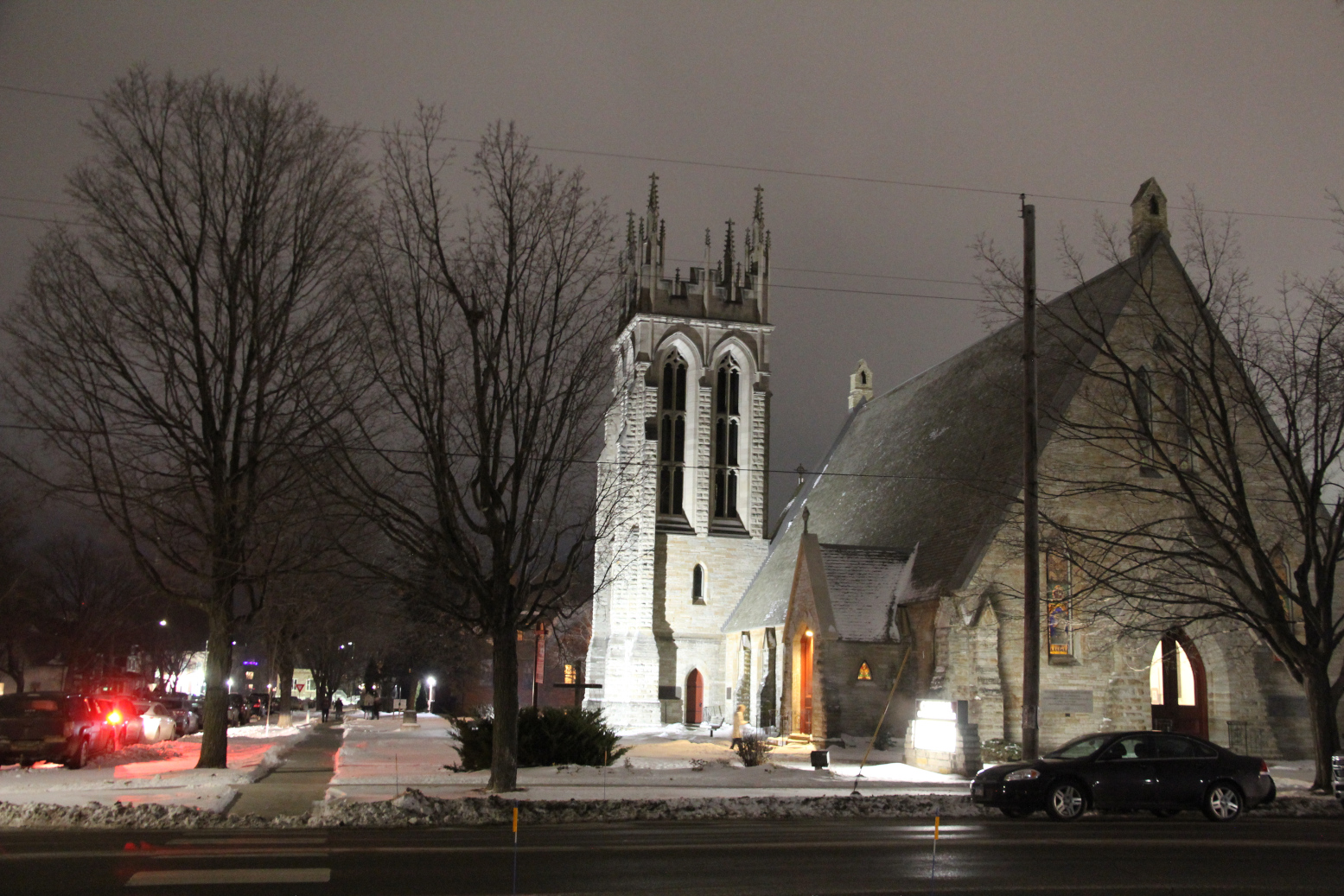
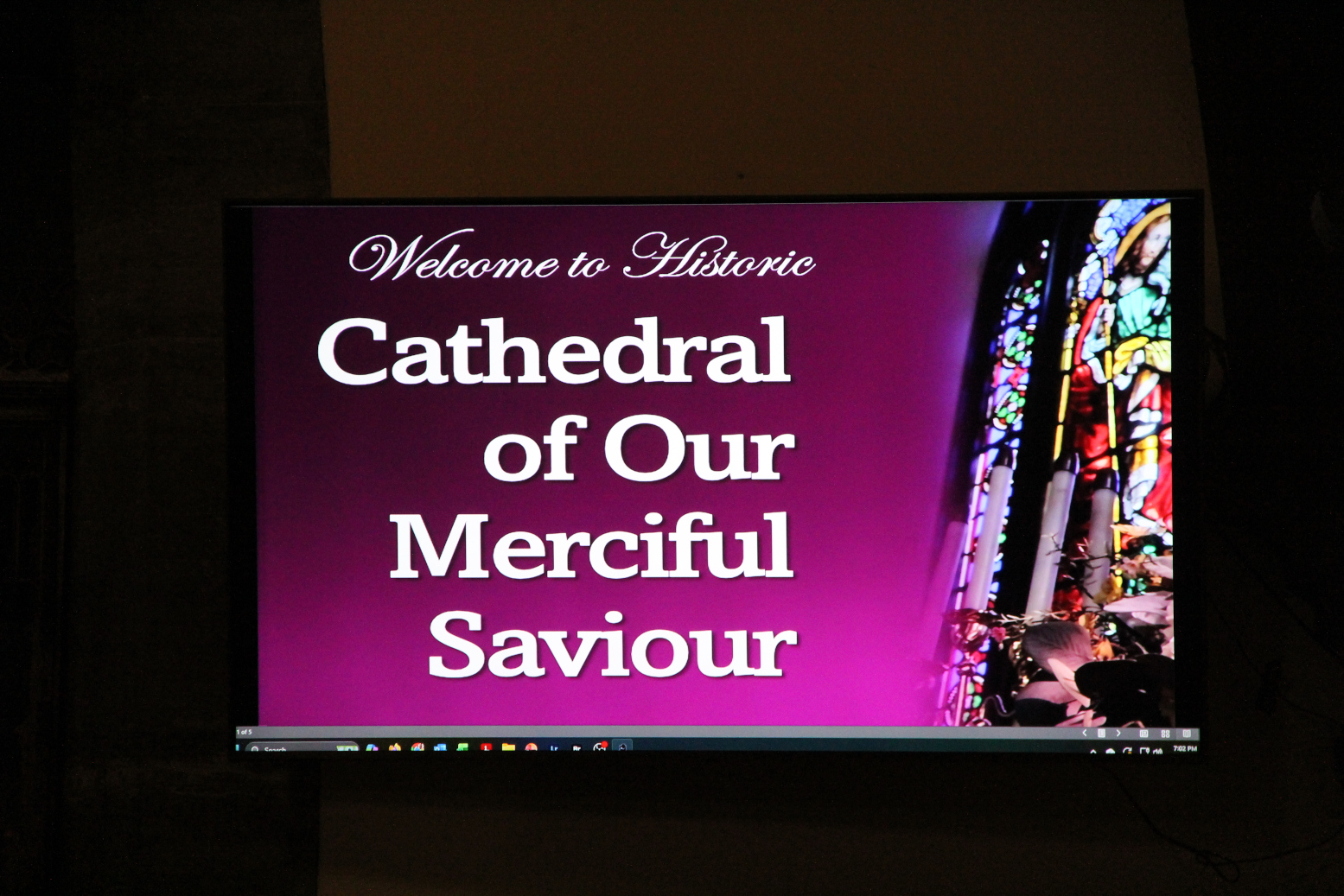
The Rev. James Zotalis welcomed attendees to the event held inside the massive Episcopal cathedral completed in 1869 under the leadership of Bishop Whipple. “Welcome to the Whipple building,” Zotalis said in opening his short homily. “This is the real Whipple building.”
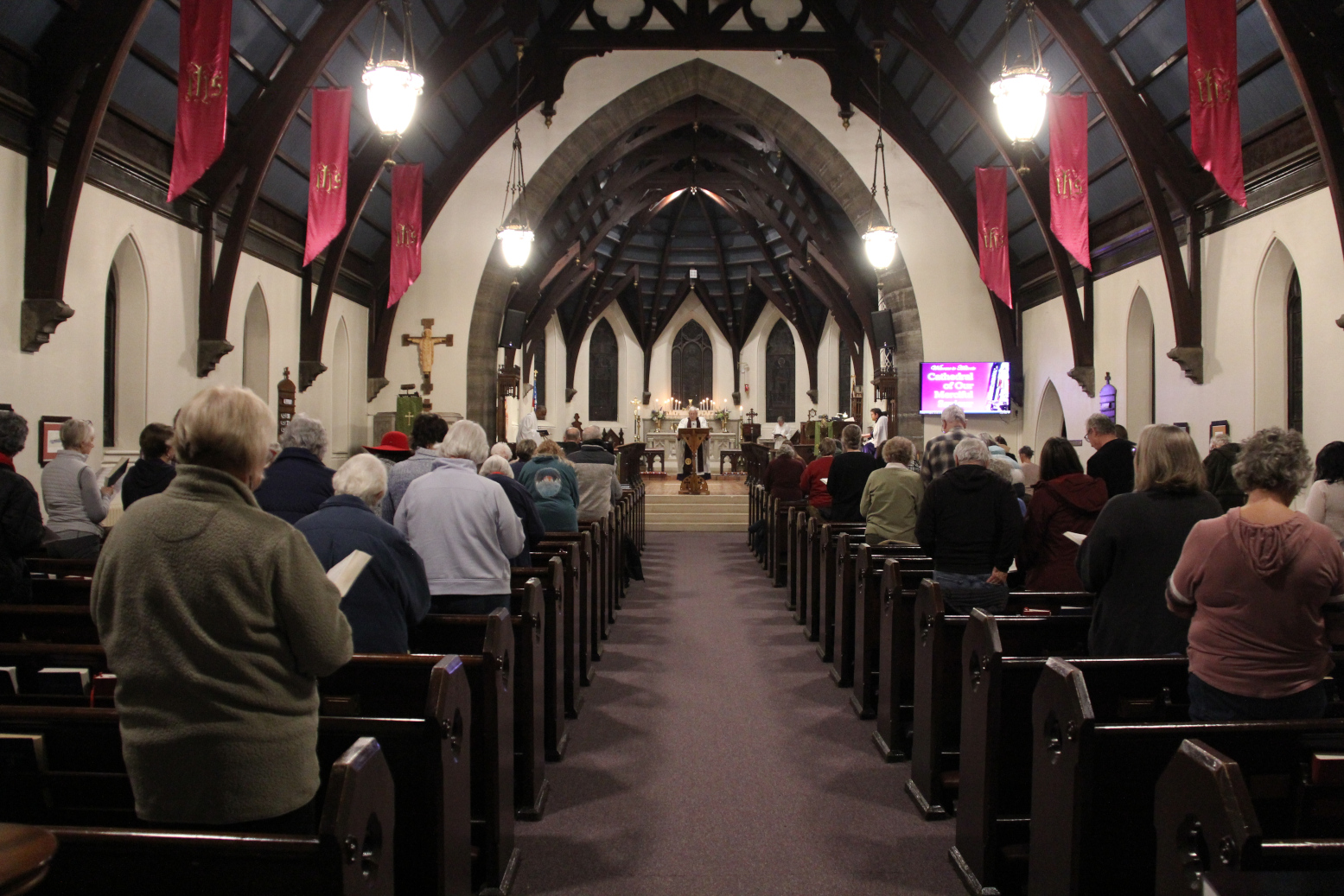
He contrasted the beautiful church to the stark seven-story Whipple Federal Building 50 miles to the north that bears the good bishop’s name and which is now a temporary detention center for those detained by ICE in Minnesota. Conditions inside have been described as “inhumane” by officials who have visited the facility.
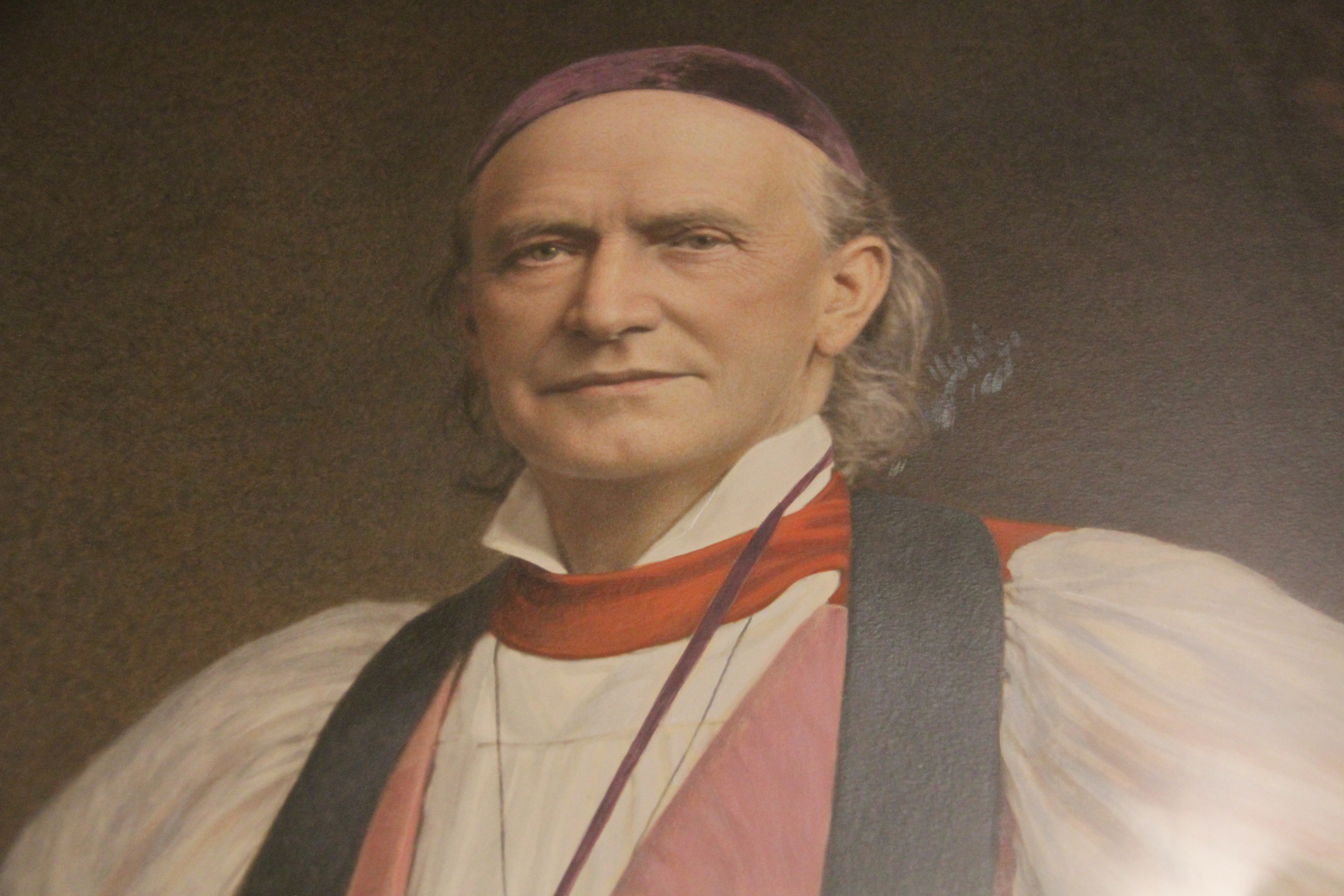
The cathedral, Zotalis said, is a place of love and peace, its ministry modeled after that of Bishop Whipple and his first wife, Cornelia. Arriving here from Chicago in 1859, the couple had already served in dangerous areas of that city, connecting with people in tangible, helpful ways, much like we see Minnesotans stepping up and helping others today.
With a repeated directive to “always say no to evil,” Zotalis said Minnesotans have done just that since the invasion of our state by masked federal agents two months ago. He listed specifics: bringing food to people afraid to leave their homes, providing rides, offering free legal aid and peacefully protesting.
“Love your neighbor as yourself” was emphasized often in love-themed Scripture readings (Luke 10:27, I Corinthians 13:13, I John 4:11) during the Wednesday evening service. Like the good people of Minnesota today, Bishop Whipple showed that love long ago in his ministry to the Dakota people locally, across the state and during their imprisonment after the U.S.-Dakota War of 1862 at Fort Snelling, where the Whipple Federal Building is located. Whipple faced death threats for those who opposed his compassionate work with Native Americans.
Death. In a time of remembrance during Wednesday’s service, attendees could speak the names of “deceased and alive during this time of tragedy and strife.” I spoke first: “Renee Good.” Then another voice: “Alex Pretti.” And then an attendee read the names of 32 individuals who died in ICE detention in 2025. Thirty-two.
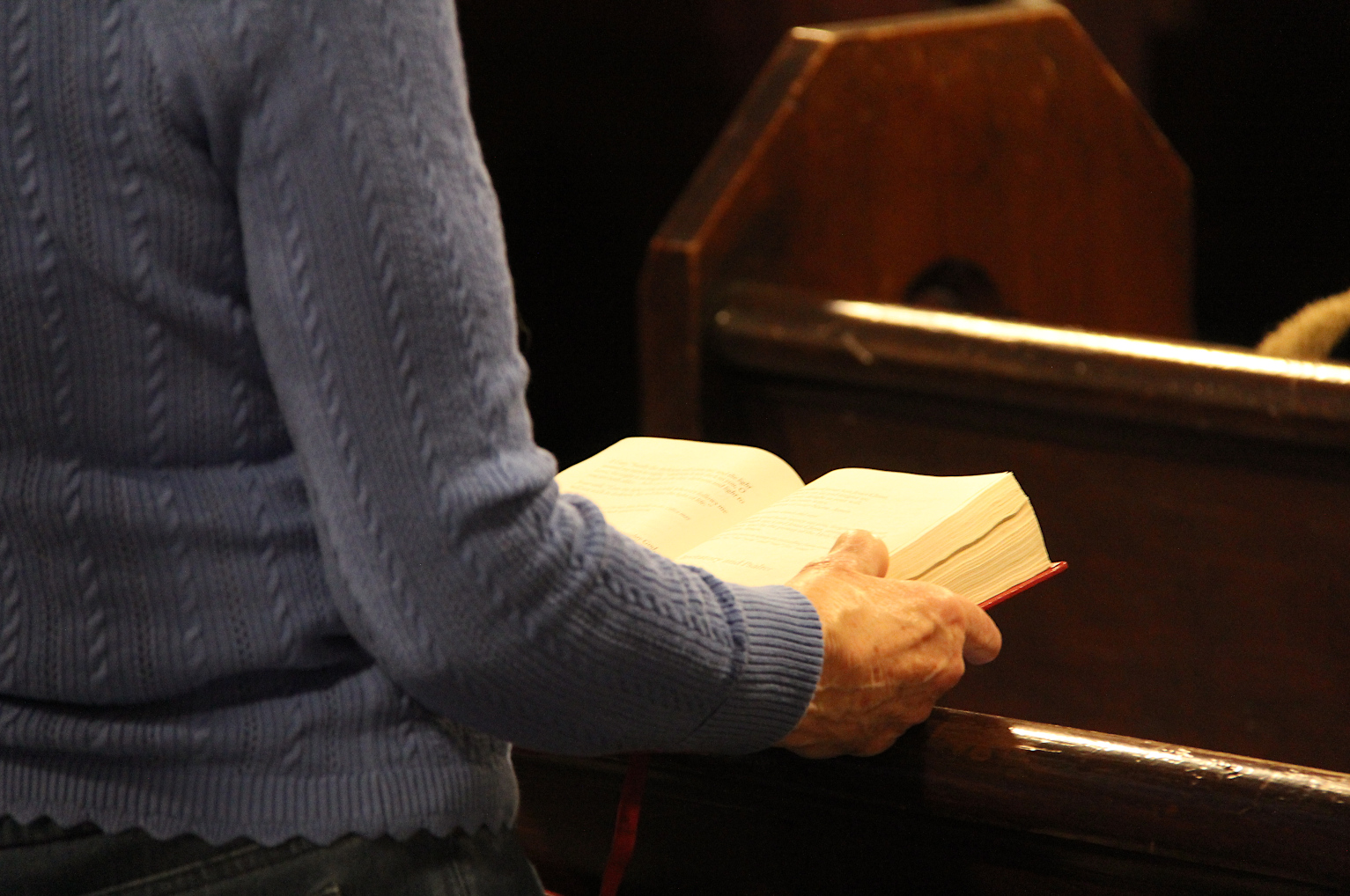
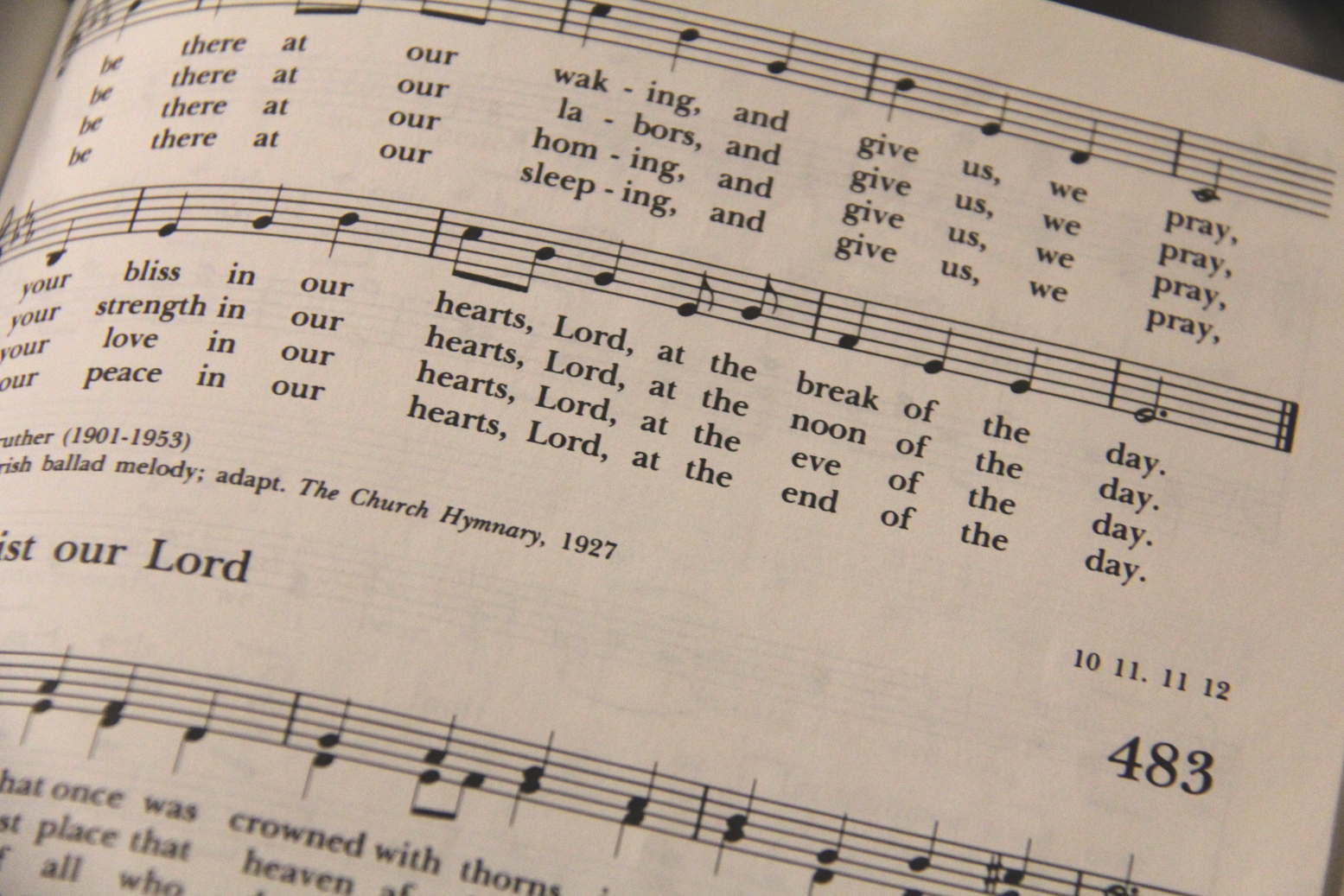
Many times my emotions verged on tears. As we asked, “Lord, keep this nation under your care.” As we sang “America the Beautiful.” As we prayed a Collect for Peace. As I thought of Jesus, who also lived in troubled times and who served with love and compassion.
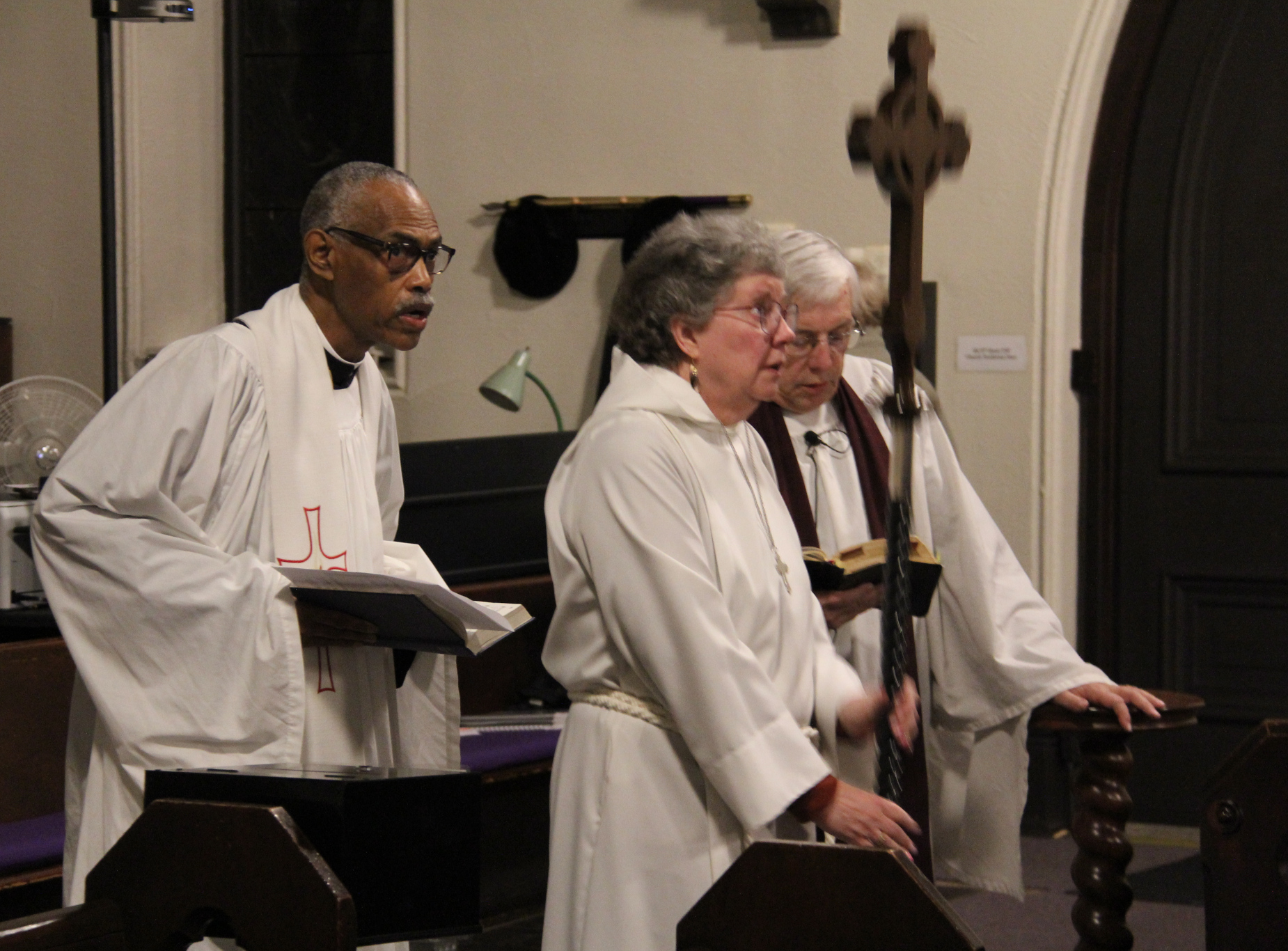
Theme words of love, compassion, mercy and neighbor threaded throughout the service led by the reverends Zotalis and Henry Doyle. I could feel those words. And I could feel, too, the collective sense that we all needed this evening of prayer, scripture, Psalms, reflection and hymns to quiet our troubled spirits.
FYI: To watch a video of the service online, click here.
© Copyright 2026 Audrey Kletscher Helbling

























Maundy Thursday reflections April 2, 2026
Tags: art, Christ, commentary, disciples, faith, Holy Week, Jesus, Jesus' betrayal, John 13:34, love one another, Maundy Thursday, paint-by-number, Scripture, The Last Supper
IMAGINE IF YOU were sitting down to your last meal with dear friends. How would you feel? What would you say to them?
Jesus faced this scenario on Maundy Thursday as he gathered with his 12 disciples for a final Passover meal before his death by crucifixion the next day. Had it been me, I would have been terrified at the thought of such an agonizing death.
Christ showed incredible strength. He managed to continue teaching, loving, forgiving, even as the time of his death approached. He was certainly troubled, as Scripture tells us. I mean, how could he not be bothered, knowing that one of his disciples would betray him, with a kiss of all things? I would feel devastated.
But Jesus is not anyone. He embodies love. And he tells us to love. Correction, he commands his disciples (and us, too) to love each other. He says: A new command I give you: Love one another. As I have loved you, so you must love one another (John 13:34).
As I consider all the division and hatred among us today, I focus on Christ and his example of unconditional love. Throughout his earthly life, Jesus continually showed compassion and care, often to the downtrodden, the outcasts, the lowly. I’m quite certain if he was physically walking on this earth today, he would still be showing such mercy.
He’d also be greatly disappointed, even upset, about the way we sometimes treat each other.
So what’s the point here? Maundy Thursday marks a monumental day for reflection. For change. For striving to follow Christ’s directive to love one another. And that starts with each of us. Today.
© Copyright 2026 Audrey Kletscher Helbling