Watching the 2015 Kentucky Derby in the auditorium at The Paradise Center for the Arts, Faribault, during a “Big Hats & Big Hearts event. (Minnesota Prairie Roots copyrighted file photo May 2015)
MAY, MORE THAN any month, reminds me of my mom. And not just because of Mother’s Day.
Mom’s birthday falls in late May. She would have turned 90 this year.
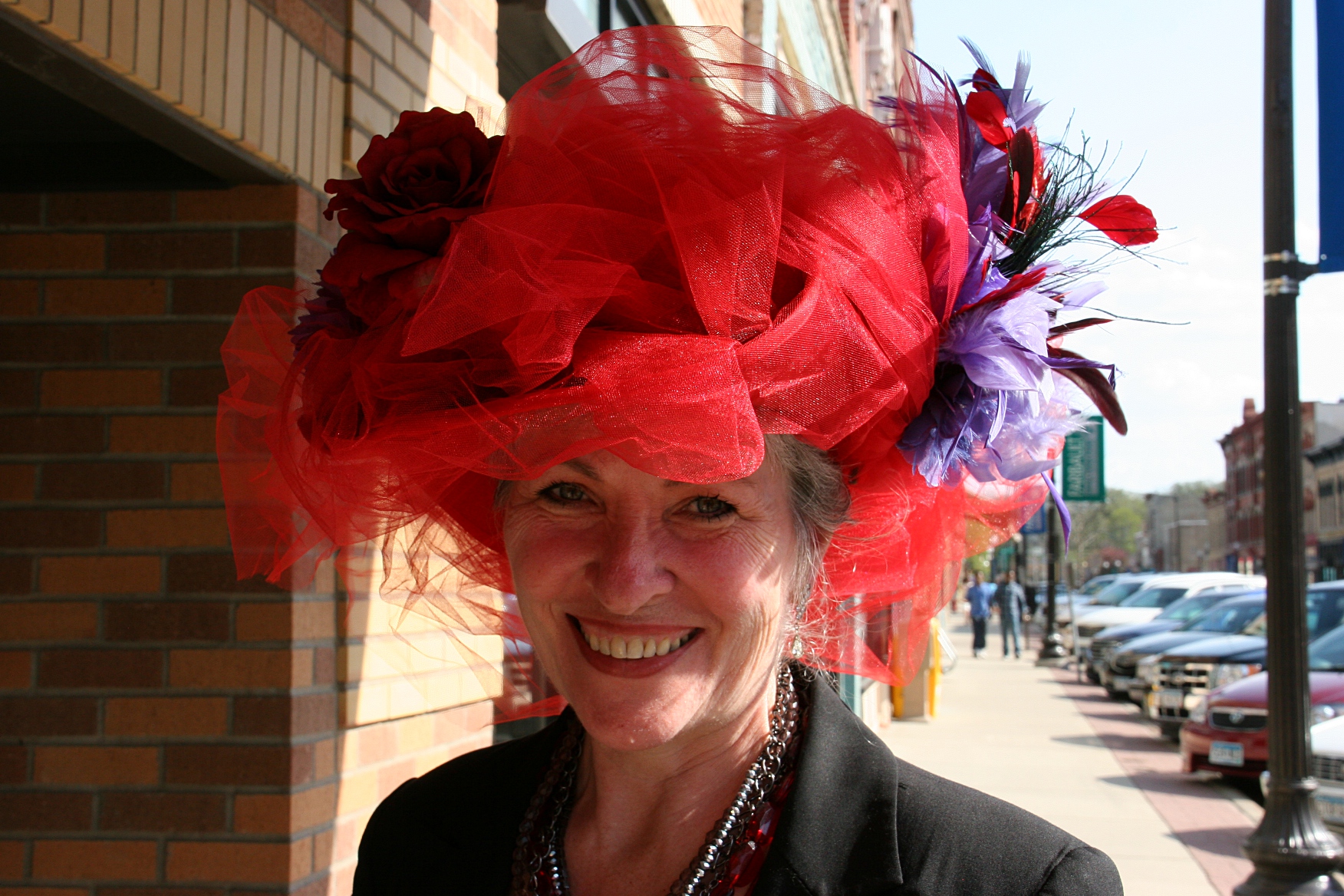
A guest arrives for the Derby party at the Paradise Center for the Arts in 2015. (Minnesota Prairie Roots copyrighted file photo May 2015)
May also means Kentucky Derby time, an annual event Mom looked forward to with unbridled enthusiasm. It wasn’t only the horses which drew her interest. It was the fashion. Mom loved the big hats, the showiness of this social gathering.
I remember phone conversations when Mom talked about the upcoming Derby. I regret that she never attended the Kentucky race. But she saw several horse races at Canterbury Park in Shakopee, Minnesota. I have no doubt she would have loved the Kentucky Derby events set there for Saturday, including the Derby Fashion Show followed by live screening of the actual race.
This year’s race holds special interest for Minnesota as two of the horses are owned by Minnesotans. I expect Mom would have chosen Zandon or Zozos to win. Jeff Drown of Clearwater owns Zandon, #2 in the leaderboard rank. And Barry and Joni Butzow of Eden Prairie own Zozos, ranked #17. Both Drown and the Butzows have a long history in racehorse ownership.
Dressed in Derby Day fanciness, attendees view a hat-themed exhibit in the Paradise Center for the Arts gallery in 2015. (Minnesota Prairie Roots copyrighted file photo May 2015)
And my mom had a long history of loving horse racing. And of loving the fancy, wide-brimmed Derby hats adorned with flowers, feathers, bows, ribbons… Fashion focus didn’t fit Mom at all. She was a no-frills kind of woman. Basic wardrobe of nothing flashy or fancy. But when it came to the Kentucky Derby, she was fully-engaged in appreciating fashion.
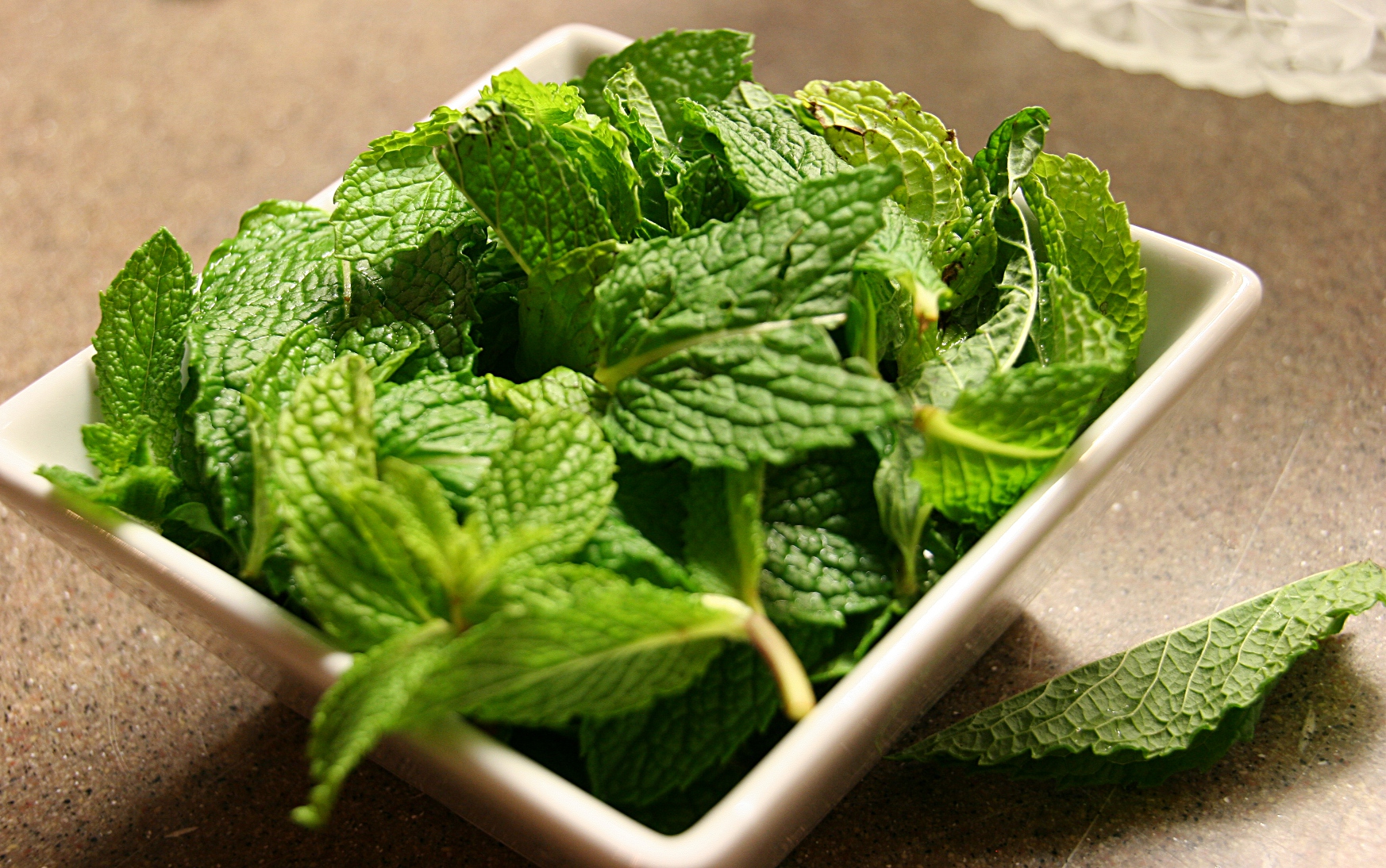
Fresh mint leaves for the mint juleps. (Minnesota Prairie Roots copyrighted file photo 2015)
This year, especially (four months after her death), I remember Mom’s unbridled joy in the Kentucky Derby—both the fashion and the race. I wish I could sit by her side, both of us sporting fancy Derby hats, sipping mint juleps, watching the race live on the screen.
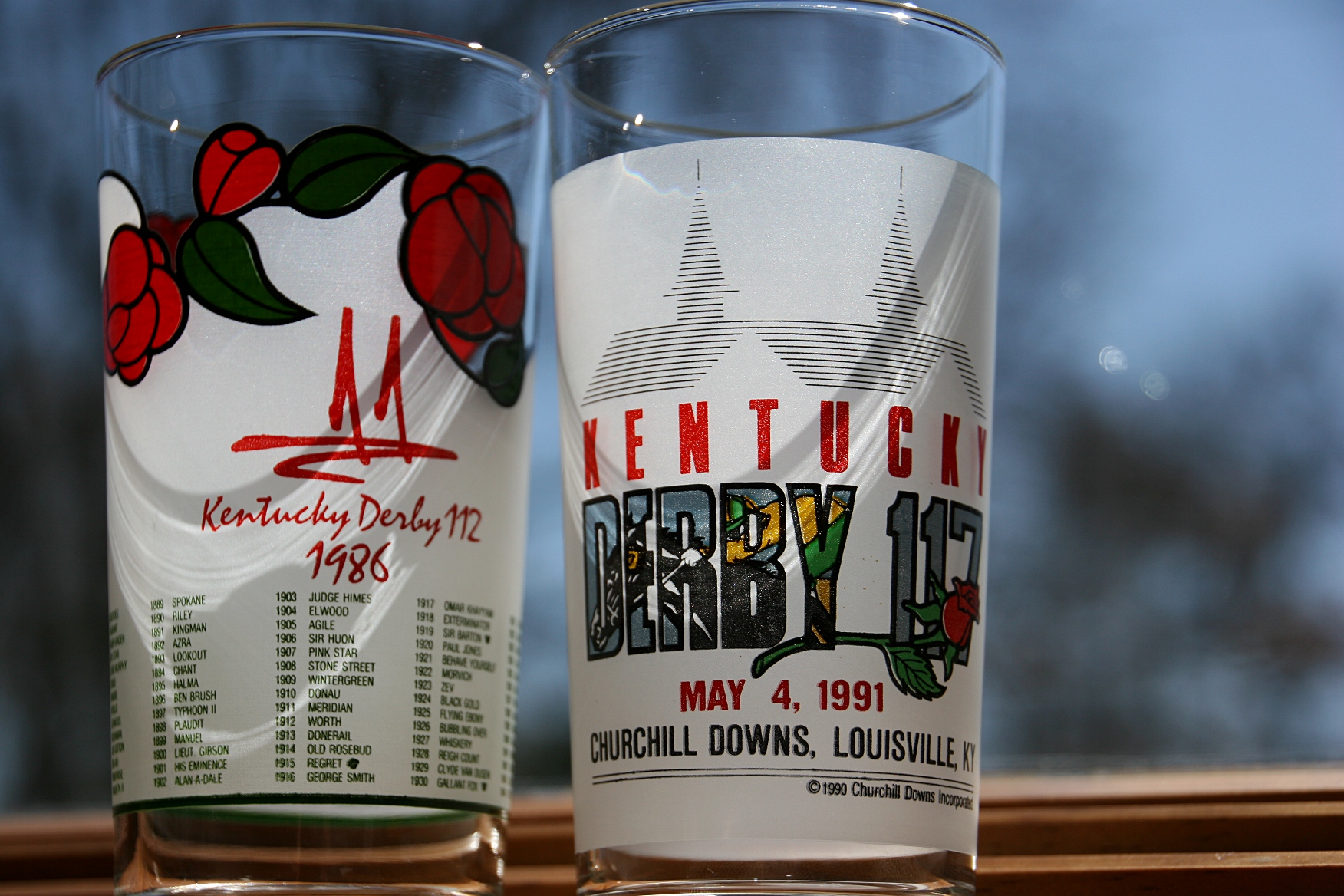
My friend Beth Ann gifted me with official Kentucky Derby glasses from 1986 and 1991. (Minnesota Prairie Roots copyrighted file photo)
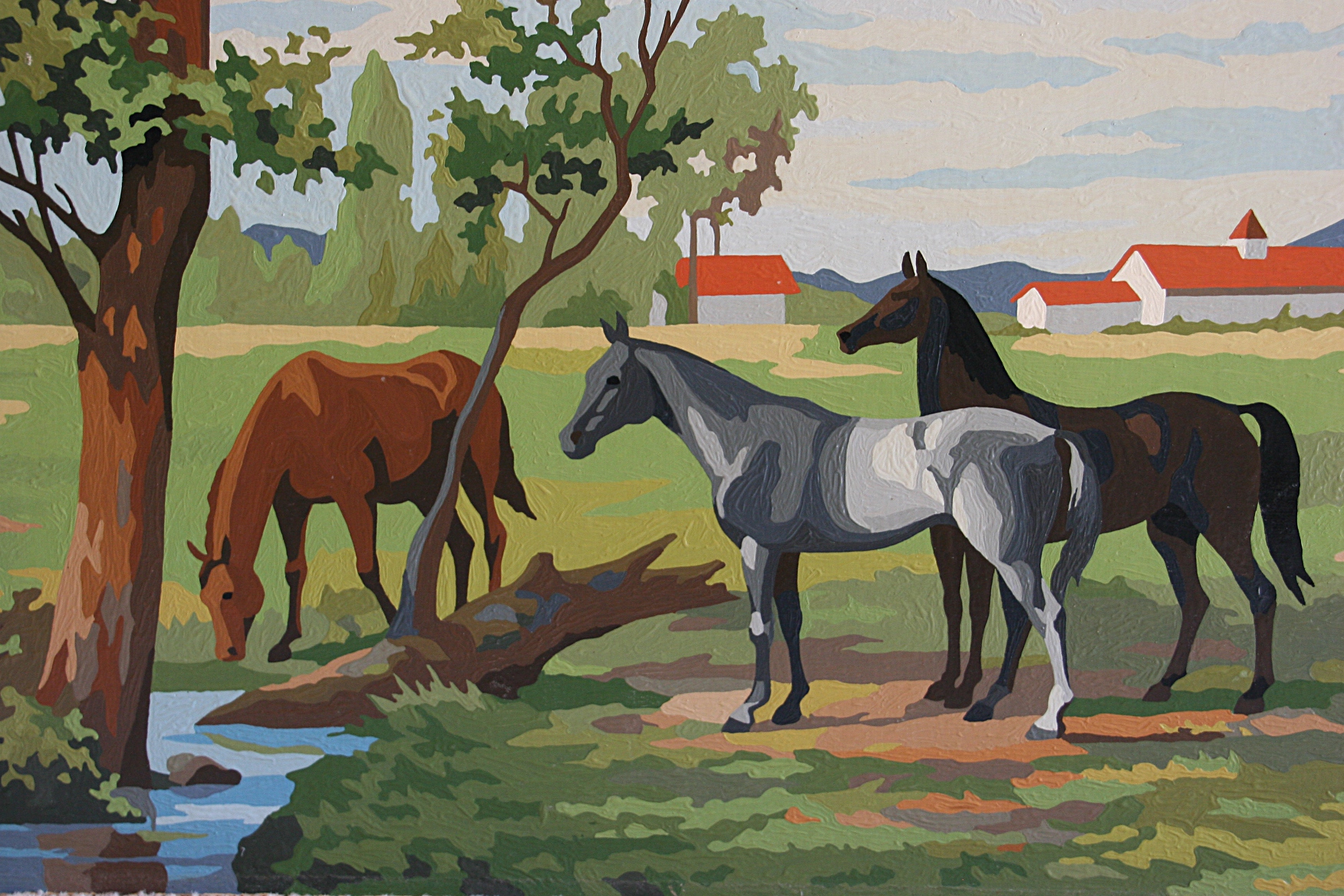
Yet, I can honor her via memories and via the horse art which I pull out each May. A paint-by-number horse scene purchased at a second-hand store. A painting of horses by my father-in-law. And two Derby drinking glasses gifted to me by a friend.
I purchased this stunning 24-inch x 18-inch paint-by-number painting at a Wisconsin second-hand/collectible/antique shop. The scene reminds me of the Kentucky Derby. (Minnesota Prairie Roots copyrighted file photo 2015)
There is comfort in memories, in remembering how very much my mom loved the Kentucky Derby. This Saturday, when I settle in to watch the horse race, I’ll think of Mom and how she delighted in “Southern Belle” inspired fashion while watching the Derby on TV from her Minnesota home.
NOTE: This is the first in three mother-themed blog posts leading up to Mother’s Day on Sunday, the day after the Kentucky Derby.
This message refers to the struggles with mental illness. (Minnesota Prairie Roots file photo September 2019)
A DAY BEFOREMental Health Awareness Month began on May 1, the Judd family lost their beloved Naomi “to the disease of mental illness.” She was a wife, a mother and a country western superstar singer. That the family chose to publicly attribute Naomi’s cause of death to mental illness shows strength and honesty. And a desire to increase awareness.
On my reading list…
Naomi was open about her severe, treatment resistant depression. She wrote about her mental illness in a book, River of Time: My Descent into Depression and How I Emerged with Hope, in 2016. I have yet to read this book, but I will. Soon.
Reflecting on Naomi’s death focused my thoughts on the many books I’ve read in recent years about mental health related topics. I’ve reviewed numerous books on my blog and written on the topic often. Why? Because I care. I care that people understand depression, bipolar, schizophrenia, anxiety… I care that we show compassion, support, encouragement and more to those dealing with these often overwhelmingly challenging and debilitating diseases. I care that stigmas vanish, that treatment options improve, that access to mental health care is easily and readily available to anyone anywhere anytime.
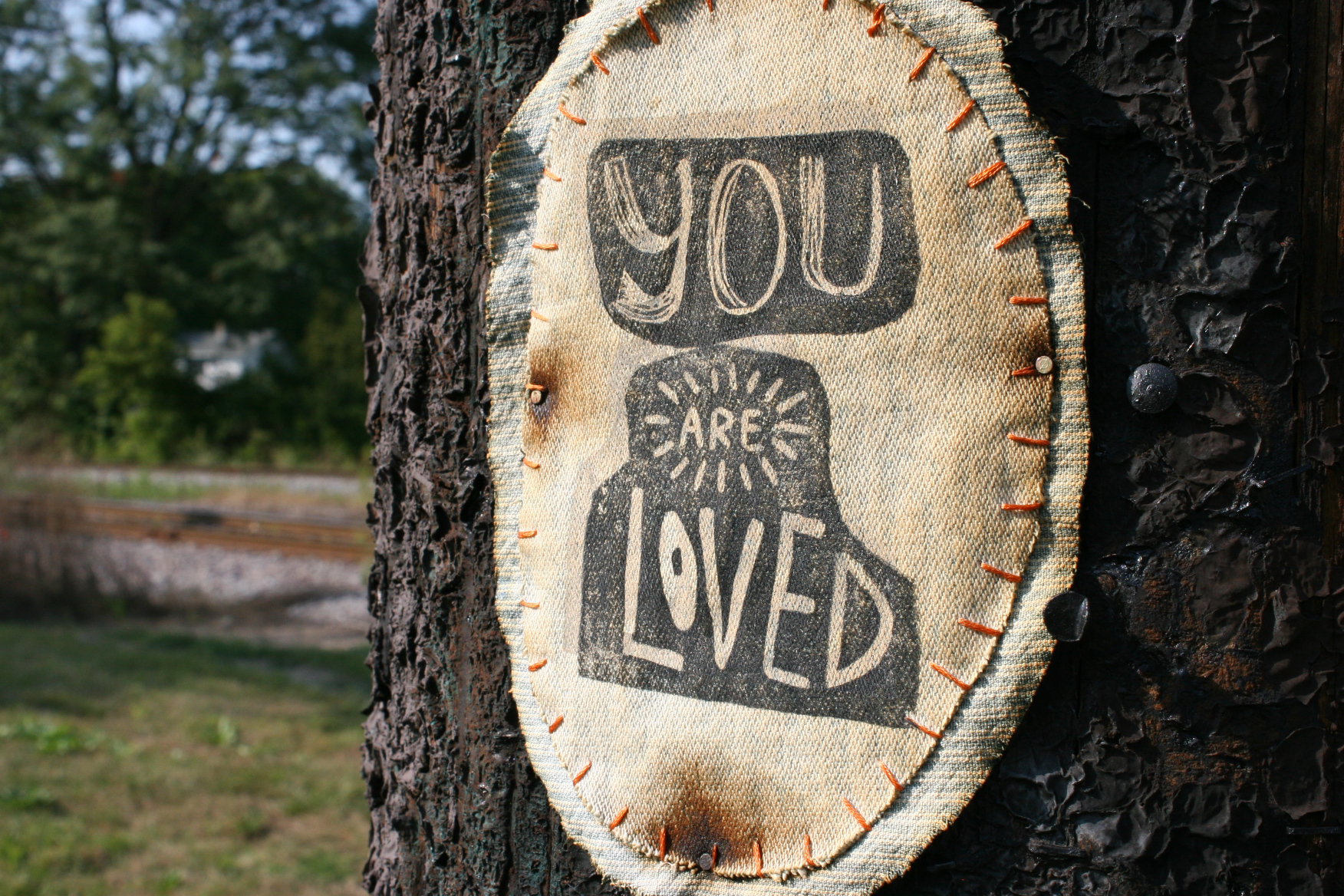
Love this message posted along a recreational trail in the Atwood Neighborhood of Madison, Wisconsin. (Minnesota Prairie Roots copyrighted file photo)
I care, too, that no one feels alone. That anyone dealing with a mental health issue understands they are loved, valued and cherished. That families, too, feel supported.
Much progress has been made in recent years to shine the light on mental health. I appreciate that. And I appreciate the efforts of groups like the National Alliance on Mental Illness. But, still, it is up to each of us individually to do what we can to educate ourselves and increase awareness, to offer love and support… To be there. To listen. To recognize the value of professional help.
Clinical depression like Naomi Judd experienced is deep and dark and debilitating. She couldn’t talk herself/smile herself/lift herself out of the depths of such depression. Not alone. That’s what we all need to understand. Hers wasn’t situational depression. Hers was persistent, powerful, all-encompassing. And, in the end, it killed her.
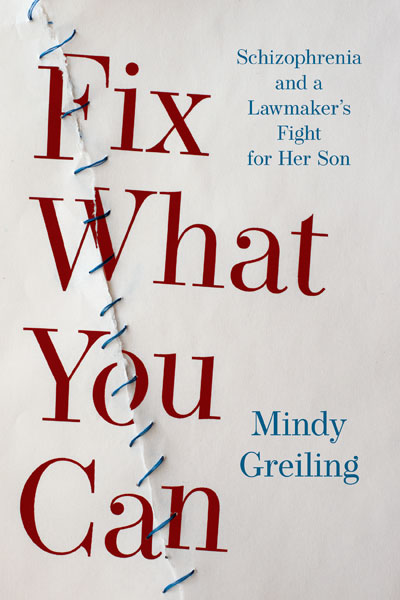
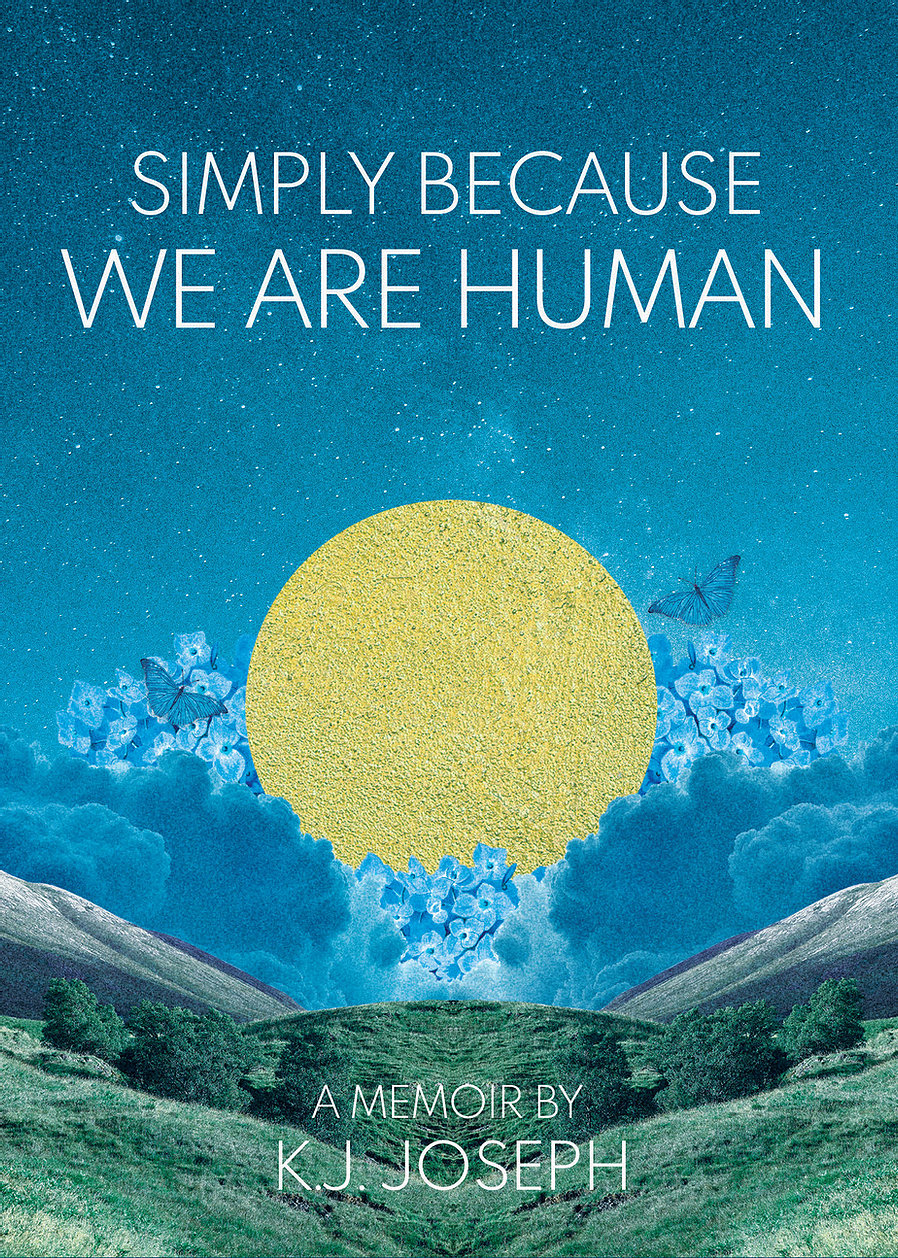
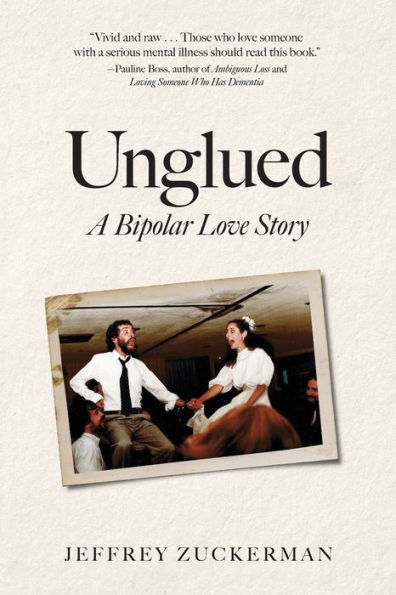
I find that reading or hearing personal stories is often the best way to understand anything. That includes mental health. For that reason, I recommend you read one or more of the following books, which I’ve previously reviewed on this blog (click on the title to read my review):
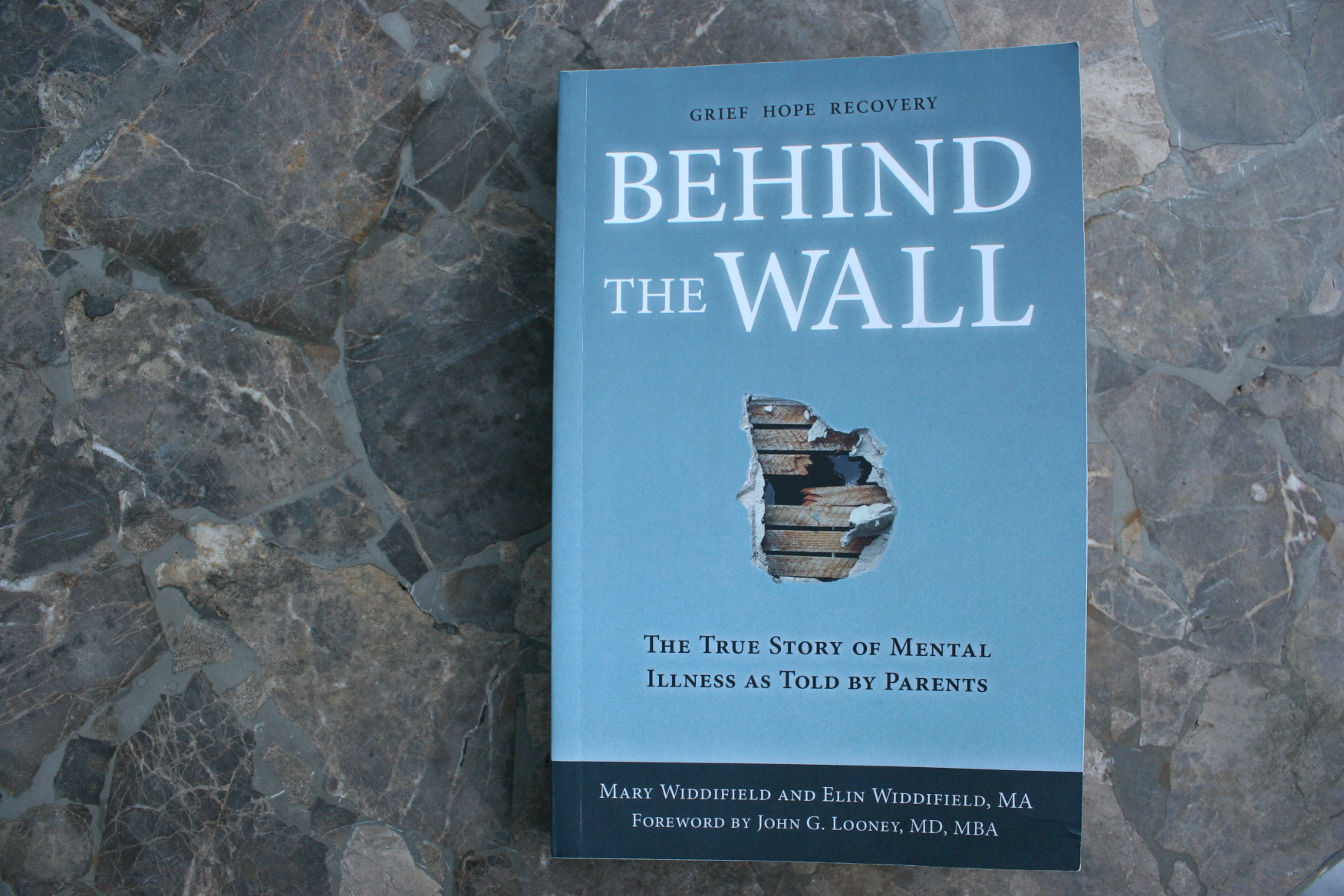
I highly-recommend this book, which is why it tops my list. (Minnesota Prairie Roots copyrighted file photo)
A must-read for connecting and ministering within faith communities.
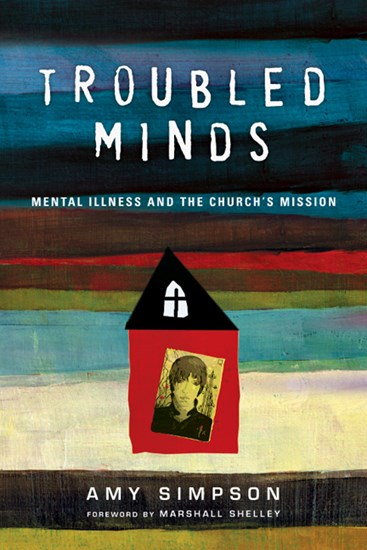
One other book, which I’ve read and highly-recommend (but have not reviewed) is Troubled Minds—Mental Illness and the Church’s Mission by Amy Simpson. A friend referred me to this book and it’s a must-read. I’ve marked the pages with about a dozen Post-It notes. It’s that good, that invaluable for faith communities. Anyone really.
Thank you for reading this post. Thank you for caring about mental health. Thank you for doing your part to shine the light. To be the light.
#
TELL ME: Are there any books about mental health that you recommend? Or, if you have other thoughts to share on the topic, please do. We can all learn from one another.
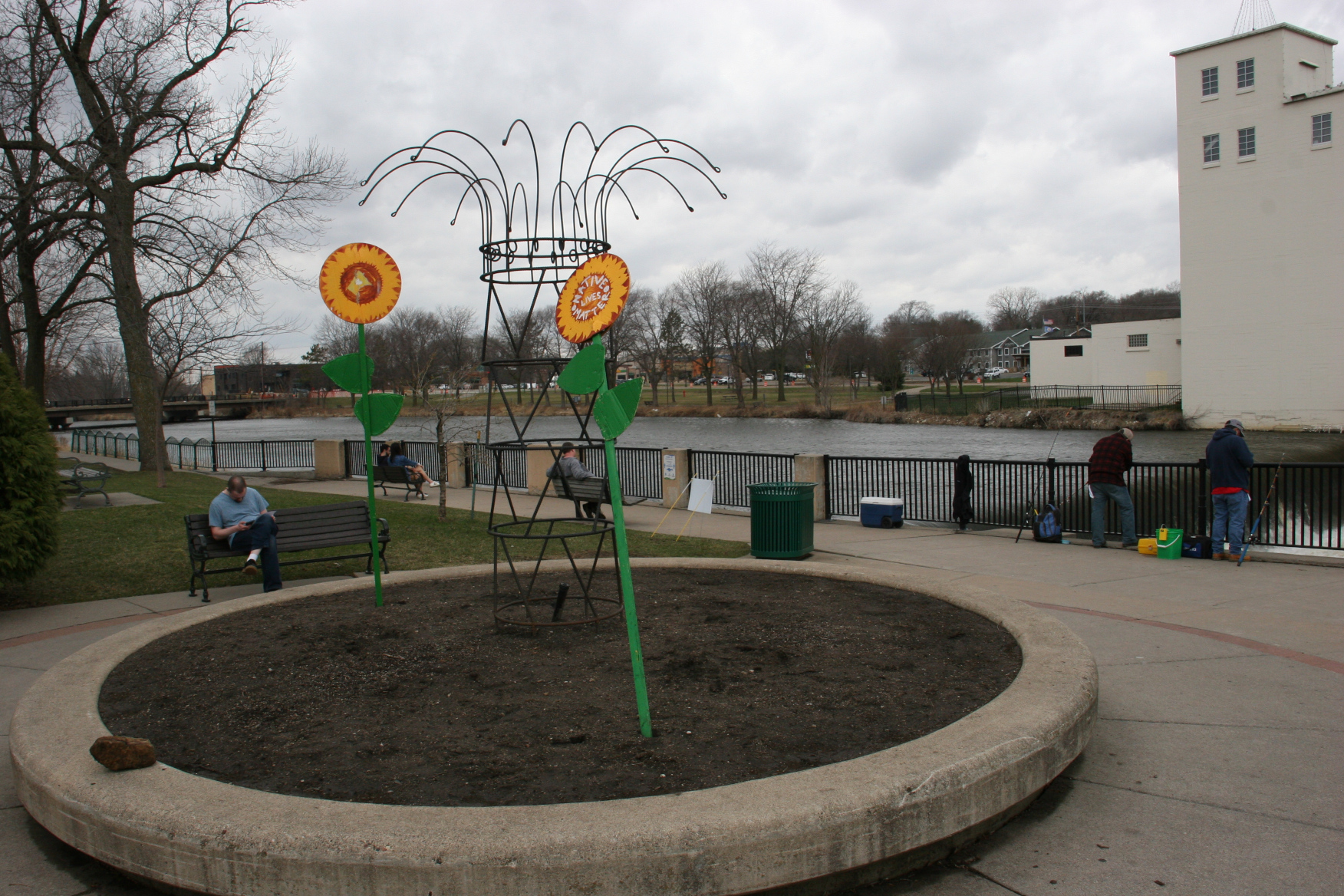
Part of a temporary public art installation at Northfield’s Earth Day Celebration. (Minnesota Prairie Roots copyrighted photo April 2022)
IN THE GEOGRAPHICAL BACKGROUND of my childhood, I knew of the “Indian Reservations” to the northwest near Granite Falls and then to the east near Morton. My hometown of Vesta sits between the two, no longer referred to as “reservations” but as the Upper Sioux Indian Community and the Lower Sioux Indian Community.
A Dakota man and Alexander Faribault are depicted trading furs in this sculpture at Heritage Park near the Straight River and site of Faribault’s trading post. Ivan Whillock created the sculpture which graces the Bea Duncan Memorial Fountain in my community of Faribault. (Minnesota Prairie Roots copyrighted file photo 2012)
Today I live 120 miles to the east in Faribault, next to Wapacuta Park. Rice County is the homeland of the Wahpekute (not Wapacuta), a tribal band of the Dakota.
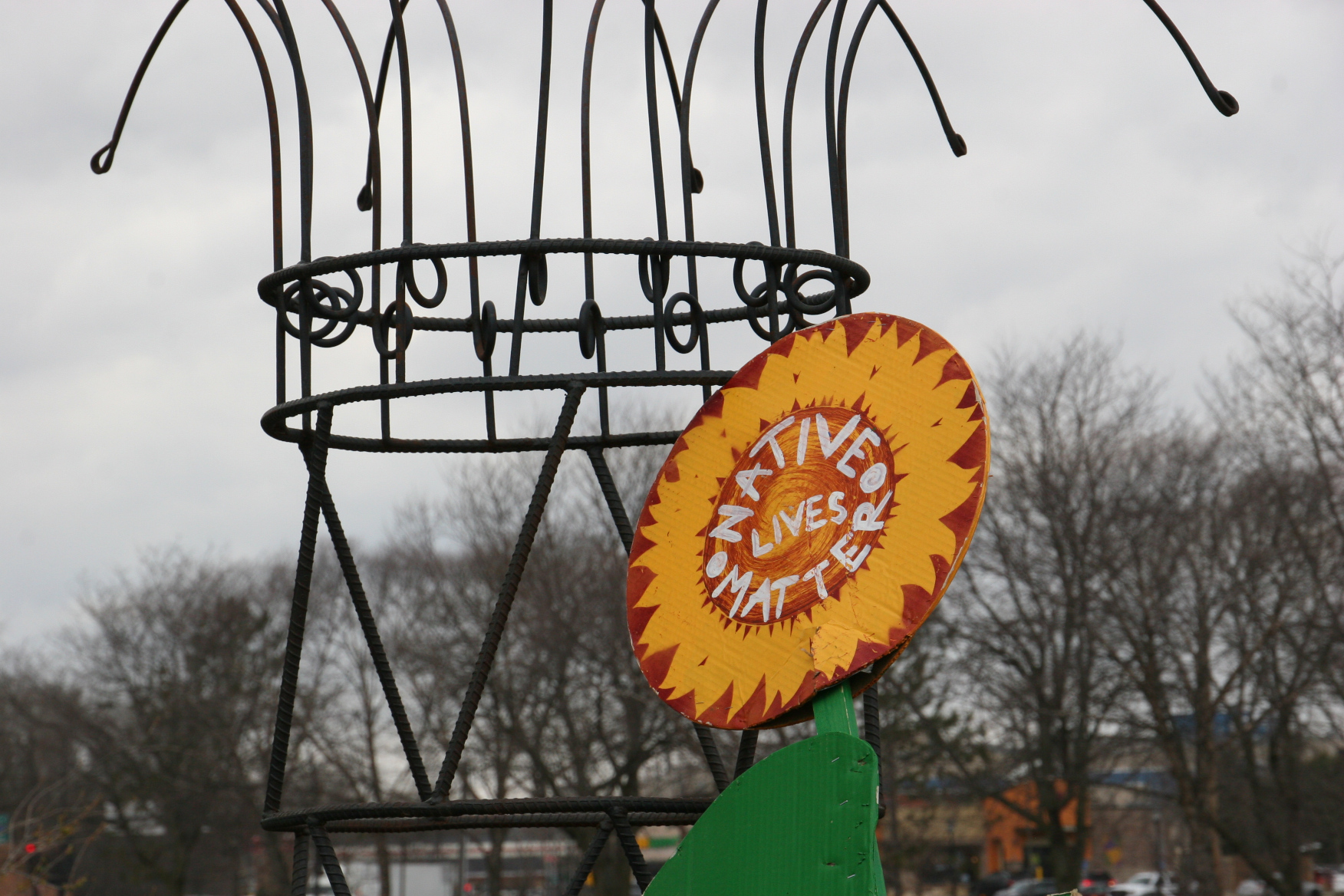
The Earth Day art carried two messages: NATIVE LIVES MATTER and CLIMATE JUSTICE. (Minnesota Prairie Roots copyrighted photo April 2022)
A temporary public art installation at the recent Earth Day Celebration in neighboring Northfield prompted me to reflect on Indigenous people in southern Minnesota. Growing up in Redwood County, my knowledge of area Native Americans focused primarily on “The Sioux Uprising.” History teachers then used that term, rather than the current-day “US-Dakota War of 1862,” which should tell you a thing or ten about how biased that perspective back in the 1970s. How thankful I am that my awareness and understanding have grown and that attitudes are shifting to better reflect all sides of history.
The message grows, blossoms in the Earth Day art. (Minnesota Prairie Roots copyrighted photo April 2022)
We stand on the homelands of the Wahpekute and other Bands of the Dakota Nation. We honor with gratitude the people who have stewarded the land throughout the generations and their ongoing contributions to this region. We acknowledge the ongoing injustices that we have committed against the Dakota Nation, and we wish to interrupt this legacy, beginning with acts of healing and honest storytelling about this place.
NATIVE LIVES MATTER fits the spirit of the Land Acknowledgment Statement. Those three words caused me to pause, to think, to consider what I’d been taught all those decades ago and how my thinking has shifted as I’ve aged, opened my mind and learned.
Dakota beadwork displayed and photographed at the Rice County Historical Society Museum, Faribault, in 2010. (Minnesota Prairie Roots copyrighted file photo 2010)
The Rice County Historical Society, which exhibits a collection of Native American artifacts in its Faribault museum, shares a statement similar to the City of Northfield’s on its website:
We acknowledge that the land that is now Rice County, MN, was their (Dakota) homeland and for many tribal members today, it is still their home.
In all of this, I feel a sense of gratitude regarding increasing public recognition of the land history and contributions of Indigenous People in Minnesota. In my home area of Redwood County, nearly 1,000 individuals from the Mdewakanton Band of Dakota call the Lower Sioux Indian Community home. To the east in Yellow Medicine County near Granite Falls, nearly 500 individuals from the Dakota Oyate call the Upper Sioux Indian Community home.
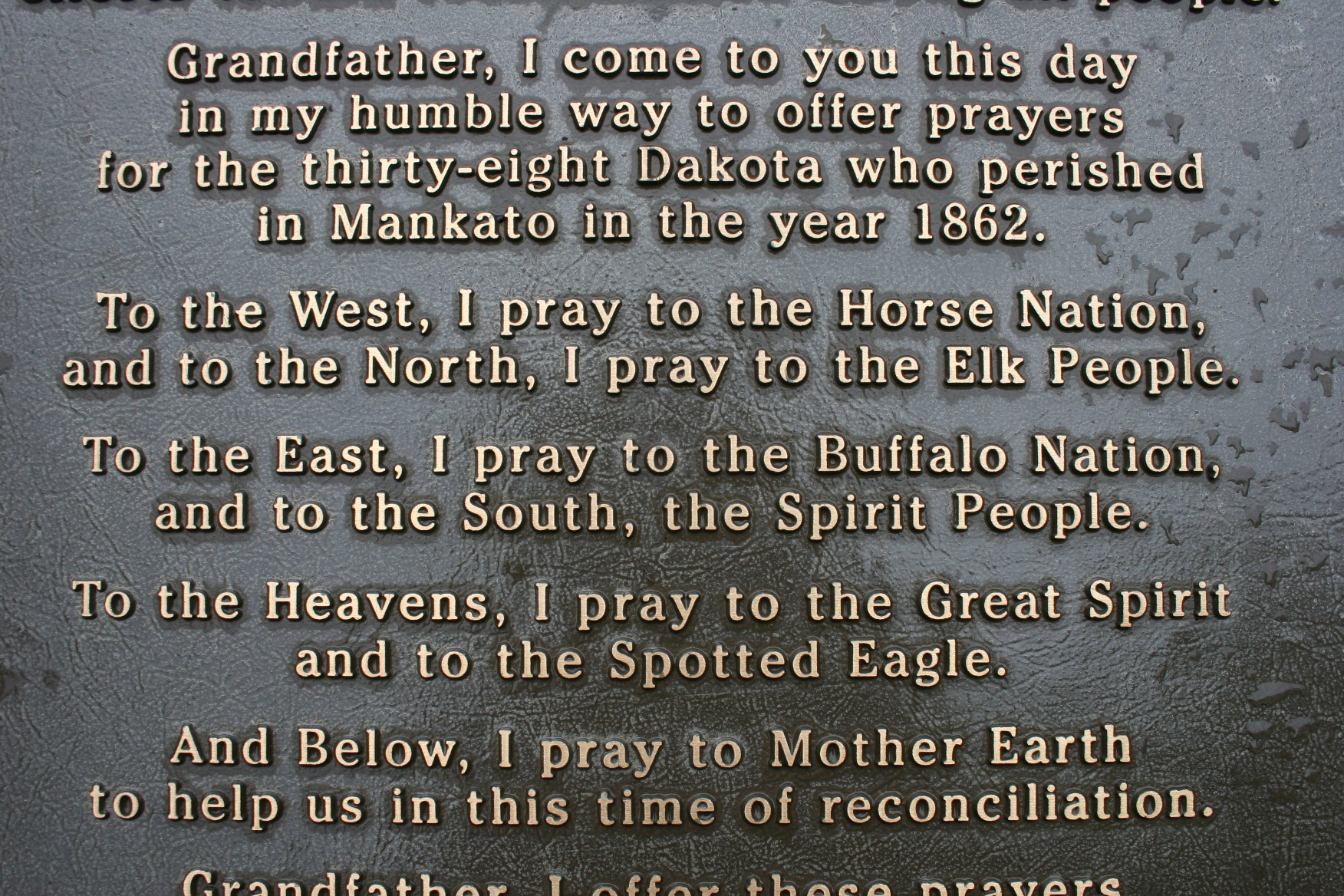
Words on a marker in Reconciliation Park in Mankato where 38 Dakota were hung on Dec. 26, 1862. (Minnesota Prairie Roots copyrighted file photo 2012)
I hope educators in my home area are today teaching students about the local Dakota and even bringing elders into classrooms. I graduated, after all, from Wabasso High School, the name Wabasso coming from a Native word meaning “white rabbit.” I would then go on to attend college in Mankato, site of the largest mass execution in the US with 38 Dakota killed in a public hanging on December 26, 1862.
I would be remiss if I did not share that, during the US-Dakota Conflict of 1862, family members on my mom’s side fled their rural Courtland farm for safety in St. Peter. They later put in a claim to the US government for crop loss.
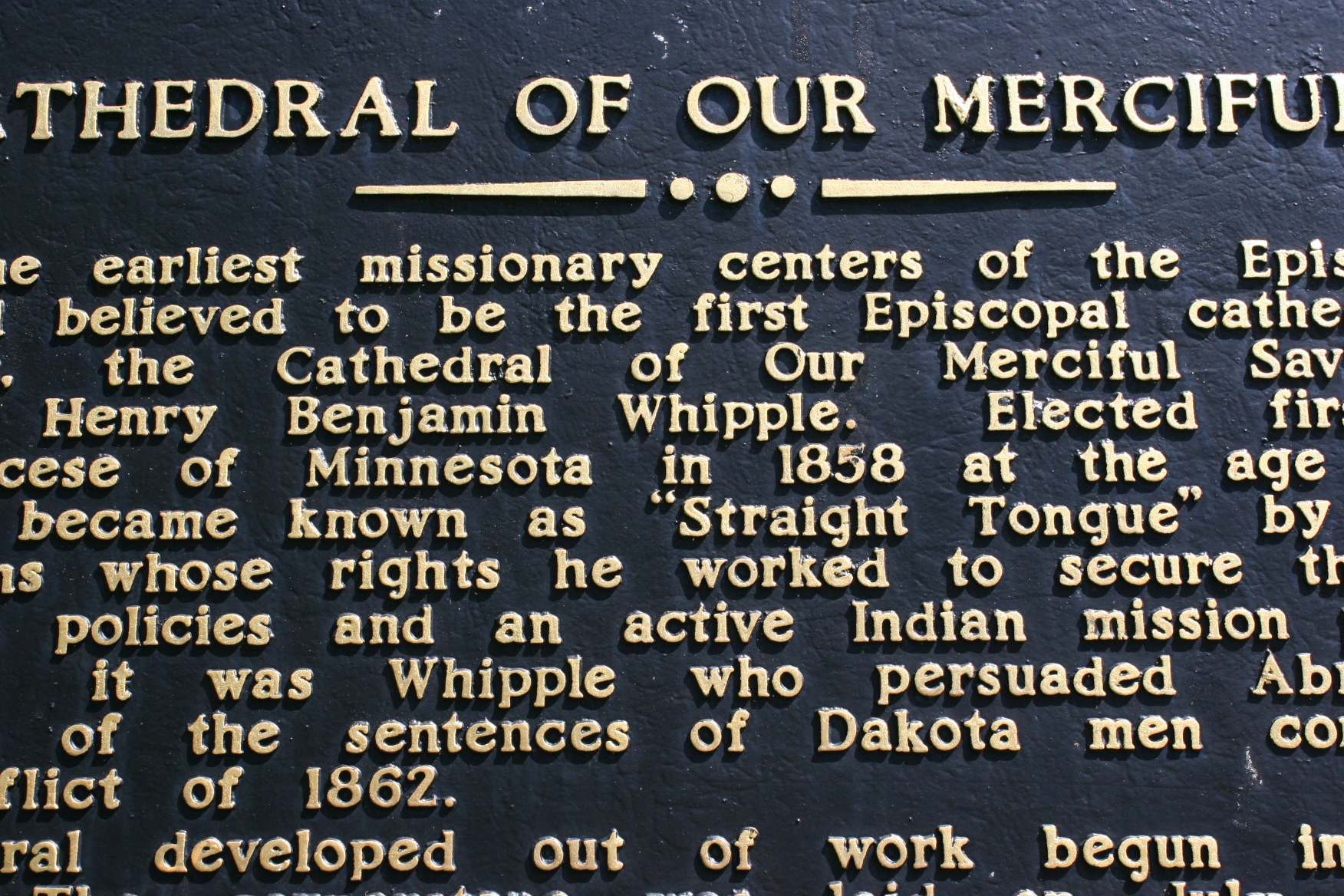
Details on a sign outside the Cathedral of our Merciful Savior in Faribault. Bishop Henry Whipple, who served here, advocated for the rights of Native Americans and had a strong friendship with them. (Minnesota Prairie Roots copyrighted file photo 2020)
Now, 160 years after that event in my ancestors’ history, I continue growing my knowledge, widening my understanding of Minnesota history and of the Indigenous people who first called this land home.
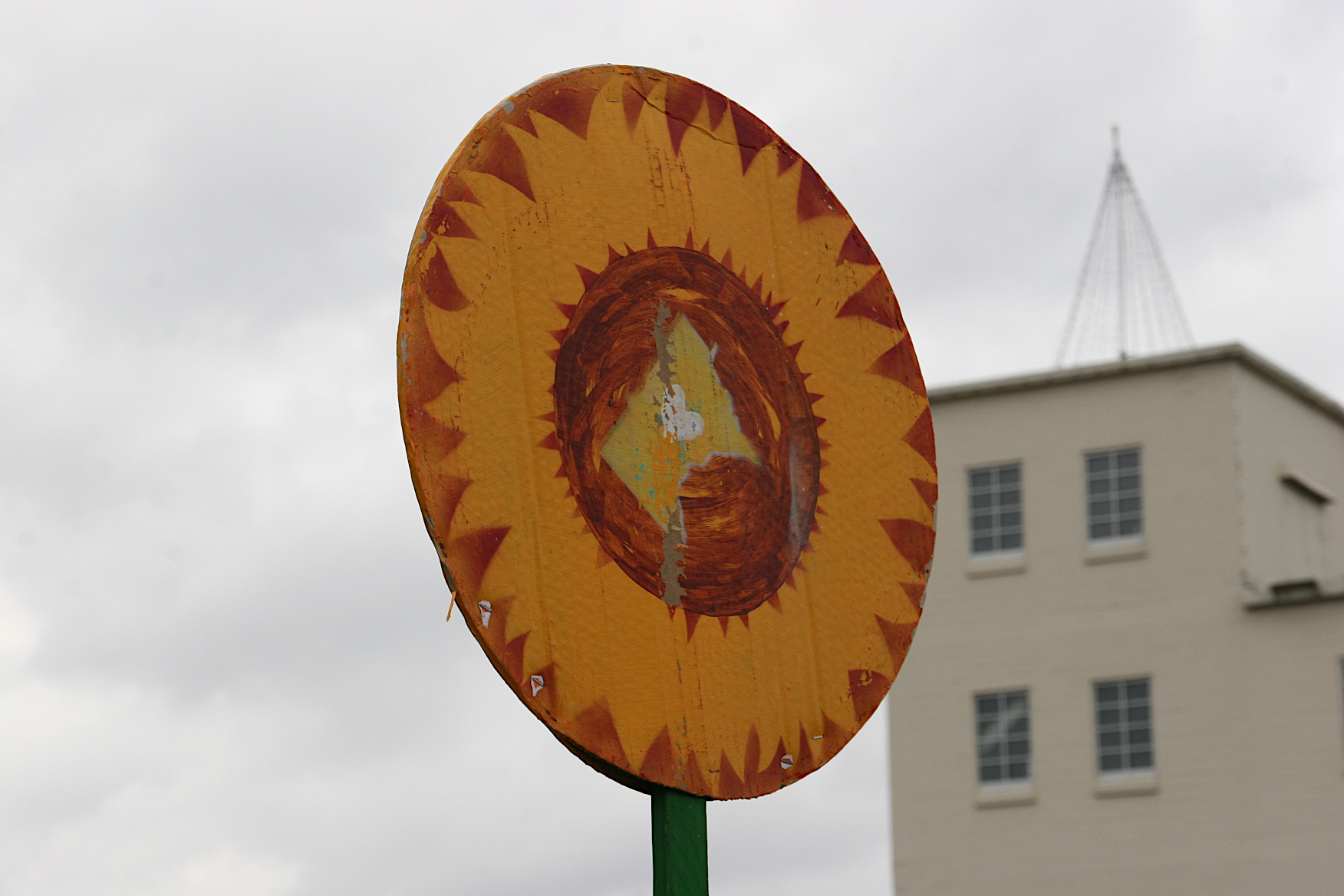
A graphic of Minnesota is painted on the back of the art installation. (Minnesota Prairie Roots copyrighted photo April 2022)
Also, I suggest you read an article on the Minnesota Public Radio website about efforts to change the Minnesota State flag. The flag depicts, among other details, a Native American in the background riding off into the sunset while a settler focuses the foreground, hands on a plow, rifle nearby. I agree that change is needed. But, as too often happens, the issue has become politically-charged.











 Minnesota Prairie Roots
Recent Comments