
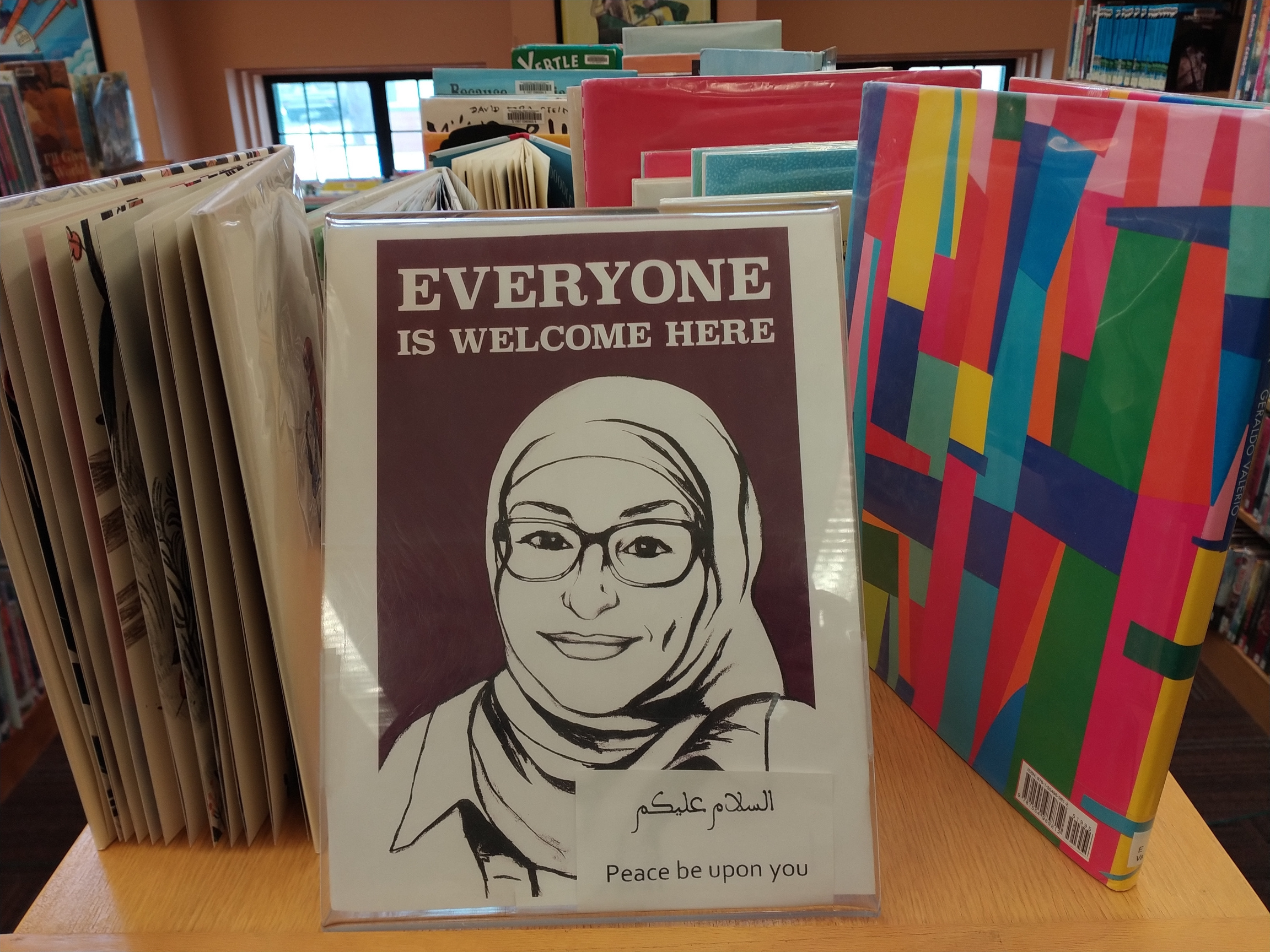
KNOWLEDGE IS POWER. Not in the sense of personal power, but in understanding. And I am always about growing my knowledge and understanding, especially within my community.
Faribault, like many neighboring communities, is culturally-diverse, home to immigrants, refugees and those who have received American citizenship. Somalis. Hispanics. Latinos. And others from countries that fit anything but the mostly White European backgrounds of rural Minnesotans. We are a state evolving in diversity, and I embrace that.
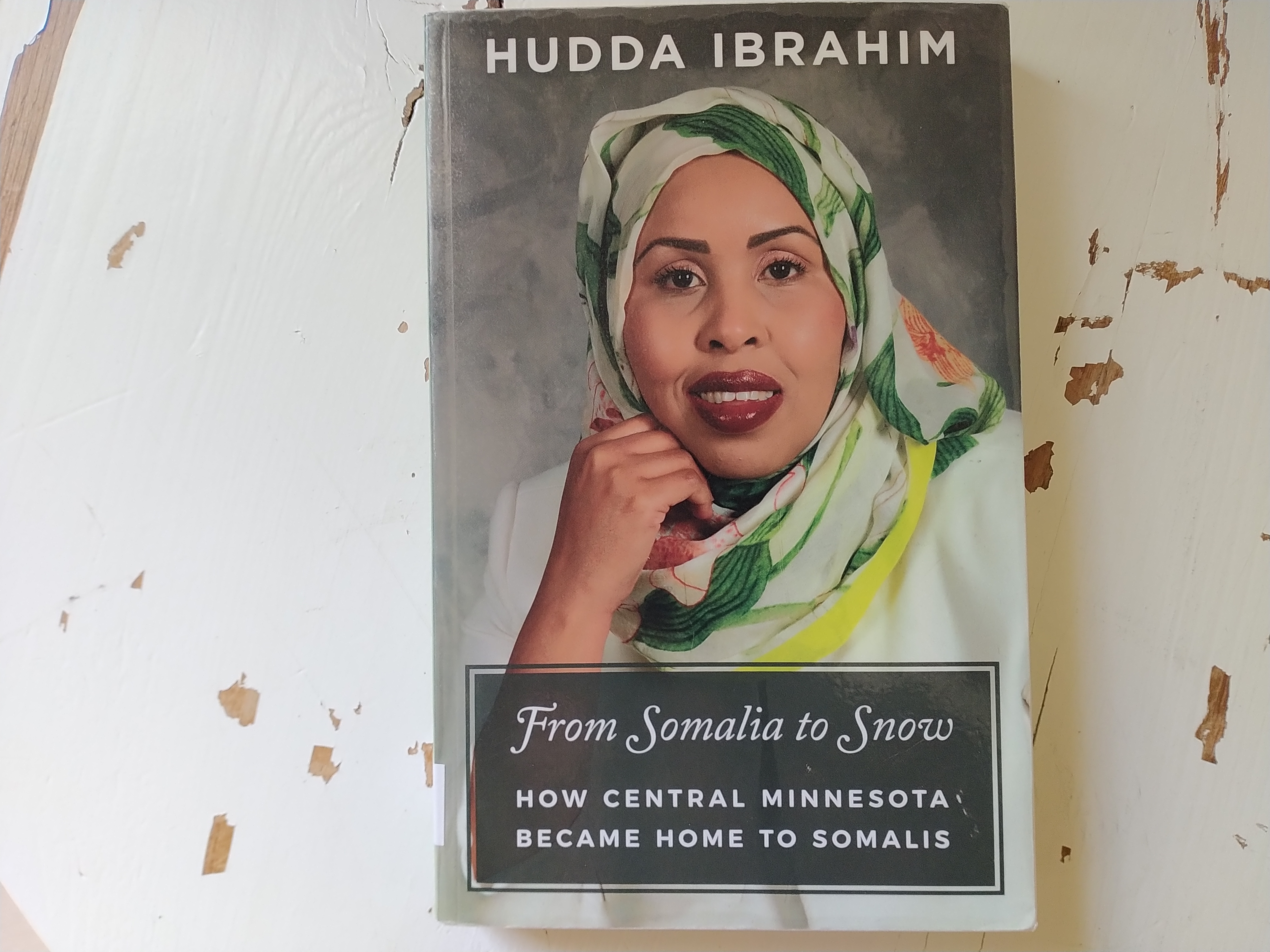
Recently I met a central Minnesota author who was in town as part of an event celebrating Somali culture at the Paradise Center for the Arts. Hudda Ibrahim of St. Cloud, which has a sizable Somali population, was selling her books, including From Somalia to Snow—How Central Minnesota Became Home to Somalis. Although I didn’t purchase her book then, I eventually checked it out through my regional library system. That and her nonfiction children’s picture book, What Color Is My Hijab?

After reading those two books, I have better insights into the backgrounds, stories, culture and challenges of my new neighbors. Ibrahim writes with authenticity. She was born and raised in Africa (Somalia, Ethiopia and Kenya), came to the U.S. in 2006, teaches diversity and social justice in St. Cloud, and works closely with Somalis there. From Somalia to Snow includes interviews with Somalis in Ibrahim’s community along with her observations, insights and recommendations.
I quickly discovered that I had much to learn, even when it comes to understanding the basics. A person of Somali ethnicity is not a “Somalian,” as I’d incorrectly said, but rather a “Somali.” I appreciate that about Ibrahim’s writing. She doesn’t presume her readers know, making her book a really good source of basic, yet detailed and thorough, information.
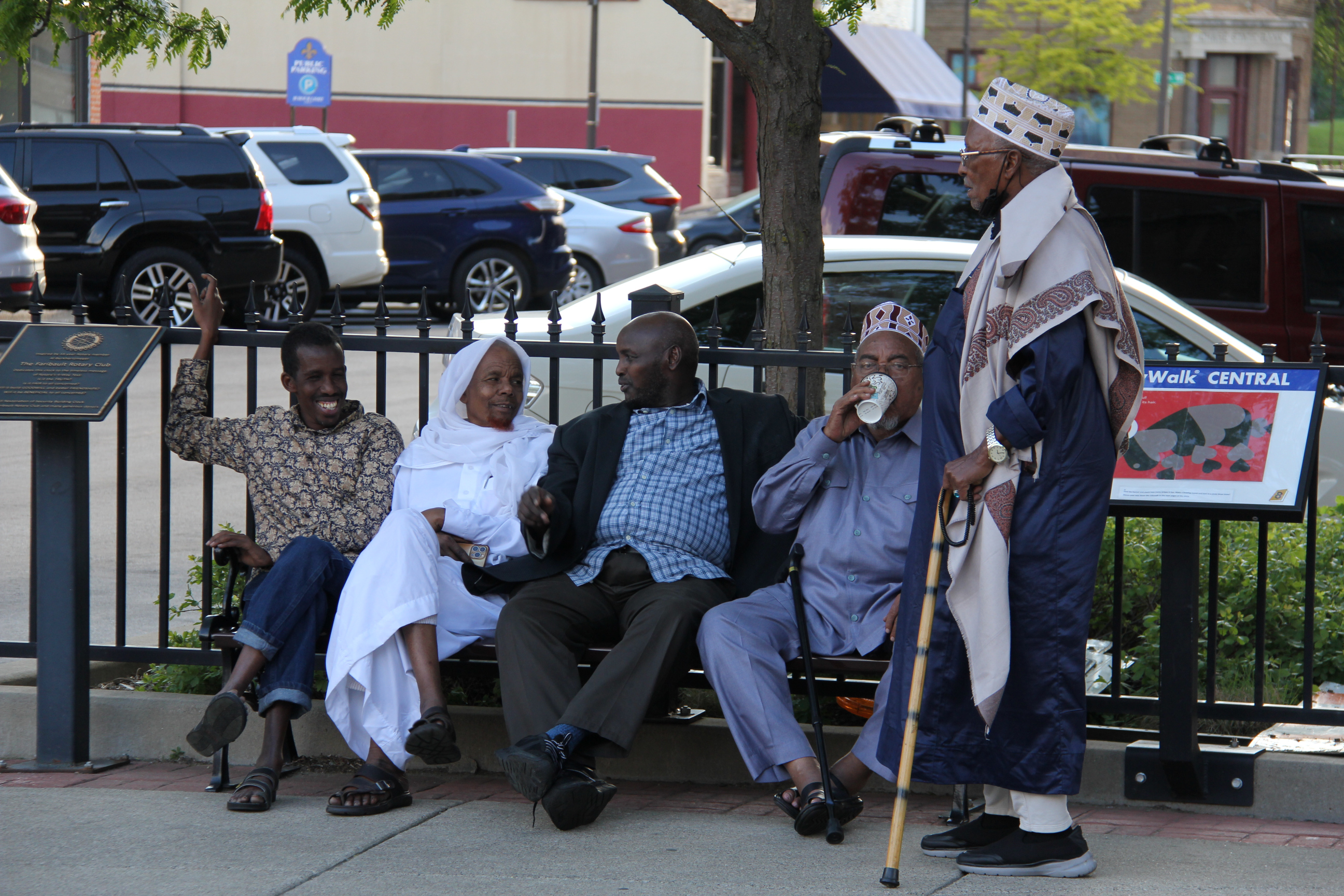
I especially appreciated her chapter titled “Integration and Assimilation” because I’ve heard the comments from locals about how Somalis need to do this and that because they’re living in America now. Ibrahim states that Somalis prefer to “integrate,” not “assimilate.” That makes sense to me, that our new neighbors want to retain their cultural identity while also adapting to their new home. I think back to my own maternal ancestors who settled together near New Ulm in southern Minnesota and clung to their German identity, speaking in German, following customs and traditions from the Old Country. The same can be said for Scandinavians, who still eat lefse and lutefisk. Cultural identity is important to all of us.
So is family. Like my German ancestors settled together, so do those who come from Africa. They want to be near people who get them, understand them, share a language and faith and customs and culture. Jobs and family (clans) brought Somalis to St. Cloud, Ibrahim writes. Many work in meat-packing plants, just like in my community.
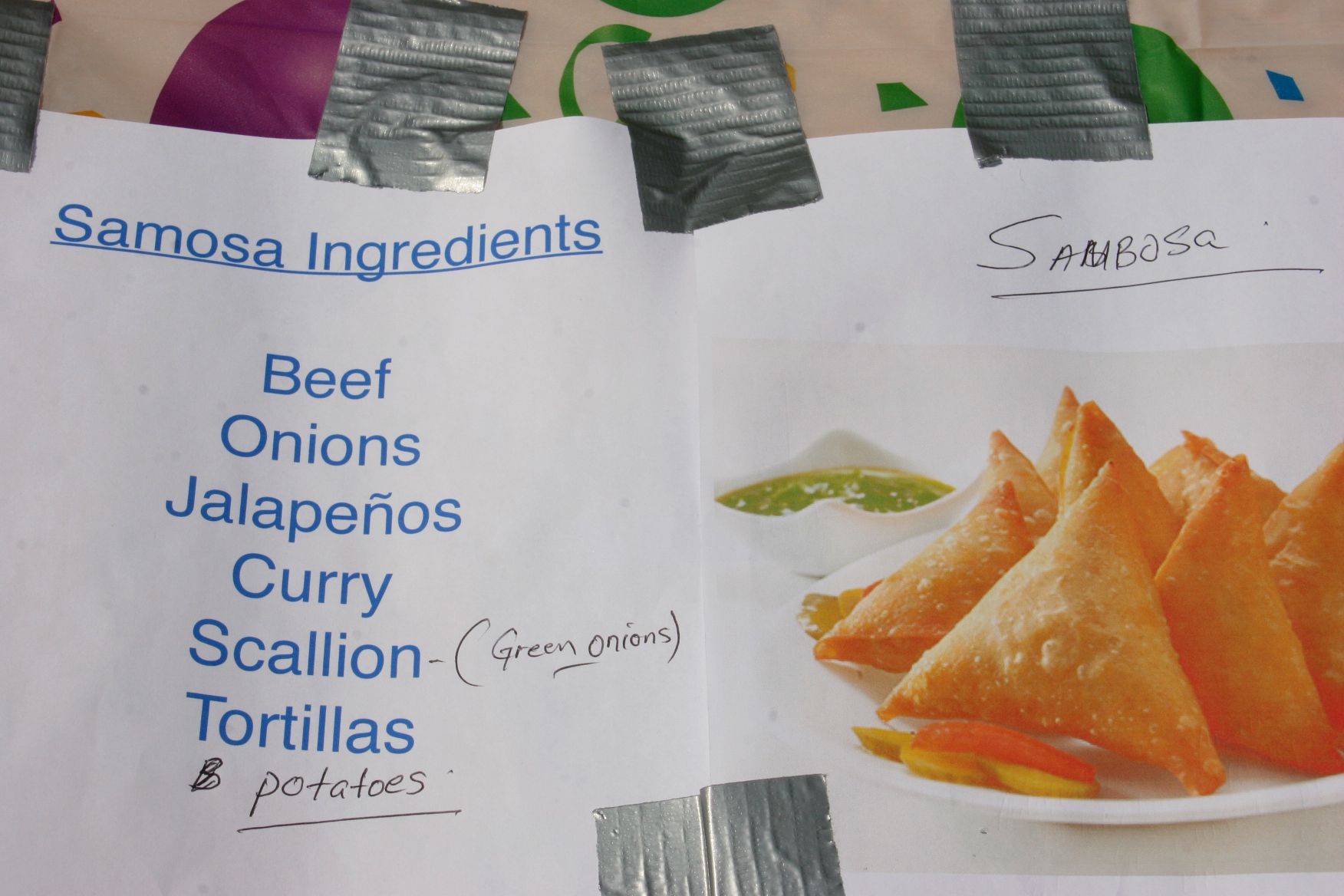
Others have pursued higher education and entrepreneurship, opening businesses which serve primarily their community. I need only walk Faribault’s downtown business district to see numerous Somali-owned shops and restaurants. I love the color and culture they bring. And I love Somali tea, which I tried at that event where I met Ibrahim. It’s tea mixed with milk and spiced with cinnamon, ginger, cloves, cardamom… The scent is heavenly, the taste divine. And I can buy it locally.

Ibrahim’s book is packed with insights: Somalis value oral communication over written. They are good oral poets. Restaurants often do not have printed menus, primarily because they serve Somalis. Muslims memorize the Quran (with 6,666 verses), a process that can take years. Socializing and community are important. Barriers remain in healthcare. There’s just a whole lot to learn via reading From Somalia to Snow. It starts with an overview of Somali history and then takes readers into the lives, cultures and challenges of Somalis living in Minnesota today. Thanks to Ibrahim’s writing, I now have a better understanding of my new neighbors. And for that I am grateful.
© Copyright 2024 Audrey Kletscher Helbling


 Minnesota Prairie Roots
Loving your post today – very insight and powerful 🙂 I feel like I am pretty open minded. However, I do not know what I do not know. I am open to listening and connecting and sharing. I am open to learning and educating myself on those things I do not know well. I love connecting with others and believe that we have a common ground that can act as a connector. Be it family and traditions, be it food, be it creatives, etc. You do not have to look hard to find a common thread with another person. I will have to check out that tea – sounds delicious. I love a good tasting samosa – could go for one right now – YUM! Happy Day – ENJOY!
Thank you for appreciating other cultures and connecting and all the good things that come from meeting new people and finding a commonality among us. You are so right on that.
I love a good human story and if you are willing to share a sentence, a verse, a paragraph, a chapter, etc. I am all ears. I think it is about 50/50 in those that strike up a conversation with me or me being the one to start a conversation. Life is so interesting and enjoy learning about someone’s adventures and journeys. I love reading your human interest posts and sharing the creatives, the cultures/traditions, how people live and work, et. al. with your readers 🙂
Thank you, Renee. You and I are very much alike, I think. I strike up conversations with strangers all the time. My most recent memorable ones are with Somalis in my community.
This book sounds like it has been a valuable resource for you. It seems you have many opportunities to interact with Somalis.
It’s a great resource book. I stopped by the library last evening and asked them to order a copy for our library. Yes, I’ve had numerous opportunities to interact with my new neighbors.
I love the title and the meaning. telling her story, helps people to understand, where she’s been and what she’s going through, along with other Somalians. I read her children’s book with my class, and they really enjoyed it and asked questions after, which led to a good discussion
Beth, I’m delighted to hear you read Hudda Ibrahim’s children’s book to your class and that led to a good discussion. 🙂
it was really a beautiful book
I love that book—- sometimes I realize just how much I don’t know.
That’s the thing about books. They can always teach us. I only touched the surface of what this book taught me. Everyone in my community ought to read it.