
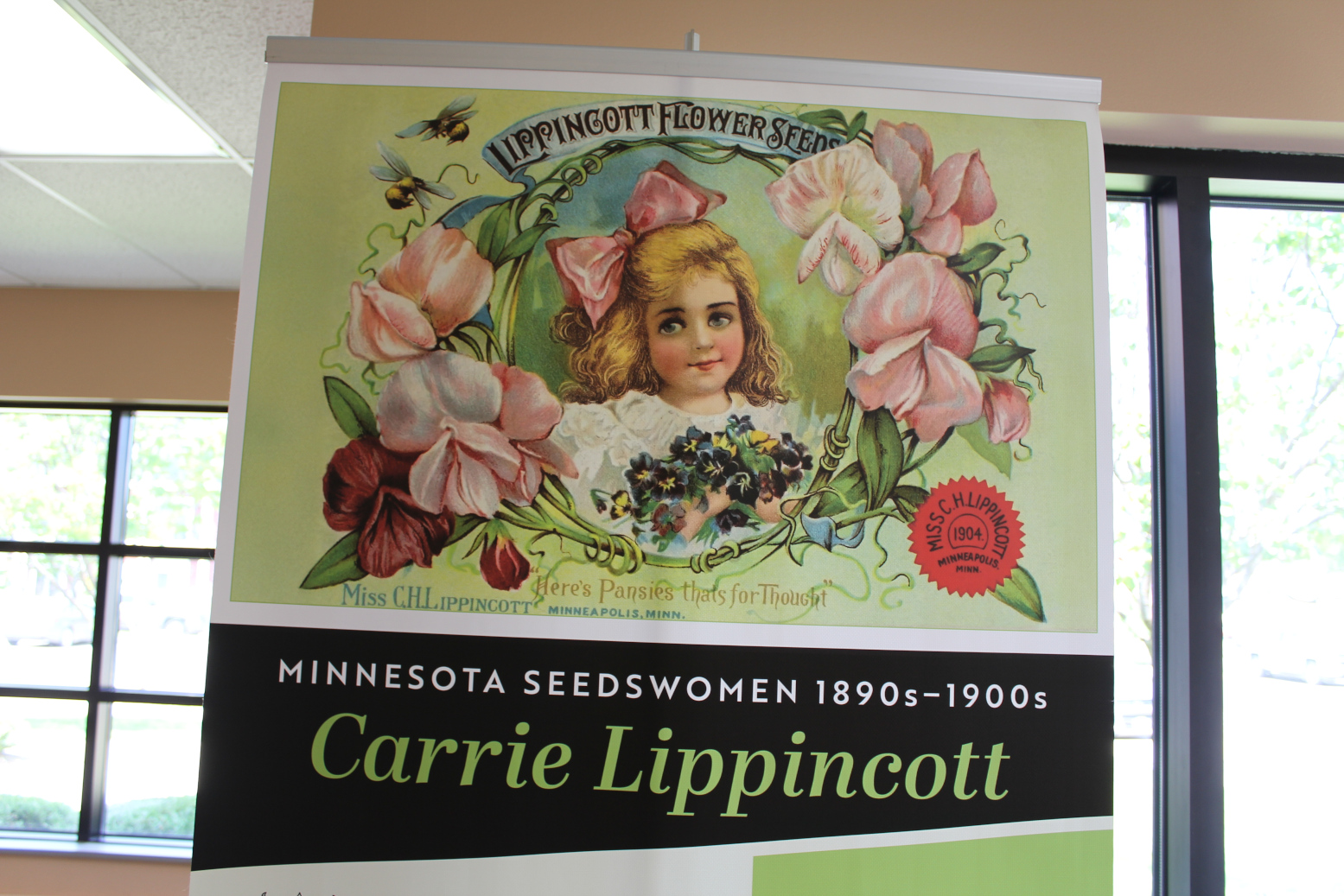
IF CARRIE LIPPINCOTT, Emma White and Jessie Prior toured Buckham Memorial Library in Faribault, I expect they would appreciate not only what’s inside the library, but also outside. They were, after all, pioneering Minnesota businesswomen who ran successful seed companies at the turn of the 20th century.
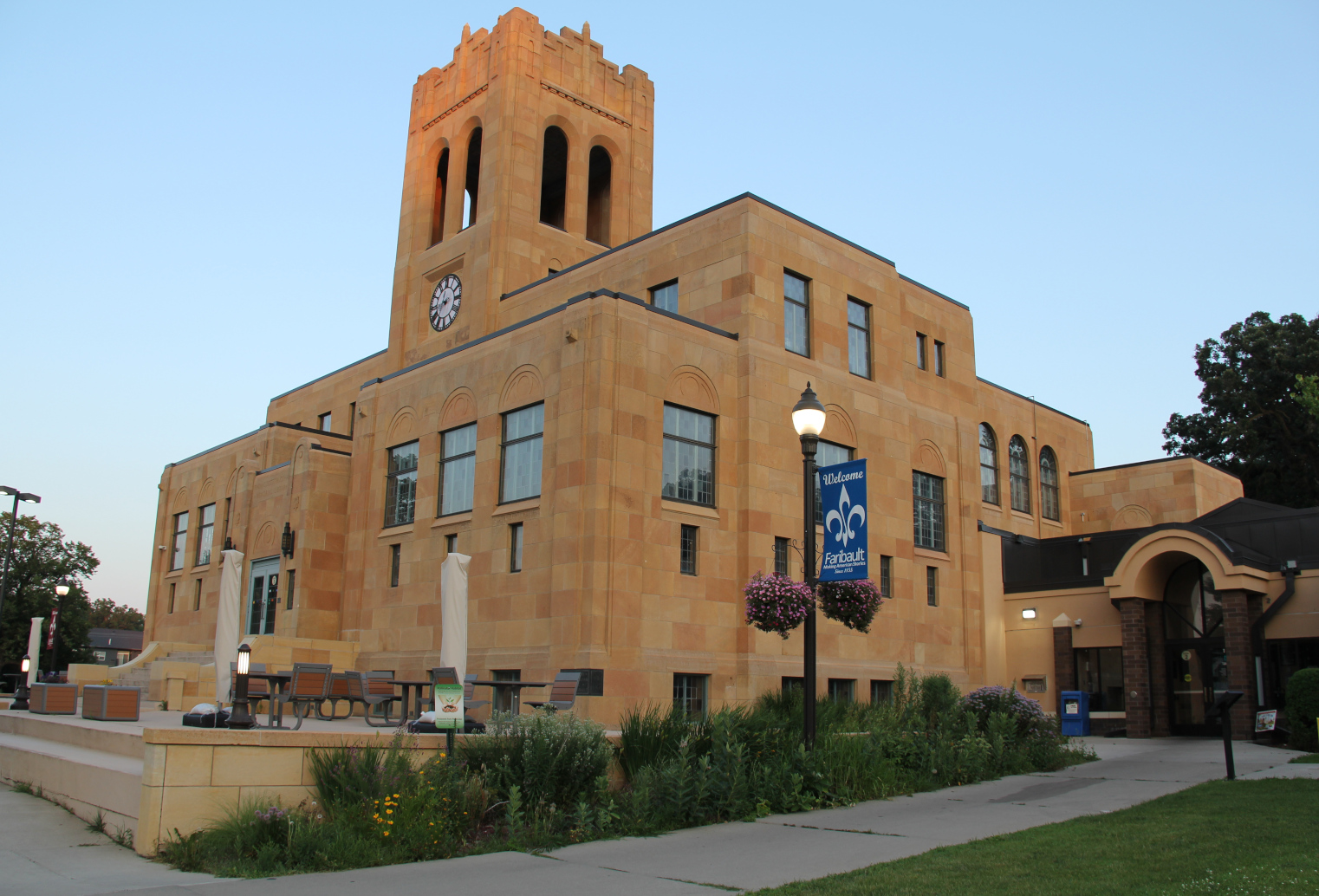
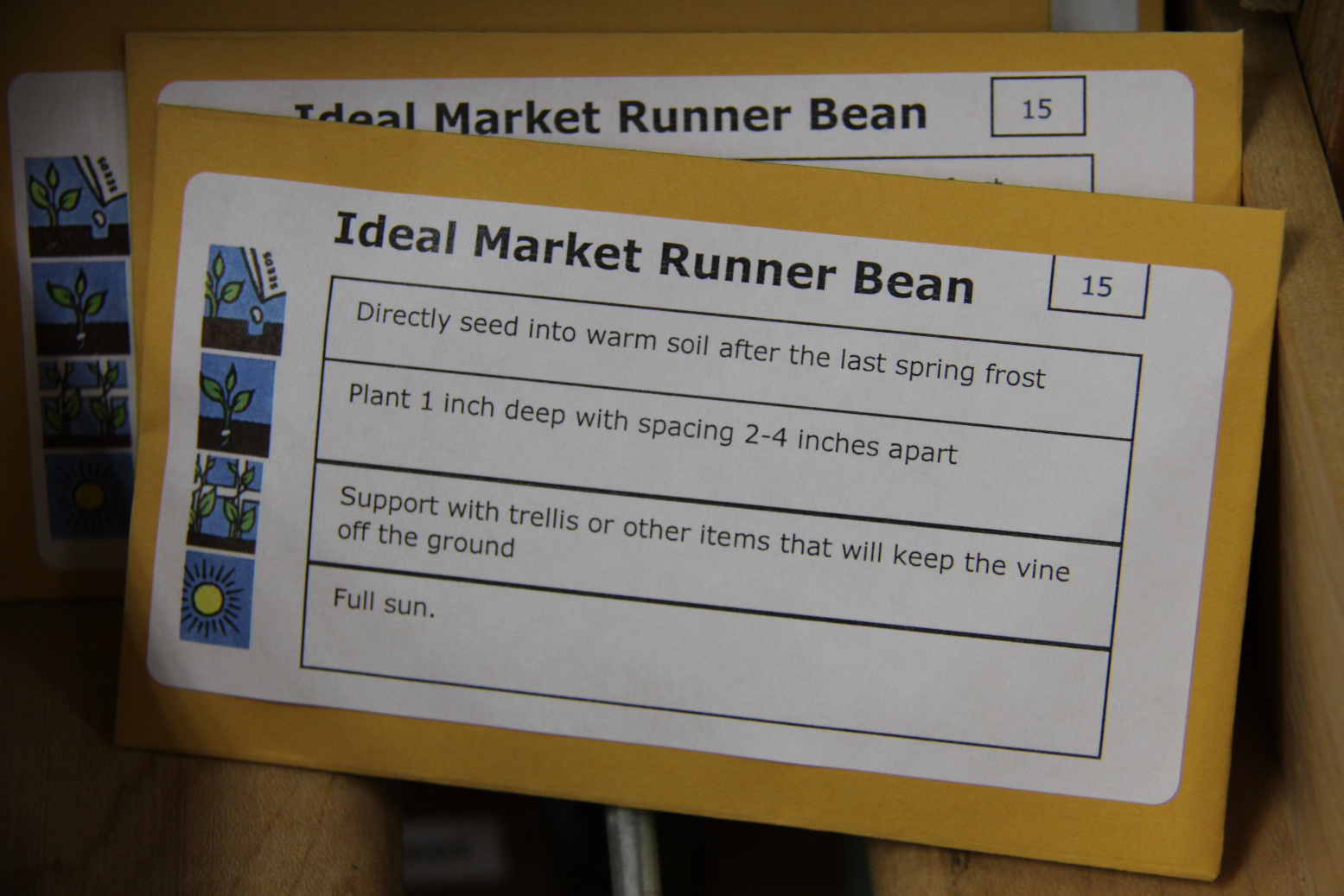
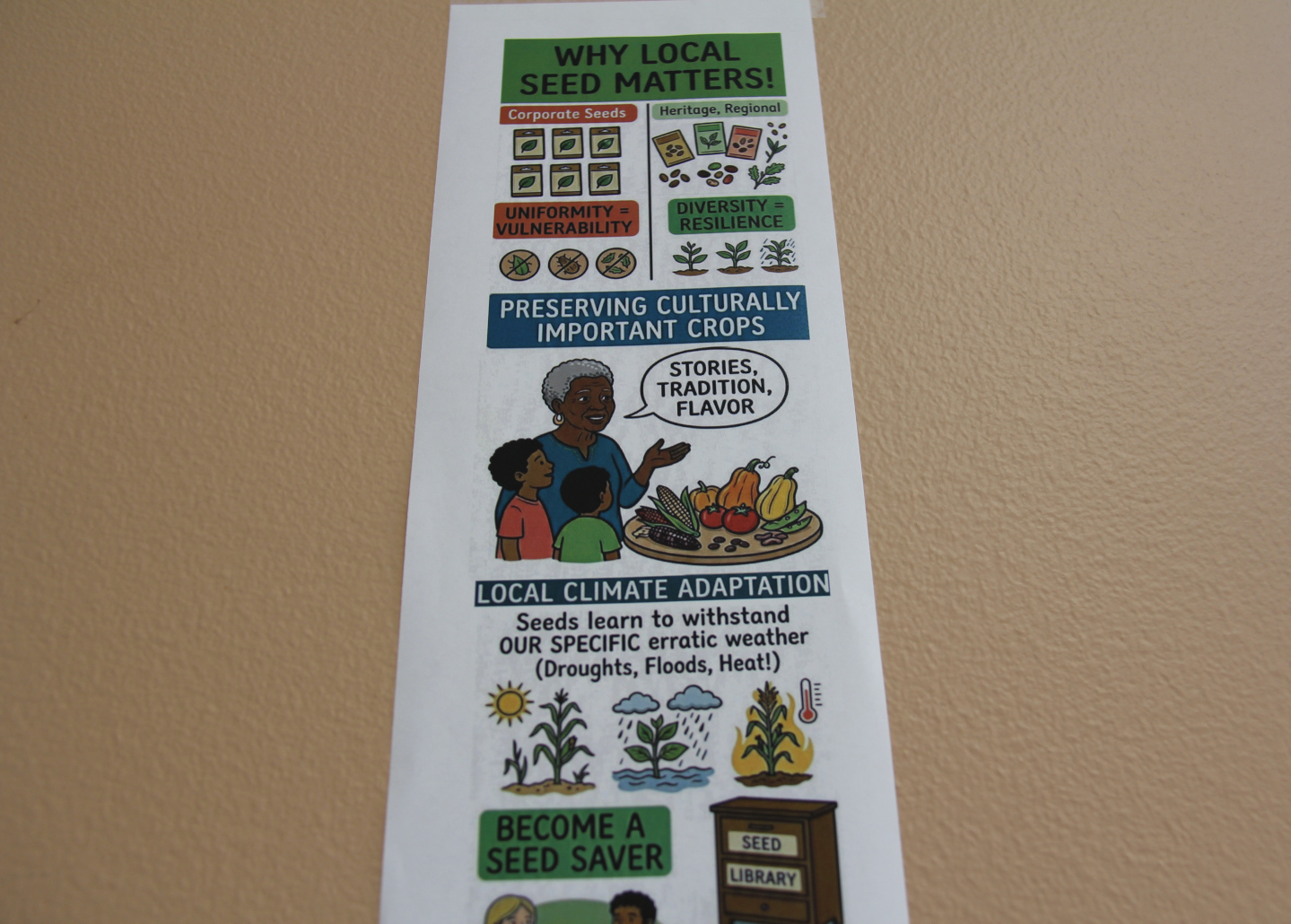
The trio would be impressed by our local library, which actively promotes gardening via programming, a seed library, an organic learning garden, bee lawn, pollinator habitat and native prairie plantings. Plus, the current children’s summer reading program, “Plant a Seed, Read/Planta una semilla, lee,” themes to seeds.
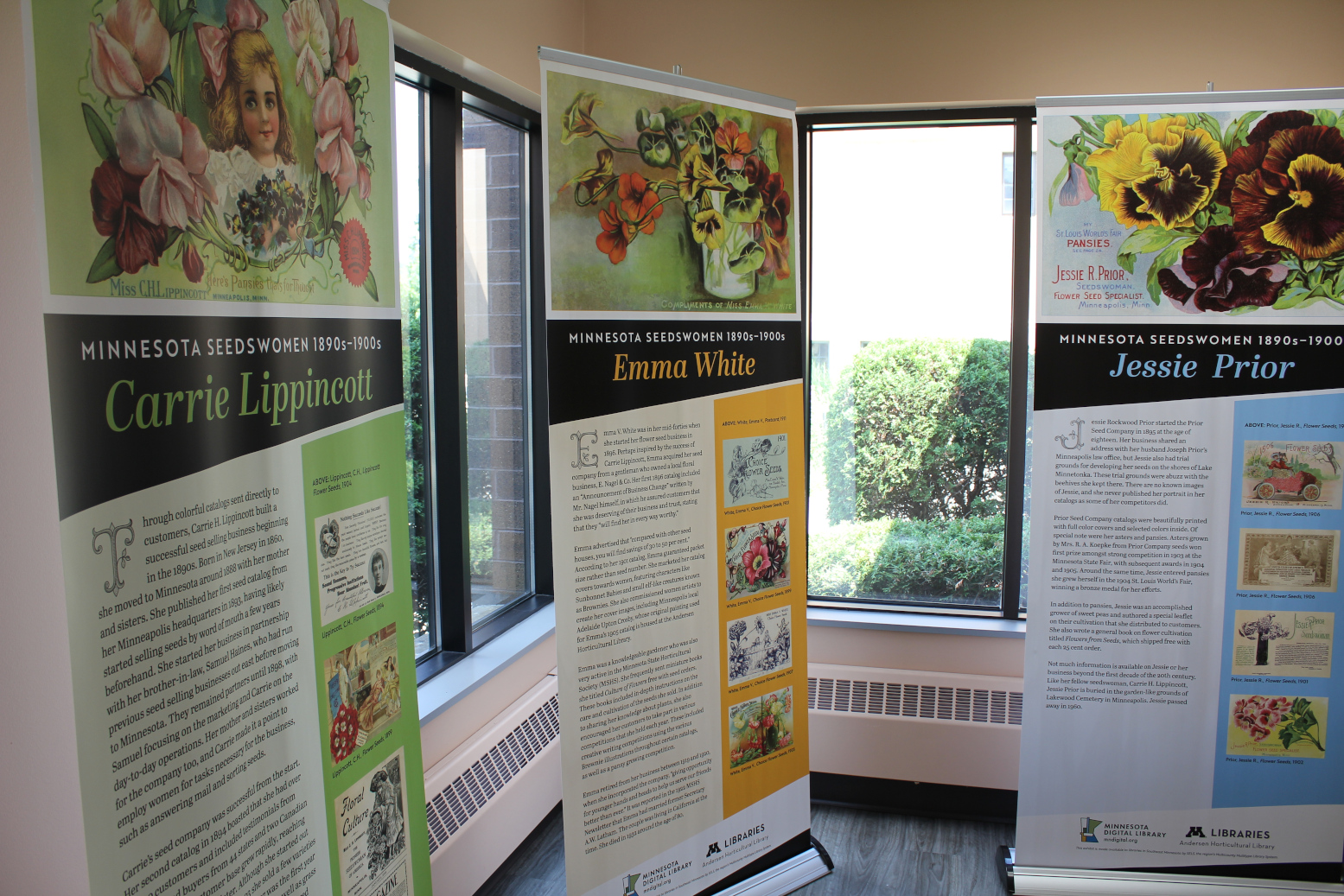
All of that makes Buckham an ideal location for the traveling exhibit, “Minnesota Seedswomen 1890s-1900s,” on display until July 31 in the hallway linking the library to the Faribault Community Center.
Lippincott, White and Prior focus the three-panel exhibit crafted from information in the Minnesota Landscape Arboretum’s Andersen Horticultural Library.
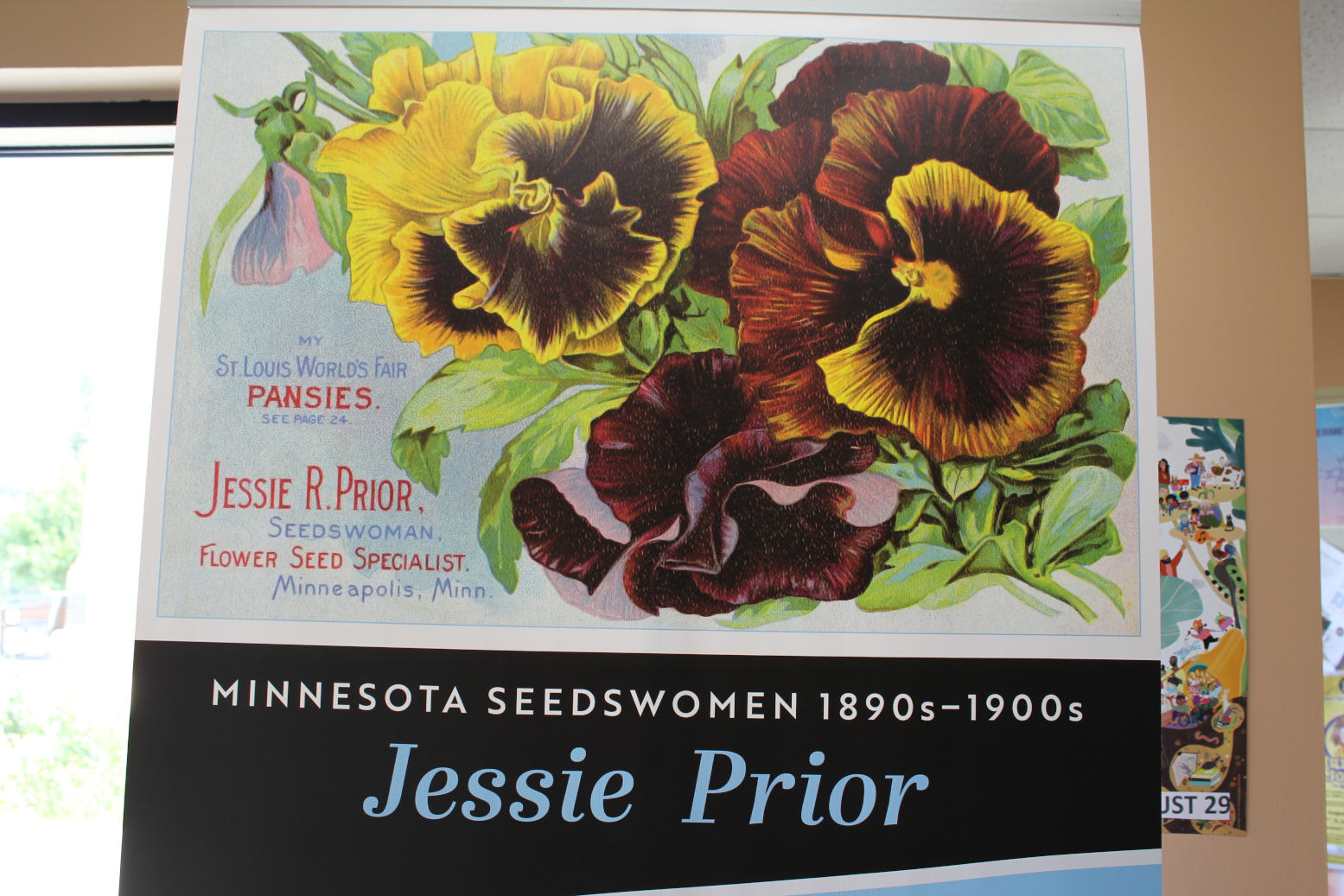
My love of libraries, reading, learning, flowers and vegetables drew me to the exhibit. I’d never heard of the three enterprising women who became successful in their field on a national scale. Prior, who started Prior Seed Company in 1895 at age eighteen, called herself a “flower seed specialist.”

Lippincott labeled herself as “The Pioneer Seedwoman of America,” operating Lippincott Flower Seeds in partnership with family. She made a point of hiring women.
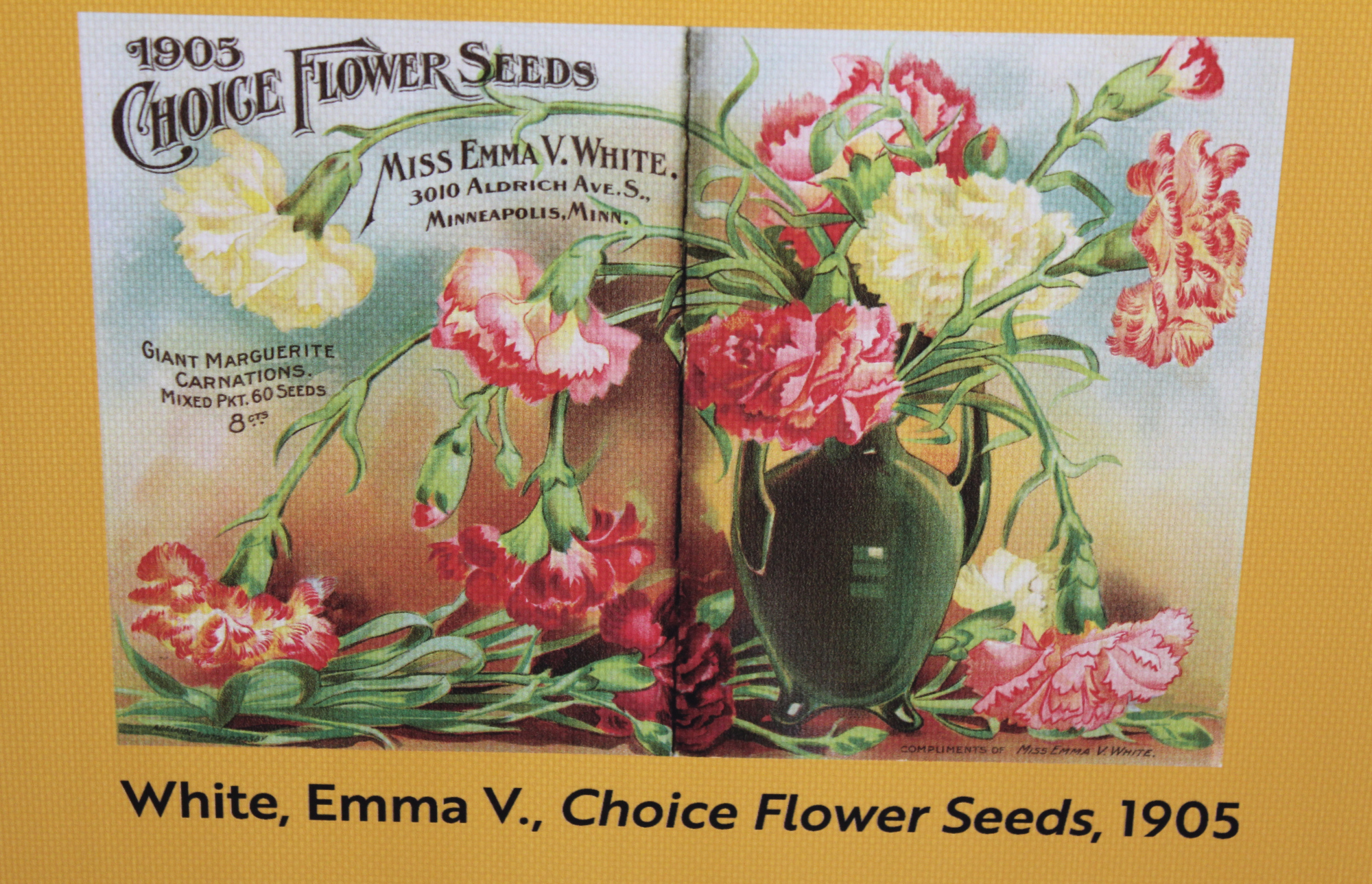
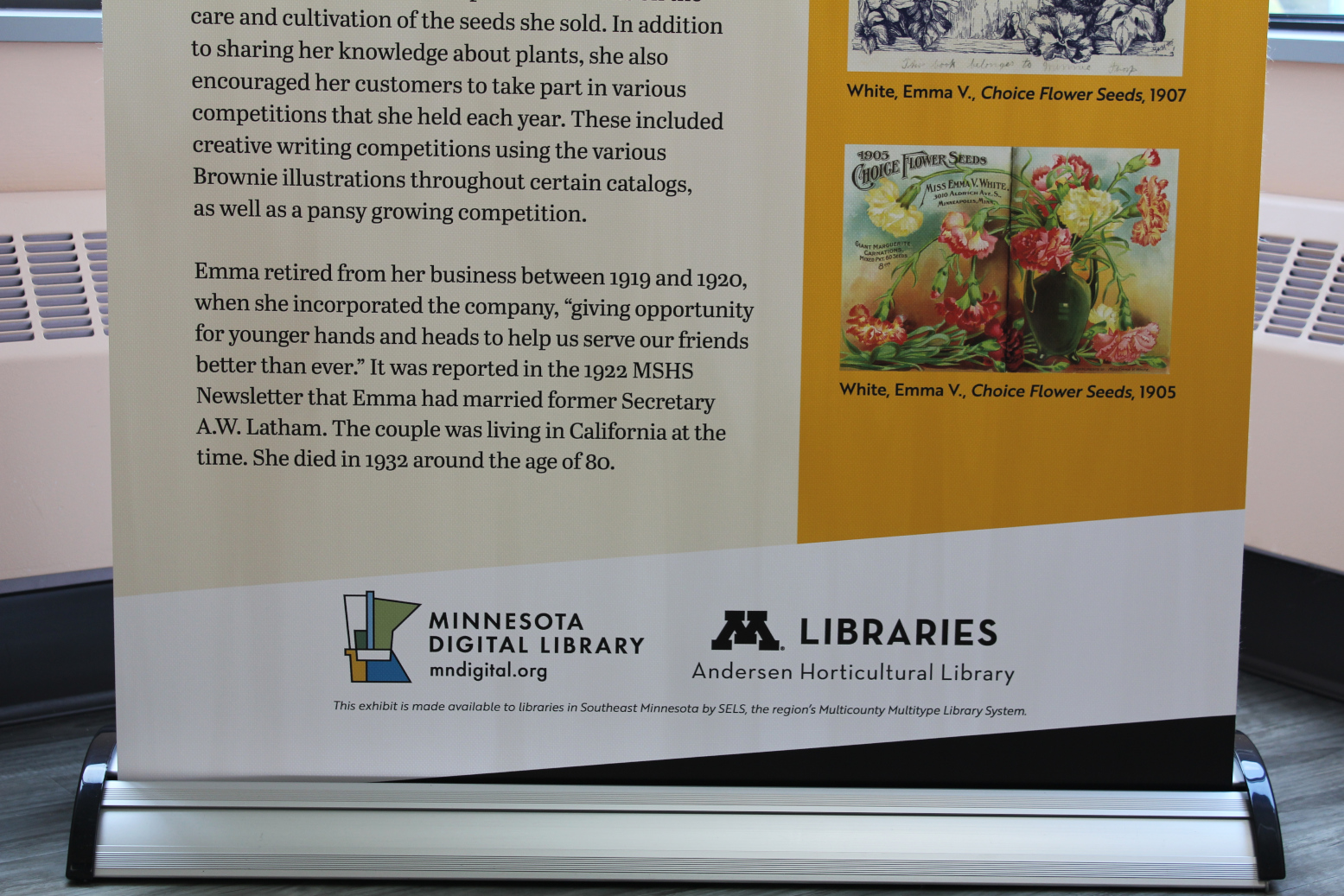
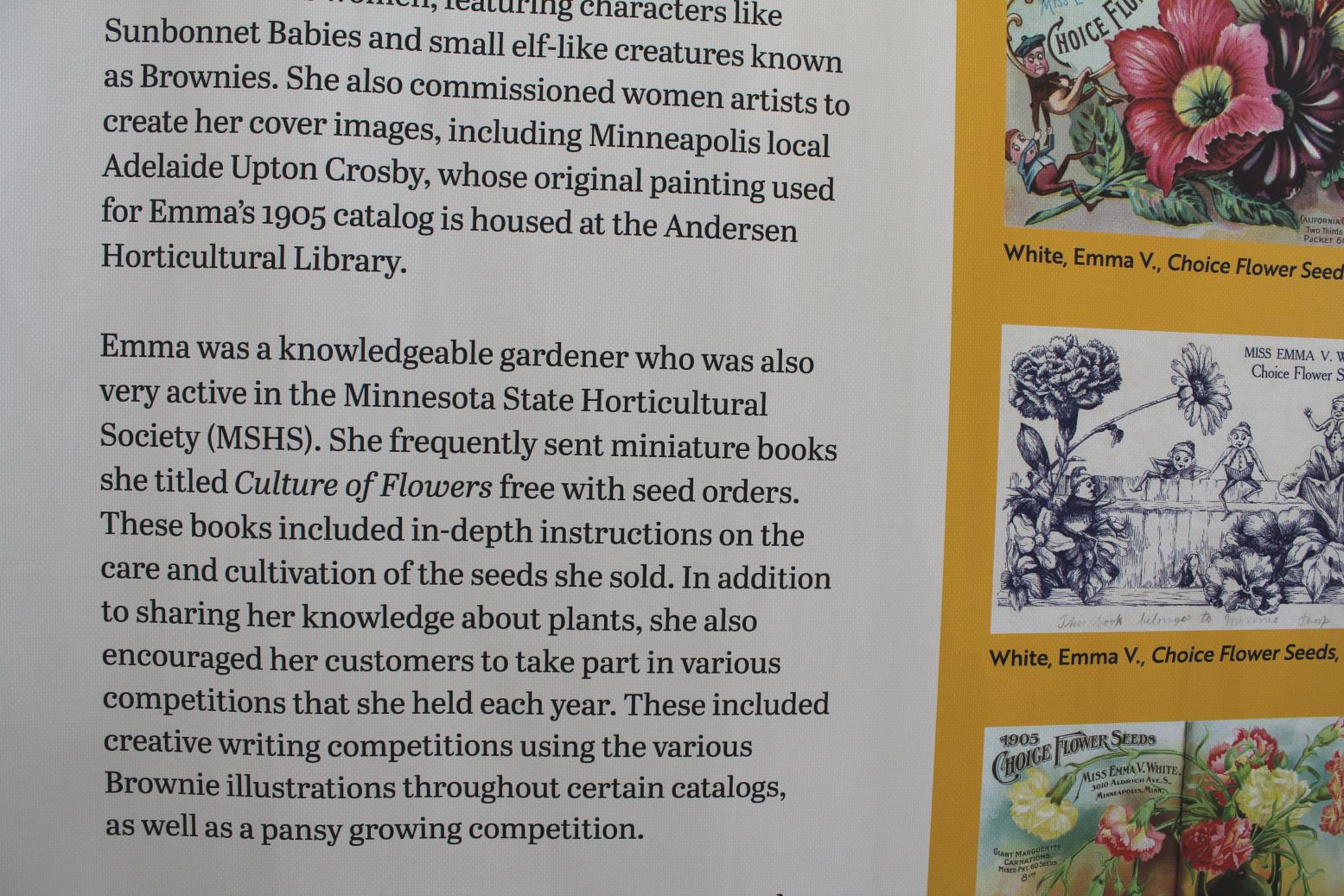
Likewise, White’s Choice Flower Seeds tapped into women, specifically female artists, to create catalog covers. She marketed to women with Sunbonnet Babies and Brownies (elf-like creatures) artwork. The previous owner of the seed company enthusiastically endorsed his successor, telling customers White deserved their business and trust.
Each woman, in her own way, made her mark in the seed-selling business. Yet, together they shared the commonality of women entering business during a time when most businesses were run by men. I expect these businesswomen had to work hard to prove themselves, to distinguish themselves, to compete and succeed.
And succeed they did. Prior won a bronze medal in the 1904 St. Louis World’s Fair for the pansies she grew. White, especially active in the Minnesota State Horticultural Society, became the first to guarantee packet size rather than seed numbers. Lippincott set herself apart by arranging catalog seed offerings alphabetically. In many other ways these women promoted and grew their Minneapolis-based seed companies.
In the competitive world of seed-selling, the three most assuredly understood the importance of standing out. Whether through colorful, eye-catching catalogs (Lippincott), creative writing and pansy growing competitions (White) or becoming an accomplished grower of sweet peas (Prior), the three seedswomen showed business savvy.
All were decidedly creative in marketing through their colorful catalogs, growing guides, leaflets and books. They shared their gardening knowledge, which likely helped grow a loyal customer base. These women were business smart. And they were strong. Those are among my take-aways from the traveling exhibit.
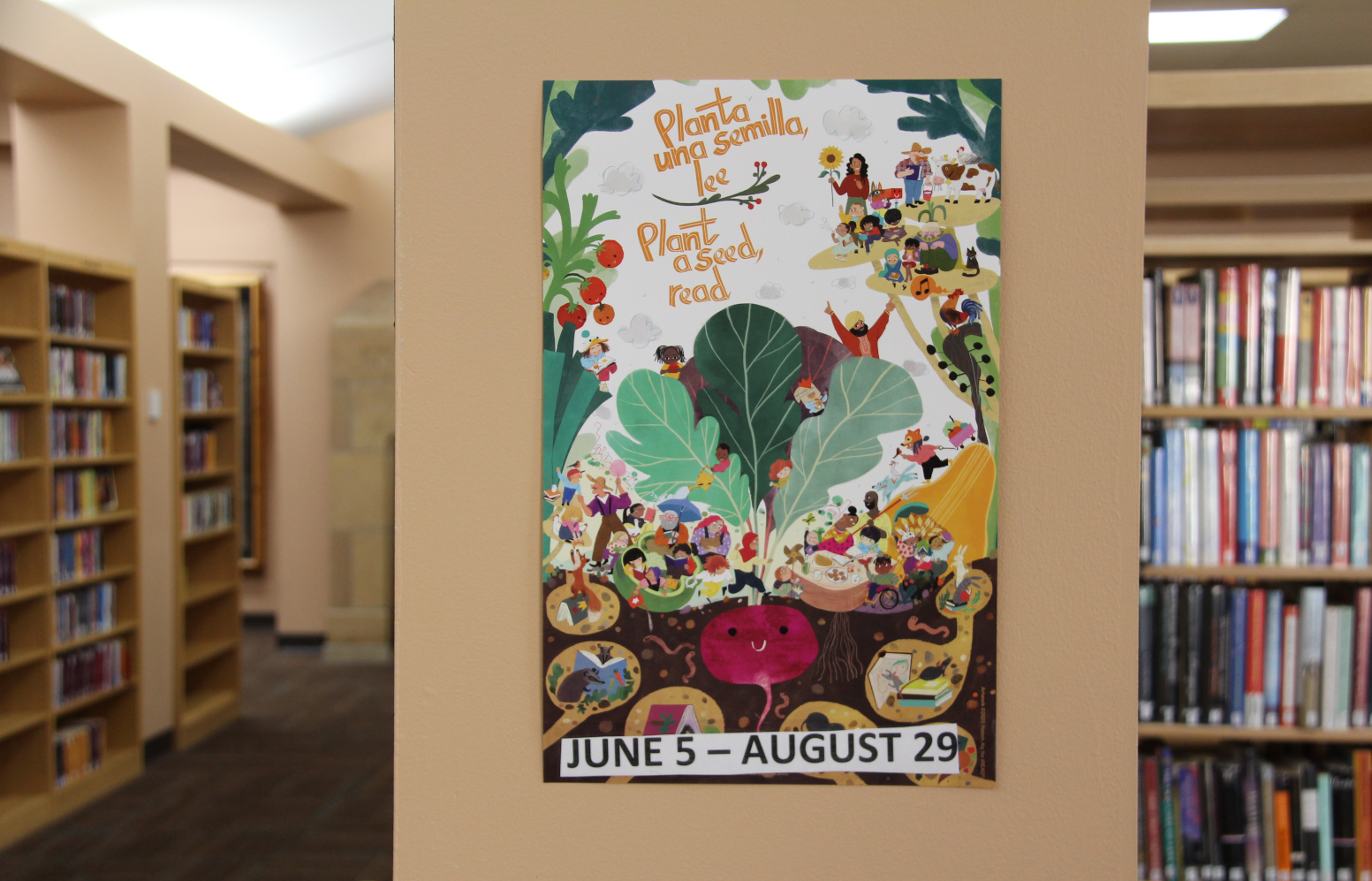
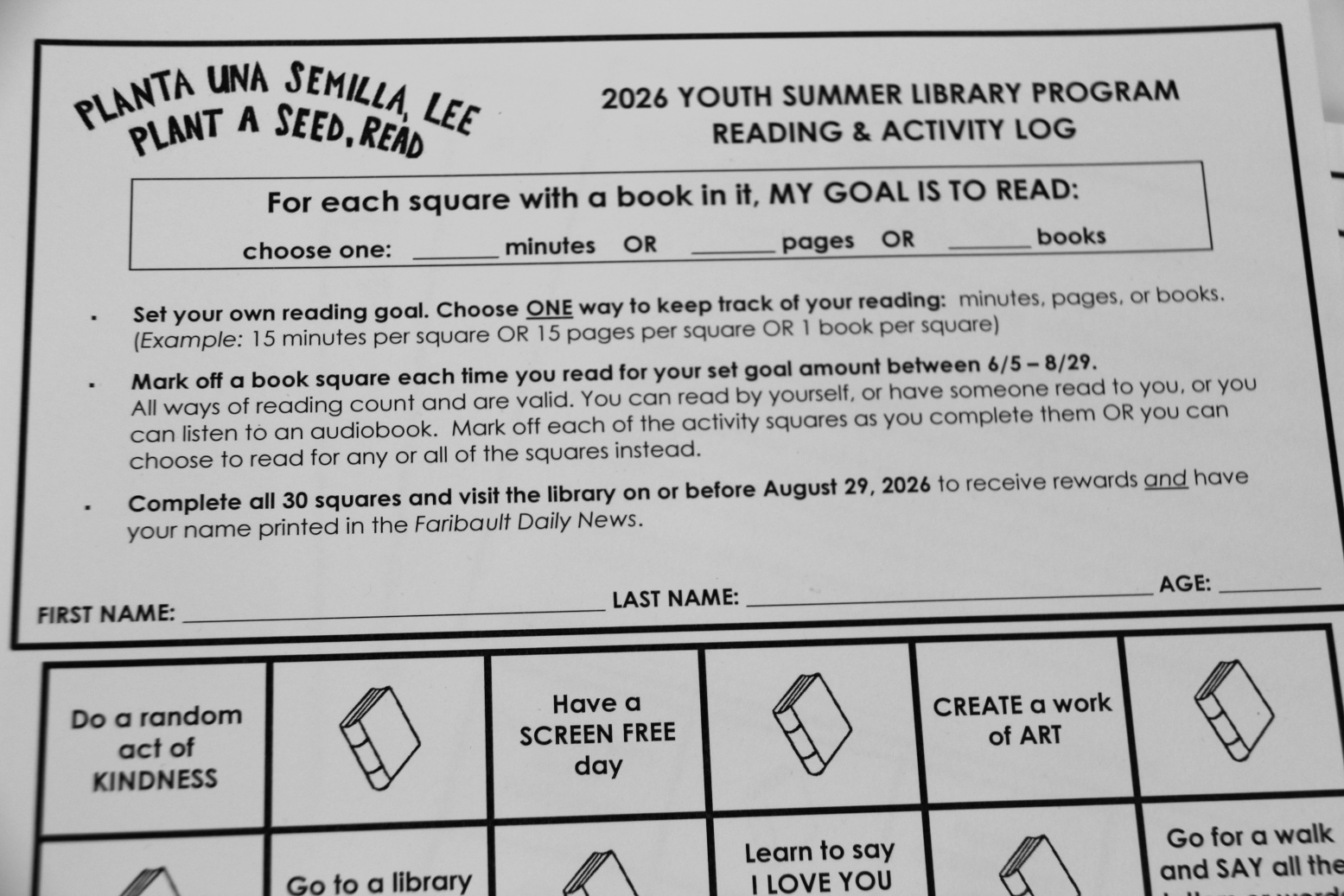
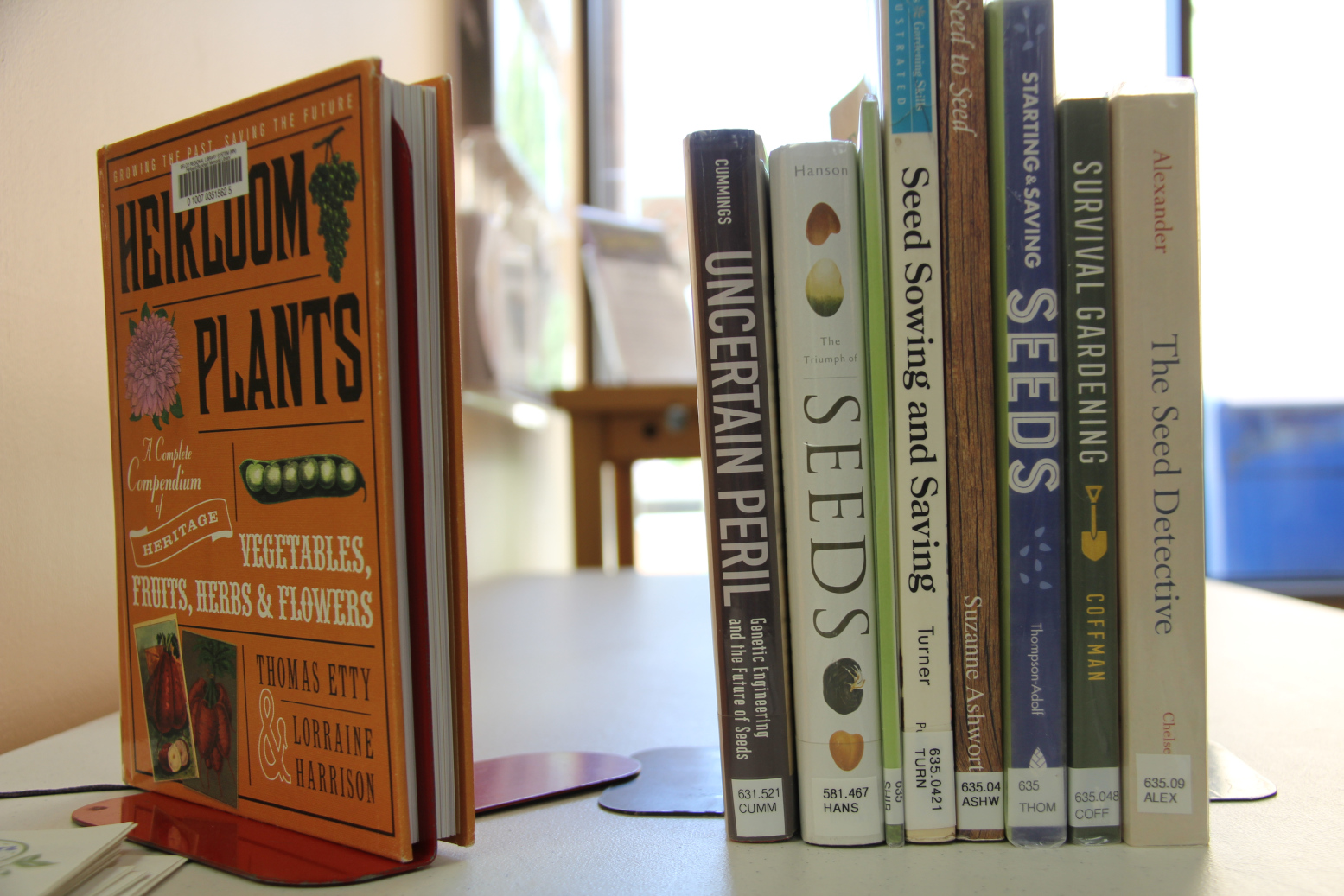
After I read the information on the panels, I entered Buckham library, thinking about Lippincott, White and Prior. I pictured them opening the drawers of an old library card catalog, now holding seed packets. I envisioned them paging through the seed and gardening books on display. And I imagined them enthusiastically encouraging kids to participate in the “Plant a Seed, Read” summer reading program.

Stepping outdoors, I saw them admiring the many flowers flourishing around the library. And they may have, like me, pulled ruby red rhubarb from the organic learning garden.
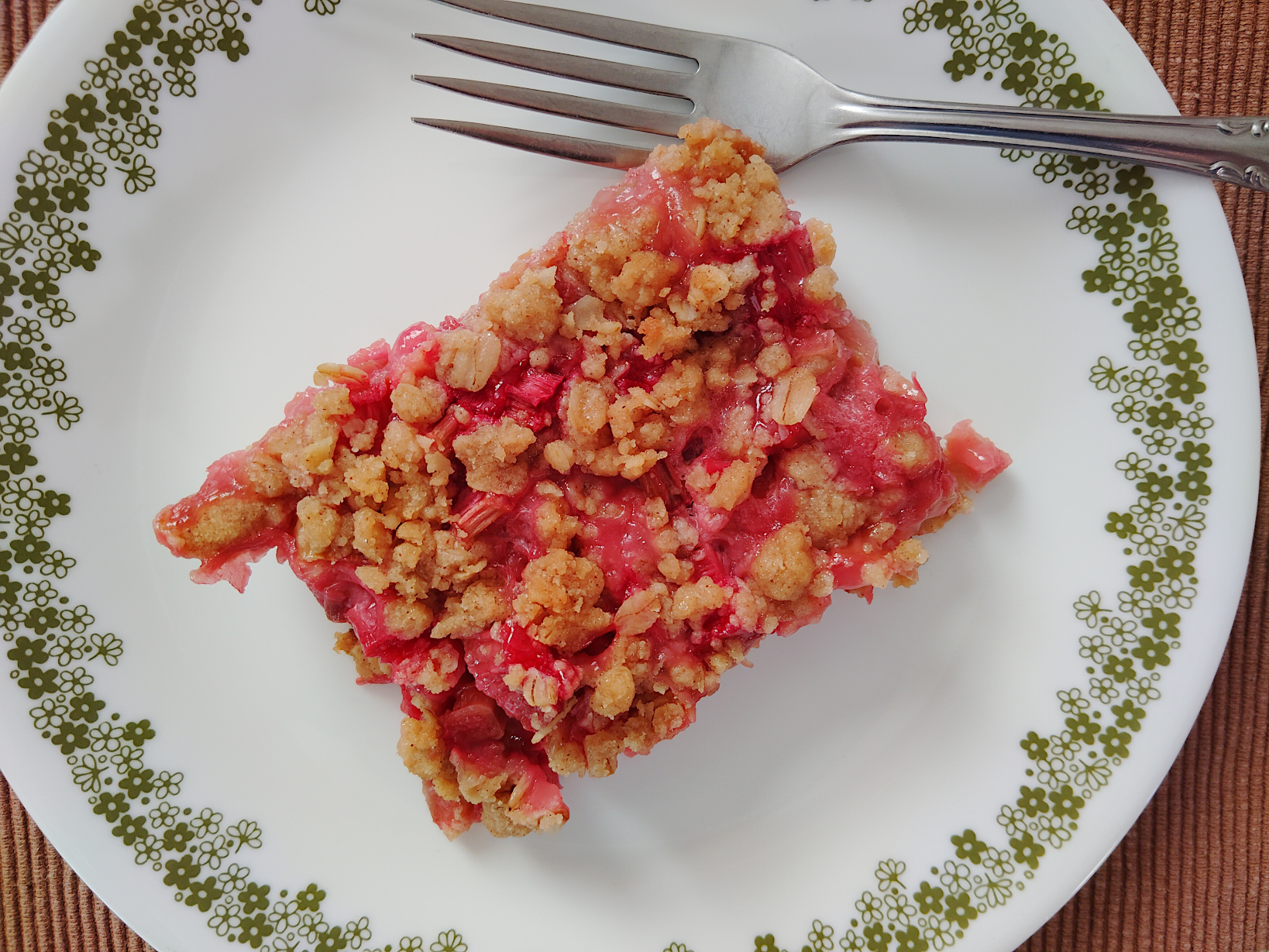
Afterwards, I would have welcomed my new friends, Carrie, Emma and Jessie, to my home blocks from the library. Over plates of tangy rhubarb crisp, I would thank these seedswomen for their pioneering efforts as strong, innovative and creative businesswomen. And, if they were willing, I would put them to work in my tangled mess of flower gardens.
© Copyright 2026 Audrey Kletscher Helbling


Boy does this bring back memories – in the living room growing up was the seed catalog, the Farmers’ Almanac, Reader’s Digest, Nat Geo, and at times the Sears catalog. Loving your post today and brings back memories of growing flowers, fruits, herbs, veggies, et. al. on the farm. My mom even had a pickle garden with dill and mustard seed. Our local library has a seed library and most libraries here have some type of native garden or butterfly garden too. Happy Day – ENJOY 🙂
I’m really happy with how libraries have leaned into gardening. Glad to bring back joyful memories for you.
I had no idea that these familiar images were from a woman owned company. Very interesting! That rhubarb crisp looks yummy. I haven’t had rhubarb in years but I do have fond memories of picking out of the garden and eating it. Ahh the funny things that kids will do.
This was certainly an educational exhibit for me.
You haven’t eaten rhubarb in years? I’ve made several rhubarb crisps just this season. A friend lets me harvest from her patch.
what a delightful post, audrey. this amazing trio of enterprising women would love this exhibit, you are so right. it’s so nice that their stories are being told. i love the artwork on the packets, and i’m sure you would have invited them over for a piece of rhubarb crisp and great conversation.
I’m glad you enjoyed this post about these three amazing businesswomen.
Love this story! I had not heard of these women before. It’s wonderful that they are being honored with this teaching moment at the library – encouraging planting seeds and reading, and women-owned businesses. Your story makes me happy, as you share about these ingenuitive women, in a time when women are losing their voice and place in history and online. Thank you for this, Audrey.
Women have made great strides. And now we are being suppressed, etc. We MUST press on.