Minnesota Prairie Roots

Writing and photography by Audrey Kletscher Helbling

Meet my beautiful granddaughter April 8, 2016

Filed under: Uncategorized — Audrey Kletscher Helbling @ 11:25 AM
Tags: , , , , , ,
My new granddaughter, Isabelle ("Izzy" for short) Karis. Photographed when she was about 17 hours old.

My new granddaughter, Isabelle (“Izzy” for short) Karis, photographed when she was about 17 hours old.

SHE’S HERE. She’s beautiful. And she’s my first grandbaby, Isabelle Karis.

Born 19 days early late Wednesday afternoon, Isabelle weighed 6 lbs., 15 oz., and measured 20.5 inches. It is a joy to finally meet this little girl I’ve been loving since I learned in September of her forthcoming birth. I am thrilled to be part of what numerous well-wishers term The Grandparent Club.

Isabelle is named after her paternal great great grandmother, also her Oma’s middle name. Her middle name, Karis, is the Greek word for “grace.” So fitting. So lovely.

I felt that grace Thursday morning as my husband and I stood with our son-in-law at Amber’s bedside, baby Isabelle cradled in her arms, the hospital spiritual advisor also there. As Marc prayed a blessing upon his daughter, our hands hovering over her, tears leaked down my cheeks. It was a profound moment for me as I was overwhelmed by emotion. Relief. Thankfulness. Awed by the miracle of life. So in love with this little girl.

© Copyright 2016 Audrey Kletscher Helbling


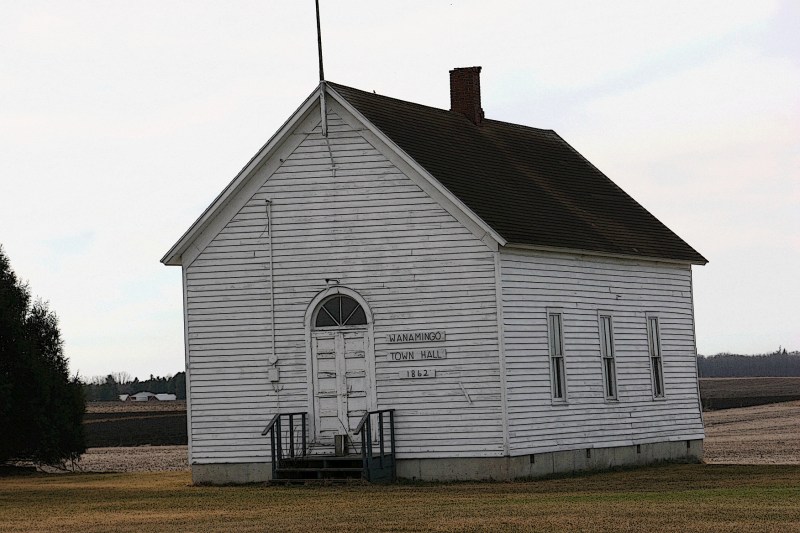
Wondering about the Wanamingo Town Hall

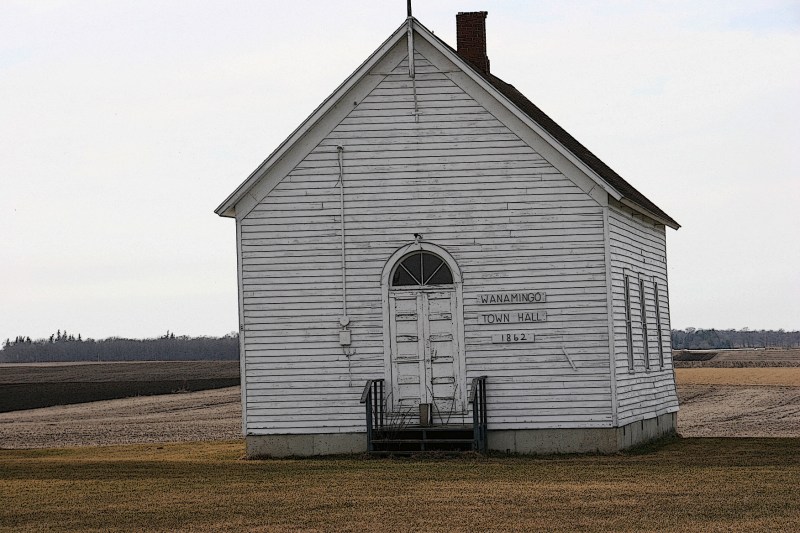
Wanamingo Town Hall, 112 view one


WOOD-FRAME TOWN HALLS aged by time hold a sense of history that always leaves me wondering.

The Wanamingo Town Hall, which I recently photographed in the ghost town of Aspelund in Goodhue County, is no exception. I thought a simple internet search would yield answers. It didn’t.


Wanamingo Town Hall, 113 view two


So I am left to wonder about this simple structure built during the Civil War and the U.S.-Dakota War of 1862. Was this originally a schoolhouse as town halls often were? Is it still used for township activities? For 4-H meetings? As a polling place? I found a photo of a new pole shed style town hall online indicating this historic building is no longer used by township government.

I also learned some history of the area from the book, Minnesota Geographic Names—Their Origins and Historic Significance, written by Warren Upham and published by the Minnesota Historical Society in 1920. Wanamingo, the author writes, “settled in 1854, organized in 1858, is almost wholly occupied by prosperous Norwegian farmers” (page 209).

Today Wanamingo Township remains agriculture-based. And you can still see the strong Norwegian heritage in family surnames, in country churches, in business names and more. Is the area still occupied by primarily prosperous Norwegian farmers? That I can’t answer.

© Copyright 2016 Audrey Kletscher Helbling


He’s not arriving on a jet plane April 7, 2016

Filed under: Uncategorized — Audrey Kletscher Helbling @ 5:00 AM
Tags: , , , , ,
I photographed this Frontier plane as it approached Minneapolis-St. Paul International Airport early Saturday afternoon. Edited image.

I photographed this Frontier plane as it approached Minneapolis-St. Paul International Airport early Saturday afternoon. Edited image.

SOMETIMES I AM SURPRISED by the nuances that impact me emotionally.

Recently it was the sight of jets flying into Minneapolis-St. Paul International Airport as my husband and I traveled along 35E in the south metro. My memory map directed me to the Cedar Avenue/Highway 77 exit, the route we take to the airport to pick up and drop off our son who attends Tufts University in the Boston metro.

I haven’t seen him now in three months, not since he returned to the East Coast following Christmas break. I miss him. Not with the kind of aching heart absence I felt when he first moved there three years ago. But with the sort of ache that slips below the surface and sometimes erupts into wanting to hug his lanky body and cook his favorite meal and tell him, in person, that I love him.

I felt the same at Easter. Instead of mailing him a chocolate bunny delivered by the U.S. Postal Service in three pieces, I would have preferred filling his Easter basket with too much candy and sugary PEEPS and hiding it in our Minnesota home for him to find. I don’t care that he’s 22. Everyone needs Easter candy.

I could imagine the loved ones awaiting the arrival of this Frontier jetliner.

I could imagine the loved ones awaiting the arrival of this Frontier plane.

I’ll admit to being envious of those moms who see their grown children on holidays, who can travel along a metro interstate, spot an aircraft and think nothing of it.

© Copyright 2016 Audrey Kletscher Helbling


Minnesota’s fifth season arrives April 6, 2016

Filed under: Uncategorized — Audrey Kletscher Helbling @ 5:00 AM
Tags: , , ,
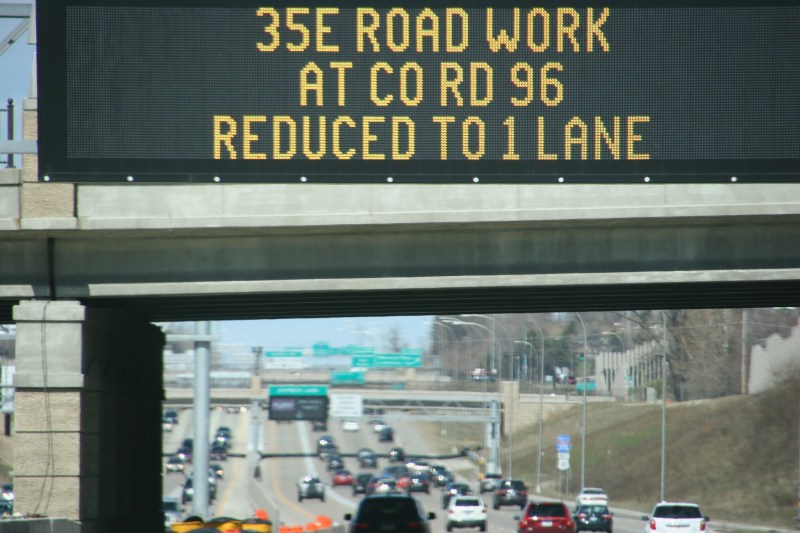
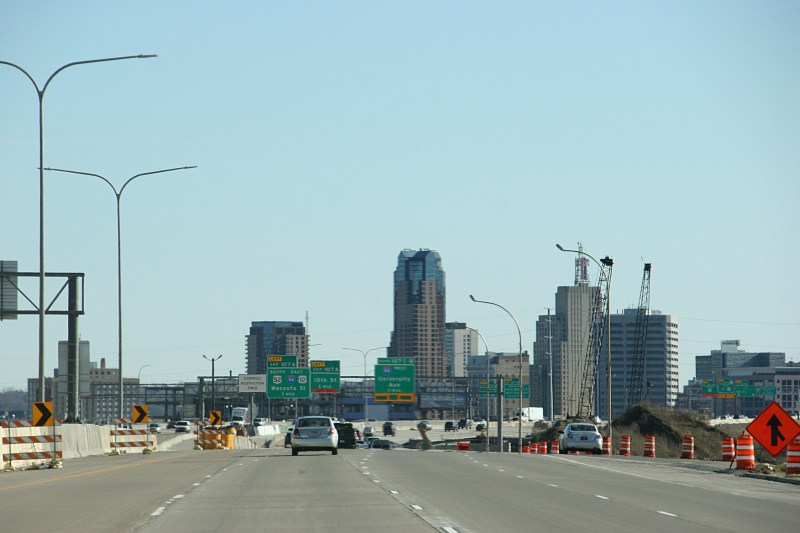
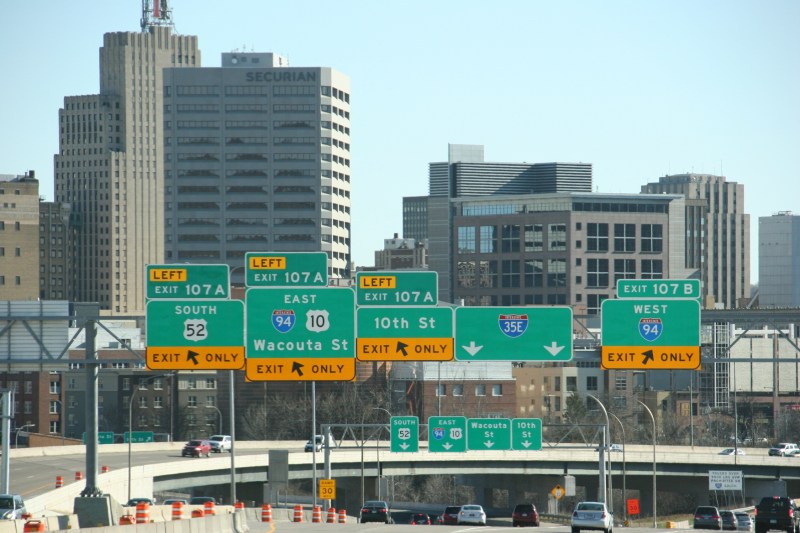
A sign near St. Paul flashes road construction info.

A sign near St. Paul flashes road construction info.

IT’S APRIL, AND ROAD CONSTRUCTION season is ramping up in Minnesota. Traveling in the Twin Cities metro, especially, can be a nightmare mess with road, ramp and lane closures and the accompanying snarl of slow-moving traffic or gridlock.

I am truly thankful that I live in Greater Minnesota, where road construction is a much more manageable problem.

Signature orange barrels mark construction zones.

Signature orange barrels and barricades mark construction zones approaching downtown St. Paul.

Still, with my eldest daughter and her husband living in the northern metro and extended family living points north, avoiding metro road construction is impossible.

So many signs and cones

So many signs and barrels nearing downtown St. Paul.

I know the traffic here is nothing compared to places like LA or Chicago. But still…

WHAT’S YOUR STRATEGY for dealing with road construction?

© Copyright 2016 Audrey Kletscher Helbling


Color away the stress April 5, 2016

Filed under: Uncategorized — Audrey Kletscher Helbling @ 5:00 AM
Tags: , , , ,

ONE EVENING LAST WEEK, I was seriously stressed.

When I’m deeply worried, time seems to pause and hover. I can’t focus enough to read a book or even a magazine. I can’t follow the storyline of a TV show. Any conversation seems rather meaningless and trivial.

But I had to manage. I needed something to busy my hands. Something to do while I waited for a text or phone call. The solution was only a couch cushion away. Inserted in my local daily newspaper was a 15-page coloring book for adults. That would do.


Coloring book, 24 pencils and page


I headed upstairs to dig out a box of colored pencils. And then I settled onto the end of the couch, box splayed open next to my cell phone.


Coloring book, 26 close-up


As I chose colors and began methodically coloring petals on a page imprinted with florals, I felt the tension ease. There’s something soothing about the rhythm of coloring. It’s effect is akin to watching flames dance in a campfire, listening to water gurgle or rocking back-and-forth in a chair. All are comforting. Repetitive.


Coloring book, 28 floral close-up


Adult coloring books are all the rage right now as folks discover their calming value. But I wonder, if I remembered how to crochet, would the results be the same?

TELL ME, WHAT HANDS-ON activity works to calm you? And what are your thoughts on the adult coloring book phenomenon?

© Copyright 2016 Audrey Kletscher Helbling


One artist’s interpretation of his walk from Minneapolis to Northfield April 4, 2016

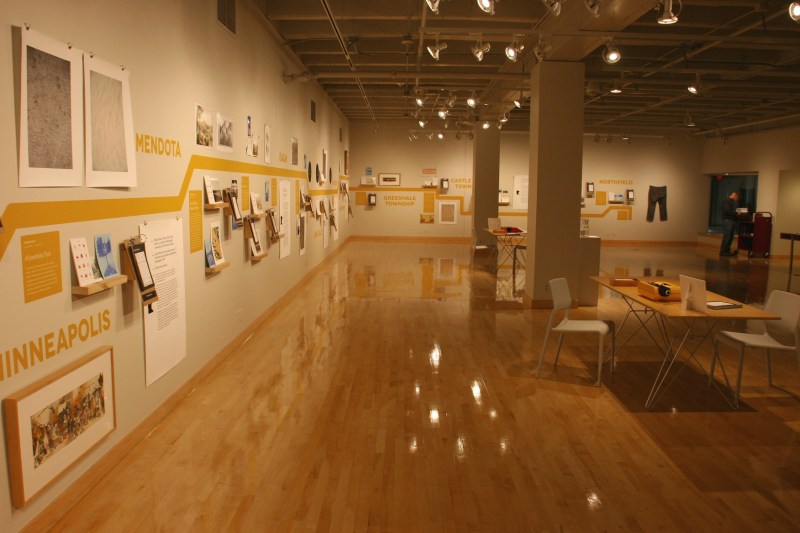
An overview of The Via Northfield exhibit at St. Olaf College, Northfield, Minnesota.

An overview of The Via Northfield exhibit at St. Olaf College, Northfield, Minnesota.

WHEN EXPECTATIONS DON’T MATCH reality, it is initially disappointing. But then, when you reflect, perception sometimes changes and an aha moment emerges. Such was the metamorphosis for me regarding Minneapolis artist and writer Andy Sturdevant’s The Via Northfield project  showing now through April 17 at the Flaten Art Museum on the campus of St. Olaf College in Northfield.
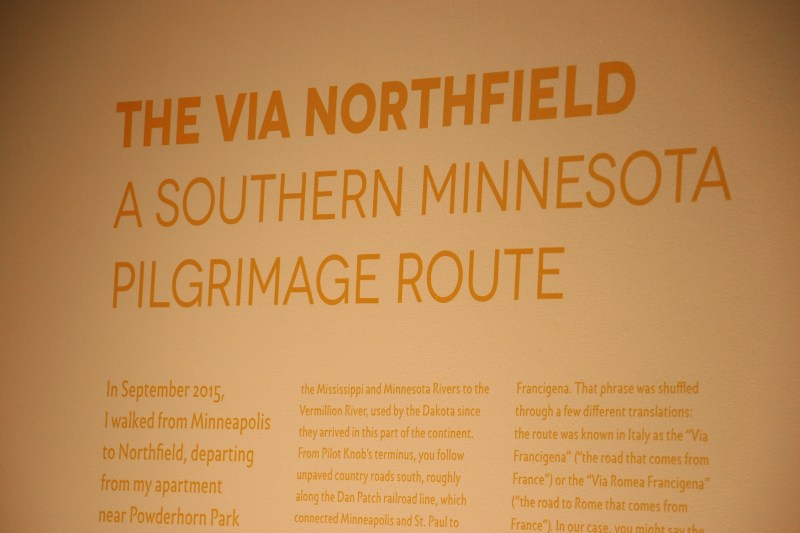
The introduction to Andy Sturdevant's project.

The introduction to Andy Sturdevant’s project.

I expected a straight-forward documentary exhibit with journaling and photos of Sturdevant’s two-day, 40-mile trek from Powderhorn Park in Minneapolis to St. Olaf in September 2015. The Via Northfield was anything but. And if I’d bothered to research in advance of my recent exhibit tour, I would have realized Sturdevant would not follow my expected path. He walks a detoured path of creativity. And it works in the kind of artistic way that weaves the present and the past, stories with facts, visuals with words, into a multi-faceted exhibit.
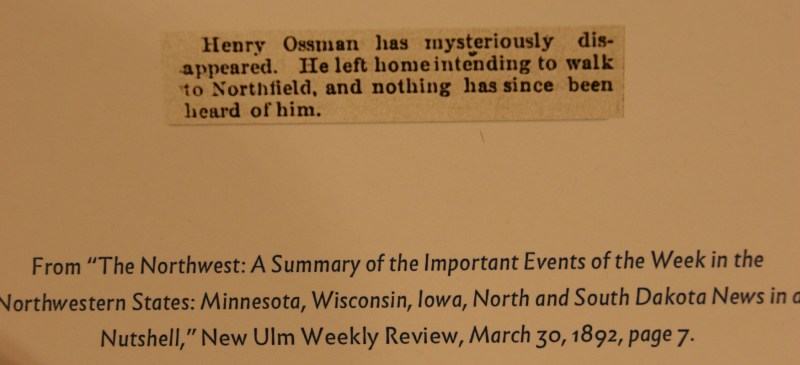
A copy of a newspaper clipping summarizes the death of a man in a profoundly succinct way.

A copy of a newspaper clipping summarizes the disappearnace of a man in a profoundly succinct way.

Pinpointing 15 locations (way stations) along his route, this artist focuses on specific place details through photos, newspaper clippings, artwork, stories and atypical items like a lost cat flier and a gravestone rubbing.
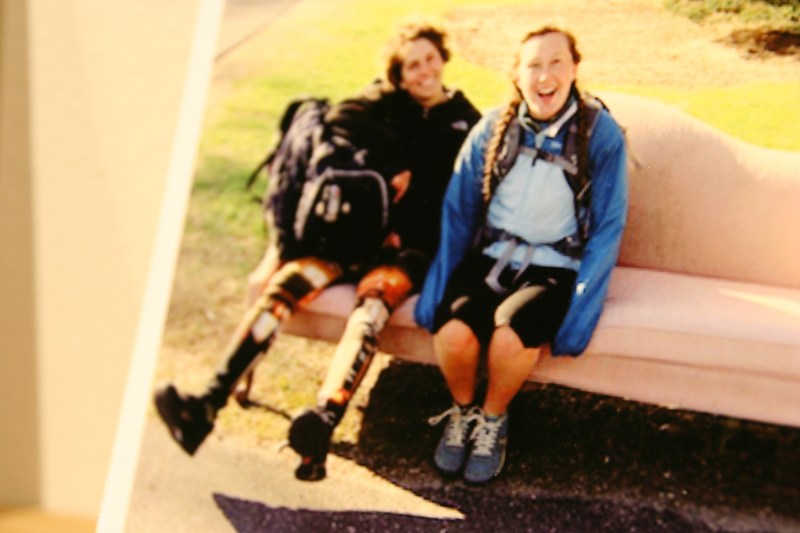
This photo of two Carleton students and their story captivated me.

This photo of two Carleton students and their story captivated me.

My personal favorite is a photo of Carleton College students and an accompanying note. The trio walked from Northfield to the Mall of America, stopping to rest on a couch in a supercool yard in Eureka Township. The note, addressed to dear wonderful people, is signed Kathy, Wren and Bettina. The writer in me latched onto those names, especially the poetically-pleasing Wren.
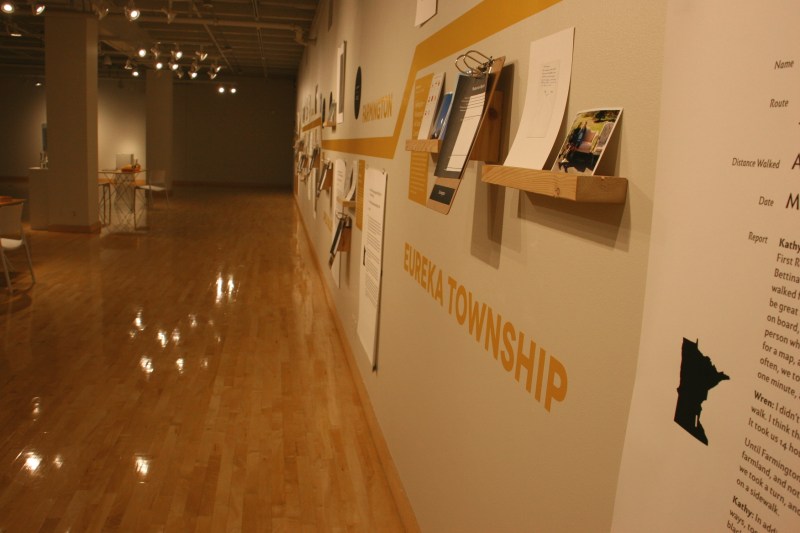
Sturdevant focuses on places as specific as Eureka Township.

Sturdevant focuses on places as specific as Eureka Township.

Sturdevant’s exhibit calls for close study. And, I’ll admit, I didn’t give it the complete focus it deserves as my energy waned at the end of a long day exploring rural Minnesota.

But I caught some details that caused me to laugh—like Sturdevant’s use of the words soybean farms to describe farms upon which soybeans are grown. I’ve never heard the term. I’ve ever only known such Minnesota farms as crop farms. I grew up on one.

And I laughed at a story about a Dundas man’s journey to a Fargo convention and a subsequent question, Is the Corner Bar still there? Yes, Dawn’s Corner Bar remains a corner anchor in downtown Dundas.
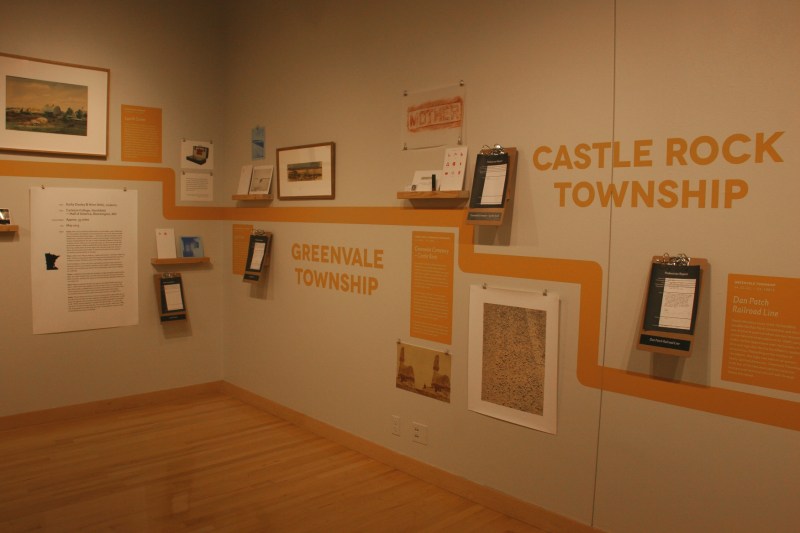
A snippet look at The Via Northfield.

A snippet look at The Via Northfield.

These are the types of stories that connect an exhibit like The Via Northfield in a personal way to those who view it.

Sturdevant personalizes, too, by memorializing pedestrians who died along his traveled route. He uses black circles with name, date and sparse details.

A strong visual.

A strong visual at the end of the exhibit.

Even his ripped pants hang on a wall.
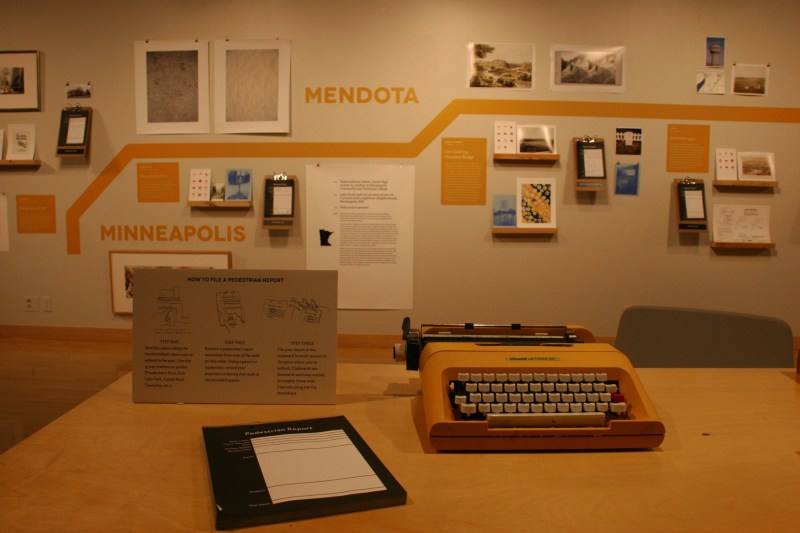
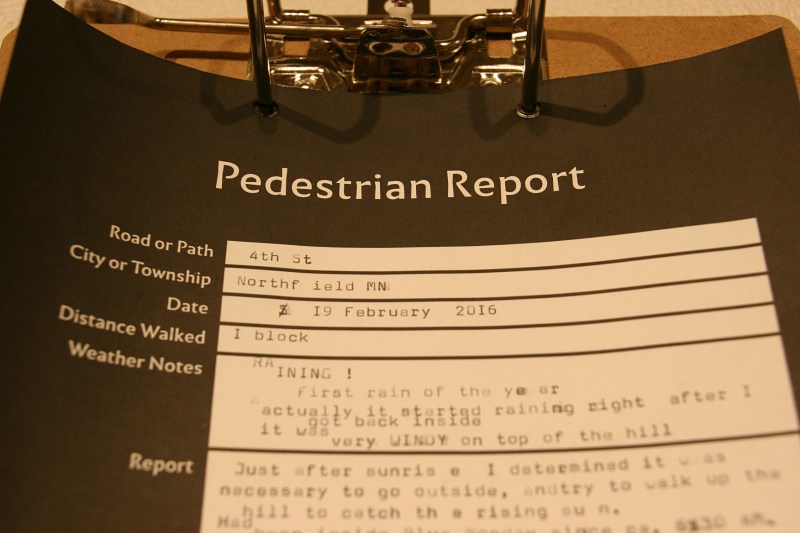
At one of two tables, exhibit visitors can sit and file a Pedestrian Report...

At one of two tables, exhibit visitors can sit and file a Pedestrian Report…

...by following these instructions...

…by following these instructions…

...and then using a typewriter...

…and then using a typewriter…

...or a pencil...

…or a pencil…

...to record a personal story.

…to record a personal story.

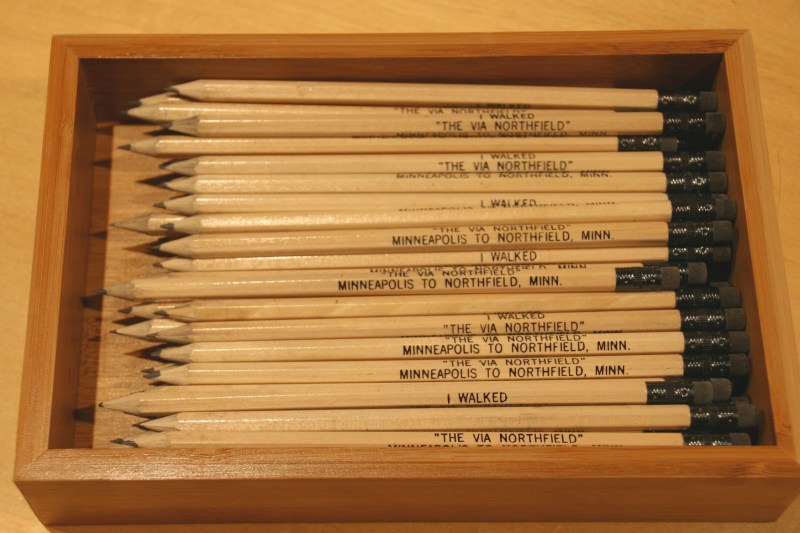
This exhibit isn’t just about reading and viewing. It’s also participatory. Viewers are welcome to file their stories in a Pedestrian Report typed on a manual typewriter or written in pencil. Not with any pencil, though, but rather with one imprinted:

I WALKED
“THE VIA NORTHFIELD”
MINNEAPOLIS TO NORTHFIELD, MINN.
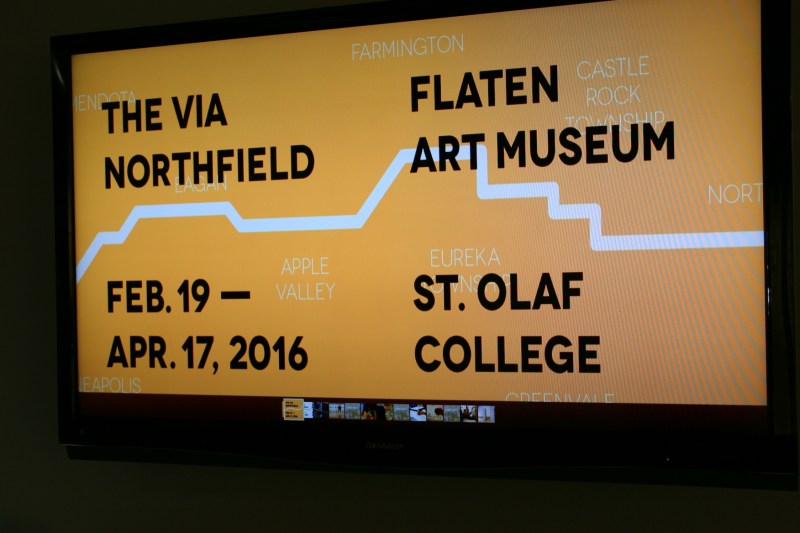
The exhibit is promoted on a screen outside The Flaten Art Museum.

The exhibit is promoted on a screen outside The Flaten Art Museum.

FYI: You can view The Via Northfield exhibit from 10 a.m. – 5 p.m. Monday – Wednesday, from 10 a.m. – 8 p.m. Thursday, from 10 a.m. – 5 p.m. Friday, and from 2 p.m. – 5 p.m. weekends at the Flaten Art Museum in the Dittmann Center on the campus of St. Olaf College, Northfield, Minnesota. Admission is free.

© Copyright 2016 Audrey Kletscher Helbling


Part II: The detailed craftsmanship of Holden Lutheran Church April 1, 2016

Filed under: Uncategorized — Audrey Kletscher Helbling @ 5:00 AM
Tags: , , , , , , ,
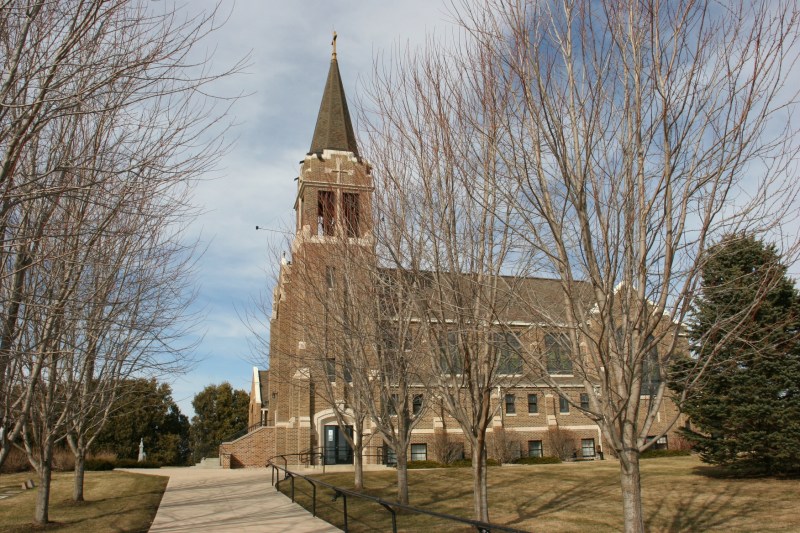
Holden Lutheran Church, rural Kenyon, Minnesota.

Holden Lutheran Church, rural Kenyon, Minnesota.

IT IS THE DETAILS, always the details, that define a place, a person, a whatever. In long-standing country churches, especially, detailed craftsmanship prevails.

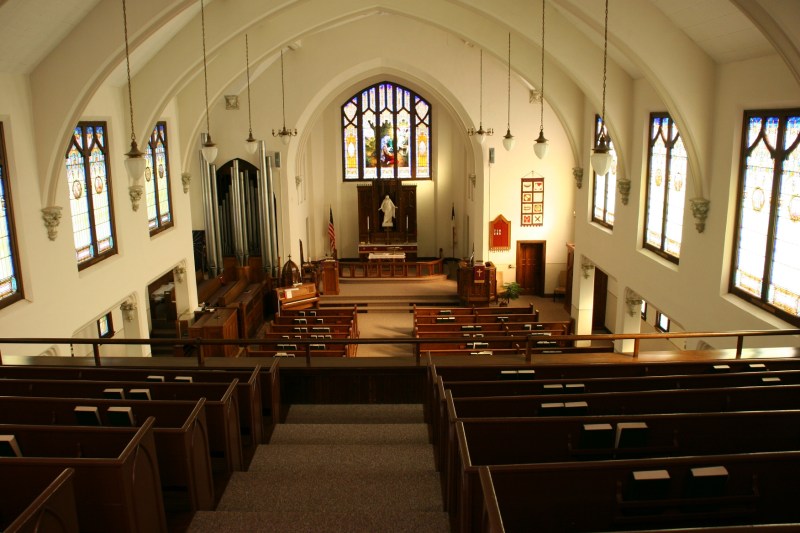
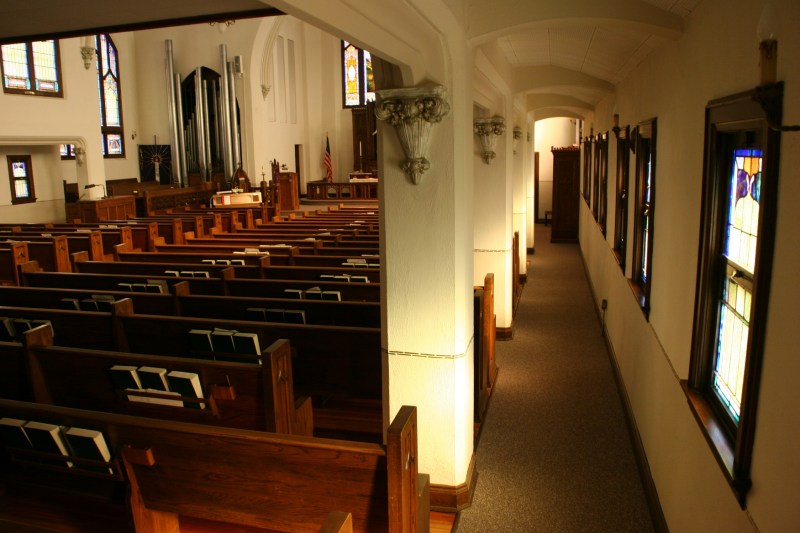
The sanctuary as photographed from the balcony.

The sanctuary as photographed from the balcony.

Craftsmanship and beauty at the altar.

Craftsmanship and beauty at the altar.

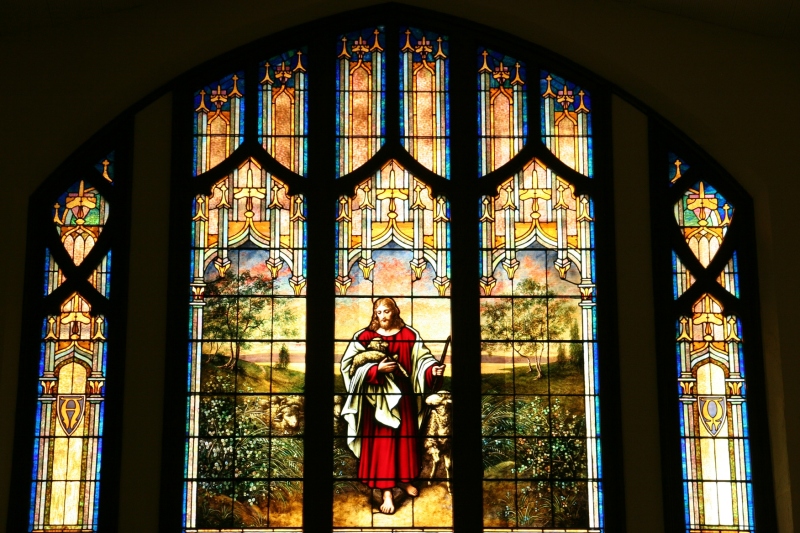
This glorious Easter themed window shines above the altar.

This glorious Easter themed window shines above the altar.

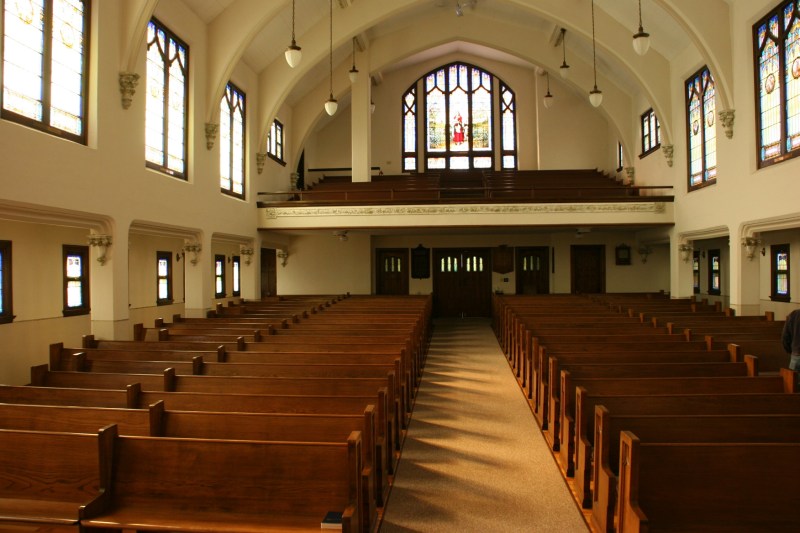
Looking from the front of the sanctuary to the rear and the balcony.

Looking from the front of the sanctuary to the rear and the balcony.

Holden Lutheran Church, rural Kenyon, Minnesota, is a prime example with countless stained glass windows, handcarved wood and chiseled stone. I can imagine the rough hands of a Norwegian farmer, the calloused hands of a bricklayer, the creative hands of an artist shaping this church into this glorious house of worship.

I assume this is an original vintage light suspended in the sanctuary.

I assume this is an original vintage light suspended in the sanctuary.

I wonder, though, did long ago parishioners form committees, as Lutherans are wont to do, or did they simply do what needed to be done? The current congregation has several committees, including a Property Management Committee.

Look at the details of three distant crosses in this snippet of a stained glass window.

Look at the detail of three distant crosses in this snippet of a stained glass window.

However Holden evolved, I am impressed, as I often am, by the efforts entailed in building a structure like this for $56,687 in 1924 without modern day tools and equipment. How did they do it? Hard work and determination, I expect.

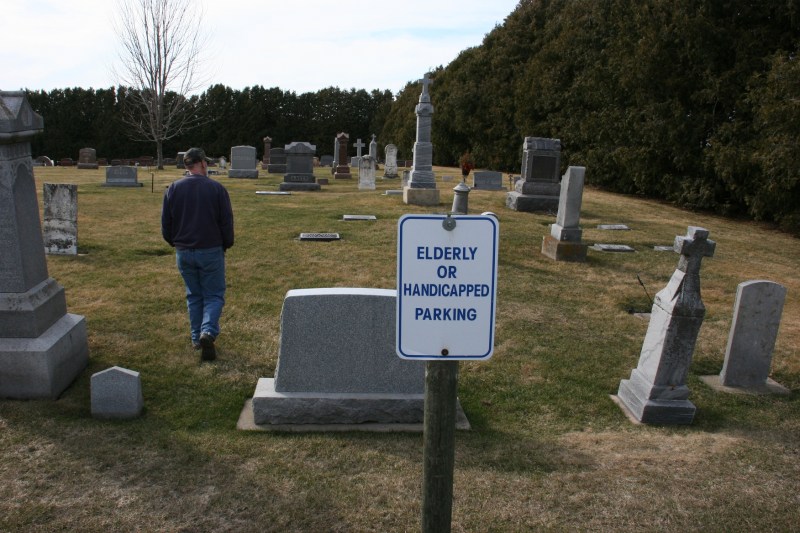
Gravestones bear many Norwegian names.

Gravestones bear many Norwegian names.

It takes a lot of money to sustain and improve such a massive structure and to pay the heating and other bills. That Holden continues to do so reveals faithfulness, tenacity and a determined spirit that traces to the Norwegian immigrants who founded this congregation.

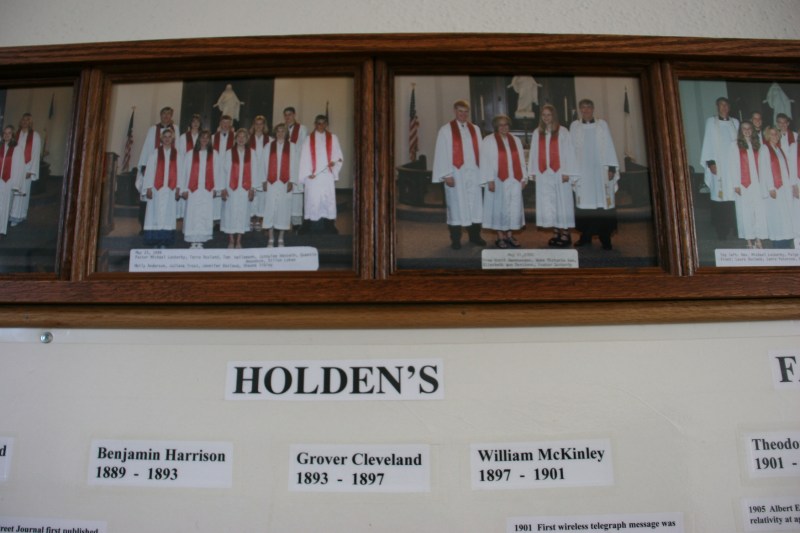
Confirmation photos hang above a history timeline.

Confirmation photos hang above a history timeline.

History remains an integral part of Holden as evidenced in a time-line posted inside the church and in photos displayed.

Hanging from the pulpit.

The art of a seamstress hangs from the pulpit.

This bible, lying open on the lectern, was turned to

This bible, lying on the lectern, is open to Proverbs 6 – 8.

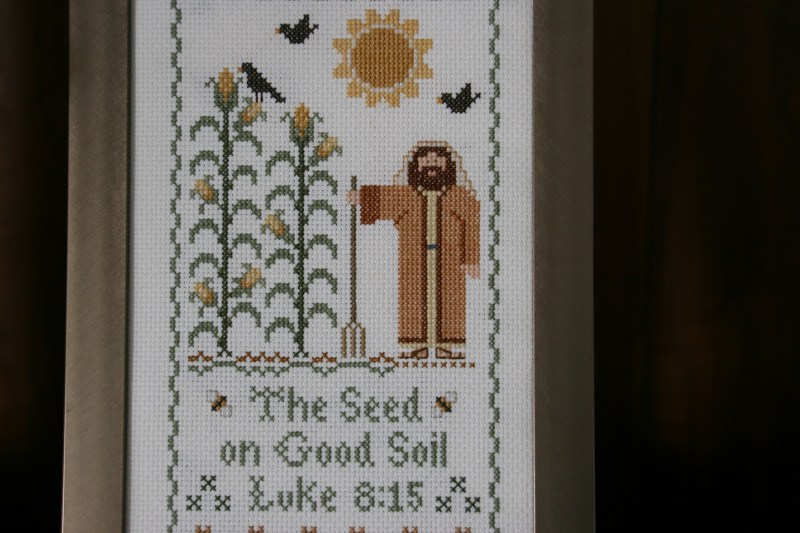
I photographed this counted cross-stitch art in the church basement. It seems especially fitting for this rural region of Minnesota.

I photographed this counted cross-stitch art in the church basement. It seems especially fitting for this rural region of Minnesota.

Details, too, still matter. One need only look to see them. It is the details, always the details, that define a place like Holden Lutheran Church.

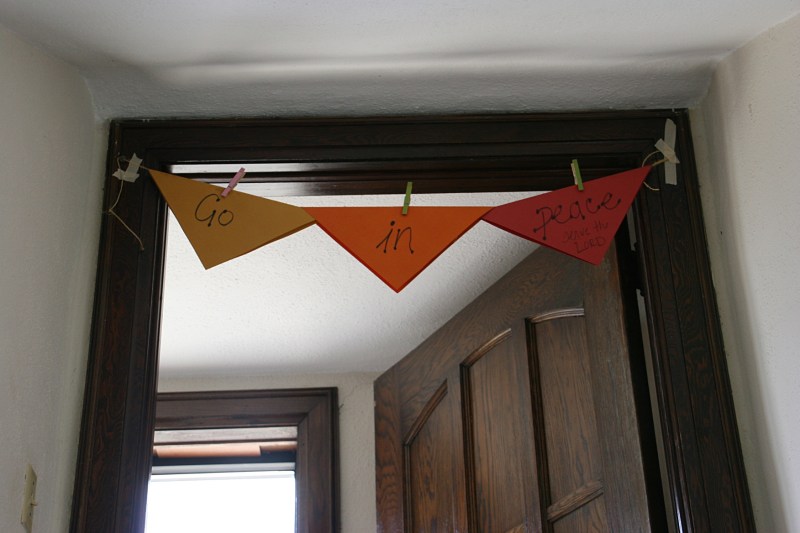
A simple banner message for those exiting the church entry to the south.

A simple banner message for those exiting the church to the south.

FYI: Click here to read my first post on Holden.

© Copyright 2016 Audrey Kletscher Helbling

 

Part I: Inside Holden, an historic Norwegian Lutheran church in rural Minnesota March 31, 2016

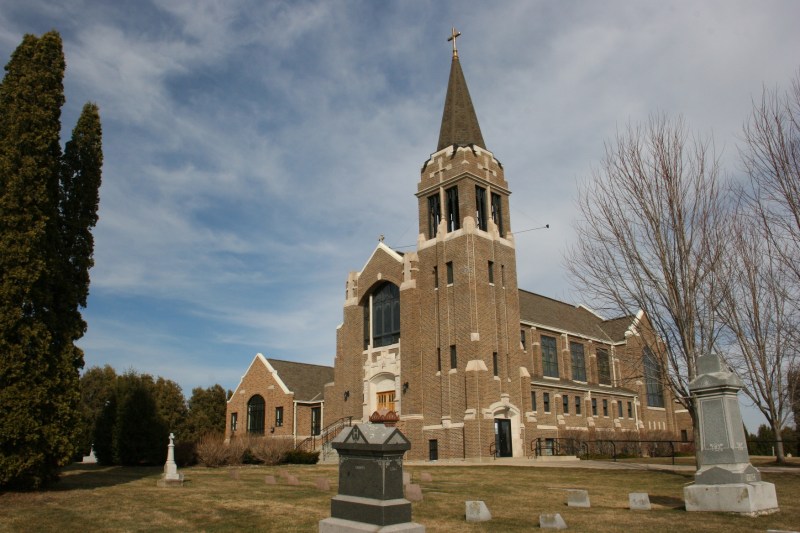
Holden Lutheran Church, rural Kenyon, Minnesota.

Holden Lutheran Church, rural Kenyon, Minnesota.

THE LAST TIME I STOPPED at Holden Lutheran Church, rural Kenyon, the heavy oak doors to the sanctuary were closed and Sunday morning worship underway. Not wanting to intrude in the middle of the service, my husband and I instead wandered the cemetery, vowing to return.

The beautiful sanctuary of Holden Lutheran Church.

The beautiful sanctuary of Holden Lutheran Church.

Several weeks ago we did, on a Saturday afternoon, en route home from Wanamingo to Faribault along the back roads rather than the more direct Minnesota State Highway 60. Goodhue County Road 30 led us right by this landmark Norwegian brick church standing high and solid among farm fields and farm sites.

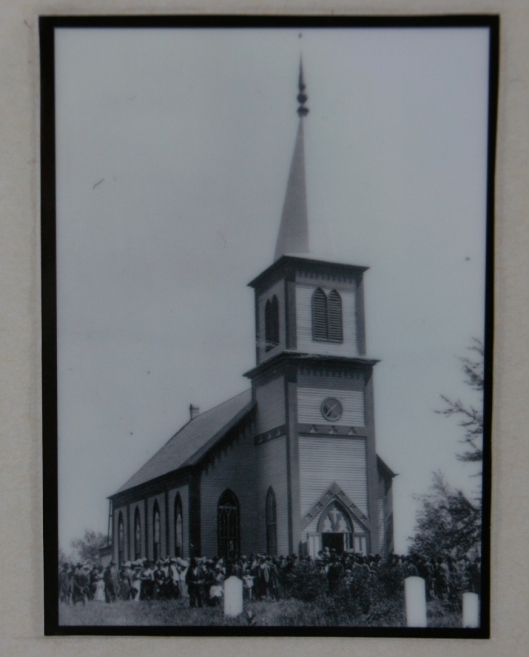
A photo of the "old church" is posted in the present church.

A photo of the “old church,” built in 1871, is posted in the present church.

With my rural roots and deep appreciation for country churches, I was excited to tour this church built in 1924. The congregation was established in 1856. Previously, members worshiped (for 53 years) in a standard wood-frame country church.

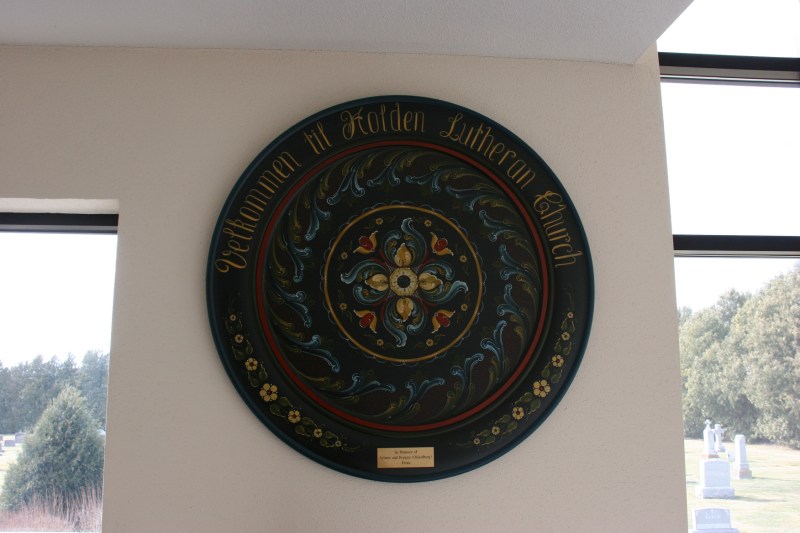
Holden's Norwegian heritage is reflected in this rosemaling art hung in the narthex.

Holden’s Norwegian heritage is reflected in this rosemaling art hung in the narthex.

This congregation is especially notable for its strong Norwegian heritage tracing back to Telemarken, Norway, specifically the village of Holden. From thence comes the name.

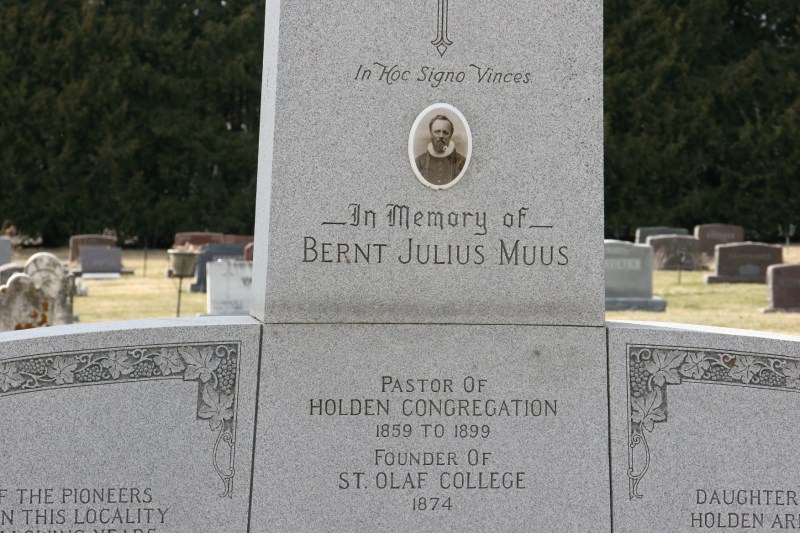
This memorial to the Rev. Bernt Muus was built in

This memorial to the Rev. Bernt Muus was unveiled in May 1937. It is dedicated “In gratitude to God who enabled the pioneers to establish His church in this community…and to the pioneers for building upon Jesus Christ and His Word.”

Holden Lutheran is also notable for its connections to Luther College in Decorah, Iowa, and to St. Olaf College in Northfield, Minnesota. A memorial on the church grounds honors Holden’s first pastor, Bernt Julius Muus, who founded St. Olaf and helped to found Luther. He shepherded Holden for 40 years.

Stained glass windows fill the sanctuary, including this one in the balcony.

Stained glass windows fill the sanctuary, including this one in the balcony.

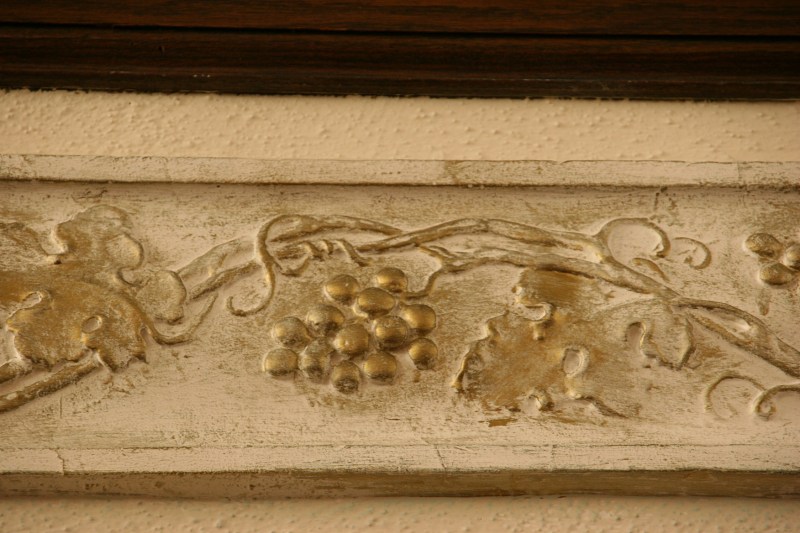
Grapes carved into wood along the balcony.

Grapes carved into wood along the balcony.

A view of a sanctuary side aisle showcases the craftsmanship of this church.

A view of a sanctuary side aisle showcases the craftsmanship of this church.

This is a place of deep history and heritage reflected in craftsmanship and artifacts within the church building.

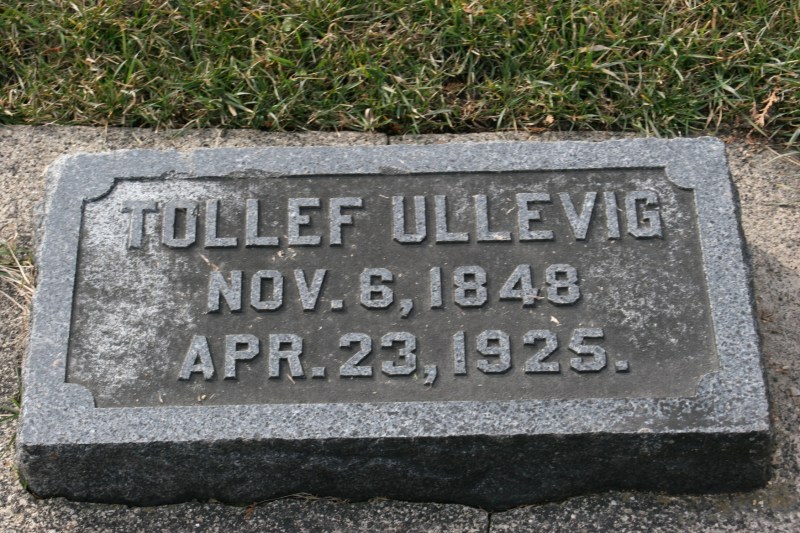
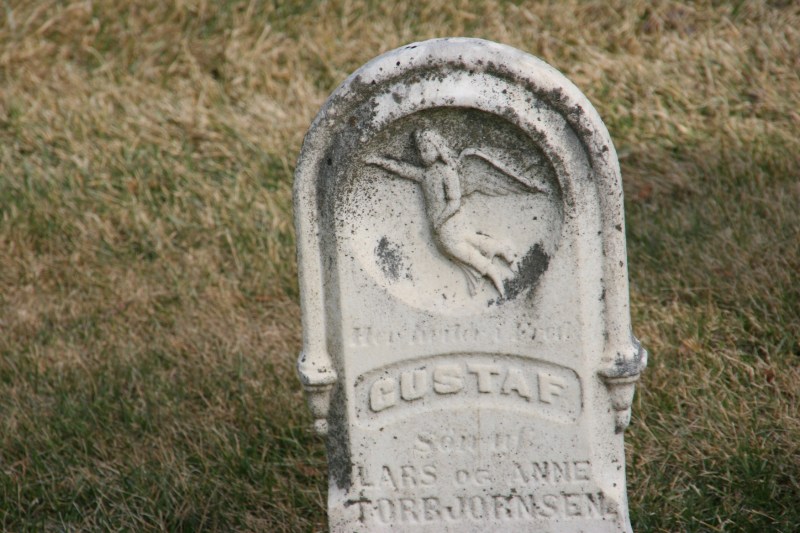
A gravestone in the old part of the cemetery surrounding the church.

A gravestone in the old part of the cemetery.

And in names—like Gustaf, Tollef, Ole—chiseled in to stone in the graveyard.

I trail Randy from the back church parking lot into another section of the cemetery.

I trail Randy from the back church parking lot into another section of the cemetery.

Here in this rural place, the wind blows steady on a sunny spring-like March afternoon. I meander with my husband among the gravestones, noting a weathered holiday wreath on one. And then, as I step back and back and back to photograph this massive church in its entirety, I skirt a mound of fresh earth. Not that long ago, mourners gathered here, like the Norwegian speaking settlers 160 years prior, to grieve and to bury a loved one.

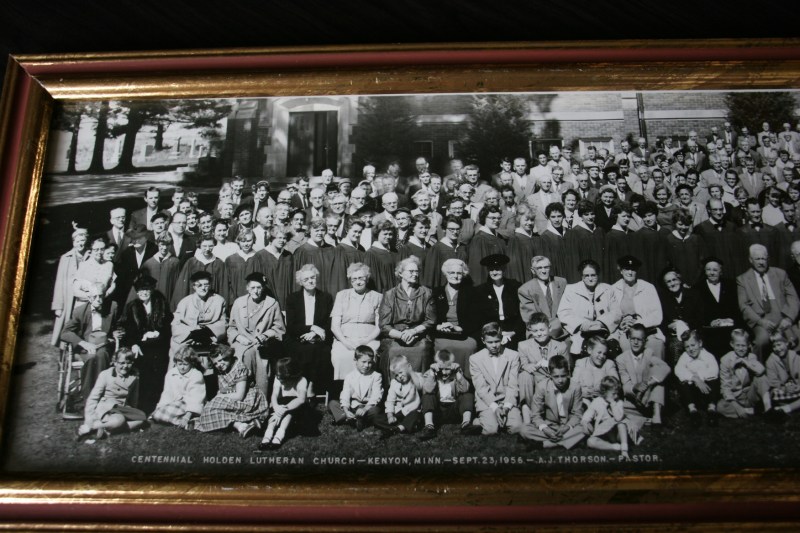
In the church basement, I found and photographed a portion of the church centennial photo.

In the church basement, I found and photographed a portion of the church centennial photo.

Time imprints upon generations in the cycle of life.

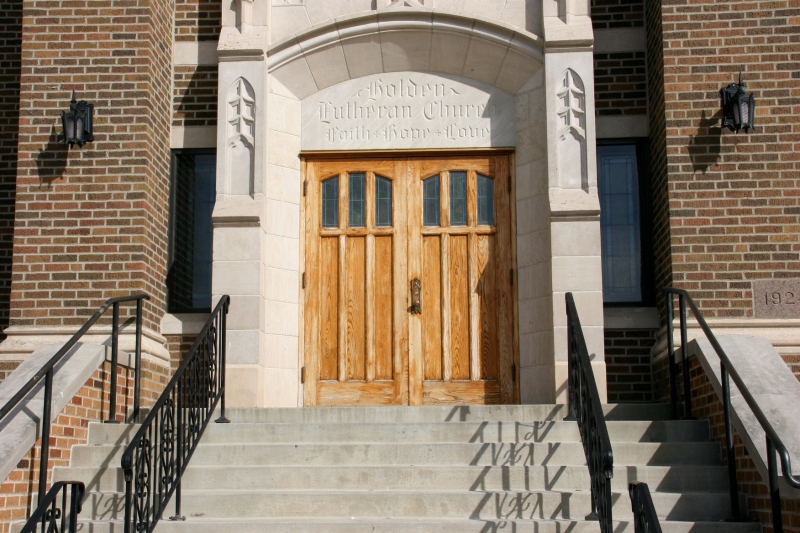
The front entry to Holden Lutheran is stunning. Faith, hope and love are chiseled above the oak doors.

The front entry to Holden Lutheran is stunning. Faith, hope and love are chiseled above the oak doors.

Through these church doors, below the far-reaching steeple tipped with a cross, the faithful have gathered here to worship God, to exchange vows, to baptize children, to mourn the dead. And in late autumn to dine on roast beef, pulsa, lefse, rommegrot and fruit soup at the annual All Saints Dinner celebrating Holden’s Norwegian heritage.

FYI: Check back tomorrow for more photos from Holden Lutheran Church.

© Copyright 2016 Audrey Kletscher Helbling


Thoughts following a country drive west of Wanamingo March 30, 2016

Filed under: Uncategorized — Audrey Kletscher Helbling @ 5:00 AM
Tags: , , , , ,

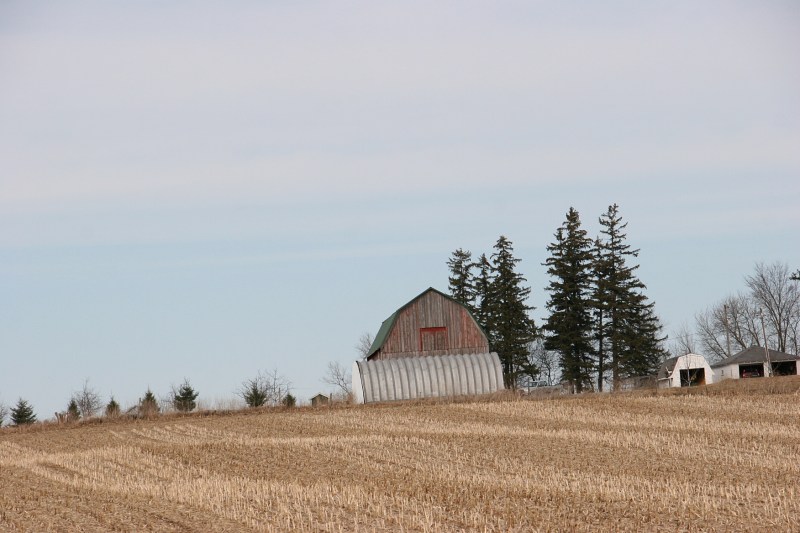
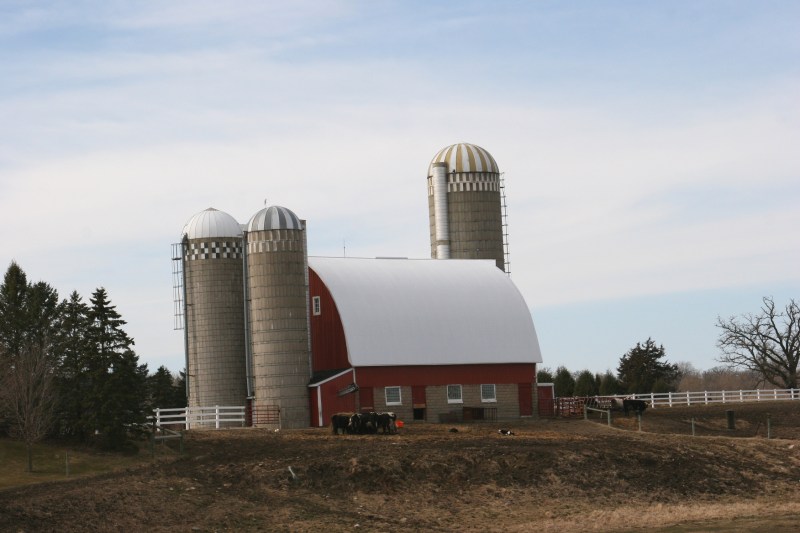
Rural Minnesota, 102 barn & cattle


WE ALL HAVE OUR PLACE of comfort, the place that brings us peace and allows us to escape, if but for a minute or an hour or a day.

For me, that’s a drive in the country, along the less-traveled back roads of Minnesota.


Rural Minnesota, 106 barn and corn stubble


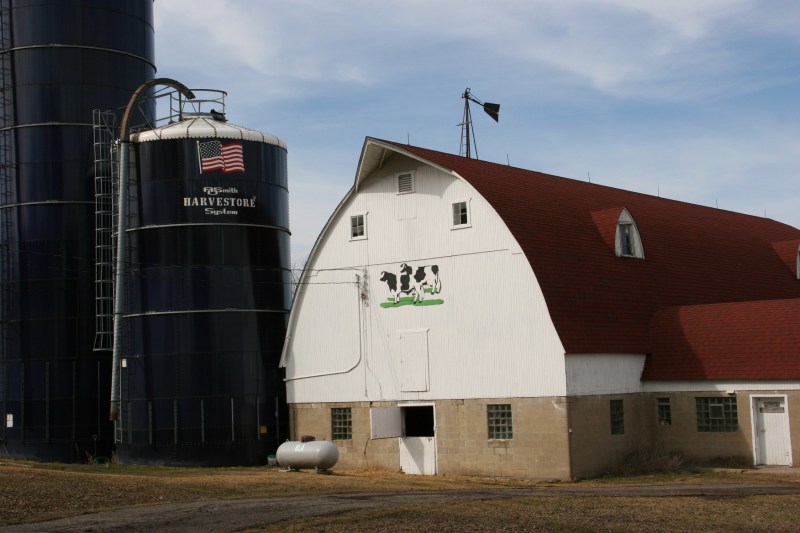
I am of the land, of sky and fields and barns and silos and farmhouses. Rural Minnesota shaped me into the person I’ve become. A writer. A photographer. A poet. A keeper of rural life and of small towns.


Rural Minnesota, 110 barn & Harverstore silos


Memories of farm life tuck away in my heart. Doing chores—feeding calves and cows and scooping silage and manure. Walking beans. Picking rock. Gathering around the supper table with my parents and siblings to eat that which we’d grown and raised. Playing in the grove. Racing across rock solid snowdrifts sculpted by the prairie wind.

Life on the farm wasn’t easy. But it was good. Good in the sort of way that comes from working hard and understanding that family and faith come first.


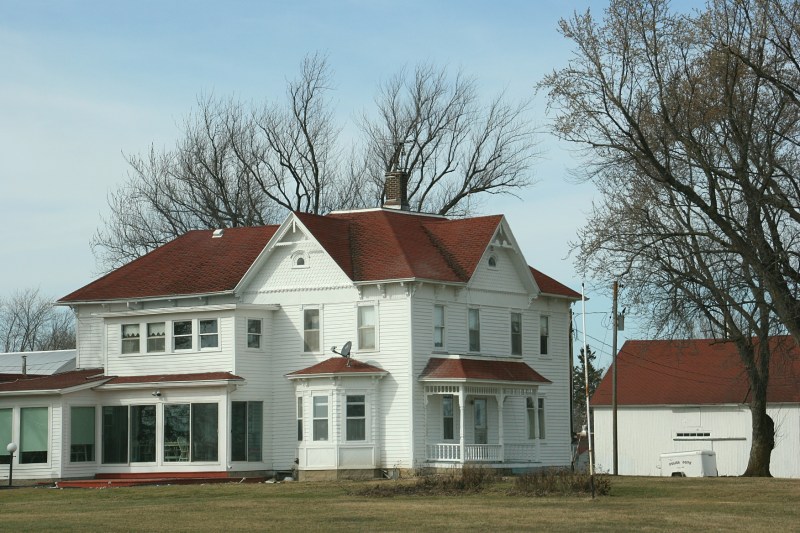
Rural Minnesota, 111 house in Aspelund


I grew up poor. There were no birthday gifts, except from an aunt, my godmother. A meal was sometimes comprised of a kettle of plain white rice. Clothes were sometimes stitched from feed sacks and most certainly handed down. There was no telephone or television or indoor bathroom in the early years of my life. I went to church and Sunday School every week.

I am grateful my parents were never wealthy in the monetary sense. I would not be the person I am today. It is not important to me to have the newest or latest or best. I am content with what I have. I consider myself grounded and honest and loyal. Down-to-earth. Rooted. I love the land and I love family.


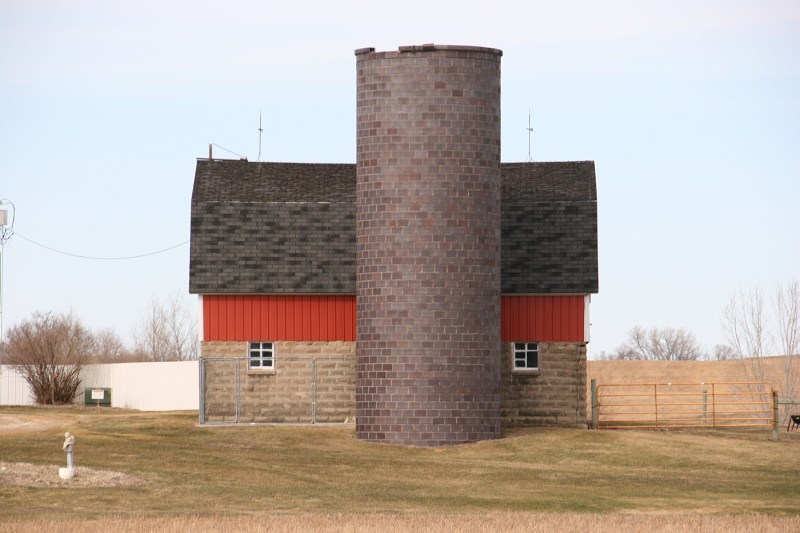
Rural Minnesota, 103 barn & silo


These are the thoughts that surface when I journey through the Minnesota countryside, when I photograph barns and farmhouses and other rural scenes. I am capturing the essence of the place that shaped me. Land. Sky. Fields. Barns. Silos. Farmhouses. And, yes, my family and my faith.


Rural Minnesota, 108 sprawling farmhouse


FYI: These images were taken while traveling along Goodhue County Road 30 west of Wanamingo, Minnesota, and in Aspelund, a slight veer to the north. I did not grow up in this area. Rather, I was raised on a dairy and crop farm in Redwood County, on the southwestern Minnesota prairie. My childhood home was nothing like the houses pictured here. Ours was a tiny woodframe farmhouse heated by an oil burning stove in the living room. The kitchen had an interior trap door that led to a dirt cellar. It was cramped. But it was home.

© Copyright 2016 Audrey Kletscher Helbling
 

Part VI from Wanamingo: A symphony at Shingle Creek March 29, 2016

Filed under: Uncategorized — Audrey Kletscher Helbling @ 5:00 AM
Tags: , , , , , , , ,
Going fishing in the North Fork of the Zumbro River, Wanamingo.

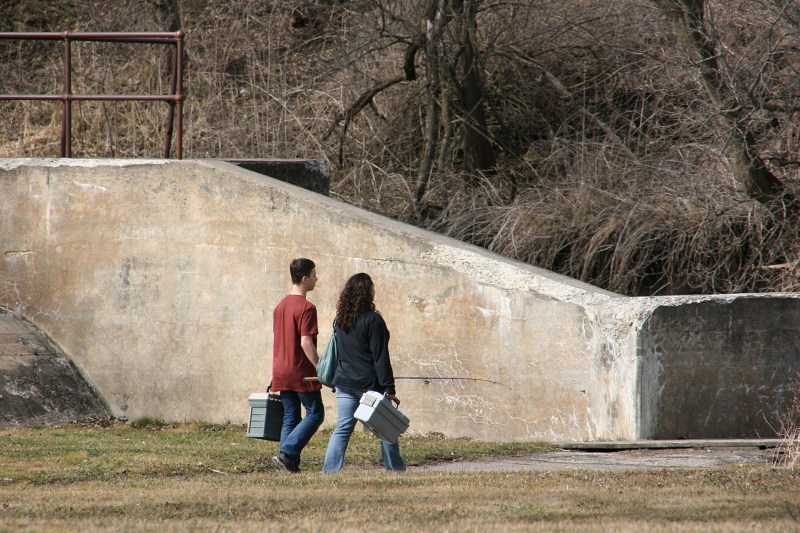
This mom tipped us off to Shingle Creek. She and her son are heading to the river to fish.

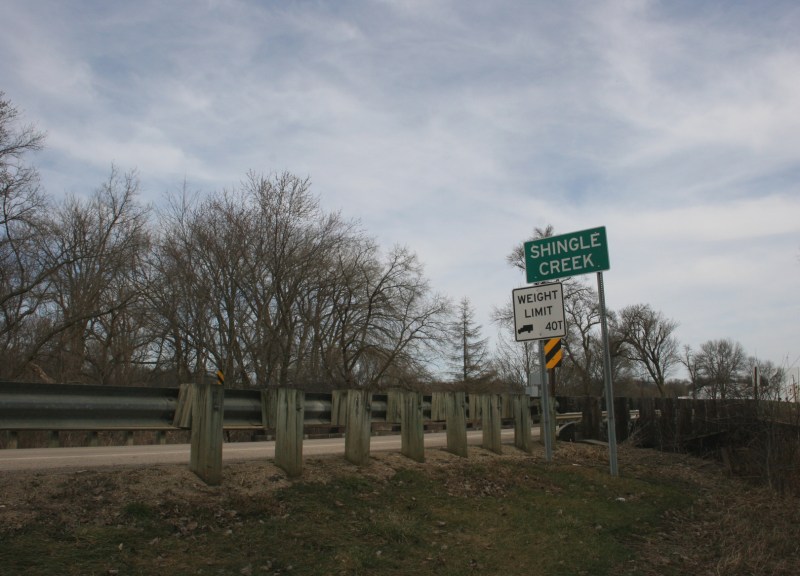
IF NOT FOR THE LOCAL MOM we met at Riverside Park in Wanamingo, my husband and I would have missed out on exploring Shingle Creek. We would have driven right over the bridge spanning the creek along Goodhue County Road 30.

On the south side of this road, we followed a path along Shingle Creek.

On the south side of this road, we followed a path along Shingle Creek.

But the mom, who was fishing with her son in the North Fork of the Zumbro River into which the creek feeds, told us about the loveliness of the waterway. She even offered to walk us there. But we declined and listened to her directions—cross the road, climb over the railing and follow the trail.
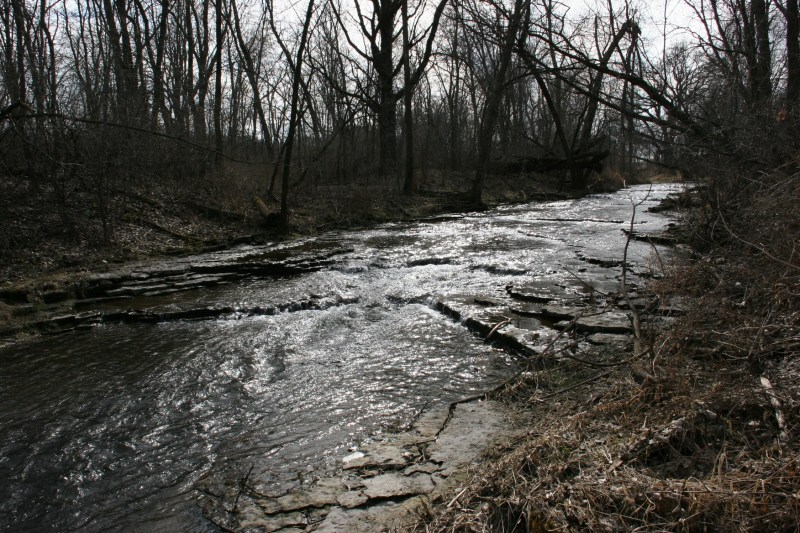
Lovely Shingle Creek.

Lovely Shingle Creek.

The short route was not limestone covered as she described, but simply a trampled, uneven path through the woods. Decaying leaves, dead limbs sprouting mushrooms, hard earth beneath winter feet aching for this spring-like day in March.
Water rushes over limestone ledges.

Water rushes over limestone ledges.

Only a short distance from the paved county road, we stood on the bank of the creek and watched water spill over limestone shelves, rush along the creekbed, and then tumble and foam over rocks.

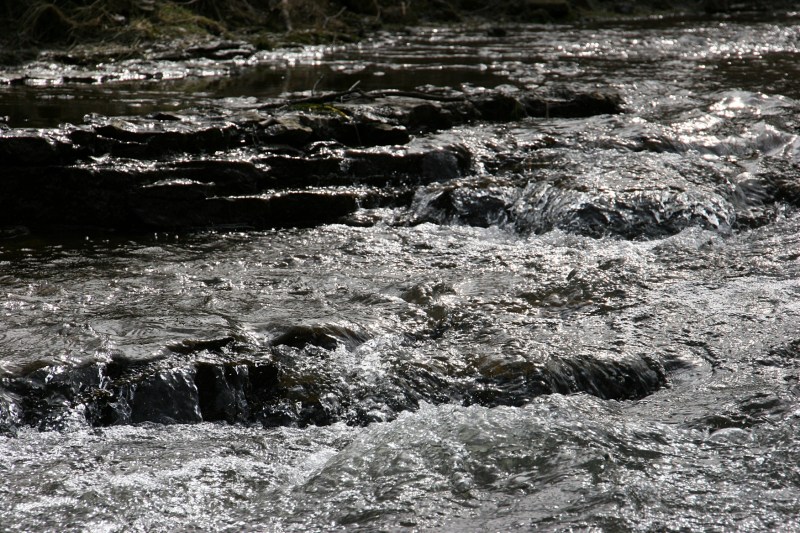
Further down, water churn below rocks.

Further down, water churns below rocks.

Churning water mesmerizes me. It is poetry and song and art, a symphony of sights and sounds that carries me away from everyday life to a place of peace. I feel the same watching campfire flames dance in flickers of orange and yellow.

Fire and water. Water and fire.

On this Saturday afternoon in Wanamingo, I experienced the serenity of Shingle Creek. All because a local mom shared this community’s natural beauty with us, just a couple on a day trip 25 miles from home.

FYI: This concludes my six-part series of “from Wanamingo” posts. Thank you for joining me on this tour.

© Copyright 2016 Audrey Kletscher Helbling