Minnesota Prairie Roots

Writing and photography by Audrey Kletscher Helbling

From Northfield: Of bank robbers & books, lots of books April 22, 2025

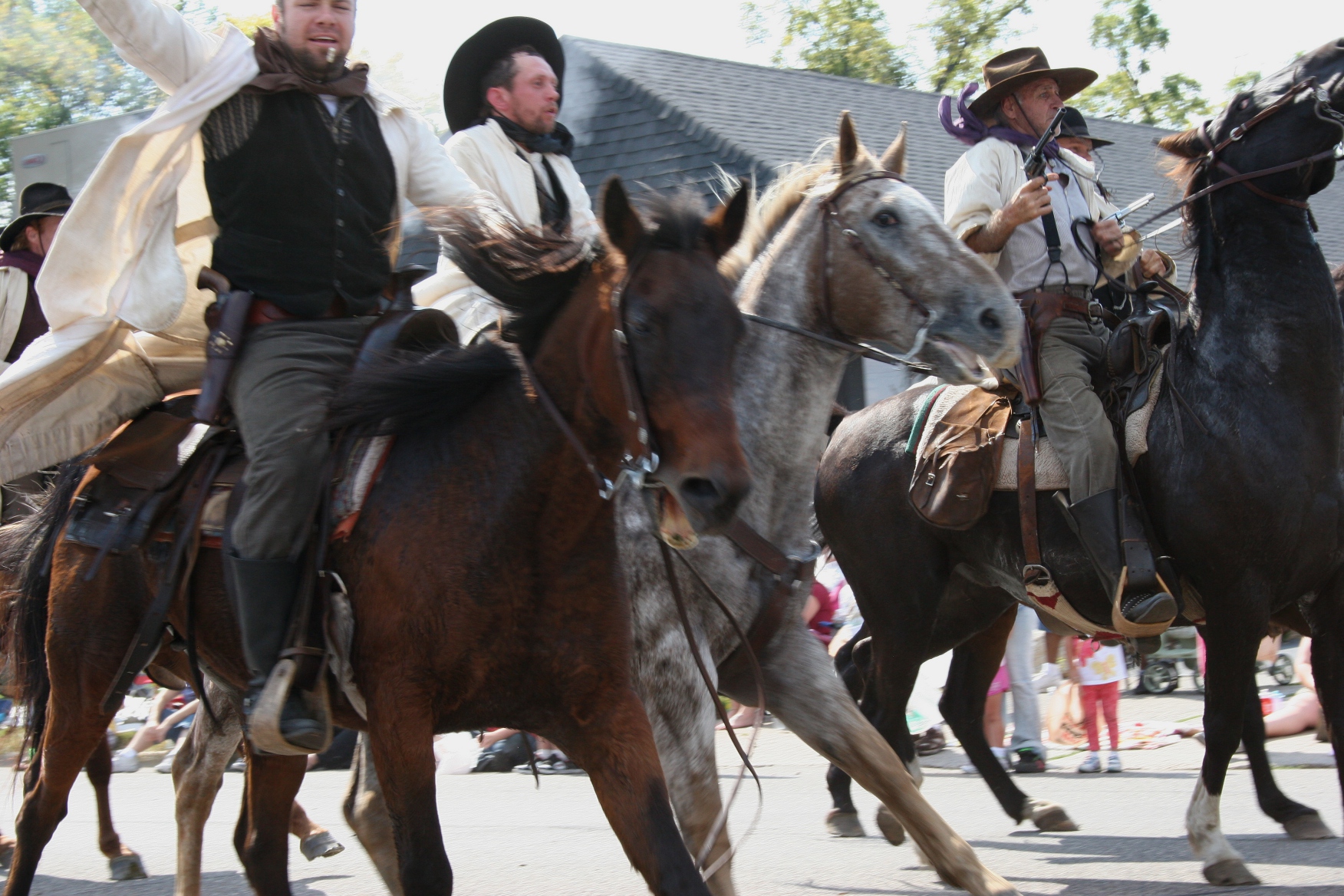
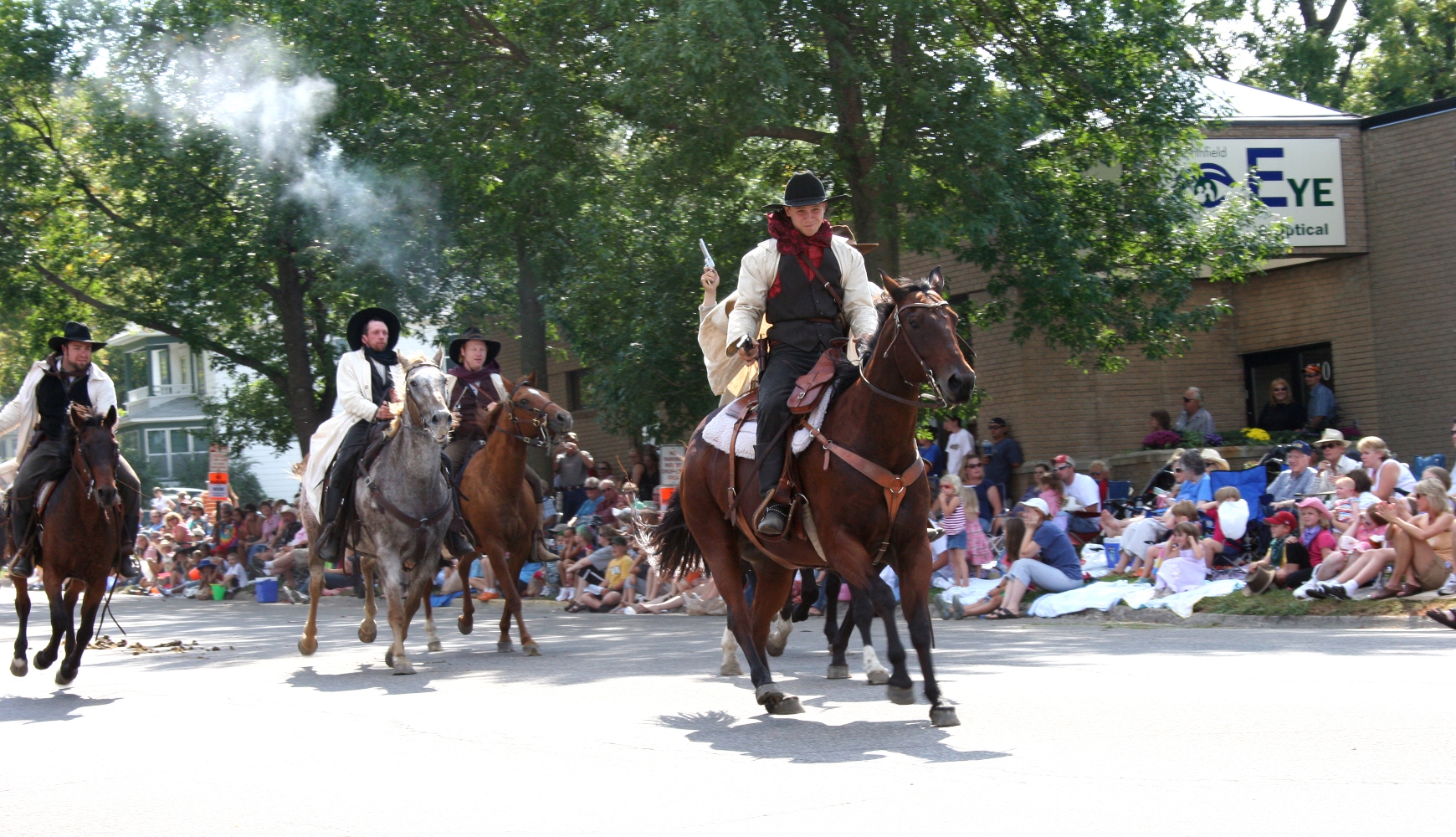
The James-Younger Gang shooting it out during a past Defeat of Jesse James Days parade. (Minnesota Prairie Roots copyrighted file photo)

NORTHFIELD, MINNESOTA is best-known as the community that, on September 7, 1876, thwarted plans by the James-Younger Gang to rob the First National Bank. Townspeople stood their ground against the outlaws, ending in the deaths of the acting bank cashier, a Swedish immigrant and two of the robbers before the gang fled. Northfield marks the failed bank robbery each September with a Defeat of Jesse James Days celebration. That draws 100,000-plus to this city of some 21,000.

Books I’ve purchased at a used book sale, not in Northfield, but in Faribault. (Minnesota Prairie Roots copyrighted file photo)

This week the masses will once again descend on this riverside college town, not for a historical occasion, but rather for one of Minnesota’s biggest used book sales, the Great Northfield Minnesota Book Fair. Certainly, crowds will not swell to levels gathered for the historical event in September. But they will be large, as I can attest from shopping past book fairs, although not recently.

The sale, sponsored by the Northfield Hospital Auxiliary, features an estimated 70,000 donated books, musical recordings, games and puzzles filling tables inside the Northfield Ice Arena. The goal is to raise $100,000 “to enhance healthcare in the Northfield Area.” That means funding special projects at the local hospital and clinics, supporting local health organizations and offering health education scholarships. The book fair began in 1961 and in 2018 hit $1 million in total sales.

Doors for this year’s sale open at 5 p.m. Tuesday, April 22, closing for the day at 9 p.m.. The fair continues until Saturday, April 26, with the following hours: 9 a.m.-9 p.m. Wednesday-Friday and from 8 a.m.-3 p.m. Saturday. Friday is half-price day. Saturday is $5 bag day until 12:30 p.m. From 1-3 p.m. Saturday everything is free. Yes, free.

Puzzles will also be sold at the Book Fair in Northfield. (Minnesota Prairie Roots copyrighted file photo)

Shopping this book fair almost leaves you feeling like you’re robbing the bank given the reasonable prices. Base prices for paperbacks are $1 and for hardcovers, $2, according to the Book Fair website. Of course, some are priced higher depending on rarity or newness. Musical offerings will cost a few bucks. Puzzles and games are priced around $5.

I’ve never shopped the first, or even the second or third, day of the sale. I suppose I’ve missed out by waiting, especially when looking for children’s books. But, hey, with a starting inventory of 70,000, it takes a while for the supply to diminish. There’s still plenty for people to haul out (and they do, by the wagon and box loads) during Saturday’s two-hour freebie close-out.

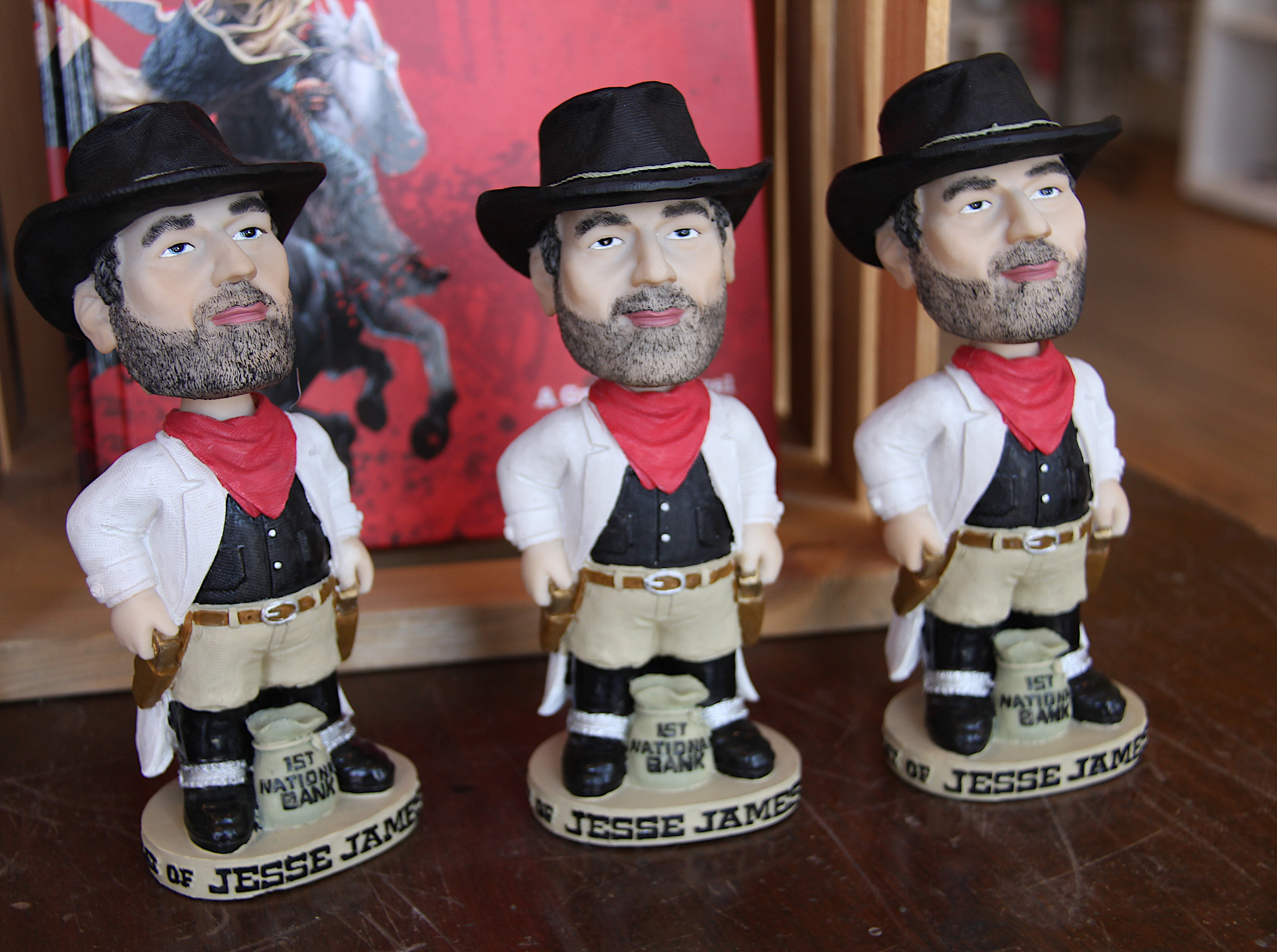
Defeat of Jesse James Days bobbleheads for sale at the Northfield History Center. (Minnesota Prairie Roots copyrighted photo April 2025)

Some 300 volunteers sort through donations, set up and run the sale in the sprawling ice arena with books separated into more than two dozen categories. The organization and efficiency are truly something to behold. The sheer size of this book fair is overwhelming. But then again, Northfield is a city that values books, knowledge and learning, as evidenced by its two liberal arts colleges, an independent bookstore, an engaged public library and an active writing community, especially of poets. That Northfield hosts one of Minnesota’s biggest book fairs should come as no surprise. This is a community which embraces books, and stands up to bank robbers.

© Copyright 2025 Audrey Kletscher Helbling


Honoring those who defeated Jesse James in Northfield September 6, 2022

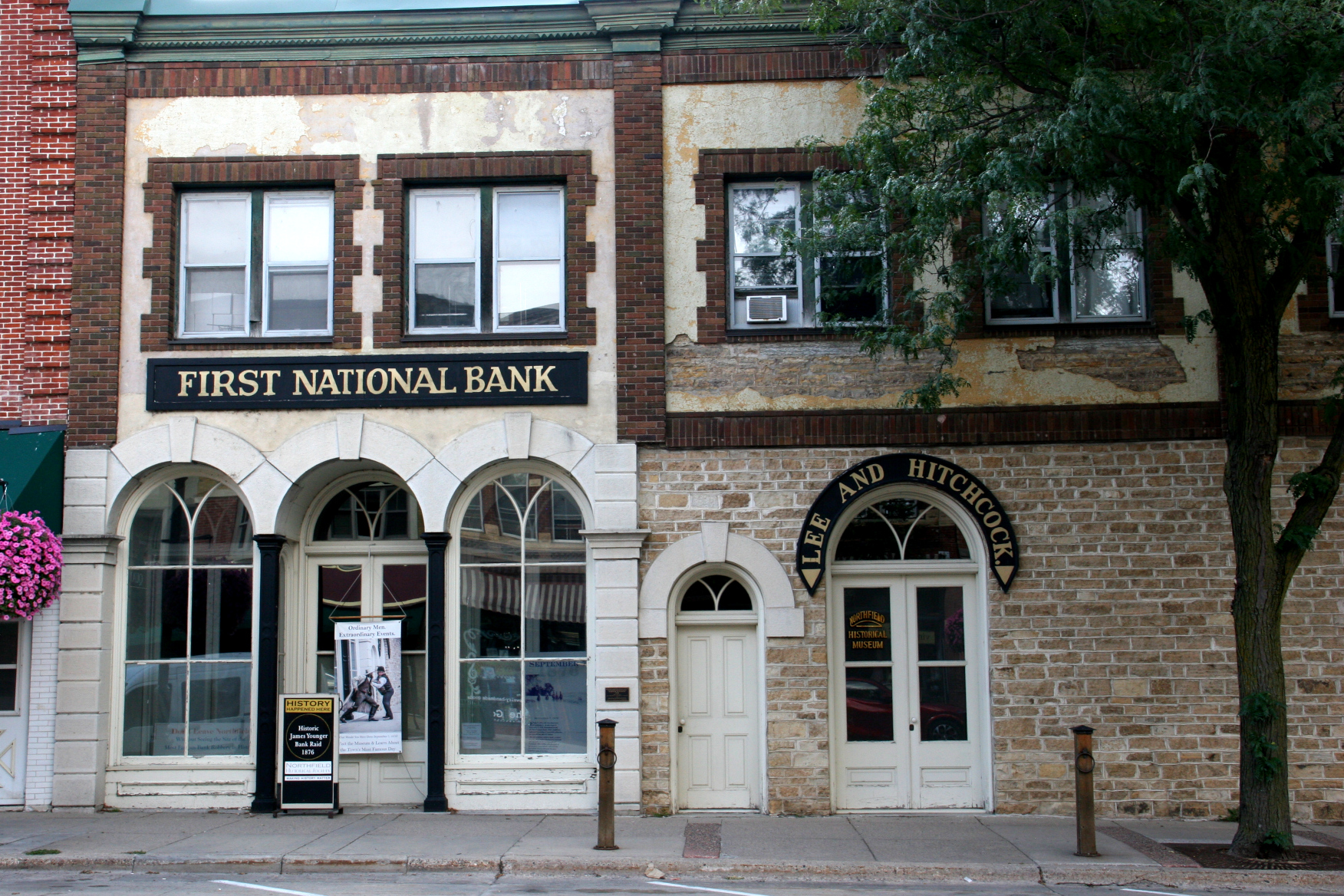
Posted on the First National Bank in Northfield, now the Northfield Historical Society. (Minnesota Prairie Roots copyrighted photo August 2022)

IF NOT FOR A QUICK-THINKING bank cashier and determined townspeople, things could have ended much differently for the community of Northfield on September 7, 1876, when the James-Younger Gang rode into town intent on robbing the First National Bank.

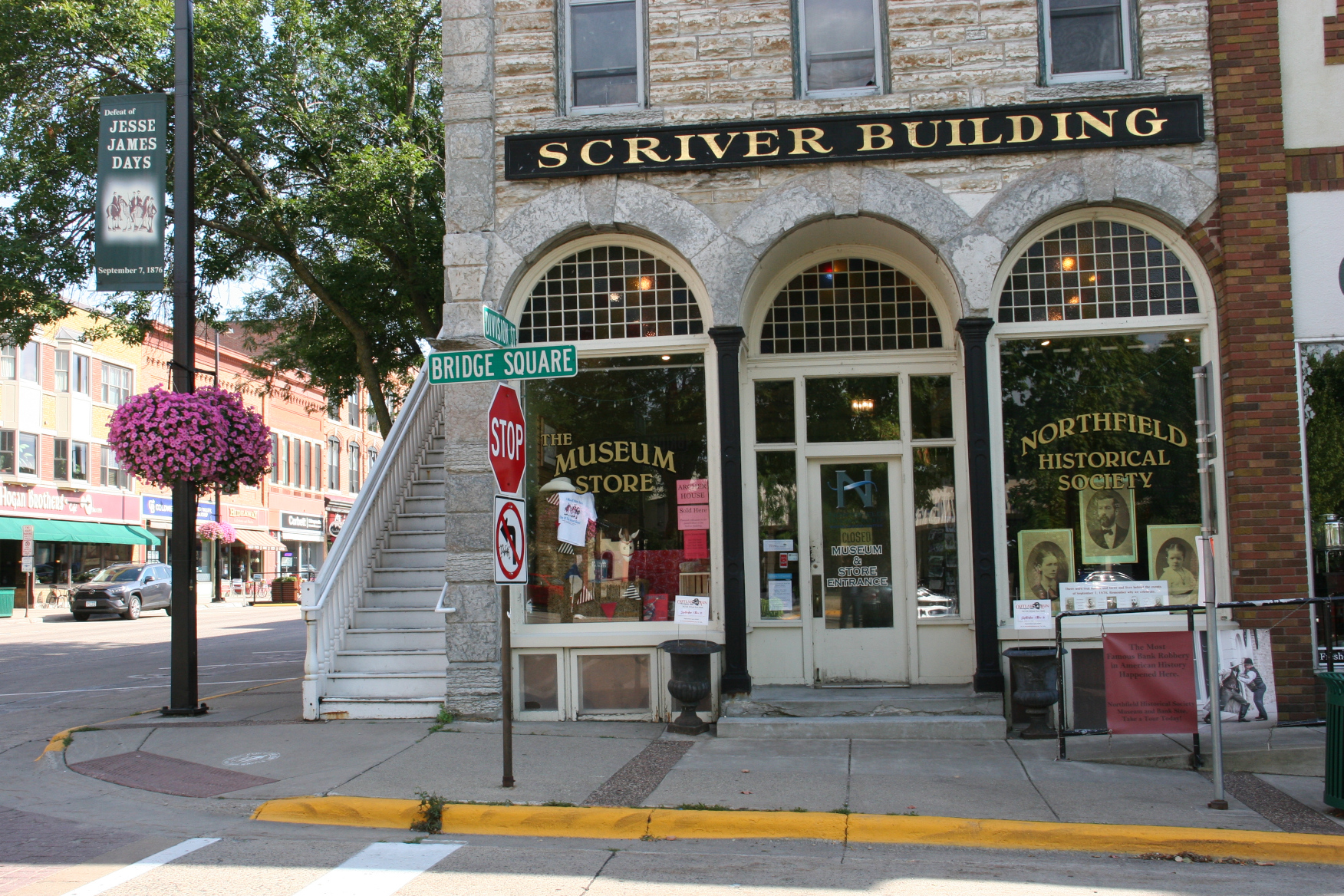
This is where it all happened. The bank is along Division Street in historic downtown Northfield near Bridge Square. (Minnesota Prairie Roots copyrighted photo August 2022)

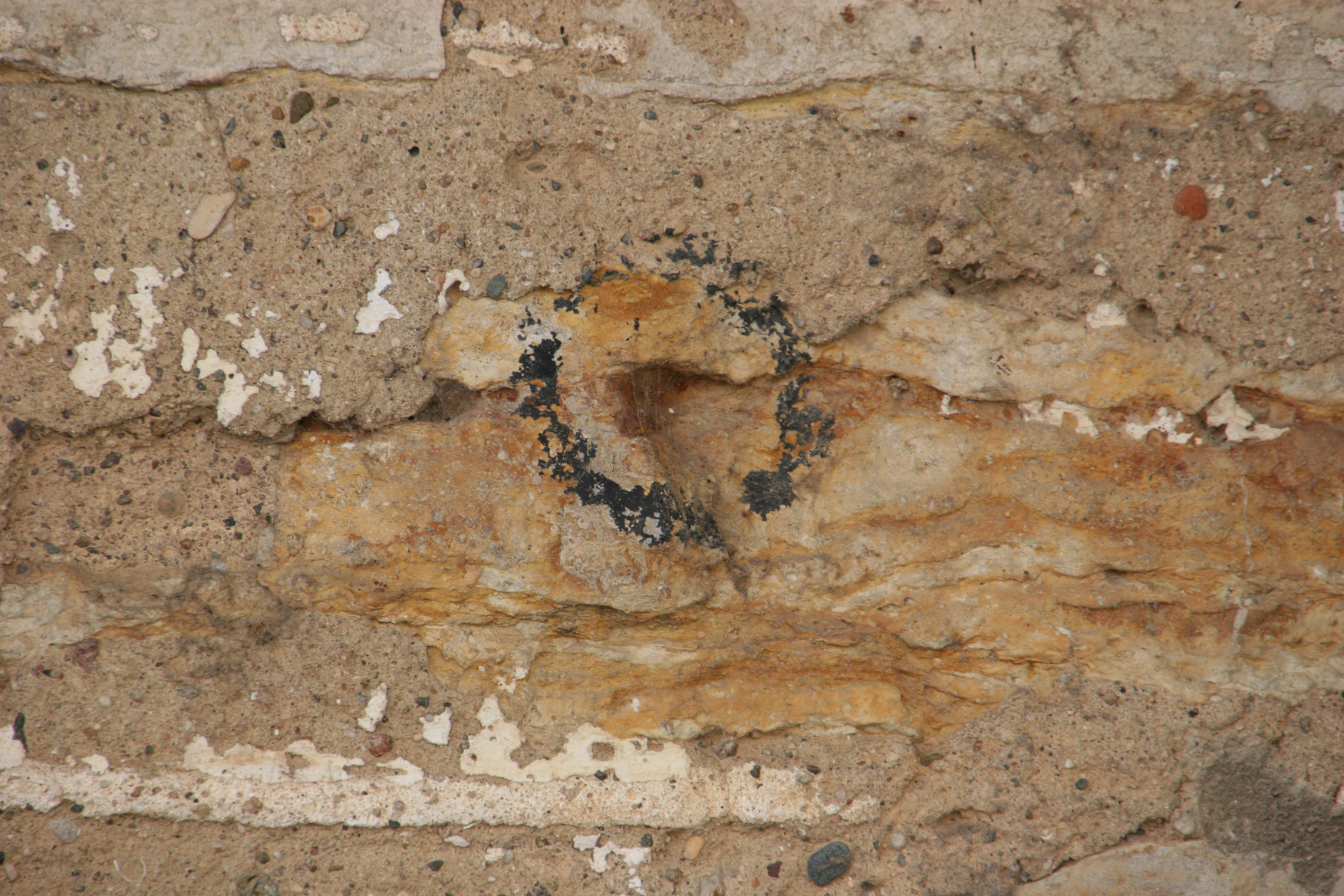
Markers ring supposed bullet holes on the building exterior. (Minnesota Prairie Roots copyrighted photo August 2022)

The James-Younger Gang re-enactors riding in the Defeat of Jesse James Days parade. (Minnesota Prairie Roots copyrighted file photo)

That brave employee, Joseph Lee Heywood, stood up to the robbers who demanded cash from the bank vault. In the end, he lost his life, shot in the head. Likewise, Swedish immigrant Nicolaus Gustafson, unable to understand the outlaws’ commands to get off the street, was shot in the head and died four days later. Outlaws Clell Miller and William Chadwell, (also known as William Stiles) died, too, in the ensuing chaos as they attempted to escape.

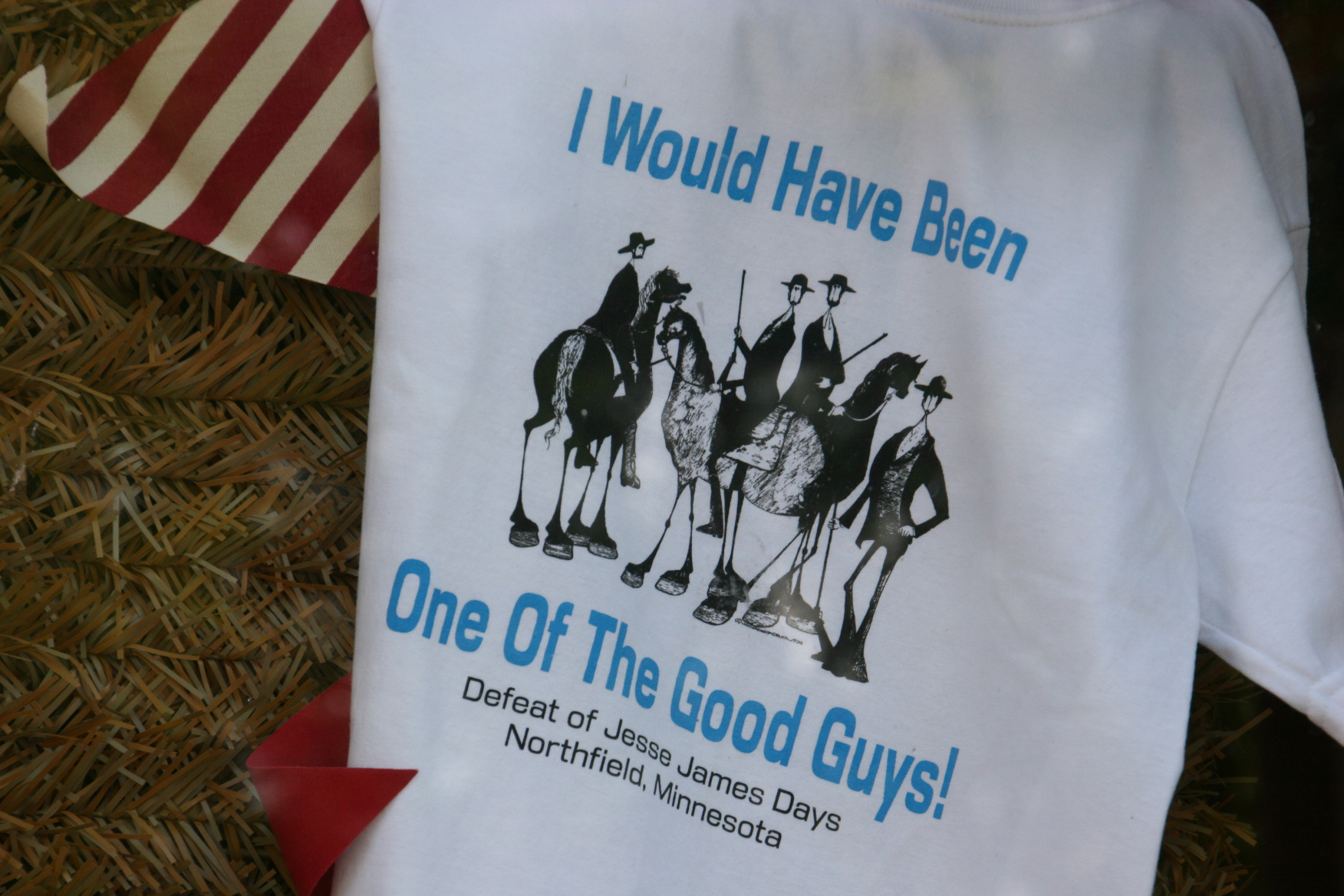
A t-shirt displayed in the front window of the Northfield Historical Society (Minnesota Prairie Roots copyrighted photo August 2022)

Townspeople reacted to the bank raid by throwing skillets and bricks and aiming birdshot at the would-be robbers fleeing on horseback through the narrow streets of this river town. Their efforts, along with those of Heywood, effectively ended a long string of bank and train robberies across the country. The three Younger brothers were shot and captured in a gun battle near Madelia while Frank and Jesse James escaped to Missouri.

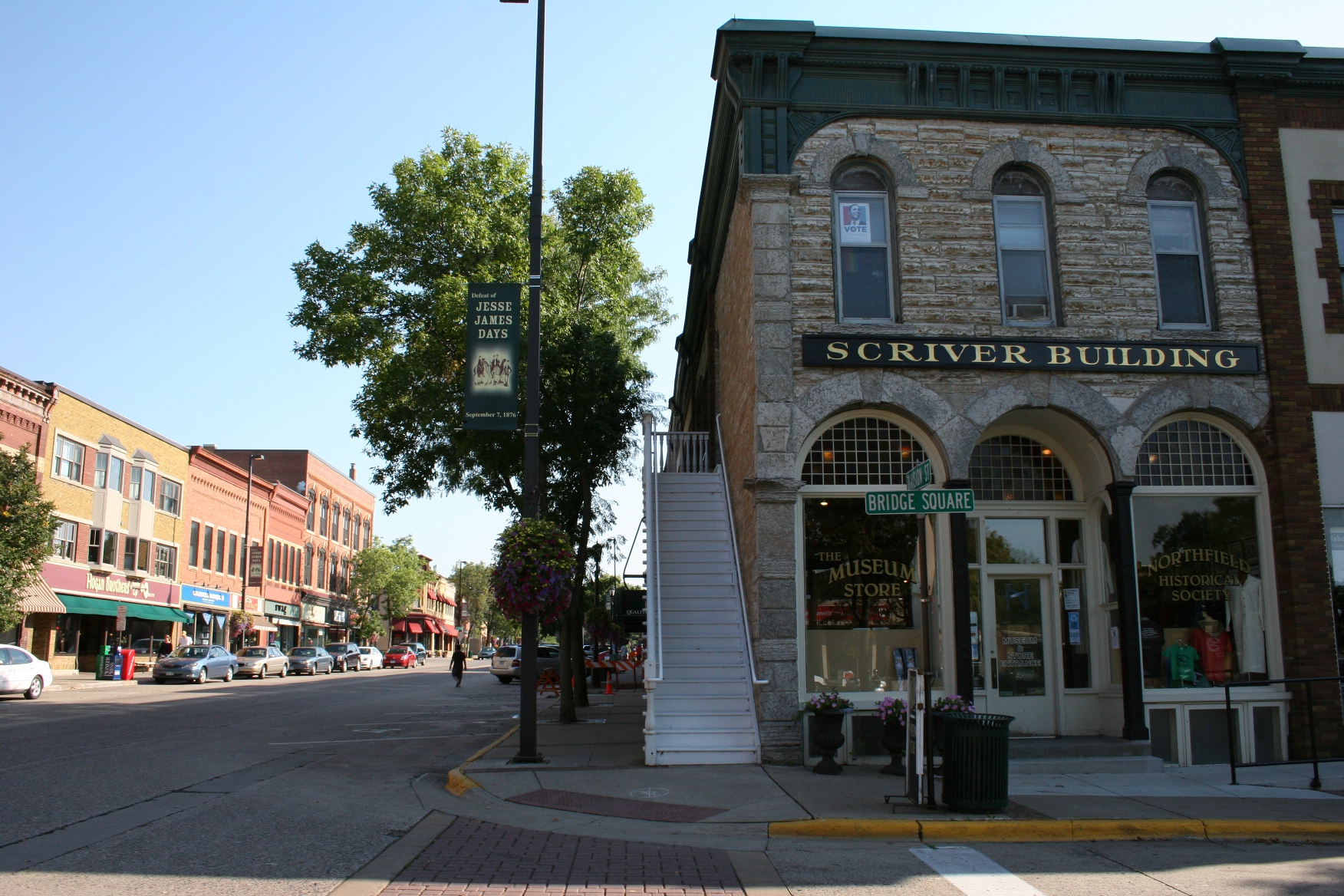
The Northfield Historical Society entrance by Bridge Square. (Minnesota Prairie Roots copyrighted photo August 2022)

That’s the summary backstory of “The Most Famous Bank Robbery in American History” as tagged by the Northfield Historical Society based in the bank building and with a permanent exhibit, “The James-Younger Gang Bank Raid.” I toured the exhibit in 2012 and highly-recommend it to learn the full story behind this event.

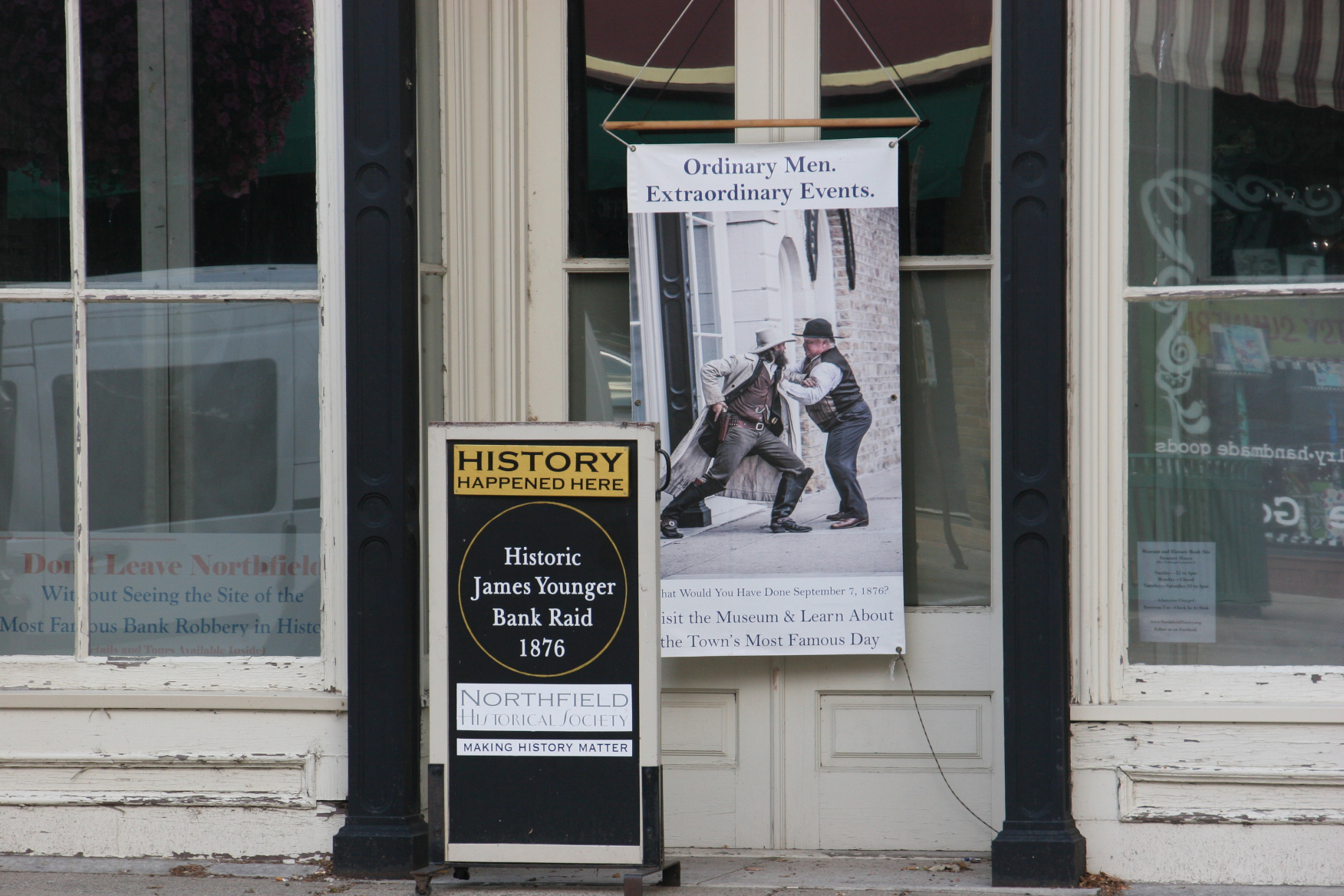
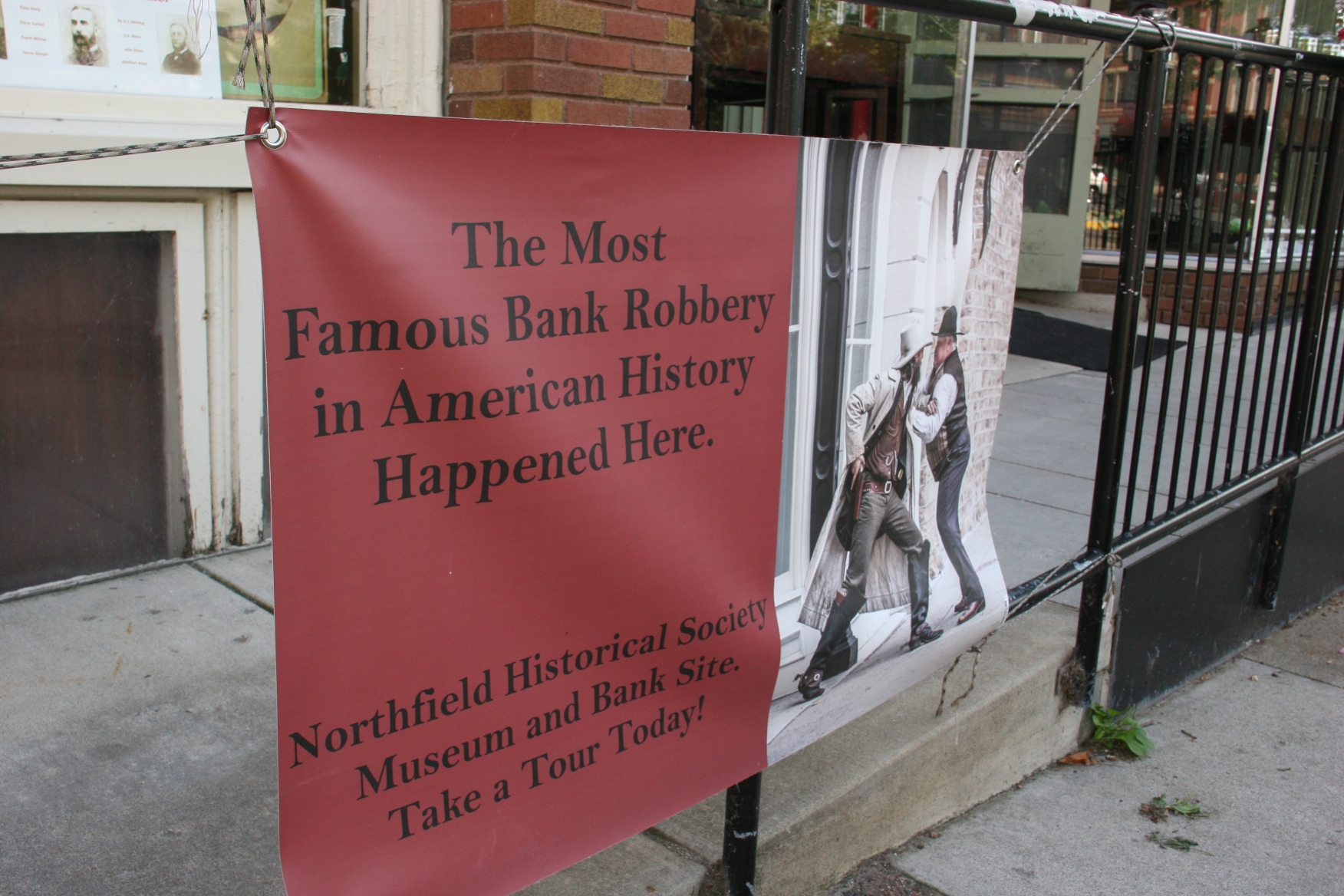
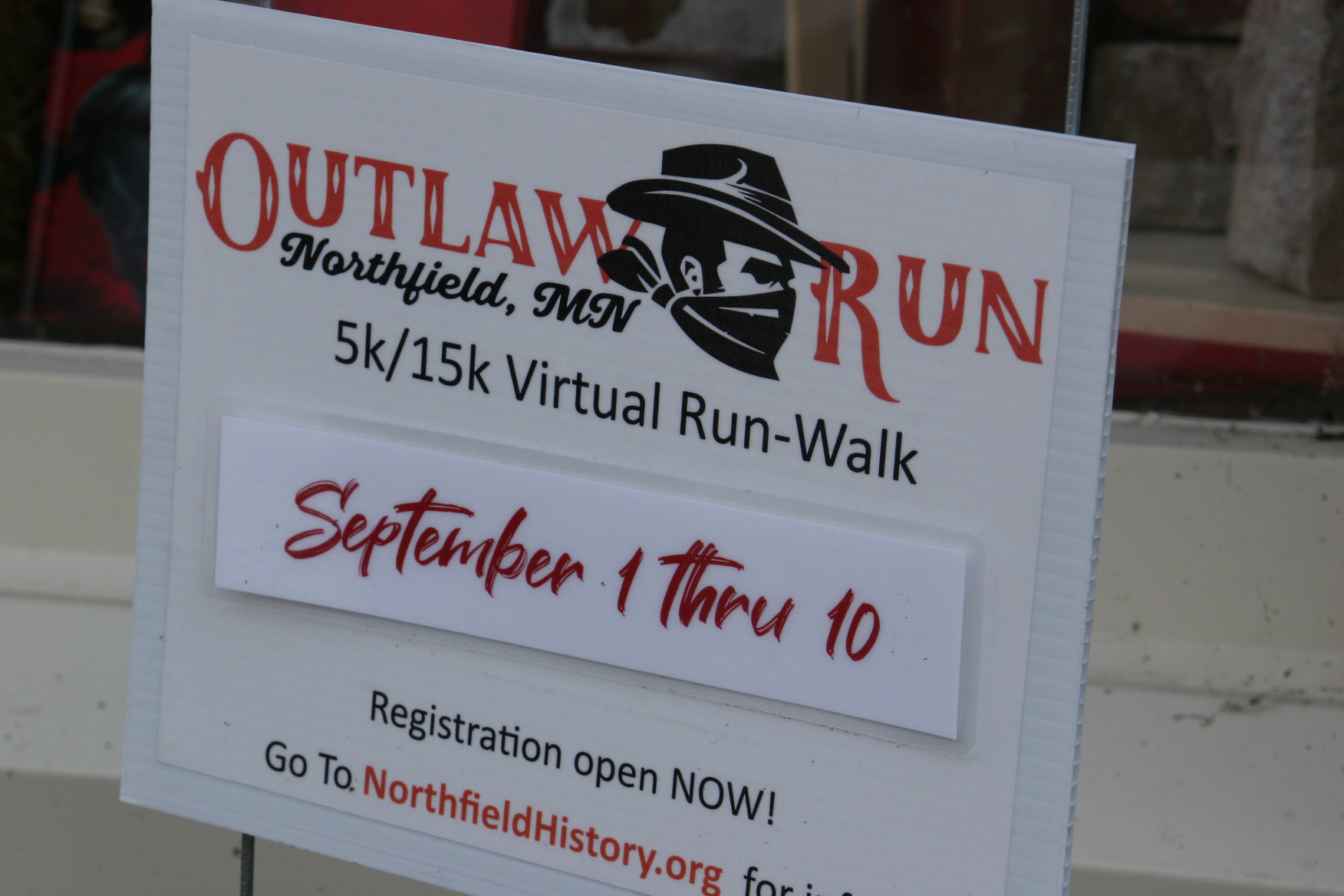
Posted just outside the NHS entrance. (Minnesota Prairie Roots copyrighted photo August 2022)

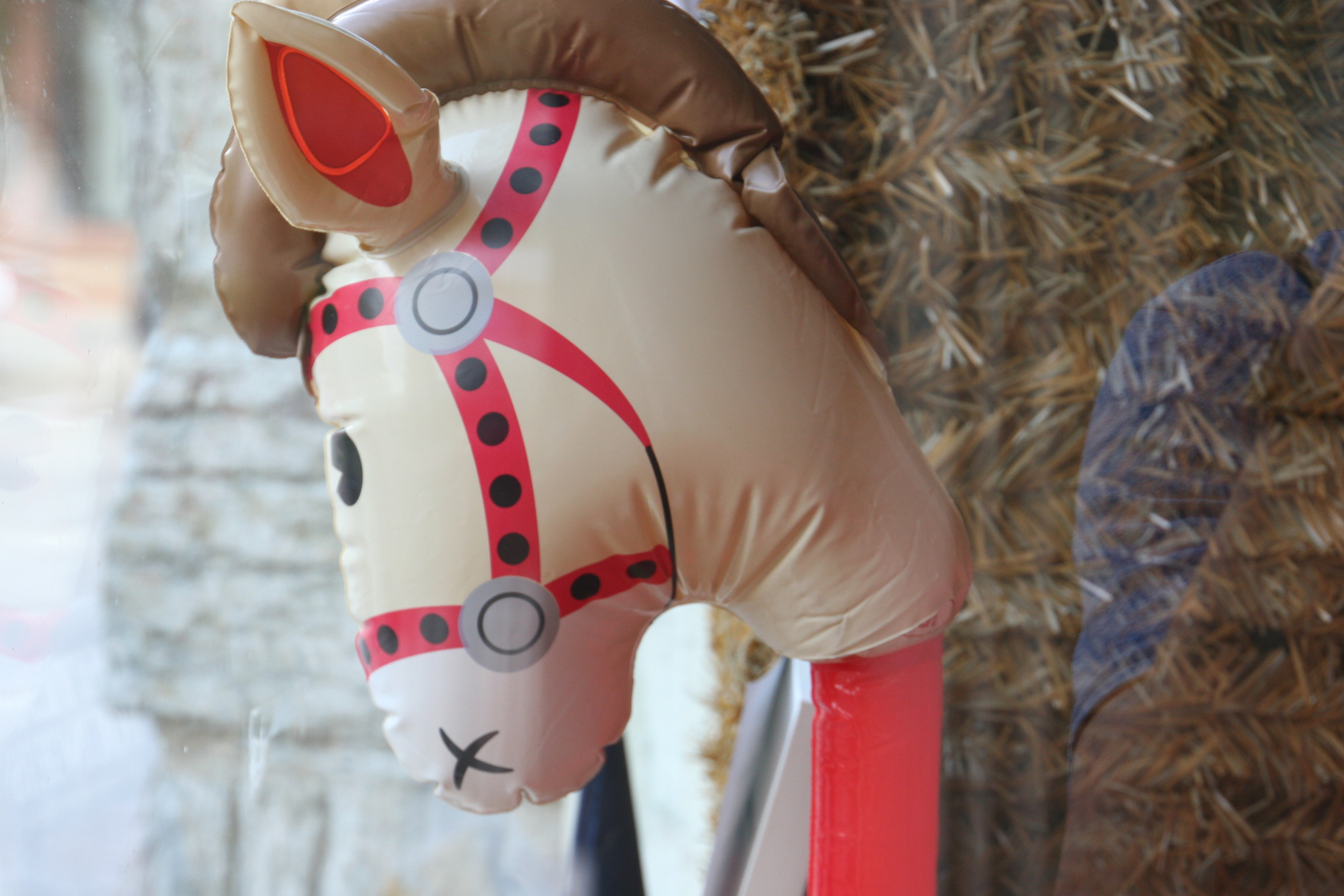
A toy horse is part of the front window display at the NHS. (Minnesota Prairie Roots copyrighted photo August 2022)

One of the many events during Defeat of Jesse James Days. (Minnesota Prairie Roots copyrighted photo August 2022)

This historic happening focuses Defeat of Jesse James Days, beginning Wednesday in Northfield. I’ve attended that, too, but mostly stay away given it’s one of the biggest community celebrations in Minnesota, meaning crowds. Honoring Heywood and the brave townspeople of 1876, the September 7-11 event includes a long list of activities like the popular bank raid re-enactments, an Outlaw Run, car and craft shows, an art festival, a rodeo, tractor and truck pulls, a parade and much more. Annually the Joseph Lee Heywood Distinguished Service Award is “given to a Northfield citizen who exemplifies a commitment to public service, which Heywood lived.”

This sign on a building marks the Northfield Cemetery. (Minnesota Prairie Roots copyrighted photo August 2022)

In the midst of all this, I’d suggest a visit to a place away from the crowds. The Northfield Cemetery. Here Joseph Lee Heywood and Nicolaus Gustafson lie buried. A few weeks ago I sought out their graves given my interest and my desire to honor these two men who lost their lives during the failed bank raid.

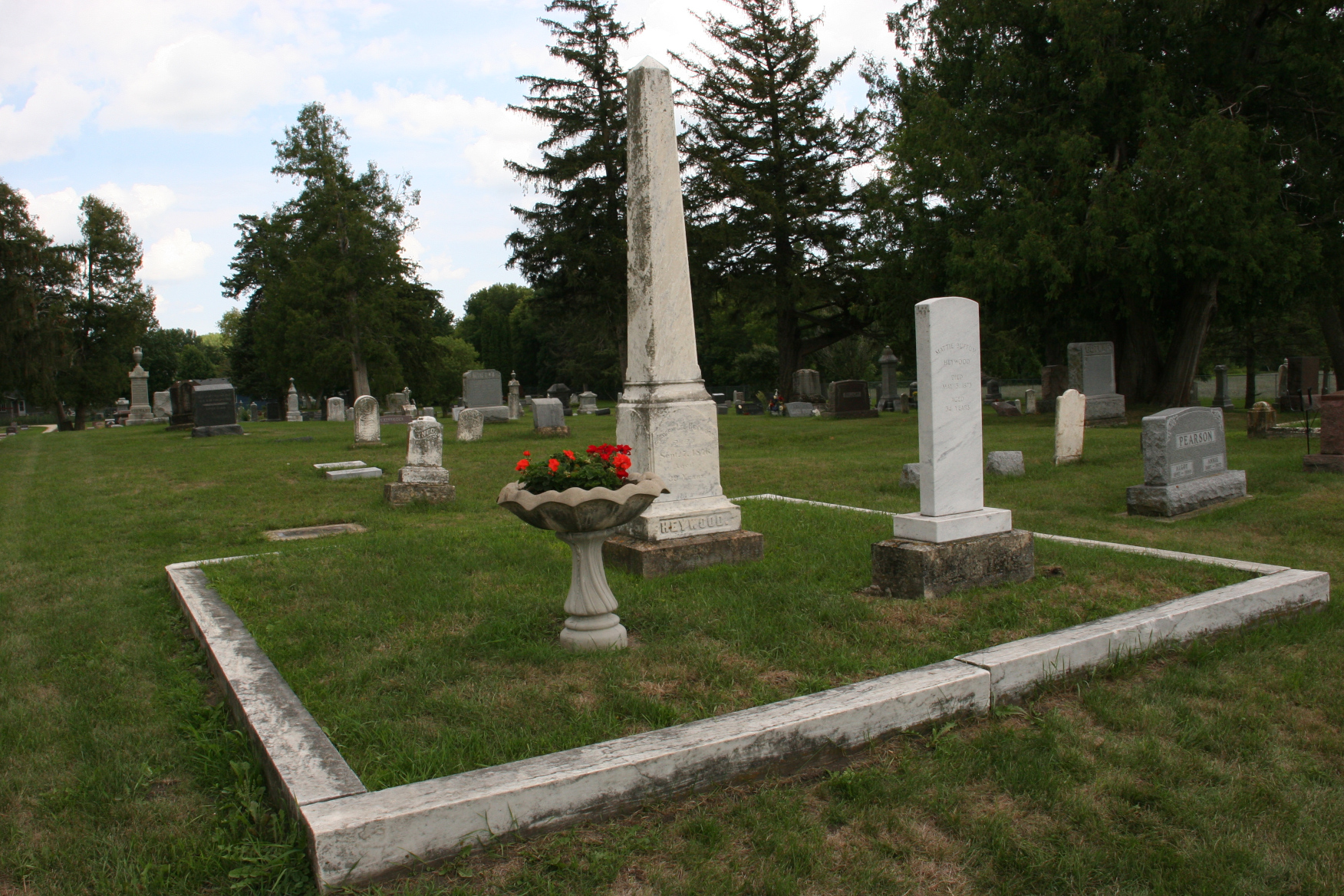
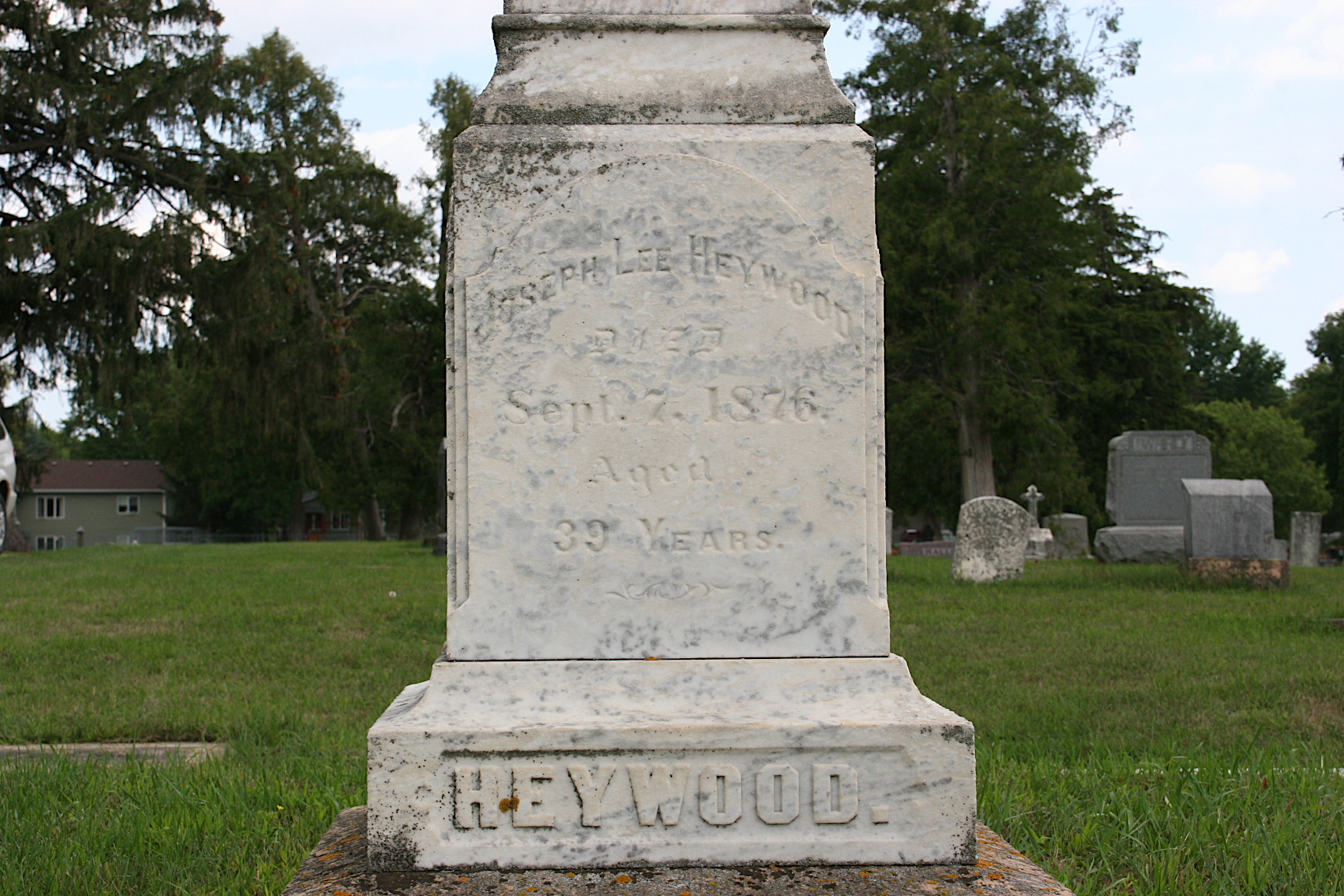
Joseph Lee Heywood‘s gravesite. (Minnesota Prairie Roots copyrighted photo August 2022)
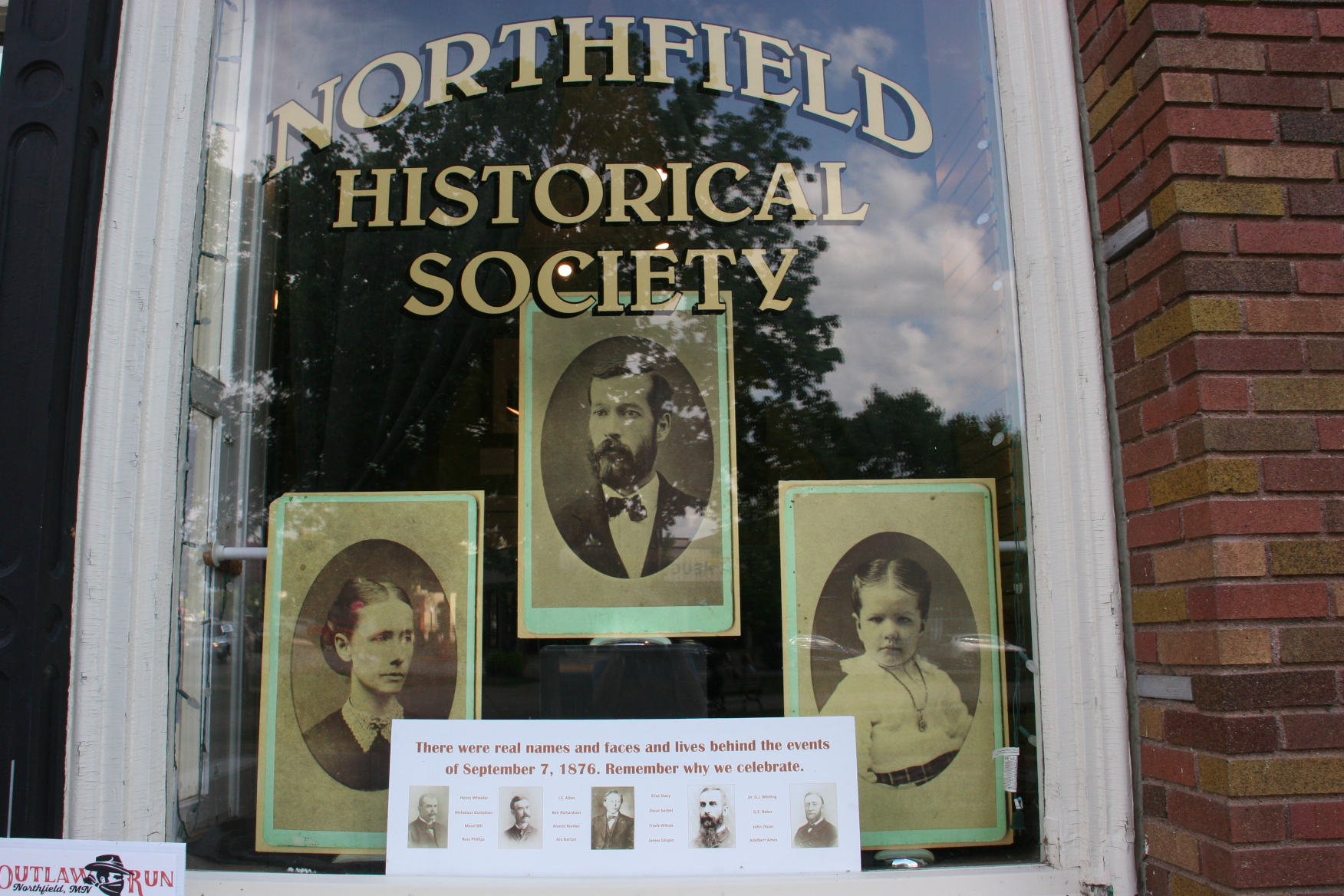
A portrait of Joseph Lee Heywood is posted in the Northfield Historical Society window. Although I’m not certain, I believe the other images are of his wife and daughter. He remarried after Mattie died. (Minnesota Prairie Roots copyrighted photo August 2022)

Heywood’s marker up close. (Minnesota Prairie Roots copyrighted photo August 2022)

The bank cashier’s burial spot is decidedly prominent, his grave marker rising high within a squared off space. Mattie Buffum Heywood, who died in May 1873 at the age of 34, is buried by her 39-year-old husband.

A surprisingly new marker marks the grave of Nicolaus Gustafson. (Minnesota Prairie Roots copyrighted photo August 2022)

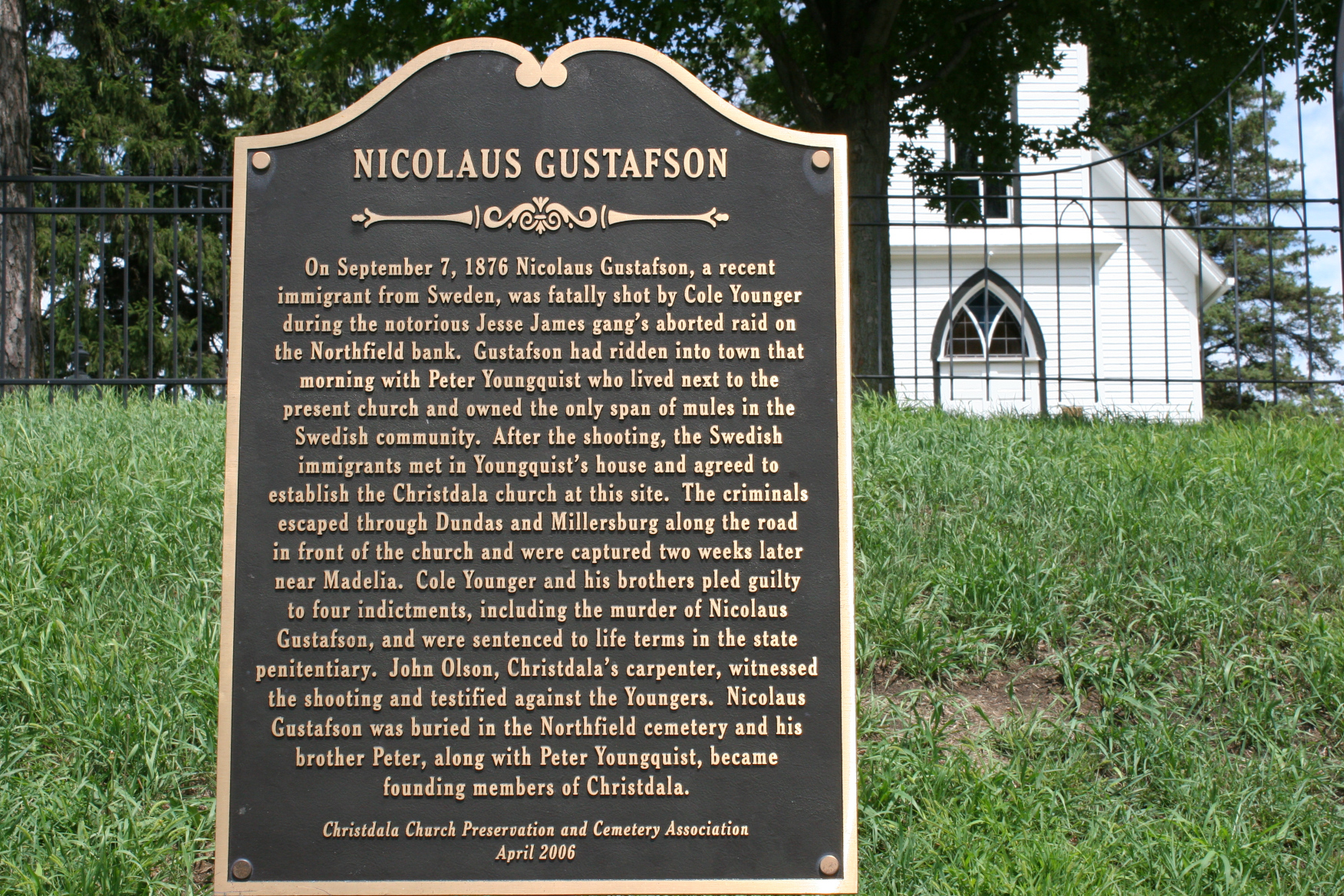
Finding Nicolaus Gustafson’s grave took effort. Eventually I found it near the cemetery entrance next to the chain link fence along busy Division Street South. I expected an aged tombstone like Heywood’s, not the more modern granite marker with the postscript inscription, A SWEDISH IMMIGRANT SHOT BY ROBBERS. Gutafson, who had just turned 30, arrived in Northfield from neighboring Millersburg on the day of the robbery to sell produce with another Swedish immigrant. He was buried in Northfield because the Swedes did not yet have a church or cemetery. In 1994, the good people of Northfield installed the gravestone gracing his final resting spot. A historic marker at Christdala Church also honors Gustafson.

This marker in front of Christdala Church, rural Millersburg, honors Nicolaus Gustafson. (Minnesota Prairie Roots copyrighted file photo 2020)

In all of this, there is something to be said for the strength of those who are now part of our history. Their actions, whether intentional or not, determined outcomes. For communities. For families. For the future. How many lives were saved because of Joseph Lee Heywood, because of those determined Northfielders, even because of a Swedish immigrant rushing to a street corner?

© Copyright 2022 Audrey Kletscher Helbling


The nuances of Northfield keep me returning August 5, 2020

Beautiful historic buildings grace downtown Northfield, Minnesota.


NORTHFIELD. There’s so much to appreciate about this southern Minnesota community with the slogan of Cows, Colleges and Contentment. Cows honor the area’s rich agricultural heritage. Colleges reference the two resident colleges, Carleton and St. Olaf. And contentment frames the feeling in this riverside town rich in natural beauty, history, and a thriving business community and arts scene.


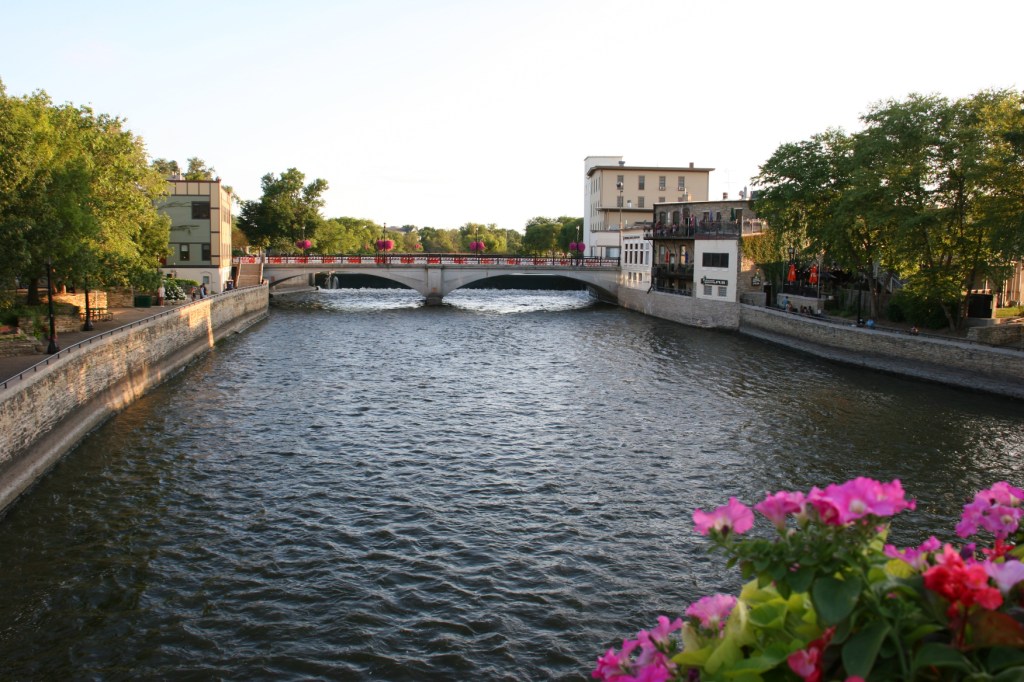
A view of the Cannon River in downtown Northfield from the flower-edged pedestrian bridge connecting riverside walkways.


Every time I walk along the River Walk aside the Cannon River or meander through the downtown on Division Street, I am struck by the sense of artistic vibrancy. The sense of care in this community. Pride. Hometown loyalty.


The display windows of Content Bookstore grab attention in vivid hues. I once participated in a poetry reading here.


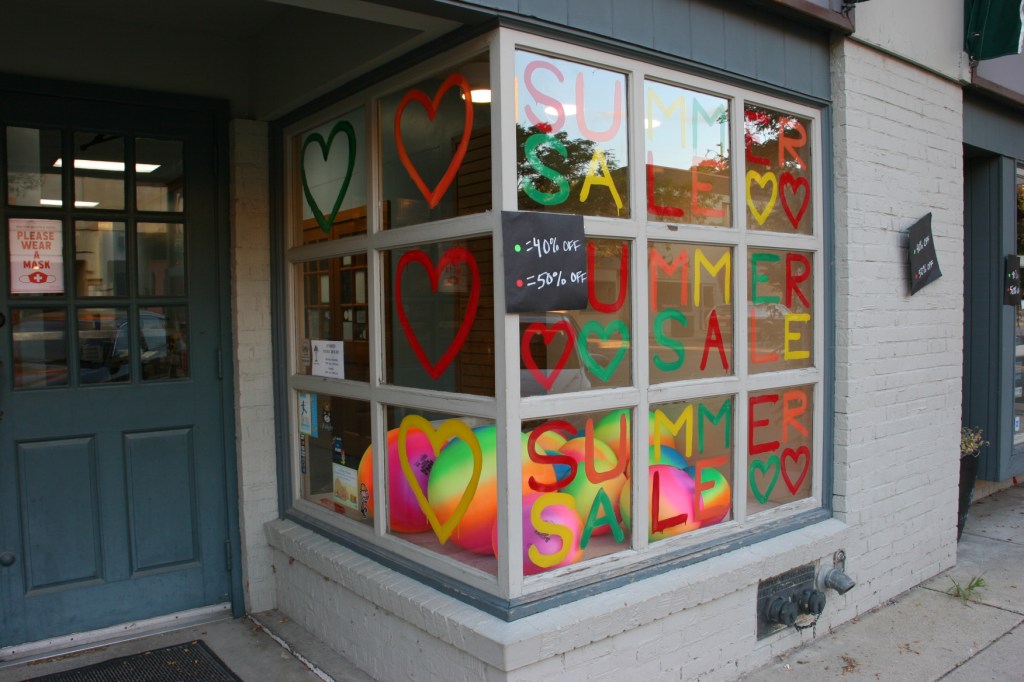
I see this in shop windows with displays that are creative and eye-catching.


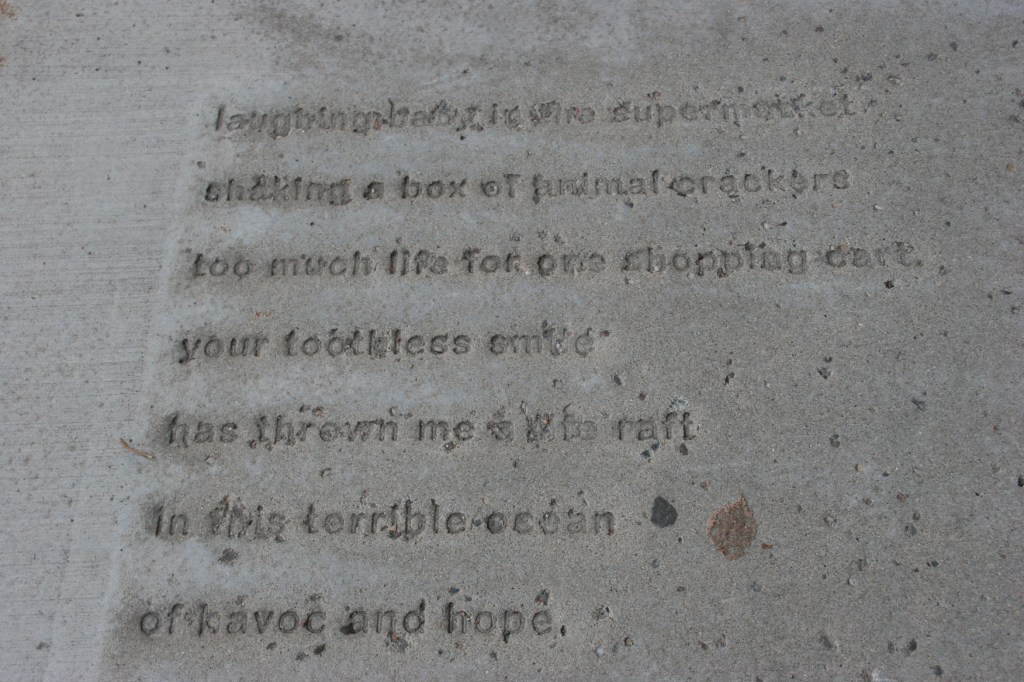
Poetry is stamped into sidewalks throughout the downtown district.


I read this in words imprinted in cement as part of Northfield’s Sidewalk Poetry Project.


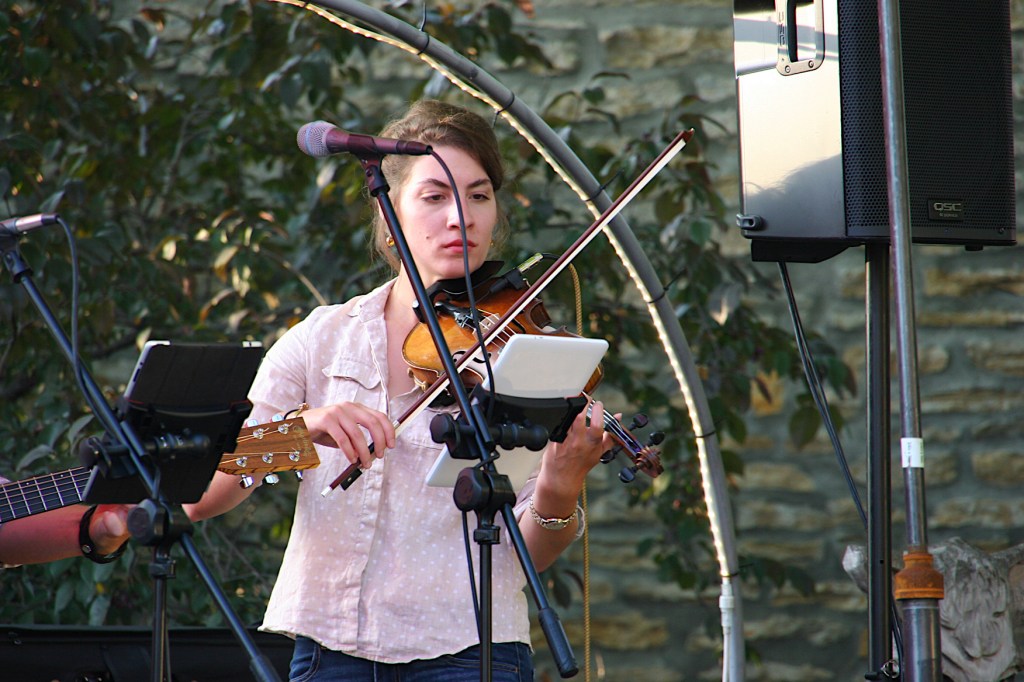
One of several musicians performing last Friday evening at The Contented Cow Pub & Wine Bar.


I hear this in music performed outdoors at eateries.


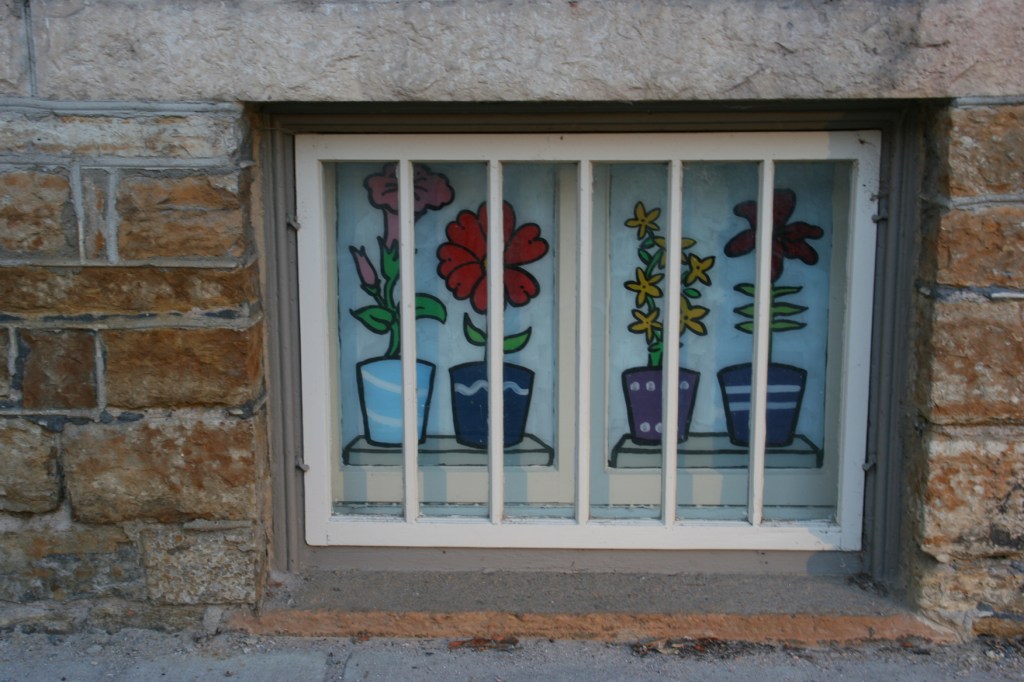
Art showcased in the exterior lower streetside window of the Northfield Arts Guild.


I view this in colorful art.


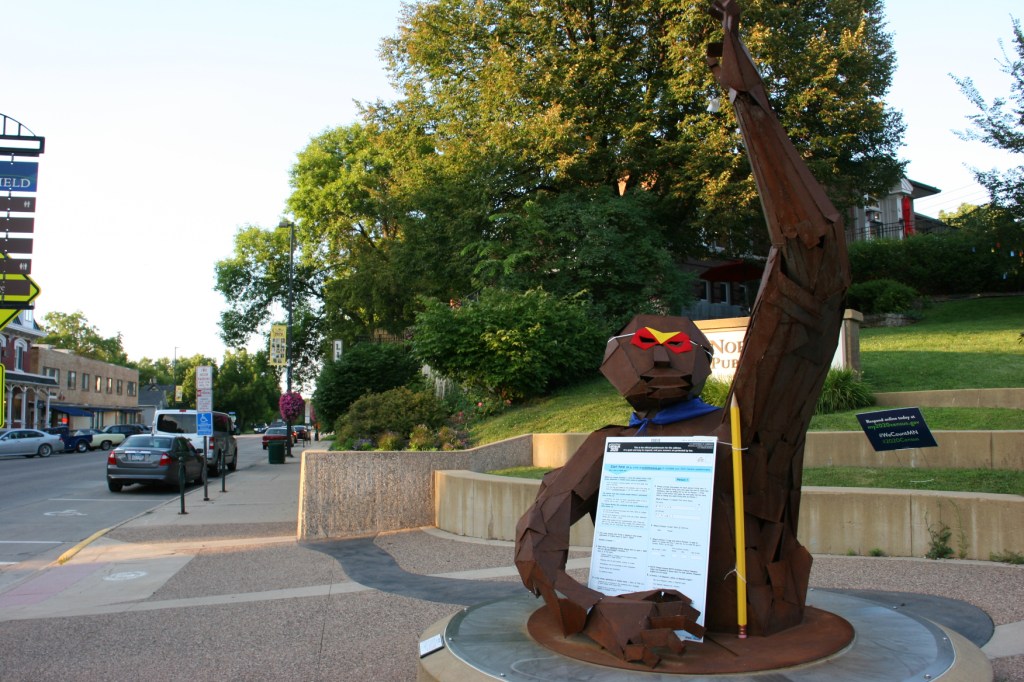
At the Northfield Public Library, this sculpture is changed up to promote the U.S. Census.


Bold art.


You’ll find plenty of coffee shops in Northfield.


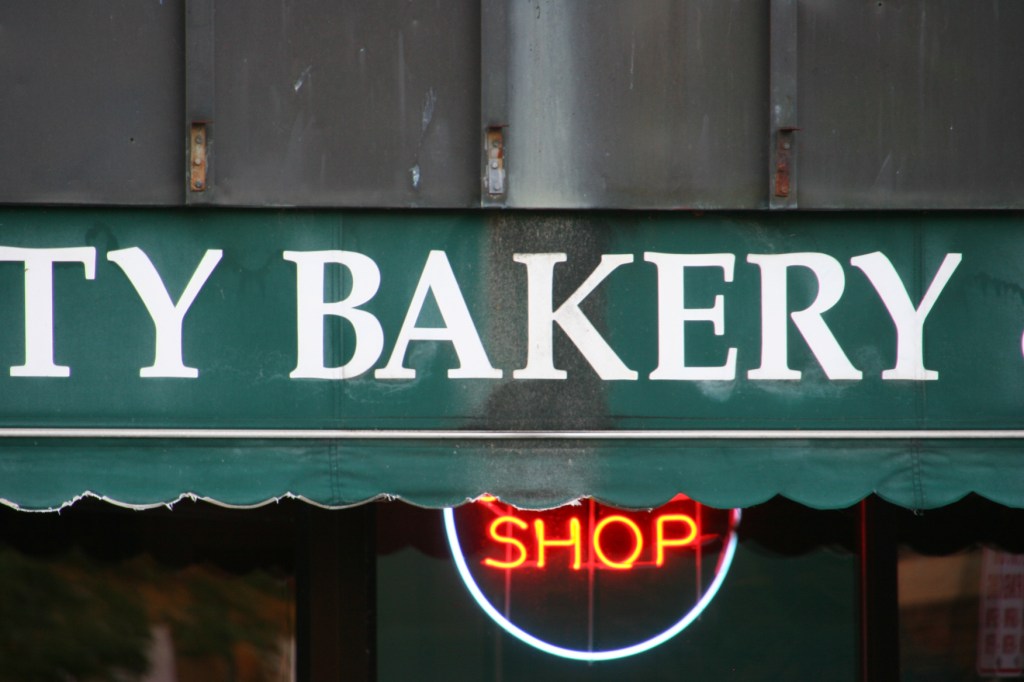
And a hometown bakery, Quality Bakery and Coffee Shop.


In neon lights marking businesses.


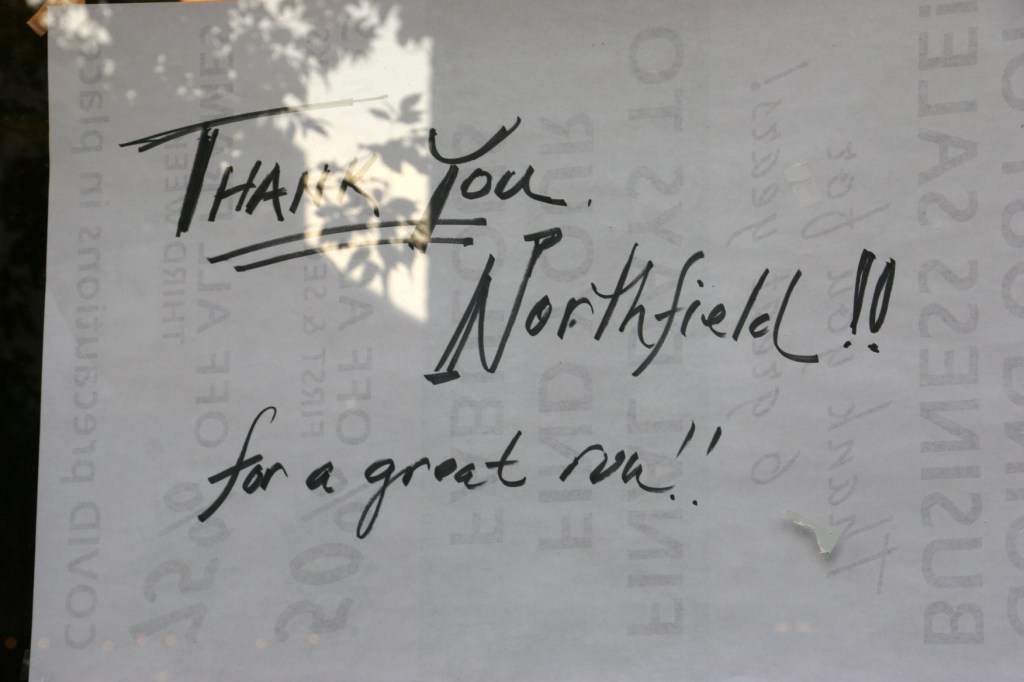
A personal note posted in a business that has closed.


In publicly posted gratitude.


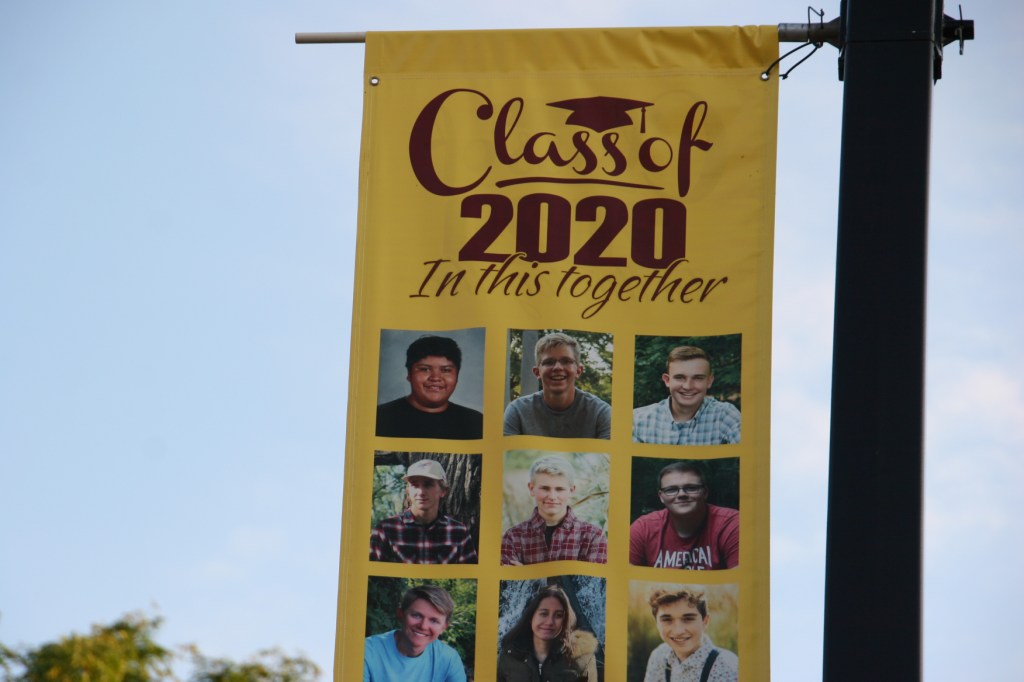
Banners honor the Northfield High School graduates of 2020.


And banners that show each individual matters.


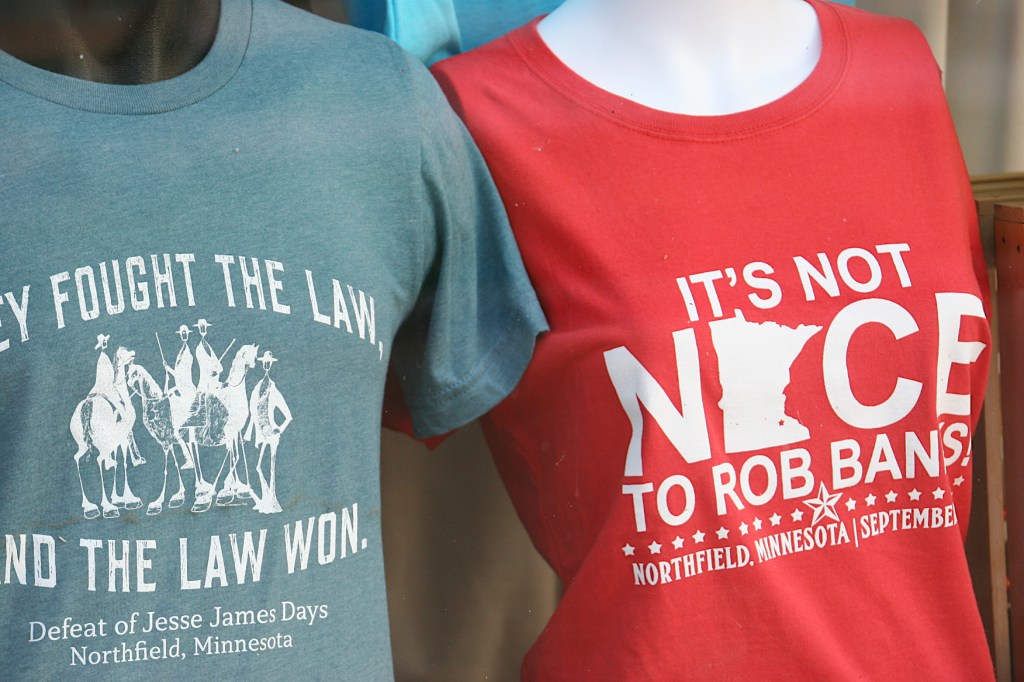
Novelty tees displayed in the front window of the Northfield Historical Society reference the 1876 bank robbery by the James-Younger Gang.


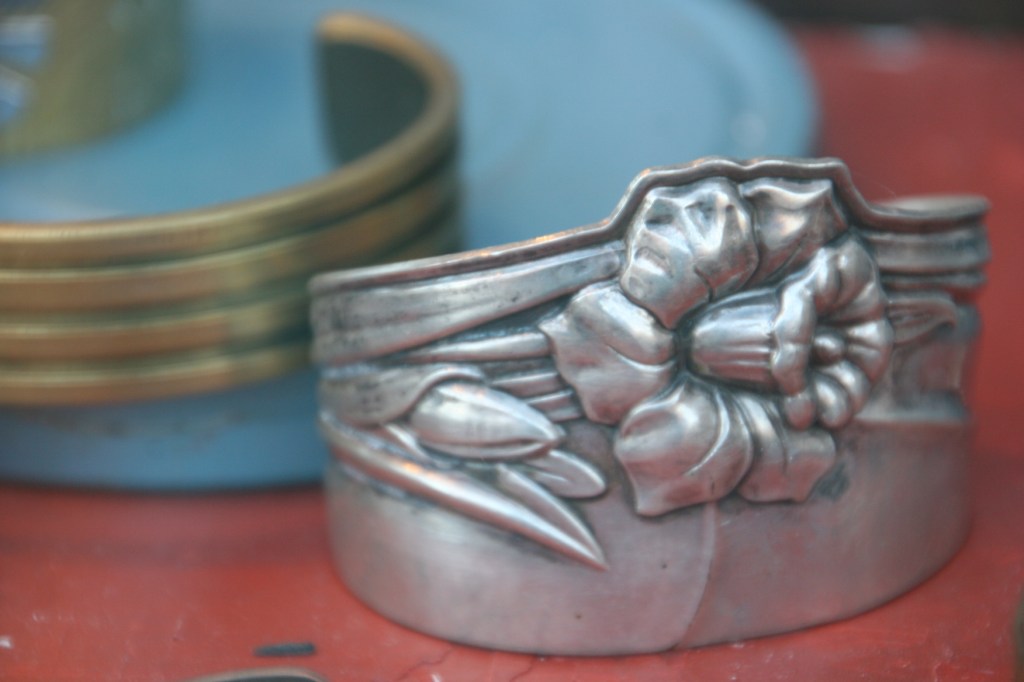
Photographed through the front window of MakeShift Accessories, a handcrafted bracelet.


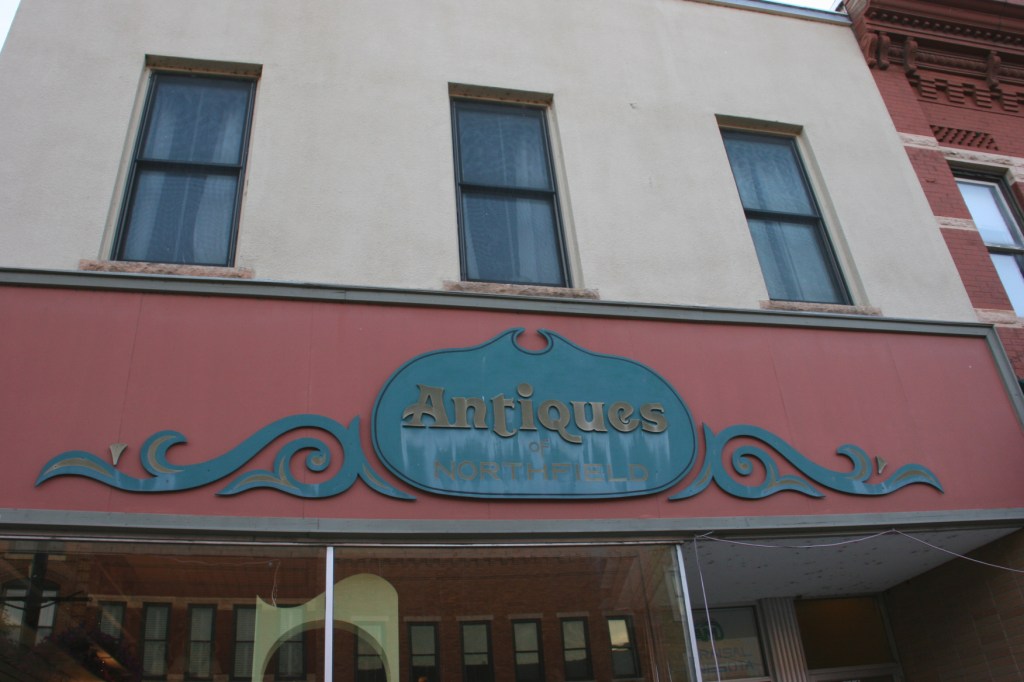
Temporarily closed because of COVID-19, Antiques of Northfield is one of my favorite stops.


Northfield draws me back, as a writer and a photographer, to notice nuances of place. The rushing water. The home-grown art. The aged buildings in this community where locals, in 1876, defeated the James-Younger Gang during a raid at the First National Bank.


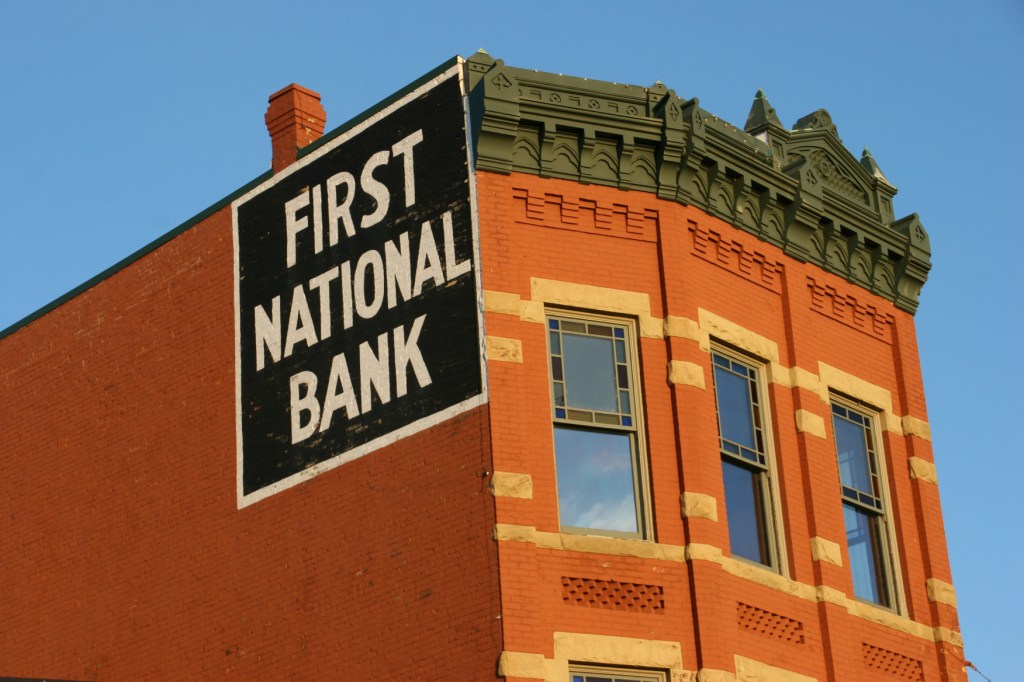
No longer the First National Bank, this historic building houses Merchants Bank. The original First National (site of the bank raid) sits across the street and houses the Northfield Historical Society and Museum.


Northfield is simply one of those towns when, each time I visit, I leave feeling better for having spent time there.

© Copyright 2020 Audrey Kletscher Helbling


Minnesota Faces: Northfield historian September 11, 2015

Portrait #39: Christian Hakala

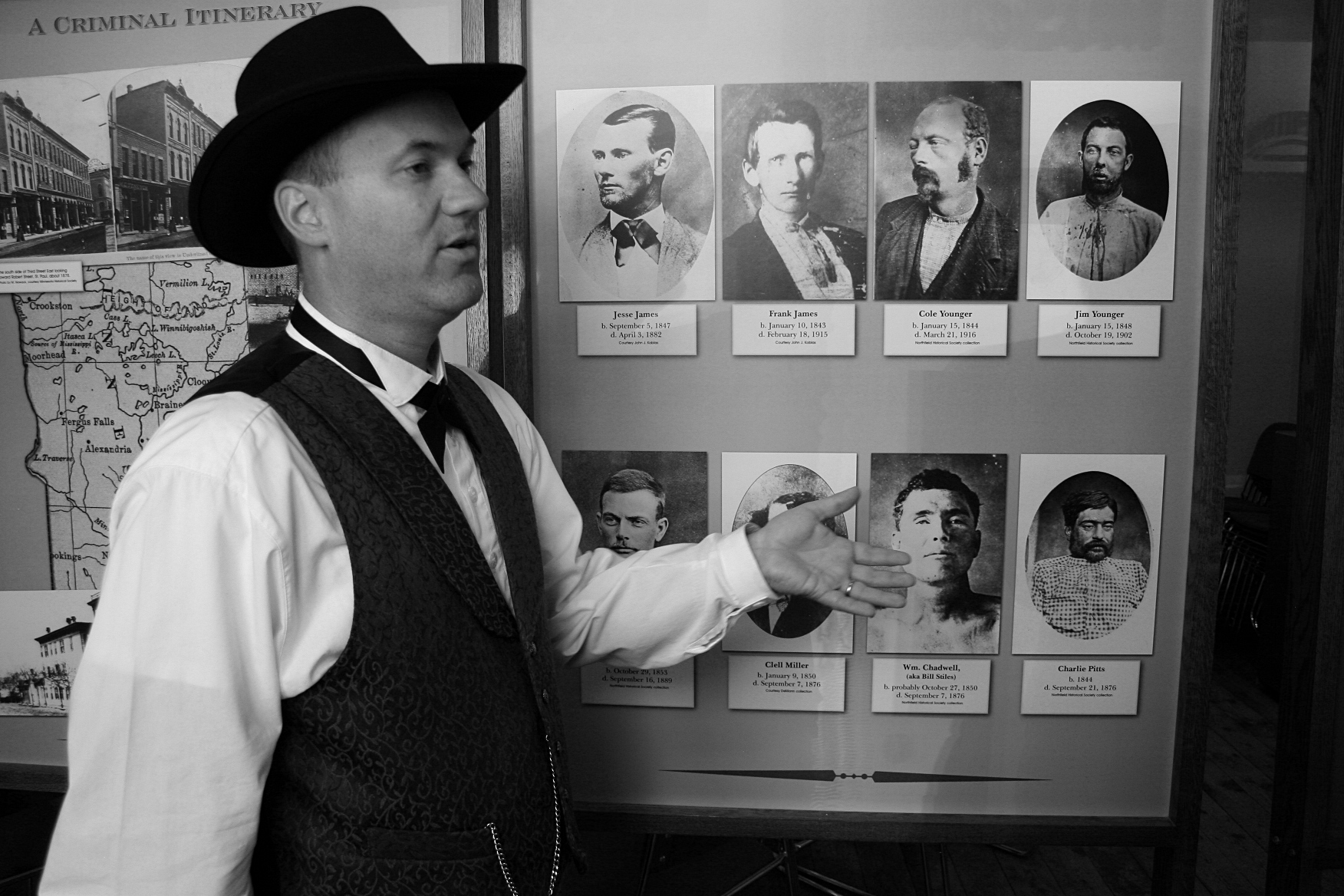
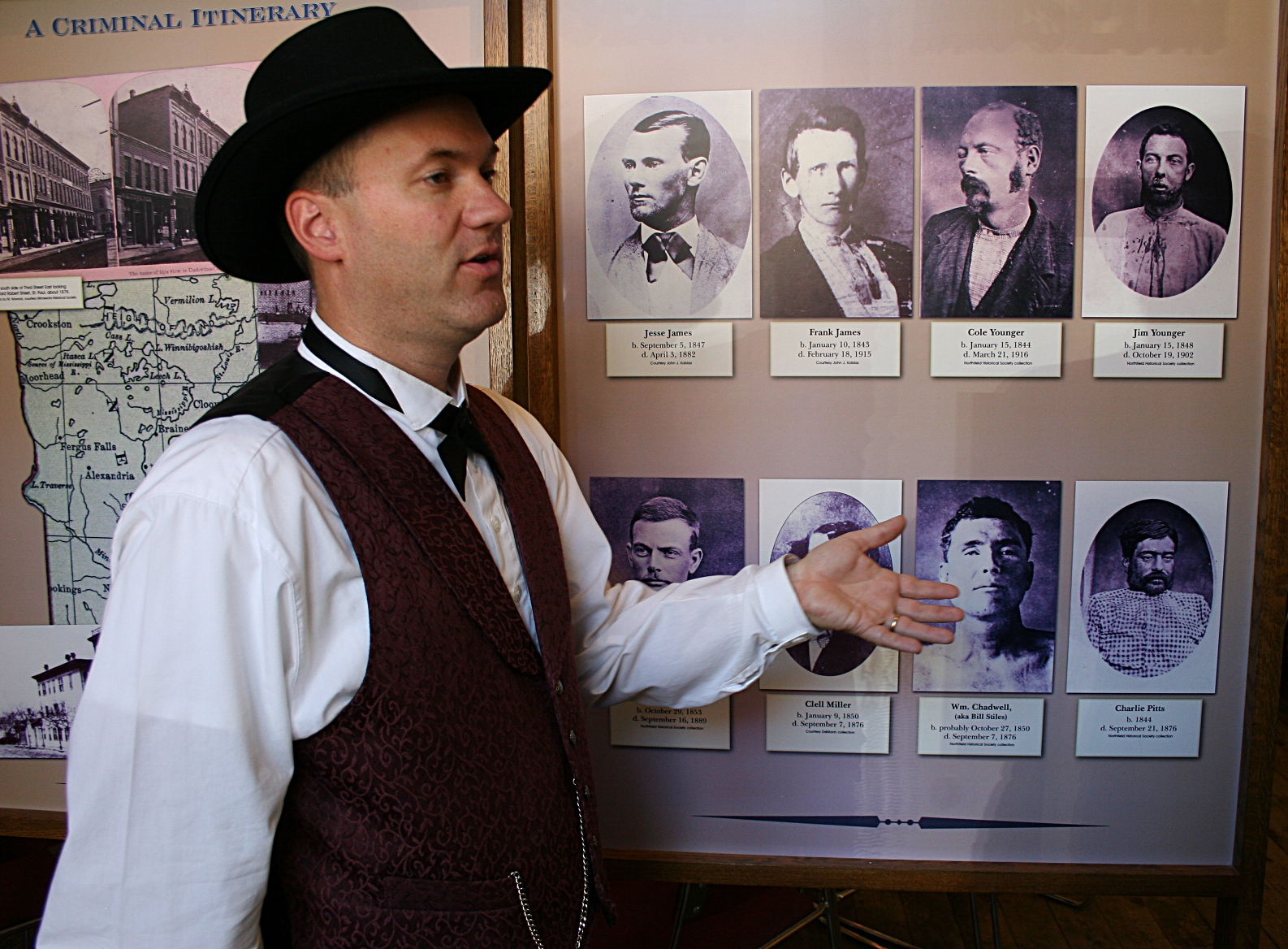
Christian Hakala talks about gang members involved in the Northfield bank raid, pictured to his left: Frank and Jesse James; Cole, Bob and Jim Younger; Clell Miller; William Chadwell; and Charlie Pitts.

Christian Hakala talks about gang members involved in the Northfield bank raid, pictured to his left: Frank and Jesse James; Cole, Bob and Jim Younger; Clell Miller; William Chadwell; and Charlie Pitts. Minnesota Prairie Roots file photo 2012.

To say folks in Northfield, Minnesota, appreciate local history would be an understatement.

Take Christian Hakala. He has a Master of Arts in history, has taught history, has served as Northfield Historical Society Board president and volunteers as a tour guide.

During his day job, he’s Director of Individual Giving at Northfield’s Carleton College.

It was in his capacity of NHS tour guide that I met Hakala in September 2012 as he walked visitors through the “Attempted Bank Raid” exhibit. That would be the September 7, 1876, attempted robbery of the First National Bank of Northfield by the James-Younger Gang. A bank cashier, a Swedish immigrant and two of the outlaws died in seven minutes as townspeople fought back.

Northfield this week is celebrating the heroism of locals during the annual The Defeat of Jesse James Days, an event which is among Minnesota’s most popular community celebrations. DJJD includes bank raid re-enactments. Hakala has participated in those, too, role-playing a townsperson.

If you appreciate history and drama and community celebrations, then head on over to Northfield this weekend. This beautiful historic river city knows how to showcase local history in a big way.

FYI: Click here for more details about The Defeat of Jesse James Days.

Minnesota Faces is featured every Friday on Minnesota Prairie Roots.

© Copyright 2015 Audrey Kletscher Helbling


In which I learn a lot about the James-Younger Gang bank raid in Northfield September 3, 2012

CHRISTIAN HAKALA WEAVES the story of the bank robbery with the skills of a seasoned storyteller, his voice rising as the tension mounts, his hands gesturing, his eyes locking with those of a rapt audience.
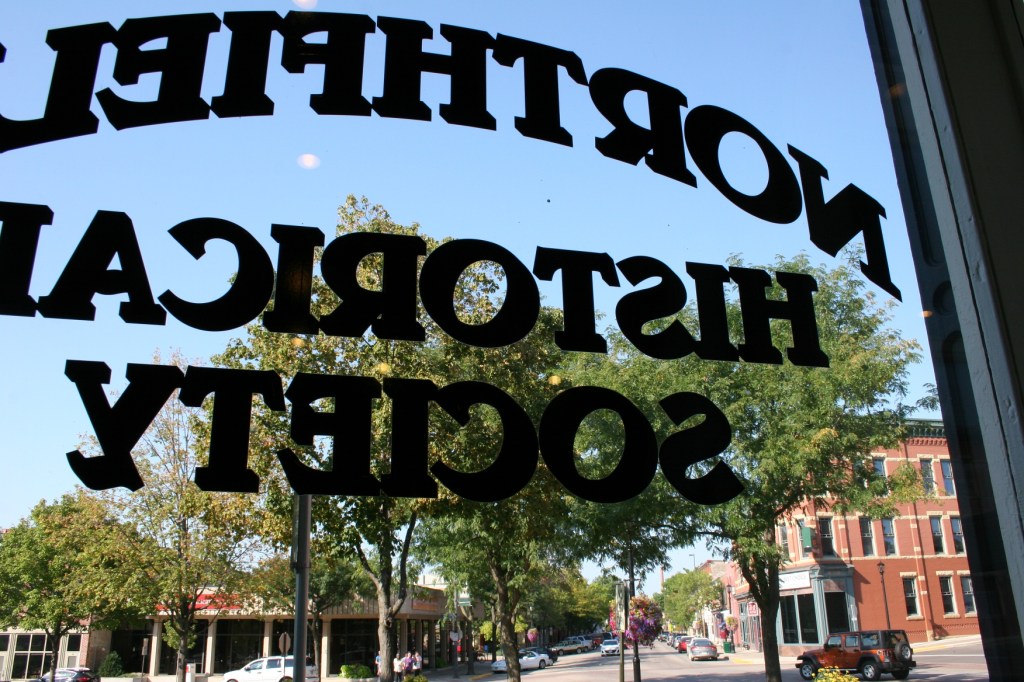
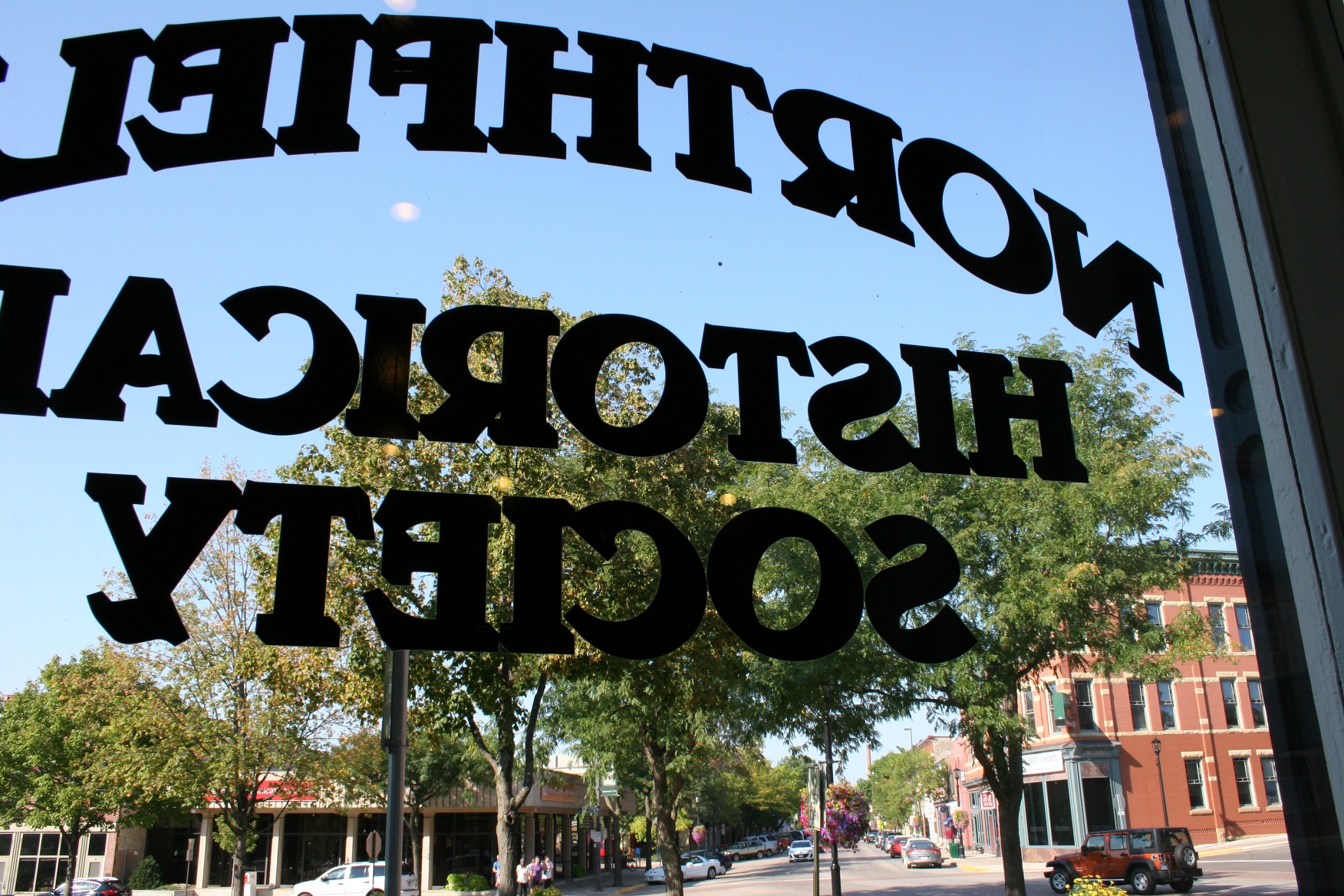
Looking through a front window of the Northfield Historical Society museum toward Division Street.

It is Sunday afternoon and I am with a small group touring the Northfield Historical Society. I have come here with my husband to view the temporary U.S.-Dakota War of 1862 exhibit as it relates to Rice County.
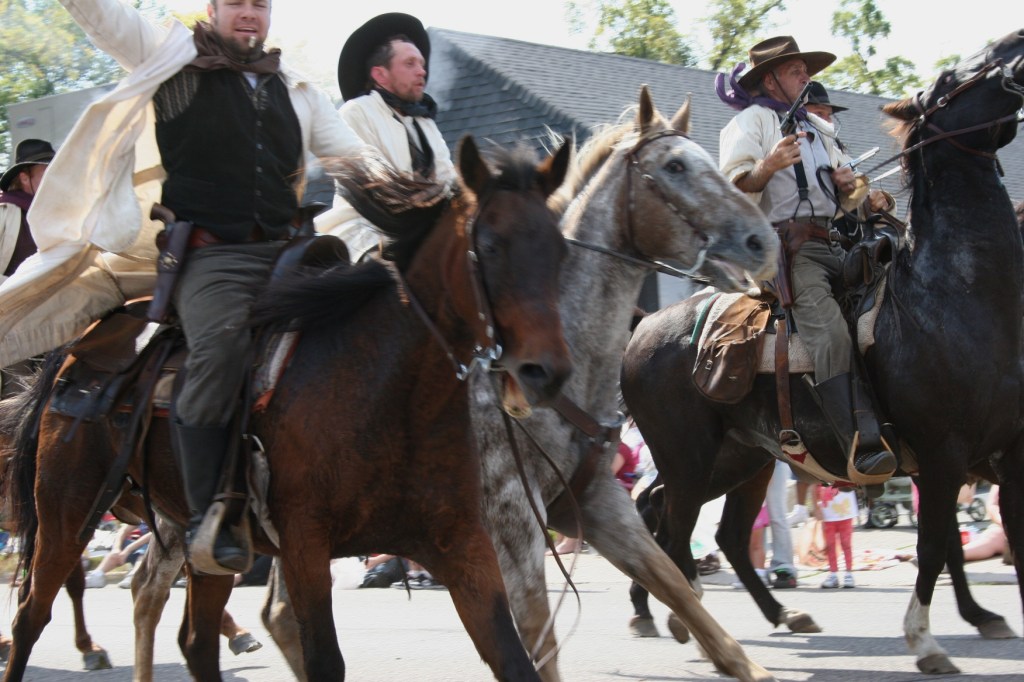
The James-Younger Gang re-enactors riding in The Defeat of Jesse James Days parade perhaps five years ago.

But I find myself, instead, captivated by Hakala’s intriguing play-by-play account of the James-Younger Gang bank robbery of September 7, 1876, as he leads us through the historical society and into the bank. I am embarrassed to admit that I’ve never visited this museum, site of perhaps the most historic bank robbery in U.S. history, even though I live only 15 miles away and once worked briefly as a newspaper reporter in this town.

This week some 100,000 visitors, according to Hakala, are expected in Northfield for the annual Defeat of Jesse James Days celebration September 5-9.
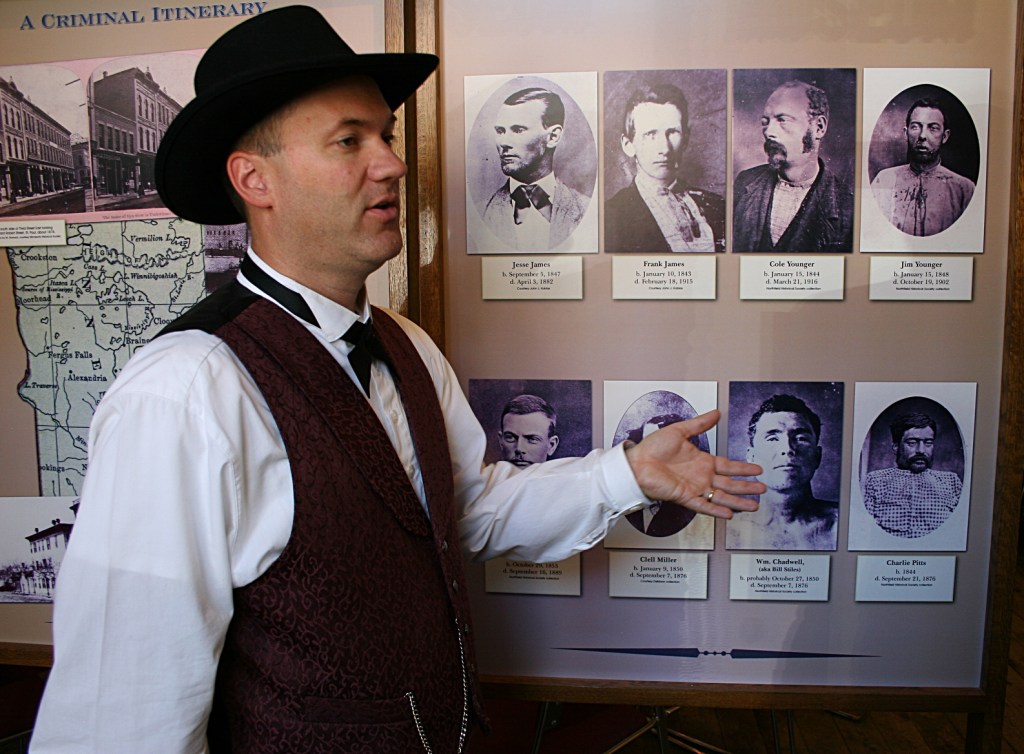
Christian Hakala talks about gang members involved in the Northfield bank raid, pictured to his left: Frank and Jesse James; Cole, Bob and Jim Younger; Clell Miller; William Chadwell; and Charlie Pitts.

The former history teacher, and now a fund raiser at Carleton College in Northfield, serves on the historical society board, volunteers as a tour guide and role plays a townsperson in the annual re-enactments of the bank robbery. His knowledge of the crime is precise, right down to the minute on the original bank clock, stopped at 1:50 p.m., the time of the deadly and unsuccessful robbery.
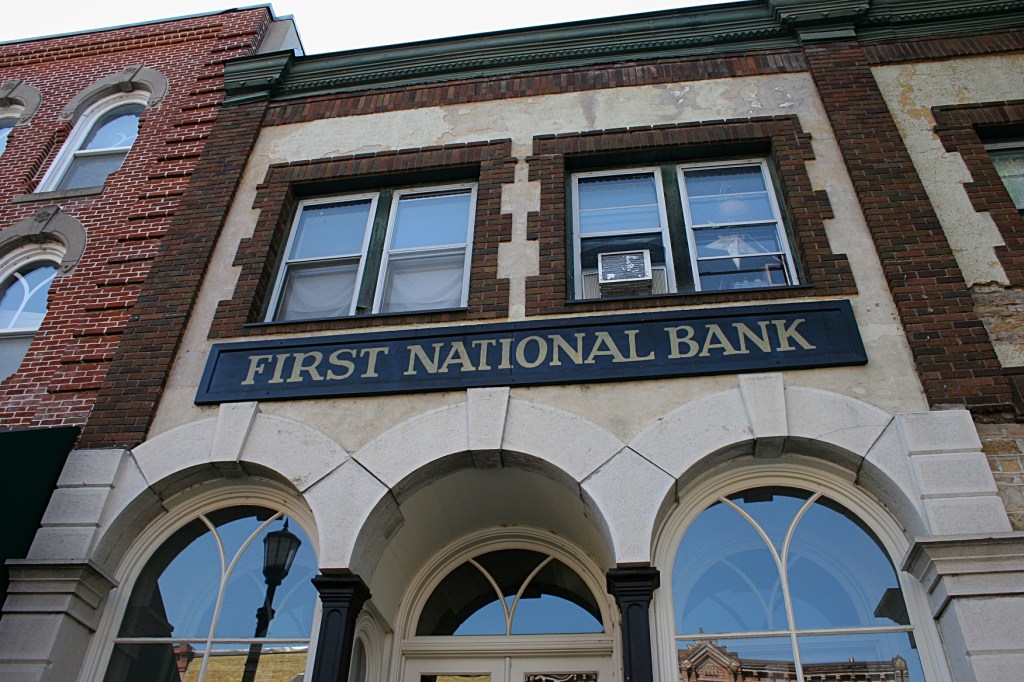
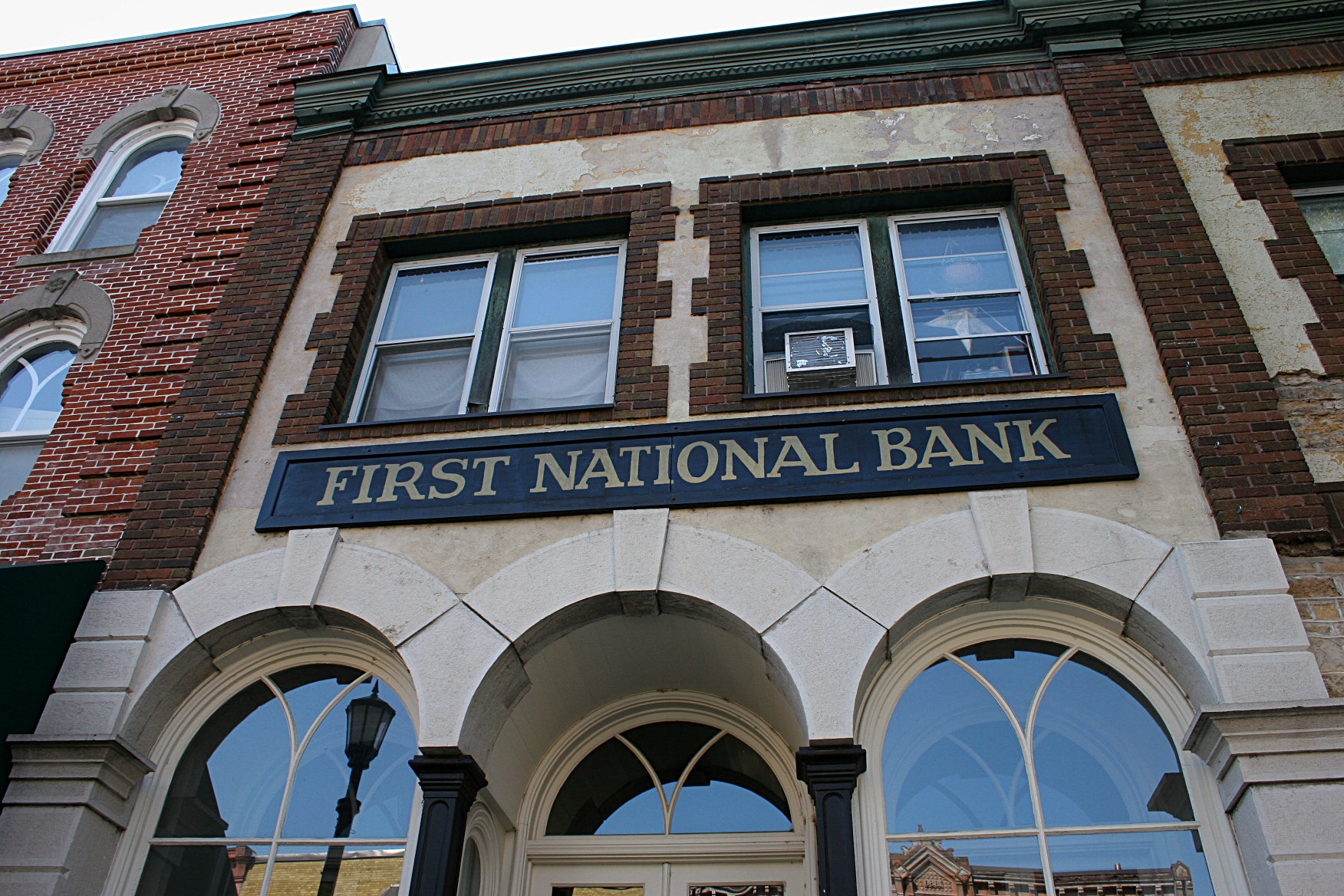
The front of the original First National Bank of Northfield. I didn’t photograph the entire building as the sidewalk in front of the bank was torn up and blocked for installation of sidewalk poetry.

It was all over in seven minutes with four shot dead, including acting cashier Joseph Lee Heywood who refused to allow the robbers into the vault; Swedish immigrant Nicolaus Gustafson; and outlaws Clell Miller and William Chadwell.
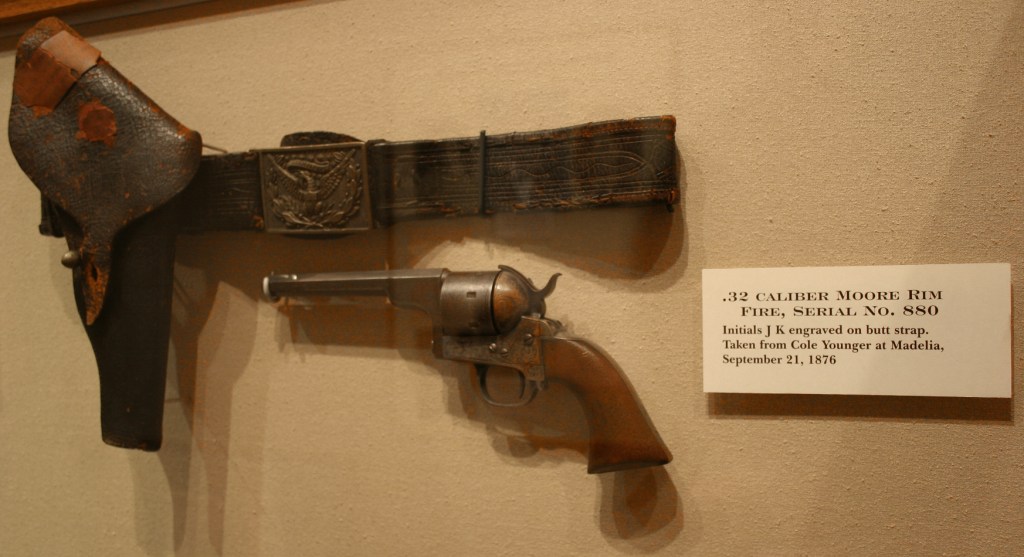
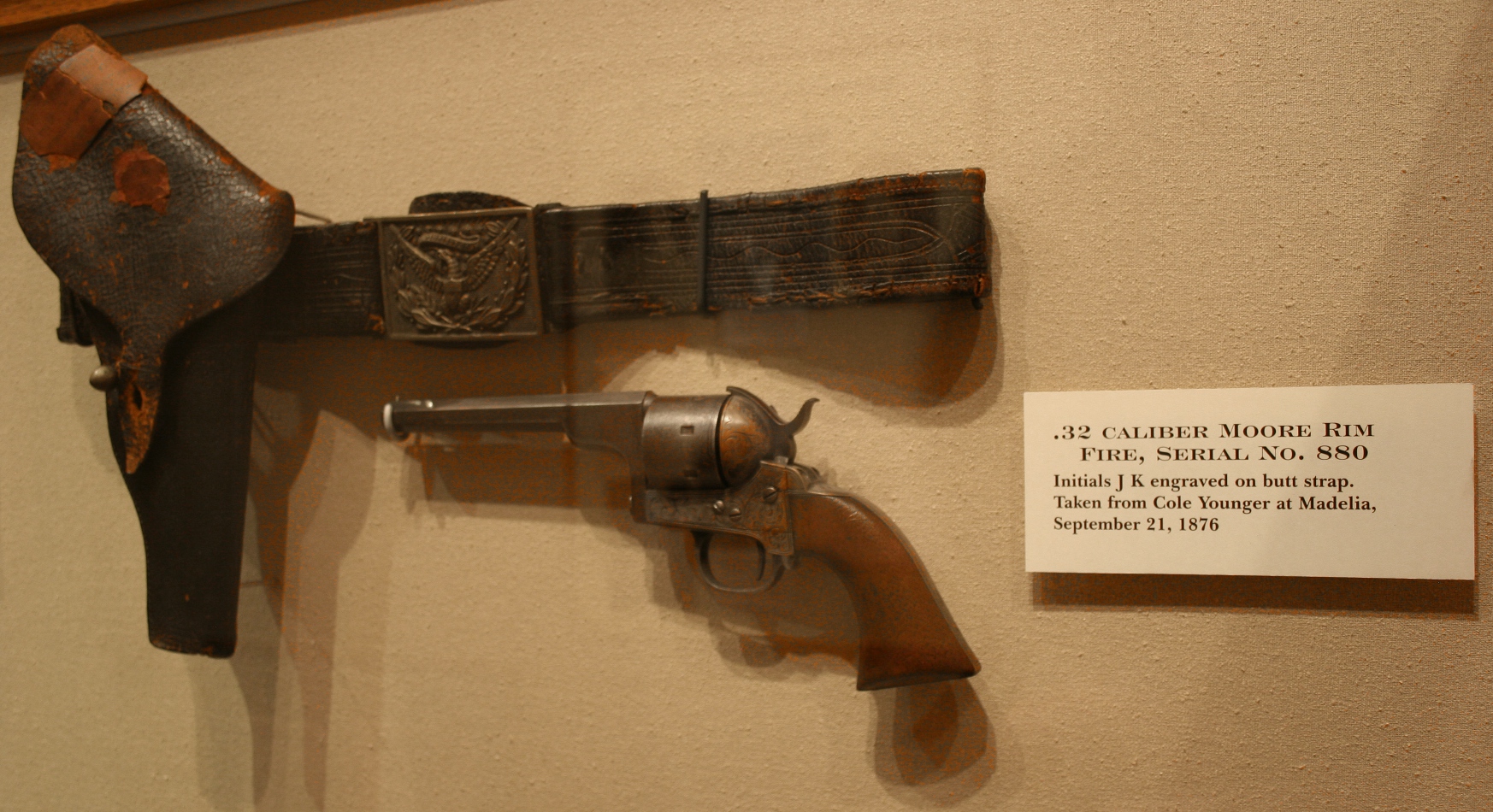
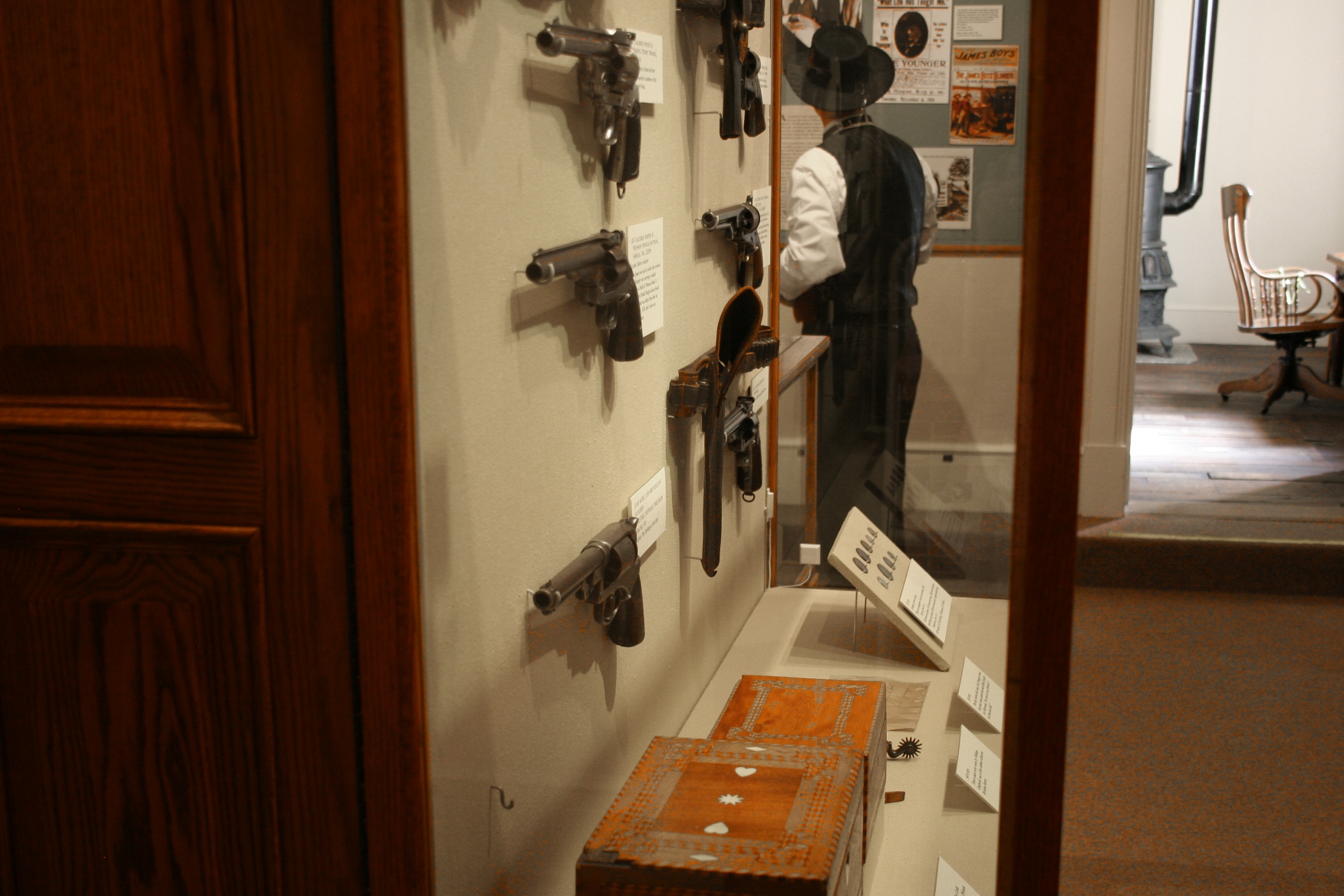
The gun confiscated from Cole Younger when he was captured two weeks later near Madelia. I shot this glass-encased weapon in available light, without a tripod and without flash, meaning quality is not there in this image.

Not until the end of the tour does Hakala reveal that efforts are currently underway to exhume and determine if the presumed body of gangster Miller, buried in his home state of Missouri, truly is Miller.

Hakala explains: Then-medical student Henry Wheeler, who shot Miller from an upper story level of a building across the street from the bank, dug Miller from his grave and shipped the body from Northfield to his Michigan medical school for dissection and study. Later, Wheeler would return the supposed body of Miller to his family in Missouri. But, as the story goes, Wheeler kept a skeleton, purported to possibly be Miller, in a closet of his Grand Forks, N.D., medical practice office. That skeleton is today owned by a private collector.

The Miller family, Hakala says, is cooperating in proposed plans to positively identify the body buried in Missouri via forensic testing. The body was badly decomposed and thus not identifiable by the time it was received by the Miller family for burial.

Wheeler’s actions, Hakala further says, would not have been all that unusual for the time period with a likely attitude of “I killed the guy. He’s mine.”

This recent development simply adds to the mystery and drama and varying versions of events and details which have long accompanied the James-Younger bank raid in Northfield. Hakala, a northeastern Minnesota native who has also lived and taught in Missouri, knows how perspectives and stories differ based on source locations.

Yet, Hakala assures that the minute-by-minute account he relates of the actual bank robbery is based on the eyewitness testimony of a bookkeeper, collaborated by a teller who also witnessed part of the hold-up.
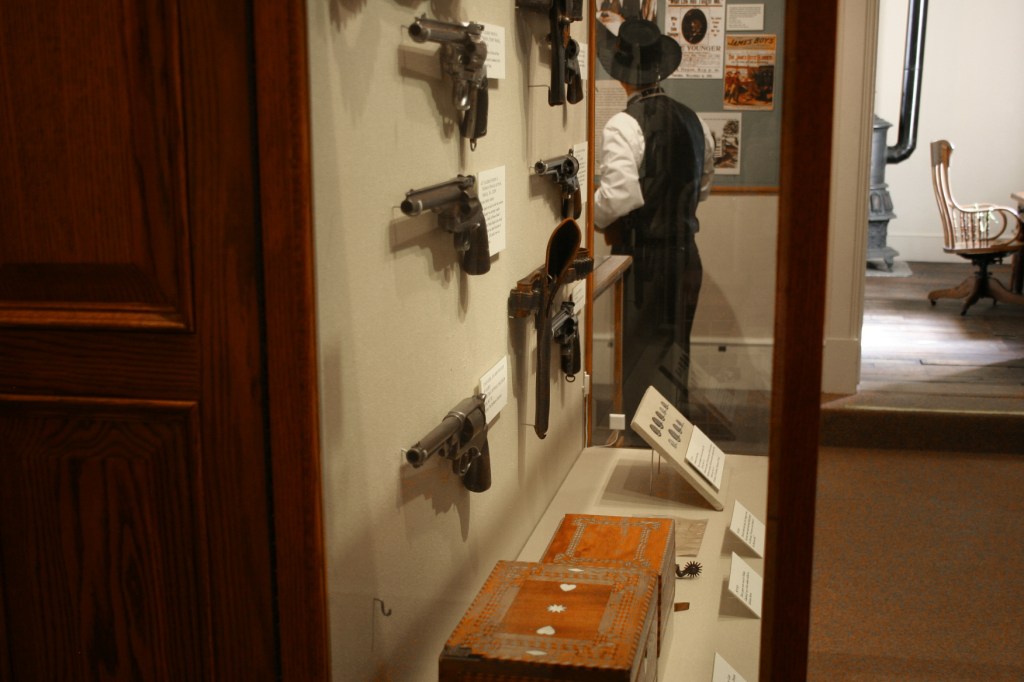
The only portion of the original bank you’ll see in this post is to the right in the background, caught when I was photographing this display case in the adjoining museum space which is in a separate building.

I can’t possibly share with you here the entire scenario Hakala presented in his tour on Sunday. Nor can I show you images, because photography is not allowed inside the original First National Bank of Northfield. But I can tell you that walking upon the very same rough floor boards trod by outlaws with a 10-year history of successful raids on trains and in banks, eying the massive black vault (closed, but unlocked at the time of the crime) and seeing blood stains on the bank ledger makes an impression.
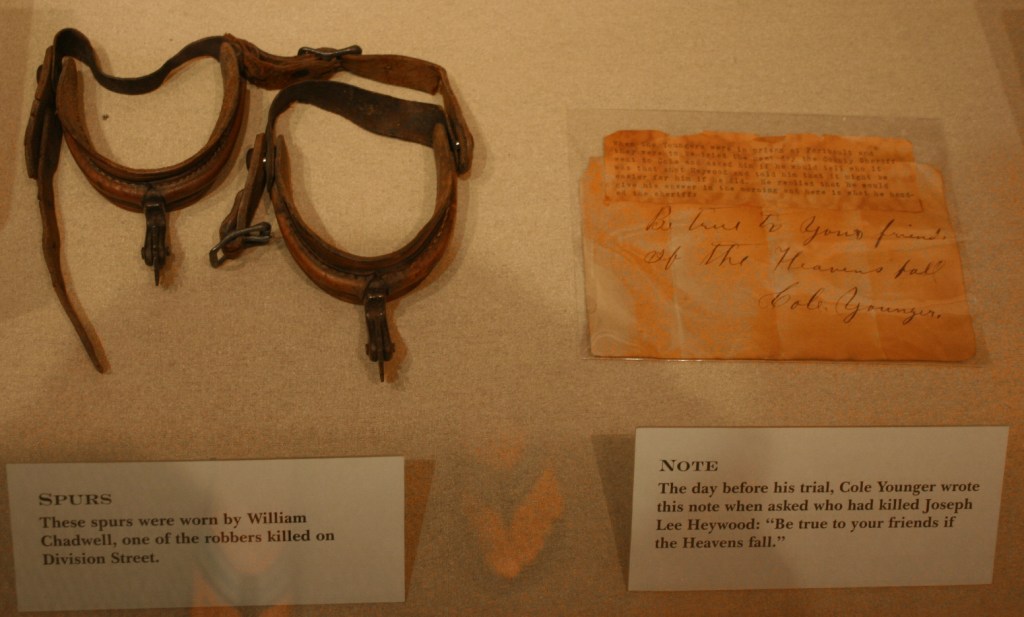
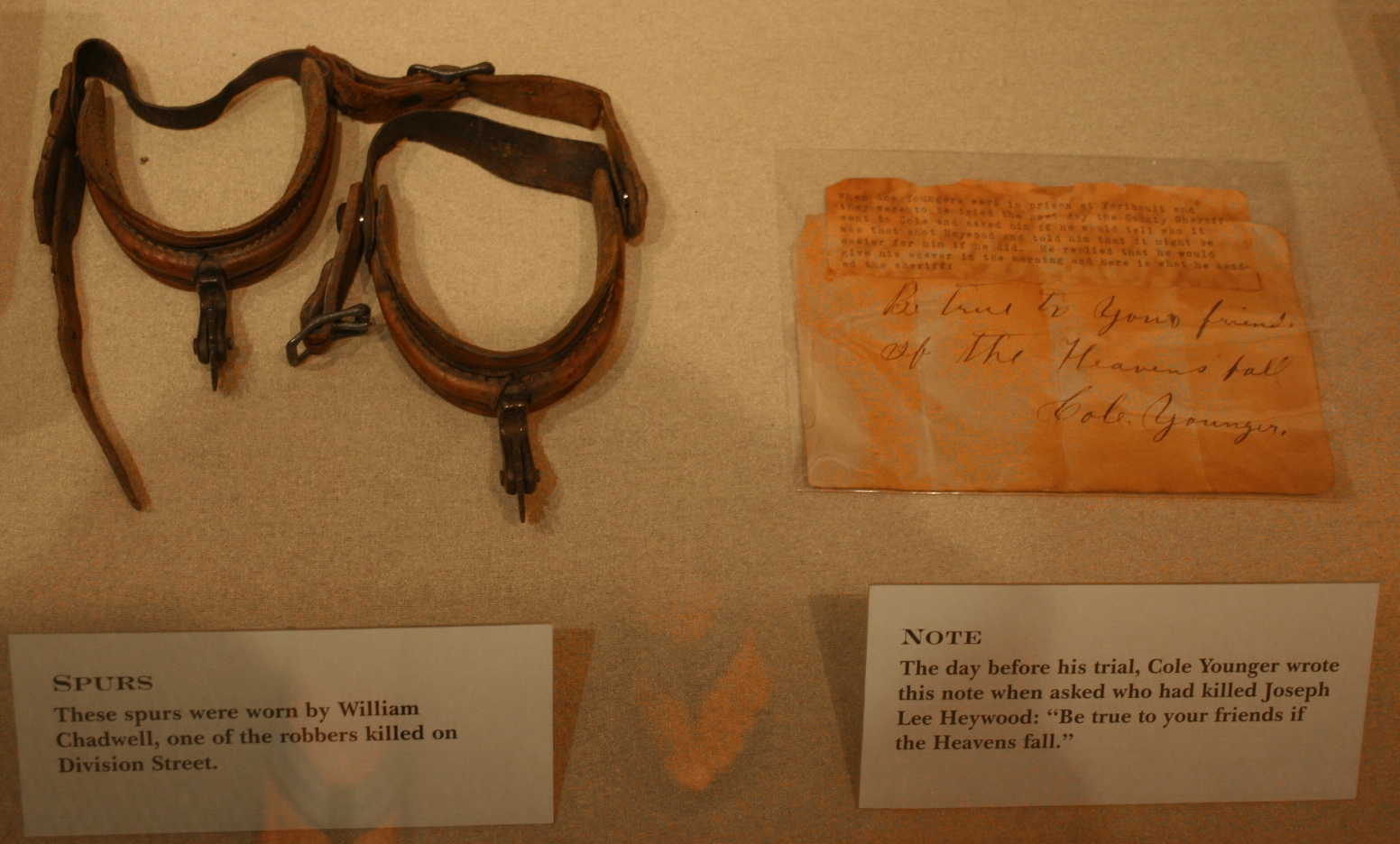
These two items in a display case caught my attention. On the right is a note written by Cole Younger the day before his trial. When asked who killed Joseph Lee Heywood, he answered. “Be true to your friends if the Heavens fall.” In other words, he wasn’t telling. To the left are spurs worn by outlaw William Chadwell, who was shot and killed on Division Street during the raid.

However, here are some select pieces of information presented by Hakala which I find particularly interesting:

  • Jesse and Frank James’ father was a Baptist minister.
  • The James-Younger Gang invented the “stick ’em up” bank hold-up, conducting the first bank raid during daylight business hours, in which no war was going on, in Northfield.
  • One theory surmises that the James-Younger Gang was trying to get back at the Union by robbing banks.
  • In following with that anti-Union theory, Hakala notes that Union General and post Civil War provisional governor of Mississippi Adelbert Ames was a member of the Northfield family—coincidentally Jesse Ames and sons—which owned the local Ames (flour) Mill. Adelbert’s father-in-law was Benjamin Butler, a Union general much-despised by Southerners. This could explain why the gang targeted Northfield since the Ames’ family had money in the First National Bank.
  • While there was $15,000 in the Northfield bank vault, the outlaws made off with only $26.70 in cash, and not from the vault, which was protected by hero/cashier Heywood.
  • The unarmed Heywood was shot out of frustration and “cold-blooded meanness” (Hakala’s words, not mine). He was also slit across the throat, just enough to scare him, and pistol-whipped.
  • Northfield townspeople were throwing cast iron skillets, tossing bricks and aiming birdshot at the trapped gang members as they tried to ride away from the narrow canyon-like street setting in Northfield.
  • A posse of some 1,000 people formed to track down the gang.  The three Younger brothers were shot and captured in a gun battle at Hanska Slough near Madelia. Charlie Pitts was killed there. Frank and Jesse James escaped to Missouri.
  • Jesse James was killed by a friend and fellow gang member, Robert Ford, in 1882 for the reward money.
  • Postcards featuring photos of the dead outlaws, Clell Miller and William Chadwell, were sold to the public after their bodies were taken to a professional photography studio in Northfield and photographed.
  • It is written into a lease on an apartment across the street from the original First National Bank that re-enactors can use the apartment each year for bank raid re-enactments. An actor is stationed in the upper level room to portray medical student Henry Wheeler shooting, and killing, Clell Miller.
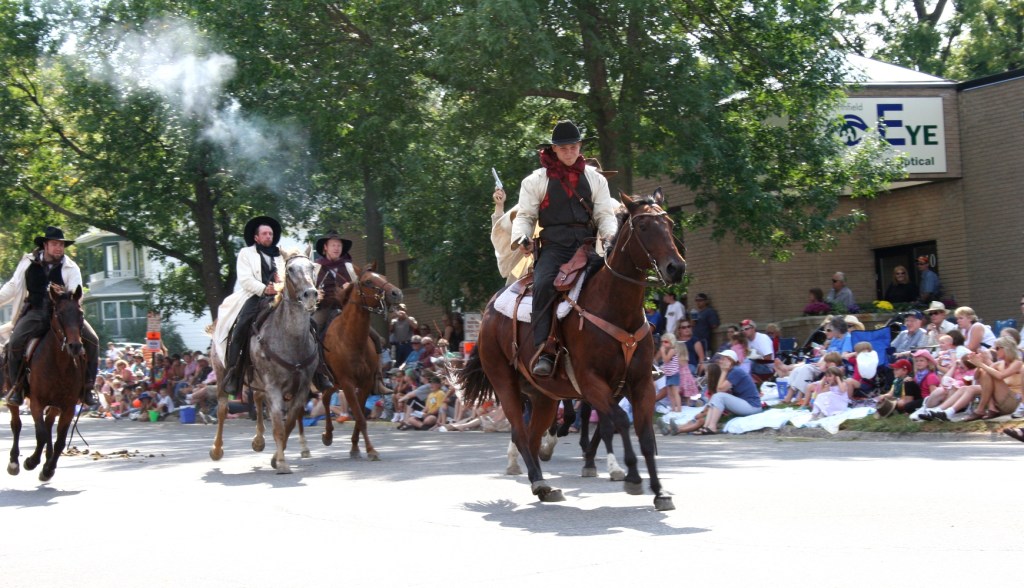
Another shot of the James-Younger Gang re-enactors riding in The Defeat of Jesse James Days parade several years ago.

If you wish to witness the seven-minute bank raid re-enactment, this is the week to do so. Performers will shrug into their long linen dusters, tuck their sidearms in place, saddle up and shoot it out at the Northfield Historical Society Bank Site & Museum, 408 Division Street in downtown Northfield.

Re-enactments are set for 6 and 7 p.m. Friday, September 7—the actual date of the robbery—and at 11 a.m. and 1, 3 and 5 p.m. on Saturday and at 11 a.m. and 12:30 p.m. on Sunday.
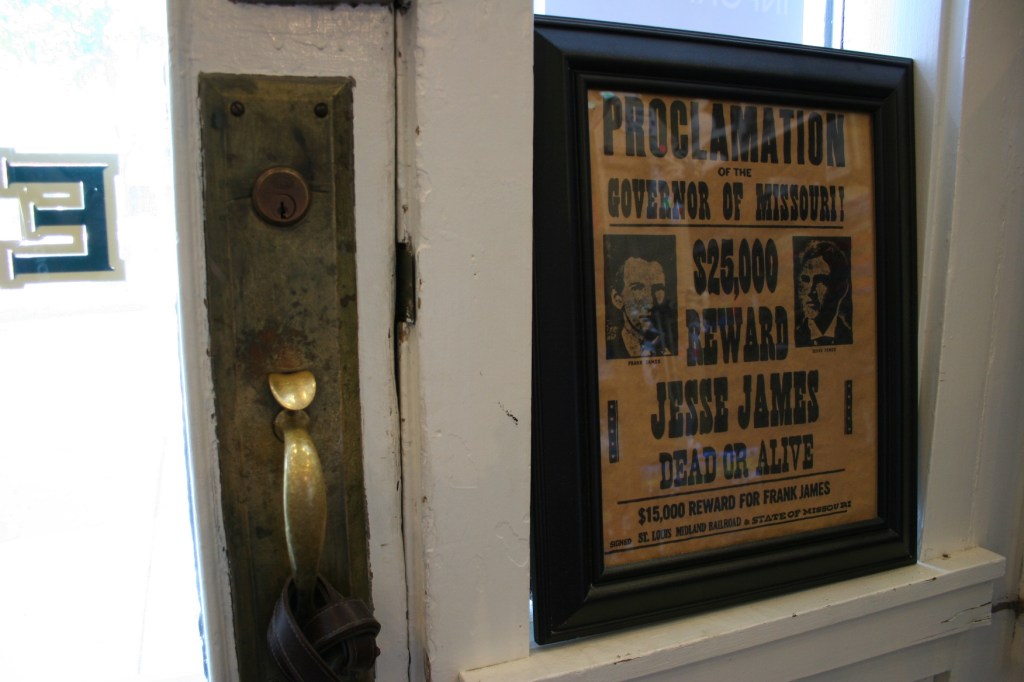
A copy of a wanted poster posted next to the front door of the museum.

For a complete listing of The Defeat of Jesse James Days activities, click here.

For more information about the bank site and museum, click here.
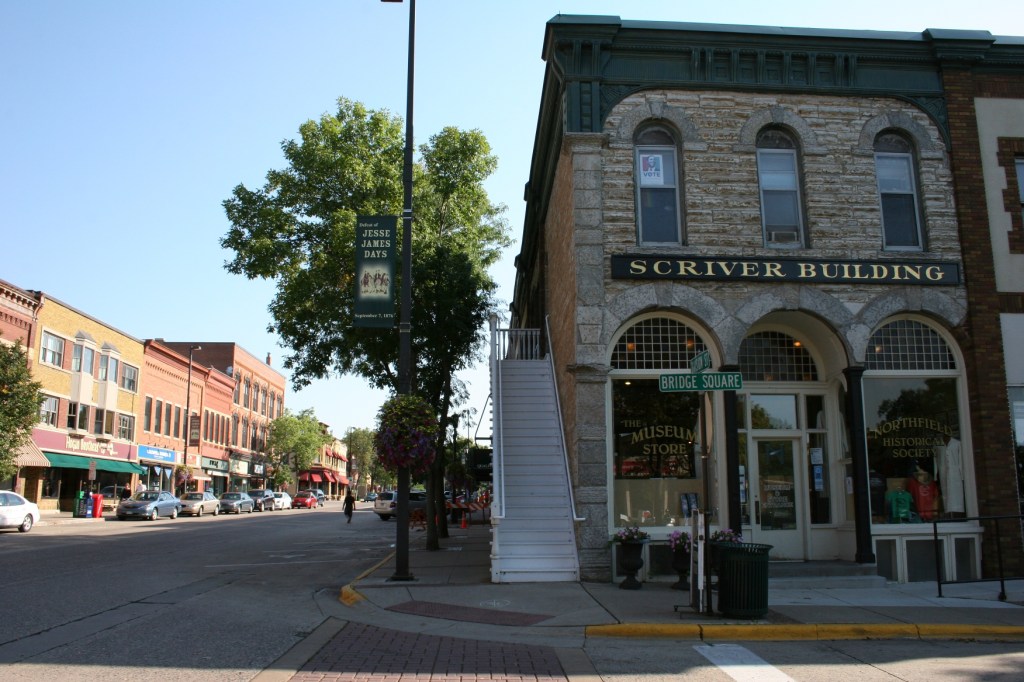
The front of the museum. If you look underneath the white steps, you’ll find three holes ringed in black, supposedly bullet holes made during the raid. It’s conjecture with nothing proven, according to Christian Hakala, who has his doubts about the holes being made by bullets. That’s Division Street on the left.
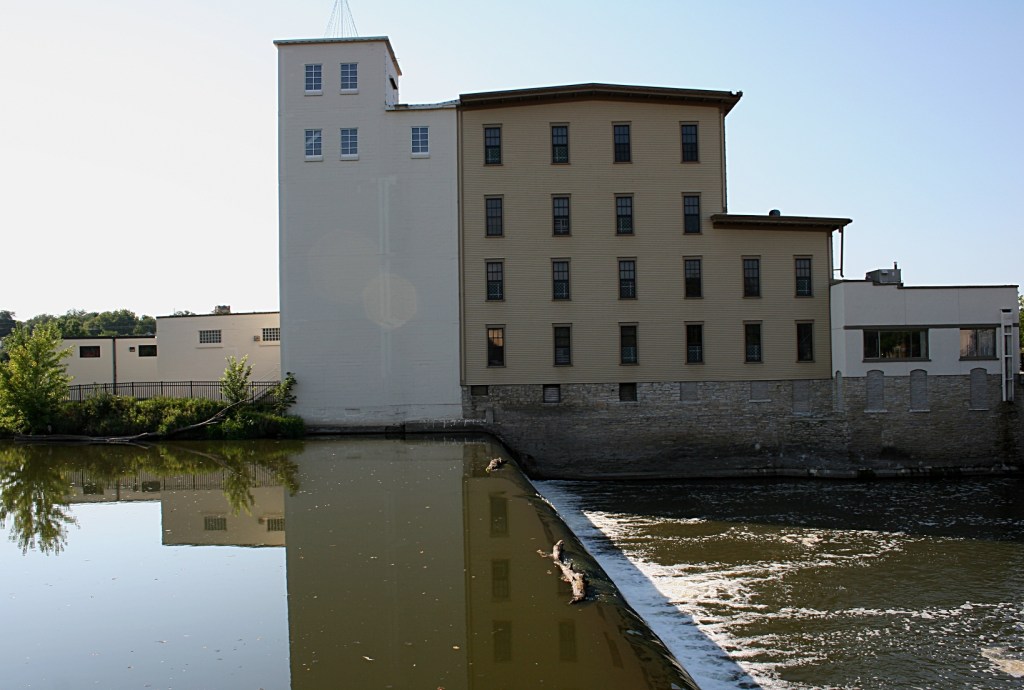
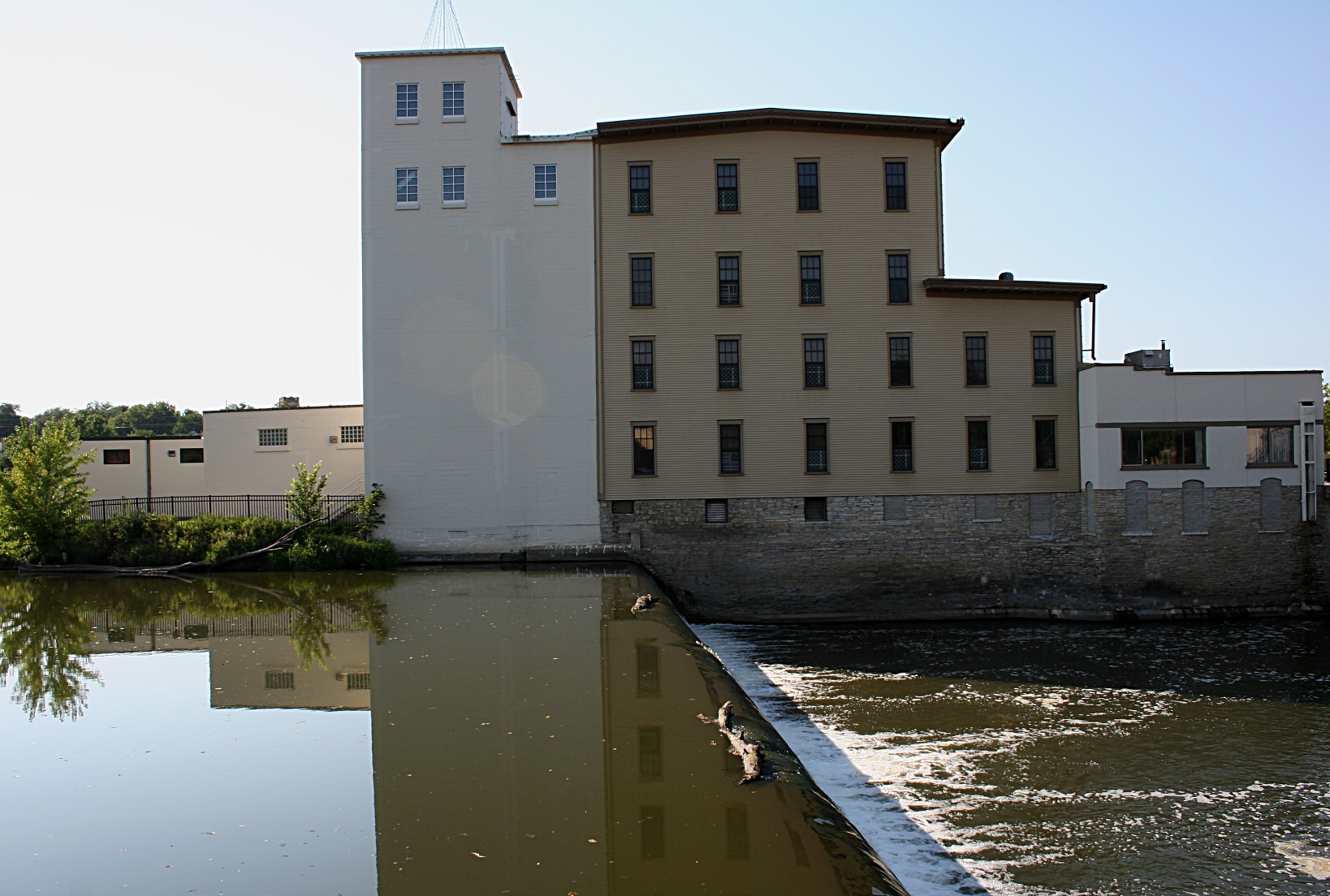
The original Ames Mill, once owned by Jesse Ames and sons, and today owned by Malt-O-Meal. It’s located around the corner and across the river from the bank. The company’s hot cereal is made here in the old flour mill.

© Copyright 2012 Audrey Kletscher Helbling