Minnesota Prairie Roots

Writing and photography by Audrey Kletscher Helbling

A rose is not just a rose & other gravestone symbolism March 25, 2025

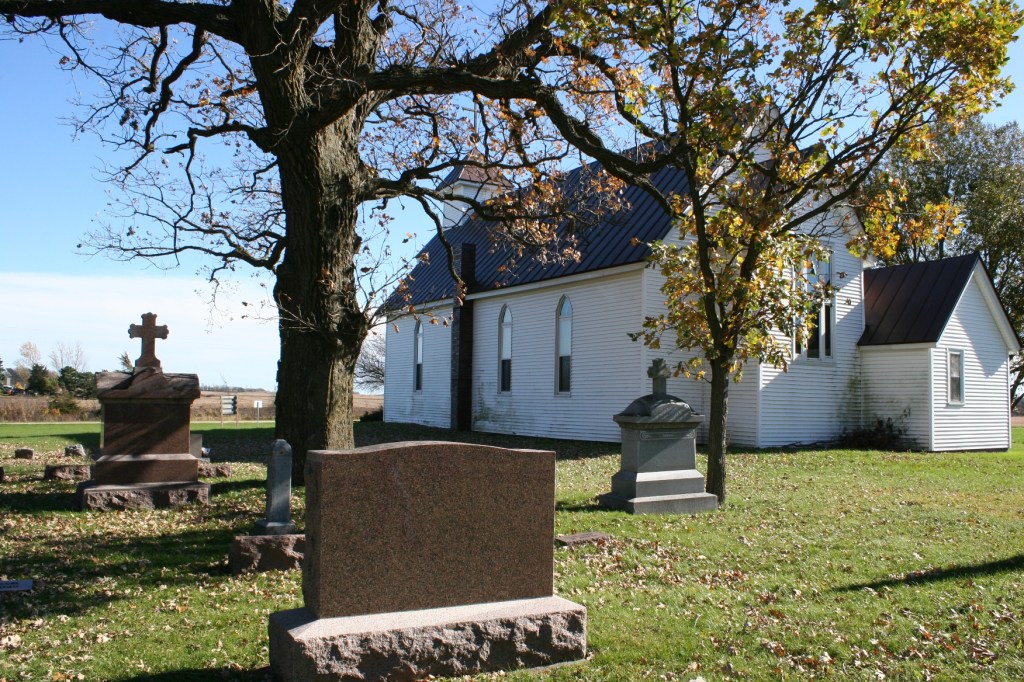
A graveyard surrounds the historic Valley Grove Churches, rural Nerstrand. I’ve walked this cemetery often. (Minnesota Prairie Roots copyrighted file photo)

I’M TRYING TO RECALL when I first began walking through cemeteries while out and about. But I think it started with my interest in old country churches. Cemeteries typically embrace historic countryside houses of worship. Baptized, confirmed, married and buried often defines those rooted in these rural churches. There’s a lot of history to uncover in a graveyard.

An angel sculpture graces the cemetery of St. Patrick Church of Cedar Lake Township, St. Patrick, Minnesota. (Minnesota Prairie Roots copyrighted file photo)

But it’s not just the history that interests me. It’s the art. And the stories, many of which remain unknown, unless you’re familiar with the deceased or connected in some way. Sometimes you can piece stories together by looking at dates, names and inscriptions.
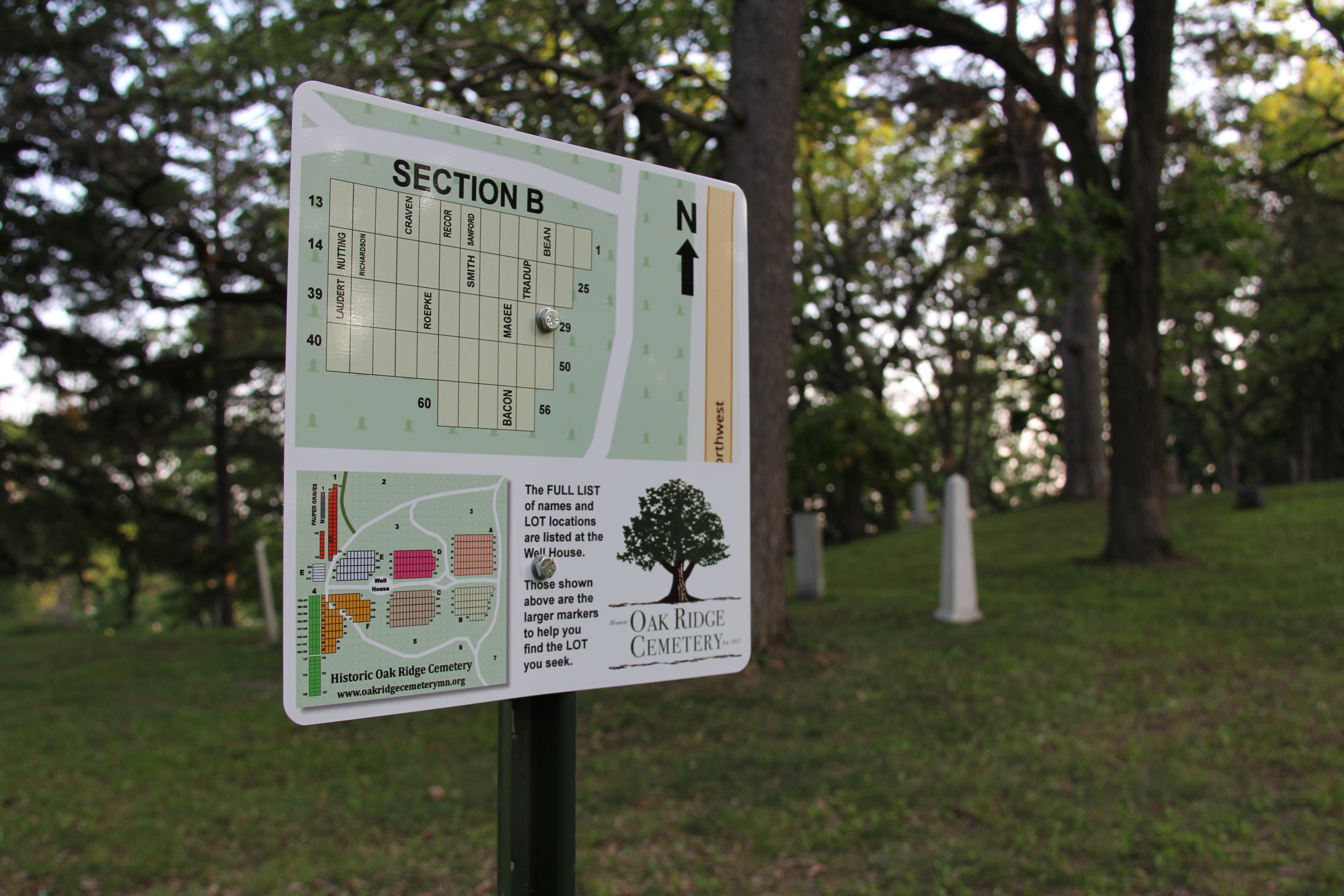
I find signage like this posted at Oak Ridge Cemetery to be helpful when visiting a cemetery. (Minnesota Prairie Roots copyrighted file photo)

As a creative, I’ve always been particularly interested in the artistic side of a cemetery, specifically the art of tombstones. Aged grave markers, most made of marble, feature images and words hand-chiseled by local stone masons. It is those long ago tombstones that focused a recent talk, “Understanding Gravestone Symbols and Icons,” by Oak Ridge Cemetery Association board member Tom Rent. An avid volunteer in the upkeep, preservation and restoration of the cemetery, Rent previously talked at the Rice County Historical Society about preserving Faribault’s oldest cemetery, one of 61 in the county.
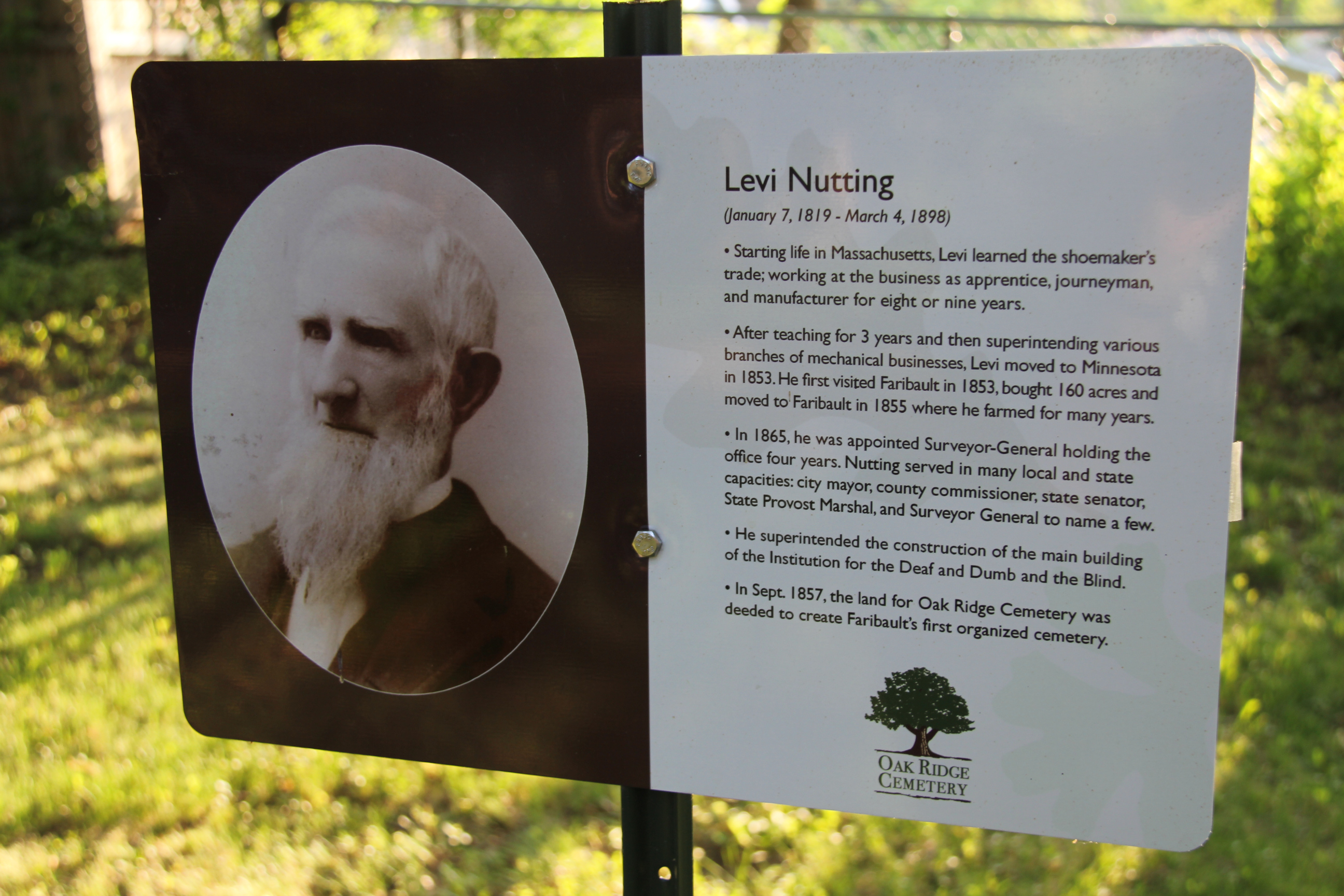
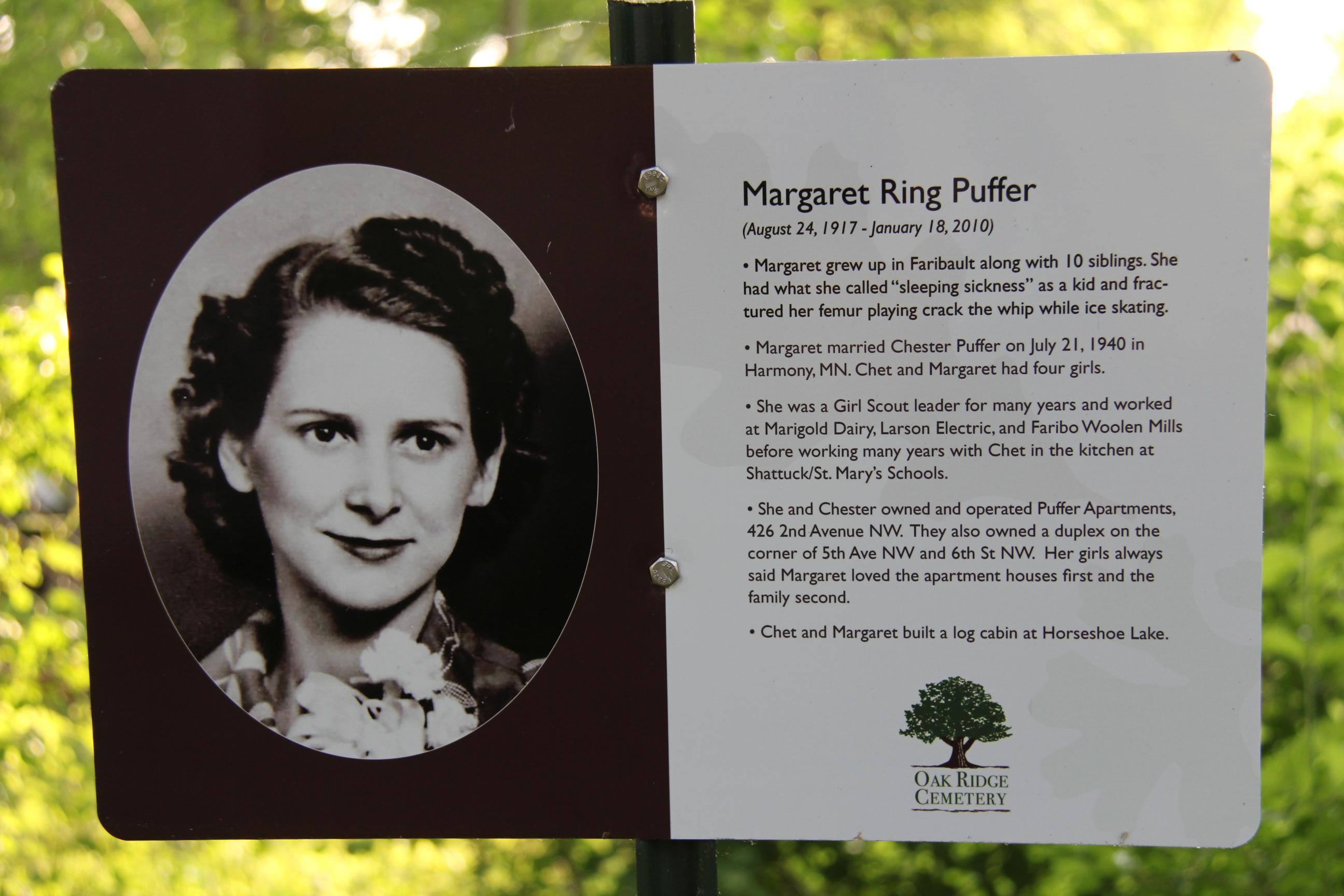
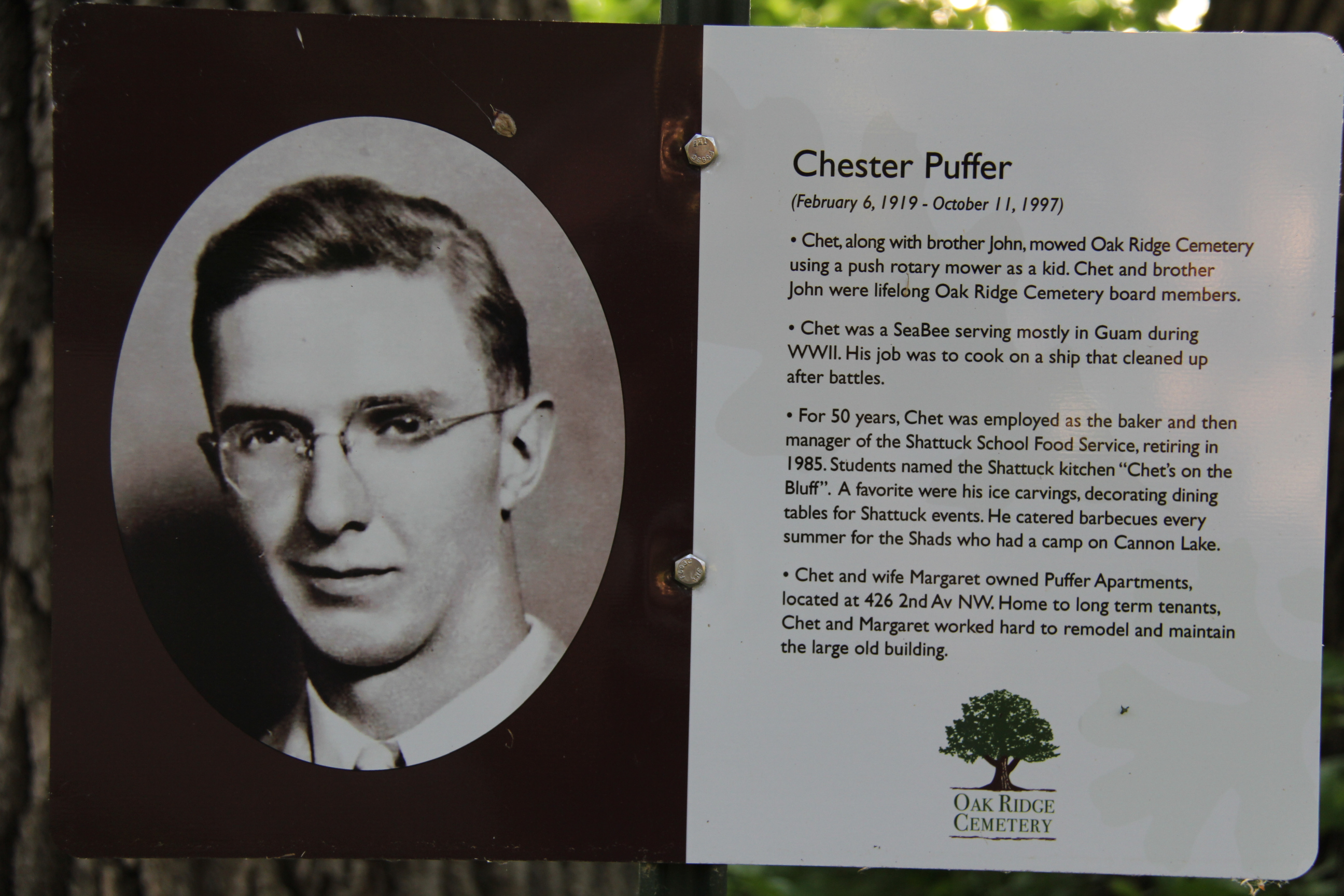
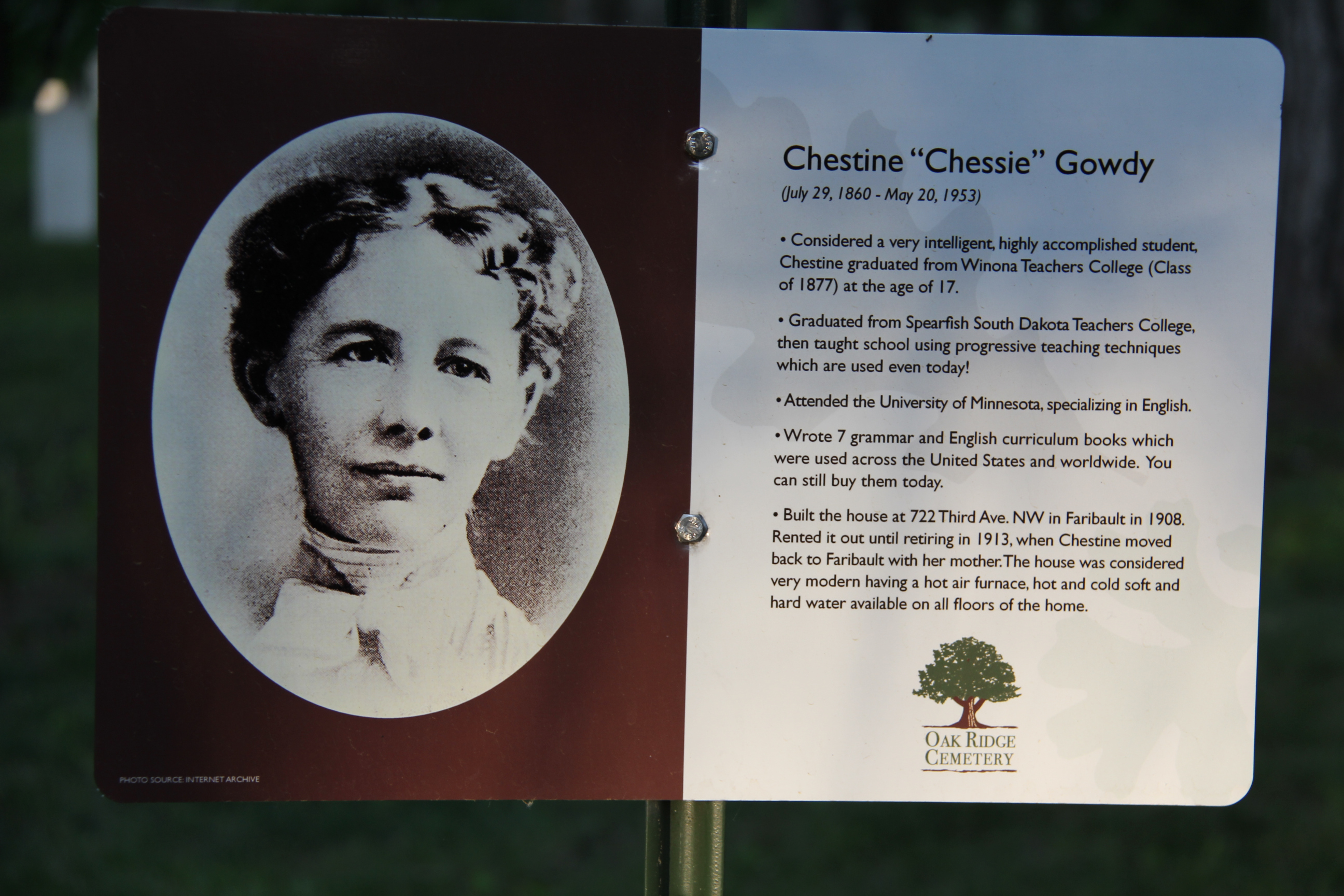
Biographical markers are posted for some notable people buried at Oak Ridge Cemetery. I really like this way of sharing history and people. (Minnesota Prairie Roots copyrighted file photo)

Oak Ridge Cemetery, founded in 1857 on land donated by Levi Nutting, encompasses 10 acres, features 371 family names and is the burial site for 111 veterans, according to Rent. Rebecca Lougee, 29, who died of tuberculosis, was the first to be buried in the incorporated hilltop cemetery in October 1857. Earlier burials occurred before Oak Ridge officially became a cemetery. Many recognizable names from the early days of the Faribault area grace gravestones here: Andrews, Batchelder, Mott, Nutting, Roberds, Sheffield…
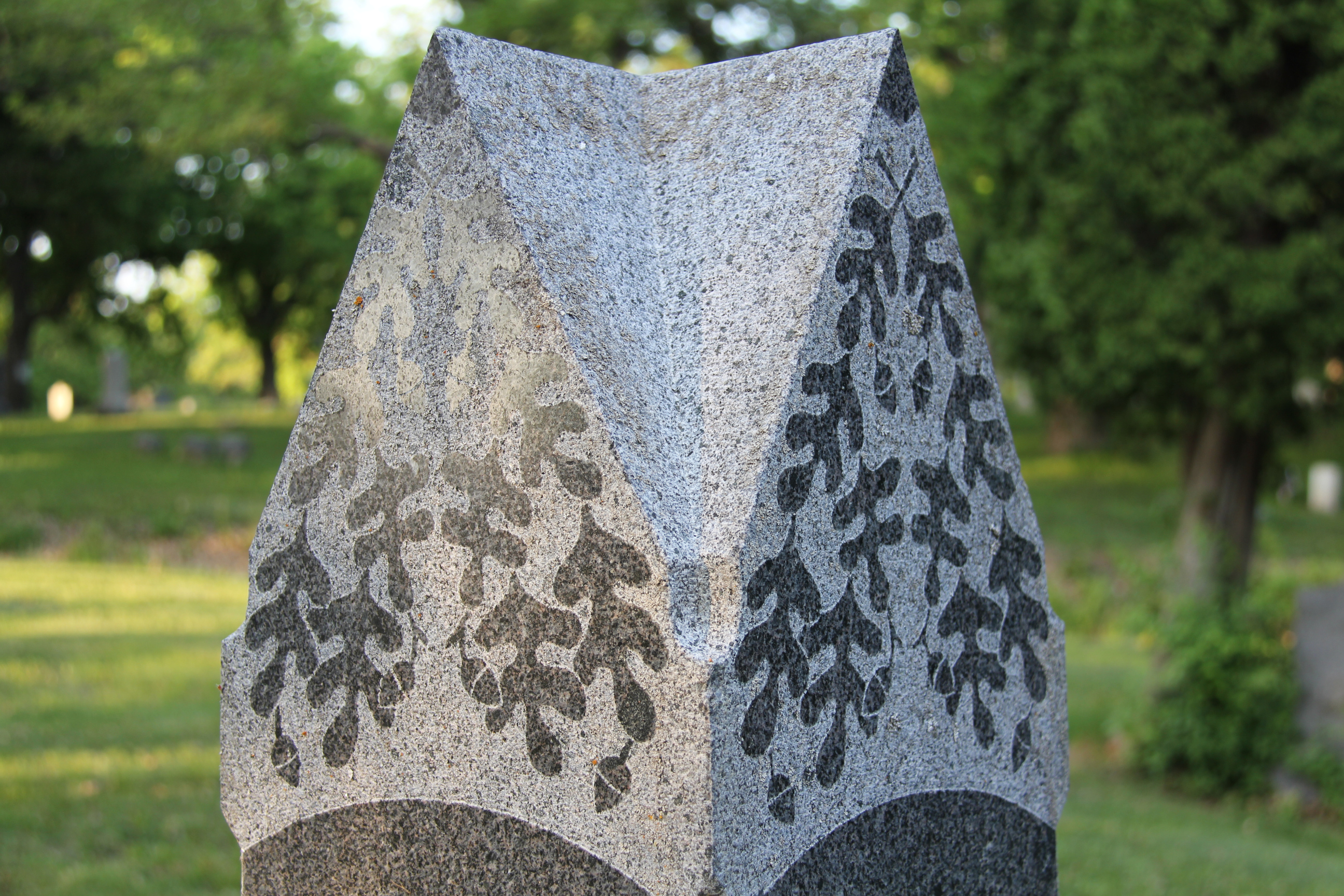
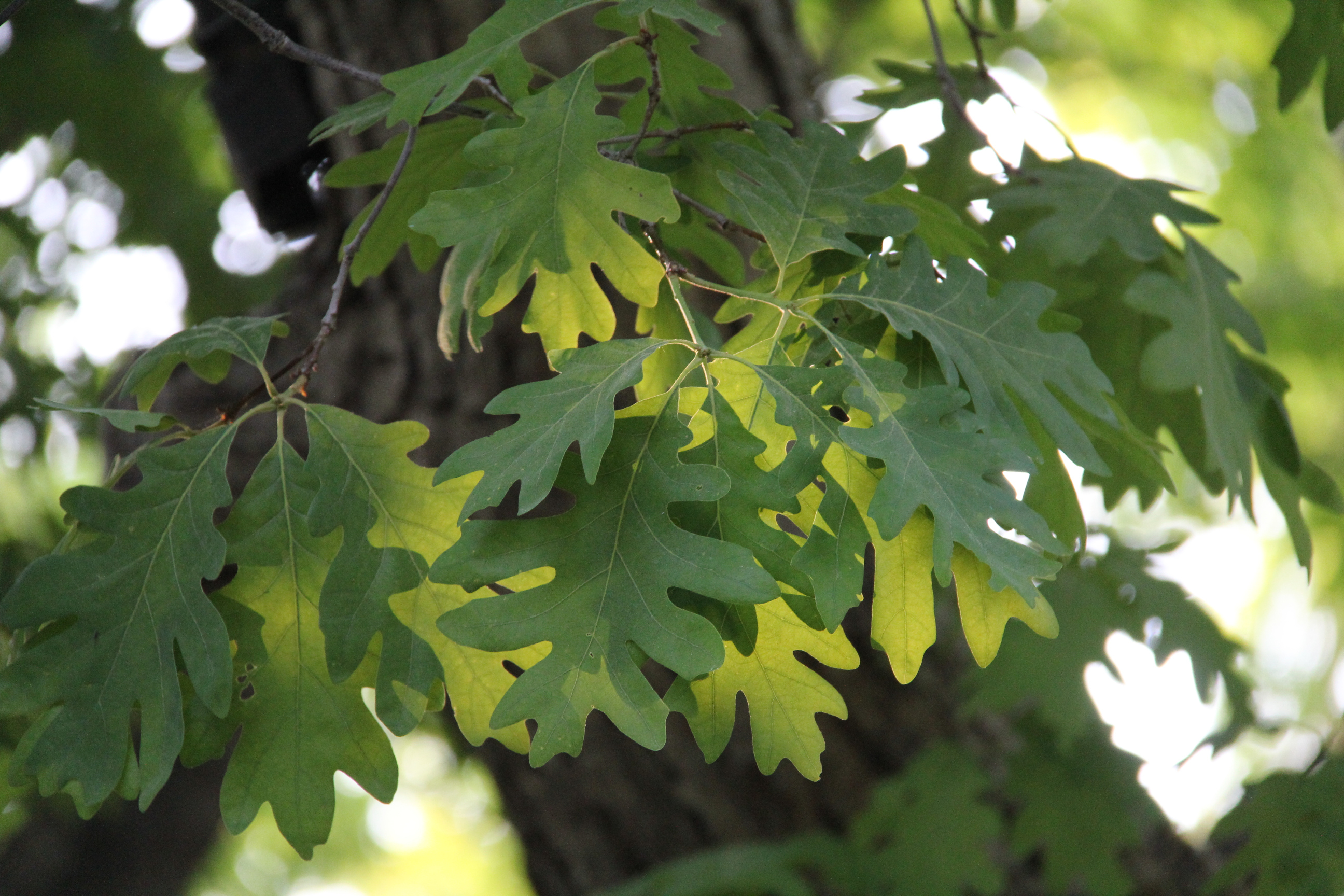
Oak leaves on a tombstone at Oak Ridge Cemetery symbolize strength and power through patience and faith. (Minnesota Prairie Roots copyrighted file photo)

And on many of those tombstones, you will find symbols, a common way of communicating messages back in the day. I’d never really thought much about the meaning of the art I’ve seen on hundreds of aged tombstones beyond recognizing that lambs are on children’s grave markers. That Rent shared his knowledge and passion has opened a deeper understanding and appreciation of cemeteries for me.
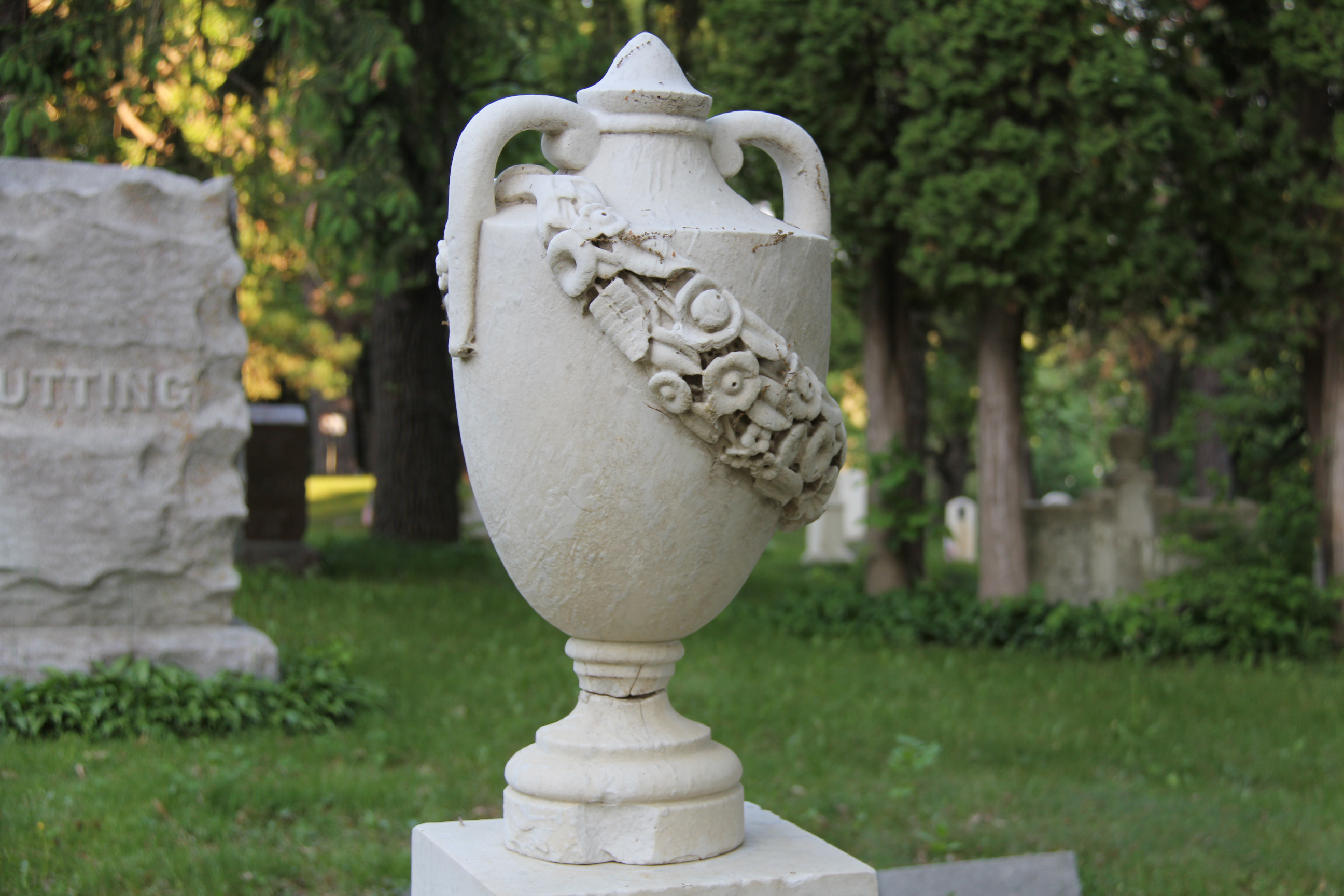
This massive urn marks a grave at Oak Ridge Cemetery. The urn symbolizes mourning and eternal remembrance. (Minnesota Prairie Roots copyrighted file photo)

He introduced his points about gravestone symbology simply by stating that symbols are something to which we have an emotional connection. For example, an eagle, a rose, a cross, are all symbols we can understand as representing freedom, love and faith. That makes sense to me.
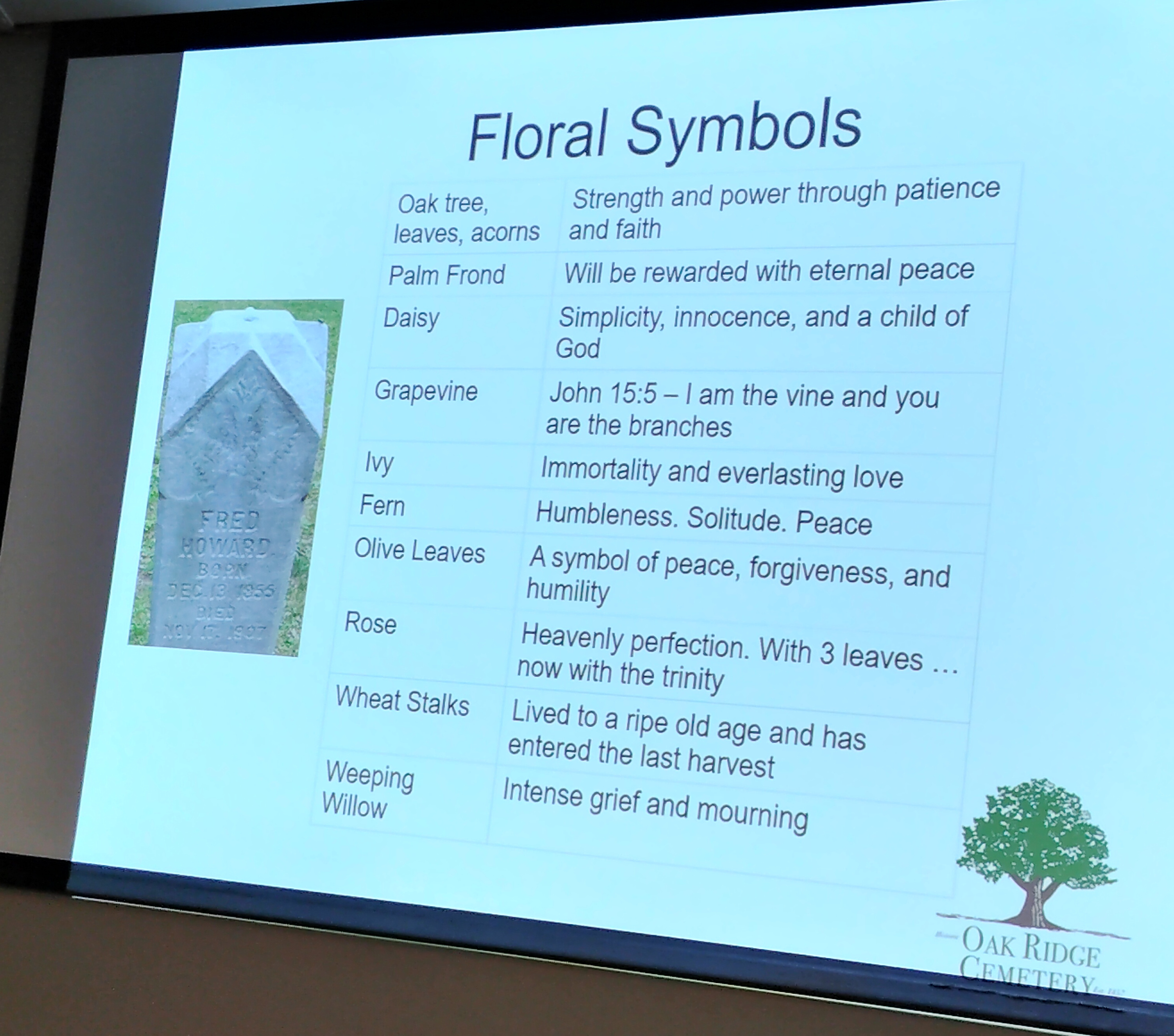
Tom Rent prepared this slide explaining floral symbols on tombstones. (Minnesota Prairie Roots copyrighted photo March 2025)

And then Rent broke it down further—into floral, hand and animal symbols. I found this particularly revealing. For example, ivy, which symbolizes immortality and everlasting love, is very popular on aged tombstones, according to Rent. So are weeping willows, although I don’t recall ever seeing one chiseled into stone. The willow, indicating intense grief and mourning, is often carved onto the gravestone of someone who has died unexpectedly, he said. He referenced the long ago drowning of a young boy in Faribault’s mill pond. A rose, which is difficult to carve, symbolizes heavenly perfection. An unopened rose bud implies a person died way too young.
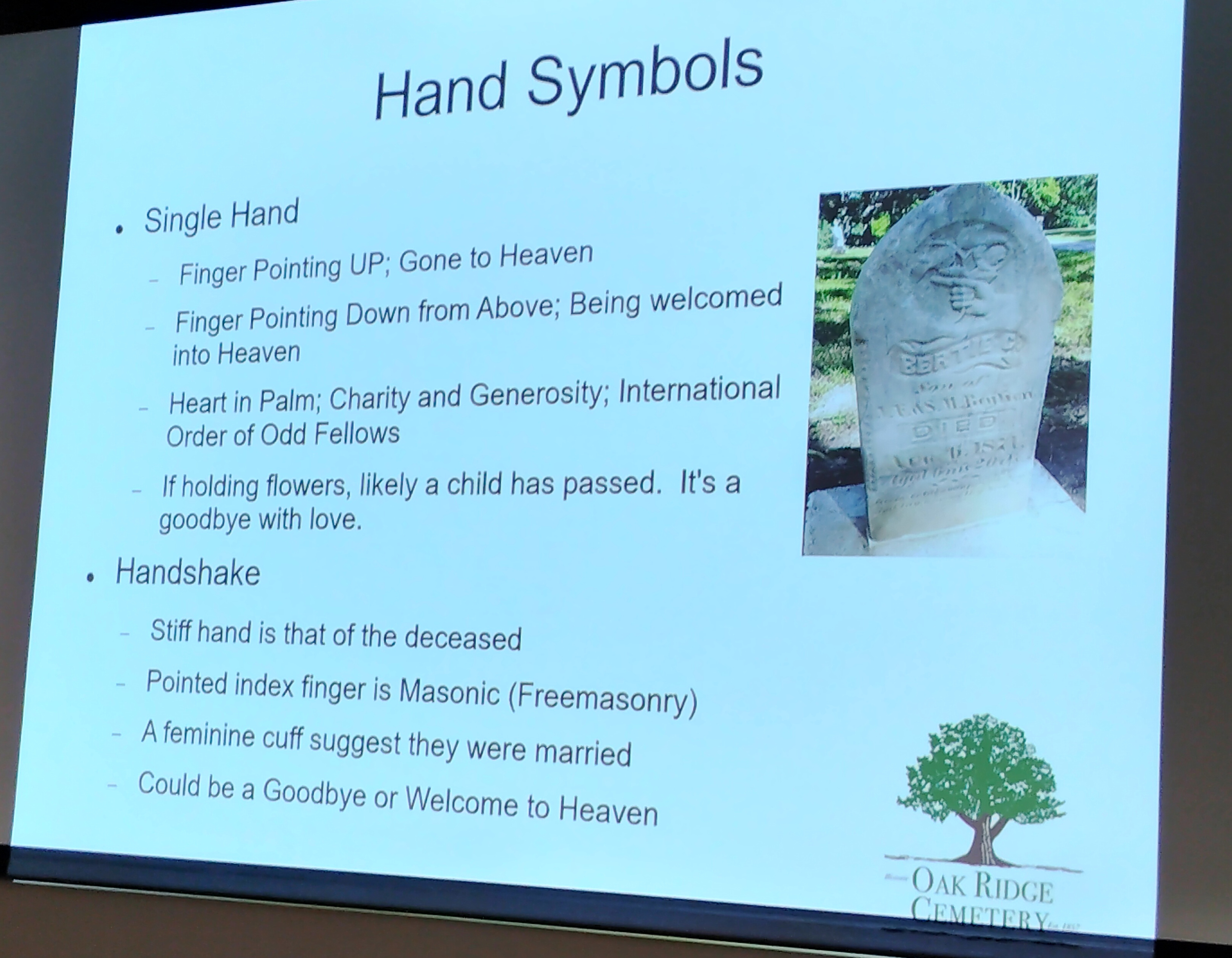
Tom Rent prepared this slide explaining hand symbology on gravestones. (Minnesota Prairie Roots copyrighted photo March 2025)

And then there are those hands, all those hands I’ve seen chiseled into marble tablet gravestones. The hand symbology traces back to Masonic handshakes mostly. Some are single hands, others handshakes, and all hold meaning. Rent shared that a heart on the palm of an open hand indicates charity and generosity. One such symbol decorates the Oak Ridge grave marker of Faribault police officer Henry Kaepernick, accidentally shot to death by a guard at the Faribault jail where the Younger brothers were held following a failed bank robbery in nearby Northfield on September 7, 1876.
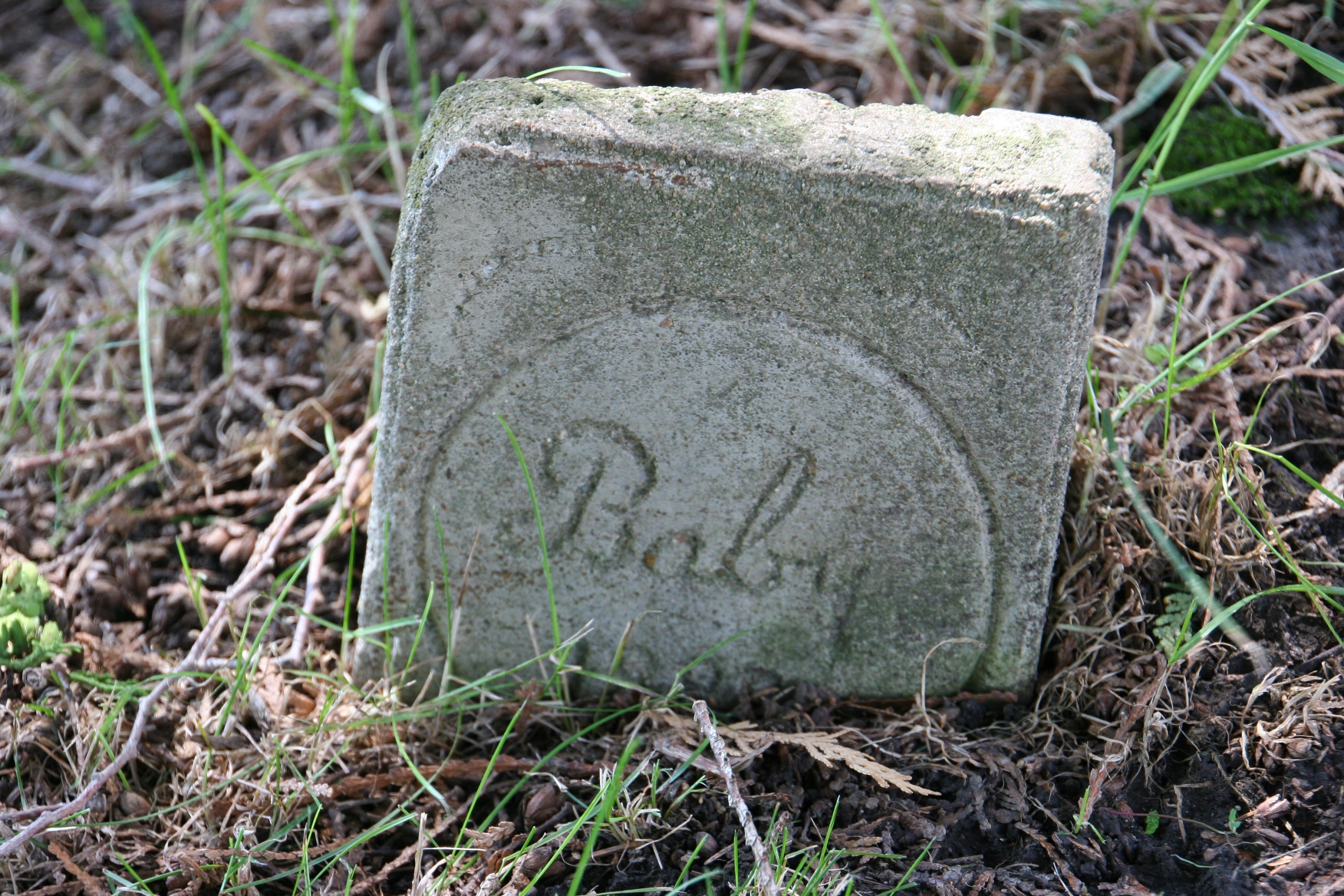
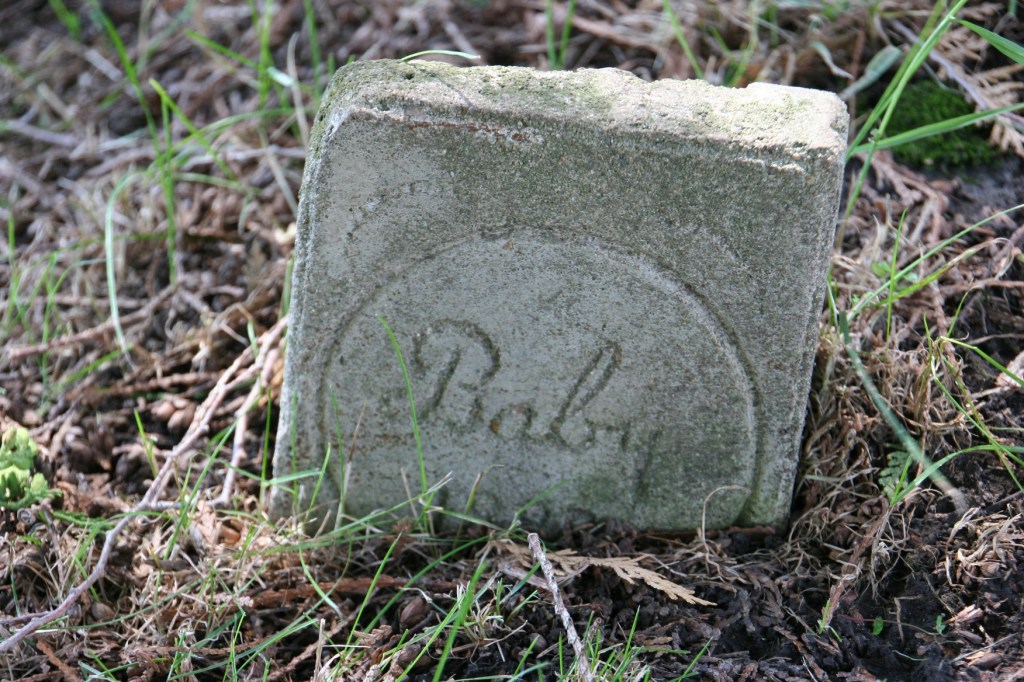
Oftentimes the graves of long ago deceased babies are unmarked or simply marked such as this one at Emmanuel Lutheran Church Cemetery, Aspelund. (Minnesota Prairie Roots copyrighted file photo)

Finally, Rent talked about animal symbols, reserved for children’s gravestones. He named lambs, sheep and doves, symbols of innocence and peace.

Before even entering Calvary Cemetery, Faribault, you can learn something about town founder Alexander Faribault on this memorial. He’s buried at Calvary. (Minnesota Prairie Roots copyrighted file photo)

Of course, Rent shared much more in his hour-long presentation. But these are highlights, information I will take with me the next time I walk through the gates of a cemetery, symbolic of a threshold into the afterlife. I will no longer see just a daisy or a rose, a hand with a finger pointing heavenward, a sheep atop a child’s grave. Rather, I will see the emotional connections in the symbology. The choices made for gravestone art and messages, past and present, hold deep meaning, if only we pause to see, consider and honor.

© Copyright 2025 Audrey Kletscher Helbling


Learn about local history & more at Oak Ridge Cemetery talk August 21, 2024

Oak Ridge Cemetery, Faribault. (Minnesota Prairie Roots copyrighted file photo)

FOR ANYONE WHO APPRECIATES local history, especially cemeteries, the Rice County History Museum in Faribault is the place to be at 7 pm Thursday, August 22. Tom Rent, an Oak Ridge Cemetery volunteer, will present “Preserving Faribault’s Oldest Cemetery, Oak Ridge.”

It’s sure to be an informative talk focusing on the cemetery’s history, operation and preservation. Rent will also share photos, stories, headstone symbology, preservation methods and future plans to maintain Oak Ridge Cemetery. Plus, he’ll talk about some of the people who helped shape Faribault and Rice County.

Oak leaves fittingly grace the top of a grave marker at Oak Ridge Cemetery. (Minnesota Prairie Roots copyrighted file photo)

As someone who did not grow up in this region of Minnesota, I’m always interested in learning more about this place I’ve called home for 42 years now. I’ve explored a lot of cemeteries, including Oak Ridge. Cemeteries fascinate me with their history, art, stories, natural beauty, peacefulness and aura of reverence.

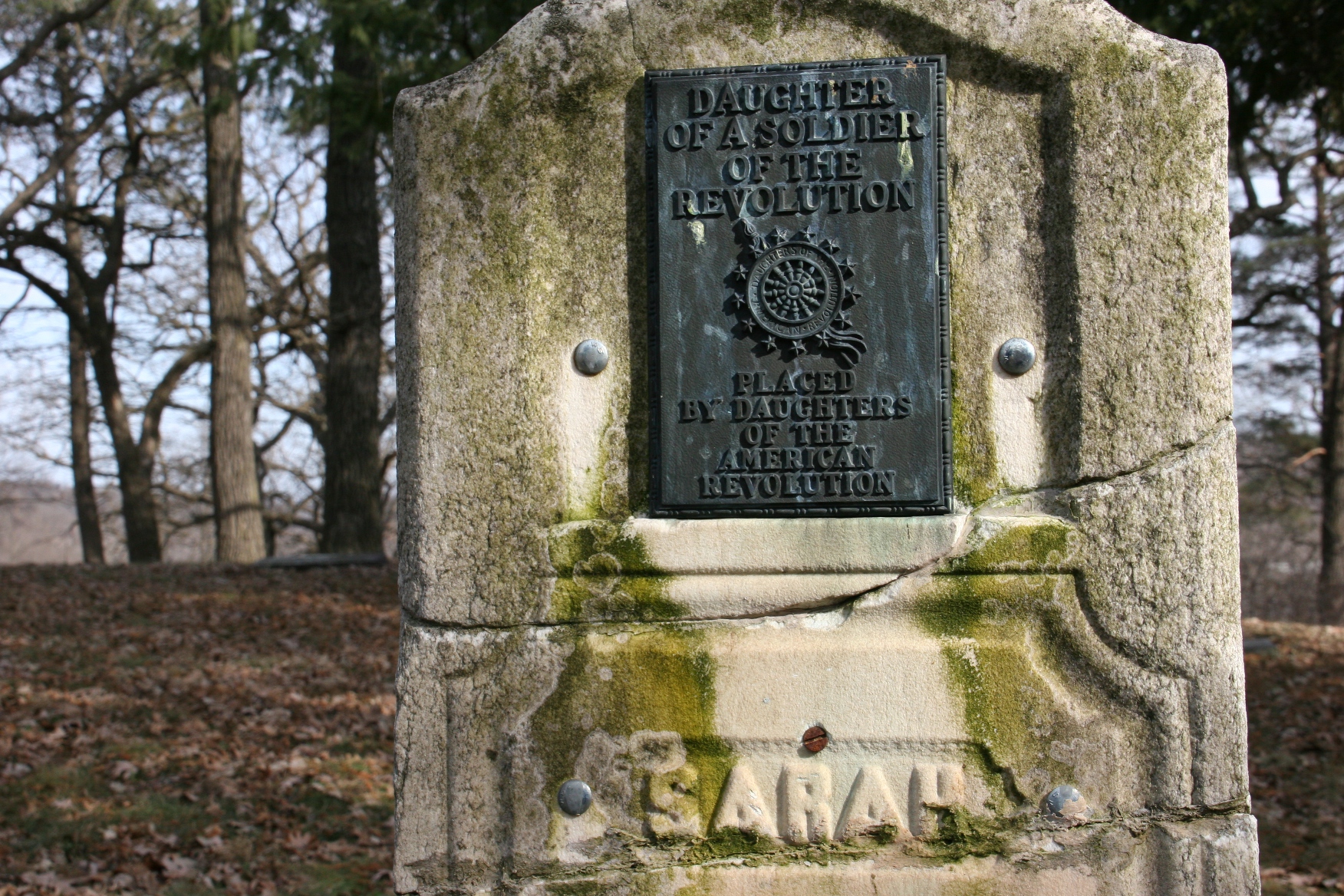
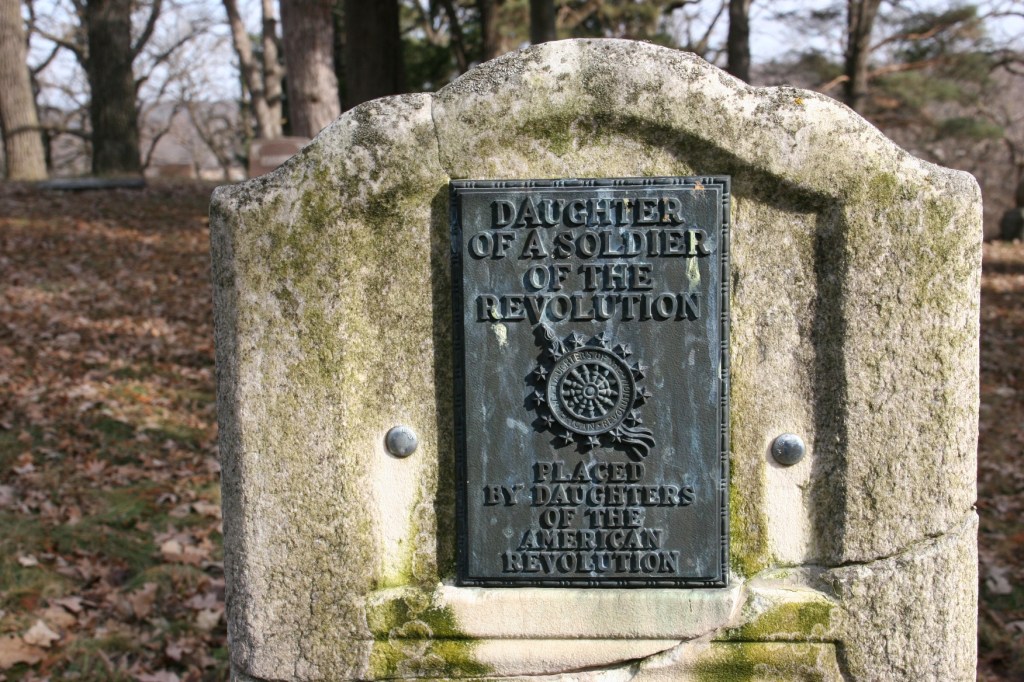
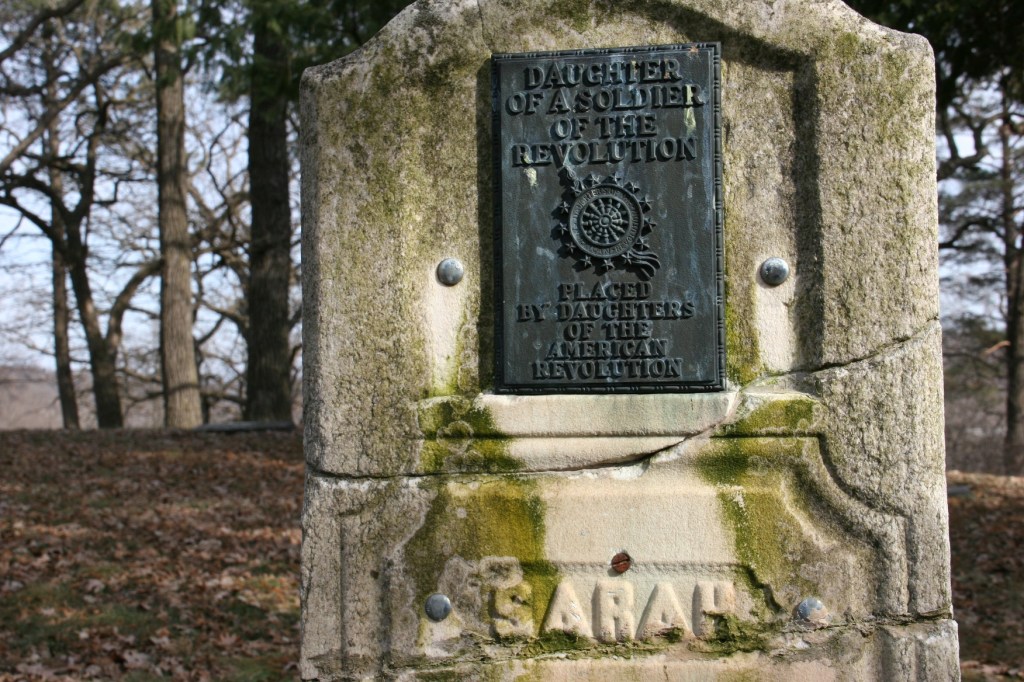
Sarah, daughter of a Revolutionary War soldier, lies buried here. (Minnesota Prairie Roots copyrighted file photo)

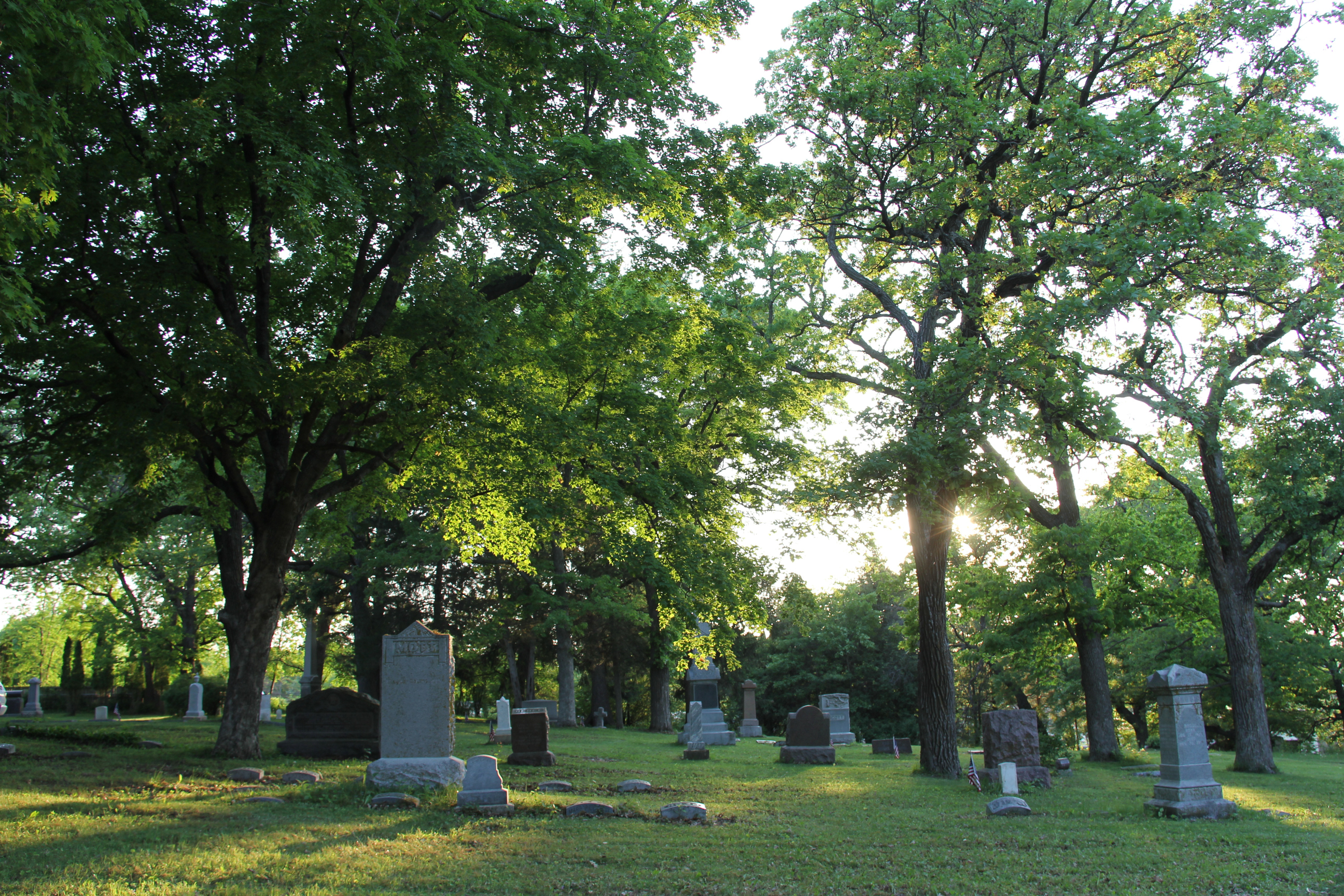
Oak Ridge Cemetery, founded in 1857, sits high atop a hill on Faribault’s north side just off Minnesota State Highway 3. It’s a beautiful, wooded location filled with oak, maple and spruce trees, and many aged headstones. There are names—like Nutting and Buckham—recognizable as key figures in local history. There are Civil War and Spanish American War veterans and a daughter of an American Revolutionary War soldier buried here. Senators and representatives, too. Local leaders and farmers. Immigrants and paupers and people from all walks of life. People with stories. So. Much. History.

Levi Nutting was important in early Faribault history, as noted in this cemetery signage. (Minnesota Prairie Roots copyrighted file photo)

I especially like that the caretakers/volunteers of Oak Ridge have installed signage profiling some of the people buried in the cemetery. For those like me who are curious about the stories behind the deceased, this is valuable information. I always want to know more beyond names and dates of birth and death. The Oak Ridge Cemetery Facebook page offers lots of historical info, too.

Efforts have also been underway to restore aged tombstones in the cemetery.

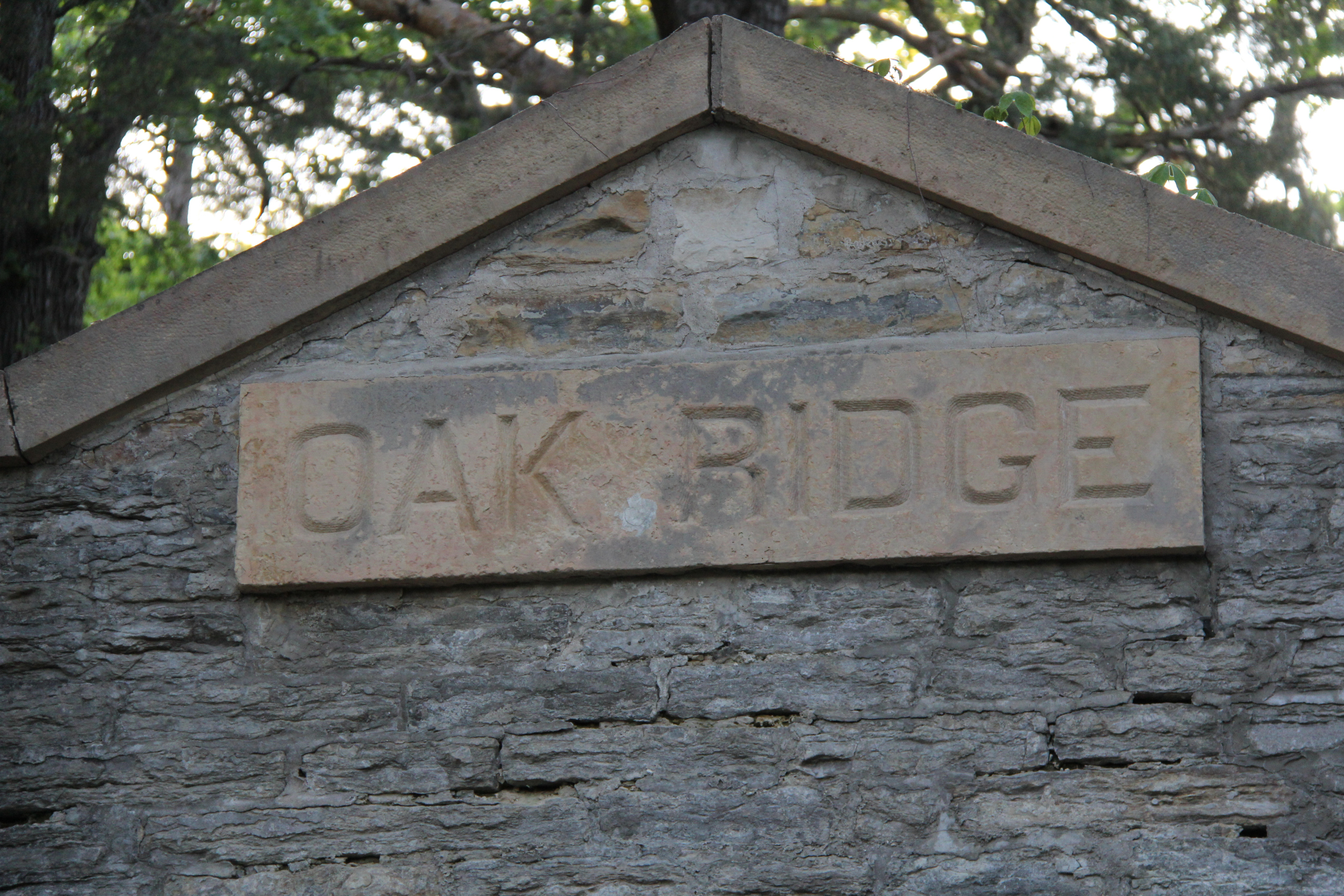
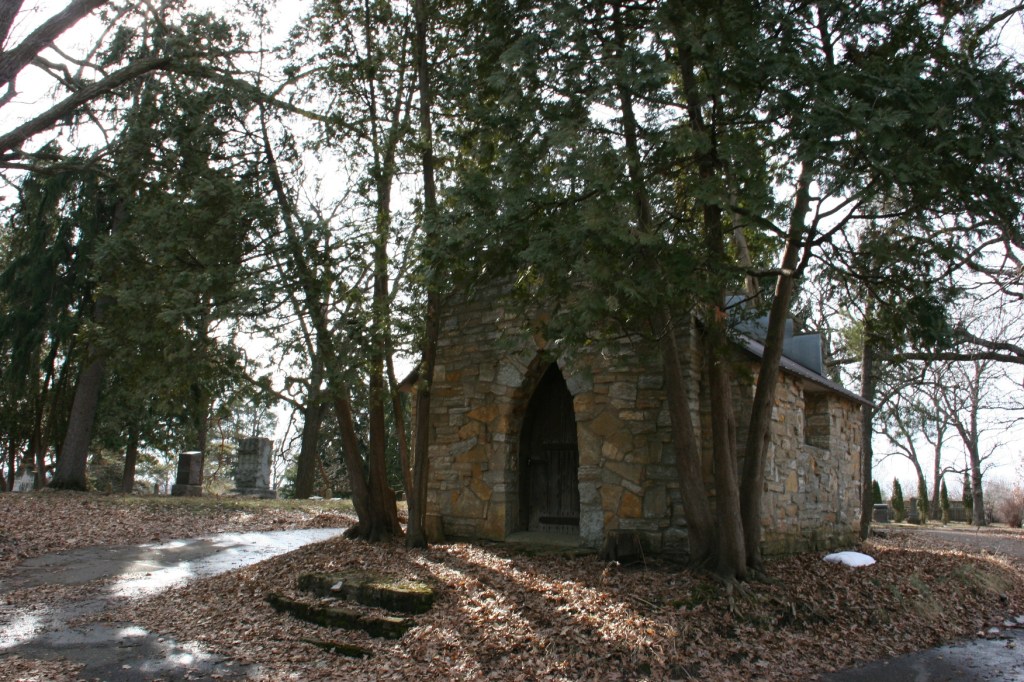
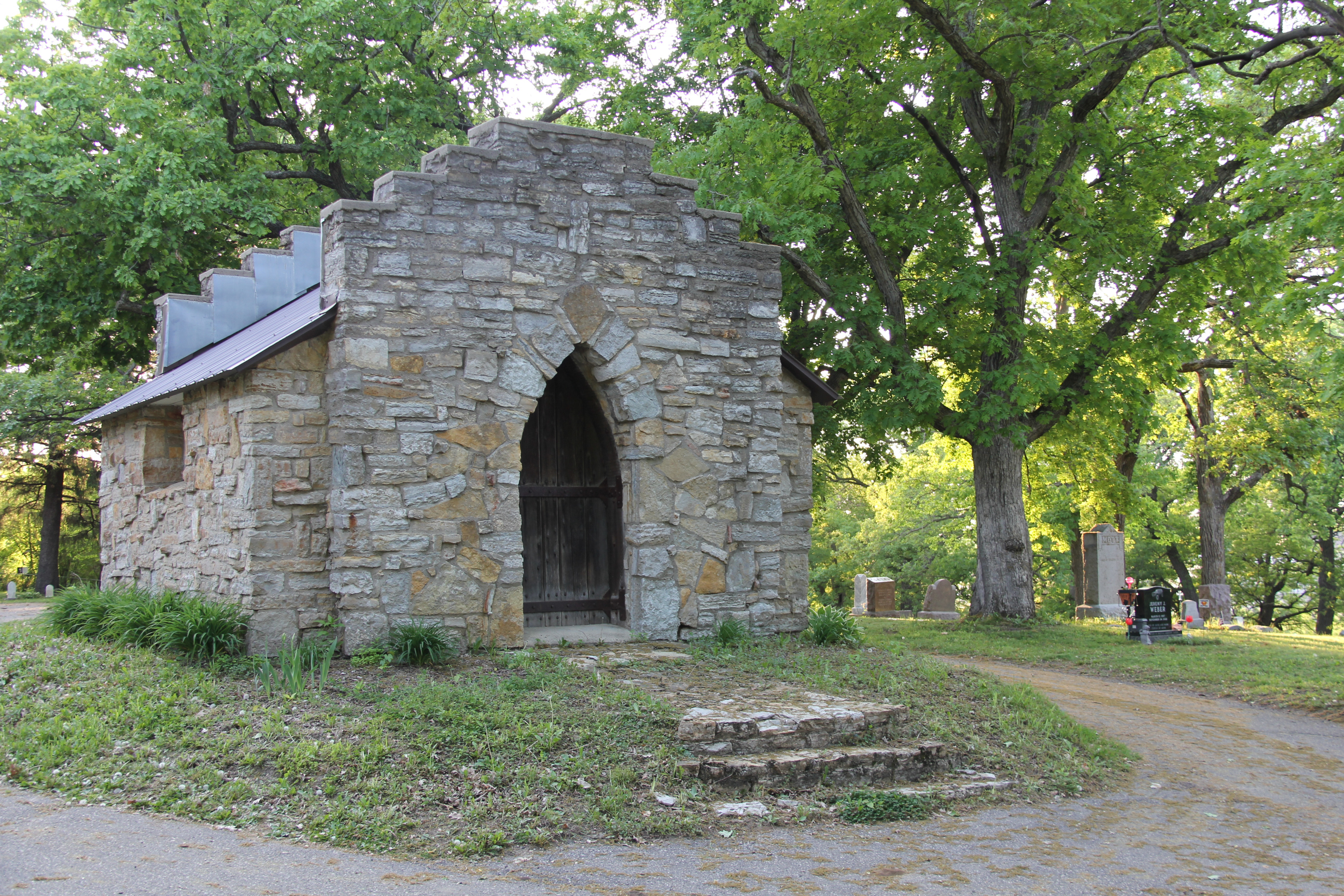
Identifying signage on the limestone crypt at Oak Ridge. (Minnesota Prairie Roots copyrighted file photo)

I expect Tom Rent will cover much of this in Thursday’s talk. He, like so many others, cares deeply about those who lie buried beneath the canopies of trees at Oak Ridge Cemetery.

FYI: To reserve a seat at Thursday’s presentation, call 507-332-2121, email rchs at rchistory.org or stop at the history museum. The program is free to Rice County Historical Society members and $5 for non-members.


Exploring historic Oak Ridge, more than just a cemetery June 15, 2023

Sign on the Oak Ridge Cemetery limestone crypt. (Minnesota Prairie Roots copyrighted photo May 2023)

THEY ARE PLACES of sorrow, of history, of art, of beauty. Of stories, too. They are cemeteries.

Trees fill the historic Oak Ridge Cemetery in Faribault. (Minnesota Prairie Roots copyrighted photo May 2023)

Decades ago, as a child, I feared cemeteries, thinking about the bodies buried in caskets beneath the ground. The unexpected death of my paternal grandfather when I was not quite eight shaped my thoughts then of graveyards. But my thinking and perspectives changed as I aged until I felt comfortable walking in a cemetery. I had accepted death.

The natural beauty of Oak Ridge, especially the oaks, is one of the things I most appreciate. (Minnesota Prairie Roots copyrighted photo May 2023)

Today, exploring cemeteries is an activity I enjoy. I appreciate all they hold. Oak Ridge Cemetery, set on rolling hills on Faribault’s northwest side just off Second Avenue NW/Minnesota State Highway 3, is among the countless graveyards I’ve walked.

An informational sign about Levi Nutting. (Minnesota Prairie Roots copyrighted photo May 2023)

It’s Faribault’s first cemetery, incorporated in 1857, five years after the town was founded. The death of his 26-year-old wife, Mary, on Christmas Day 1856 prompted Levi Nutting to lead founding of an official cemetery. Nutting was a man of prominence. As an early area settler, he helped shape his community, serving as mayor and Rice County commissioner. Nutting also held several state government offices, including that of a senator.

Nutting family grave markers. (Minnesota Prairie Roots copyrighted photo May 2023)

Levi and many other Nuttings lie buried beneath the soil at Oak Ridge among the oaks and spruce and maple. This place feels like a hilltop island of peacefulness. Not that it’s quiet here. But a sense of calm and serenity in this spot of remarkable natural beauty prevails.

(Minnesota Prairie Roots copyrighted photo May 2023)

History also infuses Oak Ridge, not only in names on gravestones, but also on informational plaques scattered throughout the grounds.

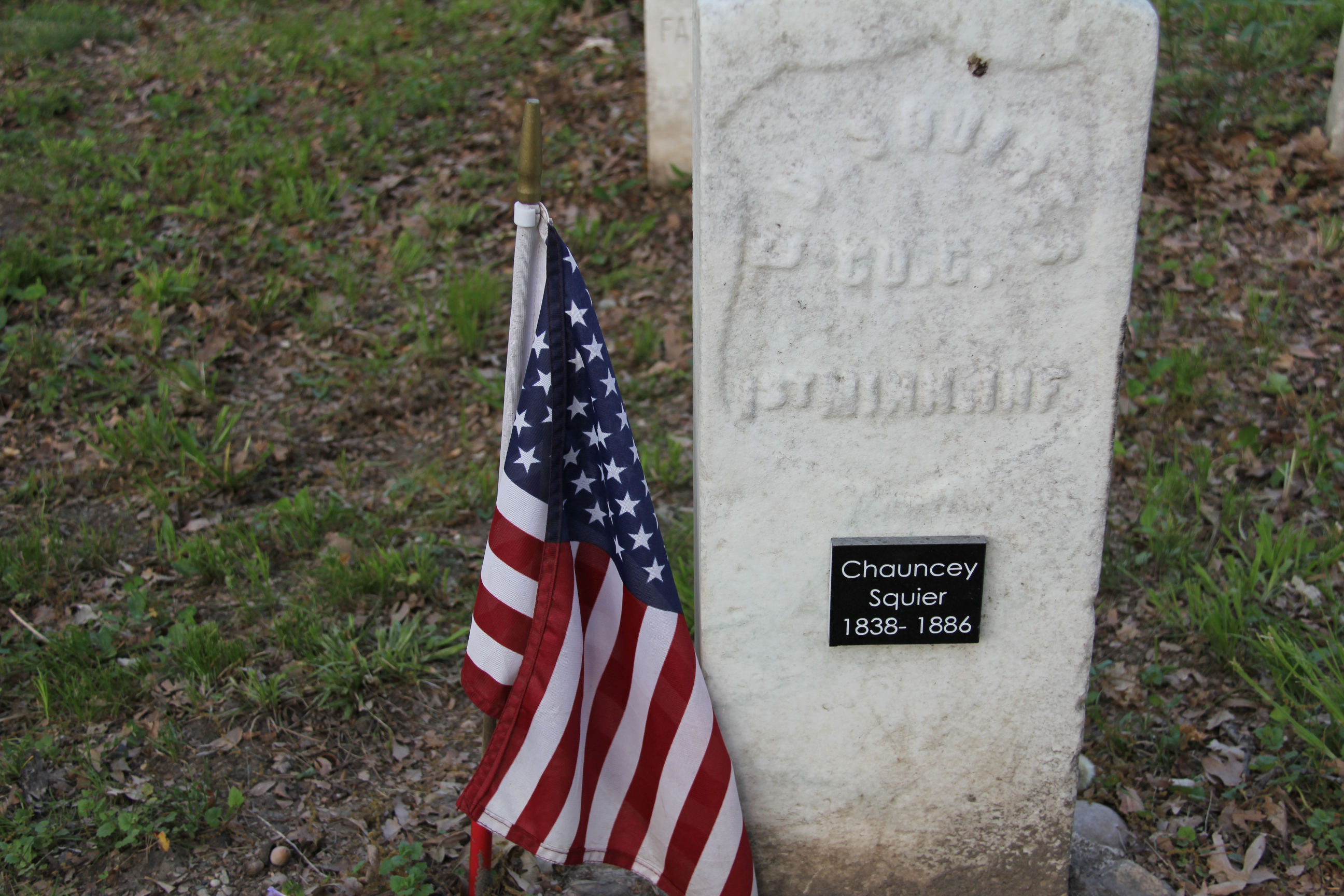
The burial spot of a Civil War veteran, flagged for Memorial Day. (Minnesota Prairie Roots copyrighted photo May 2023)
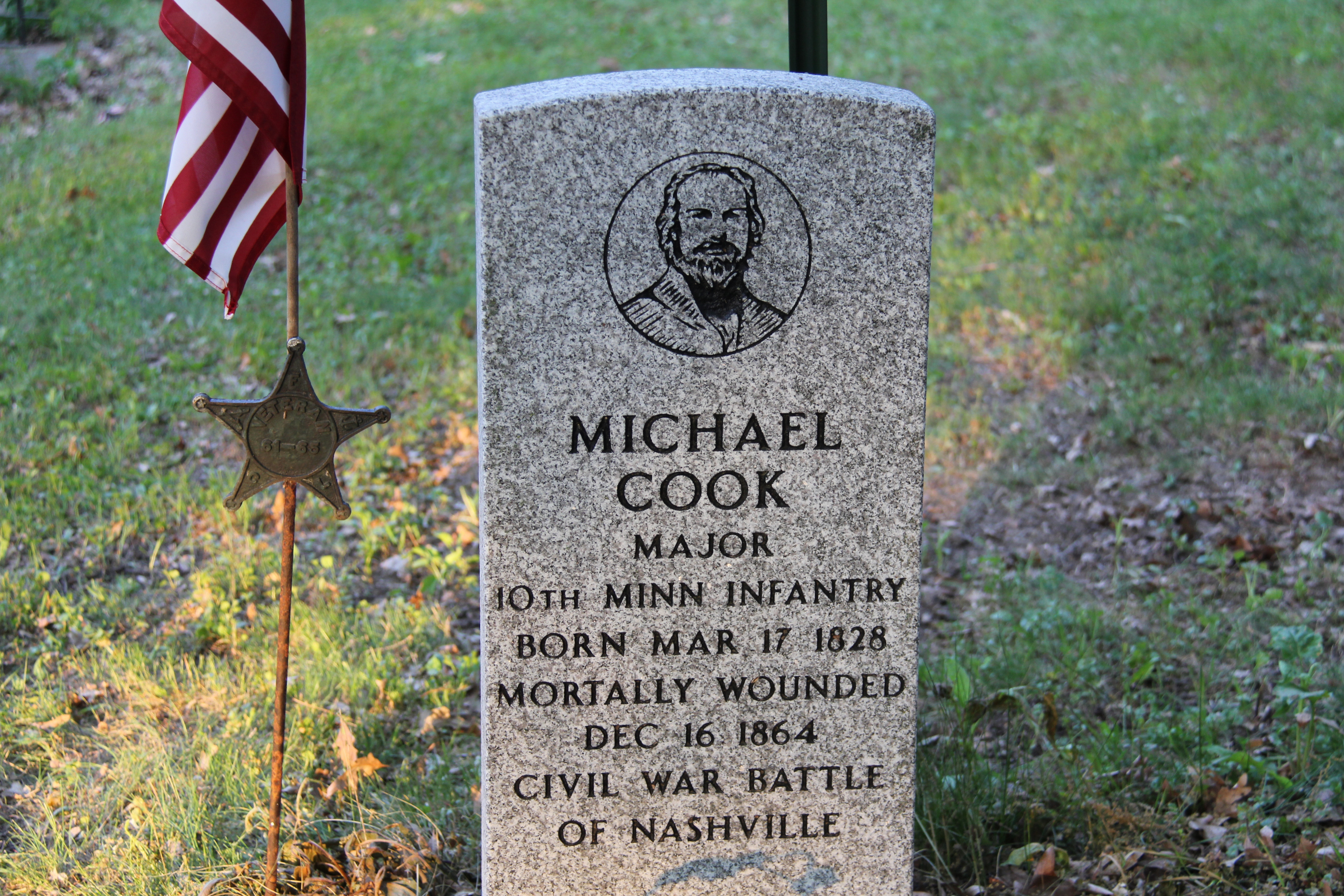
Civil War veteran Michael Cook’s marker details his death. (Minnesota Prairie Roots copyrighted photo May 2023)

There are a whole lot of long ago dates inscribed in stone. The first known burial here was in 1850, before cemetery incorporation. Men who fought in the Civil and Spanish American Wars lie here. So do legislators, business leaders, farmers, paupers, immigrants and more, according to the Oak Ridge website.

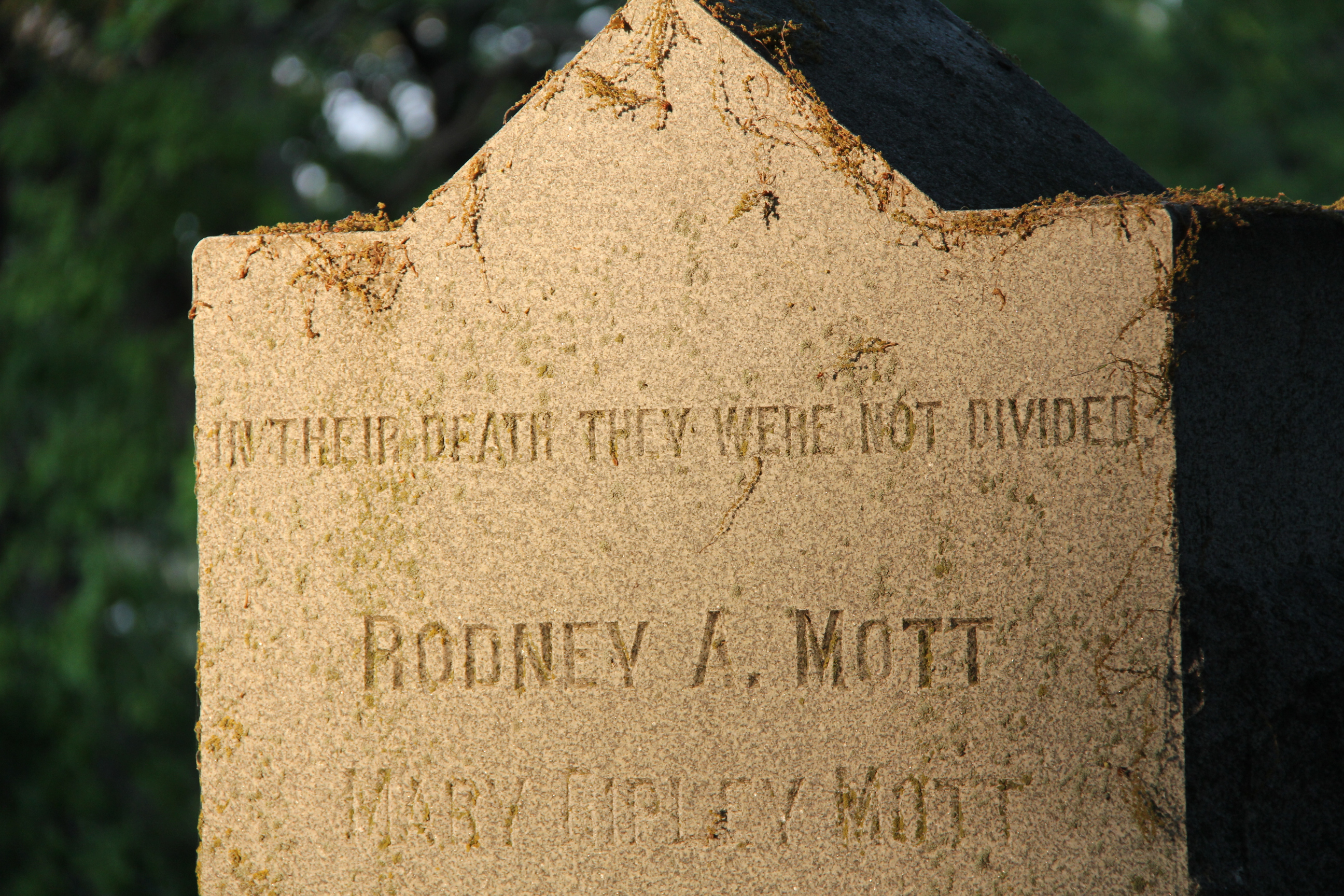
Loving words on a husband and wife’s tombstone. (Minnesota Prairie Roots copyrighted photo May 2023)

“IN THEIR DEATH THEY WERE NOT DIVIDED” reads the message on the headstone of Rodney A. Mott and Mary Ripley Mott.

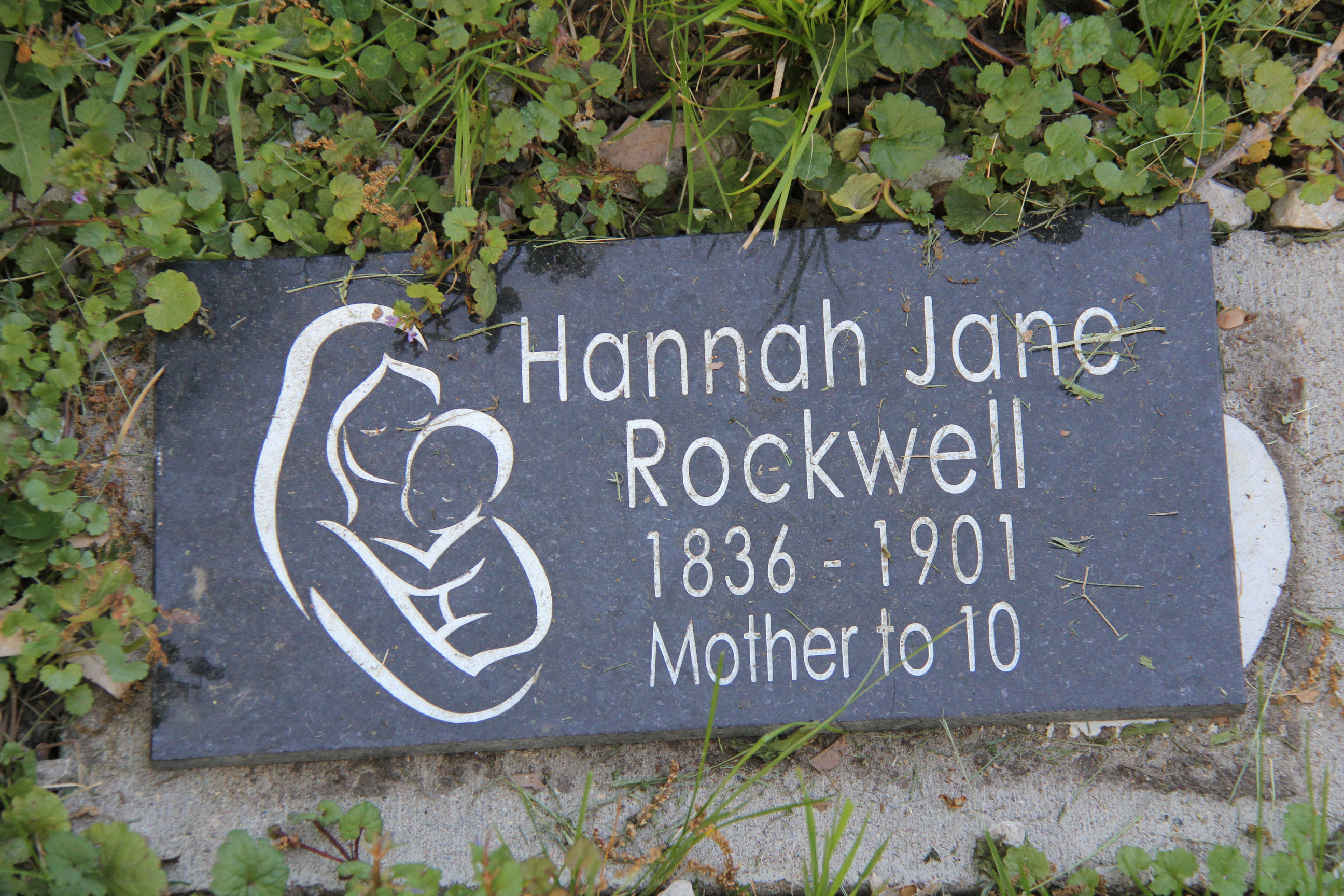
Markers like this can be purchased for unmarked graves. (Minnesota Prairie Roots copyrighted photo May 2023)

Hannah Jane Rockwell’s marker, installed through Oak Ridge’s Sponsor a Marker for an Unmarked Grave Program, simply lists her name, birth and death dates, and then the loving words, “Mother to 10.”

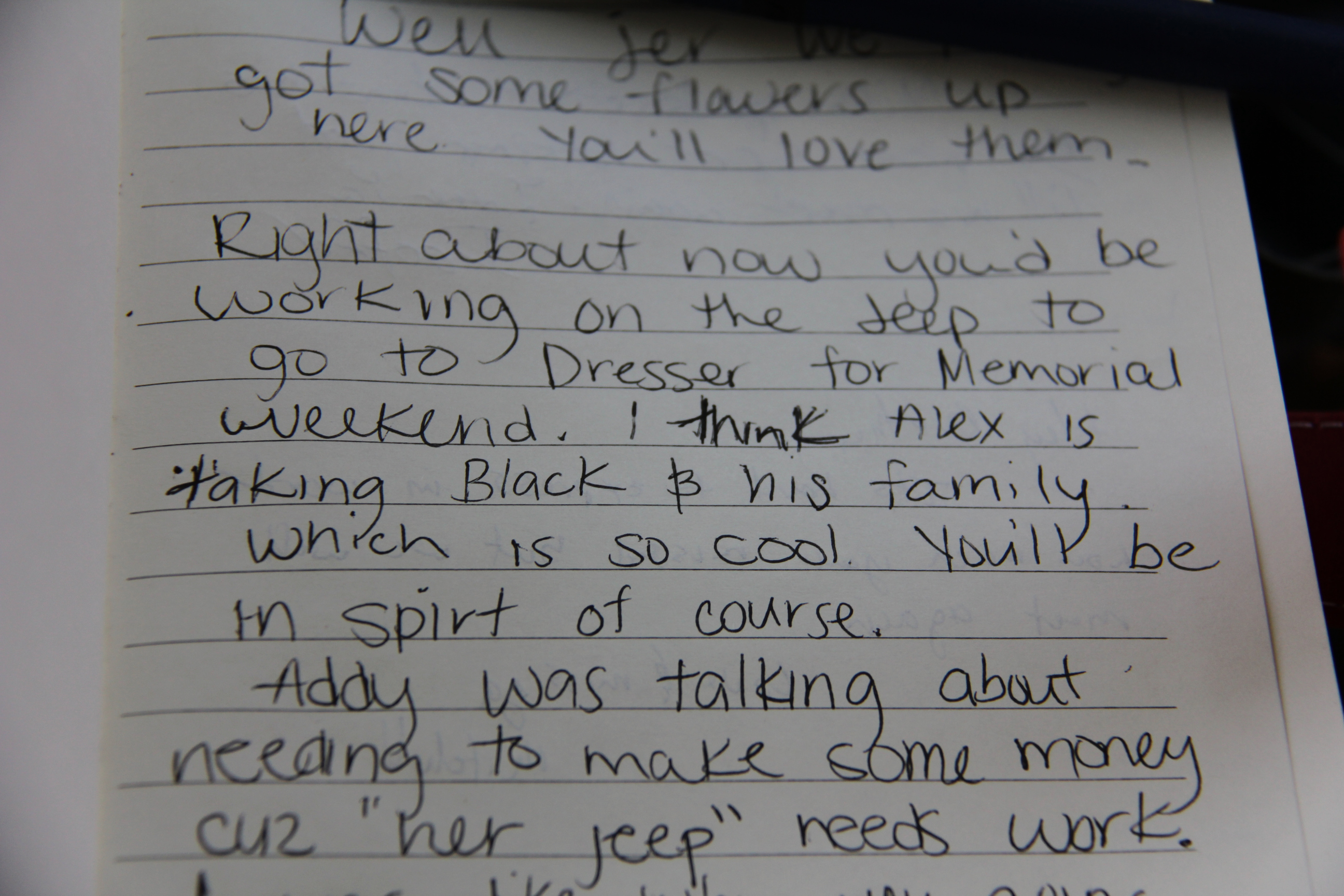
A message written in a notebook at Jeremy’s grave. (Minnesota Prairie Roots copyrighted photo May 2023)

Jeremy J. Weber’s black tombstone, still shiny with newness, is surrounded by expressions of recent grief. The 34-year-old father of three died in 2021. A waterproof case includes a notebook for messages and memories. Words written therein are loving, heartbreaking.

Beautiful urn art graces a grave. (Minnesota Prairie Roots copyrighted photo May 2023)

Grief is undeniably here. I read that, see that, feel that. But I also feel the love. These were individuals with families who loved them and whom they loved. These were individuals who were valued personally and/or professionally. They were, above all, human beings who held a special place on this earth.

Fitting for Oak Ridge, oak leaves on a tombstone. (Minnesota Prairie Roots copyrighted photo May 2023)

Cemeteries reveal all of this, if only we take the time to walk among the tombstones, aged and new. Inscriptions, art, names, dates, memorabilia and flowers placed graveside all tell stories. That is the beauty within the boundaries of a cemetery like Oak Ridge, which rises high above a city founded 171 years ago, the place where Levi Nutting moved with his family in 1855, a year later his young wife dead.

The historic limestone pumphouse sits atop the hill, in the heart of the cemetery. (Minnesota Prairie Roots copyrighted photo May 2023)
This map shows a section of Oak Ridge’s lay-out. (Minnesota Prairie Roots copyrighted photo May 2023)

FYI: Oak Ridge accepts donations and welcomes volunteers to help with cemetery upkeep. Burial plots are for sale. And markers may be purchased for unmarked graves.


The art of Holy Week in southern Minnesota April 3, 2023

Filed under: Uncategorized — Audrey Kletscher Helbling @ 5:00 AM
Tags: , , , , , , , ,

A stained glass window inside Holden Lutheran Church, rural Kenyon, depicts Jesus’ crucifixion. (Minnesota Prairie Roots copyrighted file photo 2016)

CHRISTIAN FAITH COMMUNITIES have long integrated art into their houses of worship. Whether in stained glass windows, sculptures, paintings or other art forms, this art is an important way to visually connect worshipers with Scripture, with foundational teachings.

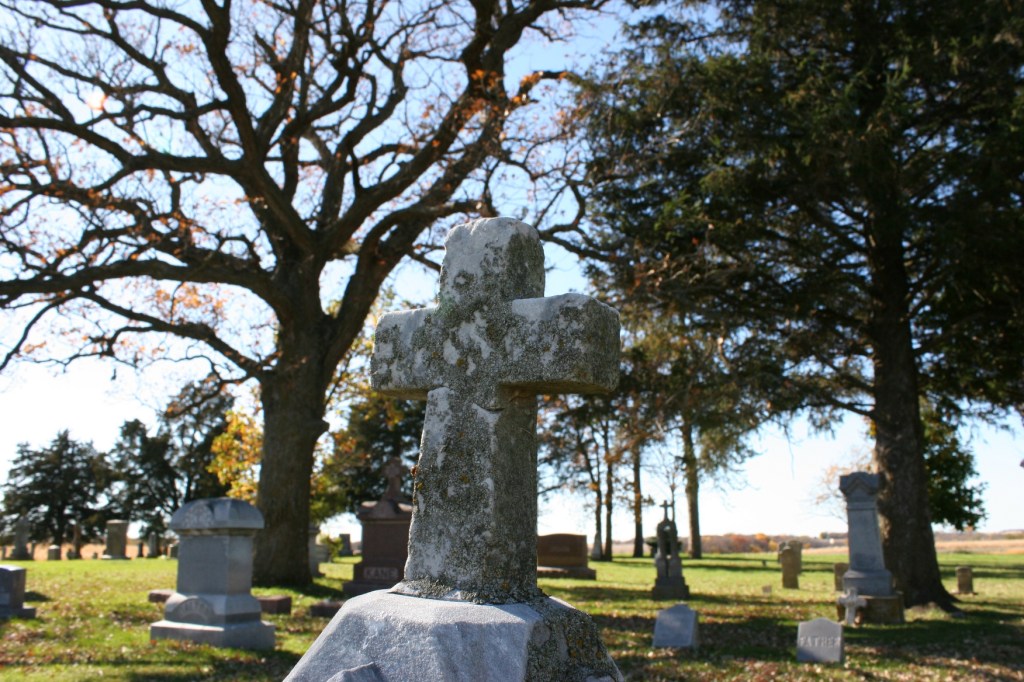
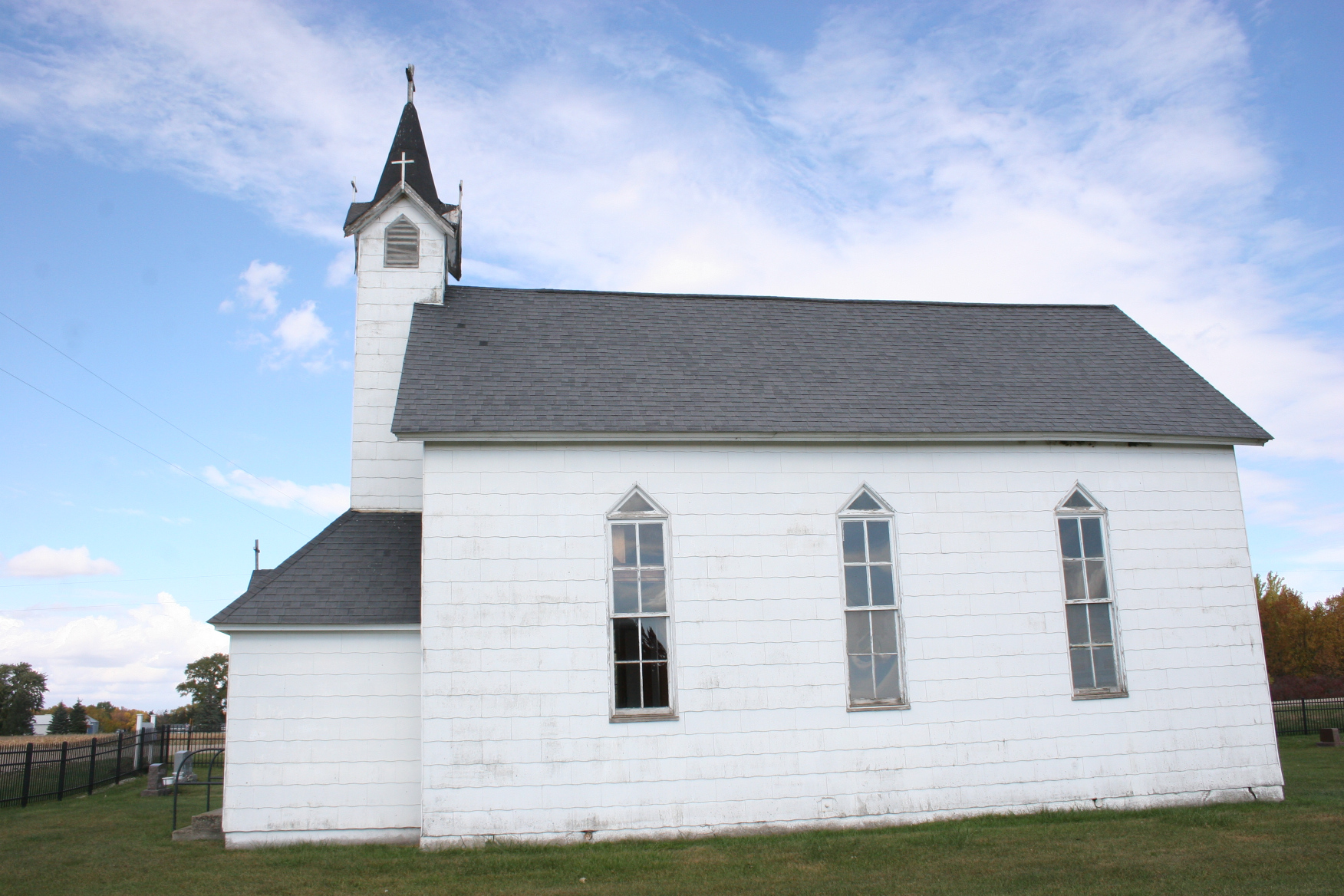
The historic Immaculate Conception of the Virgin Mary Church in Shieldsville Township, rural Rice County, sits isolated along a gravel road, edged by the Trebon Cemetery. The Czech church closed long ago and is locked. But I’ve wandered the cemetery grounds and found unusual art. (Minnesota Prairie Roots copyrighted file photo October 2022)

This week, Holy Week, I consider the art of churches I’ve visited in my area of southern Minnesota. Aged sanctuaries graced with connective and inspiring art. I never tire of stepping inside a rural church or meandering through a country cemetery to view faith-focused art. It’s beautiful in its own way, often in the visual storytelling of events documented in the Bible.

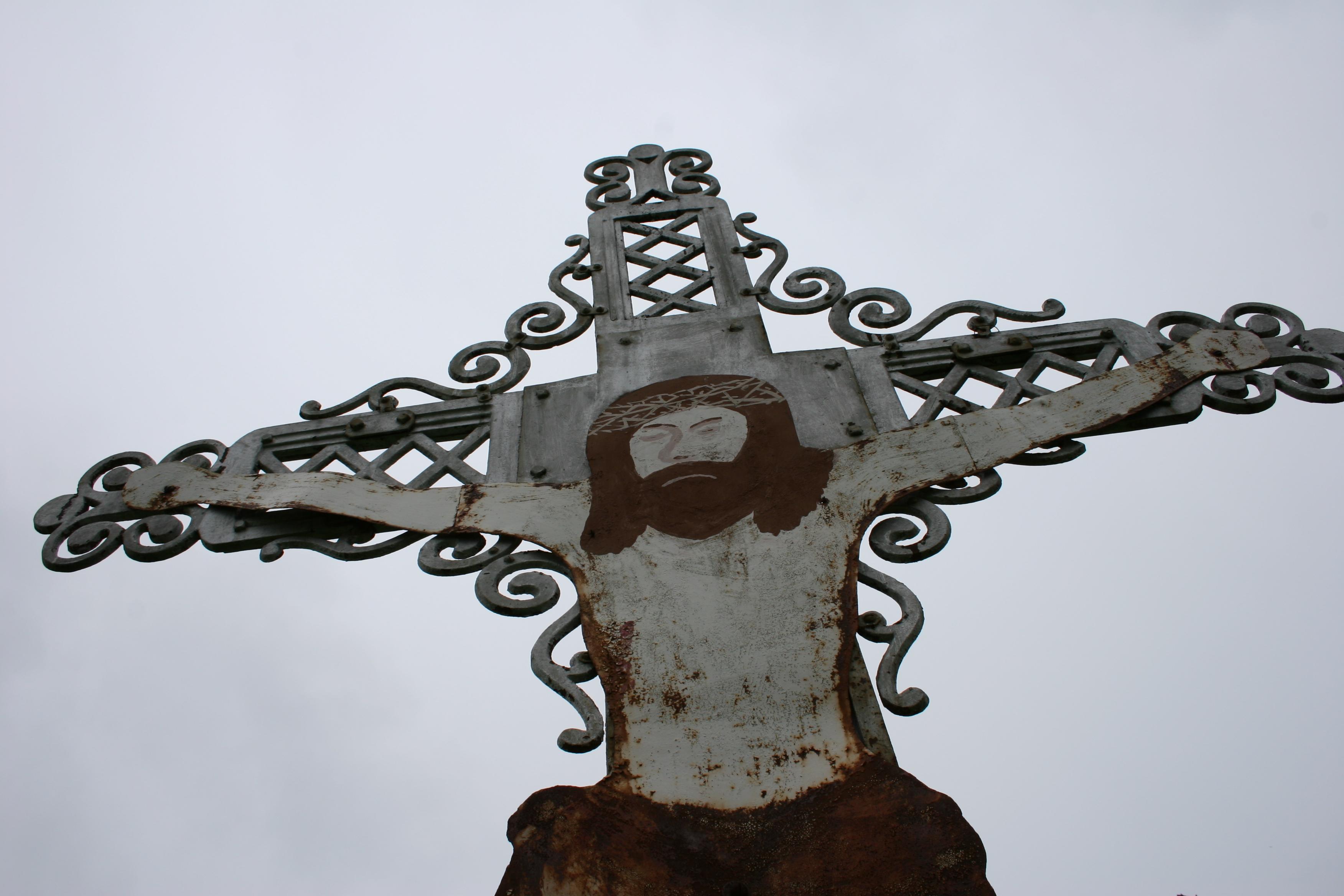
Folk art in the Trebon Cemetery honors the crucified Christ and the deceased. (Minnesota Prairie Roots copyrighted file photo April 2014)

As a woman of faith, the days leading up to Jesus’ crucifixion and subsequent resurrection on Easter morning make this week particularly meaningful.

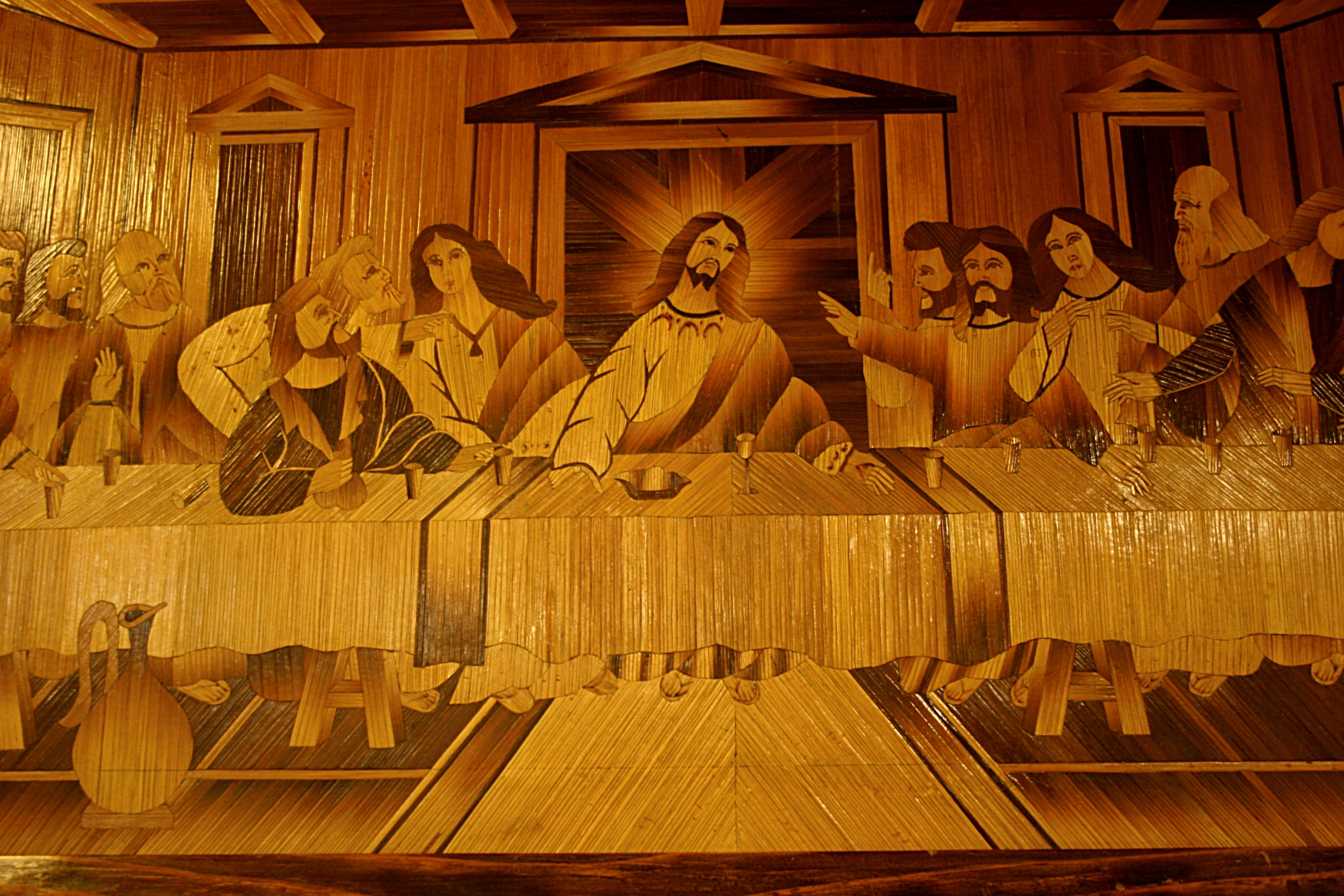
This artistic rendition of The Last Supper hangs in the St. John’s United Church of Christ, Wheeling Township, rural Faribault, Fellowship Hall. (Minnesota Prairie Roots copyrighted file photo April 2012)

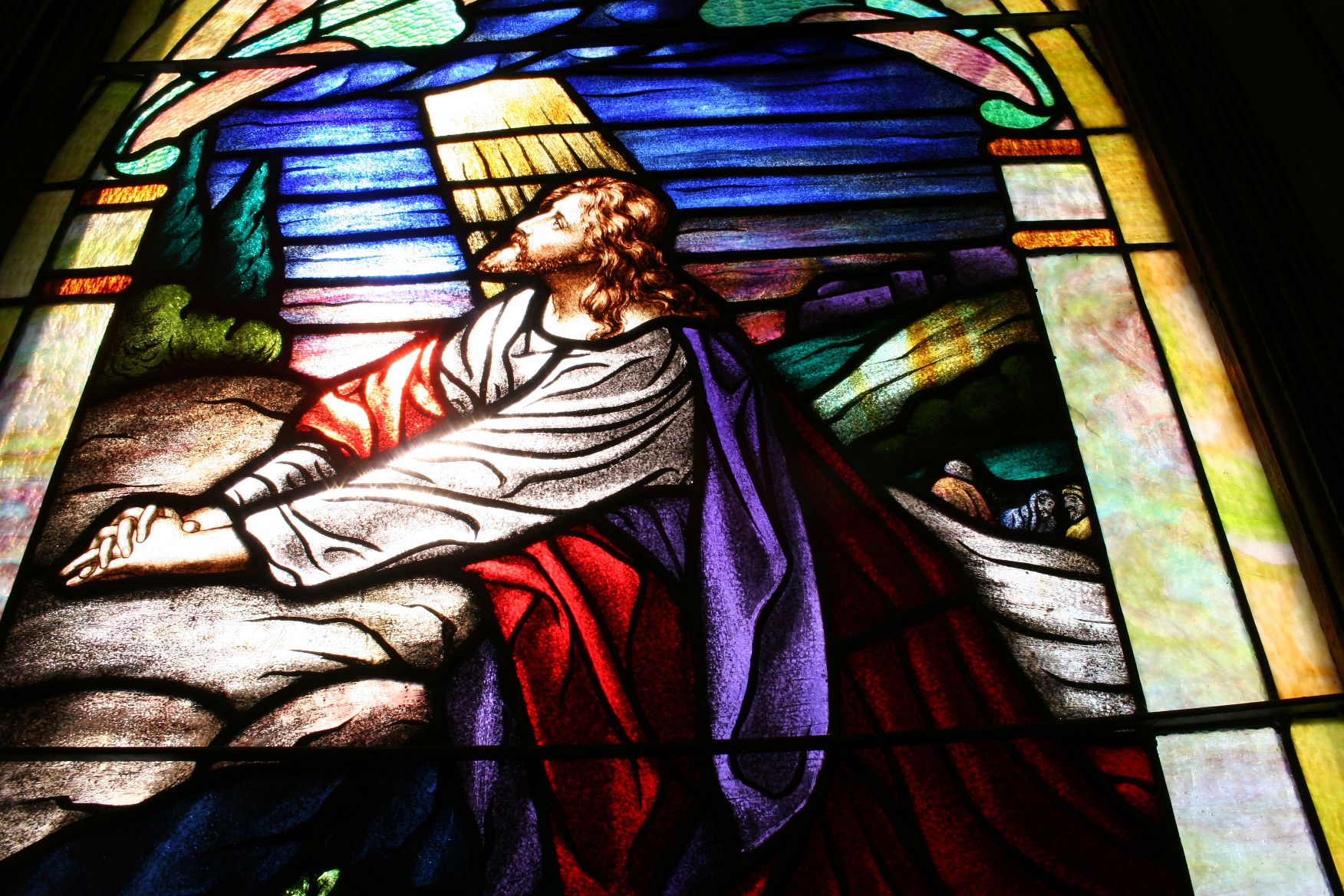
From Jesus praying in the Garden of Gethsemane to The Last Supper to his betrayal by Judas and then his crucifixion and resurrection, the events of Christ’s final days unfold in art inside sanctuaries and on cemetery grounds.

Inside Vang Lutheran Church, rural Dennison, a stained glass window shows Christ praying in the Garden of Gethsemane. (Minnesota Prairie Roots copyrighted file photo 2014)

I feel a certain reverence for the artists who designed and crafted stained glass windows that rise high inside sanctuaries, sunlight streaming through colorful glass. It’s almost as if the beauty therein beams directly from heaven, filling dark souls with light.

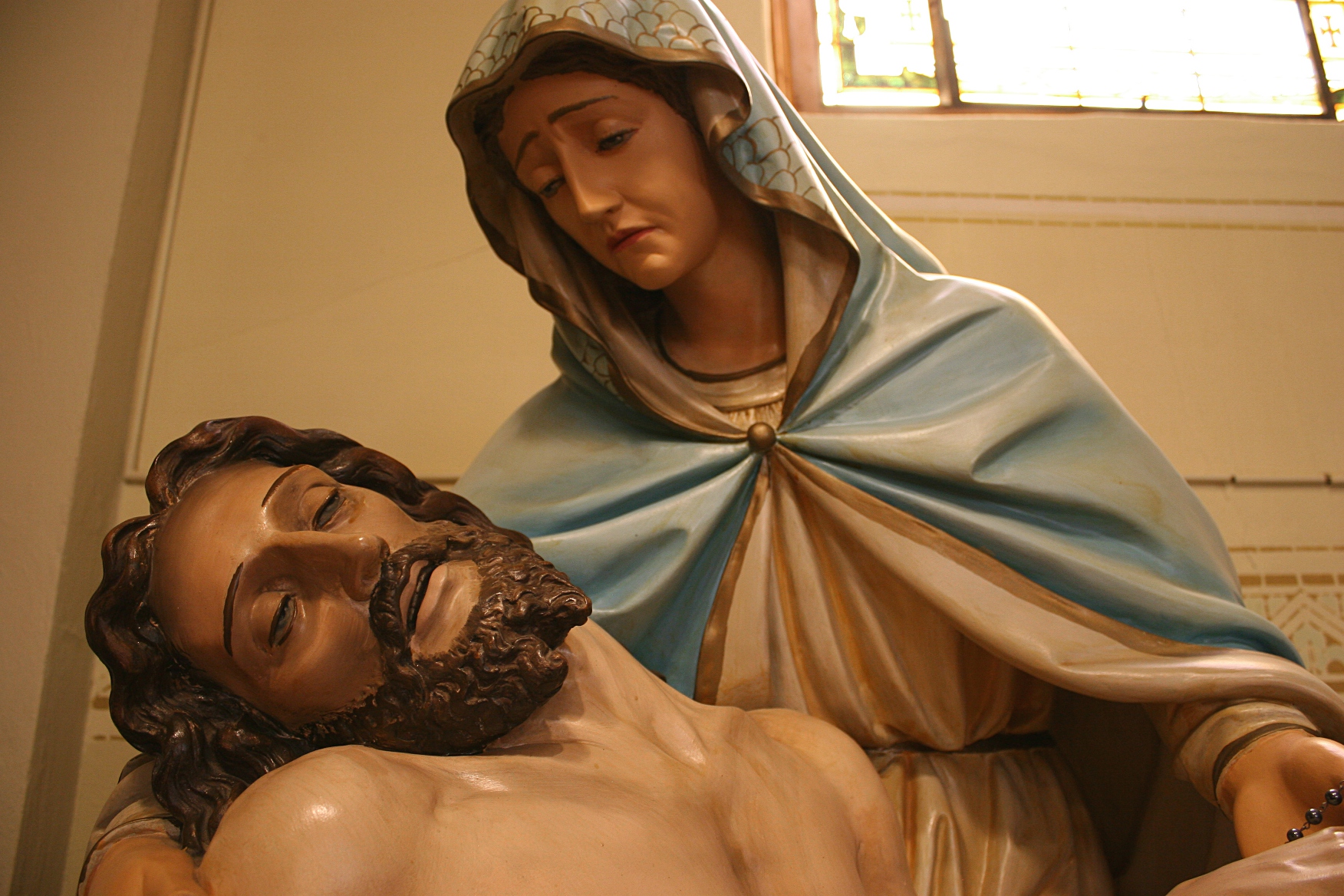
In the face of Mary, I see profound grief in losing her son. This statue is inside St. Mary’s Catholic Church, New Trier. (Minnesota Prairie Roots copyrighted file photo)

Likewise, statues, most often found in Catholic churches, add a down-to-earth human element in their life-sized presence. I have the urge to reach out, to touch a hand or a face, to offer comfort, to extend compassion. Art, especially faith-based art, holds that power.

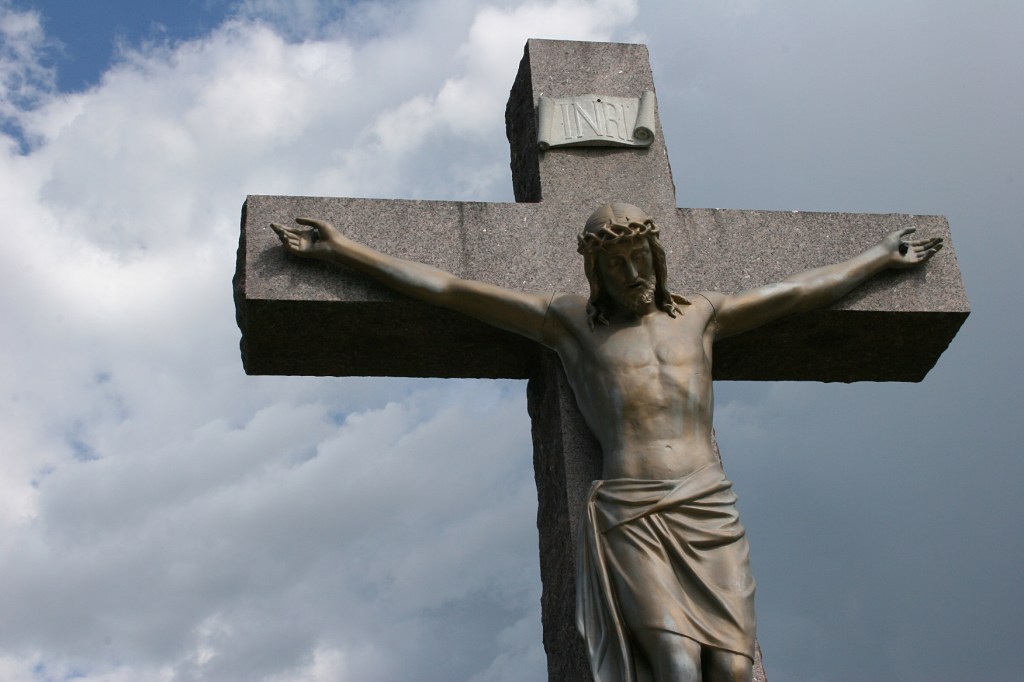
Centering the altar is this depiction of Jesus’ crucifixion inside St. Mary’s Catholic Church, New Trier. (Minnesota Prairie Roots copyrighted file photo)

Whether centering an altar or hanging on a church fellowship hall wall, biblically-based artwork is an important part of Christianity. I appreciate the ornate and the simplistic. The oversized and the understated. The all of it, uplifting, inspiring, moving me.

This shows the resurrected Christ in a snippet of the center stained glass window in a trio above the altar at Trinity Lutheran Church, Wanamingo. (Minnesota Prairie Roots copyrighted file photo March 2016)

During this Holy Week, I reflect on the art gracing churches throughout my region. Art that truly is a spiritual treasure. Art that carries a heritage of faith.

© Copyright 2023 Audrey Kletscher Helbling
 

Good Friday: Faith & Art April 10, 2020

Photographed at St. Jarlath Cemetery, Waseca County, MN. Minnesota Prairie Roots file photo.


FAITH INSPIRES ART.


Centering the altar is this depiction of Jesus’ crucifixion at St. Mary’s Catholic Church, New Trier, MN. Minnesota Prairie Roots file photo.


In my many years exploring Minnesota’s backroads and small towns, I’ve discovered impressive art in churches and cemeteries.


A stained glass window inside Holden Lutheran Church, rural Kenyon, MN. Minnesota Prairie Roots file photo.


From sculpted tombstones to glorious and vibrant stained glass windows, this art inspires, uplifts and illustrates history recorded in biblical accounts. Like Good Friday and the crucifixion of Jesus.


In the face of Mary, I see profound grief in losing her son, Jesus. Sculpture photographed at St. Mary’s Catholic Church, New Trier, MN. Minnesota Prairie Roots file photo.


Today I’ve selected a few photos from my files that honor Christ, this important day and my Christian faith.


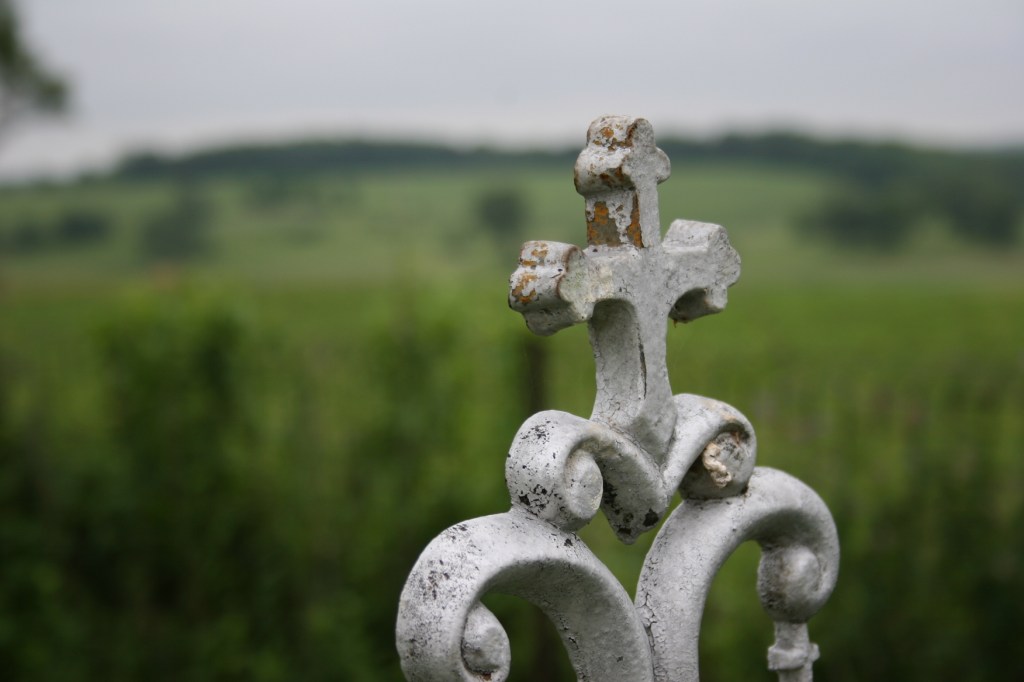
A cross in Trebon Cemetery, 10 miles northwest of Faribault in Shieldsville Township. Minnesota Prairie Roots file photo.


I appreciate the skills of these artists. Their work stirs emotions. And thoughts, especially of gratitude.


A monument in St. Michael’s Cemetery, Buckman, MN., where my mother-in-law in buried. Minnesota Prairie Roots file photo, August 2012.


In the darkness and sadness of Good Friday, I anticipate the light and joy of Easter. Even more so in these current difficult days.

© Copyright 2020 Audrey Kletscher Helbling


Celebrating heritage & history at the Valley Grove churches September 18, 2018

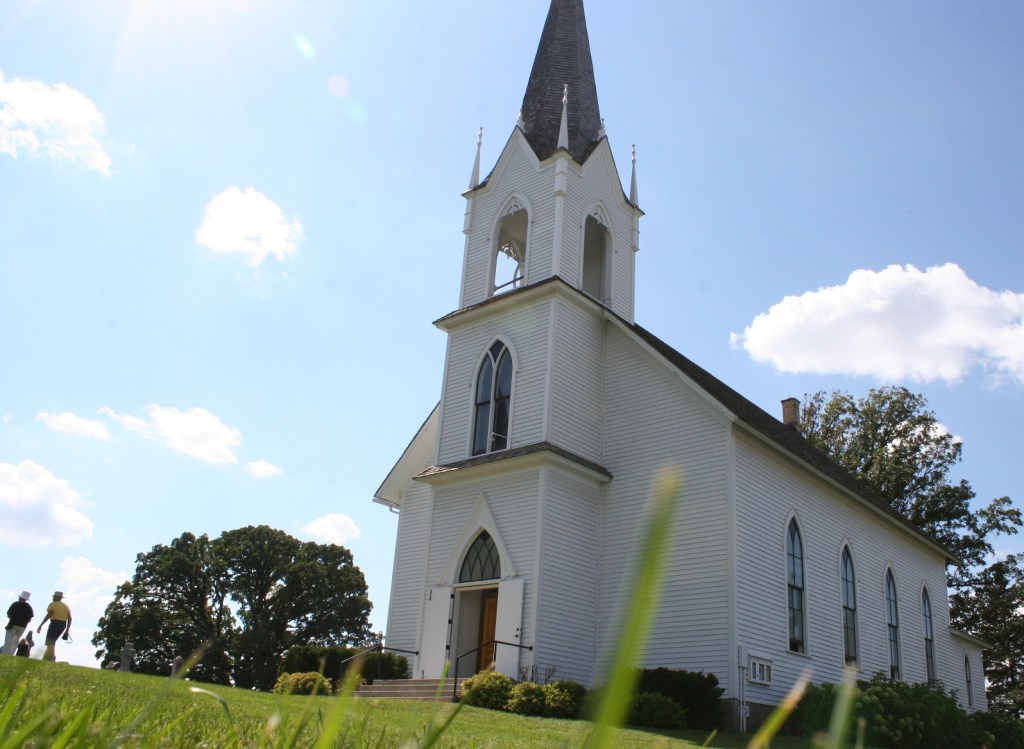
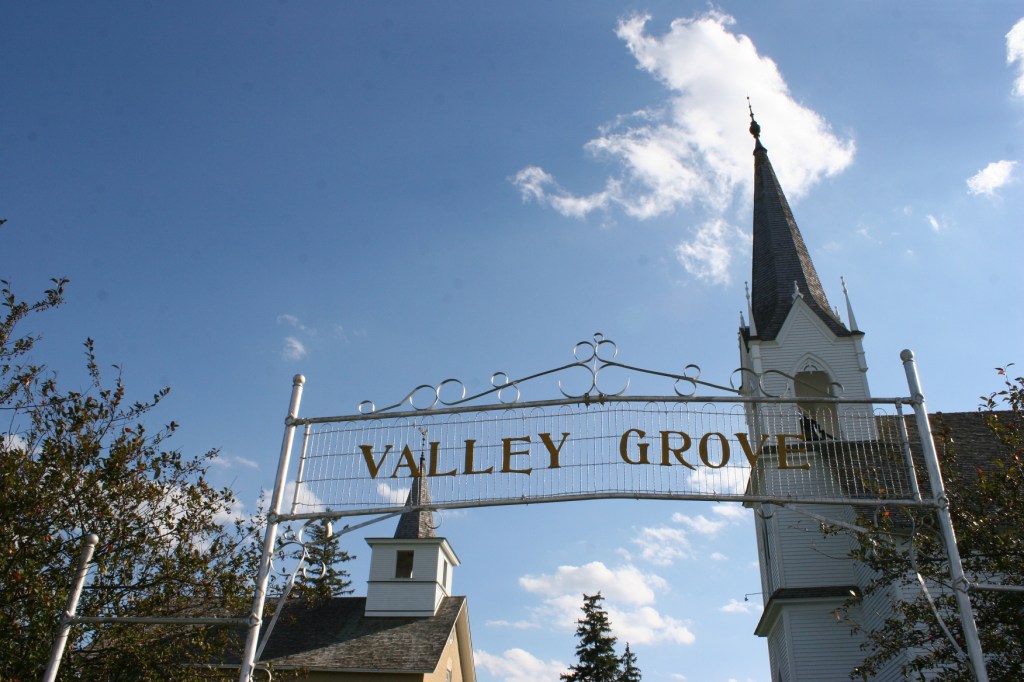
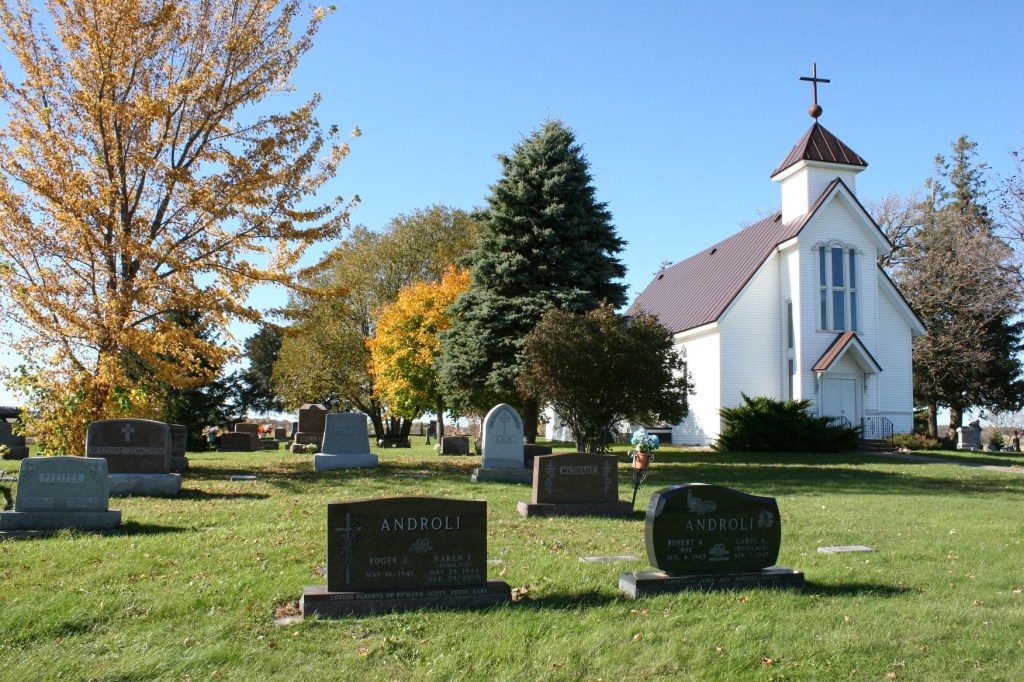
I propped my camera on the grass and tilted it up to snap this photo of the 1894 Valley Grove church, rural Nerstrand, Minnesota.


MID-SEPTEMBER AIR HUNG HEAVY with humidity, more summer-like than autumn on this Sunday afternoon at two country churches in southeastern Minnesota.


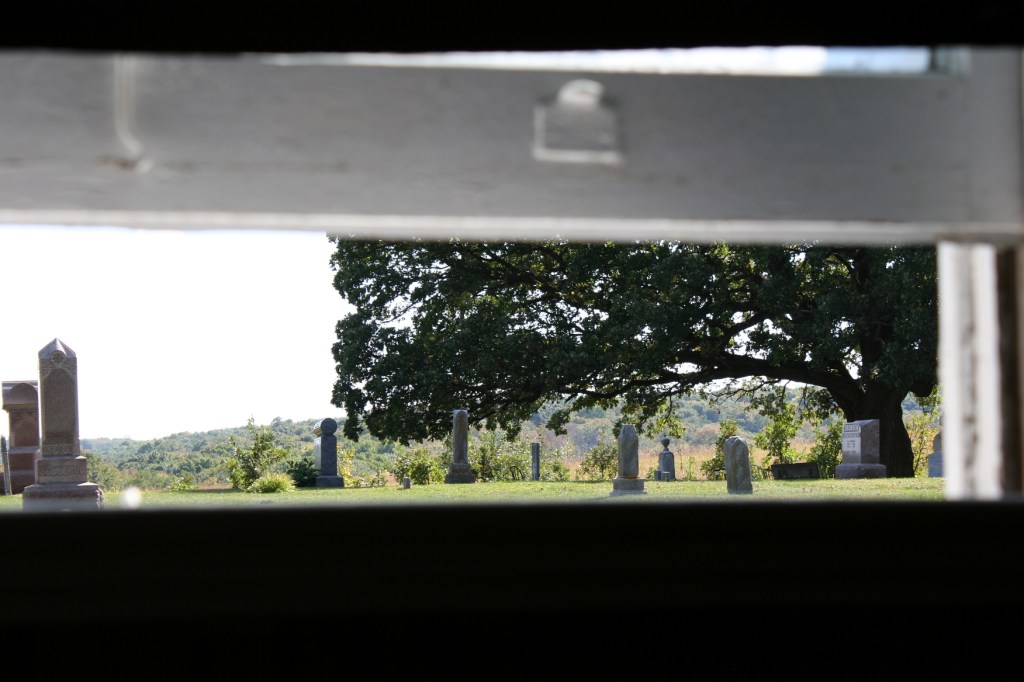
A view of a section of the Valley Grove cemetery through a partially open window in the wood-frame church.


But, inside the sanctuary, Randy and I sat near a window cracked open to the cemetery, wind fanning a breeze, and at one time a wasp.


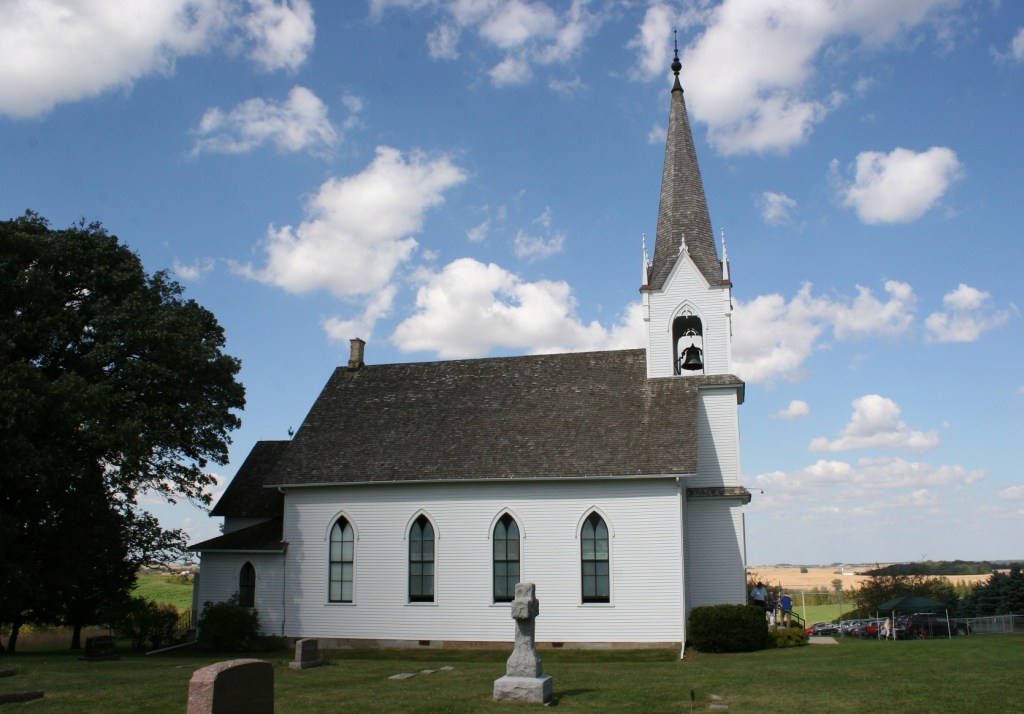
Duo churches grace the hilltop, the clapboard church replacing the original stone church for worship.


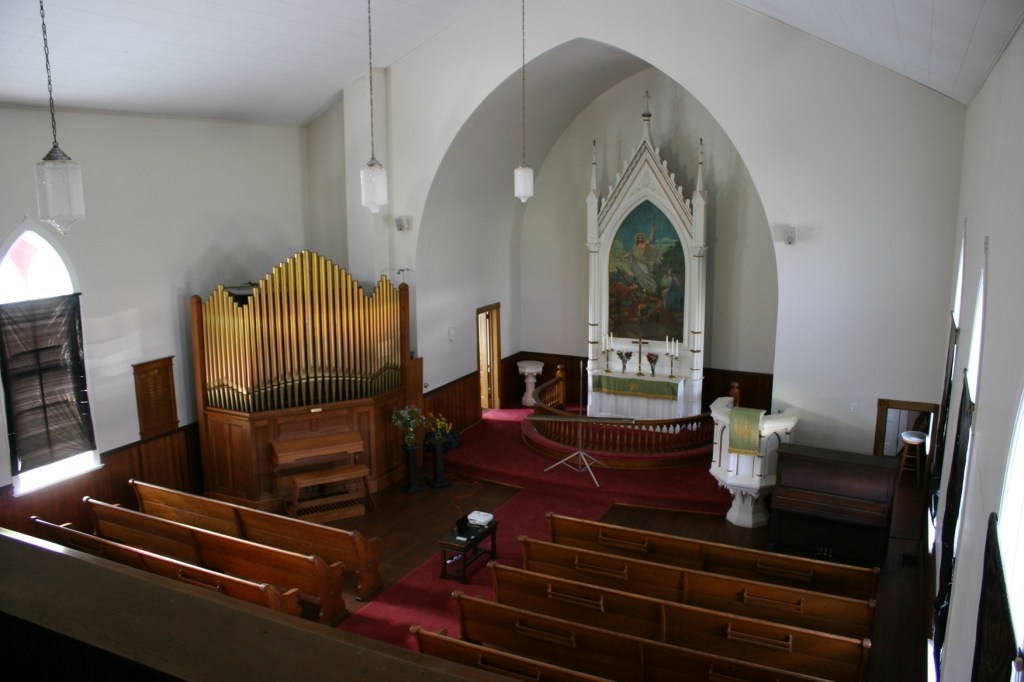
Inside the 1894 church with Doug Ohman’s equipment set up for his talk about country churches.


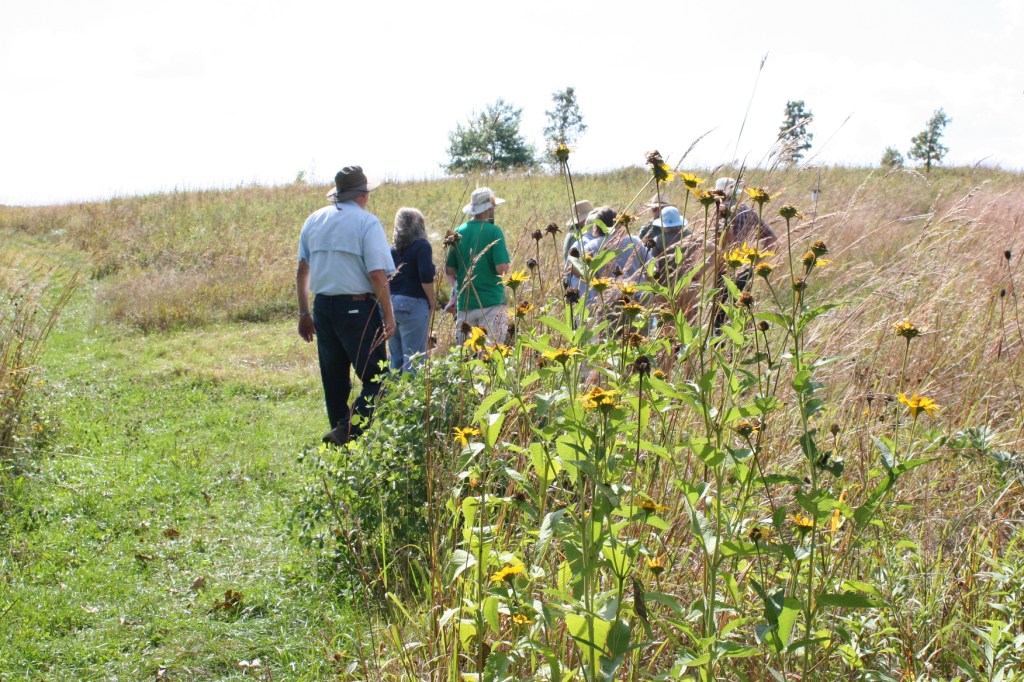
Visitors take a guided walk of the restored prairie.


I shifted, trying to find comfort on the hard wooden pew inside the 1894 church at Valley Grove, one of two built on a hilltop offering sweeping views of the countryside, Nerstrand Big Woods State Park next door and the small town of Nerstrand just miles to the southeast. Both church buildings remain, preserved, sanctuary doors opening to one another across a short swatch of lawn.


The arched entry gate to the church and cemetery grounds.


Imagine how many preachers preached from this pulpit. Ohman ended his talk with a short “sermon” advising us to view people and situations from the inside rather than the outside. He used a visual–that of a stained glass window appearing unimpressive from the outside but beautiful when seen from the inside.


Altar details hold history.


We joined others here for the Valley Grove Country Social, an annual autumn event that celebrates this place. On this day, noted Minnesota photographer Doug Ohman blessed us with his storytelling and photo presentation on selected historic churches of Minnesota. “Valley Grove,” he said, “is one of my favorite spots in all of Minnesota. You can feel the history.”


The Valley Grove churches and cemetery.


And that’s saying something. Ohman has photographed 3,000 plus Minnesota churches, many featured in his book Churches of Minnesota published by the Minnesota Historical Society Press as part of the Minnesota Byway series that also covers barns, courthouses, schoolhouses, cabins and libraries.


Vintage photos and artifacts were propped on windows in the stone church.


As Ohman talked of the early immigrants, like the Norwegians who founded Valley Grove, he noted “…communities were being knit together in the shadow of the church.”


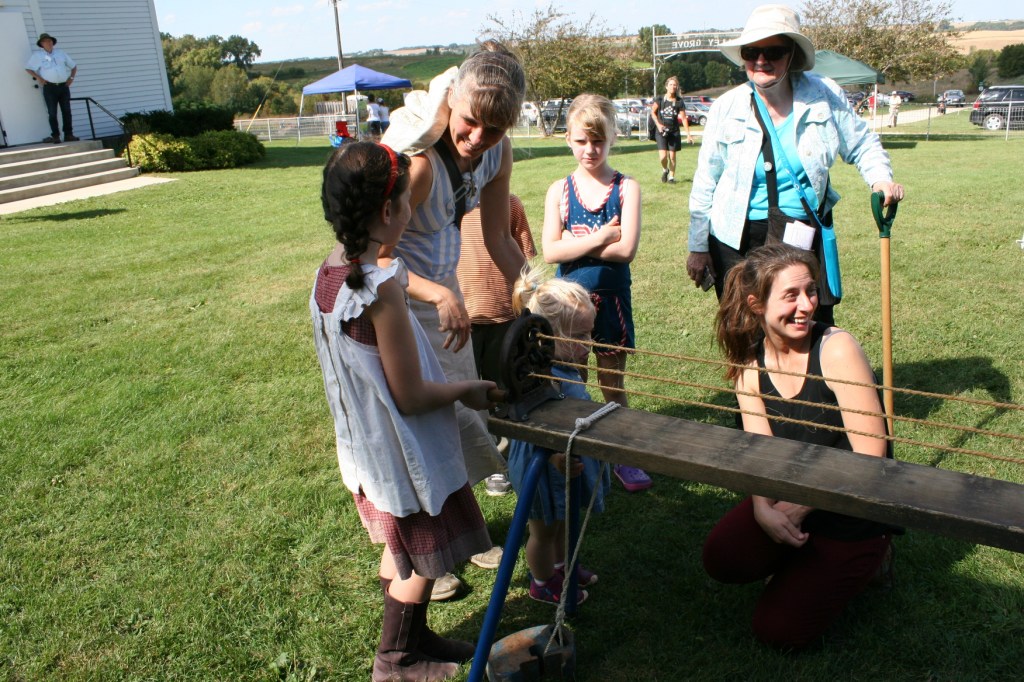
Visitors observed and participated in the craft of rope making.


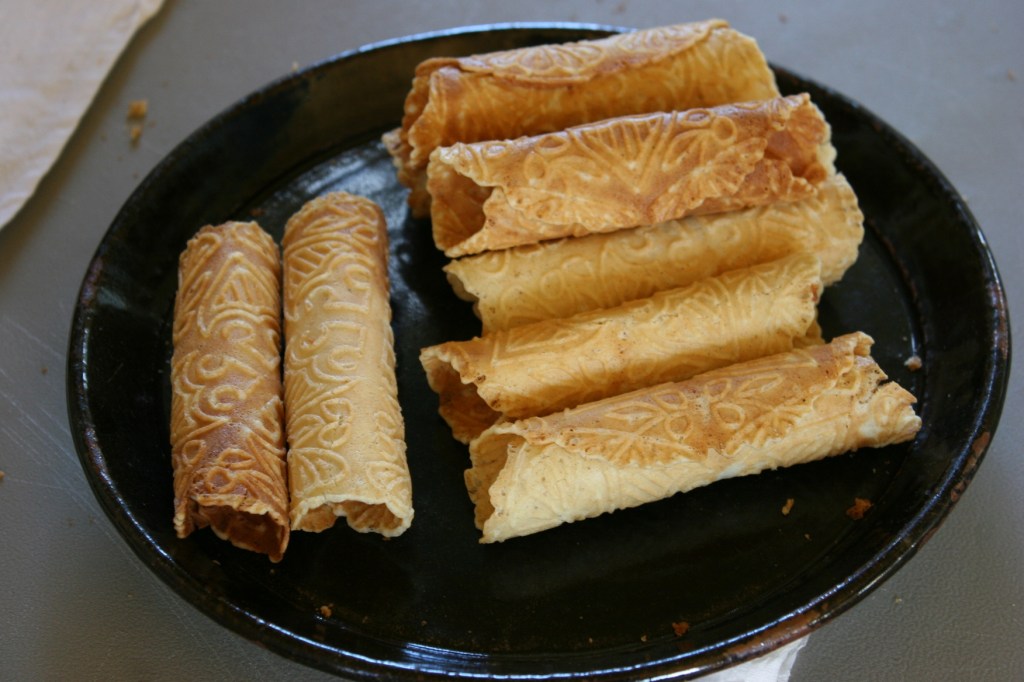
A woman demonstrated the art of making krumkake, a Norwegian cookie, available for sampling.


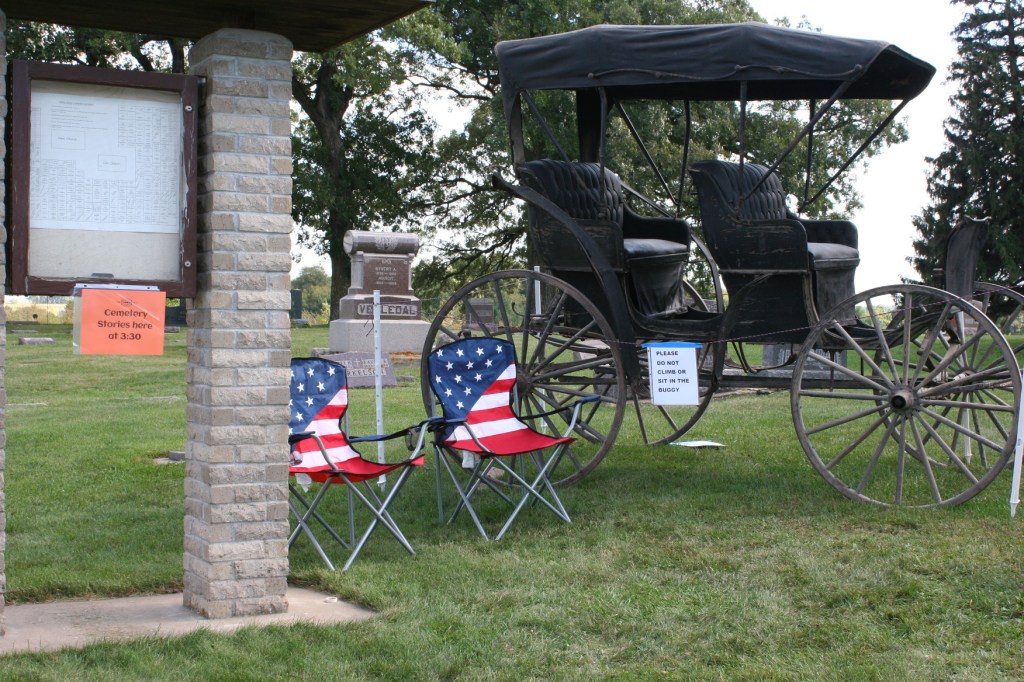
Old buggies on the grounds added to the sense of history.


A strong sense of history certainly exists at Valley Grove. Although I have no personal connection to these historic churches, I appreciate them. Like Ohman. “The church,” he said, “is a symbol of our heritage.” I agree.


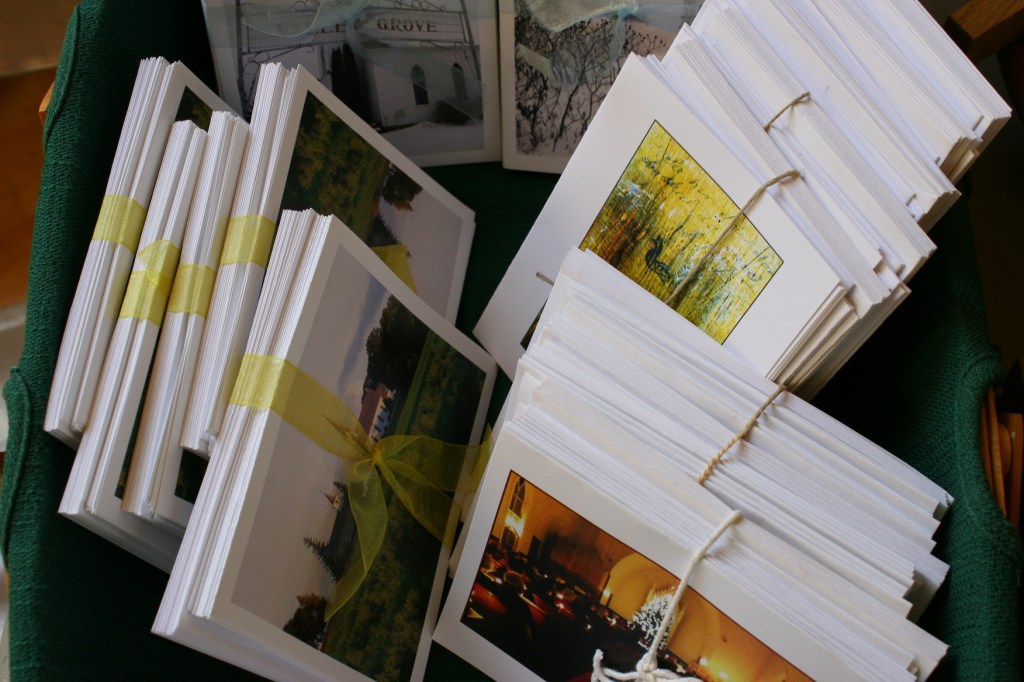
Valley Grove is an oft-photographed site with photos and artwork of the churches gracing notecards for sale at the country social.


This photographer not only documents with his camera, but he gathers stories, too. Ohman is a master storyteller. He regaled us with humorous and poignant stories—of retrieving a church key from an outhouse, of stringing 600 feet of extension cords from a farm to Lenora United Methodist Church so he would have electrical power to present, of a $70,000 check gifted to a central Minnesota bible camp to relocate Marble Lutheran Church 100 miles…


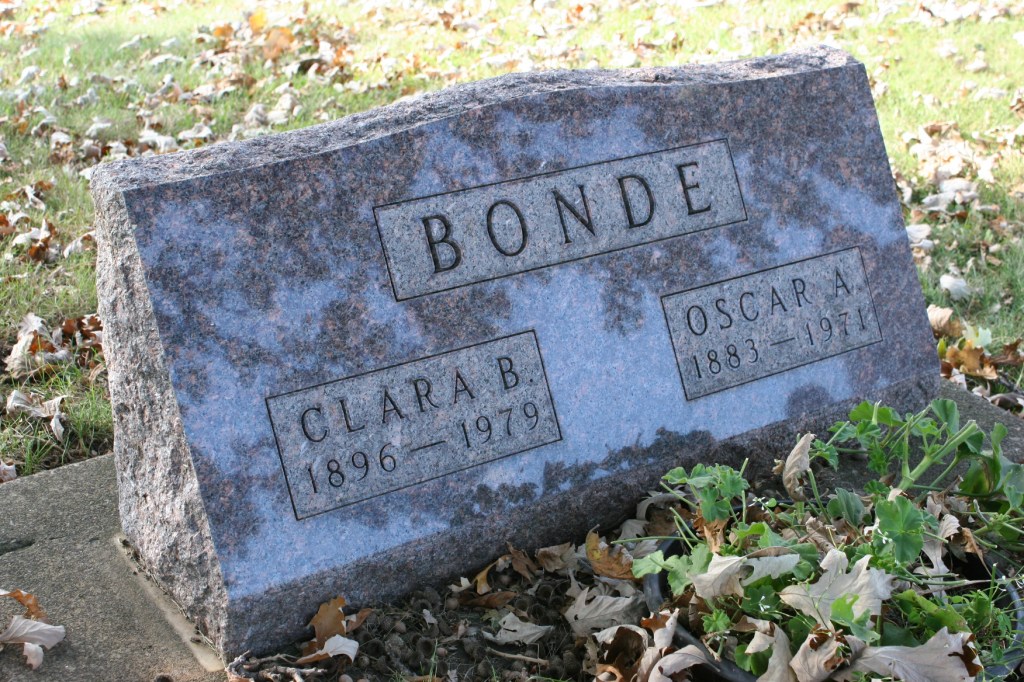
He personalized, as did Jon Rondestvedt, another storyteller who shared cemetery stories following Ohman’s talk. Rondestvedt spoke of Oscar and Clara Bonde, a couple buried in the cemetery adjacent to the two churches. Clara, he noted, was a teacher within the Normal School system before her marriage to Oscar. She loved raspberries, hated moles. She was known for her green thumb skill of growing African violets. And Oscar, well, he was known as a cookie thief, a tag that caused us to burst into laughter.


A snippet of the musical group Hutenanny, which performed under a sprawling oak.


Such stories reinforce Rondestvedt’s opening statement that tombstones are “testimonies to people who lived, breathed and mattered.” I like that word choice, mattered. “It’s up to us to remember them,” this storyteller said.


Jon Rondestvedt talks about the Hellerud family at their gravesites.


Later he moved from the shade of a sprawling burr oak to the sun-drenched plots of the Hellerud family. There he explained how husbands sometimes chose to honor their wives via only the woman’s name engraved on a large tombstone, the man’s grave marker nearby, a simple flat stone laid flush to the ground. “She was seen as a treasure by her husband,” Rondestvedt said. This was a new piece of information I will take with me now in my stops at country cemeteries.


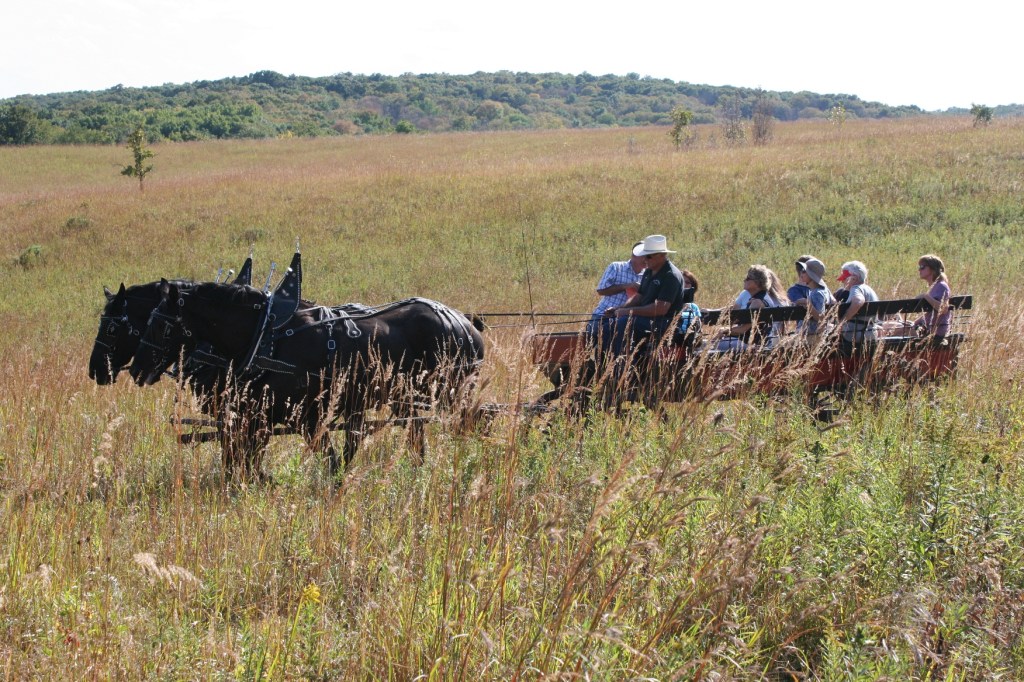
As I watched draft horses pull a wagon through the prairie, I imagined immigrant families traversing the prairie also.


I left Valley Grove, too, with a desire to read Giants of the Earth, a classic by O.E. Rolvaag about Norwegian immigrants settling in America. Rondestvedt read selected passages at the burial sites of the Helleruds, the wind ruffling pages of the aged novel.


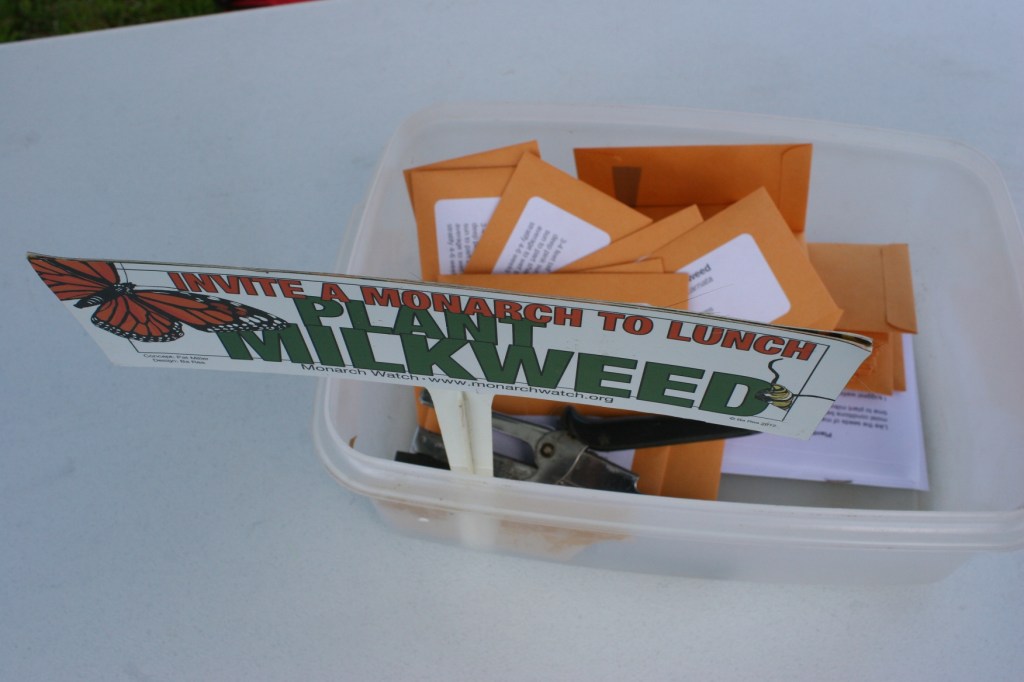
Packets of milkweed seed ready for the taking.


Shortly thereafter we gathered around the grave marker of Hannah Stenbakken Hellerud, a school teacher so beloved by a young boy that he said she was the first person he wanted to see in heaven. A monarch butterfly dipped and rose, circling our group. The butterfly seemed a symbolic ending to the afternoon, coming full circle to my first stop upon arriving at the Valley Grove Country Social. I’d stopped initially to check out a booth about monarchs. I left with a packet of swamp milkweed seeds which I will seed near the common milkweed already growing in my yard.


Efforts have been onging since 2007 to restore the 1862 limestone church.


Inside the plain stone church, a rebuilt chandelier adds elegance.


The Valley Grove Preservation Society has worked hard to restore both churches. Valley Grove is on the National Register of Historic Sites.


It is up to us to preserve—a population of threatened butterflies, country churches atop a hill, stories from churches and cemeteries…all that which holds our history, our heritage.


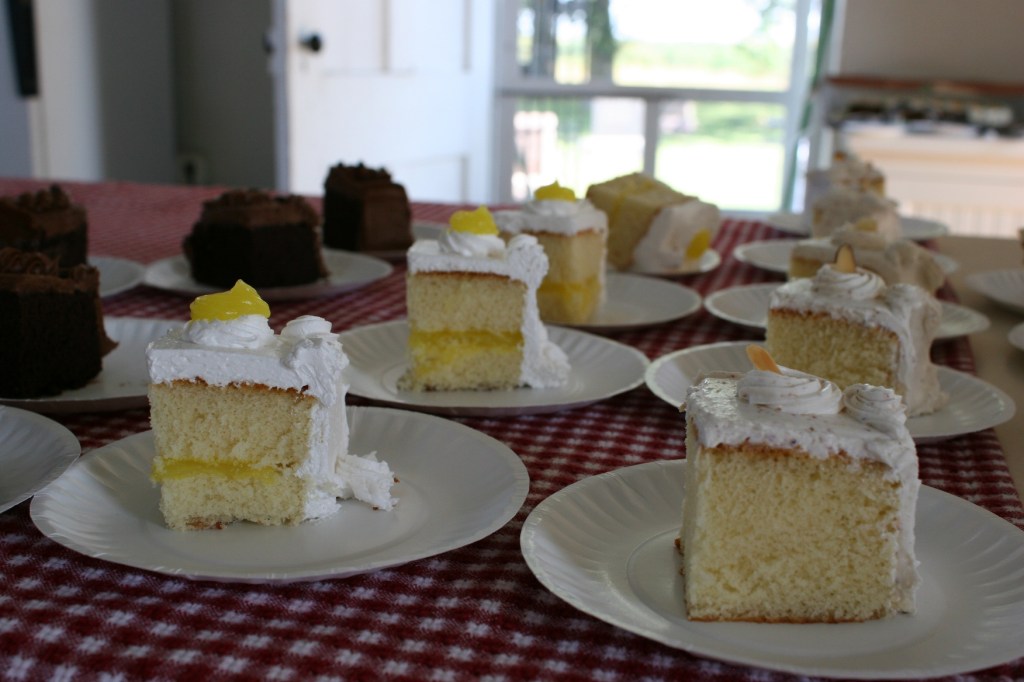
Every celebration calls for cake, including this cake served inside the stone church at the Valley Grove Country Social.


And it is up to us also to celebrate that which has been preserved.


© Copyright 2018 Audrey Kletscher Helbling
 

A drive in the Minnesota countryside takes me to St. Jarlath November 7, 2017


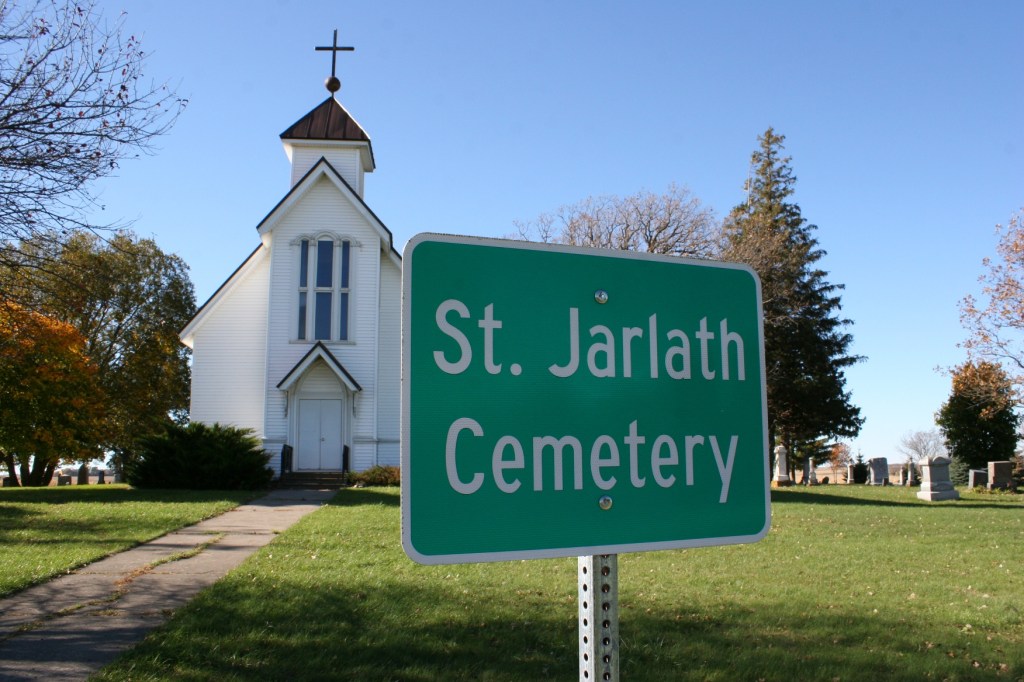
“SAINT JARLATH. Who’s that?” I asked my Catholic-raised and educated husband as we pulled up to a rural Minnesota cemetery during a recent Sunday afternoon drive.


He offered no information, as puzzled as me by the saint behind the name of St. Jarlath’s Catholic Cemetery located just off Waseca County Road 22 in Iosco Township. My later online research revealed Bishop Jarlath as the founder and principle patron of the Archdiocese of Tuam in Galway, Ireland. Irish names in the cemetery should have tipped us off.


I delight in discovering such well-kept rural cemeteries edged next to equally well-maintained churches. Clearly, people care deeply about this place. That pleases me although the closure of rural parishes like this one does not.


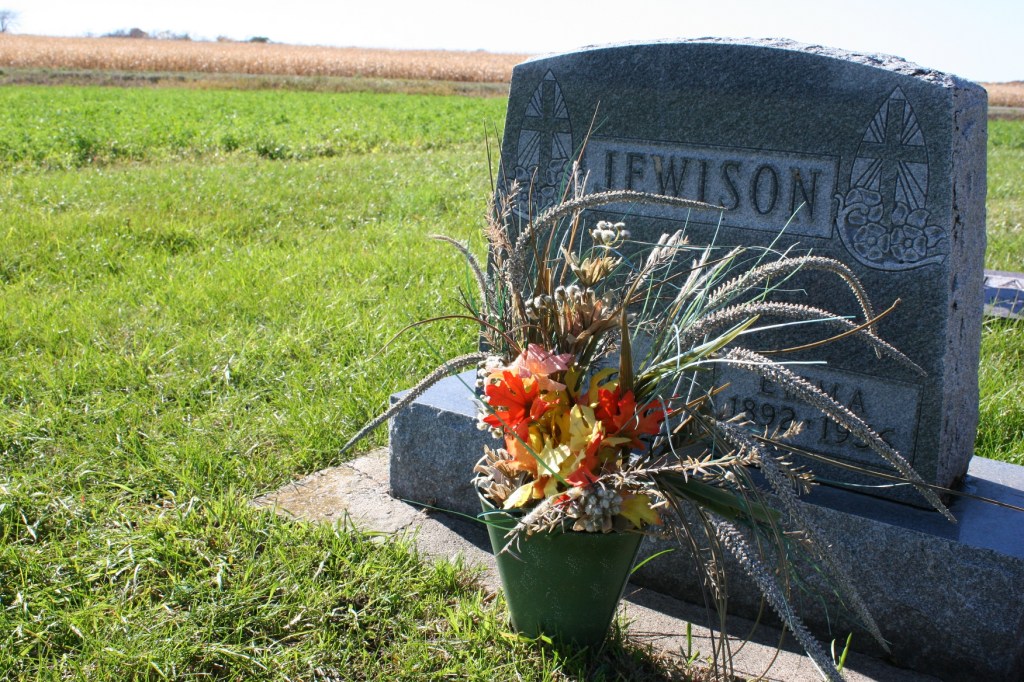
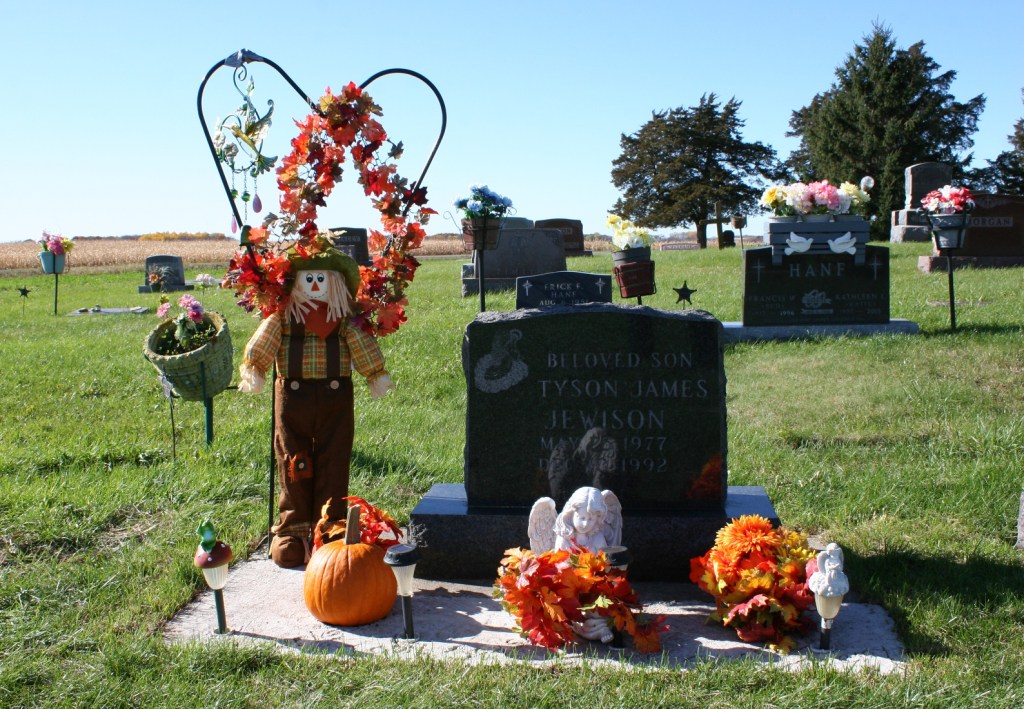
As we wandered the grounds, I spotted autumn décor adorning some gravesites. Seeing scarecrows on a tombstone marked a first for me.


I noticed, too, the trees,


the aged, and not so aged, stones,


the loving words


and clear markers of faith in crosses high and low.


I tugged at the church door, hoping to get inside. I never expect access. But that doesn’t stop me from trying. Gone are the days of unattended, open churches. I can only imagine the beauty, the history within this country church.


The ability to freely wander this cemetery on a stunning autumn afternoon tempered my disappointment. To see folks honor their ancestors and Saint Jarlath through a well-kept church and grounds encourages me. This place remains important—at least for now to those still living.

#

AS I SCHEDULED this post, written days before the deadly mass shooting at First Baptist Church in Sutherland Springs, Texas, I feel compelled to add this postscript expressing my sorrow and thoughts. I cannot fathom the loss to these families, to this community, about the same size as my Minnesota hometown. My heart breaks. A church, of all places, should be a sanctuary from violence. No place seems safe any more.

Initial media reports reveal the perpetrator had a history of domestic violence and that he sent threatening text messages to his mother-in-law shortly before killing 26 people and wounding another 20 at the church. This troubles me. Domestic violence continues to root deep into our society. I read or hear media reports daily about murder-suicides, violations of restraining orders, calls to domestic disturbances, stalking, assaults…and more. For every case reported to law enforcement, many many more are not reported. Because of fear. Because of intimidation. Because of control and manipulation.

The invasive crime of domestic abuse and violence is affecting too many of our families, our neighborhoods, our communities and, yes, even our churches, directly and indirectly.


© Copyright 2017 Audrey Kletscher Helbling
 

Exploring the aged Oak Ridge Cemetery in Faribault April 27, 2017

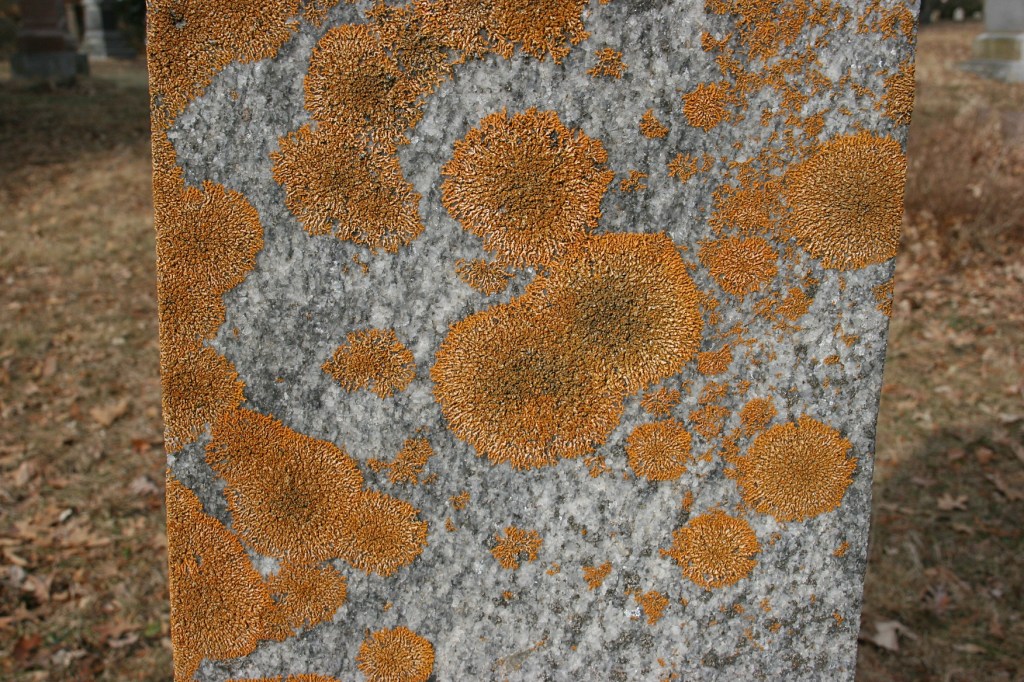
Aged tombstones are often spotted with growth like this on a stone at Oak Ridge Cemetery, Faribault.

Aged tombstones are often spotted with growth like this on a stone at Oak Ridge Cemetery, Faribault.


A TIME EXISTED when I disliked cemeteries. I thought of bones, of coffins, of creepy, scary stuff that wings through the imagination of a child. I thought of my grandfather buried beneath the cold earth. The grandpa with the shock of white hair. The grandpa who loved iced tea and pruning raspberries and raising honeybees. Decades later I would stand in that same southwestern Minnesota cemetery on a bone-chilling April morning to bury my father. By then I’d long overcome my fear of cemeteries.


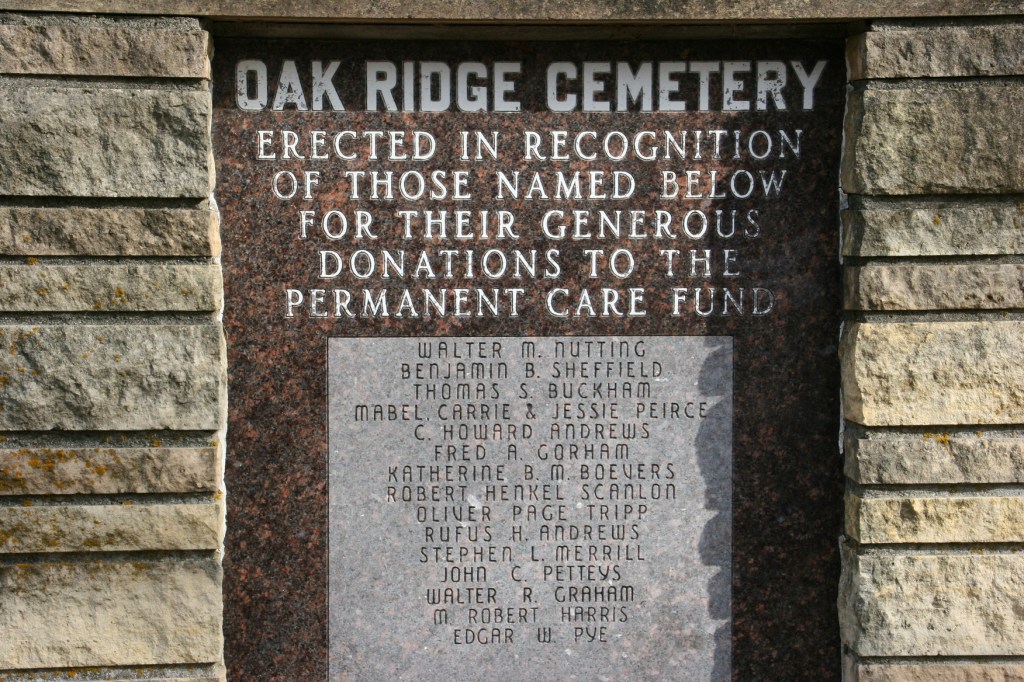
I recognize several early Faribault names on the Oak Ridge Cemetery sign.

I recognize several early Faribault names on the Oak Ridge Cemetery sign.


Today I purposely walk cemeteries to discover the history, the art and the stories therein. I’ve meandered among the tombstones of countless Minnesota graveyards. But not until recently did I explore one right in my own backyard—Oak Ridge Cemetery in Faribault. The cemetery sits atop a hill along Minnesota State Highway 3 on the north edge of town. I always thought it was the Catholic cemetery, an error corrected by my husband who pointed to an adjacent burial grounds.


Oh, the oaks and the limestone.

Oh, the oaks and the limestone.


Oak Ridge is unlike any cemetery I’ve toured. Narrow roadways wind up this historic burial site appropriately named for its ridge-top location and many oak trees. It’s a beautiful location overlooking the city. I made a mental memo to visit in the fall. I noted also two limestone buildings—a crypt and a pumphouse. And I noted the natural state of the unmanicured grounds.


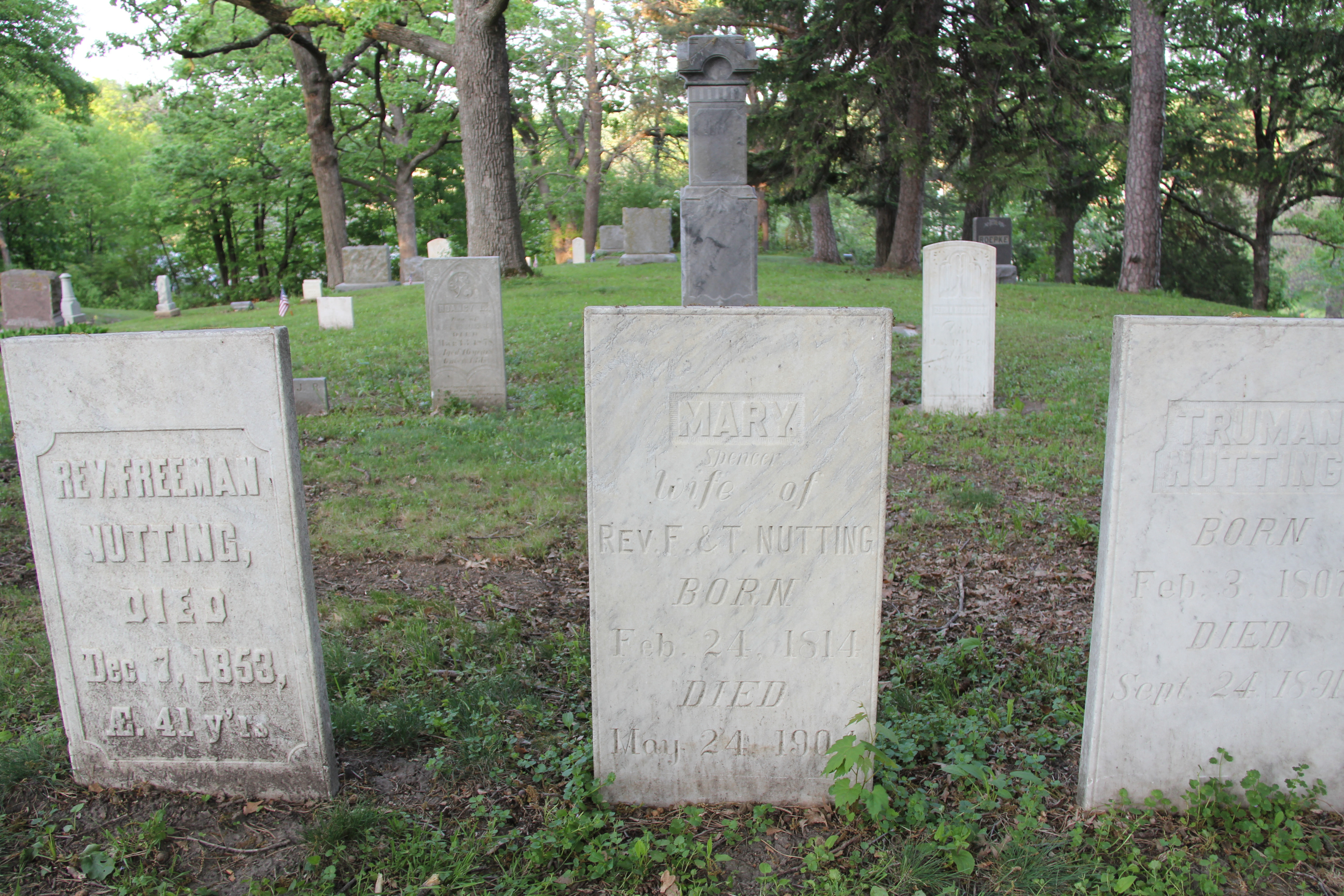
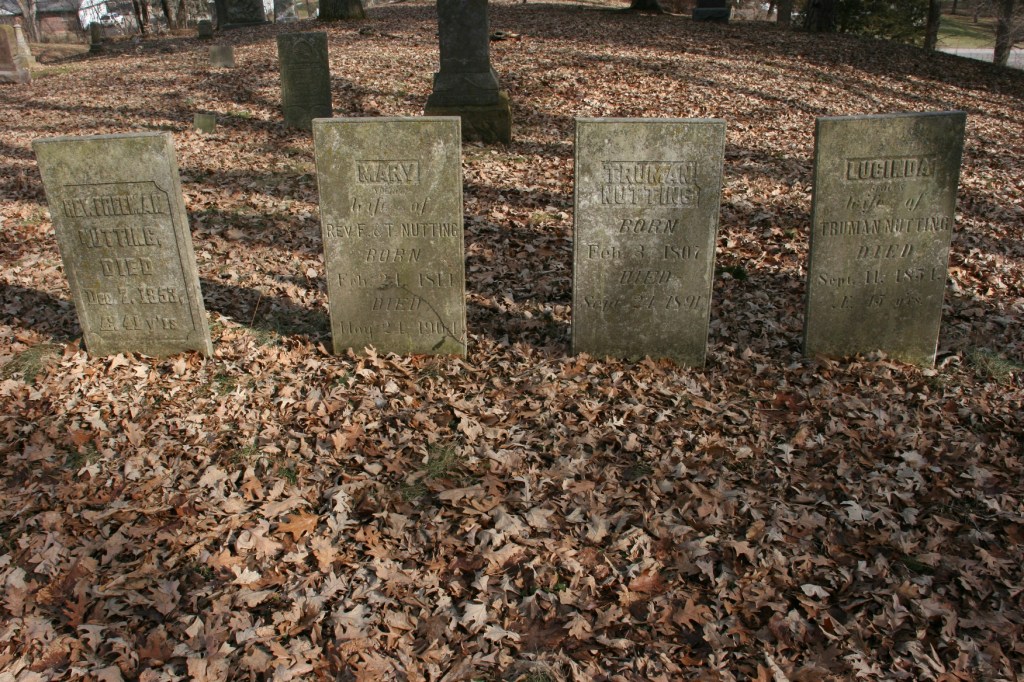
Four Nutting headstones in a row grabbed my attention. The Nutting family built a manufacturing company in Faribault.

Four Nutting headstones in a row grabbed my attention. The Nutting family built a manufacturing company in Faribault. On the left is the marker of the Rev. Freeman Nutting, who married Mary Spencer. After he died in December 1853, Mary married Freeman’s older brother, Truman, in 1854. Truman’s first wife, Lucinda Graves, died in 1851.


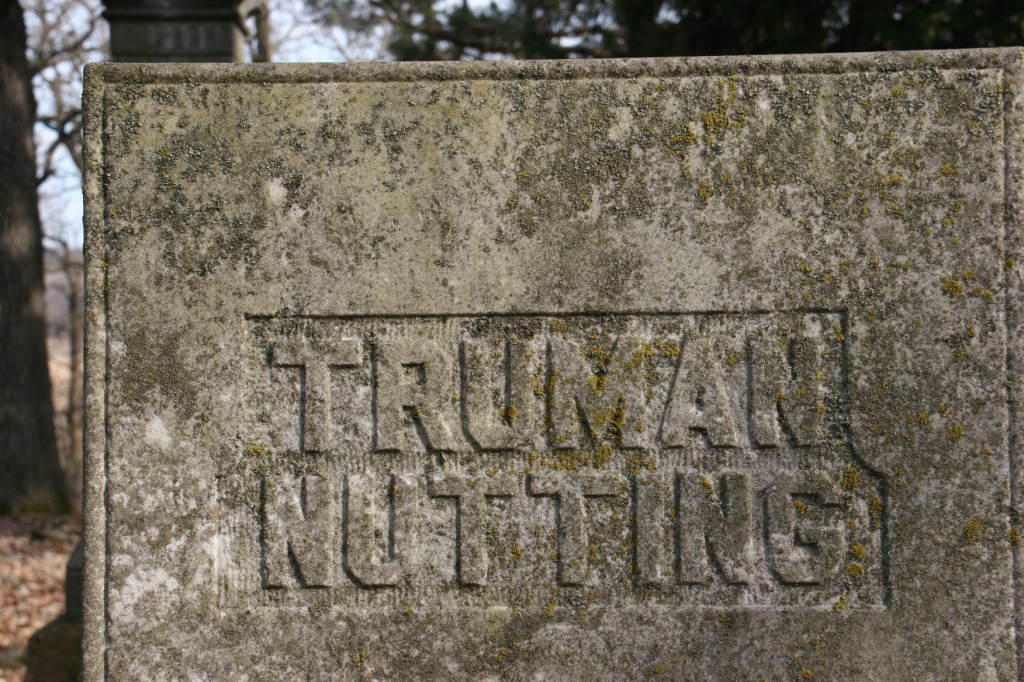
Truman Nutting was born in 1807 and died in 1891.

Truman Nutting was born in 1807 and died in 1891.


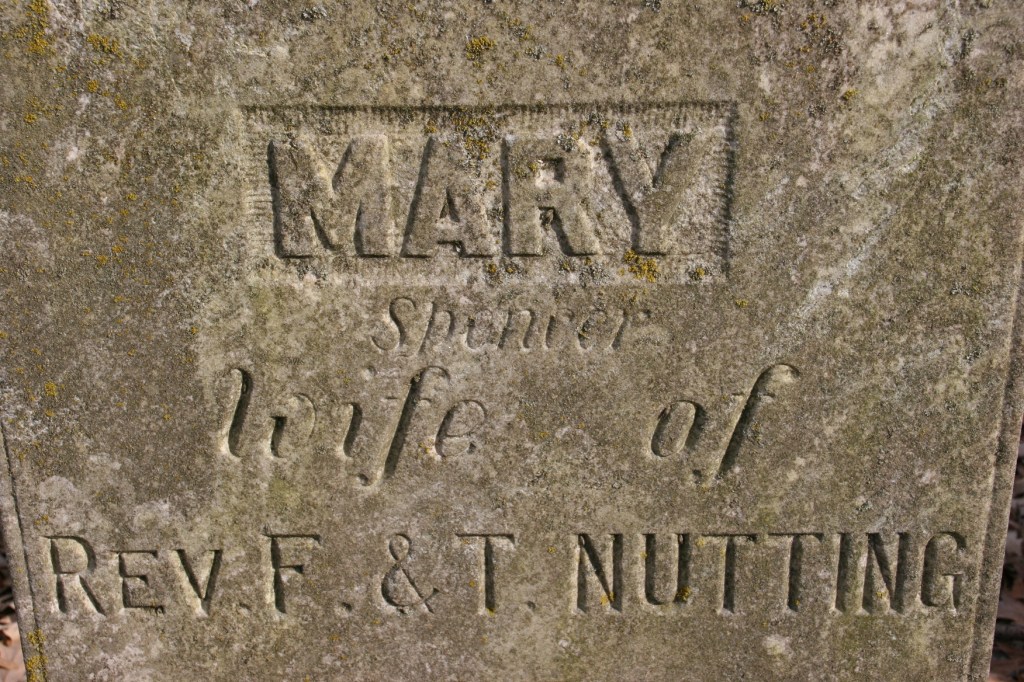
Mary Spencer Nutting was born in 1814 and died in 1904.

Mary Spencer Nutting was born in 1814 and died in 1904. Have you ever noticed how aged graves read “wife of,” but not “husband of?”


When I began reading tombstones, I recognized names of early Faribault residents, of individuals prominent in the community. This is an old cemetery, laid out in 1857, a year before Minnesota became a state.


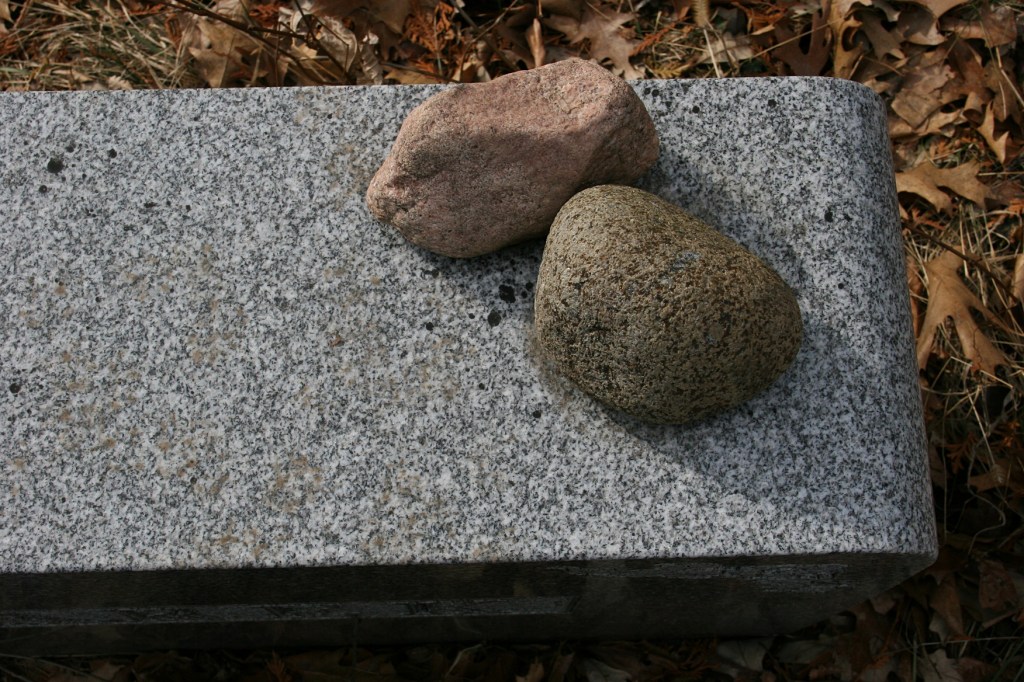
A Google search revealed that stones atop a headstone indicate a visitor stopped to pay respects to the deceased.

A Google search revealed that stones atop a headstone indicate a visitor stopped to pay respects to the deceased.


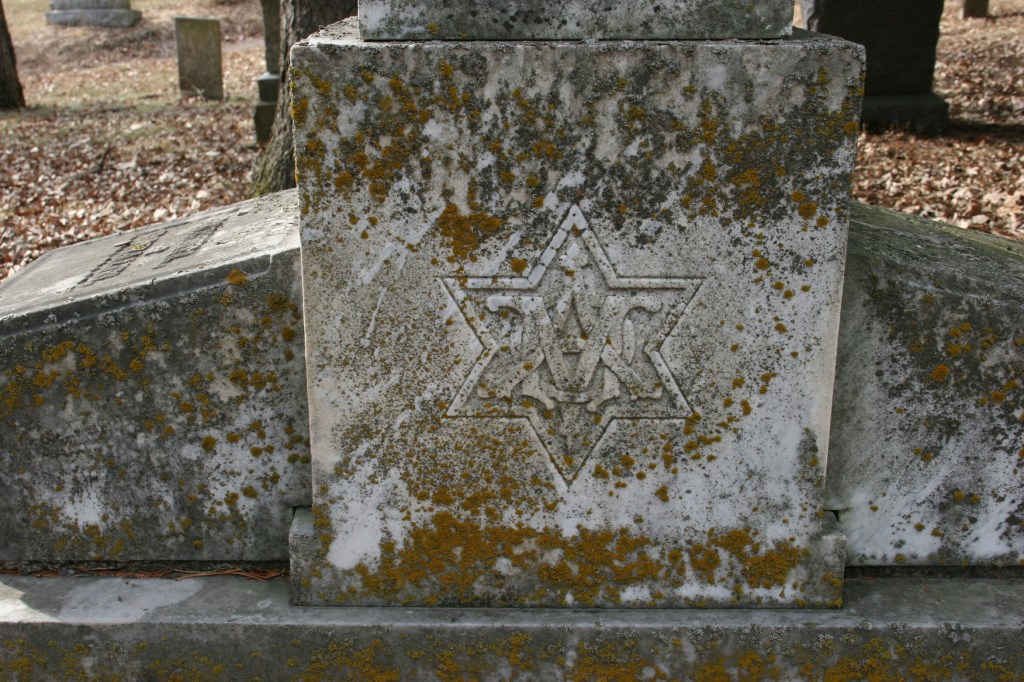
A penny on a headstone also marks a visit and is often a practice of those of Jewish faith. I spotted this coin on a headstone that includes a Star of David.

A penny on a headstone also marks a visit and is often practiced by those of Jewish faith, according to Google sources. I spotted this coin on a headstone with a Star of David.


As I paused at markers, I considered the personal stories that I will never know of these men, women, teens, children and babies once loved. I saw evidence of that love in objects left atop gravestones. I’ve seen the usual flowers, flags, garden art and stuffed animals at other cemeteries. But not until Oak Ridge had I seen a penny and stones left as signs of a grave site visit.


There's so much history in cemeteries. This sign led me to visit the Dalby Database to learn more about the woman buried beneath this marker.

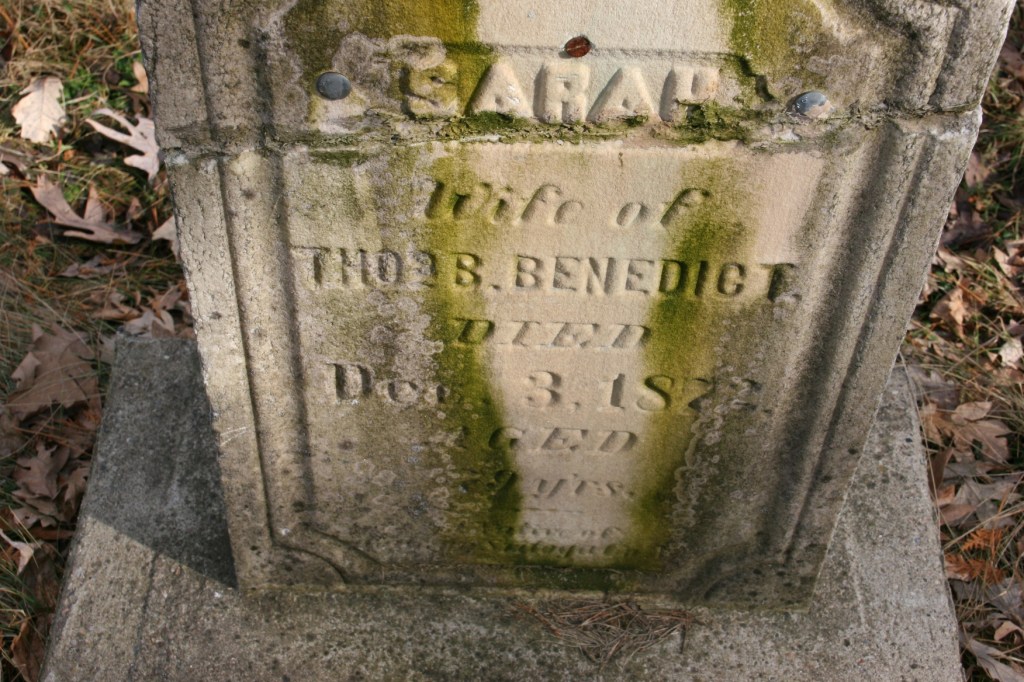
There’s so much history in cemeteries. This sign led me to visit the Dalby Database to learn more about the woman buried beneath this marker. The broken marker is held together by a plate and bolts.


She is Sarah...

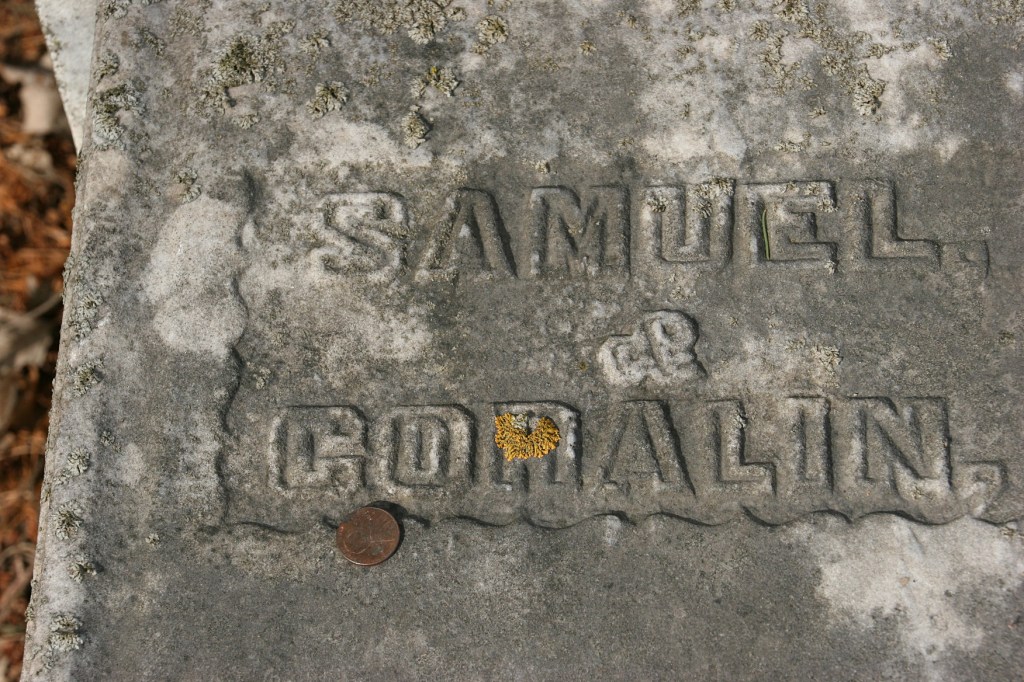
She is Sarah Benedict, born on July 29, 1793, died on December 3, 1872…


...daughter of William Brewster, soldier of the Revolution.

…daughter of William Brewster, soldier of the Revolution.


I am determined now to revisit Oak Ridge—termed by another visitor as “the horse and buggy cemetery.” His tag seems fitting for a burial site that traces back to the early days of Faribault, of Minnesota as a state.


I've visited many rural Minnesota cemeteries. This is the first Star of David I've found on a tombstone.

I’ve visited many rural Minnesota cemeteries. This is the first Star of David I’ve found on a tombstone.


TELL ME: Do you explore cemeteries? If yes, why?


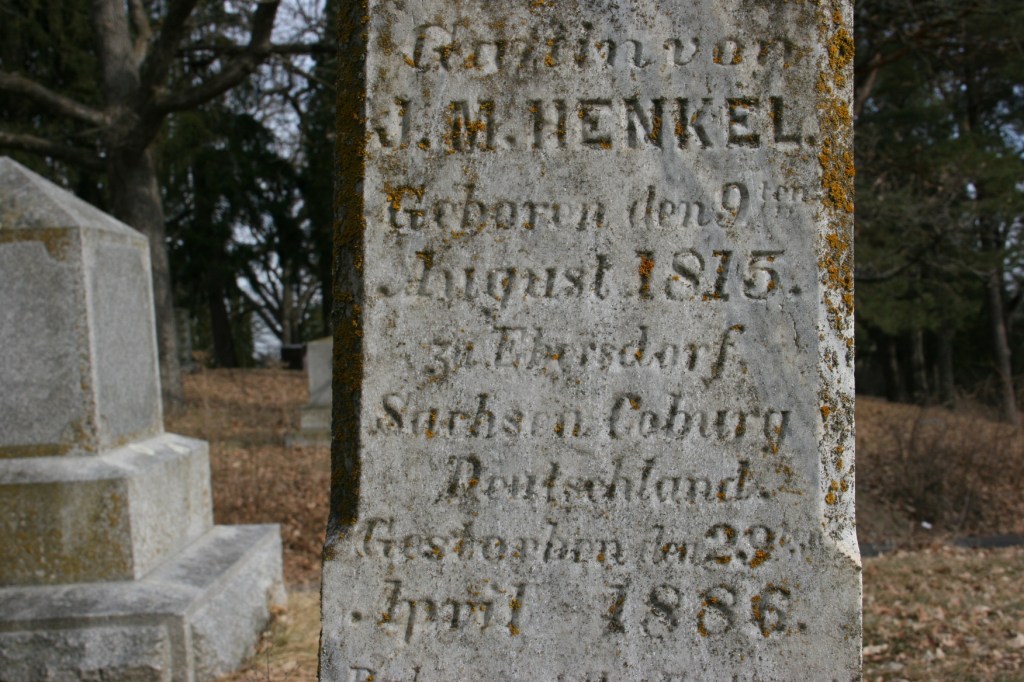
A tombstone inscribed in German.

A tombstone inscribed in German.


FYI: Click here to read an unofficial Facebook page for Oak Ridge Cemetery. It offers lots of information on those buried here.

The Dalby Database is also an excellent source of information for those buried in cemeteries throughout Minnesota.

© Copyright 2017 Audrey Kletscher Helbling
 

In a Minnesota cemetery: Oh, sweet baby, who were you? June 16, 2016


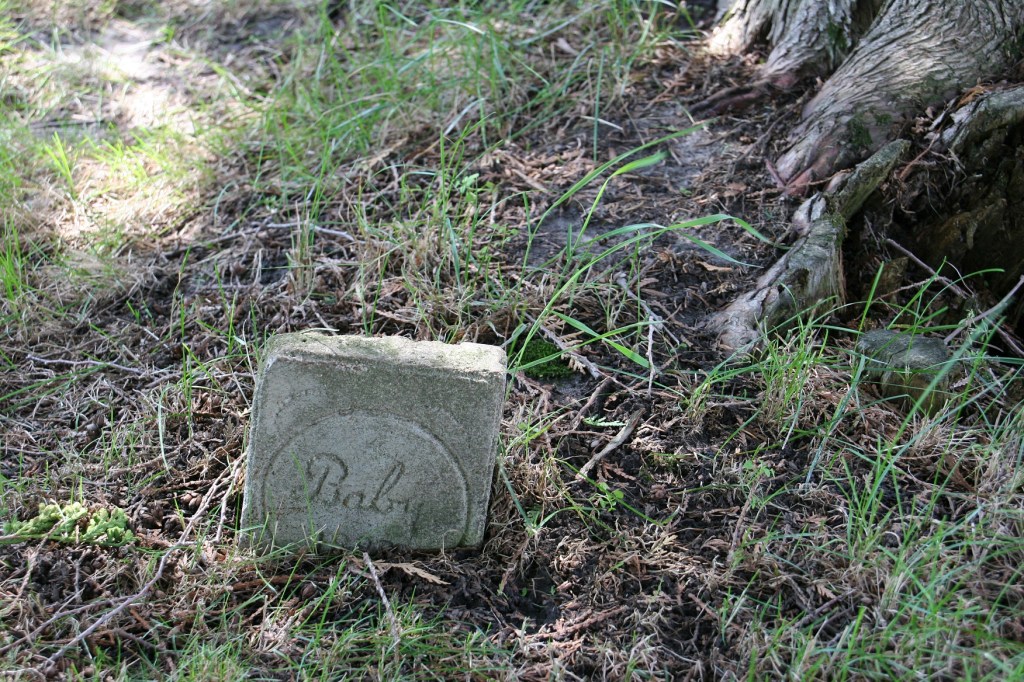
Emmanuel Cemetery, Aspelund 169 baby grave marker


I’VE TOURED MANY RURAL CEMETERIES. But never have I seen a grave marker that so saddened me as the one I spotted on the edge of the Emmanuel Lutheran Church Cemetery in Aspelund on Sunday afternoon.


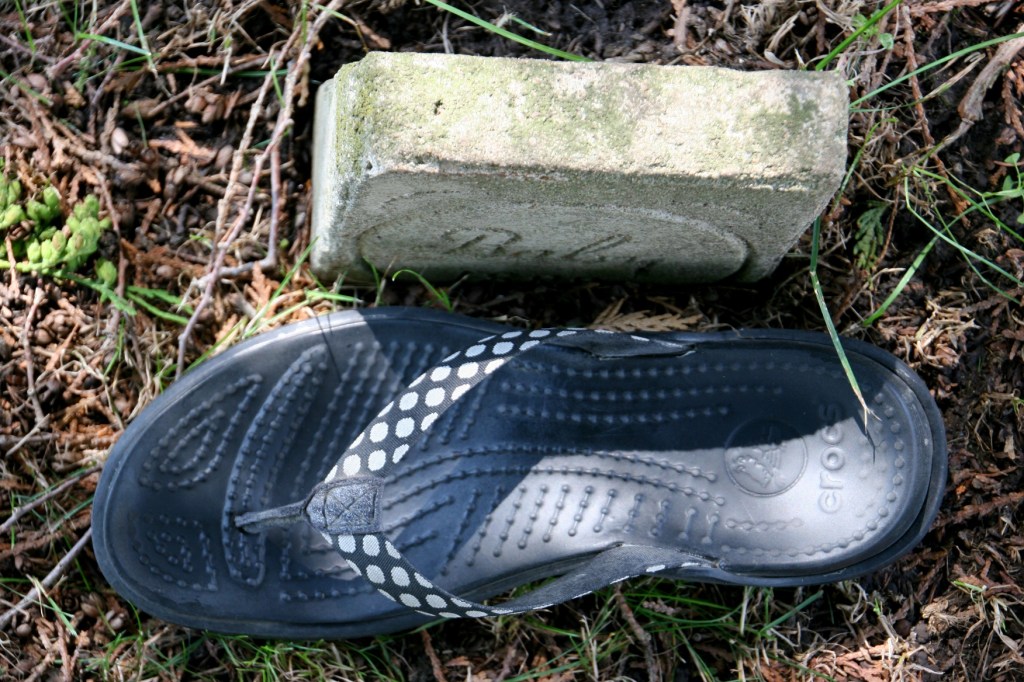
Emmanuel Cemetery, Aspelund, 172 baby grave & flip flop


Smaller than the length of my size eight flip flop, the simple slab of concrete tilted barely above the earth. Inscribed thereon, in cursive, was a single word—Baby.


Emmanuel Cemetery, Aspelund 170 baby grave marker close-up


Certainly I’ve seen grave markers of many babies. But this one, because of its minimal size and placement under trees along the cemetery boundary and its simplicity of design, caused me to pause. I am a mother and a new grandmother. And I suppose in the humanity of that, thinking of my own love for my daughters, son and granddaughter, I empathized with the grief of such a loss.

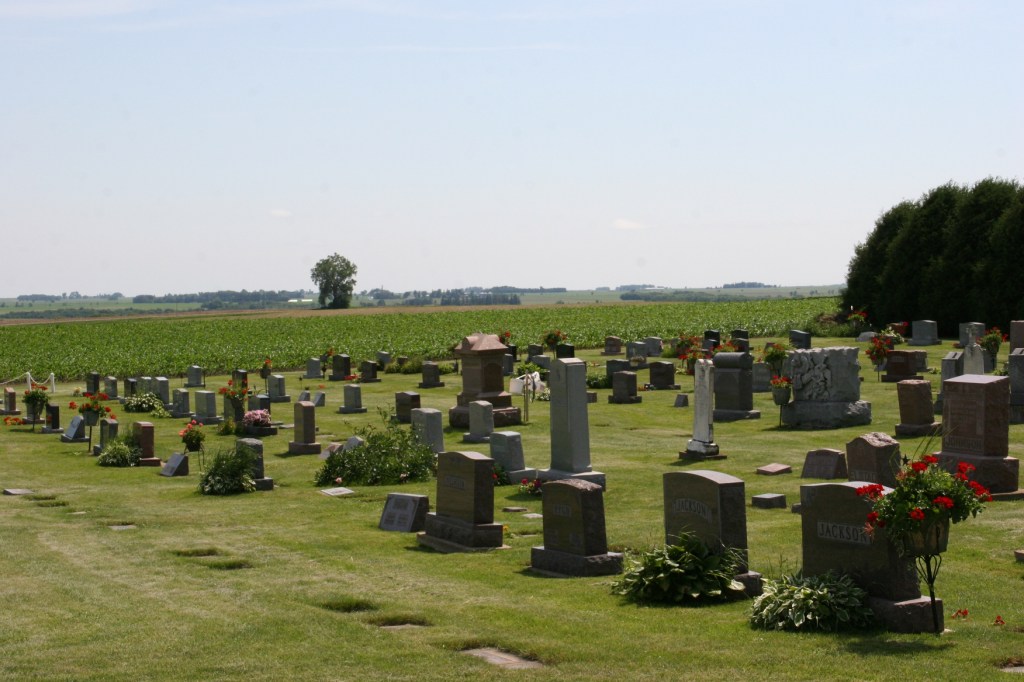
A section of the cemetery that lies next to Emmanuel Lutheran Church and next to a field.

A section of the cemetery that lies next to Emmanuel Lutheran Church and a field.

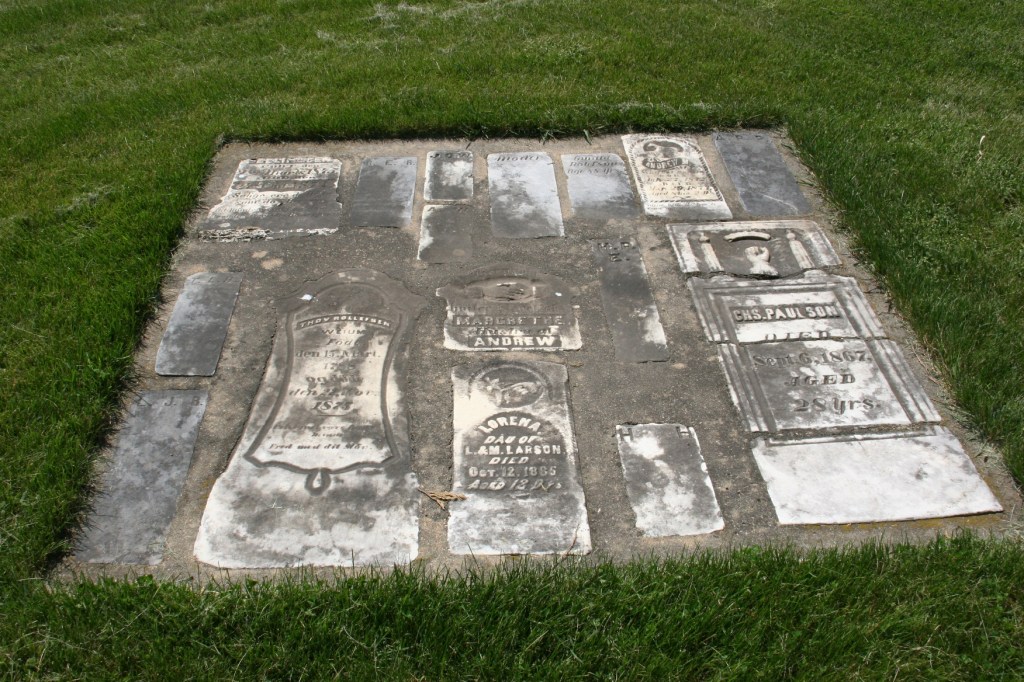
Aged tombstones, which I assume once stood vertically, are now cemented flat into the ground.

Aged tombstones, which I assume once stood vertically, are now cemented flat into the ground.

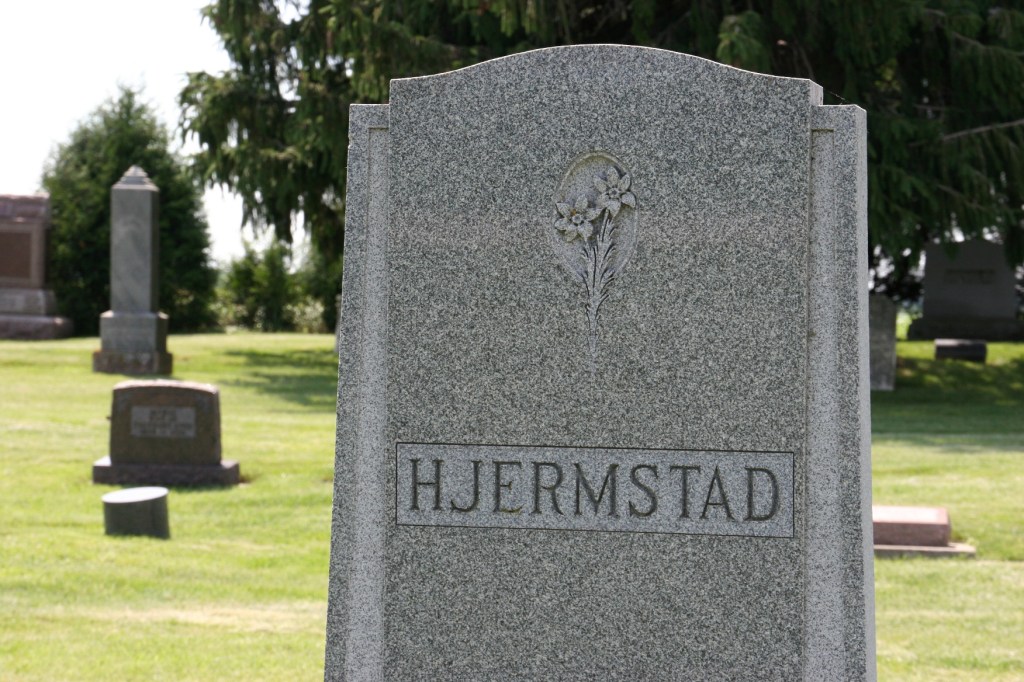
The names reflect the ethnicity of the immigrant families who settled in the Aspelund area.

The names reflect the ethnicity of the immigrant families who settled in the Aspelund area.

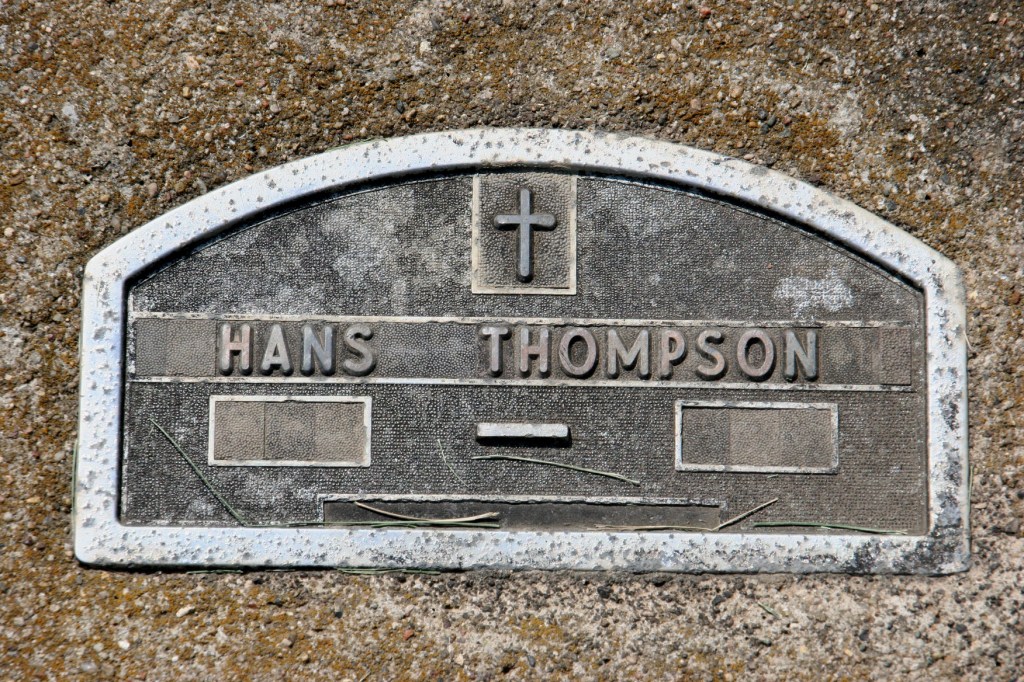
Dates are missing from the in-ground marker of Hans, whom I believe to be an early immigrant.

Dates are missing from the in-ground marker of Hans, whom I believe to be an early immigrant.

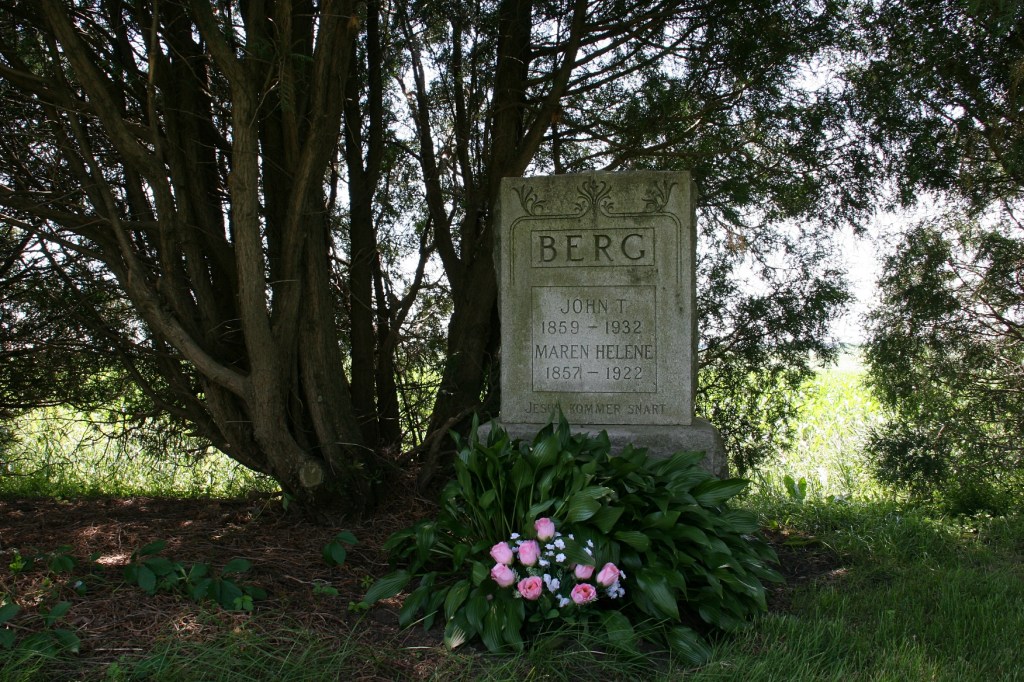
A beautiful sheltered gravesite

A beautiful sheltered gravesite for John and Maren.

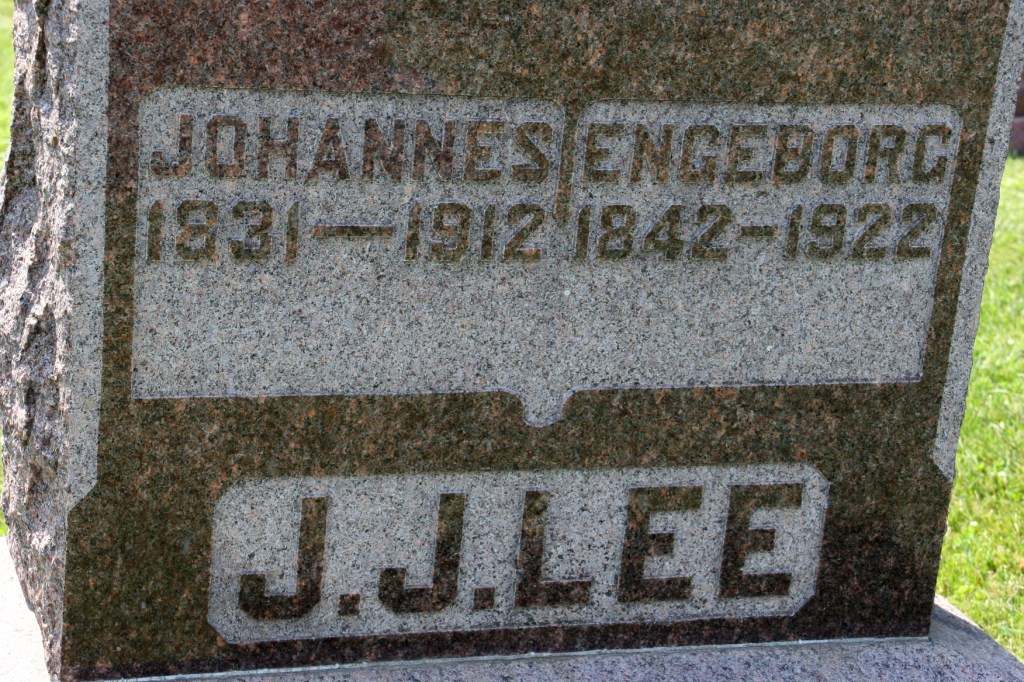
Love the immigrant names of Johannes and Engeborg. So poetic.

Love the immigrant names of Johannes and Engeborg. So poetic.

As I further explored the cemetery—reading the Scandinavian names, studying tombstones and admiring the meticulously kept grounds—I couldn’t shake the image of that baby’s gravestone. Who was he/she? Who were the parents? Why did he/she die?

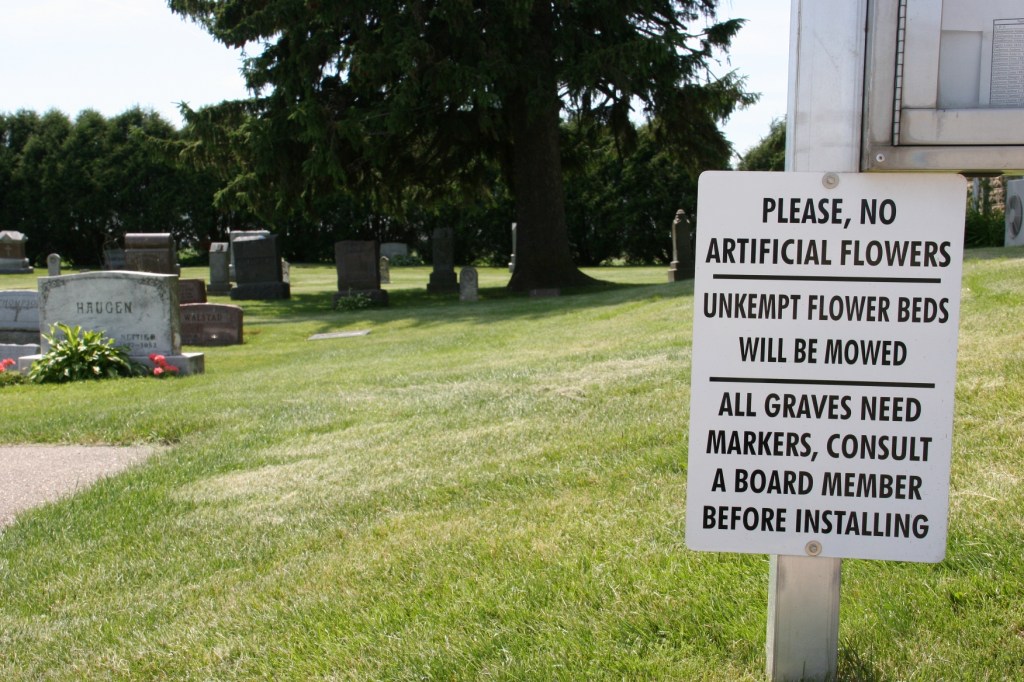
Next to this list of rules is a graveyard directory, which we couldn't decipher.

Next to this list of rules is a graveyard directory, which we couldn’t decipher.

Hoping to find answers on a posted cemetery directory, neither my husband or I could figure out how to match names with platted marker locations. So I left, still wondering about this precious baby buried here beneath trees in rural Goodhue County, Minnesota.

© Copyright 2016 Audrey Kletscher Helbling
 

Rest in peace, Ole, Sophia, Amelie… May 4, 2015

THERE WAS A TIME when I stayed away from cemeteries. Walking among tombstones, atop burial sites, creeped me out.

But I’ve since matured, realized that a cemetery holds history and art, life stories and loss, and serves as a place to grieve, to honor and to remember loved ones.

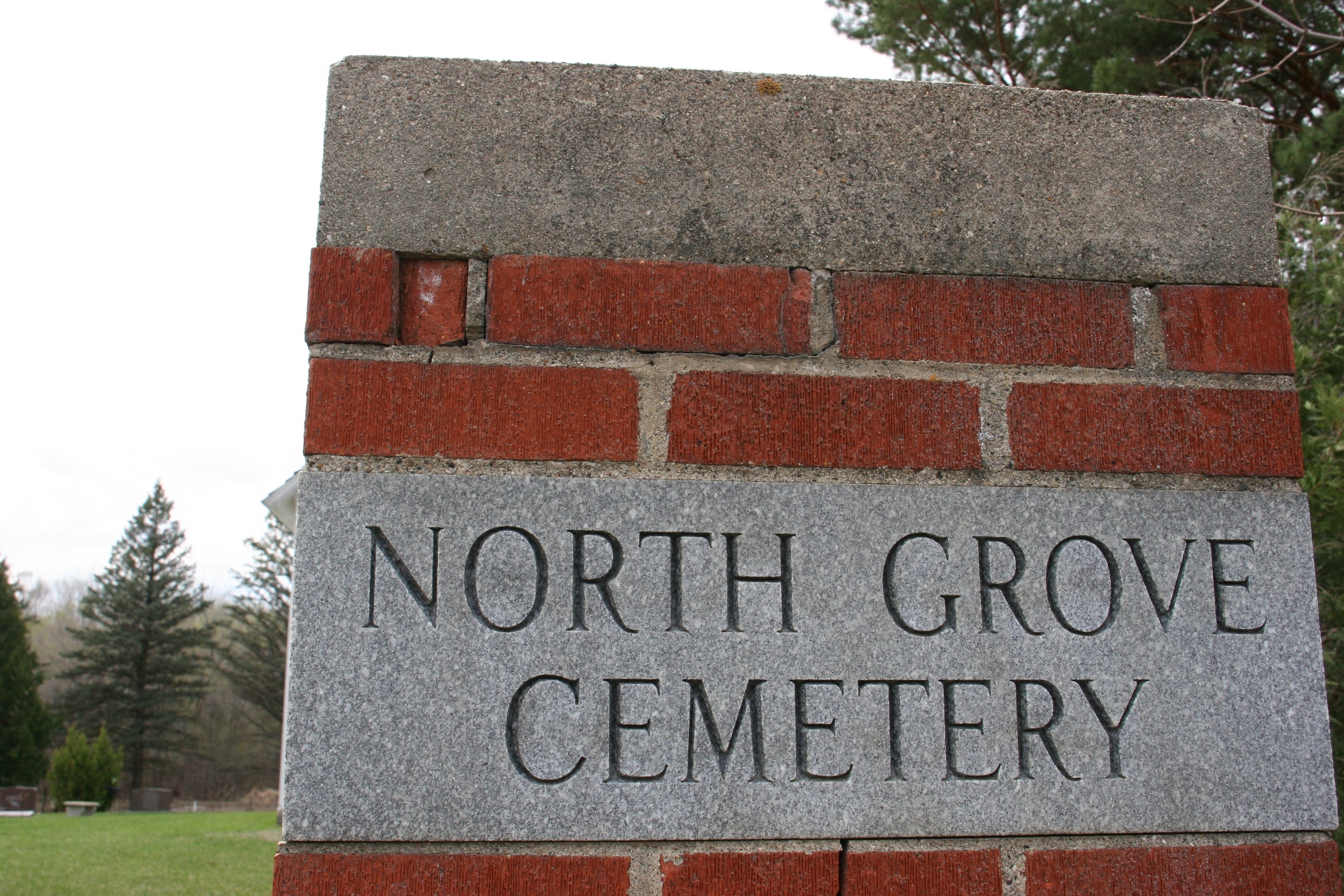
A marker at the entry to North Grove Church and Cemetery in Cannon City Township, rural Rice County, Minnesota.

A marker at the entry to North Grove Church and Cemetery in Cannon City Township, rural Rice County, Minnesota.

My most recent cemetery tour took me to North Grove Church and Cemetery just north of Faribault along Minnesota Highway 3. I’ve passed this site hundreds of times in 30-plus years, never once stopping to investigate.

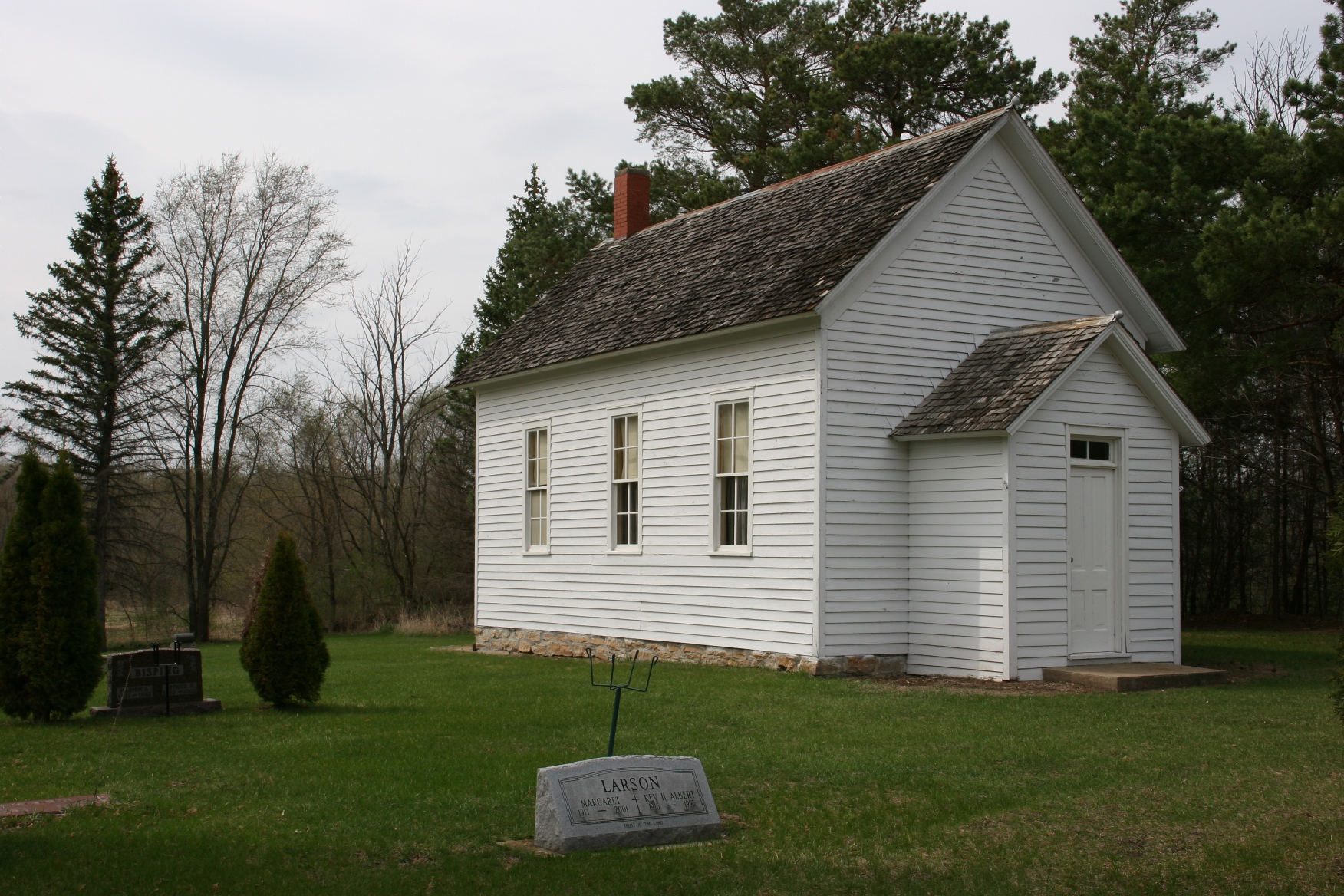
North Grove Church, closed in 1931.

North Grove Church closed in 1931.

Here I discovered a quaint church, long closed.

I opened this door into the church entry, but found the interior sanctuary door locked.

I opened this door into the church entry, but found the interior sanctuary door locked.

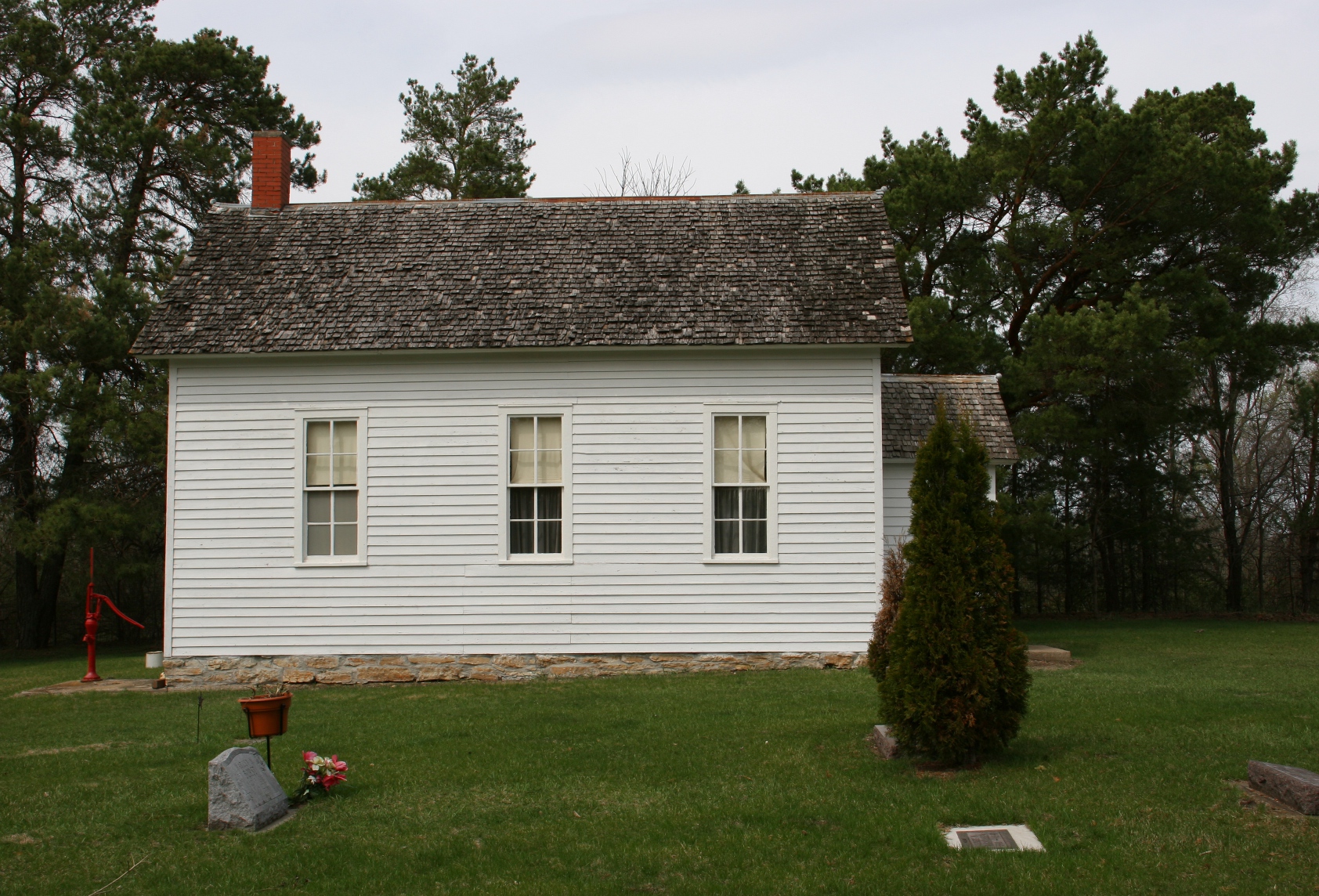
Peering through curtained windows, I glimpsed pews and wished I could get inside the locked building.

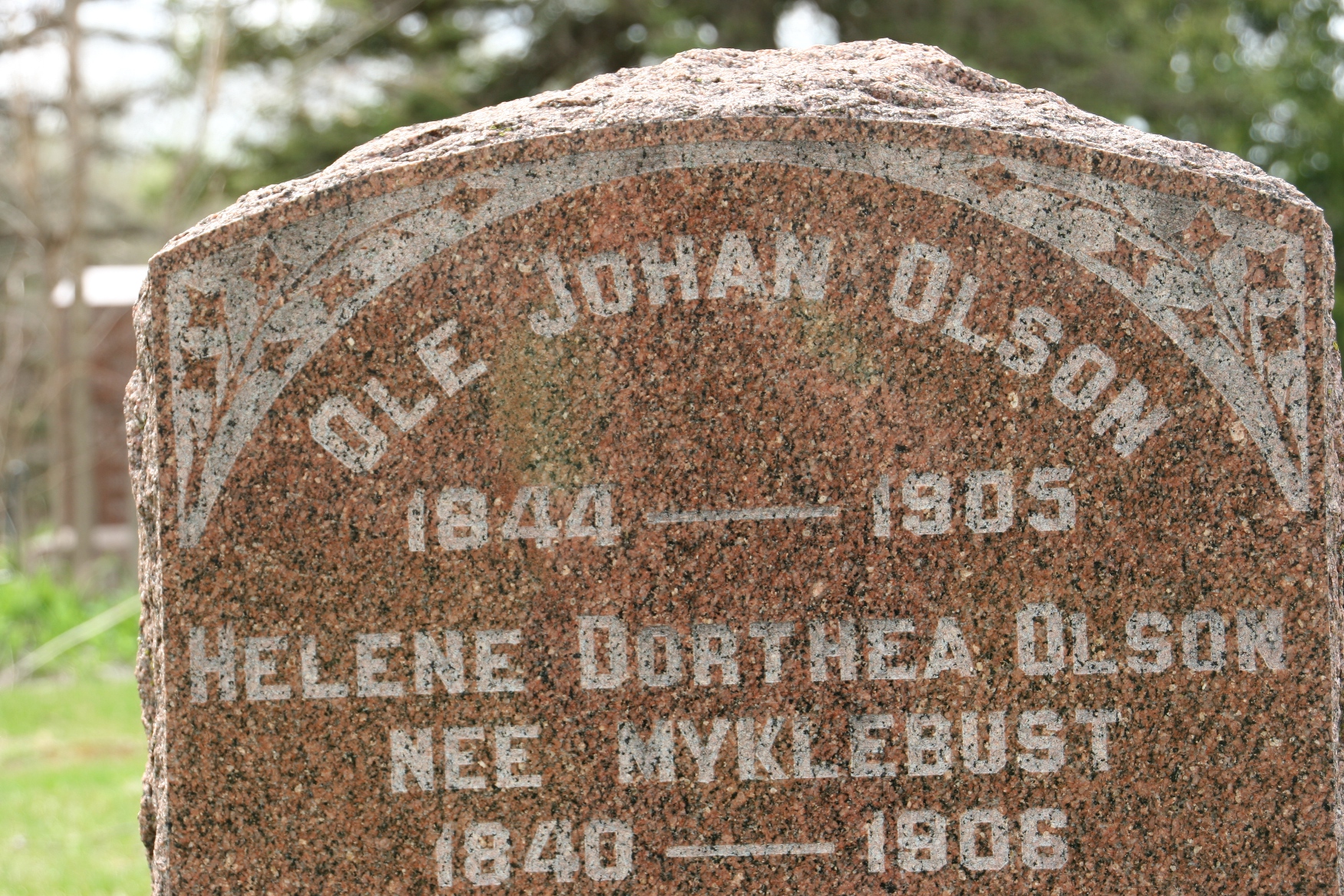
The Norwegian name, Ole, is common on North Grove tombstones.

The Norwegian name, Ole, is common on North Grove tombstones.

On a quick perusal of grave markers, where the name “Ole” is chiseled in stone many times, I determined that Norwegian immigrants built this house of worship and established this cemetery.

As was common in early Minnesota churches, the cemetery is right next to the church building.

As was common in early Minnesota churches, the cemetery is right next to the church building.

John Dalby of Faribault, who runs the Dalby Database along with wife, Jan, confirmed the ethnicity of North Grove Church. The Norwegian church was started in 1869 and likely closed in 1931, when First English Lutheran Church in Faribault formed, Dalby says.

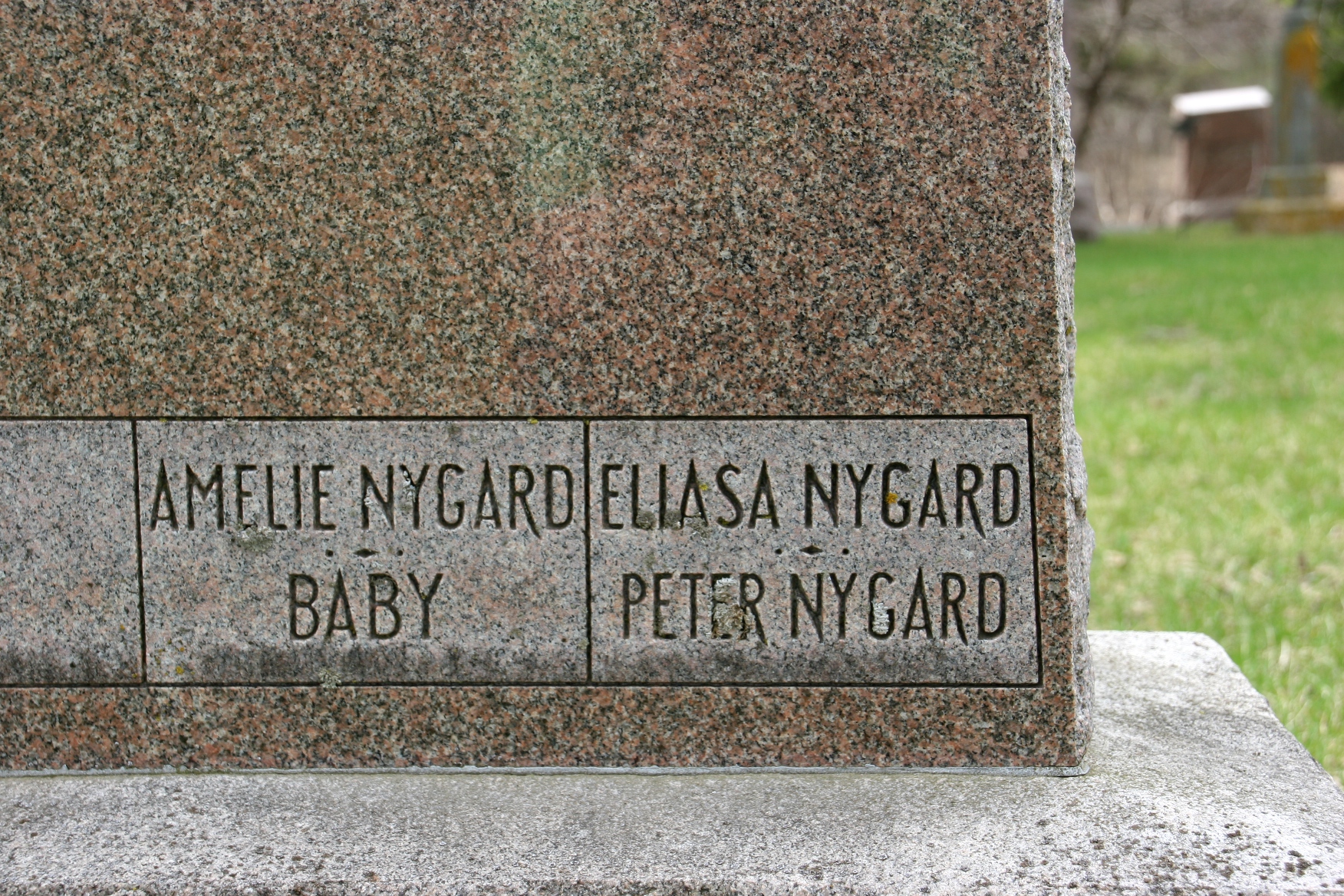
Too many babies died.

Too many babies died.

Wander this burial grounds and you begin to understand the losses and grief endured by early Minnesota settlers. Babies dead. Wives and husbands gone too young. Immigrants who left Norway for a new, but not always better, life in America.

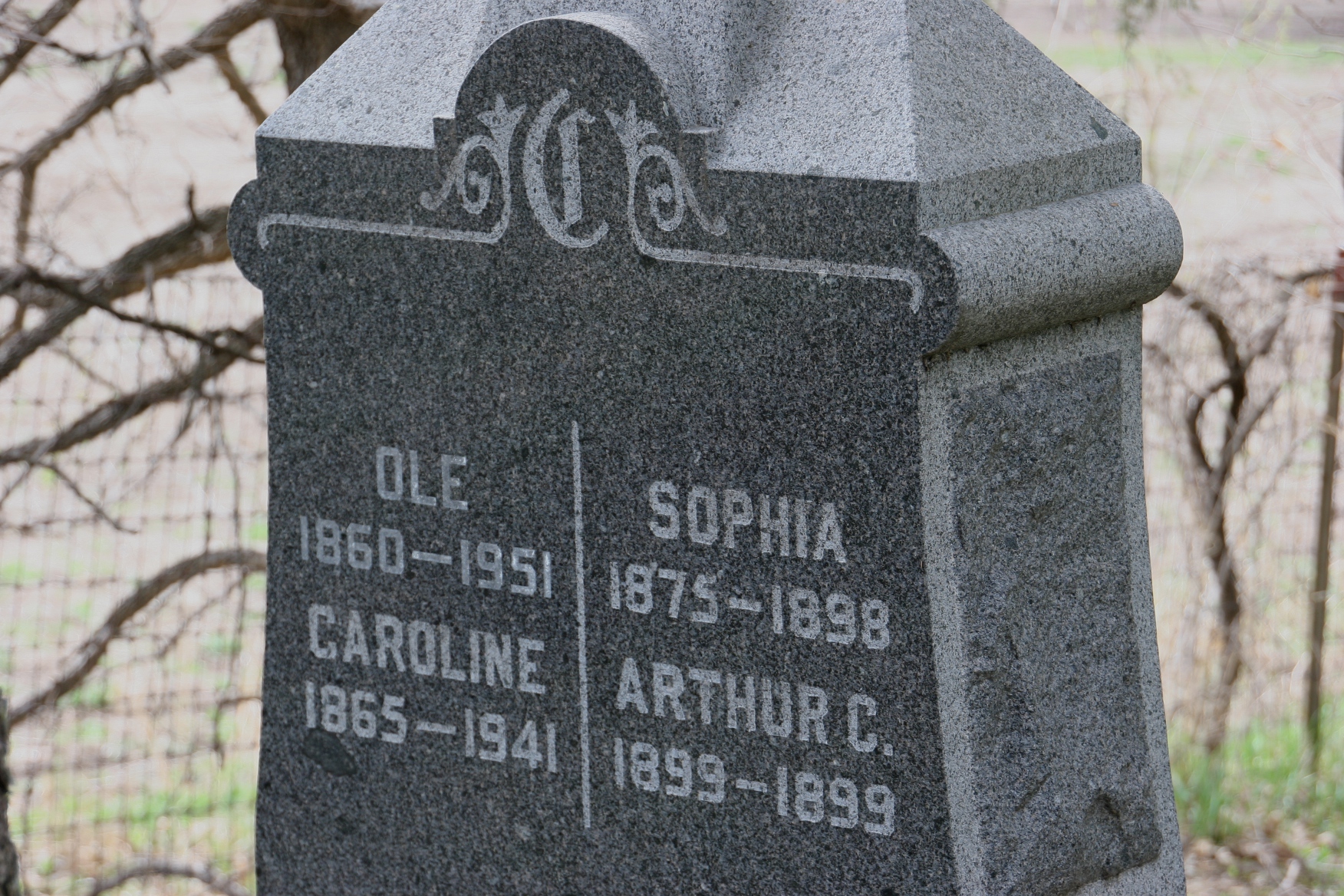
Ole Christiansen, who lived to age 91, came from Norway. His first wife, Sophia Swenson, died. He then married Caroline.

Ole Christiansen, who lived to age 91, came from Norway. His first wife, Sophia Swenson, died. He then married Caroline.

Then scroll through obituaries on the Dalby Database, which includes 2.5 million records from cemeteries, birth and death certificates and more, and names morph into people. Ole Christiansen is no longer simply a Norwegian name inscribed on a tombstone, but a man who was born in Alerude Odemark, Norway. Husband of Sophia. Then Caroline.

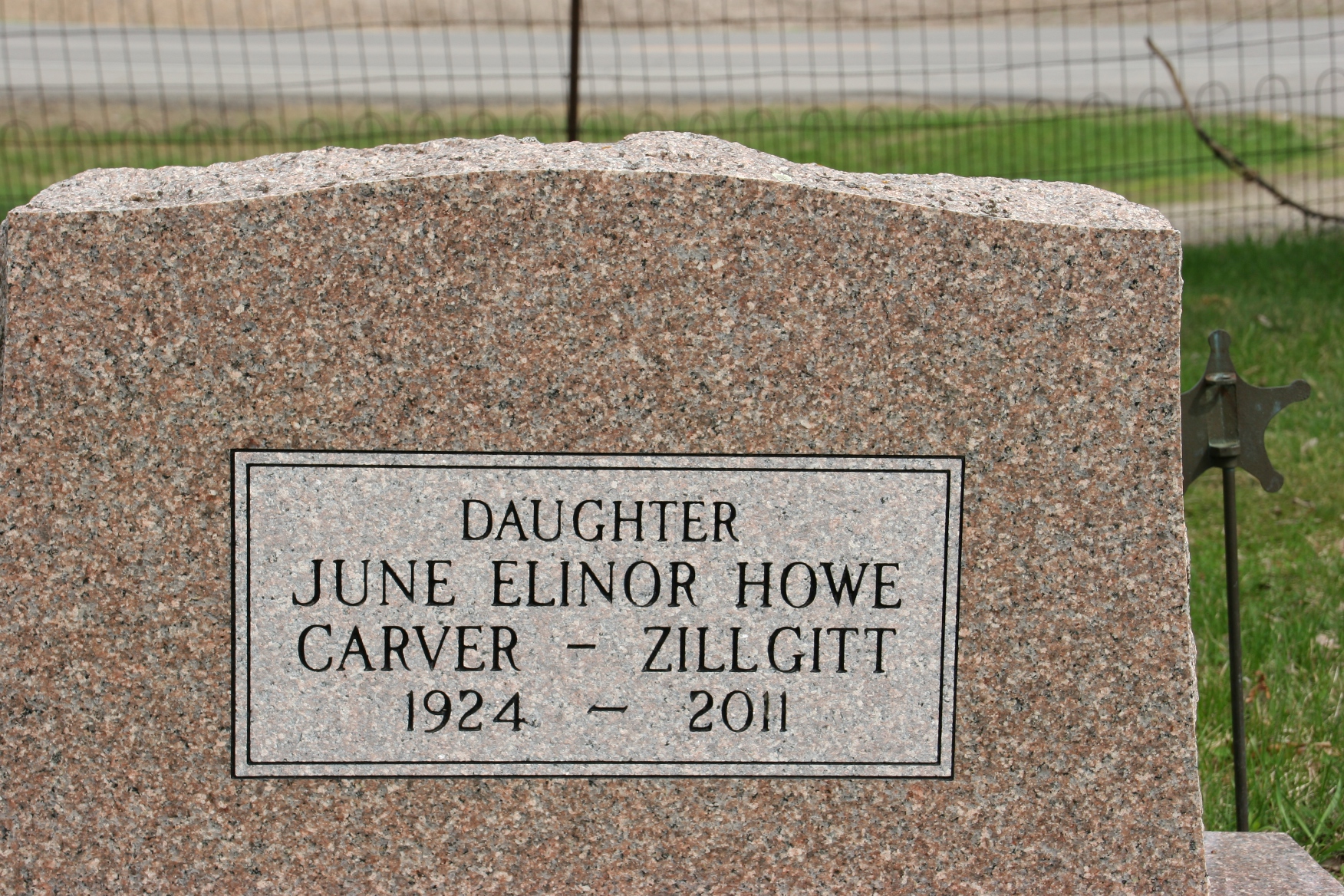
June's first husband was Rice County Sheriff Chuck Carver, who died in a 1971 plane crash. The wreck was discovered several years later. She was remarried to a former Goodhue County sheriff.

June’s first husband was Rice County Sheriff Chuck Carver, who died in a 1971 plane crash. The wreck was discovered several years later. She was remarried to a former Goodhue County sheriff.

June Carver-Zillgitt lived in a jailhouse with her husband-sheriff and cooked for inmates.

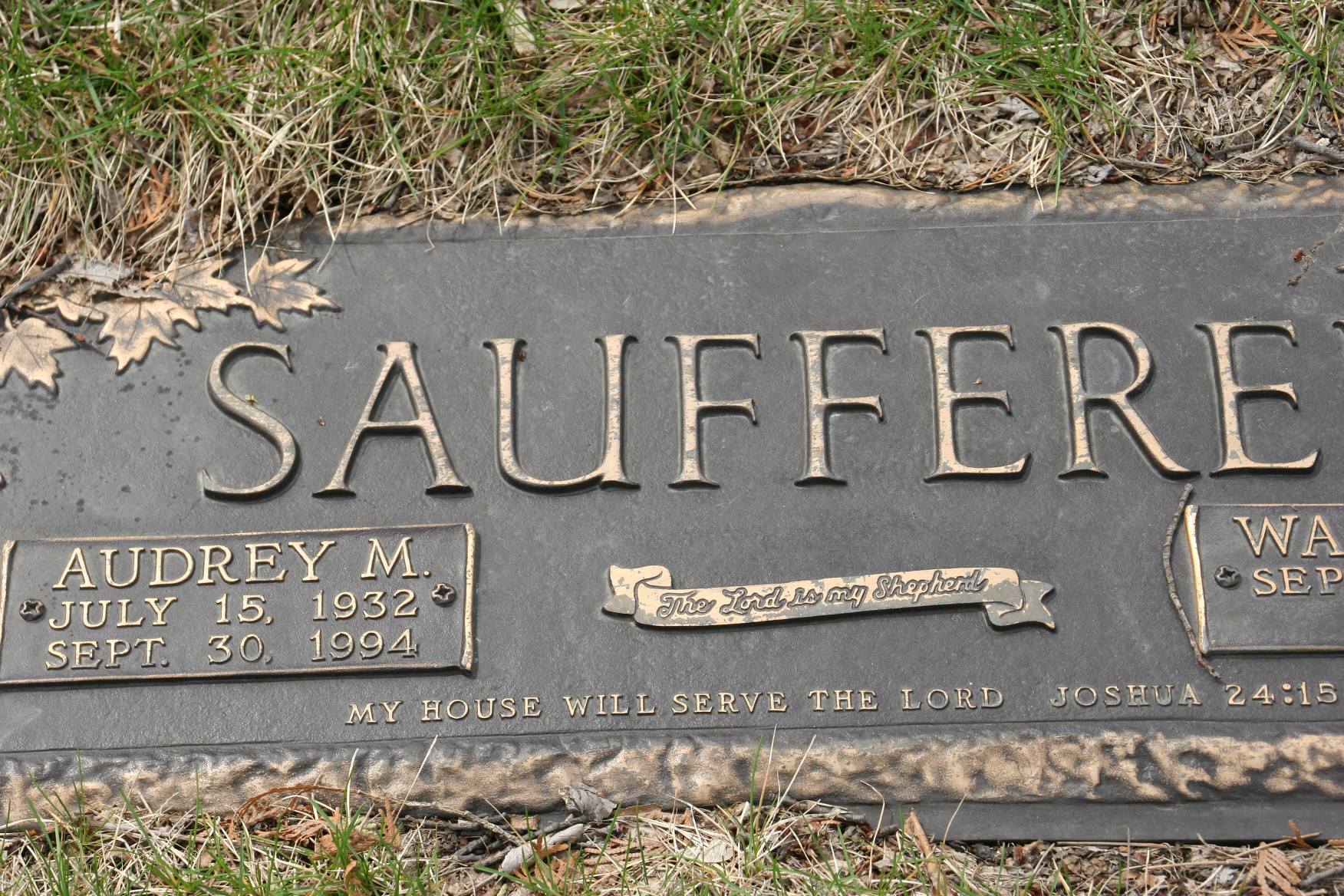
The name, Audrey, drew me to this in-ground marker as did the Scripture inscribed thereon.

The name, Audrey, drew me to this in-ground marker as did the Scripture inscribed thereon.

Audrey Saufferrer had five grandchildren.

Grocer O.A. Brekke was termed a man of “sterling character.”
Mathilda Lund was a pioneer resident of the North Grove community.

Trees are budding in the old cemetery.
Trees are budding in the old cemetery.
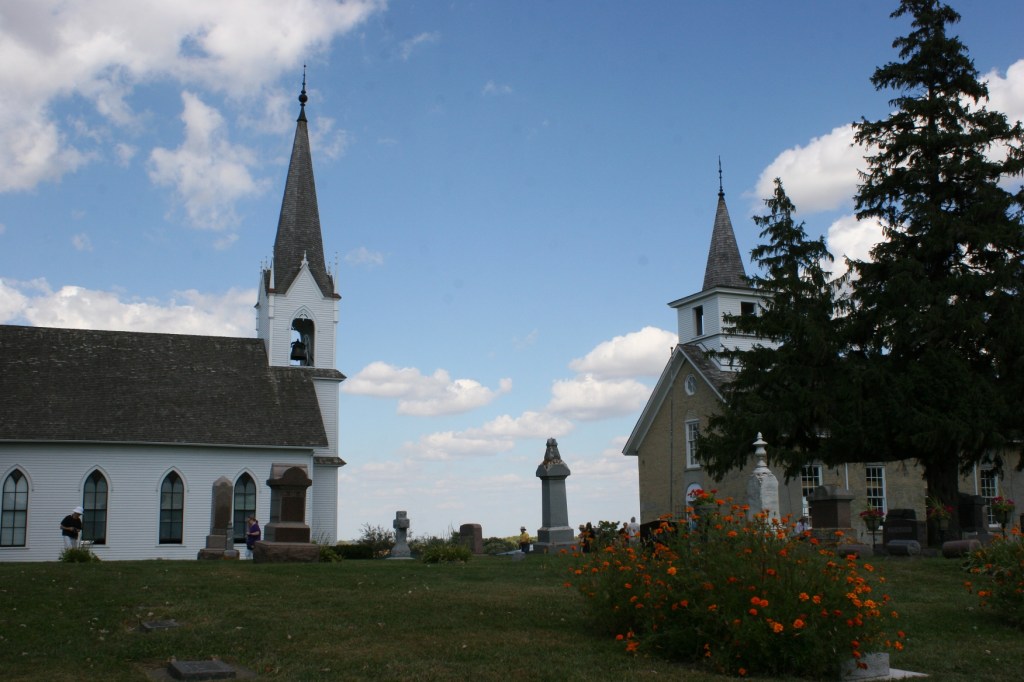
Those buried at North Grove are 326 individuals who lived and loved and labored, although some were dead at birth, or lived too few days or months or years.

The fenced cemetery holds many stories. The cemetery is sandwiched between a highway and fields.

The fenced cemetery holds many stories. The cemetery is sandwiched between a highway and fields with a woods just a bit beyond as shown here.

I knew none of them. But, after walking among their gravestones, I am reminded that a cemetery holds life stories, if only we pause to read them.
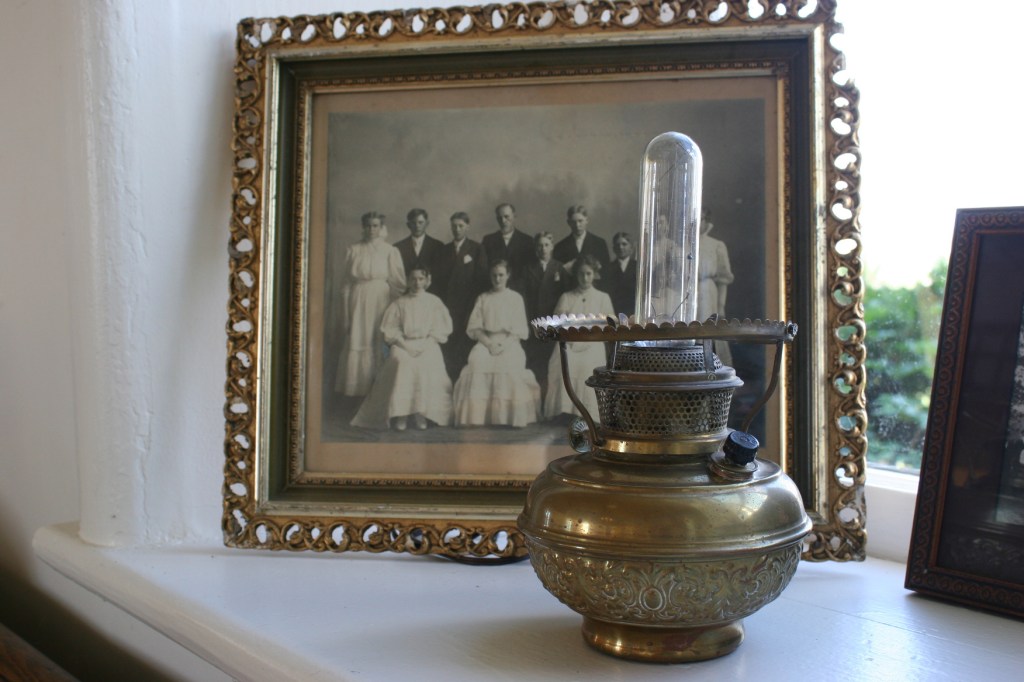
Imagine the hands that worked this pump, those who drank the earth's water. The pump is located behind the church.

Imagine the hands that worked this pump, those who drank the earth’s water. The pump is behind the church.

FYI: Click here to access the Dalby Database, a great resource for anyone doing family history research in Minnesota.
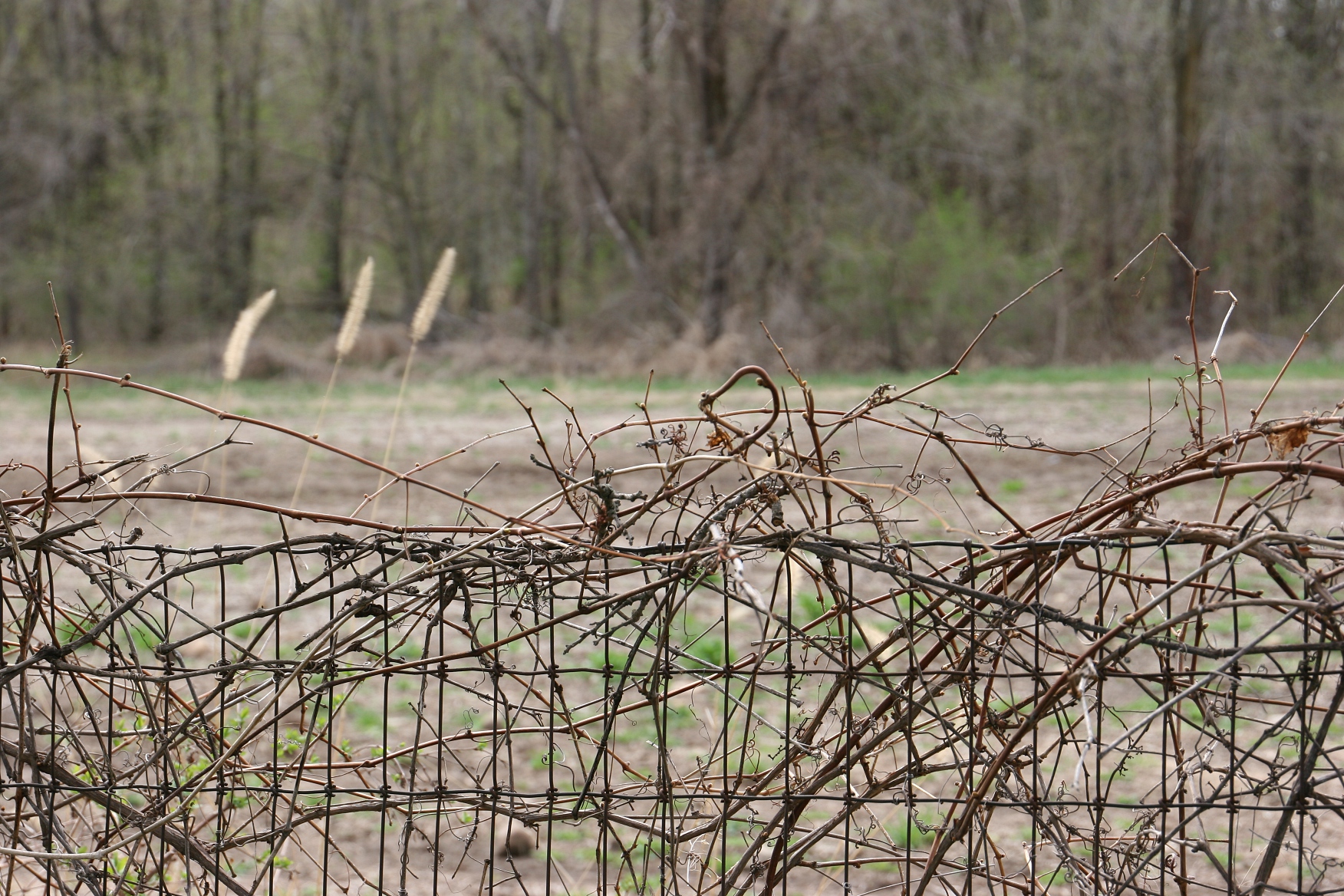
This is one of two old tea kettles sitting near the water pump. I assume they are there  for watering flowers and plants.


This is one of two old tea kettles sitting near the water pump. I assume they are there for watering flowers and plants.

FYI: Janice Uggen Johnson recently published a book, Faith of our Fathers: History of Markers Norwegian Lutheran Church and North Grove Church and Cemetery, Faribault, Rice County, Minnesota (2014). She is an associate member of the Norwegian-American Historical Association. I have not seen or read the book.

The Norwegian-American Historical Association, based at St. Olaf College in Northfield, Minnesota, is “a private membership organization dedicated to locating, collecting, preserving and interpreting the Norwegian-American experience with accuracy, integrity and liveliness.” It was founded in 1925.

Check back for a close-up look at a memorial in the North Grove Cemetery honoring a young Faribault woman.

© Copyright 2015 Audrey Kletscher Helbling