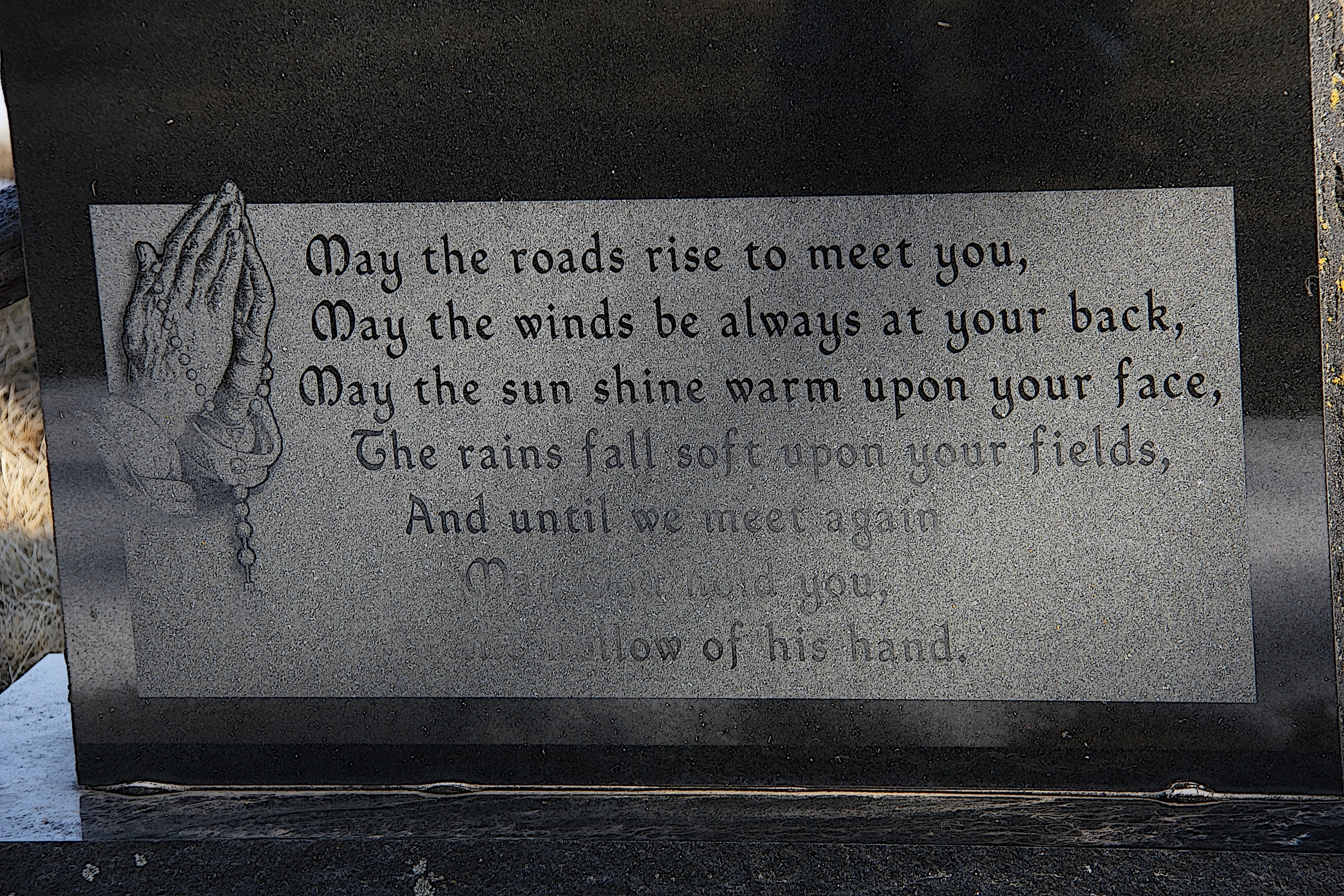
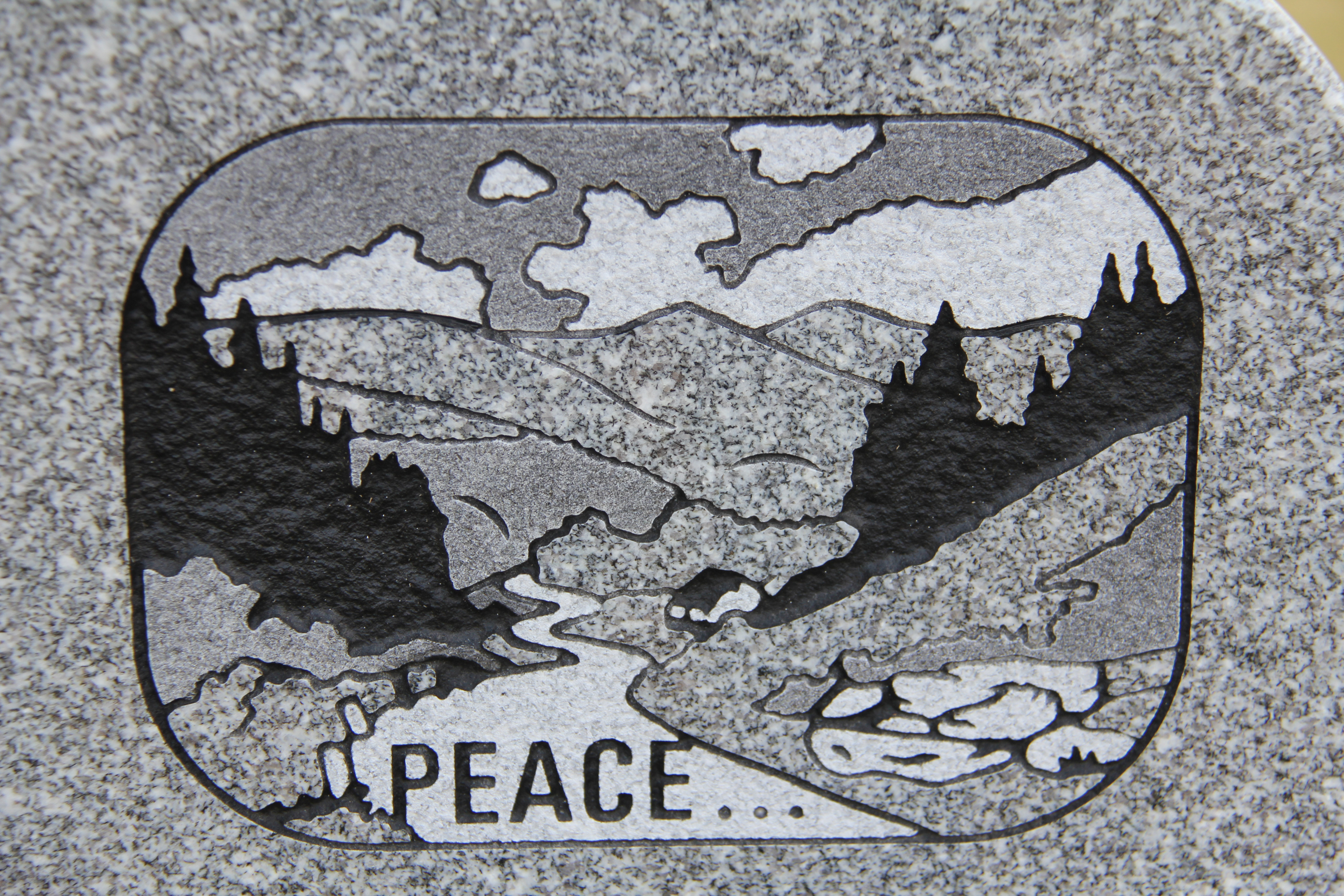
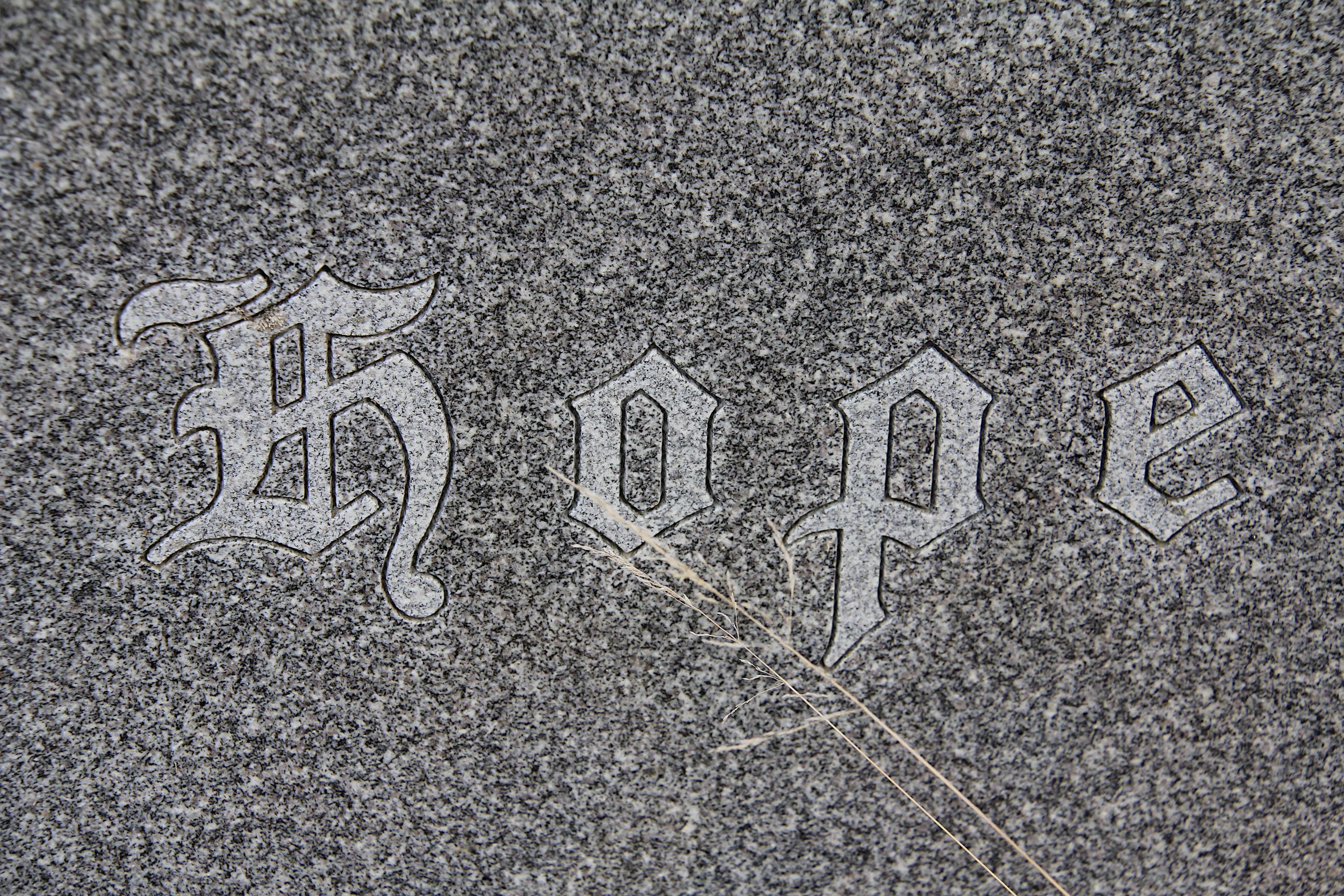
Engraved on a tombstone at Corpus Christi Cemetery. (Minnesota Prairie Roots copyrighted file photo March 2025)
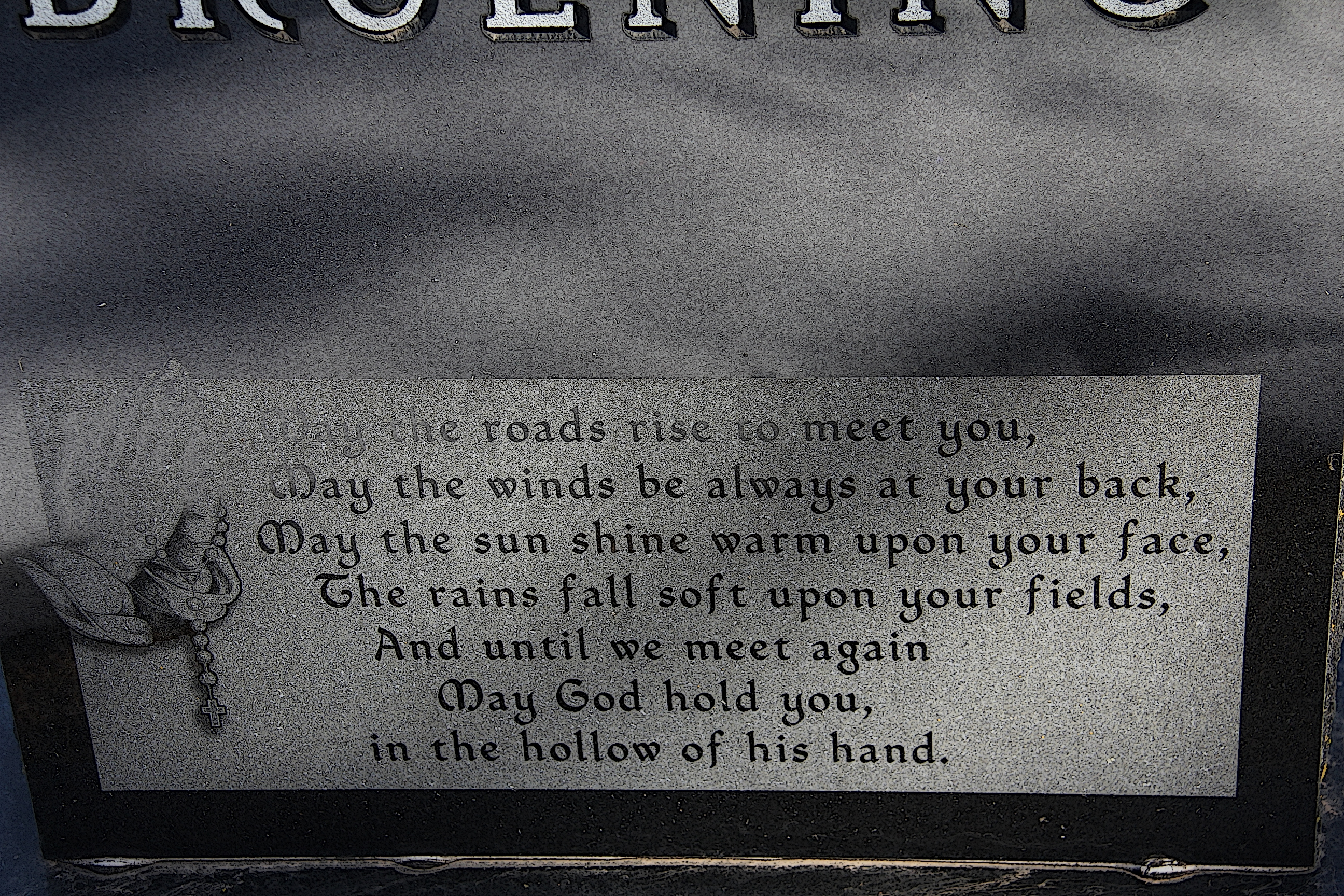
THE SUN SHADOWED the tombstone, making photographing the words thereon a challenge no matter which way I angled my body and camera. So in the end, I settled on two images to share an Irish blessing with you on this, St. Patrick’s Day.
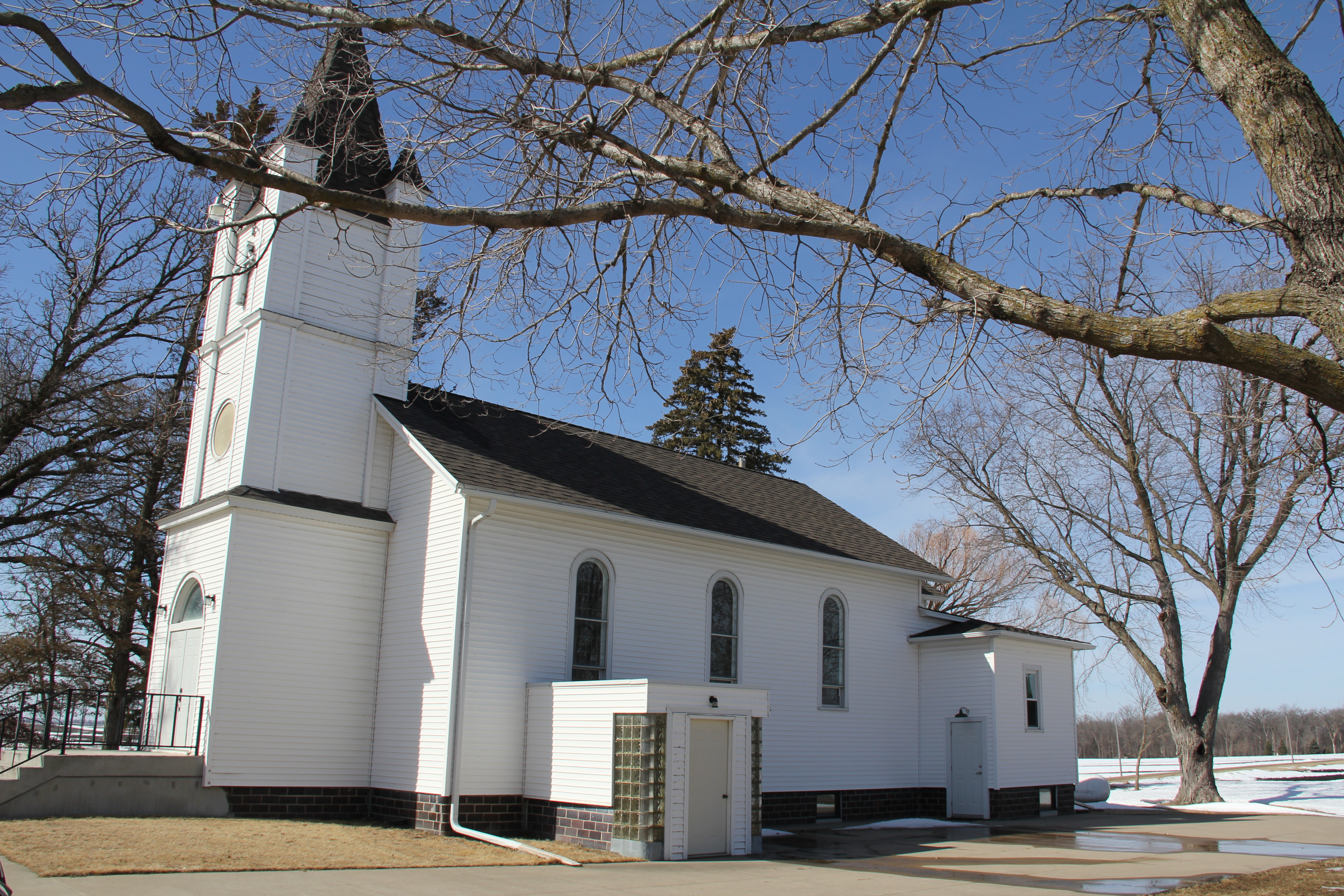
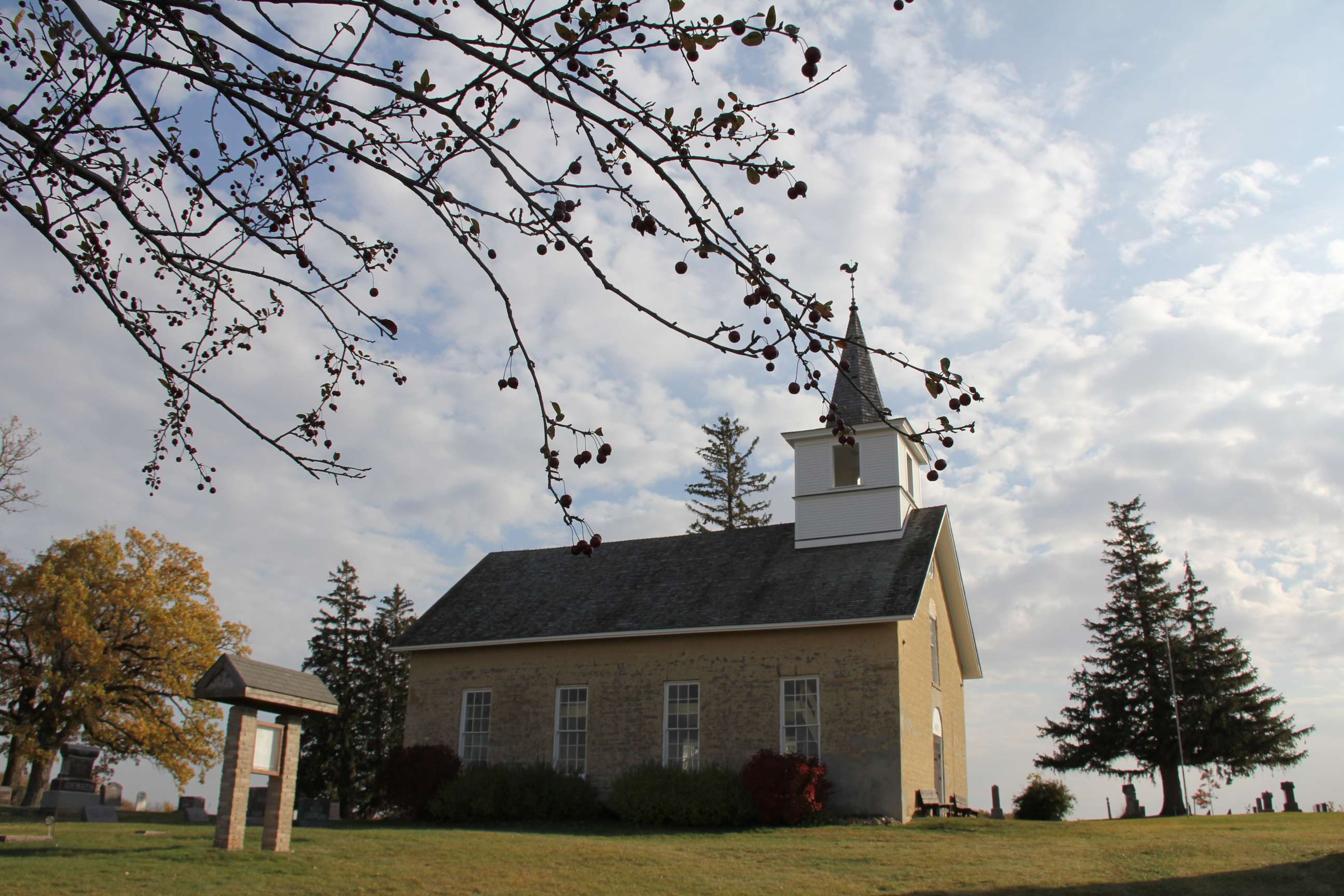
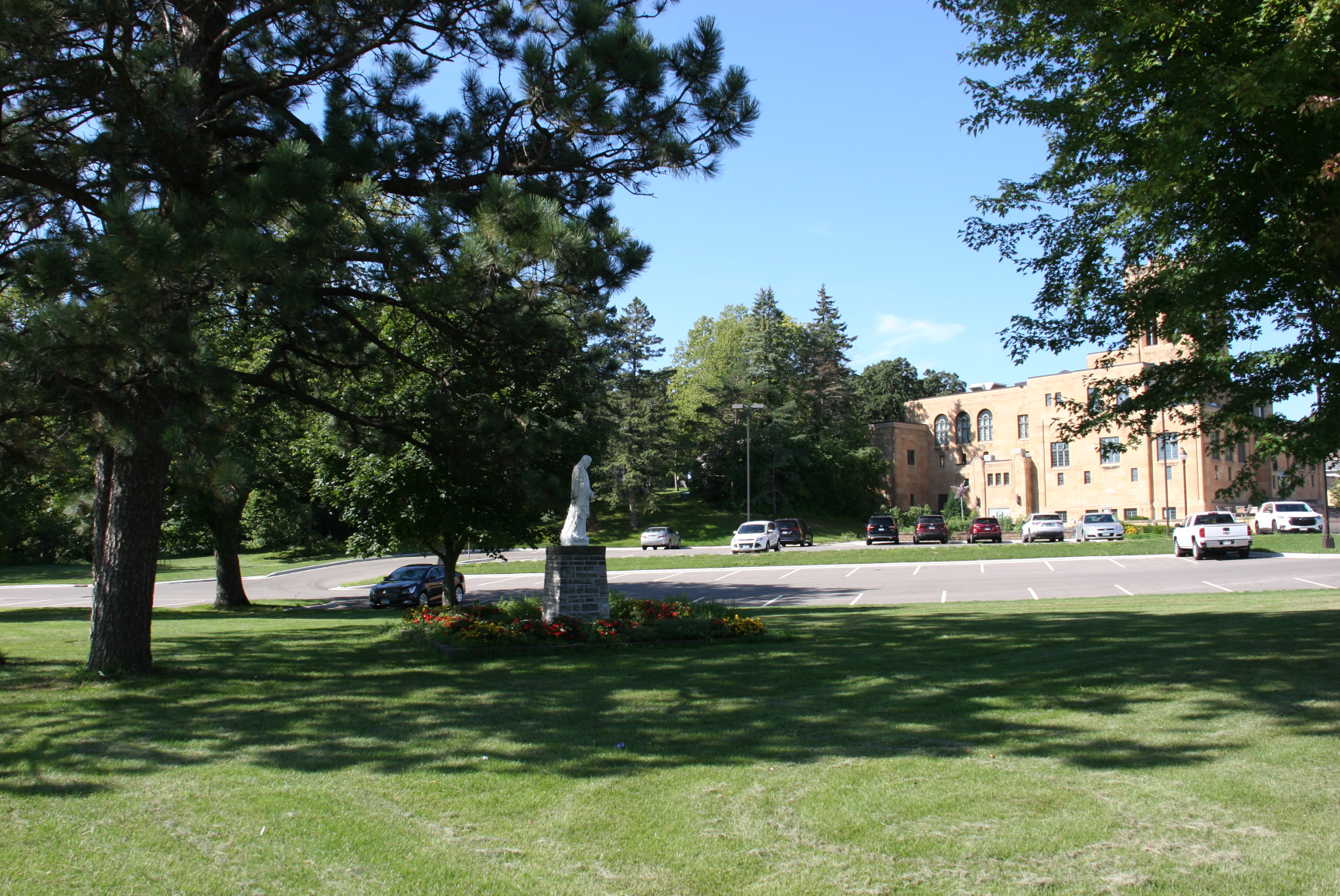
Corpus Christi Catholic Church, Deerfield Township. (Minnesota Prairie Roots copyrighted photo March 2025)
I found this gravestone blessing in the cemetery of Corpus Christi Catholic Church, a shuttered country church in Deerfield Township, rural Steele County, Minnesota. The 1856 church closed in 2016, when it merged with Christ the King Catholic Church in nearby Medford. It opens now for special occasions and is clearly much beloved by those who once worshiped here.
Another view of the Irish blessing with the bottom lines more visible. (Minnesota Prairie Roots copyrighted photo March 2025)
As I wandered among tombstones in the partially snow-covered cemetery, reading names and inscriptions a week before St. Patrick’s Day, I happened upon the familiar Irish blessing. I love the strong visuals the words create. The road. The sun. The fields. I can almost feel the road beneath my feet, the warm sun on my face, the soft rain on my skin, the wind at my back. The hand of God holding me securely.
While the blessing in this context is one of seeing a departed loved one again in heaven, the words fit the living, too. When we say goodbye to family and friends, especially those we won’t see for awhile, our love carries us until the next time we meet.
The message in this Irish blessing is so uplifting, so encouraging, so caring. Gentle words. Loving words. Words that carry us through the days of our lives, whether sunny or rainy. Always hopeful.
Blessed be your St. Patrick’s Day and every day thereafter…until we meet again.
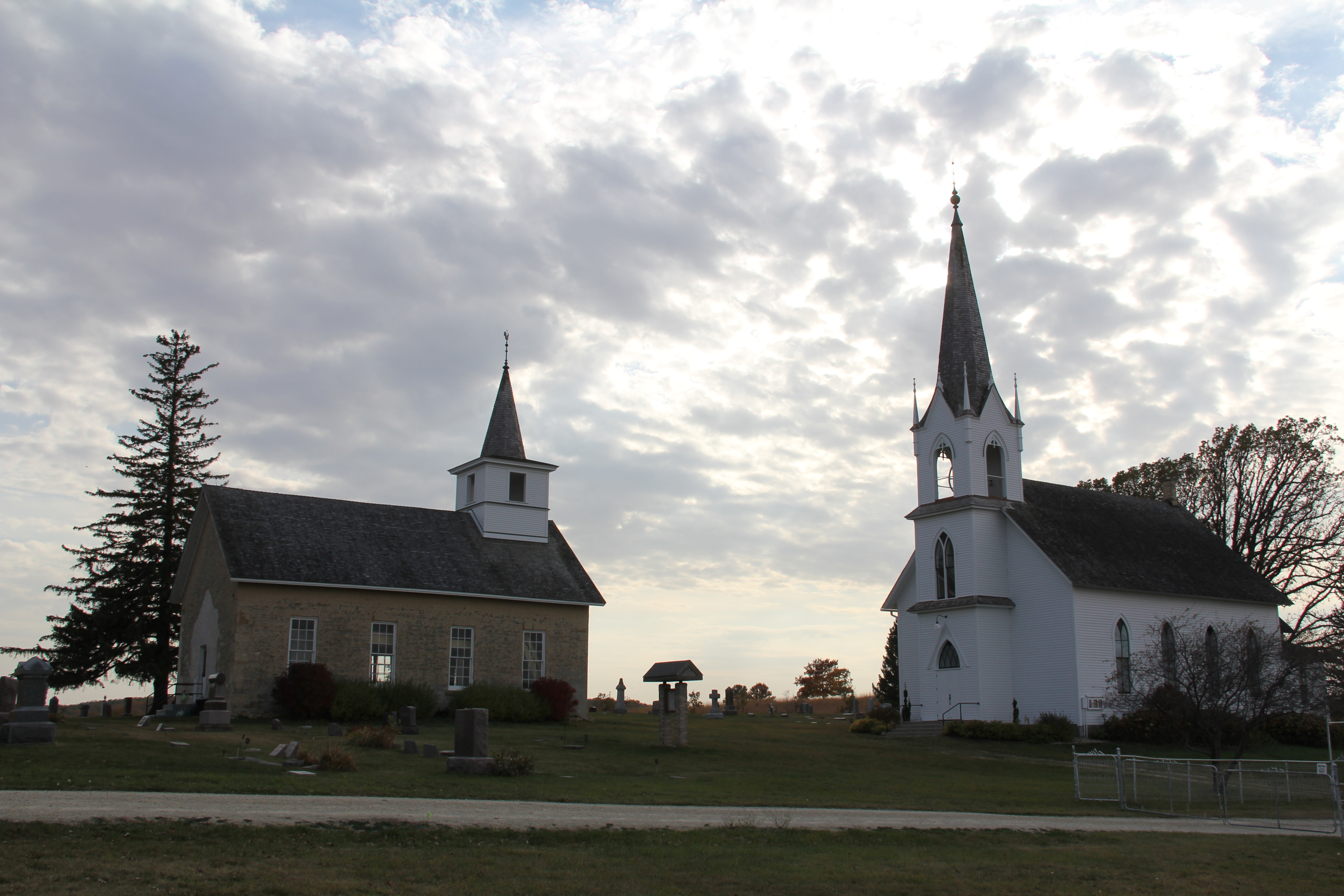
This wooden church was built in 1894 and sits directly across from the stone church. (Minnesota Prairie Roots copyrighted photo October 2024)
WHETHER YOU’RE A PERSON of faith or not doesn’t matter when it comes to appreciating a country church. Or, in the case of Valley Grove, churches. Plural.
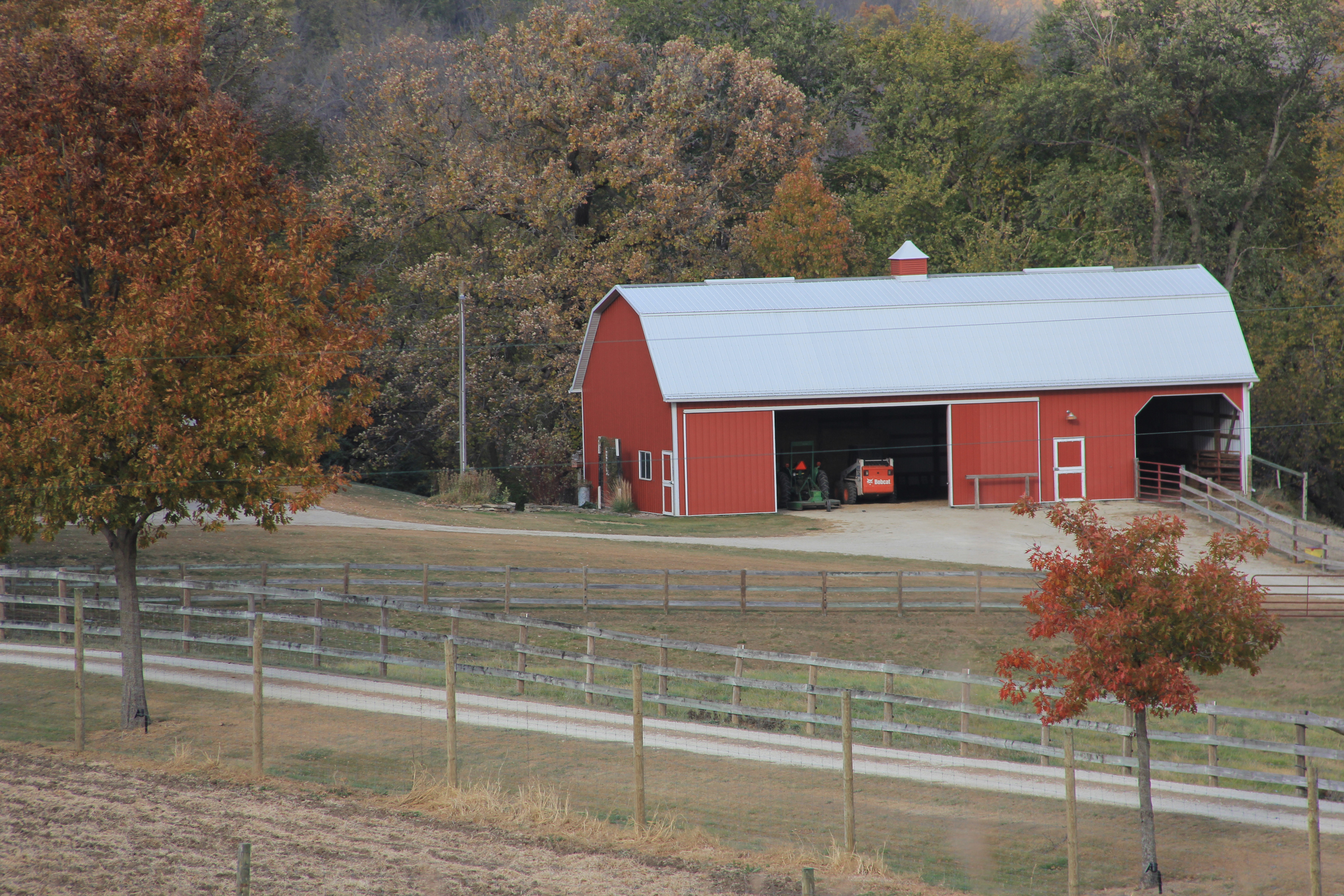
Just down the hill from the cemetery, this shed pops color into the rural landscape. (Minnesota Prairie Roots copyrighted photo October 2024)
Perched atop a hill near Nerstrand Big Woods State Park in eastern Rice County, these two churches, the cemetery, and surrounding prairie and oak savannas are a place that beckons me. I don’t know that I’ve found another rural church—and I’ve visited many in Minnesota—which holds such peaceful appeal.
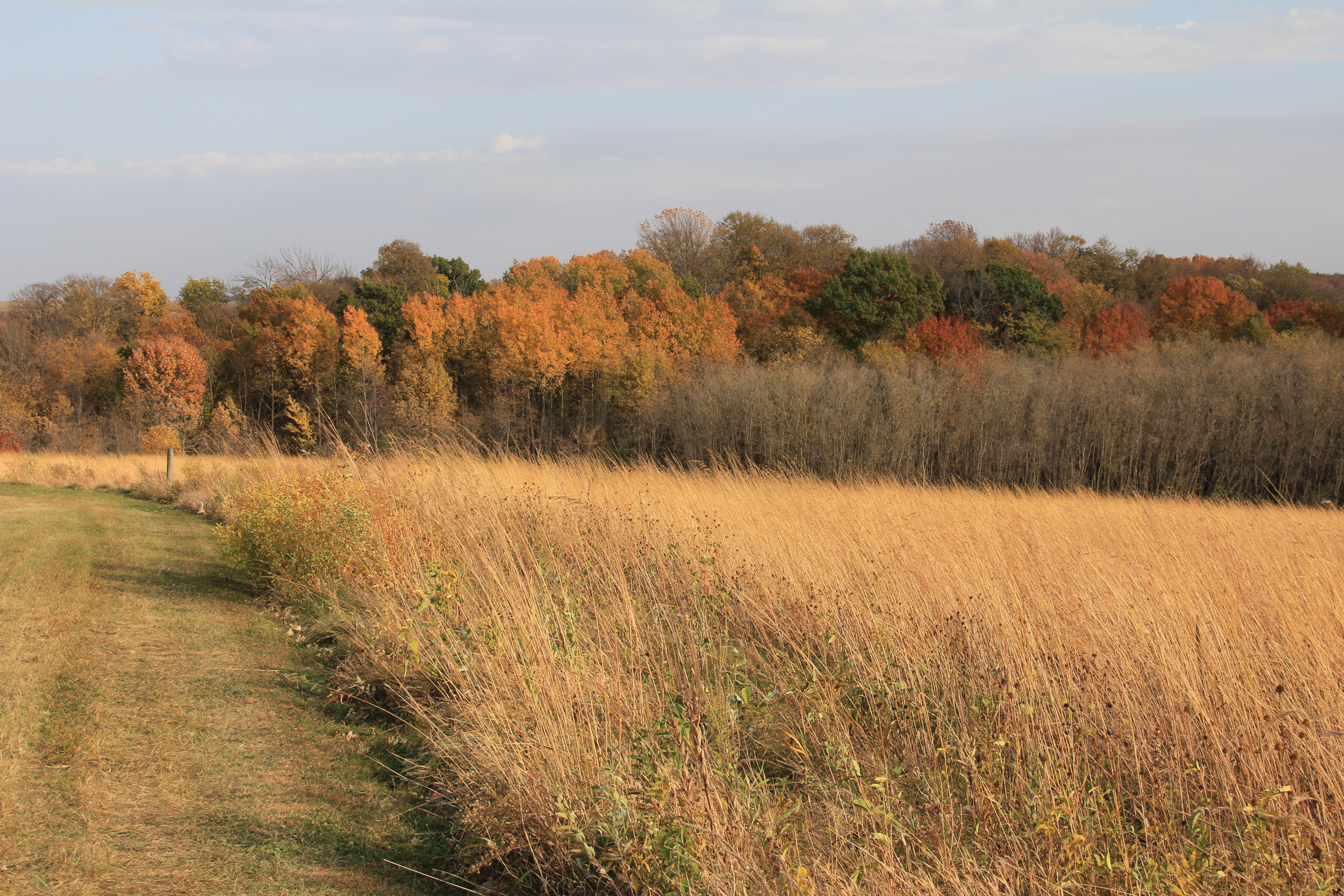
Photographed in October from the cemetery, oak and prairie savannas at Valley Grove. There are pathways through the 50 acres of land that are part of Valley Grove. (Minnesota Prairie Roots copyrighted photo October 2024)
The setting is decidedly bucolic, pastoral, whatever word you use to describe a scene that creates internal serenity. I feel such peace every time I set foot upon this land, look across the landscape of prairie and woods, surrounding fields and farm sites. Perhaps it’s my rural roots that connect me to Valley Grove.
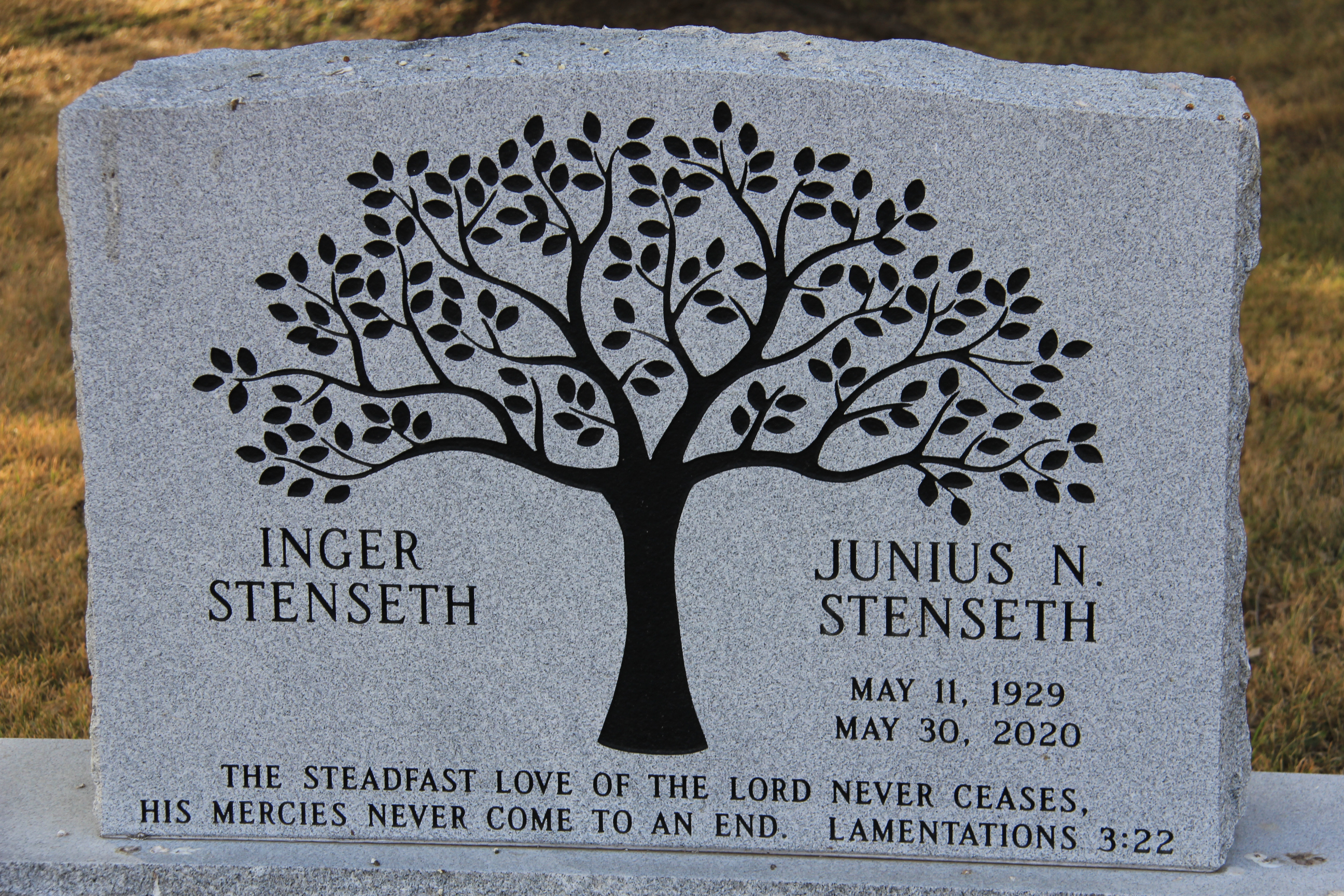
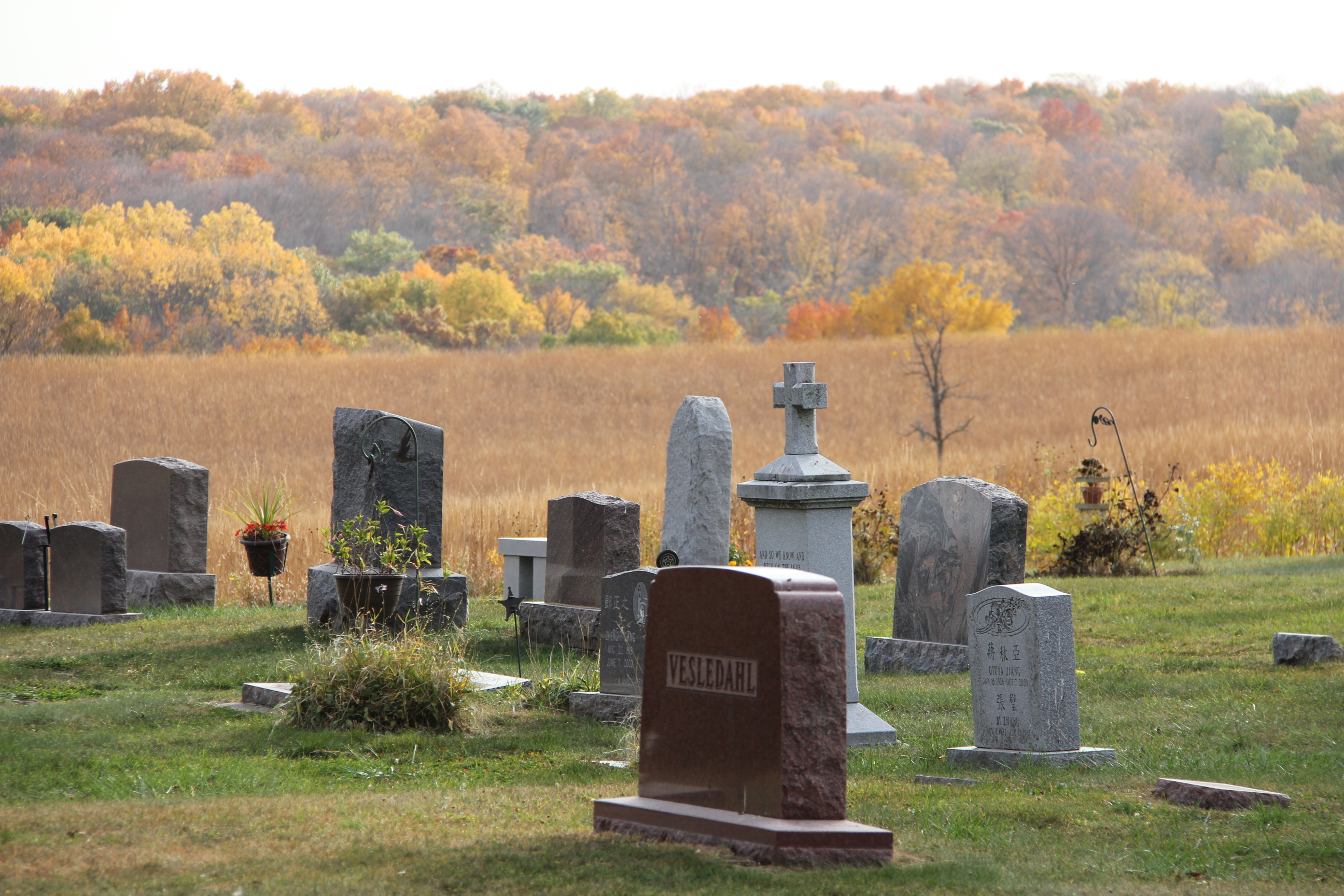
There are lots of Norwegian names on gravestones. (Minnesota Prairie Roots copyrighted photo October 2024)
I have no family connections here. Not even connections of heritage given my ancestors hail from Germany. The settlers who formed Valley Grove Lutheran Church arrived from Norway. Their imprint is here, especially in names upon tombstones in the cemetery.
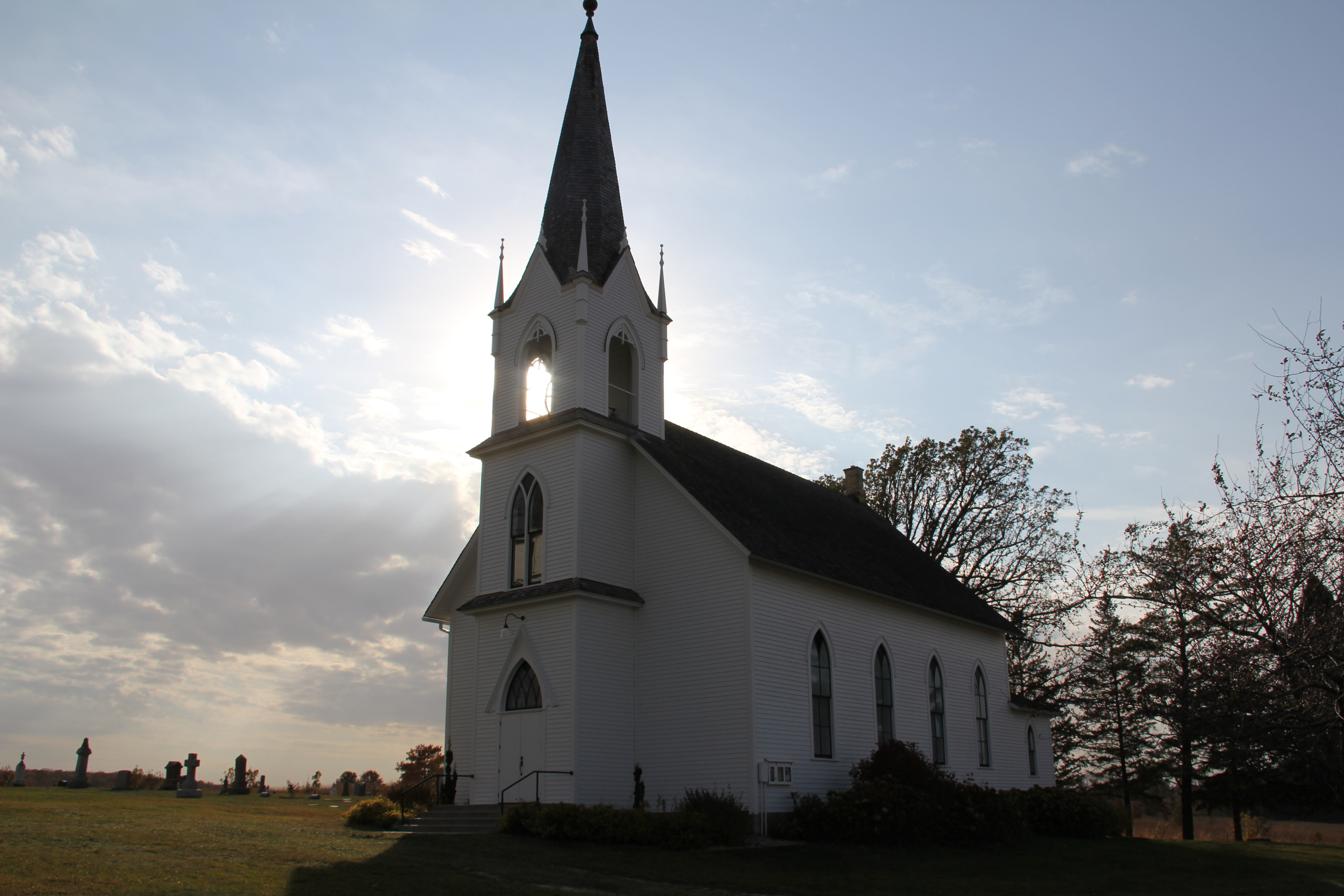
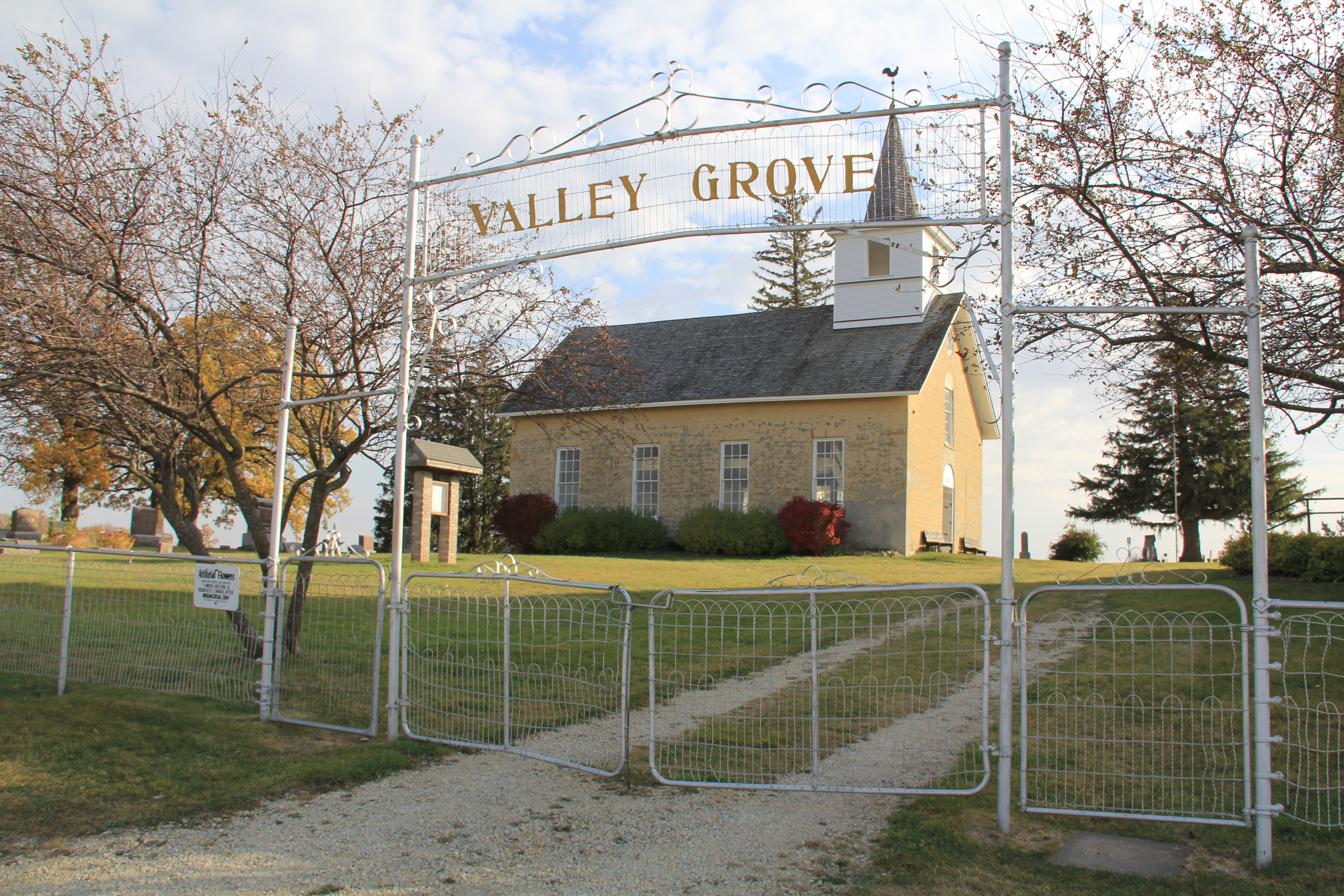
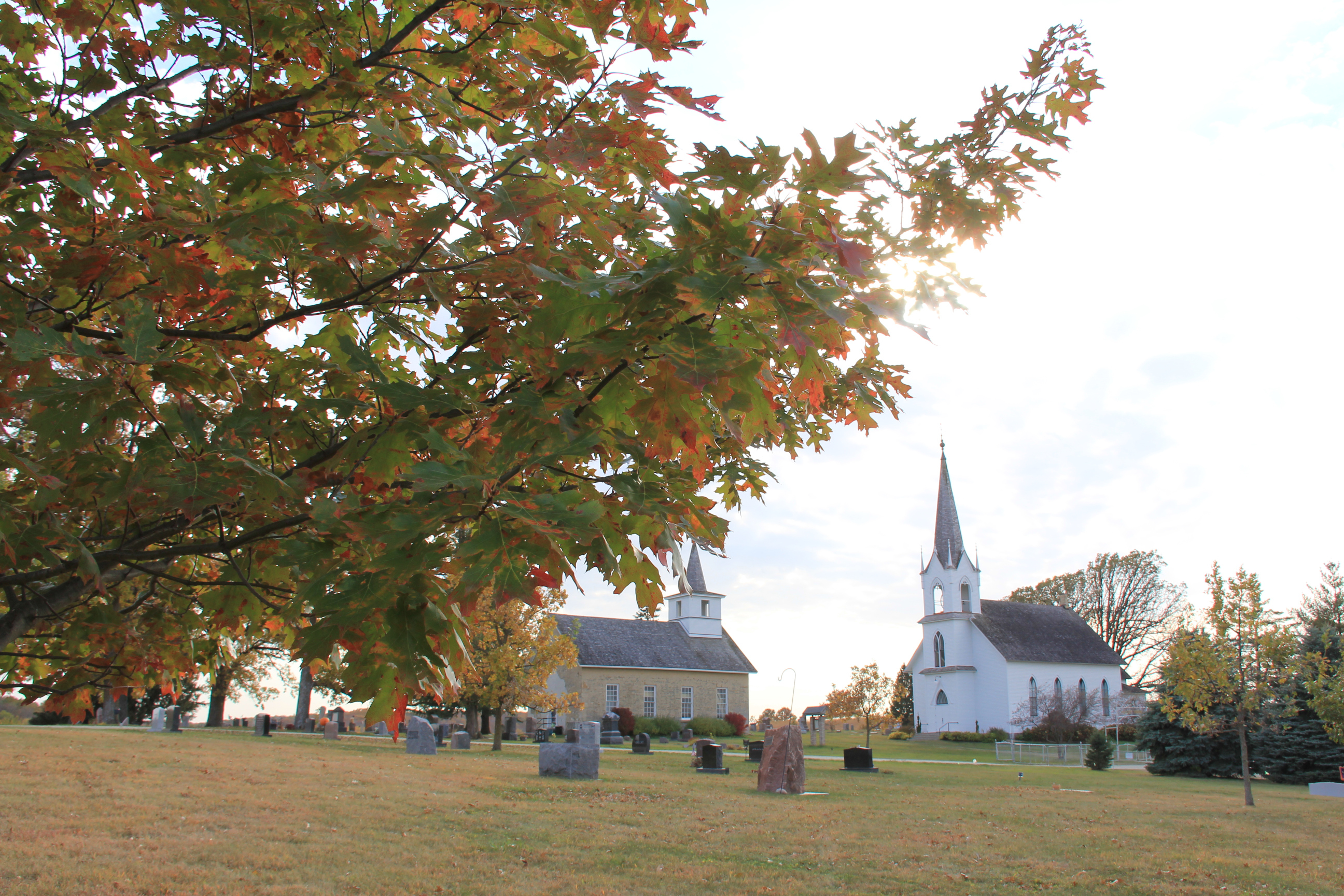
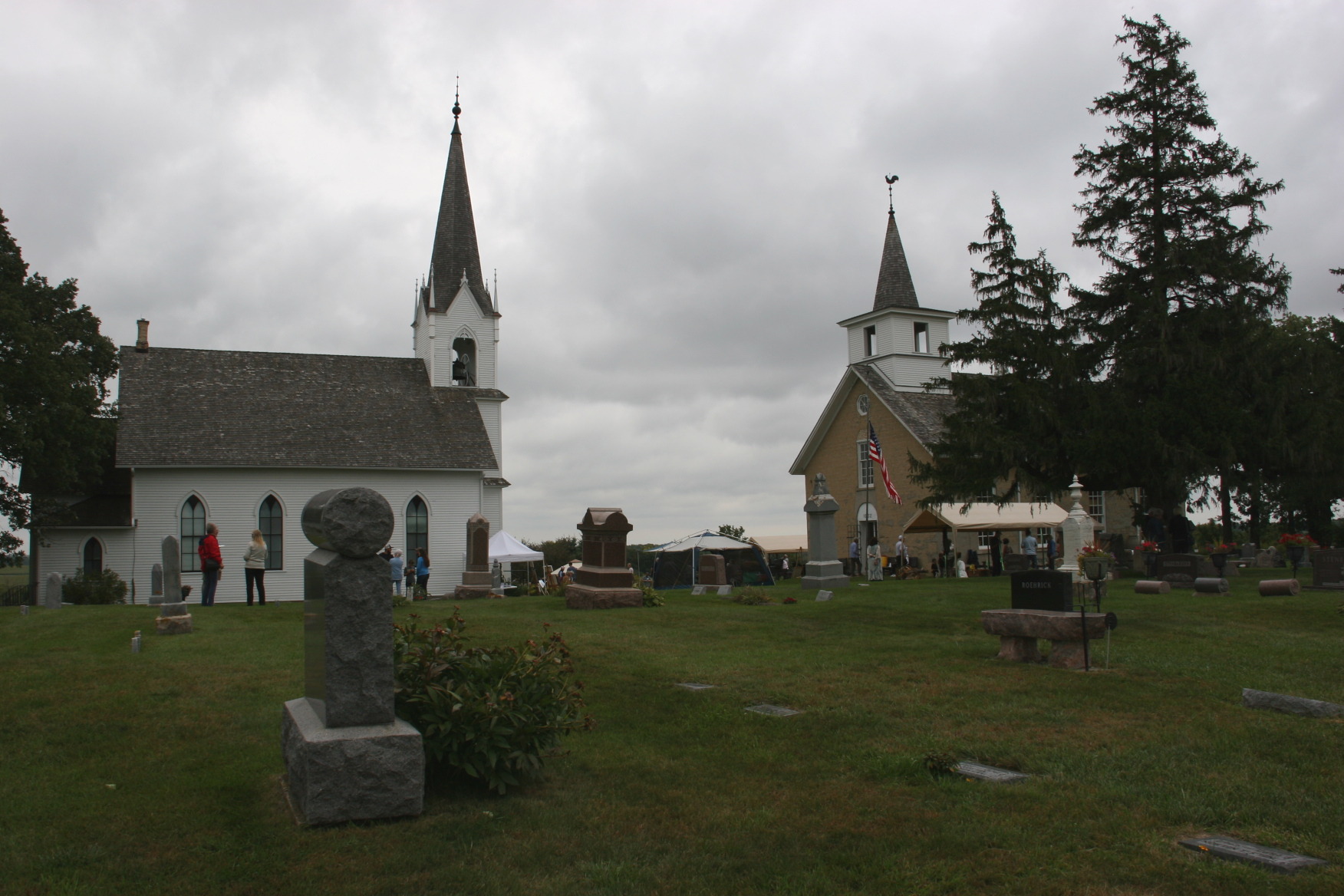
The two beautiful and well-maintained churches of Valley Grove. (Minnesota Prairie Roots copyrighted photo October 2024)
Even though this congregation disbanded in 1973, these churches have not been abandoned. The Valley Grove Preservation Society cares for and maintains the two buildings. On the National Register of Historic Places, the stone church was built in 1862 and the clapboard church in 1894. Recently, a steeple, bell structure and other restorations were completed on the wooden church. The interiors are also well-maintained, as if the congregants remain.
The stone church is used today as a reception and gathering space. (Minnesota Prairie Roots copyrighted photo October 2024)
Valley Grove is the site of weddings, family gatherings, occasional concerts and more, plus an annual fall country social and candlelight Christmas Eve service hosted by the Preservation Society. I’ve attended the social numerous times, but have yet to make the December 24 service. That’s at 10 p.m. with music beginning at 9:45 p.m. Winter weather sometimes forces cancellation of that event. Weeks before, a music-rich vespers service is set for 4 p.m. Sunday, December 8.
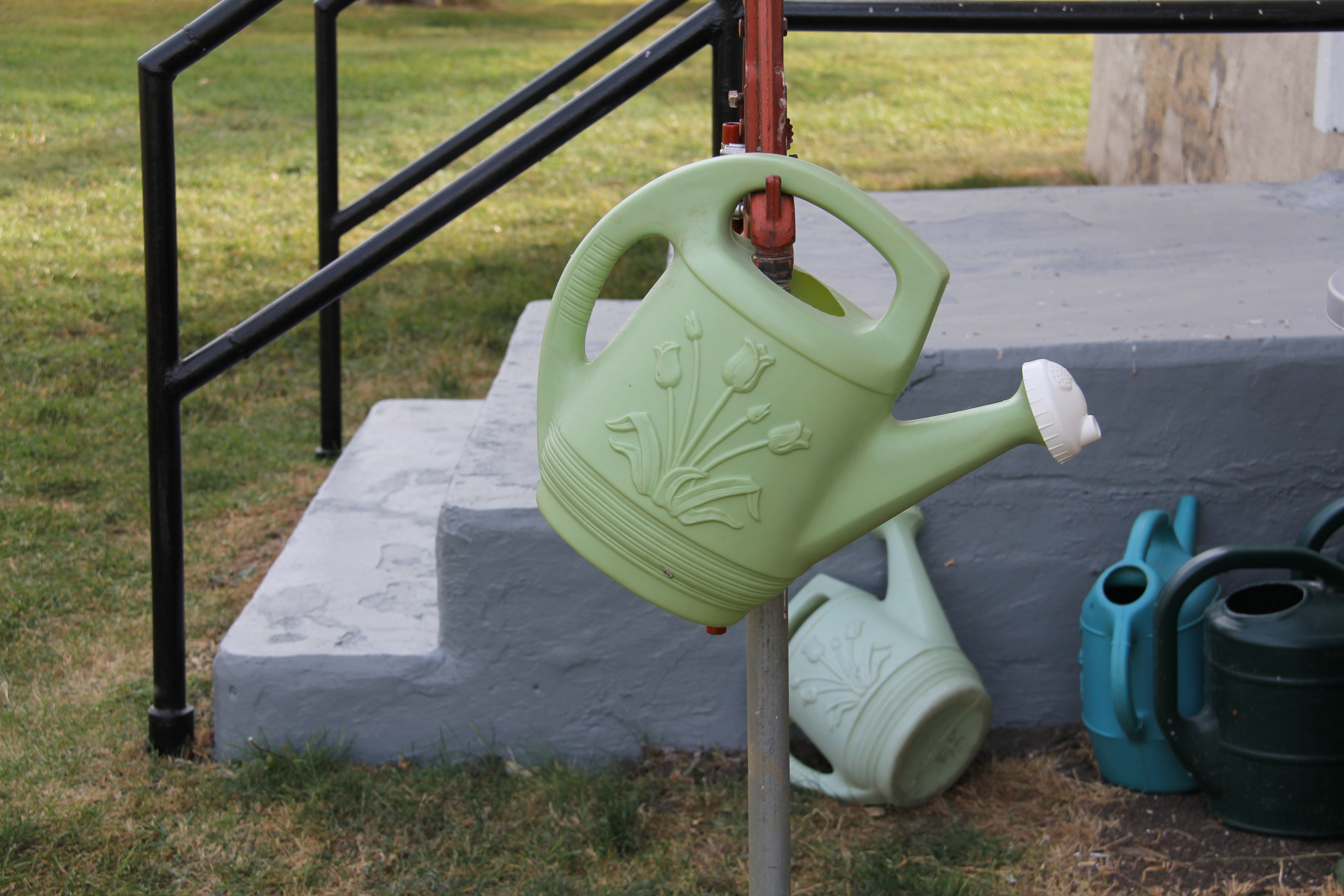
Watering cans are available for watering flowers and plants in the cemetery. (Minnesota Prairie Roots copyrighted photo October 2024)
To visit Valley Grove, whether during an event or on a personal outing, is something I would encourage if you live close by or are in the area, especially at nearby Nerstrand Big Woods State Park. Note that church doors are opened only for special occasions so don’t expect otherwise if you come on your own. That’s the case now at all country churches, whether active or disbanded. You’re not going to get inside unless someone with a key just happens to be on-site.
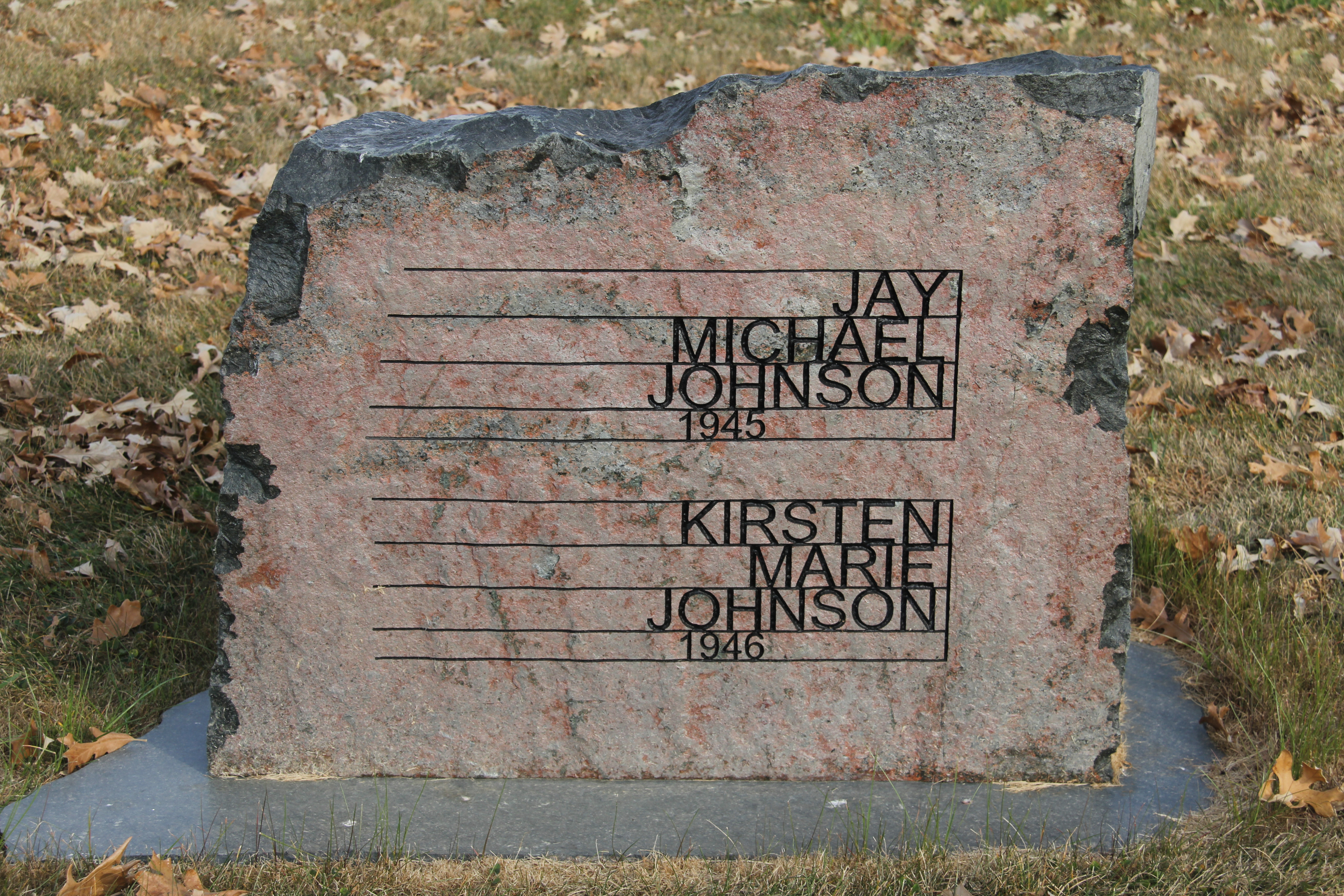
The Johnsons have their tombstone in place. I really like the simplicity, the ruggedness, the font, the shape of this grave marker, unlike any I’ve seen. (Minnesota Prairie Roots copyrighted photo October 2024)
You don’t need church access, though, to experience the essence of Valley Grove, the peace that prevails. It’s the being here, feet upon the ground, eyes taking in the countryside, that touches the soul. A walk through the cemetery, the reading of dates and names and tombstone messages channels a personal connection to those who came before us. The settlers who likely felt comfortably at home here, high atop a hill overlooking the landscape of rural Minnesota while missing the land they left, their beloved Norway.
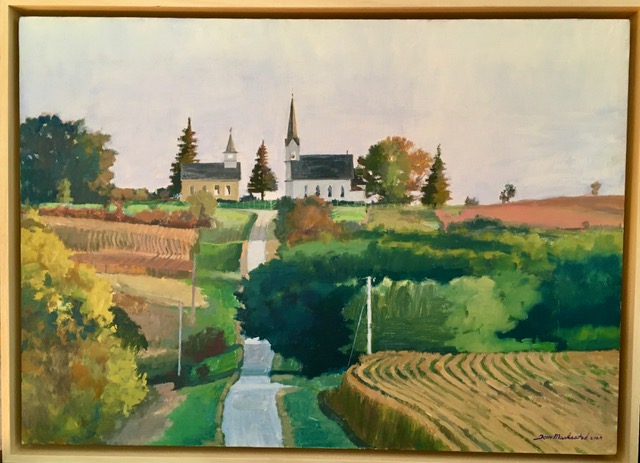
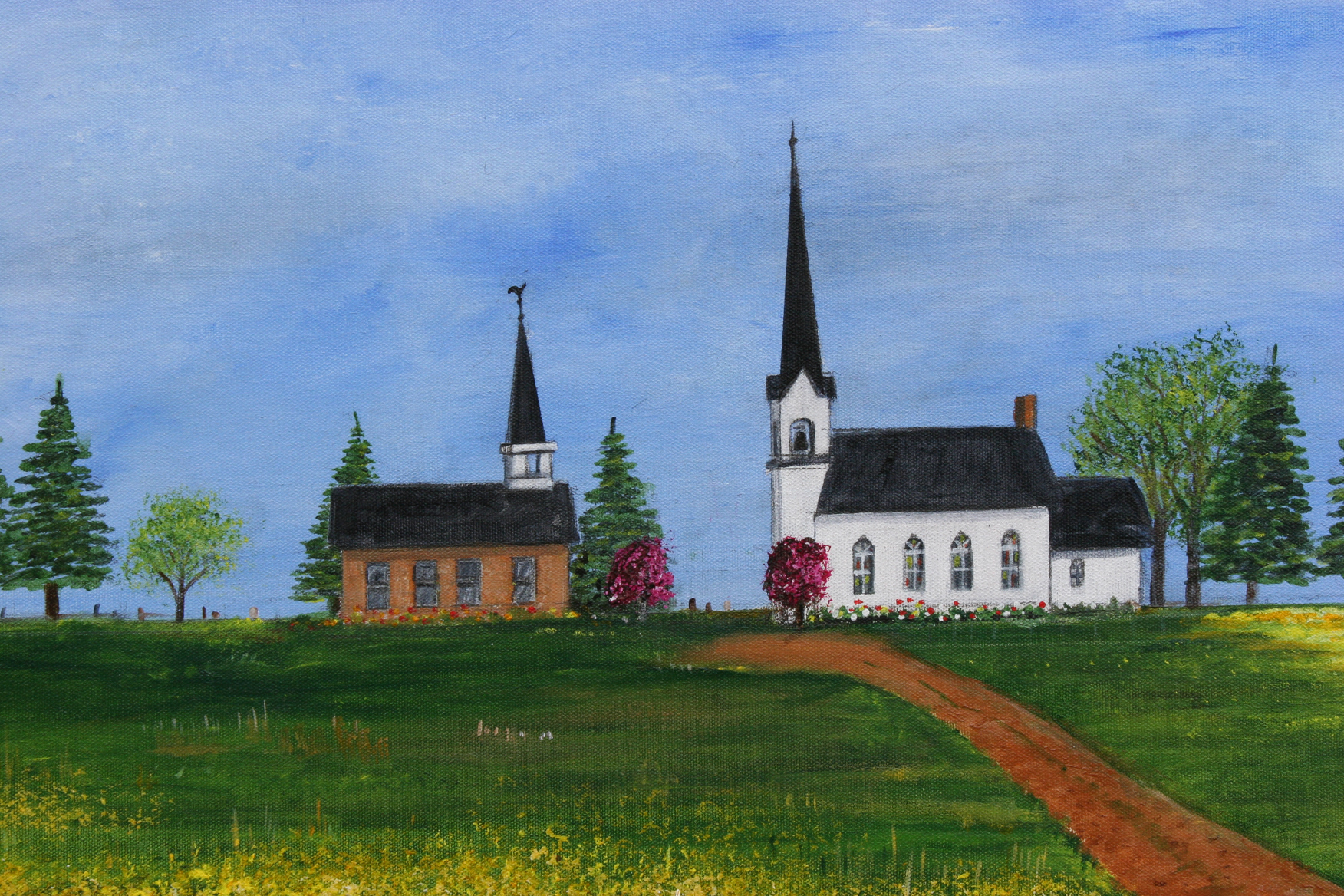
A painting of the Valley Grove churches by Tom Maakestad, to be given to one lucky person. (Image credit: Valley Grove Preservation Society)
FYI: The Valley Grove Preservation Society continues to seek donations for its Steeple Restoration Fund. As an extra incentive, those who donate $1,000 or more by December 31, 2024, will have their names placed in a January drawing for an original Valley Grove painting by Marine on St. Croix artist Tom Maakestad, who grew up near Valley Grove. His parents, Bobbie and John, founded the Preservation Society and saved the wooden church from demolition in 1975. The Valley Grove Board suggests a donation to the Steeple Fund as a Christmas gift for someone who has everything.Click here to reach the Valley Grove Preservation Society website for more information.
The two Valley Grove churches, including the 1862 limestone church, are edged by a cemetery. (Minnesota Prairie Roots copyrighted photo October 2024)
A CEMETERY MAY SEEM an unlikely spot to find inspiration. But that’s exactly what I found in mid October while meandering through Valley Grove Cemetery, rural Nerstrand. The graveyard sits next to the historic Valley Grove churches and rates as one of my favorite peaceful places in Rice County.
In the distance, a colorful tree line backgrounds the cemetery in October. (Minnesota Prairie Roots copyrighted file photo October 2024)
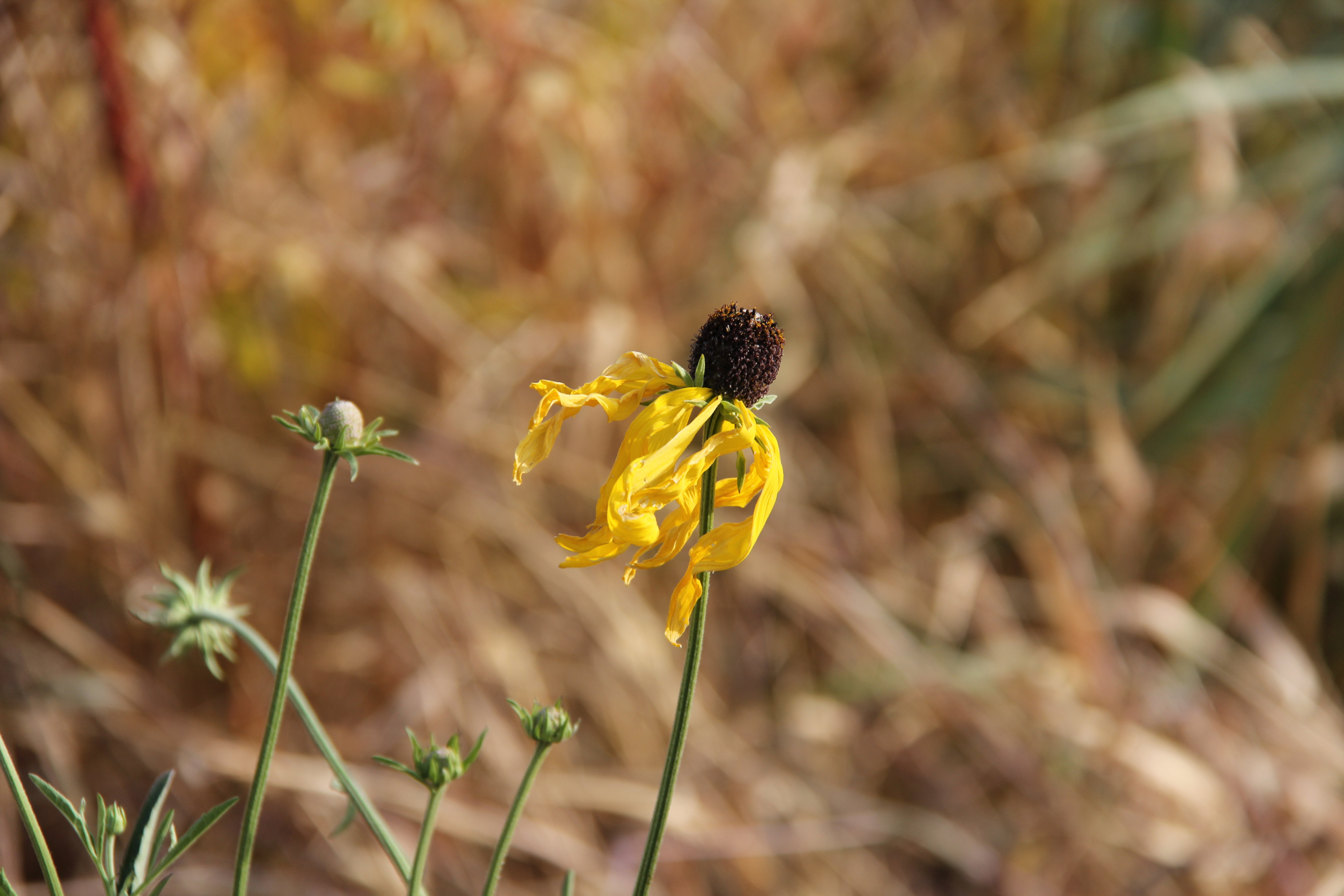
Black-eyed susans are among the prairie wildflowers that grow on Valley Grove’s 50 acres. (Minnesota Prairie Roots copyrighted photo October 2024)
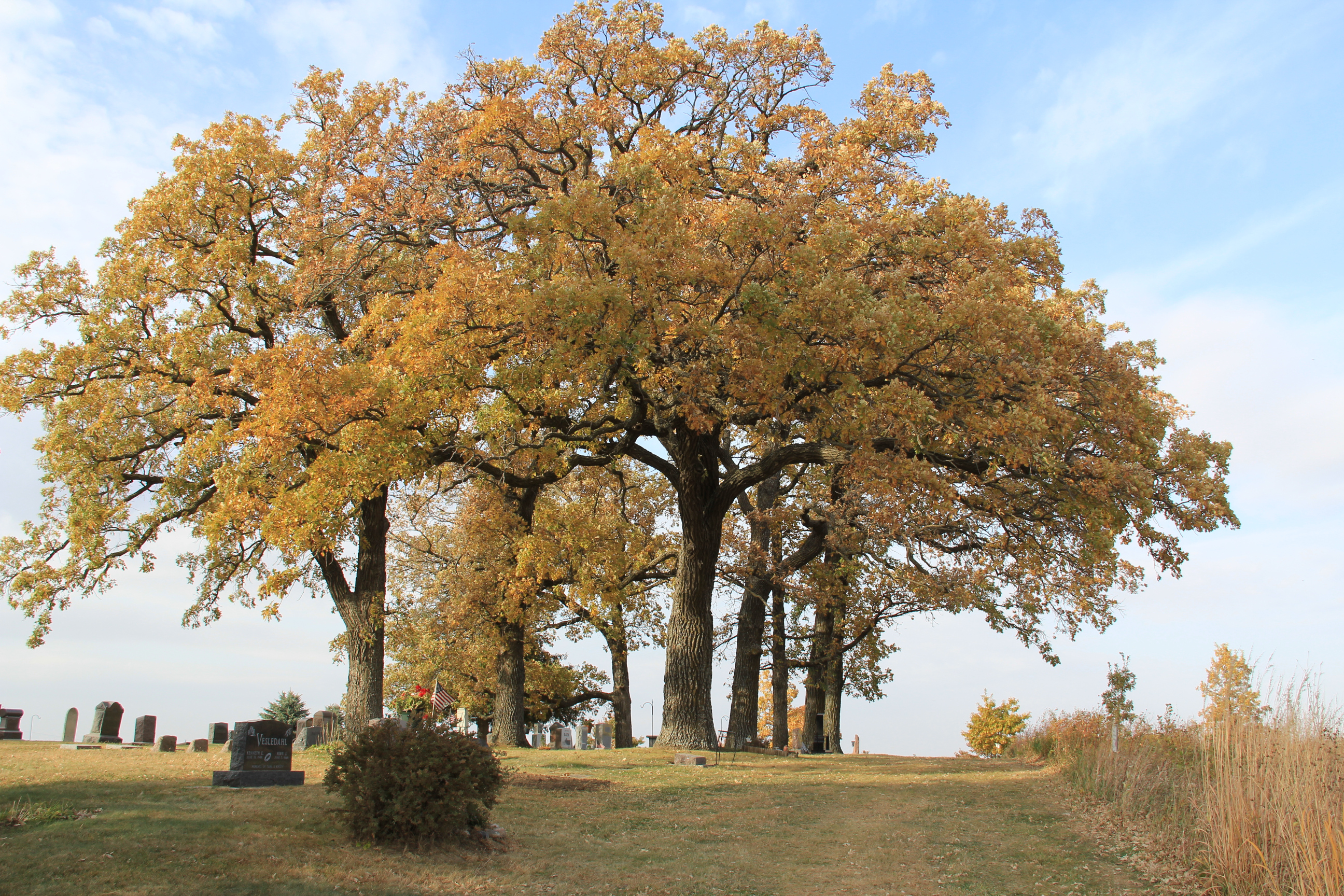
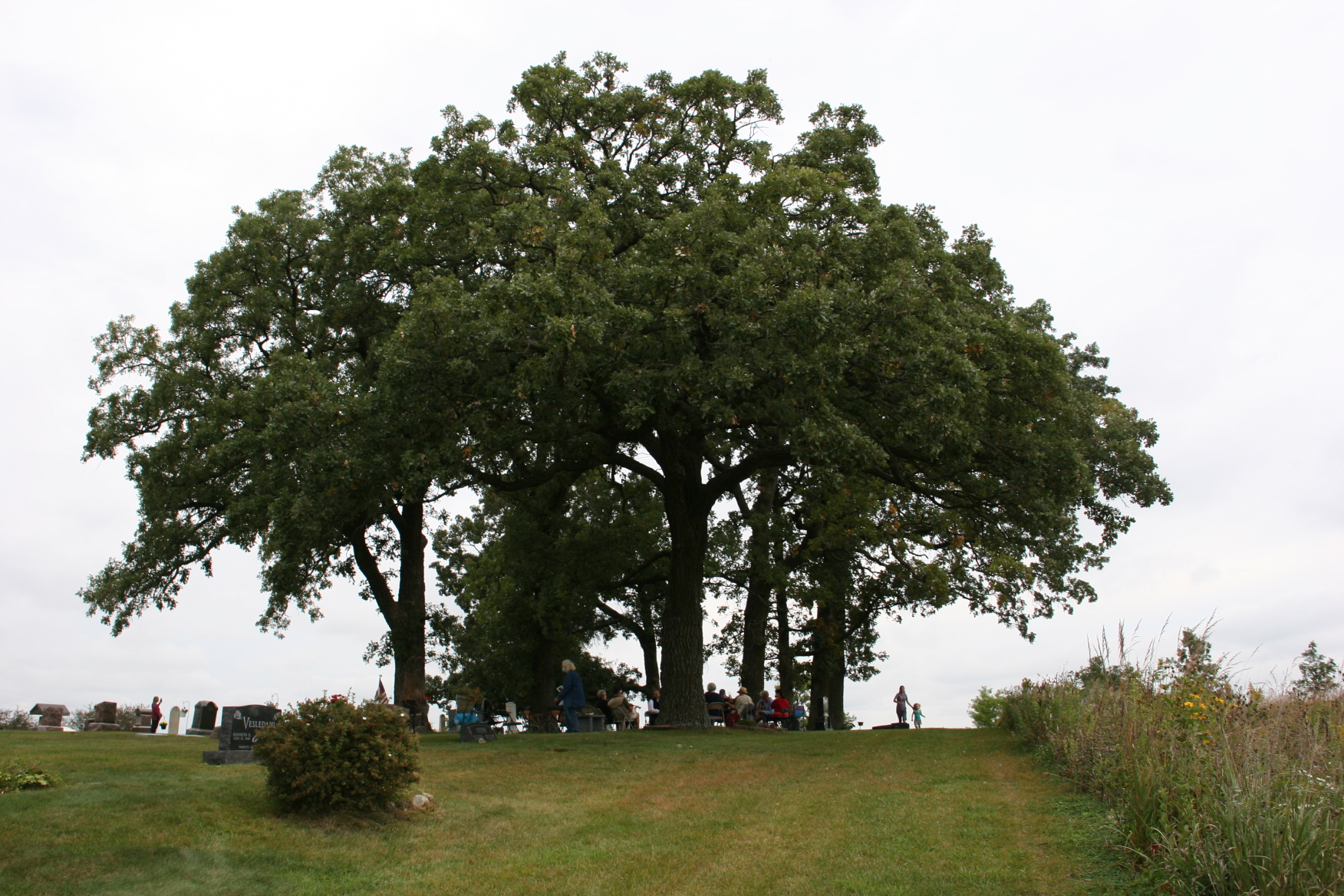
Stunning oak trees shelter a section of the cemetery. (Minnesota Prairie Roots copyrighted photo October 2024)
Here, high atop a hill, a vista of fields and farm sites, of woods, of prairie grasses and wildflowers, sings of tranquility. My spirit quiets in the presence of this place. Here I can hear a rooster crowing from afar. Here I can feel the wind on my face. Here I can look into the expansive sky and imagine.
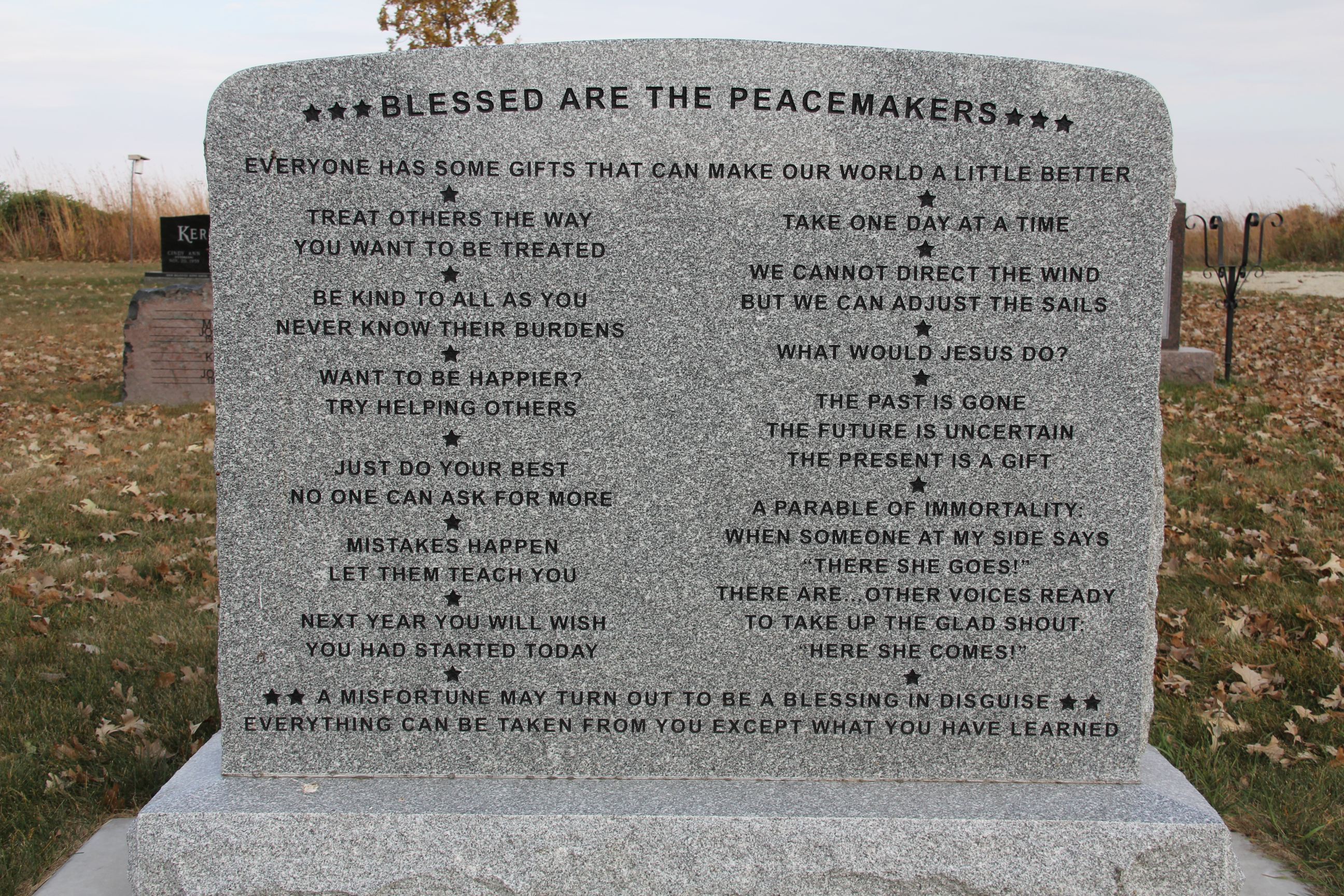
So many great messages on this tombstone. What a gift to the living. (Minnesota Prairie Roots copyrighted photo October 2024)
I can imagine a world of peace, hope, love, kindness. Words lifted from grave markers of the dead and given to the living. If only we choose to accept them and run with them, creating a kinder, gentler world.
The section in the foreground is where I found the words and messages featured here. An 1894 wood-frame church also graces this place. (Minnesota Prairie Roots copyrighted photo October 2024)
Simple, basic and powerful words on a tombstone. (Minnesota Prairie Roots copyrighted photo October 2024)
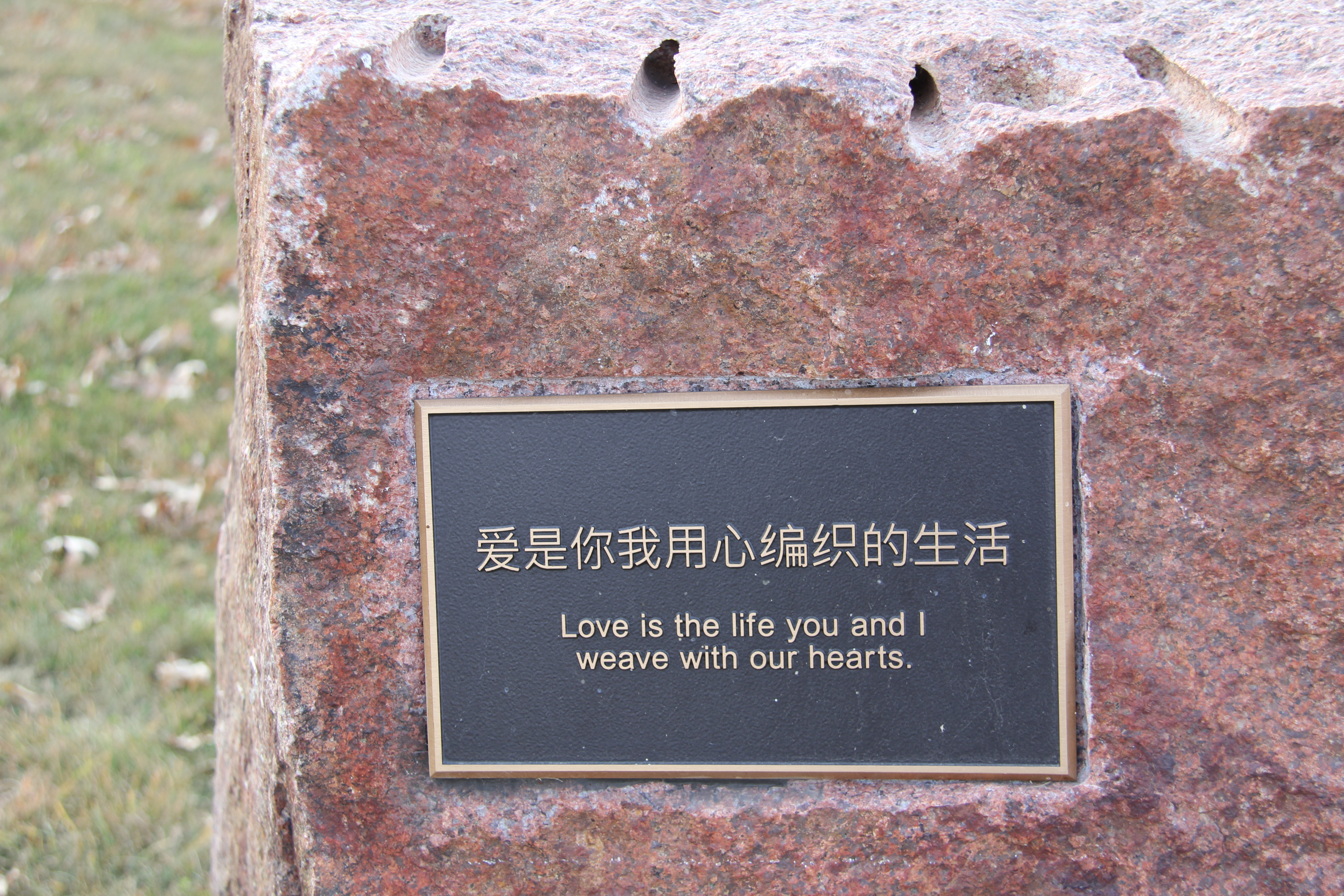
Poetically beautiful words on a gravestone plaque. (Minnesota Prairie Roots copyrighted photo October 2024)
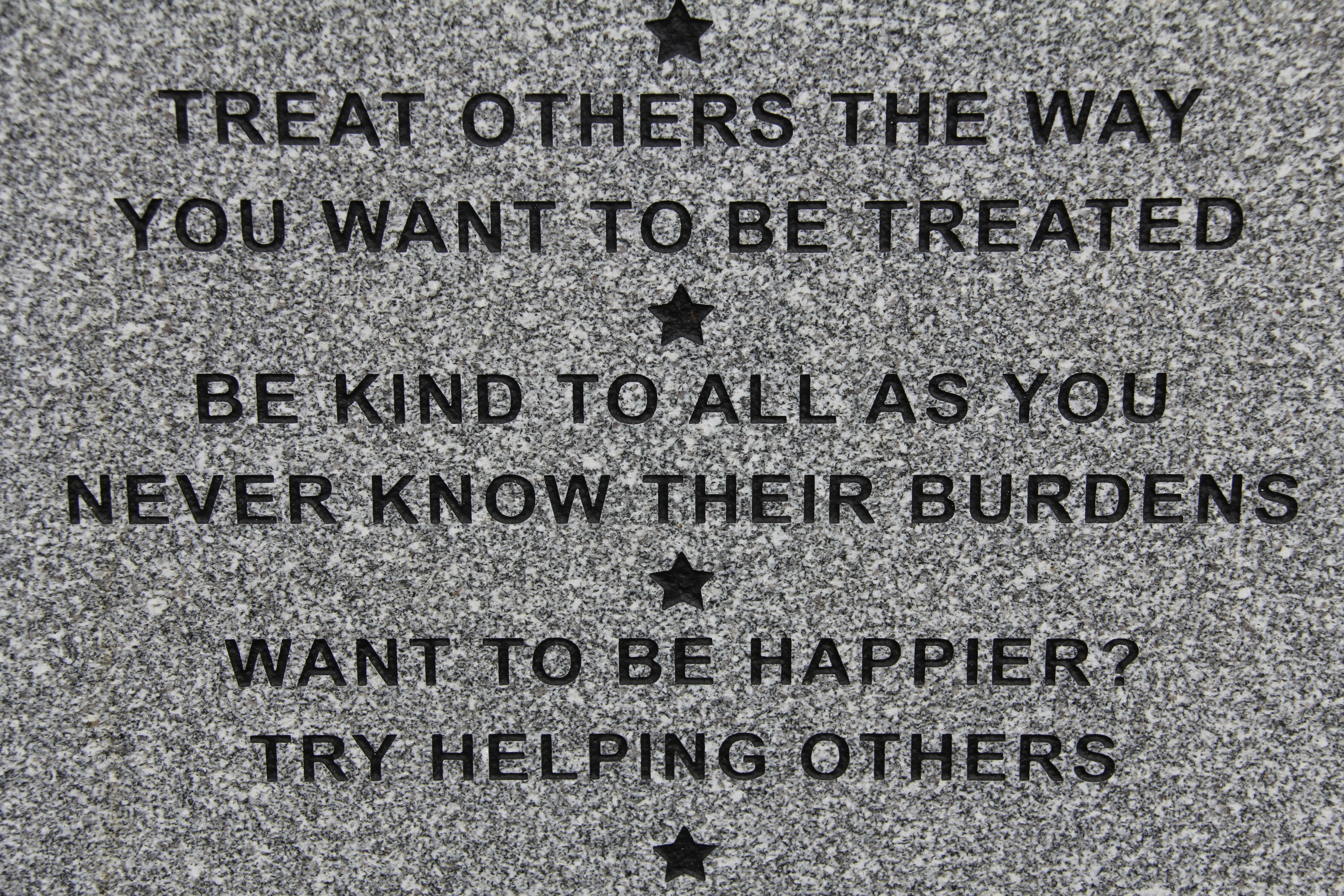
These words I found within the cemetery. Hope. Help. Peace. Be kind. And many more. Words and messages I needed to read in the discord of today, in these unsettling times. Words that are chiseled onto stone, chosen by loved ones to honor those they loved or perhaps chosen by the dead before their deaths.
Zooming in on those incredibly powerful messages. (Minnesota Prairie Roots copyrighted photo October 2024)
On this day, I contemplated the power of these enduring words and quotes which inspire, encourage, uplift. These words weather storms, stand granite-strong and unchanging here under the Minnesota sky of snow and rain and scorching sun.
A reminder of what we need, especially now. Peace on all levels. (Minnesota Prairie Roots copyrighted photo October 2024)
As I walked in this particular section of the cemetery, I felt gratitude toward those who likely lived the words inscribed upon their tombstones. I would have liked them and the examples they set by living generously, selflessly, compassionately. I would have appreciated how they lived with care, kindness, optimism and so much more. How they helped their neighbor. Loved. Served. Did everything they could to create a better world by their loving words and actions.
And then I found one of my favorite words, hope, on a tombstone. Hope, always hold hope. (Minnesota Prairie Roots copyrighted photo October 2024)
This I found at Valley Grove. Among the tombstones, among the dead. Messages for the living that resonate, that hold wisdom and shine like a billion bright stars piercing the darkness.
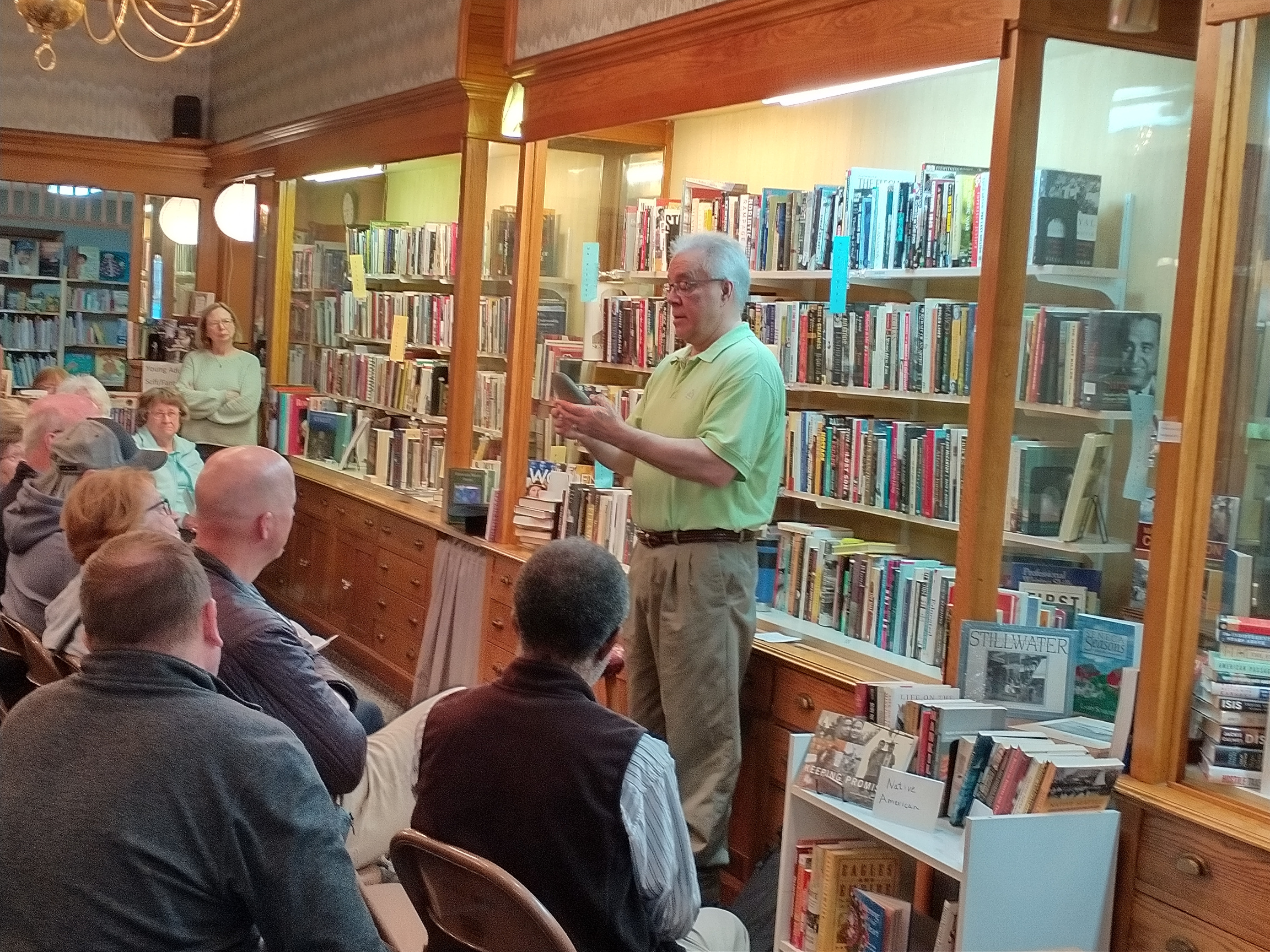
Jeff Jarvis shows an artifact while talking about the Dakota. (Minnesota Prairie Roots copyrighted photo April 2024)
“WE’RE ALL CONNECTED. We’re all one.” Those closing words by local historian and artist Jeff Jarvis as he ended an hour-long presentation on “The Faribault Dakota” at Books on Central Thursday evening resonate. I’ve long been geographically-connected to Indigenous Peoples, first in my native Redwood County and now in Rice County. But Jarvis’ definition of connection stretches well beyond geography to the connection we all share simply via our humanity.
Jarvis, who is also an artist and graphic designer, handed out this mini guidebook at Thursday’s presentation. (Minnesota Prairie Roots copyrighted photo April 2024)
Jarvis spoke to a standing room only crowd packed into the Rice County Area United Way used bookstore on Faribault’s Central Avenue. The third speaker in the popular literary event series hosted by the bookshop since its fall opening, his talk was more history than literary. Interest ran high.
My interest in the Dakota traces back to the southwestern Minnesota prairie, where I grew up between the Upper and Lower Sioux Indian Reservations. Today the word “community,” references these homes of the Mdewakanton Dakota. When I moved to Rice County 42 years ago, I moved onto land once inhabited by the Wahpakute Dakota. But it wasn’t until I listened to Jarvis speak that I learned even more about the place I initially called home on the southeastern tip of Cannon Lake west of Faribault.
Long before fur traders and settlers moved to this region of southern Minnesota, the Dakota called this land home, typically living along the area’s lakes and rivers, including the Cannon. I knew this; I’ve attended many presentations on the Dakota by local historians. But I wasn’t aware that the former Ackman Store, the rental home where Randy and I lived for 2 ½ years after our 1982 marriage, was near the site of a trading post opened by fur trader and town founder Alexander Faribault.
Native American artifacts found in Rice County and displayed at the Rice County Historical Society. These are not the artifacts shown by Jarvis. (Minnesota Prairie Roots copyrighted photo 2024)
Jarvis asked me after his presentation whether I saw ghosts while living there. I didn’t. And in a conversation with Lou Ackman, who grew up and lived along Cannon Lake and loaned Indian artifacts for Jarvis to show Thursday evening, I learned that people often searched the Ackmans’ farm fields for artifacts.
When Randy and I moved into Faribault, our geographic connection to Indigenous Peoples continued. We purchased a house below Wapacuta (sic) Park, where we still live today. It was upon this now park land that the Dakota placed their dead, (wrapped in buffalo robes or blankets) upon scaffolding until later burial. Jarvis also shared that the Dakota sometimes suspended wrapped bodies from trees to catch the spirits in the windy hilltop location prior to burial 1-2 years later. I’d never heard this prior to Thursday.
Peace Park, an unmarked Dakota cemetery near Buckham Memorial Library. (Minnesota Prairie Roots copyrighted file photo September 2022)
But I was aware that Peace Park, a triangle of land near Buckham Memorial Library, is an Indian burial grounds. Jarvis termed it an unfenced and unrecognized cemetery marked by a faith-based WW II monument and nothing indicating this is sacred ground of the Dakota. Several bodies were discovered buried there in 1874, he said, not wanting to delve deeper into that troubling topic at Thursday’s event.
Jarvis covered a lot more in his one-hour presentation. Most I knew. Some I didn’t. I always appreciate learning local history, especially about the 300-400 Dakota who relocated from Cannon Lake to live in elm bark huts and teepees in the area along the Straight River from Division Street to the wastewater treatment plant.
The community of Faribault, Jarvis said, had/has a lot of color and was/is “a beckoning place” to many peoples. He referenced the Indigenous Peoples of yesteryear and the immigrants of today. “We’re all connected. We’re all one,” Jarvis said. He’s right.
One of two rainbows arches over Faribault Thursday evening. (Copyrighted photo by Randy Helbling April 2024)
As I stepped outside the bookshop after Jarvis’ talk, cloudy skies opened to reveal stunning double rainbows—a symbol of promise and of hope. A symbol that we all live under the same sky, that we’re all connected.
Appropriate signage for a tavern in St. Patrick, Minnesota. (Minnesota Prairie Roots copyrighted file photo June 2015)
BEER, BASEBALL AND BLESSINGS. Those words define St. Patrick, an unincorporated place of bar, baseball field and Catholic church northeast of New Prague. With the approach of St. Patrick’s Day, now seems a fitting time to revisit this southern Minnesota burg, which I photographed in the summer of 2015.
St. Patrick Church of Cedar Lake Township. (Minnesota Prairie Roots copyrighted file photo June 2015)
St. Patrick’s Bonin Field, named after Father Leon Bonin, who brought baseball back to St. Patrick in the 1950s. (Minnesota Prairie Roots copyrighted file photo June 2015)
Across the road from the St. Patrick cemetery sits St. Patrick’s Tavern. (Minnesota Prairie Roots copyrighted file photo June 2015)
The stately church sits atop a hill, the ball field at the base on one side, the tavern on the other. Pray. Play. And then congregate over a beer and a burger basket at the tavern. Or, on St. Patrick’s Day weekend, corned beef and cabbage downed with on-tap green beer, while supplies last.
Born in Ireland, buried in the St. Patrick Church of Cedar Lake Township Cemetery in southern Minnesota. (Minnesota Prairie Roots copyrighted file photo June 2015)
Bonin Field, home of the St. Patrick Irish. (Minnesota Prairie Roots copyrighted file photo June 2015)
The bar and restaurant in St. Patrick. (Minnesota Prairie Roots copyrighted file photo June 2015)
Even with the minimal time I spent in St. Patrick, I experienced its Irish heritage. It’s reflected on tombstones, in the very names of the church, ball field and bar. It’s reflected on signage. But mostly, it’s this feeling of sacredness, as if the patron saint of the Irish dwells here. In the pews. On the bleachers. Even, I expect, inside the bar. St. Patrick was, after all, a missionary.
St. Patrick’s steeple rises in the background, behind this cemetery angel. (Minnesota Prairie Roots copyrighted file photo June 2015)
And then there’s the sacred art. Crucifixes. An angel statue. Tombstones that hold names and history.
The Holy Family tucks into a corner of the grotto. (Minnesota Prairie Roots copyrighted file photo June 2015)
The beautiful face of Mary at the St. Patrick’s grotto. (Minnesota Prairie Roots copyrighted file photo June 2015)
The loving hand of Mary rests upon her son, Jesus, in this sculpture at St. Patrick’s. (Minnesota Prairie Roots copyrighted file photo June 2015)
Aside the church, a grotto welcomes with the most hauntingly beautiful sculptures.
St. Patrick may seem like nothing more than a country church, just another rural bar and a baseball diamond to passing motorists. But it’s much more, worth the stop for a close-up look at a place rooted in Irish heritage.
More signage on St. Patrick’s Tavern. (Minnesota Prairie Roots copyrighted file photo June 2015)
Next road trip back here, I’ll pop into the tavern, order a brew and maybe a burger, and raise my mug to the Irish who settled here, claimed this land as theirs. Here in St. Patrick, place of beer, baseball and blessings.
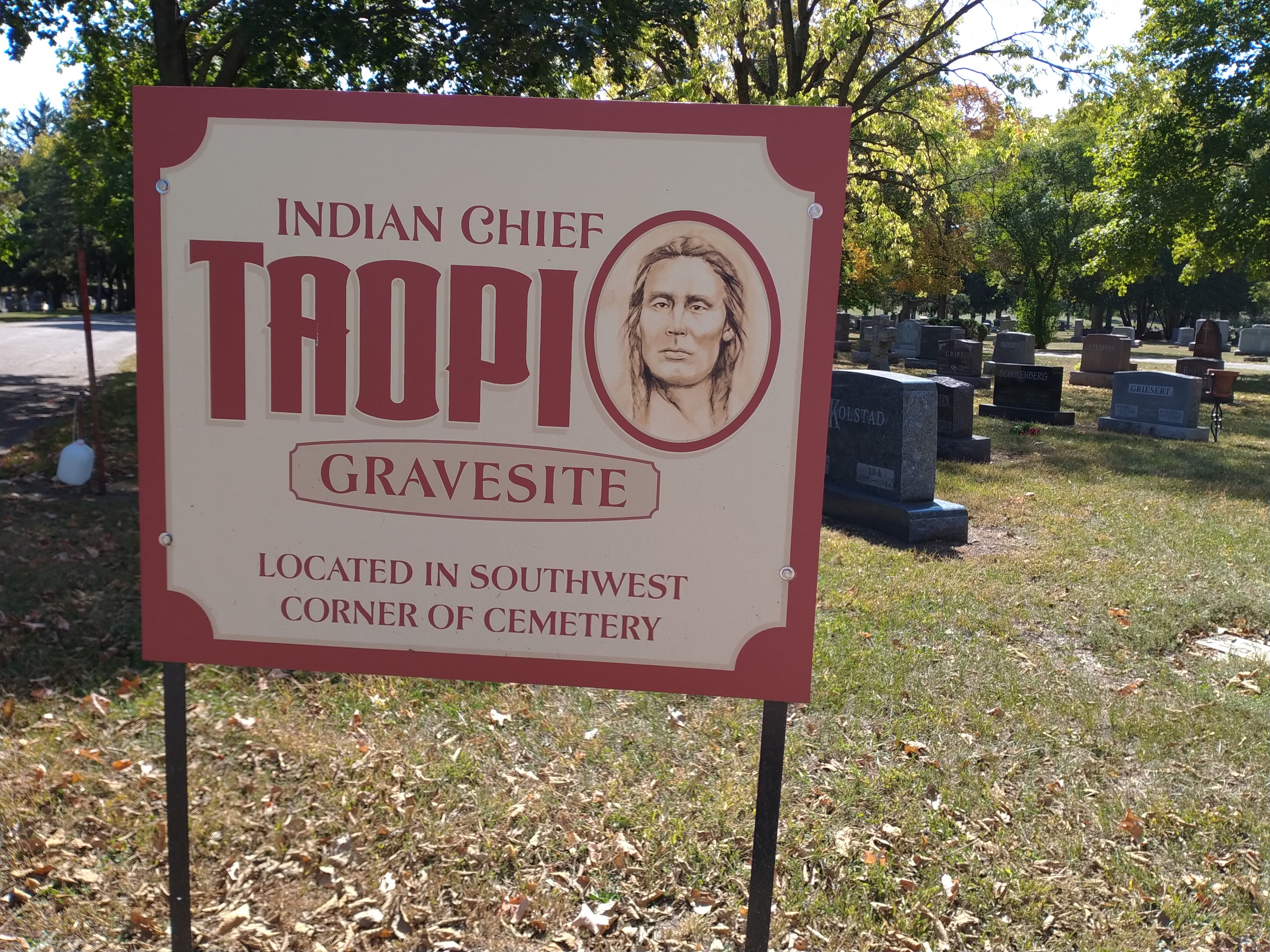
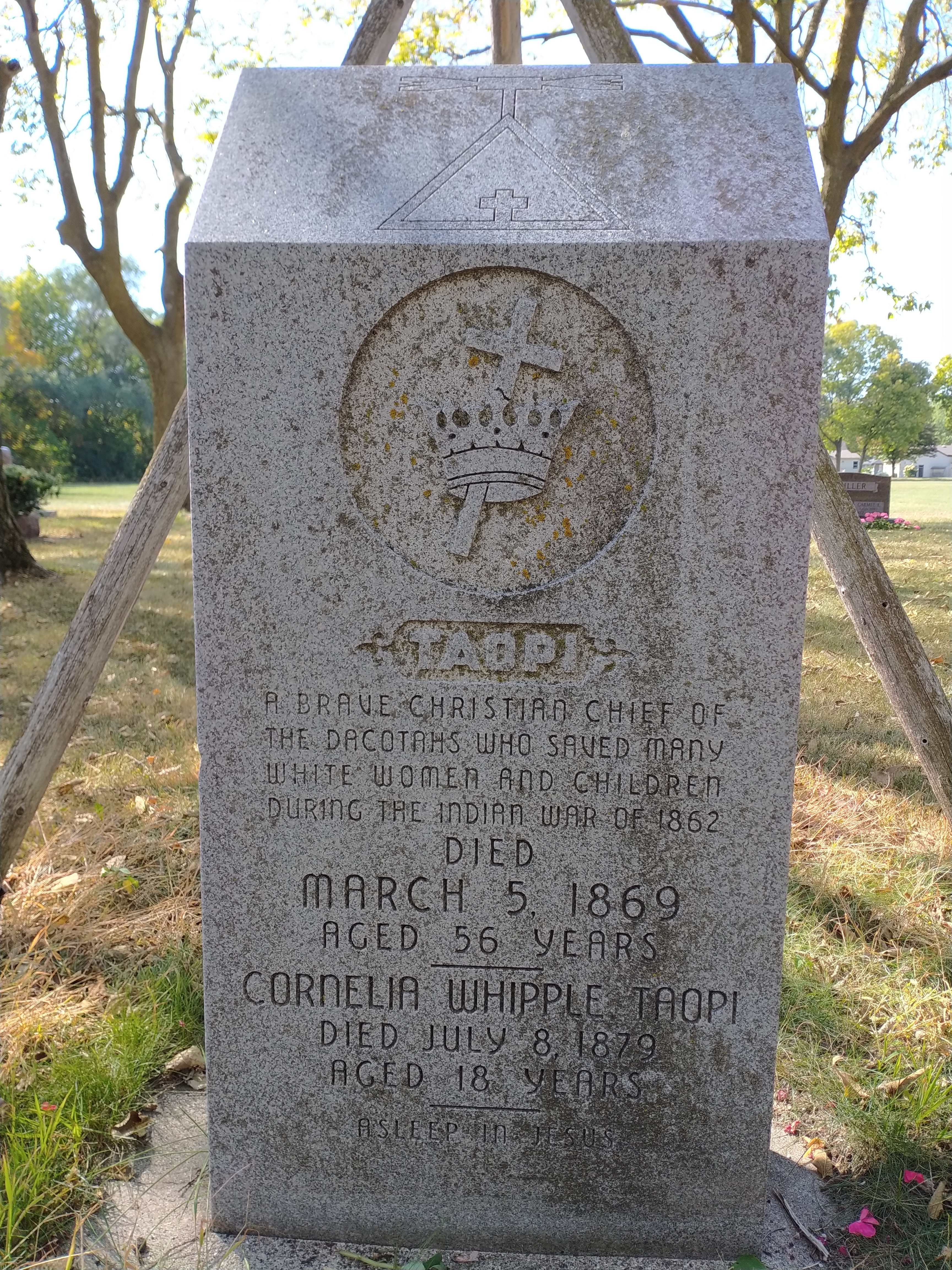
Just inside the entrance to Maple Lawn Cemetery, a sign directs visitors to Taopi’s gravesite. (Minnesota Prairie Roots copyrighted photo October 2023)
MY GOAL WAS SIMPLE—to write a piece honoring Indigenous Peoples’ Day. My focus, I initially decided, would be on Taopi, a member of the Little Crow Band of the Mdewakanton Dakota Tribe. Taopi is perhaps best known in Faribault, where he lived for a while and is buried. A small Mower County town near the Iowa border also honors him in name. But my writing expanded beyond Taopi.
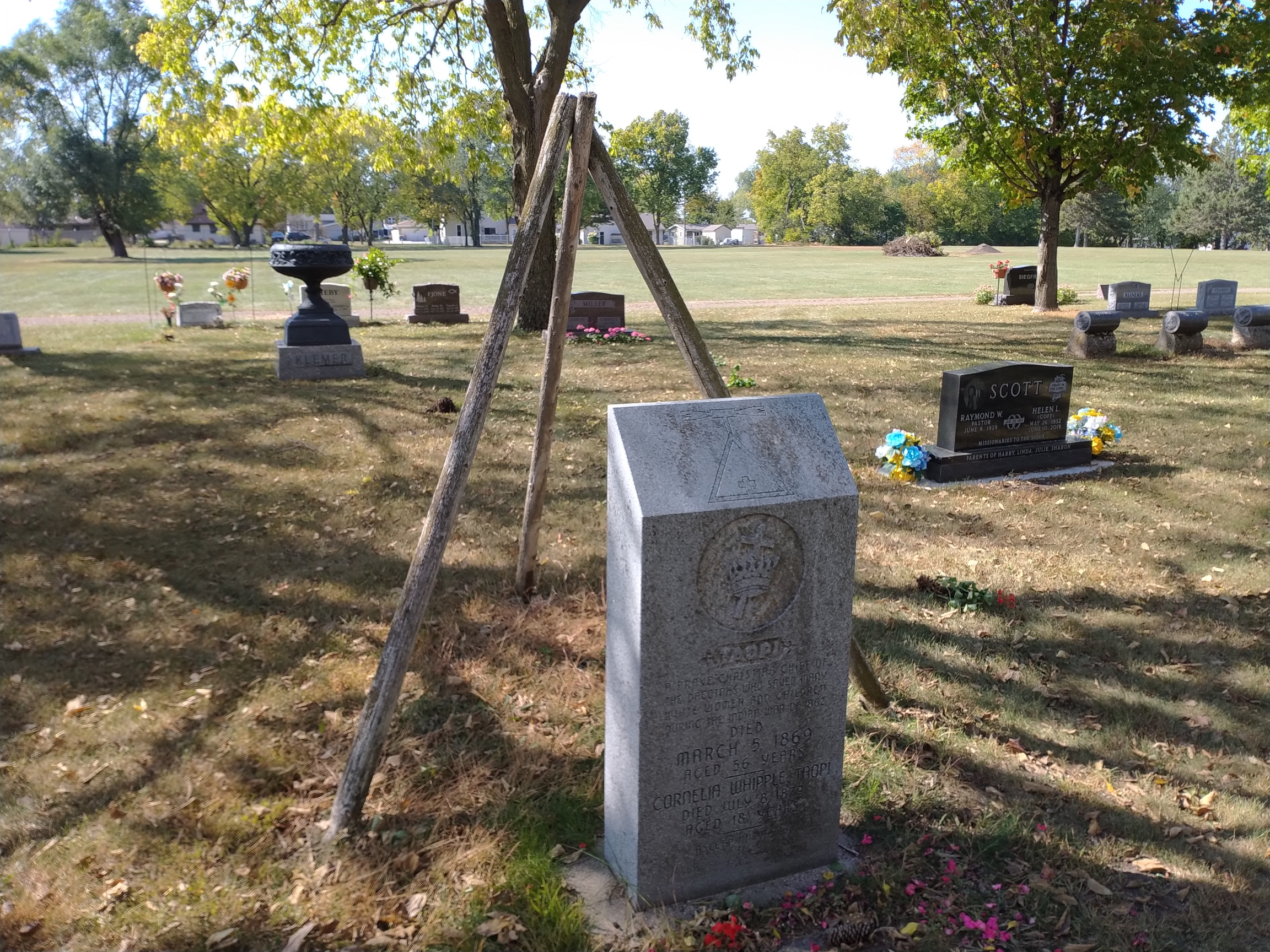
Taopi’s grave, and that of his daughter, are easily spotted via the propped poles. (Minnesota Prairie Roots copyrighted photo October 2023)
Recently I visited Taopi’s gravesite at Maple Lawn Cemetery. My interest piqued. I wanted to learn more about this Dakota leader and his importance in my community and in Minnesota history. His place in history connects to the US-Dakota War of 1862, a war all too familiar to me. My native Redwood County, where the Lower Sioux Agency was located, centered that deadly, short-lived conflict between white people and Native Peoples.
Now, viewing this war through a lens not tinted primarily by a white perspective, I understand the injustices. Decades ago, when I wrote a high school term paper on the war, I admittedly wrote a biased, unbalanced report based on biased, unbalanced research sources.
With time and maturity came the realization of the great injustices done, first when the US government acquired Indigenous Peoples’ land at a seemingly low cost and then failed to honor those treaties. The treaties opened nearly 24 million acres to white settlers. It was the Natives, the original inhabitants of this land, who found themselves cheated of government annuities, starving, pushed off their land and confined to strips of land along the Minnesota River. That includes the Wahpekute, a small band of the Dakota who lived in south central Minnesota, including the Faribault area. I live just below a Faribault city park called Wapacuta.
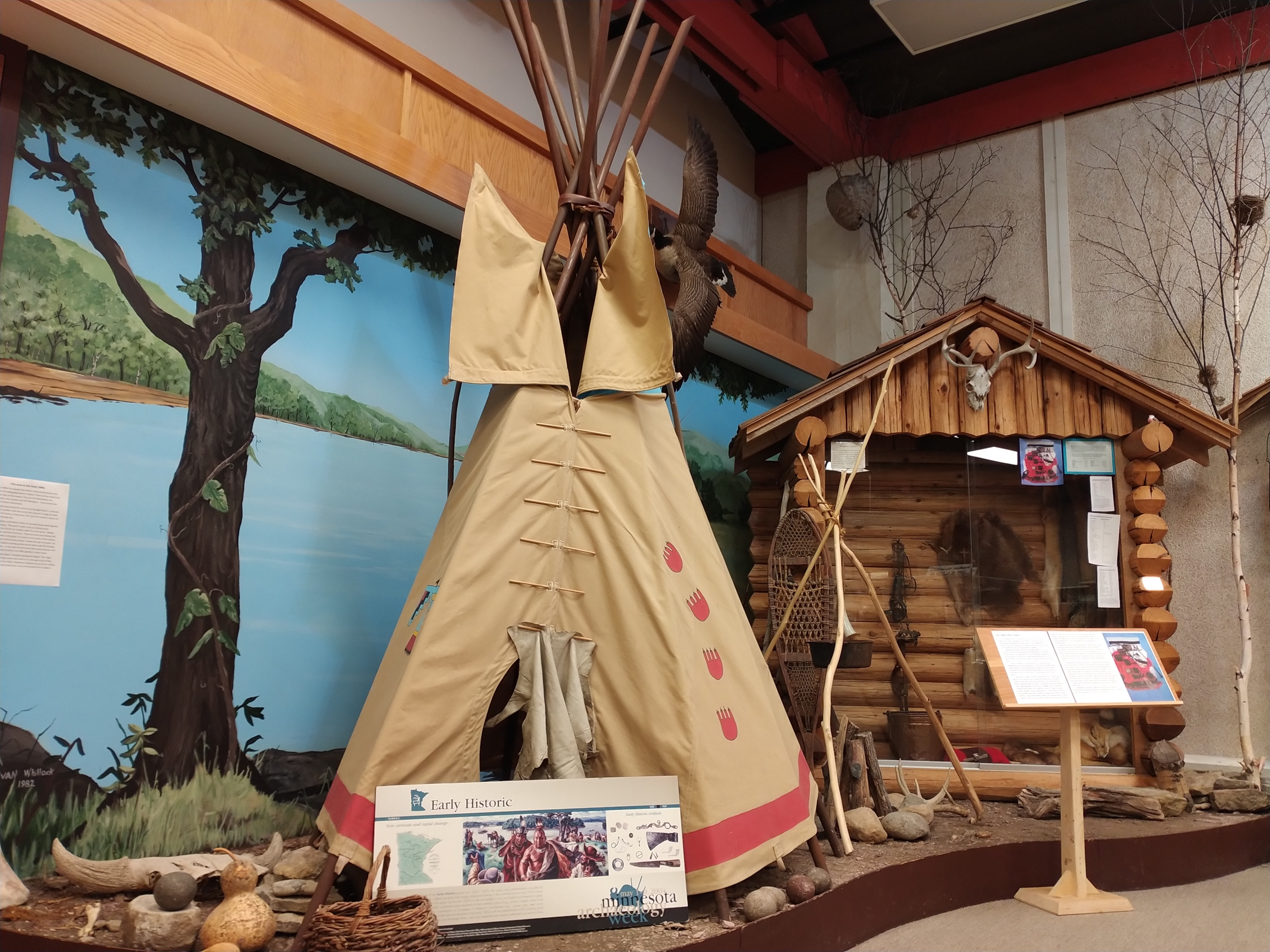
An exhibit at the Rice County Historical Society Museum. Artifacts from Indigenous Peoples are also displayed in cases. (Minnesota Prairie Roots copyrighted photo October 2023)
At the time of the US-Dakota War of 1862, Taopi was in the thick of all of it as a “farmer Indian,” the name tagged to Native Peoples who opted to farm, adapting the ways of the white man in occupation, dress and sometimes religion. He lived near the Lower Sioux Agency, relocated to a reservation there following the Treaty of Mendota in 1851. Those who continued with their hunting and fishing culture were known as “blanket Indians.” Taopi assuredly felt the animosity of his own people for the lifestyle and other choices he made.
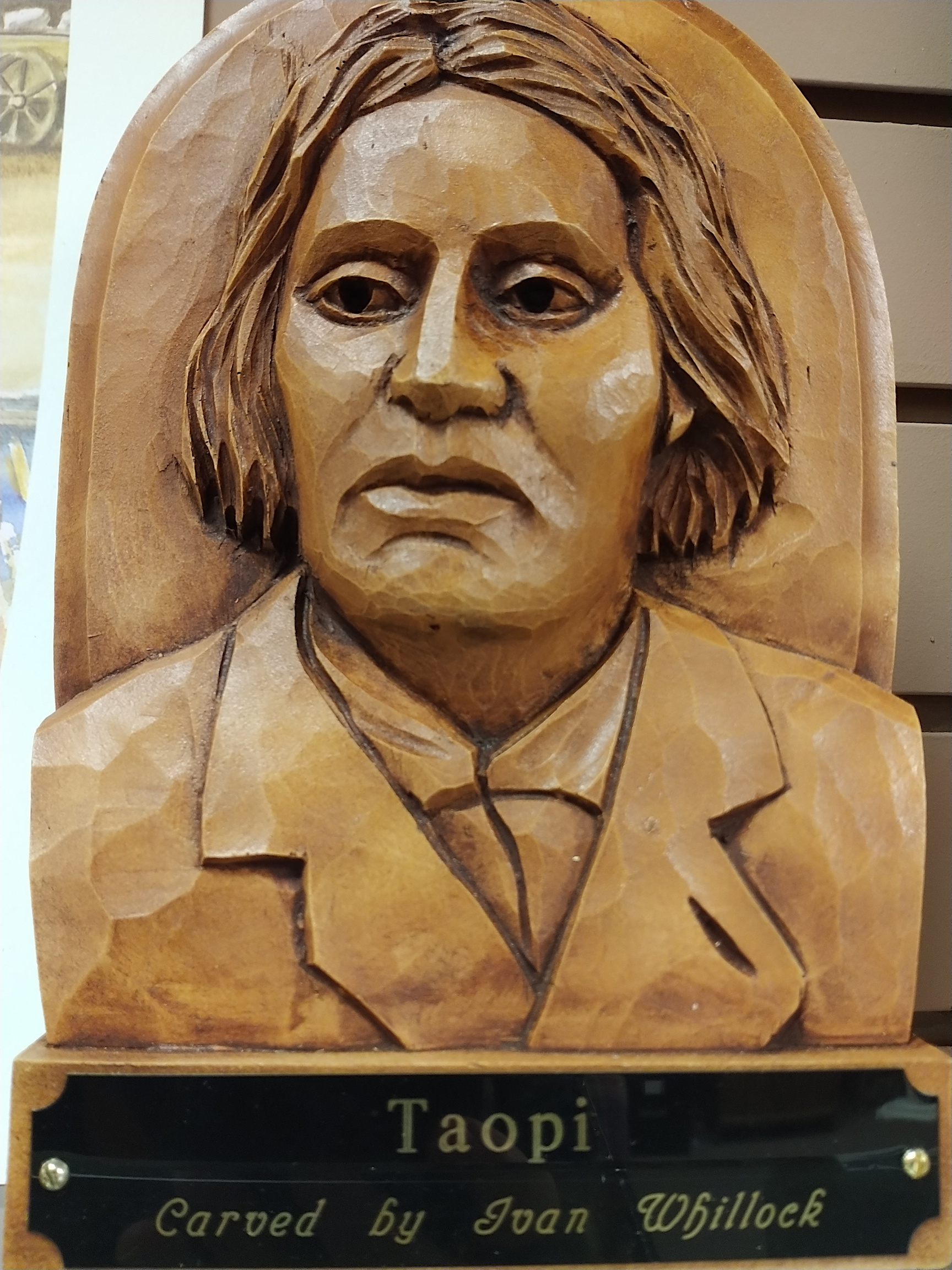
A woodcarving of Taopi by noted Faribault artist Ivan Whillock is for sale in the Rice County Historical Society Museum’s gift shop. One is also displayed in a museum exhibit on Taopi. (Minnesota Prairie Roots copyrighted photo October 2023)
I can only imagine the pressure Indigenous Peoples experienced as white settlers moved into the area. The change, at times, had to feel overwhelming. Life would never be the same. Long-time homelands were lost, tradition and culture endangered. And so Taopi and others adapted, likely accepting that change was inevitable.
The gravesite of Taopi and his daughter, Cornelia Whipple Taopi (named after Cornelia Whipple, married to Bishop Henry Whipple). (Minnesota Prairie Roots copyrighted photo October 2023)
But one thing that remained constant with Taopi was his focus on peace. He opposed the war and was a leader in the Dakota Peace Party. He is credited with saving the lives of many.
Yet, at war’s end, Taopi found himself caught—disliked by his peoples, who considered him a traitor, and disliked by whites holding a deep animosity toward any Native person. In Faribault, though, he had a friend in Bishop Henry Whipple, a strong advocate for First Peoples, and in town founder Alexander Faribault. Eventually, Taopi and other Natives moved onto land owned by Alexander Faribault, living under his protection on a bluff overlooking the Straight River. Taopi died in 1869. In 1895, the Indigenous Peoples of Faribault were displaced once again, moved to the Lower Sioux Reservation. They had always existed on the fringes in Faribault, never fully-accepted by most residents while under the protection of the bishop and town founder.
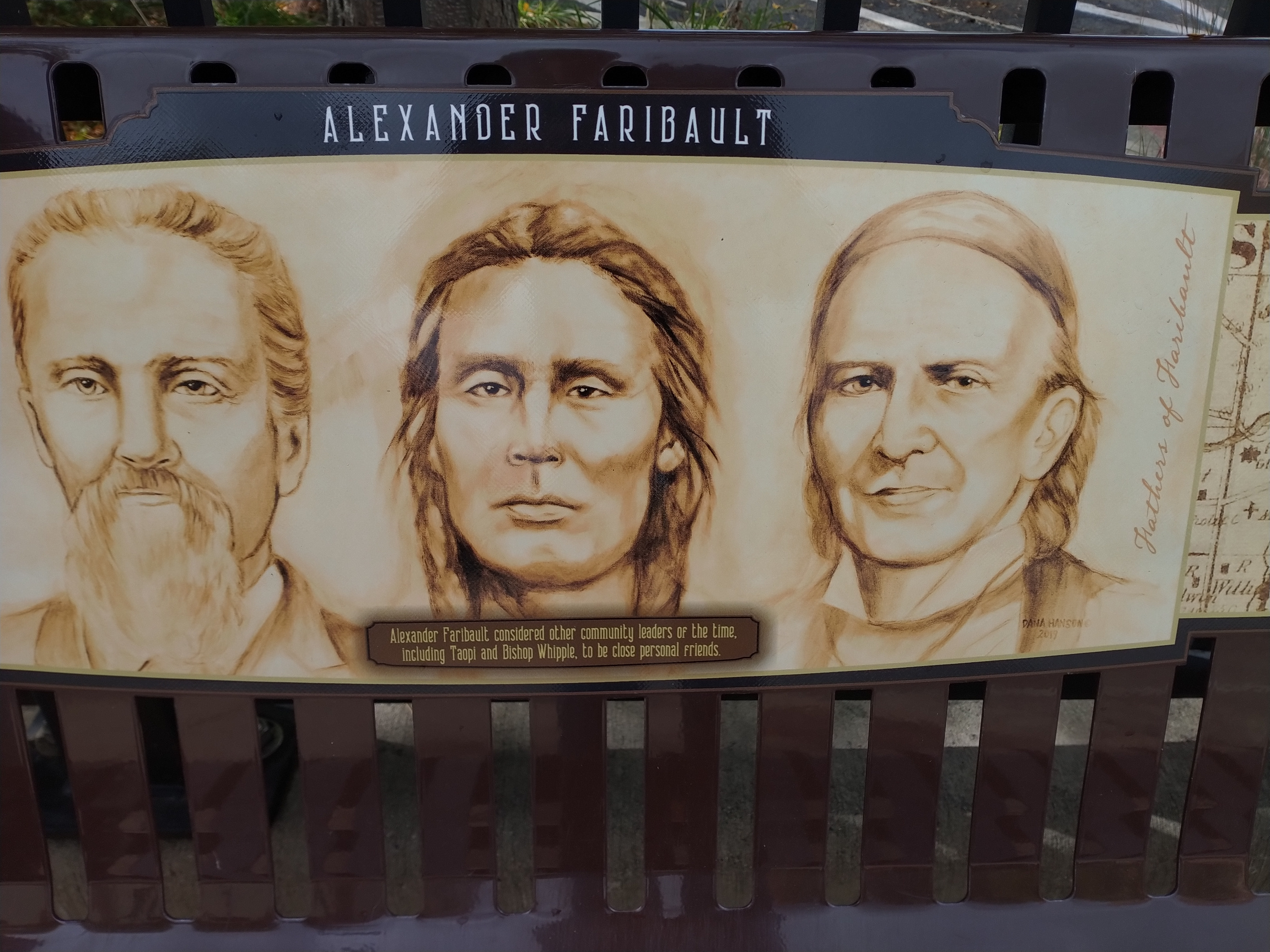
Dana Hanson’s “Father’s of Faribault” (left to right, Alexander Faribault, Taopi and Bishop Henry Whipple) featured on a bench along Central Avenue in downtown Faribault. The same artwork hangs inside Buckham Memorial Library. (Minnesota Prairie Roots copyrighted photo October 2023)
Sources: The First Cathedral, an Episcopal Community for Mission by Benjamin Ives Scott and Robert Neslund; the Minnesota Historical Society website; and the Rice County Historical Society Museum’s Taopi display.
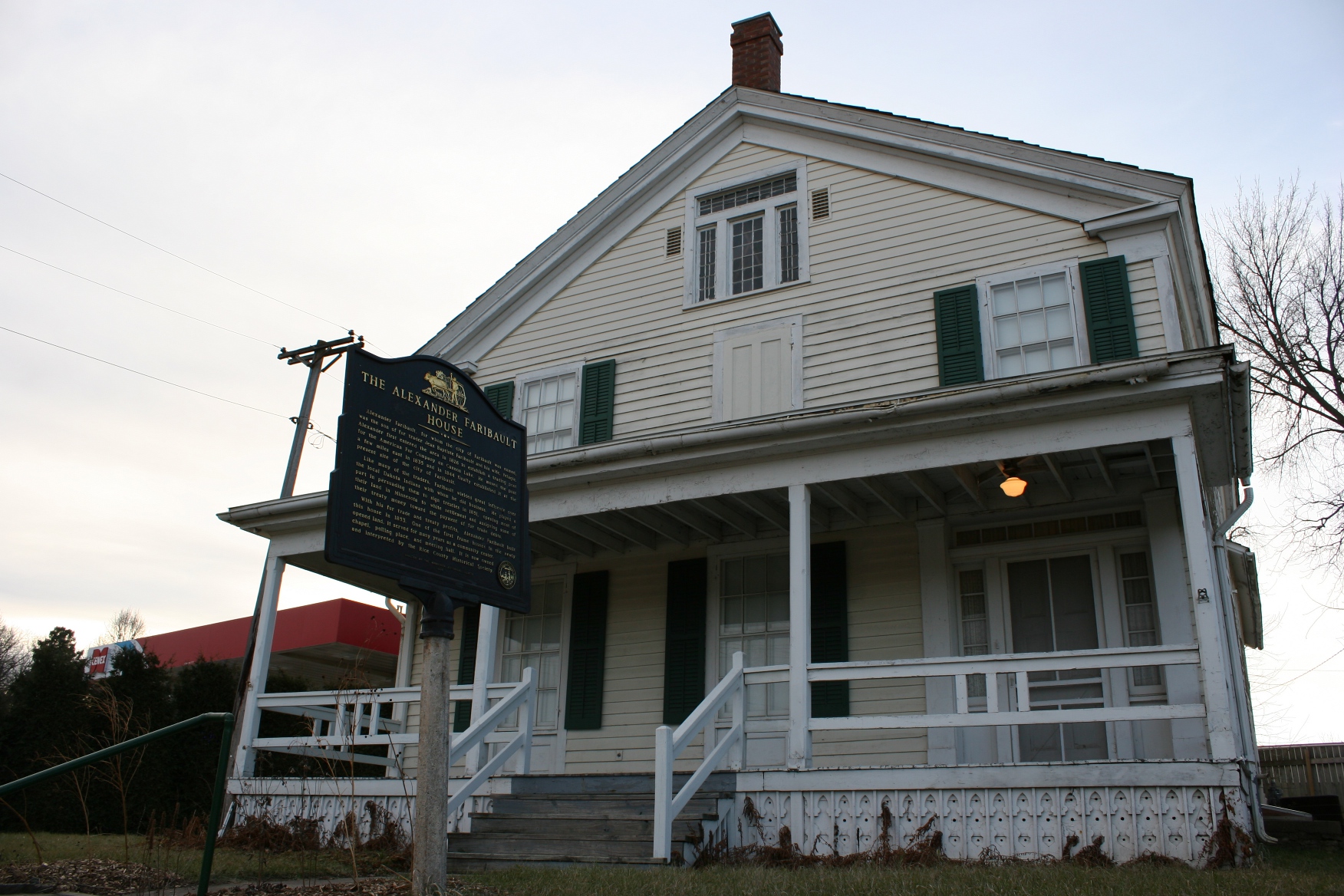
The home of town founder Alexander Faribault. (Minnesota Prairie Roots copyrighted file photo 2017)
ON SATURDAY, THE HOME of Faribault’s founder, Alexander Faribault, opens for its 15th annual Christmas open house. The event features the 1853 house decorated for the holidays in the French-Canadian style. Faribault was of French-Canadian and Dakota descent.
The Faribaults’ dining room set for the holidays during the 2017 Christmas open house. (Minnesota Prairie Roots copyrighted file photo 2017)
To walk through the rooms of this historic home is to feel the presence of the Faribault family, including wife Mary Elizabeth Graham and their children. The Faribaults lived here only a few years before moving to a large brick mansion on the bluffs overlooking the Straight River. With 10 children, I expect they needed more space than the wood-frame house provided.
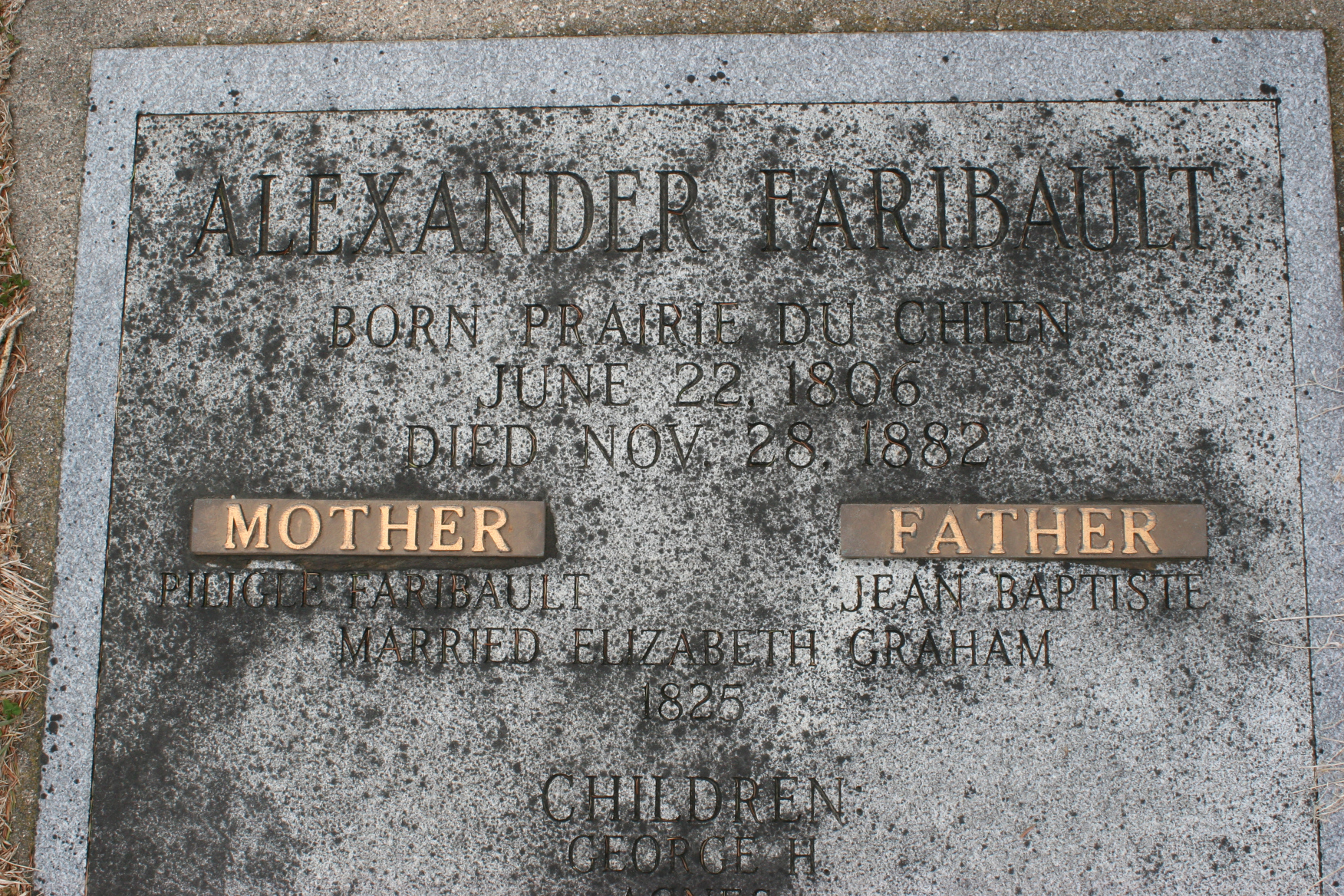
An overview of Alexander Faribault’s gravesite at Calvary Cemetery. (Minnesota Prairie Roots copyrighted photo April 2020)
Across town several miles to the west atop a hill overlooking the countryside on the edge of Faribault, the life of Alexander Faribault comes full circle. It is here, in Calvary Cemetery, that this fur trader, this friend of the Dakota, this town founder, this family man, is buried.
A memorial to Alexander Faribault stands at the Calvary Cemetery entrance. The birth date here differs from the one on Faribault’s tombstone. (Minnesota Prairie Roots copyrighted photo April 2020)
In April 2020, I visited this cemetery for the first time specifically looking for Faribault’s gravesite. I found it along with a memorial marker honoring him at the graveyard’s entrance.
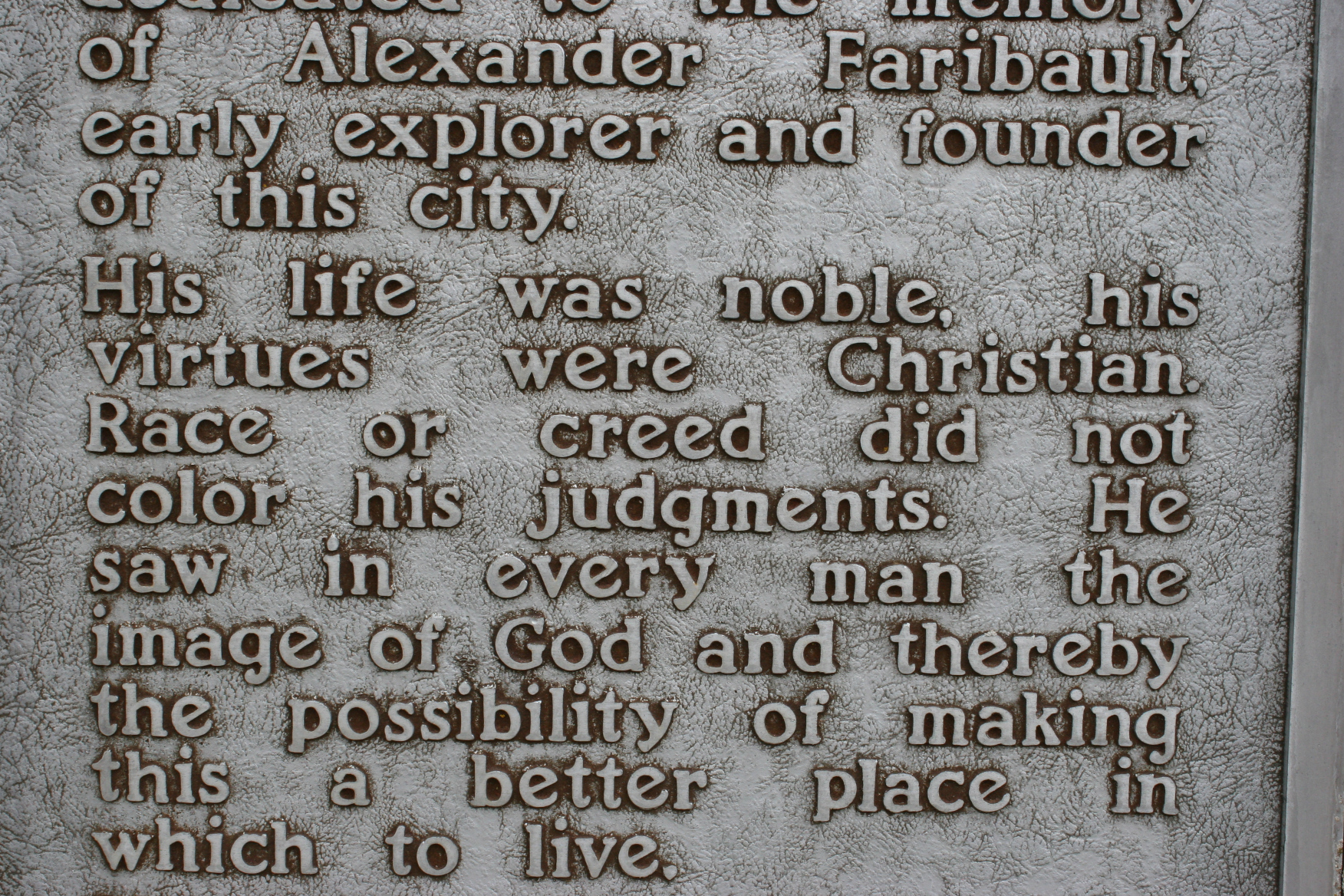
Memorial marker words up close. (Minnesota Prairie Roots copyrighted photo April 2020)
Race or creed did not color his judgments, the marker states in part. That seems to match what I’ve read about Alexander Faribault. Both his mother and wife were of Dakota heritage, thus he and his children were, too. Alexander, who traded with and befriended the Dakota, later sheltered some of them on his land. Government treaties removed indigenous peoples from their land, including in current-day Faribault. Alexander Faribault served as an interpreter in the signing of regional treaties given his knowledge of the Dakota language and culture. I wonder if he felt conflicted by how the government treated the Dakota.
This sculpture of Alexander Faribault and a Dakota trading partner stands in Faribault’s Heritage Park near the Straight River and site of Faribault’s trading post. Faribault artist Ivan Whillock created this sculpture which sits atop the Bea Duncan Memorial Fountain. (Minnesota Prairie Roots copyrighted file photo)
Today, 216 years after Faribault was born on November 28, 1806, an awareness and acknowledgment that indigenous peoples were the first inhabitants of this area is rising. Long before fur traders like Faribault set up trading posts in the region, the Dakota lived here, hunted here, fished here, raised their families here, called this place home.
This shows a portion of an in-ground marker for Alexander Faribault. (Minnesota Prairie Roots copyrighted photo April 2020)
When I consider the friendships forged among fur traders and the Dakota, I think of the Faribault community today and those who call this place home. This city truly is a melting pot of cultures and peoples. I celebrate that. Some day I hope we can all, like our town founder, view each other through a clear lens without the filter of race or creed coloring judgment.
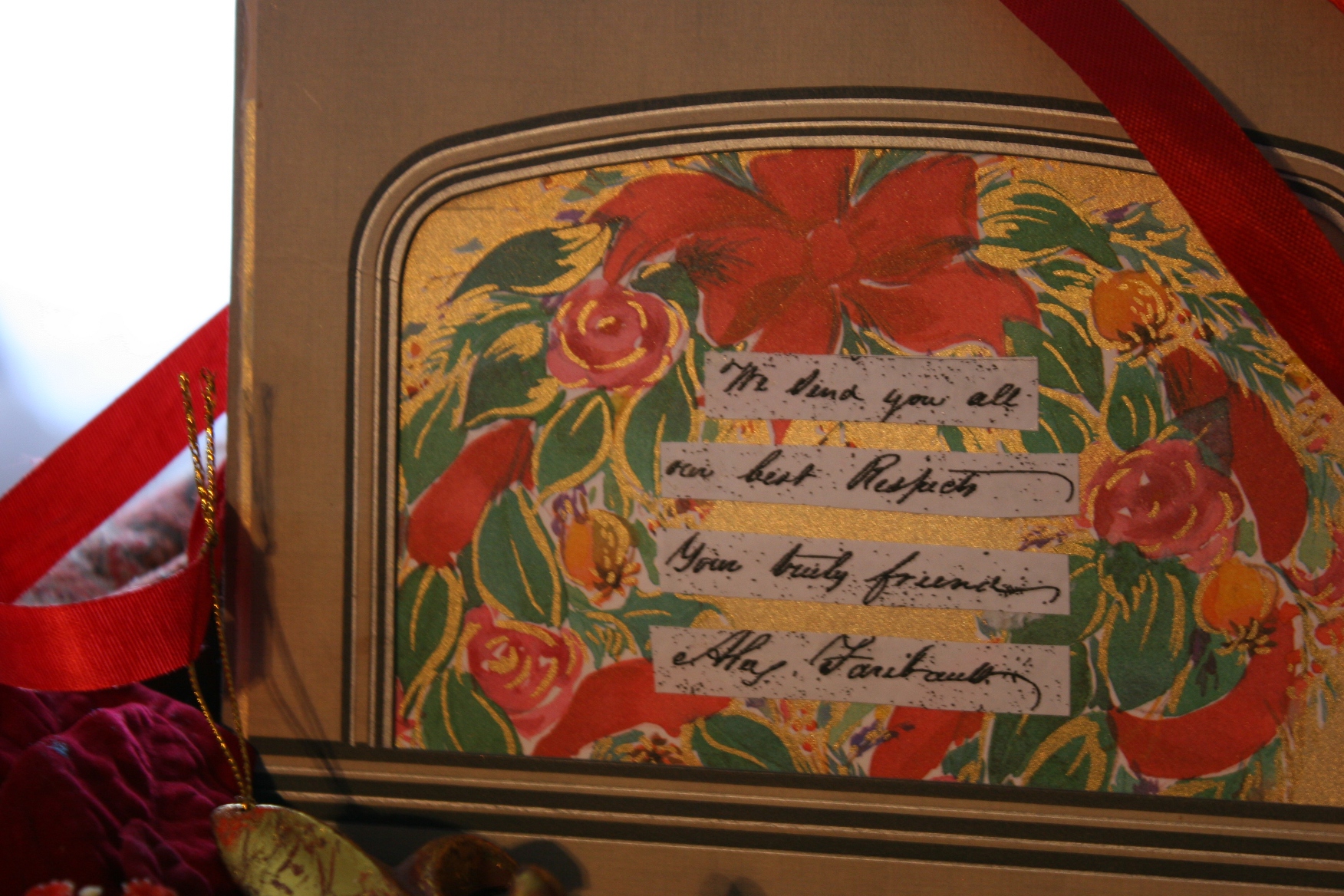
A holiday greeting from Alexander Faribault displayed at a past Christmas open house. (Minnesota Prairie Roots copyrighted file photo)
FYI: The Alexander Faribault House Christmas Open House is from 11 am- 3 pm Saturday, December 3, at 12 First Avenue Northeast, Faribault. The event is free and is part of this weekend’s Winterfest celebration in Faribault.
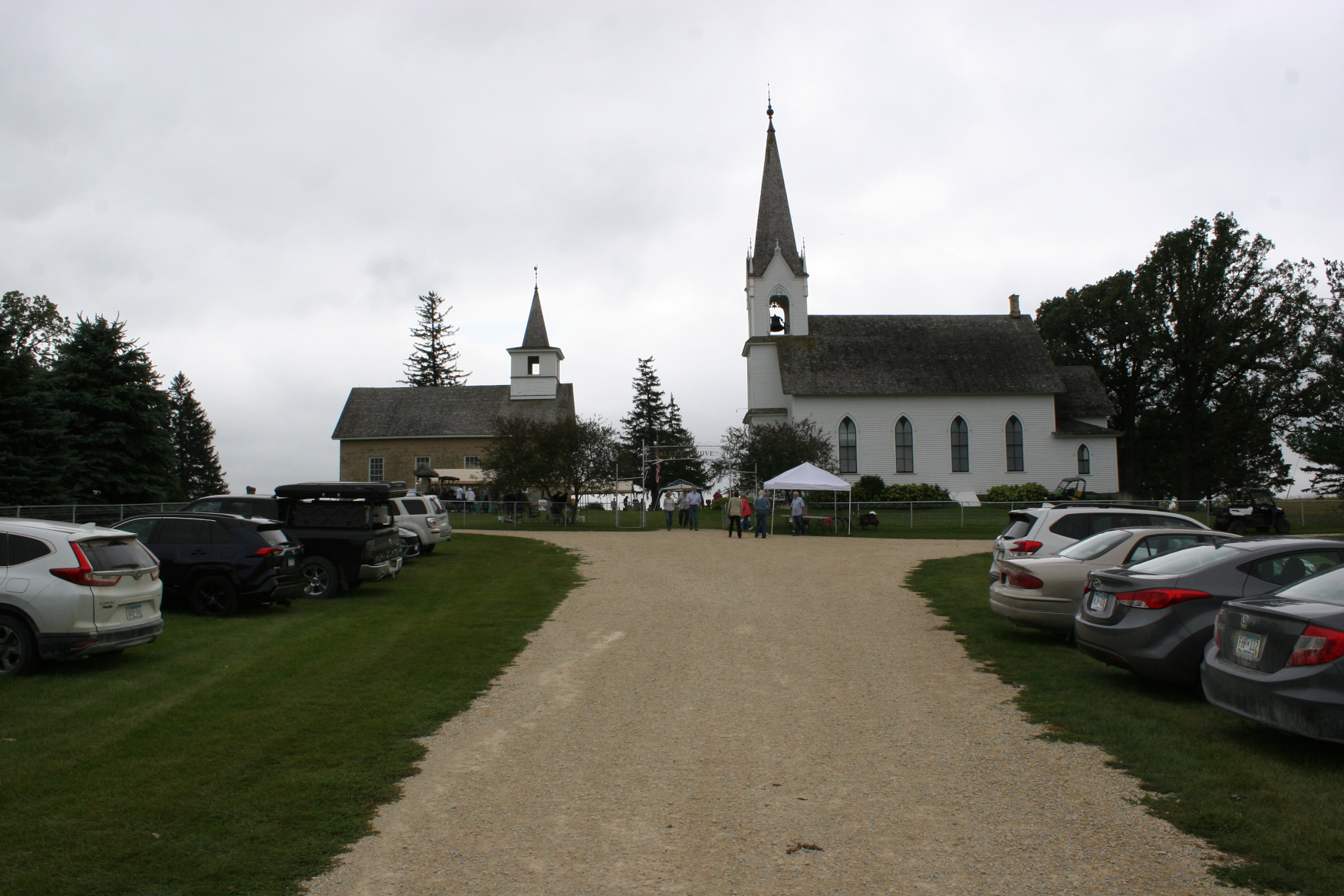
Vehicles line the gravel driveway leading to the hilltop Valley Grove churches, rural Nerstrand, during the September 18 Country Social. (Minnesota Prairie Roots copyrighted photo September 2022)
A COUNTRY SOCIAL EVOKES an essence of history, of community celebration, of activities that hearken to a bygone era. The Valley Grove Country Social held on Sunday afternoon high atop a hill near Nerstrand Big Woods State Park fits that and beyond. This site, the location of two historic churches and an adjoining cemetery, marks one of my favorite places in rural Rice County for its history, natural beauty and peace.
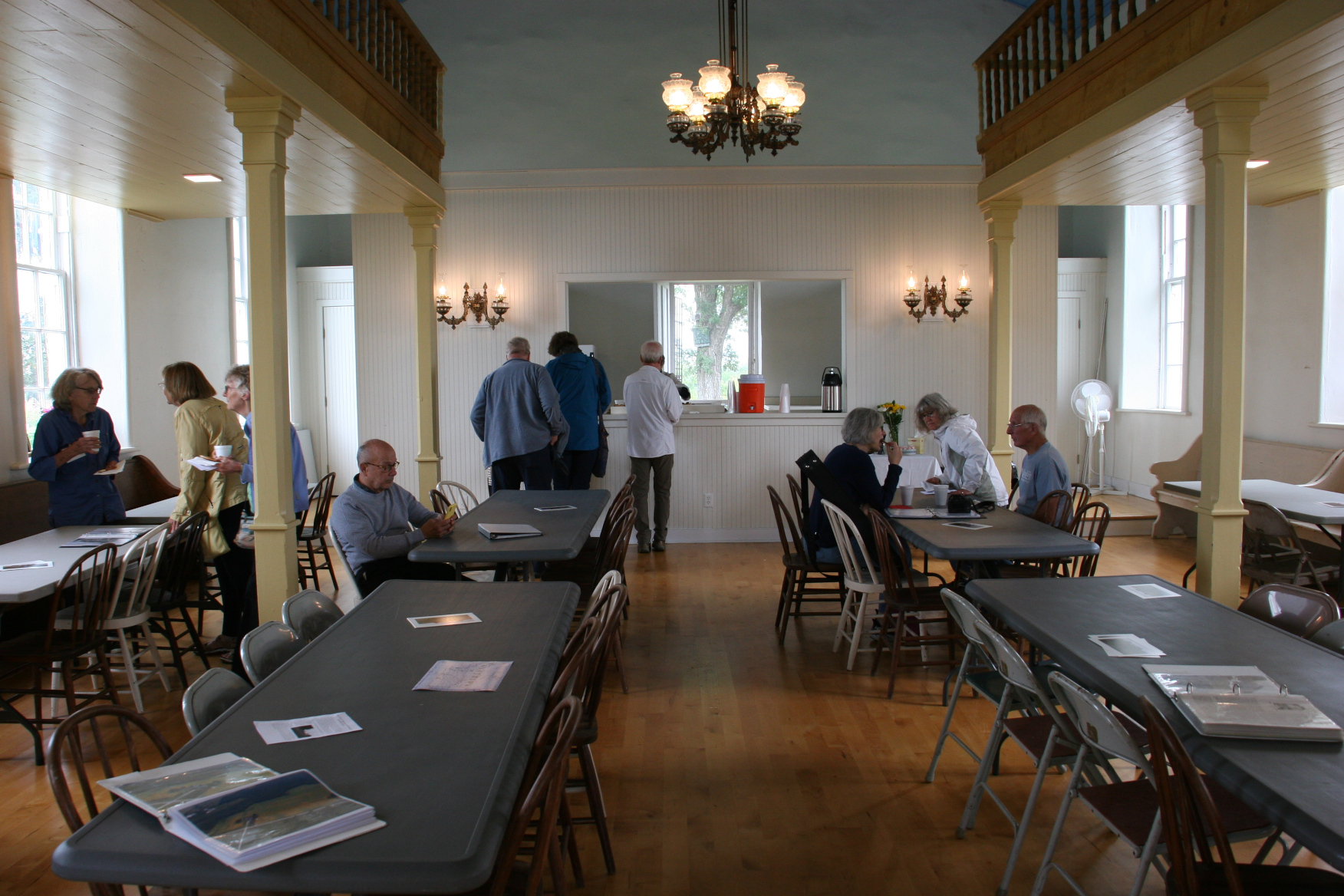
Inside the stone church, now used for fellowship, folks grab refreshments, converse and view historical information and art. (Minnesota Prairie Roots copyrighted photo September 2022)
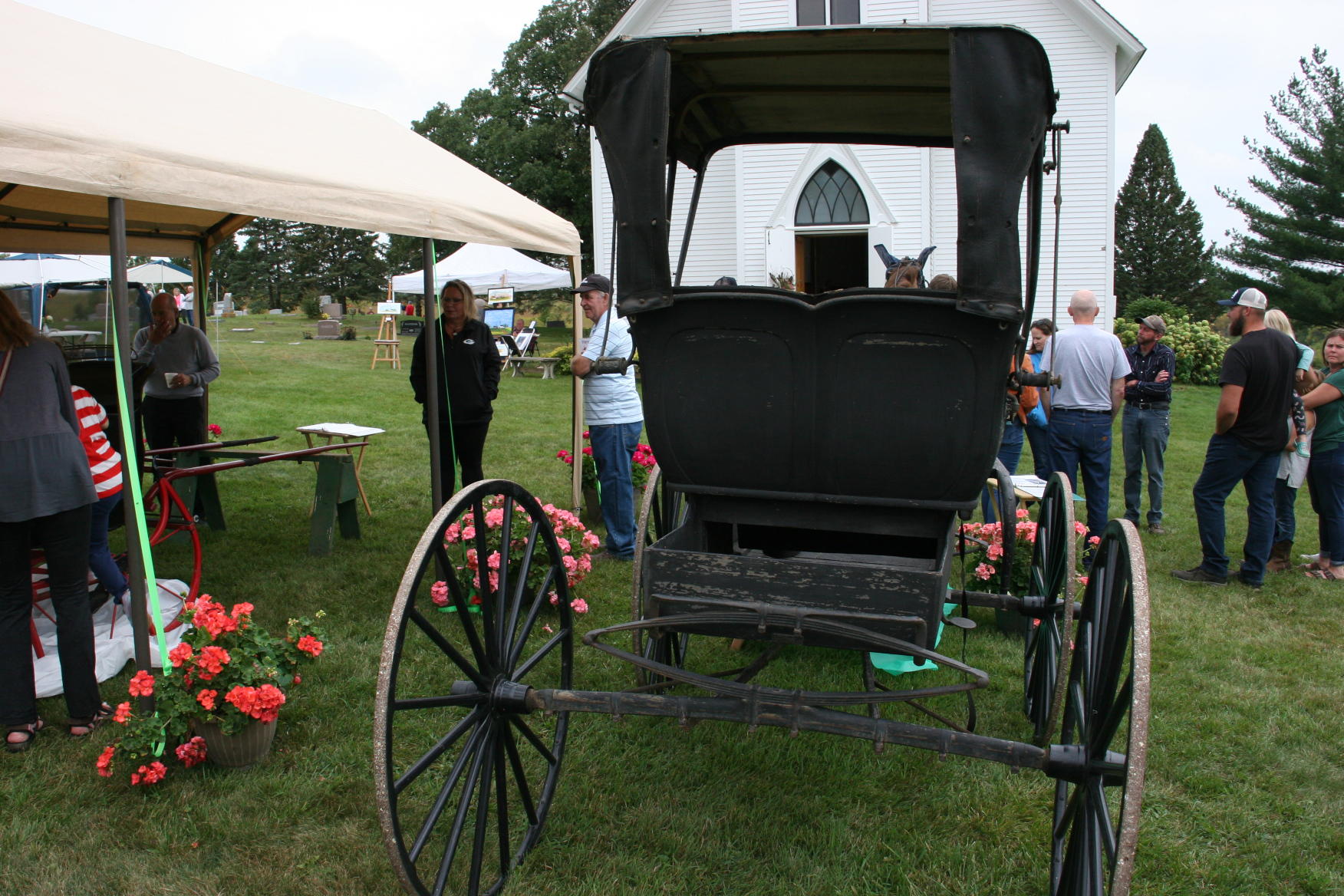
A vintage buggyadds another historic aspect to the Valley Grove Country Social. (Minnesota Prairie Roots copyrighted photo September 2022)
On this September afternoon, I delighted in an event that brings people together to celebrate Norwegian heritage and history, people and place, stories past and present, the arts, and, oh, so much more.
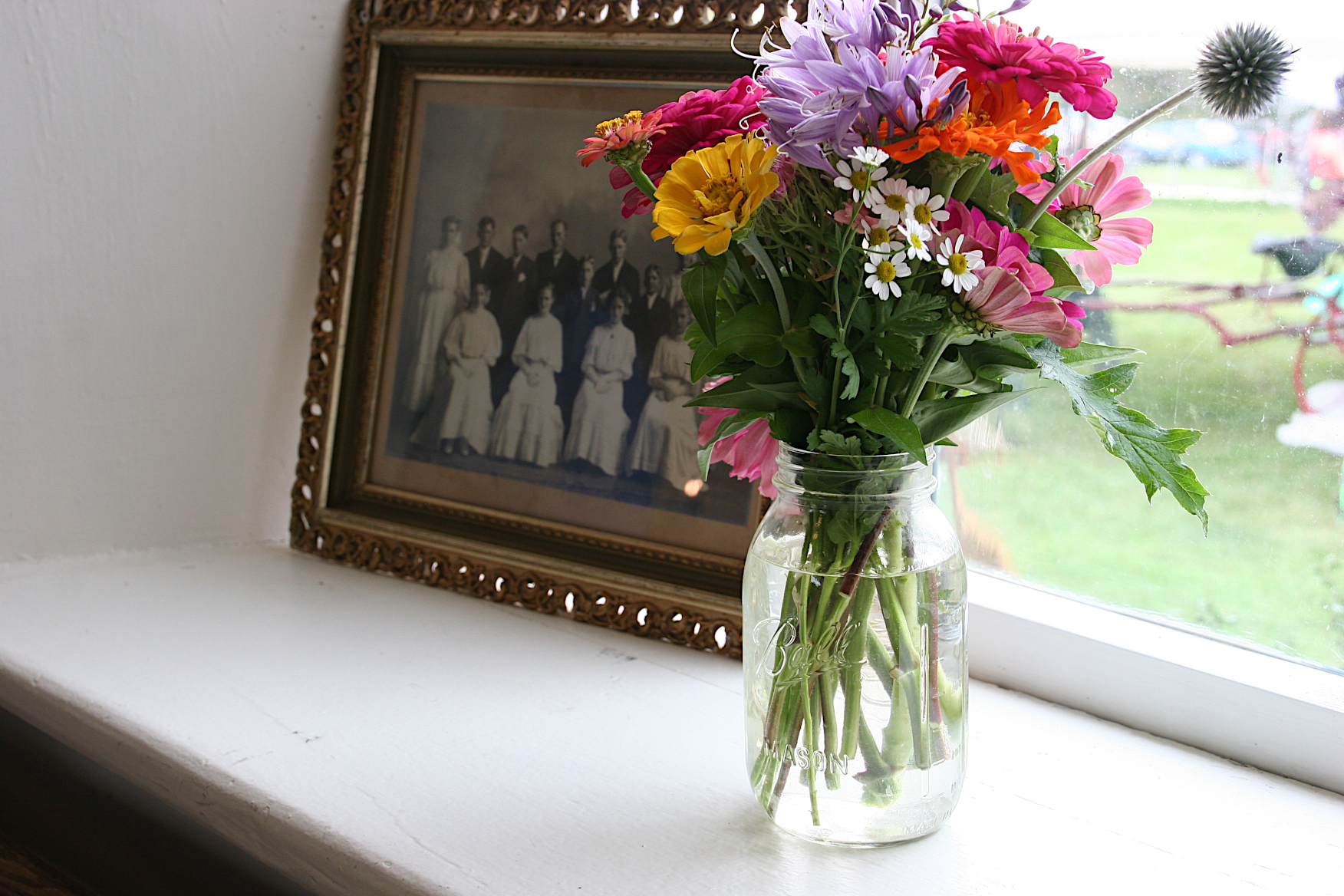
Bouquets and vintage photos edge window sillsin the oldest church. (Minnesota Prairie Roots copyrighted photo September 2022)
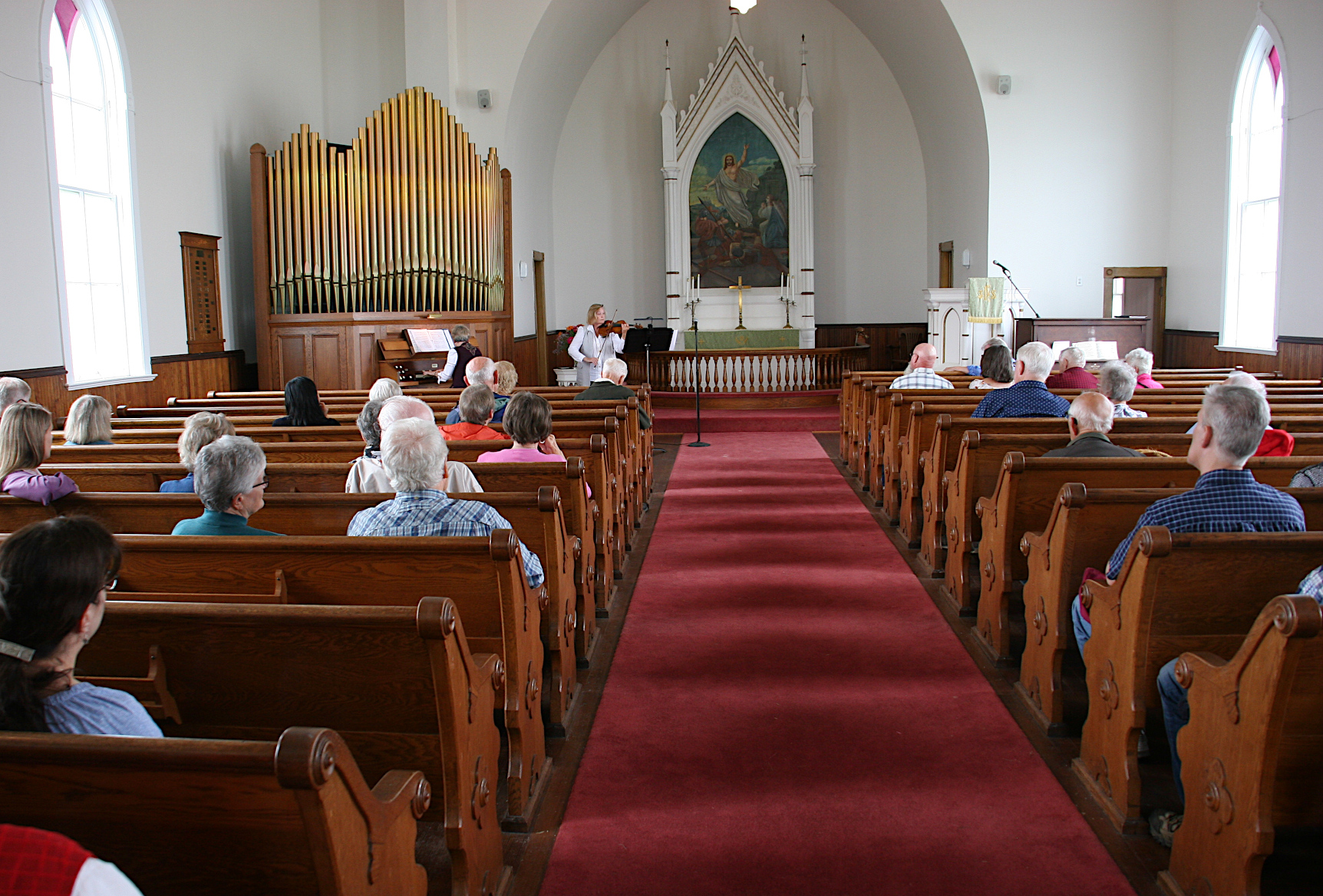
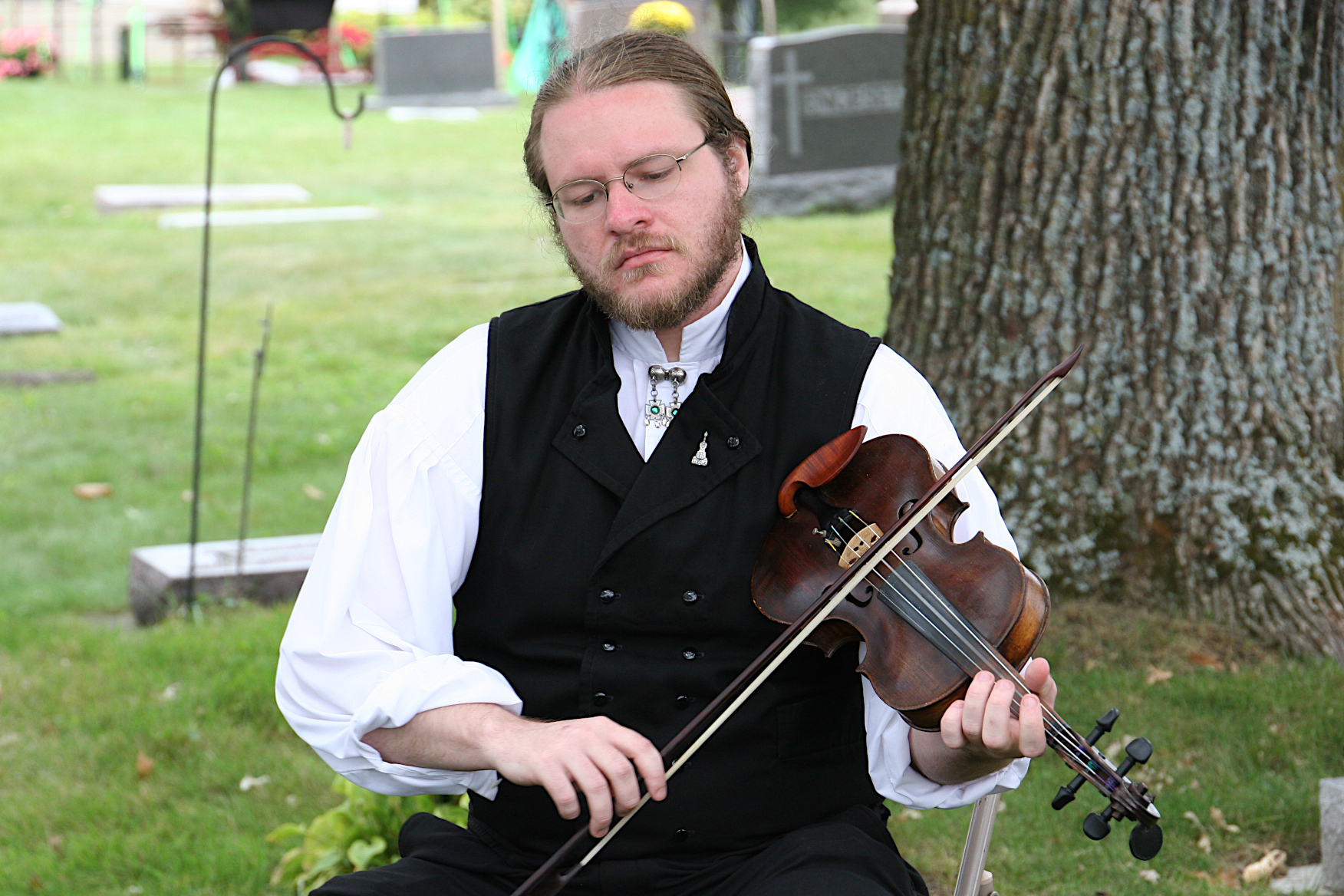
An organist and violinist play during a recital in the newer church. (Minnesota Prairie Roots copyrighted photo September 2022)
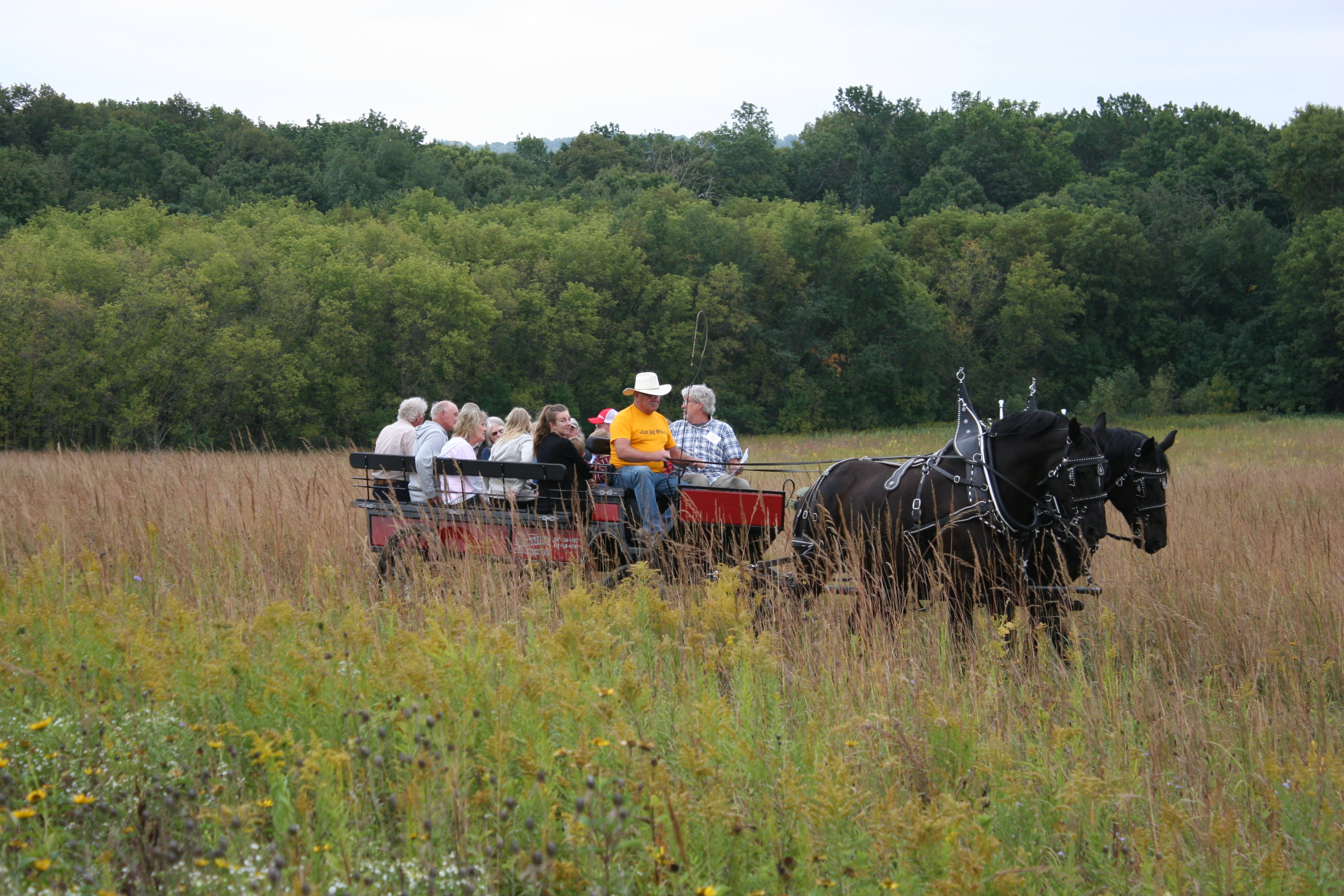
Horse-drawn wagon rides onto the prairie drew many passengers throughout the afternoon. (Minnesota Prairie Roots copyrighted photo September 2022)
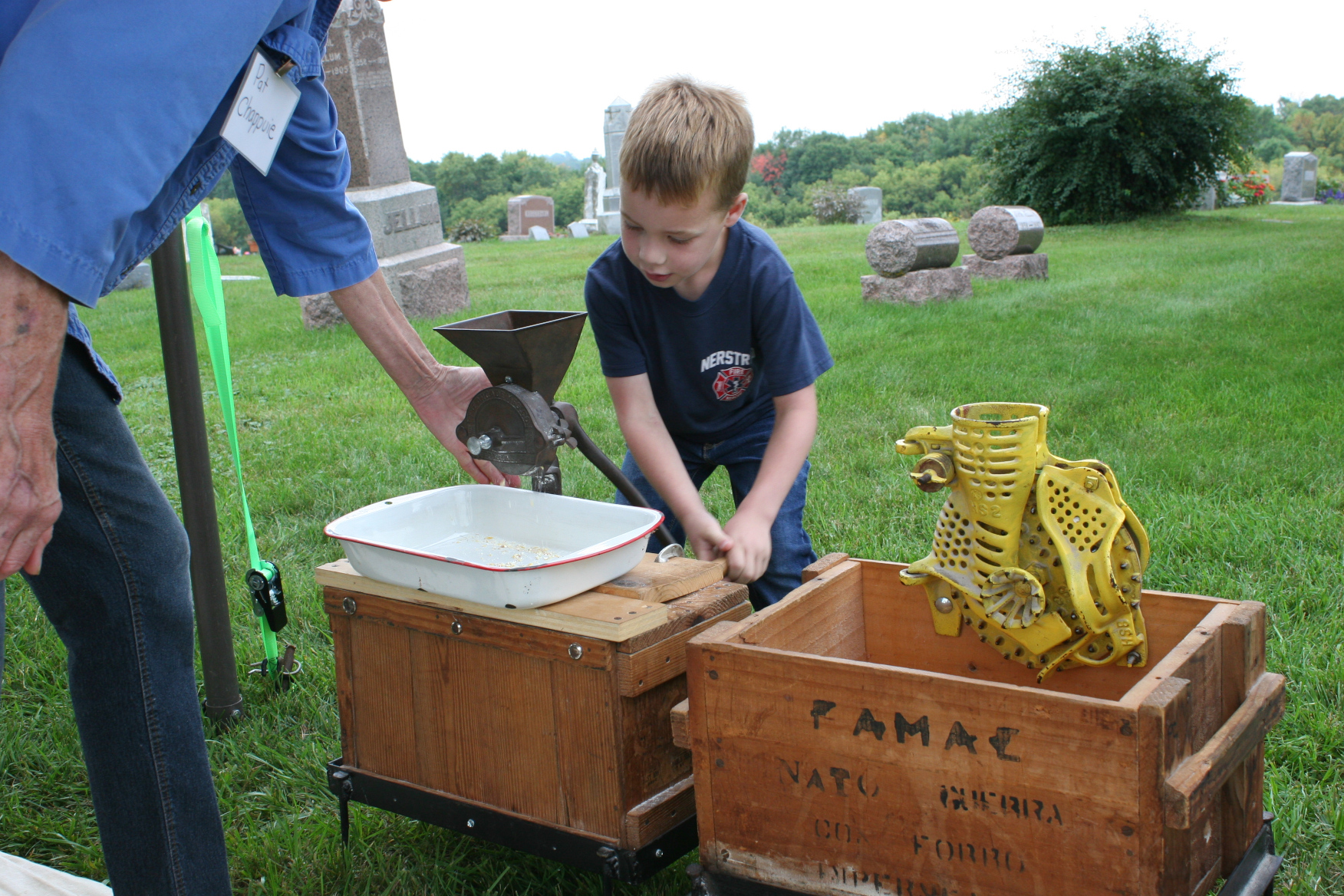
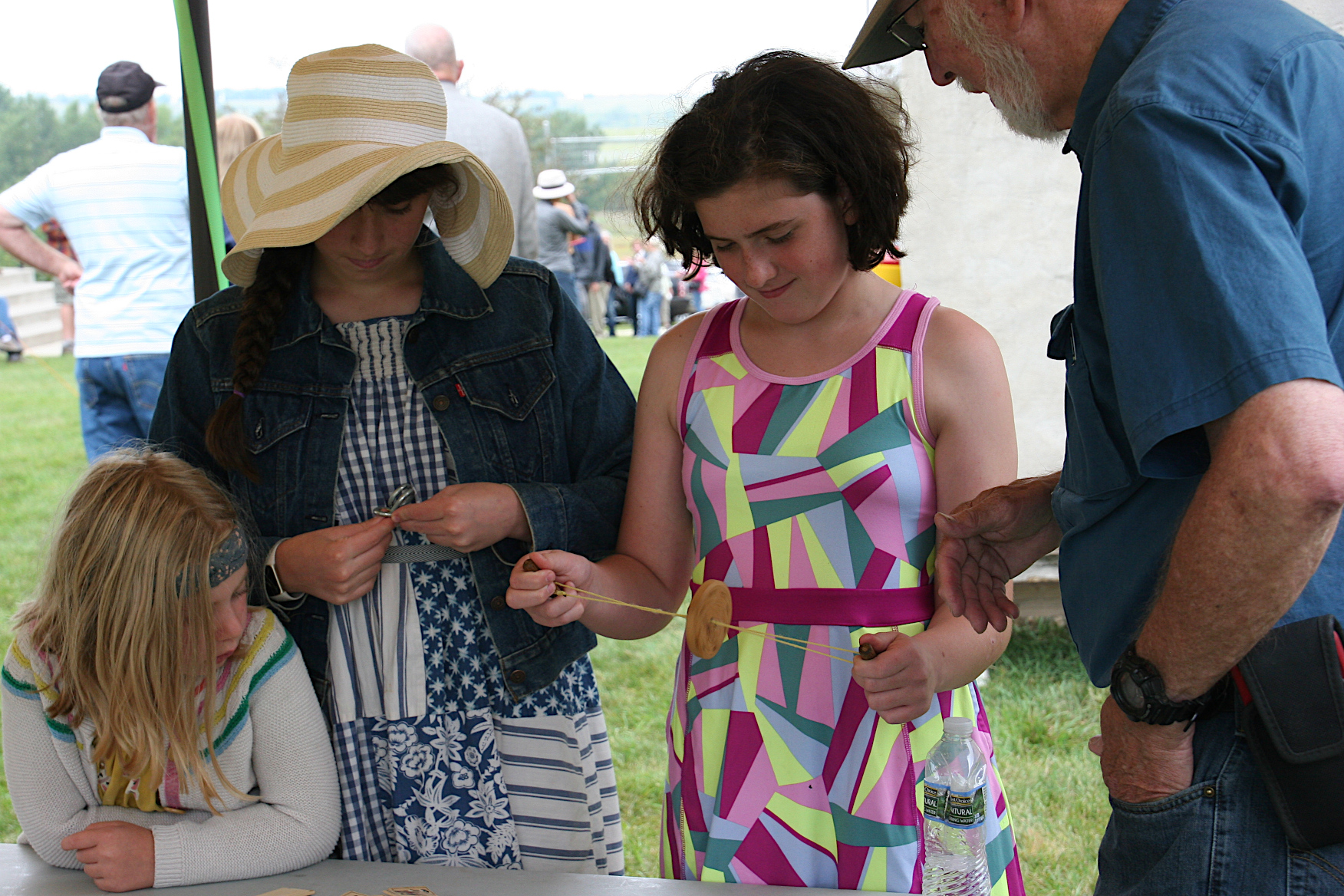
Grinding corn as part of the hands-on learning opportunities. (Minnesota Prairie Roots copyrighted photo September 2022)
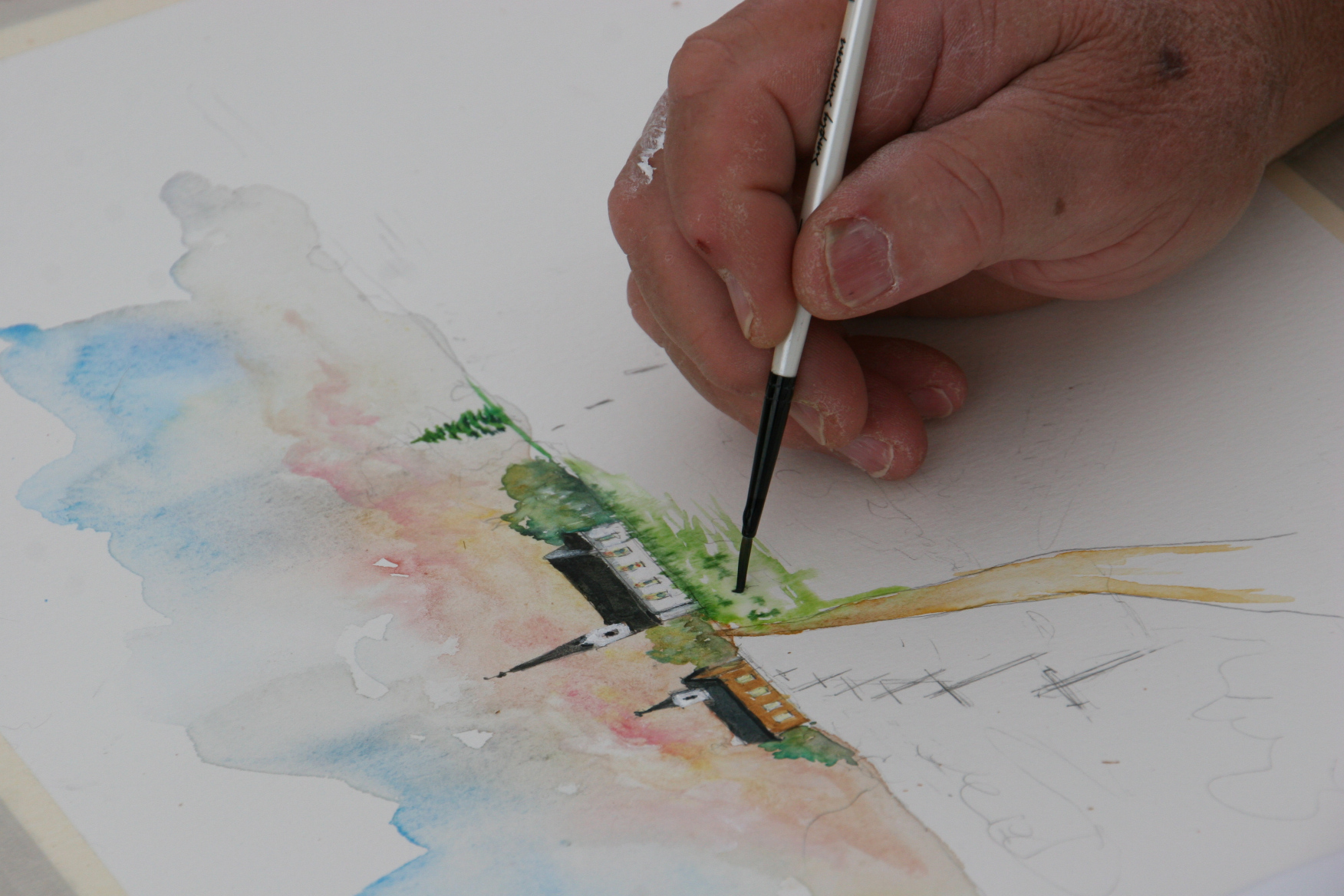
Northfield artist David Allen brought his brushes, watercolors and paper to paint on-site. (Minnesota Prairie Roots copyrighted photo September 2022)
From garden and prairie flowers tucked into Mason jars set atop window sills in the 1862 stone church to a recital inside the 1894 church to horse-drawn wagon rides to kids grinding corn to an artist painting, the scope of activities proved broad. There was something for everyone from the youngest to the eldest. Generations mingled, connected. One taught, the other learned.
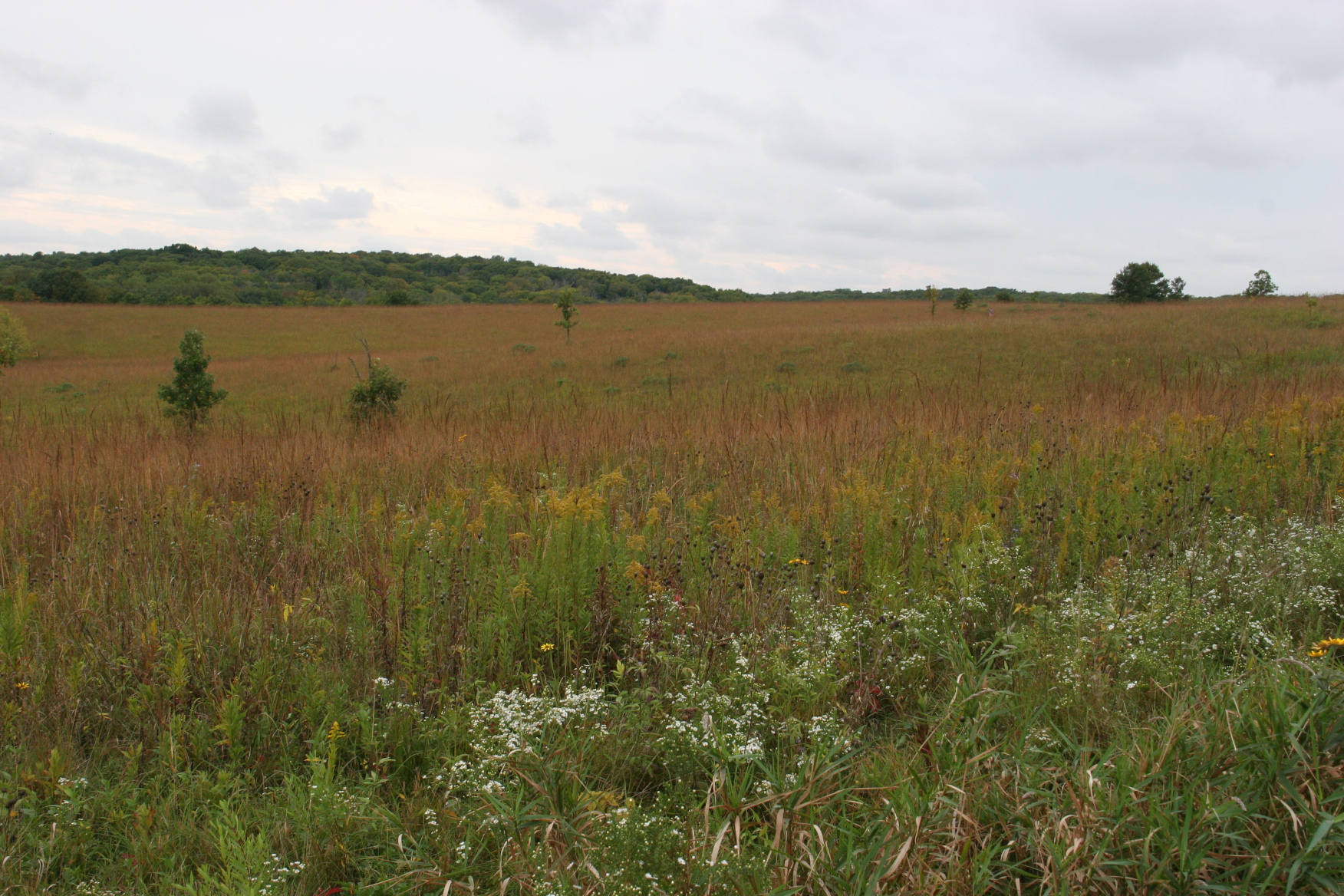
From cemetery’s edge, the open prairie. (Minnesota Prairie Roots copyrighted photo September 2022)
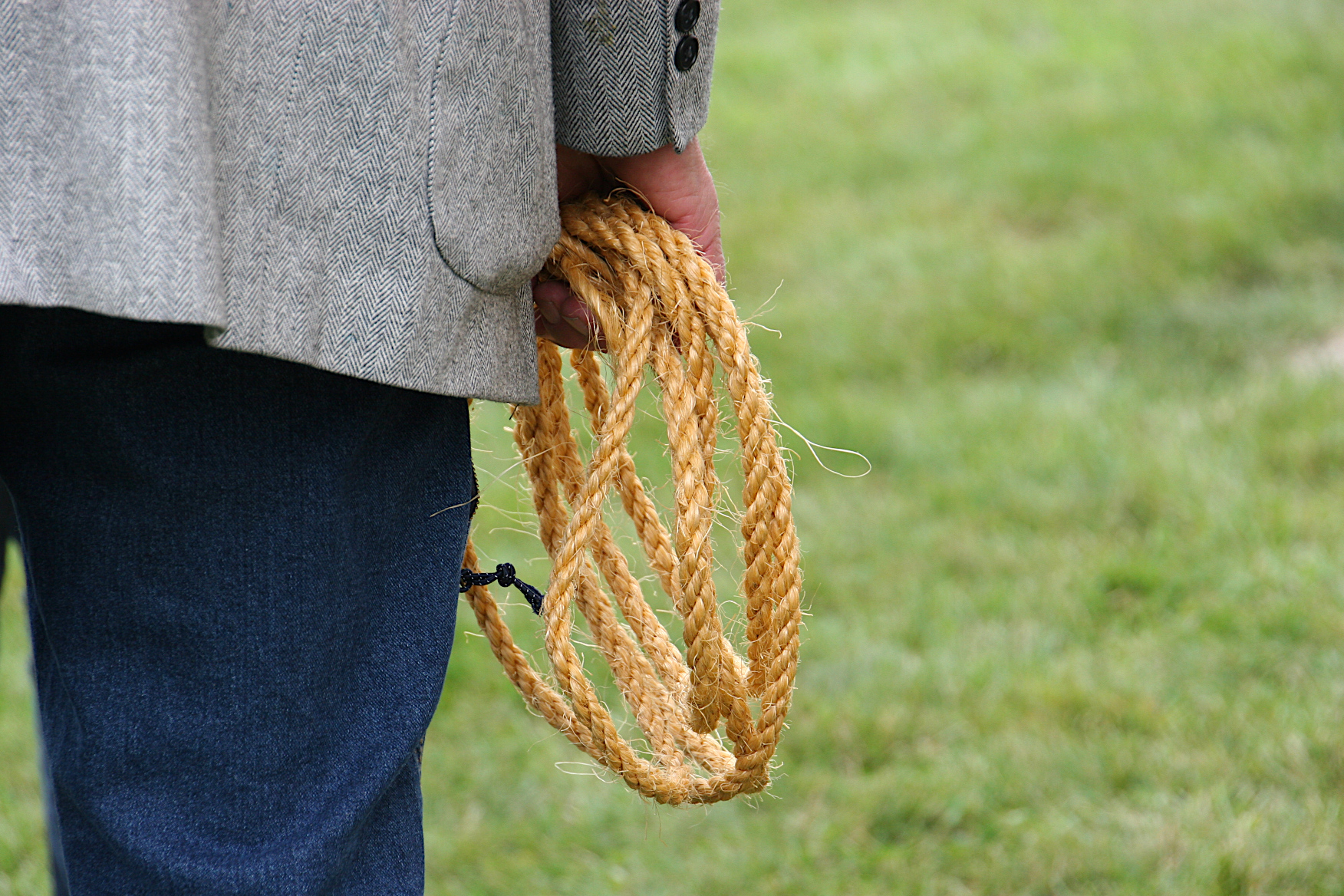
Rope making, a nod to Valley Grove’s agrarian roots, was part of the Country Social. (Minnesota Prairie Roots copyrighted photo September 2022)
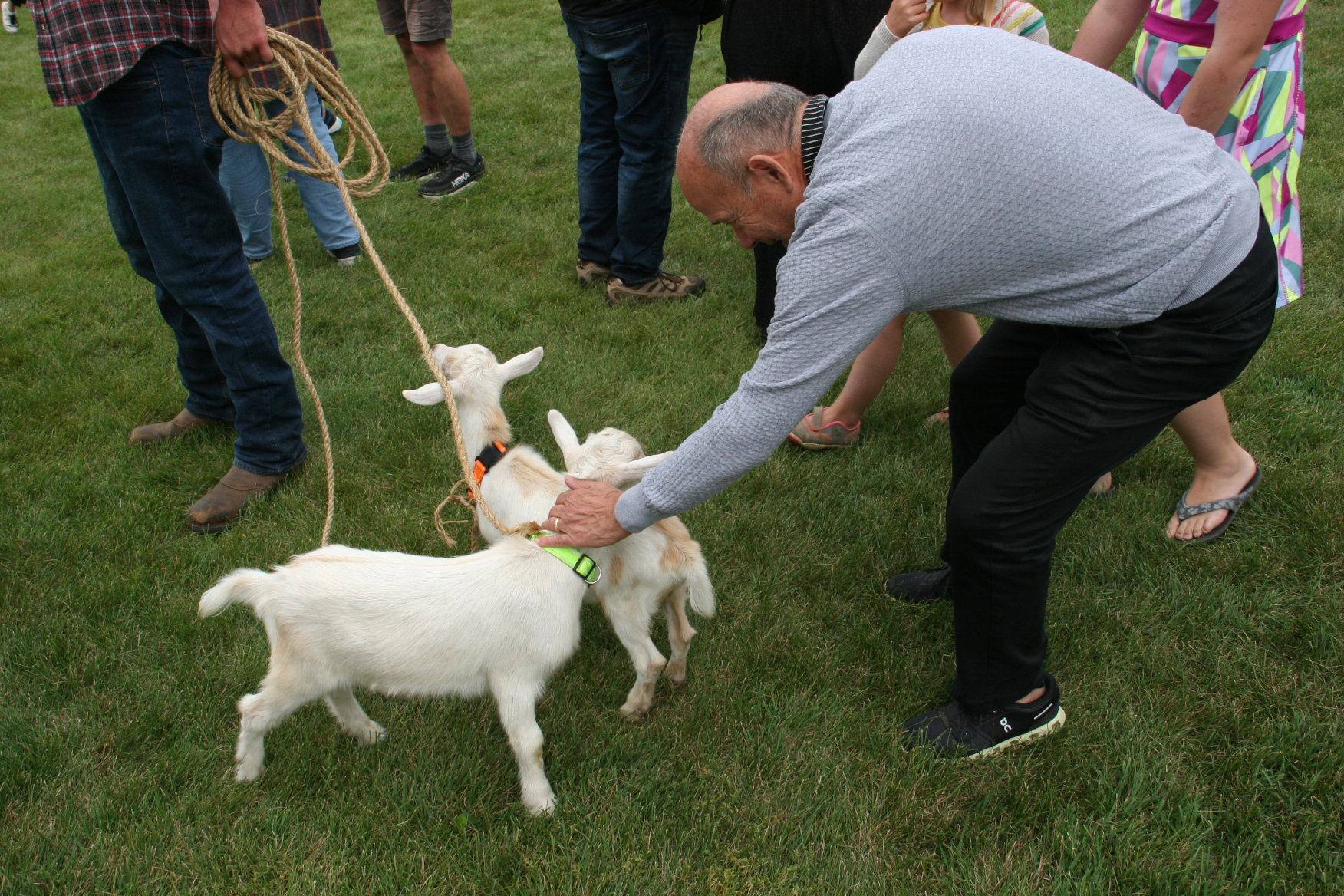
All ages were drawn to these two goats. (Minnesota Prairie Roots copyrighted photo September 2022)
To observe, to converse, to listen, to feel, to experience all of this imprints upon my soul gratitude for those who know this place, this Valley Grove, is worth preserving and sharing. Although I hold no personal connection here, I feel connected. It is my faith, my love of the land, especially the surrounding prairie and farmland, and the quiet of this remote rural location which cause me to feel comfortably at home, at peace.
One of David Allen’s paintings of Valley Grove. (Minnesota Prairie Roots copyrighted photo September 2022)
If you’ve never visited Valley Grove and live near enough to tour, then do. I’ve been here many times to walk the cemetery and grounds, to hike through the prairie, even once sitting on the front steps of the wooden church for a picnic lunch. The churches are locked when not open for events or special services like a wedding or Christmas Eve worship.
A musician performs with the group Hutenanny under the oak trees in the cemetery.
Still, whether inside or outside the two churches, a sense of the past prevails. Gravestone after gravestone bears the names of Norwegian immigrants and their descendants. Study the markers and stories begin to emerge, whether real or imagined. I can only imagine the joys and sorrows shared here.
Toys of yesteryear were available to try. (Minnesota Prairie Roots copyrighted photo September 2022)
Valley Grove is about more than a place where historic churches stand next to a cemetery. It is a gathering spot for those who are celebrating, those who are grieving, those who are remembering and, on this afternoon of a Country Social, a place of connecting with community.
On the east side of the Valley Grove Cemetery, massive oaks rise next to a restored prairie.(Minnesota Prairie Roots copyrighted photo September 2022)
HE APPROACHED ME inquiring whether I was the official photographer. I was not. But I was photographing the Valley Grove Country Social on Sunday afternoon in rural Nerstrand.
The beautiful historic churches stand next to the cemetery. (Minnesota Prairie Roots copyrighted photo September 2022)
That unexpected encounter proved powerful, revealing why this hilltop location of two historic churches and a cemetery holds such deep personal meaning for many. From the Norwegian immigrants who built the stone church in 1862, replaced by a wooden church in 1894, to today, this land keeps stories and memories and provides a place to grieve.
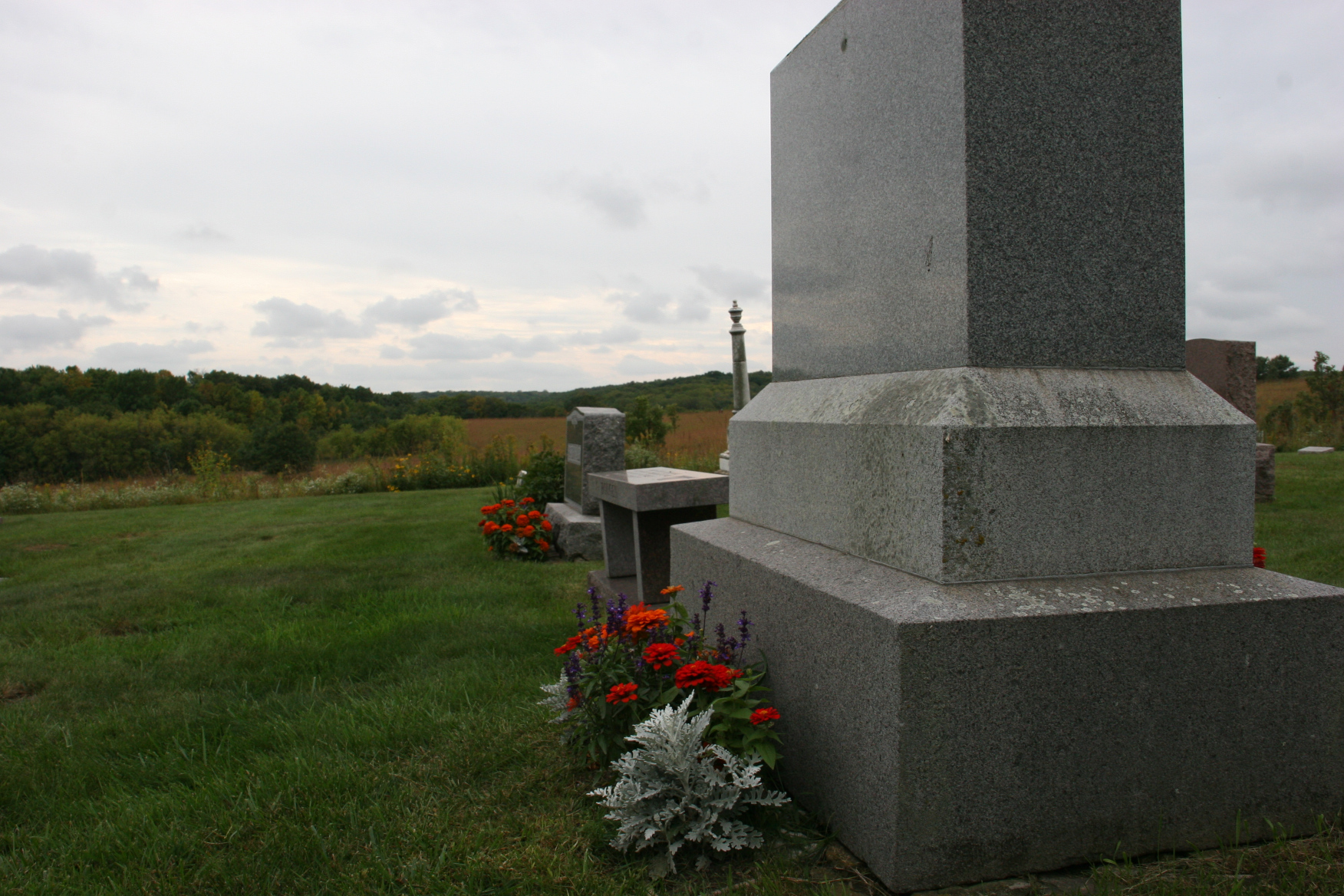
The hilltop cemetery provides a sweeping view of the prairie and distant treeline. (Minnesota Prairie Roots copyrighted photo September 2022)
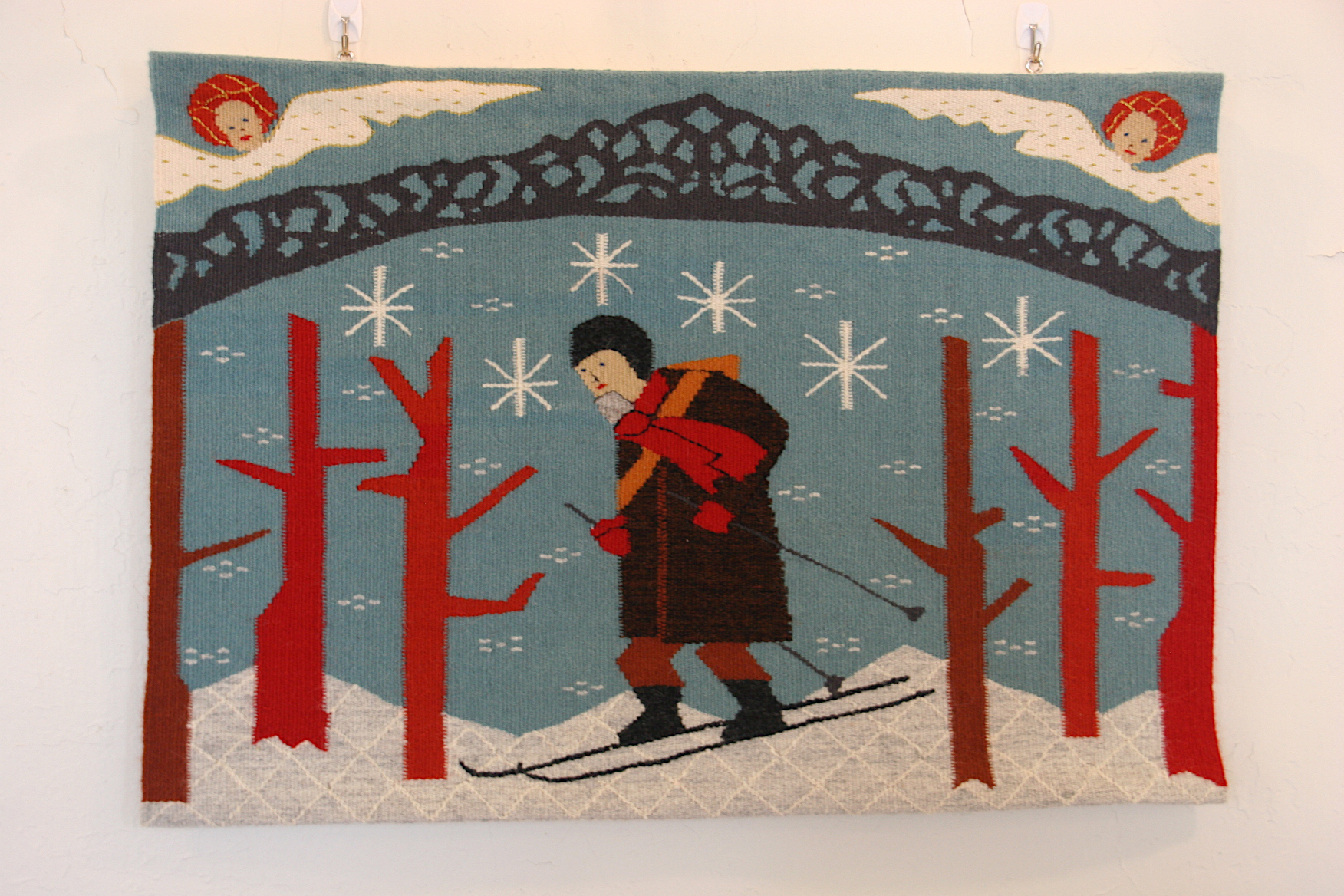
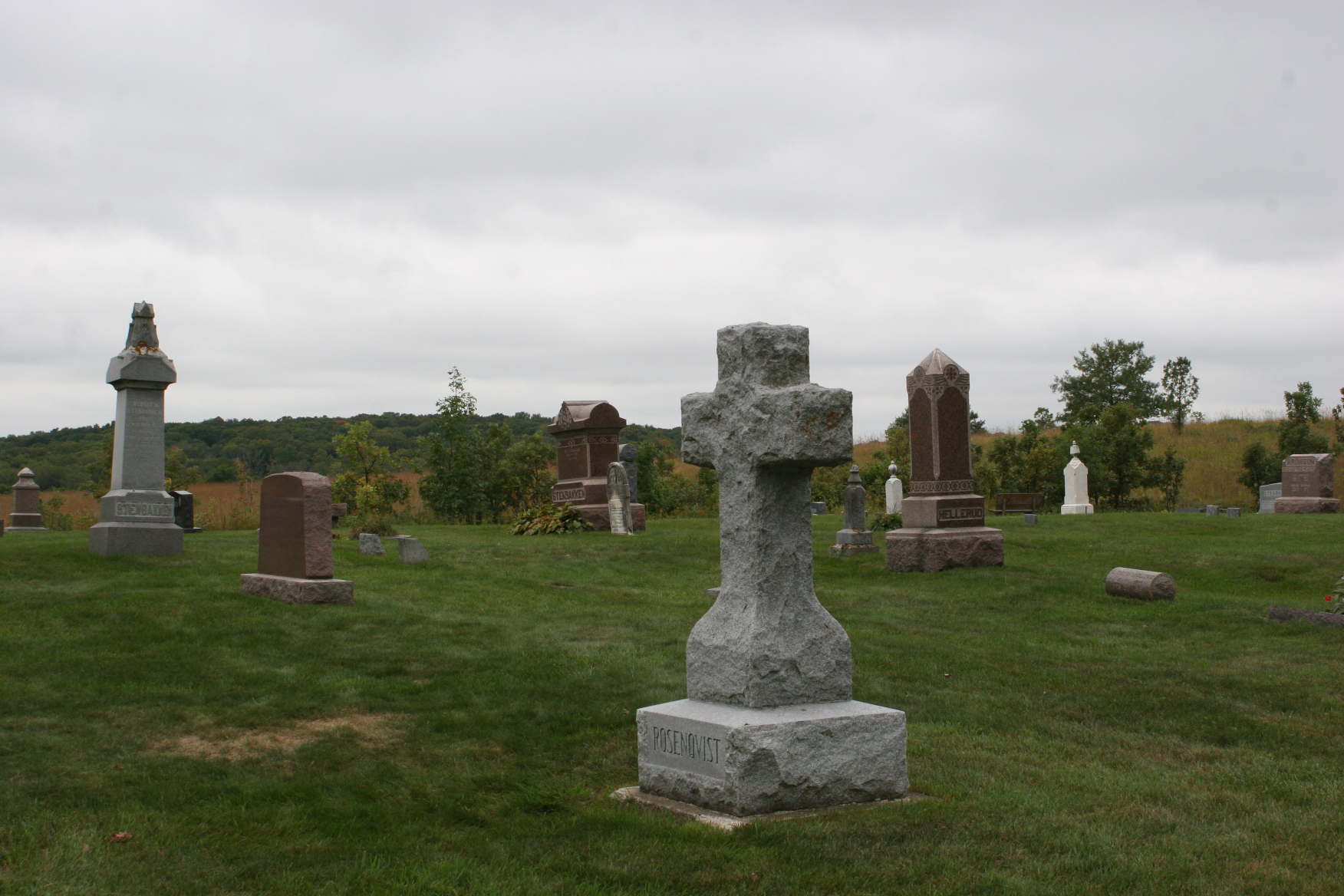
For Brett Norgaard, Valley Grove is the final resting place of his beloved son, Bjorn Erik Norgaard, struck and killed by a hit-and-run driver on February 20, 2011, while skiing on frozen Lake Superior. He was only 23. Bjorn’s gravestone, imprinted with a ballad he penned, sits near the site of a massive oak felled in a September 2018 tornado. That tree, in the southwest corner, was a cemetery landmark, the spot where many baptisms occurred.
Memory boxes crafted from a landmark fallen oak at Valley Grove. (Minnesota Prairie Roots copyrighted photo September 2022)
A photo of Bjorn rests between two poems he wrote. (Minnesota Prairie Roots copyrighted photo September 2022)
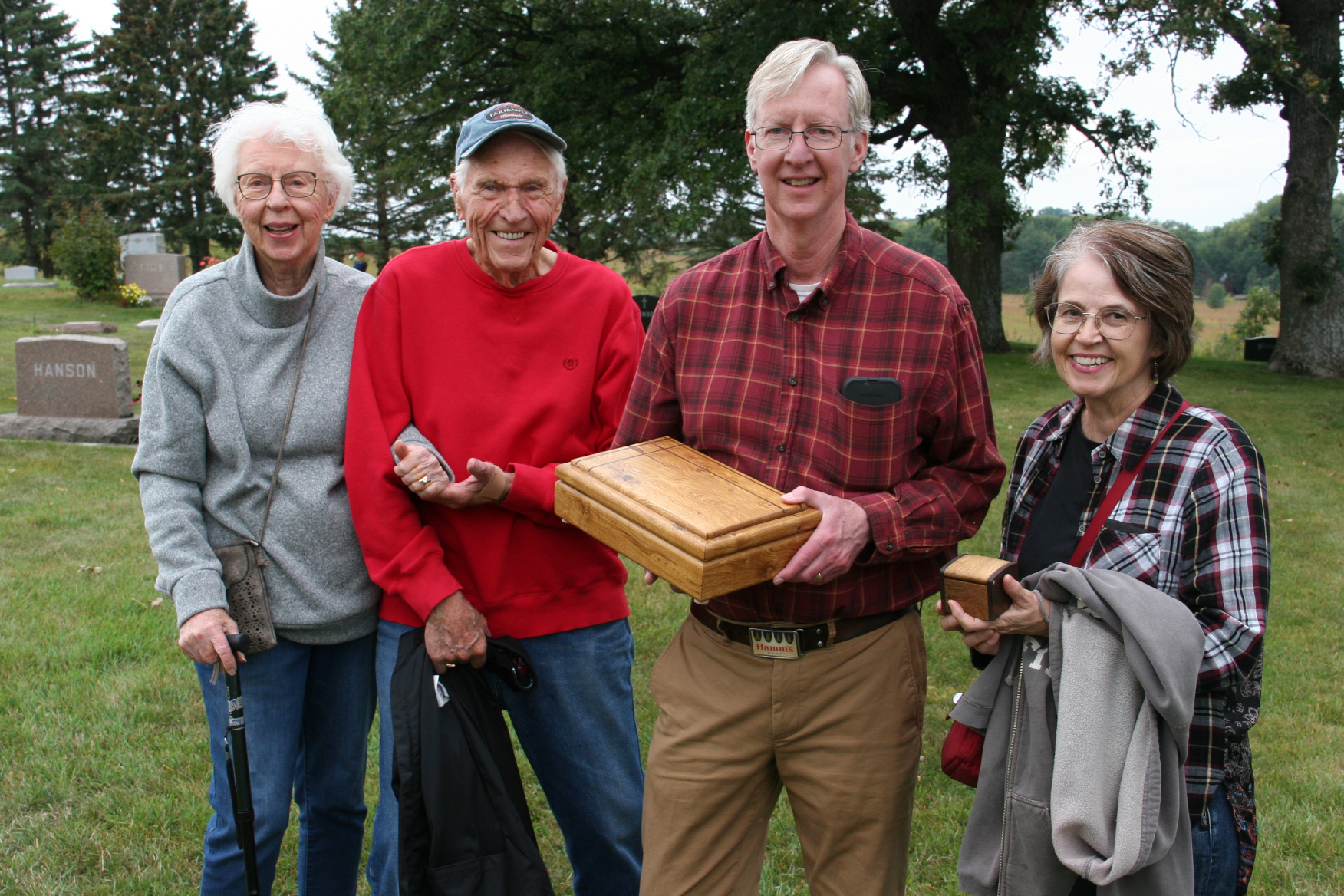
Now, in this chance meeting, I learned of Bjorn’s connection to that tree. His father held it—two boxes crafted from that fallen oak, the larger one holding a passport, an American Birkebeiner pin and other mementos of a dearly loved son.
Brett Norgaard asked me to take this family photo. I was happy to do so after hearing his son’s story. Shortly thereafter, rain began falling so I was unable to photograph Bjorn’s gravestone. (Minnesota Prairie Roots copyrighted photo September 2022)
But it was Bjorn’s poems that expressed to me the creative spirit of this outdoorsman, environmentalist, cross country skier, Alaska fly fishing guide, 2006 Northfield High School graduate, son, grandson, friend…
This cemetery is rich in history, in stories and in natural beauty and peace. (Minnesota Prairie Roots copyrighted photo September 2022)
The second verse of his poem, “Oak Leaves,” seems almost prophetic. He wrote:
New season coming, you must change,
but please remain, not yet time to fade away.
For one day we will cease to be,
will you drop your leaves and cover me?
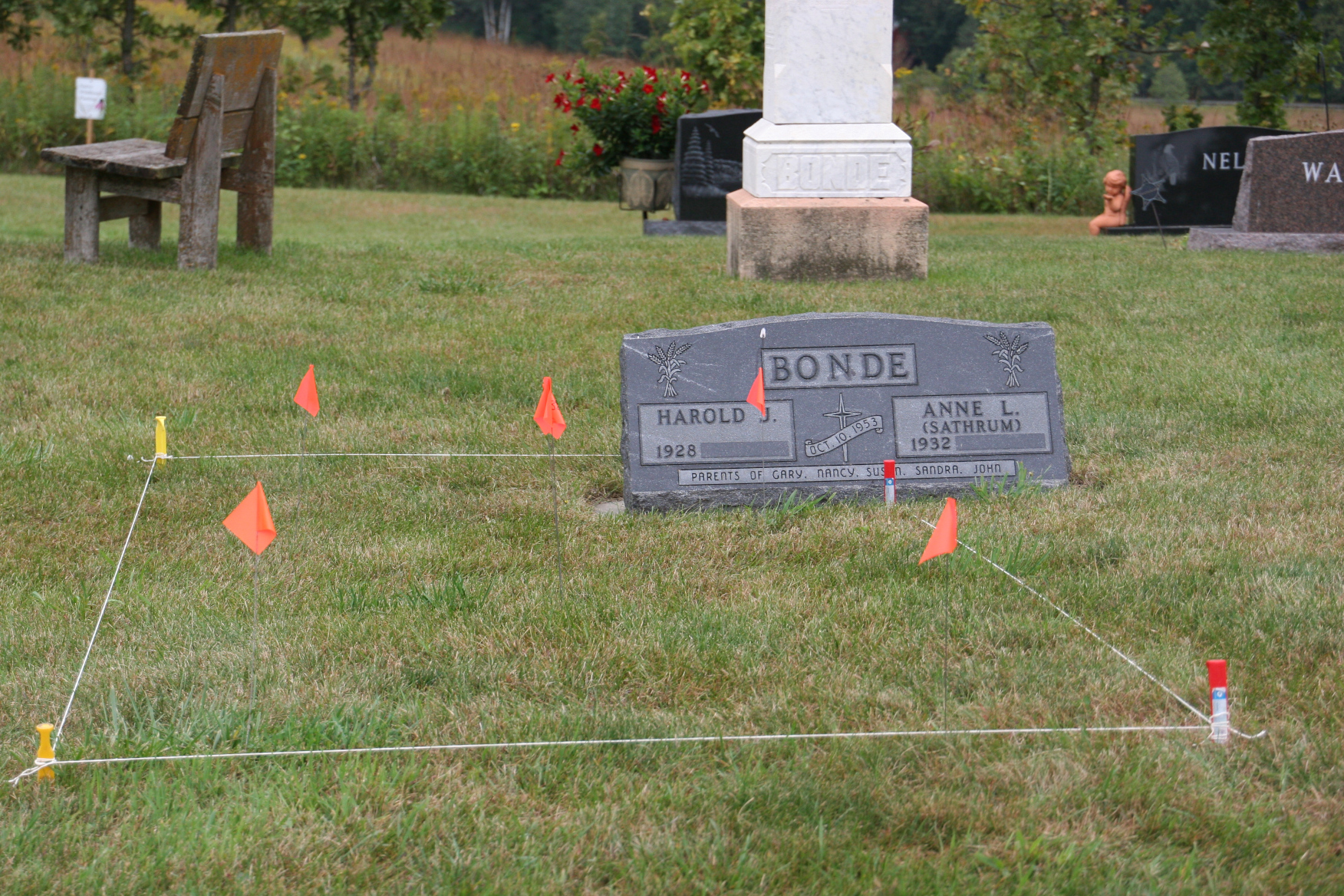
Today Harold Bonde, 94, will be buried at Valley Grove, not far from Bjorn’s grave, not far from the site of the fallen landmark oak. His burial space was marked off during Sunday’s Country Social. (Minnesota Prairie Roots copyrighted photo September 2022)
After Bjorn died, his father found 80 poems in his son’s journals. I understand why he cherishes them. These are the words of a soulful, introspective, nature-centered, sensitive spirit. And although the oak tree no longer stands, unable to drop leaves onto Bjorn’s gravestone, there’s a sense that the tree remains. Strong. Sheltering those who lie beneath the soil and those who walk upon the earth, come here to visit, embrace and remember loved ones. Only days earlier, on September 15, Bjorn would have turned 35.
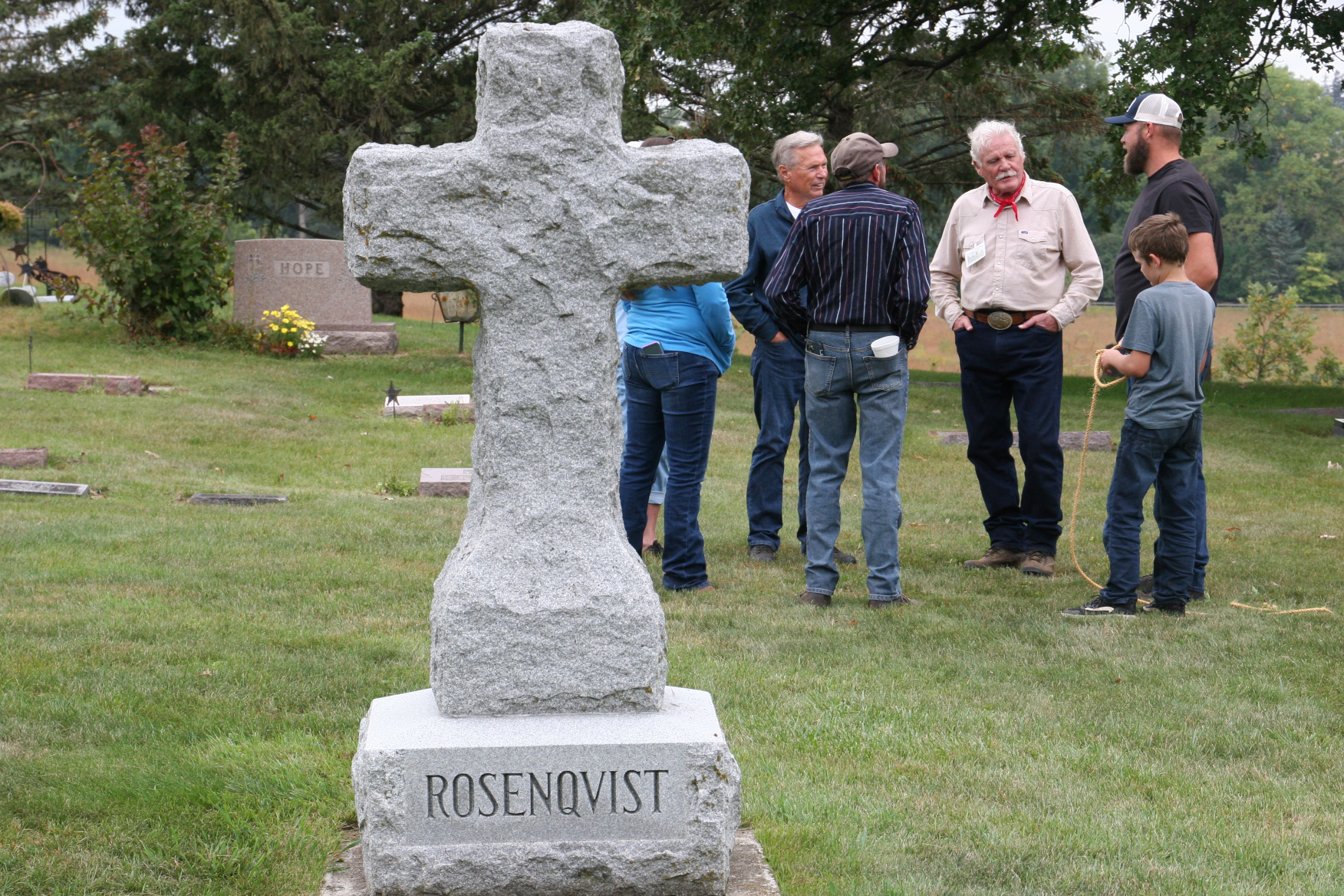
Many families meandered and conversed in the cemetery on Sunday afternoon. (Minnesota Prairie Roots copyrighted photo September 2022)
On this day of a Country Social, Bjorn’s family remembered him, honored him. I saw love in a father’s hands wrapped around oak boxes, in watery eyes and precious stories. Here at Valley Grove, atop a hill edged by prairie, woods and farmland, and centered by two historic churches, humanity comes in moments like this, when a father shares his grief with a stranger. Compassion rises. A connection is made. Comfort comes. A loss is shared.
#
Please check back for a follow-up post featuring the Valley Grove Country Social in its entirety.
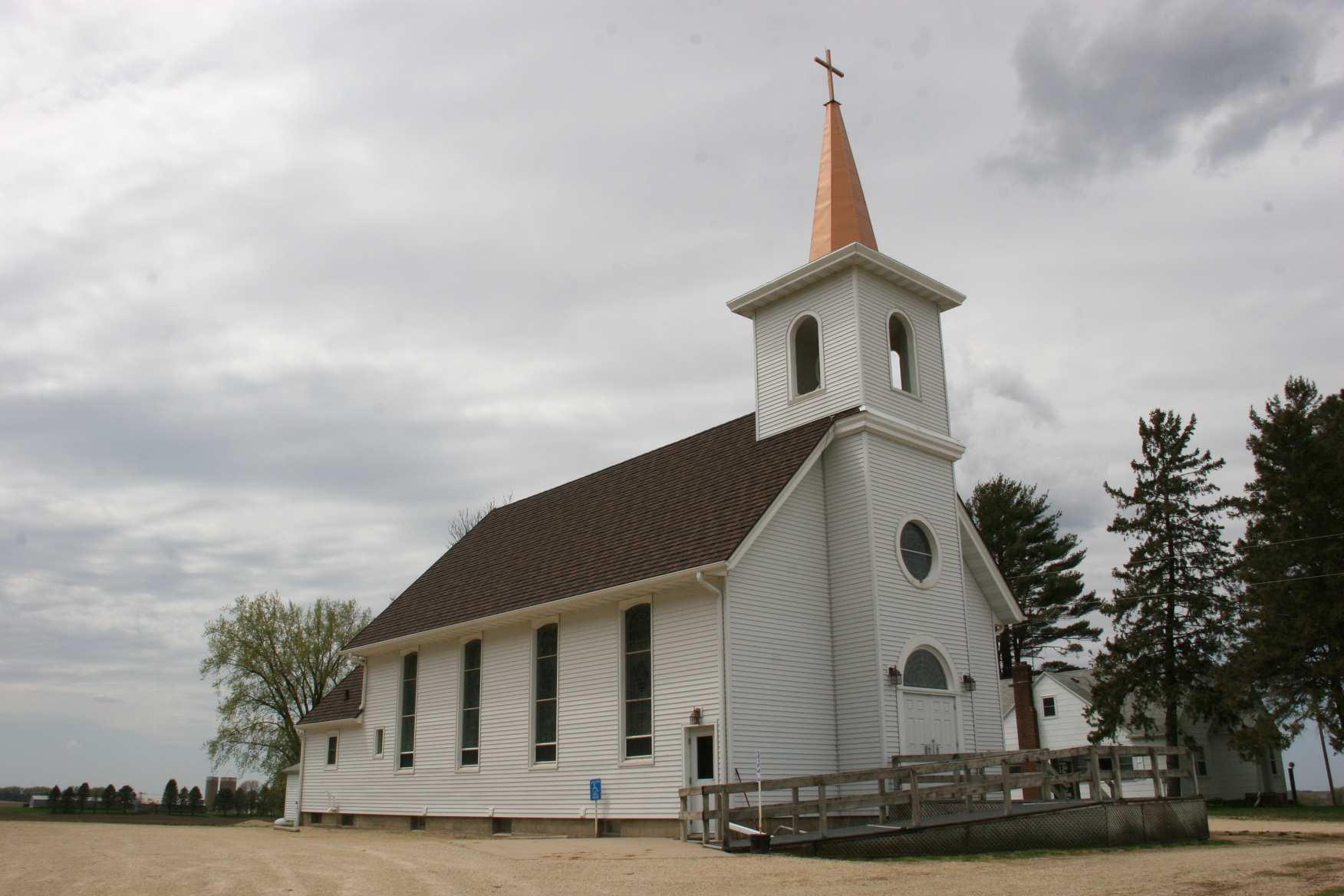
Immanuel Lutheran Church, Potsdam. (Minnesota Prairie Roots copyrighted photo May 2022)
NO MATTER HOW MANY country churches I discover, how many adjoining cemeteries I meander, my interest in these sacred places never wanes.
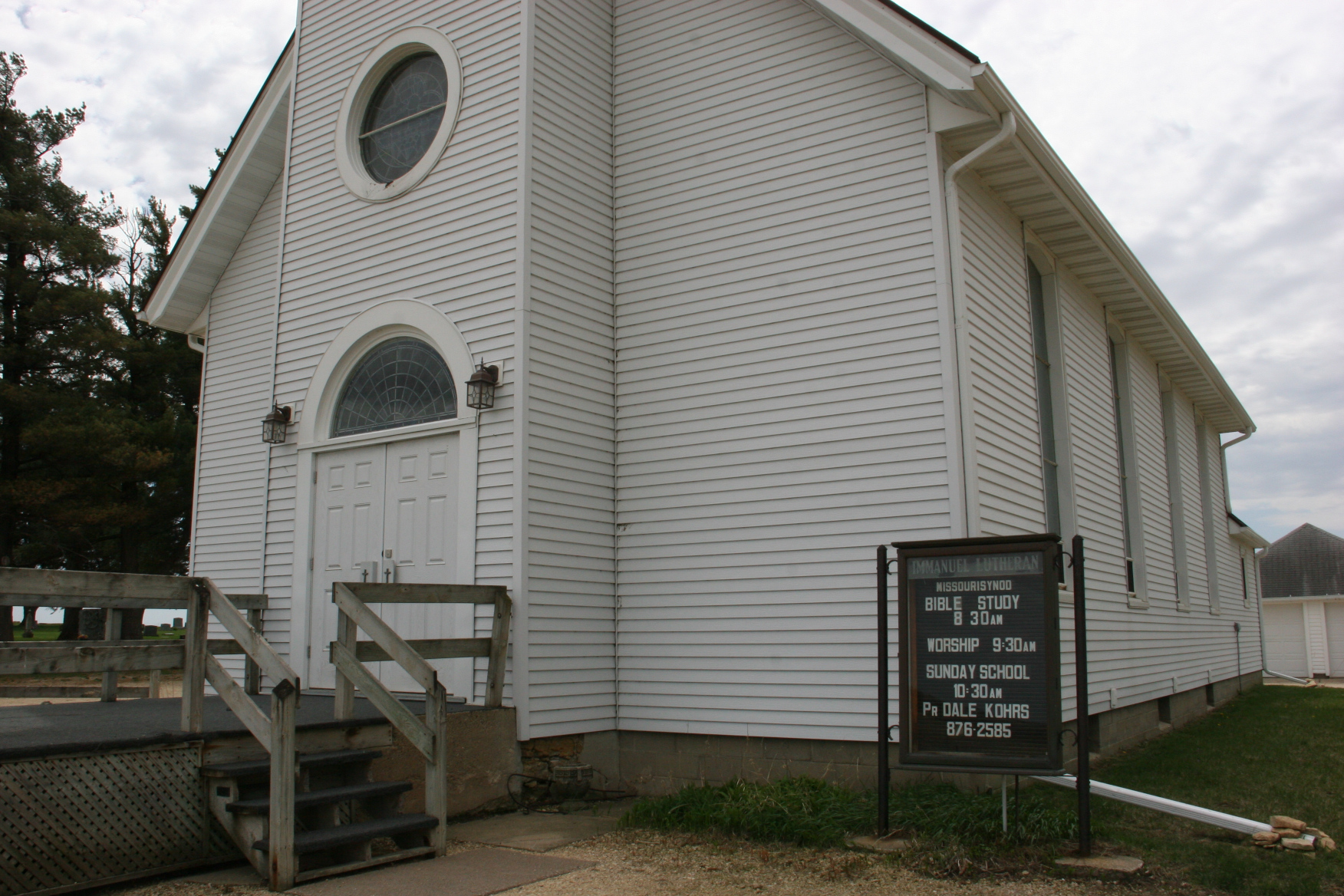
Detailed signage provides basic info about Immanuel Lutheran. (Minnesota Prairie Roots copyrighted photo May 2022)
On a recent day trip in southeastern Minnesota, Randy and I found Immanuel Lutheran Church of Potsdam, an unincorporated community close to Elgin. We bypassed it initially, then turned around to explore the church grounds along Minnesota State Highway 247.
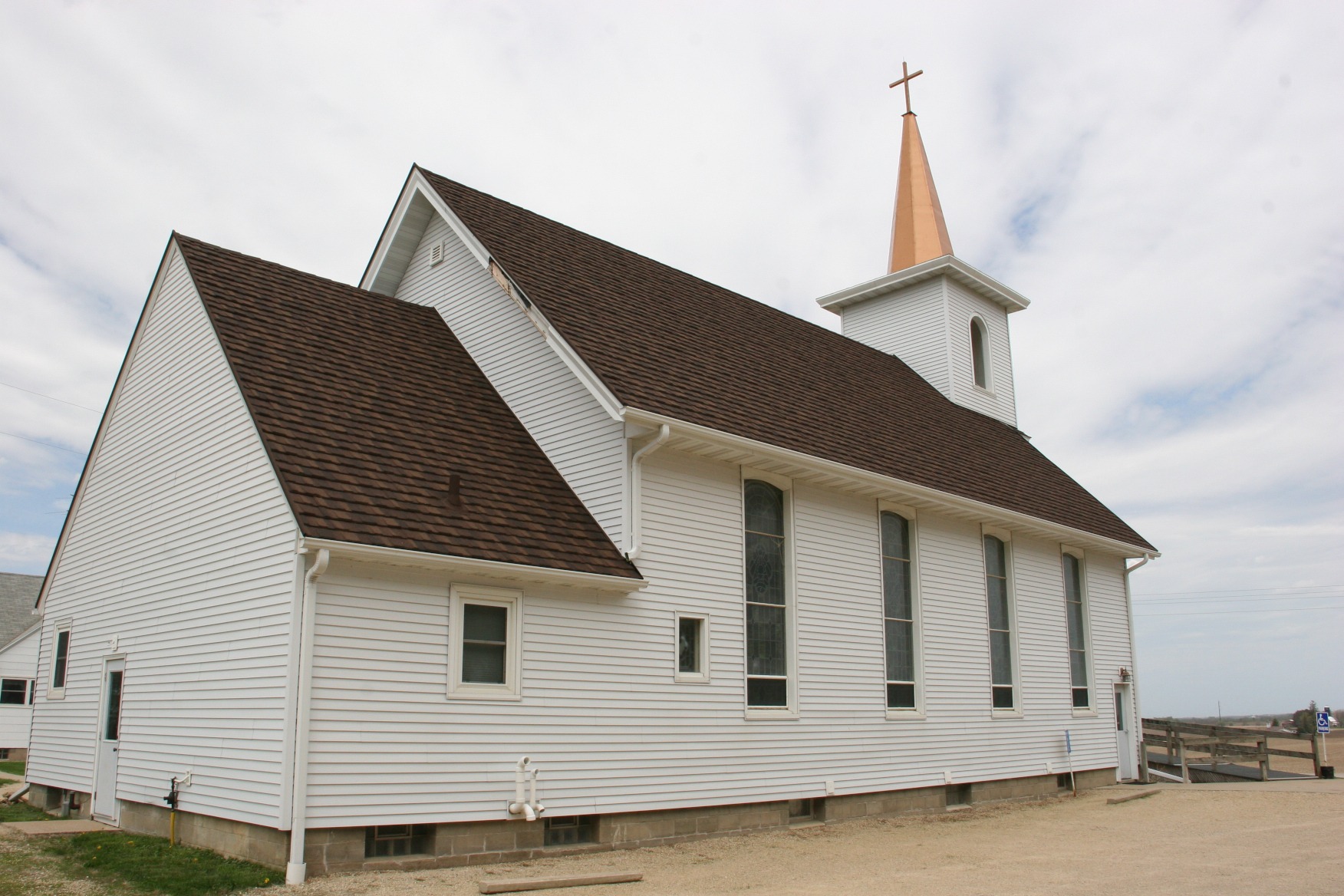
A back and side view of Immanuel. (Minnesota Prairie Roots copyrighted photo May 2022)
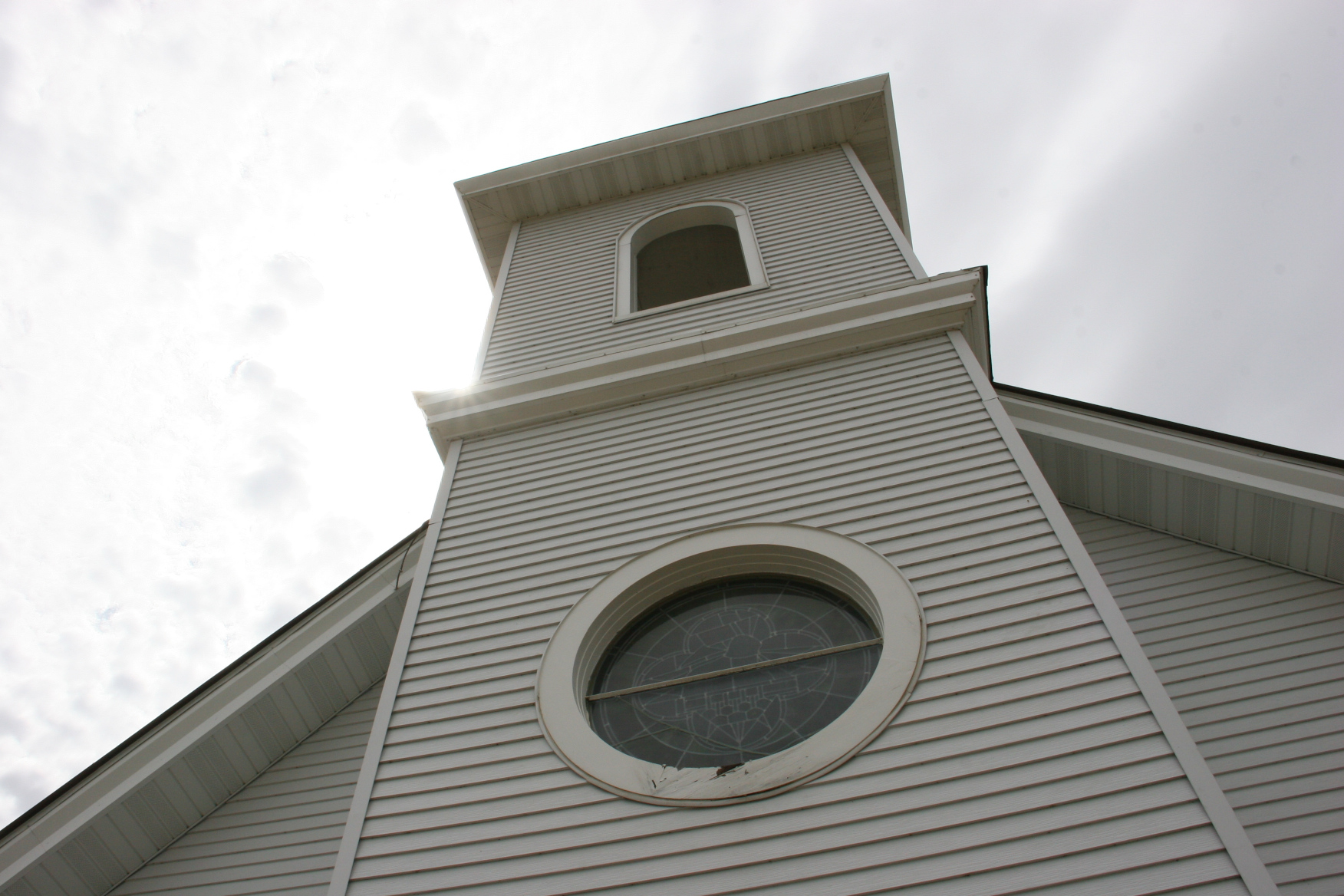
Immanuel fits the bucolic image of a rural church—constructed of wood painted white, cross-topped steeple, bell snugged inside tower, stained glass windows running the length of the sanctuary.
Looking up toward the bell tower. (Minnesota Prairie Roots copyrighted photo May 2022)
This church is especially well-maintained, not always the case in rural houses of worship with often dwindling congregations.
The locked front doors. (Minnesota Prairie Roots copyrighted photo May 2022)
I longed to get inside this Missouri Synod Lutheran Church, to view the sanctuary, to settle into a pew, to see the art therein, to experience the peace such a place holds. But, as I expected, the front doors were locked.
Across the highway, a red barn. In the cemetery, gray stones. (Minnesota Prairie Roots copyrighted photo May 2022)
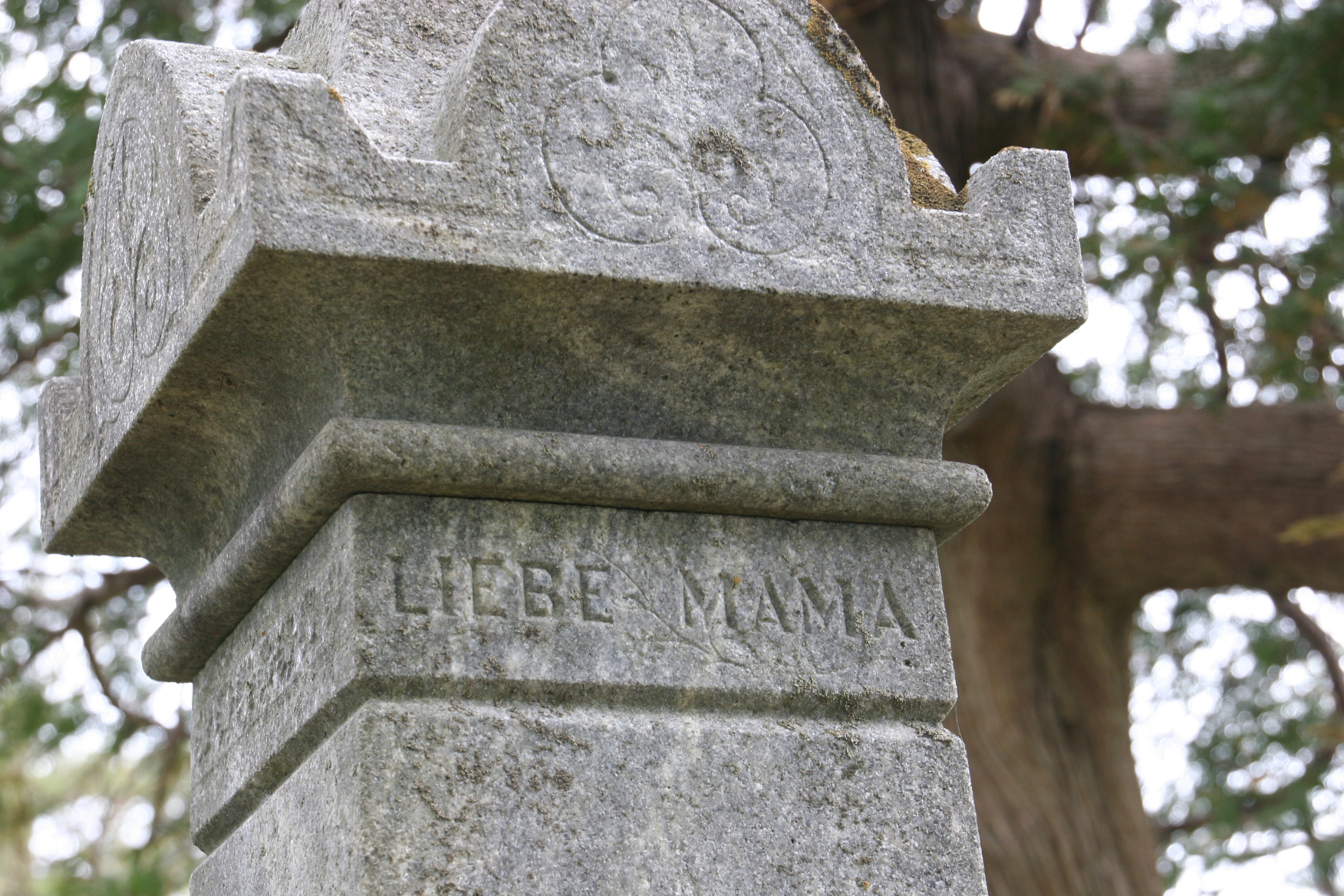
The German word “LIEBE” means love, found on a gravestone. (Minnesota Prairie Roots copyrighted photo May 2022)
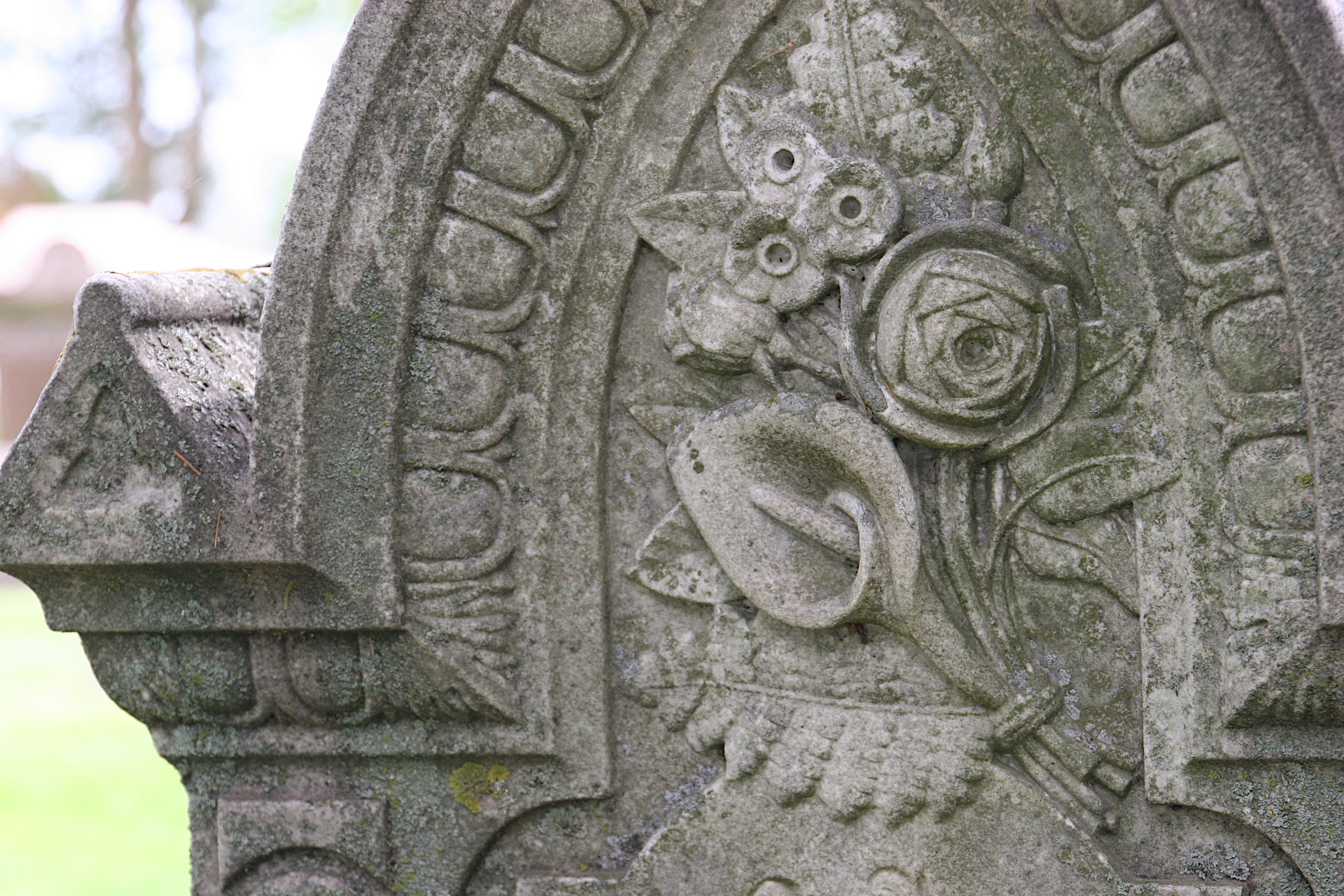
Beautiful flower art on an aged gravestone. (Minnesota Prairie Roots copyrighted photo May 2022)
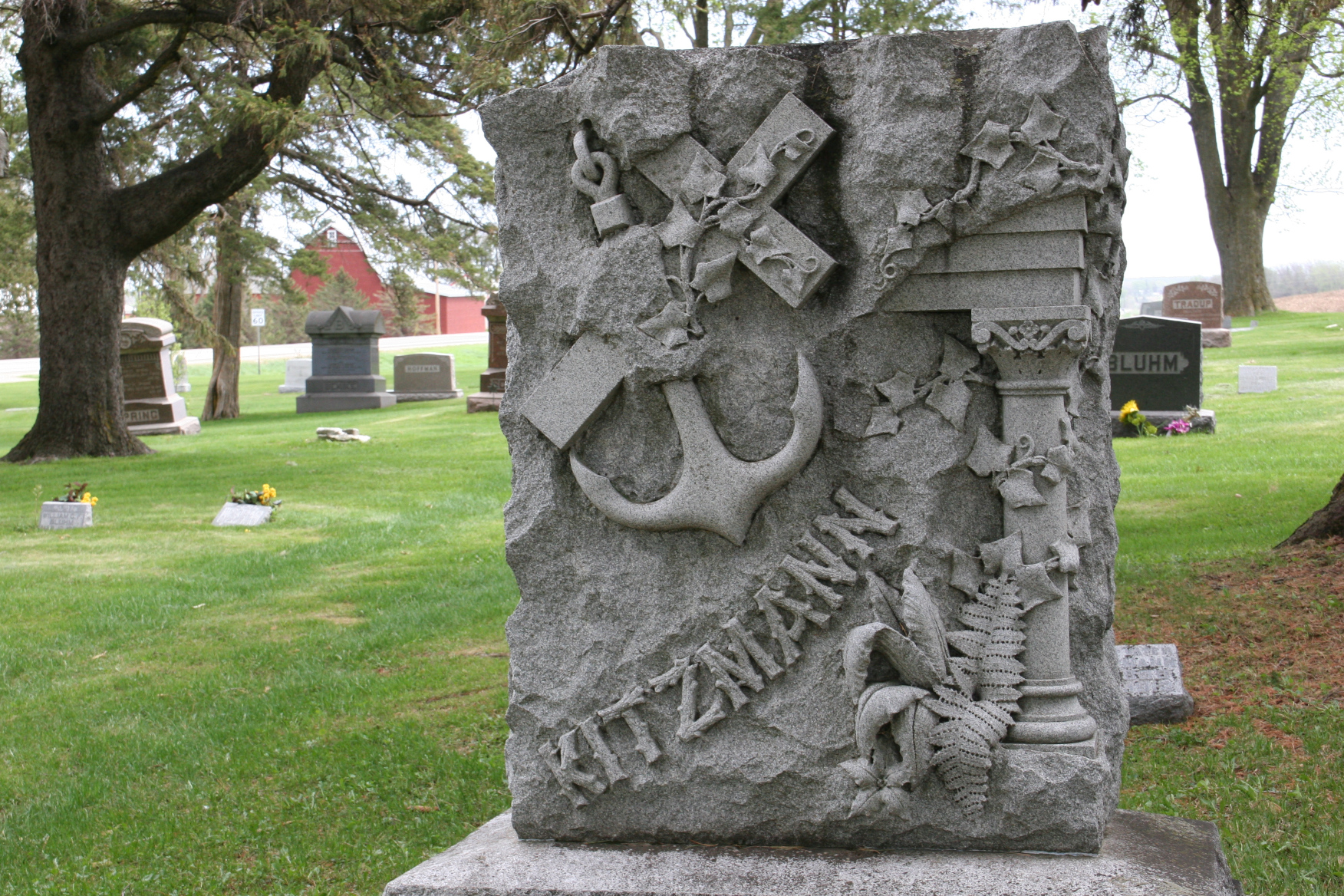
So instead, I walked around the exterior, studying the details, bracing myself against the strong wind sweeping across this hilltop location. In the distance, twin silos rose on a farm site. Across the highway, a red barn contrasted with the gray of tombstones lodged under pines.
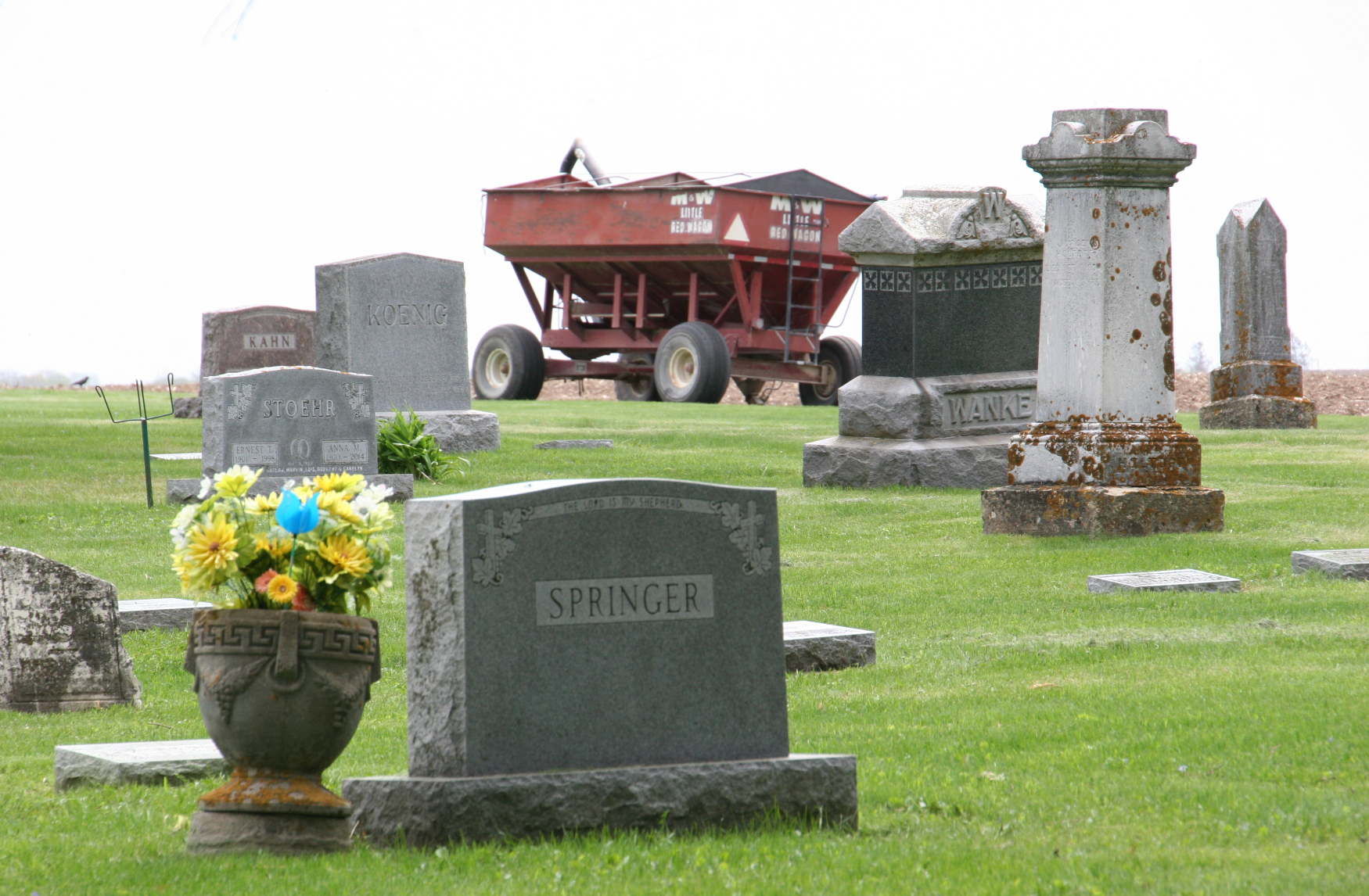
This is very much a farming area as noted by a farm wagon parked next to the cemetery on this Saturday and by the surrounding fields and farm sites. (Minnesota Prairie Roots copyrighted photo May 2022)
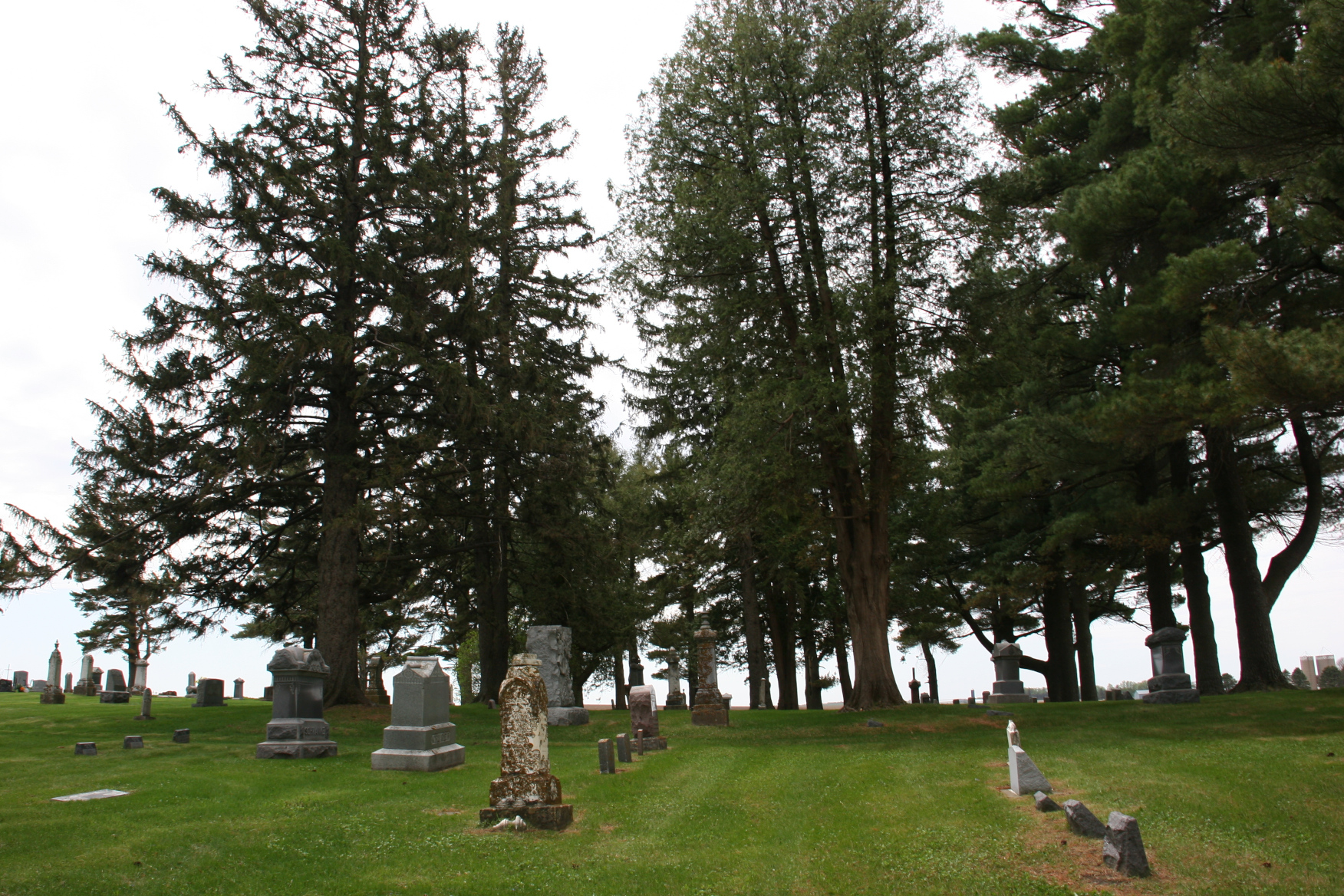
We briefly walked the cemetery, marveling at the early birth dates of some buried here—born in 1823, died in 1877. Clearly there are stories here of journeys across the ocean to America, then more travel westward to this land, this Minnesota. I expect those stories hold hardship and loss and struggles and, also, incredible strength, determination and resilience.
Pines tower over the cemetery. (Minnesota Prairie Roots copyrighted photo May 2022)
I claim no personal connection to anyone here. Yet, I feel a kinship in ancestors who left the Old Country. I feel, too, a kinship of faith. For it was faith which sustained many who left families an ocean away to forge a new life. Here they settled, built a church, planted pines. Here they gathered to celebrate and mourn. To pray and praise and plant hope upon the land.
















 Minnesota Prairie Roots
Recent Comments