

HOW DO YOU DEFINE heritage? I ask that question because this week my southern Minnesota community celebrates Heritage Days.
I would define heritage as a cultural or ethnic background. I am, for example, of German heritage.
So one would likely assume then that Heritage Days focuses on heritage. It did. Once. But no more. Not primarily. Rather, this multi-day event in Faribault seems more a June get together with the usual food, music, parade, craft fair and such of any summer community gathering.
It’s not that my city of some 24,000 lacks in cultural and ethnic diversity to theme Heritage Days. We are a bit of a melting pot with our newest residents arriving from Somalia and Sudan. Early on, the French, Irish, Germans and others settled here to shape and grow Faribault. Latinos also define a sizable part of our population. Many others have come from multiple countries to this place along the Cannon and Straight Rivers. Most are generations removed from the homeland. Some, though, are first-generation immigrants.

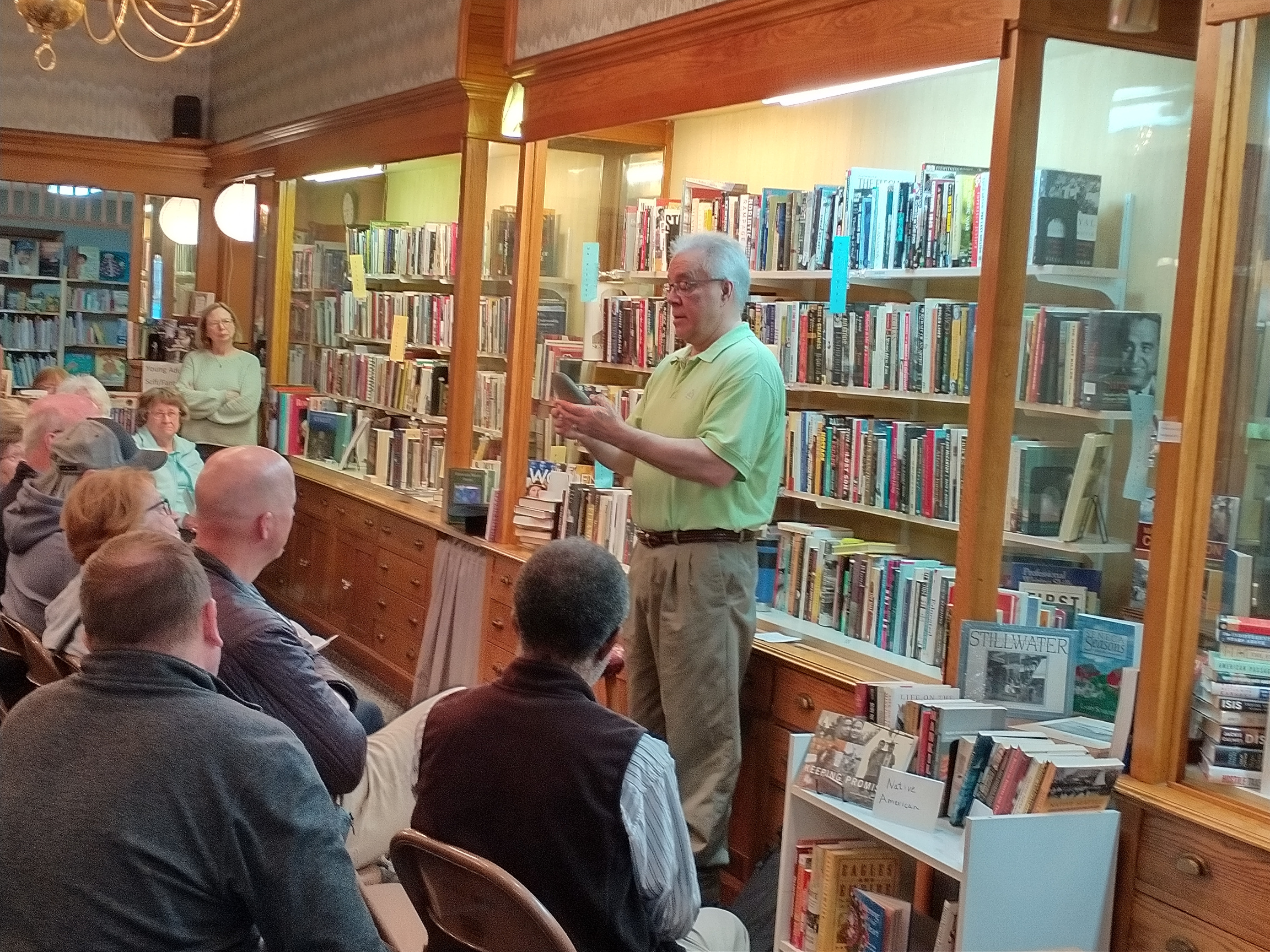
But back to Heritage Days. Looking through the long list of events, I see several opportunities to learn about local heritage and history. The first happens at 6:30 p.m. Wednesday, June 11, at the Cathedral of Our Merciful Saviour. Regional artist and historian Jeff Jarvis will talk about “The Wakpekute Dakota & Early Faribault History.” I’ve previously heard Jarvis speak on the Dakota, original inhabitants of the land. He’s done his research. I highly recommend attending his presentation. I’m always surprised by how little long-time residents seem to know about the Dakota and their long ago presence in what would become Faribault. Jarvis presents an informative lesson in local Native heritage.
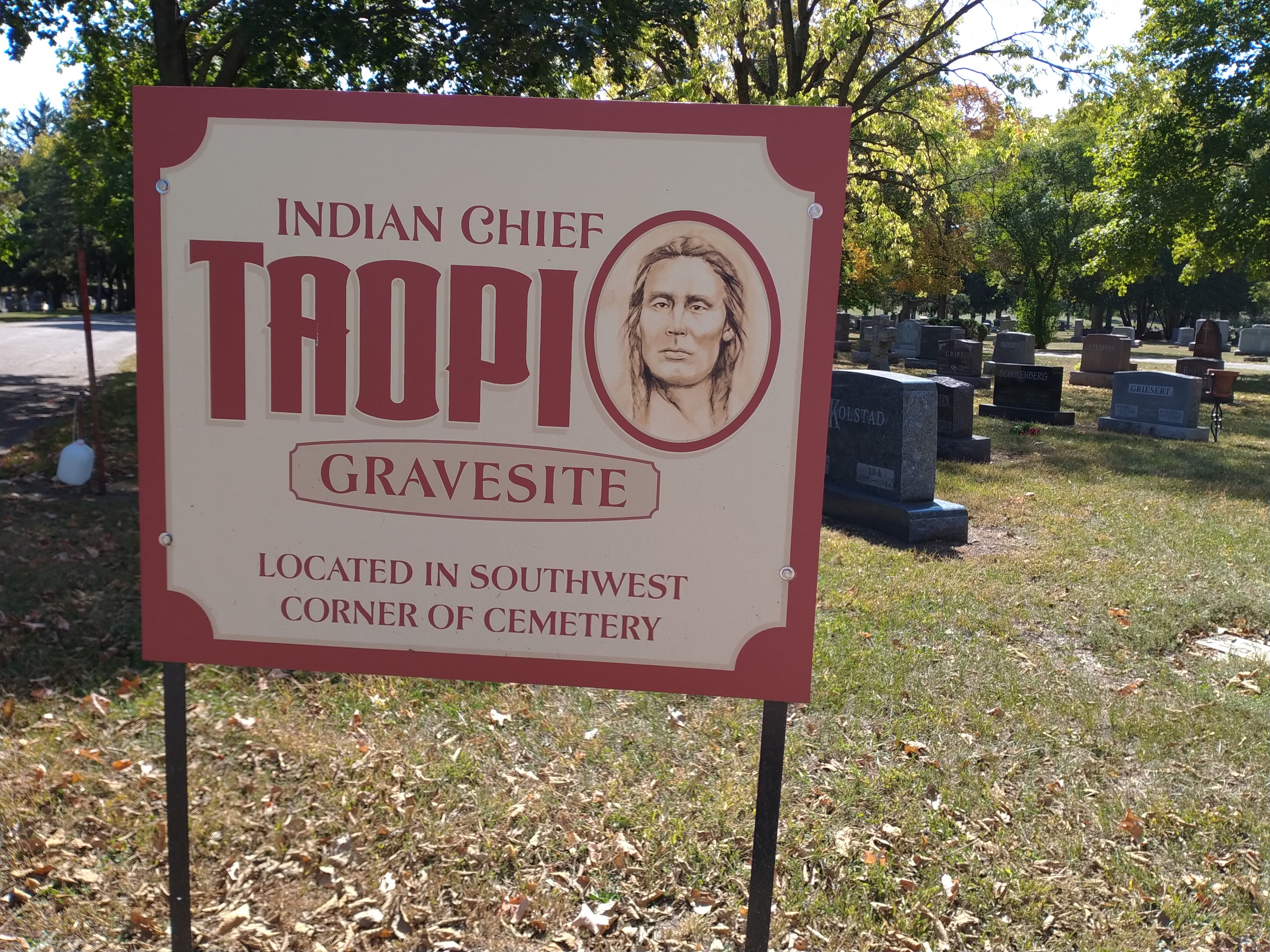
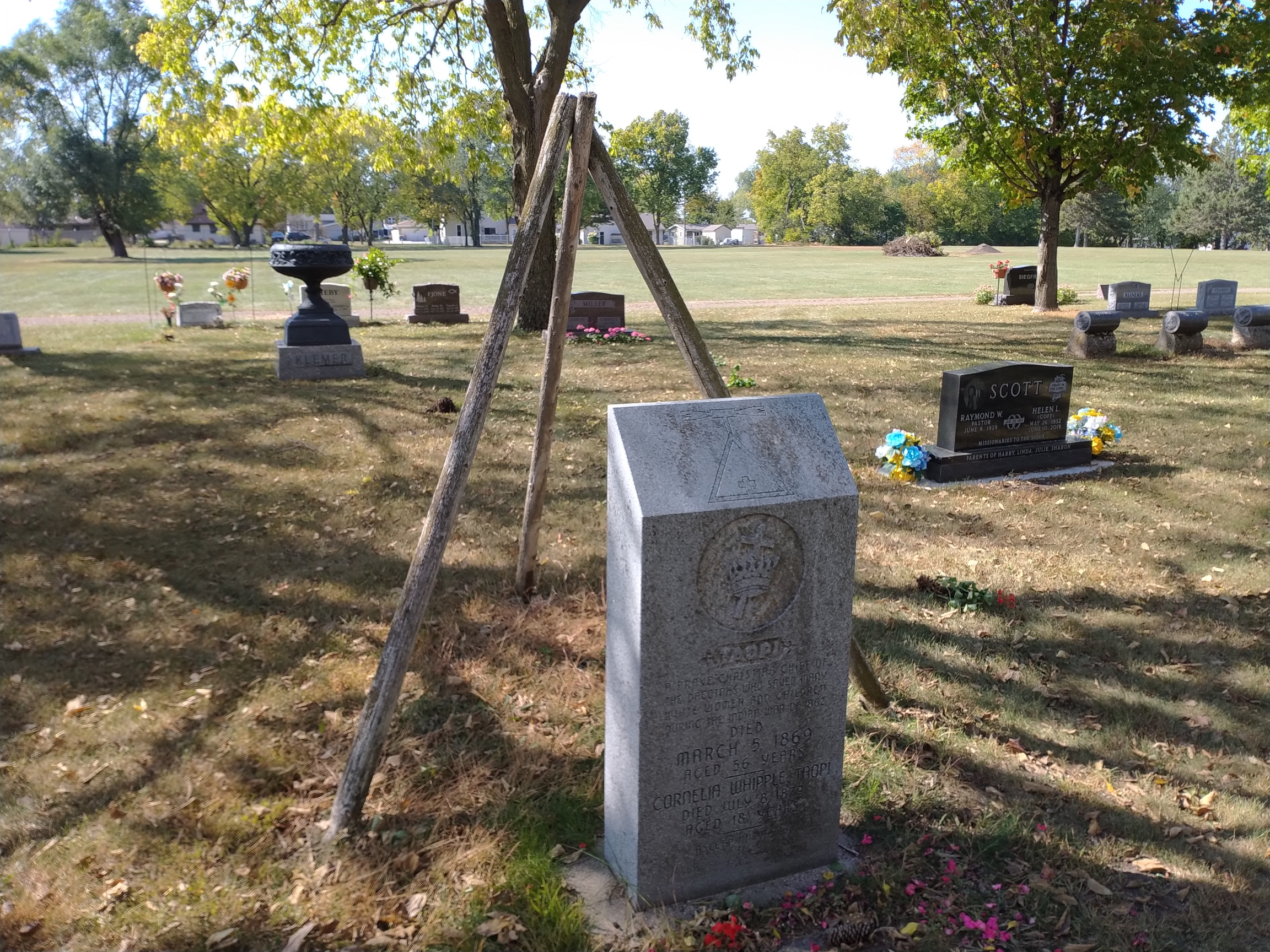
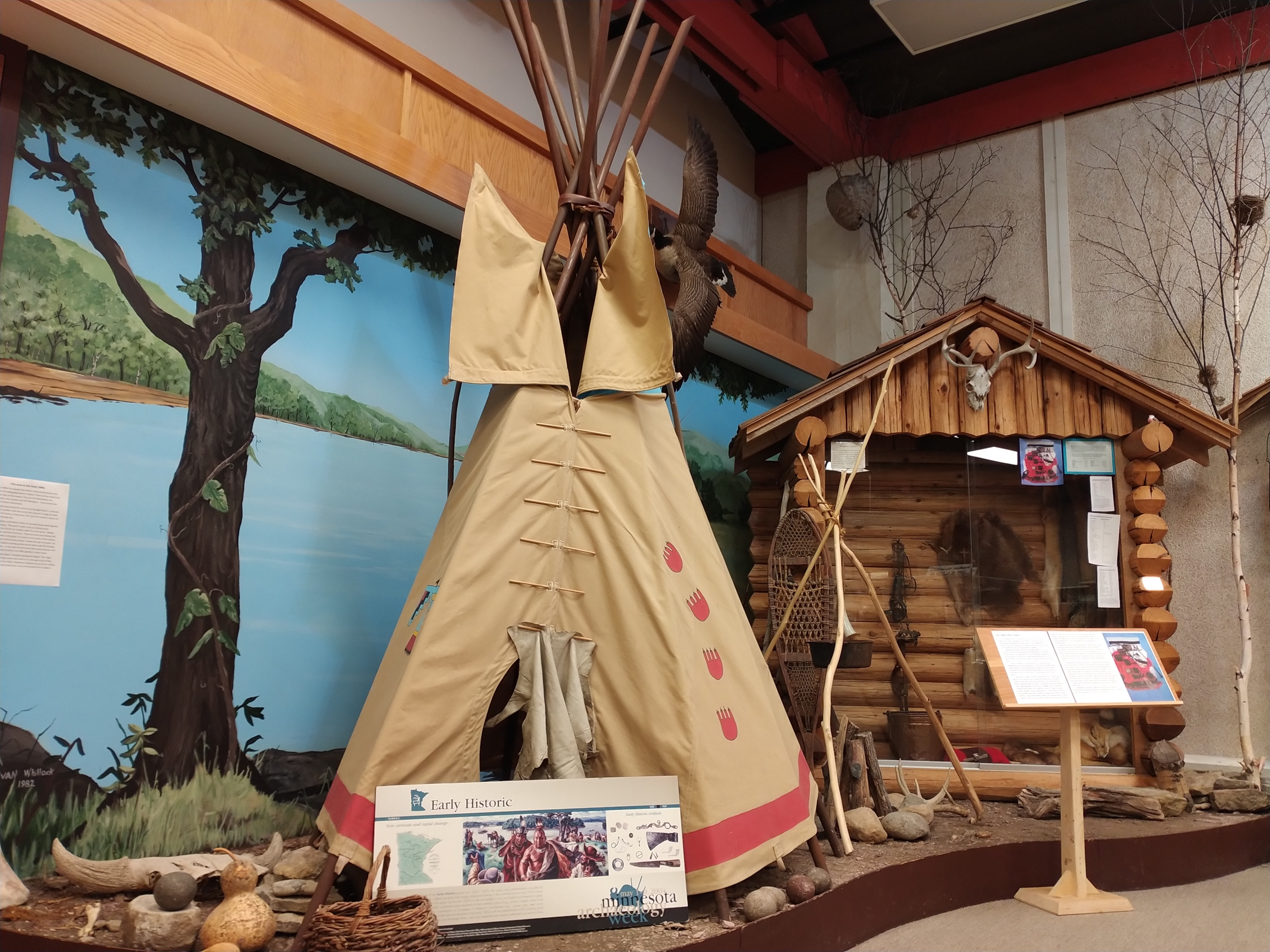
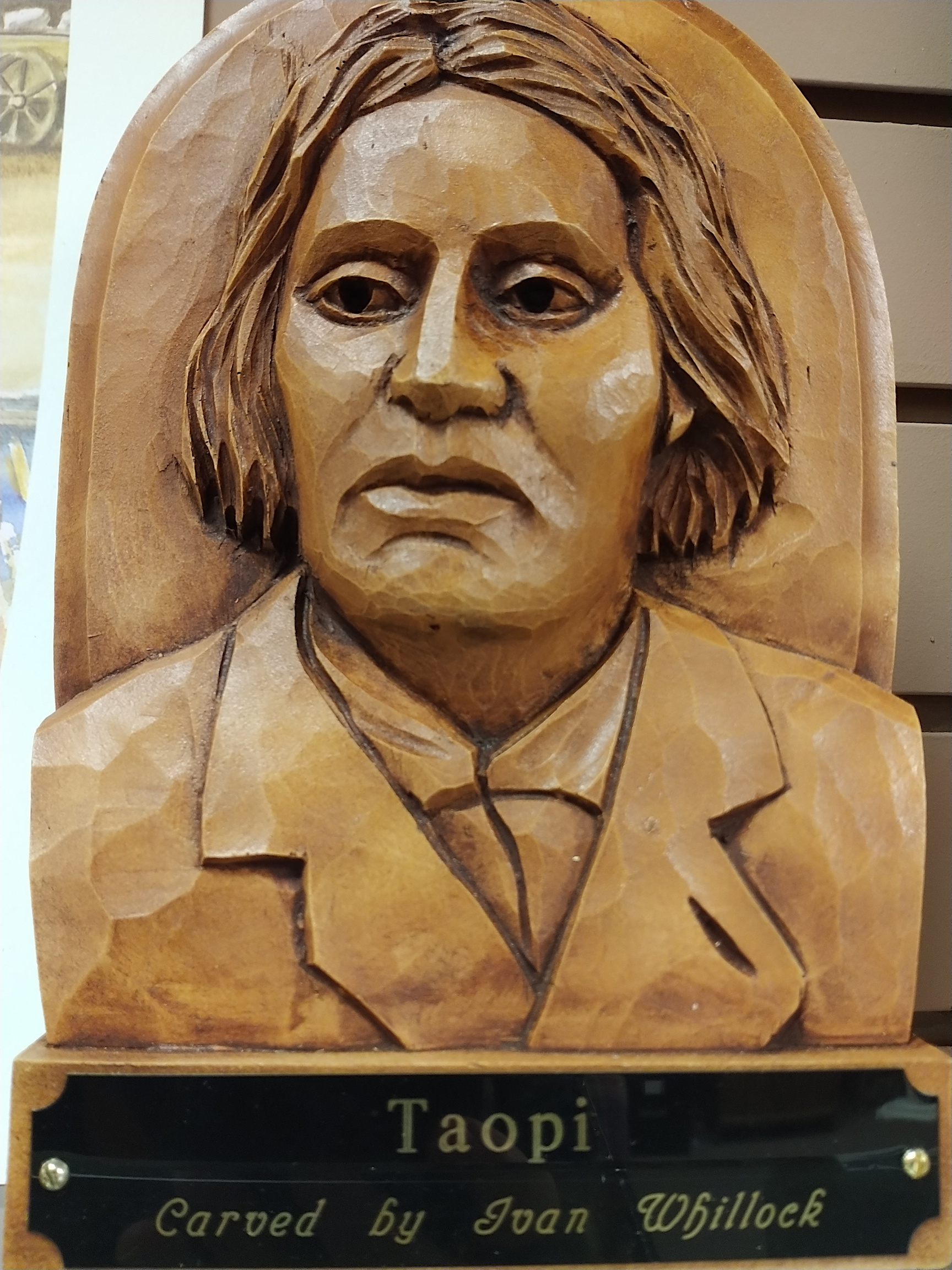
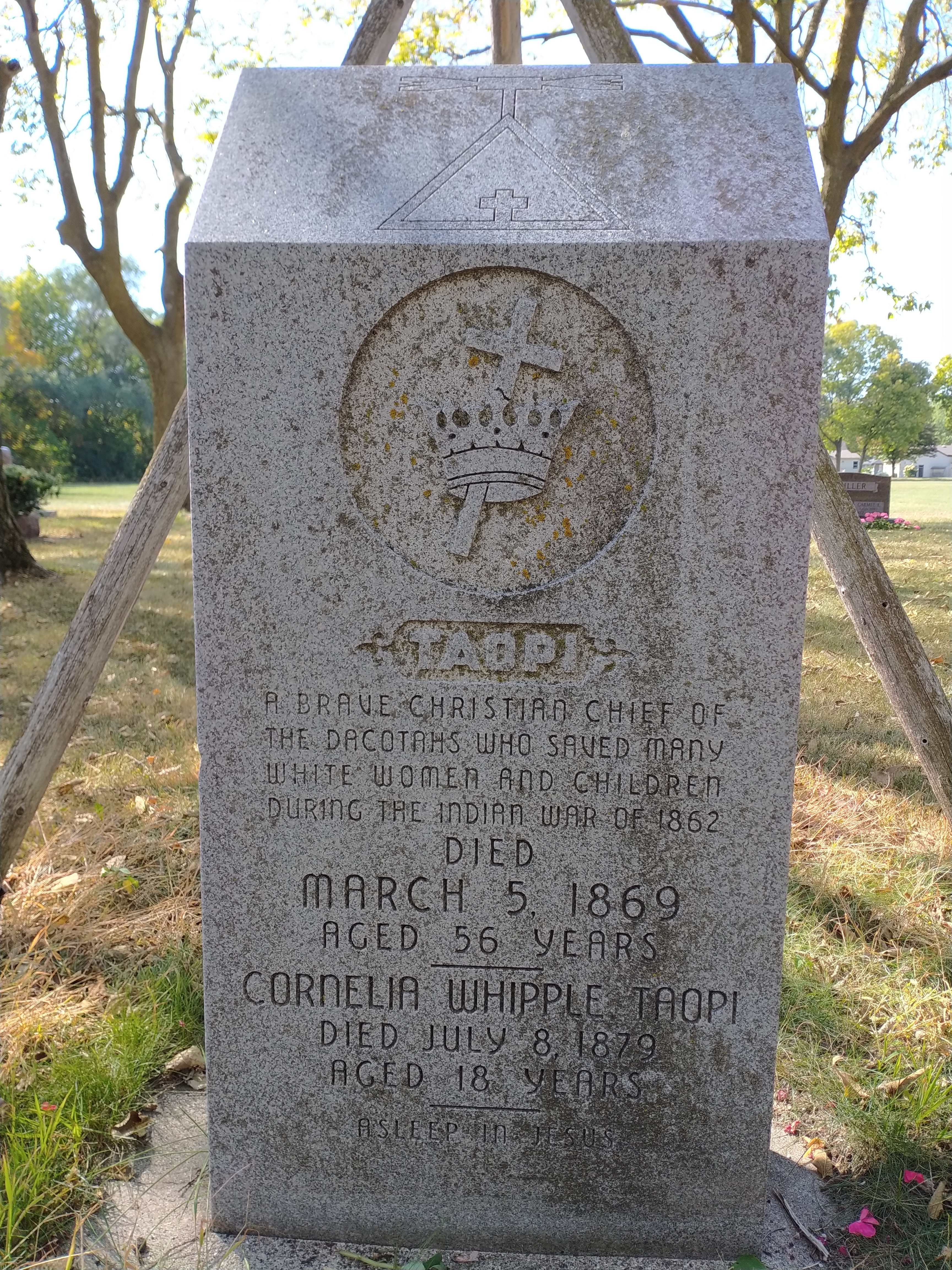
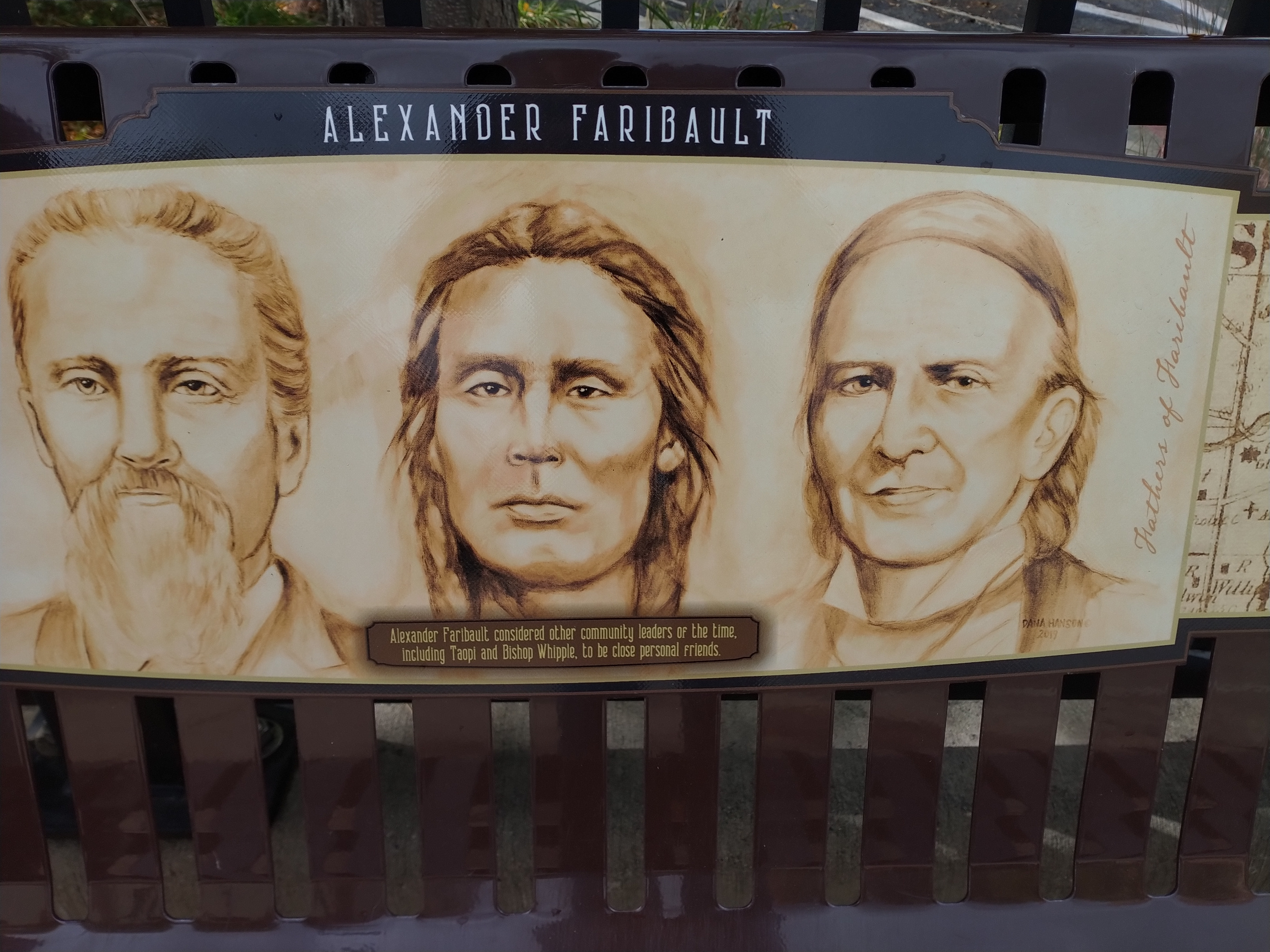
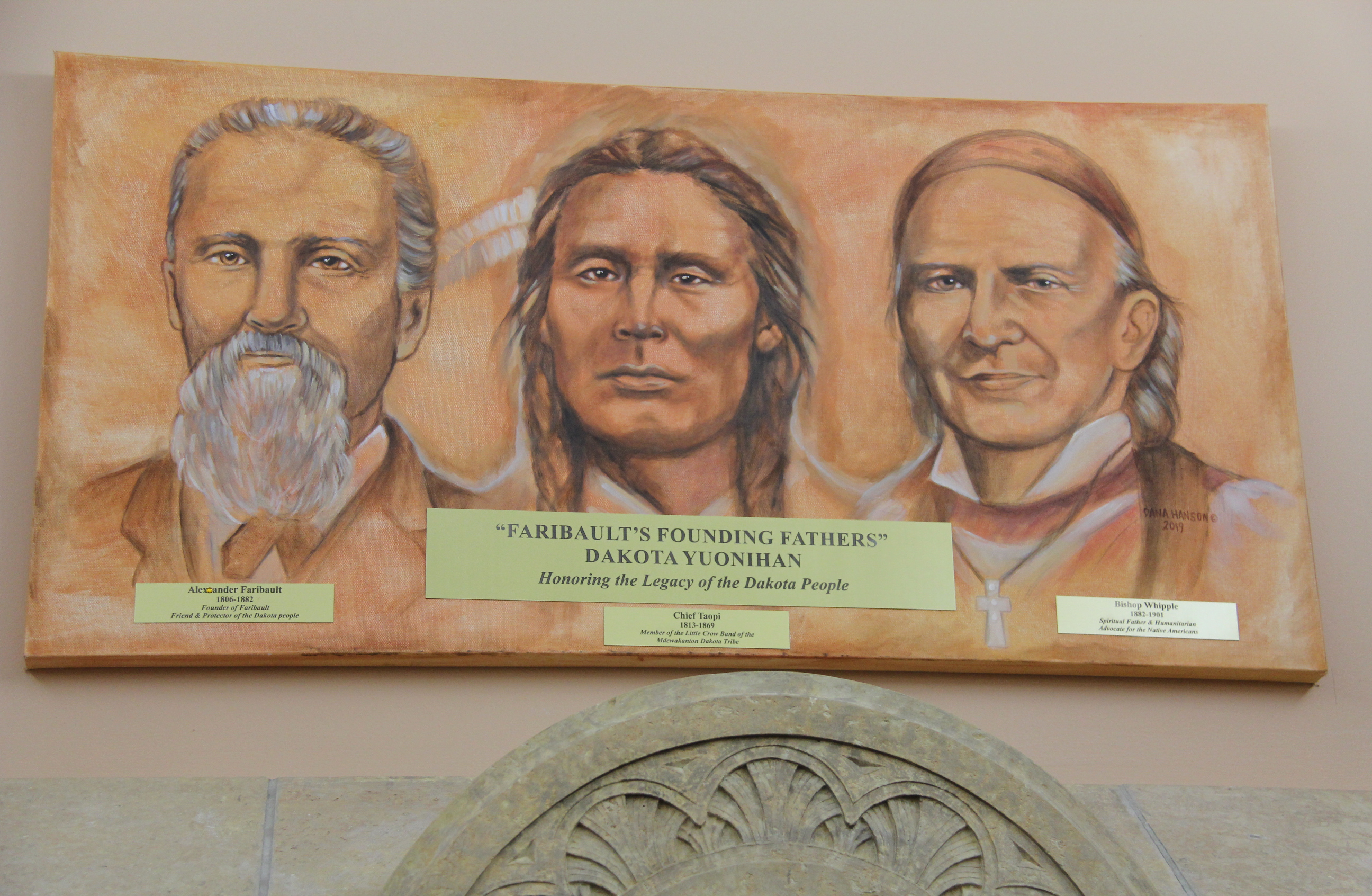
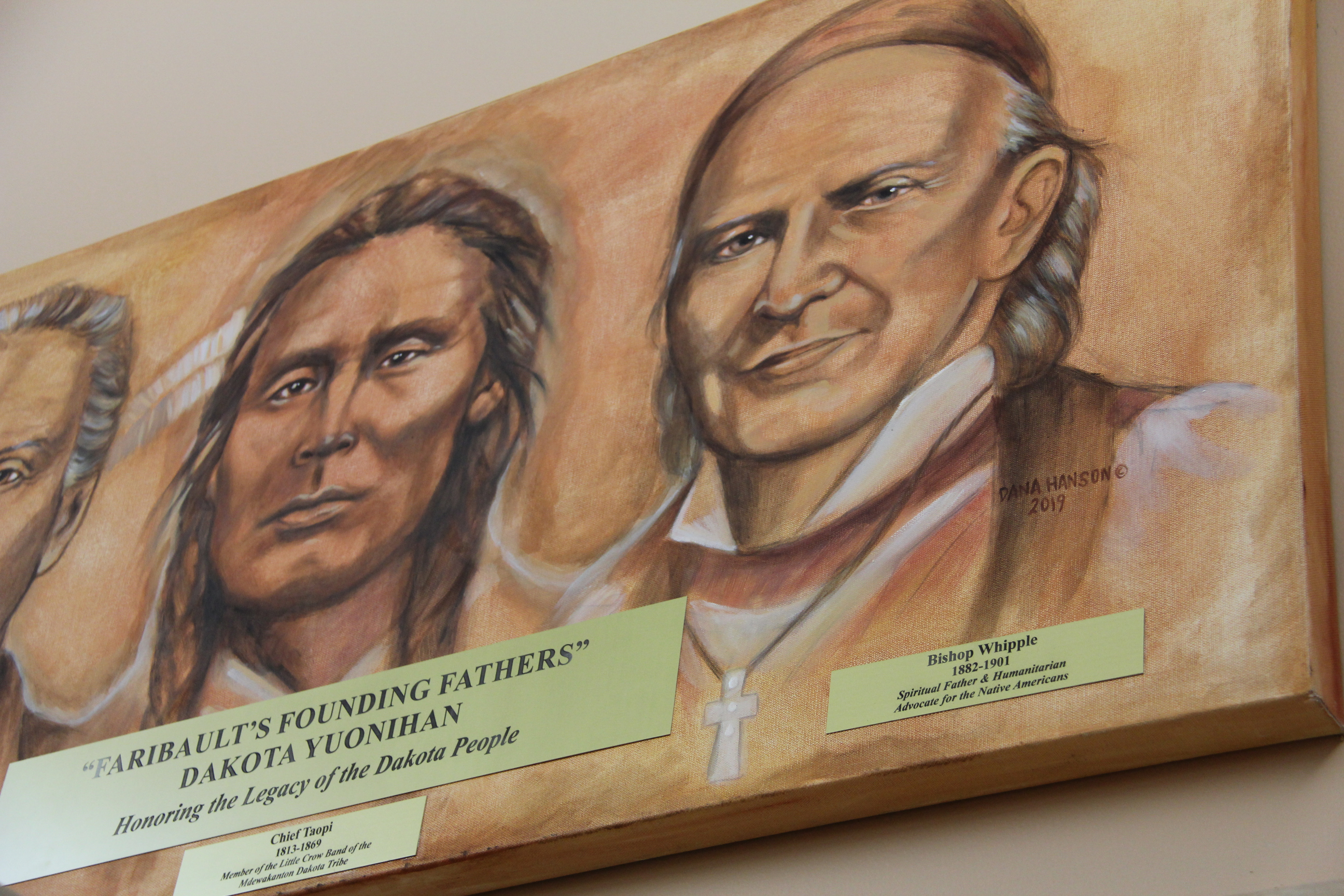
Likewise, the Rice County Historical Society Museum will be open, free of charge, from 10 a.m.-5 p.m. Thursday-Saturday. It’s a good place to see Native American and other artifacts, learn about our early fur trading and additional local history, learn about notable people like Chief Taopi and Bishop Henry Whipple, and more. Bishop Whipple founded and served the Cathedral where Jarvis is speaking.
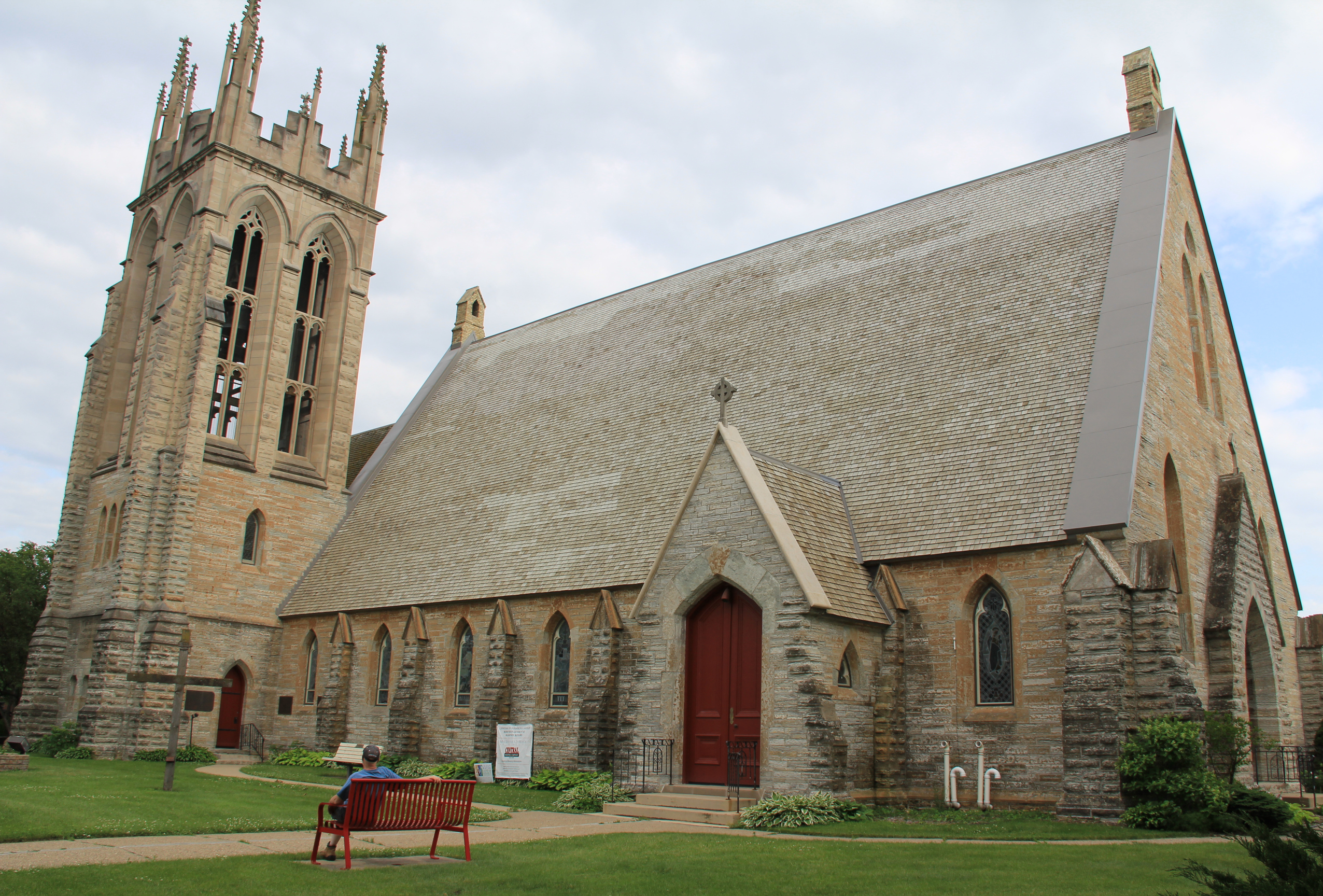
The historic Cathedral will be open for tours at 11:30 a.m. Sunday, June 15, following a 10 a.m. Ecumenical Service including bluegrass music. This massive cathedral—and, yes, it really is a cathedral—is important in local Dakota history as the bishop worked closely with Native Americans, some of whom worshipped here.
Fur trader and town founder Alexander Faribault, who was of Dakota and French Canadian heritage, also worked closely with the Dakota. His wood-frame house will be open for free tours from 11 a.m.-3 p.m. Saturday, June 14.
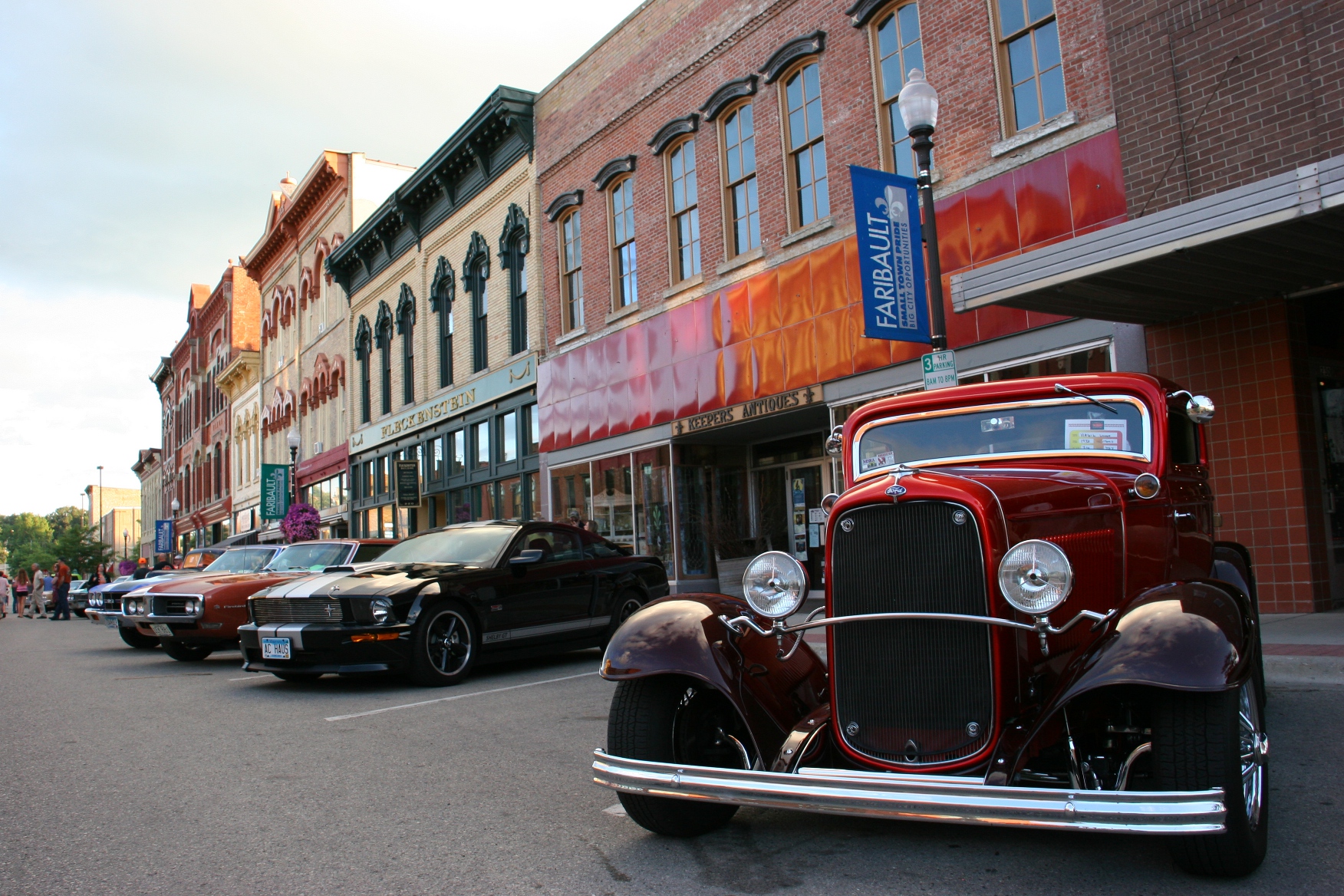
The Rice County Historical Society will also offer a guided Downtown Walking Tour on Friday and Saturday with two time slots of 11 a.m. and 2 p.m. The $5 tour, led by RCHS Program and Outreach Coordinator Kiran Loewenstein, begins at Central Park. Anticipated to take 1-1 ½ hours, the tour route follows Central Avenue with a focus on the historic district and buildings and early general Faribault history. I expect that will offer ample opportunity to not only learn about early history and heritage, but also to see the heritage of our newest residents in downtown core ethnic businesses.
Two more opportunities to embrace local history (although not officially part of Heritage Days) are inside the State Bank of Faribault along Central Avenue. Local streetscapes and landscapes by Father Jim Zotalis, spiritual leader of the Cathedral, are displayed in a pop-up exhibit in the bank lobby. And for those interested in Faribault’s brewing history, the bank holds an extensive collection of Fleck’s beer memorabilia form long ago Fleckenstein Brewery. Both are accessible during business hours only.
There’s lots happening during Heritage Days, activities that mostly aren’t about heritage. But some are. To see a complete listing of events, click here.
© Copyright 2025 Audrey Kletscher Helbling









Reflecting on Alexander Faribault upon his June 22 birthday June 17, 2026
Tags: Alexander Faribault, Alexander Faribault House, birthday, Calvary Cemetery, celebration, commentary, Dakota, diversity, events, Faribault, fur trader, history, June 22, Minnesota, open house, Rice County Historical Society, Wahpekute
MANY YEARS HAVE PASSED since I toured the nondescript wood-frame house built by Alexander Faribault in 1853. Multiple times a week I pass by this house which sits along busy Minnesota State Highway 60 in downtown Faribault. It’s become so much a part of the local landscape that I don’t even notice the building which was briefly home to Faribault and his family. But it’s an important part of local history given Alexander Faribault founded the town in 1855.
On Monday, June 22, Alexander Faribault will be celebrated at a free birthday open house from 5-6:30 p.m. in his former home at 12 First Avenue Northeast. Born 220 years ago in 1806, Faribault died at age 76 in November 1882.
Attendees at the upcoming birthday celebration can learn a whole lot more about Faribault, the town and the house from staff and volunteers with the Rice County Historical Society. I’m always up to learning more about the city I’ve called home since 1984.
I know the basics about Alexander Faribault, a licensed fur trader who first established a trading post along the Cannon River in 1826 or 1827, depending on your information source. He was only twenty years old. He grew his business throughout the region, trading with the Wahpekute, a band of the Dakota, and moving his trading post to the confluence of the Cannon and Straight Rivers, current-day Faribault.
I imagine for Faribault, who was French Canadian and Dakota, developing trading partnerships with the Dakota proved easy given his understanding of the people, their language and culture. But later that same relationship proved challenging for him. Some locals, after the U.S.-Dakota War of 1862, no longer appreciated his friendship with the Dakota and his willingness to shelter some of them on his farm.
Back then, just like today, this community has not always been accepting of others. In the 1860s, the Dakota were targeted. Today it is the Somali community. It’s disheartening when history repeats itself, when differences in skin color, food, culture and language separate us. Alexander Faribault, as a mixed blood who embraced the Dakota, surely witnessed and felt the challenges of injustices and discrimination.
My community has certainly made progress in welcoming all to our city. Yet, we could do better. I still hear derogatory comments about our Somali neighbors, worsened by the current political climate. I still hear derogatory comments about our Hispanic neighbors, made worse by current immigration policies. We are all, unless Indigenous or descendants of slaves, of immigrant roots, something people often forget.
Alexander Faribault wasn’t “from” here. He was born in Prairie du Chien, Wisconsin. But he came here, established a fur trading business and eventually founded the city of Faribault. By all accounts, he was kind, generous and compassionate and served in many capacities from interpreter to territorial legislator to school board member to postmaster. I’m sure he had his flaws. We all do. But it seems Alexander Faribault did his best to build a strong and inclusive community that has grown into the diverse city of today. I think he’d appreciate a legacy of diversity.
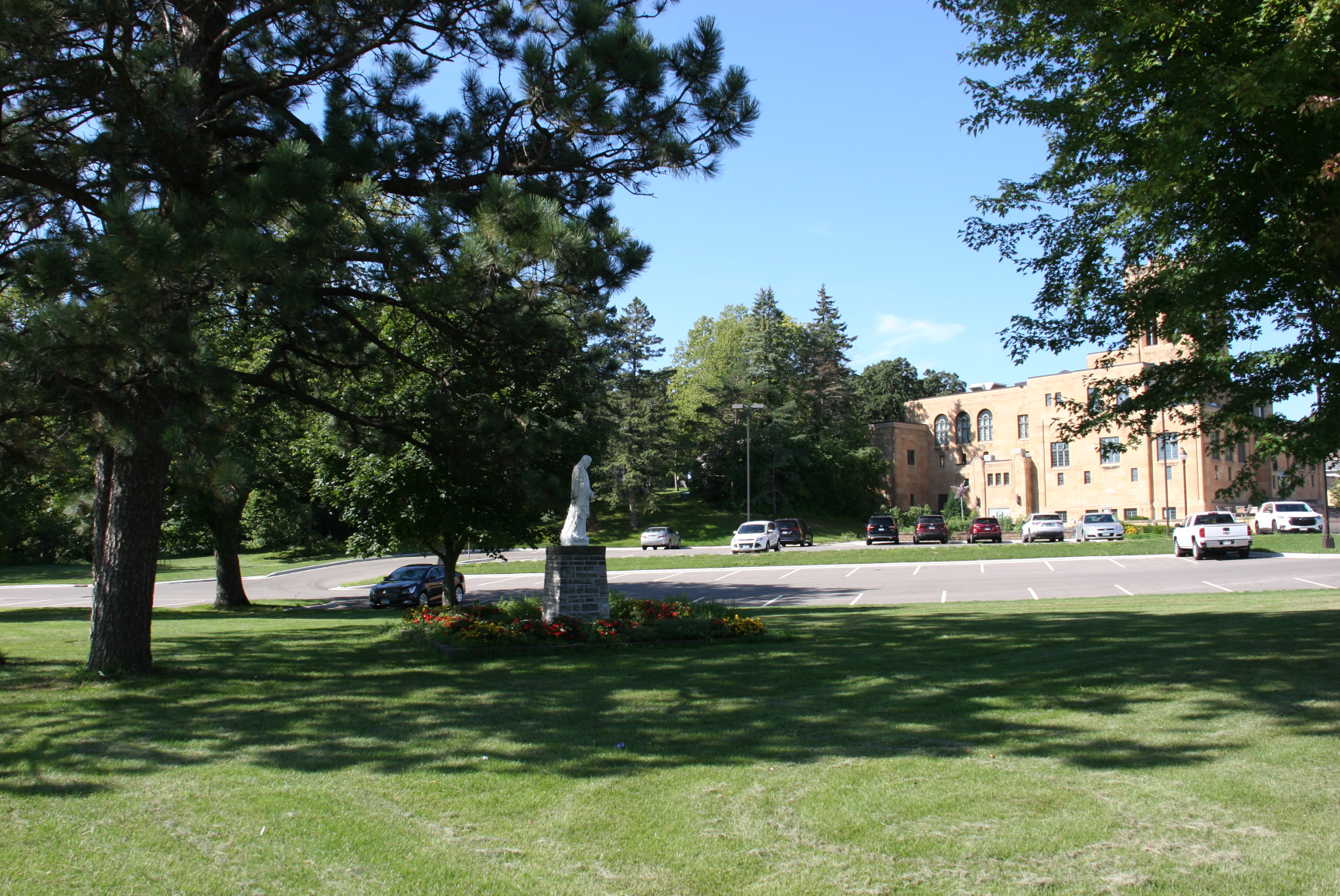
On a 1958 marker at the entrance to Calvary Cemetery where Alexander Faribault is buried, these words are written about him: Race or creed did not color his judgments. He saw in every man the image of God and thereby the possibility of making this a better place in which to live.
Those seem necessary and profound words for all of us to read. Especially today.
© Copyright 2026 Audrey Kletscher Helbling