Minnesota Prairie Roots

Writing and photography by Audrey Kletscher Helbling

Reflections & updates June 10, 2024

Photographed at the Rice County Master Gardeners garden in Faribault on one of my meandering walks. (Minnesota Prairie Roots copyrighted photo May 2024)

WHEN I GO FOR A WALK, I’m either walking to primarily exercise or to photograph. One involves fast-paced movement to increase my heart rate. The other entails a leisurely pace of observing the world around me.

There was a time when I always carried my camera. No more. I need to feel the freedom of just being, without thought of, oh, I need to photograph that. If I’m without my 35 mm digital camera and absolutely need to take a photo, I will use my smartphone.
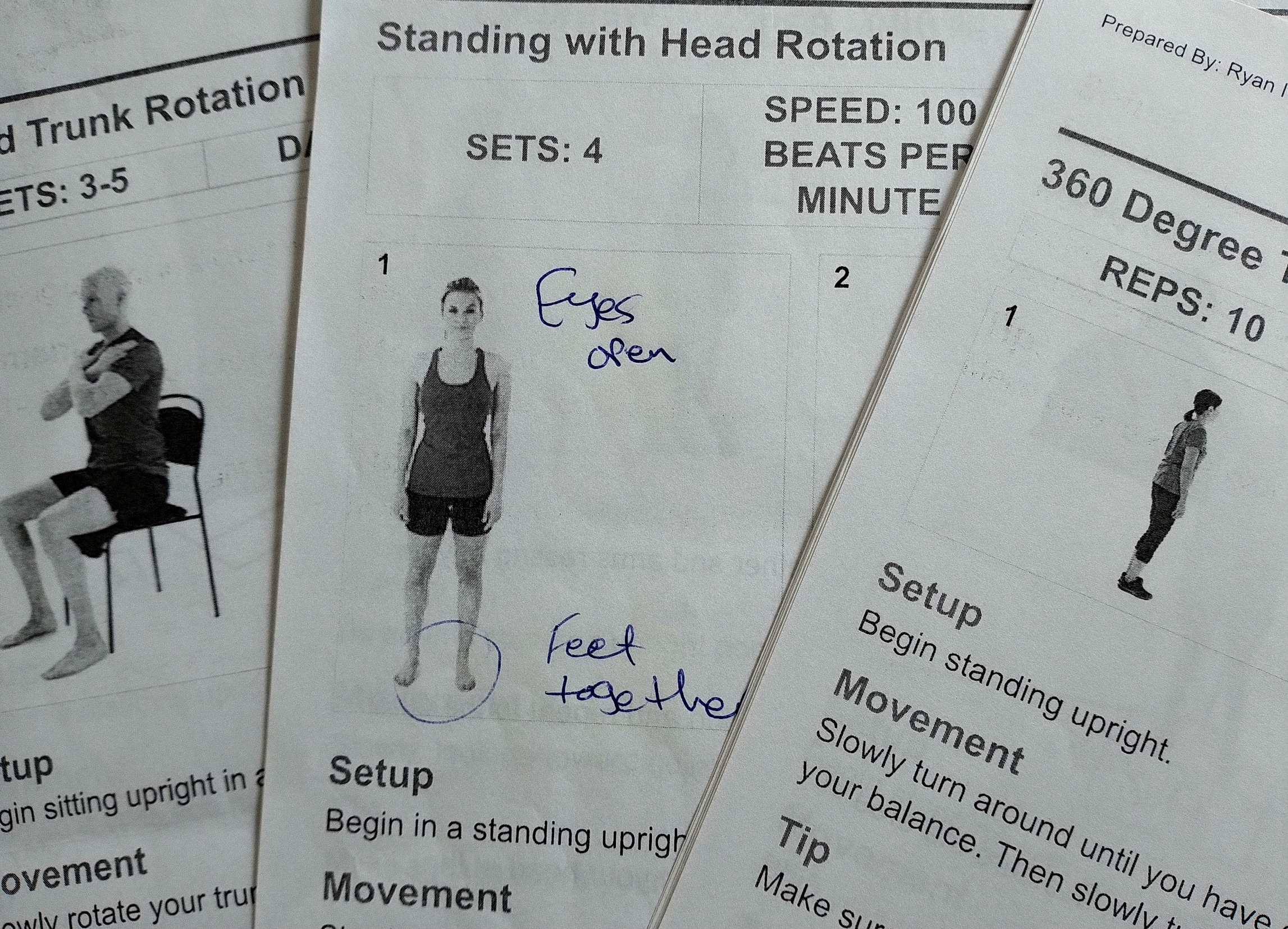
An example of exercises I did in vestibular rehab therapy. (Minnesota Prairie Roots copyrighted file photo 2023)

A NEW PERSPECTIVE

What prompted this change? My health. Last summer was, for me, the summer that wasn’t. I was primarily housebound from April through September due to long haul COVID. You’ve probably read my story, detailed here. I dealt with balance, sleep, sensory and other issues. All aspects of my life were affected. I left my house only for medical appointments because I couldn’t handle being out in the world of noise, light, sound, movement. I felt overwhelmed. I sat in my darkened living room, curtains drawn, lights low, no sound.

But here I am, a year later, with six months of vestibular rehab therapy behind me, and doing significantly better. Time and a lot of hard work on my part got me to this better place health-wise. I still deal with residual sensory issues. But mostly, I manage. And when I don’t, I temporarily sequester myself.

That I am back walking and photographing is, in many ways, remarkable. Last summer I couldn’t walk half a block due to imbalance. And I certainly couldn’t use my camera. I credit my physical therapist for patiently working with me, helping me regain my sense of balance and build my tolerance and ability to manage sensory overload. There is hope for anyone dealing with similar issues. But it can be a difficult road. There’s no denying how often I felt unheard, unsupported, without hope.
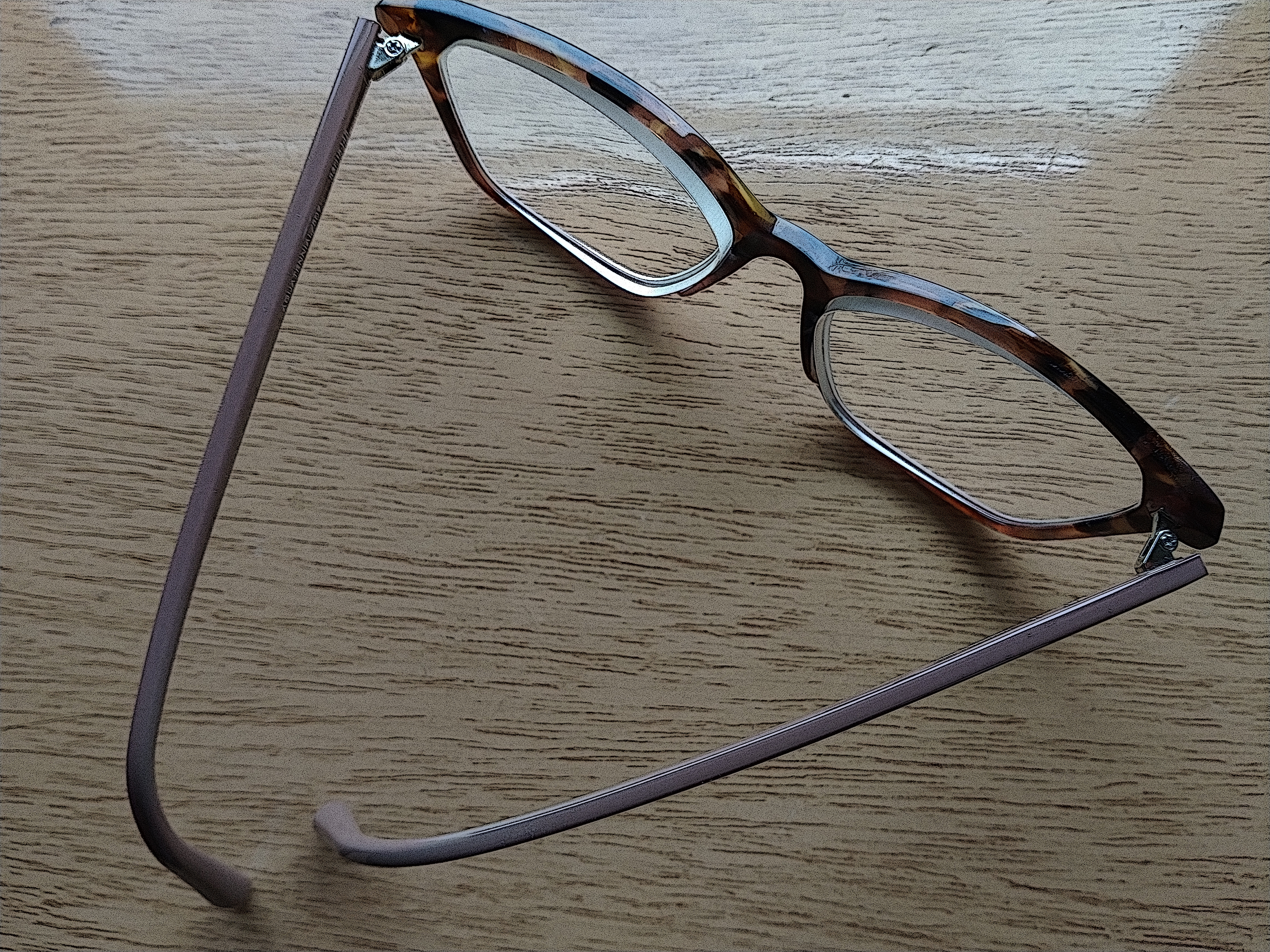
My new prism-heavy prescription eyeglasses. (Minnesota Prairie Roots copyrighted file photo May 2024)

DEALING WITH VISION ISSUES

At the same time all of this was happening, I was experiencing increasing double vision. In late January, I had bilateral strabismus eye surgery to realign my eyes. It was successful until it wasn’t. In 10-20 percent of cases, the eyes shift back to misalignment post-surgery. Mine did. I opted to try prism-heavy prescription lenses before considering a third surgery. I had my initial eye surgery at age four.

Four weeks out from getting my new prescription eyeglasses, my eyes and brain are still adjusting. The prisms have mostly corrected my double vision. But I’m struggling with distorted close-up vision, specifically slanting. I’m hoping, with time, that will vanish. I also can’t see things clearly on my computer screen, which is problematic when writing and when processing photos.

But onward I forge. Sometimes I push myself too much, taking too many photos, doing too many things. That results in strained, aching eyes and headaches. Often I feel just plain tired due to all the effort it takes to simply see. My brain and my eyes are working hard to focus my vision.
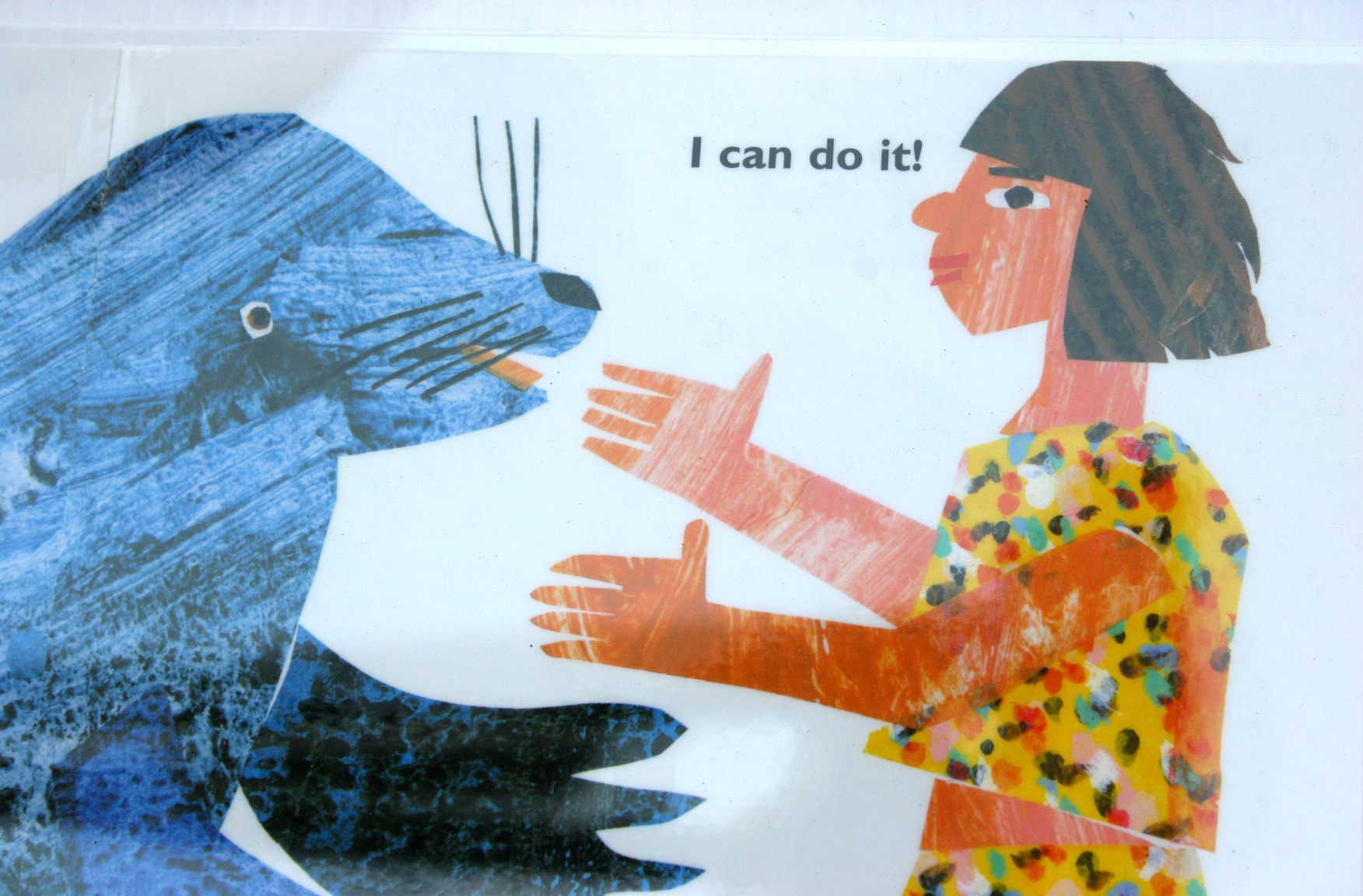
A page from Eric Carle’s book, From Head to Toe.

TAKE NOTHING FOR GRANTED

Too often in life, we take things for granted—the ability to walk, to hear, to see. And then something happens to us or someone we love and we realize that, hey, none of these are givens. I recognize that I have a responsibility to take care of myself in the best way I can. Sometimes that means walking to stay fit and sometimes that means walking to feed my creative spirit.

© Copyright 2024 Audrey Kletscher Helbling


So my vision is a little distorted right now May 16, 2024

Filed under: Uncategorized — Audrey Kletscher Helbling @ 5:00 AM
Tags: , , , , , , ,
My new glasses with added prisms have rather thick lenses (especially the left one) near the nosepiece. (Minnesota Prairie Roots copyrighted and edited photo May 2024)

“DO NOT WEAR your glasses when you leave here,” she warned. I listened. I didn’t want Heidi picking me up off the pavement outside the eye clinic.

“Be careful going up and down steps tomorrow,” Randy warned Tuesday evening. I listened.

A MAJOR CHANGE

Just hours into my first day of wearing new prism-heavy prescription eyeglasses on Wednesday, I understand why my optician and my husband issued those warnings. These new glasses, which are supposed to help me deal with double vision via prisms, are a big change. Make that a major change.

Time will tell whether I can handle the “5 base in” horizontal prisms ground into each lens. That’s ten total, which Heidi says is a lot. I don’t pretend to understand all of these numbers. But the neuro ophthalmologist who did recent surgery to realign my eyes said I really needed fourteen. He didn’t think I could tolerate that amount.

TRYING TO AVOID ANOTHER SURGERY

Hopefully I can manage the prisms added to my glasses. If not, I will need to consider more surgery, something I’m hoping to avoid. I’ve already had bilateral strabismus surgery twice—at age four and most recently in late January. Immediately post-surgery, my eyes were in near perfect alignment. But then they reverted to being misaligned in a “significant regression of surgical effect.” This happens sometimes.

So here I am today, trying a new prescription with more prisms in hopes it will help me achieve “comfortable binocular vision” and avoid a third surgery on my eyes.

AN OVAL DINNER PLATE

As I type, I am looking at a computer screen that appears slanted, curved. My world is distorted. I’d been warned, but didn’t think the distortion would be quite this bad. A dinner plate, when tilted, appears oval rather than round. And when I pulled a key lime pie from the oven, I nearly dropped it. I saw a pie that was sliding; it wasn’t. I feel almost like I’m up high looking down on the world. It’s weird and odd and disconcerting.

But I’m trying. I intellectually understand that my eyes and brain are adjusting. I must give it time. Two weeks minimum, my surgeon said.

My optician, Heidi, who has supported me from pre-surgery through today, advised me to keep wearing my new glasses, as tempted as I am to pull out my old ones with fewer prisms. I stashed them in a drawer. Out of sight, out of mind. Well, maybe not out of mind.

HOLDING HOPE

I’ll check in with Heidi today. She asked me to do that, going above and beyond because she gets it. She also deals with double vision and prism eyeglasses. Her positive attitude and encouragement have helped me tremendously. The word “hope” runs strong in our conversations.

And that is my focus, along with being really really careful on steps and elsewhere as my eyes and brain adjust to these new lenses through which I view a currently distorted world.

© Copyright 2024 Audrey Kletscher Helbling
 

The eyes have it until they don’t May 7, 2024

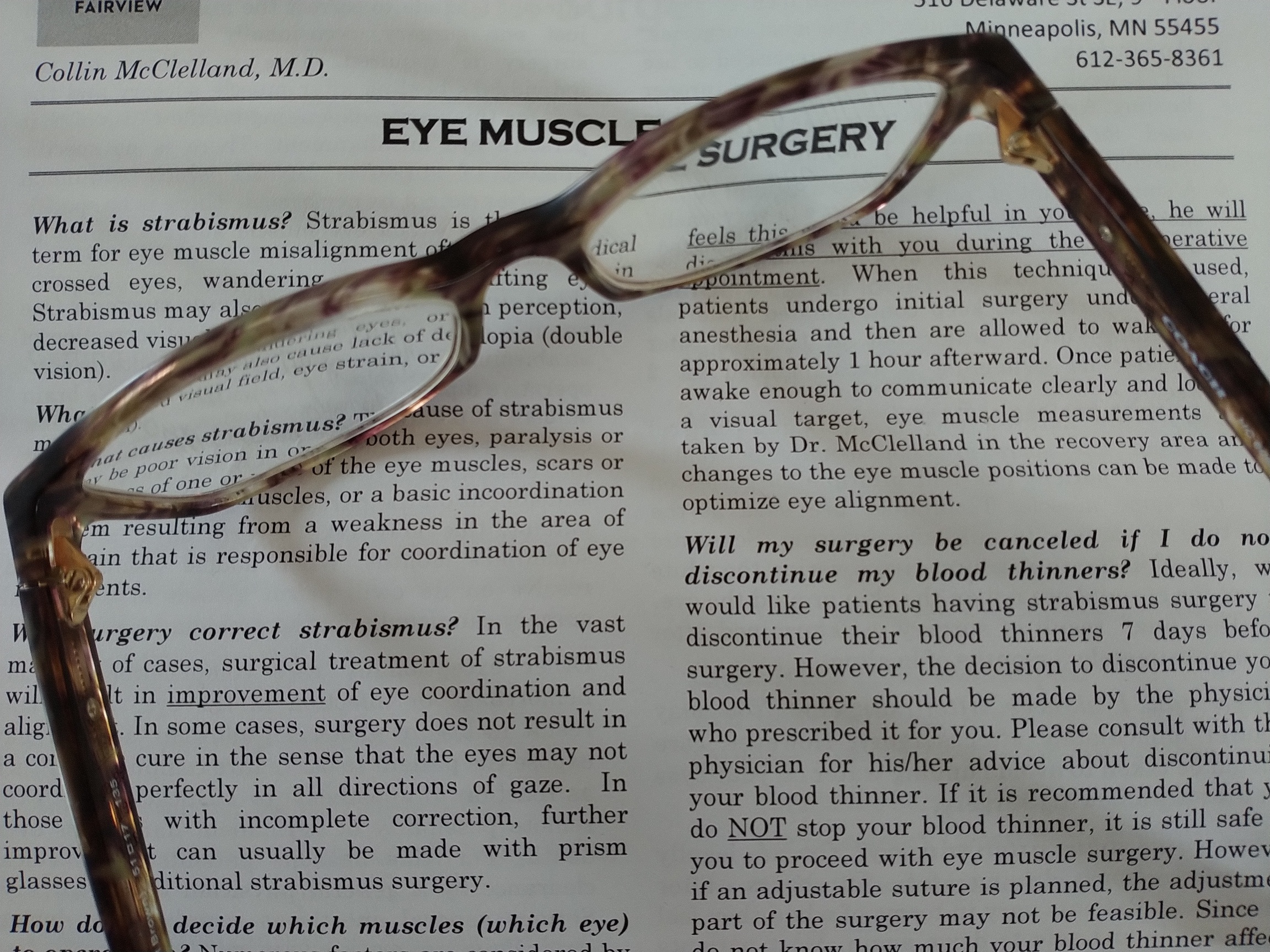
My old glasses atop info about bilateral strabismus eye surgery. (Minnesota Prairie Roots copyrighted file photo November 2023)

SIGNIFICANT REGRESSION OF SURGICAL EFFECT. Those are words you don’t want to read/hear following any surgery. But, three months out from surgery to realign my eyes, that’s where I’m at with my vision.

During my second post-op check last week with my neuro ophthalmologist, Dr. Collin McClleland, I learned that my eyes apparently have a mind of their own. They are back to not working together. This came as no surprise. I’ve been experiencing ongoing double vision, although less than before my January 22 surgery.

What I didn’t expect was the word “significant.” I knew the possibility existed that my eyes would return to misalignment; I did my homework in advance of bilateral strabismus eye surgery. But who thinks they are going to be in the minority of that final surgical outcome? Not me.

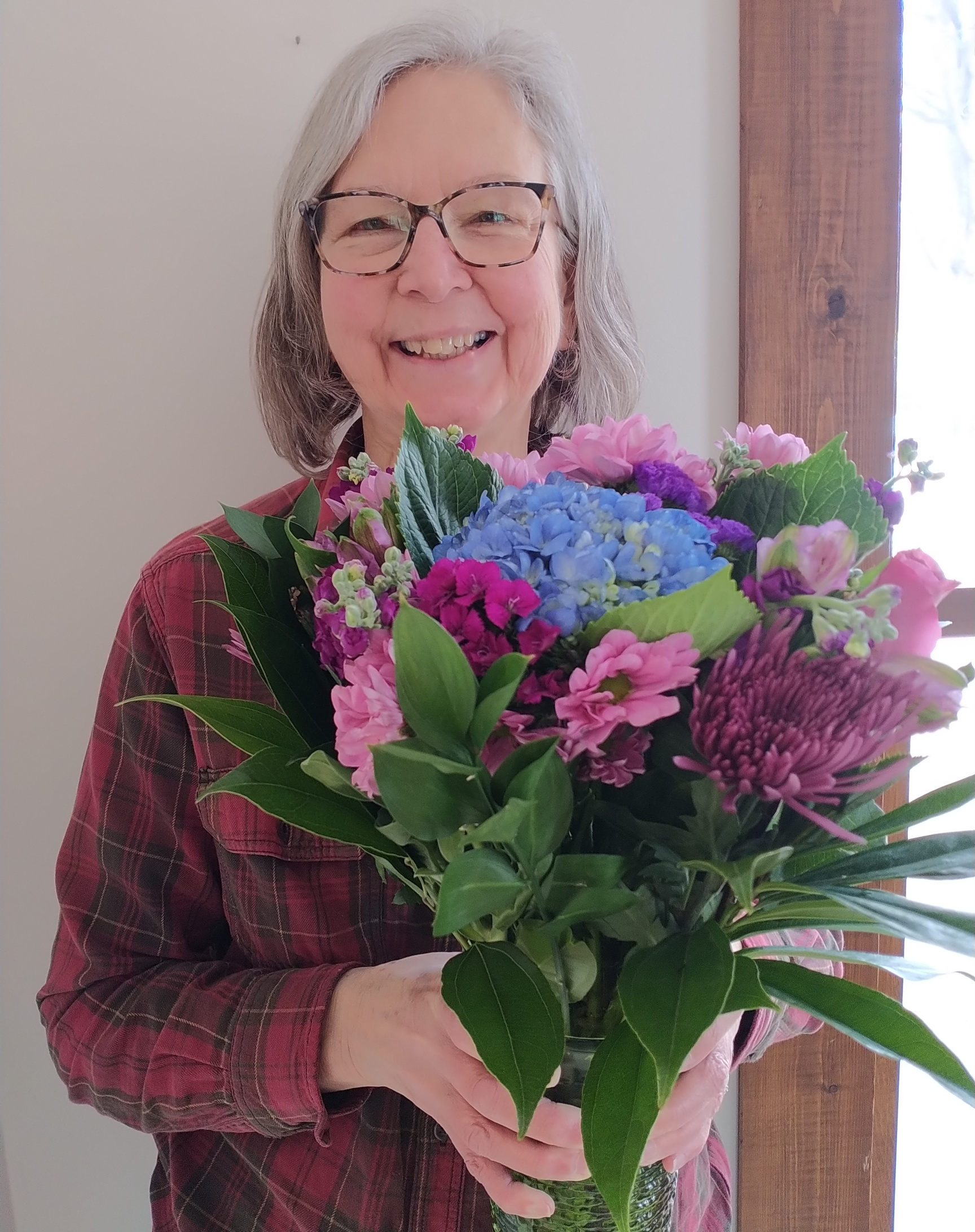
Several days after my January surgery, I was smiling, happy to have surgery behind me, happy with flowers from my family. (Minnesota Prairie Roots copyrighted file photo by Randy Helbling, January 2024)

Immediately after surgery, my eyes were in near perfect alignment. I was happy. My surgeon was happy. But then, as my eye muscles healed and my brain and eyes adjusted, the shift began.

Extensive testing during my recent appointment showed “significant regression.” I won’t confuse you with numbers and medical terminology. Suffice to say I’m frustrated and disappointed as is my surgeon. But, Dr. McClelland said, he wouldn’t have done anything differently during surgery. I needed it, and the surgery did improve alignment. I agree. Why my eyes reverted mostly back to their misaligned positions is unknown. I asked. There’s no answer.

I explained to my doctor that it takes effort sometimes to see just one, and not two. That exhausts me. And if I’m doing anything that requires a lot of visual back-and-forth, like shopping, my eyes feel like they’ve done calisthenics. They hurt. Whenever I have lots of sensory input or am doing multiple things, my double vision worsens. I was experiencing all of this before surgery, too.

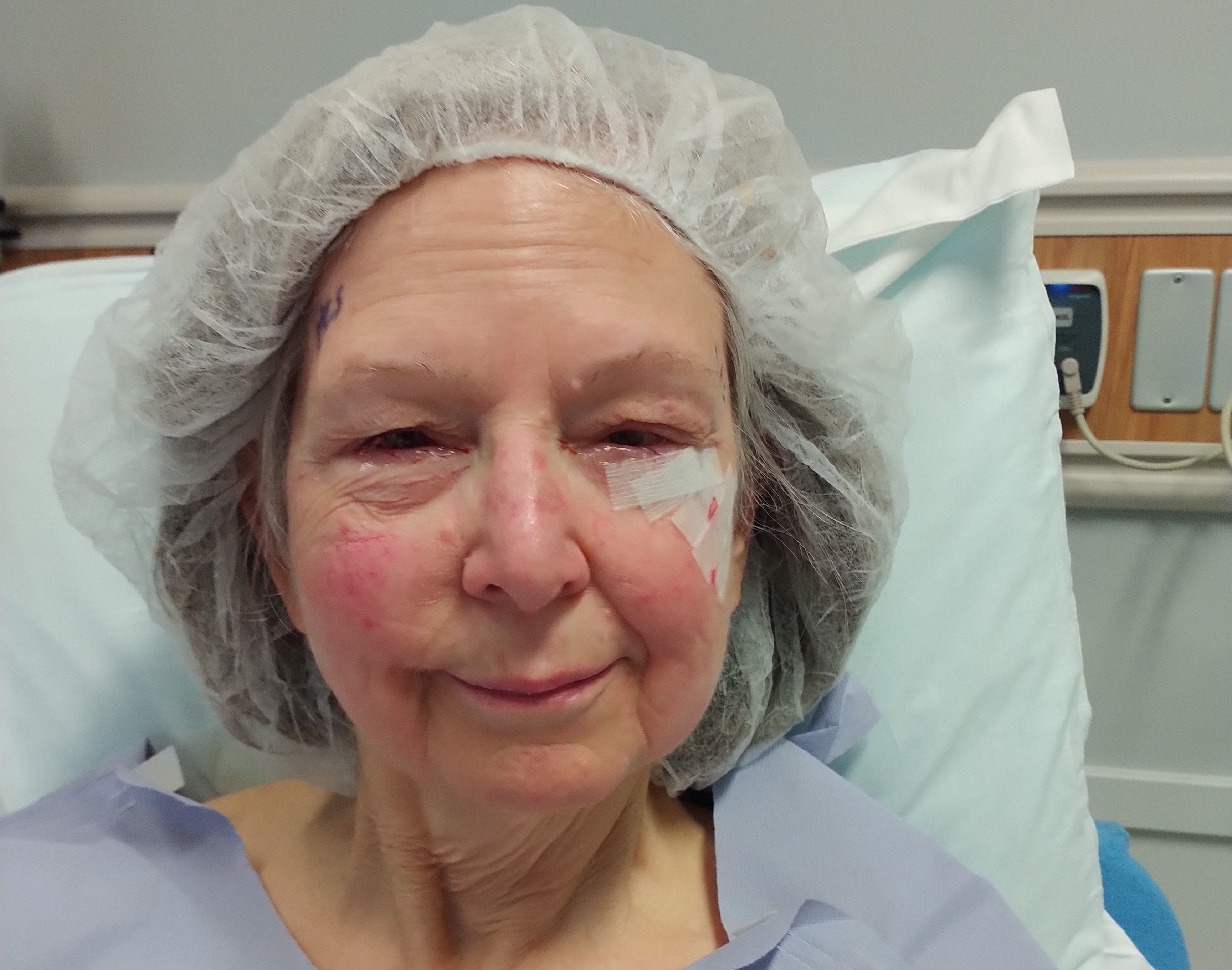
In the recovery room after surgery on both eyes in January. (Minnesota Prairie Roots copyrighted file photo by Randy Helbling, January 2024)

What to do next was the question of the morning. My surgeon offered two choices: One, add more prisms to my glasses and hope that alleviates some of my double vision. Or try surgery again. I was mentally unprepared for this. But I quickly opted for more prisms. I am in no hurry to rush back into an operating room, even if the 1 ½-hour surgery was not horrible and I have full confidence in Dr. McClelland. Surgery is surgery.

So here I am, no line bifocal prism glasses ordered. The lenses will take about two weeks to make given the extensive work required. Then I’ll be without glasses while the lenses are placed in my frames. Then the test begins. Will the added prisms, divided between both lenses, help with my double vision? Time will tell. Prisms bend light before it travels to your eyes and the brain has to sort it all out and create a singular image, or something like that.

The issue, my ophthalmologist explained, is whether I can tolerate more prisms added to my prescription lenses. I could experience distortion, what he calls “the fish bowl effect.” The goal is “comfortable singular binocular vision.” If I can’t handle the added prisms (which are actually less than they should be, but within the hopefully tolerable range), then I will need to revisit surgery.

That’s where I’m at today. Waiting for those prism-heavy lenses. I’m trying to prepare myself for what I know will be several weeks of adjusting to my new prescription. And hoping this non-surgical approach works.

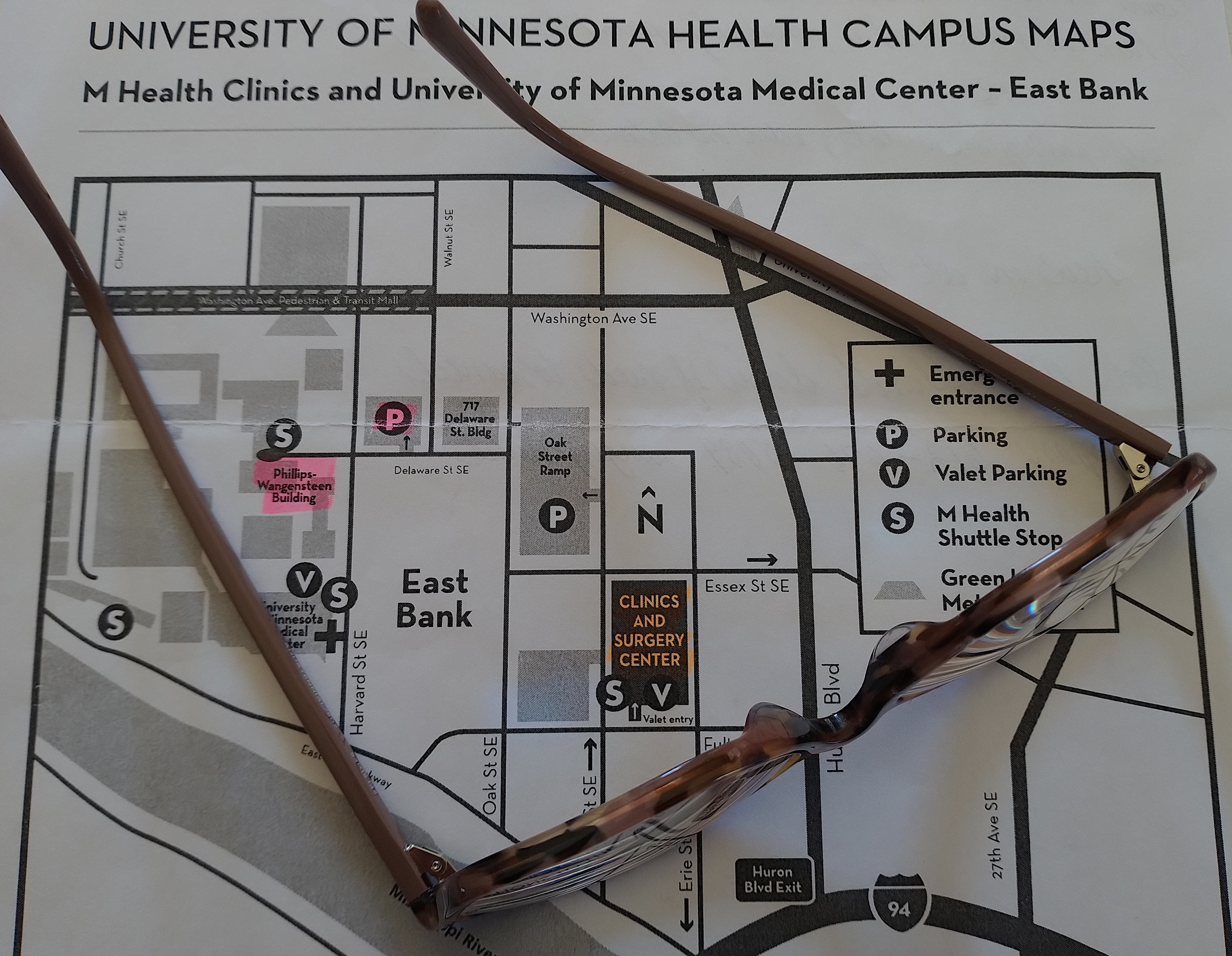
These buildings house outpatient clinics, including the M Health Fairview Eye Clinic, on the campus of the University of Minnesota in Minneapolis. (Minnesota Prairie Roots copyrighted photo May 2024)

As disappointed and frustrated as I feel about the final surgical outcome, I remain grateful for the vision I do have, even if far from perfect. Sitting in the waiting room at M Health Fairview Eye Clinic in Minneapolis puts my situation in perspective. I have watched little kids there navigating with the aid of a white cane…

© Copyright 2024 Audrey Kletscher Helbling
 

Stories of kindness, compassion & humor following eye surgery February 27, 2024

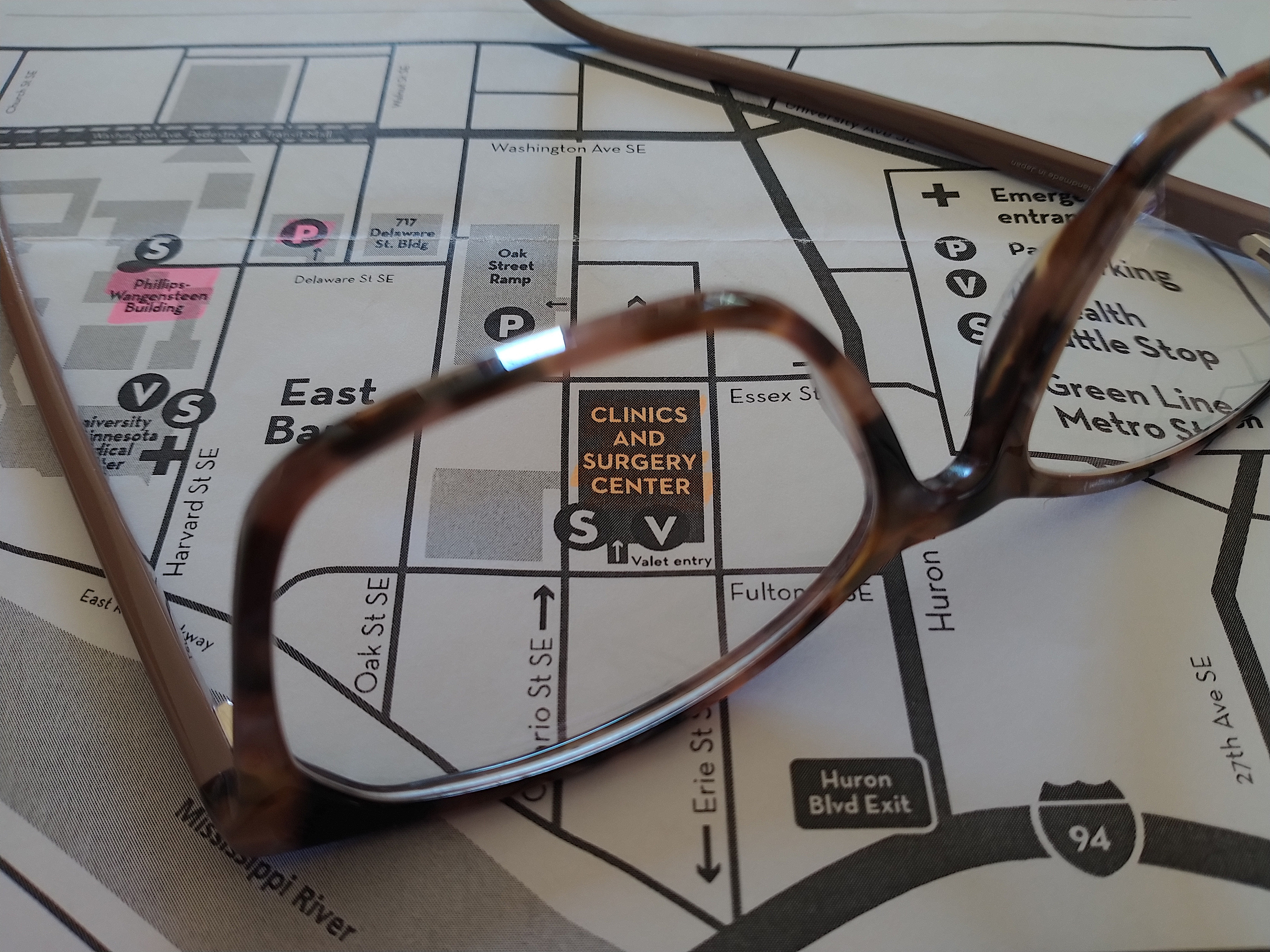
A lens on my new prism-free prescription eyeglasses circles the surgery location in Minneapolis. (Minnesota Prairie Roots copyrighted photo February 2024)

I’M SO HAPPY IT’S OVER.” That, Kat told me, was my first statement post January 22 bilateral strabismus eye surgery at M Health Fairview Clinics and Surgery Center in Minneapolis. I don’t remember saying those words. But I don’t doubt my recovery room nurse.

After a 1 ½-hour surgery to realign my misaligned eyes, I was still groggy. Yet, Kat noted, I was coming out of general anesthesia quickly and well. For that I felt thankful. Not everyone handles anesthesia without side effects.

Given my emerging level of alertness, I don’t recall timelines or all conversations. But I do remember the kindness of Kat. And kindness is key when you’re coming out of surgery.

There was no vodka in the recovery room (nor did I want any; I seldom drink hard liquor). (Minnesota Prairie Roots copyrighted photo February 2024)

HERE, HAVE A DRINK

In addition to compassion and care, Kat gave me food and drink. It was well after lunch and I hadn’t consumed anything (except a few sips of water with Tylenol right before surgery) for many hours. Typically I get hangry when I don’t eat on time. Ask my family. Kat brought cranberry juice along with soda crackers and graham crackers and then ginger ale which she suggested I mix with a second cup of cranberry juice, a cocktail without the vodka. (I think Kat mentioned vodka, but maybe I did.) I shared that my Bible study group has a signature cranberry drink, sans the alcohol. Kat kept a watchful eye on me. I hope she didn’t notice that I didn’t particularly like cranberry juice and ginger ale mixed. Too sweet for me.

But I appreciated the sweetness of my caring nurse, who moved to Minnesota from Missouri, who was named Katherine, called Kathy by her mom and then called Kat in college. Kat suits her, even if she owns three dogs, not cats. More on that later.

At some point, before my surgeon came to see me in recovery, Kat suggested I change from my lavender paper gown into my street clothes. I was all for that. She removed my hospital slipper socks and then helped slip my socks and shoes onto my feet. Can’t have a just-out-of-surgery patient getting all lighted-headed by bending down. I managed the rest of dressing myself, proving I was becoming more alert, alert for the next step in surgery completion.

In the recovery room after eye muscle alignment surgery. (Copyrighted photo by Randy Helbling, January 22, 2024)

LOOK AT THAT “E”

Enter my neuro ophthalmologist surgeon, Dr. Collin McClelland, and a second doctor who had been in the operating room. I dreaded this moment when Dr. McClelland planned to tweak his work by pulling an adjustable suture stitched into my left eye.

Alright then. Look at that E across the room. Do you see one or two? Two. (He did some other vision checks, not just with the E, during the alignment process.) After my surgeon dropped a topical anesthetic into my left eye, he removed the steri strips adhering the suture onto my cheek. He hovered over me, his tools and face a blur. Don’t move. Look up to the left. You’re going to feel a tug. Yup. I did. OK, let’s check that E again. One or two? Two. OK, we need to do this again. Tug. Pain. You’re doing great. Check the E for the third time. Mostly one. OK, I’m going to leave it. And then my doctor worked to tie and cut that suture, simultaneously encouraging me with his gentle voice. You’re doing great. The adjustment process took 20 minutes and was made easier by my kind surgeon.

A section of a 1974 album cover from my collection. (Minnesota Prairie Roots copyrighted photo February 2024)

WE’RE OFF TO PROM

Kindness. I felt that in the care I received at M Health Fairview Surgery Center. Skilled care that came with humor and compassion and distractions that enabled me to manage eye muscle surgery. Kind Kat remained after Randy left to get the van from a nearby parking ramp. She escorted me to the restroom, our arms linking as if we were going to prom, Kat said. We needed a song, perhaps John Denver’s “Sunshine on My Shoulders,” theme for my 1970s era prom, I suggested. We laughed, Kat and I.

But I wasn’t laughing when we returned to my recovery room and I noticed Randy’s cellphone and charger lying on a chair, hidden beneath a tote bag. He was supposed to call when he reached the patient pick-up spot. But Randy was long gone, so I grabbed his phone and charger. Then Kat wheeled me onto the elevator that carried us downstairs to await Randy’s arrival, “old people” wrap-around sunglasses protecting my eyes. Thanks, Kat, for the (un)fashionable eyewear.

I’m becoming familiar with these two locations on the campus of the University of Minnesota in Minneapolis. (Minnesota Prairie Roots copyrighted photo February 2024)

THE LONG MINNESOTA GOODBYE, SORT OF

I expected Randy to simply drive up. He didn’t. Rather, he retraced his steps in an attempt to find his phone. Kat called someone to clarify I had his phone. As we waited, I grew restless. I just wanted to go home. Kat sensed that, pulling out her phone to show me a picture of her three dogs. Not cats. I appreciated the momentary distraction.

Eventually, Randy arrived and Kat steered me to our van, guiding me into the passenger seat. Then she hugged me. That loving gesture filled me with happiness, as if I was Kat’s sister rather than simply another patient. Happy despite the eye pain. Happy despite the long, exhausting day.

That happiness soon vanished as Randy took a wrong entrance ramp and we found ourselves aiming east toward St. Paul rather than west toward Minneapolis. I was in no mood for a longer trip, even if lengthened by only 15 minutes. But onward, back home to Faribault to rest and begin healing. Five weeks out, I am doing just that, continuing to heal. And I am remembering, too, the many kindnesses and the skilled care given to me by my compassionate medical team.

© Copyright 2024 Audrey Kletscher Helbling
 

Reflecting on pre-surgery anxiety & ways I coped February 20, 2024

Information about my eye muscle surgery. (Minnesota Prairie Roots copyrighted file photo 2023)

SURGERY. Most of us would rather not hear that word when it comes to our health. But sometimes surgery is necessary. I’ve had surgery nine times in my lifetime. I’m currently four weeks out from my second bilateral strabismus eye surgery (the first was at age four) to realign my misaligned eyes. Healing and recovery are progressing.

Nearing downtown Minneapolis, the route to M Health Fairview Surgery Center and Clinics. (Minnesota Prairie Roots copyrighted file photo)

Today’s post, though, is not about recovery, but rather about my January 22 surgery day. As a creative, I have stories to tell about my experiences at M Health Fairview Clinics and Surgery Center. Admittedly, I felt anxious as Randy and I aimed north along Interstate 35 to the surgery center about an hour away on the campus of the University of Minnesota in Minneapolis. I detest metro traffic, which added to my pre-surgery anxiety. But on this morning, traffic was not horrible.

Waiting is always the hard part. I waited at check-in behind an angry patient. We’d ridden the same elevator to the fifth level, but she got ahead of me because she knew where she was going. I did not. And so I had to stand there listening to her spew about how she’s never been called about whatever. Her voice volume increased. I felt increasingly frustrated by this hostile woman who should have taken her complaints elsewhere, not to the surgery check-in desk. She was not there for surgery. Finally, I bypassed her to another check-in station, wondering if the first employee would need to call security. This was not off to a good start.

I settled onto a green upholstered chair in a spacious room filled with people, most on their phones, waiting. A bank of tall windows revealed a sunny day. I heard persistent coughing on the other side of a waiting room half-wall, somewhat worrisome to me. I’d been screened for COVID symptoms, but Randy and other caregivers weren’t. That is typical of clinic screenings, it seems. But I digress.

Eventually, after I’d people-watched, tried to work a crossword puzzle, studied abstract fabric artwork, Tatenda called me to begin the process of preparing for surgery. That started with basic questions followed by depression screening. I am thankful this screening is now routine in healthcare and I told Tatenda that. And then I added, “But you didn’t ask about anxiety.” Anyone who says they aren’t anxious about surgery is, in my opinion, not being truthful. Thankfully, Tatenda and others who cared for me understand pre-surgery anxiety and helped ease mine.

One of my go-to Bible verses when I’m worried or anxious. This is displayed at my church, Trinity Lutheran in Faribault. (Minnesota Prairie Roots copyrighted photo February 2024)

There was one point, though, when I had to dig deep mentally to stop myself from fleeing a small room where I waited alone for the next step in surgery prep. Tatenda handed me a lavender paper gown, instructing me to change into that and pull on a pair of purple socks. Then she left. Do. Not. Leave. Me. Alone. I expected her back quickly. As the minutes ticked by, I felt my anxiety rising. I was cold, shivering almost, hugging my folded legs to my body for warmth. The over-sized, one-size-fits-all paper gown that smelled to me of antiseptic provided zero warmth. Maybe I should have wrapped it around my slim body twice. I attempted to calm myself by repeating the words of Psalm 46:10: Be still…be still…be still…

Eventually nurse Amanda arrived and connected a hose to my lovely lavender gown, a hose that blew air inside to either warm or cool me. She explained how I could turn a switch to adjust the temperature. It was a game-changer not only for my comfort level, but also in giving me control. Of. Something.

Signage on The Pearl, a popular ice cream spot in downtown La Crosse. (Minnesota Prairie Roots copyrighted file photo 2015)

As Amanda searched and poked twice for an adequate vein to start an IV, we talked. Conversation distracts me. This nurse, the same age as my eldest daughter, and I chatted about her hometown of Potosi, Wisconsin, where I’ve been to the brewery; our love of La Crosse (and The Pearl ice cream shop); motorcycles; and then how I met Randy and where we went on our first date. “Stir Crazy,” I replied. The movie starring Richard Pryor and Gene Wilder. Amanda said she would ask Randy the same when she brought him to see me shortly before surgery. When he answered “Blazing Saddles” to the first date question, I told Amanda that he was an imposter, that she needed to find my real husband. We laughed. Humor helps.

Once Amanda left, the anesthesiologist and neuro ophthalmologist surgeon arrived for last-minute briefings and questions. I was ready. Soon I was being wheeled down a hallway toward the operating room. I remember nothing until I awoke 1 ½ hours later in recovery. That is another story…please check back for more storytelling.

TELL ME: If you’ve had surgery, how did you cope with pre-surgery anxiety? How did others help ease your anxiety right before surgery?

© Copyright 2024 Audrey Kletscher Helbling


Update: My eyes are aligned February 5, 2024

My old glasses with prisms atop information about bilateral strabismus eye surgery. (Minnesota Prairie Roots copyrighted file photo November 2023)

TWO WEEKS OUT from bilateral strabismus eye surgery at M Health Fairview Clinics and Surgery Center in Minneapolis, my vision is looking good, pun intended.

Neuro ophthalmologist Dr. Collin McClelland was pleased with the results of his 1.5-hour surgery on my eyes. I saw him and his team last Wednesday for my post op visit. My previously misaligned eyes are now in full alignment. In three to four months, I should know the final outcome. Eyes can shift yet as muscles heal and my brain adapts to the new alignment.

Updated glasses (minus prisms) and updated eyes, nine days after surgery. (Copyrighted photo by Randy Helbling)

This is a process, this recovery and healing. I can tell my brain is working hard to adapt to my new way of seeing the world. My eyes remain red, irritated and itchy. But I am looking less ghoulish each day with my eyes no longer leaking fluid and blood. Time, healing, ointment and eye drops have all helped.

Mostly gone is the double vision which led me first to my local ophthalmologist late last summer and then to the specialist at the University of Minnesota in Minneapolis in October. Today I see double only upon awakening and for a while thereafter and when I’m overly-tired. That compares to more often than I could count pre-surgery. That is reason to feel thankful.

As you may expect, I arrived at my post-op visit with a list of questions, tasking Randy to take notes as I focused on eye checks done by two doctors and another medical staff member. Yes, the exams were repetitive and exhausting. But I appreciate the thoroughness of the post-op evaluations.

I won’t get into the medical details of my surgery, not that I understand them anyway. But I learned that Dr. McClelland worked on two muscles in my right eye and one in my left to realign my eyes. He had to work through extensive scar tissue from this same surgery done in 1960 by Dr. Theodore Fritsche in New Ulm.

This is what I looked like shortly after surgery in the recovery room. If you look closely at my left eye, right above the steri strips, you’ll see a black thread taped to my skin. That’s the end of the adjustable suture. (Copyrighted photo by Randy Helbling. I asked him to take the photo, not realizing how awful I looked.)

Perhaps the most intriguing part of my recent surgery is the adjustable sutures stitched into my left eye. That’s exactly what it means. Adjustable. During recovery, when I was alert enough to focus on a big letter E across the room, Dr. McClelland tweaked the alignment based on what I saw. Twice he had to pull on the sutures to move my left eye into alignment. I’m thankful for the topical anesthetic eye drops that semi dulled the pain and for my inability to clearly see what he was doing. I could only see the blurry movement of his hands and what I think was a tweezers. I will admit the tug on my eye felt unsettling.

Several days post-surgery, I was already looking better. It’s difficult to see my red eyes in this image. But trust me, they were still very red. The flowers are from my dear children, sons-in-law and grandkids. (Photo credit: Randy Helbling)

But here I am today, two weeks out from all of that. Each day brings some improvement in the physical appearance of my eyes and in the way my eyes feel. I still feel, though, like a pebble is stuck in my right eye. That, my surgeon explained, is likely the end of a suture irritating my eye. I asked him to clip it off. Of course, I was joking because I realized he couldn’t possibly do that. But I had to bring some humor into the post-op exam room where medical residents listened, observed and learned.

Healing takes time and patience. Not only do my eye muscles need to heal, but my brain needs time to adjust. I’ve learned a lot about the brain in the past year since developing neurological issues from COVID and undergoing six months of vestibular rehab therapy, finishing that less than five months ago. My brain, an amazing and complex organ, is still trying to manage all that goes into it.

Beth, a blogger friend from Michigan, sent this handcrafted get well card, which made me laugh aloud. I love it and all the other cards and wishes I’ve received. (Minnesota Prairie Roots copyrighted photo 2024)

Now with this recent eye surgery, I must limit screen and reading time. I learned this past Saturday that shopping is like physical therapy for my eye muscles and brain. My eyes hurt and I felt exhausted after grocery shopping and stops at Books on Central, Eclectic Alliance and a Big Box retailer. Eyes move a lot when you’re looking at items on store shelves. I overdid it.

My vision is not crystal clear and is sometimes blurry and distorted. I haven’t attempted photography yet, except with my cellphone. Putting anti-inflammatory drops into my eyes four times a day to reduce inflammation has proven challenging. I can’t seem to master that skill. I am thankful for Randy’s help.

Meanwhile, I am wearing prescription glasses without prisms. Before surgery, no number of prisms would correct my double vision. To see such improvements so soon after surgery leaves me feeling grateful to my surgeon and this team—for their knowledge, their skill and their compassion.

#

NOTE: I am grateful also to you, my blog readers, for your support and encouragement offered in the comments section and in get well cards I’ve received. You’ve lifted my spirits. Thank you.

© Copyright 2024 Audrey Kletscher Helbling
 

The healing power of smiles & laughter January 29, 2024

Filed under: Uncategorized — Audrey Kletscher Helbling @ 5:00 AM
Tags: , , , , , , , , ,
(Minnesota Prairie Roots copyrighted file photo 2018, used for illustration only)

A WEEK OUT FROM BILATERAL STRABISMUS eye surgery to realign my eyes, I am feeling like most people post-surgery. I want this healing and recovery process to move faster. I feel as if I’ve stalled after an initial sprint. So it goes.

In the meantime, this past weekend brought some much-needed laughter into my life. Laughter is healing. It was also the theme of Global Game Jam, a week-long world-wide game development event. My son, who lives and works half a country away in greater Boston, participated, working with three others to create the video game “Addicted to Laughter.” That followed the event theme of “Make Me Laugh.” I love that theme because we need more laughter in this world.

I’ve personally needed extra laughter in the past week during my recovery. Laughter is a good diversion when dealing with eye pain/irritation, headaches, insomnia, distorted/blurry/double vision and a brain that is working over-time to adapt to my newly-aligned eyes. Yes, side effects should lessen, but in the meantime…

Photo I took of the DVD collection

Randy and I have been binge-watching a DVD collection of Blue Collar TV sketches by comedians Jeff Foxworthy, Larry the Cable Guy and Bill Engvall. Some of the content is more redneck and offensive than I like. But all in all, the trio made me laugh. Kudos to Randy for choosing this when I asked him to “find something funny” to check out from our local public library. I’d rather be reading, but my ability to read for any length of time is currently limited.

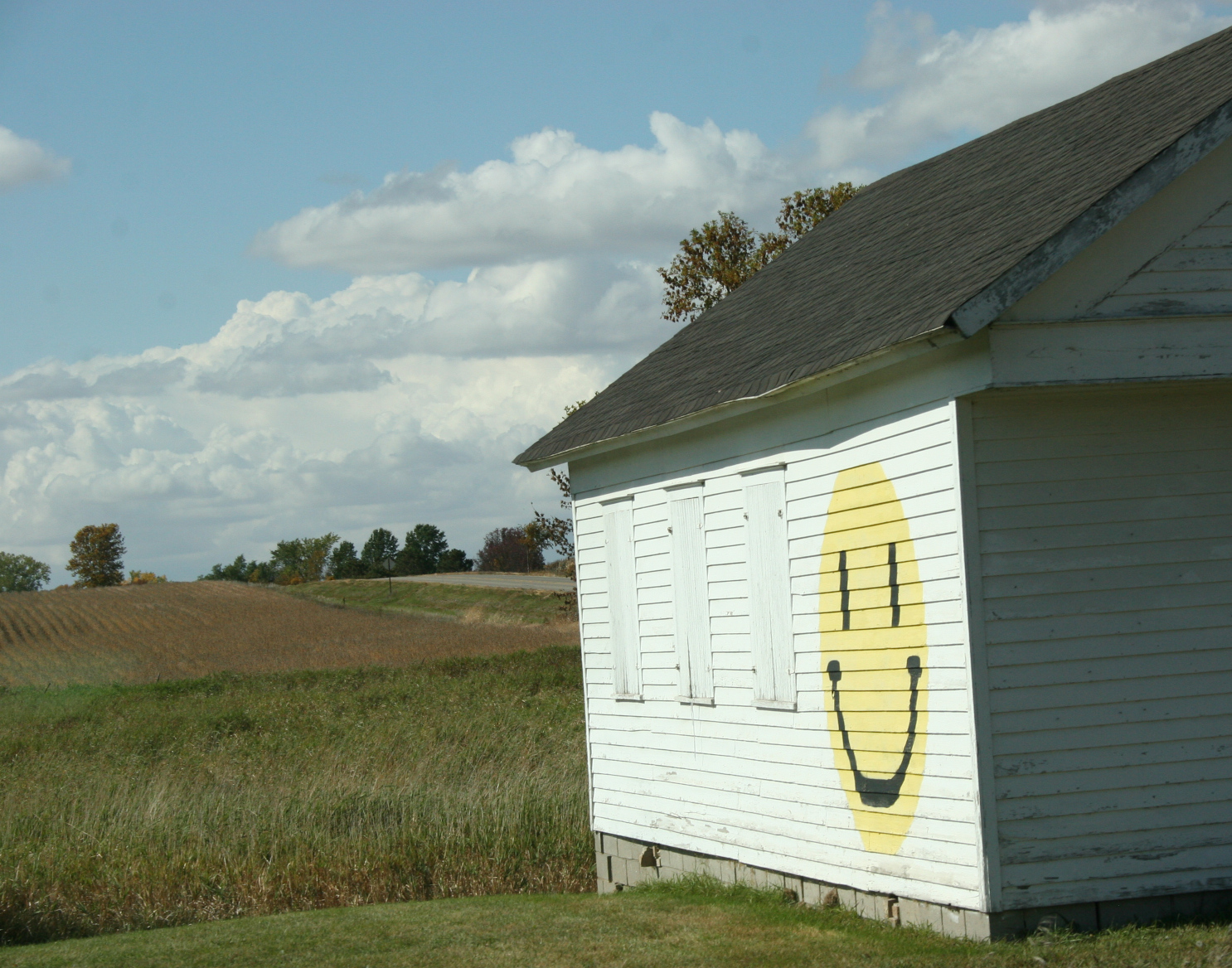
A smiley face has long graced this building near Roberds Lake, rural Faribault. (Minnesota Prairie Roots copyrighted file photo)

But I have read, and appreciate, the many get well cards I’ve received, including one from my cousin Diane. It’s sunny yellow with smiley face art. Simply reading the words and seeing all those printed smiley faces make me smile and laugh aloud at some of the statements (like turning cartwheels) in this “The Healing Power of the Smiley Face” themed card. And, bonus, I’ve always loved smiley faces and once had a vivid yellow smiley face bulletin board hanging in my lime green basement bedroom with candy striped carpet. Ah, sweet memories of teenage years…

“Tranquil Garden Bouquet” had me smiling broadly Thursday afternoon. (Photo credit: Randy Helbling)

I must sidetrack here for a moment to share that my dear family of three adult children, two sons-in-law and two grandchildren sent me the most stunning flowers Thursday afternoon. I cannot begin to tell you how much that bouquet and the enclosed message lifted my spirits. I felt as if a million smiley faces were floating in a thought balloon around my head.

I felt the same late Saturday afternoon after a visit from dear friends Tammy and Billie Jo. I haven’t seen Tammy in several years; she and her family moved to northwestern Minnesota. When Tammy walked in the kitchen door, we embraced in a fierce hug. And I realized just how much I’ve missed her. I nearly cried at the joy of seeing her again. And so the three of us talked and laughed and talked and laughed and talked and laughed. Laughter heals.

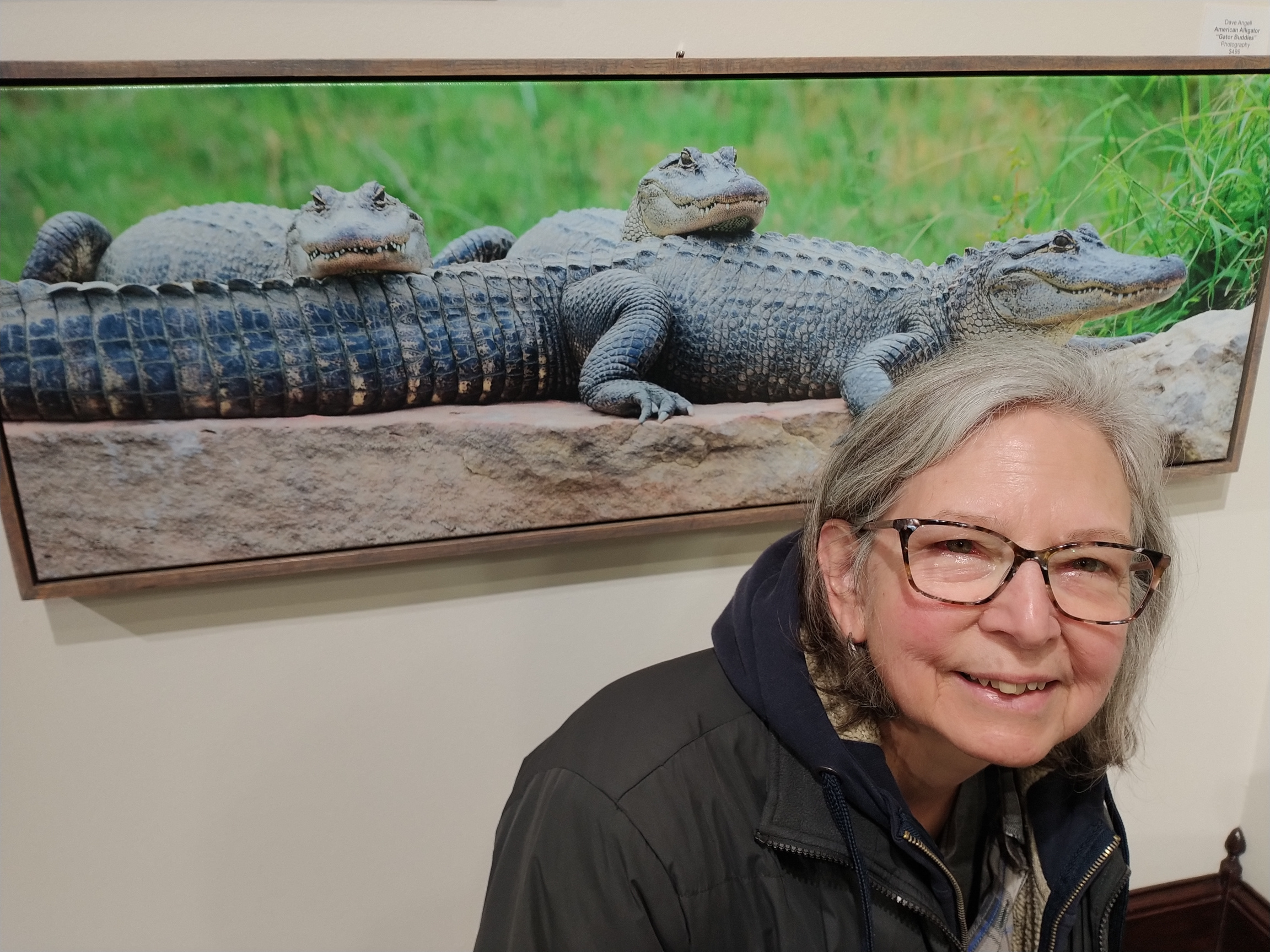
Me, five days after eye surgery, posing in front of Dave Angell’s photo of alligators in Africa. (Photo credit: Randy Helbling)

My grandkids often make me laugh with their observations. Isaac, 5, didn’t let Grandma down after I texted a photo to his mom, my eldest daughter Amber, on Saturday. The day prior, Amber sent an image of Isaac outside the crocodile exhibit at the Minnesota Zoo. So when Randy and I viewed an exhibit by Faribault wildlife photographer Dave Angell at the Paradise Center for the Arts Saturday morning, I knew I needed a photo of me with Angell’s photo of alligators in the wilds of Africa. (Angell’s one gifted photographer.)

Isaac was not impressed by my efforts. “Those aren’t real!” he told his mom. I read his response and laughed aloud. Laughter heals. Oh, yes, it does.

© Copyright 2024 Audrey Kletscher Helbling


A post eye surgery update January 24, 2024

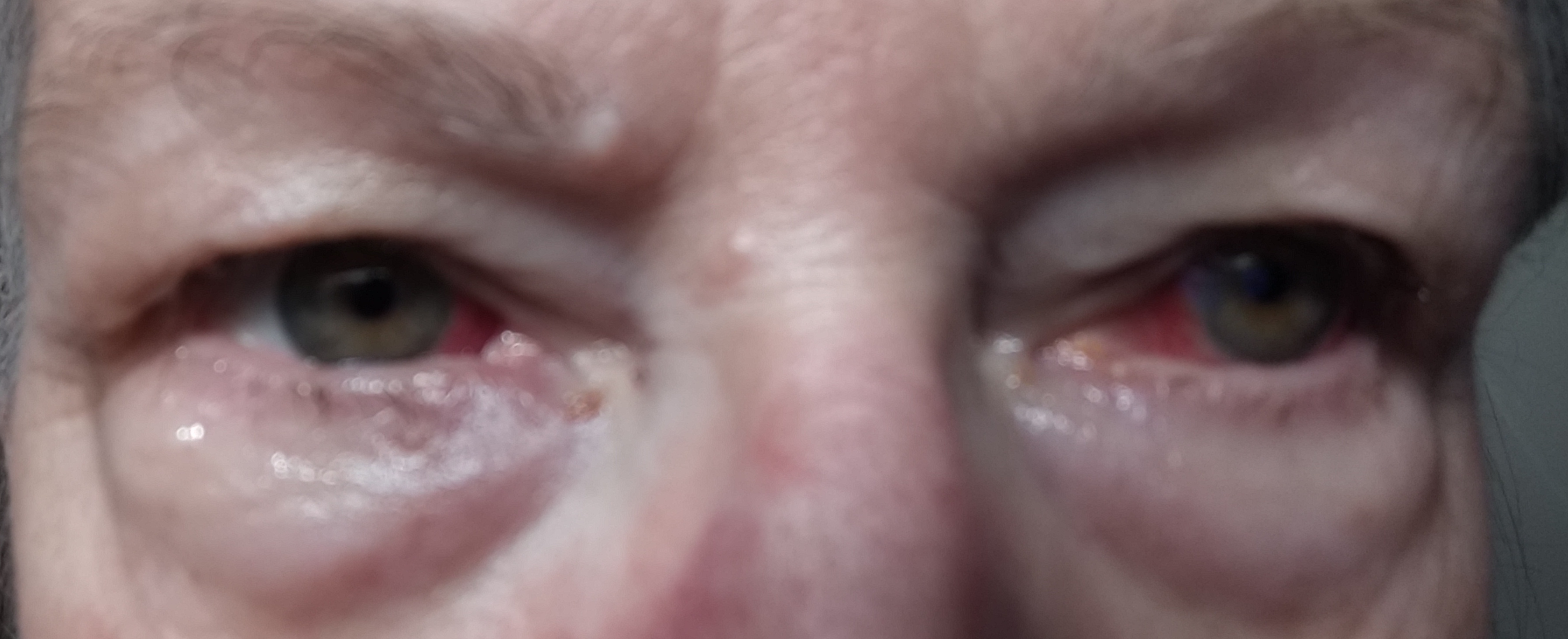
Not a good photo at all…but this gives you an idea of what my eyes look like. Randy took this pic Tuesday afternoon. (Minnesota Prairie Roots copyrighted photo January 2024)

TWO DAYS OUT from bilateral strabismus eye surgery at M Health Fairview Surgery Center at the University of Minnesota in Minneapolis, I am looking less Frankenstein’s monster than I did. Not that I look exactly like the fictional monster created by Dr. Victor Frankenstein in Mary Shelley’s novel. But I feel like I appear as ghoulish with my red, fluid-leaking eyes.

All humor aside, surgery to correct my eye misalignment went well. Neuro ophthalmologist Dr. Collin McClelland and his team performed the 1 ½-hour surgery on both eyes Monday morning with adjustable sutures stitched in my left eye. Post surgery, Dr. McClelland pulled the left eye stitches to tweak the alignment before tying them off. Yes, I was awake. Yes, it was painful.

On surgery day, the surgeon was pleased with results. Healing, time and my brain adjusting to my new vision will determine the final outcome. But I am optimistic that my double vision will be mostly, or totally, eliminated.

In the meantime, I’ve dealt with pain managed by over-the-counter meds and have tried to rest my eyes. For someone who likes to read and write, it’s a challenge to limit both. But when my eyes hurt, I’m relieved to shut them.

Finally, last night, I slept well. Each day brings improvement. Less pain. Less blood and fluid seeping from my eyes. Healing takes time and patience.

Randy has been a great support along with serving as resident nurse and pharmacist. He squeezes ointment into my eyes thrice daily to prevent infection. I struggle with putting anything in my eyes and would likely misjudge and stab my eyes with the ointment tube. I can’t have that happening.

Occasional blurry vision and double vision, especially upon awakening in the morning, continue. My eyes feel gritty. This is not unexpected. My eyes have been through a lot of trauma with this surgery. The surgeon found extensive scarring in both eyes from this same surgery done in 1960 by Dr. Theodore Fritsche in New Ulm. Dr. Fritsche’s corrective repair of my misaligned four-year-old eyes lasted 60-plus years. If my new surgeon’s work lasts that long, I will be good to go.

Onward.

#

FYI: I will continue to limit my screen time as I recover. But feel free to leave comments because I will read them at some point. I likely will not reply, though. I appreciate all of the support, encouragement and prayers from you, my dear dear readers. Thank you.

Once I’m feeling better and am able to write more, I will share more about my surgery day experience. I assuredly have stories to tell (once a journalist, always a journalist) from my time at M Health Fairview, where I received excellent and compassionate care.

© Copyright 2024 Audrey Kletscher Helbling