Minnesota Prairie Roots

Writing and photography by Audrey Kletscher Helbling

Remembering the Holocaust January 29, 2023

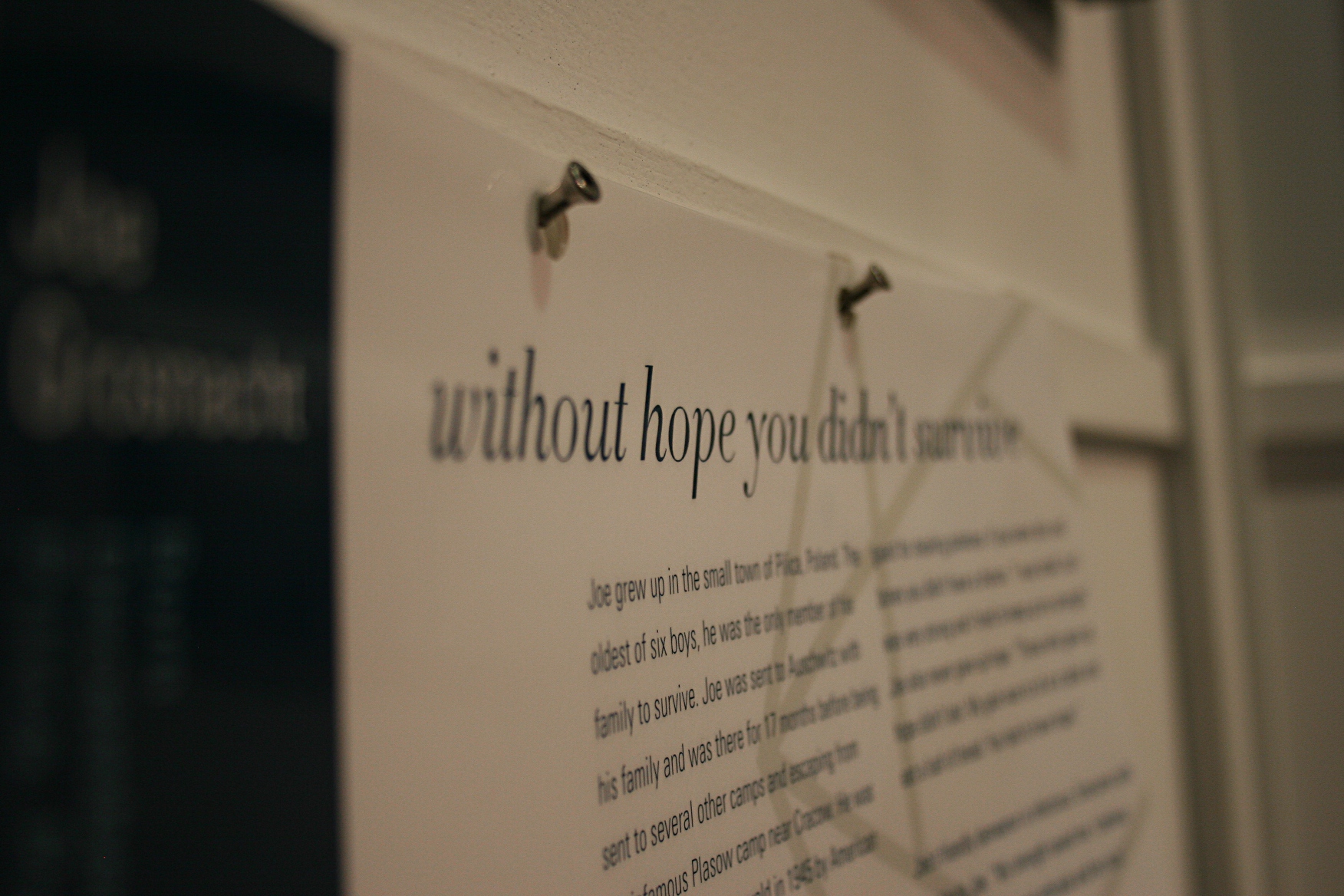
A quote and story in “Transfer of Memory.” (Minnesota Prairie Roots copyrighted file photo June 2014)

Without hope you didn’t survive…

I photographed that quote in the summer of 2014 while viewing a traveling exhibit on the Holocaust, “Transfer of Memory,” at the Steele County History Center in Owatonna. The singular summary word hope themes portraits and accompanying stories of Minnesota Holocaust survivors.
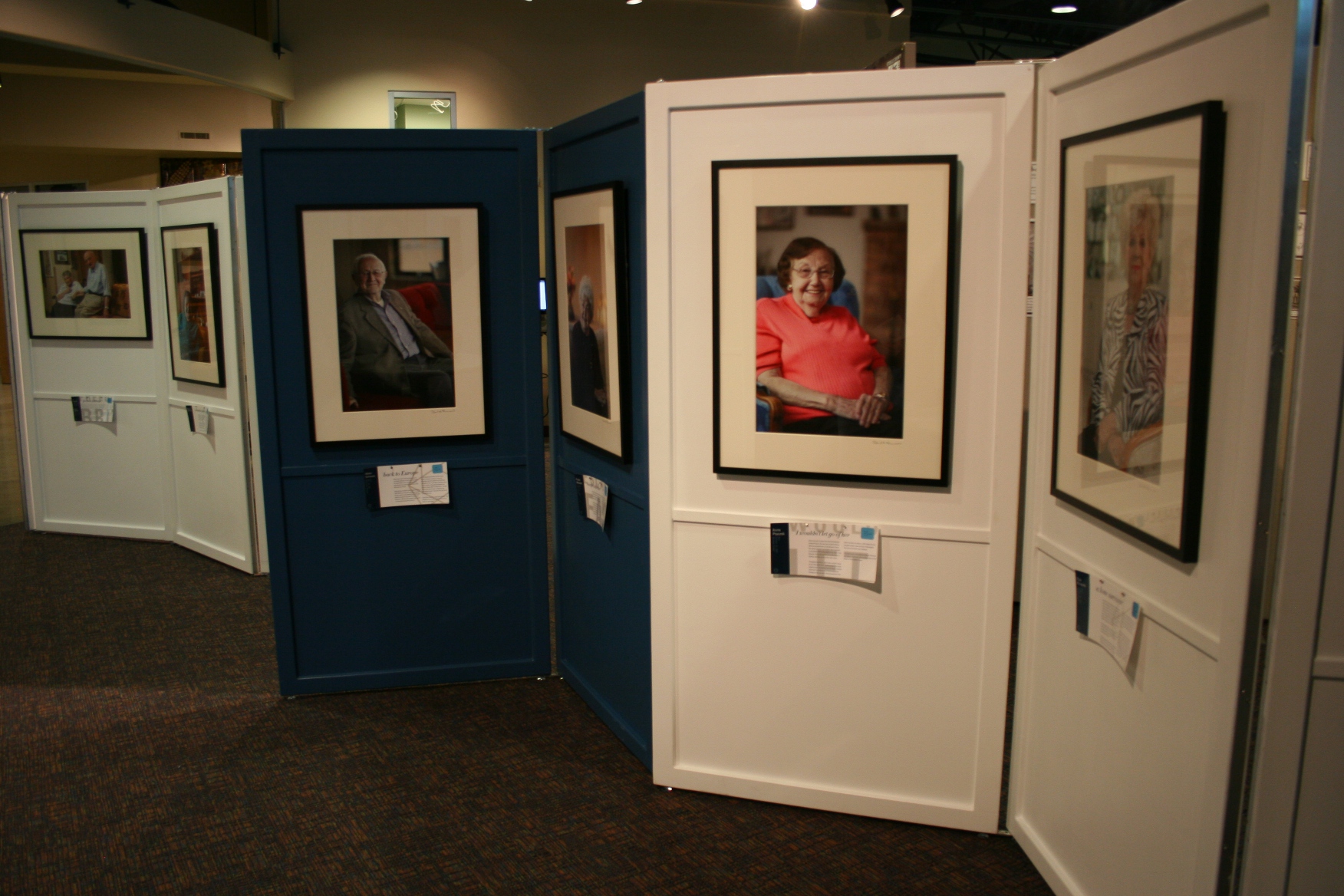
Panels showcase portraits and stories in “Transfer of Memory.” (Minnesota Prairie Roots copyrighted file photo June 2014)

“Transfer of Memory” was, and remains, one of the most powerful exhibits I’ve ever viewed. It is the personal stories, paired with portraits, which imprinted upon my heart and spirit the utter brutality, the unfathomable cruelty of the Nazis against Jewish people.

Today, just days after International Holocaust Remembrance Day on January 27, the date in 1945 marking the liberation of Auschwitz-Birkenau, the Nazi’s largest killing center and concentration camp, I am reminded of the survivors featured in that traveling exhibit.

I am reminded, too, of the 6 million Jewish victims of the Holocaust. Six. Million.
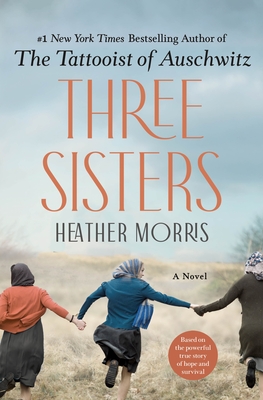
Cover image from Goodreads

Recently, I read three books of historical fiction about young men and women imprisoned in concentration camps. These books by Heather MorrisThe Tatooist of Auschwitz, Cilka’s Journey and Three Sisters—are difficult to read. Heart-rending. Awful. Yet, with that underlying theme of hope accompanied by incredible strength. Like the “Transfer of Memory” exhibit, they imprinted upon my heart and spirit the utter brutality and unfathomable cruelty of humankind.

When I read of current day antisemitism and hatred directed towards other individuals because of their skin color, ethnicity, religion, etc., I find myself wondering, “Why?”

#

FYI: Click here to learn more about the Jewish Community Relations Council of Minnesota and the Dakotas and its “Transfer of Memory” exhibit. Please consider bringing this exhibit to your community. Click here to read my 2014 post about the exhibit in Owatonna.

“Transfer of Memory” is currently on exhibit in Jones Commons at Plymouth Congregational Church in Minneapolis until February 28. Special events are also planned. A forum with a Holocaust survivor is set for 10 am Sunday, February 12. And at 4 pm Sunday, February 26, Janet Horvath performs on her cello and celebrates the release of her memoir, The Cello Still Sings: A Generational Story of the Holocaust and of the Transformative Power of Music. Click here for more information about the exhibit and events at Plymouth Congregational.

© Copyright 2023 Audrey Kletscher Helbling


Strength & hope October 14, 2022

The Straight River roils by at the dam in Owatonna. I see struggles. I see strength. (Minnesota Prairie Roots copyrighted file photo)

WHAT’S YOUR DEFINITION of strength? Whom do you consider strong? Have you faced a challenge, or multiple challenges, in life that required strength? While our answers vary, especially on the third question, I expect threads of commonality in responses.

Strength, from my perspective, is about fortitude and endurance. It’s about somehow finding the ability to face a challenge, to persevere, to come out on the other side with a renewed sense of personal power. Not power in the sense of control, but power that reaffirms one’s ability to deal with whatever life throws at us.

We all have something, right? Financial hardships. Health issues. Loss. Pain. Family members who are struggling. But, admittedly, when we are in the middle of a lot, it can sometimes feel like we are alone, that others live perfect lives unencumbered by issues that drain, stress and, yes, sometimes overwhelm. Nothing could be further from the truth. I repeat: We all have something, whether individually or within our families. We are not alone.

(Cover image from Goodreads)

The novel, Three Sisters by Heather Morris, prompted me to write on the topic of strength. Although fictional, the book is based on a true story about three sisters held in a concentration camp. This is a story of indescribable atrocities witnessed and experienced. This is also a story of irrepressible strength and hope. I encourage you to read this novel and also watch Ken Burns’ newest documentary, “The U.S. and the Holocaust,” which happened to air at the same time I was reading the book. Together, the two were almost too much for me to emotionally take in. It’s a lot to comprehend the inhumanity and cruelty of mankind. Those sent to concentration camps certainly exhibited strength, whether they survived or not.

The iris symbolizes hope. (Minnesota Prairie Roots copyrighted file photo 2021)

In reading Three Sisters, I learned that gladiolus (the flower) signify strength. And the iris, which is part of the glad family, denotes hope. The iris was my mom’s favorite flower. “Hope” is a word I’ve held, and continue to hold, close. “Hope” is not simply a wish. By my definition, it is an active verb that focuses on light shining through darkness. It is a word, too, that envelopes gratitude and believing that things will get better.

I keep this stone on my office desk. (Minnesota Prairie Roots copyrighted file photo)

My name, Audrey, means noble and strong. I wish I’d asked my mom why she chose that name for me, her first-born daughter. I never did, and now she’s gone, but the name fits. I’ve had to be strong many times throughout my life. We all have something, right? Challenges can make us better, more empathetic and compassionate people. That is the good that arises from struggles.

This message refers to struggles with mental illness. (Minnesota Prairie Roots copyrighted file photo)

This week, especially, with World Mental Health Day on October 10, I consider mental health. From anxiety to depression to brain disorders like bi-polar and schizophrenia, these are undeniably hard diagnoses which require incredible strength to face. Simply getting up in the morning, functioning, can prove difficult. There are no cures. No quick fixes. Medication can manage, therapy can help. And even though we are getting better at recognizing and understanding, stigma remains. We can do better at supporting, encouraging, helping. We need more mental health professionals to meet the growing demand for mental health care.

Strength. Hope. Those two words inspire and uplift. Gladiolus and iris. Those two flowers represent the same. From the pages of a novel about three Holocaust survivors to my name to life experiences, I understand what it means to be strong, to feel hope.

TELL ME: I’d like to hear your thoughts on strength and hope.

© Copyright 2022 Audrey Kletscher Helbling