Minnesota Prairie Roots

Writing and photography by Audrey Kletscher Helbling

In Faribault: A sweet moment of American patriotism July 21, 2013

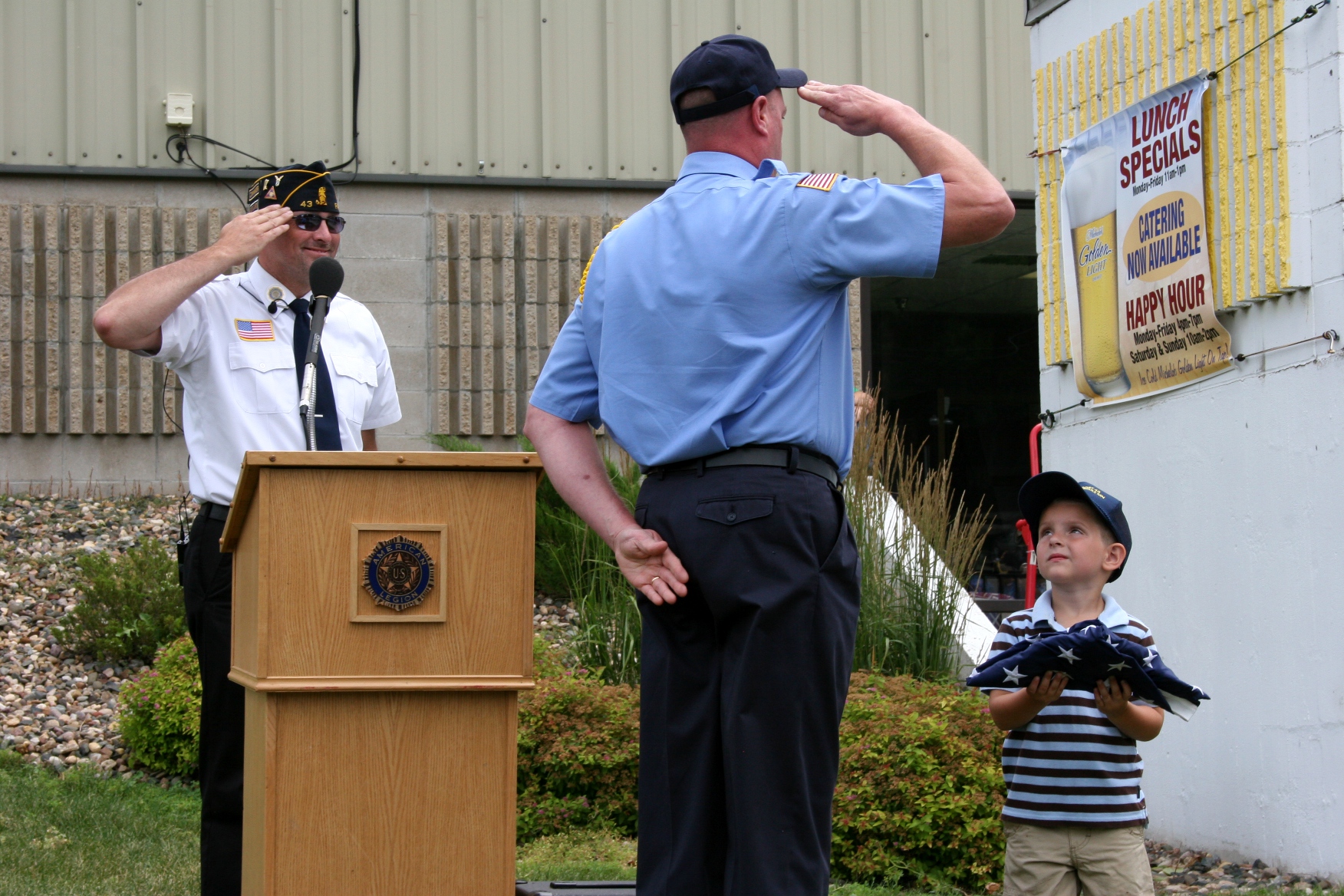
IT’S ONE OF THOSE SWEET MOMENTS which, as a photographer, you hope to capture.

Sunday afternoon, standing outside American Legion Post 43 in Faribault, at the once-a-month event to change out the Post’s American flag, honor a local military family and remember the American service members who have lost their lives in the past 30 days, I caught that moment.

Carter Quinlan, 4 ½, of Faribault, had just accepted the Post’s retired U.S. flag in honor of his father, Derek, a member of the Air Force Reserves; his uncle, Travis Quinlan, with the Minnesota National Guard; and his grandfather, Mark Quinlan, who served with the U.S. Navy and Air Force, when I snapped this photo:

Flag presentation

The look of awe and respect on Carter’s face is one we should all emulate. To show this level of respect for those who serve and for the American flag at such a young age is remarkable. Truly remarkable.

You can see the delight in Legion Post Commander Kirk Mansfield’s face. Carter did this Gulf War veteran proud, as he did all of us who appreciate our veterans and value our freedom.

FYI: Please watch for more photos from this event and from the dedication of a private veterans’ memorial along Roberds Lake, rural Faribault.

© Copyright 2013 Audrey Kletscher Helbling


Montgomery, Part IV: The unique way this Minnesota town honors its veterans, plus a haven for some March 7, 2013

NEARLY EVERY COMMUNITY, from the smallest to the largest, has a veterans’ memorial. And that is good, for honoring those who have served our country is worthy.

Often, though, these memorials are costly. So individual bricks or pavers are sold, fundraisers held, donations solicited to cover expenses. This, too is admirable, to garner that personal and community involvement, support and ownership.

But sometimes it is the simplest idea, the one that does not cost a great deal of money, which most impresses.
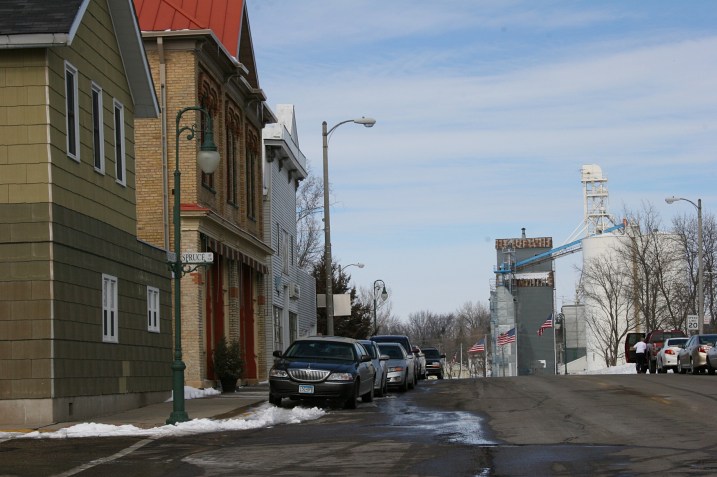
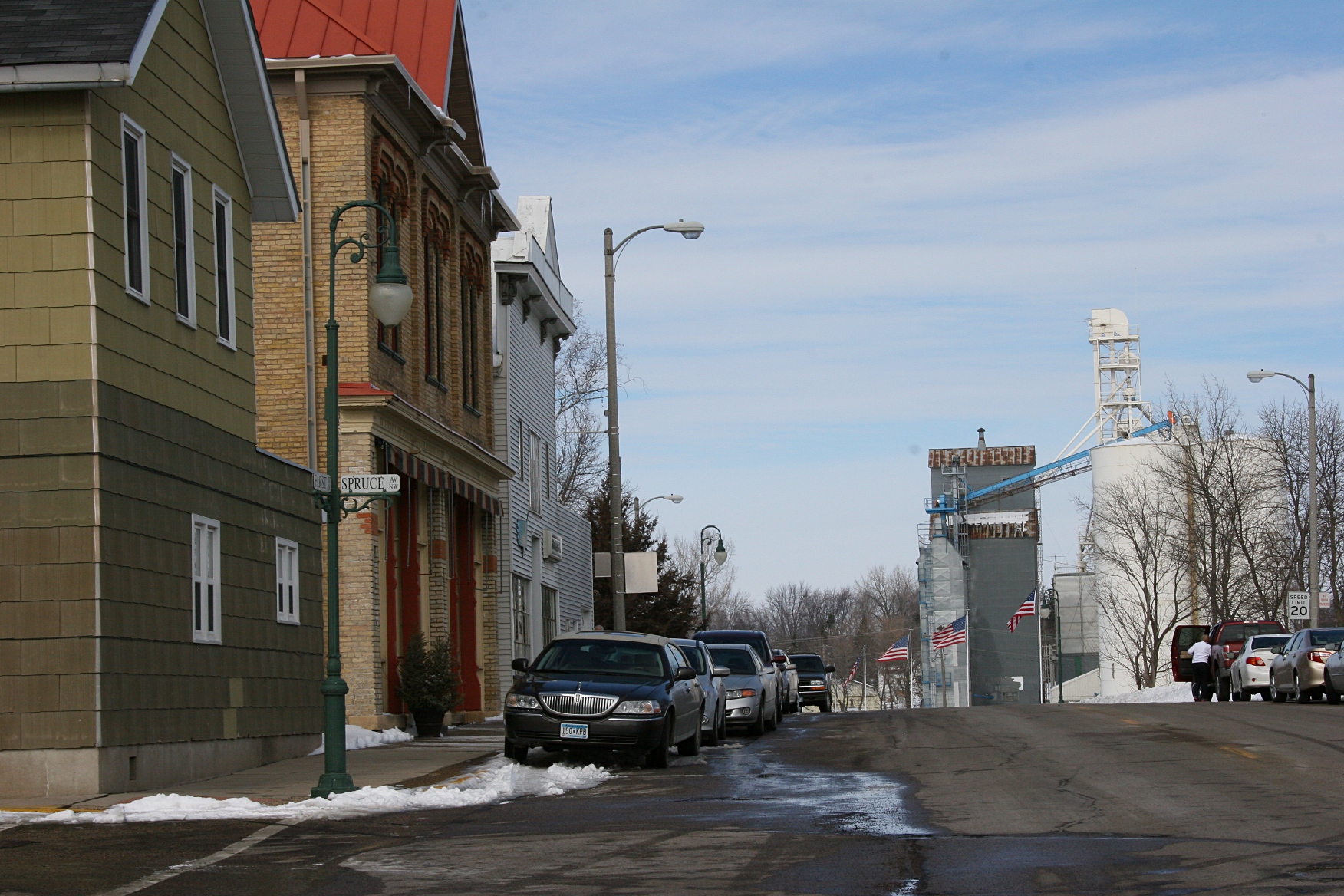
Patriotism is evident in downtown Montgomery.

Patriotism is evident in downtown Montgomery.

In Montgomery, Minnesota, you will find Veteran’s Memorial Park with its soldier and eagle statues, granite monument, inscribed brick pavers, park benches, flags and more.
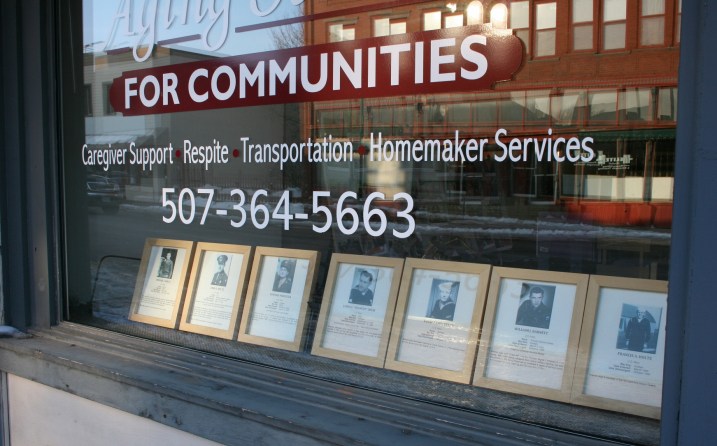
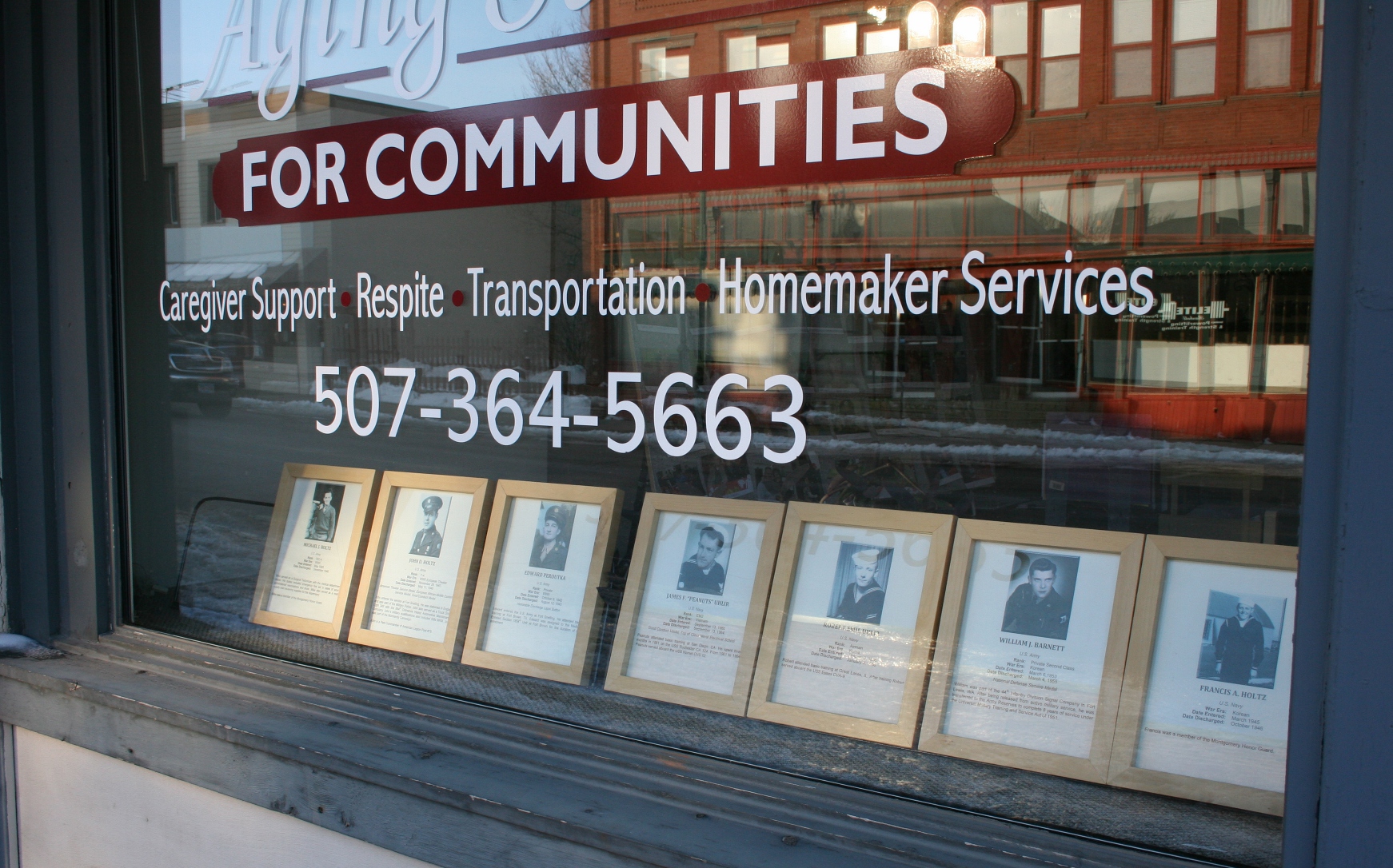
Veterans' photos and information in the window of Aging Services.

Veterans’ photos and information in the window of Aging Services.

But you will also find, in the vet’s park and primarily in the heart of downtown, the photos and stories of Montgomery’s veterans printed, framed and showcased.

It is a simple, but deeply personal and moving, way to honor hometown men and women who have served in the military.
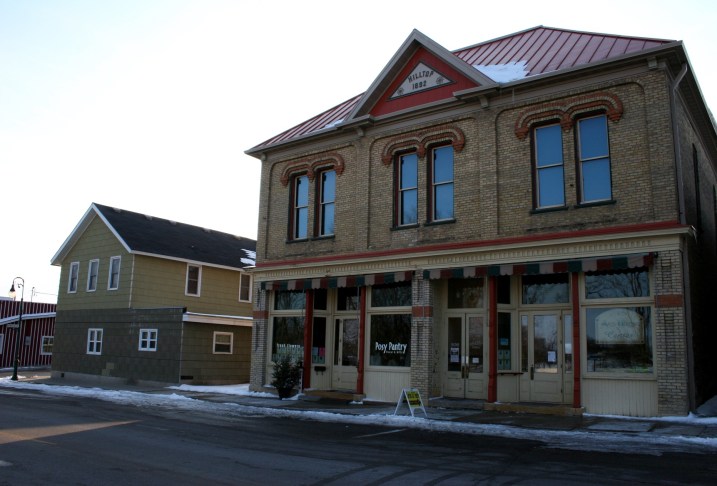
If you look closely, you can see the veterans' tributes in the lower windows of Hilltop Hall.

If you look closely, you can see the veterans’ tributes in the lower windows of Hilltop Hall.

I happened upon the Montgomery Veteran’s Project on a recent Sunday afternoon visit to see Curtain Call Theatre’s performance of “On Golden Pond” at historic Hilltop Hall. (Click here to read a previous post about Hilltop.) On Hilltop’s lower level, in the windows of Posy Pantry and the Montgomery Arts & Heritage Center, I first noticed the framed veterans’ tributes.
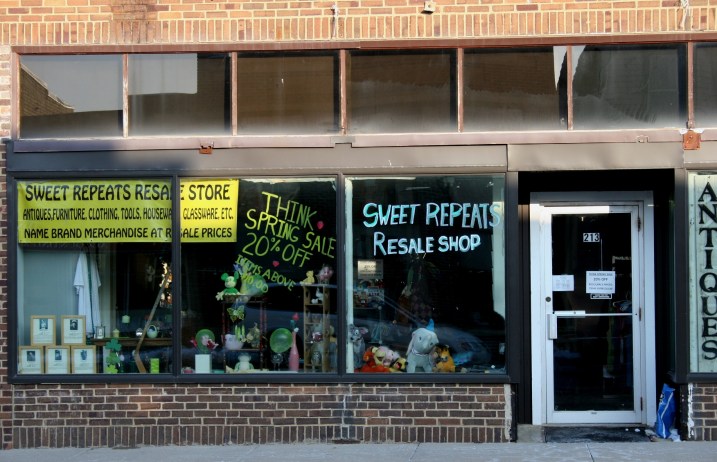
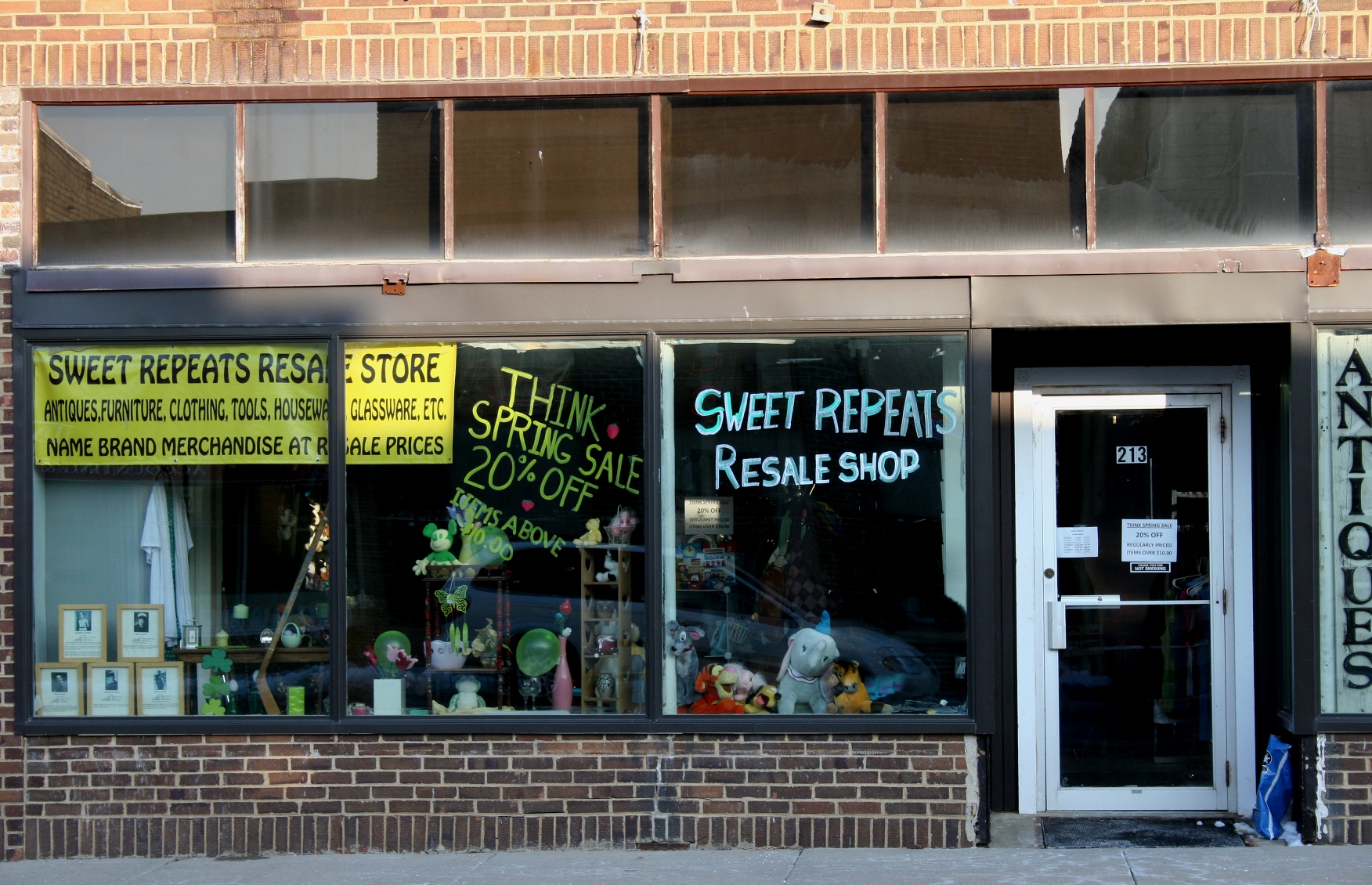
In the lower left corne you can see veterans' tributes in the window of Sweet Repeats Resale Shop.

In the lower left corner you can see veterans’ tributes in the window of Sweet Repeats Resale Shop.

But not until after the play, on a tour through the downtown, did I realize the scope of this project. Everywhere—from business storefront windows to exterior building walls—I spotted veterans’ photos and information, 279 total.
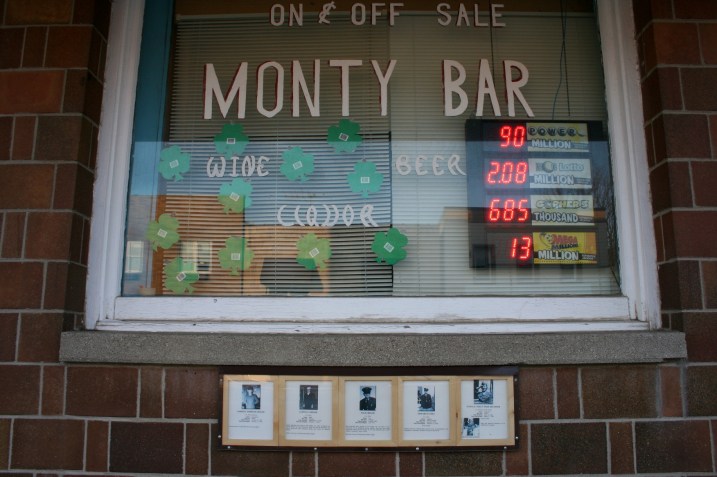
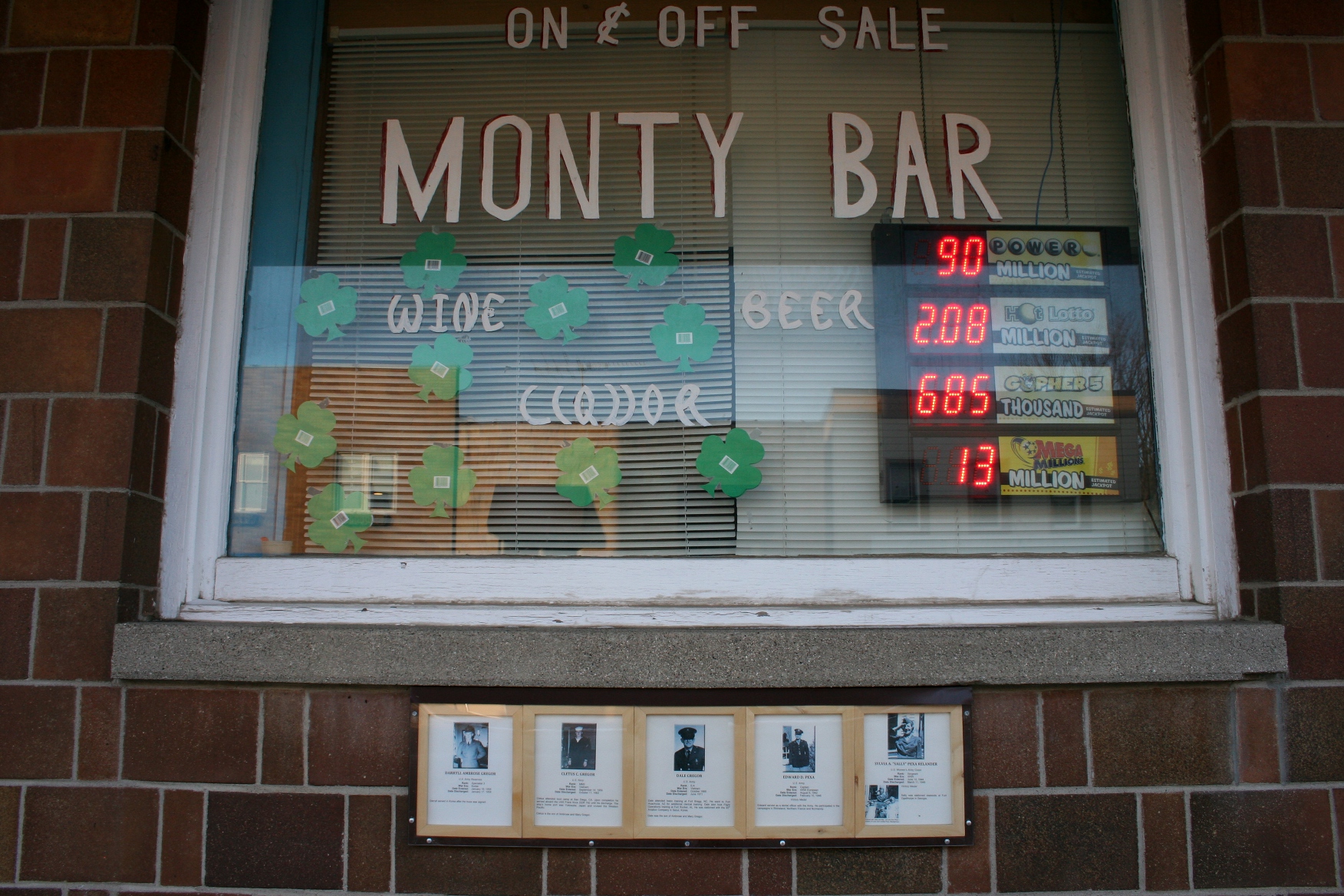
Honoring veterans at the Monty Bar.

Honoring veterans at the Monty Bar.

Framed and secured to the brick wall below a window at the Monty Bar are the pictures and military backgrounds of Cletus C., Dale and Darryll A. Gregor; Edward D. Pexa; and Sylvia A. Pexa Relander.
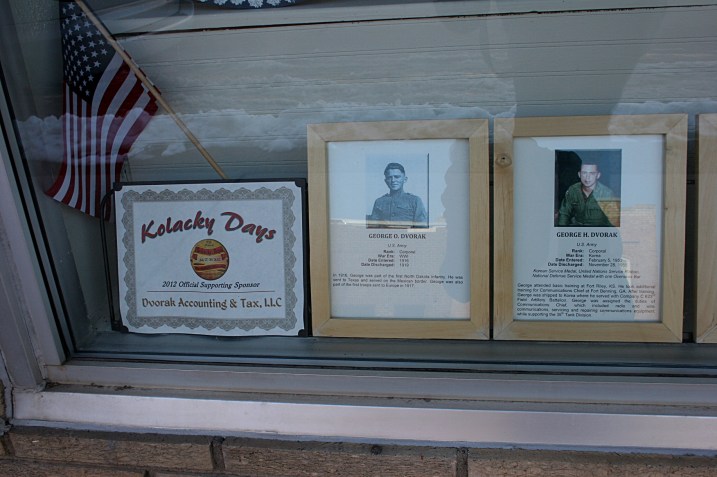
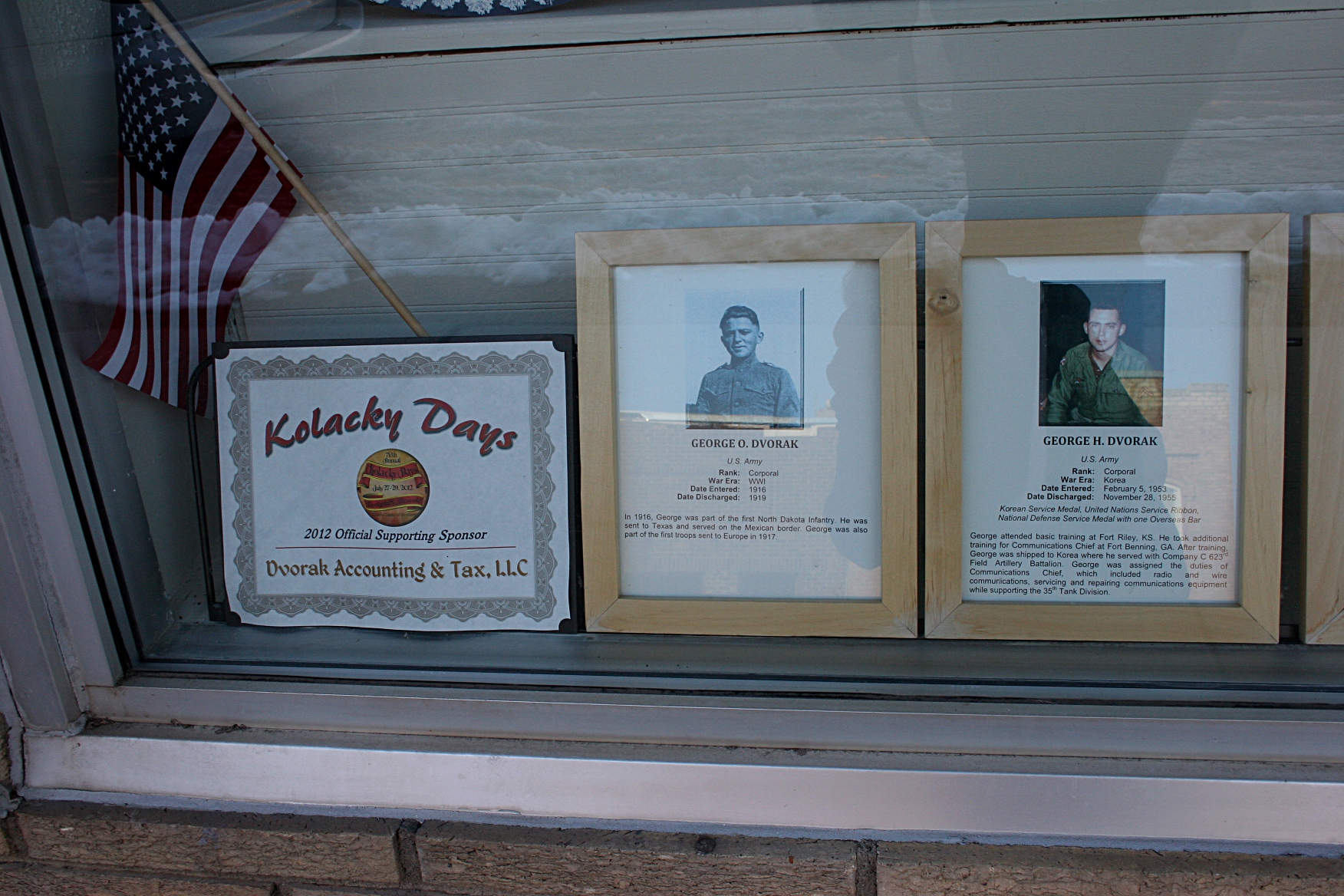
Veterans photos and info posted at Dvorak Accounting & Taxes.

Veterans photos and info posted at Dvorak Accounting & Tax.

Propped against a window at Dvorak Accounting & Tax, framed memorials reveal that George O. Dvorak was among the first troops sent to Europe in 1917. George H. Dvorak serviced communications equipment while supporting the 35th Tank Division in Korea.
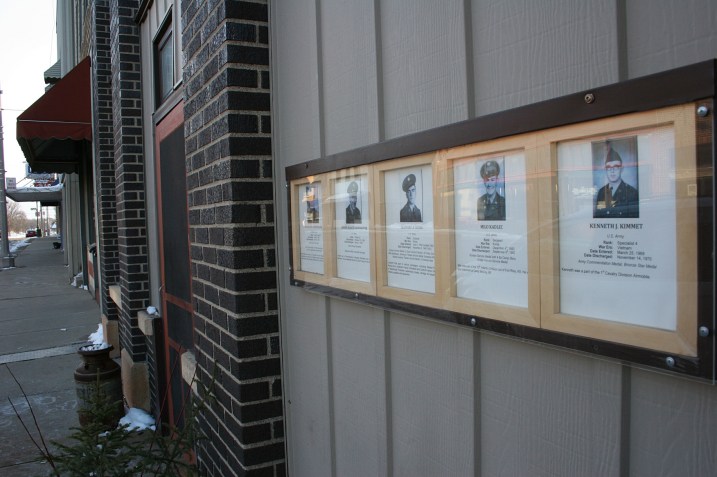
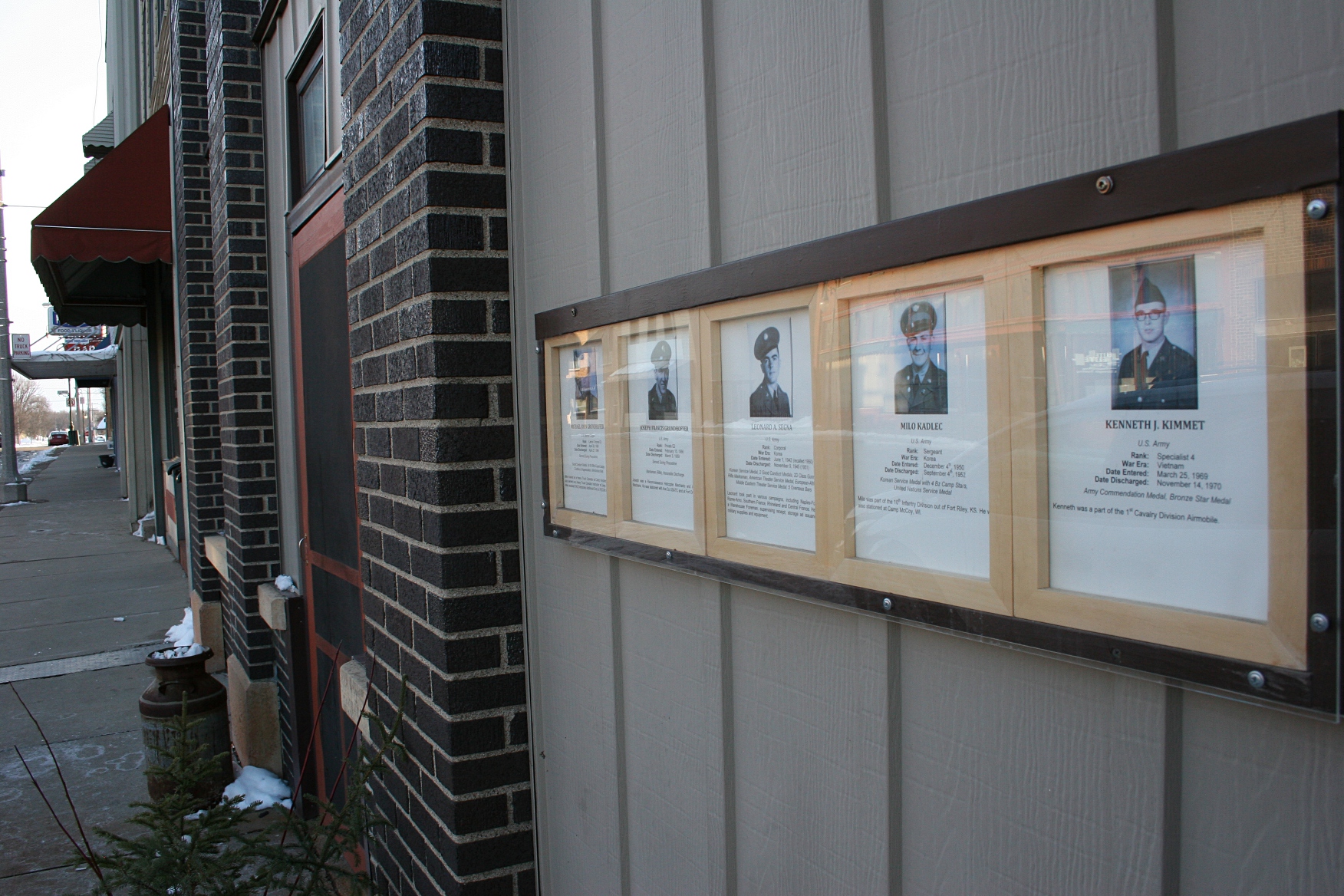
More tributes on the exterior of the Happy Hour Bar.

More tributes on the exterior of the Happy Hour Bar.

Over at the Happy Hour Bar, I learn that Milo Kadlec, part of the 10th Infantry Division, received the Korean Service Medal with four Bronze Stars and the United Nations Service Medal.

To see these photos, to read this information, truly allows me to view these veterans as individuals, as hometown men and women who left rural Minnesota to serve in the U.S. and abroad.
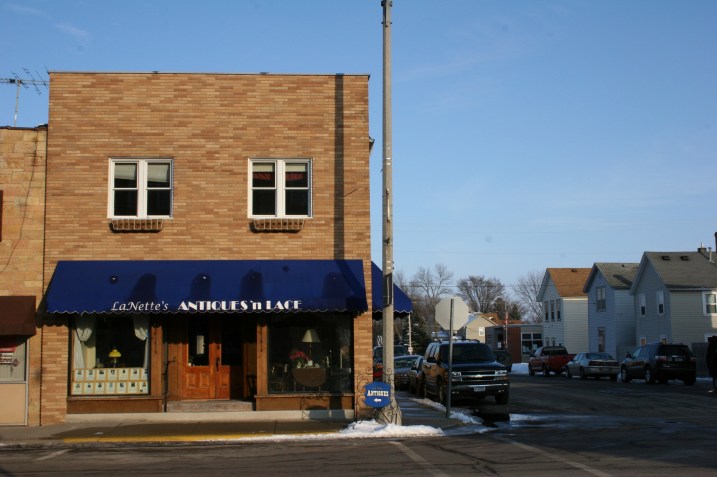
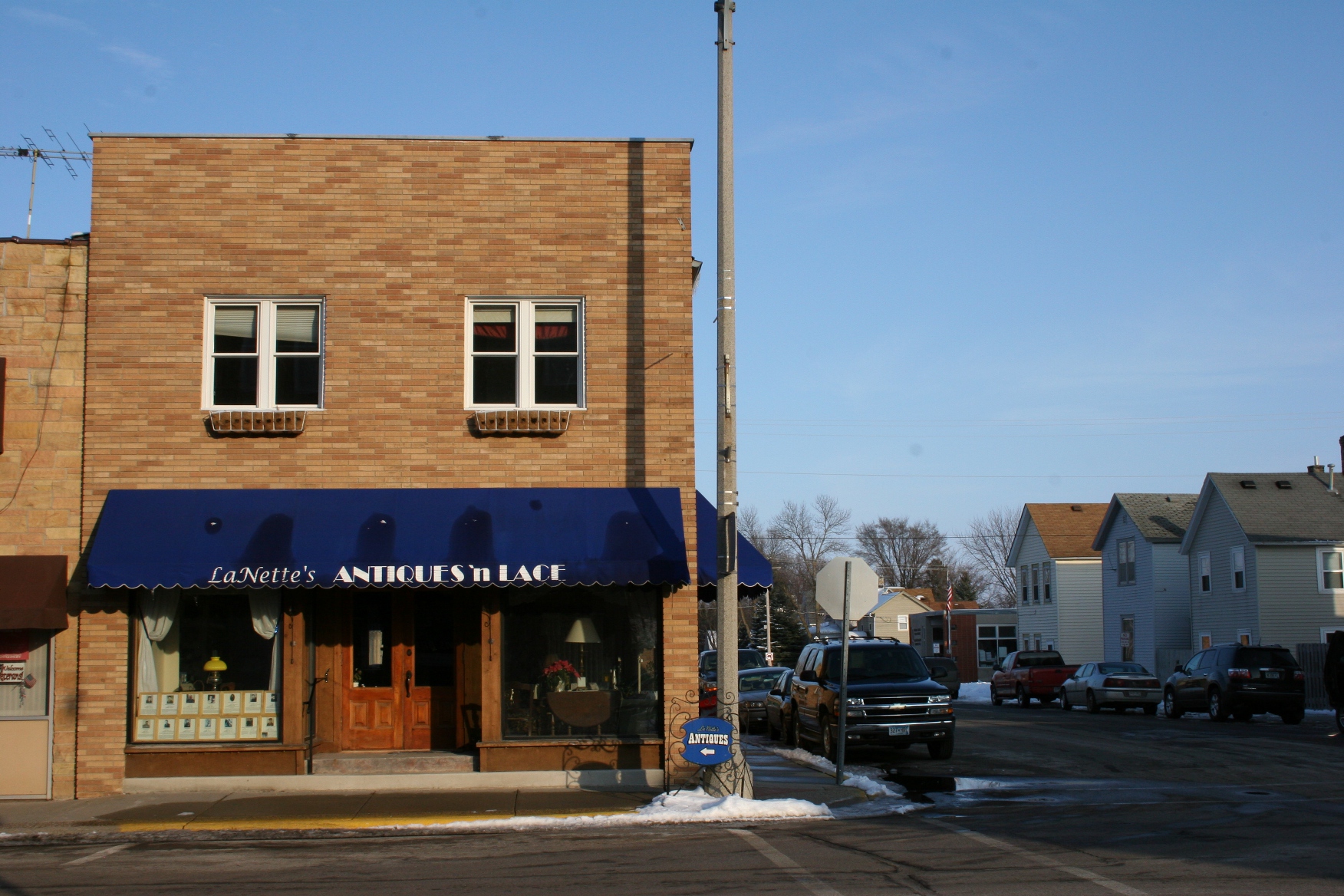
More personal memorials grace the windows of La Nette's Antiques.

More personal memorials grace the windows of La Nette’s Antiques’n Lace.

But how did this project come to be, I wondered. When interviewing Montgomery entrepreneur and Hilltop Hall owner John Grimm, I asked him about the framed veterans photos. Grimm, an Air Force instructor pilot in Texas during the Vietnam War, had seen a similar tribute at a veterans’ memorial in his hometown of Wautoma, Wisconsin, and suggested that Montgomery establish such a personalized memorial. That was nearly three years ago.
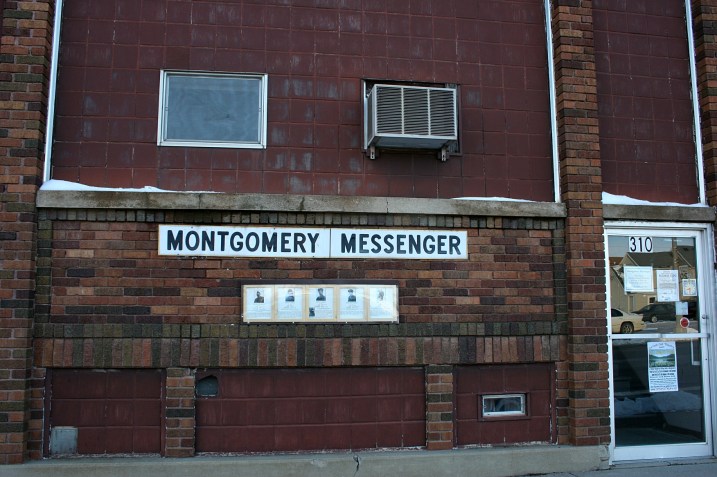
Several vets' photos hang on the exterior of the local newspaper office, The Montgomery Messenger.

Several vets’ photos hang on the exterior of the local newspaper office, The Montgomery Messenger.

Initially coordinated by Mobilize Montgomery, the installation of these individualized memorials is now handled by local American Legion Post 79. For a suggested $25 donation to defray printing, frame and display case costs, families can honor their loved ones via a personalized tribute.

That’s not a lot of money for the front and center memorials embraced by a patriotic community proud of those who served their country.

A portion of the promotional brochure from The Harbor. Courtesy of John Grimm.

A portion of the promotional brochure from The Harbor. Courtesy of John Grimm.

THAT’S NOT ALL. Grimm, who says he has a passion for helping veterans, recently undertook another project aimed at assisting aging veterans and others in need. He bought the former Cottagewood Resort along Minnesota Highway 13 between Montgomery and New Prague last May and has converted it into The Harbor, advertised as “a serene haven for veterans and individuals with unique needs.”

The Harbor features three log cabins and a central facility which can house a total of 14 on the 20-acre wooded, lakeside property.

His goal, Grimm says, is to negotiate individual rental rates based on whatever is reasonable and affordable to the renter and will work for him to keep the haven financially solvent.

This Vietnam War era veteran, who previously operated a Montgomery area assisted living facility, tells of a call he received about a 52-year-old homeless veteran while The Harbor was in the beginning of renovation. He thought about the housing request for awhile and decided if the vet had to choose between living under a bridge and living in a mess, he’d likely choose the mess. Turns out the vet had been a sheetrocker, so he moved into The Harbor in July to help tape and seam sheetrock.

THERE, DEAR READERS, are two feel-good stories from one small Minnesota town, stories I discovered because I took the time to really look at Montgomery, to see the veterans’ tributes, and then to inquire about them. These discoveries await you at every turn. Just slow down, and you will see them, too.

Watch for one more story in my five-part series from this southern Minnesota community.

© Copyright 2013 Audrey Kletscher Helbling


Veterans’ Day: Grief in a shoebox November 11, 2012

IT IS BUT A SINGLE SLIP of paper, creased and yellowing with age. Yet, it is so much more. The words typed thereon, 59 years ago, hold heartache and honor and memories of my soldier father and his buddy.

My father shipped home from Korea into the welcoming arms of family.

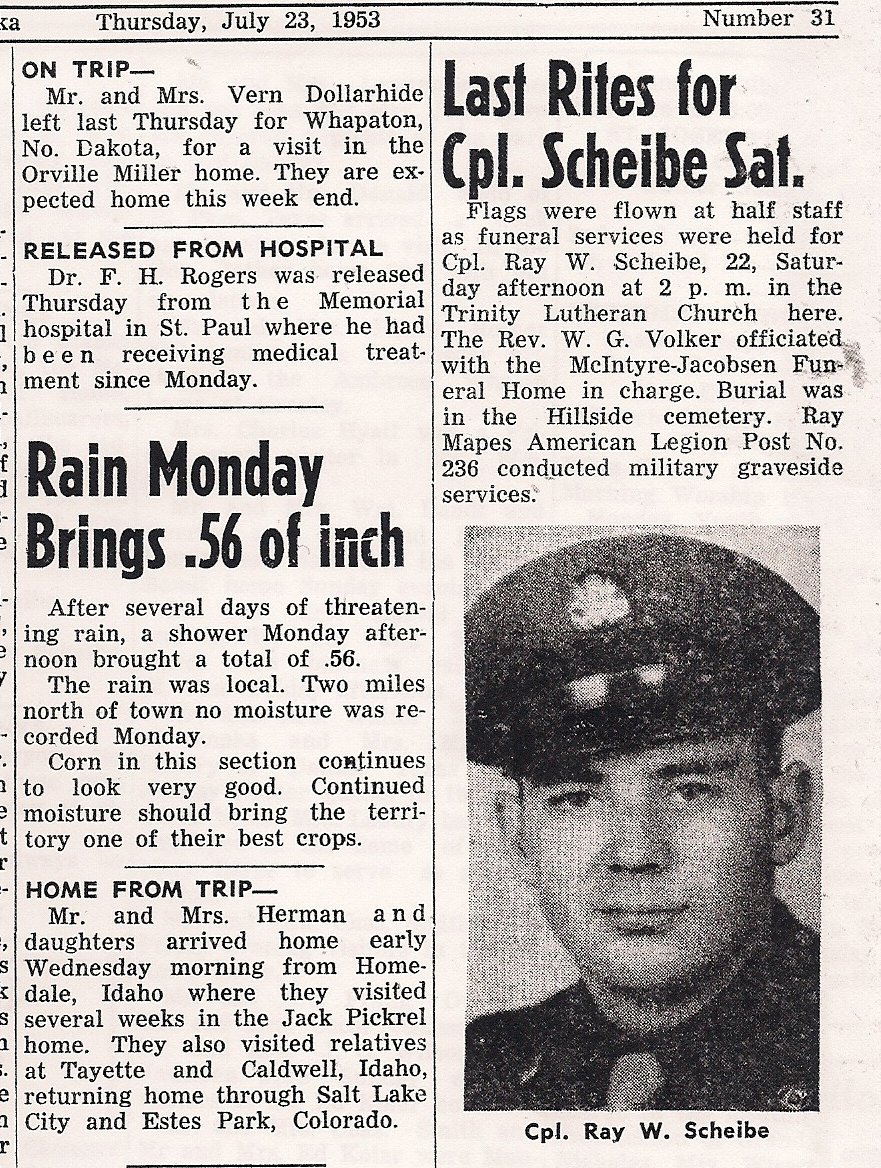
Cpl. Ray W. Scheibe shipped home from Korea in a box, to a grieving family.

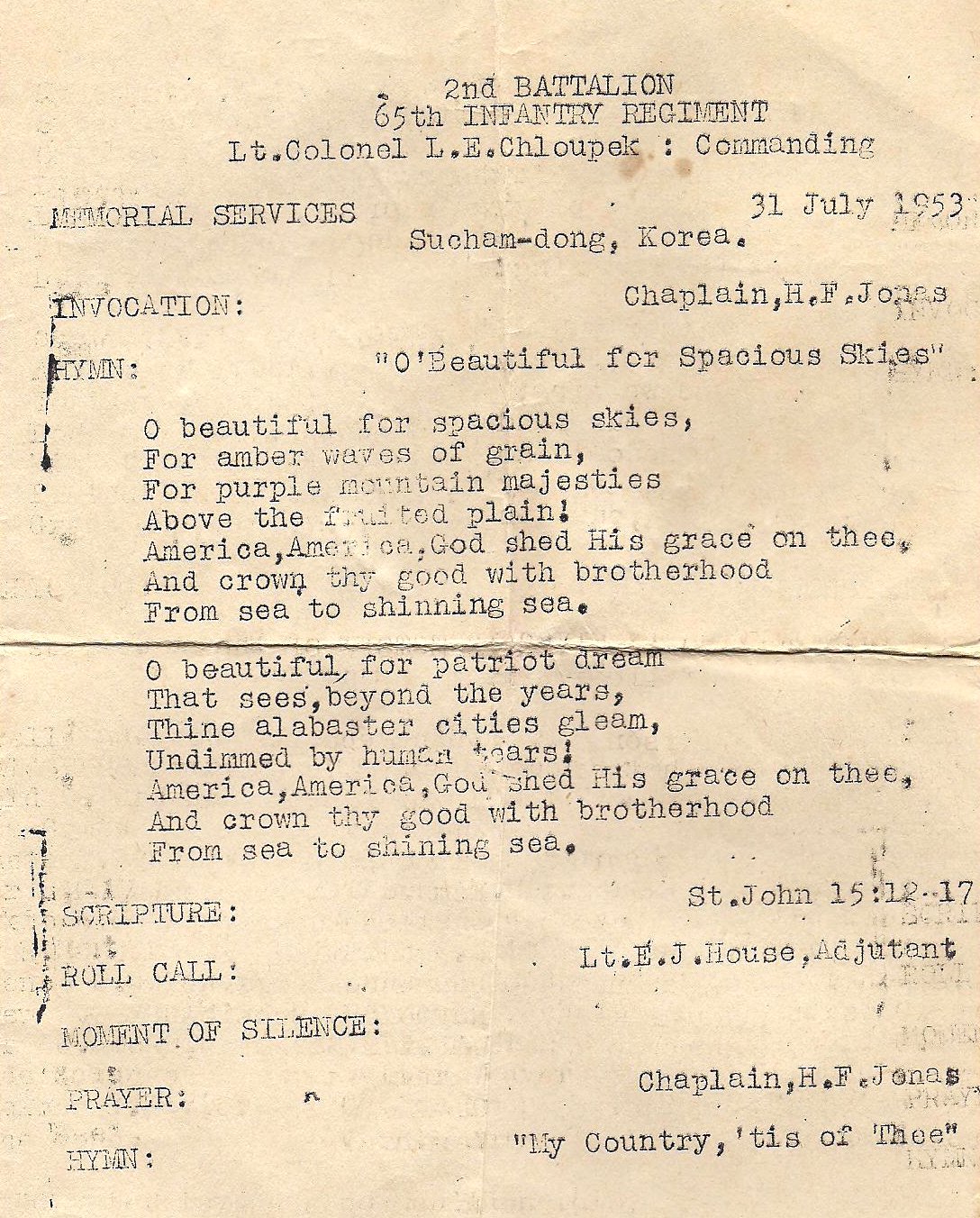
The third section of the memorial service bulletin my soldier dad carried home from Korea.

It’s all there, on that piece of paper, a memorial service bulletin dated July 31, 1953, Sucham-dong, Korea. My father folded that paper into quarters, carried it across the ocean and across the country and back home to southwestern Minnesota and then tucked his grief inside a shoebox.

A story about Cpl. Ray W. Scheibe, published in the July 23, 1953, issue of  his hometown newspaper, The Wolbach Messenger, Wolbach, Nebraska.

Cpl. Ray William Scheibe lost his life in Korea June 2, 1953, when he was hit by a round of mortar fire, according to information received from a buddy. He was a member of an infantry unit and was on patrol duty at the time of his death.—from The Wolbach Messenger, Thursday, July 23, 1953.

Sgt. Elvern Kletscher, my father, witnessed the horrific death of Ray, who was due to ship out the next day. Back in tiny Wolbach, Nebraska, Ray’s wife, Marilyn, and their 3-month-old daughter, Terri Rae, waited.

The memorial service bulletin lists the names of those soldiers who died, including Ray Scheibe.

Greater love has no man than this, that a man lay down his life for his friends. John 15:13—scripture quoted in the memorial service folder dated July 31, 1953, Sucham-dong, Korea.

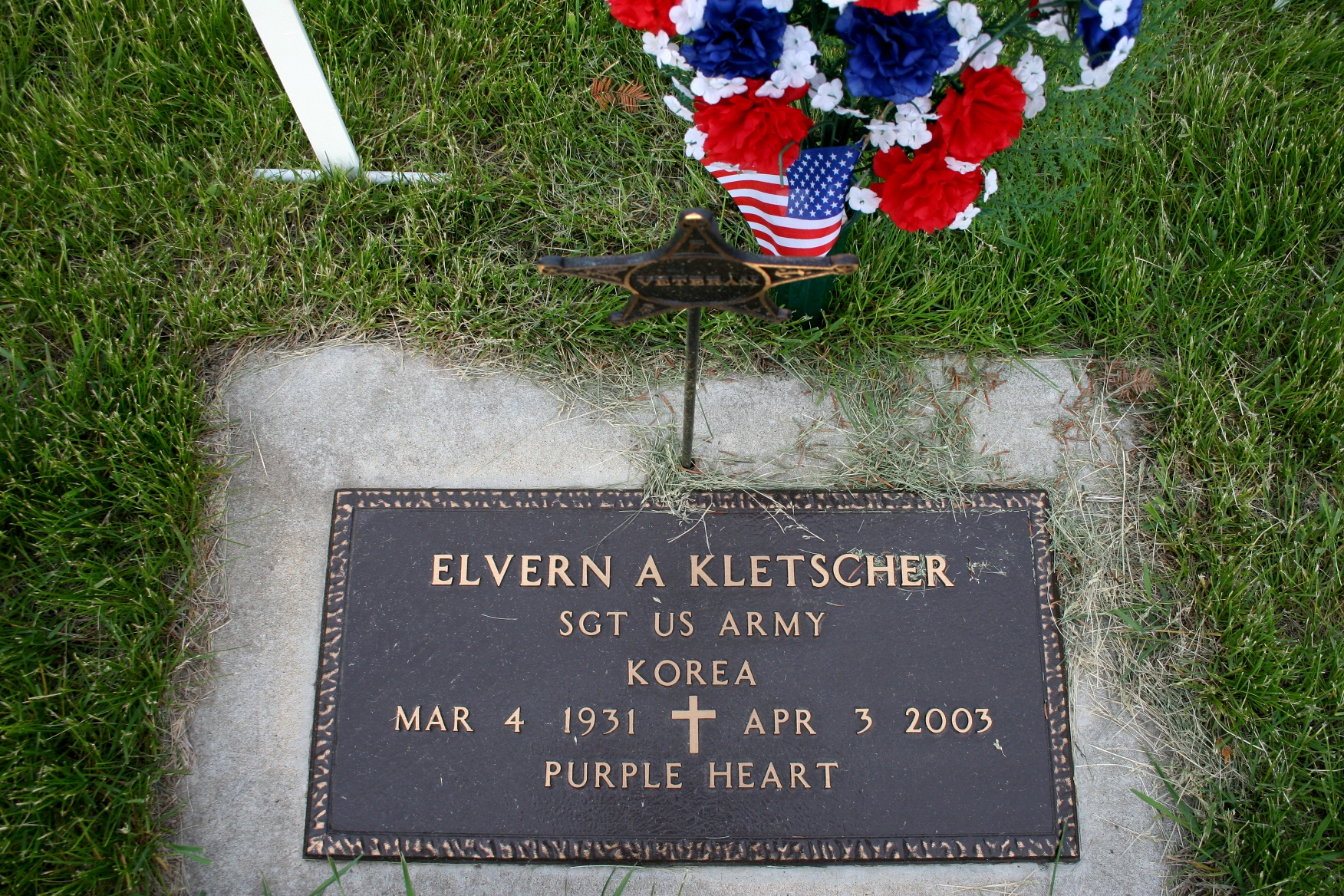
An in-ground marker honors my father, Elvern Kletscher, a Korean War veteran and recipient of the Purple Heart for wounds he suffered at Heartbreak Ridge in Korea. My father did not receive his Purple Heart until 2000.

This Veterans’ Day let us remember, always, those who have served and are serving.

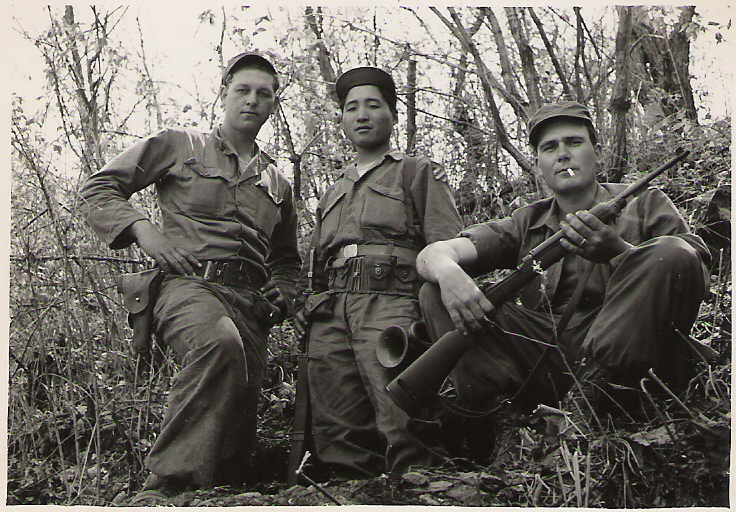
My father, Elvern Kletscher, left, with two of his soldier buddies in Korea.

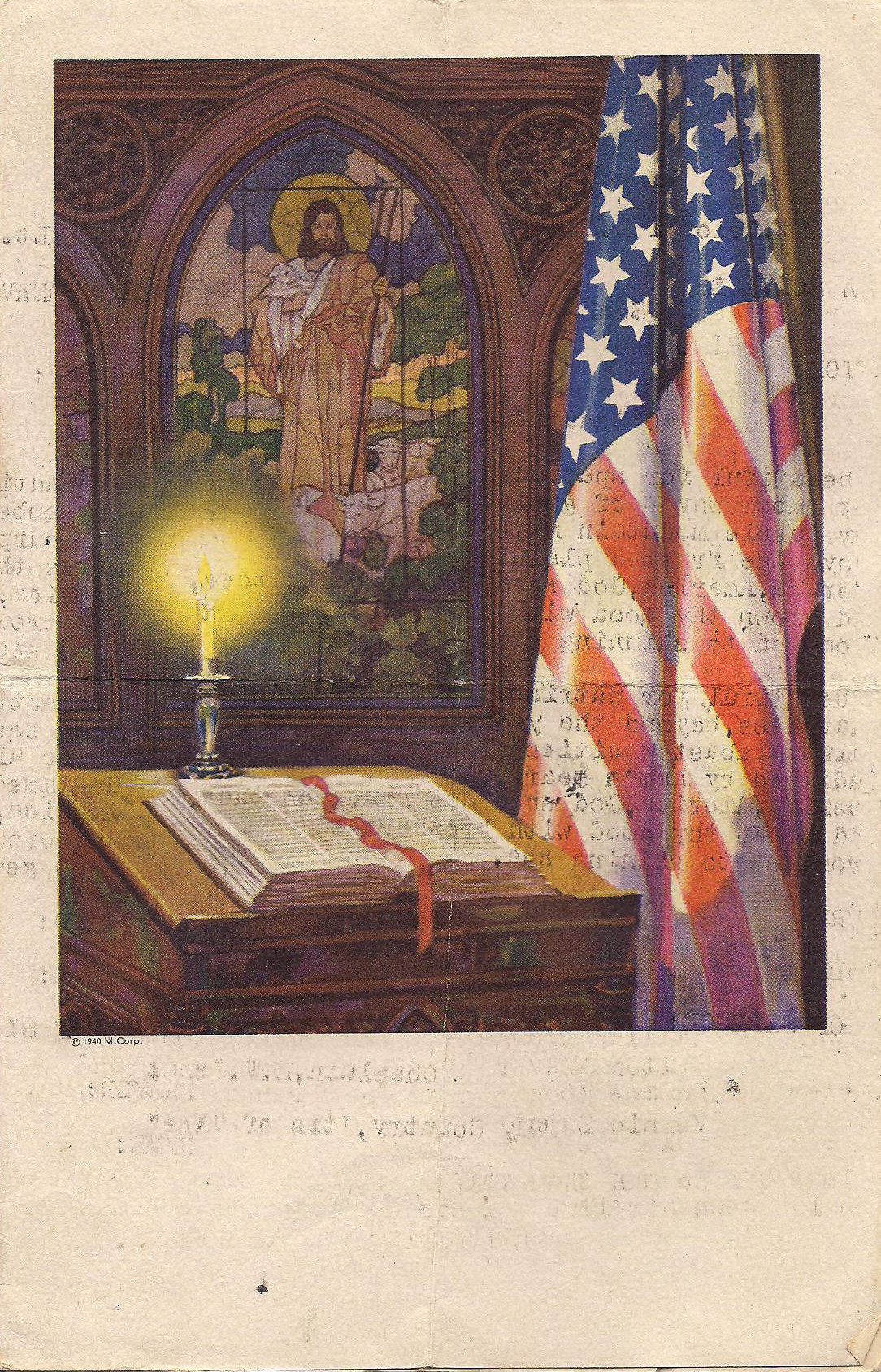
The cover of the 1953 memorial service folder from Korea.

© Copyright 2012 Audrey Kletscher Helbling
 

Honoring the memory of my dad April 4, 2011

Elvern Kletscher's 1950s military photo

HIS OBITUARY READS IN PART: From 1952-1953, he served in the U.S. Army during the Korean Conflict. He served on the front lines, receiving the Purple Heart after being wounded…He enjoyed his weekly visits with his veterans support group. He enjoyed bird watching, making horseradish and tomato juice with his family.

Elvern Kletscher passed away Thursday, April 3, 2003, at the Sunwood Good Samaritan Center in Redwood Falls, Minnesota at the age of 72 years and 29 days.

Yesterday, on the eight-year anniversary of my father’s death, I failed to remember. How could I? How could I forget the day he died, the day I lost my dad? How could I?

It breaks my heart that I would forget. This failure to remember the date of his death seems like a dishonor to the father I loved. He was a man who worked hard tending the earth, who loved his family and God. He was a soldier who served his country and, because of his time on the killing fields of Korea, suffered from a lifetime of demons that at times robbed me of my father.

But in the end, in his last days, I came to terms with the issues that sometimes made life with him difficult and challenging. I saw only the goodness as I stood at his bedside in the Veterans Administration Hospital where he lay dying of cancer and congestive heart failure.

As I held his hand, stroked his thick white hair, held a straw to his lips, I tried to be brave, to cheer him, to comfort him.

But when I couldn’t keep my emotions in check any more, I fled his room, stood outside his hospital room and wept.

Once I pulled myself back together, I returned to his bedside, listened to him tell me he was going to a better place, that he wanted all of us to take care of Mom. And then I cried, right there, holding nothing back because I couldn’t no matter how hard I tried.

Two days later, after being transported back to his home county, into a nursing home, my dad died.

And on April 7 we buried him, deep in the soil, in the hillside cemetery that overlooks his beloved prairie, the place where, except for his time in the military, he lived his entire life.

On that gloomy April day of biting cold wind, I held my mom close, my arm wrapped around her shoulders as she shivered uncontrollably. Together with my siblings we huddled inside a tent, next to the coffin.

As the guns fired in a military salute, as taps sounded their mournful wail, as my mom accepted a carefully folded American flag, I wept.

Today I weep, too, as I remember the father I loved.

© Copyright 2011 Audrey Kletscher Helbling
 

A closer look at the U.S. mission in Iraq, from inside Iraq September 8, 2010

Filed under: Uncategorized — Audrey Kletscher Helbling @ 7:18 AM
Tags: , , , , ,

LIKE MANY AMERICANS, I’ve become somewhat apathetic about the war in Iraq. The conflict has dragged on for so long that I’ve lost interest and become more focused on domestic issues such as the depressed economy, high unemployment and the healthcare crisis.

Really, I’m almost ashamed to admit that indifference given I am the daughter of a Korean War veteran and the sister-in-law of two full-time Air Force men, one of whom is currently on his second tour of duty in Iraq. But days, even weeks, pass by when I don’t think much at all about those still serving in Iraq or Afghanistan. I’m just being honest here and I’m not proud of myself.

Yet, with the recent deadline for withdrawal of U.S. combat troops from Iraq, I took note and wondered exactly how my deployed Air Force brother-in-law feels about the situation.

I e-mailed a list of questions and, as I expected, my relative provided some thoughtful insights from his current home at Joint Base Balad. He emphasized that his comments are solely his and not representative of the U.S. military or the U.S. government.

From his perspective, my brother-in-law seems unimpressed with the big to-do about the “last combat brigades” exiting Iraq. He writes:

To call what used to be “combat brigades” by the new “advise and assist brigades”  moniker is like calling a potato a spud. Spin it any way you want, there has been no real change to the mission. Officially, we’re providing training and support to the Iraqi security forces and police. We no longer lead any offensive missions. That’s pretty much what we’ve been doing for quite some time now!

For him personally, the ongoing draw-down means that as Air Force personnel rotate out of his Iraq assignment, they won’t be replaced at the same level. He’s slated to return to the Midwest in early December.

Next, I asked, “How do you define the results of the U.S. action in Iraq?”

He terms the “democratically” elected government as “very shaky” and “extremely ineffectual” since the elections last March.

One of the problems right now is that a lot of different factions are trying to undermine this fragile government by launching numerous attacks upon the security forces, the police, and even the common citizens. I guess the thought is that the government will not be supported if they can’t even provide for the safety of their own people! Who will be the winner in this mess? Only time will tell.

Whether a prevailing attitude among soldiers or not, my military brother-in-law says he never thought the U.S. could “solve” any problems in Iraq. Rather, he hopes that, as a result of the U.S. mission, life will be better for most people there. However, he adds:

We’ll have to wait around for 20 or 30 years to see how it plays out.

Additionally, he shares this take on Iraq’s future. (Maybe his opinion is nothing new, but I find it interesting.)

I have a personal opinion that Iran will have a great deal of influence in the (Iraqi) government because they are the neighbors and because of a common religion with the majority of Iraqis. China will gain a lot of economic advantages in the oil fields. U.S. companies aren’t investing here because the safety of their workers and security of their equipment and infrastructure cannot be guaranteed. China doesn’t worry about these problems and already has some leases in place; reportedly, they have gotten some real bargains too.

Those comments about China remind me of something my father, who fought on the front lines during the Korean Conflict, once told me. The Chinese, he said, would send 8 to 12-year-old boys out ahead of the troops into the battlefield. At the front of the line, those youth would be the first to fall, exactly as the Chinese soldiers intended. The Chinese main force would then rush into battle, over the nearly dead, screaming boys.

So my brother-in-law’s conclusion that “China doesn’t worry about these problems” touched a nerve with me. Given that observation, it would appear to me that attitudes have changed little in the 57 years since the Korean War ended. Maybe not a fair assumption, but…

China doesn’t worry about these problems….

That scares me.

© Copyright 2010 Audrey Kletscher Helbling