Minnesota Prairie Roots

Writing and photography by Audrey Kletscher Helbling

Wandering through a Faribault flower garden in autumn October 14, 2025

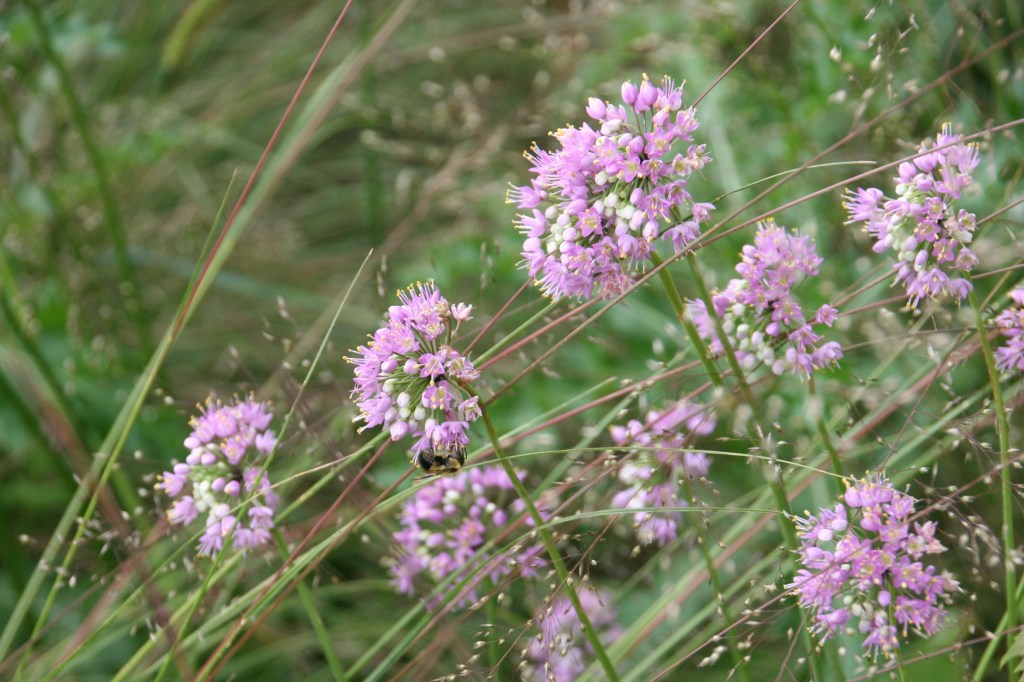
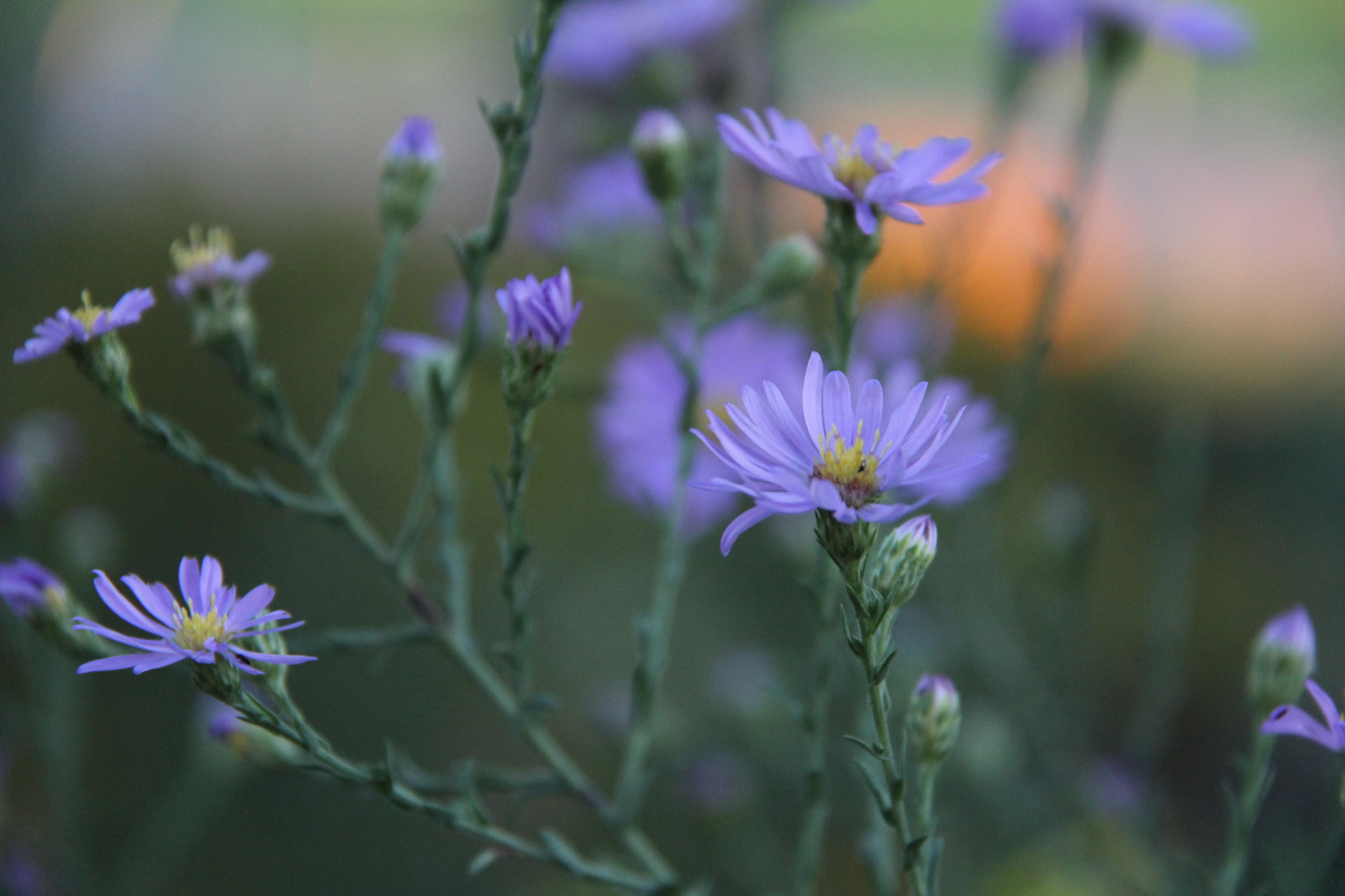
Flowers blooming a few weeks ago in the Rice County Master Gardeners Teaching Gardens. (Minnesota Prairie Roots copyrighted photo September 2025)

IN THIS FLEETING TIME before winter arrives, I find myself drawn to end-of-the-season blooms. And plenty remain, clinging to summer past, attaching to autumn present, but some already ceding to the inevitable cold and snow yet to come.
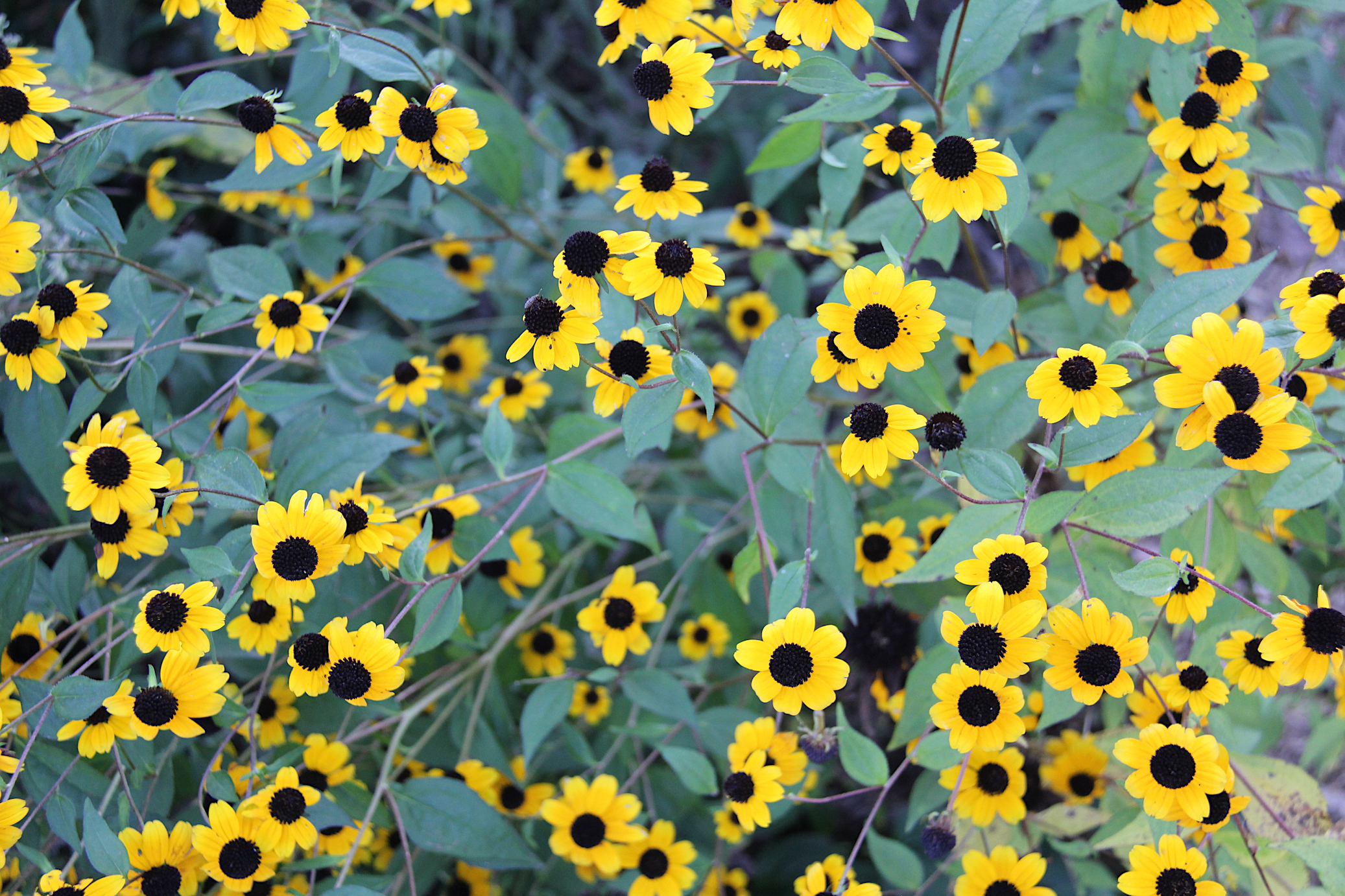
A mass of brown-eyed (I think) susans. (Minnesota Prairie Roots copyrighted photo September 2025)

Even as days grow shorter and nightfall presses dark upon the land, these flowers remain. And I delight in them wherever they stand, bend into the wind, catch the light of the morning and evening sun.
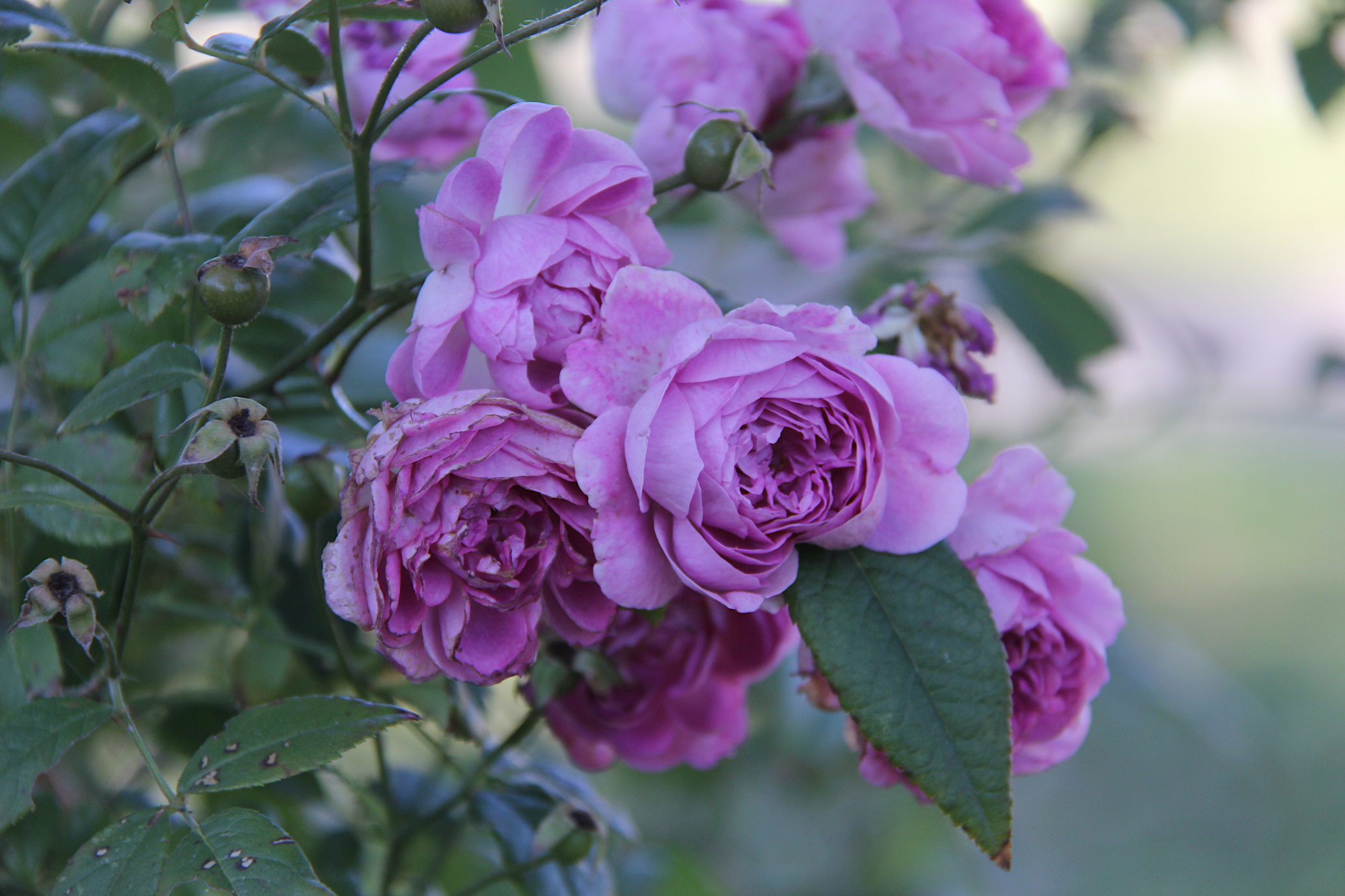
The roses are still blooming. (Minnesota Prairie Roots copyrighted photo October 2025)

Most surprising, perhaps, are the roses that linger. I dip my nose close, expecting the heady scent of perfume, only to be disappointed. They smell ever so faint, a scent barely noticeable.
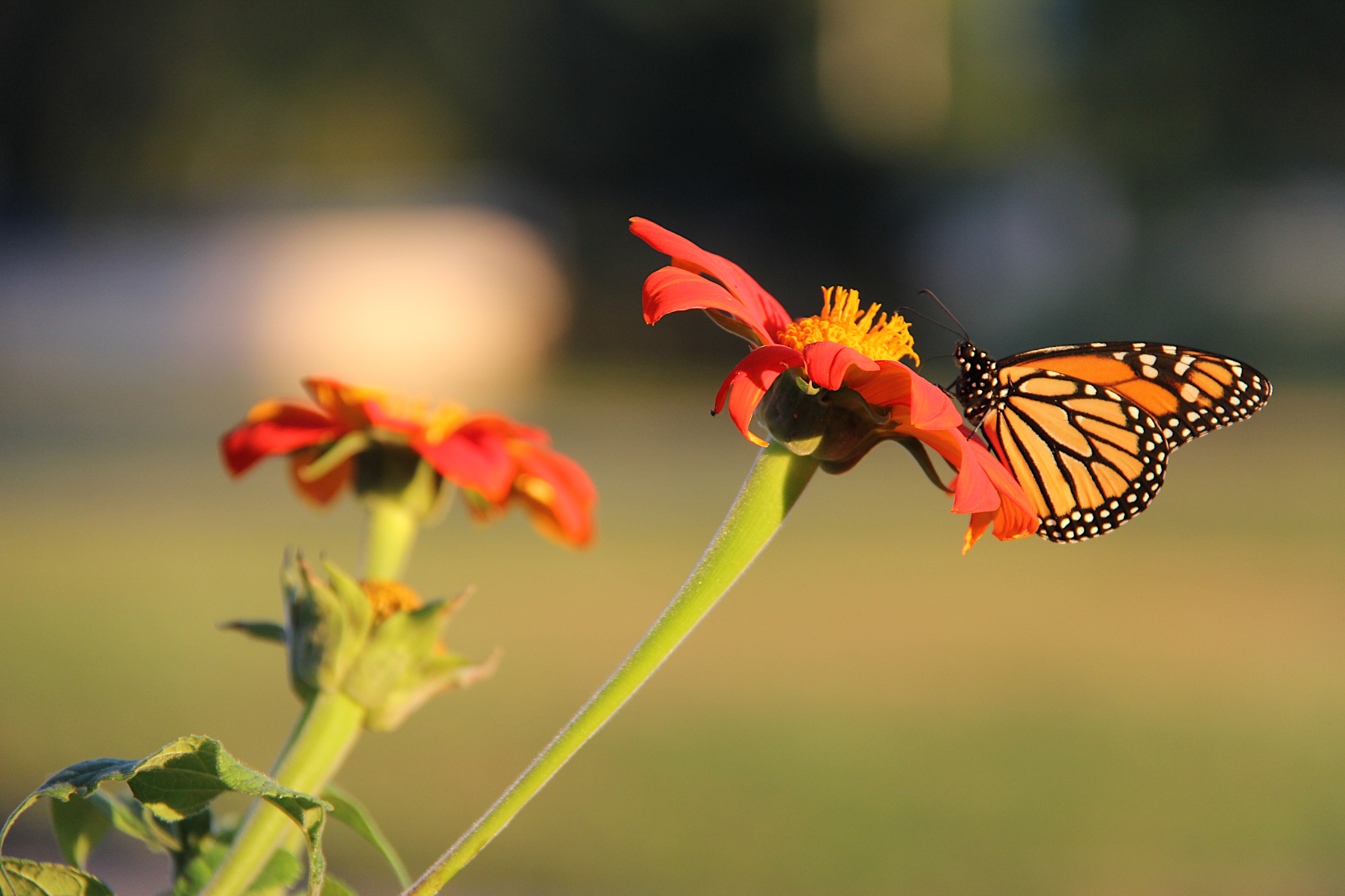
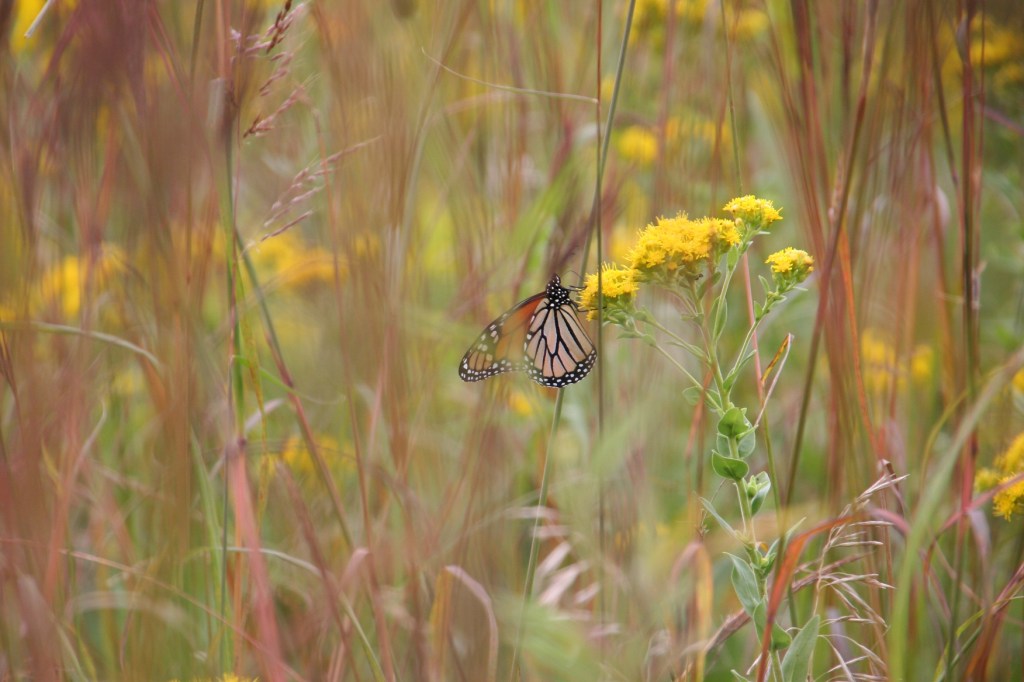
When I took this photo in late September, Monarchs flitted among zinnias. (Minnesota Prairie Roots copyrighted photo September 2025)

Zinnias flash color, a beacon for monarchs.
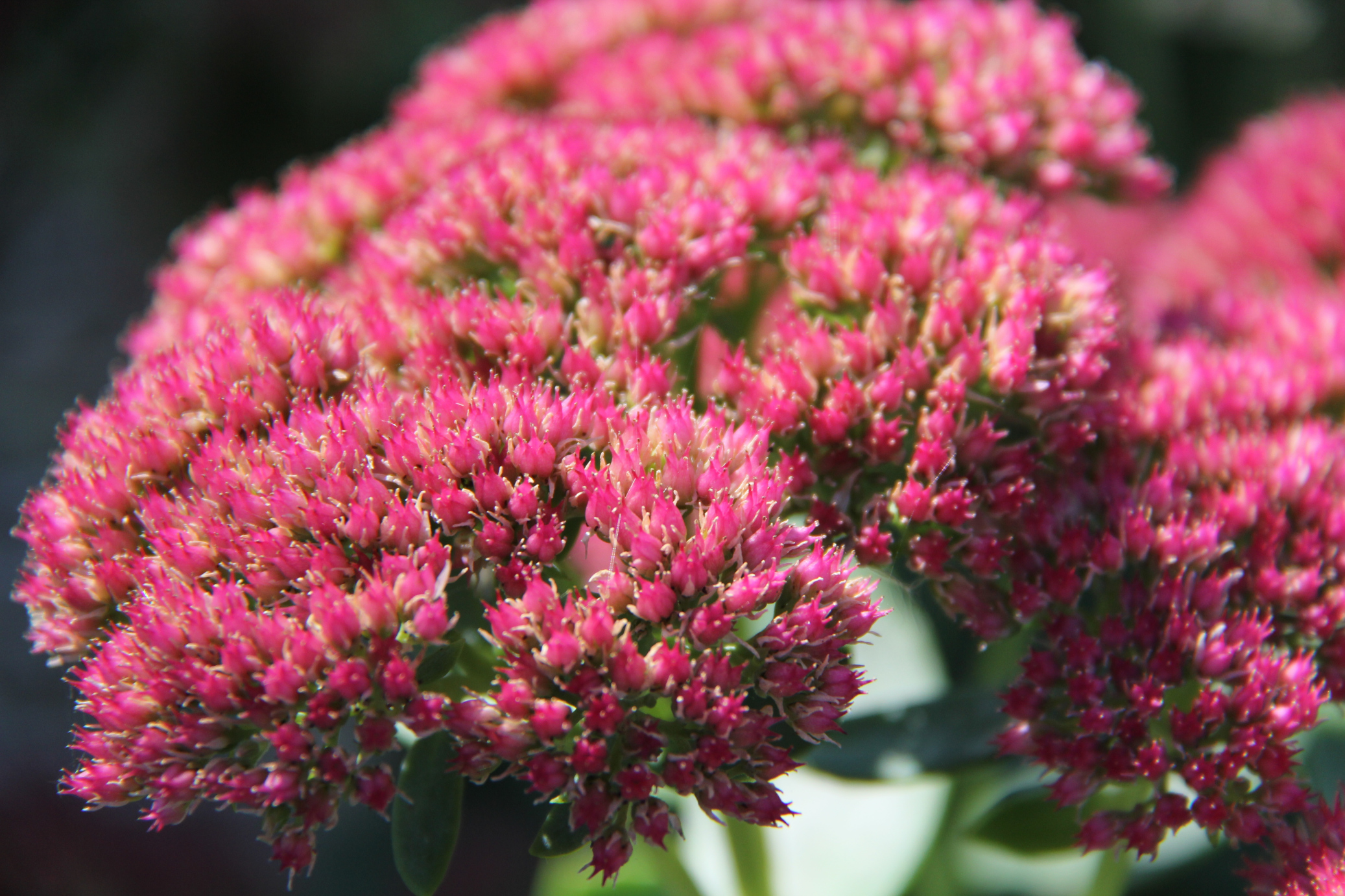
Stunning sedum, absolutely beautiful in the evening light. (Minnesota Prairie Roots copyrighted photo October 2025)

Sedum and seed heads and sunny yellow flowers all cozy together, some spent, some still determined to survive as the season shifts toward winter.
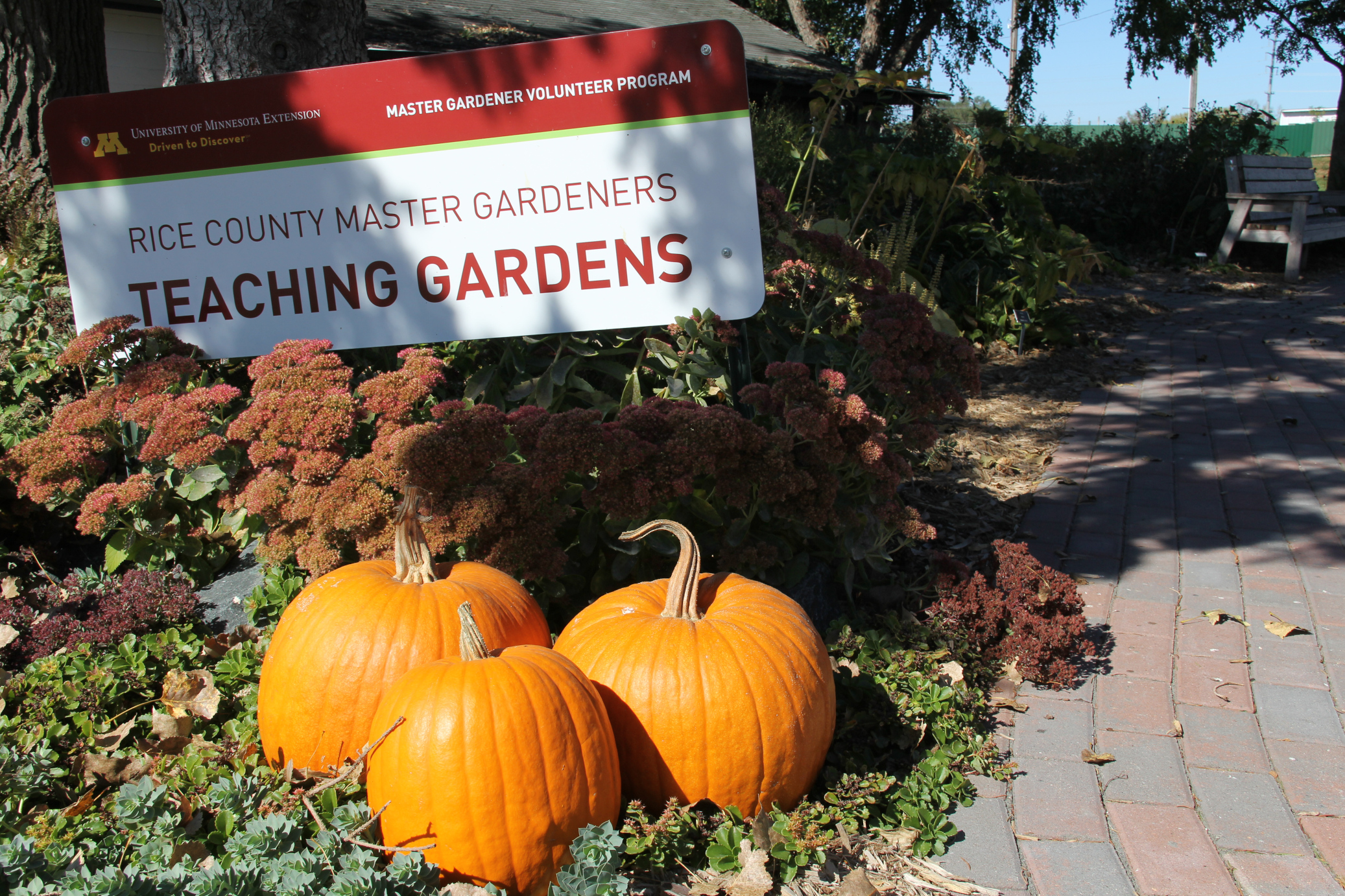
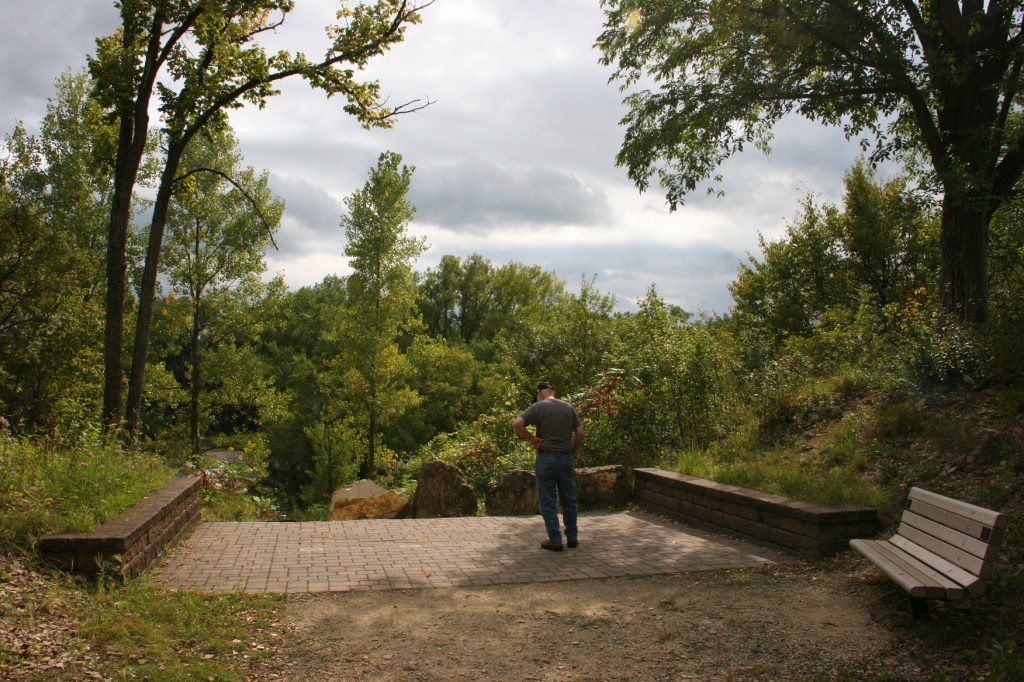
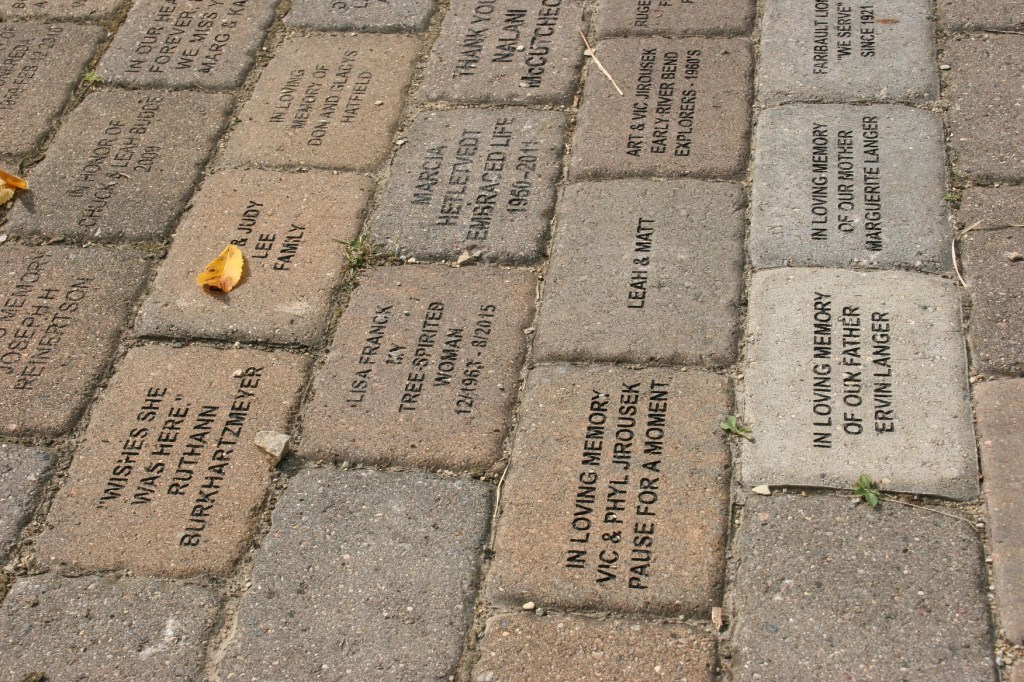
Paver pathways weave through the gardens which include benches, a water feature, rock snakes and more. (Minnesota Prairie Roots copyrighted photo October 2025)

I feel this sense of urgency to focus my eyes on flowers, to imprint upon my memory their glorious beauty. And so I wander among the blooms and dying blooms in the Rice County Master Gardeners Teaching Gardens in Faribault.
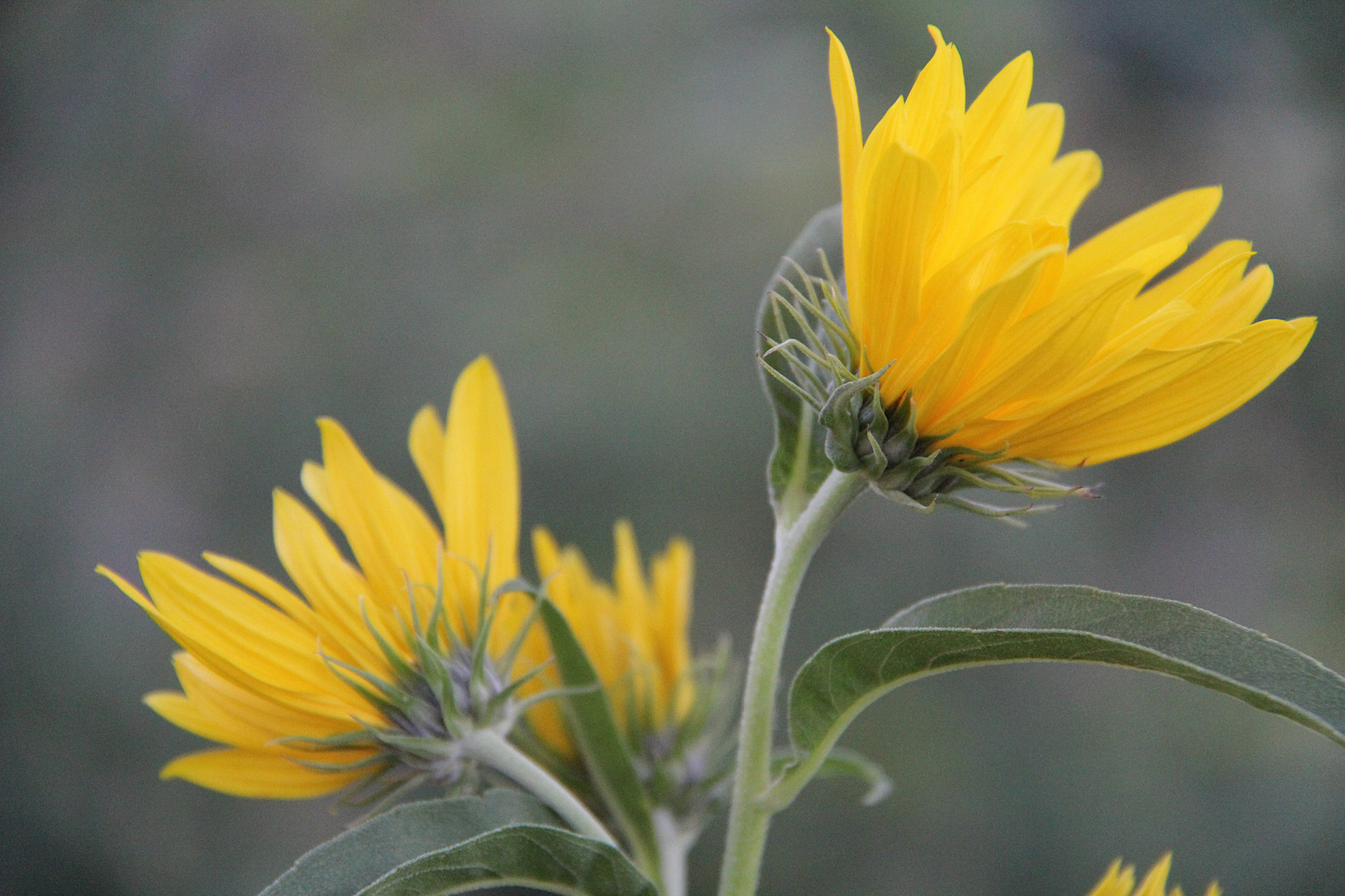
Photographed up close or at a distance, these flowers are lovely in the evening light of autumn. (Minnesota Prairie Roots copyrighted photo September 2025)

I love this oasis on the Rice County Fairgrounds next to the historical society. It offers a peaceful respite just off heavily-trafficked Second Avenue where vehicles rush by, their drivers seemingly unaware of the nearby gardens.
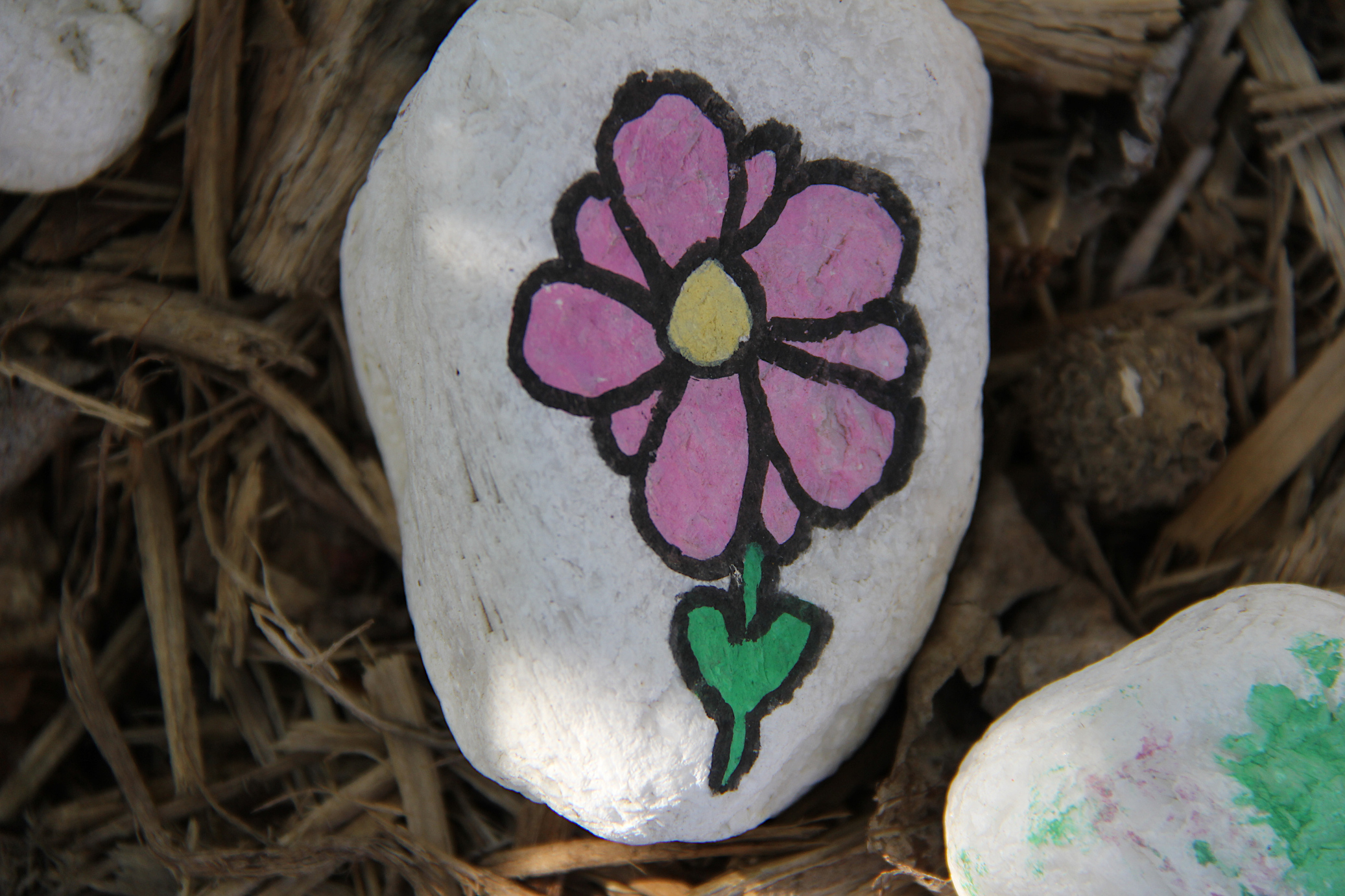
The garden includes two rock snakes, this flower stone among the many forming the serpent. (Minnesota Prairie Roots copyrighted photo October 2025)

But I long ago discovered this spot. Perfect for a picnic. Perfect for wandering. Perfect for photographing flowers. Perfect for reflecting and learning and enjoying. I’m grateful for every volunteer who lovingly tends this garden so I can come here. Sit. Walk. Photograph. Snapshot the scene for future reference.
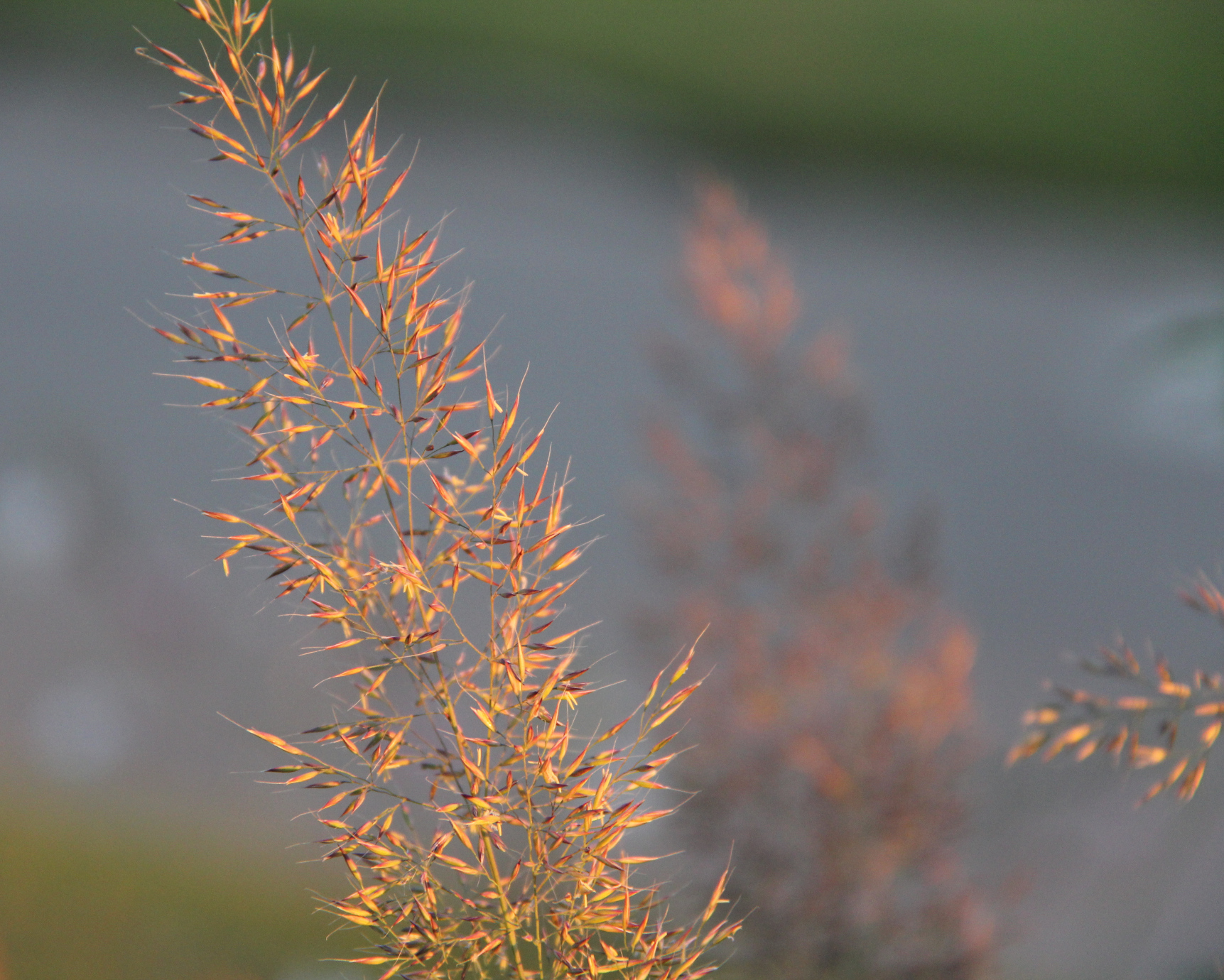
A grass stem glows in the light of sunset. (Minnesota Prairie Roots copyrighted photo September 2025)

When winter comes with its wind and deep-freeze cold and snow, I will remember the pink roses, the bold brown-eyed susans, the grass glowing in the sunlight.
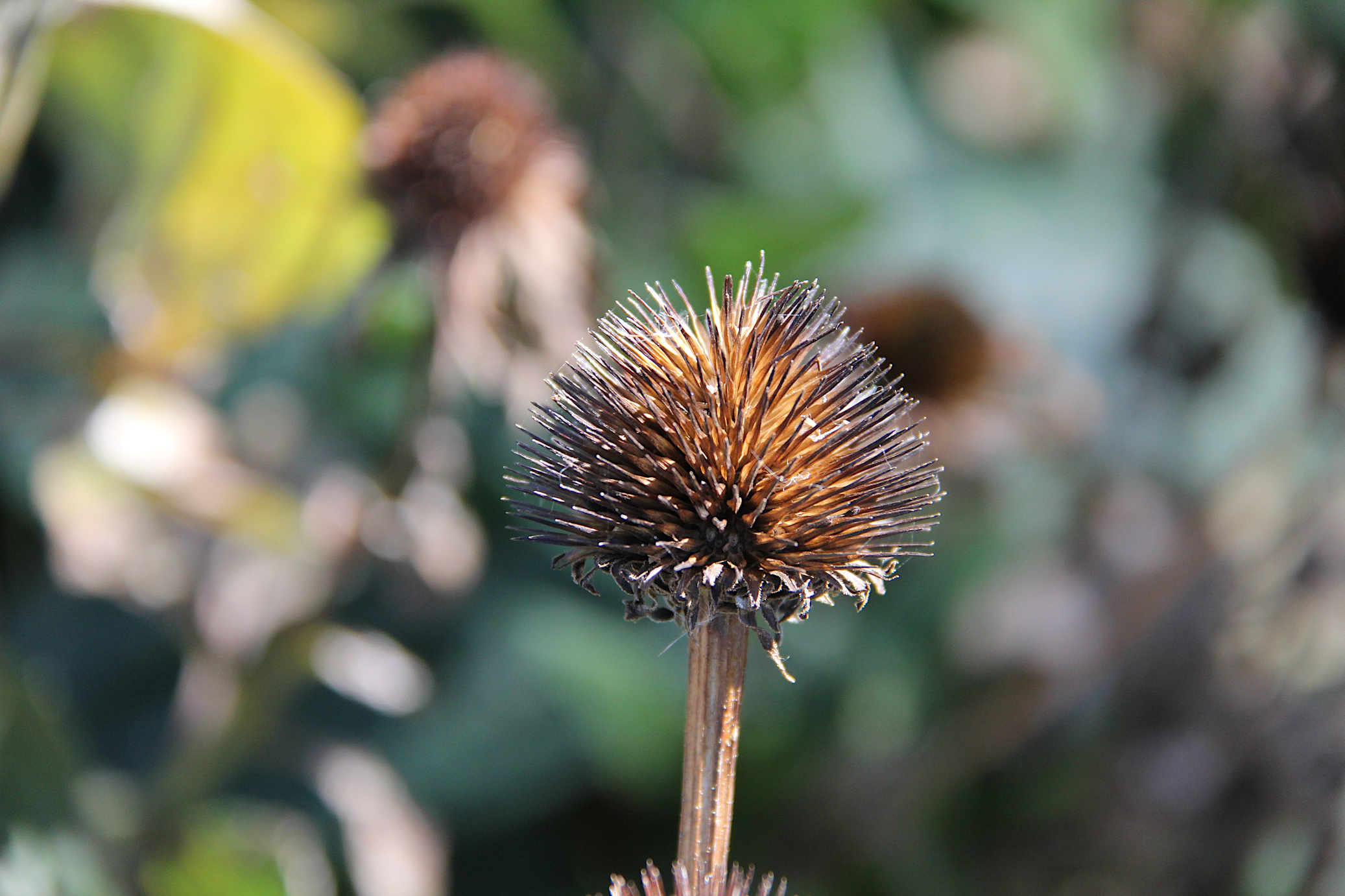
A coneflower seed head. (Minnesota Prairie Roots copyrighted photo October 2025)

And when winter drags on, I will remember this place and how, when spring arrives, the perennials will resurrect and pop through the earth. I will remember, too, how seeds sown in the soil will sprout and push green shoots through the earth to leaf and blossom and bring me summer joy.

© Copyright 2025 Audrey Kletscher Helbling


In praise of monarchs, milkweeds & fireflies July 16, 2025

A monarch butterfly feeds on a milkweed flower. (Minnesota Prairie Roots copyrighted file photo)

ON A RECENT AFTERNOON, I looked up from washing dishes and out the kitchen window to see a solitary monarch butterfly flitting among milkweeds. Something as common as a butterfly remains, for me, one of summer’s simplest delights. Along with milkweeds and fireflies.

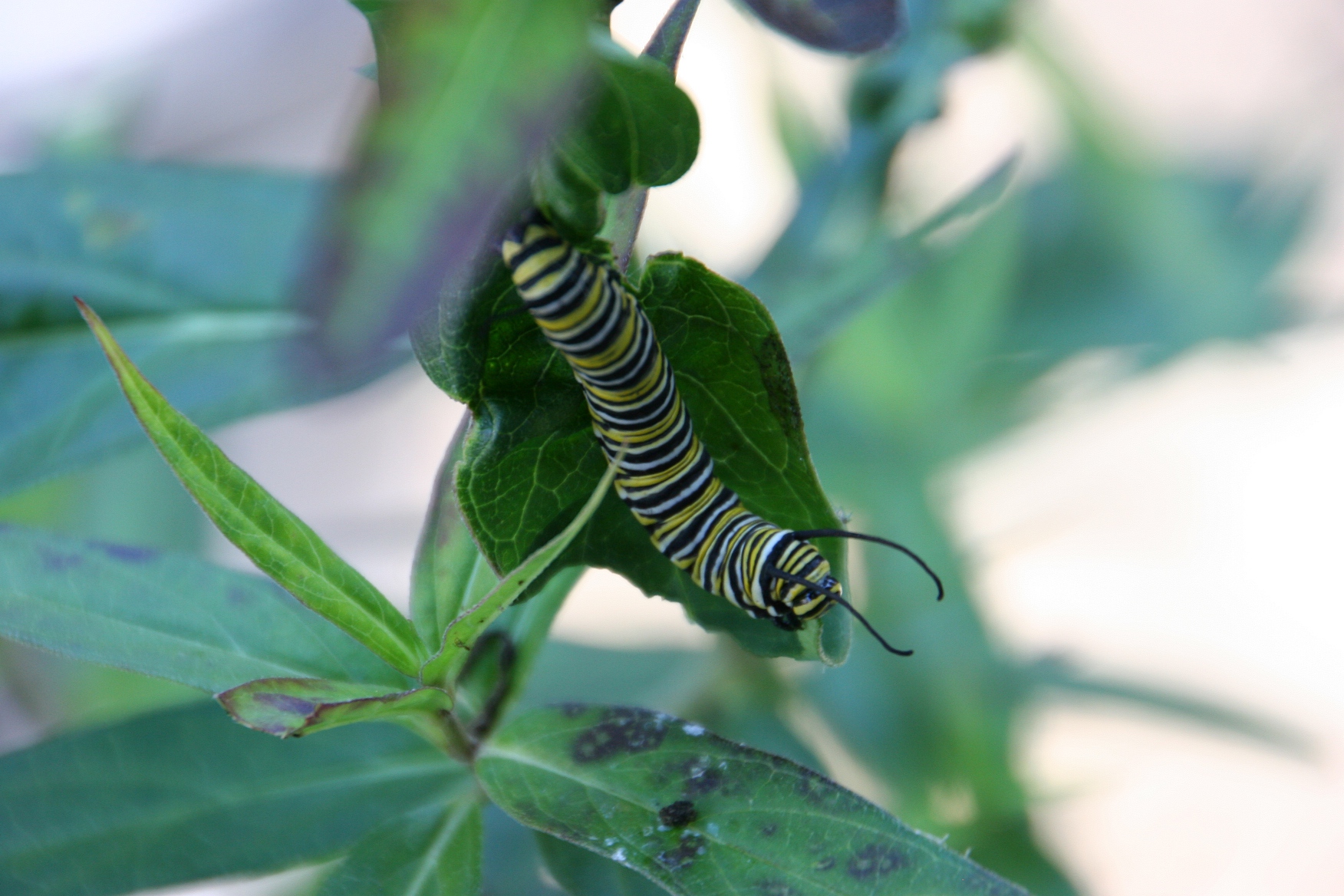
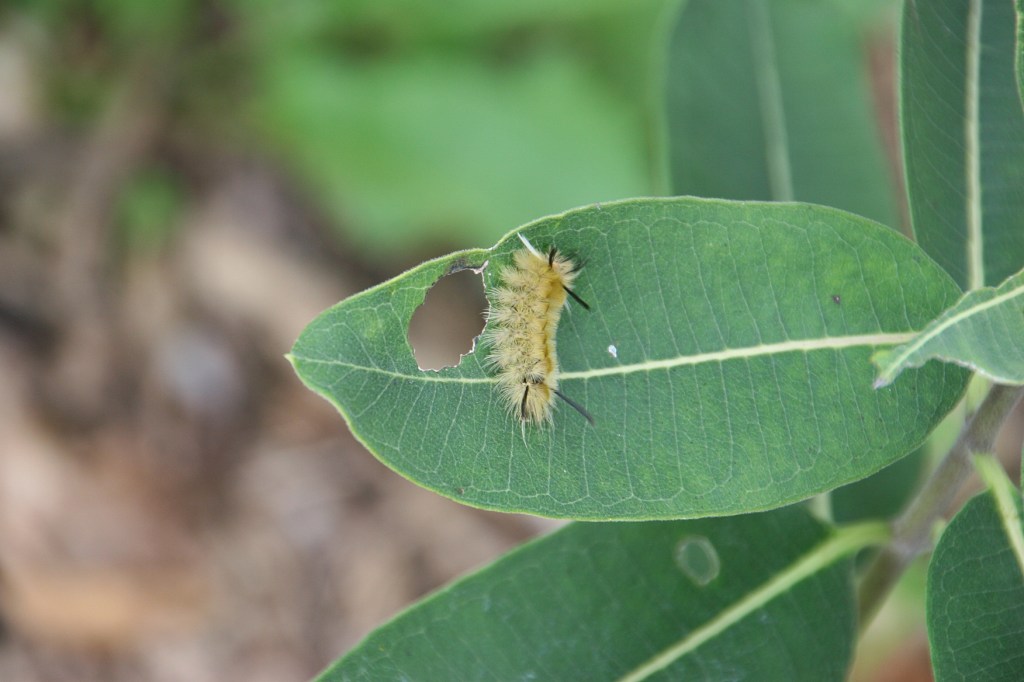
A monarch caterpillar on milkweed. (Minnesota Prairie Roots copyrighted file photo)

This year I have a bumper crop of milkweed plants growing in and along flowerbeds and retaining walls. I stopped counting at 24 plants. I have no idea why the surge in milkweeds. But I am happy about their abundance given monarchs need milkweed. It is the only plant upon which the monarch lays eggs and the sole source of food for monarch caterpillars.

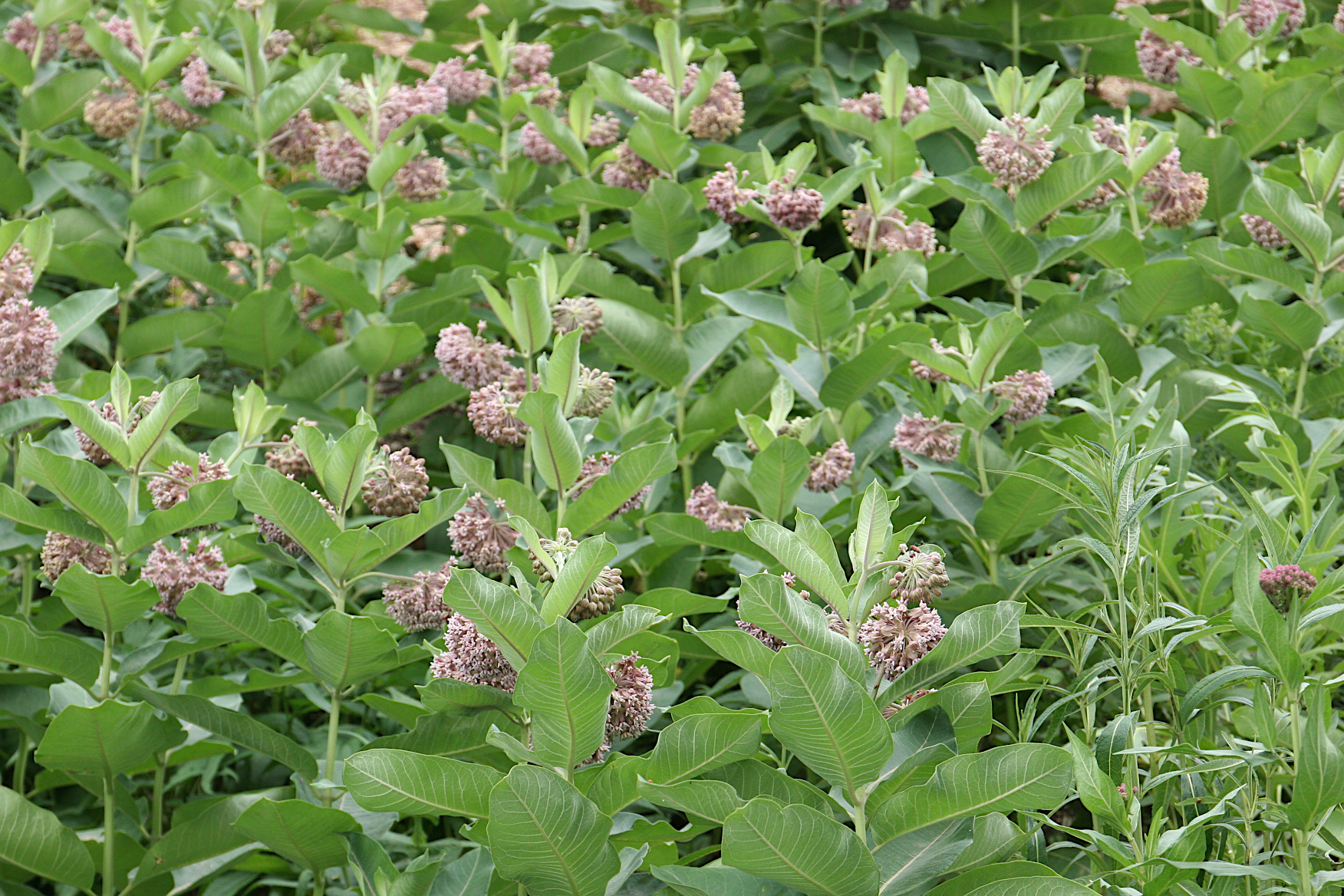
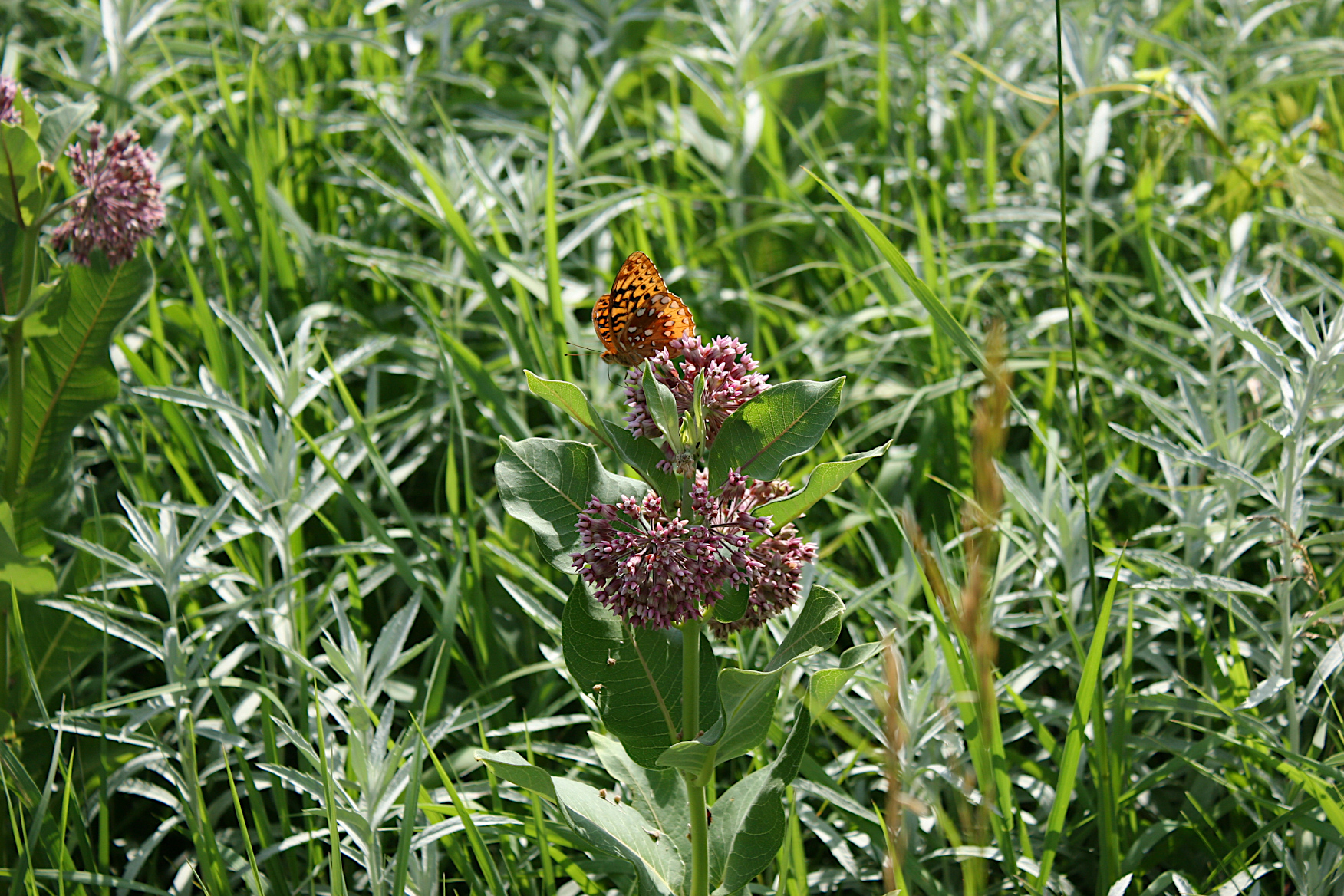
A crop of milkweeds in a public garden. (Minnesota Prairie Roots copyrighted file photo)

My farmer dad, if he was still alive, would likely offer a different opinion about milkweeds. As children, my siblings and I walked rows of soybean fields eradicating milkweeds, thistles and the notorious cocklebur. This was called “walking beans,” a job that we hated, but was necessary to keep fields mostly weed-free without the use of chemicals.

I never considered then that I might some day appreciate milkweeds, the “weed” I pulled from the rich dark soil of southwestern Minnesota. On many a hot and humid afternoon, sweat rolled off my forehead and dirt filtered through the holes of my canvas tennis shoes while hoeing and yanking unwanted plants from Dad’s soybean fields and on my cousin John’s farm.

Today I instruct my husband not to pull or mow any milkweed plants in our Faribault yard. Randy understands their value, even if he didn’t walk beans on his childhood farm. He more than made up for that lack of field work by picking way more rocks than I ever did. Morrison County in central Minnesota sprouts a bumper crop of rocks compared to my native Redwood County, where I also picked rocks.

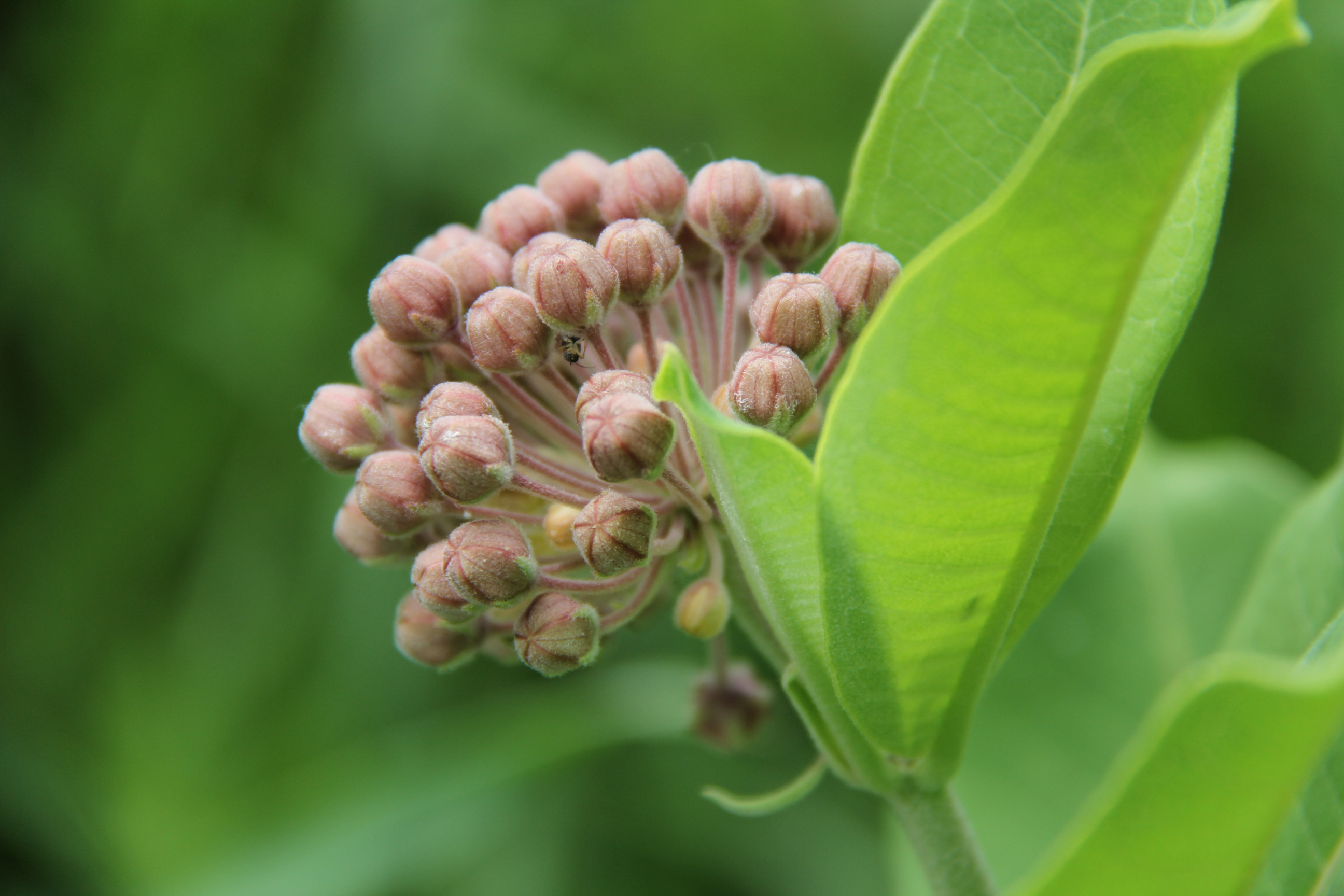
A milkweed about to open. (Minnesota Prairie Roots copyrighted file photo)

But back to milkweeds. I love the scent of the dusty rose-colored common milkweed. So if you drive by my Faribault home or walk through River Bend Nature Center or Central Park or past Buckham Memorial Library and see me dipping my nose into a cluster of milkweed flowers, that’s why.

As summer progresses, I’m curious to see how many monarchs soar among the milkweeds in the tangled messes of plants that define my untamed flowerbeds. Thankfully our next door neighbor appreciates milkweeds also and is OK if the wind carries seeds onto his property.

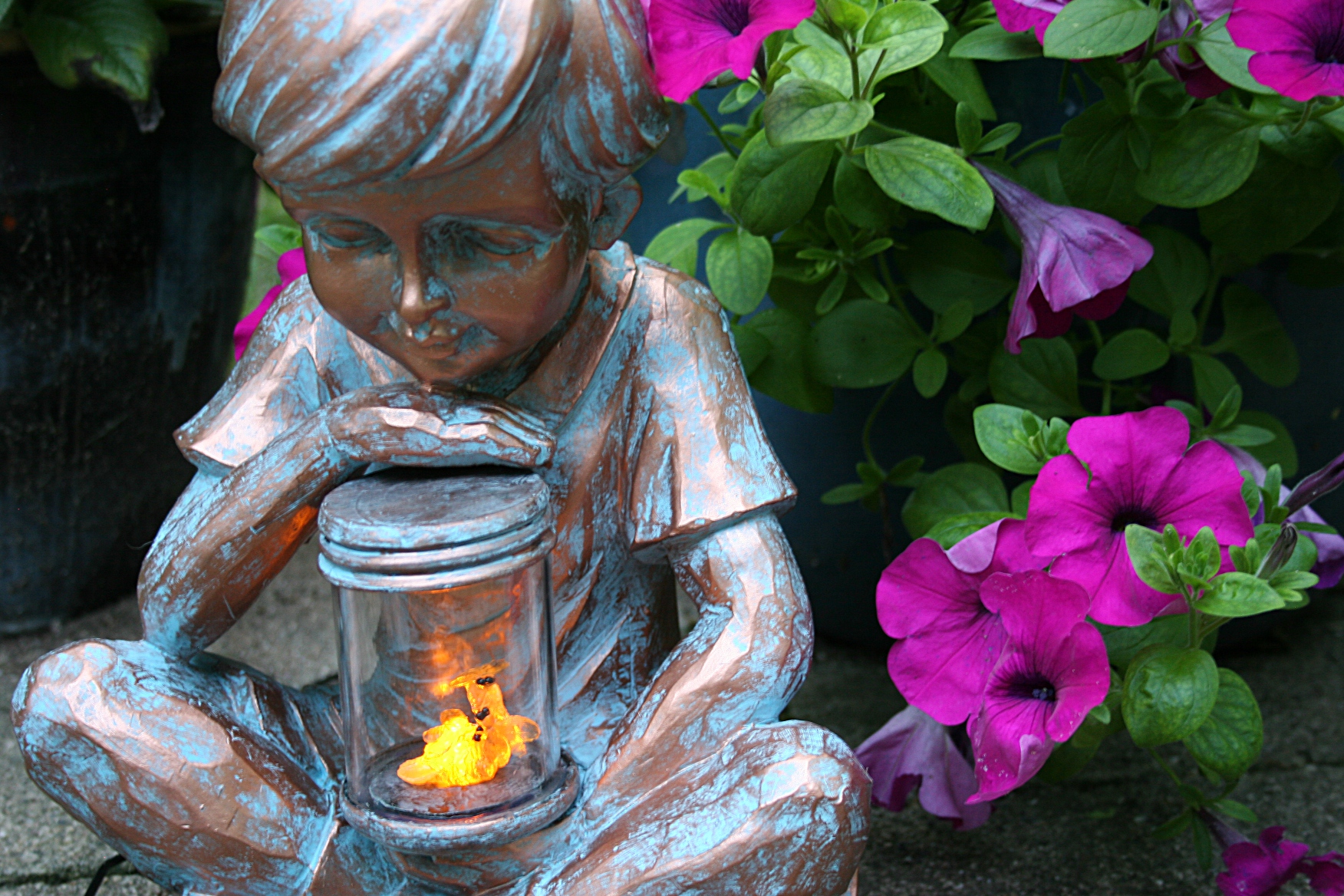
Fireflies glow in the garden art honoring my nephew Justin. (Minnesota Prairie Roots copyrighted file photo)

I’ve already seen fireflies aplenty in our backyard, which abuts a wooded hillside. And recently, while driving home in the early dark of a summer evening, Randy and I saw hundreds of fireflies lighting up grassy road ditches. It was truly magical, reminding me of childhood sightings and of Eric Carle’s children’s picture book, The Very Lonely Firefly. I had a copy for my kids, battery included to light up firefly illustrations. And, until it stopped working, I had a solar-powered firefly garden sculpture honoring my nephew Justin, who loved light and fireflies and died at age 19 in 2001 of Hodgkins disease.

Often what we love is about much more than simply whatever we love. I see, in writing this story, that my love of milkweeds, monarchs and fireflies connects to memories. Summer memories. Farm memories. Family memories. These are the stories we carry within us, that help define who we are, whether we consider a milkweed to be a weed, or a flower.

TELL ME: What simple summer things delight you and why?

© Copyright 2025 Audrey Kletscher Helbling


Milkweeds, monarchs & memories in Minnesota August 20, 2024

Monarch on the common milkweed flower. (Minnesota Prairie Roots copyrighted file photo 2023)

I’VE ALWAYS HELD a fascination with milkweeds. Their clusters of vanilla-scented dusty pink flowers draw me to a plant that seems more flower than weed. Unless you were my dad, who wanted the common milkweed removed from his acres of soybeans. Yes, I hoed or pulled plenty of milkweeds from the fields on my southwestern Minnesota childhood farm.

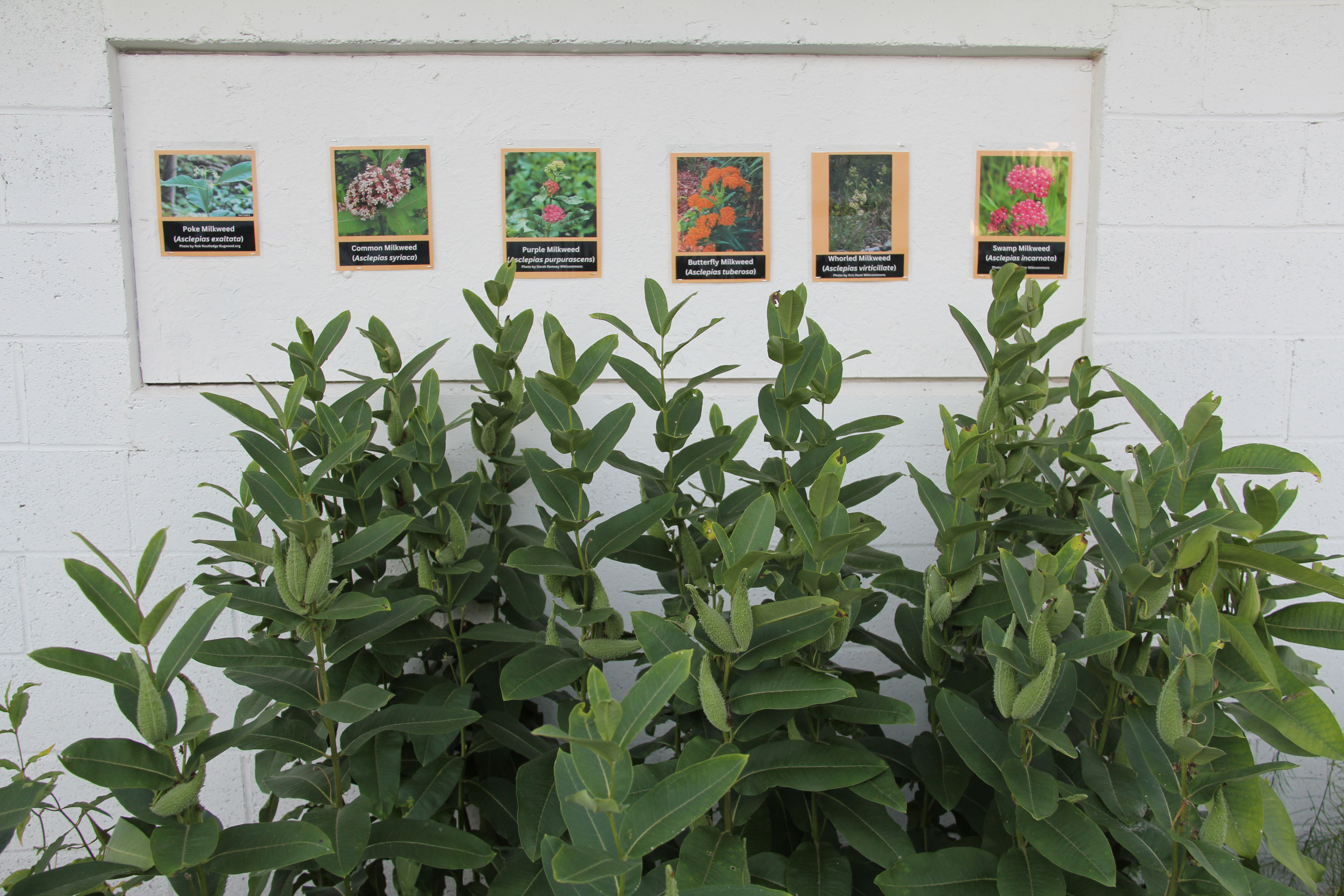
Milkweeds grow next to the conservation building at the Rice County Fairgrounds against a backdrop of identifying milkweed photos. Those include six types: common, poke, purple, butterfly, whorled and swamp. (Minnesota Prairie Roots copyrighted photo August 2024)

My thinking has shifted since then. Today I plant, rather than eradicate, milkweeds. Dad, if he was still alive, might wonder how his farm-raised daughter strayed so far from hoeing to growing.

A monarch caterpillar. (Minnesota Prairie Roots copyrighted file photo)

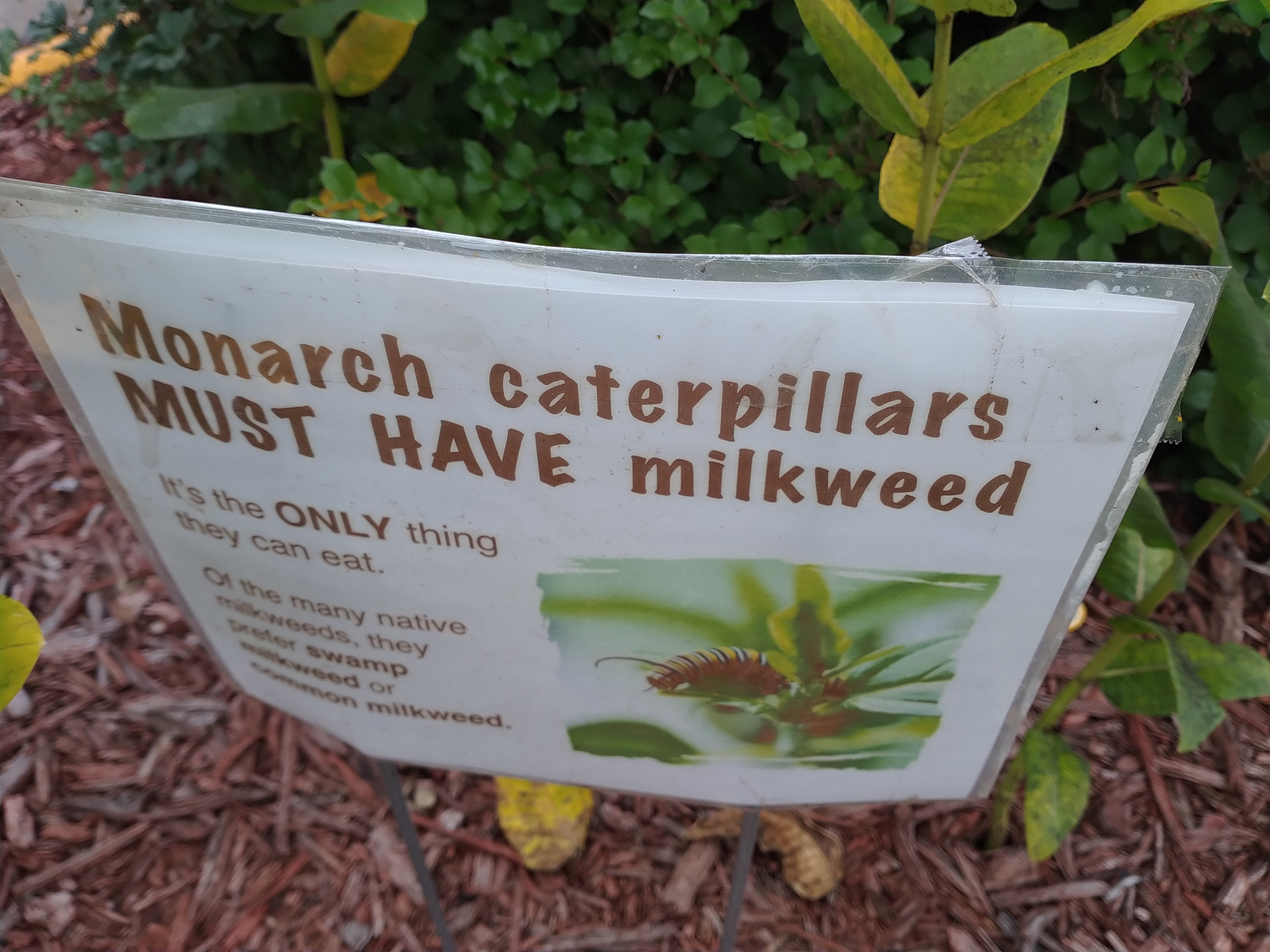
The answer is easy. Long ago I learned the value of milkweeds to our monarch butterfly population. The butterfly lays its eggs on milkweed leaves. And milkweed is the sole source of food for monarch caterpillars. If we want the monarch population to grow, thrive and survive, we need milkweed plants. It’s that simple.

A sign at Hy-Vee grocery store explains the importance of milkweed to monarchs. (Minnesota Prairie Roots copyrighted photo August 2024)

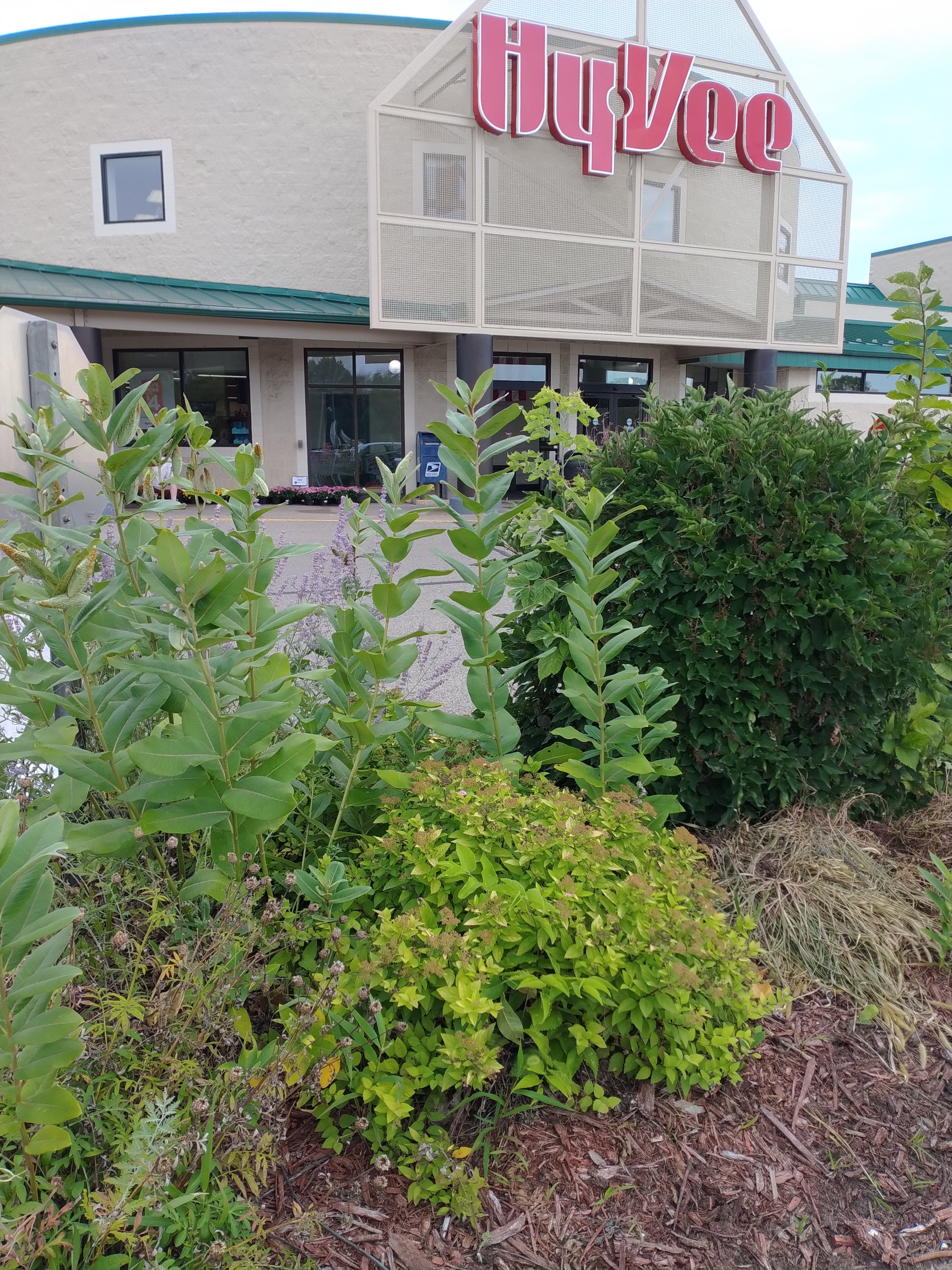
More and more I’ve spotted milkweeds growing in public places in and around Faribault. River Bend Nature Center. Falls Creek County Park. The Rice County Master Gardeners’ Teaching Gardens. Beside the conservation building at the Rice County Fairgrounds. Even in flowerbeds at Hy-Vee grocery store.

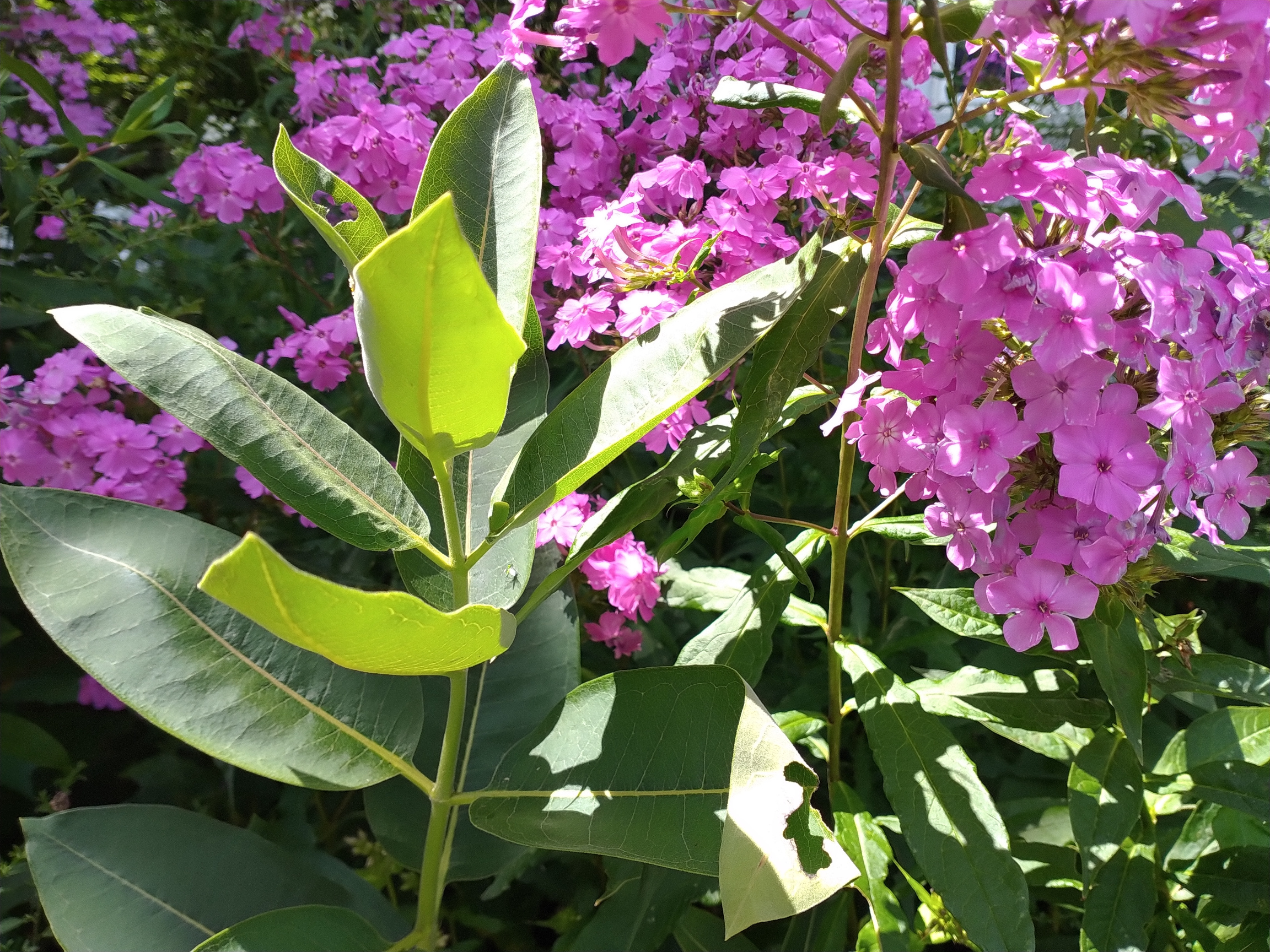
Milkweeds grow among phlox. (Minnesota Prairie Roots copyrighted photo August 2024)

If you walk by my house, you’ll see stray milkweeds popping up here and there. Along a retaining wall. Among the prolific phlox in my messy flowerbeds. The husband has orders not to mow, pull or otherwise remove milkweed plants.

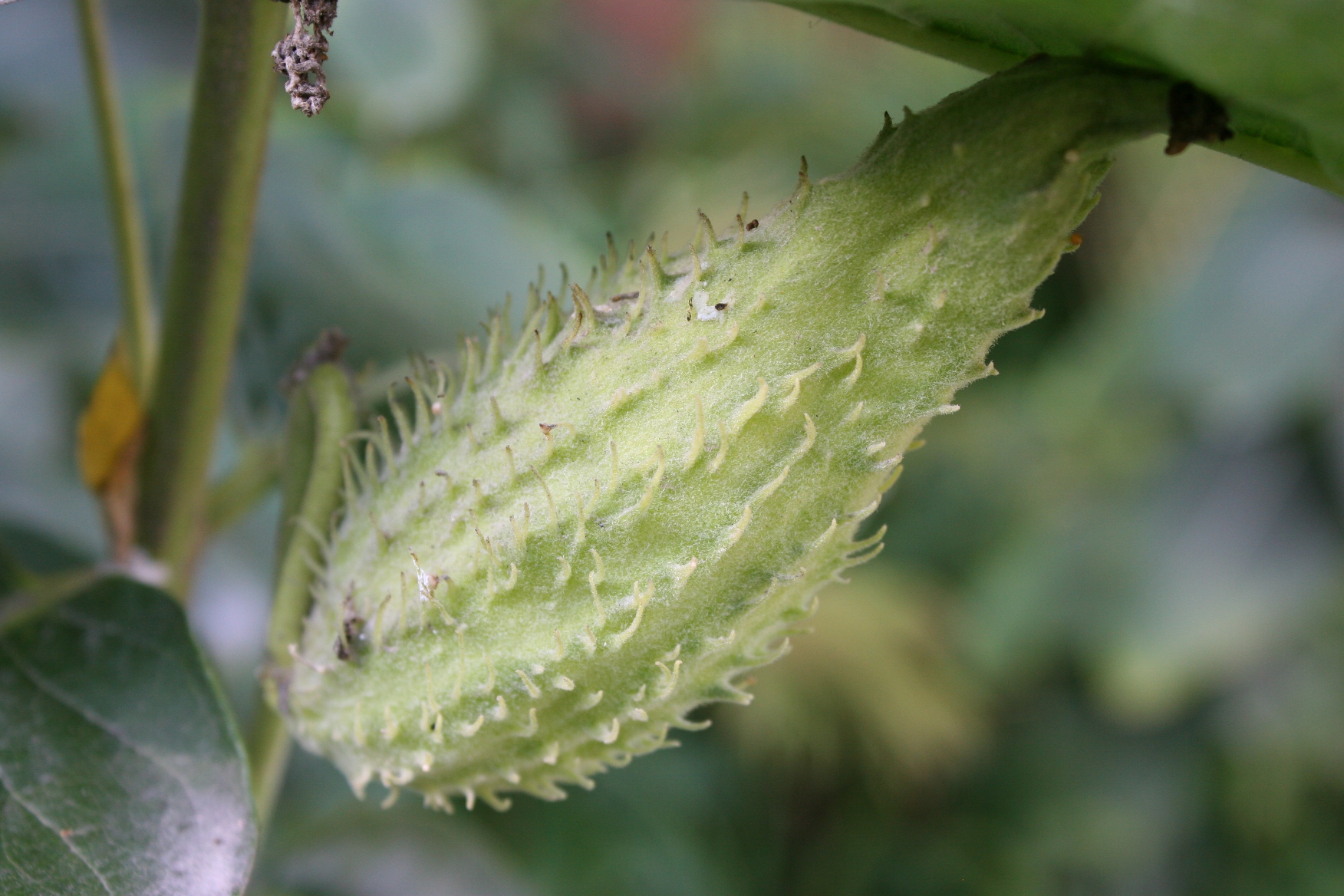
An unripened milkweed pod. (Minnesota Prairie Roots copyrighted file photo)

This time of year, seed pods are forming on milkweeds. Perhaps it’s the writer, the poet, in me that loves the shape of those fat green pods that will eventually dry, burst open and spread seeds on wisps of white fluff carried by the wind.

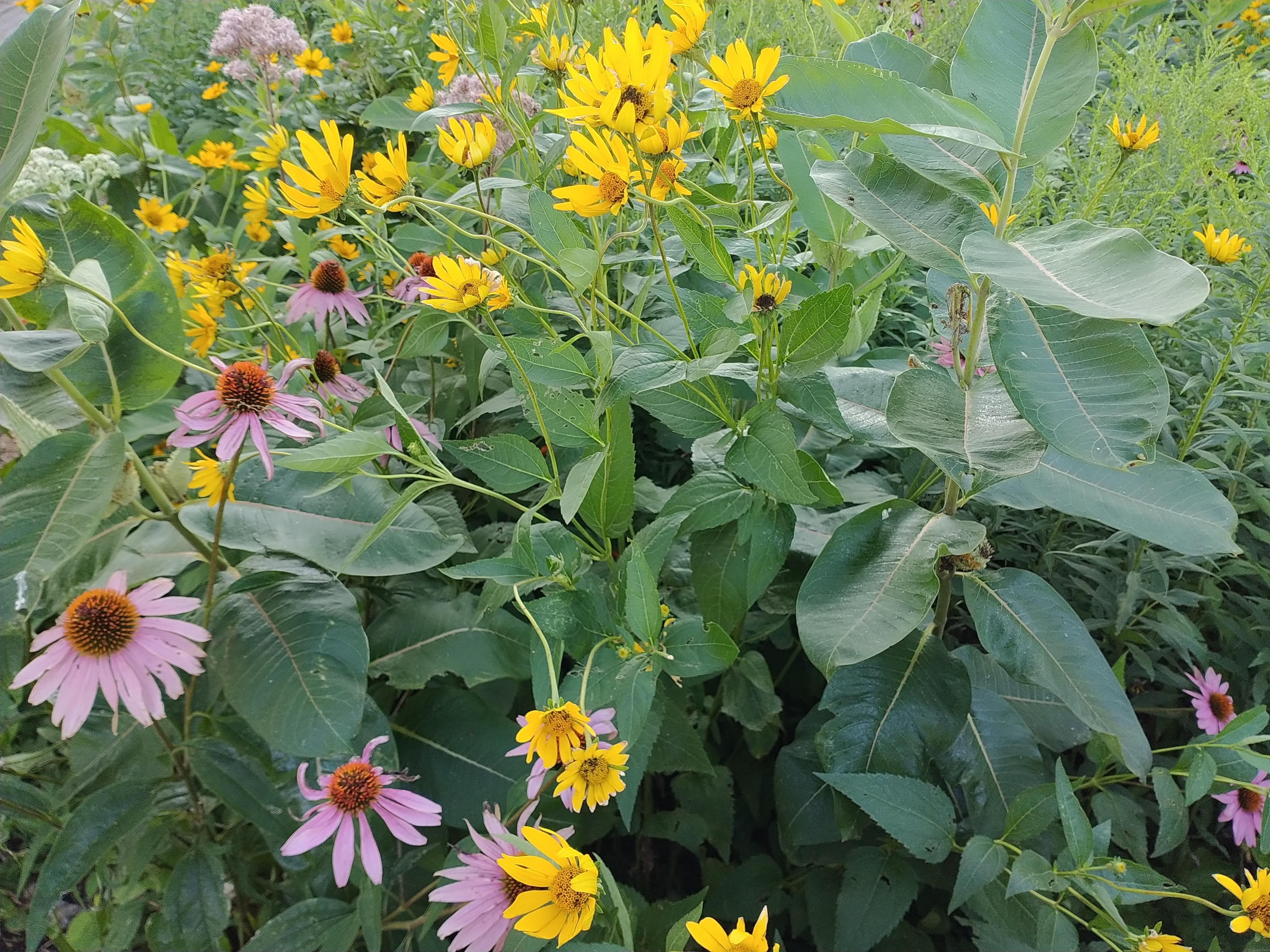
Milkweeds flourish among prairie flowers in the Rice County Master Gardeners Teaching Gardens, Faribault, (Minnesota Prairie Roots copyrighted photo August 2024)

Seeds wing across the landscape, just like monarchs. I remember a time when monarchs were prolific. Yes, even in rural Minnesota where I labored to get rid of milkweed plants.

I discovered milkweeds planted outside Hy-Vee. (Minnesota Prairie Roots copyrighted photo August 2024)

Naturalists, gardeners and others are working hard now to bring back the monarch population. It’s taken time, effort and education to convince people to plant milkweeds for monarchs. I don’t expect butterfly numbers will be what they once were—when monarchs flitted everywhere. But we have to start somewhere, do something. And that begins with each of us. Educating ourselves. Caring. And then deciding that milkweeds really aren’t weeds after all. They are vital to the survival of the monarch butterfly. It’s OK to plant milkweed seeds or allow nature to plant them.

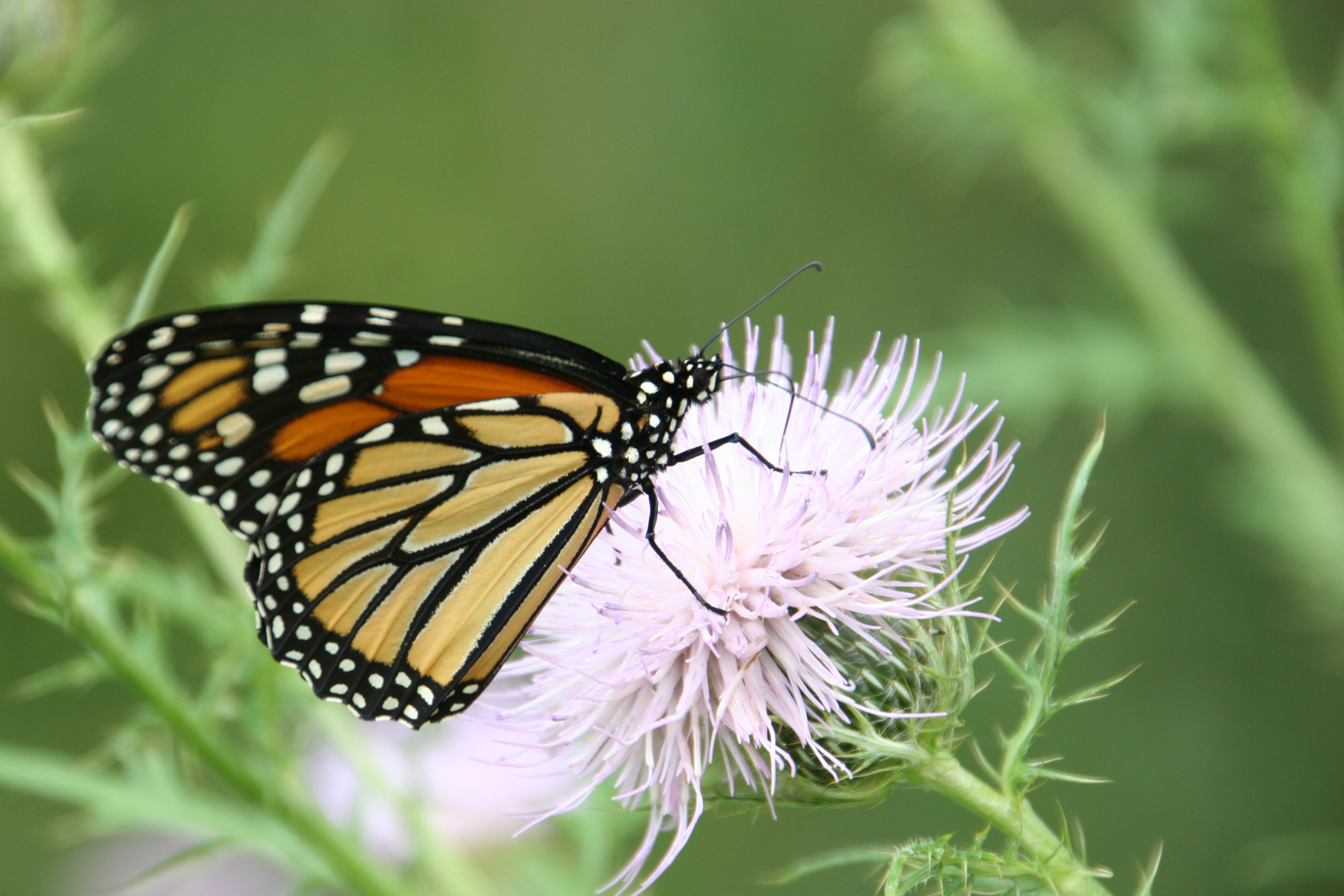
Monarch on a thistle flower. (Minnesota Prairie Roots copyrighted file photo)

I, for one, delight in watching monarchs flit about my yard. They are magical as only a butterfly can be. Delicate, yet strong. Poetically beautiful. Carrying memories and grace on their wings.

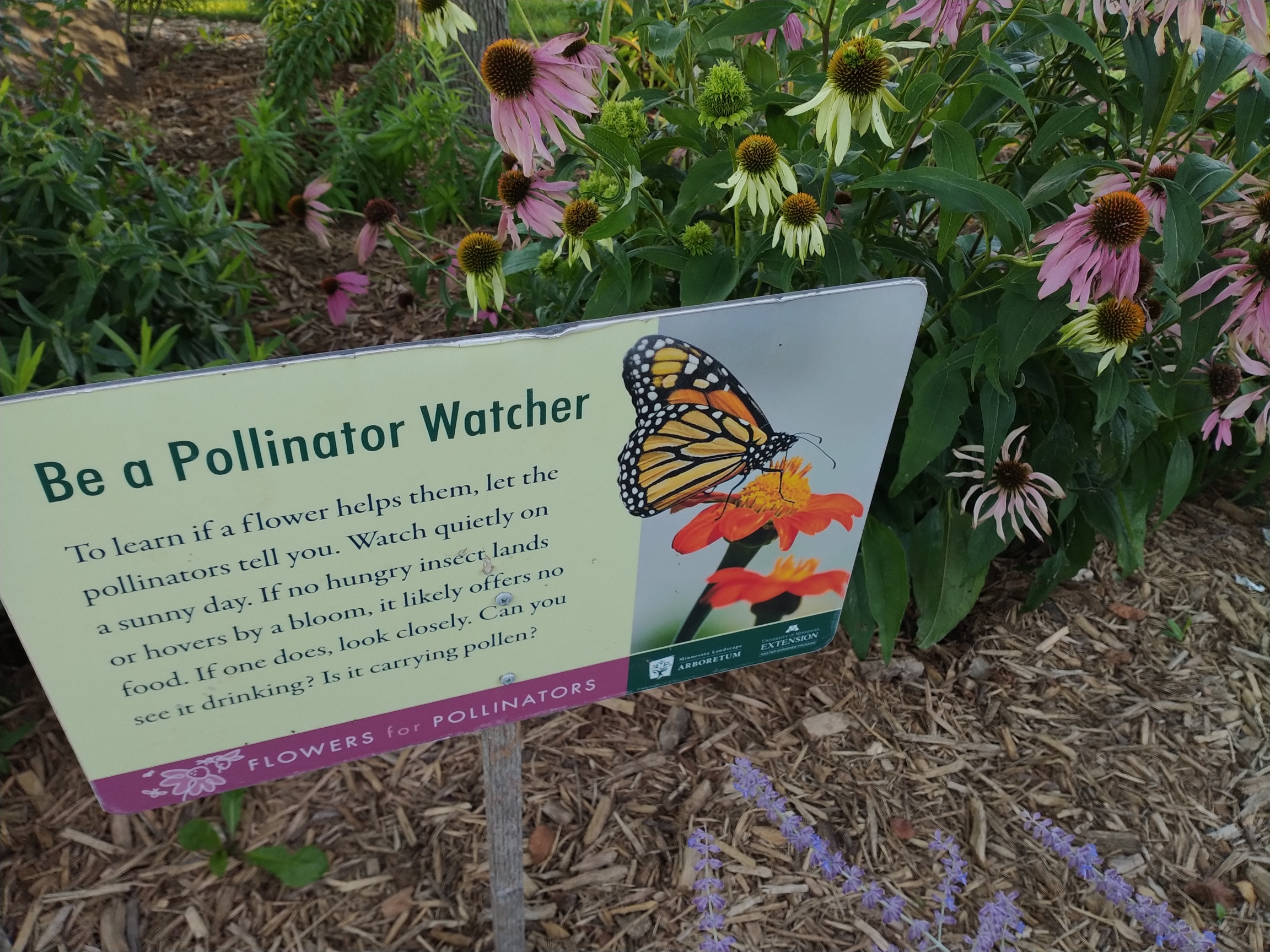
An educational sign among the flowers at the Rice County Master Gardeners Teaching Gardens. (Minnesota Prairie Roots copyrighted photo August 2024)

FYI: Nerstrand Big Woods State Park is hosting a “Monarchs and Milkweeds” presentation at 10 a.m. Saturday, August 24, in the park’s amphitheater. Kathy Gillispie, who raises monarchs from eggs, caterpillars and chrysalises, will speak about her experiences with monarchs. The program is free, but a state park parking pass is needed to enter the rural Nerstrand park.

© Copyright 2024 Audrey Kletscher Helbling
 

Of monarch butterflies & milkweeds August 14, 2023

Monarch on milkweed flower at the Rice County Master Gardeners Teaching Gardens, Faribault. (Minnesota Prairie Roots copyrighted photo June 2023)

ADMITTEDLY, A TIME EXISTED when I considered milkweeds to be, well, weeds. A weed, by definition, is an unwanted plant. And my farmer dad didn’t want milkweeds growing in his Redwood County soybean fields. So we—meaning me and my siblings—were instructed to eradicate milkweeds, cockle burrs and thistles while walking beans.

If the term “walking beans” is unfamiliar, it simply means walking between soybean rows to remove weeds either via pulling or hoeing, preferably yanking so as to assure root removal. This was a necessary, albeit unpleasant, task assigned to farm kids who labored and sweated under a hot summer sun. The reward was a clean field. And a grateful farmer father.

Occasionally, this job paid…if done for anyone other than Dad. One summer my cousin John hired my sister Lanae and I and two of our cousins to walk his beans. As the oldest among the four, I was the designated crew leader, quickly thrust into settling arguments between my two cousins. I decided then and there that I wasn’t management material.

Milkweeds flourish at River Bend Nature Center, Faribault. (Minnesota Prairie Roots copyrighted photo July 2023)

But back to those milkweeds. Now, some 50+ years later, my opinion about milkweeds has changed. I no longer pull them. I plant them and then allow them to go to seed. And this year I have a bumper crop growing in my flowerbeds, much to my delight.

Milkweed flowers are not only beautiful, but also smell lovely. (Minnesota Prairie Roots copyrighted photo July 2023)

Milkweeds are the host plant for monarch butterfly larvae, the reason I grow this food source. I want to do my part to protect the monarch, today considered to be endangered. I’ve been rewarded with monarchs flitting among my phlox and other plants in my tangled mess of flower gardens.

The other evening, while walking in a local park, I watched two monarchs swooping and dancing in a pre-mating ritual. Their aerial acrobatics impressed me like a line of well-written poetry. In many ways, their performance was poetry. Beautiful. Creative. Mesmerizing. Connective in a way that touched my spirit.

If my farmer dad (gone 20 years) heard me describe monarchs in this context, he may just shake his head and wonder about that poet daughter of his. And he would wonder even more whether I learned anything from pulling milkweeds all those summers ago in his southwestern Minnesota soybean fields.

#

FYI: You can learn about monarch butterflies and how you can help them, see caterpillars, then hike to look for monarchs during a 10-11:30 a.m. Saturday, August 19, program at the Nerstrand Big Woods State Park amphitheater. Minnesota Master Naturalist Katy Gillispie is leading the Friends of Nerstrand Big Woods State Park free “Monarchs and Milkweeds” event. A state park parking pass is required for entry to the park near Nerstrand.

© Copyright 2023 Audrey Kletscher Helbling
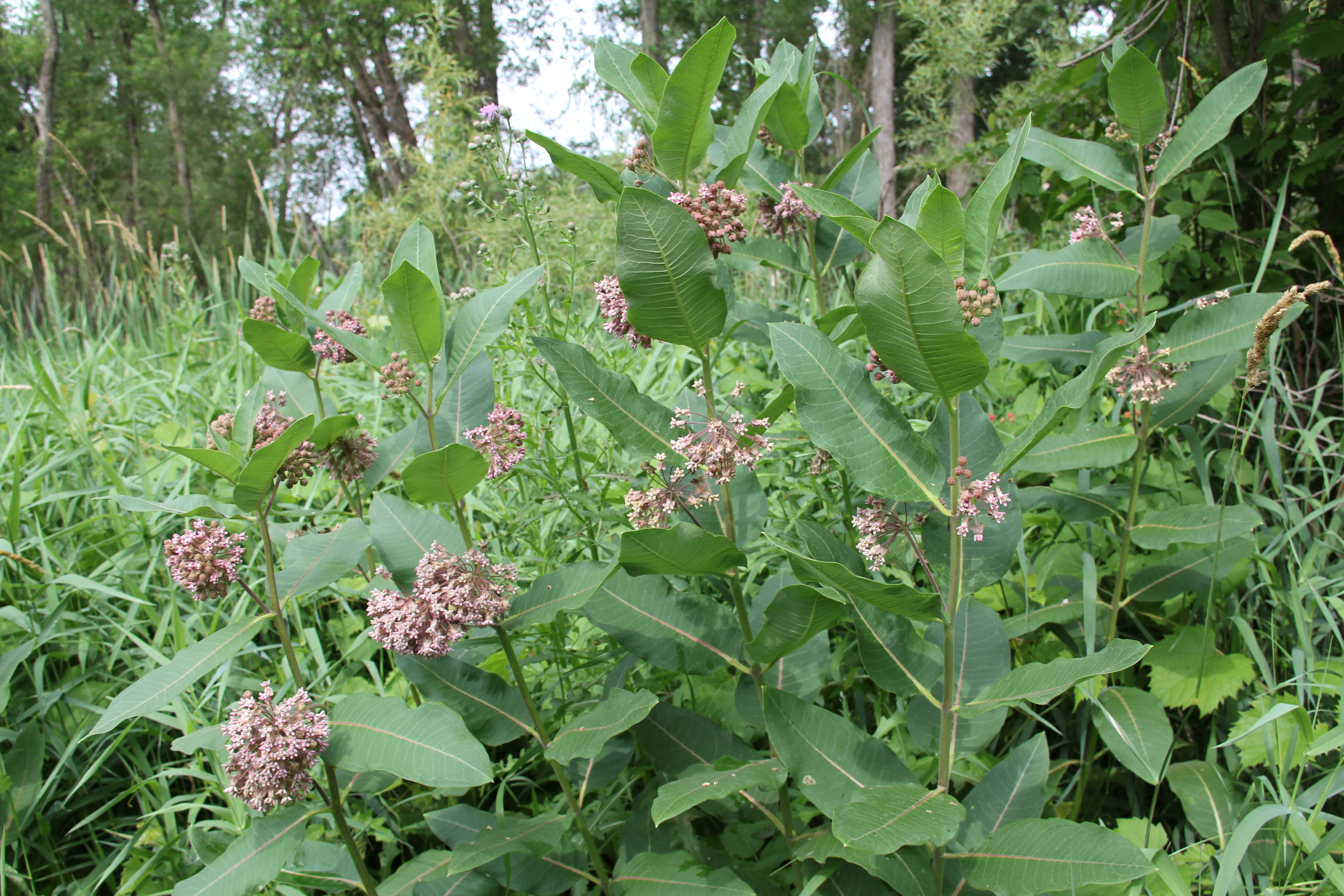
 

Milkweeds flourish at River Bend July 23, 2021

Bees feed on a milkweed flower at River Bend Nature Center, Faribault. Minnesota Prairie Roots copyrighted photo.

IN MY MESS OF FLOWERBEDS, which are anything but orderly, random milkweeds grow. Some sprouted in the lawn. Others simply popped up among the phlox and ferns and iris and greenery, seeds blown by the wind, dropping to the ground, rising now toward the sun.

Milkweeds thrive on the prairie at River Bend. Minnesota Prairie Roots copyrighted photo.

Back in the days of my youth, I would have yanked these milkweeds from the soil under the direction of my farmer father. Remove those weeds from the corn and soybean fields. I know better now. Milkweed plants are essential to the monarch butterfly.

I love the dusty hue of the common milkweed. Minnesota Prairie Roots copyrighted photo.

The milkweed is the host plant for the monarch. They lay eggs on the leaves, the larvae then feeding on those leaves.

The milkweed attracts more than just monarchs. Minnesota Prairie Roots copyrighted photo.

Without milkweeds, the monarch would become extinct.

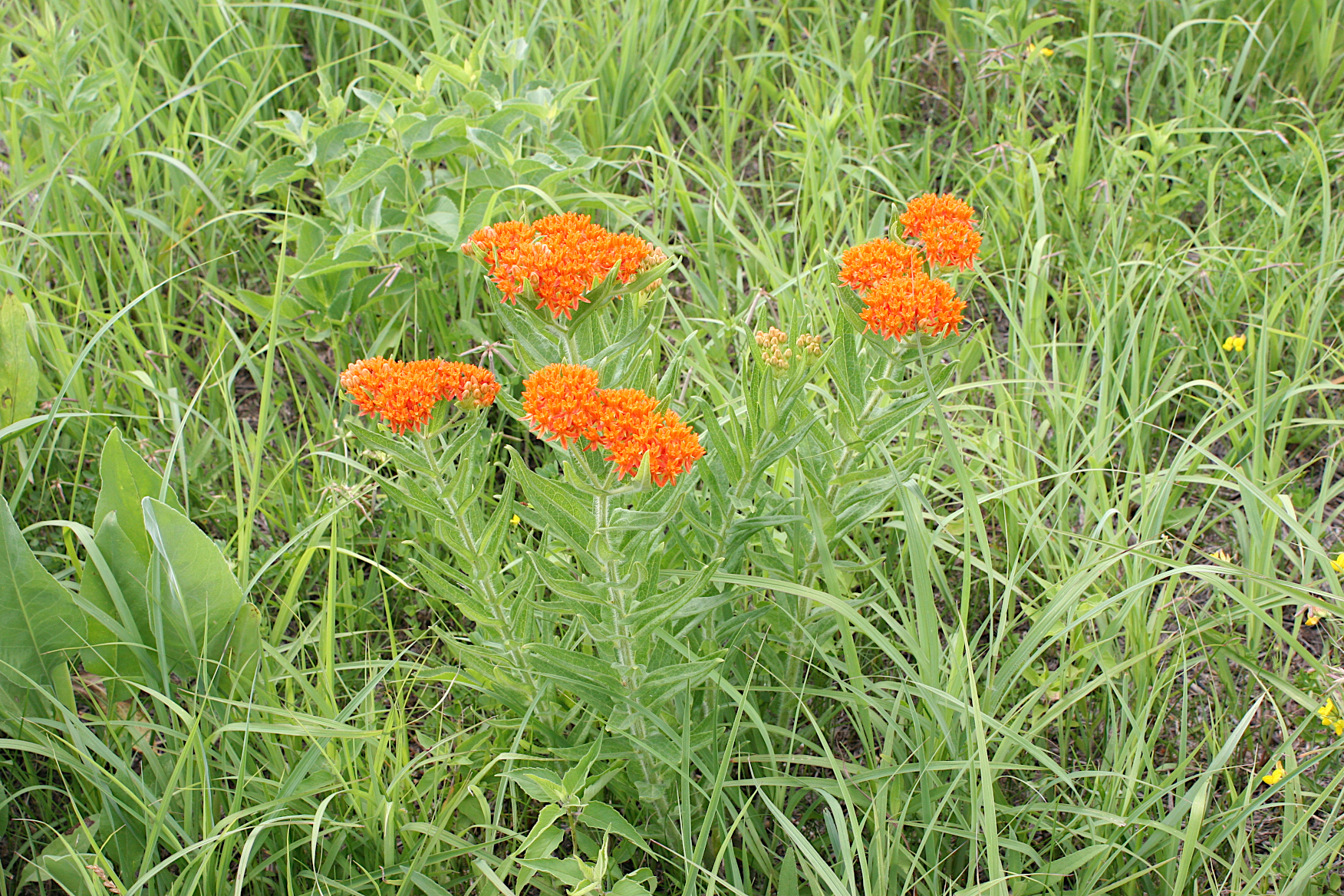
Butterfly milkweed, although much less abundant, also grows at River Bend. Minnesota Prairie Roots copyrighted photo.

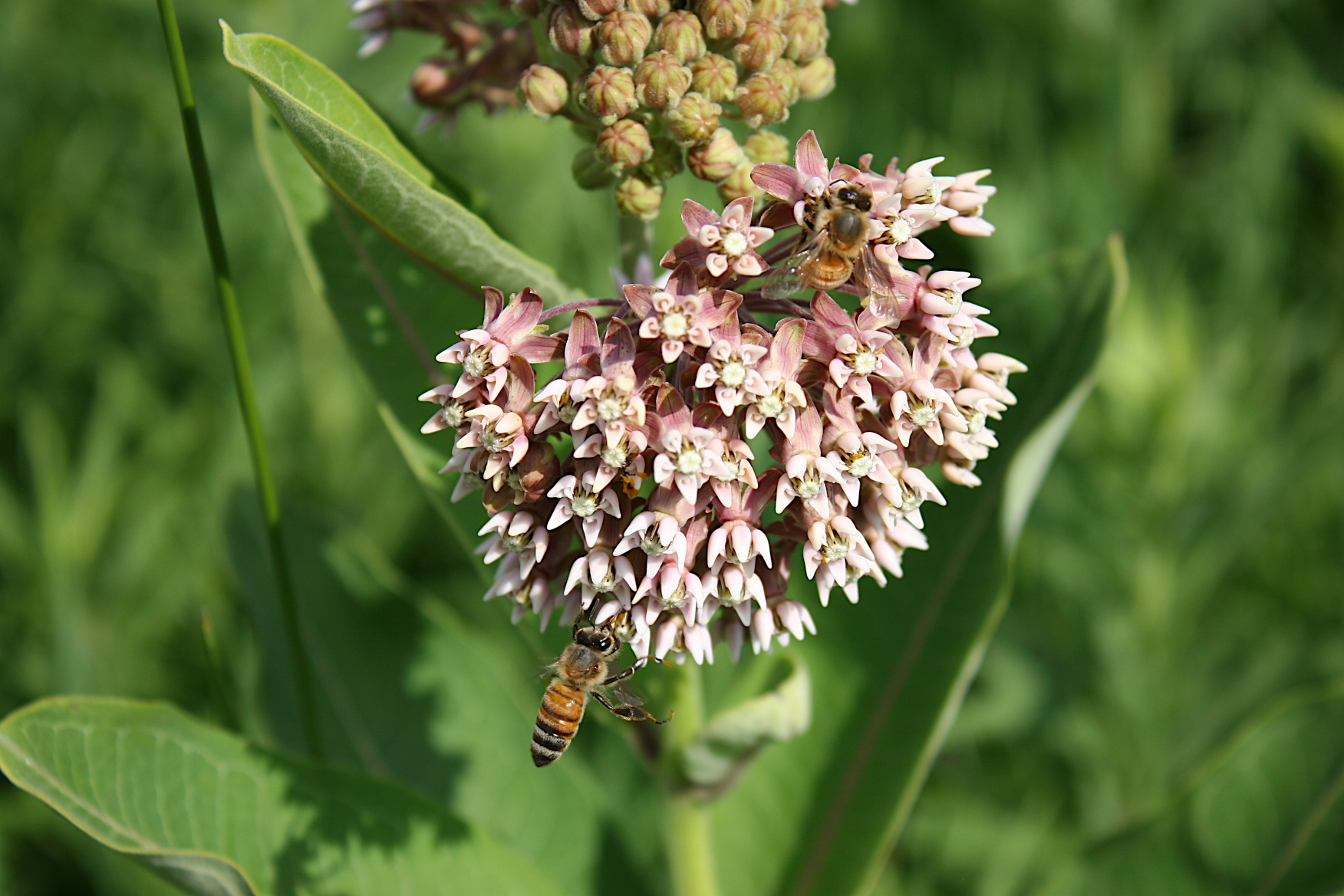
More and more, if you take note, you will see milkweeds growing. At River Bend Nature Center in Faribault, fields of common milkweed, dusty pink in color, grow, as do some of the more flashy orange butterfly milkweed.

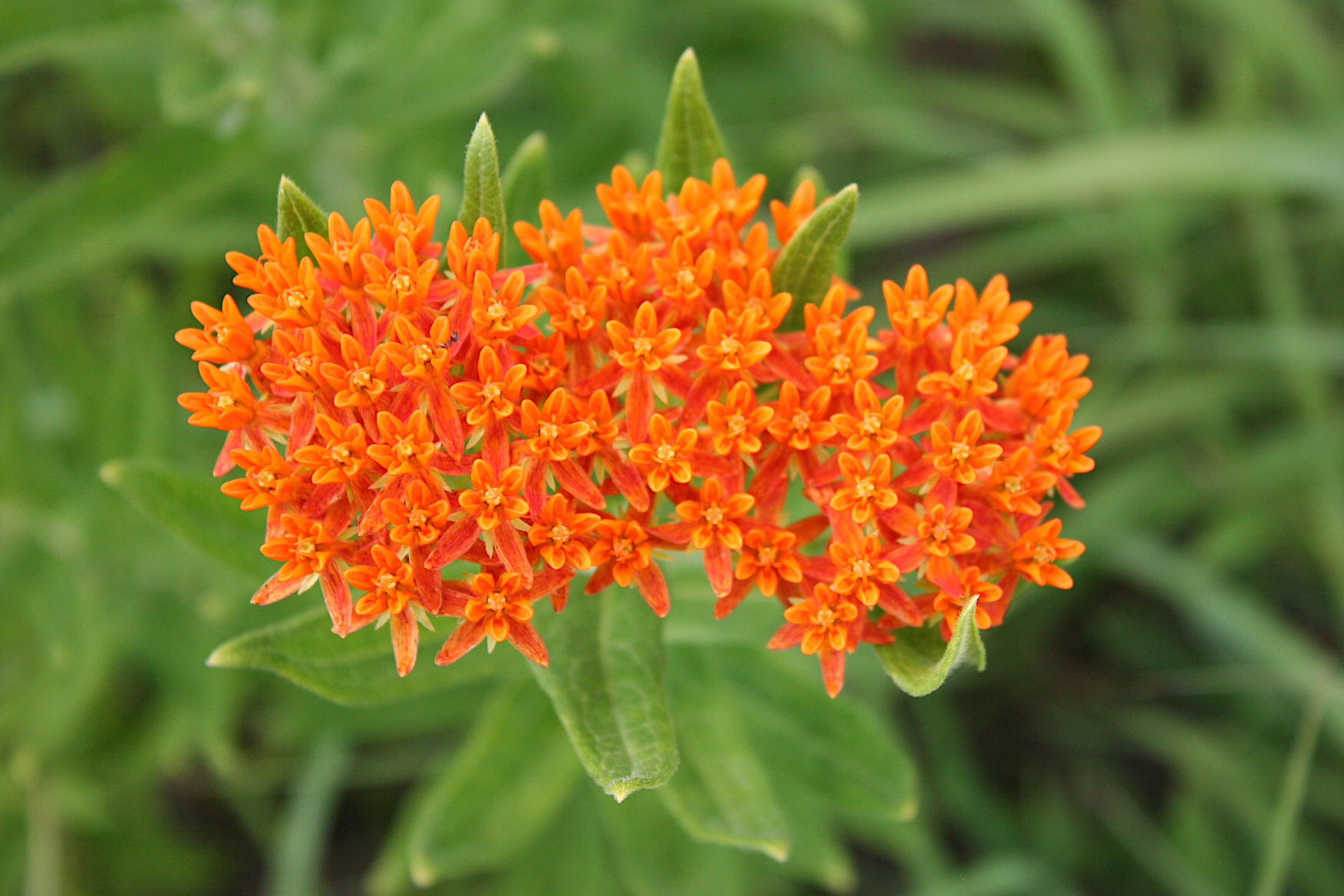
The exceedingly brilliant butterfly milkweed, up close. Minnesota Prairie Roots copyrighted photo.

I appreciate the value of this plant in the natural cycle, in sustaining the monarch butterfly population. This is but one example of how we are all intertwined. Every creature. One dependent on the other.

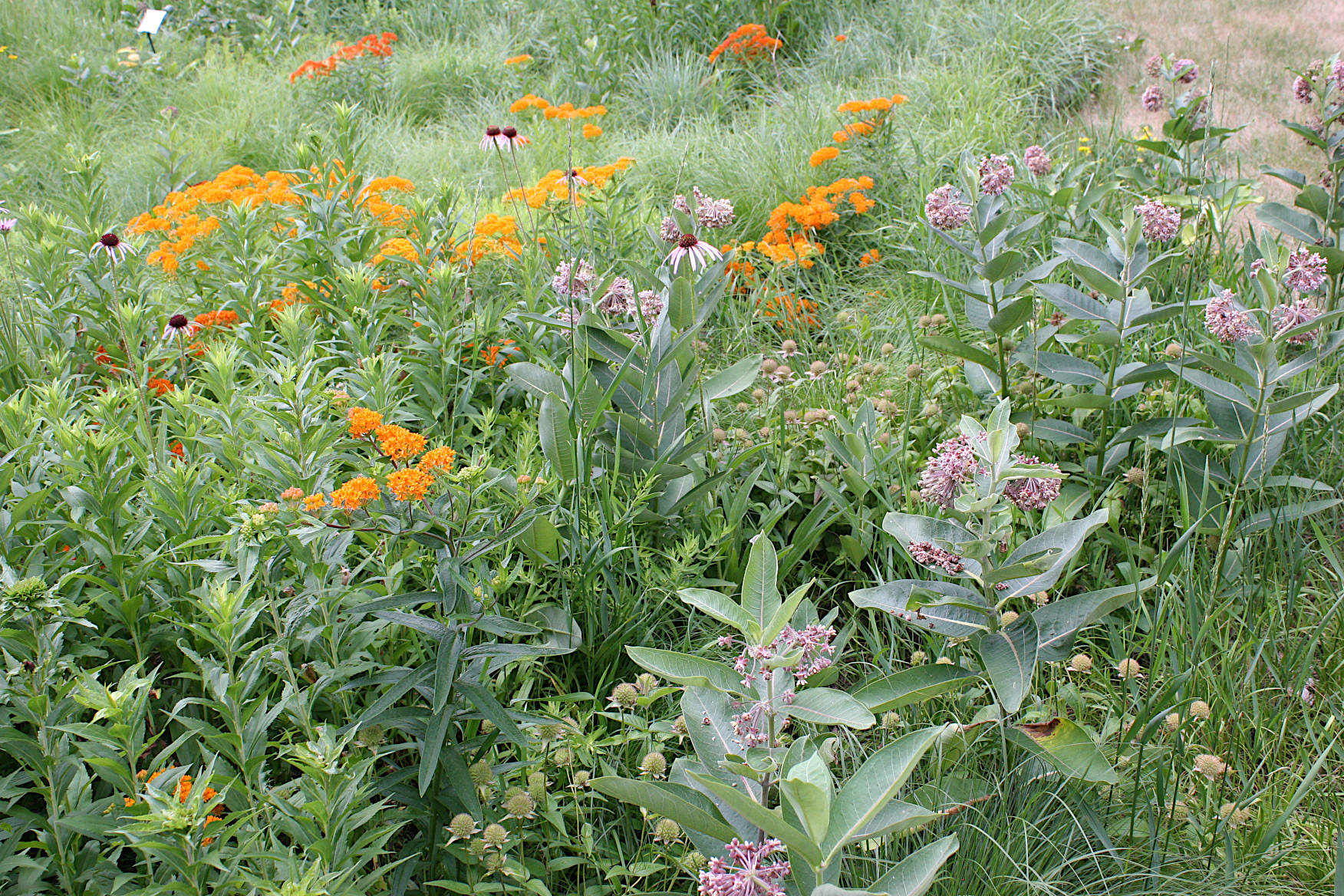
Milkweed and flowers flourish on the River Bend prairie. Minnesota Prairie Roots copyrighted photo.

I marvel at this intricate world God created. I love to watch a monarch butterfly flit through the air, settle on a blossom, drink its fill of nectar, then rise and fly. Delicate, yet sturdy. Dependent on milkweed and other flowers, yet free.

What a lovely and beautiful sight in a world where beauty is too often missed in the busyness of life, among all the weeds.

© Copyright 2021 Audrey Kletscher Helbling


September at River Bend September 11, 2019


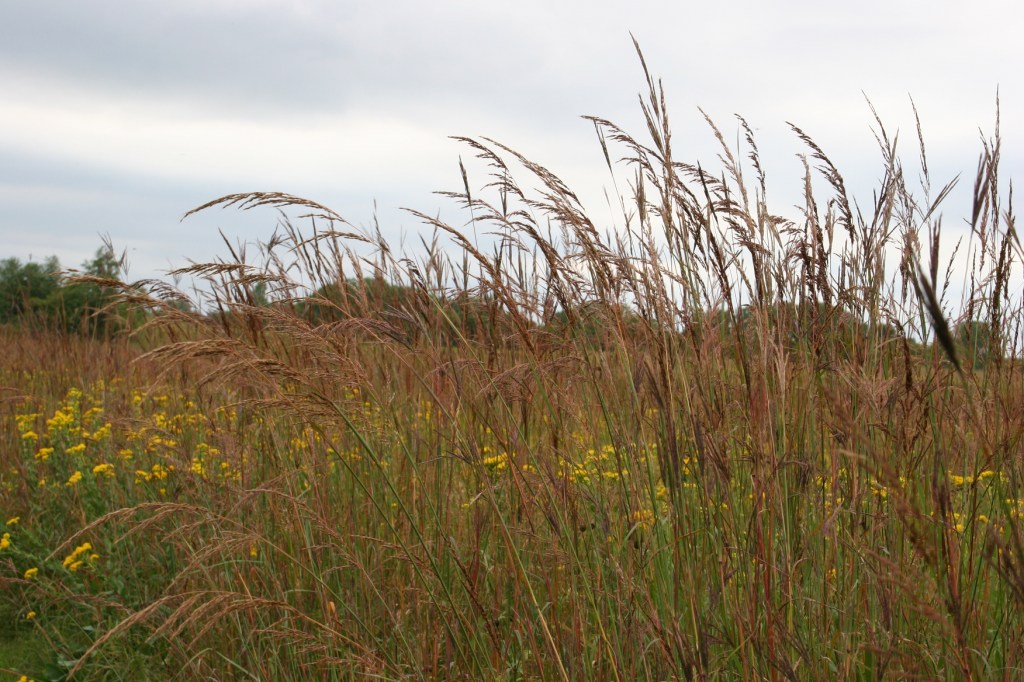
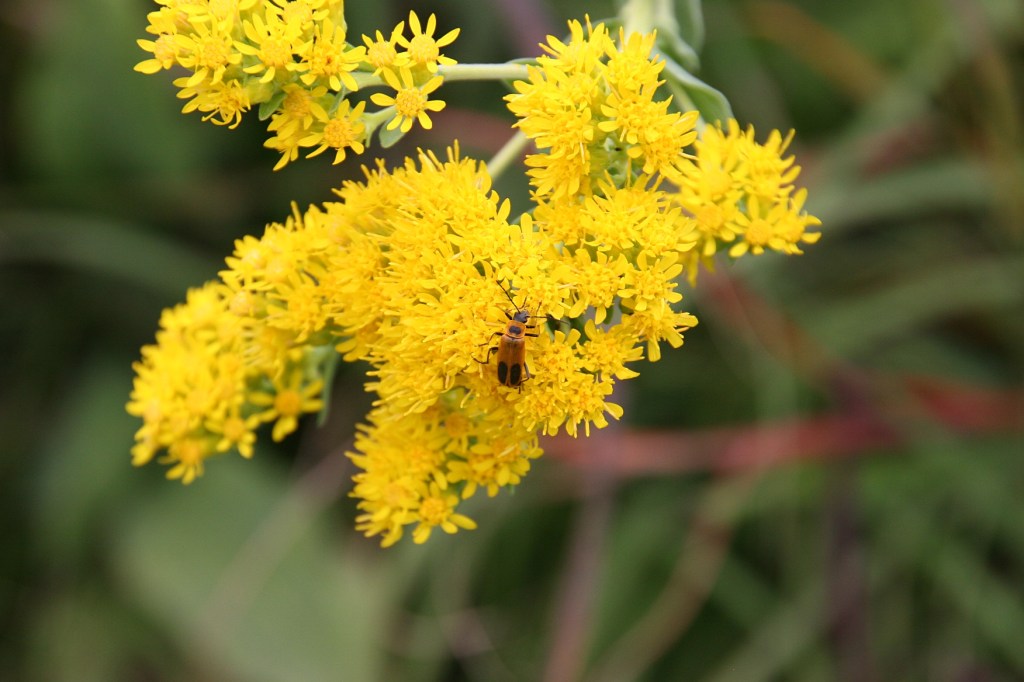
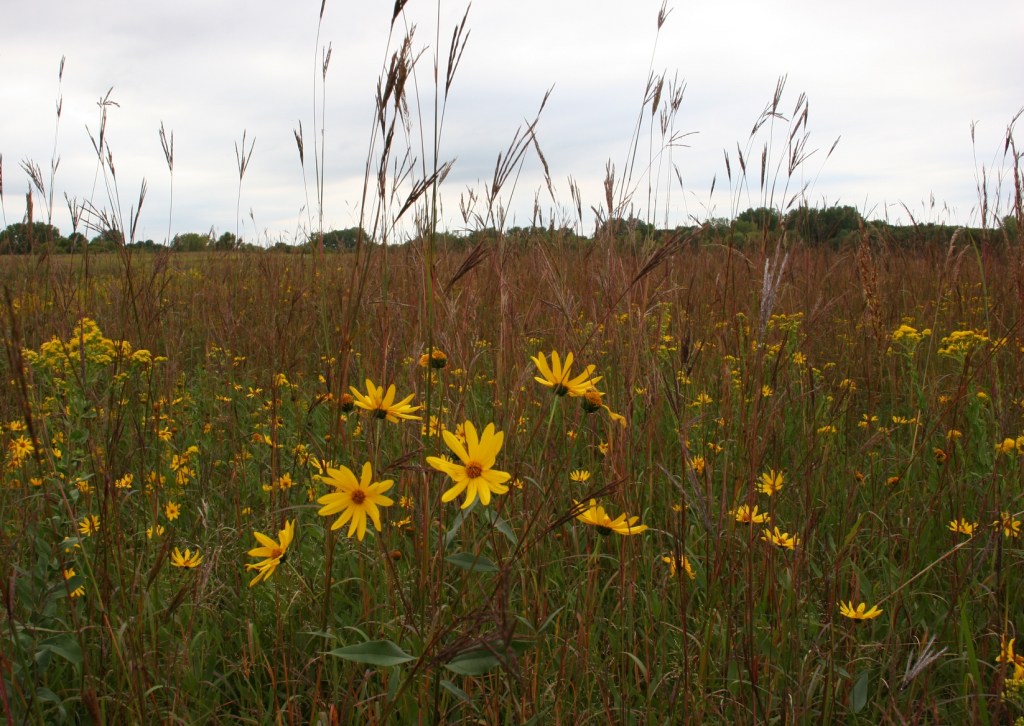
FIELDS OF GOLDENROD brighten the landscape—edging roadways, filling fields, erupting seemingly everywhere as summer slips ever closer to autumn in Minnesota.


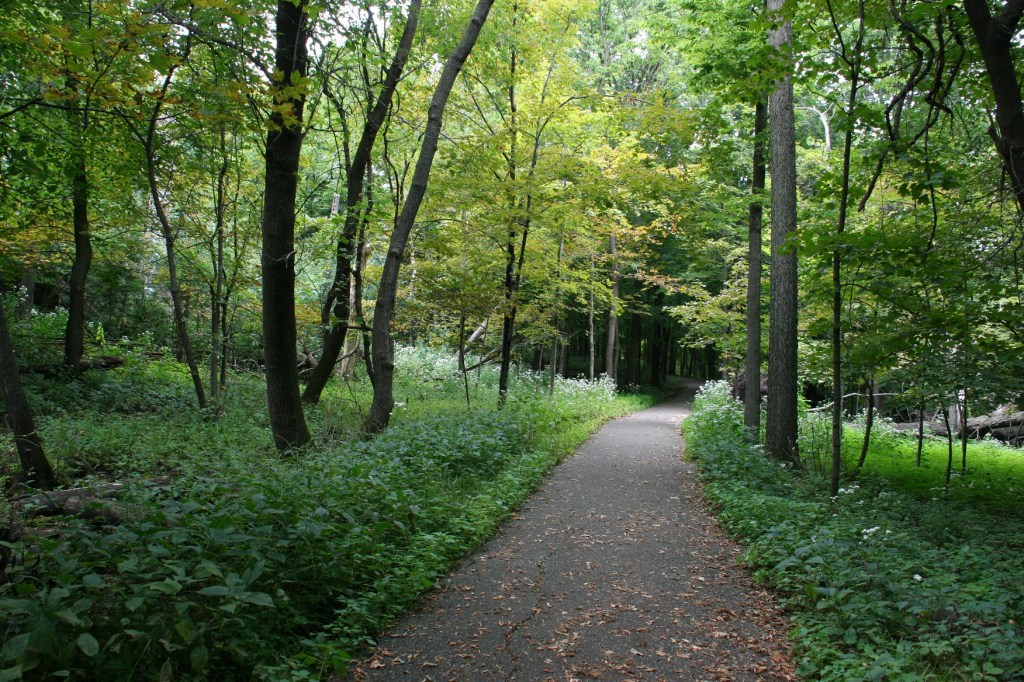
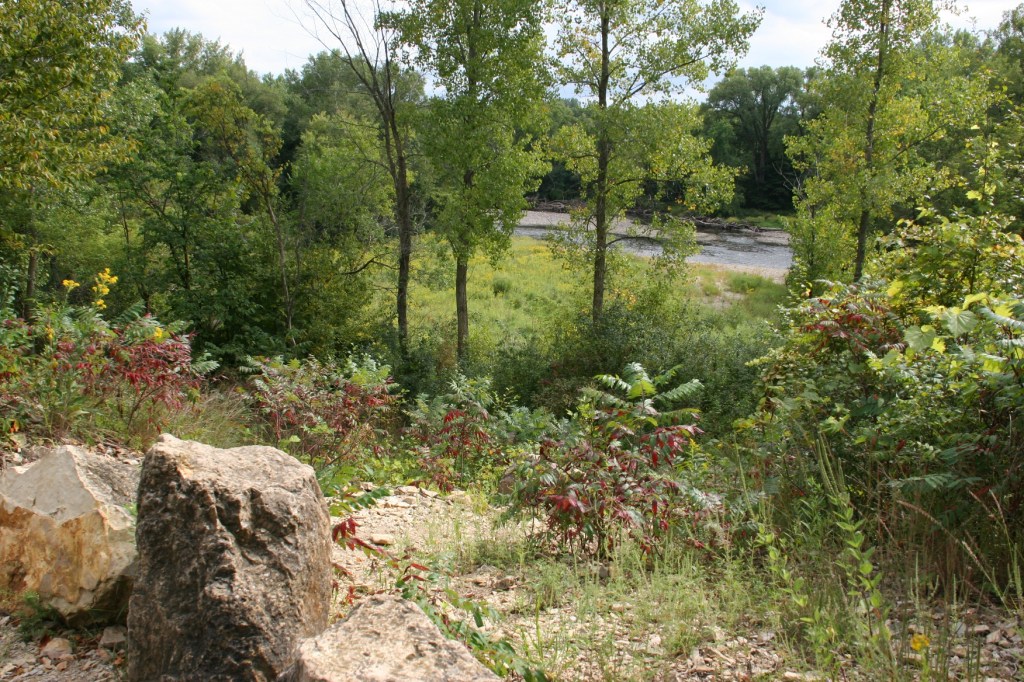
A walk through River Bend Nature Center reveals hues of brown, orange, red and yellow. In leaves changing color. In fading flowers.


In mature milkweeds and drying prairie grasses.


In butterflies galore.


Days carry a visual impression of autumn. But also a feel of autumn. There’s a sense of urgency, of the need to be outdoors as much as possible.


Autumn marks my favorite of Minnesota’s seasons. So I carry my camera through Faribault’s sprawling nature center to take it all in.


The places marked by man with words of adoration.


The trails that trail through the woods.


And always the path cut through the prairie, where I imagine settlers of long ago crossing Minnesota Territory in covered wagons or slicing plow blades through sod or simply journeying westward into dreams.


These are my thoughts within this land set aside to preserve today for the dreamers of tomorrow.

© Copyright 2019 Audrey Kletscher Helbling
 

Lunchbox love in January January 30, 2019

Filed under: Uncategorized — Audrey Kletscher Helbling @ 5:00 AM
Tags: , , , , , , ,

HE DROPPED HIS BLACK LUNCHBOX onto the kitchen counter upon his arrival home. “I have something for you,” Randy said, flipping latches to unlock the box.


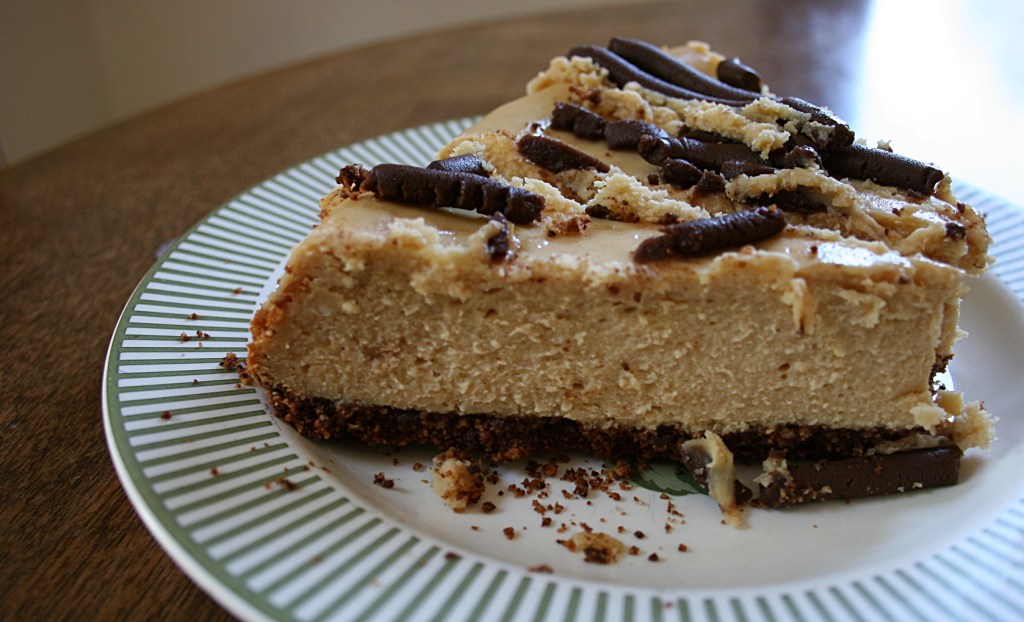
Minnesota Prairie Roots file photo of cheesecake.


I anticipated a sweet. Randy occasionally grabs a birthday treat for me from work. Not that I need sweets—because who does—but I enjoy the occasional piece of left-over cheesecake, square of apple pie bars, slice of chocolate cake. When Randy brings me a sweet rather than simply tells me about it, I am particularly happy. Already I craved whatever he’d stashed away for me.

“Here, I brought you spring,” he said, reaching inside.

Puzzlement flushed my face. Lemon bars? Rhubarb pie? What did he have inside that lunchbox?


Then Randy handed me a dead Monarch butterfly. Brittle. Wings folded. A dead butterfly when I’d expected dessert?

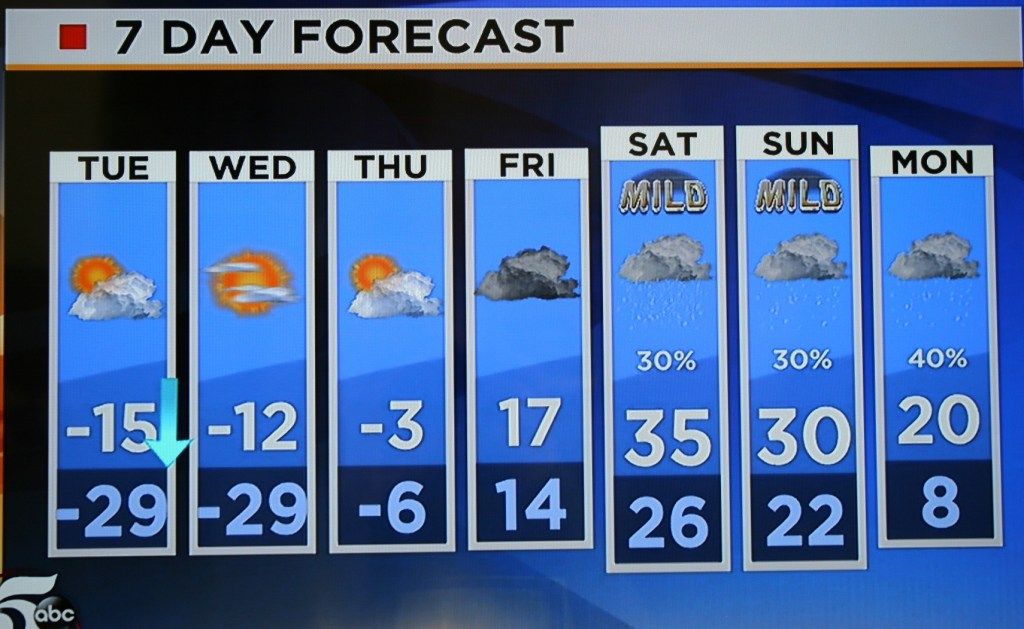
I regrouped my thoughts, put my disappointment on hold and reconsidered. In the midst of a record-breaking cold snap and recent snowfall (which required joint snowfall removal efforts that very morning), Randy decided I needed a glimpse of spring. Or, more accurately, summer, the season butterflies emerge. How sweet is that?

But where did he find this Monarch in January in Minnesota? Randy works as an automotive machinist. He found the butterfly—along with acorns and leaves—inside a cylinder head dropped off by a customer. More often he finds a mouse nest or evidence of mice.


The forecast for Minnesota on a Twin Cities TV station at noon-ish Tuesday.


He may not have given me what I expected. But Randy gave me exactly what I needed on an especially cold evening in late January. He gifted me with hope. That spring always follows winter. And that, even after nearly 37 years of marriage, love still offers sweet surprises.

© Copyright 2019 Audrey Kletscher Helbling
 

Minnesota Faces: The butterfly-loving bookseller March 13, 2015

Portraits #11 & 12: Russell Mattson, purveyor of books

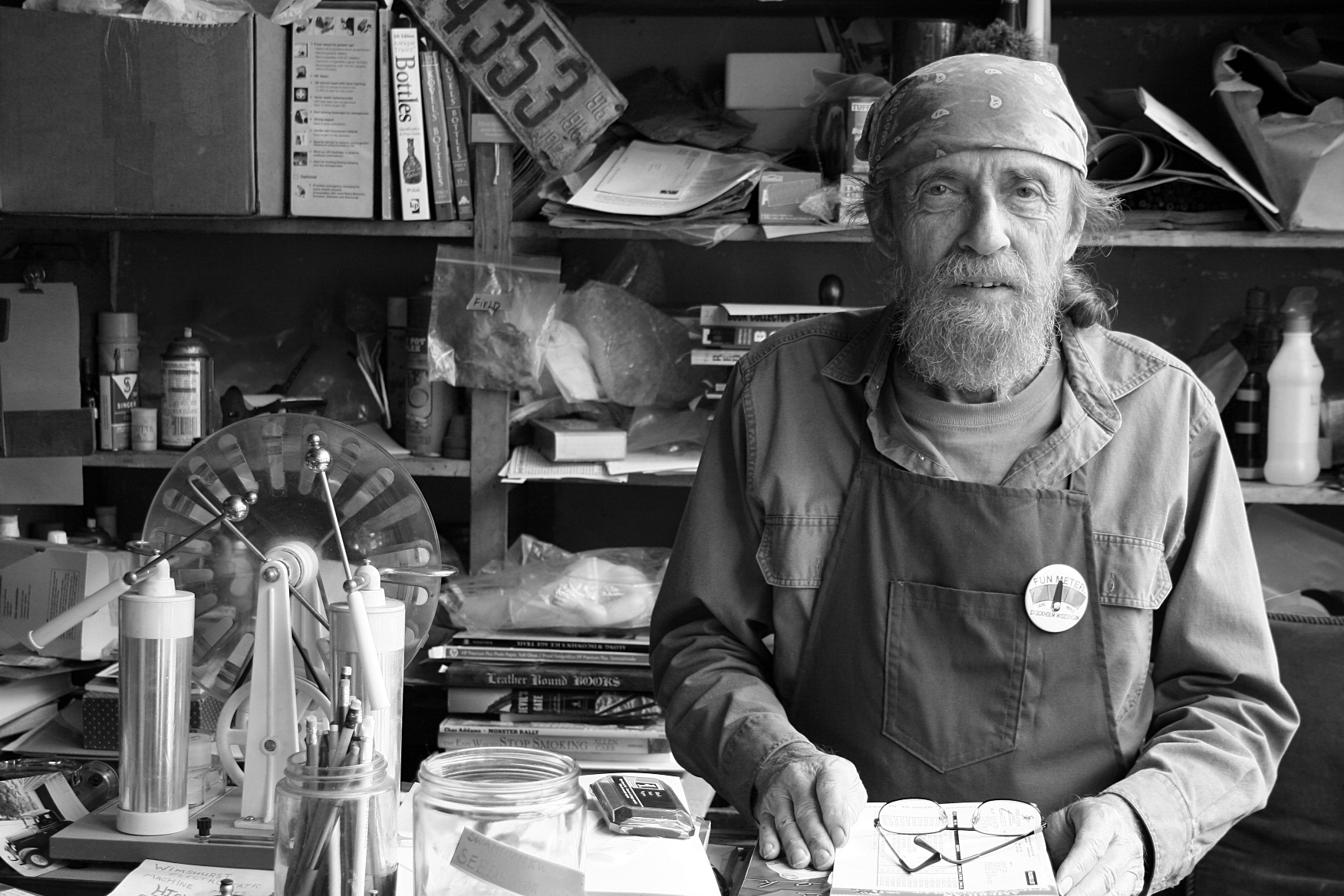
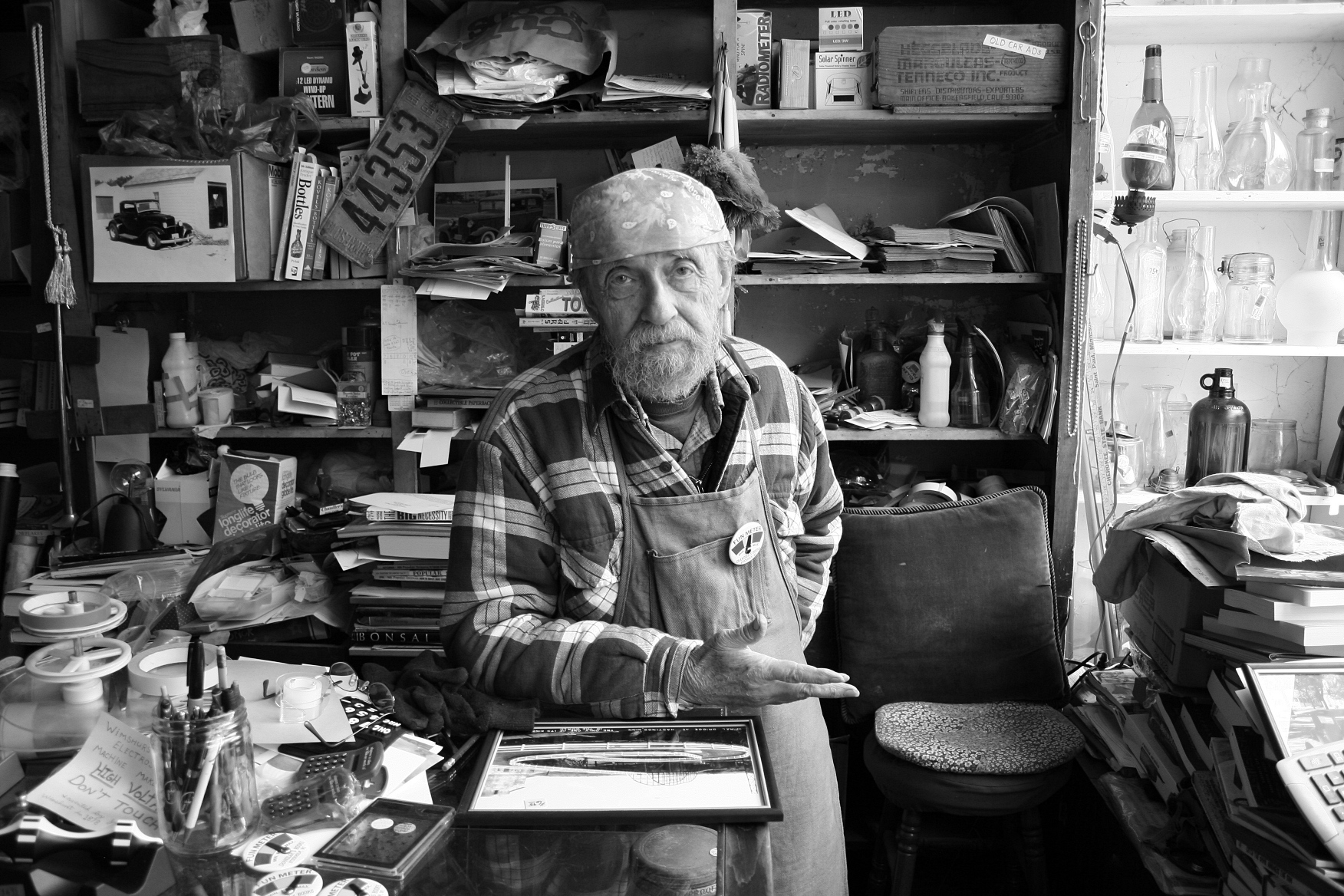
My first portrait of Russ, taken in October 2011.

My first portrait of Russell, taken in October 2011.

His eyes hold a certain depth of sadness that I can’t define. Or perhaps his eyes simply hold stories of hard times or too many good times, or wisdom that comes with aging.

Russell Mattson, St. Paul, Minnesota, native and owner of Chandler’s books in the Mississippi River town of Stockholm, Wisconsin, seems a free spirit, a character, a former hippie type.

I first met him in October 2011 at his cluttered bookstore along Stockholm’s main drag. I learned that he’s an amateur photographer, a candle maker, a car nut, a lover of Monarch butterflies and, clearly, a bibliophile.

Russell three years later in October 2014.

Russell three years later in October 2014.

Last fall I revisited Stockholm and Russell. I found him behind the counter of his book shop, the same blue print do-rag bowling his head, the same FUN METER button pinned to his apron.
Russell was still offering customers free milkweed seeds to maintain the Monarch population. Monarch larvae feed exclusively on milkweed, making the plant essential to the butterfly’s survival.
Personalities like this shopkeeper intrigue me for their individualism, their eccentricities, their uniqueness—all of which are synonyms really. The Russells of this world offer interesting portraits, interesting conversation, interesting studies in small town life.
I find a certain hope in meeting individuals like Russell who care about something as simple as Monarch butterflies.

#

This is part of a series, Minnesota Faces, featured every Friday on Minnesota Prairie Roots.

© Copyright 2015 Audrey Kletscher Helbling