Minnesota Prairie Roots

Writing and photography by Audrey Kletscher Helbling

Autumn searches for water, at least in Minnesota September 30, 2024

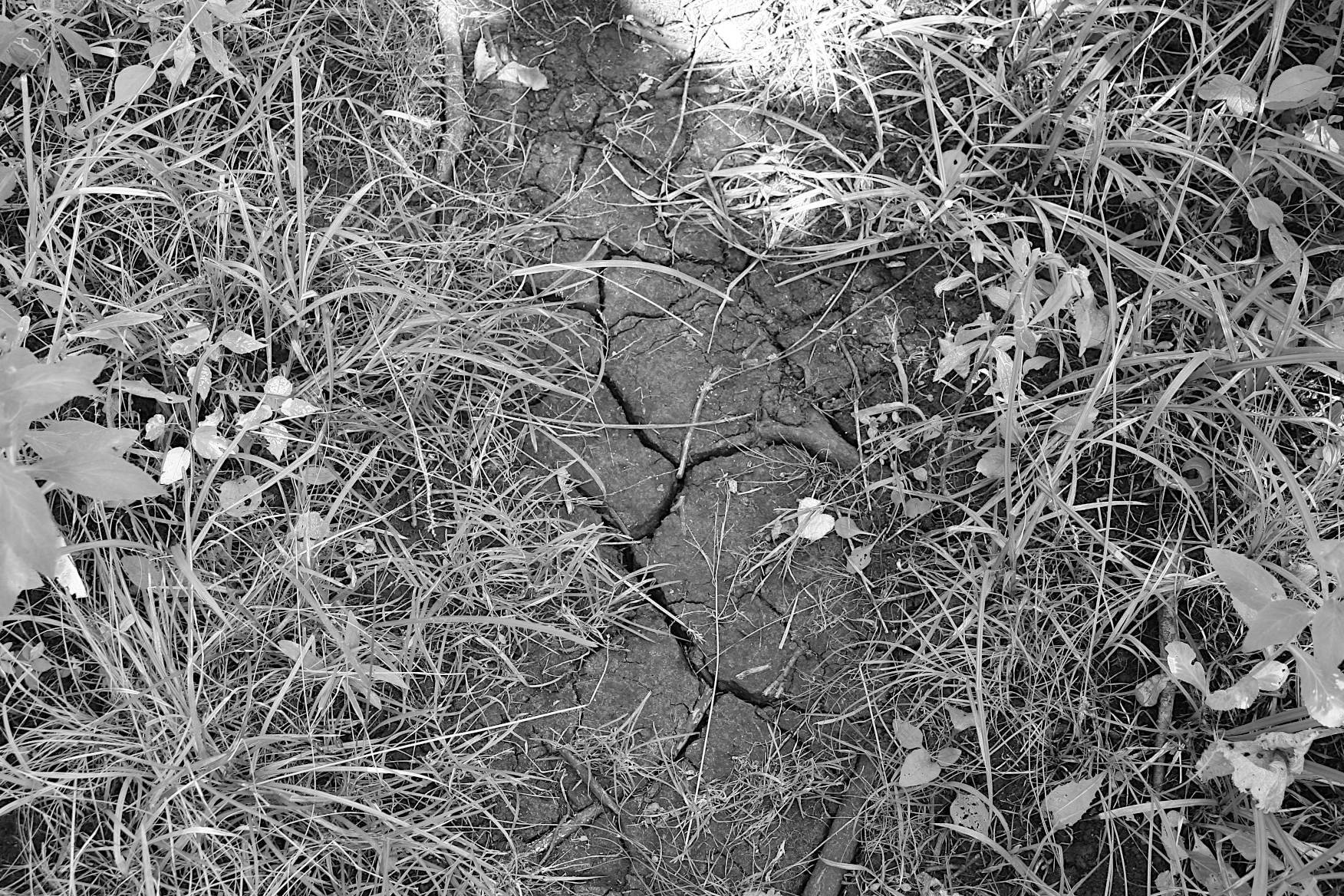
Parched, cracked earth by the Turtle Pond, River Bend Nature Center. (Minnesota Prairie Roots copyrighted file photo August 2021, used for illustration only)

IN AN AUTUMN WHEN RAIN REMAINS elusive and drought once again settles upon Minnesota, I am reminded of a poem I penned 14 years ago for a competition. “In which Autumn searches for Water” was among 28 pieces of prose and poetry published in “It’s All One Water,” a collaboration between the Zumbro Watershed Partnership and Crossings at Carnegie in Zumbrota.
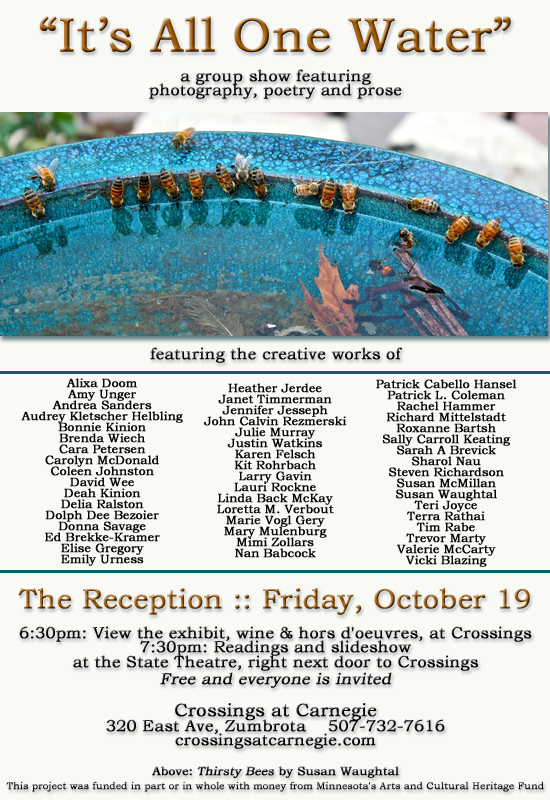
The invitation to the 2012 “It’s All One Water” reception and group show in Zumbrota.

The winning entries were printed in a beautiful 55-page booklet that paired the writing with submitted photos, all themed to water. I opted to pen a poem personifying Autumn as a woman searching for water upon the parched land. To this day I still love that strong visual, inspired by my long ago observations at River Bend Nature Center in Faribault.

And if I were to tap further into my visual memory, I would also see a semi trailer full of hay parked in a southwestern Minnesota farmyard in the summer of 1976. That was a year of severe drought, when my dad bought a boxcar full of hay from Montana so he could feed his cows and livestock. It was the year that nearly broke him as a farmer.

A REALLY DRY & WARM SEPTEMBER IN MINNESOTA

Here we are, 48 years later, settling once again into drought/abnormally dry weather conditions in Minnesota after a winter of minimal snow followed by an excessively wet spring, a dry-ish summer and now a record warm and dry September. This September, the Twin Cities recorded only 0.06 inches of rain and the most days of 80-degree or warmer high temps in any September. It doesn’t feel like fall in Minnesota, more like summer. But at least temperatures cool overnight.

Areas of western and central Minnesota are under a Red Flag Warning today, code words for a high fire danger, due to dry, windy conditions and dropping relative humidity. We are experiencing “near critical fire weather conditions” here in the southern part of the state.

AND THEN THERE’S TOO MUCH WATER

Contrast this with the weather my friends in western North Carolina and other areas affected by Hurricane Helene are experiencing. One is OK (as is her house). But she expects to be without power for a week and is relying on limited cell service at the local firehall. Another friend, a native Minnesotan, lost his car and may lose his home in Hendersonville after a creek swelled, flooding his garage (with four feet of water) and house (30 inches of floodwaters). A foundation wall “blew out” of his home. He is currently staying with family in Florida.

So, yes, even though the lack of rain and abnormally warm weather in Minnesota concern me, I feel a deeper concern for the folks dealing with loss of homes, businesses, infrastructures and, especially, deaths of loved ones. The devastation is horrific. It will take months, if not years, to recover.

RESPECT FOR WATER & MY POEM

In 2012, the following statement published in the intro to “It’s All One Water”: It is our hope to inspire respect, protection, preservation and awe in honor of water, our most precious of Natural Resources. How one views water right now depends on where they live. But I think we can all agree that water is “our most precious of Natural Resources.”
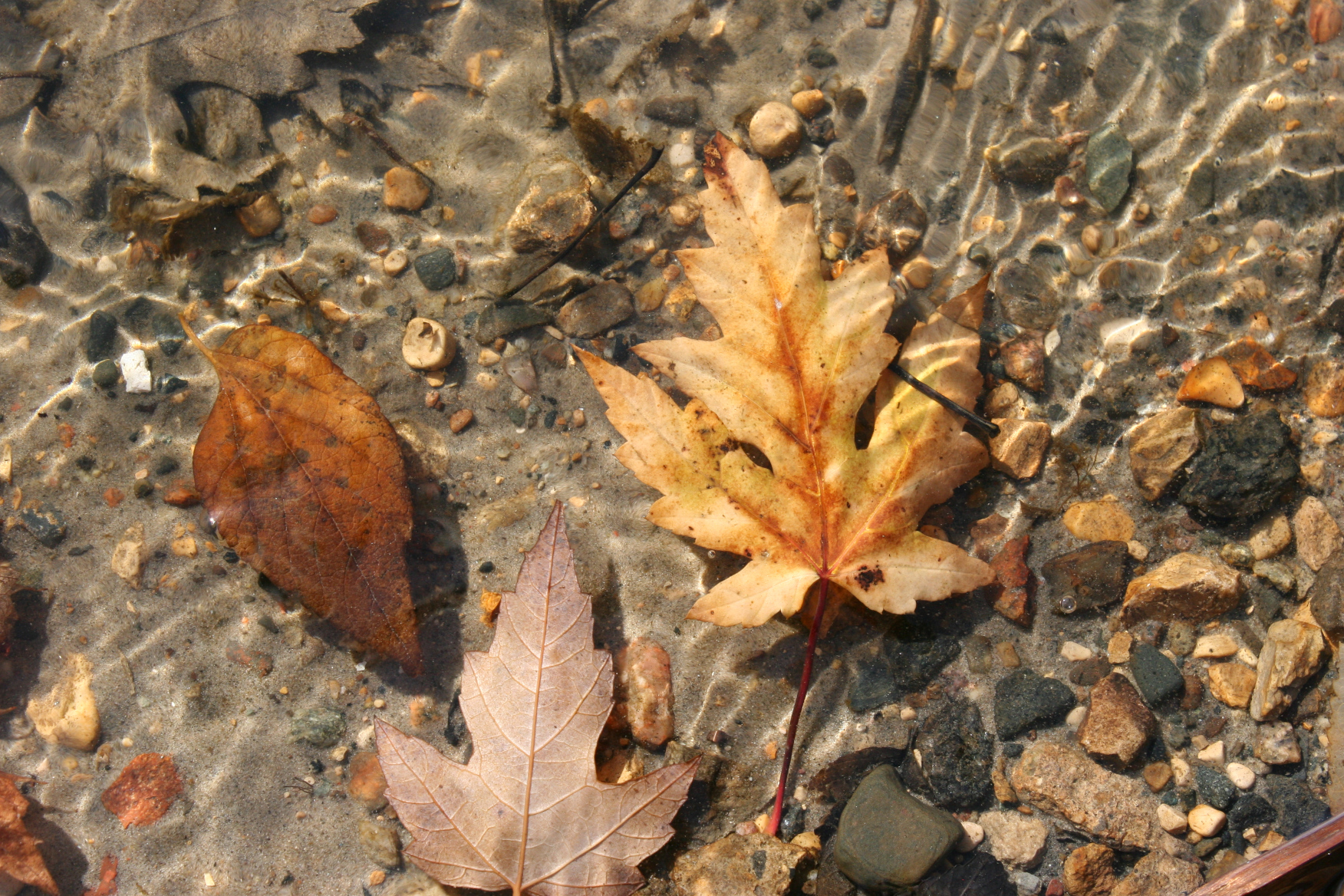
Autumn leaves in the Cannon River, Cannon River Wilderness Park. (Minnesota Prairie Roots copyrighted file photo 2021)

In which Autumn searches for Water

Water. The wayward word rises in a faint rasp,

barely a whisper above the drone of buzzing bees

weaving among glorious goldenrods.

I strain to hear as Autumn swishes through tall swaying grass,

strides toward the pond, yearning to quench her thirst

in this season when Sky has remained mostly silent.

But she finds there, at the pond site, the absence of Water,

only thin reeds of cattails and defiant weeds in cracked soil,

deep varicose veins crisscrossing Earth.

She pauses, squats low to the parched ground and murmurs

of an incessant chorus of frogs in the spring,

of Water which once nourished this marshland.

Autumn heaves herself up, considers her options

in a brittle landscape too early withered by lack of rain.

Defeat marks her face. Her shoulders slump. She trudges away, in search of Water.

© Copyright 2024 Audrey Kletscher Helbling

© Copyright 2012 “In which Autumn searches for Water” by Audrey Kletscher Helbling


Fish art along the Mississippi in Monticello October 20, 2022

The Mississippi River in Monticello, MN. (Minnesota Prairie Roots copyrighted photo September 2022)

ALMOST ON A DAILY BASIS now I hear and read media reports about the Mississippi River, reportedly at its lowest level in a decade. Lack of rain led to this situation which is now causing shipping problems, concerns about drinking water supplies and issues with salt water creeping into the river.

Fish art along the Mississippi in Monticello. (Minnesota Prairie Roots copyrighted photo September 2022)

I need only look at lakes, rivers, streams and creeks in southern Minnesota to see how drought is affecting our waterways. Dry creek beds, exposed rock, clearly low water levels raise my concern.

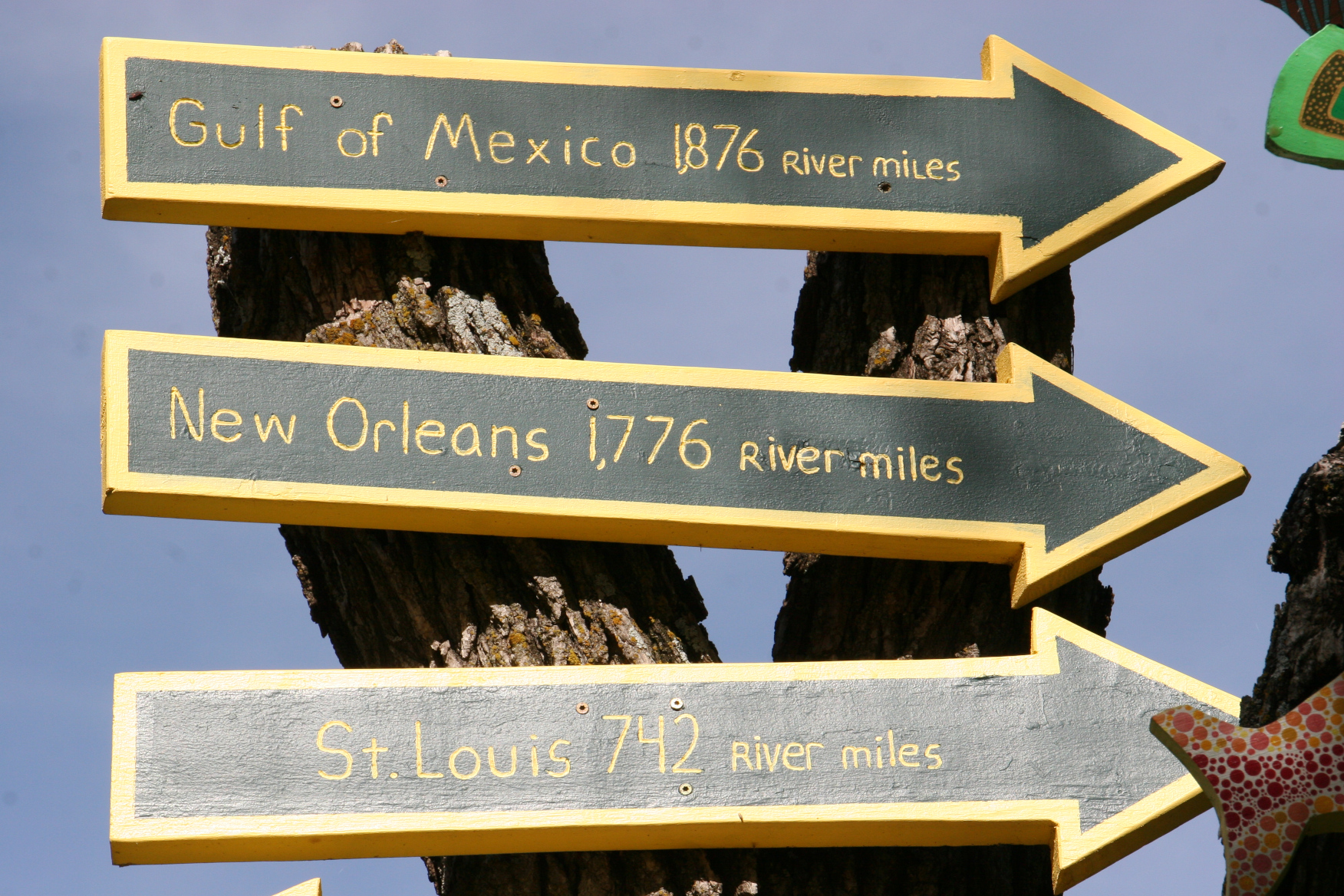
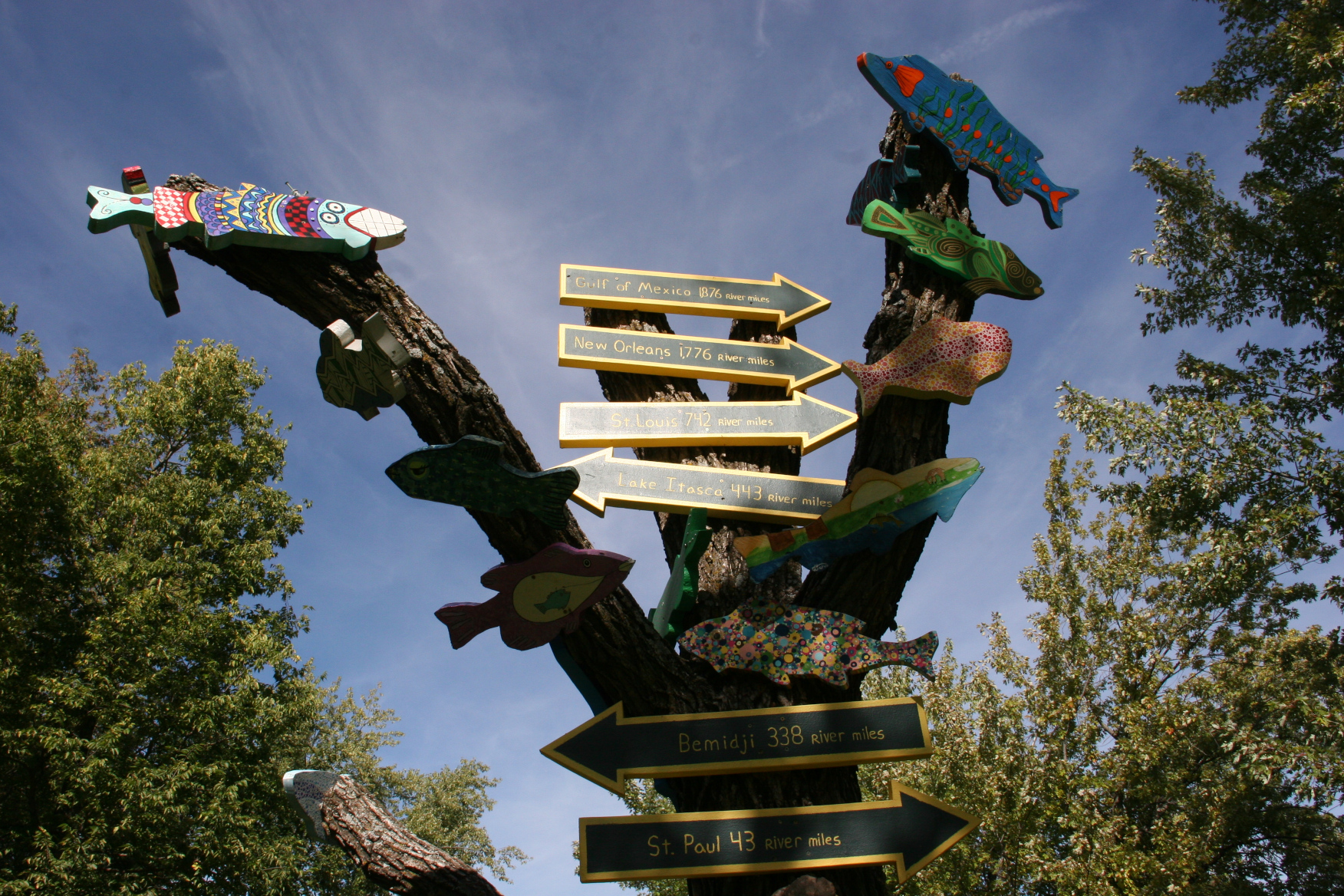
Arrows on the public art list locations along the Mississippi. (Minnesota Prairie Roots copyrighted photo September 2022)

Some 270 miles to the north of Faribault in Itasca State Park, the Mississippi River begins. Like most Minnesotans, I’ve walked across the headwaters. The Mississippi starts as a narrow, knee-deep river that widens and deepens and flows 694 miles through Minnesota. It passes through communities like Bemidji (at its northern-most point), Brainerd, Little Falls, St. Cloud, Minneapolis, Hastings and many towns and cities in between before spilling into Iowa on its 2,350-mile journey to the Gulf of Mexico.

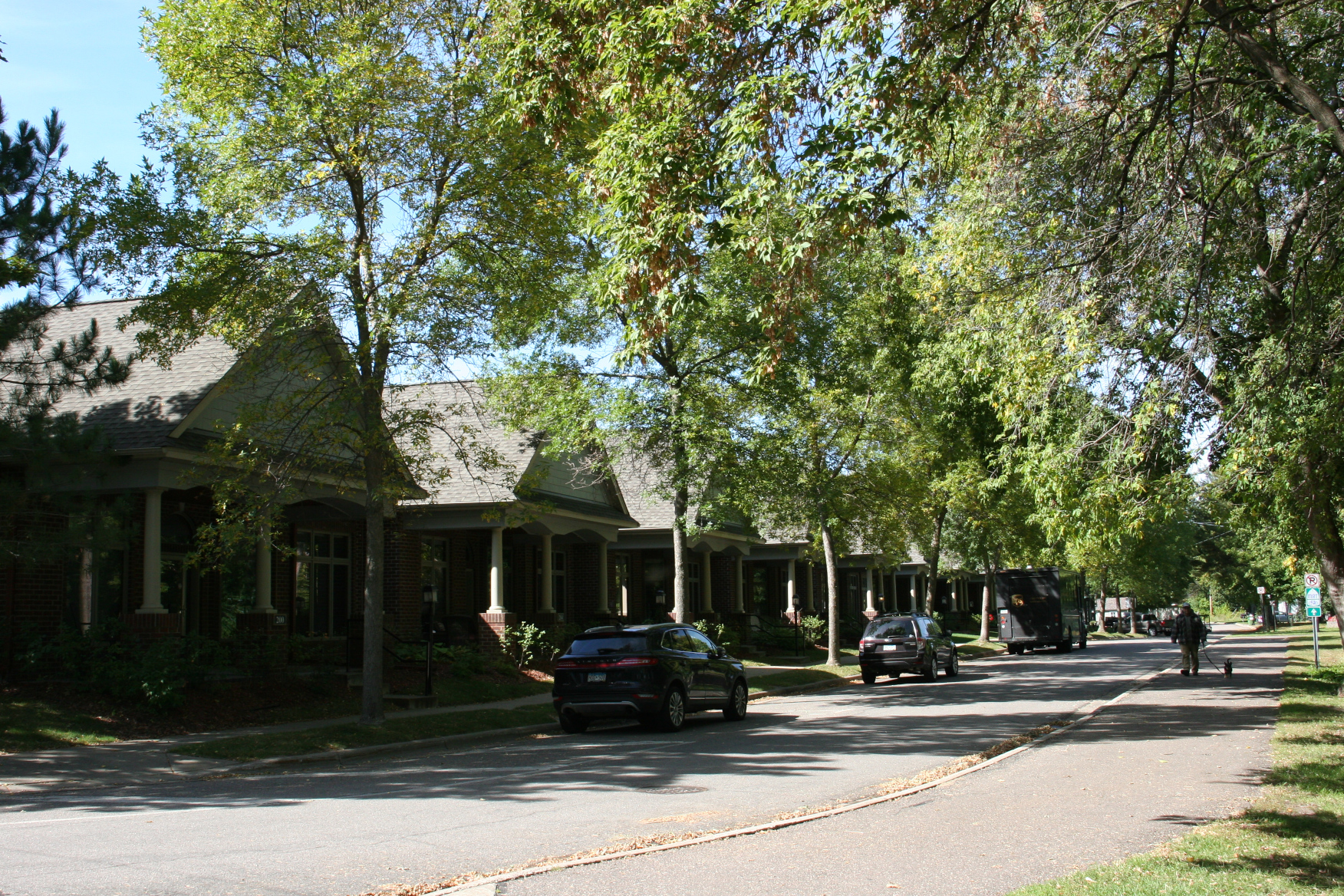
These lovely homes are next to the park by the river. (Minnesota Prairie Roots copyrighted photo September 2022)

Recently, on a return trip home from a family member’s lake cabin in the Brainerd Lakes area, Randy and I stopped for a picnic lunch at West Bridge Park in Monticello. On the northwest edge of the Twin Cities metro, this community hugs the Mississippi. The park, just off State Highway 25 by the river bridge, is easily accessible, but noisy with the steady drone of traffic.

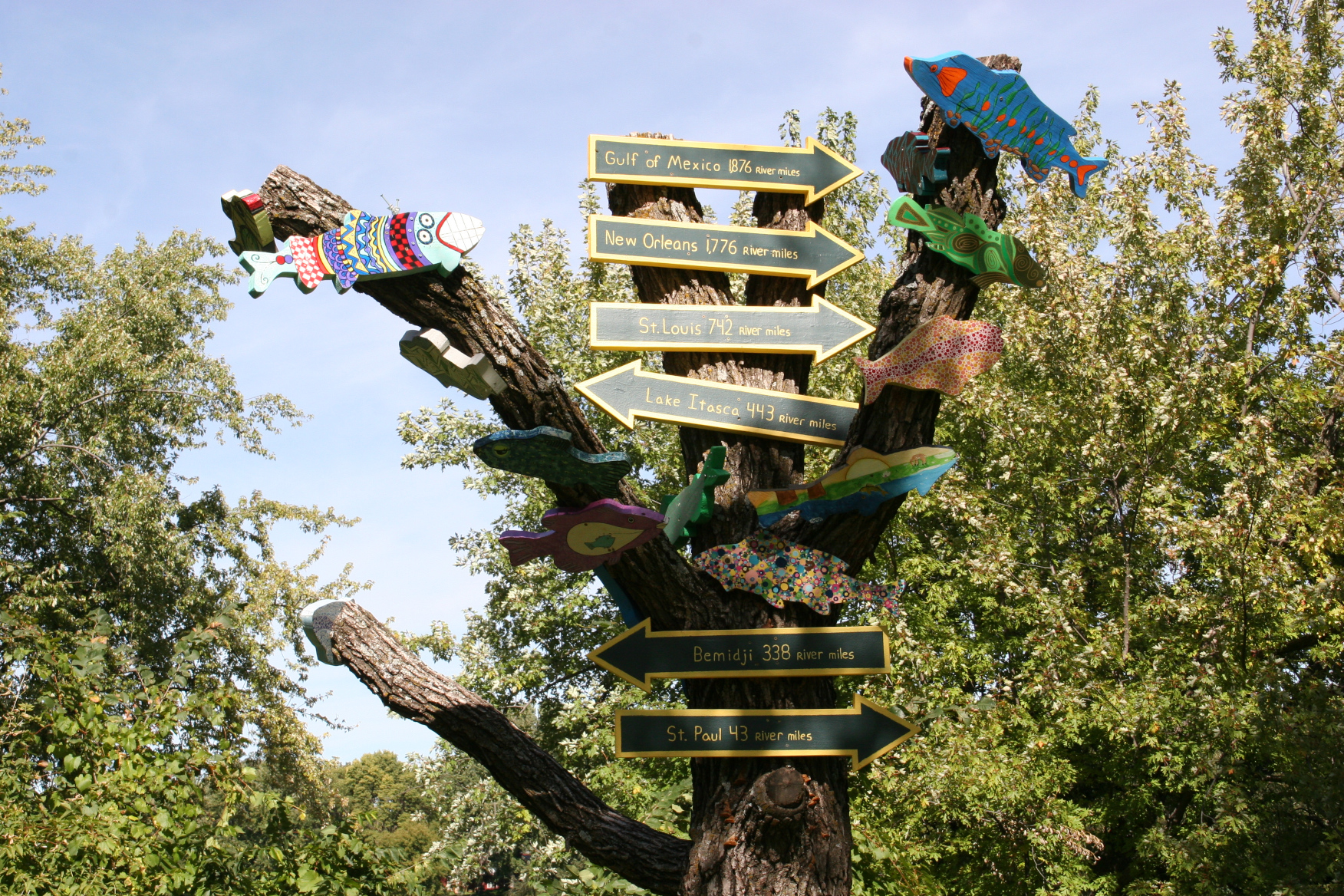
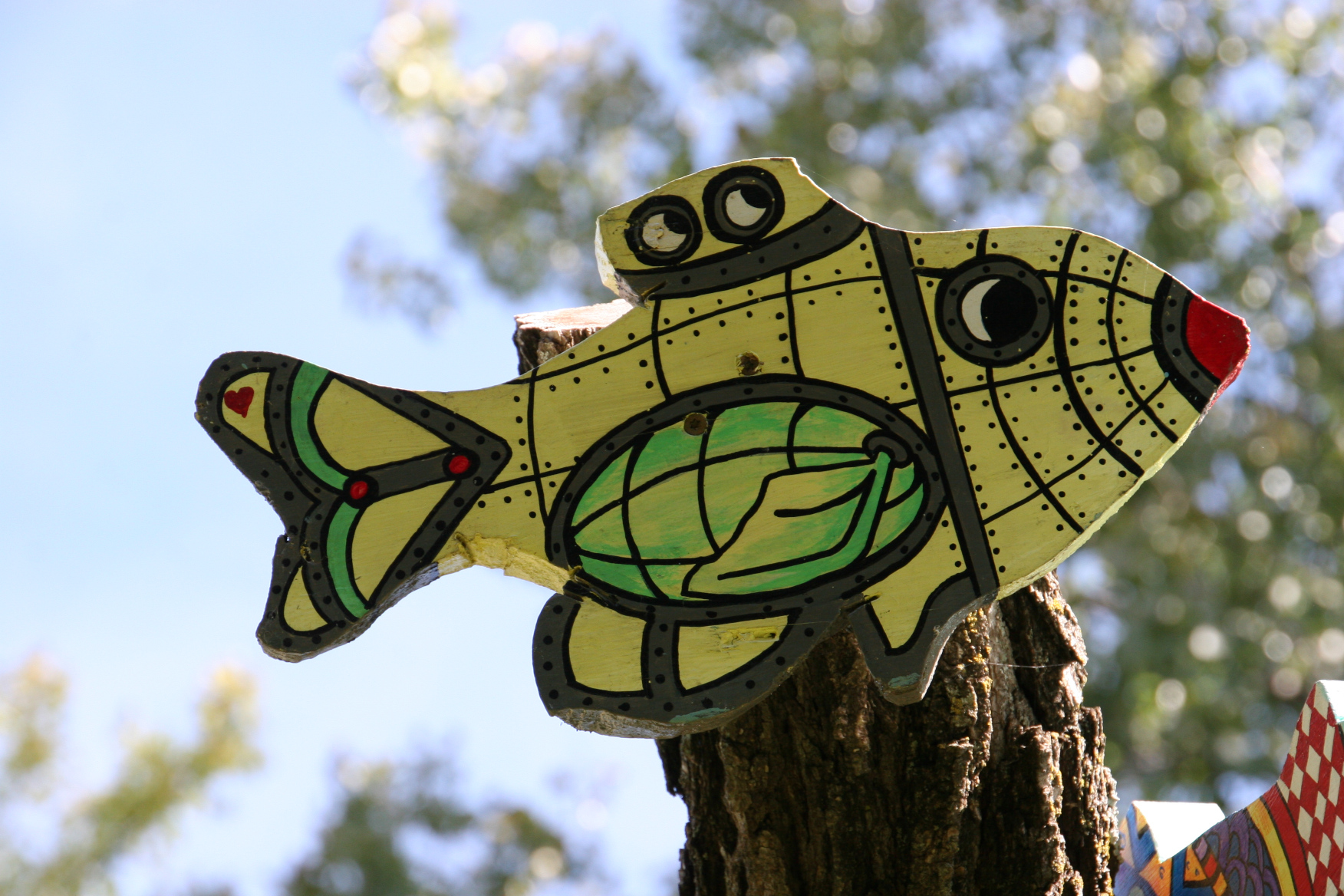
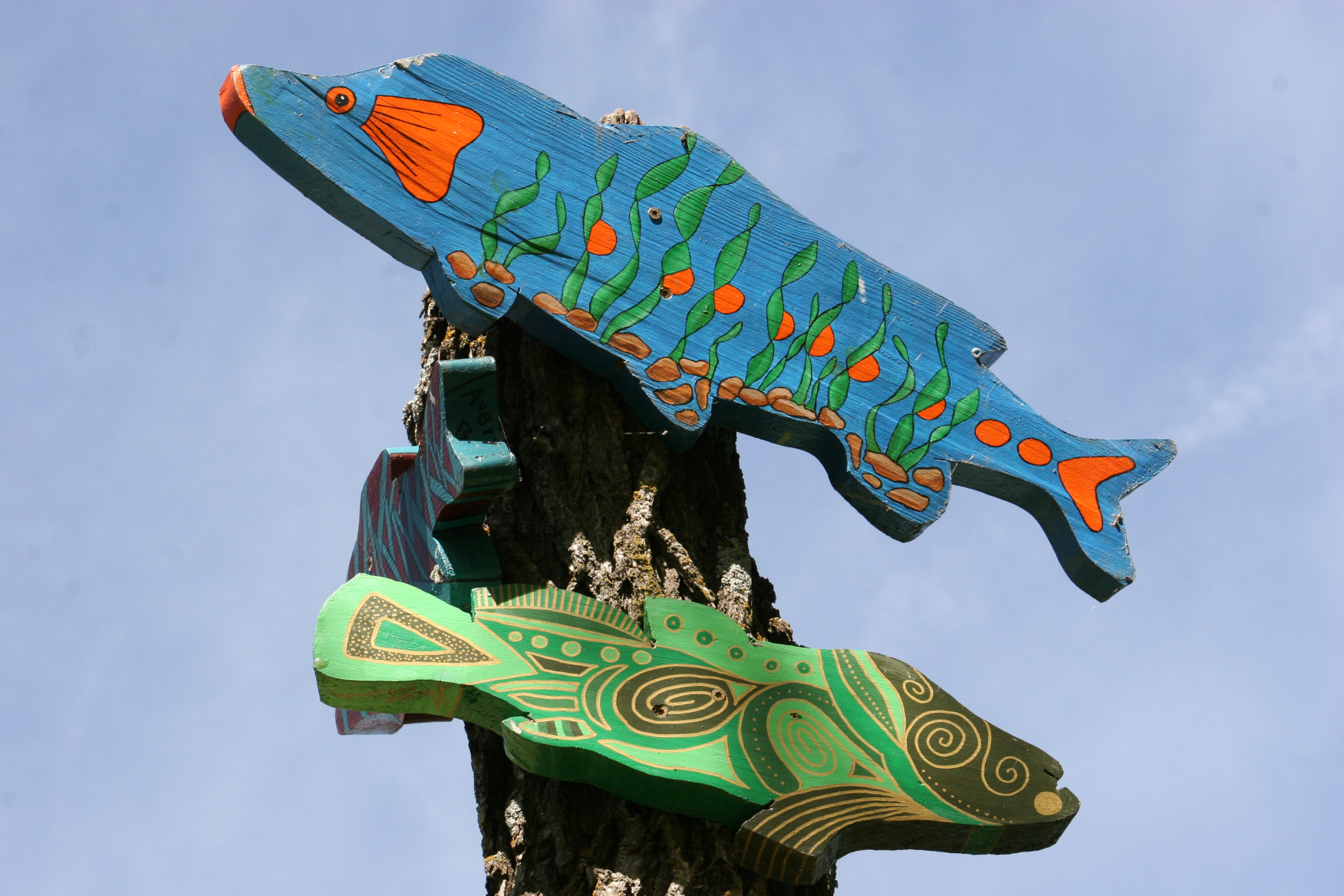
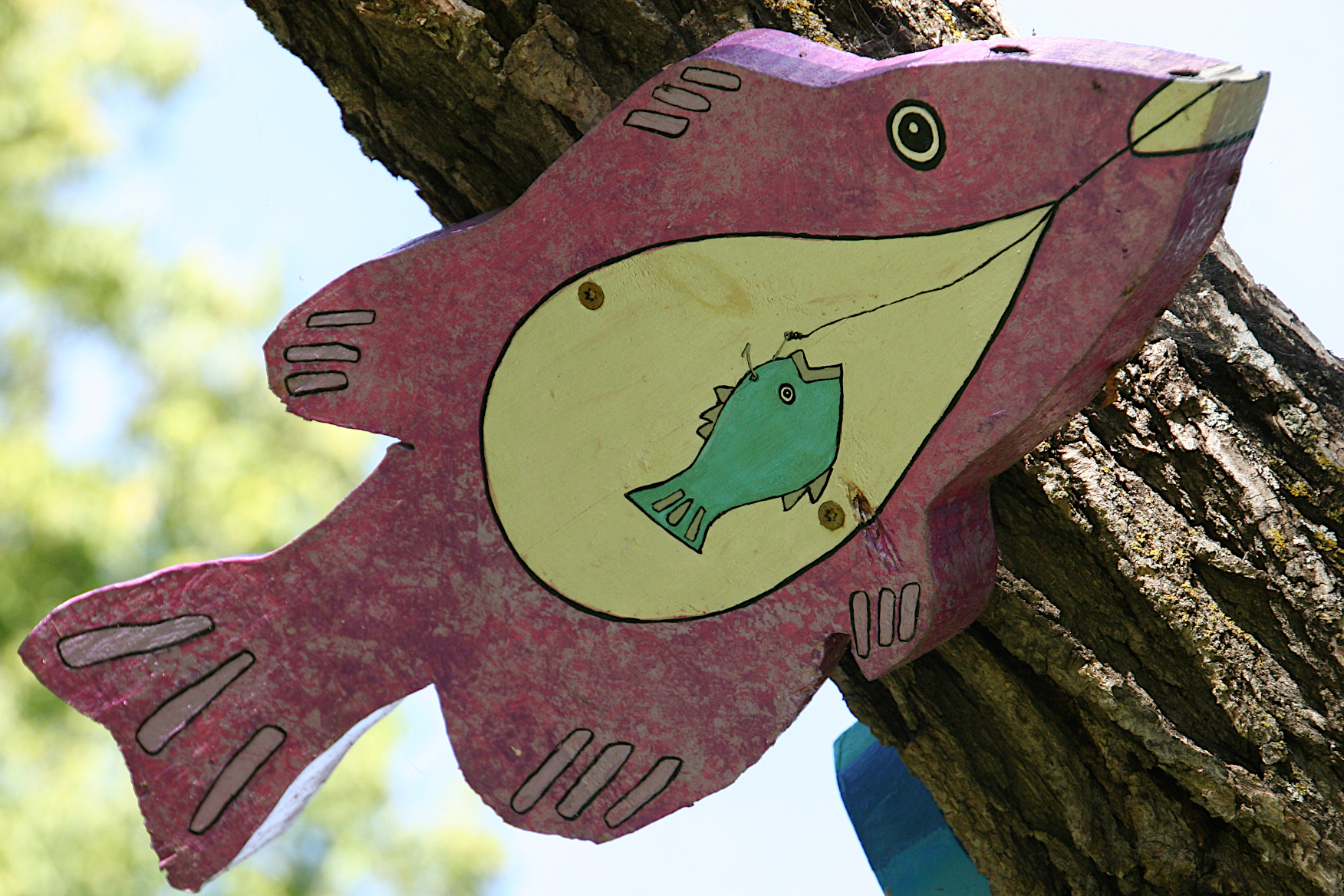
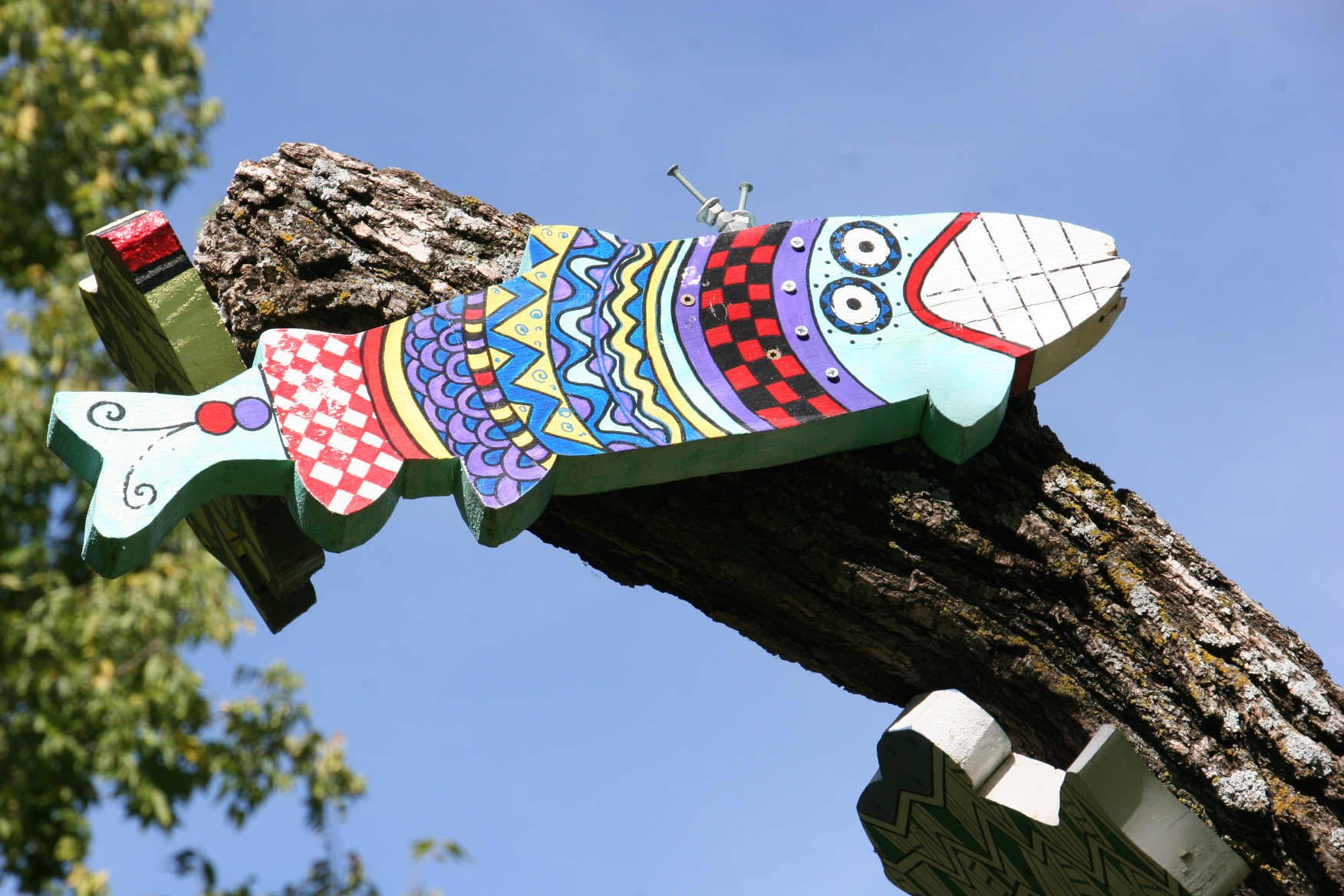
Community members designed and painted the individual fish for this project. (Minnesota Prairie Roots copyrighted photo September 2022)

The creativity in these fish is unique, a reflection of the community. (Minnesota Prairie Roots copyrighted photo September 2022)

Another version of funky fish from community creators. (Minnesota Prairie Roots copyrighted photo September 2022)

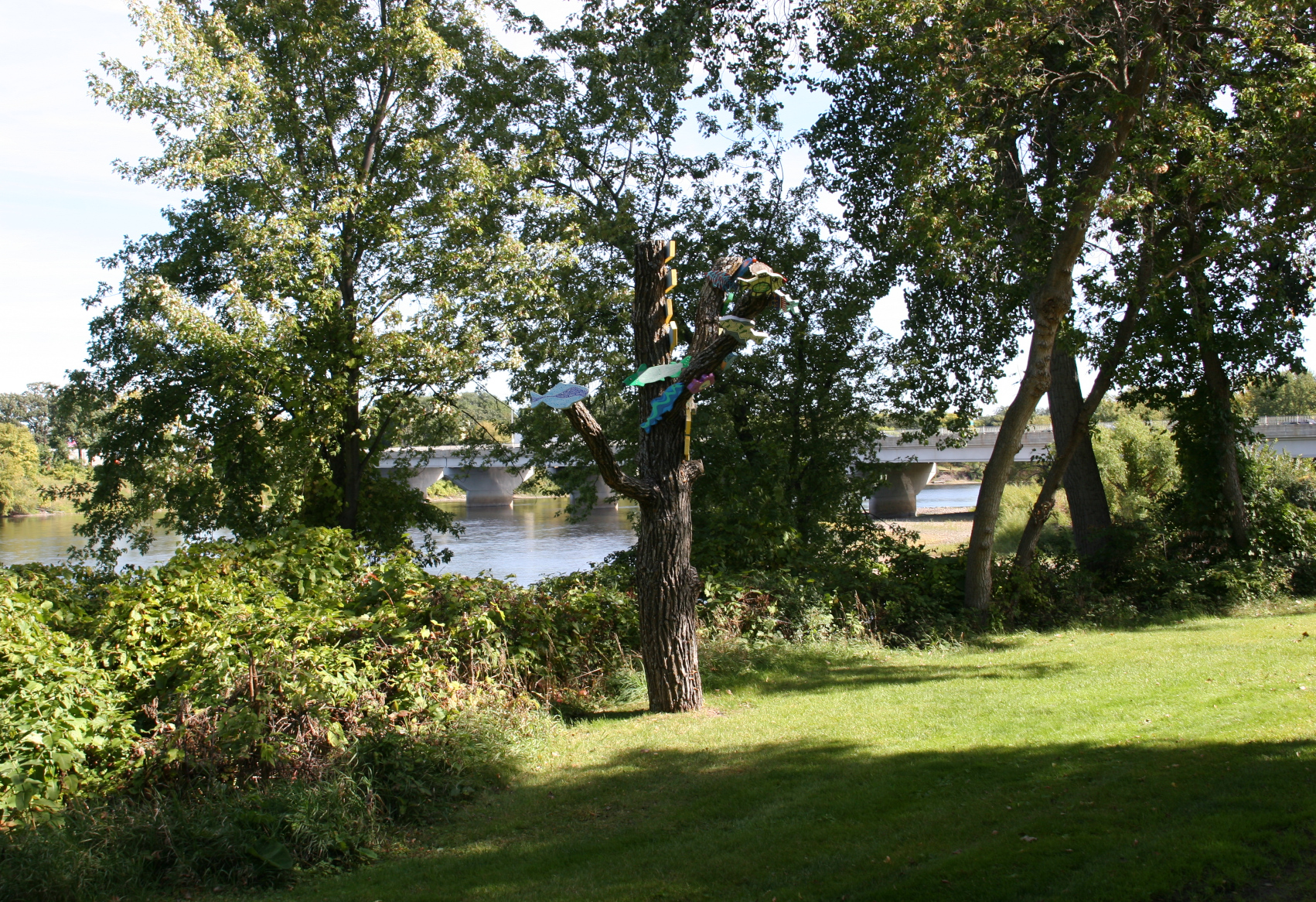
Yet, even if not peaceful, the park is worth visiting. I discovered here a MontiArts Community Project, “The Funky Fish Sign.” Wooden fish cut-outs painted by community members are attached to the trunk of a dead oak as are wooden arrows crafted from old park benches. Those arrows list destinations and river miles from Monticello. To Lake Itasca, 443 river miles. To St. Paul, 43 river miles. To New Orleans, 1,776 river miles.

Public art posted on a dead oak removed from a local cemetery and “replanted” along the Mississippi River bank. (Minnesota Prairie Roots copyrighted photo September 2022)

This riverside fish tree meets MontiArts’ goal of “using the arts to build community.” This truly was a community project with residents, interns and city employees working together to create public art that connects Monticello to the Mississippi from beginning to end.

I especially like the buffalo plaid on this fish. (Minnesota Prairie Roots copyrighted photo September 2022)

But this is about more than a river and geography. In an online video about the project, I learned that the variety in the painted fish represents the differences in people. We are each unique.

From afar, “The Funky Fish Sign” blends into the riverside landscape. (Minnesota Prairie Roots copyrighted photo September 2022)

As individual as we are, though, we are collectively all residents of Earth. We are tasked with caring for natural resources like water, like the mighty Mississippi. This beautiful, scenic, powerful waterway is vital to our economy, vital to our water supply, vital to our leisure, our enjoyment, and, in Monticello, to connecting creativity and community.

© Copyright 2022 Audrey Kletscher Helbling