Minnesota Prairie Roots

Writing and photography by Audrey Kletscher Helbling

From Valley Grove: In loving memory of Bjorn September 19, 2022

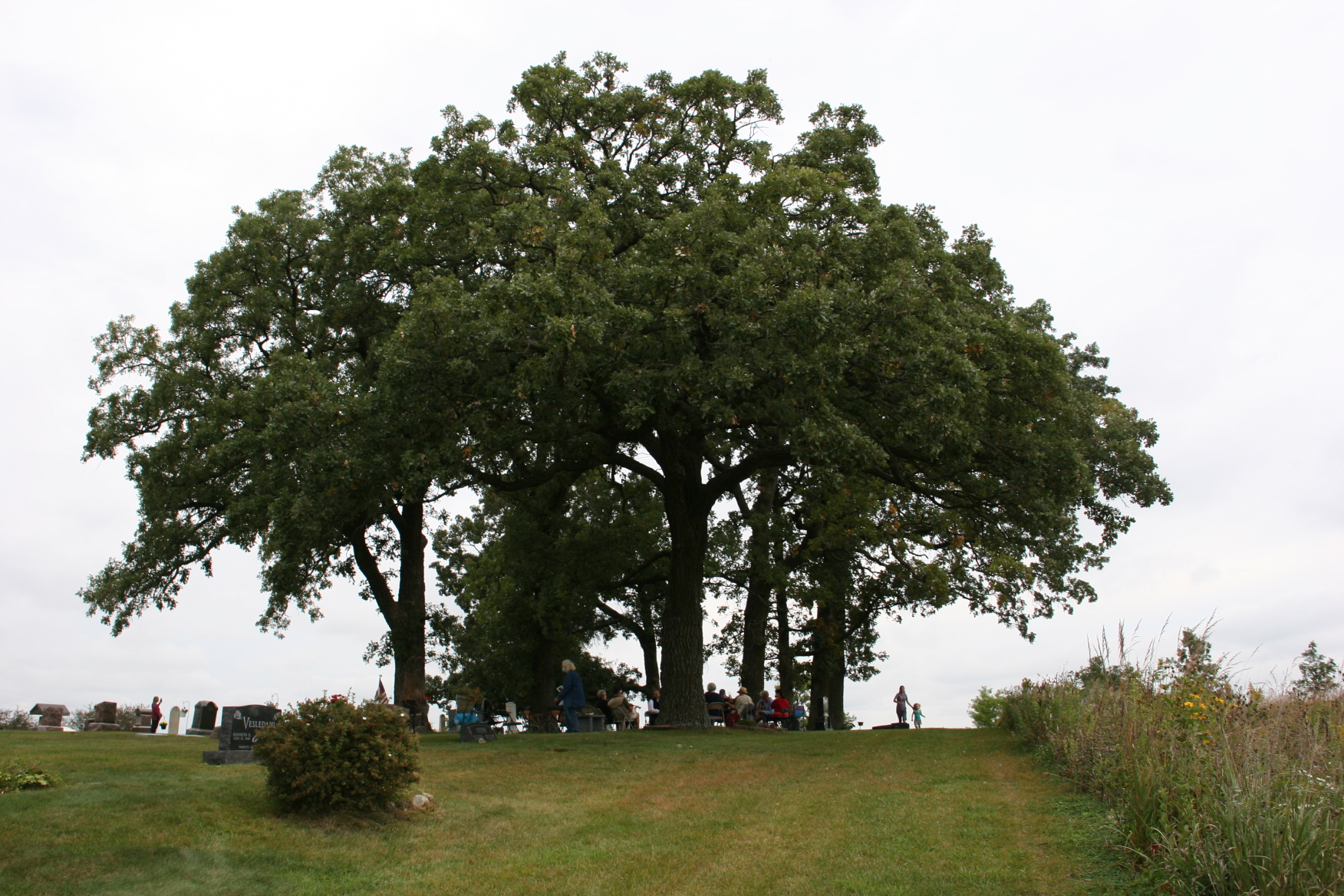
On the east side of the Valley Grove Cemetery, massive oaks rise next to a restored prairie. (Minnesota Prairie Roots copyrighted photo September 2022)

HE APPROACHED ME inquiring whether I was the official photographer. I was not. But I was photographing the Valley Grove Country Social on Sunday afternoon in rural Nerstrand.
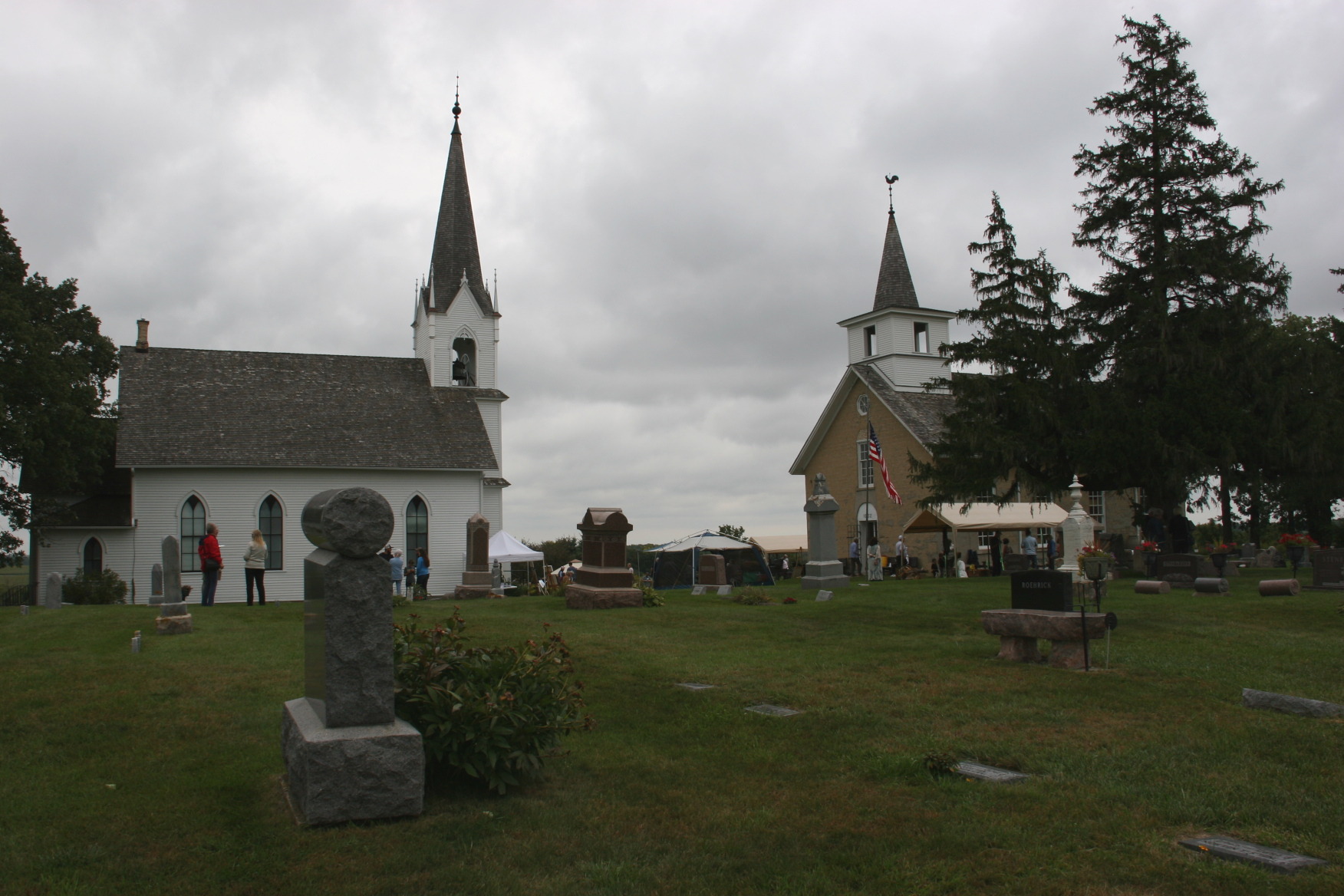
The beautiful historic churches stand next to the cemetery. (Minnesota Prairie Roots copyrighted photo September 2022)

That unexpected encounter proved powerful, revealing why this hilltop location of two historic churches and a cemetery holds such deep personal meaning for many. From the Norwegian immigrants who built the stone church in 1862, replaced by a wooden church in 1894, to today, this land keeps stories and memories and provides a place to grieve.
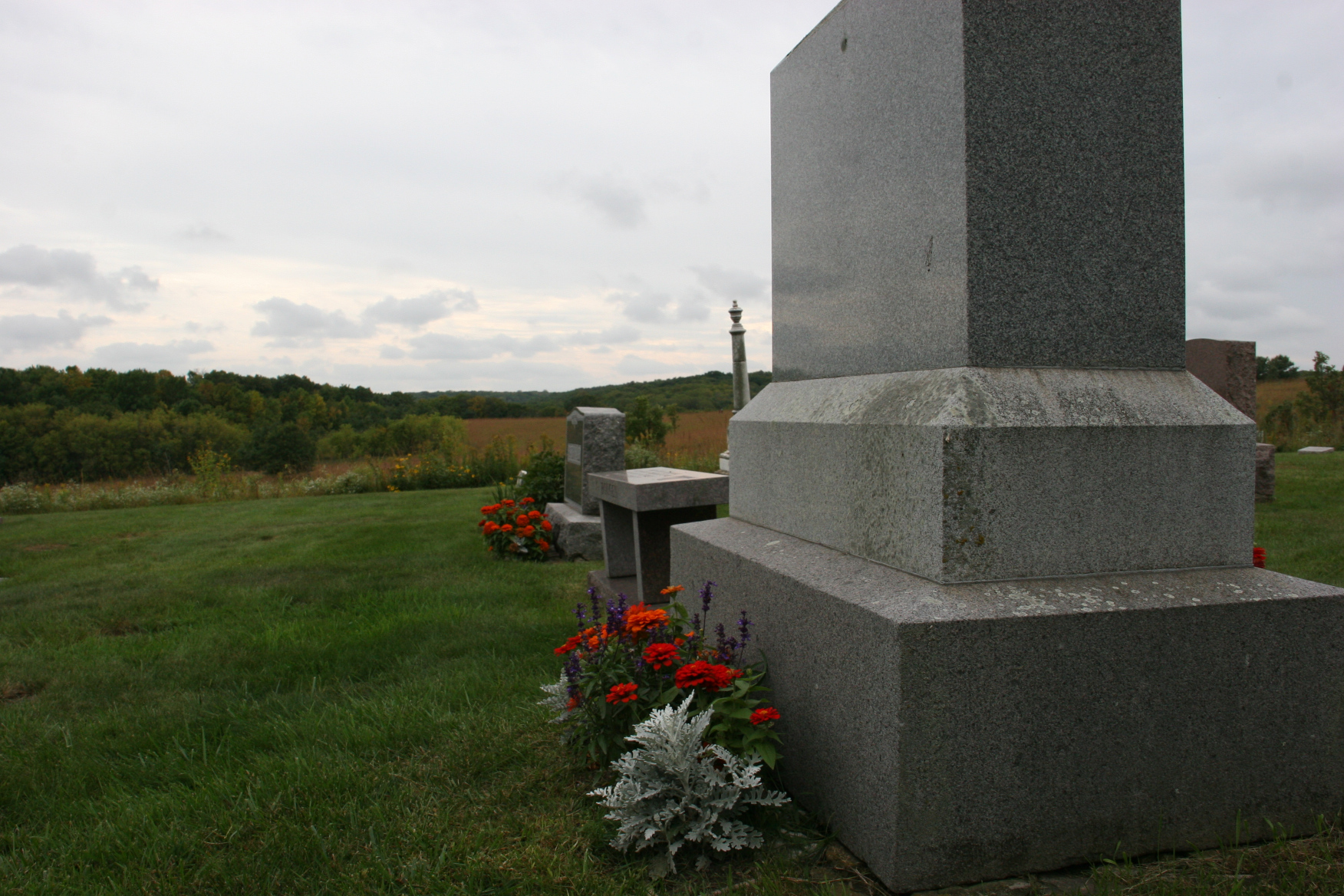
The hilltop cemetery provides a sweeping view of the prairie and distant treeline. (Minnesota Prairie Roots copyrighted photo September 2022)

For Brett Norgaard, Valley Grove is the final resting place of his beloved son, Bjorn Erik Norgaard, struck and killed by a hit-and-run driver on February 20, 2011, while skiing on frozen Lake Superior. He was only 23. Bjorn’s gravestone, imprinted with a ballad he penned, sits near the site of a massive oak felled in a September 2018 tornado. That tree, in the southwest corner, was a cemetery landmark, the spot where many baptisms occurred.

Memory boxes crafted from a landmark fallen oak at Valley Grove. (Minnesota Prairie Roots copyrighted photo September 2022)

Mementoes honoring Bjorn Norgaard. (Minnesota Prairie Roots copyrighted photo September 2022)

A photo of Bjorn rests between two poems he wrote. (Minnesota Prairie Roots copyrighted photo September 2022)

Now, in this chance meeting, I learned of Bjorn’s connection to that tree. His father held it—two boxes crafted from that fallen oak, the larger one holding a passport, an American Birkebeiner pin and other mementos of a dearly loved son.
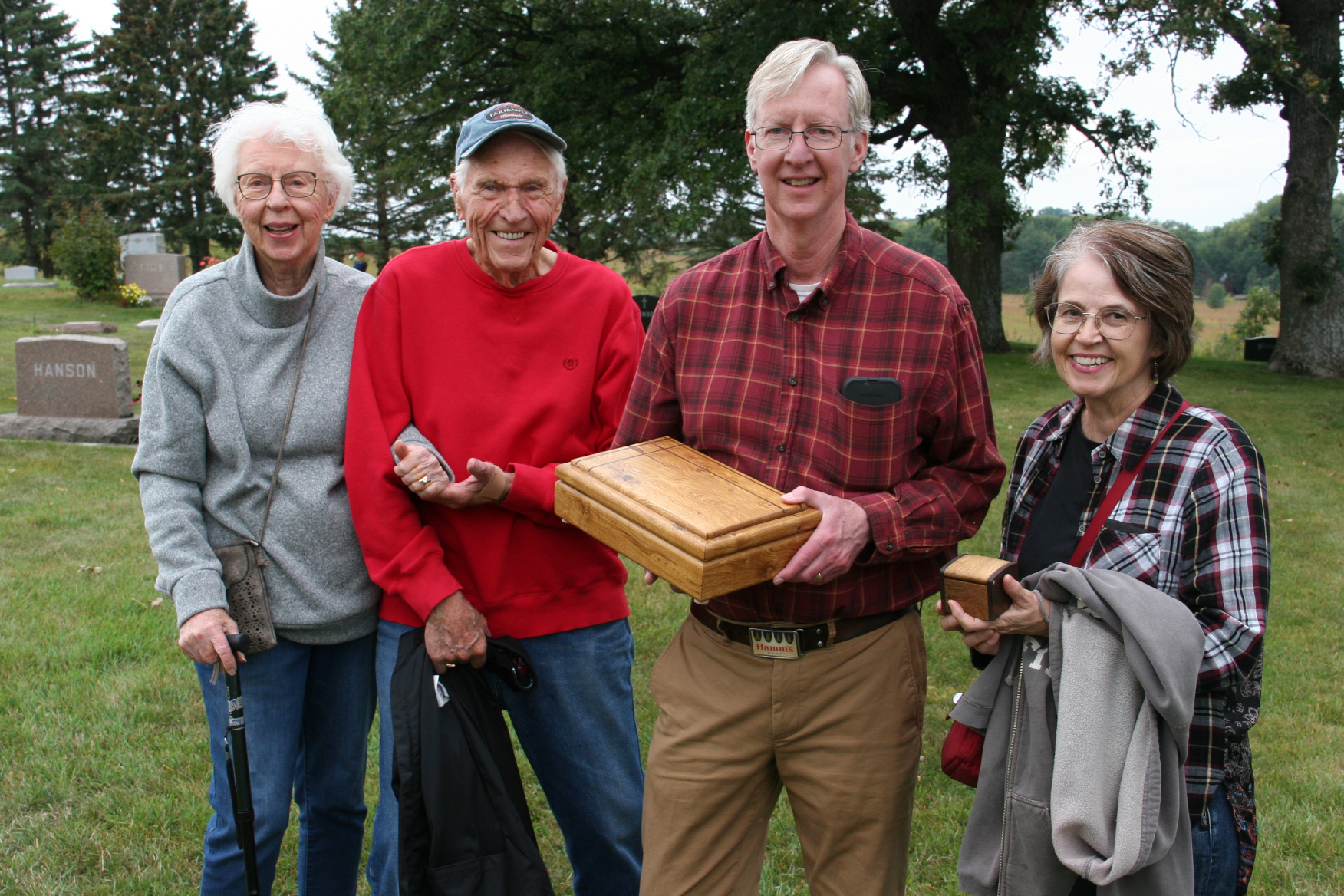
Brett Norgaard asked me to take this family photo. I was happy to do so after hearing his son’s story. Shortly thereafter, rain began falling so I was unable to photograph Bjorn’s gravestone. (Minnesota Prairie Roots copyrighted photo September 2022)

But it was Bjorn’s poems that expressed to me the creative spirit of this outdoorsman, environmentalist, cross country skier, Alaska fly fishing guide, 2006 Northfield High School graduate, son, grandson, friend…
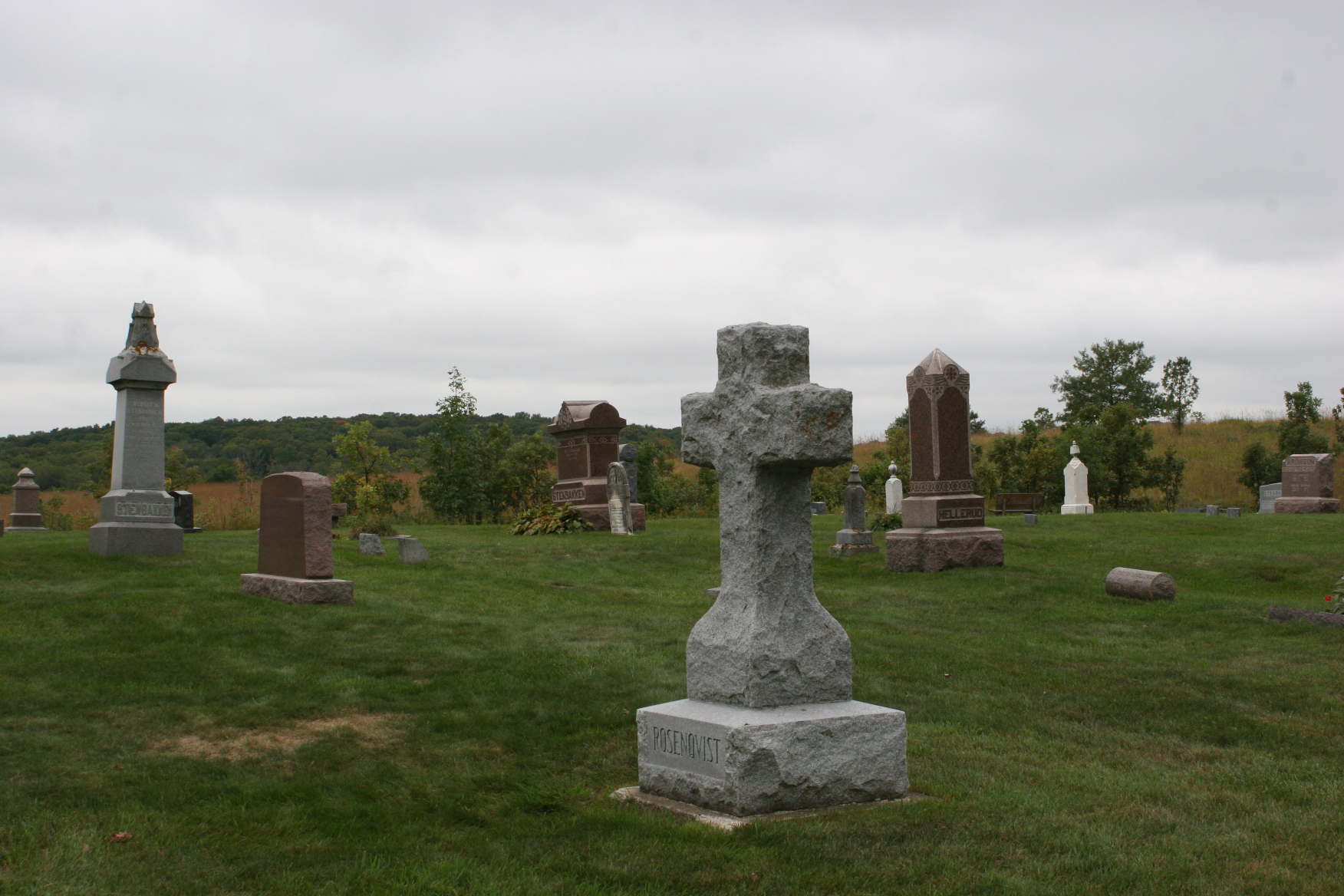
This cemetery is rich in history, in stories and in natural beauty and peace. (Minnesota Prairie Roots copyrighted photo September 2022)

The second verse of his poem, “Oak Leaves,” seems almost prophetic. He wrote:

New season coming, you must change,

but please remain, not yet time to fade away.

For one day we will cease to be,

will you drop your leaves and cover me?
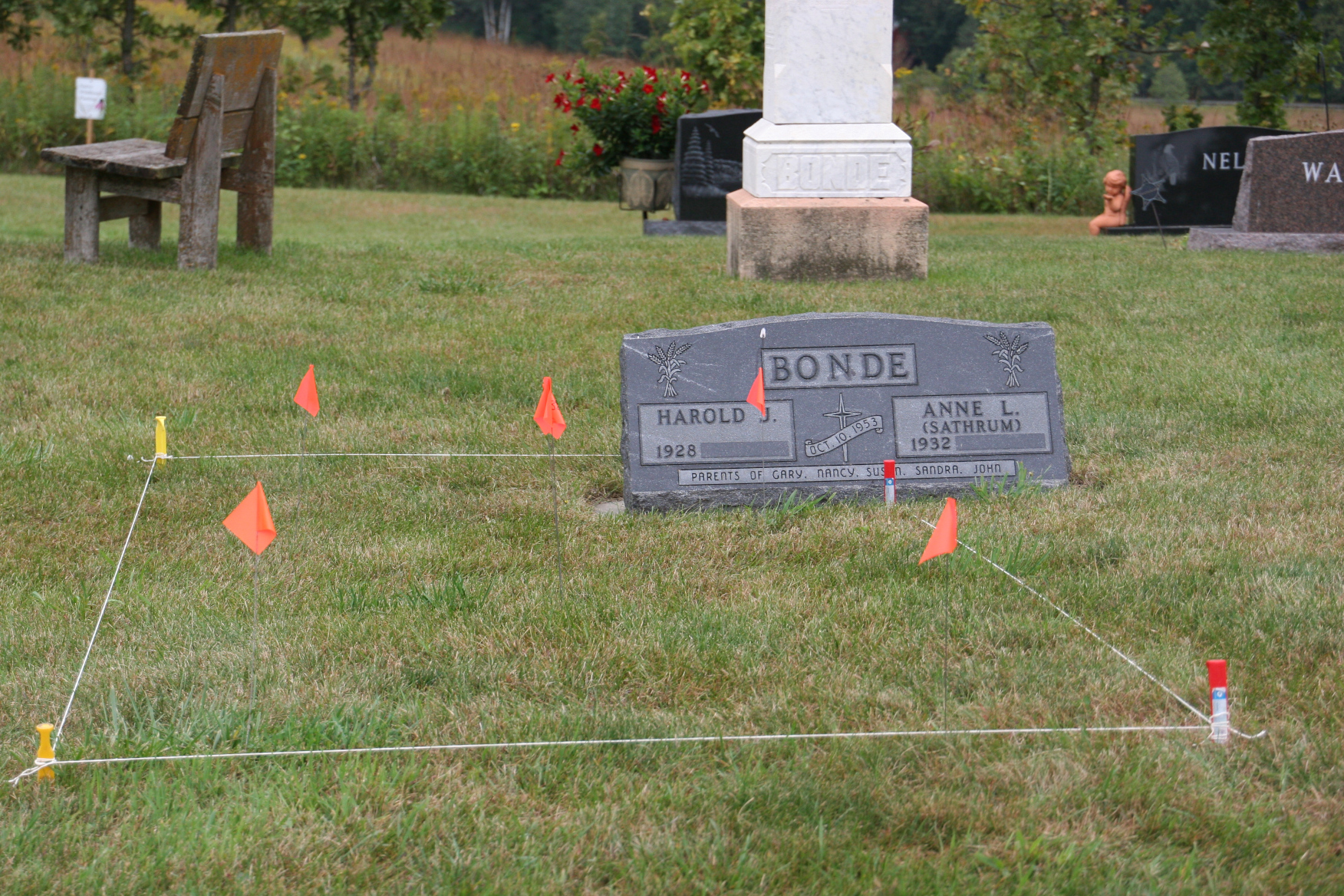
Today Harold Bonde, 94, will be buried at Valley Grove, not far from Bjorn’s grave, not far from the site of the fallen landmark oak. His burial space was marked off during Sunday’s Country Social. (Minnesota Prairie Roots copyrighted photo September 2022)

After Bjorn died, his father found 80 poems in his son’s journals. I understand why he cherishes them. These are the words of a soulful, introspective, nature-centered, sensitive spirit. And although the oak tree no longer stands, unable to drop leaves onto Bjorn’s gravestone, there’s a sense that the tree remains. Strong. Sheltering those who lie beneath the soil and those who walk upon the earth, come here to visit, embrace and remember loved ones. Only days earlier, on September 15, Bjorn would have turned 35.
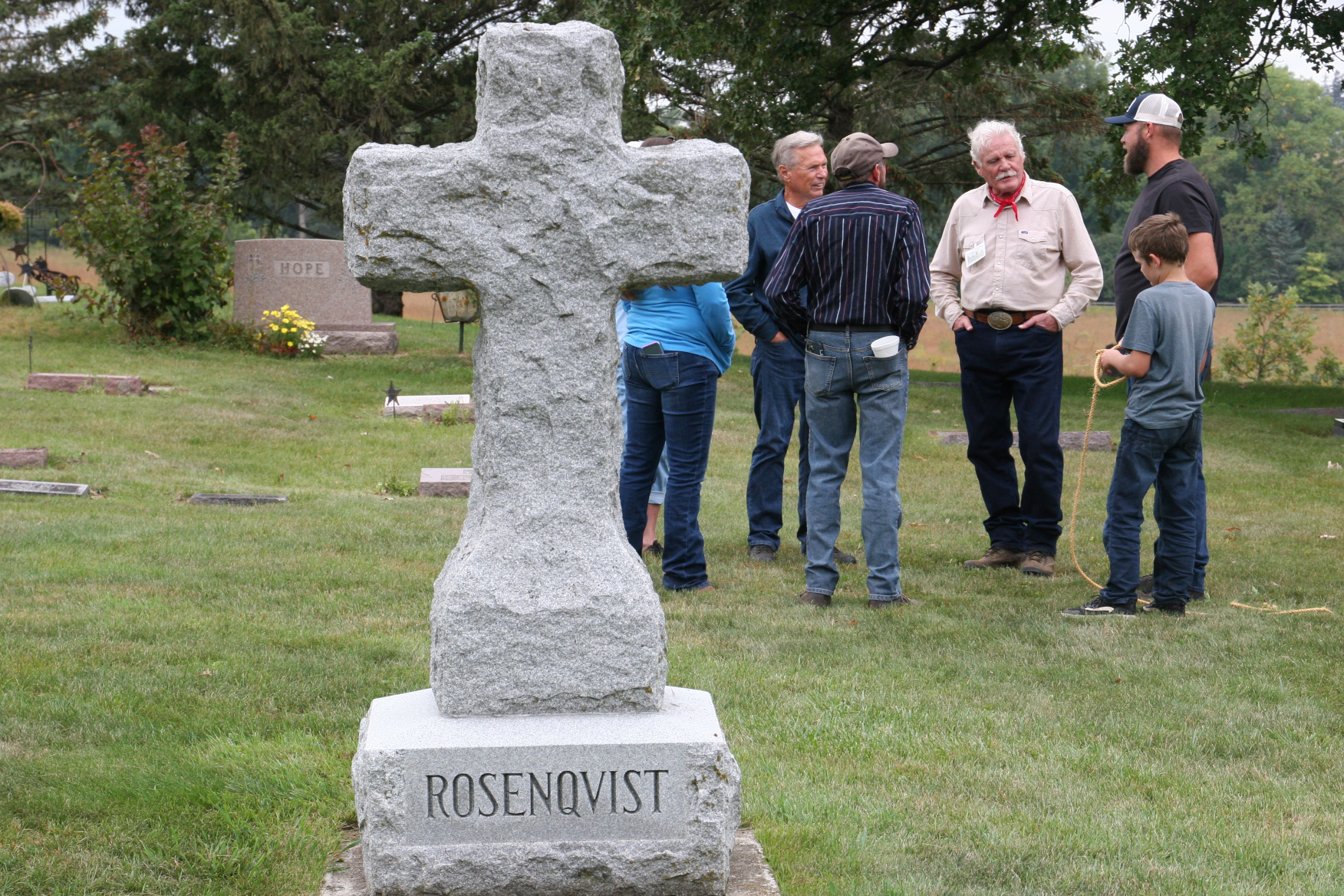
Many families meandered and conversed in the cemetery on Sunday afternoon. (Minnesota Prairie Roots copyrighted photo September 2022)

On this day of a Country Social, Bjorn’s family remembered him, honored him. I saw love in a father’s hands wrapped around oak boxes, in watery eyes and precious stories. Here at Valley Grove, atop a hill edged by prairie, woods and farmland, and centered by two historic churches, humanity comes in moments like this, when a father shares his grief with a stranger. Compassion rises. A connection is made. Comfort comes. A loss is shared.

#

Please check back for a follow-up post featuring the Valley Grove Country Social in its entirety.

© Copyright 2022 Audrey Kletscher Helbling


Exploring the aged Oak Ridge Cemetery in Faribault April 27, 2017

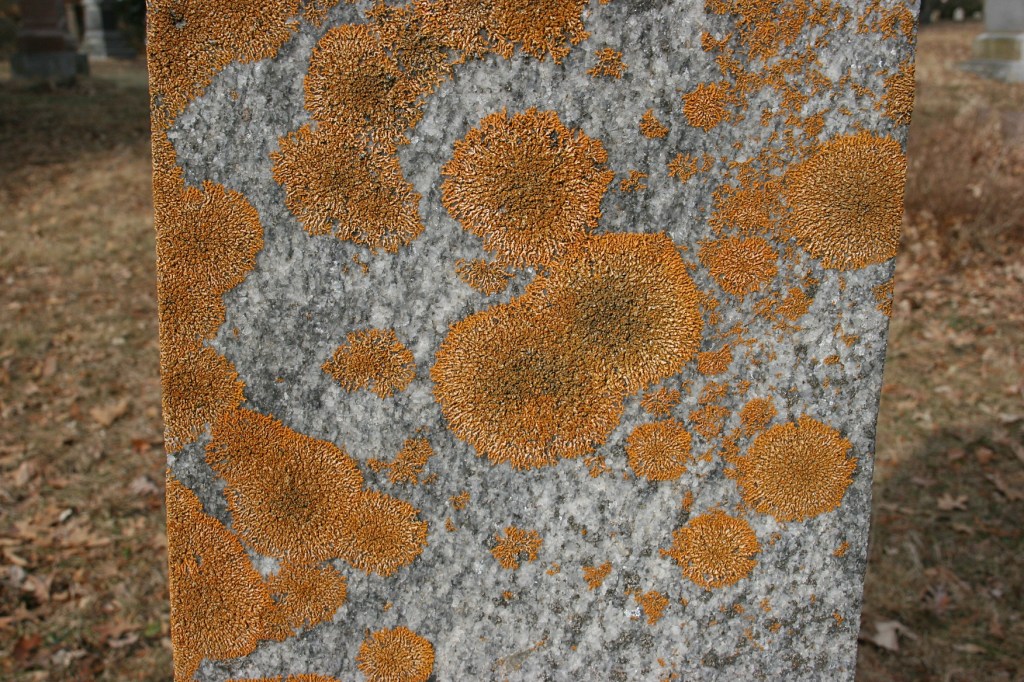
Aged tombstones are often spotted with growth like this on a stone at Oak Ridge Cemetery, Faribault.

Aged tombstones are often spotted with growth like this on a stone at Oak Ridge Cemetery, Faribault.


A TIME EXISTED when I disliked cemeteries. I thought of bones, of coffins, of creepy, scary stuff that wings through the imagination of a child. I thought of my grandfather buried beneath the cold earth. The grandpa with the shock of white hair. The grandpa who loved iced tea and pruning raspberries and raising honeybees. Decades later I would stand in that same southwestern Minnesota cemetery on a bone-chilling April morning to bury my father. By then I’d long overcome my fear of cemeteries.


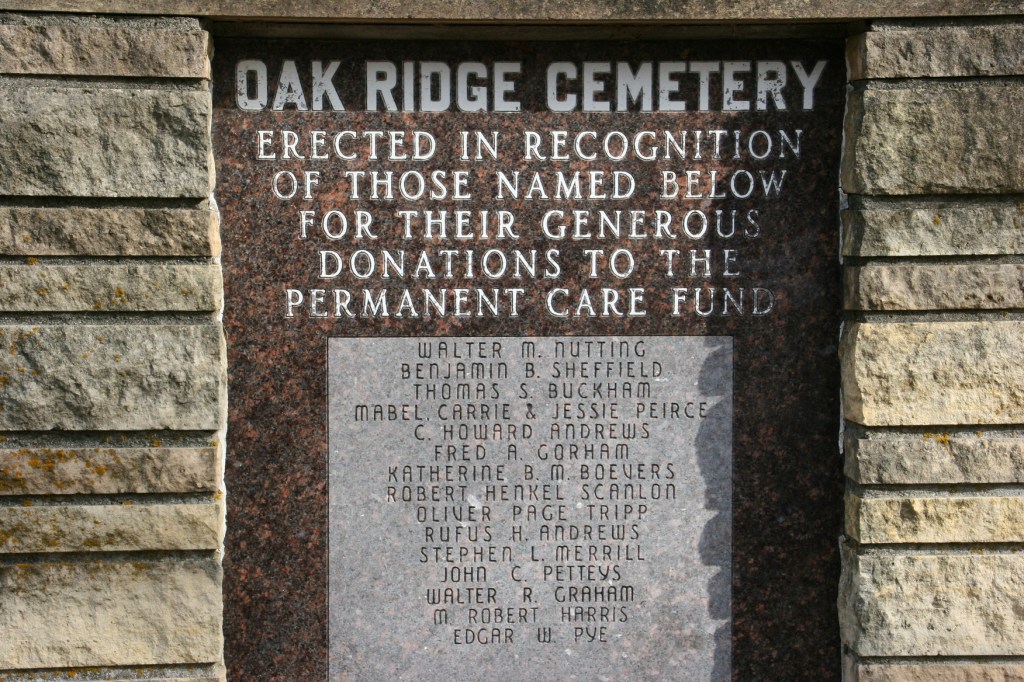
I recognize several early Faribault names on the Oak Ridge Cemetery sign.

I recognize several early Faribault names on the Oak Ridge Cemetery sign.


Today I purposely walk cemeteries to discover the history, the art and the stories therein. I’ve meandered among the tombstones of countless Minnesota graveyards. But not until recently did I explore one right in my own backyard—Oak Ridge Cemetery in Faribault. The cemetery sits atop a hill along Minnesota State Highway 3 on the north edge of town. I always thought it was the Catholic cemetery, an error corrected by my husband who pointed to an adjacent burial grounds.


Oh, the oaks and the limestone.

Oh, the oaks and the limestone.


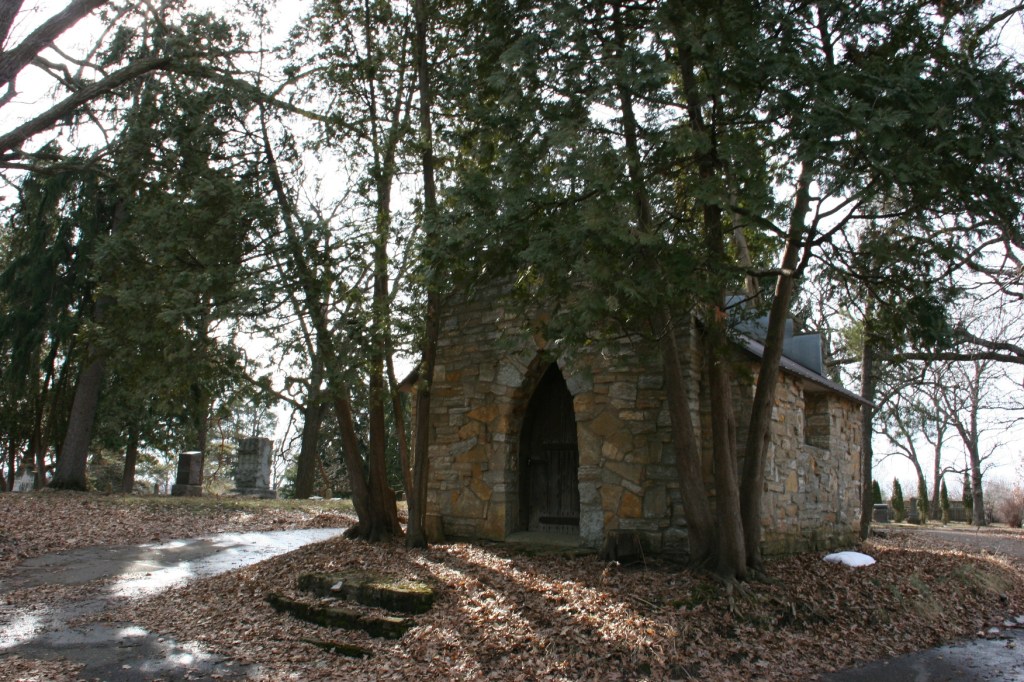
Oak Ridge is unlike any cemetery I’ve toured. Narrow roadways wind up this historic burial site appropriately named for its ridge-top location and many oak trees. It’s a beautiful location overlooking the city. I made a mental memo to visit in the fall. I noted also two limestone buildings—a crypt and a pumphouse. And I noted the natural state of the unmanicured grounds.


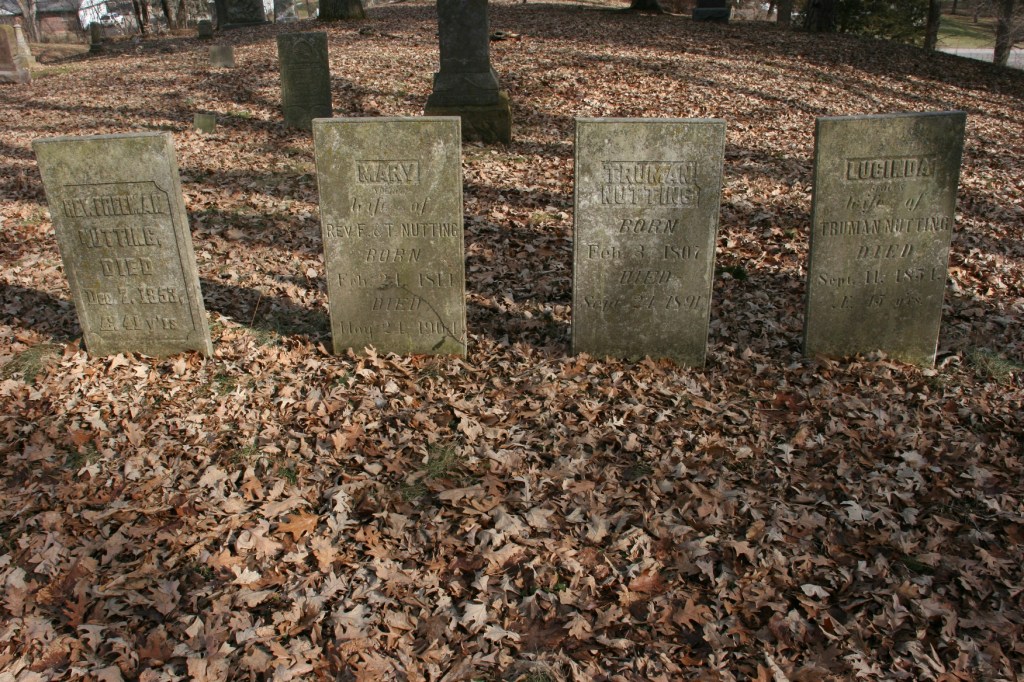
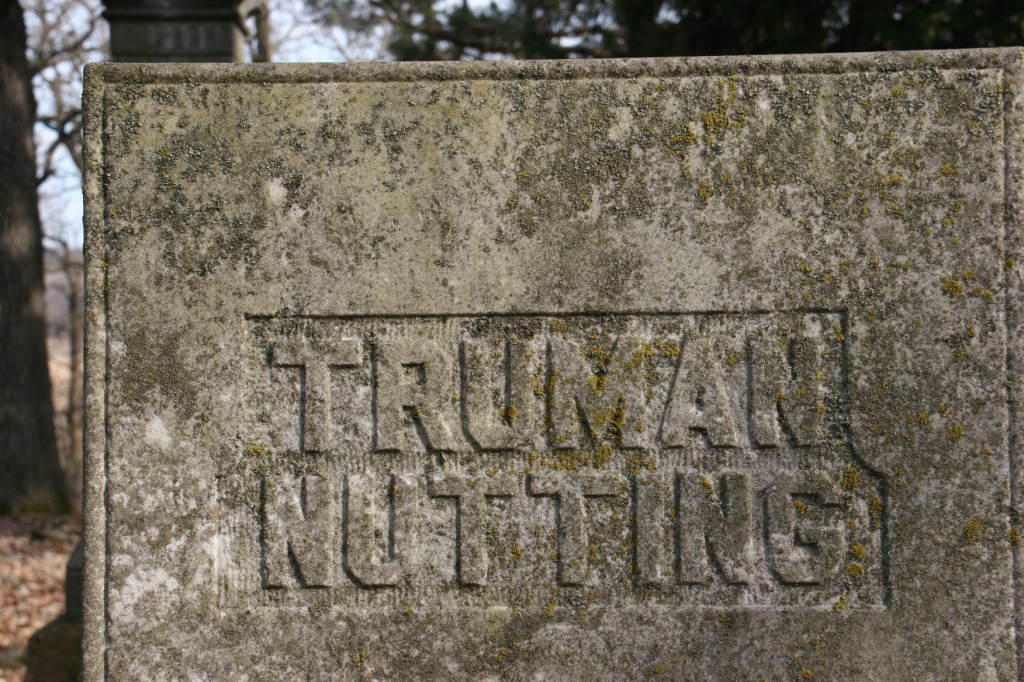
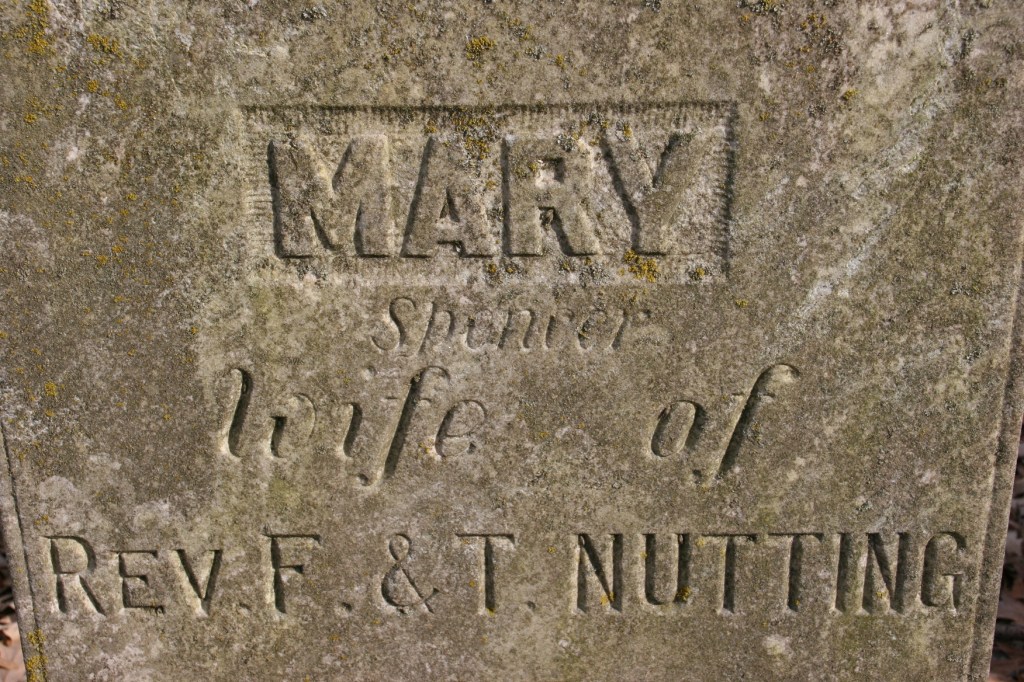
Four Nutting headstones in a row grabbed my attention. The Nutting family built a manufacturing company in Faribault.

Four Nutting headstones in a row grabbed my attention. The Nutting family built a manufacturing company in Faribault. On the left is the marker of the Rev. Freeman Nutting, who married Mary Spencer. After he died in December 1853, Mary married Freeman’s older brother, Truman, in 1854. Truman’s first wife, Lucinda Graves, died in 1851.


Truman Nutting was born in 1807 and died in 1891.

Truman Nutting was born in 1807 and died in 1891.


Mary Spencer Nutting was born in 1814 and died in 1904.

Mary Spencer Nutting was born in 1814 and died in 1904. Have you ever noticed how aged graves read “wife of,” but not “husband of?”


When I began reading tombstones, I recognized names of early Faribault residents, of individuals prominent in the community. This is an old cemetery, laid out in 1857, a year before Minnesota became a state.


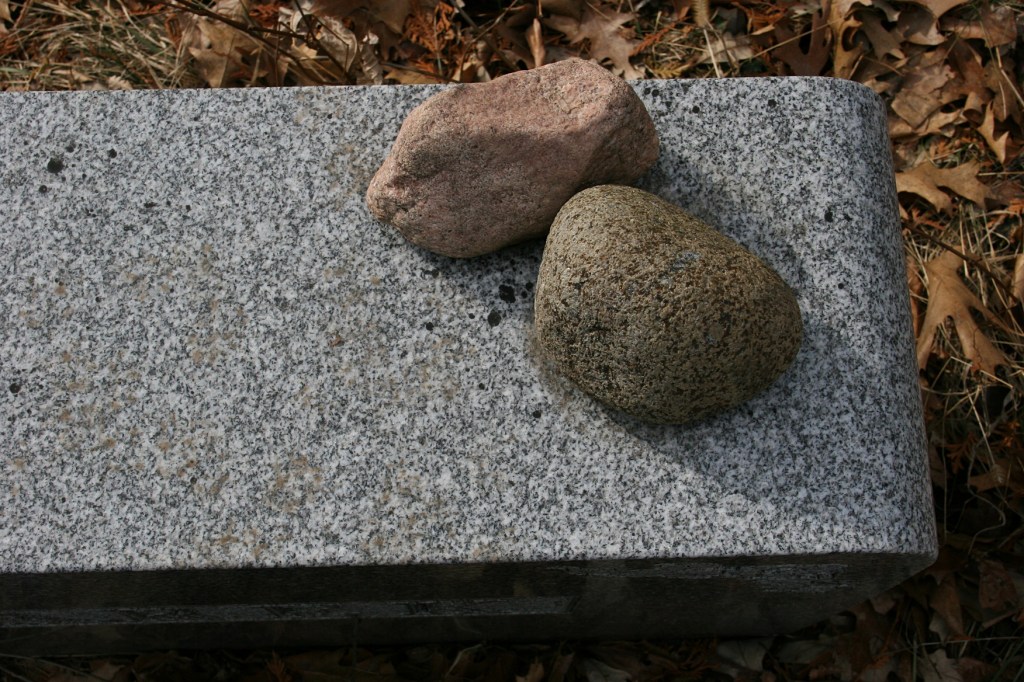
A Google search revealed that stones atop a headstone indicate a visitor stopped to pay respects to the deceased.

A Google search revealed that stones atop a headstone indicate a visitor stopped to pay respects to the deceased.


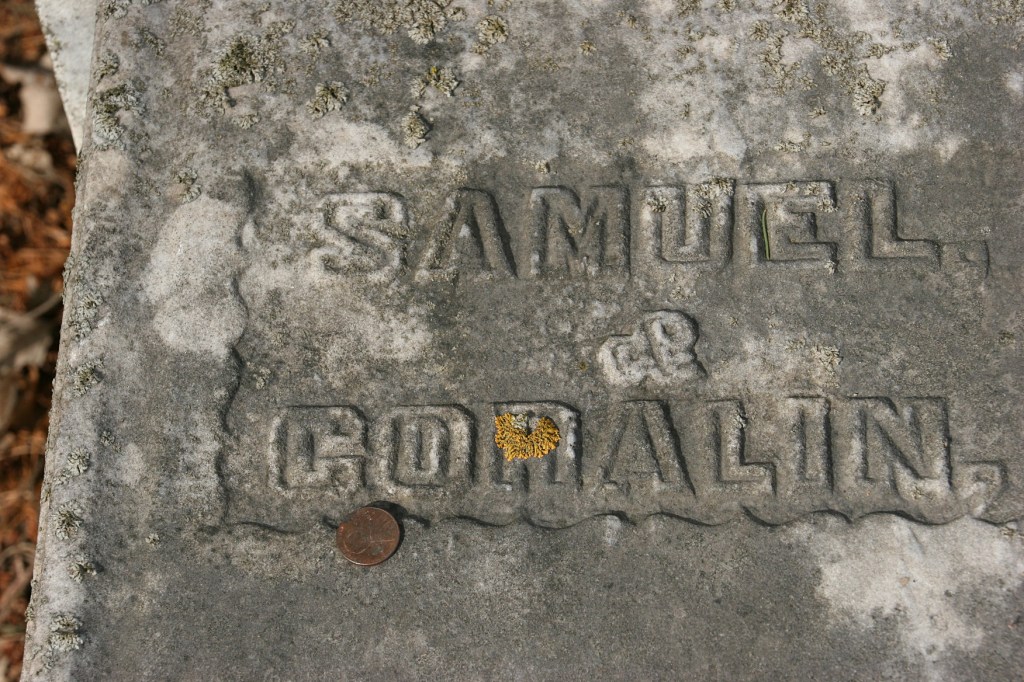
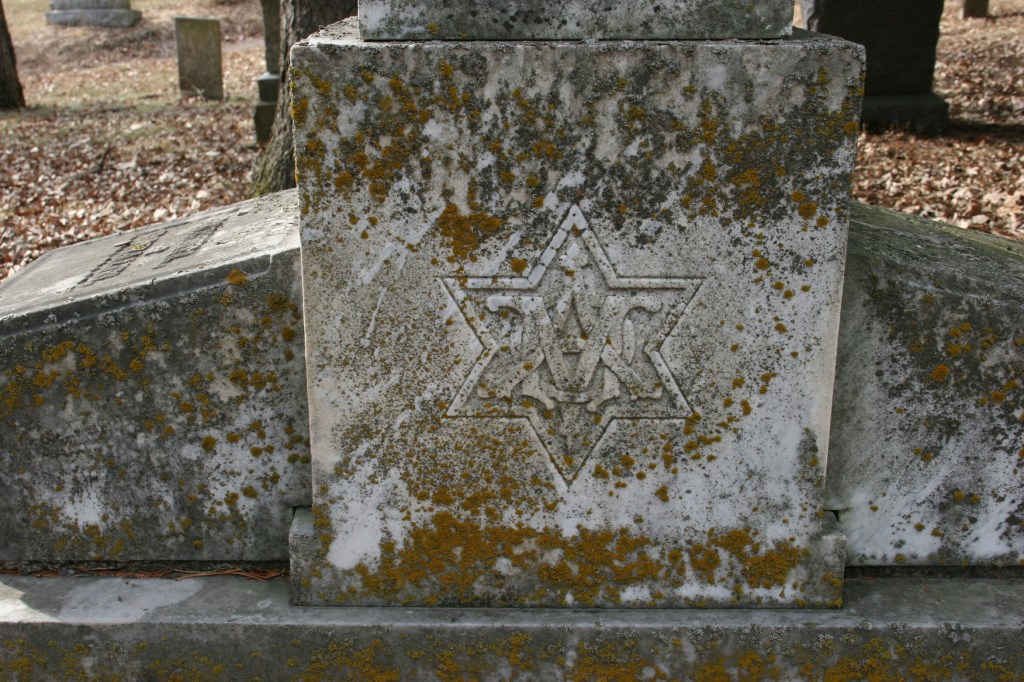
A penny on a headstone also marks a visit and is often a practice of those of Jewish faith. I spotted this coin on a headstone that includes a Star of David.

A penny on a headstone also marks a visit and is often practiced by those of Jewish faith, according to Google sources. I spotted this coin on a headstone with a Star of David.


As I paused at markers, I considered the personal stories that I will never know of these men, women, teens, children and babies once loved. I saw evidence of that love in objects left atop gravestones. I’ve seen the usual flowers, flags, garden art and stuffed animals at other cemeteries. But not until Oak Ridge had I seen a penny and stones left as signs of a grave site visit.


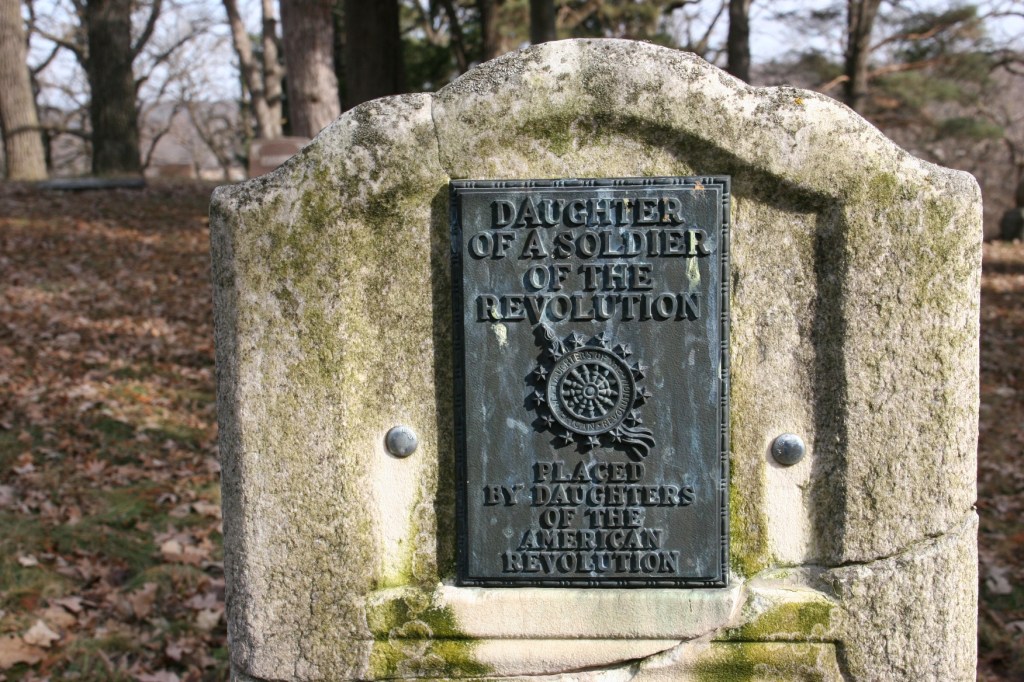
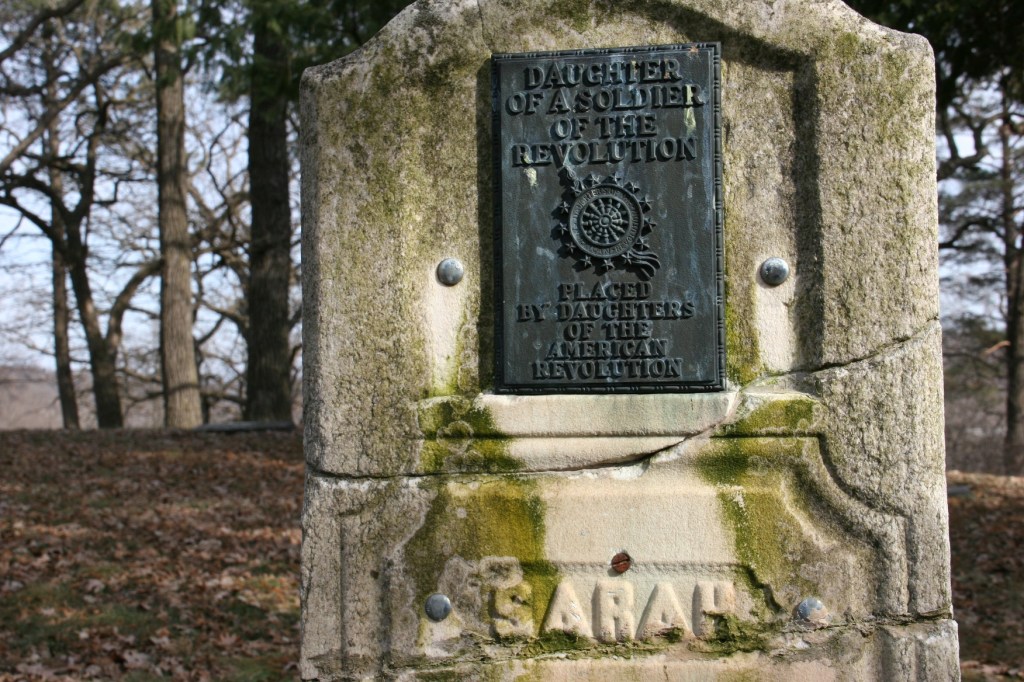
There's so much history in cemeteries. This sign led me to visit the Dalby Database to learn more about the woman buried beneath this marker.

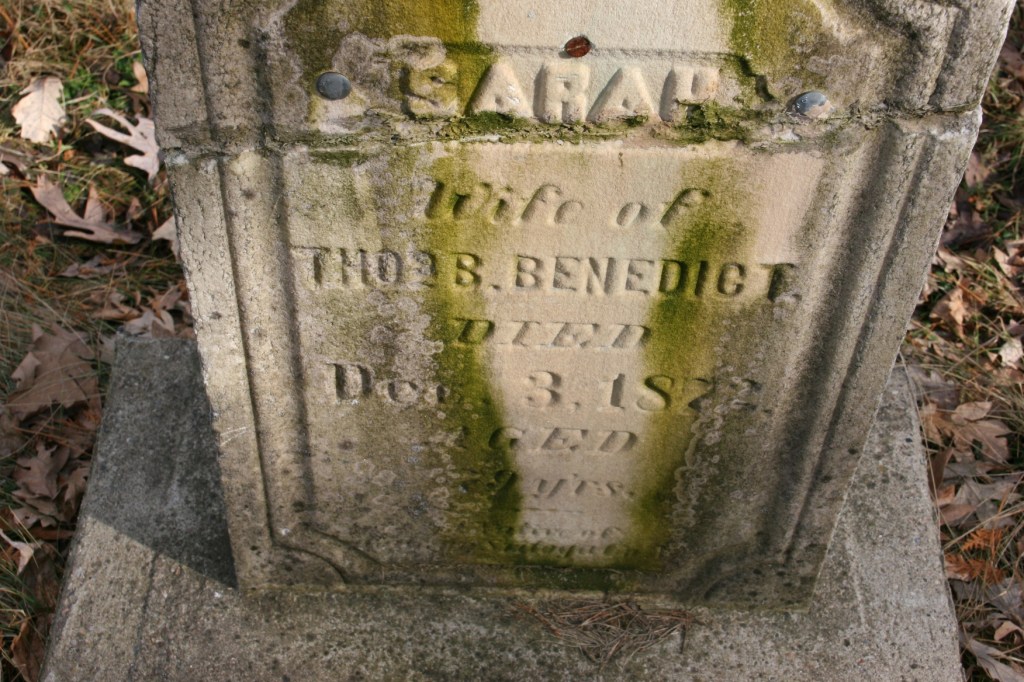
There’s so much history in cemeteries. This sign led me to visit the Dalby Database to learn more about the woman buried beneath this marker. The broken marker is held together by a plate and bolts.


She is Sarah...

She is Sarah Benedict, born on July 29, 1793, died on December 3, 1872…


...daughter of William Brewster, soldier of the Revolution.

…daughter of William Brewster, soldier of the Revolution.


I am determined now to revisit Oak Ridge—termed by another visitor as “the horse and buggy cemetery.” His tag seems fitting for a burial site that traces back to the early days of Faribault, of Minnesota as a state.


I've visited many rural Minnesota cemeteries. This is the first Star of David I've found on a tombstone.

I’ve visited many rural Minnesota cemeteries. This is the first Star of David I’ve found on a tombstone.


TELL ME: Do you explore cemeteries? If yes, why?


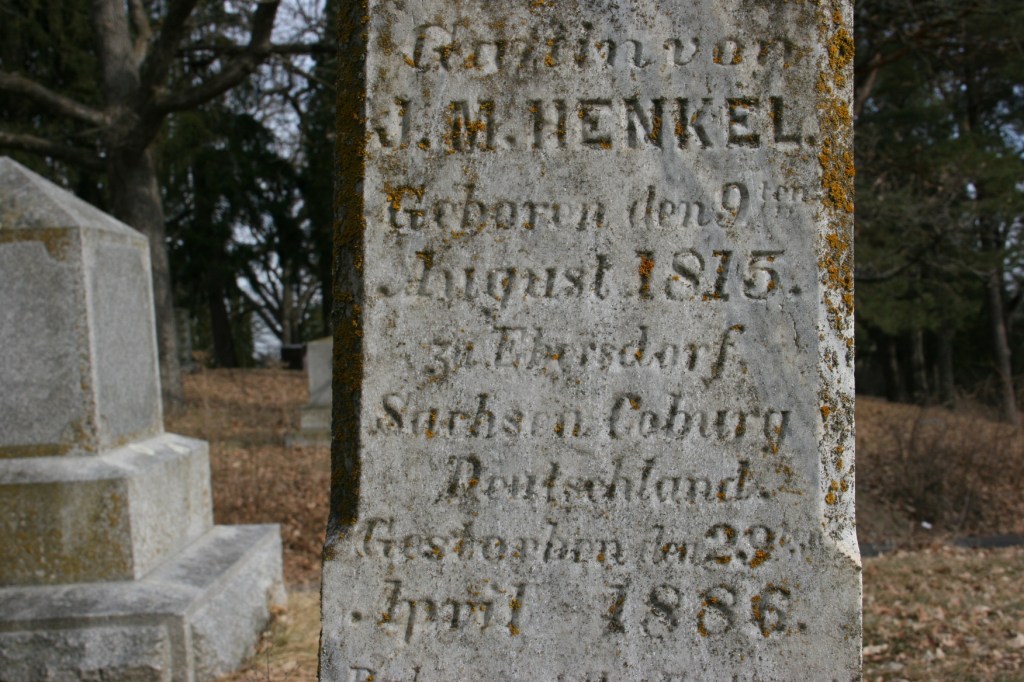
A tombstone inscribed in German.

A tombstone inscribed in German.


FYI: Click here to read an unofficial Facebook page for Oak Ridge Cemetery. It offers lots of information on those buried here.

The Dalby Database is also an excellent source of information for those buried in cemeteries throughout Minnesota.

© Copyright 2017 Audrey Kletscher Helbling
 

Into the woods on an autumn afternoon in southern Minnesota November 10, 2016

Filed under: Uncategorized — Audrey Kletscher Helbling @ 5:00 AM
Tags: , , , , , , , , , , , ,

autumn-day-35-walking-in-leaves


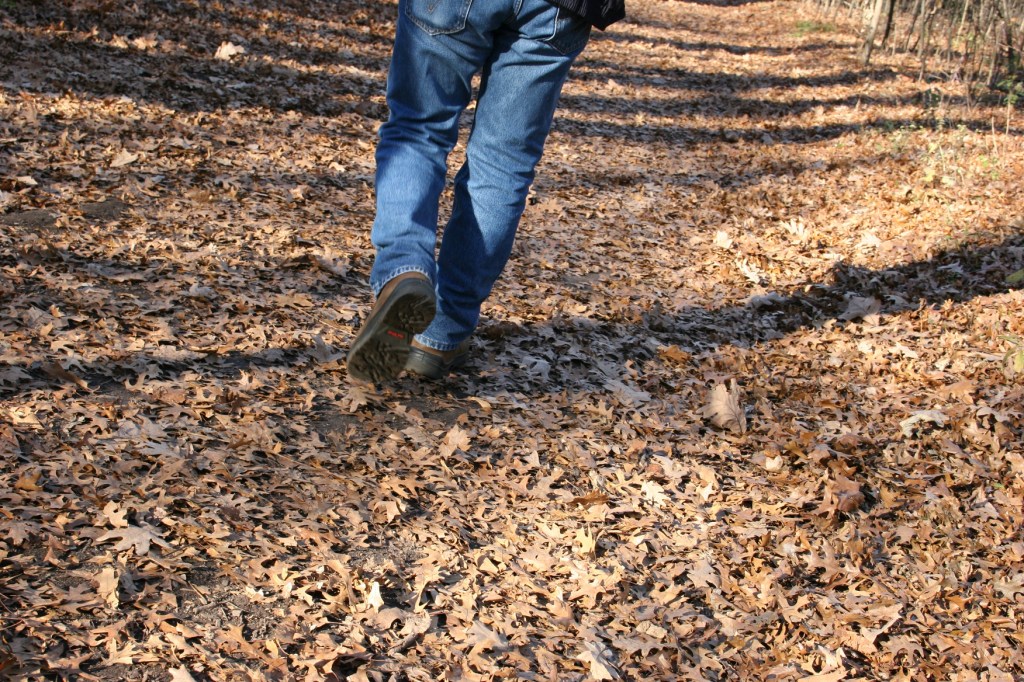
I DOUBT I’VE EVER SEEN so many oak leaves layering the ground. Thick. Brown. Rustling underfoot.

As my husband and I hiked into Kaplan’s Woods in Owatonna on Sunday afternoon, I noticed the abundance of oaks that distinguishes this city park from other parks/nature centers I’ve visited.

There’s something about an oak that denotes history and strength.

Yet, the distraction of all those oak leaves crackling underfoot doesn’t detract from my ability to notice nature’s details.


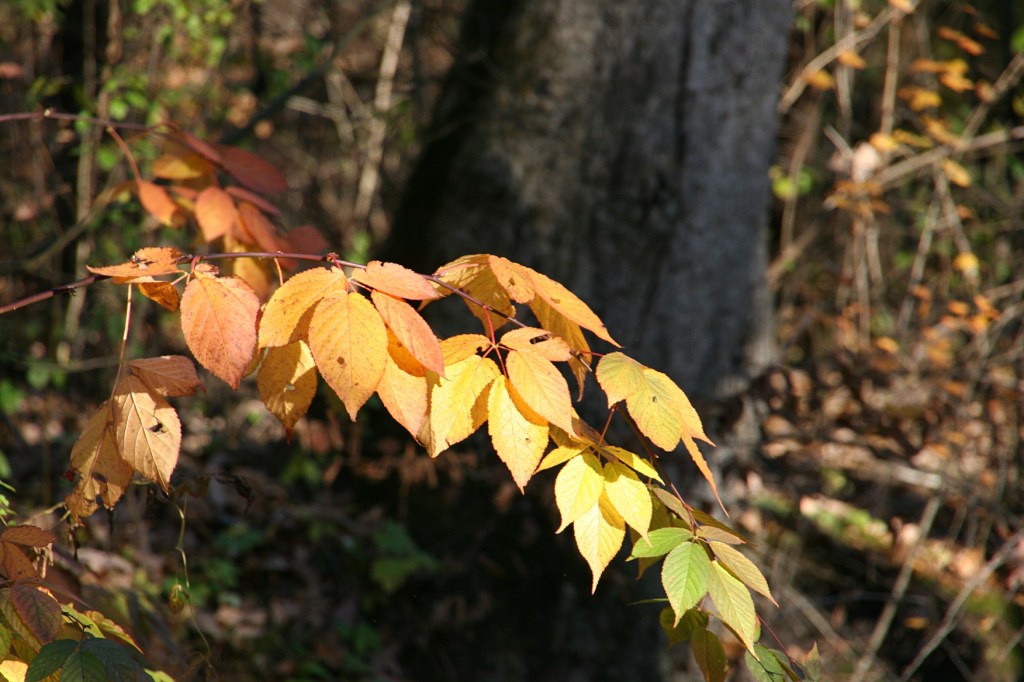
kaplans-woods-25-close-up-of-leaves


Flash of yellow among mostly brown and grey.


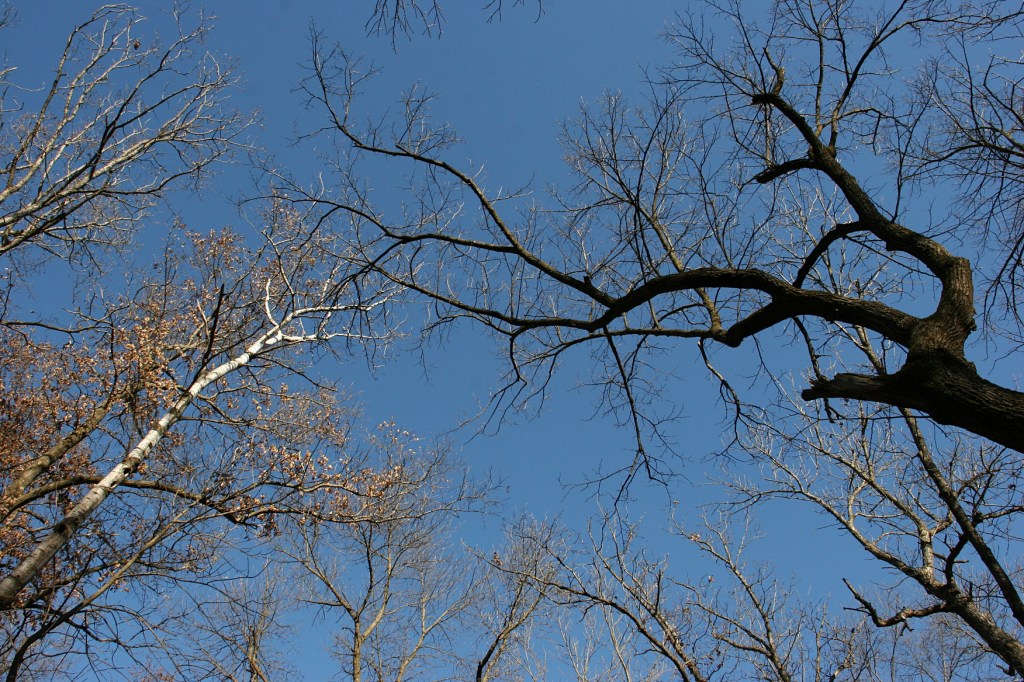
kaplans-woods-26-bare-trees


Bare (or mostly bare) branches set against a signature cobalt blue November sky.


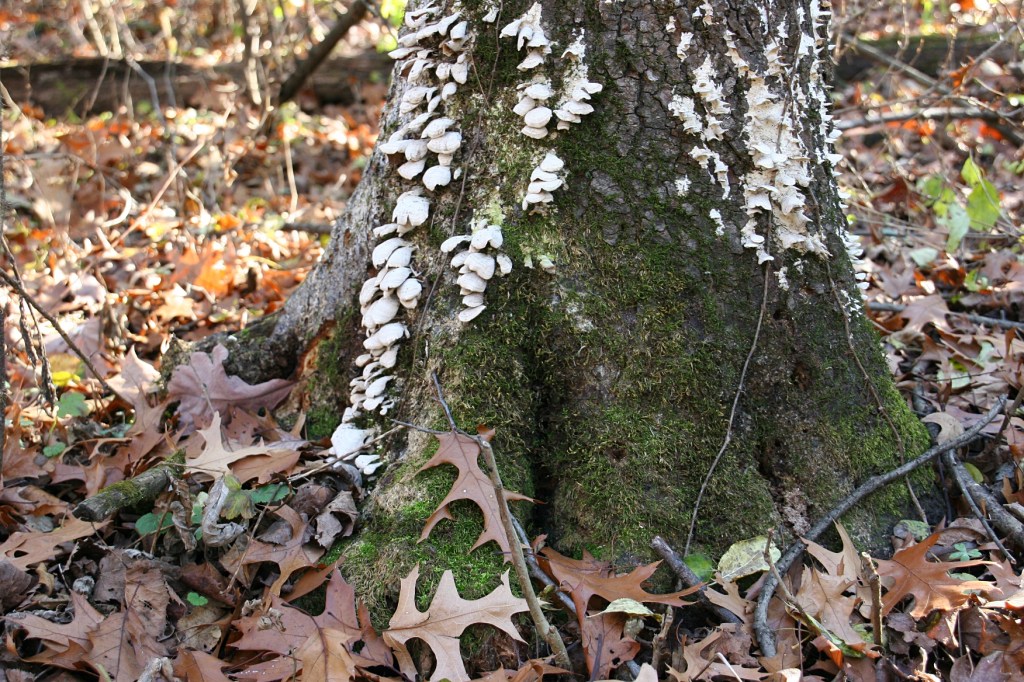
kaplans-woods-29-fungi-on-tree


Fungi laddering up a tree trunk. Beautiful in an artistic, natural way. Like Nature’s sculpture.


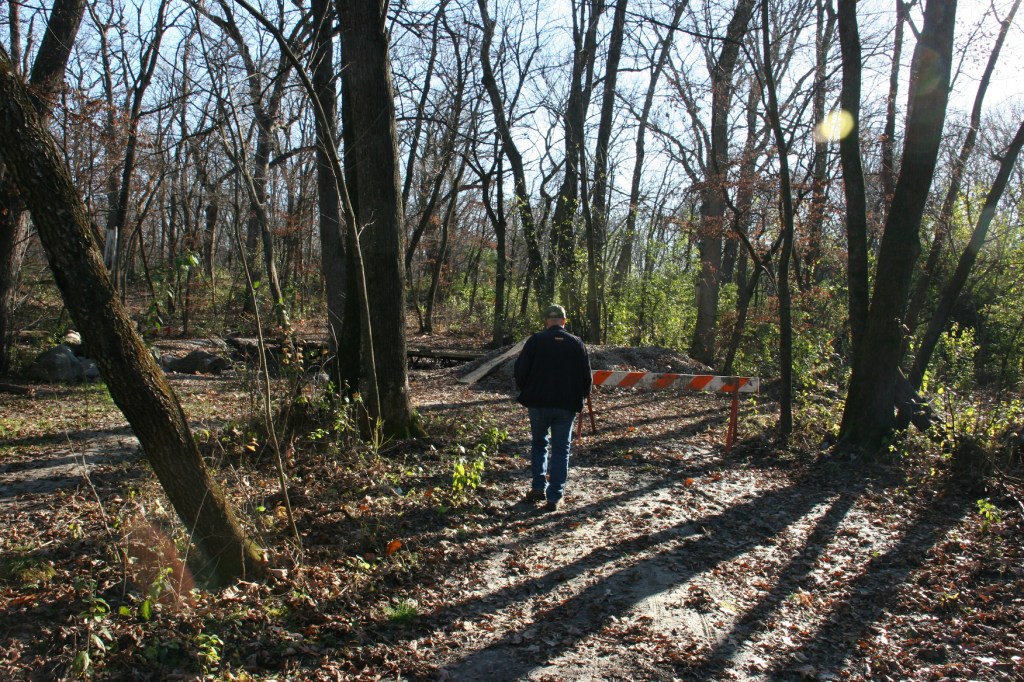
kaplans-woods-32-barrier-in-woods


And then an unnatural road block at the end of a muddied path. “A gated community,” Randy jokes. And we laugh. Together. In the woods, under the oaks.


kaplans-woods-33-initials-in-dirt


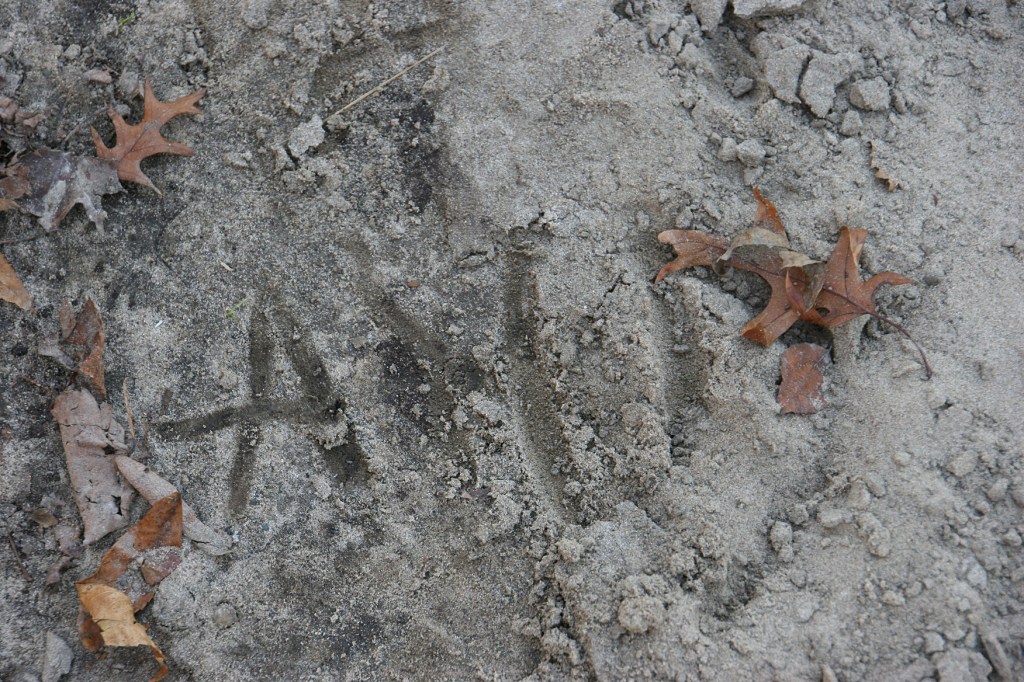
In the dirt, initials carved with a stick, an “A” and maybe a “U.” Another Audrey? Probably not.

We turn around, our path blocked. I suggest we return to the main trail into the woods. We’re unfamiliar with this place and I have no intention of getting lost. Neither does Randy.


kaplans-woods-34-moss-on-trees


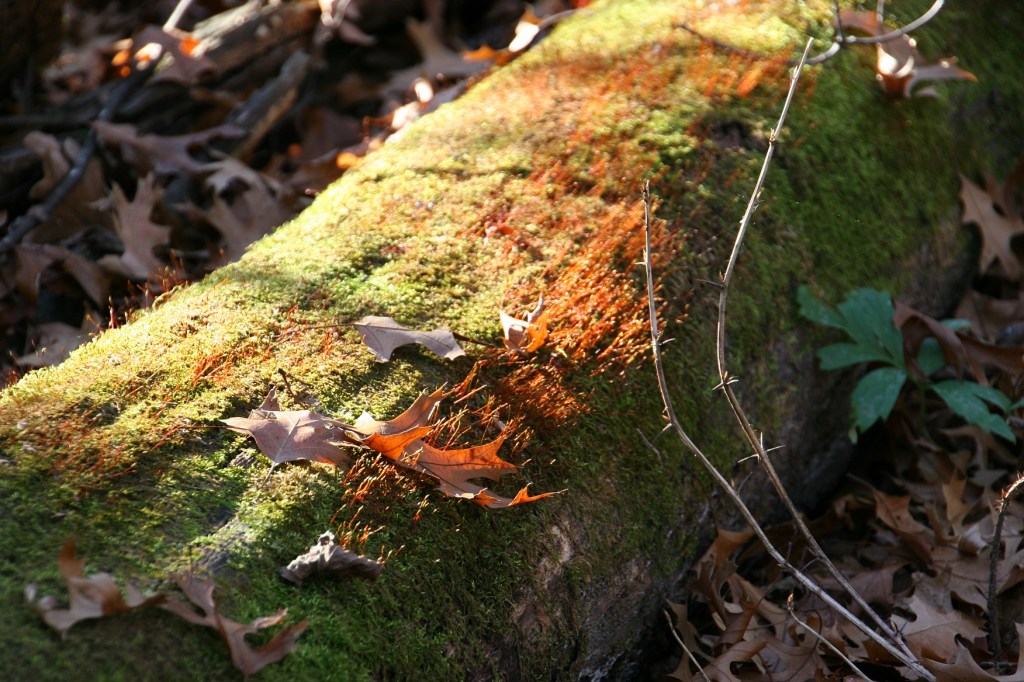
Leaves crunch beneath our shoes. But then I stop abruptly, swing my camera left toward a moss covered log, the golden light falling just right.

I fail to hear or notice the runner closing in behind us. I’m in the zone, focused on photographing a selected scene. Randy, however, is watchful. He warns me. We step aside and continue on, a biker now barreling toward us on his mountain bike.

© Copyright 2016 Audrey Kletscher Helbling