
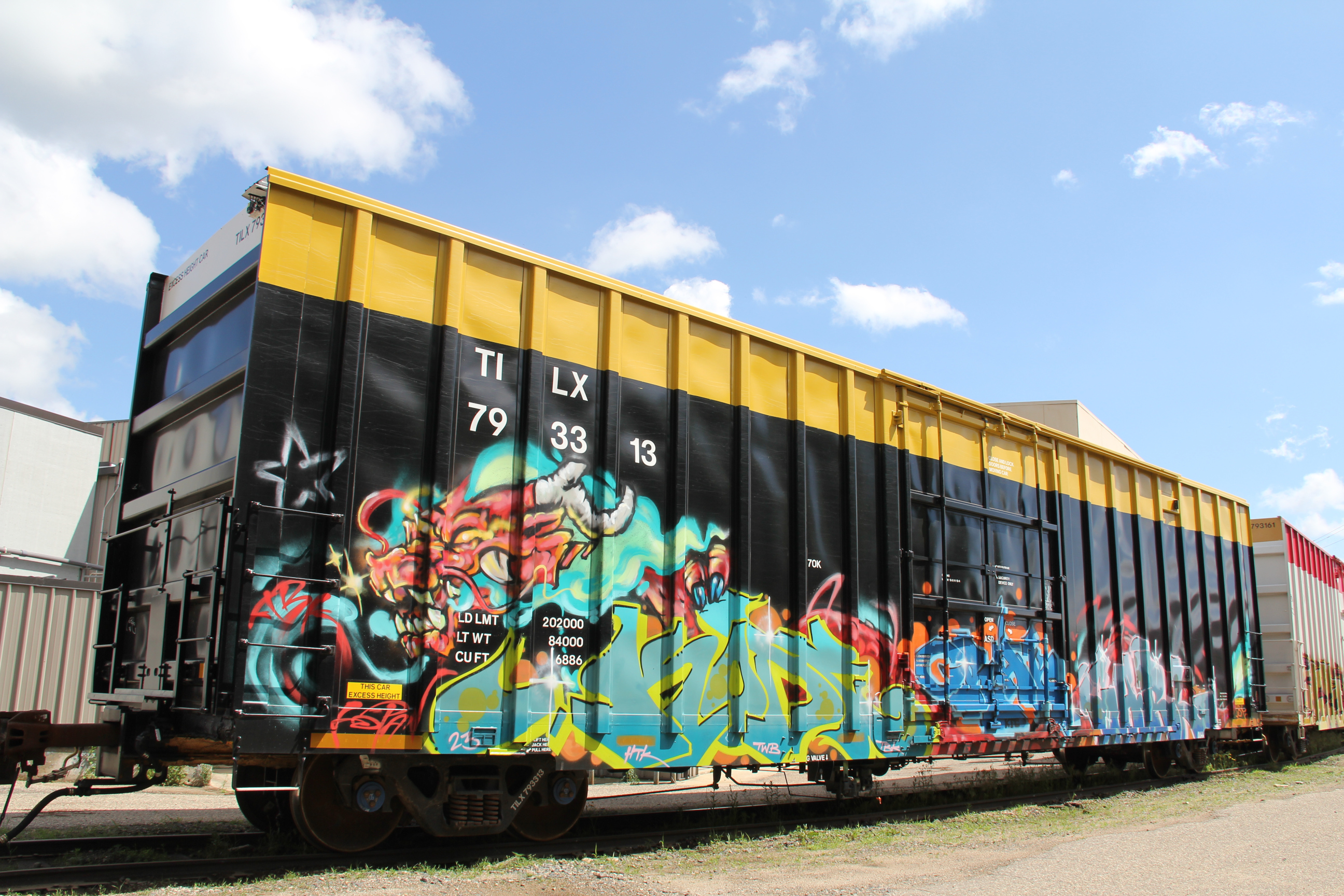
ADMITTEDLY, I POSSESS no understanding of train art. Yet, I appreciate it. Not as the graffiti it is by definition, but rather because I see the images and words as art. A traveling art gallery. I doubt railroad companies would agree.
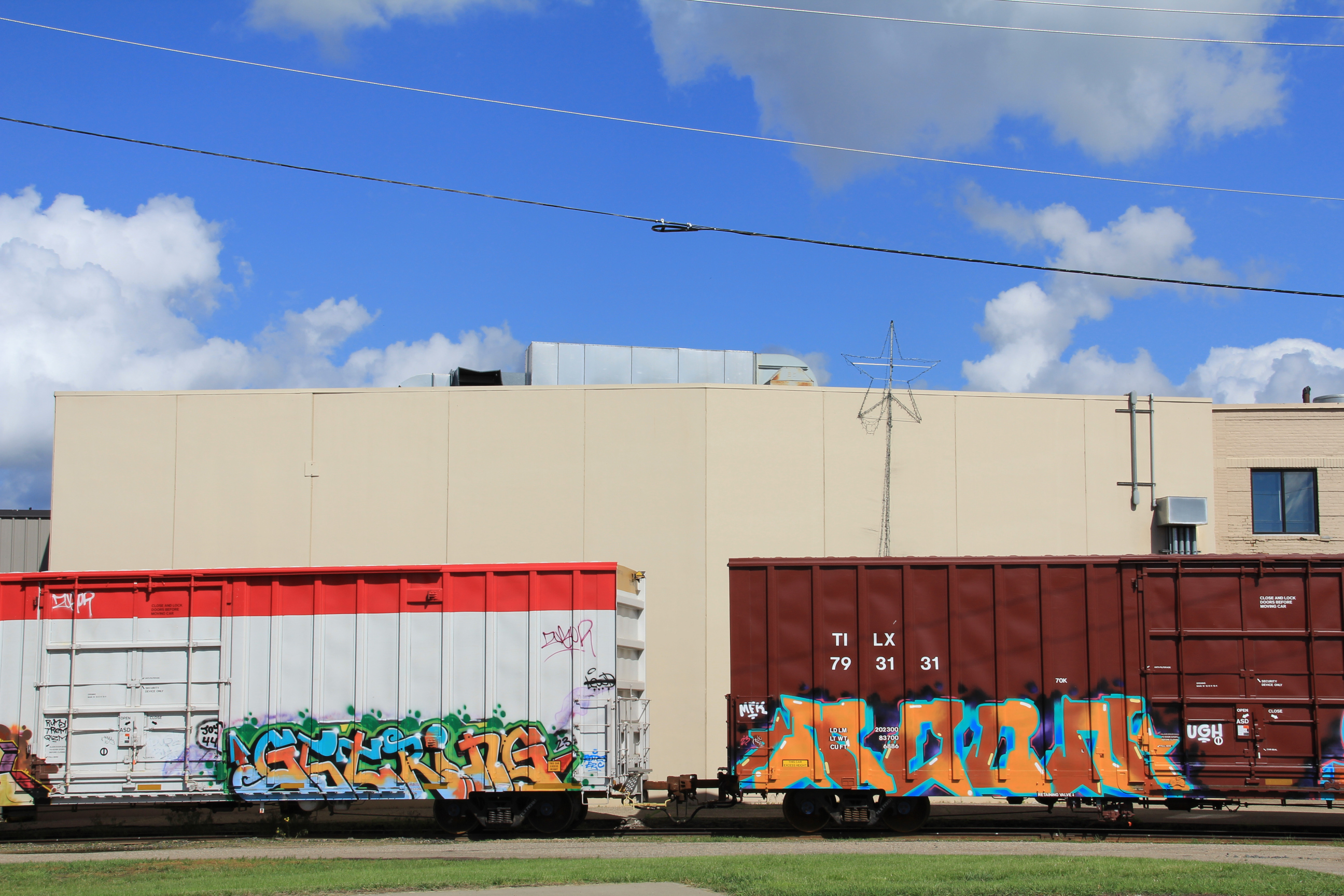
Watch any train pass by or view a line of parked box or tanker cars and you likely will see this art form. Whenever I spot this art, I wonder, “How and when do these artists manage to paint these sprawling words and images without getting caught?”
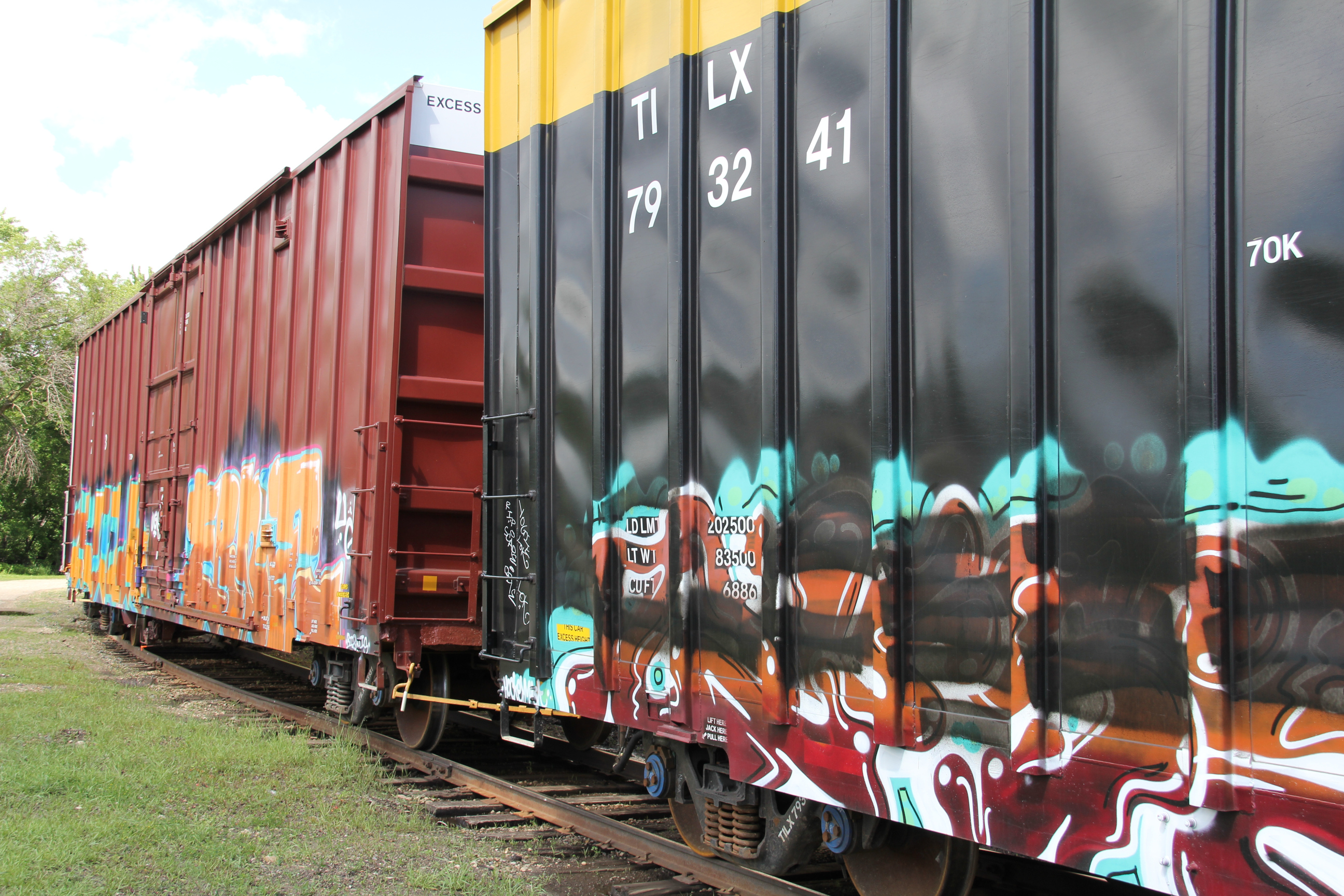
Then I try to decipher the words, which are mostly indecipherable to me. My eyes can’t separate the often over-sized uppercase letters that jam together. Even standing back to read from a distance usually doesn’t help.

But occasionally I figure something out and then it’s like a moment of confused clarity. Why this word? Why this art? Why this fiery orange dragon (if that’s really what it is) stretching the length of a boxcar?
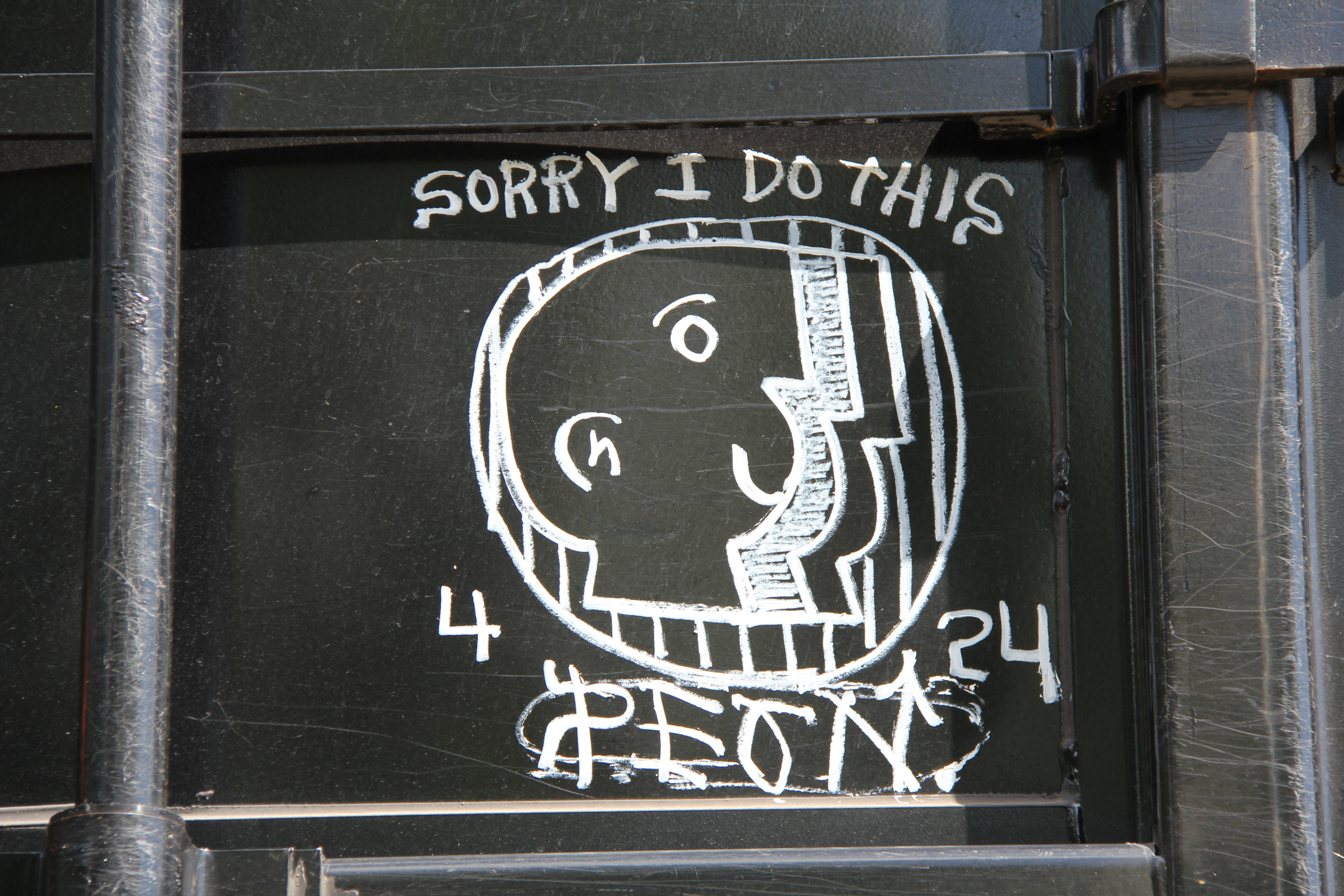
For the artist, like any visual artist, there is meaning behind the art. I’m just not privy to the backstory. Sure, some of what I’m seeing could be gang graffiti. But mostly, I expect it is not. And if I view the train art in Faribault, for example, that doesn’t mean the work originated locally. Likely it did not. Trains travel all over the country.

There are exceptions, though. While looking at art on short rows of parked boxcars a few months back in Faribault, a young couple was doing likewise. I asked whether they were the artists. The response from one: “I can neither confirm nor deny.” Later, as I rounded the row of boxcars and the pair were heading for two vehicles parked nearby, I got my answer. There, along the bottom edge of a boxcar, block letters dripped baby blue paint. DOLLFACE had left her signature.
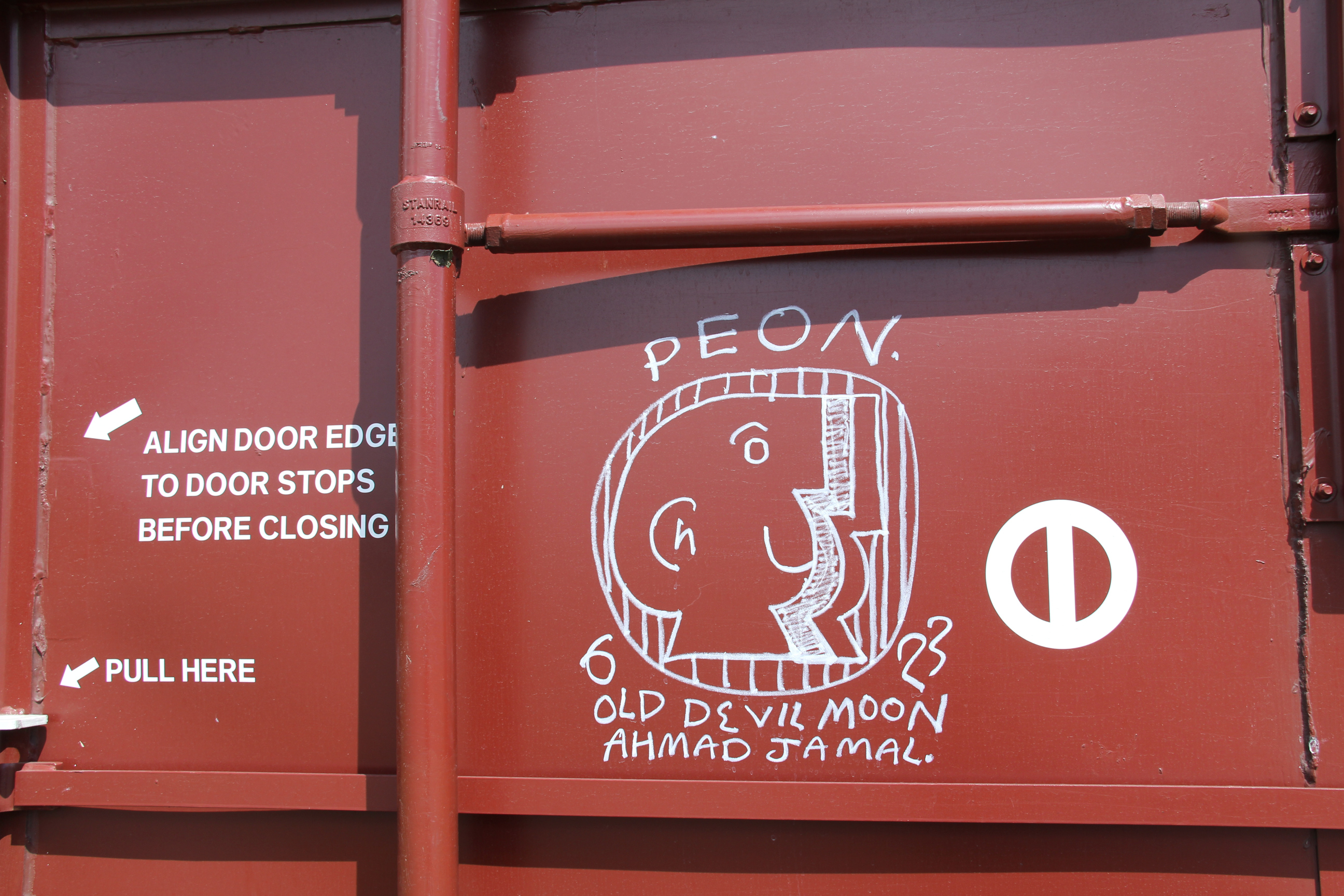
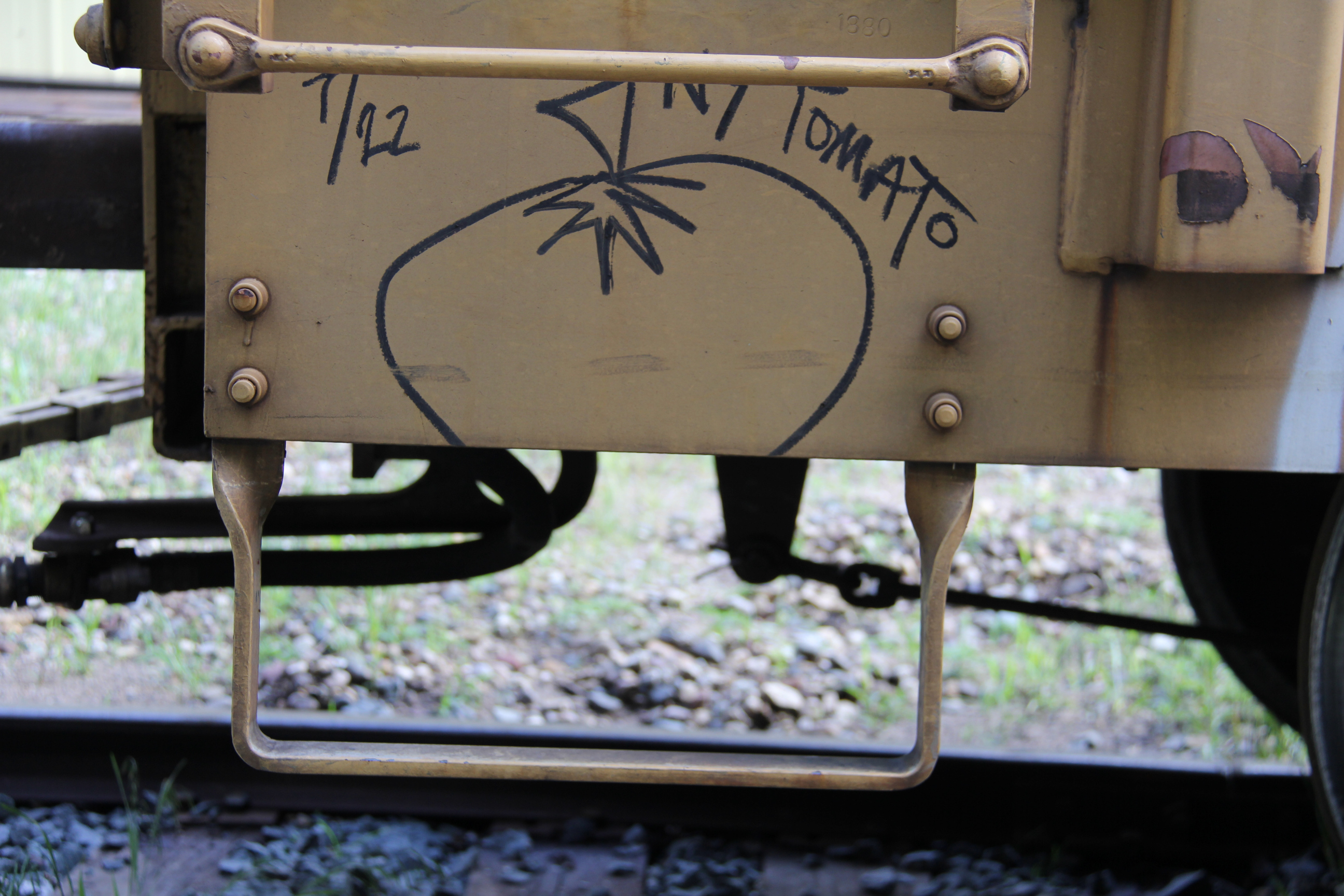
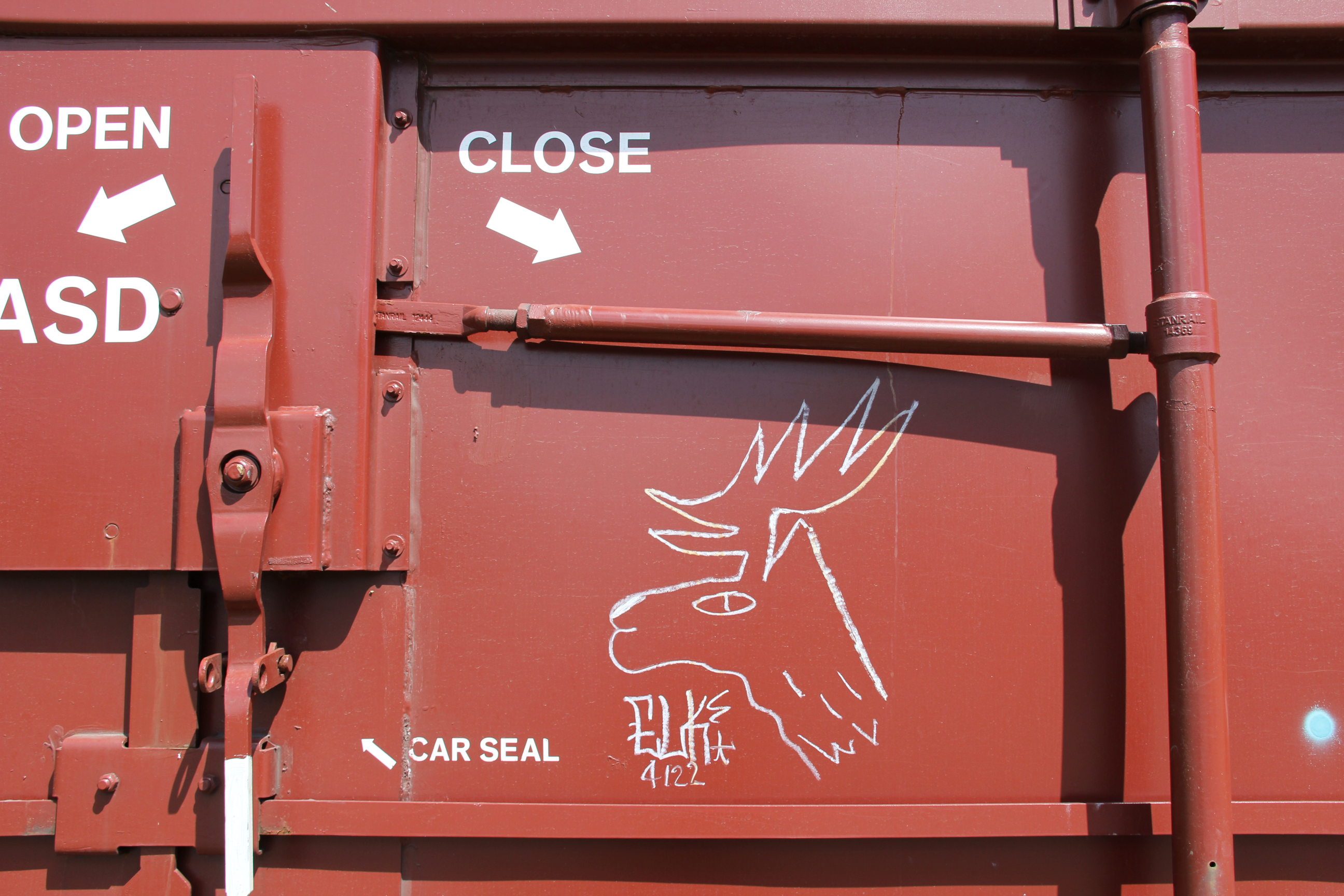
Other artists left their signatures, too, or what I can only assume are their signatures, along with dates, messages and social commentary. It’s all a bit of a mystery to me.
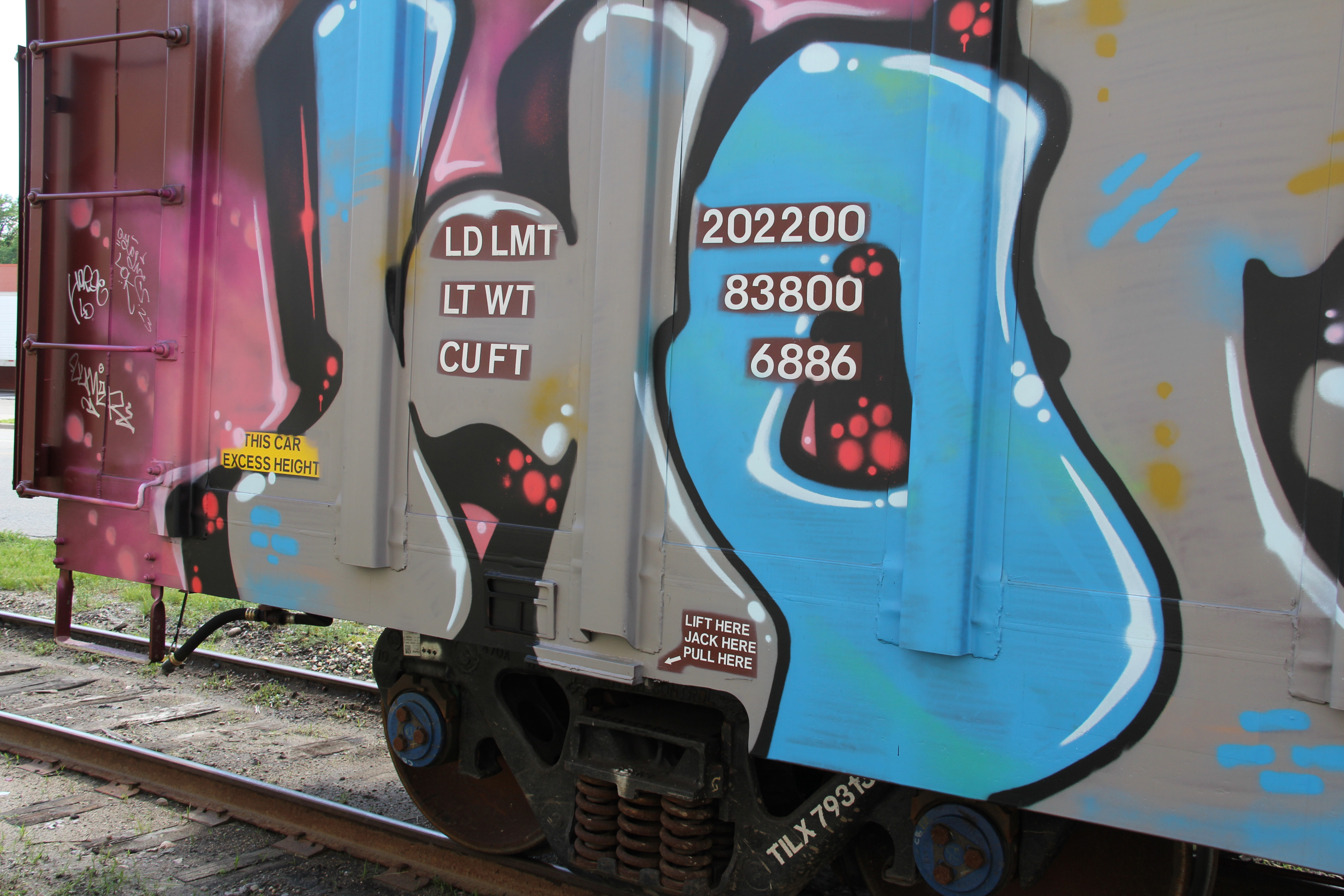
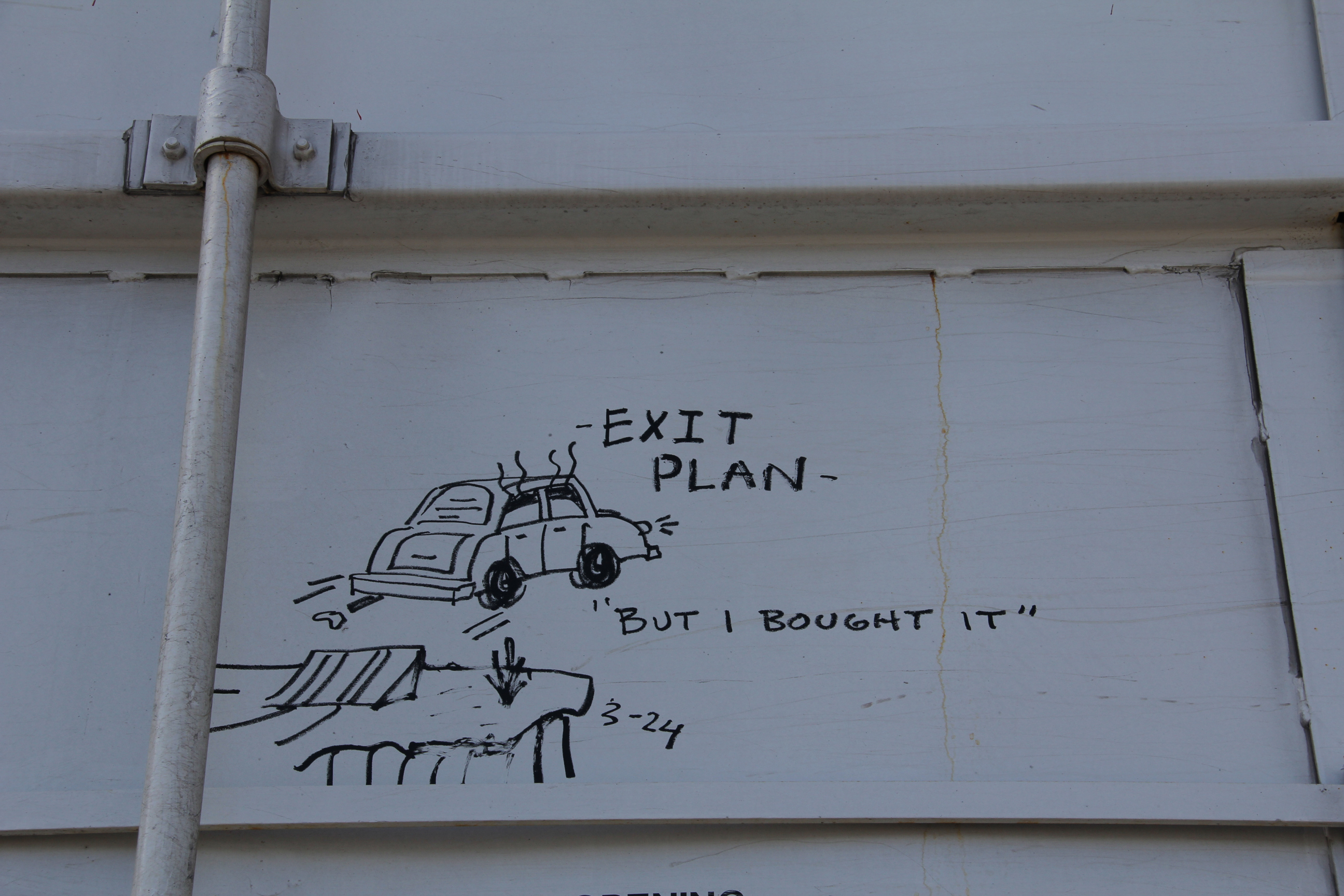
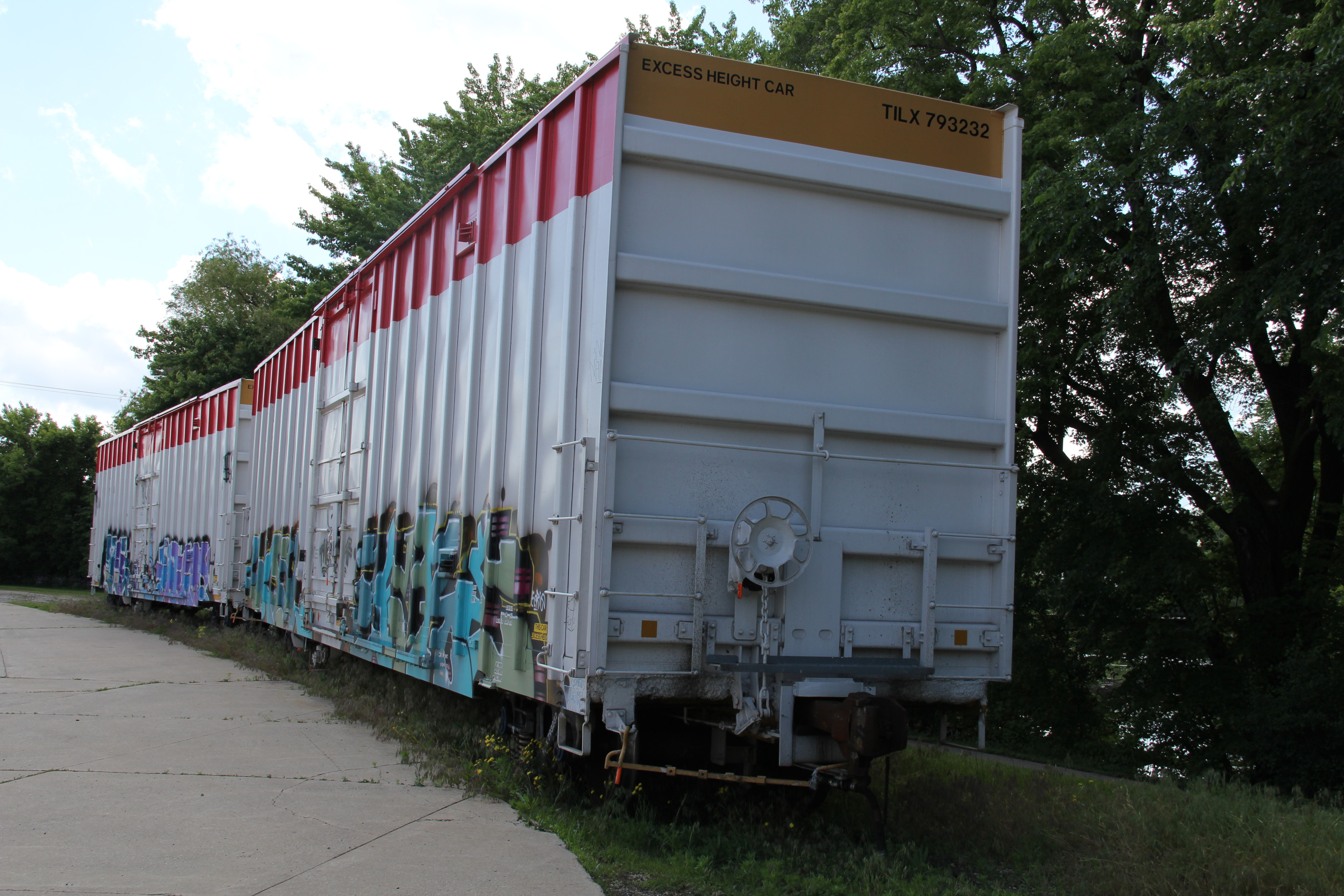
But I appreciate the skill, the effort, the creativity, the vibrant hues that go into creating this art form. Long ago, hobos—who today would be termed as “homeless”—rode the rails and left their art upon boxcars primarily as a way to communicate. Train art has a longstanding history in this country.
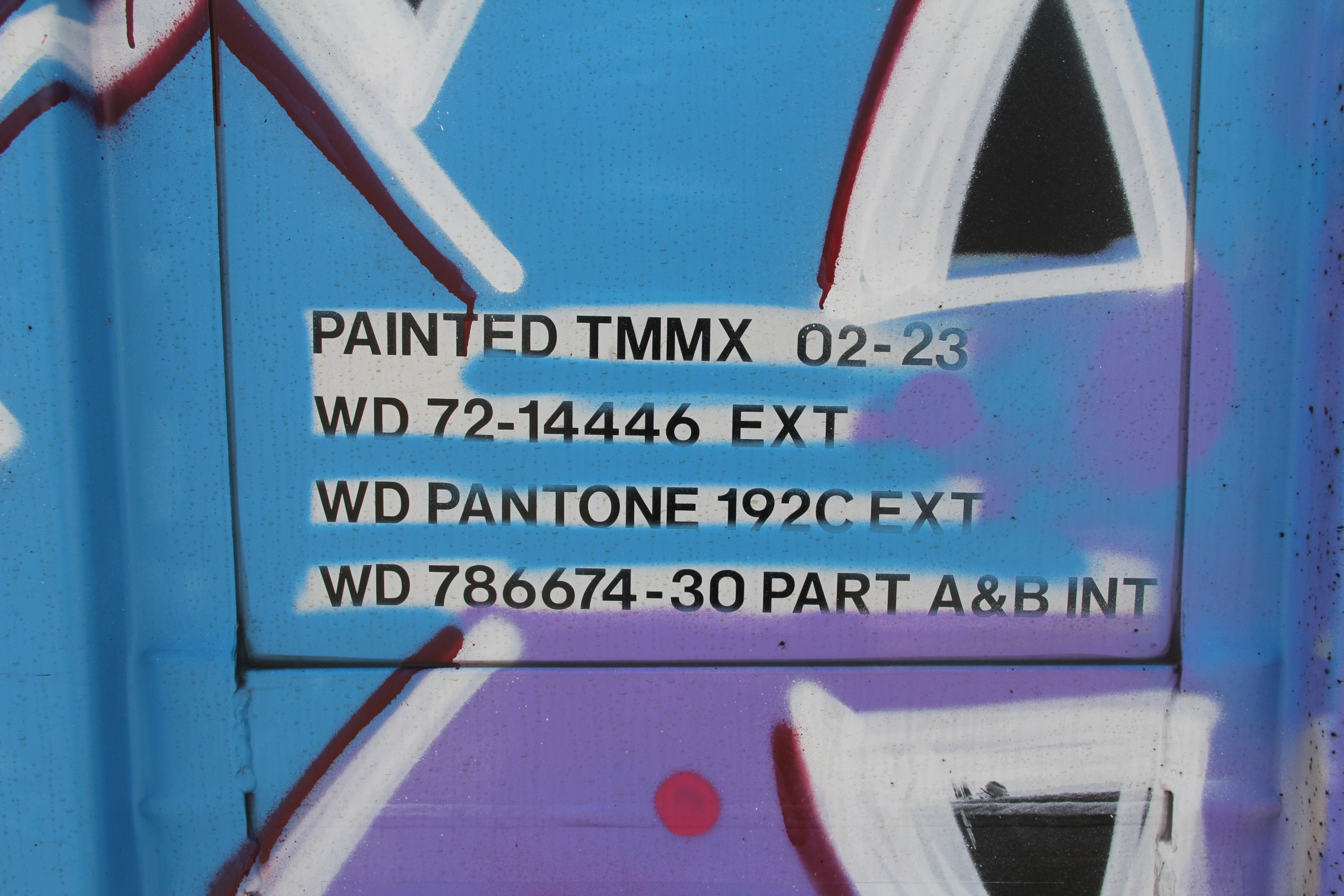
And that continues today. Perhaps not in the same way. But assuredly as an art form. Or as graffiti, depending on perspective.
© Copyright 2024 Audrey Kletscher Helbling




 Minnesota Prairie Roots
Recent Comments